




Cover Story
Cover Story
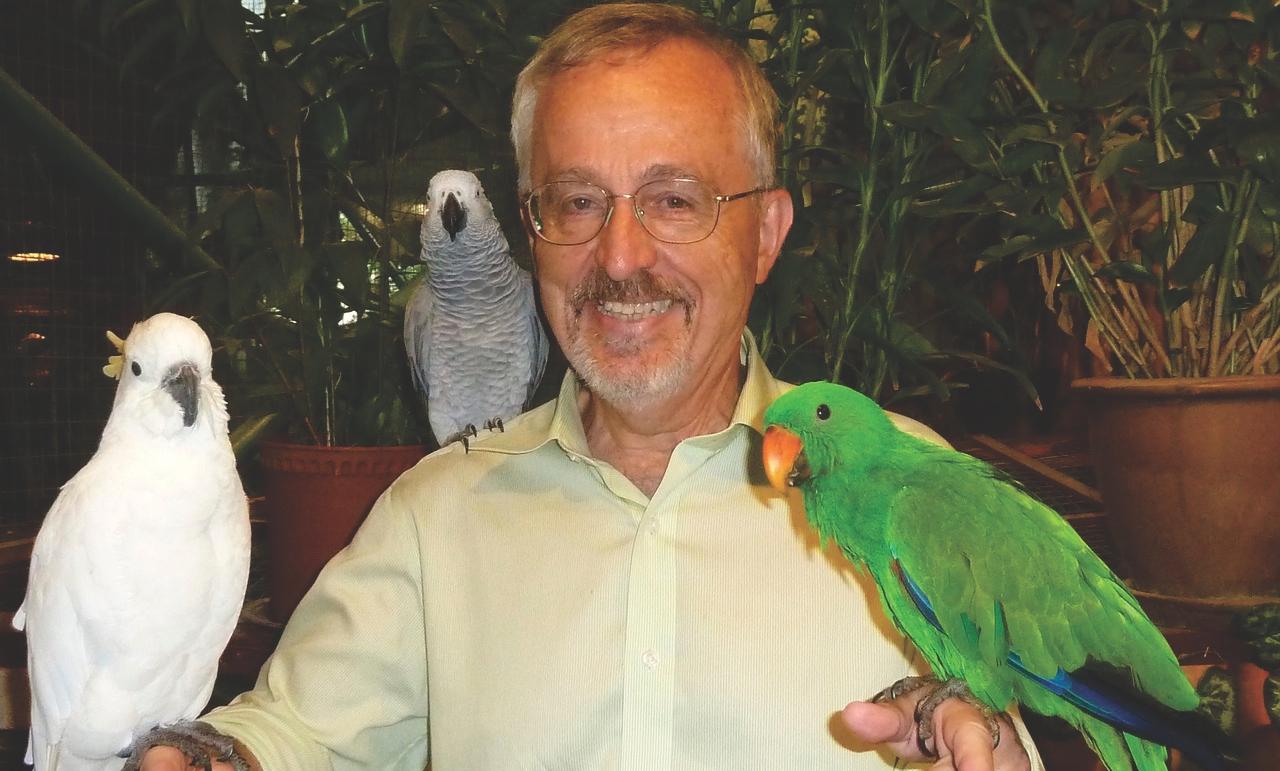
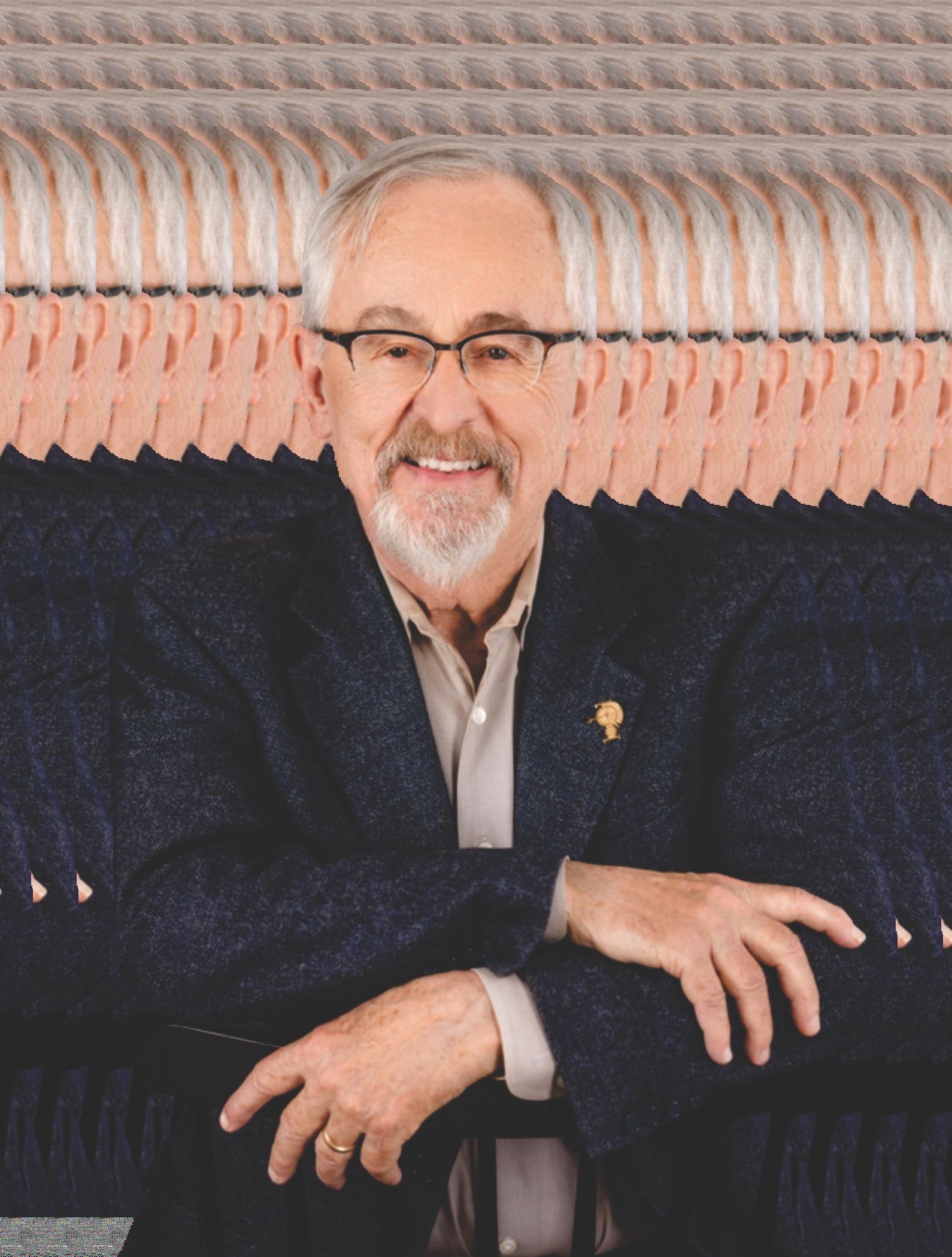
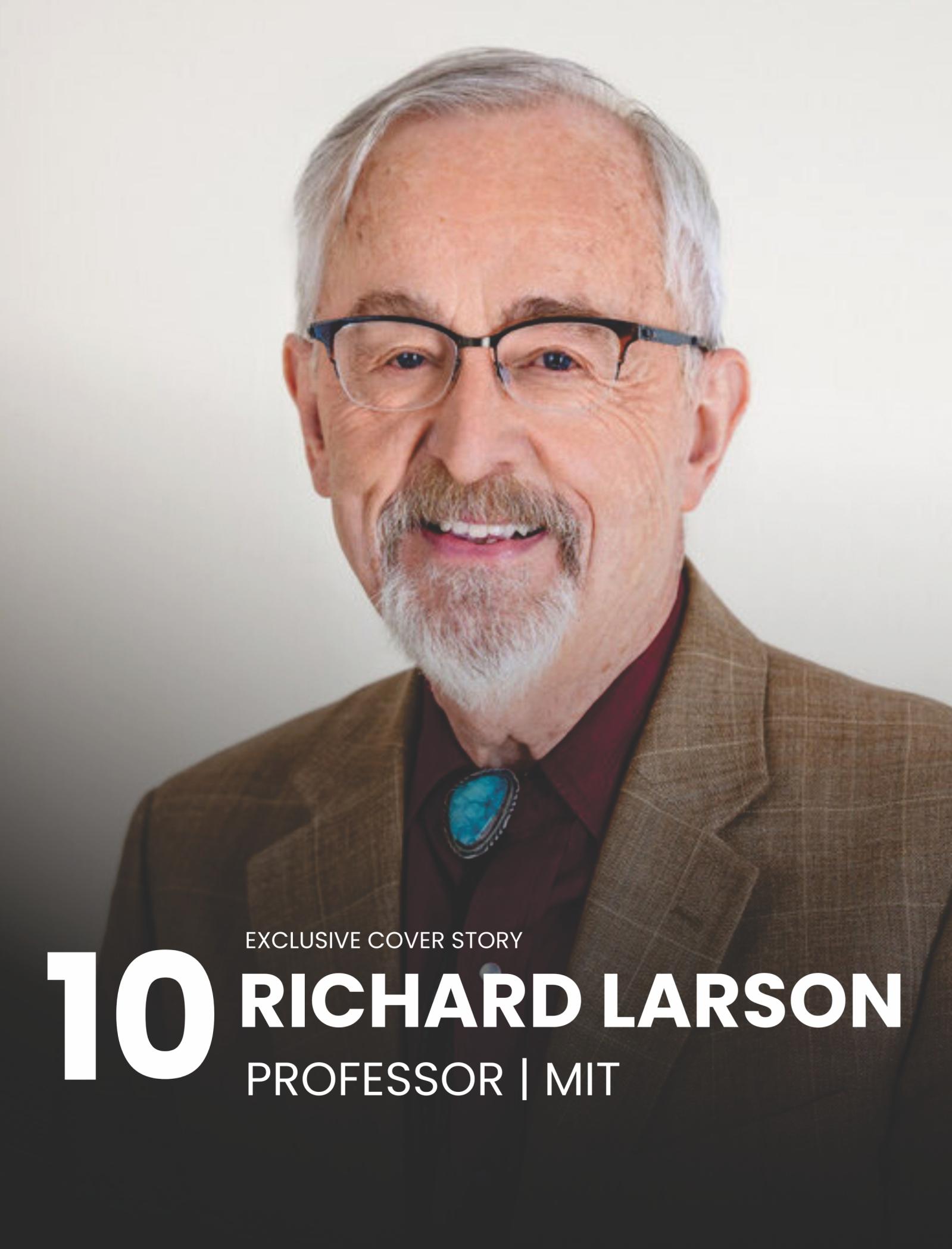
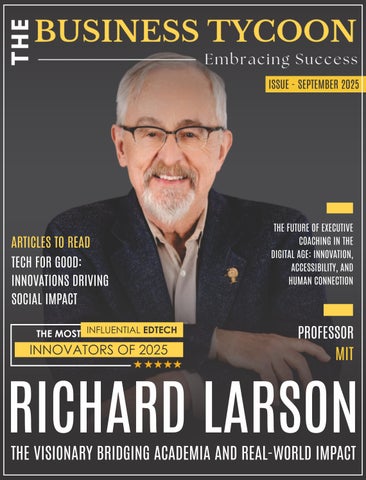
Renowned globally for his pioneering contributions to service science and operations research, Richard Larson stands at the forefront of innovation at the Massachusetts Institute of Technology (MIT). Affectionately dubbed “Doctor Queue,” Richard’s research has redened how we perceive and design systems that impact our daily lives. His ability to translate abstract mathematical theories into impactful, real-world applications reects the transformative potential of academia when directed toward societal good. Based on The Business Tycoon Magazine’s June 2025 cover story, this article explores the remarkable journey of a scholar whose inuence continues to inspire and reshape industries and public services alike.
AtthecoreofRichard’sacademicpursuitsliesa deepcommitmenttoqueuingtheory,thestudyof waitinglinesandservicedynamics.Farbeyond theoreticalmodeling,hisworkhasbeenapplied tocriticalsectorssuchashealthcareand emergencyservices,enhancingtheirefficiency andresponsiveness.Hisanalyticalmodelshave optimizedambulancedispatchsystems,reduced publicwaitingtimes,andimprovedemergency responsemechanisms,transformationsthathave hadlife-savingimplications.Hiswork exemplifiesthevalueofappliedresearch, bridgingthegapbetweenacademicexploration andsocietalbenefit.
AChampionofInterdisciplinaryInnovationat MIT
WhatsetsRichardapartishisinterdisciplinary philosophy AtMIT,hehasspearheaded initiativesthatmergeengineering,management, andpublicpolicytoconfrontpressingglobal challenges.Oneofhissignatureaccomplishments
istheestablishmentoftheMITLearning InternationalNetworksConsortium(LINC),a programthatharnessestechnologytodemocratize educationworldwide.LINCfacilitatesglobal collaborationamongeducatorsandlearners, promotingbothequityandinnovationin internationaleducation.Hisworkcontinuestoset newstandardsininterdisciplinaryproblemsolving.
AmongRichard’smostimpactfulcontributionsis hisworkonurbanemergencyresponsesystems. Byapplyingqueuingmodelstoreal-time ambulancedeployment,hehassignificantly improvedresponsetimesinmetropolitanareas, ultimatelysavinglives.Theseachievements highlighthisenduringcommitmenttoleveraging academicinsightsforsolvingreal-worldcrises. Hisworkunderscoresthesocialutilityofservice scienceasavitaltoolforenhancingpublicwellbeing.
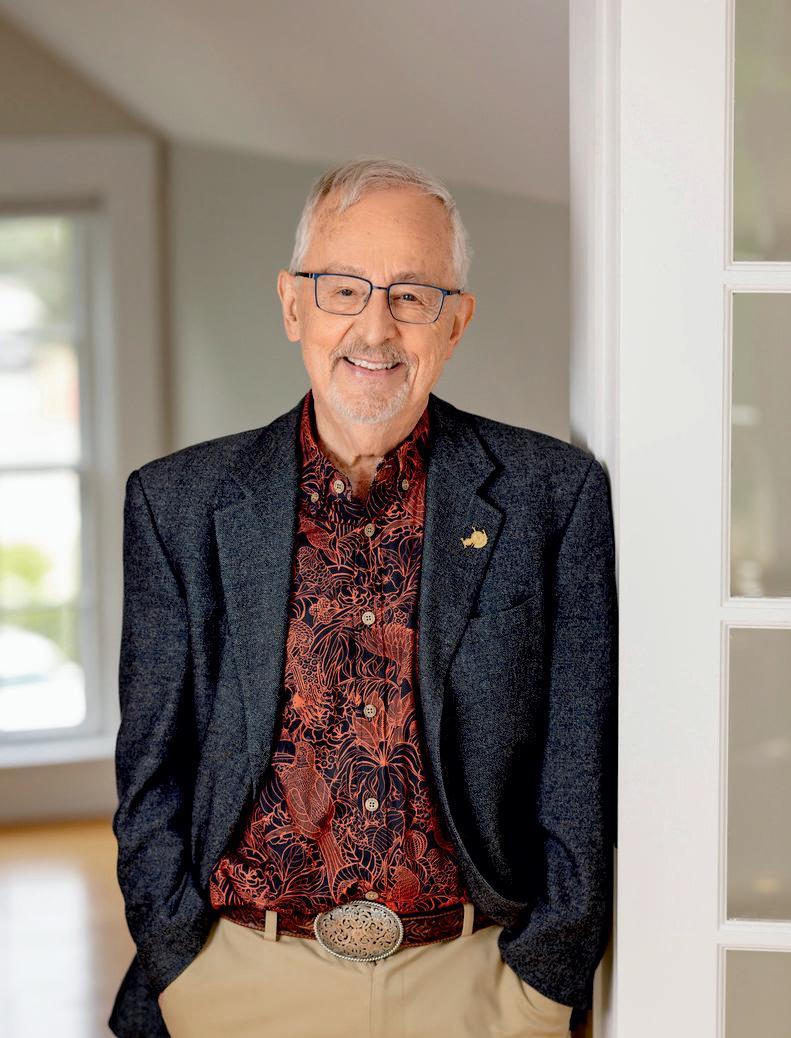
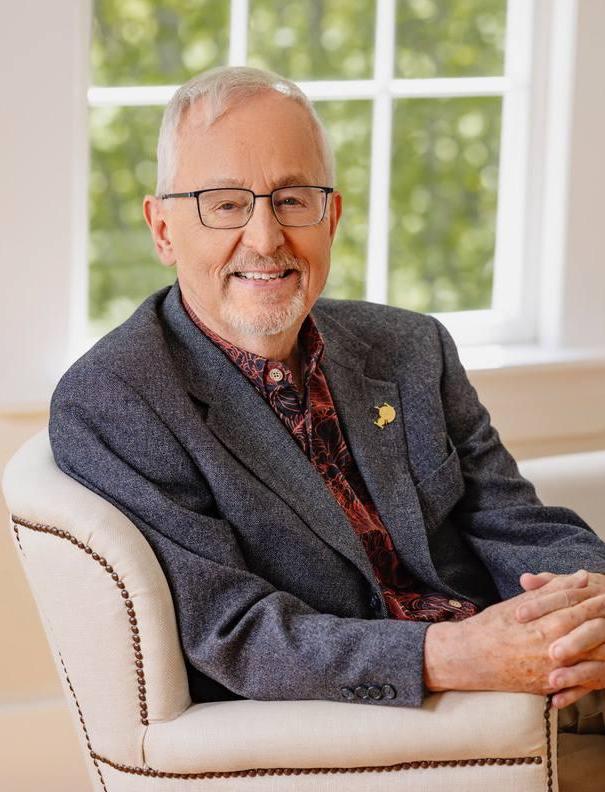

Beyond research, Richard is deeply respected for his role as a mentor and educator. His teaching approach emphasizes critical thinking, ethical leadership, and cross-disciplinary collaboration. Many of his mentees have gone on to lead in academia, industry, and government, carrying forward his legacy of innovation and service. His mentorship fosters not just knowledge, but the human potential necessary for meaningful, long-term impact.
His latest publication, Model Thinking for Everyday Life, advocates for a return to analytical fundamentals, promoting mathematical models as practical tools for sound decision-making. Rather than defaulting to digital solutions, it urges readers to step away from their screens and engage in active, manual reasoning, a method that has garnered signicant praise.
In recent years, Richard has turned his attention to the intersection of articial intelligence (AI) and education. Viewing AI as a tool to personalize and enhance learning, he champions its integration in ways that retain the essential human dimension of teaching. His forward-thinking vision emphasizes the role of AI in augmenting, not replacing, educators, creating a future where technology supports, rather than supplants, the human experience in learning.
Richard’s distinction reects his unique ability to envision new avenues where academic knowledge meets social innovation. From advancing service science and educational models to promoting global partnerships, he has consistently expanded the boundaries of what is achievable through research and collaboration.
Looking ahead, Richard’s contributions continue to resonate across disciplines. His blend of intellectual depth and practical relevance serves as an enduring model for scholars and professionals alike. By harmonizing theory with application, he has not only advanced knowledge but also improved lives around the world. His belief in service science as a solution-oriented discipline remains as compelling today as ever.
Richard embodies the ideal of the scholar-practitioner, a gure whose academic rigor is matched by a steadfast commitment to societal progress. His work in service science, mentorship, and global education initiatives illustrates how scholarship can drive tangible change. As the world steps into a new era of innovation and global connectivity, his legacy stands as a beacon of what is possible when intellect serves the greater good. He is, without question, the “Professor of Possibilities,” opening doors to a more efcient, equitable, and enlightened future.