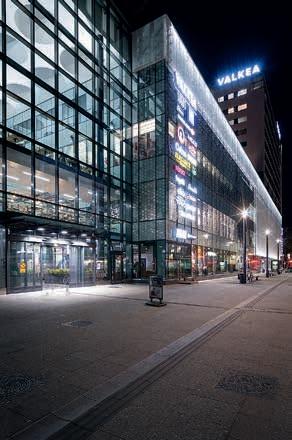
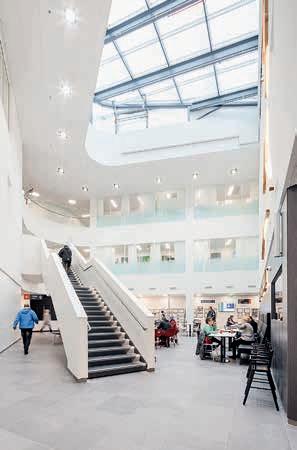
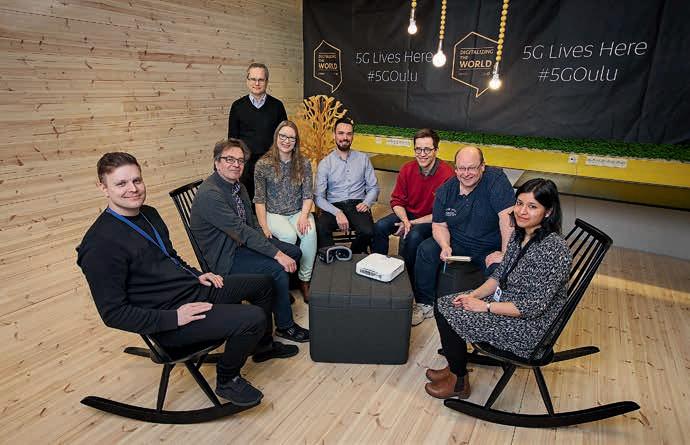
24–25 Technopolis PLC – UMA coworking network is an engine of growth
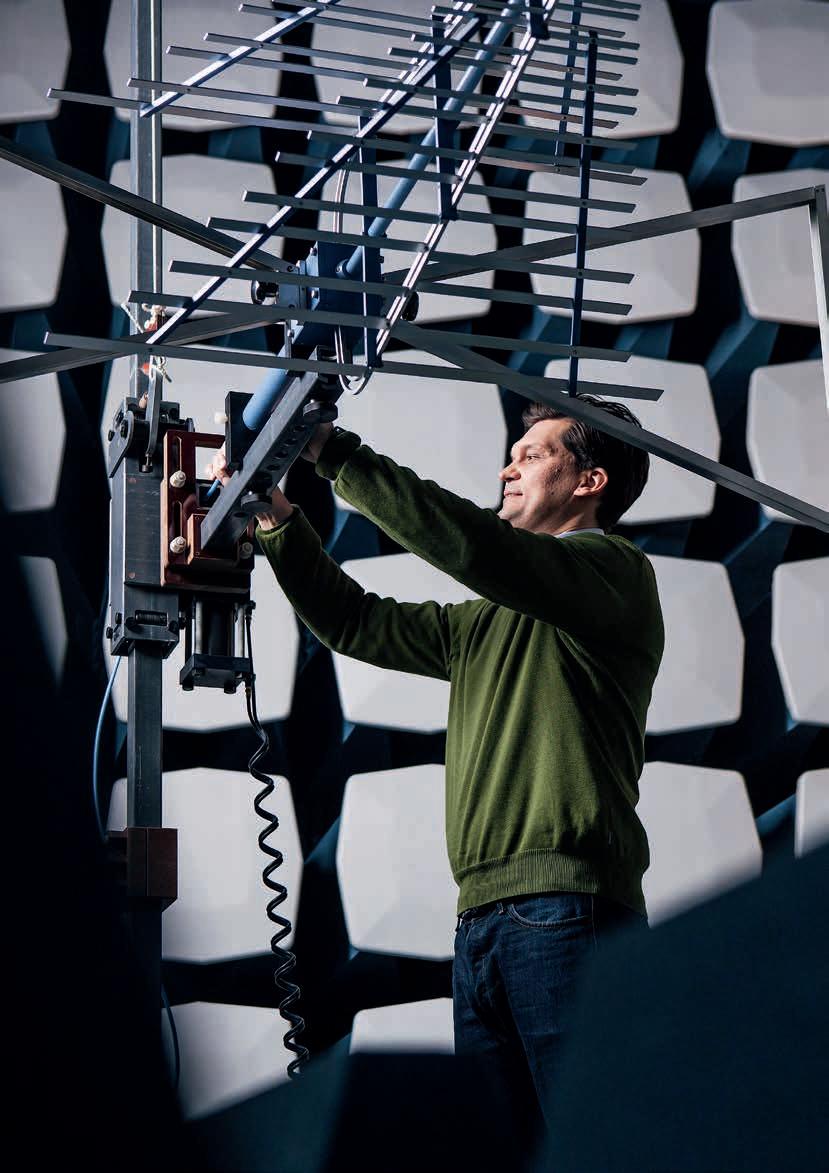
26–27 VTT – The new rise of Finnish electronics industry
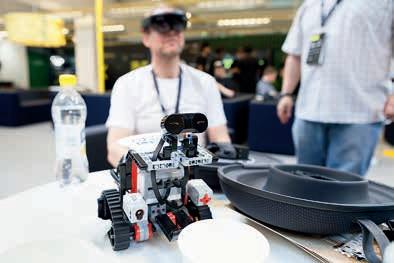
28–29 Nokia Oulu – Home of radio
30–31 Rakeistus Oy – Refines ash and sludges into fertilizer and earth construction raw material
32–33 Betamet Oy – Versatile expert in demanding plant installations
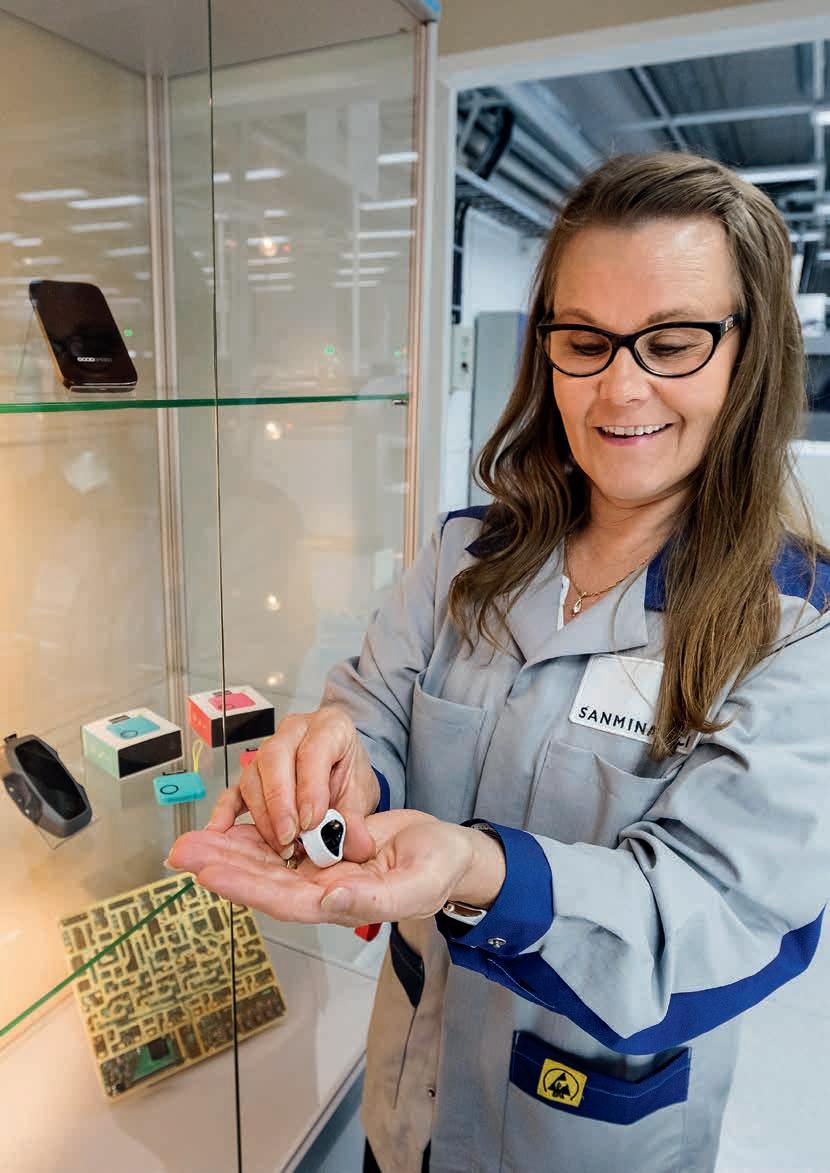
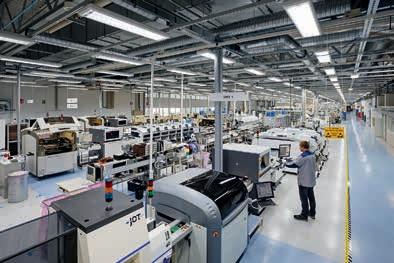
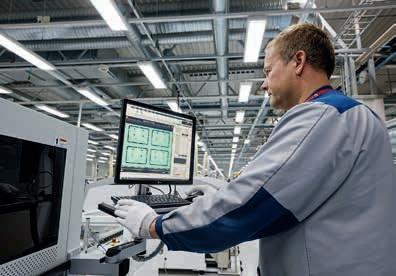
34–35 Sanmina Oy – Sanmina manufactures turn-key products
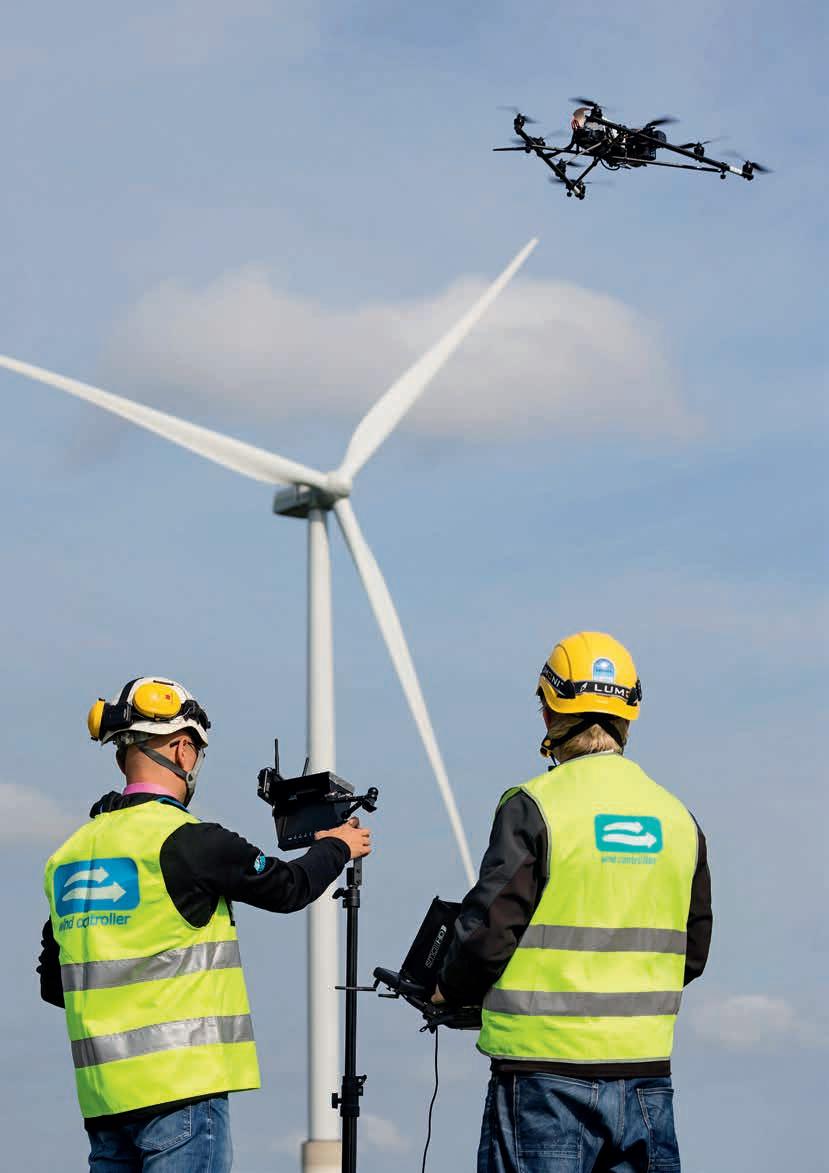
36-37 Wind Controller Oy – Renewable energy operator
38–39 Honkamajat Oy – Healthy and ecological housing since 1963
40–41 Hätälä Oy – From the Oulu market square to an international premium fish product producer and supplier
42 North Ostrobothnia – A friendly place for businesses
43 Nestor Cables Oy – Continuous growth in telecommunication data transfer increases the demand for fiber optic cables
44–45 Profiilikeskus Oy – Finnish expertise in sheet metal roll forming
46–47 Nikama Design Oy – Top class designs from Finnish steel
48–49 A unique factory milieu adjacent to the city of Oulu
50–51 Stora Enso – A global market rethinker
52 Kraton – Sustainable solutions.
Endless innovation.
53 Akzo Nobel Finland Oy – The best solution for pulp bleaching
54 Efora Oy – Operative Transparency is Smarter Maintenance
55 Maintpartner Oy – Human and artificial intelligence safeguarding plants 24/7
56 Synthomer Finland Oy – Strong expertise in latex production
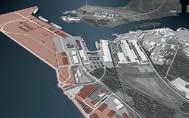
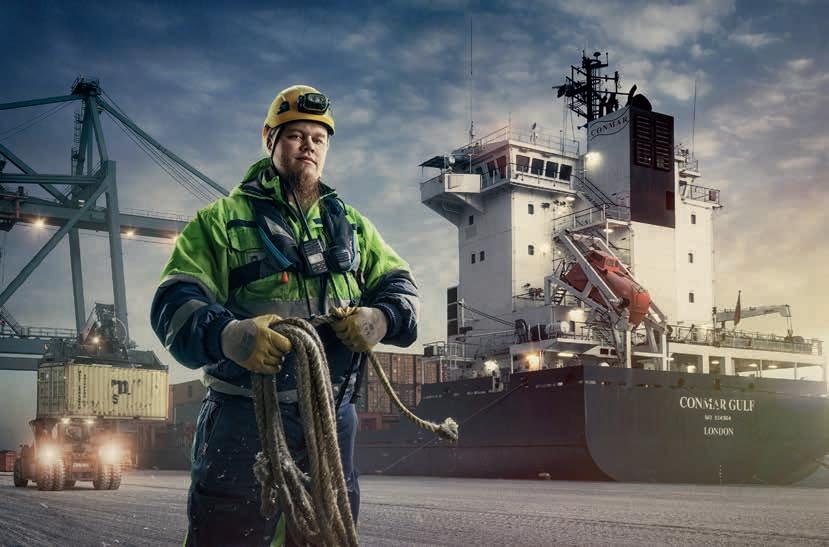
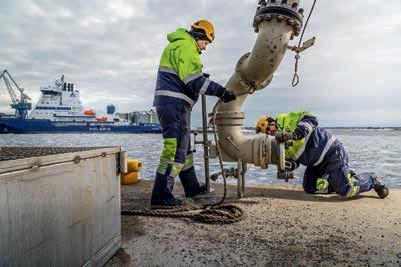
57 Oulun Satama – Internal and external investments in the Port of Oulu
58–59 Bothnian Arc – A strong concentration of business and know-how
61 City of Oulu – Excellent operating conditions for businesses
62 Business Finland – Helps your business internationalize
63 Council of Oulu Region – Cares for the operating environment and supports companies
64–65 Liminka – A platform for growth
66–67 Ii – Green and smart growth in Ii
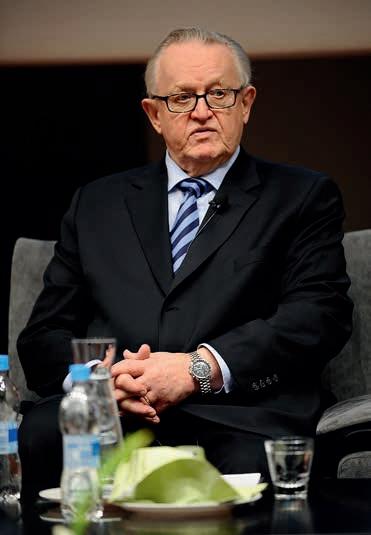
69–70 Martti Ahtisaari Institute of Global Business and Development
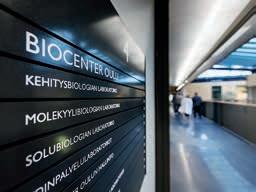
70 Biocenter Oulu – Top international center for fibrosis research
71 CWC – 5G will change everything
72–72 Oulu University of Applied Sciences – A common campus will increase attractiveness
74 Tj-koulu celebrates its 30th year
75 OSAO Oulu Vocational College – Individualized education
Oulu Region’s Growth is Boosted by a Positive Structural Change
Throughout its history Oulu Region has been the trade center, engine of development, and transport and logistical hub of northern Finland. It has been a gateway to the world and international trade for centuries. People have come here to live, study, work, and enjoy themselves. This will be true in the future, also, as Oulu Region offers diverse opportunities for success stories and growth companies.
In recent years Oulu Region has gone through a positive structural change that has diversified the industrial structure of the city and the surrounding municipalities. In recent decades the cutting edge of Oulu’s success had been strongly sharpened particularly in world-class telecommunications know-how. Today the range of companies in the ICT field is much broader. The world has changed at a rapid pace, but Oulu has been able to change along with the international operating environment. Oulu Region has succeeded in producing new expertise in new fields. These are the building blocks for the next “Oulu miracle”.
The region’s success does not rest only on the ICT field; Oulu Region has significant activity in all sectors of basic industry and a functional community structure that guarantees the prerequisites for a high-quality service sector. Oulu is the main center of the north—a city with a well-rounded palette of education, sports, culture, and events. The region’s high-level education
possibilities ensure that it will continue to be attractive to young people and there will be plenty of capable people available from here on, also.
People and companies do not live on work alone. Oulu Region’s nature is a significant factor of attractiveness. Unpolluted nature is an asset that the region wants to preserve. Oulu Region has responded to climate change and other significant environmental challenges with actions that promote the principles of sustainable development.
As a tourist destination Oulu Region has many assets in addition to nature that attract tourists from Scandinavia, Europe, Russia, and increasingly also Asia. Leisure-time travelers are enticed by sights, shopping opportunities, and various events. Oulu is also a popular congress and convention center, meaning that business travelers also come to the region in large numbers.
With these ingredients Oulu Region’s attractiveness will be preserved and reinforced in the coming years, too.
Jari P. Tuovinen Managing Director, Oulu Chamber of Commerce
Make Your Investments Grow with an Arctic Twist
Oulu, with its 250 000 inhabitants, is the fastest growing region in the Nordics and an international business city full of opportunities. As the Capital of Northern Scandinavia, Oulu is also an excellent gateway for the increasing Nordic investments. The strong diverse hi-tech industrial base is supported by 18 500 experts in ICT, life science and cleantech business sectors. Oulu is also an international research and development centre with 25 000 students at two universities.
Oulu is an efficient gateway to the entire Northern Scandinavia – an area that will set the stage for substantial development and growth within the next 10 years. Almost 200 billion euros will be invested in the development of Arctic Europe – Northern Finland, Sweden, Norway and Russia – by the year 2025. It will provide a long-term boost for the entire region’s economy.
The logistic service network and transport system is able to serve the versatile needs of modern business. Arctic Airlink flight route connects now a million people of the most attractive coastal cities of the Arctic: Oulu, Tromsø and Luleå with southern Sweden Gothenburg region.
The arctic universities in Oulu, Luleå, Tromsø and Rovaniemi are working together in many dimensions ranging from culture and technology to sustainable development, with each of the universities focusing on issues that suit most its particular competence.
OULU BOOSTS YOUR BUSINESS:
• frontline know-how in digitalisation
• 50 years expertise in wireless technology
• innovation platforms and living labs
• Oulu Innovation Alliance brings together research institutions, businesses and public sector organisations
• hot investment areas: 5G development, IoT, AR/VR, AI, health solutions, printed intelligence, gaming and cleantech
• vibrant city with educated, young people
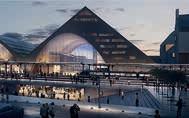
For international visitors, Oulu offers a great mix of safety, nature and urban comforts. Especially the hotel market is showing great development. Nallikari travel centre is an investment opportunity of 100 million euros. According to the plans, the area could accommodate an amusement park, an activity arena and hotels. The new Oulu Station Centre will be a modern hub, where transportation, jobs, accommodation and services come together.
MORE THAN JUST HI-TECH
The emphasis in Northern Finland is especially on energy, natural resources and logistics. The companies are paying attention to environmental technologies and sustainable development. Oulu’s specific areas of expertise include diversified energy production, smart energy solutions, emission control systems and resource efficiency.
The versatile ICT knowledge provides useful tools for developing cleaner industries. Products from Oulu are used all over the world: for purifying exhaust fumes in Hong Kong and cleaning wastewaters in European beach resorts, for smart lighting solutions at gas stations in Finland, reducing greenhouse gas emissions in Hungary and for generating green energy in France.
Oulu is the most populous city in Northern Finland and the fifth most populous city in the country, buzzing with innovations and opportunities. In one of Europe’s living labs, the residents experiment with new technology at a community-wide scale.
EXCELLENT OPPORTUNITIES FOR BIOECONOMY
Laanila industry park offers plenty of opportunities for new investments in the field of bioeconomy, especially for new biorefineries. The park facilitates cost-efficient ways of reorganising and outsourcing functions, if necessary. The most significant processing industry operators in the park include the formic acid factory of Taminco Finland / Eastman Chemical Company, the hydrogen peroxide factory of Kemira, and the air gas factory of Air Liquide Finland. All previously owned by Kemira, these production plants are still closely integrated with each other.
Also situated in the Laanila industrial district are the eco power plant and heating plant of Oulun Energia power company as well as the power plant of Laanilan Voima Oy – producing electricity, steam and district heating for the needs of the local industry and the city of Oulu. Oulun Energia is building a new bioenergy plant in the area to produce electricity and district heating. The plant will be ready in 2020 and its thermal input will be 215 megawatts, electrical power input 70 megawatts and district heating input 175 megawatts.
THE LOGISTICS CENTRE OF NORTHERN EUROPE
Oulu is an efficient gateway to the entire Northern Europe – an area that will set the stage for substantial development and growth within the next 10 years. The logistic service network and transport system is able to serve the versatile needs of modern business: Oulu Airport operates 100 flights every week, adding up to a million passengers per year. An excellent highway network, multimodal transport terminal and efficient railroad system further contribute to smooth connections, both to Oulu and from there to the world markets. The port of Oulu is the largest general port in the Bothnian Bay. In addition to a new deep channel of 12.5 metres for the port, the land area will be expanded by 100 hectares and an entirely new access road to the Port is being constructed.
ORITKARI LOGISTICS HUB
Investment opportunity of > 50 million €
Great opportunity for new logistics terminal, warehouse and office development by the Port of Oulu and Oritkari Logistics Area.
• Lettable area approx. 66 000 m2
• The project is ready to start with a short notice
• Demand for new logistics facilities is increasing
NALLIKARI 2020
Investment opportunity of approx. 100 million €:
Hotel, themed amusement park, holiday villas, theatre, restaurant and other services
100 million euro investment opportunity
– Nallikari resort has superb possibilities for developing and diversifying tourism, training and education, sports, leisure and recreational facilities. The resort’s attractiveness and tourism competitiveness will also be improved by supplementing available services with new functions, and by ensuring effortless accessibility with different modes of transport.
• Beautiful seaside location, 3 kilometres from the city center
• Area of 95 hectares
• Total building area 75 000 m2
• Break Sokos Hotel Eden
• Nallikari Holiday Village with 24 villas and 16 cottages
• Beach, wide range of outdoor, restaurant and recreational services
• Variety of events around the year, e.g. Nallikari Winter village.
OULU STATION CENTRE 2025
Investment opportunity of approx. 200 million €
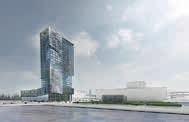
Oulu’s Station Centre’s architectural competition received several high-quality contestants, from which ‘Tervatynnyrit’, tar barrels in Finnish, was picked as the unanimous winner. It oozes with the history of the city as a tar city, and the Station Centre will be a functionally versatile whole where transport, jobs, services, and accommodation come together. It will also unify the traditional building base of Raksila district and the welldefined City centre grid plan identity.
• Located at the very centre of the city at the reach of every mode of transport
• High-level area regarding functionality, cityscape, and architecture
The unique shaped architecture of the hotel is inspired by the Gulf of Bothnia. The hotel rooms are located in the higher part of the building, providing spectacular unobstructed views for the dwellers. The lower part of the building consists mainly of supporting functions and conference facilities. The restaurant and spa-facilities are situated on the top of the building – with an amazing panoramic view over the whole city of Oulu.
Located on a superior building site in the vicinity of Oulu City Theatre and the Oulu City Library next to the seaside
• The city centre is located just a few steps away from the seaside
• The Marketplace of Oulu is located next to the hotel
• Total floor space area: 15 000 m2
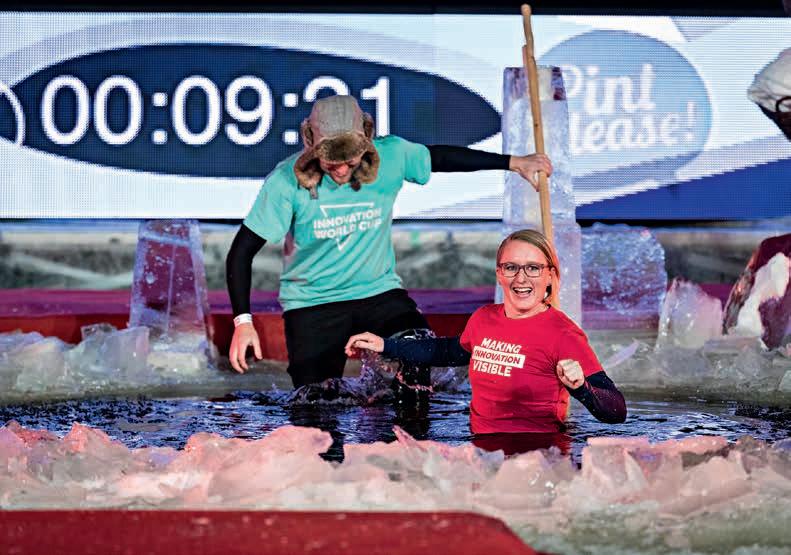
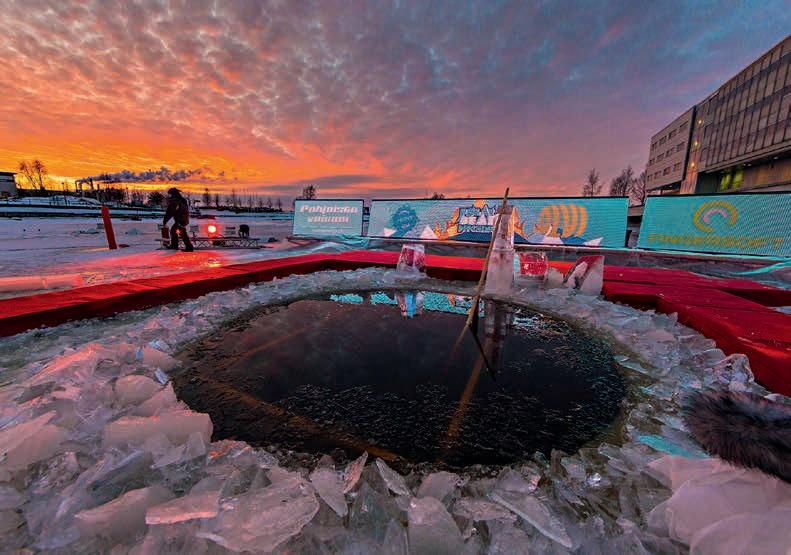
Oulu is a host to the world’s coolest startup event Polar Bear Pitching, where some of the most promising startups and investors meet.
Health & Life Science in Oulu Connects Disciplines from Medical Technology, eHealth, Bio and Wellness Sectors
Oulu is located in the fastest growing region in the Nordics and boasts one of the youngest populations in Europe. Also the health and life science sector in this region features steady development. More than 600 companies in the health, bio, eHealth, med-tech, wellness, and food safety industries offer next-generation solutions and world-class expertise in health and life science as well as communications technologies (ICT).
“Here you can find high-class competence in next-generation technologies, such as 5G, IOT, AI, VR, AR and Big Data. ICT is utilised in the health sector to develop applications, such as wireless biosensors and a variety of wearables. These solutions are used in preventive healthcare and diagnostics, as well as improvements in everyday wellbeing,’” says Heidi Tikanmäki, Key Account Director of Health & Life Science in BusinessOulu.
OULUHEALTH – MERGING HEALTH, LIFE SCIENCE AND TECHNOLOGY INTO INNOVATION
The thing that differentiates Oulu is its unique OuluHealth ecosystem, one of the leading health ecosystems in Europe. OuluHealth is a network of health providers, such as the City of Oulu and Oulu University Hospital, research institutes, for example, the Centre for Health and Technology (CHT), academia represented by the University of Oulu and the Oulu University of Applied Sciences, industry partners as well as scientists. This ecosystem was set up in 2012. During the last six years, it has expanded from being a local player to a widely recognised forerunner in health technologies.
OuluHealth’s main objectives include spurring innovations, strengthening cooperation, creating new business opportunities and providing a unique environment for health product and service
development. The ecosystem seamlessly combines expertise in wireless information technologies as well as health and life sciences to deliver more advanced, personalised and connected health services for the benefit of citizens.
Together with its OuluHealth ecosystem, Oulu strives to maintain its position as one of the most innovative hubs in the world and the platform upon which future healthcare is being built.
A UNIQUE ENVIRONMENT FOR GLOBAL HEALTH BUSINESS
The ecosystem’s most significant component is OuluHealth Labs, one-of-a-kind test environments for developing health as well as social solutions under authentic conditions and with genuine users. In this way, innovations are tested through the entire service chain, from private homes all the way to health centres and hospitals.
OULUHEALTH LABS
CURRENTLY CONSIST OF THREE TEST BEDS:
S OYS TestLab
An authentic hospital testing facility at Oulu University Hospital.
S OAMK SimLab
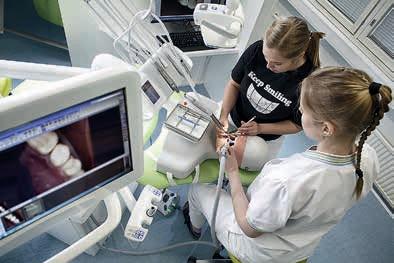
A versatile simulation and studio environment at the Oulu University of Applied Sciences, which covers bioanalytics, nursing and emergency nursing, optometry, oral health care, radiography, radiation therapy as well as rehabilitation testing and development environments. Oamk SimLab features, for example, high fidelity patient simulators with all human vital functions.
S Oulu WelfareLab
An environment that allows testing to be carried out throughout the city of Oulu’s social and health service network, including in citizens’ homes. Oulu WelfareLab offers valuable feedback from end users: social and health care professionals, patients, customers and citizens.
So far, more than a hundred companies from Finland and beyond have contacted OuluHealth Labs for testing, which has resulted in about 56 completed pilot cases.
SCANDICODE PILOT TESTING – AN EXAMPLE OF OULUHEALTH COLLABORATION
Scandicode, an Oulu-based start-up that introduces digital tools for broad cognition assessment, carried out a pilot test in the OuluHealth test environment last year.
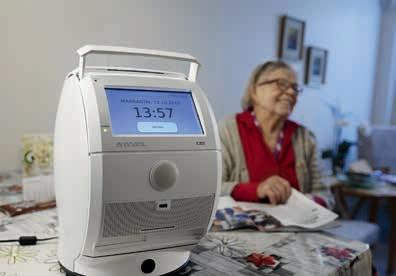
The company provides healthcare professionals with efficient and easy-touse tools for assessing cognitive functions in patients so its potential market lies in wellbeing centres, home care and elderly care. Therefore, Oulu WelfareLab was an obvious choice. Scandicode tested its AIenabled cognitive assessment application for measuring attention, reaction, memory, decision making and concentration. The solution was tested by elderly patients in two wellbeing centres in Oulu for a few months. The main idea was to estimate the user-friendliness and usability of the product in different use-cases under reallife conditions.
According to Scandicode, pilot testing provided valuable feedback that helps the company to further develop its product and expand business to other cities.
“As a result of piloting, we´ve already been introduced to big players in the field, such as companies acting in the field of supported living for seniors,” says Juho Mattila, CEO of Scandicode.
LIFE–CHANGING INNOVATIONS FROM OULU
• The revolutionary wellness ring and app designed to help you get more restful sleep and perform better (Oura)
• The world’s leading brand of heart rate monitors (Polar)
• The device for ear infection care (Otometri)
• Next generation hand-held cameras for fundus imaging (Optomed)
• The chair that helps to reduce tension (Neurosonic)
• The new treatment for healing bone problems and bone trauma (BBS-Bioactive Bone Substitutes)
• The game used in speech therapy (Peili Vision)
• Earplugs that combine active noise cancellation with acoustic noise attenuation to create silence (QuietOn)
• The mobile gym for full body exercise (Weela)
• Solutions for preventing and monitoring chronic diseases (ProWellness Health Solutions)
• The wearable collar for patient-oriented screening and diagnosis of sleep apnea (Nukute)
• The AI-enabled cognitive assessment tools (Scandicode)
• Safety and communication solutions for healthcare (9Solutions)
FACTS:
• 1st 5G hospital in the world
• Most advanced patient data integration
• Every day about 2.6 billion people use technology that has been developed in Oulu
• Oulu is one of the 13 Smartest Places on Earth
• Oulu is a forerunner in digital health and N˚1 in R&D investment in Finland
FUTURE HOSPITAL OYS 2030
The patient is at the center of the intelligent hospital
Amajor construction job with high goals is ongoing in Oulu. The objective is to build the world’s most intelligent hospital that will fulfill the needs of healthcare and patients far into the future.
The Future Hospital OYS 2030 renewal program includes both construction of new facilities for Oulu University Hospital and demolition of the hospital’s old, run-down buildings. More importantly, the program includes a fundamental renewal of the hospitals functions.
”This not a construction project, but rather a renewal program driven by a need to make the patient’s treatment path smoother. By renewing operating models and treatment chains we can speed up access to treatment and respond to the growing demand for care,” says Program Director Kari-Pekka Tampio
Tampio, who works in the Northern Ostrobothnia Hospital District, which is carrying out the hospital program, concedes that talking about the world’s most intelligent hospital is saying quite a bit.
“The ingredients for the most intelligent hospital exist here, but we need to be humble before this goal,” he states.
The program, which will last until 2030, is divided into four larger entities. When the program started in 2012 it was estimated that the total investment would be about 500 million
euros. The project’s general plan, timetable, and cost estimate will be updated in 2018 to correspond to new objectives brought about by a changed operating environment.
A CHANGE IN OPERATING METHODS AT THE CORE
So, what does the program that aims for an intelligent hospital consist of?
“First and foremost we need to change our operating methods here in the hospital. Changes are necessary so that we can stem rising costs, respond to the growing need for care, and fulfill patients’ increasing demands,” answers Kari-Pekka Tampio.
Old buildings cannot easily be modified to correspond to the requirements of new operating methods or more modern treatment methods and hospital technology. Additionally, the poor technical condition of the old buildings is beginning to be a risk for continued operation. Therefore, new construction and its rapid implementation in larger entities is absolutely necessary.
According to Program Director Tampio, the core quality of the intelligent hospital is its focus on the patient. The basic principle is that the treatment process will be smooth and the patient is at the core of all operation.
“We can achieve this by utilizing the principle of production control,” he explains.
FUNCTIONS CLOSE TO EACH OTHER
The main points in patient-oriented work methods include situating functions close to each other and flexible, shared use of facilities and equipment. This lessens the need for patients to move from place to place. Treatment is brought to the patient.
At the same time the number of single-bed rooms will be increased significantly in the hospital. Private rooms are more pleasant from the patient’s viewpoint and assure patient privacy. Additionally, various examinations and procedures can be conducted in single-bed rooms—and again the patient does not need to go elsewhere. This also reduces the spread of infections in the hospital.
Kari-Pekka Tampio further reminds us that in the future patients will not have to come to the hospital as often for examinations and treatment—at least not for extended periods.
“Outpatient care and digitalization will facilitate this,” he says.
THE STAFF WILL HAVE TIME FOR THE MOST IMPORTANT MATTERS
Patient-oriented care will also have a positive impact on the staff’s work. When functions are situated correctly and
multipurpose facilities are used, doctors and nurses will not have to walk the hallways like they currently do.
“The staff will be able to concentrate on the most important work—taking care of patients,” Tampio summarizes.
The design of the renewed university hospital has not been given solely to architects and engineers. On the contrary, representatives from all the professions in the hospital are participating in the design work. Kari-Pekka Tampio notes that everyone’s enthusiasm is at a high level.
According to Program Director Tampio, the fact that hospital technology and treatments are advancing at a rapid rate brings its own challenges to the construction of an intelligent hospital. The buildings cannot be outdated and unsuitable from the standpoint of the latest developments as soon as they are built.
“This is a big question. We have already continuously revised our plans,” he ponders.
The intelligent hospital is being constructed in Oulu by applying the principle of open construction and by making the facilities as modifiable as possible. In open construction only certain permanent building parts are built first. Other construction will be done in a way that allows changes to be made during a later phase of building.
Future Hospital OYS 2030 – vision.
OYS TESTLAB
Top Class Testing environment for Health Technology Products
Health technology companies want to develop products that are as beneficial and user friendly as possible. To achieve this goal these companies need better information about their customers’ needs and wishes.
But how can this be acquired?
OYS TestLab—a top class testing environment for health technology products in Oulu offers a solution.
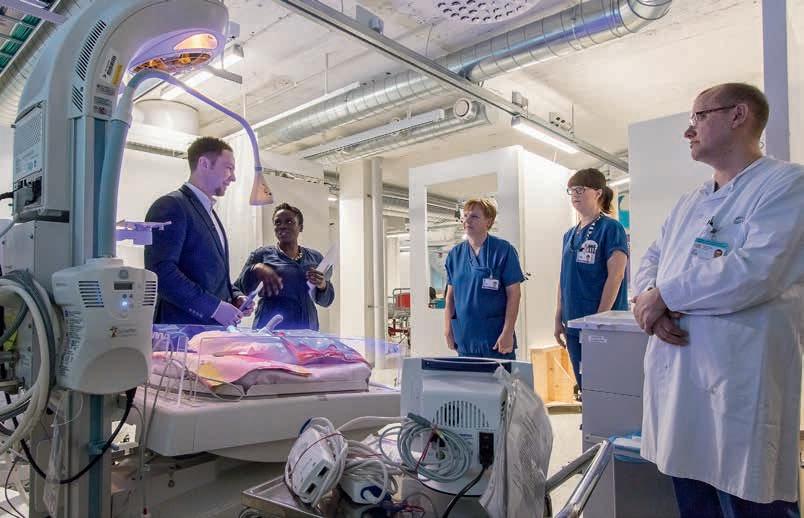
Companies can test their products in an authentic environment at OYS TestLab and receive expert feedback based on actual end-user trial by healthcare professionals. This feedback enables the companies to develop their products further and introduce them to the market quicker.
According to Timo Alalääkkölä, Manager of OYS Testlab’s testing and innovations, companies have utilized the services of the testing environment quite actively for three years, already.
“We have received about 120 inquiries and have carried out over 50 client projects in one form or other. More than 2000 healthcare professionals have provided comments and views on these projects and in reviews related to modeling of a hospital of the future and various ecosystem events,” he calculates.
MANY KINDS OF PROJECTS
Timo Alalääkkölä gives a few examples of recently realized projects:
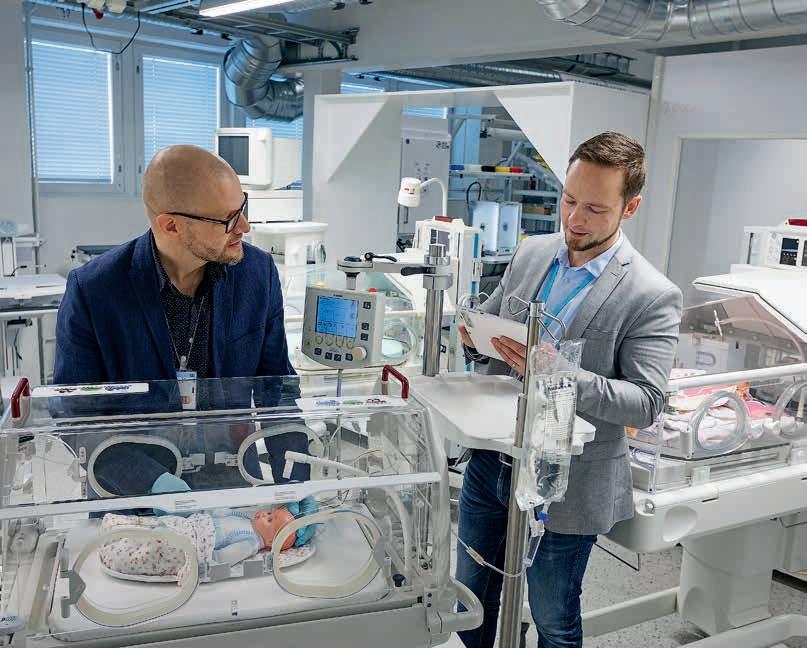
An Oulu company had developed an innovation that transmits the sound and feel of a mother’s heartbeat to a baby’s incubator, thereby calming the child. OYS TestLab made it possible to test the innovation at an early stage.
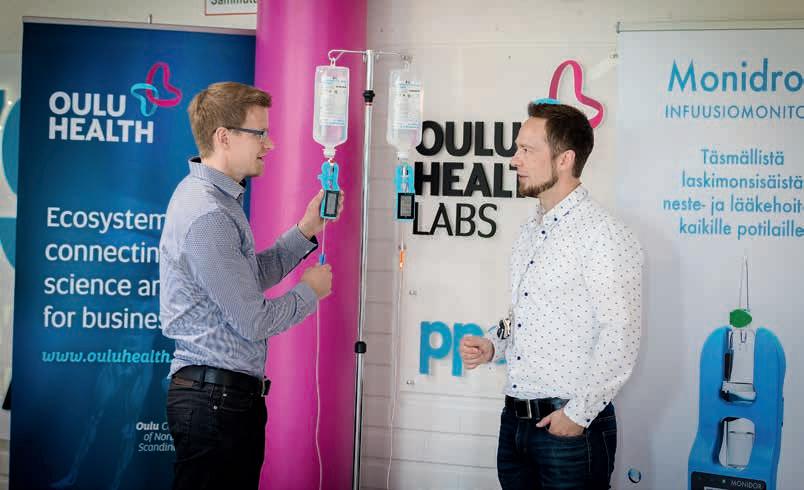
Among others, an intelligent device for infusion monitoring has been introduced to the market via OYS TestLab. A Japanese company piloted several products in Oulu because it wanted to collect experiences from the products’ European users. A mobile service that helps child patients and their parents prepare for a surgical procedure has also been tested.
According to Alalääkkölä, OYS TestLab’s services are used by many types of customers. Among them are many start-ups and very small companies, but larger international firms are also interested in utilizing the testing environment. Testing can take place in numerous ways—from evaluation of an idea by a group of experts to real-life use
of a product that is just about ready to be launched.
Timo Alalääkkölä welcomes companies to OYS TestLab. However, the products to be tested are expected to fit in with the hospital’s strategic goals, i.e., that in practice they will improve productivity and efficiency.
“Our doors are always open. It is possible to come here to discuss regardless of what development phase a product concept or product is in. Together we can examine how to proceed further,” he encourages.
MANY STRENGTHS
There are testing environments similar to OYS TestLab established elsewhere, for example in Sweden, Norway, and Denmark. However, OYS TestLab has a few strengths that elevate it above the others.
OYS TestLab is part of the Oulu Health Labs environment that includes Oulu University Hospital, the City of Oulu, Oulu University of Applied Sciences, and several companies.
“Oulu Health Labs spans the entire social and healthcare service chain. In addition, the digital and 5G testing environment in Oulu is extraordinary. Our location is also a major advantage for us. After all, we operate within a large university hospital,” notes Manager of Testing and Innovations Alalääkkölä.
For example, the highly developed digital environment makes it possible to safely test a variety of information systems and detect possible problems in their integration. Indeed, Alalääkkölä laughs that it is possible to test without concern at OYS TestLab—it is not possible to break anything important.
Although in many ways OYS TestLab is a part of broader entities, Timo Alalääkkölä emphasizes that its services are provided through one point.
“It was not previously possible to contact just one point and thereby utilize broad networks. Now we are that point,” he says.
OYS TestLab is also connected to the Future Hospital OYS 2030 program that aims to renew Oulu University Hospital’s facilities and functions. The estimated cost of the program is approximately 500 million euros. OYS TestLab provides the facilities and methods with which the hospital’s new technologies, rooms, and processes can be tested and developed.
LUKKAROINEN ARCHITECTS LTD
Based on school and hospital design
Many buildings that have received considerable attention and praise in recent years have been designed by Lukkaroinen Architects (Arkkitehtitoimisto Lukkaroinen Oy) in Oulu. A few good examples are Kaarisairaala, the expansion of Kuopio University Hospital; Hirsikampus, the log campus in Pudasjärvi comprising a comprehensive school and an upper secondary school; Hiukkavaaratalo, the multifunction building in Oulu; and Dentopolis, which houses oral health care units, also in Oulu.
Lukkaroinen Architects’ Managing Director Mikko Lukkaroinen notes that these sites well depict the basis of the office’s operation.
“We are one of Finland’s leading designers of hospitals and schools,” he estimates.
Team Leader Joona Koskelo notes that hospitals and schools are usually quite large entities, and designing them requires considerable resources. As one of the largest companies in the field in Finland, Lukkaroinen Architects has plenty of resources—as well as impressive references.
Designing hospitals and schools also calls for special expertise. For example, Koskelo mentions that modern hospital technology and new methods used in healthcare also need to be taken into consideration in the hospital building itself. Where schools are concerned, the requirements dictated by new types of learning environments must be known.
“In these sites, functional efficiency forms the basis of the design,” he emphasizes.
Needless to say, Lukkaroinen Architects also designs many other types of sites, including commercial and residential buildings. Another strong area is land-use planning. According to Managing Director Mikko Lukkaroinen, a good indication of this is the recent first-place award in the significant Kuopionlahti general architectural competition.
ALSO INTERIOR DESIGN
The exceptional diversity of Lukkaroinen Architects’ services is illustrated by its interior design, which is provided by nearly ten specialists. Interior design is often an integral part of the company’s projects, but is also offered as a separate service—and also to other architectural offices.
Building Information Models (BIMs) comprise an essential part of Lukkaroinen Architects’ design work. The company models practically all of the sites it designs and uses the BIMs to gather feedback and opinions from the future users of the building.
“With virtual glasses and the BIM users are able to examine the facilities just as if they were moving around in the finished building,” notes Managing Director Lukkaroinen.
A nationwide company, Lukkaroinen Architects employs over 50 people in Oulu and Helsinki. The company intends to grow moderately in the next few years, with the goal of significantly reinforcing its position especially in the Helsinki area.
Lukkaroinen Architects is one of Finland’s leading designers of hospitals and schools.
Architecture Supports Clients’ Operations
UKI Arkkitehdit Oy has become one of the largest architectural agencies in Finland. In addition to being large, the agency also has plenty of experience—its main office in Oulu has been designing for 60 years. UKI Arkkitehdit’s success and long life have not happened by chance. They are the result of the agency’s operating principles.
Managing Director of UKI Arkkitehdit Mikko Heikkinen summarizes the agency’s principles in a nutshell: “Our clients’ issues are always the most important for us.”
UKI Arkkitehdit operates almost exclusively in the B2B market. It designs buildings for companies and other organizations as well as operators in the public sector.
The importance of the clients’ issues, mentioned by Managing Director Heikkinen, is evident in the fact that the agency’s design work is always based on its clients’ needs, operations, processes, and cost framework.
“On the basis of these starting points we design buildings that support our clients’ operations as well as possible. Designing is technical and artistic work. We are responsible to everyone for the quality of the resulting environment—both our clients and everyone else,” notes Heikkinen.
SMOOTH TEAMWORK
Another of UKI Arkkitehdit’s strengths is the agency’s command of smooth
teamwork. Designing a business building, industrial plant, hospital, multi-story apartment building, or entire area is a large project led by a large team. Thanks to its command of teamwork, the alliance model that has become popular in large construction projects suits UKI Arkkitehdit extremely well.
To identify and take into consideration its clients’ needs as well as possible, UKI Arkkitehdit has developed VALO, a userdriven design method. The facilities being designed are modeled as 1:1-scale virtual rooms that can be examined stereoscopically. The future users of the rooms, guided by the architect, can then familiarize themselves with the usability of the new facilities by walking in an authentic-feeling CAVE (Computer Aided Virtual Environment).
During the walk the future users together with the architect can assess the advantages and possible lacks and any need for changes or modifications in the room designs. The results of the walk and a usability questionnaire are utilized in further designing during various phases of the project until it is finished.
UKI Arkkitehdit employed about 50 people in the beginning of 2018. The large number of professionals guarantees that also large projects can be realized. Many of the agency’s employees also have considerable experience as head designers.
The Future is Being Created in Oulu
Development of new technologies is globally focused around cities with high concentration of education, research, high technology and diverse talent pools. Oulu is ranked among the world’s 13 smartest cities, where a combination of forces—visionary thinkers, local universities, regional government initiatives, start-ups, and big corporations has created brain belts*.
The first Oulu-based wireless technologies changed the world during the last 50 years, and now here in Oulu we are looking into the future, towards the next disruptive technologies and services.
Oulu’s strengths and know-how affect many sectors. They are clearly visible in numerous products available on the international markets, such as in-car media systems and accessories, a variety of smart devices, printed color-changing surfaces, not to mention Oulu’s solutions for the financial sector, which are regularly used by millions of people all over the world. Also indoor positioning technology that was considered challenging is accessible today, thanks to many innovations developed right here.
The same goes for cellular network development. Oulu is the home of 5G and while the rest of the world is adapting that, we are already looking forward to 6G. You can actually come to Oulu with an idea and leave with a finished product in hand – we have all the know-how you’ll ever need to fund, develop, test, productise, manufacture and commercialise your innovation.
*Antoine van Agtmael & Fred Bakker. 2016. The Smartest Places on Earth.
MINIMA PROCESSOR
Minima Processor was founded in 2016 to commercialize technology that enables energy efficiency improvement of up to 20X in digital processors compared to legacy solutions. The company provides near-threshold voltage design solutions that employ dynamic margining and ultra-wide dynamic voltage and frequency scaling (DVFS) to minimize energy consumption in system-on-chip (SoC) designs.
minimaprocessor.com
UROS
UROS is an innovative Finland-based telecom services company offering a revolutionary solution for global mobile internet access. Its worldwide mobile broadband eradicates data roaming issues for international travelers as well as for telecom operators. Recently ranked among the most promising telecoms suppliers in the world, UROS is an expert in providing cost-effective global connectivity for an array of devices throughout their lifecycle.
uros.com
INDALGO
Indalgo is specialized in AI, Algorithms and Analytics – making customized solutions for customers’ processes with benefits such as time and resource saving and quality improvement. The extensive expertise includes solving problems and creating value in various areas and applications including manufacturing, CRM, telecom and context aware solutions.
indalgo.com
TACTOTEK
TactoTek creates injection-molded structural electronics that integrate flexible printed circuitry and discrete electronic components into mass-produced 3D injection-molded plastics. With its patented and patent pending technology, TactoTek enables differentiating and cost-effective designs with highly scalable production processes.
tactotec.com
REACTIVE TECHNOLOGIES
Reactive Technologies’ goal is to lead the transition to a smarter, lower carbon energy system by empowering all system players to become active participants through our ultra-fast, cloud-based technology combined with our deep technical understanding. The company delivers exceptional value to businesses, generators and grid operators by unlocking energy revenue streams, optimising asset flexibility.
reactive-technologies.com
KNL
KNL Networks is an Oulu, Finland-based company that has created the first real alternative to satellite systems for maritime connectivity. By combining a state-of-the-art HF radio for long-range data communication and global cellular data for near-shore internet, KNL Networks is designed for the digitalization of the maritime industry.
knlnetworks.com
TOSIBOX
Tosibox offers easy and secure remote connection to the Internet. The company aims to develop the world’s best, most secure Internet connection that can be used to implement solutions for the Internet of Things and other purposes. Tosibox® patented Plug & Go™ technology creates a fully secure remote connection between devices. The products are used in 123 countries.
tosibox.com
VOLTER
Volter’s innovation enables efficient electricity and heat production using your local wood resources. Wood chips are superheated into wood gas, which is a fuel for internal combustion engine that runs the generator. The units are modularly scalable, electrical output starting at 40kW with thermal output at 100kW. Heat from the process is recovered into water.
volter.fi
VALTAVALO
Valtavalo was founded in 2008 to develop, manufacture and supply energy-efficient lighting solutions in Finland and globally. By concentrating on large volumes and clients, Valtavalo, as the largest LED tube manufacturer in the Northern Countries, can set competitive prices for new and advanced technologies, which have often in the past been regarded as too expensive.
valtavalo.fi
GREENLED
Greenled is a turnkey lighting solution provider to companies and public sector. The company assists its customers in adding value to their business activities by offering lighting solutions with respect to principles of sustainable development. The offer covers everything from single products to management and execution of larger-scale lighting projects.
greenled.com
SF TEC
SFTec’s mission is to create Innovations for sustainable and resource efficient material handling and to increase the cost efficiency of bio-energy production. SFTec has developed an innovative solution, ModHeat (Modular Heating) technology, to achieve optimal dryness of materials used in bio-based energy production and circular economies involving different waste material flows.
sftec.fi
FLEXBRIGHT
Flexbright provides mass production LEDFOIL technology. R2R process enables high volumes with cost effective prices and intelligence integrated. Based on customer needs, the company can customize LEDFOIL lay out, chips, sensors, solar panels etc. with latest printed electronics technology. Flexbright licenses its LEDFOIL technology to defined market area or industry.
flexbright.fi
PROVENTIA
Proventia is an environmental technology company, which offers solutions and services for the engine, machine and vehicle industries. The company develops, designs and manufactures exhaust after treatment components and systems for diesel engines, heavy-duty machines and heavy vehicles in the OE and retrofit markets. Proventia is a growing international company and part of the Head Invest technology group.
proventia.com
CERENION
Cerenion develops the world’s first practical method for measuring the brain function of intensive care patients. The Cerenion ART™ technology (pat. pend.) aims to reveal the status of the brain as one simple score – at the bed-side and without requiring any changes to the care of the patient. The solution has the potential of improving both the quality and the cost of intensive care.
www.cerenion.com
FASCIAWEAR
Fasciawear is a technical sport clothing company that offers a sport outfit for improving body control, performance and increasing calorie consumption. It is like a total body kinesio tape and compression clothing combined.
fasciawear.com
HEAD INSTRUMENTS
Head Instruments enables the research, clinical testing and commercialization of advanced surgical technologies. The company aims to improve the quality of people’s lives and well-being by offering more precise tools for hospital staff and patients.
www.headinstruments.com
ISTOC
iSTOC has developed a disruptive mobile solution IDA (immediate diagnostics and analytics). The globally scalable end-to end solution has proven to be a powerful product and service, offering significant and innovative new business opportunities for iSTOC business partners and customers.
istoc.io
KIPUWEX
Kipuwex is a small wireless IoT device that continuously measures different physiological parameters from the patient digitally and converts them with an algorithm into pain data in order to provide efficiently reliable measurements to healthcare professionals and home users.
www.kipuwex.com
PROWELLNESS
ProWellness has developed eHealth solutions for the prevention, care and management of chronic diseases for public and private healthcare. The company’s mission is to provide bestof-breed tools to prevent the progression of long-term conditions and to improve patients’ quality of life.
www.prowellness.com
MEDKIT
MedKit Finland is a leading digital healthcare equipment and supplies partner. Its dedication to efficient and trusted customer service is based on extensive field experience, including experience in global catastrophe and emergency situations. MedKit Finland serves healthcare and safety professionals globally with a constantly growing selection of over 5.000 products.
www.medkit.fi
DETECTION TECHNOLOGY
Detection Technology is the most trusted partner imaging the unknown by creating foresight capabilities quicker to discover and prevent threats. The company’s solutions contribute to the improvement of people’s health and safety daily.
www.deetee.com
Technopolis has campuses—smart business parks—in Finland, Sweden, Norway, Russia, Estonia, and Lithuania.
TECHNOPOLIS PLC
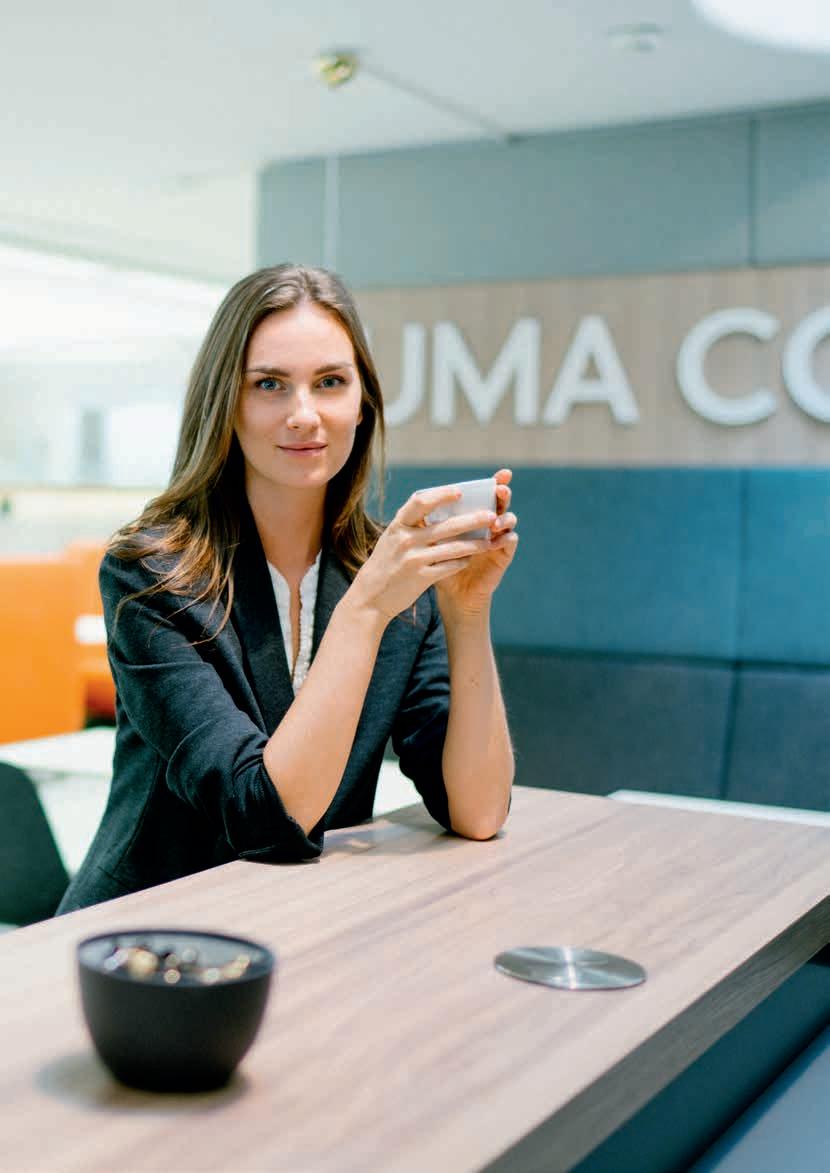
UMA coworking network is an engine of growth
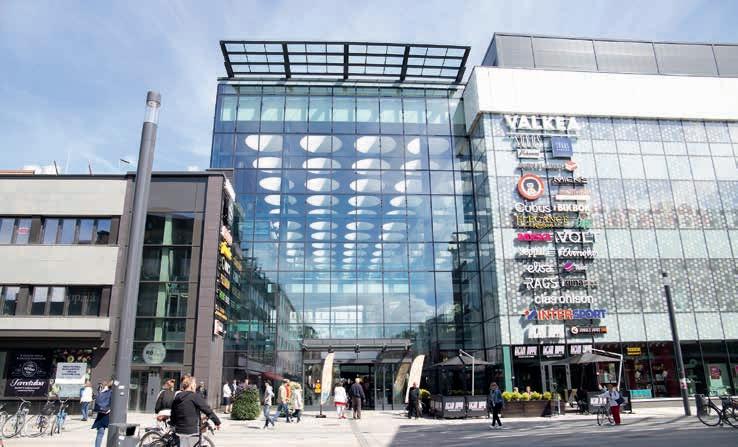
Technopolis Plc is recognized for its campuses that provide customers with excellent services and modern, flexible workspaces. At the end of 2017 the company had business parks, or campuses, in six countries; together they housed about 1,600 companies that employed around 50,000 people.
In addition to its strong real estate and service operations, most recently Technopolis has been rapidly developing a network of coworking spaces called UMA. The UMA concept enables customers to work in their own small private offices or as a part of an open work community.
“Expanding the UMA network to new localities is an important element of our strategy,” says Marko Lind, Director of Oulu Operations at Technopolis.
THE UMA NETWORK IS EXPANDING
Technopolis believes strongly that the demand for coworking spaces will grow. It has set aside €30 million to open twenty new UMA facilities in the next few years. The company’s goal is that the major cities in the Nordic and Baltic Sea regions will have their own UMA, or the largest ones even two or three.
Technopolis had 11 UMA workspaces at the end of 2017. In addition to Finland, there were UMA workspaces in Norway, Estonia, Russia, and Lithuania. Customers can use all the facilities with one membership fee. Marko Lind is sure that the popularity of UMA-type coworking facilities will continue to grow.
“People want to work together and interact with each other. This is especially so among the younger generation. On the other hand, office sizes are shrinking and people want to use space as efficiently as possible. Both trends increase the popularity of UMA facilities,” he notes.
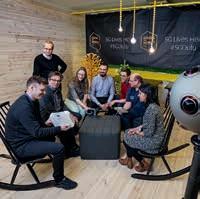
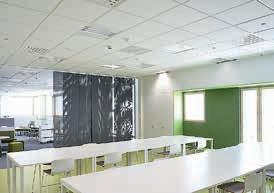
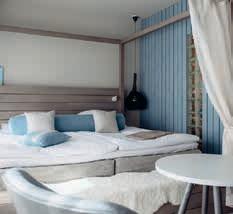
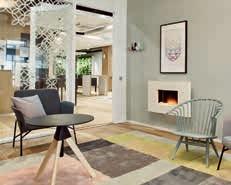
The UMA concept includes open workspaces, small private offices, meeting rooms, space for lounging, a fast internet connection, and video conferencing systems.
The workspaces built around this concept are situated in central business districts. Good examples are Helsinki’s UMA Esplanadi on the third floor of Akateeminen
Kirjakauppa or Stockholm’s UMA Kungsbron, which will be opened right next to the Cityterminal and Arlanda Express station in April 2018.
FOR MANY TYPES OF BUSINESSES
Director Marko Lind emphasizes that UMA workspaces are excellent for both startup businesses and large international companies.
UMA offers small businesses cost-effective spaces and services as well as inspiring community. Employees of large companies who travel a lot can use UMA facilities as their home base all over the Nordic and Baltic Sea regions.
“For large companies, UMA is an extension of their own office, while for small businesses they may function as the first operating point and a place for networking. Additionally, employees whose own office is further away can use the UMA facilities for meetings in the center of town,” he describes.
Although UMA workspaces are an important part of Technopolis’ strategy, they are just one part of the company’s operation. Providing efficient, flexible workspace and well-rounded services for customers operating on the campuses still forms the backbone of Technopolis’ operation.
SMART BUSINESS PARKS
Technopolis currently has campuses—smart business parks—in Finland, Sweden, Norway, Russia, Estonia, and Lithuania.
“It is important to us to make life on our campuses as easy as possible for our customers,” says Marko Lind.
Among the 1,600 customers there are many kinds of companies, all different in terms of their life cycle, size, and field of operation.
Director Lind emphasizes that Technopolis is not a traditional real estate investor, even though clearly most of its net sales comes from rental operations. The company’s goal is to raise the share of services to twenty percent.
“We want to provide all of our customers headquarterlevel services,” Marko Lind summarizes.
The new rise of Finnish electronics industry
VTT offers the electronics industry the hope that was thought lost. Angry Birds might not be enough, but the emerging deep technology that is based on world-class science and accumulated in business ecosystems might just be what we need to build up Finland’s economy.
SMALL PARTS OF GREAT IMPORTANCE
The Internet of Things, IoT as it’s so often called, promises a different world to come. With automated vehicles and machines connected through the Internet, whole industries will be thoroughly changed. Not least the electronics industry, once Finland’s hope for economic growth and global branding. Autonomous cars, ships and caretaker robots will require high value electronics and sensing innovations. This new wave of digitalization can’t be realized without smart electronics integration supported by long term research.
What we need now is two-fold: We need to support the expertise to produce high value, smart sensors and electronics for the devices that will guide our future. We also need to build lasting ecosystems for keeping the whole production chain in Finland from the first research idea to the end-user product.
We already have the high-end research and innovations here in Finland. Let’s use it to wake up the electronics industry and power up the economic growth.
GROWING THROUGH ECOSYSTEMS
The ecosystem formed by VTT Technical Research Centre of Finland, universities, Business Finland, the Academy of Finland and companies produces innovations for different industries. By grasping the new opportunities of electronics, we can develop highly sophisticated IoT products, digitalise traditional industries and create new business and jobs in Finland.
We will extend the exploitation of technologies into new areas and ensure that Finland has the production capacity needed for new products. We will also be accelerating product development and production.
A HOME FOR INNOVATIONS
Keeping expertise in Finland is a key issue from the perspective of Finland’s national economy and well-being. Working as an ecosystem in production and further technological development guarantees that VTT’s work can progress into export products and create well-being and easier lives for not only the Finns but also people all around the world.
If we want Finland to recover from tight economic times, we need to use the power that the industry’s specialized high-end electronic component production is here and can work hand in hand with product development. Firing up the electronics industry once more, and using our excellence to its full potential calls for committed developing and investing in it.
At VTT we use 4,000,000 hours of brainpower a year to develop new smart technologies, profitable solutions and innovative services. VTT Technical Research Centre of Finland Ltd is one of the leading research and technology organisations in Europe. We enhance growth and renewal through applied research and serve both private and public sectors with the aid of broad international collaboration. We work in a challenge-driven way, and the impact of our work shows as industrial renewal, increased business opportunities and enhanced wellbeing in the society.
Our key competences in Oulu area
ADVANCED RADIO SYSTEMS TOWARDS 5G
VTT HAS OVER 20 years of experience and draws upon broad global network resources. We also play an active role in major regulatory bodies and standardization organisations. Our competencies include cognitive radio technology research, prototyping and licensing, radio system modelling and implementation and LTE, 4 G and Wi-Fi testing services to market more quickly. Our 5G Test Network facilities offer unique possibilities for testing technology, components or new services in real time.
Printed intelligence
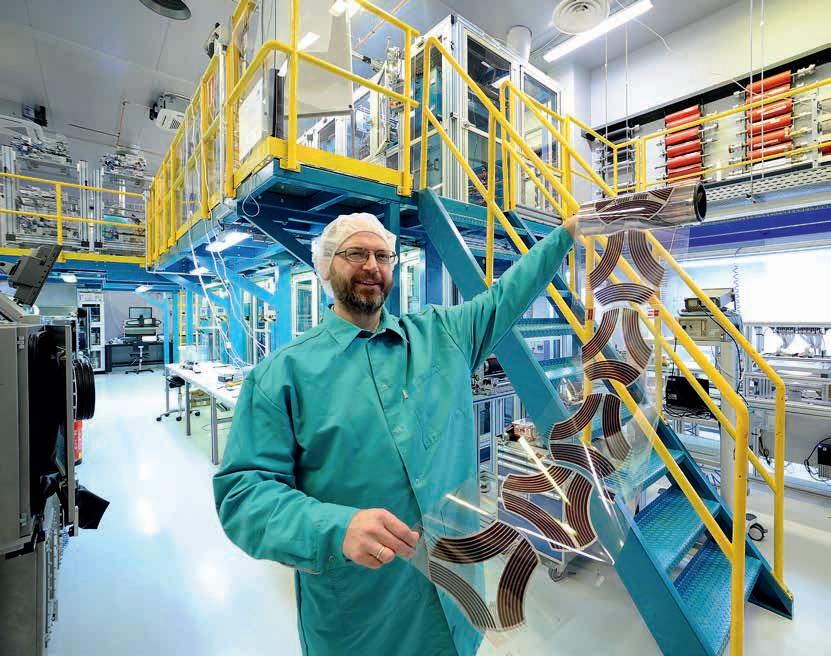
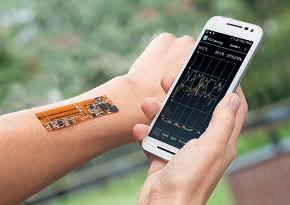
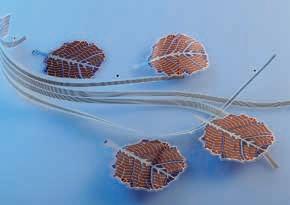
Over 100 experienced experts work at VTT’s internationally renowned innovation cluster on printed intelligence and unique roll-to-roll processing. VTT delivers great value to customers through its advanced application expertise, partner networks, streamlined processes, first-class facilities, and high quality rolls. Our ultimate vision is to employ printing processes to create easy-to-use and cost-effective products for sensing, light-emitting surfaces, energy foils and optical films. In the future, we aim to integrate electrical components on flexible surfaces so we can innovate wearable applications and diagnostics.
Optical measurements
VTT’s optical measurement systems consist of solutions based on spectroscopy and machine vision technologies. Our optical analysers and methods are in use in very demanding industrial processes. Currently VTT is applying laser technology for exacting applications in forestry and steal industry. We also apply and develop X-ray technology in the mining industry.
eHealth
VTT is a strong contributor to recent developments in eHealth, the application of ICT for healthcare delivery and personal health management. The provision of useful, motivating and secure electronic serviced for citizens is predicated on the interoperability of different health related devices and services. eHealth services can support health professionals the health coaching of their customers or services can be designed for citizens. Future eHealth services contain automated features in data collection, personal health profiling, supporting in changing health behavior, intervention recommendation and feedback generation.
NOKIA OULU Home of Radio
Several innovation projects encourage the personnel to come up with new business ideas. One of these is the OuluElevates competition organized once a year.
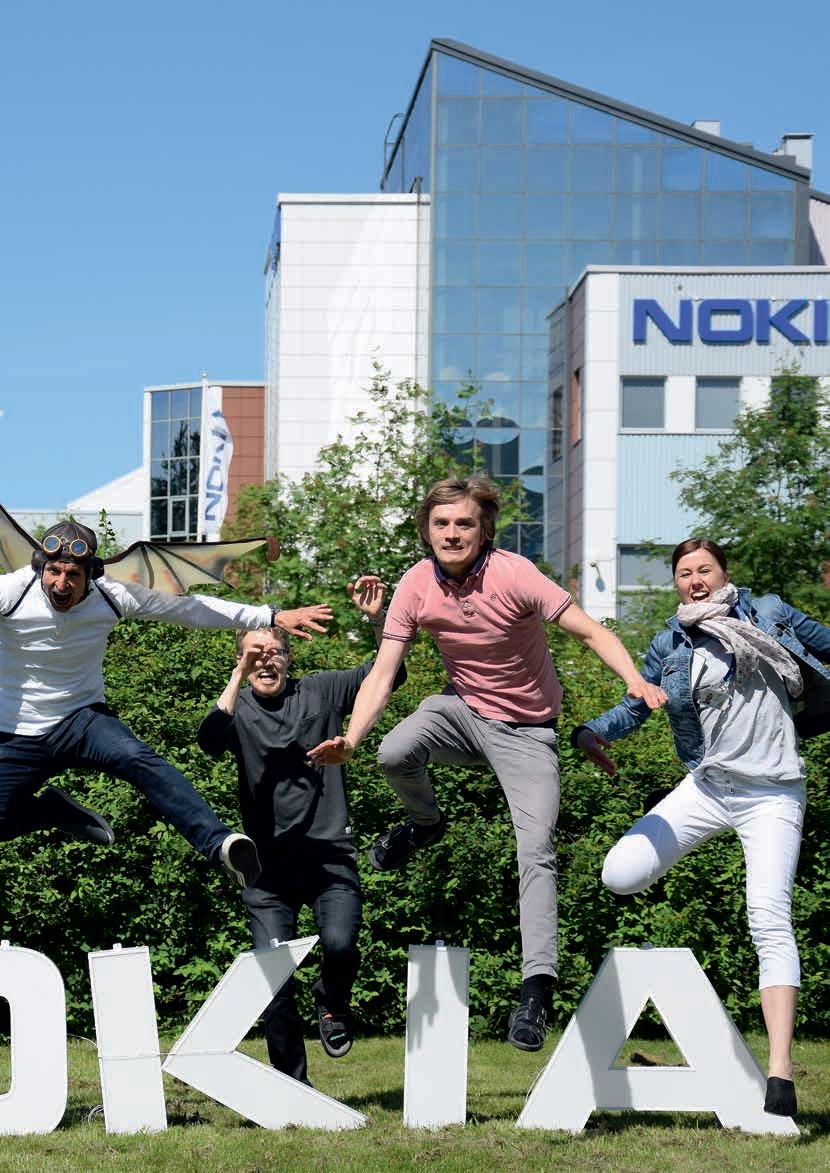
“Home of Radio” describes exactly how people at Nokia Oulu see their site today. Nokia Oulu has roots deep in the 1970s when the first radio telephone factory was established in Rusko, and Oulu teams have been in key roles in base station development from NMT and 2G to 4G, and now in the new 5G technologies.
Nokia Oulu is the only Nokia site where research (Nokia Bell Labs), development, and production are located on the same site. This creates synergies from which Oulu site benefits greatly. Today the site’s research and development (R&D) is concentrating on LTE evolution (4.5G / 4.9G) and on the latest 5G radio technology which will be commercialized in 2019. Nokia Oulu’s most important task in the co-operation between production and R&D is the manufacturing and ramp-up of new products. In addition, the site has a central role in developing Factory of the Future concept –that is, a highly automated, self-optimizing and digitalized factory – for Nokia’s manufacturing network. Also, a less-known side of Nokia Oulu is its contribution to Nokia’s patent licensing business. Oulu is a strong contributor in Intellectual Property Rights (IPR) and patents at Nokia, and several Nokia Top 10 inventors are located on the site.
“Oulu is one of the most modern radio equipment factories in the world as well as an internationally recognized site where radio product development and production are done side by side,” says Rauno Jokelainen (Vice President of Smart Radio Development Unit in Mobile Networks).
The site’s slogan, “Home of Radio”, was inspired by an interview with Nokia President and CEO, Rajeev Suri where he stated that “Oulu is the world’s best place, second to none, for radio access engineering”. For Trang Vu (Head of Business Segment), this statement demonstrates Suri’s appreciation towards Oulu site’s hard work perfectly. “It is an indication of respect for the great effort we have done to achieve it, but at the same time it challenges us to renew and earn our position as home of radio in the future as well,” says Vu.
Jokelainen agrees that the “Home of Radio” identity is important to Oulu: “Perhaps we are the home of radio because of the pioneering radio development that has taken place in Oulu area. The people here have been able to adapt to changes, stay on top of technology, develop new things, and renew ourselves through changing times.”
Jokelainen emphasizes the need to be able to keep up with the constantly changing world. This requires innovative spirit, understanding of new technologies, equal focus on development, production and research, and co-operation with suppliers and customers.
Ilkka Hallikainen (Head of Manufacturing Solutions) points out that Oulu’s heritage in technology and radio manufacturing has played a big role in Oulu becoming the home of radio in research and production: “Our status as the home of radio is based on the pioneering work done in the 1980s, on people who were enthusiastic about what they did and dared to try and accomplish new things.”
Nokia Oulu has several of these pioneers still working on the site, people who have experienced the changes in radio development and endured the storms on
the way. Their enthusiasm has also ensured the growth in business and birth of new technologies.
Oulu’s ecosystem is ideal for radio development. University of Oulu and University of Applied sciences (OAMK) educate new professionals, and Nokia continues to co-operate with its long-term local partners like Esju and Bittium as well as global partners like CommScope and Tongyu Technology Oy that have extremely professional radio teams. Hallikainen emphasizes that to continue to be the home of radio, Oulu site needs to co-operate with its ecosystem wisely, it must have strong leadership to promote its know-how and experience, and make sure the employees enjoy their everyday work while maintaining a balance between strong professional pride and humility.
“When you look at how much of Nokia’s network equipment there are in the world, Oulu has had a great role in product development and introducing new products through this factory. We have been able to show we are worth the trust, and so we have certain healthy self-confidence in the work we do. I dare say we have several of the best experts working here,” Hallikainen says.
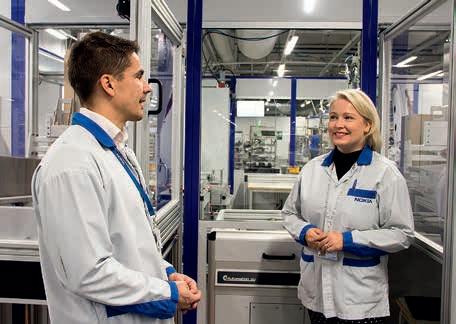
Ilkka Hallikainen and Head of Oulu Factory, Erja Sankari are discussing about new 5G Products in front of highly-automated manufacturing line.
Rakeistus
refines
ash and sludges into fertilizer and earth construction raw material
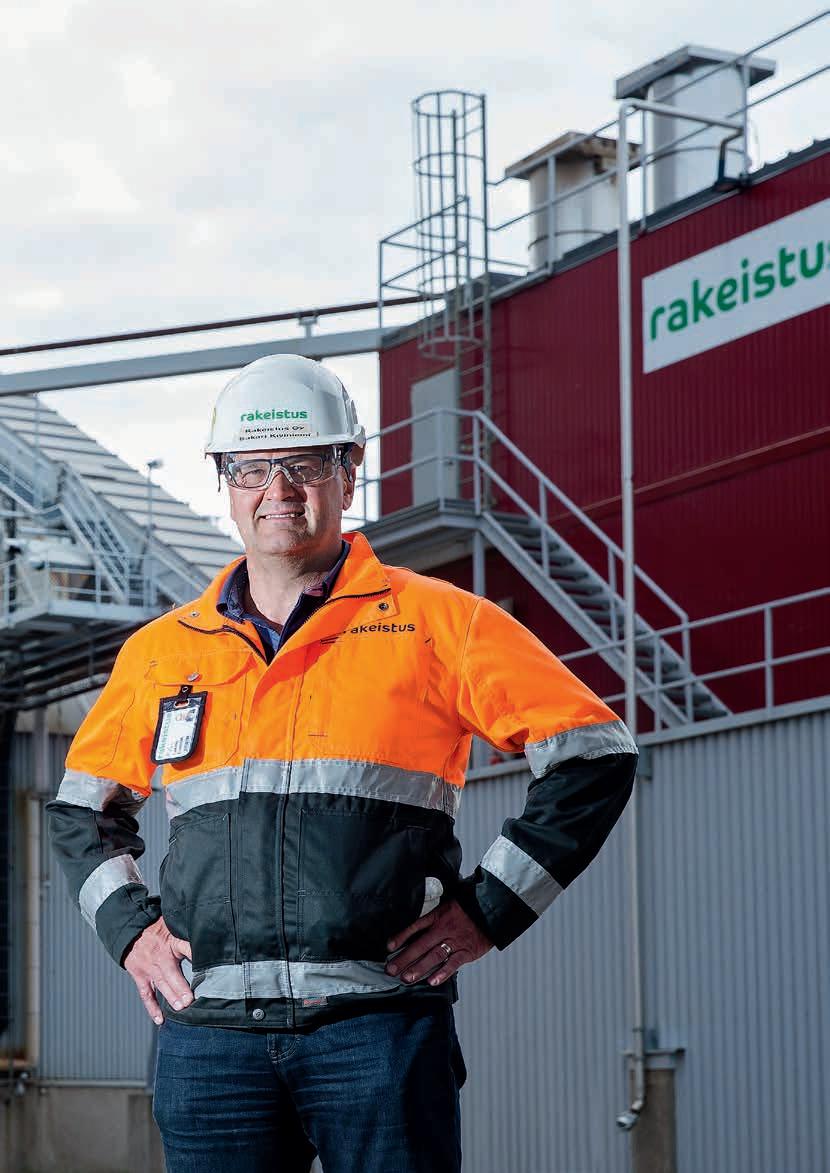
One of the main principles of recycling is that materials should not be wasted, but instead refined to produce new products. This is exactly what Rakeistus Oy does. The company is seeking to enter the export market to sell granulation equipment abroad.
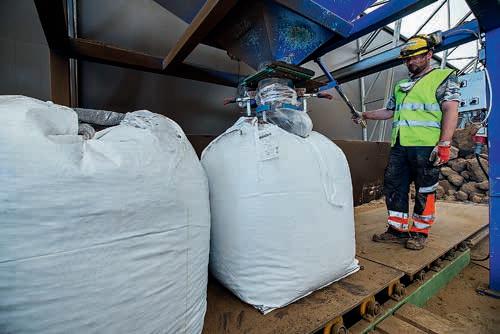
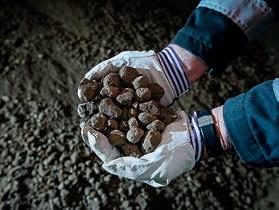
Burning peat and wood in power plants produces large quantities of bio-ash. Rakeistus Ltd in Oulu has developed a process in which ash is granulated to produce forest fertilizer and raw material for earth construction.
Ash was formerly waste material that was transported to landfills, but granulation refines it into a valuable product. Rakeistus Ltd’s managing director Sakari Kiviniemi emphasizes that utilization of bio-ash is recycling at its best. One of the main principles of recycling—a strongly growing trend—is that materials should not be wasted, but instead refined to produce new products.
“Our company implements this principle perfectly,” he notes.
This is definitely true; first peat or wood is refined into energy in a power plant. Then the ash produced by incineration is granulated and recycled into nature to enhance the growth of trees.
TRADITIONAL FOREST FERTILIZER
Of course, ash has long been used as a forest fertilizer. According to Sakari Kiviniemi, at best up to 300,000 tons of ash per year have been spread into forests. This quantity has decreased over time, though. Now, with granulation, ash is making a comeback.
“The properties of ash as a fertilizer are improved as a result of granulation. It doesn’t create dust and it dissolves more slowly. Therefore, it has a longer-lasting effect in the forest. During the refining process we add boron and potassium salt to the ash, and also lime, if necessary,” Kiviniemi explains.
Ash fertilizer is spread into the forest either from the air with a helicopter or on the ground. Fertilizing does not need to be done very often; one application every 10–20 years is sufficient.
Granulated bio-ash is also a good raw material for earth construction. It is an excellent alternative to crushed aggregate as a filler, e.g., in the sub-layers of roads. Earth construction actually offers more possibilities to recycle ash than forest fertilization does, since the volumes are much larger in construction.
“We are participating in a cutting edge government project in which various sludges such as biosludges, biogas plant digestion waste, and community sludges will be tested together with ash. These also
will be used as field and forest fertilizers. This is a significant opportunity for us, both domestically and also in terms of exports.”
TWO BUSINESS CONCEPTS
Rakeistus definitely will not suffer from a lack of ash. Managing director Kiviniemi calculates that Finnish power plants today produce about 600,000 tons of bio-ash per year. What’s more, this quantity is increasing, as numerous bio-product plants with integrated power plants are being planned in Finland.
Rakeistus Ltd’s business is based on two different concepts. In Finland the company provides granulation as a service. On the other hand, it is seeking to enter the export market with equipment sales. Kiviniemi believes Rakeistus will be able to significantly increase its turnover with this twopronged approach.
“The company’s turnover is currently a million euros. In five years it should be about 22 million,” he says.
Granulation service means the company brings its granulation equipment to the customer’s premises, such as a power plant. The equipment—which fits in a container—can be installed permanently or brought to the customer for granulation at suitable intervals.
CAREFREE SERVICE
According to Sakari Kiviniemi, this service concept is carefree for the customer, because Rakeistus takes care of everything
related to ash processing: granulation, transporting the forest fertilizer, and selling the forest fertilizer to customers. Purchasers of the service are also satisfied because they know the ash will be utilized responsibly and safely.
Fertilizer made from bio-ash is purchased by forest owners, forest management associations, and companies that spread fertilizer, to name a few.
Rakeistus Ltd’s first two granulation units are in operation at Oulun Energia’s Toppila power plant and the power plant of Stora Enso’s Oulu plant. The granulation units are integrated into the power plants’ processes.
Rakeistus seeks to enter the export market with a different concept—by selling granulation equipment.
“The markets in Sweden and Germany appear to offer the most potential, but we are looking at the situation in other countries, as well,” says managing director Kiviniemi.
Versatile Expert in Demanding Plant Installations
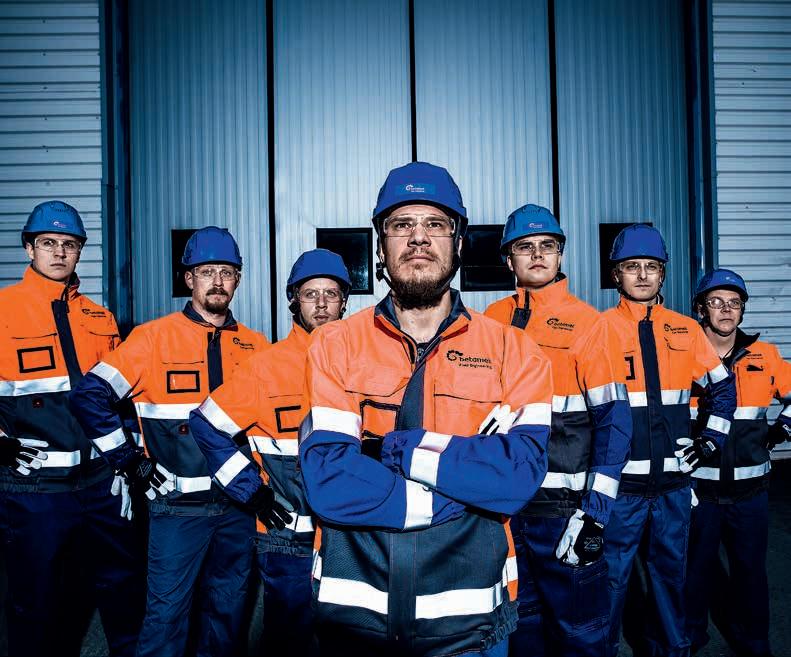
Betamet Oy has installation expertise, the Art of Installation. This expertise has elevated the company to a significant position in its own field—comprehensive deliveries of demanding plant installations. Betamet has acquired its know-how and experience over the years by carrying out challenging projects all over Finland and around the world.
CEO Juhani Blomqvist divides the company’s business into four areas: machine installations, process and small pipelines, industrial air system installations, and workshops. Betamet’s four workshops primarily support the company’s installations, for example by manufacturing industrial components and doing preconfiguration work.
Betamet’s custom workshop in Oulu also includes a pickling plant. The company’s workshop in Kouvola maintains, renovates, and manufactures distribution spreading and fly rolls for the paper industry.
“Nevertheless, the main focus of our business is on mechanical equipment installation. It is and will continue to be the area of our strongest expertise,” explains Juhani Blomqvist.
CUSTOMERS ARE IN HEAVY INDUSTRY
Betamet’s customers are largely in the mining, steel, pulp, and paper industries. The company has provided installations for these industries both in Finland and abroad. Globally operating Finnish firms form a significant portion of these industrial companies.
“Right from the beginning we have gone beyond Finland’s borders to Europe and even Australia and Uruguay. We also have a subsidiary in Germany,” says CEO Blomqvist.
Many customer relationships have lasted a long time, already. Indeed, the company seeks to establish long-term collaboration with its customers.
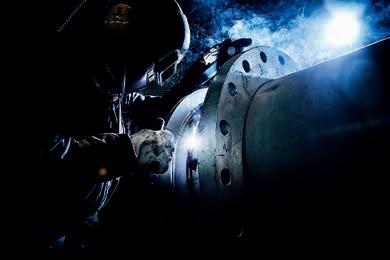
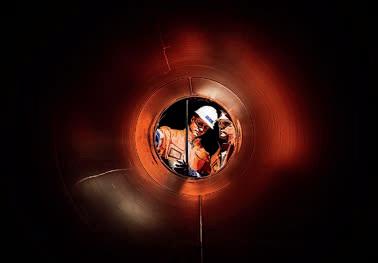
Betamet’s installations usually involve heavy industry in the literal sense of the word. The company installs components that weigh up to several hundred tons. At the same
time, however, the work requires extreme accuracy. For this the company has instruments that measure in fractions of millimeters.
According to Juhani Blomqvist, a new area of operation that has become significant especially in recent years is dismantling, transferring, and reassembling entire production lines for new locations.
“We have undertaken several such projects, particularly in the pulp and paper industries,” he says.
LARGE, ALL-INCLUSIVE INSTALLATIONS
According to CEO Blomqvist, one of Betamet’s strengths is in its capacity to offer comprehensive, all-inclusive installations—equipment, piping, and air systems. Of course, the company is also glad to deliver partial projects if the customer wants to divide the installation into smaller entities. Betamet is also capable of assuming responsibility for the design, installation, and ramp-up phases.
Betamet also has other strengths. CEO Blomqvist mentions innovativeness as one example.
“Our area of business is quite conventional, but we seek to develop new operating methods for the sector. I would also like to highlight Betamet’s sure deliveries and reliability. We also place much attention on work safety and environmental issues,” he emphasizes.
Betamet’s good communication with its customers and various project participants guarantees efficient completion of its projects.
ONWARD WITH THE CURRENT CONCEPT
According to Juhani Blomqvist, Betamet intends to continue in the coming years on the basis of its current operating concept. He predicts that the clear uptick in investments in Finland and other market areas will also increase interest in and demand for Betamet’s services.
Betamet’s turnover in 2017 was more than €30 million. The company employed about 240 people.
Sanmina manufactures turn-key products
Sanmina Corporation, one of the world’s largest contract manufacturers in electronics, also extends its network to northern Finland. Headquartered in San Jose’s Silicon Valley, the US company has a plant in Haukipudas, a suburb of Oulu. In all, Sanmina has plants in 25 countries on six continents.
Contract manufacturing is often mentioned in connection with Sanmina-SCI EMS Haukipudas Oy, but Plant Manager Eeva-Liisa Kylmänen notes that this gives too narrow a picture of the plant’s operation.
“We offer our customers very comprehensive services— much more than product manufacturing. We employ the principle of Integrated Manufacturing Services (IMS). We provide turn-key products,” she explains.
In practice this means Sanmina may participate in R&D, assuring manufacturability, and product deliveries, among others. The company is capable of taking care of the entire production and delivery chain for its customer. Today Sanmina’s services also even include maintenance, if necessary.
PRODUCTION EQUIPMENT IN TOP CONDITION
According to Plant Manager Eeva-Liisa Kylmänen, Haukipudas seeks to focus investments in such a way that Sanmina manufactures customer product in a state of the art manufacturing facility. The plant has been very successful in doing this. It has invested sufficiently early in printed electronics, laser marking, and ultrasound welding, to name a few.
In addition, the plant has a separate line for prototype manufacturing. This ensures that products can be manufactured efficiently and potential problems are detected in time. The customers themselves can observe as manufacturing of their product is tested on the prototype line.
What benefits do customers get from using Sanmina’s services? Many kinds of benefits, assures the Haukipudas plant’s Lead Program Manager, Heikki Väänänen
“Our operation is fast, flexible, high-quality, and reliable. What’s more, we have specialists in many fields who can broadly support our customers,” he says.
According to Väänänen, many customers also want their products to have a Made in Finland label. This label speaks of the product’s quality and reliability.
BROAD CUSTOMER BASE
The customers of Sanmina’s Haukipudas plant operate primarily in the fields of telecommunications, medical technology, military equipment, certain consumer and industrial products. Most of the customers are from Finland, but there are also some from abroad.
Heikki Väänänen says that Snowfox and Oura are good examples of the products manufactured by the plant. The first is a compact, easy-to-use GPS phone meant for children and adults. The latter is a wellness ring that measures and comprehensively analyzes its user’s activity, sleep quality, readiness, and recovery.
The company behind Snowfox is Haltian Oy from Oulu; Oura is a product of Oura Health Oy, also from Oulu.
Sanmina also has an abundance of partners in the Oulu region. Among them are the University of Oulu and VTT Technical Research Centre of Finland Ltd.
INDEPENDENT PLANT
Sanmina-SCI EMS Haukipudas Oy and its plant enjoy quite an independent position as a part of Sanmina Corporation’s worldwide network. Plant Manager Eeva-Liisa Kylmänen says that the plants belonging to the network are independent companies with considerable freedom to carry out their own strategies and build on their own strengths.
On the other hand, there are many benefits in belonging to a larger entity.
“For example, we can nimbly move production from place to place to even out volume, if necessary,” she mentions.
What’s more, component purchases happen globally, and all the plants use the same information systems and production control.
“Sanmina is the only global contract manufacturer with a plant in Finland,” Eeva-Liisa Kylmänen concludes.
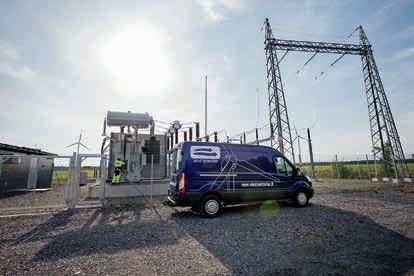
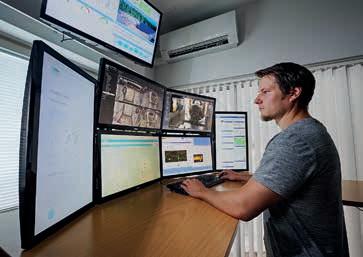
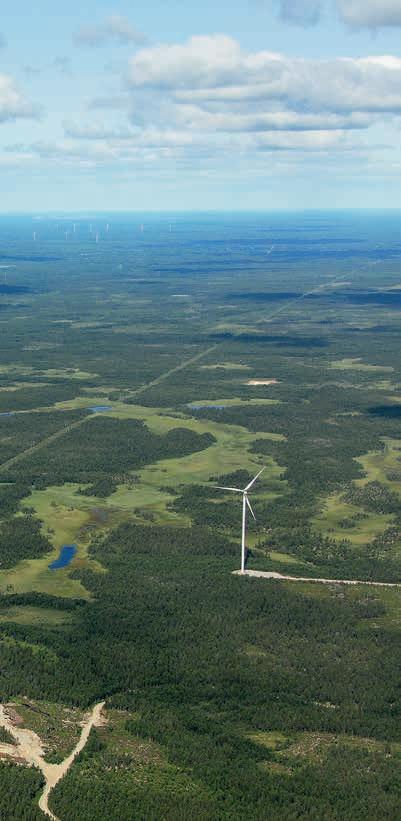
There is a building in the Rusko section of the city of Oulu containing a control center that operates wind parks throughout Europe. Wind Controller Oy currently remotely controls wind parks with a total output of approximately 200 megawatts in Finland, Sweden, Estonia, the Czech Republic, and France.
The company’s Managing Director Kari Koivikko says that their objective is to keep their customers’ wind parks producing electricity as efficiently and faultlessly as possible—and at the same time preserve the value of the parks and minimize the need for maintenance.
The screens in Wind Controller’s control center display information about the situation and condition of each wind turbine as well as ambient conditions. The wind turbines do not require continuous adjustment of their operation, though. On the contrary, the newest wind turbines contain their own intelligence and automation.
Still, the operators working in the control center are busy.
“The people in the control center monitor the operation of each wind turbine around the clock every day of the year, respond to alarms, and perform various adjustments. It is possible to limit production, for example, or summon maintenance people to check or repair a wind turbine,” Koivikko explains.
PROFESSIONAL SKILL AND EXPERIENCE
According to Kari Koivikko, wind park owners hand over the operation of their wind parks to the Oulu company for a number of reasons.
“A large number of wind parks can be handled through a common control center, which saves a considerable amount of money. That fact that our control center accumulates a significant amount of professional skill and experience is also important,” he says.
Wind park technology requires a wide range of expertise that the owners themselves do not always want to maintain in their own organization. Often they would have to acquire specialist services from several different providers. Wind Controller is able to offer all the necessary services, which from the customer’s standpoint is not only convenient, but also cost-effective.
OPERATION IS EXPANDING
According to Managing Director Koivikko, monitoring and operating wind parks has been from the very beginning and still is Wind Controller’s core business. Nonetheless, the company is expanding its control center operation to include solar power plants and is prepared to also include hydropower plants and electric power stations.
The company is able to diversify its control center operation by means of the 8760 Control Service that it has developed; it can be applied to the control of power plants and electric power stations that utilize very different types of energy sources. The service is comprised of control, operating instruction and management services (SCADA), and reporting.
Indeed, the overall scope of Wind Controller’s operation will grow significantly in the future. However, the sector is clearly defined.
“We expressly want to work with renewable energy forms, and in this we are at the forefront of development,” Koivikko emphasizes.
NEW FOOTINGS
In addition to diversifying its control center operations, Wind Controller is also building other footings for itself. According to Kari Koivikko, they are above all specialist and safety services.
The former includes various inspection services that make it possible to determine the condition of power plants and electric power stations or verify the quality and integrity of wind turbine blades.
Safety services include safety training for working at heights and inspection of safety equipment, maintenance of wind turbine lifts, and statutory inspection of personal protective wear.
“We are also very open to new ideas, as we are continuously looking for possibilities to grow,” notes Managing Director Koivikko.
Wind Controller was established in 2012, and Koivikko looks to the future with confidence. He feels the company’s best aces are a high level of expertise, flexibility, synergetically complementary services, and state-of-the-art systems.
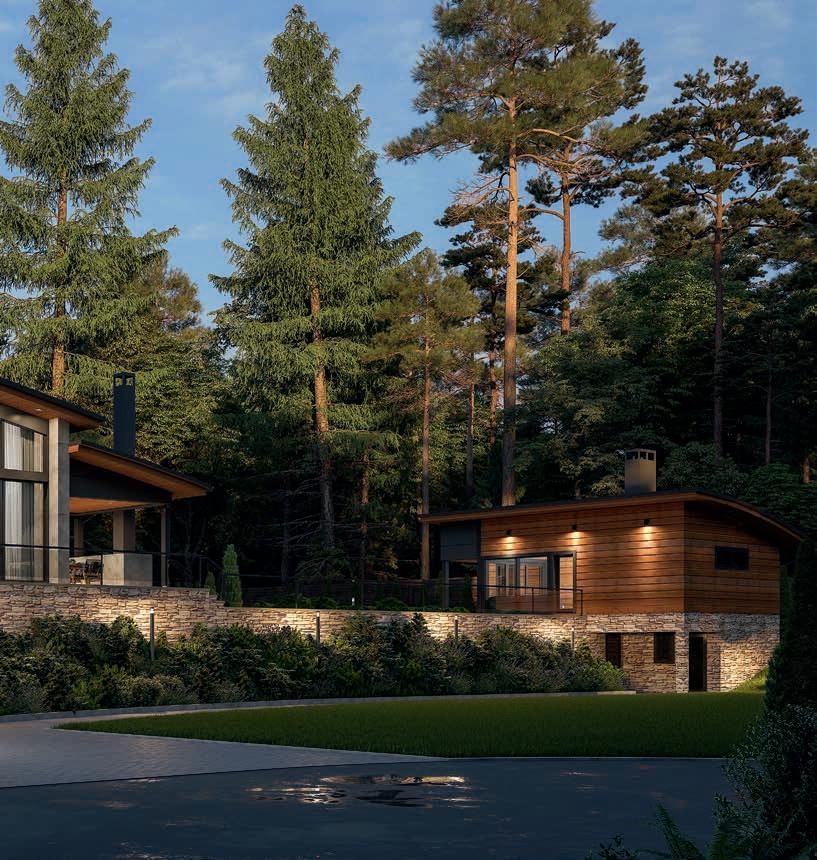
Healthy and Ecological Housing since 1963
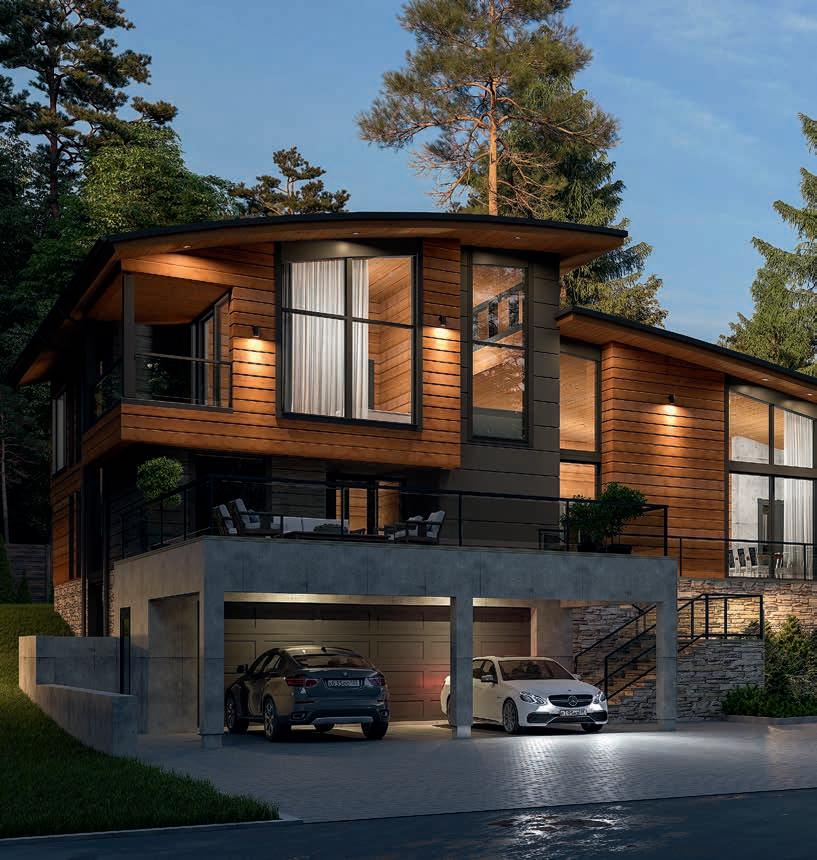
Oy Honkamajat Finland Ltd has realized dreams of healthy, safe, ecological, and high-quality living for customers around the world for over fifty years.
Living in a Honkamajat log house is a pleasant and healthy experience. Due to the breathable structure of the log walls, the indoor climate is fresh and its relative humidity stays at an optimal 30–50 % level. A log building is pleasantly cool in warm weather and comfortably warm in cold weather.
The raw material of Honkamajat log houses is northern Finnish pine, undeniably the most ecological building material. Log houses built from close-grained pine store carbon dioxide
for hundreds of years. The log house production process is also ecological. It consumes only a fraction of the energy required to build from other materials.
The top quality of Honkamajat log houses is guaranteed by first-class raw materials and know-how accumulated over decades of log construction, combined with the most modern production technology, carefully selected partners, and skilled, committed employees. Managing director Kari Tolvanen says that keeping customers satisfied summarizes the value that guides Honkamajat operation.
“In 1995 we made a strategic decision to focus on
exporting. Thus, to date we have delivered thousands of log buildings to more than 30 countries, and at least 95 % of our production has continuously been shipped abroad,” Tolvanen continues. “At first exports went to Scandinavian and Central European countries. Japan also quickly became an important export country. Now we are looking for further growth in the east: Russia, China, and India.
In addition to its own model lines, Honkamajat also specializes in producing individually designed log buildings according to the wishes of customers from different cultures. This requires open-mindedness and innovativeness in architectural
Honkamajat realizes dreams of healthy, safe, ecological, and high-quality living for its customers around the world. The company also specializes in producing individually designed log buildings according to the wishes of customers from different cultures.
and structural design as well as production. The product palette is broad, extending from private family homes to a variety of hotels and other public buildings. “Honkamajat employees are committed to working flexibly and listening to customers’ needs with a sensitive ear in order to build buildings that realize their dreams,” notes Tolvanen.
www.honkamajat.fi
Riku and Matti
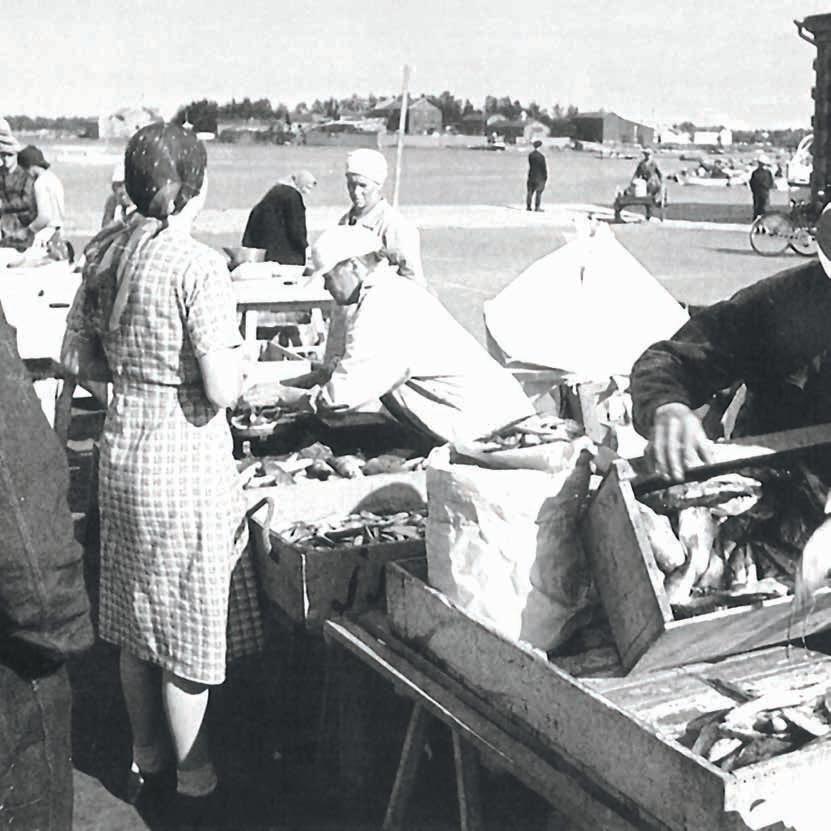
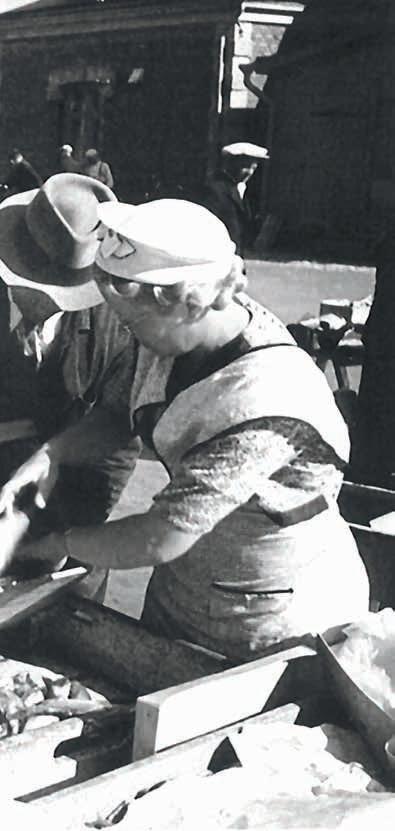
Hätälä, Finland’s largest fish product producer and supplier, is a true family business. Its story began in 1938, when Juho Isohätälä began selling fish and apples in the market square in Oulu. Today Juho’s grandson Riku is Hätälä’s CEO; Riku’s son Matti is Executive Vice President and a fourth-generation fish specialist.
Hätälä employs about 200 regular workers and up to 300 employees during the peak season. The company also provides work for more than 400 Finnish fishermen.
DIVERSE SELECTION OF HIGH-QUALITY FISH PRODUCTS
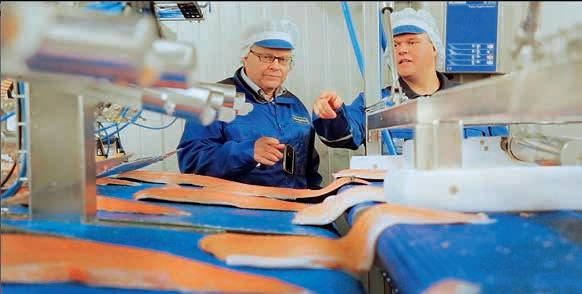
The Hätälä plant annually processes about 15 million kilos of fish. By combining modern technology and traditional handicraft the plant creates a diverse selection of high-quality fish products: fresh fishfillets, gravlax, flamed, cold-smoked, and warm-smoked fish in many forms, and easy-to-use packaged products that are ready to eat, not to forget seasonal delicacies like lutefisk.
DELICIOUS, HEALTHY, AND SAFE
All of Hätälä’s products are prepared in Finland. The company focuses on ensuring that its products are not only delicious, but also healthy and safe. Hätälä’s production complies with the international BRC standard. Hätälä has received the highest AA rating from the BRC, an award that only 140 European food companies have received.
STRONG FOCUS ON EXPORTS AND CAPACITY
Hätälä has recently invested strongly in increasing its exporting. The company delivers products to Europe under chain stores’ own private labels as well as the Hätälä brand. The leading product is flamed salmon, but European consumers also enjoy various warm- and cold-smoked and sliced fish delicacies.
The growth in exports also requires more production capacity. Hätälä is starting a large investment program to expand its fish plant. The investment program will be implemented in phases that will last until 2025; when completed, the expansion’s surface area will cover about 15,000 square meters.
Hätälä Oy, a fourth-generation family business, prepares fish delicacies for dining tables all over Finland. Now also European consumers can enjoy fair northern fish that is prepared in Oulu, northern Finland, with 80 years’ experience. www.hatalafish.com
Historic photo of Hätälä in Oulu’s market square.
”Our goal is to be one of the world’s most attractive places for businesses.
CENTRE FOR ECONOMIC DEVELOPMENT, TRANSPORT AND THE ENVIRONMENT FOR NORTH OSTROBOTHNIA
North Ostrobothnia
– a Friendly Place for Businesses
The Centre for Economic Development, Transport and the Environment for North Ostrobothnia (ELY Centre) works to attract more domestic and international companies to the region. Both large and small. Oulu and North Ostrobothnia want to be a friendly place for businesses.
“Our goal is to be one of the world’s most attractive places for businesses. At the same time we are seeking to create ten thousand new jobs in the region in the next few years,” says North Ostrobothnia ELY Centre Director Petri Keränen.
This is a tough objective, but not impossible. The key is to support companies in various ways from the start-up phase to internationalization.
“For example, we provide funding for investments and development services that foster the growth, internationalization, innovation activity, and digitalization of small and mid-sized companies,” Keränen explains.
The ELY Centre also offers companies support for personnel development and training.
“For example, if a company needs special expertise and sufficient knowledge is not available in the job market, we
can arrange education to supplement existing know-how. This way the company’s employees meet the needs of the company better,” Keränen says.
The ELY Centre also supports businesses by developing the transport system and the infrastructure. The Centre offers expertise in many environmental issues.
Development funding for companies is granted on the basis of applications. Approximately €100 million in development aid was granted in 2014–2016. About two million euros per year are granted in development services. The ELY Centre works closely with Finnvera, Business Finland, and regional business organizations.
Finland’s regional administrations will undergo a comprehensive renewal beginning in 2020, when a new regional administration system will be put in place in the country.
“Then the services of the ELY Centres, TE (employment and business service) offices, and regional councils will be combined. Our goal is to build a very solid concentration of business services so that companies can get all of their development and funding services from one place,” Keränen says.
www.ely-keskus.fi/pohjois-pohjanmaa
Continuous growth in telecommunication data transfer increases the demand for fiber optic cables
Wireless telecommunication is a hot topic today. Indeed, wirelessness is rapidly becoming more common, but in no way does it lessen the need for cables—on the contrary, just the opposite is true. This fact offers Oulubased Nestor Cables Oy—which manufactures fiber optic cables for telecommunication—excellent opportunities to develop and expand its business.
Nestor Cables’s CEO Jarmo Rajala reminds us that the current 4G and future 5G trunk networks largely rely on fiber optic cables. The immense volume of data transferred along these networks requires the use of fiber optic cables. The volumes of data travel along fiber optic cables to base stations, and only from there are they transmitted onward wirelessly.
According to Rajala, the same is true in the case of home network connections.
“Fast network connections are increasingly brought to people’s homes via fiber optic cables. Inside the home data usually travels wirelessly by means of a WLAN network,” he notes.
Today about 80 percent of Nestor Cables’s turnover comes from fiber optic
cables, 10 percent from copper telecom cables, and the remaining 10 percent from various fiber optic accessories. The company’s customers include, above all, telecommunication operators and wholesale companies, but also electrical and telecommunication contracting companies, regional networks, industry, wind power companies, railway companies, and the defense forces.
“More than half of our turnover comes from Finland. We currently export to the Scandinavian countries, the Baltic countries, Germany, Italy, Russia, the Emirates, Algeria, and the USA. Indeed, we need to look abroad for growth, because our market share in Finland is already quite large,” says Jarmo Rajala.
The markets in Africa and other developing areas also offer promising opportunities, as they are investing significantly in telecommunication network construction.
MANY COMPETITIVE ACES
There are many manufacturers of fiber optic cables in the world. Among them are both international giants and locally operating smaller companies. According
www.nestorcables.com
to CEO Rajala, Nestor Cables’s aces in this competition are—in addition to high quality—flexibility, reliable deliveries, the ability to tailor its products, and of course, competent employees.
Rajala notes that Nestor Cables’s resources and capacity are not sufficient to serve immensely large international customers. However, there are plenty of slightly smaller companies in the world whose size is suitable for Nestor. They also appreciate the Oulu-based company’s flexibility and know-how. Large cable manufacturers do not adapt to the needs of smaller companies in the same way.
Nestor Cables’s turnover in 2017 was about 30 million euros. The company has production in Oulu and Keila, Estonia. Nestor Cables employs approximately 100 people.
PROFIILIKESKUS OY
– Finnish expertise on sheet metal roll forming
Located in the immediate proximity of Oulu, Profiilikeskus supplies sheet metal roll forming machines and other sheet metal working machines around the world. Today the company has a strong presence in Central Europe, North America, Africa, Caucasia, and different parts of Russia. Established in 1992, Profiilikeskus Oy exports to over 20 countries, and about 50 percent of its turnover comes from exports.
“It feels that world has become smaller and smaller since customers are just a click away no matter if they are in Asia, North America or in Europe. Where a decade ago, it was necessary to travel to the customer to do software updates or machine check-ups, today pretty much everything can be done over the remote access no matter where the customer is. This is a great surplus especially to us Finns located so far away from our clients. This is also a key element to stay competitive on a global market. And obviously we must stay ahead of technical innovations and maintain excellent quality and reliability on everything that we do” says Profiilikeskus’ managing director Ulla Linna
Profiilikeskus’ machines are used for roll form roofing and wall cladding profiles from sheet metal. Profiilikeskus manufactures machines for each export country with an eye on the profile models of that country. The basic products of the company include equipment for producing
customized tile sheet and trapezoidal profiles. The company also supplies double deck roll formers, cut-to-length and slitting lines, and equipment to produce complete rain water systems together with reliable European partners.
”Long-term customer relationships working on this niche market, are an essential part of our success. Customers trust in the company and its know-how and are always eager to learn our new innovations. We transfer our know-how to their production equipment. Efficient production and quality products,” summarizes managing director Ulla Linna.
She also reminds us that they always start with the customers’ needs and production requirements. They tailor solutions for their customers that best serve the customers’ goals
”We also strive to be a pioneer as far as end products are concerned, as our customers want to know our view on future profile models. That’s why we continuously introduce innovations into our machines and invest in designing and R&D. Yet we have learned that the roofing industry is very traditional and it is not always easy to get acceptance to innovations that diverse too much from the main stream. However open mind gives new possibilities to unique approach on traditional roofing business.”
Top-Class Designs from Finnish Steel
Nikama Design Oy is a company in Oulu that manufactures design products. The Oulu plant makes products from Finnish refined steel to fulfill its customers’ needs and for its own model line. The company’s product selection includes jewelry, dishes, gift items, clocks, and various trophies.
Nikama Design was established in 2009. In the beginning the company’s business was based on its Nikama Jewellery product line that Päivi Partanen had designed a couple of years earlier.
The company’s philosophy is beautiful and touching.
“From the start our cores values have been humaneness, solidarity, and caring. It has been easy to base our work on these same concepts throughout our short history. They have reflected our moral values and our everyday thinking,” says the company’s Managing Director Teemu Partanen
STEERED BY REAL EXPERIENCES
The company’s story originates from real experiences. Päivi Partanen’s design philosophy is analytical, and the company’s name Nikama (vertebra) is the result of her design work.
“During my student years I investigated my family ties for a certain design job. In my childhood home I had watched what impact scoliosis has on life. In this investigation the thought became concretized for me that we are all of equal value and we are supported physically by a similar biological body—a backbone and its vertebrae. I sketched a shape on the basis of X-ray images of back and neck vertebrae—a beautiful jewel-like ornament. I separated two vertebrae from the backbone sketch with the idea of considering the backbone as the pillar of support for humaneness and community. I created these two vertebrae to represent the individual, to show respect to the mind, the body, and nature.”
PROGRESS THROUGH CREATIVE ‘MADNESS’
Nikama Design’s Managing Director Teemu Partanen explains how his perseverance and creative ‘madness’ have spurred the company’s progress for nearly ten years.
“In 2007 I began cutting backbone-shaped Nikama earrings that Paivi had designed from aircraft plywood. I tested various materials. We wanted to produce quality designs for jewelry shops, so we eventually chose Finnish
surgical steel. The material is so pure that it is also used in medical applications. It is non-allergenic, so our products are guaranteed to be safe.”
PERSEVERANCE IS REWARDING
Nikama Design’s history is a combination of trials and errors. Teemu Partanen’s strong faith in the product and the manufacturing method never wavered.
“I searched a long time for the right way to manufacture a functional, commercial bracelet from steel. I visited many professionals and specialists, but I always returned home empty-handed. I refused to give up. I began testing the manufacture of the product myself. I tried several ways to cut the shape from a steel sheet and I pounded the template of a backbone-shaped bracelet around a lamppost in the yard. I was looking for the order in which to shape the material, and by trial and error I discovered a method that would allow a functional commercial product to be manufactured.” This perseverance was rewarded, as our flagship product is the Ranka bracelet.
In 2013 Nikama Design’s product selection grew along with the company. It expanded its operation to include three brands and moved into its own facilities in Kiiminki’s industrial park.
“We added to our product selection beautiful Jaur and Arctichrome design products. The models had been in production a long time, and continuing their existence was a task of honor for Nikama Design. The Jaur model line had been created for Marimekko in 2009 and the Arctichrome model line’s story began already in the 1980s.
STRONG VALUES CARRY
Still today, Nikama Design is carried by the values defined and the strong story at the time the company was established. Gender neutrality in the design of the jewelry, inimitable design, recognizability, Finnishness, quality, a small carbon footprint, precise logistical functions, authentic materials, design thinking... “The most important values emerge already in our design philosophy. Authenticity and honesty make the design work analytical, and this way the finished product feels more authentic,” the Partanens believe.
“We have heard touching stories from the lives of our customers; how one of our products has ended up symbolizing a story of coping. That touches the ones who made the product,” the Partanens thank.
Nuottasaari – a thriving industrial cluster
By any measure, Nuottasaari—located adjacent to the center of Oulu—is a world-class industrial area. It has a thriving cluster of forest industry companies and closely related firms and production plants.
At Nuottasaari’s core is Stora Enso’s integrated pulp and paper mill, comprised of a cellulose mill, two paper production lines, and a sheeting plant. The paper mill is one of the world’s largest and most modern manufacturers of wood-free art paper. The annual production capacity of the integrated mill is 1,125,000 tons of coated fine paper and 370,000 tons of fully bleached softwood pulp.
Stora Enso Oulu Mill has reached its current form and structure as a result of long-term development—beginning in the mid-1930s. Back then Oulu Oy was established primarily to produce cellulose. For a number of reasons, Nuottasaari was chosen for the location of Oulu Oy’s mill.
Among the reasons at the time were the availability of fresh water directly from the mill’s own waterfront, easy transporting of wastewater along the river to the sea, easy access to housing and services in the adjacent town, and ground suitable for heavy construction. The mill began operation in September 1937.
A LARGE CLUSTER OF COMPANIES
Oulu Oy’s pulp mill provided the impetus for the birth of not only today’s Stora Enso Oulu Mill, but also the entire Nuottasaari industrial area. Over the years there have been ownership rearrangements, investments, and expansions of operations. The result is the current integrated pulp and paper mill, around which is clustered numerous other companies. Some of them are spin-offs from the mill itself, while others have come from elsewhere and located next to the mill.
The cluster of companies currently includes AkzoNobel, Kraton Chemical, Synthomer Finland, Efora, MaintPartner, Eurofins NabLabs, Rakeistus, and Oplax.
Akzo Nobel produces sodium chlorate in Nuottasaari, which is needed in the manufacture of chlorine dioxide— the most commonly used pulp bleaching chemical. Kraton Chemical refines tall oil to produce fatty acid, rosin, and pitch, which are used in paints, glues, lubricants, automobile tires, printing inks, cosmetics, and cleaning agents. Synthomer Finland manufactures styrene-butadiene latex, which is used in the production of coated paper and board.
Efora specializes in maintenance and engineering services. MaintPartner provides operation and maintenance services. Eurofins Nab Labs focuses on different kinds of laboratory and specialist services. Rakeistus refines ash into forest fertilizers. Oplax provides packaging and logistics services.
In addition, the Port of Oulu in Oritkari and Oritkari’s integrated transport terminal, among others, are located in the Nuottasaari area or its immediate proximity.
Stora Enso
Part of the bioeconomy, Stora Enso is a leading provider of renewable solutions in packaging, biomaterials, wooden constructions and paper globally. Our customers include packaging producers, brand owners, paper and board producers, publishers, retailers, print houses, converters, and joinery and construction companies.
We believe that everything that is made from fossil-based materials today can be made from a tree tomorrow. Our materials are renewable, reusable and recyclable, and form the building blocks for a range of innovative solutions that can help replace products based on fossil fuels and other nonrenewable materials.
Stora Enso has some 26 000 employees in over 30 countries. Our sales in 2017 were EUR 10 billion, with an operational EBIT of EUR 1 billion. Stora Enso shares are listed on Nasdaq Helsinki Oy (STEAV, STERV) and Nasdaq Stockholm AB (STE A, STE R).
We make every effort to use 100% of a tree for our products as well as for producing bioenergy. In production, we are pushing towards carbon neutrality as much as it is technically and commercially feasible. We practice and promote sustainable forestry, and work to ensure that more trees are planted than are harvested.
STORA ENSO OULU MILL
Stora Enso Oulu Mill is one of the largest and most modern mills producing multicoated wood free papers and softwood pulp. Oulu Mill has a high level of integration which is a truly
competitive edge in a challenging market. Softwood pulp is pumped to the to the paper mill from the site’s own integrated pulp mill. Pigments and hardwood pulp are shipped regularly to harbour next to the mill. Steam and electricity are generated locally as part of the pulp production and integrated power plant. Oulu millsite is designed with only one purpose in mind: to ensure the highest quality of paper manufactured for the customers.
HIGH QUALITY IN SUSTAINABLE MEANS
The products of Oulu Mill are used in demanding highquality publications, such as annual reports, brochures, marketing materials and art books. Mill’s paper product brands are LumiArt and LumiSilk for sheets and LumiPress Art and LumiPress Silk for heatset reels and LumiForte for matt reels and sheets. Lumi, the Finnish word for snow, comes from the Latin word for light – Lumen.
Lumi products are certified with PEFC and FSC, which ensures that wood used in production comes from sustainably managed forests and other controlled sources. FSC endorsement also provides assurance that the forest of origin has been independently inspected and evaluated to comply with internationally agreed standards.
Oulu Mill’s biggest customers are paper merchants, who sell paper products also by other trade names. Printers, retailers and publishers are important direct customers especially for reels. The primary sales market is Europe, where approximately 80 percent of all deliveries are directed.
The best solution for pulp bleaching
Pulp, a raw material of paper and board, is naturally brown in color. To produce white paper or packaging material—used in many applications— the pulp needs to be bleached. Today this is done at most pulp mills by elemental chlorine-free (ECF) bleaching, which is based on the use of chlorine dioxide.
Chlorine dioxide is always produced on site at the pulp mill. The most important ingredient in this process is sodium chlorate.
AkzoNobel Specialty Chemicals production plant, located in the Nuottasaari industrial area of Oulu, is an internationally significant manufacturer of sodium chlorate.
Jarkko Taskila, acting manager of the plant, says the company global customer list includes many of the world’s leading pulp companies.
“We help our customers make pulp white and bright! The customers served by the Oulu plant are regional pulp producers in Finland, Sweden, and Russia,” he states.
The Oulu plant is an AkzoNobel Specialty Chemicals facility; AkzoNobel is the leading a global producer of sodium chlorate which is crucial to environmentally compatible cellulose pulp bleaching. In addition to Oulu, AkzoNobel produces sodium chlorate at plants in Canada, the US, Brazil, Chile, France, and Sweden -accounting for
about one-third of the sodium chlorate used in the global pulp and paper industry.
ECF IS THE DOMINANT METHOD
Previously, pulp was bleached with chlorine. This method has largely been rejected for environmental reasons. Jarkko Taskila is confident in the future of the ECF method—and at the same time the future of sodium chlorate.
“In our view, sodium chlorate’s position as a chemical that is needed in bleaching is a strong one. Also our own future as a manufacturer of sodium chlorate is promising. ECF is the best available technology for pulp bleaching. And there continues to be a need for bleaching, as there is a strong demand for packaging, tissue and personal care products and they all need to use bleaching chemicals for their manufacturing,” he says.
Sodium chlorate is produced at AkzoNobel Specialty Chemicals Oulu plant from sodium chloride—ordinary table salt—and water by means of electrolysis. It is easy to guess that the plant consumes large amounts of electricity in the electrolysis process. The finished product is usually transported to customers in crystal form in truck or train.
It is important for pulp mills that they receive their sodium chlorate precisely according to their orders and needs—at the right time, in the right place, and of the right quality.
“Our customers trust us because we are a reliable supplier with strong technical expertise gained during our 100-year history; we continue to strive for world-class operations and invest in our facilities and people to maintain our competitive position,” adds Jarkko.
Operative Transparency is Smarter Maintenance
Efora is Stora Enso’s fully owned company for smarter maintenance. Efora digitalises business processes in industrial maintenance in order to increase operational efficiency and precision at the mills.
Efora has been applying IoT practices to its maintenance and management processes since 2015, and they are leading the way in digitalising process industries. Among other actions, they have built a real-time and transparent business process analytics platform. Furthermore, Efora has developed and implemented a common mobile solution for SAP plant maintenance, and they have also equipped each employee with a smartphone. This pioneering decision means everybody has a view to their teams’ targets and performance, which enables employees to become smarter maintenance professionals.
Smarter maintenance solutions also provide better efficiency in preventive maintenance. Being based on enhanced operational processes and new digital tools, maintenance is accurate and decreases the number of costly machine shut-downs. Efora’s smart tools also cover the backstage of maintenance: an automised warehouse concept makes spare parts handling processes lean, precise and efficient.
Currently, Efora is exploring the opportunities of big data in preventive maintenance. Key application areas include augmented and virtual reality solutions.
“All the key issues in today’s industrial maintenance are related to operative transparency. We start to see more initiatives and solutions, when we are all able to follow for example how each maintenance job gets done or how each team’s job list evolves. Being transparent, we share the view with the client, which has turned out to be an excellent source of motivation. We have taken a lot of steps on the IoT path, and they all lead towards higher production reliability and productivity,” says Mika Purhonen, Efora’s Site Manager in Oulu.
In addition to Oulu, Efora is responsible for maintenance services at Stora Enso’s mills (Heinola, Imatra, Uimaharju, Varkaus and Veitsiluoto) and sawmills (Honkalahti, Kitee, Uimaharju and Varkaus). Efora employs 930 smarter maintenance professionals. In 2017, Promaint Maintenance Association awarded Efora and its smarter maintenance solutions as winner in “Company innovation” category.
Efora’s smarter maintenance services range from latest technology solutions to everyday maintenance expertise.
Human and Artificial Intelligence Safeguarding Plants 24/7
Maintpartner is one of Northern Europe’s leading industrial operation and maintenance companies. Its customers include industrial companies and the utilities.
Maintpartner has four locations in Oulu; the largest is a chemical industry cluster in close proximity to the city center.
“We employ about 45 people in the industrial area of Nuottasaari. Our work is comprehensive, demanding industrial maintenance, and we also contribute to our customers’ safety and development work,” says Hannu Leskelä, President, Maintpartner Service Agreements, Finland and Estonia.
Digital technology and artificial intelligence are strongly present in Maintpartner’s work processes.
“Our technicians can enter all necessary reports and photos into the MP Flow mobile system at the maintenance site,” explains Maintpartner’s Oulu HUB Service Manager Jussi Uusitalo.
When all the available equipment and process data is
pulled together, the company’s predictive analytical system MP Intelligence is able to warn of equipment failures and process disturbances beforehand.
“The system notifies customers when a device may soon malfunction and when it would be worth taking preventive action in advance. An unplanned shutdown is much more costly than a scheduled one,” Uusitalo explains.
Maintpartner truly wants to participate in the development of its customers’ operation, and the customers have taken note of this.
“We have good cooperation with our customers who we also support in improving their occupational safety,” says Leskelä.
Safety is one of the most important values in Maintpartner’s work. The company has invested considerably in safety. Its employees are very committed to following the safety standards and rules, thanks to the strong support of the supervisors. The attitude toward safety is most important.
“We are fostering a culture of caring. Caring for oneself, caring for one’s coworker, and taking care of tasks safely. We feel we have succeeded in this, as we haven’t had a single work accident in the Nuottasaari area for well over a year,” Leskelä notes.
Maintpartner’s tasks range from sites’ lawn mowing and snowplowing to maintenance and development of plant automation systems. The technicians are in readiness 24/7 in case something happens at the plant.
“Our attitude toward service is flexible and open. It’s OK if someone orders one hour a week of service from us or enters a wide-ranging service and maintenance contract. Or only needs our specialist consulting service. We have both large and small customers,” Leskelä describes.
Established in 2006, Maintpartner currently employs approximately 1100 people in Finland, of which about 80 in Oulu. Maintpartner also operates in Sweden, Estonia, and Poland, where there are altogether 750 employees. In Finland, the turnover in 2016 was €105 million; total worldwide turnover was €160 million.
Strong Expertise in Latex Production
A55-ton tank truck is ready to leave Synthomer’s plant in Oulu’s Nuottasaari. The tank is full of milky white latex, which is used as a binder in paper and board coatings.
Large tank trucks continuously bring latex from Oulu to customers, i.e., paper and board mills, in Finland, Sweden, and Russia.
“We are a strong operator in the paper industry, and in recent years we have also significantly reinforced our position in packaging products. Basic research and latex development are done in Synthomer’s German unit in Central Europe. This expertise is brought to Finland, where we apply it to the special needs of our customers,” says Synthomer Finland’s Managing Director Antero Kurikka.
The demand for food packages and also other types of packages has increased.
“The need for different kinds of packages has grown recently partly due to the significant increase in online purchasing. Environmental issues and stiffer requirements for consumer packages have brought new challenges to package manufacturers and also to latex producers,” Kurikka explains.
According to Kurikka, the competitive situation in the field is challenging. Synthomer is continuously focusing on global growth.
“Our strengths are reliability, quality products, and strong technical know-how. We work in collaboration with our customers. The Synthomer group has a robust global growth strategy,” Kurikka says.
The Oulu plant is recognized for its know-how. Latex has been produced in Oulu since 1974.
“The chemical process itself has not changed, but otherwise there have been major advances in technology, automation, and end products. The plant’s capacity is about thirty times that of its first years. The unit is also very costefficient,” Kurikka describes its development.
The Oulu plant employs 30 people, most of whom are in production.
“We handle demanding process chemicals, and the process requires very precise adherence to safety issues. We appreciate our employees’ expertise and commitment to the company,” says Kurikka.
Synthomer is a workplace where its employees stay on for a long time. Kurikka himself has been with the company for 30 years, and soon the company will celebrate an employee who has worked here for 40 years.
Internal and External Investments in the Port of Oulu
Oulu is the largest port on the Bothnian Bay handling containers and bulk cargo. Annually, the port receives about 600 calls with the total volume of goods handled reaching 3.6 million tonnes.
An increase in vessel size is a common trend today, seen both in the Baltic and in global shipping. For the Port of Oulu, this calls for a deeper fairway. In terms of construction in the Port, year 2017 has been one of the busiest ever. New deposit pools have been in the making all year in preparation for the upcoming dredging projects. The pools will be filled with material dredged from the new 12.5-metre deep channel. As a result, the area of the Port will increase by more than 50 hectares. In addition to providing a completely new starting point for future development of the Port, the increase in area also brings lots of new opportunities for our existing and future clients.
At the same time as the deposit pools, construction of new railway tracks in the West Quay area has also been under way. The first phase of the project was completed by the end of the year 2017. This means that the West Quay will be able to accommodate two long trains at the same time. In addition to the deep channel, improving the efficiency of rail traffic has been one of our key goals.
Our own investments also attract others to invest in the area. At the moment, construction of a new logistics centre next to the port entry gates is perhaps the most interesting project financed by an external investor.
The Port of Oulu wants to engage in continuous interaction with its clients. We want to know our clients’ needs for change and be at the forefront of development to meet their requirements.
Strong Concentration of Business and Know-how
BOTHNIAN ARC
The Bothnian Arc is an inverted U-shaped coastal region in the northernmost part of the Baltic Sea. It begins on the Finnish side at Kokkola, crosses the border in Tornio and Haparanda, and continues on the Swedish side to the Skellefteå area. The Bothnian Arc is a unique region in many ways.
Probably no one knows the Bothnian Arc as well as Heikki Aalto, who has long been the managing director of the Bothnian Arc association, registered in Sweden. With its office in Haparanda, the purpose of the association is to oversee the interests of the Bothnian Arc, improve the region’s competitiveness, and promote crossborder cooperation.
Aalto reminds us that the Bothnian Arc is already a strong entity—stronger than is often even realized: “Over 700,000 people live in the region and a considerable amount of industry, top-level technology, tourism and other services, research, and education is concentrated there.”
OPPORTUNITIES ARE NOT ALWAYS NOTICED
Managing director Aalto regrets that the fineness of the Bothnian Arc is not often really noticed. For example, companies operating in the region easily set their sights further away, even though there would be excellent customers and partners close by. He hopes the opportunities offered by the Bothnian Arc would begin to be noticed more.
The Bothnian Arc association seeks to awaken interest in the region. The association currently has twelve
members: six municipalities in Sweden and four regions, one city, and one province in Finland. According to Aalto, the objective of the association and the Bothnian Arc mindset is to turn the coastal region into a fully integrated common area of two countries.
“There is still work to be done, but we are on the right track and have already accomplished much,” he notes.
Heikki Aalto wants to point out two things, in particular. First, he hopes the Bothnian Arc can become a continuous, seamless area where people go to work. He mentions improving the logistics of the region as the second important goal.
MOBILITY OF LABOR AND FUNCTIONAL LOGISTICS
Managing director Aalto feels the mobility of labor between northern Finland and northern Sweden needs to be improved. At the moment, there is practically full employment in the northern parts of Sweden and there is a lack of specialists in several fields, yet the Finnish side is still struggling with unemployment. Aalto wishes labor could more easily move across the border, as this would improve employment in the region as a whole and spur economic growth.
In speaking of improving logistics, Heikki Aalto refers above all to construction of a quick rail connection between Oulu and Luleå—two university cities with a high level of know-how.
“A rail connection would increase economic cooperation, cross-border labor mobility, and tourism in the Bothnian Arc region,” he emphasizes.
Heikki Aalto points out that a rail connection could be built at quite low cost. It would require investments of only €10–15 million to electrify the section of railway between Laurila and Tornio. The necessary investments have already been made on the Swedish side, so a good rail connection to Haparanda already exists.
Aalto feels it is very significant that a rail connection between Oulu and Luleå would also make it possible to travel by rail from northern Finland all the way to Europe and to the Arctic Sea in Narvik, Norway.
BENEFITS FOR BOTH SIDES
Business life in northern Sweden is diversified and busy, and according to Heikki Aalto, this offers many opportunities to Finns, also.
“Mining giant LKAB is the northern Swedish company that most often comes to Finns’ mind first, but there is much more there, like Facebook’s enormous server center in Luleå and Acusticum, the large research and business center for creative fields in Piteå,” he mentions as examples.
And new companies are springing up constantly. Just recently, battery company Northvolt decided to locate its future plant in Skellefteå.
In the same way there is much in northern Finland that interests Swedish companies and people. Indeed, the Bothnian Arc association seeks to promote interaction on both sides and increase the two neighboring countries’ knowledge about each other’s opportunities.
www.kauppakeskusvalkea.fi/en/ Mon-fri 9–21 sat 9–19 sun 11–18 isokatu 22-25 • 90100 oulu
CITY OF OULU
Excellent Operating Conditions for Businesses
The City of Oulu has always emphasized the significance of businesses and has sought to act in such a way that companies would find it as advantageous and easy as possible to operate here. Oulu has also succeeded very well in this objective—it has regularly been listed among the best when localities’ business favorability has been measured.
Mayor Päivi Laajala emphasizes that the city is not able to support individual firms financially, but it is capable of doing much to develop operating conditions for business life. She says the city’s most important functions from the standpoint of business life are land-use planning and various business services, events, and happenings.
BusinessOulu is responsible for realizing the City of Oulu’s industrial policy and business services.
“With these business services we are able to provide assistance and advice to companies, for example in acquiring employees, developing know-how, advancing innovations, promoting exporting, and securing funding,” explains Laajala.
According to the mayor, Oulu can offer companies planning to move here or already established here a large selection of flexible, expert services; competent, dedicated employees;
and a good atmosphere of cooperation. Oulu has a longstanding tradition of collaboration between the University of Oulu, Oulu University of Applied Sciences, Oulu Vocational College, research institutions, the City of Oulu, organizations, and companies.
Long recognized as a cradle of technology, in particular, Oulu’s business life has also become significantly more diversified in recent years. Päivi Laajala is satisfied with this development.
“We have noticed that a wide variety of different kinds of companies in different fields is beneficial. We need companies in different fields and in different phases of their life cycle. A diversified business environment also benefits the companies, ” she notes.
A CITY OF KNOW-HOW
According to Mayor Laajala, Oulu still has a strong profile as a city of know-how. For example, companies, educational institutions, and research institutions are well advanced in 5G and 6G research and development in the field of telecommunications.
The mayor feels Oulu has a strong atmosphere of doing things, but naturally also faces challenges.
“We do a lot here and accomplish much. The problem perhaps is that we don’t know how to communicate and market our achievements well enough,” she ponders.
Oulu seeks to increase its attractiveness by promoting a lively, well-rounded city culture. One indication of this is the decision to apply for the title of European Capital of Culture in 2026. At the same time Oulu will become a more multicultural and international city in the coming years.
DO YOU WANT YOUR BUSINESS TO GROW QUICKER AND BECOME A GLOBAL SUCCESS STORY?
At Business Finland, we create new growth by supporting companies to go global, as well as funding innovations. Our top experts speed up the identification of business opportunities around the world and help transform them into global success stories.
Our broad range of services supports you during the different stages of internationalization. Business Finland is a merger of Tekes and Finpro and we offer all of their familiar services and more under one roof.
FUNDING
We offer funding for research, product development, and many kinds of business developoment needs.
BUILD YOUR NETWORK
Our services boost innovationbased export growth, accelerate internalization, and provide help in networking.
DISCOVER OPPORTUNITIES
Discover and test the possibilities of your business on the international markets with the help of our services.
INNOVATE
Develop a competetive advantage and innovationbased exports with the help of our services.
GO TO MARKET
We help you find new partners, experts and networks all around the world.
SCALE YOUR BUSINESS
Growing pains? We help to bring down the boundaries of growth for your business and broaden the scope of your operations.
COUNCIL OF OULU REGION Cares for the Operating Environment and Supports Companies
The Council of Oulu Region is the official organization responsible for regional development; its task is to promote development in the region. With the help of a common direction of development and EU structural funding, the Council supports renewal of development and innovation work done by companies as well as research conducted by the university, which serves the needs of companies.
“We support companies behind the scenes and work to ensure that the operating environment is competitive,” Region Mayor Pauli Harju summarizes.
Oulu Region’s manner of acting for the good of companies is exemplary on the national level. Cooperation in the region is straightforward.
“We support the competitiveness of universities over the long term. Patience is an advantage in development work and when creating innovation environments; it facilitates companies’ participation and makes monetary investments more meaningful. Structurally, this is a long road, but it has proved to be a successful one,” Harju says.
Oulu Region is currently investing considerably in the ICT field, the metal industry, timber refinement, and the health and wellness sector.
“The mining industry has also seen a new uptick, thanks to the EU and us,” Pauli Harju mentions.
Oulu Region is building competitiveness that relies on skilled professionals living in Oulu Region now and in the future.
“The population in our region enjoys the highest renewal rate in Finland, so we do not face aging of the labor force as a lack of workers, as they do elsewhere,” Harju says.
In addition, the level of education in Oulu Region is slightly higher than the country’s average.
“This enables continuous renewal and development. We are international leaders in some research areas,” Harju says.
NORTHERNNESS IS ALSO A COMPETITIVE ASSET
“Oulu Region is a physical and intellectual gateway to the north. The north holds great potential, and we need to exploit this and highlight the expertise we have in Oulu Region,” Harju says.
Harju feels people’s satisfaction with their living environment and a balanced life is a factor of success for Oulu Region companies.
“It is easier to find quality of life here than elsewhere. A good life is an increasingly important value that gives us strength and thereby makes us more efficient.”
www.pohjois-pohjanmaa.fi
Liminka – a Platform for Growth
Liminka is a prosperous municipality south of Oulu with a population of a little over 10,000. Although its history goes back to 1447, it is Finland’s youngest municipality, because the average age of its residents is under 31. Currently more than 40% of its residents are under 19, and studies show that Liminka will be Finland’s youngest municipality even in 2035.
According to nearly all meters, Liminka is the most attractive municipality in Northern Ostrobothnia. It ranks 8th among all of Finland’s 311 municipalities in the level of education of its workforce, and based on entrepreneur studies it is Northern Ostrobothnia’s second most businessfriendly municipality. Indeed, Liminka is a lively, dynamic, independent municipality between two regions—Oulu and Raahe. Logistically it is truly a hub, as westerly route 8 and Finland’s main north-south highway, route 4, intersect in Liminka.
LOCATION – FIFTEEN MINUTES BY HIGHWAY FROM OULU AND THE AIRPORT
In recent years Liminka has invested especially in the growth of entrepreneurship. The municipality has zoned commercial plots in highly visible locations along highway 4 and route 8. The Ankkurilahti commercial area adjoining the highway in Tupos is 15 minutes from Oulu and the region’s international airport. SIKLA and Volter, among others, have just recently built their main offices and part of their production facilities in Ankkurilahti, Liminka.
A beautiful agricultural landscape opens up along route 8 only five minutes south of Ankkurilahti. On the other side is the Liminganportti business area, located on the busiest section of route 8 right off the intersection of routes 4 and 8 at Haaransilta. The average annual traffic volume in Ankkurilahti is 5.5 million vehicles, and along route 8 it is about 5 million vehicles a year.
Liminka has been the fastest growing municipality in Finland between 2000–2015 and its target is to keep on growing every year also in the future, by investing in both – people and businesses.
LIMINKA BAY – BIRD PARADISE
Although Liminka is recognized for its growth and development, above all it is known for its birds. Liminka Bay is Finland’s most important wetland for birds. There you can photograph swans, cranes, geese, many waders and ducks, black-tailed godwits, ruffs, owls, capercaillies, black grouse, and many other, even rare species. During the best years nearly 200 different species of birds come to the bay. About half of these species also nest in the area, so it’s no wonder that the Liminka Bay Visitor Centre attracts around 55,000 birdwatchers and nature lovers a year. Approximately 15% of them are international tourists.
SOUND OF SILENCE AND MAGICAL TRAILS
Liminka Bay is a natural wetland protected according to the Ramsar Convention. The Visitor Centre’s hotel and restaurant and the Metsähallitus exhibitions serve the bay’s visitors and offer unique experiences of silence. Liminka has compiled a Tourism Master Plan as a basis for developing opportunities to experience the uniqueness of the area and the Nature Centre as a learning environment.
Liminka has four fully marked mountain bike trails, one of which is intended especially for fatbikes. The trails begin at the Liminka Bay Visitor Centre and lead to the magical forests of Rantakylä. The widely praised trails are also suitable for trail jogging and the fatbike route is kept open also in the winter time.
SHOOTING CENTER RUUTIKANGAS
In Liminka, the biggest shooting sport association in Finland is building Northern Europe’s first internationallevel shooting Center, Ruutikangas, which will be located in an area that is half in Liminka and half in Lumijoki. When completed, the center will be able to host World Cup-level competitions in practically all types of shooting sports. During these competitions up to 1500 shooters and their support teams will visit the area.
Liminka – experience northern culture and nature
Green and Smart Growth in Ii
Municipality of Ii has set an ambitious goal to reduce 80 percent of carbon emissions by the year 2020, which is over 30 years faster than the EU climate target. In 2017 Ii was awarded for the best climate action in Europe by the Commission and the Nordic Council of Ministers identified Ii as one of the best Bioeconomy cases in the Nordic Region.
BECOMING ZERO EMISSION AND WASTE-FREE COMMUNITY
Ii is an energy surplus region which produces hydro, geothermal and wind power as well as bio-based fuels. One of Finland’s largest wind farms is located by the sea shores of Ii.
Municipality of Ii has invested close to 2 M euros in cleantech procurements in 2012–2016 and since 2012 over 12 M euros has been invested in new developments. Ii has managed to cut down oil consumption by 89 % from 2010 level. Energy, heat and water consumption data are collected in real-time from all public buildings.
With us innovative ideas are easily tested, measured, adjusted and piloted, which opens new opportunities for the companies working e.g. on energy storage development, solar and bioenergy or intelligent transportation systems. The work is conducted as part of Carbon Neutral Municipalities (HINKU) network that brings residents, experts and companies together to create and carry out solutions in reducing greenhouse gas emissions. Ii is also a member of a Finnish Sustainable Communities (FISU) network that aims to create sustainable well-being from a circular and carbon neutral economy.
INVEST IN A GREEN AND SMART FUTURE
Ii offers innovative and competitive business premises and opportunities only 35 km from the City of Oulu, Northern Finland.
We boost green and smart growth and investments. Our expertise covers environmental engineering and profitability calculations, service design, business incubatoring and enhancing circular economy solutions. Significant renewable energy implications are being activated with the assistance of EU funding programs producing new business opportunities and competence in the Arctic region.
Ii is a piloting premise in a 5G trial system for future IoT services as well as next generation energy measurement systems.
www.ii.fi/invest
Martti Ahtisaari, Former President of Finland, Nobel Peace Prize laureate
Martti Ahtisaari Institute
Martti Ahtisaari Institute of Global Business and Economics is an education, research and innovation institute, jointly founded by the former President of Finland and Nobel laureate Martti Ahtisaari and the University of Oulu.
At the time of inauguration in 2008, the world economy entered a period of turbulence to be remembered by historians and economists alike. However, many turns of events also led to a significant restructuring and rethinking of how we as humans and businesses interact, function and develop.
The Institute has taken a proactive role as a change agent in our own field of operation – high-quality University education and research – by introducing novel ideas and practices within the field of business education. We have fostered the foundation and development of new International Master’s Programs, taken a leading role in our Business School’s AACSB accreditation process as well as conducted dozens of R&D projects with companies in digitalization, new business creation, and more.
Building networks both in the international and local level is an inherent part of what we do at the Institute. In addition to AACSB International, GRLI (Globally Responsible Leadership Initiative) and other global networks, we are an active partner in our local networks including the Chamber of Commerce, Oulu Innovation Alliance, and the Federation of Finnish Enterprises.
Furthermore, our vibrant cooperation with partners like the City of Oulu, the Council of Oulu Region, VTT Technical Research Centre of Finland and business partners leads to innovative projects in the fields of digital business, business creation and renewal of operations.
The results of network building and co-creation are visible also in our Executive MBA Program with its 430 alumni and other education programs in the University of Oulu. In addition, we actively promote discussion on topics within business and economics as well as other important societal issues, by means of arranging seminars, discussion forums and workshops for experts and the general public.
The United Nations estimate that the global population will reach 8 billion by 2028. The global and local challenges and opportunities will most likely continue in different shapes and sizes, offering us plenty of action to engage in also during the next upcoming decade.
We at the Martti Ahtisaari Institute do things the MAI Way – Together for Us All. www.mai.fi
BIOCENTER OULU
Top International Center for Fibrosis Research
Fibrosis is the formation of dense connective tissue in place of other tissue. It is associated with many common diseases in the liver, heart, and blood vessels, for example. Fibrosis prevents organs from functioning normally. Its origin is still unknown and there is no actual cure for it.
Nevertheless, more knowledge about fibrosis is continuously being obtained. Biocenter Oulu of the University of Oulu is concentrating a significant share of its research on studying fibrosis. Scientific
Director Johanna Myllyharju emphasizes that Biocenter Oulu’s work is basic research by nature, but its clinical exploitation is already on the horizon. The findings of basic research can be brought to the next level also in Oulu—closer to the patient.
“We work together with the medical industry. New diagnostic methods and medications are being developed, as are possible methods for preventing the emergence of fibrosis,” she says, but at the same time reminds us of the long time required to develop medication.
The goal of the University of Oulu and Biocenter Oulu is to be world-class researchers of fibrosis. According to Professor Myllyharju, staying at the forefront requires close international cooperation and continuous exposure to international evaluation. This also ensures that Biocenter attracts new, gifted people and top-class researchers to its ranks.
Myllyharju emphasizes that, although fibrosis is at the epicenter of Biocenter Oulu’s research, this does not mean its field of operation is narrow.
“Our multidisciplinary operation allows us to find new contexts. We are also ready to explore new openings. Fibrosis research can bring something new to some other area, or findings produced elsewhere can further research in our core area,” she explains.
FOCUS INSTITUTE
Biocenter Oulu is a focus institute that operates in one of the University of Oulu’s strategic research focus areas. This area is called Molecular and Environmental Basis for Lifelong Health. Biocenter Oulu has been assigned three tasks: internationallevel research, doctoral training, and providing research infrastructure for the university’s own staff and external customers.
Of these three tasks, the main focus is on research, but the other two are also important. Biocenter Oulu has continuously been able to recruit excellent students from around the world to its doctoral training. Providing research infrastructure for researchers and companies is smart use of resources from everyone’s standpoint.
“Many devices are expensive and their use requires a high level of knowledge. It is not worth it for individual research groups or companies to purchase them for themselves. It is easier and cheaper to use our equipment and services. Indeed, our customers include startup companies,” says Johanna Myllyharju.
Established in 1986, Biocenter Oulu currently employs about 270 people in a variety of jobs.
5G will change everything – every company should consider its digital strategy
5G is the network of networks. Data will be transferred between places, users, and devices at unprecedented speeds.
The University of Oulu Centre for Wireless Communications (CWC) is abreast of the times and focused on studying 5G technology and its various applications. CWC is also looking further into the future; it intends to also be at the forefront of development of 6G technology.
Until now digitalization of businesses, processes, and services has primarily been pondered by data communication companies. 5G will change everything, as it will be possible to collect and combine data with detectors and sensors from an entire city, for example.
“Now is the right time for every company, regardless of its area of operation, to begin considering its own digitalization strategy. It is worth thinking about how to benefit from data and wireless connectivity to both improve the company’s own processes and innovate new business possibilities,” says Academy Professor Matti Latva-aho at CWC.
For this reason among others, CWC has opened the world’s first open 5G test network.
“The test network offers business opportunities for entirely new types of services and applications, for example for electric companies, car manufacturers, or healthcare companies,” mentions 5G test network Program Manager Olli Liinamaa at CWC.
5G is so-called enabling technology. Visions of the future in healthcare include wireless operating rooms and even remote surgery using robots. Wireless remote operations enabled by 5G will also be seen in autonomous vehicles, for example.
“Autonomous platforms will not first travel on streets, but they initially could be forklifts operating in plant or harbor areas,” describes Professor Ari Pouttu at CWC. CWC is an internationally recognized top-level unit in wireless data communication that employs around 150 international specialists.
FACTS ABOUT THE 5G OPEN TEST NETWORK
• The world’s first open 5G test network that offers the capacity for intercontinental testing
• A wireless network with its own control center and base stations, to which mobile phones, applications, services, and devices can be connected
• Offers companies the possibility to perform testing of new types of services and applications
• The test environment already has a robust ecosys tem, but it will accept many kinds of business areas
• Case Polar Electro: the company is studying how 5G’s potential can be used in data transfers between small devices
• Case Caritas: the company is employing various types of measurements to determine how to improve care processes and streamline food distribution
• The first intercontinental 5G network experiment open to the public was built between South Korea and Finland during the 2018 Olympics in South Korea
OULU UNIVERSITY OF APPLIED SCIENCES
A Common Campus will Increase Attractiveness
Oulu University of Applied Sciences and the University of Oulu will have a common campus in Linnanmaa by 2020. The campus will comprise an international-level center of education and research. It will also be a bustling place—20,000 students will guarantee that.
Expectations regarding the new common campus are high. Oulu University of Applied Sciences (Oamk) Principal Jouko Paaso believes that the ultramodern campus that meets the newest requirements will raise Oamk’s attractiveness and competitiveness even higher.
“The digital campus being built in Linnanmaa is a core factor for Oamk’s future development. The campus facilities and technology will create an entirely new type of learning and working environment,” he emphasizes.
MORE DIGITAL AND ONLINE TEACHING
According to Principal Paaso, the new common campus will provide an excellent framework for definite growth in digital and online teaching, for example. This again will increase the significance of teamwork and students’ independent work. Nonetheless, conventional teacher-led contact hours will not disappear entirely, nor will large mass lectures.
But major changes in studying are in store, Paaso promises. At the same time teachers’ work will differ from what we are accustomed to.
“The nature of teaching will become more like guiding,” he says.
The common campus will also allow Oamk and the University of Oulu to increase their collaboration. Mutual activity will most certainly be found in the area of teaching, but above all the higher education institutions will be able to share special facilities and, to some degree, also services. This will bring savings to both—thereby increasing resources for implementing their actual core tasks.
Paaso believes the common campus will also enhance collaboration with companies. In the future companies will be able to reach both Oamk and the university in the same area. Services that support companies and entrepreneurship—like Business Kitchen—will also be more easily accessible.
COMPETITIVENESS IS AT A GOOD LEVEL
Jouko Paaso figures the common campus will even further boost Oulu University of Applied Sciences’ competitiveness and attractiveness. Of course, both are already at a good level.
“We have had an average of 3.5 applicants per each starting place, and at most as many as 4.5. Measured by the number of applicants, we are the fourth or fifth most desirable university of applied sciences in Finland,” he explains.
The strong point of universities of applied sciences today is—and will continue to be in the future—that the education they provide is rooted in working life. Lately they have sought to reinforce this aspect. Practical training and learning
projects carried out in collaboration with companies are important tools to this end.
Being rooted in working life has a significant impact on Oulu University of Applied Sciences graduates being able to readily find employment. Principal Paaso explains that Oamk students graduate directly into a profession.
“Two-thirds already have a job when their studies end. Ninety percent have found a job within a year after graduating,” he says with satisfaction.
FUNCTIONS WILL BE CENTRALIZED
When the common campus is ready, Oamk will be able to situate all its functions in two campuses—Linnanmaa and Kontinkangas. The former will house all fields of study except social services and healthcare, which will remain in their current facilities in Kontinkangas. Oamk currently has facilities in eight locations around the city.
In practice, the common campus will be implemented when Oamk moves to completely renewed facilities in Linnanmaa that the University of Oulu will vacate in the spring of 2020. Their total floor area is about 23,000 m2. The floor area of the Kontinkangas campus is about 17,000 m2 Thus, the facilities of the two campuses will cover approximately 40,000 m2. Oamk currently has about 60,000 m2 of space.
According to Jouko Paaso, the shrinking floor area will not cause headaches, as the facilities in Linnanmaa will be much more efficient and suitable for Oamk’s needs.
Oulu University of Applied Sciences’ facilities will be updated, but there is no need to make significant changes in the education offered.
“Our large fields of study are technology, social services and healthcare, business, culture, and natural resources. In addition we offer vocational teacher education. All of the fields of study will remain, but of course we can make adjustments within them, if needed,” says Principal Paaso.
Principal Jouko Paaso believes that the common campus will also allow Oamk and the University of Oulu to increase their collaboration.
Tj-koulu celebrates its 30th year
February marked the 30th year since the first Tj (Managing Director) program started up in the Oulu area. Long experience has given the company strong knowledge of the world of its customers.
Tj-koulu’s coaches recognize the situations and challenges faced by SMEs.
Tj-koulu supports companies in building a foundation that withstands growth. Entrepreneurs, managing directors, and other responsible people take on their companies’ challenges with the help of professional coaches. All the crucial areas of business operation and management are addressed.
“We help companies progress to the next phase. And we promise that the work is steered by practicality, joy, and outcome, explains Tj-koulu’s Managing Director Sanna Leppänen
FINLAND NEEDS COMPETENT SMES
Finland’s future currently depends particularly on the growth and progress of SMEs. Tj-koulu specializes in helping namely these companies, and is therefore involved in a truly important cause.
Tj-koulu has achieved a strong position as a partner in the growth and development of Finland’s SMEs. Programs are ongoing in Kemi, Rovaniemi, Oulu, Ylivieska, Kokkola, Vaasa, Seinäjoki, Jyväskylä, Tampere, Lahti, and Vantaa. Customer feedback is excellent nationwide.
DEMANDING CUSTOMERS TEACH
The time invested in a coaching program is a significant investment for a small company. Thus, customers demand results from the cooperation.
The concrete program does not only mean good public
communication skills or good lectures and examples. It means addressing together the challenges that companies face as they progress toward their goals. The objective always is that cooperation with Tj-koulu will leave a lasting mark in the company.
Tj-koulu’s staff are passionate about sparring with SME management and helping people understand growth management. “This is an interesting interdisciplinary world that has something new to offer every day.”
A SPECIALIST FOR ONE’S OWN COMPANY
Tj-koulu’s know-how can be obtained in a variety of different packages. Coaching programs are a good way to start.
“Often, cooperation continues in the form of coaching tailored for a specific company. For example, after the company’s strategy has been made clear we are there to help in realizing it. This may mean periodical sparring meetings with the management and working together with other staff in the company.”
TJ-KOULU PARTICIPATES IN SUCCESS STORIES
Tj-koulu’s staff are especially happy when new responsible people in a familiar company sign up for coaching. This means the company has progressed and is building a goaloriented management team.
“This way we can be a part of many companies’ success stories,” Leppänen says happily.
Oulu Vocational College Individualized Education
Oulu Vocational College (OSAO) creates increasingly individualized learning paths for its students. In building these paths the students’ skills and characteristics are taken into consideration even better than before. This requires recognition of the students’ prior competence.
OSAO’s Principal Jarmo Paloniemi feels the trend toward tailored education and compiling a personal curriculum for each student are excellent ideas—for many reasons.
“This way the education we provide is more flexible and takes the student’s needs into consideration better. It is also good that most of the studies take place at workplaces through apprenticeship contracts,” he notes.
Principal Paloniemi emphasizes that making education more individualized also means providing more support for those students that need it. At the same time the students spend less time in the classroom and they are able to begin working quicker—which benefits all parties involved.
“We educate our students for a vocation and further studies,” Principal Paloniemi summarizes.
ABOUT 10,000 STUDENTS
OSAO on is a multi-field vocational college that provides education for about 10,000 youths and adults. It has units in Kempele, Liminka, Oulu, Muhos, Pudasjärvi, and Taivalkoski. The vocational college offers a broad palette of education— vocational qualification, further qualification, and specialist qualification in many fields.
In addition, at OSAO it is possible to improve competence through supplementary training, company-specific training, and short courses.
OSAO offers education in countless different fields. However, the main emphasis is on technology, communication, and transport—about half of the students study in these areas. Their age distribution is also broad: a large share of the vocational qualification students are young, while many of those seeking specialist qualification are well into their middle age.
According to Principal Jarmo Paloniemi, the rate of employment of OSAO graduates is at a good level. This speaks of the high quality of the education. Indeed, he says that OSAO gives its students a good foundation for life, as long as they have a good attitude toward life.
“Students have thanked us both for the high level and individualization of the education we provide and for having been able to enjoy studying at OSAO. We also have good cooperation with companies,” Paloniemi notes.
Individualization is currently a strong theme in the development of OSAO’s education, but not the only one. Digitalization and robotics, for example, are also strongly present in the content and implementation of the education— just as they are in the work that the students begin to do upon graduating.
OSAO is a multi-field vocational college that provides education for about 10,000 youths and adults.
such
We
THE PRINTED MESSAGE LEAVES A TRACE
Printed matters provides information and experiences in unique way: it is delved into, it leaves permanent remembrance and makes an impact.
When You want an impressive message, turn to us. erweko.fi