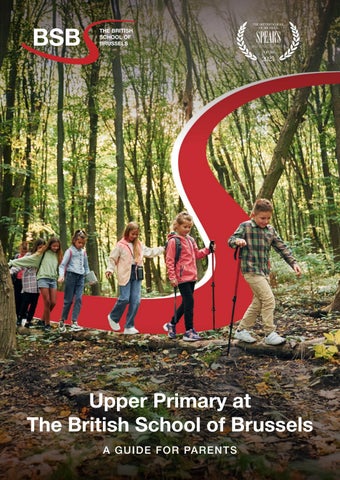
Upper Primary at The British School of Brussels
In Upper Primary at The British School of Brussels, each classroom reflects the learning journey of our students. The walls are filled with ideas, and pupils actively ask questions and make connections between what they study and the wider world. Children aged 7 to 11 take part in activities that encourage thinking and celebrate individuality, creating an atmosphere of curiosity and creativity.
Upper Primary at BSB helps prepare children for the independence and excitement of secondary school. The curriculum follows the English National Curriculum, carefully adapted for our international community. Every child, whether from Belgium, the UK, or elsewhere, is included and challenged. Learning is connected across subjects, linking science with art or history with technology, so that children see meaning in what they do.
Classes are kept at a mid-size, allowing each child to be known and supported. Experienced teachers, together with specialists in modern languages, music, Physical Education and outdoor education, create an environment where strengths are celebrated and individual needs are met. English support and bilingual options are available, making language learning a valued part of school life. Projects and performances help children develop independence and creativity alongside knowledge and skill.
We balance academic focus with personal development, so children learn to organise themselves, think critically and work together, as well as to be kind, curious and confident. These years bridge the child-centred approach of Lower Primary and the growing independence needed for Secondary. Play, joy and wonder remain important, and learning continues through hands-on activities, trips, visitors and rich classroom experiences to keep children engaged.
Key Stage 2 curriculum
Key Stage 2 at BSB is part of Upper Primary and covers the final four years before students move to Secondary at the end of Year 6. Pupils follow a broad, British-based curriculum with a strong focus on English, Mathematics, Science and Computing, as well as History, Geography, Art & Design, Design & Technology, Music and Physical Education.
Modern languages, usually French and/or Dutch, are taught by specialists and are part of daily school life. There is structured support for children who are learning English as an additional language. Teaching is informed by research and often involves cross-curricular themes and projects, helping lessons feel connected. By the end of Key Stage 2, children are confident readers and writers, fluent in mathematics, and able to explain their thinking clearly in speech and writing.
The curriculum also looks at social and emotional learning, leadership, and outdoor education. Children learn to manage friendships, take responsibility, and develop as capable young people. As children move through Upper Primary, they become more able to organise their work and prepare for the next steps in their learning.
Units of Discovery
One distinctive feature of learning in Primary at BSB is the organisation through Units of Discovery. These are themed, inquiry-based projects which bring together subjects such as Science, History, Geography, Design Technology, Art and PSHE into one unit. They have foundations in the English National Curriculum and encourage children to ask big questions about the world and their place in it.
Each year group in Upper Primary has a “big idea” for the year, and each Unit of Discovery centres on an inquiry question linked to that idea, with themes such as change, creativity, endeavour, power or transition. Within each unit, children learn specific knowledge and skills from each subject; for example, working scientifically in Science or using sources in History. Teachers ensure these core elements are clearly taught and practised.
Learning is active and purposeful. Children work in groups to investigate questions, carry out experiments, do research, design products, create artwork and reflect on what they have found. Teachers guide a structured journey so that tasks build on earlier learning and help children see links between ideas and subjects.
Trips, visitors and outdoor experiences are closely connected to Units of Discovery, so visits to museums or local sites deepen understanding of the unit’s key questions. Units also help develop wider skills such as critical thinking, creativity, teamwork, communication and a sense of responsibility. Curriculum planners oversee Years 3–6 to see that all required content in Science, History, Geography, Design Technology and Art is covered and revisited, and that assessment helps check understanding and extend children who are ready for further challenge.
Physical Education
Physical Education in Upper Primary supports wellbeing and performance, with lessons that are both energetic and purposeful. The programme builds on skills from earlier years and helps children develop physical confidence, teamwork, and a positive approach to an active lifestyle.
Across Years 3 to 6, pupils join in athletics, gymnastics, swimming, games and dance, with lessons becoming more structured as children get older. They learn techniques, practise working as a team, and start to understand tactics and decision-making in games. Teachers highlight values such as sportsmanship, cooperation and resilience, giving time for reflection and feedback so children learn how to win and lose well.
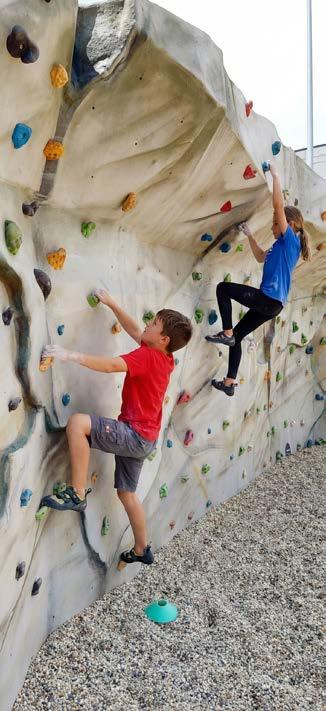
Specialist Physical Education teachers lead lessons in well-equipped facilities, including sports halls, outdoor pitches, a bouldering wall and BSB’s 25-metre swimming pool. Activities are inclusive and appropriately challenging, so that children of all abilities experience success and progress. Beyond lessons, inter-house and inter-school events, after-school sports clubs and recreational activities give pupils extra opportunities to be active, represent their school and grow in confidence.
By the end of Upper Primary, children have developed coordination, stamina and an understanding of how physical activity supports wellbeing, preparing them for the broader sports programme in Secondary.
Music
In Upper Primary, music continues for all pupils, with a growing focus on rhythm, pitch, notation, composition and ensemble work. Whole-class instrumental learning is often included, following best practice in UK primary music education, so every child gets the chance to play an instrument together.
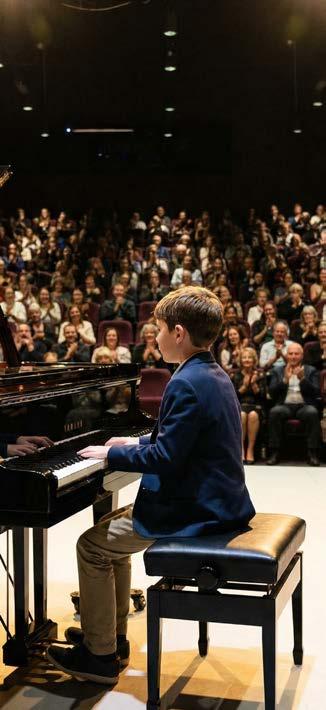
In addition to curriculum lessons, there are many co-curricular music opportunities such as choirs, recorder groups, bands, strings and orchestra, plus smaller ensembles. Regular concerts, festivals and productions give pupils opportunities to perform publicly, using the school’s arts facilities including rehearsal spaces and a theatre with professional sound and lighting. This blend of classroom and cocurricular music helps pupils explore music as both a discipline and a source of enjoyment and community.
Computing
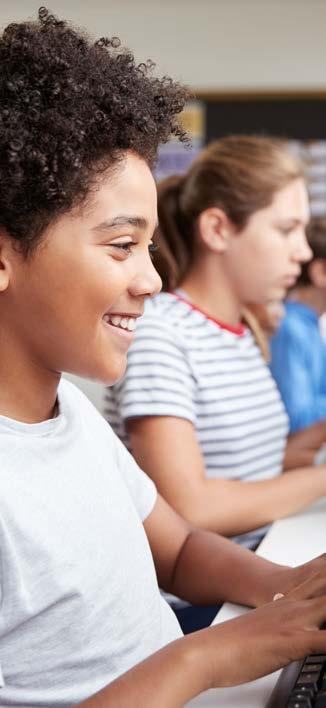
Computing is part of the Upper Primary curriculum and helps build practical digital skills alongside safe and responsible use of technology. Lessons cover information technology, e-safety, programming and data handling, taught both as separate subjects and within wider learning themes.
In Years 3–4, the focus is on secure e-safety habits, effective web searching, creating simple multimedia such as talking books, and introductory programming with tools like floor robots and basic screen-based programmes. In Years 5–6, pupils move towards more independent use of digital tools, including more advanced research and presentation, visual data representation and debugging code to control objects on screen.
Specialist guidance ensures clear progression each year, with cross-curricular links to Science, Design Technology and Units of Discovery. Pupils see computing as a tool for thinking and creating, not just a separate subject. By the end of Upper Primary, children are confident digital learners, able to use technology thoughtfully and safely as they move on to Secondary.
Enrichment
Upper Primary students at BSB enjoy a wide Enrichment programme during lunchtime and after school throughout the week. The programme covers sport, the arts, academic extension and service, giving children many opportunities to discover and develop interests beyond the classroom.
Pupils can join sports clubs such as basketball, football, gymnastics, swimming, bouldering, cross-country, tennis and tag rugby, as well as newer options like Flippa Ball in the pool. Performing arts opportunities include choirs, dance and drama clubs, drama productions and ensembles, often using the school’s theatre and arts facilities. Creative and maker activities range from drawing and sewing to cross-stitch, transient art and the BSBees Eco Club, where children explore environmental themes in practical ways.
Academic and language enrichment is also available, with clubs such as French homework or games clubs, librarian training and other subject-focused groups that extend core learning. Intensive English immersion and EAL support help new students access the curriculum quickly, after which they can join mainstream enrichment and extension activities with confidence.
Character, leadership and wellbeing are included in activities such as mindfulness, yoga, massage and relaxation, “Force for Good” and other environmental or social-action clubs. These help build confidence, teamwork and leadership, and give children space to reflect, contribute and feel they are making a difference.
Families often find that these shared experiences become lasting memories from Primary school.
Trips
Trips are an important part of Upper Primary life at BSB. Each year group in Years 3–6 has an annual residential trip of about three to five nights, with costs included in the school fees. Destinations have included East Flanders, the Ardennes, Luxembourg, Germany and seaside locations in the Netherlands, where programmes include outdoor adventure, cultural visits and team building.
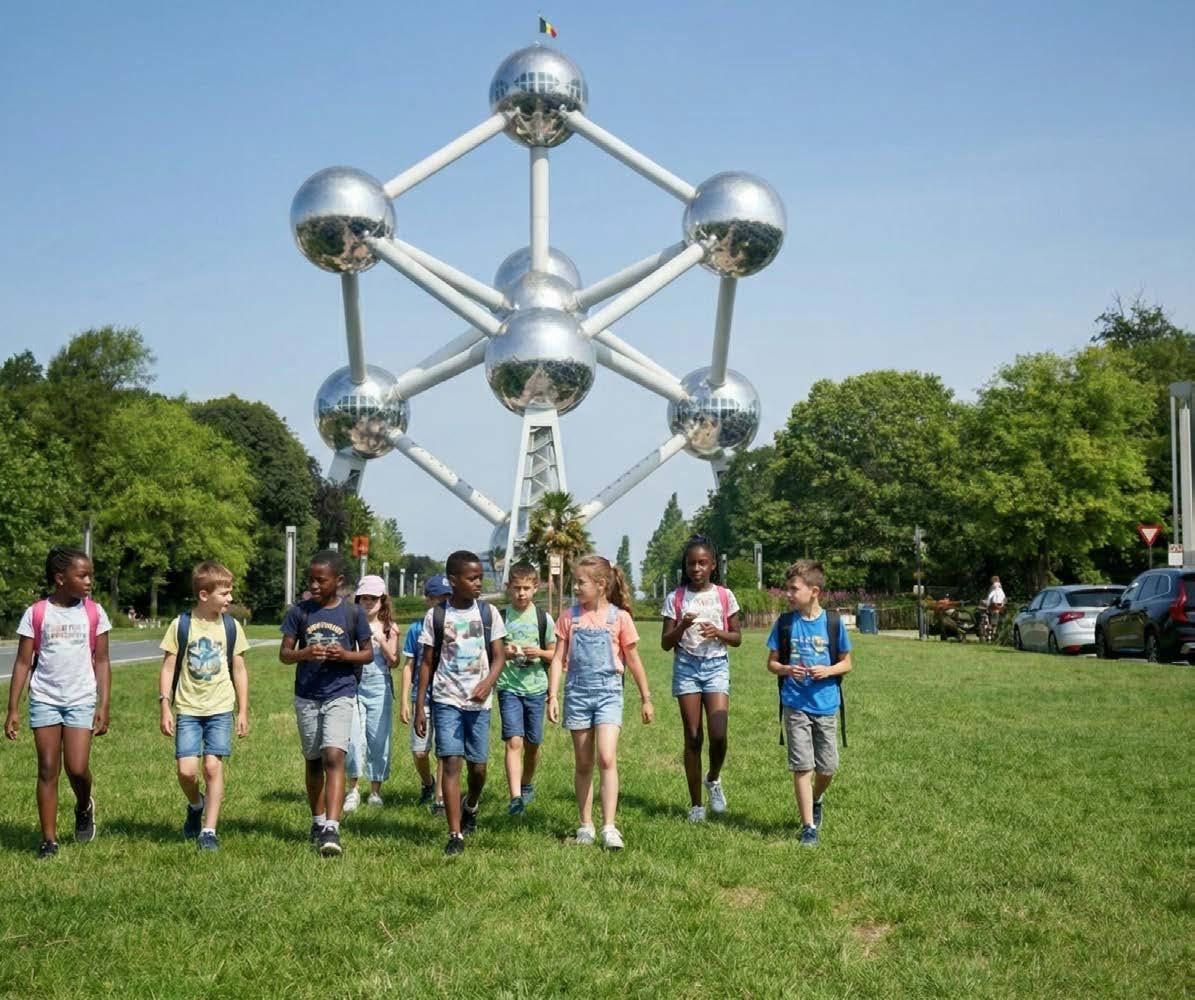
Pupils also take part in curriculum-linked day visits in Belgium and nearby countries. Older Primary students regularly visit sites such as the Atomium and other cultural or heritage venues, often linked to their Units of Discovery or other curriculum themes. Trips are a core part of education, helping children develop independence, resilience, teamwork and a strong sense of belonging to their year group and school.
By the end of Year 6, most pupils have taken part in several residential trips and a variety of local excursions, helping them get ready for Secondary. Families often find that these shared experiences become lasting memories from Primary school.