We put social, emotional, and personal development at the heart of Lower Primary.
Curriculum
Lower Primary learning at BSB: a strong, joyful start
Our approach in Lower Primary combines high academic expectations, a warm and nurturing atmosphere, and a curriculum that reflects how young children learn best.
For children aged 1 to 7, we use a British-based curriculum with an international outlook. It combines play-based and inquiry-led learning, underpinned by leading research in child development. In practice, this means your child will:
• Talk, explore, and make sense of ideas through play.
• Work in small groups with a teacher on early reading, writing, and maths.
• Move confidently between indoor classrooms and high-quality outdoor spaces.
We intentionally build on the early years’ strong foundations. Like many successful systems internationally, we treat Lower Primary as an extension of the foundation stage. There is a rich, playbased environment as well as the expectations of the English National Curriculum, so your child is well prepared for upper primary and receives provision that matches their age and stage.
How this looks in lower primary
In early years and lower primary, these units of discovery feel playful and exploratory. You might see:
• Children acting out a story linked to the unit theme
• Small groups investigating materials, colours, or animals
• Trips outdoors or into the local area to collect real-world experiences
• Role play areas transformed into a shop, a jungle, or a story setting
A unit might centre on questions about animals, colour, or familiar stories. Children investigate, create, problem-solve, and share their findings, while teachers ensure age-appropriate curriculum goals are met.

Skills and habits children develop
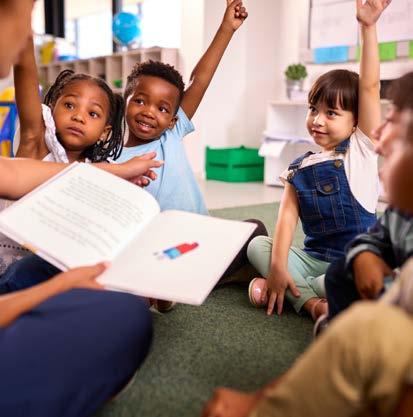
Units of discovery help your child develop important learning habits. They are encouraged to:
• Ask questions and be curious
• Investigate and test ideas
• Talk about their thinking and listen to others
• Reflect on what they have learned
Because ideas are revisited in different contexts, children start to make links between subjects, recognise patterns, and think both creatively and analytically. This understanding allows them to talk more thoughtfully about the world, and they can explain what they are learning in their own words.
How subjects fit together
Although learning is organised into broad units, we also plan explicit teaching of subject-specific skills and knowledge. For example:
• In science, children learn to “work scientifically” by observing, predicting, and recording
• In history and geography, they meet key concepts and vocabulary in age-appropriate ways
English texts, trips, and special events are chosen to connect with each unit theme wherever possible. This repeated exposure from different angles strengthens understanding and makes learning more engaging.

English: building confident, joyful readers and writers
If you visit a lower primary English lesson at BSB, you’ll see that high-quality children’s literature is central, and that reading and writing are both valued and enjoyable.
English learning is built around books and is designed to be engaging and joyful. A “whole book” approach means that carefully chosen picture books and early chapter books are at the heart of classroom life and language development. Children read, listen to, talk about, and write around these texts, building a deep love of stories and language.
Learning to read is given the attention it deserves as a crucial life skill. Children learn the relationship between sounds and letters (phonics) using a structured scheme called Letters and Sounds. This approach, combined with immersion in books students love, is shown by research to be highly effective in developing early reading skills, and is exactly what we use at BSB.
Additional language support (EAL)
If your child is new to English or needs extra help, we provide English as an additional language (EAL) support promptly. There’s no waiting for problems to build up before we help.
EAL is usually delivered through small groups or in-class support, focusing on:
• Pre-teaching and reinforcing key vocabulary
• Building everyday social language
• Supporting understanding in core subjects
Our aim is to help your child build enough English fluency, quickly and kindly, to access the full curriculum. If needed, extra immersion in English is provided before other languages such as Dutch are introduced. This means children gain confidence in English while still feeling valued for the languages they bring from home.
Throughout lower primary, English is reinforced through interactive and playful activities that build:
• Vocabulary
• Comprehension
• Confidence in speaking and listening
Lessons emphasise oral language, writing, and comprehension as foundations for all other subjects. Children learn from several specialist teachers in a supportive setting, and we monitor progress closely to make sure each child moves at the right pace.
For your family, this means your child can develop strong English skills in a context that is multilingual and inclusive, with support tailored to different starting points.
Bilingual learning in lower primary
If you are interested in a bilingual pathway, BSB offers a structured bilingual programme. Admission is not automatic for all students; we discuss suitability with you to make sure the pathway is right for your child.
There is one bilingual class per year group from Year 1 to Year 6. In these classes:
• Teaching is split about 50/50 between English and French
• Children are taught by native speakers in both languages
• Students follow the full BSB curriculum in both English and French, rather than repeating content
All lower primary children learn French, either in bilingual classes or through specialist French lessons. Dutch is introduced from around age seven in upper primary for those not receiving intensive EAL support.
This offers your family real flexibility: your child can follow an English-led route with strong extra languages or a balanced bilingual programme that opens doors to different education systems later on.
Maths: mastery, confidence and enjoyment
In lower primary, our maths curriculum is designed to help your child genuinely understand what they are doing and feel confident with numbers, rather than just memorising procedures.
We follow a mastery-based approach using the White Rose Maths scheme. In the early years and key stage 1, this is enriched with lots of playful, investigative activities. For example, your child might:
• Use real objects and equipment to explore number and shape
• Work in pairs to solve practical problems
• Explain their thinking in simple, ageappropriate language
Core areas include number, calculation, shape, space, and measures. Until Year 5, all children are taught maths together as a class, which research suggests helps everyone achieve more and builds self-belief. Teachers check progress closely to ensure children who need more support or challenge receive it.
This approach helps your child develop a secure understanding and a positive attitude towards maths from the very beginning.
Enrichment: discovering interests and talents
Learning at BSB goes far beyond the classroom. There are many opportunities for your child to try new activities, build confidence, and discover what they enjoy.
We use the word “enrichment” to describe all the fun clubs, sports, music ensembles and lessons, trips, and extra activities that happen alongside regular lessons. In lower primary, we introduce children gently to a selection of these activities, so they can explore new interests without being overwhelmed. As your child moves up, they’ll have more chances to try different clubs and activities, building on their experiences and finding out what they enjoy most.


Sport and physical activity
Clubs and activities in lower primary
Lower primary children benefit from a timetable of lunchtime clubs, chosen each half term so that every child can try different things during the year. Recent examples for younger pupils have included:
• Story club
• Drama
• Origami and simple sewing
• Mindfulness and yoga
• Creative art and craft
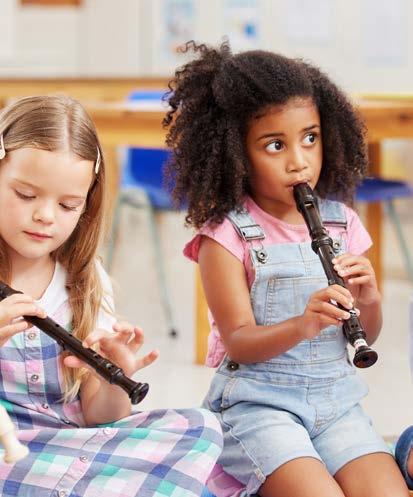
• Early sports and beginner music such as recorder
These clubs are relaxed and fun. At the same time, they help children develop social skills, independence, and the confidence to try something new.
BSB has extensive sports facilities, including sports pitches, a swimming pool, and a gymnasium, all of which are used from the early years onwards. Age-appropriate sports clubs such as tennis, swimming, and tag rugby run alongside more general activity clubs. In lower primary, the focus is on:
• Enjoyment
• Teamwork
• Basic movement and coordination skills
We introduce competition gently, helping children build a positive relationship with sport and physical activity.

Music: confidence through creativity
Music is an important part of life in lower primary at BSB. From Kindergarten to Year 2, children have regular specialist-led music lessons where they:
• Sing
• Keep a steady beat
• Explore tuned and untuned percussion
• Begin to work with simple musical notation, following the English National Curriculum
Music is part of a broader creative curriculum and connects to classroom themes when appropriate. Singing assemblies and informal performances give even the youngest children the chance to perform with others, building confidence on stage in a supportive setting.
These musical experiences are linked to increased self-assurance in children, whether or not they choose to focus on an instrument later.
Trips: bringing learning to life
Short, local trips are a regular feature of lower primary at BSB. These visits are designed to enhance classroom learning through real-world, hands-on experiences that link with units of discovery in subjects like science and history.
For younger children, typical outings include:
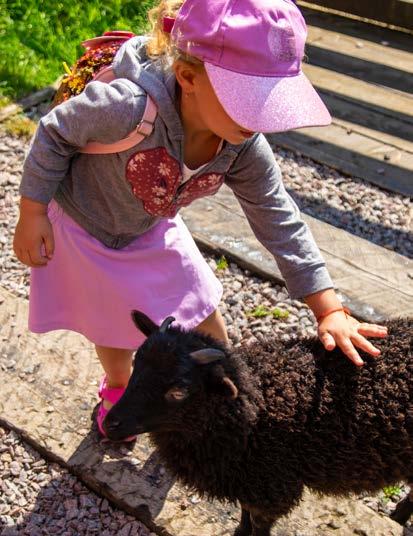
• Visits to wildlife parks and farms to observe animals and explore nature
• Trips to toy museums to connect with history and creativity
• Visits to open-air museums where children can experience historical settings first-hand
All costs for primary trips, including those in lower primary, are covered by school fees so that every child can take part. These trips are kept brief and within Brussels or the immediate area, which suits younger learners and supports social development and environmental awareness.
Computer science: technology as a tool, not a toy
In lower primary, computer science is introduced in ways that feel natural and enjoyable. It sits within our broader science and STEAM (science, technology, engineering, arts and maths) curriculum. You are as likely to see children moving physical robots on the floor as you are to find them using screens.
Learning is organised into six-week units, often linked to the units of discovery, so that computing skills support real work in other subjects. Your child will:
• Be introduced to simple coding and algorithms through guided, playful activities
• Be encouraged to design and create age-appropriate digital artefacts such as simple animations, games, or multimedia presentations
• Be taught basic skills such as using presentation, drawing, or publishing tools to record and share their learning
From the beginning, we teach e-safety and digital responsibility, closely linked to PSHE. Children learn about:
• Safe searching
• Respectful online behaviour
• Careful use of images and information
Practical activities may include controlling robots, moving objects on screen, collecting and displaying data, or creating a “talking book.” Our message is clear: technology is a tool for thinking, creating, and communicating, rather than an end in itself.