

Interviewer: How does this issue fit into wider tensions between the US, Russia, and China?
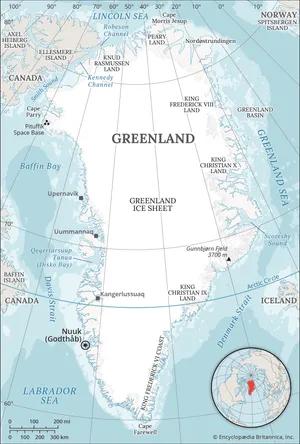
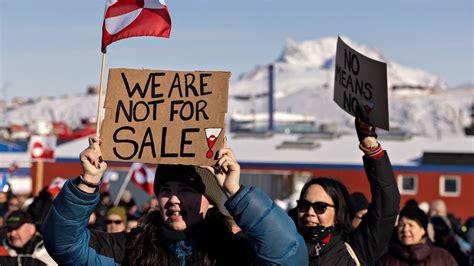
Nicola: Russia has expanded its Arctic military presence and controls just over 50% of the Arctic coastline. Putin has also stated his intention to expand military infrastructure to protect the country’s Northern Fleet. China is similarly invested in infrastructure and research, with Xi declaring China to be a ‘near-Arctic state’ The Chinese leader has also spoken about developing a Polar Silk Road as an aspect of the Belt Road Initiative. Competition between the US, Russia and China is growing over influence, security and access to resources, especially rare earth elements crucial to developing technologies such as satellites and EVs. The Trump administration does not want Russia and China to surpass the USA.
Interviewer: What could be the wider consequence if powerful countries start openly talking about acquiring territory?
Nicola: Such talk would challenge long held, if often seriously flawed, international norms regarding what many political commentors refer to a rules-based international order. Smaller, less powerful states might feel threatened and seek to form alliances that could generate unforeseen consequences for current order and stability. It is interesting to note that Canadian Prime Minister, Mark Carney’s speech delivered to participants attending the World Economic Forum in Davos, Switzerland, generated considerable acclaim. Carney assert the role of ‘middle powers’ to uphold democracy, accountability and rules in international relations, thus perhaps signaling a desire to challenge leaders like Trump.
Interviewer: What does this issue tell us about Global Politics today?
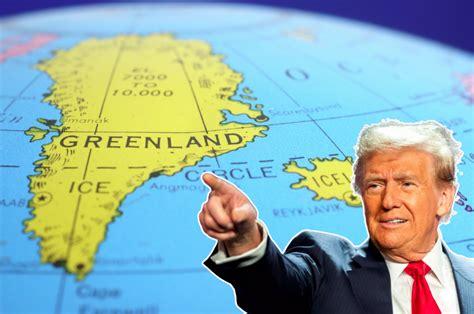
Nicola: The Greenland issue demonstrates the complexity of global politics. Decision-making at the intersection of issues such climate change, great power politics and international law show how many stakeholders are involved in understanding change. It also shows that what might be considered longstanding norms can be severely challenged especially in age when a backlash to aspects of globalization have given rise to populism and polarization.
WRITTEN BY SAMUEL COOREMAN
After asking six Year 12 students for their favourite/highly rated music albums, here are the records mentioned.

Loveless - my bloody valentine Shoegaze album, Loveless, focuses on feedback and distortion. The ‘Glide Guitar’ technique is used frequently where guitar strings are bent slightly in and out of tune.
The Microphones’ third album presents the theme of lost love and the difficult path to move on after a breakup. Phil Elverum experiments with distorted drums and guitars to create a more emotional and expressive tone.


Nine Inch Nails’ album presents the story of a protagonist descending into a state where he has nothing left to lose, making use of time signature changes and key changes to create a depressing tone.
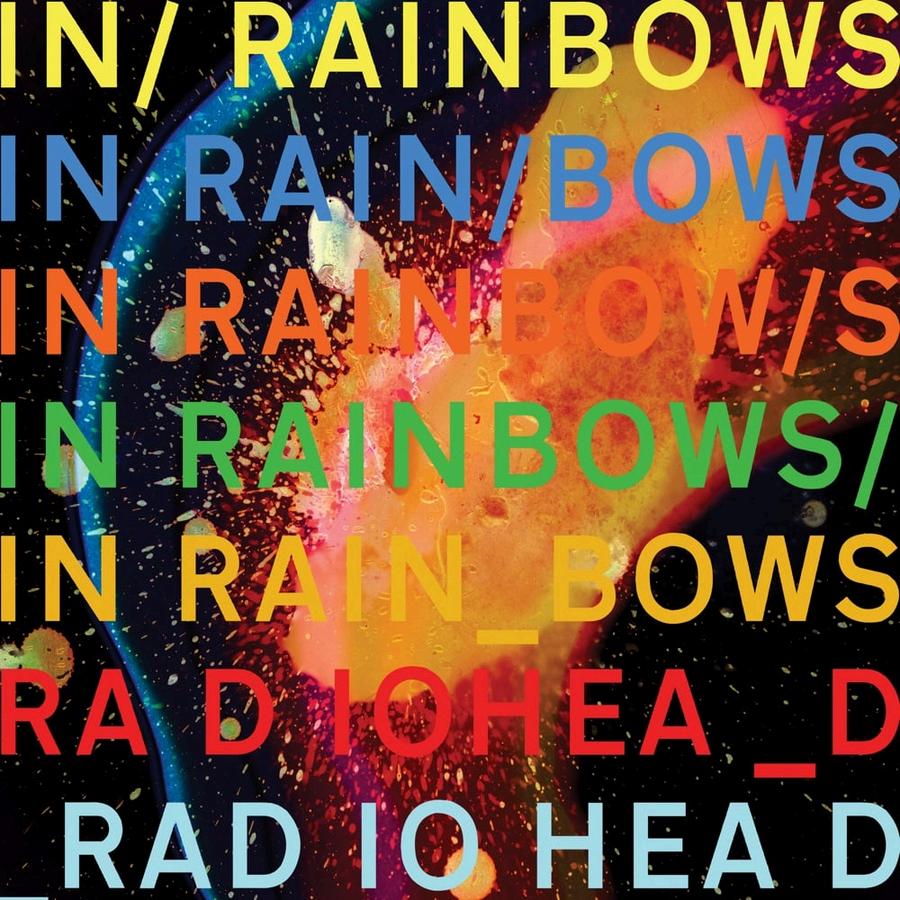
In Rainbows by Radiohead explores mortality and the idea that life could end at any moment. Radiohead released this album under the pay-what-you-want model where it could be purchased for any amount, including £0.


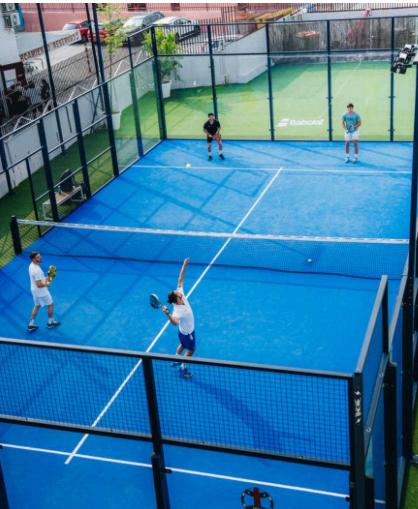
How I discovered ‘Padel’
You may be asking yourself what actually is ‘Padel’? In this article I will be explaining it all
Padel is a racquet sport that combines bits of tennis and squash. It is usually played in doubles on a small, enclosed court with glass and mesh walls that are part of the game.

I discovered Padel about fou years ago when one of my friends recommended it to me and invited me to play a game. At the time, padel was still quite unknown, so I had no idea what I was doing. However, after playing a few rallies I got the hang of it and now it is one of my favourite
sports to play!
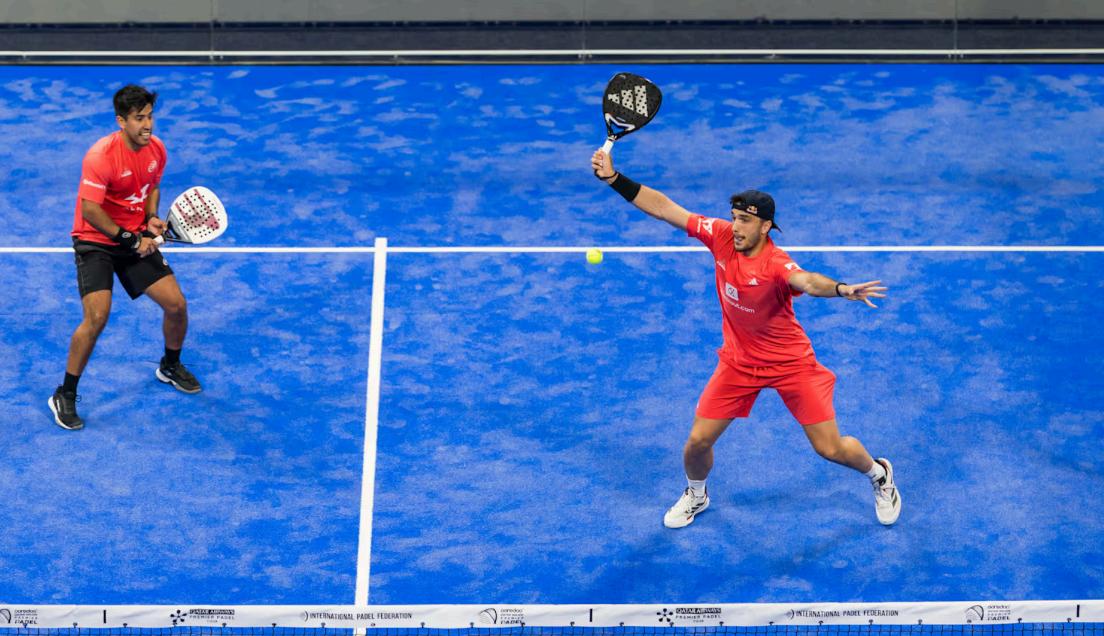
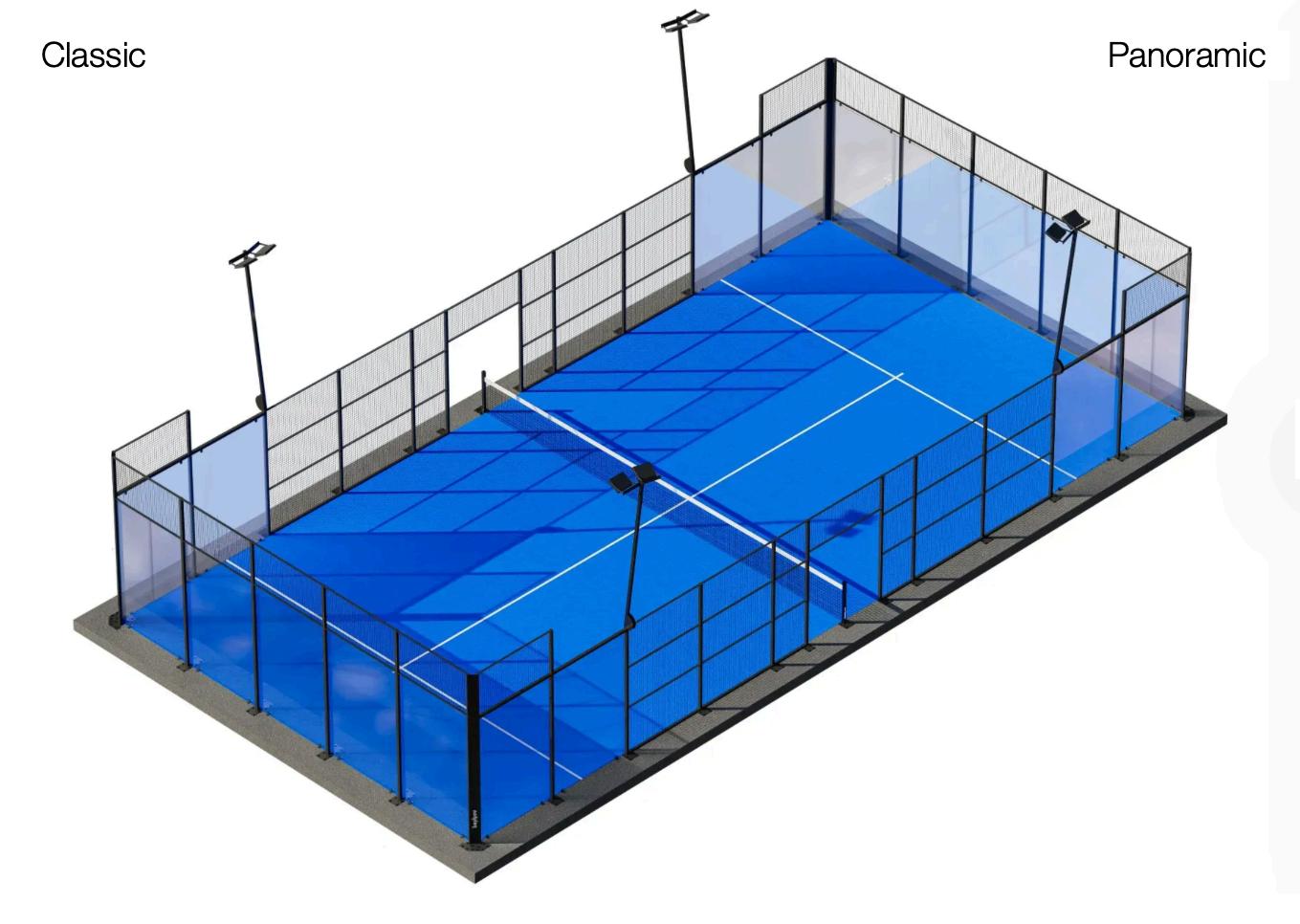
The sport is believed to have originated in 1968 in Acapulco, Mexico, when Enrique Corcuera adapted his squash court by incorporating features of tennis. Early versions of the court were built with concrete walls and surfaces, which limited visibility for spectators. To enhance the viewing experience and the quality of play, these were later replaced with transparent glass walls and artificial turf.
There are many different padel clubs within these areas. However, these are my three favourites:
1. Tero Padel Club Louise – Located at 26 Rue du Beau Site
2. T.C. Lovanium - Tennis & Padel - Located at Galgebergstraat 41 in Leuven.
3. Tierra247 Padel Club - Located at Chau. de Vilvorde 172, 1120
Fiachra is a Maths and Computing teacher.
1-How much impact do you think AI has had on education in the past few years ? I believe it has had a significant and rapidly accelerating impact on education though personalised learning ie a tutor for every student in any subject Teachers workload have changed for the better and for the worse Sure, faster lesson planning, generating quizzes and worksheets, brainstorming new classroom activities and many more things. But AI-generated student work is complicating assessments, verification of authenticity takes time and keeping up with changes in tech, all add to an already high stress levels for teachers.
2 Do you yourself as a teacher use AI? If so how do you use it?
Yes, I believe in order to keep up with tech teachers most use it As A Maths teacher I find AI a time saver when I ask it to create a Maths problem on a certain topic with contexts or to generate five similar questions of a given question. With the right prompt anything is possible
3- How noticeable is it when a student uses AI in their work? (Homework)
In Maths for me a red flags is when a student produces some printed work but are unable to talk about the mechanics of the underlining Maths behind it
4-Are you for or against AI in education?
I am not against AI in education. AI is a tool, just like log books (in the 20th century), scientific calculators (from 1970s), graphic calculators (late 1990s), and search engines (very late 1990s). Each of these technologies changed how students worked, but they did not replace understanding. Instead, they required students to learn how to use them responsibly. AI should be treated in the same way — as a powerful tool, not a replacement for thinking.
5-What long term impacts will AI have in the education?
National Curriculum and exam boards are slow to change. Significant change could be a decade away. But education in the classroom has and will evolve and exam boards will have to catch up. Possible focuses might be critical thinking, interpretation of results and ethical moral judgement.
6 - Is there anything else you would like to say about AI in education?
AI is a blessing and a curse, and the next generation will be defined by how wisely we choose to use it.
Paul Sullivan is a Psychology and Sociology teacher who mainly teaches students in Post 16 (Year 12 and 13), and supports AI.
1-How much impact do you think AI has had on education in the past few years?
A tremendous amount but more so for students helping them to understand content but also do too much of their (home) work.
2- Do you yourself as a teacher use AI? If so how do you use it? Creating resources and feedback for students' work (Paul S)

4-What long term impacts will AI have in the education?
It may hold back students from being able to develop their own critical thinking skills.
3- How noticeable is it when a student uses AI in their work? (Homework)
Generally quite obvious, as the phrasing is very coherent and 'smooth' (Paul S)
5-Is there anything else you would like to say about AI in education? we should train + teach students (and teachers) how to use it properly and ethically (and not pretend it is out there!).
1- How much impact do you think AI has had on education in the past few years ?
I think it will have an impact long term I imagine exam boards will abolish written coursework for fear that they cannot guarantee a student's work is actually their own. I'm not sure any of us really know what the impact will be long term, but it's here now and we have to work with it.
2-How noticeable is it when a student uses AI in their work?
It is noticeable when a student uses AI to produce homework, because every student has a distinctive voice in their writing and so when a student produces something that is not their own, that voice always feels 'off'.
3-What long term impacts will AI have in the education?
I think it's difficult to say at this stage what the impact has been There is a lot of focus on AI being used dishonestly and I think that's a concern, but I also think it has great scope to influence creativity.

4-Do you yourself as a teacher use AI? If so how do you use it?
I have used AI to create literary/political/cultural timelines when I want the information to be precise to a particular text or writer It's something I could do myself but it saves a lot of time butI always need to check it, though, to ensure everything on the document it produces is correct.
5-Are you for or against AI in education? I'm not against it, but I fear overuse of it will affect our ability to think critically.
In conclusion, the teachers aren’t really against AI, but they often mention that the overuse of it will backfire on the student as it will hinder their critical thinking.
What do you guys think about AI?
Are you against it or for it?
Belgium can be a gloomy place to live because of its cloudy, rainy weather But now that spring is finally here, do you feel any different from how you did in the winter? Have you wondered why? Today, we will look at the different effects weather can have on your mood and general function
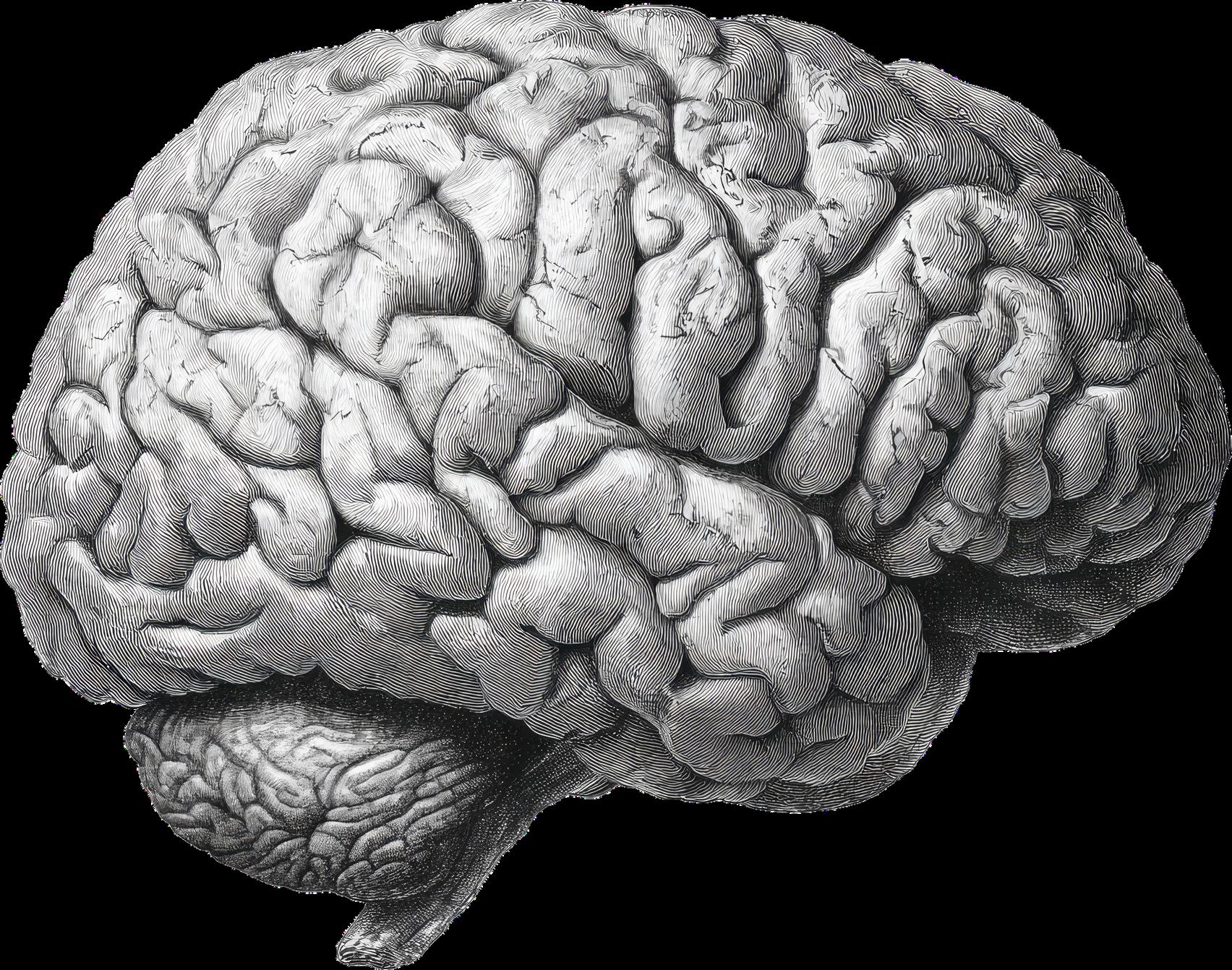
Several studies have found a correlation between high temperature and increased aggressive behavior
Conflict and violent crimes are more common during hot weather periods The reason for this relationship is not clear; one possible reason is that people start drinking more alcohol on hot summer nights, and excessive alcohol can fuel violence
Another reason might be that unpleasant conditions increase irritability and discomfort Heat makes people more aroused and more likely to act
Baron and Bell’s negative affect escape (NAE) model states that the discomfort caused by moderately high and low temperatures facilitates aggression, but extreme temperatures arouse competing motives, such as a desire to escape, which often conflict with and thereby reduce aggression

Some people find it difficult to focus on warm and sunny days
Some people find it hard to focus when it snows Rain can distract some people as well, while increasing focus in others
Does the weather generally affect people‘s cognition?
In general, gloomy weather lowers our mood, helping us focus and think more deeply. Some studies have found that memory is better on rainy and cloudy days than on sunny days
One prominent proposal is that negative mood makes us focus on bottom-up processing, while positive mood encourages us to focus on topdown processing
Bottom-up processing might be more advantageous in simple memory tasks.
Dutch psychologist Van de Vliert speculated that extremes are important. Cold stress and heat stress promote creativity
Climate also affects the spread of human-to-human parasites, which are more common in hotter climates, and has an effect on creativity
The amount of precipitation, however not seem to matter. Data suggests that sunshine is associated with creativity, but not everyone seems to agree Some researchers are adamant that sunshine is just as bad for creativity as it is for focused cognition
Both findings are generalizations, explaining the contradictions
The seasons and climate can also affect the content of creative work.
We are deeply influenced by our surroundings
Technology is part of everyday life. Students use the internet for communication, entertainment, and education. Social media, online games, messaging platforms, and school systems all store personal information. While these technologies make life easier and more connected, they also create opportunities for cybercriminals.
Cybersecurity helps protect devices, accounts, and personal data from being accessed or misused Without proper security, information such as passwords, private messages, photos, and even financial details can be stolen. Understanding cybersecurity is becoming an essential skill for students in the modern digital world.
Cybersecurity refers to protecting computers, networks, and information from cyberattacks Hackers attempt to access systems to steal data, disrupt services, or misuse personal information.
Cyberattacks can take different forms, including phishing emails, malware, ransomware, and identity theft. Schools themselves are often targets because they store large amounts of personal data belonging to students and staff
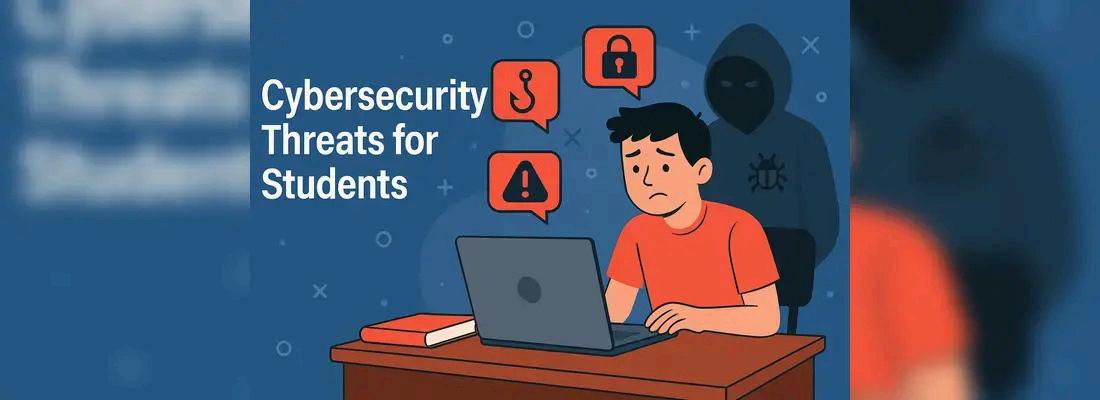
Students are among the most active internet users. Many platforms require accounts, passwords, and personal information However, people often underestimate how easily these details can be compromised.
Some common online behaviours increase the risk of cyberattacks. Using weak passwords, reusing the same password on different platforms, or clicking links from unknown sources can allow hackers to access accounts Sharing too much personal information online can also make it easier for attackers to target someone
Ignoring device or software updates is another common mistake. Updates often fix security weaknesses, and delaying them can leave devices vulnerable to attacks.
Cyberattacks can have serious real-world effects Personal data can be stolen, private images or conversations can be exposed, and identities can be misused. In some cases, cyberattacks have even forced schools to shut down systems temporarily, interrupting lessons and exams.
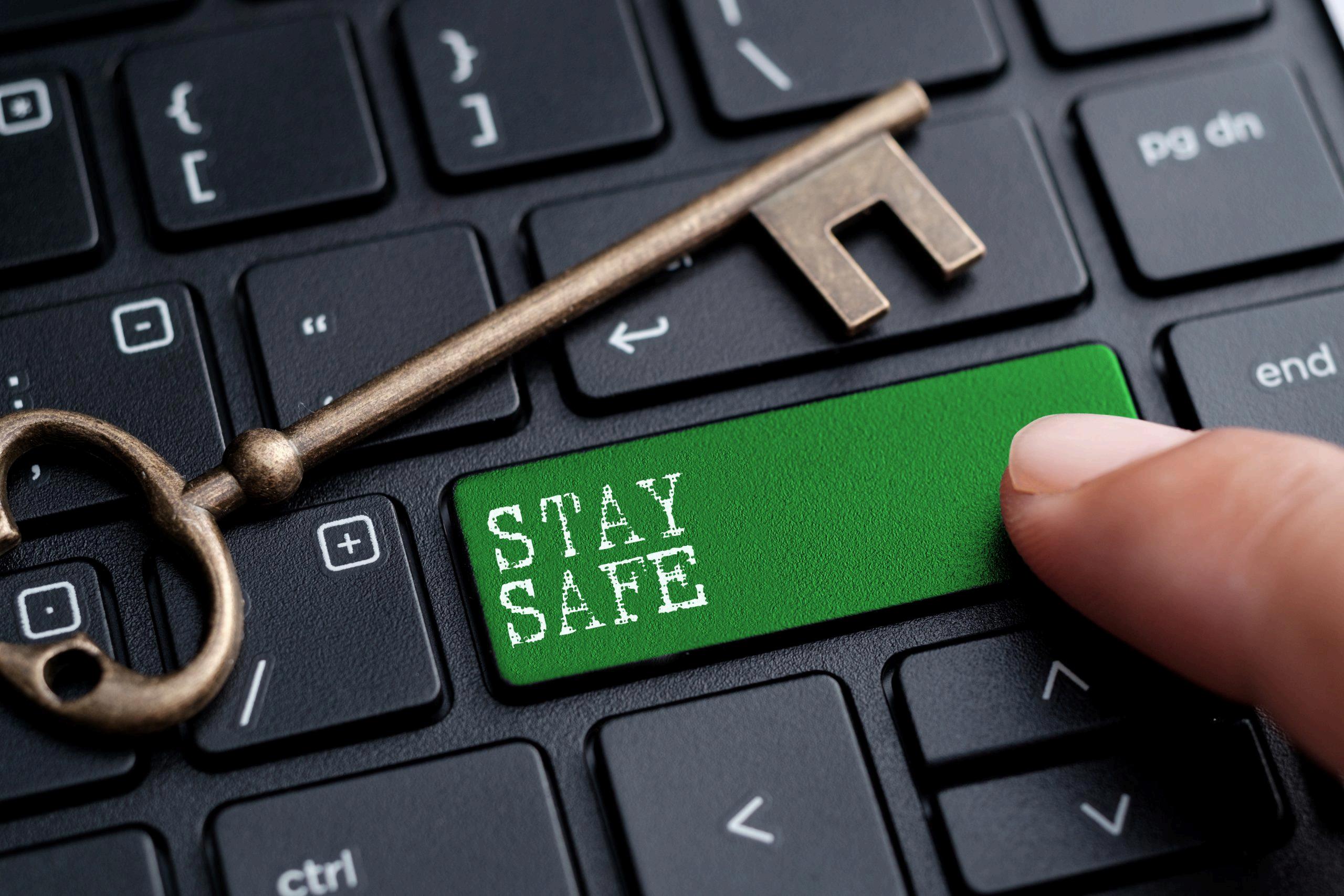
Developing good cybersecurity habits can significantly reduce the risk of cyberattacks. One of the most important steps is using strong and unique passwords. Passwords should combine letters, numbers, and symbols and should not include personal information such as birthdays or names.
Enabling two-factor authentication provides an extra layer of protection by requiring a second verification step when logging into an account It is also important to check links and emails carefully before clicking them, as many phishing messages are designed to look legitimate.
Keeping devices updated ensures that security vulnerabilities are fixed, and avoiding sensitive logins on public Wi-Fi networks can prevent unauthorized access.
Cybersecurity is also one of the fastest-growing career fields in the world. Experts help governments, companies, and schools protect their digital systems from cyber threats Careers in cybersecurity include ethical hackers, security analysts, and digital investigators.
Learning about cybersecurity today helps create a safer digital future.

What are some of the best April Fools' jokes over the years?
Here are my favourite ones:
The “Spaghetti Tree” Broadcast (1957) - In 1957, the BBC aired a seemingly serious news segment showing a Swiss family harvesting spaghetti from trees Narrated by the respected broadcaster Richard Dimbleby, the footage looked completely authentic, with women carefully pulling strands of pasta from branches At the time, many British viewers were unfamiliar with how spaghetti was made, so hundreds of people called the BBC asking how they could grow their own spaghetti trees at home.

Taco Liberty Bell (1996) - In 1996, Taco Bell placed full-page ads in major U.S. newspapers announcing that it had purchased the historic Liberty Bell to help reduce the national debt and would rename it the “Taco Liberty Bell.” Many readers were outraged and flooded the U S National Park Service with angry calls. A few hours later the company revealed it was an April Fools’ joke, which generated massive publicity

Can you fid all the spring related words hidden in the puzzle?

FLOWER
SUNSHINE PICNIC SQUIRREL
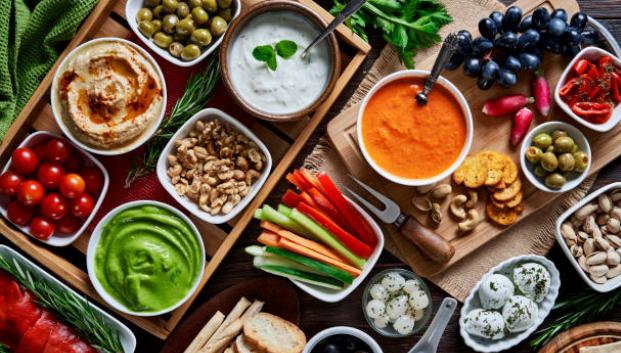
Many people follow a vegetarian diet in an effort to improve their health, but the truth is there are many downsides as well as upsides Some essential nutrients, such as vitamins B12 and D, calcium and iron, aren’t available in many plant-based foods. Vegetarian diets may provide these nutrients as long as food intake is planned properly, but supplementation is sometimes necessary These supplements are expensive and people who follow a vegetarian diet may get health problems if supplementation is not done Some of these supplementations include:
Strictly speaking, vegetarians are people who don't eat meat, poultry, or seafood But people with many different dietary patterns call themselves vegetarians, including the following:
Vegans (total vegetarians): Do not eat meat, poultry, fish, or any products derived from animals, including eggs, dairy products, and gelatin
Lacto-ovo vegetarians: Do not eat meat, poultry, or fish, but do eat eggs and dairy products
Lacto vegetarians: Eat no meat, poultry, fish, or eggs, but do consume dairy products.
Ovo vegetarians: Eat no meat, poultry, fish, or dairy products, but do eat eggs.
Partial vegetarians: Avoid meat but may eat fish (pesco-vegetarian, pescatarian) or poultry (pollovegetarian).
BY ALYSSA LEONE 8F
Vegetariansim is becoming an increasingly popular choice of diet. This article is here to tell you all about it.
It is a common misconception that becoming vegetarian means that your are very healthy That is only partially true Only if you get enough nutrients. How? Well, read on to find out.

There are plenty of vegetarian protein filled (LBV) options some even taste like meat! (campuswell.com)

The Vegetarian Eatwell guide will help get the nutrients you need everyday in a balanced clear way (nhs.uk).
A benefit about vegetarianism would be the environmental impact. To maintain farm animals you need a lot of land, water and other resources. This often leads to deforestation of crucial forest areas that both we as humans and other animals need for survival. Approximately 37% of the world’s land is being used for agricultural purposes whether that be stalls, grazing areas or for crop growth. This often leads to overgrazing which damages and erodes the soil, so plants and trees cannot be replanted to restore the damage.




By Derin Demirel 7Sg
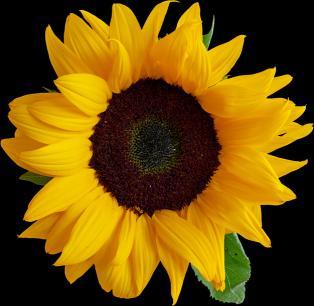
I was born a seed in the quiet earth, Small and unseen, yet full of worth. I stretched my arms toward morning’s gold, Learning to stand, to be brave, to unfold.
Petals like laughter, hearts turned to the sky, Hoping for joy as the days drift by. Though I will fade and my bloom will end, I leave behind life, my roots, my friend. In sun and storm, I learned to rise, A human heart beneath sunflower skies.




Did you fid all the spring related words hidden in the puzzle?
I S R R Q E U L B
BIRDSONG BLOOM BUTTERFLY
EASTER
FLOWER
SQUIRREL
SUNSHINE PICNIC
LADYBUG