THE BILINGUAL PROGRAMME IN PRIMARY
The bilingual journey begins in Year 1. Each class is taught by two native-speaking teachers, one French and one English, supported by a bilingual learning assistant. The day is shared between both languages, giving children regular and meaningful exposure to each.
Students follow the same broad and balanced BSB curriculum as their peers in the English section. Mathematics, music, library time, and assemblies are taught in English. Units of Discovery (topics that cover multiple curriculum subjects) are taught in French. Personal and social education, and computing are taught across both languages. Physical education may be taught in either French or English, and homework is given in both languages, with support available where needed.
A DAY IN THE LIFE OF A LOWER PRIMARY BILINGUAL CLASS:
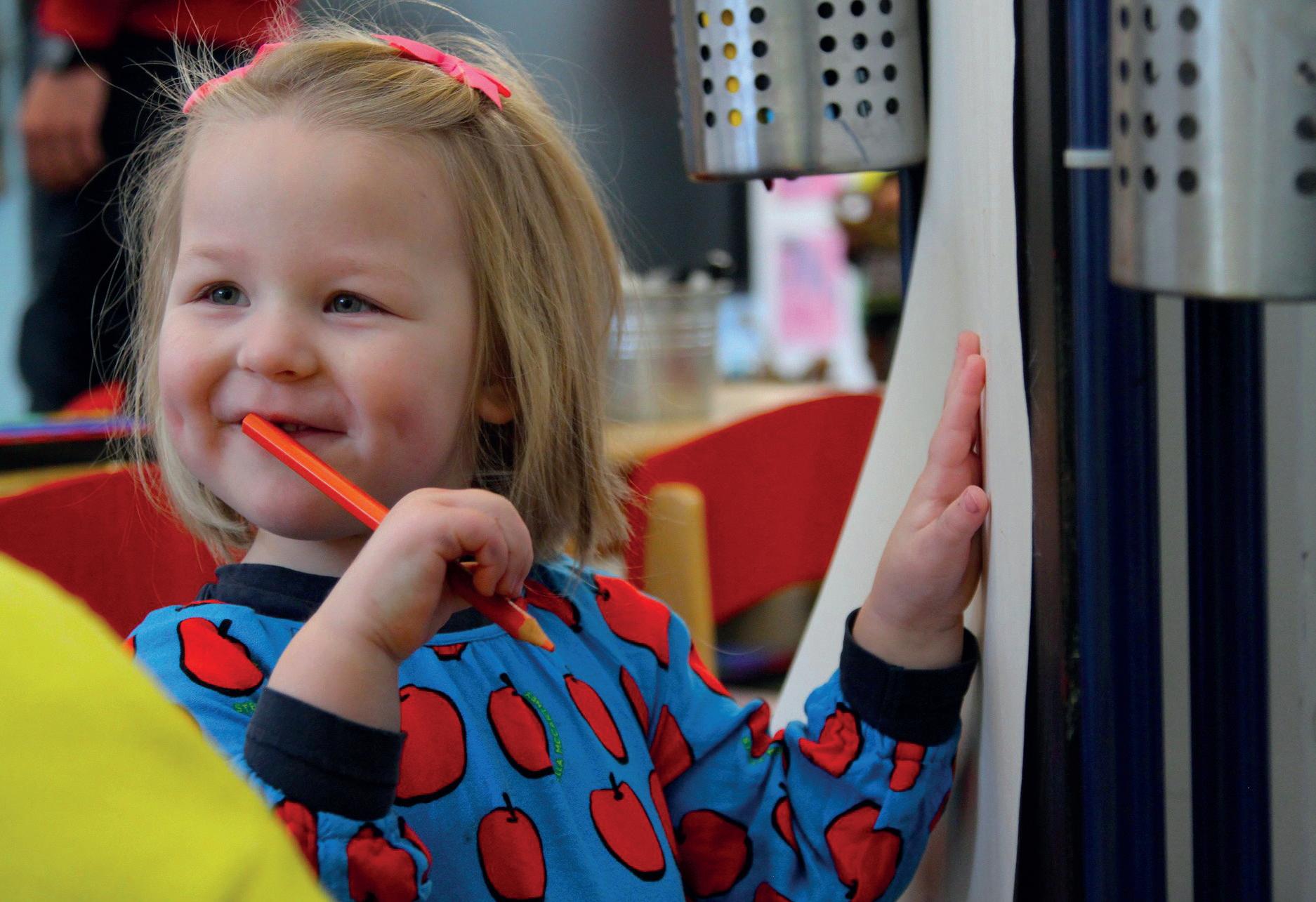
The children are welcomed by their French teacher and the bilingual learning assistant, who speak exclusively in French to immerse them in the language from the very start. Before registration, the children settle into independent activities such as construction, playdough, art, or quiet reading, while some take turns reading individually with their teacher. After registration, the class gathers on the carpet for a French input session before enjoying their snack.
They continue with a range of activities, while the teacher and learning assistant work with small groups on focused French learning. After break, the children take part in a Unit of Discovery session leading up to lunchtime.
Some children join a lunchtime French story club.
The afternoon is conducted entirely in English: the children are greeted by their teacher and the bilingual learning assistant, who switch to speaking only English. The class attends an assembly with the rest of Lower Primary before moving on to their Maths lesson. After their break, the children end the day with a visit to the library for an English session with the librarian.
THE BILINGUAL PROGRAMME IN SECONDARY
In Years 7 to 9, students continue with the bilingual pathway while following the full BSB curriculum. Lessons are assessed against the same learning goals as the English section. French-taught resources are created by BSB teachers specifically for the programme.
Approximately 40% of subjects are taught entirely in French; others are shared between French and English, and topics taught in one language are not repeated in the other. For example, one science topic may be taught in English while the next is taught in French. This exposes students to a rich and varied curriculum through both languages.
FAMILY SUPPORT
Family involvement helps students make steady progress. Reading in both languages, enjoying French books or audio materials from the school library, exploring French media, or joining local French-speaking clubs all support language growth. Even in households
CULTURAL ENRICHMENT
Cultural learning is integrated throughout the programme. Every two years, Years 5 and 6 students stage a bilingual production, and French-speaking guests regularly collaborate with classes. The local Francophone community enriches
where only one language is spoken, encouragement and interest make a meaningful difference. Students and their families are encouraged to explore external ‘camps’ or ‘stages’ during the school holidays which offer activities in French, as well as language learning.
experiences through museum visits and theatre workshops. Bilingual classes often have French-speaking guides on trips, and the school’s book festival features Francophone authors and illustrators, deepening students’ cultural understanding.
A TYPICAL BILINGUAL LEARNING JOURNEY
From Year 1 to Year 10, students build their bilingual skills step by step. Younger students begin with songs, phonics, and early reading in French. As they progress, they take part in reading challenges, class writing projects and creative tasks inspired by French-speaking artists. Older primary students give oral presentations, organise their learning more independently and participate in the bilingual production.
In Secondary, students explore new subjects through French, study global topics, analyse scientific texts and historical documents and take part in
collaborative projects such as the Africa Museum investigation. The bilingual programme stops in Y9, but there are still opportunities for students to consolidate and further expand their French levels. In the French First Language classes, Y10 students can prepare for the DELF B2 qualification, an “independent” (advanced) level French language diploma that attests to a student’s ability to understand complex subjects, argue, defend an opinion, and interact with a certain spontaneity. This qualification often leads to access to French-speaking universities.
FREQUENTLY ASKED QUESTIONS
Is this an immersion programme?
No. Immersion programmes teach most subjects through only one language. The BSB model uses both languages in a balanced way.
What level of French or English does a student need?
Other than Year 1 joiners, students are assessed on entry to ensure they have sufficient ability in both languages to follow lessons and take part confidently in classroom activities.
Will there be an assessment before entry?
Yes. The assessment is age-appropriate and designed to understand the child’s language profile. It may include a conversation with a member of the team and/ or short written exercise
How can a student prepare for the assessment?
No preparation is required for the assessment.
Can students join the bilingual programme after Year 1?
Yes, students can join the programme at any point of time (after the assessment).
What happens if a student struggles with one of the languages?
Before joining, we carefully assess each child’s abilities in both English and French to make sure they are ready to thrive in our programme. If we notice that your child may need extra help in either language, our dedicated teaching staff will promptly provide the necessary support to ensure they feel confident and successful. We continue to monitor each child’s progress, so if any new needs arise, we can respond quickly and offer guidance and assistance tailored to their development in both English and French.
What homework should families expect in each language?
In Lower Primary, children do not usually have homework, but they are expected to read daily. In the bilingual classes, they are expected to read in both languages. Typically, they also have a few words to practise writing each week.
In Upper Primary, children are given regular homework. In the bilingual classes, the Units of Discovery homework is completed in French instead of English, and children receive an additional French homework alongside their English homework.
Can students with additional learning needs join the programme?
Yes, depending on individual needs. An additional assessment may help determine suitability.
Are French lessons taught by native speakers?
Yes. All French-language lessons are taught by Francophone teachers.
Why does the bilingual programme finish at the end of Year 9?
Years 10 and 11 focus on courses assessed in English, except for language subjects.
Can students earn a French qualification?
All students in the French First Language route have the option to take the Diplôme d’Études en Langue Française (DELF) B2 in Year 11.
What French options exist for students not in the bilingual programme?
There is a French First Language pathway and a range of French groups at different levels.
Are there opportunities to use both languages outside lessons?
Yes. Some bilingual drama performances on campus, student leadership and public-speaking events such as the Model United Nations activities undertaken by our CAS students, and external community and service initiatives with local partners offer the opportunity to use both French and English away from the classroom. Language exchange events held both at BSB and partner schools also offer students the chances to converse in both languages.
Additionally, some day and residential school trips bring students into contact with native French and English speakers, depending on the destinations.
Similarly, BSB teams across the whole Enrichment spectrum who take part in international events regularly interact with French and English-speaking competitors and organisers.