BIMBO LATIN SUR Ideal grounds for innovation
HEINEKEN GROUP (México)
Profitability and sustainability going hand in hand

KRISPY KREME (Panama)
Reaping benefits from award-winning strategies
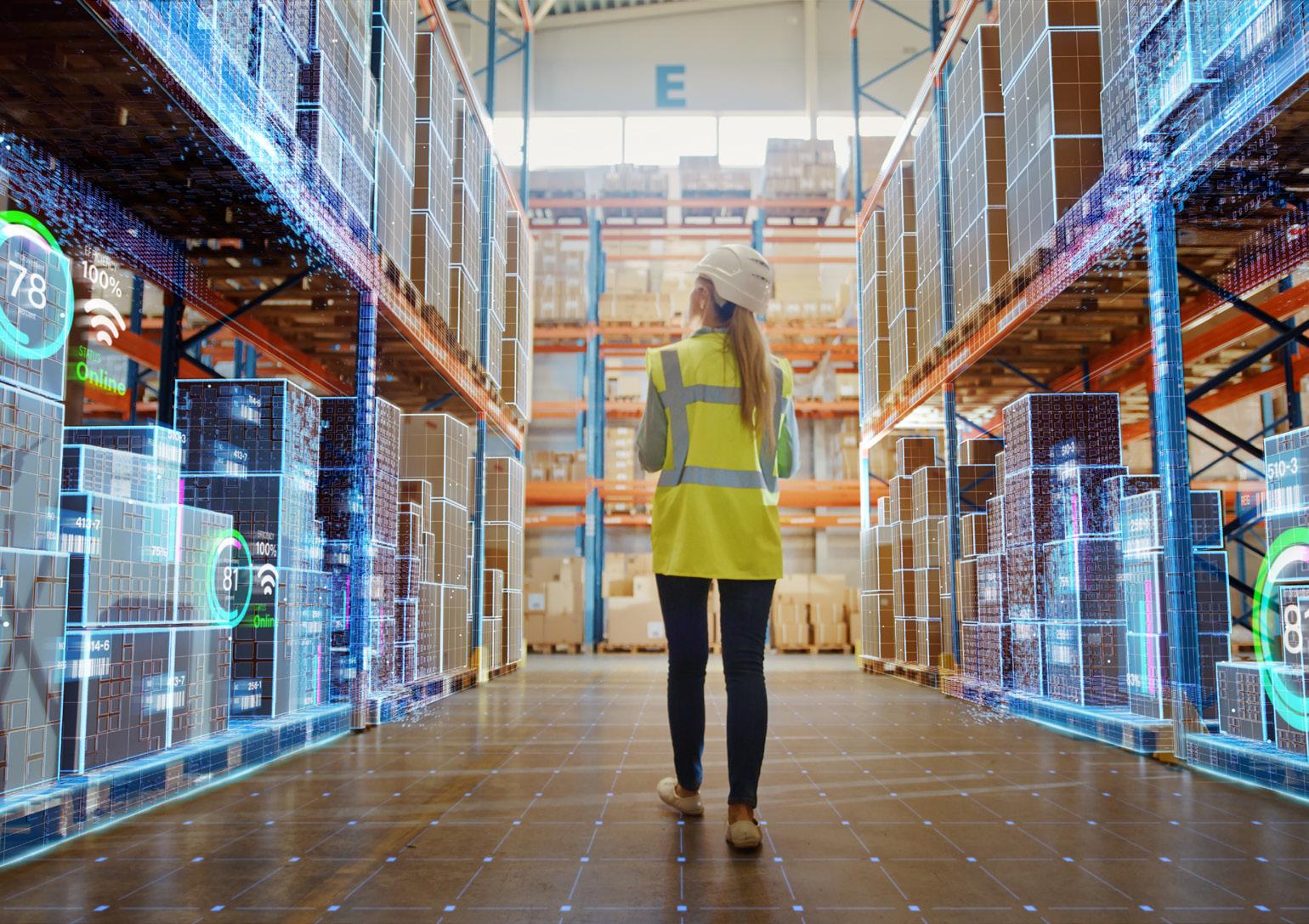







GHOST KITCHENS ... in the virtual world

BIMBO LATIN SUR Ideal grounds for innovation
HEINEKEN GROUP (México)
Profitability and sustainability going hand in hand
KRISPY KREME (Panama)
Reaping benefits from award-winning strategies
GHOST KITCHENS ... in the virtual world
Managing Director
Jassen Pintado
Creative Director
Omar Rodríguez
Editor in Chief
Rafael Tablado
Finance Director
Christina Schoch

Social Media Director
Maria Elena Gastelum
Content Coordinator
Alicia Barrantes
Project Directors
Ana Macfarland
David Alarcon
Giuseppe Modenesi
Lucy Verde
Marcelo Modenesi
This Food and Drink special covers different highly relevant aspects within the industry.
On one side, Danone Mexico and Bimbo Latin Sur (South America) stand out for innovation in logistics, digitizing as many processes as possible and as the ideal grounds to run pilot programs, respectively.
In Central America, the Panama affiliate for the Krispy Kreme doughnut shop franchise increases its delivery coverage with award-winning strategies.
On its behalf, Grupo Heineken displays a highly profitable and sustainable operation across Brazil, showing that both concepts go hand in hand. Also, in South America, Black Bamboo Enterprises contributes to keeping Argentina atop the world’s top beef producers and exporters both in quality and amounts.
We also took a peek into the ghost kitchen concept, a business model which has become a disrupting factor into delivery meals.
Enjoy our Food and Drink special!
Mateo Rafael Tablado, Editor in Chief at The
Boston
Business Review
Email: rafael.tablado@thebostonbr.com




Carlos Caratachea, Supply Chain Director for Danone México
Ghost Kitchens becoming the top choice for delivery meals 06.
Grupo Bimbo Evolution of operations in the region contributing globally 34.
54.
Grupo Heineken
One of Brazil’s largest breweries
Krispy Kreme High standards and flexibility combine into success 70.


90.
Black Bamboo Enterprises
The mission to deliver the best meat to the global market
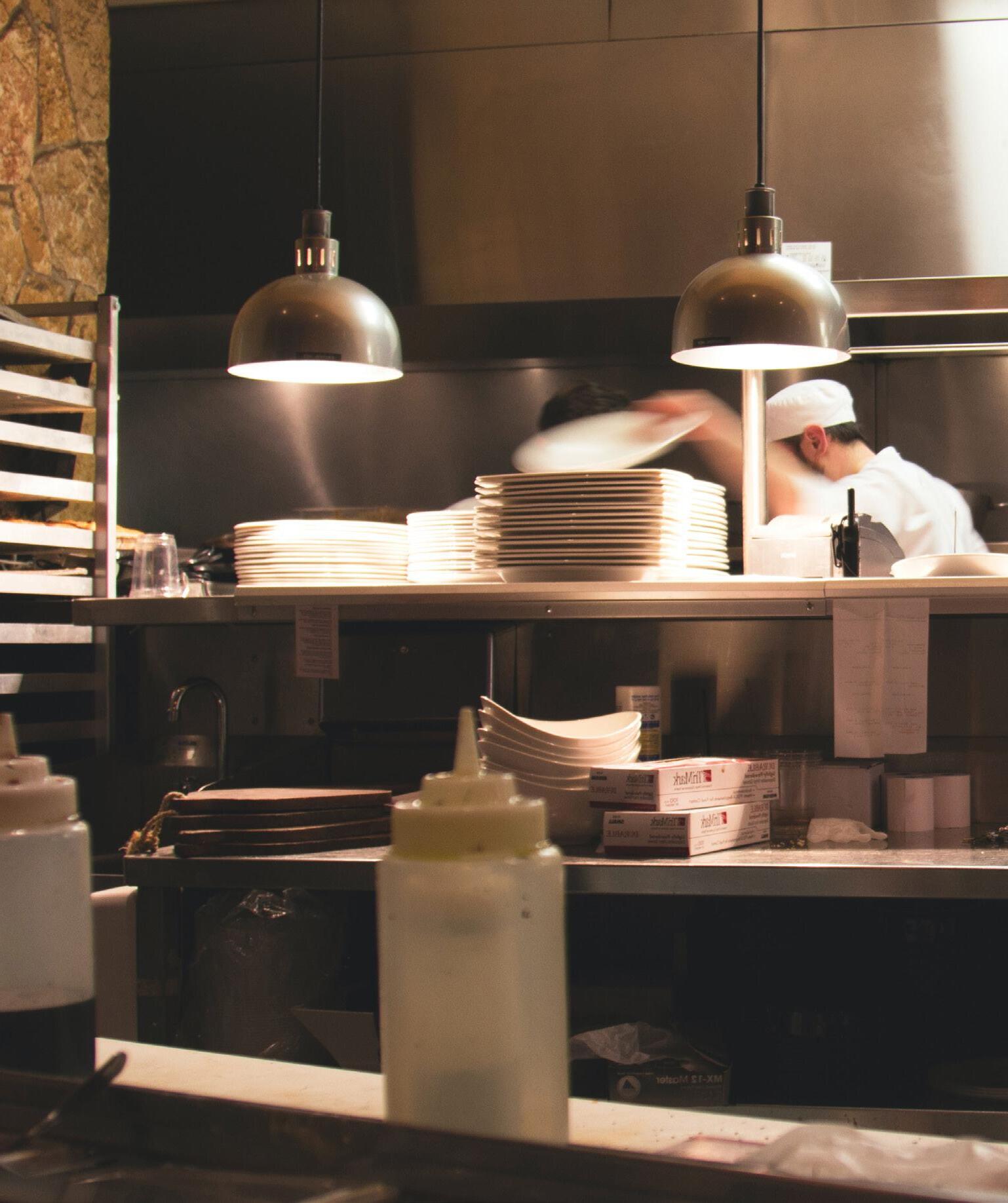

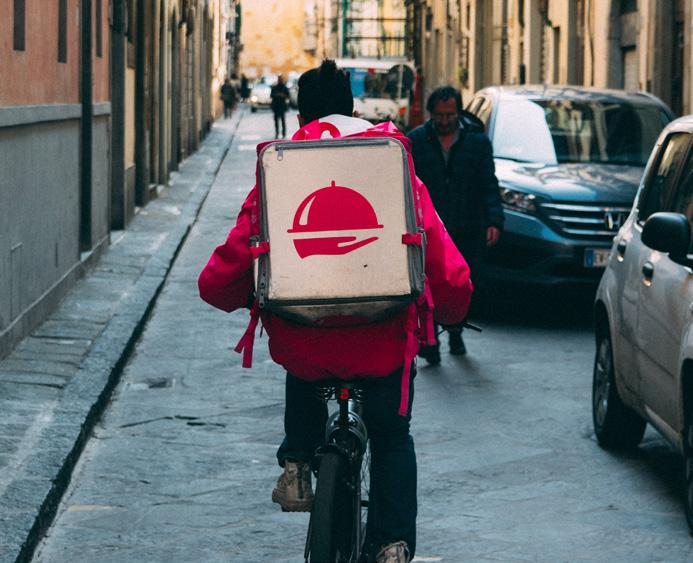
Inventiveness in restaurant operations is taking leaps forward through ghost kitchens, which experienced exponential growth during the global pandemic
Ghost kitchens (called “dark kitchens”, with slight variations in the business model) are not a pretentious hip occurrence, nor a new trend for Halloween promotions, but rather sprunged from the need of survival.
According to reports in recent years, this kitchen format emerged in the UK due to soaring prices in property rent, decreasing the restaurant business’ profitability, and as a consequence, driving young entrepreneurs and chefs to search for alternate low-rent spaces such as basements or small properties with just enough space to set a kitchen to prepare meals for delivery-only service, with no tables for customers at all. Conditions such as the COVID19 global pandemic have only boosted and reaffirmed this new concept, which is here to stay with or without a pandemic.
The ghost kitchens’ proven success has taken this model worldwide. During the last year, ghost kitchens popped up in Argentina, Brazil, Colombia, Chile, Peru and other countries in Latin America. According to Euromonitor, the amount of ghost kitchens in countries such as China, India and the US has already reached four figures, and it’s been projected that by 2030 this business will generate US$1 trillion, globally.
In Spain, for example, the Cuyna company is renting industrial facilities in Madrid, furnishing these as hubs for kitchens of different sizes and capabilities, according to El País news.
After being born in the underground -since basement rentals became a norm at the beginning-, ghost kitchens became such a successful
THERE ARE ESTABLISHED BRANDS APPROACHING THIS MODEL TO WIDEN THEIR COVERAGE OF DELIVERY AREAS IN AN INTELLIGENT WAY
and attractive business model that other brick and mortar brands have not only joined this trend to grow their reach, but also have made a survival resource out of it to earn part of the income they haven’t been able to generate due to pandemic shutdown restrictions for on-location meals. This is the case of the Chuck E. Cheese restaurant chain, regularly an experience-themed site for children birthday parties, with videogames and other attractions. The company was
already developing a way to reach the virtual brand delivery-only appfriendly market by creating Pasqually’s Pizza & Wings, offering more or less most of the same menu at their brick and mortar locations, aiming at the now grownups who used to enjoy the restaurants when they were kids; the venture’s opening began as the shutdown was ordered and seemed to fly under the radar before users on social media began noting a similar taste between Pasqually’s and
Chuck E. Cheese food and afterwards finding out the same phone numbers belonged to both brands’ location listings.
Chuck E. Cheese is not alone in the virtual brand development by established chains, as Applebee’s and Chili’s created Neighborhood Wings and Just Wings, respectively as their delivery-only alter-egos.
And there are also established brands approaching this model far from the strategy of creating a spinoff, virtual brand using the exact same infrastructure, but rather to widen their coverage of delivery areas in an intelligent, cost-reducing way, instead of investing the same amount of money they spend on locations open to the public. Such is the case for the Panama franchise of Krispy Kreme doughnut shops; besides operating in nine locations with a doughnut factory, seats and tables, the company just increased the

number of locations where deliveries depart from. “We rent discreet, smaller properties where only beverage machines have been deployed and fresh product is brought in twice a day; from these locations we cover delivery-only areas,” commented Eduardo Escobar, general manager of Krispy Kreme in Panama, about the brilliant strategy that earned this affiliate an award for innovation from the Krispy Kreme corporate headquarters, which immediately implemented this model globally.
Even when taking a risk by creating virtual brands, experiences such as the one of Chuck E. Cheese with Pasqually and other established brands rely on the infrastructure previously set in each of their locations before setting them up for a delivery-only operation, using preexisting kitchen spaces and cooks which are already part of the operation costs.
But for those into the restaurant business for the first time, whose only way to make a profit is by engaging in a low-cost delivery-only ghost kitchen operation, there isn’t any infrastructure as the one pre-owned
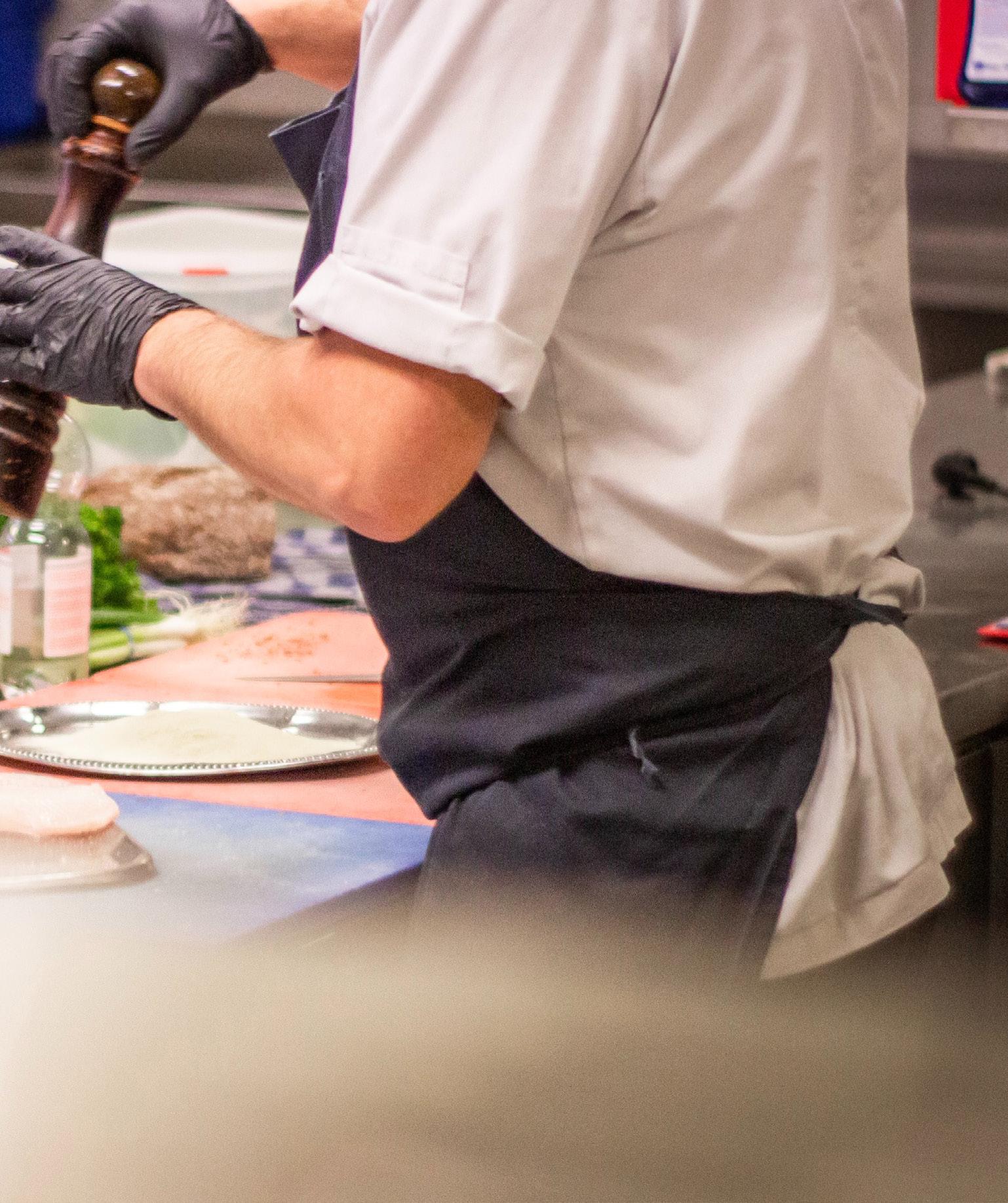
by large restaurant chains. They must earn a reputation from consumers that never dined at their place because, to start with, it hasn’t been a place with seats and tables open to the public. In the beginning, their reach hardly benefits exclusively on word of mouth from people that have eaten there, as it has been traditionally with most
opening restaurants, but they must rely heavily and almost exclusively on social media and other user-generated content apps to appeal to potential customers in a demographic group for which ordering a meal from a mobile device is not an exception, but rather customary, thus depending on promotions, likes, shares, as well as
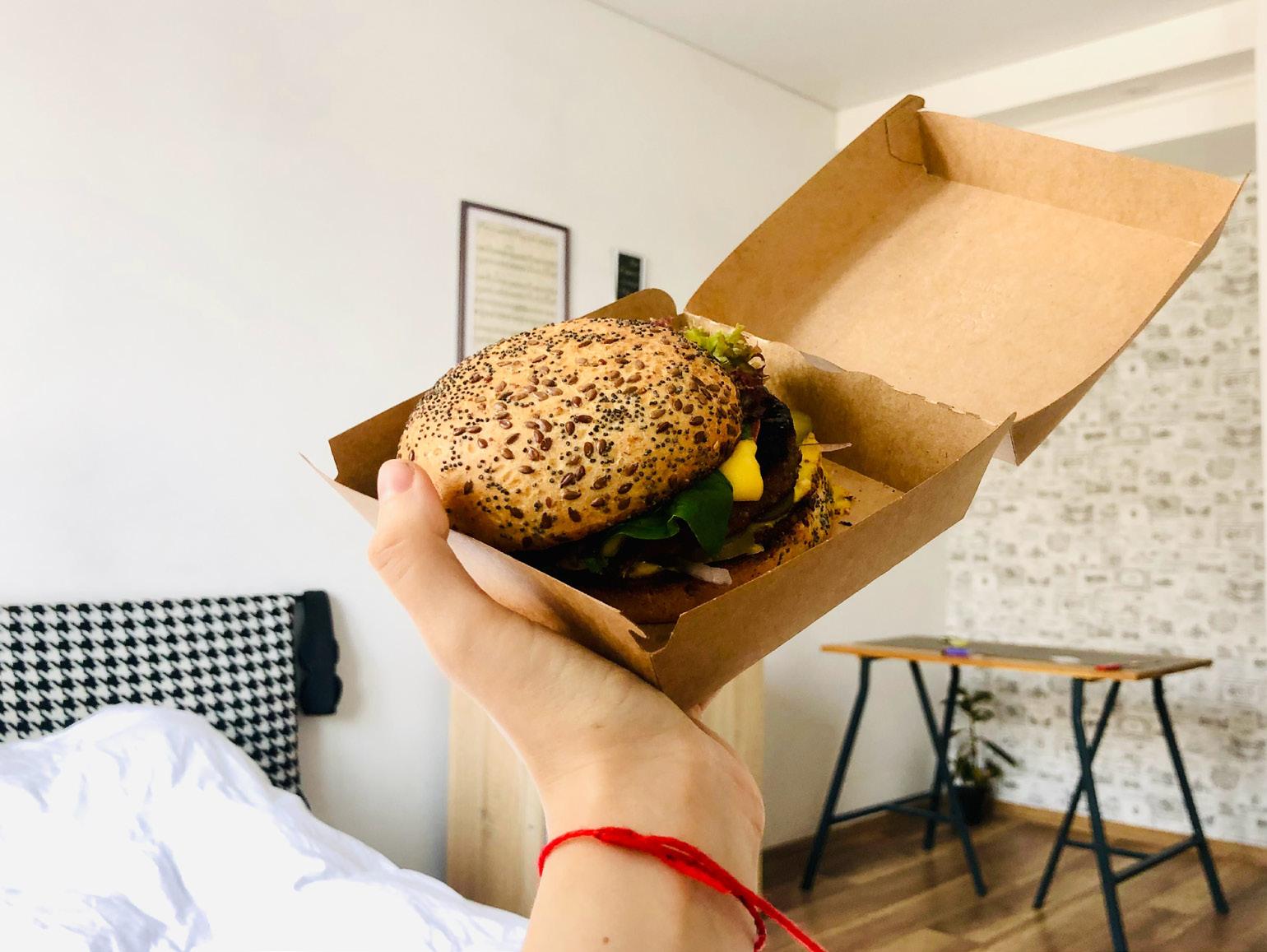
FOR THOSE INTO THE RESTAURANT BUSINESS WHOSE ONLY WAY TO PROFIT IS ENGAGING IN A GHOST KITCHEN OPERATION, THERE ISN’T ANY INFRASTRUCTURE AS THE ONE PREOWNED BY LARGE RESTAURANT CHAINS
photos and videos in which dishes must look impeccable and succulent to attract the kind of customers that may never ever experience their meals in site, but always by delivery.
One of the most important links in the chain is also attracted to the ghost kitchen model: the delivery apps. Both Uber Eats and Rappi are partnering with ghost kitchens beyond the simple load and take delivery process, but also by taking part in property operation, creating spaces to rent for small or large kitchen operations as well as developing virtual brands operating from the same location and kitchen infrastructure.
Opportunities for ghost kitchens are growing after originating in dire
conditions, depending upon third parties and being thrusted by a restrictive event as the shutdown derived from a global pandemic. If our post-pandemic, post-COVID19 or at least after-shutdown lives have embraced home office enough to stay, ghost kitchens’ acceptance certainly leads the way.
The variants this model will develop are going to be very interesting, no matter if it comes from a garage inside a house where young chefs still live with their parents, or from the new, industrial kitchen hubs attracting big-time investors. Maybe new meal delivery apps will be developed, demanding existing apps undergo some kind of transformation, and probably there will still be virtual restaurants under this model which still may consider their operation runs better off without partnering with any third parties.







Produced
by
Jassen Pintado
Interviewee
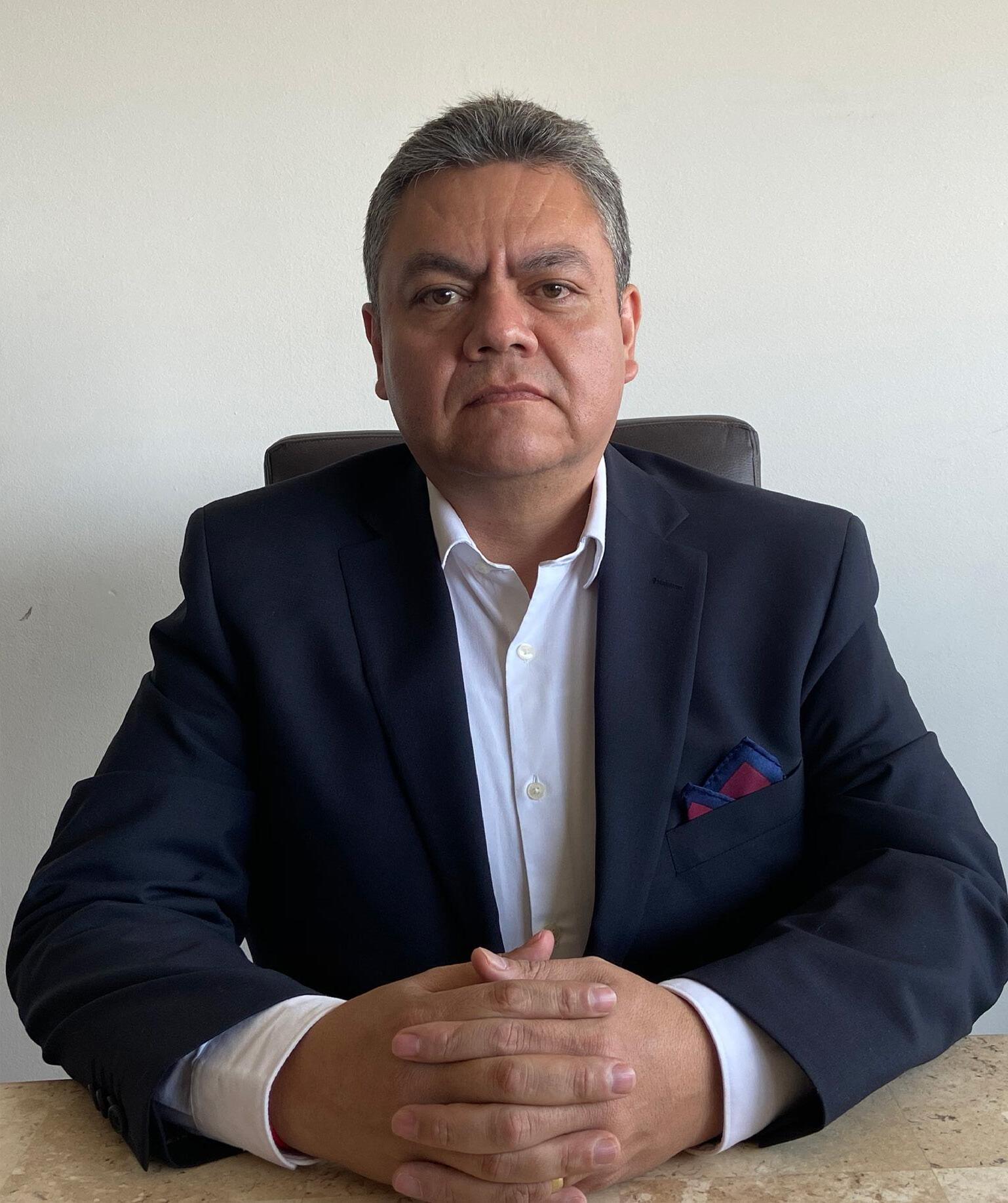
Carlos Caratachea, Supply Chain Director for Danone México
A complete operation willing to develop, obtain and make the most from the best available resources, enabled to get to know clients, ease their access to products and achieving their satisfaction while benefiting the company, its partners and suppliers
With more than a century since it first opened for business in Europe, Danone established a solid presence around the world in the dairy products and drinking water industries. The Danone group set foot in Mexico almost half a century ago and has strengthened its leadership through an important product portfolio, fulfilling the mission of bringing health through food and hydration to the most possible people. Also, Danone has established a solid reputation as a reliable household name as a result of the highest quality standards shared by its products,
contributing to consumers’ diet and nutrition.
Danone’s operation in Mexico ranks at 7th place worldwide, performing a key role in the company’s global business strategy.
The brands managed by Danone in Mexico are grouped into three business units:
• Essential Dairy Products (EDP) and plant-based products: Activia, Bene G, Danmix, Danone, Danonino, Danup, Danette, Dany, Oikos, Vitalínea, YoPro and Leche de Origen Danone (milk), all of these are dairy products, besides the Silk brand of coconut, oat, rice and soy beverages.
• Bonafont: One of Mexico’s beloved brands of quality drinking water, available in sizes from 20oz. to 340oz.
• Bonafont en Tu Casa (home delivery service): Bonafont water straight to Mexican households through recyclable and returnable bottles in 45oz. and 83oz. sizes.
Danone supplies nearly 300,000 clients involved in the retail industry, besides convenience store chains and supermarkets.
The company has 45 facilities nationwide. Danone’s almost 1,000 delivery routes serve approximately 50,000 clients every day.
Danone’s plant in Irapuato, Guanajuato is the group’s largest yoghurt plant in Latin America and in recent years has earned important accolades, such as the
2020 Sustainability Prize from the Transportation Innovation Week, for the first electric refrigerated truck prototype. In 2017 and 2019 the company was awarded the National Prize for Logistics. The first of these for using a natural gas-fueled delivery fleet and a strategy optimization in the Greater Mexico City area, and the second time for their control tower app.
During the last five years, Danone’s facilities have been reconditioned to guarantee service and supply for consumers nationwide.
“100% of these facilities were conditioned to support the company’s organic growth and innovation strategy,” said Carlos Caratachea, Supply Chain Director for Danone México.
Caratachea, a biochemical engineer, graduated from ITESM (Monterrey
Institute of Technology and Higher Education) - Queretaro Campus. His wide experience in the food and beverage industry has taken Caratachea to leading companies such as Jumex, Jugos del Valle, Comedores Industriales, Coca-Cola FEMSA and Unilever, where he has performed in areas such as production planning, materials, demand, quality control, warehouse management (both for finished products and raw materials), systems and distribution, among others, obtaining knowledge about every link in the supply chain.
Caratachea arrived at Danone in 2005. Before being named Supply Chain Director in mid-2020, he was in charge of nationwide Distribution and Storage for five years, and from 2012 to 2016 he led the production plant at Irapuato to be the best plant during five straight years among 140 Danone plants worldwide.
Besides all the awards obtained in Danone, as well as the Total Productive Maintenance award, from the Japan Institute of Plant Maintenance for Unilever’s Tultitlan plant, in 2020 Caratachea became recipient to the Eminence in Logistics award, on behalf of the Soy Logístico association.
“I never accomplished any result by myself, I always did it with help from focused, disciplined teams, striving for ‘how should we’ ways to achieve results,” the executive declared.
One of the supply chain’s main traits at Danone Mexico is the willingness to explore, learn and include new technologies enabling them to ease tasks, save and improve results, thus leading to increase the value chain.
Danone’s investments in disruptive technologies, such as smartwatches, RFID and warehouse management
I’ve never accomplished any result by myself, I always
did it with help from focused, disciplined teams,
striving to achieve results
Carlos Caratachea, Supply Chain Director for Danone México


systems have been useful for inventory management, orders and also for digital research resulting in the detection of new clients. For planning and consumer service tasks, Danone relies on RPA for data extraction and analytics.
“We’ve thrusted the use of technology to simplify tasks and improve our service and savings indexes,” Caratachea explained.
Digital technologies in vehicles and devices have made operations easier, providing delivery workers predetermined routes, designed according to each day, schedule and other conditions in their area, aligned with the control tower, which not only monitors delivery times, but also offers support in client geolocalization. The control tower allows making decisions to plan routes and delivery times according to possible traffic conditions
“Proyecto
such as temporary road restrictions, roads under construction or repairs and traffic accidents, among other critical events, in real time, protecting operational continuity.
Currently, the Danone fleet is working with new devices that not only share the vehicle’s location, but also its temperature and built-in photosensors detect cargo door openings involved
in possible unscheduled stops in the delivery route.
“We are evolving toward an understanding of what the market offers to create solutions which become sustainable,” the executive declared.
Creating synergies and establishing
collaboration programs is a key factor for Danone Mexico. The main goal of working hand in hand with large retail chains is finding solutions able to optimize supply while reducing costs. The company has strong relationships with Ferrero Rocher and Mars in logistics and product delivery.
“The most important aspect is the creation of mutually beneficial
solutions. There’s a willingness to explore new business opportunities,”
Caratachea commented.
On the other hand, there are suppliers evolving into levels of highly specialized collaboration. The company that first supplied a monitoring system for Danone’s trucks is currently in charge of Danone’s control tower. Freight trucks with two
decks and dedicated freights are a result of built trust after accomplished goals and the vision of economy of scale and volume sales. In fact, the refrigerated electric truck -which already earned a prize- was a Danonedriven collaboration between a truck manufacturer, a car body maker, the refrigeration system supplier and the financing entity. The company also shares close relationships with startups as a reference about different operation models.
A common trait about these and other suppliers and their relationship with Danone in Mexico is their vision to create high-value, appealing, sustainable and solid strategies.
“Danone stands out for venturing into investments with support and collaboration from local suppliers. They’ve helped us with their flexibility and willingness to take steps along with us, because the solutions we
propose bring business opportunities,” the executive explained.
Being part of a global corporation like Danone implies aligning and following determined standards, as well as fulfilling its commitments to subjects such as the environment, health and sustainability.
On the other hand, this also means having multiple resources available which help every operation worldwide to share experiences and success stories to improve best practices.
Support from the global headquarters also includes digital resources such as the “Campus X” e-learning platform, which offers training sessions in different topics such as quality, R&D, production, supply chain and sales, among others.
Each country’s operation is subject
We’ve thrusted the use of technology to simplify tasks and improve our service and savings indexes
- Carlos Caratachea, Supply Chain Director for Danone México
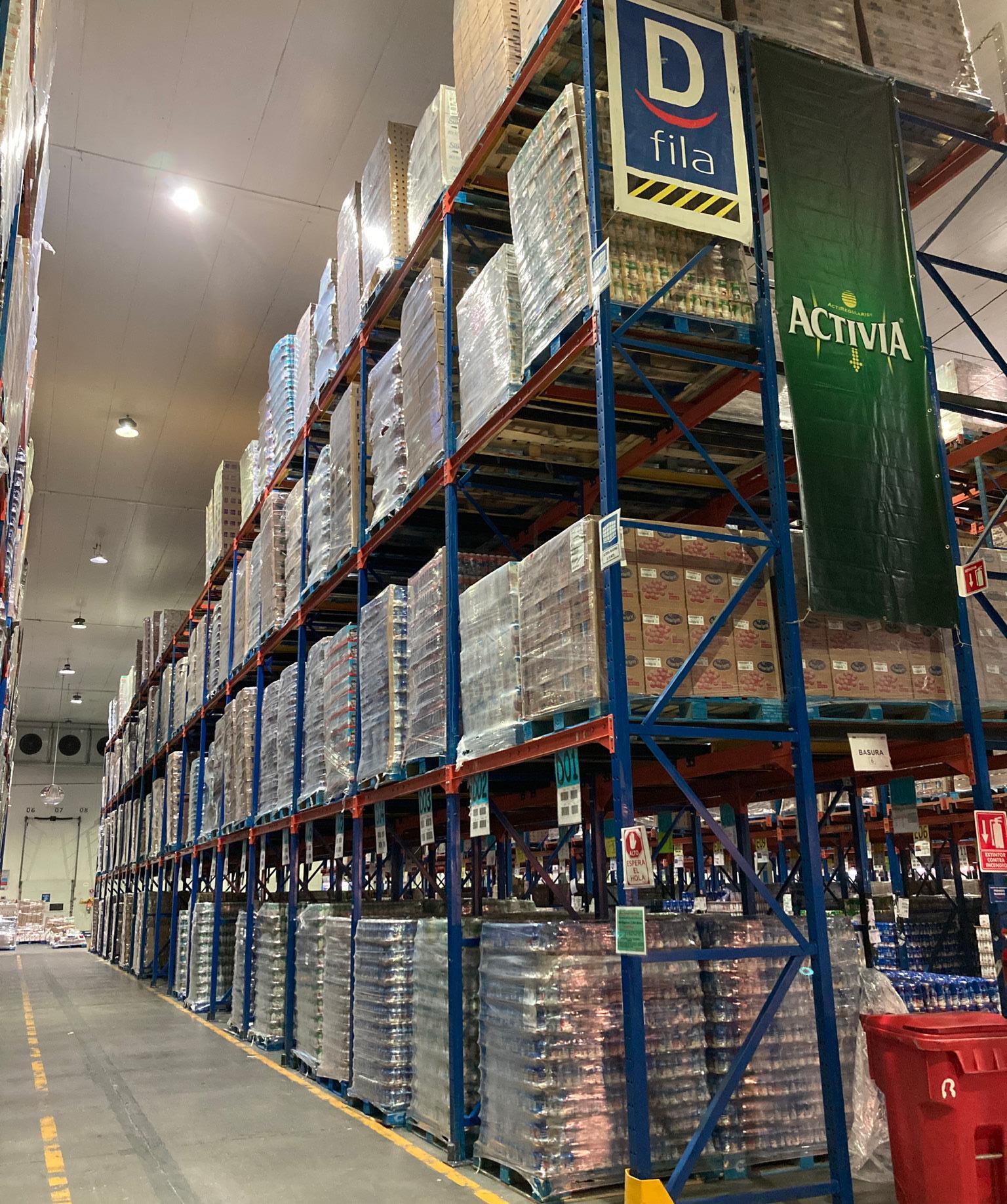
Danone’s product portfolio is comprised of Essential Dairy Products, Danone en tu Casa bottled water delivery, and Bonafont bottled water
Danone’s commitment to sustainability is carried through every day actions based on its “OnePlanet. OneHealth.” vision
Danone stands out for venturing into investments with support and collaboration from local suppliers.
They’ve
- Ing. Carlos Caratachea, Director de Cadena de Suministro de Danone México
to reviews, detecting improvement areas and also to exchange resources which are not in use in a certain country.
“The support we have from the group is key to achieve our goals faster,” Caratachea declared.
Consequences derived from the COVID global pandemic resulted in a flurry of new measures in businesses worldwide, and Danone Mexico was no exception.
Danone’s operation was transformed,
becoming a safe and healthy space for its staff by conditioning its facilities to comply with sanitary measures and preventive protocols, besides arranging new operation models supported on technology, such as virtual meetings, new digital platforms for communication and other resources alike.
These conditions also resulted in improvements in communication with clients and detecting a rising awareness in consumers about product sizes from the data generated during the quarantine period.
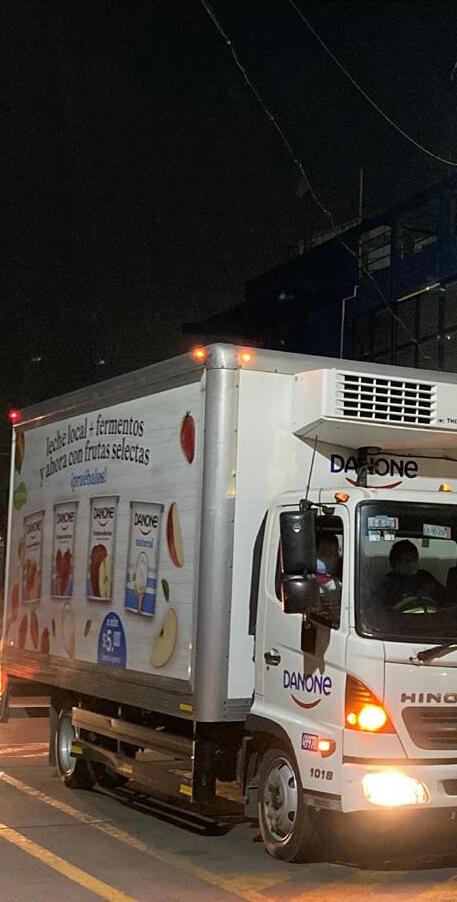
The product delivery department is furnished with the best digital resources, besides earning Danone an award for the electric refrigerated truck prototype
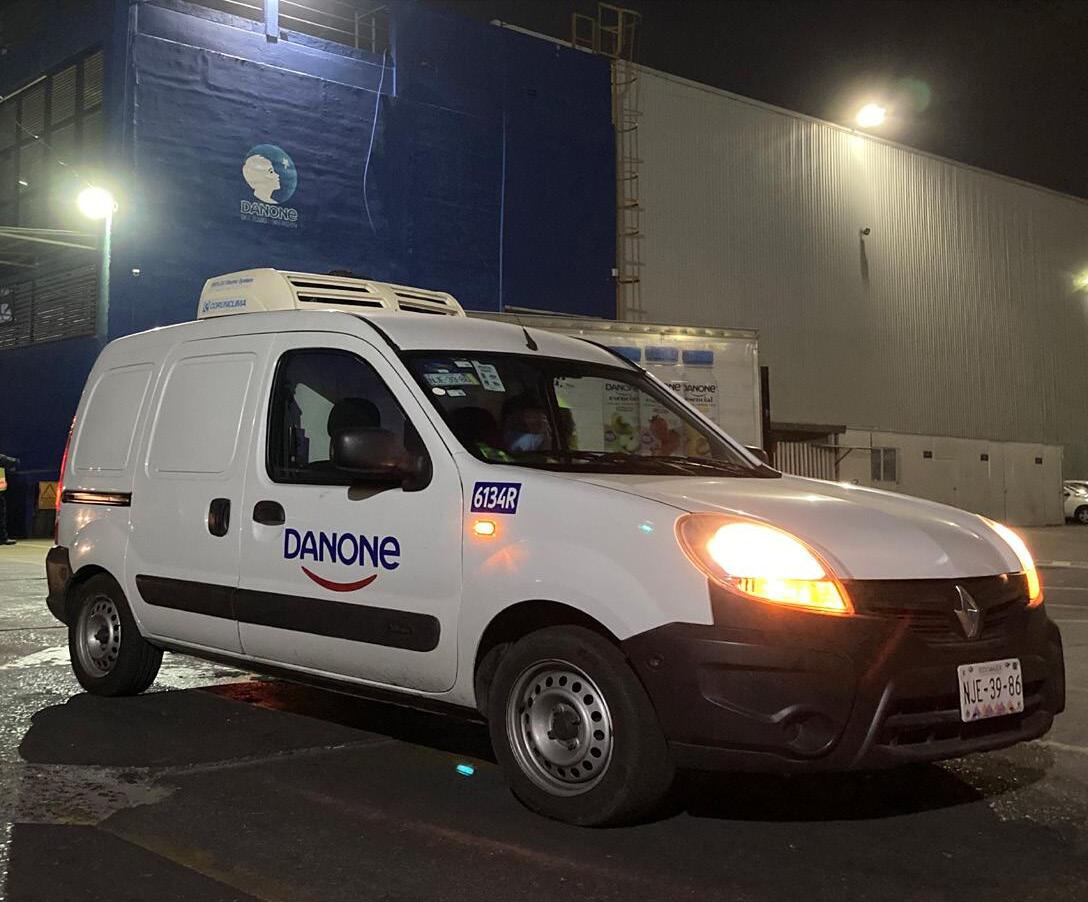
“COVID has led us into a more mature and complete operation, able to fulfill our clients’ and consumers’ expectations,” the executive explained.
Both in Mexico and on a worldwide level, Danone engages in active efforts to achieve its “OnePlanet. OneHealth” ambition, focused on the wellbeing of individuals and the planet.
In terms of sustainability, there’s been significant progress in efforts aimed at renewable energy, packaging, water, regenerative agriculture and carbon footprint reduction, among other matters, as it actually happens with the company’s vehicle fleet, two cargo decks in trucks and reducing the use of fossil fuels is focused on reducing the carbon footprint and other
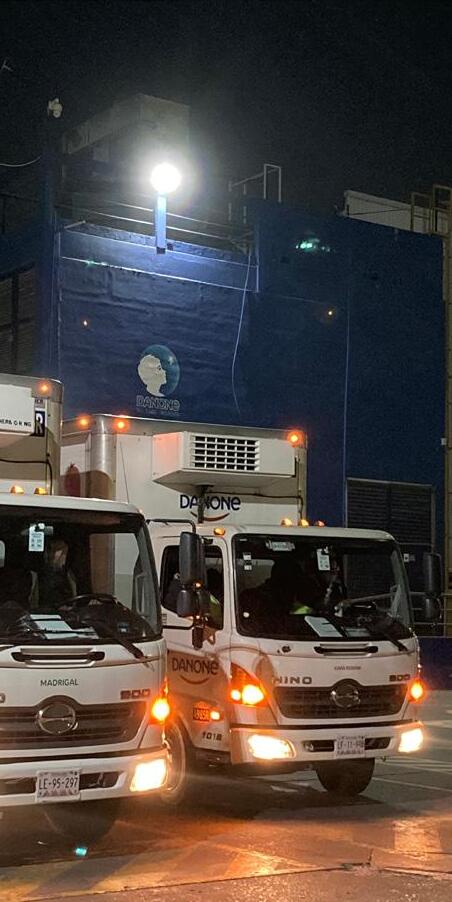
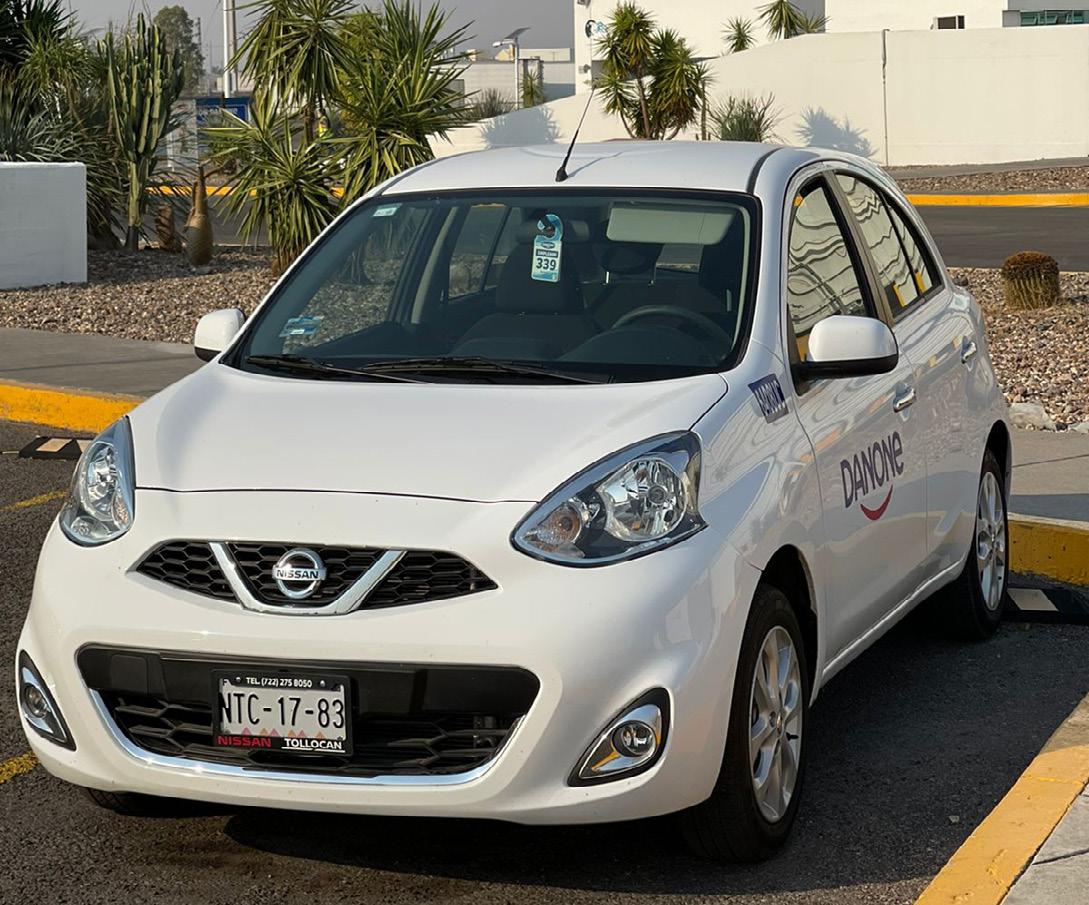
emissions. Also, the plant in Irapuato runs on wind power.
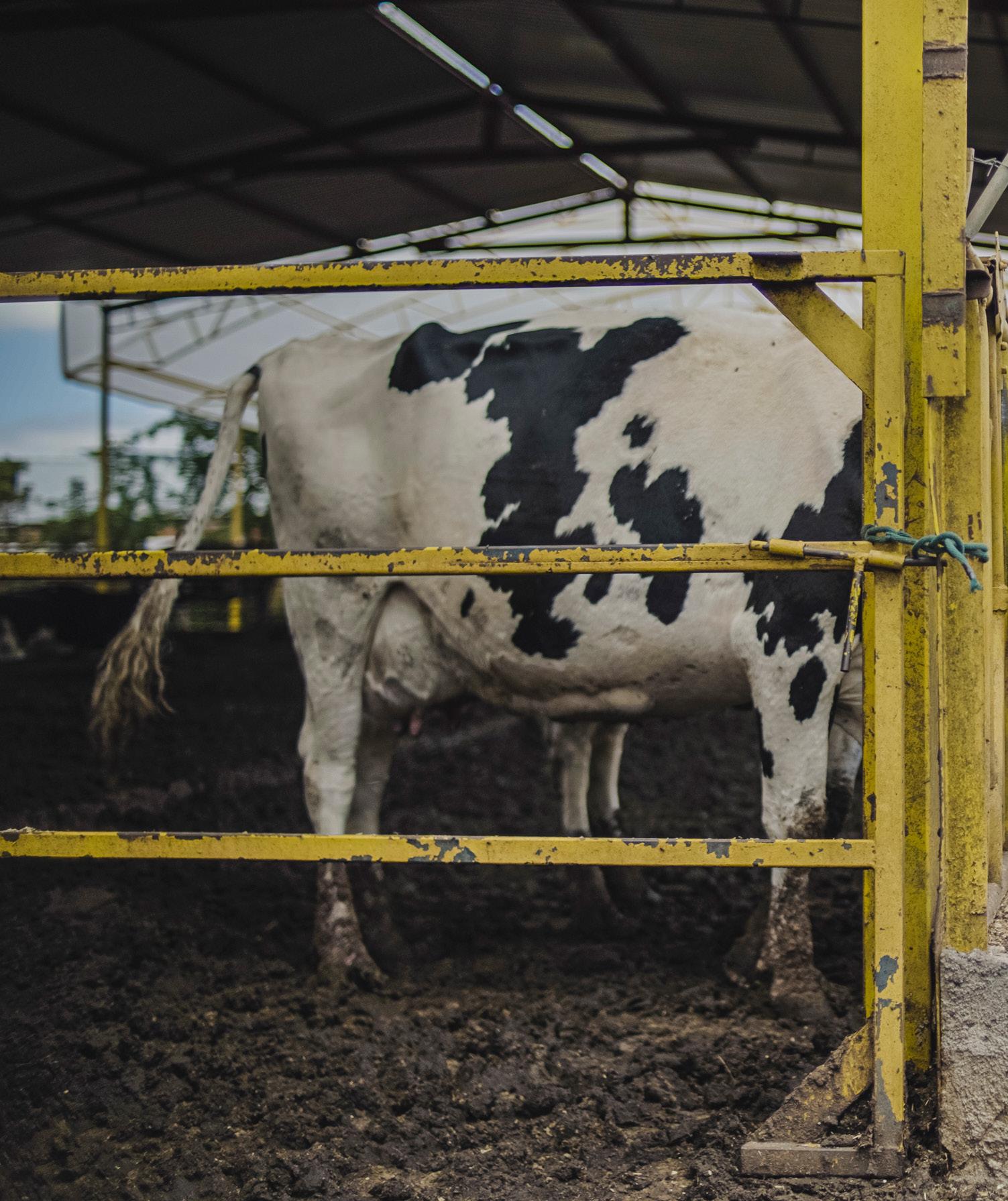
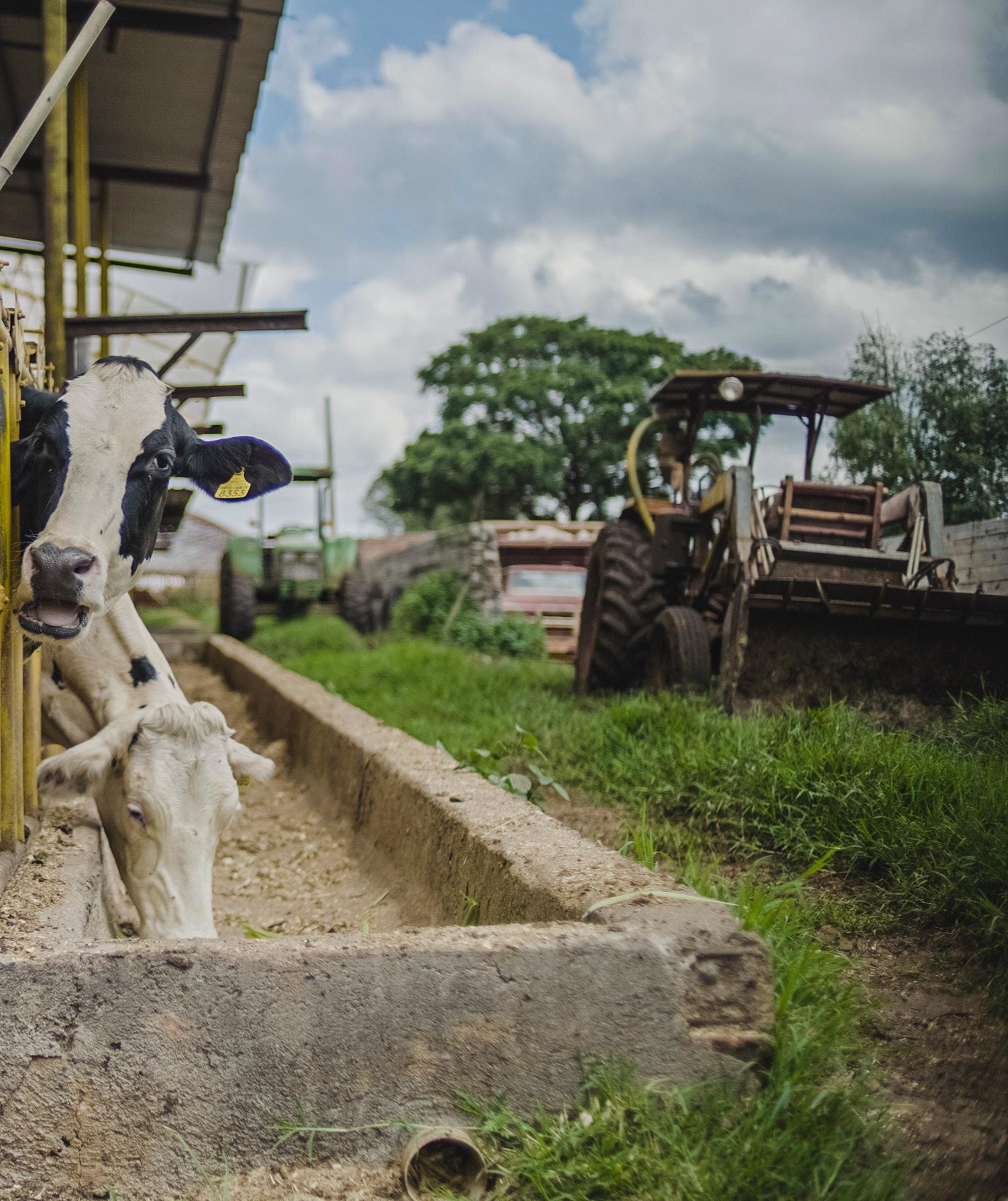
Danone also runs important projects which have become a transforming force in its social environment, as it has been with the Margarita program, a sustainable strategy favoring milk supply by developing small producers who lacked the proper technical advice to increase and improve their production.
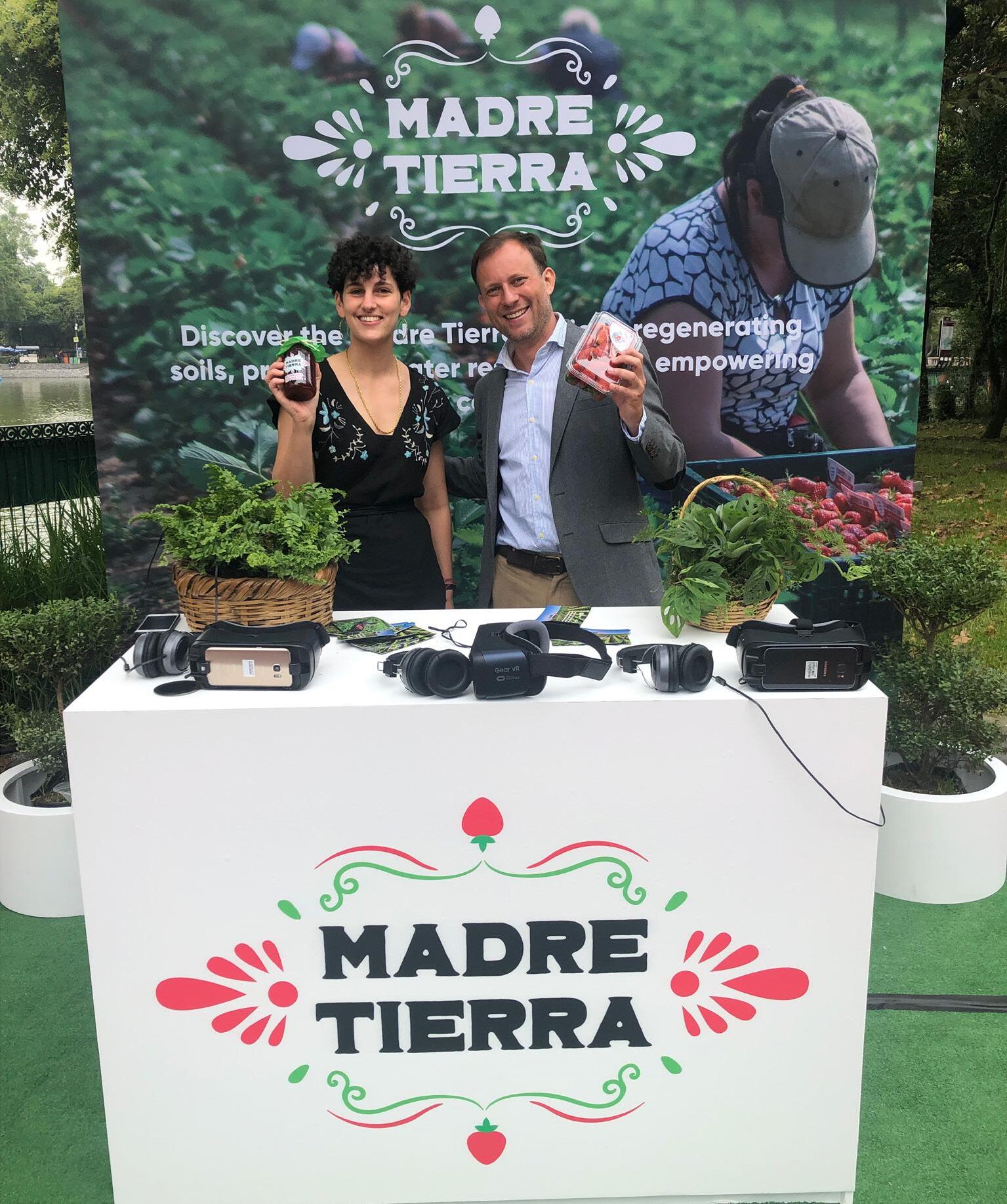
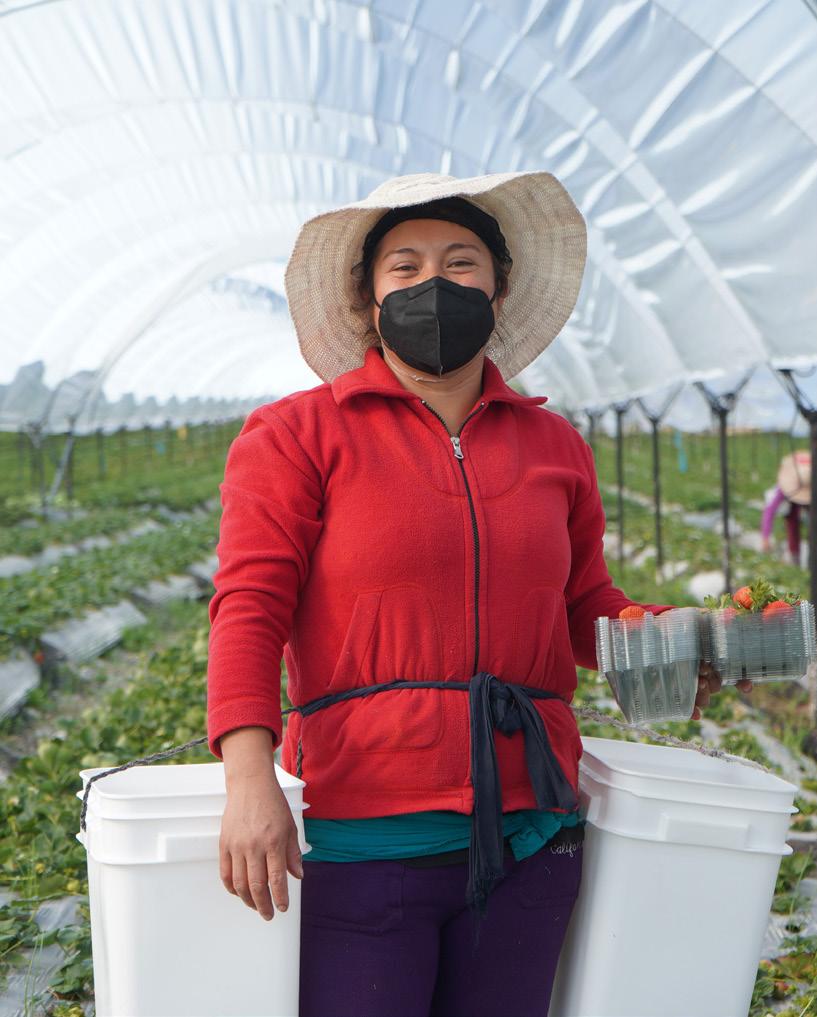
Currently, more than 500 Mexican producers from the state of Jalisco have become small entrepreneurs, or the Madre Tierra (Mother Earth) program, a regenerative and sustainable agriculture program offering a significant increase in productivity to small producer communities with strawberry crops in Maravatio, Michoacan.
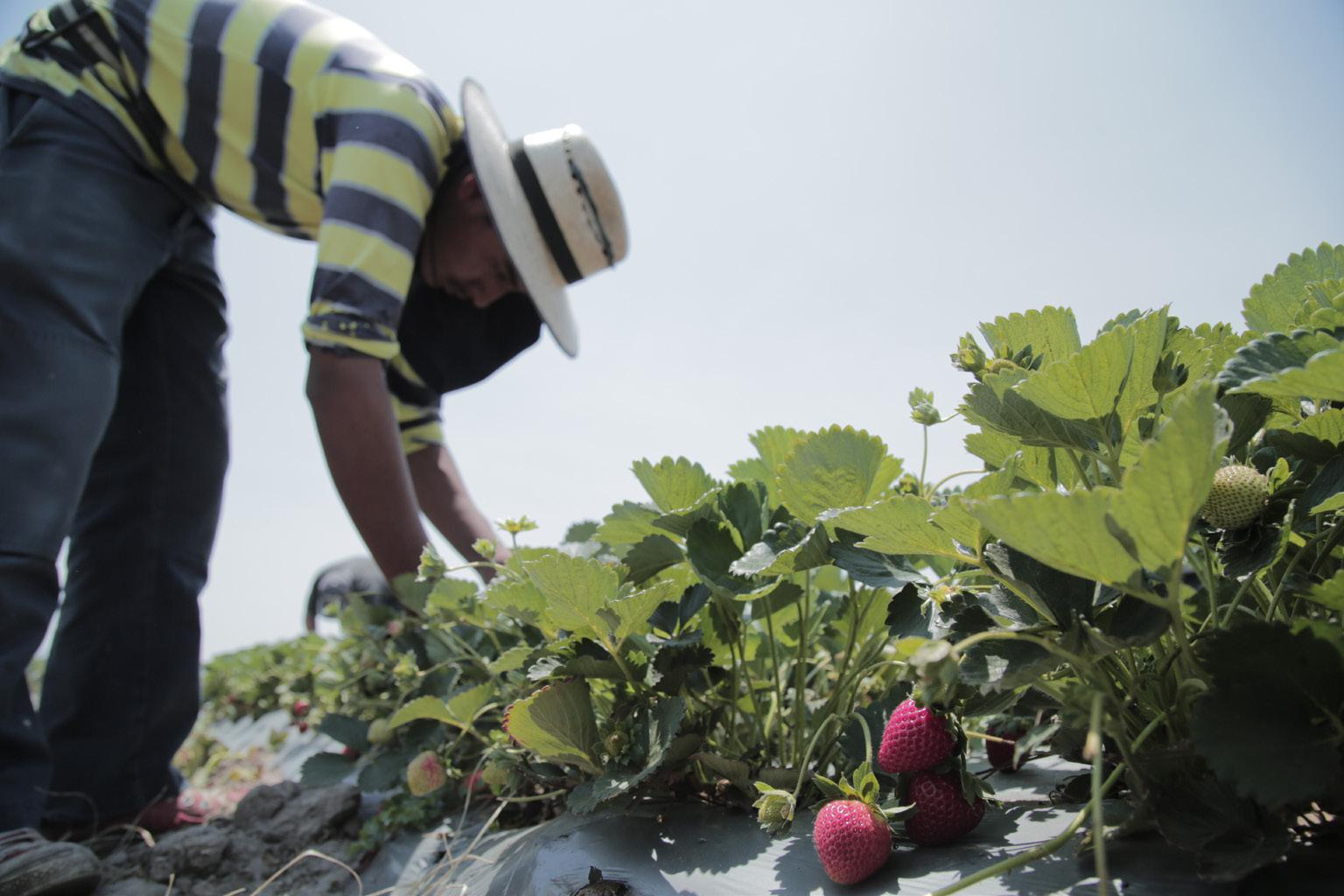
and increasing digitization as a process facilitator
Upcoming developments at Danone undoubtedly bring some kind of excitement amidst the evolution that the logistics and chain supply areas are capable of displaying. The pandemic brought along new entrepreneurs that must be serviced and supplied, for
whom different distribution models are being developed, according to context and conditions.
The arrival of the refrigerated vehicle becoming part of Danone’s distribution network for smaller clients is servicing a recently discovered sector which seems to grow. For Danone it is highly important to offer
variety in its portfolio with water and other products able to contribute to the transformation of Mexicans’ diet and for consumers aware of the products they use.
Undoubtedly, it is expected that Danone will continue adopting digital resources and directing efforts toward reducing any environmental impact.
“Driving green tech helps a lot, that’ll be here in upcoming years, more digitization producing data that enables us to serve what clients need and demand,” finalized Carlos Caratachea, Supply Chain Director for Danone Mexico.
FOUNDED: 1919 ( in France)


INDUSTRY: Dairy and plant products, drinking water
WEBPAGE: www.grupodanone.com.mx
Produced
by
Jassen Pintado
Interviewee
Jordi Rodríguez Pauli, Logistics Regional Director at Bimbo Latin Sur
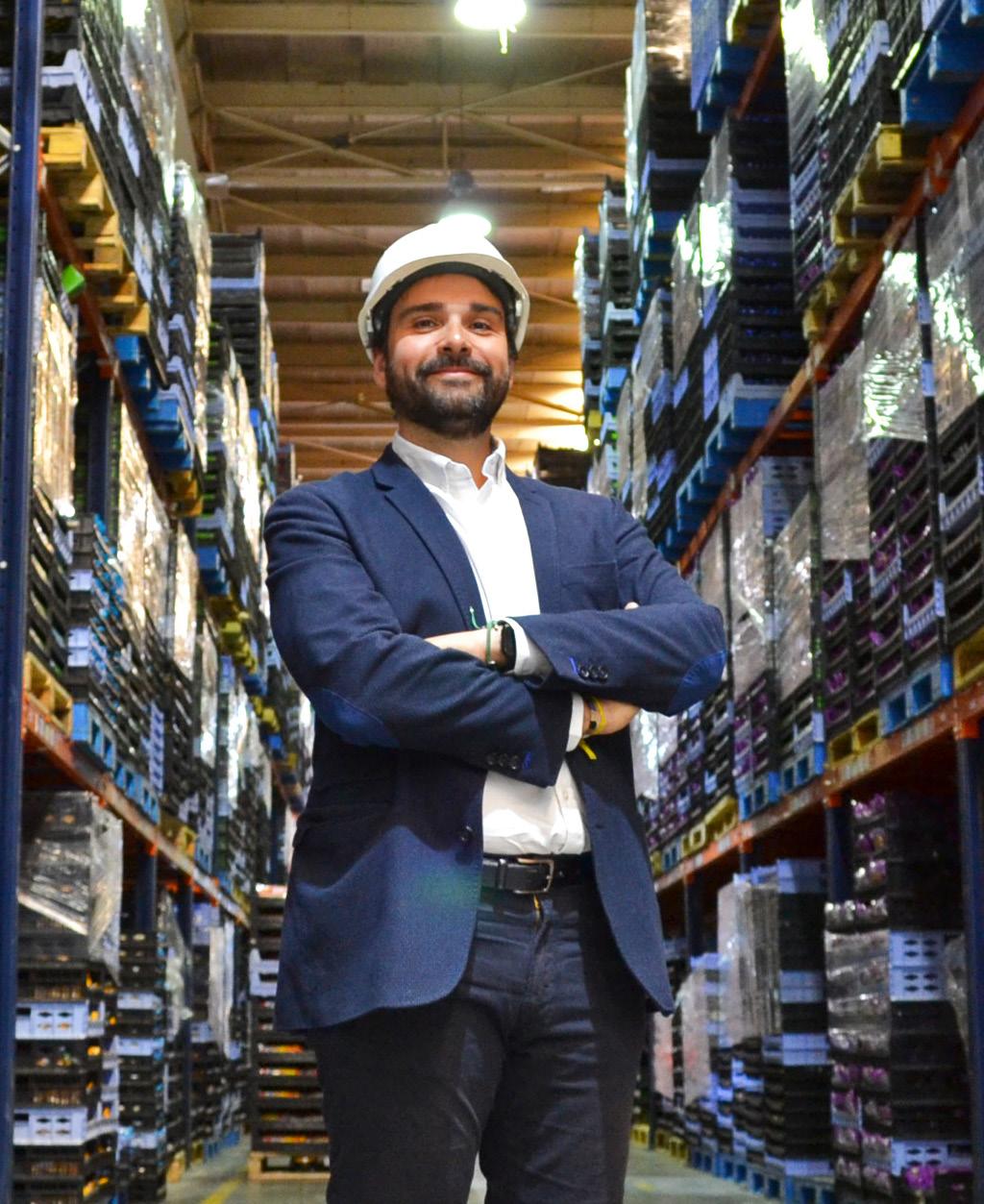
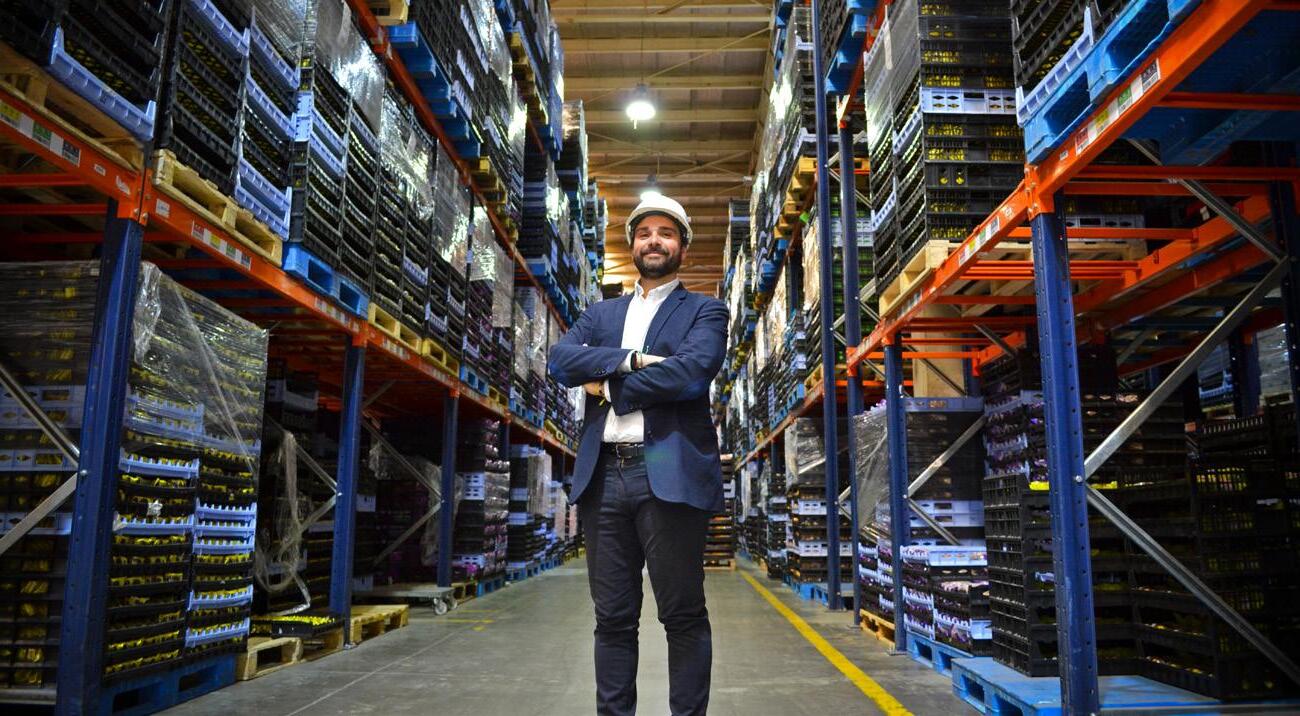
Bimbo Latin Sur consolidates its position as a Grupo Bimbo region where innovation shapes new processes and strategies that contribute to the global growth of the corporation and its brands.
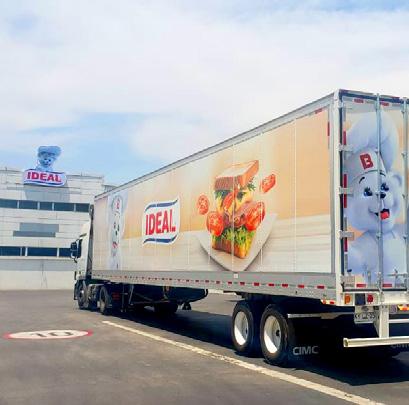
The global presence of Grupo Bimbo, the Mexican food giant, is known not only by processing products made with the best ingredients under strict quality, hygiene and safety standards, but also by the way these products are distributed.
The Bimbo Latin Sur region is no exception, bringing together the markets of Argentina, Chile, Paraguay, Peru and Uruguay as a single organization.
“Concepts such as investments or digitization are resources that are applied in the global and regional levels to transform operations,” said Jordi Rodríguez Pauli, Logistics Regional Director for South America at Grupo Bimbo.
Rodríguez Pauli has more than 15 years of experience in the industrial and Fast Moving Consumer Goods sectors; he started in the Quality and Production Planning area for General Electric and now, with more than ten years of experience in Grupo Bimbo, from planning and production up to the position of Logistics Officer at Bimbo Iberia, where he led a transformation of the supply chain, the same process that he implemented in the South Latin region.
“I joined Grupo Bimbo attracted by the idea of working in a company with such powerful and beloved brands”, explained the executive.
In recent years, Grupo Bimbo has integrated brands that have been key to its presence in certain markets and to enrich its global portfolio.
The most outstanding additions have been NutraBien (in Chile) and International Bakery (Peru), resulting in
Grupo Bimbo | Ehtisphere nos galardonó por 5ta ocasión como la empresa más ética.
Concepts such as investments or digitization are resources that are applied in the global and regional levels to transform operations
- Jordi Rodríguez Pauli, Logistics
Regional Director at Bimbo Latin Sur




JUST WORK VS PLAY WHILE YOU WORK















Year Established: March, 2013
Industry: Technology solutions for the supply chain
Main Services: Provider of software solutions for the optimization and control of the supply chain.
Recent Proyects:
During this year we will implement our technological solutions in more than 150 locations in Mexico and South America as part of the corporate initiatives of our valued clients.
CEO/President:
Daniel Bravo Hernández
Webpage: www.evolucionismo.mx
the management of new product lines as well as new clients, in addition to adding experienced personnel to the company.
“These two additions also pose a challenge to constitute the supply footprint in the operation, which requires an effort to unify information systems, production footprint and distribution”, Rodríguez Pauli explained.

Digital transformation is one of the strategic initiatives to speed up processes. Bimbo Latin Sur has led the modernization of its ERP (enterprise resource planning) in the cloud, equipped with a digital suite with useful applications for the supply chain.
“We are creating a digital ecosystem that helps us foster collaboration between the links in the supply chain. Also, through this digital transformation, we want to accelerate
processes, increase our talent’s capacity and generate better results. We are delighted to bring this vision to the Company to make the most out of it”, said the executive.
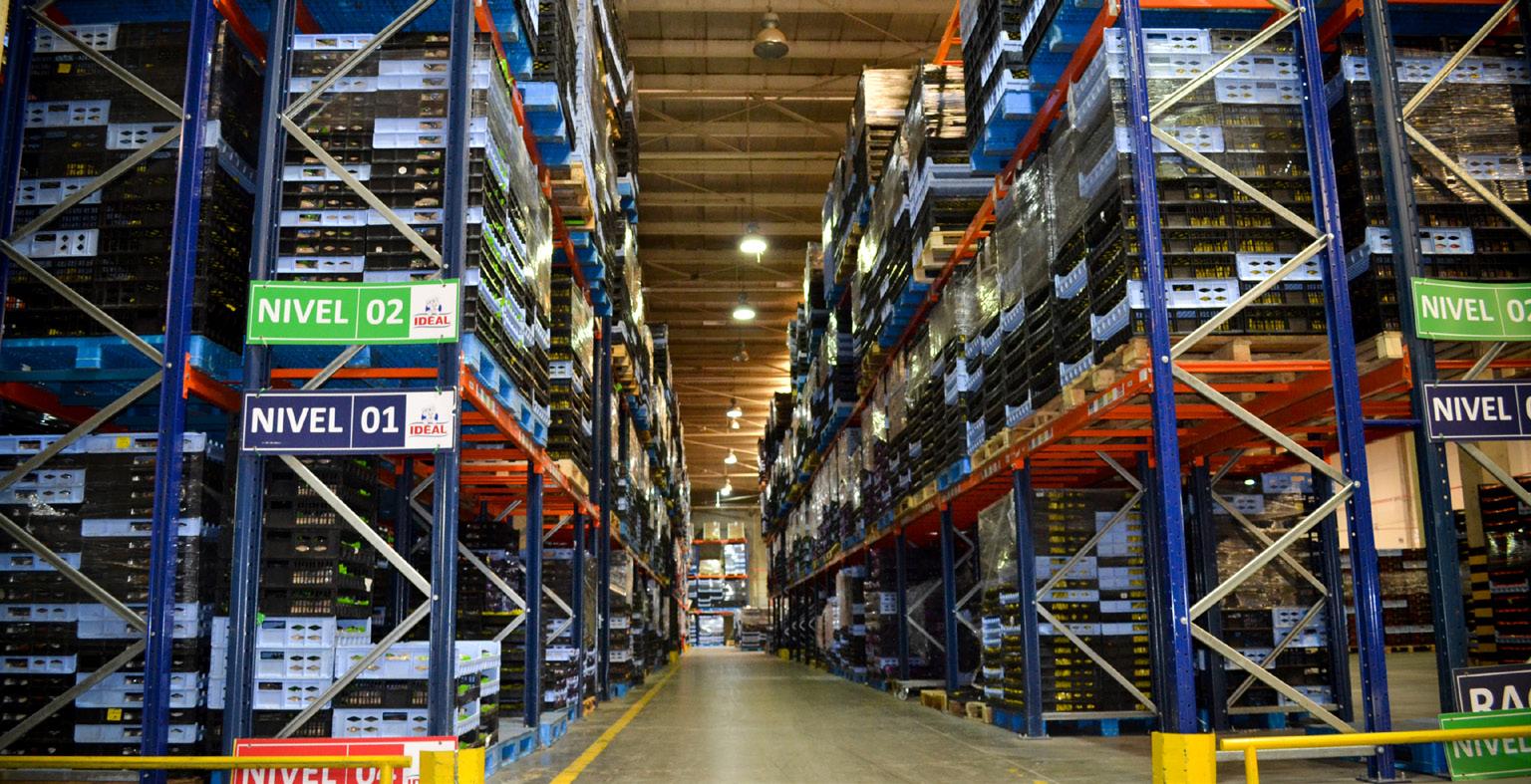
The size and coverage of Bimbo Latin Sur, regarding what Grupo Bimbo is in a global scope, provide the ideal conditions to develop and modify processes and new strategies to carry out pilot tests, and to be successfully optimized for subsequent tests in other regions.
As a result, a mature end-to-end supply chain has been developed, aligned with the support of its experienced staff and its digitization, thus influencing the rest of the Group.
“We are proud, as a team, to enrich Grupo Bimbo in this regard.

We
have the “mindset”, the drive and the need to try new ideas that help us to be more profitable and to grow
- Jordi Rodríguez Pauli, Logistics Regional Director at Bimbo Latin Sur
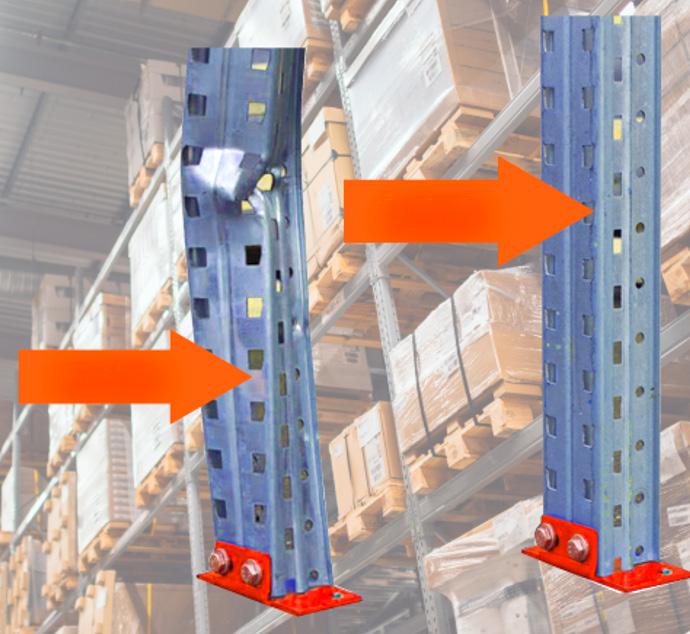

World class companies in 20 countries are already doing it, saving up to 80%! We repair your racks without disassembling. Although not all kinds of damage can be repaired, our certified method will structurally restore most damaged uprights.

+5214421972662
info@sci-mexico.net
Important: can be classified as capital expenditure. Contact us for further information.
Our method, invented in the Netherlands complies with the following standards:
- NOM-006-STSP-2014 (Mexico)
- RMI / FEMA 460 / ANSI MH16.1 (USA)
- DIN EN 15.635 / FEM 10.2.08 (EU)
- Certifying bodies: Dekra, The Dr Möll Institute of Engineering, Bayer Technology Services
We have world-class clients in more than 20 countries sci-mexico.net



Year Established: 2012
Industry:
Digital Supply Chain engineering
Main Services:
Result-driven and agile solutions for the digital transformation of supply chain strategy, planning and execution
Recent Proyects:
• Tenneco, Automotive, Fork – free pull system for line replenishment
• Ryder, 3PL – Picking process optimization through voice picking
• Grupo Bimbo Chile and Brazil, Food – Optimization of inventory and service level through simulation
• ABInBev, Beverages - Gamified S&OP training for senior management
• ABInBev, Beverages - Gamified last mile training for senior management
• Grupo Bimbo Corporate, Food –Creation of a global standard for warehousing and distribution.
Partners:
Enrique Elízaga y Erick Valdez
Webpage:
www.sci-mexico.net
We have the ‘mindset’, the drive and the need to try new ideas that help us become more profitable and to grow”, said Rodríguez Pauli.
In 2020, Grupo Bimbo launched Bakelab, a startup accelerator for all of Latin America (which in Mexico is called Eleva and has already developed two generations of startup acceleration in the country), whose proposal was to identify projects capable of providing innovative solutions with the potential to generate an impact on the company.
Both Grupo Bimbo in Mexico and the Latin Sur division supported blockchain, process mining and machine learning (artificial intelligence) projects.
“Without a doubt, they have opened our eyes and make us think in a different way about how we want to use technology to improve processes,” said Rodríguez Pauli.
I joined Grupo Bimbo attracted by the idea of working in a company with such powerful and beloved brands
- Jordi Rodríguez Pauli, Logistics
Regional Director at Bimbo Latin Sur
As part of an essential industry, the Latin Sur organization and Grupo Bimbo have, in general, deployed their capabilities to face the conditions imposed due to the global emergency of COVID19. Security measures were immediately implemented to prioritize the health of all of the Groups’ employees.
Work was also performed to adapt the value chain, accelerating a number of processes based on concepts of digital transformation, such as the opening of new e-commerce channels. Likewise, to maintain our commitment to ensure the availability of our products, we adapted production to prioritize the most demanded categories, considering that people are spending more time at home.


“RESITER
RESITER present in Chile, Peru, Colombia and Uruguay
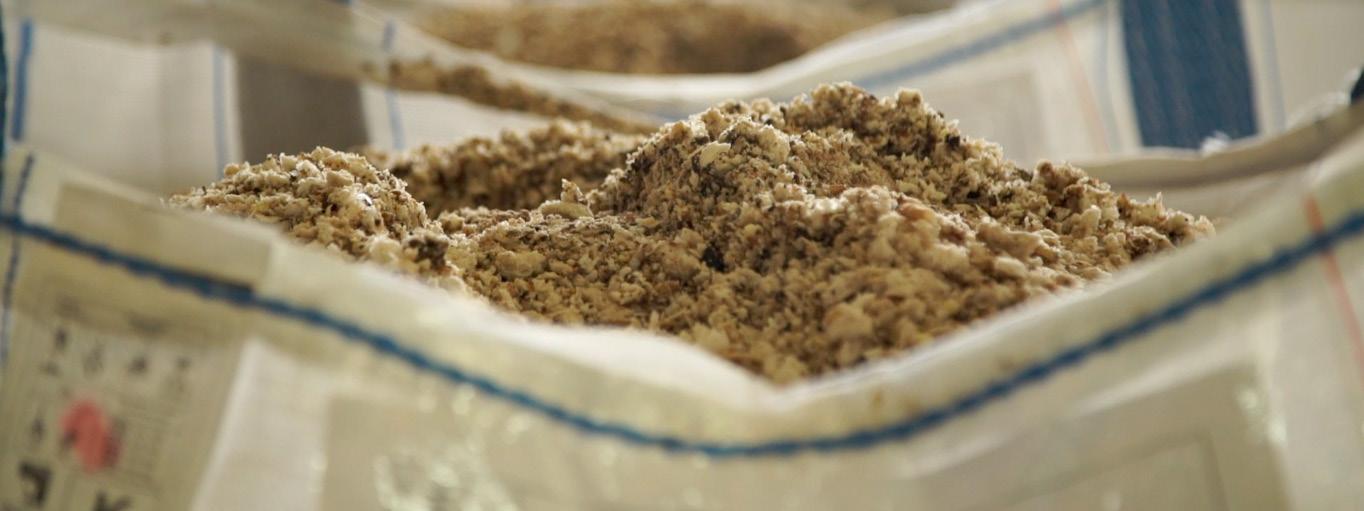
We have recovered more than 2.5 MM tons of food waste, transforming it into animal feed and new products.



Number of Employees:
3.000
Year Established: March 1982
Industry:
Resiter is a company dedicated to the Circular Economy through waste management. By recycling, revaluing and reusing, we help mitigate the environmental impact of productive companies, an increasingly sensitive issue for their operational continuity and reputation.
Main Services:
We work so that the least possible amount of waste - whether solid, liquid or dangerous - is disposed of in sanitary landfills or buried. We intend to achieve the ideal of “zero waste” thus contributing to the sustainability of the planet.
Recent Projects:
Brand protection is one of the greatest attributes of this Resiter company. When it valorizes waste from the food industry, it eliminates all kinds of risks that could damage the brand. In its two plants, the company recovers waste from the baking industry and transforms it into a product for animal consumption.
Calagro: This Resiter company, certified as company B, values mollusk shells and transforms them into high-purity lime for agricultural soils. The product obtained is of high quality, low humidity allows it to be efficiently incorporated into the soil.
Verdecorp: This Resiter company, in its modern plant in Bulnes, transforms the pulp industry waste into agricultural soil improvers, obtaining a high-efficiency product to achieve a better crop production. All Resiter projects have Zero Waste to Landfills as a goal.
President: RAÚL ALCAÍNO / INDUSTRIAL CIVIL ENGINEER, UNIVERSITY OF CHILE
Webpage: www.resiter.cl

“Thanks to the efforts of our prime collaborators, we were able to maintain our commitment to our customers and consumers, when they needed it most”, said the logistics director.
Grupo Bimbo’s philosophy is to build a sustainable, highly productive and fully humane company; thus, its culture is people-centered. There is a significant effort in training employees and attracting the best talent. With this strategy, Bimbo Latin Sur’s Supply Chain team has been renewed in the last three years, nurtured both by the talent developed within the company to hold key leadership positions and complemented with external talent, generating a mix capable of aligning purposes.
“Having the best talents to face the logistics and supply chain challenges now and in the future is crucial to achieve success”, Rodríguez Pauli added.


With POSITION technologies and solutions, you have complete visibility into the distribution of your products. From the preparation of your load (picking), the responsible and safe behavior of your routes, and the delivery to the end customer can be controlled. With GEOTAB telematics technology, you have all the information you need to analyze and monitor the behavior of your fleet. Plus, with ROUTE Solutions, you can manage the last mile from route optimization to delivery certification. Operation accompanied by the Control Tower Service and its protocols for timely action, before the activation of critical events in each of the distribution stages.





To learn more about POSITION solutions, visit our page: www.position.cl
Over two years ago, Grupo Bimbo joined the RE100 global initiative, which initially brought together 100 companies (today there are about 300) in the commitment to use electrical energy from renewable sources in the totality of their operations by 2025.
The Bimbo Latin Sur region makes very important efforts in the path to
achieving this purpose. In 2019, the largest solar roof in South America was inaugurated at the Bimbo bakery in Quilicura (Chile); and as from 2020, a PPA (power purchase agreement) has been in effect for the Argentine operations, which establishes the supply of wind energy for all bakeries in the country.
In addition to the RE100 initiative,


Number of Emplyees: 40+
Year Established:
The company was founded in June 2000
Industry:
Transnational Industry, focused on the public and private sector of goods and services
Main Servies:
Telemetry services, monitoring, management and control of vehicle fleets, delivery certification and emergency reaction monitoring services
Recent Proyects:
• Grupo Bimbo - Telemetry services and delivery certification
• Jhonson Controls - Monitoring Services, integration for the traceability of field management, implementation of specialized equipment in fleets
• Empresas Carozzi - Monitoring services, integration for the followup and performance of the route, monitoring of critical events
• PepsiCo - Telemetry services, fleet management, monitoring and management of irrigation in the conduction
We are creating a digital ecosystem and we are bringing this vision to the Company to make the most out of it
- Jordi Rodríguez Pauli, Logistics Regional Director at Bimbo Latin Sur
CEO/President:
Anibal Montalbetti Moltedo
Webpage: www.position.cl
Grupo Bimbo develops a strategy based on its purpose of nurturing a better world through actions in the community, nature and its products.
“Through this we seek to leave a positive impact on the communities we operate”, said the executive.
• Supply Chain integration
• Integrated logistics
• Multimodal transport: land, sea and air
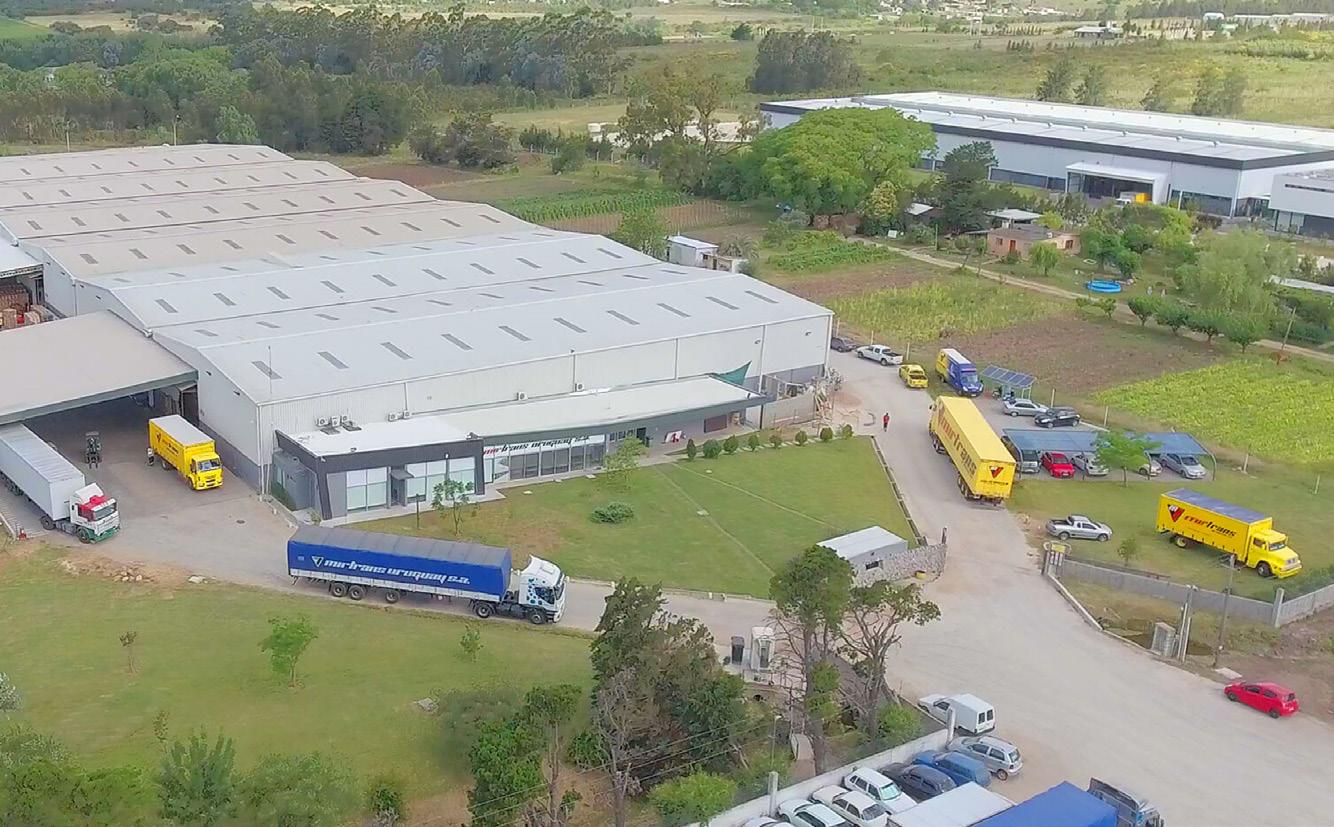
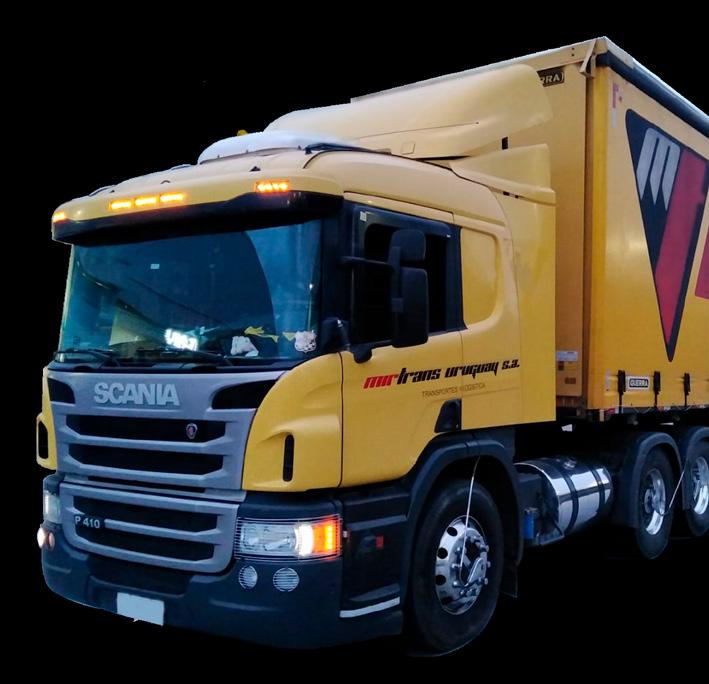
comercial@mirtransuruguay.com.uy | www.mirtransuruguay.com.uy

In 2020, Bimbo managed to operate more effectively with the support of digital technology, in addition to performing certain processes remotely, considering the restrictions of the pandemic.
One of the purposes in 2021 for the Latin Sur organization will be to consolidate the digitization of operations with a regional focus.
Another important point is the recent opening of the new Distribution Center in Chile, a fact that will undoubtedly impact the distribution footprint in this region, resulting in better operating standards. To achieve these purposes, the functions adapted for this goal are professionalized and talents to reach it have been incorporated.
“We will continue to implement

Number of Employees: 187
Year Established: 2007
Industry: Logística y distribución
Main Services: Transporte de mercancías. Comercio internacional.
Recent Projects:
Nuevo Centro de distribución para cliente FNC de 15.000 mt2. Servicio del 100% de la distribución de Grupo Bimbo Uruguay.
President/CEO: Emilio Mirás
Webpage: www.mirtransuruguay.com.uy





innovative ideas in Grupo Bimbo, which is a laboratory helping the Company fulfill its mission, vision and purpose: to nurture a better world”, concluded Jordi Rodríguez Pauli, Supply Chain Director of Bimbo Latin Sur.
Number of Employees: 250 approx.
Year Established: 1952
Industry: Manufactura
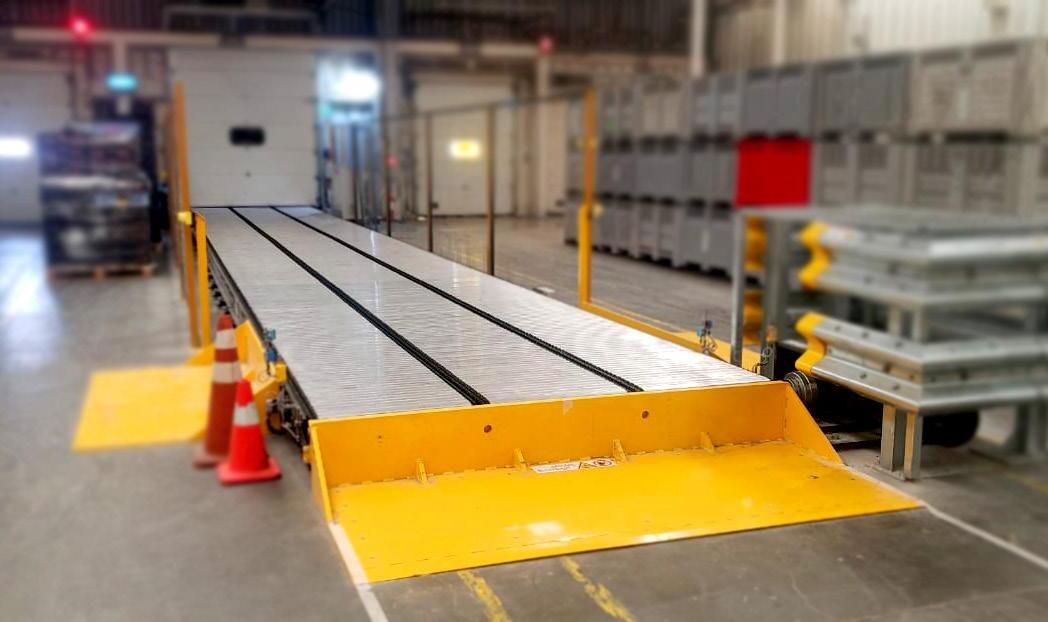
Main Services: Diseño, Fabricación e Instalación de Sistemas de Carga de Camiones
Recent Projects:
• Bimbo
• Unilever
• P&G
• Coca Cola
• Henkel
President/CEO: Michele Dematteis
Webpage: www.joloda.com

With solid plans to grow nationally, the HEINEKEN Group invests in manufacturing capacity, logistical excellence, digitization and sustainability

Operating in Brazil for over a decade, with more than 13,000 employees and 15 production units in the country, HEINEKEN Group is the second largest player in the Brazilian beer market. The company has units spread across 11 Brazilian states, including 12 breweries, two micro breweries and a concentrate unit for soft drinks. It recently announced an investment of more than $190.5 million to expand its breweries and an additional $343 million to build a new plant in the city of Pedro Leopoldo, in the state of Minas Gerais.
As part of its strategy for the future, the company has solid plans to continue growing in the premium and mainstream beer segments in Brazil, to ensure an increasingly profitable and sustainable business. According
to Daniel de Oliveira, Logistics Officer of the HEINEKEN Group, the recent redesign of the distribution agreement with the Coca-Cola System, in addition to digital transformation projects and sustainability goals, including the neutralization of carbon emissions, is part of the Company’s long-term vision for the country. “The new agreement with the Coca-Cola System will undoubtedly benefit our customers and consumers by launching even more quality products on the market. In logistics, we have set a goal to increase the presence of electric trucks in our national distribution fleet, contributing to our sustainability goals”, explained the executive. The purpose of the project called “Drop the C” is to reduce the environmental impact of the logistics chain and a gradual expansion expected until 2040.

The new agreement with the Coca-Cola System will undoubtedly benefit our customers and consumers by launching even more quality products on the market “
- Daniel de Oliveira, logistics Director of HEINEKEN Group in Brazil
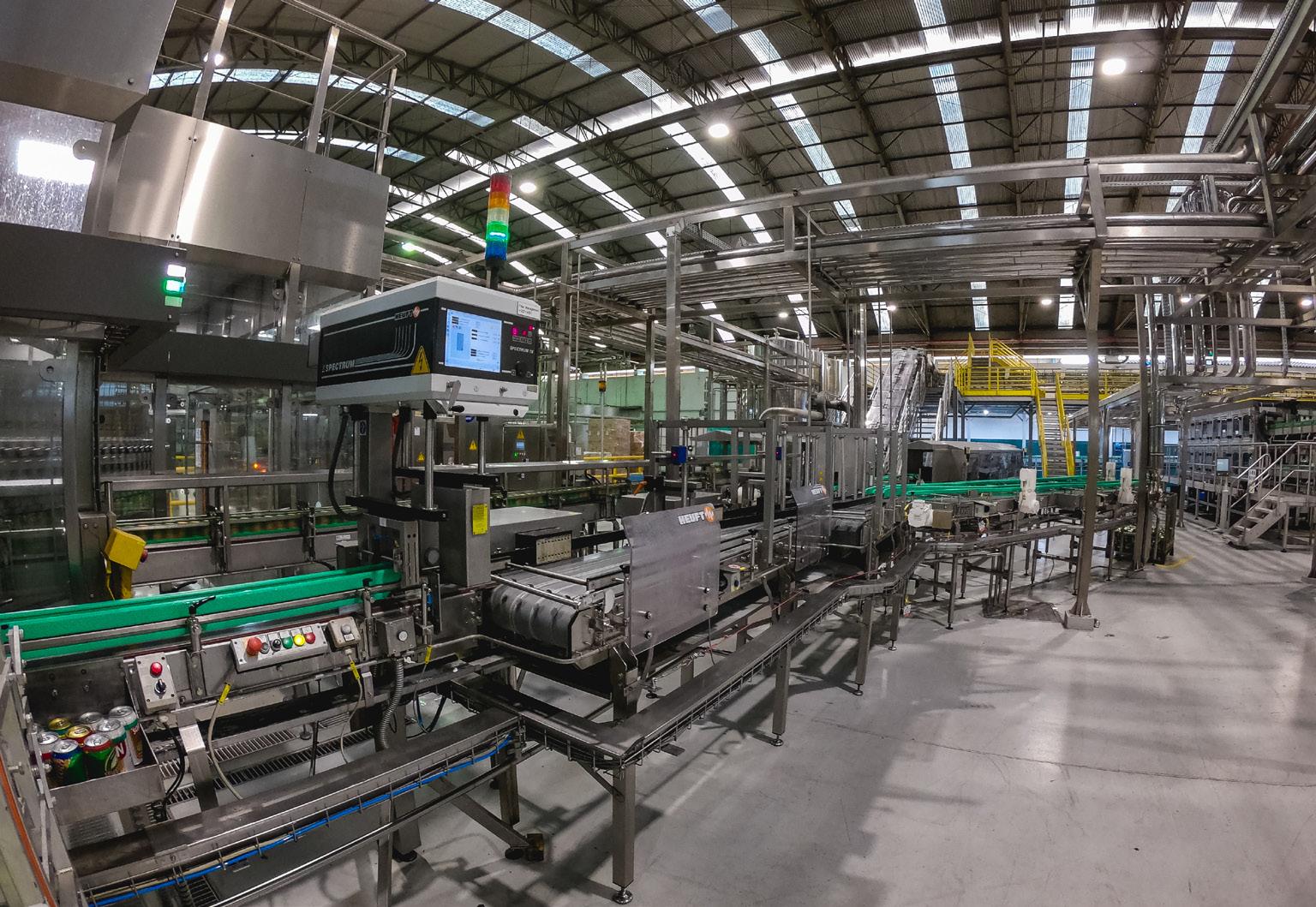
As a member of the HEINEKEN Group for six years, Oliveira remembers the challenges when he was still on the integration team for the acquisition of the former Brasil Kirin. “The capillarity and strength of the old company’s distribution system has always caught my attention. The great challenge at that time was to unify the culture of both companies and, with that, to establish our focus”. In the Transport area, dedicated exclusively to Distribution Centers, different technologies are currently being used and tested. Oliveira, who is directly responsible for the team, says proudly: “This year our systems will be already learning which are the best routes, real waiting times and delivery for each customer,
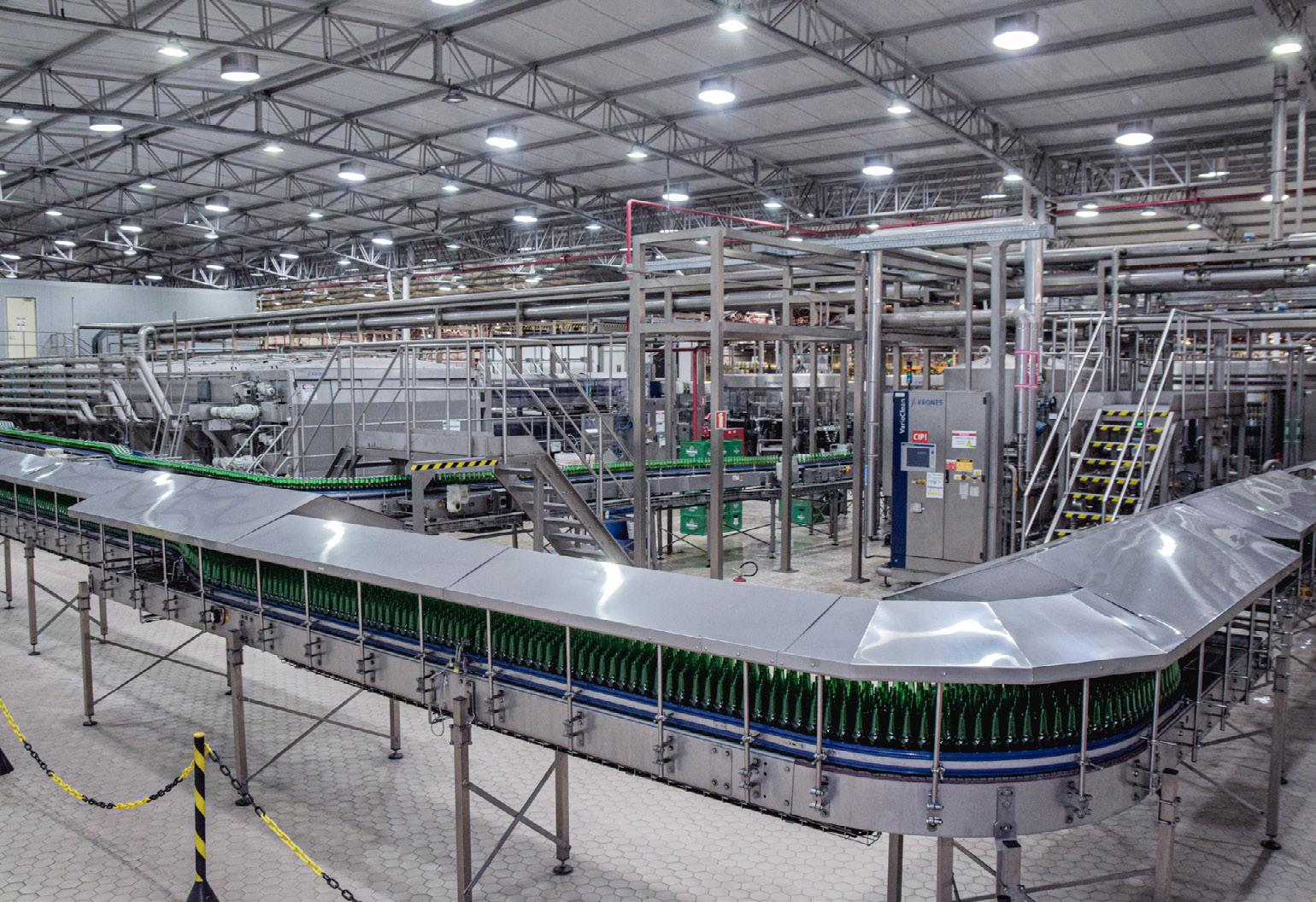
among other data. This will guarantee continuous improvement through information technology systems”. Also according to the executive, by the end of 2021, the electric forklift fleet will be doubled in distribution centers.
The distribution area also is assisted by the global headquarters, which support different operations, providing technical subsidies while
devising major global strategies and establishing a benchmark between different regions that show similar distribution characteristics.
“A recent example of this was the creation of centers of excellence to address, for example, issues related to security in internal movement in warehouses on a global scale”, summarizes Oliveira.
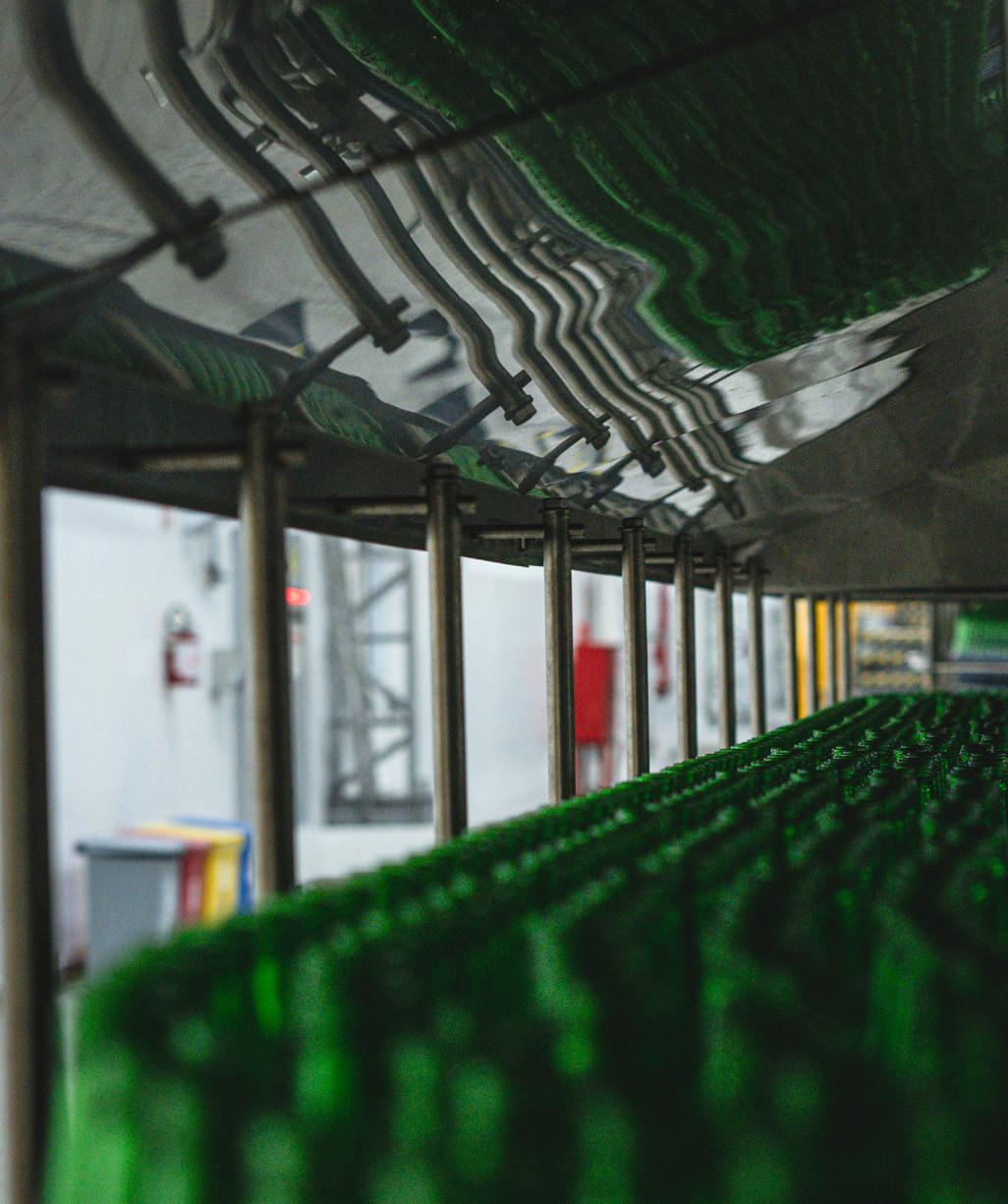
Aiming at developing suppliers and logistics partners for freight, one of the biggest highlights in recent years is the Carrier Excellence Program, which is part of the Primary Distribution division. In Secondary Distribution, Oliveira highlights the “Heineken Formula”, a program that establishes conditions of excellence for Logistics Operators, annually recognizing outstanding performances nationwide.
With the evolution based on three pillars: continuous improvement, development of processes and people, investment in security, people and programs have always been
priorities. The company implemented a major project with the purpose of developing its employees and identifying the most appropriate positions for each person, considering their skills, career goals and diversity aspects. In March of this year, the HEINEKEN Group announced the goal of reaching 50% of women in leadership positions by 2026,
which will also be reflected in the Logistics area. “We have organized six committees with the attendance of more than forty people from all regions of the country, from different seniorities and areas of expertise. I am sure that this program will boost the development and diversity of our logistics talents in the coming years”, said Oliveira.
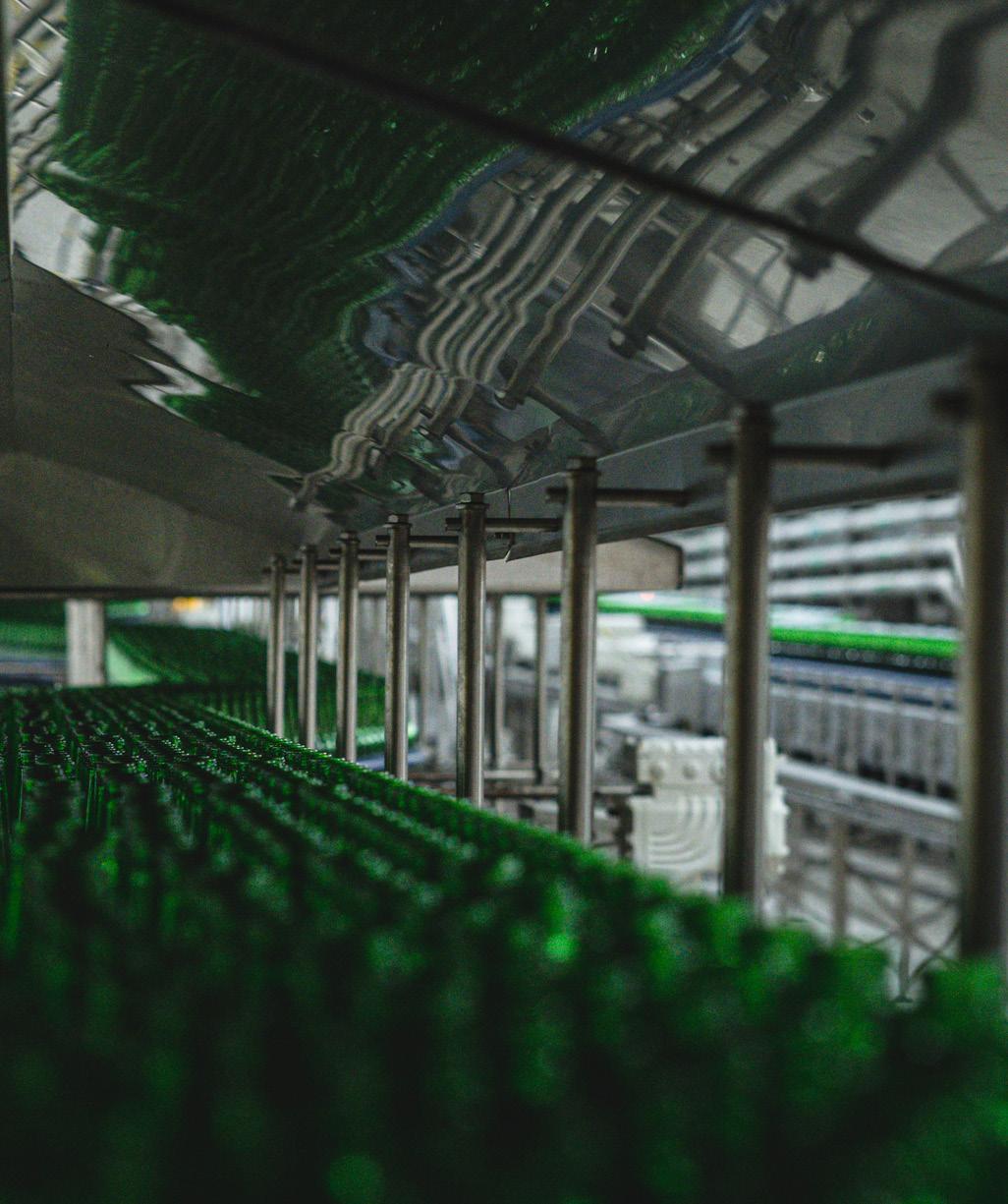
Respect for people and the planet is our main value, since we believe that investing in the country goes beyond creating jobs and contributing to the economic activity “ “
- Daniel de Oliveira, logistics Director of HEINEKEN Group in Brazil
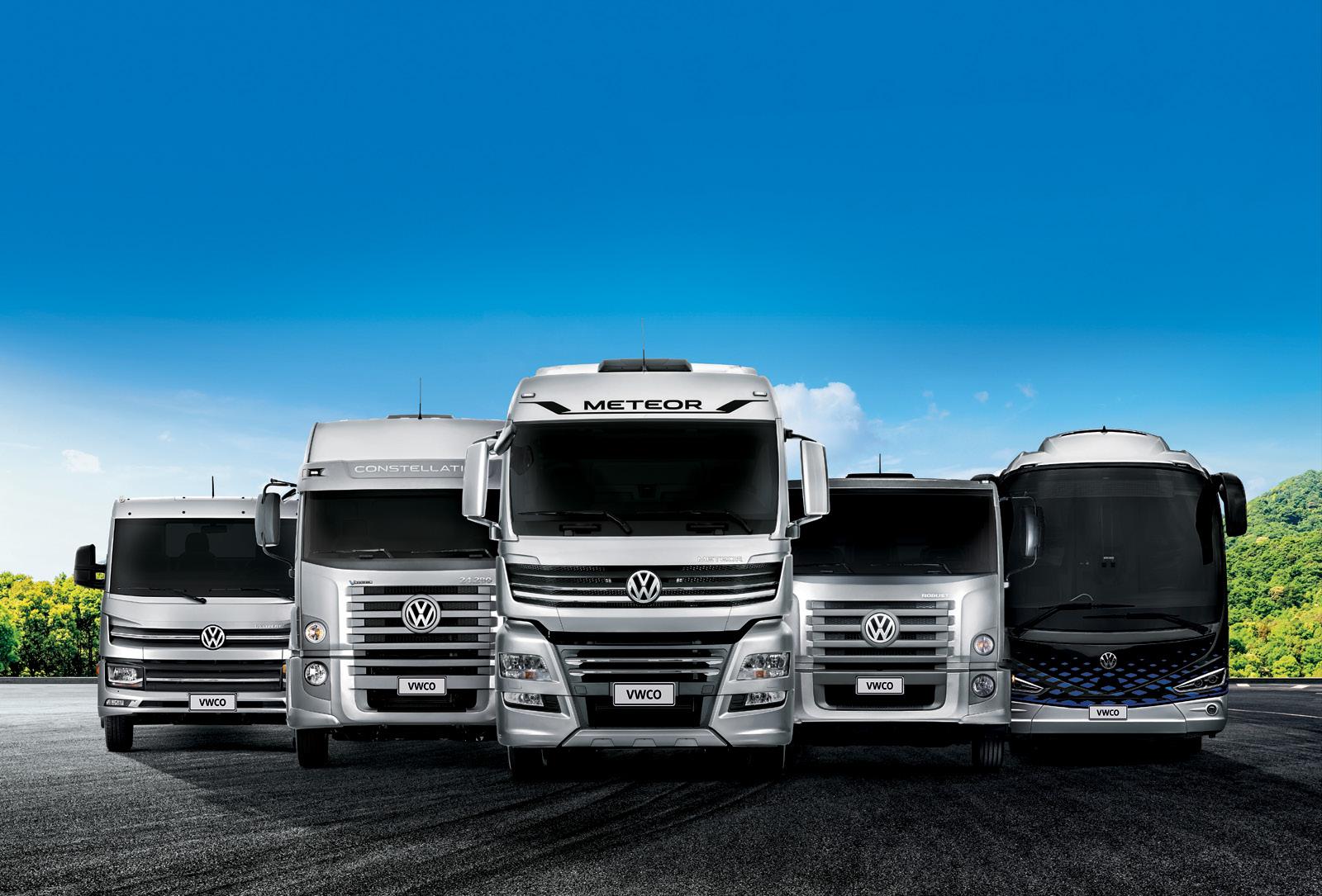
Small and large companies, road or urban trips, whatever your need, Volkswagen Trucks and Buses will always be by your side with the best solutions.
Volkswagen trucks and buses, customized for your business.


Additionally, there’s also progress in the Digital department with the implementation of machine learning and artificial intelligence technologies to improve productivity and the quality of delivery to points of sale.
The robust history of HEINEKEN Group’s social projects on several fronts includes partnerships with NGOs, startups and other companies aiming at promoting social wellbeing. In this regard, Oliveira stated: “Respect for people and the planet is our main value, since we believe that investing in the country goes beyond creating jobs and contributing to the economic activity.”
Since 2019, the company has maintained a partnership with Brazil Beer Institute (Instituto da Cerveja Brasil - ICB), with the purpose of democratizing knowledge of beer in
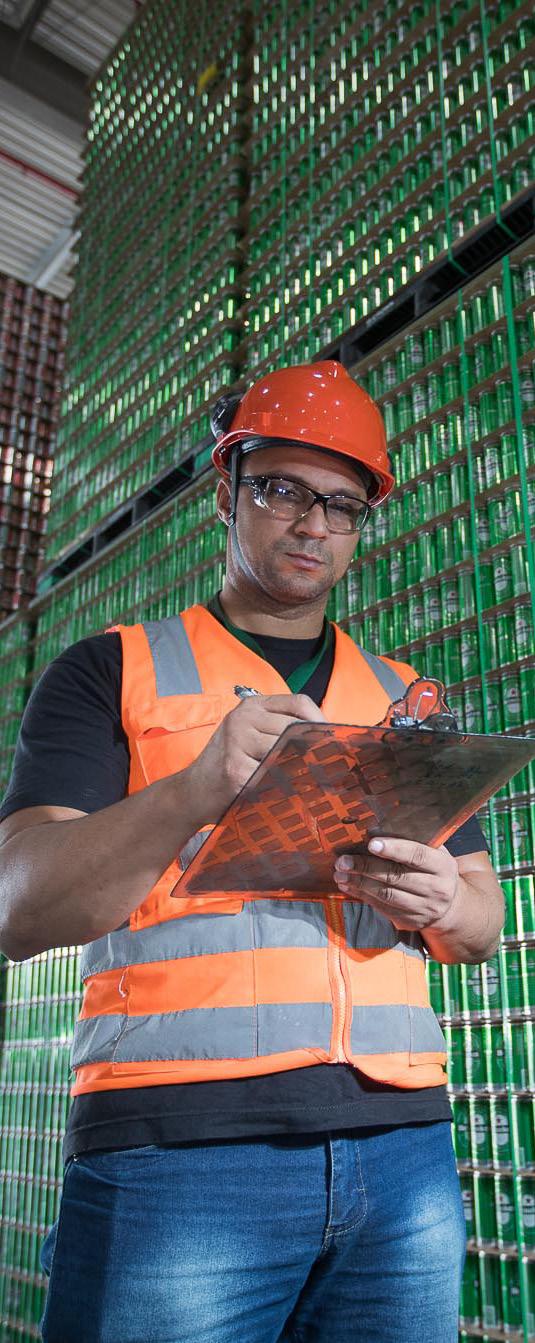
the country. “With the support of Leandro Sequelle, social educator and founder of Graja Beer, a craft brewery on the outskirts of São Paulo, we created the beer training program for residents of the periphery”, stated the executive. The main purpose of this project is to make knowledge of brewery a gateway to job opportunities in the sector. More than 30 classes in total will graduate by 2023 and 50% of the job openings should be filled with women from Brazilian peripheries.
“We have also sponsored an initiative focused on the circular economy, in partnership with Startup SO+MA and with the local government of the city of Salvador (state of Bahia)”, added the executive. SO+MA Vantagens was organized in 2020 and acts as a completely free incentive program in which registered people score according to the recyclable material they deliver, such as PET bottles, aluminum cans, plastic, iron, paper, cardboard, glass and used oil. Participants accumulate points that can be exchanged for various services, such as professional courses, medical examinations, basic food and hygiene products.

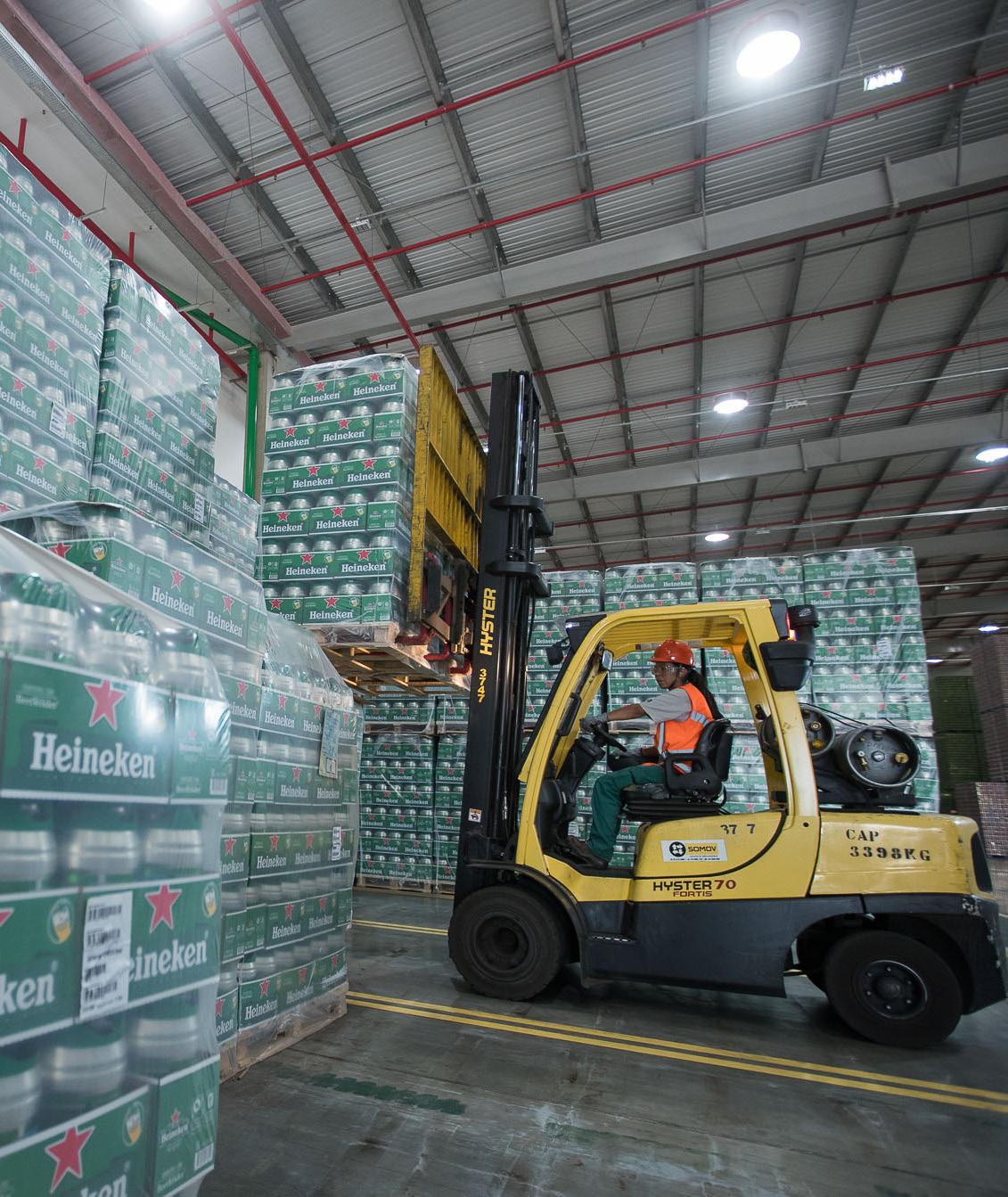
My main award is to be able to build great teams in this company and to be able to see them grow both personally and professionally “
-
Daniel de Oliveira, logistics Director of HEINEKEN Group in Brazil
“



Last year, the HEINEKEN Group directed efforts on mitigating the impacts of the COVID-19 pandemic. The Company considered taking care of its personnel as a priority and therefore, implemented a series of support actions for employees and their families. These actions included the immediate work leave of people belonging to the risk group and access to a Health team available 24 hours a day.
To support society and business partners, several initiatives and unprecedented partnerships have emerged. For example, 16 thousand liters of alcohol originated from breweries were donated to Unilever and transformed into hand sanitizers to support the hygiene routine of families in socially vulnerable communities all over Brazil.
The “Brinde do Bem”(Gift of
Good) action also helped bars and restaurants across Brazil to face the enormous challenge posed by social distancing. In total, the initiative transferred more than $3 million to more than seven thousand bars. “Bars and restaurants are crucial for the Brazilian economy and for our Company. For this reason, we help our customers in all the countries in which we operate”, completes Oliveira.
The Company also donated $850,000, which was doubled by the National Social Development Bank (BNDES), totaling $1.7 million, for the opening of four oxygen plants in the country, in addition to donating equipment and IPE for 40 philanthropic hospitals in critical condition. “We allocated the sponsorship budget of Rock in Rio, which has been postponed, for this important action”, explains Oliveira.
Paying for supplies with Ticket Log is more practical, modern and secure.
Through the Minha Mobilidade app, payment for fuel is made by cell phone and does not require the use of a physical card. In addition to being practical, the Digital Payment reduces physical contact, bringing more security to everyone.
And for Heineken, paying digital is a criterion when it comes to fueling.



www.facchini.com.br

Graduated in Electrical Engineering from Universidade Estadual do Rio de Janeiro, Daniel de Oliveira admits that, since an early age, he knew that his career would be more focused on business than related to a purely technical or specialized vision of the college certificate.
Following this prediction, his education did not stop there. First, he got a post-graduate degree in Business Management from IBMEC (Brazilian
Institute of Capital Markets); then an MBA in Finance from INSPER (Institute of Education and Research); a continuing education course in Logistics and Supply Chain from MIT (Massachusetts Institute of Technology); as well as a course on Omnichannel and Trade Marketing at Fundação Getúlio Vargas. “And this year I am starting a new MBA in Digital Business at Universidade de São Paulo - USP”, added Oliveira.
Throughout this path, the Logistics Officer has carried a respected background, having worked for TV Globo, AB-Inbevwhere his knowledge and experience with logistics matured -, L’Oréal and, for the past six years, for the HEINEKEN Group.
“My main award is to be able to build great teams in this Company and to be able to see them grow both personally and professionally, in an inclusive and collaborative work environment, where everyone has the psychological security to express an opinion and positively contribute to our result”, concludes Oliveira.
FOUNDED: WEBPAGE: FOLLOW US:
www.heinekenbrasil.com.br
The Krispy Kreme franchise in Panama makes the most out of the global support from the company’s headquarters and brings its own creative twist, delivering astonishing results
by
Jassen Pintado
Written
by
Mateo Rafael Tablado
Escobar,
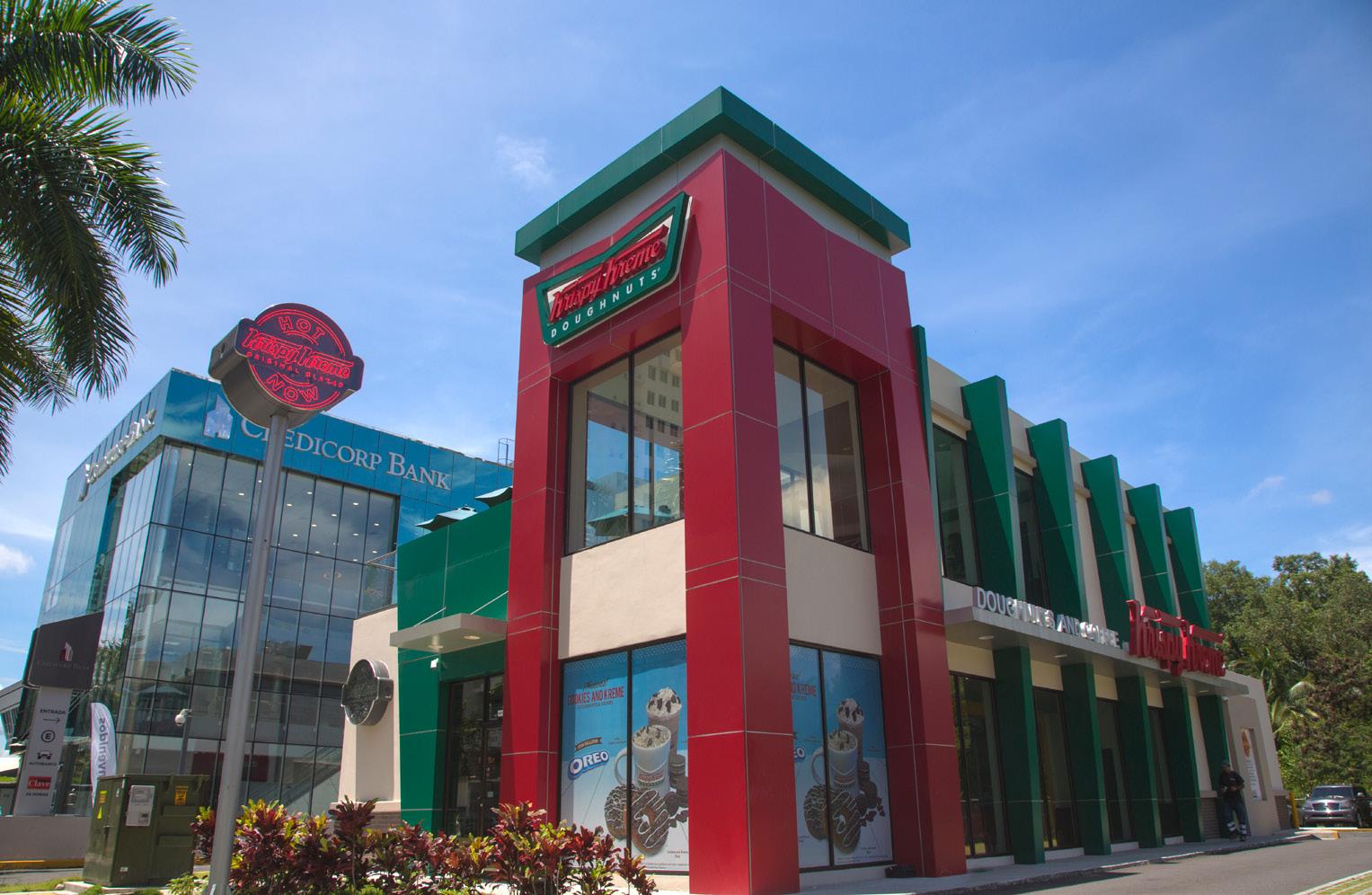
The Krispy Kreme brand was created more than 80 years ago in North Carolina, with the original glazed donut as its cornerstone.
Throughout the years, the company’s expansion has led to presence in more than 35 countries.
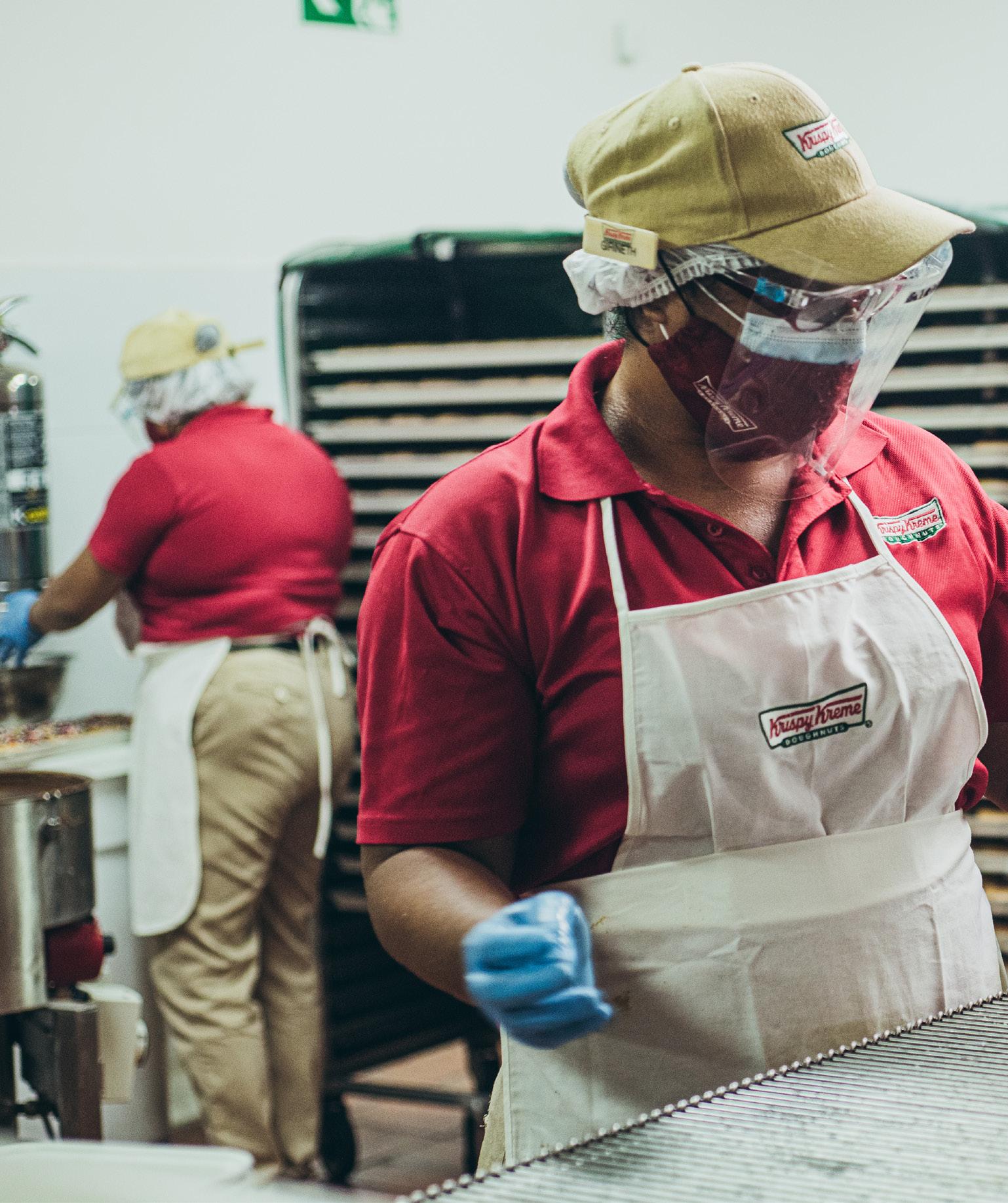
The successful run for the Krispy Kreme franchise in Panama began with the opening of its first store in 2017, located in the Costa del Este exclusive residential area. Five years later, Krispy Kreme has nine stores in Panama City.
Before the first location opened its doors, the Bárcenas Group worked for two years in preparation to launch the brand after obtaining authorization on behalf of Krispy Kreme to operate the franchise in Panama.
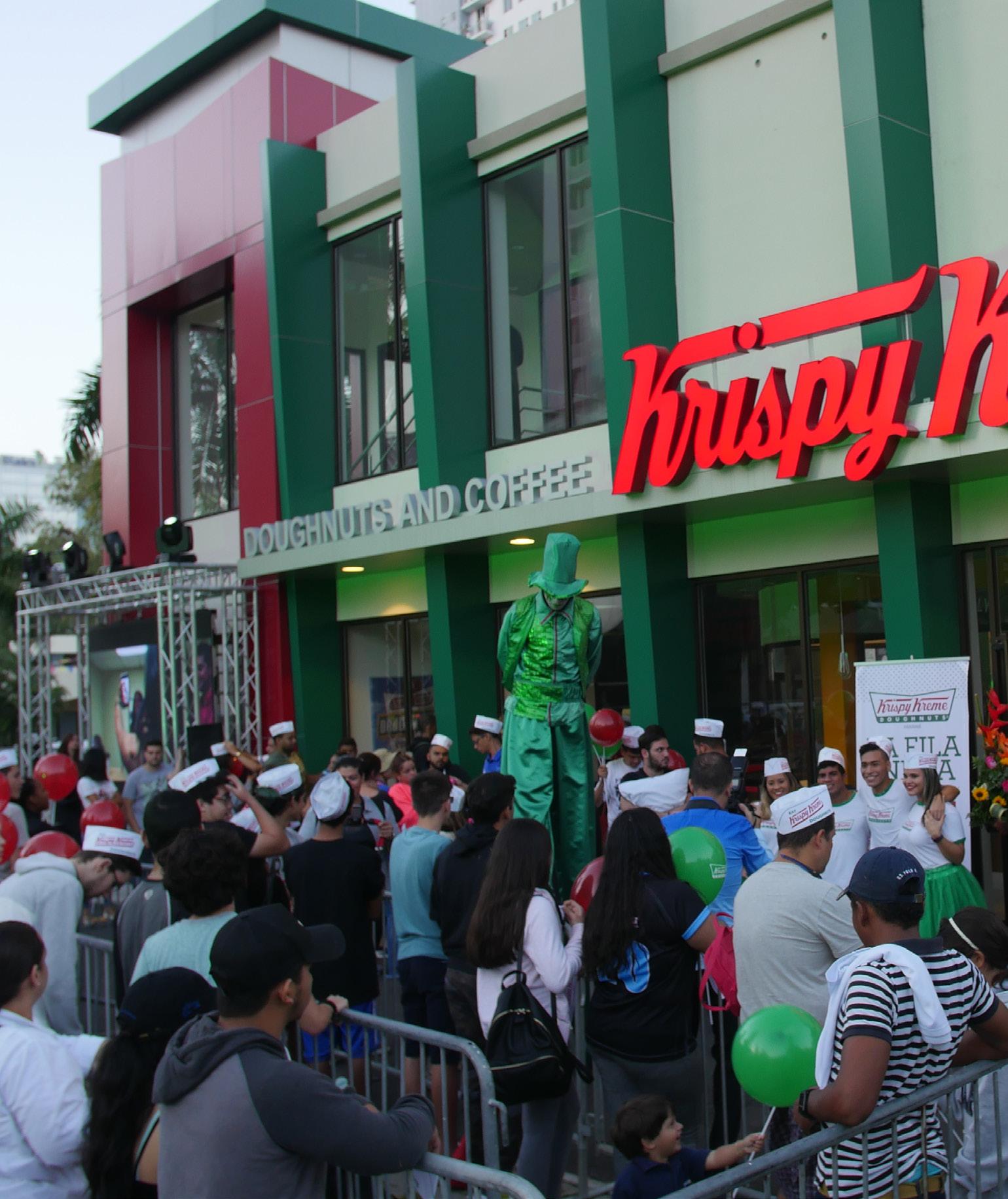
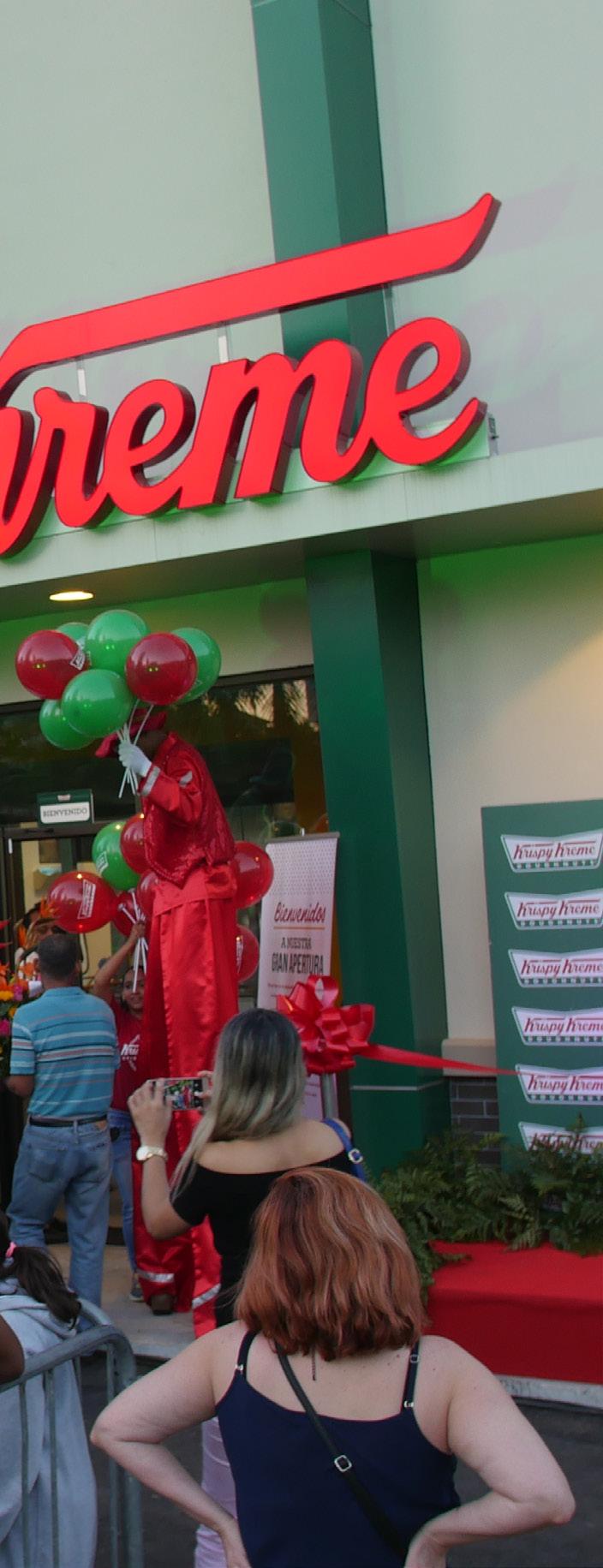
The store’s opening attracted lines of 500 to 600 customers, eager to
purchase Krispy Kreme products. This earned Krispy Kreme Panama the Best Opening Worldwide award in 2017, on behalf of the company’s headquarters.
“This event thrusted us into the news for weeks after the opening,” commented Eduardo Escobar, General Manager of Krispy Kreme in Panama.
Originally from El Salvador, Eduardo Escobar earned a Bachelor’s degree in Marketing from Dr. José Matías Delgado University, in his home country. Escobar also obtained an MBA from the Francisco de Vitoria University (Madrid, Spain). His body of work includes stints in industries such as real estate, advertising and for global brands such as Pizza Hut (in El Salvador and Guatemala), KFC (Guatemala) and for Krispy Kreme, in Panama.
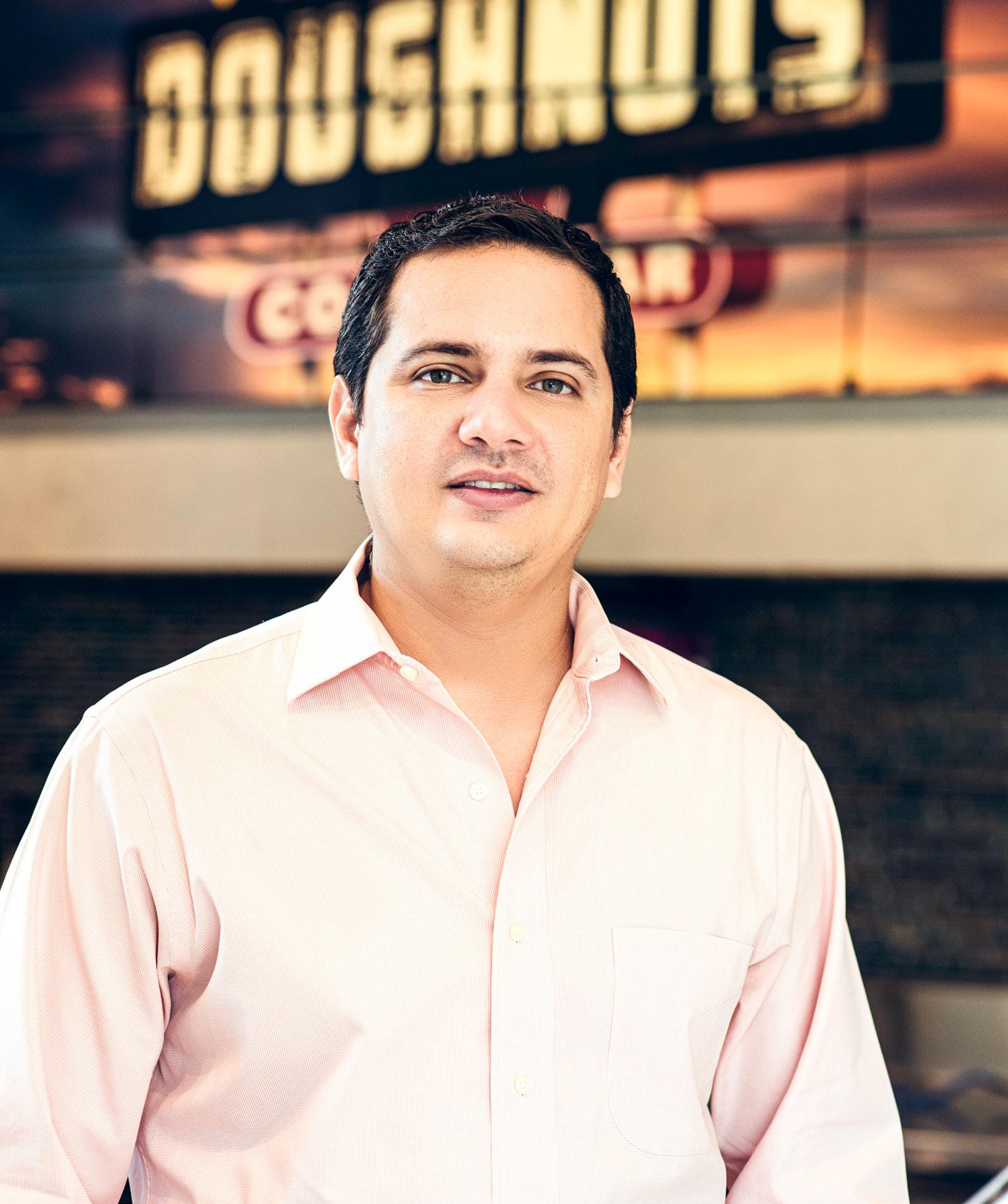
- Eduardo Escobar, General Manager for Krispy Kreme in Panama

Besides the Best Opening Worldwide award in 2017 and a “Melonhead” for achievements in innovation -both from Krispy Kreme-, Escobar was selected by Central America’s “Estrategia y Negocios” magazine as one of the 100 leaders in marketing for this territory after introducing Krispy Kreme in Panama.
Krispy Kreme is no different from other franchises in regards to keeping every single detail consistent with the brand’s concepts besides product quality.
But the brand’s flexibility allows blending with local culture to improve its positioning, allowing also
adaptations into local vernacular along other efforts contributing to reaching the brand’s target audience.
One of the brilliant strategies linking the brand with the city of Panama’s inhabitants was the activation campaign in which entire boxes filled with products derived from new hires’ training sessions were given away. This
took place in popular places in town, shopping centers, points of interest, plazas, busy streets and avenues.
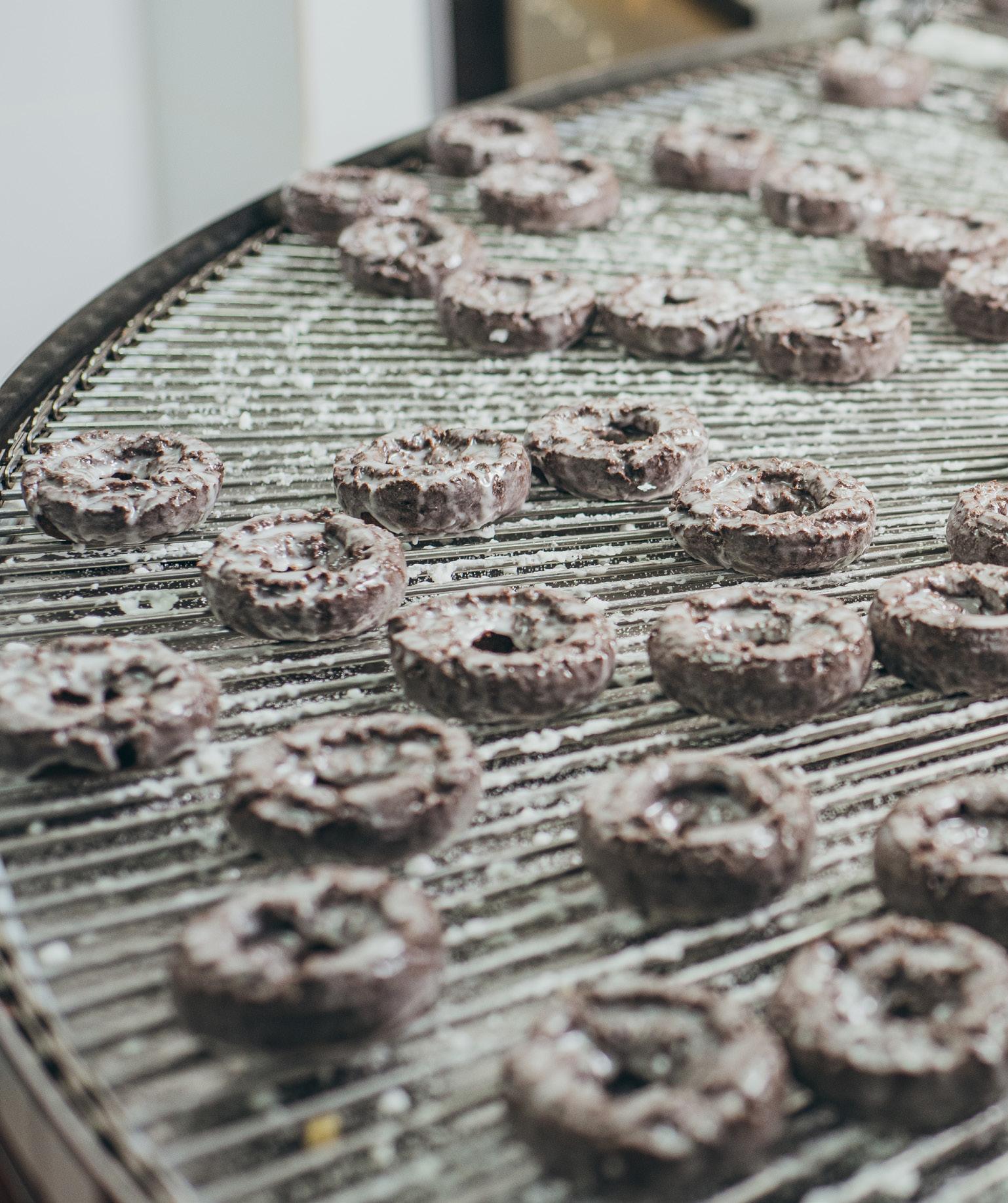
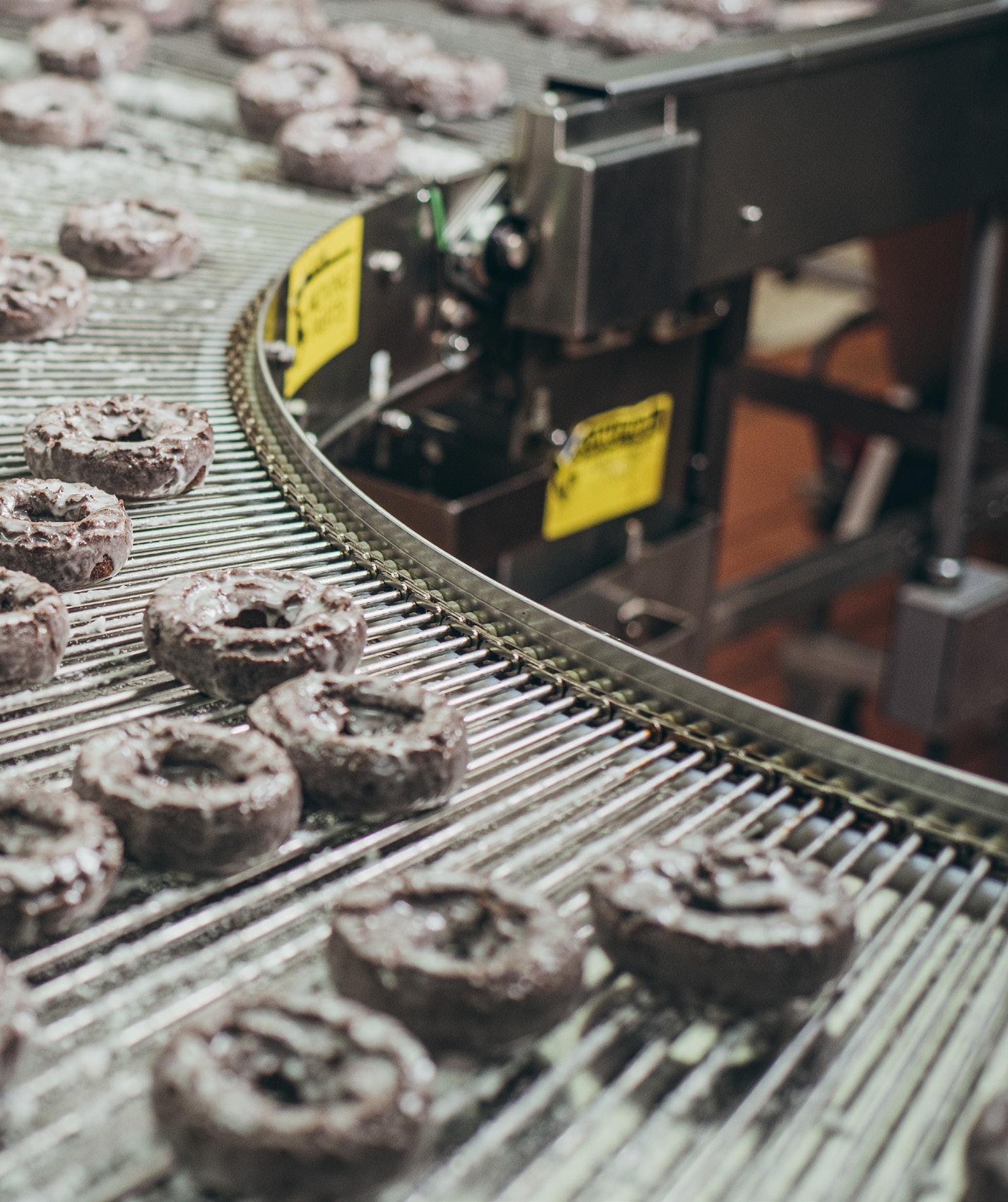
The joy for Krispy Kreme products lies in its freshness, the bakery delivers new products twice a day (mornings and evenings),

Number of Employees: 12
Year Established: 2021
Industry: Logística y Distribución
Main Services:
Ser proveedor de toda la cadena de suministro de tu negocio (compras, importación, almacenaje, ventas y distribución).
¡Solo dedícate a vender!
Recent Projects:
Incorporación a nuestro portafolio de clientes ser el operador logístico en Panamá de la franquicia internacional Krispy Kreme
President: Miguel Quintero
Email: mquintero@4mfoodsolutions.com
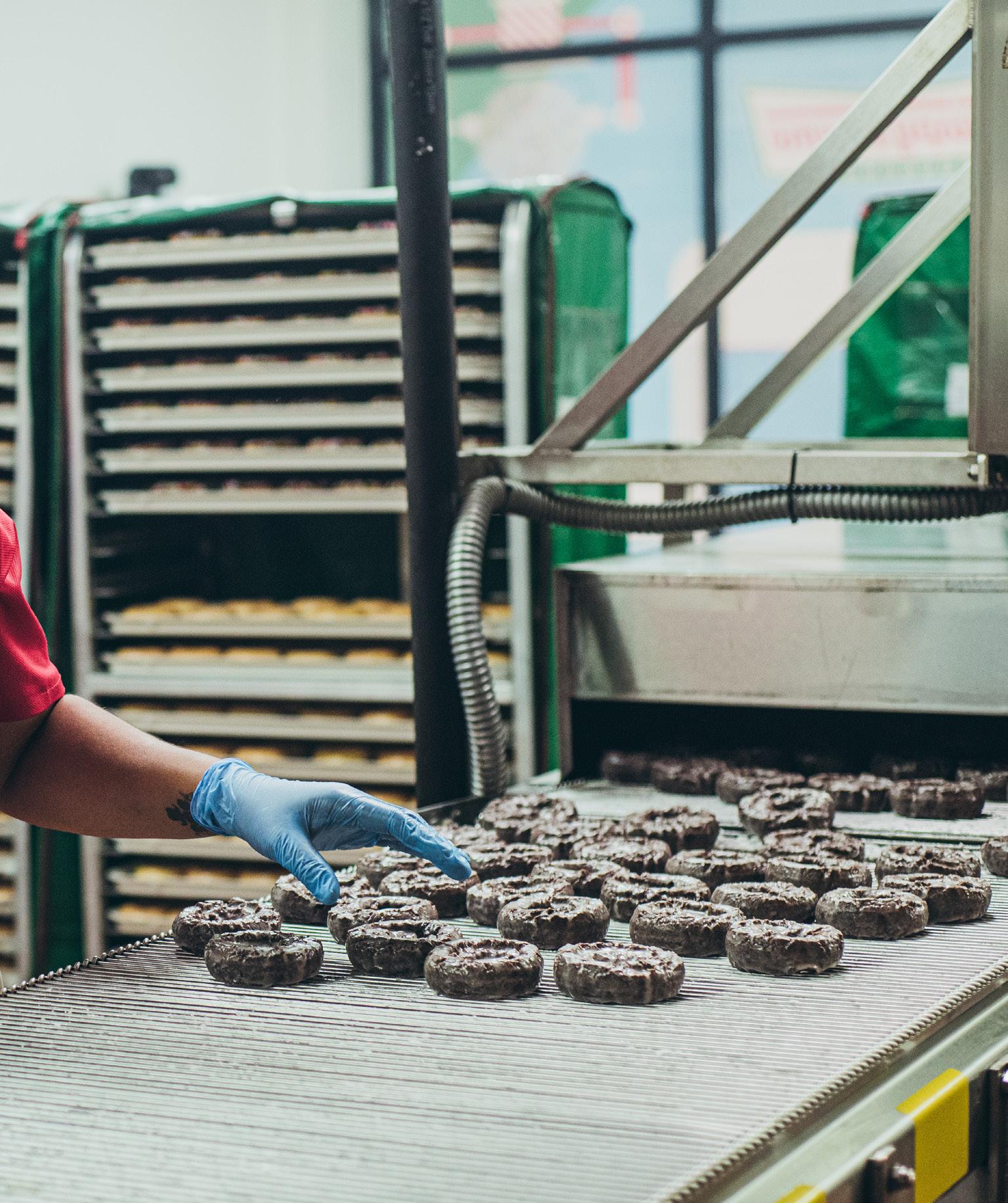
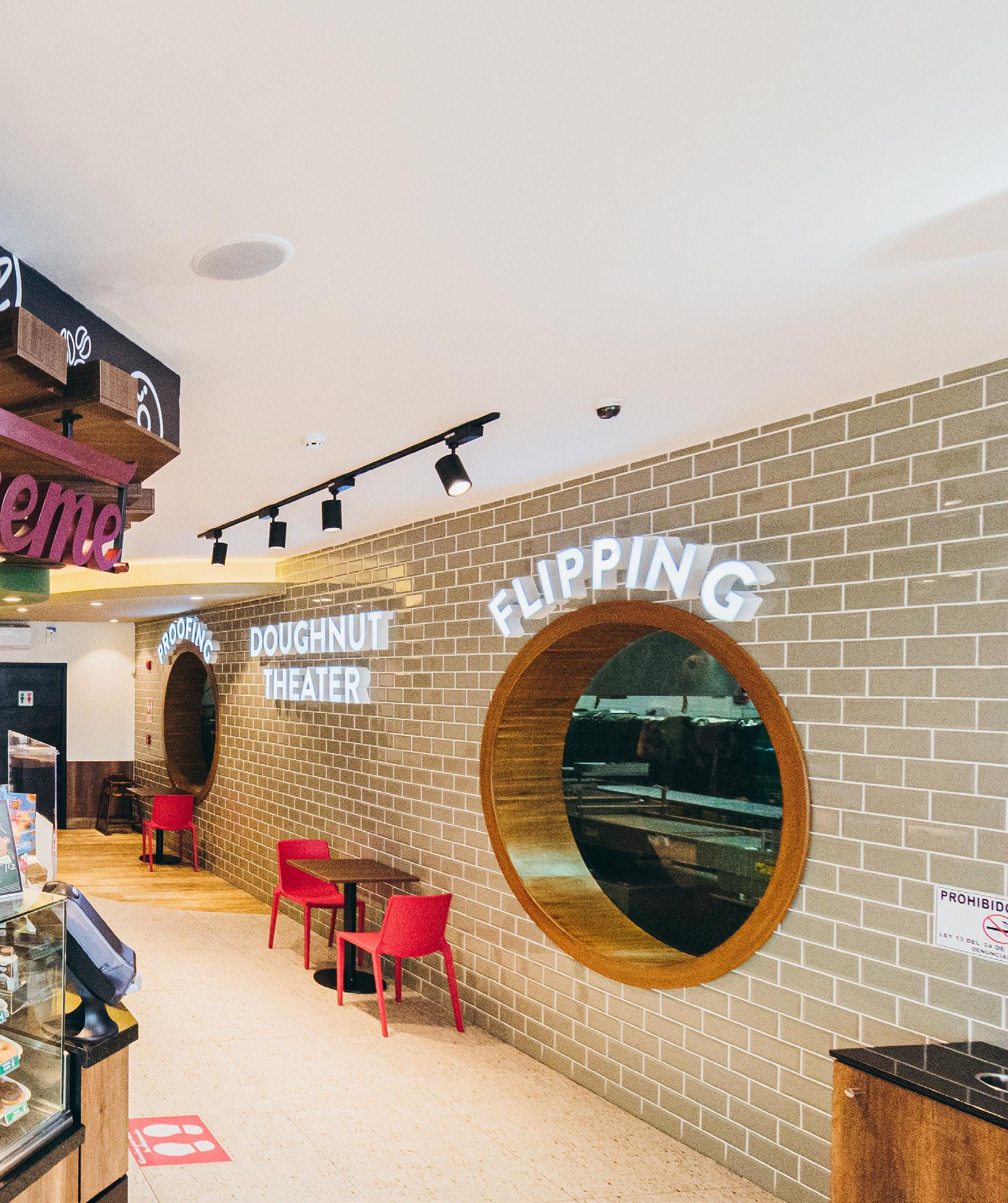
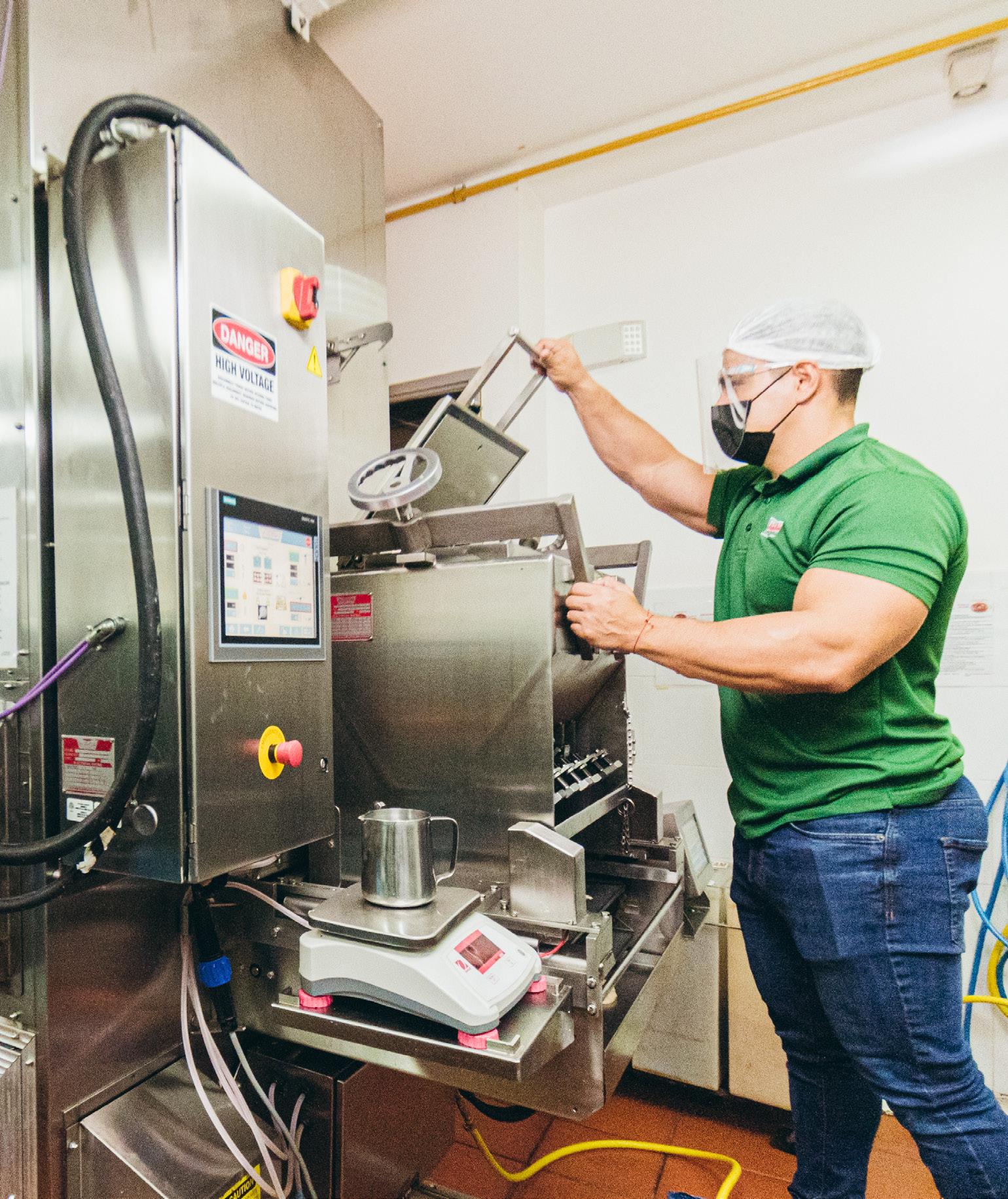
Most of the Krispy Kreme locations open to the public are also bakeries, and customers can take their children to witness the production process before buying just-baked products. Bakery stores display a “Hot Now” neon sign, letting customers know that doughnuts are just leaving the production line.
Krispy Kreme’s headquarters also displayed its flexibility by allowing the Panama franchise to run its “dark kitchen”, a model which -with more or less variations, even in the concept’s name- has gained popularity in the industry. The Panamanian operation
developed hidden stores which increased coverage for delivery orders.
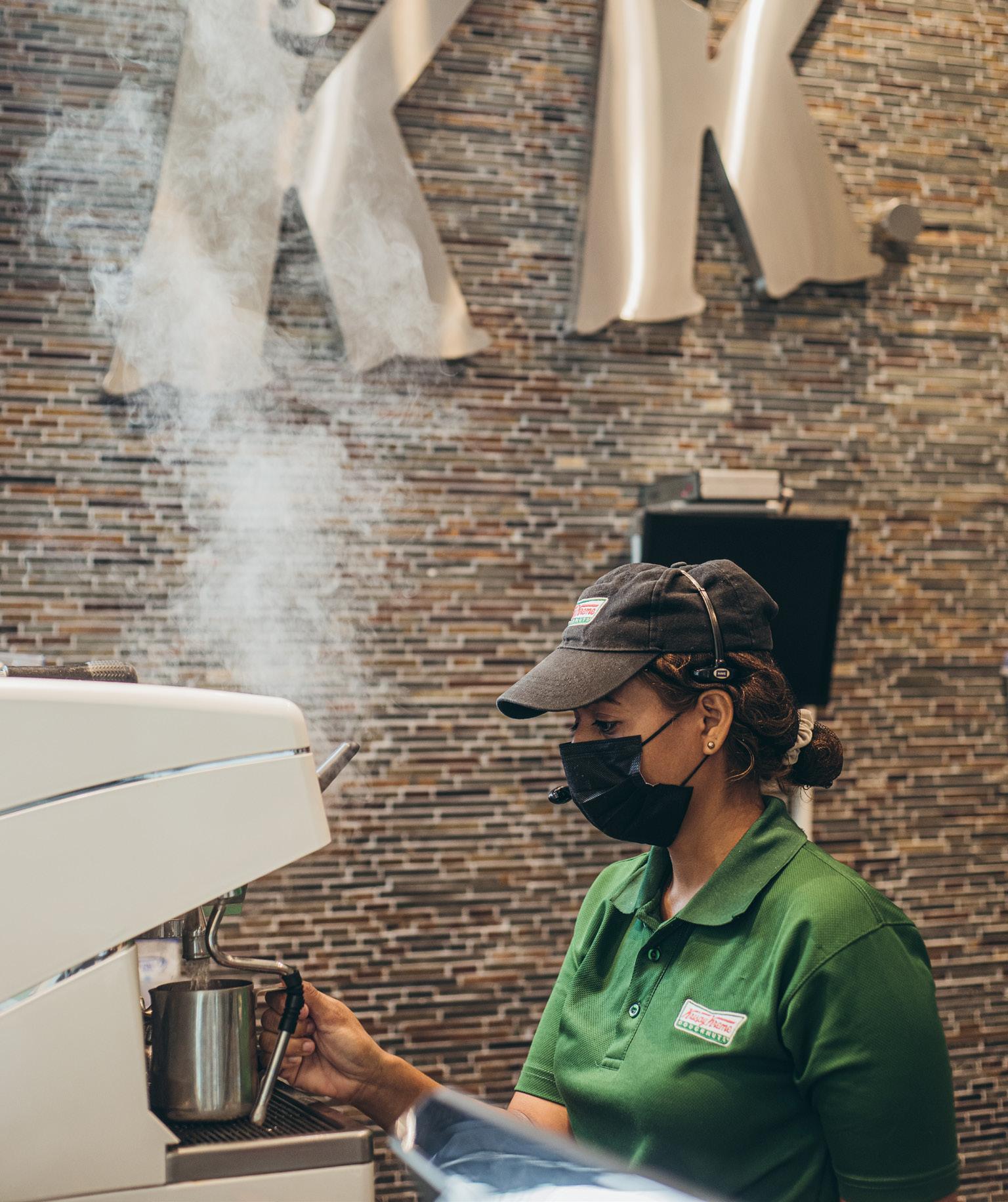
The strategy consisted in renting low-cost properties where finished products are delivered every day and set up to prepare beverages from the menu without being open to the public. These locations are intended for delivery-only purchases.
The dark kitchen strategy earned an award for innovation from the brand’s headquarters in early 2021.
Consumables and materials for preparation of Krispy Kreme products are centralized in the company headquarters in North Carolina, ensuring the best available ingredients for each donut’s production. Global guaranteeing freshness to every customer.
orders are collected and sent on consolidated freight in high volumes.
The company deals directly with suppliers, which results in all ingredients being imported into Panama. Making these goods reach its final destination is a different matter.
“In this part is where local strategic partners rise to the occasion, as it happens with our raw material distributor. Our specialty is creating experiences, making donuts and selling them, theirs is logistics,” the executive explained.
As well as global standards are carefully maintained as a brand, in the same way Krispy Kreme offers wide support in every area to its affiliates, be it training, marketing, operations, human resources and others, including location architecture, maintaining
the same quality in every market for product quality, brand identity and other matters.
Each department in every country can access the staff at the headquarters directly to deal with specific subjects in every area.
The data exchange is a key aspect, as the company shares specific KPIs monthly, with leading markets exchanging information to be applied in countries with room for improvement in certain aspects, adding to best practices. This way, information does not flow only between headquarters and global locations, but also among operations in each country.
“We are able to propose pilot programs, and if one of them works, then these are escalable at a global level; like the dark kitchens, a program we were authorized to test-run, it
The challenge for ourselves is to innovate, and reinvent ourselves continuously
- Eduardo Escobar, General Manager for Krispy Kreme in Panama

The dark kitchens worked, we earned an award, and now it’s going to be implemented worldwide
-
Eduardo Escobar, General Manager for Krispy Kreme in Panama
worked, we earned an award, and now it’s going to be implemented worldwide,” Escobar declared.
Surpassing the pandemic
Consequences from COVID19 were felt worldwide. Panama stands out for having enforced very strict measures, including a six-month quarantine when the pandemic just began.
Compliance with these measures implied a halt in operations until the government began to allow a gradual opening to essential activities. Krispy
Kreme Panama first reopened once a week, then twice a week, until the operation could run on a daily basis again.
Within the company, some movements contributed to discovering new skills within the hired staff, which shares a commitment to pull together through difficult times and has positively transformed some habits.
“The pandemic contributed to reinventing ourselves as a company, to reinvent processes, to reinvent our structure,” the executive added.
Krispy Kreme’s support to its personnel in Panama is displayed with actions going farther than existing commitments by law. The company has gone the extra mile for employees that also deliver an extra effort. One of these examples came when not every employee qualified for government’s stimulus payment during
the pandemic, and the company stepped up to make sure the entire staff could take home that same amount of money.
But probably the most notable contribution Krispy Kreme provides to its staff is the future plans for new hires, considering mid- and longterm paths. The company plans the possibility of climbing to new
All ingredients are supplied from the brand’s headquarters, ensuring product quality worldwide
positions since prospect evaluation and hiring. This strategy has delivered valuable results not only in operational positions, but also for management roles, as there are team members who have reached mid-management positions after entering the company two levels below.
“The company has a focus on its staff, we know that the company’s
strength and heart lies within the people working for us,” Escobar commented.
Beyond previously-set goals, the pandemic became a game-changer in every industry. In Panama’s case, Krispy Kreme’s strongest competitor, precisely in the doughnut specialty,
We offer advanced solutions that reduce POS training time. Increase your restaurant’s efficiency while maximizing the value of your investment.
ADVANTAGES
• Advanced built-in redundancy - prevents loss of accounts and equipment misconfiguration
• Each team has the ability to operate autonomously in the event of a server crash (offline)
• Easy restore mode (online)
• Multi-warehouse inventory, through the NBO cloud application.
• Real-time management reports with mobile access from your cell phone using the Pulse and Insight cloud applications
• Simple charges, mixed or split bills
• On-screen keyboard for special instructions
• Different input options such as card, secret code and bimetric

Integrated System Technologies, Inc.



• Graphical user interface: configurable menu, order entry and automatic modifiers
Santa Maria Business District, Torre Argos
Telephone: (507) 303-5555 • www.istech.com.pa
e-mail: ventas@istech.com.pa
closed its operations countrywide, which does not necessarily translate into good news, since it was also a global brand. This drove Krispy Kreme Panama into setting a series of challenges in which its main reference is its own operation.
On one side, a 100% recovery plan was set for 2021, reaching the same production level. This goal is being achieved successfully. And the other goal is to keep expanding the business along Panama, going beyond the nine stores currently operating in the country’s capital.
The management’s vision is to keep evolving, coming up with better
Krispy Kreme creates development plans for new hires
The company has a focus on
its staff, we know that the company’s strength and heart lies within the people working for us
- Eduardo Escobar, General Manager for Krispy Kreme in Panama
FOUNDED: WEBPAGE: 1937 www.krispykremepanama.com (in the U.S.)
INDUSTRY: Food
ideas to remain in the market as a relevant, appealing brand, far from believing that less competition will turn them into the only option for consumers.
“The challenge for ourselves is to innovate and reinvent ourselves continuously,” concluded Eduardo Escobar, General Manager for Krispy Kreme in Panama.

The mission to deliver the best meat to the
Black Bamboo Enterprises consistently improves its production and expands its market globally, factors contributing to continue being a successful benchmark among Argentine meat producers

Produced by Jassen Pintado
Written by Mateo Rafael Tablado
Translated by Flávia Brancato
Interviewee Luis María Medina, Business Development Officer of Black Bamboo Enterprises S.A.
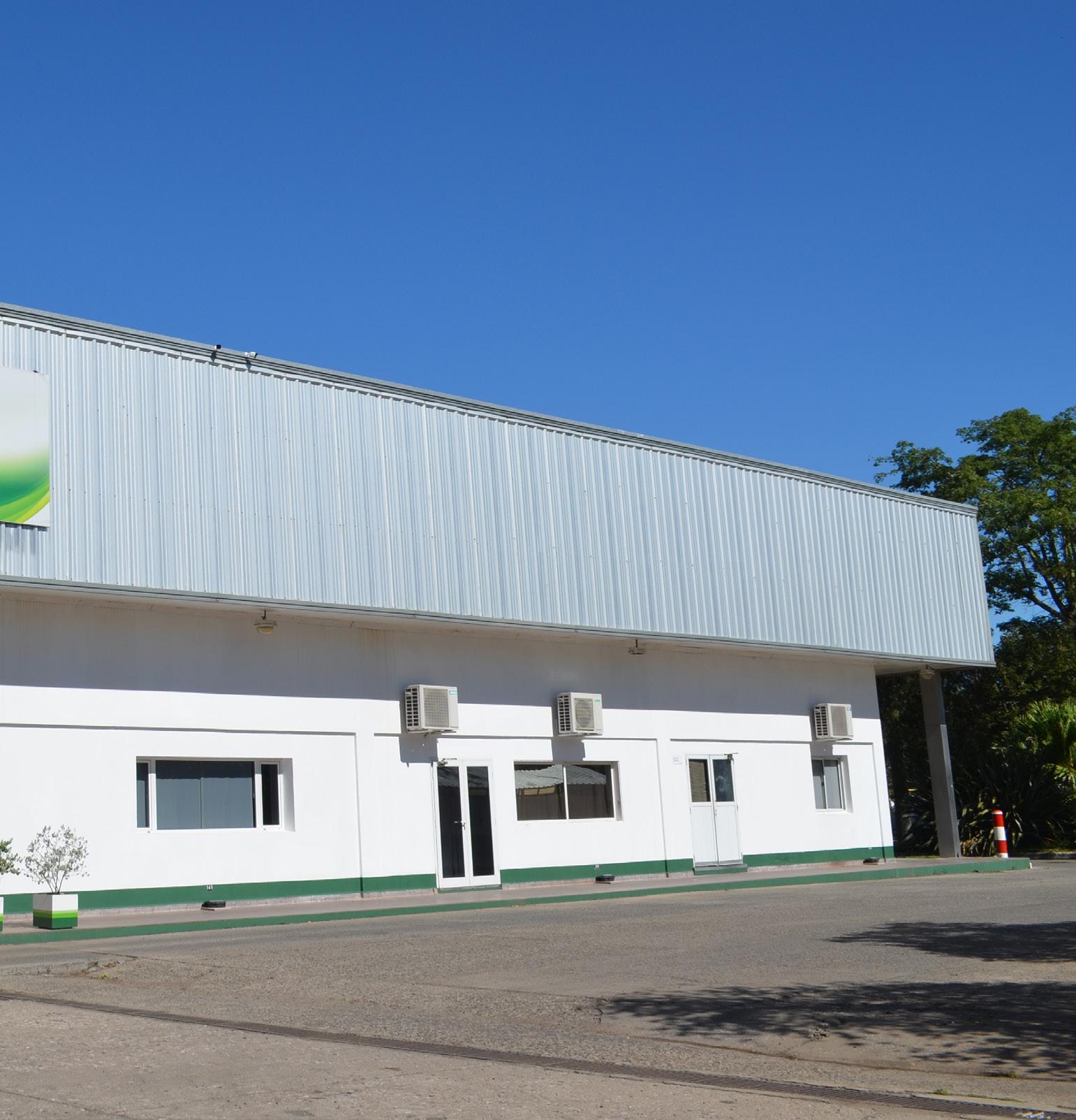
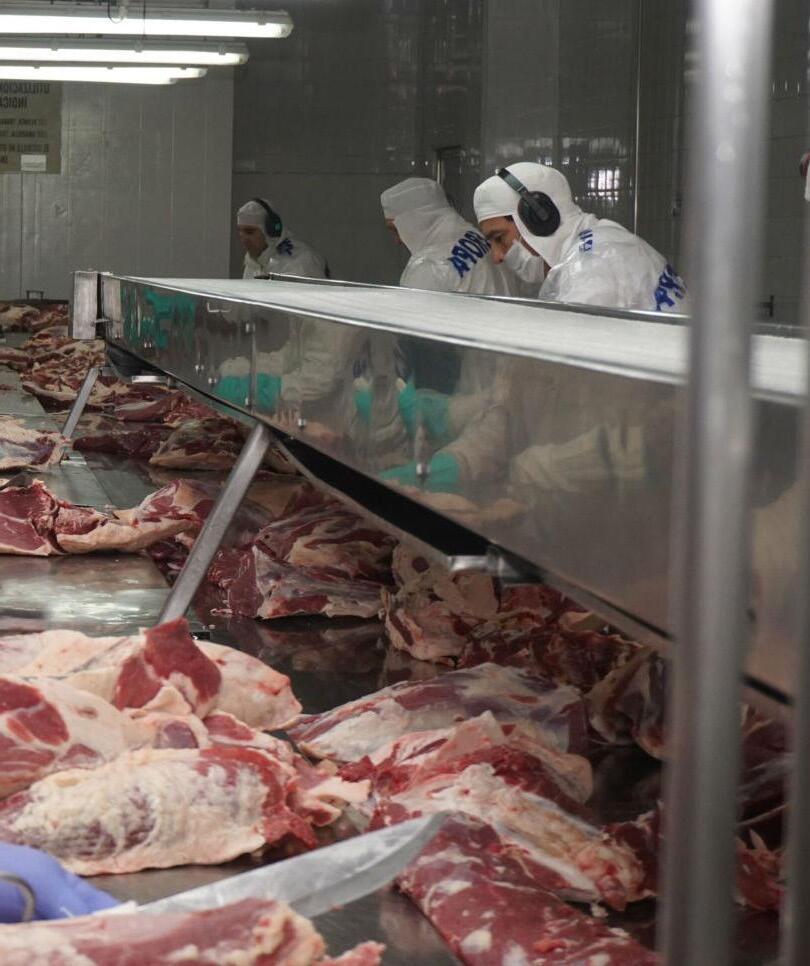
The south of the Santa Fe province, in Argentina, is one of the country’s areas where the best cattle for meat consumption are raised, and the small town of Hughes - of just 5,000 inhabitants - is home to one of the most important company exporting this food variety.
Black Bamboo Enterprises S.A. is the name that since 2016 has been one of the most important meatpackers in Argentina at the export level. The historic plant, which has been operating for over 60 years, changed ownership several times, from Argentinean livestock producers to being owned by a company of British origin in 2004, whose optimization enabled the plant to reach the BRC (British Retail Consortium) standard. In 2007, the company became part of the Marfrig
Global Group, one of the most important food companies in Brazil until it was acquired in mid-2016 by a consortium based in China and managed to increase a traditionally good production, supported by the high quality of its product.
“Today we are owned by a Chinese group, with this group we have greatly improved the export performance and volume,” said Luis María Medina, Business Development Officer of Black Bamboo Enterprises S.A.
Luis María Medina studied veterinary medicine at the National University of Rosario and he is also a senior technician in the food industry, graduated from the National Technological University. He also holds a certificate in beef production and has more than 30 years of experience in the food industry, being specialized in beef cattle. In addition to his outstanding work in the Hughes meatpacker, Medina also worked
for the former Compañía Elaboradora de Productos Alimenticios de Argentina (CEPA), in the same industry, and later on for Quickfood and Marfrig, before Black Bamboo became property of a Chinese consortium
“I have experienced all areas, I know the company’s entire operation from all angles”, said the executive.
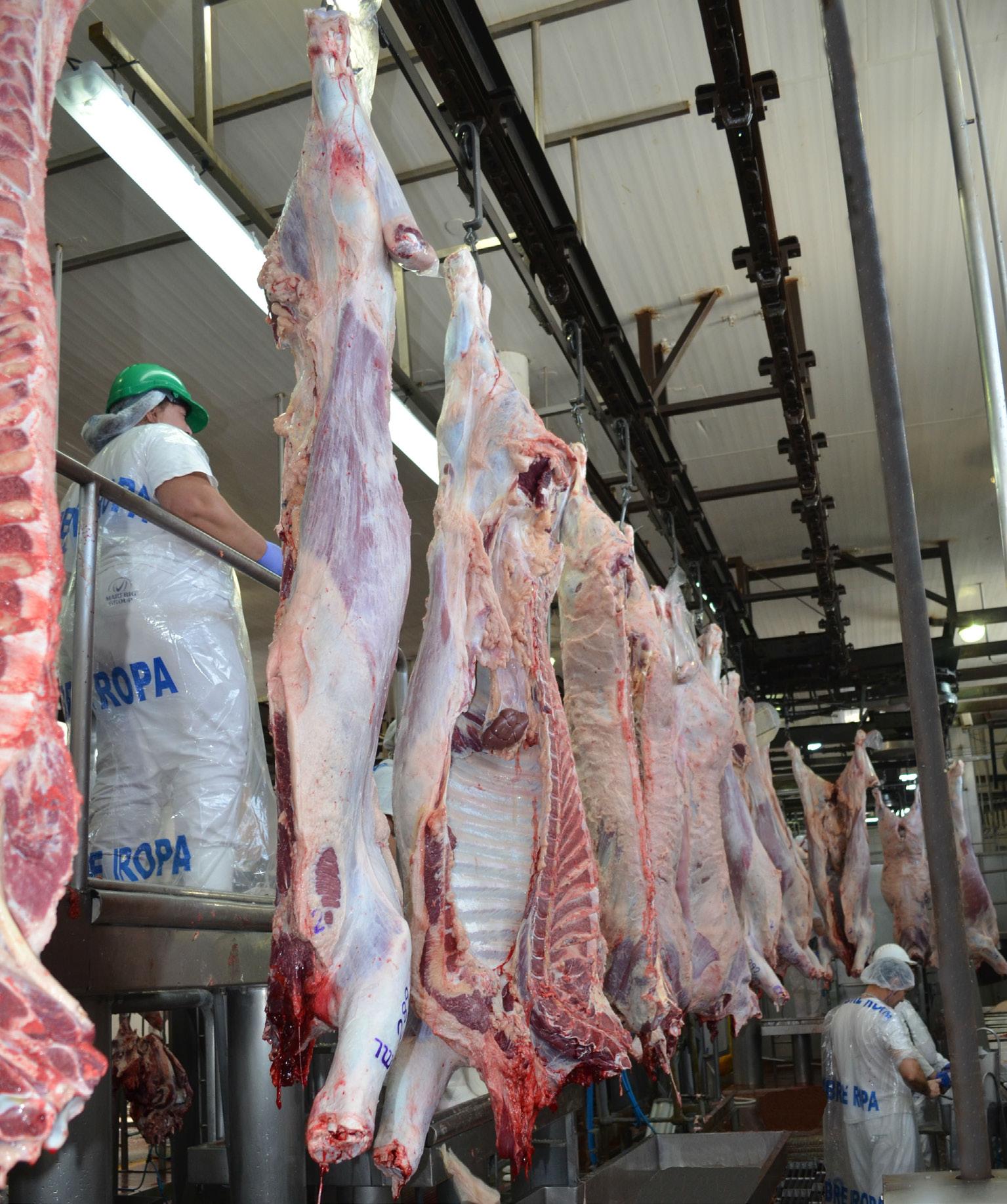
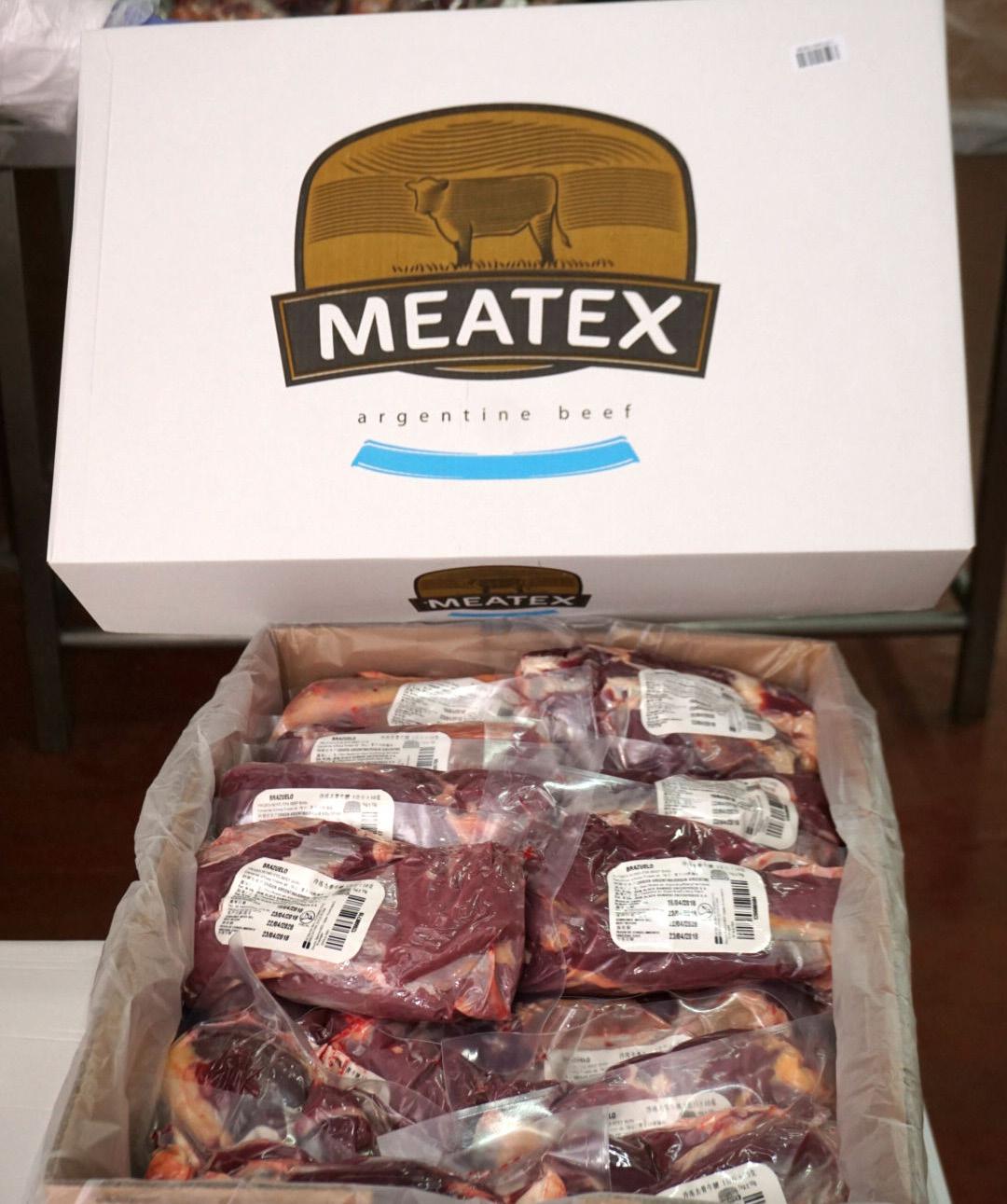
Meatex and Hughes are brands that, in different presentations, stand for the company around the world. Black Bamboo Enterprises has all the authorizations and sanitary, food and commercial certifications from Argentina’s authorities, and it stands out for exporting these meat products --

- Luis María Medina, Business Development Officer of Black Bamboo Enterprises S.A.
“With this group we have greatly improved the export performance and volume”
considered among the best in the world -- to Brazil, China, Israel, the United States and Europe, in addition to the countries bordering Argentina, among others.
Reaching so many markets implies challenges that go beyond the preparation of a high-quality product, originated from animals with an excellent diet and that have undergone special care, and also requires compliance with a series of standards and certifications in each region and country.
“Our main business fluctuates between China and Israel in volume and revenue. There are people who improve their purchasing power and the first thing they want is to eat better, and to do this, red meat protein is the most valued of them all”, said Medina, who added that efforts by the company have more than doubled the production capacity, increasing annual revenue from US$40 million to US$ 130 million.
The company holds the most demanding certifications both in the domestic market and for export to China, Europe, Israel and other countries
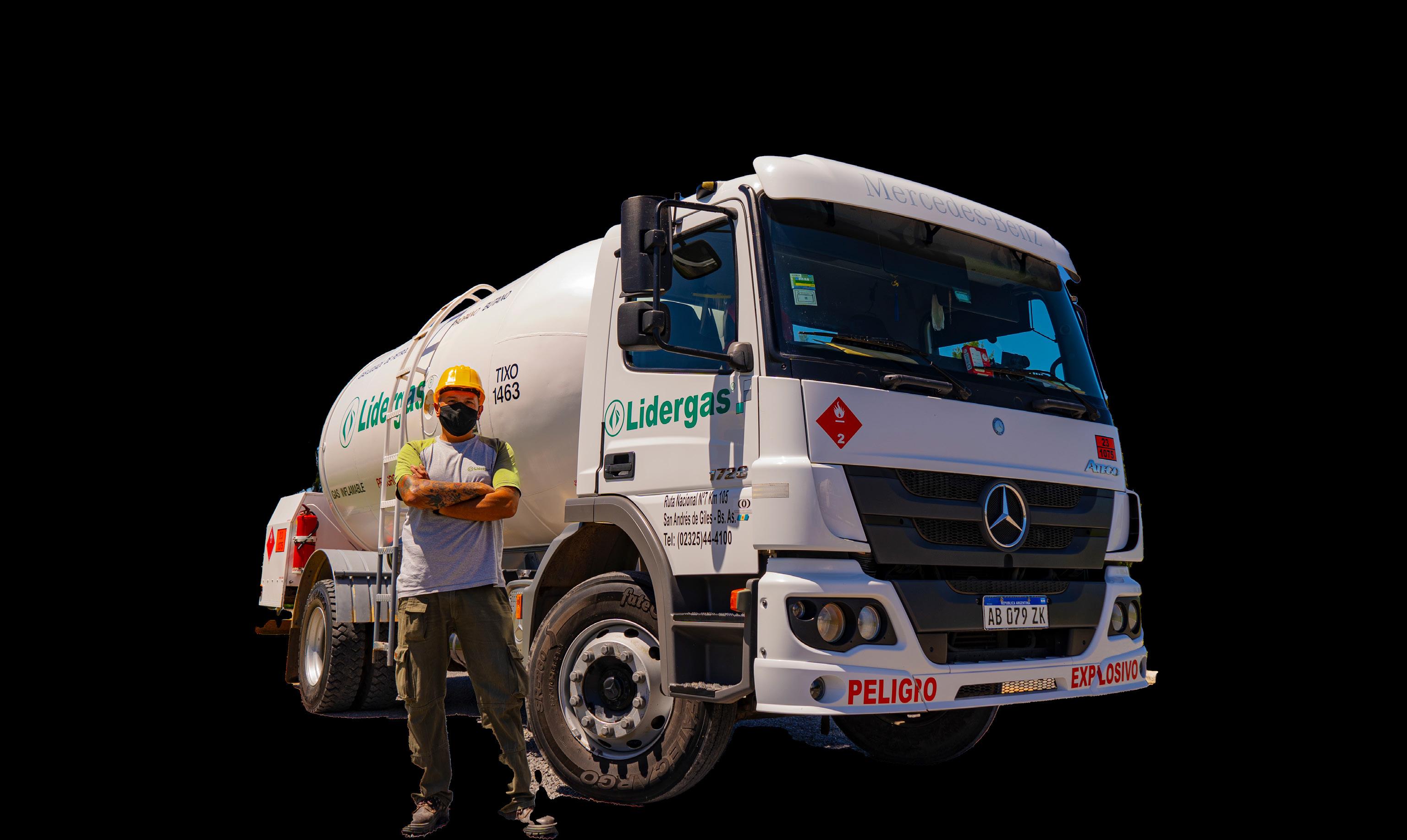
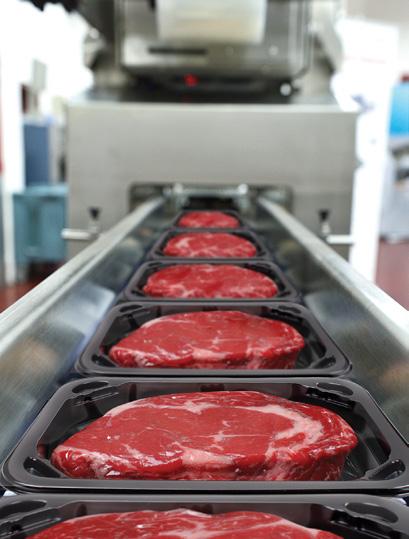
We commercialize propane gas in bulk gas tanks and cylinders for industries, agriculture and families. Every customer that needs to generate combustion or heat is important to us. We provide a different energy.

Number of Employees:
1. Development and implementation of a comprehensive fire network.
2. Expansion of product storage capacity, quadrupling the previously existing one.
3. Incorporation of the fractionation and commercialization of Butane Gas, with a strong commercial impact on our arrival at home users.
4. Automation of the product fractionation process.
5. Increase in the fleet of own trucks, to make supply and distribution logistics more efficient.
6. Ambitious investment plan to expand our packaging park.
President: Marisa Pacini
Webpage: http://lidergas.com.ar

Increases in Black Bamboo Enterprises’ production and, therefore, in revenue are the consequences of investments in certain activities.
In 2019, the company invested in a rotating restraint box with Kosher specifications, which contributes to beef exports to Israel’s market. Two packaging warehouses were also built and equipped for the company’s products.
Management-wise, operations are supported by a SAP system, and there is a SAP module for specific tasks such as management, foreign trade, maintenance, human resources, and others. Other software used in Black Bamboo’s activities is BeefTrazz, useful for full meat traceability.
Black Bamboo chooses suppliers and strategic partners based on the key requirements of quality of product and services.
The same spirit of service and communication is reflected in the companies that collaborate with Black Bamboo, keeping the senior management’s channels open, thus making collaboration and transactions easier.
The meat processing plant has established ties with the community for quite some time, leading to constant contact with institutions such as the city council, local hospitals,





Year Established
Industry:
Packaging industry
Main Services:
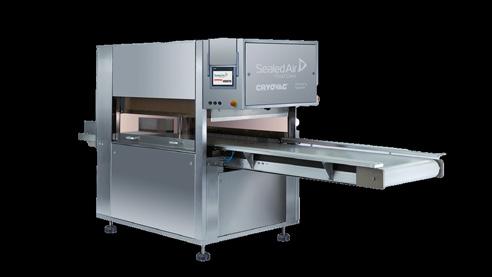
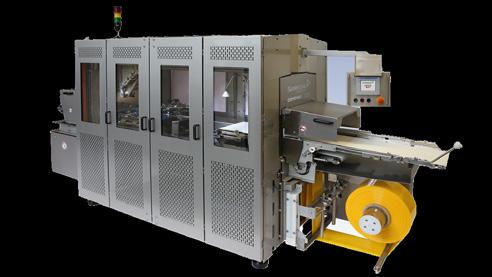
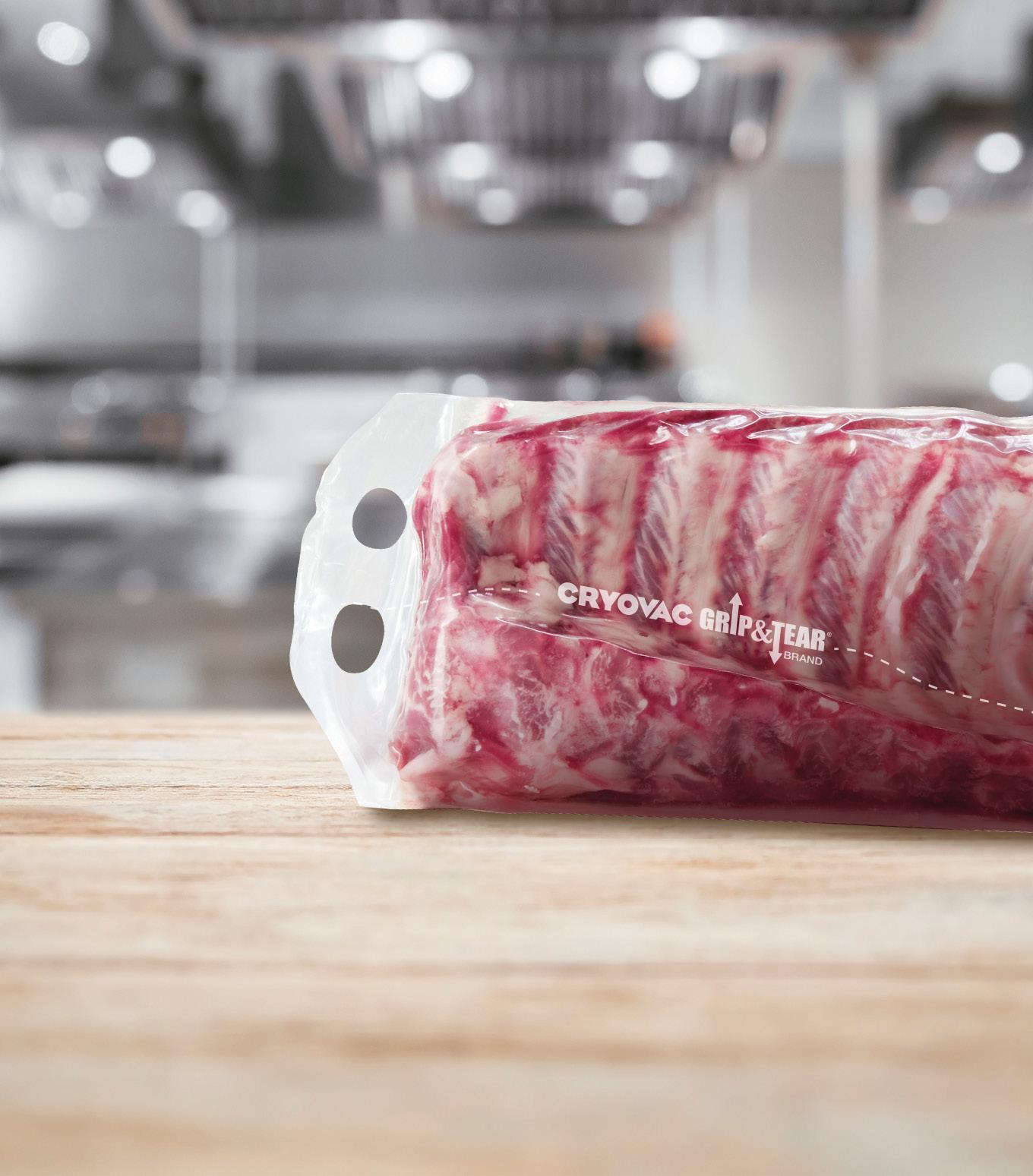
Packaging solutions, equipment, services and automation to provide protection for supplies and food
Recent Projects:
Sustainability commitment 2025:
• Investment in innovation: Design and develop packaging solutions to be 100% recyclable or reusable.
• Eliminate plastic waste: Achieve an ambitious target of 50% average recycled content in all packaging solutions, of which 60% is post-consumer recycled content.
• Collaborate for Change: Lead collaborations with partners around the world to increase recycling and reuse rates.
President & CEO: Ted Doheny
Webpage: www.sealedair.com
the police force and other entities. In addition to these links, Black Bamboo Enterprises employs 600 workers directly and another 150 indirectly, making it not only the most important source of employment in Hughes, but also in the area south of Santa Fe.
Black Bamboo offers good salaries, performance bonuses - which have obviously broken records in recent years - and other fringe benefits, including an employee dining room with excellent quality options, as well as significant discounts at the butcher shop recently opened by the company to the public at large.
The company also has a trade school open each year to new students, where they learn all the tasks and activities carried out in the meatpacker, such as slaughtering, all about meat cuts and food handling, among others.
“For the city’s people, to work at the meatpacker is a good job opportunity. People have the possibility of not migrating. If I didn’t have this place to work, I would have to migrate to another


The Meatex and Hughes brands, in their different cuts, are benchmarks in the national and international beef markets
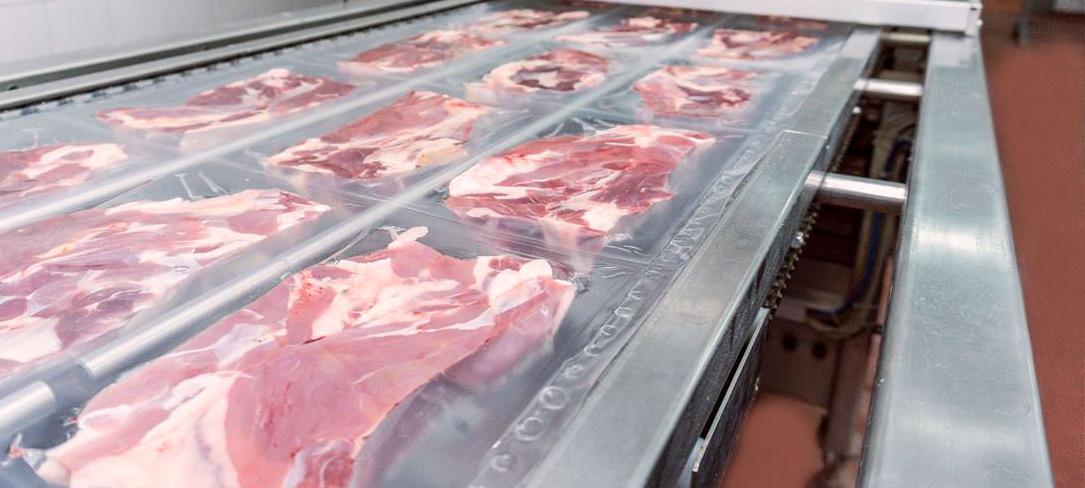

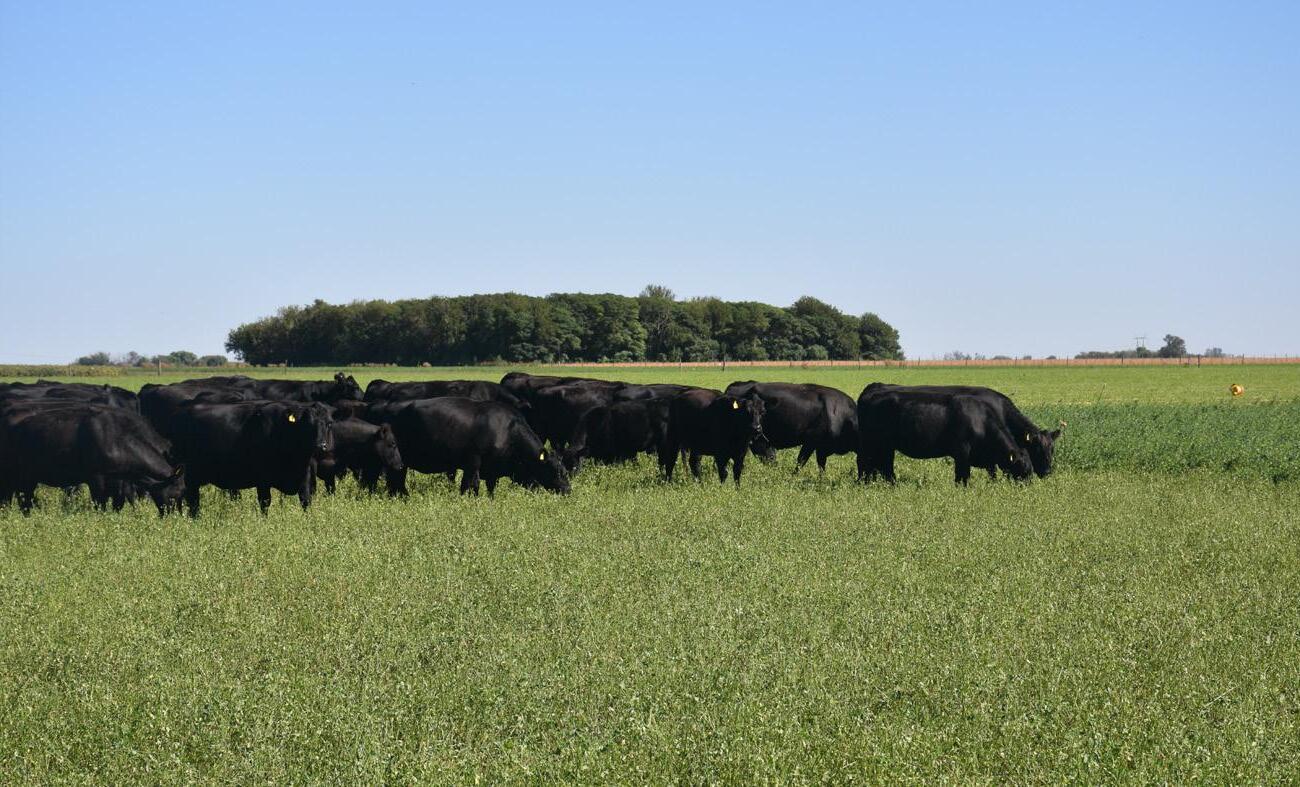
coverage in new markets, work is being performed to enter the United States market, a plan whose strategy requires certified quality cuts, such as the black angus.
“Argentina is having a very good development regarding the meat industry, it has a very important future. Argentine meat is a trademark in the world. There is a great demand for beef, the entire Argentine industry is expecting to achieve even a better performance”, concluded Luis María Medina, Business Development Officer of Black Bamboo Enterprises S.A.