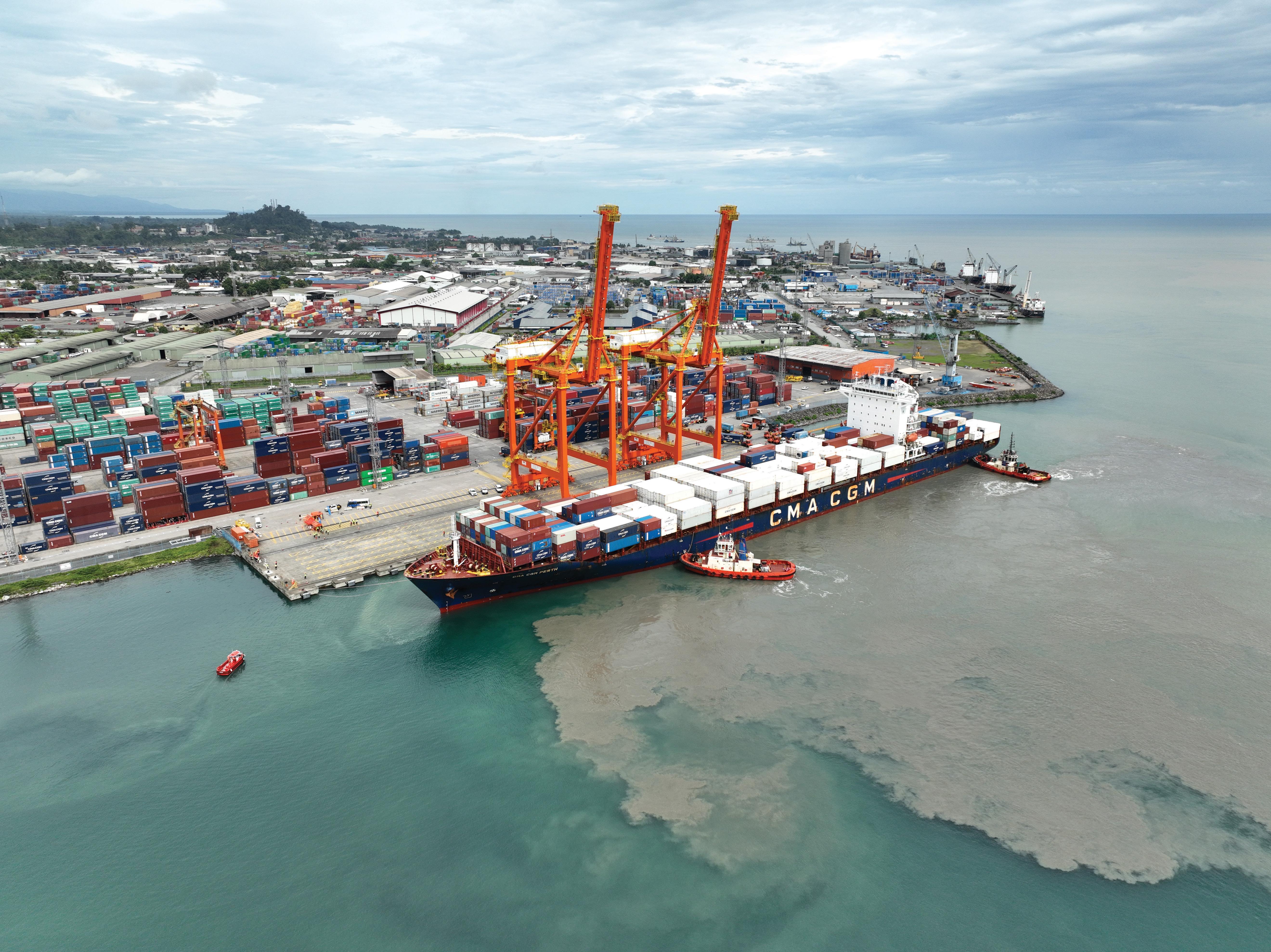
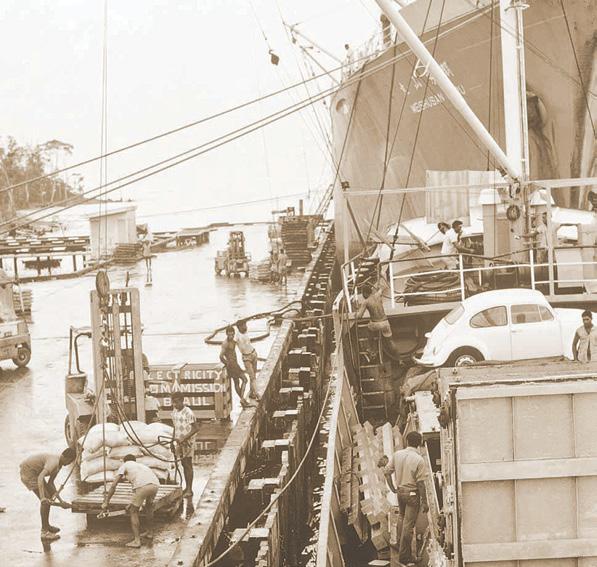
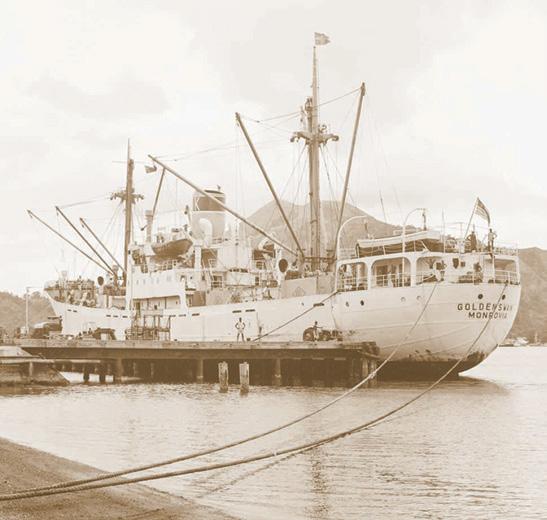
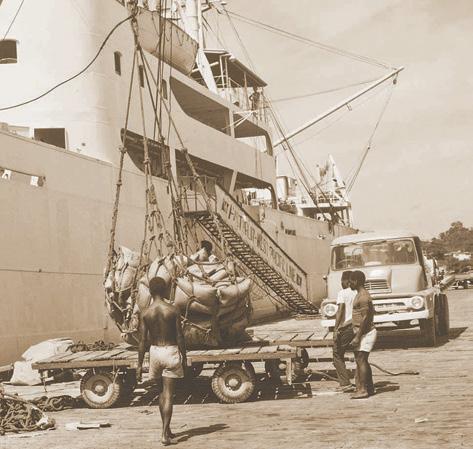
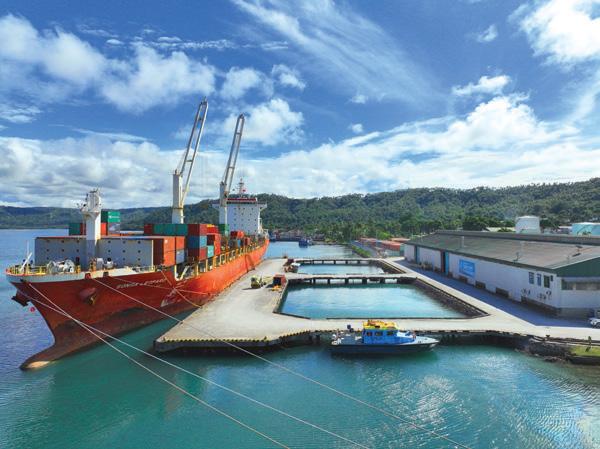
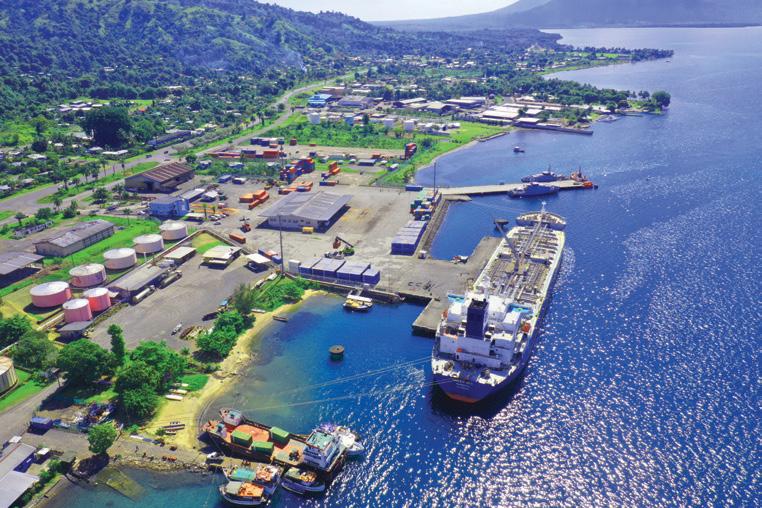
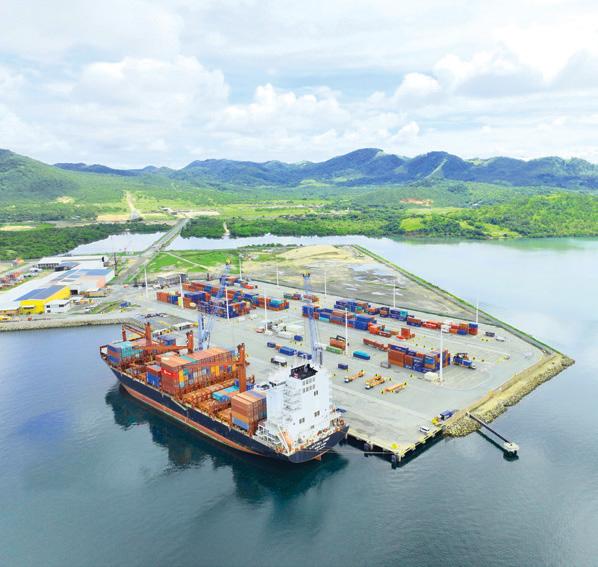
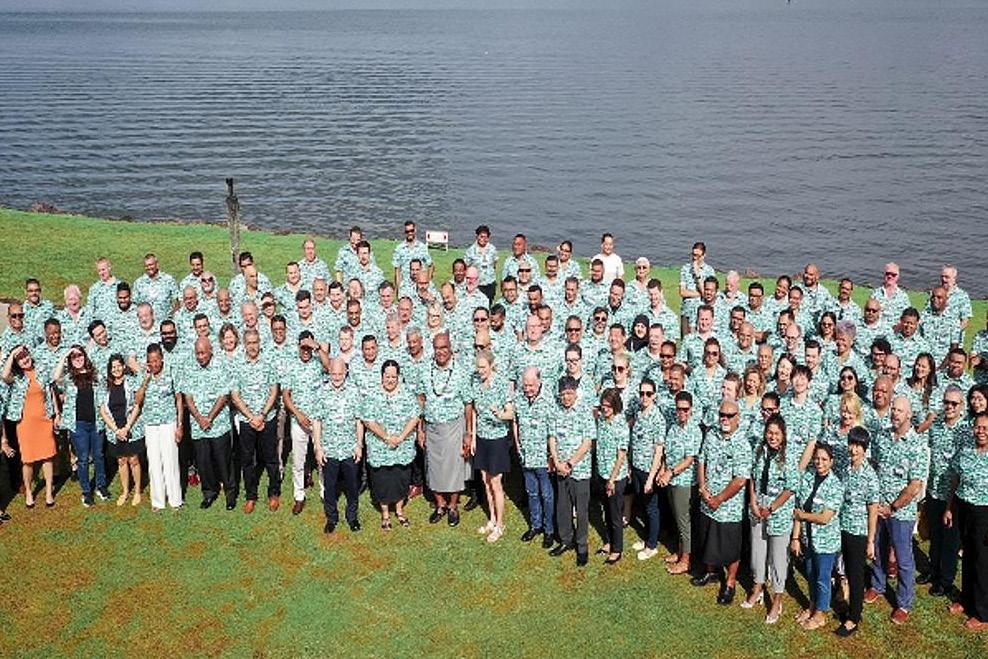
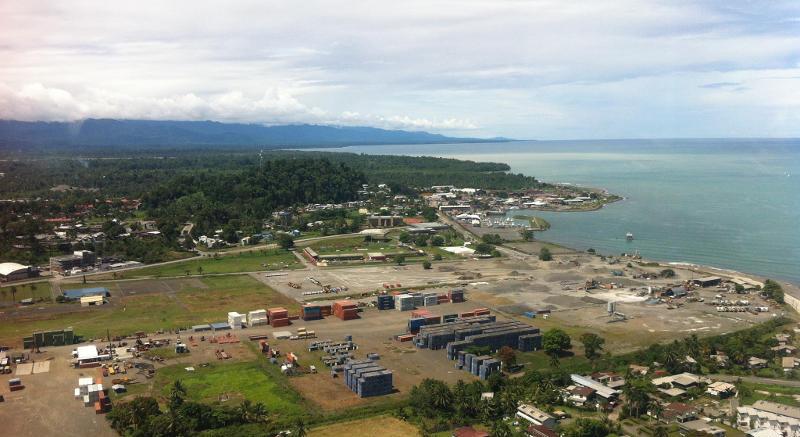
For over 50 years, PNG Ports has kept Papua New Guinea moving – from small coastal jetties to major global gateways. We've helped turn local harvests into global exports, supported trade and industry, and driven the heartbeat of our economy – delivering progress to every Papua New Guinean.
Our ports connect Papua New Guinea to the world and importantly, they connect us to each other – uniting communities, strengthening supply chains, and supporting our people. We’re building prosperity for generations to come.
Lime and Cement Advances Central Lime Project in
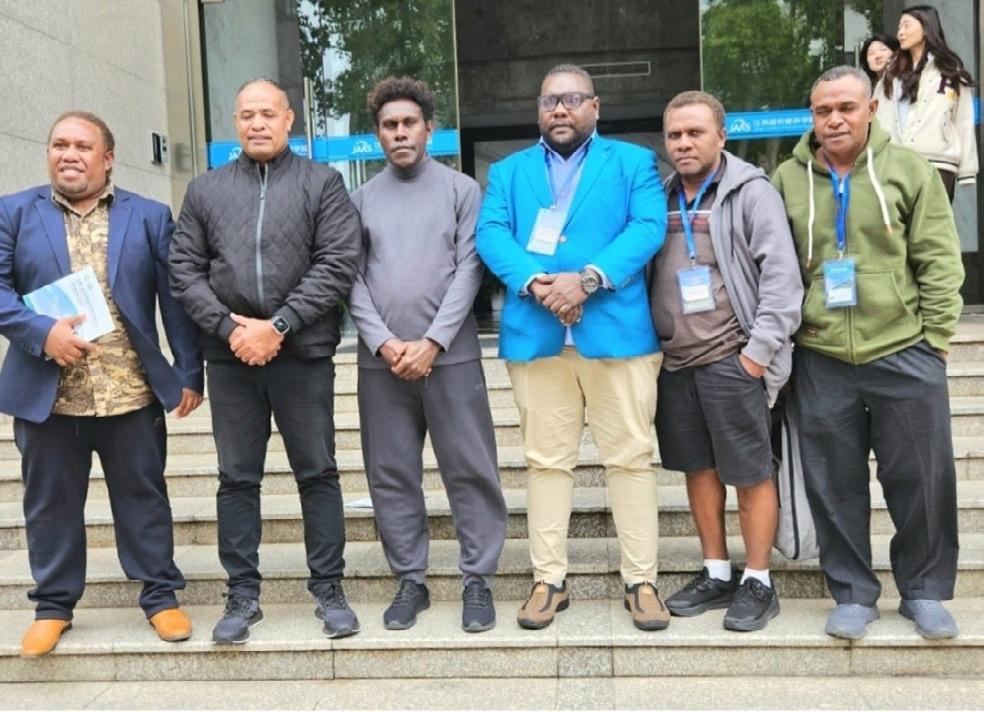
Solomon Islands Strengthens Geological Ties with China
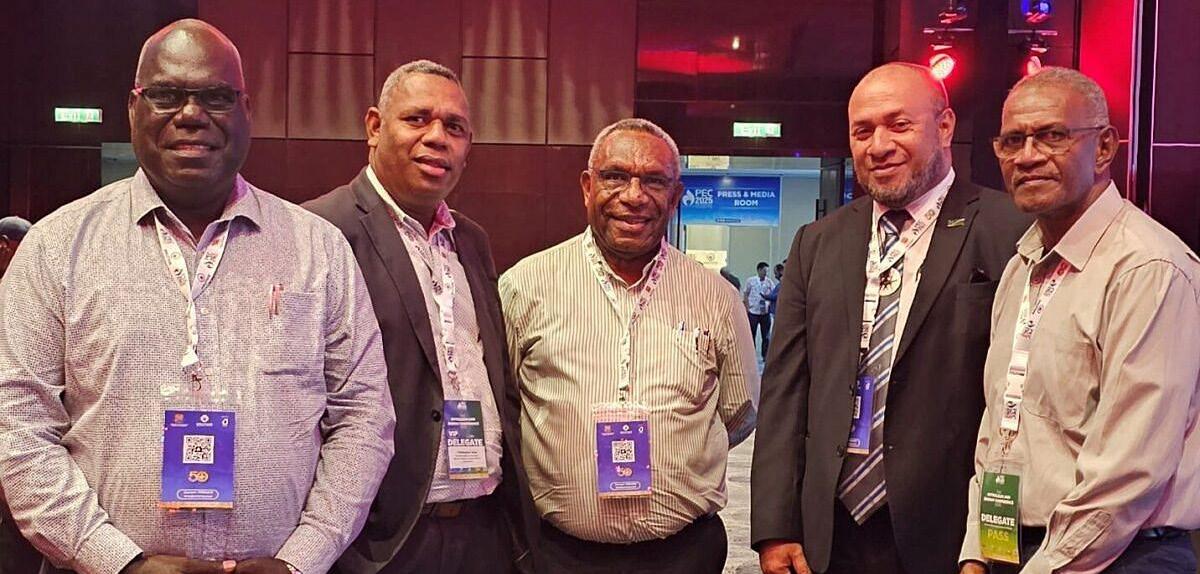
Solomon Islands High Commission Joins 2025 Png Petroleum And Energy Conference
Twinza Oil Restructure Set to Proceed After Stakeholder Agreement
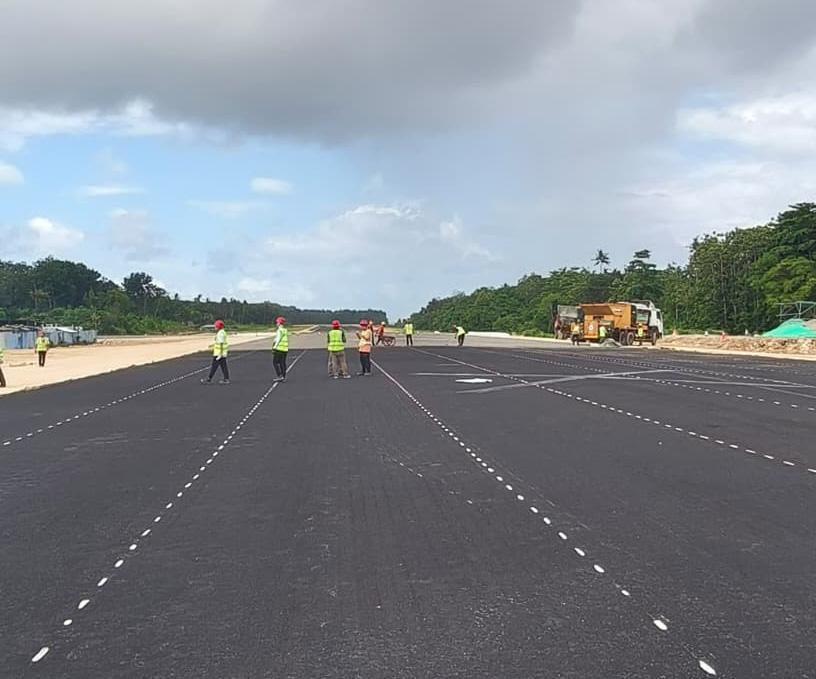
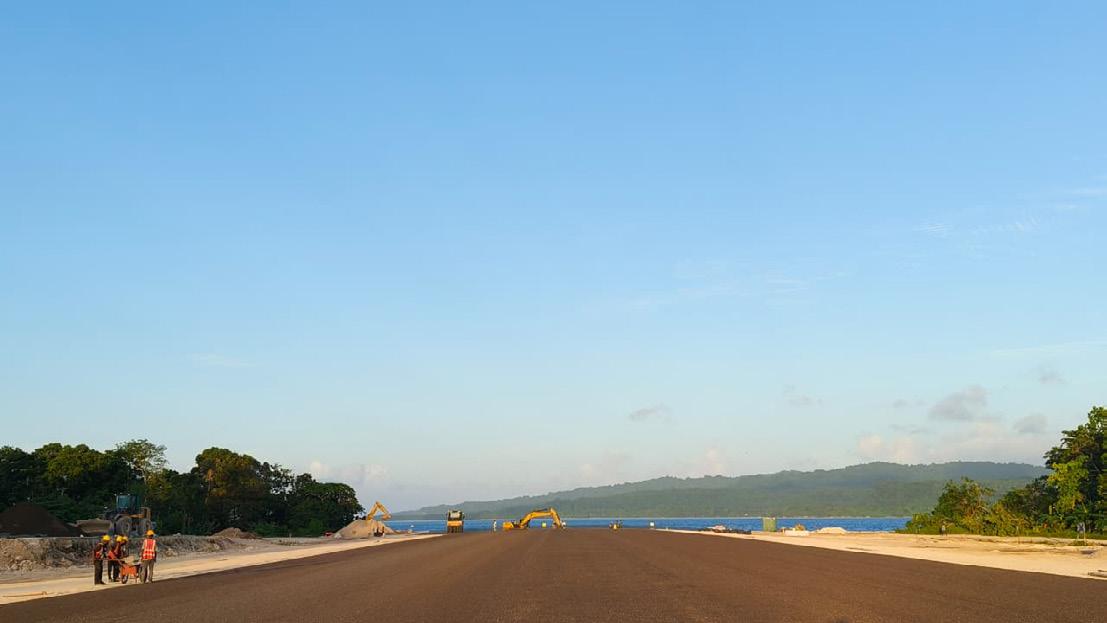
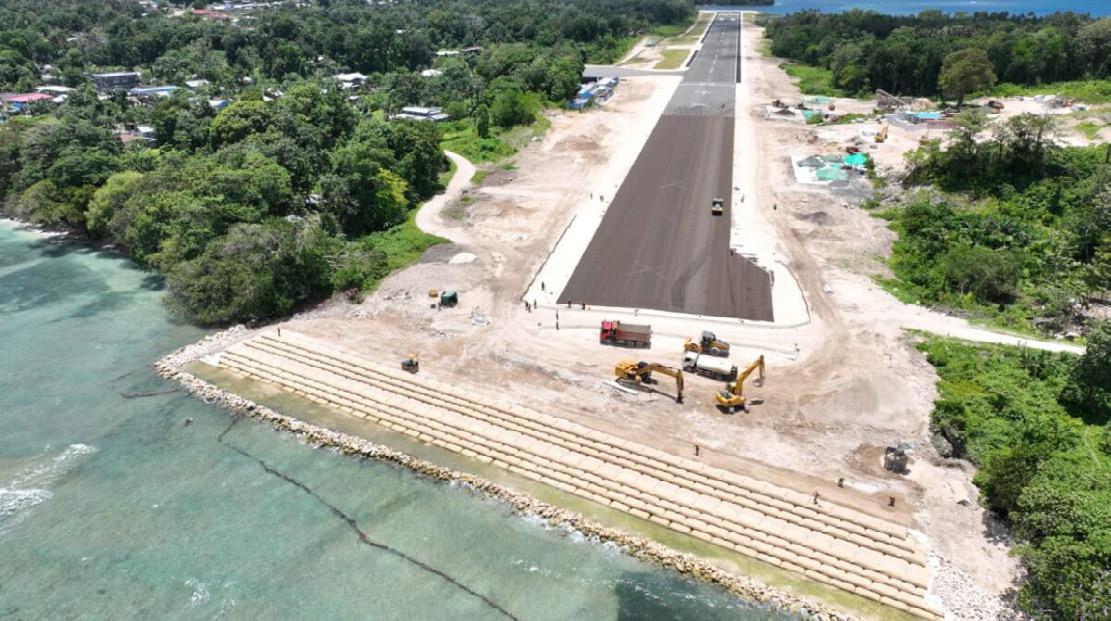
Collaborative Effort Strengthens Aviation Safety Against Bird Strike Risks
Pacific Tourism Organisation and Cook Islands Tourism Release International Visitor Insights
Coalition Government Charts New Course For Yasawa Connectivity
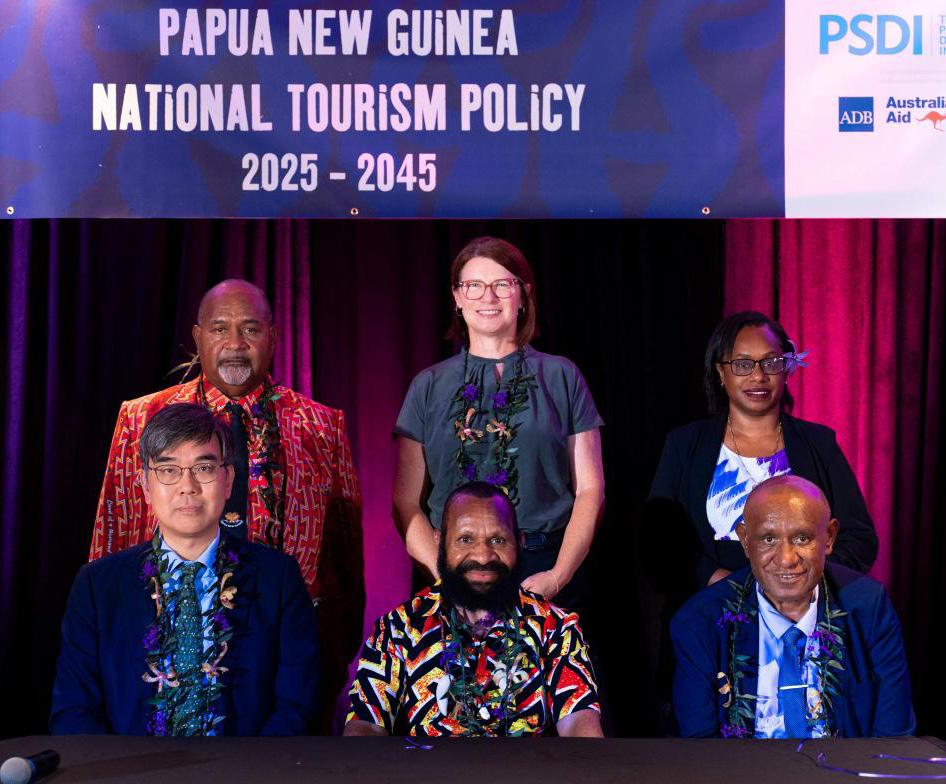
Launches 20-Year National Tourism Policy To Drive
Use of Marine Areas Bill to Restore Traditional Rights
Pacific Business News is published for the pacific business community.
Commentaries and contributed articles published in this magazine are the views of their authors and do not necessarily reflect the views of Pacific Business Review - our main role is to provide our readers in the Pacific region with a digest of business news in various sectors of Oceania.
Editorial Office
2nd Floor, Suite 6, Corithians Plaza Building, Paseo de Roxas, Legazpi Village, Makati, Philippines
+632 8251 5599
info@pacificbusinessreview.com
Digital Online Edition www.pacificbusinessreview.com
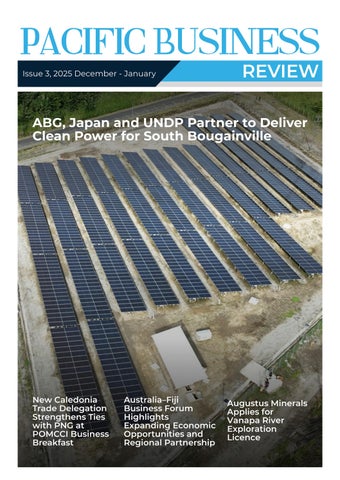
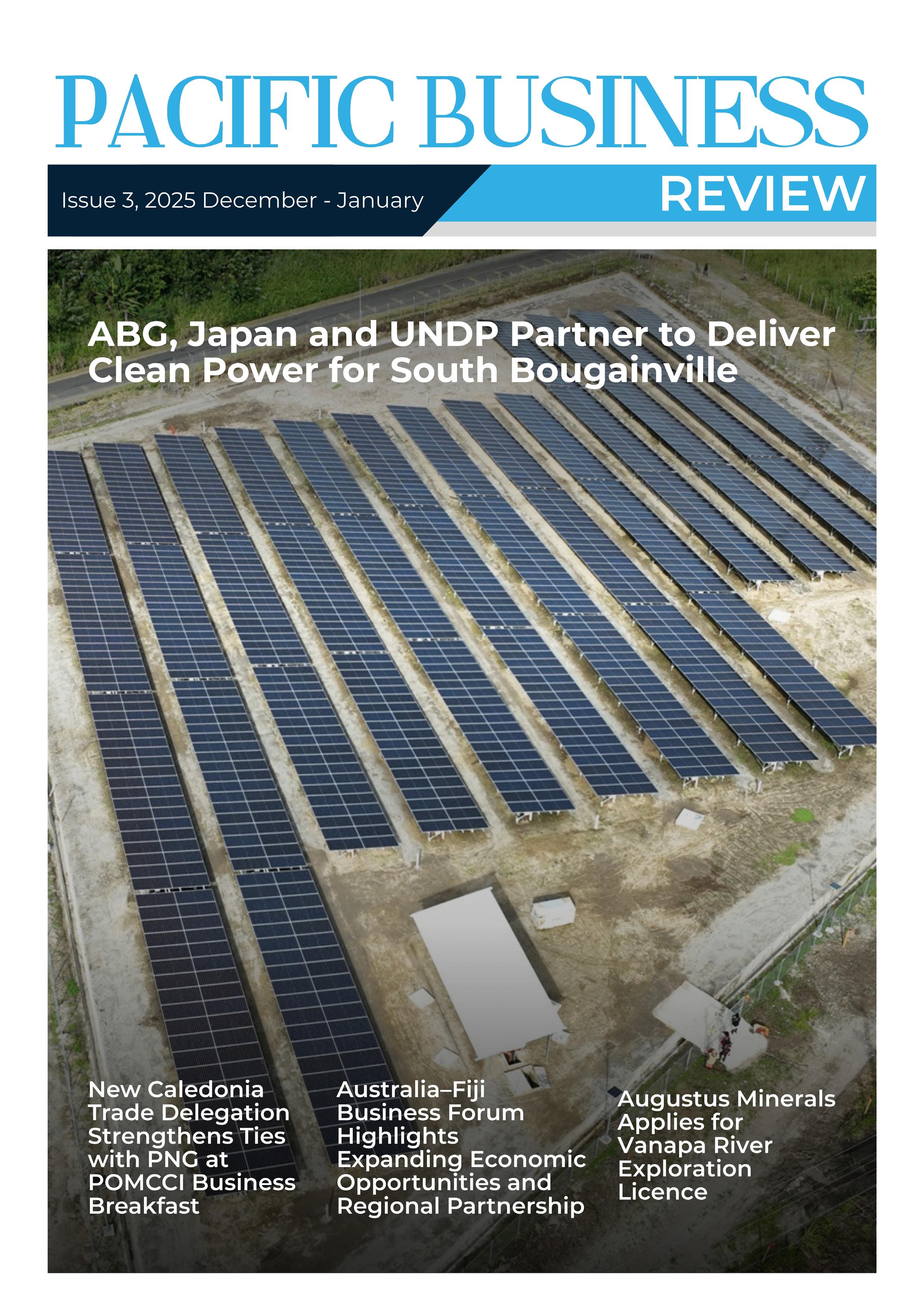
Welcome to Issue 3, 2025 of Pacific Business Review. This edition brings together stories that reflect the Pacific’s growing drive for partnership, innovation and sustainable growth.
Our cover story looks at a major milestone for Bougainville, where the ABG, Japan and UNDP have joined forces to deliver clean, reliable power to communities in South Bougainville — a project that shows how collaboration can bring real change to people’s lives. It also highlights how local leadership and international support can align to deliver long-term development outcomes.
We also shine a light on strengthened regional ties. New Caledonia’s high-level trade delegation visited Port Moresby for the POMCCI Business Breakfast, opening new doors for cooperation in mining, industry and training. Meanwhile, on the Gold Coast, the Australia–Fiji Business Forum gathered business and government leaders to map out fresh opportunities in trade, investment and digital growth. These engagements reaffirm the Pacific’s commitment to building resilient, well-connected economies.
In the resources sector, Augustus Minerals has lodged a significant exploration application for the Vanapa River area near Port Moresby, signalling renewed interest in one of PNG’s most prospective regions.
These stories, along with the rest of this issue’s coverage in energy, agriculture, infrastructure, tourism and finance, reflect a region steadily building momentum — one partnership, one project and one community at a time.
Thank you for reading, and for continuing to be part of the Pacific’s business conversation.
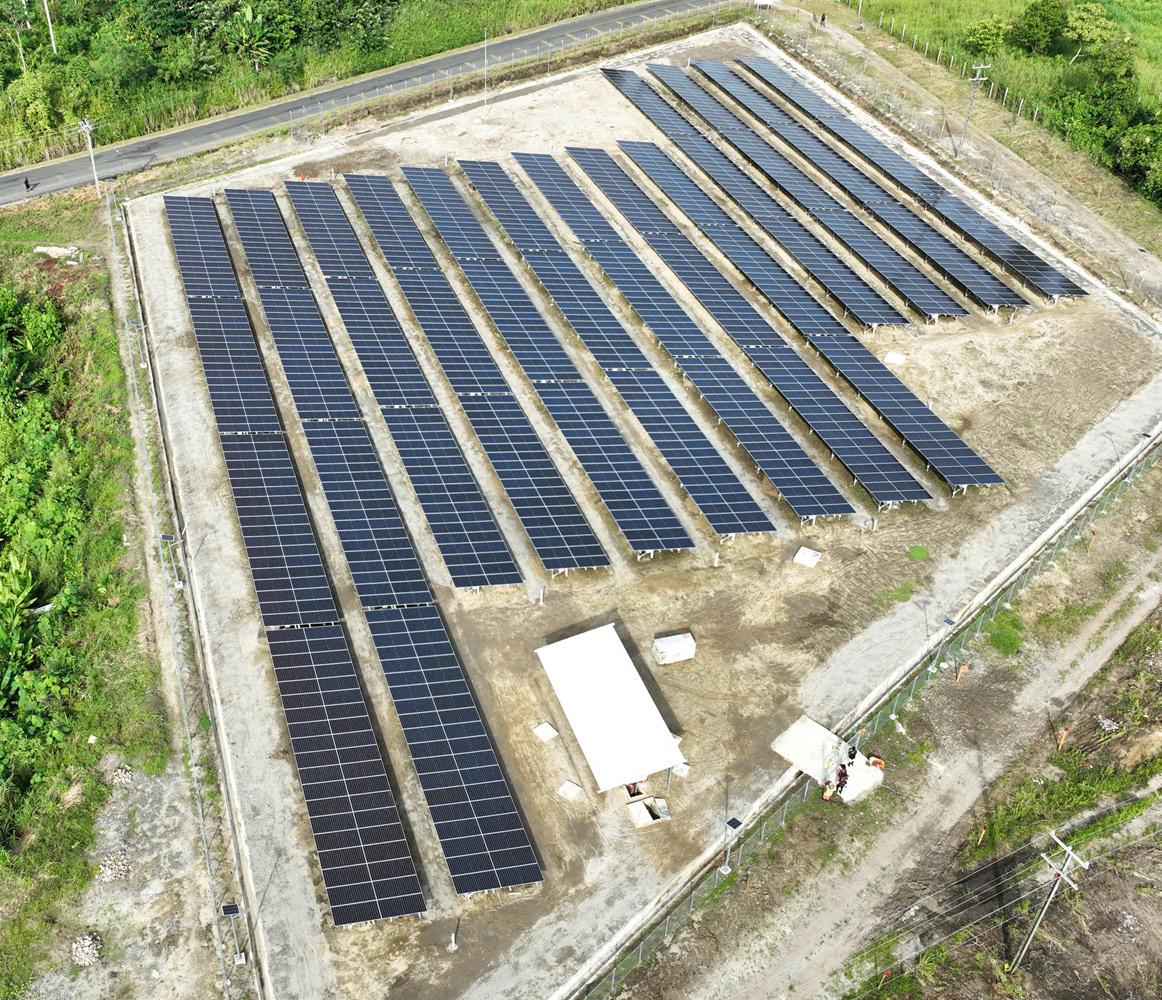
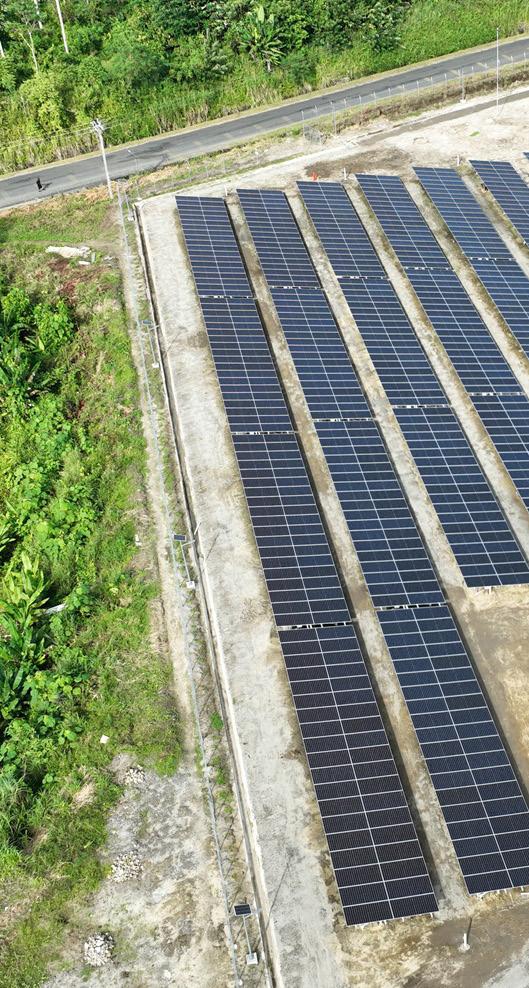
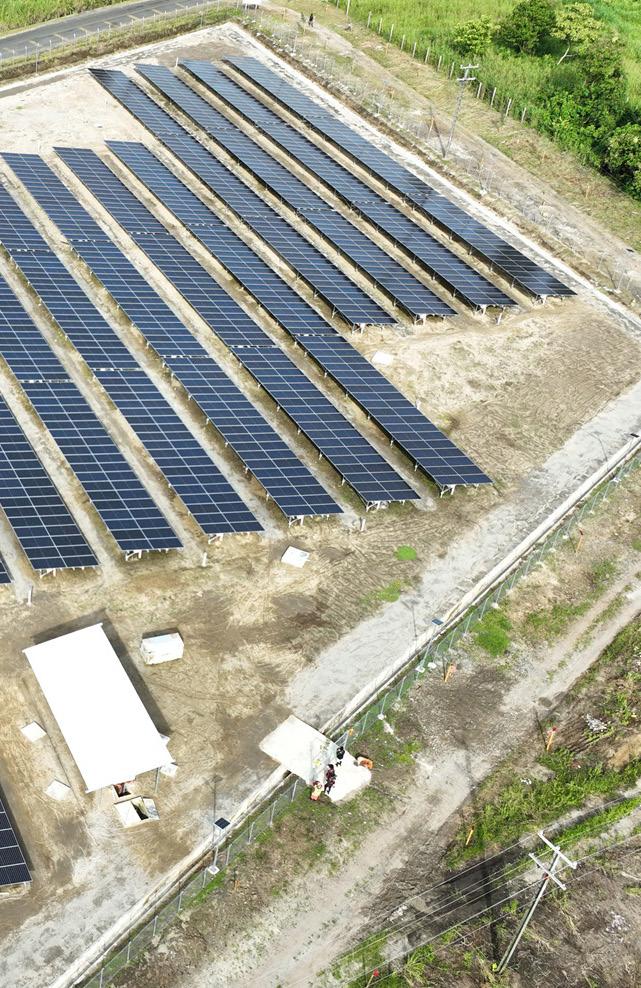
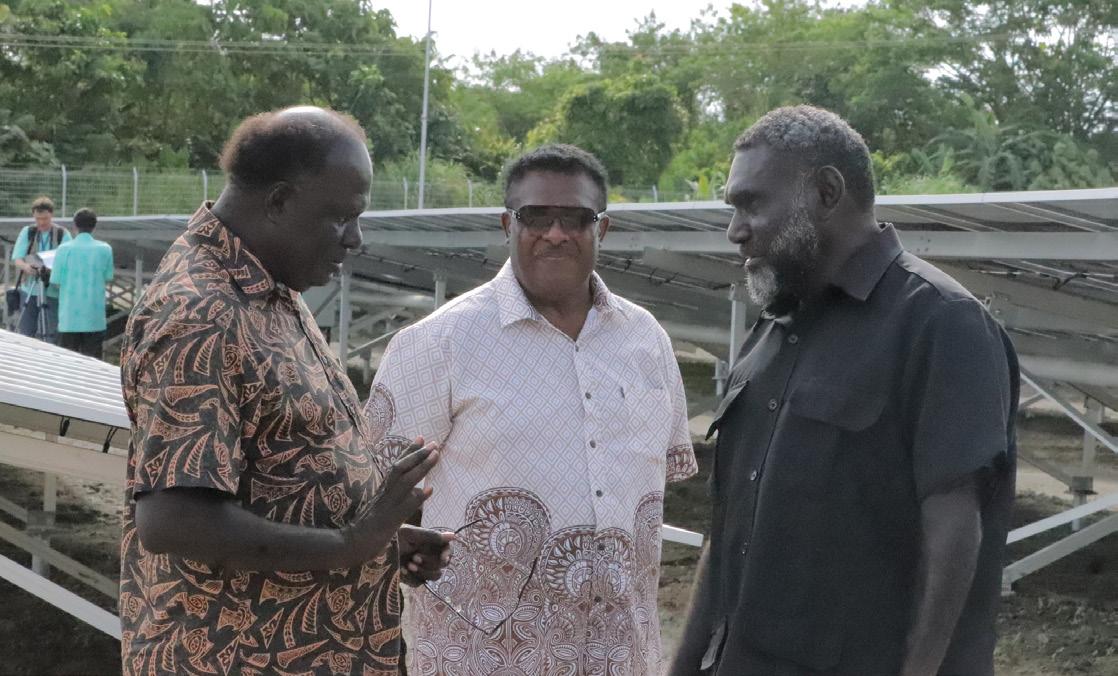
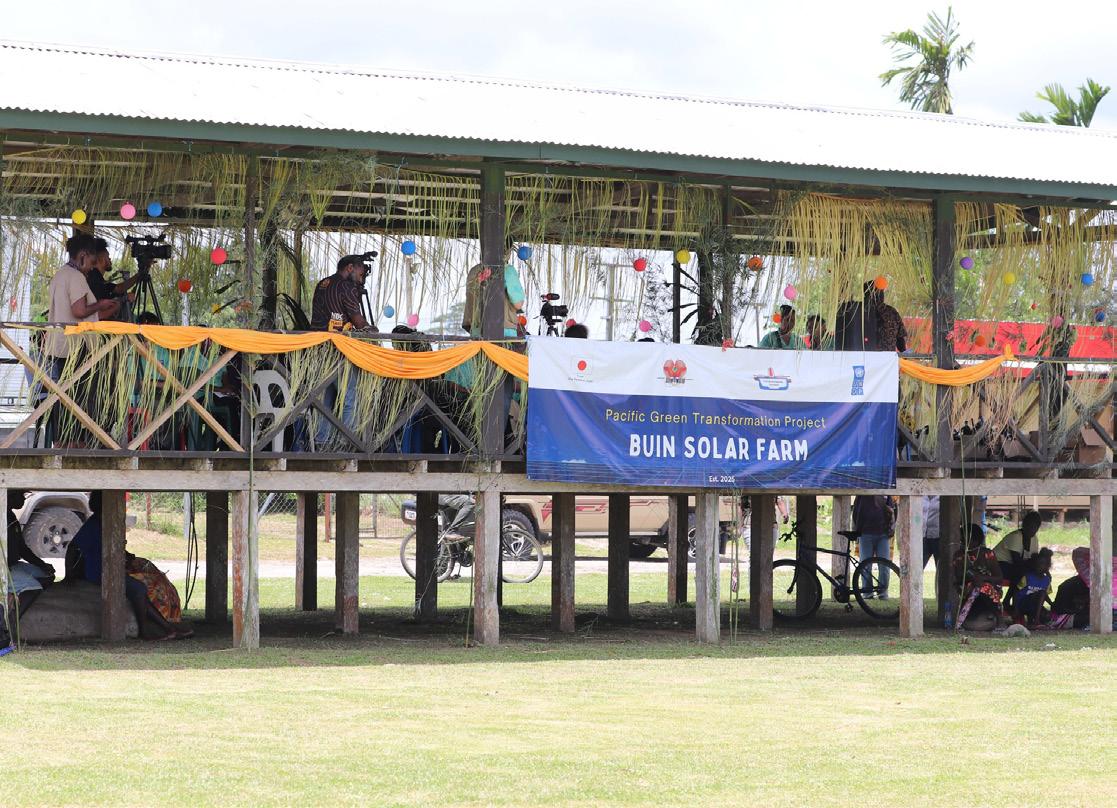
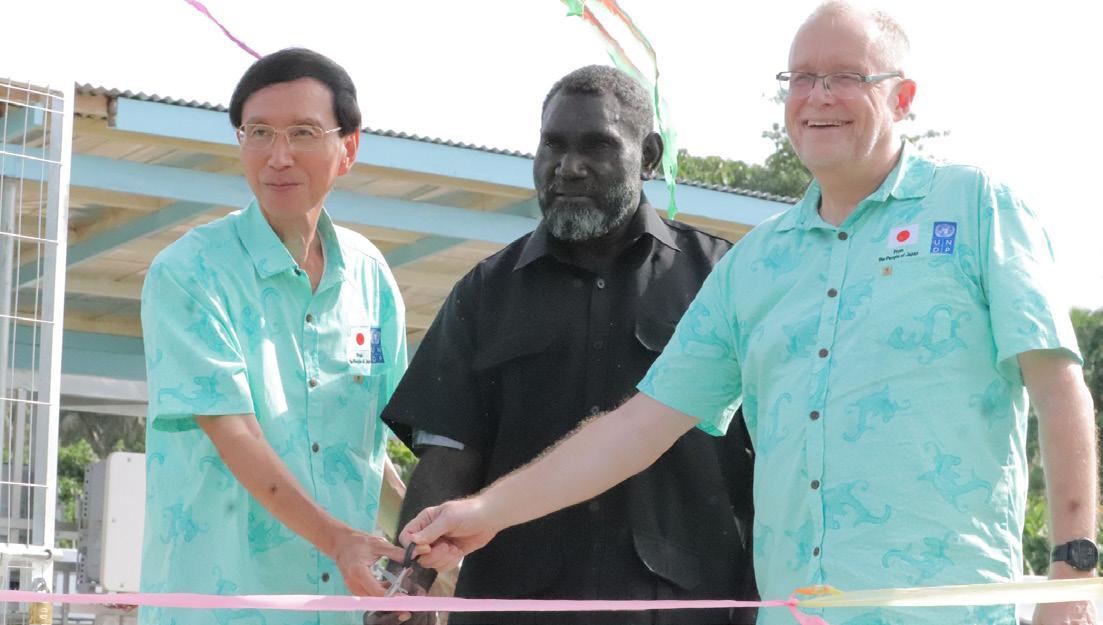
Rows of solar panels at the 1-megawatt Buin Solar Farm highlight Bougainville’s shift toward sustainable power. Through support from Japan, UNDP and the ABG, the project will supply stable electricity to surrounding communities. It is expected to benefit more than 200 households and key public institutions.
Include but not limited to…
✓ M i n i n g E qu i p m e n t & s p a r e p a r t s
✓ E a r t h M o v i n g E q u i p m en t & s pa r e
pa r t s
✓ A g r i c u l t u r a l E q u i p m en t & s pa r e
pa r t s
✓ E
e c
s u pp l ie s
✓ F o r k li f t & au t o m o t i v e p a r t s
✓ O i l s a n d l ub r i c an t s
✓ C a t e r i n g s u p p li e s
✓ T oo l s
✓ P P E N
Drawing on a combined 180 years of experience, EXPAC’s team expertly manages the purchasing and product sourcing requirements for companies located in Papua New Guinea and the Pacific Islands.
Our high service levels, short lead times and extensive product sourcing capacity is why corporations, medium and small businesses, mining companies, governments, all trust EXPAC with their purchasing requirements.
With a strong presence in Europe, China, Papua New Guinea and Australia, EXPAC specializes in sourcing genuine, high-quality parts from trusted suppliers around the globe.
With the establishment of Expac China, we are able to supply directly out of China to PNG. For all queries and quotes from China, please contact our office in Australia.
CHINA: Suite 1130, Chuangzhan Tower, 928 Xikang Road, Shanghai
AUSTRALIA–FIJI BUSINESS FORUM HIGHLIGHTS EXPANDING ECONOMIC OPPORTUNITIES AND REGIONAL PARTNERSHIP
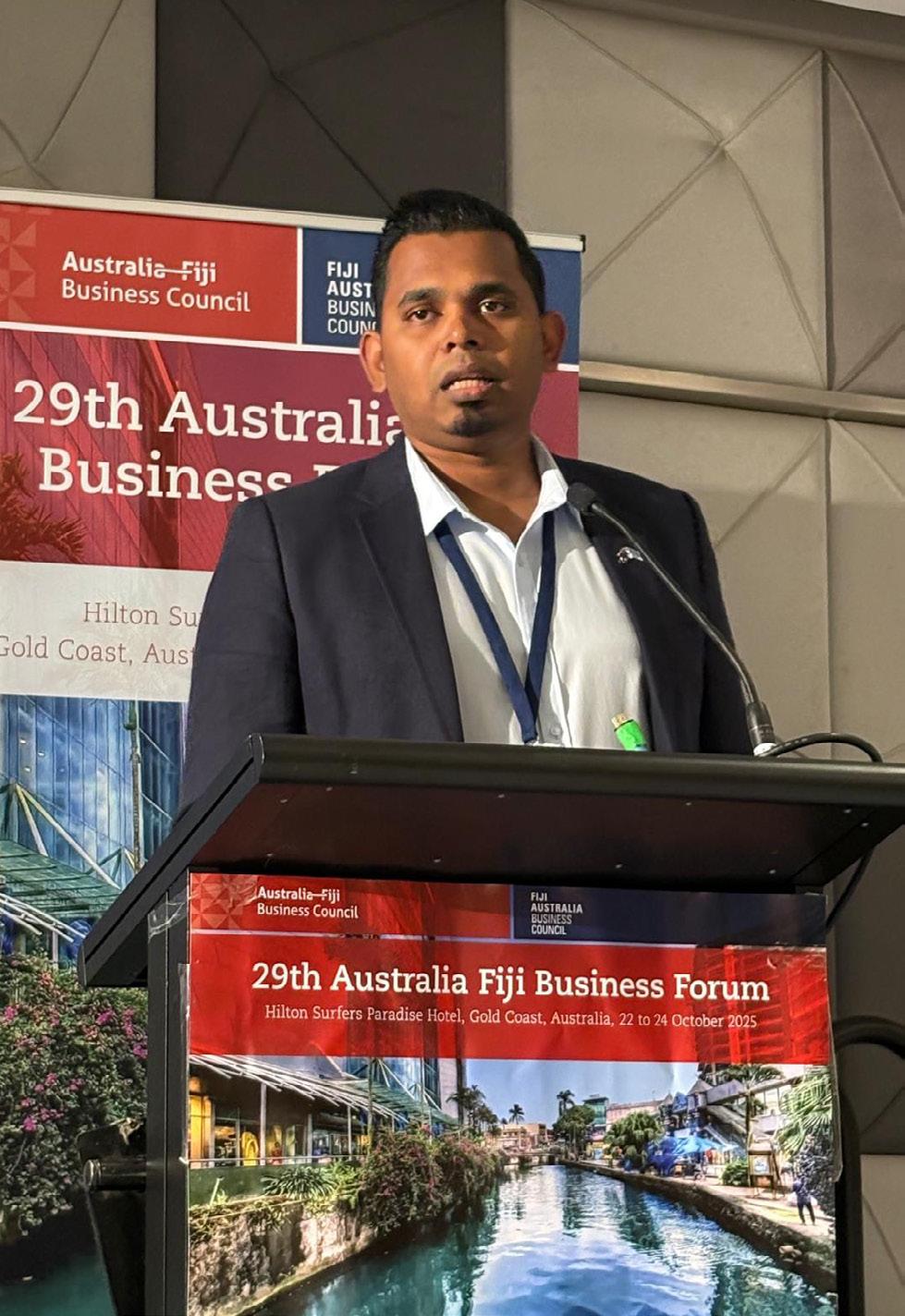
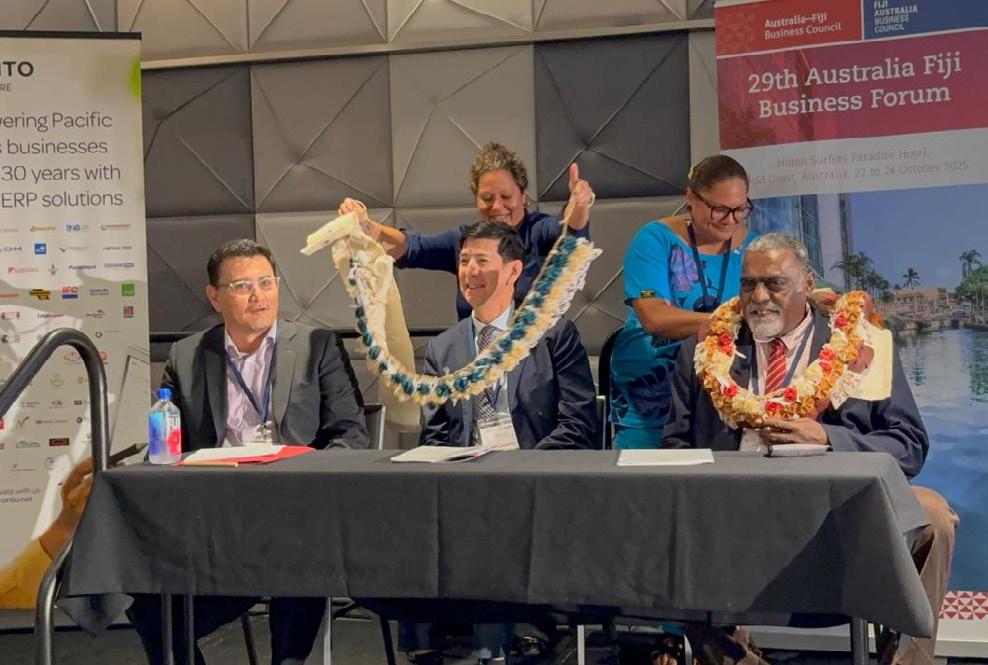
Fiji’s resurgent economy and widening investment prospects took centre stage as Australian and Fijian business and government leaders gathered on the Gold Coast for the 29th Australia–Fiji Business Forum from 22 to 24 October 2025. Hosted by the Australia Fiji Business Council in partnership with the Fiji Australia Business Council, the annual forum remains the premier platform for dialogue on bilateral trade and investment.
The three-day programme opened with remarks from Zane Yoshida, President of the Australia Fiji Business Council, setting the tone for discussions focused on growth, resilience and deeper regional collaboration. Keynote addresses followed from Hon Manoa Kamikamica, Fiji’s Deputy Prime Minister and Minister for Trade, SMEs and Communications, alongside senior representatives of the Australian Government.
Justin Smirk, Pacific Economist at Westpac, provided an overview of Fiji’s economic outlook, framing the country’s recovery within broader regional trends. Panellists Saud Minam of the Asian Development Bank, Kelera Cavuilati of the Market Development Facility and Kamal Chetty of Investment Fiji offered insights into private-sector performance and investment promotion outcomes.
Sector-focused sessions explored emerging opportunities in business process outsourcing, led by Josefa Wivou of Outsource Fiji and Lisa Apted of KPMG Fiji, and in agricultural exports, with contributions from Hon Tomasi Tunabuna, Avi Rebera of the Australian Office of Drug Control and Zane Yoshida of The Calmer Co. Infrastructure, sustainability and digitalisation featured strongly on day two, with senior executives from Fiji Ports Corporation, Energy Fiji Limited, the Water Authority of Fiji and the Fiji Roads Authority outlining major projects and long-term development pipelines.
The programme also included discussions on green climate financing led by Professor Paul Dargusch of Monash Business School, and on trade facilitation with Tim Houghton of Austrade and Tim Martin of PTI Australia. A closing session on sports diplomacy highlighted its potential as a growing economic driver. Across all sessions, delegates emphasised that Australia and Fiji
increasingly view each other “not only as commercial partners, but as part of a closely connected Pacific community linked by cultural ties, labour mobility, sport and education exchange.” Forum discussions underscored opportunities in infrastructure, tourism, agriculture, renewable energy, outsourcing and financial services. Speakers noted that improved air and sea connectivity — including new Cairns–Nadi services — is strengthening supply chains and supporting mobility for businesses and travellers.
While global economic conditions remain challenging due to supply-chain disruptions, elevated borrowing costs and geopolitical realignment, delegates said these pressures are also creating space for strategic repositioning. Fiji’s tourism
such as processed agricultural products and Pacific wellness goods are gaining traction.
Financial inclusion remained a central theme, with speakers highlighting the importance of improving access to capital for MSMEs, women-led enterprises and community-based businesses. Initiatives focused on financial literacy, advisory support and enterprise growth are helping broaden economic participation and strengthen household resilience.
Infrastructure investment and the clean-energy transition were identified as critical to long-term competitiveness. Delegates pointed to opportunities in renewable generation, water and wastewater upgrades, tourism infrastructure and technologyenabled services, stressing the need for stronger project preparation, clearer regulations and contractor capability to accelerate delivery.
With its mix of plenary sessions, networking events and informal exchanges, this year’s forum offered rare access to decisionmakers shaping Fiji’s next decade of economic development. Looking ahead, participants signalled a shared intent to translate strong diplomatic and cultural ties into deeper private-sector collaboration, climate-ready infrastructure and expanded trade and skills pathways.
Coordinated action between government, business and development partners, delegates said, will be essential to ensuring that progress is “sustainable and widely shared.” PBR
Fiji launches landmark groundwater mapping initiative with Australian support
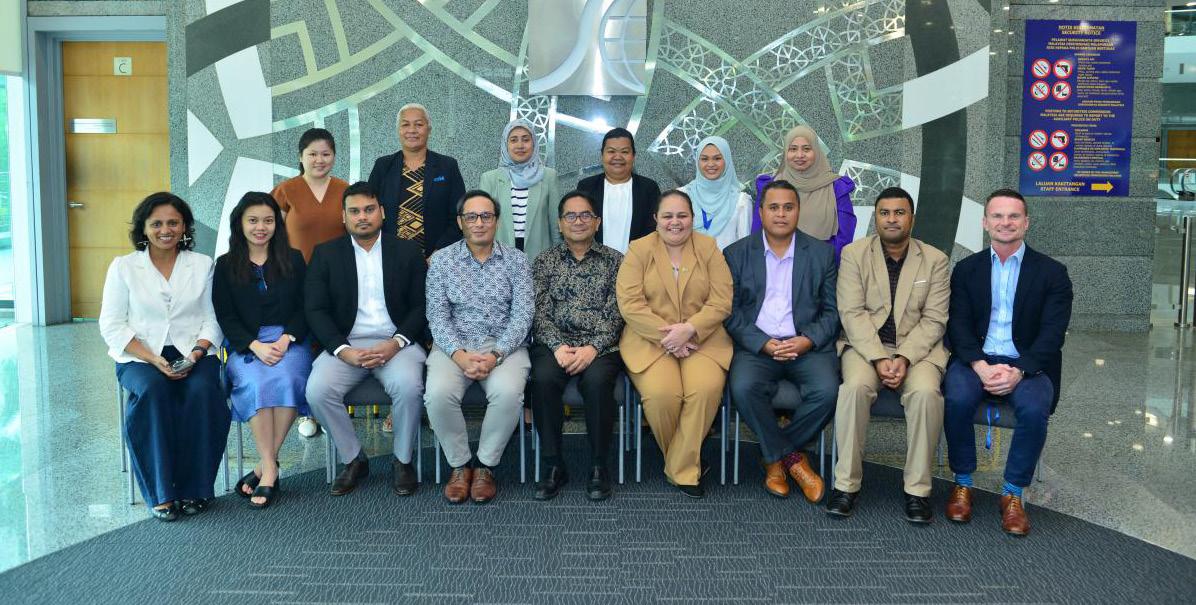
Representatives of the Reserve Bank of Fiji, Ministry of Trade, Co-operatives and SMEs, the Fiji Investment Cooperation, and the South Pacific Stock Exchange, among others, attending the study tour in Malaysia.
A Fijian delegation, including representatives from the Reserve Bank of Fiji, Ministry of Trade, Co-operatives, MSMEs and Communications, and the Fiji Investment Corporation Limited, visited Malaysia in August to learn from the country’s experience with equity crowdfunding (ECF) and peer-to-peer lending (P2PL).
The study tour was organised by the Pacific Private Sector Development Initiative (PSDI) as part of its support for Fiji’s Access to Business Funding Act 2025, which enables the establishment of innovative financing mechanisms aimed at broadening access to finance for businesses.
During the visit, participants met with the Securities Commission Malaysia to explore Malaysia’s regulatory frameworks for ECF and P2PL, as well as successful platform practices. The group also discussed Malaysia’s co-investment fund, MyCIF, which co-invests alongside private investors in ECF and P2PL campaigns. The delegation examined how the Securities Commission engages with institutions that support micro, small, and medium-sized enterprises (MSMEs).
The Fijian delegation said they valued the opportunity to exchange insights on how P2PL operates in Malaysia and how such innovative financing tools can empower MSMEs. Participants noted that they came away with a deeper understanding of the different business models for ECF and
P2P lending, as well as the potential benefits of introducing P2PL before ECF in Fiji, given P2PL’s simpler structure and more sustainable returns.
Participants also reported gaining a clearer appreciation of the importance of building public awareness and understanding of innovative financing mechanisms prior to launching any platforms. They learned about developing supportive structures such as co-investment funds and tax incentive schemes to encourage participation by investors and small businesses, and how to design targeted capacitybuilding programmes for platform providers, regulators, issuers, and investors.
The visit further underscored the need for strong governance and transparency requirements for entities operating innovative financing platforms, including fitand-proper standards for key personnel and robust investor disclosure obligations.
Insights from the Malaysia study tour have already informed an action plan for the Ministry of Trade, Co-operatives, MSMEs and Communications and the Reserve Bank of Fiji to guide the phased establishment of P2PL and ECF platforms. The plan includes steps to develop regulatory guidelines, implement capacity-building and awareness initiatives, and secure broader government and stakeholder support for innovative financing in Fiji. PBR
NEW CALEDONIA TRADE DELEGATION STRENGTHENS TIES WITH PNG AT POMCCI BUSINESS BREAKFAST
by: Roselyn Erehe
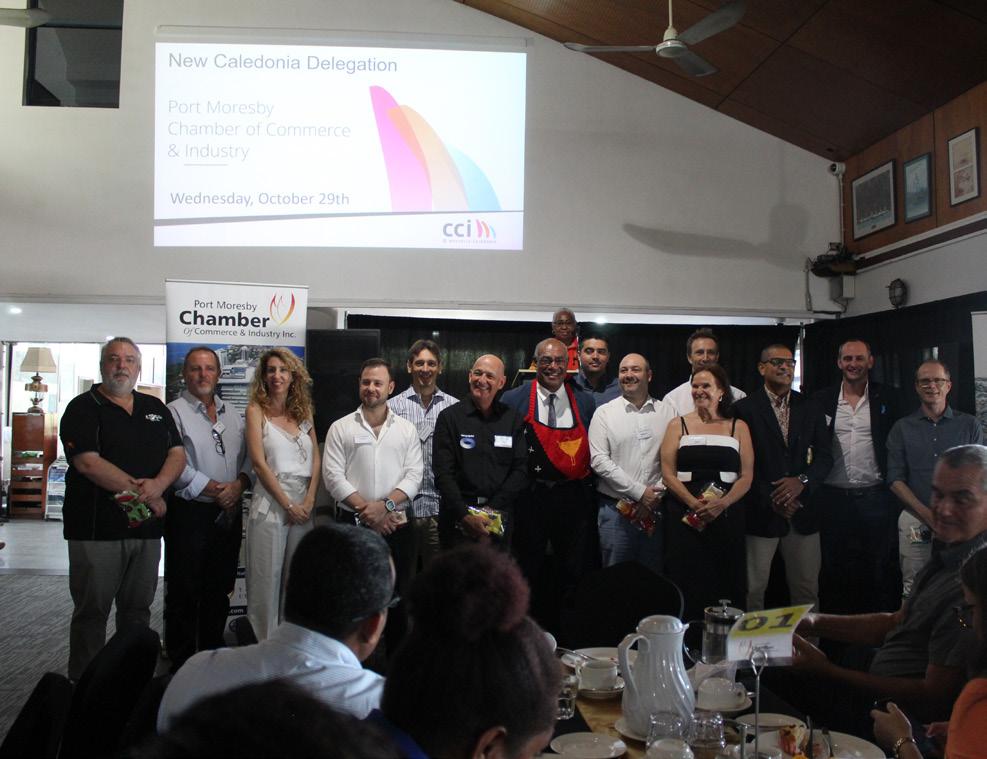
The Port Moresby Chamber of Commerce and Industry (POMCCI) hosted a special Business Breakfast on 29 October, welcoming a high-level trade delegation from New Caledonia. The event, held at the Royal Papua Yacht Club, brought together government leaders, diplomats, and business representatives from both nations to explore new opportunities in mining, industry, training, and sustainable development.
The breakfast was attended by the President of the Government of New Caledonia, Alcide Ponga; the French Ambassador to Papua New Guinea, Pierre Fournier; the European Union Ambassador to PNG, Erika Hasznos; and other members of the diplomatic corps, including the Korean Ambassador, Choi Jong-ho, and the Fijian High Commissioner, Jackson Bernardo Evans.
Representing the Chamber of Commerce and Industry of New Caledonia, Christophe Laurent thanked POMCCI for the warm reception and introduced the delegation of 14 New Caledonian companies eager to connect with PNG counterparts.
“People here are very capable in their own specialties,” Laurent said. “We would like to share our talents, find ways to work together, and be part of the Papua New Guinea landscape.”
Laurent emphasized that New Caledonia aims to be more open to the Melanesian world through stronger economic engagement.
“A lot of relationships can be made, and this morning is a great occasion to do so. Nouvelle-Calédonie wants to be more present in the region, and on the economic side, we will play our role,” he added.
French Ambassador Pierre Fournier expressed his appreciation to POMCCI for facilitating the exchange, noting that the mission marked a milestone in strengthening Franco-Pacific partnerships.
“This trip to PNG has been a long time in the making, and it already seems successful,” he remarked.
Fournier shared that the New Caledonian delegation had held a series of productive meetings with the Prime Minister and the Ministers of Foreign Affairs, Mines, Energy, Education, and PNG Ports. “It was important to listen to what our interlocutors had to say, but also to be heard—to remind people that
Nouvelle-Calédonie is not just about political challenges but also about its remarkable industrial and economic capacity,” he said.
He underscored that New Caledonia’s diversity and expertise give it the strength to play a greater role in the Pacific. “Enhancing this role is an essential mission for us as diplomatic actors,” he stated. “This country’s potential is unlimited—it requires patience, hard work, and above all, the quality of personal relationships built on trust and genuine friendship.”
Delivering the keynote address, President Alcide Ponga thanked POMCCI and the people of PNG for their warm hospitality. “Your hospitality made this event more relaxing, with plenty of opportunity for discussion,” he said. Ponga noted that the mission was supported by Team France Export and the CCI of New Caledonia, providing a platform for companies to explore regional markets and collaboration. He highlighted New Caledonia’s commitment to strengthening ties with Papua New Guinea under the Joint Cooperation Plan signed in 2018, which aims to enhance economic and diplomatic cooperation.
“Our mission reaffirms our commitment to this partnership and to identifying new opportunities for mutually beneficial cooperation,” Ponga said.
to Page 14
The New Caledonian delegation comprised companies from sectors including mining, metallurgy, energy, water treatment, transport, industry, and training—each recognised for technical expertise and innovation. “New Caledonia treasures its relations with the global Pacific, of which Papua New Guinea is a key member and brother,” the President remarked, adding that New Caledonia hopes to learn from PNG’s economic success and share its own experiences in return.
Trade Delegation Showcases Pacific Expertise
The New Caledonia Trade Delegation included representatives from a range of industries — from engineering and construction to education, energy, and animal nutrition. Among the participating companies were: AMC Sud (Ateliers Mécanique & Chaudronnerie), Beca, Beico, CIPAC Formation, Connectic System, Easy Skill, EPC Papua New Guinea, GEMCO, i2F Project Finance, Optifluids, SICA, Trametal, and Yaknoo S.A.Y.
Each company brought technical expertise and innovative
solutions aligned with PNG’s infrastructure, industrial, and training needs.
Following the speeches at the breakfast meeting, the visiting companies introduced their work. AMC, represented by Vincent Royard, shared insights into the company’s industrial metalworking expertise. AMC operates a 2,000-square-metre workshop in New Caledonia, specialising in mechanical engineering, structural design, and fabrication of industrial equipment such as tanks, pressure vessels, and mechanical parts.
Royard also announced the company’s recent expansion into aluminium shipbuilding, emphasising readiness to collaborate with PNG clients in both industrial and marine engineering projects.
Another company, BECA, represented by Frédéric Poujade, outlined its regional engineering capabilities. Poujade described BECA as a multidisciplinary consultancy with over 4,000 professionals across the Asia-Pacific region.
“In industries like mining, energy, power, and manufacturing, our
focus is simple—keep people and plants safe, lift uptime, and drive down unit costs,” he said. “Our approach is practical: start fast, prove value quickly, and use that success to make long-term impact.”
Building Bridges in the Blue Pacific
The visit of the New Caledonian delegation to PNG is part of a broader initiative to enhance regional integration within the Blue Pacific, leveraging economic partnerships, shared environmental goals, and cultural ties.
Through business missions like this, France and New Caledonia seek to expand cooperation with PNG, the Pacific’s largest economy, by encouraging collaboration in sectors such as infrastructure, energy, training, and technology.
The French Embassy in PNG described the engagement as a milestone toward building sustainable partnerships that reflect France’s long-standing commitment to the Pacific region, both politically and economically.
The high-level business and economic delegation from New Caledonia—supported by the French Embassy in Papua New Guinea, the French Development Agency (AFD), and Expertise France—brought together senior representatives from New Caledonia’s government, business chambers, and leading private sector companies for a series of engagements with Papua New Guinean counterparts.
According to His Excellency Pierre Fournier, the French Ambassador to Papua New Guinea, the visit demonstrates the renewed momentum in relations between France and Papua New Guinea following the official visit of President Emmanuel Macron in July 2023.
“This mission is a strong signal of our shared commitment to strengthening ties between France, New Caledonia, and Papua New Guinea,” Ambassador Fournier said. “It also contributes to integrating New Caledonia into its regional environment by promoting its know-how and the expertise of its companies.”
France’s Growing Engagement in PNG
The French Embassy in PNG operates as a Poste de Présence Diplomatique (PPD) — a small yet active diplomatic mission made up of three expatriate staff and two local employees. While its focus remains primarily political, the embassy works closely with France’s Regional Economic Service based at the French Embassy in Canberra, which provides economic and trade support.
The embassy also collaborates with France’s Consulate General in Sydney for consular services and with a newly appointed non-resident defence attaché based in Canberra, tasked specifically with military and security cooperation with PNG.
Ambassador Fournier noted that the recent establishment of offices for both AFD (Agence Française de Développement) and Expertise France in Port Moresby—the first and only in the Pacific Islands—underscores the importance France places on its partnership with PNG. These offices, along with the placement of three technical experts in key government departments such as the Department of National Planning and Monitoring, the National Capital District Commission, and the Prime Minister’s Office, highlight France’s long-term commitment to PNG’s development priorities.a
Regional Economic Cooperation and Business Links
The Regional Economic Department, led by Kambiz Mohkam (Head) and Louis Vedel (Deputy Head), operates under the French Treasury and plays a vital role in facilitating trade and investment
between France, New Caledonia, Australia, New Zealand, and the Pacific Islands.
This department contributes to developing bilateral economic ties, analysing public policies, conducting market studies, and promoting France as a destination for business partnerships. It also helps French and New Caledonian enterprises identify new opportunities in the Pacific, including in PNG.
The breakfast event included networking opportunities between PNG businesses, corporate representatives, and the visiting companies, fostering new conversations around regional trade and development partnerships.
The POMCCI Business Breakfast once again demonstrated Port Moresby’s growing role as a hub for Pacific economic dialogue, bringing together regional partners committed to collaboration and shared prosperity. PBR
SOLOMON ISLANDS BUSINESS CENSUS SHOWS
NEARLY HALF OF ENTERPRISES OPERATE INFORMALLY
The Solomon Islands National Statistics Office (SINSO) has announced the successful completion of the 2024 National Economic Establishment Census (NEEC), covering all principal business locations across the nine provinces and the capital, Honiara.
Supported technically and financially by the World Bank under the Capacity Building for Statistics and Audit (CAPSA) project, the census utilised 55 enumerators and 18 team leads to identify and register formal and informal business establishments in the region.
The NEEC collated comprehensive data on business characteristics, including industry classification (for example manufacturing, trade, services), number and type of workers (hired vs non-hired), location data, legal status, ownership, turnover classes and other businessdemography information. The methodology and full findings are detailed in the main report; this release provides selected highlights and a link to the richer dataset.
Key findings
The census estimates a total of 22,567 business establishments in the Solomon Islands. Of these:
11,991 (53 %) are formal business establishments; 10,576 (47 %) are informal micro-establishments.
By region the distribution is as follows:
Province of Malaita accounts for the largest share of business establishments at 6,697 (29.7 %).
• Honiara together with the rest of Guadalcanal registers 8,298 establishments (22.1 %).
In terms of economic activity (ISIC level 1):
• Trade dominates: 17,674 establishments, or 78.3 % of the total.
Manufacturing follows with 2,321 establishments (10.3 %).
• Accommodation and food-service activities account for 1,086 establishments (4.8 %).
Other sectors, such as agriculture, forestry and fishery (564; 2.5 %), information and communication (283; 1.3 %) and education (123; 0.5 %) make up smaller proportions.
Methodology and next steps
The census canvassed 108 wards (out of a total of 183) selected in proportion to population density. In those wards, all streets were surveyed and business activities to Page 16
identified using digital tablets to register establishments. For the remaining 75 wards an imputation method was applied, drawing on the 2019 Population & Household Census and the NEEC results to estimate numbers of establishments and employment size.
SINSO emphasises that while the census provides an “excellent estimate of the visible economy with a more or less permanent location”, certain industries — for example small construction firms, transport sector operations, mining and the financial sector — may be less well covered by the census. For some of these, more authoritative data sources already exist, so census results for those sectors are omitted in the publication.
The next milestone will be the launch of the Annual Economic Survey (AES) later in 2025. The AES will draw a sample from the new Statistical Business Register (SBR) developed from the NEEC and will collect detailed data on business revenues, costs and employment. The outcomes will feed into improved business statistics and a new estimate of GDP. SINSO stated:
“We count on the cooperation of the business community in achieving this new milestone.”
Significance
With this NEEC, SINSO and its partners have laid a robust foundation for economic statistics in the Solomon Islands. The rich dataset enables policymakers to track business demography, identify sectoral and regional patterns, and strengthen the Statistical Business Register — a key tool for future economic monitoring.
The predominance of trade (78.3 %) highlights the central role of commerce in the local economy, and the nearly even split between formal and informal establishments underscores the significance of the informal sector for livelihoods.
The forthcoming AES in 2025 will build on this foundation by shifting from counts of establishments to deeper performance metrics, facing the challenge of integrating both visible and less-visible elements of the economy. PBR
PRESIDENT TOROAMA OUTLINES VISION FOR NEW TERM
President Ishmael Toroama has laid out a comprehensive vision for Bougainville’s new parliamentary term, centred on three key pillars — political independence, economic independence, and good governance.
Delivering his inaugural address at the second sitting of the Fifth Bougainville House of Representatives, President Toroama said, “Let me now focus on what I stand for in this new term of parliament — I campaigned to pursue three main goals in this new term of parliament, which are political independence, economic independence and good governance.”
He reaffirmed Bougainville’s determination to achieve full political independence, saying the region’s path forward was already defined by its referendum result. “Bougainville voted for independence as provided for in Part 14 of the PNG Constitution,” he said. “Three years was spent consulting as if Bougainville did not know about its future political status. The real question is whether PNG is ready to accept the Bougainville people’s choice.”
President Toroama said he expected the “Melanesian Agreement and the Sessional Order to be the conduit through which the PNG Parliament will endorse the people’s choice.”
He further stated that Bougainville must evolve into a true Republic, not a “hybrid of Presidential system mixed within a Westminster system of government,” stressing that the President — being directly elected by the people — “should not have to negotiate with Ministers in the exercise of his mandate.”
On economic independence, President Toroama said the journey towards self-reliance must be pursued “at all levels — the family level, the community level, and Bougainville as a whole.” He added, “At the government level, my government will first of all ensure that Panguna quickly progresses to the next stage of development.”
Under his government’s economic development agenda, President Toroama announced a series of key initiatives, including the commencement of operations at the Bougainville Gold Refinery in Arawa, the commercialisation of customary land, and support for downstream processing of cocoa and copra.
“Land is fundamental in economic development, and the Toroama/Masatt government will explore ways of bringing more customary land into commercial production,” he said, adding that “the private sector needs to be ready to take advantage of such opportunities.”
He also emphasised the need to revitalise the fisheries sector. “Fisheries continues to be a sleeping giant but needs to be awakened, and if PNG is serious about economic independence for Bougainville, then it must immediately transfer the foreign investment powers and functions,” he said.
Turning to governance reforms, President Toroama said the third agenda — good governance — would underpin Bougainville’s nation-building efforts. “Institutional reform, both in structure and function, are necessary to ensure that the administration is aligned with the Republican political system,” he said, adding that the new Bougainville Constitution must reflect this alignment.
“Good governance is not just talk only, we leaders must lead in practising good governance — compliance is absolute,” he declared. “Leadership must lead by example, and the people will follow.”
In his concluding remarks, President Toroama reiterated that the transformation he envisioned through his three core agendas could be achieved through cooperation and collective responsibility among leaders and citizens.
He also reaffirmed his government’s 100-day plan, saying, “I urge the administration through the Chief Secretary and the relevant Heads of Departments to take note of the priorities for the next 100 days as well as the broader priorities stated in this speech and undertake necessary tasks required to achieve all of these during this term of government as we head towards being a sovereign Bougainville.” PBR
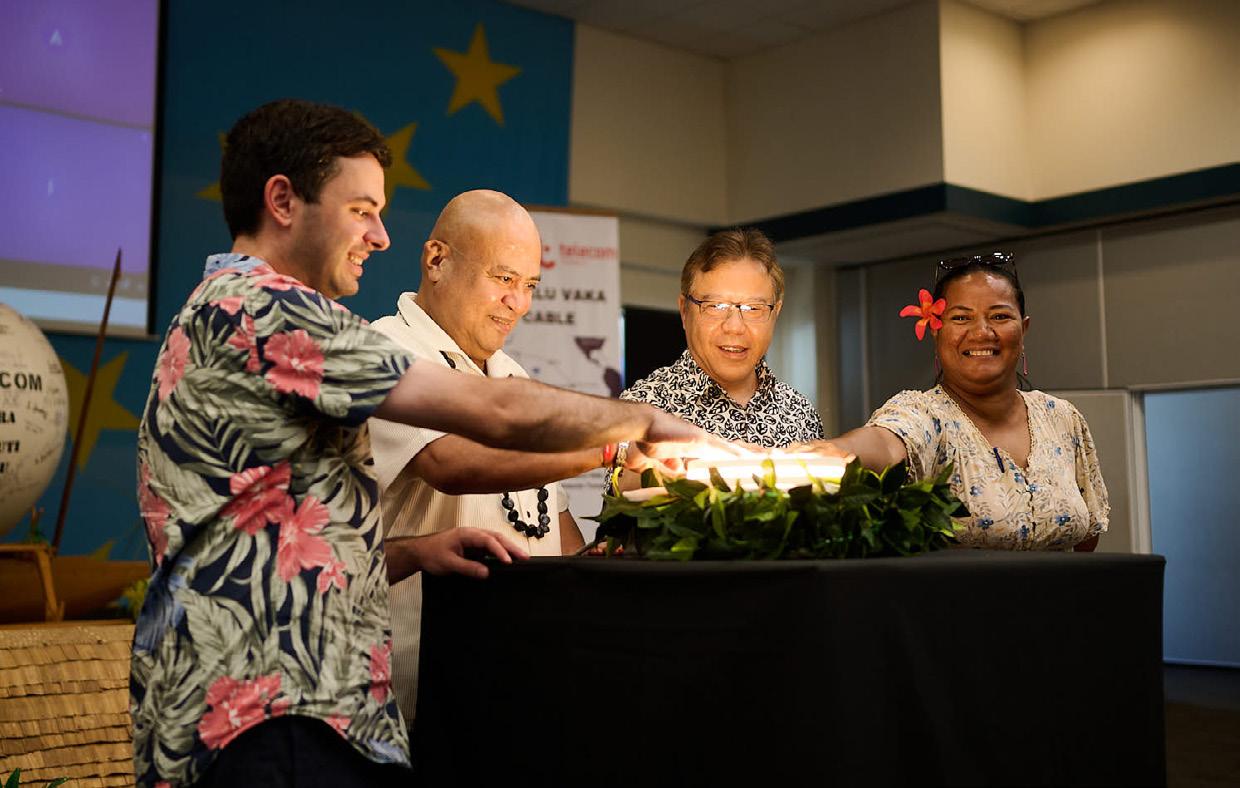
VAKA CABLE CONNECTS TUVALU TO THE WORLD, MARKING A NEW DIGITAL ERA
Tuvalu has entered a new digital age with the successful connection of the Vaka Cable, the nation’s first international subsea cable system, which promises to deliver faster, more reliable and more affordable internet to its people.
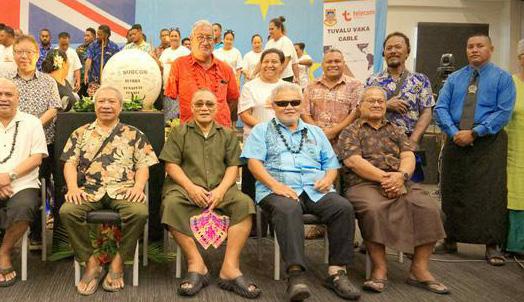
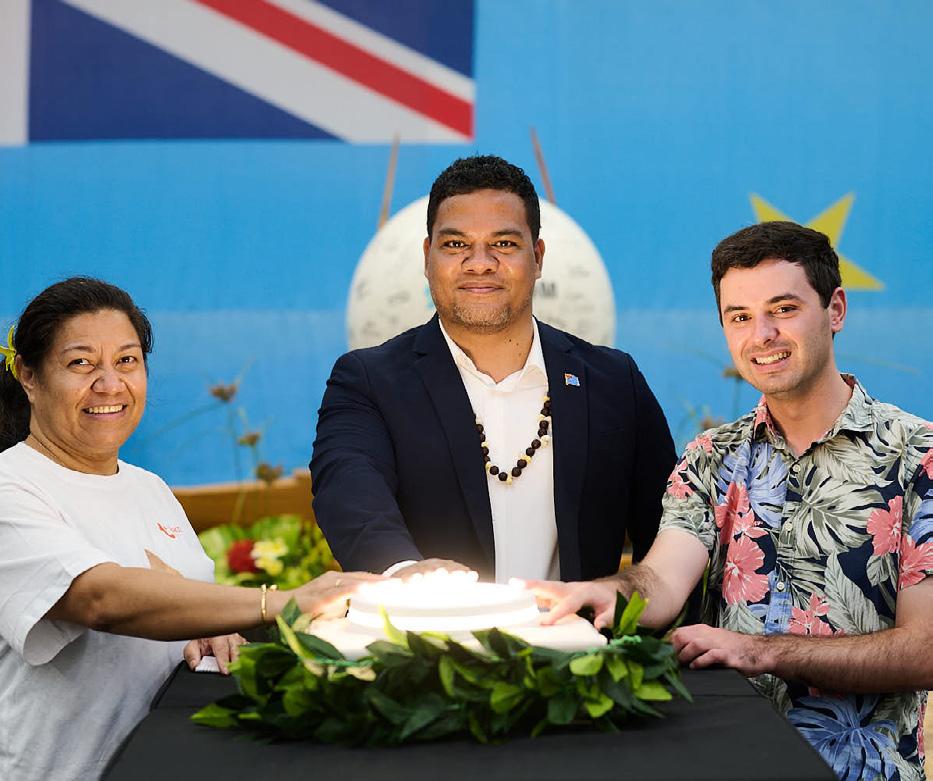
The historic launch was celebrated in Funafuti alongside the Government of Tuvalu, Tuvalu Telecommunications Corporation (TTC), Google and development partners including Australia, Japan, New Zealand, Taiwan and the United States. The project represents a major step forward in the island nation’s digital transformation and regional connectivity.
The Vaka Cable links Tuvalu to the Bulikula cable system, establishing the country’s first direct international fibre connection. The project, valued at an estimated USD56 million (about AUD80 million), was fully grant-funded, with Australia contributing up to USD37 million (AUD53 million) through the Australian Infrastructure Financing Facility for the Pacific (AIFFP) under the Falepili Union partnership.
Australian High Commissioner to Tuvalu Rachael Moore said the project underscores Australia’s longterm commitment to supporting Tuvalu’s sustainable development and digital future. “Through the Falepili Union, we are helping ensure that every Tuvaluan can access the opportunities of a connected world,” she said.
Tuvalu Telecommunications Corporation Chief Executive Officer Tenanoia Simona expressed deep gratitude to donor partners, saying, “The first subsea cable project for Tuvalu represents a significant milestone in the nation’s journey toward digital transformation. This development is a critical step in realising Tuvalu’s vision of a digitally connected nation, providing enhanced opportunities for education, healthcare, and economic growth. We extend our deepest gratitude and Fakafetai Lasi to our dedicated donor partners.”
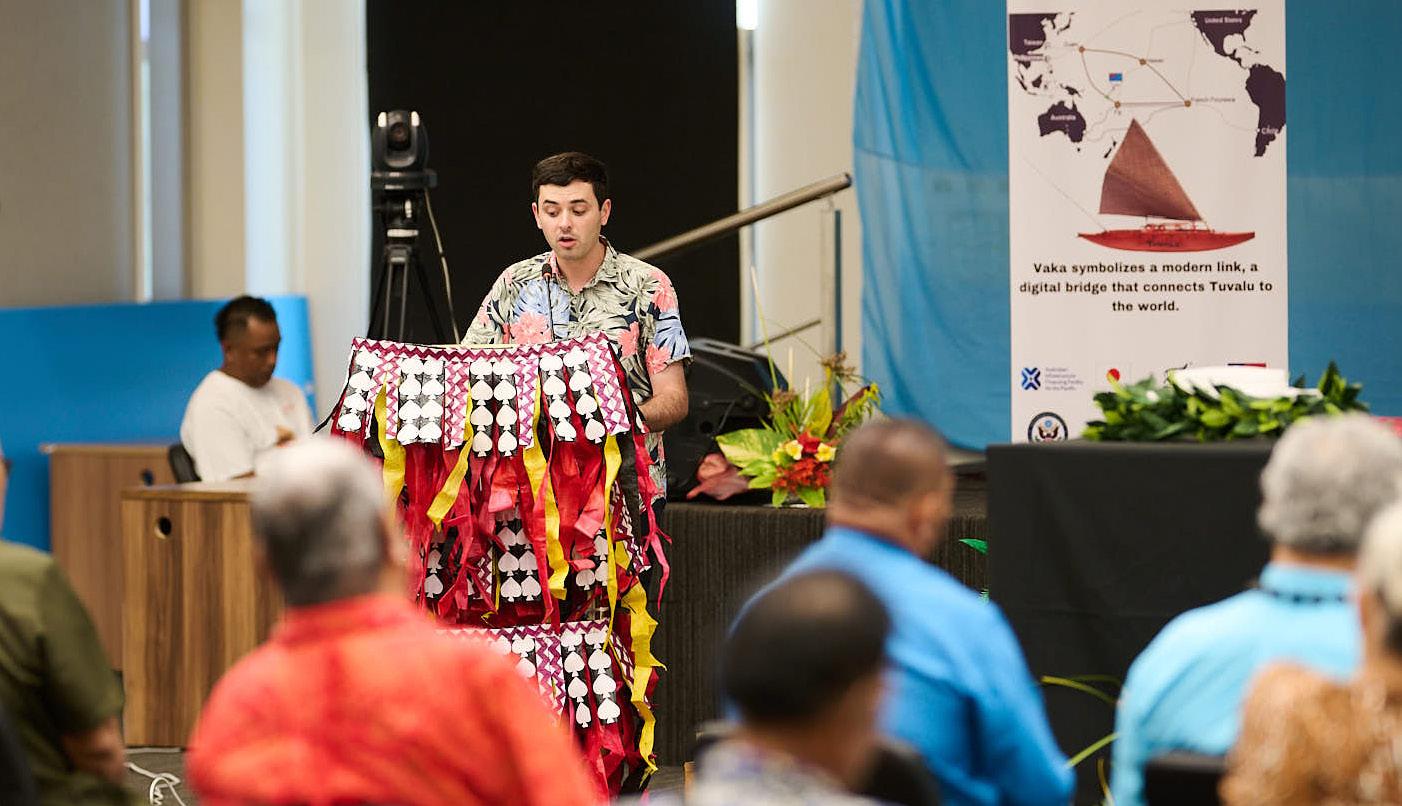
The Vaka Cable—named after the traditional Tuvaluan canoe vaka, a symbol of exploration, resilience, and unity—embodies the spirit of connectivity and progress.
Historically, the vaka carried communities across vast oceans for trade and cultural exchange. Today, it symbolises a digital bridge linking Tuvalu to the global community, empowering the island nation to navigate the opportunities of the digital economy.
Once operational, the cable is expected to improve internet speeds, reliability, and affordability for families, schools, health workers, and businesses across the archipelago.
Enhanced connectivity will also strengthen Tuvalu’s disaster response systems, facilitate e-government initiatives, and attract digital entrepreneurship and tourism opportunities.
to Page 20
The project’s long-term impact will be felt across key sectors such as education and healthcare, where better access to online learning and telemedicine services will improve social inclusion and quality of life. By bridging the digital divide, the Vaka Cable stands as a tangible step towards a more connected, resilient, and prosperous Tuvalu.\
Tuvalu officially launched of the ‘Vaka’ Submarine Internet Cable. The event was attended by Governor-General Rev. Tofinga Vaevalu Falani and Prime Minister Feleti Penitala Teo, underscoring the national importance of the project, which stands as one of the 21 key government priorities.
The Vaka Cable, Tuvalu’s first international subsea internet connection, is a symbol of resilience and progress — a lifeline that promises faster, more reliable, and affordable internet for families, schools, health workers, and businesses across the country. It represents a critical step in bridging Tuvalu’s longstanding digital divide and unlocking new opportunities in education, commerce, and public service delivery.
“This is a moment that defines our past, present, and future,” said Simon Kofe, Minister of Transport, Energy, Communications and Innovation. “It’s a reminder that, with faith in God, strong leadership, and steadfast partnerships, we can overcome the greatest challenges and unlock new opportunities for our people.”
For decades, Tuvalu has struggled with geographic isolation, limited market access, and the increasing threat of rising seas. The Vaka Cable, however, opens a new chapter — one where digital connectivity reduces barriers to progress and enables
Tuvalu to thrive as a modern, knowledge-based economy.
“God has orchestrated this journey,” Kofe added. “It is through leadership like our dedicated team at Tuvalu Telecommunications Corporation and the unwavering support from our development partners that this vision has become reality.”
In celebration of the achievement, the Government of Tuvalu announced free internet service nationwide for the day — a symbolic gesture of inclusivity and a preview of its ambition to make connectivity universally accessible. Plans are also underway to double data plans and, ultimately, offer free internet for all Tuvaluans.
The term Vaka — derived from the traditional Tuvaluan canoe — embodies the spirit of exploration, unity, and resilience. Just as the vaka once carried Tuvaluans across vast oceans for trade and connection, the new digital ‘Vaka’ now links Tuvalu to the global community, steering the nation toward a more connected and prosperous future.
“As we celebrate this historic day,” Kofe said, “this moment calls us all to build on this infrastructure, develop our skills, and innovate for a brighter future.”
The Vaka Cable marks not only a technological breakthrough but also a reaffirmation of Tuvalu’s enduring determination to overcome isolation and embrace a digital future grounded in inclusion, opportunity, and resilience.
PBR
A MORE INCLUSIVE PRIVATE SECTOR CAN DRIVE VANUATU’S ECONOMIC GROWTH - REPORT
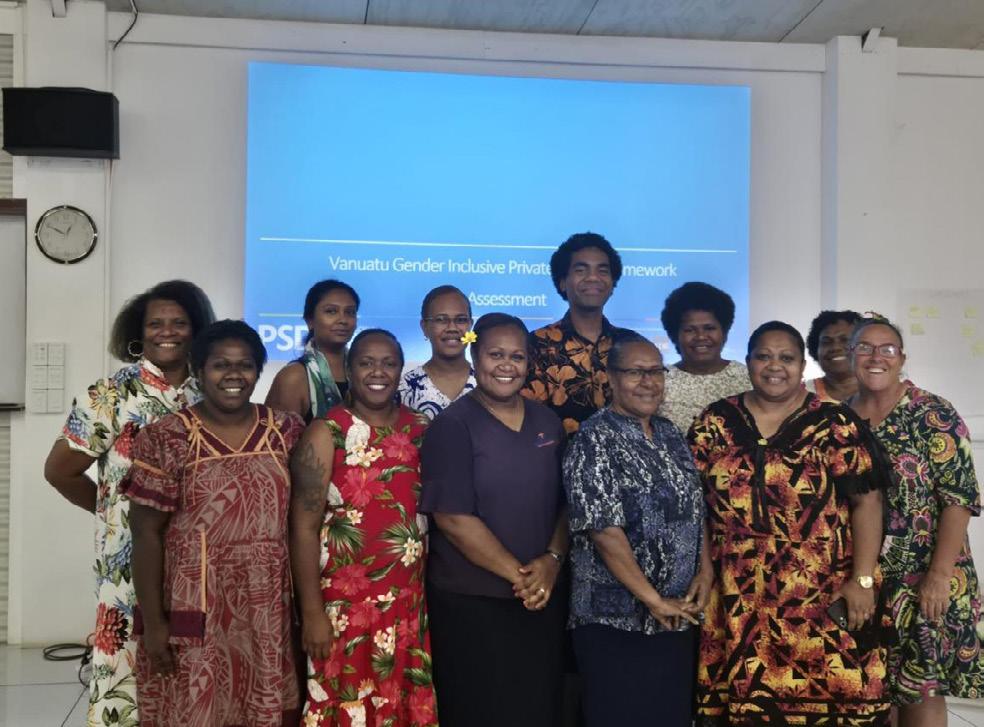
Vanuatu has laid a strong policy foundation for an inclusive private sector that can harness the full potential of women and people with disabilities in driving economic growth, with the focus now on ensuring its effective implementation, according to a new assessment launched yesterday by the Asian Development Bank’s (ADB) Pacific Private Sector Development Initiative (PSDI).
The new report, Unlocking Potential: A Gender-Inclusive Private Sector (GIPS) Framework for the Pacific, Vanuatu Country Assessment, highlights recent progress and identifies priority areas for further reform in Vanuatu across seven categories: leadership, workplace environment, financial inclusion, technology, the business-enabling environment, and participation in key economic sectors.
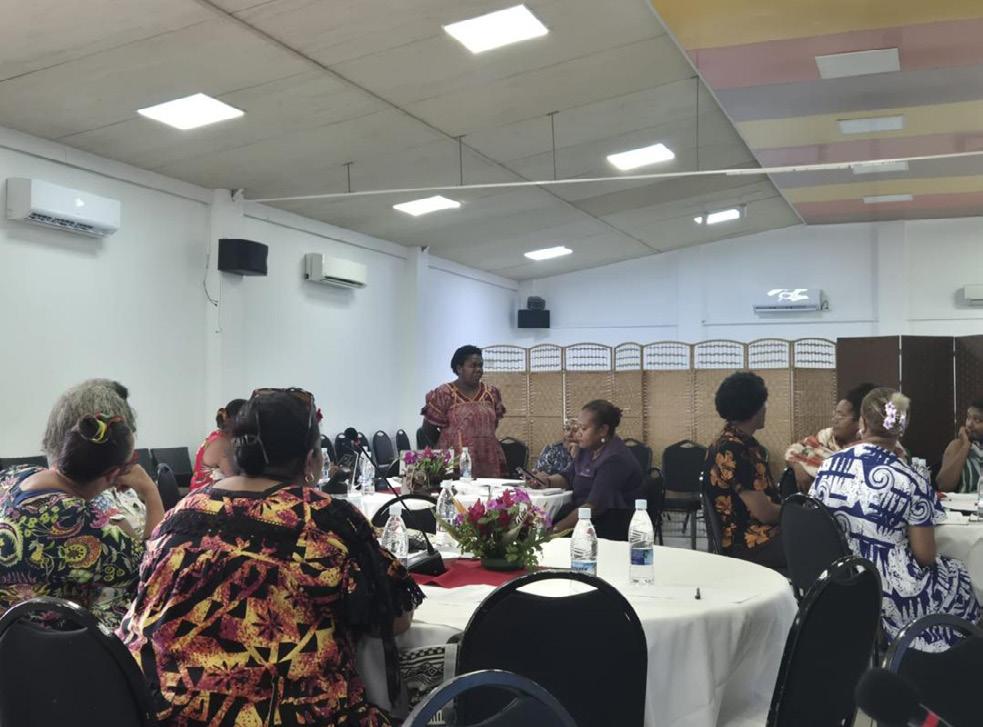
PSDI hosted a roundtable in Vanuatu yesterday at the Melanesian Hotel to present the findings of the
assessment, bringing together representatives from the government, private sector, and civil society. Participants discussed priority actions that the government can take to foster a more inclusive private-sector environment and agreed on next steps and coordination mechanisms.
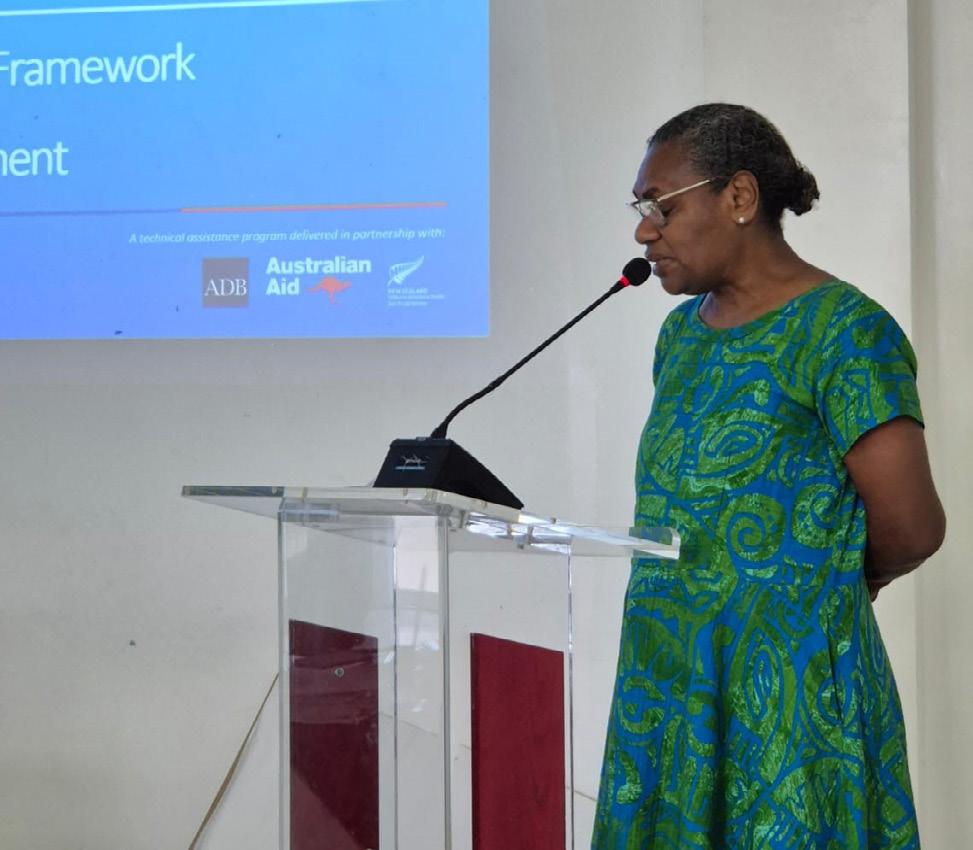
In her opening remarks at the event, Nancy Wells, ADB’s Principal Country Officer in Vanuatu, said, “We know that economies and businesses grow faster with women’s full economic participation. That’s why inclusive legislation, policies, and programs are so important, as they help unlock the full potential of women and people with disabilities in driving economic growth. The GIPS Framework provides a roadmap to help Vanuatu do just that.”
The Vanuatu assessment is based on PSDI’s GIPS Framework for the Pacific, a regional framework that offers governments a comprehensive roadmap to assess and improve progress towards supporting an inclusive privatesector enabling environment.
“The assessment shows that Vanuatu has already made important progress towards a more inclusive private sector. The government has improved business laws, expanded digital access, included gender measures in its trade policy, and planned for inclusive participation in the workforce
of the future,” said the report’s author, PSDI Economic Empowerment of Women Expert Sarah Boxall. “Notably, Vanuatu has laid a strong foundation for the collection of sex- and disability-disaggregated data.”
“Still, many barriers remain, representing missed opportunities to boost economic growth. For example, studies suggest that closing gender gaps in employment could increase gross domestic product over time by over 13 percent in Vanuatu. This would mean higher household incomes and allow more government investment in essential services like healthcare, education, and infrastructure.”
The report finds that Vanuatu has developed comprehensive laws and policies that support gender equality and disability inclusion and has established a strong foundation for sex- and disability-disaggregated data collection. However, stronger coordination and implementation are needed to ensure these commitments translate into tangible gains for women
and people with disabilities across all areas of the economy.
The assessment recommends enhancing digital inclusion, finalizing the national action plan on women’s economic empowerment, expanding women’s workforce participation to address labor shortages, and facilitating women’s entrepreneurship through evidence-based policy, programming, and outreach.
PSDI is an ADB technical assistance program undertaken in partnership with the governments of Australia and New Zealand. It supports ADB’s 14 Pacific DMCs in improving the enabling environment for business and achieving inclusive, private-sector-led economic growth, including through reforms designed to enhance the economic empowerment of women. PBR
VISA EXPANDS PACIFIC FOOTPRINT WITH NEW FIJI HUB, BOOSTING REGIONAL BUSINESS GROWTH
by: Roselyn Erehe
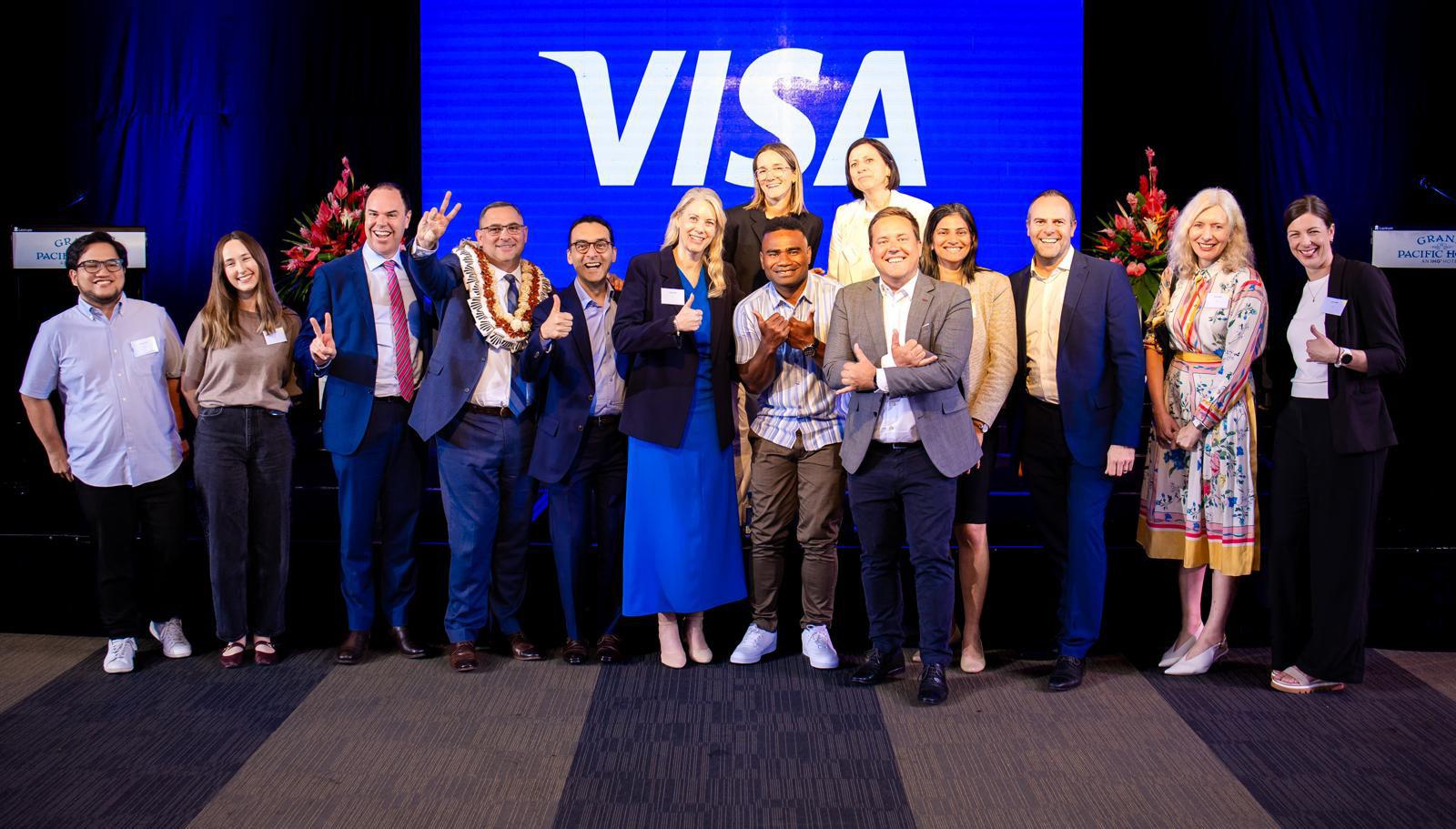
Visa is deepening its presence in the Pacific with the launch of a new regional office in Suva, Fiji, in an investment poised to reshape digital payments and unlock new opportunities for businesses across the Pacific Islands.
The new Fiji hub will strengthen Visa’s ability to support banks, financial service providers, merchants, SMEs, governments and development partners as the region accelerates towards a more connected digital economy.
Visa Country Manager for New Zealand and Pacific Islands, Anthony Watson, said the new office reflects Visa’s long-term commitment to the Pacific and its confidence in the region’s rapid digital transformation.
“We are proud to be establishing a physical presence in the Pacific Islands, which will enable us to better serve our partners and clients in the region,” he said.
“The Pacific Islands are at the forefront of an exciting transformation, with innovation and growth rapidly shaping
the digital payments landscape. We’re proud to play a role in this moment, working alongside local businesses to unlock new opportunities that foster sustainable economic growth across the region,” he added.
Fiji’s new status as Visa’s Pacific hub is expected to benefit local businesses by improving access to secure, modern payment technologies that support faster transactions, safer customer experiences, and more efficient cross-border trade.
With digital payments growing rapidly in Fiji, driven by rising internet and smartphone usage, Visa’s on-ground presence will give businesses quicker access to technical support, product upgrades, innovation programmes and partnership opportunities.
Tourism operators, retail businesses, small enterprises and exporters across Fiji are expected to gain significantly from enhanced cross-border payment flows and improved global connectivity.
to Page 24
Supporting Digital Growth Across the Pacific
The regional hub is also designed to serve neighbouring Pacific Island countries, strengthening their integration into the global digital economy.
From Papua New Guinea to Samoa, Solomon Islands to Vanuatu, businesses will benefit from:
Improved cross-border payment capabilities
• Greater reliability and security in digital transactions
• Access to innovation and financial technology solutions
Onshore support for banks and financial institutions
• Partnerships aimed at financial inclusion and digital literacy
Visa’s financial education partnerships in the region—including its collaboration with Good Return—have already shown strong results. Training programmes have boosted financial capability scores from 6.1 to 7.6 out of 10 and increased trust in mobile payments from 62% to 96%. The Fiji office will further expand these initiatives.
Government Welcomes Visa’s Investment
Deputy Prime Minister and Minister for Tourism and Civil Aviation Viliame Gavoka officially opened the new office,
acknowledging the positive impact the hub will have on Fiji’s economy and tourism sector.
“We welcome the new Visa office and the commitment to strengthen Fiji’s payments landscape, empower local industry, and enable seamless experiences for visitors and locals alike,” Gavoka said.
“I look forward to seeing how this regional hub will further accelerate the momentum we’re seeing across the country, and how new opportunities for innovation will further support economic growth and prosperity,” he added.
Fijian rugby star and Visa sponsorship ambassador Jerry Tuwai also attended the launch event, sharing his experience and role in promoting financial education and empowerment.
As global payment systems evolve, Visa’s expanded presence in Fiji positions the Pacific Islands to take advantage of emerging trends in e-commerce, digital wallets, tourism-related payments and SME digitalisation.
For many businesses across the Pacific, the new hub marks a major step forward towards modern, secure, and inclusive financial services that support long-term growth. PBR
ABG, LLOYDS METALS & ENERGY LTD. SIGN MOU ON DEVELOPMENT COOPERATION
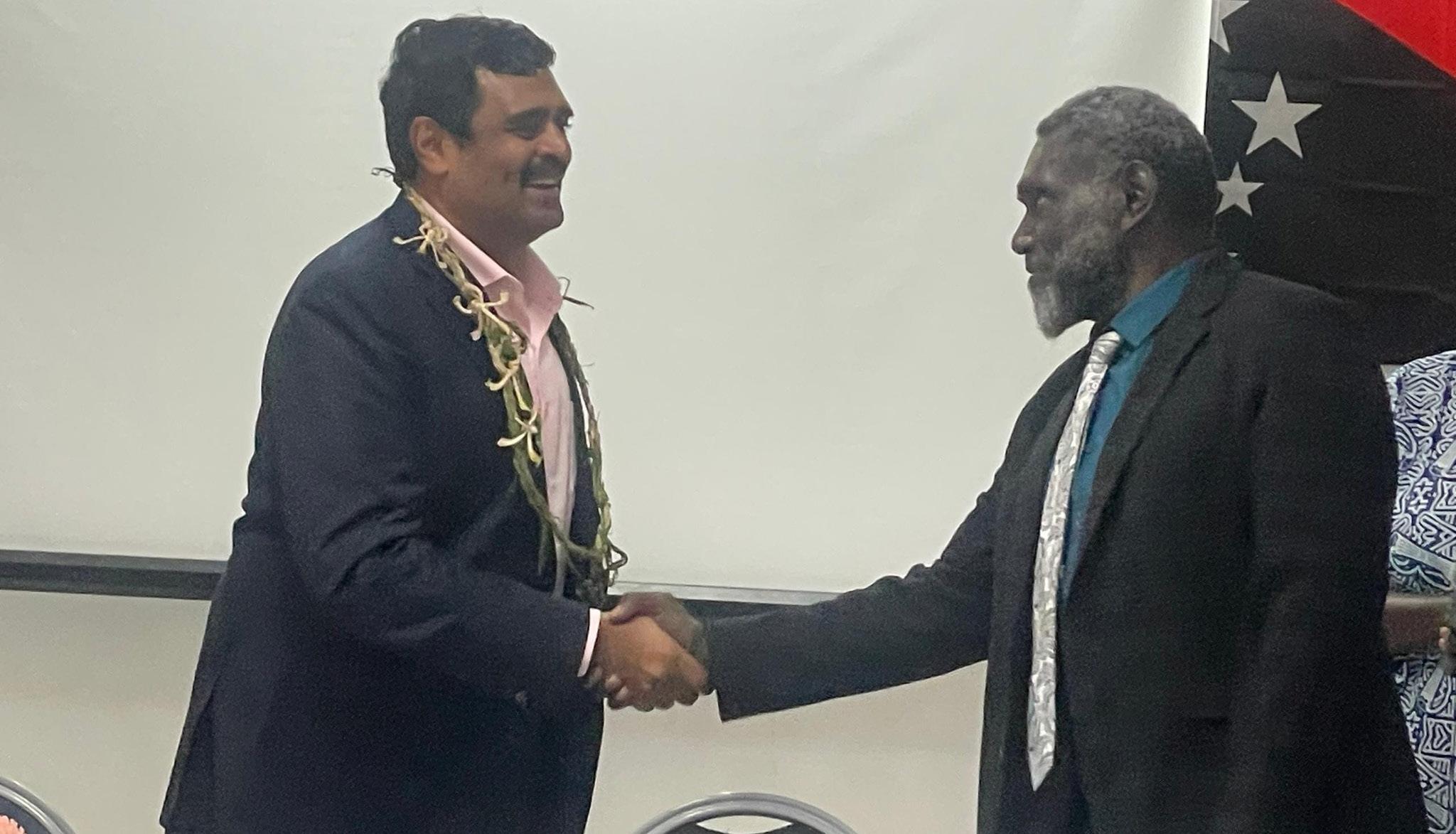
The Autonomous Bougainville Government (ABG) has signed a Memorandum of Understanding with Lloyds Metals & Energy Ltd. (LMEL), creating a formal platform for consultation on major development priorities across the region.
President Ishmael Toroama described the agreement as an important milestone, saying the framework will enable Bougainville to explore development opportunities in a structured, transparent and well-coordinated way.
“Thank you, Lloyds Metal, for us entering into this agreement. ABG has entered into so many agreements, promises that were signed, trying to revive and ensure that they make all agreements work, today the challenge is here with us,” he said.
Under the MoU, the ABG and LMEL will consult on a range of development areas, including infrastructure, social services, economic initiatives and potential large-scale mining projects.
Toroama said the framework aligns with Bougainville’s broader development agenda and complements the support
of its long-standing partners. He reaffirmed that the government will continue working with partners who contribute meaningfully to the region’s economic empowerment and its preparations for political independence.
LMEL managing director Balasubramanian Prabhakaran, in a presentation to Bougainville’s political and administrative leadership, acknowledged the region’s difficult history and assured the ABG that the company approaches the partnership with respect for Bougainville’s long-term development aspirations.
Prabhakaran said the company recognises the resilience and innovative spirit of Bougainvilleans, noting that this strength inspires LMEL’s intention to work with the ABG.
Lloyds Metals & Energy Ltd. is an established Indian corporation engaged in mining, steel manufacturing and large-scale industrial operations in India and abroad through its associated entities. PBR
AUGUSTUS MINERALS APPLIES FOR VANAPA RIVER EXPLORATION
LICENCE
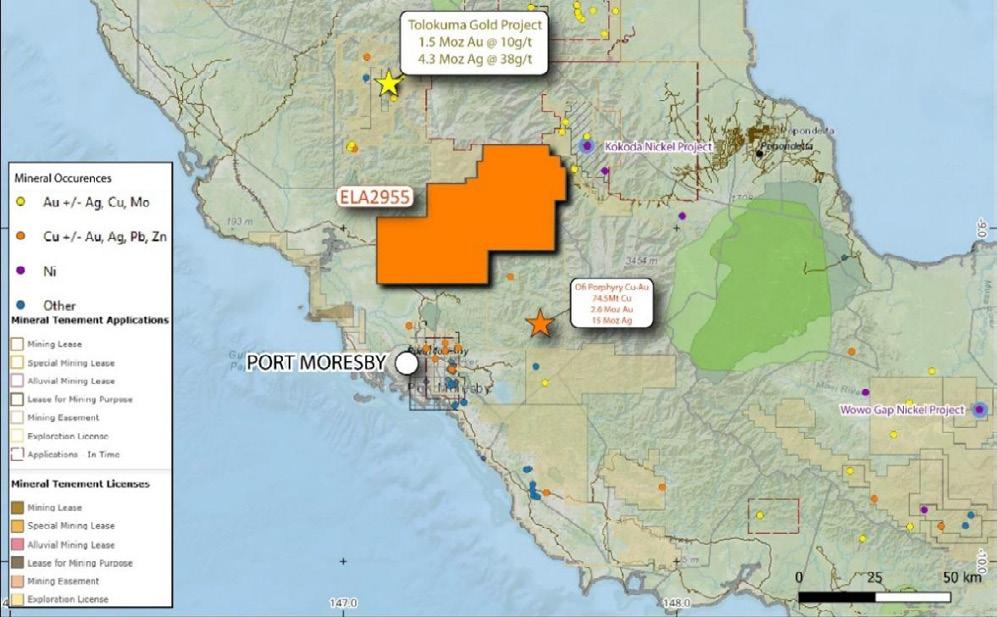
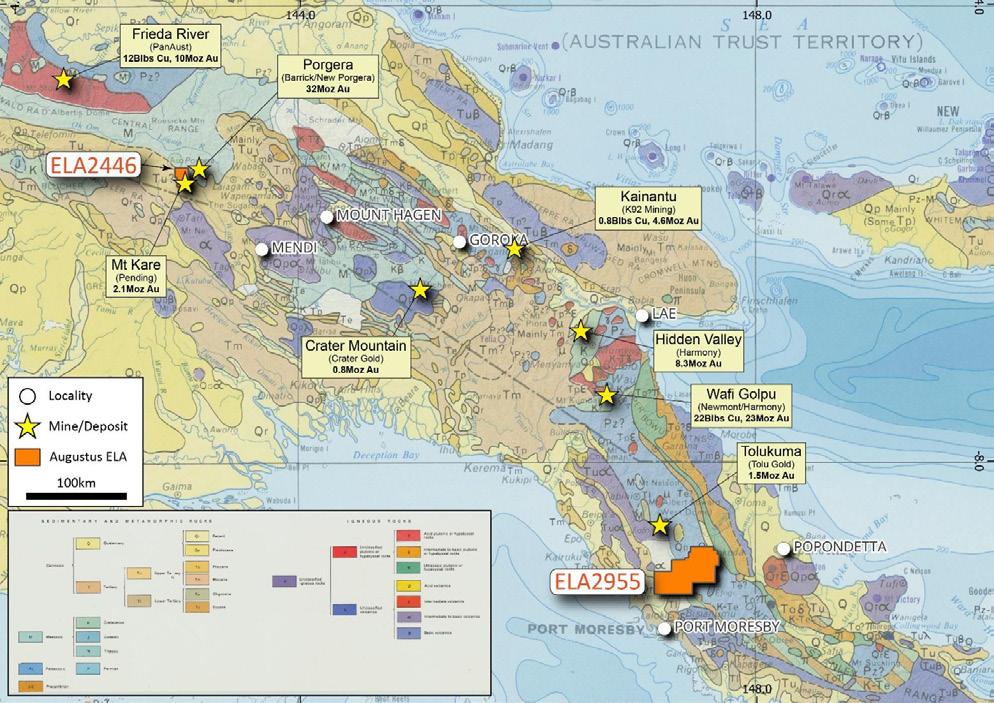
Listed Australian miner Augustus Minerals Ltd has moved to expand its exploration footprint in Papua New Guinea with a new application for an exploration licence in the Vanapa River region, about 35 kilometres north of Port Moresby. The application, ELA2955, covers 1,906 square kilometres in the highly prospective New Guinea Metallogenic Belt, one of the world’s most significant corridors for gold and copper deposits.
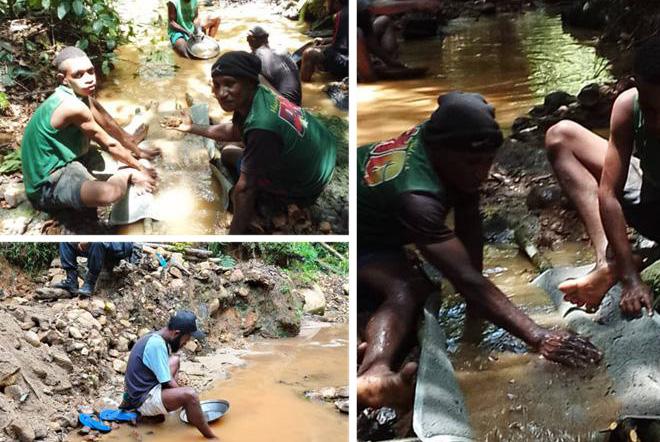
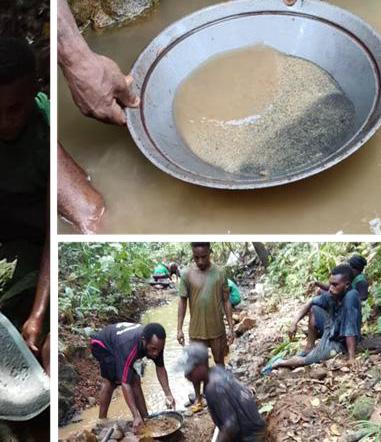
The company lodged the application following a recent site visit by Augustus Minerals and ACM PNG personnel, who travelled with local landowners to review artisanal alluvial gold workings along the Vanapa River and surrounding tributaries. Artisanal miners continue to recover small amounts of alluvial gold in the region, indicating ongoing mineralisation even though the primary source has yet to be identified.
The New Guinea Metallogenic Belt is known for its largescale mineral deposits, including Frieda River, Porgera, Kainantu, Hidden Valley and Wafi Golpu. The belt runs for more than 2,300 kilometres along the central mountain spine of New Guinea and its northern foothills. Augustus’ application area is located about 40 kilometres southeast along strike from the Tolokuma gold mine, which has historically produced 1.5 million ounces of gold at high grades, along with 4.3 million ounces of silver.
James Warren, Augustus Minerals’ chief executive officer, said the Vanapa River application marks a significant opportunity for the company.
“We are very pleased to have been invited into the Hira Koiari District by the local landowners and presents Augustus with a rare and unique opportunity to conduct true frontier exploration in an area synonymous with Giant orebodies,” Warren said.
“The application area has had little to no modern exploration activity and we’re excited to be the first company to be allowed to explore the region over such a large area. It is an extremely exciting time for Augustus shareholders as we progress our Mt Kare application whilst continuing to seek out and advance exceptional world class projects in the Land of the Giants,” the executive added.
According to the company, known gold deposits in the wider Tolokuma–Saki–Mt Tafa region are typically found in narrow fissure veins formed in an epithermal environment. These veins can be as narrow as half a metre but may widen significantly where they intersect with other structures. At surface, the veins often show oxidised sulphides and visible gold. Copper, lead and
zinc sulphides are more common at deeper levels. The host rocks in the area consist mainly of volcanic materials overlying an older metamorphic foundation.
Augustus said the late-October site visit helped shape its decision to apply for the large exploration area. Access was mainly by helicopter, with guidance from landowners familiar with the river systems and artisanal workings. While the company did not identify the main source of the alluvial gold during the visit, it believes the region’s geology warrants systematic exploration.
The Vanapa River application comes as Augustus continues to progress its Mt Kare licence application, situated in Hela and Enga provinces. Through its acquisition of ACM Contract Mining PNG Ltd, Augustus holds ELA2446, the licence application covering the Mt Kare gold project. The application is being
reviewed by the Minerals Resource Authority and the Mining Advisory Council in order of submission.
Augustus said it has strengthened its board and executive team as part of its effort to position itself as a preferred partner for developing Mt Kare. The company has also been conducting awareness meetings with landowner groups from Enga and Hela to support the permitting process.
Beyond PNG, Augustus continues to advance exploration projects in Western Australia, including the Music Well Project near Leonora and the Ti-Tree Project in the Gascoyne region. Both areas are prospective for gold, copper, lithium and rare earth elements.
Augustus Minerals describes itself as a company led by directors and executives with international experience in exploration, mine development and corporate strategy. PBR
COOK ISLANDS TEAM JOINS SHORT MARINE RESEARCH CRUISE ABOARD
DA YANG HAO
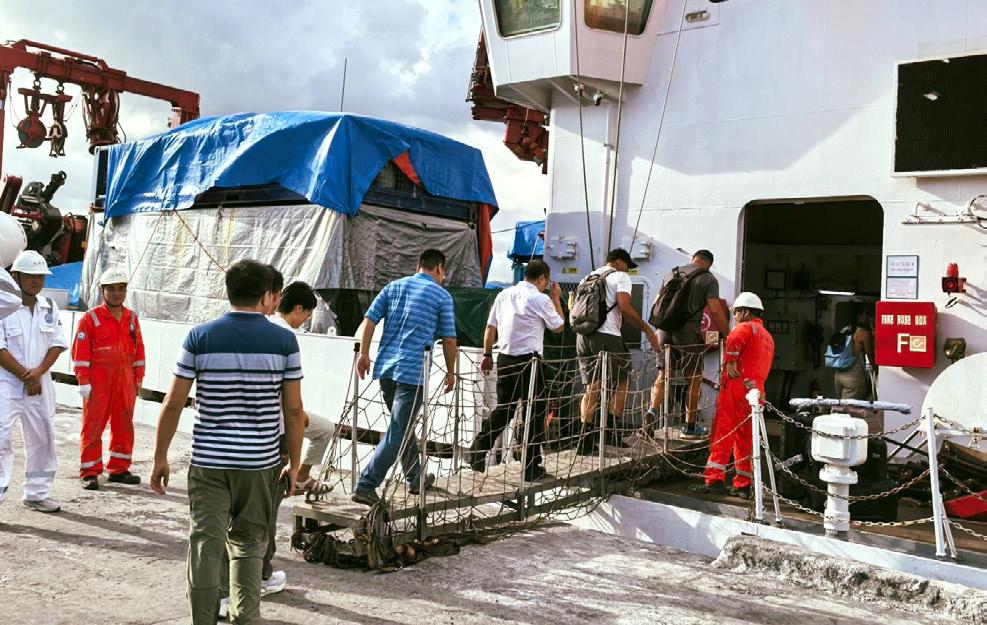
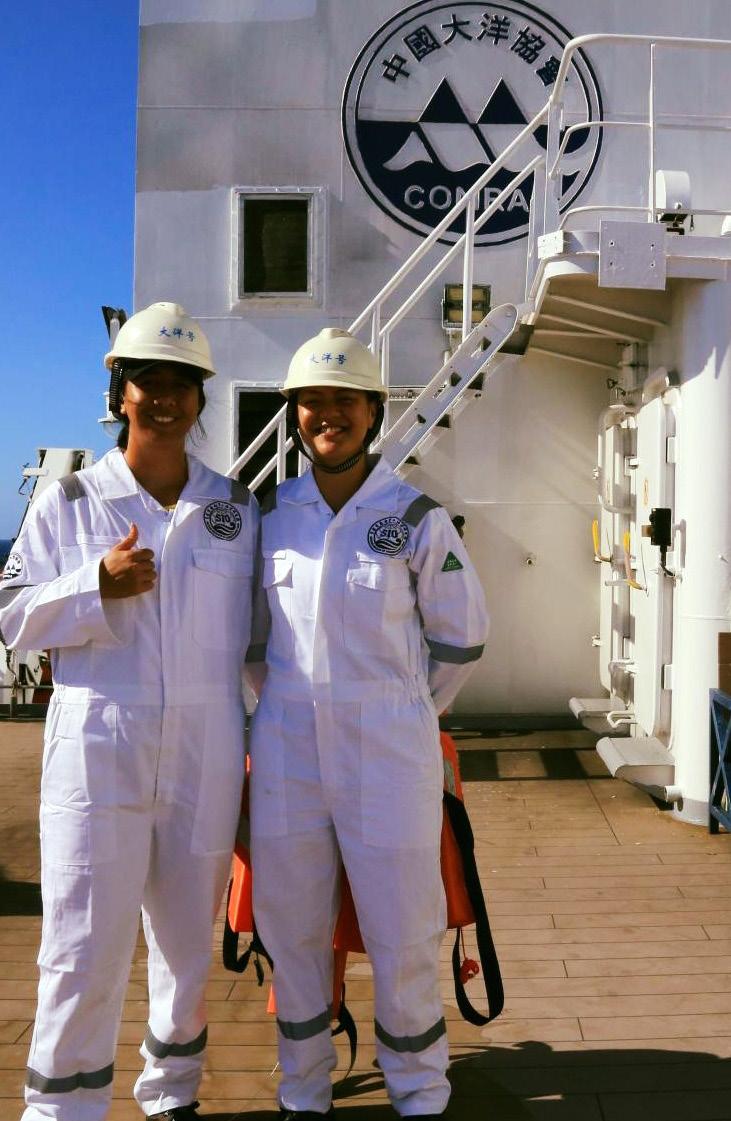
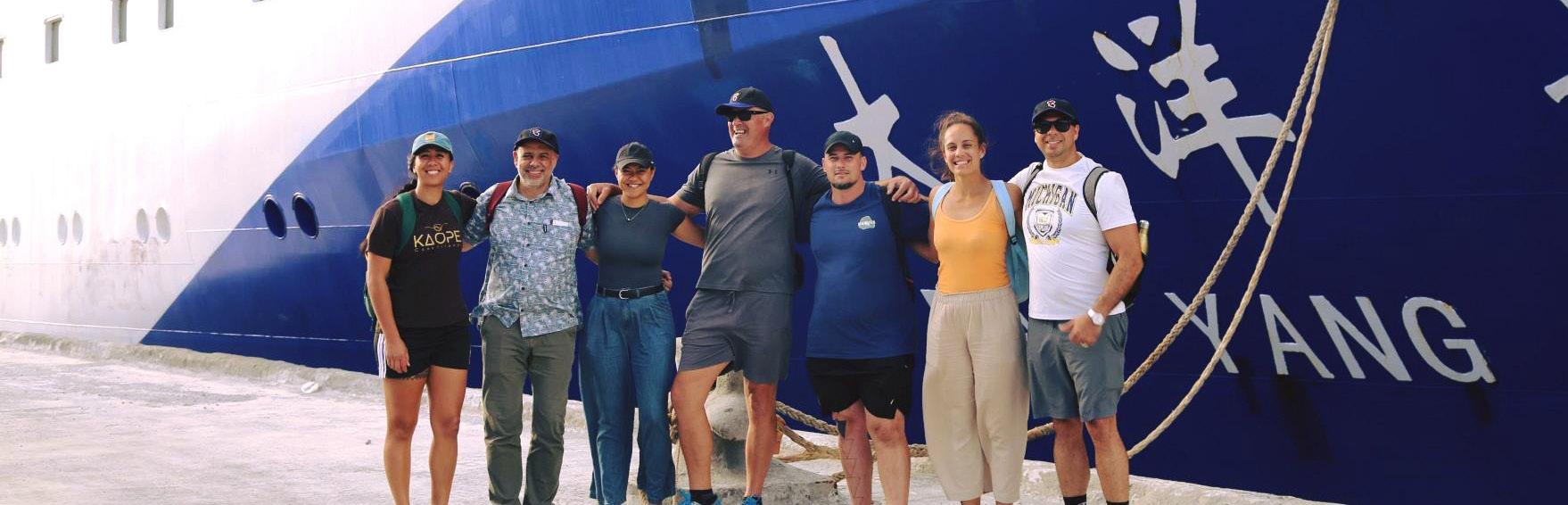
The Cook Islands has strengthened its scientific ties with China through a short marine research voyage aboard the Da Yang Hao, one of China’s leading deep-sea research vessels. A team of Cook Islanders joined the ship in Suva, Fiji, for a ~9-day cruise to Rarotonga, aiming to boost scientific collaboration and deepen understanding of the nation’s vast marine environment.
The Cook Islands delegation – led by the Seabed Minerals Authority (SBMA) through Edward Herman, John Parianos, Rima Browne, and Tanga Morris Jr – also includes representatives from the House of Ariki, the Government of the Cook Islands, and Te Ipukarea Society: Philip Vakatini Ariki, Troy Penno, and Alanna Smith.
According to officials, the voyage aims to strengthen “marine scientific collaboration” between the Cook Islands and the China Ministry of Natural Resources, with a focus on the “exchange of knowledge, research practices, and deepsea science capabilities undertaken under Cook Islands jurisdiction and national research protocols.”
Through this joint effort, the Cook Islands continues to demonstrate its leadership in “science-driven ocean exploration,” contributing to a better understanding of “our Marae Moana, our marine ecosystems, and the deep-sea environments within our national waters.”
Knowledge gained from the mission will remain in the Cook Islands’ hands, supporting “responsible management, environmental protection, and informed decision-making for our ocean and our people.”
The Da Yang Hao is equipped with “state-of-the-art laboratories and cutting-edge ocean technology,” enabling the ship to collect high-value data that will inform “future research, environmental management, and policy development.”
The delegation is expected to arrive in Rarotonga during the second week of November 2025, weather permitting.
“Meitaki ma‘ata to all involved – this collaboration continues to showcase the Cook Islands’ leadership in marine science,
stewardship, and partnership beneath the waves,” the statement reads.
Training and Onboard Education
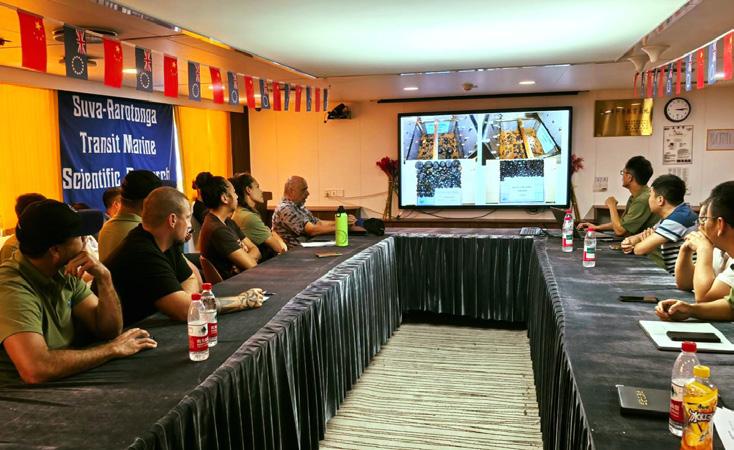
During the “4-day transit from Fiji to the Cook Islands,” the team took part in a range of training drills and educational seminars to familiarise themselves with ship operations and onboard research systems.
From “safety drills and knot tying, to learning about the Da Yang Hao’s full spread of scientific equipment,” the Cook Islands team has been fully immersed in ship life. They have received a warm welcome and been integrated into the “Science Team to participate in the collection of marine scientific data during the research cruise.”
Once on-site, the plan is to “use and deploy a range of instruments to showcase the Da Yang Hao’s capabilities.”
Australian Doctors International
Re-imagining remote health care
Purpose-built for Papua New Guinea’s remote regions
The Health Hub model is a transformative and scalable, locally led initiative that strengthens the entire health ecosystem in remote communities, addressing all social determinants that promote healthy living.
Both “biological and geological data” will be collected, and, in line with the Cook Islands’ open science principles, “all data will be made publicly available to support open science and future marine research.” PBR ADI — Serving Papua New Guinea for 25 years
adi.org.au ceo@adi.org.au
ADI also specialises in supporting resource companies create local communities that are a beacon of health and hope.
LION ONE REPORTS HIGH-GRADE GOLD AT TUVATU MINE IN FIJI
Lion One Metals Limited has announced new high-grade gold results from underground drilling at its 100% owned Tuvatu Gold Mine in Fiji.
The company completed 2,322 metres of infill and grade control drilling, focusing on the Zone 5 area of the mine. The drilling targeted two main areas: the down-dip extension of the Zone 5 lodes below the lowest current mine levels, and the up-dip mineralisation above level 1120 in the southern section of the mine.
Lion One reported a headline intercept of 728.56 grams per tonne (g/t) of gold over 0.7 metres, located about 25 metres below current underground development. Other notable results include 279 g/t over 0.3 metres, 189.99 g/t over 0.3 metres, and 164 g/t over 0.3 metres.
“These results continue to highlight the exceptional grade and continuity of mineralisation at Tuvatu,” the company said in a release. Because the new drill intercepts are close to existing workings, Lion One expects much of this material to be incorporated into the mine plan over the next six to twelve months.
Zone 5 Drilling
The Zone 5 area hosts the mine’s main north-south and northeast-southwest lodes, which converge around 500 metres deep to form the high-grade Zone 500, considered a feeder zone. Drilling in this zone remains open at depth, with high-grade intercepts recorded below 1,000 metres.
Down-dip drilling below current mine levels focused on levels 1066 and 1084. This programme returned numerous high-grade results over narrow widths, typical of Tuvatu’s steeply dipping lodes. Some wider
intervals were also observed, including 3 metres of 32.29 g/t gold.
Up-dip drilling above level 1120, near the planned shrink stope, has also returned high-grade intersections, such as 93.33 g/t over 0.7 metres and 164 g/t over 0.3 metres. Development of the 1120 shrink stope has already started, and drilling will continue to provide additional information for mining.
Looking Ahead
The new drilling results reinforce Tuvatu’s reputation as a high-grade underground gold mine. Lion One plans to integrate much of the new material into its mine plan and expects mining of these zones to begin within the next year.
Lion One Metals Limited is a Canadian gold exploration and development company focused on the Tuvatu Alkaline Gold Project in Fiji. The project is recognised for its high-grade gold mineralisation and ongoing exploration potential. PBR
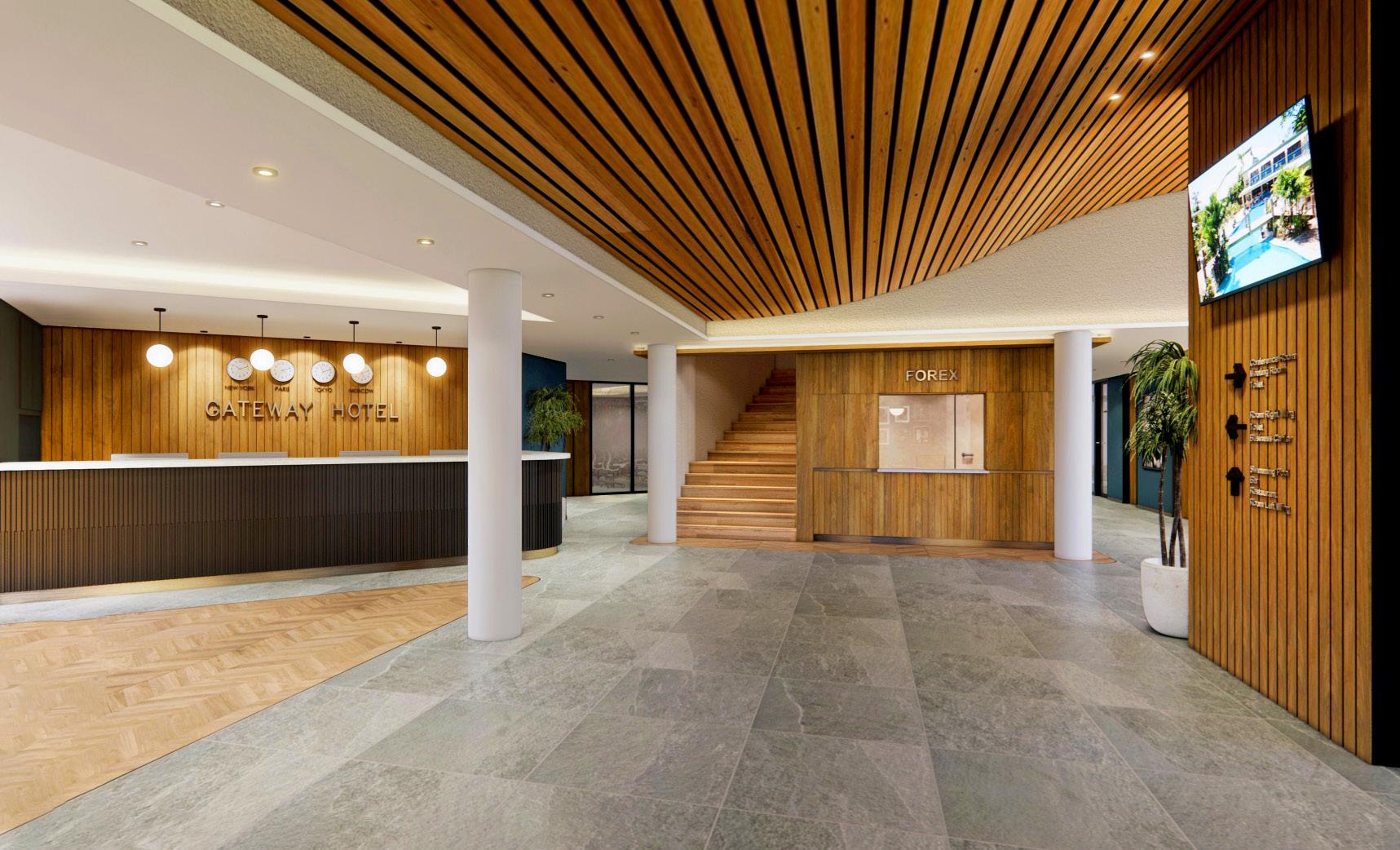
Discover a prestigious hotel with infinite possibilities beyond your imagination.
Mr Garry speaking to miners during the Wau Training Centre’s 15th Anniversary in 2025.
Image supplied by MRA.
SMALL-SCALE MINING DRIVING REAL WEALTH FOR LANDOWNERS, SAYS MRA AS WAU TRAINING CENTRE MARKS 15 YEARS
by: Roselyn Erehe
Papua New Guinea’s small-scale mining sector continues to provide some of the strongest direct economic benefits to landowners, enabling families to build livelihoods, invest in businesses and uplift their communities, according to the Mineral Resources Authority (MRA).
This message took centre stage on13 November as the MRA celebrated the 15th anniversary of its Small-Scale Mining Training Centre (SSMTC) in Wau, a facility that has become a cornerstone of support for the country’s alluvial mining population.
MRA officials revealed that small-scale mining remains one of the country’s most active resource sectors, with between 100,000 and 200,000 alluvial miners operating across Papua New Guinea.
There are currently 374 active mining leases issued for alluvial purposes, underscoring the scale of participation by landowners working legally on their customary land.
Miners, families, Wau locals, and other stakeholders participating in the anniversary celebration. Image supplied by MRA.
The majority of these miners are based in Wau-Bulolo, the Sepik region, Milne Bay, and the Autonomous Region of Bougainville, though operations are scattered throughout the country.
The MRA says this large, locally driven industry is a major contributor to household incomes, local markets, SME growth and rural economic activity.
MRA Managing Director Jerry Garry highlighted that unlike many other resource industries, alluvial mining allows landowners to benefit immediately from their land.
“Small-scale mining directly supports landowners and rural families,” Garry said. “The gold they produce translates immediately into school fees, medical expenses, household needs and new business ventures.”
He added that the impact of this sector is often underestimated, noting how gold revenues boost rural trade stores, transport businesses, market vendors and local contractors.
Over the past 15 years, the SSMTC has trained more than 7,000 miners in safe mining methods, financial literacy and environmental awareness — skills that help increase incomes and improve decision-making among landowners.
During his keynote address, Garry said small-scale miners in Papua New Guinea have the potential to become billionaires if they make sound investment decisions, diversify into other businesses, and manage their earnings responsibly.
He urged miners to invest their earnings strategically and not rely solely on gold.
Garry shared the story of Placer Development, which began as an alluvial mining operation in Wau-Bulolo before diversifying into forestry, cattle and fisheries.
The pine plantations they introduced still support PNG Forest Products today. The company later evolved into Placer Dome, which by 2005 operated 16 mines worldwide and was valued at USD 6.7 billion.
“That journey started here, with alluvial mining,” he said. “The same potential lies with our people. With proper investment and discipline, Papua New Guinean small-scale miners can build enormous wealth.”
Community Celebrates 15 Years of Training and Growth
The anniversary drew over 3,000 people, including miners, families, schoolchildren, local residents and leaders — a reflection of how central small-scale mining is to life in Wau-Bulolo.
A colourful singsing procession welcomed the MRA delegation upon arrival. Formal speeches followed from MRA division heads and representatives of the Morobe Goldfield Small-Scale Miners Association. The event later featured cultural dances, band performances and community presentations.
Wau-Waria MP Marsh Narawec and businessman Justin Parker joined the celebration at midday.
A key highlight was the opening of a new office complex for SSMTC and a new classroom for Grace Memorial School, jointly launched by Garry and Narawec — infrastructure viewed as critical for improving both mining training and community education.
The MRA’s Regulatory Operations Division (MRAD) commended the positive impact of small-scale mining on landowners.
Executive Manager Stanley Nekitel said the sector remains one of PNG’s most resilient income streams. “Small-scale mining gives landowners direct control over their resources and earnings,” he said. “With proper training, miners can operate safely, grow their income and contribute meaningfully to local development.”
MRAD emphasised that communities involved in regulated alluvial mining typically show higher household incomes, better school attendance and increased involvement in local small businesses.
As the SSMTC enters another year, the MRA says it will continue strengthening training programmes, promoting responsible mining and encouraging miners to diversify their investments.
For Wau and other mining communities, the success of the past 15 years demonstrates that PNG’s smallscale mining sector, when properly supported, is not only a source of gold but also a powerful engine for landowner empowerment, rural growth and long-term economic independence. PBR
A WIND-POWERED MINERAL CARRIER DOCKS IN NEW CALEDONIA
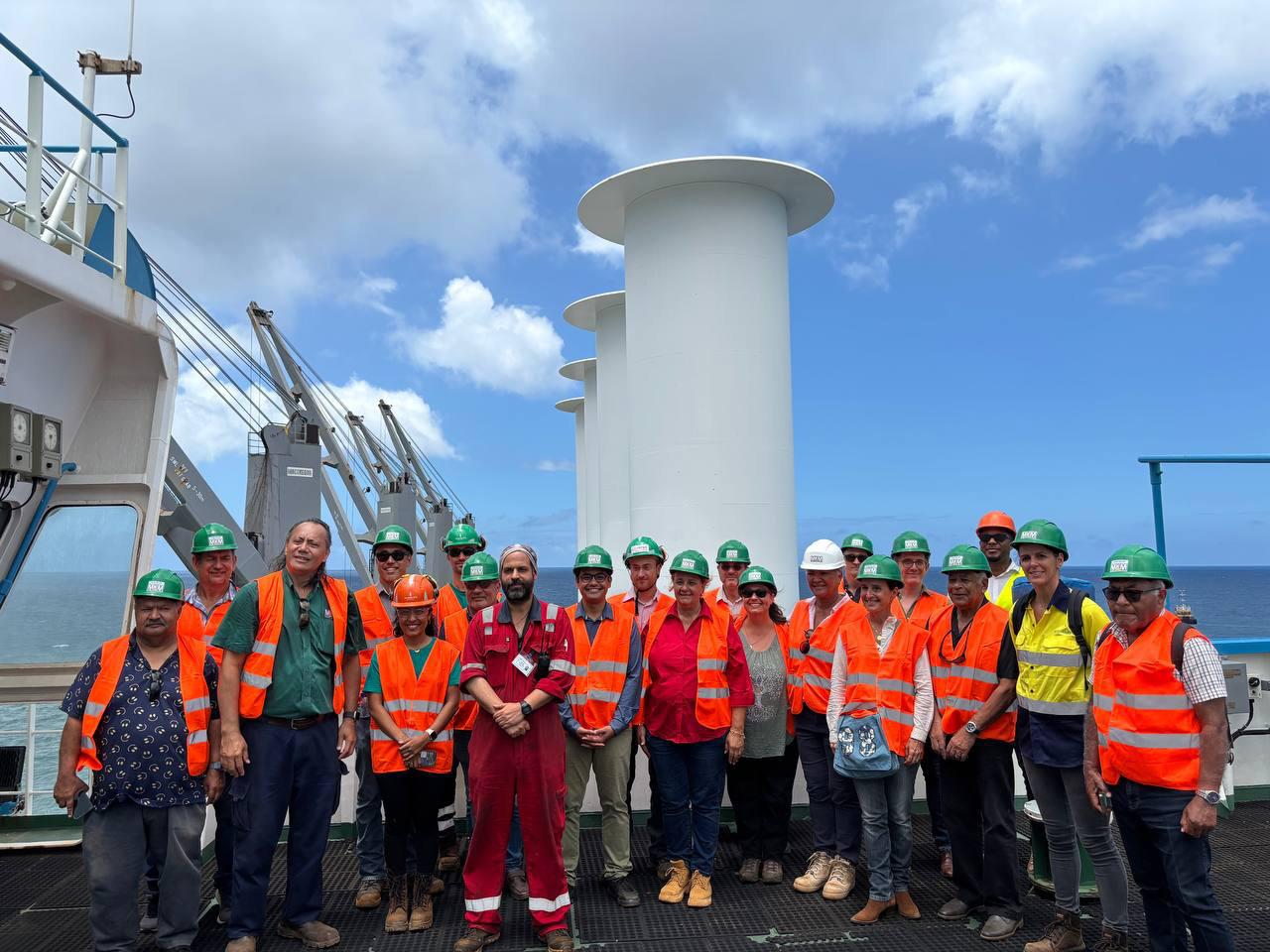
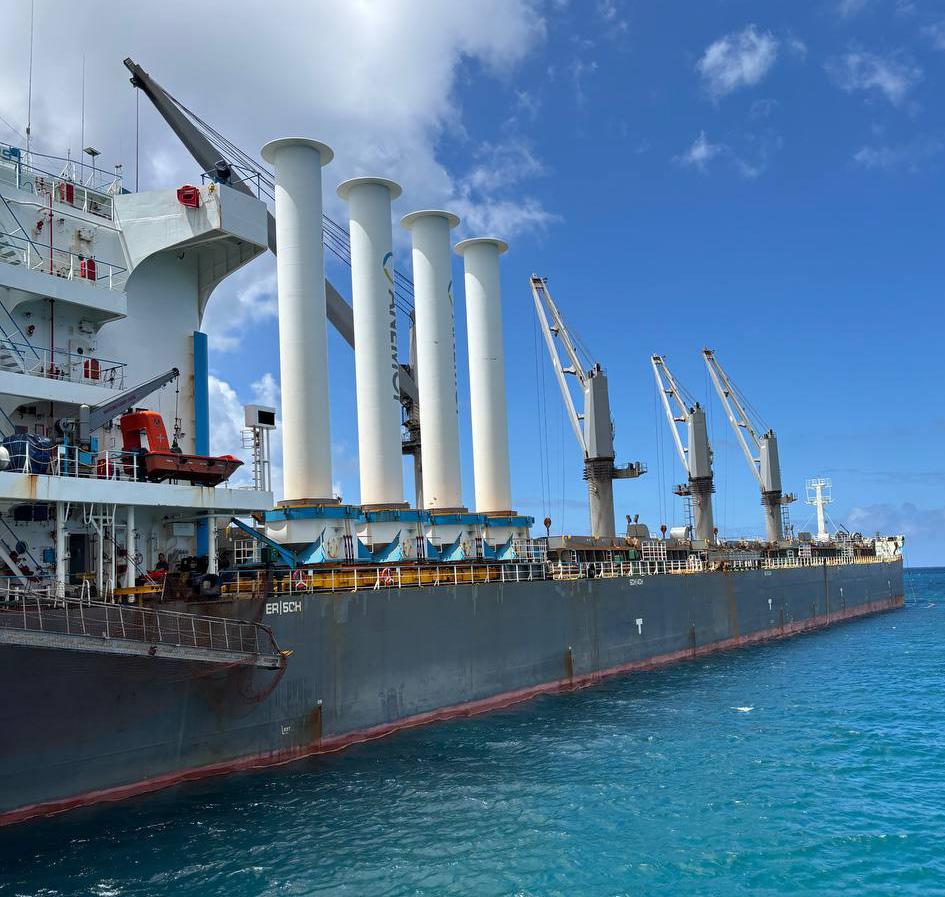
In the calm waters of N’Go Bay, a striking grey and red vessel with towering white cylindrical sails drew the attention of local residents on 31 October. Measuring 195 metres in length and capable of carrying 64,000 tonnes of ore, L’Afros is not just another bulk carrier— it represents a new chapter in sustainable maritime transport.
New Caledonia’s President of the Government, Alcide Ponga, visited the vessel accompanied by Mont-Dore Mayor Elizabeth Rivière. The L’Afros has been chartered by the MKM Group to ship nickel ore to China, but unlike conventional mineral carriers, it is partly powered by the wind.
The ship is equipped with the Anemoi Rotor Sail System, an innovative technology that uses rotating cylindrical sails to harness wind energy and assist propulsion. This hybrid system allows the vessel to cut its fuel consumption by 15
to 25 percent, saving around 100 tonnes of fuel on a single voyage between New Caledonia and China.
“This ship is a world first, and we are proud that New Caledonia has been chosen as one of its ports of call,” President Ponga said during the visit. “It is recognition of our expertise and proof of our determination to decarbonise the nickel value chain.”
For an island economy deeply linked to nickel exports, the arrival of L’Afros is more than a technical milestone— it’s a symbol of transition. The nickel sector, one of New Caledonia’s economic pillars, faces growing pressure to reduce emissions across its entire supply chain.
Jerémie Katidjo-Monnier, the government member in charge of ecological transition and climate change, also toured the ship with Jean-Louis d’Anglebermes, president of the Economic, Social and Environmental Council (CESE). He noted that innovations like L’Afros
demonstrate how maritime transport—often seen as one of the hardest sectors to decarbonise—can make meaningful progress.
Maritime transport currently accounts for nearly 90 percent of global trade and about 3 percent of global greenhouse gas emissions, according to the International Maritime Organization (IMO). With shipping volumes expected to double by 2050, the sector’s carbon footprint poses a significant challenge.
The IMO and the United Nations have set ambitious goals to reduce shipping-related emissions by 70 percent by 2040. The L’Afros and similar projects form part of a growing international effort to meet that target. The issue was also at the heart of the Third United Nations Conference on the Ocean (UNOC 3) held in Nice last June, where countries renewed their commitments to sustainable ocean governance.
For New Caledonia, the docking of L’Afros is both symbolic and strategic. It reinforces the territory’s aim to position itself not only as a key nickel producer but also as a responsible player in the global energy transition.
As the ship’s tall rotor sails turned slowly in the bay’s breeze, officials and observers saw more than a vessel— they saw a vision of what a cleaner, smarter, and more sustainable maritime future could look like. PBR
OK TEDI’S MISIMA MINERALS GRANTED EL 1747 FOR MISIMA DEPOSIT
Ok Tedi Mining Limited (Ok Tedi) is pleased to announce that the Government of Papua New Guinea has officially granted a two-year extension to Exploration Licence EL 1747 for the Misima Deposit in Milne Bay Province, held by its wholly owned subsidiary, Misima Minerals Limited.
The approval and granting of the licence extension marks a critical milestone for the Misima project and for Ok Tedi, following the company’s acquisition of the project earlier this year.
The granting of EL 1747 resolves the final regulatory requirement and allows Ok Tedi to proceed with planned exploration, development, and community engagement activities at the Misima Deposit.
As a PNG-based and PNG-owned company, Ok Tedi’s acquisition and development of the Misima Deposit is particularly significant. It demonstrates the ability of local companies to lead resource development, generate economic opportunities for Papua New Guinea, create employment for
local communities, and contribute to sustainable national development.
Ok Tedi Mining Limited Managing Director and Chief Executive Officer Kedi Ilimbit said that the granting of the licence represents a significant step forward in unlocking the resource potential of the project, advancing economic opportunities, and supporting sustainable mining in the country.
“We are delighted to have received the licence extension from the government, enabling us to move forward with our plans for Misima. This achievement reflects OTML’s ongoing commitment to responsible resource development and sustainable engagement with local communities,” Ilimbit said.
Ilimbit added that Ok Tedi remains committed to working closely with stakeholders, including government authorities, landowners, and communities, to ensure that exploration and development activities are conducted safely, sustainably, and
in line with national and international best practice.
Ok Tedi Mining Limited (OTML) is a majority state-owned entity that operates an open-pit copper, gold, and silver mine located in the Star Mountains of Western Province, Papua New Guinea. The company ships copper concentrate to smelters and ore refineries in Japan, the Philippines, Indonesia, South Korea, India, and Germany.
Operating in the region for over 40 years, OTML has made a significant contribution to development in Western Province through direct and indirect employment, royalties, compensation payments, and business opportunities. Ok Tedi is now expanding its operations to Milne Bay Province through the acquisition of Gallipoli Exploration Limited, a wholly owned subsidiary of Australian mining company Kingston Resources Limited, for the Misima Mine. PBR
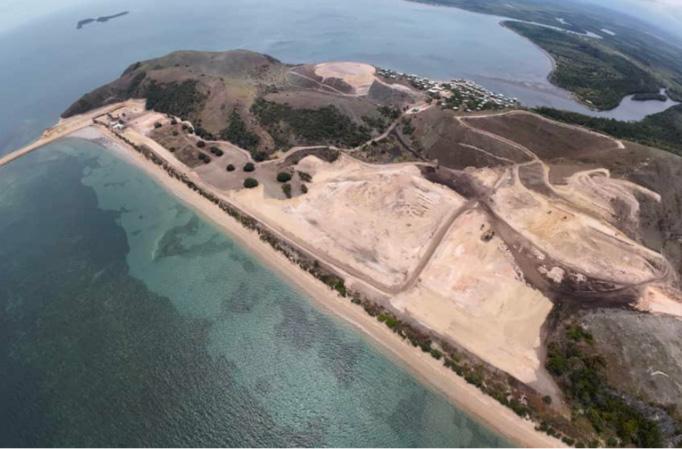
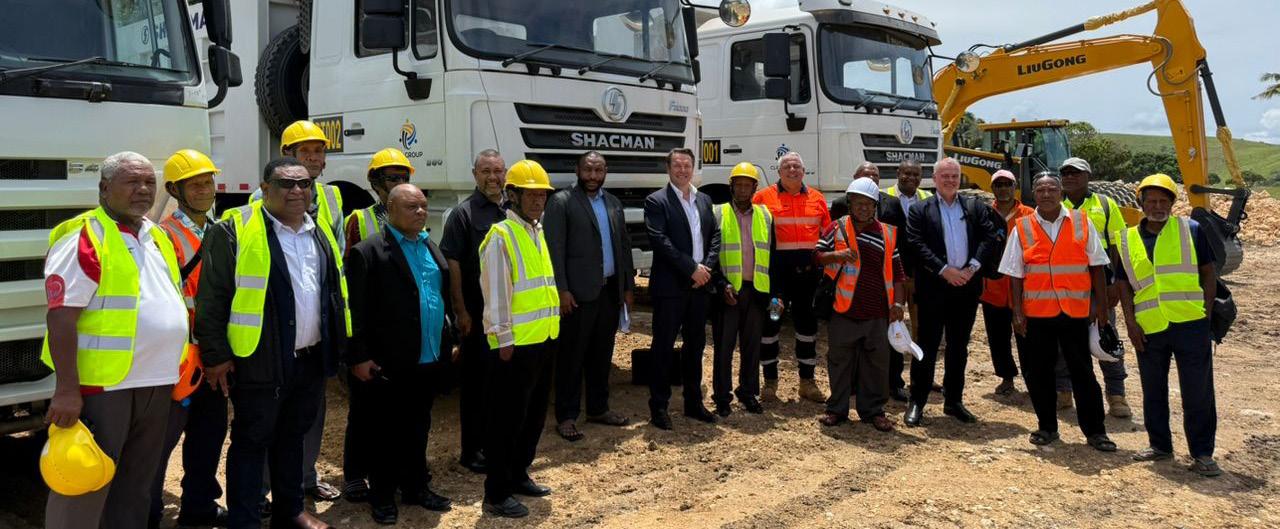
PACIFIC LIME AND CEMENT ADVANCES CENTRAL LIME PROJECT IN PAPUA NEW GUINEA
Pacific Lime and Cement Limited (ASX: PLA) has reported strong progress in the September 2025 quarter, marked by the Final Investment Decision (FID) for its Central Lime Project (CLP) and significant expansion of construction and development activities.
The FID, announced in early August, confirms the start of fullscale construction at PNG’s first vertically integrated quicklime facility. The project aims to produce around 400,000 tonnes of quicklime per year and is fully funded through equity, with commercial operations expected to begin by early 2027.
“FID reflects our confidence in the project’s strong economics and strategic importance, following nearly a decade of planning,” the company said.
Construction Accelerates
Work at the CLP site has progressed steadily. Bulk earthworks are well underway, with major grading and site preparation completed for the kiln and processing plant. Two 60-tonne steel bridges for the 27.6-kilometre access road linking Port Moresby to the site have been ordered and are expected to arrive in the fourth quarter of 2025.
A large fleet of construction machinery, including excavators, dump trucks, graders, and generators, has arrived on site. These machines are now being used for quarry development, civil works, and road construction. The development team has also expanded, with a 50-person project office established in Port Moresby to manage logistics, engineering, procurement, and administration.
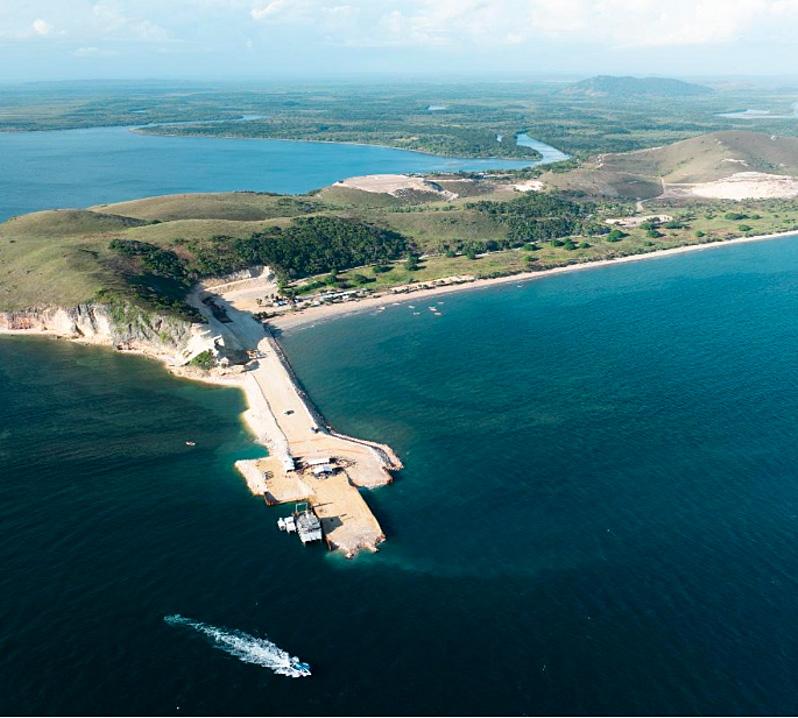
Meanwhile, the dedicated port facility has reached a milestone with the completion of Stage Three design. This will enable construction of a multi-berth international wharf capable of handling Handymax bulk carriers of up to 50,000 DWT. Earlier
phases, including roll-on/roll-off barge ramps, are already operational, allowing for the movement of materials to and from the site. Once operational, the port will handle quicklime exports and the import of fuel and other bulk items.
The company has also made significant progress on long-lead equipment for the processing plant. Lime kilns, crushers, and material handling systems are in the final stages of procurement, while fuel storage tanks, a modular desalination plant, and power generators have already been ordered. Remaining equipment will be purchased over the coming months in line with the project schedule.
Market Development and Initial Deliveries
Pacific Lime and Cement has begun making small-scale quicklime deliveries from its newly established Western Australia logistics hub. Products are being supplied to gold miners and other industrial customers in WA, building a market presence ahead of the company’s own production.
In PNG, PLC is engaging with mining companies, industrial firms, and government agencies that currently rely on imported lime. Several letters of intent for future supply have been signed, underpinning a significant portion of Stage 1 production. The company is also exploring opportunities in regional markets across Australia and Southeast Asia.
Orokolo Bay Industrial Sands Project
While the company’s focus remains on the Central Lime and Central Cement Projects, the Orokolo Bay Industrial Sands Project (OBP) continues as a non-core initiative. The OBP is targeting production of up to 500,000 tonnes per year of highgrade magnetite from 2026, with potential to expand into critical minerals such as vanadium, titanium, and zircon.
Pacific Lime and Cement has partnered with Pacific Unison Holdings to support early-stage construction and development at OBP. While progress has been slower than initially planned, the company continues to monitor developments closely and maintain its oversight. The OBP’s broader mineral sands portfolio presents opportunities for downstream processing and partnerships in the future, complementing the company’s flagship lime and cement projects.
Renewable Energy Initiatives
Sustainability remains a key focus for PLC. Mayur Renewables, a subsidiary, advanced early-stage feasibility studies for a solar photovoltaic (PV) and battery energy storage system (BESS) designed to power the Central Lime Project and surrounding facilities. The system will provide off-grid electricity, enhance reliability, reduce emissions, and support the wider Special Economic Zone vision for sustainable industrial development.
The studies have focused on energy requirements, preliminary sizing, and conceptual design for internal distribution. The
project is expected to allow surplus energy sharing across SEZ facilities, although initial phases do not include connection to the national grid.
Corporate Updates
In July 2025, the company rebranded from Mayur Resources Limited to Pacific Lime and Cement Limited to reflect its transition from a resource developer to an integrated supplier of building and industrial materials. The rebrand will support marketing efforts and strengthen customer relationships across PNG and the Asia-Pacific region.
PLC also holds a 16.6% interest in Adyton Resources Corporation (TSXV: ADY), which continues exploration and drilling activities on Fergusson and Feni Islands. At Feni, drilling has focused on expanding a 1.46-millionounce gold resource and exploring previously untested high-potential copper-gold zones. Adyton’s projects are fully funded through a joint venture arrangement with EVIH.
Financial Position
As of 30 September 2025, PLC held cash reserves of A$70.578 million. During the quarter, the company spent A$9.925 million on exploration and development, primarily supporting construction and infrastructure works for the Central Lime Project. A further A$0.371 million was paid to directors as remuneration. The company was also included in the All-Ordinaries Index of the Australian Securities Exchange in September 2025, following the S&P Dow Jones quarterly rebalance. This reflects PLC’s standing as one of the few remaining building materials companies listed on the ASX.
Looking Ahead
Pacific Lime and Cement remains focused on delivering the Central Lime Project on time and on budget while expanding its market presence in PNG and the wider Asia-Pacific region. With construction progressing, first deliveries of quicklime underway, and renewable energy initiatives advancing, PLC is well positioned to become a sustainable, vertically integrated producer of lime and cement, supporting infrastructure and industrial development in the region. PBR
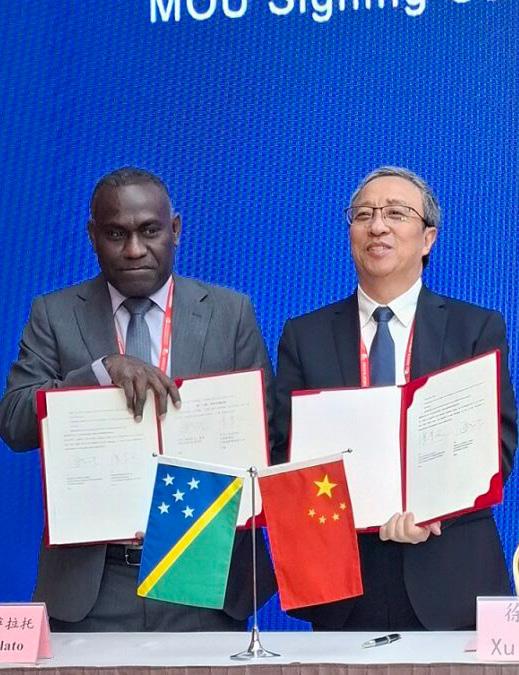
SOLOMON ISLANDS STRENGTHENS GEOLOGICAL TIES WITH CHINA
The Solomon Islands Ministry of Mines, Energy and Rural Electrification has formalised a new chapter in scientific cooperation with the signing of a Memorandum of Understanding (MoU) with the China Geological Survey (CGS).
The agreement was signed on 23 October 2025 in Tianjin, China by Solomon Islands Ambassador to China Barret Salato, on behalf of the Solomon Islands Government, and Xu Xueyi, Vice President of the China Geological Survey. The signing took place on the sidelines of the China Mining Conference, which ran from 23 to 25 October.
According to the Solomon Islands Ministry of Mines, the MoU provides a framework for strengthening collaboration in geoscientific research, data exchange, and capacity building. It will also support the Solomon Islands Geological Survey Division in upgrading its Geo-Chemical Laboratory — a crucial facility for analysing mineral samples and supporting the country’s growing resource sector.
The partnership is expected to foster joint research projects, staff training, and technology transfer, helping local geologists gain access to advanced tools and methodologies used in mineral exploration and earth sciences.
Director of the Geological Survey Division, Clinton Roga, welcomed the agreement, saying it represents a major opportunity for the Solomon Islands to improve its scientific and technical capacity. He noted that the collaboration would “enhance our ability to collect, analyse, and interpret geological data,” which in turn supports sustainable resource development and informed decision-making.
The Ministry said the partnership with the CGS aligns with the Solomon Islands Government’s commitment to responsible mineral development and knowledgesharing across international scientific networks. According to the Ministry’s statement, the collaboration will not only strengthen institutional capacity but also contribute to national development goals by providing the country with more accurate geological information for planning and investment purposes.
The signing ceremony was witnessed by dignitaries from 15 countries and regional representatives, including officials from the Mineral Resources Authority of Papua New Guinea, highlighting the event’s regional significance and growing cooperation between Pacific and Asian geological agencies.
The China Mining Conference, where the MoU was signed, is among the world’s leading forums for discussing mining trends, geological research, and resource governance. The participation of the Solomon Islands delegation underscores the nation’s ongoing efforts to enhance partnerships and technical expertise in the mineral and energy sectors. PBR
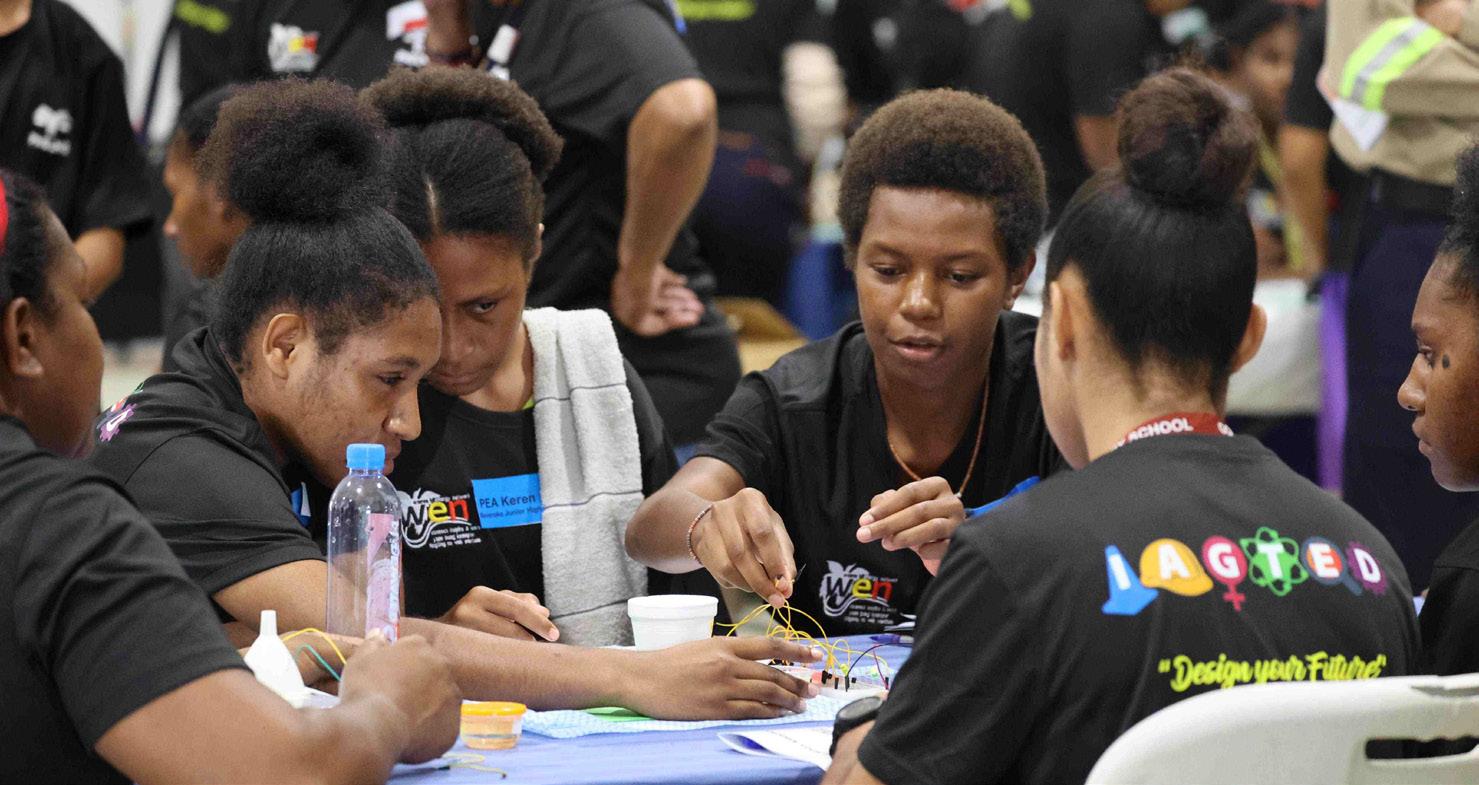
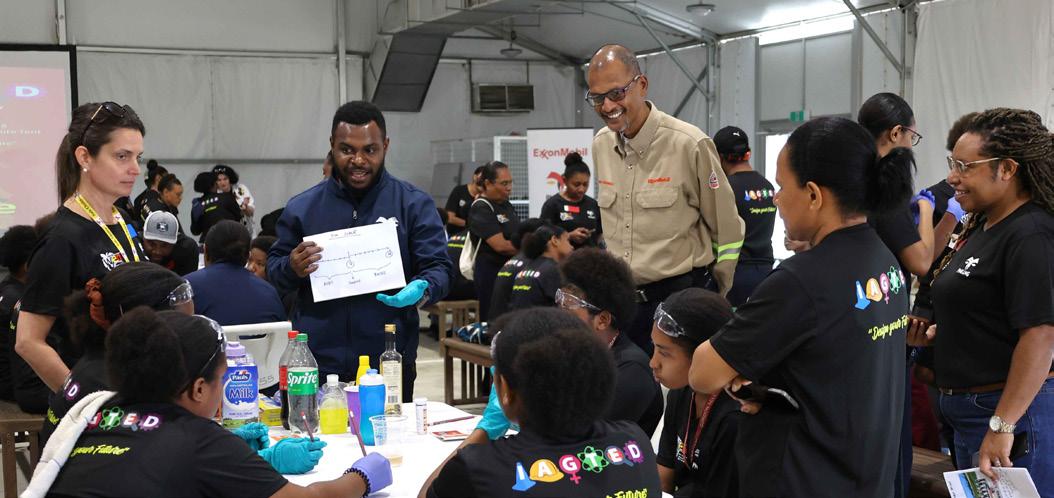
The participants of the 2nd Introduce a Girl to Engineering Day, doing experiments in Chemical, Electrical and Civil to get an insight into the different engineering fields.
EXXONMOBIL WORKS TO INSPIRE THE NEXT GENERATION OF FEMALE ENGINEERS
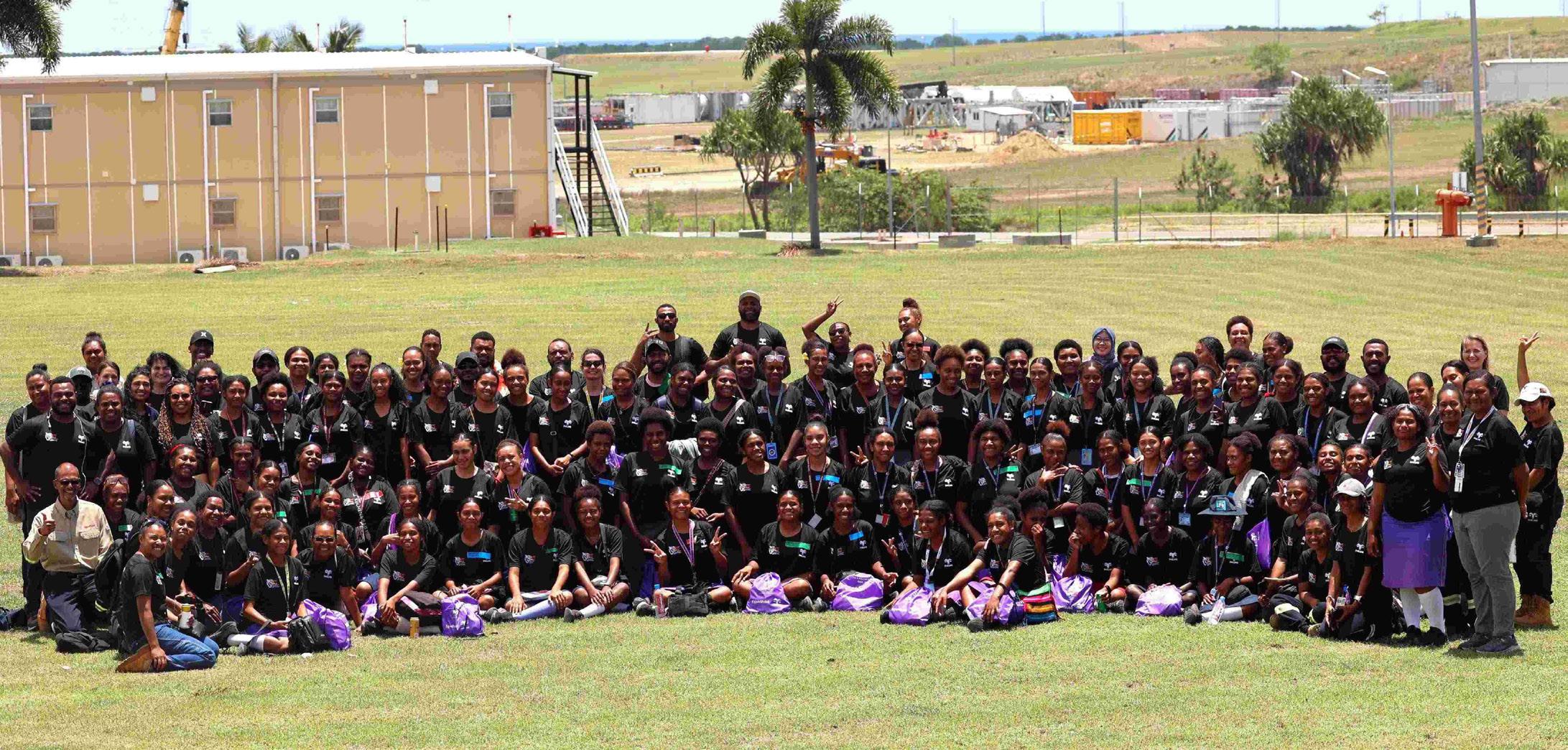
The operator of the PNG LNG Project, ExxonMobil PNG Limited, recently welcomed 75 outstanding ninth-grade girls from five Port Moresby schools for a day of hands-on science experiments, mentorship, and exciting activities designed to spark their curiosity and build their confidence in engineering.
Now in its second year in Papua New Guinea, ExxonMobil’s Introduce a Girl to Engineering Day — held at its LNG Plant at Caution Bay — was a resounding success.
This year’s theme, “Design Your Future,” encouraged students to imagine the possibilities of a STEM career (Science, Technology, Engineering, and Math). Supported by 42 passionate employee volunteers from ExxonMobil’s Women in Energy Network, the students explored key engineering concepts and learned directly from Papua New Guinean engineering professionals.
to Page 42
The 75 participants and 42 EMPNG Volunteers together with Management at the completion of EMPNG’s 2nd Introduce a Girl to Engineering Day Program
ExxonMobil PNG Chairman and Managing Director Dinesh Sivasamboo visited the students during their practical sessions and was impressed by both their enthusiasm and teamwork.
“It’s great to see that even though you’ve come from different schools, you have quickly made new friends and learned to work together effectively as a team to solve real-world problems. These are important skills and experiences that will help you excel in your lives and your careers,” Sivasamboo said.
“Papua New Guinea’s energy future looks quite bright, so there will be opportunities for students like you throughout our industry. I hope you will continue to apply yourselves to your
studies so that you might join us as engineers one day,” he concluded.
Students expressed their gratitude and excitement about the experience, saying it opened their eyes to new possibilities in engineering.
“I didn’t think much about taking on engineering, but after today, I might have a change of mind,” said Zillar Naku Pa’aka from Gordon Secondary School. “Once we started the practical activities, I really enjoyed it.”
“I really enjoyed the electrical engineering activity with the circuit boards,” added Sylvia Mero from Jubilee Catholic Secondary School. “When the lights lit up, it felt like it lit something in me. I think after today, I’d like to become an engineer.”
The students represented Gordon Secondary School, Charles Lwanga Secondary School, Jubilee Secondary School, Bavaroko Junior High School, and Ororo Junior High School. The day concluded with lunch at the Plant site mess and a small gift pack for each participant to take home.
ExxonMobil PNG is proud to help inspire the next generation of innovators by empowering more girls to dream big and engineer boldly. PBR
LAE CHAMBER OF COMMERCE INC
Chairman and Managing Director of EMPNG, Dinesh Sivasamboo observing one of the group activities at the 2nd Introduce A Girl to Engineering Day
PAPUA NEW GUINEA’S MRDC UNVEILS
MAJOR INVESTMENT PROJECTS TO BOOST HELA PROVINCE ECONOMY
by: Roselyn Erehe
The Mineral Resources Development Company (MRDC) has announced four landmark projects set to transform the economic landscape of Papua New Guinea’s gas-rich Hela Province.
Formalised through key agreements signed in Tari on October 17, the projects mark a new phase of investment aimed at accelerating development and improving local livelihoods.
The initiatives include a 5MW power supply project from Hides to Tari, the signing and groundbreaking for the Hela Heritage Hotel, the opening of MRDC’s new Tari office, and an annual K1 million funding support from Petroleum Resources Kutubu (PRK) to the Hela Provincial Health Authority.
“Through power, places change. Development happens through investments. Hela will get the cheapest power in all of PNG, and it’s reliable. There will be no blackouts,” he said.
Prime Minister James Marape, who is an MRDC trustee and the local MP for Tari, officiated the groundbreaking for the Hela Heritage Hotel, one of the province’s most significant upcoming investments.
Mano said the hotel, expected to be completed by early 2027, will serve both visitors and locals while promoting and preserving Hela’s distinctive culture.
to Page 44
MRDC Managing Director Augustine Mano said the projects represent a long-awaited milestone in fulfilling the vision of Hela’s leaders and ensuring resource benefits reach the people. “With ExxonMobil agreeing to provide gas for up to 5MW of power, landowners from the licence area in Hides, Tari town, its surrounds, and other districts of Hela will benefit from the cheapest power in PNG,” Mano said.
“This has been the dream of our leaders like the late Anderson Agiru and Prime Minister James Marape, who was then finance minister when they signed the PNG LNG Gas Agreement in 2009. It has taken a while to deliver because we had to negotiate, but it is finally a reality. I want to thank the leaders involved, and the landowners and Hela people for being patient.”
He said the introduction of reliable and affordable electricity would be a catalyst for further development in Hela.
MRDC Managing Director Augustine Mano during one of four agreement-signing ceremonies held on Friday, 17 October, in Hela Province. Image supplied by MRDC Communications.
MRDC Managing Director Augustine Mano opens the new Hela 2 office, with Prime Minister James Marape and Hela Governor Philip Undialu observing. Image supplied by MRDC Communications.
(From left to right) Prime Minister James Marape, Hela Governor Philip Undialu, and MRDC Managing Director Augustine Mano with officials at the groundbreaking ceremony of the Hela Heritage Hotel. Image supplied by MRDC Communications.
“The hotel is to be the cultural center of Hela. Hela is beautiful with its unique culture — how do we show it? This hotel will provide the hub so that the culture of Hela must be appreciated, enjoyed, and preserved,” he said.
He added that the Heritage Hotel would create employment, stimulate business opportunities during construction, and complement existing accommodation facilities once operational. As part of MRDC’s broader social investment, PRK has committed K1 million annually to the Hela Provincial Health Authority to help attract and retain medical professionals.
“We have many good doctors, but they don’t come to the provinces to work because of many challenges, so they must have incentives. This K1 million is their incentive. We have also done the same for Southern Highlands and Gulf provinces,” Mano said.
MRDC also strengthened its presence in Hela with the opening
of a new office at the Hela 2 building complex in Tari. The office will handle landowner-related issues locally, reducing the need for travel to Port Moresby.
“The days of landowners flying to Port Moresby to have their issues addressed are over. We now have an office in Tari to deal with all that. I want to encourage landowners to stay in the province, deal with issues here, receive your royalty and equity benefits here, and spend it here so the Hela economy can prosper,” Mano said.
He also commended Hela Governor Philip Undialu for providing strong leadership, improving law and order, and building critical infrastructure to encourage investment.
Through these new initiatives, MRDC aims to position Hela as a province on the rise—one where resource wealth is being converted into tangible economic growth and lasting prosperity. PBR
PNG CORE CONGRATULATES NEW NPA BOARD AND ADVOCATES FOR ENHANCED GOVERNANCE ACROSS INDUSTRIES
The PNG Chamber of Resources & Energy (PNG CORE) congratulates the recently appointed board of the National Petroleum Authority (NPA).
The establishment of the board represents a significant milestone in strengthening governance, accountability, and performance within Papua New Guinea’s petroleum regulatory sector.
PNG CORE’s Executive Director, Philip Samar, commended the new leadership team led by Chairman Hubert Namani, Deputy Chairman Dairi Vele, and esteemed members Robert Nilkare and Kedi Illimbit. Ex-officio members include David Manau, Acting Managing Director of the NPA; Andrew Oaeke, Secretary for Treasury; and Daniel Rolpagarea, State Solicitor.
Samar further praised the leadership of the Minister for Petroleum, Jimmy Maladina, stating that the board will provide the strategic governance, transparency, and oversight essential to the effective operation of the authority regulating an industry that contributes immensely to the national economy.
“We congratulate Chairman Hubert Namani, Deputy Chairman Dairi Vele, and all appointed members. Their combined experience, technical expertise, and balanced representation from both public and private sectors for the NPA, industry, and all stakeholders— particularly given the Authority is at a transition stage from a department while simultaneously leading consultations on petroleum sector fiscal reforms—will be invaluable,” Samar said.
Samar also encouraged other regulatory authorities to follow the NPA’s lead and, as required by law, establish their respective boards expeditiously. This fundamental process will elevate accountability, bolster investor confidence, and ultimately deliver optimal outcomes for Papua New Guinea.
PNG CORE stands ready to support the NPA and its newly appointed board in fulfilling its mandate, ensuring that the petroleum sector remains a vital pillar of Papua New Guinea’s economic and social development. PBR
Don’t spend more on tailings than you have to.
Weir’s unmatched technology and expertise means you can find a solution that’s built to your operational and site requirements. We’ve reduced customer energy consumption by 51%, average water usage by 76% and lowered TCO all while safely improving the stability of tailings and reducing the tailings footprint. Plus, we can even help re-purpose waste into useful materials for dam wall construction and backfill that saves valuable resources and increases efficiency.
Now it’s your turn to re-think tailings with a Weir tailored solution.
www.global.weir/rethink_tailings
SOLOMON ISLANDS HIGH COMMISSION JOINS 2025 PNG PETROLEUM AND ENERGY CONFERENCE
The Solomon Islands High Commissioner to Papua New Guinea, William McDonald Soaki, joined a Solomon Islands Government delegation led by Dr. Chris Vehe, Permanent Secretary for the Ministry of Mines, Energy and Rural Electrification, to attend the 2025 Papua New Guinea Petroleum and Energy Conference held in Port Moresby from October 8–9.
Also part of the delegation were representatives from South Pacific Oil Limited (SPOL) and the Solomon Islands National Provident Fund (SINPF), led by SINPF Chief Executive Officer Michael Wate.
The Solomon Islands was the only Pacific Island nation represented at the two-day event, reflecting its growing role in regional energy cooperation and commitment to learning from Papua New Guinea’s experience in the petroleum and energy sectors.
The conference, hosted by Kumul Petroleum Holdings Limited (KPHL), was officially opened by Papua New Guinea’s Minister for Petroleum Jimmy Maladina and attended by Minister for Energy Peter Isoaimo and Minister for State Enterprises William Duma.
As Papua New Guinea’s premier annual energy forum, the conference serves as a key platform for dialogue among government leaders, policy makers, industry experts, and investors. It highlights new developments and investment opportunities across the petroleum, gas, and renewable energy industries.
This year’s sessions covered topics such as power generation, renewable energy expansion, landowner participation, and evolving policy frameworks. The event attracted participants from both local and international sectors, reinforcing global interest in Papua New Guinea’s energy landscape.
High Commissioner Soaki commended the delegation’s participation, describing the conference as an opportunity to strengthen the Solomon Islands’ understanding of regional energy developments and foster cooperation with key partners.
“The Solomon Islands has much to learn from Papua New Guinea’s advancements in the petroleum and energy sectors,” Soaki said. “I encourage our officials to continue engaging with regional stakeholders and to explore opportunities for collaboration that align with the Solomon Islands’ national energy objectives.”
The Solomon Islands’ participation demonstrates the government’s commitment to promoting sustainable energy development, advancing strategic partnerships, and deepening regional collaboration in pursuit of long-term economic growth and national progress. PBR
TWINZA OIL RESTRUCTURE SET TO PROCEED AFTER STAKEHOLDER AGREEMENT
Twinza Oil Limited has secured a clear path forward for the Pasca A gas project after its major shareholders and senior lenders agreed to a consensual restructuring, providing certainty for ongoing funding and future development.
The company confirmed that its Senior Lenders, Convertible Redeemable Preference Shareholders (CRPS), and major shareholders have signed a restructuring framework that will recapitalise the business and strengthen the company’s balance sheet.
Under the agreement, existing ordinary shareholders will see their post-restructure stake increase to 7 percent — an improvement from the 5 percent previously proposed. CRPS holders will retain a 10 percent interest.
A key element of the restructuring will see Senior Lenders, led by Tor Investment Management, convert most of their debt into equity, becoming the company’s majority shareholder. They will also provide additional funding to support Twinza’s Front-End Engineering and Design (FEED) work for the Pasca A development.
Pasca A, located in shallow water offshore Papua New Guinea, is a liquids-rich gas project that Twinza aims to advance to a Final Investment Decision by mid2026. The company said FEED activities are already well underway.
Chairman Stephen Quantrill said the agreement marked a defining moment for the business. “We
are incredibly pleased that our stakeholders have come together to agree this historic milestone for the Company.
This restructuring will pave the way for Twinza to rightsize its balance sheet and allow for future fundraising as we move into project development. This is a great outcome for the company and we’re grateful that our stakeholders were able to come together and work out a collaborative solution.”
With the framework now signed, Twinza plans to complete the restructuring before the end of 2025. The company said further details will be released once the process moves into its implementation stage. PBR
ABG, JAPAN AND UNDP PARTNER TO DELIVER CLEAN POWER FOR SOUTH BOUGAINVILLE
A 1-megawatt Buin Solar Farm was officially launched last Friday in Buin Town, marking a major milestone in Bougainville’s renewable energy journey.
The project, funded by the Government of Japan and implemented through the United Nations Development Programme (UNDP) in partnership with the Autonomous Bougainville Government (ABG), will deliver clean and reliable electricity to homes, schools, hospitals and businesses across Buin and its surrounding communities — reaching nearly 80 percent of the population.
In his welcoming remarks, Chief Albert Nukuitu reflected on the community’s determination to keep Buin powered through difficult years.
“In 2018, we formed Buin Power — a community-driven effort that ran 22 hours a day without government funding,” he said. “These young people gave their lives to serve the community and deserve recognition as Bougainville Power moves forward.”
The solar farm now transforms that legacy into a regionwide power solution, integrating solar panels, battery storage and backup generators to ensure a constant energy supply while cutting fossil fuel dependency.
President Ishmael Toroama, in his keynote address, commended the people of Bougainville for their resilience and unity, describing the solar project as a milestone in the region’s journey towards self-reliance.
“What we have achieved today is not by chance,” he said. “It is through our own hands, our pride and our unity as Bougainvilleans. Peace is here to stay.”
The President expressed gratitude to development partners for their continued collaboration and encouraged communities to take ownership of projects that contribute to Bougainville’s growth.
“We must take ownership of our land, our power and our future,” he said. “When we work together, we strengthen our journey towards independence.”
Japanese Ambassador Hisanobu Mochizuki reaffirmed Japan’s support for Bougainville, describing the project as a reflection of long-standing friendship and cooperation.
“This solar farm will help stimulate the local economy by improving access to clean energy,” the Ambassador said.
He also highlighted Japan’s ongoing assistance to Bougainville, including the construction of 15 coastal bridges, support for the 2019 Bougainville Referendum and the building of new school facilities.
UNDP Resident Representative Nicholas Booth noted that the event coincided with United Nations Day, marking 80 years since the UN Charter came into force and 50 years since Papua New Guinea joined the UN.
“Bougainville once knew the scars of war, but today it stands for peace,” Booth said. “This solar farm represents renewal — linking peace, equality and sustainable development.”
He added that the project will reduce energy costs by up to 50 percent, deliver steady power to essential services and directly benefit more than 200 households.
Chief Secretary Kearnneth Nanei also acknowledged the continued partnership with Japan and UNDP, describing the initiative as a vital step towards Bougainville’s energy independence.
“Bougainville Power will manage generation and distribution across Buin, Arawa and Buka,” he said, adding that upcoming government initiatives — including plans for a new hospital, teachers’ college, market facilities and major road improvements — will also be supported by this project.
The Buin Solar Farm will expand its network to nearby villages and missions, including Piano, Tokaino, Tabago and Kangu, covering a 48-kilometre radius. PBR
SOLOMON ISLANDS PARTICIPATES IN 8TH INTERNATIONAL SOLAR ALLIANCE ASSEMBLY IN NEW DELHI
The Solomon Islands took part in the 8th General Assembly of the International Solar Alliance (ISA), held from 27 to 30 October 2025 at the Bharat Mandapam Exhibition Hall in New Delhi.
The delegation was led by Derick Rawcliff Manuari, Minister of Mines, Energy and Rural Electrification, and included senior officials from the Ministry’s Energy Division, alongside representatives from the Solomon Islands High Commission in New Delhi.
The Assembly’s opening plenary was inaugurated on 28 October by Droupadi Murmu, President of India, and brought together dignitaries and delegates from
124 member states, as well as representatives from multilateral organisations such as the Asian Development Bank (ADB) and the World Bank Group, alongside solar energy experts from leading research institutions.
The gathering focused on promoting global solar cooperation, expanding access to affordable solar energy, and accelerating the transition to clean and sustainable power.
During the Assembly, Manuari reiterated the Solomon Islands’ call for initiatives that support the deployment of
affordable and resilient solar technologies tailored to the unique context of small island developing states (SIDS).
He also highlighted the need to establish an ISA Regional Office in the Pacific to strengthen collaboration and enhance the participation of Pacific Island countries in ISA’s programmes.
“In the policy and regulatory discussions, it is essential to form meaningful partnerships with the Alliance to strengthen our regulatory environment and develop a
Islands joined other SIDS in co-signing a joint declaration, pledging to accelerate solar energy deployment across island nations through strengthened collaboration with the ISA.
Since its inception, the International Solar Alliance has served as an important platform for promoting renewable energy financing and technology cooperation among developing countries.
Solomon Islands Delegation to the 8th ISA General
clear national solar roadmap,” Hon. Manuari said. “This will ensure that our renewable energy transition is both strategic and inclusive.”
On the sidelines of the Assembly, the Solomon Islands delegation engaged in roundtable discussions with other SIDS members, participated in panel dialogues with ISA executives, and held a bilateral meeting with the President of the International Solar Alliance and the Union Minister of New and Renewable Energy of the Government of India.
The 8th ISA General Assembly concluded with member countries reaffirming their commitment to advancing global cooperation in solar and renewable energy. Solomon
Assembly:
• Derick Rawcliff Manuari, Minister of Mines, Energy and Rural Electrification (Head of Delegation)
• Anthony Makabo, High Commissioner to India (Alternate Head of Delegation)
Charles Bako, Senior Energy Officer, Energy Division, MMERE
Jones Taungani Soreh, Second Secretary, Solomon Islands High Commission, New Delhi PBR
TINA RIVER HYDRO PROJECT TAKES PACIFIC VOICE TO GLOBAL HYDROPOWER STAGE
The Solomon Islands’ push for cleaner, more reliable and affordable energy gained renewed momentum as the Tina River Hydropower Development Project (TRHDP) took part in one of the world’s most influential hydropower gatherings, Hydro2025, held 21–24 October in Thessaloniki, Greece.
The event brought together engineers, financiers, policymakers and environmental specialists to address the challenges and opportunities shaping the future of hydropower. Among the delegates was TRHDP Biodiversity Officer John Walenenea Jnr, who participated on behalf of the Project Office, sharing on-theground experience from the Pacific while learning from global best practice.
For the Solomon Islands, the conference was more than a technical exchange — it was a reminder of why the Tina River Project remains central to the nation’s long-term development.
As the country’s first large-scale renewable energy project, TRHDP aims to replace costly diesel generation, reduce emissions, stabilise electricity supply and support communities with cleaner, more affordable energy. Every new skill, tool and global connection built through forums like Hydro2025 strengthens that mission.
Hydro2025 featured 37 sessions spanning nearly every aspect of modern hydropower, from climate resilience and project financing to biodiversity protection, dam safety, sedimentation management and new digital tools. For a project progressing in a seismically active, climate-sensitive region like the Solomon Islands, the relevance was direct and immediate.
Improving reservoir sustainability
Sessions on sedimentation and reservoir management showcased real-time monitoring tools designed to protect turbines and extend reservoir life. These technologies help operators make informed decisions on flushing, dredging and long-term maintenance — knowledge that could support Tina
River’s future operations and reduce costs over the plant’s lifespan.
Protecting fish and biodiversity
Hydropower’s environmental footprint was a major theme, including presentations on AI-powered systems that identify fish species and track aquatic life. Such tools could strengthen environmental compliance in sensitive river ecosystems and bolster the Tina River Project’s biodiversity commitments.
Advancing dam safety
Delegates also heard how satellite-based InSAR imaging and neural-network analysis are now being used to identify new and historical landslides that may increase reservoir sedimentation or threaten structures. Integrating these systems could further enhance the Tina River Project’s monitoring and safety framework.
Building climate resilience
Climate risk assessments, including frameworks such as the Climate Change Risk Assessment (CCRA), were highlighted as essential tools for hydropower operators. Hydrological forecasting, integrated water resource management and longterm adaptation plans were also underscored as critical for safeguarding communities downstream — a priority for the Solomon Islands.
Strengthening environmental and social safeguards
Discussions on carbon footprint reduction, community engagement and contractor responsibility aligned closely with TRHDP’s ongoing social and environmental work. Early planning, material reuse and transparent monitoring were identified as effective ways to ensure community trust and environmental integrity.
Enhancing flood forecasting and management
Presentations from Japan, France and Italy demonstrated advanced flood forecasting systems that enable reservoir drawdown with minimal water loss while improving storage recovery. These tools underline the importance of strong hydrological data collection during both design and construction — an area noted as an opportunity for further policy development in the Solomon Islands.
Participation in Hydro2025 allowed the Solomon Islands Government and the Project Office team to build global networks, exchange perspectives and absorb lessons from some of the world’s most complex hydropower projects. For TRHDP, the knowledge gained supports its broader national role: delivering cleaner energy, improving reliability, lowering generation costs and reducing dependence on diesel — all while building the country’s resilience to climate change.
The Tina River Hydropower Development Project is the Solomon Islands’ first large-scale renewable energy initiative. It aims to deliver more affordable, cleaner and more reliable electricity for communities now and in the future. The project is implemented by the Solomon Islands Government with financing and support from the Abu Dhabi Fund for Development, the Asian Development Bank, the Government of Australia, the Green Climate Fund, the Korea EXIM Economic Development Cooperation Fund and the World Bank.
PBR
WORLD BANK–MMERE COLLABORATION HIGHLIGHTED AT 14TH AUSTRALIA–SOLOMON ISLANDS BUSINESS FORUM
The Solomon Islands Government, through the Ministry of Mines, Energy and Rural Electrification (MMERE), highlighted its partnership with the World Bank at the 14th Australia–Solomon Islands Business Forum, underscoring efforts to strengthen mining sector transparency, governance, and investment.
Minister Derrick Rawcliffe Manuari delivered a keynote presentation, outlining the Government’s commitment to building a modern, sustainable, and investor-ready mining industry.
During the session on “Opportunities in the Solomon Islands Resources Sector,” Minister Manuari emphasised the Government’s determination to strengthen institutional, legal, and governance frameworks. He noted that the Solomon Islands is at a turning point in resource
development due to growing global demand for critical minerals.
A key initiative supporting these reforms is the Sustainable Mining Development Technical Assistance Project (SMDTAP), led by the World Bank in collaboration with MMERE and the Ministry of Finance and Treasury.
SMDTAP is modernising mining governance, enhancing regulatory and administrative systems, and establishing a foundation for responsible and transparent sector growth.
World Bank Senior Mining Specialist Dr. Wilfred Lus highlighted the Bank’s support in helping the Solomon Islands leverage its resource potential in line with global best practices. He stressed the importance of modern geodata, predictable regulatory systems, benefit-sharing mechanisms, and integrated infrastructure planning to attract high-quality investment.
Minister Manuari also outlined the Government’s key reforms:
Mineral Resources Bill (2025) – modernising sector legislation;
Mining Cadastre Administration System (MCAS) –enhancing licensing transparency;
Re-engagement with the Extractive Industries Transparency Initiative (EITI);
• Strengthened Gender Equality & Social Inclusion (GESI) strategies;
• Minerals Development Master Plan – identifying critical mineral corridors for copper, nickel, and gold, incorporating environmental, social, and governance (ESG) principles.
Both MMERE and the World Bank highlighted the Solomon Islands’ significant geological potential, including substantial deposits of bauxite, gold, and nickel, positioning the country as a contributor to regional and global critical-minerals supply chains.
Dr. Lus outlined upcoming World Bank support, including assistance for mineral auctions, investment packaging, dataroom preparation, and shared infrastructure development in copper- and nickel-rich regions such as Guadalcanal, Isabel, and Choiseul. These initiatives aim to attract responsible investors, strengthen community benefits, and promote inclusive economic development.
The upcoming World Bank–Solomon Islands Government dialogue, scheduled for 1–4 December 2025 in Honiara, will focus on advancing sector reforms, guiding investment, and preparing for future large-scale mining operations. PBR
The Government of the Cook Islands proudly announces that the Green Climate Fund (GCF) Board has approved the country’s second national funding proposal, titled “Direct Financing for Communities and Businesses to Respond to Climate Change in the Cook Islands.”
This marks another major milestone, just 19 months after the approval of our first national GCF project in March 2024, and reflects the Cook Islands’ growing capability and leadership in advancing climate resilience.
The Cook Islands face growing risks from climate change, particularly through the intensification of tropical cyclones. The country currently incurs, on average, around USD 5 million per
year—about two per cent of GDP— in direct losses from cyclone-related impacts, with around 90 per cent of those losses occurring in the building sector. As cyclone intensity increases in the coming decades, these losses are expected to worsen. This threat is critical, as nearly all buildings across the country are privately owned and highly exposed to climate hazards.
The approved project unlocks USD 39.98 million in climate finance from the GCF, alongside USD 4.2 million in co-financing from the Government of the Cook Islands and the Bank of the Cook Islands (BCI). Together, these funds, totalling USD 44.2 million, will strengthen the resilience of homes, public buildings, and vulnerable communities against the impacts of tropical cyclones and extreme weather events.
COOK ISLANDS SECURES
This is the largest climate change project ever undertaken through Direct Access in the Cook Islands. It has been locally led and countrydriven, developed primarily by our in-country team using local expertise. It demonstrates the professionalism and capability of our people to deliver climate solutions to international standards.
Prime Minister Mark Brown said the approval reflected years of sustained effort and partnership across government, financial institutions, and the community.
“The evolution of the Green Climate Fund and its Enhanced Direct Access modality is something our government has strongly supported over the years. It took significant effort to have both the Ministry of Finance
ISLANDS LARGESTGREEN CLIMATE PROJECT TO STRENGTHEN CLIMATE
and Economic Management and the Bank of the Cook Islands accredited as National Access Entities—that was a milestone in itself.
To now have an EDA application of this size approved for the Cook Islands is another major step forward. It’s proof that our local systems, expertise, and leadership can deliver for our people. I want to congratulate everyone involved in this achievement.”
Led by the Ministry of Finance and Economic Management (MFEM), in partnership with the Office of the Prime Minister’s Climate Change Cook Islands (CCCI) and the Bank of the Cook Islands, the project will establish an Enhanced Direct Access (EDA) Facility—a first-of-its-kind mechanism that allows communities, individuals, NGOs, and small businesses to access climate finance directly through local
institutions.
The EDA Facility will provide a unified framework for technical support, building retrofits, concessional finance, and public awareness, enabling scalable, country-owned solutions that integrate technical, financial, and institutional elements to build longterm resilience.
Financial Secretary Garth Henderson emphasised the collaborative nature of the initiative:
“This proposal reflects a powerful partnership between our communities, government, and the Bank of the Cook Islands. Together, we’re not waiting for change; we’re driving it. By working side by side, we’re building resilience from the ground up and ensuring climate finance reaches those who need it most.”
Chief of Staff for the Office of the Prime Minister, Ms Karopaerangi Ngatoko, highlighted the work done across government to understand and address asset challenges:
“This project comes from years of listening to our people and understanding the challenges they face in protecting their homes, businesses, and public buildings. We’ve focused on strengthening our building assets not just for disaster preparedness, but to adapt to the long-term changes already impacting our islands.”
Bank of the Cook Islands CEO Jennifer Henry spoke to the innovation behind the financing model:
“By combining grants and affordable loans through the new EDA Facility, we’re opening doors to climate finance for families and small businesses. This approach removes barriers and helps build long-term resilience where it matters most—in our communities.”
The EDA project will:
Upgrade over 2,150 homes and buildings to meet the 2019 Cook Islands Building Code for cyclone
resilience. Install water tanks and sanitation systems to improve health and water security.
Provide grants and concessional financing through a tiered approach, prioritising the most vulnerable.
• Train and certify local tradespeople and inspectors in climate-resilient construction.
• Establish a revolving fund to sustain access to climate finance beyond the project’s lifespan.
The programme is expected to protect a substantial portion of the population and reduce long-term damage to infrastructure, enabling faster post-disaster recovery and economic continuity. Improved access to clean water and better-functioning community facilities will enhance public health, while regional learning will be strengthened by positioning the Cook Islands as a model for climate-adaptive building practices among other Small Island Developing States.
The Government of the Cook Islands acknowledges the invaluable support of the GCF Board, Secretariat, and all partners who contributed to this transformative proposal.
This initiative builds on years of investment in readiness programmes and community engagement and aligns with the Cook Islands National Sustainable Development Agenda 2020+, Climate Change Policy, and Country Programme. PBR
FIJI’S ASSISTANT FINANCE
MINISTER
CALLS
FOR SCALED-
UP SUSTAINABLE FINANCING FOR SMALL ISLAND DEVELOPING STATES AT GLOBAL FORUM IN SEOUL
The Assistant Minister for Finance, Strategic Planning, National Development and Statistics Esrom Immanuel joined senior diplomats and international experts as a panelist at a high-level discussion on “Mobilizing Sustainable Finance in Caribbean and Pacific Developing States (SIDS).”
In his remarks, Immanuel underscored the urgent need for innovative and accessible financing mechanisms to address the escalating climate and development challenges and the existential risks faced by small island nations.
The event, convened by the Global Green Growth Institute (GGGI) in Seoul, South Korea, was held on the margins of Global Green Growth Week (GGGWeek) and ahead of the GGGI Assembly and Council Joint Session on 31 October, where the Assistant Minister will represent the Government of Fiji as a member of the GGGI Council. The panel brought together finance leaders from the Caribbean and the Pacific, alongside diplomats, climate experts, and international development practitioners.
Immanuel reaffirmed the importance of mobilizing sustainable finance at scale for SIDS like Fiji, emphasizing that such investments must prioritize climate resilience and the safety of island communities that are most vulnerable to the impacts of climate change.
“For SIDS, climate finance is not about money for the sake of money – it’s about the survival of our people and communities, and we must do what is necessary to make that happen,” said the acting minister.
“We need financing solutions that are accessible, predictable, and tailored to our scale and vulnerabilities. The time for incremental reform is over; we need systemic change that ensures fairness in how global capital flows to the most vulnerable nations. The onus is also on us to build the capacity and capability to manage these investments for the benefit of our people and communities.”
Immanuel highlighted Fiji’s pioneering efforts in sustainable finance, noting the country’s issuance of the world’s first sovereign green bond by an emerging economy in 2017, valued at FJD 100 million, which supported projects in climateresilient water infrastructure, sustainable agriculture, and flood management. He also referenced Fiji’s issuance of the Pacific’s first sovereign blue bond in 2023, which raised FJD 50 million to enhance ocean-based resilience, sustainable fisheries, and marine biodiversity.
He further noted that Fiji adopted a comprehensive Sustainable Bond Framework in 2022, expanding the country’s financing options to include green, blue, and social bonds with ESG-aligned elements. “These instruments demonstrate that SIDS can innovate and lead by example in attracting private investment for sustainable growth,” he said, adding that “a clear and credible bond framework is the foundation of investor confidence.”
The assistant minister also emphasized that sustainable bonds offer an alternative mechanism for mobilizing finance to meet Fiji’s development needs, with the advantage of being quickly mobilized.
However, he cautioned that “bonds remain a debt instrument that often carry higher coupon rates compared to concessional loans from multilateral development banks such as the ADB and the World Bank. This underscores our continued effort to ensure that we have sufficient fiscal space, as well as an improved deficit position.” PBR
GOVERNOR-GENERAL SAM MOSTYN AC ANNOUNCED AS KTF’S PATRON
KTF (Kokoda Track Foundation) is honoured to welcome Her Excellency the Honourable Sam Mostyn AC, Governor-General of the Commonwealth of Australia, as our new Patron.
“I’m delighted to become Patron of the Kokoda Track Foundation. The friendship between Australia and Papua New Guinea is one of deep history and shared purpose — we are neighbours, partners, and friends. I look forward to sharing KTF’s stories about how they have been working hand in hand with communities across PNG to strengthen education, health, equality, and leadership.”
The Governor-General’s patronage of KTF’s work to improve lives, livelihoods, and futures in Papua New Guinea reflects the deep and enduring friendship between Australia and our closest neighbour.
“KTF’s approach reflects perfectly the wonderful spirit of partnership between Australia and Papua New Guinea, because partnership is at the core of everything we do — with the people, communities, and government of Papua New Guinea,” said KTF Chair Ian Kemish AM. “In welcoming the Governor-General as our Patron, and with her deep commitment to supporting Australians and our neighbours alike, we look forward to expanding our impact, working alongside the people of PNG to drive meaningful change.”
KTF CEO Dr. Genevieve Nelson welcomed the appointment with deep appreciation.
“We are delighted and incredibly grateful that GovernorGeneral Mostyn is continuing her longstanding engagement with Papua New Guinea through this role. Since her inspirational address at KTF’s Lt. Col. Ralph Honner Leadership Oration in 2016, Her Excellency has been a steadfast friend to both PNG and KTF.
The Governor-General’s commitment to putting care, kindness, and respect at the centre of her term aligns closely with KTF’s mission to improve lives and build futures through access to education, healthcare, equality, and the development of tomorrow’s leaders.
We look forward to working together to strengthen the bonds between Australia and Papua New Guinea for years to come.”
KTF has spent more than 20 years supporting locally led, long-term change in Papua New Guinea — training teachers and health workers, building and resourcing schools and aid posts, installing solar power, and fostering gender equality and youth leadership across the country. We look forward to working alongside the GovernorGeneral to keep the spirit of Kokoda alive between our nations.
KTF (Kokoda Track Foundation) is an international development organisation working alongside people
and communities in Papua New Guinea to improve lives, livelihoods, and futures through initiatives in the vital areas of education, health, equality, and leadership. For more than 20 years, we’ve been keeping the friendship between Australia and PNG — and the spirit of Kokoda — alive.
Our team, 86 per cent of whom are Papua New Guinean, works in partnership with communities to identify their needs and strengths, and together we implement programs that achieve long-term change. Our projects aim to train high-quality teachers and community health workers; provide these professionals with mentoring and professional development opportunities; build educational and health infrastructure; fund the ongoing maintenance and resourcing of schools and aid posts; and provide remuneration to teachers and health workers across rural regions.
These initiatives are supported by the installation of solar energy and lighting systems for off-grid households in related communities — powering their success. We also promote equality for all, advocate a zero-tolerance approach to gender-based violence, and promote gender equity among adolescents through the fun of soccer. Looking to the future, we identify and nurture the next generation of leaders among final-year tertiary students from across PNG.
Taking a holistic approach, our work is focused in hubs across the country, including our ‘home’ of Kokoda. We currently deliver programs in Oro, Central, Western, and New Ireland provinces, as well as the National Capital District (NCD).
KTF is a member of the Australian Council for International Development and holds full accreditation with the Australian Department of Foreign Affairs and Trade’s (DFAT) ANCP program. Their high standards for operation are integral to everything we do. We work with a broad range of government, corporate, and philanthropic partners and supporters to deliver real, lasting impact. PBR
DIGITAL FARMER REGISTRY WORKSHOP SUCCESSFULLY HELD
The Solomon Island’s Ministry of Agriculture and Livestock (MAL), in partnership with the Food and Agriculture Organization of the United Nations (FAO), has successfully completed a two-day workshop on the Digital Farmer Registry (DFR) and the revalidation of the E-Agriculture Strategy, a national digital platform designed to register and manage information on farmers, their households, and farm activities.
Simon Baete, Deputy Secretary Special Duties (DSSD) at MAL, opened the workshop by emphasizing the importance of agriculture as the backbone of the national economy, stating, “Agriculture remains the heart of our economy and the livelihood for most of our people.” He acknowledged the prevalent challenges facing the sector, including limited access to data and weak coordination among institutions.
“The Digital Farmer Registry and the E-Agriculture Strategy are critical initiatives that will enable us to collect accurate farmer data, improve planning, and strengthen agricultural services across the country,” he added.
Throughout the workshop, participants from various government ministries and partner organisations explored effective ways to implement the Digital Farmer Registry, the governance structures required, and the strategic guidance provided by the E-Agriculture Strategy for digital transformation in agriculture.
Baete remarked, “This is not just a technical discussion — it’s about shaping the future of agriculture in our country. Your ideas, experiences, and recommendations will help make these tools practical and impactful for our farmers and communities.”
MAL’s vision is to create a “modern, inclusive, and resilient agriculture sector powered by innovation and technology.” The Deputy Secretary highlighted that a digital registry would help identify farmers and their produce — a crucial step for developing smarter policies and enhancing service delivery.
“This workshop is a vital step in our collaboration toward harnessing digital tools for the advancement of agriculture to a smarter, more connected agriculture sector,” he said. Covering both subsistence and commercial farmers, the DFR will enhance transparency and coordination across government programs, helping ensure that assistance reaches genuine beneficiaries. It represents a key outcome under the FAO project, Catalyzing Agrifood Systems through Digitalization (TCP/SAP/3909).
The platform is fully interoperable with other national systems and follows Digital Public Infrastructure (DPI) principles of openness, inclusion, and reusability. It provides real-time data dashboards and mobile tools for enumerators, while allowing farmers to self-register online or via mobile devices.
FAO’s Digital Agriculture Specialist, Bandara Rotawewa, highlighted that the registry strengthens both agricultural governance and social protection linkages, improving the nation’s capacity to respond to shocks and invest in smallholders’ futures. PBR
FIJI MARKS MILESTONE WITH FIRST COMMERCIAL TRIAL EXPORT OF RIPLEY QUEEN PINEAPPLES TO NEW ZEALAND
Fiji has achieved a significant milestone with the successful export of a threetonne commercial trial shipment of Ripley Queen pineapples to New Zealand. Coordinated through the Ministry of Agriculture and Waterways’ Agriculture Trade & Marketing Research Programme, the shipment showcased the quality and export potential of locally grown pineapples.
Minister for Agriculture and Waterways Tomasi Tunabuna acknowledged the collaborative efforts of farmers, exporters, partner agencies, and stakeholders who contributed to the trial export. He noted that the achievement reflects growing confidence in Fiji’s ability to supply premium produce while supporting initiatives to expand agricultural exports.
The Ripley Queen variety has already generated positive interest in New Zealand for its sweetness, robust flavour, and strong shelf life. Minister Tunabuna emphasised that the trial’s success aligns with broader goals to diversify Fiji’s agriculture sector, improve market access, and enhance income opportunities for rural communities.
The shipment met all biosecurity and quality standards set by New Zealand authorities, marking an important step toward sustained export growth. The Ministry will continue to monitor market performance and provide ongoing support to farmers and exporters
Ripley Queen pineapples are a variety of dwarf pineapple known for their very sweet taste, pleasant aroma, and distinctive spiky leaves. They are typically cultivated in regions such as Queensland, Australia, and are prized for their non-fibrous flesh and relatively small size, weighing around 1.36 to 2.7 kg. Best enjoyed fresh, they are not wellsuited for canning. PBR
as discussions progress on expanding supply to New Zealand and other international markets.
MRD OFFICERS END TRAINING SEMINAR ON ‘RURAL DEVELOPMENT’ IN CHINA
Six senior officers from the Ministry of Rural Development (MRD) have successfully completed a bilateral training seminar on ‘Rural Development’ in China last Friday.
The program was held from October 9th to 31st, 2025, at the Institute of Administration and Management (AMI) in Beijing, a training and research institution of the Ministry of Agriculture and Rural Affairs (MARA) of China.
The government of the People’s Republic of China (PRC), through its Ministry of Commerce, funded the program with the aim of enhancing communication and cooperation between the two nations.
It focused on key areas of rural development, including agricultural production, processing, and distribution; climate-smart agriculture; e-commerce; and the critical role of infrastructure in economic growth.
The officers’ participation was coordinated through the Chinese Embassy in Honiara and the Solomon Islands Government via the Ministry of Agriculture. Other participating ministries included the Ministry of Agriculture, the Ministry of Traditional Governance, the Ministry of Provincial Government, and representatives from the private sector.
The training seminar featured intensive training sessions and field visits to major high-tech agricultural companies and enterprises in Beijing and other provinces of China.
The MRD senior officers include:
Charles Laua, Constituency Development Officer for Fataleka Constituency
• George Stuart Baiabe, Constituency Development Officer for Rennell/Bellona Constituency
• Bobby Siarani, Constituency Development Officer for West Kwaio Constituency
John Kinnie Ngili, Constituency Development Officer for South Choiseul Constituency
Timan Tiks Tauni, Constituency Development Officer for East Makira Constituency
George Balairamo, Deputy Secretary of Technical
The participation of MRD officers is part of the ministry’s ongoing efforts to capacitate and equip its officers with the technical skills needed to implement constituency development programs and initiatives nationwide effectively.
CDO for West Kwaio Constituency; and John Kinnie Ngili, CDO for South Choiseul Constituency, at Maying Rural Village on the outskirts of Hefei City, Anhui Province — a well-planned and modernised rural community.
The training provided opportunities for participants to gain a better and deeper understanding of China’s achievements, policies, and experiences in poverty alleviation and rural agricultural revitalization.
“Having lifted over 800 million people out of poverty in the past four decades, China offers a valuable model for the Solomon Islands.
“Lessons learned will be crucial for informing and advancing rural development priorities and the Solomon Islands Government’s policies for National Unity and Transformation,” said MRD Deputy Secretary of Technical (DST) George Balairamo.
The program also offered an invaluable opportunity for officers to learn about China’s approaches to rural construction, infrastructure, and technological innovation. It also strengthened exchanges with Chinese experts and scholars, laying a foundation for future pragmatic cooperation.
“As part of the training, delegates undertook field visits to observe China’s rural modernization initiatives firsthand. These included an automated layer farm and various eco-tourism sites in Beijing. The delegation also traveled to Nanjing City in Jiangsu Province, where they met with officials from the Jiangsu Academy of Agricultural Sciences
From left: George Stuart Baiabe, CDO for Rennell/Bellona Constituency; Charles Laua, CDO for Fataleka Constituency; George Balairamo, MRD Deputy Secretary Technical; Timan Tiks Tauni, CDO for East Makira Constituency; Bobby Siarani,
and the China-Pacific Islands Countries Agricultural Cooperation Demonstration Centre.
“In Jiangsu, visits included demonstration farms, a tea culture village, rural tourism sites, a tropical fruit cultivation eco-park, a brine duck production company, and a modern agricultural enterprise. Further visits to key agricultural production companies took place in Hefei City, Anhui Province.
“These field trips facilitated the exchange of ideas with local officials, agribusiness managers, and tourism operators, while also allowing participants to experience China’s rich culture and history,” Mr. Balairamo stated.
Meanwhile, Mr. Balairamo, on behalf of the ministry’s management, expressed gratitude to the Chinese Embassy in Honiara, the Chinese government, and the Institute of Administration and Management (AMI) in Beijing for making the training possible, enabling officers to acquire the necessary technical skills and knowledge to advance rural development priorities in their respective constituencies for the betterment of the country.
The contributions from the PRC Embassy underscore the growing partnership between the two nations, rooted in mutual respect and a shared vision for inclusive development. PBR
NEW CALEDONIA LAUNCHES MAJOR AGRICULTURAL SURVEY TO UPDATE SECTOR DATA
Twelve years after the last general agricultural census in 2012, agriculture in New Caledonia has undergone significant change. To obtain an accurate and up-to-date picture of the sector, the government of New Caledonia is launching a new agricultural survey at the end of 2025.
The survey, led by the Directorate of Veterinary, Food and Rural Affairs (DAVAR) in coordination with the provinces, the Chamber of Agriculture and Fisheries of New Caledonia (CAP-NC), and the Rural Agency, will be conducted with a representative sample of farms registered with the CAP-NC.
Unlike the comprehensive general census of 2012, the 2025 agricultural survey adopts an innovative and targeted approach. Nearly 1,500 farms will be interviewed out of the 3,200 registered with the CAP-NC. The information collected will include details on land area, crops, livestock, equipment, labour, and more.
Investigators from the partner organisations started fieldwork in October.
A Crucial Investigation
By providing a better understanding of the agricultural sector, the 2025 survey is a strategic tool for:
• Updating agricultural data by municipality, territorial entity, and province; Supporting public decision-making, including targeting aid, measuring impacts, and adjusting agricultural policies;
• Establishing a reliable database for future studies and
monitoring sector developments; Meeting the information needs of professionals.
“By participating, operators contribute to raising awareness of the realities on the ground and preparing for the future of their sector,” the survey organisers said.
Coverage of the Entire Territory
Although the survey is not exhaustive, it will cover all areas of New Caledonia, including both large commercial farms and smaller non-commercial units located in tribal or peri-urban areas. The only requirement is registration in the CAP-NC agriculture and fishing register.
Guaranteed Confidentiality
As with all official surveys, the information collected will be protected by the General Data Protection Regulation (GDPR) and statistical confidentiality. No individual data will be disclosed without the written consent of the individuals surveyed.
Results Calendar
• April 2026: Publication of a general overview of the results;
• September 2026: Detailed thematic analyses;
• December 2026: Publication of the full final report.
The survey is expected to provide a much-needed, contemporary snapshot of New Caledonia’s agricultural landscape, guiding policy decisions and supporting sector growth over the coming decade. PBR
SEPIK COCOA QUALITY SHINES: UK CHOCOLATIERS IMPRESSED BY PAPUA NEW GUINEA COCOA AT TASTING EVENT
A cocoa cupping competition in East Sepik, Papua New Guinea, brought nine British specialty buyers and boutique chocolatiers together to taste chocolates made from 39 samples provided by Sepik cocoa producers. Judges and visitors praised the beans’ consistent processing and A-grade export quality, signalling strong international market interest.
The mini-Cocoa Cupping Competition held in Baimuru Village, YangoruSaussia District, East Sepik Province, showcased some of the best cocoa Papua New Guinea has to offer. The two-day event attracted nine specialty buyers and chocolatiers from the United Kingdom, along with hundreds of producers, fermentary owners, extension workers, traders, and community members. It was organised by Yekere Cooperative Society Limited with support from the Cocoa Board of
PNG, the EU-STREIT PNG Programme, and other local partners.
A panel of four local judges from the Cocoa Board of PNG, Rubio Cocoa Plantation, and Queen Emma Chocolate Company assessed chocolates made from samples submitted by 39 cocoa farmers and groups across the Greater Sepik region. The panel was chaired by Kenny Francis, Sub-Program Leader of the Post-Harvest & Research section under the Cocoa Board of PNG, and included two women and two men.
Explaining the results to participants, Mr. Francis said: “When we were doing the tasting, we really had a difficult time differentiating the quality of the samples, which means your processing is uniform and consistent. That’s a very good indication because there were no major defects in all the samples. You should be proud because nearly all cocoa beans are of A-grade export quality.”
This high assessment was echoed by the British chocolatiers after sampling the chocolates.
Sophie Jewett, of York Cocoa House (UK), shared her appreciation: “I’m very grateful to the people of Sepik for sharing their cocoa and chocolate with us, and for demonstrating the different techniques employed here.
We’ve tasted really good beans, and I would be very pleased as a chocolate maker to work with any of these cocoa beans in our factory in the UK. It’s been a truly amazing experience.”
Similarly, Alex O’Connor from Nutricraft House (UK wholesaler and importer) was impressed by the overall quality: “I was actually very impressed—some were amazing, some were nice, but nothing was bad. Sometimes you hear that chocolate from Papua New Guinea can be smoky, but in all the beans we tasted in this competition, there was no smoke at all. That shows people
are improving their drying techniques and understanding how to enhance quality. I’m really looking forward to working with the people of Sepik to bring some Papua New Guinea chocolate to the UK and Europe.”
Rory Payne, from Cocoaloco (British craft chocolate maker), highlighted the importance of connecting producers and consumers: “Our customers have never seen a cocoa tree and most of them don’t know what a cocoa pod is. My job here today is to take your story, your pictures, and your passion back to them.”
Meanwhile, Jacques Cop of CocoaCaravan (UK small-batch chocolate company) spoke about shared values and respect for farmers: “I was born on a farm and know the hard work it takes to grow and harvest crops. We have a chocolate factory in the green rolling hills of the UK, where we work with cocoa farmers from around the world. What they all have in common is a passion for independence and authenticity— values we see here in Sepik. We’d love to add Papua New Guinea’s beautiful cocoa to our collection.”
The visit by international chocolate makers, tasters, and importers was made possible through the International Trade Centre’s United Kingdom Trade Partnership (UKTP) Programme, the Cocoa Board of PNG, and FAO’s EU-STREIT PNG Programme. The UKTP, funded by the UK and implemented by the International Trade Centre (a joint agency of the United Nations and the World Trade Organization), helps small and medium-sized enterprises export their products to the UK.
Ms. Candice Webb Ungerer, UKTP Project Manager for the Pacific, described the event’s success: “The goal of this visit was to create direct partnerships between buyers and producers to facilitate sustainable, long-term trade. I’m so impressed by the hospitality we received—it was truly unprecedented. Having all these cocoa producers together in one place
is such an advantage because it gives buyers the opportunity to sample so many different cocoa products.”
This achievement follows a tailored market-readiness training conducted last month for 68 lead cocoa producers and agripreneurs in the Sepik to help them meet high European market requirements. The training was supported by the UKTP, Cocoa Board of PNG, and the EU-STREIT PNG Programme.
The Food and Agriculture Organization of the United Nations (FAO), through the EU-STREIT PNG Programme and its partners, continues to support improved practices, technologies, and quality control measures in the cocoa value chain. These include proper fermentation and drying techniques, which have demonstrably enhanced cocoa quality in the Greater Sepik region—contributing to the exceptional results showcased at this competition.
The event’s success also reflected the power of partnership. Speaking on behalf of EU-STREIT PNG during the official welcome ceremony— highlighted by colourful traditional songs and dances—Dr. Rabi Rasaily, FAO Senior Agricultural Officer, commended Yekere Cooperative Society Limited for initiating the cocoa cupping event.
“They came to our office with the idea and initial capital to host this event, and EU-STREIT PNG and the Cocoa Board came in as co-organisers and
co-facilitators. We’re so happy that this coincided with the visit of our partners and buyers.”
Mr. Daryll Worimo, Regional Manager for the Cocoa Board in the Sepik, said the purpose of the mini-cupping event was “to promote premium cocoa quality at the farm level using sustainable practices.” He added that the event, the first of its kind in Papua New Guinea to be mobilised by a cocoa-producing community, serves as a lead-up to the PNG National Cocoa of Excellence and Agri-Trade Show, which will be held in the Greater Sepik region in 2026.
The EU-STREIT PNG Programme is the European Union’s largest grantfunded initiative under the EU Global Gateway Strategy in Papua New Guinea. It is implemented as a United Nations Joint Programme led by FAO in partnership with ILO, ITU, UNCDF, and UNDP.
The Programme aims to boost sustainable, inclusive rural development by enhancing returns and opportunities in the cocoa, vanilla, and fisheries value chains (FAO) and strengthening key enablers such as:
• Digital inclusion (ITU and FAO) Digital financial services (UNCDF) Sustainable, climate-resilient transport infrastructure (ILO)
• Renewable energy solutions (UNDP and FAO)
The Programme directly benefits the East and West Sepik Provinces. PBR
COLLABORATIVE EFFORT STRENGTHENS AVIATION SAFETY AGAINST BIRD STRIKE RISKS
The Fijian Government, through the Ministry of Civil Aviation, is working closely with Fiji Airports and Fiji Airways to strengthen aviation safety and minimize the risks posed by bird strikes across the country’s airports.
Deputy Prime Minister and Minister for Civil Aviation Viliame Gavoka told Parliament that both organizations are implementing coordinated wildlife hazard management programs aligned with international aviation safety standards.
Fiji Airports has rolled out a comprehensive Wildlife Management Plan incorporating global best practices and established an Airport Wildlife Committee to oversee monitoring and mitigation at Nadi, Nausori, and other domestic airports. Trained personnel—including Wildlife Coordinators, Airside Safety Officers, and Airport Environment Officers—are involved in day-to-day hazard management operations.
Among its key initiatives, Fiji Airports is collaborating with local authorities to map and control bird attractants within a 5-kilometer radius of airports, launch environmental awareness campaigns, and advocate for stronger landuse regulations near airport areas to minimize bird activity around flight paths.
Supporting these efforts, Fiji Airways continues to bolster safety through real-time sharing of bird strike data, DNA analysis of bird remains to identify high-risk species, and pilot training programs focused on improving response and situational awareness.
“These proactive measures reflect the Government’s commitment to maintaining the highest standards of aviation safety, environmental stewardship, and interagency cooperation,” said DPM Gavoka.
The Fijian Government commended both Fiji Airports and Fiji Airways for their continued dedication to ensuring safe skies for all travelers. PBR
PACIFIC TOURISM ORGANISATION AND COOK ISLANDS TOURISM RELEASE INTERNATIONAL VISITOR INSIGHTS
The Pacific Tourism Organisation (SPTO), through its Pacific Tourism Data Initiative (PTDI) and in collaboration with the Cook Islands Tourism Corporation (CIT), has released a series of five comprehensive reports detailing findings from the International Visitor Survey (IVS).
Covering the periods July–September 2024, October–December 2024, January–March 2025, April–June 2025, and a full-year report (July 2024–June 2025), the IVS provides valuable, evidence-based insights into the motivations, spending behaviour, satisfaction levels, and experiences of international visitors to the Cook Islands. The reports offer critical data to guide strategic planning, product development, and destination marketing, enabling tourism
stakeholders to better align offerings with evolving visitor expectations.
The Cook Islands is among 10 Pacific Island countries — Vanuatu, Niue, PNG, Tonga, Solomon Islands, Samoa, Kiribati, Timor-Leste, and FSM-Yap — participating in the Pacific Tourism Data Initiative funded by the New Zealand Government. PTDI continues to serve as an essential resource for tourism data across the Pacific through its quarterly and biannual International Visitor Survey (IVS), an annual Business Confidence Index (BCI), and an annual Community Attitude Survey (CAS), strengthening regional tourism strategies.
Cook Islands Tourism Corporation Chief Executive Officer Karla Eggleton noted that the International Visitor Survey
provides critical evidence that strengthens the capacity for informed, data-driven decisions. “Through SPTO’s technical partnership and the Pacific Tourism Data Initiative, we are able to transform robust visitor insights into targeted strategies that elevate destination marketing, enrich the visitor experience, and strengthen destination stewardship — ensuring tourism continues to bring lasting benefits to the people, culture, and islands of the Cook Islands.
This level of tourism intelligence enables us to anticipate trends, respond effectively to market shifts, and reinforce the Cook Islands’ position as a leading destination in the Pacific,” she said.
Key findings from the reports show that from July 2024 to June 2025, New Zealand continued to be the leading source market for the Cook Islands, accounting for 65% of total arrivals, followed by Australia (23%), North America (5%), and Europe (4%). The majority of visitors were aged between 50 and 59 years (24%), with women making up 74% of the visitor base. More than half (54%) of respondents were visiting the Cook Islands for the first time, and the average household income among visitors was NZD 167,051, reflecting a relatively high-income travel segment.
Leisure travel remained the dominant motivation for visiting the Cook Islands, representing 79% of total visitors. On average, travellers stayed for 8.7 nights, with Rarotonga being the most visited island (98%), followed by Aitutaki (29%). The most popular activities included swimming (94%), snorkelling (84%), and island night shows (63%), underscoring the appeal of the Cook Islands’ natural environment and vibrant cultural experiences.
In terms of economic contribution, visitors spent an average of NZD 2,808 in prepaid expenses, with approximately NZD 1,123 of that amount flowing directly into the local
economy. In-country daily spending averaged NZD 183, contributing to an estimated total economic impact of NZD 477 million from 175,757 international arrivals during the reporting period.
Visitor satisfaction levels remained exceptionally high, with an average rating of 4.7 out of 5. Ninety-eight percent of respondents said they would recommend the Cook Islands to others, while 93% indicated they would return for another visit. Visitors praised the warm hospitality, quality of service, and natural beauty of the islands. However, areas for improvement were identified in public services, infrastructure, and the pricing of goods and services.
SPTO Chief Executive Officer Christopher Cocker highlighted the strategic value of the data in advancing regional tourism policy and sustainability. He added that SPTO remains committed to supporting its member countries through data-driven insights, helping to shape a resilient, sustainable, and competitive Pacific tourism industry.
“As the region’s leading hub for tourism research, SPTO is proud to lead initiatives like the Pacific Tourism Data Initiative (PTDI), which provides our member countries— including the Cook Islands—with robust, evidencebased insights,” he said. “These findings enable smarter planning, more responsive development, and greater sustainability across our destinations. Since transitioning to SPTO’s management in October 2023, the Pacific Tourism Data Initiative has become a cornerstone of regional tourism intelligence. Drawing on over 8,800 survey responses, the Cook Islands IVS underscores the country’s strong visitor appeal, consistent satisfaction, and significant contribution to local economic growth.”
PBR
COALITION GOVERNMENT CHARTS NEW COURSE FOR YASAWA CONNECTIVITY
Fiji’s coalition government is taking decisive steps to enhance air and sea connectivity for the Yasawa Group, with plans for a new airport and improved ferry services aimed at strengthening access, opportunity, and services for island communities.
Deputy Prime Minister and Minister for Tourism and Civil Aviation Viliame Gavoka informed Parliament of the progress of the Yasawa Feasibility Study, a joint $400,000 initiative between the Ministry of Tourism and Civil Aviation and the Ministry of Public Works, Meteorological Services and Transport, supported technically by Fiji Airports Limited.
“The Government is fully committed to ensuring the success of this project, with a total of $400,000 allocated across two key ministries: the Ministry of Tourism and Civil Aviation with $150,000 within its consultancy budget, and the Ministry of Public Works with $250,000 for the feasibility study of the Yasawa airport,” Gavoka said.
He explained that the study forms part of a broader national vision to improve connectivity to Fiji’s outer islands, noting its “immense significance for the people of the Yasawa Islands” and its role in “enhancing access to the Yasawa Islands, benefiting both local communities and Fiji’s broader economic development.”
Initial discussions have already taken place between the two ministries, with Fiji Airports Limited providing technical assistance in developing the Terms of Reference (TOR) for the study, which Gavoka said was “now nearing finalisation.”
“The TOR will provide the framework for the study, outlining its scope, objectives, and deliverables, and ensuring that all relevant technical, environmental, and socio-economic factors are thoroughly considered,” he said.
According to the Deputy Prime Minister, Fiji Airports has also conducted a site assessment of the proposed location for the new Yasawa airport, focusing on terrain, land use, and alignment with aviation standards. A Steering Committee will be convened to oversee the study’s progress and coordinate technical assessments.
“One of the key parts of an airport feasibility study is understanding the demand — in other words, whether there is enough need and traffic to justify the development,” Gavoka said. “This begins with looking at passenger projections, where we forecast how many people and how much freight the airport is likely to handle over time.”
He said environmental assessments will also be integral to the study, “carefully assessing how the proposed airport might affect the surrounding ecosystems, wildlife, and air quality,” while ensuring compliance with both national and international environmental standards.
Complementing the aviation initiative, Gavoka highlighted that sea connectivity will also be enhanced through the South Sea Cruises Group’s new Yasawa Flyer III — a 30-metre, 320-passenger vessel set to enter service in August 2025.
“This 30-metre fast ferry has a capacity of approximately 320 passengers, which is about 33 per cent higher than its predecessor,” he said. “It will provide more frequent and reliable daily services between Port Denarau and the Yasawa Islands.”
Gavoka said the goalition government’s coordinated approach between air and sea transport “is setting the foundation for the future of civil aviation in the Yasawa Group,” with the goal of creating “a safe, efficient, and sustainable air transport link that complements sea connectivity and supports the long-term growth of tourism and trade.”
“The new Yasawa airport will not only bring the islands closer to the rest of Fiji but also open new pathways for investment, employment, and service delivery,” he concluded. “This project is about giving the people of Yasawa greater access to opportunity and ensuring that no community remains isolated in our national development agenda.” PBR
PNG LAUNCHES 20-YEAR NATIONAL TOURISM POLICY TO DRIVE SUSTAINABLE GROWTH
The Papua New Guinea Tourism Promotion Authority (PNGTPA) has officially launched the National Tourism Policy 2025–2045, establishing a 20-year roadmap to develop a resilient tourism sector that promotes sustainable and inclusive economic growth while safeguarding the country’s cultural and natural heritage. The policy was developed with support from the Pacific Private Sector Development Initiative (PSDI).
Writing in the policy’s foreword, PNGTPA Chief Executive Officer Eric Mossman Uvovo said: “As one of the fastest growing socio-economic sectors, tourism has the innate potential to stimulate growth, create decent jobs and business opportunities, and improve livelihoods.”
The policy sets out to increase the supply of quality visitor experiences, achieve global benchmarks in sustainable tourism, enhance PNG’s competitiveness as a niche tourism destination, and boost tourism’s contribution to employment, revenues, and small and medium enterprise development. To achieve these outcomes, the policy is structured around 15 priority areas, with specific actions and responsible partners identified for each.
Minister for Tourism, Arts and Culture, Honourable Belden Norman Namah, said: “Our National Tourism Policy marks a new chapter for tourism in Papua New Guinea. It is focused on maximizing tourism
opportunities and will position the sector as a pillar of inclusive and sustainable national development.”
The policy was developed through extensive consultations with public, private, and community tourism stakeholders, reflecting a shared vision for the sector and a whole-of-government commitment to its development. Implementation will be led by PNGTPA and monitored by the Parliamentary Committee for Tourism, Arts and Culture.
In his remarks at the launch, Soon Chan Hong, Asian Development Bank Country Operations Head, highlighted the importance of collaboration:
“The policy’s success will depend on commitment from all stakeholders, not just the Tourism Promotion Authority, to continued dialogue and to ensuring that it is implemented with sustainability and inclusion in mind.” PSDI began supporting the development of the policy in 2023, assisting PNGTPA with stakeholder consultations and the drafting of the document for government endorsement. At the launch, Mr. Uvovo acknowledged PSDI’s contribution:
“I would like to thank PSDI. Without your support, without your input, I don’t think we would have reached this milestone.”
The National Tourism Policy 2025–2045 positions PNG to harness tourism as a key driver of economic growth, community development, and environmental stewardship over the next two decades. PBR
SANTA CRUZ AIRFIELD UPGRADE MAKES SIGNIFICANT PROGRESS
The Santa Cruz Airfield upgrade in Temotu Province is making significant progress towards completion, marking a major milestone in enhancing the Solomon Islands’ aviation sector.
The project, funded by the World Bank and implemented by the Ministry of Communication and Aviation (MCA), is progressing steadily.
Recent works include the application of prime coat on the final sections of the runway, while shoulder treatment for Phase 1 is almost complete, except for areas near the temporary terminal building.
Additionally, rock revetment at the eastern end is ongoing, with geo-bag installation nearing completion and scheduled for backfilling in midNovember 2025.
The sealing of the remaining runway is also underway, with pre-coating of aggregate in progress and the remaining materials expected to arrive shortly.
Construction of the new terminal building and installation of airfield ground lighting are expected to commence soon.
MCA Permanent Secretary Alwyn Danitofea praised the project team for their commitment, stating that the upgraded infrastructure will greatly enhance connectivity, safety, and economic opportunities for the people of Temotu Province.
The Santa Cruz Airfield upgrade is part of the Second Solomon Islands Roads and Aviation Project (SIRAP2), which is also supporting various infrastructure projects across the country. These include upgrades to Honiara and Munda Airports, construction of roads and bridges in Malaita, installation of air navigation systems in MakiraUlawa and Temotu Provinces, maintenance of regional airports, and rehabilitation of roads in Honiara.
Once completed, these projects will strengthen the country’s aviation sector, improve connectivity, and promote economic growth. PBR
COMMERCIAL USE OF MARINE AREAS BILL TO RESTORE TRADITIONAL RIGHTS
The government has endorsed the Commercial Use of Marine Areas Bill 2025, clearing the way for the return of proprietary ownership of marine areas, or qoliqoli, used for commercial activities — chiefly tourism — to their customary owners.
Once passed by Parliament, the Bill will repeal the Regulation of Surfing Areas Act 2010 and establish a new framework that the government says is fair, transparent and grounded in the rule of law. The measure is expected to be tabled during the two-week sitting that began 24 November.
The Regulation of Surfing Areas Act was introduced by the former Bainimarama administration and “wholly and absolutely” vested ownership of all surfing areas in the Lands Director on behalf of the State, “without any compensation being payable to any person.”
At the time, the government argued the Act would revive Fiji’s surfing industry by “opening up cloud breaks and removing exclusivity.”
Then tourism minister and attorneygeneral Aiyaz Sayed-Khaiyum, who led the policy, said it aimed to unlock economic opportunities and ensure “locals [could] participate in the industry in so many ways…”
The Rabuka government now says the 2010 law will be replaced with a framework that restores the traditional rights of iTaukei communities over marine areas currently used for commercial operations. Under the new Bill, qoliqoli owners would regain proprietary control, while commercial operators would be required to align their activities with arrangements deemed equitable and culturally appropriate.
According to Cabinet, the reversion of ownership will be undertaken “in accordance with the rule of law and
the principles of natural justice,” with affected parties participating actively in the process. The framework will also empower existing indigenous institutions to take a central role in administering marine areas, strengthening local involvement in resource management.
The government says the Bill is intended to deliver long-term benefits to iTaukei communities by recognising traditional ownership, enhancing participation in the oversight of marine resources and ensuring commercial tourism activities operate on terms that respect customary rights.
With the legislation now cleared for introduction, Parliament will decide whether the long-standing debate over the control of Fiji’s marine areas will shift decisively back into the hands of traditional owners. PBR
A MODEL OF PARTNERSHIP AND
SHARED PROSPERITY: PM
RABUKA RE-LAUNCHES TANOA INTERNATIONAL HOTEL
“This is a model of partnership and shared prosperity,” Prime Minister Rabuka tells Tanoa Hotel staff and stakeholders
Prime Minister Sitiveni Rabuka on 19 November officially re-launched the newly upgraded Tanoa International Hotel in Nadi, commending the Reddy Group and Tanoa Hotels for their continued confidence in Fiji’s tourism industry.
The Prime Minister congratulated the board, management, and staff for their dedication, professionalism, and commitment to excellence, noting that their efforts have strengthened Fiji’s reputation as a world-class destination.
“This is a model of partnership and shared prosperity, your warmth and service are the true spirit of Fijian hospitality,” he said.
Rabuka highlighted tourism as a core driver of national growth, sustaining thousands of jobs and supporting a wide network of local suppliers and communities. “Tourism is not just an industry; it is a lifeline for our people and a bridge to the world,” he added.
Rabuka also noted the sector’s resilience, with Fiji recording nearly one million visitors in 2024 and 735,154 arrivals so far in 2025—an increase of 0.2% from last year.
The Tanoa International Hotel has undergone a major FJD $20 million refurbishment, including upgrades to the lobby, reception area, restaurant, Mint Coffee Lounge, pool area, and conference facilities. The Prime Minister commended the partnership with Pacific Building Solutions for delivering the project on schedule.
He also acknowledged the Tanoa Group’s expansion efforts, including the modernisation of Tanoa Plaza in Suva and upcoming upgrades to the Tanoa Waterfront Hotel in Lautoka. Hon. Rabuka praised Tanoa Hotels for operating with 100% local talent and for its strong focus on training, recruitment, and engagement with the Vanua.
The Prime Minister reaffirmed the Coalition Government’s commitment to building a sustainable and globally competitive tourism industry. “Every investment that supports
these goals contributes to a resilient economy, one that delivers prosperity for all Fijians,” he added.
He thanked all partners involved in the project, noting that the achievement demonstrates the impact of strong publicprivate collaboration.
Following the official relaunch, the Prime Minister was entertained by the Manava Performance Arts, showcasing Fiji’s cultural vibrancy and hospitality. PBR