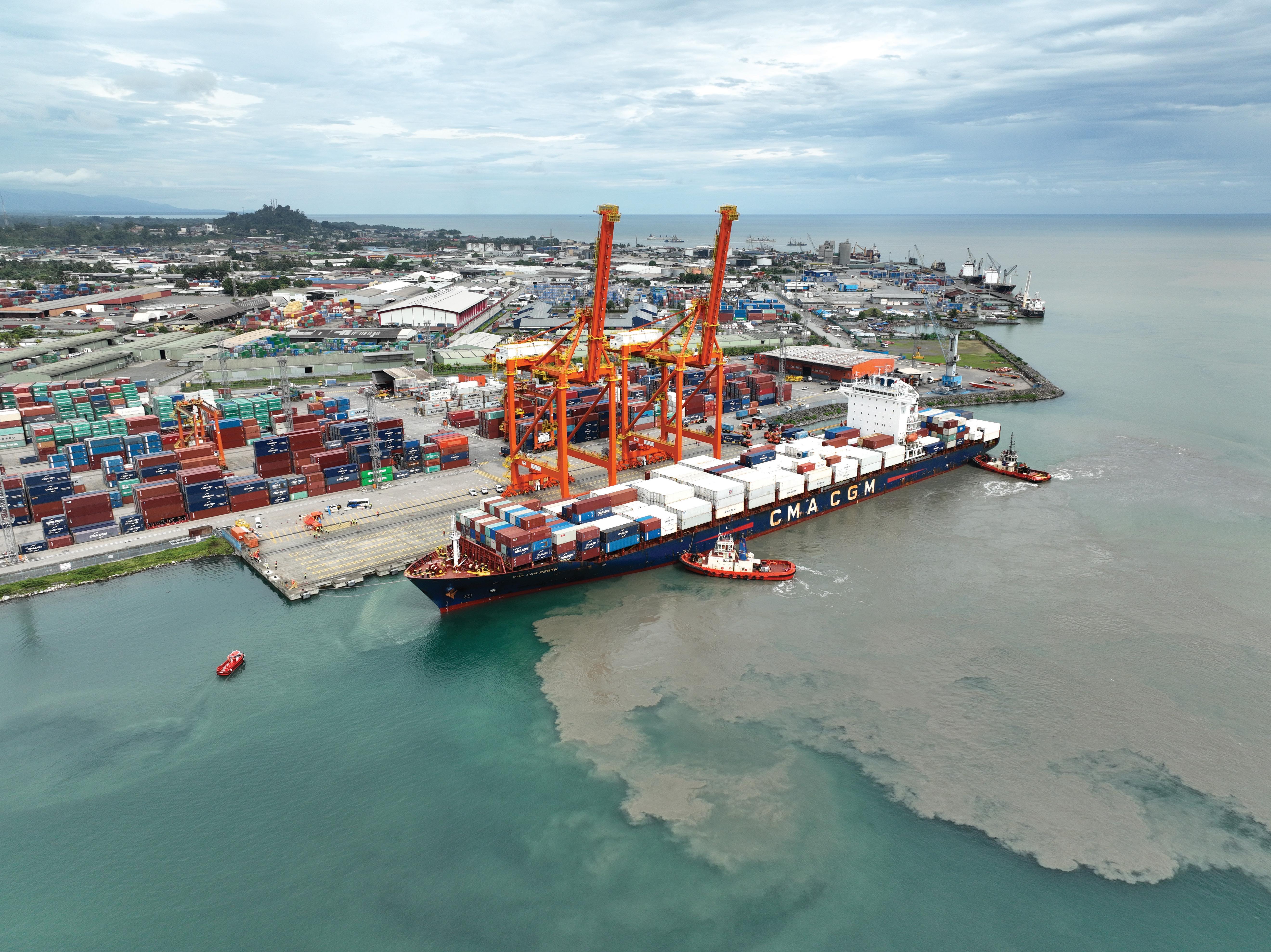
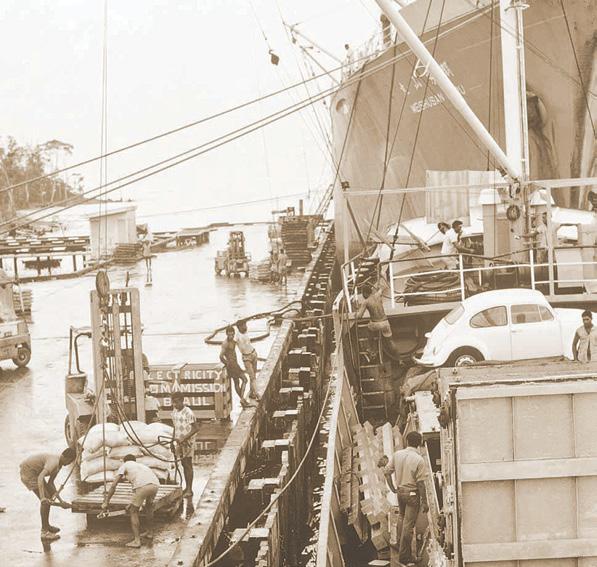
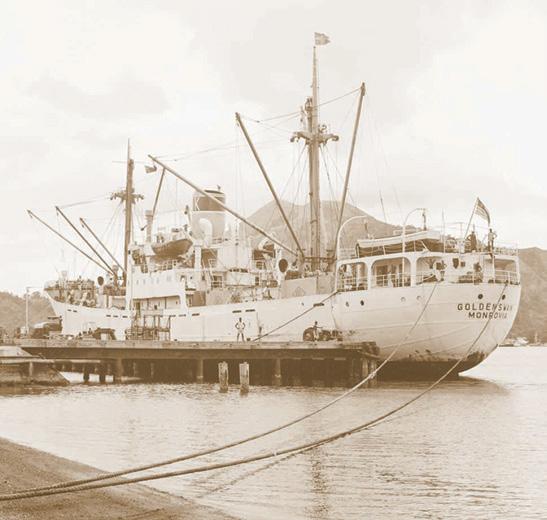
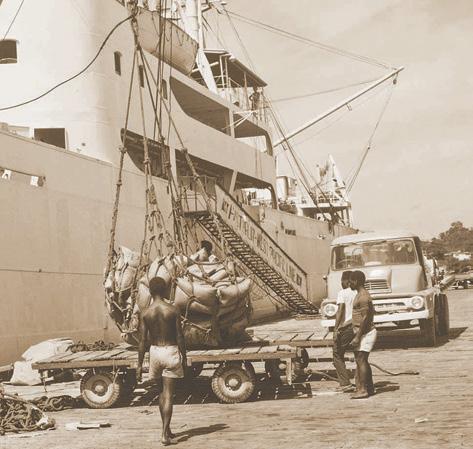
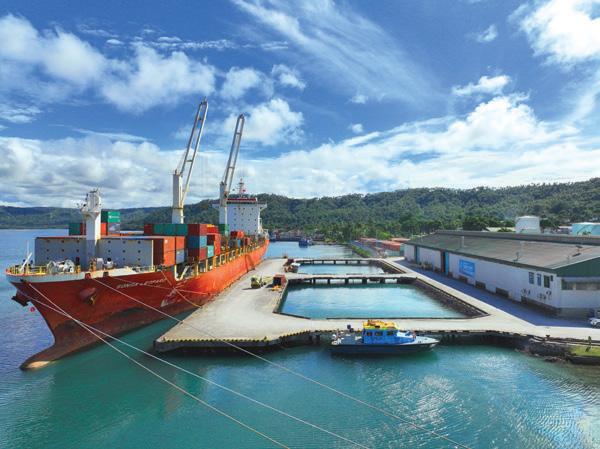
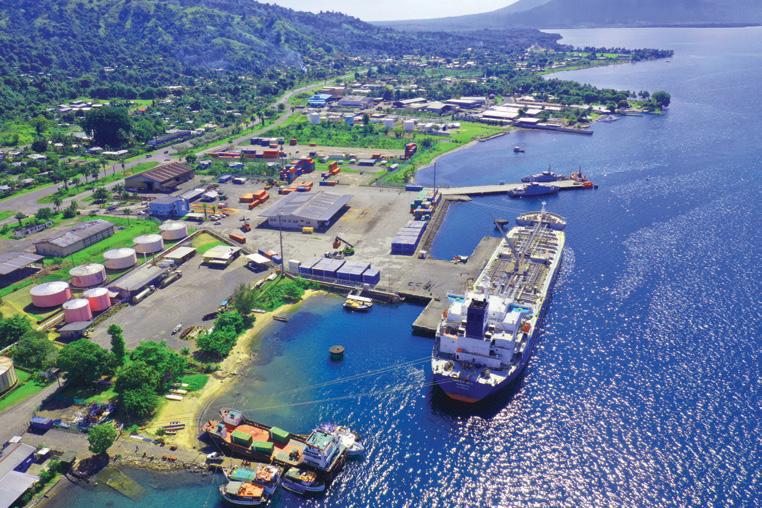
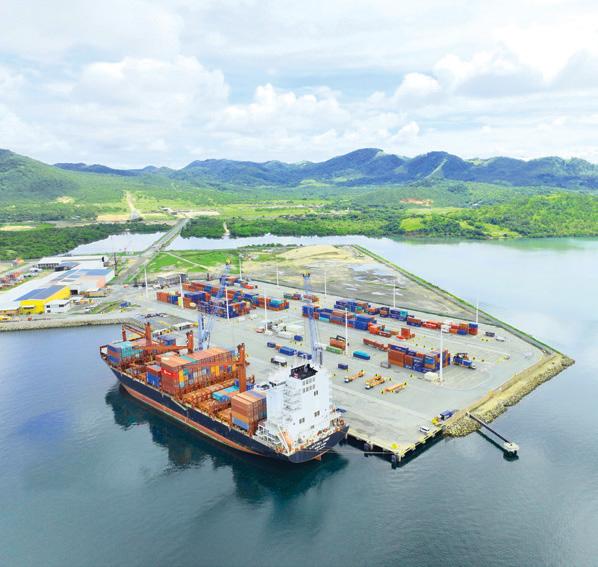
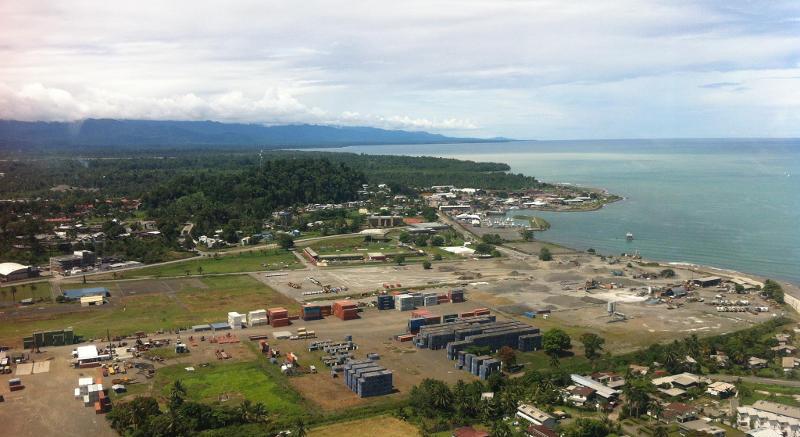
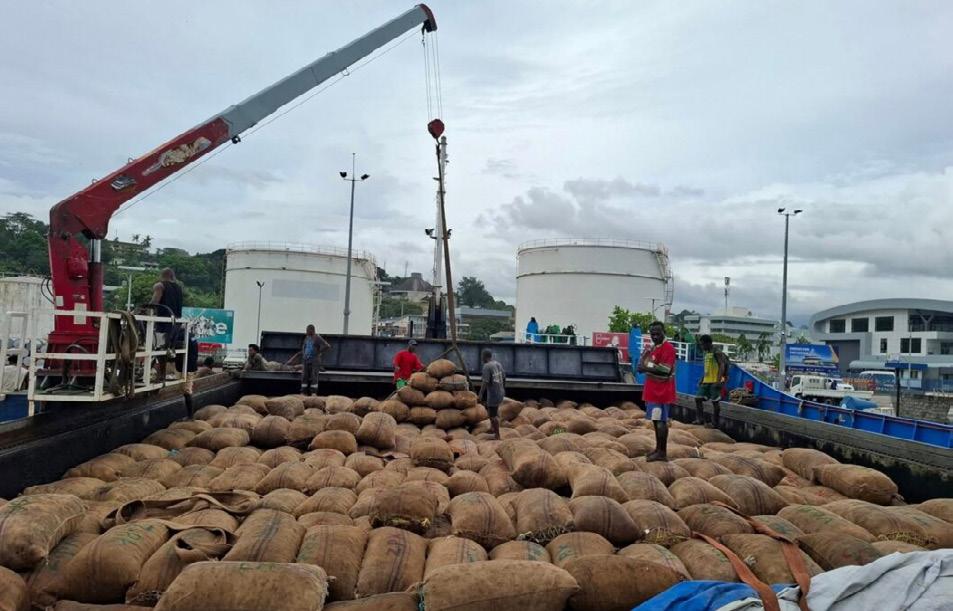
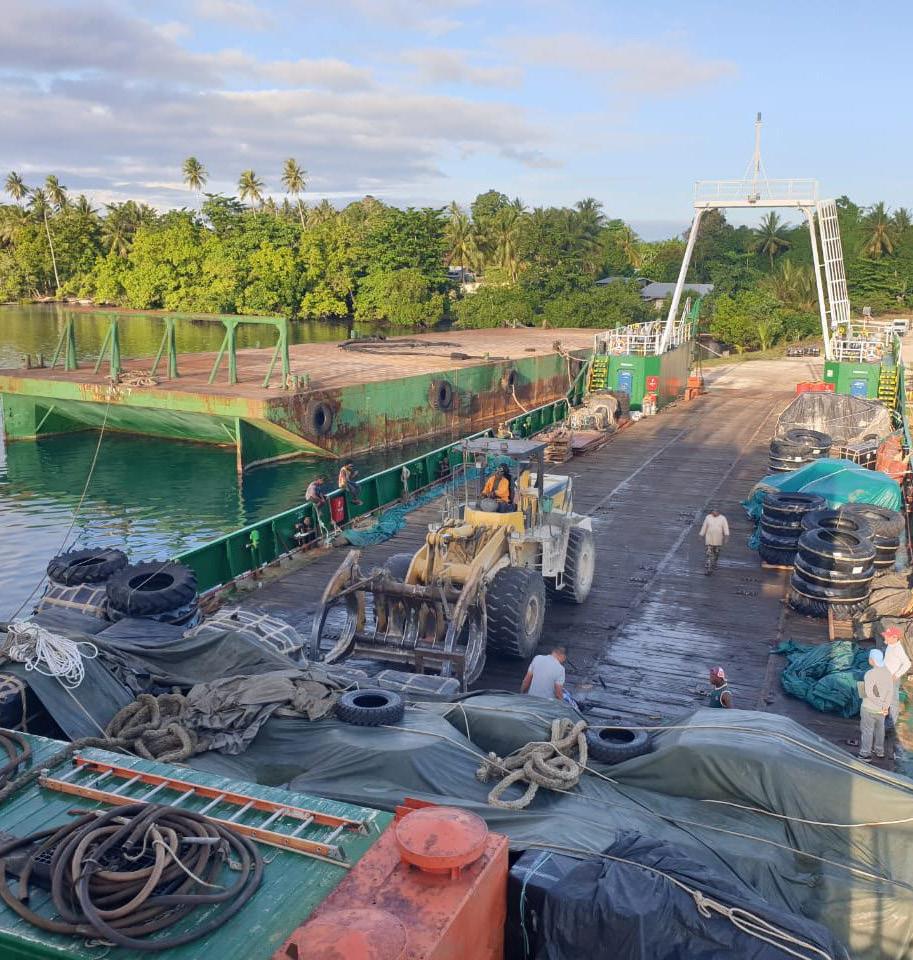
For over 50 years, PNG Ports has kept Papua New Guinea moving – from small coastal jetties to major global gateways. We've helped turn local harvests into global exports, supported trade and industry, and driven the heartbeat of our economy – delivering progress to every Papua New Guinean.
Our ports connect Papua New Guinea to the world and importantly, they connect us to each other – uniting communities, strengthening supply chains, and supporting our people. We’re building prosperity for generations to come.
Merchandise
Conference
Magazines
Annual
Presentation
Offset
Director of its Pacific
Capacity Development Workshop Strengthens Agribusiness Incubation In Solomon Islands
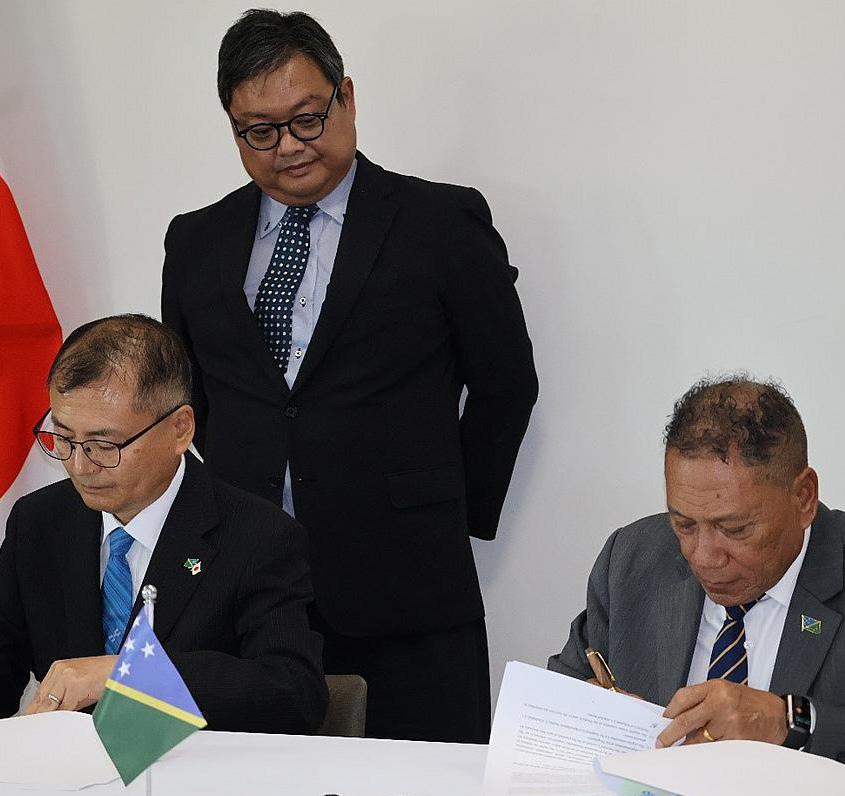
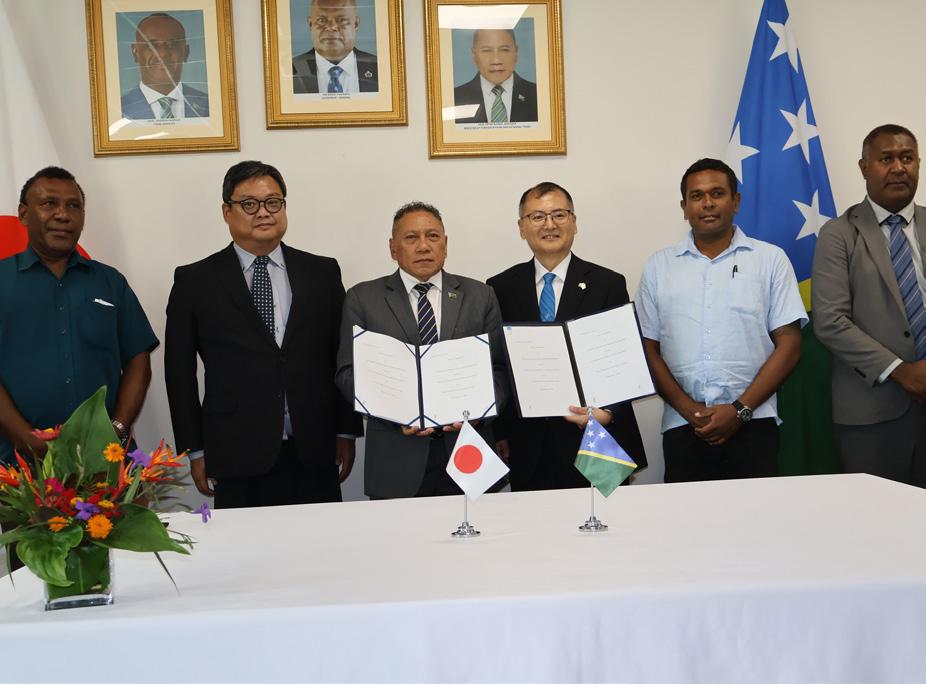
Agovaka Signs JapanFunded Grants to
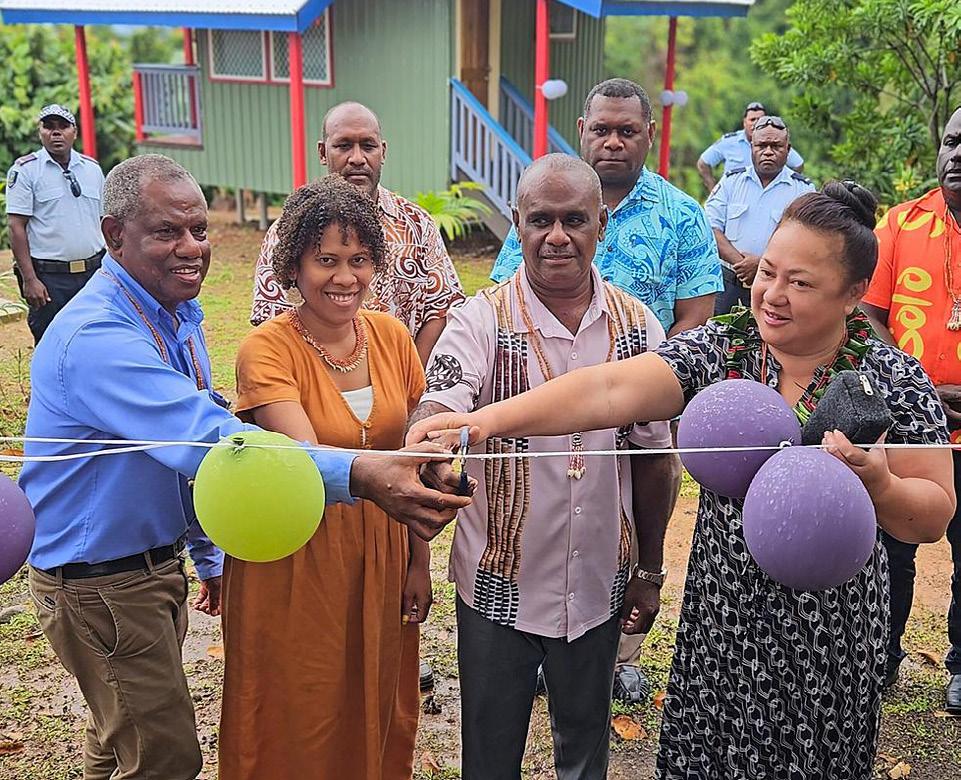
Minister Manele Launches
Islands, Vanuatu Deepen Cooperation through Decentralisation Peer Exchange
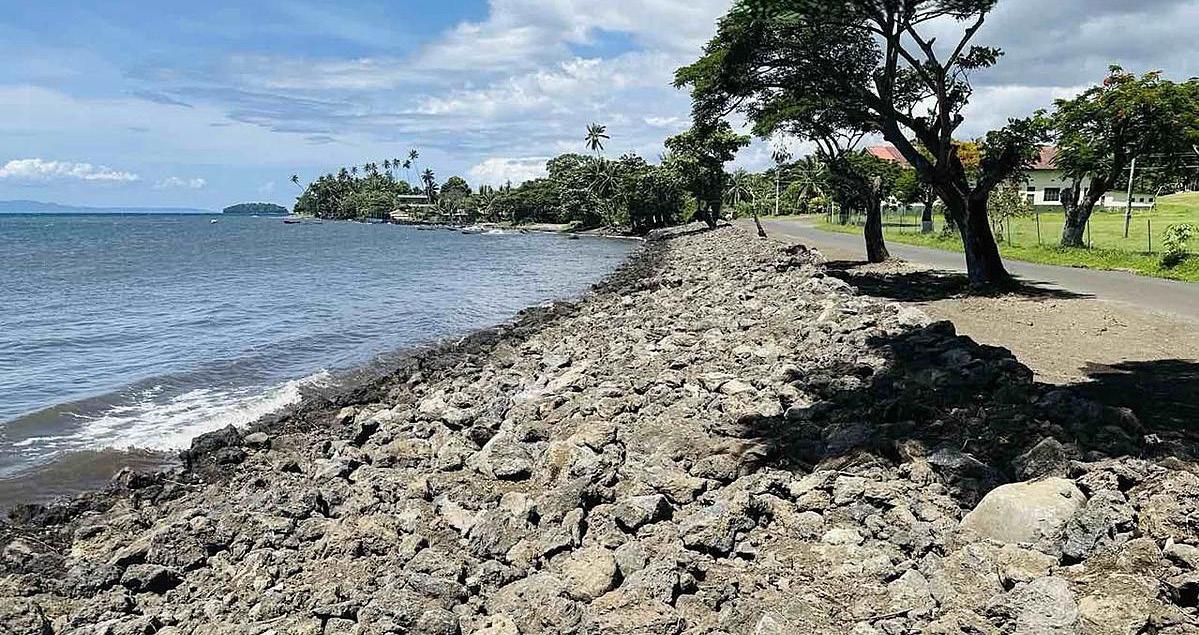
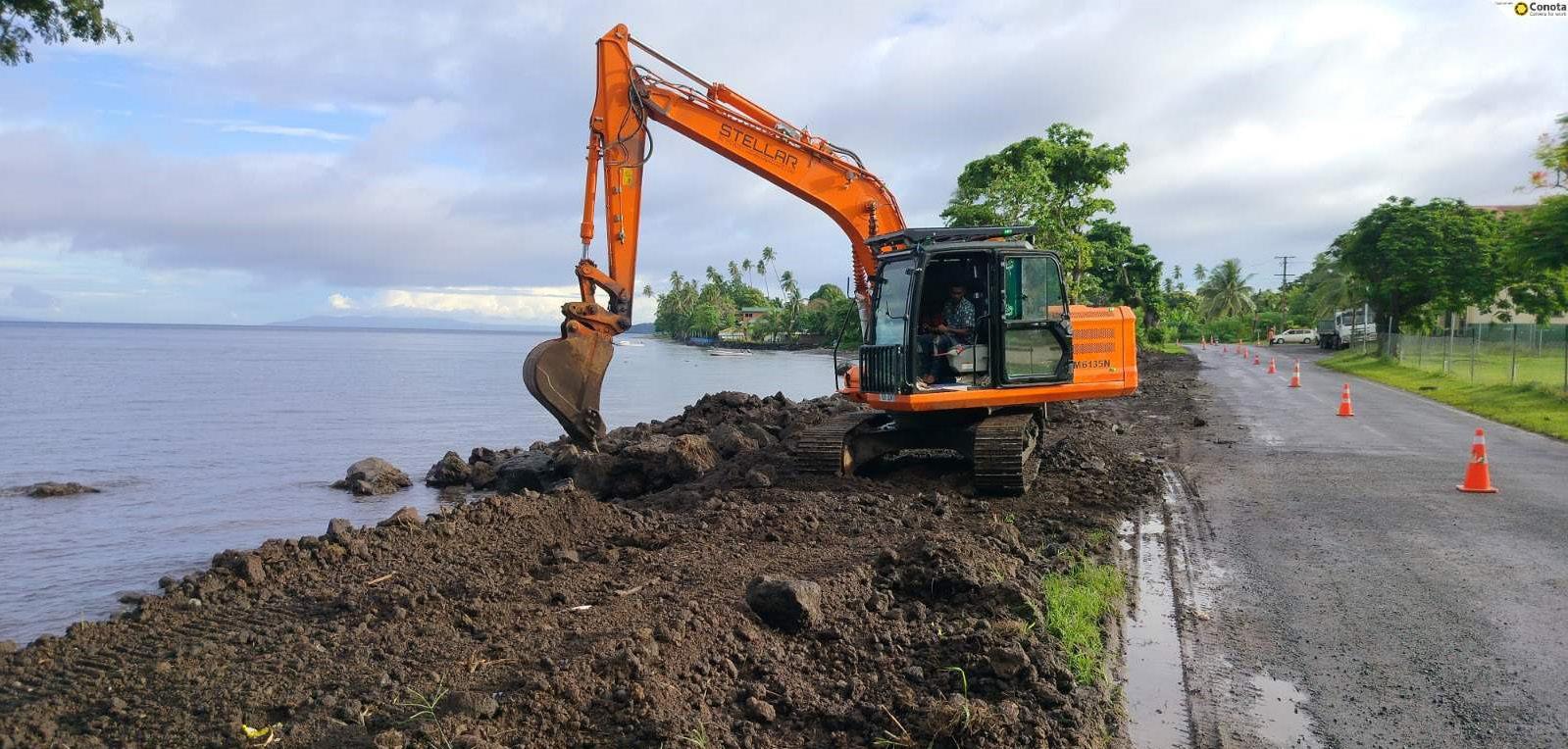
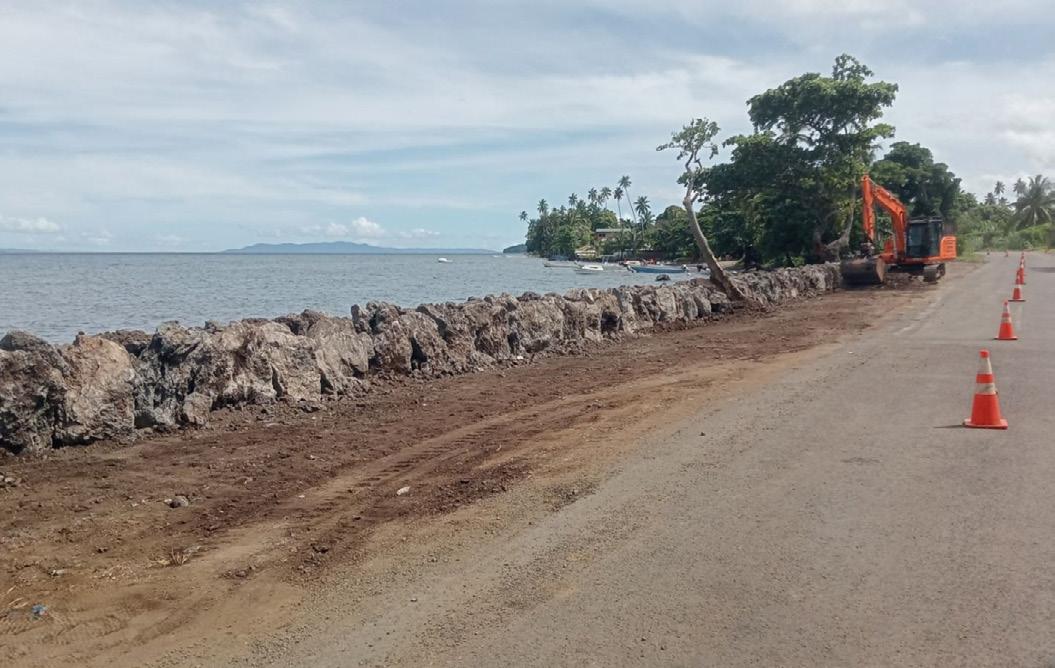
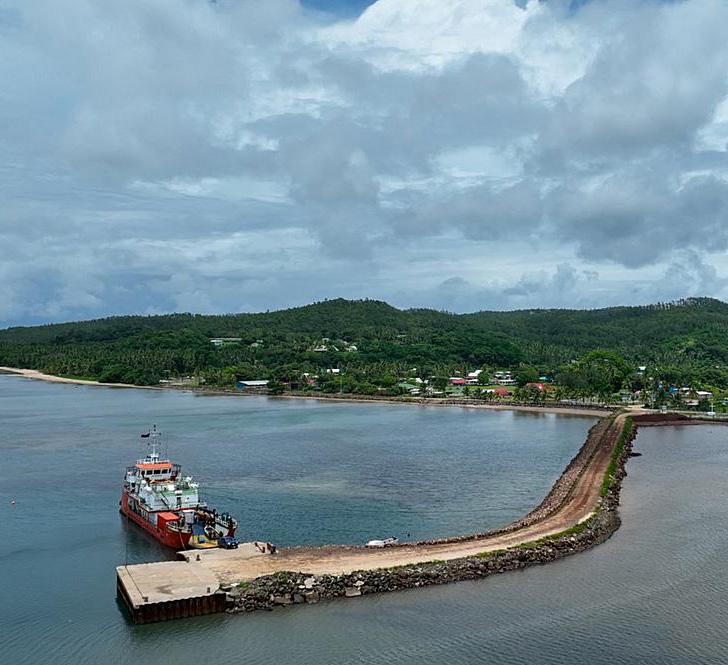
Ellington Wharf Upgrade Reconnects Ra to Fiji’s Maritime Lifeline
Grant Boosts Tourism Development at Parangiju Mountain Lodge
Lakeba Steps into Tourism Spotlight as High-Level Delegation Visits
Pacific Business News is published for the pacific business community.
Commentaries and contributed articles published in this magazine are the views of their authors and do not necessarily reflect the views of Pacific Business Review - our main role is to provide our readers in the Pacific region with a digest of business news in various sectors of Oceania.
Editorial Office
2nd Floor, Suite 6, Corithians Plaza Building, Paseo de Roxas, Legazpi Village, Makati, Philippines
+632 8251 5599
info@pacificbusinessreview.com
Digital Online Edition www.pacificbusinessreview.com
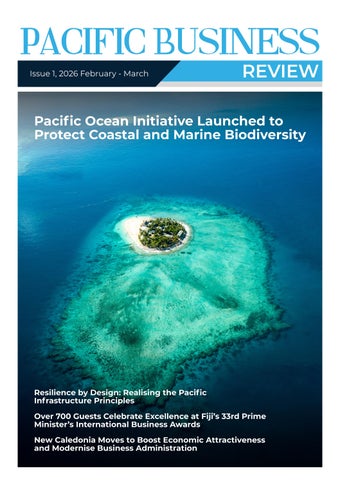
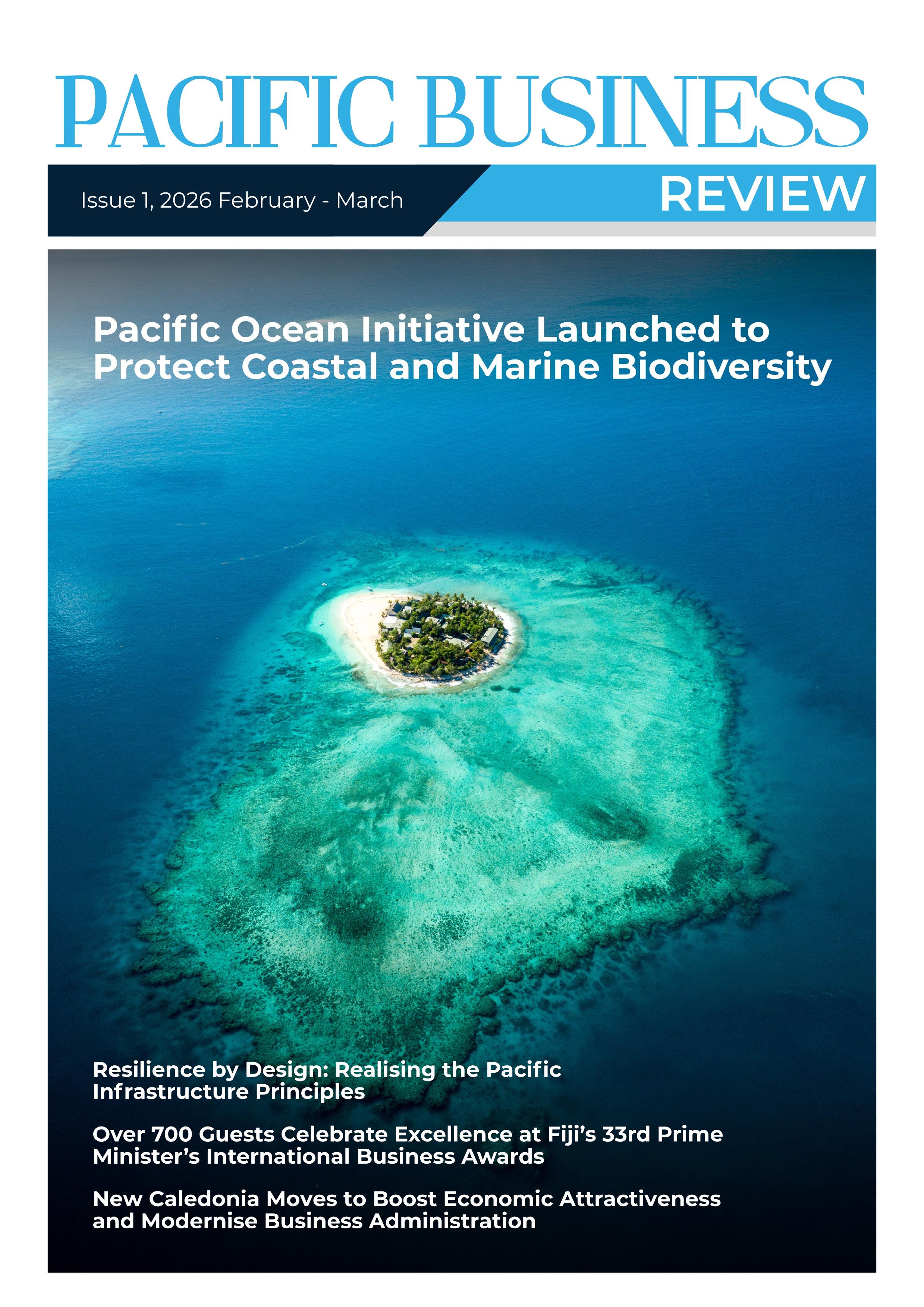
Welcome to Issue One of Pacific Business Review, an edition that captures a region setting its course with purpose — protecting its oceans, building resilience into infrastructure, celebrating business excellence and modernising the systems that underpin economic growth.
We open with the launch of the Pacific Ocean Initiative, a timely and farreaching commitment to safeguarding coastal and marine biodiversity. For Pacific economies, the ocean is both heritage and future — central to livelihoods, food security and sustainable development. This initiative reflects a growing regional resolve to align environmental stewardship with long-term economic opportunity.
Infrastructure resilience is another defining focus of this issue. In Resilience by Design: Realising the Pacific Infrastructure Principles, we explore how governments, financiers and industry are translating policy into practice. From climate adaptation to inclusive design, the emphasis is shifting decisively toward infrastructure that is built not just to serve today, but to endure tomorrow.
Business leadership and enterprise were on full display in Suva, where more than 700 guests gathered for Fiji’s 33rd Prime Minister’s International Business Awards. The evening celebrated innovation, resilience and excellence across sectors, reaffirming the private sector’s critical role in driving growth, employment and regional confidence amid global uncertainty.
We also examine reform efforts in New Caledonia, where moves to boost economic attractiveness and modernise business administration signal a clear intent to streamline processes, improve regulatory certainty and foster a more competitive investment environment. These changes echo a broader regional push to make it easier to do business while maintaining transparency and trust.
Together, these stories reflect a Pacific region thinking strategically about its future — balancing growth with sustainability, ambition with resilience, and reform with opportunity. As always, Pacific Business Review is proud to provide a platform for informed dialogue on the issues shaping business and policy across Oceania.
Thank you for reading, and welcome to the first issue of 2026.
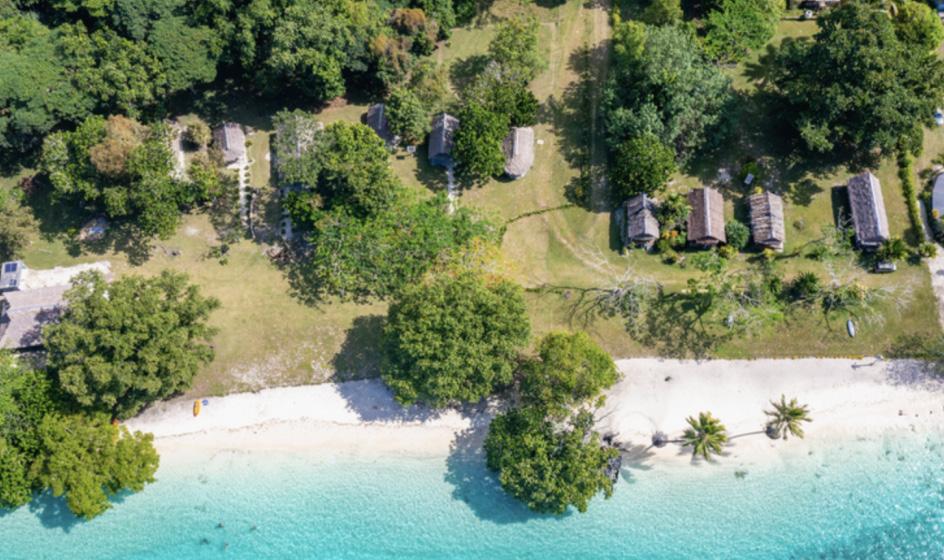
Strengthening Pacific Communities: This island represents the vibrant coastal and marine ecosystems that the Pacific Ocean Initiative seeks to protect. Through a partnership between SPREP and AFD, the programme will enhance ecosystem resilience, promote sustainable fisheries, and support the livelihoods of communities across 18 Pacific Island nations.
Include but not limited to…
✓ M i n i n g E qu i p m e n t & s p a r e p a r t s
✓ E a r t h M o v i n g E q u i p m en t & s pa r e
pa r t s
✓ A g r i c u l t u r a l E q u i p m en t & s pa r e
pa r t s
✓ E
e c
s u pp l ie s
✓ F o r k li f t & au t o m o t i v e p a r t s
✓ O i l s a n d l ub r i c an t s
✓ C a t e r i n g s u p p li e s
✓ T oo l s
✓ P P E N
Drawing on a combined 180 years of experience, EXPAC’s team expertly manages the purchasing and product sourcing requirements for companies located in Papua New Guinea and the Pacific Islands.
Our high service levels, short lead times and extensive product sourcing capacity is why corporations, medium and small businesses, mining companies, governments, all trust EXPAC with their purchasing requirements.
With a strong presence in Europe, China, Papua New Guinea and Australia, EXPAC specializes in sourcing genuine, high-quality parts from trusted suppliers around the globe.
With the establishment of Expac China, we are able to supply directly out of China to PNG. For all queries and quotes from China, please contact our office in Australia.
CHINA: Suite 1130, Chuangzhan Tower, 928 Xikang Road, Shanghai
RESILIENCE BY DESIGN: REALISING THE PACIFIC INFRASTRUCTURE PRINCIPLES
Executive Summary
The Pacific Quality Infrastructure Principles (PQI), endorsed by Pacific leaders in 2021, set out a bold vision for infrastructure that is resilient, inclusive, and locally led. At the 2025 Pacific Infrastructure Conference in Brisbane, that vision was tested and, in many cases, realised. Across dozens of sessions, case studies, and bilateral dialogues, the region’s governments, contractors, financiers, and communities demonstrated how the PQI are being embedded in practice.
The following sections explore how the PQI are being operationalised across the Pacific, drawing on examples from infrastructure planning, procurement reform, climate finance, and delivery models. It also considers the legal architecture that enables and scales these efforts, positioning the law as a foundational enabler of PQI implementation and supporting high-quality infrastructure across the region.
Local Content and Workforce Development — From Policy to Practice
The PQI’s first principle — that infrastructure should build local capacity beyond physical assets — is increasingly being realised across the Pacific. The shift from participation to empowerment is evident in how governments, chambers of commerce, and contractors are rethinking delivery models.
In Tuvalu, the Chamber of Commerce has articulated a clear vision for infrastructure that leaves behind skills, not just structures. With a small but resilient workforce and growing interest in trades and entrepreneurship, Tuvalu is seeking partnerships that embed training, subcontracting, and supply-chain inclusion. Similar sentiments were expressed by Niue, Kiribati and the Federated States of Micronesia, where local businesses are eager to participate in logistics, catering, and construction.
Fiji’s Commerce and Employers’ Federation (FCEF) highlighted a workforce of more than 300,000, with 17,000 annual graduates and a proven track record in delivering donor-funded projects. FCEF is actively connecting contractors with skilled tradespeople, suppliers and workforce development partners — demonstrating that local engagement is not only a social benefit but also a commercial advantage.
AUTHORS:
Wavie Kendino Leki Partner and Head of Office, Port Moresby
Matt Coleman Partner, Construction, Melbourne
Steve Patrick Partner, Commercial/ Corporate, Port Moresby
Ian Clarke, OBE Special Counsel and Consultant, Corporate, Sydney
Jett Lobb Solicitor, Melbourne
Contractors are responding. Reeves Envico’s work in Kiribati includes training women in carpentry, painting, and site administration. Hatanga’s partnership with BY Group in Solomon Islands is delivering projects with 90% local procurement and workforce participation. Hall Contracting’s wharf project in Nui, Tuvalu, overcame extreme remoteness and corrosive conditions through pre-planning, prefabrication, and local labour mobilisation.
Collectively, these examples illustrate that local content is no longer merely a compliance requirement — it is a strategic imperative. However, scaling these efforts requires legal frameworks that embed local participation into procurement, contracting, and performance management. This includes:
• mandating local labour quotas in public procurement structuring joint ventures with local firms recognising local training and certification pathways
• embedding local content into bid evaluation criteria
Climate Resilience and Lifecycle Planning — Infrastructure That Endures
The PQI place climate resilience at the heart of infrastructure planning and delivery. In a region where rising seas, cyclones, and extreme weather events are lived realities, resilience is not a luxury — it is a necessity. At the 2025 Pacific Infrastructure Conference, this principle was demonstrated through a diverse array of projects, strategies, and institutional reforms.
One of the most compelling examples came from Samoa, where the Green Ports Initiative has transformed Apia Port into a model of climate-smart infrastructure. Supported by the Asian Development Bank and technical experts from Haskoning, the initiative delivered 42 targeted upgrades across five domains: environmental management, operational efficiency, disaster preparedness, climate resilience, and social sustainability. Upgrades included solar PV installations, smart lighting, rainwater harvesting, and electrification of port operations. The initiative also produced a Green Ports Policy, a Practice Manual, and a Multi-Hazard Preparedness Plan — tools now being replicated in Tonga and Fiji.
In the Cook Islands, a quantitative adaptation planning framework was used to assess climate risks to critical assets such as Rarotonga International Airport and Avatiu Harbour. The methodology combined detailed asset-level data with multi-hazard modelling of heat stress, sea-level rise, storm surge and extreme rainfall.
The result was a set of adaptation scenarios ranging from business-as-usual to maximum protection, each evaluated through multi-criteria analysis. This evidence-based approach now informs national infrastructure strategies and investment prioritisation.
The Federated States of Micronesia (FSM) has also made significant strides. Entura, the consulting arm of Hydro Tasmania, has worked across all four states to deliver renewable energy projects aligned with FSM’s nationally determined contributions under the Paris Agreement. These included solar and battery energy storage systems (BESS), disaster-proof generation equipment and feasibility studies for future investments. Entura’s work is notable for integrating climate risk assessments, stakeholder engagement and capacity building.
In Papua New Guinea (PNG), the Resilient Infrastructure Guide — developed by the Economic and Social Infrastructure Program (ESIP) with the Government of PNG — provides a comprehensive framework for embedding resilience throughout the infrastructure lifecycle. It outlines principles for climate risk assessment, stakeholder alignment and whole-of-life value, with practical tools for integrating resilience into procurement, design, construction and maintenance. Case studies from Lae Market and Metoreia Health Centre illustrate how resilience can be built into materials selection, ventilation systems, water harvesting and maintenance planning.
Together, these initiatives reflect a regional shift from reactive adaptation to proactive resilience. Infrastructure is no longer designed solely for functionality — it is designed for durability. This shift requires governments to embed resilience into planning codes, procurement criteria and performance standards; donors and financiers to require climate risk integration; and contractors to adopt lifecycle costing and resilience metrics.
Community-Led Design and Social Inclusion — Infrastructure That Reflects Local Realities
The PQI emphasise that infrastructure must be designed not simply for communities, but with them. Community-led design is increasingly recognised as essential to ensuring infrastructure is inclusive, sustainable and fit for purpose. At the 2025 Pacific Infrastructure Conference, this principle was demonstrated through various projects across the region.
In Solomon Islands, the Buala Market project shows how infrastructure can be shaped by local needs. Community input informed layout, access, and functionality, resulting in a facility that supports local livelihoods, enhances food security and strengthens social cohesion. Climate-resilient design features mitigate flood risk and support long-term maintenance.
to Page 12
In Kiribati, the redevelopment of Betio Hospital’s maternal and children’s wing was guided by principles of simplicity, durability and cultural appropriateness. The design prioritised ease of cleaning, passive ventilation and family congregation spaces, all informed by local consultation. The project also created employment opportunities for women in skilled trades.
The Hatanga–BY Group partnership in Solomon Islands further demonstrates community-embedded delivery models. Their work in Temotu Province involved local engineers in geotechnical investigations, concrete mix design and prefabrication. The model — combining Australian certifications with Solomon Islands labour and logistics — is now being scaled to Tuvalu, Vanuatu and Honiara.
Workforce inclusion is also being advanced through the IFC’s Meri Save Trades program, which helps firms recruit and retain women in construction. Support includes inclusive recruitment guidance, gendersensitive workplace policies, appropriately fitted PPE and menstrual health accommodations. Participating firms report improved retention, productivity and workplace culture.
Reeves Envico’s training programs in Kiribati include forklift certification, Gender Equality, Disability and Social Inclusion (GEDSI) workshops and career development pathways — all embedded into project delivery rather than treated as add-ons.
From a legal perspective, community-led design requires frameworks that go beyond consultation. Governments must embed inclusive design principles into planning codes, procurement templates and performance standards. Contractors must demonstrate how projects reflect community needs and support social outcomes. Donors and financiers must integrate social safeguards into funding agreements.
Community-led design is ultimately about co-creation. It recognises that infrastructure is not neutral — and that its design, delivery and operation must reflect the values and aspirations of the people it serves.
Governance, Standards and Procurement Reform — Enabling Quality Delivery
The PQI call for governance frameworks that support quality outcomes. This includes the legal architecture of procurement and contracting, as well as the technical standards, institutional capacity and performance management systems that underpin infrastructure delivery.
Across the Pacific, governments and regional bodies are strengthening these foundations. The South Pacific Engineers Association (SPEA) is leading efforts to harmonise engineering standards across PNG, Fiji, Samoa, Tonga, Cook Islands and Vanuatu. Its partnership with Engineering New Zealand (ENZ) and New Zealand’s Ministry of Foreign Affairs and Trade (MFAT) aims to provide online access to New Zealand and Australian design codes, expand continuing professional development (CPD) pathways, and create accreditation routes for technicians and engineers. These initiatives enable regional labour mobility and ensure consistent infrastructure quality.
In PNG, the Business Council is advocating for reforms to streamline procurement, clarify publicprivate partnership (PPP) guidelines and digitise permitting systems. Technical working groups on macroeconomics, ESG, revenue and infrastructure are producing policy papers feeding into government-business consultative forums that align public and private priorities.
In Tonga, the National Transport Research Organisation (NTRO) is implementing a Strategic Transport Infrastructure Advisory Program across six islands. It includes surveying 500 km of roads, inspecting six airports and developing asset management systems, laboratory certification, training programs and sustainability analysis aligned with the UN Sustainable Development Goals. NTRO’s approach provides a model for embedding technical advisory in national planning.
These efforts demonstrate that governance is not only about rules — it is about capability. Legal frameworks must support standards harmonisation, procurement reform and institutional strengthening. This includes:
drafting procurement laws that embed the PQI
• creating bid evaluation criteria that reward quality, resilience and inclusion establishing independent infrastructure commissions or technical panels
• aligning national standards with international benchmarks (e.g. ISO, IEC, ASTM)
Financing and Delivery Models — Matching Vision with Resources
SPEA’s work to harmonise engineering standards and expand accreditation pathways is essential to enabling regional mobility and technical consistency.
Regional integration also requires legal frameworks that support mutual recognition, cross-border procurement and trade facilitation. This includes:
drafting mutual recognition agreements for engineering and construction professionals
• creating regional procurement platforms and standardised tender documents aligning customs and logistics regulations to support infrastructure delivery
The PQI are no longer aspirational — they are being embedded in the region’s infrastructure landscape through community-led design, climate-resilient planning and inclusive delivery models. The 2025 Pacific Infrastructure Conference showcased a region that is not only committed to these principles but actively shaping its future around them.
To sustain momentum, Pacific governments, development partners and the private sector must now focus on institutionalising these gains. This means embedding the PQI into legislation, procurement systems and performance frameworks — not as optional guidelines, but as core requirements.
Legal frameworks will determine whether tomorrow’s infrastructure reflects today’s values. In the Pacific, those values are clear: resilience, inclusion and regional solidarity. The challenge now is to translate these values into enforceable standards, scalable models and enduring partnerships.
The PQI agenda is not just about building infrastructure — it is about building trust, opportunity and shared prosperity. From principles to practice, the journey continues.
For more information, visit the Pacific Quality Infrastructure Principles online. PBR
OVER 700 GUESTS CELEBRATE EXCELLENCE AT FIJI’S 33RD PRIME MINISTER’S INTERNATIONAL BUSINESS AWARDS
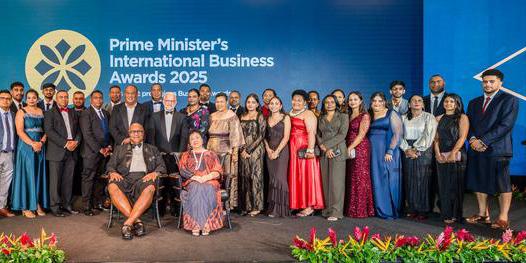
Fiji’s business community came together in grand style on Saturday, November 29, at the Sheraton Fiji Golf & Beach Resort for the 33rd Prime Minister’s International Business Awards (PMIBA) 2025, drawing over 700 guests for an elegant gala recognising the nation’s top-performing companies.
Organised by Investment Fiji and supported by sponsors including major sponsor FIJI Water, the awards celebrated excellence across 18 categories, recognising achievements in sectors ranging from manufacturing, agriculture, tourism and services to innovation and export. A total of 18 winners were honoured, reflecting the diversity and dynamism of Fiji’s business landscape.
The awards, themed “Navigating Global Winds –Resilience, Innovation and Sustainable Growth,” highlighted companies demonstrating exceptional performance, sustainable practices, and a commitment to innovation despite global economic challenges. Attendees included business leaders, industry partners, government representatives and stakeholders, who praised the event as a platform that celebrates resilience, growth, and competitiveness in both local and international markets.
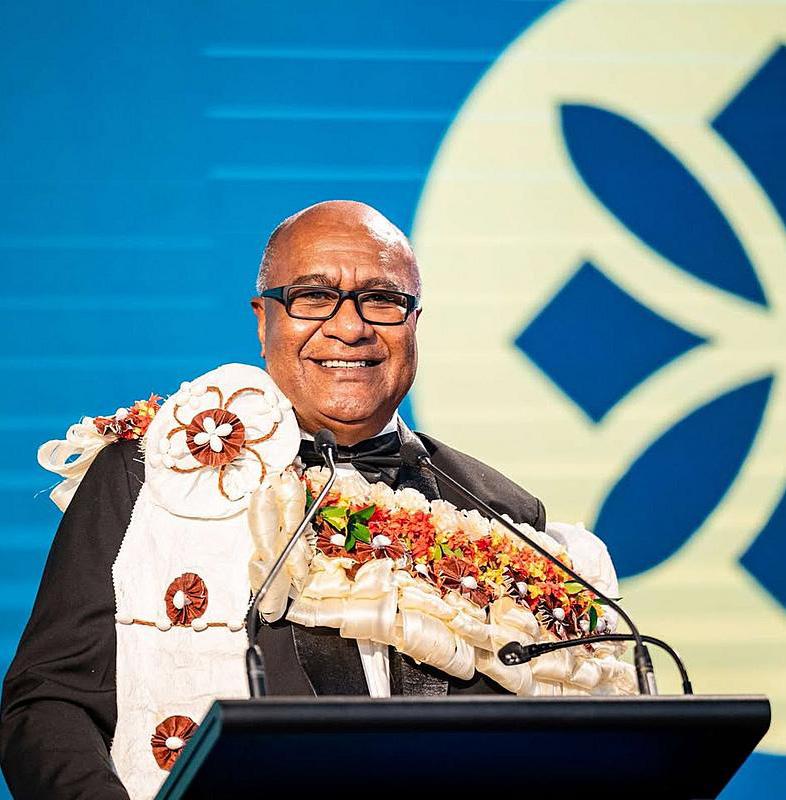
Delivering the keynote address on behalf of the Prime Minister and Minister for Foreign Affairs, Civil Service & Public Enterprise, Hon. Sitiveni Rabuka, Member of Parliament Hon. Manoa Kamikamica, the Chief Guest, emphasised the critical role of the private sector in Fiji’s economic future.
“Fiji’s private sector remains a vital driver of our economy, creating jobs, boosting exports and supporting diversification. With 212 investment projects worth over $6.2 billion in the pipeline and foreign direct investment forecasted to grow by 23%, this reflects strong confidence in the stability and direction of our economy,” Hon. Kamikamica said.
Investment Fiji Chair Ms. Jenny Seeto highlighted the quality of entries, noting over 200 applications were received this year. “The calibre of entries reflects the strength and ambition of Fiji’s business sector. I congratulate all our winners and finalists, and sincerely thank our sponsors whose support forms the backbone of these awards,” she said.
FIJI Water Associate Vice President Susie Waqanibaravi added, “FIJI Water is proud to support a platform that recognises business excellence and the leaders driving Fiji forward. We extend our warmest congratulations to Rosie Holidays as the Supreme Award winner, as well as all other category winners. Vinaka vakalevu to Investment
Fiji for delivering another remarkable celebration of business achievement.”
Key Category Winners:
• Supreme Award (FIJI Water): Rosie Holidays
Premier Large Business Operating Internationally (BSP Financial Group Limited): Fiji Airports Ltd
• Premier Medium Business Operating Internationally (Westpac Fiji): Vuvale Outsourcing Pte Ltd
Premier Small Business Operating Internationally (DHL Express Fiji): Bula Coffee
• Excellence in Innovation (Swire Shipping): DUCO Consultancy Pte Ltd
Excellence in E-Commerce Transformation (HFC Bank): Fiji Airways
Employer of the Year (Fiji National Provident Fund): Motibhai & Company Ltd
• Excellence in Service (Tower Insurance): Rosie Holidays Executive of the Year (Telecom Fiji): Mesake Nawari – Fiji Airports Ltd
• Excellence in Outsourcing (Vodafone Fiji): KPMG Advisory (Fiji) Pte Ltd – Fiji Dynamic Delivery Centre
Excellence in Fisheries (Reserve Bank of Fiji): Pacific Fishing Company Ltd
• Excellence in Agribusiness Innovation (Ministry of Agriculture & Waterways): Food Processors (Fiji) Pte Ltd
Excellence in Forestry (Ministry of Forestry): Tropik Wood Industries Ltd
• Excellence in Yasana (Provincial) Aspiration (iTaukei Executive Forum): Rewa Provincial Holding Company Ltd
Recognition Awards: Jay Singh – Crowne Plaza Nadi Bay Resort & Spa, Damodar North Pte Ltd, Tappoo Group of Companies
The PMIBA remains one of Fiji’s most prestigious business accolades, reaffirming the partnership between government and the private sector in building a resilient, innovative, and sustainable economy. The evening served as both a celebration of past achievements and an inspiration for continued excellence in the years ahead. PBR
FIJI, UNITED STATES FORMALISE GRANT AGREEMENT ON ICT MODERNISATION ASSISTANCE
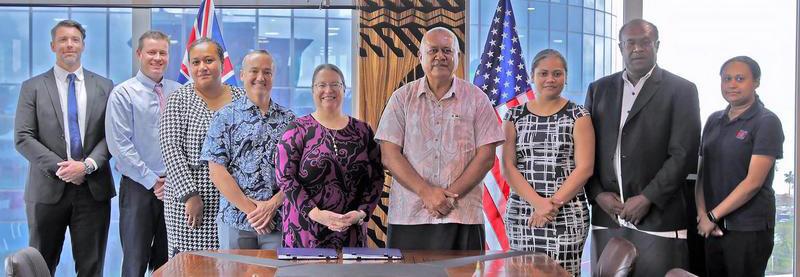
The Ministry of Policing and Communications and the United States Government have formalised a grant agreement on ICT Modernisation Technical Assistance, reinforcing bilateral cooperation to strengthen Fiji’s digital infrastructure and cybersecurity capabilities.
The agreement was formally handed over by the Minister for Policing and Communications, Ioane Naivalurua, together with the outgoing United States Ambassador to Fiji, Marie Damour. Officials from the Ministry and representatives of the United States Trade and Development Agency (USTDA) were also present at the ceremony.
Under the agreement, USTDA will fund a comprehensive technical review of the Government of Fiji’s existing information and communications technology network. The assessment is expected to be completed later this year and will provide recommendations to modernise government ICT systems, improve interoperability and enhance overall network resilience.
Minister Naivalurua acknowledged the support of the United States Government, saying the initiative aligns closely with Fiji’s National Digital Strategy 2025–2030,
which aims to position the country as a leading digital economy in the Asia-Pacific region.
“This partnership supports our vision of a modern, secure and inclusive digital Fiji, where government services are efficient, resilient and accessible to all citizens,” Naivalurua said.
He noted that modernising ICT infrastructure is critical not only for service delivery but also for national security, disaster response and economic competitiveness, particularly as Fiji continues to expand e-government services and digital connectivity across outer islands.
The Minister also highlighted progress on the National Cybersecurity and Resilience Strategy, emphasising the Government’s focus on safeguarding public-sector networks, protecting sensitive data and strengthening Fiji’s preparedness against cyber threats. Ambassador Damour said the grant reflects the United States’ commitment to supporting Fiji’s digital transformation and promoting secure, reliable and transparent ICT systems across the Pacific.
The ICT modernisation initiative is expected to complement ongoing regional efforts to strengthen digital governance, support private-sector innovation and improve connectivity, particularly in underserved and rural communities.
Minister Naivalurua reaffirmed the importance of sustainable international partnerships in advancing Fiji’s digital agenda, saying collaboration with trusted partners is essential to ensuring a secure, reliable and resilient digital future.
Australian Doctors International Re-imagining remote health care
The ADI Health Hub
Purpose-built for Papua New Guinea’s remote regions
The Health Hub model is a transformative and scalable, locally led initiative that strengthens the entire health ecosystem in remote communities, addressing all social determinants that promote healthy living.
ADI also specialises in supporting resource companies create local communities that are a beacon of health and hope.
“This agreement demonstrates how international cooperation can support long-term national development while strengthening institutional capacity and protecting critical systems,” he said. PBR ADI — Serving Papua New Guinea for 25 years
adi.org.au
ceo@adi.org.au
FIJI LAUNCHES BLUE ECONOMY FRAMEWORK 2025–2035
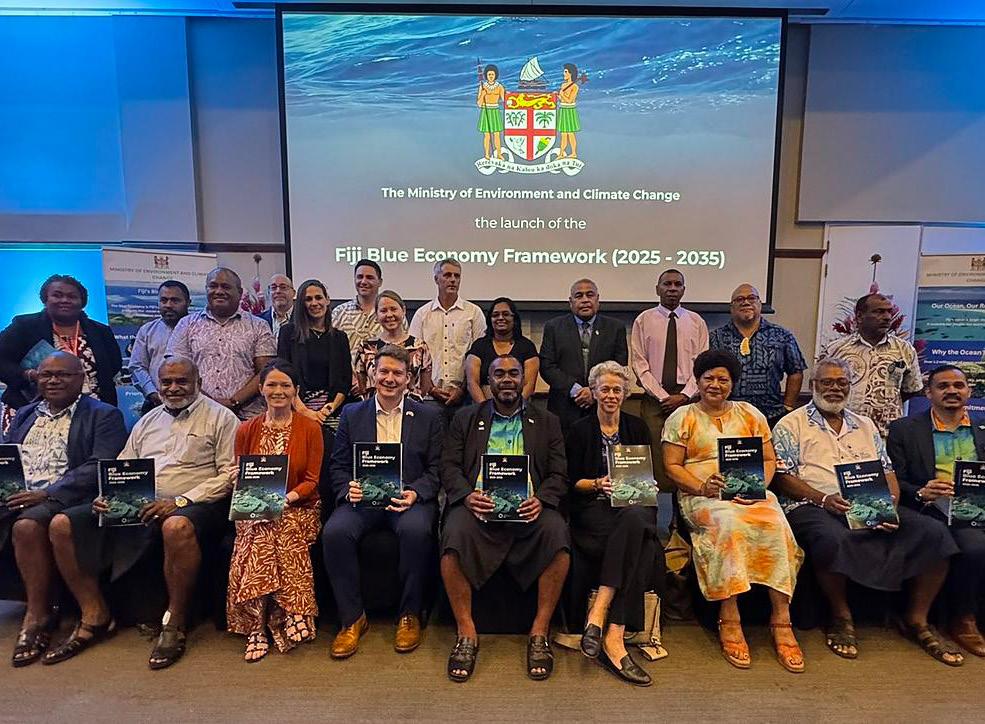
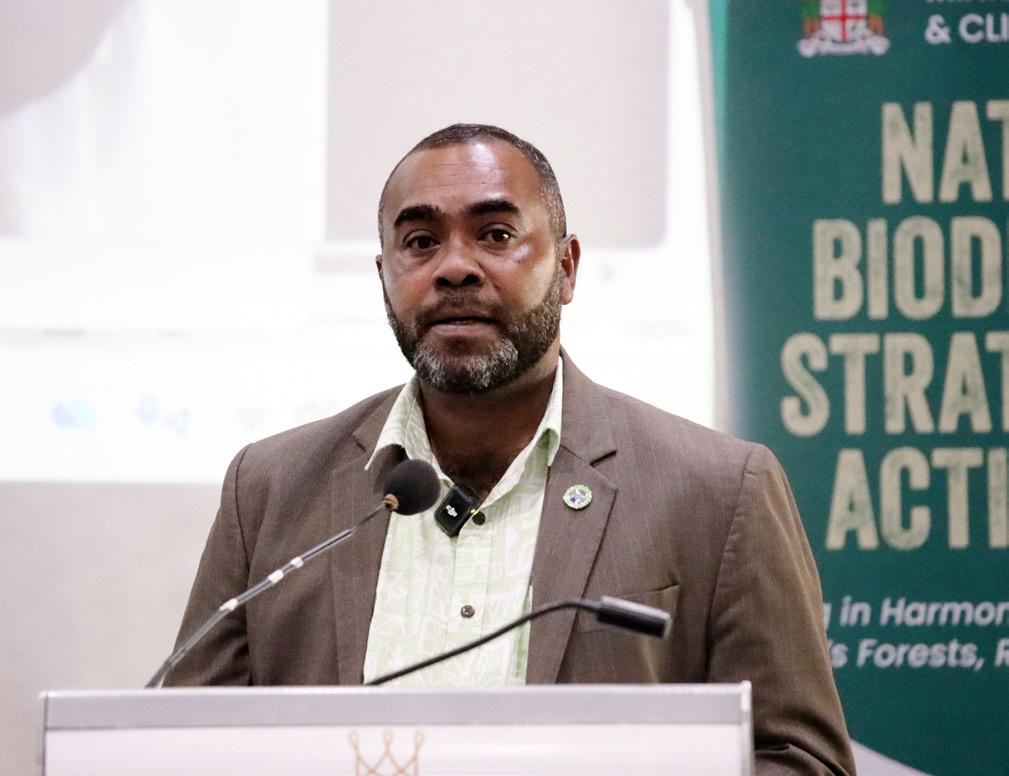
Fiji has taken a major step towards securing a sustainable and resilient ocean future with the official launch of the Fiji Blue Economy Framework 2025–2035, unveiled on January 15 in partnership with the Ministry of Environment and Climate Change and Blue Prosperity Fiji.
The Framework was officially launched by the Minister for Environment and Climate Change, Hon. Mosese Bulitavu, and sets out a clear national direction for ocean-based development, ensuring economic growth is balanced with the protection of marine ecosystems.
In his address, Minister Bulitavu underscored the responsibility of safeguarding Fiji’s natural resources for future generations, drawing on traditional values.
“Na vanua kei na kena iyaubula e isolisoli vei keda. Me da qarava vakamatua me baleti ira na noda kawa mai muri,” he said, which translates to: The land and the living things in it are a gift to us. It belongs to those who come after us. Let us look after this gift wisely.
The minister said the Framework lays a strong foundation for growing Fiji’s ocean economy while protecting the marine environment and delivering long-term benefits to communities.
“This Framework provides a strong foundation for growing Fiji’s ocean economy in a way that protects our marine environment while delivering lasting benefits for communities and future generations,” Bulitavu said.
The launch follows Cabinet’s endorsement of the Fiji Blue Economy Framework 2025–2035, which serves
as a strategic roadmap for sustainable ocean-based economic development and inclusive prosperity.
Briefing stakeholders, Permanent Secretary for Environment and Climate Change Dr. Sivendra Michael explained that the Framework is not an action or implementation plan, but a guiding document that outlines key principles and considerations to inform and shape Fiji’s Blue Economy development across sectors.
Developed through extensive and inclusive consultations, the Framework provides overarching policy direction for all national Blue Economy initiatives, while allowing ministries, organisations and sectors to design and implement actions aligned with their respective mandates.
Aligned with Fiji’s National Development Plan, National Ocean Policy and commitments under the Paris Agreement, the Framework aims to sustainably manage 100 per cent of Fiji’s ocean space and fully protect at least 30 per cent by 2030. It also recognises the critical role of communities, women, youth and small enterprises as custodians of Fiji’s Blue Economy vision.
As a Big Ocean State, Fiji’s ocean territory is more than 70 per cent larger than its landmass and supports the livelihoods of nearly 90 per cent of Fijians who live along the coast. The Framework prioritises the protection of marine ecosystems, sustainable fisheries, climate-resilient tourism, renewable ocean energy and conservation-led enterprises.
The Fiji Blue Economy Framework 2025–2035 marks a significant milestone in advancing a fair, resilient and prosperous future through the sustainable use and protection of the country’s ocean resources. PBR
FIJI LAUNCHES FIRST-EVER MSME STRATEGIC PLAN AND NATIONAL DATABASE
The Government of Fiji launched its first-ever Micro, Small and Medium Enterprise (MSME) Strategic Plan 2025–2030 alongside the National MSME Database, a move aimed at creating a more inclusive, data-driven and resilient MSME sector.
The initiatives are designed to build a stronger, smarter and more connected ecosystem to support entrepreneurs across Fiji, from urban centres to rural and maritime communities. The launch highlighted the Government’s commitment to placing MSMEs at the centre of the country’s economic transformation, backed by partnerships and a clear focus on delivery.
The Minister for Finance, Commerce and Business Development, Hon. Esrom Immanuel, described MSMEs as “the heartbeat of Fiji’s economy” and said the launch of the Strategic Plan and MSME Database would turn national vision into practical action through stronger coordination, improved data and more targeted support.
The Government also acknowledged the United Nations Economic and Social Commission for Asia and the Pacific (ESCAP) for its assistance in developing the MSME Strategic Plan.
By 2030, the Strategic Plan aims to raise MSME contribution to GDP to 40 per cent, narrow the finance gap, and streamline access to essential services and technologies. Key priority areas include data and coordination, co-operative development, regulation, entrepreneurship support, access to finance, market access, and workforce and skills development.
“By prioritising inclusivity, this Strategic Plan ensures that no entrepreneur is left behind—whether they are in remote islands, part of the informal sector, or among Fiji’s vibrant youthand women-led enterprises. This inclusive approach is not only visionary, but essential for building a truly equitable economy,” said Ms Armida Salsiah Alisjahbana, Under-Secretary-General of the United Nations and Executive Secretary of ESCAP.
MSME Database and Digital Access
programmes administered by the Ministry of Commerce and Business Development.
The integrated digital platform is intended to simplify access to government support and improve service delivery, particularly for women- and youth-led enterprises and MSMEs operating in rural and maritime areas.
“The launch of Fiji’s National MSME Database marks a major step forward in turning strategy into action,” said Ms Munkhtuya Altangerel, Resident Representative of the UNDP Pacific Office in Fiji.
Effective 5 January 2026, the National MSME Database, accessible through the MSME Portal (www.msmeportal.gov. fj), will serve as a single online entry point to five major grant to Page 20
Focus on Implementation
The Permanent Secretary for the Ministry of Commerce and Business Development, Mr Shaheen Ali, said the launch marked a shift from planning to delivery.
“We have put in place the systems needed to translate policy intent into practical support that MSMEs can actually use. The Strategic Plan provides clear direction, while the MSME Database gives us a practical tool to deliver support in a more coordinated, transparent and data-driven way,” Mr Ali said.
“Our focus now is on implementation—ensuring that grants, services and support reach MSMEs efficiently, particularly women- and youth-led enterprises and those operating in rural and maritime areas. That is where these reforms will make a real difference.”
Partnerships and Acknowledgements
The Government also recognised the Pacific Digital Economy Programme and the Solevaka Development Accelerator Project, jointly implemented by the United Nations Development Programme (UNDP), the United Nations Capital Development Fund (UNCDF) and UN Trade and Development (UNCTAD), with support from the governments of Australia, New Zealand and the European Union.
Minister Immanuel expressed gratitude to development partners, industry leaders and MSME representatives for their contributions, noting that their insights helped ensure that both the Strategic Plan and the MSME Database reflect the real needs of Fijian entrepreneurs.
“With a shared vision and unity of purpose, the Government is confident that these initiatives will play a central role in building a more prosperous, inclusive and resilient Fiji,” Immanuel said. PBR
FIJI STRENGTHENS REGIONAL COLLABORATION ON CLIMATE MOBILITY
Fiji has reinforced its regional leadership on climate mobility after hosting representatives from the Government of Palau as part of a peer-to-peer exchange focused on climate mobility and planned relocation.
Minister for Environment and Climate Change Lynda Tabuya hosted the delegation on Tuesday in an engagement supported by the International Organization for Migration and the Platform on Disaster Displacement. The exchange focused on practical learning and experience-sharing among Pacific governments confronting climate-related displacement.
The meeting builds on Fiji’s recent peer-to-peer engagement with Bangladesh and follows the endorsement of the Pacific Regional Framework on Climate Mobility Implementation Plan 2025–2030. The plan identifies peer-to-peer learning on planned relocation as a priority action for Pacific Island states.
During the discussions, representatives from Vanuatu and Palau expressed interest in undertaking a one-week
learning mission to Fiji to better understand the country’s experience, systems and lessons learned in planned relocation.
Tabuya welcomed the engagement and reaffirmed Fiji’s commitment to working with regional and international partners to strengthen climate mobility responses across the Pacific. She noted that peer-to-peer cooperation enables Pacific nations to learn directly from one another’s experiences, challenges and solutions, reinforcing regional ownership of climate mobility initiatives.
The engagement forms part of ongoing cooperation between Fiji and Palau as Fiji continues to expand collaboration on climate mobility and planned relocation across the region.
The Pacific Regional Framework on Climate Mobility, endorsed at the 52nd Pacific Islands Forum Leaders Meeting in Rarotonga in 2023, provides guidance for Forum governments, communities, non-state actors and partners to support climate-related movement in a culturally appropriate and inclusive manner. PBR
KOREA–PACIFIC ISLANDS FOREIGN
MINISTERS ADVANCE COOPERATION
FOR A RESILIENT, PEACEFUL AND PROSPEROUS BLUE PACIFIC
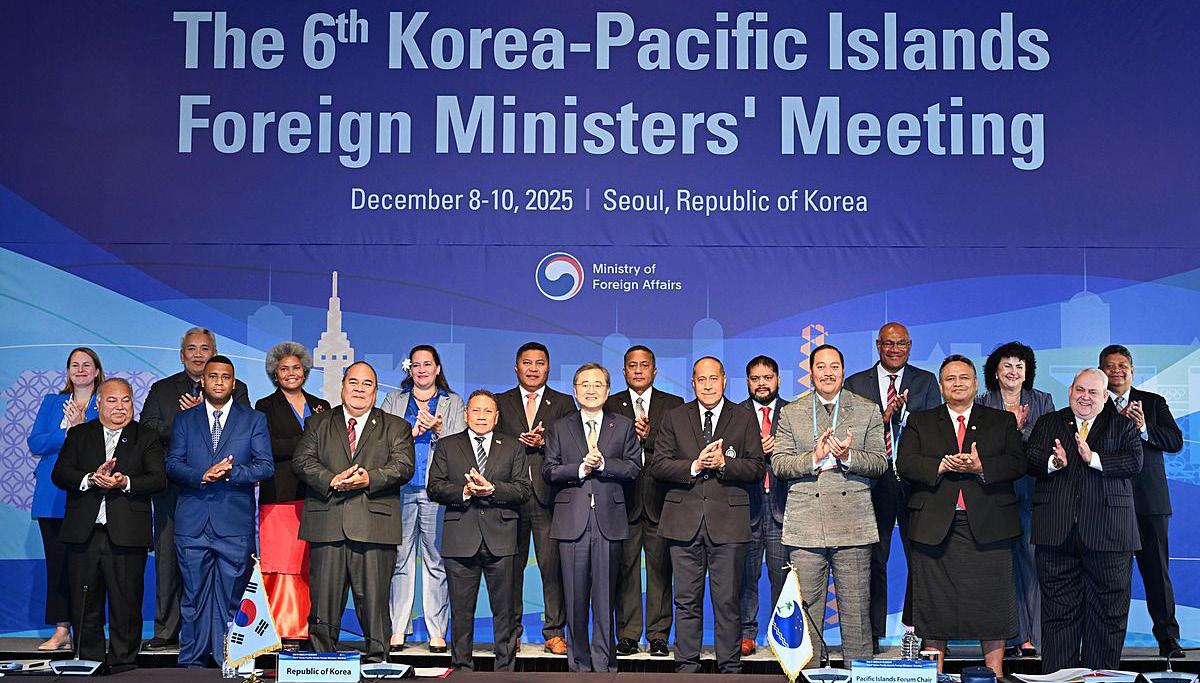
Pacific Islands Forum (PIF) Foreign Ministers concluded the 6th Korea–Pacific Islands Foreign Ministers Meeting in Seoul, held from 8–9 December, reaffirming their commitment to deepening cooperation under the theme “Partnerships for a Resilient, Peaceful, and Prosperous Pacific.” This marked the first Korea–Pacific Islands Foreign Ministers Meeting to include all Forum members, reinforcing the One Blue Pacific Principles of unity and solidarity as outlined in the Blue Pacific Principles for Dialogue and Engagement and the 2050 Strategy for the Blue Pacific Continent.
The biennial discussions, aimed at strengthening political dialogue and partnership, were co-chaired by the Foreign Minister of the Republic of Korea, Cho Hyun, and the Foreign Minister of Solomon Islands, Peter Shanel Agovaka. A PIF Secretariat delegation led by Secretary General Baron Divavesi Waqa supported the regional ministerial delegation.
The meeting was also attended by the Crown Prince of Tonga Tupoutoʻa ʻUlukalala, the President of New Caledonia Alcide Ponga, the Prime Minister of Niue Dalton Talelagi, and Samoa’s Deputy Prime Minister Toelupe Poumulinuku Onesemo.
A joint statement released at the end of the meeting welcomed the continued elevation of Korea–PIF relations, including Korea’s support for the 2050 Strategy for the Blue Pacific Continent, as well as its focus on inclusive development, trade and investment, and regional solidarity.
Peter Shanel Agovaka, in his opening remarks, highlighted that the partnership between Korea and the PIF is grounded in shared values and a commitment to the well-being of the region’s peoples.
“Our partnership is strengthened when it aligns with Pacific-led mechanisms, and today’s outcomes reflect
to Page 22
our shared commitment to safeguarding our ocean, our resources, and the stability of our region,” said Agovaka.
Korea’s Foreign Minister Cho Hyun reflected on the spirit of solidarity within the Pacific Islands Forum and how it guides Korea’s partnership with the region.
“Korea will keep convening our consultative mechanisms including the Foreign Ministers Meeting and the Senior Officials Meeting to build a more structured framework for collaboration, the Pacific must remain an arena of coexistence, harmony and cooperation,” Cho said in his opening remarks.
Korea reaffirmed its recognition of the Pacific Islands Forum as the region’s premier political body, acknowledged the outcomes of the 54th PIF Leaders Meeting in Honiara in September, and welcomed key regional achievements, including the establishment of the Pacific Resilience Facility (PRF), the Blue Pacific Ocean of Peace declaration, and progress on the Leaders’ Policy on Partnerships. Korea also expressed its commitment to advancing cooperation in technology and innovation, strengthening regional security, and announced its intention to contribute to the PRF next year.
On climate leadership, Forum Ministers stressed the urgency of global action and welcomed Korea’s strong engagement on the climate agenda. They expressed support for continued ambition
aligned with the 1.5°C pathway and noted Korea’s announcement of its 2035 Nationally Determined Contribution (NDC).
Forum Ministers reaffirmed the importance of sustainable ocean governance and acknowledged Korea’s constructive role at the Western and Central Pacific Fisheries Commission (WCPFC). They commended Korea’s support for combating illegal, unreported, and unregulated (IUU) fishing, including initiatives delivered through the Korea–PIF Cooperation Fund, and emphasised the need for ongoing alignment with Pacific-led mechanisms.
Ministers committed to deepening cultural and peopleto-people exchanges and strengthening cooperation to support innovation, digital connectivity, and trade.
The PIF Ministers welcomed Korea’s initiative to co-host the 4th United Nations Ocean Conference with Chile in 2028, recognising this as a significant opportunity to amplify Pacific leadership and drive greater global investment and action to safeguard the ocean.
The first Korea–Pacific Islands Foreign Ministers meeting was held in 2011, with the next meeting scheduled for 2027. PBR
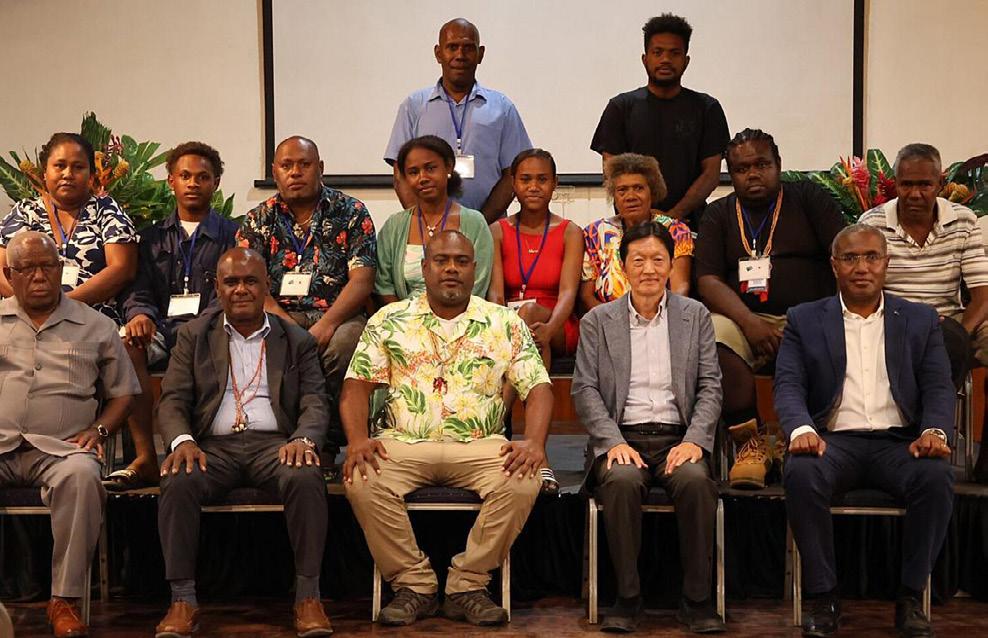
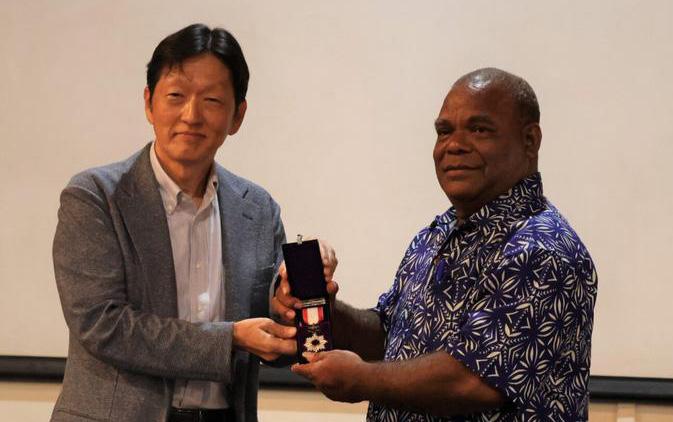
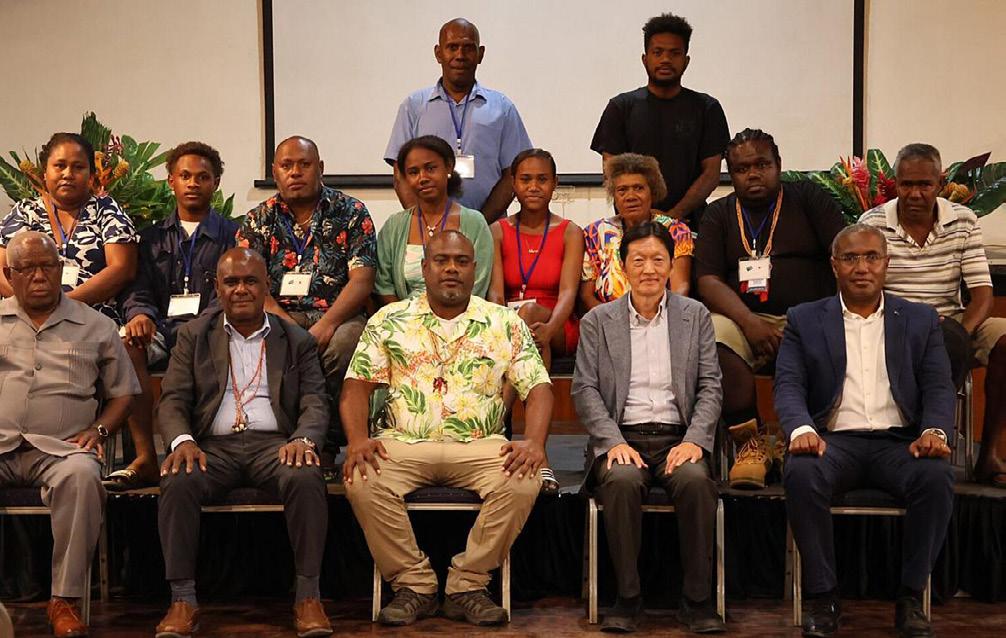
PM MANELE COMMENDS RECIPIENTS OF JAPAN’S ROYAL DECORATIONS AND CELEBRATES THE ENDURING SI–JAPAN PARTNERSHIP
Prime Minister Jeremiah Manele, MP, commends recipients of Japan’s Royal Decorations and celebrates the enduring partnership between the Solomon Islands and Japan.
Manele delivered the statement this evening as guest of honour at a ceremony hosted by His Excellency Ambassador Keiichi Higuchi to confer distinguished decorations bestowed by His Majesty Emperor Naruhito of Japan.
The Prime Minister conveyed the warm congratulations of the Government and people of the Solomon Islands to the honourees, acknowledging their remarkable contributions to reconciliation and historical preservation between the two nations.
He expressed pride that the awards presented were conferred by His Majesty Emperor Naruhito, reflecting the esteem in which the recipients are held by the Government and people of Japan.
Francis Deve was awarded the Order of the Rising Sun, Gold and Silver Rays, for his decades of dedicated support to Japanese search missions across multiple provinces since 1986, while Willie Besi received the Order of the Rising Sun, Silver Rays, in recognition of his and his late father’s vital contributions to similar missions dating back to 1980. Mato Mui Liliau received the Foreign Minister’s Commendation for continuing his family’s legacy since 2006 by providing logistical support to search missions and safeguarding Japanese war memorials on his property.
“Your dedication ensures that history is honoured with dignity and that families in Japan find long-awaited closure,” the Prime Minister stated.
Prime Minister Manele also reaffirmed the Solomon Islands Government’s appreciation for Japan’s steady and extensive partnership since the establishment of diplomatic ties in 1978. He welcomed Japan’s significant investments in the health sector, particularly the SBD 120 million upgrade and expansion of Kilu’ufi Hospital in Malaita Province, and expressed the Government of National Unity and Transformation’s (GNUT) interest in expanding similar collaborations to other provinces.
On economic development, the Prime Minister outlined recent Japanese economic assistance, including the SBD 190 million emergency loan for COVID-19 stabilisation and development, USD 1.5 million to the Ministry of Fisheries and Marine Resources for essential equipment and supplies, and the SBD 22.8 million grant for government social and economic programs.
The Prime Minister noted that Japan continues to contribute to transformative infrastructure projects nationwide, including the SBD 243 million Kukum Highway Project, upgrades to Honiara International Airport, market jetties in Auki, improvements at Honiara Port, solar street lighting, and a geological laboratory for the Ministry of Mines (SBD 3.1 million), USD 76,770 for the Haʻapai community water supply, as well as the SBD 30 million Fisheries Research Center at SINU.
“These investments align with GNUT’s priority to advance social and economic infrastructure in Honiara and across the provinces,” the Prime Minister highlighted.
Japan also continues to strengthen the Solomon Islands’ security capabilities through its support for unexploded ordnance (UXO) operations within the RSIPF and the Ministry of Police, the provision of specialised training for the RSIPF Explosive Ordnance Disposal Unit, the donation
to Page 24
of a landing craft valued at approximately SBD 7 million, and assistance for a used fire truck for the RSIPF Fire and Rescue Services. Prime Minister Manele expressed profound gratitude for Japan’s ongoing contributions to national safety and stability.
In the education sector, the Prime Minister highlighted Japan’s enduring commitment, including USD 80,629 for a new classroom at Numbu Community High School, USD 86,666 for a classroom building at Beiporo Primary School, and continued opportunities through MEXT and JICA scholarships at both undergraduate and postgraduate levels. He also acknowledged the 149 million Yen Human Resource Development Scholarship, the first of its kind in the Pacific, which supports young Solomon Islands officials pursuing master’s degrees in Japan.
Prime Minister Manele requested His Excellency Ambassador Higuchi to convey his sincere appreciation to His Majesty Emperor Naruhito, and to the Government and people of Japan, for honouring Solomon Islanders whose work has strengthened bilateral understanding and remembrance. PBR
NEW CALEDONIA MOVES TO BOOST ECONOMIC ATTRACTIVENESS AND MODERNISE BUSINESS ADMINISTRATION
At its weekly session on 10 December, the Government of New Caledonia approved a bill designed to promote economic attractiveness and modernise administrative and economic procedures.
The legislation aims to restore trust between the administration and companies through measures that promote transparency, strengthen legal security, and improve administrative efficiency. Key provisions include:
• If the administration does not respond to a request within two months, it will be deemed accepted. Mistakes made in good faith by economic operators will no longer be treated as fraud.
• Administrative bodies will be required to share information already provided by users, reducing repetitive submissions under the “Tell us once” principle.
The draft law also seeks to create a more competitive environment in line with international standards by introducing two fully digital services:
1. A unique register of companies (RUE), replacing multiple existing registers such as RCS and RIDET.
2. A one-stop digital enterprise (GUE), a centralised portal for all corporate formalities.
To further simplify processes, the government proposes easing legal publications and streamlining corporate tax and social contributions.
“It is a real priority for the government to be able to simplify the lives of businesses in New Caledonia,” said Christopher Gygès, member of the government for economy, budget and finance.
“The unique register of companies will, among other things, significantly reduce the time needed to establish a company, from three months today to one day, and allow the various steps to be completed online. We have also removed numerous unnecessary administrative procedures that weigh on the economy and the entrepreneurial capacity of Caledonians,” Gygès said.
The bill also aims to facilitate and secure electronic transactions by removing obstacles to digitalisation, simplifying procedures, and modernising the legal value of electronic documents.
This drive for administrative simplification and modernisation is intended to promote enterprise development, employment, and wealth creation. “This simplification should allow for more agility in the economy and therefore foster growth,” Gygès concluded.
PBR
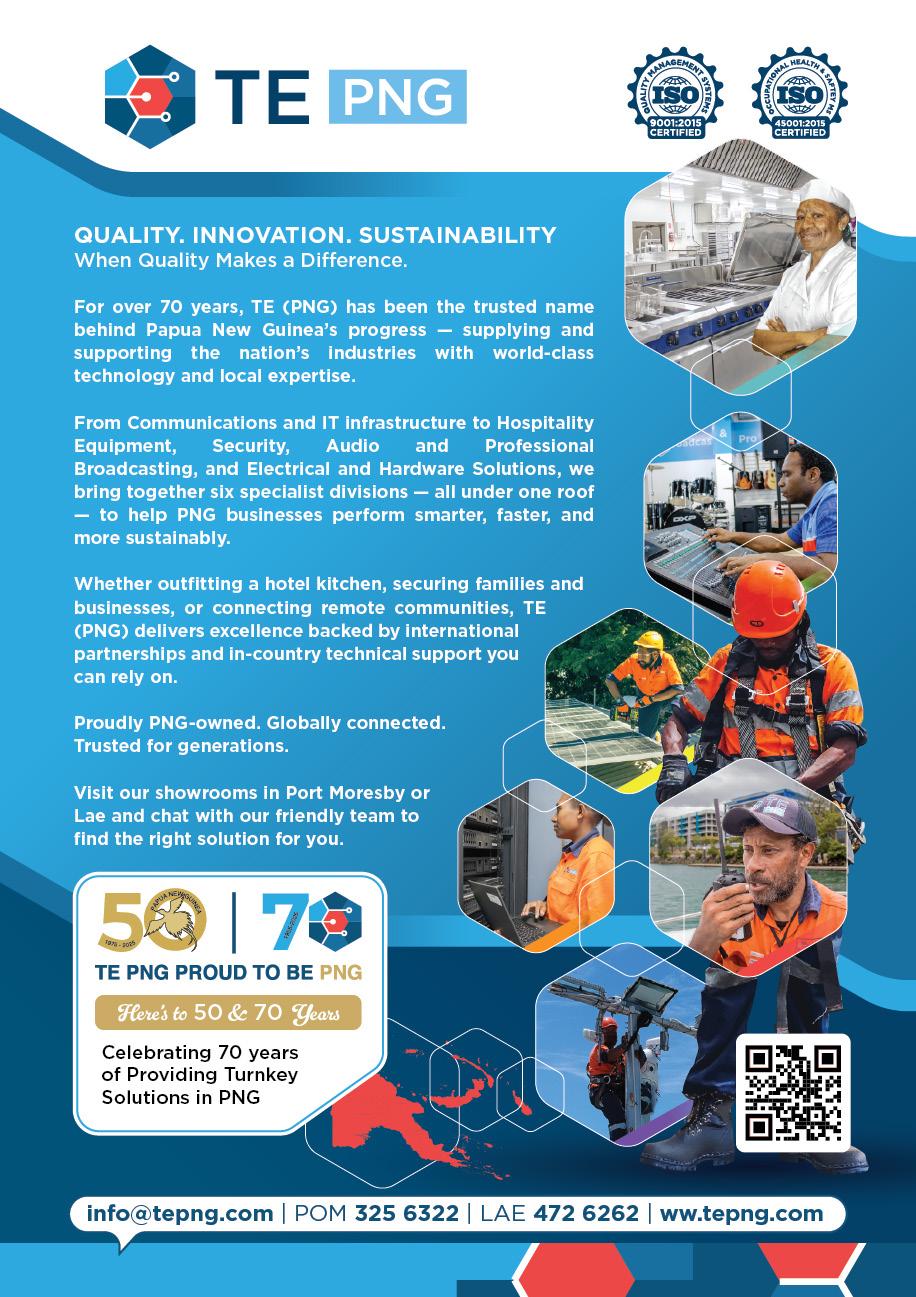
TE PNG SECURES FIRST NICTA APPROVAL FOR ONEWEB FIXED LAND TRIAL IN PAPUA NEW GUINEA
Technology and communications specialist TE (PNG) Limited has achieved a national first, receiving Papua New Guinea’s inaugural approval from the National Information and Communications Technology Authority (NICTA) to trial a fixed land OneWeb Low Earth Orbit (LEO) satellite service in Port Moresby. Live testing has now commenced, marking a significant milestone in the evolution of enterprise-grade connectivity across the country.
The approval enables TE PNG to conduct the first fully compliant, in-country OneWeb trial, positioning the company at the forefront of next-generation satellite communications in PNG. The trial is being delivered in partnership with Sat.One, with whom TE PNG has been working since 2022 to introduce OneWeb capabilities to the local market.
Built for Enterprise, Not “Best Effort”
OneWeb operates a global low-Earth-orbit satellite constellation engineered specifically for enterprise and government applications. Unlike consumer-focused LEO services, OneWeb delivers a managed, commercial-grade platform with defined performance profiles, traffic management, and the ability to design resilient, end-to-end enterprise architectures.
Compared to traditional geostationary (GEO) satellite services, OneWeb offers dramatically lower latency and higher responsiveness. More importantly for mission-critical operations, it provides predictability, control, and long-term supportability— attributes essential for sectors such as mining, maritime, aviation, utilities, government, and critical infrastructure, where connectivity reliability is non-negotiable.
Expanding
Connectivity Options Across PNG
With NICTA approval now in place, TE PNG is able to design, deploy, and support a broad range of OneWeb solutions nationwide, including:
• Fixed land OneWeb services for offices, sites, and facilities across Papua New Guinea
• Mobile land solutions for vehicles and remote operations
Maritime OneWeb services for vessels operating within PNG waters
• All services will be installed, monitored, and maintained locally by TE PNG as a licensed PNG provider, ensuring compliance, technical accountability, and on-the-ground support.
Industry Collaboration Years in the Making
TE PNG Managing Director Robbie Huxley described the milestone as the culmination of several years of groundwork and collaboration.
“I’ve been working with Sat.One to bring OneWeb services to Papua New Guinea since 2022. It’s incredibly rewarding to now be conducting the first fully fledged, fully approved OneWeb test in-country with the OneWeb team,” Huxley said.
He acknowledged the early foundations laid through previous satellite deployments, including the country’s first use of Kymeta flat-panel antennas for maritime and land-mobile applications using GEO connectivity.
“Daniel Fairbairn and I first met in 2022 to discuss what this could become. That early work laid much of the foundation for what we are doing today,” he said.
More Tools for Better Solutions
Huxley emphasised that OneWeb is not positioned as a replacement for existing services, but as another critical tool in a rapidly diversifying connectivity landscape.
“No single service is a one-size-fits-all answer. OneWeb, like Starlink, Amazon LEO, Intelsat, Digicel, Vodafone, and countless other technologies, simply gives us more options. More options mean we can design the right solution for each customer, rather than forcing every problem into the same box.”
A Step Forward for PNG’s Digital Resilience
The OneWeb trial represents a major step forward for resilient, high-performance connectivity in Papua New Guinea, particularly for organisations operating in remote, mobile, or high-risk environments.
“This is just the beginning,” Huxley said. “The satellite and connectivity landscape is changing rapidly, and we are proud to be part of that change—bringing new technologies and capabilities to PNG so our customers can operate, grow, and connect with confidence.”
As testing progresses in Port Moresby, the trial is expected to inform broader enterprise deployments, reinforcing PNG’s readiness to adopt advanced satellite technologies that support economic growth, national infrastructure, and digital transformation. PBR
PIFS SETS OUT REGIONAL E-COMMERCE PRIORITIES FOR 2026
The Pacific Islands Forum Secretariat has recently released a new annual report outlining regional e-commerce priorities for 2026, aimed at guiding coordinated action and investment across the Pacific’s digital trade ecosystem.
The Pacific E-commerce Priorities Report 2025 draws on three online surveys of members of the Pacific E-commerce Committee and its two sub-committees representing the private sector and development partners. The findings provide a multistakeholder view of the most urgent areas for implementation in 2026.
The surveys focused on measures in the Pacific Regional E-commerce Strategy and Roadmap with the lowest levels of implementation, as identified in the strategy’s 2024 monitoring and evaluation report. Of the strategy’s 54 measures, respondents were asked to prioritise action on 31 that remain least advanced.
Key priorities for regional action in 2026 identified by respondents include:
• Trade facilitation and logistics: Development of regional freight assistance packages to address high shipping costs that continue to constrain Pacific businesses. Electronic payment solutions: Improved interoperability between payment providers and partnerships with major financial institutions to enhance the quality and inclusiveness of digital financial services.
• Legal and regulatory frameworks: Adoption of UNCITRAL model laws and international e-commerce standards to strengthen trust and cross-border consistency. E-commerce skills development: Training and upskilling for businesses, women entrepreneurs and policymakers to enable broader participation in the digital economy.
• Access to finance for e-commerce: Support for credit guarantee schemes, innovation grants and alternative financing options for Pacific micro, small and
medium-sized enterprises and start-ups.
The report also highlights ongoing initiatives aligned with these priorities, including payment system upgrades in Fiji and Vanuatu, the introduction of e-transaction laws, and the rollout of digital skills programmes. However, it notes that progress has been limited in some critical areas, particularly regional freight assistance.
By identifying areas of agreement among governments, the private sector and development partners, the report is intended to support planning and investment decisions and keep regional efforts aligned with the Pacific’s digital trade transformation goals.
The Pacific E-commerce Priorities Report will be published annually in the fourth quarter to provide an updated assessment of challenges and opportunities in the region’s digital economy. For more information, stakeholders can contact the Pacific Islands Forum Secretariat at ecommerce@forumsec.org PBR
SICCI APPLAUDS LANDMARK INFRASTRUCTURE AND BUDGET FOCUS, HAILS SUBMARINE CABLE AS GAME-CHANGER FOR BUSINESS
The Solomon Islands Chamber of Commerce and Industry (SICCI) today commended the significant national progress outlined by Prime Minister Jeremiah Manele, welcoming the strategic focus on transformative infrastructure, economic partnerships, and a growth-oriented national budget.
SICCI, the peak body representing the private sector, views these developments as critical steps toward improving the business environment, driving investment, and creating sustainable economic opportunities for all Solomon Islanders.
Submarine Cable to Unleash Digital Economy Potential
SICCI heralds the formal launch of the SBD 572 million Adamasia submarine cable project as a landmark achievement. This vital second international internet gateway addresses a longstanding priority for the business community.
SICCI views reliable, high-speed, and affordable connectivity as the backbone of a modern economy.
This investment is a game-changer. It will boost digital resilience, lower costs for businesses, enhance global competitiveness, and unlock new opportunities in sectors such as IT, finance, and education. SICCI commends the government and its partners for this strategic infrastructure leap.
Infrastructure Updates Lay Foundation for Growth
SICCI welcomes the concrete progress on provincial infrastructure, seeing it as essential for inclusive development. The new Noro Data Centre strengthens national cybersecurity—a growing concern for businesses— and supports digital transformation.
The upgraded policing and fisheries monitoring facilities in Western Province contribute to a more secure and well-regulated operating environment, and the major investments in health facilities in Isabel Province are crucial for workforce well-being and productivity in regional centres. The transfer of a 20% share in Kolombangara Forest Products Limited to landowners is also noted as a positive step toward equitable participation and sustainable resource management.
Budget 2026: A Welcome Focus on Economic Transformation
SICCI strongly endorses the theme of the upcoming 2026 National Budget, “Accelerating Economic Transformation.” The chamber agrees that resourcing growth and sustainable development must be the nation’s paramount focus.
“SICCI is encouraged by the budget’s guiding objectives, particularly promoting transformative growth, improving service delivery, and safeguarding fiscal stability,” Mr. Dolarii stated. to Page 28
“A stable and affordable budget that prioritizes quality spending on enabling infrastructure is exactly what the private sector needs to expand and create jobs. We look forward to engaging on the details to ensure the budget effectively supports business-led growth,” the Chamber stated.
Strengthened Ties Key to Investment and Confidence
SICCI views the Prime Minister’s active engagement at the 14th Australia-Solomon Islands Business Forum and subsequent high-level bilateral meetings as highly positive. Strengthening economic and regional cooperation is fundamental to attracting foreign direct investment, transferring skills, and accessing new markets.
“The outcomes from Brisbane, especially the launch of the cable project, demonstrate the tangible benefits of strong partnerships. Continued dialogue between government and
the business community, both domestic and international, is essential to convert these discussions into lasting investments,” SICCI CEO Dolarii stated.
Call for Continued Dialogue and Swift Audit Resolution
While celebrating these announcements, SICCI reiterates the importance of transparency and accountability as cornerstones of a robust investment climate. The chamber notes the Prime Minister’s upcoming meeting on the 2023 Pacific Games audit and urges a swift and conclusive resolution to maintain public and investor confidence.
SICCI stands ready to work collaboratively with the government to ensure these promising developments translate into a more prosperous, resilient, and businessfriendly Solomon Islands. PBR
TONGA LAUNCHES FIRST EPULSE TRAINING TO BOOST E-COMMERCE TRACKING
E-commerce is a key priority under the Pacific Aid-for-Trade Strategy, recognised for its potential to reduce trade costs, connect markets, and support economic diversification across the region. In 2021, Forum Trade Ministers tasked the Pacific Islands Forum Secretariat (PIFS) with coordinating the implementation of the Pacific Regional E-commerce Strategy and Roadmap.
To support this work, PIFS launched the ePulse programme in 2025. The programme includes an M&E system that helps countries track progress on their national e-commerce strategies, training on how to use the system, and ongoing technical assistance from PIFS and IT partners.
Tonga is the first country to complete the training component of ePulse. Ms Kathleen Walters from the Ministry of Trade and Economic Development spent more than two weeks in Suva working with the PIFS E-commerce Unit to learn the governance framework, methodology and online monitoring system. With the Tonga National E-commerce Strategy and Roadmap now uploaded onto the platform, Tonga can begin tracking its implementation progress.
The ePulse program is possible because national e-commerce strategies follow the same methodology as the regional one. ePulse is based on the M&E framework created for the regional strategy and provides a practical, ready-made monitoring tool, removing the need for countries to develop their own systems
or invest in new platforms. It is a clear example of how regional cooperation can reduce duplication and save resources.
PIFS welcomes new participants. Countries are eligible if they have an approved national e-commerce strategy and a designated M&E officer. Interested countries can join by submitting a formal letter to PIFS.
The ePulse programme is supported by Australia. PIFS will continue to provide technical guidance and system maintenance to ensure the platform remains a useful tool for national monitoring and looks forward to more Forum Island Countries joining in 2026. PBR
ADYTON ENGAGES GLOBAL ORE DISCOVERY TO ADVANCE FENI GOLDCOPPER EXPLORATION
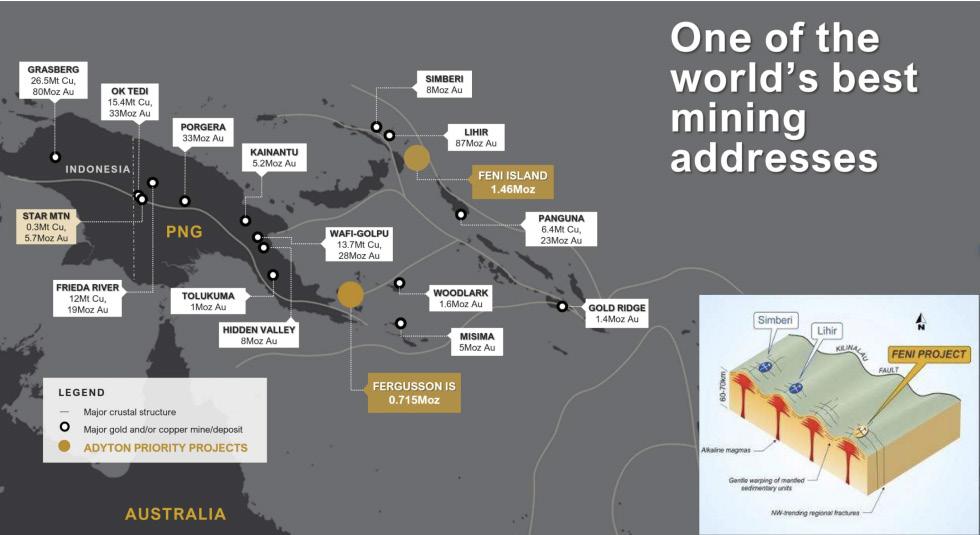
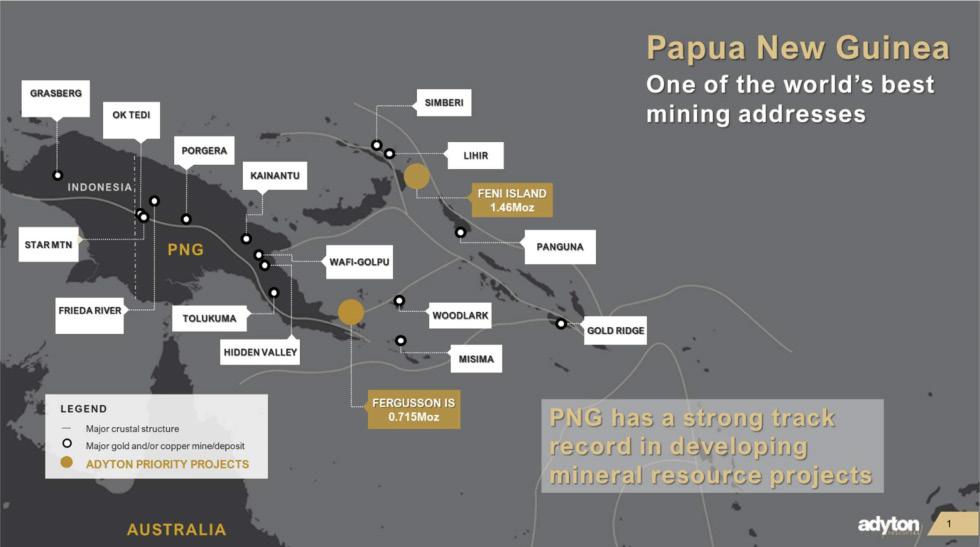
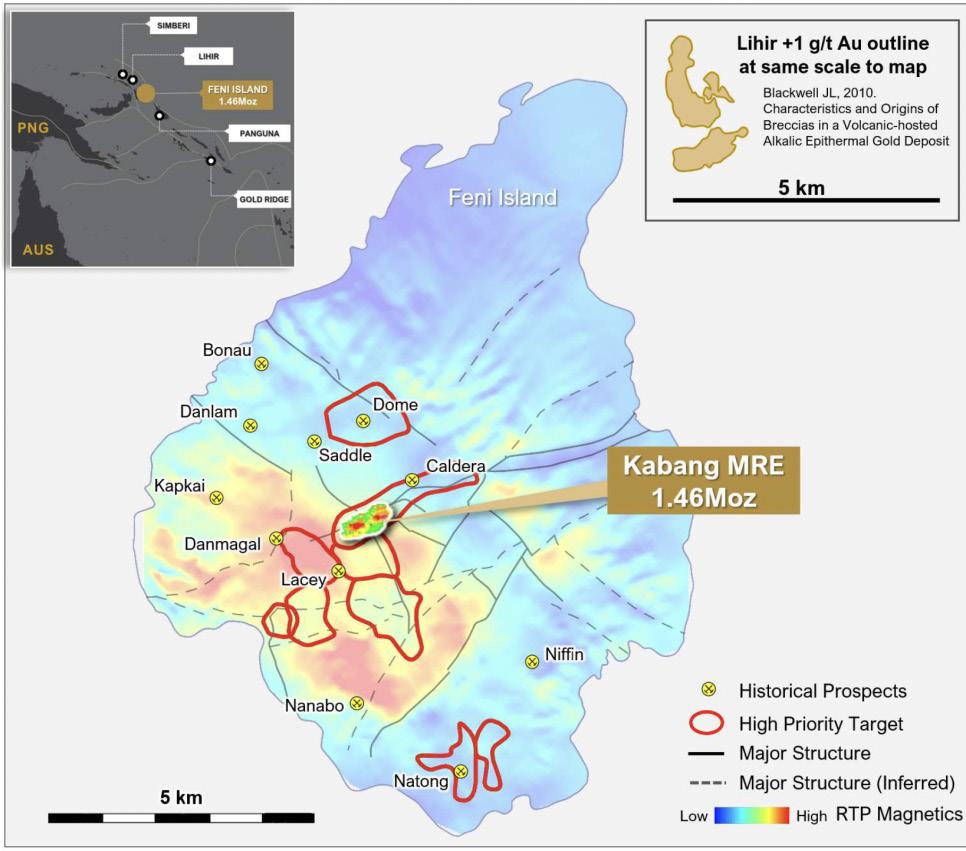
Adyton Resources Corporation has engaged Global Ore Discovery to advance an integrated exploration programme at its 100% owned Feni gold-copper project in Papua New Guinea.
The appointment brings Global Ore’s epithermal and porphyry expertise to support targeting and technical oversight as Adyton seeks to expand resources at the Kabang prospect and assess district-scale potential across Feni Island. The work will be undertaken alongside Adyton’s in-house technical team, including expert consultant Dr. Erin Johns.
Global Ore consultants have already completed a site visit, relogging drill core to assess alteration, lithology and structural controls on gold mineralisation at Kabang. Adyton said preliminary observations indicate similarities between the geological and structural setting at Feni and those at the Lihir gold mine, owned and operated by Newmont, supporting the project’s large-scale potential.
The engagement follows a technical workshop held in late October 2025 at Global Ore Discovery’s headquarters, where historical and current datasets were reviewed alongside comparable alkalic-style gold-copper systems globally. The review culminated in a technical action plan to guide next steps.
Global Ore has initiated an integrated reinterpretation of geological, structural, geophysical and hyperspectral data, with the aim of delivering a high-resolution three-dimensional geological model to optimise drill targeting for ongoing resource expansion at Kabang.
The consultants have also identified priority areas for follow-up sampling of outcropping gold mineralisation and visually confirmed higher-grade copper mineralisation in drill core beneath and lateral to the existing resource.
“Engaging Global Ore Discovery marks the next significant expansion of our discovery efforts at Feni Island,” said Tim Crossley, Adyton’s chief executive officer. PBR
LION ONE REPORTS EXCEPTIONAL HIGH-GRADE GOLD INTERCEPTS AT TUVATU MINE IN FIJI
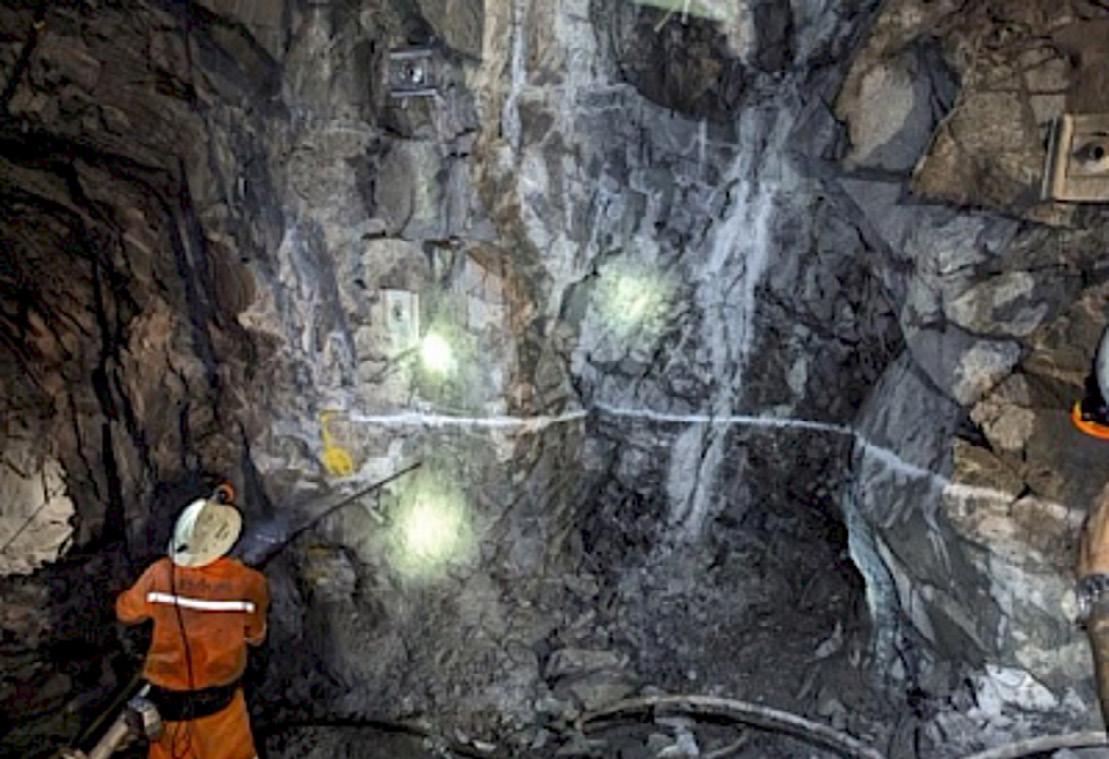
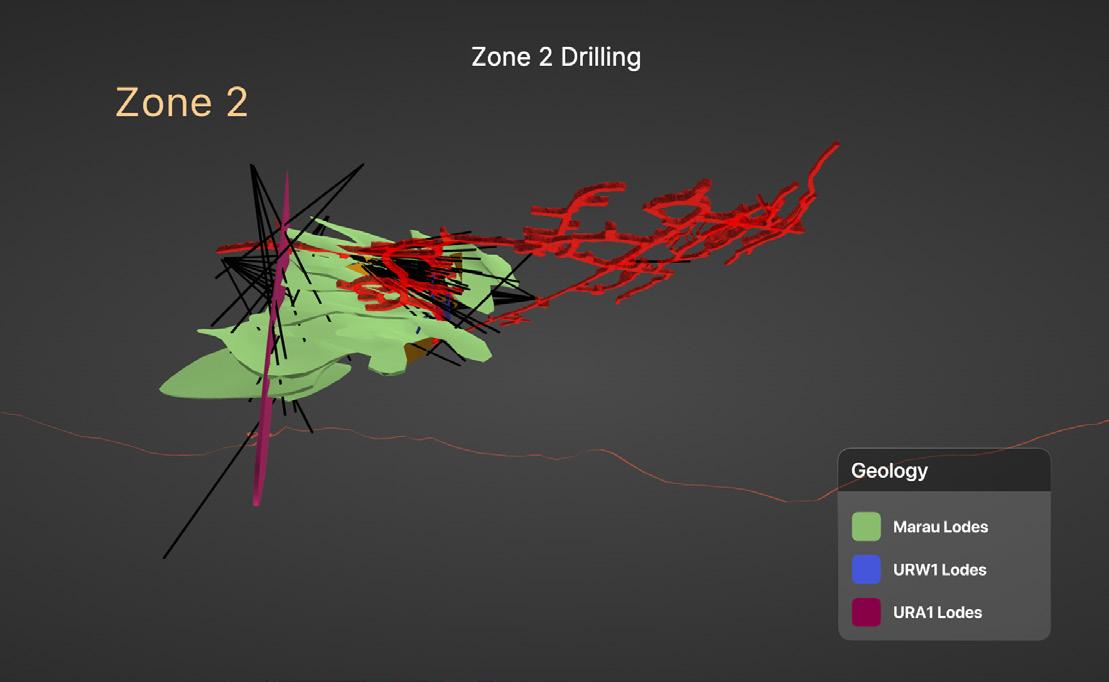
Lion One Metals Limited has announced outstanding results from underground drilling at its 100% owned Tuvatu Alkaline Gold Project in Fiji. The latest programme, comprising 4,040.90 metres of infill and grade control drilling, has returned multiple high-grade gold intersections, reinforcing the potential of the Zone 5 portion of the mine.
Drilling focused on the down-dip extension of the UR2 lode below levels 1084 and 1066, the lowest currently developed sections of the mine. Seventeen of 22 drillholes returned high-grade mineralisation, with most intercepts located 20–60 metres beneath level 1084. Two drillholes were abandoned.
Headline results include:
99.13 g/t Au over 3.3 m (including 459.05 g/t over 0.3 m and 338.00 g/t over 0.5 m) from 136.4 m depth (TGC-0454)
218.31 g/t Au over 1.2 m (including 366.00 g/t over 0.6 m) from 109 m depth (TGC-0457)
• 24.86 g/t Au over 4.6 m (including 56.29 g/t over 0.5 m) from 133.92 m depth (TGC-0482)
“The Zone 5 down-dip drilling confirms the vertical continuity of high-grade mineralisation in this part of the deposit,” said Melvyn Levrel, MAIG, Senior Geologist for Lion One and Qualified Person under NI 43-101 standards. “The deepest intercept, 16.09 g/t gold over 1.0 m, occurs roughly 125 m below level 1084, representing approximately six additional mining levels and promising significant near-term additions to the mine plan.”
The UR2 lode, one of the principal north-south oriented lodes in Zone 5, dips steeply to the east and
has a strike length of approximately 600 metres. Current underground operations extend along levels 1150 and 1170 at the top of the mine, with ongoing development along levels 1084 and 1066/1068 at the base.
Drilling was conducted from the 1135 underground drill station and targeted a 125-metre strike panel and 60-metre vertical section of the UR2 lode. The narrow, high-grade intersections—typical of Tuvatu’s mineralised structures—pinch and swell along strike, occasionally producing larger intervals such as 4.6 m of 24.86 g/t gold. Lion One operates its own fully accredited laboratory, adhering to stringent QA/QC procedures. Samples are analysed on site using fire assay with AA finish, with reanalysis of high-grade samples by gravimetric methods. Independent check assays are conducted at ALS Global Laboratories in Australia.
Headquartered in North Vancouver, Lion One Metals is an emerging gold producer that commenced operations at Tuvatu in late 2023. The Tuvatu project includes the highgrade Tuvatu Alkaline Gold Deposit, an underground gold mine, pilot plant, and assay laboratory. Lion One holds an extensive exploration licence over the Navilawa Caldera, which hosts multiple mineralised zones and exploration targets. PBR
LION ONE SECURES STRATEGIC INVESTMENT FROM ARETE CAPITAL FOR TUVATU GOLD MINE
Lion One Metals Limited has entered into a subscription agreement with Arete Capital Advisory Pty Ltd, a specialist mining investment syndicate, marking a major strategic partnership for the company’s Tuvatu Gold Mine in Fiji.
Under a non-brokered private placement, Arete has agreed to acquire 44,264,800 units at $0.34 per unit, generating gross proceeds of $15.05 million for Lion One. Each unit comprises one common share and one common share purchase warrant, exercisable at $0.39 for three years. The investment represents approximately 9.9 per cent of Lion One’s outstanding shares on a pro forma basis and carries a 16.4 per cent premium to the 20-day volume-weighted average price on the TSX Venture Exchange.
The arrangement also establishes a broader strategic collaboration. Upon closing, Lion One and Arete will enter an investor rights agreement and a master services agreement. Arete will provide management services for the operation of the Tuvatu Gold Mine, acting as operator under the oversight of Lion One’s board of directors. The master services agreement has an initial five-year term, with extension options, and includes performance incentives and sharebased compensation.
Lion One Chairman and President Walter Berukoff said the partnership strengthens the company’s growth prospects.
“I look forward to welcoming Arete as a new shareholder and strategic partner of Lion One,” Berukoff said. “Arete’s decision to make a cornerstone investment in the Company reflects the quality, scale potential and strategic relevance of our Tuvatu Gold Mine in Fiji. With the benefit of Arete’s technical engagement through the MSA, Lion One will be positioned to systematically advance Tuvatu and build long-term value for shareholders.”
Campbell Olsen, representing Arete, said the investment reflects the mine’s potential.
“We are delighted to become a long-term strategic partner to Lion One at this pivotal stage in the evolution of the Tuvatu Gold Mine,” Olsen said. “In our view, Tuvatu is a rare, high-grade alkaline gold system with district-scale potential, established infrastructure and a pipeline of targets across the broader Navilawa Caldera that together offer a compelling platform
for production growth and resource expansion. We see many investment options and projects globally every year and we believe this ranks amongst the best opportunities ever reviewed.”
Olsen added that Arete’s experience in operational, technical and financial management of mid-tier gold assets will help unlock incremental value at Tuvatu through disciplined mine optimisation, targeted capital investment and datadriven exploration.
Proceeds from the offering will be used for general corporate purposes and to support debt restructuring. The closing of the placement remains subject to regulatory approvals, including conditional approval from the TSX Venture Exchange, and the issued shares and warrants will be subject to a statutory hold period of four months and one day.
The Tuvatu Gold Project is a 100 per cent Lion One-owned, high-grade alkaline gold system located on Viti Levu, Fiji, close to Nadi International Airport and port facilities. The project centres on an underground mine and processing plant within the Navilawa Caldera and is being advanced as a low-cost operation with significant potential for production growth and exploration across multiple mineralised zones.
Headquartered in North Vancouver, Canada, Lion One Metals operates the Tuvatu Alkaline Gold Project in Fiji. The company’s operations include the underground mine, pilot plant, assay laboratory, and extensive exploration licenses across the Navilawa Caldera.
Arete is a specialist mining investment and operating group focused on high-quality mid-tier gold and base metal assets. Led by CEO Campbell Olsen, Arete provides operational, technical and financial expertise to optimise mining assets and deliver long-term shareholder value. PBR
OK TEDI REVEALS FIVE-YEAR PLAN TO RESTART MISIMA GOLD PROJECT
Ok Tedi Mining Limited has unveiled a five-year plan to redevelop the Misima Gold Project following its acquisition from Kingston Resources in May 2025. The company aims to start construction within the two-year term of the exploration lease.
The plan includes early investment in community infrastructure to benefit local residents before production begins.
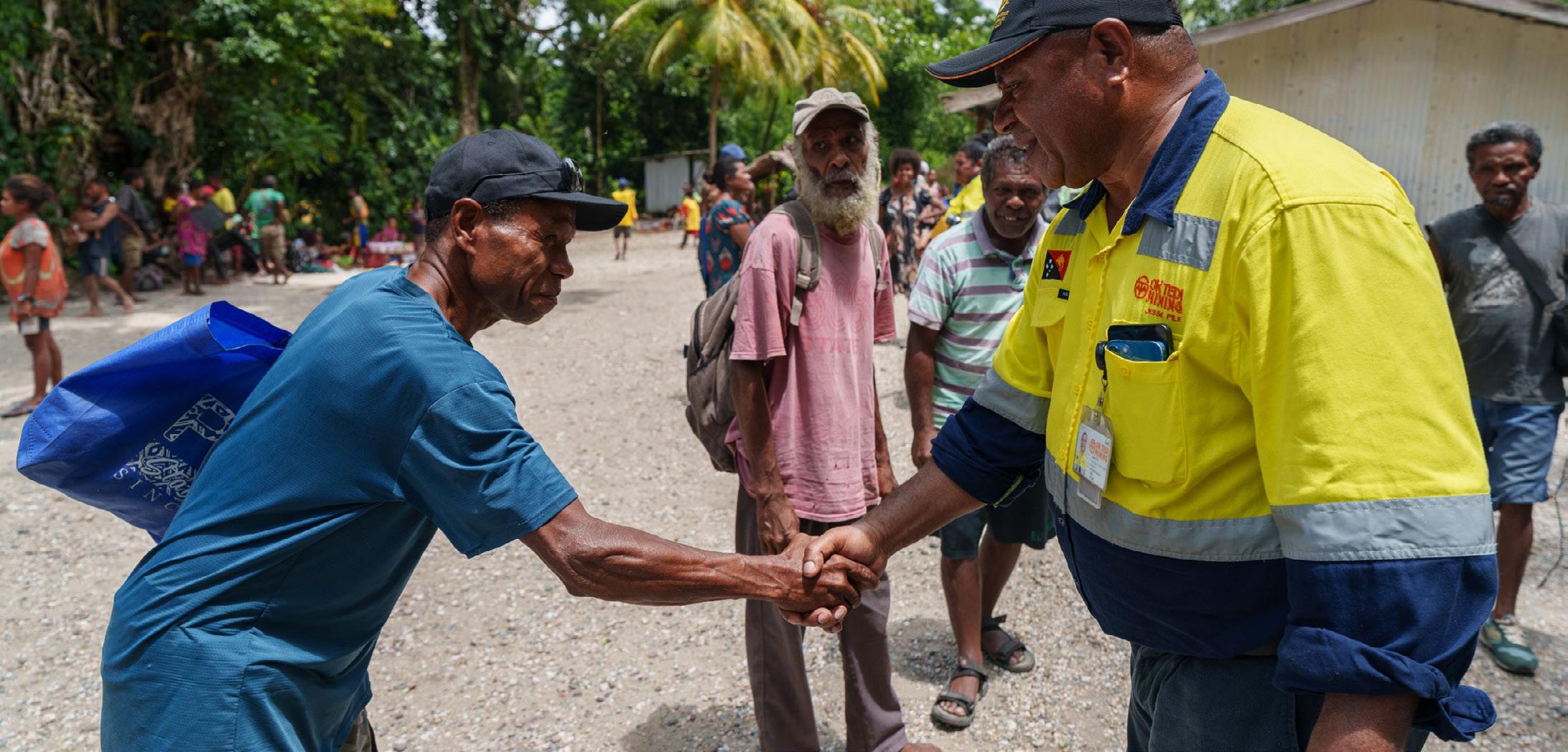
“We’re not waiting until production to make a difference. Roads, power, water, and support for schools and the hospital will start early. These improvements will benefit communities long before the mine is operational,” said Jesse Pile, Ok Tedi general manager for Social Performance and Sustainability.
Pile spoke during the company’s first community engagement on Misima from 1–4 December 2025. The engagement marks the beginning of ongoing consultations with stakeholders through the three phases of the project:
Detailed Feasibility & Permitting, Construction, and Production.
Ok Tedi will conduct detailed exploration at the Umuna, Ewatinona, and Kulumalia pits to optimise mine plans and plant designs. Baseline environmental and social studies will also be carried out. The company expects to secure necessary approvals from the Conservation and Environment Protection Authority (CEPA) and the Mineral Resources Authority (MRA) by mid-2027.
Following permitting, major infrastructure works will start from mid-2027 to mid-2029 to prepare the site for full-scale operations.
Commercial production is scheduled to begin after plant commissioning, bringing significant economic benefits to the region.
“The above early phases are critical. It’s where we lay the groundwork for everything that follows, detailed
exploration, environmental and social studies, and permitting. This is about doing things right from the start leveraging from Ok Tedi’s 40 years of operational experience,” Pile said.
He said that once permits are granted, construction will turn Misima into a hub of activity, creating jobs, spin-off business, and long-term benefits for the island.
Ok Tedi will also continue investing in critical infrastructure during the first phase to support both the community and the project. “Community support is the foundation of this project. We’ve seen incredible positivity from Misima people, and we will continue to engage openly, transparently, and honestly,” Pile said. PBR
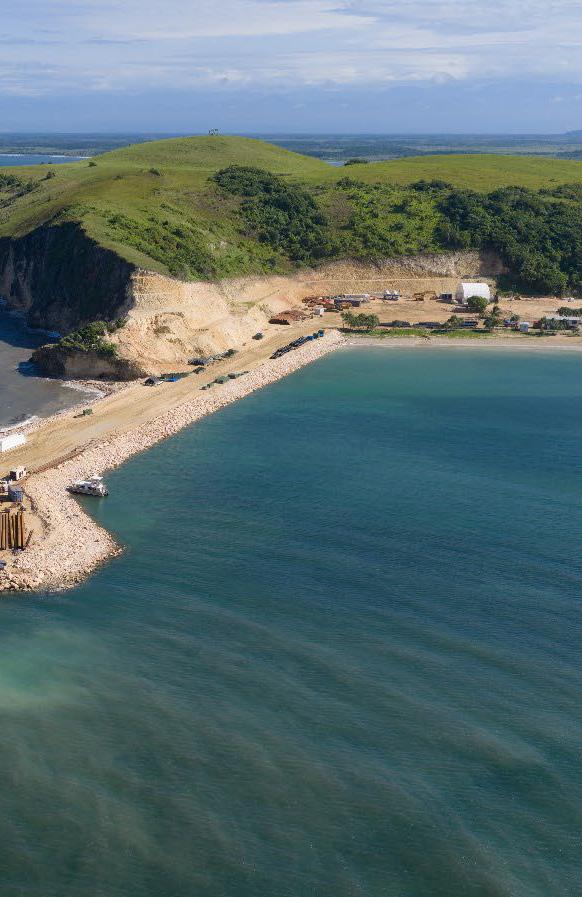
PACIFIC LIME REPORTS DECEMBER 2025 QUARTERLY ACTIVITIES AND CASH FLOW, CENTRAL LIME PROJECT ON TRACK FOR 2027 PRODUCTION
Pacific Lime and Cement Limited has reported progress on its December 2025 Quarterly Activities and Cash Flow, confirming that its Central Lime Project (CLP) in Central Province remains on schedule and within budget. The company continues to target first production within its planned 18-month development window, aiming for early 2027.
Quarterly Activities and Cash Flow Overview
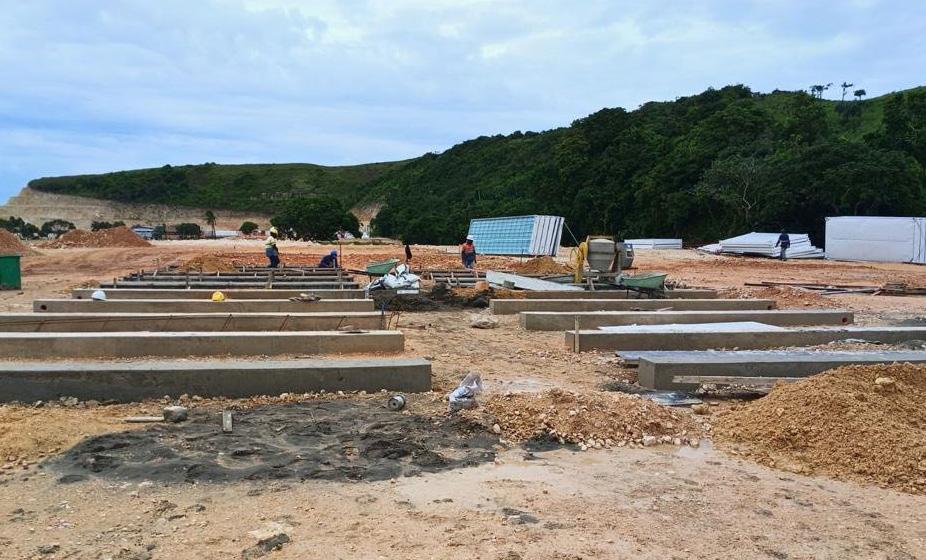
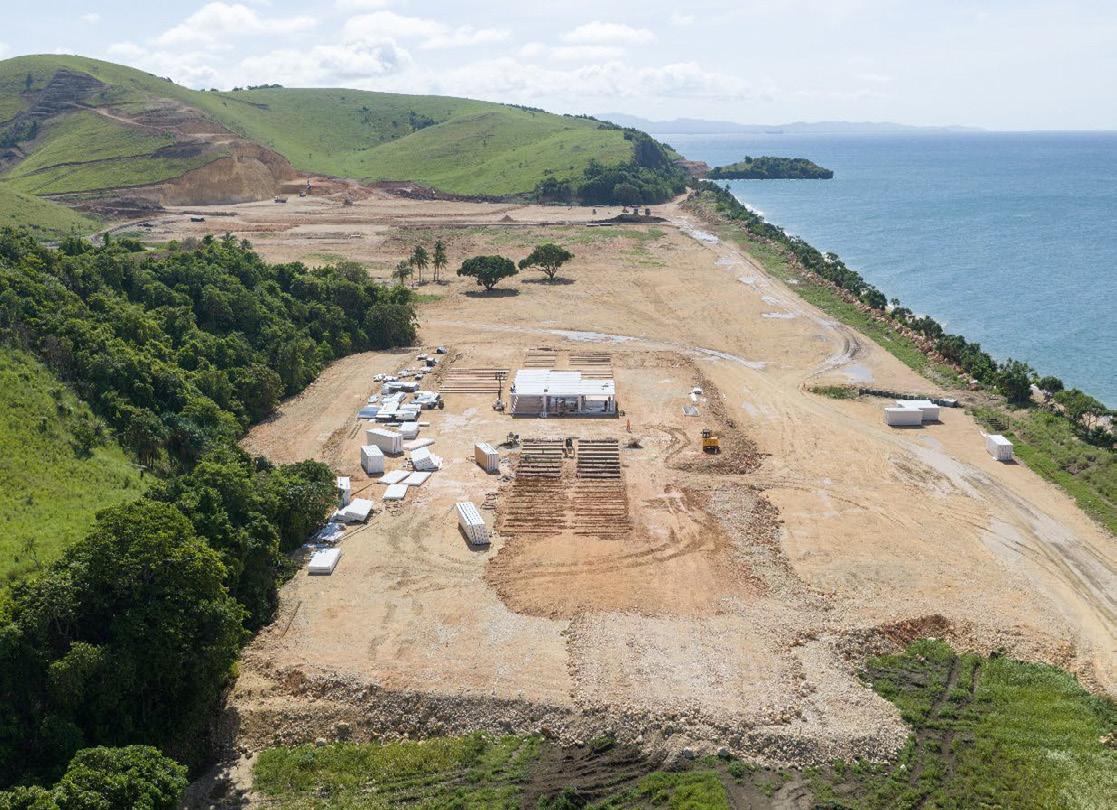
During the quarter, construction momentum accelerated across civil works, access infrastructure, wharf works, camp and support facilities, and early kiln foundation preparation. Physical progress remains marginally ahead of baseline, with forecast costs tracking in line with the approved budget. The company reported no lost-time injuries during the quarter.
Key highlights for the December 2025 quarter include:
• CLP Construction on Schedule: Bulk earthworks, drainage, platform formation, and kiln foundation preparation advanced well. Geotechnical investigations were completed, and foundation drawings were issued to allow procurement of reinforcing steel and formwork.
• Access Road and Bridges: Construction progressed materially on the 27.6-kilometre road linking the project to Port Moresby. Reinforced concrete culverts were installed, two modular steel bridges were procured for river
crossings, and bridge abutment installation is scheduled for early 2026.
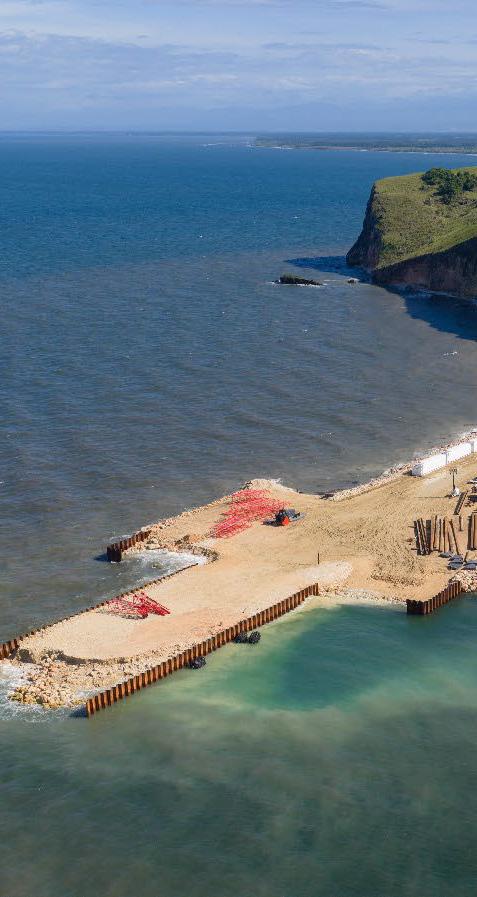
• Wharf Development: Stage 3 of the dedicated wharf progressed into procurement as the design reached substantial completion. The port remains operational and able to accept vessels during construction.
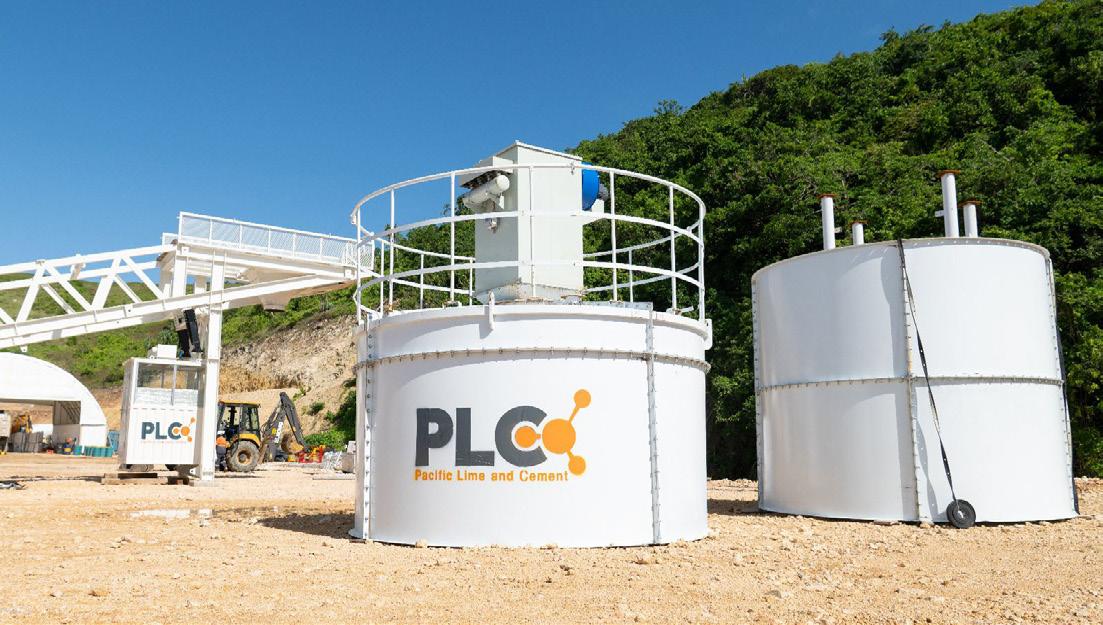
• Heavy Equipment Mobilisation: 30-tonne and 150-tonne cranes arrived on site, supporting piling, batch plant, and foundation works. A concrete batch plant was delivered and assembly commenced, alongside fuel storage, power generation units, and a mobile fleet workshop.
• Camp and Support Infrastructure: Stage 2 modular accommodation mobilisation continued, and office, kitchen, and laundry facilities advanced. Camp foundations were completed ahead of installation.
Commercial and Strategic Progress
The company delivered quicklime to Western Australian gold producers via its newly established logistics hub, demonstrating early operational capability. Pacific Lime also formalised its Project Development Agreement (PDA) with the Government of Papua New Guinea at PNG
Investment Week and entered a strategic partnership with the International Finance Corporation (IFC) to advise on technical, commercial, and ESG aspects of the Central Cement Project.
A strategic partnership with PowerChina (SinoHydro) was signed to accelerate development of the Orokolo Bay Industrial Sands Project (magnetite). The company also advanced renewable energy initiatives, including feasibility studies for a solar photovoltaic and battery storage system in PNG, supporting its broader
to Page 38
low-carbon strategy for the construction, mining, and resources sectors.
Pacific Lime commenced trading on the PNG Stock Exchange in December 2025 under the ticker “PLC,” expanding access to local investors.
Cash Flow and Financial Position
While the company did not disclose exact cash flow figures in the quarterly report, PLC confirmed that project expenditure remained within the approved budget and that forecast costs for the CLP are aligned with financial planning. Disciplined risk and opportunity management, local workforce deployment, and improved logistics coordination have underpinned construction efficiency and financial control.
Outlook
Early-2026 priorities include completion of Kiln 1 foundations and upper concrete structures, continued road and bridge construction, and assembly of batch plants and heavy lifts. The Central Lime Project continues to integrate a quicklime plant, international wharf, quarry, and supporting infrastructure. Pacific Lime remains committed to community engagement and internationally recognised Environmental, Social, and Governance (ESG) standards.
The company aims to deliver high-quality, lower-cost, and sustainable building materials for Papua New Guinea and the wider Asia-Pacific region while maintaining a disciplined, on-budget development schedule. PBR
UK SUPPORTS SIG TO PROGRESS EITI COMMITMENT
The United Kingdom Government, through its High Commission in Honiara, has signed a Technical Agreement with the Ministry of Finance and Treasury to commence work on Solomon Islands’ re-entry into the Extractive Industries Transparency Initiative (EITI).
The EITI is a global initiative aimed at promoting open and accountable management of oil, gas, and mineral resources. It establishes a standard for transparency in the extractive sector, requiring countries to disclose information about their natural resource revenues and how they are managed.
Solomon Islands first joined EITI in 2012 but withdrew seven years later to review, reform, and strengthen transparency mechanisms within its mining sector. On 12 May 2025, the Government made a formal decision to re-engage with the EITI framework. Following the Cabinet’s decision, the Government formally conveyed its commitment to the EITI International Secretariat on 18 June 2025 and requested re-engagement.
The Ministry of Finance and Treasury also confirmed the formation of the Multi-Stakeholder Group (MSG) in July. The MSG is the “Governance” body of EITI in Solomon Islands that oversees implementation of the initiative. It comprises representatives from national and provincial government institutions, civil society and landowners’ groups, as well as licensed mining companies.
This week’s signing of the Technical Agreement will significantly support the work of the EITI Secretariat in Solomon Islands. The technical assistance agreement covers the period November 2025 – March 2026 and focuses on the following core areas:
• Capacity building of EITI implementing partners and the Multi-Stakeholder Group (MSG)
• Scoping study of the extractive sector
Legal analysis and recommendations
• Communication and stakeholder engagement
The Agreement symbolises the strong partnership and shared vision between the United Kingdom and the Solomon Islands Government in advancing transparency and integrity in the extractive industries for the benefit of all Solomon Islanders. It was also confirmed that technical support for this important commitment will be implemented through UNDP.
The EITI Standard outlines the requirements applicable to countries implementing the EITI, as well as the Articles of Association governing the initiative. It is the global benchmark for transparency and accountability in the oil, gas, and mining sectors.
As a framework for disclosure and multi-stakeholder oversight, the EITI Standard is designed to empower governments, industry, and civil society to promote understanding of natural resource management; strengthen public and corporate governance and accountability; and provide the data necessary to inform policy-making and debate.
The EITI Standard comprises three parts: Principles and Requirements, Board Oversight and Validation, and EITI Governance and Management. PBR
MINISTER MALADINA OUTLINES
MAJOR REFORMS AS
NEW PETROLEUM AUTHORITY BOARD SWORN IN
by: Roselyn Erehe
Papua New Guinea’s Minister for Petroleum Jimmy Maladina has formally addressed the newly sworn-in Board of the National Petroleum Authority (NPA) under the National Petroleum Authority Act 2025. The ceremony was held 24 November in Port Moresby.
The inaugural NPA Board comprises:
• Chairman Hubert Hanjause Namani
• Mr. Dairi Vele (Deputy Chairman), chairman of the State Negotiating Team (SNT)
• Managing Director of Ok Tedi State Solicitor Mr. Daniel Rolpagarea
• Secretary for Treasury Mr. Andrew Oaeke
• Acting Managing Director and Secretary for Petroleum Dr. David Manau
• Mr. Robert Nilkare, a prominent business leader
Speaking during the swearing-in ceremony, Minister Maladina said the event represented more than the installation of a new board, describing it as a critical milestone in one of the most significant reforms in PNG’s petroleum governance landscape. He said the reform directly supports the transformation of the former Department of Petroleum into an independent, modern, and professional statutory regulator—the National Petroleum Authority.
The Minister welcomed the Board and commended its members for accepting the responsibility to serve at what he described as a pivotal moment in the history of the petroleum sector and the country’s broader economic development.
Speaking on behalf of the Board, Namani said the composition brings together a strong balance of commercial negotiation experience, legal and financial expertise, and regulatory continuity, positioning the NPA to deliver credible and effective petroleum governance.
“A credible regulator must first must first be an accountable regulator.”
The Board outlined its immediate priorities, including:
• Strengthening governance frameworks
Organisational and people transformation
• Establishing effective operational systems and regulatory processes
Long-term strategic development to ensure PNG remains globally competitive
Major Exploration Activities
Key upcoming and ongoing exploration activities include:
• Mailu-1 wildcat well (TotalEnergies and PETRONAS) – Q1 2026
Nanamarope-1 well in PPL 579 (Larus Energy) – 2027
• Ongoing preparations for the petroleum licensing bid round, with technical support from the Australian Government
Namani said the Board is encouraged by progress made by Peak Oil in advancing frontier exploration potential in the New Ireland Basin, noting the opportunities the emerging province may unlock for PNG’s future petroleum development.
The Board reaffirmed its commitment to ensuring all projects are sustainably developed, responsibly regulated, transparent in
approvals, and aligned with the long-term national interest. He also called on NPA staff to demonstrate professionalism, unity, and dedication, stating, “You are the engine room of this institution. Your work will define the credibility of the NPA.”
“We look forward to building a modern, credible and highperforming petroleum regulator, one that protects the State’s interests, supports national development, and ensures the wealth beneath our land and seas benefits Papua New Guineans.”
Minister Maladina said the NPA will be central to shaping PNG’s petroleum future and will serve as the key enabler for effective and efficient promotion, monitoring, and regulation of both upstream and downstream petroleum activities.
He said the Authority will be responsible for safeguarding national interests, ensuring fair returns from resources, and protecting landowner rights, adding that its work will directly influence investor confidence and future industry partnerships.
“Your leadership and stewardship will shape how this Authority delivers on its mandate and how confidently our industry, investors, landowners, and international partners engage with Papua New Guinea,” he told the Board.
Ten Priority Areas for PNG’s Petroleum Sector
Minister Maladina outlined 10 key priorities requiring the Board’s full oversight:
1. Papua LNG Project
He reaffirmed the national importance of progressing the Papua LNG Project toward Final Investment Decision (FID), stating the NPA must ensure regulatory clarity and timely approvals.
2. Pasca A Gas Project
Reiterating its significance as PNG’s first offshore gas-condensate development, he said Pasca A must proceed with discipline, transparency, and strong regulatory oversight.
3. Stanley Gas Project
He highlighted the project’s potential for early gas utilisation and domestic market growth, calling for strict adherence to regulatory and fiscal expectations.
4. Production Sharing Contract (PSC) Fiscal and Regulatory Reform
The Minister said PNG is transitioning to a PSC-based regime and urged the Board to help establish worldclass regulatory systems, fiscal frameworks, and operational standards.
to Page 42
5. Block Bid Rounds, New Exploration, and Future Developments
He emphasised the revival of exploration through a transparent and competitive licensing framework.
6. Downstream Petroleum Regulation and Processing
Minister Maladina underscored the importance of downstream development for energy security and industrialisation, tasking the NPA with enforcing compliance and supporting investments in refining and petrochemical initiatives.
7. Landowner Benefits and Affairs Management
Describing landowner matters as central to sector stability, he said the Authority must ensure accuracy, transparency, and fairness in benefit distribution, clan vetting, project agreements, and community engagement.
8. National Gas Master Plan
He stressed the need for a long-term national strategy to guide gas utilisation across domestic and export markets.
9. Environmental, Climate Change, and ESG Frameworks
The Minister reminded the Board that PNG must strengthen environmental compliance and emissions
monitoring as the global energy transition accelerates.
10. Full Establishment of the NPA under MTDP IV
He said full operationalisation of the Authority is essential to achieving petroleum targets under the Medium-Term Development Plan IV.
“The Board’s leadership will determine how quickly and effectively the Authority reaches full functionality,” he added.
Minister Maladina reminded Board members that their decisions will shape billions of kina in investment and directly affect the livelihoods of landowners.
“I have full confidence in your expertise, your integrity, and your collective wisdom. Together, let us build an NPA that Papua New Guinea can trust, that investors can respect, and that future generations can be proud of.”
He congratulated the Board on their appointment and reaffirmed his commitment to work closely with them to deliver a shared vision for a strong, transparent, and competitive petroleum sector. PBR
PNG PETROLEUM MINISTER OUTLINES STRONG SECTOR REFORMS AND PROJECT UPDATES AT SYDNEY INVESTMENT SUMMIT
by: Roselyn Erehe
Papua New Guinea’s Minister for Petroleum, Jimmy Maladina, has reaffirmed major reforms and significant project progress in the country’s petroleum sector, announcing that 2026 will be a pivotal year for exploration, licensing and LNG project development.
Speaking at the PNG Investment Summit in Sydney, Maladina said the Marape–Rosso government’s commitments to institutional reform and fiscal policy changes, first announced during the 2024 conference, are now taking shape and positioning PNG as a competitive petroleum investment destination.
Maladina confirmed that the National Petroleum Authority (NPA) has been formally established under the National Petroleum Authority Act 2025, passed by Parliament on 12 March 2025.
The NPA replaces the former Department of Petroleum and Energy and now operates as PNG’s regulator and administrator for the petroleum industry. Its inaugural board was recently appointed by Cabinet and sworn in last month.
Full administrative establishment of the NPA, including an internationally benchmarked organisational structure and systems, is expected to be delivered in the first and second quarters of 2026.
Production Sharing Contract Reforms Progressing
A core element of the government’s petroleum reform agenda is the move to Petroleum Production Sharing Contracts (PSC).
Maladina said the Production Sharing Contract Fiscal Policy White Paper has already been approved by the National Executive Council, and the legislative process will begin in the first quarter of 2026 following consultations now under way with industry. He emphasised that the PSC model offers contractual clarity for investors on cost recovery, profit sharing and government take, and aligns PNG with regional practice. Prime Minister Marape’s position that the state take will be around 55 per cent remains central to the reform.
Maladina assured industry that existing projects with Gas Agreements and fiscal stability provisions will be “grandfathered” under the Oil and Gas Act, and that the NPA will implement PSC arrangements with consistency and discipline.
“The NPA will implement it with consistency and discipline,” he said.
Tackling Licence Warehousing and Introducing Competitive Bid Rounds
Maladina said that when he assumed the role nearly two years ago, licence warehousing was a major issue, restricting entry by credible investors.
To address this, he has moved to a closed and well-managed licensing system through auctions or bid rounds, supported by moratoriums over selected basins to increase acreage value.
The first major initiative is under way in the offshore Gulf of Papua, which is under ministerial reservation. The NPA is now in discussions with vendors and strategic partners to prepare for PNG’s first block bid round in 2026.
Maladina also announced a significant step to advance longstalled prospects in the Western and Gulf Provinces. On 27 November 2025, he issued a Ministerial Policy Direction under the NPA Act to address fragmented development of marginal and stranded gas fields in the region. He instructed the NPA, Kumul Petroleum Holdings Ltd and all PRL licensees to collaborate in preparing a coordinated development framework.
The NPA will lead this process and report back within six months. This work will produce an Aggregation and Development Plan, which will evolve into a comprehensive Gas Master Plan for PNG, aimed at improving infrastructure efficiency and unlocking value for the state and local communities.
PNG Downstream Processing for Future Developments
Downstream processing is also being positioned as an important component of future development. Maladina said opportunities for marketing, commercialisation and downstream value creation will be captured through the Gas Master Plan. He confirmed that under the Petroleum Sector National Content Policy, the NPA will now take a more active role in institutional, regulatory and legislative processes to support national participation.
Papua LNG Project Update
Providing a detailed update on major petroleum projects, Maladina said the Papua LNG Project is progressing strongly.
Joint Marketing has been signed by Kumul Petroleum Holdings, MRDC and TotalEnergies, and the Sales and Marketing Agreement is on track for completion in February 2026.
The Papua LNG Development Forum has commenced and will continue in January and February 2026, while TotalEnergies is advancing financing with significant momentum.
The Conservation and Environment Protection Authority has issued all required environmental permits. On 4 December 2025, TotalEnergies and its joint venture partners submitted full revised licence applications to the NPA, signalling substantial progress in field development planning, costing and implementation.
The NPA will now conduct due diligence ahead of licence issuance.
Maladina said the government remains committed to maintaining momentum for a Final Investment Decision (FID) in 2026.
Development Forum preparations for Papua LNG have begun, with the NPA consulting provincial governments, local-level governments and District Development Authorities. High-level consultations will be held in Kerema, capital of Gulf Province, in late January 2026, followed by licence-based landowner meetings along the project footprint.
The process will culminate in a Papua LNG Project Development Agreement between the state, affected provincial and local governments and landowners.
Maladina emphasised that under PNG’s laws, no petroleum licence will be granted without both a Development Agreement and environmental permits, and that once licences are issued, developers may proceed to FID.
to Page 44
The Minister also reported steady progress on the P’nyang LNG Project, noting that Papua LNG will anchor the next phase of development, with P’nyang to follow using shared infrastructure and benefiting from stable policy settings that enable scale and cost reductions. In addition, the Pasca A Project is advancing through FEED and is preparing for a possible FID in the third quarter of 2026, marking what would be PNG’s first offshore production and a benchmark for future offshore developments.
Maladina said 2026 will be an important year for PNG’s petroleum sector, with several major exploration wells and investment decisions expected. A deep-water exploration well, Mailu-1, will be drilled in the first quarter of 2026 by TotalEnergies and Petronas. The Papua LNG FID remains targeted for 2026. The
Pasca Gas Project’s FEED is expected to conclude next year, with FID anticipated in the third quarter. Progress towards commercialisation of the Stanley Gas Field is also expected in 2026.
Larus Energy and its partners plan to drill the Nanamarope offshore well by the fourth quarter of 2026, while ExxonMobil’s promising Wildebeest Prospect in the onshore Gulf Province is expected to see drilling commitments progress next year.
Maladina said he intends to announce block releases for new bid rounds by the fourth quarter of 2026, following the full establishment of the NPA and enactment of the Production Sharing Contract reform legislation.
In closing, Maladina assured investors that PNG’s fiscal terms will remain attractive and that production sharing reforms will deliver returns comparable with other jurisdictions. He reaffirmed that existing partners remain fully protected under their current fiscal terms and encouraged prospective licence holders to commit to seismic programmes and drilling.
“Our direction is steady. Our reforms are progressing. Our projects are strong. We offer a clear pathway for long-term investment. We welcome partners who value stability, clear regulation and dependable delivery,” he said. PBR
PACIFIC OFFICIALS COMPLETE INAUGURAL MARINE RADIOACTIVITY TRAINING IN MONACO
Officials from across the Pacific Islands recently participated in the inaugural training course on Marine Radioactivity Measurement and Assessment for Pacific Island States, aimed at strengthening regional capacity to monitor and assess marine radioactivity.
The weeklong programme, organised by the International Atomic Energy Agency (IAEA) Department of Nuclear Sciences and Applications, brought together representatives from Palau, Marshall Islands, Solomon Islands, Samoa, Vanuatu and Kiribati.
Participants were also joined by representatives from the Pacific Islands Climate Action Network (PICAN) and the Pacific Islands Forum Secretariat.
Iolanda Osvath, senior scientist at IAEA and course facilitator, said the capacity-building session was a direct outcome of discussions at the Pacific Islands Leaders Meeting with the Government of Japan (PALM 10) held in Tokyo in July 2024.
“The course provided an introduction to marine radioactivity sources, levels and trends in the Pacific Ocean and offered an overview of sampling and measurement techniques, quality criteria, monitoring strategies, and radiological environmental impact assessments related to the discharge of Advanced Liquid Processing System treated water by Japan,” Ms Osvath said.
In addition to lectures, participants visited laboratories at the IAEA Marine Laboratories in Monaco — the only
marine-focused laboratory within the United Nations system — gaining hands-on exposure to state-of-theart methods for assessing radiological impacts on the marine environment.
The programme also included practical exercises on sample collection, analysis, and data interpretation, allowing participants to apply theoretical knowledge in real-world scenarios.
Participants discussed region-specific challenges such as small-island vulnerability, limited monitoring infrastructure, and the importance of harmonised reporting standards across Pacific nations.
IAEA officials highlighted ongoing support for Pacific Island states, including access to technical guidance, equipment, and collaborative research opportunities. The course concluded with a collaborative session to develop a regional roadmap for ongoing marine radioactivity monitoring and assessment, fostering stronger scientific networks across the Pacific. PBR
RENEW PACIFIC PROJECT POWERS HEALTHCARE IN REMOTE VANUATU COMMUNITIES
Remote health facilities across Vanuatu are now safer, brighter, and better equipped, following the completion of all planned solar installations under the Australian Governmentfunded REnew Pacific program.
Respond Global’s HELPR-1 team completed the project in record time, delivering Vanuatu’s first fully operational REnew Pacific project since the program launched in March 2025.
The initiative, carried out in partnership with Vanuatu’s National Green Energy Fund, installed 20 new off-grid solar systems and refurbished 20 existing systems across all six provinces. The final installation was completed at Mamalu Vanua Dispensary in Naviso, which had never before had proper electrification.
HELPR-1 now provides reliable solar power to some of Vanuatu’s most remote clinics and hospitals, improving healthcare access for more than 80,000 people.
Australian High Commissioner to Vanuatu, Max Willis, described the project as “an early Christmas present for remote communities.”
“As one of the first REnew Pacific projects to start and the first to finish, HELPR-1 shows the strength of the Vanuatu-Australia partnership,” he said. “These systems strengthen local health services, ensure vital equipment can operate when needed, and help communities overcome the challenges of distance and isolation.”
The project delivered upgrades tailored to each facility, including energy-efficient lighting, battery systems, water pumps, and priority medical equipment. Facilities such as Quatvaes Hospital and Saramauri
Health Centre can now operate x-ray machines, ultrasounds, and other diagnostic tools for the first time. Local health workers were trained to maintain the new systems, ensuring long-term reliability.
Dr Basil Leodoro, Director of HELPR-1 Operations at Respond Global, said: “When the power is stable, care is safer. This work means more emergencies handled on site, safer deliveries for mothers and babies, and greater confidence for our health workers every day.”
REnew Pacific is the Australian Government’s $75 million program to expand off-grid renewable energy in rural and remote communities across the Pacific and Timor-Leste. It is part of the $350 million Pacific Climate Infrastructure Financing Partnership (PCIFP) and is implemented by Palladium through the Australian Infrastructure Financing Facility for the Pacific (AIFFP). PBR
LENDERS’ TECHNICAL ADVISORS COMPLETE FINAL MISSION TO TINA RIVER HYDROPOWER PROJECT
The Lenders’ Technical Advisors (LTA) Nor Consult have concluded their final engagement for 2025 with stakeholders of the Tina River Hydropower Development Project (TRHDP).
The mission brought together representatives from the Project Office (PO) of the Solomon Islands Government (SIG), Tina Hydropower Limited (THL), Hyundai Engineering Corporation (HEC), World Bank funding parties, the Owner’s Engineer (OE), and other key partners. Its aim was to review overall project progress, address priority issues requiring further attention, and agree on next steps.
During the mission, the team reviewed technical and safeguard priorities including the status of powerhouse foundation design actions, slope stabilisation measures, and the updated construction schedule. Operational matters were also discussed, covering biodiversity, workers’ welfare, reservoir management, core land company administration, and progress on Upper Tina catchment initiatives.
Further attention was given to Tunnel Boring Machine progress, the Managikiki bypass variation, aggregate extraction planning, and implementation of the flood early warning system. Discussions additionally covered technical financing and contractual matters, transmission line contracting with Solomon Power, PO staffing and inspection routines, and preparations for the March 2026 combined mission.
The one-week programme commenced on Monday, 24 November, with a joint site visit facilitated by the PO E&S
Team to review field observations and key construction activities, including works at the right abutment and the RCC dam batching plant area.
On 25 November, the mission continued with discussions on priority project issues in relation to Occupational Health and Safety (OHS) matters with the PO, followed by a meeting with THL and HEC to review actions arising from the previous combined mission.
On 26 November, the team carried out a wideranging technical site assessment, detailed reviews of environmental and social matters with THL and HEC, and a targeted session with the PO E&S Team on incident reporting, monitoring, reservoir preparation, and upper catchment activities.
Engagements on 27 November included meetings with CBSP and Solomon Power, followed by a briefing to the World Bank and ongoing PO–LTA coordination. The mission concluded on 28 November with technical and E&S wrap-up meetings. LTA specialists confirmed their availability for further consultations as required before departing the country on 1 December 2025.
The TRHDP is the Solomon Islands’ first large-scale renewable energy project, aimed at delivering more affordable electricity and improving access to cleaner, more reliable energy for communities. The project is implemented by the Solomon Islands Government with financing and support from the Abu Dhabi Fund for Development, the Asian Development Bank, the Government of Australia, the Green Climate Fund, Korea EX-IM Economic Development Cooperation Fund, and the World Bank. PBR
HUMAN AND INSTITUTIONAL CAPACITY DEVELOPMENT WORKSHOP STRENGTHENS AGRIBUSINESS INCUBATION IN SOLOMON ISLANDS
A week-long Human and Institutional Capacity Development Workshop concluded in Honiara last week, marking a major step forward in strengthening agribusiness incubation and innovation systems in the Solomon Islands.
The workshop, drawing on India’s experience in agribusiness incubation, focused on building the capacity of Agribusiness Incubator (ABI) staff while equipping local agripreneurs — particularly youth, women, and rural entrepreneurs — with practical, market-oriented skills.
Speaking at the closing dinner on Friday, Ministry of Commerce, Industry, Labour and Immigration Supervising Permanent Secretary Cornelius Donga thanked the visiting team from India’s ABI Centre and described the workshop as the beginning of a new and important partnership.
“Today marks the beginning of our relationship. This relationship starts today, and it will continue into the future. We hope that one day you will come back and see how our agribusiness sector has grown, how it has accelerated to become exporters and to do business even with India,” Donga said.
“I will certainly be one of those who will continue to promote and strengthen this relationship between the Solomon Islands and India. We have so much in common and so much we can learn from you. When we look at India’s journey where you were before and where you are now, we can relate to that,” he added.
Andrew Melanolu, director of the Extension Department from the Ministry of Agriculture and Livestock Development, acknowledged the Indian delegation for successfully transferring knowledge during the workshop.
“I would like to begin by sincerely acknowledging Dr Venkat and the AgriGov India delegation. On behalf of the Ministry of Agriculture, the Honourable Minister, and the Permanent Secretary, we are grateful for your presence and for being with us throughout this week-long training programme, particularly in building the capacity of our staff from the Ministry of Agriculture and other key stakeholders with whom MAL has been working closely,” Melanolu said.
“The week-long training has been extremely fruitful, and we are confident that the knowledge and skills gained by our officers during this period will be valuable in advancing and operationalising the agribusiness incubation concept in the Solomon Islands,” he said.
AgHub Managing Director Dr Venkateshwarlu Gudipati, speaking during India’s National Startup Day on 16 January, highlighted similarities between India and the Solomon Islands and praised the country’s progress in launching its agribusiness incubation
journey with support from the Food and Agriculture Organization and the European Commission.
“I must say that you have taken a very important and timely step. With our decade-long experience in building a start-up ecosystem, we are happy and honoured to work with you, share our learnings, and support the development of a strong Agribusiness Incubation Centre in the Solomon Islands — one that fulfils its objectives as outlined in the Letter of Agreement. Entrepreneurship does not grow automatically; it must be built through sustained effort and a strong national campaign. In India, entrepreneurship has become a movement.
I would encourage the Solomon Islands to consider designating a National Entrepreneurship Day, Startup Day, or Incubation Day. Such celebrations help raise awareness and provide opportunities to showcase achievements and progress, much like Environment Day, Women’s Day, or Agriculture Education Day,” Dr Gudipati said.
The workshop provided participants with a comprehensive understanding of India’s agricultural innovation ecosystem, strengthened the capacities of ABI staff, and equipped Solomon Islands agripreneurs with practical knowledge, best practices, and exposure to high-performing start-ups and key stakeholders. PBR
The National Steering Committee of the Agriculture Investment for Market and Nutrition (AIM-N) Project has held its inaugural meeting on 16 December, marking the formal start of oversight for the six-year initiative.
The meeting was chaired by Solomon Island’s Ministry of Agriculture and Livestock Permanent Secretary Dr. Samson Viulu, who also serves as the committee’s chairman.
Discussions focused on the project’s strategic direction, the committee’s oversight role, endorsement of the terms of reference, review and approval of the 2026 Annual Work Plan and Budget, validation of selection criteria for project recipients in Western, Choiseul and Isabel provinces, and the project’s decision-making processes.
well as provincial secretaries from the three participating provinces.
AIM-N has a total budget of $19 million and is financed through a mix of loans and grants from the International Fund for Agricultural Development and the Global Agriculture and Food Security Program. The Ministry of Agriculture and Livestock is the project’s implementing agency.
Following the meeting, Viulu described the session as successful. “Overall, the meeting was successful because we received a lot of feedback and had rich discussions, particularly from the three provincial secretaries whose provinces were selected for the project, as well as from the permanent secretaries of government ministries present,” he said.
“Contributions from other stakeholders including people with special needs were also well noted and appreciated,” he added.
milestone, saying that ‘the successful convening of this first National Steering Committee meeting marks a major milestone for the AIM-N Project.”
“While it demonstrates strong government leadership and coordination in guiding the project, it also reinforces strong collaboration across relevant government ministries, the private sector, civil society organisations, and people with special needs representatives,” she said.
Maeke said the committee’s approval role is critical to implementation.
“There are certain key governance, planning and operational documents within the project, such as the Annual Work Plan and Budget, that require NSC approval,” she said. “Without this approval, project funds cannot be released. We are pleased that the 2026 Work Plan and Budget has been approved.”
The committee includes representatives from government ministries, donor partners, the private sector, civil society organizations, academia and research institutions, as to Page 50
AIM-N Project Manager Samantha Maeke said the meeting was a key
Provincial leaders welcomed the project and signaled their readiness to participate. Isabel Province Supervising Provincial Secretary Rex Manase said the province looks forward to implementation.
“As a province, we are willing to work with all stakeholders involved in implementing the project,” he said. “While we acknowledge coordination challenges, we are very much looking forward to seeing the project carried out in Isabel Province.”
Choiseul Province Provincial Secretary Geoffrey Pakipota thanked the ministry for selecting his province.
“I want to thank MAL for identifying our province as one of the project areas,” he said. “For Choiseul, this project is a major boost and a trigger for agricultural
development, and we look forward to its implementation.”
Western Province Provincial Secretary Patrick Toiraena said the project would help address long-standing challenges.
“We see the AIM-N project as an important intervention that will add value to what our farmers and the province are already working on,”
he said. “Logistics and resources are a challenge for our people, but this project will support rural farmers and our growing population, while also helping to reduce non-communicable diseases by improving nutrition and food security in the province.”
The project targets 65 rural communities, schools and organizations and is expected to benefit
more than 18,000 people, with women making up 50% of beneficiaries and youth 20%. It aims to improve nutrition and food security, reduce rural poverty and build resilient farming systems by strengthening indigenous traditional farming practices.
The steering committee meets twice a year. Its next meeting is tentatively scheduled to be held in Choiseul Province in 2026. Provinces not included in AIM-N are covered under other initiatives, including the World Bank-funded Solomon Islands Agriculture Rural Transformation project implemented by the ministry.
PBR
CEMA STRENGTHENS DIRECT EXPORT PATHWAYS FOR COPRA AND COCOA
The Commodities Export Marketing Authority (CEMA) is making significant progress in strengthening direct export pathways for copra and cocoa, aiming to maximize value for local farmers and the national economy.
CEMA is moving away from reliance on intermediaries, engaging directly with international manufacturers to ensure higher returns, improved market stability, and greater transparency.
Direct partnerships for cocoa exports with manufacturers such as Barry Callebaut Cocoa Asia Pacific Pte Ltd, and for copra exports via Bangladesh to the United Arab Emirates, are securing better prices and benefits for Solomon Islands commodities. “This approach reduces dependency on middlemen, retaining more export value within the country,” CEMA said.
These efforts align with the Government for National Unity and Transformation’s (GNUT) mandate to secure better farmgate prices and fairer participation for rural farmers. CEMA also recognizes the vital role of domestic processors in value-adding, creating employment, and strengthening the local market.
The authority plans to continue expanding direct partnerships and opening new export markets, prioritizing China, the Middle East, Southeast Asia, and premium chocolate manufacturers.
“This strategic shift reinforces CEMA’s role as a driver of rural empowerment, increased farmer profitability, and sustainable
national economic growth, supporting GNUT’s productivity and trade priorities,” the authority said.
Cocoa and copra remain the two most important agricultural export commodities for the country. Combined export earnings saw a significant surge in 2025, reaching over SBD$511 million (approximately USD $63.7 million) in the first three quarters.
This growth is attributed to favorable global market prices, improved access to agricultural loans, increased participation from women and youth, and strengthened market linkages, leading to renewed confidence in the country’s agricultural sector. PBR
SEMINAR IN CHINA PROVIDES KEY LESSONS FOR SOLOMON ISLANDS RURAL DEVELOPMENT
Officials from the Ministry of Agriculture and Livestock (MAL), together with representatives from the Ministry of Rural Development, the Ministry of Traditional Governance, Peace & Ecclesiastical Affairs, the Ministry of Provincial Government and Institutional Strengthening, the Commodities Export Marketing Authority, Kokonut Pacific Solomon Islands, key stakeholders and youth participants, have completed a rural development training seminar held from 8 to 30 October in Beijing.
The programme, delivered under China’s ongoing support for South–South Cooperation, aimed to strengthen capacity within developing nations through knowledge sharing on agriculture and rural transformation.
According to MAL, the seminar offered participants an in-depth understanding of China’s approaches to rural development, poverty alleviation, agricultural modernisation, rural governance, climate-smart agriculture and value-chain development. China’s experience in rural transformation is widely regarded as one of the most comprehensive in the world, making the seminar a significant opportunity for Solomon Islands government ministries, particularly MAL and the Ministry of Rural Development (MRD).
Throughout the training, participants were introduced to policies, technologies and practical models underpinning China’s rural revitalisation framework. Field visits to Jiangsu and Anhui provinces allowed attendees to observe communitydriven governance systems, targeted poverty alleviation strategies, digital agriculture platforms, modern mechanisation,
cooperative business structures, e-commerce logistics networks, and small- to medium-scale agro-processing industries.
Key areas of learning highlighted during the seminar included rural governance, agricultural modernisation, climate-smart agriculture, digital agriculture, agroprocessing, biosecurity and rural revitalisation. Participants noted China’s emphasis on strong coordination between national and provincial agencies, data-driven planning, community participation and integrated value-chain development.
MAL said the insights gained hold strong potential to support Solomon Islands’ efforts to strengthen food security, enhance agricultural value chains, improve extension services and expand climate-smart agriculture initiatives across the provinces. The training also underscored the need for closer collaboration between MAL and MRD to improve planning, implementation and monitoring of rural development programmes.
Despite the opportunities presented, participants also identified several ongoing challenges facing rural development in the Solomon Islands, including limited budget resources, inter-island transport costs, customary land complexities, climate vulnerability, digital access limitations and gaps in rural infrastructure and data systems.
MAL acknowledged the Government of China for hosting the seminar and for its continued support for rural transformation in the Solomon Islands. The ministry said it looks forward to working with domestic stakeholders and development partners to translate lessons learned into practical outcomes for rural communities. PBR
FIJI CONSISTENTLY EXCEEDS U.S. SUGAR QUOTAS, DIVERSIFIES EXPORT MARKETS
Fiji has surpassed its sugar export quotas to the United States for five consecutive years, reaffirming the reliability of the Fiji Sugar Corporation (FSC) under the U.S. Tariff-Rate Quota (TRQ) system.
Minister for Sugar and Multi-ethnic Affairs Charan Jeath Singh told Parliament that since 2020, Fiji has not only met but exceeded its allocated quota each year.
In 2020, Fiji was allocated 14,330 tonnes and exported 15,611 tonnes. The trend continued in 2021, with exports reaching 10,551 tonnes against a 9,477-tonne allocation. In 2022, FSC exported 12,539 tonnes, exceeding the 11,785-tonne quota.
The 2023 and 2024 seasons each carried an allocation of 9,682 tonnes. Exports again surpassed expectations, totalling 13,760 tonnes in 2023 and 13,877 tonnes in 2024.
“This strong historical performance clearly demonstrates FSC’s capacity and reliability in honouring the requirements of the U.S. TRQ arrangement,” Minister Singh said.
Fiji’s sugar industry produces approximately 450,000 to 500,000 tonnes of raw sugar annually, with the majority processed at FSC’s two main mills in Lautoka and Rarawai. The sector employs tens of thousands of Fijians and plays a critical role in rural livelihoods, particularly in the Western Division, where sugarcane cultivation is a primary source of income.
The U.S. Tariff-Rate Quota (TRQ) allows a fixed quantity of sugar from Fiji to enter the United States at a reduced tariff. For Fiji, this quota has ranged between 9,000 and 15,000 tonnes in recent years, depending on U.S. allocations under the Generalised System of Preferences and bilateral arrangements. Sugar exports above this quota are subject to standard import tariffs, which are higher and less competitive on the global market.
Minister Singh noted that while the U.S. market remains important, it represents only a small segment—around 13,000 tonnes—of Fiji’s annual sugar exports. Over recent years, Fiji has broadened its global presence, strengthening trade with major destinations including the United Kingdom, Europe, South Korea, Asian refiners, and neighbouring Oceania markets.
The Minister emphasised that this diversification continues to enhance Fiji’s resilience and secure long-term stability for the sugar industry. PBR
MINISTRY OF AGRICULTURE AND LIVESTOCK REAFFIRMS COMMITMENT TO SUPPORTING AGRIBUSINESS DEVELOPMENT
The Ministry of Agriculture and Livestock (MAL) has reaffirmed its strong commitment to supporting agribusiness development as a key driver of economic growth, rural development and food security in Solomon Islands.
MAL Permanent Secretary Dr Samson Viulu made the statement as a five-day Human and Institutional Capacity Development Workshop, hosted by the Agri-Business Incubation (ABI) Centre, got underway in Honiara. The ABI Centre is a partnership between the Ministry of Commerce, Industry, Labour and Immigration (MCILI) and the Ministry of Agriculture and Livestock.
Dr Viulu said agriculture remains the backbone of the country’s economy, not only for food production but also as a critical pathway for income generation and sustainable livelihoods, particularly for rural communities.
“The Government, through the Ministry of Agriculture and Livestock, is fully committed to promoting agribusiness as a profitable and attractive sector for all Solomon Islanders. Our focus is to empower farmers, youth, women and entrepreneurs to move beyond subsistence farming into commercially viable agribusiness enterprises,” he said.
He noted that the Ministry’s approach aligns with the top policy priorities of the GNUT Government, including making agriculture attractive across all levels of society and putting more money into the hands of the people.
Dr Viulu emphasised that agriculture must be viewed not only as a means of producing food, but also as a business opportunity capable of generating steady income and improving living standards.
Through initiatives such as the Agribusiness Innovation and Incubation Centre, donor-supported programmes, and projects implemented in partnership with organisations including the Food and Agriculture Organization (FAO) and other development partners, the Ministry is supporting value-adding, downstream processing and improved market access for agricultural products.
“We are encouraging a shift from traditional practices to value addition and innovation. For example, instead of continuing the same copra production practices over generations, we want farmers and young people to explore processing, packaging and other value-adding opportunities that generate higher returns,” he said.
The Ministry is also placing strong emphasis on youth participation in agribusiness, noting that many young Solomon Islanders engage in agricultural work overseas due to better income opportunities.
“The lesson is clear: when agriculture is profitable, our people are willing to engage in it,” Dr Viulu added.
He said the Ministry remains committed to working closely with stakeholders, development partners and the private sector to strengthen agribusiness ecosystems across the country, with a particular focus on rural areas where the majority of the population depends on agriculture for their livelihoods.
“This is about transforming agriculture into a modern, profitable and sustainable sector that supports economic growth, social stability and long-term national development,” Dr Viulu said. PBR
MINISTRY OF AGRICULTURE AND LIVESTOCK ACHIEVES BREAKTHROUGH IN RICE PRODUCTION
The Ministry of Agriculture and Livestock (MAL) is pleased to announce a significant breakthrough in rice production, demonstrating that rice can be successfully cultivated on loamy sandy soils with proper irrigation and effective soil management practices.
The MAL Rice Research and Demonstration Farm has shown that with the right technologies and agronomic approaches, rice productivity can be substantially improved — a development that has positive implications for food security and rural livelihoods across the Solomon Islands.
“This achievement is a testament to the Ministry’s commitment to promoting innovative agricultural technologies to boost the productivity and production of key commodities,” said Mr. Michael Tanisapa, Deputy Director of Extension, Ministry of Agriculture and Livestock.
The successful harvest, completed yesterday afternoon, marks a major milestone in the Ministry’s rice research and development efforts and reinforces the potential for expanding rice cultivation in areas previously considered marginal for the crop.
Recent Developments in Rice and Agricultural Efforts
The Government, through MAL, has been actively strengthening public-private partnerships to drive agricultural growth and
support rice development alongside other commodities. Recent agreements with private sector partners and agribusinesses aim to enhance market linkages and sustainable production systems, including rice cultivation initiatives.
A major Agriculture Investment for Markets and Nutrition (AIM-N) project, jointly funded by the International Fund for Agricultural Development (IFAD), Global Agriculture and Food Security Program (GAFSP), and the Solomon Islands government, is underway to improve food security, nutrition, and climate resilience. While focused broadly on agricultural systems, the
project supports community-based production of diverse food crops and strengthens rural farming systems that complement rice development goals.
Expanded land use planning and partnerships have been formalised for agricultural innovation. An agreement to establish a national hub for agricultural research and training in Isabel Province includes plans for a Rice Research and Demonstration Centre, which will support continued innovation and capacity building in rice production.
These strategic efforts come at an important time, as reducing dependency on imported rice remains a priority for national food security. Increasing local rice production through research, partnerships, and farmer support is expected to help mitigate the country’s heavy reliance on expensive imports. (Historical data shows previous initiatives aimed at boosting rice cultivation and reducing import dependence.)
Key Highlights:
Successful rice cultivation achieved on loamy sandy soil.
Project utilised targeted irrigation and effective soil management techniques.
Enhanced public-private collaborations to support rice and broader agricultural sectors.
• National policy and international partnerships backing sustainable food production.
Strategic land and research infrastructure developments underway.
• The Ministry looks forward to building on this success to scale up rice cultivation and strengthen the local agriculture sector for the benefit of farmers and communities throughout the nation. PBR
RSDP INVESTS $1.5 MILLION IN WEST ARE’ARE SEAWEED FARMING INITIATIVE
The Rural Sustainable Development Program (RSDP), funded by the People’s Republic of China, has allocated SBD $1.5 million to support seaweed farming in West Are’are Constituency, reinforcing its ongoing impact on rural communities.
The funding, provided as project goods and materials, will be distributed directly to seaweed farmers to increase production and sustain livelihoods. Items include 15 boats, 15 outboard motors, 600 rolls each of 6mm and 2mm seaweed ropes, 21 rolls of seaweed netting, 21 rolls of seaweed plastic, and other essential materials to support farming operations.
The investment forms part of China’s continued commitment, through RSDP, to sustainable development and community empowerment, promoting long-term prosperity and self-sufficiency.
The project goods were handed over in Honiara on 23 December 2025, in a ceremony attended by the West Are’are Constituency office and representatives from the Chinese Embassy. The handover reflects the partnership between the two nations and their shared goal of supporting rural livelihoods.
The constituency office confirmed that the full funding will be used for seaweed farming, directly benefiting local communities and supporting sustainable economic growth. Plans are underway to explore further development, including processing and refining seaweed to secure better returns for farmers.
Representatives from the Chinese Embassy highlighted that the initiative marks a new chapter of practical cooperation under RSDP. The programme aims to improve social and economic development in rural areas and includes capacity-building and training opportunities to transfer knowledge and empower communities. China’s experience in rural poverty alleviation is cited as a model for enhancing livelihoods in the Solomon Islands.
Government representatives welcomed the support, noting RSDP’s role in improving rural lives and acknowledging the trust placed in the Ministry of Rural Development to implement the programme effectively. to Page 56
Collaboration with suppliers and constituency offices has been key to delivering projects successfully.
Launched in 2023, RSDP is a partnership between China and the Solomon Islands Government, aligning with China’s broader Global Development Initiative and the Solomon Islands’ National Development Strategy 2016–2035. The programme primarily targets rural and semi-urban communities, enhancing social and economic infrastructure, promoting income-generating activities, and addressing food security and climate resilience.
Seaweed farming has emerged as a vital source of income in coastal communities, providing opportunities for households to supplement their earnings and improve food security. By investing in essential equipment and materials, RSDP aims to increase the scale and efficiency of production, allowing farmers to supply both local and export markets more effectively.
The initiative also emphasises environmental sustainability. Seaweed farming is a low-impact aquaculture activity that supports coastal ecosystems and reduces dependence on overfished marine resources. By promoting responsible farming practices, the programme contributes to preserving marine biodiversity while strengthening community livelihoods.
Training and capacity-building form a core component of the project. Farmers will receive guidance on modern cultivation techniques, quality control, post-harvest handling, and potential
value-adding activities such as processing seaweed into products for food, cosmetics, and industrial use. These efforts are expected to increase income potential and create new employment opportunities within the constituency.
The programme is expected to generate ripple effects beyond direct participants. By fostering local entrepreneurship and stimulating small-scale business activities, RSDP investments can encourage broader socio-economic growth within West Are’are, improving access to education, healthcare, and essential services.
RSDP’s long-term vision is to create resilient rural communities that can sustain economic growth independently. By combining material support, training, and community engagement, the initiative aims to build the capacity of constituents to respond to challenges such as climate change, market fluctuations, and resource scarcity.
With approximately 80 per cent of the Solomon Islands’ population residing in rural areas, projects like this are seen as essential to national development. By strategically investing in sectors such as seaweed farming, the RSDP demonstrates a model of targeted, impactful development that prioritises both economic and social outcomes. PBR
ADB APPOINTS AZUSA SATO AS REGIONAL DIRECTOR OF ITS PACIFIC SUBREGIONAL OFFICE
The Asian Development Bank (ADB) has appointed Azusa Sato as Regional Director of its Pacific Subregional Office, based in Suva, Fiji.
Sato will continue to develop ADB’s strong client relationships and manage seven offices in the Cook Islands, Fiji, Kiribati, Niue, Samoa, Tonga, and Tuvalu.
She will lead engagement with member countries and partners and oversee the implementation of ADB’s country partnership strategy for Fiji, as well as ongoing work guided by ADB’s Pacific Approach for other countries. She will also contribute to the development of ADB’s new Pacific Approach 2026–2030.
“I’m tremendously excited and honoured to be a part of ADB’s energetic and dynamic Pacific team serving the region. Together, we will work with clients to improve the quality of life of Pacific Islanders,” said Sato. “I am particularly keen to implement innovative solutions and lead strategic dialogue in line with ADB’s priorities, while recognising the Pacific’s unique vulnerabilities. The unwavering and invaluable contributions of development partners will also be strongly recognised.”
Sato has over 17 years of professional experience, including 10 years at ADB. Prior to her new appointment, she served as Senior Advisor to the ADB President, where she advised on strategic corporate priorities and participated in high-level
policy dialogues with Pacific Heads of State on domestic and regional challenges.
Sato joined ADB in 2016 as a Health Specialist in the Southeast Asia Department. In 2019, she moved to ADB’s Indonesia Resident Mission as a Social Sector Specialist and was promoted to Senior Social Sector Specialist in 2021.
A national of the United Kingdom, Ms. Sato holds a doctorate in health policy and a master’s in population and development from the London School of Economics. She also earned a bachelor’s degree in economics from Cambridge University.
ADB is a leading multilateral development bank supporting inclusive, resilient, and sustainable growth across Asia and the Pacific. Working with its members and partners to solve complex challenges together, ADB harnesses innovative financial tools and strategic partnerships to transform lives, build quality infrastructure, and safeguard the planet. Founded in 1966, ADB is owned by 69 members—50 from the region. PBR
Road upgrade works in parts of Fiji are being supported through climate finance secured under the Duavata Partnership between the Governments of Fiji and New Zealand.
CLIMATE FINANCE SUPPORTS RESILIENT ROADS IN FIJI
In November 2023, Fiji and New Zealand signed the Country Flexible Finance Partnership Arrangement, providing FJD 27.6 million in budget support for climate-principal projects. These projects, which have a strong focus on climate change response, directly support the implementation of Fiji’s Climate Change Act.
The funds were received in January 2024 and channelled through the national budget to Ministries and Agencies to deliver climateresilient infrastructure and services across the country.
Across three financial years, five climate-principal projects were supported in 2023–2024, five projects in 2024–2025, and 13 projects have been identified for 2025–2026.
As part of this process, the Ministry of Environment and Climate Change, in consultation with the Ministry of Finance, allocated
FJD 3.5 million to the Fiji Roads Authority in 2024–2025 to strengthen the climate resilience of key road infrastructure. Of this, FJD 2 million was used for capital upgrade works at several locations, including the South Coastal Road at the Holy Cross College frontage in Wairiki, the South Coastal Road at the South Taveuni Primary School frontage, Biana Road, Nabukelevu
Road, and sections of roads in Sigatoka, Nadi, Ba and Tavua.
Minister for Environment and Climate Change, Hon. Lynda Tabuya, who serves as the Pacific Political Champion on Climate Finance, said she will continue to advocate for climate finance that is accessible, flexible and directly responsive to the needs of Pacific communities.
“This is a clear example of how climate finance is being translated into practical improvements that protect communities, schools and critical transport links from increasing climate impacts,” Hon. Tabuya said.
The Ministry of Environment and Climate Change continues to work closely with development partners and national agencies to ensure that climate finance delivers real benefits to the people of Fiji. PBR
FIJI STEPS UP EFFORTS TO CLOSE GLOBAL BIODIVERSITY FINANCE GAP
Fiji is intensifying efforts to address the global biodiversity finance gap, estimated at an alarming US$700 billion annually, as the country works to align national financing systems with international biodiversity targets under the Kunming–Montreal Global Biodiversity Framework (GBF).
According to the Little Book on Investing in Nature, meeting the GBF’s ambitious goals will require countries to mobilise significant new resources, improve the efficiency of existing spending, and eliminate financial flows that harm biodiversity. The scale of the challenge demands transformative change across economies and societies.
In Fiji, the Biodiversity Finance Initiative II (BIOFIN) is leading national efforts to close this gap through innovative and sustainable financing solutions. Central to this work are two cornerstone assessments — the Policy and Institutional Review (PIR) and the Biodiversity Expenditure Review (BER) — first developed in 2017 to analyse Fiji’s fiscal, policy and institutional frameworks, as well as biodiversity-related spending and financing gaps.
With global priorities evolving and national circumstances changing, the original reports are now being updated to ensure they remain relevant and actionable. To this end, the
United Nations Development Programme (UNDP) and the Ministry of Environment and Climate Change have partnered to review and revise the PIR and BER, integrating updated recommendations into Fiji’s National Biodiversity Strategy and Action Plan (NBSAP). The process also aims to align Fiji’s biodiversity financing approach with the GBF and contribute to the achievement of the Sustainable Development Goals (SDGs).
The revised reports will form the foundation for the development of a Biodiversity Finance Plan (BFP), a requirement under Target 19 of the GBF. The plan will identify Fiji’s national biodiversity finance gaps, propose measures to reduce harmful financial flows, and outline strategies to generate additional resources while improving spending efficiency.
A validation workshop, held from 12 to 15 January 2026, has brought together key stakeholders to review and endorse the updated PIR and BER, provide technical feedback, and agree on next steps towards government approval and implementation. The workshop is designed as a consultative platform to strengthen collaboration
to Page 60
and ensure that proposed reforms align with both national priorities and global commitments. It will also pave the way for the next phase of work, including the Finance Needs Assessment (FNA) and the formal development of Fiji’s Biodiversity Finance Plan.
Minister for Environment and Climate Change Mosese Bulitavu said Fiji must move beyond fragmented approaches to conservation financing.
“We cannot continue to protect biodiversity with fragmented projects and financial systems. BIOFIN is about fixing how Fiji plans, tracks, and governs biodiversity finance because without disciplined financing, conservation will always fall short of national development. This work is about ensuring that every dollar spent strengthens resilience, protects livelihoods, and delivers longterm value for our people and our economy,” Bulitavu said.
UNDP Pacific Office in Fiji Resident Representative Munkhtuya Altangerel said biodiversity underpins Fiji’s resilience and national identity but faces growing pressure.
“Biodiversity is the foundation of our food systems, our resilience, and our identity as a nation. Yet, it faces increasing pressure from habitat loss, invasive species, pollution, and climate change. Addressing these challenges requires more than good intentions; it requires finance strategies that are coherent, adequate, and aligned with national priorities,” Altangerel said.
Beyond technical assessments, the BIOFIN workshop signals a broader commitment to communities that rely on healthy ecosystems for livelihoods, food security and protection from climate impacts.
By strengthening biodiversity finance planning and governance, Fiji is positioning nature at the heart of sustainable development — empowering communities today while safeguarding the country’s rich natural heritage for generations to come. PBR
FIJI MARKS MAJOR MILESTONE WITH LAUNCH OF GREEN FINANCE TAXONOMY
Fiji reached a significant milestone with the official launch of the Fiji Green Finance Taxonomy, a framework designed to guide sustainable and climate-aligned investments.
The Taxonomy was formally launched by the Minister for Finance, Commerce and Business Development, Esrom Immanuel, at the Reserve Bank of Fiji (RBF) in Suva.
Developed under the leadership of the RBF, the Taxonomy was produced in close partnership with the International Finance Corporation (IFC) and the Climate Bonds Initiative, with support from the Government of Australia. Extensive consultations with financial institutions, government agencies and development partners contributed to shaping the final framework.
In his remarks, Immanuel highlighted several key points:
• The Taxonomy positions Fiji at the forefront of sustainable finance in the Pacific, providing a science-based system for classifying environmentally sustainable activities.
• It aligns with global priorities coming out of COP30, including the scale-up of climate finance, focus on adaptation and resilience, and greater transparency in climate reporting.
The first version focuses on energy and transport, two major contributors to Fiji’s emissions, and will help channel private and public capital towards credible green investments.
The framework will support access to concessional and blended finance, reduce greenwashing, and strengthen Fiji’s climate-resilient development pathway.
Immanuel acknowledged the RBF’s leadership and reaffirmed the government’s commitment to working closely with all partners to turn the Taxonomy into real, on-the-ground climate action for Fiji. PBR
MINISTER AGOVAKA SIGNS JAPANFUNDED GRANTS TO BOOST WASTE MANAGEMENT AND FORESTRY
The Government of Solomon Islands has exchanged notes and signed two grant agreements with the Government of Japan under the Economic and Social Development Programme, supporting key projects in waste management and forestry.
Minister for Foreign Affairs and External Trade Peter Shanel Agovaka signed the agreements with the chargé d’affaires of the Embassy of Japan, Maruo Katsumasa, and the resident representative of the Japan International Cooperation Agency (JICA) Solomon Islands Office, Kawasaki Mitsuyoshi.
The grants will benefit the Ministry of Environment, Climate Change, Disaster Management and Meteorology and the Ministry of Forestry and Research.
Waste management support
The first grant, valued at 147 million Japanese yen, or about SBD 8.2 million, will strengthen the capacity of the environment ministry through the provision of waste treatment equipment.
Agovaka said the support would enhance national efforts to address waste management challenges, protect public health and safeguard the environment.
He also acknowledged the continued assistance of JICA through its regional initiative, the Promotion of Regional Initiative on Solid Waste Management in Pacific Island Countries, known as J-PRISM Phase 3.
The new project will complement J-PRISM Phase 3 and further strengthen environmentally sound waste management practices across Solomon Islands, the minister said.
Forestry and sawmill project
The second grant, amounting to 183 million Japanese yen, or about SBD 10.25 million, will support sawmill projects under the Ministry of Forestry and Research.
The initiative builds on Japan’s 2024 project on capacity development for sustainable forest resource management, which distributed 67 sawmills to communities nationwide.
Agovaka said the continued support reflects Japan’s long-term commitment to sustainable forest management, community development and economic prosperity in Solomon Islands.
He said the two agreements demonstrate the enduring partnership between Japan and Solomon Islands and reaffirm both governments’ commitment to improving the well-being of the people.
In closing, Agovaka expressed the Solomon Islands Government’s appreciation to Japan for its continued support, noting the cooperation aligns with national development priorities and shared goals of sustainable growth, social well-being and regional stability.
Also attending the signing were supervising permanent secretary of the Ministry of Foreign Affairs and External Trade Hickson George, Permanent Secretary of the Ministry of Forestry and Research Richard Raomae, and Deputy Secretary of the Ministry of Environment, Climate Change, Disaster Management and Meteorology Karl Kuper, along with representatives from government ministries, the Embassy of Japan and JICA. PBR
PRIME MINISTER MANELE LAUNCHES RSDP WITH CHINA’S $10 MILLION GRANT
The Solomon Islands government today launched the second phase of the Rural Sustainable Development Program (RSDP), in partnership with China and backed by a $10 million grant. The move reflects deepening ties between the two nations since their formal diplomatic alignment in 2019.
The program aims to boost social and economic development, improve livelihoods, and support inclusive growth across rural communities nationwide. Funds under RSDP are earmarked for small community infrastructure projects, income-generating initiatives, and climate-change–related interventions.
Prime Minister Jeremiah Manele emphasized the strength of the bilateral partnership and the expected positive impact on rural populations.
China’s diplomatic representative, Charge d’Affairs H.E. Yang Jie, reaffirmed Beijing’s commitment to supporting Solomon Islands’ development, stressing the program’s emphasis on people-centered growth.
The RSDP dovetails with the Solomon Islands National Development Strategy. It aligns closely with national priorities such as poverty alleviation, improved food security, and sustainable rural livelihoods.
Under the RSDP, the Ministry of Rural Development will oversee implementation. Strict monitoring and reporting mechanisms are in place to ensure transparency and accountability.
Broader Chinese-Led Cooperative Projects
The RSDP is part of a broader wave of Chinese-funded or -supported development programs across the Solomon Islands since 2019. Over the past few years, Chinese assistance has contributed to major infrastructure and social-service enhancements nationwide. Among them:
Delivery of key community assets: Through RSDP, several communities under the Malaita Outer Islands Constituency have received new vehicles to support mobility, economic activity and community programs.
Fisheries and livelihood projects: In Central Guadalcanal Constituency, RSDP has funded the creation of a fisheries center — including boats, engines, and materials — as well as poultry, piggery and agriculture projects to diversify income sources for rural families.
• Telecommunications and connectivity upgrades: Under a Chinese-assisted broadband initiative, dozens of 3G/4G base stations are being constructed across remote islands to connect previously isolated communities.
• Health and social services: Chinese medical and publicservice cooperation — including mobile clinics and support
to national health facilities — have helped improve access to care in all nine provinces.
• According to the government, since RSDP’s inception in late 2023, the program has already delivered more than SBD 80 million in grants across communities nationwide. Under the second phase announced this week, each of the 50 constituencies will receive an allocation aimed at continuing and scaling up social-economic and infrastructure investments.
Significance for Rural Communities
RSDP’s targeted interventions — from transportation and infrastructure to fisheries, agriculture, broadband connectivity, and social services — are designed to address long-standing rural challenges: limited access to markets, services, and opportunities. By channeling resources directly into constituencies, the program aims to reduce poverty, bolster food security, and enable sustainable livelihoods.
Prime Minister Manele said that this phase of RSDP represents not just financial support, but a renewed commitment to uplifting the lives of Solomon Islanders living outside urban centers. PBR
PACIFIC OCEAN INITIATIVE LAUNCHED TO PROTECT COASTAL AND MARINE BIODIVERSITY
The Pacific’s collective effort to strengthen ocean resilience and community wellbeing has been bolstered through the launch of the Pacific Ocean Initiative –Sustainable Protection and Management of Coastal and Marine Ecosystems for Community Resilience. The programme was formalised in December 2025 through a partnership between the Secretariat of the Pacific Regional Environment Programme (SPREP) and the Agence Française de Développement (AFD).
Backed by an €8 million AFD grant over five years, the Pacific Ocean Initiative is a regional programme designed to protect coastal and marine biodiversity, strengthen ecosystem resilience, and support sustainable development across Pacific Island countries and territories. The initiative brings together SPREP and the Pacific Community (SPC) to coordinate activities with Pacific governments, scientific and technical partners, and non-governmental and civil society organisations, addressing shared ocean challenges and promoting food and economic security for Pacific communities.
The initiative will benefit 18 Pacific Island countries and territories, including Fiji, Kiribati, Marshall Islands, Solomon Islands, Samoa, Tonga, Vanuatu, TimorLeste, New Caledonia, French Polynesia, and Wallis and Futuna.
SPREP Director General Sefanaia Nawadra described the programme as “a bold and collective commitment to safeguard the ecosystems that sustain our communities, cultures, and economies.” He added, “By fostering knowledge sharing and regional collaboration, this programme aims to strengthen the
capacity of Pacific nations to protect, sustainably manage and restore their coastal and marine ecosystems and resources.”
AFD Head in Fiji, Elodie Vitalis, emphasised the importance of the Pacific-led initiative. “Protecting the Pacific Ocean means safeguarding the beating heart of this region. Together with SPREP and SPC, we are joining forces to restore vital ecosystems, support the communities whose livelihoods depend on the ocean, and strengthen the capacity of Pacific Island countries to face the impacts of climate change,” she said.
The Pacific Ocean Initiative aligns with the Blue Pacific 2050 Strategy, which seeks to ensure sustainable and resilient development across the region. The initiative focuses on strengthening regional and local expertise for sustainable management of marine and coastal resources through three components: enhancing regional collaboration and national capacity, supporting community-level co-management of coastal resources, and providing project management, monitoring, and evaluation. SPREP will lead the regional coordination and management components, while SPC will oversee community-based ecosystem management.
Expected outcomes include the development of a regional community of practice for coral reef monitoring, improved coral restoration through inter-reef connectivity, and healthier, more resilient communities through sustainable coastal fisheries management.
By fostering a forward-looking partnership between SPREP, SPC, and AFD, the Pacific Ocean Initiative aims to ensure that the region’s marine ecosystems are sustainably managed, resilient to climate change, and capable of supporting prosperous and sustainable communities for generations to come. PBR
SOLOMON ISLANDS, VANUATU DEEPEN COOPERATION THROUGH DECENTRALISATION PEER EXCHANGE
The Solomon Islands’ Ministry of Provincial Government and Institutional Strengthening (MPGIS) hosted a week-long peer learning exchange with a high-level delegation from Vanuatu’s Department of Local Authority, strengthening regional collaboration on decentralisation, risk-informed development, and performance-based provincial financing under Solomon Islands’ Provincial Capacity Development Fund (PCDF).
The programme, part of the Provincial Governance Strengthening Program (PGSP), brought together officials from both countries to share experiences, discuss best practices, and examine mechanisms for linking provincial funding to transparent financial processes and measurable service delivery outcomes.
The exchange focused on four key objectives: strengthening cooperation on risk-informed
development, exchanging success factors and risk mitigation strategies, promoting mutual learning on decentralised financing mechanisms using the PCDF, and documenting best practices to inform policy dialogue in Vanuatu.
Director General of MPGIS highlighted the value of addressing decentralisation and ensuring service delivery to communities. He thanked UNDP Governance for Resilience for funding the exchange and acknowledged the full participation of ministry staff.
“We truly appreciate this opportunity and are happy to be here,” he said. Reflecting on the exchange, he added: “I can see that provinces have been able to deliver local infrastructure and services more reliably by tying funding to transparent financial processes and clear performance standards. The shared experiences have taught us many lessons.”
Deputy Secretary for Governance Michael Pasikeni outlined Solomon Islands’ decade-long experience piloting and scaling the PCDF. Since 2008, the fund has mobilised around SBD350 million in government and donor support, completing 1,600 capital projects across nine provinces. These investments have enhanced infrastructure and services in education, health, agriculture, sanitation, water supply, roads, electricity, bridges, and sports, creating more than 8,000 jobs in rural communities.
The programme has also strengthened governance outcomes. Two provinces have maintained clean audit reports for more than three consecutive years, and 56 per cent of provinces have moved out of the audit disclaimer zone, reflecting improved public financial management.
MPGIS showcased progress under the World Bank–funded Integrated Economic Development and Community Resilience (IEDCR) project, implemented in partnership with UNCDF and UNICEF. To date, 173 Ward Development Committees (WDCs) have been established, enabling communities to identify and implement micro-projects that support climate adaptation and resilience.
Former PCDF Joint Oversight Committee member and Secretary to the Prime Minister, Dr. Melchior Mataki, emphasised the role of national leadership in aligning funding with local realities.
“Communities need to take charge of their own resilience, but they can’t do it alone,” he said. “When national frameworks align with local realities, and funding genuinely supports provincial delivery, systems become stronger and more sustainable.”
Permanent Secretary of MPGIS, Dr. Derek Futaiasi, underscored the importance of aligning national policy with provincial implementation. “We’re working on systems that set solid national standards while giving provinces the flexibility to find their own way,” he said.
“When policies are aligned, and we invest in tools— such as digital systems—services reach people faster and public resources are used more effectively.”
Dr. Futaiasi closed the exchange by thanking the Vanuatu delegation for their participation. “We’ve learned a lot from each other about decentralised financing,” he said. “I’m excited to continue working together and translate these lessons into policies that strengthen resilience, transparency, and service delivery in our communities.”
The Vanuatu delegation was led by Director General Mr. Leith Veremaito and included officials from the Department of Local Authority, the Department of Strategic Planning, Policy and Aid Coordination, and a UNDP Sub-regional Resilience Specialist. Solomon Islands participants included the MPGIS Permanent Secretary, his deputy secretaries, the Chief Technical Advisor of PGSP, senior officials from PGSP, IEDCR project management unit staff, and representatives from the World Bank and UNDP.
Delegates visited key PCDF-funded projects, including the Mataga bridge, the Agricultural Storage House, and a new provincial chamber under construction at Mamara, before returning to Vanuatu on December 11. PBR
ELLINGTON WHARF UPGRADE RECONNECTS
RA
TO FIJI’S MARITIME LIFELINE
Minister for Public Works, Meteorological Services and Transport Ro Filipe Tuisawau on 16 December officially commissioned the newly upgraded Ellington Wharf in Rakiraki, marking a milestone in improving inter-island connectivity for communities in Ra and beyond.
The reopening reflects the government’s continued investment in critical transport infrastructure aimed at enhancing mobility, supporting trade and improving access across the country.
Ellington Wharf plays a key role in connecting Viti Levu to Nabouwalu in Vanua Levu by sea, linking families, facilitating passenger movement and enabling the transport of goods between Fiji’s two largest islands.
The wharf serves as an important maritime gateway for northern Ra,
supporting regular vessel services and providing a vital link for remote and rural communities.
The upgrade includes improvements designed to enhance safety, reliability and operational efficiency, ensuring the facility can better accommodate passengers, vehicles and cargo while withstanding harsh marine conditions. Officials say the works are intended to extend the lifespan of the wharf and reduce service disruptions.
The project is expected to ease congestion during peak travel periods and improve turnaround times for vessels. Improved access is also anticipated to support tourism activity and boost local economic development in Rakiraki and surrounding areas. Community leaders have welcomed the upgrade, citing improved safety and convenience for residents who rely on sea transport.
Speaking at the commissioning, Tuisawau said the upgraded facility
represents more than a physical improvement.
“The reopening of Ellington Wharf underscores our broader vision to create reliable, safe, and efficient transport links across Fiji. This wharf is a critical artery of economic activity, supporting local businesses, farmers, and entrepreneurs by improving access to markets and reducing travel time,” he said. PBR
GOVERNMENT GRANT BOOSTS TOURISM DEVELOPMENT AT PARANGIJU MOUNTAIN LODGE
Prime Minister Jeremiah Manele on 16 Januaryt led the opening of the upgraded Parangiju Mountain Lodge in Central Guadalcanal, marking a government-backed push to strengthen tourism as a driver of economic growth in Solomon Islands.
Manele was the chief guest at the ceremony, which marked the completion of new bungalows, additional rooms and expanded services at the lodge. The upgrade was funded through a grant approved under the Government of Solomon Islands’ 2025 Budget Support Programme and administered by the Ministry of Culture and Tourism.
Speaking at the event, the prime minister said the investment reflects the government’s strategic focus on tourism to support job creation, private-sector development and inclusive growth.
“The Government recognises tourism as a powerful driver for inclusive growth. Through the Ministry of Culture and Tourism, we are supporting local operators to expand quality accommodation, improve services and develop tourism products that will attract more visitors to our country,” Manele said.
He congratulated the owners and management of Parangiju Mountain Lodge for their vision and commitment, describing the upgraded facility as an example of sustainable, naturebased tourism that highlights Guadalcanal’s natural beauty and cultural heritage.
“One of the constraints to tourism growth in Solomon Islands has been limited room inventory. The expansion of Parangiju Mountain Lodge directly addresses this challenge and contributes to our long-term ambition of reaching 100,000 visitors by 2035,” the prime minister said.
Manele also acknowledged the Ministry of Culture and Tourism for supporting local operators through grant assistance, training and technical guidance, enabling Solomon Islanders to participate in and benefit from the tourism industry.
He encouraged the lodge’s management to continue working closely with surrounding communities to ensure tourism development remains inclusive, environmentally responsible and culturally grounded, while creating livelihood opportunities for local residents.
The prime minister further urged local entrepreneurs and investors to explore opportunities in nature-based and cultural tourism, citing the Parangiju Mountain Lodge project as an example of what can be achieved through partnerships between government, communities and the private sector.
The opening ceremony was attended by Minister for Culture and Tourism Choylin Yim Douglas, Guadalcanal Province Premier William Atu, senior government officials, tourism stakeholders, community leaders and members of the lodge owners’ families.
PBR
LAKEBA STEPS INTO TOURISM SPOTLIGHT AS HIGH-LEVEL DELEGATION VISITS
As the sun rose over Tubou village, Lakeba became the setting for a moment its people have awaited for generations, as a high-level delegation led by Deputy Prime Minister and Minister for Tourism and Civil Aviation Viliame Gavoka visited the island for the first time.
The visit signalled Lakeba’s formal entry into Fiji’s national tourism conversation, placing the quiet heart of Lau firmly on the map of future development discussions.
Gavoka was accompanied by the United Nations resident coordinator, representatives of the International Organization for Migration, and officials from government agencies and nongovernment organisations. More than a ceremonial call, the visit underscored emerging opportunities for the island and the wider Lau Group.
For Mata ni Tikina Kelepi Gucake, the occasion carried deep significance for the community.
“This is not just a visit,” he said. “It is the beginning of a future we have carefully planned for.”
Lakeba’s historical importance predates modern tourism. In the 19th century, during the era of tribal warfare, the island served as a strategic port under the influence of Tongan warlord Enele Maʻafu. Ships once anchored off its shores, bringing traders, craftsmen and missionaries, and establishing Lakeba as a centre of commerce, diplomacy and cultural exchange between Fiji, Tonga and the wider Pacific.
Only five months after the installation of the Tui Nayau, the island has begun implementing its Strategic Development Plan for 2026–2031. Developed through traditional processes, the plan is set to be presented directly to families, yavusa
and tokatoka, ensuring that development initiatives are rooted in community participation.
Tourism development, long concentrated in western Viti Levu, is now being reimagined for Lau. During the visit, delegates inspected potential tourism sites and visited historically significant locations, including Nakaukilagi, the former residence of Ratu Sir Lala Sukuna; the chiefly burial grounds; and the stone marking the arrival of Christianity to Fiji through Lau.
Beyond heritage tourism, plans for Lakeba include the expansion of the airstrip, upgrading of the wharf to accommodate cruise liners, and improvements to roads, water supply and communications — infrastructure needs that have long challenged outerisland communities.
For Lakeba, the visit represents both a return to its historic role as a place of connection and exchange, and a renewal of that legacy, reshaped to meet the aspirations of a new generation. PBR
NEW CALEDONIA LAUNCHES AMBITIOUS TOURISM RECOVERY PLAN TO ATTRACT 250,000 VISITORS BY 2032
As part of a major push to revive its international tourism sector, New Caledonia unveiled a comprehensive recovery plan aimed at welcoming at least 250,000 tourists by 2032. Christopher Gygès, a member of the government in charge of economic attractiveness, presented the plan on Wednesday in Nouméa alongside local partners.
Following a crisis in 2024, Gygès said New Caledonia now has a historic opportunity to reinvent itself and build a tourism industry that drives economic diversification.
“New Caledonia must move forward today despite the difficulties. Moving forward together, with public and private actors, shows that our plan is both ambitious and realistic, enabling the creation of wealth in New Caledonia—something we urgently need at the moment,” Gygès said.
The territory aims to more than double its pre-pandemic performance, building on the 126,000 tourists welcomed in 2023, excluding cruise passengers. The recovery strategy focuses on transforming New Caledonia’s tourism DNA: moving upmarket, diversifying offerings, and targeting high-value-added markets. Key elements of the plan include:
Boosting international promotion: The government plans to increase the promotion budget from 250 million to at least 400 million francs, with additional revenue from cruise and Airbnb taxes, aiming to reach nearly 700 million francs by the end of 2026 and one billion francs over time.
• Restoring confidence and visibility: Joint campaigns with provinces, airlines, hoteliers, and tour operators will target Australia, New Zealand, and Japan. Measures include attractive “flight + accommodation” packages, hosting a major audiovisual production from 2026, and creating a New Caledonian excellence label promoting premium, environmentally sustainable services.
• Improving air connectivity: Proactive pricing, new airline routes, monthly charter flights to Japan from 2026, and competitively priced transport-accommodation packages are planned to enhance access.
• Diversifying tourism activities: Initiatives include positioning New Caledonia as a Meetings, Incentives, Conferences and Exhibitions (MICE) destination, promoting sports tourism such as sailing and golf, and developing a calendar of economic, cultural, and sporting events.
Supporting accommodation and investment: The government will restart hotel construction and renovation with financial incentives, promote diversified lodging such as eco-lodges and homestays, and establish tourist free zones to attract investment.
Skills development and employment: Training programs in hospitality, food services, culture, and leisure will be expanded to ensure high-quality service, while promoting local know-how and culture.
A new tourism brand will replace the current “Pacifique au cœur” identity through a public consultation involving residents and tourism professionals, aiming to better represent New Caledonia internationally.
Coinciding with the announcement, the destination welcomed two new hotels. Hotel Wadra Bay opened in December, and the luxury beachfront Aqualuna hotel will open in April 2026. Domestic flight operations will transfer to La Tontouta International Airport from 2 March, improving connectivity and modernising infrastructure.
Gygès concluded, “The tourism sector represents a genuine industry of the future. Through coordinated action between public and private stakeholders, New Caledonia can achieve its ambitious goals and ensure sustainable growth, jobs, and international visibility for the territory.” PBR
VANUATU TOURISM SHOWS STRONG RECOVERY IN FIRST HALF OF 2025
Vanuatu’s tourism sector is showing strong signs of recovery, according to the January–June 2025 International Visitor Survey (IVS) released jointly by the Pacific Tourism Organisation (SPTO) and the Vanuatu Tourism Office (VTO).
The survey, conducted under SPTO’s Pacific Tourism Data Initiative and funded by the New Zealand government, provides detailed insights into visitor behaviour, spending patterns, satisfaction levels, and tourism trends in the country.
A total of 444 valid responses were analysed from 455 collected, representing 2% of international arrivals during the period. Most visitors travelled for holidays, followed by business and visiting friends and relatives. More than 57% were first-time visitors, drawn to Vanuatu’s island lifestyle, natural attractions, and unique culture.
Visitor satisfaction remained high, with 92% saying they would recommend Vanuatu and 79% expressing a willingness to return. The warmth and friendliness of the Ni-Vanuatu people were highlighted as a key strength of the destination.
Tourists also made a significant economic contribution. Average prepaid expenditure per traveller was USD 2,395, with in-country spending averaging USD 2,000 per visitor over an eight-night stay. Overall, the survey estimated the economic impact at USD 139 million for the first half of 2025.
Despite positive indicators, the survey identified challenges. Visitors raised concerns about public infrastructure, airport processes, road conditions, pricing transparency, and domestic connectivity, which is still recovering following the liquidation of Air Vanuatu. Limited inter-island transport continues to restrict access to remote islands and communities.
Sustainability remains important to travellers, with 87% saying responsible tourism matters to them and 63% likely to choose operators prioritising eco-friendly practices. During their visits, 81% reported observing responsible tourism initiatives.
SPTO Chief Executive Christopher Cocker welcomed the findings, emphasising the importance of “data-driven decision-making to support resilient and sustainable tourism growth in Vanuatu.”
VTO Chief Executive Adela Aru said the survey would guide marketing strategies, product development, and service improvements, particularly as the sector continues to recover from the 2024 earthquake and changes in the aviation landscape.
With improved international connectivity, the resumption of cruise activity, and growing interest in community-based and sustainable tourism, the outlook for Vanuatu’s tourism sector in 2025 remains positive.
Motibhai Group to build new distribution centre in Labasa
Motibhai Group has announced plans to develop a new, purpose-built distribution centre in Labasa, a move aimed at improving supply chain efficiency across Fiji’s Northern Division and supporting sustainable economic growth.
The modern facility will strengthen the company’s logistics and distribution operations while contributing to the broader development of Vanua Levu and the Fijian economy.
Key features include a warehouse of more than 1,500 square metres with a mezzanine level, open unloading area and a seven-metre height designed to support efficient storage and logistics operations. The development will also include a 192-square-metre groundfloor office block and a 185-squaremetre first-floor manager’s flat to enable on-site administration and operational oversight.
Safety and resilience measures form a central part of the project. These include a setback block wall with fire-rated doors along the eastern boundary, backup water tanks and a new on-site fire hydrant. Drainage
infrastructure will be upgraded with stone pitching to control erosion and ensure long-term reliability and low maintenance. The facility will also integrate solar energy systems as part of Motibhai Group’s commitment to environmentally responsible business practices.
The project’s architectural and design consultants are LHM, with Engineered Design providing geotechnical, civil and structural engineering services, and Irwin Alsop Pacific PTE LTD delivering building services engineering. Construction will be undertaken by Total Infrastructure Fiji PTE Ltd, with a scheduled construction timeframe of 44 weeks.
“This new Distribution Centre represents a major investment in the Northern Division, totaling just over FJ$8.5 million,” said Jinesh Patel, executive director of Motibhai Group.
“It reflects our long-term commitment to the people of Northern Division, improving service delivery, resilient infrastructure, and sustainable environmental practices.”
Investment Fiji Chief Executive Officer Kamal Chetty welcomed the development, describing it as an
example of high-impact domestic investment in the North.
“The Motibhai Group’s new Distribution Centre is a prime example of the highimpact domestic investment we are seeing in the North,” Mr. Chetty said.
“This facility not only strengthens the region’s supply chain capacity but also generates meaningful employment and improves the standard of services available to the people of Vanua Levu. We remain committed to facilitating such projects that align with our national goals of sustainable growth and infrastructure modernisation.”
Motibhai Group also acknowledged the support of Investment Fiji for facilitating regulatory requirements with relevant authorities and recognising the capital investment, employment opportunities and growth potential the project brings to the Northern Division.
The company said the new distribution centre underscores its confidence in the Northern Division and its intention to invest in modern, resilient and environmentally responsible infrastructure. PBR
Pacific Towing (PacTow) has successfully refloated the grounded Coral Expeditions cruise vessel Coral Adventurer (IMO 9838644).
The refloating operation was completed on the afternoon of December 30, 2025, near Dregerhafen, approximately 65 miles north-east of Lae, Papua New Guinea.
Following the vessel’s grounding, Pacific Towing was engaged to lead the salvage and recovery operation. The successful outcome was achieved through prompt and professional coordination between the crew onboard Coral Adventurer and shore-based support teams from Coral Expeditions, the National Maritime Safety Authority (NMSA), and Pacific Towing.
Pacific Towing’s diving and salvage specialists coordinated the refloating operation, with support from the PacTow tug Langila (IMO 9018933).
“We are very pleased with the result of this operation,” said Gerard Kasnari, General Manager of Pacific Towing.
“Our rapid response and the strong teamwork demonstrated by all parties ensured a safe and efficient refloat, while maintaining safety, the
integrity of the vessel and protection of the marine environment as our top priorities,” he added.
Pacific Towing is Papua New Guinea’s and Melanesia’s market leader in marine services and salvage, with operations extending across the broader region. The company has been operating for nearly 50 years and is a full member of the International Salvage Union (ISU) and the International Spill Control Organisation (ISCO).
Pacific Towing provides marine services to both upstream and downstream oil and gas clients, as well as a wide range of other industry sectors. The company owns and operates a fleet of 21 vessels and maintains its own Australian-trained and certified commercial dive team.
Employing more than 200 people, of whom 97 per cent are national employees, Pacific Towing is committed to workforce development and diversity. The company partners with the Australian Government on female cadetship training programmes.
With operations across Papua New Guinea’s major ports and in the Solomon Islands, Pacific Towing is headquartered in Port Moresby at its dedicated tug base and HACCP-certified camp. The company is ISO certified to international standards ISO 9001, ISO 14001 and ISO 45001. PBR
Golden Shipping: Steering Papua New Guinea’s Marine Logistics Into a New Era
For more than two decades, Golden Shipping has quietly but steadily positioned itself as a vital player in Papua New Guinea’s maritime logistics sector. Established in 2001 as the shipping division of a larger group, the company began primarily by servicing its own logging camps. Today, under new leadership and with an ambitious forward strategy, Golden Shipping is stepping confidently into the wider industry as a provider of comprehensive marine transport and logistics solutions.
Golden Shipping currently operates a diverse fleet of six landing craft, ranging from 500 to 1,400 tonnes, supported by over ten sets of tugs and barges. This robust fleet has allowed the company to serve vast stretches of PNG waters from Daru to Manus, Vanimo to Kiunga, and across the Milne Bay province, ensuring that even the most remote coastal and river communities receive essential goods and services. The company also owns wharf facilities at Motukea, with additional operating points in Alotau, Kamusi, and other key maritime locations.
Having moved away from dependance on logging operations, Golden Shipping now focuses on offering a broad portfolio of marine services to the public and private sectors. These include vessel chartering, wharf handling and port services, bunkering operations, and marine repair services through its yard facilities. The shift reflects the company’s goal to contribute meaningfully to the growing needs of PNG’s industrial, commercial, and resource sectors.
Safety remains at the heart of the company’s operations. All vessels are locally registered and fully compliant with National Maritime Safety Authority (NMSA) requirements, with several also maintaining international class certifications. This commitment to safety and compliance is strengthened by the team’s deep expertise that many of Golden Shipping’s master mariners and engineers are former international seafarers with 30 to 40 years of experience. Their global exposure shapes the company’s vision to lift PNG’s marine standards by integrating efficiency-driven systems, best practices, and improved operational culture.
As PNG experiences increasing activity in oil and gas, construction, and infrastructure development, Golden Shipping sees enormous potential to fill gaps in the coastal shipping network. While major players dominate containerized shipping, the company is strategically positioning itself in the bulk and project cargo segment, where specialized vessels and experience are critical.
Shipping Manager Edward Soo elaborates on the company’s vision and what Golden Shipping wishes to impart towards the marine standards of Papua New Guinea. Mr. Zoo says, “with our past experiences overseas, we are trying to capitalise in bring up the marine standard of PNG in line with the country’s development strategies and authorities”.
The management believes this niche not only aligns with national development priorities but also leverages their long-standing expertise in project logistics across demanding international environments.While PNG’s maritime sector continues face demanding challenges
from infrastructure limitations to logistical complexities, Golden Shipping remains optimistic. The company believes that with proper planning, investment, and collaboration with authorities and communities, PNG’s marine sector can evolve rapidly. Golden Shipping aims to play a key role in building stronger maritime infrastructure, enhancing capacity, and enabling smoother flow of goods that support economic growth.
As Golden Shipping enters a new chapter, its vision is clear, to provide dependable, compliant, and solution-driven marine logistics that support the country’s development. Backed by decades of experience and a renewed strategic direction, the company is charting a course not only to strengthen its own operations, but to elevate PNG’s coastal shipping landscape as a whole. PBR