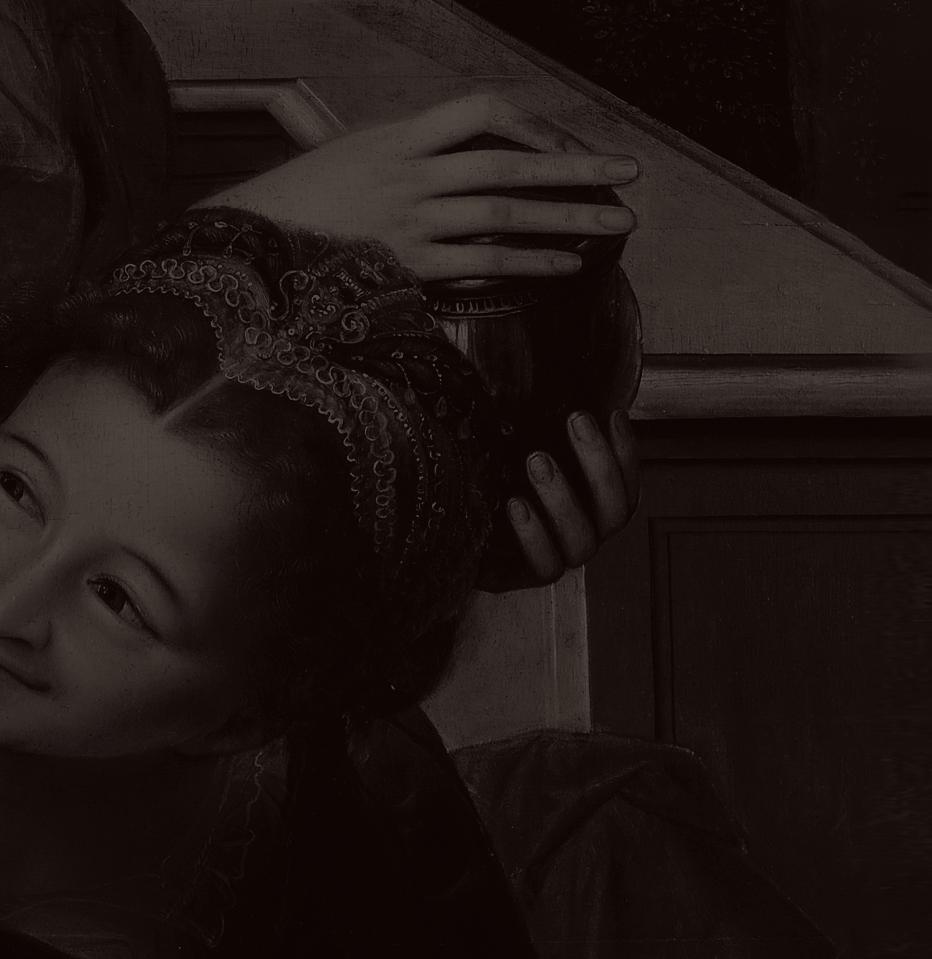




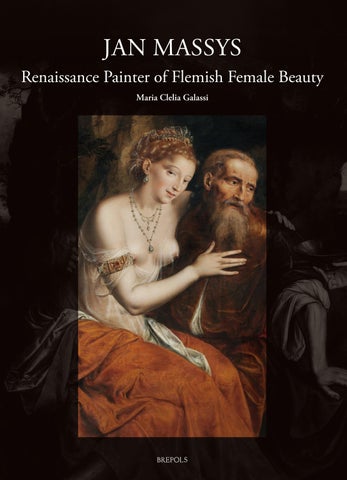
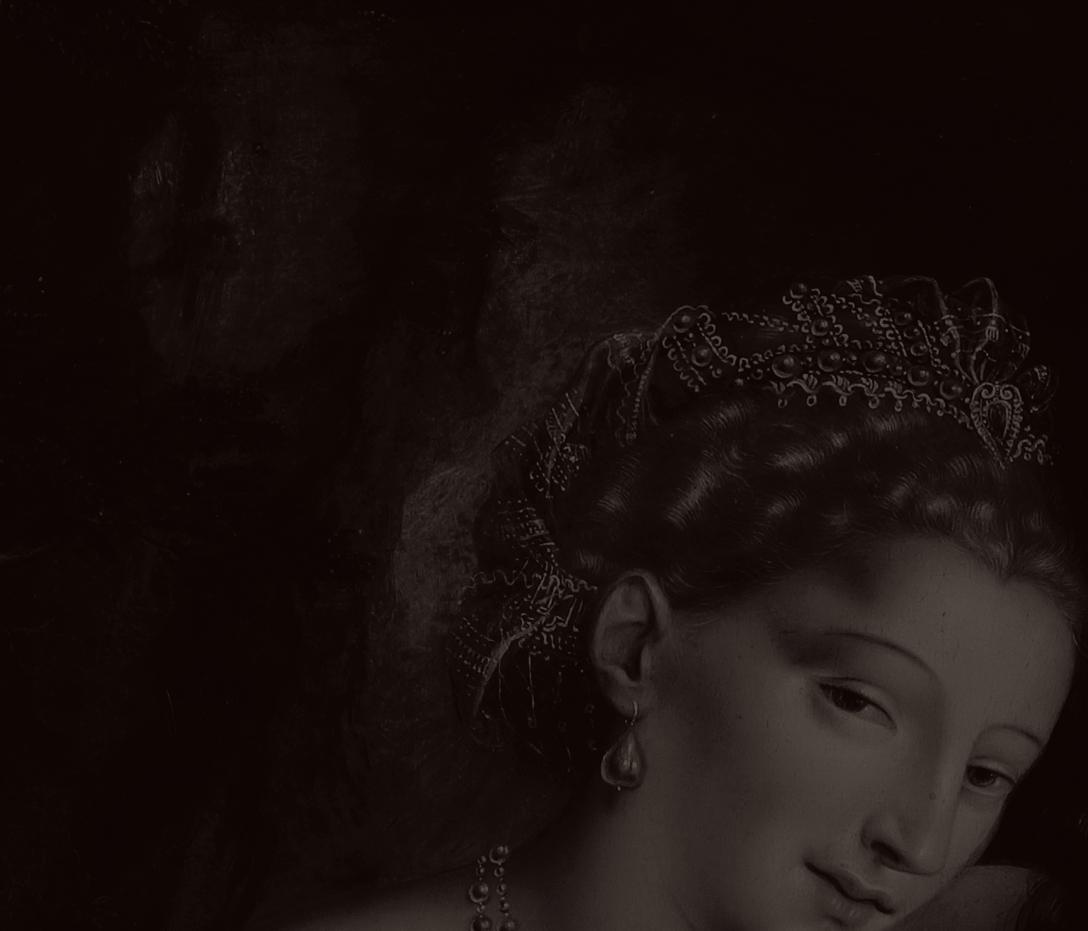


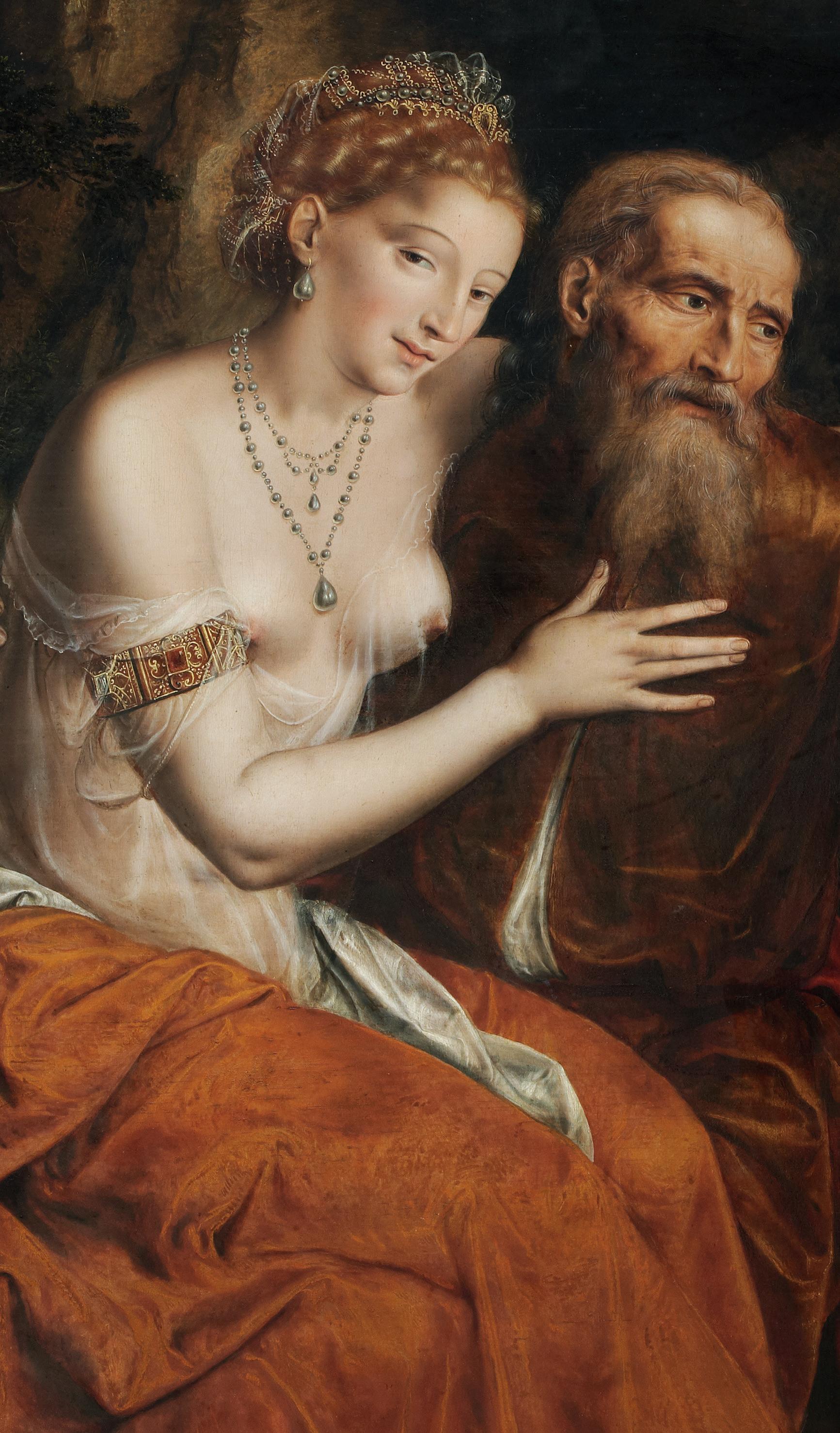
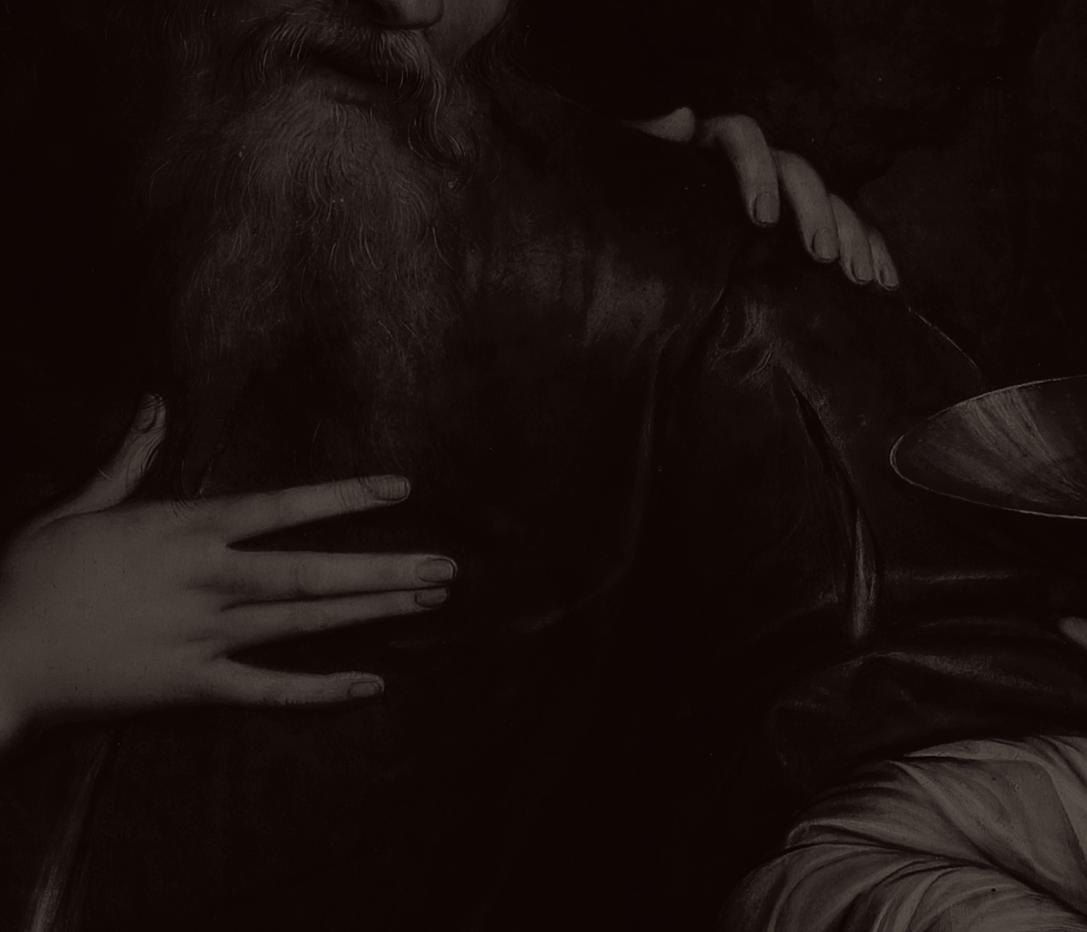





(c. 1510 - 1573)
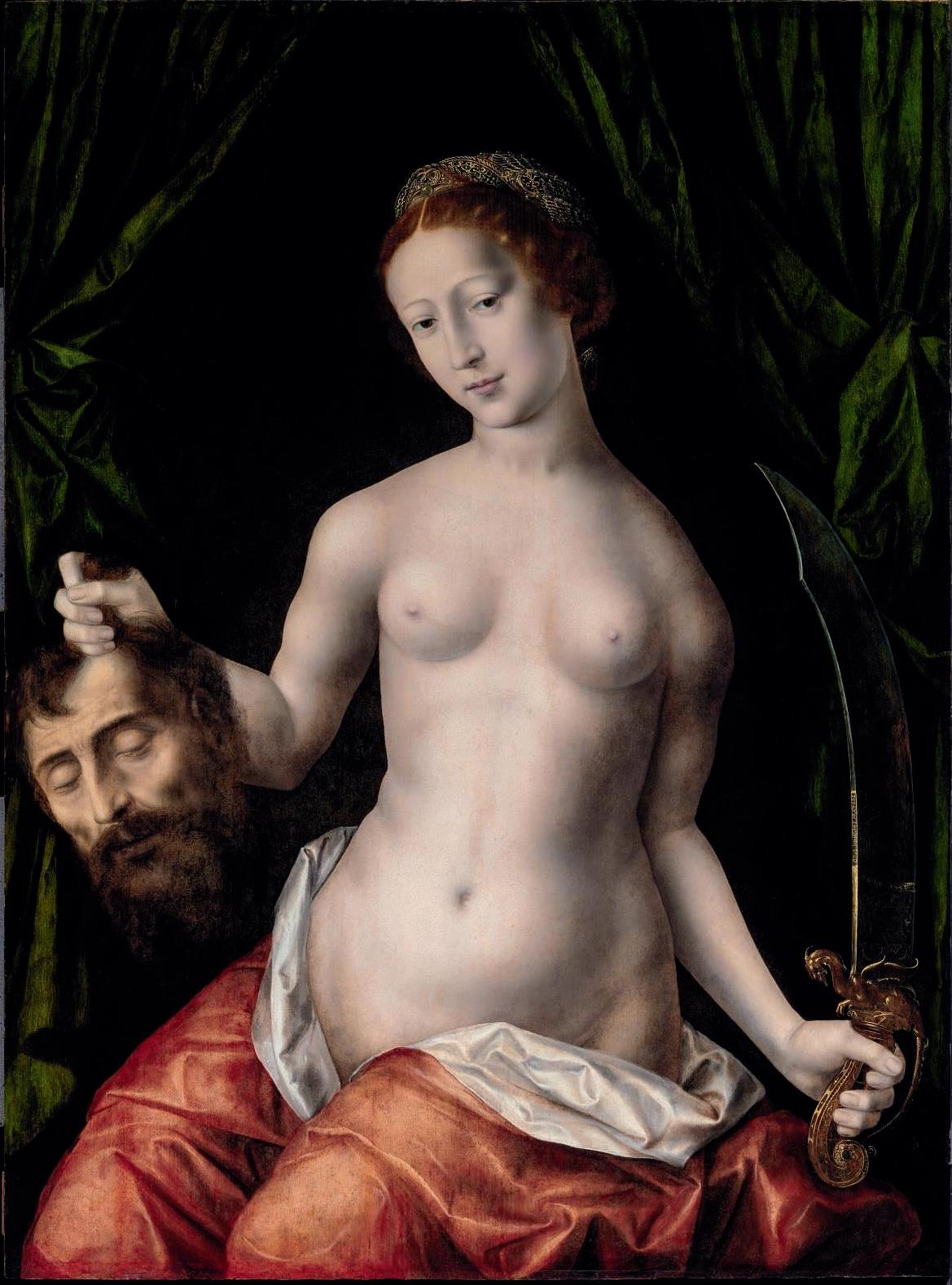
Jan Massys was born in and around 1509, son of Quinten and his second wife Catharina Heyns.1 With his father’s death in 1530, Jan replaced him as a free master at the helm of the workshop in 1531 2 His training, under his father’s guidance, took place in the second half of the 1520s, at a particular time for Quinten’s workshop. Having abandoned the production of large altarpieces, the last of which – the Trinity Altarpiece for the wealthy German merchant Lucas Rem (Munich, Alte Pinakothek) – is generally dated to around 1518-20, Quinten, at the height of his fame, focused on the creation of small to medium sized works. Many of these were probably produced for the speculative market: holy subjects destined for domestic devotion, grotesque images and satirical scenes that found new clients and models thanks to the circulation of compositions by Leonardo da Vinci and his school, which spread throughout Antwerp by methods still not entirely clarified.3 In particular, the theme of the Madonna and Child, rendered even more charming thanks to the insertion of details taken from domestic life and from pleasant landscapes, was developed and copied in numerous versions. It was a specific artistic and commercial choice, followed moreover at that time also by the workshop of Joos Van Cleve, with which Jan, his father having died suddenly, had to deal with. Unfortunately, as has often been pointed out, his beginnings are very poorly documented, and we have to wait no less than twelve years after he joined the guild to find a signed work. The first known signed painting by Jan is in fact the Boston Judith dated 1543 (fig. 1 1),4 the year before the beginning of his long exile from Antwerp (1544-1555), where we lose again all traces of him. Prior to Judith we only have four paintings dated but not signed, between 1537 and 1539.5 That means
that for many years, first as his father’s collaborator and later as a free master, the artist executed works that should be recognised within the scope of that major output generically labelled as ‘Quinten Massys’s workshop’. The task of identifying the hand of Jan as his father’s collaborator and later successor is certainly arduous, since he was trained from the very beginning to emulate the same working methods and style, with a view to inheriting the workshop. We must also consider that Jan’s first work, like that of his brother Cornelis, almost definitely intersected with that by
Quinten’s other collaborators, within a workshop which we should envisage as rather large and very well organised. Of the four apprentices officially employed by Quinten between 1495 and 1510, only Eduwart Portugalois would become a free master in 1508, and so it is possible that some of the others remained in their master’s employment, together with other perhaps non-documented journeymen.6 This is without considering the possible presence of other family members, for example painter Cornelis Buys, brother-in-law of Joachim Patinir, who before 1531 had married Quinten’s daughter, Marie.7 Within the workshop, particularly successful subjects, such as the lost Madonna of the Cherries or the Rattier Madonna (Paris, Louvre) were copied immediately by several different hands, to meet market demands. In order to reconstruct Jan’s debut in the shadow of his father we should therefore take into account a large workshop output, generally of high quality, and certainly executed by more than one artist. Within an extensive workshop production of good and consistent quality, his first works must be identified by recognising those stylistic traits which we later find again, more explicitly, in his mature oeuvre. On the basis of stylistic evaluations already formulated by Max Friedländer, Luís Reis-Santos, in a key contribution in 1964, suggested identifying the hand of the young Jan as Quinten’s pupil and collaborator, distinguishing between works that were executed by the father in collaboration with his son or that were drawn by the father and finished by the son, and copies executed by the son based on his father’s prototypes.8 This was the position taken also by Villy Scaff in 1970, to whom we owe the definition of a first systematic compilation of Jan’s works,9 later completed as a Catalogue Raisonné in the 1995 monograph by Leontine Buijnsters-Smets.10 The copies of Quinten’s prototypes which Scaff and Buijnsters-Smets attribute to the young Jan include the Christ as Savior of Winterthur (Kunstmuseum),11 and a Madonna and Child formerly in Paris’s Pardo Gallery but since lost, deriving from the 1529 Rattier Madonna in Paris (Musée du Louvre).12 Attribution problems persist today, even in light of the results of technical studies which, over the past decades, have added a lot of data to that deriving from the traditional method of connoisseurship. In fact, on the basis of what has been published to date, the characteristics of Quinten’s underdrawing seem so difficult to detect that they cannot stand as a reliable, distinctive element to identify
authorship. Most of the time, his underdrawings, executed in a very diluted liquid, are extremely fine, indicating only selected elements or restricted to the mere outlines, generally very faithfully reworked during the painting phase.13 In other words, they are devoid of those idiosyncrasies which in other artists’ works offer a reliable element on which to base attribution. To complicate the situation, we should add that also Jan often executed an underdrawing which is barely visible in infrared, being extremely thin and limited to outlines alone.
2. The beginnings under paternal tutoring
2.1 The Prado Diptych, an unsolvable case?
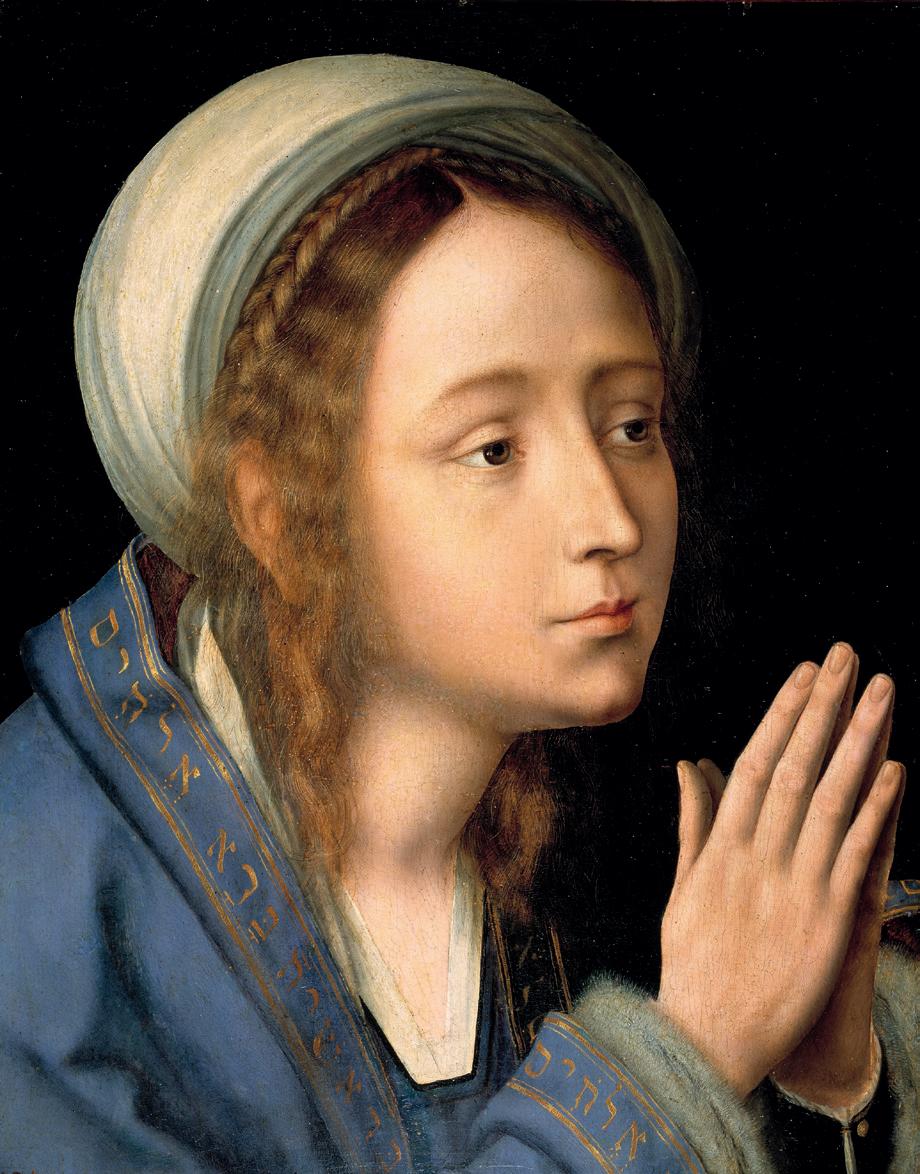
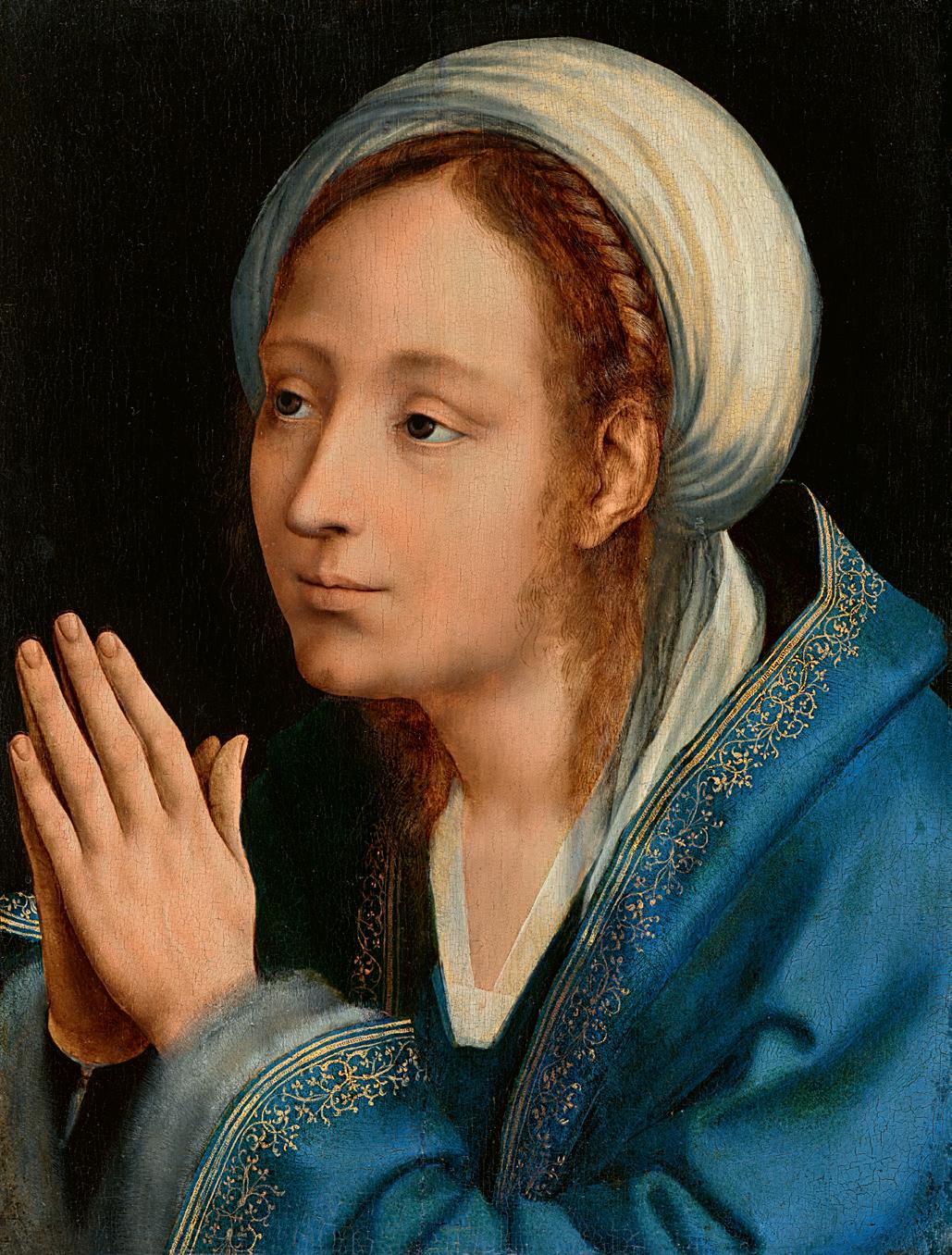
The so-called Prado Diptych, with its controversial attribution, is perhaps the most emblematic example of the difficulty of identifying the collaboration of Jan with Quinten’s late production. Over the years, Quinten Massys’s workshop produced different versions with variations on the subject of Christ as Savior and the Virgin at Prayer, some in the form of a diptych, with different levels of participation by the master himself in their execution.14 Of particular interest, due to their prestigious origin, are the two panels today kept in the Prado Museum (fig.1 2 and 1 3). They, in fact, come from Spanish royal collections and were handed over to the monastery of El Escorial, at the behest of Philip II, on 7 December 1597 15 On that date, they were described as two ‘doors’ of the same object, thus already in the form of a closable diptych, whose frame was lost at an unknown time. The two works were for some years at the centre of a highly lively and complicated attribution debate. They in fact stand as a concrete example of how the output of the Massys’s workshop at the end of the 1520s was the fruit of a creative symbiosis that is difficult to interpret, even when a style analysis is supported by modern technical studies including dendochronology, infrared reflectography (IRR), X-radiography and cross-section analysis. Precisely on the basis of these investigations, the diptych was displayed at the exhibition held in Washington and in Antwerp in 2006-07 as a work executed ‘at the same time by the same artist’, yet dubiously and impartially attributed to ‘Quinten and/or Jan’. Specific technical aspects were found to be common to both panels, espe-
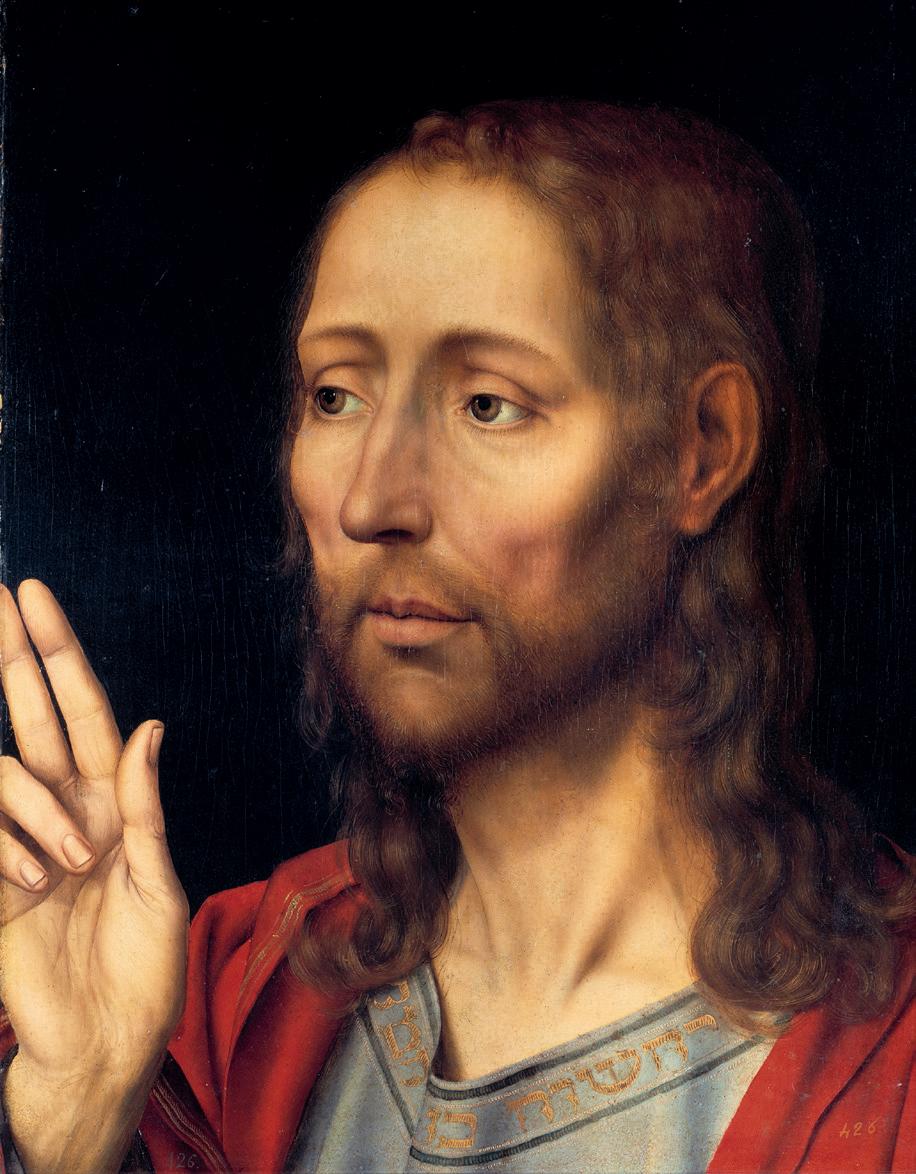
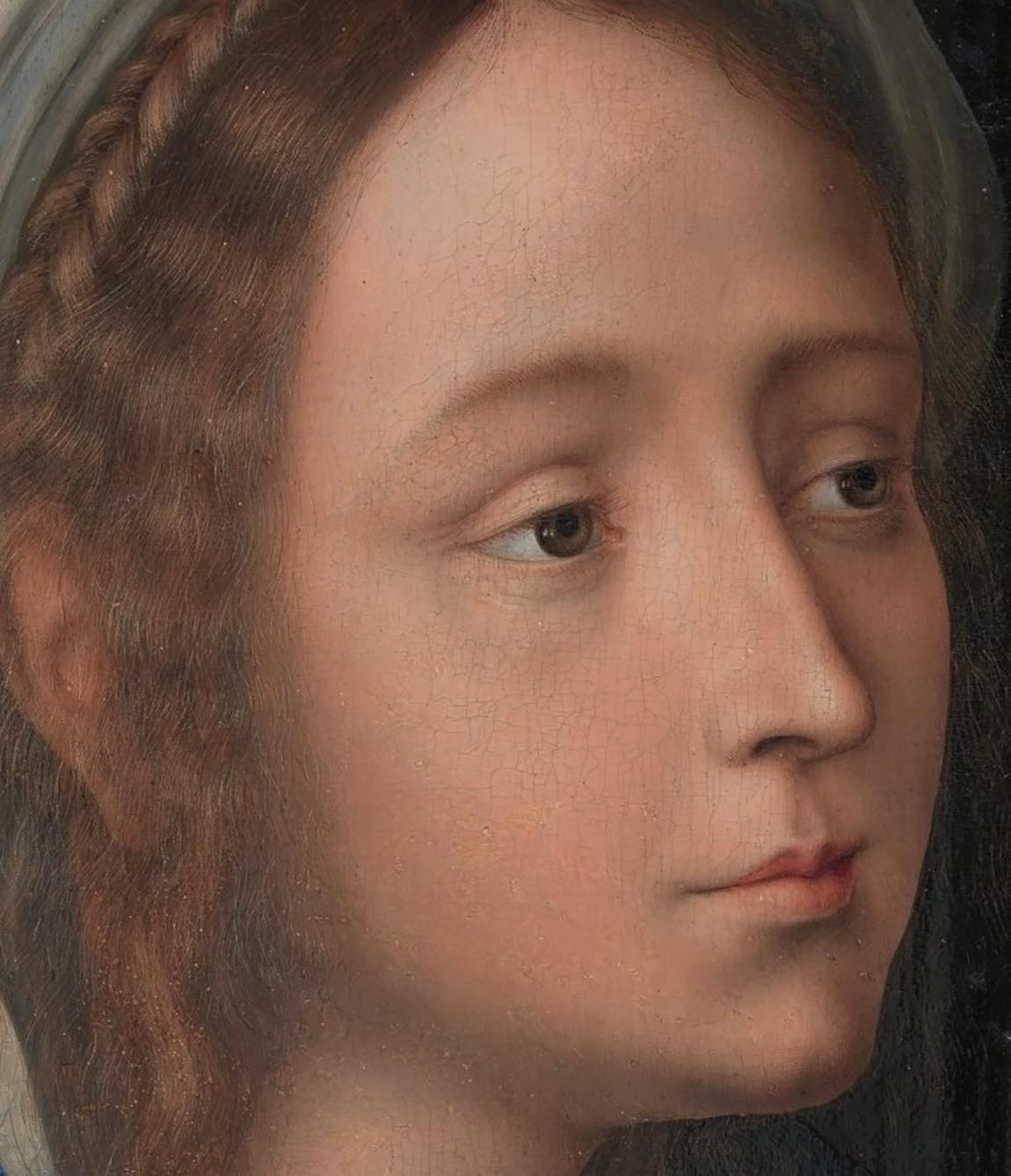
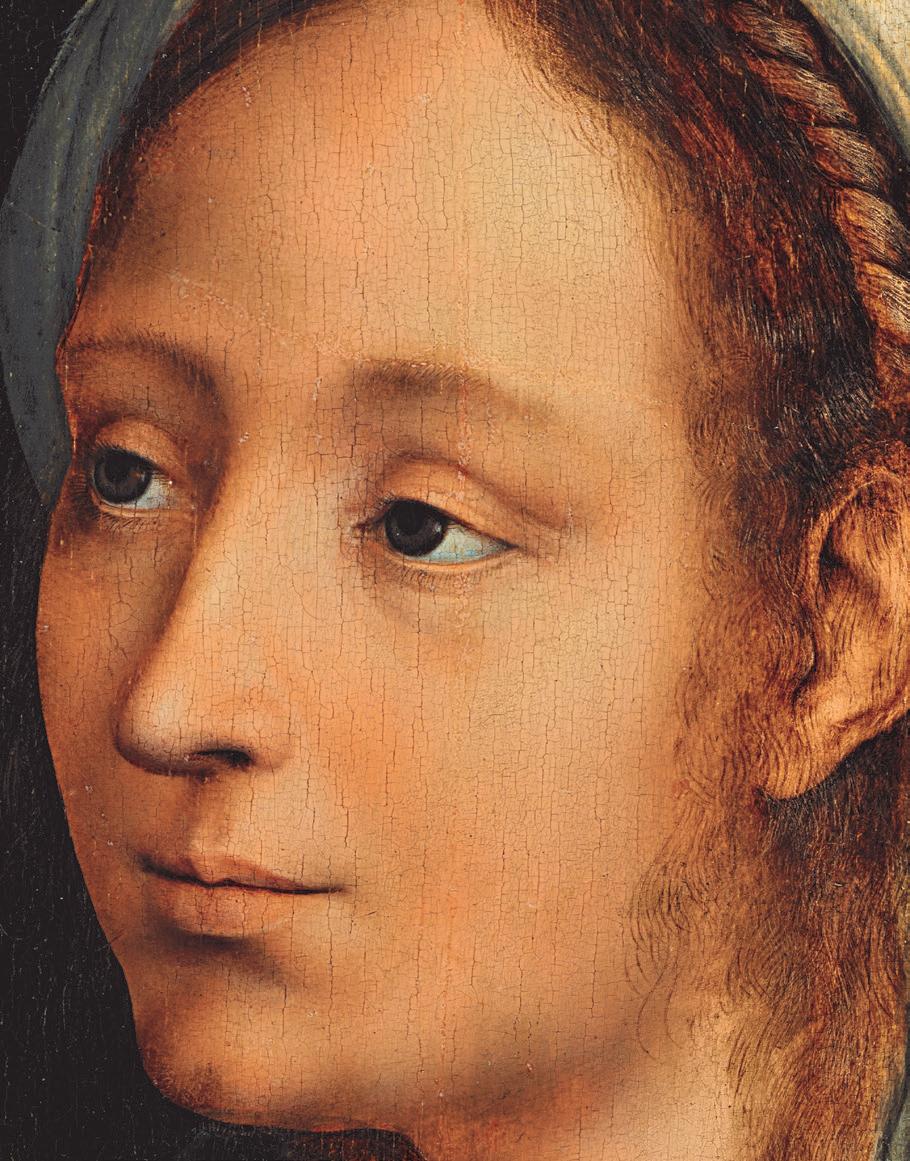
cially the presence of calcium carbonate mixed with lead white in the priming layer and with other pigments in the paint layer, to enhance the translucence of the layers.16 In addition, both faces have very close similarities in the execution of the hair and the eyes, particularly in the masterful way the lashes have been executed, according to a method found in other works attributed to Quinten.17
More recently, however, on the basis of a new diagnostic campaign which identified differences in the thickness and in the composition of the priming and preparation layers of the two panels, Teresa Posada Kubissa instead reached the conclusion that they were not originally conceived as part of the same diptych and were not executed by the same hand.18 Believing the yellow marbling painted on the back of the two panels was a later addition, executed when it was decided to pair the two works in the form of a diptych, Posada Kubissa automatically rules out the authenticity of the inscription on the back of the Christ as Savior, with signature and date ‘OPUS QUINTINI
MATSYS / AN.M.D.XXIX’, which was instead believed to be original by the curators of the Washington/ Antwerp exhibition. Regarding the date of the two panels, executed on Baltic oak from two different
trees, the results of the dendochronological analysis suggest a plausible creation date during Quinten’s lifetime, after 1521 for the Virgin and after 1515 for the Christ. Apart from a black line separating the lips, no underdrawing can be seen in the Christ, while in the Virgin the IRR shows a light, continuous line outlining the head and the hands, with some slight alteration.19 These differences in the underdrawing, like the more complex plasticity of the face of Christ and the subtle treatment of light that are lacking in the more simplified chiaroscuro of the Virgin’s flesh, prompt Posada Kubissa to attribute the Christ to Quinten and the Virgin to Jan.20
That the two paintings show differences in the underdrawing technique and in the application of the paint is incontrovertible. The Christ, thanks to a methodical use of the glazes and a subtle transition from dark to light, is more consistent with the late style of Quinten. The comparison with a Virgin at Prayer, auctioned by Lempertz in 2020 (fig. 1 4)21, of remarkable quality and reasonably attributable to Quinten, helps us to better evaluate the Madrid Virgin within Quinten’s production. The Madrid version, in fact, shifts to a kind of softening and puffiness of the shape of the face that seems to presage a
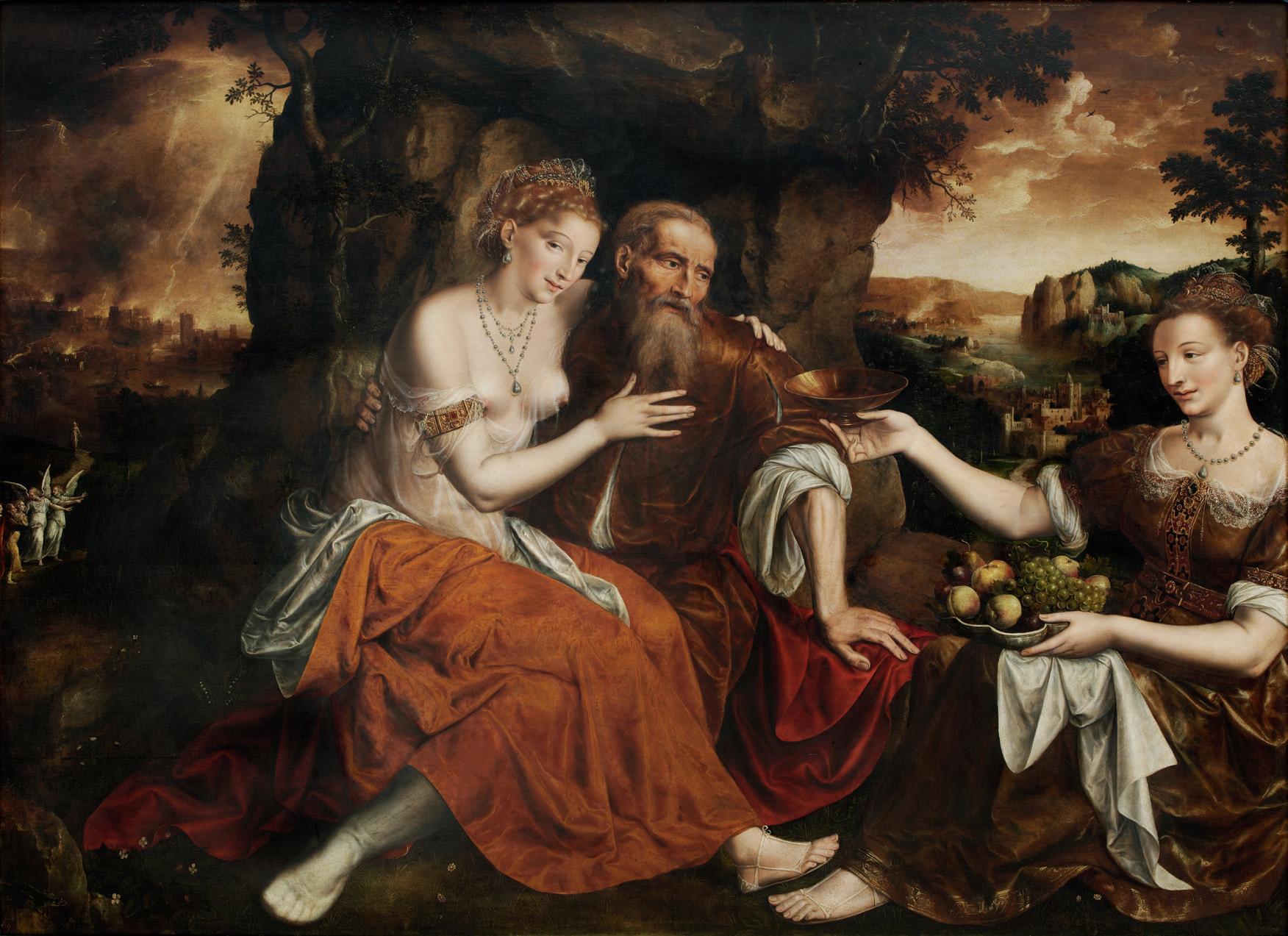
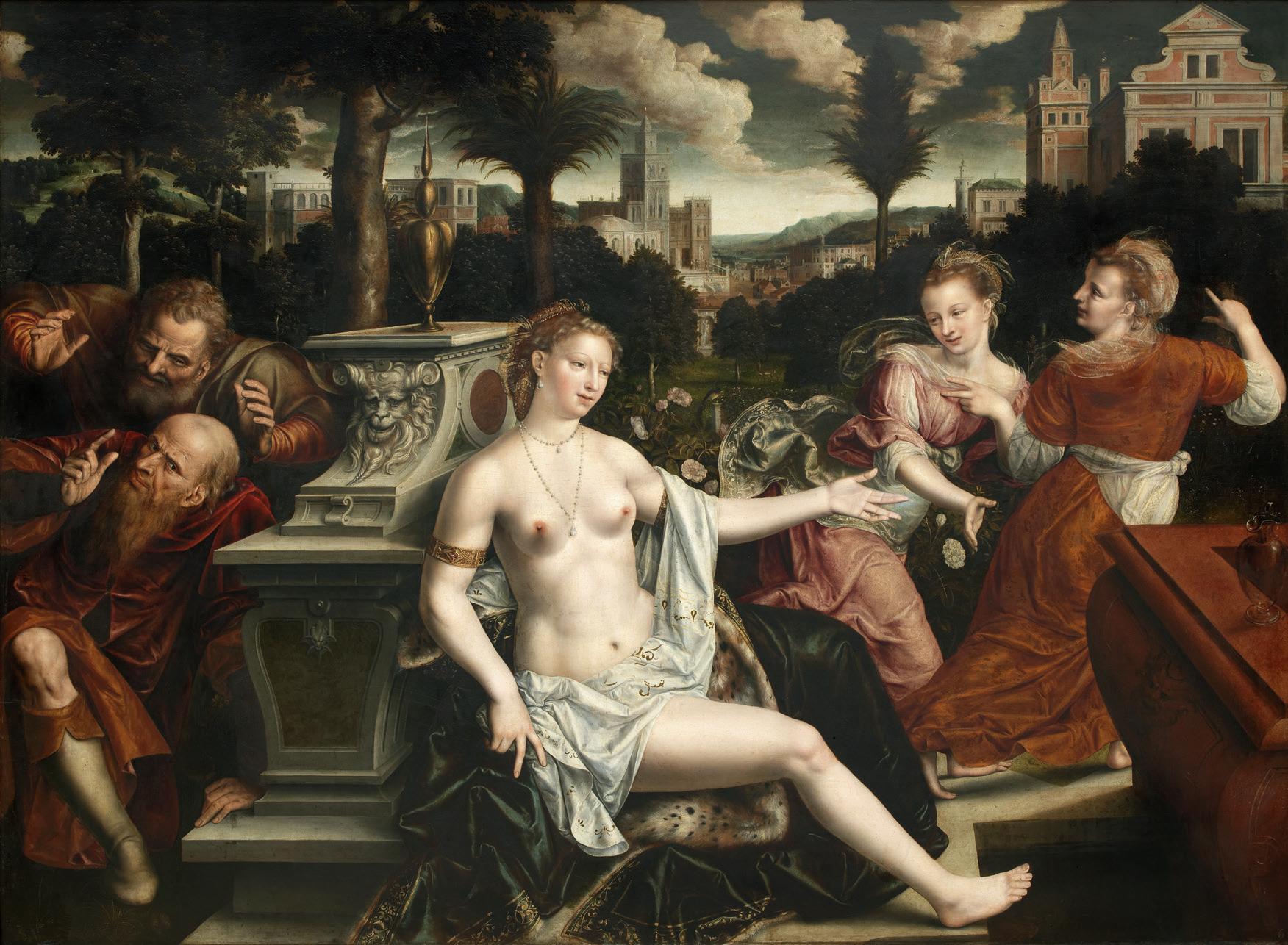
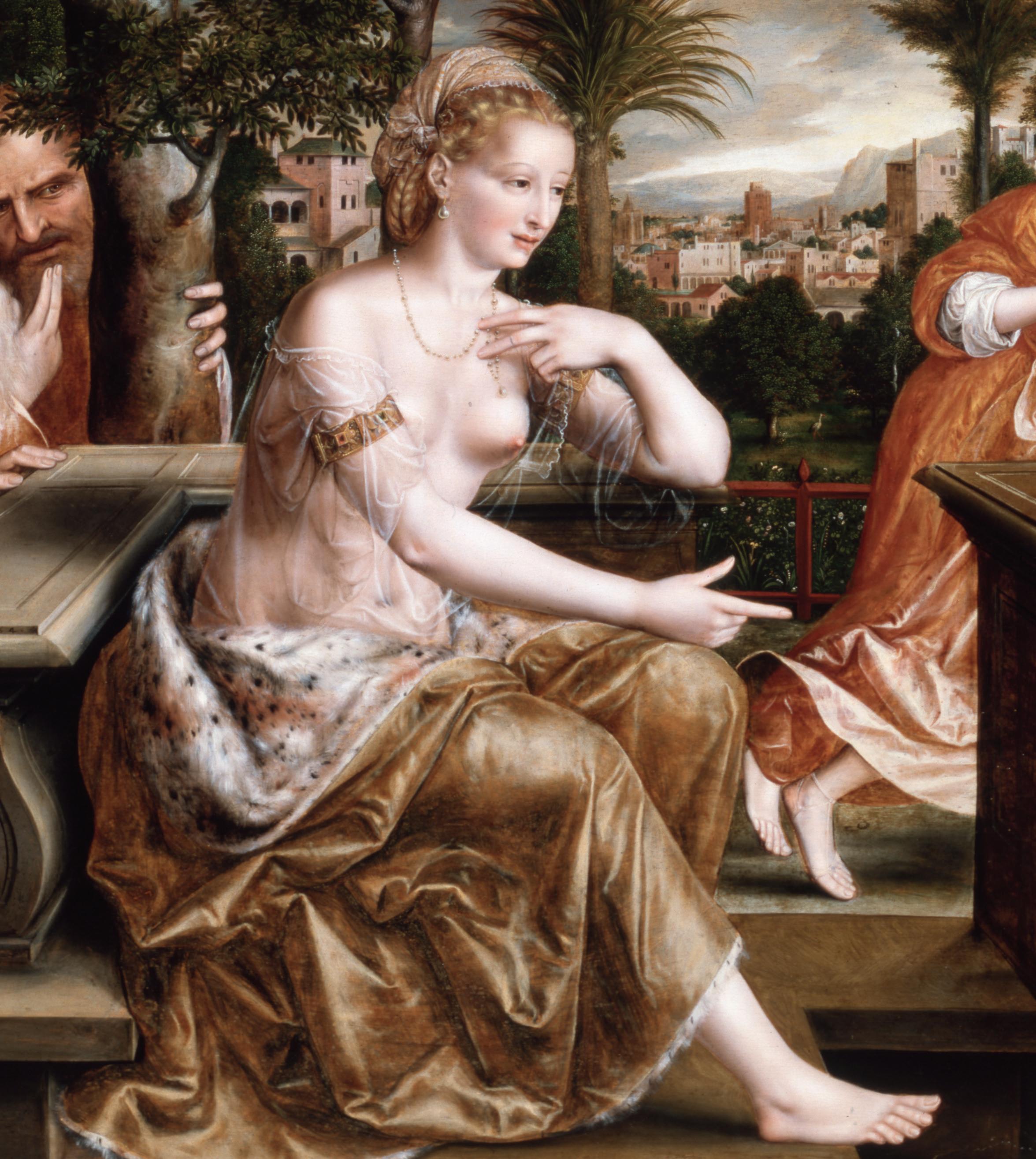
In the fourth volume of Les Primitifs Flamands, published in Brussels in 1912, Hippolyte Fierens-Gevaert offered a critical interpretation of Jan Massys’s painting that for the first time identified his most innovative and personal characteristics, thus vindicating his artistic individuality from his father’s.1 It was a sort of reparation for an artist who Fierens-Gevaert believed had been unfairly overlooked by critics until then. Judging him even as a forerunner of the 17th century, he emphasized his predilection for nudes, and the great charm and elegance of his female figures. With an intuition that, as we have seen, would later be developed by Max Friedländer and Leontine BuijnstersSmets,2 he identified the main model that allowed the painter to free himself from the last remaining Gothic bonds in the painting of the School of Fontainebleau. In particular, the works he refered to are the ones kept at the Koninklijke Musea voor Schone Kunsten van België – of which Fierens-Gevaert would later be, from 1919, chief curator - respectively depicting Lot and his Daughters (fig. 3 01)3 and Susanna and the Elders (fig. 3.02),4 whose female characters are in his view ‘séduisantes personnes qui font penser à certaines beautés contemporaines de la Cour de France’.
In this chapter I will deal with the paintings that depict female beauty in a variety of ways, and I will try to understand for which clientele they were painted and what their meaning was. They undoubtedly stand as the most interesting part of Jan Massys’s artistic production, for which the artist developed a particular and highly recognizable brand, marked by specific means of expression.5 They were goddesses, figures of Caritas, protagonists from episodes taken from the Old Testament, such as Judith, Susanna, Bathsheba and Lot’s daughters, whose stories lend themselves to the representation of sensual, sometimes provocative scenes. The accuracy with which these works were technically executed, as well as the abundance of details in their depiction – garments,
jewelry, buildings and landscapes - makes them extremely refined and precious.
It seems hard to believe they were produced for the open market. Valuable clues suggest that they were commissioned by sophisticated and influential clients whom I will try to identify, if not by name, then at least by their social group.6
1. ‘Une volupté que les maîtres flamands n’avaient point obtenue ou cherchée jusqu’alors’: characteristics of the Massys brand
The term ‘voluptuousness’ mentioned by FierensGevaert in the quote is used to entitle this paragraph, and is perhaps one that best sums up the ultimate purpose of these paintings. Indeed, it is evident that the artist aims to provoke extreme, sometimes almost obsessive enjoyment in the viewer through an intense visual experience, thanks to the choice of certain subjects and to the development of specific figurative devices.
The formula he adopted to depict female beauty is decidedly innovative and personal, with a strong communicative impact. He avoided the crowded mythological compositions favored by his colleagues, starting with Frans Floris, preferring simple scenes instead, ones focused on a single or few characters, with a female figure always at the center. Male nudes are never present, and when male characters are there, they are almost always old and grotesque, depicted as antithetical to the central female protagonist.
The latter, usually nude or only partially draped, appears visually isolated from the rest of the composition through the particular whiteness of her flesh tones, almost endowed with their own light. She seems to be indifferent to her surroundings, and never interacts with the other male characters that possi-
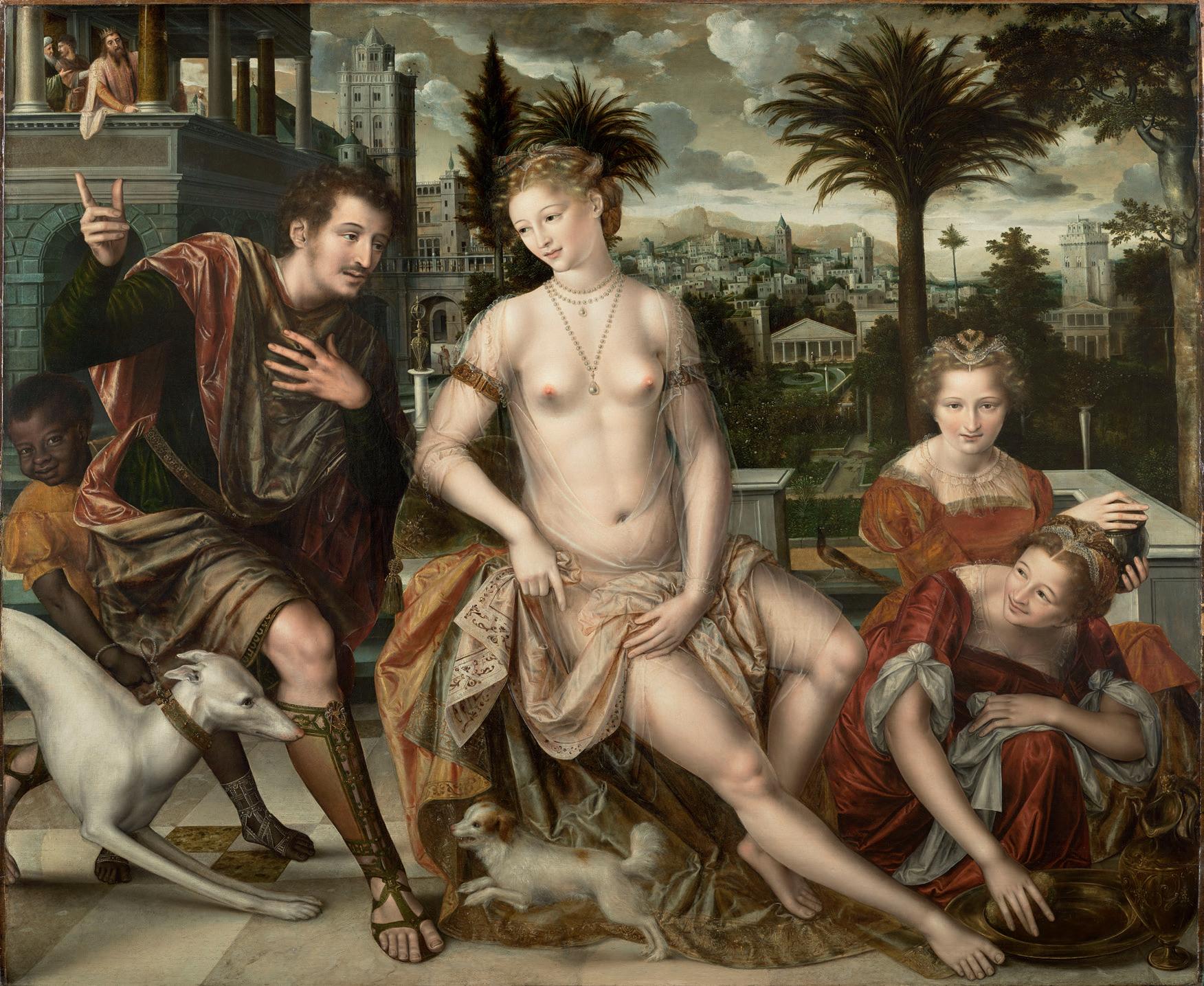
aroused devotion and respecting those that aroused unchastity. For Molanus, those religious images whose theme was merely a pretext for painting lewd scenes, were to be censured, even more than indecent depictions of pagan deities. Perhaps having certain paintings by Jan Massys in mind, as David Freedberg suggests,12 he explicitly condemns the depiction of Magdalene as a sinner and not as a penitent (fig. 7 05), as well as those subjects which, although taken from the Old Testament, lent themselves to generating erotic images, such as David and Bathsheba (fig. 3 03).13
Jan Massys’s painting, therefore, was open to condemnation not only on moral grounds, as licentious and capable of arousing impure feelings, but also because it smacked of Protestantism. So many years after the heresy accusations, the religious question emerged again. The subjects chosen, and the way in which they were depicted, once again made the question of the artist’s real fidelity to Catholicism topical, beyond the official statements which, as we have seen, had served to secure his return from exile.
1.1 Changing aesthetic canons: Jan’s answer to Antwerp Romanists
As is known, Jan Gossart was the first Flemish painter, during the second decade of the 16th century, to systematically tackle the theme of the nude. Returning from a fruitful study trip to Rome, the artist made use of models taken from ancient statues and the Italian Renaissance Masters, in particular Michelangelo, to model a highly personal type of heroic nude, with great plastic and visual evidence. 14 Active at the court of Philip of Burgundy, he celebrated the identity of his patron through the depiction of the nude, establishing a sort of continuity between the erotic image of ancient divinities and that of Philip.15
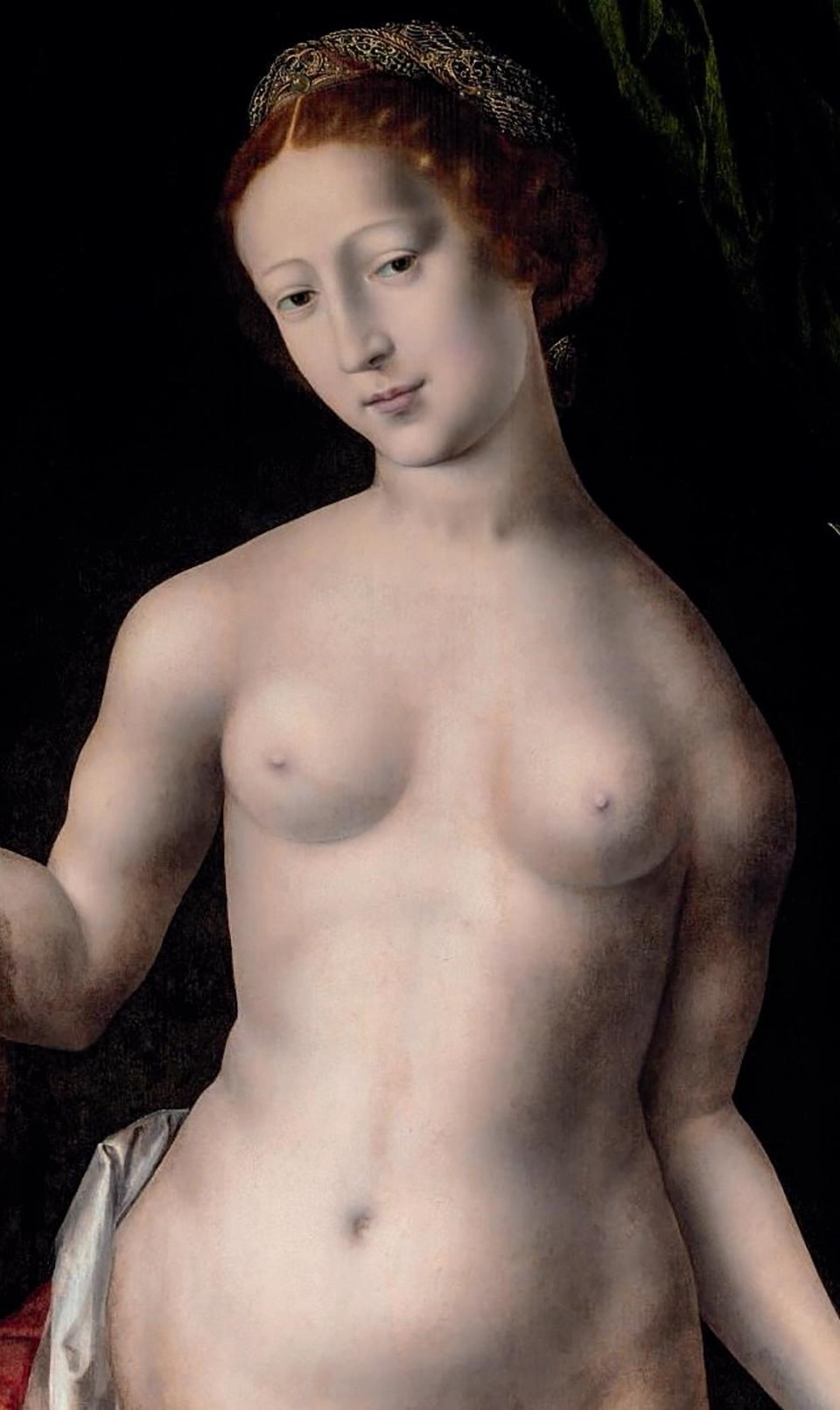
It was only during the 1540s, however, with the establishment of the painters’ pand then free from the control of ecclesiastical authorities that the theme of the nude began to be more widely experimented with by Antwerp painters.16 With the 1543 Judith (fig. 3.04), Jan Massys was among the first to paint
scenes dominated by the female nude, even before Floris - who had returned from his trip to Italy - began to offer his large-scale Italianate mythological subjects, overflowing with nudes. The body of the biblical heroine imposes itself in the center of the composition with the whiteness and compactness of expertly polished alabaster, standing out against the dark background of the drapes. The narrow, slightly sloping shoulders, the small, round breasts, and the large, prominent belly still find a precise correspondence with what had been the canon of female beauty for a century, starting with the depiction of Eve in Van Eyck’s Ghent Altarpiece.
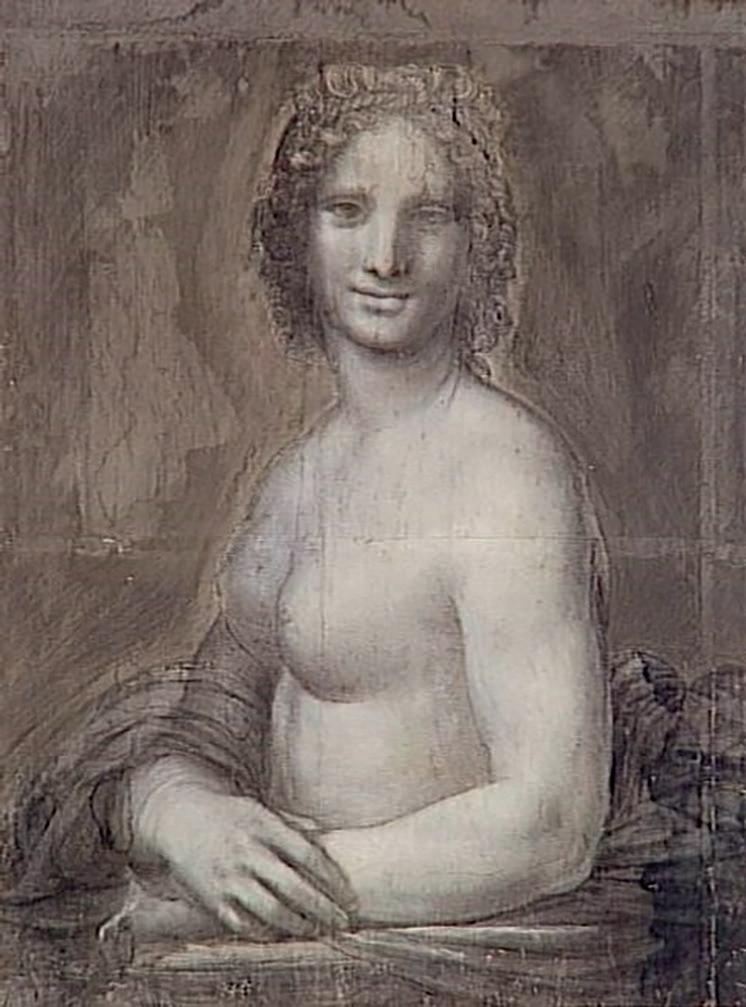
The suggestive and complicit gaze turned towards the viewer is actually totally modern, and inaugurates that flirtatious game which, as I have mentioned, would be typical of Massys’s voluptuous painting. The depiction of the nude or partially nude female who uses her seductive gaze to shamelessly seek that of the one who possesses her, albeit in painted form, would recur in many of the artist’s paintings. These women never interact with the other painted characters, and male nudes never appear beside them. They are always and only in rapport with the viewer, by way of a silent, visually expressed dialogue. In the Antwerp painting scene at that time, what Friedländer defined as ‘uninhibited nudity’, was the most innovative and provocative aspect introduced by the artist, capable of creating images of great representative impact. As is known, the German scholar, like Hippolyte Fierens-Gevaert before him, identifying irrefutable influences deriving from the painting of the school of Fontainebleau in the ‘chilly sensuality’ of Jan’s women, suggested that the artist spent some time in France during his exile.17 This, as I discussed in Chapter 2, is highly likely. However, it is interesting to underline how the Boston Judith shows that the development of this particular voluptuous painting occurred in the years prior to his exile. Perhaps this was suggested by the knowledge of images deriving from the Leonardesque Monna Vanna (fig. 3.05) which, widespread at the Fontainebleau school, must have definitely circulated also in Antwerp.18 This is an example par excellence of erotic portraiture, from which Jan Massys may have taken inspiration to develop the winning formula of his voluptuous painting, based on an unabashed and luxurious nudity associated with the openness of the protagonist’s gaze.
In these years prior to the fateful 1544, the year of his exile, the artist tackles, probably for the first
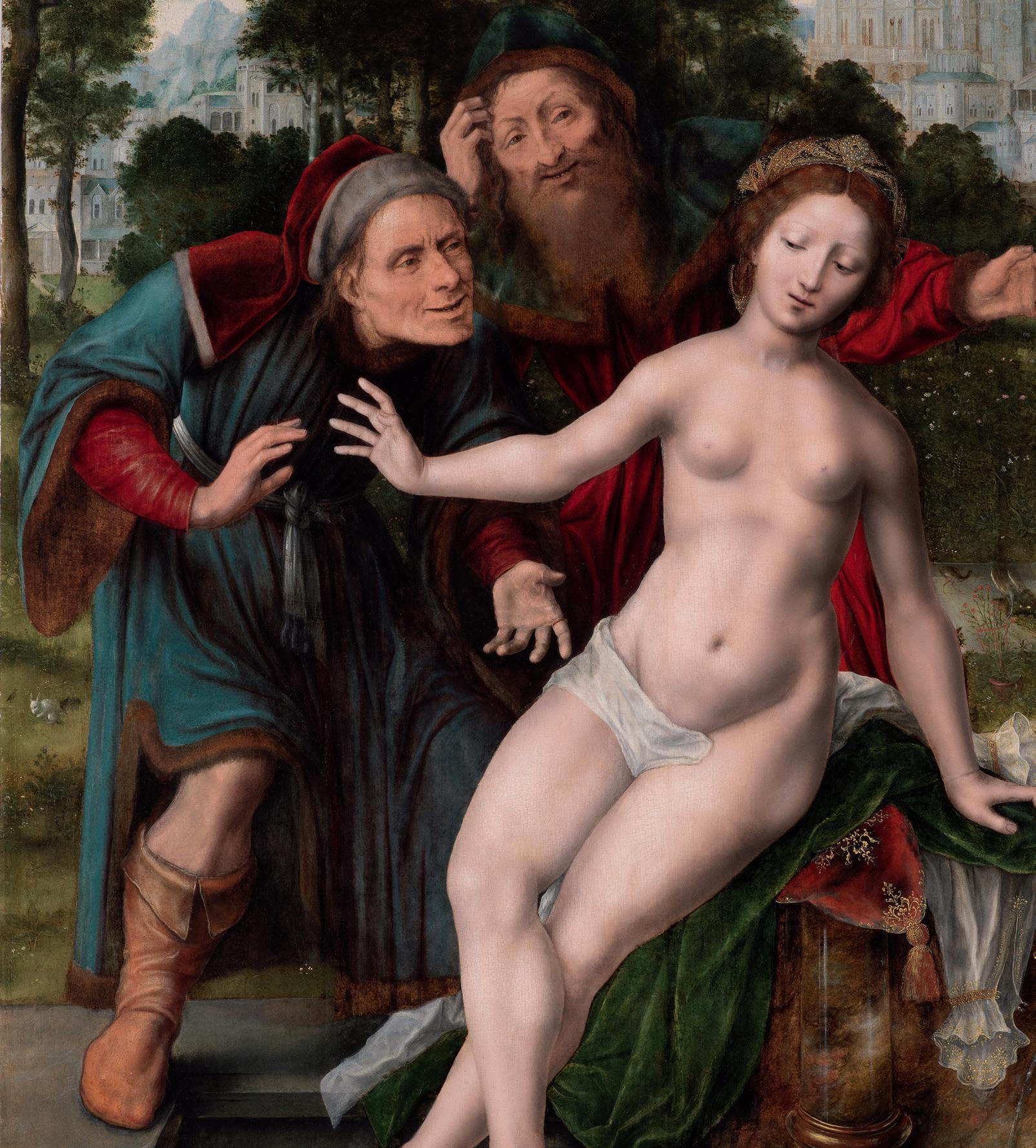
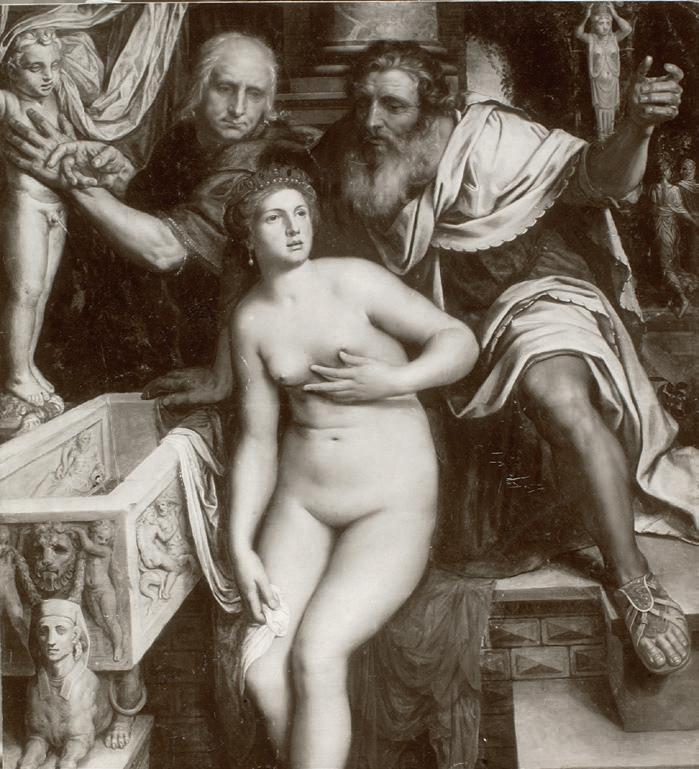
time, the subject of Susanna and the Elders (figs. 2.17 and 3 06), to which he would return on other occasions during the 1560s. I already spoke in Chapter 2 about this painting and about the secularization process of the holy image initiated by Jan. However, it is necessary to add some observations about the peculiarity with which, in this painting, the female nude is presented to eye of the viewer. The comparison with Susanna and the Elders painted shortly after by Willem Key in 1546 (Pommersfelden, SchlossWeissenstein, Count von Schönborn Collection) (fig. 3 07) evidently clarifies the distance between the painters and enables us to identify what line of taste Massys would follow to develop his oneman pictorial style. A Romanist without ever being in Italy, Key tackles the subject by sticking to a repertoire of classical motifs, which in some way make
Basing ourselves on surviving paintings of undisputated authorship, we can say that over the course of a forty-year-long career, Jan Massys personally executed a little more than fifty paintings. It is a fairly modest production numerically speaking, considering also that in his many years of exile, the artist very likely had little chance to practice his profession. Perhaps due to his lukewarm and equally suspect adherence to Catholicism, unlike his father, he was never involved in the execution of altarpieces for churches in Antwerp. Rather, his known oeuvre includes exclusively works for the private realm, reserved for a refined and cultured market segment, with good purchasing power. We do not have any information by which to calculate the price of these paintings, but their low number would have it that they were painted with the same care and attention used to make luxury goods, in order to justify their high value and good profit margin.
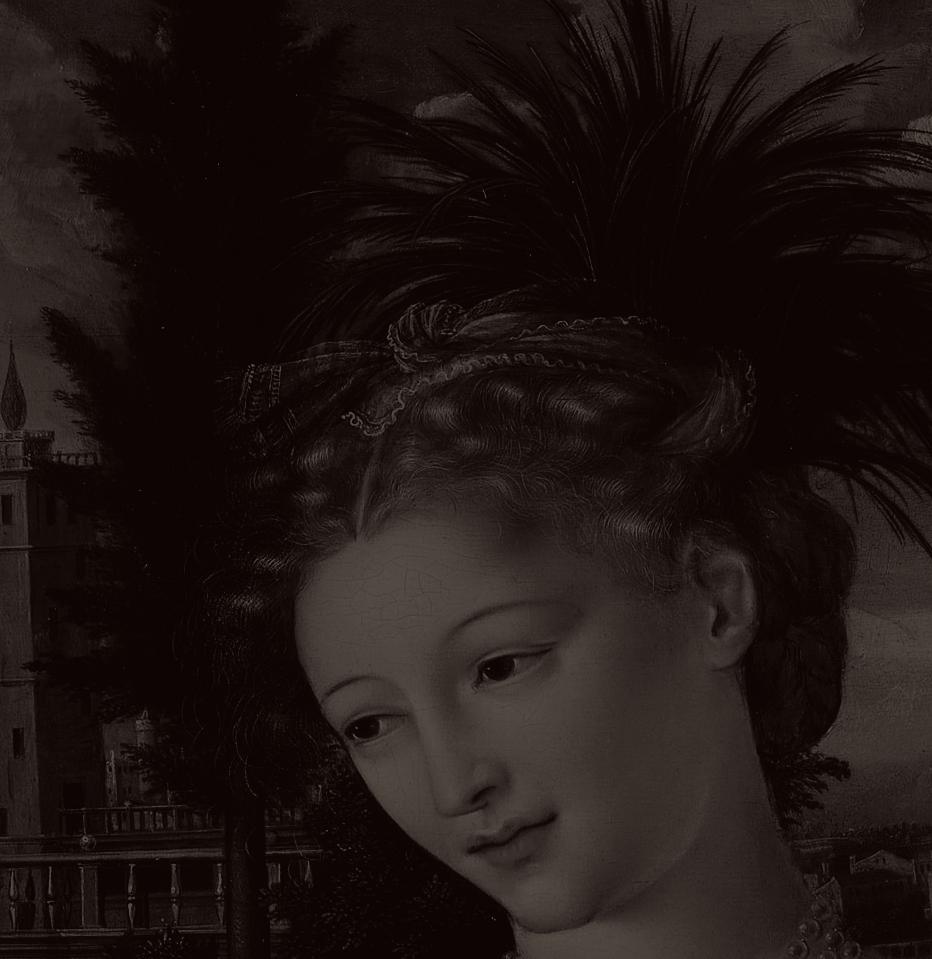
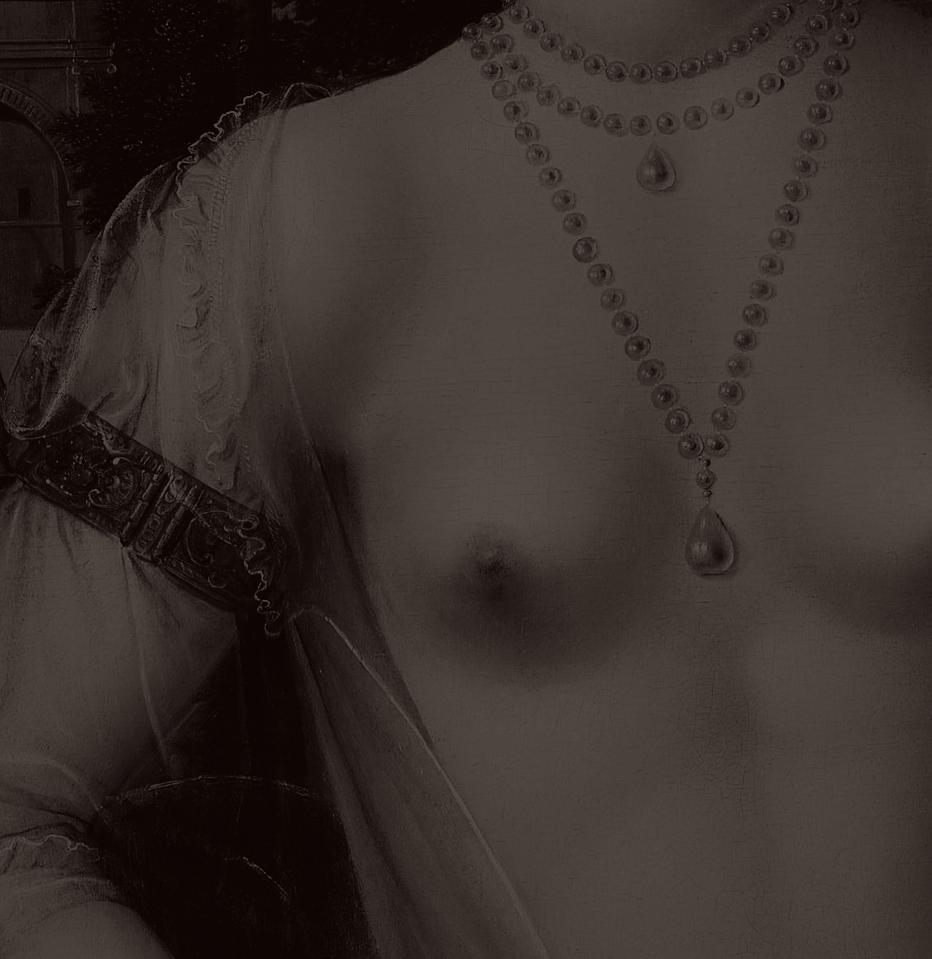
A slow technique, meticulous and highly refined, marks the artist’s work, which never shows any lapses in quality. The choice of fine materials and a masterful execution technique meant that his paintings have retained a particular freshness and have survived in an excellent state of preservation. As we will see, however, misplaced trust in blue smalt pigment, which from a certain date Jan Massys uses over other blues, was proven detrimental, due to the color instability of this pigment. Many artists in the mid 16th century unwittingly fell into this serious technical error, but Jan’s works seem to be particularly penalized, surviving with practically no blue tones at all, be they in the sky or in the drapery, with serious repercussions on their current appearance.
Massys’s meticulous working method reveals itself right from the wooden support. Apart from the Madonna and Child today in Genoa (Galleria di Palazzo Bianco), painted on walnut during his exile, the fourteen paintings examined show the use of oak from the Baltic region,1 in line with the good practice of the early Flemish masters, at a time when the use of local oak of a much lower quality from the area of Mosa and Mosella began to take hold. The artist seems to have had regular access to a good panel supplier. The planks have a fairly standard width, as are the general dimensions of the paintings, similar to what occurred with other painters in Antwerp in that period.2 The formats are generally linked to the types of subject matter. In particular, the Merry Companies, works mainly destined for the open market, have a horizontal format between 70/80 x 100/110 cm, obtained by the assembly of three planks 23/26 cm in width, arranged horizontally. It was a standard and widespread format in Antwerp, which the Joiners’ Guild regulations, in 1617, define as ‘twenty-six stuivvers size’.3 Panels made from wider trunks, about 30/32 cm wide, were instead used to make larger paintings with biblical, allegorical, or mythological subject matter, certainly executed on commission. In these cases, we find three boards assembled to make medium-sized paintings for the rooms (90/100 x 120/130 cm), of four or even five boards for larger paintings (150/160 x 200 cm). The use of planks wider than 30 cm is a sign of particular care in preparing supports, which goes against the trend of 16th century standards. In fact, as shown in the statistical study by Pascale Fraiture, in the mid-century only 6% of the planks used by painters in Antwerp has a width greater than 30 cm and 37% of planks measured less than 25 cm, with a general increase in half-quartered cut planks, corresponding to a decrease in quartered cut ones.4
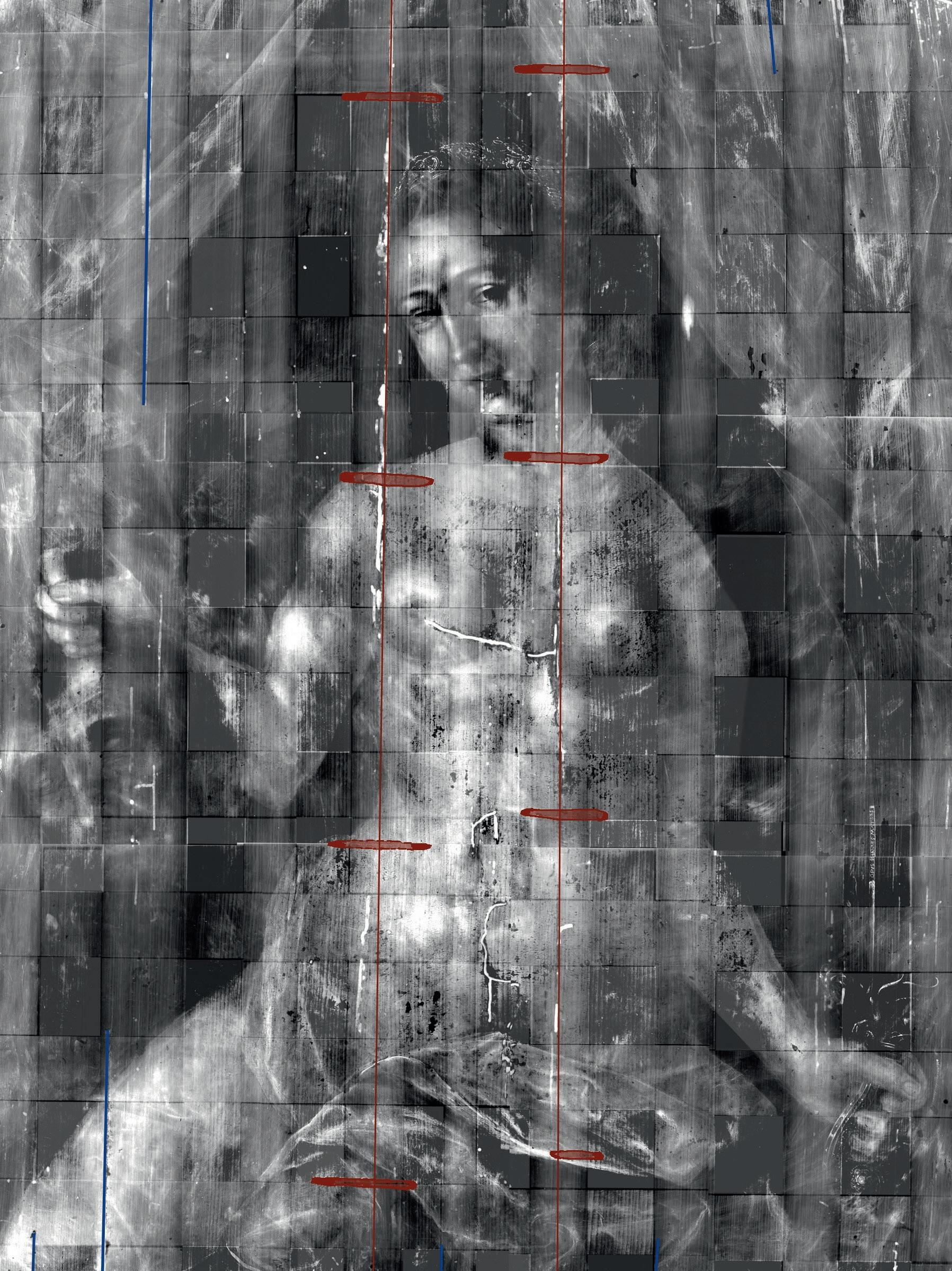
Assembly was generally regular, made of equally-sized boards, glued together with the grain running horizontally or vertically, depending on the format of the painting. As was usual, the joins were reinforced by adding wooden pins. The X-radiograph of the Boston Judith, which has three vertical boards with two joins, reveals that each one of the joins was originally held in place with four dowel pins (fig. 5.01).
In the Metropolitan Rest on the Flight to Egypt the artist instead used butterfly inserts, equally distributed along the joins and locking along the perimeter, to attach the painting to the frame (fig. 5 02). Original dovetail keys are quite rare in Netherlandish works.5 Nevertheless, a butterfly insert, apparently original, is partially visible through the cradle in the Stockholm Merry Company (fig. 5.03).
Only one drawing, related to the 1565 Two Musicians (Basel, Kunstmuseum), can be traced back to the workshop of Jan Massys. As I will discuss at the end of this chapter, it shows all of the features of ‘d’après drawing’ and is therefore useful for learning about the methods used in the workshop to copy paintings but does not help to identify the design procedures followed by the artist. To the best of our knowledge,
unfortunately, no drawings executed by Jan Massys during the preparation phase of his compositions have survived, nor have any life sketches he made for study. For sure, the fate of the workshop, which after his death would remain active for a few more years to be then closed definitively in 1581 with the departure of Quinten II for England, should have favored a rapid dispersion of the drawings it contained, whose amount is difficult to quantify. It is nonetheless credible that the artist based his work more on model
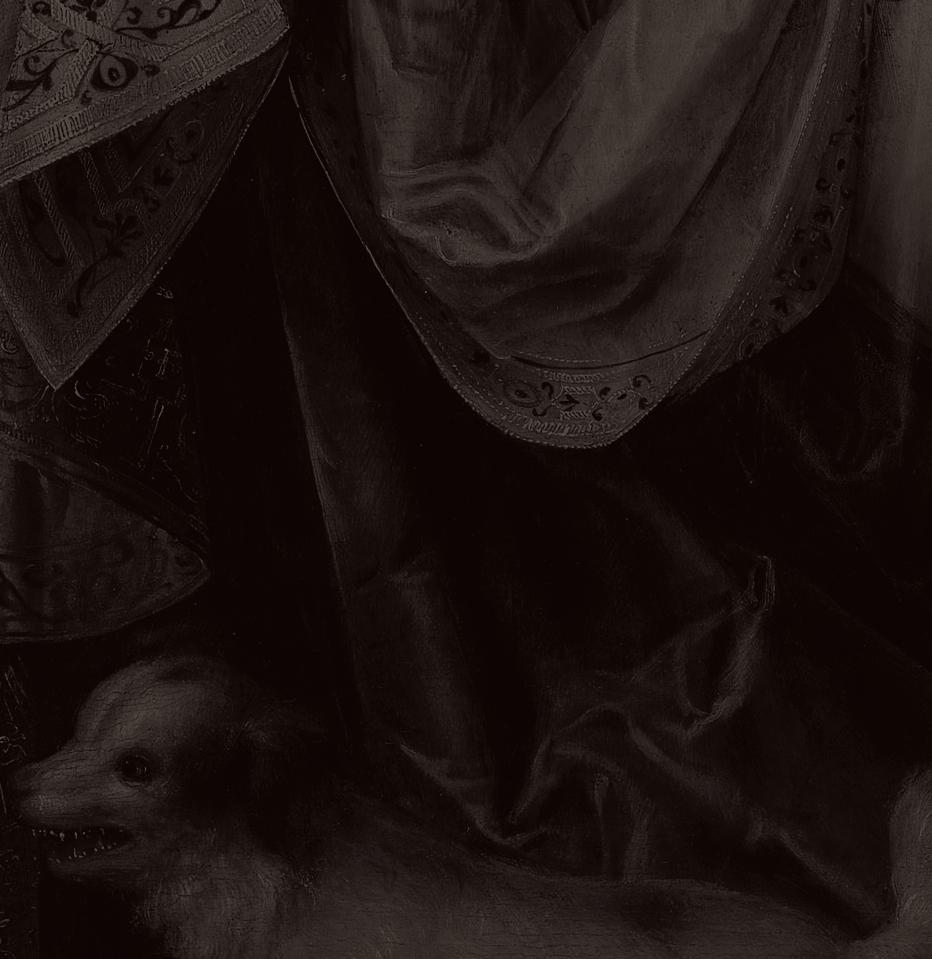
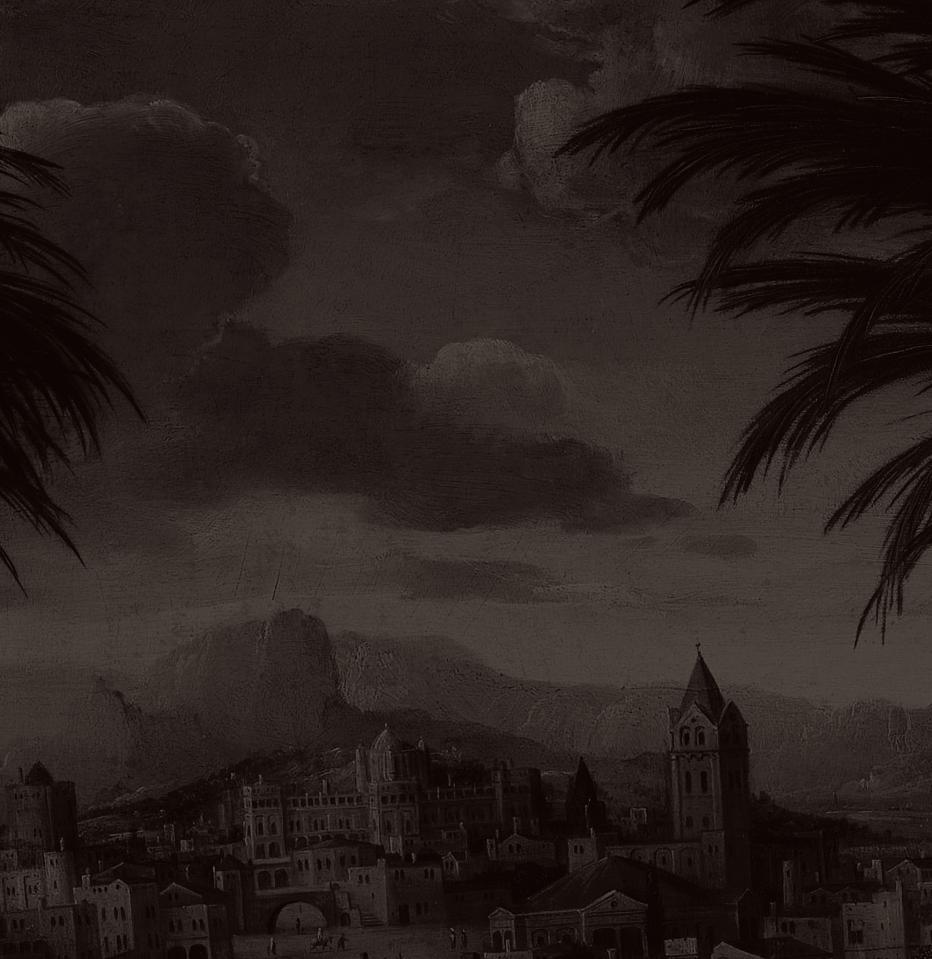
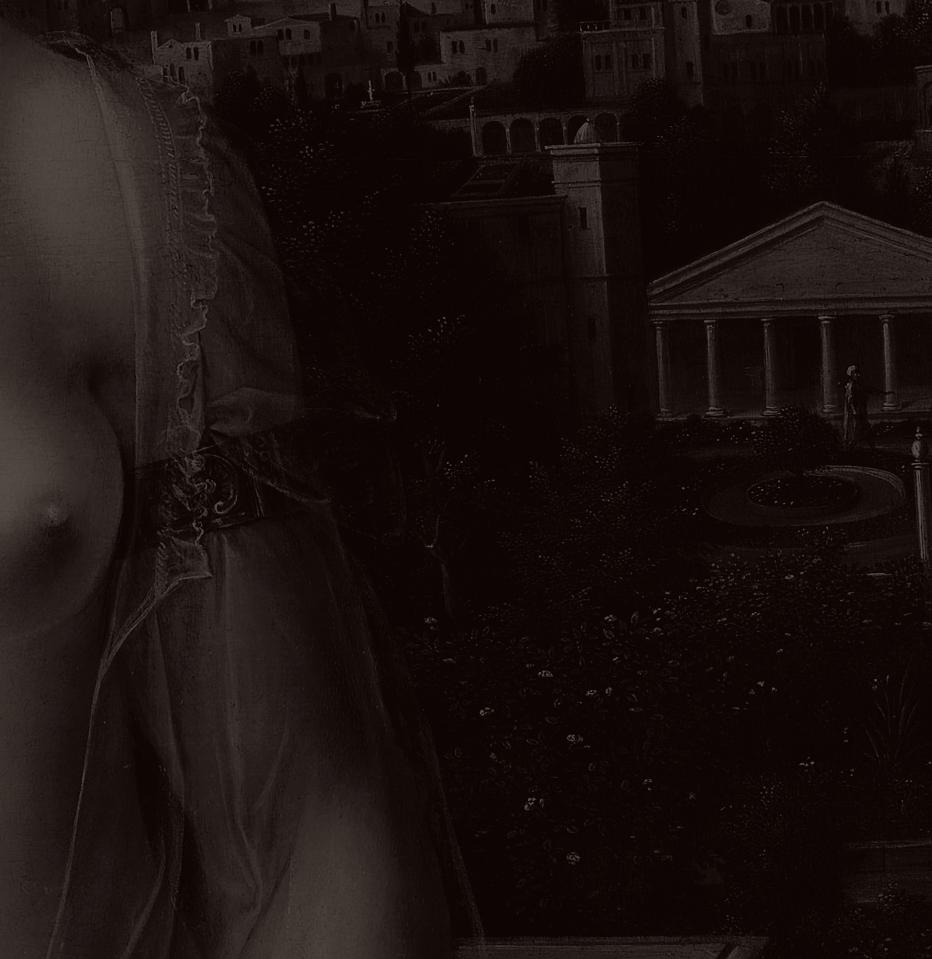
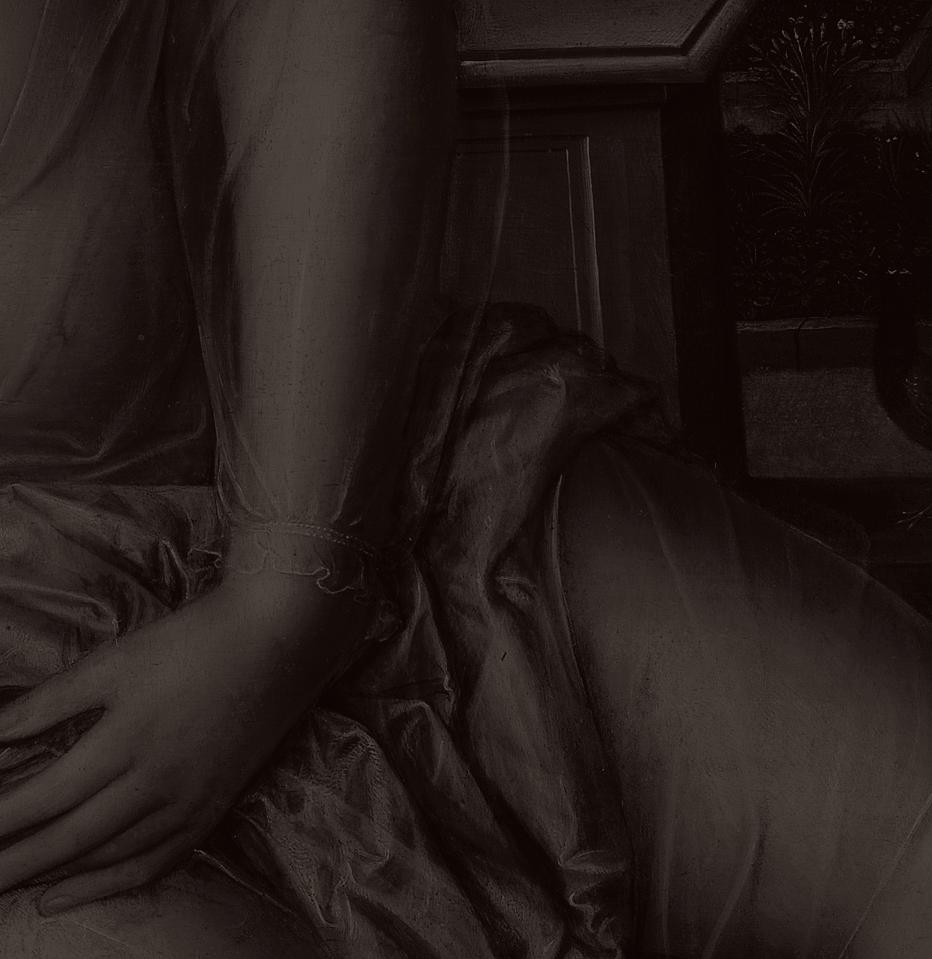

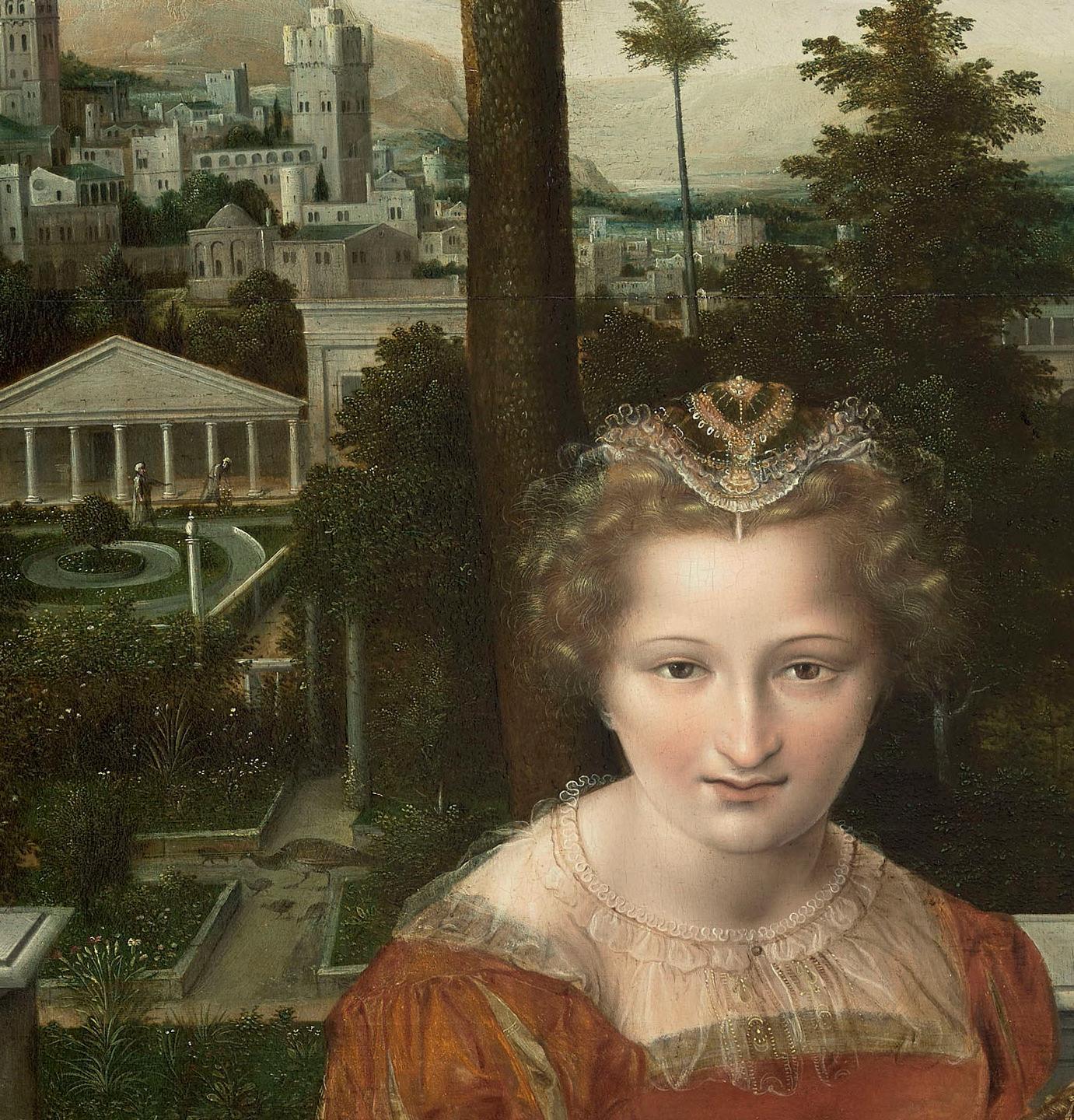



e painter Jan Massys (c. 1510-1573) trained under his father Quinten, succeeding him after his death (1530) at the head of Antwerp’s most famous workshop. However, his career, destined for certain success, was abruptly cut short in 1544. Condemned for joining the Loysts sect, he had to flee Antwerp, finding refuge perhaps initially in France and at one point in Italy. Only in 1555 was he able to return to his homeland, regaining his artistic leadership within a few years. His oeuvre consists exclusively of works for private use and is characterized, in particular, by the depiction of elegant and seductive nude or half-naked female figures, protagonists of biblical or mythological subjects. e identification of the patron of the 1561 Venus with the view of Genoa (Stockholm, Nationalmuseum) in the person of the noble Genoese banker Ambrogio di Negro, offered the possibility of reconstructing the social context of the artist’s clientele and his relations with those intellectuals – both Genoese and Flemish-who gave life to the lively humanist academies of Antwerp. e figure emerges of a cultivated and particularly refined painter, who shared with his patrons the ideals of neo-Petrarchan poetry and executed paintings of great preciousness, characterized by a meticulous and skillful painting technique.