










This document has been commissioned by the Thetford Neighborhood Board in 2025 to provide Thetford with a long-term Regeneration Plan. It provides the evidence base and rationale for investment into the town, with the outcomes of any significant investment being multi-dimensional. However, at its core, it is intended to empower residents to succeed, whatever that means to them. It also intends to improve their socio-economic outcomes.
This document also provides an initial blueprint for the Government’s Pride in Place 10-year investment program in Thetford. It was submitted, as part of a call for evidence, to the Ministry of Housing, Communities & Local Government in November 2025.
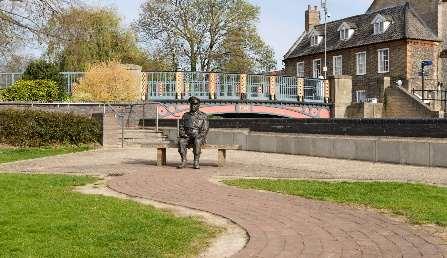
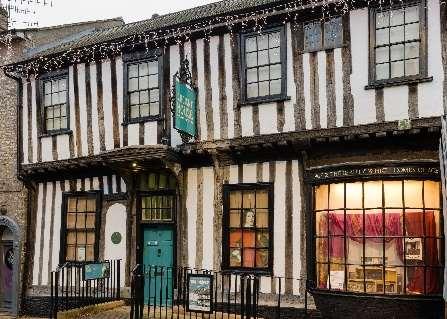
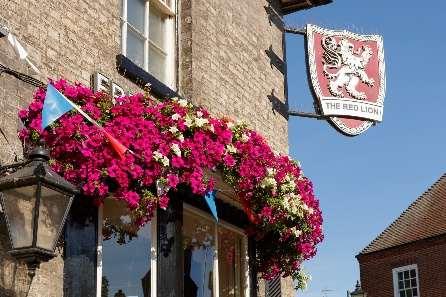
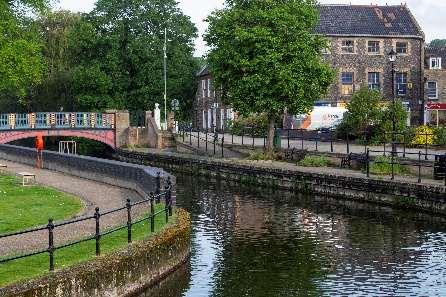
Thetford is a town of rich heritage and history, with roots stretching back thousands of years. Located at the gateway to Norfolk, the market town is Norfolk’s fourth largest with a rapidly growing population of over 25,000 people, according to the 2021 census. The town’s population will swell considerably in coming years, with 5,000 new homes being built as part of the town’s Sustainable Urban Extension (SUE). Thetford also acts as a key service centre for the populations in numerous surrounding villages.
The town is strategically located midway along the Cambridge Norwich Tech Corridor, a world leading location of research in life sciences, agri-tech, robotics and AI, and is served by the A11, a nationally significant trunk road that links Thetford to these two growth cities. Thetford also benefits from its train station, which provides regular direct services to Norwich and Cambridge, as well as to the Midlands and onwards to the North of England. Whilst Thetford also has regular bus services to destinations such as Bury St. Edmunds, there are limits to the number of routes available to residents.
Thetford is one of the oldest towns in England and was once the ‘ancient capital of East Anglia’. Over the last 2,000 years, historical figures across 13 eras have left their mark, from Normans and Vikings to great thinkers, female warriors to Britain’s first black mayor, kings and queens to revolutionary engineers, and today’s multicultural communities. Thetford has been a settlement since the iron age and became one of the most important and largest towns in late Anglo-Saxon East Anglia
In the medieval period Thetford was established as an important religious centre; however, the dissolution of the English monasteries during the 16th century precipitated an economic and population downturn. The 18th and 19th centuries saw a revival in the town’s industrial significance, when it established itself as a place of manufacturing and industry, with local companies manufacturing steam engines, paper products, beauty products as well as establishing breweries.
Thetford is one of the oldest towns in England and was once the ‘Ancient capital of East Anglia’ .
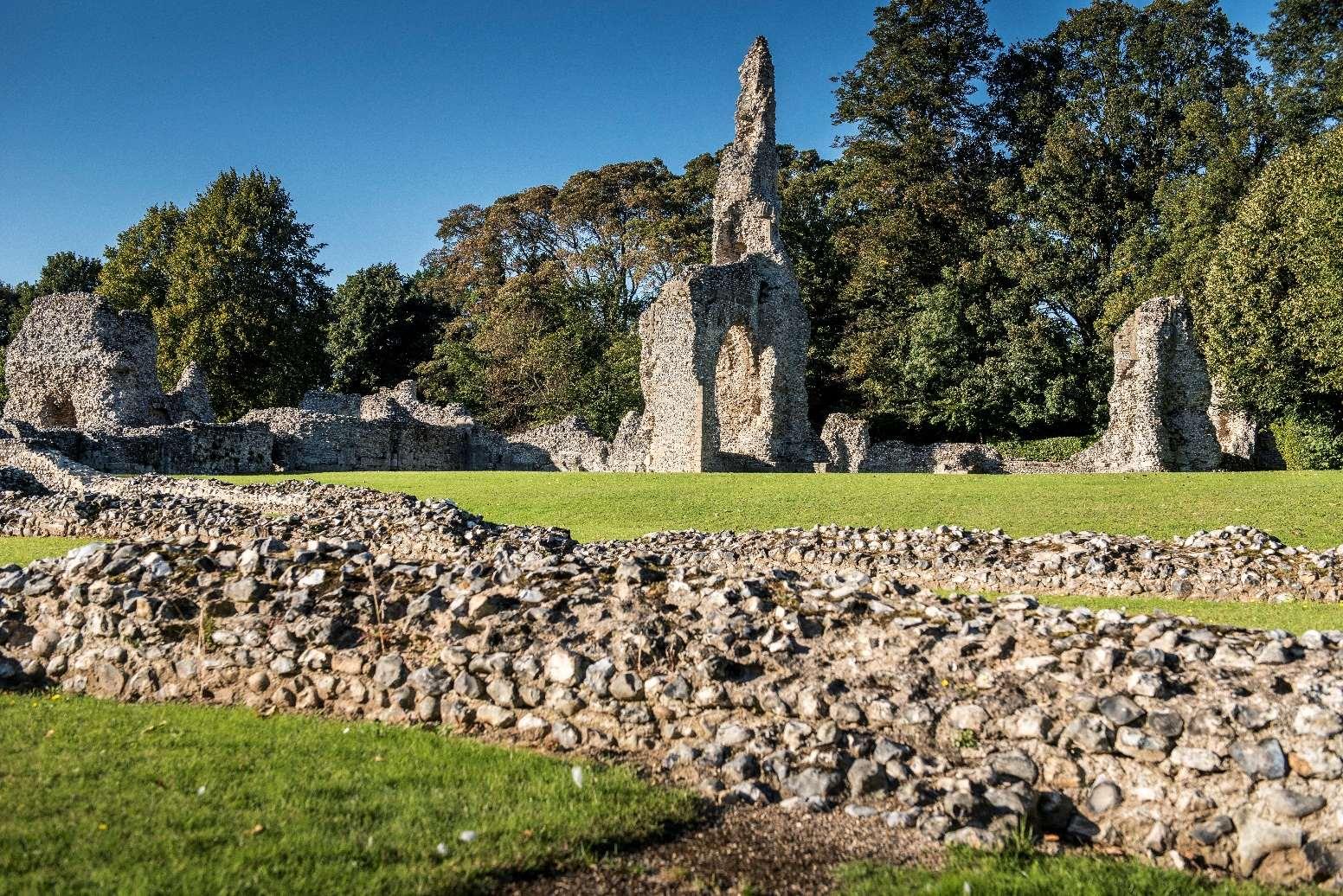
Thetford remains a town steeped in manufacturing and industry to this day. Following World War II, Thetford grew at a faster rate than any other English town, as residents were relocated from London. The local population increased fourfold between 1958 and 1980.
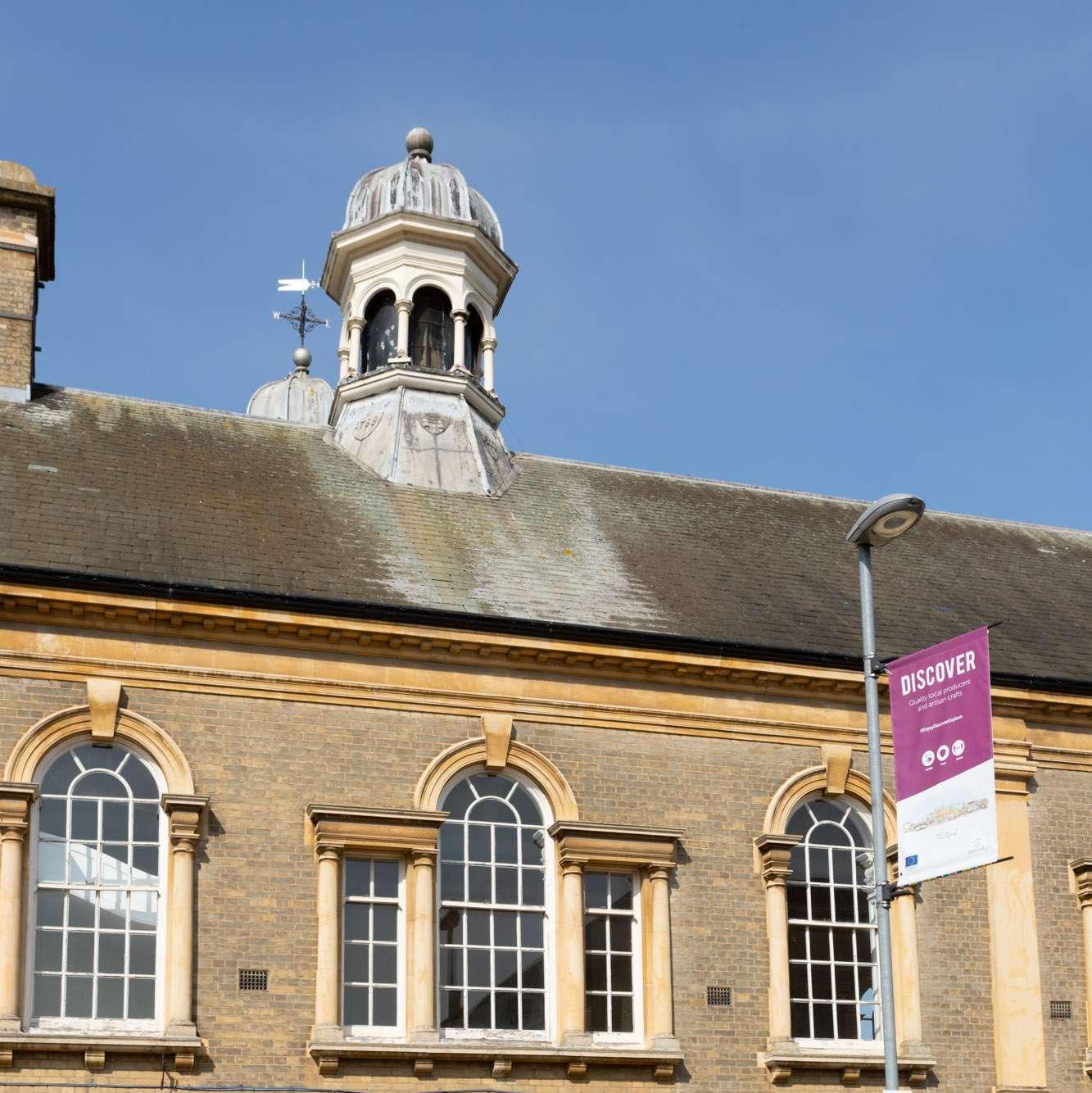
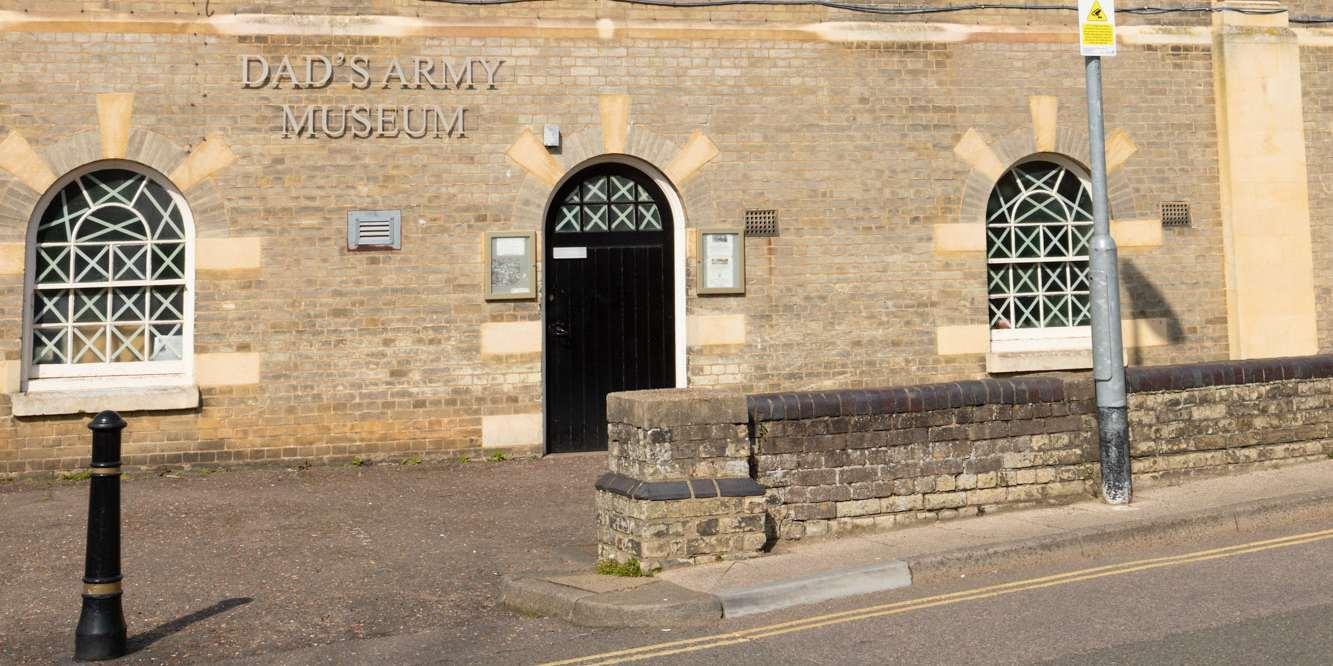
Thetford has a rich heritage, and a distinctive townscape rooted in history and natural assets. These natural and built heritage assets combine to make the town an appealing destination for tourism and recreation, with popular attractions such as the Thetford Priory, Castle Mound, and the three museums: Charles Burrell, Ancient House and Dads Army. The town boasts impressive Georgian architecture and a wide range of listed buildings that give the town centre strong appeal as a visitor destination. Its heritage assets are complemented by a variety of community and leisure facilities, including Thetford Town Football Club, Thetford Cricket Club and a thriving leisure centre.
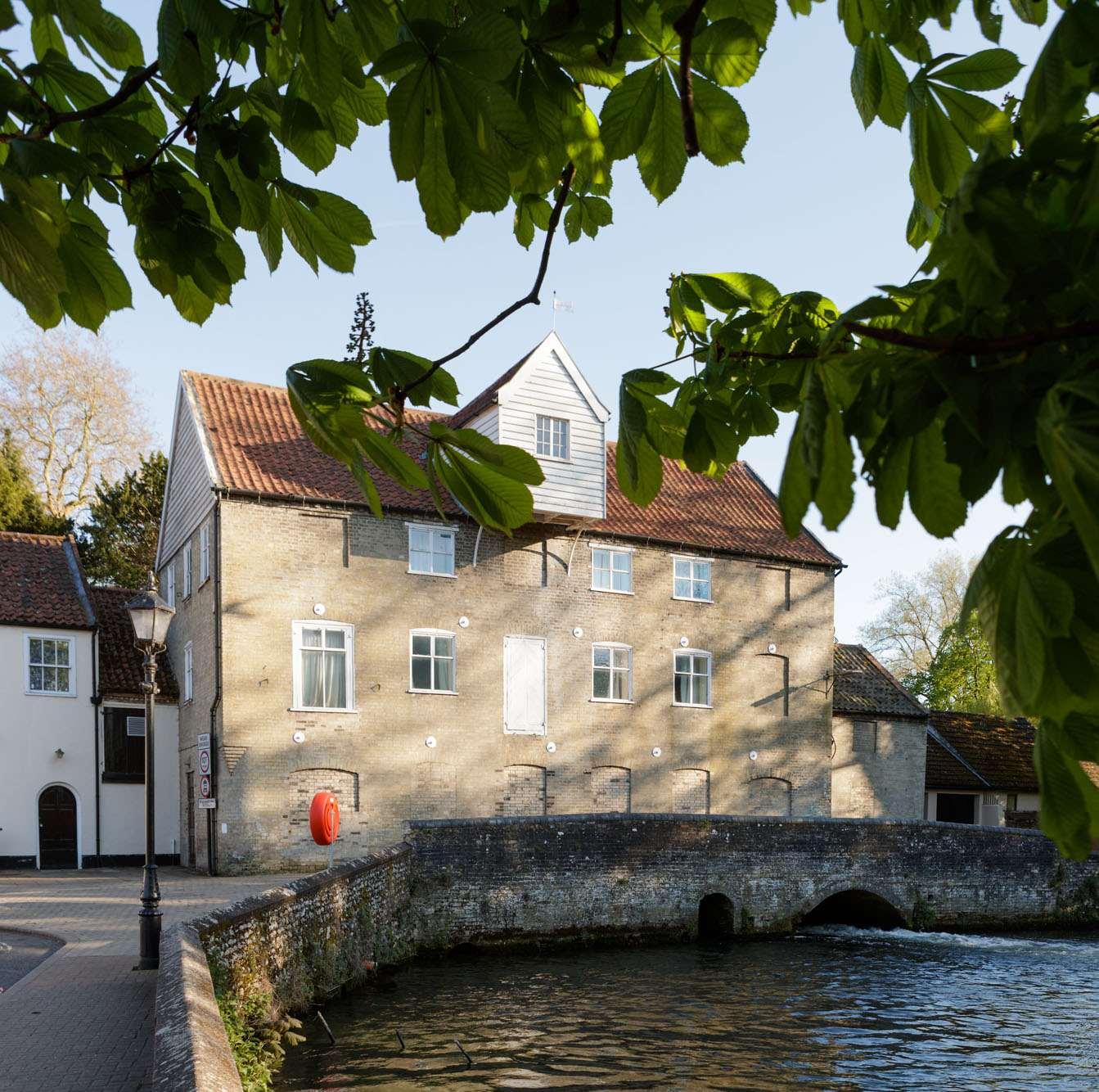
The town benefits from two rivers that converge in the town centre – the Little Ouse and the River Thet. There is the potential to capitalise on this natural asset within Thetford, with an opportunity for greater use of the river itself, as well as the area around it. Sitting on the edge of the town is Thetford Forest, a major visitor attraction and the largest manmade lowland forest in Britain.
Despite these strong tourism offers, it is generally felt that the town underachieves in terms of attracting visitors, with scope to coordinate and market heritage and natural assets more effectively as a unique selling point for the town.
Thetford’s economy is sizable and comparatively large for a rural market town, home to around 740 businesses and supporting over 11,000 jobs. These include sector leaders in food production, specialist engineering firms, and regional bases for multibillion-pound international firms. This makes Thetford the strongest employment base in the Breckland district, ahead of other large market towns. However, the economy is constrained by a lack of available employment land and low skill levels amongst residents. Despite population growth in the town, the number of jobs in Thetford has remained largely static in recent years. The town’s employment is heavily concentrated around the manufacturing and engineering sectors, with a strong presence in agri-tech and advanced manufacturing, supported by retail and public administration.
Thetford has a growing and diverse population, with recent years seeing an increase because of significant housing growth. The town has a relatively young population compared to the wider Breckland district, with a high proportion of residents being of school age, creating strong demand for education and skills provision in the town. Like wider infrastructure and transport challenges, Thetford has limited further education provision, with young people needing to travel to Norwich or other nearby urban centres to continue their studies. However, this also provides the town with enviable opportunities to upskill a future workforce and improve outcomes for the next generation of Thetford residents.
The Pride in Place programme presents a fantastic opportunity for the town and its communities to build on Thetford’s numerous strengths, and seek to address many of its challenges, as we will set out later in this Vision Document. Over this 10-year programme of activity, the Thetford Neighbourhood Board will work with residents, community groups, and businesses to deliver projects that make a long-term and positive impact on those who live, work and visit Thetford.




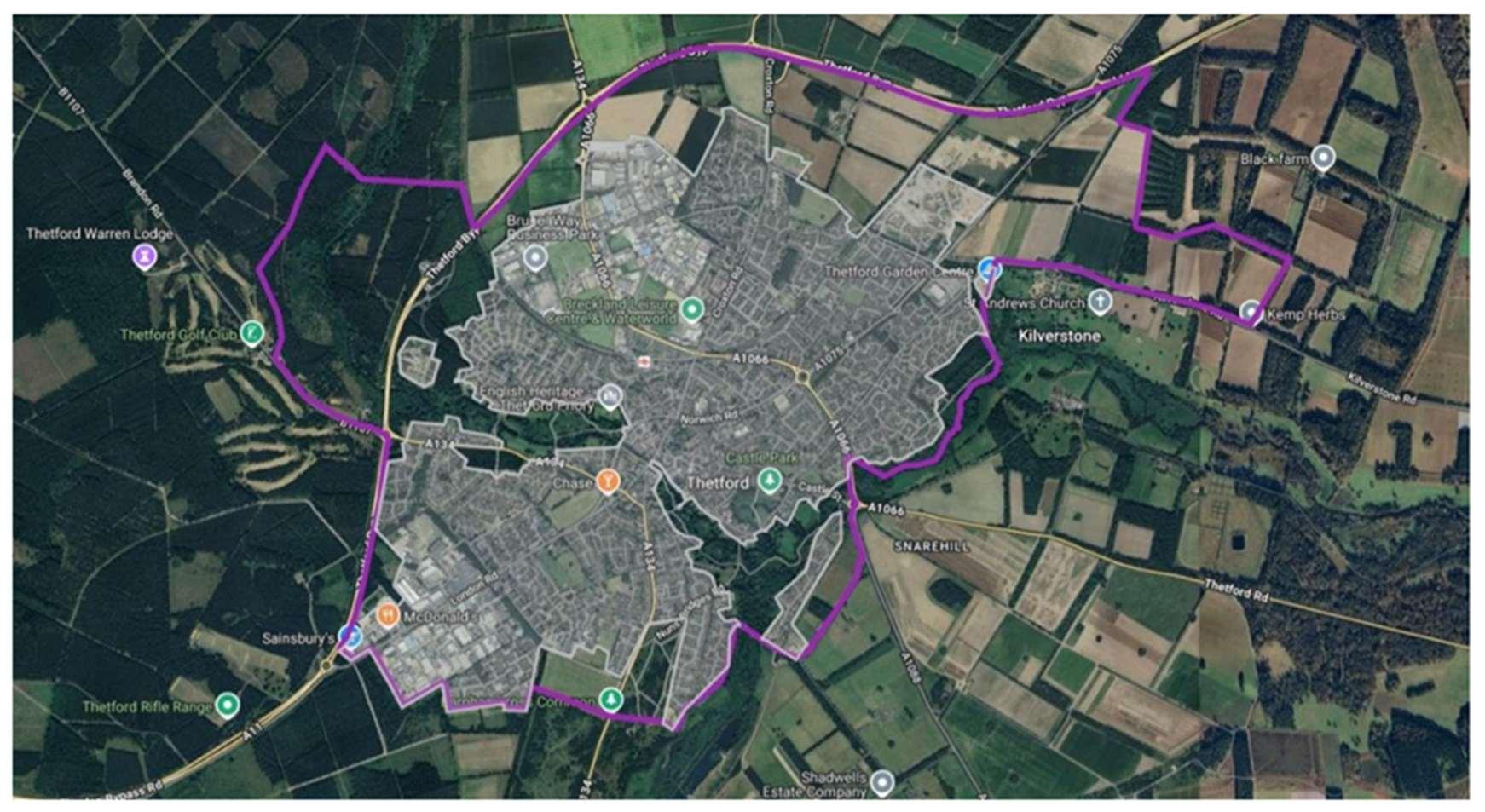
There are several target areas within the town where funding and interventions may be focused. This is based on the outcomes of engagement work in August and September 2025, commissioned by the Thetford Neighborhood Board.
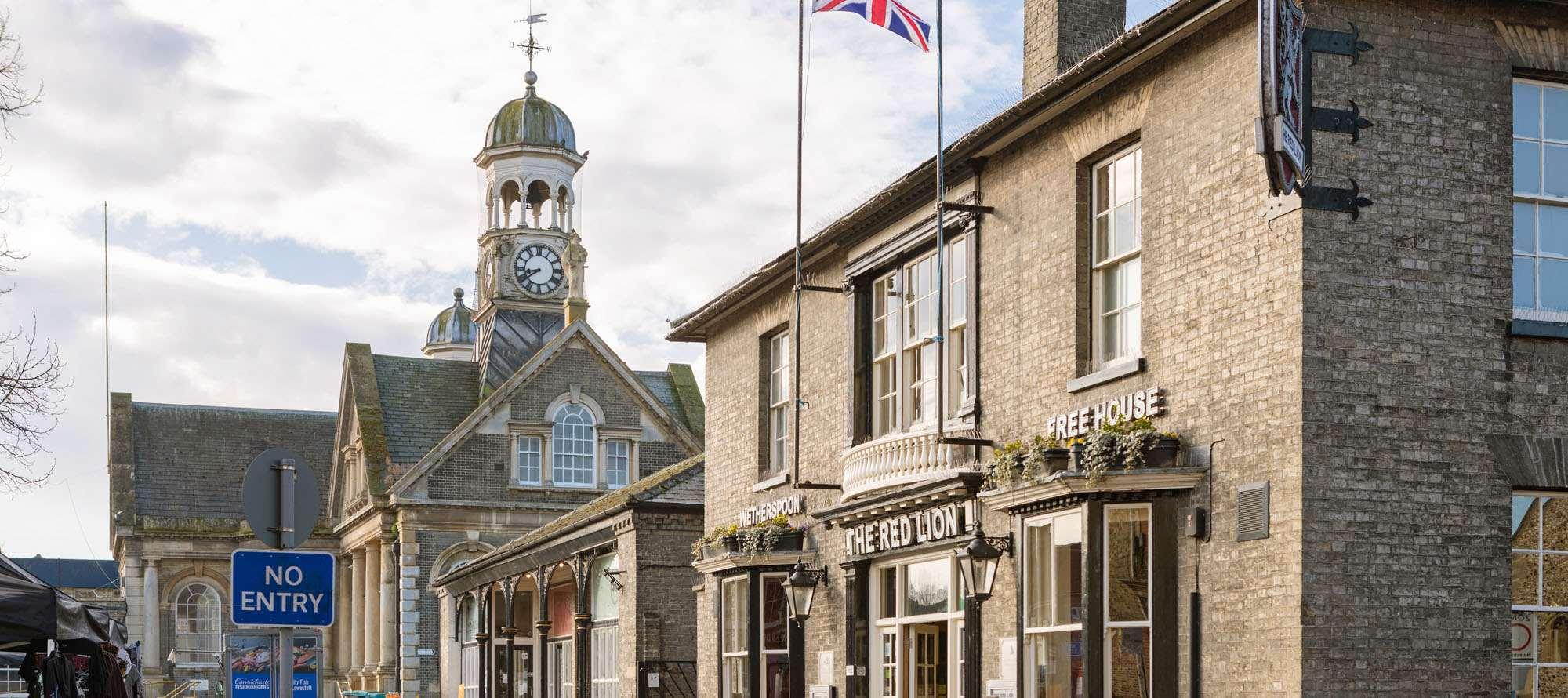
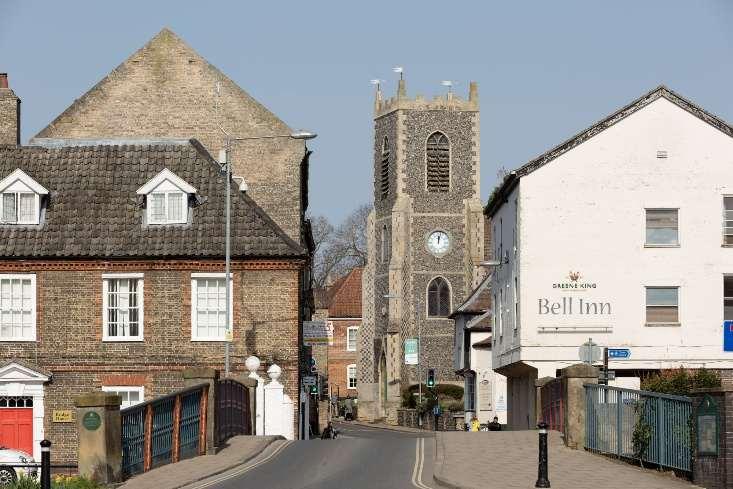
Town Centre – As the geographical, commercial and civic heart of Thetford, the town centre has repeatedly been identified by the public as one of the key areas that they would like to see brought back to its full potential. Centred around the marketplace and the Guildhall, it offers many strengths – several independent shops, a variety of pubs and eateries, and many cultural assets – but also suffers from some urban degradation, public realm issues, and limited choice for shoppers. Therefore, it has been identified as a key location for potential investment.
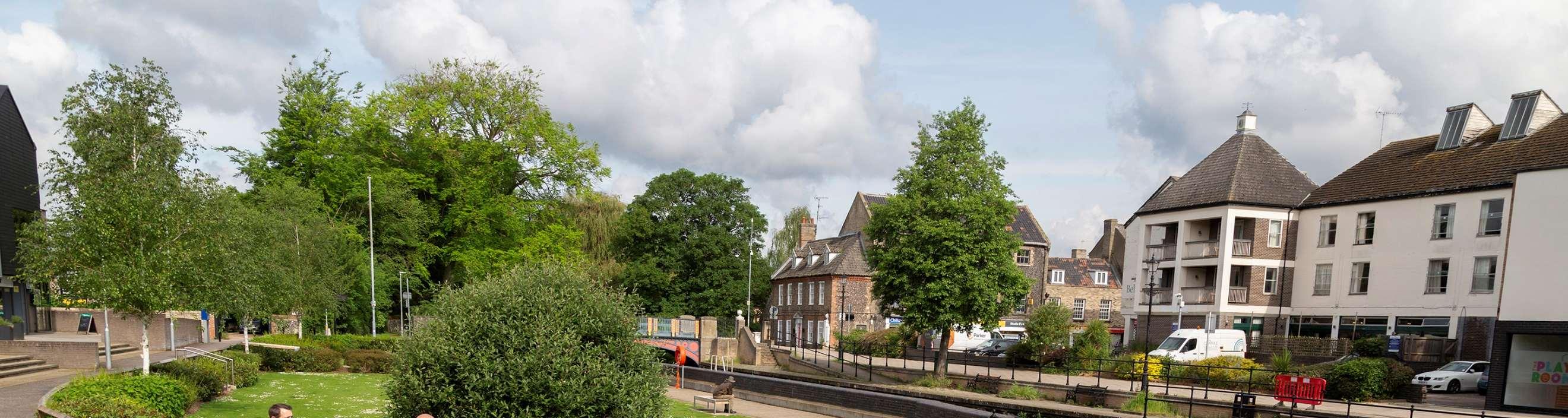
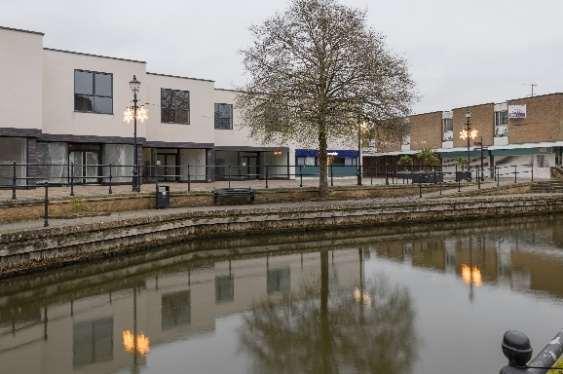
Riverside – Adjacent to the High Street is an area running along Little Ouse River which has been the centre of development and regeneration in recent years, known as Riverside. Despite these regeneration efforts, more can be done. Engagement has identified the river as a unique and valuable local asset which should be capitalised on, with residents singling out leisure, recreation and retail provision in the area as in-need of improvement. The natural environment around Riverside and extending down to where the river splits into the River Thet has also been identified as an area requiring improvement.
Residential Areas – Thetford is a town with large residential areas, home to over 25,000 people. Many of these areas have a long history of civic involvement and pride, with community groups and clubs forming the backbone of local areas. Many of these estates trace their roots to 1950/60’s London overspill policy and, whilst being planned in the right locations, they are currently seeing significant underinvestment and face persistent socio-economic disadvantages. As such, Thetford’s residential areas have been identified as a potential area for Pride in Place programme investment and other investment for the town.
Train Station & Surrounds – Thetford benefits from strong transport links, including rail connections to the economic hubs of Norwich and Cambridge. However, Thetford’s train station is dated, has few amenities and feels unconnected with the rest of the town. It also faces issues with accessibility in the station and parking provision. In addition, the surrounding area needs an uplift as it could be more welcoming for visitors and could provide an economic hub for business growth. As such, the train station has been identified as a potential target area for investment.
This section aims to define a broad vision for Thetford – a mission statement for what the town would look like as a result of investment, including from the Pride in Place programme. We recognise that Thetford has many distinct challenges. It is a place that has seen historic underinvestment and persistent socio-economic issues, such as anti-social behaviour, low incomes and below average educational attainment. However, it also has incredible strengths, many of which go underutilised, such as its long and storied history, natural assets, and transport connections.
The Pride in Place programme and other investment opportunities represent a unique opportunity to drive genuine, transformative, and generational change – to tackle challenges and to capitalise on those underutilised assets. The newly established Thetford Neighborhood Board, as representatives of our town, intend to grasp this opportunity with both hands.
The mantra is a simple one:
Investment will make Thetford on of the most attractive and desirable towns in Norfolk, recogising and building upton Thetford’s rich history and civic spirit whilst also looking boldly to the future.
We want to celebrate the town’s distinctiveness and ensure that every resident is given the opportunity to succeed, whatever that means to them. We want to match ambition to opportunity.
We will tackle Thetford’s challenges head on to improve outcomes for residents and create a destination for people from all over Norfolk and further afield to visit and invest in. And, by involving residents in defining their future, we will boost civic pride and community cohesion in our town.
Local people own this process –truly by Thetford, ‘forThetford’.
The strategic case for change links the ambitions we have for our town to potential interventions. It will reference the underpinning body of data showing economic need, market failure and social disadvantage, building on the evidence in the data pack provided by the Government and polling by Zencity, as well as other datasets, in order to evidence need.
We understand our town and its needs. Along with the range of experience and knowledge represented on the Board, we have listened to our residents through engagement and have an evidence base that supports the reasons for change. Documents such as the Thetford Town Delivery Plan, River Little Ouse Waterspace Study, Thetford Heritage Masterplan, and others have informed the development of this Regeneration Plan for Thetford.
Previous engagement in Thetford allowed us to define six broad categories of intervention:
1. Regenerating the Riverside area
2. Improving Education & Skills provision.
3. Increasing Accessibility.
4. Strengthening Heritage and Culture.
5. Regenerating the Residential Estates
6. Improving the Train Station area
A public engagement exercise was undertaken in August and September 2025 where respondents were asked to rank theses priority areas in order of preference. Also included, based on further engagement and feedback with board members, is a potential area of intervention focused on community groups and the VCSE sector.
Finally, each section touches upon how each of the priorities align with the Government’s stated aims and objectives for the Pride in Place program: Thriving Places, Stronger Communities, and Taking Back Control.
Thetford’s public realm needs improvement, and its retail and leisure offer falls below that of other similar settlements. The town sees less than half the aggregate average footfall of towns with a population of between 20,000 and 100,000 in England. Those who responded to a survey by Zencity (in 2025) stated they were not proud to live in the town, and over 60% cited a lack of shops and local facilities. The number of outlets like takeaways, restaurants, clubs, bars, pubs, fitness facilities and sport clubs per 1,000 residents fell well below the English average. Clearly, an improved retail, leisure and recreation offer is needed in order for the town to begin to thrive and for residents to take greater pride in their place.
Thetford’s river is an important unique selling point for the town and a treasured asset for the community. Along with flowing through the built-up retail centre, it also winds through green spaces and residential areas, acting as a key community artery and a cornerstone of local identity. However, whilst efforts have been made to upgrade sections of the river and maximise its use for local people, it remains an underutilised asset.
Investment, including through the Pride in Place programme, offers an opportunity to build on previous work. By improving signage, shopfronts, and land use around the river, there is an opportunity to bring more residents and visitors into the town centre. Additionally, by enhancing the natural environment with landscaping and green spaces, a project to regenerate Thetford’s riverside would deliver a more attractive town centre and ecological benefits.
Thetford’s residents have identified expanding leisure, recreation and retail provision on the riverside as one of their key priorities for this funding. The outcomes and deliverables from this work will be improved footfall, reduced vacancy rates, transformed perceptions (both among residents and potential visitors from farther afield), and a more vibrant business community, thereby fulfilling those priorities. In addition, this strongly accords with the Pride in Place funding objectives of Thriving Places, by improving footfall, and Stronger Communities, by bringing people together in shared spaces and increasing local pride.







Thetford faces challenges in education and skills provision that directly limit residents’ ability to get higher paying jobs and curtail the town’s economic potential. In Thetford, over 60% of LSOAs were among the 20% most deprived nationally in terms of education, skills and training and 43% were in the top 10% most deprived in this domain. These deficits are further reflected in qualification levels, where just 38% of working-age residents hold Level 3+ qualifications, compared to the national average of 57%, whilst over 21% have no qualifications at all – nearly double the national average of 12%.
Despite a local employment rate (76%) that exceeds the national average (71%), many of these jobs are concentrated in lower-wage, lower-productivity sectors. This mismatch between the skills of the local workforce and the evolving demand of a modern economy is exacerbated by low higher education uptake, where 17.6% of Thetford’s young people go to university – the lowest rate in Breckland and well below the national average of 27%. Whilst university attendance is by no means always a precursor to a good career –evidenced by Thetford’s successful record of apprenticeships in key industries such as manufacturing –higher education attainment is statistically linked to higher paying jobs. The comparatively low rate of university attainment in Thetford is, therefore, worthy of note. Additionally, the low levels of university attendance may indicate limited choice of educational institutions, academic underachievement at school, and/or a lack economic diversity.
Community engagement has reinforced this picture, with 21% of residents citing a lack of good jobs and 16% highlighting poor schools as reasons for dissatisfaction with the area. These findings highlight a significant gap in the education and career support infrastructure, limiting both individual opportunity and broader economic growth.
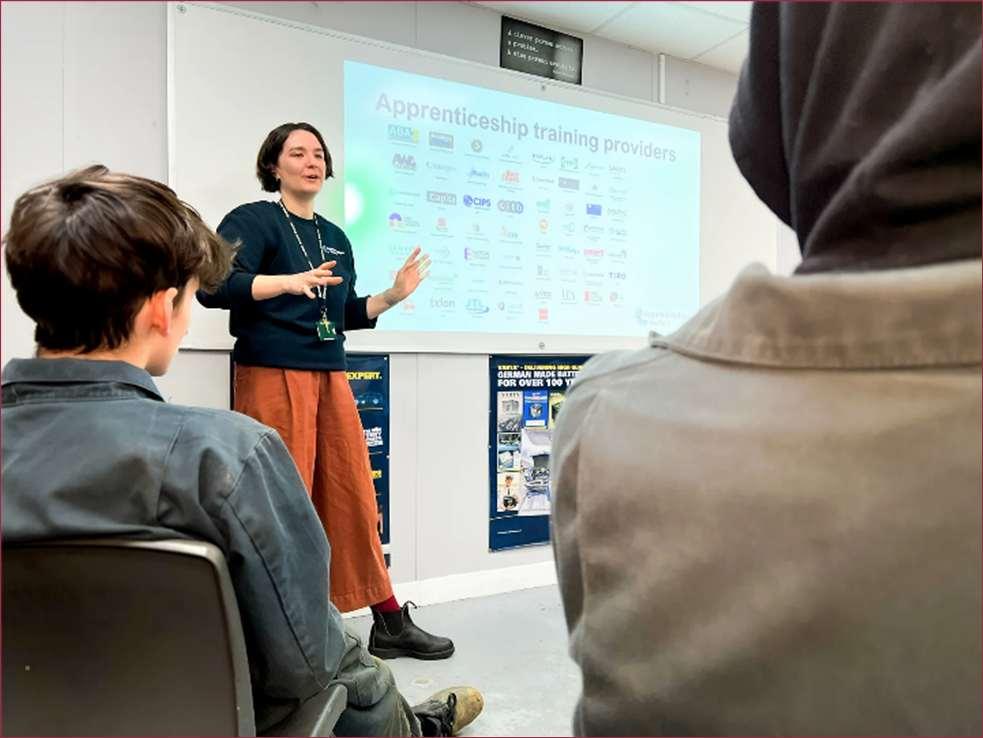
By identifying interventions which boost education and skills provision, such as working with education providers to improve access to training opportunities in the town and working with businesses to identify and address skills gaps, the Pride in Place program could be the catalyst for an economic rebirth in Thetford by enabling residents to access the jobs that they aspire to. Utilising vocational skills through greater use of T-Levels and apprenticeships, improving pathways into Thetford’s key sectors such as manufacturing and engineering, may be a particularly fruitful approach to achieving this.
Closing the gap between ambition and achievement stands to improve satisfaction in the community, thereby fulfilling the government’s Stronger Communities objective, and allows people to own their own development and career path, enabling them to Take Back Control.
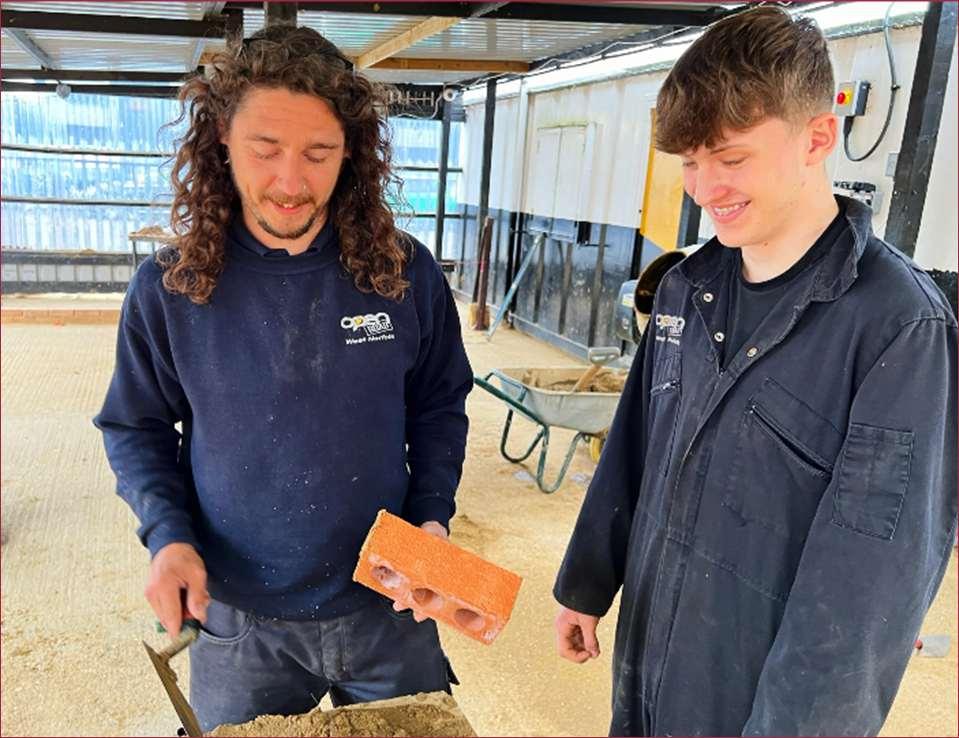
OpenRoadisanorganisationfoundedin2009thatprovidesvocationaltrainingfor‘disadvantaged, vulnerableandexcludedyoungpeople’.Tomeetagrowinglocalneed,OpenRoadiscurrentlyinthe processofopeningadedicatedlearninghubintheheartofThetfordforstudentsaged16+andadults –acentralspaceofferingflexible,inclusiveaccesstofurthereducation,sector-ledtrainingand tailoredemploymentsupport.
WithitsexistingsiteinWestNorfolk,OpenRoadhasbeensuccessfulinitsmissiontosupportyoung peoplewhoareexcluded,atriskofexclusion,ornotattendingschool,achievedbyofferingstructured coursesdeliveredbyprofessionalinstructorsthatleadtoindustryrecognisedqualifications.These qualificationsopenupopportunitiesforyoungpeopletoexplorefurthertraining,apprenticeships, ortofindfulltimework.InThetford,theirworkwillbecomplementedandenhancedbypartnerships withlocalemployersandtrainingproviderstoalignskillsdevelopmentwithreallocaljobmarket needs,buildingpathwaysintosustainableemploymentandprogression.Throughinitiativeslikethis, Thetford'seconomicpotentialcanbetrulyunlocked.


Thetford’s rich cultural heritage and natural assets offer a unique foundation for regeneration, but recent community feedback highlights a pressing need to invest in restoring pride and identity through targeted cultural and heritage-led interventions. While most respondents who are proud to live in the area cite “green and natural spaces” (83%) and “the culture, heritage and history of the local area” (68%) as core reasons for that pride, the overall levels of pride in the community remain critically low. In fact, 44% of respondents in Thetford reported not being proud of their local area and 45% expressed dissatisfaction with the area as a place to live.
This reveals a clear opportunity to restore and celebrate the town’s unique character using heritage, culture and the arts as key drivers of regeneration. Investing in the restoration of key historic buildings and enhancing public services, including restoring and improving the appearance of shopfronts, would help reestablish Thetford’s sense of place. These improvements will not only support local businesses by attracting footfall but also contribute to a more attractive, welcoming town centre that residents can feel proud of.
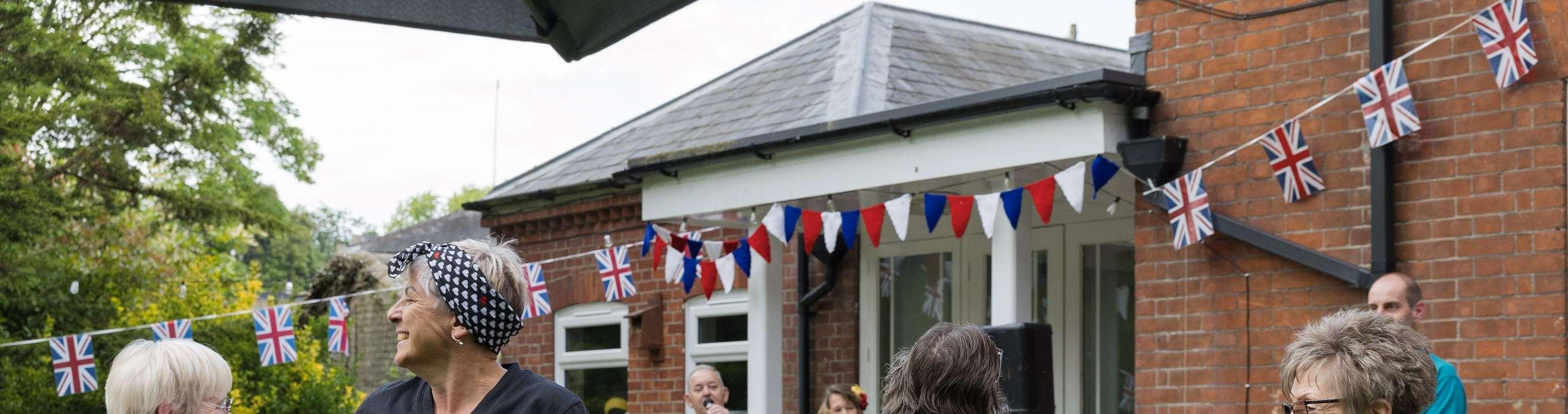
Community engagement has consistently highlighted the desire for more community events and local celebrations that bring people together and further reinforce a shared identity. Increasing the frequency and diversity of cultural and community events is a potential intervention that could support social cohesion, revitalise public spaces and boost tourism. By leveraging the town’s historical assets, including its AngloSaxon heritage, Georgian architecture and links to figures such as Thomas Paine, a stronger, more visible narrative can be created that draws visitors while reconnecting residents with their town’s past and future. A key step towards delivering this vision is the Town Council’s Expression of Interest for heritage funding, submitted in February 2025, which builds on the recently completed Thetford Heritage Masterplan. This flagship initial project proposes the heritage-led regeneration of St Peter’s Church, a Grade II listed building currently on the Heritage At-Risk Register. The project will carry out urgent conservation work to safeguard the structure, while sensitively adapting it into a vibrant community hub. The restored church will also host heritage craft training, youth engagement initiatives and provide flexible spaces for skills training and community groups. Designed with environmental sustainability and organisational resilience in mind, this opportunity represents a transformational moment in the town’s approach to heritage and community regeneration and is a foundation that can be built upon by the Thetford Neighbourhood Board.
By utilising what already exists in Thetford and helping it to flourish, this intervention would fulfil the Government’s Thriving Places objective by creating “vibrant neighbourhoods and communities with busy high streets, a good range of local amenities, and high-quality physical infrastructure”, as well as the Stronger Communities objective by “restoring a collective sense of belonging to the community, bringing people together so they can feel proud of their area”.
Thetford’s residential estates face persistent challenges linked to social disadvantage, underinvestment and limited access to good quality community infrastructure. Residents report high levels of anti-social behaviour in their communities, with tackling ASB ranked second behind only improving the range of shops and services in the priorities of those polled by Zencity. Street drinking and drunken behaviour (46%), loitering (45%) and drug use (39%) were identified as the most pressing issues. The prevalence of these persistent problems reflects the absence of safe, engaging public spaces and residential areas. It is unsurprising, therefore, that many residents express low levels of pride in their neighbourhoods, with 61% reporting a lack of shops or local facilities and 58% describing their local area as run down.
Current opportunities for positive community activity are scarce. Among those who are proud of the area, just 2% mentioned there are “activities and fun things to do”. Only 20% of residents believe children in their neighbourhood enjoy a good quality of life, and child poverty remains stubbornly high. Engaging young people and providing them with opportunities to fill their time productively may make a significant positive impact on anti-social behaviour in residential areas.
Through local engagement, residents have clearly prioritised safer, cleaner streets, improved access to green spaces and play areas, more visible investment in youth and family facilities and better use of empty buildings. Targeted investment has the potential to transform underused land into high-quality play areas, repurpose vacant buildings into community and youth hubs and strengthen public services to reduce antisocial behaviour, creating safer and more inclusive neighbourhoods. Improving the quality of life for families and children, reducing deprivation and creating a renewed sense of pride of place are all key outcomes of this potential intervention.
The Abbey Estate, one of the most deprived neighbourhoods in Thetford, is a priority area for regeneration, with ongoing work led by Flagship Group since 2019. Proposals include co-produced community initiatives and creative events, particularly around the nearby Priory site to foster local pride, reduce anti-social behaviour and increase community engagement. These projects align with wider efforts to improve quality of life, promote inclusive neighbourhoods and strengthen connections between residents and Thetford’s heritage.
Interventions such as this strongly fulfil the Government’s Taking Back Control objective, by empowering residents and ensuring they feel safe and well in their communities.
Thetford benefits from a number of excellent transport assets. The A11, a major trunk road, connects the town to both Norwich and the greater south-east, the A134 to King’s Lynn in the north and Suffolk in the south, and the A1066 to Diss. Thetford’s rail links connect it London in less than two hours, as well as to other major regional centres such as Norwich and Cambridge. In addition, Thetford lies at the centre of the Cambridge Norwich Tech Corridor, a world-leading cluster of research and innovation in life sciences, agritech, robotics and AI. These factors have made Thetford an in-demand commuter town, with professionals and young families choosing to settle here.
Thetford’s transport links enable it to capitalise on its many strengths, outlined above. However, they have historically been underutilised. Despite being the most used railway station in Breckland, with 295,514 entries and exits recorded in 2023/24 (a 6.87% increase from the previous year), Thetford train station suffers from significant infrastructure and accessibility challenges. For example, access across the tracks is limited to a footbridge with no lifts, and vehicle access to the north side of the station is severely restricted, limiting station utility for older residents, disabled users and those with young children or luggage.
The train station, and wider public transport, is of particular importance to Thetford. Data shows that the town sees hundreds of commuters going to and from the town each day to nearby settlements such as Norwich and Bury St Edmunds. Anecdotal evidence also reveals that many new arrivals in Thetford’s new housing estates commute to high-growth areas like Cambridge. Utilising public transport more effectively for these commuters, as well as opening up access to visitors, stands to unlock economic benefits, reduce congestion on the roads, and have a positive environmental impact. Public engagement has identified improving public transport access and station infrastructure as key priorities. This would support stronger connectivity to regional hubs, respond to market failure in infrastructure and commercial space provision, and addresses social disadvantage caused by a lack of accessibility. Proposals for the space include the renovation of the station buildings, upgrading lighting and CCTV systems, and ensuring step-free access to platforms, as well as unlocking new employment and development opportunities in the station area.
Upgrading use of the train station aligns with broader efforts to more effectively utilise Thetford’s transport assets. New housing developments will trigger upgrades of the A11, which has been identified as overcapacity at certain key chokepoints around the town by 2026. Along with the potential improvements to active travel in and around the town, identified in this document and in strategic plans prepared by the County Council and others, the Pride in Place programme has the potential to enable a more holistic approach to tackling Thetford’s future transport needs, thereby unlocking growth, improving outcomes for residents, and fulfilling the Government’s stated ambitions of building Thriving Places and Stronger Communities.
Thetford suffers from several persistent socio-economic issues – a higher-than-average percentage of children in low-income families, greater barriers to housing and service access, poor educational outcomes, health inequalities and digital exclusion. Whilst the public sector has implemented several successful plans and initiatives to boost outcomes for local people, such as Thetford Town Council’s Small Grants Scheme, Breckland Council’s Mindful Towns initiative and Norfolk County Council’s Tech Skills for Life programme, stretched budgets and limited capacity often limit the scope of interventions. Additionally, the scale of the challenges facing Thetford necessitates a wider involvement than just the public sector and a collaborative approach to address them.
Fortunately, Thetford benefits from a rich and vibrant network of Voluntary, Community and Social Enterprise (VCSE) organisations. These groups make a significant, tangible impact on the lives of thousands of residents in the town, particularly the most vulnerable, bridging outcomes and the limited support the public sector can provide. Additionally, VCSEs are strongly rooted in their communities, retaining a unique knowledge of the challenges residents face and where interventions will make the most impact.
A key example of one such organisation making a difference is the Charles Burrell Centre, located on the Banham Cross Estate. The centre in Thetford is an example of successful regeneration that has contributed towards enhancing vibrancy amongst the town’s business communities, providing community cohesion as well as a greater sense of community pride.
Run as a charity, it was established in 2015 on the site of a former secondary school that closed in 2013, with a mission to ‘improve quality of life for people in Thetford, make services more accessible, reduce rural disadvantage, raise aspirations, increase community pride and provide more opportunities for the local community’. Today, the Centre is a thriving community and business centre home to over 50 organisations and a venue for over 80 community leisure and business activities every week, including practical and skillsbased sessions from Barclays and Citizen’s Advice to activities that improve physical health such as Zumba.
The Charles Burrell Centre is a prominent example of a successful VCSE group in Thetford. However, many smaller groups also operate locally, providing valuable services to communities and adding value to the town in areas ranging from heritage and the arts to low-cost food and mental health support.
We understand the role that these organisations play in Thetford life and recognise that the Pride in Place programme could offer an opportunity to bolster the VCSE sector in the town through interventions such as grant funding, capacity building, commissioning and training/professionalisation. It is also acknowledged that interventions such as these will lead to positive outcomes that fulfil the Government’s Stronger Communities objective.
Activity delivered by the Thetford Neighbourhood Board and other partners will complement and align with existing plans, programmes and strategies – local, regional and national. Notable examples include:
Future Breckland – A district-wide piece of engagement work delivered in 2021, backed by consultation with 20,000 residents, businesses, and community groups. This established a ‘Town Delivery Plan’ for Thetford that sets out the priorities for the town, based on local views and ambitions.
UK’s Modern Industrial Strategy – The Pride in Place investment will be cognisant of the recently published UK Modern Industrial Strategy, which seeks to improve economic outcomes by boosting key sectors, and other relevant sector plans – with Advanced Manufacturing being of particular interest to Thetford.
Local & Regional Transport Strategies – These include the Countywide Local Cycling & Walking Infrastructure Plan (LCWIP), Norfolk Rail Prospectus, and Local Transport Plan. These set out the challenges facing Thetford in respect of transport infrastructure and how these could be addressed.
Thetford Conservation Area Appraisal – A document recently produced in 2024, setting out the defining features that make Thetford special regarding heritage, townscapes and green space. Also sets out issues, opportunities and recommendations for protection and enhancement of these features.
We aim to place a great deal of emphasis on attracting and maximising opportunities for match funding and investment, whether this is from the wider public sector or from the private sector. It is acknowledged that, in order to make the most of any funding secured, such as the Pride in Place programme, match funding opportunities will be a key tool to further improve interventions and maximise their impact.
Within Thetford, organisations have already had success in working with multiple partners to secure support and deliver on shared local priorities.
Thetford Signal Box, owned by Network Rail, is a Grade II listed building constructed in 1883. It’s a rare surviving example of a Great Eastern Railway Type 4 design - only six remain across the UK - and still retains its original 1883 McKenzie and Holland lever frame.
In 2024, a stakeholder steering group was formed, bringing together representatives from the Railway Heritage Trust, Thetford Town Council, Breckland Council, the Norfolk Railway Foundation, and Historic Suffolk. The group is working to identify a suitable new use for the building, and the Railway Heritage Trust has indicated an informal commitment to contribute up to 40% of the capital costs needed to bring it back into use.
Work is now focused on identifying a suitable future use, estimating the level of investment required, and exploring opportunities for match funding to support the building’s regeneration.
Networks, expertise and knowledge are key to identifying further investment opportunities. The Thetford Neighbourhood Board will be able to draw on resource and expertise from the Town, District and County councils, all of whom have representatives on the board, as well as from members of the VCSE and business sectors. Drawing strength from its independence and autonomy, as well as the range of expertise in its ranks, the Board will also be able to access the networks and information across all its members from a range of sectors. This ensures that the expertise needed to draw in additional funding for all the activities required to regenerate Thetford and deliver this plan is readily available.
However, it is acknowledged that early successes and ‘quick wins’ are important to establish credibility with the public and, crucially, with potential funders. Experience has demonstrated that partners want to ‘fund success’. Therefore, establishing the forThetfordprogramme as the partner of choice for Thetford lays the foundation for success over the next ten-years. By demonstrating that “for Thetford” can deliver positive, early successes, we will increase the confidence in partners to match fund and collaborate on future projects.
We understand the importance of engaging widely and regularly with our communities. We have already embarked upon an extensive programme of public engagement and awareness-raising, which will continue throughout the life of this plan.
To develop this plan and enhance the existing evidence base of data, the Thetford Neighbourhood Board commissioned a thorough engagement exercise. This encompassed an online survey, social media activity, and a range of in-person events such as market stalls, briefings, and community sports days. These activities have resulted in 1,072 survey responses across all formats and thousands of residents engaged with directly. This work builds on years of engagement by the town, county and district councils in Thetford. For example, Future Breckland, which directly engaged with over 20,000 residents, businesses, and groups in Breckland and produced a comprehensive evidence-base and delivery plan. This body of previous engagement work provided an excellent starting point, which helped to define a list of potential priorities for investment for the public to rank.
The Board were clear from the beginning that we would not be starting from square one. To avoid consultation fatigue, it was essential to demonstrate that we had listened to what the people of Thetford had told us previously and build on work already undertaken. The engagement exercise to date has put this into practice, positioning the Pride in Place programme as something fundamentally new and transformative with updated branding and a narrative of action, whilst also recognising what has come before.
However, we recognise that one tranche of engagement is insufficient to keep residents, stakeholders and partners engaged throughout this process. This Plan stretches over ten years, making it all the more important to maintain appropriate levels of engagement with the public throughout. Additionally, we recognise that accountability is essential. The people of Thetford are relying on us to deliver on their behalf and, as such, demonstrating to them that outcomes are being achieved is an essential step towards retaining community trust.
Throughout the life of this Plan, we will use existing structures of engagement, along with more adhoc means, to ensure that the public retains a sense of ownership over the programme of works. This will include utilising existing social and business groups such as the Thetford Business Forum and other existing membership bodies in the town; utilising all tiers of local government, and their engagement channels; and using physical locations that are essential to community life such as the library and Charles Burrell Community Centre. Many of the respondents to the recent engagement exercise left email addresses and asked to be kept updated, which we will utilise. In addition, Thetford has a number of active and vocal community advocates and champions, whom it is essential that we keep engaged.
Along with this approach, it is acknowledged that we need to create a feedback loop – a ‘you said, we did’ approach that evidences delivery – initially drawing on quick, visible wins whilst larger, more transformative projects get off the ground. Drawing a straight line from what the public have told us, and what we deliver, will form a key tenet of a broader communications strategy, designed to build trust and create a sense of momentum. The people of Thetford, rightly, want actions and results. A key part of establishing and retaining the credibility of this project will be delivering them.
Building trust in the capacity and capability of the Thetford Neighbourhood Board will be essential, which is why we intend to implement a ‘Plan, Do, Check, Act’ and a ‘Test and Learn’ approach to project delivery. By starting with ‘quick wins’ and testing our approach to project governance early, we can ensure that the flagship projects resulting from this Plan benefit f rom a tried and tested approach and local accountability. In addition, by utilising the expertise of members of the Thetford Neighbourhood Board and their wider networks, we can ensure that the processes that we adopt are trusted. However, it is essential that we continue to demonstrate independence from existing structures of Government. By positioning the Thetford Neighbourhood Board as a collection of local people, capable and passionate about their place, and truly representative of what it represents, we intend to reinforce that it is local, responsive, and present in the community.
Residents value in-person interaction and recognisable faces. Therefore, it is vital to the health of this Plan, throughout its life, that the programme and those leading it remain visible to the community. Finally, this Regeneration Plan will be a valuable resource for public engagement. Whilst it does not delve into the specifics of project delivery, it provides a powerful blueprint for change and a vision for what we intend to deliver for Thetford. By utilising it in our communications and engagement efforts, we can ensure that residents, stakeholders and partners not only have awareness of the plans for their place but can buy into that change.

To deliver the requirements of the Pride in Place Programme, a Thetford Neighbourhood Board has been established, as already outlined in this document. The governance structure for the delivery of this plan is as follows:
Thetford Neighbourhood Board: This is a group of local people that are capable and passionate about Thetford, and they are representative of their place. It is independent of any government or public sector structures to be able to deliver this plan in earnest. It is likely that the membership of this Board will change over the period of this Plan and as activity for which funding is achieved may steer that membership. However overall, it is this Board that will be responsible for developing and agreeing this Regeneration Plan for the town, oversee the delivery of the Plan, and ensure that the local community is involved throughout. It may have a strategic role to advise on the development of business cases and feasibility studies to support project development and delivery activity to meet the requirements of this Plan.
Breckland Council: Breckland Council is the current local district council which incorporates Thetford in its democratic boundary. Breckland Council (or its successor) will be the accountable body to support the Board in executing the Regeneration Plan. The funding from Government will flow through Breckland Council and the Board will request funding to be directed according to the delivery of this Plan. Breckland Council will also provide advice and support to the Board.
Stakeholders: Investment funding will be managed through a partnership between the Thetford Neighbourhood and Breckland Council, but also, crucially, the local community within the town. The community’s role within this partnership is important, they have been, and will continue to be, engaged with throughout the programme, to establish priorities but also to hold the Board to account.
Transparency: The Thetford Neighbourhood Board will meet at least four times a year at such times as agreed by members of the Board. The membership, governance arrangements, decisions logs and other activity of the Board will be published on the ForThetfordwebsite www.forthetford.co.uk. The agendas and minutes of the Board meetings are published on Breckland Council’s website and soon to be published on the For Thetfordwebsite also.
All agendas of the Board are published in advance of a meeting within 5 working days. Draft minutes of meetings are published following a meeting within 10 working days. Final minutes are published, once approved by the Board, within 10 working days.
The Terms of Reference for the Thetford Neighbourhood Board can be found at www.forthetford.co.uk. This this sets out membership of the Board, decision making, conduct expectations, and so on.
Managing Public Funds: Any funds devolved to the Thetford Neighbourhood Board as part of this Plan will be managed in line with the Nolan Principles. These are clearly set out within the Terms of Reference adopted by all Thetford Neighbourhood Board Members.
As the accountable body and supporting organisation to the Thetford Neighbourhood Board, Breckland Council will ensure any funding devolved to the Board is delivered in line with the principles of Managing Public Money, as if it were directly managing the funding. It will do this by applying established governance and assurance mechanisms already exercised by the Council. Thetford Neighbourhood Board Members will be made aware of these principles, with clear guidance, and support, as well as training if necessary.
Approval of Investments: A funding framework/policy will be established by the Thetford Neighbourhood Board to ensure there is a compliant route for appraising projects for investment. This will be facilitated by Breckland Council, with assurance provided by independent legal advice, to ensure any funding approval meets the requisite requirements in any programme on investment the Thetford Neighbourhood Board has been asked to oversee, such as the Pride in Place programme. Any funding framework/policy will be reviewed and approved by the Thetford Neighbourhood Board and will be used to evaluate and continually monitor projects to ensure benefits and compliance with the relevant programme objectives.



The relevant accountable body for the distribution and application of public funding programmes will provide the necessary assurance.
In the case of the Pride in Place programme, as the accountable body, Breckland Council will ensure the programme is delivered in line with Best Value Standards and the principles of ManagingPublicMoneyby applying established governance and assurance mechanisms.
The programme will be overseen by the Thetford Neighbourhood Board, with clear lines of accountability for delivery, spend, and outcomes. Regular financial monitoring, performance reporting, and risk reviews will be embedded into programme management, supported by our internal team and subject to internal audit or external scrutiny where appropriate.
For any expenditure granted to a public organisation by the Thetford Neighbourhood Board, there will be a requirement for that organisation to follow the Public Contract Regulations to ensure regularity, propriety, and value for money.
Any non-public organisation receiving money will be asked to provide a similar level of propriety to ensure value for money.