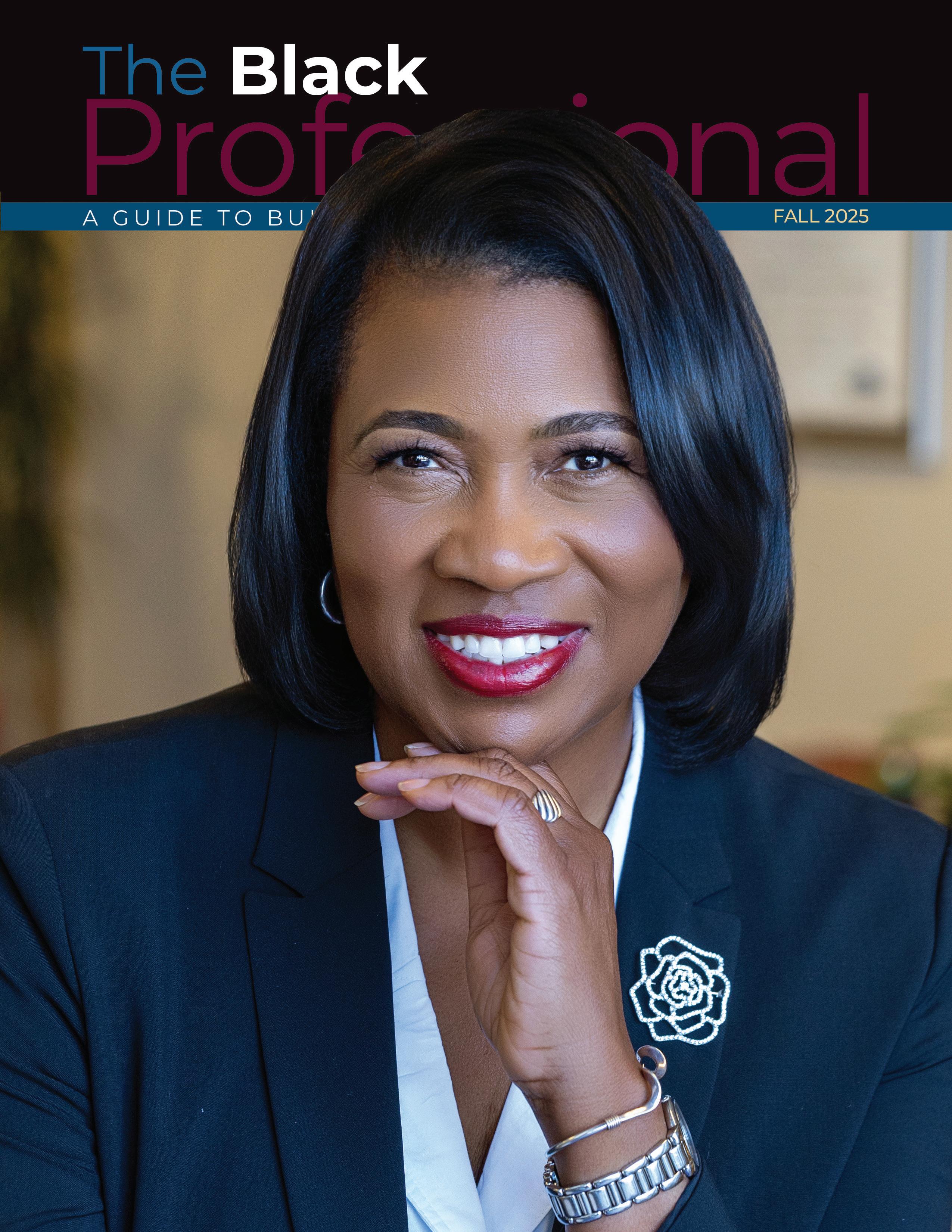
The Black Professional of the Year
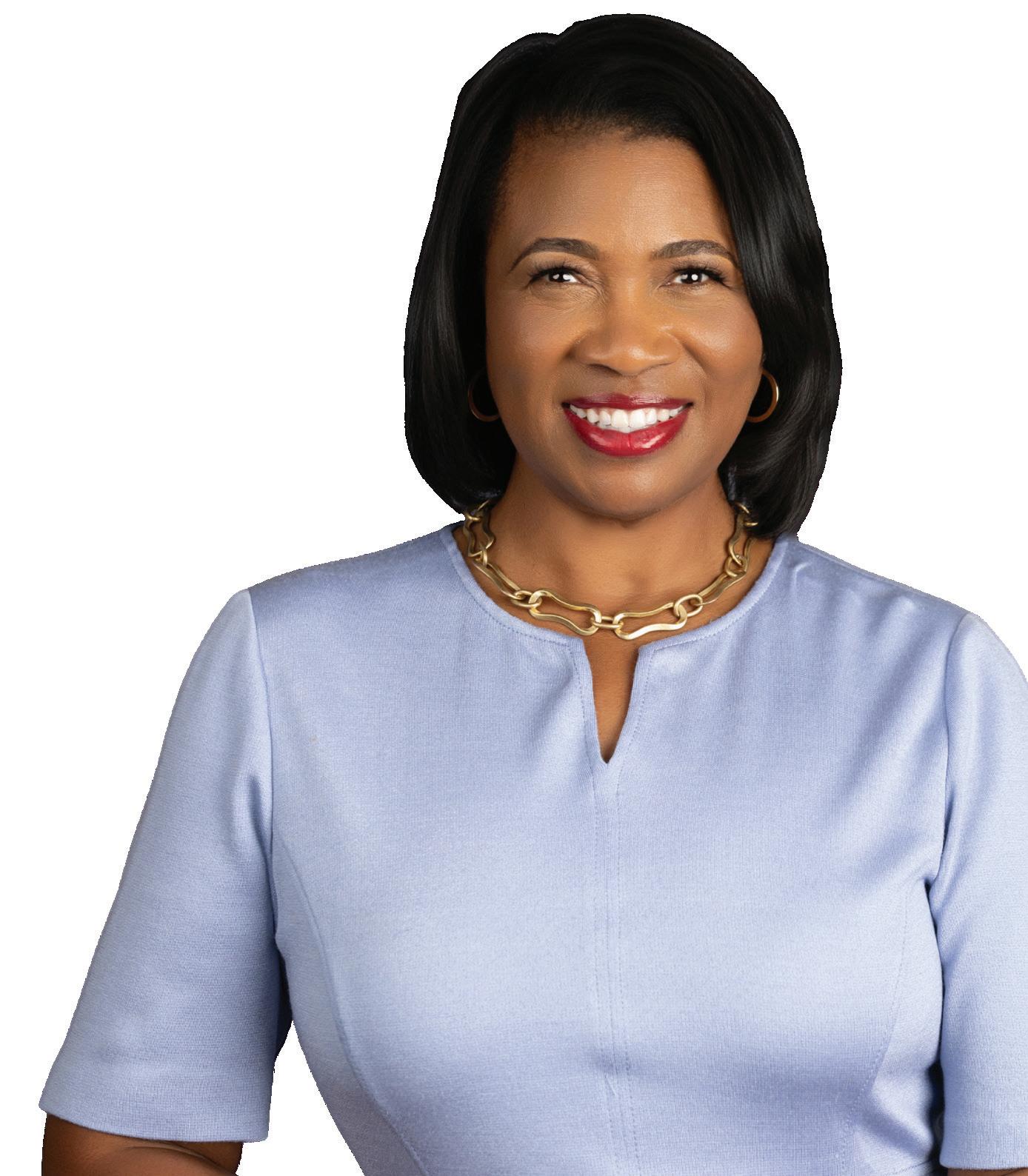
Lorna Wisham
The Intersection of Legacy and Duty
+ Class of 2025
Forty Under 40 Supplement

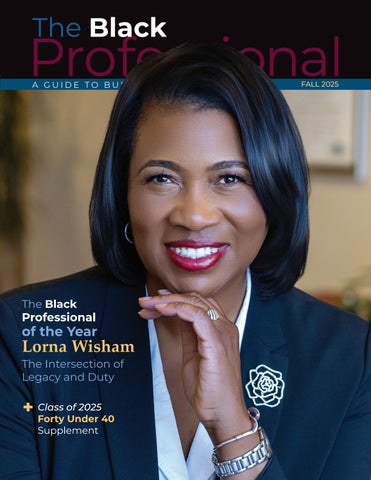
The Black Professional of the Year
Lorna Wisham
The Intersection of Legacy and Duty
+ Class of 2025
Forty Under 40 Supplement
PUBLISHER
Michele Scott Taylor
PRESIDENT
Black Professionals Association
Charitable Foundation (BPACF)
PUBLISHER EMERITUS
Meltrice D. Sharp
SENIOR EDITORIAL ADVISOR
Alexandria Johnson Boone GAP Communications Group
CREATIVE DIRECTOR
Jennifer Coiley Dial Coy Lee Media, LLC
EXECUTIVE PHOTOGRAPHER
Alvin Smith
BPACF EXECUTIVE DIRECTOR
Laurie Murphy
BPACF OFFICE ADMINISTRATOR
Adrianne Sims
Subscribe for free at: www.bpacf.org
A Publication of the Black Professionals Association
Charitable Foundation (BPACF) 11327 Shaker Boulevard Suite 400 Cleveland, OH 44104
MAGAZINE PRODUCTION:
Coy Lee Media, LLC
3 Severance Circle #18496 Cleveland, OH 44118
Short Stack Printing 4425 Renaissance Parkway Cleveland, OH 44128
Copyright © 2025. All rights reserved. No portion of this publication may be distributed electronically, reproduced or duplicated in whole or in part, without written permission of the publisher.

Rooted in Legacy, Rising in Promise: The


2025 Career Connections: Summer Internship Reflections
Spotlight: Mikayla Coleman Akiya James

The Intersection of Legacy and Duty
Now Is the Time to Build: Scenes from the BPACF Forty Under 40 Emerging Legends Salute
Finding Inspiration at 40/40: My Night as a Roaming Report
An interview with 2025 Black Professional of the Year Lorna Wisham by Tierra Palmer
Campus Success Checklist: Adulting 101
by Akiya James
Kicking Off a New School Year: Supporting College Students in a Changing World
As the fall semester begins, thousands of students across Northeast Ohio and beyond step onto college campuses with excitement, hope, and ambition.
For many, this moment represents the fulfillment of years of hard work and the beginning of a new journey toward professional and personal success. Yet, for students of color— particularly Black students—the road to and through higher education continues to be shaped by unique challenges that extend far beyond the classroom.
Navigating Higher Education in Today’s Climate
Today’s college students are not only balancing rigorous academic demands; they are also facing a rapidly changing sociopolitical environment. Conversations about the value of higher education, attacks on diversity and inclusion initiatives, rising costs of tuition, and the weight of systemic inequities create additional pressures on their journey.
Students are also navigating identity, belonging, and representation at institutions that often lack the cultural support structures they need. For firstgeneration and low-income students, financial barriers and limited access to professional networks compound these challenges. These realities mean that while the start of a new school year brings promise, it also brings real concerns about persistence, graduation, and longterm success.
This is where the support of the community, especially the Black Professionals Association Charitable Foundation (BPACF), becomes critical. Our students need more than scholarships—they need networks, mentors, and advocates who understand both the opportunities and the obstacles in front of them. BPACF’s mission is rooted in this belief: when Black professionals invest in the next generation, we are not just funding degrees—we are shaping futures, strengthening families, and advancing our collective community.
BPACF
As BPACF supporters, you play a vital role in ensuring students don’t just enter college, but that they graduate, excel, and step into leadership roles. Here are three key ways you can make an impact this school year:
1) Mentorship and Networking
Students often lack access to professional networks that can open doors to internships, jobs, and leadership opportunities. By volunteering as a mentor or connecting students to professional spaces, BPACF members provide the cultural capital and guidance that textbooks cannot.
2) Advocacy and Representation
In an era where diversity and equity are under scrutiny, representation matters more than ever. Your presence in boardrooms, classrooms, and community conversations signals to students that they, too, belong in these spaces. Supporting policies that expand access and equity in higher education ensures our students are not left behind.
3) Philanthropic Investment
Scholarships remain a lifeline for many students. Rising costs of higher education can make the difference between a student persisting or dropping out. Every dollar given to BPACF is an investment in dismantling financial barriers and opening pathways to success.
As this new academic year begins, let us remember that our students are stepping into a world where both the challenges and the opportunities are great. Their success is not theirs alone—it belongs to all of us. This school year, let’s recommit to walking beside our students. With our collective support, we can help them not only navigate the complexities of higher education but thrive as the next generation of Black leaders, innovators, and changemakers.

Dr. Michele Scott Taylor President, BPACF Board of Trustees
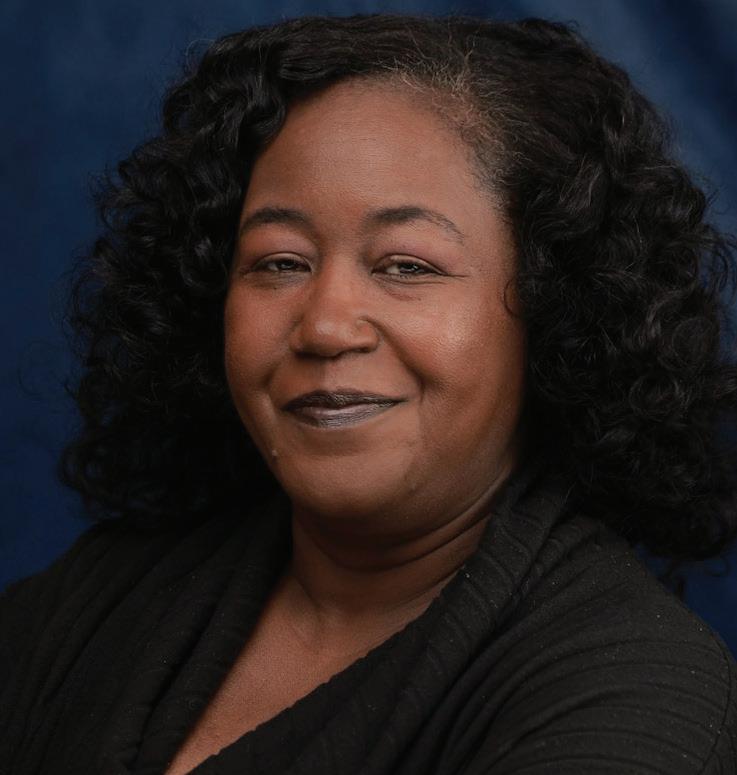
Fall invites reflection for me—a pause between what has been built and what is still becoming. At BPACF, that pause carries deeper meaning this year. As we prepare to celebrate 45+ years of advancing education, leadership, and economic mobility, our work is guided by a truth that progress waits for no one. Dr. Martin Luther King Jr. called it the “fierce urgency of now.” That call—to act with intention, courage, and heart—echoes throughout this issue of The Black Professional magazine.
The Gala theme chosen by Lorna Wisham, our 2025 Black Professional of the Year, captures that same spirit: “The Intersection of Legacy and Duty.” A seasoned professional with more than three decades of leadership across philanthropy, government, and corporate affairs, Wisham embodies what it means to honor the past while boldly shaping the future. Her theme reminds us that legacy isn’t what we leave behind—it’s how we live our duty to uplift one another.
That conviction was echoed by 40/40 Emerging Legends Salute keynote Shanelle Smith Whigham, a member of the inaugural Class of 2024 Emerging Legends, who challenged the Class of 2025 to be builders. “Build not just your careers, but your communities. Build bridges across generations. Build spaces where authenticity and accountability coexist.” Her words captured what it means to live the fierce urgency of now—with hope at the center.
Across this issue, that hope takes tangible form. Our BPACF Scholars—many of whom are the first in their families to attend college—represent the power of opportunity realized. Our Emerging Legends show what it means to lead with empathy, excellence, and purpose. Our seasoned
professionals, like Lorna Wisham, demonstrate that reinvention, mentorship, and faith are the true hallmarks of lasting leadership.
And then there is Tierra Palmer, the high school student who authored “Finding Inspiration at 40/40.” Her reflections as a first-time reporter at the Emerging Legends Salute remind us that hope is not abstract—it is embodied in the next generation. Through her eyes, we witness the heart of BPACF’s mission: a young person discovering that she belongs in rooms built for her future, surrounded by professionals cheering her forward. Her voice is the promise of everything we strive to sustain.
Together, these stories remind us that we all stand at our own intersection of legacy and duty. Each of us carries both an inheritance and a responsibility— to make the path wider, the table longer, and the village stronger.
As we look ahead to the 45th Annual Scholarship & Awards Gala, I invite you to reflect on how you will answer this call. Mentor a student. Support our scholarship fund. Share your story. However you choose to build, do it with heart—because the seeds we plant today will shape the community we become tomorrow.
Lorna Wisham’s favorite scripture, Jeremiah 29:11, reminds us: “For I know the plans I have for you,” declares the Lord, “plans to prosper you and not to harm you, plans to give you hope and a future.” Those words are more than reassurance—they are instruction. The fierce urgency of now calls each of us to trust that divine plan and to build the future it envisions.
Enjoy this issue: be well.

Laurie A. Murphy, MBA, MPH, MS, CCP Executive Director, BPACF



The Black Professionals Association Charitable Foundation (BPACF) proudly welcomes 43 outstanding scholars into the 2025–2026 academic year cohort. These exceptional students represent the next generation of Black excellence—future leaders, innovators, and changemakers rooted in Northeast Ohio and reaching across the nation.
This year’s cohort is pursuing degrees at 25 colleges and universities, with 35% studying in Northeast Ohio, 26% at other Ohio institutions, and 40% attending schools out of state, including 26% enrolled at Historically Black Colleges and Universities (HBCUs). Together, they embody the academic promise, professional potential, and community spirit that define the BPACF Scholar experience.
As part of BPACF’s Emerging Professionals Programs, each scholar benefits from financial support, mentoring, and professional development opportunities designed to help them thrive academically and transition confidently into their chosen career paths. We celebrate their achievements and look forward to the many ways they will give back, lead, and inspire others along the professional career continuum.
Join Us in Growing the Village
If you’re an alum of one of the colleges or universities represented—or a professional eager to give back—consider becoming an Emerging Professionals Champion. Share your industry knowledge, offer internship opportunities, or participate as a speed mentor to help our scholars thrive.
To learn more or get involved, contact Debbie Mixon, Student Success Coordinator, at debbie.mixon@ bpacf.org.
2025–2026 BPACF Scholars
Kianna Armstrong University of Southern California
Angel Ballard Cuyahoga Community College
Allison Benson Clark Atlanta University
Victor Boyd Case Western Reserve University
Shamari Brazile George Washington University
Benjamin Brooks
The Ohio State University
Jaylen Brunson Tennessee State University
Jordan Brunson The University of Akron
Aaron Burnett Morehouse College
Jenaya Carlisle Brooks Howard University
Kiara Cartwright Bowling Green State University
Jayda Dent University of Virginia

Skylar Edgerton
Hampton University
Amiracle Green
Alabama State University
Chloe Hamilton
Loyola University of Maryland
Joshua Henderson Central State University
Jon Henderson Valparaiso University
Rayanna Henry The Ohio State University
Deshawn Hester
Rice University
Bryce Hodge Case Western Reserve University
Maylon Johnson The Ohio State University
Jourdan Jones University of Detroit Mercy
Kendall Long
Howard University
Kayla Lowery
Bowie State University
Tilneisha Malone Ohio University
Robert McFarren
Purdue University
Madisyn Moore
Cleveland State University
Sonyea Moore
Cleveland State University
Cheyenne Neeley Ohio University
Samaura Newman Bowling Green State University
Richard Pickett
Cleveland State University
Amarionna Pruitt Howard University
Joshua Ricciarelli Morehouse College
Lakeeta Robinson Kent State University
Xavier Sledge The University of Akron
Angelina Vaughn University of Akron
Merel Walker Cleveland State University
Momolu Welwolie Cleveland State University
Anya Williams The Ohio State University
Rhianna Williams Cuyahoga Community College
Jayden Willis Bowling Green State University
India Woodson Baldwin Wallace University
Joziah Wyley University of Cincinnati

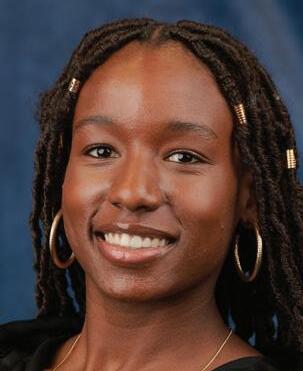
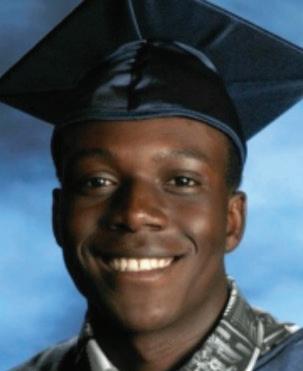
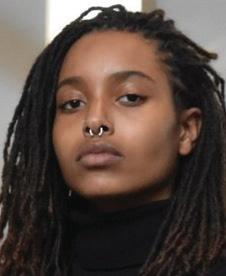
This past summer, BPACF Scholars embraced opportunities to grow professionally, explore career aspirations, and strengthen their soft skills. We asked five of our Scholars to reflect on their summer experiences — what they did, how it connected to their goals, the skills they developed, their most memorable moments, and the lessons they’ll carry into the school year.
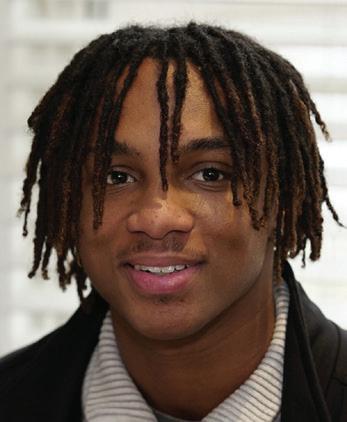
Jon Henderson – Senior, Valparaiso University
Major: Biology with a Chemistry minor
Career Aspiration: Anesthesiologist specializing in cardiology
Summer Experience: University Hospitals (Harvard/Warrensville location)
Jon spent his summer interning at University Hospitals, where he shadowed medical professionals in a busy hospital environment. He learned about clinical routines, observed patient care, and experienced collaborative medical practice firsthand. His most memorable moment came when he sat through a seven-hour quadruple bypass surgery — an experience that deepened his passion for medicine and gave him a firsthand look at the precision required in surgical care. Jon credits BPACF’s Winter Symposium for sharpening his professionalism and networking skills, tools that proved invaluable during his internship. As he returns to campus, he says he will carry forward one essential lesson: “Building your network for sure!”
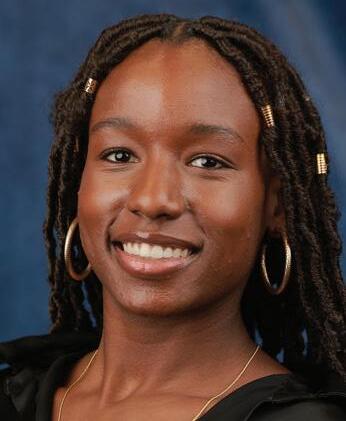
Kianna Armstrong – Senior, University of Southern California
Major: Architecture and Social Entrepreneurship
Career Aspiration: Merging architecture with social impact
Summer Experience: Co-founder and project lead at Architecture + Advocacy, a 501(c)(3) nonprofit
Kianna spent the summer working full time with Architecture + Advocacy, the nonprofit she co-founded that teaches architecture skills to empower communities to design change in their neighborhoods. This year, she served as the project lead for a contract with LA County Parks and Recreation, helping to organize and guide 37 community engagement workshops. These sessions informed the design of five new additions to county parks. The experience gave her a chance to blend her academic training with hands-on leadership and community impact. Kianna says her confidence expanded dramatically through this work — a quality she attributes in part to BPACF, which gave her early opportunities to practice professionalism and networking. Reflecting on her journey, she notes: “This summer exponentially grew my belief in my leadership.”


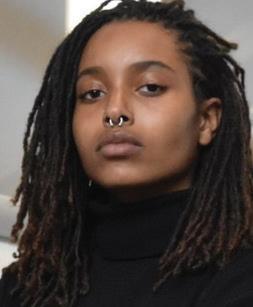
Kayla Lowery – Senior, Bowie State University
Major: Business Administration with a concentration in Marketing
Career Aspiration: Marketing and business leadership
Summer Experience: Cuyahoga Community College’s Corporate College, Center for Entrepreneurial Innovation
At Cuyahoga Community College’s Corporate College, Kayla worked in the Center for Entrepreneurial Innovation, where she supported marketing projects for programs designed to help small businesses and startups. She created content, assisted with outreach, and applied classroom knowledge to real-world initiatives. Completing a major project left her accomplished and motivated for the future. Kayla emphasizes how BPACF prepared her to navigate professional spaces with confidence, equipping her with essential networking and presentation skills. She is taking that forward with a clear intention: to keep building her network and asking questions to open new doors.

Jayda Dent – Freshman, University of Virginia
Major: Undecided Engineering
Career Aspiration: Exploring engineering pathways
Summer Experience: UVA Summer Bridge Program
Jayda began her college journey through UVA’s Summer Bridge Program, a residential experience designed to support first-year students. She took part in academic courses, including a challenging 3-credit calculus class, while also engaging in peer networking and campus orientation. With the support of Professor Keith Williams, she successfully completed the calculus course, an accomplishment that gave her early confidence in pursuing engineering. BPACF’s virtual networking practice prepared her to connect with faculty and fellow students. Jayda summed up her key takeaway with wisdom well beyond her years: “You don’t have to be the smartest in the room — focus on growing and learning from others.”

Momolu Welwolie – Freshman, Cleveland State University
Major: Communication Sciences and Disorders
Career Aspiration: Speech-language pathology
Summer Experience: Kent State TRIO program
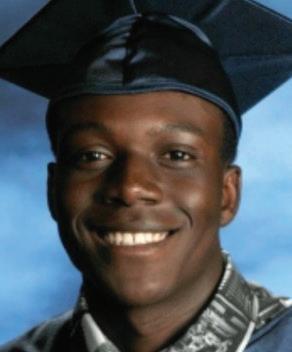
Momolu participated in the Kent State TRIO program, which provided academic support, mentorship, and professional development for first-generation students. He engaged in workshops, career exploration activities, and shadowing opportunities in Communication Sciences and Disorders. He was gratified by how quickly he adapted during his shadowing experience, finding ways to connect with professionals and apply what he learned in real time. He credits BPACF with helping him present himself with confidence in professional spaces and understands the importance of teamwork and communication as essential skills he will carry into his studies and career path.

Exposure and experiences in a student’s field of study are necessary elements of their collegiate journey. Is your organization planning to offer paid summer internship positions for Summer 2026? BPACF would love to partner with you to connect students with meaningful career opportunities. Please reach out to Debbie Mixon, Student Success Coordinator, at debbie.mixon@bpacf.org.

At KeyBank, we believe achievements that have a positive impact on people and the community should always be recognized. Making a difference is never easy, and we never stop being thankful for the people who do it. To the Black Professionals Association Charitable Foundation 40 Under 40 Emerging Legends, from all of us, congratulations on your honor today.
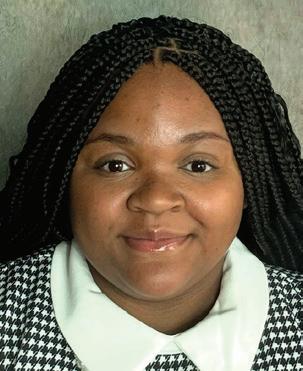
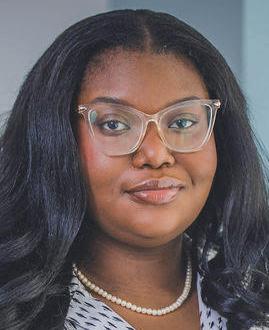
We’re proud to share that Mikayla Coleman, a BPACF Scholars Program alumna, has been selected as the 2025–2027 George Gund Foundation Fellow. In this prestigious two-year role, Mikayla will work across program areas at the Foundation, contributing her expertise in civic engagement, arts education, and equity-centered leadership.
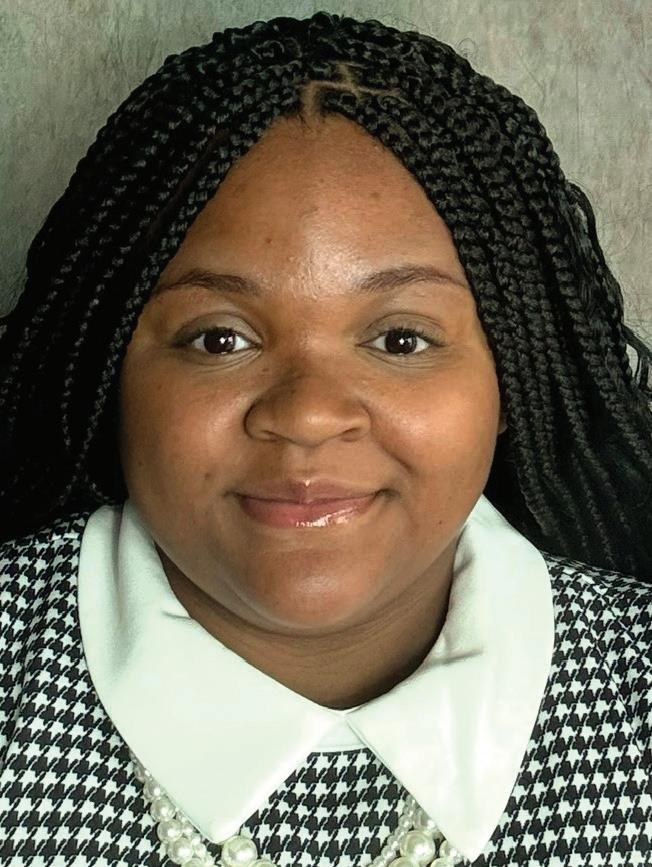
Mikayla earned her Bachelor of Science in Public Management and Policy from Cleveland State University in 2021 and her Master of Arts in Creative Business Leadership from the Savannah College of Art & Design in 2023. As part of BPACF’s commitment to connecting students and alumni to meaningful networks, Mikayla was introduced to 2024 Emerging Legend honoree Kendra Davis for an informational interview that helped shape her understanding of marketing in the philanthropic sector.
Mikayla’s journey is a powerful reflection of BPACF’s mission in action: We develop. We connect. We recognize. We’re honored to celebrate this exciting new chapter and proud to have been part of her professional journey.
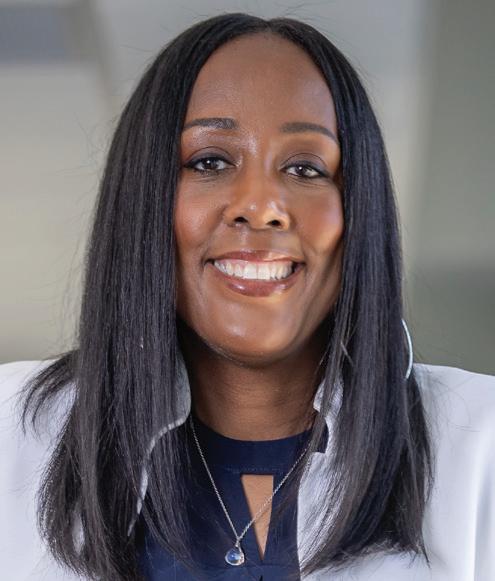
Akiya James is dedicated to helping students reach their full potential. As a College and Career Advisor at College Now Greater Cleveland, she supports young people with test preparation, applications, and financial aid, while leading workshops and exposure opportunities that prepare them for the future.
Her passion for service shines through her past work as an AmeriCorps College Guide, where she helped families navigate post-secondary plans and organized a community-wide Martin Luther King Jr. Day of Service event. While at Hiram College, Akiya founded The H.A.P.P.I. Place, a campus initiative providing free hygiene products and food to students—an effort that later grew into an AmeriCorps program.
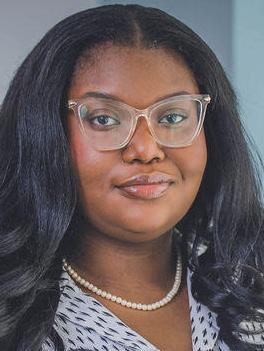

Today, Akiya continues giving back as a volunteer with the Black Professionals Association Charitable Foundation, The Cleveland Foundation, and the United Black Fund. A recipient of the Martin Luther King Jr. Award for Leadership in Diversity, she leads with purpose, compassion, and commitment to equity.




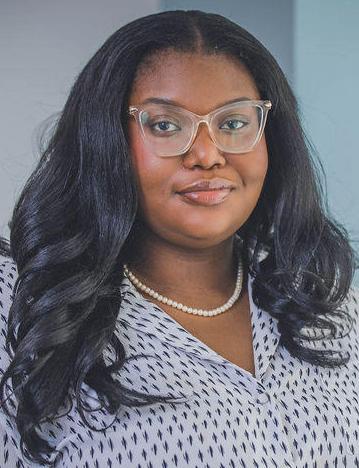
As a dedicated BPACF volunteer, Akiya James brings her professional experience as a scholarship reviewer and college access advisor to help students navigate the financial side of higher education. In this Q&A, she shares practical insights to help students find the right scholarships — and write essays that stand out to reviewers.
Q: When should students start applying for scholarships?
Akiya: Most scholarships are due by February or March at the latest. By the end of September, you should already have a list of scholarships you intend to apply for — even if they’re not open yet.
Q: Where should students look for scholarships?
Akiya: Local foundations, national programs like UNCF and the National Council of Negro Women, school alumni funds, Cleveland Foundation scholarships, and of course, BPACF.
Q: Are small-dollar scholarships worth the time?
Akiya: Absolutely. Even if the scholarship is $200, that’s $200 less on your bill. It can be the difference between staying at school or having to come home.
Q: What’s the best way to stay organized?
Akiya: Read all the instructions carefully. Some scholarships will have guidelines about the font you use, the size it should be, and whether or not it must be submitted as a PDF.
Q: Can students reuse essays?
Akiya: Yes, but make sure they fit the prompt all the way through. If a scholarship asks you to mention something specific, remove that information when it’s not relevant.
Q: What’s the biggest thing students miss in their essays?
Akiya: We know you’re going to college, but why — and to what end? That’s what reviewers want to know.
Q: Should students write about personal challenges?
Akiya: Definitely. Your scholarship application should center you, and if your story includes challenges, you can include them. But if you choose to write about something traumatic, you have to show your growth. How have you changed from this challenge? What have you learned?
Q: What about telling a family member’s story?
Akiya: Keep yourself at the center of the narrative.
Q: How long should an essay be?
Akiya: Essays should be at least 500 words but no longer than two pages.
Q: Any tips for editing?
Akiya: Use Grammarly or AI for grammar checks only, but have a teacher, counselor, or mentor proofread, and always read your essay out loud. You should never be the only human to read your essay before you submit it.
Q: How important are recommendation letters?
Akiya: Very important. But they should tell me things you haven’t already shared in your essay.
Q: Should students address low grades or red flags?
Akiya: If something makes you an outlier, tell your story. Reviewers want context.
Q: What’s your final advice to students?
Akiya: Apply for the scholarships, write the essays, and set aside the time. The worst thing you can do is give yourself the opportunity to live in regret over what you should have done.
• Start early — September for seniors; ASAP for college students.
• Look local — smaller applicant pools mean higher chances.
• Track deadlines in one place.
• Don’t skip small awards — $200 still helps.
• Save versions of essays to adapt quickly.
• Answer every part of the prompt.
• Keep yourself at the center.
• Show growth in challenge stories.
• Stay between 500 words and two pages.
• Have a teacher or mentor proofread.
• Limit AI use to grammar checks.


Association



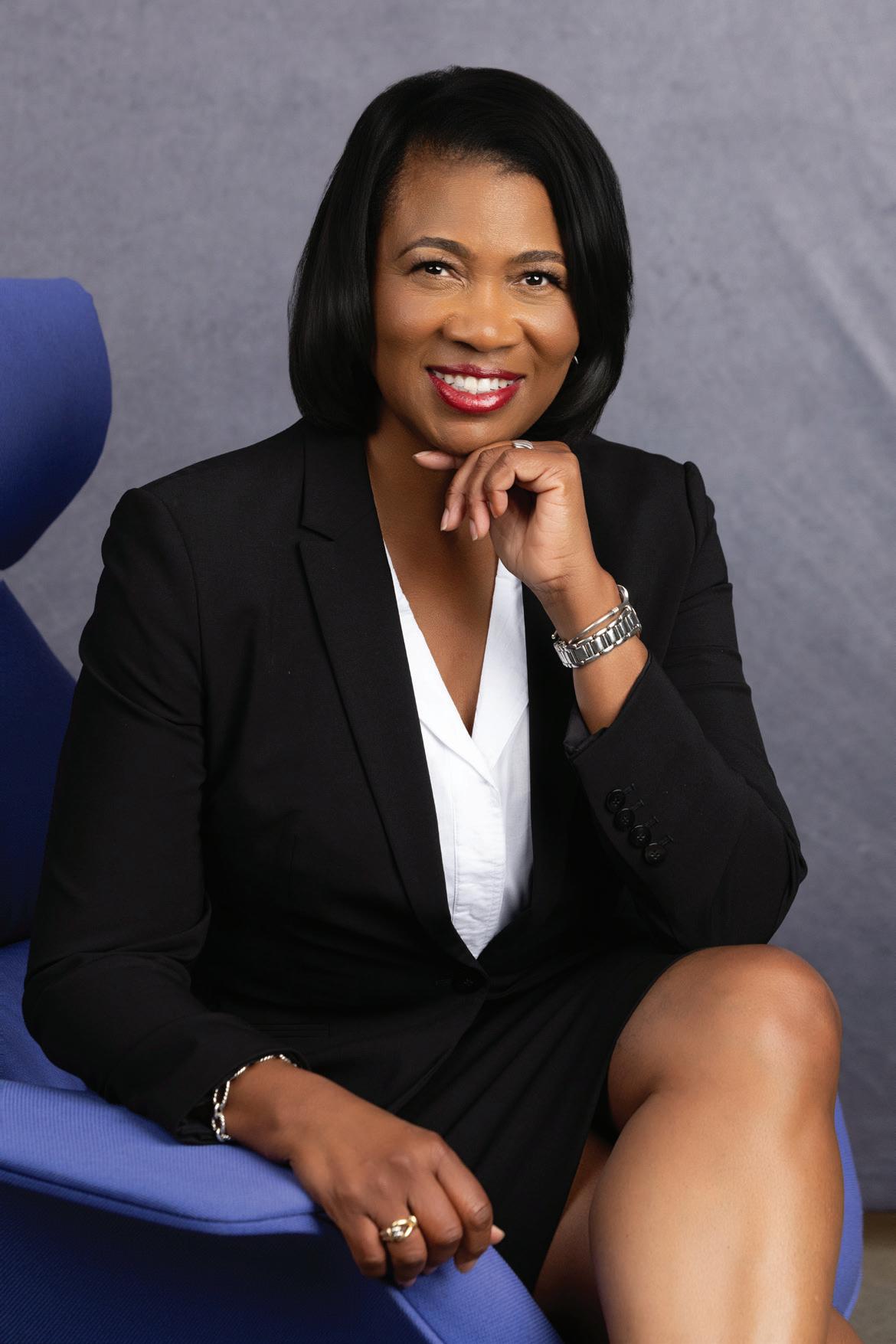
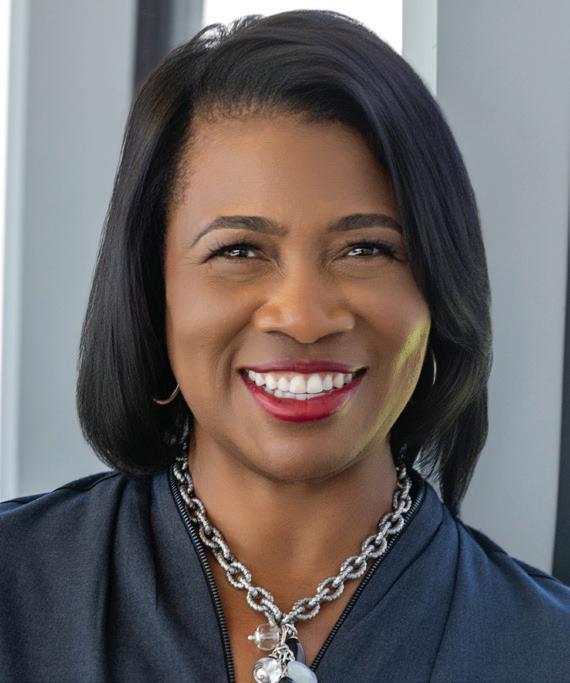
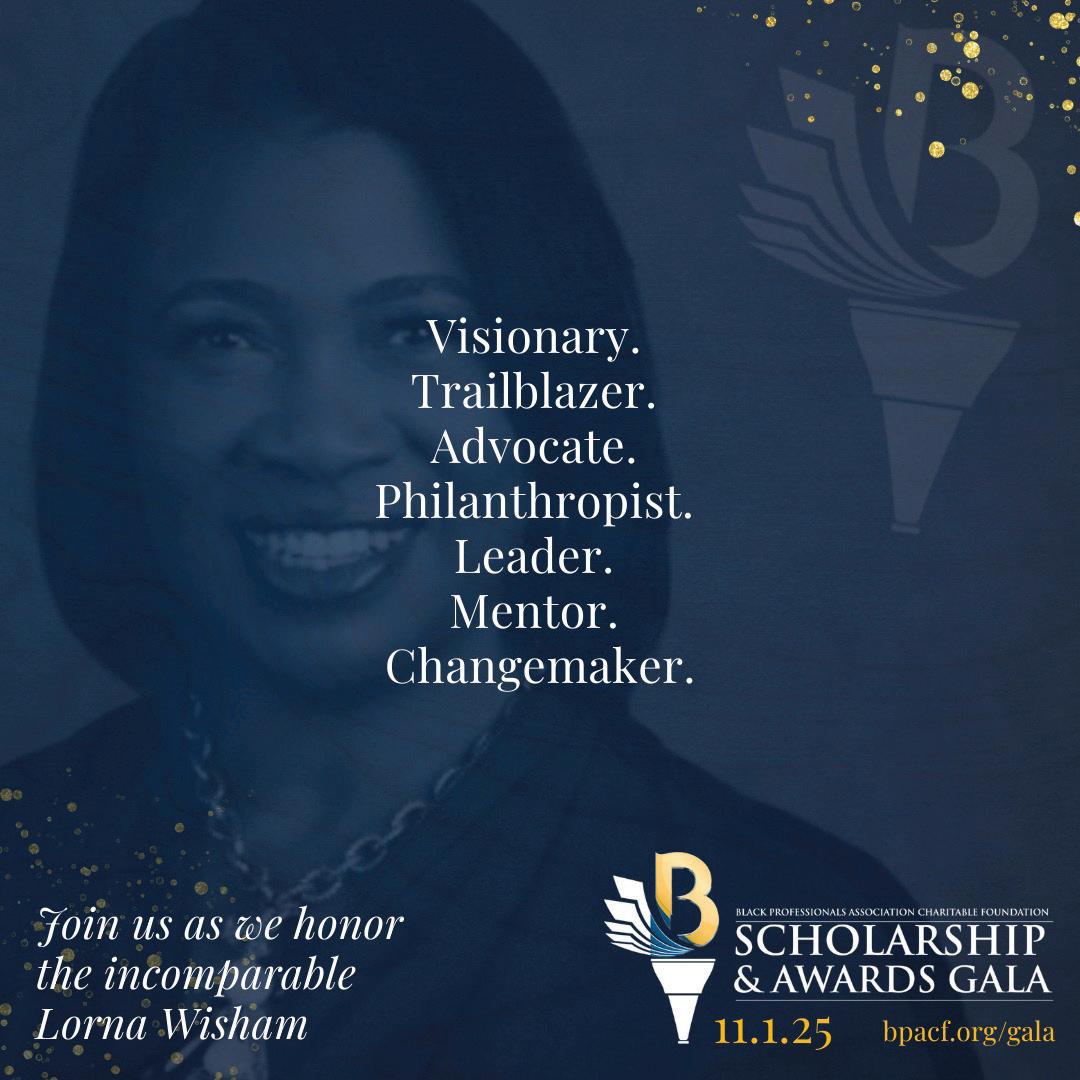
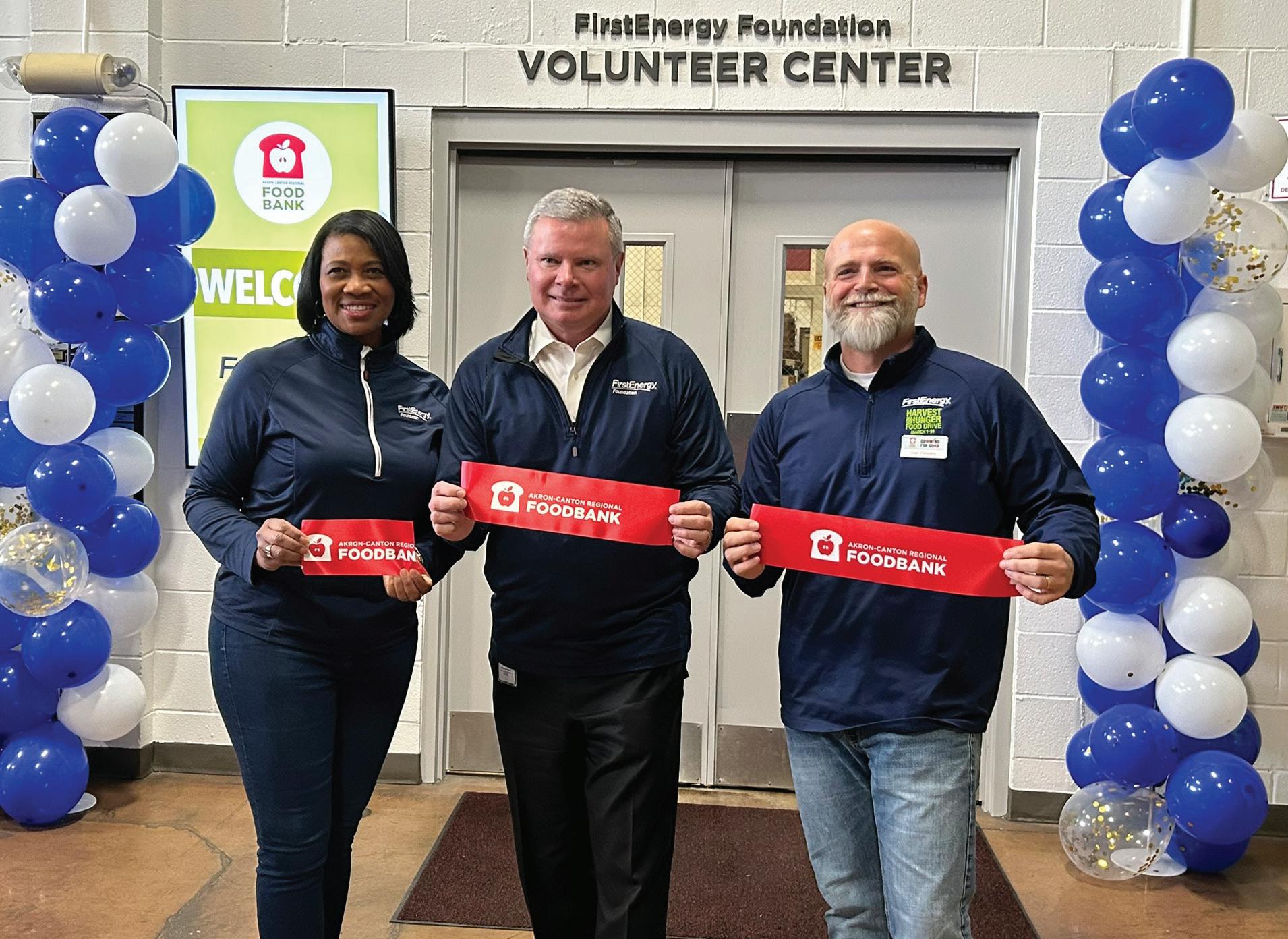
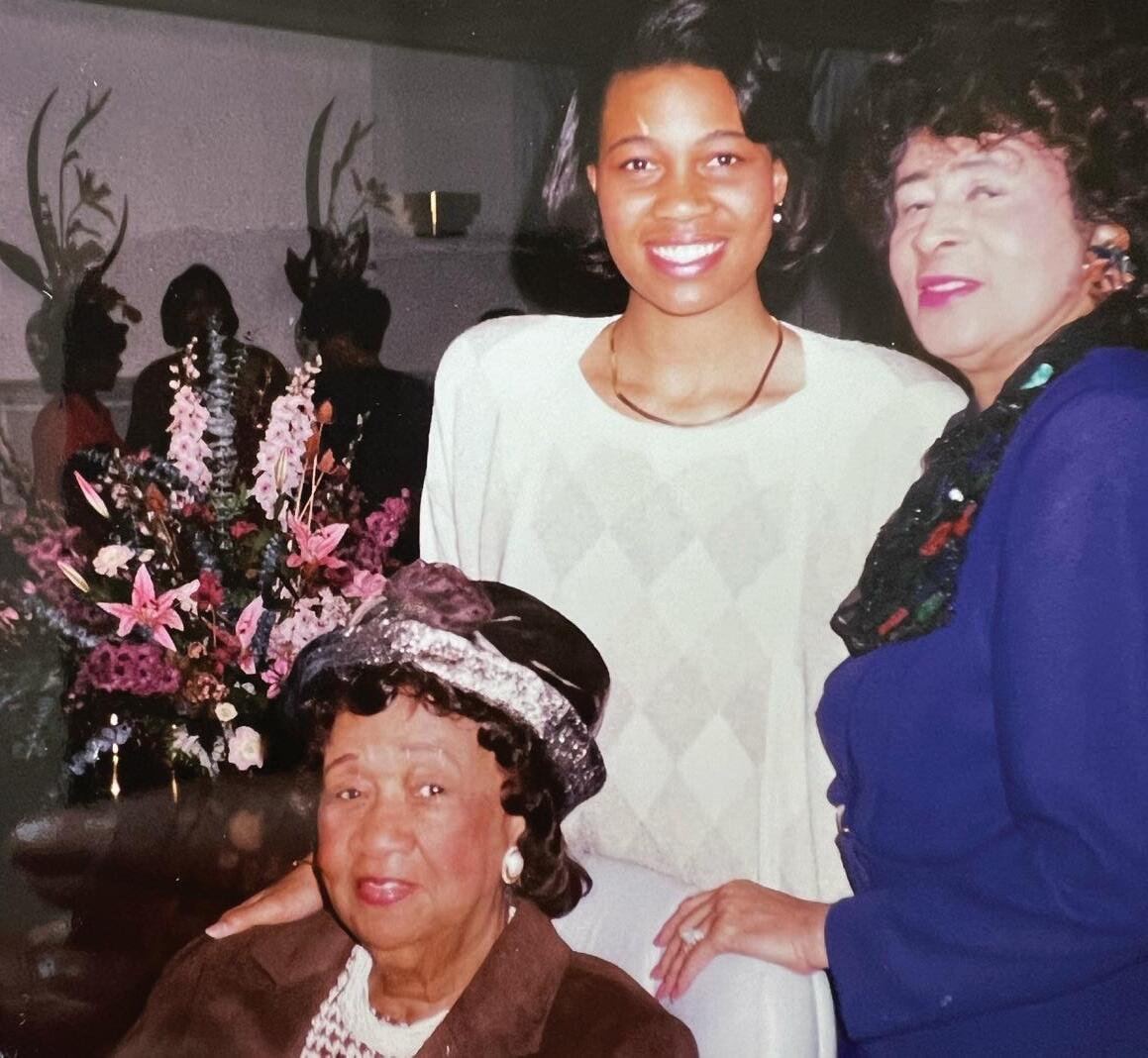
Lorna Wisham, the 2025 Black Professional of the Year, embodies the spirit of purposeful leadership and bridge-building that the Black Professionals Association Charitable Foundation (BPACF) exists to celebrate. After nearly two decades at FirstEnergy Corp., Wisham retired in May as Vice President of Corporate Affairs and Community Involvement and President of the FirstEnergy Foundation. During her tenure, she directed more than $72 million in charitable contributions across five states, advanced sustainability, championed inclusion, and shaped community investments that left a lasting mark on economic development, education, and workforce initiatives. Recognized nationally for her impact and service, she continues to mentor the next generation of leaders through her professional and civic commitments.
A native of Northeast Ohio and proud alumna of The University of Akron and American University, Wisham has also served in mayoral administrations, as a federal lobbyist on Capitol Hill, and on numerous nonprofit boards during her career. She is an alum of Leadership Akron Signature 38, German Marshall Fund Memorial Fellowship 2007, Leadership Cleveland Class of 2005 and LeadDIVERSITY 2003. Wisham currently serves on the boards of the Cuyahoga Community College Foundation (Secretary), United Way of Greater Cleveland, First Tee of Cleveland (Chair, Governance), In Counsel With Women, and the Rock & Roll Hall of Fame and Museum—roles that reflect her lifelong dedication to connecting resources, opportunities, and people for the greater good.

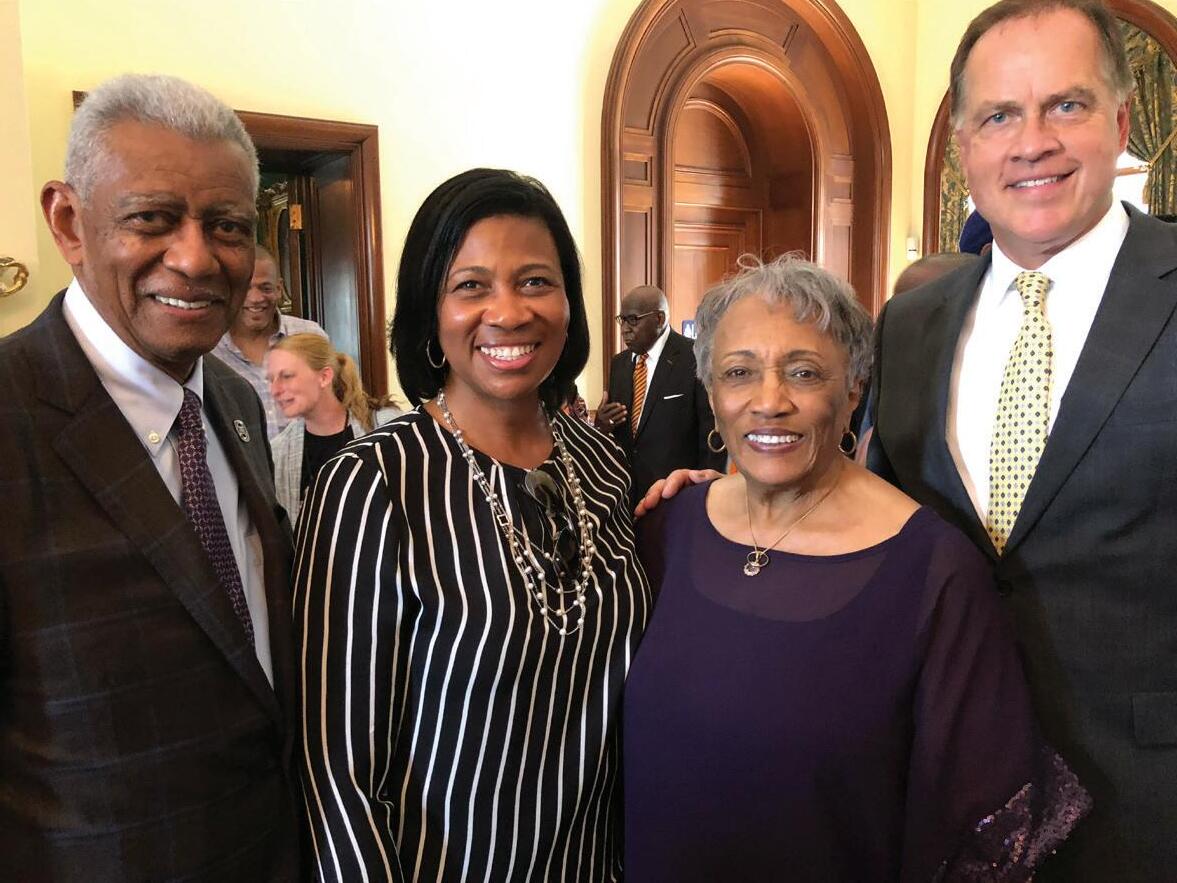
In a candid conversation with BPACF Executive Director Laurie Murphy for The Black Professional magazine, Wisham reflected on her journey, her faith, and the responsibility to lift as you climb—offering insights as inspiring as her accomplishments.
Q: Lorna, when you first learned you had been named the Black Professional of the Year, what was that moment like for you?
My very first thought was the goodness of God. That morning had been incredibly difficult—I was genuinely questioning my value, my contributions, and whether my efforts were even making an impact. It’s a vulnerable place to be when you’re not sure if your work matters in the ways you’ve intended.
So when BPACF Board President Dr. Michele Scott Taylor called, I assumed she wanted to talk about a grant. Instead, she told me I had been selected as the Black Professional of the Year. I was in complete disbelief. I even asked her if she was sure. She reminded me, this recognition wasn’t about a single job title or company affiliation—it was about my “entire body of work.”
That moment reframed my thinking. I realized my worth could never be tied to one role, one organization, or even one chapter of my career. It’s the sum total of years of service, leadership, mentorship, and community building. And then, to find out that the gala would take place on my 59th birthday—that felt like divine confirmation that this moment was meant for me.
“We stand at the intersection of what we’ve inherited and what we owe the future.”
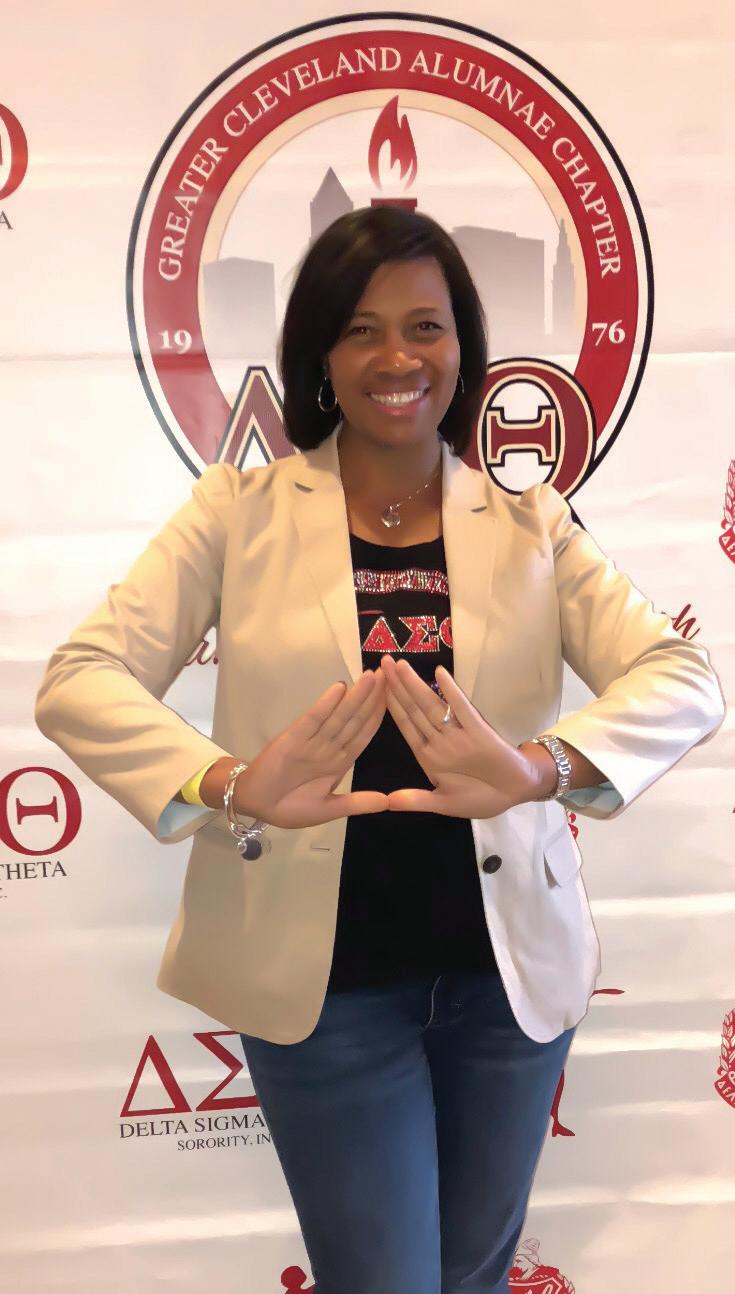

Q: You chose the theme “The Intersection of Legacy and Duty” for this year’s gala. What inspired those words, and why do they feel so timely now?
We are at a crossroads in this country and in our communities. We’ve inherited so much from the sacrifices of those who came before us—our ancestors, civil rights leaders, and those in recent decades who fought for equity and opportunity. The question is: what will we do with that inheritance?
For me, “legacy” holds a deep sense of reverence. It’s the work, values, and structures passed down to us. “Duty” carries the weight of responsibility—the obligation to protect, advance, and expand what’s worth preserving.
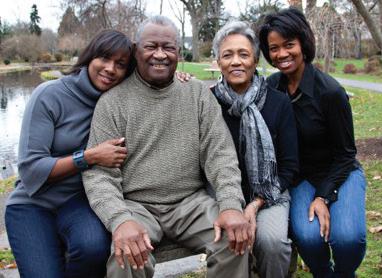
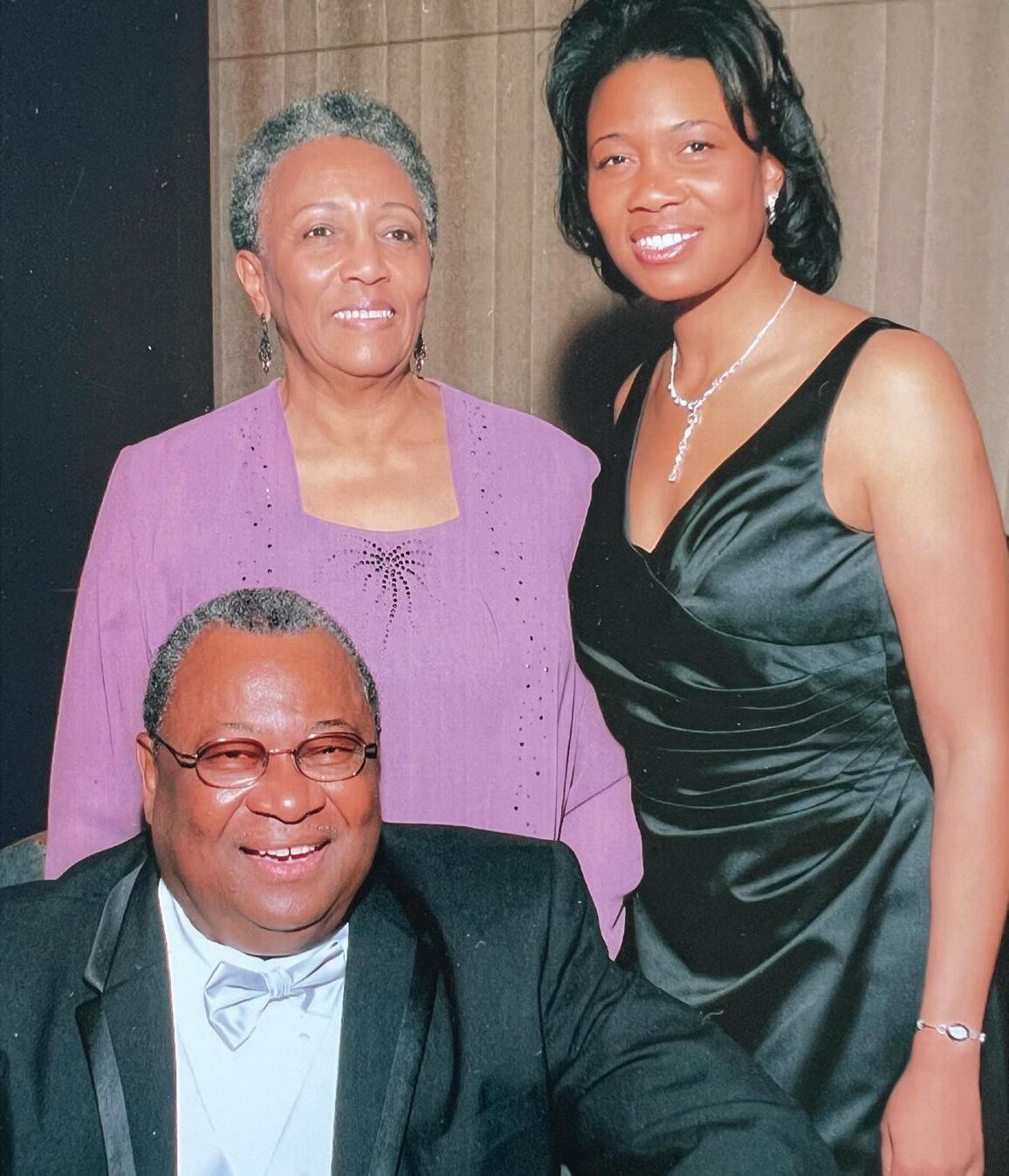
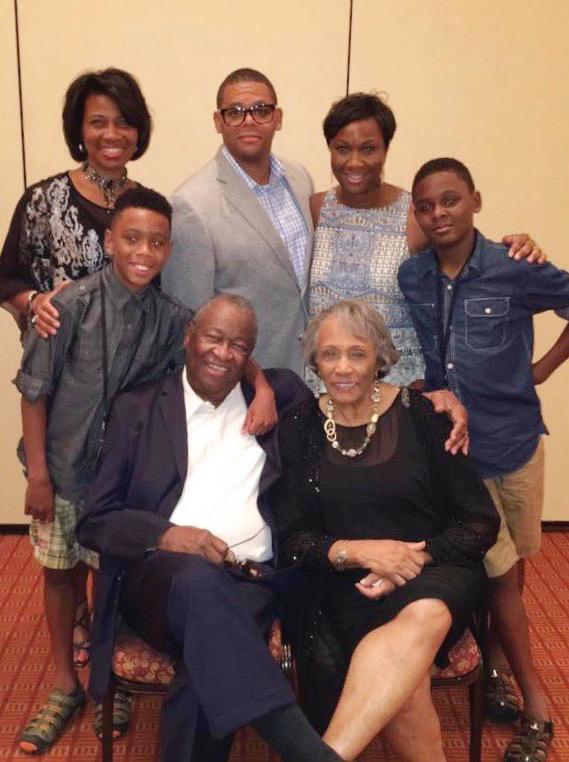
I thought about my parents, Claybron and Evelyn Wisham. My father worked in an environment where he was often one of the few Black leaders and still found ways to open doors for others. My mother, whether as the executive director of a community health center in Glenville or the high school nurse in a predominantly white school district, made sure every student—not just her own children—had equal access to healthcare. These were not casual efforts. They were intentional acts of service.
This phrase came to life even more so for me this year at Morehouse College’s baccalaureate service. The speaker’s address to graduating seniors, including my nephew, echoed the exact sentiment I’d been wrestling with: that we stand at the intersection of what we’ve inherited and what we owe the future. It was the affirmation I needed to know this was the right theme for this moment.
Q: Your career has touched the corporate world, public service, and community leadership. When you look back, what achievements bring you the most joy?
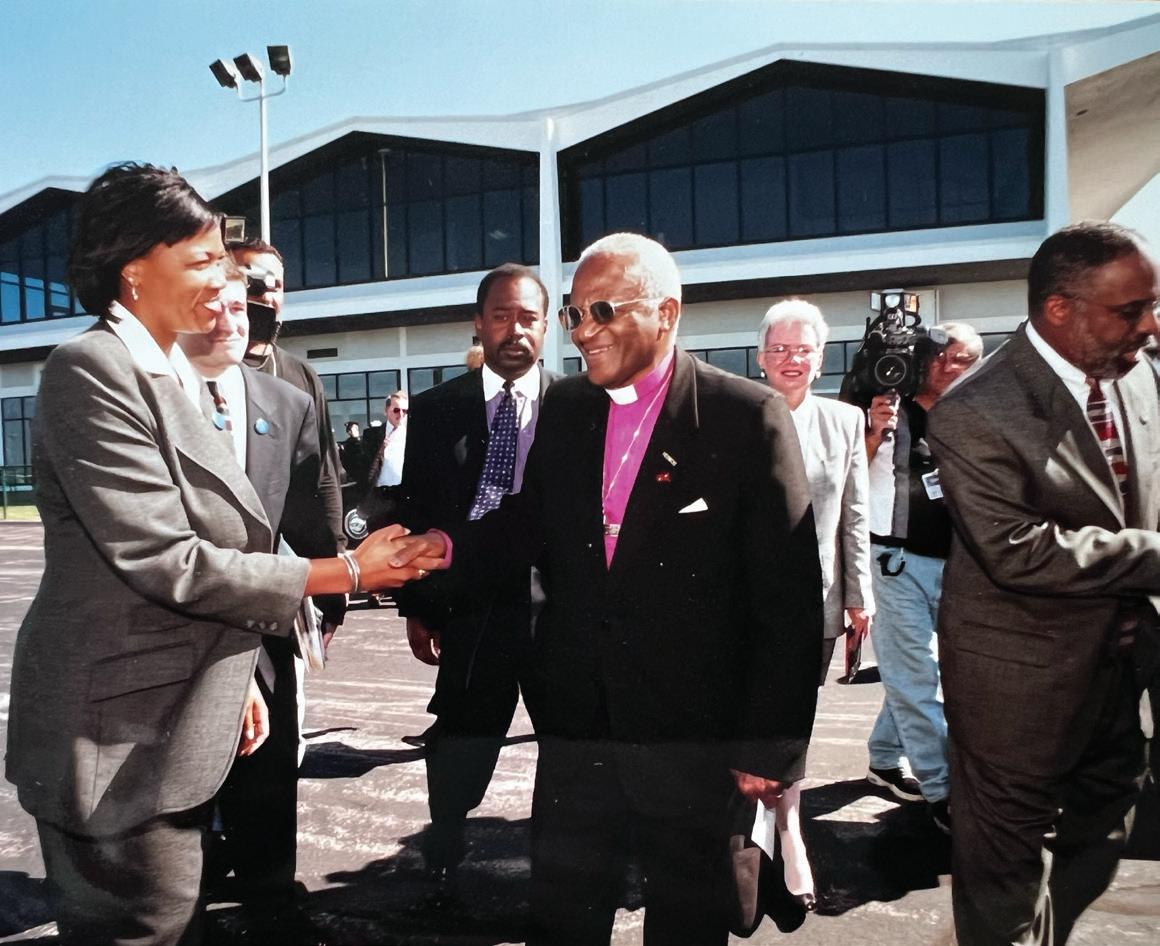
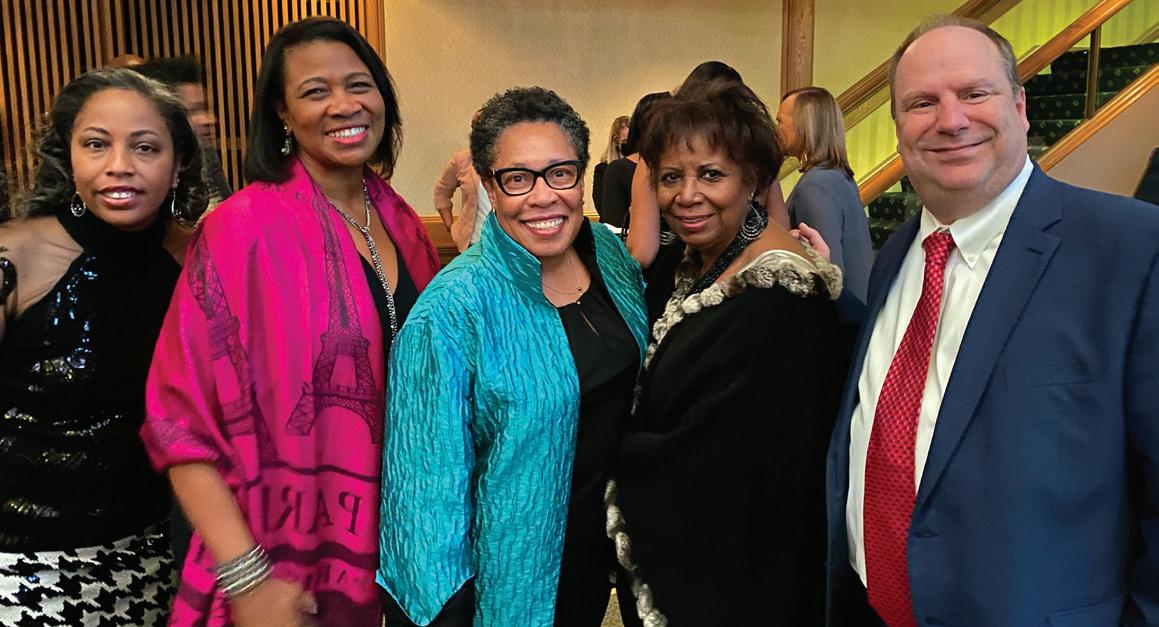

“For me, duty has always been sacred, never a burden.”
— Lorna Wisham
I am most proud of being a connector. My career has been about building bridges— between corporations, government, and nonprofits—and showing them how to work together to strengthen communities.
With corporate philanthropy, that meant directing millions of dollars toward organizations tackling workforce development, education gaps, and neighborhood revitalization. With city government, it meant navigating policy and public resources to solve community challenges. With nonprofits, it meant building coalitions that could leverage both the public and private sector for collective impact.
At FirstEnergy, I ensured our philanthropic investments connected people and resources to improve the vitality of the communities we served. I helped place senior leaders and executives on nonprofit boards, encouraged corporate volunteerism, and championed grassroots initiatives that might otherwise have been overlooked.
The satisfaction comes from knowing that in many cases, those connections continue to thrive long after my direct involvement.
Q: Thinking about the community that shaped you, what lessons have stayed with you and continue to guide your path today?
I learned early on that personal success was linked to collective responsibility. My father was an early organizer of Blacks in Management (BIM), an organization of corporate leaders committed to recruiting young Black talent into corporate America and mentoring them into leadership roles.
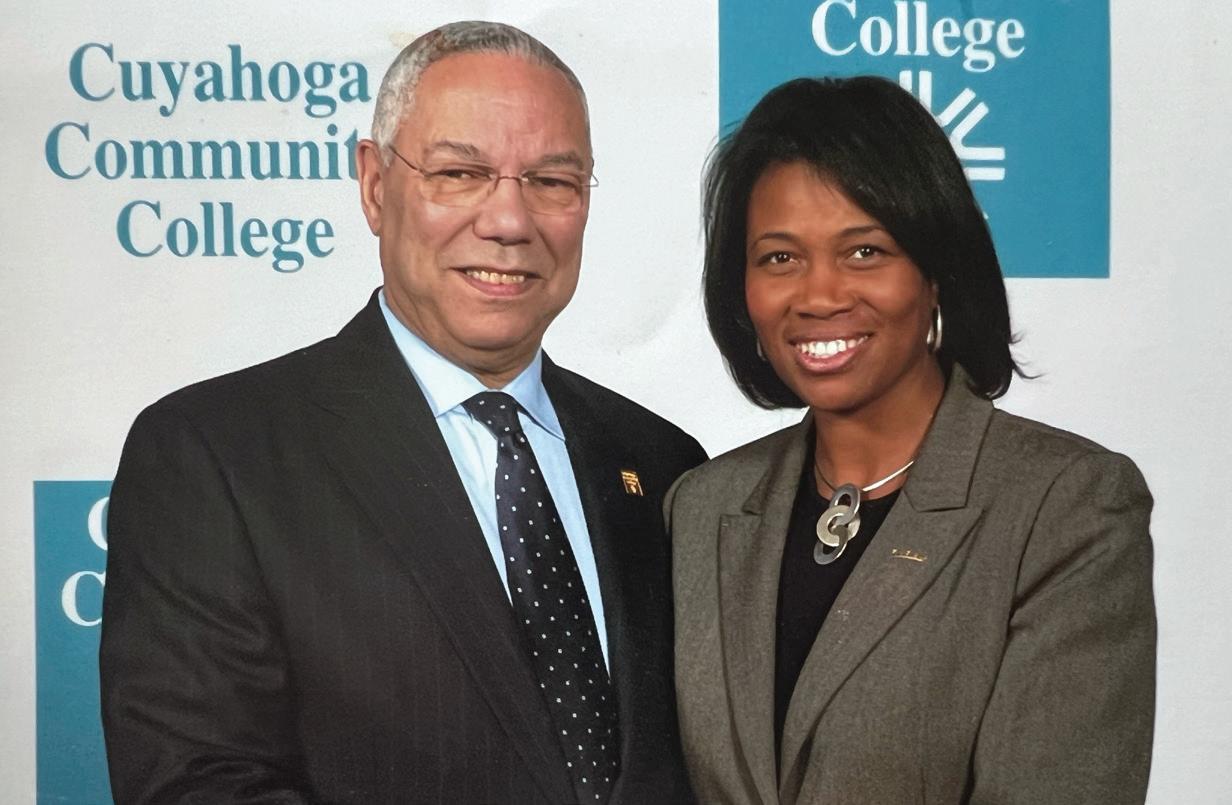
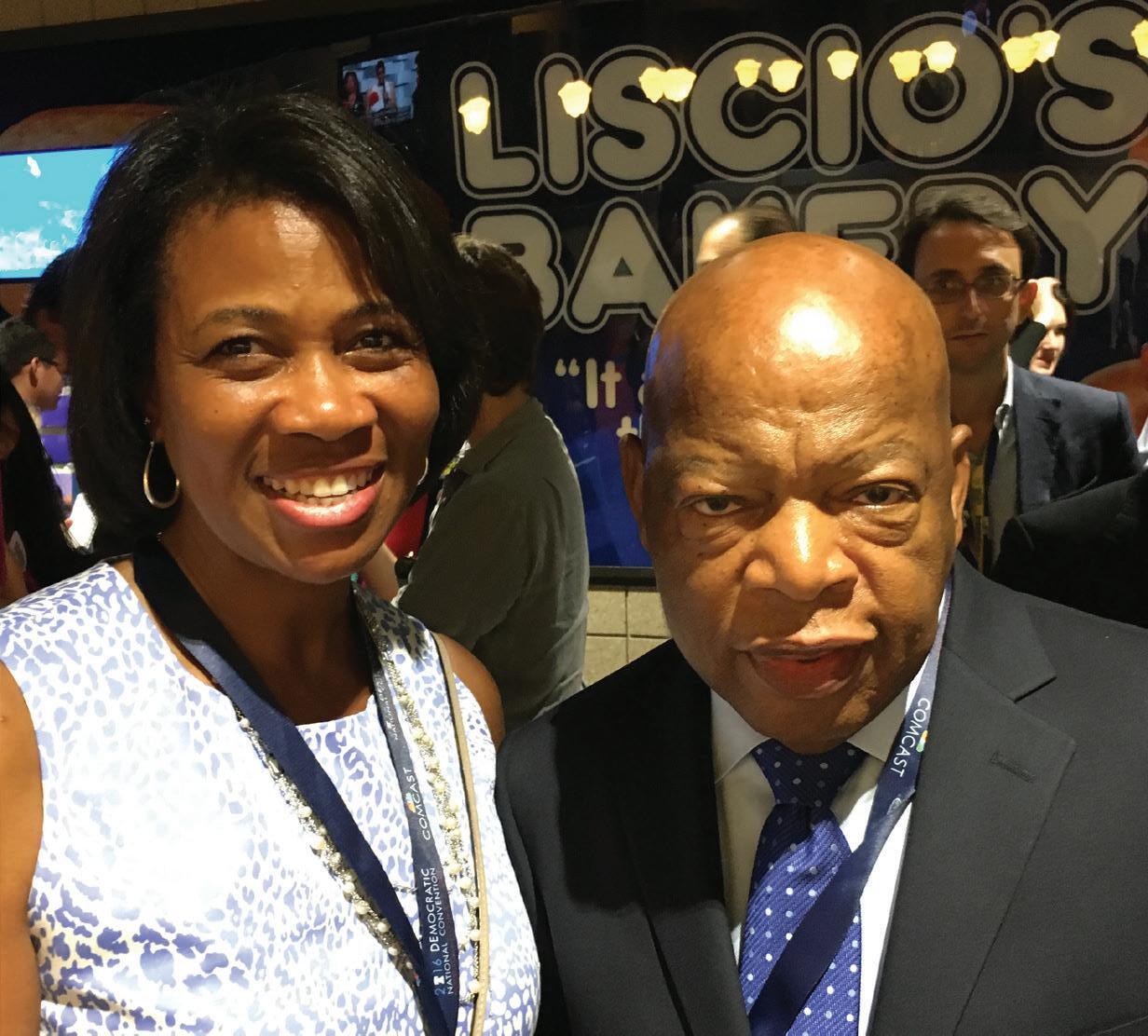
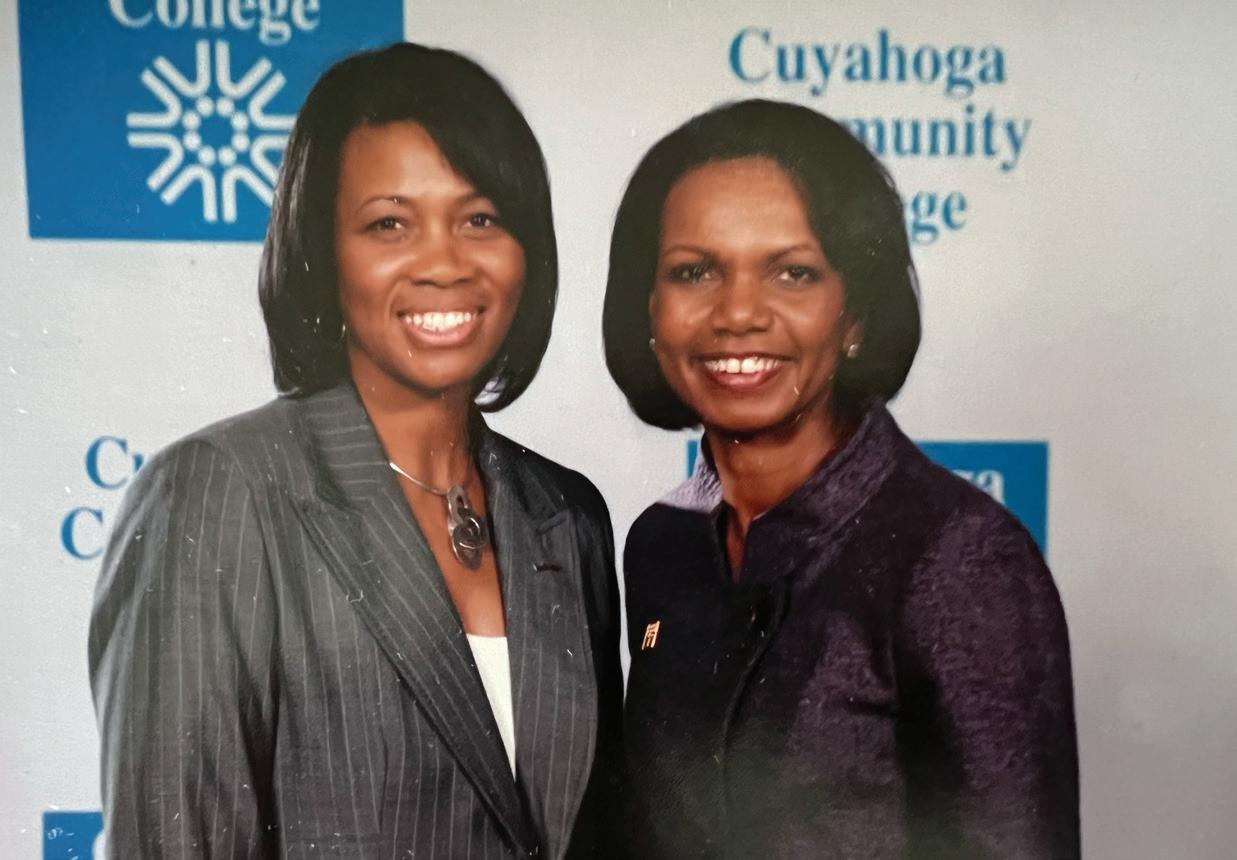

They were active in high schools across Cleveland, partnered with programs like INROADS, and were intentional about identifying potential in young professionals and opening doors for them.
Growing up around Black professionals like Jerome McClain, and former BPOY honorees Danny Cameron, Hilton Smith, and my mentor David Whitehead, was like having a personal board of advisors before I even knew what that was. They modeled excellence in business but also service in the community. They expected me to lead—not just for myself, but for those who would come after me.
Eventually, I became one of the few women members of the organization and later served as president. That was a full-circle moment: leading the same group that had been part of my foundation, while staying true to its core mission of lifting others as you climb.
Q: You’ve described duty as “sacred, never a burden.” How has that sense of responsibility shaped your life and leadership?
My parents grew up in the Jim Crow south, were educated in Black school systems, and later found themselves as adults learning to navigate as “one of a few” or the “only” in many professional circles. When they became parents, they were dedicated to exposing their children to resources and relationships that would open doors and provide opportunities they only dreamed of. And I often think about the sacrifices they made to position my sister and me for success when we moved from a predominantly Black neighborhood to a majority white school district at an early age. We were challenged to be our best, exposed to a diverse community and

built lifelong friendships. So for me, duty has always been sacred, never a burden.
That sense of duty—sense of responsibility—has guided every decision in my career. Whether I was in the mayor’s red room, a boardroom, or a nonprofit strategy session, my core question remained the same: How will the work we do serve others, or provide needed resources? If the answer wasn’t clear, it was time to rethink the approach.
Lifting others isn’t just a value—it’s the throughline of my work and what I believe.
Q: You’ve often been the “first” or “only” in a room. How have you navigated that role while creating space for others to follow?
I never set out to be a “first,” but when I started looking back over my career, the list was longer than I realized. First Black in the D.C. bureau of the Cleveland Plain Dealer. First female director of Cleveland’s Community Relations Board. First female regional vice president at the Illuminating Company. First Black in FirstEnergy’s D.C. office of Federal Affairs. First Black vice president of Corporate Affairs and Community Involvement and president of the FirstEnergy Foundation.
Some of those roles brought pride; others made me question why it had taken so long for someone who looked like me to hold them. Being “the first” carries layers of pressure. There’s the pride of your community, the pressure you put on yourself to excel, and sometimes the resistance of those who doubt you belong there. I’ve always carried that weight knowing my presence in the room had to mean more than just a name on the roster—it had to create space for others to follow.
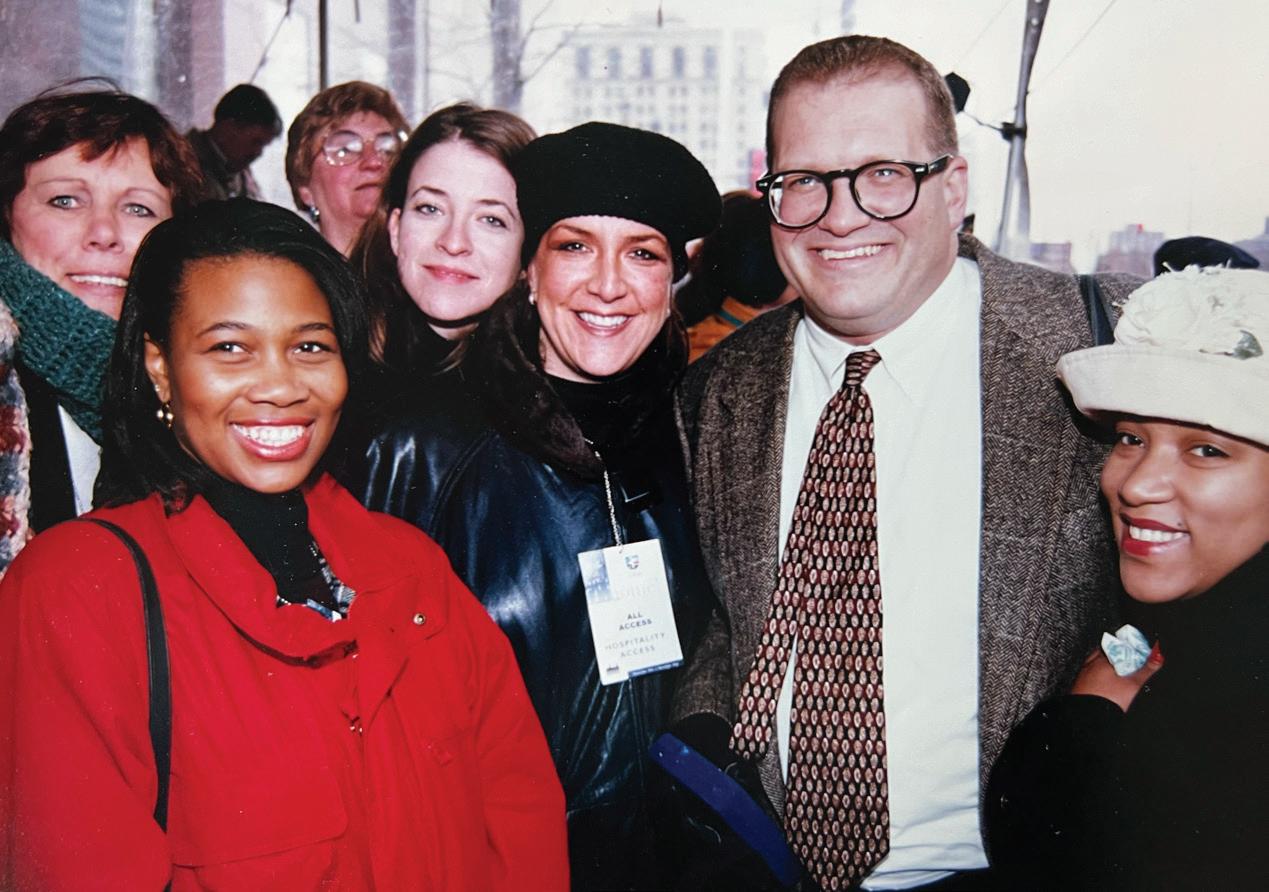

The philosophy of Blacks in Management was to lift others as you climb. I took that to heart, mentoring younger professionals, sharing unfiltered guidance, and connecting people to opportunities they might not have known existed or had access to. Sometimes that meant encouraging someone to pursue a promotion; other times it was giving them the courage to leave a secure job to start something of their own.
My hope is that if I started my career today, I wouldn’t have as many “firsts” to list. Progress would mean those doors are already open—and that my role is to hold them wide for the next generation.
Q: Your career path has crossed many industries and roles. What common thread connects all those chapters?
Three words—People. Relationships. Stewardship. Those have been my constants, no matter the title or industry. It’s about connecting with people, building trust, and using whatever influence you have to make an impact.
Q: For someone stepping into a new field or season without a roadmap, what words of guidance would you share?
Find your passion and follow it. Trust your values, even when it’s not the easy choice. Stay curious. Network and ask questions—even the ones you’re afraid to voice.
And build your own path. This is your career, your life. I’m taking that advice myself as I step into my next chapter.
Q: You’re entering a new professional chapter. How are you approaching this transition, and what’s calling to you next?
Rest is calling. The last several years—navigating COVID, civil unrest, and a shifting landscape for DEI—have been exhausting. Being “the first” often means carrying the weight of representation, and over time, that weight can wear you down.
I’m giving myself permission to pause, to breathe, and to reflect. I’ve been studying Ikigai, the Japanese concept of one’s reason for being, as a way to understand what comes next. My future work will likely include consulting with organizations committed to equitable community impact
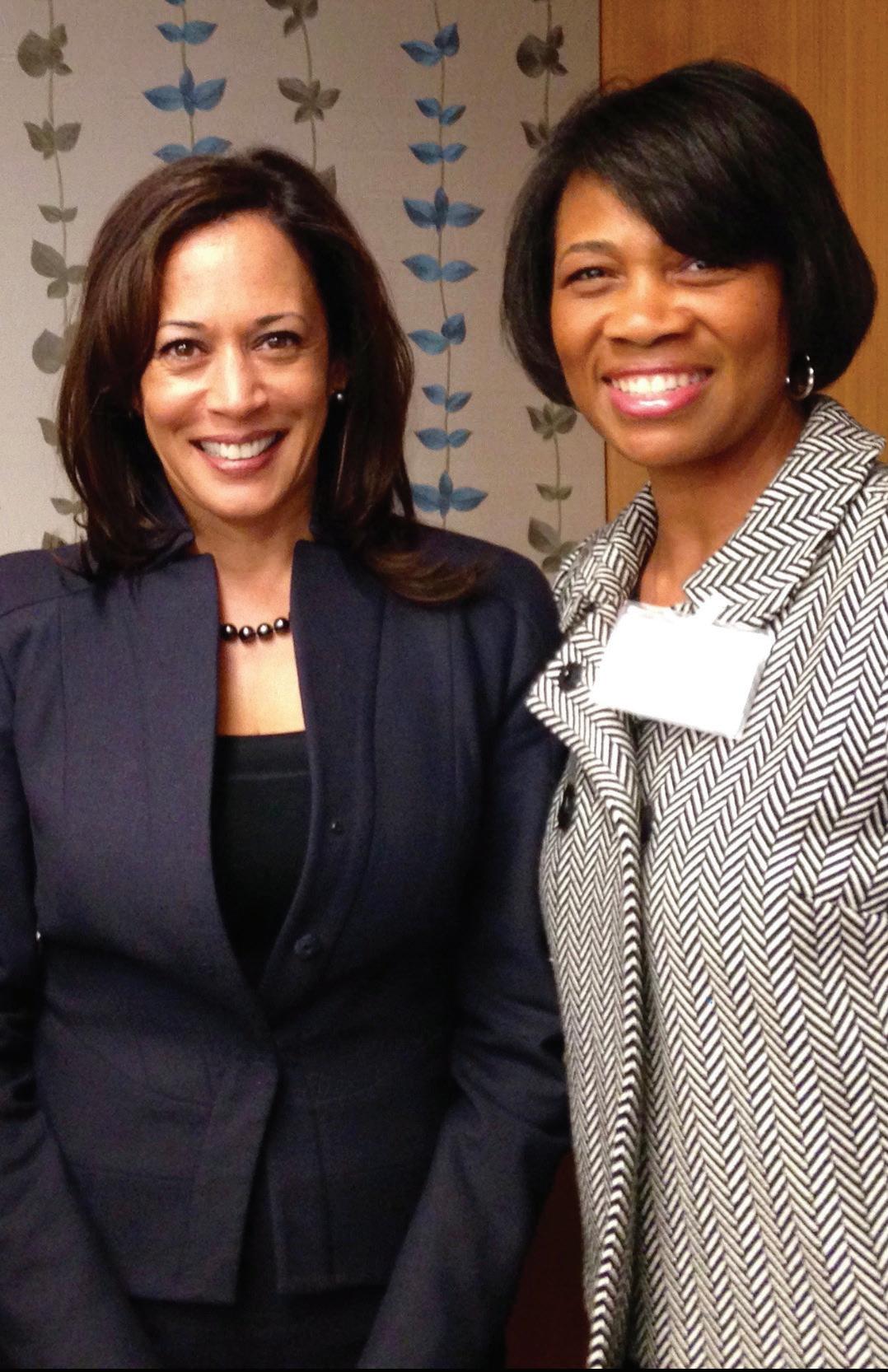
“Lifting others isn’t just a value— it’s the throughline of my work and what I believe.”
— Lorna Wisham
and strategic philanthropy. But for now, I am embracing rest.
Q: If you could design your next season with purpose, what would it look like? I’d partner with mission-driven organizations focused on youth development and racial equity. I’d help them build strategies that make measurable change and position them for long-term success. And I’d keep mentoring—because that’s part of who I am.
Q: Outside of your work, what brings you rest and joy?
Golf… Time with family and friends… Travel to places where I can feel the sun and hear the ocean… Spa days… A great bottle of Cabernet.
Lately, I’ve also been diving into podcasts, picking up books again, and learning about AI—not just because it’s the future, but because I want to understand how it will shape the spaces and communities I care about.
Q: For young professionals and students eager to make their mark, what wisdom would you offer?
Never forget you’re not alone. Stay prayerful. Trust that it’s already done. My favorite scripture, Jeremiah 29:11, has been my anchor.
Q: Finally, who are the heroes that continue to inspire you?
The ancestors—every last one. My parents— and the community leaders who invested in building opportunities for others, even when it meant sacrificing their own comfort or recognition.
At the intersection of legacy and duty, Lorna Wisham stands as both a reflection of those who paved the way and a beacon for those yet to come. Her life’s work is a master class in leading with grace, gratitude, and conviction—a legacy still in motion.
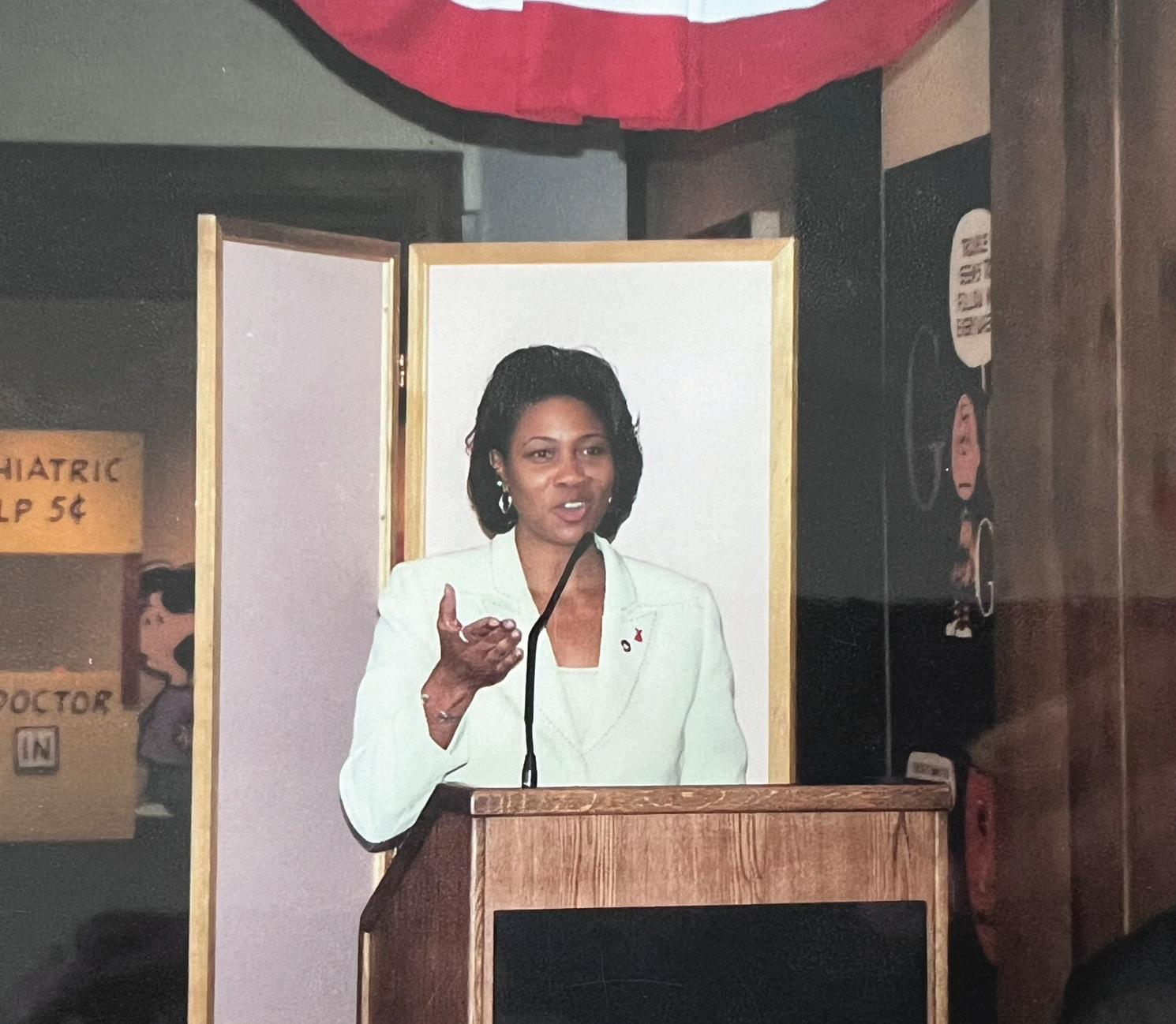


Photography: LaunchArts Media

Excerpts from the keynote and reflections from BPACF’s 2025 Forty Under 40 Emerging Legends Salute at Karamu House, Cleveland on May 22, 2025.
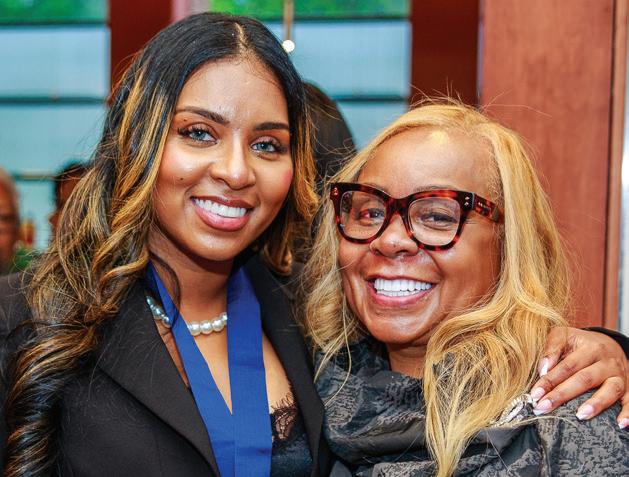
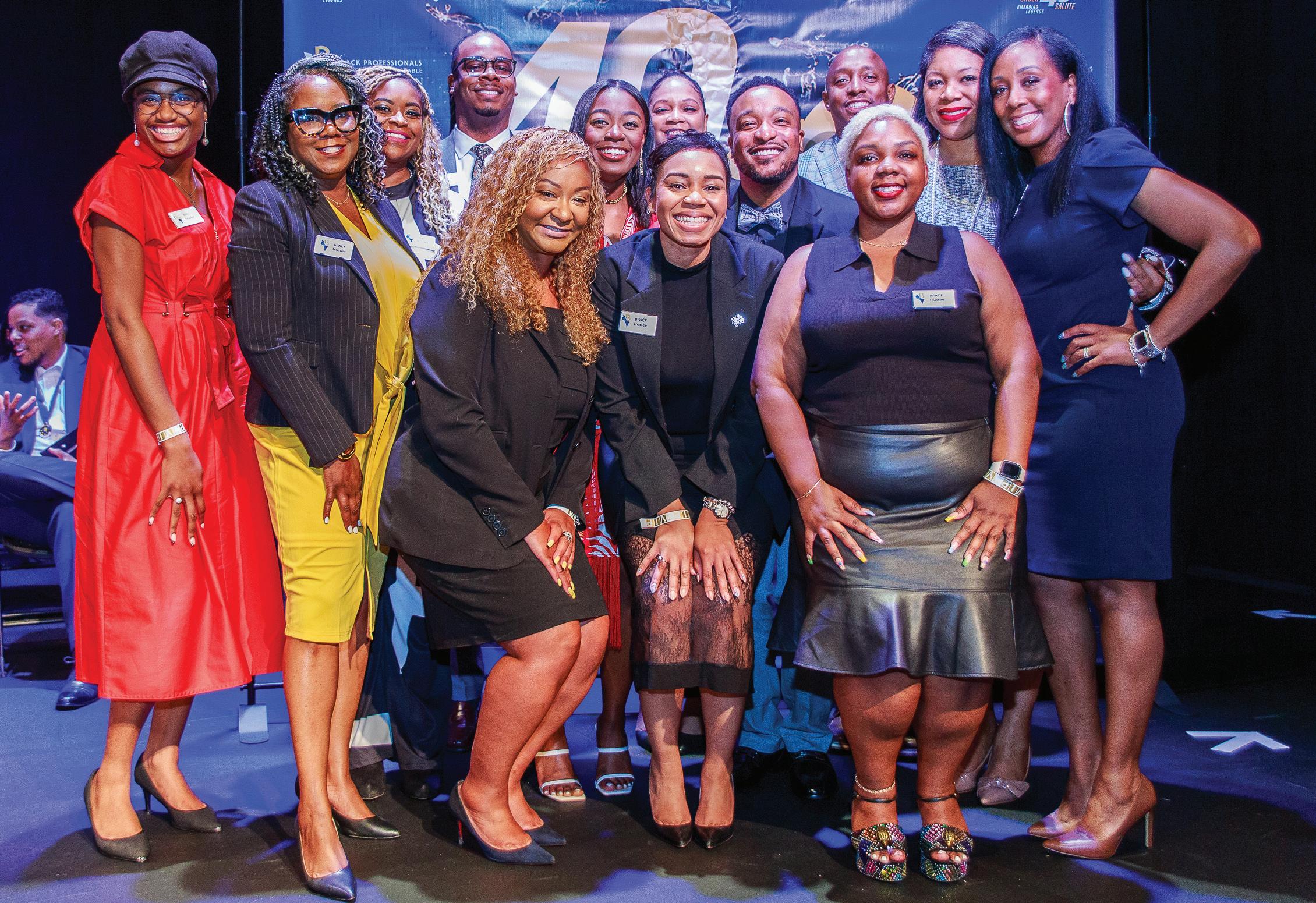
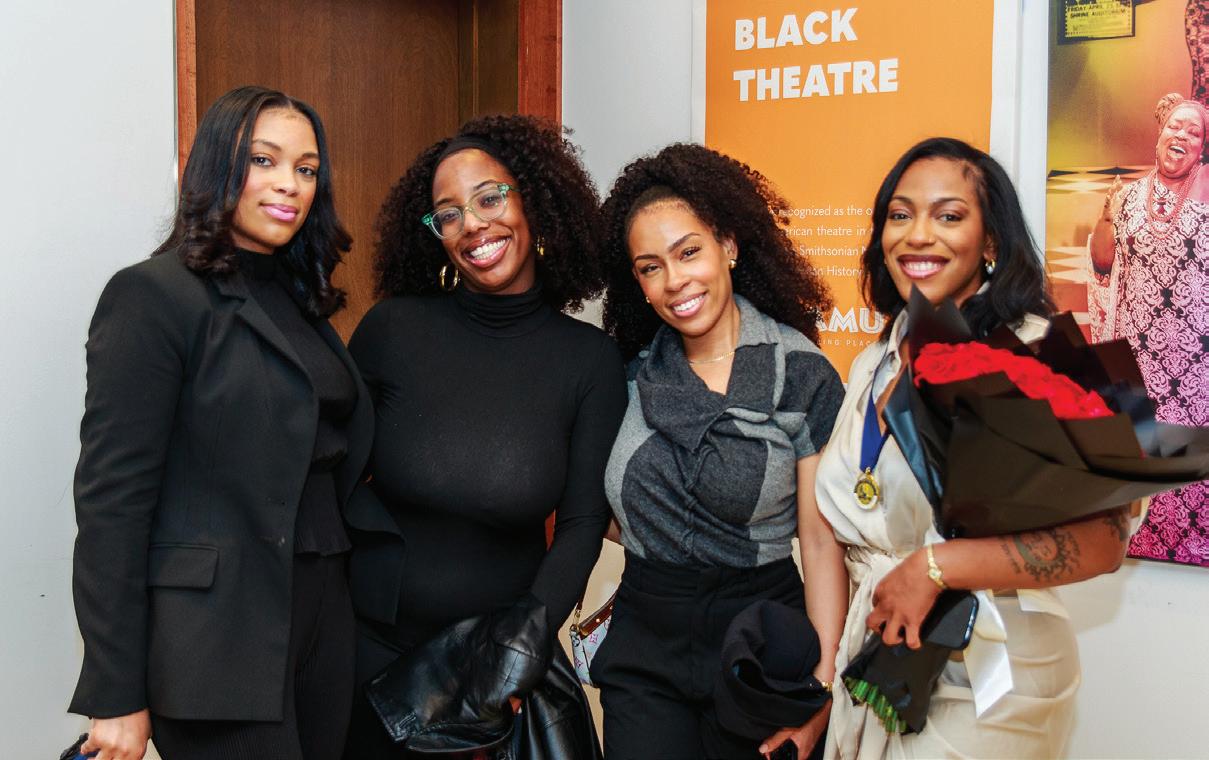
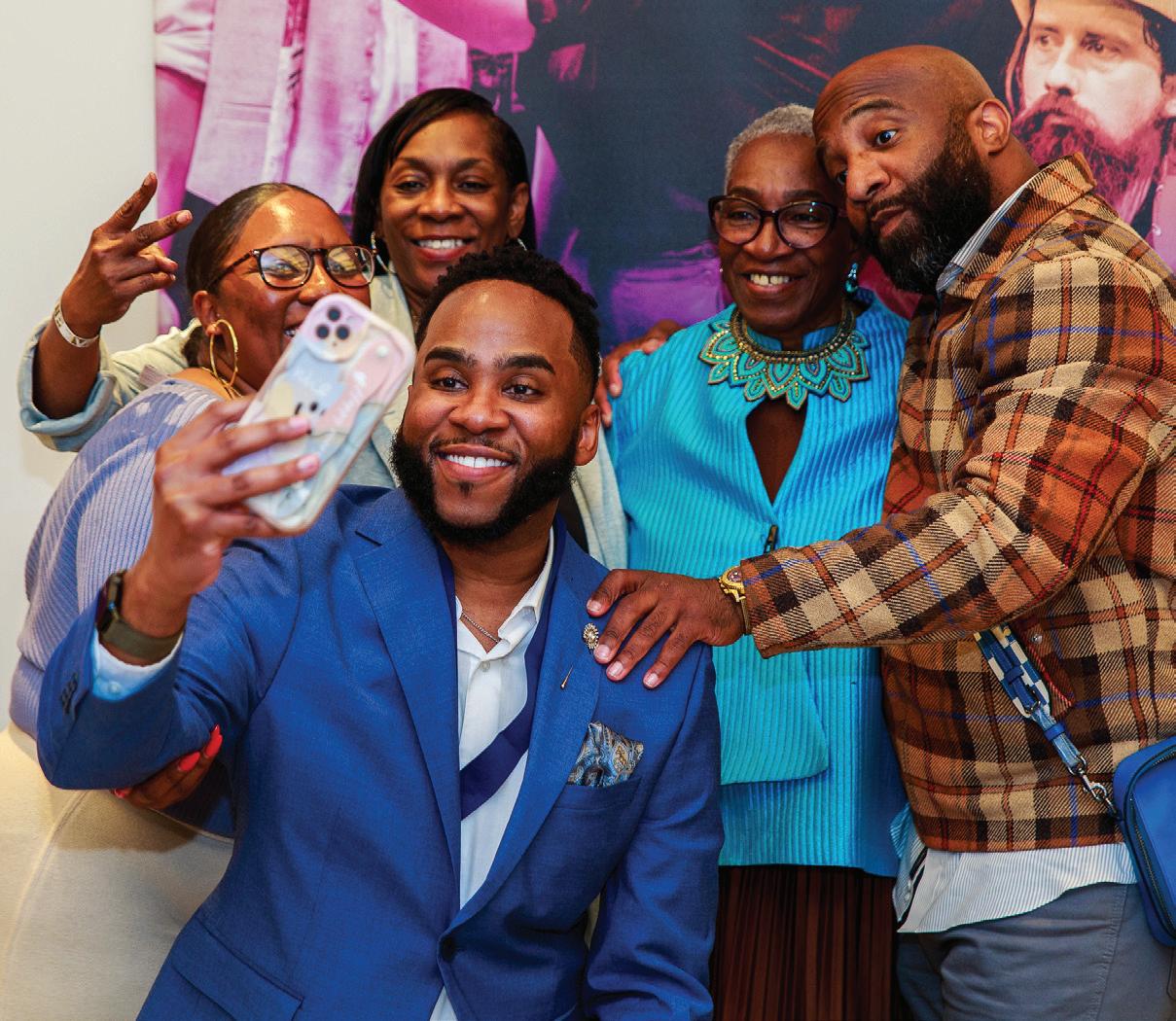
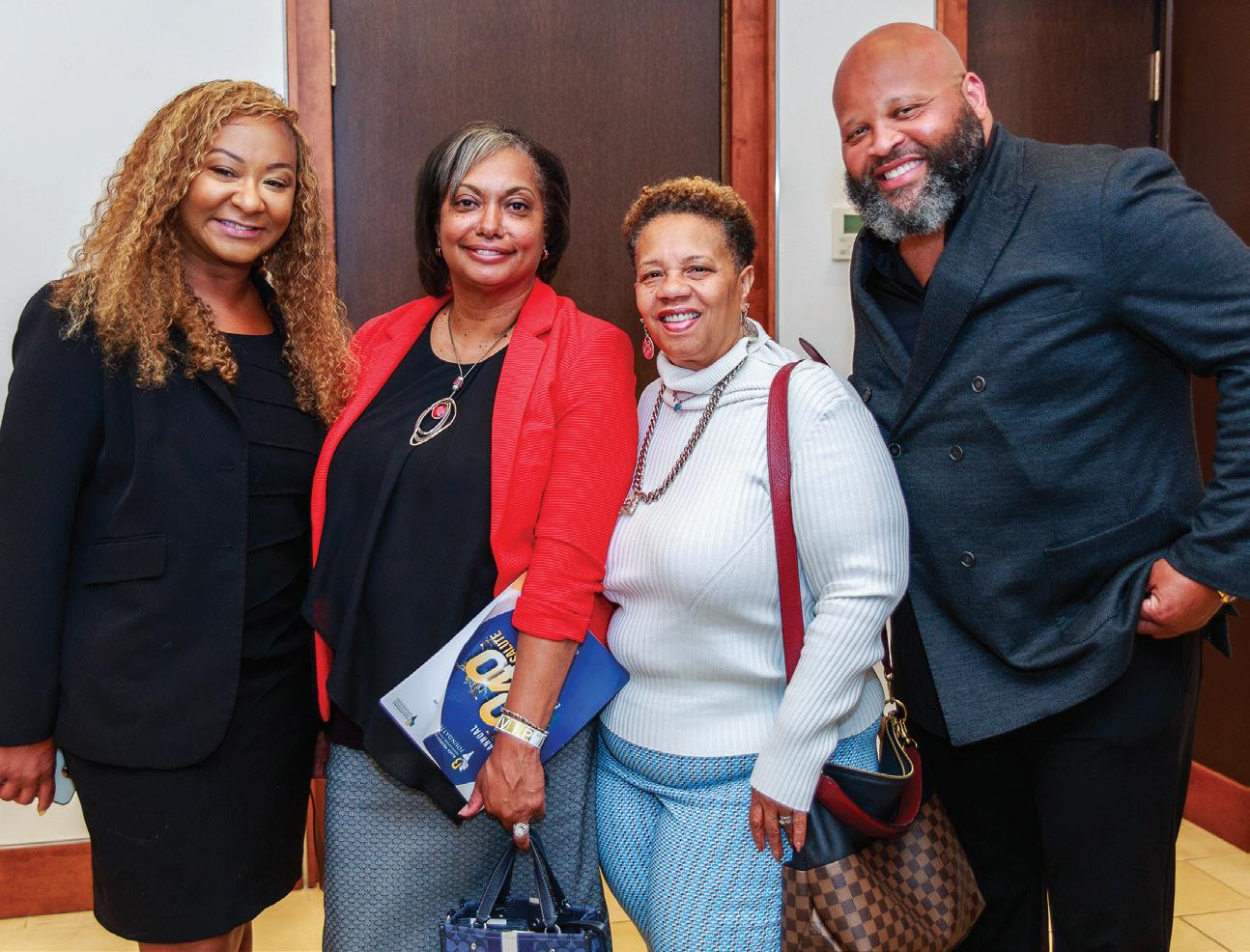
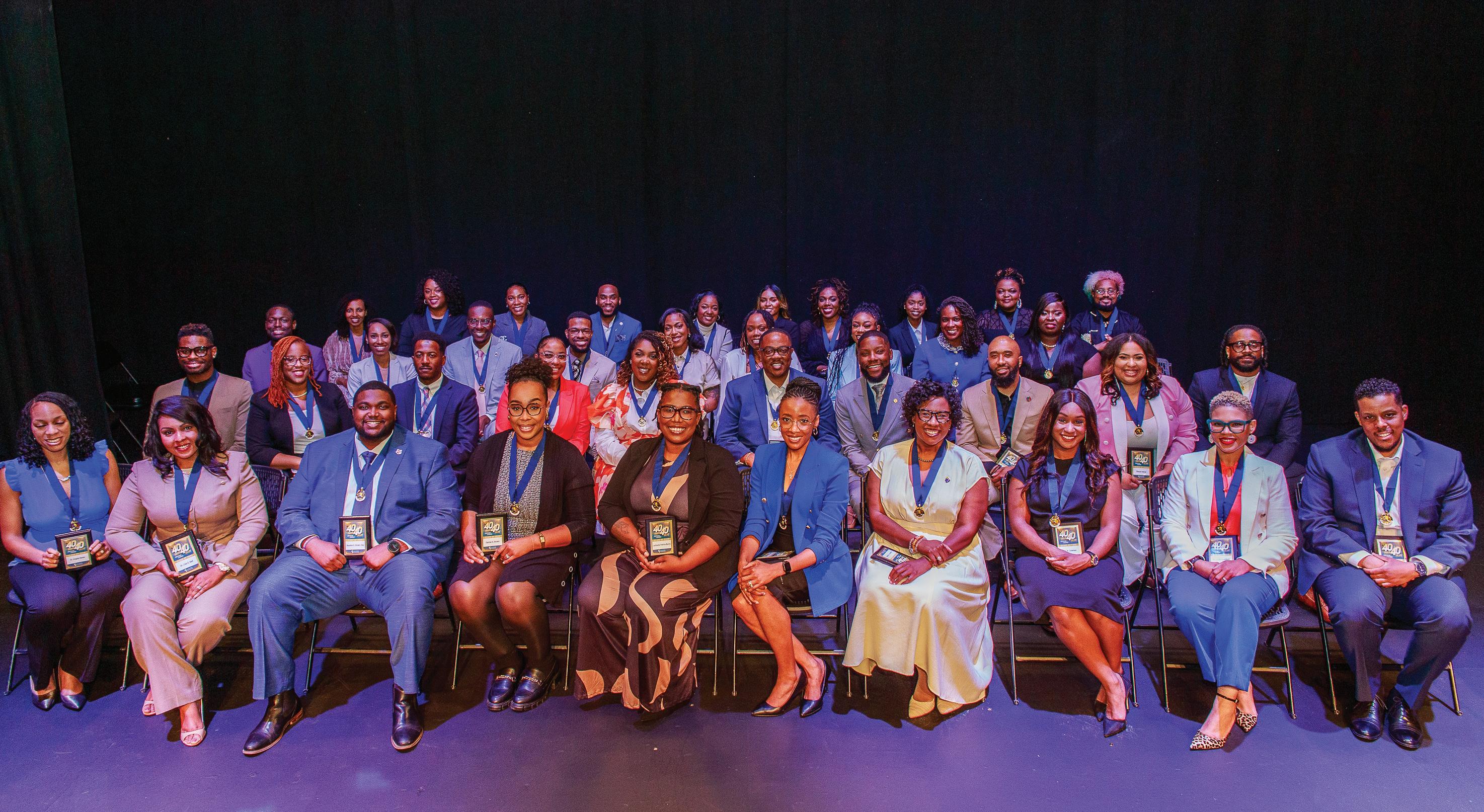
The lights dimmed, the applause rose, and the energy in the room was unmistakable. Inside a sold-out Karamu House, 41 young leaders—including one honored posthumously—were celebrated not only for their success, but for their community passion. The Black Professionals Association Charitable Foundation (BPACF) hosted its 2nd Annual Forty Under 40 Emerging Legends Salute, recognizing dynamic Black professionals shaping the story of leadership in Northeast Ohio.

The event, produced by the BPACF ENGAGE Committee, was a masterclass in excellence, joy, and purpose.
The keynote speaker, Shanelle Smith Whigham, a member of the inaugural Class of 2024, challenged the new Class of 2025 to be builders—to lead boldly, build intentionally, and extend the legacy of those who came before them.
“Leadership starts at home.”
“My story starts on the front porch of my grandparents’ home in Lima, Ohio. That porch wasn’t big or fancy—but it had wisdom, community, and purpose. I watched my grandparents lead not with titles, but with presence.”
— Shanelle Smith Whigham, Senior Vice President and National Community Engagement Director, KeyBank, and 2024 Emerging Legend
Building Beyond Success
“We are in a moment where it’s no longer enough to climb the ladder. We have to build the scaffolding. What kind of legacy are we leaving for those who will come after us?”
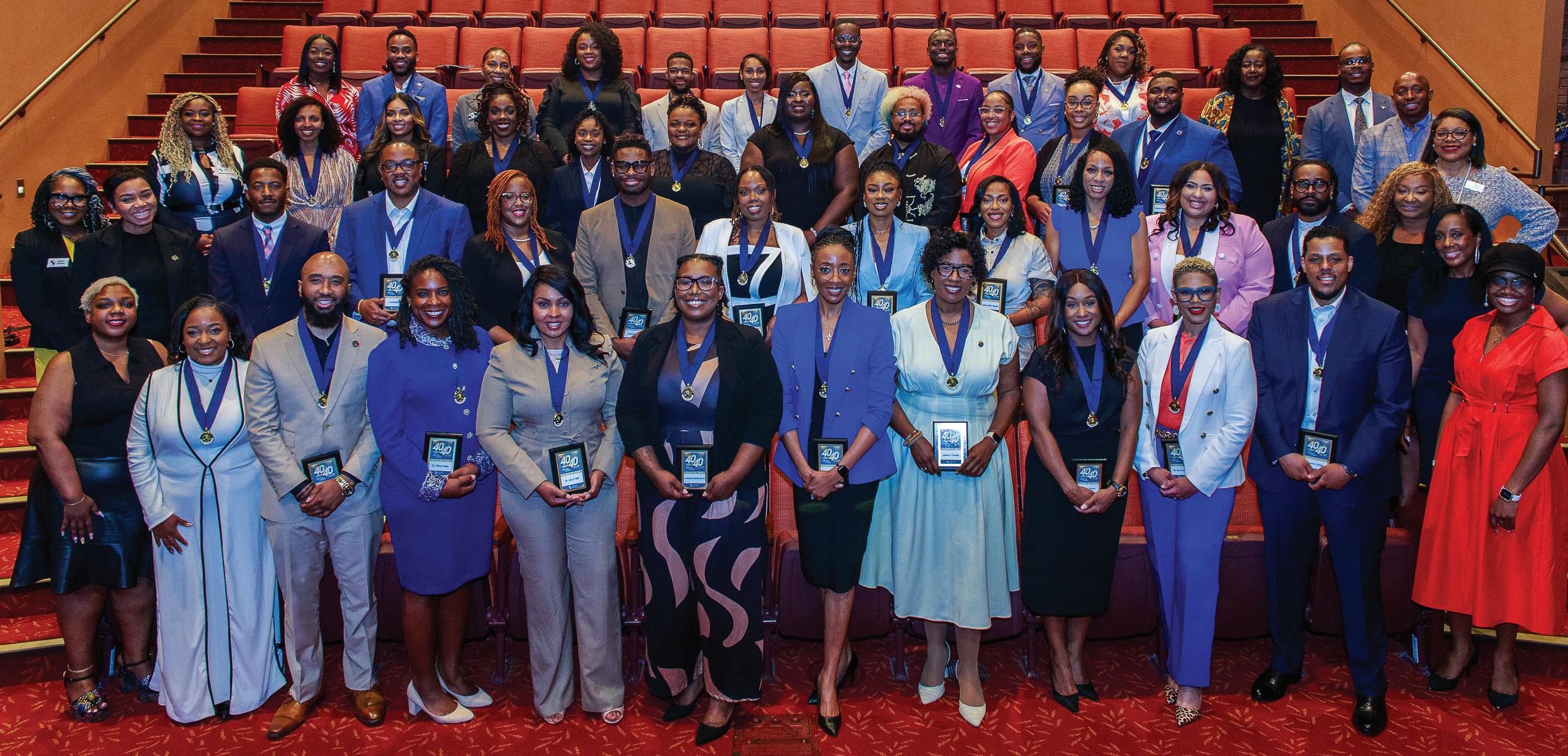
The Class of 2025 includes educators, attorneys, entrepreneurs, healthcare leaders, and creatives— each embodying the scaffolding they’re building for others to climb.
“Even in the nadir—the lowest point of American race relations—our ancestors built. The NAACP was born. Black colleges expanded. Newspapers, churches, and civic organizations grew. Because even when the nation turned its back, we did not turn on each other. We built.”
— Shanelle Smith
Whigham
BPACF’s work continues this legacy—creating access, mentoring, and opportunity across generations. The 2025 Salute embodied this spirit, bringing to life the theme: Now Is the Time to Build.
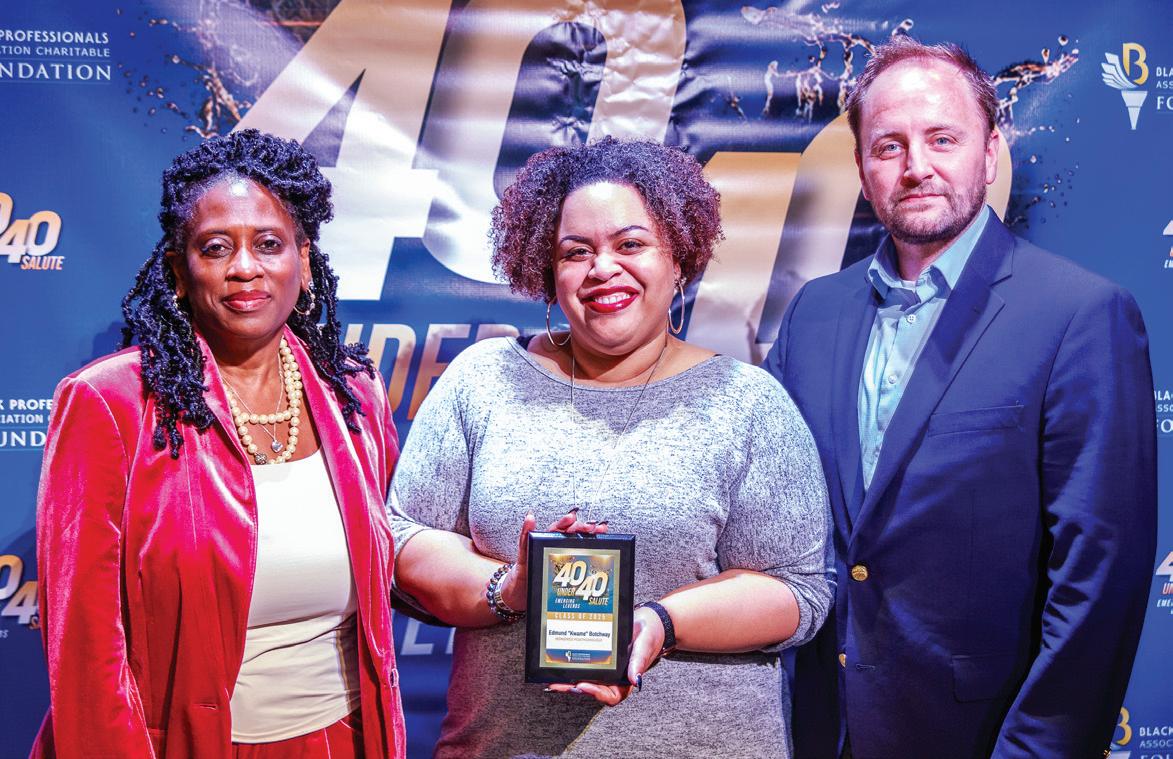
This year’s program included a moving tribute to Edmund “Kwame” Botchway, Director of Community Impact and Innovation at Village Capital
Corporation, who was posthumously recognized as the symbolic “41st Seat” of the Class of 2025. His legacy of advocacy and impact lives on in every effort to make Cleveland’s growth equitable and inclusive.
“Too often, especially as Black professionals, we’re taught that success is a solo sport—that there’s only one seat at the table. But scarcity is a lie. We don’t need just one seat—we need a table long enough for everybody’s gifts.”
— Shanelle Smith Whigham
In that spirit, BPACF’s ENGAGE Committee— co-chaired by Paris Lampkins (PRADCO) and LaRaun Clayton (Volunteers of America Ohio & Indiana)—curated an evening where success looked collective, not competitive.
“To the honorees: you are the blueprint. To the mentors, the family, the friends who made tonight possible: you are the foundation. And to all of us: we are the builders we’ve been waiting for. Now is the time to build—with heart, with each other, and with no intention of stopping.”

— Shanelle Smith Whigham
The Forty Under 40 Emerging Legends
Salute is more than an awards night— it’s a mirror of what’s possible when Black professionals link arms and lead with purpose.
As the evening drew to a close, one message lingered in every heart: Now is the time to build—with heart, with community, and with intention.

SPONSORS
Birthing Beautiful Communities
KeyBank
Village Capital Corporation
ThirdSpace Action Lab
MEDALLION & AWARD PATRONS
Dr. Lashelle Jefferson
Angela Douglas
Melissa Garrett-Hirsch
Vaneshia Houston
Anthony Scott, Esq.
Meredith Turner
Mary Wheelock
Euclid Democratic Club PAC
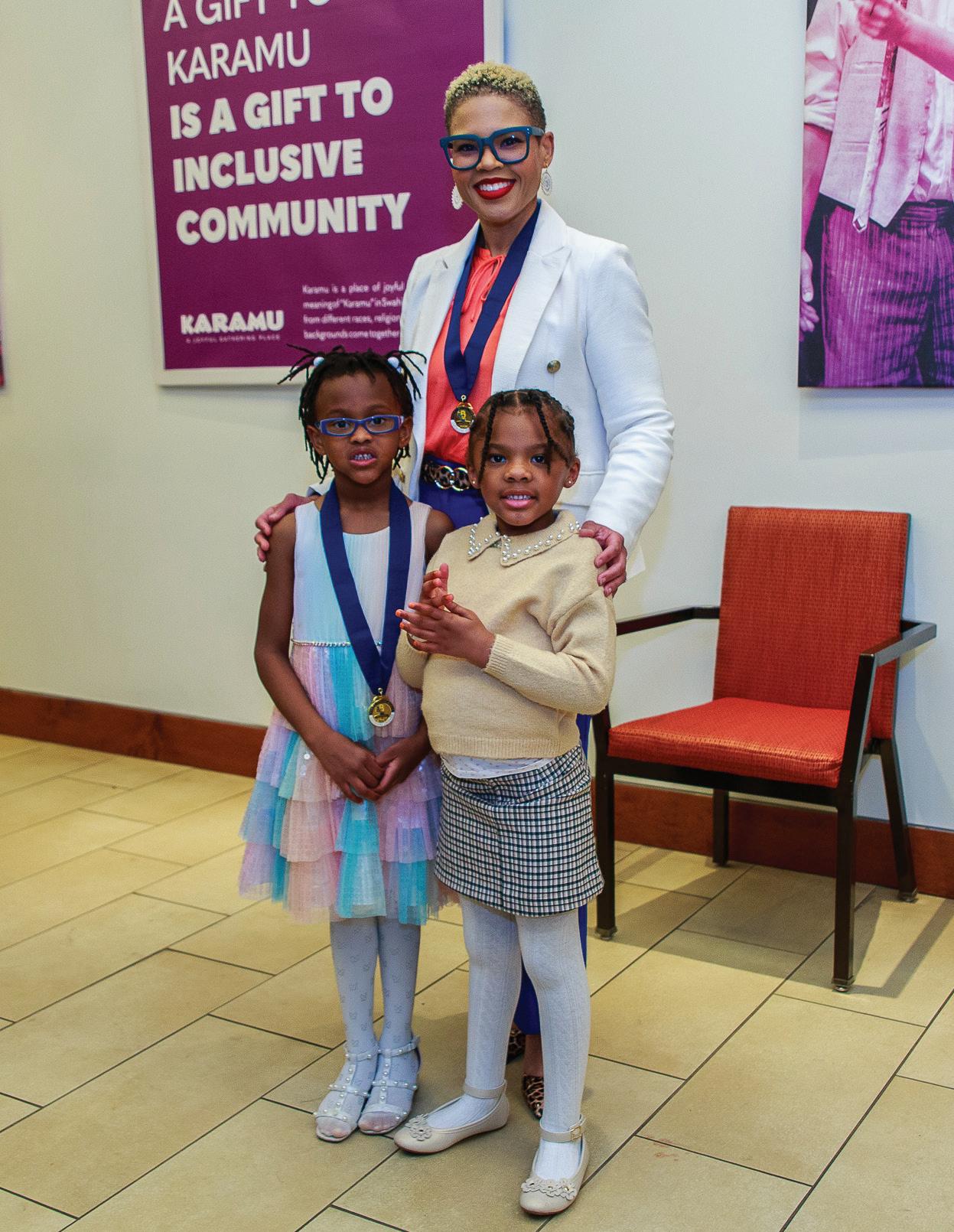
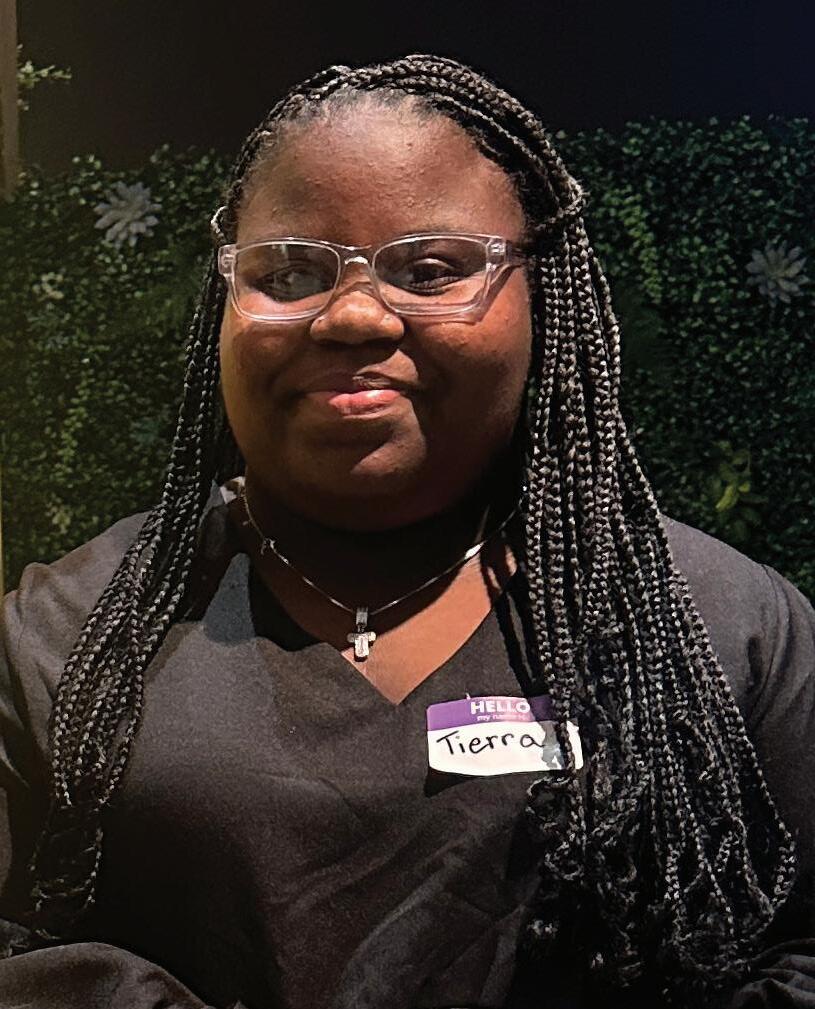
by Tierra Palmer
Walking into the 40/40 Emerging Legends Salute at Karamu House, Cleveland’s historic Black theater and cultural center, I wasn’t sure what to expect. As a freshman in high school, I thought I’d just see a lot of successful adults networking in suits. But what I actually found was way more than that—it was a room full of people who wanted to inspire the next generation, and I got the chance to meet some of them face-to-face.
Armed with my notebook and way too much nervous energy, I roamed the event as a student reporter, asking questions about success, belonging, and advice for students like me. What I walked away with was a night I’ll never forget and advice that I know I’ll carry with me through high school and beyond.
“Give Yourself Grace” – Kimberly Springer, Oberlin College One of my first conversations was with Kimberly Springer, the Assistant Dean for Intercultural Engagement at Oberlin College and Conservatory. Right away, I could tell how much she cared about the students she works with. She explained that her role is all about helping students, especially those from marginalized backgrounds, feel like they belong.
When I asked her what success means, she reminded me that it’s not about following someone else’s path but about moving forward in your own way. That really made me think—it’s okay if my goals don’t look like everyone else’s.
Since I’m still new to high school, I asked what advice she’d give to a freshman like me. She didn’t hesitate: “Give yourself grace,” she said. “It’s okay not to know things. Try new things, learn from them, and even if it doesn’t go well, you can still grow from the experience.”
That one line—‘Give yourself grace’—hit me harder than I expected.
So often, we’re told to do everything perfectly, but hearing that it’s okay to make mistakes was something I really needed.
Fighting for Belonging – John Paul Robinson, John Carroll University
Next, I talked with John Paul Robinson, the Director for Diversity, Equity, Inclusion, and Belonging at John Carroll University. Their role is to make sure everyone on campus—students, faculty, and staff—feels safe, supported, and seen.
“I basically try to make sure everyone knows that they belong at our institution,” they told me. “Regardless of your background or identity, you are accepted and embraced.”
That meant a lot to me personally. As a student of color, sometimes it’s easy to wonder if you’ll really belong when you get to college. Hearing someone in their position say that belonging is the goal gave me hope.
When I asked them how they define success, their answer was simple but powerful: “Success is the ability to try and to not give up even when you feel like you’re failing.”
That stuck with me because high school already feels like a lot of pressure. They reminded me that just trying—just showing up and giving my best— is a kind of success too. And that’s something I can do, even on the hardest days.
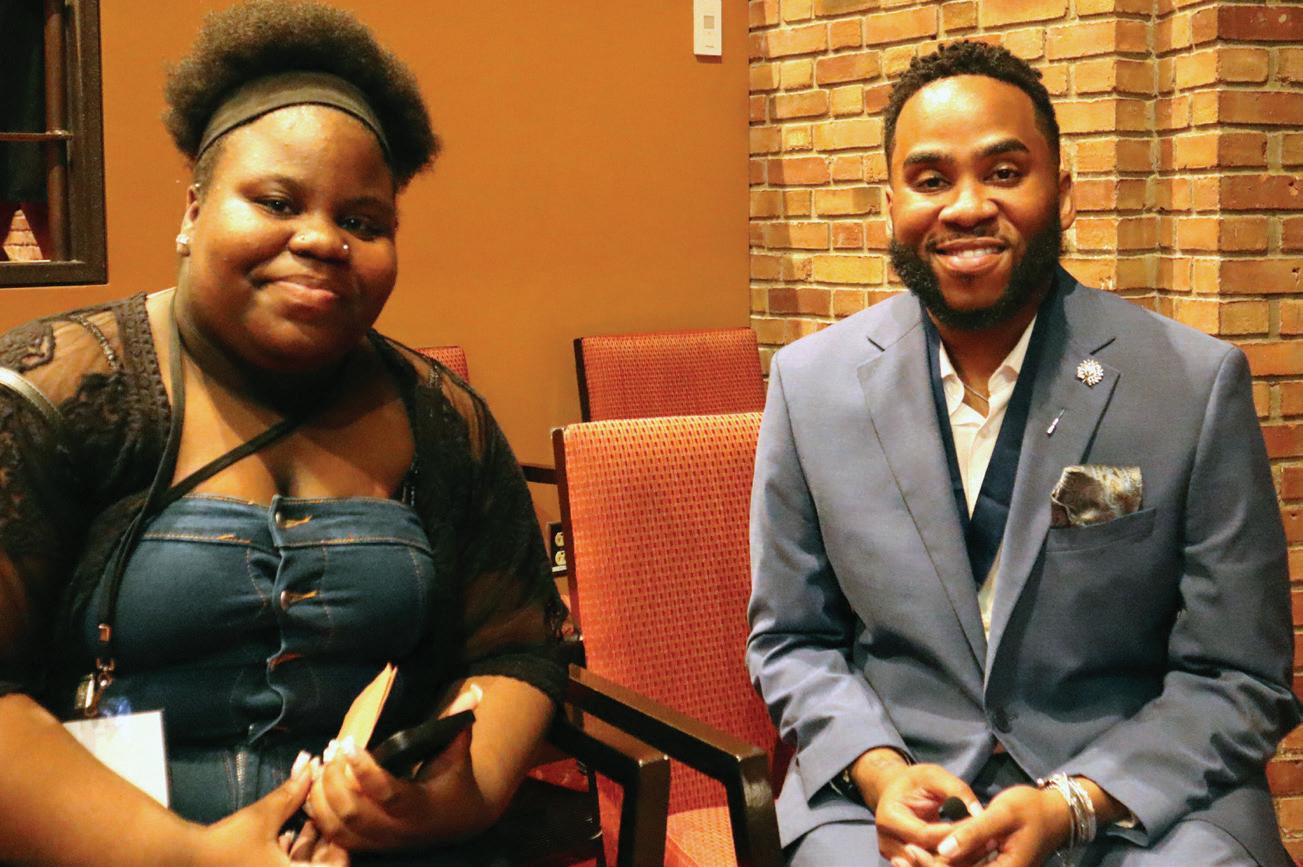
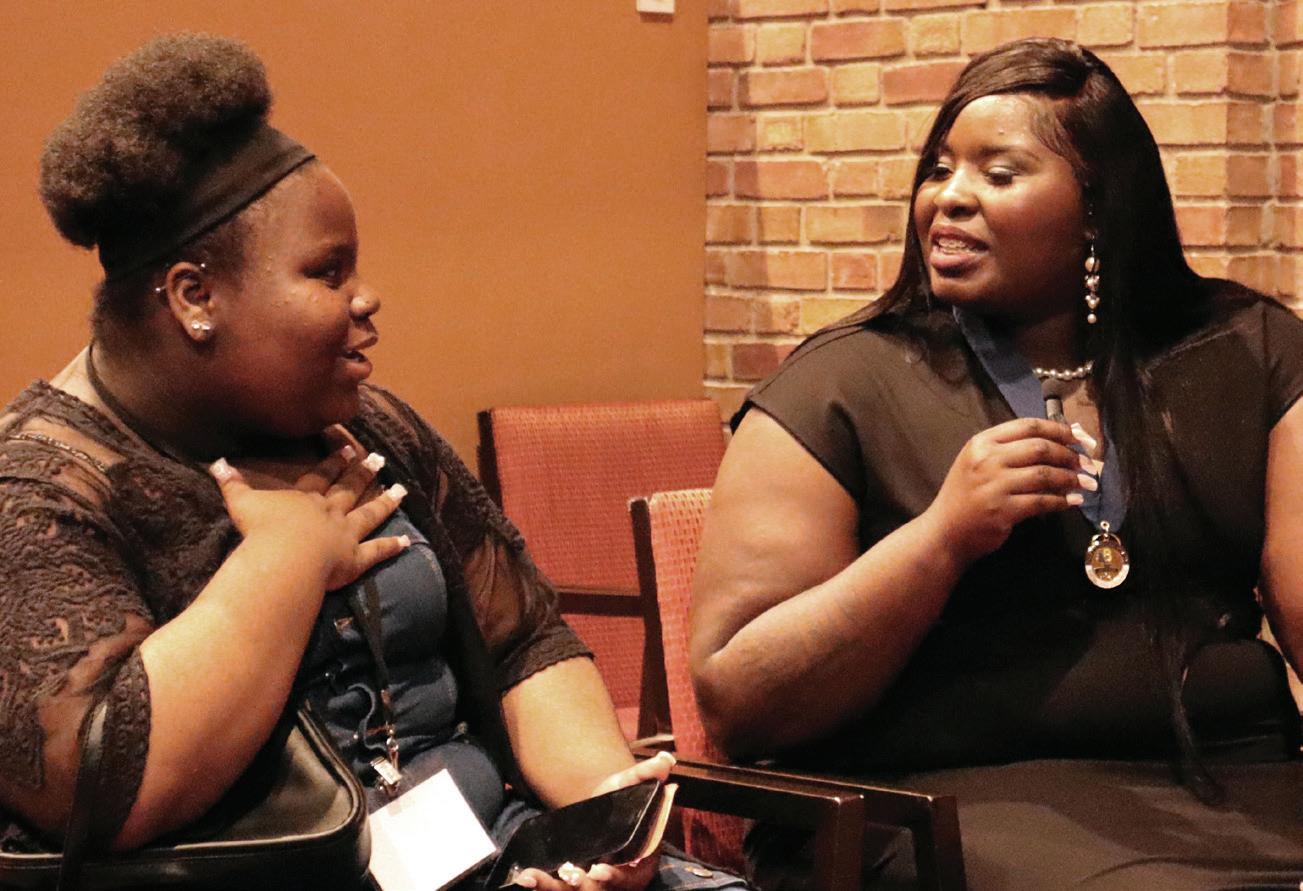
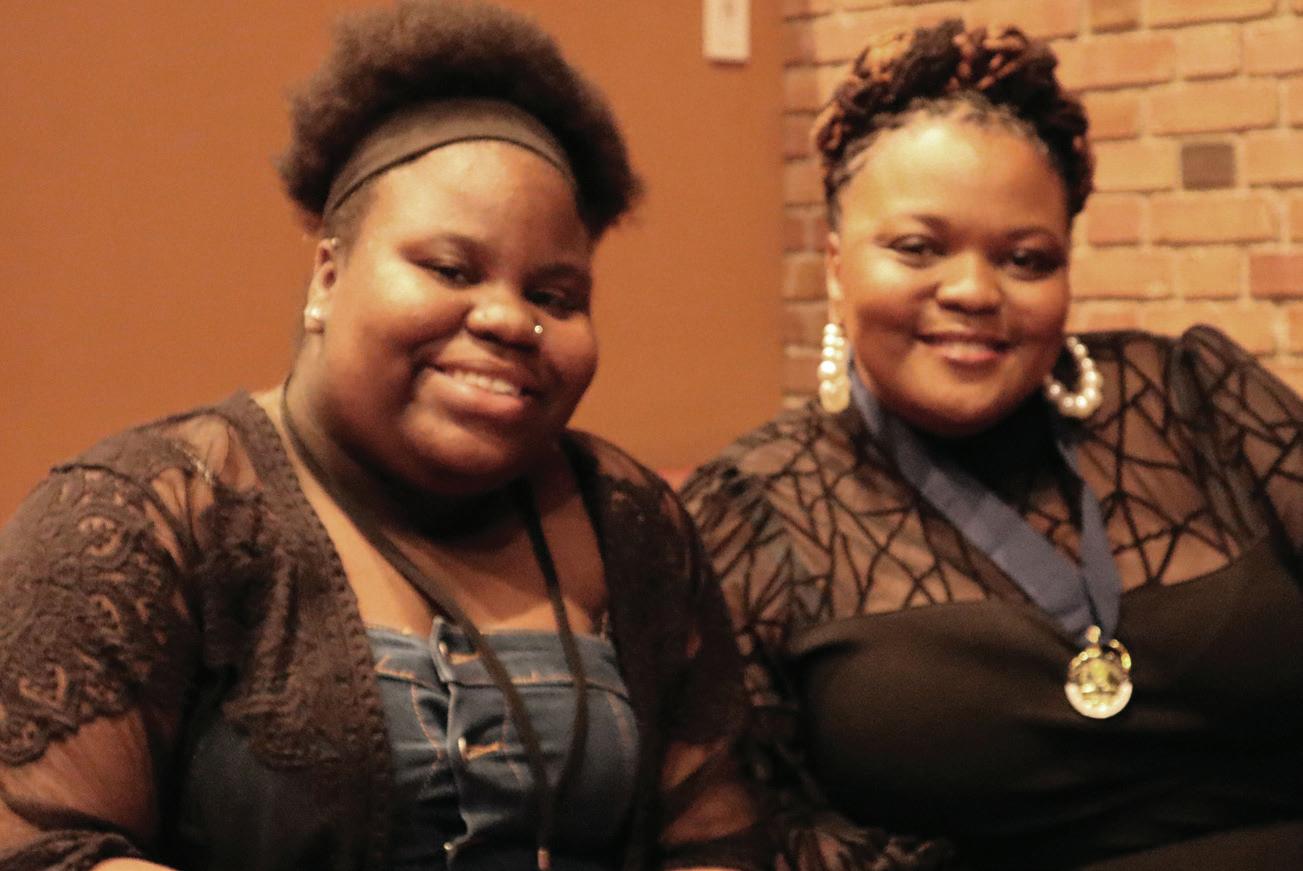

“Don’t Doubt Yourself” – Tia Otoo, Diamonds in the Rough Later, I met Tia Otoo, one of the co-founders of Diamonds in the Ruff, a mentoring program for high school girls in Cleveland. She told me that their program focuses on self-development, health, career exploration, and positive values—and it especially brings in professional Black women to inspire and guide the next generation.
“It doesn’t matter where you come from,” she told me. “It matters where you’re going.”
Tia grew up in Cleveland’s Hough neighborhood and saw firsthand how hard it could be for girls to make it out without strong role models or opportunities. So she and her friends built Diamonds in the Ruff to give girls that extra push and support.
When I asked her what success meant, her answer made me smile: “Success is about accomplishing your goals, but dream big. Don’t limit yourself. If you want to be an astronaut, go for it. Get connected with people in that field and put in the work.”
Her advice for me was something I’ll never forget: “Don’t doubt yourself. Ever. If it doesn’t work out the first time, try again. Keep trying. Keep working. Keep learning. And always believe in yourself.”
That message lit a fire in me. It reminded me that I don’t have to shrink my dreams just because they feel big or because I’m young.
By the end of the night, my notebook was full, but more importantly, my heart felt full too. Each person I talked to had a different message—Kimberly Springer said to give yourself grace, John Paul Robinson said to keep trying, and Tia Otoo said to never doubt yourself.
Together, those three lessons painted a bigger picture for me: success isn’t about being perfect. It’s about giving yourself room to grow, pushing forward even when it’s tough, and never losing faith in yourself.
As a 17-year-old just starting my journey, I couldn’t have asked for better advice. The 40/40 Emerging Legends event showed me that there are people out there cheering for students like me. And that makes me even more excited—and more confident—about my future.
About the Author: Tierra Palmer is a high school student and aspiring lawyer who serves as a student writer for The Black Professional magazine.

by Akiya James, College & Career Advisor, College Now Greater Cleveland
Starting or returning to college is more than moving into a dorm or picking your classes — it’s your first big leap into Adulting 101. This is when you begin managing your own time, resources, and responsibilities. It’s exciting, but it comes with a learning curve.

Even as a junior or senior, college is about learning how to be an adult and take responsibility for yourself. Part of that is finding the resources you’ll need and using them before you’re in a crisis. Here’s my five-part checklist to help you start the semester strong — academically, financially, and personally.

Don’t just figure out where your classes are — learn where the help is. Visit the tutoring center, career services, and financial aid office. Introduce yourself so staff know your name and face. When you need support, those connections will already be in place.
Be honest with yourself: Do you know how to study effectively? Can you manage your time? If not, that’s okay. Now is the time to find support before your workload piles up. There are people who can fill those gaps and help you build the knowledge you need.

Always plan for extra expenses. Understand your tuition bill — what your aid covers and what it doesn’t. Discuss with your family how your bill will be covered. If there’s a gap, start looking for scholarships right away. Planning ahead can reduce a lot of stress later.
Think beyond academics. How will you get home for breaks? What’s your plan if you get sick? Does your school have a shuttle or public transit options? Many resources go into getting you to campus, but those same supports may not be available to get you back home. Planning these details now will save you stress later.
Yes, college is hard work — but don’t forget to enjoy it. Be proud of yourself — not everyone gets this opportunity, and you’re making the most of it. Balance your studies with experiences that make these years memorable.

• Visit key offices in your first week.
• Learn how to book tutoring or advising sessions.
• Understand your bill — what’s covered, what’s not.
• Plan transportation before you need it.
• Keep emergency contacts handy.
• Balance study with activities you enjoy.

45th Annual Scholarship & Awards Gala and 2025 Black Professional of the Year Salute
“The Intersection of Legacy and Duty”
Saturday, November 1, 2025
To donate scan here: