EN BELLEZZA E BRUTTEZZA
KIDS GUIDE

1 5 2 3 4
You are permitted to do so here
You are not permitted here
WELCOME!
Beautiful or ugly – who can say? You? Or me? Everyone has an opinion. But opinions can change quickly. And that’s a good thing!
With this guide, you can explore the exhibition Bellezza e Bruttezza – beauty and ugliness – together. Along the way, you can answer questions and complete activities. You will discover how great Renaissance artists thought about beauty and ugliness, and how these opposites are connected.
The Renaissance was an important period in history. Around 500 years ago, scientists and artists developed many new ideas. They were inspired by classical antiquity – the time of the Greeks and Romans.
You are about to see artworks that are hundreds of years old. Do you find beautiful what the artist found beautiful back then? Or has our taste changed completely? What is beautiful, in reality? And what is ugly? Can beauty exist without ugliness? Or do they always go hand in hand?
Be curious! Ask questions about each other’s responses. Why do you think that? How can you tell? There are no wrong answers. Anything goes!
Take your time and enjoy looking, talking, thinking and doing things together.
IDEAL 1
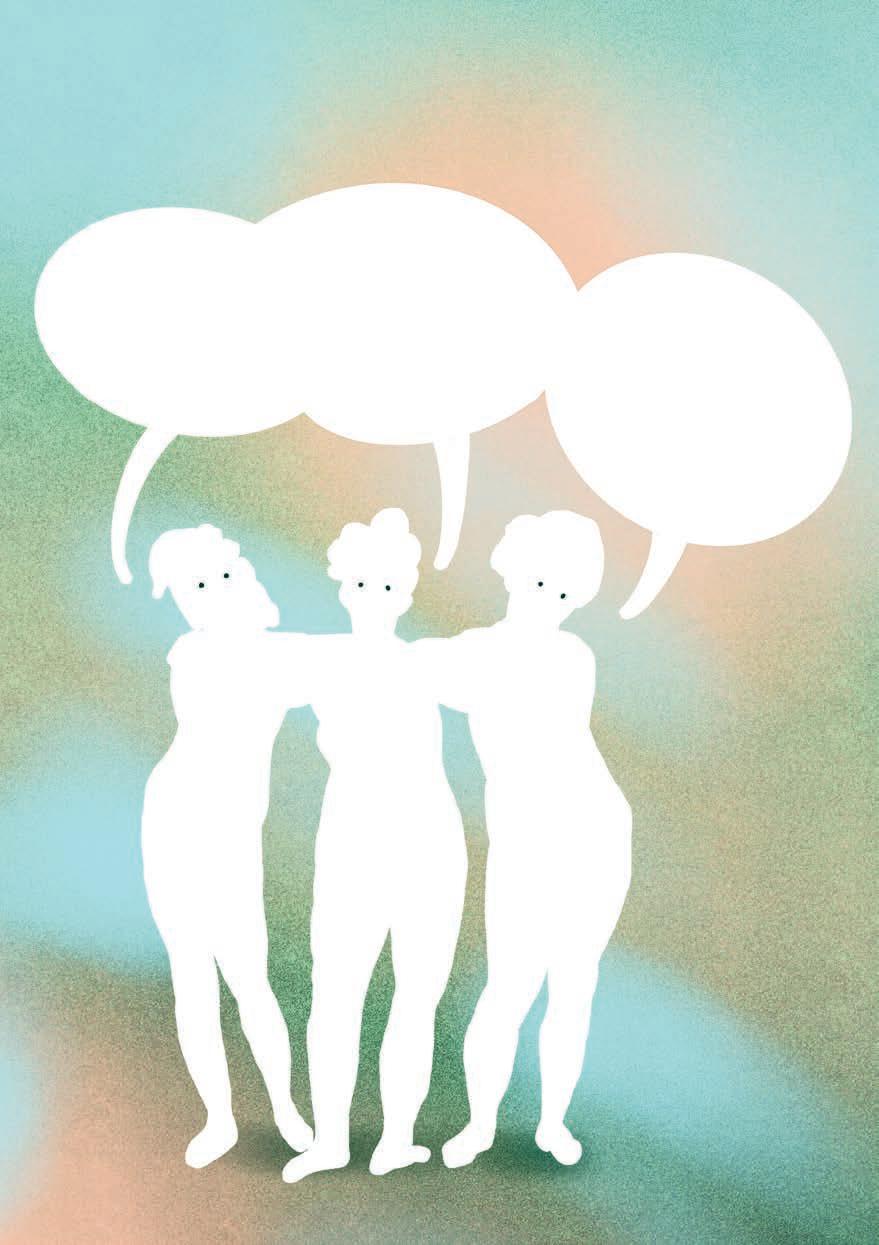
Of all the people you know, who do you find truly beautiful ?
Of all the people you know, who can you always have fun with ?
Of all the people you know, who makes you completely happy inside ?
BEAUTY IN ANTIQUITY
In classical antiquity, the ideal of beauty was pieced together like a puzzle. Everything that was considered beautiful had to be just right – almost like mathematics.
How big is your nose? How long should your fingertips be? It was all laid out in diagrams, and all artists shared the same idea of perfection. Although the human body rarely looked that ideal in real life.
→ Find the three beautiful sisters known as the Three Graces: Aglaia, Euphrosyne and Thalia.
They symbolize joy, happiness and beauty, which is why they have inspired artists throughout the ages.
→ Answer their questions. Write the answers in the speech bubbles.
You don’t have to choose the same people. Explain your decisions to one another.
Have you found an ideal person who means everything to you: beautiful, slightly crazy, and wonderfully kind? Write a short message to that special someone.

Or do you think it’s a bit too idealistic to find everything in one person?
BEAUTIFUL 2

REALITY IN THE RENAISSANCE
Portraits were made in lots of places during the Renaissance. But beauty wasn’t shown in the same way everywhere. An artist from Venice, for example, might show more of the body than a colleague from Florence. Northern European artists also portrayed beauty differently. Can you guess where the artworks were made due to their differences?
In this room, you will find portraits of beauties – or at least, that’s what the artist thought at the time. What do you think?
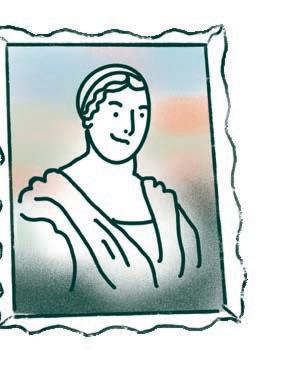
→ Everyone, pick the portrait that you think is the most beautiful. Take your time. Found one?
Think for a moment. Could the artist have changed this person slightly in the portrait? Or is this really what the person looked like?
Can you find someone depicted in the room who looks more lifelike? Who seems the most real? Why do you think so?
→ Stand next to this (last) person.
Everyone: copy the person’s posture.
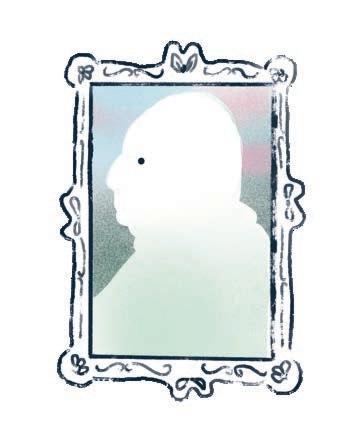
Stand still like a statue.
Count down calmly from five to one.
On one, you can relax and come alive again.
Imagine what this person would do once they no longer have to pose.
WONDER 3


MUSES, MONSTERS AND ARCHETYPES
During the Renaissance, beautiful people were often given a portrait. But people who were considered very ugly were also turned into art. If something is art, is it still ugly? And does looking different mean that you are ugly?

Look around carefully and feast your eyes. Which character do you find wonderful, magical, surprising or special? Choose a pair together.
What might they say to each other about what they enjoy doing? Complete the sentences and read them aloud.
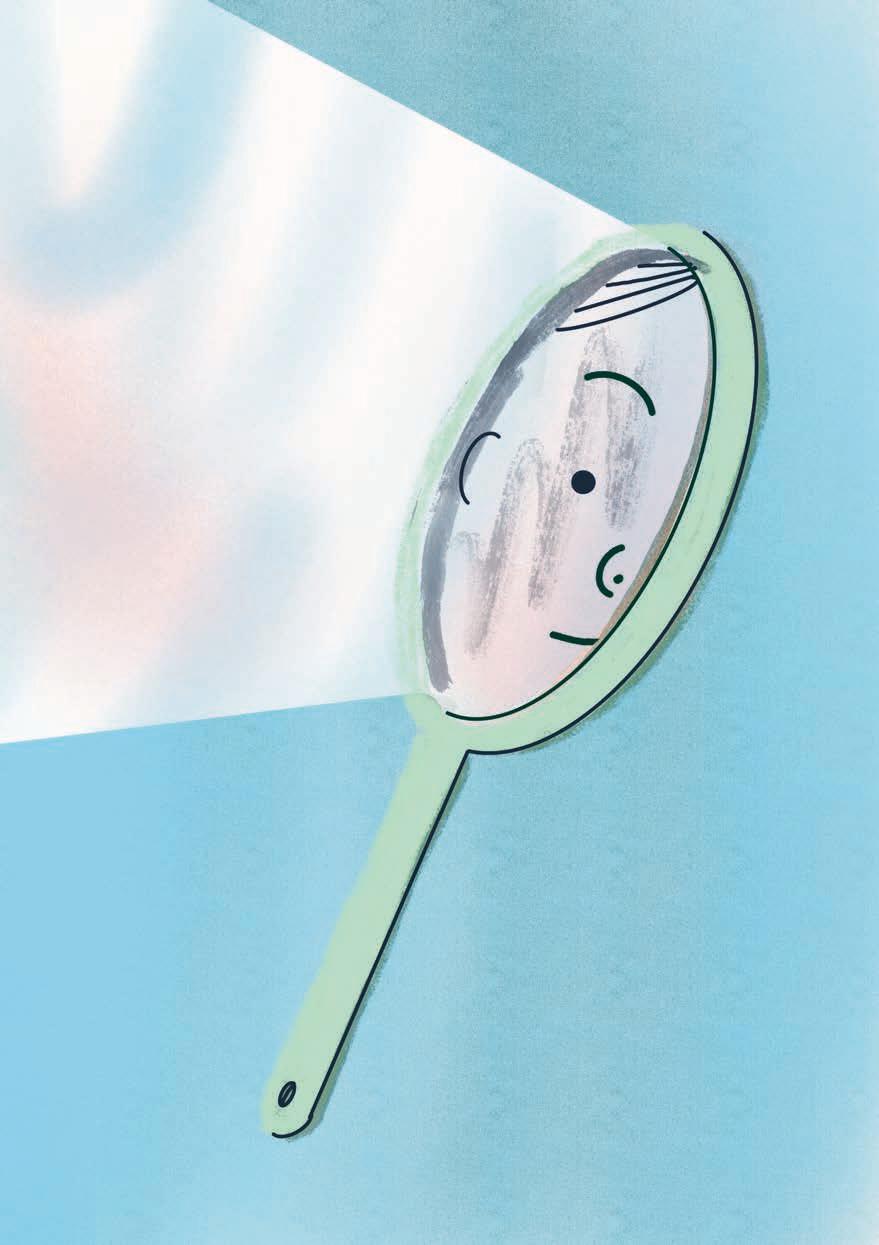
MIRROR, MIRROR

THE BEAUTIFUL, THE UGLY AND …
Renaissance artists started to take more and more pleasure in distorting reality. Art no longer had to be accurate or precise. If something could exist in the imagination, it could become art.
In real life, people also gave nature a helping hand. They experimented with remedies to make hair lighter, noses shorter, or lips fuller. This led to unusual portraits and celebratory paintings. Do you take a long time getting ready in the morning? Do you have a skincare routine?
→ You’re all going to throw a party! What is the theme? What are you going to do? And most importantly, who is invited to your party?
Choose five party guests from the people depicted here. Decide together. You can be strict. Are they a good fit for the party? How do you make decisions? Attractive or unattractive – or something else entirely?
→ Have you made your selection? Sketch the guests in your own artwork. Don’t forget to include yourselves in the festivities!
Don’t feel like drawing? Write your guest list in the frame instead. Add people’s names and write a short description.
5 TOGETHER
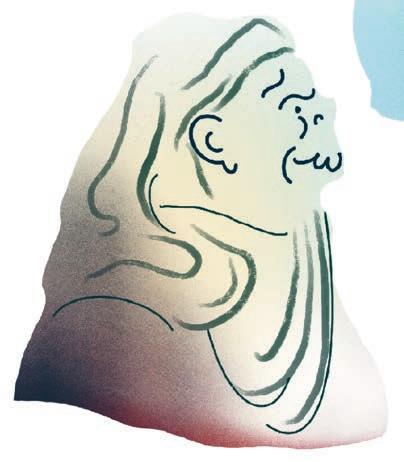
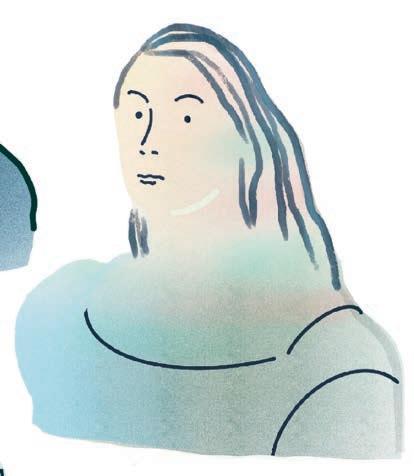
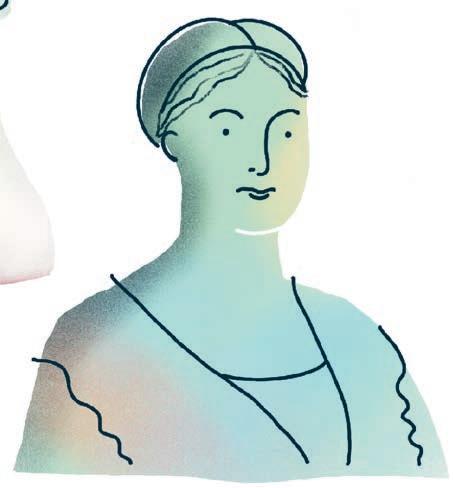
BEAUTY AND UGLINESS IN MISMATCHED COUPLES
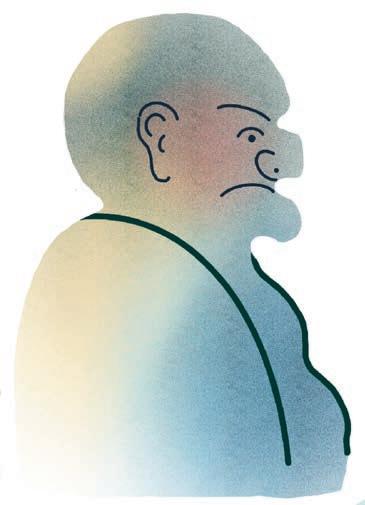
In these artworks, beauty and ugliness meet in a single painting. Often, a beautiful person is seen as good, and an ugly person as bad. Artists looked for figures who are completely different and placed them side by side. What might they say to each other? Sometimes, the artists took this to the extreme and gave free rein to their imagination.
→ Walk around the room on your own. Take a good look at the paintings. Think of a new title for one of the artworks –but don’t share it yet!
Regroup. Take it in turns to reveal your new titles. Let the other person/s guess which painting corresponds to each title.
→ Is this a bit challenging? Walk around together and devise new titles for the artworks as a team. Let your imagination run wild.

You have met many people, both beautiful and ugly. But who was truly beautiful and who was truly ugly?
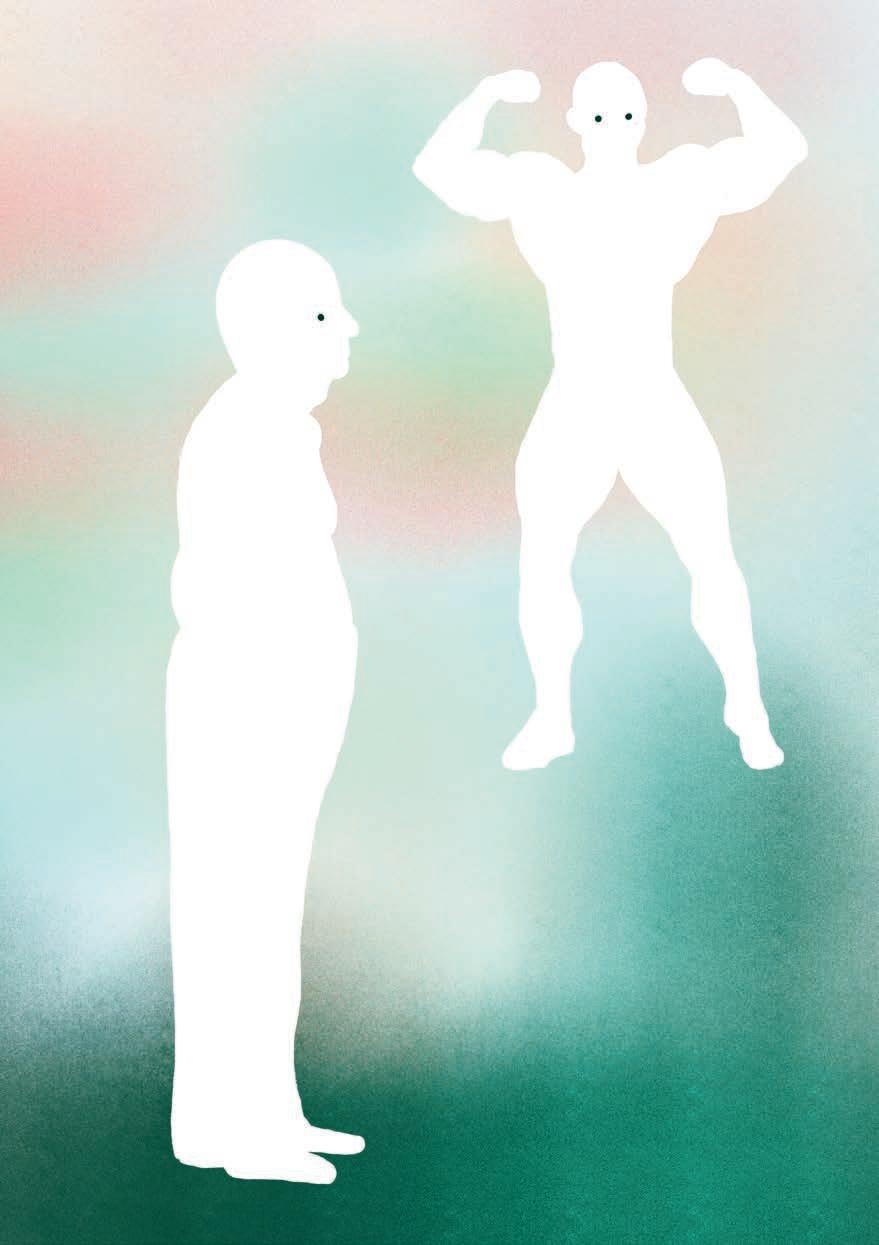
Can beauty exist without ugliness? Or do they always go together? And isn’t there also beauty in ugliness?
Interested in our special activities for children?
Visit our website: www.bozar.be

Bellezza e Bruttezza
Beauty and Ugliness in the Renaissance 20 february – 14 june 2026
Bozar – Centre for Fine Arts, Brussels
Exhibition curated by: Chiara Rabbi Bernard
Coordination: Anne Judong and Marie Claes
Kids
Guide
Texts and activities: Mastiek, part of BAMM
Nele Van Bouwel Jerina Colyn www.mastiek.org
Illustrations: Flore De Ruysscher
Graphic Design: ruttens-wille
Final Editing: Lotte Poté and Alice Vandenbroucke
Coordination: Laurence Ejzyn and Julie Boone
Editor-in-Chief: Christophe Slagmuylder rue Ravenstein 23 1000 Brussels