












We acknowledge the many Traditional Owners and Custodians of the lands where our early learning settings are situated in South Australia.
We acknowledge and extend our respect to Elders past and present.
We recognise and celebrate the contributions of Aboriginal and Torres Strait Islander people, especially their role in the education and care of children.
Published in 2025. For review in 2030.
Dear Early Years Educators, Catholic Education South Australia (CESA) celebrates the gift of childhood and recognises how precious each child is to God and to us.
It is with this understanding that we commit to providing faith-filled environments that integrate our Catholic identity and mission into all aspects of early childhood education.
This booklet provides foundational information that guides educators in CESA early learning settings to nurture the spiritual growth of children. It serves as a valuable resource to promote rich discussion about how children can be invited to explore, wonder and connect with the Catholic tradition.
Inspired by this booklet, we hope that you continue to build nurturing and loving relationships with the children in your care as they come to appreciate how much they are treasured by you and by God. This approach aligns with our mission in CESA to educate hearts and minds and we thank you for your ongoing commitment to this endeavour.

Dr Neil McGoran Executive Director Catholic Education South Australia

Nichii Mardon Diocesan Director Catholic Education Diocese of Port Pirie




“Every moment spent nurturing children and young people is an act of hope for the future.”
Catholic early learning settings offer children opportunities to understand themselves, others, and the world through exploring, wondering and connecting with expressions of Catholic identity.
This booklet is designed for educators in Catholic Education South Australia (CESA) early learning settings, supporting them to promote and make visible a flourishing Catholic identity. Grounded in the Catholic tradition, CESA acknowledges and honours the family diversity that enhances early learning settings. All faith backgrounds, identities, and cultures are welcomed and embraced. CESA early learning communities are committed to ensuring that all children thrive as they come to know that they are loved by God and are precious to us.
The expressions below capture how Catholic identity can be recognised and illuminated, inviting children, staff, and families to integrate faith, life, and culture through encounters with the beauty and richness of the Catholic tradition.
Exploring sacred spaces and symbols. Wondering about God and spirituality. Connecting to the Catholic story.
“The love and care that educators and teachers provide to children, enables early years learners to discover and radiate anew the mystery of God’s love.”



Every child is unique and of unsurpassable value. This is what the Bible teaches in its accounts of the creation: that God’s love is the origin and the ongoing source of all things, including every child’s life. For this reason, Christians hold that children have an inherent dignity, and they must never be treated as a means to any end other than their own fulfilment.
Not only do children find their ultimate origin in God, but at every moment they live within the offer of God’s love. Children’s lives are graced. So that when adults attend to children—whether watching them at play, listening to their stories, sharing a meal, conversing with them, seeing them care for one another, experiencing their affection, or joining in their flights of imagination—God is at work and can be experienced in a new way. Adults encounter the gift and mystery of existence in their relationships with children.
Several passages in the gospels convey the high esteem in which Jesus holds children. A striking scene in Mark’s gospel has the disciples attempting to dismiss children from their presence because they see them as intruding. But Jesus rebukes the disciples and welcomes the children saying: “it is to such as these that the kingdom of God belongs” (Mk 10:13–16). The “kingdom of God” is Jesus’ way of speaking of God’s presence and action in the world—that God’s unconditional, liberating love is changing the world. So, we learn from this gospel passage that God’s new world of love belongs especially to children, not only because of their openness and trust, but also because of their ability to reflect Jesus’ practical living in God’s unconditional love.
Catholic Education South Australia’s early learning settings are communities that value the uniqueness and God-given nature of every child’s life. They are settings which foster children’s curiosity and wonder so that they might appreciate both the gift and the mystery of existence. Children can easily delight in “the new.” They can welcome new experiences of nature, of one another, and the wider world. They are open to life as a gift. At the same time, they can be enchanted by the mystery of the world—questioning and searching, with a voracious appetite for learning. Children’s extraordinary creativity enables them to be moved by the unlimited mystery of existence. CESA’s early learning settings put children’s lives first, and work to create an environment in which they can experience as fully as possible the God-given mystery of their existence.

Catholic early learning settings provide staff, children, and families with connection points to the Catholic tradition through the use of images, symbols and sacred spaces.
Sacred spaces can provide a stimulus for prayer and contemplation, inviting a connection with God and each other. They animate Catholic faith in a contemporary manner through the placing of sacred objects such as symbols, art, and liturgical colours. Sacred spaces can develop and evolve to reflect the diversity of each early learning setting and can be set up in different locations inside or outside.
When sacred spaces capture imagination and curiosity, children can be naturally drawn into God’s loving presence. This connection is enhanced when children have agency to create and interact with sacred spaces; this could involve children contributing artwork, photographs, a prayer intention, or items from the natural world. Sacred spaces are dynamic and constantly changing to capture the beauty and mystery of the Catholic tradition, to acknowledge the seasons / life of the Catholic Church, and to reflect the heart of the community.
The church is a sacred space where members of the parish and school community gather to pray, to be with God, and to be with each other. Children are always welcome in the church, and visiting a church or chapel can support children to explore Christian symbols and connect to the Catholic story.

The significance of symbols is that they represent more than what can be seen. Symbols communicate a deeper religious meaning and act as a reminder that God is close to us and with us.

It is important to provide opportunities for children to make meaning of their world through exploring and interacting with various Christian symbols such as:
Cross - the cross is an important symbol because it reminds us of Jesus.
The symbol of the cross, and not a crucifix (a cross with an image of Jesus) would be more appropriate for young children.
Bible - this sacred book contains stories about God and Jesus and should be looked after, handled with care, and displayed in a respectful manner.
Candle - a lit candle is a reminder that God is with us.
Water - water is used for special blessings; it is an important symbol used during the Sacrament of Baptism.
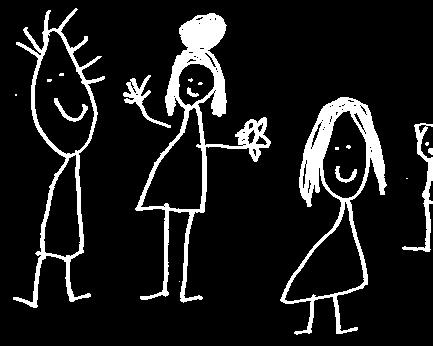
Displaying religious art (e.g. symbols, statues, and images) in and around early learning settings is important as a visual expression of the Catholic faith. Artworks can invite interpretation and help children, families, and educators to grow in faith and make meaning of the Christian story. It is important to consider appropriate artistic representations that encourage children to explore messages of joy, hope, and love.


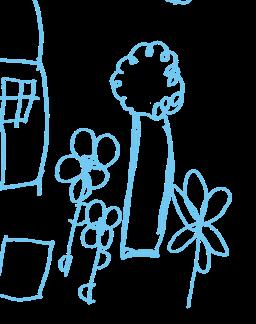

“Where two or more are gathered together in my name, I am there among them.”
Gospel of Matthew 18:20
Rituals and celebrations nurture relationships and promote a sense of belonging; they can be as simple as a morning prayer, a gathering song or a birthday blessing.
Cultural and religious diversity is acknowledged and embraced through the celebration of events and rituals connected to the cultures and faiths of children and their families.
Whatever the cultural and religious make-up of the community, at the heart of every CESA early learning setting is the joyful sharing of rituals, customs, and celebrations inspired by the Catholic tradition; central to this is a commitment to celebrate and honour significant times within the Catholic Church. As we experience the joy and wonder of seasonal changes in the weather, the church also rejoices through different liturgical seasons which reflect the life of Jesus, including:
Christmas - the season of Christmas is a celebration of the birth of Jesus who is God’s gift of love to the world.
Easter - the season of Easter is the most important season in the Church year when Christians remember the death of Jesus on the cross, followed by his joyful resurrection.

• When someone first steps inside your early learning setting, how are they welcomed with symbols and imagery that reflect a contemporary Catholic community?
• How is your learning environment providing opportunities for children to explore and interact with symbols and sacred spaces?
• How does your understanding of culturally responsive pedagogies and Catholic identity shape the rituals and celebrations you share together?



Spirituality can be understood as an intentional way of looking for meaning, purpose, and a sense of interconnectedness with the universe, other people or something greater than self. Spirituality in the Christian tradition is based on the Gospel of Jesus and can be understood as a conscious way of living that is shaped by an awareness and appreciation of encountering God.
Initial and ongoing formation for educators is important for their growth and spiritual awareness. When staff experience moments of encounter and transformation, they can then support the spiritual flourishing of children in their care. The sacredness of everyday life reveals God’s love through moments of grace.
“A deep dialogue about the mystery of God at work in children’s lives cannot begin without teachers and educators’ experience of that mystery in their own lives.”
Adelaide Archdiocese. (2023).
Drawn
into the Joy of the Gospel. p. 9.
All children have an innate spiritual dimension to their lives which is intricately interwoven with other aspects of learning, wellbeing, and identity. In CESA early learning settings, this spiritual expression is inspired by the Catholic tradition and is enlivened when children are encouraged and supported to wonder about:
• who they are and where they belong
• the beauty and joy in their life
• the big questions in life which may include an openness to God.
Christian prayer is an encounter with the mystery of God and plays an important role in nourishing children’s spirituality. Prayer experiences in Catholic early learning settings invite children into an ongoing relationship with God. Early learning settings recognise that prayer is important to people of different faiths and there are many ways that people pray.
Throughout each day there are opportunities for planned prayer experiences and also spontaneous prayer experiences (e.g. ‘Thank you God for the rain that is watering the plants and trees’). Prayer can be communal or individual and may include times of stillness and silence, movement, and sensory engagement.
Examples of prayer experiences for young children:
• Gathering prayer (including the Sign of the Cross)
• Grace before meals
• Singing religious-themed songs
• Christian Meditation
• Thank you prayers.

Connecting with the natural world is one way that people experience God’s loving presence. For Christians, the whole of the natural world including all of humanity, is God’s creation. The delight that children experience in nature, and that they so readily embrace, reminds us that they have unique access to the infinite mystery of God’s love.
Children, when playing and learning in nature, can recognise our interconnectedness with the natural world. Playing in nature also provides unique opportunities to experience wonder and awe and an encounter with beauty. We need only recall a child’s delight in a flower or a butterfly as a reminder of the presence of God in our everyday life.


CESA early learning settings recognise the significant role that families play in assisting children to flourish in all aspects of their lives. As first educators, families are called to love and embrace children, supporting their intellectual, spiritual, emotional, and social growth. It is through these family relationships that children can encounter and witness God’s love.
Early years educators are ‘gifted with the sacred privilege’ of accompanying and supporting families as they navigate the complexities of modern life. CESA early learning settings embody a spirit of warmth and hospitality and promote the development of genuine partnerships with families, who are wholeheartedly encouraged to participate in its Catholic identity.
“Catholic Education is committed to honouring the partnership with families in every community.”
National Catholic Education Commission. (2022). Our Quest for Hope - The Gift of Faith. p. 8-11.
• What is your understanding of spirituality, and how do you nurture it for yourself and others?
• What prayer experiences and rituals are part of the everyday life of your setting and how can you explore new opportunities for prayer?
• How are children given time and space to encounter God through the delight and wonder of creation?
• What are some ways that you can nurture a sense of care for the natural world through the perspectives of Aboriginal and Torres Strait Islander peoples?

The Catholic story has been informed by a rich faith tradition that has been interpreted, shared and lived by Christian people and communities for over 2000 years. This tradition is founded on beliefs and practices inspired by the words, actions, and ministry of Jesus. Christians recognise that faith is a gift of God that leads to active love and a life of hope, and this can be expressed through relationships, outreach, prayer, and acting with compassion. The Catholic faith can be shared and brought to life in a variety of ways for young children and their families.

and informally encounter God through these relationships and experiences.
The implementation of playful pedagogies is underpinned by a contemporary understanding of childhood theology and is treasured in the Catholic tradition. A theology of play encourages deep listening, journeying together, valuing relationships and igniting wonder and awe. Through imaginative play, children can experience God’s ongoing creativity, and adults therefore can witness this creativity through the graced lives of children.
“Play is the essential and ultimate form of relationship with God.”
Drawn from Hyde, Brendan. (2019). Godly Play in the Classroom: Some Significant Perspectives in Moving from Theory to Practice: Religious Educators in the Classroom. Richard Rymarz and Paul Sharkey (Eds.). p 19.
The Bible contains many sacred stories about God and Jesus which teach people about love and relationships; these are texts of faith. Inspired by the Holy Spirit, texts from the Bible were written by a number of different authors at different times to communicate God’s message.
When sharing scriptural stories with children, it is important to engage pedagogical approaches that invite wonder, curiosity, and interpretation. Picture books, songs, images, and tactile resources can support children to make meaning of scriptural texts and connect with big ideas from the Catholic tradition. The following is offered as an example of suitable scriptural texts connected to a big idea.
Family
Luke 2: 1-7 The Birth of Jesus
Love
Matthew 19: 13-15 Jesus Blesses the Children
Creation
- An adaptation of Psalm 148: 3-12
Praising God as Creator Relationships and Forgiveness
Luke 19: 1-10 Zaccheus

CESA early learning settings are committed to spreading God’s love throughout the world; this is a shared mission with local parishes and Catholic communities. The parish-school relationship (inclusive of CESA early learning settings) is one of the important ways that communities nurture respectful, collaborative, and effective partnerships that respond pastorally to the needs of children and families.
The partnership between parish and school engages families with the broader faith life of the Church, fostering a supportive network that embraces and welcomes all families unconditionally. In addition, Catholic early learning settings and parishes are jointly committed to social justice, ecological sustainability and building relationships, whereby opportunities for intergenerational connections can be fostered and embraced.
“The Church in South Australia invites its parishes and school communities to enhance their relationship within the life and mission of the Church. The ongoing and mutual renewal processes in parishes and schools, provide important and supportive means of building partnership between parishes and Catholic schools.”
Archdiocese of Adelaide. (2023). Being Church Together. p. 16.


• How can you design play experiences that invite children to encounter the mystery of God?
• What opportunities do you provide for children to connect scripture stories with their lived experience?

• How can you connect social justice initiatives to Jesus’ message of love and compassion?
• In what ways can you intentionally plan to build and nurture relationships with people in the parish?

CESA acknowledges the contribution that all educators in early learning settings have made, and continue to make, to support the flourishing of all children. We recognise that this is a shared endeavour, and value and appreciate the way all educators build and nurture relationships and provide enriching learning opportunities for young children. It is through these experiences that young children will come to know that they are cherished and held in God’s infinite love.

Contributors: Sue Coghlan, Marcia Burgess, Fr James McEvoy, Kelly Spencer, Juliana Martino, Alice Dunlop, and CESA Early Learning Leaders.
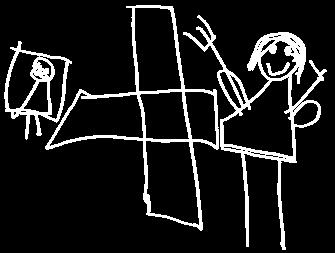
Thank you to the children from Nazareth Early Childhood Centre and St Joseph’s Preschool Hectorville, for providing their inspiring artwork and to Siobhan Evans (CESA) for her creativity in the graphic design of this booklet.

Catholic Identity
A particular identity of a Catholic school that strives to bring faith, life and culture together in a way that promotes the mission of the Catholic Church.
Church
The community of Christians guided by the Holy Spirit, seeking to serve God’s mission.
Parish
A community of Christian faithful usually associated with a particular geographic area.
Mission of the Church
The commitment to share God’s love with the world.
Social Justice
An important principle of the Church which invites members of Catholic communities to promote a vision for a just world.
Sacrament
Sacraments are a way to experience God's love, forgiveness, and healing. They are important religious rituals which invite Catholics to grow closer to God.
Baptism
Is a sacrament where a person commits to becoming a follower of Jesus as they formally begin their Christian life and become a member of the Church. When a baby is baptised, the parents speak on behalf of the child.
Tradition
Both the process of handing on the life of the Church and all that the Church believes and practices.