Year in Review 2025
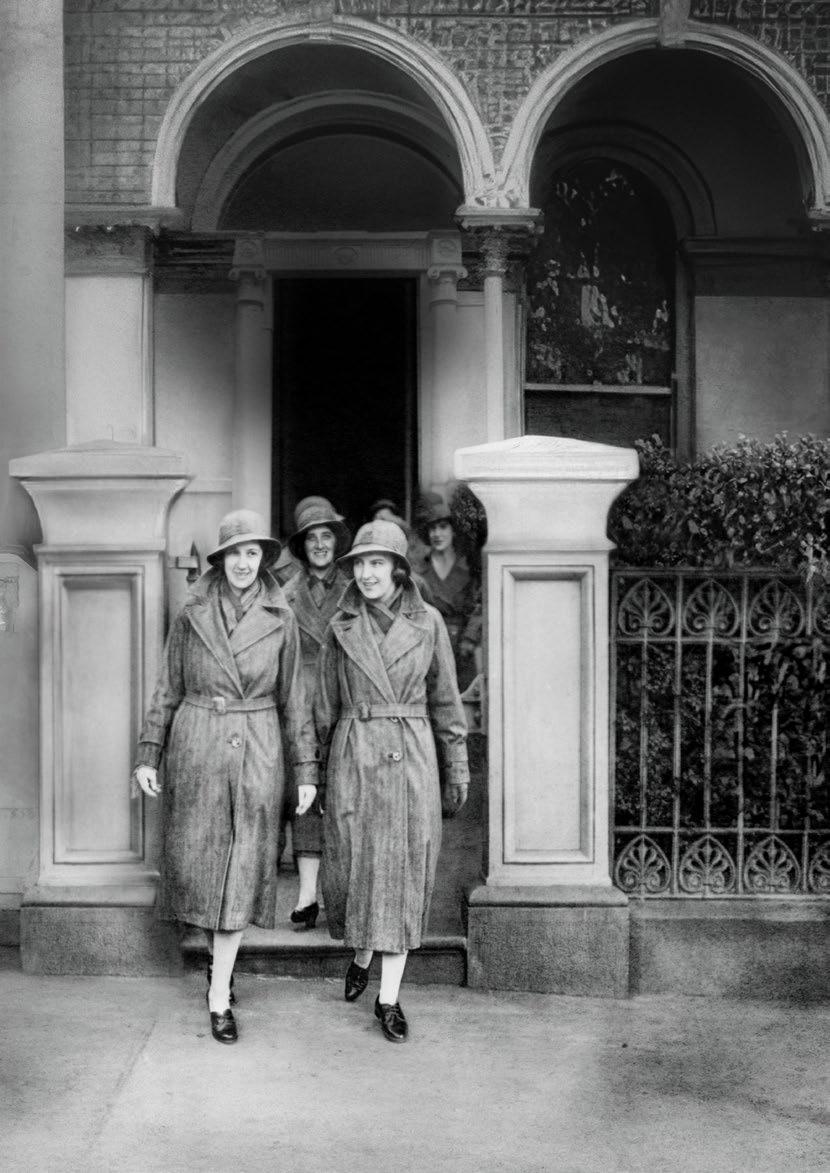
This year we celebrate 140 years caring for Australians. This photo from our archives shows district nurses stepping out in 1934 in Collingwood, Victoria.
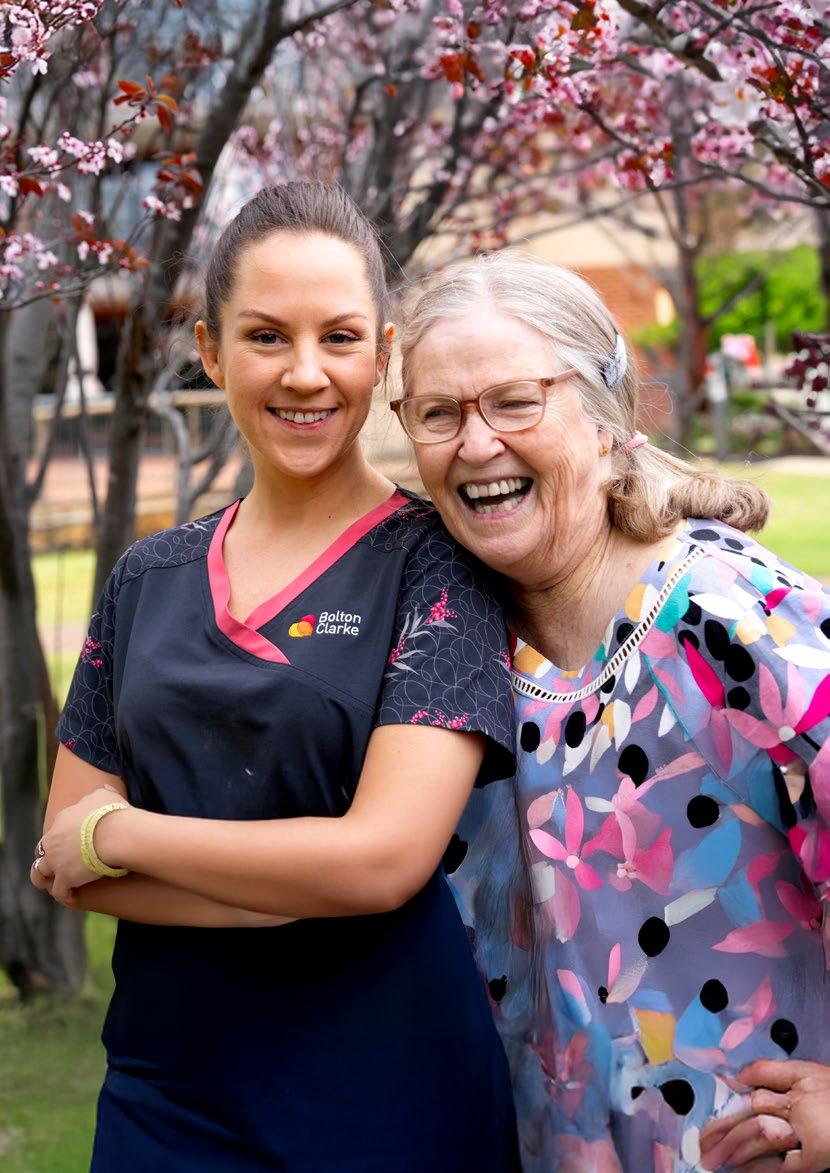
Cover image: Personal Care Worker Gerda with resident Carolyn at Menora Gardens residential care home.
of Country
Bolton
Providing positive ageing solutions for residents and clients is at the heart of everything we do.
employees and volunteers 17,000+ people supported 130,000 homes supporting 8,143 residents
retirement villages with 4,619 residents
43 daily home and community support visits 11,500+ kilometres travelled p.a. by home and community support teams 18M+
Chairman’s report
2025 has been a landmark year for the aged care sector in Australia as we prepare for the introduction of a new
Aged
Care Act focused on making aged care safer, fairer and more respectful.
It has also been a landmark year for Bolton Clarke – celebrating 140 years of caring for Australians is a remarkable achievement. Since our earliest beginnings as Australia’s first home nursing service, we have seen the needs of our communities change, and we have changed with them.
Today, with demand for aged care projected to keep growing across all settings as the baby boomers hit 80, our teams are making positive ageing possible with connected and responsive services supporting 130,000 people nationally.
Strengthening connected care services has been a continued priority this year. Residential care homes and retirement villages achieved another year of record high occupancy, with home and community support also delivering a record number of home care packages.
These results were achieved while maintaining full accreditation and strong workplace health and safety performance. Alongside this, integration continued bringing together organisational structures, systems and processes to support teams across Australia.
Expanding integrated care services
As one of only three per cent of providers offering a full continuum of care and living options, we are delivering innovative solutions that are responsive to changing needs.
Development of service clusters in high demand areas is enabling us to provide more closely integrated options and enhanced care continuity. This includes improving customer experience by streamlining the transition of care from support at home to retirement living and residential care.
In New South Wales, home and community support services have been strengthened to meet high demand in regional areas. A new mobile respite service has been established out of the Port Macquarie Base hospital, and in Wyong a new community hub has been established to grow services for local clients, their families and carers.
Services growth in Victoria has been driven through acquisition and new development, with four RCA retirement villages on the Mornington and Bellarine Peninsulas and the official opening of Callisto Place at Bundoora significantly bolstering retirement living offerings.
In Queensland, progression of a contemporary retirement living community in New Farm will bring tailored services to meet the distinct preferences of inner-city residents and clients.
All are in areas of high population growth and corresponding need and are complemented by our existing residential care and home and community support networks.
Making an impact
Bolton Clarke’s expertise continues to be recognised through our roles advising and representing on peak industry, government and research organisations at Board and Committee levels.
From a policy perspective, the overwhelming focus this year has been advising government and preparing customers for the new Aged Care Act and associated reforms.
We are part of the Aged Care Transition Taskforce and have provided sector feedback on proposed changes through the Aged Care Sector Working Advisory Group. Through the Sector Support and Development initiative, we have worked collaboratively with other providers to share a range of educative resources.
On the research front, the Research Institute is making a genuine impact for people and communities amplified through a strong network of partnerships and collaborations, from primary health networks to universities and research organisations.
This year the Institute is leading a flagship industry research initiative leveraging data capabilities to elevate wound care management.
Research-based programs embedded in our services are redefining how we support people to age positively. These programs coupled with the outstanding efforts of our teams have earned recognition through national and international awards.
At the 13th Asia Pacific Eldercare Innovation awards, the Care Champions program promoting career advancement for caregiving roles won Innovation of the Year – Career Development. Four additional Bolton Clarke retirement living, residential care and community programs were named as finalists in multiple categories.
Dedication to sustainability
This year we deepened our commitment to sustainability, making meaningful progress against our sustainability strategy and priorities.
Leveraging the insights from the double materiality assessment completed, our risk and clinical governance frameworks were reviewed to incorporate sustainability considerations. Governance structures including Board and Committee charters were updated to ensure sustainability risks and opportunities are actively monitored considering the role of technology, capital allocation and capabilities. Sustainability was embedded into training and leadership development programs, fostering a culture of shared responsibility.
In FY26 we will build on these foundations, listening to customers and further developing our sustainability thinking, everyday behaviours and ways of working.
Group CEO succession
After 14 years at the helm of Bolton Clarke, Stephen Muggleton retired as Group CEO on 30 June 2025. Steve’s retirement marked a decade since the merger of RDNS and RSL Care.
In that time the Group has undergone an incredible transformation during a period of intense turbulence and change. Through this, Bolton Clarke established a national footprint, added 64 residential care homes, 19 retirement villages and over 3,000 home care packages, and increased its workforce by more than 13,000 employees and revenue by $1.3B.
This would not have been possible without astute and visionary leadership, and I would like to take this opportunity to thank Steve for this and for his dedication and perseverance over his time as Group CEO.
With Steve’s retirement we welcome the appointment of new Group CEO Olivier Chretien who comes to Bolton Clarke with extensive national and international leadership experience in large health and care organisations.
Olivier commenced on 1 July 2025 and joins us at a pivotal time – his successful track record in complex environments such as ours, and his commitment to customers, employees and communities, uniquely qualify him to take the Group forward and continue Bolton Clarke’s inspiring tradition of caring.
Board renewal
Ensuring Bolton Clarke continues to meet the demands of an ever-changing sector with an increasing focus on our customers and sustainability, the need to reflect on the strength and capability of our Board remains a regular and ongoing governance priority.
Having the right skills and experience on the Board to oversee the direction of the Group from a strategic perspective has been a focus of renewal and succession activities over the past two years.
After 11 years as Chair, Pat McIntosh retired from the Board in October 2023 and, after more than 20 years of service between them, Dr Cherrell Hirst and Jeffrey McDermid retired from the Board in November 2024.
All three have made significant contributions to Bolton Clarke’s transformation over the last decade through a period of significant change and I would like to sincerely thank them for their visionary leadership and insightful participation during their time on the Board.
I also take this opportunity to welcome four new directors to the Board. Karen Orvard is a professional non-executive director with significant experience in the accounting profession, who has taken on the role as Chair of the Board’s Risk & Audit Committee.
Dean Matthews joins as an experienced non-executive director with a career in transformation, technology, digital and cybersecurity and has taken on the role as Chair of the Board’s recently created Innovation & Technology Committee.
Susan Emerson has extensive experience in the aged care sector, which will further bolster the Board’s capability in clinical and care governance.
Finally, Helen Lea, who joined on 6 August 2025 as an experienced non-executive director with a career in human resources, including employee experience, remuneration, culture and transformation, will add to the Board’s people and culture capabilities.
Thank you to all our teams
I would like to convey particular thanks to the Board of Directors for their hard work and stewardship through a time of renewal and to the executive leadership team for their tenacity and professionalism.
And to all our employees, thank you for your ongoing efforts to deliver outstanding care for our customers. The significant progress made this year reflects your dedication and unwavering focus on helping clients and residents to live and age positively.

Tony Crawford Chairman
Group CEO message
It is a privilege to have joined Bolton Clarke as the organisation marks its 140-year anniversary.
Since taking up the role of Group CEO on 1 July 2025, I have been inspired by the organisation’s purpose and commitment to positive ageing, and the opportunity to make a meaningful impact in a sector that is so critical to our customers and communities.
FY25 has seen the Group perform well, underpinned by continued high occupancies across residential care homes and retirement villages and a record number of visits delivered to home and community support clients across Australia.
At the same time, our teams have worked incredibly hard keeping the focus on delivering outstanding care while preparing for the new Aged Care Act.
The Act’s rights-based framework prioritising safety, wellbeing and dignity for older people aligns closely with Bolton Clarke’s well-established commitment to clinical excellence and high-quality, person-centred care. Coupled with strengthened Aged Care Quality Standards, new funding models for residential aged care and the introduction of the new Support at Home program, it is a significant and far-reaching series of reforms.
More broadly, changing customer preferences and community expectations are adding to the rapidly evolving aged care landscape. With improved funding and policy clarity, a constrained supply, and growing demand for connected services and living options across home care, retirement living and residential aged care, there are many opportunities ahead to drive sustainable growth for our customers and employees.
The timing is right to align our priorities in response – leveraging advances in technology, innovation and partnerships to benefit our customers, employees and communities. This will be an important priority in my first year as Group CEO, working with the Board to refresh our strategy and develop a prioritised five-year plan centred on our customers and employees, building on our strong foundations, clear direction and purpose.
My thanks for the warm welcome extended to me by the Board, executive leadership team, team members, and the residents and clients I have had the pleasure of meeting. I look forward to continuing to work together in the year ahead to keep bringing positive ageing to life across our homes, communities and services.

Olivier Chretien Group Chief Executive Officer
Governance
Delivery of care and services across Bolton Clarke is governed by our independent skills-based Board and guided by our Strategic Directions.
Customer feedback shapes continuous improvement through our Consumer Advisory Bodies and Quality Care Advisory Bodies.
Reform
Our high-quality services are structured and delivered in compliance with the strengthened Aged Care Quality Standards and in line with the new Aged Care Act. During the year, preparing for the new legislation has been a key focus across operations.
In home and community support, getting ready for the Support at Home program has been prioritised to
ensure clients are informed and supported. New client management, communications, and scheduling and rostering systems are in place with processes aligned to ensure compliance.
Across residential care services, targets continued to be met for the Star Ratings system with strong overall ratings in all homes. Direct care minutes steadily increased, growing by 60 minutes per resident in the last two years.
A series of initiatives to further enhance and personalise resident care was introduced including a Care Services Assistant role in each home dedicated to elevating dining experiences.
All 88 homes successfully implemented a range of enhanced systems for medication management, continuous improvement, rostering and administrative processes.
Accreditation
The Group’s respected quality and regulatory compliance record is demonstrated by strong results with all residential care homes and home and community support services maintaining full accreditation through 2025.
Our 88 residential care homes maintained compliance with food safety (HACCP) certification. National Disability Insurance Scheme (NDIS) accreditation was also maintained following a mid-term audit with preparations underway for a full NDIS audit in 2026.
Across home and community support, all clinical performance indicators, client satisfaction rates and regulatory compliance rates exceeded industry benchmarks.
In Victoria, home and community support services are preparing for a full Australian Council on Healthcare Standards (ACHS) re-accreditation audit to be held at the end of 2025. This is in line with the new National Safety and Quality Primary and Community Healthcare Standards.
In retirement living, Bolton Clarke is a foundation member of the Retirement Living Code of Conduct. We remain committed to upholding its standards and governance framework throughout our 43 retirement villages.
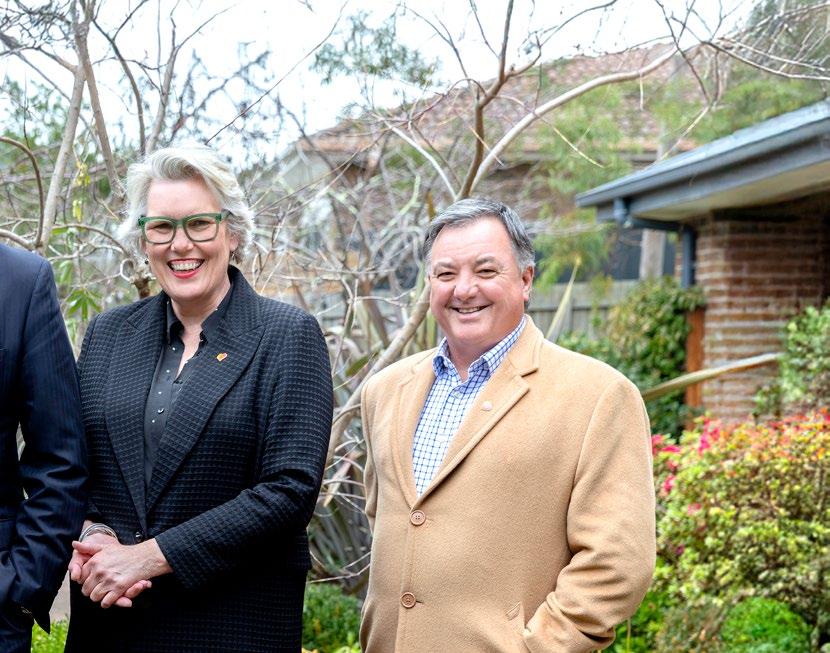
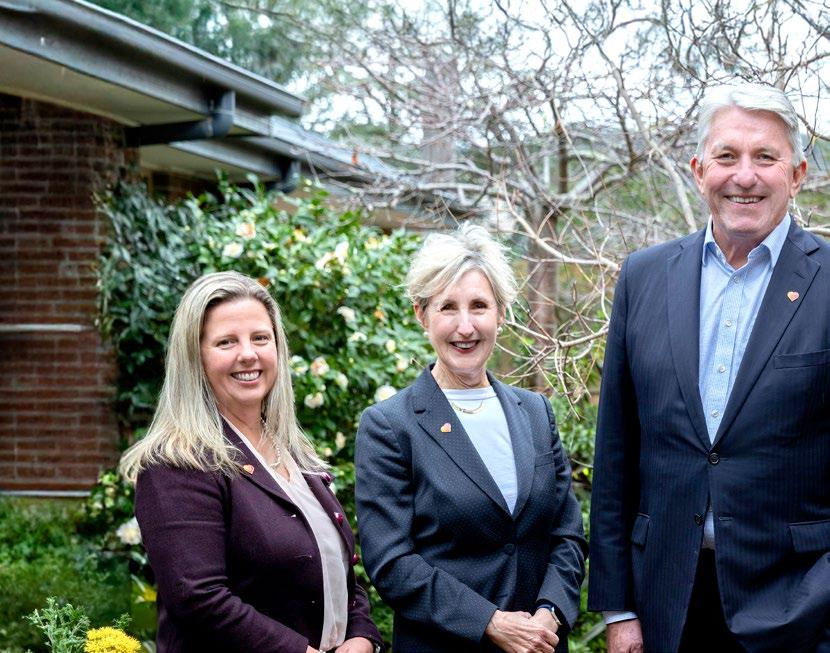
The Bolton Clarke Board (from left): Karen Orvad, Dr Beverley Rowbotham, Tony Crawford, Susan Emerson and Dean Matthews. Absent: Helen Lea, Robert Lourey, Stuart Lummis.
Clarke
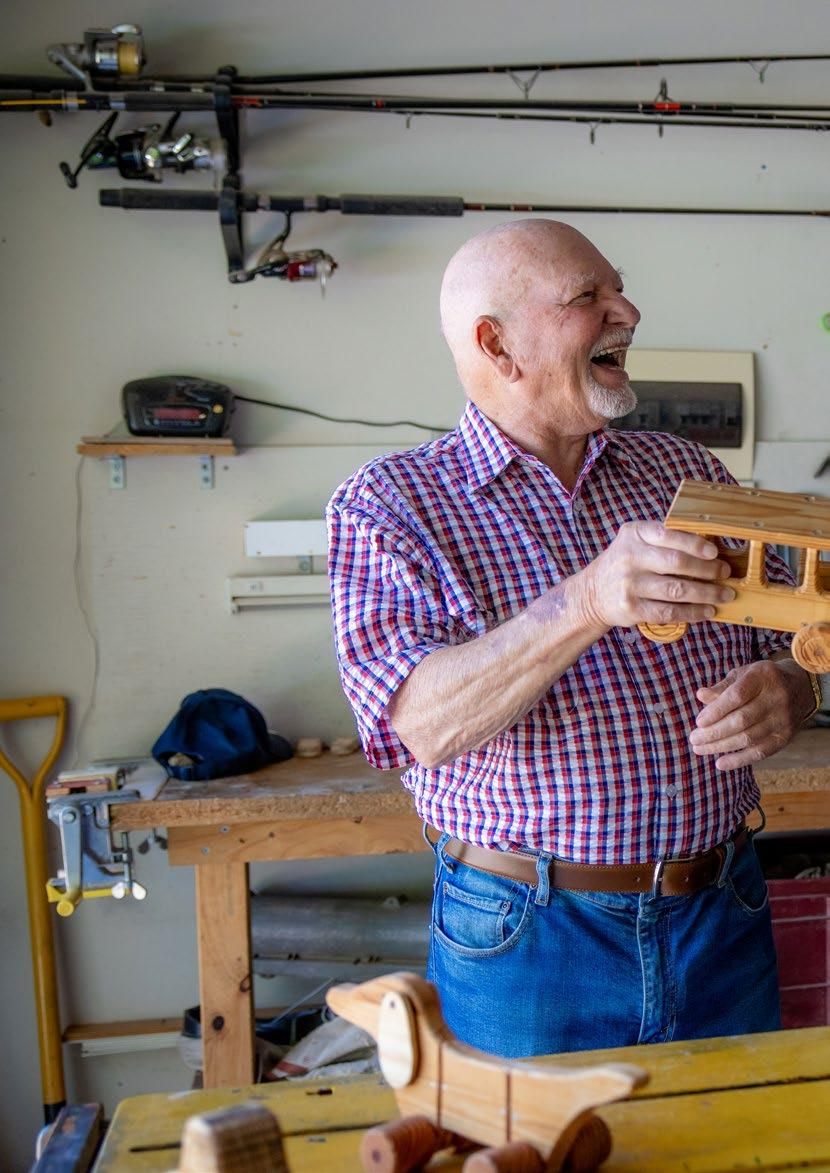
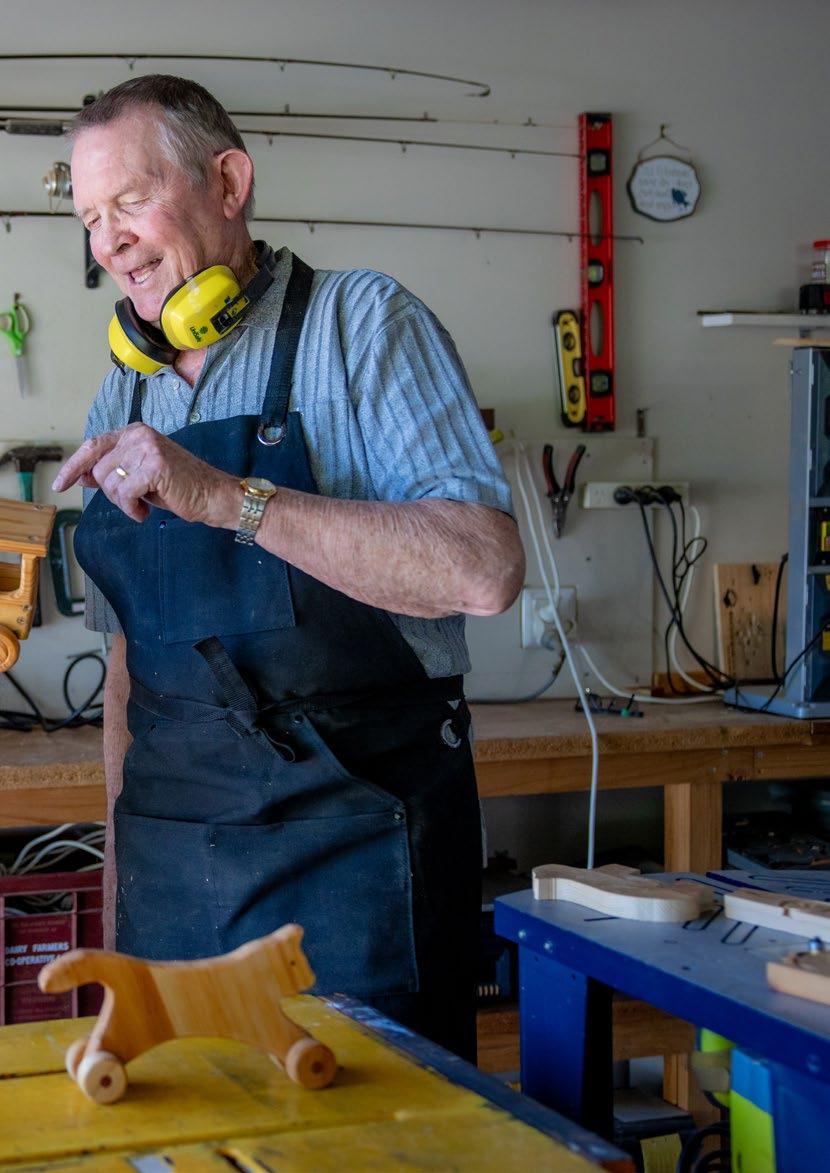
“I was given some scrap timber and it took off from there!”
Since moving to Broadwater Gardens, village resident Trevor has discovered a passion for woodworking, delighting local children and fellow residents with his latest toy creations.
Focus on sustainability
In 2025, we deepened our commitment to sustainability, embedding it across our operations, governance and culture.
At a glance
Guided by our five areas of focus, progress has been made to lay a strong foundation for future impacts with key highlights and achievements including:
Customer at heart
• Through a focused double materiality assessment, we understand the issues that matter.
• Engagement with customers through Consumer Advisory Body meetings, Quality Consumer Advisory Body meetings and resident/relative meetings has provided valuable opportunities to share our sustainability approach and gather feedback.
• Through our annual brand tracker, we gathered insights into attitudes and perceptions of sustainability within the aged care sector.
Inclusion, wellbeing and belonging
• We continue to embed diversity, equity and inclusion in all aspects of our people practices –from recruitment and retention to performance management, development and career progression.
• We listen to our people through sustainability prompts in pulse surveys, ensuring their voices help shape our journey.
• The health, safety and wellbeing of our people remains a priority, supported by ongoing campaigns and initiatives.
Connected communities
• We developed a social impact framework to guide strategic community investment and initiatives to help us align our efforts with areas of greatest need.
• We continue to invest in initiatives that advance community connection and reduce isolation, and identify innovations that enable older people to live a life of fulfilment.
Environmental resilience
• By defining our operational boundaries and improving data visibility, we started to map our environmental footprint.
• An initial climate risk scenario analysis for Queensland has helped us start identifying potential vulnerabilities across our operations, communities and workforce.
• Sustainability is now integrated into our governance structures, ensuring it is considered at the highest levels of leadership.
• Sustainability is becoming part of our everyday rhythm – embedded in meetings, leadership conversations and training programs.
• We have made great strides in integrating sustainability into procurement practices to foster transparency and strengthen supplier relationships. Governance and sustainable supply chains
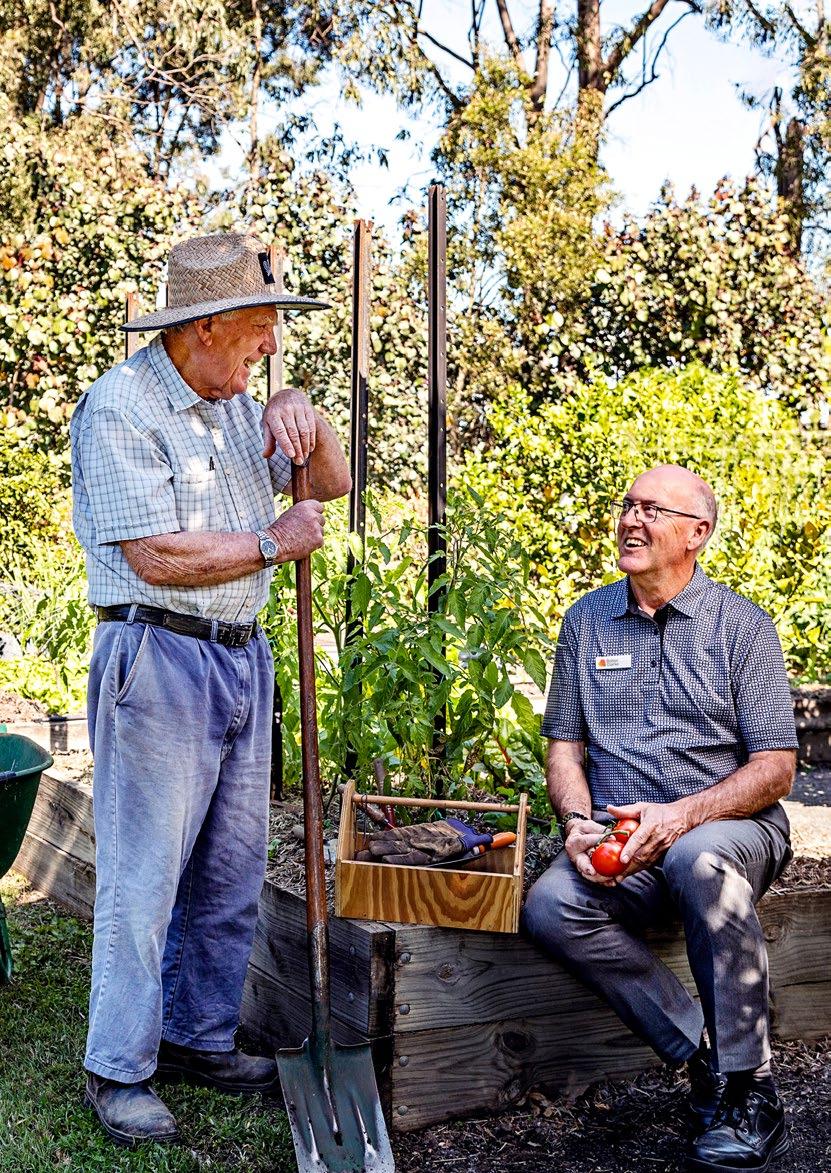
Resident Peter with Talbarra Village Manager Kevin.
Areas of focus
Customer at heart
Understanding what matters
We undertook our first double materiality assessment – a pivotal step in identifying and prioritising our sustainability-related impacts, risks and opportunities. Through a robust process combining stakeholder interviews and external research, we identified ten megatrends shaping the aged care sector and broader societal context. These trends provided a lens through which we examined 134 relevant stakeholder impacts, financial risks and opportunities. Applying a materiality threshold, we refined these insights into seven strategic sustainability priorities that will guide our efforts moving forward:
1. Putting the customer at the heart of everything we do – developing personalised services for an enriched customer experience.
2. Shaping the future of aged care – advocating for positive ageing.
3. Strengthening our employee value proposition –attracting, retaining and empowering a skilled and diverse workforce.
4. Connecting communities – fostering social inclusion and meaningful engagement across the communities we serve.
5. Enhancing infrastructure resilience – increasing environmental resilience of assets and infrastructure.
6. Integrating circularity – embedding sustainable resource use and waste reduction into our operations.
7. Building trust and transparency – strengthening accountability and transparency across the organisation.
Engaging with customers
We have also taken important steps to deepen our understanding of customer expectations around sustainability. Our involvement in Consumer Advisory Body meetings, Quality Consumer Advisory Body meetings, and resident and relative meetings provided the opportunity to share our sustainability approach and find out what matters most to our customers.
The insights gathered through these conversations were instrumental in shaping our next steps and ensuring our approach reflects the values of our customers.
Recognising the growing importance of sustainability in customer decision-making, we also introduced sustainability-related questions into our annual brand tracker. The results affirmed that environmental and social sustainability are key considerations for our customers.
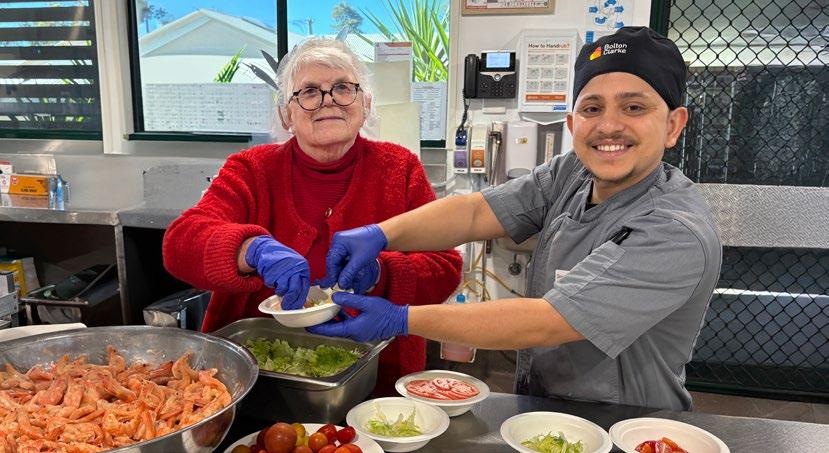
As part of NAIDOC Week celebrations at Inverpine residential care home, Chef Manager Dipesh worked with resident Mary to prepare an Indigenous inspired dish.
Inclusion, wellbeing and belonging
Diversity, equity and inclusion
Diversity, equity and inclusion (DEI) are embedded in all aspects of our people practices – from recruitment and retention to performance management, development and career progression. Our leaders play a critical role in this, modelling inclusive behaviours and nurturing diverse, high-performing teams. In FY25, we participated in Workplace Gender Equality Agency public disclosures.
DEI is overseen by the People and Culture Committee and in FY25 the DEI policy was reviewed against the new Strengthened Aged Care Standards. To support our commitment to DEI we have established two key working groups:
• Chaired by the Chief People Officer, the Diversity, Equity and Inclusion Working Group serves as a cross-functional leadership body that provides strategic direction and oversight for embedding DEI principles across all levels of the organisation. This group ensures that DEI is integrated into our organisational strategy, policies and practices, supporting sustainable cultural transformation.
• The Diversity, Equity and Inclusion Data Working Group enables evidence-based decision-making through the ethical and culturally safe collection and analysis of diversity data. This group focuses on developing data frameworks that support the implementation and continuous improvement of our DEI strategy.
Case study
Fostering a culture of care
Health, safety and wellbeing
Safety is one of our foundational values and central to delivering high-quality care across our communities. We are committed to providing safe and healthy working conditions that prevent physical and psychological harm, while meeting or exceeding all statutory health and safety requirements. Our approach is grounded in proactive risk management – identifying, assessing and controlling hazards in consultation with stakeholders to reduce health, safety and emergency management risks.
We foster a culture of accountability, continuous improvement and holistic wellbeing. This includes clear safety objectives, regular performance monitoring, and transparent reporting through audits, inspections and executive oversight. We create learning opportunities through education, training and open communication, ensuring our teams are equipped to work safely and support one another. By embedding safety into all aspects of our operations, we create a resilient, productive and supportive environment for our employees, customers and communities.
Throughout the year, our quarterly safety campaigns have focused on engaging employees in meaningful, practical initiatives that promote a culture of safety, wellbeing and shared responsibility. Our campaigns have focused on slips, trips and falls, Safe Work Month, self-care and wellbeing ideas, and the importance of reporting hazards, near misses and incidents. These campaigns have strengthened engagement, encouraged peer learning, and reinforced our commitment to a safe and supportive work environment.
R U OK? Day is a National Day of Action held on the second Thursday of September each year, reminding everyone to check in with those around them and start meaningful conversations that could change a life. We supported R U OK? Day with a series of initiatives aimed at promoting mental wellbeing and fostering a supportive workplace culture. These include:
• Wear Yellow Campaign: Teams were encouraged to wear yellow – the signature colour of R U OK? Day –as a visible sign of solidarity and support for mental health awareness.
• Meaningful Conversations: Teams were prompted to take time out of their day to check in with colleagues, using the R U OK? conversation framework: Ask, Listen, Encourage Action, and Check In.
• WeCare365 Training: Employees were reminded of the availability of WeCare365, a resource hub offering training and tools to help identify signs of distress in colleagues and respond appropriately. They were encouraged to complete the training to build confidence in supporting others.
Connected communities
Understanding our social impact
We have a long history of continued commitment to the communities in which we operate and have initiated many social and environmental initiatives that make a difference such as our Homeless Persons Program, Be Healthy and Active health and wellbeing program, and Connect Local social connection program.
We recognise that these efforts are just a few examples of our broader social footprint. To ensure our
Case study
Preventative health education
contributions are meaningful and measurable, we have developed a comprehensive Social Impact Framework. This framework maps all our community initiatives and partnerships beyond our core services, includes inputs and outputs, and in time will assess long-term impact.
Using the framework, we aim to build a focused, purpose-aligned approach to social and community partnerships that not only drives positive change but also enables us to measure and celebrate our progress. FY25 marked the first full year of data collection, setting the foundation for data-driven impact reporting in the years ahead.
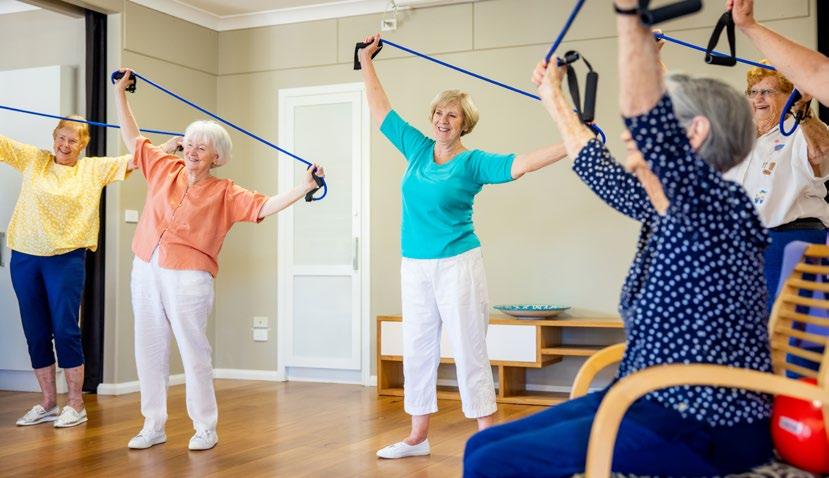
Now celebrating its 10th year, the Be Healthy and Active program continues to make a meaningful impact across Australian communities. Older Australians often face barriers to accessing preventative health education. Be Healthy and Active bridges this gap by delivering free practical and accessible sessions in familiar community settings like retirement villages, neighbourhood houses and libraries.
In FY25, the program reached 6,317 participants through 258 sessions. Twelve per cent of sessions were tailored to Culturally and Linguistically Diverse groups, supported by interpreters to ensure equitable access. Designed for adults aged 60 and over, the program includes modules such as CPR and defibrillation basics. In a follow-up survey, 67% of respondents told us they remained confident to attempt resuscitation three months post-session. The Falls Prevention module engaged participants in strategies to reduce falls risk, with 76% reporting ongoing strength and balance exercises and 79% sharing with us that they are making tangible changes to improve safety and reduce falls risk. Be Healthy and Active illustrates our commitment to health equity, community resilience and continuous improvement.
Our Be Healthy and Active program continues to make a meaningful impact across our communities.
Environmental resilience
Environment and climate change
Our responsibility to reduce the environmental footprint of our operations and contribute to a more sustainable future is a key focus. Central to this commitment is understanding and quantifying our environmental footprint. Measuring this requires a comprehensive view of both the inputs we rely on and the outputs we generate, including services, waste and emissions.
To support this, we have developed a conceptual model of our emissions footprint that outlines the activity data needed from across the organisation. Our emissions are categorised into three scopes:
• Scope 1: Direct emissions from fuels and energy used in our mobile fleet and fixed plant under our control.
• Scope 2: Indirect emissions from electricity and other energy that we purchase and consume across our facilities and offices.
• Scope 3: Other indirect emissions upstream and downstream in the supply chain, including those associated with waste generation, water consumption, procurement and business travel.
This structured approach enables us to identify key areas for action, improve resource efficiency, and embed environmental responsibility into our operational and strategic decision-making. Our initial focus for data collection is Scopes 1 and 2.
To ensure accurate and transparent collection of greenhouse gas (GHG) data, we developed a Basis of Preparation document detailing our methodology, key emission sources and supporting information. We engaged PwC to independently review and evaluate this framework as part of our commitment to building internal capability and refining our approach.
Case study
Community-driven sustainability
Climate-related risks
As climate change continues to reshape the risk landscape, we have undertaken several actions to understand and assess the risks to our operations. We recognise that scenario analysis is not a once-only activity and requires review in line with the development of our organisational strategy. The following sets out our actions as we start to understand our climate risk:
• Climate Scenario Portfolio Review (Queensland) –this high-level stress test of our Queensland asset portfolio evaluated exposure under various climate scenarios. It reconfirmed existing risk profiles in parts of Queensland and supported our asset resilience planning by highlighting vulnerable areas. The findings validated the strength of our current procedures and will inform future site selection and acquisition strategies.
• Flood risk – this assessment identified flood risk across our operations. While indicative in nature, it provided valuable guidance on where to focus enhanced mitigation efforts. It also reinforced the robustness of our existing emergency management and business continuity frameworks.
• Bushfire risk – this assessment mapped bushfire exposure zones across our operations. It prioritised mitigation measures for high-risk sites and contributed to our emergency preparedness review, guiding firebreak and site management strategies.
All assessments are scheduled for biennial review as part of the Strategic Asset Review process, or earlier if material changes in climate projections or asset exposure are identified. This ensures our approach remains responsive and aligned with evolving climaterelated risks.
Motivated by a desire to reduce consumption, lower living costs and leave a positive legacy, residents at Casey Grange retirement village have come together to drive meaningful change within their village. The formation of a Sustainability Committee reflects the community’s commitment to practical, long-term solutions. Residents are exploring integrated solar energy systems and other technologies to reduce their carbon footprint and enhance energy efficiency across the village.
Codesigning with our sustainability team, residents are working to analyse energy usage data and identify opportunities for improvement. There is also potential to gain insights into best practices and explore innovative energy solutions already in use elsewhere.
Casey Grange illustrates how residential communities play a meaningful role in addressing environmental challenges. Through collaboration, informed decision-making and a shared commitment to sustainability, the village is creating a model for responsible living and community-led change.
Governance and sustainable supply chains
The Board Charter and individual Board Committee Charters have been updated to reflect the responsibility to monitor the risks and opportunities in implementing sustainability strategies, including considering the role of technology, capital allocation and the capabilities of our team. In particular, the Risk and Audit Committee monitors and has oversight of sustainability risks and how they relate to the business.
Quarterly sustainability reports are submitted to the Board, providing an update on progress.
Risk and clinical governance
The Board has recognised climate-related risk as an enterprise-level risk, requiring ongoing Board oversight and monitoring. This decision reflects our commitment to proactive governance and positions us to better anticipate and respond to the evolving challenges and opportunities presented by climate change.
The Clinical Care and Service Governance Framework has been reviewed against the identified sustainability priorities. This alignment ensures our clinical governance approach meets the evolving needs of our customers and communities and empowers our people to act with integrity, transparency and ethical responsibility.
Sustainable procurement practices
We made significant progress to integrate sustainability into our procurement processes, reflecting our commitment to responsible sourcing and strengthening supplier relationships.
Sustainability is a formal component of our procurement tender templates and due diligence processes. We are enhancing our supply chain risk mapping to include a detailed evaluation of sustainability performance. A
Case study
From plastic to paper
desktop review of our top 50 suppliers has commenced, assessing sustainability reports and social impact initiatives.
In alignment with the Modern Slavery Act 2018 (Cth), we submitted our fourth Modern Slavery Statement, reinforcing our commitment to ethical and responsible business practices. To further support our people in recognising and responding to modern slavery risks, we developed a dedicated e-learning module. This training equips employees with the knowledge to identify potential indicators of modern slavery and understand the appropriate actions to take if concerns arise.
Waste contracting
The renewal of the waste contract presented an opportunity to apply our revised sustainability approach. The tender process included a dedicated sustainability focus emphasising landfill diversion, innovation and detailed sustainability reporting. The resulting contract includes specific KPIs for waste reduction, carbon emissions reporting, recycling initiatives, and education programs for employees and residents, to be tracked quarterly.
Growing capability
A dedicated sustainability e-learning module was developed, helping employees understand what sustainability means to Bolton Clarke, why it matters and how they can contribute.
We collaborated with teams across the organisation to deliver tailored presentations at team meetings and planning days. These sessions covered global sustainability megatrends and emerging issues, ESG frameworks and their relevance to Bolton Clarke.
We also embedded sustainability topics into the Career Carousel initiative that offers employees immersive learning, mentorship and career development opportunities. By integrating sustainability into this program, we are empowering future leaders.
We identified a significant opportunity to consolidate and mitigate risks associated with the procurement of medical consumable products. One opportunity identified was pill and medicine cups. In FY24 alone, the organisation purchased approximately 6.6 million cups, with nearly half made of plastic.
A change initiative was launched focusing on consolidation and standardisation. The objective was to streamline product specifications, eliminate plastic usage, and achieve either a cost-neutral outcome or financial savings.
A unified specification for pill and medication cups was agreed upon which resulted in the removal of five types of plastic cups and delivered annual cost savings. Beyond financial benefits, the initiative contributed to a positive environmental impact by significantly reducing plastic waste. While the analysis of landfill diversion is still pending, the transition to paper-based (98-100% wood pulp) products represents a meaningful step toward more sustainable operations.
Looking forward
In FY26, our focus is on embedding sustainability priorities within our organisational strategy. This integration will support alignment across the organisation and strengthen our resilience in the face of emerging challenges. We recognise that embedding sustainability is essential to our future success and creating a lasting, positive impact for our customers, people, community and environment.
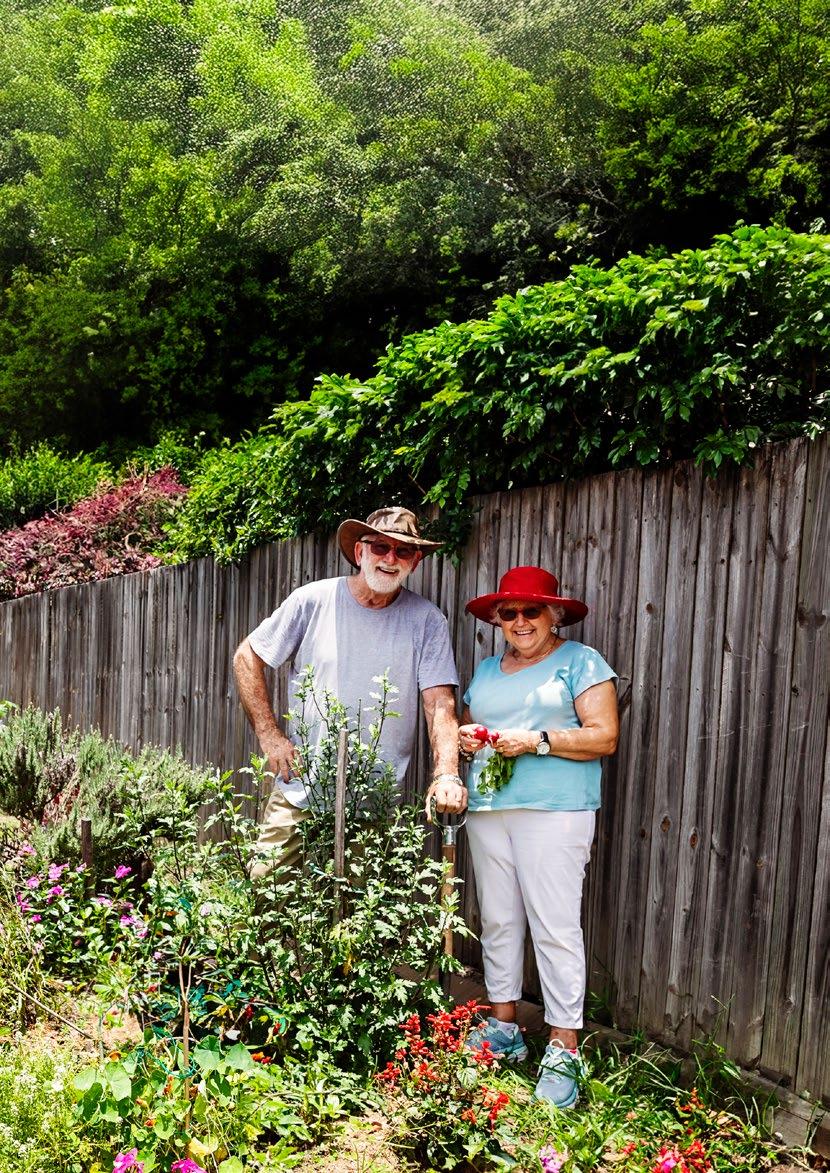
Retirement living residents Bart and Eileen.


”
“It’s wonderful that Chad is out surfing again and achieving his dreams.
Community Nurse Bill was thrilled to hear client Chad competed in the World Kneeboard Championships after receiving support through the Homeless Persons Program.
Photo courtesy of Flavio Viana/TheBlueTrip.
Bringing positive ageing to life
We make positive ageing possible through connection to community, lifestyle programs and finding innovative ways to enable wellbeing – all underpinned by expert care, applied knowledge and health leadership.
Working closely with residents and clients and alongside hospitals, doctors and healthcare providers, our experienced teams respond to individual needs and support people to live happy, fulfilling and connected lives.
In 2025, drawing on 140 years of expertise, we continued integrating our continuum of connected care and living options and introducing new services to shape the future of ageing.
Supporting independence
Across Australia we provide exemplary clinical care and innovative services to help people live independently at home and stay connected with their local communities. Each day, around 11,500 people welcome the support of our nurses and care professionals into their homes.
This year we delivered a record number of Home Care Packages to more than 5,600 people and assisted 430 clients through the Short-Term Restorative Care program, enabling people to remain at home for as long as possible.
Expert nursing support and personal care is provided as part of a range of post-acute care, hospital in the home
and transitional care programs. Our hospital liaison nurses are embedded into discharge and emergency department teams at 17 major hospitals in Victoria to help people be discharged more quickly and ensure a smooth transition from hospital to home. Through the Palliative Extended and Care at Home (PEACH) program in New South Wales, nurses are delivering end-of-life clinical care to clients. These initiatives are helping to meet the needs of people including long-stay hospital patients and assisting people to be safely supported in their own homes.
In regional New South Wales, new services have been established to meet growing demand. This includes a mobile respite service at Port Macquarie Base hospital delivering care, social support, assistance with shopping and social activities – all with a focus on restorative goals. Further south at Wyong, a new community hub is providing a local base for home care services to support clients, their families and carers.
Expanded telehealth options are also making it possible for our services to reach more people in rural and metropolitan areas. In 2025 the National Service Centre received over 287,000 calls from customers and service providers and delivered 24-hour clinical support through the Clinical Advice Line.
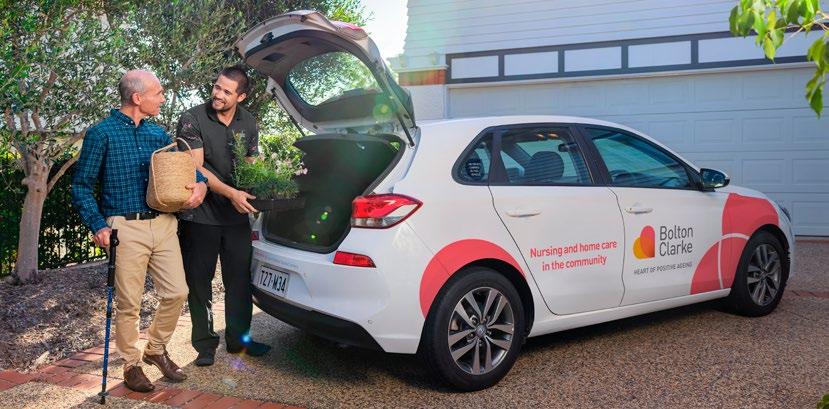
Each day, around 11,500 people welcome the support of our nurses and care professionals into their homes.
In regional Queensland, allied health professionals offer services through a virtual model of care, assisted by local team members. The program provides faster access to physiotherapy and occupational therapy for clients in Far North Queensland, Wide Bay, Bundaberg and Gympie regions.
Digital technology is an important way we are helping to extend care into people’s homes so they can continue living according to their preferred choices. The InTouch digital independence system is helping clients and retirement village residents to stay safe and connected at home. In 2025, 845 new home alarm systems were installed and 1,154 InTouch Prime emergency call systems were upgraded across 13 villages. Almost 400 InTouch GO GPS pendants and watches were supplied to support village residents and clients on the go.
An InTouch NBN internet service was established and currently supports 80 village residents with NBN in their homes. Information sessions have also been introduced in our retirement villages to help educate about how to engage confidently online.
Another key initiative introduced this year is transforming the way home care services are delivered to retirement village residents. The service allows residents to choose which personal care worker delivers their services at a time that best suits them. Initially started at Baycrest retirement village, the program has received positive feedback and is now available at 12 villages.
Healthy and active lifestyles
Across retirement communities, we offer a range of health education and wellbeing services to support residents to stay healthy and active.
The Research Institute’s biennial Health and Wellbeing in Retirement Living survey drives priorities and co-designed solutions, including the development of the retirement living lifestyle framework. The team is working closely with village and lifestyle managers to implement practical initiatives to address resident priorities such as healthy cooking demonstrations and co-designing acoustic-friendly communal areas.
Finding new ways to support retirement living residents and clients experiencing sensory loss is a key priority for the Research Institute. At nine Queensland retirement villages, residents and clients participated in hearing and vision screening tests and are trialling sensory support interventions through a joint collaboration with The University of Queensland.
The Be Healthy and Active education program marked its 10th anniversary this year. The program supports village residents and community members to be proactive about their health through free, practical information sessions on a range of health and wellness topics. The program has delivered over 1,700 sessions to more than 43,000 participants in retirement villages, community venues and online.
The ‘Buddy’ social connection app was expanded to more retirement communities, providing residents with new ways of connecting with each other and with maintenance and concierge services. Residents at five retirement communities in Victoria and Queensland are using the app to keep up to date with what’s going on at the village, log maintenance requests, and share stories and photos with each other.
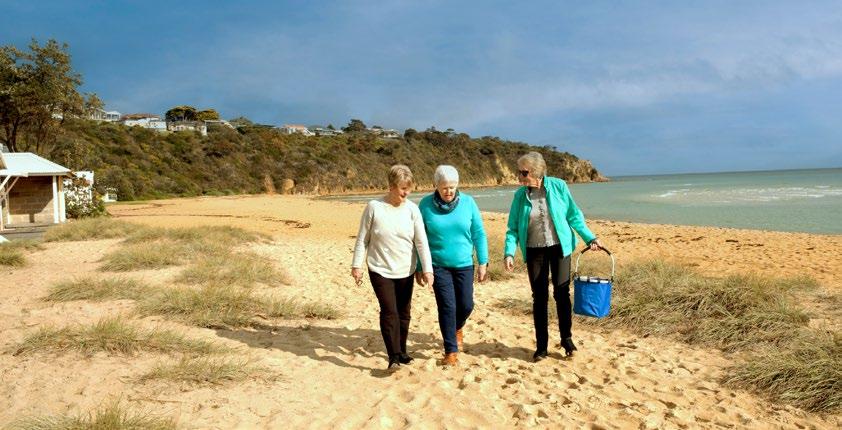
Mornington Peninsula retirement living residents enjoy social walks on the beach.
Promoting wellbeing
Our residential care homes provide welcoming and vibrant communities where individual interests, social engagement and community connections are prioritised.
Residents are encouraged to engage in a variety of experiences to enhance their physical and mental wellbeing. Activities such as VIP sporting events, an inter-home bowls competition and creative art programs like mosaic design are just some of this year’s many highlights.
Other activities have included extending the global Cycling Without Age program to more homes, enabling residents to enjoy cycling outdoors on purpose-designed trishaw ebikes, driven by volunteers. The Best in Grow annual gardening extravaganza gave the opportunity for residents to design their own vegetable gardens, with each home creating a special meal showcasing their home-grown produce.
At Buderim Views home, a community gardening project is creating lasting benefits for residents, family and friends. Residents can grow their own fruit, vegetables and herbs in wheelchair-accessible garden beds. Silkie chickens and guinea pigs help manage food wastage while bringing joy to residents.
Animal therapy programs are a favourite activity across all homes, with live-in pets and visits from a variety of animals big and small resulting in many delightful interactions. Hatchling programs generated interest at Bayside and Pendle Hill homes, with the baby chicks captivating residents and team members alike.
More Sydney-based residents enjoyed weekly visits with zoo animals and hands-on activities through the
Aged Care and Dementia Program at Taronga Zoo, with six homes now participating in the program.
Nutrition and enhancing the dining experience in our homes continues to be important, incorporating the diverse cultural backgrounds of residents. Involvement in preparing and sharing favourite foods provides rich opportunities for creativity and connection. Resident cookbooks, cooking sessions and themed dining experiences are among many initiatives organised by our teams.
Expert dementia care
Meeting the specialised needs of residents and clients with dementia remains a priority across our services. We assist 5,000+ home care clients living with dementia and in our residential care homes more than 50 per cent of residents have been diagnosed with a cognitive impairment.
The Enabling Choices electronic conversation tool is supporting better discussions about risk and autonomy with dementia clients and their carers. This is now embedded in the new client management system enabling easier access and usage as part of our tailored dementia care and support options.
A trial of personal amplification devices to enhance the accuracy of clinical assessments is helping reduce dementia misdiagnosis by addressing hearing difficulties that can impact results in common clinical tests. Using the devices has helped clients better respond to questions and helped nurses adapt care to individual needs.
Through our involvement in the Partnership in iSupport program, we are helping to improve support for informal caregivers. In 2025 retirement living residents
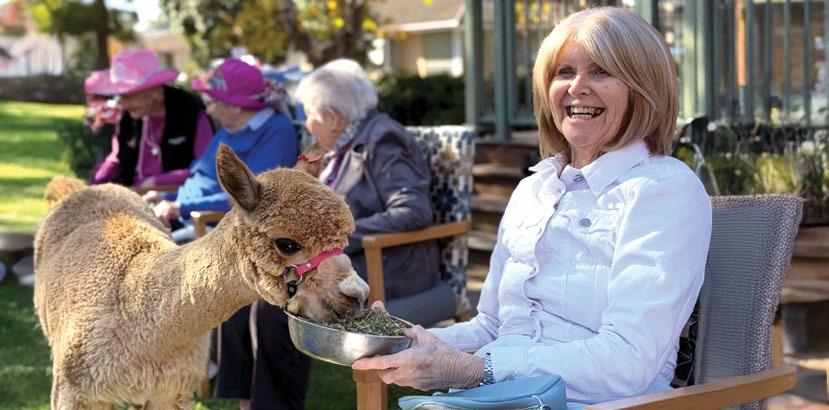
Resident Jill enjoying a visiting animal therapy program.
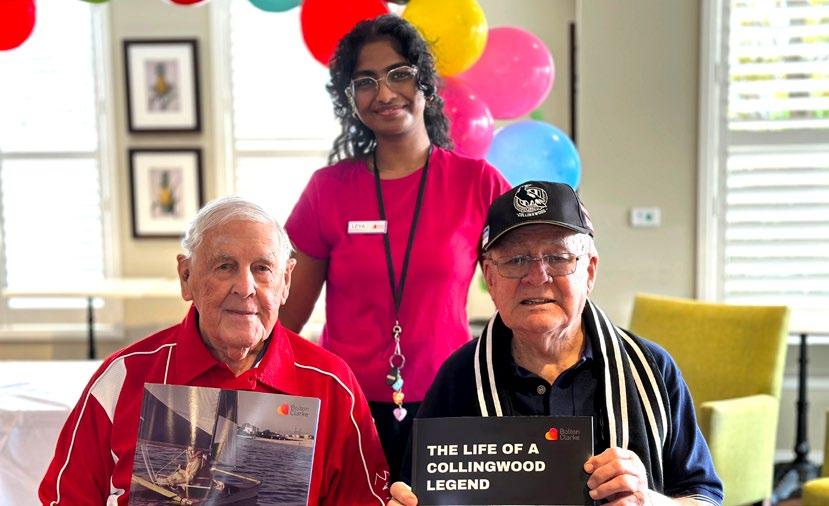
were involved in initiatives including carer information sessions and a six-week program providing virtual group support for carers and residents recently diagnosed with dementia.
Connection and community
Social connection plays a vital role in positive ageing and this is reflected in our many programs designed to help residents and clients make meaningful connections in their communities and across generations.
These programs are informed by the Research Institute’s focus on social connection. Their Storytelling in Health and Aged Care, Research and Education (SHARE) program is a foundational initiative across our residential care homes, supporting residents to share and reflect on their life experiences in a safe and supportive environment.
In addition, preschool and school students have worked together with residents in our retirement and residential communities through reading, postcard, storytelling and online connection initiatives.
Through the Village Hub program hosted at Fernhill retirement village, over 200 regular attendees from the Caboolture region have enjoyed activities including morning teas, craft groups, reading partnerships, exercise classes, mindfulness, and online safety sessions. Participant feedback continues to be overwhelmingly positive.
In Melbourne, the Connect Local social connection and social prescribing program has supported more than 200 Glen Eira community members, linking them with local social activities and programs to improve their health and wellbeing. Community Connectors work with people aged over 65 to introduce them to relevant groups and services. An online community directory is also available and has received almost 2,400 visits.
Clinical excellence
Our services are strengthened by our Clinical Knowledge Centre and team of Senior Clinical Nurse Advisors (SCNAs) who play an important role in informing resident and client care and support. The SCNA team has deep expertise in aged care and dementia, continence and urology, diabetes management, palliative care and wound management. They provide guidance and practical assistance to frontline teams, improving health and wellbeing for residents and clients.
More broadly, the Research Institute contributes to clinical excellence through latest research grounded in health and social care. Our teams are enhancing clinical care through innovative approaches. This includes a new predictive falls model supporting early interventions in residential care homes and fostering clinical excellence through training and development programs.
The Graduate Nurse Program provides a strong foundation for new nursing graduates in home and community support and residential aged care, offering structured theory modules, hands-on learning
Residents are supported to share and reflect on their life experiences through the SHARE storytelling program.
opportunities and mentorship. Personal care workers also receive hands-on learning opportunities and ongoing mentoring through the Personal Care Worker graduate program.
Our award-winning Care Champions program represents an additional career pathway for our teams, strengthening the carer workforce and enhancing our person-centred approach to care. Since the program was launched, more than 500 Care Champions have been appointed across our 88 residential care homes. The program won Innovation of the Year – Career Development at the 13th Asia Pacific Eldercare Innovation Awards and was named a finalist at the 2025 Future of Ageing awards.
Through Bolton Clarke’s scholarship program, employees can pursue learning opportunities that directly impact quality and safety in care, leadership, innovation, or evidence-based practice change. In-house professional development programs also support team members to develop and excel in their chosen fields.
Embracing diverse needs
We offer a range of specialised programs and services that recognise the diverse needs of customers to support health and wellbeing at every age and stage. This work is underpinned and guided by our Diversity Framework.
The Homeless Persons Program (HPP) provides a primary healthcare response to individuals and families experiencing or at risk of homelessness. In 2025 our team of 63 community health nurses made 38,000 visits and delivered professional nursing care and support to more than 1,500 clients in Melbourne.
This year the HPP team established new connections with community organisations in the housing sector to improve outcomes for clients. This included supplying mobile phones to clients on the Mornington Peninsula to help them stay connected with family, friends and services. The team delivers nursing support for younger people who are homeless or at risk of homelessness through the Innovative Health Services for Homeless Youth program.
Our HIV program assists people living with HIV in Melbourne and the Mornington Peninsula with specialist needs such as mental health support, clinical nursing care and pain management. The program’s longstanding partnership with Thorne Harbour Health enables delivery of integrated and tailored services for clients. Dr Elizabeth Crock from our HIV team was named Nurse Practitioner of the Year at the 2024 Australian College of Nurse Practitioners Awards for her exceptional contributions including four decades caring for people with HIV/AIDS.
Our teams continued to work with clients in Victoria through the Home and Community Care Program for Younger People (HACC PYP) initiative. In 2025 our teams made more than 315,000 visits to over 5,000 clients under 65 with disability, chronic illness or shortterm health needs, helping them to maintain their independence and actively participate in the community. A new physiotherapy program developed by the home and community support team and funded under HACC PYP is helping boost participation in physiotherapy for younger people with ongoing injuries or restricted mobility.
Internationally, our New Zealand operation delivers essential home care and specialised services to 3,200 clients including programs specifically supporting younger people. Services are available for children and young people with high and complex needs, and people with acquired brain injuries and spinal injuries under Accident Compensation Corporation (ACC) programs. In 2025 RDNS NZ was one of four providers awarded the Te Waipounamu – South Island, Health NZ – Te Whatu Ora Contract which will see teams support an additional 600 clients with home care services.
Our maternal and child health nurses give support to expectant parents, families and carers across Australia, responding to more than 37,000 calls through a pregnancy, birth and baby helpline in 2025.
The Research Institute maintained its commitment to meeting the specific needs of the veteran community and understanding the complexity of the veteran ageing experience. This has included work to understand the different home care needs of veterans and the Weaving Evidence into Action for Veterans with Dementia (WEAVE) program in residential care.
Accessibility of our services and information remains a focus, with residents and clients originating from 224 countries and speaking more than 200 languages. Our Digital Talking Books provide health information about dementia, medicines and diabetes in multiple languages and have attracted more than 3,500 views. This year we received over 2,200 requests for translation and interpreter services to help people access information in their language of choice.
The free Altura Learning series Rainbow of Difference and our series of Digital Diversity Stories are among educational resources available for family carers and aged care workers to support better outcomes for the LGBTQIA+ community.
The Good Samaritan Fund supported 181 clients in financial hardship throughout the year, helping to purchase essential medical supplies such as medicines, bandages and assistive equipment.
Our customer focus
Everything we do is dedicated to enabling, celebrating and supporting our customers to live and age positively.
Our purpose and values
Our diverse teams are united by a common purpose to help people live a life of fulfilment. This is brought to life by our five values which are a reflection of our commitment to customers and our everyday interactions with each other.
How we operate
As Australia’s largest independent not-for-profit aged care provider, we actively engage with customers to develop responsive and supportive services that recognise their unique needs, interests and experiences. Our customers can expect us to treat them with dignity and respect, understand and respond to their individual needs, act with empathy and integrity, and continually improve what we do via insights, research and innovation.
Support services and executives
Board of Directors

Mr Tony Crawford
BA, LLB, FAICD
Chairman of the Board

Mr Robert Lourey BBus, GAICD

Ms Susan Emerson
RN, GradDipNg (Aged Care), Masters Health Service Mngt, MACN, MAICD

Mr Stuart Lummis
BEcon, GradDip Applied Fin & Inv, GradDip Proj & Const Mngt, Post GradDip Acctg, FINSIA, FAICD

Ms Karen Orvad
B Comm (Accounting), MBA (Exec), CAANZ, GAICD

Assoc Prof Beverley Rowbotham AO
MBBS (Hons 1) MD, FRACP, FRCPA, FAICD

Ms Helen Lea
MA (Ind Psych), FAHRI, GAICD (from 6 August 2025)

Mr Dean Matthews
Engineering Certificate, B.CompSc, Grad Dip Mngt, AMP (Harvard), FAICD

Susan Stewart LLB (Hons), LLM
General Counsel & Company Secretary
Executive leadership

Olivier Chretien MSc, MBA (INSEAD), AMP (Harvard), GAICD
Group CEO (from 1 July 2025)

Glenn Hancock BBus
Chief Operating Officer Residential Care

Kylie Crofts BA
Acting Chief Digital & Innovation Officer

Megan Millman BCom, DipESG, FCA, GAICD Chief Financial Officer

Deidre McGill RN, BHlthSc, MSc Healthcare Mngt, GAICD, MACN Chief Operating Officer Home & Community Support

Meredith Bird MCom, PGDipEd, BA Executive General Manager Brand, Marketing & Communications

Mel Leahy BA (Psychology & Sociology), GDPA, GAICD Chief People Officer

Brett Rice BEc (Acc), CPA, GAICD Chief Operating Officer Retirement Living

James Mantis BCom, MProp Chief Development & Property Officer
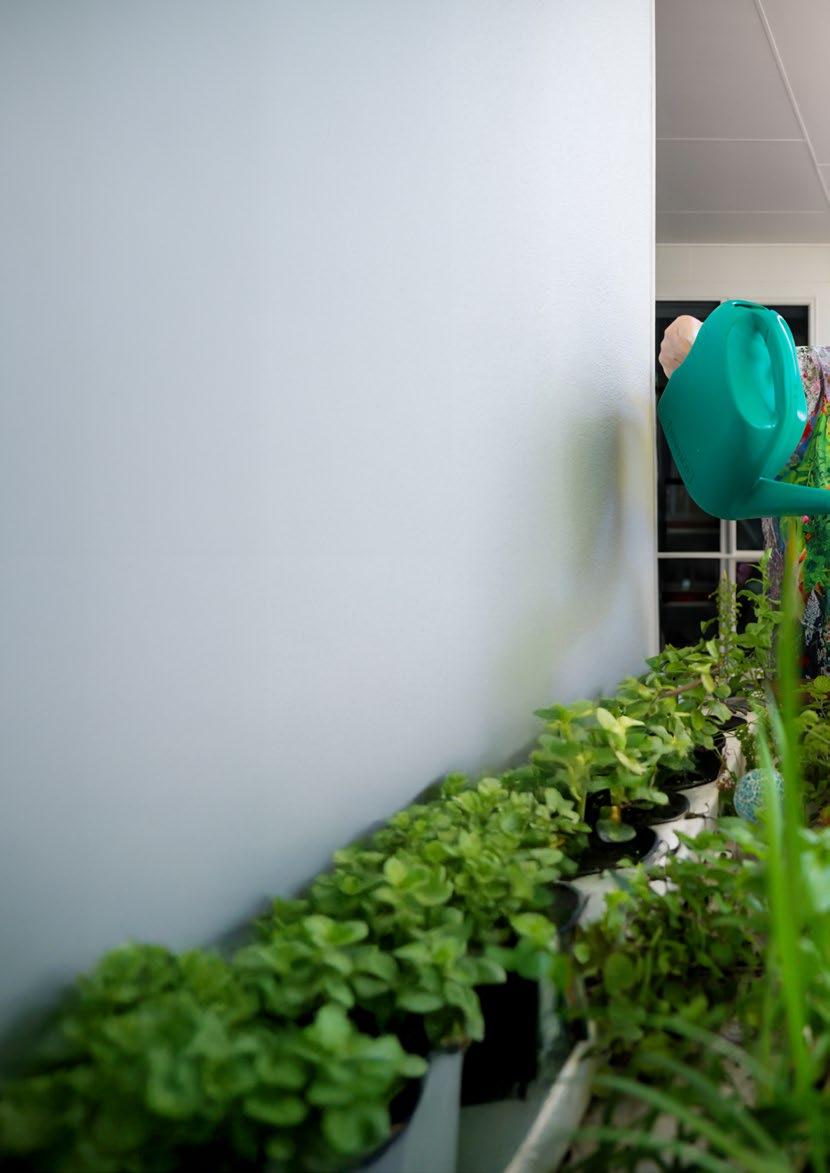
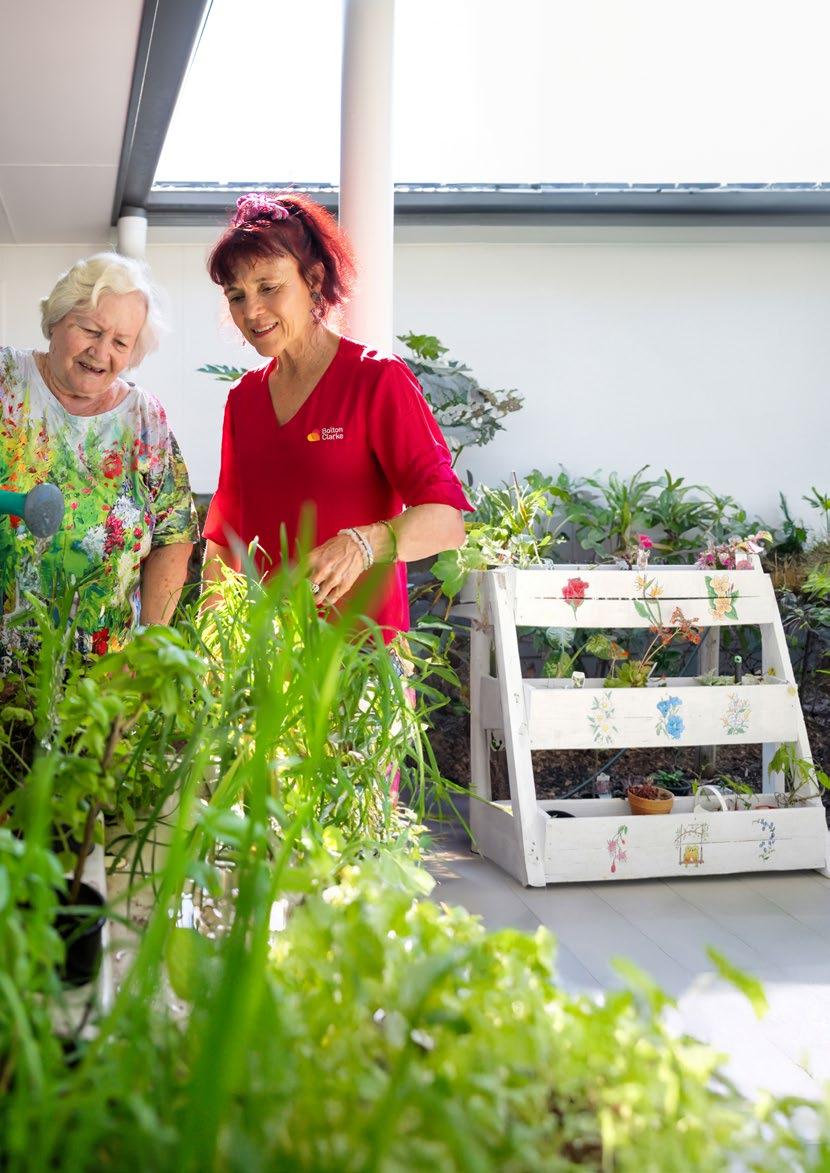
“I enjoy watering the plants and seeing everything grow.”
Resident Ursula loves tending to the flourishing garden at Glendale residential care home, with support from Lifestyle Coordinator Debbie.
Heartfelt thanks
The ongoing generosity of our donors and supporters through grants, philanthropic donations, bequests and gifts is changing lives across Australia.
Estates
Aira Kortman
Betty Sheppard
Brian Linton Wright
David Arthur Stelzner
Dorothy Ada Davies
Inge Kreitinger
Kenneth Loughlin Rogers
Louis Philippe Herve Labonne
Marjorie Talty
Mary Christina Kearney
Mathilda Adriana Vervoort
Maureen Florence Harper
Regina Beatrix Maria Overtoom
Rosemary Gleeson
Shirley Hillas
Thomas Herbert Schell
Winifred Speagle
$500 - $999
Allen McNamara
Anneli Kaendler
Bruce Boell
Bruce Lohrey
Captain Charles Potter
Christopher Miles
Colin Meredith
David Last
Debra Comben
Diana Paton
Diana Renou
Elizabeth Robinson
Graeme Roberts
Greg Byrne
Helen Giese
Helen Maddigan
Janet Campbell
Jennifer Muir
Jenny Cook
Judy Lowthian
Julia Heagerty
Keith Davies
Leanne Johnston
Lidia Becroft
Lorna Mason
Louise Gourlay
Lynette Swan
Maria Hall
Marie Fergeus
Marjorie Wallace
Mark Alway
Mary Barrie
Murray Sandland
Noelle Howell
Pamela Charters
Peter Carpenter
Peter Lemon
Richard Mitchell
Roger Gilchrist
Roger Stanley
Sarah Doyle
Su Lee
Susan Worcester
Australia/Sri Lanka
Welfare Guild INC
Henry & Robert D’Esterre
Taylor’s Charitable Fund
Theresa Salmon
Charitable Trust
Toowoomba City Council
Walter & Eliza Hall Trust
$1,000 - $9,999
Angela Kayser
Ann Tregear
Betty Smith
Carolyn Tatchell
David Harper
Deirdre Barnett
Dorothy Clark
Elizabeth Melbourne
Graeme Thomson
James Smith
James Syme
Jean Dunn
Judith Wright
Katrina Tull
Lady Primrose Potter
Len Morgan
Louise Learmonth
Marjorie Armitage
Peta Lowe
Peter Barker
R L Stanton
Ross Nuss
Sally Cleary
Sally-Anne Hains
Sonia Weinman
Stephanie Johnston
Teresa Trent
William Rooseboom
Antipodean Endowment Fund managed by Be BlueRock Foundation
B & AMB Ward Charitable Trust
C H Boden Memorial Trust
Flinders Victoria Charitable Foundation - The Bowles Foundation
Harcourts Foundation Australia
Herbert & Dorothy Lancaster Charitable Trust
Lord Mayor’s Charitable Foundation
Magistrates Court of Victoria
Pam and Alfred Lavey Trust
Perpetual Trustees
The Ian and Marilyn McColl Charitable Trust
$10,000 - $24,999
Jane Sheridan
Judith Wright
Australian Government
Buderim Foundation
Clive Johnson Trust
Frankston City Council
$25,000+
Community Bank
Murrumbeena & Community Enterprise Foundation
Estate of the late Cecil Thomas
Shannon managed by Perpetual Trustees
The Good Things Foundation
Helen Macpherson Smith Trust
The Ian Potter Foundation
In memory of Mack and Lee Seale managed by Citco Jersey Limited
Lifetime Companions
Alfred Witzke
Alison Scott
Andrew Plant
Angela Snow
Anneliese Mitchell
Betsy King
Beverley Evans
Brian Kenny
Brian Smith
Bridgit Purcell
Bruce Angus
Bryan Kong
Carmel Monahan
Catherine Martin
Clare Pilcher
David Horowicz
Dorothea Mokrusch
Dorothy Berry
Elizabeth Wells
Elspeth Jacobs
Gillian Hannan
Graeme Thompson
Heather Young
Heidi Gasser
Helen Jackson
Isabella Poloni
Jenifer Matthews
John Fogden
John Lander
Judith Overbeek
Laurence McNab
Lesley Wilson
Margaret Collins
Margaret Gilbertson
Margaret Gladstone
Maria Giroletti
Marjory Turnham
Max Wolff
Merran Adams
Peter De Haan
Philip Mayers AM
Ray Harbert
Susan Harding
Suzy Rostkier
Terence & Janet Keefe
Teresa Hennig
Tony Oliver
Valerie Gregory
Virginia Jackson
Wendy Love
Yadviga Curtis
Our service locations

Largs North
Somerton Park
Smithfield
Elizabeth Vale
Ridgehaven
Walkerville
Adelaide
Myrtle Bank
Morphettville
Heathfield
Western Australia
Northern Territory
South Australia

Hackham
Sunbury
Essendon
Thornbury
Melbourne
Bundoora
Reservoir
Templestowe
Lower Templestowe
Donvale
Camberwell
Burwood
McKinnon St Kilda
Brighton
Springvale
Brighton East
Mentone
Mordialloc
Lynbrook
Werribee
Jurien Bay
Geraldton
Lilydale
Cranbourne West
Caboolture
Bongaree
Deception Bay

Longreach
Queensland
New South Wales
Adelaide
Victoria ACT
Melton South
Geelong
St Albans Park
Armstrong Creek
Murrumba
Downs
Keperra
Pinjarra Hills
Sunnybank Hills
Brisbane
Capalaba
Thornlands
Cleveland
Parkinson
Waterford
Pendle Hill
Westmead
Pemulwuy
Alexandra Headland
Brunswic
Port Macq
Bolton Point
Bonnells Bay
Gosford
Sydney
Worrowing Heights
Greater Melbourne
Melbourne
Mornington Peninsula
Mount Martha
Safety Beach
Rosebud
Legend:
Home and community support
Retirement living
Residential care homes

Parramatta
Concord
Bass Hill
Revesby
Normanhurst
Sydney
Marrickville
Belmore
Denham Court

International:
Queenstown
Northland
Auckland
Christchurch
Dunedin
Invercargill
New Zealand
Altura Learning: UK, Ireland, Australia & NZ
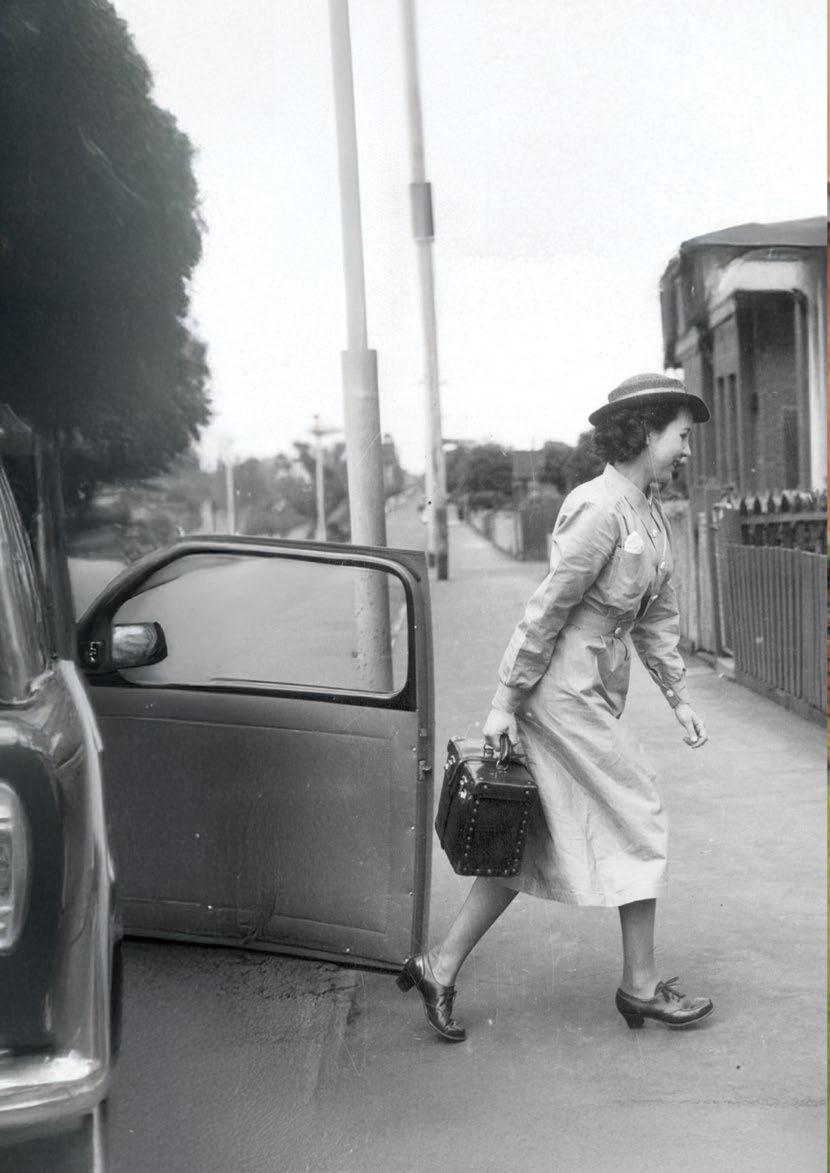
(Left) Home nursing in Melbourne in the 1940s and (right) today.

Since our earliest beginnings to present day, helping people live positively is at the heart of everything we do.