Infrastructure and construction report
Sponsored by



Sponsored by
The Programme for Government provides a significant opportunity to shift the dial in a meaningful way in delivering our key infrastructure needs and we cannot afford to miss it, write KPMG’s newly-appointed heads of infrastructure Paul O’Neill and Matthew King.
In previous issues of eolas Magazine, KPMG has written with some scepticism on accelerating project delivery, breaking down silos, and finally getting ahead of the curve in improving how we programme and deliver key infrastructure. Why? Because it feels like year in, year out, the same challenges are presented with very little optimism and signs for meaningful change. So, what makes this latest Programme for Government any different?
This Programme for Government outlines a commitment to deliver a clear and credible macroeconomic and fiscal framework, prioritising continued economic resilience, through investment in capital spending and funds for future needs. It recognises that delivery of essential infrastructure is a key driver in attracting and retaining investment in Ireland, growing our economy, fostering regional development, delivering on our
housing targets and achieving our ambitious climate goals. While some may argue that these are ‘soundbites’, the programme outlines several measures the Government plans to implement to support these statements, including:
• prioritising an early review of the National Development Plan;
• reviewing and reforming the prioritisation process of capital projects in key agencies;
• creating a dedicated Infrastructure Division in a re-named Department of Public Expenditure, Infrastructure, Public Service Reform and Digitalisation with the division being led by a Deputy Secretary General;
• tasking the new division to work with stakeholders to advise Government on strategic project selection and prioritisation, aligned with national priorities and making maximum use of resources;
• ensuring the division develops a sustainable pipeline of projects, allowing for continued investment over the medium to long-term to deliver upon the ambition of the National Development Plan;
• creating a Cabinet Committee on Infrastructure, chaired by the Taoiseach, to drive infrastructural delivery, accountability and value for money; and
• broadening the remit of the National Development Finance Agency (NDFA) in the National Treasury Management Agency to provide expert advice for major infrastructure delivery as required by sponsoring departments or agencies.
For some time now, we have been arguing that the lack of central expertise to drive and deliver public infrastructure,
and to hold both public and private sectors accountable, is a major challenge in enabling the step-change needed to accelerate project and programme delivery. Strong political support and accountability are imperative for changing mindsets and the trajectory of our infrastructure programme.
The measures identified in the Programme for Government, including the creation of a new infrastructure division and the expansion of the NDFA’s remit, signal that government is listening and positively responding to the call for what needs to be done to shift the dial. The commitment to develop a sustainable pipeline of projects is welcomed and will enable continued investment over the medium to long term, ensuring the ambitions of the National Development Plan are realised.
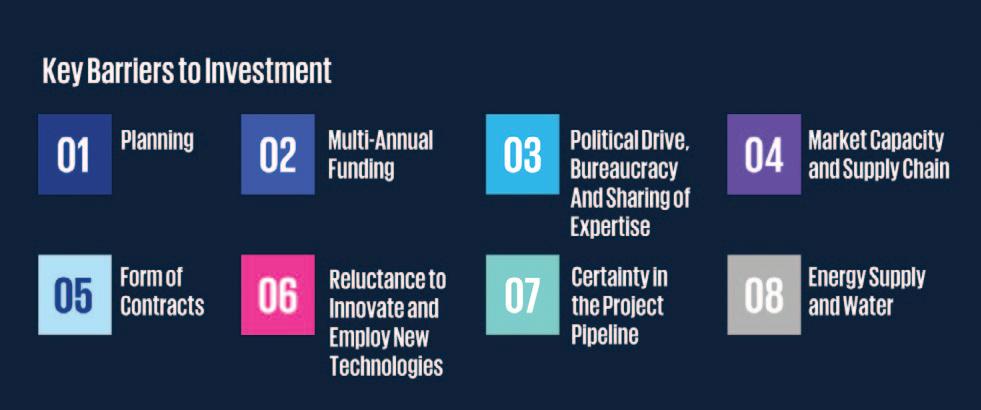
However, to truly instill confidence in the market, we must ensure certainty on the programme of delivery. For too long now the market has lacked confidence in the reality of Project Ireland 2040 and the feasibility of its project delivery timelines. We have witnessed a decline
In order to advance enablers that will improve quality of life and drive our economy, we need to derisk infrastructure funding and prioritisation from changes in the political regime of the time.
in the depth of our own contracting market since the recession, further worsened by Covid-19. We are competing, especially for the mega projects, against other more attractive overseas markets that offer different contract forms and often provide support for the substantial costs incurred during the bidding process, which can amount to millions. To rekindle market interest, we should actively promote our planned 10+ year infrastructure spending programme, both domestically and internationally.
As an important aside, many procuring authorities are hampered in their forward planning due to the uncertainty of funding. Infrastructure delivery will always span multiple election cycles. In order to advance enablers that will improve quality of life and drive our economy, we need to derisk infrastructure funding and prioritisation from changes in the political regime of the time. The Programme for

healthcare, rail, roads, and student accommodation. If this is followed through on, it will be a real game changer.
As well as these promising measures to enhance how critical infrastructure is funded and delivered, it should also be noted that the Programme for Government has a number of key commitments on what will be delivered. The target to deliver 300,000 homes by 2030 end will be widely welcomed, as will the commitment on additional capital support to enable Uisce Éireann to support this target. It is also good to see the proposal to set up a Modern Methods of Construction Innovation fund to support innovation in housing delivery.
It would be remiss not to mention climate ambitions and there are number of important commitments and statements of policy included. There are commitments on renewable energy generation and key measures such as prioritising the Designated Maritime Area Plans for offshore. There is support to scale up investment in the electricity system and commitments of support for greater electrical interconnectivity. It is good to see that there is recognition of the role that Data Centres can play in the decarbonisation of our energy system as well as wider economic value. Other decarbonisation commitments include support for district heating and the acceleration of projects to encourage modal shift in transport.
Overall, the Programme for Government presents a promising and ambitious roadmap for addressing Ireland's critical infrastructure needs. By prioritising a clear and credible macroeconomic and fiscal framework, and committing to substantial investments in capital spending, the Government is taking significant steps to enhance economic resilience and foster regional development. The outlined measures, such as the creation of a dedicated Infrastructure Division and the expansion of the NDFA’s remit, demonstrate a proactive approach to overcoming longstanding challenges in project delivery and market confidence.
The success of these initiatives hinges on effective implementation and sustained political support. Ensuring funding certainty and insulating infrastructure priorities from political changes are crucial for maintaining momentum and delivering on our critical infrastructure needs. The ambition is to be applauded but the proof will be in the ability and speed of implementation. Infrastructure has never had so much profile as it had in this election. Let us hope it lives up to the hype.
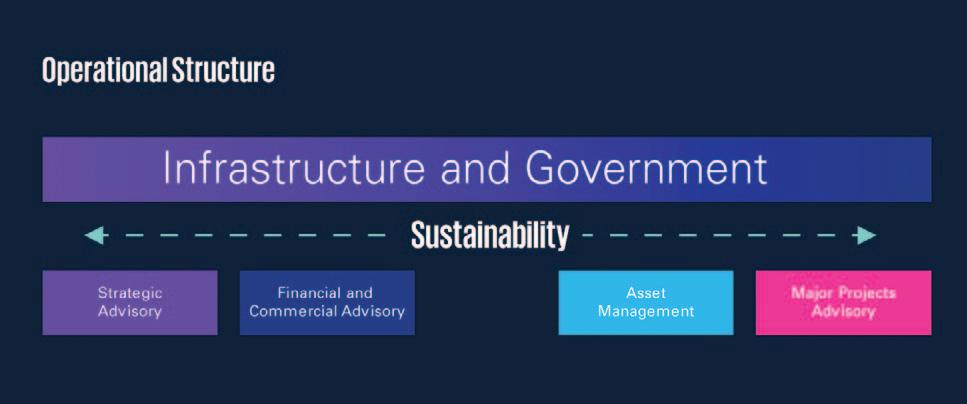
At KPMG we collaborate with various sectors and stakeholders to address challenges with infrastructure delivery and find better ways of working. As the market evolves, and in alignment with the Programme for Government, we have expanded our services to ensure we provide a whole project life cycle offering to clients that is credible, of value, and ensures a comprehensive range of supports are available to assist in navigating complexities and achieving policy objectives.
Contact us for expert guidance and support for your infrastructure project needs:
Paul O’Neill
Head of Infrastructure and Commercial Advisory
E: paul.oneill@kpmg.ie W: www.kpmg.ie
Matthew King
Head of Asset Management and Major Projects Advisory
E: matthew.king@kpmg.ie W: www.kpmg.ie

Although the construction sector continues to deal with supply challenges arising from the Covid-19 pandemic and the war in Ukraine, the Build 2024 report asserts that there is “reason to be positive” in terms of the initiatives which aim to increase the efficiency and productivity of the sector.
The Build 2024: Construction Sector Performance and Capacity report, published by the then-Department of Public Expenditure, NDP Delivery and Reform (DPENDR) in June 2024, outlines how the construction sector has faced significant challenges over recent years including Covid-19 restrictions, inflationary pressures, and supply chain disruptions.
However, the report asserts that there is reason to be positive due to initiatives being undertaken by the public and private sectors such as the adoption of modern methods of construction (MMC), the introduction of the public sector building information modelling (BIM) mandate, and reforms to the planning system under the Planning and Development Act 2024.
On investment and funding in the construction sector, the report states that gross fixed capital formation (GFCF) – which captures both public and private investment in building and construction (B&C) in areas such as housing, commercial buildings, civil engineering, and public infrastructure –increased by circa 6 per cent to €31.5 billion in 2023 relative to 2022. In addition, forecasts anticipate GFCF in
B&C of €36 billion in 2024 with further growth anticipated in the years ahead as investment increases.
On implementation of the National Development Plan, the report states that a total of 132 projects have received funding of €1.7 billion between 2018 and 2023 under the Urban Regeneration and Development Fund (URDF) while 245 projects received funding totalling €577 million between 2018 and 2024 under the Rural Regeneration and Development Fund (RRDF).
On planning and delivery, the report states that there were 32,801 residential commencement notices in 2023, an increase of 5,844 (22 per cent) relative to 2022. Similarly, the number of planning permissions granted for civil engineering projects increased by 14 per cent to 2,529 in 2023 relative to 2022.
However, it is noteworthy that Dublin has seen a significant drop in the proportion of planning permissions for apartments; falling from 94 per cent of all permissions in 2021 to 74 per cent in 2023. Nonetheless, apartments now account for a substantial share of
dwelling completions across the State, rising by a factor of four from 9 per cent of completions in 2018 to 36 per cent in 2023.
The value of exports by construction companies grew by one-fifth in 2022 (relative to 2021) to €3.76 billion, with market analysis suggesting that demand for commercial office spaces is slowing down and will continue to decrease over the next two to three years.
There is an opportunity for some of the workforce in commercial property to transfer to residential construction during this period, particularly apartments. There is also potential to convert some vacant office buildings into residential units.
Publishing the report, Minister Paschal Donohoe TD said: “Build 2024 shows that collaboration between the public and private sectors continues to increase the efficiency and productivity of the construction sector.
“It is vital to maintain the existing momentum and focus on measures that can assist in removing bottlenecks to delivering on the priorities outlined in the National Development Plan.”


Delivery and Reform, Jack Chambers TD, is set to expand to include infrastructure.
Leading a department that is to be rebranded to reflect its delivery priorities over the next five years, Chambers will, at some stage in the short term, formally be called the Minister for Public Expenditure, Infrastructure, Public Services, Reform, and Digitalisation
This change is reflected in the policy proposals in the 2025 Programme for Government (PfG), which outlines goals for infrastructure and construction, aiming to address the State’s evolving infrastructure needs.
The PfG outlined priorities for national development, focusing on economic stability, housing, public services, and infrastructure. Key commitments include:
• Housing: A pledge to construct 300,000 new homes by 2030.
• Transport: Investments in major transport projects, such as the M28 motorway to enhance connectivity between Cork City and Ringaskiddy, and the DART+ program, which aims to expand Dublin’s rail network to areas like Drogheda, Maynooth, and Hazelhatch.
• Energy: Development of integrated data centres and district heating systems, alongside the construction of the Celtic Interconnector, a project designed to link Ireland’s electricity grid with France, enhancing energy security and sustainability. Trial operations are set to commence on the interconnector in 2026.
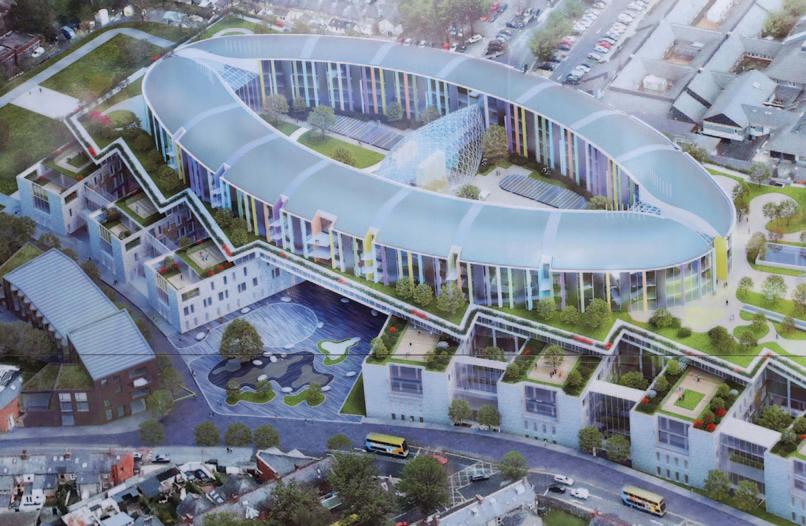
• Health: Commitment to four new hospital projects, as well as the delivery of the National Children’s Hospital, which faces reported delays into 2026, having originally meant to be completed in 2022.
• Public services: Expansion of publicly available electric vehicle charging points, promoting the adoption of sustainable transportation.
Department to be renamed
Over the course of the next five years, the Department’s remits are to expand to include infrastructure and digitalisation. This comes after initial proposals to establish a separate Department of Infrastructure, as advocated by Tánaiste (Taoiseach at the time) Simon Harris TD.
The Fine Gael election manifesto outlined the necessity of a dedicated department to manage the construction of 250,000 homes over five years and to address related challenges such as migration, child poverty, and climate change.
Ultimately, with the proposal proving unpopular with the Government’s right-leaning independent coalition partners, the Government opted for an integrated approach, consolidating responsibilities within a single department to ensure streamlined decision-making and efficient resource allocation.
Reflecting on the previous government’s tenure, several infrastructure and construction targets set out in the 2025 PfG were pursued with varying degrees of success:
• Housing: By the end of 2024, then Minister for Housing, Local Government and Heritage Darragh O’Brien TD hailed the construction of nearly 40,000 homes, surpassing initial targets. However, the Central Statistics Office (CSO) later reported that only 30,330 homes were completed in 2024, representing a 6.7 per cent decrease from 2023.
• Transport: Significant investments were made in road infrastructure, with €713 million allocated in 2025 for improvements, including the construction of new bypasses in Killaloe, Ballina, and Limerick City, marking the highest investment in roads for over five years.
• Cross-border: Over €800 million was committed to Shared Island projects, including €600 million for the A5 North-West transport corridor.
• Water: The Government committed over €1.7 billion annually to Uisce Éireann, approved the Eastern and Midlands Water Supply Project, launched a €125 million Rural Water Programme, and advanced the Ulster Canal restoration, ensuring sustainable water supply and regional development.
While these efforts indicate progress, challenges remain in fully realising the ambitious infrastructure and construction goals outlined in the PfG.
The integration of infrastructure oversight into a single department under Minister Chambers’ leadership is poised to address these challenges through coordinated policy implementation and strategic investment.
Jack Chambers TD, the youngest member of the new Cabinet aged 34, is the new Minister for Public Expenditure, NDP Delivery and Reform, having swapped his former portfolio of Finance Minister with Paschal Donohoe TD. Chambers’ appointment has been welcomed by Chief Information officer Barry Lowry, who says that he ‘gets it’ regarding the importance of digitalisation in the context of the Department’s remit.
Chambers has articulated a vision of leveraging the State’s economic resources to fund critical infrastructure projects, including the housing, energy, water, and transport sectors. Notably, he announced plans to utilise €14 billion in back taxes from Apple to finance these initiatives, with a spending framework set for approval in early 2025.


Speaking with eolas Magazine, Eoghan Sweeney, Project Director of Transdev Dublin Light Rail Limited, explains how Transdev is shaping the future of urban mobility.
With two decades of experience operating Dublin’s Luas light rail system, Transdev has established itself as a leading player in Ireland’s public transport landscape. However, the company’s influence goes far beyond simply running a tram system: it is a leader in innovation, sustainability, and service excellence, with a global reputation for delivering world-class transport solutions.
As Ireland’s population continues to grow and cities become more congested amid shifting commuting patterns, Transdev’s expertise has positioned itself as a strategic partner for policymakers to meet these challenges.
According to Sweeney: “Public transport is not just about moving people; it is about shaping the ways in which cities function. We must provide transport solutions that
are sustainable, efficient, and tailored to the communities we serve.”
This philosophy underpins Transdev’s approach, not just in Ireland but across the 19 countries in which it moves over 11 million passengers daily.
Transdev is one of the world’s largest private mobility operators, delivering services across Europe, North America, Asia, and Australasia. The company manages and maintains a variety of transport systems, including:
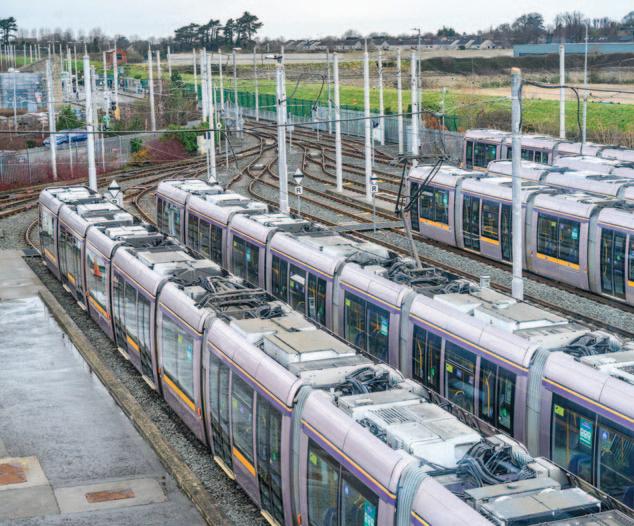
• light rail and tram networks (such as Luas in Dublin, Sydney’s light rail system, and Rouen’s tram system);
• bus services (both urban and intercity);
• commuter rail networks; and
• autonomous and on-demand transport solutions.
In Ireland, Transdev is synonymous with Luas, Dublin’s tram system, which, today, is indisputably an integral part of the city’s infrastructure.
In this context, Sweeney emphasises the company’s dual focus on international expertise and local adaptation. “One of our biggest strengths is our ability to take global best practices and tailor them to the local environment,” he says, adding: “No two cities are the same, so our solutions must be designed with the needs of the Irish market in mind.”
This approach has enabled Transdev to build a strong reputation for reliability and service excellence in Ireland.
The introduction of the Luas Green Line in June 2004 and the Red Line in September 2004 were landmark moments in Dublin’s transport history. For decades, the country’s capital city had struggled with congestion, limited public transport options, and overreliance on private cars. The arrival of Luas provided a modern, efficient alternative, reshaping how people navigate the city.
Since its introduction 21 years ago, the system has expanded significantly, with the Green Line extension to Broombridge in 2017 marking one of the most important milestones.
Today, Luas spans 42 kilometres, with
“Sustainability is not just a buzzword for us; it is embedded in everything we do.”
Eoghan
67 stops connecting key areas of Dublin. The network carries over 54 million passengers annually, underscoring its role as a backbone of the city’s transport infrastructure.
Sweeney reflects on this journey: “When Luas first launched, there was some scepticism about whether Dubliners would embrace a tram system. But today, it is impossible to imagine the city without it. The level of ridership and public trust in Luas is a testament to its success, demonstrated by our consistently high customer satisfaction scores.”
The economic benefits of light rail investment are also clear. Studies show that property values near Luas stops have increased, businesses along the
route have thrived, and commuters have enjoyed shorter, more predictable journeys.
With further Luas expansions under discussion, including an extension to Finglas, Transdev’s role in Dublin’s transport future is set to grow.
Equipped with global expertise in sustainable transport, Transdev is at the forefront of transport innovation, leveraging technology to enhance the efficiency, safety, and sustainability of its operations. “In Ireland, the company plays a major role in Ireland’s transition
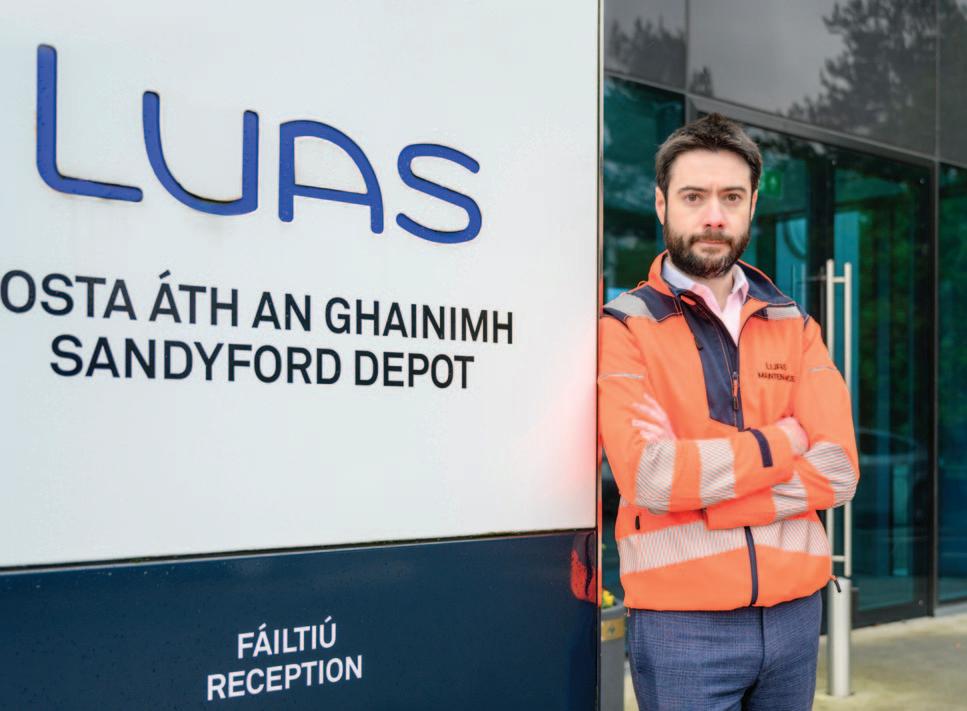
To date, key technological advancements within Luas include:
• Real-time monitoring systems: Ensuring smoother operations and faster response times for disruptions.
• Predictive maintenance: Using conditional monitoring systems to identify potential challenges before they impact service.
• Smart ticketing and contactless payments: Making it easier and faster for passengers to board.
• Data-driven scheduling: Optimising tram frequency based on passenger demand and peak travel times.
“Technology plays a crucial role in modern transport. From the way we manage our infrastructure to how we interact with passengers, innovation is helping us deliver a safer, more reliable service,” Sweeney remarks.
With the Government having outlined legally binding targets for greenhouse gas emissions reductions, sustainable
transport solutions will continue to play a key role in meeting the State’s decarbonisation targets. Sweeney states that Transdev is fully aligned with the Government’s Climate Action Plan targets, focusing on low-emission transport.
Luas is already one of the greenest modes of transport in Dublin, reducing congestion while simultaneously cutting carbon emissions compared to car travel. However, Transdev is aiming to enhance sustainability of Dublin’s light rail system by:
• exploring renewable energy generation sources for Luas operations;
• supporting TII to improve energy efficiency through better tram design and maintenance; and
• advocating for further public transport investment to reduce reliance on cars.
“Sustainability is not just a buzzword for us; it is embedded in everything we do,” Sweeney explains. “The transition to greener transport systems is essential for Dublin’s future, and we are proud to be leading the way.”
On the reliability and safety of public transport, Sweeney says: “Public transport relies on trust. Therefore, passengers must feel safe, comfortable, and confident in the service.”
For Transdev, this means stringent safety measures and a sharp focus on customer experience. As such, Transdev has implemented:
• comprehensive staff training programmes to enhance safety awareness;
• passenger feedback systems to continually improve service quality; and
• enhanced security measures to ensure a safe commuting environment.
The Project Director emphasises that safety is not negotiable: “Safety is not just about compliance, it is also about culture. Every member of our team is trained to prioritise passenger wellbeing, and we constantly review our protocols to maintain the highest standards.”
Customer service is equally crucial to Transdev’s vision for public transport, with digital tools and real-time updates ensuring passengers have all the information they need for a seamless journey.
As Ireland looks ahead to 2030 and beyond, public transport investment will be a cornerstone of national infrastructure planning. Comprising the National Planning Framework and the National Development Plan, Project Ireland 2040 highlights the need for:
• further Luas expansions to accommodate growing demand;
• integration of bus and rail networks for a seamless transport experience; and
• adoption of new transport technologies, including autonomous and on-demand mobility solutions.
With population growth and urbanisation accelerating, Transdev will play a critical role in ensuring that Dublin has a public transport systems can meet future demand.
“The next decade is going to be crucial,” Sweeney says. “Cities are changing, and public transport must evolve with them. At Transdev, we are excited to be part of that transformation.”
With proven expertise, a commitment to sustainability, and a focus on technological innovation, Transdev is well positioned to help Ireland meet its transport challenges head on.
By embracing innovation, safety, and sustainability, Transdev ensures that Ireland’s public transport remains world-class while supporting economic growth, environmental goals, and urban connectivity.
“We do not just operate transport systems, we help build better cities,” Sweeney summarises, concluding: “With decarbonising targets underpinning the need for further evolution of Ireland’s public transport system, Transdev stands as a trusted, experienced partner, ready to drive the State’s public transport future forward.”
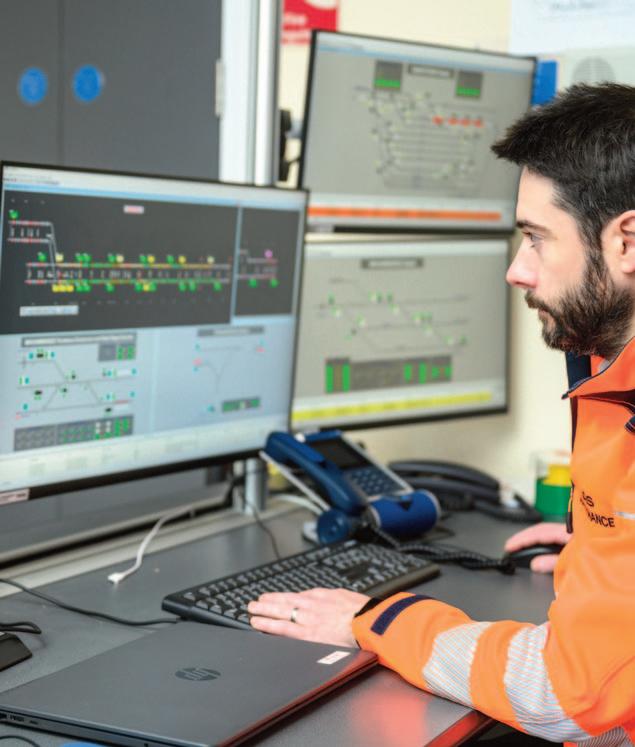
Eoghan Sweeney is Project Director of Transdev Dublin Light Rail Limited, the Irish branch of global public transport operations company Transdev.
Starting as an intern, he worked across engineering, project management, and operations, rising to Deputy Managing Director and more recently Project Director in his 15 years with the company. He has played a key role in the Luas Cross City extension and has led performance, contracts, and innovation initiatives.
He holds a degree in transport operations and engineering from TU Dublin, a master’s in light rail energy reduction, and a professional diploma in strategy, development and innovation from UCD Michael Smurfit Graduate Business School.
W: www.transdev.com

When launched in 2018, Project Ireland included over 150 projects with a value in excess of €20 million. The pipeline of projects has continued to expand and evolve since then. There are now over 300 large projects at various stages of the project lifecycle. eolas Magazine outlines the priority projects as specified in the Prospects 2024/2025 report.
The Prospects 2024/2025 report, published in November 2024, highlights 50 projects that make up Project Ireland 2040. The Department of Public Expenditure, NDP Delivery and Reform states that the report aims to provide further visibility on the State’s priority infrastructure over the coming years, facilitating firms to plan commercial bids for these major infrastructure projects.
Roughly half of projects are large scale infrastructure in the areas of public transport, housing and health, ranging in value from €200 million up to €1 billion or slightly above.
Almost 60 per cent of projects outlined in the report are set to commence in 2025 and 2026, and around half of projects are anticipated to be completed between 2027 and 2029, such as: Wastewater Treatment Plants in Bailieborough, Buncrana and Nenagh, the M28 Cork to Ringaskiddy Road, University
Hospital Waterford 60-Bed Acute Mental Health Unit, new post-primary schools in Westmeath and Wicklow under Project Dargle, and regenerated social housing in Constitution Hill, Dublin 7.
Speaking upon publication, then Minister Paschal Donohoe TD said: “We need the construction industry, in Ireland, the EU and internationally, to consider the role that they can play in delivering the projects outlined in Prospects.
“Ireland needs competitive, dynamic, and sustainable construction firms that can deliver high quality physical infrastructure.”
Listed in the boxes below is each project listed in the report, along with its their current stage, construction timeline, and cost range.
1. MetroLink, Pre-tender: Project design, planning, and procurement strategy, 2028-2030s, €1 billion+
2. Active Travel, various stages, 2021-2030, €1 billion+
3. BusConnects, various stages, 2025-2030+, €1 billion+
4. All-Island Strategic Rail Review, various stages, €1 billion+
5. Cork Area Commuter Rail Programme, strategic assessment and preliminary business case 2024-2031+, €500 million-€1 billion
6. DART+ West, pre-tender: Project design, planning and procurement strategy, 2027-early 2030s, €500 million to €1 billion
7. DART+ South West, pre-tender: Project design, planning, and procurement strategy, 2026-early 2030s, €500 million to €1 billion
8. DART+ Coastal North and South, various stages, 2026-2030s, €200 million to €500 million
1. N/M20 Cork to Limerick, strategic assessment and preliminary business case, 2028-2032, €1 billion+
2. N17 Knock to Collooney, Strategic assessment and preliminary business case, 2029-2033, €500 million to €1 billion
3. Donegal TEN-T, pre-tender: Project design, planning, and procurement strategy, 2028-2032, €500 million to €1 billion
1. Water Supply Project: Eastern and Midlands Region, pre-tender: project design, planning, and procurement strategy, 2028-2032, €1 billion+
2. Greater Dublin Drainage, pre-tender: project design, planning and procurement strategy, 2028-2032, €1 billion+
3. Ballina/Lough Talt WSZ Upgrade, pre-tender: project design, planning, and procurement strategy, 2027-2030, €100 million to €200 million
4. Nenagh Wastewater Treatment Plant Upgrade, pre-tender: project design, planning and procurement strategy, 2025-2029, €50 million to €100 million
5. Bailieborough WWTP Upgrade, pre-tender: project design, planning and procurement strategy, 2026-2029, €20 million to €50 million
6. Buncrana WWTP Upgrade, pre-tender: project design, planning and procurement strategy, 2026-2028, €20 million to €50 million
1. Lower Lee (Cork City) Flood Relief Scheme, strategic assessment and preliminary business case, 2026-2030, €100 million to €200 million
2. Limerick Flood Relief Scheme, strategic assessment and preliminary business case, 2028-2032, €20 million to €50 million
3. Blackpool Flood Relief Scheme, strategic assessment and preliminary business case, 2026-2029, €20 million to €50 million

4. A5/N2 Clontibret to the Border, strategic assessment and preliminary business case, 2028-2032, €200 million to €500 million
5. N21/N69 Limerick to Adare to Foynes, project design, planning and procurement strategy, 2025-2030, €200 million to €500 million
6. M28 Cork to Ringaskiddy Road, project design, planning and procurement strategy, 2025-2028, €200 million to €500 million
7. N72-N73 Mallow Relief Road, strategic assessment and preliminary business case, 2025-2028, €20 million to €50 million
1. New Children's Hospital, implementation, 2017-2025, €1 billion+
2. Elective hospitals: Cork, Dublin and Galway, strategic assessment and preliminary business case (Dublin), pre-tender: project design, planning and procurement strategy (Cork and Galway), 2025-2027, €1 billion+
3. National Maternity Hospital, project design, planning and procurement strategy, 2025-2029, €500 million to €1 billion
4. St Joseph's Care Centre, Longford (CNU), Implementation, 2024-2027, €20 million to €50 million
5. Enhanced Community Care Hub, Knocknacarra, Galway, pre-tender: project design, planning and procurement strategy, 2025-2026, €20 million to €50 million
6. University Hospital Waterford, New 60-Bed Acute Mental Health Unit, pre-tender: project design, planning and procurement strategy, 20272029, €20 million to €50 million
1. ADAPT 4 Programme Innovate, project design, planning and procurement strategy, 2028-2031, €1 billion+
2. Devolved School Building Programme 2: Project Dargle, pre-tender: project design, planning and procurement strategy, 2026-2028, €200 million to €500 million
3. Cork University Business School (CUBS), pre-tender: project design, planning and procurement strategy, 2026-2028, €100 million to €200 million
4. University of Galway Learning Commons, pre-tender: project design, planning and procurement strategy, 2025-2027, €50 million to €100 million
5. Dundalk Institute of Technology (DKIT): National Centre for Craft Apprenticeship Provision, pre-tender: project design, planning and procurement strategy, 2025-2028, €20 million to €50 million
1. Cork City Docklands, strategic assessment and preliminary business case, 2024-2037, €500 million to €1 billion
2. Accelerated Social Housing Delivery Programme, various stages, 20242027, €500 million to €1 billion
3. Social Housing PPP Bundle 4, procurement, 2026-2037, €200 million to €500 million
1. National Broadband Plan (NBP), implementation, 2020-2027, €1 billion+
2. Rural Regeneration and Development Fund (RRDF), various stages, various, €500 million to €1 billion
4. Dundrum Central, applying for planning permission, 2026-2032, €200 million to €500 million
5. Bluebell Waterways, Dublin 12, applying for planning permission, 20262031, €50 million to €100 million
6. Constitution Hill, Dublin 7 (Phase 1 and 2), project design, planning and procurement strategy, 2025-2028, €50 million to €100 million
7. Ballymakenny, Drogheda, County Louth, project design, planning and procurement strategy, 2025-2026, €20 million to €50 million
3. National Concert Hall, pre-tender: project design, planning and procurement strategy, 2026-2029, €100 million to €200 million
4. Electricity Transmission Network: North-South Interconnector Project, construction, energisation and benefit sharing, 2026-2028, commercially sensitive



Stuart Conaty and Fiona Egan, partners in Beauchamps, discuss a number of opportunities for streamlining existing processes and expediting the delivery of public infrastructure.
With the pressing need to accelerate the delivery of housing required to support its growing population, facilitate sustained economic growth and decarbonise its economy by 2050, Ireland must streamline the delivery of critical infrastructure.
One of the key objectives of the latest EU Renewable Energy Directive (RED III) introduced in October 2023 is the streamlining of the consent process for renewable energy projects as well as the “grid and storage projects that are necessary to integrate renewable energy into the electricity system”. Given Ireland’s reliance on electrification to decarbonise its economy and a target of 80 per cent of its electricity generation from renewable sources by 2030, pretty much all the future expansion and upgrading of our electricity grid will come within RED III.
For Ireland to avail of this streamlined process the State must first identify the general areas where such grid
infrastructure is required and undertake a strategic environmental assessment (SEA) of these areas, identifying appropriate mitigation measures to address any significant environmental impacts. The requirement for public participation is fulfilled by the SEA process and individual projects are exempt from the requirement to undergo an environmental impact assessment or appropriate assessment, with environmental protection assured through the implementation of the mitigation measures identified in the SEA process.
RED III provides a blueprint which could be applied for other critical infrastructure such as water and wastewater. Article 2(4) of the EIA directive allows member states, at their own instigation, to derogate certain projects from the requirement to undergo an environmental impact
assessment in “exceptional cases”. For a project to be an ‘exceptional case’ it must be a project where failure to implement the project would have an adverse impact on the public interest such that applying the full requirements of the EIA Directive would be likely to compromise achieving the objectives of the project. Where member states choose to apply this exemption, they must adopt alternative procedures to ensure the overriding objectives of the Directive are otherwise achieved.
Ireland has invoked Article 2(4) on one occasion only in 2022 for the installation of emergency generators to address the risk to the security of our electricity supply following the onset of war in Ukraine. However, the alternative assessment procedure adopted in that instance was cumbersome, but RED III now provides a very useful template for use with future derogations and Ireland should not be reluctant to use this procedure for other critical infrastructure.
Procurement and delivery of majority Exchequer funded projects in Ireland is implemented through the Capital Works Management Framework (CWMF).
While the CWMF aims to ensure transparency, accountability, and value for money, it has been criticised for its complexity and administrative burden.
The Construction Industry Federation (CIF) is a vocal advocate for reform, highlighting issues such as the overreliance on lowest-price award criteria, delays in tender awards, and the high cost of tendering. These factors have led to a narrowing of the tender pool, reducing competition and stifling innovation.
To address this, the CIF calls for a shift towards quality-based criteria and whole-life cycle costing. This approach would not only improve project outcomes but also encourage broader participation in public tenders.
The Housing Commission has also outlined a series of recommendations including, reducing the four stage approvals process for social housing projects to a single stage process, and reforming the public works contract focusing on collaboration and dispute resolution.
There is growing interest in alternative contracting models, such as the NEC (new engineering contract) form of contract, which emphasises collaboration, early contractor involvement, and proactive risk management. To date NEC in Ireland is generally associated with major infrastructure projects like MetroLink, though there are some promising examples of its use on both small and large scale projects in the UK and the North which suggest that NEC could play a broader role in Ireland and the NEC risk model should be taken into consideration as part of a broader review of the CWMF.
It should be noted many changes have been made to the suite of public works contracts in recent years to make the risk profile more balanced and palatable to tenderers. In many cases, however, where construction disputes arise, the form of contract alone is not the challenge, and the root cause of the dispute can often be traced back to procurement and tender stage, particularly as they relate to the adequacy and sufficiency of the works requirements/specification. To fully realise the benefits of collaborative contracting, Ireland must also invest in
upskilling procurement teams and embedding best practices in risk management and dispute resolution. Digitalisation also offers significant opportunities to improve efficiency. Building information modelling (BIM), for example, can enhance project planning and coordination, while modern methods of construction, and a move to more offsite manufacturing, can reduce construction timelines and lower embodied carbon.
The challenges to delivering Ireland’s future infrastructure requirements are significant, but equally there are opportunities to overcome these challenges, streamline the consenting process and expedite the delivery of key infrastructure. Ireland needs to avail of all the measures available to it to streamline the consenting process and by prioritising quality over cost, embracing collaborative contracting, and leveraging digital technologies, it can deliver.
W: www.beauchamps.ie

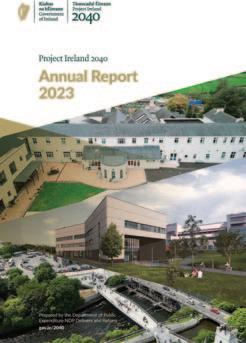

In 2025, the capital ceiling for projects under Project Ireland 2040 and the National Development Plan 20212030 is set to increase by €1.4 billion to an overall annual spend of €14.5 billion, the Government’s latest progress report on Project Ireland 2040 has shown.
The Project Ireland 2040 Annual Report for 2023, published in September 2024 states that key achievements in 2023 include the completion of over 330 school building projects, with investment in the School Building Programme exceeding €1.26 billion. The healthcare sector also saw notable progress, with the completion of five community nursing units and nine primary care centres.
Transport infrastructure was strengthened with the delivery of major road projects such as the N5 Westport to Turlough in County Mayo, and the N22 Ballyvourney to Macroom in County Cork, alongside the rollout of 100 new double-decker buses for Dublin as part of a push towards sustainable public transport. Additionally, the National Broadband Plan connected over 205,600 premises to high-speed internet.
Complementing the annual report, three regional reports examine investments in the eastern and midland, northern and western, and southern regions.
• 11,939 new homes were brought into the active social housing stock including 8,110 new build social homes
• Social Housing PPP programme: In January 2023 Bundle 6 was announced which will provide approximately 500 new social homes while Bundle 7, announced in November, 2023, will provide approximately 650 new social homes.
• A new Forensic Science Laboratory at Backweston, County Kildare was completed and handed over to Forensic Science Ireland in July 2023.
• Significant progress made on Dublin Family Courts Complex.
• N21/N69 Limerick to Adare to Foynes: Cabinet approval November 2023 for acceleration of Adare Bypass in time for the 2027 Ryder Cup.
• N5 Westport to Turlough, Mayo: Scheme officially opened June 2023
• M8/N25 Dunkettle Interchange: Construction was ongoing in 2023 and the upgrade scheme was officially opened in February 2024
• N22 Ballyvourney to Macroom road: Opened November 2023
• National Broadband Plan: 283 broadband connection points (BCPs) and 672 school strategic connection points (SCPs) were in place by the end of 2023. As at the end of 2023, over 446,500 premises have had detailed designs completed, and over 217,000 premises were available for order/pre-order. In addition, over 205,600 premises were passed and able to avail of a high-speed broadband connection, with over 65,700 premises already connected. The NBP programme is active in every county in the State, and is stated as being “ahead of schedule”.
• Under the Rural Regeneration Development Fund (RRDF), 24 Category 1 projects were approved for funding of €45.5 million were completed in 2023. Completed projects included The Virginia Library, An Ríoga Project in County Roscommon and the Trim Library and Cultural Centre.
• €22.3 million was invested in Town and Village Renewal Scheme projects, including €4.6 million which supported the purchase of 24 properties in our rural towns
• Investment of €607 million under the Regional and Local Road Grant Programme
• Athy Southern Distributor Road construction was Completed
• BusConnects Dublin: In December 2023, An Bord Pleanála granted planning permission for the first Core Bus Corridor scheme from Liffey Valley to Dublin city centre
• BusConnects Cork: Third round of non-statutory public consultation on the 11 sustainable transport corridors commenced ran from November to December 2023
• BusConnects Galway: The Salmon Weir Bridge opened to the public in May 2023.
• BusConnects Limerick: The National Transport Authority published its final new bus network for Limerick in December 2023
• BusConnects Waterford: Workshops on the redesign of Waterford’s City bus network have been complete
• 100 new double-deck electric buses for the Dublin area fleets were delivered
• An Oral Hearing for DART+ West was held in October 2023 and a Railway Order for DART+ South West was lodged in March 2023
• Cork Area Commuter Rail Programme: The construction contract for the additional platform at Kent Station was awarded in early 2023 and enabling works have begun on site
• 34 new double decker electric buses entering service in Limerick
• Active travel: 50 school projects under the Safe Routes to School Programme (SRTS) completed by the end of December 2023.
• Greenway construction projects: 54 kilometres
strong economy, supported by enterprise, innovation and skills
• 300,583 in IDA supported employment
• 225,495 in EI supported employment
• The STEM Extension building in Dundalk Institute of Technology was completed
• The Extension to Central Campus (EO1 Project) at Atlantic Technological University (Sligo) was completed in 2023
• The UCD Future Campus Project progressed on site in 2023
• Dublin City University (DCU) Polaris Building and Trinity College Dublin (TCD) E3 Learning Foundry: Phase 1 continued progressing on site in 2023.
• In December 2023, Shannon Foynes Port Company (SFPC) substantially completed three major capacity extension works projects
• daa applied for planning permission for a suite of infrastructure projects at Dublin Airport
• Shannon Airport Group continued the sustainable transformation of commercial properties across the Shannon Campus
• A number of projects were advanced in 2023 including the Crawford Art Gallery, the National Concert Hall, the National History Museum, and the Chester Beatty Library
• 142 projects were funded in National Parks and Reserves
• Black Islands on Lough Ree was acquired by the National Parks and Wildlife Service
• Almost €990,000 disbursed through the Cultural Digitisation Scheme
• Planning permission was awarded in January 2023 for the development of a National Velodrome and Badminton Centre at the Sport Ireland National Sports Campus
• Fáilte Ireland continued to progress a national pipeline of 27 large scale attractions: Mount Congreve House and Gardens, in County Waterford, and the new National Surf Centre in Strandhill, County Sligo were opened.
• 47,952 home energy upgrades were supported in 2023, compared to 27,200 in 2022, representing a 76 per cent increase year-on year.
• 55 flood relief schemes completed by end-2023.
• Nine new wastewater treatment plants (WWTP) were completed (Kilcar, Ahascragh, Spiddal, Burtonport, Kerrykeel, Liscannor, Kilmore Quay, Castletownsend, and Inchigeelagh WWTP)
• 33 upgraded WWTPs were completed including Ringsend, Blessington and Mallow WWTP
• Eight water treatment plant (WTP) upgrades were completed including Achill WTP
• Over 330 school building projects were delivered under the largescale and additional accommodation programmes, of which over 100 are modular projects.
• A further 300 school building projects are at construction, including 31 new school builds.
• Construction commenced on Project Nore, a bundle of seven large-scale school building projects that are being delivered by the National Development Finance Agency (NDFA) for the Department of Education across schools in Tipperary, Kilkenny, Westmeath and Kildare.
• In Q4 2023 the new school campus at Carrigtwohill which will accommodate some 2,000 students reached substantial completion.
• 5 community nursing units (CNUs) were completed.
• 9 new primary care centres were completed, bringing the total to 174.
• Progress on the New Children’s Hospital now 90 per cent complete.
• Reinstatement works and upgrade at Wexford General Hospital.


Alma
Walsh, senior advisor with the National, Regional and Urban Policy Unit of the Department of Housing, Local Government and Heritage, discusses the evolution of environmental considerations in planning policy.
Setting out the existing legislative and policy framework, enshrined in the Planning and Development Act, which creates a statutory architecture for national policy to inform regional and thereafter local planning decisionmaking, Walsh highlights the significance of the shift that has already occurred to more sustainable patterns of growth for the whole country, in comparison to the boom-and-bust cycle Ireland had experienced.
The senior advisor explains that the need to shift away from “an era of developer-led approach to planning” underpins the creation of the National Planning Framework, and the requirement for its existence at a national level.
Speaking on the 17 October 2024, the day on which the President signed in to law the Planning and Development Act 2024, the third largest Bill in the State’s history, Walsh explains that the consolidation and revision of the Planning and Development Act 2000, has been a large focus for her department over the past two years.
“The priority for planning, more generally, has been around the implementation of that new Act across the planning system,” she explains.
Walsh outlines that alongside the consolidation and revision of the Bill, the Department has been working to implement and revise the National Planning Framework (NPF), ensuring
that it goes across government and through the hierarchy of the planning system – towards a more plan-led system.
An additional priority has been the continued focus on enabling and supporting accelerated housing delivery and climate action.
Outlining some of the key reforms of the Act, Walsh points to the role of the Office of the Planning Regulator in the continued improvement of consistency and alignment throughout all tiers of planning. In addition, Section 28 ministerial statements will be upgraded
to National Planning Statements, the cross-cutting nature of which, Walsh explains, will elevate planning considerations right across government.
“Very important to note are the strengthened references to biodiversity and climate change at the National Planning Framework and National Planning Statement levels, emphasising the requirement of integration of the relevant policies and measures, including biodiversity and climate change, of the Government,” she states.
“This is a requirement around integrating the relevant policies and measures of government with specific reference, for example, to the national Biodiversity Action Plan and also to the Climate Action Plan. You can see the Act now integrating and making it a legal requirement, within the planning system, to have a direct relationship and regard to, and to be informed by those particular plans at a national level, which is a critical piece underpinning the approach around environmental protection more generally, and then again, ensuring that our own obligations under the EU directives are also met. As well as ensuring that the Planning Act is fit for purpose and flexible enough to respond to those other statutory, timebound processes that we must comply with, particularly in the area of plan making.”
Pointing to the next steps for the Act, Walsh explains that phased commencement is underway, with existing provisions of the Planning and Development Act remaining in place until the relevant provisions in the Act are commenced. The Department has outlined an intention to publish a comprehensive implementation strategy, including a detailed commencement schedule, and are undertaking preparation of revised Planning and Development Regulations.
Originally published in 2018, the Government announced a revision in June 2023, framed in the context that the revision is not a full review, but a long-term strategy out to 2040 focused on five key drivers. Walsh points to population and demographic change projections on the back of Census 2022, and recognition of the need to
“Very important to note are the strengthened references to biodiversity and climate change at the National Planning Framework and National Planning Statement levels.”
update and adjust the NPF in response to the climate challenge as two critical areas of work.
“This is in relation to the language, but more specifically, to the national planning objectives – those key national objectives that inform the regional and local tiers of plan-making,” she explains. “The strategy needs to reflect those newer commitments such as the sectoral emissions targets, for example, the updated actions of the Climate Action Plan, and, more generally, updating the NPF with the capacity to respond to the climate crisis.”
Highlighting the underpinning objective of the NPF as being of compact growth and balanced regional development, Walsh points to a revised strategy which “by and large” retains the principles and objectives of the underlying 2018 NPF, but which integrates more up to date patterns of development and growth.
“We are keen to ensure that at a local level, the opportunity to allow for further NPF implementation is given, and in recognition that some of the targets are very ambitious in terms of population growth for cities and will require longer term interventions.
“To give effect to those, there is a new element to the strategy in the form of New Sustainable Communities, as well as potential requirement to plan for population growth in line with the ESRI’s high migration scenario of over 6.3 million.”
Offering a sense of some of the changes the draft NPF is likely to deliver in relation to the environment, compared to 2018, Walsh says: “We
have listened to our stakeholders and taken on board what they have been saying around the topic of environmental capacity. So, even where the population is targeted for growth, there is a reality around the capacity to deliver that.
“This speaks very much to infrastructural investment as much as anything else, so have amended National Policy Objective (NPO) 11 to reflect that and build it into the consideration of development proposals, for example, particularly at planning application stage. This goes beyond the regular planning considerations, and, in particular, takes into account the receiving capacity of the environment. That is a real value added piece to the NPO as we see it.”
Walsh also says that the draft NPF will strengthen policies in relation to biodiversity. “We have built in additional and stronger language in relation to the environmental assessments of the NPF to acknowledge the role of planning in protecting and managing the environment,” she says.
On reflecting and integrating the Climate Action Plan commitments, including in areas such as district heat and renewable electricity, she says: “It is about front loading those commitments into our national planning policy to ensure they filter right through the system.”
Concluding on the preparation of an implementation plan, Walsh says: “Coming out of the revision process, it has been made really clear that implementation is critical for the National Planning Framework, not just at the policy level, but right across government, right across investment planning and right across other sectoral policy areas.”


As Ireland’s largest construction-led Approved Housing Body (AHB) and service provider, Respond is at the forefront of delivering large-scale, mixed-tenure housing developments across the country. With over 40 years of experience, Respond is demonstrating how large-scale projects can be delivered to provide homes and build long term, integrated communities.
Respond’s commitment to delivering at scale is evident in its expanding construction programme, now valued at €2 billion. With 3,206 homes under construction, these large-scale schemes will be located across Dublin and Cork. Each will feature an approximately 50:50 split between cost rental and social homes, ensuring affordable, secure housing within mixed tenure communities.
Point: Community focused large-scale development
Griffin Point, Donaghmede, goes beyond the traditional concept of housing by integrating communal spaces, essential services, and amenities that are designed to create a strong sense of place and belonging.
The 397 social and cost rental homes are part of a carefully designed development, ensuring that tenants not only have high quality homes but also access to the facilities and support networks they need to thrive.


Respond will also provide an Early Learning and School Age Care service within the development, reinforcing the commitment to supporting families and enabling social connection. Designed with attention to detail, the project leverages Respond’s deep-rooted expertise in placemaking, planning, construction, and housing management, ensuring the development is both expansive and deeply connected to the needs of its tenants.
Griffin Point stands out for its use of modern construction methods, which streamline the building process and enhance the building quality. The external wall system has been designed so that wall units are delivered to site incorporate pre-cast concrete panels, brick slips, insulation, and windows, minimising the need for scaffolding, accelerating the development speed, and improving health and safety on site.
Every stage of Griffin Point’s design incorporates people-first urban design elements – from green spaces that encourage outdoor interaction to shared tenant facilities that bring neighbours together. The development embodies Respond’s Urban Village Placemaking approach, proving that large-scale housing can be delivered in a way that prioritises community cohesion, safety, and sustainability.


Sustainability is a guiding principle in modern housing, and Respond has placed it at the heart of its large-scale developments. From eco-friendly materials to thoughtfully integrated green spaces, every project is designed to enhance the environment while improving the quality of life for tenants.
One of the most ambitious examples is Pipers Square, Charlestown. At 598 units, it is Europe’s largest Passiv House scheme, representing a forwardthinking approach to sustainable urban living. Like all Respond developments, Pipers Square is designed to function not just as housing but as a wellconnected neighbourhood, where residents have access to local services, transport, and social infrastructure.
Developed by Cairn Homes, Pipers Square is built to the rigorous standards of the Passiv Housing Institute. These homes are designed to significantly reduce energy demand while providing optimal indoor air quality and comfort for its tenants, setting a new standard in sustainable urban living. These homes will offer substantial long-term
cost savings for tenants due to lower maintenance and operational expenses. It is hoped that with this many households potentially will be insulated from extreme energy price shocks, thus reducing financial burdens.
Director of Strategy and Public Affairs at Respond, Niamh Randall says: “Respond is forward thinking and always trying to adopt sustainable building practices. This Passiv House scheme will alleviate costs for tenants without taking away from the high quality of homes provided. We believe this scheme will be beneficial to our tenants who move into Pipers Square by significantly reducing energy consumption and lowering utility bills.”
More than just a sustainable housing development, Pipers Square is designed as a place where people can put down roots. The inclusion of a community hub, alongside essential services such as Early Learning and School Age Care, ensures that families have everything they need within walking distance. Situated close to shops, schools, parks, and public transport, the development supports walkable, well-connected urban living, a key element of Respond’s Urban Village Placemaking approach.
While Respond’s scale of delivery is impressive, what truly sets the organisation apart is its commitment to placemaking and community-building. Each large-scale development is more than just a collection of homes – it is a carefully planned, people-centred neighbourhood designed to support tenants’ wellbeing.
With over 3,200 homes in construction and a strong focus on high-quality housing design and long-term community integration, Respond is setting a new standard for large-scale housing developments in Ireland. By combining scale, expertise, and peoplefirst placemaking, Respond is not just building homes – it is creating places where individuals, families, and communities can thrive.
W: www.respond.ie



The Department of Further and Higher Education, Research, Innovation and Science has revised its projections of the number of workers needed for Ireland to successfully complete its retrofitting journey, owing to the Government’s new housing targets.
The revision of projected targets reflects new housing and sustainability targets, published by the previous government prior to the general election.
While a report in 2023, Report on the Analysis of Skills for Residential Construction and Retrofitting, 2023 to 2030, estimated a need for 50,831 new entrants, updated projections suggest even greater urgency due to increased housing targets and evolving construction methods.
The 2023-2030 report set a target of 33,000 homes per year and 446,300 retrofits by 2030. However, the new analysis, an updated Report on the Analysis of Skills for Residential Construction and Retrofitting, published in November 2024, raises these figures significantly, calling for the completion of 50,000 new homes annually and an increased rate of 63,444 home retrofits each year.
This adjustment reflects a growing gap between workforce capacity and national housing ambitions, emphasising the need for a more efficient and welltrained workforce.
A key divergence between the two reports is the role of modern methods of construction (MMC). The 20232030 report does not account for increased usage of MMC, forecasting a 50,831 worker shortfall to meet targets.
The updated report, however, models two scenarios: one where non-MMC methods continue to predominate, requiring 78,885 additional workers, and another where a 24 per cent increase in productivity through MMC reduces the total number of required workers by 10,000. This shift highlights the growing importance of prefabrication and modular techniques in alleviating labour shortages while also signalling a need for upskilling and workforce adaptation.
The updated analysis also brings a more detailed breakdown of workforce requirements, refining earlier projections. Compared to the previous report, the demand for electricians and plumbers has increased, largely due to the shift toward electrified heating
Housing target 33,000 new homes per year 50,000 new homes per year
Retrofitting target 446,300 homes by 2030 63,444 homes per year (updated focus on energy efficiency)
Workforce shortfall 50,831 new entrants needed Up to 78,885 new entrants, depending on MMC adoption
systems and energy efficient retrofits. Conversely, the updated report says that trades such as roofing and glazing may see a decline as prefabricated building elements become more common.
The new report also identifies an urgent need for digital construction skills, particularly in areas like building information modelling (BIM) and smart energy installation. These trends reinforce the necessity for a workforce that is not just larger but more technologically skilled, moving away from a solely craft-based focus.
While both reports acknowledge the growing skills gap, the latest update provides clearer recommendations for bridging it. The focus is now on expanding apprenticeship programmes and ensuring greater collaboration between education providers and industry stakeholders.
Specialised training in zero-energy building techniques, solar installation, and heat pump systems is now seen as essential to addressing the shortage of qualified workers. There is also a stronger emphasis on fast tracking qualification pathways to address immediate labour shortages.
The new analysis also reflects changes in housing development trends. The 2023–2030 report had assumed steady growth in singlefamily homes, but the ESRI’s report Population Projections: structured housing demand and data from Census 2022 detail a significant shift toward apartment construction.
This requires more specialised training in highdensity building techniques and a greater reliance on modular and off-site manufacturing, which in turn demands a different mix of skills than previously projected.
Another notable difference is the pacing of workforce expansion. The 2023-2030 report anticipated a sharp increase in workforce demand, whereas the updated report proposes a more gradual scale-up.
Housing completions are now expected to rise from 30,330 in 2024 to 63,000 by 2030, while retrofitting projects are projected to increase from 34,114 homes in 2024 to 89,422 by 2030.
This phased approach aims to mitigate the effects of labour shortages and ensure a more sustainable transition to higher activity levels, as failure to do so could overwhelm the sector with an immediate shortfall.
Ultimately, the updated Report on the Analysis of Skills for Residential Construction and Retrofitting reflects a more data-driven and technologically focused outlook compared to its predecessor owing to the new targets which account for MMC adoption, phased workforce growth, and digital skill integration, and arguably provides a clearer roadmap for meeting Ireland’s ambitious housing and sustainability goals.
However, as the new government takes office, it is unclear whether green policies will continue to be a top priority at government level, meaning that success will depend on swift and strategic investments in training, education, and industry collaboration to ensure the workforce can adapt to evolving construction methodologies.

In the recent case of Dromaprop Ltd v Leitrim County Council [2024] IEHC 234, the High Court confirmed several important principles relating to the role of a county council in the building regulations regime in Ireland.
On completion of a building to which the Building Control Regulations 1997 to 2024 (“the Regulations”) apply, a Certification of Compliance on Completion (“a Certificate”), signed by the Builder and the Assigned Certifier must be submitted to a Building Control Authority (“BCA”). The Regulations provide that on receipt of a Certificate, a BCA has 21 days to either:
i. invalidate the Certificate;
ii. request further information, or
iii. validate the Certificate and place it on the register thereby confirming that the Certificate was properly
completed and signed by the required persons, and that there are no unresolved matters in relation to information requests, enforcement notices or conditions attaching to Fire Safety Certificates or Disability Access Certificates.
Where the BCA does not validate or reject a Certificate or seek further information within these 21 days, the Certificate will be placed on the register automatically. Once a Certificate is placed on the register, a building may be opened, occupied or used.
The Regulations allow that for buildings that are completed for occupation on a
phased basis, such as apartment complexes, Certificates for each phase may be submitted separately at the completion of each stage. These Certificates should clearly identify the parts of the building or the particular works to which they relate. Where these Certificates are in order, the BCA should accept each and place it on the register thereby allowing that part of the building to be opened, occupied or used.
In Dromaprop, the decision of Leitrim County Council not to register a Certificate was quashed. The applicant in the case carried out works on the Abbey Manor Hotel in Dromahair, County Leitrim for the purpose of converting it for use as accommodation. The applicant
submitted a Certificate to Leitrim County Council covering the above-ground floors as the two basement floors were to be closed off and not used pending development.
The council made a limited request for technical information, following the receipt of which they, outside the statutory period for a rejection, invalidated the Certificate stating that it was impossible to assess the compliance of the completed part of the works without the other phases being completed.
In quashing the council’s decision to invalidate the Certificate, the Court confirmed the following principles regarding the Regulations:
• A Council must validate and register a Certificate within the statutory timeline of 21 days unless, during that period, it decides the Certificate is invalid or seeks specified further information. Furthermore, where the council requests further information, any ultimate rejection of the Certificate must be based on matters dependent on that further information.
• A council’s failure to reject a Certificate or request further information within the 21 days gives rise to an obligation to validate and register the Certificate but does not affect a council’s subsequent enforcement powers for breach of the Regulations.
• In criticising the validity of the reason offered for not registering the Certificate, the Court also noted that there is a clear statutory intention to permit the partial Certification of buildings or projects.
It was held by the Court that the generic reasons offered by the council were inconsistent with the express statutory procedure for partial Certification. If a council raises a challenge about compliance by reference to interaction with an uncertified part of a development, they must identify something specific about the development that creates a breach of the Regulations.
In 2024, the Building Standards Regulator Steering Group (“the Group”) was established by the Department of Housing, Local Government and Heritage pursuant to the Housing for All


commitment to establish an independent Building Standards Regulator. The Group issued its report in July 2024 recommending the establishment of the Buildings Standards Regulatory Authority (BSRA). Recognising that the enactment of the legislation necessary for the “BSRA“ will take some time the Group recommended a two-stage approach.
Building on existing systems and resources a corporate body known as the Building Standards Agency should be established to expedite the development of appropriate governance and management structures and to increase the inspection capacity of local authorities. The Group envisaged that the Building Standards Agency would ultimately transition to the BSRA when the relevant legislation was enacted.
Under current legislation, local authorities are BCAs for the purposes of monitoring and enforcing compliance with building regulations. The Group recommend that the BSRA would act as a national BCA by the establishment of service contracts with individual local authorities. It further recommends that:
i. in instances where a local authority is not adequately resourced to provide building control services, the BSRA should be capable of stepping in and operating as a BCA; and
ii. services provided by local authorities be assessed by
reference to measurable performance indicators to ensure consistency in the delivery of building control services and compliance with the relevant legislation.
It remains to be seen how the recommendations of the Group and the progression of the Building Standards Regulatory Authority Bill will be treated by the Government formed earlier this year but, for now, Dromaprop provides useful reassurance to developers and contractors alike that the 21-day period in the Regulations is a hard deadline.
Rhona Henry, Partner and Head of Construction and Engineering, Matheson T: 01 232 2110
E: rhona.henry@matheson.com
Alison Bearpark, Partner, Construction and Engineering, Matheson T: 01 232 2218
E: alison.bearpark@matheson.com


Almost double the number of construction workers in Ireland are needed if the State is to meet its infrastructure demands over the next decade, the Irish Fiscal Advisory Council (IFAC) has warned.
In a report produced in late 2024, the IFAC estimates that 80,000 workers are needed to address Ireland’s infrastructure needs, which equates to 47 per cent increase from current levels.
The report, entitled Ireland’s Infrastructure Demands, states that Ireland’s infrastructure is lagging 25 per cent behind that of high-income European economies. The report also says that, since the economy is currently performing close to capacity, that there is minimal need for new government investment, especially given that many of the areas most in need of infrastructure are already among the highest per capita recipients of government spending.
Instead, the IFAC states: “Reallocating existing spending or increasing taxes could help offset any increase in government investment.”
On the planning system, the IFAC asserts that the planning and objection system has been a “barrier to investment”.
“At present, it means it takes longer and is more expensive to deliver major projects. Reforming the planning and objection system could aid the delivery of infrastructure. This would not cost a significant amount of money, relative to overall government spending,” the report states.
Asserting that it “remains to be seen how much” of an impact the new Planning and Development Act 2024 will have on infrastructure development, the report states that one of the key challenges in addressing these shortfalls in infrastructure is labour shortages, as many of these projects demand significant numbers of the same type of workers as the construction sector.
If productivity in the construction sector is not improved, the IFAC estimates that almost 80,000 additional construction workers would be needed to address infrastructure shortfalls. If productivity improved to average high-income European levels, less than 20,000 extra workers would be needed.
Overall, the report identifies infrastructure shortages in health, housing, transport, and electricity. Given the scale of these deficits, they will require investment plans over 10 years.
Speaking on RTÉ’s Morning Ireland in October 2024, IFAC senior economist Niall Conroy insisted that the findings of the report were “unsurprising” given the skills capacity lost in the construction sector in 2008 after the financial crisis, and that a need to build up capacity due to an increasing population, with pent-up demand for housing.
He added that builders in the State were not widely using modern methods of construction (MMC) utilised in other countries; a partial legacy of the 2008 recession and subsequent decline in building which took place.
Conroy stated that productivity in construction in Ireland is below other European countries and that the State needs to “get more bang for its buck” given the current high levels of public spending on infrastructure.

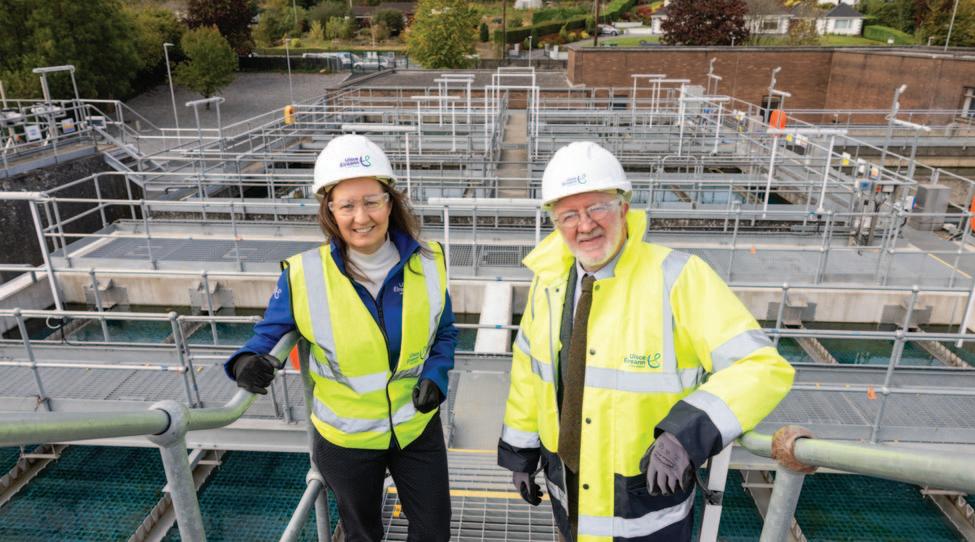
As Ireland’s national public water utility, Uisce Éireann is central to achieving our national commitments across a range of key areas, in particular supporting housing and economic growth, protecting the environment and contributing to the achievement of climate resilience and adaptation policies, by Maria O’Dwyer, Infrastructure Delivery Director, Uisce Éireann.
We are facing into an exciting time for Ireland’s critical water and wastewater infrastructure. After just over a decade in operation, Uisce Éireann has already delivered very significant investment and improvements across our asset base.
As Infrastructure Delivery Director with Uisce Éireann I am excited by the opportunities that present themselves to us over the coming years; opportunities to really transform our water services through strategic investment and targeted delivery. The Government recently approved our Strategic Funding Plan which sets out funding requirements of €16.9 billion to 2029. Our Capital Investment Plan of €10.3 billion for 2025-2029 has now been submitted for approval to our regulator, the Commission for Regulation of Utilities. We look forward to working
with all our stakeholders to deliver on this ambitious plan while recognising that ongoing high levels of investment will be required over several decades to address the legacy of under-investment in water services and realise our ambition to build truly world-class water services.
Uisce Éireann has a number of key projects nearing completion or progressing this year that will be transformative in terms of providing secure, resilient and sustainable water services for millions of people right around this country.
The Water Supply Project - Eastern and Midlands Region is by far the largest water infrastructure project ever undertaken in this country and will
involve the development of a new abstraction of water from the Parteen Basin on the lower Shannon with the capacity to supply over half of the population of the country across the Midlands and Eastern region including the Greater Dublin Area. Having just completed a successful public consultation on the project over recent weeks, our team aims to lodge a strategic planning application before the end of the year.
Progress is continuing on other critical projects including the Greater Dublin Drainage project and the Athlone Main Drainage project. My team and I look forward to working with all stakeholders to progress these – and other essential projects – over the coming investment cycle.
In the shorter term, we have several strategically important projects nearing completion that will bring huge benefits to communities by supporting the development of new housing, improving services for our customers, and enhancing our environment. The Arklow sewerage scheme is a prime example of this. The project, which represents an investment of €139 million, will end the decades-long unacceptable practice of discharging raw sewage into the Avoca river. Construction work is now largely complete and final commissioning will take place in the coming months. This project represents another major milestone in Uisce Éireann’s capital investment journey to end the practice of discharging untreated sewage into our waterways and sea. Since 2014, we have built new wastewater infrastructure for 34 towns and villages across the country, ending the discharge of raw sewage into the environment, with a further 7 locations under construction. Arklow is the largest town still without treatment and its completion will mean that over 85 per cent of all raw sewage discharges by volume will have been eliminated.
The need for the Water Supply Project, Greater Dublin Drainage and other essential water and wastewater infrastructure is critical to ensuring we can achieve the widest benefit to the greatest number of people. Timely and impactful decision making around these projects must be prioritised by consenting authorities and monitored to ensure the achievement of national strategic objectives. With the enactment of the Planning and Development Act, focus now turns to implementation, oversight, accountability and cooperation if the new provisions and regime are to be successful in alleviating the pressures in the system. It is essential that critical infrastructure providers and national strategic infrastructure projects are kept at the heart of the statutory approval process and prioritised accordingly, in order to support all other development across the country.
Another critical change to support the timely delivery of water infrastructure projects would be a move to a committed multi-annual funding structure.
Under Uisce Éireann’s current funding model, capital funding is provided through an allocation of Exchequer funding via the Government’s annual
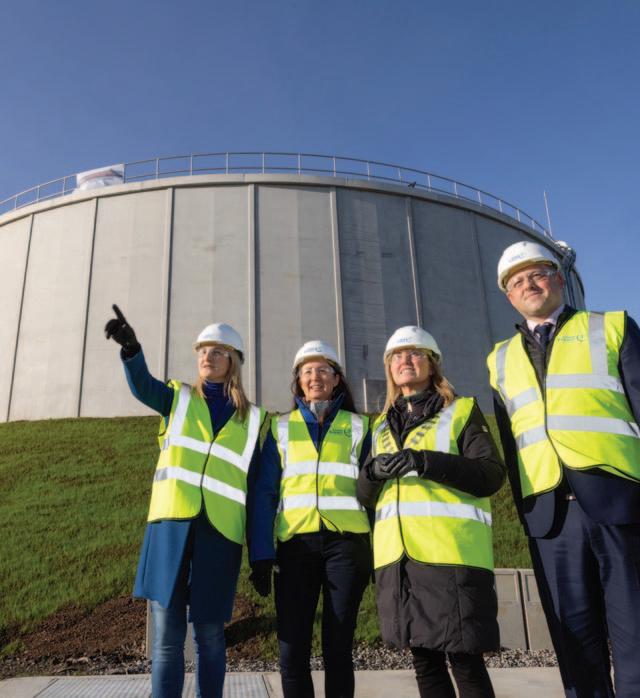
budgetary process. The reliance on this process creates funding uncertainty from an operational and capital delivery perspective. There is no guarantee the level of required funding will be sustained year-to-year which has a distinct knock-on impact on planning infrastructure and capital maintenance, as well as on Uisce Éireann’s stakeholders, contractors and supply chain which depend on certainty in order to deliver value-for-money in our projects. It also impacts on our ability to adequately plan for the skills and future resourcing requirements needed in the water industry, affecting education, apprenticeships and critical skills needs.
Moving to a committed multi-annual structure, would provide stability and certainty to our supply chain partners, and bring alignment with Uisce Éireann’s multi-annual revenue control set by the Commission for Regulation of Utilities.
As anyone who works in large scale infrastructure delivery knows, predictable pipelines of work are essential for effective and efficient delivery of infrastructure on the scale we are doing nationally.
We have made significant progress over the last decade in addressing the legacy of under-investment in water services. But continued investment in and support for Ireland’s public water assets and services are fundamental to supporting these objectives. We are ready to assist the Government in meeting its agreed agenda.
I am confident that our teams across Uisce Éireann, working alongside our contracting and delivery partners, have the expertise, skills and commitment to deliver the water and wastewater infrastructure Ireland needs now and into the future. We have a big job ahead of us but I firmly believe we are on the right track and have the plan and the people to deliver for Ireland.
W: www.water.ie

The Planning and Development Act has added a new dimension to the challenge of meeting Ireland’s infrastructure requirements.
In late 2024, Irish planning legislation saw its biggest overhaul in a generation at the conclusion of the Fianna Fáil-Fine Gael-Green Party triparty administration. At the heart of this reform were two monumental projects: the Planning and Development Bill Act 2024, and the First Revision of the National Planning Framework (NPF).
These initiatives emerged in response to a planning system which construction industry leaders described as being plagued by legal and procedural hurdles, a lack of consistency, and outdated legislation.
However, the factors informing these changes were broader; shaped by Ireland’s ambitious climate targets, rapid population growth, and the necessity of sustainable urban development.
The Planning and Development Act, the third-largest bill in the history of the State, marked a fundamental shift in Ireland’s planning system. This legislative reform aims to streamline the decision-making process, provide clarity for stakeholders, and introduce
mandatory timelines for key consenting bodies such as An Bord Pleanála, which is soon to be reconstituted as An Coimisiún Pleanála.
Claragh Mulhern, who holds responsibility as Head of Business Unit Adviser level for the provision of professional planning advice within the Department of Housing, Local Government and Heritage, spoke to eolas Magazine in 2024 about the need for planning reform and how it will affect policymaking.
From a DHLGH perspective, Mulhern emphasises that the then Bill’s primary goal was to shift from a developmentfocused approach to a plan-led planning system, providing clarity and consistency for all stakeholders, including developers, local communities, and policymakers.
Key changes, she lists, include:
• 10-year development plans: Local authorities are tasked with creating longer-term plans, replacing the previous six-year cycle, allowing for more coherent and sustainable development strategies.
• Mandatory timelines for decisions: Particularly for largescale infrastructure and renewable energy projects, the reforms introduced specific deadlines to improve efficiency and predictability.
• Restructuring governance: New governance arrangements for An Coimisiún Pleanála aimed to restore trust and efficiency in the planning process.
These legislative changes also seek to align Ireland’s planning system with its obligations under the Aarhus Convention, ensuring robust public participation and transparency while addressing challenges in judicial reviews.
Mulhern says that the aim of judicial review reforms was to make the planning process “more efficient, streamlining procedures while protecting citizens’ rights to challenge planning decisions”.

Running parallel to the legislative overhaul was the First Revision of the National Planning Framework, which began in 2023. Mulhern says this was driven by several key factors, including the climate transition and goals under the 2018 Climate Action Plan, updated demographic projections, and the need for better alignment between national and regional development plans.
One of the revised NPF core objectives was to address Ireland’s population distribution challenges by accounting for compact growth and reducing urban sprawl. Mulhern says that the aim of the framework was to align to Climate Action Plan (CAP) targets, focusing on sustainable development practices that reduce greenhouse gas emissions.
The revised NPF incorporated updated sectoral emissions targets and enhanced collaboration with other government departments, such as the Department of the Environment, Climate and Communications (DECC).
Notably, the NPF accounts for the alignment of public transport infrastructure and green energy development with population growth, ensuring that infrastructure investments are strategically located to support sustainable communities.
A significant aspect of the reforms was the integration of Ireland’s renewable energy goals into the planning system.
Mulhern says that a key consideration in the reform process was the importance of providing clarity on where and how renewable energy projects – such as onshore wind and solar farms – could be developed.
This clarity, achieved through the alignment of the NPF with Climate Action Plan 2024 (CAP24), aimed to provide developers and communities with the certainty needed to meet the country’s ambitious climate targets. The review process also considered regional capacity assessments, ensuring that national energy targets could be broken down into actionable regional policies. This approach is described by Mulhern as critical to balance Ireland’s energy demands with environmental considerations and local community interests.
Speaking to eolas Magazine in November 2024, the head of Bord na Móna, John Reilly, said: “We do not have an energy problem in Ireland; we have an energy infrastructure problem. The energy transition, globally, is going to cost trillions of dollars. In
Ireland, it is going to cost billions of euros, but it is a transition, which, if done properly, can bring enormous benefits to the economy.
“The entire cost of the upgrading of our infrastructure should not fall on the ratepaying base of electricity consumers. The current mechanisms used today to pay for our energy infrastructure must be examined. It was an interesting and positive development that the previous Government utilised a portion of the Apple tax revenue and put it on the table on behalf of the State to develop our grid infrastructure.
“We must look at innovative ways in which the delivery of grid infrastructure – both transmission and distribution – can be accelerated, and a key part of that is deciding how it is paid for and by whom. It may seem counter intuitive but if we significantly increase demand for green electricity as a core element of this energy transition, we will significantly reduce the unit cost of electricity for all consumers, in spite of the significant investment in infrastructure that is required.”
Acknowledging the challenges posed by planning, Reilly stated that one of the State’s major challenges is “delivering the power lines necessary to move power across the country from where it is generated to the major demand centres on the eastern seaboard”.
Therefore, he says: “We must utilise the capacity currently available on grid infrastructure we have developed in the regions and bring the demand closer to the supply. Acknowledging this opportunity to co-locate assets on a single site is something which will unlock major benefits for the wider energy system and consumers.”
Again, from a DHLGH perspective, public engagement was central to the revision of the NPF and the legislative reform process. Mulhern highlights the key role played by the Planning Advisory Forum in facilitating dialogue between government bodies, expert groups, and the general public.
Referencing the establishment of an expert review group, which included figures such as Frances Ruane (Chair of the National Competitiveness and Productivity Council), Laura Burke (Director of the EPA), and Brendan O’Sullivan (Head of Planning at UCC), the DHLGH official suggests that the revision of the NPF was informed by a diverse range of perspectives, addressing associated challenges in housing, infrastructure, and climate resilience in a “holistic manner”.



Wednesday 11 - Thursday 12 June
Energy Ireland 2025 will bring together all the key stakeholders in the Irish energy sector to discuss and debate the key drivers of the energy transition and energy security. Ireland’s main energy conference will look at the developments that will decarbonise Ireland’s increasingly integrated energy system.
Speakers include:
Tanya
Paddy
Linda
Paul
Richard
Andy