Future of gas report

Sponsored by

Sponsored by
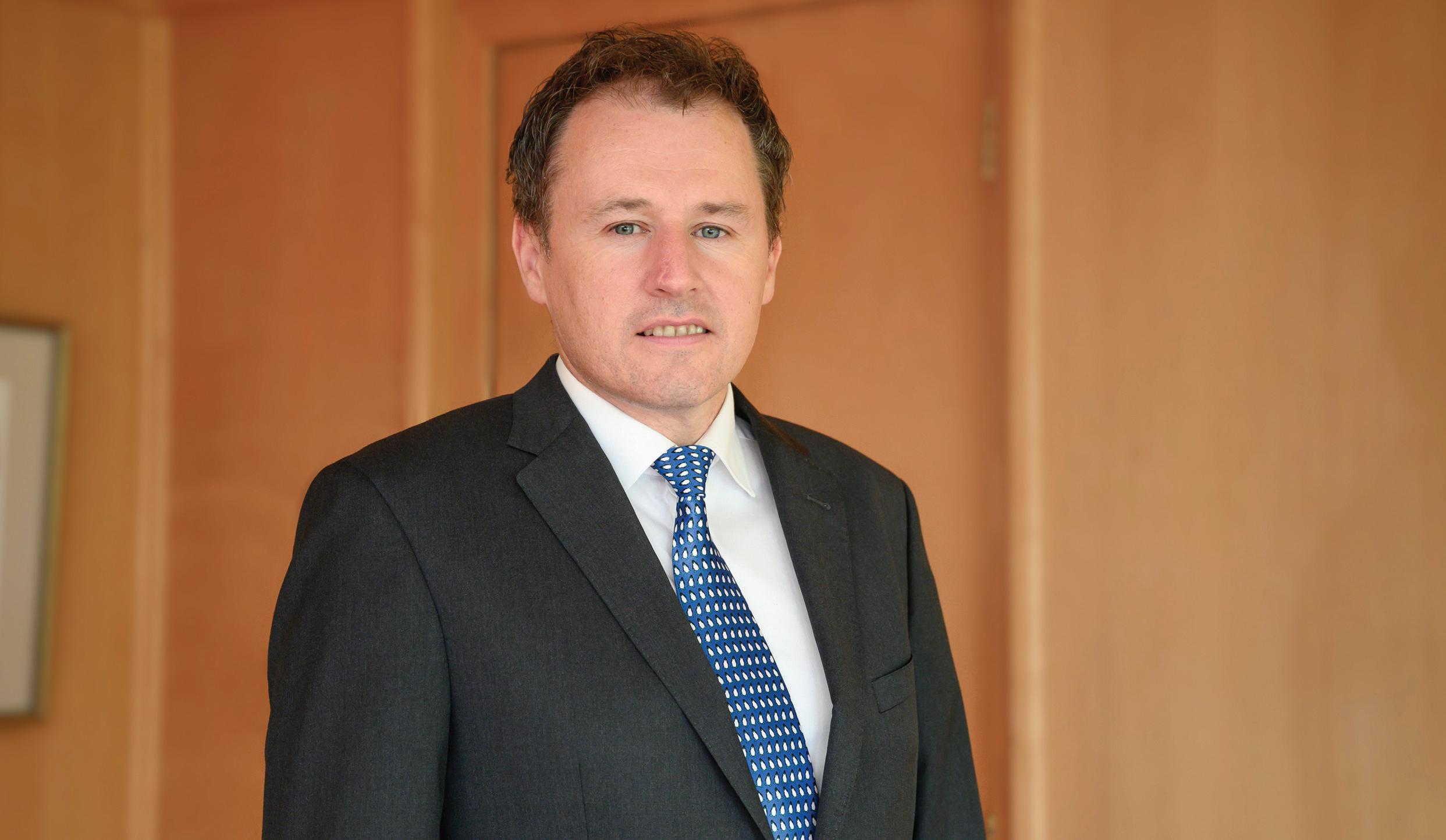
The Government has set ambitious targets for sectoral emissions reductions, and I have recognised that central to success is the role that the agriculture sector and its farmers can play in the decarbonisation of the energy system. Minister for Agriculture, Food and the Marine, Charlie McConalogue TD, writes.
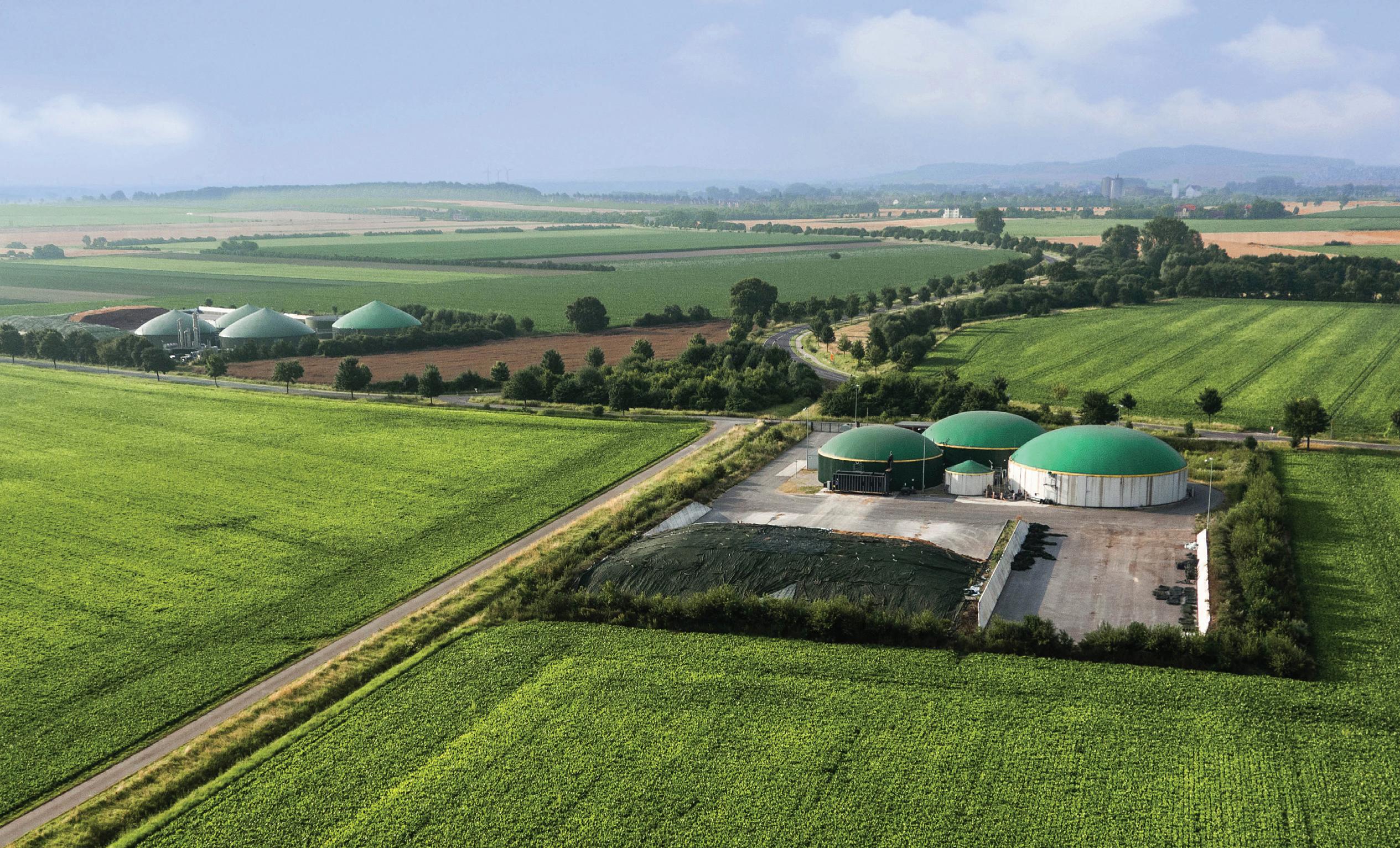
This is for very good reason. Ireland is acknowledged by the European Commission as having one of the largest potentials for biomethane production in Europe on a per capita basis. This is due to our substantial agriculture sector and grass-based systems.
As Minister for Agriculture, Food and the Marine, it is my responsibility to both explore and support all opportunities that can galvanise the economic and sustainable future of the agriculture sector. Suffice it to say, I foresee several benefits being realised, aside from the delivery of renewable energy targets, with the development of an agri-led biomethane industry. There are opportunities for farmers, for example, through land diversification opportunities, biobased fertiliser replacing chemical fertiliser, and carbon sequestration on land.
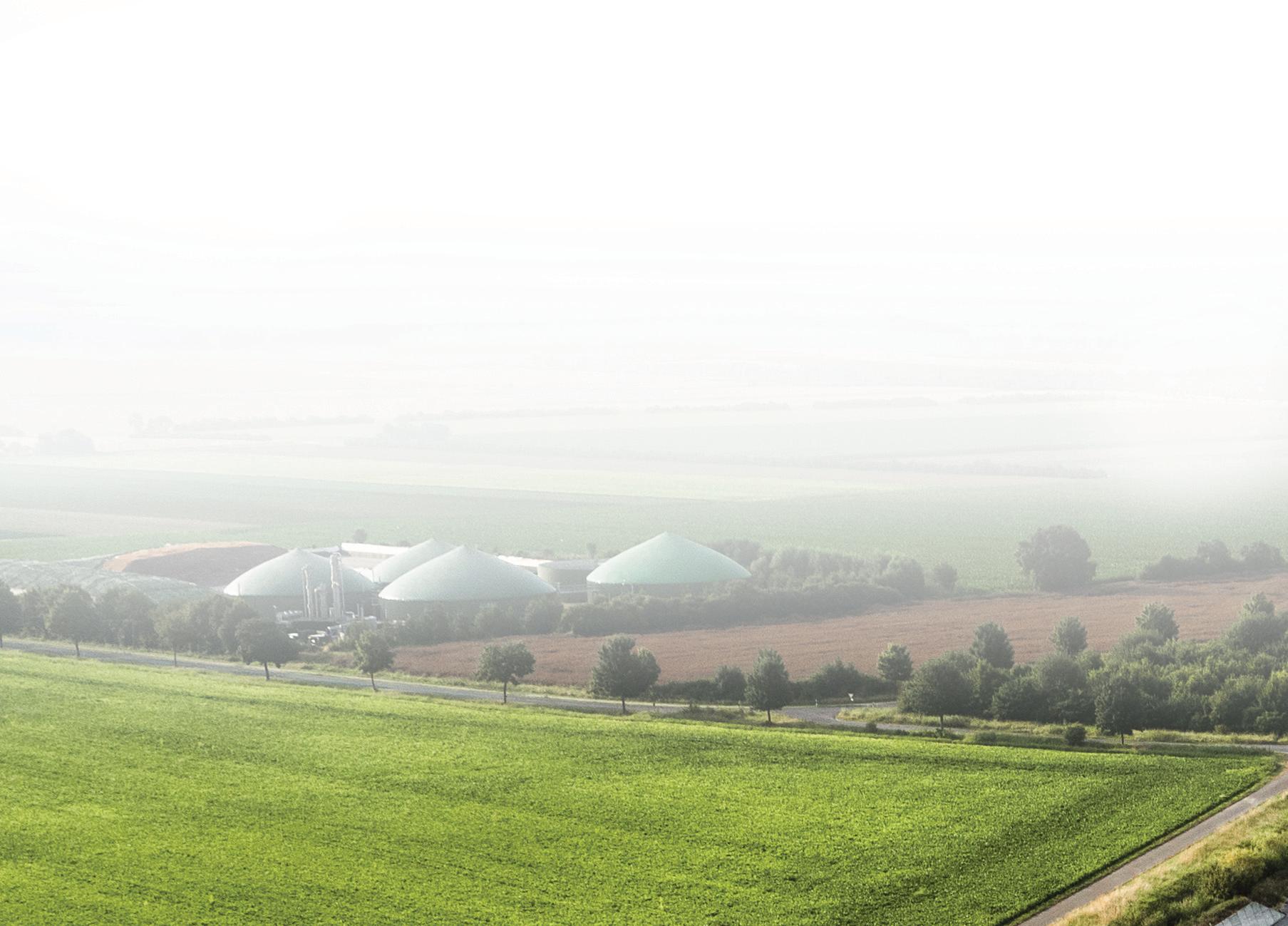
This government is investing in sustainably produced biomethane because it will make an important contribution to achieving Ireland’s 2030 climate targets. An all-ofindustry effort is required to meet the ambitious 2030, 5.7 TWh from biomethane target published by the Department for Environment, Climate and Communications (DECC) in 2022. I want to recognise that we are not alone in this endeavour, with major agri-food, drinks, and biopharma companies committed to developing an indigenous, renewable gas industry as a means of reducing their own carbon footprint.
“Developing a biomethane industry at scale, simply cannot happen without farmers supplying agricultural feedstock.”
Today, however, Ireland relies heavily on imported fossil gas, with circa 75 per cent of gas consumption being imported via the UK in 2023. Research from the MaREI institute has shown that Ireland spends over €1 million every hour importing fossil fuels into the State. Our target for biomethane is equivalent to 10 per cent of our current national gas demand and farmers will be key players in achieving this goal. This is because there is not sufficient accessible waste in Ireland to meet the requirements and therefore, developing a biomethane industry at scale, simply cannot happen without farmers supplying agricultural feedstock.
It is estimated that over 80 per cent of biomethane will be produced from grass silage and cattle slurry. Teagasc, our agricultural research body, estimates that approximately 20 per cent of all winter cattle slurry produced and approximately 120,000ha of silage, or just under 3 per cent of available agricultural land, will be required to feed these AD plants. Farmers are uniquely positioned and qualified to produce this feedstock and for this reason, it is envisaged that most developments will occur in rural Ireland. It is estimated that development of a biomethane industry in Ireland could lead to the creation of 3,000 to 5,000 jobs and provide rural communities with opportunities to diversify their income towards energy production.
I believe it is important to recognise the role of the farming community in their
contribution to the broader decarbonisation agenda and to raise awareness within that community of the longer-term benefits such as bio fertilisers and digestates. We also need to acknowledge and work with rural communities where anaerobic digestion (AD) plants are located. While a wellproven technology, biomethane, and anaerobic digestion are relatively new and unknown renewable energy technologies to many in Ireland. The success of the industry will rely on good local stakeholder engagement, as well as broader national information.
In this respect, I was delighted to publish the National Biomethane Strategy in May 2024 along with my colleague, Minister for the Environment, Climate, Communications, Eamon Ryan TD. This strategy is Ireland’s first major policy statement on biomethane and an important milestone in the development of an indigenous sector. It is, however, just the start of the process, implementing it along with industry will be key to developing a sustainable biomethane industry in Ireland.
A successful biomethane industry will be accomplished by delivering on the 25 key actions set out in the strategy. There are ambitious timelines associated to these actions and a Biomethane Implementation Group has been established to monitor impact and delivery of these initial measures and to identify further actions to support overall target delivery.
I recognised early on that the biomethane industry would need capital support to be kick-started and to this end, I secured €40 million in funding to help support the initial development of biomethane in Ireland. Upon publication of the National Biomethane Strategy, I immediately opened an expression of interest for the capital scheme and the sector have responded. While I will continue to advocate for further funding to be made available from the Climate and Nature Fund from 2026, I was delighted with the response to this initial funding that confirmed both a strong demand and a readiness to invest before applications closed on the 30 August 2024. Successful applicants that meet the scheme eligibility and selection criteria can receive grant aid of 20 per cent of investment up to a maximum of €5 million.
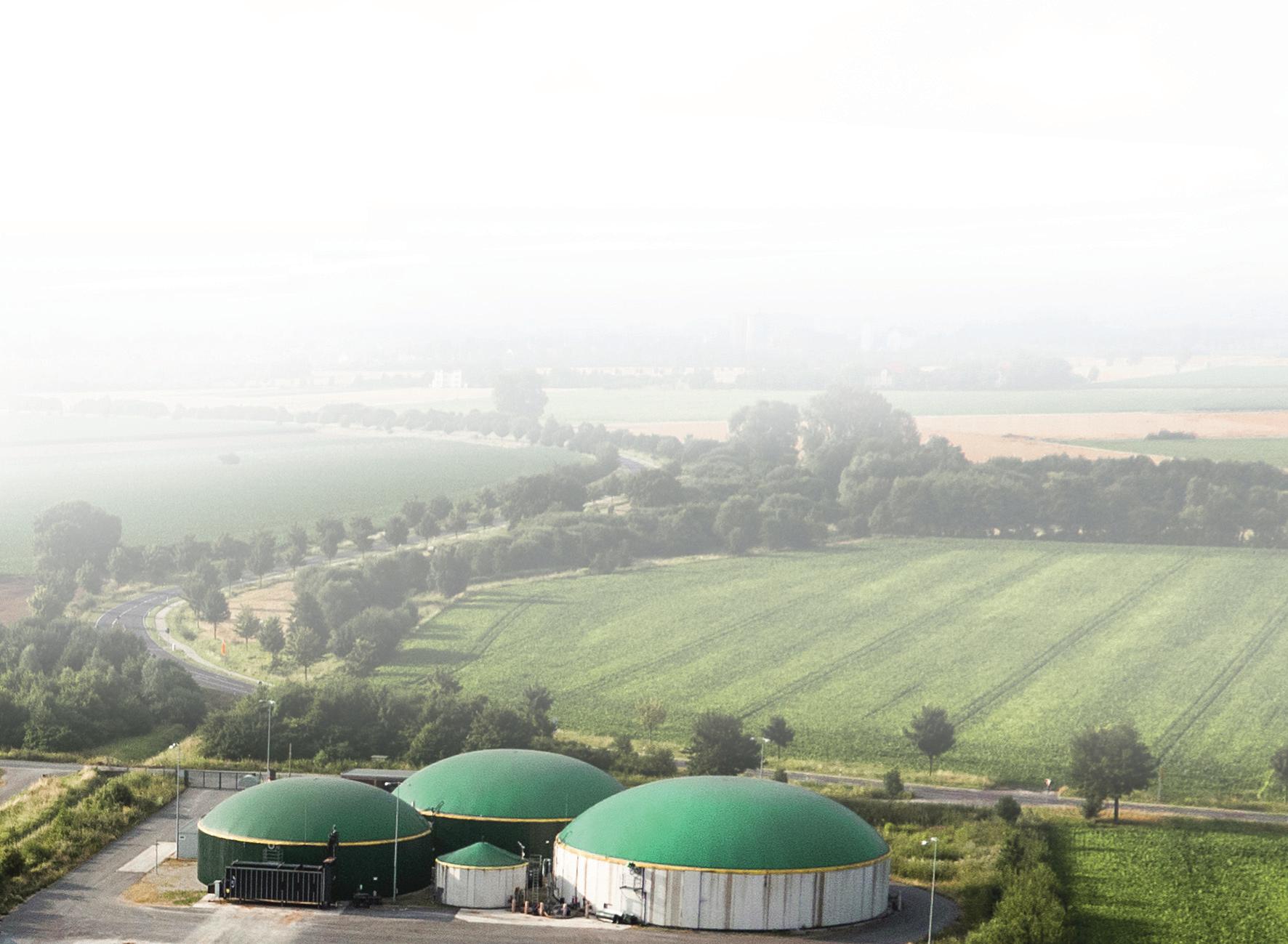
In conclusion, I am hugely optimistic about the direction and the potential of biomethane production over the next decade and beyond. I look forward to working with all stakeholders in the industry to ensure the National Biomethane Strategy is a success, and I hope to be able to reflect in 2030 on a thriving sustainable biomethane industry, delivering the full range of benefits that AD has to offer.

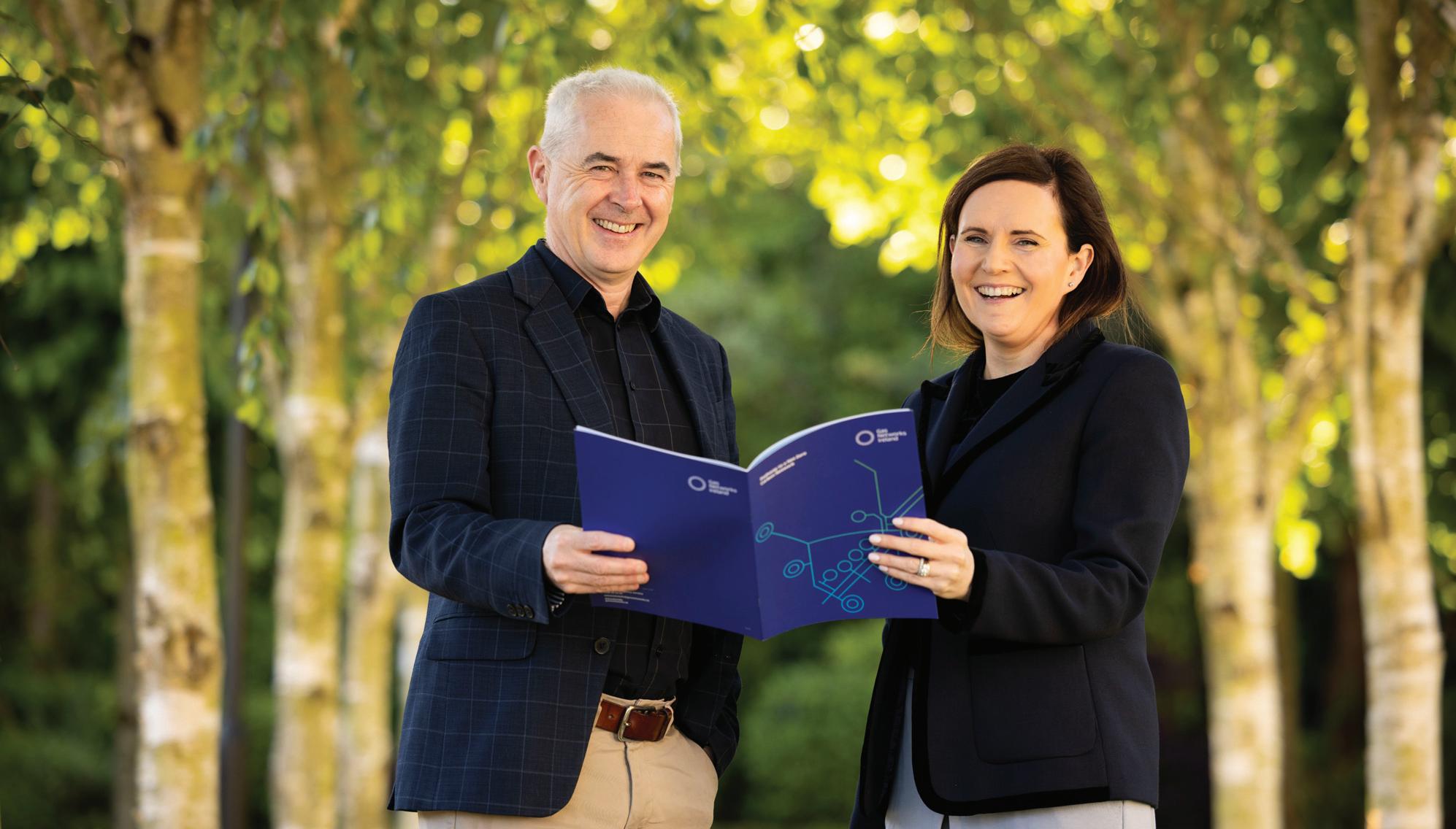
Gas Networks Ireland has embarked on an ambitious journey to fully decarbonise Ireland’s gas network by 2045. This transformation will involve repurposing and resizing existing gas infrastructure to transport 100 per cent renewable gases such as biomethane and green hydrogen.
Gas Networks Ireland’s plan is not only pivotal for Ireland’s energy transition but also critical for securing a sustainable and reliable energy future. It aims to reduce the volume of natural gas on the Irish network from over 99 per cent today to 60 per cent by 2036 and completely remove it by 2045. During this transition, renewable gas is expected to increase to 40 per cent (comprising 15 per cent hydrogen and 25 per cent biomethane) by 2036 and to 100 per cent (68 per cent hydrogen and 32 per cent biomethane) by 2045.
The pathway to a net zero carbon network is comprised of four key phases: foundation, development, repositioning, and conversion. These phases mark the progression from initial groundwork to the complete transformation of the gas network.
• Phase 1: Foundation phase (up to 2027): The foundation phase, already underway, focuses on preparing the gas network to handle renewable gases. Key projects include the construction of new anaerobic digestion plants and the Mitchelstown Central Grid Injection facility. This phase ensures the network’s enhanced security and resilience, demonstrating the safe injection and transportation of renewable gases.

This phase of development will be focused on readying the network for the emergence and initial scaling of renewable gases. The period will be one of planning, testing, trialling, safety case development, and initial injection sites establishment. By the end of this phase, the network will have enhanced its security and resilience capabilities and proven its ability to safely inject and transport renewable gases.
Gas Source estimates by end of 2027: Annual network demand/gas source by end of 2027 = 56.8 TWh:
• Natural gas = 56.1 TWh
• Biomethane = 0.7 TWh
• Hydrogen = 0 TWh
During this period, renewable gas volumes will scale-up. Our pathway anticipates that the national biomethane target of 5.7 TWh by 2030 is achieved and that the biomethane sector which is solidly established by this point continues to grow towards sustainable limits. It is expected that hydrogen blending will commence either locally and/or via the gas interconnectors and an initial hydrogen cluster will emerge likely involving some repurposing of the existing gas network to distribute indigenous green hydrogen to local large gas consumers. It is also likely other such projects, most likely at port locations, will be under development in this period.
Gas Source estimates by end of 2032:
Annual network demand/gas source by end of 2032 = 32 TWh:
• Natural gas = 38.4 TWh
• Biomethane = 6.3 TWh
• Hydrogen = 1.3 TWh
Repositioning phase (2033-2040)
Repositioning phase 1: 2033–2036 – As hydrogen volumes available to the gas network continue to grow, the focus will turn to more wholesale gas network repurposing. Hydrogen clustering opportunities will become exhausted (there are likely only c. 5 or 6 potential clusters nationally) and will require connection to each other for resilience, and volumes of hydrogen on the gas network will approach levels beyond which conversion to 100 per cent hydrogen would be necessary. Key network flexibility projects will now need to be undertaken to ready the network for full repurposing to transport renewable gases only.
Gas Source estimates by end of 2036:
Annual network demand/gas source by end of 2032 = 40.4 TWh:
• Natural gas = 24.4 TWh
• Biomethane = 10 TWh
• Hydrogen = 6 TWh




Repositioning phase 2: 2036-2040 – Some network compression and reinforcement work will be undertaken to adjust for the difference in transporting 100 per cent hydrogen, a less energy dense gas than natural gas. Some parallel network development (most likely twinning of the Cork-Dublin transmission pipeline) will be necessary to create the flexibility for introducing 100 per cent renewable gases on distinct networks and to connect hydrogen clusters. In the mid to late 2030s, subject to scaling of hydrogen production, 100 per cent UK hydrogen could become available through the Moffat Entry Point along with the emergence of a Dublin hydrogen power generation cluster.
Gas source estimates by end of 2040:
Annual network demand/gas source by end of 2032 = 37.2 TWh:
• Hydrogen = 17.1 TWh
• Biomethane = 14 TWh
• Natural gas = 6.1 TWh
Assuming sustainable biomethane production has scaled to levels that would support a dedicated network, the national gas network will be split into two distinct renewable gas networks. National biomethane potential suggests that it may be ultimately capable of meeting c.25 per cent to 30 per cent of national gas needs. As such, hydrogen will need to cater for the remaining c. 70 per cent to 75 per cent of enduring gas demand, resulting in a larger national zero carbon hydrogen network and a smaller regional net zero carbon biomethane network.
Gas source estimates by end of 2045:
Annual network demand/gas source by end of 2045 = 44.1 TWh:
• Hydrogen = 30.1 TWh
• Biomethane = 14 TWh
• Natural gas = 0TWh
• Phase 2: Development phase (20282032): During the development phase, Gas Networks Ireland will facilitate increased connections of renewable gas to the network, aiming to meet the national biomethane target of 5.7 TWh by 2030. This phase will also see the commencement of hydrogen blending and the development of initial hydrogen clusters. By the end of this phase, approximately 17 per cent of the gas on the network will come from renewable sources, with 14 per cent biomethane and 3 per cent hydrogen.

• Phase 3: Repositioning phase (2033-2040): In the repositioning phase, Gas Networks Ireland will focus on more extensive repurposing of the gas network and the establishment of hydrogen clusters. By 2040, it is anticipated that nearly half of the gas on the network will be hydrogen, with biomethane comprising 38 per cent and natural gas reduced to 16 per cent.
• Phase 4: Conversion phase (20412045): The final conversion phase will see the complete transformation of the gas network into two distinct renewable gas networks: a larger
national hydrogen network and a smaller regional biomethane network. By 2045, the network will exclusively transport renewable gases, with an estimated composition of 70 per cent hydrogen and 30 per cent biomethane.
Cathal Marley, Chief Executive Officer of Gas Networks Ireland, emphasises the dual benefits of this pathway, achieving Ireland’s climate objectives while ensuring energy security and economic stability.
• Ambitious pathway to deliver a repurposed, resized, and fully decarbonised gas network by 2045
• Ireland’s current gas network can be repurposed into two networks to transport 100 per cent renewable gas, one dedicated to biomethane and one to hydrogen
“Developing and repurposing the gas network to be net zero carbon over the next 20 years offers a least-cost and least-disruptive means of decarbonizing energy use for many, and a vital alternative decarbonisation path for those consumers for whom electrification is very challenging,” Marley states.
“While achieving this network transformation has several dependencies, including the availability of renewable gases and supportive energy policies, Gas Networks Ireland is fully committed to transitioning the network to exclusively transport renewable gases, ensuring a fully decarbonised energy system by 2045.”
Gas Networks Ireland’s pathway underscores the importance of innovation, expertise, and stakeholder collaboration. The plan is designed to be adaptable, allowing for adjustments as energy policies and technologies evolve, a point emphasised by Edwina Nyhan, Director of Strategy and Regulation at Gas Networks Ireland.
“The pathway that Gas Networks Ireland has laid out brings our vision to be at the heart of Ireland’s energy future to life and outlines a route by which the gas network can transition to net zero,” Nyhan explains.
“Inevitably, some aspects will evolve as we move forward. However, we will remain flexible and responsive to achieve our commitment to delivering for Ireland. This roadmap will enable us to transition sequentially and ensure a robust and adaptive approach to achieving a fully decarbonised network over time.”
Presently, Gas Networks Ireland in deep in the midst of the foundation phase of the pathway. The first half of 2024 alone has seen significant progress made in preparing the network for renewable gas and facilitating the growth of Ireland’s renewable gas industry.
• In April 2024, Gas Networks Ireland announced a landmark development of gas infrastructure to connect Bord na Móna’s Edenderry Renewable Energy Complex to the national gas network, enabling the integration of renewable gas into its fuel mix. On completion, the transmission connection project will facilitate a reduction of approximately 40 per cent in CO2 emissions.
• In the same month, Gas Networks Ireland announced an agreement with Irish Tar & Bitumen Suppliers Ltd. (Irish Tar) to substitute about 5 per cent of the fuel it uses annually with low carbon gasses, resulting in an overall carbon emissions reduction of approximately 30 per cent.
• In May 2024, Gas Networks Ireland signed a contract that will see biomethane from Bia Energy’s new €60 million anaerobic digestion (AD) plant in Huntstown injected directly into the gas network.
• In June 2024, Gas Networks Ireland supported Flogas in the opening of the Republic of Ireland’s first ever dedicated BioCNG refuelling self service station in North County Dublin. The station can refuel up to 50 HGVs per day, cutting over 9,000 tonnes of CO2 emissions compared to diesel fuelled HGVs.
The above-mentioned Mitchelstown facility will be entering construction by the end of 2024 and is poised to become a cornerstone of Ireland’s renewable energy infrastructure. In addition to this, Gas Networks Ireland is considering the purchase of up to 250GW of biomethane and has begun a market sounding exercise by publishing a Prior Information Notice (PIN) on the e-tenders system.
To read the full report visit: W: www.gasnetworks.ie/pathway

The
publication of Ireland’s
first major policy statement on biomethane marks an important milestone in an overarching ambition to develop a sustainable industry of scale by 2030.
In July 2023, the Environmental Protection Agency (EPA) highlighted the need for urgency to deliver decarbonisation options to meet the overarching target of 51 per cent reduction in emissions by 2030. The Government has subsequently acknowledged that without biomethane, Ireland is unlikely to meet its legally binding climate targets.
The National Biomethane Strategy is intended to be a starting point to catalyse the significant momentum required to produce 5.7 TWh of biomethane per annum by 2030, a target set by the Department of the Environment, Climate and Communications (DECC) in the context of the sectoral emissions ceilings.
The scale of the ambition is significant and challenging, and will require a shift from current production levels of less than 0.1 per cent of the State’s overall fossil gas demand to 10 per cent by 2030 – rising to over 50 per cent by the mid-2030s.
Recognition of the significant role biomethane will have in helping to decarbonise hard-to-abate sectors, including industrial heat and transport, can be seen by the shift of emphasis in increasing levels of production. The 5.7 TWh target for 2030 is more than three and a half times greater than the original target of 1.6 TWh outlined in Climate Action Plan 2019.
Co-developed by the Department of
Agriculture, Food and the Marine (DAFM) and DECC, the strategy outlines 25 measures under a framework of five key pillars:
1. sustainability;
2. demand for biomethane;
3. bioeconomy and circular economy;
4. economics of biomethane; and
5. enabling policy requirements.
The production of biomethane is firmly established in Europe, with an estimated 37 TWh produced in 2022. However, it is described as being at a “nascent stage of development” in Ireland, despite recognition of its potential given the size of the agriculture sector here.
With only two operational biomethane facilities injecting biomethane into the gas grid, current direct injection is estimated to be around just 75 GWh per annum. Most of this is used within the transport sector under the Renewable Transport Fuel Obligation.
Biogas, produced through anaerobic digestion (AD) is only classed as biomethane when upgraded to methane with greater than 97 per cent purity, making it compatible with the national gas network. Alongside Ireland’s two
biomethane plants, there are over 40 AD facilities which produce a total of 580 GWh of biogas.
While much of the emissions savings of biomethane will be counted in the energy sector, there is a recognition that increased production offers alternative land use options for the agriculture sector. The sectoral emission ceiling for agriculture sets a need for a 25 per cent emission reduction between 2018 and 2025.
As such, according to the strategy: “The development of a biomethane industry will also provide significant opportunities to reduce emissions in agriculture and improve the likelihood of reaching the sectoral targets.
“These opportunities with biomethane for agriculture include diversification opportunities for livestock farmers, reduced emissions from animal wastes, biobased fertiliser replacing chemical fertiliser and carbon sequestration on land.”
The Government has designed a bespoke AD model, focused on centralised, large-scale plants with grass silage and slurry as the main feedstocks. While the strategy suggests the need for a broad mix in the scale of plants developed, most of the focus will be on delivering plants that can produce 40 GWh of biogas, which come at an estimated cost of €15 million each.
Aiming for 1 TWh (1.7 per cent of current natural gas demand) of biomethane produced by the end of 2025, an estimated total of 25 40 GWh plants will need to be built .
The Government has secured €40 million from Europe’s REPowerEU scheme for a capital grant scheme for biomethane production plants and it is expected that AD plants currently operating to produce biogas will be eligible for capital support to upgrade their facilities to produce biomethane and other biobased products, along with new AD plants.
However, it is likely that only new plant builds with full planning and permitting permissions would be eligible for this round of capital support.
The strategy outlines that while a wide range of support mechanisms was assessed during the strategy’s development, the need to “swiftly stimulate” the industry led to the decision to utilise the Renewable Heat Obligation in conjunction with capital grants, which it says offers budget certainty for the support programme while delivering a sector of scale.
The Government has agreed to introduce a Renewable Heat Obligation by the end of 2024, which will obligate suppliers of fossil fuels used for heat to ensure a proportion of the energy they supply is renewable.
Given the evident challenge of access to finance, there is a recognition that smaller farmer-led/farmercontrolled projects will also need incentivised and supported. Although not confirmed, the Government is exploring the potential for an appropriate smallerscale (circa 10 GWh plants) finance scheme and is expected to realise details before the end of 2024.
The Renewable Energy Directives set strict sustainability criteria for biomethane from AD plants to be classified as a zero-carbon renewable fuel, yet this only applies to facilities beyond 200 Nm3 /h of installed capacity. The Government has committed to
35GW The average size of AD plants in Europe
64% of feedstocks are from agriculture, compared to 11% from organic waste and 11% from industrial wastes
75% of plants are grid connected, compared to 9% not connected and 14% unknown
developing a biomethane sustainability charter which will set similar guidelines for plants that fall outside the Directive’s threshold and will require compliance for eligibility for any potential financial support.
They include substantial GHG emissions savings calculated along the supply chain and the guarantee that biomass sourcing has a minimum impact on biodiversity and soil quality. Compliance with such criteria is necessary to qualify as renewable, to be eligible for any potential financial support, and to be zero-rated under the EU emissions trading system.
The charter will apply to all biomethane projects being developed in Ireland in receipt of any form of support or operating under the RHO and will, according to the strategy “support the delivery of environmentally sustainable biomethane in Ireland”.
Despite the recognised need for a rapid increase in AD plant development, there is no existing mechanism to fast-track applications. However, in response, the strategy commits to developing guidelines to support local authorities when
assessing AD and biorefinery planning applications by the end of 2024.
Given the evident potential of biomethane production in Ireland, the strategy has been welcomed by stakeholders as a good first step towards developing an indigenous industry and reducing dependence on imported fossil fuels.
The strategy offers a blueprint of future progress and is a signal to prospective producers of the Government’s commitment to supporting and developing the industry.
Success will be determined by the ability of all stakeholders to deliver on the relevant key actions, within a short timeframe, and to ensure that financial support is sustained, particularly as other sectors strive towards their renewable targets.
Arguably most critical will be the buy-in achieved from the agri-food sector, and in particular farmers, who will provide feedstock for increasing number of plants. Minister for Agriculture, Food and the Marine Charlie McConalogue TD described the strategy as “agri-centric” and progress will rest on the commitment to enable farmers to contribute to the decarbonisation of Ireland’s energy system.
• Most plants will be 40 GWh or similar scale, but there will be a role for smaller farm scale plants.
• Initially waste products will be utilised as a main feedstock, but this will be closely followed by agricultural feedstocks such as slurries and grass silage.
• Most AD plants in Ireland will be directly connected to the gas network.
• The Renewable Heat Obligation and capital grants will serve as the main support measures.
• Biomethane will be utilised in the heat (RHO), transport (RTFO) and electricity generation (Gas Purchase Agreements) sectors in Ireland.

• Sustainability will be prioritized through a Biomethane Sustainability Charter.
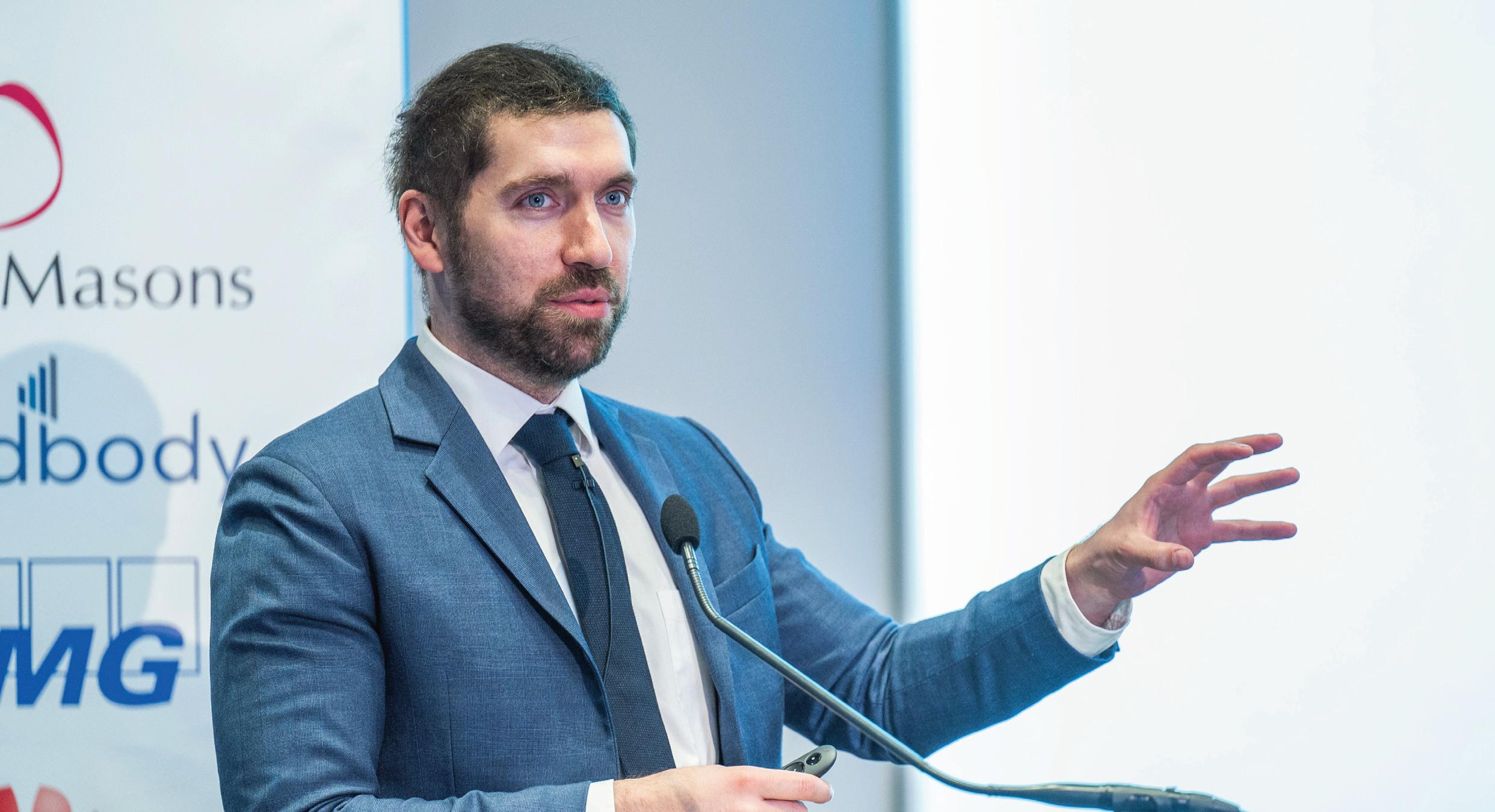
To meet our climate targets, the global economy must reach net zero emissions by 2050. While it is anticipated that much of this will be facilitated by electrification, hydrogen may play a role in decarbonising the ‘toughest third’ of our energy supply, writes Niall Farrell, Senior Research Officer, Economic and Social Research Institute (ESRI).
Cost, rather than technological feasibility, is the primary factor determining the extent with which hydrogen may feature. There are many known processes to synthesise zero carbon ‘green’ hydrogen, and the transport of hydrogen once produced is relatively straightforward. Gas Networks Ireland, in its recent hydrogen feasibility study, has noted that the Irish gas network can readily facilitate hydrogen blends of up to 20 per cent, with 100 per cent hydrogen possible with some modifications.
When evaluating cost, one must first consider the projected production cost. Production costs are primarily influenced by the rate of electrolyser deployment and the cost of electricity generated using renewable sources, which is used to synthesise green hydrogen. Electrolyser costs will fall with greater international rollout.
Aurora Energy Research tracks electrolyser deployment in its rolling
database, which finds a strong and growing pipeline of electrolyser production. If the planned development materialises, production costs could fall sharply in the coming years. The cost of renewable electricity has fallen considerably in recent years, although inflation may be putting upward pressure on costs in the short term.
Capital and renewable electricity costs are not the sole factor determining cost competitiveness – the proportion of time with which the electrolyser is in use (the ‘capacity factor’) has a considerable influence on the cost per unit synthesised. This may have important implications for Irish industrial policy.
Ireland’s hydrogen strategy places a strong emphasis on locally-produced green hydrogen. However, there may be competition. The IEA’s global hydrogen review suggests that locations that can exploit both solar and wind resources can provide the strongest capacity factors and therefore cheapest hydrogen. In 2023, the IEA
“Hydrogen’s role in the future energy system will likely be determined by the cost of hydrogen synthesis and the cost competitiveness of hydrogen-based technologies.”
Niall Farrell, Senior Research Officer, ESRI
identified the west of Ireland among the best-placed to produce green hydrogen, but Irish producers may wish to investigate whether electrolysers can use both wind and solar-sourced electricity to maximise capacity factor. A backup source of electricity, such as a grid connection or storage, may provide electricity when the wind does not blow. This may also improve the capacity factor and therefore the competitiveness of Irish hydrogen. Of course, gridsourced electricity is not necessarily 100 per cent carbon-free, and the hydrogen produced may not receive ‘green’ hydrogen status.
While the cost of the hydrogen itself is important, adoption is ultimately determined by the extent with which applications, such as use for heat or transport, are cost competitive with non-hydrogen alternatives. These will now be discussed.
Much research suggests that electric vehicles are more likely to provide a cost-effective decarbonised transport solution, particularly for light vehicles such as private cars. There is a greater likelihood that hydrogen could fuel heavy goods vehicles, however, uncertainty remains.
Hydrogen-based space heating is at an early stage of development. Cost projections are therefore speculative; estimates suggest that costs must fall considerably to be competitive with electric heat pumps. It should be noted that cost is not the only factor determining technology adoption.
Inconvenience, disruption, and other non-financial costs are of notable magnitude for home insulation upgrades, for instance. This could impede timely decarbonisation through electrification, given that insulation investment is often required to accompany heat pump installation. Should hydrogen provide a less-invasive alternative, it may have a role to play, even if more expensive than electric alternatives. Further research is required to understand to what extent such preferences exist and influence technology choice.
Should widescale hydrogen heating systems be considered, policy should be mindful of the lead-in time required. In 2016, Dorrington et al discussed the transition in the UK from ‘town gas’ to natural gas in the 1970s, noting that the required conversion of appliances and infrastructure took around 10 years to complete. While the lead time is not necessarily the same for hydrogen conversion of the gas network, it is an important factor, and must be considered in the context of a 2050 deadline. Indeed, this is also an important factor for electrification.
Industrial processes require a very low cost of green hydrogen to be competitive with alternatives. This suggests that the cost competitiveness may be achieved at a late date in our decarbonisation transition. The use of hydrogen in the electricity sector could well transpire in the context of long-term storage. This is likely to become a pressing requirement as Ireland approaches and surpasses its 80 per cent 2030 renewable electricity penetration target.
Hydrogen’s role in the future energy system will likely be determined by the cost of hydrogen synthesis and the cost competitiveness of hydrogen-based technologies. The former is of particular interest for Irish industrial strategy.
Irish hydrogen production may have to compete with that produced elsewhere, particularly from locations that enjoy a combination of suitable wind and solar resources. Electric transport and heating applications are likely to be most cost effective, given current information. However, hydrogen may have a role if non-financial barriers are prohibiting decarbonisation through electrification.
Further research is required to understand the extent with which hydrogen may contribute. For industrial processes, the cost of hydrogen must fall considerably to be competitive. This may lead to adoption in the latter years as we approach 2050. Hydrogen may have a role in long-term electricity storage. In an Irish context, this is likely to be of increasing importance as renewable electricity penetration grows.
The Kestrel Project, collectively developed by ESB, dCarbonX and Bord Gáis Energy
It is essential to transform Ireland’s energy system to achieve its goal of a climate-neutral economy by 2050 whilst also ensuring that the energy system is secure and reliable.
Of particular importance is the need to ensure that there is sufficient indigenous long-term infrastructure that can support Ireland’s current energy supply requirements, whilst also ensuring that this infrastructure can evolve to cater for the increased penetration of renewables, in particular biogas and green hydrogen.
In addressing this topic, we firmly believe that a key consideration is to ensure security of supply, as compared to a complementary diversity of supply. Specifically, on the basis that Ireland does not wish to outsource its security of supply, we believe that the development of local large-scale underground energy storage capacity –via underground gas storage (UGS) – is
essential for Ireland’s energy security requirements given the current crises (Ukraine and the Middle East) together with the lack of indigenous gas production and/or storage in Ireland.
In addition, there is a need to start preparing essential large-scale underground molecular storage for the increased future planned roles of biogas and green hydrogen in Ireland’s energy mix, which also underpins the significant investment planned to be taken in renewable energy developments.
Critically, the use of large-scale underground energy storage is not a new technology, having been
established and utilised throughout most EU countries for the past 50 years as a security of supply and load balancing instrument. Importantly, it is also not new to Ireland as the SW Kinsale natural gas storage facility (2.3TWh) operated successfully from 2001 to 2016.
This storage facility provided natural gas storage, that amounted to circa 10 per cent of the then Irish electricity market, providing Ireland with a safe, reliable incountry storage facility, ensuring that peak shaving and network supportive gas resources were in place to avoid supply disruptions and importantly, provided risk mitigation from significant price fluctuations.
Underground gas storage is now designated as “critical infrastructure” across the EU. The main opportunity for the storage of energy in gaseous molecular form (including future biogas
and hydrogen developments) in UGS is linked to its distinctive attributes such as scale, duration and cost when compared to other forms of electron storage such as battery technology.
To cope with peak periods, UGS facilities can be appropriately scaled, to address seasonal/annual storage needs required by the energy systems to address demand swings between e.g. summer/winter or across different years. This has the added benefit of protecting consumers from significant variations in gas prices.
Future plans to increase renewable energy penetration (primarily from wind, solar, and biogas) will create the need for further baseload energy to support the electricity system. This is acknowledged by the Government as it looks to expand the fleet of gas fired power stations, thereby removing more carbon intensive power generation capacity.
Wind Energy Ireland points out in its report Seizing our Green Hydrogen Opportunity that green hydrogen can be central to creating a clean, decarbonised Irish economy by providing long-term energy storage for the decarbonising electricity market for when the wind is not blowing, and the sun is not shining.
Generally, energy storage should be located proximate to the end user to minimise costs. However, as discussed above, Ireland’s future energy system will require large-scale green hydrogen storage, and due to geological, societal and planning considerations, the most appropriate location for such large-scale storage is offshore and underground. This provides societal, safety and consenting benefits as the storage infrastructure that is “clean, green and unseen”.
Bord Gáis Energy is working together with dCarbonX (50 per cent owned by Snam SpA, Europe’s largest gas storage and distribution operator) and ESB on the Kestrel project offshore Cork. The group has spent the last number of years reworking 42 years of gas production data from the Kinsale Head gas fields. The study has initially involved assessing the potential to reinstate methane (natural gas and biogas) storage in the area but also the
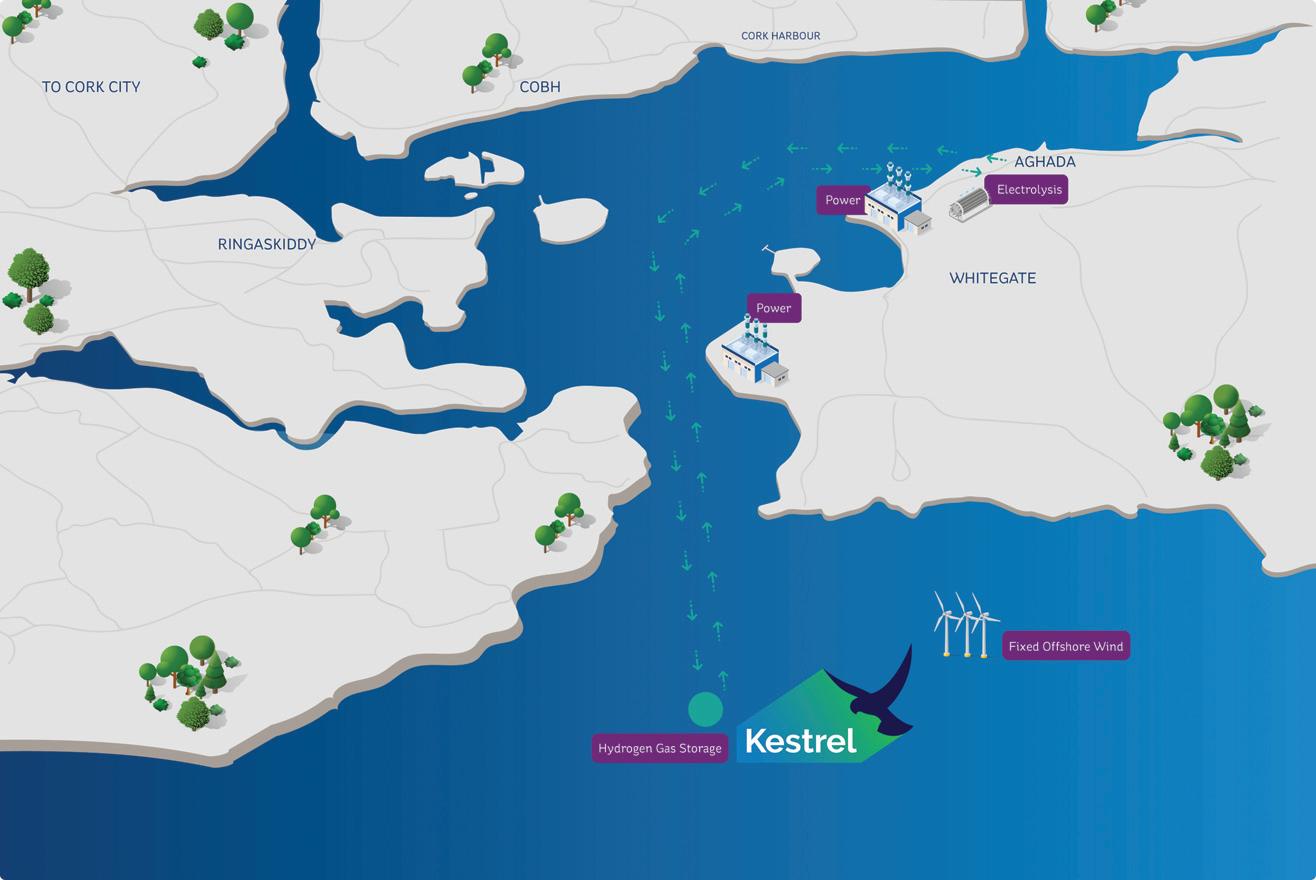
future storage of green hydrogen. The assessment has highlighted one reservoir which can deliver 11TWh of natural gas storage or circa 3TWh of hydrogen storage. As modelled, both storage scenarios including the phasing of gas to hydrogen can support Ireland’s current security of supply dilemma as well its future decarbonisation pathway.
As a relatively isolated island nation on the western fringe of Europe with limited indigenous natural gas resources and a growing energy appetite, Ireland’s people and economy are exposed to an energy supply shock. Large scale energy storage, as has existed here before can be the mitigation to this issue.
In addition, such large-scale energy storage is also required to catalyse other national energy initiatives such as offshore wind and biogas development if Ireland is to fulfil its zero carbon energy goals.
Dave Kirwan, Managing Director, Bord Gáis Energy agrees: “Decarbonising Ireland’s energy system while maintaining security of supply is critical in the context of our growing economy.
“As we help to deliver the green transition, there will be an everincreasing role for gas and ultimately green hydrogen and we are delighted to partner with ESB and dCarbonX and deliver the infrastructure for a greener future.
“Together with the support of Centrica, we have the skills, vision and financial backing to help Ireland achieve its ambitious Climate Action Plan targets.”
For further information visit: www.h2kestrel.ie

As an enabler of the publication of Energy Security in Ireland to 2030, in November 2023 the Government released a research paper examining the security of Ireland’s gas supply arguing that there is a need for both demand reduction and the introduction of “a strategic gas emergency reserve”.
Essentially a complication existing energy policies which can contribute to increased gas security of supply, Securing Ireland’s Gas Supplies, a research paper published by the Department for the Environment, Climate and Communications, emphasises the importance of reduction of demand, already a key pillar under the Climate Action Plan
Under the Climate Action Plan, the State is obliged to produce 2GW of new flexible renewable gas-fired power generation, with natural gas to be used as a backup in times of low renewable production.
Also, through the aegis of the Climate Action Plan, the Government is committed to phasing out and ending the use of coal and peat in electricity generation, meaning that natural gas will continue to have a significant role in power generation in this decade.
Further key to demand reduction is the acceleration of the delivery of renewables. The research paper reaffirms the State’s commitment to delivering energy via onshore wind, offshore wind, and solar through a competitive framework for said renewable sources to account for 80 per cent of electricity demand from renewable energy by 2030.
“The addition of further renewables will place downward pressure on net demand for gas, particularly as large volumes of offshore wind connects at the end of this decade,” the paper states.
Another key enabler of reduction of gas demand comes from the Government’s efforts to change the source of home heating in urban areas, namely through retrofitting of homes with heat pumps and through the proposed establishment of district heating.
Under the National Retrofit Programme, the Sustainable Energy Authority of Ireland (SEAI) is tasked with the delivery target of retrofitting 500,000 homes by 2030, the installation of 400,000 renewable energy heat pumps in existing premises by 2030, in addition to only renewable energy heating systems in new dwellings from 2023. The research paper asserts that the retrofitting programme has already delivered a reduction in residential
natural gas connections and that retrofitting measures will “continue to increase the energy efficiency of our housing stock, deliver the commitment to phase out gas boilers and thereby contribute to putting downward pressure on overall gas demand overtime as well as peak day gas demand”.
In tandem with retrofit objectives is the establishment of large-scale district heating, with existing targets of up to 0.8TWh by 2025 and 2.7TWh by 2030, across residential, commercial, and public sector buildings using waste heat or renewable energy sources.
“This [district heating] will have a positive impact on the efficiency of natural gas used and put downward pressure on net gas demand by providing alternative energy sources,” the research paper says.
On establishing how heat for commercial buildings can enable gas demand reduction, the research paper outlines the potential of alreadypublished targets via measures such as a ramp-up of zero emissions heat and district heating in commercial buildings, accelerating uptake of alternative fuels, blending in zero-emission gas and decreasing embodied carbon in construction materials.
“The National Heat Policy Statement… as well as the Renewable Heat Obligation… will accelerate transition to renewable heat, incentivising switch for industrial energy demand from gas to renewable electricity. These measures will contribute to limiting upward pressure on gas demand, while work is ongoing to develop further measures to effectively target harder to abate industry sectors,” the paper says.
There are a number of active policy and operational decisions that will impact average gas demand.
Looking beyond 2030, MaREI Centre of University College Cork (UCC) has examined the role of natural gas in the energy transition consistent with the
State’s carbon budgets up to the period to 2050 across a number of scenarios.
Uncertainties remain when forecasting trends, particularly beyond 2030 given the many variables that exist, however, MaREI has outlined demand projections in a ‘high demand scenario’, which refers to strong growth in electricity demand, as well as a ‘lower demand scenario’, which refers to high renewable electricity capacity and lower electricity demand growth.
While the MaREI research illustrates there may be varying level of natural gas demand in the early 2030s, a similar pattern is observed in terms of level of gas demand consumed in 2040 and 2050 period. Natural gas demand sees a significant reduction of between 68 per cent and 78 per cent from 2030 to 2040, depending on the scenario considered.
MaREI asserts that these projections demonstrate “the significant reduction of natural gas use anticipated, reducing the reliance on imports during this period and its limited role in our energy system as we reach 2040”.
While the rollout of renewable and new heating sources are key to demand reduction, the paper acknowledges that LNG will continue to be required in the immediate decade to come. This presents a challenge to the demand reduction objective as Ireland’s indigenous gas supplies are becoming depleted.
In 2022, 26 per cent of Ireland’s gas demand was supplied from indigenous sources – the Corrib gas field and small volumes of biomethane. The balance of supply, 74 per cent, was met from the UK via Moffat in Scotland. Ireland does not have any gas storage or liquefied natural gas (LNG) facilities. GNI is currently carrying out enhancements to the UK facilities to increase the system’s ability to meet peak day demand.
Under existing targets, the pipeline systems in the UK are expected to be


Minister for the Environment, Climate and Communications, Eamon Ryan TD
able to be operated independently of each other from 2024/25, although it will remain that there are points where they are physically adjacent to each other. The pipelines themselves are entirely separate, however, an existing constraint relates to a common pipeline header in the Brighouse Bay compressor station, which will be separated.
In addition to the establishment of new pipelines, Energy Security in Ireland to 2030, outlines that there is a need for storage. While the State maintains 90 days of oil reserves at all times, there is currently no mandatory LNG storage.
While research in Energy Security to 2030 has found that current supplies and infrastructure are adequate to meet demand projections, it nonetheless warns that any future disruption could “impact heavily on energy security” and that “there is a need to introduce a strategic gas emergency reserve”.
Stressing that reserves would be used only if a disruption to gas supplies occurs, Energy Security in Ireland to 2030 says that it is anticipated that floating gas reserve (FSRU) will best meet the needs of the criteria set by government. Gas Networks Ireland has been tasked with returning a detailed proposal to Government for final approval in 2024.
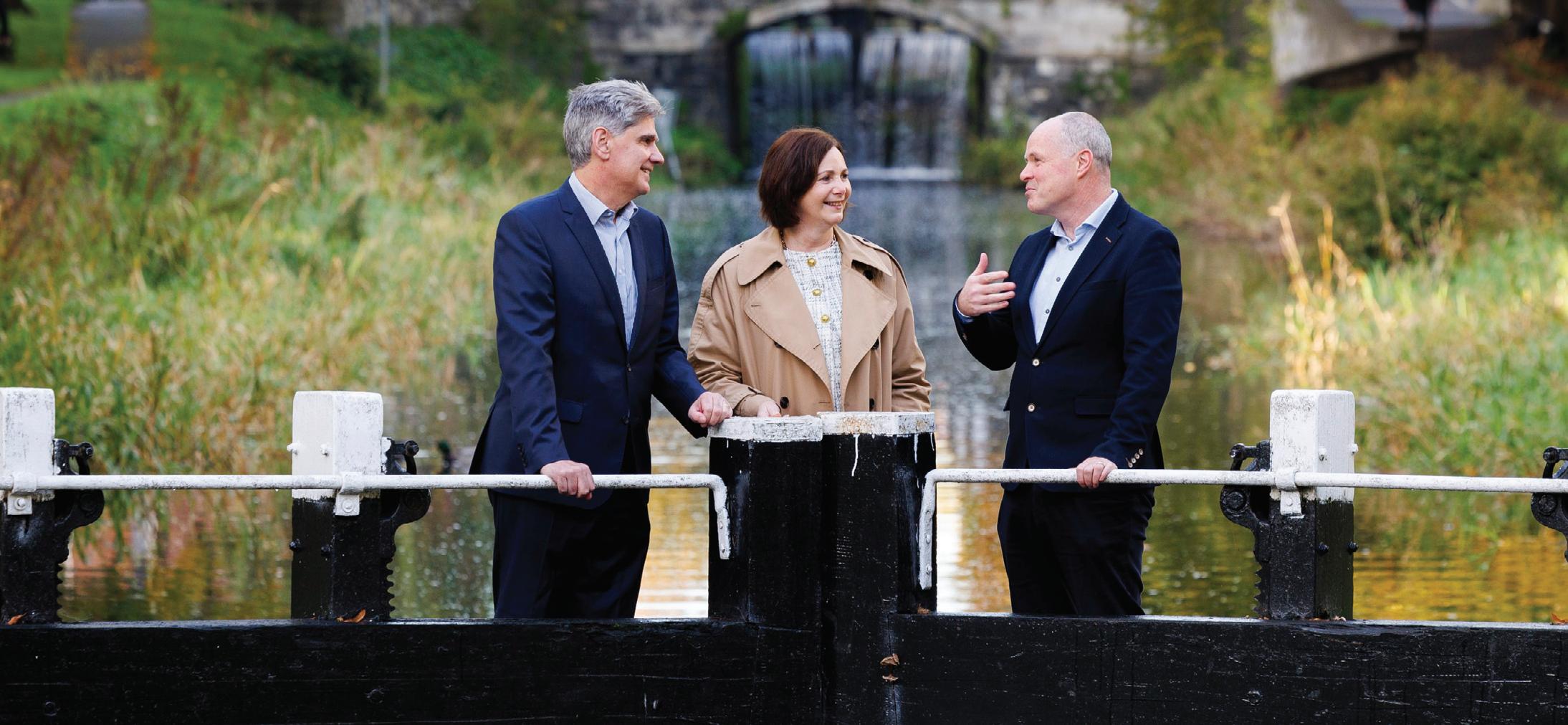
Minister for the Environment, Climate and Communications
Eamon Ryan TD has said: “A range of initiatives are in place and in development to improve energy efficiency and increase demand flexibility, as important enablers of a more secure energy system.
On the Energy Security to 2030 energy security strategy, Ryan says: “This package… is centred on continuing progress and action. It will strengthen Ireland’s approach to risk and resilience, taking an integrated, systemic, medium-term view of where we can do more and how.
“It is an important contribution to a more secure, sustainable, and affordable energy system for Ireland and I will drive its rapid and comprehensive implementation.”
“This package… will strengthen Ireland’s approach to risk and resilience, taking an integrated, systemic, medium-term view of where we can do more and how.”

Following the publication of the National Biomethane Strategy, Barry Quinlan – whose remit as Assistant Secretary at the Department of the Environment, Climate and Communications (DECC) includes heat policy – outlines the ambition to develop a sustainable biomethane industry of scale by 2030.
In the National Biomethane Strategy, the Government has committed to supporting the delivery of up to 5.7TWh of indigenously produced biomethane by 2030, a significant increase on the 75 GWh per annum currently produced.
The scale of the transformation required is better illustrated by the need to move from an equivalent of 0.001 per cent of the current gas demand, to at least 10 per cent of national gas demand by 2030.
Quinlan was speaking in the context that increased biomethane production and use makes up one of three priority areas for DECC in efforts to decarbonise Ireland’s buildings and heat demand, alongside an extensive
retrofitting programme, and a desire to grow district heating.
Highlighting that the State currently has only a handful of operational biomethane facilities, with only two injecting into the gas grid, Quinlan says that a more than trebling of the previous biomethane target outlined in Climate Action Plan 2019 will require the construction of between 140 to 200 new anaerobic digestion facilities.
Prior to the National Biomethane Strategy, the National Heat Study examined bioenergy resources in Ireland, and identified biomethane as “a competitive, cost-efficient, path to decarbonising sectors with a high thermal heat demand”.
Quinlan explains that the State’s promotion of a biomethane production increase is multifaceted. While increased production will facilitate the displacement of fossil fuels, and reduce emissions in the heat sector, it will also strengthen energy security and, importantly, reduce emissions in the agriculture sector.
Historically, across Europe, AD was developed to produce biogas which in turn was used to generate electricity. However, this is now seen as an expensive way to generate renewable electricity, and the Assistant Secretary emphasises the consensus that biomethane resources be principally used in sectors where no alternative decarbonisation options exist; such as high temperature heat processes.
To this end, Quinlan highlights that the strategy has been co-delivered by the Department of Agriculture, Food and the Marine and DECC, to ensure it fully supports an “agri-centric, environmentally sustainable biomethane industry”, with lessons taken from a trend across Europe to utilise limited bio-resources to generate biomethane and decarbonise high temperature heat, gas grids in general, and the transport sector.
Focusing specifically on the UK and the Netherlands, where massive expansions in biomethane production were achieved in a relatively short 10-year time frame, he believes that all the evidence points to Ireland’s ability to achieve the 5.7 TWh by 2030 target.
“Given the need to swiftly stimulate the industry, the provision of capital grants and the Renewable Heat Obligation, alongside industry investment will put Ireland on a trajectory to meet its 5.7 TWh target by 2030,” he says.
Concluding, Quinlan explains that a Biomethane Sustainability Charter, scheduled to be published in Q3 2024, will help ensure the successful roll-out of an “agri-led biomethane industry”, and protect against unintended negative consequences.
To make sure that everyone can play their part in Ireland’s energy transition, Duncan Osborne, CEO of Calor, explains the critical need for current and future government policy to integrate LPG, BioLPG, and future sustainable options such as rDME into planning in order to support households and businesses to access affordable, mixed technology renewable energy sources.
Ireland has made clear and ambitious commitments to reach net zero by 2050 in the Government’s Climate Action Plan. We stand at a key moment in the journey to meeting our climate targets. To do so, our policy solutions need to reflect the full range of alternative fuels such as LPG and renewable energy fuels such as certified BioLPG, which are actively contributing to heat decarbonisation and providing renewable energy options for
households and businesses across the country. Not doing so risks leaving a significant cohort behind on the path to meeting our climate objectives.
Recent data underscores the urgency for a range of solutions: lower than expected uptake of retrofitting, increased oil usage by households, and businesses under pressure to become more sustainable but prohibited by cost.
Research shows that many homes and businesses risk being left behind in the move to renewable heating. A recent report by Liquid Gas Ireland (LGI) analysing census data showed that 46 per cent of all Irish households still rely on high carbon fuels such as oil, peat and coal for heating. Between 2016 and 2022, the number of households using oil increased by 28,173 to 714,177.
We know that Ireland has a large percentage of older housing stock – 65 per cent of all households were built before 2001 – equating to 1.2 million homes in Ireland that are typically less energy efficient and more costly to heat. Transitioning to a renewable energy source is costly – with the average cost of a deep energy retrofit ranging from €25,000 to €70,000 – and simply not accessible to many people.
Many businesses are keen to play their part and transition to lower carbon and renewable energy sources. Research released by Calor earlier this year showed that almost half (46 per cent) of the manufacturing and production businesses surveyed said that they are experiencing ‘a lot of pressure’ to become more sustainable. However, cost and access remain a key barrier here also.
There are solutions. We can optimise our energy options and ensure the availability of a mixed technology approach – with a suite of alternative and renewable energy choices – so that no one is left behind on the journey to a sustainable future. Options such as lower carbon LPG, BioLPG and rDME (renewable dimethyl ether) are key parts of this solution. Calor BioLPG is a proven, renewable energy solution, produced from a blend of sustainably sourced waste materials and renewable vegetable oils which makes it an efficient and cleaner choice for businesses and households.
Continuing innovation has led to the development of future sustainable options such as rDME (renewable dimethyl ether), a low-carbon, sustainable, liquid gas, which is made from a wide range of renewable and recycled carbon feedstock (including waste streams) and has the potential to decarbonise heat. These fuels also offer a significant reduction on NOx, SOx and particulate matter (PMx) emissions compared to other off-grid fuel sources, having a positive impact on air quality. Ireland has committed to making sure that vulnerable households and communities are not disproportionately burdened by the changes required by climate action. In Calor, we are focused on how we can best play our part in helping to meet the critical challenges of combatting climate change and how we
“We need all our renewable energy options on an equal footing to best support consumers, with parity of government support for all renewable fuels.”
Duncan Osborne, CEO, Calor
can help make sure that it is a just transition for everyone: one that is equitable, fair and leaves no one behind.
Later this year, Ireland will see its first Renewable Heat Obligation (RHO) come on stream. This will play a crucial role in driving forward our energy sector to a high-renewable, low-carbon system, and improve energy security by diversifying energy streams. It will require fuel suppliers in the heat sector to ensure that a portion of the energy they supply comes from renewable sources. A core part of the new RHO is to help meet EU heat decarbonisation targets, and imported biofuels such as BioLPG – that meet the most stringent criteria as set out under the EU Renewable Energy Directive – will play an essential part in meeting these targets. Ireland has a key role to play in this. We have the potential to be a larger, significant source of indigenous feedstocks for European BioLPG production, building on the recent success of Irish-produced waste returning as BioLPG.
A multi-optioned approach to renewable energy is needed to help households and businesses to transition to renewable energy sources. In Calor, we stand ready to support communities across Ireland, particularly those that are in rural areas without access to the natural gas grid. BioLPG is integral to this transition as a well-established renewable energy source. For example, the National Oil Reserves Agency (NORA) RTFO Annual Report for 2023 shows that BioLPG had the lowest weighted average GHG emissions (4.7 gCO2e/MJ) of all the biofuels placed onto the Irish transport market in 2023.
We need to see a level playing field for all renewable fuels as potential energy transition solutions, including support for off-grid fuels. Calor welcomed the recent
publication of Ireland’s National Biomethane Strategy, and acknowledge the vital, complementary role that BioLPG has to play alongside biomethane and biomass in meeting new biomethane ambitions (5.7TWh by 2030) and helping mostly rural and off-grid businesses and homes to move to renewable energy use and heat decarbonisation. BioLPG has been successfully adopted and used by heating consumers, both domestic and business. Its key benefits are that it is a drop-in solution that requires no equipment changes and can be blended.
It is essential that new obligations such as the RHO does not put undue pressure on rural off-grid consumers that may be at risk of fuel poverty. We need all our renewable energy options on an equal footing to best support consumers, with parity of government support for all renewable fuels.
Energy needs are changing in Ireland and our strategic policy priorities must evolve to deliver the energy solutions that are required.
Calor welcomes the advancement of the work of the Just Transition Commission and its critical remit. It is only by integrating LPG, BioLPG and rDME into current and future government policy, ensuring a mixed technology approach is on offer, and supporting a wider choice of viable options for homes and businesses off the natural gas grid, that we can effectively ensure that delivery on a green transition does not leave anyone behind.
T: 01 450 5000
W: www.calorgas.ie


Amid energy security challenges, MaREI Director and Associate Vice-President of Sustainability at University College Cork (UCC), Brian Ó Gallachóir has recommended the establishment of an all-island gas storage plan.
Contextualising the development of all-island gas infrastructure – and indeed electricity infrastructure – in Ireland, Ó Gallachóir references the peace process and Good Friday Agreement as having had a catalytic effect in advancing the development of said infrastructure on an all-island basis.
“Five years after the Agreement was signed, the Allisland Energy Market Joint Steering Group (JSG) was established, and that was followed by a number of significant developments including a memorandum of understanding between the regulators, the system operator agreement between EirGrid and SONI as transmission operators, and the common arrangements for gas,” he observes.
However, this early progress subsequently stalled following the transition from the all-island Single Electricity Market to the Integrated Single Electricity Market (I-SEM) in 2018. Explaining the reversed fortunes now facing all-island energy infrastructure, Ó Gallachóir emphasises the role of Brexit, and the subsequent increase of electricity prices.
As a consequence, Ó Gallachóir says, the two jurisdictions in Ireland have become more insular in framing their respective energy security policies. For instance, the Government’s Energy Security in Ireland to 2030 policy document highlights the need for gas
storage to assist with balancing the electricity system while overlooking an existing license for gas storage in salt caverns at Islandmagee, County Antrim.
“From my perspective, we have seen a period where the eye has been taken off the ball – due in part to Brexit and periods of absence of a Northern Ireland Executive – to progress all-island energy security,” he observes.
Given that the most recent projections from EirGrid and SONI illustrate capacity deficits in electricity generation in coming years – particularly in medium- and highdemand scenarios – there is an imperative to avoid reliance on emergency generation capacity in the context of ambitious climate targets.
To date, gas has served as a backbone to electricity generation – acting as a stepping stone in the transition away from oil and coal – while increasing renewable energy generation, such as offshore wind and solar PV, comes onstream.
In this context, Ó Gallachóir advocates for “refreshing the All-island Grid Study” as a useful mechanism to ensuring an all-island focus on the shared ambition of a net zero power system by 2035. “That focus should also be turned to exploring the gas storage potential on an all-island basis,” he concludes.
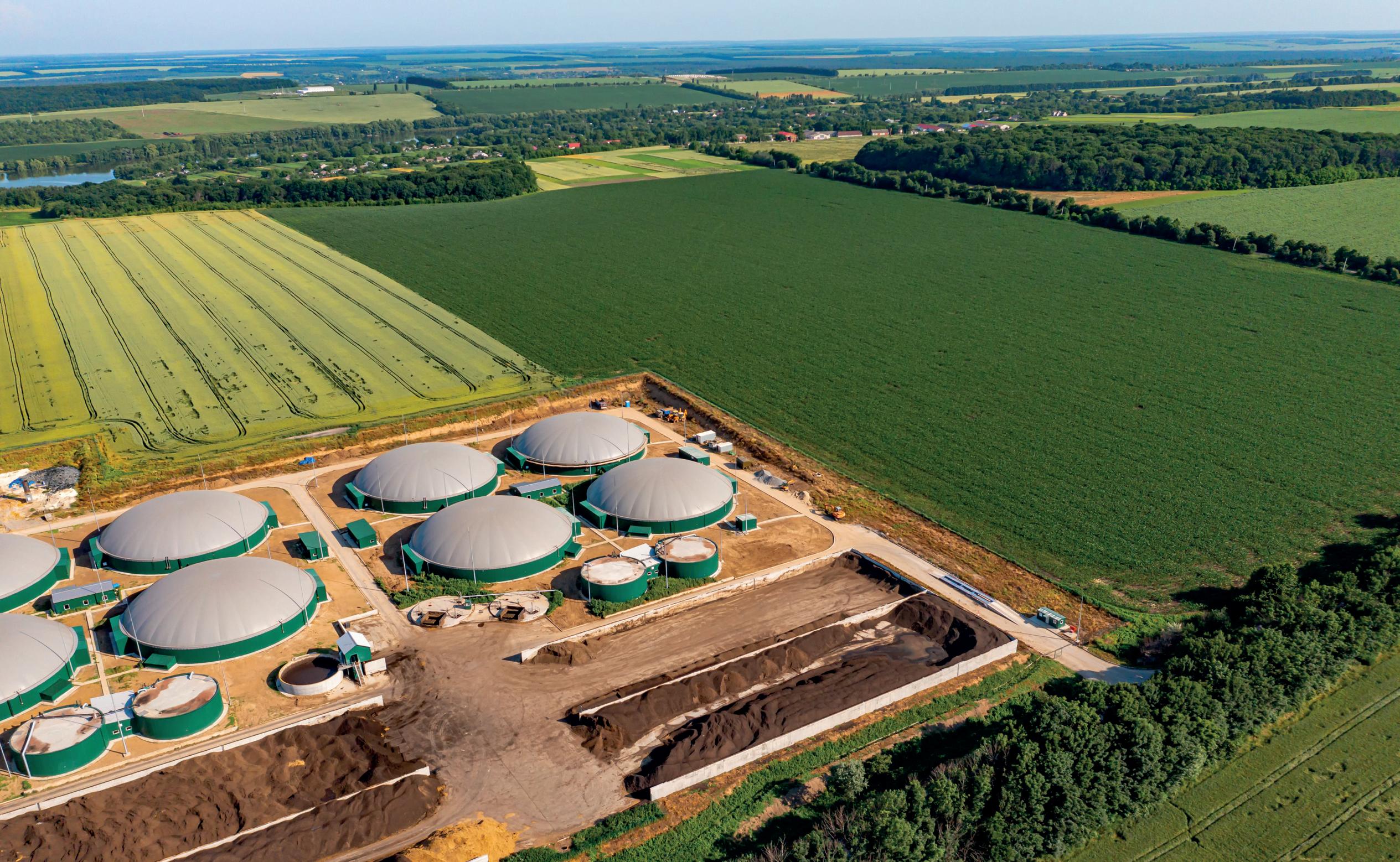

, the European Commission states that €18 billion has been spent in helping the EU meet its biomethane targets.
Under REPowerEU, The EU’s biomethane production, either as biogas or its upgraded version, needs to reach 35 billion cubic metres (bcm) per year by 2030 and the estimated investment need for the period amounts to €37 billion. Industry reports €18 billion investment mobilisation by February 2024.
The Biomethane Industrial Partnership (BIP) was launched on 28 September 2022 and aims to support the achievement of the EU’s 2030 target of 35 bcm annual production and use of sustainable biomethane and to create the conditions for a further ramp-up of its potential by 2050.
Biomethane and biogas production is increasing at significant pace, however, based on projections in EU member states’ latest draft updated national energy and climate plans, biogas and biomethane production is currently set to reach a cumulative range of between just 30bcm and 32bcm by 2030.
To reach the 2030 target, the Commission presented in May 2022, a Staff Working Document, accompanying REPowerEU, outlining a number of actions which could be taken to unlock the potential of biogas and biomethane across the EU.
The proposed actions aim at “expanding the production of biogas to a sustainable volume which can be upgraded into biomethane” and promoting biomethane production from waste and residues, rather than from food and feedstocks, which can lead to land use change-related issues.
By the end of 2024, under the Waste Framework Directive (2008/98/EC), all EU member states are mandated to collect organic waste separately.
The revised Renewable Energy Directive broadens the scope of the fuel supply obligation to cover all uses of biomethane and the Commission’s recommendation on permitting for renewable energy projects should also accelerate new biogas and biomethane investments.
Ireland has taken its first steps towards contributing to the EU’s biomethane targets with the establishment of emissions reductions targets under the aegis of the Climate Action Plan, as well targets outlined in the newlyannounced National Biomethane Strategy. Under the strategy, the Government is committed to supporting delivery of up to 5.7TWh of indigenously produced biomethane by 2030.
Ireland must seize the opportunity to create a sustainable biomethane industry in order to meet its climate targets, writes Kevin Fitzduff, Managing Director of Stream BioEnergy.
In the evolving landscape of renewable energy, biomethane is rapidly gaining traction as a sustainable and versatile energy source. Among the frontrunners in this burgeoning sector is Stream BioEnergy, a company with ambitious plans to build large-scale waste biomethane plants across the island of Ireland.
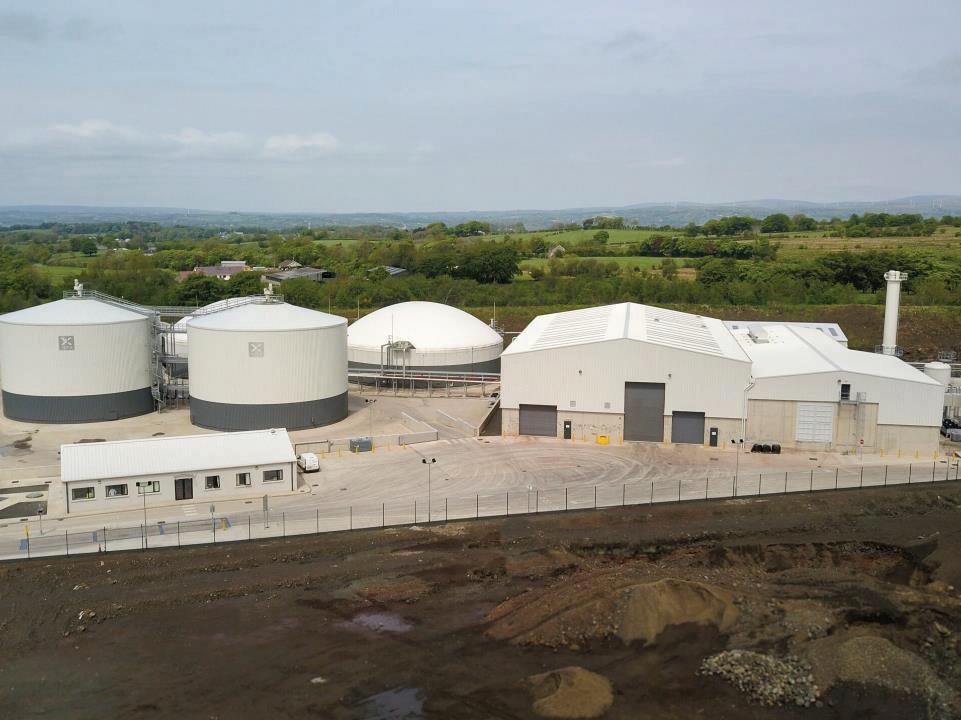
These facilities will convert organic waste into renewable gas, offering sustainable energy generation while addressing waste management challenges. These projects represent not only a significant investment in Ireland’s renewable energy infrastructure but also a crucial step towards the nation’s energy independence and carbon neutrality goals.

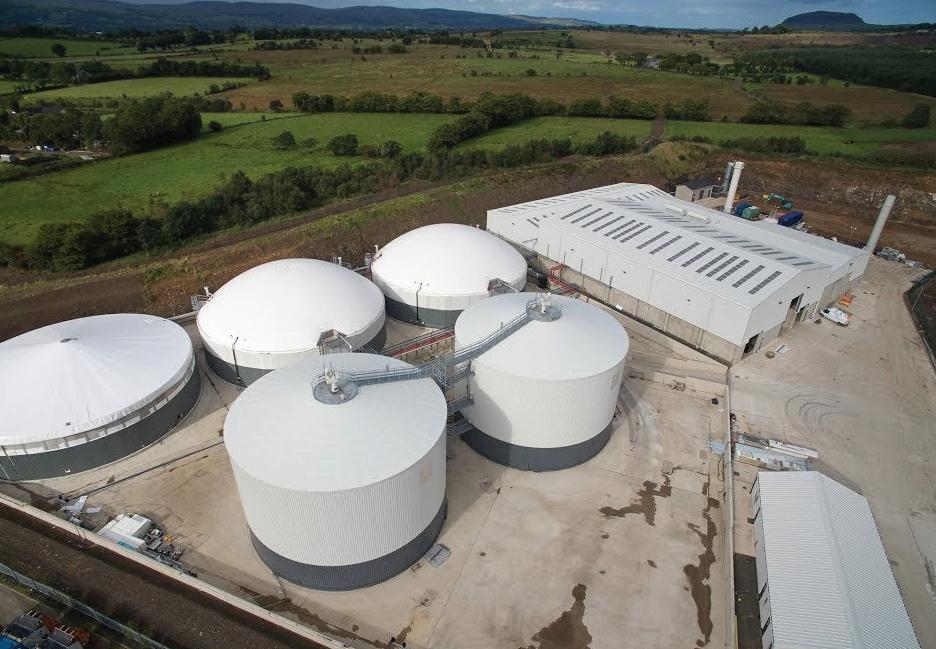
Dublin-based Stream BioEnergy operates biogas projects in Northern Ireland and Britain that utilise anaerobic digestion technology to convert organic wastes into renewable energy and nutrient rich biofertiliser. Stream’s first project in the Republic of Ireland will start construction in autumn 2024. Located in Little Island, County Cork, it will convert 90,000 tonnes of domestic and commercial food waste into biomethane to be injected into the gas grid.
Here, I outline Stream BioEnergy’s vision, the broader benefits of the biomethane sector, and the crucial role the Renewable Heat Obligation (RHO) must play in driving the industry to meet the Irish governments target of producing 5.7 TWh of indigenously produced biomethane by 2030.
benefits of biomethane: a closer look
While recent years have seen strong progress on the decarbonisation of the electricity sector other areas have lagged behind. The versatility of biomethane makes it an attractive option for hard-todecarbonise sectors, such as heavy industry, long-haul transport and older housing stock which are harder to electrify. Biomethane plays a critical role in reducing emissions from these sectors because it can directly replace natural gas in heating applications.
One of the most compelling benefits of biomethane is its contribution to environmental sustainability. Biomethane production utilises organic waste—such as agricultural residues, animal manure, and food waste—that would otherwise decompose and emit methane, a potent greenhouse gas. By capturing this methane for energy production, biomethane plants significantly reduce greenhouse gas emissions.
In fact, biomethane is considered a carbon-neutral fuel because the carbon dioxide released during its combustion is offset by the carbon dioxide absorbed during the growth of the organic material used to produce it.
Moreover, the other products of the anaerobic digestion process are nutrientrich bio-fertilisers, closing the loop in a truly circular economy. This process not only reduces reliance on chemical fertilisers, which are energy-intensive to produce and contribute to environmental degradation, but also enhances soil health, promoting sustainable agriculture.
Energy security and independence
Ireland has historically been dependent
on imported fossil fuels to meet its energy needs, making the country vulnerable to volatile global energy markets. Biomethane presents a viable solution to this challenge by providing a domestically produced, renewable energy source. As Stream BioEnergy’s plants come online, they will inject biomethane into the national gas grid, reducing Ireland's reliance on imported natural gas.
The development of a robust biomethane sector offers significant economic benefits for Ireland. The construction and operation of biomethane plants will create jobs, supporting local economies and contributing to regional development. A significant portion of the capital investment will be spent on local services. Jobs will span a range of roles, from plant operations and maintenance to logistics and feedstock supply, offering opportunities in both skilled and semiskilled positions.
Heating is one of the most challenging sectors to decarbonise, particularly in industrial and commercial applications. Biomethane, with its ability to replace natural gas in existing infrastructure, offers a practical solution to this challenge. There has been little growth in Irelands biomethane sector to date due to the lack of government supports but the Renewable Heat Obligation (RHO) is poised to change that.
The RHO, which is due to be published in autumn 2024, is a policy mechanism that mandates heat suppliers to source a percentage of their energy from renewable sources. It will significantly
increase the demand for biomethane as heat suppliers seek to meet their renewable energy targets. This will provide a stable market for biomethane, encouraging Stream BioEnergy and other producers to invest in new plants and infrastructure.
It is expected that the RHO will significantly increase the demand for biomethane as heat suppliers seek to meet their renewable energy targets. In order to attract both the domestic and international investors required for the expansion of the biomethane sector and to bring new projects to fruition, the RHO must create a stable market for biomethane sales at a viable price level.
For companies like Stream BioEnergy, the RHO represents both an opportunity and a catalyst for growth, enabling them to scale up their operations and contribute significantly to Ireland's transition to a sustainable energy future.
“Biomethane could become a cornerstone of Ireland’s renewable energy portfolio...”
Kevin
Fitzduff,
Managing Director, Stream BioEnergy
Stream BioEnergy’s initiative to develop biomethane plants across Ireland is not just a business venture; it is a significant contribution to Ireland’s energy transition. Stream BioEnergy is implementing an extensive plan to establish multiple largescale biomethane plants across Ireland. By focusing on biomethane, Stream BioEnergy is helping to build a sustainable energy system that aligns with Ireland’s environmental and economic goals.
The company’s projects will provide a scalable, renewable energy source that reduces greenhouse gas emissions, enhances energy security, and supports local development.
As these plants come online, they will represent a significant milestone in Ireland’s journey towards a low-carbon future. With the right policy support and continued investment, biomethane could become a cornerstone of Ireland’s renewable energy portfolio, driving the country towards a more sustainable, secure, and prosperous energy future.

For more information: W: www.streambioenergy.ie/
Thursday 14 November • Croke Park Dublin
The Renewable Energy Summit 2024 will provide a valuable opportunity to bring together the key stakeholders from across the energy sector, and those who interact with the energy sector to discuss how the contribution from renewable energy can be accelerated. The objective is to create a genuine in-depth understanding of the alternative paths open to Ireland in increasing the contribution from renewable energy sources. It will look at the challenges and opportunities including the planning system, the need for long term energy storage and the skills gaps impacting on the sector. It is the one event that brings together the renewable energy sector as a whole.
Sponsored by

Paul Lennon Head of Offshore Wind, Hydrogen & Long Term Storage ESB

Conor O’Dowd CEO
The Port of Galway
John Reilly Head of Renewable Energy Bord na Móna

Therese Murphy Business Development Manager Cornwall Insight Ireland

Andrew EdwardsJones Social Scientist Plymouth Marine Laboratory

J Owen Lewis Chair
IIEA Working Group on Climate and Energy

Catherine Banet Professor Scandinavian Institute of Maritime Law & Head of the Energy and Resources Law Department University of Oslo
Sponsorship & exhibition opportunities available! Full programme announced soon!
There are a limited number of opportunities to become involved with this conference as a sponsor or exhibitor. This is an excellent way for organisations to showcase their expertise and raise their profile with a key audience of senior decision makers from across Ireland’s renewable energy sector. For further information on how your organisation can benefit, contact Gail Kinkead on +353 (0)1 661 3755 or email gail.kinkead@energyireland.ie
To register:
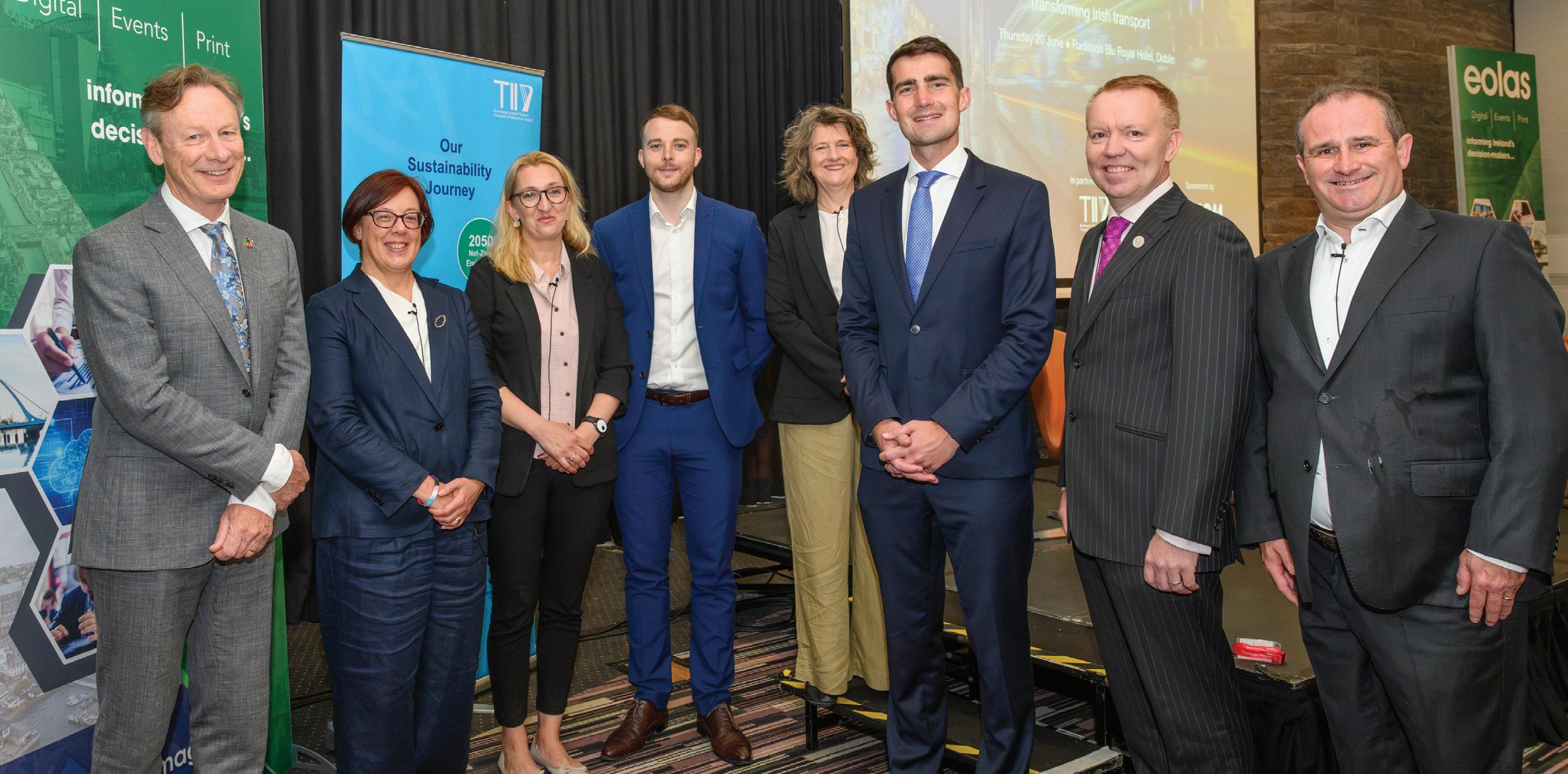
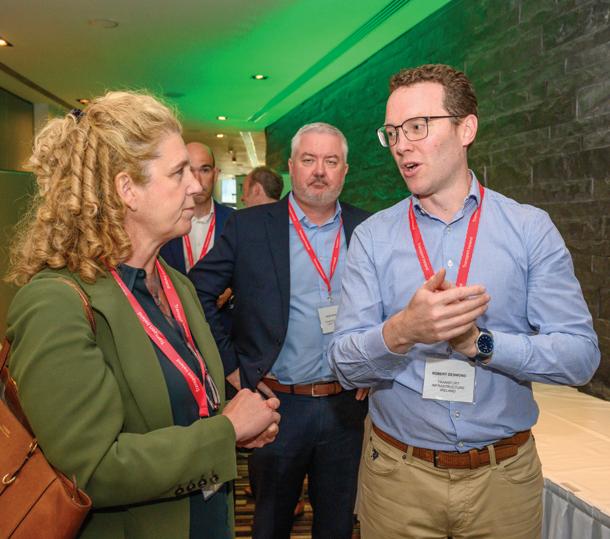
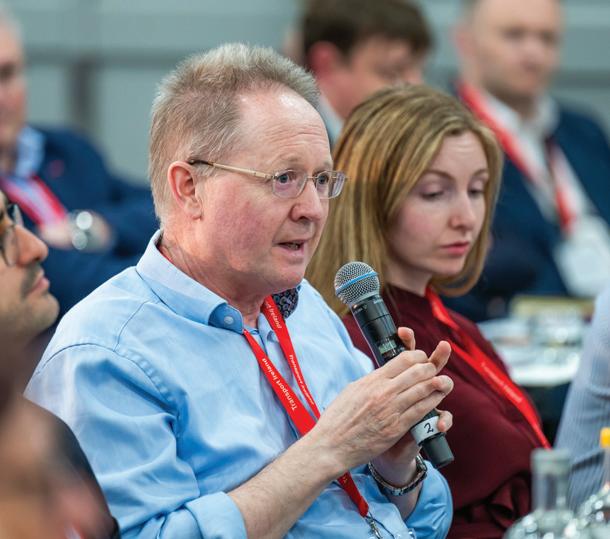
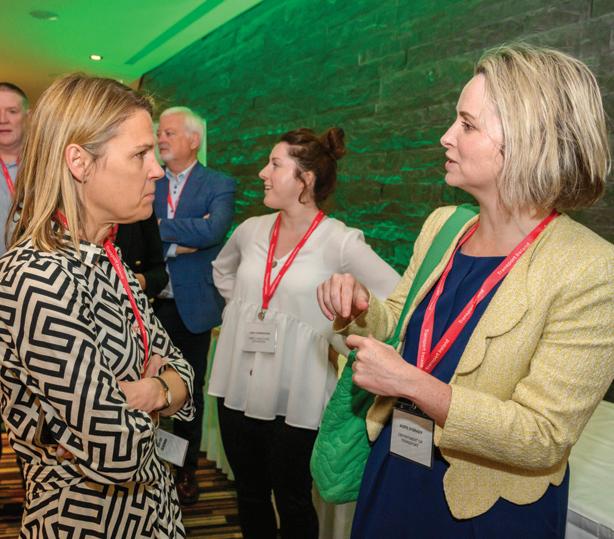
The 2024 Transport Ireland Conference recently took place in the Radisson Blu Royal Hotel, Dublin and brought together key stakeholders to explore the latest ambitions, challenges, and tangible opportunities for decision-makers to transform Ireland’s transport sector.
The top line up of expert speakers, both local and visiting included Jack Chambers TD, Minister of State, Department of Transport; Peter Walsh, Chief Executive Officer, Transport Infrastructure Ireland; Anne Graham, Chief Executive, National Transport Authority; Olev Parts, Senior Specialist of Public Transport, Tallinn Transport Department; Imogen Cotter, road safety advocate and former professional cyclist; and Brendan Murphy, Senior Statistician, Census Outputs, CSO.
We would like to take this opportunity to thank the 2024 Transport Ireland conference partner, Transport Infrastructure Ireland and sponsor, AECOM, all speakers, exhibitors, and delegates who joined us and made the conference a huge success.