Water report




Digital Events Print

Everyone, rural and urban, needs clean water to drink, to produce food, to support our livelihoods and for recreation. Conflict will only further delay action, writes Minister of State at the Department of Housing, Local Government and Heritage Malcolm Noonan TD.
Water is the great connector. Our water resources and waterways link human society directly with the condition of our land, to the state of our biodiversity and to the impacts of climate change. Managed efficiently, water can play a key role in strengthening the resilience of social, economic, and environmental systems.
We have well-documented problems in Ireland’s water bodies. In the most recent national water quality assessment by the EPA, almost half (46 per cent) of Ireland’s waterbodies were found to be below good status. The principle causes of these challenges in water quality are the losses into water of excess nutrients (nitrogen and phosphorous) from farmland and inadequately treated wastewater, causing harm to ecosystems. We are also witnessing climate change having a direct impact on water: from water scarcity and droughts to the disruption of rainfall patterns that contribute to high-intensity localised rainfall.
The UN Water Conference has brought a renewed focus on water to the international stage. Here in Ireland, the recent report from the Citizen’s Assembly on Biodiversity included many recommendations on water. To act on the Citizens’ Assembly recommendations, I firmly believe that we need to focus on collaboration and not on conflict. Too often, the default response to a problem highlighted is denial, distraction, or deflection. Some try to pit rural against urban dweller – farmer against environmentalist. This conflict is a false narrative – we all need clean water.
Most recently, we have seen the discussion on the introduction of the EU Nature Restoration Law, and in particular the subject of rewetting, show us how divisive the debate can be. We cannot have good agricultural production without healthy nature and clean water, we cannot restore nature without the cooperation of our farmers, and we cannot feed people without the sustainable productive use of our land.
Neither can we shy away from the challenge of meeting our obligations to protect and restore water quality. In Ireland, we have significant challenges: the resilience of our water supplies, the loss of high-status water bodies, nutrient pollution and restoring the natural functions of our rivers for biodiversity and flood protection.
It is imperative that we put ourselves on a sustainable pathway for water management. To address these many challenges we need to work harder to integrate our responses to water, climate change and biodiversity loss across all policy areas and across public agencies and authorities. The proposed national statement of environment policy due to be published by the end of 2023 will result in better coordination between the different environmental policy areas and a more effective implementation process.
The Programme for Government has committed to funding Uisce Éireann’s capital investment plan for drinking water and wastewater infrastructure. The
“Without the implementation of substantial measures to address the impacts of agriculture, it is unlikely that Ireland will achieve significant progress in delivering good water quality status for all its waterbodies in the longer term.”
Minister of State at the Department of Housing, Local Government and Heritage
Malcolm Noonan TDNational Development Plan commits almost €6 billion capital investment by Uisce Éireann from 2021 to 2025. In Budget 2023 alone almost €1.6 billion of funding was made available to Uisce Éireann. This investment will deliver significant improvements in our public water and wastewater services, support improved water supplies right across urban and rural Ireland, and deliver improved water quality.
A revised and strengthened River Basin Management Plan, which covers the third cycle of river basin planning for Ireland up to 2027, will be soon launched to help address these issues. We are drafting this next plan, drawing on a collaborative approach between all stakeholders. This has been made possible through An Fóram Uisce – the national water stakeholder forum.
Using the integrated catchment management approach, backed up with a strong programme of measures, it will identify the main pressures on our water status and set the environmental objectives to protect and restore our water bodies, with the identification and implementation of ‘the right measure, in the right place’ being the central driver of the Plan.
We will seek to address the impacts from agricultural through a balance of engagement, education, and knowledge, such as through the expansion of the Agricultural Sustainability Support and Advisory Programme (ASSAP), the Agri-Climate Rural Environment Scheme (ACRES), alongside enhanced inspection and enforcement requirements.
The new Nitrates Action Programme includes stronger measures to reduce nutrient losses, to improve water quality and will work with the new CAP Strategic Plan which has brought ecosystem protection and environmental management to the fore.
Measures introduced include tighter controls on the application of chemical fertilizers and slurry, stronger emphasis on risk-based inspections and enforcement, with up to 16,000 farm inspections to be undertaken by local authorities during the lifetime of the plan, and an industry-led initiative
to reduce agricultural impacts on water quality.
Without the implementation of substantial measures to address the impacts of agriculture, it is unlikely that Ireland will achieve significant progress in delivering good water quality status for all its waterbodies in the longer term.
Another significant measure to help address water quality is the recently launched Water European Innovation Partnership (EIP) project. The initiative is co-funded by my department and will invest funding of €60 million in farms over five years. This project is specifically focused on reducing losses of phosphorus, nitrogen, sediment, and, where relevant, pesticides to water from agricultural lands by promoting the adoption of innovative best practice in nutrient management, such as the application of nature-based natural water retention measures (NWRM).
In urban areas, the plan will see the development of a new strategy for the implementation of nature-based solutions at a national scale to address the pressures from urban runoff, such as increased rainfall patterns due to climate change. A pilot project with Cork and Dublin city councils commenced in 2022 to investigate how naturebased solutions can be used to address urban run-off pressures.
In the meantime, an interim high-level guidance document has been finalised to assist planning authorities with implementing nature-based solutions as part of ongoing new development. Through initiatives like An Fóram Uisce and ASSAP, the Government is engaging directly with water stakeholders and our focus will continue to be problem solving based on a collaborative approach.
Water is at the heart of adaptation to climate change and is the crucial link between the climate system, human society, and the environment. Managed efficiently, water can play a key role in strengthening the resilience of social, economic, and environmental systems.
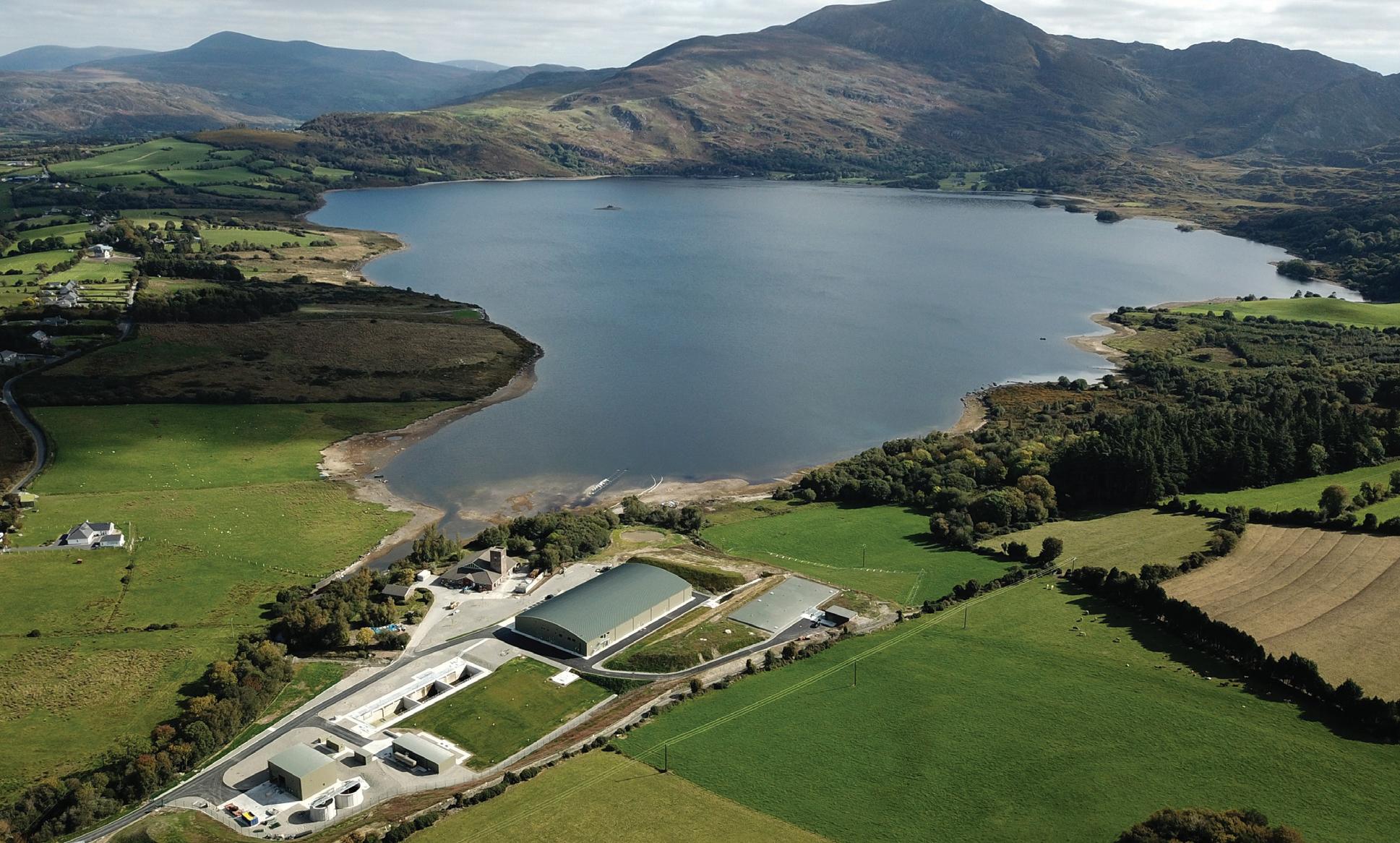
In Ireland, climate change is predicted to result in warmer summers and wetter winters, and we have seen clear evidence of this in recent years. Extreme weather such as drought or heavy rainfall will become more frequent, intense, and prolonged and this will have a significant impact on our water services.
Uisce Éireann’s purpose is to enable communities to thrive and sustainability goes right to the heart of its vision for a sustainable Ireland where water is truly respected and protected. With increasing pressure to meet the current demand for water as a result of population growth, climate change, and changing environmental regulations, Uisce Éireann is developing plans to ensure it can provide a safe,

sustainable, secure, and reliable water supply to customers now and into the future while safeguarding the environment.
Reduced rainfall with a growing population and economy will put increased pressure on water supplies during drought events. More intense and prolonged rainfall can also damage infrastructure due to flooding, cause
increased variability on source water quality or reduce the quality of treated drinking water supplies.
Uisce Éireann is implementing measures to adapt to future climate change and establish a resilient and low carbon water and wastewater service by developing Ireland’s first National Water Resources Plan (NWRP). This plan sets out how it will balance the supply and demand for drinking water over the short, medium, and long term through a 25-year strategy that ensures a safe, sustainable, secure, and reliable drinking water supply for everyone.
The plan is based on three principles:
1. lose less;
2. use less; and
3. supply smarter.
The ‘lose less’ principle focuses on intensive leakage reduction and demand management measures and ‘use less’ focuses on water conservation and encouraging everybody to use less water by improving water efficiency in homes, businesses, and farms. Meanwhile, ‘supply smarter’ focuses on
having the right infrastructure, systems and approaches working together in the right way to provide the most sustainable water supplies.
To ensure a resilient water service, climate change is a key consideration for water resource planning. An assessment of the vulnerability of all existing water sources was considered in the plan to enable a move away from unsustainable sources of supply which are vulnerable to climate change and allow the development of new and more resilient sources of supply along with connecting more communities to existing resilient sources like natural lakes, impounding reservoirs, and productive aquifers. These sources have the ability to store water during wetter periods, maintaining reserves for water supply during dry summer periods.
The National Water Resources Plan will deliver benefits throughout the country. When all projects set out in the plan are delivered approximately 76 per cent of the demand for public water supply will be delivered by interconnected systems. This means all customers supplied by these interconnected schemes will have access to supply from more than one source. This will provide significantly improved operational flexibility and increased resilience right across the water network that is much better equipped to manage the impact of climate change.
For example, in the eastern-midlands region, 55 existing supplies will be interconnected, of which 36 supplies are linking to the Greater Dublin Area including Mullingar and Tullamore.
The water within this interconnected supply will be provided by abstractions from sources with storage, including aquifers, impounding reservoirs, and lakes. This includes the planned new abstraction from the Parteen Basin on the River Shannon.
In the north-west region, 58 existing supplies will be interconnected form 15 larger interconnected supplies including Letterkenny, Buncrana, Inishowen, and the surrounding areas. These supplies will be secured further by improving the existing Eddie Fullerton Pollan Dam and providing new abstractions from local lake sources.
In the south-west region, 112 existing supplies will be interconnected of which 21 existing supplies are linking to the Cork City Supply which gets most of its
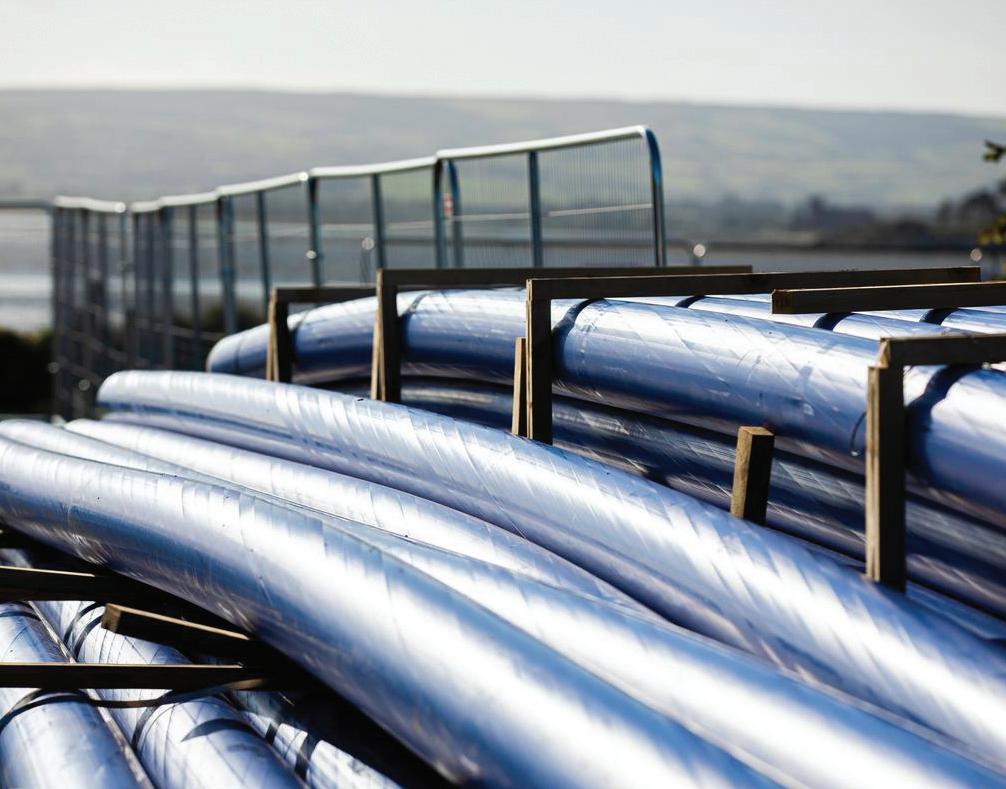
water from the Inniscarra Reservoir, including connection of Clonakilty and Bandon.
In the south-east, 62 existing supplies will be interconnected. Natural lakes and impounding reservoirs are limited within this region. Local groundwater sources for many of the supplies will be developed along with two sustainable abstractions from the River Suir which will supply key towns of Clonmel and Waterford. Nine supplies, such as Kilmacthomas and Ballyogarty, will be connected to the main Waterford supply and 10 supplies, such as Ardfinnan and Ahenny, will be connected to the Clonmel supply.
The remaining 24 per cent of demand will be provided by local resilient and sustainable groundwater and surface water sources.

Achieving these critical improvements will depend on continued delivery of sustained and significant public investment in water infrastructure that will secure a resilient water supply for generations to come.
For more on the National Water Resources Plan: W: www.water.ie/projects/strategicplans/national-water-resources/

In response to the housing crisis, Uisce Éireann is now playing a critical role supporting housing delivery by expanding the existing water supply and treatment network to ensure that new and existing developments have access to a reliable infrastructure.
Yvonne Harris, Uisce Éireann’s Housing For All Programme Director explains:
“Uisce Éireann is committed to playing its part in the national drive to provide homes to people who need them by developing and prioritising the delivery of key water service infrastructure and making progress in this area is a top priority for us.
“We have a dedicated team working closely with local authorities to inform their development plan preparation process, including the tiered zoning of lands to support the delivery of housing. We have also developed capacity registers to show whether there is enough water/wastewater capacity in an area for development, enabling developers and local authorities to prioritise development in areas with services.
“Uisce Éireann has a key role to play helping communities around Ireland to thrive by supporting the delivery of housing”, she continues, adding: “We have increased our capability to support connection applications and offers and onsite quality checks. In 2022, water infrastructure supported almost 37,000 housing connection offers, up 4,500 on 2021. These numbers are on track to increase further in 2023 with 21,990 connections already offered up to June this year as Uisce Éireann keeps up with industry demand. This includes
In recent years, Ireland's housing crisis has been a prominent topic of public discourse. As the population grows and the need for new homes increases, this puts pressure on existing water and wastewater infrastructure.
over 4,250 connections to water services infrastructure associated with over 25,000 homes.
“Meanwhile, our connections team issued positive responses to 3,190 preconnection enquiries associated with 116,647 housing units. Of those positive responses issued, 92 per cent were within 16 weeks.”
Early engagement has been an important factor in maintaining momentum on new connections.
“Anyone considering developing housing should engage with us as early as possible through our free pre-connection enquiry process,” the Housing For All Programme Director outlines. “We can assess the feasibility of a connection to our network and advise on the best way to progress a project.”
Working with a wide range of stakeholders, including developers, the construction sector, chambers of commerce, local authorities, government, and others, Uisce Éireann has continuously refined its connections process to ensure it is fit for purpose.
It aims to build effective partnerships to meet the housing supply challenge, to listen to its stakeholders by hosting, presenting, or attending relevant conferences and events relating to housing and to take action to support the delivery of water infrastructure where and when it is needed.
Working with the Commission for Regulation of Utilities (CRU), Uisce Éireann has also developed a first mover disadvantage (FMD) policy proposal to mitigate ‘first mover disadvantage’ for developers. Approved by the CRU in May 2023, this initiative will support housing delivery and share costs more equitably amongst developers who are connecting to water services. Developers will now be compensated for water and wastewater infrastructure development which others
may use for subsequent site development.
The first mover disadvantage policy follows several other successful initiatives that Uisce Éireann has already delivered including a Self-Lay in the Public Road programme and a new Experience Based Accreditation Scheme that will accredit experienced contractors to deliver new water services infrastructure in public roads for housing developments.
The utility has also collaborated with the construction industry to encourage sustainable water management, launching the Water Stewardship and Sustainability in the Construction Sector campaign, in partnerships with the Construction Industry Federation, Irish Home Builders Association, Irish Green Building Council, Cairn Homes, and SISK. This initiative promotes the use of water-efficient appliances, like percussion taps, twin flush and lowwater-use toilets, as well as encouraging rainwater harvesting and greywater reuse systems.
The development of water infrastructure to support the delivery of housing is a critical step in addressing Ireland's housing crisis. By ensuring that new homes have access to a reliable water supply and wastewater treatment, Uisce Éireann is enabling the growth of sustainable settlements and reducing the strain on existing infrastructure. With ongoing investment and collaboration between stakeholders, supporting the delivery of housing will remain a priority for Uisce Éireann well into the future.
W: www.water.ie
As one of Ireland’s most important infrastructure providers, Uisce Éireann’s capital expenditure on critical water and wastewater infrastructure exceeded €1 billion for the first-time in 2022, supporting key government policies, including the National Development Plan, Housing for All, and the Climate Action Plan.
“There is no doubt that the development of modern water infrastructure in a sustainable way is critical to Ireland’s future. A growing economy needs essential water infrastructure as much as it needs roads, hospitals, and energy generation. Along with hundreds of much needed local and regional projects across the country, we must also deliver generational national projects including the Water Supply Project – Eastern and Midlands Region and the Greater Dublin Drainage Project to support continued economic and population growth, and we must do this in a sustainable way,” says Uisce Éireann CEO Niall Gleeson, highlighting what this progress means for communities across the country.
“We are currently preparing our next price control submission to our economic regulator, the Commission for Regulation of Utilities, to set out the capital and operational spending we will need to deliver services and infrastructure from 2025 to 2029,” the CEO explains, adding: “We anticipate a significant uplift in our spending requirement to respond to the growing demands on Ireland’s public water utility.
“This is also reflected in our submissions
to government for capital funding under the National Development Plan out to 2030. We have made huge progress with very strong funding and policy support, but we still face huge challenges in getting our services and infrastructure up to the standard Ireland needs to protect the environment and public health and enable sustainable economic growth.”
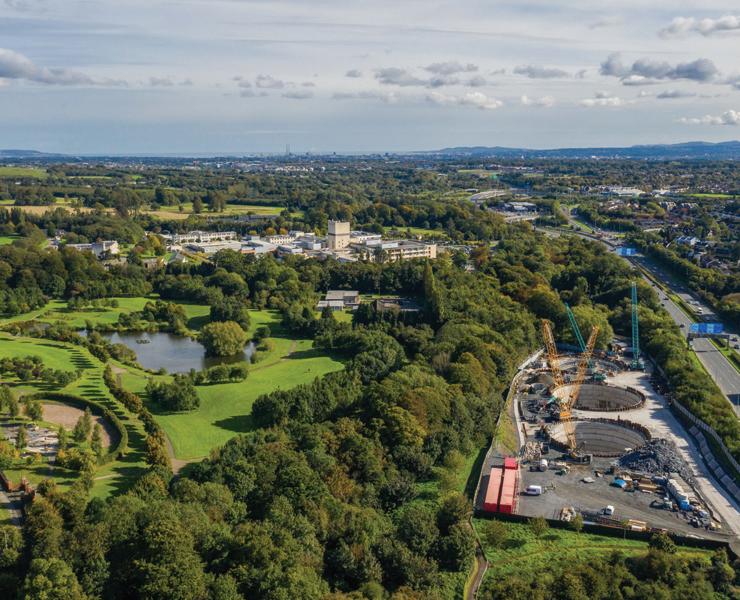
Key projects progressed during 2022 included the capacity upgrade at the Ringsend Wastewater Treatment Plant in Dublin Bay. Ireland’s largest treatment plant is responsible for treating 40 per cent of all public wastewater in the country and is being upgraded on a phased basis. Significant interim milestones are anticipated in 2023 and when completed in 2026, this project will help provide the required treatment capacity until the Greater Dublin Drainage project is commissioned and it will bring about a significant improvement in Ireland’s compliance with the Urban Waste Water Treatment Directive.
With pressure on housing showing no signs of easing, Uisce Éireann continues to deliver key water infrastructure to enable housing development and this remains a priority. Uisce Éireann’s water and wastewater capacity registers are now published on www.water.ie and have become a key tool to inform developers and planners which areas of the country have capacity for growth and development.
In 2022, the utility delivered a total of 15
new and upgraded water and wastewater treatment plants including the completion of five projects listed on the National Development Plan. Significant progress was also made to reduce leakage across the water network last year; leakage has now been reduced to 37 per cent nationally (from 46 per cent at the end of 2018) and Uisce Éireann is on track to reduce it to 25 per cent by 2030.
Despite significant improvements on drinking water supplies, boil water notices remain an unfortunate reality for some customers in order to protect public health. That said, over 67 per cent of boil water notices imposed in 2022 were rectified within 30 days and 187,000 tests were carried out to ensure water quality.
Furthermore, 11 water supplies serving more than 130,000 customers were removed from the EPA Remedial Action List of water supplies considered to be at risk, 13 older plants were rationalised, and more than 10,000 lead services were replaced. Communities with no wastewater treatment were connected to new treatment plants, existing plants were upgraded to improve the capacity and quality of treatment and more than 100km of sewers were rehabilitated or replaced.
“Customers expect and deserve the highest standard of service from us,” Gleeson says. “We are aware of the many challenges ahead, but we are developing the plans to deal with them and are making important progress to ensure that is the case now and into the future. Uisce Éireann is becoming the modern water utility Ireland depends on and we will continue to be critical to securing Ireland’s environmental and economic success,” he concludes.
W: www.water.ie
In May 2023, the Commission for Regulation of Utilities (CRU), published its decision on future water connection charging policy under the first mover disadvantage.
This scenario was where a developer, either domestic or non-domestic, is required to pay Uisce Éireann for a connection extension to the water network for their development project and, subsequently, other developers make use of this connection extension
to separate development projects without contributing to the cost that the original developer incurred.
This meant the connection extension charge was not proportionally distributed between developers and one developer
pays more than others for the same asset that they are sharing, effectively meaning the first mover developer bears the cost of an asset that others can then benefit from.
During the public consultation that set out proposed approaches for addressing first mover disadvantage, the CRU received a high response rate from stakeholders, which were both informative and constructive in developing the CRU finals policy decision.
Having considered all responses, the CRU decided to proceed with an approach called the Shared Quotable Rebate (SQR).
The key features of this approach were:
• it would be funded by subsequent developers connecting to the first mover developer’s asset;
• funding would be provided only if any subsequent developers connect to the first mover developer’s asset;
• a time limit would be applied between the first mover developer’s connection (and the subsequent connection(s); and
• funding would be provided to the first mover developer after any subsequent developer(s) connect.
The SQR approach meets the objectives of the Government Housing for All plan and addresses first mover disadvantage by redistributing the cost of the connection to ensure that everyone pays for a portion of the asset that they are using.
As it currently stands, the first mover developer bears the cost of an asset that others can then benefit from. The approach will also encourage more developers to share the funding of water and wastewater network infrastructure in areas where it does not already exist,
aligning with the Government’s aim for accelerated housing delivery over the coming years.
The SQR differs from other approaches, as a rebate will be funded by subsequent developers and will not be speculatively subsidised by Uisce Éireann. This imposed additional costs on the utility, which in turn would impact taxpayers, non-domestic customers with increased connection charges.
The SQR approach is based on actual costs when they actually arise, rather than on estimated costs for a scenario that might never arise and is broadly consistent with the connection charging treatment of first mover developers in the electricity sector.
The CRU considers that this strikes the right balance between ensuring that developers are compensated for other developers making use of the asset that it funded, ensuring that the water utility continues to operate efficiently and that taxpayers do not carry the burden of funding the rebates.
As a result of submissions received during the consultation, the CRU decided to make several improvements to this overall approach. These changes had a positive impact on the proposed approach, which may contribute to further accelerated housing delivery. The proposals are outlined below.
• Timeframe: The timeframe for this approach is now 10 years (extended from five years).
• Self-lay: Self-lay developers, which
“The SQR differs from other approaches, as a rebate will be funded by subsequent developers and will not be speculatively subsidised by Uisce Éireann.”
are those who construct their own connections are now eligible to be covered by the first mover developer policy.
• Asset upsizing: Where Uisce Éireann decides to upsize an asset that has capacity for others to connect and was funded by the first mover developer (prior to UÉ upsizing), the first mover developer will receive a rebate in the first instance.
• Engagement: Uisce Éireann will proactively engage with the developers to help them understand how their rebate was calculated and will publish examples of how the rebate can be calculated under different scenarios.
In addition, the government recently announced the introduction of a refund for Uisce Éireann’s new housing standard connection charges for 12 months.
The CRU believes this is a positive development which, in combination with
the new first mover developer policy and will have a positive impact on reducing the cost of housing construction. It is important to note that while the refund is a temporary government measure, the first mover disadvantage policy is an enduring policy that will continue to apply after the temporary refund elapses.
To accelerate access to the new policy for future developments, Uisce Éireann will support the implementation of the policy by offering developers who apply for connection on or after the 1 August 2023 to have an option to avail of first mover disadvantage. In addition, Uisce Éireann will target a manual implementation, or go live, of the scheme by November 2023, with full implementation by May 2024.
Overall, the CRU considers the new policy a fair and equitable approach that will benefit all end water users.

Mary Kelly-Quinn, Professor
University College Dublin (UCD), outlines the scale and consequences of the water quality crisis in Ireland’s freshwater sources.
Kelly-Quinn begins by outlining that water quality in Ireland is continuing to decline. “As the EPA highlights, it is going in the wrong direction. That is affecting everything from clean drinking water, through to recreation, sense of place, tourism, and economic development. We have made some improvement, but declines are outpacing improvements. Therefore, the current efforts, are not efficient to stem the decline,” she says, before emphasising: “Our water resources will not benefit from glass half full perspectives.”
Describing Ireland’s freshwater systems as living in a “multi-stressor environment,” Kelly-Quinn explains how “agriculture is the dominant source of pressure followed by hydromorphology, discharges in urban wastewater, and inputs from forestry operations”.
“Ireland’s freshwaters are receiving cocktails of multiple pollutants delivered along multiple pathways, often from several sources, requiring the targeting of the right measures in the right places,” she says.
“We are dealing with the runoff of nutrients, excess fine sediment, pesticides from agriculture and farmyards, habitat damage from drainage, organic pollution from poorly treated wastewater, and storm water overflows.

“We also have runoff from nutrients and excess sediment from forestry operations. Excess sediment has immediate and long-term ecological impacts but, in my opinion, it is the low hanging fruit, and requires priority mitigation.”
Nutrient concentrations, Kelly-Quinn states, are too high and the trends are going in the wrong direction. “30 per cent of river sites have high phosphorus concentrations and 78 per cent of sites have increasing concentrations. One-third of lakes have high phosphorus concentrations and 10 per cent of lakes have increasing phosphorus concentrations.”
Kelly-Quinn adds that: “Nitrate concentrations are now increasing in nearly half of our river and groundwater sites that have been monitored. On top of that, pesticides have been detected in drinking water supplies. A report produced in 2022 shows that 31 supplies failed to meet our pesticide standards in 2021.”
The UCD professor further outlines the “challenging problem” of wastewater treatment. “Twelve large urban areas did not meet the EU treatment standards in 2021.
“Ireland’s freshwaters are receiving cocktails of multiple pollutants.”Mary Kelly-Quinn, University College Dublin
Thirty-two towns and villages discharge raw sewage into our seas and rivers every day. This is unacceptable in the 21st century in a developed country,” Kelly-Quinn emphasises.
“Wastewater discharges are a significant pollution pressure in 208 water bodies. Thirty-eight priority areas require improvements to protect rivers, lakes, estuaries, and coastal waters.” The Department of Housing, Local Government, and Heritage says that work is to be completed on 11 of these by 2024, although Kelly-Quinn states that she hopes that this work “will happen a little bit faster”.
Kelly-Quinn has recently completed research on Ireland’s small streams and headwaters. Said water sources make up around 75 per cent of Ireland’s river network, around 75,000km of river channel. These, Kelly-Quinn explains, “are the most vulnerable part of the river network because of a high land-water contact”.
Kelly-Quinn further contextualises that, because of their narrow channel width and low water volume, these freshwater sources are easily impacted by pollution.
“Equally, they are extremely important in terms of biodiversity providing spawning areas for fish and almost one-third of the invertebrate life that you find in a river catchment can be unique to the headwaters and found nowhere else.”
Against this backdrop, Kelly-Quinn explains how, in her research, she has examined 199 streams over an 11year period. “113 of these stream sites have elevated nutrients, half with exceedances in two nutrients, and some with exceedances in three nutrients. Without a doubt, there are greater resources needed to be focused on headwaters.”
She further outlines the scale of consequences of these elevated nutrient levels in the biodiversity crisis, as the
number of Irish pristine water sites has declined from a number of more than 500 in the 1980s, to only 32 in 2023. Although welcoming the classification of these water sites as high-status objective catchments, KellyQuinn laments the relatively slow pace of progress made thus far.
“Only 43 per cent of these sites are achieving high status. We need to give high priority to the protection of these sites and also to expansion in the number of these sites. They have a high level of strategic importance in terms of ecological recovery and restoration of ecological health because they contain a complement of flora and fauna that is required to repopulate areas which are recovering from pollution.”
Concluding, Kelly-Quinn poses a difficult rhetorical question which she hopes decision-makers will ponder: “Are we doing enough, fast enough, and at a broad enough scale to achieve the outcomes we require?”
She further states her hope for a “higher level of ambition” in the revised River Basin Management Plan, adding that “deteriorating water quality needs to be taken more seriously at policy level”.
Kelly-Quinn states that decisions need to be taken with an understanding that there are “three interlinked crises: water quality, climate, and biodiversity loss”. “The solutions to these crises,” she concludes, “will be bespoke, and they should be co-developed with landowners and other stakeholders. Communication of the problems needs to reach a wider audience.
“There are lots of good projects and work being done across the country, but not at a scale that is good enough or fast enough, so we need an effective recovery plan with coordinated actions and resources to bend the curve of declining water quality and biodiversity loss.”


In recent years, the urgent need to address climate change and protect our planet’s natural resources has become increasingly apparent. Our water environment faces multiple challenges including deterioration from pollution, intensifying flood events, prolonged periods of drought, in addition to the pressures of a growing population placing increased demands on ageing infrastructure.
As their operational impacts extend from ‘source-to-sea’ effectively, water utilities play a crucial role in addressing these interconnected challenges given their capacity to influence emissions reductions across the managed water cycle. Achieving net zero across the water cycle will require the challenge to be viewed through a holistic, catchment-wide lens to adopt a “systems-thinking” approach to solution development.
To achieve net zero (most UK and Ireland utilities have set targets between 2030 to 2040), reducing emissions alone will not be enough and utilities must adopt a two-pronged approach: reducing carbon emissions (sources) and embracing naturebased solutions (sinks). A balance must be achieved between these strategies, which offers broader
benefits for the environment and delivers the systemic change needed across the water industry.
Water utilities are significant contributors to carbon emissions due to the energy-intensive nature of water and wastewater treatment with a particular operational ‘hotspot’ associated with emissions related to electricity use (water services consumed 19 per cent of public sector electricity consumption in 2020)1 Utilities proactively reduce their energy-related emissions, by improving energy efficiency, optimising operational processes, and using renewable energy sources. A further source of operational emissions which
1. https://www.seai.ie/publications/Public-Sector-Annual-Report-2021.pdf (section 3.4)
2. PAS2080:2023 Carbon Management in Buildings and Infrastructure (section 4.3, figure 5)
3. https://www.jacobs.com/newsroom/news/innovation-partnership-wins-place-ofwats-water-breakthrough-challenge
4. http://dx.doi.org/10.19189/MaP.2022.SNPG.StA.2414
represent a priority for water utilities are the greenhouse gases methane and nitrous oxide, which are produced as a result of the treatment of wastewater and sludge. While these are more challenging to quantify, efforts are underway across the industry to baseline emissions from all key sources (including process and energy sources), thereby determining the utilities carbon footprint, a position from which effective reduction trajectories can be planned.
Beyond their operational emissions, utilities are beginning to focus on the whole-life-cycle carbon of all infrastructure projects and programmes of work, considering the embodied carbon of assets in addition to the operational emissions. Effective reductions will require emissions from all sources across the entire life cycles
of projects to be considered, including the embodied carbon (which is mainly emitted during the production/construction of buildings/infrastructure). Quantifying embodied carbon during the early work stages of projects, and applying a carbon reduction hierarchical approach2, helps water utility decision-makers to prioritise solutions which can avoid carbon emissions in the first place, switch to low carbon alternatives where feasible or, adopt solutions that improve the use of resources by embracing circular economy principles. By abandoning the unsustainable linear model, water utilities can potentially reduce whole-life-cycle carbon, e.g., by reusing treated water or recovering energy (operational phase) and, in the construction phase, by reducing the consumption of raw materials or by reusing excavated material as fill.
Reducing the release of emissions, however, represents only one side of the net zero equation. Residual emissions, those that cannot be avoided, will remain. Nature-based solutions offer a complementary approach to emissions reduction, by leveraging the sequestering power of nature. By adopting the right measures in the right place, utilities can implement naturebased solutions, providing assets with less embodied carbon (by avoiding/reducing use of concrete and steel), less operational emissions (natural systems require less energy and emit less greenhouse gases), and with the potential to sequester carbon using natural vegetation to perform treatment functions.
Green (nature-based) infrastructure incorporates natural elements into the urban water cycle, which can help to manage stormwater runoff. By implementing solutions such as bioswales and permeable pavements, stormwater flows can be retained, alleviating the inundation of existing
conveyance systems, and potentially reducing the need to provide additional infrastructure and the associated carbon.
Nature-based alternatives to traditional treatment infrastructure e.g., integrated constructed wetlands and sludge-drying reedbeds, still require “construction”, but provide co-benefits using natural materials and the enhancement of biodiversity through the creation of artificial habitats which sequester carbon. While the provision of green alternatives to traditional solutions is a step in the right direction, nature-based solutions must be delivered rapidly and at scale to address multiple challenges effectively.
Starting at source, healthy catchments will play a critical role in creating future resilience, adding socio-economic value, connecting the landscape, and supporting sustainable development. At Jacobs we recognise the central role collaborative stakeholder engagements play in the delivery of game-changing solutions for emissions reductions, water catchment approaches and naturebased solutions at scale. In association with a large collaboration of partner organisations, funding has recently been secured to support a national five-year programme of work aimed at mainstreaming water catchment and nature-based solutions in the UK3
Down at catchment level, while degraded wetland habitats are documented to emit greenhouse gases4, carbon can be sequestered through wetland restoration initiatives which also provide natural storage reservoirs for storm water, whilst preserving biodiversity and increasing adaptive resilience. Holistically, protection and restoration of these habitats can provide co-benefits to water utilities by improving source water quality, resulting in less chemicals and energy use for subsequent treatment, regulating flows
within catchments, alleviating pressure on already-constrained downstream infrastructure, and potentially avoiding future asset generation and energy demand.
For water utilities striving to achieve net zero, the finite amount of land owned by the utility to deliver appropriate sinks represents a key challenge –notwithstanding the challenges faced to achieve nature balanced outcomes in urban areas. Demands to offset emissions will require ‘outside-the-fence’ collaborations to deliver decarbonised, nature positive solutions, and the establishment of new and innovative partnerships are central to success.
Engagement with local ecosystem stakeholders, including landowners, regulators, policy makers and local communities, will be essential to understanding the competing land-use need and the common environmental objectives required to deliver sustainable solutions.
Appreciating the integrated nature of the need to decarbonise and tackle nature loss, a new level of ambition and opportunity for the water sector is emerging. Water utilities are in a unique position to demonstrate leadership to both encourage and enable collaborations across ecosystems and the supply chain, to scale effective solutions to balance the net zero equation.
T: 01 202 7718
E: jillian.bolton@jacobs.com
W: www.jacobs.com
Plan 2023 (CAP23) commits to Ireland’s communities being “healthy and secure”, enjoying cleaner water. eolas Magazine analyses the document to illustrate just how the Government plans to achieve this.
CAP23 makes note of the Intergovernmental Panel on Climate Change’s (IPCC) prediction that changes in the climate will lead to “further pressure on our water resources and food production systems with associated impacts on river and coastal ecosystems” and “poorer water quality”.
Furthermore, the Climate Status Report for Ireland 2020 found that Ireland’s sea levels have risen by approximately two to three millimetres per year since the early 1990s. It also projects significant reductions in average annual levels of spring and summer rainfall, and substantial increases in the frequency of heavy precipitation events in winter and autumn. Effects of these changes will include increased “likelihood of river and coastal flooding” and “increased pressure on water supply and water quality”.
While CAP23 does not have a dedicated water section, the actions that will be taken that affect the sector are included across multiple associated sections such as agriculture, landuse, and adaptation.
CAP23 states, “altered practices across land uses, under the correct conditions, can yield significant co-benefit for
ecosystem services including water quality, drought management, flood attenuation, and biodiversity”.
CAP23 cites Food Vision 2030 – the Department of Agriculture, Food and the Marine’s strategy that aims at Ireland becoming a world leader in sustainable food systems – as playing a part in the improvement of water quality in Ireland, with its aim of achieving a climate-neutral food system by 2050 requiring improvements in areas such as emissions, biodiversity, water quality, forestry, fisheries, organic farming, and food waste.
Key to agriculture, as it relates to water quality, is reduction of nitrates in waters with estuaries, coastal water, and groundwater drinking supplies, with the south and the east of the country said to be particularly at risk. Teagasc states that 85 per cent of nitrates in rural water catchments originate in agriculture and that estuarine waters are in the poorest condition of the affected waters.
CAP23 notes that Ireland’s current level of organic farming –under 3 per cent, just 110,000 hectares of an agricultural landbank of 4.9 million hectares – is low compared to the rest of Europe, which has an average of 9.1 per cent. Accordingly, the plan notes the aim of the EU’s Farm to Fork Strategy to reach at least 25 per cent organic farming by 2030, which would require
an increase of almost five times on Ireland’s part to reach 450,000 hectares.
While organic farming does not totally eliminate nitrate run-off, multiple studies have found it to significantly decrease the level of run-off. One such study, published in Food Science and Nutrition in 2013, found nitrate levels in organic production of baby leaf salads to vary between 1.45 and 6.40mg per kg of fresh weight, while conventional production ranged from 10.5 to 45.19mg/kg of fresh weight.
The establishment of the fifth Nitrates Action Programme will seek to address levels of nitrates used in Irish agriculture, with a review of maximum nitrogen limits as set out within the Nitrates Regulations to be performed by Q2 2024.
The Nitrates Regulations will also dictate some of the land use sector’s effects on Irish waters, with mandatory requirements to enhance carbon sequestration to be imposed. Also key will be the attempts to reduce the management intensity of at least 80,000 hectares of drained, agricultural, managed carbon-rich soils by 2030, which is expected to improve water quality, increase biodiversity, and enhance resilience to changing weather.
Further measures within the land use section of the plan will also work to improve water quality should they come to pass. Although CAP23 does not make mention of this when discussing plans to increase afforestation by incentivising its increase to 8,000 hectares per annum, increased afforestation of previously bare or heavily eroded areas is known to control soil erosion. The control of the erosion extends the lives of nearby reservoirs and improves water quality through the infiltration of
precipitation in forest soils before flowing to the reservoir. Peatland rehabilitation will also play a role in the water system, with stated benefits including improved water quality and flood attenuation. The plan includes within it the goal to rehabilitate 77,600 hectares of peatland by 2030.
With climate change forecast to have significant impacts upon water quality and supply, the adaptation section of CAP23 contains within the most water-specific measures. Sectoral adaptation plans have been formulated and broken down into themes to be led by government departments. The Water Resource and Flood Risk Management Adaptation Plan is broken down into three sector level themes: flood risk management, to be led by the Office of Public Works; and water quality and water services infrastructure, both of which will be led by the Department of Housing, Local Government and Heritage.
Four actions included within the plan under the adaptation section make specific mention of working on water issues. First, options will be developed for the delivery of a national implementation strategy for nature-based solutions and interim guidance for the management of rainwater and surface water runoff in urban areas.
Second, climate change groundwater flood maps will be produced and predicted climate change impacts to groundwater flooding at four pilot sites will be assessed. Third will be the improvement of the resilience of Ireland’s infrastructure. Lastly, the Government plans to increase awareness of water conservation and the “importance of protecting Ireland’s water resources” among students through the Green Schools Partnership programme.

The Water Forum was established in 20181 to provide a platform for stakeholder engagement on all matters relating to the management of Ireland’s water resources.
The Forum provides an opportunity for stakeholders to debate and analyse a range of issues with regard to water quality, rural water policy, issues of concern to customers of Uisce Éireann, the implementation of the Water Framework Directive and the River Basin Management Plan. We consult with key agencies and commission research to leverage expertise, insight, and knowledge to make sure any policy positions developed are based on the most up-to-date science and information. In accordance with the Water Services Act 2017, the Forum has an advisory function in relation to water quality, water conservation and future proofing.
Why is a national strategy for water conservation necessary?
Ireland has abundant rainfall, over 12,000 lakes and 84,000km of river channel, yet water supply is under pressure in certain places and at different times of the year. We have experienced widespread water supply restrictions following extended dry periods over recent years, with national hosepipe bans in 2018 and 2020. Climate change will result in longer dry and drought periods in the summer months, particularly impacting the south and east of the country. The population is set to rise by up to 40 per cent by 2050 and this will put further pressure on water resources. Uisce Éireann state that 58 per cent of water supply zones have a supply risk at current demand, which increases to 66 per cent during drought conditions. Demand management, or reducing wastage of water, is essential to support a resilient and sustainable water supply.
Ireland’s water supply infrastructure is poor, with a leakage rate of treated water currently at 38 per cent. Significant and ongoing investment is needed to make water
supply sustainable across all water resource zones. The three pillars of Uisce Éireann’s National Water Resources Plan is to use less, lose less, and supply smarter. While work on the national strategy to reduce leakage from 38 per cent to 21 per cent by 2040 is ongoing, the use less objective remains reliant on water stewardship initiatives and water conservation awareness programmes such as the Green Schools programme.
To support the formulation of policy advice on water conservation, the Forum commissioned research on domestic water conservation in Ireland, which was carried out by Sarah Cotterill of University College Dublin and Peter Melville-Streeve of the University of Exeter.
1. An Fóram Uisce - the Water Forum was established in April 2017 initially on administrative basis, to provide a platform for public engagement in the drafting and implementation of the RBMP for Ireland 2018-2021 and on all matters relating to water as an environmental, social and economic resource. Subsequently the Water Services Act 2017 provided for the establishment of An Fóram Uisce - the Water Forum on a statutory basis.
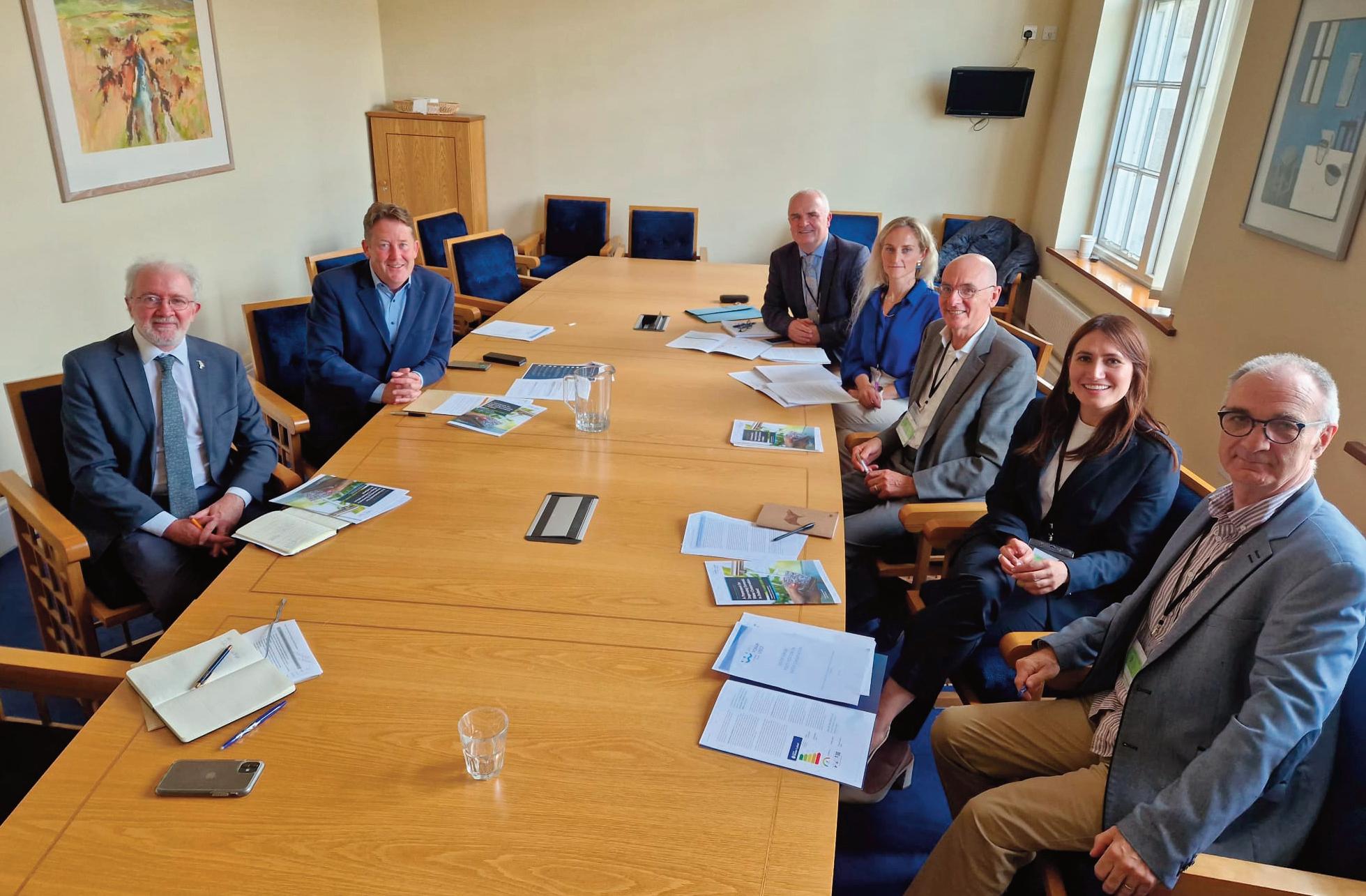
Ministers Malcolm Noonan TD and Darragh O’Brien TD meeting with Dónal Purcell, Triona McGrath, Matt Crowe, and Keith Hyland from the Water Forum and Sarah Cotterill, UCD.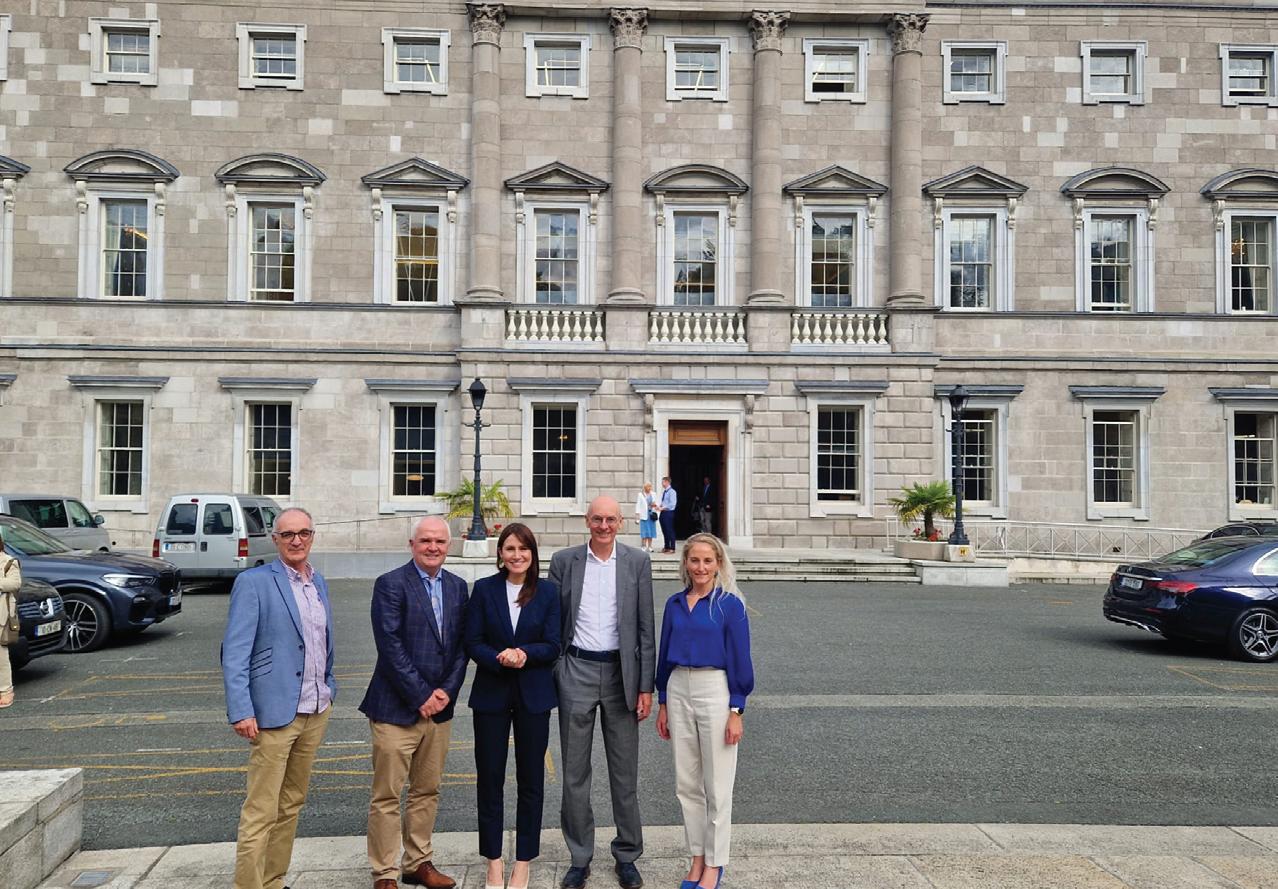
The research indicated that increasing efforts to conserve water provides multiple benefits:
• Reducing water demand will reduce the volume of water taken from the local waterbodies thereby protecting nature and water habitats from over abstractions.
• Less demand means less energy is consumed in abstracting and treating water which reduces costs and greenhouse gas emissions, therefore acting as a climate mitigation measure.
• 19 per cent of the energy used in the home is to heat water, transitioning to using more water efficient technologies and alternative water sources, such as rainwater harvesting, will decrease carbon emissions and energy costs in the household.
A policy brief informed by the research presented 10 recommendations to support the development of a National Framework for Domestic Water Conservation in Ireland, which has been approved by members of the Water Forum.
To further inform its policy advice, the Forum commissioned two research projects on the potential impacts of climate change on water quality and on water quantity in Ireland. This research provides the Forum with the most up-todate projections of the potential impacts of climate change on water resources. This knowledge has been used to support the development of the Forum’s Policy Position Paper on Water
Conservation which identifies policy interventions to improve water conservation.
In July 2023, a representation of Forum Members and Executive along with Sarah Cotterill, presented the Forum’s Position Paper and Policy
Recommendations to Minister Darragh O’Brien TD, Minister of State Malcolm Noonan TD, and to members of the Water Policy Unit at the Department of Housing Local Government and Heritage. The Government’s Housing for All policy, which aims to build over 300,000 new homes in the next decade, provides an excellent opportunity to advance domestic water conservation. A strategy to make these new homes water efficient could reduce domestic water demand by 25 per cent per person per day, reducing pressure on water supplies.
The Forum has also made recommendations to the Climate Action Regional Offices (CARO) to include water conservation as an action for climate change mitigation and adaptation, which should be included in local authority climate action plans. The Forum has shared its policy position on water conservation and made recommendations to the Climate Change Advisory Council for consideration in the 2024 Climate Action Plan.


Policy brief: scan the QR code
Water Forum Policy
Position: scan the QR code
E: gretta@nationalwaterforum.ie
W: www.thewaterforum.ie
S: @anforamuisce


Sébastien Mouret, Policy Officer at EurEau, speaks to eolas Magazine about the outlook of EU water policy and legislative priorities over a pivotal period for the sector.
This “pivotal period” for water policy has seen a myriad legislation either directly relating to water and its management and protection or similar legislation that affects water management introduced at EU level. Among those to have been already passed are the Water Reuse Regulation, the Drinking Water Directive, the NIS2 Directive, and the Critical Entities Resilience Directive. At the same time, there are prospective agreements that are still under negotiation, yet to be adopted in their final form, like the revision of the Urban Waste Water Treatment Directive, the Groundwater Directive, and the Industrial Emissions Directive. On top of this, other pieces of legislation are awaiting instigation including the Nitrates Directive, the Sewage Sludge Directive, and the Bathing Water Directive. Chief among the directives currently being debated in the European Parliament and in the Council is the revision of the Urban Waste Water Treatment Directive, first enacted in 1991. “In its evaluation of the existing text, the
Commission recognised that it has been very effective in its goals, which has been partly due to how simple it has been in its requirements,” Mouret says.
“Now the revision seeks not just to increase the ambition in terms of levels of treatment and environmental protection but also to include protection of human health, improving the energy balance of the wastewater sector, ensuring access to sanitation, improving the transparency of the sector, and also ensuring surveillance of wastewater treatment from a public health perspective following the experience of the sector during the Covid pandemic.”
On non-domestic wastewater, the new proposal would require an authorisation for all non-domestic discharges to sewers. This currently only applies to industrial discharges, but this would, for example, apply to businesses that do not fall under the Industrial Emissions Directive and would require the

permitting authority to consult the wastewater operators before delivering that authorisation, making it “something we very much support”, Mouret adds.
One of the major innovations of the revised directive is the requirement for energy neutrality within the sector, Mouret continues. “Broadly speaking, the idea is that the energy produced by wastewater treatment plants should cover the energy needs of wastewater treatment plants by 2040. That is going to be calculated at the national level for wastewater treatment plants treating over 10,000 population equivalent, but the idea is to have neutrality by 2040, with intermediate deadlines of 50 per cent coverage by 2030 and 75 per cent by 2035,” he explains.
“This is going to be a challenging goal for the sector with a very tight timeframe because the directive is not going to be adopted at the very least until 2024, with a transposition period likely to be two years, so that brings us within four years of the first deadline in 2030. This is going to be especially challenging because it comes at the same time as a major increase in treatment requirements, which is likely to increase the energy demand.”
Stringent requirements will also be introduced for tertiary treatments, with more plants being obliged to remove nutrients and tighter parametric values for total phosphorous and total nitrogen. A new requirement for quaternary treatment to remove micropollutants from water will be a first for the EU, with the aim to remove 80 per cent of a list of six substances out of a list of 12 named in the directive. “This requires a complete overhaul of wastewater treatment, adding a wastewater treatment stage that will be very capital expenditure-intensive, but also energy- and operational expenditure-intensive once it is online,” Mouret says. The Commission has introduced a producer responsibility scheme to cover the costs, targeting pharmaceuticals and cosmetics manufacturers, who are said to be responsible for 92 per cent of micropollutants in urban wastewater.
“What are we calling for is the mainstreaming of control-at-source for all pollutants. For quaternary treatment, extended producer responsibility is a
major step forward in this because it incentivises pharmaceutical and cosmetic producers to switch to less hazardous alternatives, but it needs to be fully implemented before the treatment requirements kick in, otherwise the funding will not be properly secured,” Mouret adds.
“We think that the deadlines for implementation should be extended; 2030 is very close when we bear in mind the time it takes to enact European legislation into national legislation. Finally, we need a holistic approach to energy neutrality because the wastewater sector can mobilise a wide variety of energy sources but not all of them are within the bounds of the wastewater treatment plant and so we need to ensure that the legislation takes into account renewable energy used by the wastewater treatment plants wherever it comes from. We hope to see this text adopted by spring of 2024, before the next European elections.”
With European elections due to take place in June 2024, Mouret and EurEau are aware that the make-up of the European Commission is likely to change. “It is impossible to predict future elections obviously, but from the current trends it is likely that the next European Parliament is going to lean further to the right, which means that they will likely be less agreeable for environmental measures as opposed to industrial competitiveness concerns,” he says. Despite this, he mentions the, “slightly more remote possibility”, of a new commission adding to the European Green Deal with a Blue Deal – which the European Economic and Social Committee has been working on and expects to present in October 2023 – that would “integrate water across the EU’s policy priorities much like the Green Deal did with climate and environment”.
Mouret concludes: “Whatever the next Commission chooses to focus the next legislative output on, our priorities will remain securing investment through appropriate pricing which allows us to ensure access to water for everyone, protecting water resources from everyone, and protecting the sustainable use of resources through the circular economy.”

Maintaining a water system fit to serve a modern, evolving society is a challenge for any water utility, writes Kevin Devine, Sales Director, Xylem Water Solutions Ireland.
Clean water is essential for the country’s economy, aquatic wildlife, and our health and well-being, but is under threat from a range of human activities and wider socioeconomic factors.
Agriculture, changes to water bodies, and discharges from wastewater treatment plants are among the activities putting pressure on the water system, which has led to the development of new water governance arrangements to manage water quality.
Crucial to the provision of clean, healthy water is the monitoring of water quality and to do this, utilities need quality data that provides information on the condition of water and allows the utility
to assess its approach. The answer is digital, and water utilities around the world are experiencing the benefits of a holistic, joined-up approach that enables them to optimise the data they obtain and how they use it.
Xylem Vue powered by GoAigua is a single, integrated software and analytics platform – built by utilities, for utilities –that eliminates data silos to improve operational visibility and control of the entire water and wastewater system.
Many water utilities assess data from multiple sources with different


parameters, such as temperature and chemical composition, addressing various functionalities to maintain their water system. There can be various data collection units for these sources, such as IoT sensors, SCADA (supervisory control and data acquisition), and other distributed databases. The data received from each of these is unique and in different formats.
All the data collected is essential in providing a complete view of the water system, however, these data sets are without any cohesion, which can prevent effective monitoring of the water system. This also leads to a data silo that prevents universal access, leading to gaps in information and communication. Such incomplete and inaccessible data sets lead to poor decision-making and operational inefficiencies within the utilities.
Such information-sharing challenges need to be eliminated to improve the competence of utilities. Xylem Vue powered by GoAigua enables better interpretation of data by unifying it into a single, interoperable, and simple-to-use software and analytics platform.
With the abundance of data produced by the sensors that are monitoring our waterways, water utilities can improve their ability to identify leaks and rising main failures, which historically happen after they have caused significant damage, leakage, and financial loss. Access to real-time data would mitigate these across the entire system, enabling immediate, proactive action.
Xylem Vue powered by GoAigua provides real-time decision support at network, plant, and asset levels that can be customised to the needs of both water utility operators and enterprise managers. This not only enables water utilities to set up specific alerts and prioritise certain areas within their systems but also predict and prepare for contingencies (such as floods) that may arise based on the readings.
Additionally, the use of real-time data enables water utilities to identify and mitigate non-revenue water losses by quickly identifying leaks and implementing timely repairs.
Xylem Vue powered by GoAigua uses Smart Water Engine at the heart of its operations. This provides users across the system with a single holistic environment that can read and integrate
“Xylem Vue powered by GoAigua helps water utilities to accurately identify and calculate emissions and energy consumption over the entire network, allowing organisations to act towards reducing emissions and consumption wherever possible, and replacing components that have more sustainable counterparts.”
data from over 120 external data sources, from which they can not only manage operational data, assets, and Internet of Things (IoT) devices but also create customised views within the platform to meet their unique system needs. The implementation of such a 360-degree performance monitoring system is instrumental in prolonging the operational lifespan of utilities’ essential assets, resulting in sustained costeffectiveness over time.
It also serves to fulfil sustainability goals.
Xylem Vue powered by GoAigua helps water utilities to accurately identify and calculate emissions and energy consumption over the entire network, allowing organisations to act towards reducing emissions and consumption wherever possible, and replacing components that have more sustainable counterparts. Energy usage over water and wastewater networks can be reduced greatly with accurate, real-time data, which would also help utilities garner public support.
Water utilities can benefit greatly from unified and real-time data to enhance and guide their decision-making processes. By leveraging comprehensive and up-to-date information, informed choices that optimise operations and resources can be made. For example, in the event of a
water shortage, water utilities can analyse real-time data on consumption patterns and water availability to implement targeted conservation measures and allocate resources accordingly.
Furthermore, by monitoring and analysing data on water quality in real time, water utilities have increased awareness and control over their entire system and their water cycles. This allows them to promptly detect and address any issues, ensuring compliance with regulations and safeguarding public health.
Xylem Vue, powered by GoAigua, provides water utilities with a complete view of their system, empowering them to make proactive, evidence-based decisions, leading to more efficient operations, improved service delivery, and enhanced sustainability.
E: kevin.devine@xylem.com
W: www.xylem.com/enie/brands/xylem-vue/

Phosphate concentrations too high in 28% of rivers
Nitrate concentrations are too high in 40% of river sites nationally and in 20% of estuarine and coastal water bodies
Source: EPA, 2023
56% (1,317) of the river water bodies assessed over the period 2019-2022 in high or good biological quality
44% (1,045) in moderate, poor, or bad quality
2 river bodies in bad condition
671 (out of 2,362) river water bodies assessed in 2022
• 84 improved
• 77 declined
Source: EPA, 2023
190 Prioritised Areas for Action (PAAs) identified in the second River Basin Management Plan
671 river water bodies assessed in 2022
174 were in PAAs
Small net improvement of biological quality of six river water bodies in the PAAs (27 improved, 21 declined and 126 water bodies did not change)
Source: EPA, 2023


Over one third (36%) of lakes had unsatisfactory total phosphorus concentrations in the period 20202022
28% of sites have unsatisfactory phosphate concentrations
72% are at levels which support high (58%) or good (14%) water quality
Source: EPA, 2023
224 monitored lakes for the period 2020-2022
Over half (55%) of monitored lakes are in high or good biological quality
45% in moderate or worse quality
Source: EPA, 2023
97.3% of all reported bathing waters (1,537) are in line with the minimum quality standards of the Bathing Water Directive, thus classified “sufficient” or better.
Excellent 115 (77.7%)
Good 19 (12.8%)
Sufficient 10 (6.8%)
Poor 2 (1.4%)
Not classified 2 (1.4%)

Source: EPA, 2023
99.96% of samples comply with microbiological parameter limits.
99.62% of samples comply with chemical parameter limits.
58 supplies were on the EPA’s Remedial Action List (RAL) at the end of 2022, compared to 52 at the end of 2021.
79 boil water notices and 10 water restrictions were in place in 2022 affecting almost 191,000 people.
25 of those boil water notices were in place for more than 30 days, meaning they are classed as longterm notices requiring investment in infrastructure to address.
E. coli bacteria was detected in three supplies, compared to four supplies in 2021
Trihalomethanes (THM) limits were exceeded in 45 supplies, compared to 58 in 2021.
Pesticides limits were exceeded in 17 supplies, compared to 31 in 2021.

Source: EPA, 2023
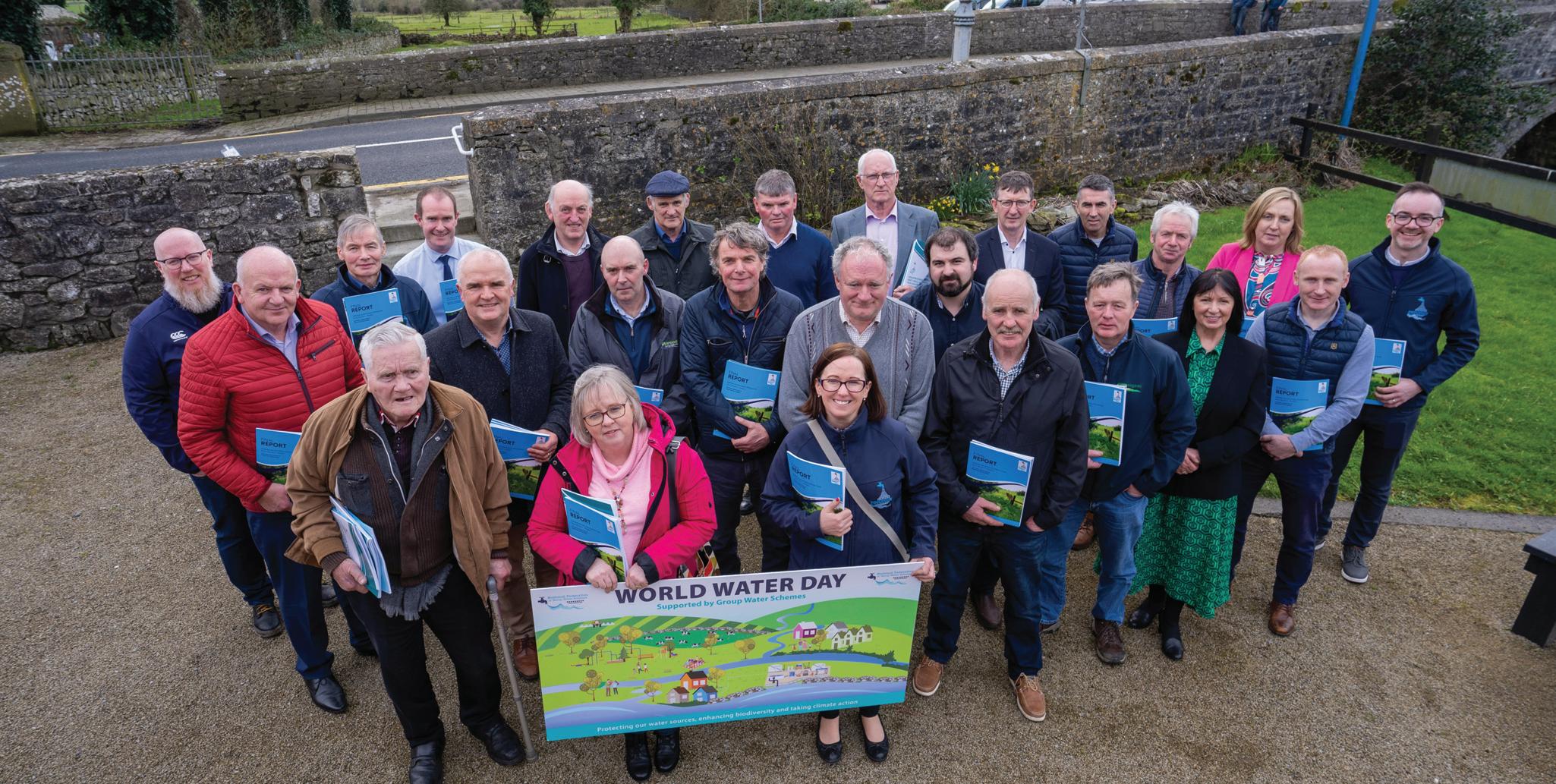
This year marks an important anniversary for the National Federation of Group Water Schemes (NFGWS). In 1998, some 25 years ago, the newly formed organisation was officially incorporated as a co-operative society.
Although the landscape of the group water scheme (GWS) sector has been greatly transformed in the intervening period, the core co-operative principles of the Federation have underpinned every aspect of development.
The NFGWS traces its origins back to a government decision in late 1996, which saw the abolition of service charges in respect of domestic water supplies on public water schemes around the country. The private GWS sector, which served circa 150,000 homes and rural businesses at the time, was not included in this announcement. The Federation spawned from a series of group water scheme meetings throughout 1997, with ‘fairness and equity’ the main raison d'être for the newly formed representative organisation. Its formation also came at a time where the GWS sector was at crisis point. Group water schemes lacked adequate treatment and effective governance and operational
organisation, as well as the financial capacity to address these issues.
Hence, the focus of the NFGWS expanded quite quickly, accelerated by the Department of Environment’s introduction of the Rural Water Programme (RWP) in 1998. The aim of the RWP was to protect the health of GWS members by providing a targeted funding stream that would help ensure compliance with the EU Drinking Water Directive.
The Department began working with the NFGWS and local authorities through a ‘partnership approach’ that would bring about significant improvements for the sector.
As community-owned and communityoperated entities, the GWS sector was already steeped in the co-operative ethos. The NFGWS worked in close liaison with
the Irish Co-operative Organisation Society (ICOS) to better formalise this ethos from an organisational standpoint, both in terms of the governance arrangements for the co-operatives themselves and in respect of the rights and responsibilities of GWS members. This ethos includes operational transparency, democratic responsibility, and deliberative operations.
A core task of the NFGWS has been to work with individual GWSs to provide information and assistance to their membership when making key decisions about their future. Among the important decisions made in the early 2000s, was the move to introduce more professional management of GWS operations.
Some GWSs made the difficult choice to consolidate supplies by amalgamating or rationalising with neighbouring GWSs to create more sustainable and economically viable entities. The appointment of external, expert contractors to design, build and operate (DBO) treatment plants for 133 GWSs around the country gave these GWSs and their members reliable access to potable water.
Increasing numbers of paid staff, such as caretakers, administrators, and managers, eased the operational burden on what had previously been an almost entirely voluntary-run sector. It has helped to ensure improved drinking water standards and freed up GWS volunteer boards of management to better focus on governance and long-term planning.
The NFGWS has worked closely with affiliated members through every step of this process, providing mentoring, training, and administrative support. The ‘partnership approach’ has seen over €1 billion invested by the State on capital infrastructure investments across the GWS sector.
In tandem with this infrastructural drive, the NFGWS has demonstrated a strong commitment to capacity building through training, mentoring and the dissemination of educational/information materials. This has included the creation of a quality assurance system for group water schemes, complete with regular training on its implementation. By dividing each step of the drinking water provision process into five critical control points, the system allows for continual monitoring and assessment of service delivery.
The combination of infrastructural investment, and training and governance improvements has seen GWS compliance
with crucial E. coli bacteria standards rise from less than 60 per cent in the early 2000s to 96 per cent in the most recent Environmental Protection Agency report for 2021.
Of course, there is still plenty more to be done. A key priority is the achievement of full compliance with water quality standards by all group water schemes.
The NFGWS continues to work closely with individual GWSs, the Department of Housing, Local Government and Heritage, and relevant local authorities to deliver on further infrastructural improvements under the Multi-annual Rural Water Programme.
A number of amalgamation and rationalisation projects are still ongoing, in an effort to ensure sustainability for smaller supplies. The sector has also been a leader in the realm of drinking water source protection, through the auspices of various NFGWS national source protection projects. By focusing on drinking water source catchments as the primary barrier for pollution prevention, it eases pressure on treatment systems and can bring about significant co-benefits for the wider environment, biodiversity, and climate action.
Learnings from these source protection initiatives and the aforementioned NFGWS quality assurance system provide a strong grounding for GWSs as they prepare for the water safety planning approach dictated by new drinking water regulations, signed into legislation earlier this year.
These new regulations place extra onus on risk-based management and public
engagement. Through its co-operative approach, the sector will always hold itself to account and make every effort to provide the best service possible for its membership. With Ireland facing new challenges in the form of the biodiversity and climate crises, the NFGWS and the GWS sector as a whole is committed to doing everything it can to ensure a prosperous and welcoming rural Ireland for generations to come.
T: 087 612 4089
E: mark@nfgws.ie
W: www.nfgws.ie
S: @nfgws

A
Agency
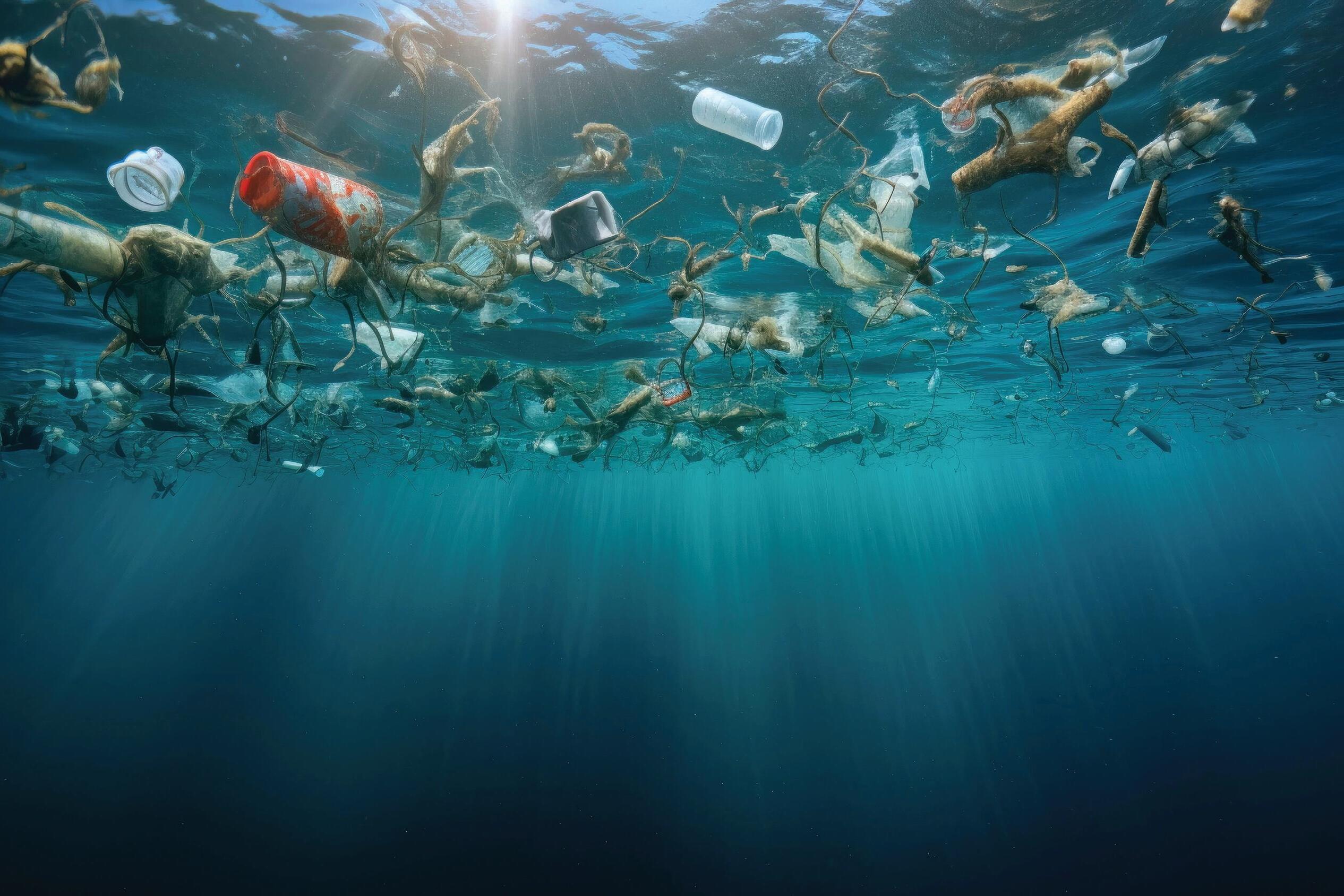
report traces the problem of marine litter from source to sea to help policymakers and citizens understand what can be done about it.
Warning that “marine litter has no easy fix”, the From source to sea — The untold story of marine litter report, published in January 2023 explains: “The majority of beach and marine areas [in the EU] show worrying signs of pollution. Plastic waste generation is not yet decoupling from gross domestic product (GDP) in the EU and total EU waste generation is still growing.”
Contrary to the increasing orthodoxy in the EU of degrowth as a solution to tackle pollution and climate crises, this report says that “economic growth does not have to result in more plastic waste in European seas”.
The report acknowledges that an “absolute decoupling” of waste from economic growth has not been achieved. However, it asserts that “there
are positive signs that waste generation seems to be increasing at a slower pace than gross domestic product (GDP)”. It outlines the main problem as being that demand for plastic is still growing, which translates into increased plastic waste generation per person, particularly packaging, which is subsequently easily converted into waste.
Although the report says that efforts to improve collection and waste management have made some headway in reducing mismanaged plastic packaging and small non-packaging plastic items (PPSI) waste as a share of total waste, it warns that “only a few countries have succeeded in lowering absolute amounts of PPSI waste”.
There is positivity in that total waste generation in the 27 EU member states has increased at a much lower rate than economic growth in recent years, with the growth of marine litter at a relatively
low 4.4 per cent in the past decade compared to a GDP growth rate of 17 per cent between 2010 and 2018.
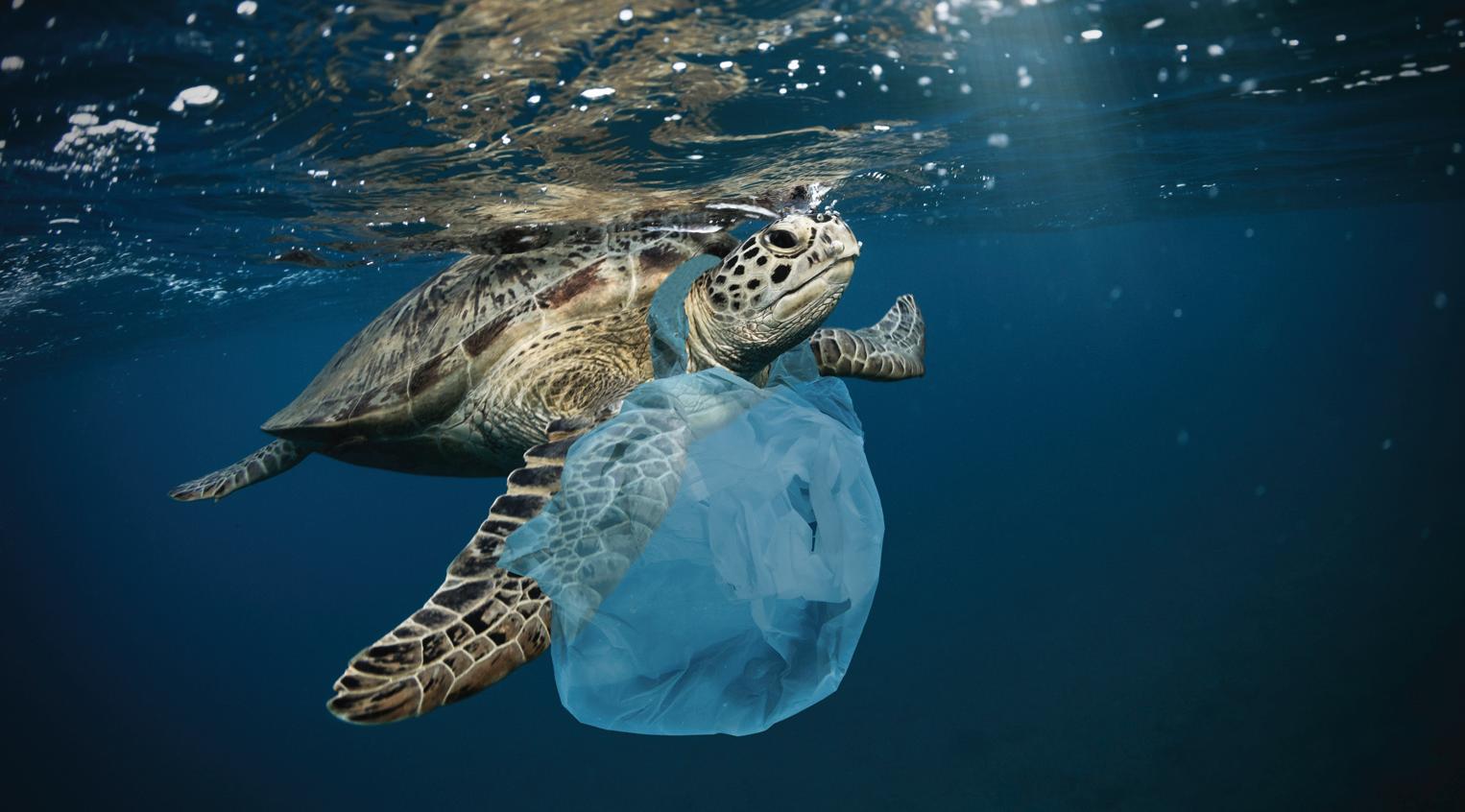
It is asserted that this level of modest progress indicates a relative decoupling of waste generation from economic growth was not observed for plastic waste generation. However, it is also stated that European plastic waste generation is growing at a faster pace than the GDP. The EU’s coastal areas and riverine basins remain under serious pressure from plastic waste loads.
Furthermore, mismanaged municipal plastic waste continues to plague urban areas, and the EEA states that coastal communities are not helping themselves by failing to tackle their own waste leakages into the environment.
“The total amounts of municipal plastic waste generated by the EU’s coastal regions increased between 2012 and 2018, based on country and regional estimates. The Mediterranean and Black Seas are the worst affected. Only in the northeast Atlantic Ocean and Baltic Sea regions have total amounts of coast-generated plastic waste declined.”
Comprehensive data on rivers and the tributaries that feed them are crucial for understanding the relationship between the sources and pathways of litter flows. Yet the methods currently used to monitor and analyse freshwater environments and their complex relationships are underdeveloped compared with those used in the marine domain.
To fill the knowledge gaps, the report outlines that targeted and coordinated efforts are needed across Europe to set up observation stations, harmonise methods for collecting data, and develop protocols for reporting and analysing the extent and changing state of riverine litter.
“Better data informs funding and action proportionate to waste management capabilities and needs, and to litter prevention activities on the ground. They also support coordinated measures targeting system- and river-basin-wide solutions dealing with the cross-border nature of riverine systems,” the report says, further emphasising: “PanEuropean approaches developed by panEuropean policymaking are the way forward.”
The EEA has clearly identified that litter needs to be tackled and prevented at source. For that, it outlines a need for more complete picture of what it describes as the “real issues”, namely the origins, pathways, amounts, and effects of marine litter.
It further states that traditional methodology such as clean-ups and physical monitoring by volunteer citizen scientists are invaluable, whilst also outlining how technology can play an increasingly important role, including via Earth observation remote sensing using satellites, planes, drones, and AI to “help make sense of the big data collected”.
Waste leakage and riverine litter estimation models, and the EEA’s novel Marine Litter Assessment Tool (MALT), are “just as important as fine-grained data collection and monitoring activities”. These tools are needed to drive political decision-making in countries and communities facing the biggest waste mismanagement problems, leading to the highest ‘litter loads’.
The report makes an overarching conclusion for EU decision-makers: “To find solutions, EU legislation is moving towards a more integrated approach based on monitoring.” However, it also states that more emphasis on building robust policy feedback loops is needed.


A sustainable and just water future requires transforming the economics and restructuring the governance of water, according to a report by the Global Commission on the Economics of Water.
Published in March 2023, the Clean fresh water demand by 2030, Turning the Tide: A Call to Collective Action report firstly states that the global water cycles must be treated as a global common good, to be protected collectively and in the interests of all. It further asserts “that water is increasingly intertwined with climate change and the depletion of the planet’s natural capital” and that “water is critical to food security as well as all the SDGs”.
Second, the report calls for the adoption of a outcomes-focused, mission-driven approach to water, encompassing all the key roles it plays in human wellbeing. To do this, the Commission calls for mobilisation between multiple stakeholders: public, private, civil society, and local community; utilising innovation policy to catalyse solutions to concrete problems; and scaling up investments in water through new modalities of publicprivate partnerships.
“Proper pricing along with targeted support for the poor will enable water to be used more efficiently in every sector, more equitably in every population and more sustainably both locally and globally,” is the report’s third assertion.
There is also a call to acknowledge water’s non-economic value in decisionmaking to ensure we protect nature, on which the planet and all life depend.
Fourth is a call to phase out $700 billion of subsidies in agriculture and water each year, which “tend to generate excessive water consumption and other environmentally damaging practices”. It also states that decision-makers must drastically reduce leakages in water systems by prioritising sustained maintenance efforts and accelerate efforts to require disclosure of water footprints. Each of these steps, the report claims, will allow decision-makers to redirect resources towards incentivising water conservation and universal access.
Fifth is the establishment of Just Water Partnerships (JWPs) to enable investments in water access, resilience, and sustainability in low- and middleincome countries. JWPs, the report states, will rechannel “inefficient” domestic subsidies, leveraging on the multilateral development banks and development finance institutions, and crowding in private companies, banks and institutional investors, and philanthropic money. It further claims that economic
returns on these investments will “vastly exceed their costs”.
Sixth is maximising the opportunities with existing infrastructure such as freshwater storage systems and the natural assets such as wetlands and groundwater, subsequently developing an urban circular water economy especially by recycling industrial and urban wastewater. It also outlines that shifting agriculture to precision irrigation, less water-intensive crops, and drought-resilient farming can also raise incomes.
Finally, underpinning all said efforts is a need to reshape multilateral governance of water, which is currently “fragmented and not fit for purpose”. “Wasteful water subsidies and ensuring that trade policies do not exacerbate water scarcity in waterstressed regions,” the report states, arguing that trade policy must reflect these circumstances.
With agriculture currently having a significant polluting effect on Irish freshwater sources, this study’s recommendation of a call for cuts to the agricultural sector will be a hard sell, with the sector retaining key influence over government policy.

In recent years, the urgent need to address climate change and protect our planet’s natural resources has become increasingly apparent. Our water environment faces multiple challenges including deterioration from pollution, drought and flood events, population growth, and aging infrastructure.
OBW recognises the safety challenges faced daily by workers the water and wastewater industry and recommended Blackline Safety’s G7c wearable cloud-connected multi-gas monitors with integrated cellular connectivity and location technology, including indoor location compatibility.
While NI Water had a variety of portable gas monitors in their fleet to detect the presence of hazardous gases, their existing devices did not supply real-time gas readings, had no connectivity, and no built-in two-communication capabilities.
NI Water also had difficulty maintaining a reliable phone signal across the organisation due to work locations around water tanks, reinforced steel, or underground. G7’s reliable cellular connectivity and its indoor location-compatible feature helped circumvent this issue. NI Water purchased over 700 G7c devices.
The green connectivity light on G7 let NI Water team members know they were connected to the Blackline Safety network, even deep underground. They could rest assured they could always be found quickly by team members through Blackline Live.
The real-time gas readings enabled by direct-tocloud data streaming while G7s were in use were a key feature for NI Water. With their earlier solution, NI Water had to wait until their devices were being calibrated to get a data dump.
With G7, HSE personnel have an insight into each user’s gas readings, helping them to identify and mitigate gas risks a lot more effectively.
T: 061 201 887
E: Info@obw.ie
W: www.obwtechnologies.com


Conor Murphy, professor in the Department of Geography at Maynooth University, speaks to eolas Magazine about the range of possible climate change effects on water infrastructure amid the likelihood that Ireland’s winters will become wetter and its summers drier.
With an eye on the State’s climate change objective of a climate neutral economy and society by 2050 and the Paris Agreement objective of limiting temperature increases to between 1.5oC and 2oC, Murphy and his colleagues have developed three different emissions scenarios in order to create a range of possible hydrological futures for Ireland:
1. SSP1, “which represents a sustainable future where we realise the objectives of the Paris Agreement”;
2. SSP3, which “could be defined as uneven, contested progress where we are slower at making our way towards global targets”; and
3. SSP5, “the fossil fuel-dependent future, continuing as we are, which is probably unlikely at this stage”.
Using multiple climate models and two hydrological models – GR4J and SMART – the research examined changes in 37 catchments across Ireland.
Starting with seasonal mean river flows, Murphy begins to talk through the results of the research. “In the sustainable future scenario, for winter we can see more modest increases than for the higher emissions scenarios, and if we look at summer, we are again looking at modest changes in mean river flows for most catchments if we manage to reduce greenhouse gases globally. Even at that, we are still looking at some catchments showing reductions of up to 20 per cent by the end of the century under this scenario which will still require us to adapt.
“The SMART model shows larger changes in river flows in winter that the GR4J model, with increases by mid-century of about 20 per cent, as high as 40 per cent by the end of the century in some catchments, and in summer, we see significant reductions beyond 20 per cent for the end of the century. For summer in particular, the range of change covers a large spread and emphasises the importance of thinking about how we might build resilience in our water systems to accommodate a wide range of future changes.”
The fossil fuel-intensive scenario shows increases beyond 20 per cent for many catchments before the end of the century, and decreases in summer would become more prominent, with many catchments showing decreases over 30 per cent by the end of the century.
“The British and Irish isles experienced the largest change in drought magnitude in summer of anywhere in Europe, including the Mediterranean.”
Using Q95, a “very important low flow and water quality metric” that measures the flow exceeded 95 per cent of the time, the GR4J model shows low flows to be facing “substantial reductions even in the sustainable future scenario”, ranging up to 20 per cent. In SSP 3, reductions in Q95 range between 30 and 40 per cent by the end of the century.
“That signal of change is also present in the SMART model for higher emissions scenarios, there are large reductions in low flows and Q95,” Murphy says. “For the 2050s, we see 20 per cent reductions for the middle of the road scenario and reductions exceeding 40 per cent for the fossil fuel intensive future.”
Explaining the importance of these figures, Murphy says: “Such changes show the urgency and present challenges to think through in terms of how we adapt, particularly given that other changes that are happening concurrently with increases in water demand, pressures on biodiversity and ecology, and other issues that are important within society. For successful adaptation we need to integrate these pressures and think about identifying solutions that offer multiple benefits.
“An important question we are often asked is: how does mitigation decrease the impacts and avoid adaptation costs into the future? Sometimes you hear either/or type discussions, such as should we reduce emissions within the sector or do we invest in adaptation to build resilience. We must do both; it is not one or the other. Climate change is already happening, and it is about adapting to the changes that are happening and trying to avoid the worst consequences. Even the sustainable future presents us with impacts we will have to adapt to.”
One of the most commonly discussed effects of climate change with regard to water is drought, and Murphy says that the “short, sharp” drought of 2018 has “reawakened us to sensitivity of drought in Ireland”. Using standardised indices to analyse drought events, Murphy’s research shows a decrease in precipitation in the summer, particularly from mid-century onwards. “When we look at agricultural drought, which is precipitation minus evaporative losses, we can see significant reductions, pointing to significant droughts in summer,” he says.
“This highlights potentially large reductions in available water resources during the summer months. In terms of
annual and seasonal drought magnitude, we can look at future projected changes through these standardised indices, and the key take home message is a large increase in the magnitude of summer droughts.
“European work that we have done to contextualise droughts from precipitation records back to 1850 show that the British and Irish isles experienced the largest change in drought magnitude in summer of anywhere in Europe, including the Mediterranean.”
Commenting briefly on the perception that rainfall is increasing, Murphy says that this perception is correct, particularly when looking at rainfall intensity and that long-term records show rainfall intensity increase by between 7 and 8 per cent for every 1oC temperature rise, and that Ireland is also seeing wetter winters. The key challenge for water management is going to be what happens in summer, through reductions in rainfall and increases in temperature and evaporation.
Reflecting on the research, Murphy concludes: “The overall distribution of change as derived suggests wetter winters and drier summers. These are consistent changes in terms of the magnitude and ranges in other work, particularly for the UK. These changes will have significant impacts on water resource management, biodiversity, and for ensuring a resilient future. What is crucial is, given the importance of summer change, monitoring droughts using indicators that include evapotranspiration is crucial. I am not sure that we do that at present and just focus on precipitation, but we need to look at the combination of precipitation and evapotranspiration.
“A key take home message from our research is that reduced greenhouse gas emissions result in more modest impacts, particularly for low flows, highlighting the importance of mitigation and adaptation. It is crucial that we stress test adaptation decisions and investment in water infrastructure to be functional across the range of changes possible. If we do not, we are creating lock in for the future and the infrastructure we invest in might not be fit for purpose in 50 years’ time.”
The full research paper – Simulated Changes in Seasonal and Low Flows with Climate Change for Irish Catchments – is open access and available to read on www.mdpi.com.

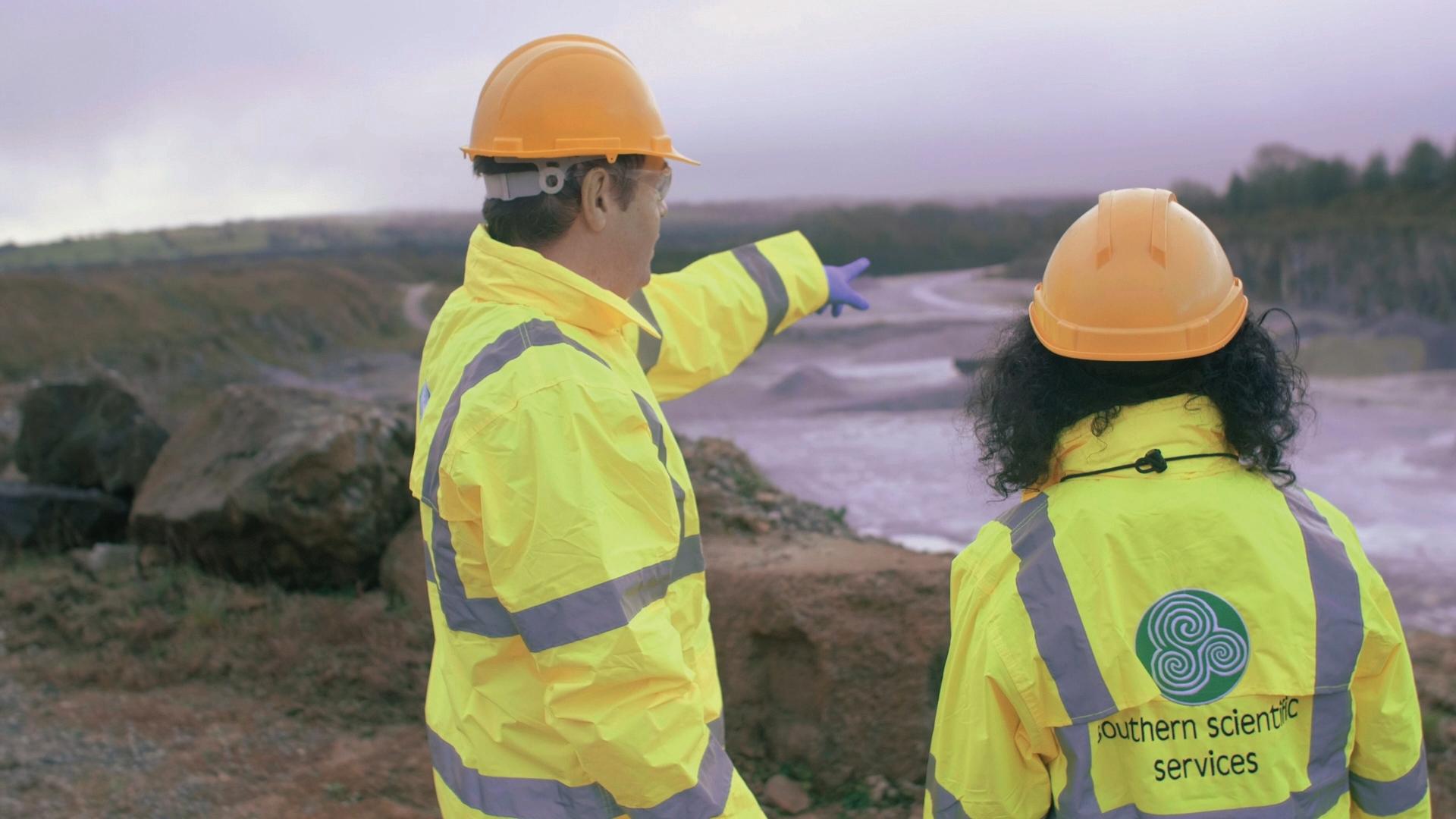
With the world progressing at breakneck speed, our water sources face some challenges, but there is a silver lining: new and existing technologies could provide potential solutions. In this article, we will delve deep into the intricacies of contemporary issues and future developments in our potable water supply.
This method applies mainly to river water, less so to lake water and groundwater.
Trace organics derive from pesticides like MCPA, 2, 4, d and triclopyr. They also include the derivatives of pharmaceuticals such as salbutamol, trimethoprim, antibiotics, and painkillers. Numerous trace organics have been detected in Irish surface waters, including substances leached from plastics and other packaging.
Technologies will be required to remove these substances from the water before it reaches the distribution system and the human drinking it. Currently, these technologies centre around OH radicals
and similar oxygen radical compounds.
Membrane filtration is a separation process where a semi-permeable membrane selectively allows water molecules to pass through while rejecting contaminants based on size and charge.
This method looks promising with the advent of molecular sieve-type filters and high-pressure devices to enable faster flow-through and production.
The recast parameters in the new drinking water regulations must be satisfied with improved monitoring
The main parameters of interest are trihaloacetic acids, which cause taste problems; microcystin, a natural neurotoxin found in lake waters; and PFAS compounds. PFAS is a genuine concern causing several effects on humans, including immune system disruption, liver disease, and cancer. These compounds are used as a water repellent in many everyday items.
Therefore, they can be found in the bloodstream of nearly every human on the planet. Thankfully, specialist filtration systems have been developed for PFAS. While it is difficult to degrade or eliminate PFAS by chemical treatment, they can be removed by membrane filtration too.
The direct implication of using these advanced filtration systems is the potential reduction in associated health risks.
The issues described above are mainly problems associated with surface water. Interestingly, using groundwater instead may be the ultimate solution if the supply is adequate.
However, groundwater is not without its problems. It is more expensive to pump but cheaper to treat. Water from limestone aquifers scales and therefore requires softening.
Groundwater has problems with nitrate, iron, and manganese. However, nitrate levels will reduce over time with better control of agricultural emissions. Iron and manganese are only present in a fraction of aquifers. Ideally, groundwater

Michael Murphy is the
Director of Southern
Scientific Services, an environmental laboratory offering a national sample collection and testing
service. Southern Scientific
works with clients in the
Agricultural, Environmental, Industrial, Food and
Pharmaceutical sectors.
Michael is a former Lecturer of Environmental Science at MTU and has over 40 years of experience in the field.
requires only disinfection when the source is chosen correctly.
If only disinfection is required for groundwater, the treatment processes can be more cost-effective, leading to potential savings that could reflect in consumer water bills.
Furthermore, adequately chosen groundwater sources might pose fewer health risks. They are less likely to contain the range of contaminants found in surface water, meaning safer drinking water for communities.
Chlorine and its consequent derivatives created during processing, trihalomethanes, and trihaloacetics are known toxins associated with cancer.
Moves away from chlorine come with a significant increase in cost. But water is relatively cheap by comparison with most commodities.
The move to chlorine dioxide solves some problems and creates others; less THMs, but more chlorate formation. It has to be generated on-site. It extends the concerns of chlorine, a potent oxidising agent in the environment.
A move to ozone eliminates all the problems associated with chlorine and is a more effective disinfectant. However, it is also a potent oxidising agent and can cause bromate elevation and the formation of other undesirables. It has to be generated on-site with associated
health and safety. It also dissipates quickly.
The other alternative is UV disinfection. UV is a weak disinfectant that works well with good filtration and is safe. It is more suitable for point-of-use localised treatment. The advent of LED sources makes it a better option than the former mercury-based lamps. The invention of locally produced electricity from solar panels will see more people using pointof-use water treatment and disinfection. Small under-sink and utility room units with replaceable barrier filters and LED UV will practically eliminate central utility treatment and disinfection in time.
In conclusion, with adversity comes the opportunity to innovate. Continuous advancements in technology and shifts towards sustainable methodologies make the future of potable water supply promising. As we engage in various projects, we must know the journey water takes, from source to tap, and the burgeoning solutions on the horizon. Let's shape a future where water quality and safety are uncompromised. Your expertise and collaboration will be vital in this endeavour.
Michael is available for consultation at:
T: 087 261 8276
E: michael@southernscientificireland.com
W: www.southernscientificireland.com


The Government has transposed new EU drinking water regulations into law in the State, which will mean more oversight of group water schemes and of Uisce Éireann.
Officially passed in March 2023, the new regulations, the European Union (Drinking Water) Regulations 2023, came into effect following the transposition of EU Directive 2020/2184 into Irish law.
The regulations enhance existing requirements to protect human health regarding the management of water intended for human consumption and access to water, in particular for marginalised groups. The key measures in the new regulations include:
• overarching application of a riskbased approach to water safety. This is divided across the provision of water from source to tap through:
risk assessment and risk management of the catchment areas for abstraction points of water;
risk assessment and risk management of the supply system; and
risk assessment of domestic distribution systems.
• updating the list of parameters
monitored in drinking water;
• implementation of a watchlist of parameters which are of concern in respect of impact on human health and their presence in drinking water;
• minimum hygiene requirements for materials that come into contact with water;
• minimum requirements for treatment chemicals and filter media that come into contact with water;
• increasing access to water intended for human consumption in particular for vulnerable and marginalised groups;
• information to the public on water quality;
• requirement for water suppliers to assess water leakage levels in their distribution network; and
• broadening of the regulations concerning penalties and prosecutions to include offences in relation to pollution or contamination of a source of water intended for human consumption.
The new regulations are directed towards water suppliers such as Uisce Éireann and group water schemes. Relevant authorities, including the Environmental Protection Agency (EPA) and Commission for the Regulation of Utilities (CRU), will oversee the activities of these water suppliers.
Minister for Housing, Local Government, and Heritage, Darragh O’Brien TD, commented upon the passage of the regulations: “Water is such a basic right and access to good quality drinking water is a key public service. These new regulations will add additional quality measures to continue to ensure that our drinking water remains wholesome and clean.
“Guided by an expert working group of all relevant stakeholders providing professional advice, we have developed –and will now implement – regulations which will ensure we comply with EU standards and, crucially, provide high quality water supplies to the people of Ireland.”
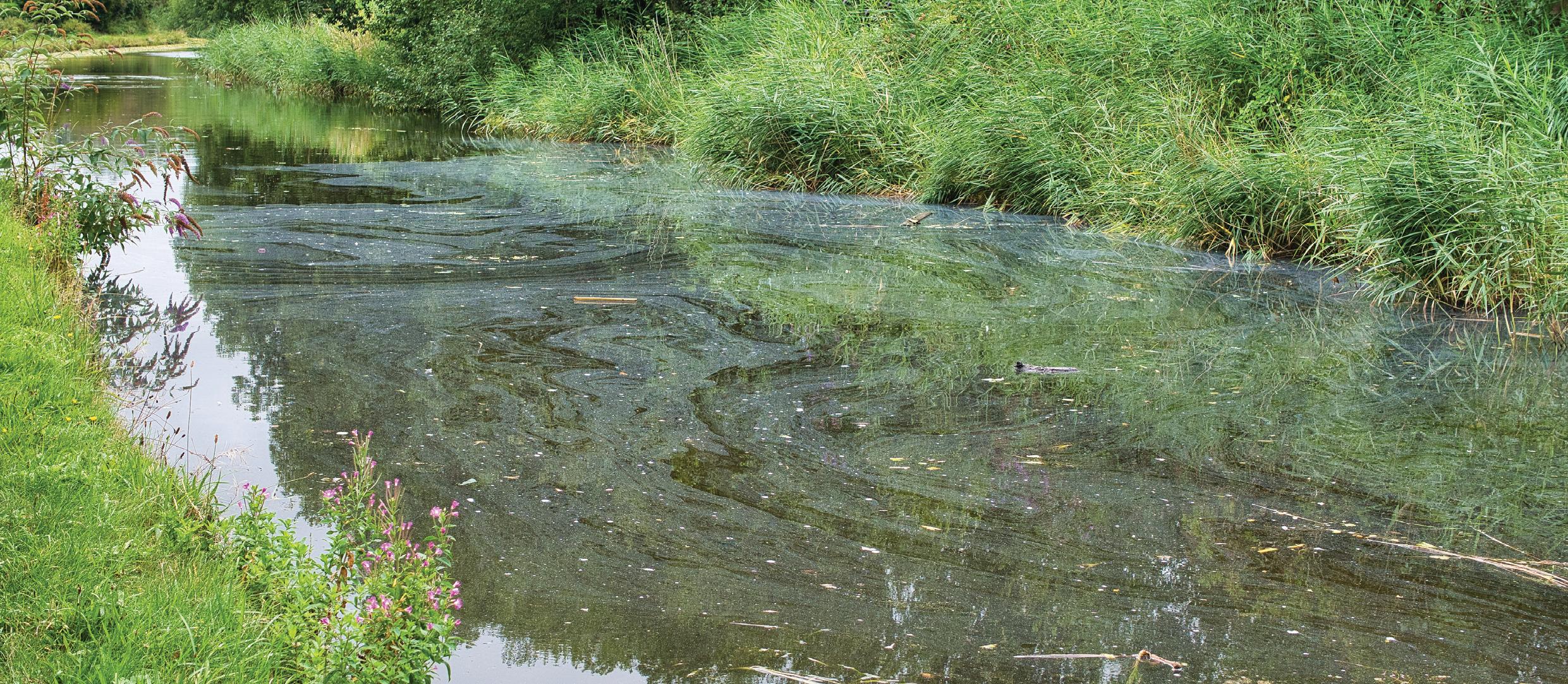
The Government has introduced the Water European Innovation Partnership (EIP), an initiative which aims to incentivise farmers to improve water quality.
With funding to the tune of €60 million, the Government aims to ensure that the scheme funds up to 15,000 farmers by 2027. It will be run as a five-year European Innovation Partnership (EIP) programme, and it aims to assist farmers to improve water quality by working collaboratively with experts and other advisers to reduce losses of phosphorus, nitrogen, and sediment to water from agricultural lands.
The scheme follows an evaluation of the Agricultural Sustainability Support and Advisory Programme (ASSAP) which identified the need to support farmers who implement additional targeted water protection measures. The Department of Agriculture, Food and the Marine, states that “scientific tools developed by the Environmental Protection Agency (EPA) can help with targeting of the right measure in the right place”.
The actions farmers will be incentivised to take under the Water Quality EIP include using flood plain and riparian woodlands, overland sediment traps, offline storage ponds, establishment of new field boundaries, including hedgerows, increased riparian buffer strips, drain management, grazing and livestock management, detailed nutrient management planning, and reduction in inputs.
Water experts have warned that, in freshwater sources
close to areas with high levels of agricultural intensification, the biodiversity crisis is evident in the loss of variety of species being found in said areas.
The EIP initiative is co-funded by the European Commission and the Irish Government as part of Ireland’s Rural Development Programme and will be continued under the CAP Strategic Plan.
The Department of Agriculture, Food and the Marine will provide €50 million of the overall funding allocated to the scheme, with the remaining funds to be provided by the Department of Housing, Local Government and Heritage. The scheme will be run under the aegis of the Local Authority Waters Programme (LAWPRO).
Upon formal announcement of the scheme, Minister for Agriculture, Food and the Marine, Charlie McConalogue TD, said: “The agri-food industry is working together to improve water quality. However, there is a need to recognise farmers that invest above and beyond regulatory requirements to address specific localised water quality issues.
“This is the largest funding that my department has provided to a single EIP, recognising the importance of this project to enhancing sustainable agricultural practices and contributing in a significant way to improving water quality at a national level.”

International waters are to be protected following the signing of the UN Treaty of the High Seas in June 2023, with the EU to add €40 million to the Global Ocean Programme.
The Treaty of the High Seas will ensure regulation on the conservation and sustainable use of marine biological diversity in areas beyond the national jurisdiction of a nation or state. This programme has been developed within the auspices of the UN’s United Convention on the Law of the Sea (UNCLOS), which is the main international agreement governing human activities at sea.
The ambition of the agreement, according to the United Nations, is to achieve “a more holistic management of high sea activities which should better balance the conservation and sustainable use of marine resources”.
Upon the conclusion of negotiations, the agreement will formally enter into force upon its ratification by 60 UN member states. At a European level, the EU has pledged to allocate €40 million in funding as part of the global ocean
programme, further stating that it is inviting members of the High Ambition Coalition to do the same within their capabilities.
The goals of the treaty are as follows:
• set up a procedure to establish large-scale marine protected areas in the high seas. This facilitates the achievement of the target to effectively conserve and manage 30 per cent of land and sea by 2030, which was agreed in December 2022 within the Kunming-Montreal Global Biodiversity Framework;
• establish the sharing of benefits from marine genetic resources and foresee capacity building and the transfer of marine technology between the parties; and
• set out clear rules to conduct environmental impact assessments, with the right checks and balances,
before running activities in the high seas.
Describing the agreement as a “victory for multilateralism,” UN Secretary General António Guterres said the agreement is a “breakthrough after nearly two decades of talks”.
Speaking upon approval of the draft of the agreement in March 2023, Guterres added: “[The treaty] is also vital for achieving ocean-related goals and targets of the 2030 Agenda for Sustainable Development, and the Kunming-Montreal Global Biodiversity Framework,” Guterres said, referring to the ‘30 by 30’ pledge to protect 30 per cent of the planet’s lands and inland waters, as well as 30 per cent of marine and coastal areas, by 2030 made by a historic UN conference in Montréal December 2022.