Digital connectivity report




Ireland is a strong supporter of the European Union’s plans to improve telecommunications links between EU countries and with other regions, writes Minister of State Ossian Smyth.
As a high-tech country on the western edge of Europe, Ireland stands to both contribute to and benefit from these improvements.
Our National Development Plan (2021-2030) and Harnessing Digital: The Digital Ireland Framework stress the need for strong, secure, and reliable connections to global networks. Ireland’s Digital Connectivity Strategy highlights the importance of ensuring our international connections are reliable and capable of handling future
“The
needs. When Ireland signed the Declaration on European Data Gateways, we joined other EU countries in committing to strengthen digital links between Europe and regions like Africa, Asia, and Latin America.
Ireland currently has 14 undersea cables connecting us to the global network, with four links to North America, one to Iceland, and the rest to the UK. Since the UK left the EU, we no longer have a direct connection to other EU countries, which the Government sees as a priority issue. Building more routes can make our system more robust and less vulnerable to disruptions.
A future challenge will be ensuring we have enough capacity to meet the growing demand for internet services. The rise in digital activities like streaming and new technologies means we need more capacity. Building these undersea cables takes years, so investments must be made well in advance.
The EU wants to improve its undersea cable infrastructure to reduce dependence on non-EU entities. To this end, it recommends ensuring that each cable route has at least two cables as a backup. The EU has also encouraged speeding up the approval process for new cable projects.
The Irish Government has been working to encourage investment in
both national and international subsea telecommunications. Three Irish-supported projects were recently selected to receive €36 million in EU grant funding. These projects will strengthen Ireland’s connections to northern and southern Europe and explore better connectivity for Ireland’s islands.
Despite these positive developments, investors face challenges such as costs, planning processes, and supply chain issues. The Department of the Environment, Climate and Communications has reviewed the state of Ireland’s international telecommunications connections and proposed ways to overcome these challenges. Feedback from a public consultation earlier in 2024 will help inform government decisions on how to proceed.
Ireland’s location makes it an ideal hub for connecting North America, Europe, and even the Far East, with links that could extend to Africa and Latin America. This positioning gives Ireland an excellent opportunity to improve global connectivity, benefiting Ireland and the countries it connects with.
Building a strong, secure, and reliable telecommunications network is critical for Ireland’s future. By improving our connections, we will be well-positioned to thrive in the digital age, ensuring economic growth and social benefits for years to come.

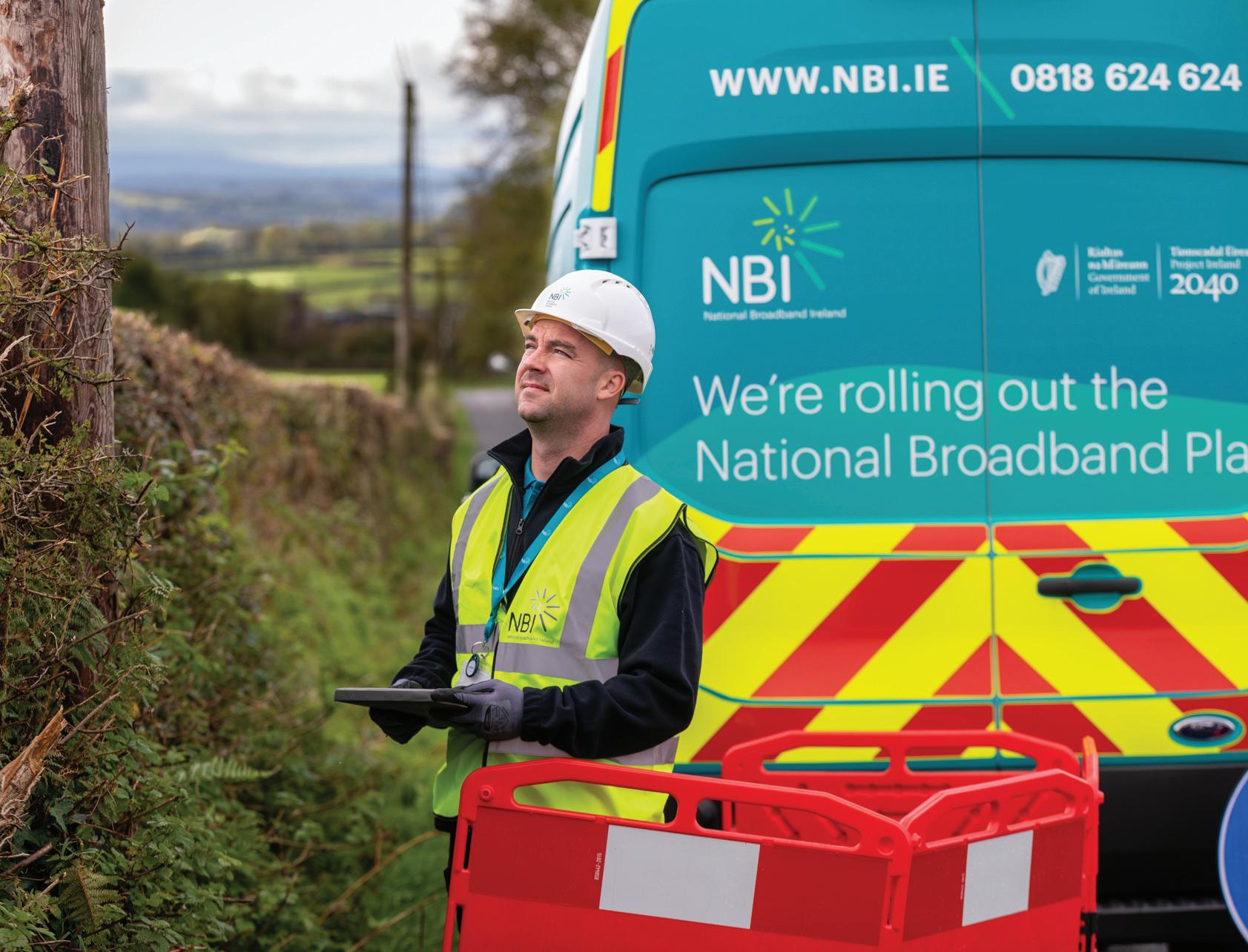
eolas Magazine sits down with Irish-American entrepreneur and Chairman of National Broadband Ireland (NBI), David McCourt, to find out about the progress in NBI’s rollout and the opportunities he sees ahead in Ireland’s connected future.
Q. The Minister of State Ossian Smyth TD recently pointed to the National Broadband Plan’s success, claiming it was on track to come in on schedule, on budget and deliver greater benefits than originally anticipated. How is the rollout going in your eyes?
A. The Minister is certainly correct –NBI is on schedule, on budget, and our connections surpass not only the original targets but also all other international comparisons. A huge amount of credit must go to the Government and the Department of Environment, Climate and Communications, in particular.
At NBI, we have over 2,000 talented men and women working tirelessly to complete the rollout as fast and effectively as possible. Today, the project is more than 50 per cent complete with approximately
475,000 premises built or underconstruction, over 300,000 premises available to order high-speed broadband on the NBI network and approximately 100,000 homes, farms and businesses connected.
This is truly a transformative infrastructure that brings economic, social, and environmental benefits to communities across Ireland, helping to ensure that no one is left behind in the digital age. Ultimately, NBI will serve over 1.1 million people, stimulating an exciting future not just for rural Ireland but for Ireland INC.
Q. How do you think Ireland’s NBP is viewed by the rest of the world?
A. That is a great question and I think the answer is that it is widely recognised as a blueprint for other ambitious nations to follow. In 2023, Oxford University published a study
which forensically analysed more than 16,000 ‘mega’ infrastructure projects from 20 plus different fields in 136 countries and found that 99.5 per cent are delayed, over budget and fail to achieve their original policy objectives.
Ireland’s National Broadband Plan sits in the elite 0.5 per cent of global mega projects for being on schedule, on budget, and delivering against the original policy objectives, which is a fact that Ireland can be extremely proud about.
NBI recently hosted representatives from 26 other European nations as part of the European Broadband Competence Offices (BCO) Network, with each delegate grasping the opportunity to share insights and learn from NBI’s experiences.
This is not just about making internet browsing incrementally faster or bringing Netflix to rural areas; it is about fundamentally closing the digital divide that exists in every European country. The stakes are high. Those with a clear strategy have the opportunity to seize economic, social and environmental benefits that will be the envy of every other nation.
Q. We know you are a big advocate for Ireland on the global stage and you have campaigned for the role Ireland could play in writing global AI rules. Tell us about that.
A. Well firstly, artificial intelligence (AI) is the most urgent technological challenge of our times, and its development and adoption are going to accelerate as a result of access to high speed connectivity becoming ubiquitous. We have never seen potential like it. But we must move quickly to meaningfully frame it in a way that serves our democracy, our society and our vision of humanity.
I believe Ireland is incredibly well placed to lead in shaping the future of this technology. We have a track-record of pioneering policy decisions, we’re soon to be one of the most connected countries in Europe, and we are 16 of the top 20 global tech companies with a major office or HQ here (including OpenAI).
Q. You recently hosted a series of events at Dalkey Book Festival to shed light on some of these issues. What has the reception been?
A. These sessions are part of a worldwide series I am hosting with Columbia University and the reception in Ireland has been phenomenal. We have such a rich talent pool of thought leaders and the respect Ireland holds internationally is critical to driving meaningful change.
Most importantly, my focus is on looking at the positive effects of AI as opposed to the usual stories of gloom and doom. That is not to say that guardrails are not important – they are – but I think Ireland has an opportunity to lead on the opportunities.
I believe it is a civilisation-defining topic, and that is why I am tackling this from multiple angles. In addition to the AI event series, we are shooting a documentary to shine a light on ordinary people doing extraordinary things with AI; I recently accepted an adjunct professorship at UCD to help support the school’s work in AI; and of course, at NBI we are laying the foundations for the connectivity that will give rise to all these new advances in technology. We are living through incredibly exciting times, and you have to stay alert to keep up.
Q. What do you think we should be immediately focused on to make sure advances in AI drive positive outcomes?
A. First, we need a more explicitly stated understanding of what these groups of new technologies, that for simplicity’s sake I am calling AI, can accomplish. Second, we need to continue to work collaboratively internationally on sensible, enforceable regulations.
This may not come from the places it did in the past,
such as the US and UK. The political systems of those countries appear to be broken, temporarily at least.
While we wait for them to regenerate and repair themselves, China is relentlessly moving forward. This is a major challenge for the western world. Our escalation of protectionism, tariffs and other trade walls will not really substitute for actual leadership on shaping global standards in areas such as AI.
This is where we in Ireland, in conjunction with our close-working allies, come in. We need global thought leadership around this new world that we are all fast approaching.
The only solution I can see is for small countries like Ireland to take a leadership position and drag the big ones with them.
Visit www.nbi.ie to check whether your home is included in the National Broadband Plan and register to receive Eircode specific updates on the rollout.

shows that Ireland maintained its status as a digital leader, with a 98 per cent take-up of mobile broadband well in excess of the EU’s 87 per cent average.
Progress towards Ireland’s national and EU-level connectivity targets through the implementation of the Digital Connectivity Strategy is on track. The delivery of fibre-tohome broadband is making strong progress, with 70 per cent of premises in commercial areas now upgraded, and over 600,000 premises now with full fibre subscriptions, as reported by ComReg.
According to DESI 2023, Ireland retained its leading position on mobile broadband take-up (98 per cent versus an EU average of 87 per cent), and improvements can be seen across connectivity indicators, including 5G spectrum.
In rural areas, the report outlines that construction is complete or underway across “all remote areas” under the €2.7 billion National Broadband Plan.
“More than 200,000 premises have now been passed with full fibre, and there are over 60,000 subscriptions. Of the €2.7 billion, €348 million of State funding was approved in Budget 2024 to continue expanding to over 600,000 rural premises,” the report says.
The report further says that broadband connection points are now in place at just under 300 locations across all counties. Under this programme, designated community centres, GAA and other public buildings provide free high-speed WiFi to the public, with many operating as digital hubs.
“The extension of high-speed broadband infrastructure to all primary schools in rural areas, including islands, is now complete under the National Broadband Plan,” the report states.
In 2023, a Digital Connectivity Office was established to oversee the delivery of Ireland’s digital connectivity targets including oversight of the National Broadband Plan contract with National Broadband Ireland. The office is also carrying out a significant review of Ireland’s international interconnectivity capacity to ensure future policy and demand needs are met over the coming decades.
The report states that work is underway to establish a universal service standard for broadband and voice services; this will ensure that all citizens are entitled to adequate broadband and voice services at an affordable price.
The new Maritime Area Planning legislative regime established a planning and consenting regime for the subsea telecommunications cable sector; the Maritime Area Regulatory Authority (MARA) was established in July 2023, and the development of the Maritime Area Consenting (MAC) regime that will apply to the sector is underway.
• €85 million Digital Transition Fund has helped nearly 300 businesses.
• 4 new European Digital Innovation Hubs operational: CeADAR (AI innovation hub); FactoryxChange; DATA2SUSTAIN; and ENTIRE.
• €2.7 billion National Broadband Plan.
• 200,000+ premises passed with full fibre broadband.
• €10 million committed to a national Quantum Communications Infrastructure network.
• 2.3 million verified MyGovID accounts.
• 2 additional Commissioners for the Data Protection Commission.
• €27.9 million for the DPC under Budget 2024.
• Broadband Connection Points now in place at nearly 300 locations.

Expansion of Ireland’s digital infrastructure is described in the report as a key objective of various government policies. The National Broadband Plan (NBP), valued at €2.7 billion, is a cornerstone initiative aimed at expanding full-fibre broadband across the country.
Gigabit and 5G connectivity are also central to the Harnessing Digital strategy, with Ireland maintaining a leading position in mobile broadband uptake at 98 per cent. The rollout of fibre-to-home technology is progressing well, with 70 per cent of premises in commercial areas now upgraded. These developments are not only vital for business innovation but also for enhancing the quality of life for Irish citizens, enabling remote work, telemedicine, and other digital services.
The State’s progress in enhancing international connectivity, through initiatives such as the review of interconnectivity capacity, positions the nation as a critical hub for global digital traffic. The review states that the Government aims to anticipate future demand, ensuring that the State can meet global business requirements and data flow.
Speaking upon publication of the report, Minister of State at the Department of Enterprise, Trade and Employment with responsibility for Trade Promotion, Digital and Company Regulation, Dara Calleary TD, says: “On the wider digital agenda, our engagement with stakeholders, including industry and regulators, continues to be an important part of our approach.”

John Swann has been appointed as Head of Fexco Advisory Services, which aims to enhance public sector transformation through advisory excellence.

The public sector faces complex challenges as the Government pushes towards greater digitalisation and operational efficiency, from aligning with national policies to implementing transformative technology projects.
To reflect this, Fexco’s newly expanded Advisory Services will now be led by John Swann, who joined the company in November 2024.
He brings an impressive track record in

programme management and advisory roles, particularly in technology and innovation, across both public and private sectors.
Martin Ryan, Fexco’s Managing Director of Managed and Advisory Services, commented: “With an extensive history of working across large government departments and major international corporates, John brings significant expertise in solving real business challenges, a skill set well aligned with Fexco’s focus on practical, operationaldriven advice to deliver real outcomes.”
Swann’s experience spans the UK, Ireland, and the European Union, giving
him a deep understanding of the regulatory environments and operational challenges many public sector organisations must navigate.
In previous roles, Swann led strategic initiatives for multinational companies and state agencies. This involved managing large-scale transformations, focused on the intersection of technology, innovation, and regulatory compliance. This resonates deeply with the Irish Government’s objectives in modernising public services. His knowledge of regulations such as GDPR and post-Brexit compliance shapes business and public service operations, providing a valuable foundation for supporting Irish Government departments as they continue their digital transformation journey.
Swann’s appointment signals Fexco’s commitment to delivering tailored advisory solutions that draw from realworld experience rather than relying solely on theoretical consultancy models. His focus on technology and innovation is timely for the public sector, which increasingly requires robust digital solutions to deliver services efficiently and securely.
Fexco Advisory Services blends Operational Excellence with Strategic Insight, bridging the gap between traditional operations and consulting. With over 30 years of experience, Fexco offers practical, experience-based advice, making it a trusted partner for operational and digital challenges. This is especially relevant for the public sector, where departments must balance ambitious transformation goals with daily service delivery.
Fexco Advisory Services is structured across seven key pillars, each tailored to enhance efficiency and performance in the public sector:
1. Project, programme, and portfolio management: Led by Aine McCarthy, it focuses on delivering projects using trusted methodologies,
ensuring robust scope definition, governance, and project execution. It supports public sector clients in managing strategic transformation programmes and tactical projects.
2. Management consulting: Specialising in resolving targeted business challenges, this pillar leverages the extensive Public Sector experience of Fexco colleagues such as Swann, Martin Ryan, and Aine McCarthy to help public sector organisations align their business frameworks with strategic objectives, offering expert guidance to achieve these goals.
3. Customer excellence: Managing over five million customer interactions per year, this pillar improves customer experience by mapping customer journeys and redesigning processes, ensuring high levels of service performance across multiple contact channels.
4. Operational excellence: Focused on process optimisation, this pillar leverages Fexco’s 120+ Lean Six Sigma professionals and real-life operational experience to enhance operational effectiveness and efficiency within public sector organisations.
5. Data services: Providing insights through data analysis and innovative GenAI products, helping public sector clients make informed decisions, optimise processes, and improve service delivery.
6. Energy and ESG advisory: This supports public sector entities in achieving sustainability goals, offering expertise in energy management and environmental, social, and governance (ESG) practices.
7. Function-specific advisory: Tailored to specific needs such as grant management, we offer specialised advice to improve functional areas within public sector organisations.
These pillars enable Fexco to deliver comprehensive, practical solutions based on extensive real-life operational experience.
Fexco’s Advisory Services significantly benefit the Irish public sector by driving digital transformation. As public services move to digital channels, government

bodies face challenges like integrating legacy systems with new technologies, securing sensitive data, and ensuring compliance with national and European regulations.
Fexco’s unique approach blends operational expertise with advisory support, helping public sector bodies implement changes effectively while mitigating risks. The close collaboration between Fexco’s managed services and advisory services teams offers clients end-to-end service, from strategic planning to operational delivery.
This ensures that Fexco’s extensive experience in managing complex operations directly informs practical and actionable advice.
Furthermore, Fexco’s commitment to innovation is evident in its ongoing investment in technology and sustainability solutions, crucial for public sector bodies. With PACE, Fexco’s Platform for Analysing Carbon Emissions, the company has shown its capability to lead sustainability initiatives, aiding government departments in meeting Ireland’s ambitious climate targets.
Unlike traditional consultancies, Fexco’s advisory approach is grounded in operational reality. Under Swann’s leadership, the team delivers pragmatic advice based on real-world successes.
Government departments trust Fexco to design and implement digital

transformation strategies, improve service delivery with enhanced tools, and integrate new technologies to streamline operations, helping public sector bodies achieve their objectives efficiently.
As Fexco expands its advisory services in 2025 and increases its workforce, this appointment further positions Fexco as a key player in supporting the Irish public sector’s digital transformation.
For senior civil servants and technology leaders in government departments, partnering with Fexco means leveraging a team that understands operational management intricacies and offers cutting-edge insights into technology, innovation, and sustainability.
Swann’s appointment as head of Fexco Advisory Services marks a new chapter, making Fexco an ideal partner for government departments navigating digital transformation and delivering efficient, secure public services.
W: www.fexco.ie

The Department of the Environment, Climate and Communications (DECC) has initiated a consultation on enhancing Ireland’s international telecommunications connectivity, which is vital for an island economy dependent on subsea cables.
Ireland currently has 14 subsea cables, but lacks direct EU connectivity since Brexit, creating a gap in linking to mainland Europe.
With data demand expected to increase dramatically, driven by data centres and digital services, the consultation document asserts that timely investment is “essential”, particularly given the long lead in times for infrastructure projects. Several barriers are acknowledged as impeding necessary investment. The most pressing of these include high levies on subsea cables compared to other EU countries, complex planning and licensing procedures, inconsistent approaches to cable applications, and supply chain constraints such as the shortage of cable-laying vessels. Commercial viability also remains a concern, with substantial upfront costs for cable projects and reliance on partial EU funding.
The Department proposes several reforms to address these barriers. These include reviewing the levy framework to reduce costs and improve competitiveness, streamlining planning processes to fast-track subsea cable applications, and adopting a plan-led approach similar to that used for offshore energy projects.
DECC also recommends integrating fibre optics into future international energy interconnector projects to improve connectivity. Furthermore, government support may be extended to strategic cable projects to ensure Ireland can serve as a connectivity hub between North America, Europe, and beyond.
The Department states that Ireland is particularly suited to become a “gateway to Europe” given its geographical location as sea cable routes can come from multiple directions, thereby minimising the risk of simultaneous failure.
The consultation document therefore promotes a position which would encourage and boost national and international subsea telecoms connectivity supports EU policy in this area, including the European Commission’s Path to Digital Decade 2030 and its declarations on strengthening secure and resilient submarine cable infrastructures, published in February 2024.
For the State’s communications sector, failing to address the barriers could result in insufficient capacity to meet future demand, missing opportunities to position Ireland as a global digital hub, and increased reliance on outdated infrastructure.
Submissions for the consultation closed in July 2024, although it is unclear if there will be any steps taken before the Dáil is dissolved for the next general election.

Codex’s culture of giving back – to employees, to the community, to the planet – has resulted in a company that is exceeding all expectations.
In the hyper-competitive world of office supplies, family-owned Codex has shown that leaning into the softer side of the business – prioritising things like workplace culture, community support and sustainability – can deliver real growth.
What is the secret of Codex’s success?
A large clue can be found in the shape of the company’s latest CSR report in which CEO, Patrick Murphy, talks of his role as a “champion of change” for staff, customers, even the wider community. Where others might see change as a
burden, Codex sees it as an opportunity to do better.
In 2019, Murphy took over as CEO of the family business from his father Brendan –who founded the company in 1979 – and has been the driving force behind Codex’s rise and rise: as Ireland’s biggest B2B office supplier; as an official Great Place to Work; as one of Ireland’s Best Managed Companies; and perhaps most of all, as a company that puts people first.
“We have always been a people business,” nods Murphy. “Our products

and services have changed, the workplaces we supply to have changed, but what has never changed is our commitment to people, talent and relationships.”
Codex is renowned for having one of the most engaged workforces in the sector, a tribute to the positive culture that Murphy and his leadership team have built. The company recently appointed a new Head of People and Culture, while rolling out an inclusive annual leave policy that has been benchmarked among the 90th percentile of all Irish SMEs.
A sense of shared purpose has proven to be a powerful driving force for Codex, and this extends to the company’s community involvement, where Codex sponsors DCU’s Access to the Workplace initiative while supporting organisations including Barretstown, AsIAm, DePaul, Focus Ireland, and the Alzheimer Society of Ireland.
These initiatives are part of the company’s ‘Codex Cares’ programme, which has contributed more than €150,000 to good causes since 2020. More recently, Codex has partnered with Irish biodiversity specialist Cloudforests to support the creation of forests and nature reserves along the Wild Atlantic Way, and in schools and community areas in Dublin.
Codex has also become one of Ireland’s leading designers of neurodivergentfriendly spaces for educational institutions and has provided DCU with a bespoke ‘quiet space’ for students.
“Like many Irish SMEs, we are simply trying to be a better, more responsible business,” says the Codex CEO.
“It takes time and effort, but it is the right thing to do and that means it is what we must do.”
Web: www.codex.ie


Through the publication of its first national roadmap for digital transformation, the Government has established new targets in a bid to retain its status as a digital leader in the European Union.
The Digital Decade Policy Programme seeks to build on the country-specific recommendations in the European Commission’s report on the State of the Digital Decade 2023 and broaden progress beyond a strong digitalisation of government.
Ireland boasts a 100 per cent score for digitalisation of government, including services to businesses, but the roadmap acknowledges notable challenges including slow digitalisation of the health sector, the need for continuous digital skills provision, and the need for additional connectivity infrastructure.
The strategic roadmap focuses on four areas, namely:
• skills;
• digital infrastructure;
• digital transformation of businesses; and
• digital public services.
In 2022, the European Commission launched the Digital Decade Policy Programme 2030, which set up an annual cooperation cycle to achieve
common objectives and targets amongst all EU member states.
In February 2022, the Irish Government launched the Harnessing Digital – The Digital Ireland Framework, Ireland’s National Digital Strategy “to drive a coherent and impactful approach to the digital agenda”.
Harnessing Digital is aligned with the EU’s Digital Decade 2030 Programme and seeks to contribute to the achievement of its targets to progress the digitalisation of enterprise and public services.
The Government wants a digitally skilled population and high skilled digital professionals, where at least 80 per cent of those aged between 16 and 74 have at least basic digital skills with the aim of achieving greater gender balance, as well as increasing the number of graduates with higher-level digital skills.
The Government assesses that Ireland is “excelling” in the provision of highly skilled ICT

graduates at 8.6 per cent, which is over double the EU average at 3.9 per cent. However, it adds that it is “conscious that despite Ireland’s above average scores across many of the indicators… it is imperative that we continue to provide the digital skills needed to support the specific needs of the labour markets across all areas of the economy”.
For digital infrastructure, the Government is focusing on four principles:
• Connectivity: The Government wants all Irish households and businesses to be covered by a Gigabit network no later than 2028. The Government also wants all populated areas in the country to be covered by 5G no later than 2030.
• Cutting edge semiconductors: Secure, resilient, performant and sustainable digital infrastructures “where the production, in accordance with Union Law on environmental sustainability, of cutting-edge semiconductors in the union is at least 20 per cent of world production value”.
• Data, edge, and cloud: The Government want 23 public sector edge nodes by 2025.
• Computing: Secure, resilient, performant and sustainable digital infrastructures where the union has its first computer with quantum acceleration, “paving the way for the union to be at the cutting edge of quantum capabilities by 2020”.
While the Government is progressing well towards Digital Decade connectivity targets, the country requires additional international subsea cable routes, both transatlantic (EU to North/South America) and between other EU member states, to meet the demand for secure and resilient connectivity capable of meeting projected data flows.
On semiconductors, Ireland is a leading centre for this technology. Some of the most advanced chip manufacturing in Europe is developed in the State. There are over 20,000 people currently employed in Ireland’s semiconductor industry, with the State exporting €13.5 billion worth of products annually.
In addition, the Government wants to see an increase in the digitalisation of businesses, including small and medium-sized enterprises (SMEs) and by 2030, aspires to have 90 per cent of SMEs at basic digital intensity level.
In keeping with the EU’s target of tech uptake, the roadmap envisages at least 75 per cent of enterprises increasing take-up in cloud computing, big data, and AI.At least 800 businesses will be supported in this takeup by 2026 under the €85 million Digital Transition Fund to support businesses to digitalise.
Furthermore, at least 35 per cent of state funding for start-up and early-state businesses is to be invested in innovative digital businesses from 2022.
The digitalisation of public services has proven to be a more complicated endeavour for the Government.
While Ireland scores strongly in the digitalisation of government, with a 100 per cent score relation to services to businesses, it has been highlighted that further efforts are needed to digitalise the health sector in order to meet the objective of access for all EU citizens to their Digital Decade health records.
The Digital Health and Social Care Roadmap, launched in May 2024 by the Department of Health, articulates objectives for everyone using the Irish health service to have access to their own digital health record.
Ireland has reached their 100 per cent target for digital public services for business “through a trusted, userdriven, intuitive, inclusive and efficient world-leading digital government service”.
The country is on target regarding digital public services for citizens (81 per cent compared to the EU average of 77 per cent), and the State’s national target is more ambitious than the EU-level target (90 per cent of applicable services to be consumed online by the end of the decade).
Additionally, the Government has seen a high take-up of MyGovID, with close to 2.2 million verified accounts by the end of Q3 2023, with ambitions to have 80 per cent of eligible citizens using MyGovID by 2030.
The State remains committed to maintaining its progress and implementation across the continuing digitalisation of public services, with work underway to begin implementation of a digital wallet.


response (MDR) and threat intelligence (TI) are critical components for securing government institutions and organisations
In 2023, cyberattacks against governments significantly increased, driven by both ransomware and non-malware methods.
Globally, there were around 800,000 cyberattacks throughout 2023, translating to over 2,200 attacks per day across various sectors, including government. Governments have been frequent targets due to the sensitive nature of the data they hold and can be prime targets for cybercriminals, hacktivists, and nation-state actors.
In 2024, cyberattacks against governments continued to rise sharply, with major incidents targeting several countries. Additionally, sectors like healthcare and education, which are closely tied to public infrastructure, also suffered from significant attacks. The US and EU particularly saw a significant increase in attacks on government agencies, driven in part by geopolitical conflicts.
Traditional security measures such as firewalls and antivirus software are no longer sufficient to counter advanced persistent threats (APTs) and other evolving cyberattacks. MDR fills this gap by offering advanced detection and immediate response to mitigate potential risks at any hour of the day or night, including weekends and public holidays with its combination of human expertise and automated technology.
ESET has invested in building the world’s leading cybersecurity team with 13 R&D centres worldwide, continuously monitoring all time zones. Security teams work alongside tools like artificial intelligence and machine learning to analyse network traffic, detect anomalies, and respond to threats, using technology to help automate decisions, but with experts standing behind each threat evaluation.
In 2023, a staggering 17 billion personal data records were compromised in various breaches. This marked a significant increase in the number of breaches reported globally, with over 6,000 incidents recorded. Over 70 per cent of these breaches involved unauthorised external access to sensitive information such as names, social security numbers, and financial data. The ability to detect, contain, and remediate threats quickly can be crucial in preventing the compromise of sensitive data, such as classified information or personally identifiable information. MDR helps comply with data regulations, thanks to full disk encryption and multi-factor authentication capabilities with seamless deployment. Third-party software vulnerabilities are kept in check with
fully automated patch management that also protects against ransomware and zero-day threats.
It is also essential for government institutions and organisations to clearly understand the tactics, techniques and procedures used by adversaries, especially state-sponsored actors and organised cybercrime groups, by having access to good threat intelligence.
ESET technology searches for threats constantly, across multiple layers and enables users to benefit from telemetry on all countries where emerging threats are detected. This brings an understanding of what is happening on the ‘bad side of the internet’ and provides context, as well as helps anticipate threats and strengthen defences against the most significant risks so that internal preparations can be made. ESET Threat Intelligence therefore helps institutions and organisations gain insights into emerging threats, helping them to prepare for and mitigate attacks before they occur, block APTs and ransomware and improve their cybersecurity architecture as well as make crucial decisions quickly and efficiently, which is essential not only for operational efficiency but also for maintaining public trust and safeguarding national interests.
W:
www.eset.ie Blog: blog.eset.ie
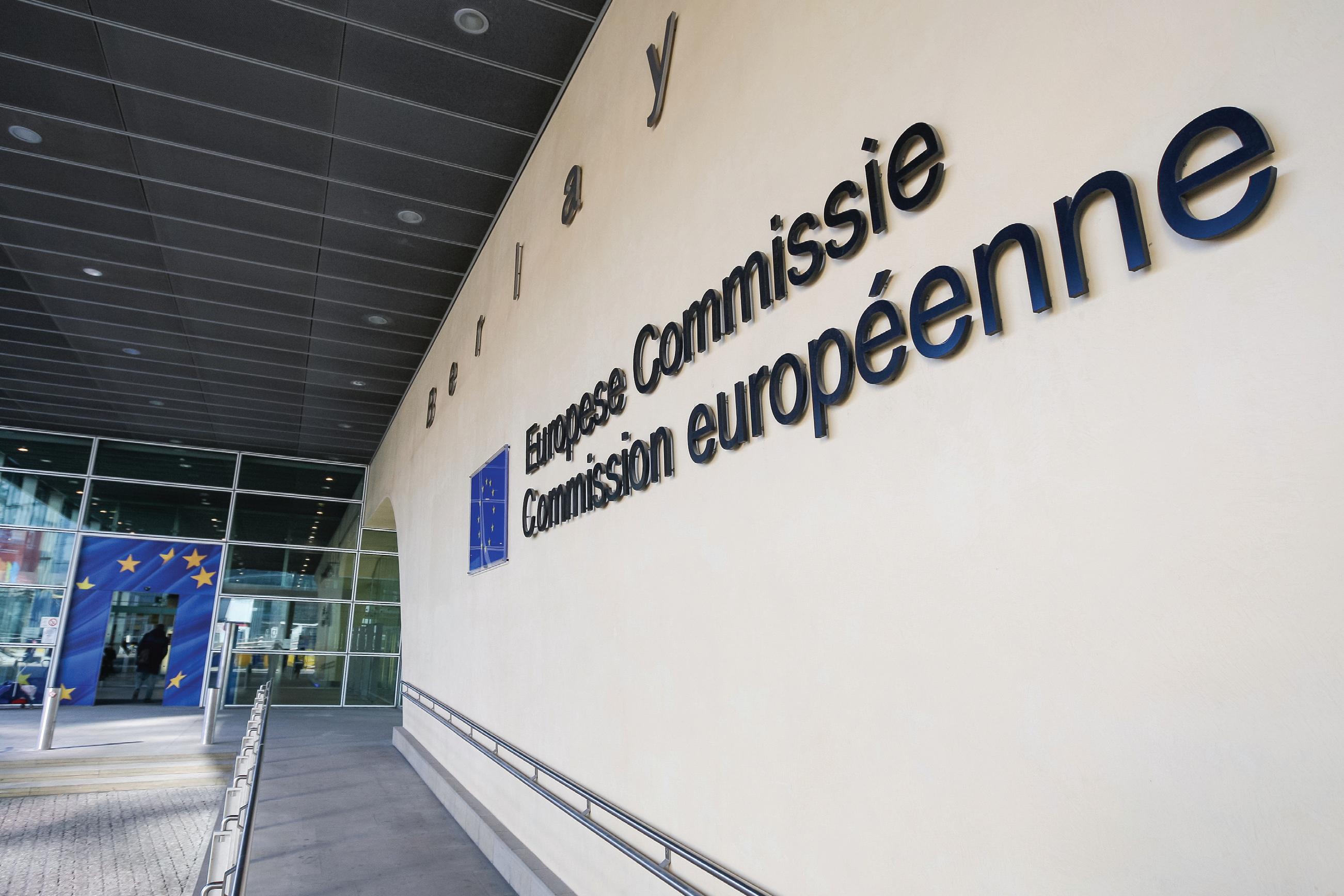
The European Commission has made four recommendations to its member states on the development of “secure and resilient submarine cable infrastructure”.
The European Commission’s Recommendation on Secure and Resilient Submarine Cable Infrastructures has made four recommendations for its member states. These measures focus on both immediate security enhancements and long-term infrastructure development, with an emphasis on cooperation between member state governments.
The first recommendation calls on member states to conduct national risk assessments on their submarine cable infrastructure. These assessments are vital for mapping out existing cables, identifying vulnerabilities, and evaluating cybersecurity and physical risks. For Ireland, conducting such assessments is essential due to its dependence on submarine cables for communication and economic activities, especially its financial services sector, which relies on stable international data connections. These risk assessments, the recommendation asserts, should not only focus on physical
security – such as the risk of sabotage or natural disasters – but also address cybersecurity vulnerabilities in the infrastructure. Cyber threats, especially from state-sponsored actors, are cited as posing a significant risk to the confidentiality and integrity of data transmitted through these cables.
To complement risk assessments, the recommendation advises member states to carry out regular ‘stress testing’ of entities operating these cables. Stress testing, the recommendation states, can help identify weaknesses in infrastructure resilience under various threat scenarios, such as cyberattacks or physical damage to cables.
The recommendation advocates for implementing high security standards for submarine cable infrastructure, regardless of ownership. In particular, member states should “adopt defence-level standards where relevant, especially in sensitive areas like national security”. These standards encompass both
physical security – protecting the cables from sabotage or accidental damage –and cybersecurity, ensuring data transmitted through the cables is secure from interception or manipulation.
Additionally, the recommendation suggests reinforcing obligations on suppliers and operators under the EU’s Network and Information Systems (NIS 2) Directive. This could include obligating companies to provide detailed information to national authorities on any planned changes to the cables and requiring IT systems used for cable management to undergo security testing. For national governments, this would require enhanced cooperation between private sector cable operators and public security agencies, ensuring that potential threats are addressed collaboratively and proactively.
The third recommendation focuses on streamlining administrative processes related to the planning, acquisition, construction, maintenance, and repair of submarine cables. Given the critical role these cables play, delays in obtaining permits for repairs or new construction could leave vital infrastructure vulnerable for extended periods. The recommendation advises member states to process permit applications as efficiently as possible, using online systems to expedite procedures.
The recommendation also proposes granting submarine cables the status of “overriding public interest” in national law, allowing for faster approvals under environmental and spatial planning regulations.
For Ireland, this would mean that, in the event of environmental considerations, maintaining the functionality of these cables would take precedence, ensuring swift action when needed. Planning and Development Act 2024 - signed in to law on 17 October, 2024 – which includes mechanisms for simplifying development consent processes and emphasises the need for efficient planning around critical infrastructures such as cables, wires, and pipelines in both land and maritime contexts.
The final recommendation encourages cross-border cooperation and information sharing among EU member states. Given the international nature of submarine cables, a coordinated European approach is vital. Member states are advised to exchange best practices, threat intelligence, and incident response strategies to enhance the collective resilience of the EU’s digital infrastructure.
This recommendation aligns with Ireland’s broader role within the EU as a key player in transatlantic connectivity. Ireland is not only connected to other EU member states but also to North America, making it strategically important in global data transmission. By actively participating in EU-wide information sharing initiatives, Ireland can contribute to – and benefit from – a collective pool of knowledge on emerging threats and mitigation strategies.
For Ireland, the European Commission’s Recommendation on Secure and Resilient Submarine Cable Infrastructures is crucial given the State’s reliance on international digital connectivity and its potential role as a transatlantic data hub as the Government aims to expand use of data centres. It would further enable the Government to meet its goals under the National Cyber Security Strategy 2019–2024, which prioritises protecting critical infrastructure, including submarine cables.
Under the Government’s broad goals for digital connectivity and subsequent economic growth, under the framework of Project Ireland 2040, alignment with the EU’s proposals would allow Ireland to secure a direct submarine cable link with the European Union – something which was lost upon Britain’s exit from the EU in 2020 – and reduce the extent to which the economy is dependent on Britain.

Acting Director of the Digital Connectivity Office (DCO) with the Department of the Environment, Climate and Communications (DECC) Kevin O’Donoghue outlines the rationale informing the establishment of the Digital Connectivity Office, its role and remit, and progress against its objectives to date.
The Department of the Environment, Climate and Communications plays a lead role in shaping the direction and pace of Ireland’s digital transformation and ensuring the delivery of world class communications to citizens and businesses across the State and internationally. The publication of Ireland’s first Digital Connectivity Strategy in December 2022 was a significant milestone in terms of setting out the parameters through which the Department will support the delivery of the Government’s objectives in this area.
Supporting the ambition outlined in the National Digital Strategy, Harnessing Digital: Digital Ireland Framework, the Digital Connectivity Strategy commits to ensuring all households and businesses in the State will be covered by a gigabit network no later than 2028 and that all populated areas will be covered by 5G no later than 2030. It also includes a commitment to provide digital connectivity to all schools and
broadband connection points that was successfully fulfilled before the end of 2023.
Following publication of the Digital Connectivity Strategy, the Department established the Digital Connectivity Office in 2023 to oversee the delivery of Ireland’s digital connectivity targets including oversight of the National Broadband Plan (NBP) contract with National Broadband Ireland (NBI). The NBP is a key enabler to the achievement of the Digital Connectivity Strategy targets for gigabit broadband availability.
The strategic objective of the Digital Connectivity Office is to ensure quality and future-proofed connectivity for all premises and businesses in the State, regardless of location, through policy measures and a regulatory framework that encourages commercial investment and through government-led initiatives.
Its remit includes overseeing the delivery of fixed and mobile connectivity by the commercial sector, effective governance of the contract with National Broadband Ireland to deliver the

“The ubiquitous availability of high-speed, reliable, and digital connectivity will... position Ireland at the forefront of European and global digital developments.”
Kevin O’Donoghue, acting Director, Digital Connectivity Office, Department of the Environment, Climate and Communications
National Broadband Plan Programme across the State Intervention Area, and effective collaboration on the development of options and implementation strategies to accelerate the delivery of gigabit broadband to all by 2028 and 5G coverage to populated areas by 2030.
The Digital Connectivity Office encompasses several different workstreams that are currently focused on governance and oversight of the NBP contract with NBI, with a separate team focusing specifically on connectivity development issues, including implementation of the Gigabit Infrastructure Act.
The DCO is also responsible for bringing forward proposals from the recently transposed European Electronic Communications Code with regard to Universal Service Obligations for voice and broadband. These new regulations require the State to ensure that all citizens have access to adequate voice and broadband services at an affordable price. In addition, the DCO is carrying out a significant review of Ireland’s international interconnectivity capacity to ensure future policy and demand needs are met over the coming decades.
Other upcoming priorities will include effective liaison with the relevant parties responsible for copper switchoff and addressing the issue of urban connectivity blackspots.
Most of the digital connectivity across the State is being delivered through commercial investment by the telecommunications industry, complemented by the rollout of fibre, across mainly rural areas, under the Statesubsidised National Broadband Plan. Over the last three years, owing to significant investment by commercial operators and the State, there has been rapid expansion of gigabit capability in every county across Ireland.
As the largest infrastructure project since rural electrification, the NBP represents a major investment by
the State in its digital infrastructure and future capabilities. It will ensure that high-speed broadband is available to all premises in the Intervention Area, including all the country’s islands, no later than 2027.
Where it is not economically viable for commercial operators, the NBP has stepped in and will deliver a high-speed broadband network to 96 per cent of Ireland’s land mass, covering 23 per cent of Ireland’s population living in the most rural and remote areas, which includes 69 per cent of farms. It is expected that over 600,000 premises, including new builds, will be passed during the lifetime of the Programme with the network offering a minimum download speed of 500Mbps from the outset, while also future-proofed to deliver up to 10Gbps speeds.
Tuesday 19 November 2024 will mark the five-year anniversary of the signing of the NBP contract with NBI. Progress to date in rolling out the NBP network has been strong and NBI is on track to deliver the contract on time and within budget. NBI is currently active in all 26 counties across the State, with over 315,000 Premises in the State Intervention Area now able to connect to the new NBP network and over 100,000 Premises already connected.
The European Commission’s State of the Digital Decade Report 2024, which was published in September 2024, notes that Ireland continues to perform strongly under several indicators related to digital infrastructure. It reports that 78.5 per cent of households are currently covered by Fibre to the Premises (FTTP) infrastructure, with an annual progress of 8.9 per cent, placing Ireland further above the EU average coverage of 64 per cent.
The ubiquitous availability of high-speed, reliable, and digital connectivity will support the delivery of Ireland’s economic and social ambitions and position Ireland at the forefront of European and global digital developments.
The Central Statistics Office (CSO) has published Internet Coverage and Usage in Ireland 2024 as the first of four components of the annual Information and Communications Technology (ICT) Household Survey.
Referencing the findings of the survey, Maureen Delamere, a statistician in the CSO’s social analysis division, remarks: “Our everyday lives are becoming far more digital, and in 2024, we were online more than ever and relying on technology and digital services.”
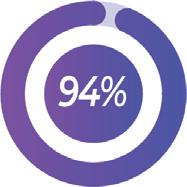
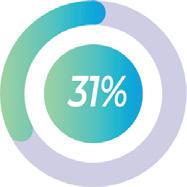
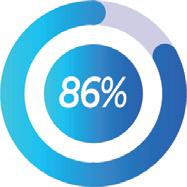
of all households have internet access of households use mobile broadband of households use fixed broadband
95% of internet users go online daily
97% of 16- to 29-year-olds use the internet several times every day
100% of surveyed students use the internet daily
54% of older people (aged 75 and over) reported internet use in the previous three months
Household internet connectivity in Dublin is 97%
Household internet connectivity in both the border and the midland regions is 91%
6% of households in Ireland have no internet access and of these, 56% report that they ‘do not need’ the internet