H2O Global News Magazine - Issue 16 - Wastewater Management
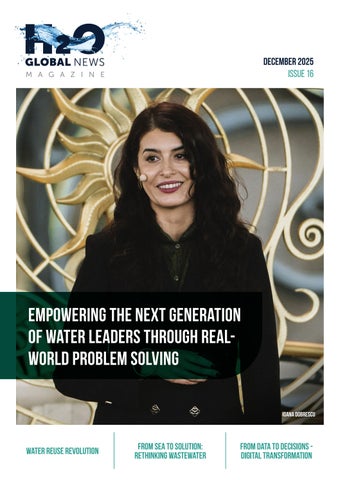
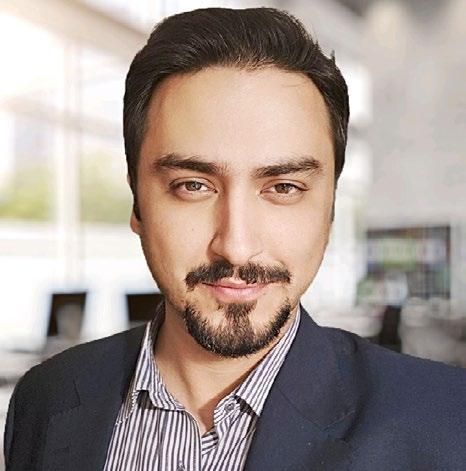
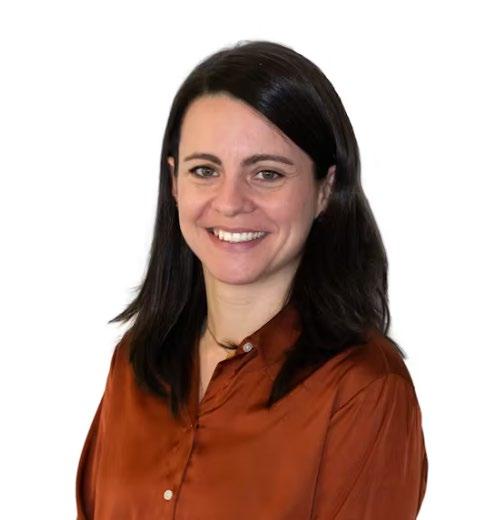
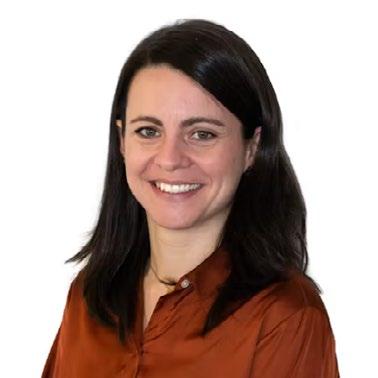
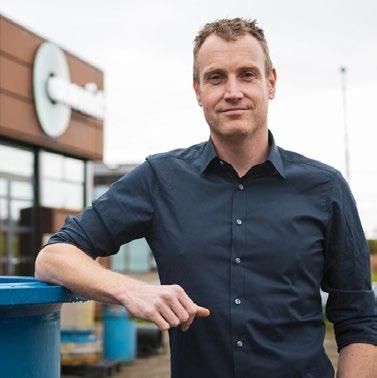
Ioana Dobrescu
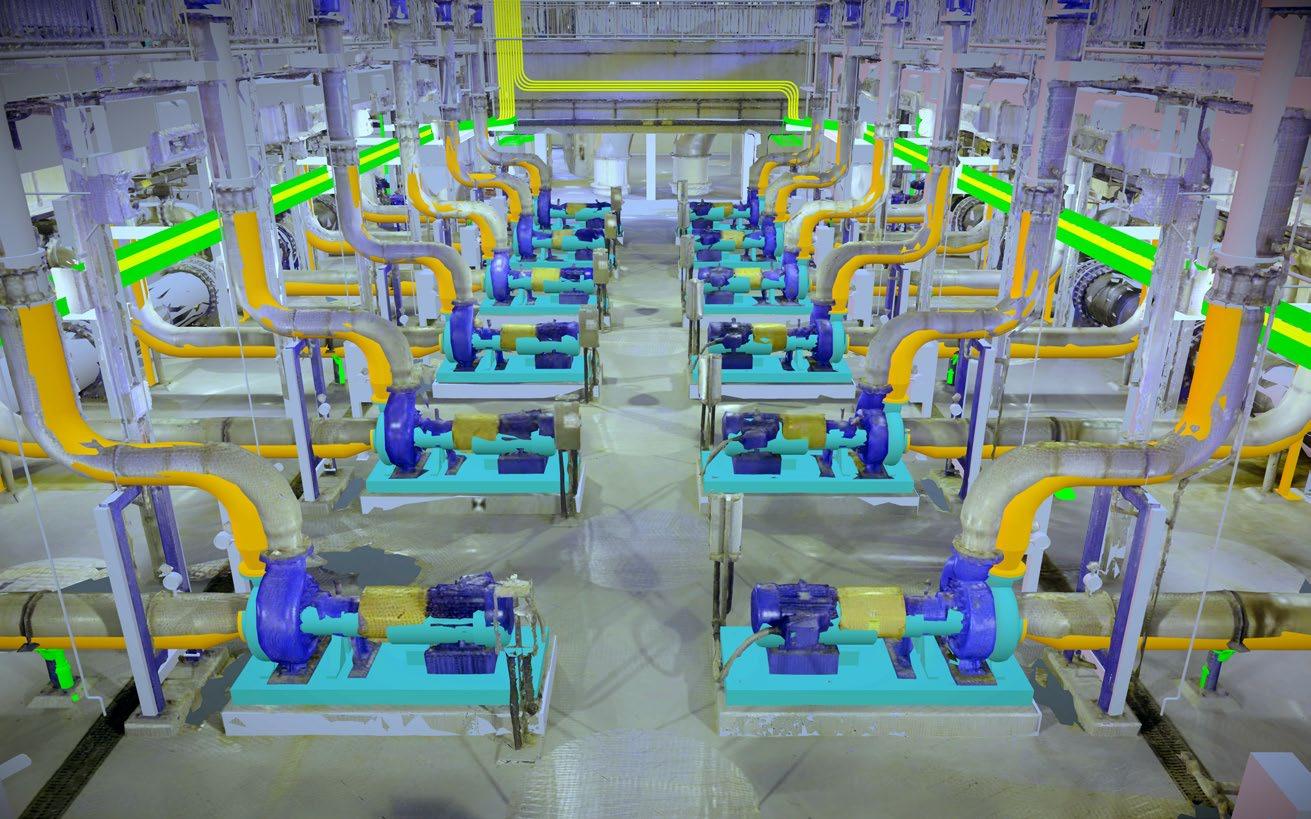
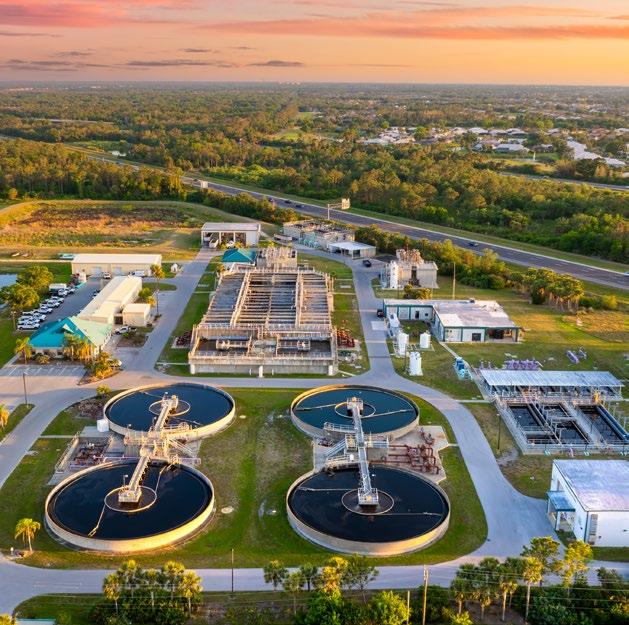
Deliver future-ready treatment plants with smart, integrated, and economically scalable solutions. Prevent costly mistakes, reduce construction delays, and lower project costs. Connect design and engineering with intelligent digital twins to cut design time in half.
Check out Bentley’s solutions for treatment plant design and project delivery at bentley.com/water.
Publisher’s LETTER
Dear Readers
Welcome to the 16th issue of H2O Global News Magazine — and our final edition of the year. As we reflect on 2025, I’m incredibly proud of how this publication has grown into a global platform for the people, ideas, and technologies shaping the future of water. Thank you — sincerely — to our readers, contributors, partners, and supporters who make each issue possible.
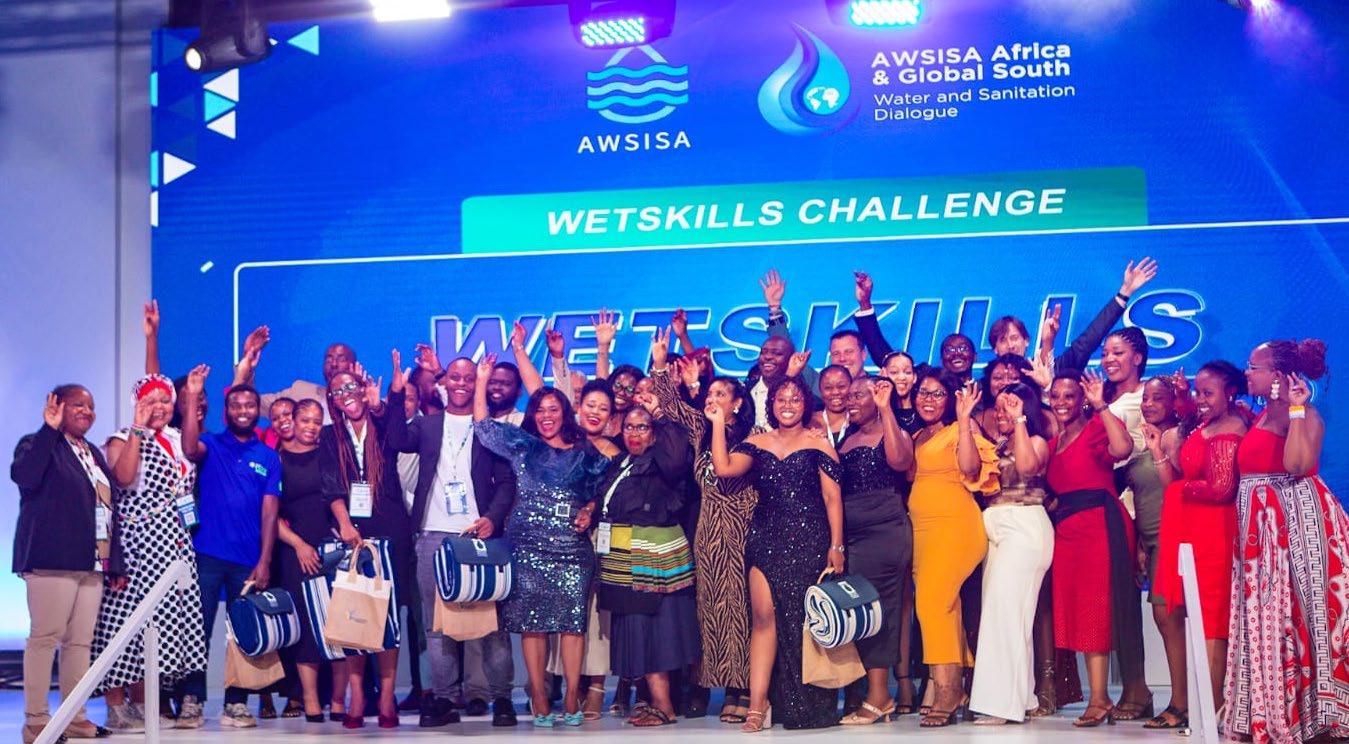
This edition shines a special spotlight on our cover feature, where we explore how Wetskills is empowering the next generation of water professionals through creativity, collaboration, and real-world problemsolving. Across pages 10–13, you’ll meet participants and leaders who are helping young people from around the world build the skills, mindset, and global networks needed to address today’s most pressing water challenges. Their energy and innovation reflect exactly what our sector needs: crossborder teamwork, fresh thinking, and practical solutions that bridge research, industry, and local communities.
Elsewhere in this issue, our team uncovers stories from every corner of the water world — from digital transformation and wastewater innovation to climate resilience, decentralised sanitation, and groundbreaking reuse projects. As always, our goal is to elevate the conversations that matter and highlight the people driving meaningful change.
Reaching our 16th publication is a milestone built on trust — from our contributors who share their knowledge, from the companies who believe in our mission, and from you, our global readership, who continue to engage, learn, and champion progress in the water sector. Thank you for being part of this journey with us.
As we close the year, Louise and I want to extend our warmest wishes for a peaceful, restorative, and inspiring season ahead. We look forward to bringing you even more stories, insights, and innovations in the year to come.
With gratitude and best wishes,
Abby Davey Publisher and Co-Founder
H2O Global News
Publisher and Co-Founder
Abby Davey
abby@h2oglobalnews.com
Creative Director and Co-Founder
Louise Davey louise@h2oglobalnews.com
Editorial Team
darby bonner
Martyn Shuttleworth
natasha Posnett
COMMERCIAL TEAM
Julian Barrett
Michelle Meldau
Rupert Patterson-Ward
Marketing@h2oglobalnews.com
H2O Global News delivers news from around the world covering the Drinking/Potable Water, Hydropower and Wastewater industries incorporating technology, companies, legislation, the environment and case studies. The H2O Global News Magazine is published four times a year (Spring, Summer, Autumn and Winter) by Blue Manta Media Limited, Buckinghamshire, England, UK.
H2O Global News t/a Blue Manta Media Limited has used utmost care to ensure and maintain the accuracy, completeness and currency of information published on this site. We, however, take no responsibility for any errors or omission, though if notified of any we will endeavour to rectify such.
CGN is an innovative platform that bridges the gap between industry, research and policy in a modern climate conversation. We enable our users to engage in meaningful conversations about the future of our planet and strive to create an open space where collaborators from all sectors can work together for sustainable progress.
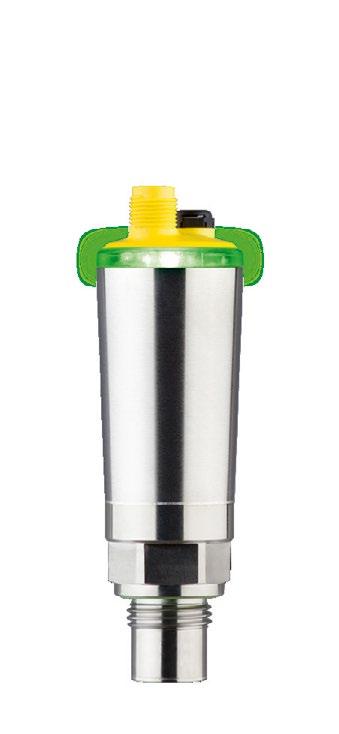
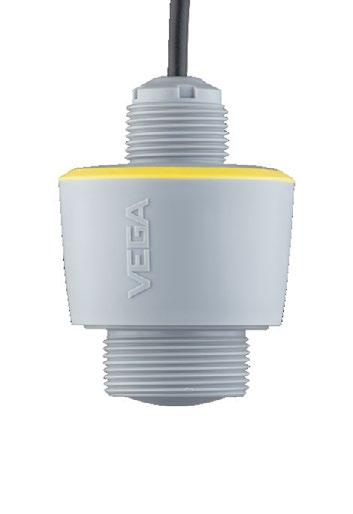
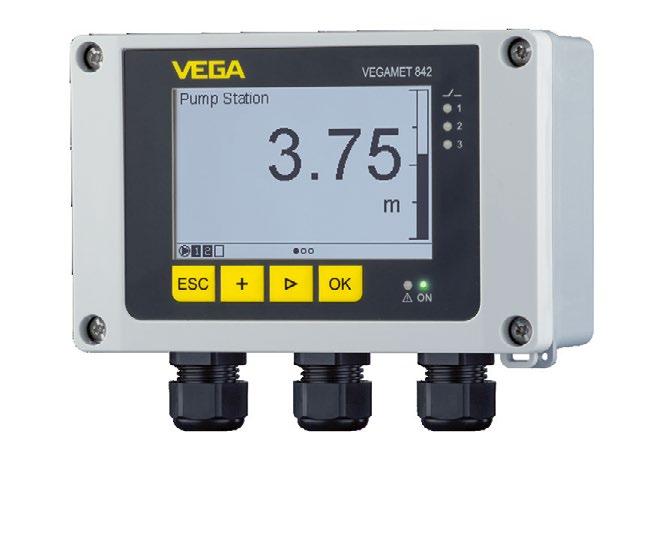
Need clean processes? We’ll deliver them – and ensure absolute clarity!
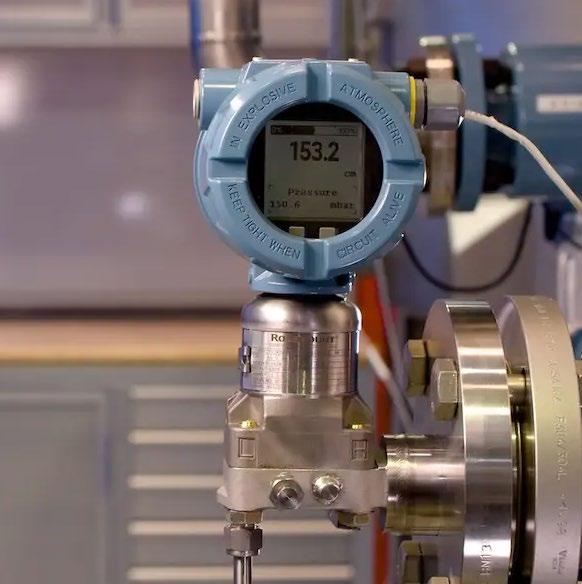
Water is the essence of life. That’s why a type of measurement technology is required that does justice to its importance. Our level and pressure sensors ensure quality with precise measured values to support reliable treatment processes – especially when every drop matters.
Everything is possible. With VEGA
4-9 Editor Features
10-13 Cover Feature - Enabling the Future: How Wetskills Uses Problem Solving to Empower Young Professionals
14-17
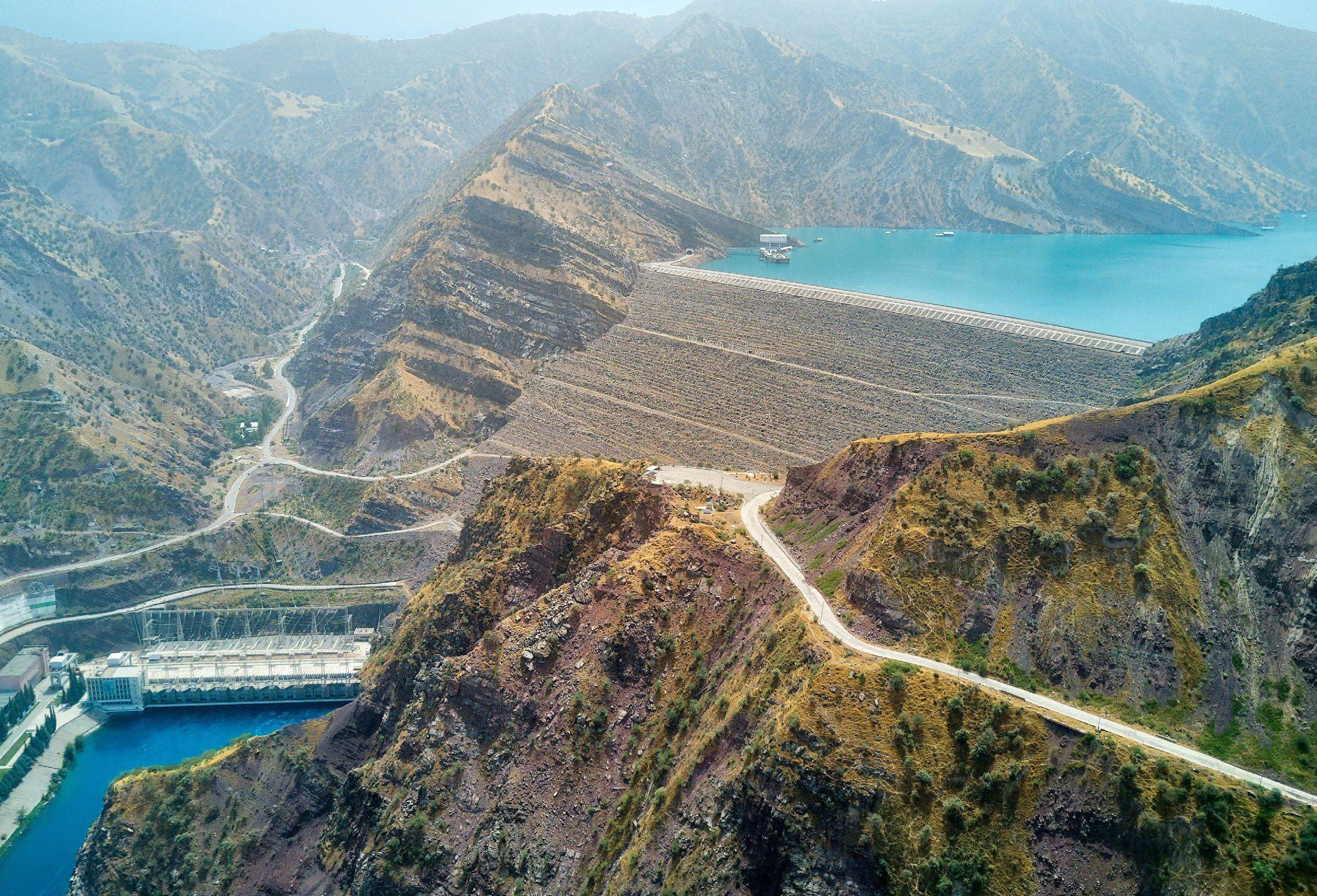
Strengthening Water, Sanitation, and Hygiene: The Global WASH Cluster in Tajikistan
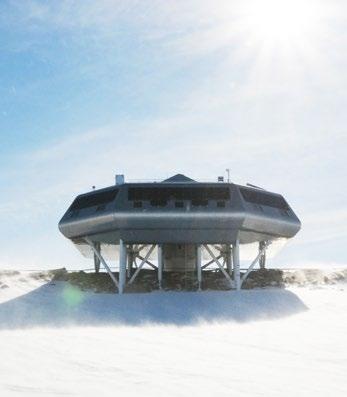
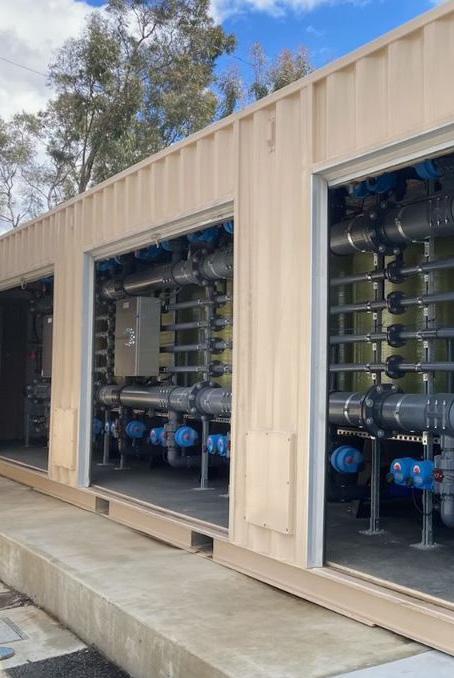
18-19 From Antarctica to Industry: Revalio’s Water Reuse Revolution
20-21 From Sea to Solution: Rethinking Wastewater with Holdfast NL
22-23 Cold Weather Strategies for a Healthy Aeration Basin
24 Women Making Waves: How South West Water’s Female Leaders Are Reshaping Wastewater in 2025–26
26-27 Regenerable Ion Exchange: Making Groundwater Treatment More Effective and Sustainable
28-29
Breaking the Cycle: How Village Water Is Tackling Sanitation Challenges in Rural Africa
30-31 From Data to Decisions: Building the Foundations of Digital Transformation in Water Treatment and Sustainable
32-34 A New Era in Industrial Wastewater: Compact, Compliant, and Future-Ready
36-38 Transforming Wastewater Treatment Plant Design and Delivery with Digital Twins
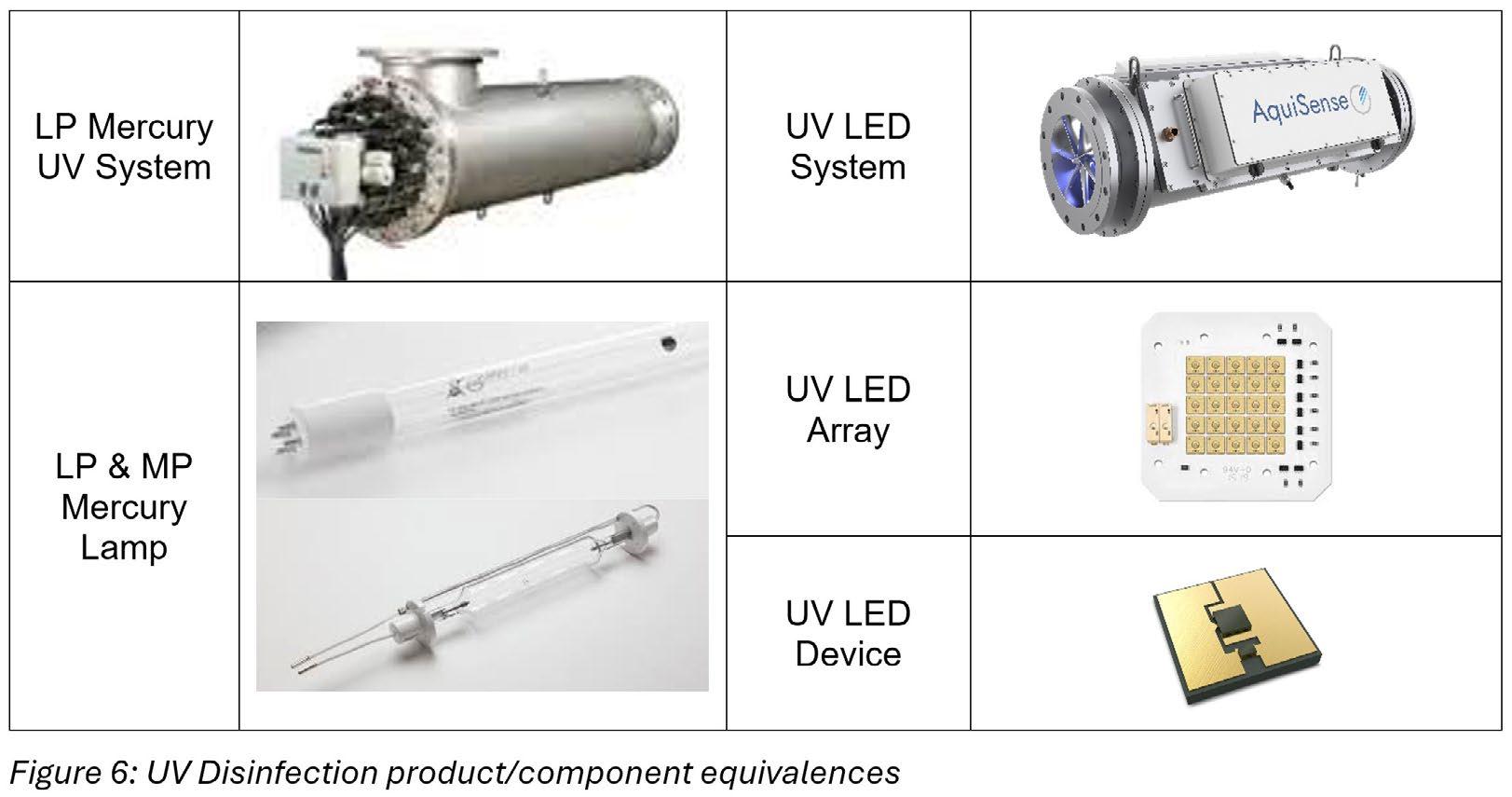
39-41 UV Technology Transition: Mercury-Vapor to LED
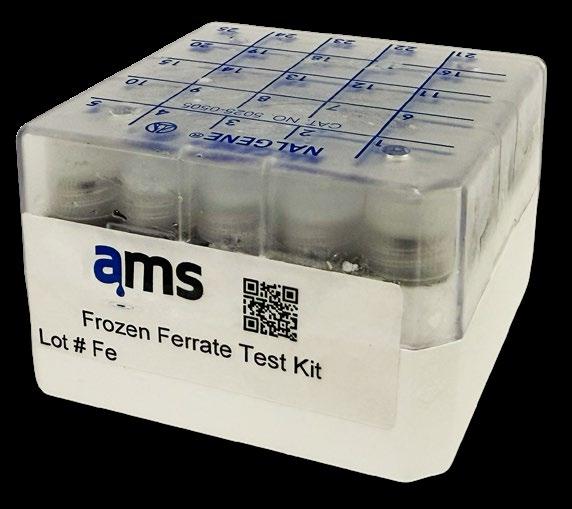
44-45 Advancing Phosphate Removal with SafeGuard™ H2O Ferrate Technology
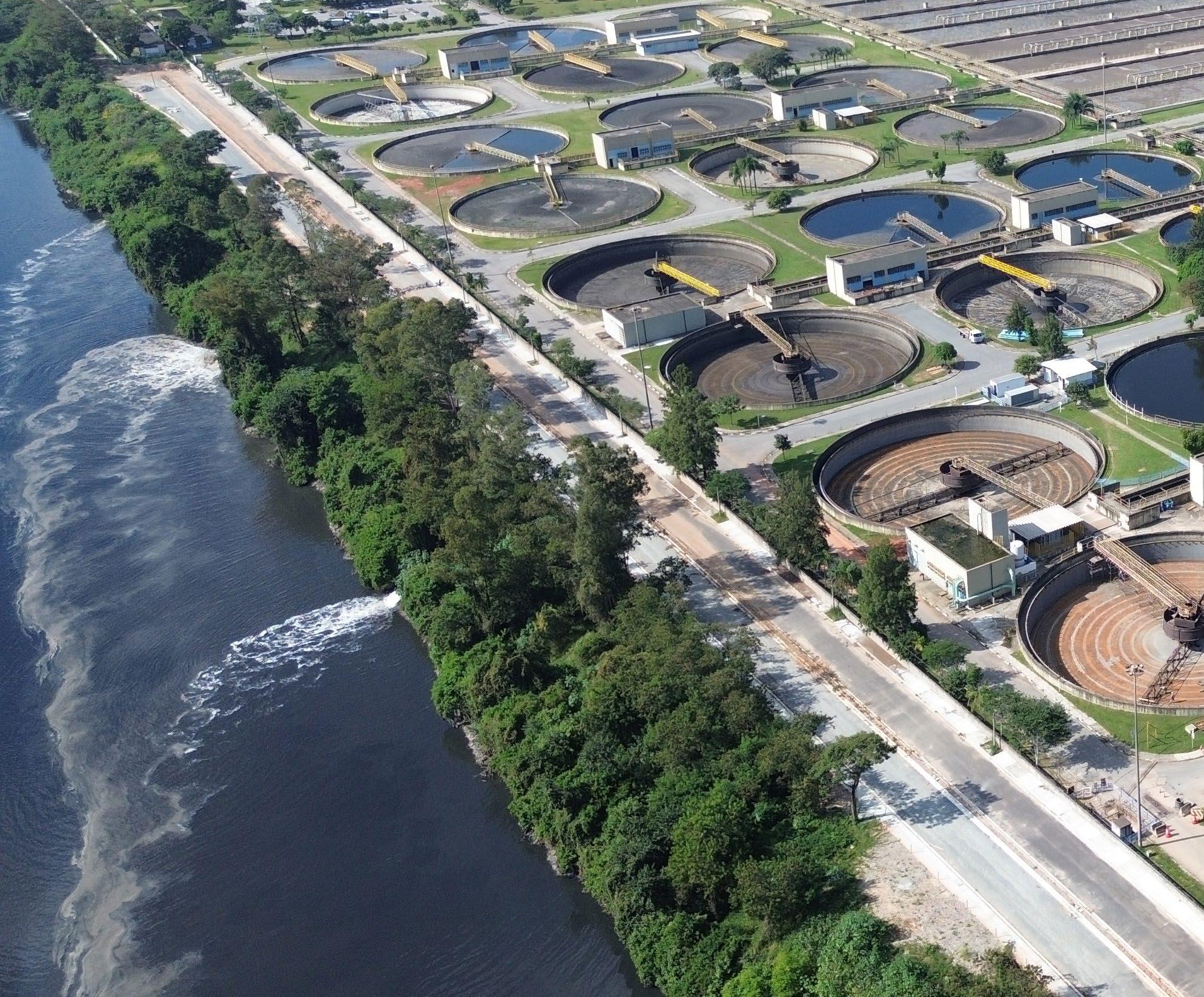
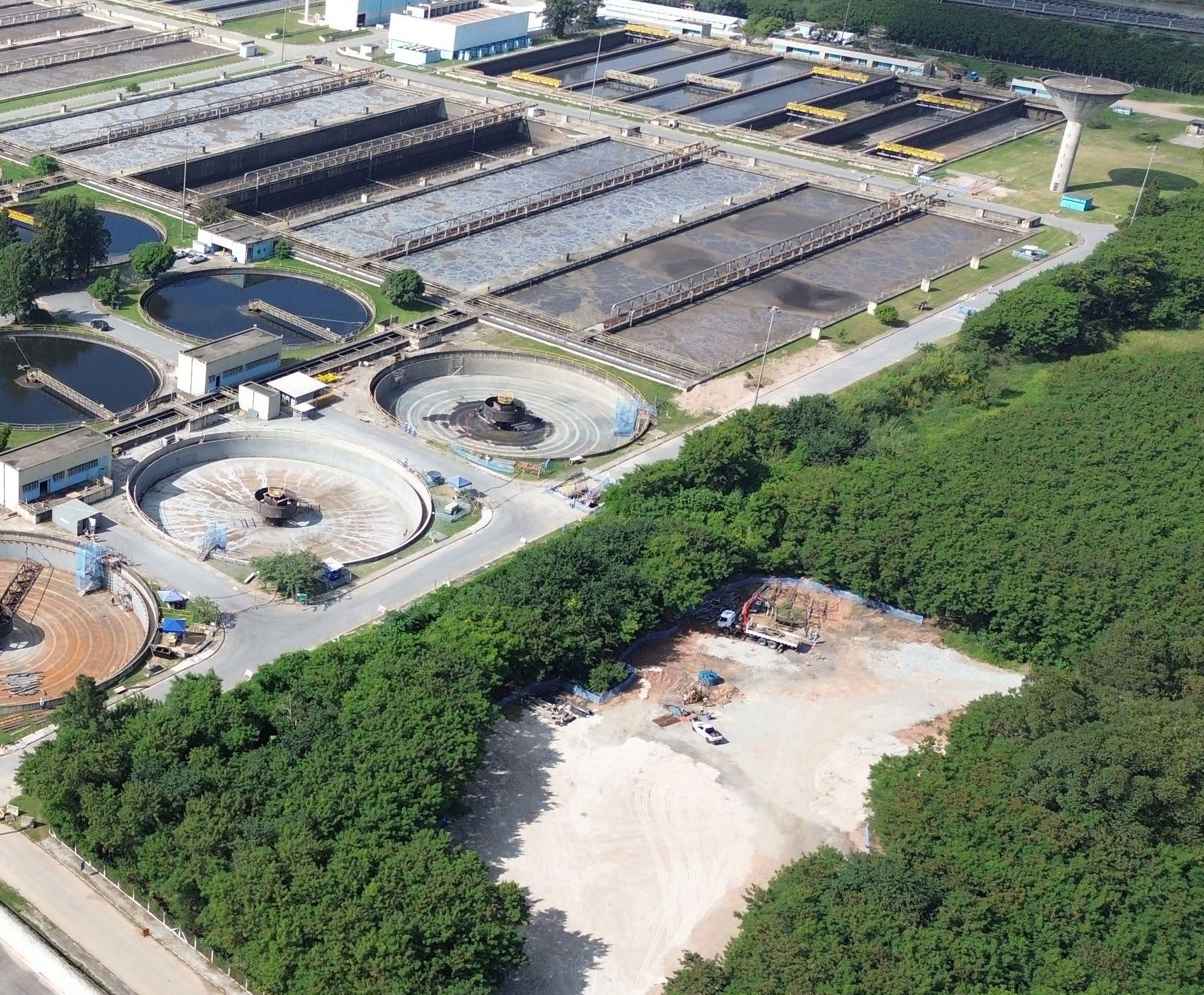
46-47 Wastewater Treatment in Brazil: From Neglect to Building for the Future
Rivers as Sewage Highways: When Waterways Become Waste Corridors,
and How They Can Recover
WRITTEN BY | DARBY BONNER
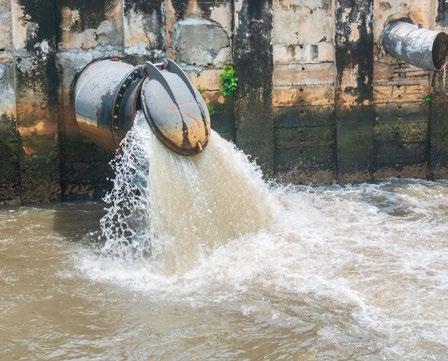
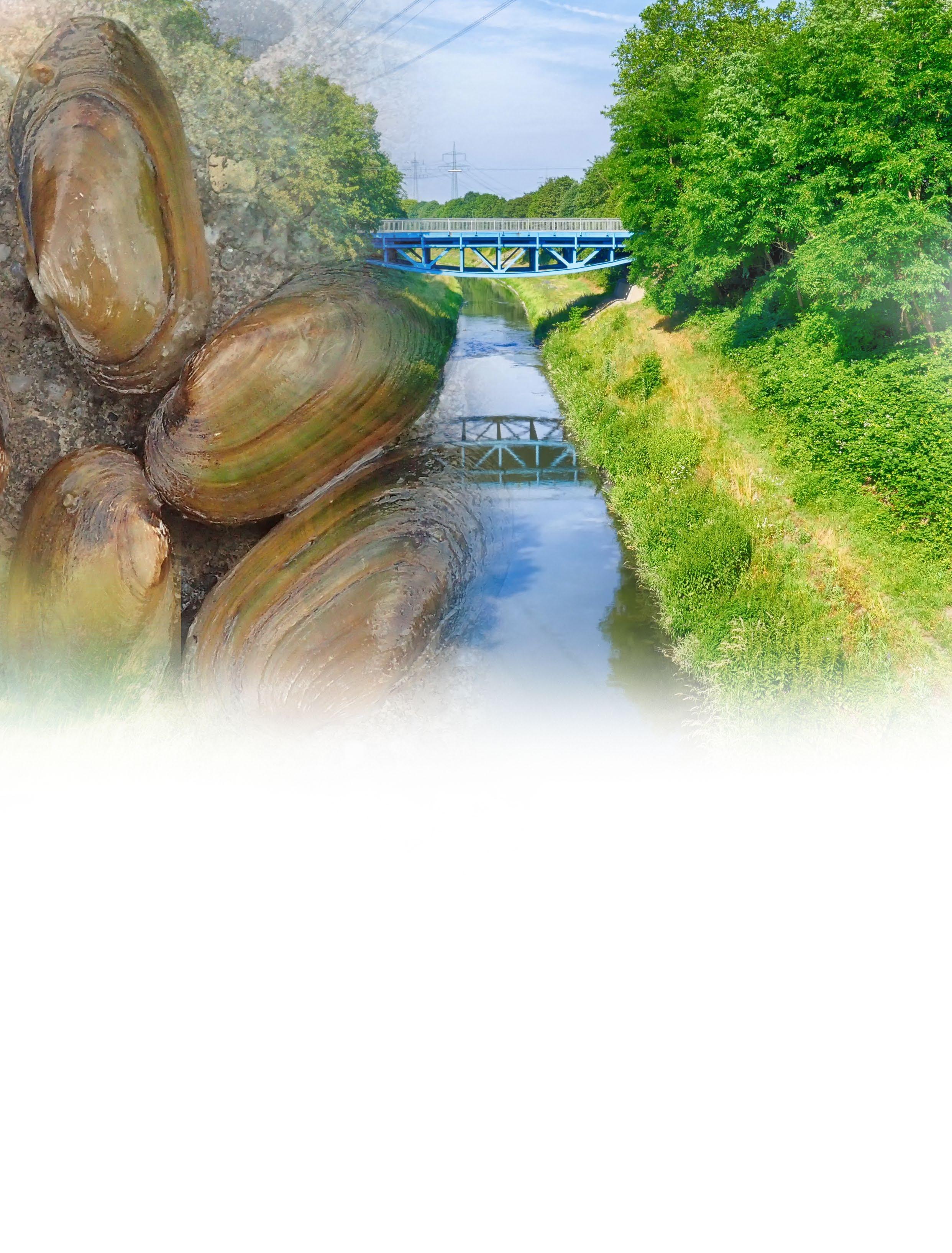
The Yamuna River runs through the heart of India and past world-famous sites like the Taj Mahal. For many people, it holds deep cultural and spiritual meaning, but for decades, it has also carried a heavy load of untreated sewage and waste. While improvement work is now underway and there are some positive signs, the Yamuna is still far from healthy, and its story shows how difficult it can be to clean up a river once it has been used as a dumping ground.
What Happens When Sewage Enters a River?
When dirty water from homes, streets, and factories flows into a river, it changes everything within that ecosystem. Because rivers are long and narrow, pollution becomes concentrated rather than diluted. This affects even the smallest forms of life, including the bacteria that normally help keep the river balanced.
Once too many nutrients and harmful microbes enter
the water, the natural balance breaks down. Helpful bacteria struggle, while harmful ones grow quickly. Over time, this creates areas where very few living things can survive, even if the water looks calm or clean from the surface.
The Yamuna: Progress, But Still a Long Road Ahead
In recent years, the government has started new efforts to clean up the Yamuna. Heavy machinery has been brought in to remove rubbish and weeds, and major drains are being redirected so that wastewater goes to treatment plants instead of straight into the river. New treatment plants are being built, and old ones are being upgraded. These are all important steps, and there have been claims of reduced pollution levels in some areas. However, many challenges remain:
• Some treatment plants still do not meet discharge standards.
Darby Bonner Staff Writer at H2O Global News
• Levels of harmful bacteria and organic waste remain very high in several stretches.
• Cultural and religious practices continue to add waste to the river.
• Long-term planning, deadlines, and accountability are still being debated.
In short, while things may be moving in the right direction, the Yamuna is not yet a success story. Real recovery will take years of steady effort, funding, and public cooperation.
Why This Matters for People and Nature
Rivers that carry untreated sewage can become breeding grounds for dangerous bacteria, including those resistant to antibiotics. These bacteria can spread through water, animals, food, and even human contact. On top of that, wildlife suffers. Sensitive animals like freshwater mussels and many fish species disappear first. The number and variety of insects changes, affecting food chains. Even plants growing along the riverbank can absorb polluted water and struggle to thrive. Once biodiversity drops, it can take a very long time for a river to recover, even if pollution is reduced later.
A River That Came Back: The Emscher, Germany
While the Yamuna’s recovery is still in progress, the Emscher River in Germany shows that change is possible. For over 100 years, the Emscher was used as an open sewer for factories and homes in a major industrial region. It became known as one of Europe’s dirtiest rivers. Eventually, a huge restoration project began, costing
billions of euros and taking several decades. Engineers built new underground sewage systems so that no waste entered the river, and natural plants and wildlife were brought back.
Today, the Emscher is clean enough to support fish, birds, and even beavers. It has become a strong example of what can happen when long-term planning, political commitment, and environmental care are taken seriously.
What We Can Learn
Comparing these rivers shows some important truths:
1. Cleaning rivers takes time and money, not quick fixes
2. Good infrastructure is essential, pollution cannot simply be moved around
3. Communities must be part of the solution
4. Nature can recover if given a real chance
Final Thoughts
Rivers are not just water channels, they are living systems, cultural symbols, and sources of life for people and nature. The Yamuna is starting a new chapter, but it will take steady commitment to turn plans into real change. The story of the Emscher gives hope: even the most damaged rivers can be brought back. With careful planning, teamwork, and respect for nature, waterways that once carried waste can become thriving habitats again.
Mosh Pits and Compost: Can Heavy Metal Festivals Embrace Eco-Toilets
Written By | MARTYN SHUTTLEWORTH
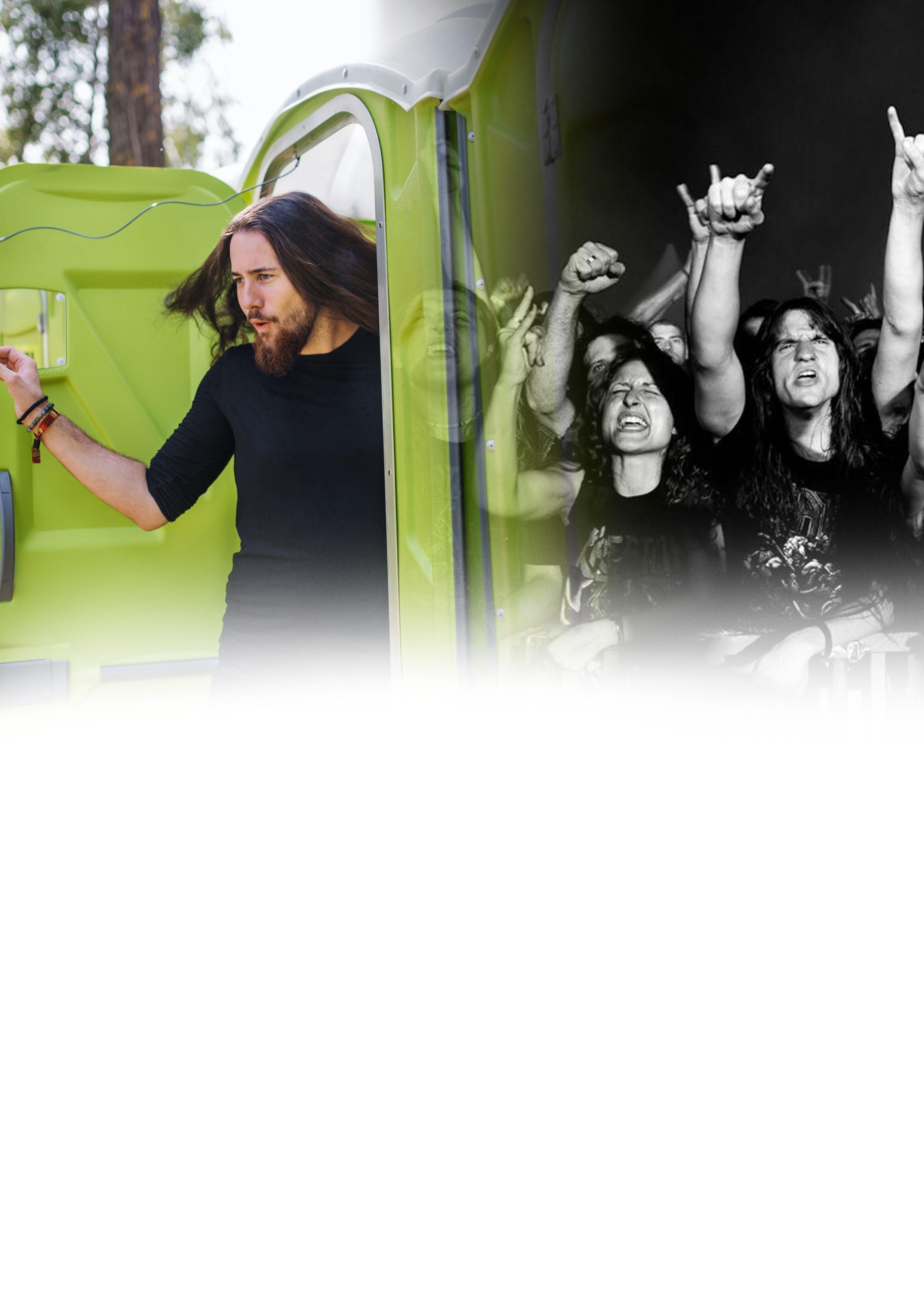
Like many heavy metal fans, I have spent my fair share of time navigating music festival toilets, an experience that can leave severe mental scars. It is rarely pleasant and involves waiting in a slow moving queue of mud-caked metalheads, stepping carefully and hoping that you don’t end up in a toilet that should be sealed off as a biological hazard.
Adding to the problem, many festival toilets use damaging chemicals or do not treat waste properly, with consequences for the environment. However, things are changing and rock and metal gatherings across the world are coming up with greener answers to this perennial problem. This could also ensure the process is no longer more dangerous than the mosh pit.
Queues, Portaloos, and Blue Dye
Presently, any festival goer is familiar with the ubiquitous Portaloos with long queues of people desperately trying to avoid the unique aroma and noisome substances. Most traditional portable toilets incorporate a holding tank with chemicals to break down waste; fragrances to mask odours; and a blue dye that changes colour when the unit needs servicing. When full, a suction truck empties the tank, replaces the chemicals, blasts the toilet clean, and usually takes the waste for treatment in conventional sewage plants.
Apart from the unpleasant experience, these toilets
create additional problems. The waste from thousands of festival goers soon overloads municipal waste systems, and the chemicals can impact treatment plants by harming the bacteria responsible for breaking down waste. Leaks and overflows in the toilets can damage the surrounding soil, and flushing toilets require water when festivals face pressure to reduce their water footprints. Action is overdue and, under the gaze of environmentally-minded metal fans and bands, festivals are responding.
Can Metal Festivals Make a Difference?
Although metalheads and bands often attract unfair negative stereotypes, and festivals sometimes rank behind the greenest music festivals such as Boom, Glastonbury and Roskilde, most are environmentally conscious. Regulators in the EU and elsewhere are also applying pressure, so organisers are taking note, with some festivals, including Bloodstock and Rock am Ring, placing the environment, waste treatment, and water saving at their heart. Eco-toilets are at the vanguard, slowly spreading from the posh glamping areas to the main festival site.
A Handful of Sawdust: Composting Toilets
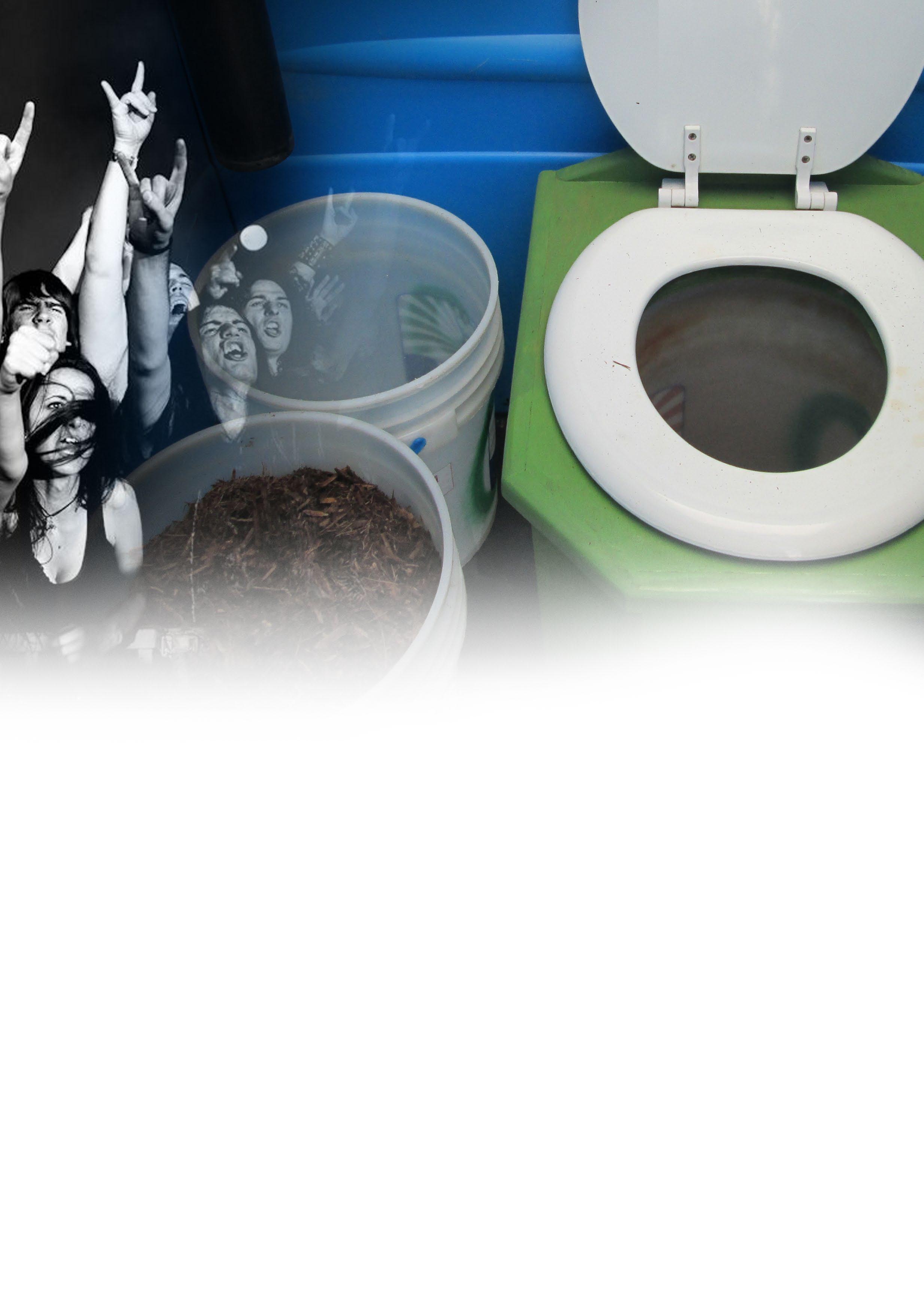
Composting toilets work by separating liquid and solid waste with an insert and, once finished, the user scatters
Martyn Shuttleworth Staff Writer at H2O Global News
sawdust, coconut coir, or other carbon-rich substance. These absorb liquid and help keep the solids dry to suppress odours and support the anaerobic processes that break down waste. Over time, microbes break down the solids and carbon-rich material to produce a dry, soil-like substance. When full, the urine is emptied from its tank and the solids are taken away for composting elsewhere. Some systems include additional ventilation to further reduce the stench and expel moisture and gases.
A number of rock and metal festivals are already introducing this technology, including Bloodstock, which is trialling waist high compostable toilets, Download, Kilkim Žaibu, and Obscene Extreme. Separated urine can be treated and used as a nitrogen source for agriculture, while solid waste, once broken down with pathogens removed, can be used as compost. Hellfest even experimented with L’uritonnoir, which uses hay bales to break down urine for future use as fertiliser.
Water Saving Toilets
Water saving toilets are also becoming part of the festival experience and are usually modular units, sometimes fitted to a trailer, that incorporates a vacuum system to suck the waste into the containing tanks. This requires much less water, and the closed system under negative pressure leads to fewer odours. For anyone who has ended up pitching their tent near the toilet area, this is particularly welcome.
A number of rock and metal festivals include these vacuum toilets as an alternative, including Wacken, which
has also tested a system that treats and recycles shower water for flushing toilets, saving almost half a million litres of water. In the same way, the Sweden Rock Festival reduced water consumption by 2.3 million litres with vacuum toilets, reducing the need for water storage and making it easier to keep toilet areas clean.
Toilet Training for Metalheads
Of course, a festival can implement all of the measures it wants, but people still have to know that greener toilet facilities exist and use them correctly. As an example, many composting toilets need the user to sit down so that they can separate liquids and solids. Accordingly, it is important to make festival-goers aware of how new toilet systems work and install clear signage with instructions and why it is important for the environment. Some festivals hand out stickers and gifts to people using the eco-toilets, creating community pride in sustainability.
It’s All About the Music
So, while rock and metal festivals are not as known for their green credentials as other genres, many are embracing green issues and adopting eco-toilets. Apart from supporting environmental goals, cleaner toilets will make the whole process much less of an ordeal and allow metal fans to focus on what we love most: the music and the mosh pit.
Bengaluru: The City That Recycles Its Wastewater
WRITTEN BY | NATASHA POSNETT
In the thriving tech capital of southern India, a quiet revolution is also underway. Bengaluru, often hailed as the Silicon Valley of India, is better known for its software exports than its sewage systems. Yet in recent years, the city has become an unlikely global pioneer in an incredibly pressing issues: wastewater management.
In the throes of its most severe water crisis to date, Bengaluru has been forced to look for different solutions. Today, it is becoming a model for how urban centres can turn wastewater from a liability into a vital, renewable resource.
The Problem Beneath the Pavement
Bengaluru’s transformation wasn’t driven by choice, but by crisis. Once known for its abundant lakes, the city has seen many of them dry up or become choked with pollution. Rapid urban expansion has outpaced the capacity of its water supply systems, with groundwater depletion and tanker dependency becoming normal for many residents and businesses.
Every day, Bengaluru generates over 1.4 billion litres of wastewater. Instead of viewing this as an unmanageable burden, the city has begun harnessing it as a resource. They are investing in treatment, reuse and recycling strategies at both macro and micro levels.
The Decentralised Turnaround
One of the most important changes in Bengaluru’s water strategy has been the rise of decentralised sewage
treatment plants (STPs). Rather than relying entirely on largescale infrastructure, the city has encouraged a distributed approach. This has allowed residential complexes and commercial buildings to build and manage their own treatment systems on-site.
Thousands of buildings now operate small-scale STPs, treating greywater and blackwater for non-potable reuse such as toilet flushing, landscaping and cooling systems. In many cases, these systems have reduced the dependence on freshwater by more than half, while also cutting down on tanker water expenses and groundwater extraction.
This decentralised approach has not only eased the pressure on municipal systems but also allowed for more localised control and accountability.
When Water Meets Technology
Wastewater management in Bengaluru isn’t just about infrastructure, it’s about innovation.
Several startups and engineering firms are introducing compact, plug-and-play treatment systems equipped with real-time monitoring and AI-based performance optimisation. These technologies allow for more efficient use of space and lower energy consumption. They also provide a better compliance with environmental standards.
Natasha Posnett Staff Writer at H2O Global News
In tech campuses and corporate parks, digital dashboards now track water quality and flow rates, helping facilities managers make quick decisions and reduce waste. Rainwater harvesting and wastewater recycling are increasingly being integrated into green building codes and sustainability certifications, making clean water management part of the city’s design DNA.
Rescuing Lakes with Recycled Water
Beyond the boundaries of buildings, treated wastewater is now playing a crucial role in reviving Bengaluru’s disappearing lakes.
Projects such as the Koramangala-Challaghatta (K&C) Valley initiative have redirected large volumes of treated water into dry or degraded lakes across the city’s periphery. By pumping millions of litres of high-quality treated wastewater into these water bodies, the initiative is restoring lost ecosystems, supporting biodiversity, and recharging groundwater in surrounding areas.
These efforts mark a rare intersection of urban infrastructure and ecological repair. Instead of polluting lakes with untreated sewage (sadly still a common practice in many cities) Bengaluru is beginning to use its reclaimed water as a tool for environmental restoration.
Barriers and Breakthroughs
Despite the encouraging momentum, the transition hasn’t been seamless. Public perception around wastewater reuse remains cautious, especially when it comes to concerns about hygiene and safety. While there’s growing acceptance for using recycled water in toilets or gardens, potable reuse still remains politically and socially sensitive.
Enforcement is another issue. While many buildings are required by law to install STPs, not all operate them effectively. Oversight mechanisms are improving, particularly with the integration of remote monitoring technologies and stricter reporting requirements, but there remains a gap between policy and practice.
Nonetheless, a combination of regulation, awareness campaigns, and rising water costs is nudging more communities toward embracing recycled water as a long-term solution.
A Blueprint for the Future?
What’s happening in Bengaluru can be more than just a local story, it can provide a blueprint for other cities that are struggling with wastewater around the world. With global freshwater demand projected to outstrip supply by 40% by 2030, urban centres need to urgently rethink how they manage water.
Bengaluru’s decentralised and tech-driven approach offers lessons in adaptability and circular resource management. It shows that wastewater can be more than waste, but rather a renewable asset when managed wisely.
Bengaluru’s wastewater journey is still evolving, and it will continue to do so as climate, population and other demands alter. But, a city once teetering on the edge of water collapse is carving out a new identity and that is exciting to observer. It’s a transformation driven by thousands of small systems and a growing recognition that the solution to water scarcity may lie in the very water we flush away.
Enabling
INTERVIEWED
BY
| MARTYN SHUTTLEWORTH
While the water sector often focuses on technological solutions to problems such as wastewater and sanitation, this can never be the whole answer. New approaches and new technologies need people with the expertise and skills to use them and apply them to real world issues. Just as importantly, laying these foundations leads to problemsolving and innovation built upon human ingenuity. As anyone working in water and wastewater knows, thinking on the spot when faced with an immediate problem is part of the territory.
One organisation accepting this challenge and helping young students and professionals develop the skills they need is Wetskills. By working with organisations and setting problems through cases, they help people hone their skills and put learning into practice. Here, Wetskills programme manager, Ioana Dobrescu, reveals more about their work.
Could you tell us a little about yourself and your background?
I’m an environmentalist with more than a decade of experience in the water sector. I’ve held various adviser, coordinator and stakeholder engagement roles along the years working with private sector and multilateral institutions as well as government and academic institutions. In recent years I led a boutique consultancy specialised in Water Footprint Assessments and worked with the World Bank in Romania, engaging diverse stakeholders—including government, private
sector, civil society, and the Roma marginalised communities—in the development of national Flood Risk Management Plans.
My not-for-profit work with the Wetskills Water Challenges Foundation consists of organising and delivering capacity development programmes for students and young professionals in countries such as India, China, Bangladesh, Indonesia, Oman, UAE and South Africa.
Having worked across such a wide range of organisations, projects and geographies, I have come to appreciate the myriad of perspectives on how water is consumed and valued, and the complexity behind the decisions that drive our global water crisis. Not least, I am acutely aware of the urgency behind addressing the crisis before the impacts of increasing scarcity, pollution and floods become ever more devastating.
Could
you
give
us a
brief introduction to Wetskills? How did it begin?
Wetskills is an international capacity development program for students and young professionals in water and wastewater-related fields organised as a challenge. It brings together emerging and seasoned professionals from around the world to develop innovative, practical solutions to real water issues during a 2-week intensive program.
Wetskills held its first edition at the 2010 Shanghai World Expo and has since grown into an independent foundation that hosts hands-on, multidisciplinary events all over the globe. In its 15 years of existence, Wetskills has amassed more than 1500 participants in 80 events, 30 countries and 350 real life water challenges. Each edition pairs participants with local and international case owners— governments, companies, academia or NGOs—to work in teams, present their ideas at major conferences, and build global
Continued on page 12
Ioana Dobrescu Wetskills programme manager
networks that often lead to internships, jobs, and longterm collaborations. Designed as a win-win model, Wetskills benefits participants, universities, and water sector partners alike and fosters a wide international community – the Wetskills alumni network.
What is the overall mission and how does Wetskills tie in with the UN’s Sustainable Development Goals?
Wetskills’ overall mission is to attract more young people to the water sector and to provide them with the knowledge, tools and network to solve the world’s most challenging water problems. Through the innovative solutions proposed by the Wetskills teams of participants, we do not only tie in to the Water & Sanitation related SDG6, but also to SDGs such as Quality Education (4), Gender Equality (5), Climate Action (13) through the innovative and practical capacity development approach that mixes nationalities, genders and educational backgrounds to develop solutions that address water, wastewater and, implicitly, climate issues.
How do the Water Events work? What do they set out to achieve?
Each Wetskills edition is organised as a two-week pressure cooker programme that brings together between 12 and 20 participants, divided in mixed-gender, -culture, -nationality and -education teams of 4 to 5 people. Every edition follows a standard roadmap while allowing for some flexibility and local adaptation. The program starts with team building activities and visits to local waterrelated sites such as, and flood protection measures etc. Once the teams have formed and consolidated, the programme introduces them to senior experts allowing them to draw on established expertise while encouraging them to use their creative and innovative thinking that is strongest at this age.
We provide them with training ranging from understanding team-roles and cooperation to business model development and impactful pitching of their solutions. At the end of the programme, the main deliverables per team should be a 2-minute pitch, a poster and a paper, often presented at high level events.
What groups of people does Wetskills help and how can they learn about wastewater and sanitation?
While Wetskills is mainly addressed to young professionals (up to 35 years of age) and (Master/PhD) students in water-related fields, we welcome any young
professional with an interest in sustainability, climate or environmental fields. Often we’ve had participants from social sciences or business administration joining and we encourage all those interested in cross-sectoral and multicultural capacity development to participate as the best solutions to any problem are those built on cooperation outside of the traditional siloed approaches.
Many of the cases brought by the water-sector case owner focus on wastewater and sanitation challenges. For example, participants can learn about the most pressing issues wastewater utilities in South Africa are facing and contribute to creating an out-of-the box solution. Conversely, wastewater utilities, through the engagement with the Wetskills participants, might learn how other countries are dealing with the same issues and obtain a fresh perspective to solving their challenge.
How can partners help to provide cases for the water events? What type of partners in the wastewater/sanitation sector do you work with?
We work with any type of organisation from the water and wastewater sectors. With some we establish longterm partnerships, especially in countries such as SouthAfrica, Oman, Netherlands and Romania, where we hold events almost yearly and the case owners commit to sponsoring a certain number of cases per year. Most of our case owners are recurrent but we are always looking to expand our network and reach out to new organisations each edition.
What would you say are the biggest successes and what are the main challenges?
Our biggest success is when we see a Wetskills alumnae/alumnus develop from a first time young participant to a successful highlevel professional. Many of our alumni are now seasoned professionals in high-level positions and still champion Wetskills, either by volunteering in our programmes, sponsoring cases or attracting participants.
Some of alumni include Ms. Cecilia Francisco Chamutote, vice minister of Public Works, Housing and Water Resources of Mozambique, currently also Wetskills
Ambassador; Chrysoula Papacharalampou, Executive Director of the Erasmus Research Institute of Management; and Rick Hogeboom, Associate Professor at University of Twente.
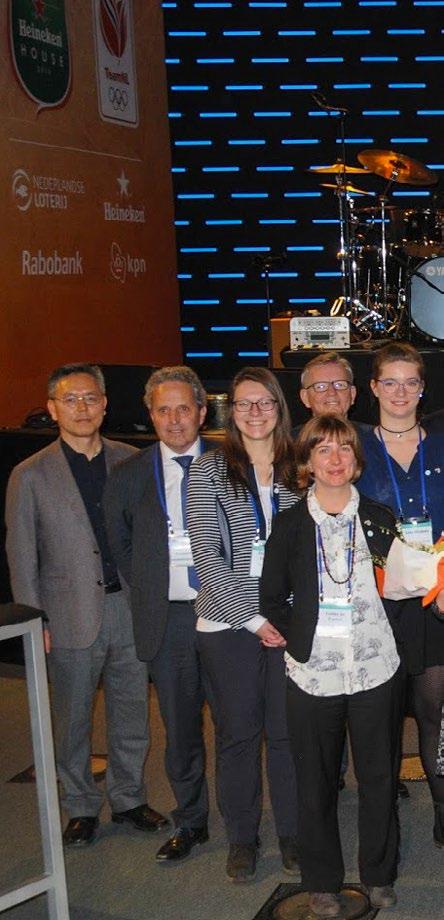
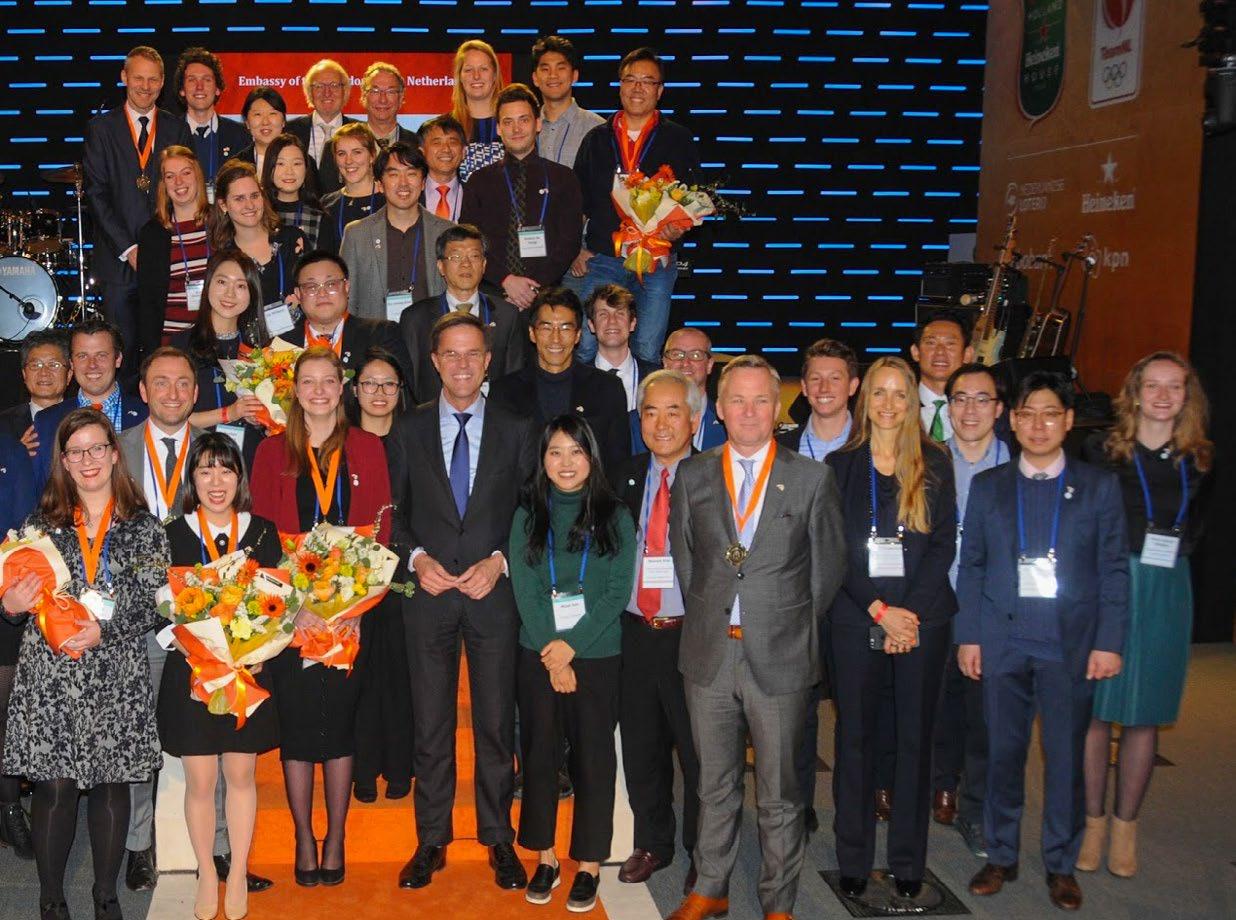
Similarly, we are incredibly proud when our participants pitch their solution on world stages or during high-level trade missions in front of juries and personalities such as King Willem Alexander of the Netherlands, former Prime Minister of the Netherlands Mark Rutte, Water Envoy Meike van Ginneken, Ministers, Ambassadors, and even K-Pop star SOMI
Other measure of success is when the solutions developed by the teams are implemented, such as the case of the Erosion Blankets in Lesotho.
Our main challenges are tied to our growth pains. Every year we attempt to organise more and better editions or go for new countries. Identifying sufficient sponsors, case owners and local partners can sometimes be challenging.
Do you have any interesting cases you would like to highlight?
Not all winning ideas are implemented, but a successful example is the Wetlands Erosion Blankets Program. Lesotho receives enormous rainfall, and the country is the
‘water tower’ of South Africa. Due to erosion, river water is covered in sediment, making it more difficult to use downstream.
In 2018, a Wetskills team came up with the solution: covering the banks with erosion blankets, through which vegetation can grow. These were created by local communities in South Africa and Lesotho, and 9,000 m²of erosion blankets have now been installed. Both the production and application are social projects and the soil no longer disappears into the river, and the water remains cleaner.
We also have some future potential events that we are looking forward to:
• eSwatini (Mbabane, 2nd half of February 2026
• Jordan (Amman, March-April 2026)
• Oman (Oman Water Week, Muscat, April 2026)
• Zimbabwe (Bulawayo, April 2026)
• The Netherlands (June 2026)
• South Africa (WISA Conference, Cape Town, July 2026)
• Indonesia (September 2026)
Empowering the Future
Across the water sector, we are all aware of the need to attract young professionals to bring new perspectives and break down silos. Organisations like Wetskills, that teach innovation and solving problems under pressure may well be the key to safeguarding the future of wastewater and sanitation.
Find out more about their work at: wetskills.com/
Strengthening Water, Sanitation, and Hygiene: The Global WASH Cluster in Tajikistan
INTERVIEWED BY | MARTYN SHUTTLEWORTH
The Global WASH cluster (GWC) coordinates humanitarian responses involving water, sanitation, and hygiene. With UNICEF as the lead agency, the GWC provides leadership and ensures vulnerable groups receive support. The cluster supports preparation and response, using national coordination platforms (NCPs) to deliver the 6+1 core humanitarian functions and strengthen partnerships between NGOs and agencies.
To reveal more, Chief of Water Sanitation and Hygiene in Tajikistan, Ammar Orakzai, tells us how GWC supports WASH in the country. His educational background includes Integrated Water Management, Project Management and Humanitarian Assistance, alongside over 18 years experience in the humanitarian and development sectors. With work in countries including Pakistan, Afghanistan, Iraq, Syria, Somalia, Philippines, Turkey and Tajikistan, he understands all parts of WASH, from emergency responses to infrastructure, and national-level policy reforms.
His current position combines operational field experience with policy, promoting strong collaboration with government agencies, donors, and other partners to improve water, sanitation, and climate resilience outcomes.
What is the Global WASH Cluster?
The Global WASH Cluster is the international coordination mechanism for Water, Sanitation, and Hygiene in humanitarian emergencies. It is led by UNICEF and supported by over 80 partners, including:
• UN agencies (UNICEF, WHO, UNHCR, OCHA
• International NGOs (Oxfam, ACF, IRC, Red Cross)
• Donors and technical agencies
• National governments and local partners during emergencies
The GWC provides strategic guidance, operational tools, surge support, and standards for country-level clusters. It provides predictable, efficient, and accountable delivery of WASH services and strengthens national coordination systems. GWC also promotes standards, evidence, and the capacity to protect the dignity, health, and survival of affected communities.
What support does WASH provide?
WASH is fundamental to public health, child survival, and socio-economic development in a number of key areas:
Continued on page 16
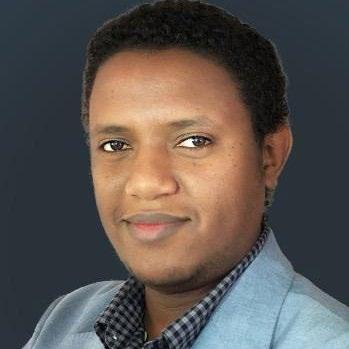
Ammar Orakzai
Chief of Water Sanitation and Hygiene in Tajikistan
•
•
•
•
•
•
• Water Quality & Supply: Ensuring safe drinking water to prevent waterborne diseases like diarrhoea, cholera, and typhoid.
• Wastewater & Faecal Sludge Management: Improving treatment systems to protect communities and ecosystems.
• Sanitation: Supporting access to safe toilets, reducing open defecation, and improving household/ institutional sanitation.
• Hygiene Promotion: Behaviour change to promote handwashing, menstrual hygiene, food hygiene, and infection prevention.
• Systems Strengthening: Working with governments on policies, standards, financing, and institutional capacity.
WASH services promote dignity, disease prevention, quality healthcare, and resilience against public health threats.
WASH in Tajikistan
Importantly, WASH is not only about infrastructure and also covers public health, so collaboration with health and education is critical. Sustainability depends on systems, not projects, so long-term financing, policy reforms, capacity building, and local ownership underpin lasting improvements. In Tajikistan, my work involves coordination and collaboration with:
• Government ministries: Health, Education, Water Resources, local municipalities
• UN agencies
• International NGOs
• Local civil society and Community Based Organisations
• Development partners and donors (World Bank, ADB, EU, SDC, USAID, GIZ)
• Private sector and utilities: Particularly for wastewater and rural water systems
Safely Managed Services
Tajikistan faces a number of WASH challenges, especially providing safely managed services in rural areas.
Water
Since the launch of Sustainable Development Goals (SDGs), Tajikistan made steady progress in water supply and sanitation. Basic access to drinking water increased from 76 percent in 2015 to 82 percent in 2021, although 12 percent of the population uses unsafe surface water directly from sources including rivers, lakes, and canals. Only 55.2% is safely managed water, defined as:
1. Free from bacteriological and chemical contamination
2. Available when required
3. Available within premises
There is no data on exact coverage, and the situation on the ground suggests water quality issues and intermittent access from centralised water sources, making it difficult to declare whether water is safely managed. With no water quality database that follows water testing protocols, more investment is needed to improve coverage and highlight improved access to drinking water as Tajikistan’s flagship achievement.
Sanitation
Similarly, access to basic sanitation increased from 95 percent to 97 percent in 2021, while access to safely managed sanitation in rural areas is only 59.3 percent. Safely managed sanitation is defined as “improved sanitation facility that is not shared with other households and where excreta are safely disposed of in situ or treated off site”. The problem with reporting safely managed sanitation is that, while a site may have safe disposal mechanisms, there is often no treatment and raw sewage drains into freshwater bodies, affecting the ecology.
Huge Gaps in Sector Financing
Nearly 70 percent of total WASH sector financing in the country derives from international donors and development partners. Moreover, 72 percent of on-budget funding is
spent in urban areas where only 27 percent of the population resides. The current fees for water supply are too low, at between 33.5 percent and 43.5 percent of the full cost recovery of SUE KMK’s operations, while dedicated operation and maintenance funding is largely missing from the annual budgets.
Tajikistan’s annual costs to achieve SDG targets of 6.1 and 6.2, including maintaining present services and reaching the unserved, will be an annual US $213 million, including $38 million to build and maintain universal basic coverage and $175 million for safely managed services. Currently, the Government of Tajikistan spends around USD 55 million, so an additional $158.5 million will be required every year.
Other Challenges
Tajikistan faces additional challenges including water quality concerns from aging infrastructure and limited treatment capacity. There are high infant and maternal risks due to poor WASH conditions in healthcare facilities, alongside wastewater and faecal sludge management (FSM) gaps, especially in secondary towns. Schools and kindergartens lack gender-segregated toilets and basic hygiene facilities, and the country’s climate vulnerabilities impact water sources, supply continuity, and rural systems
UNICEF in Tajikistan is addressing these issues through service delivery, system strengthening, and policy engagement:
• Improving WASH infrastructure in schools, healthcare facilities, and vulnerable communities.
• Promoting hygiene behaviour change, especially handwashing with soap, menstrual hygiene management, and infection prevention.
• Supporting national WASH policies, such as safely managed sanitation, climate-resilient systems, and WASH in institutions.
• Strengthening wastewater and FSM systems in secondary urban areas.
• Capacity development and training local authorities, utilities, and frontline staff to maintain improved systems.
• Leveraging WASH financing and climate action, while integrating risk assessments and resilience planning in rural water supply and sanitation. UNICEF has played a key role in increasing public financing.
Overall, UNICEF’s work focuses on sustainable improvements that benefit children, women, and vulnerable communities.
WASH Successes in Tajikistan
Some significant successes in Tajikistan include finally putting a national strategy in place, which spent a decade as a draft document, giving clarity of direction. There is improved sector financing and development of the government’s National Water and Sanitation program supported by the World Bank and other partners. We also prompted greater partner alignment on priorities, technical standards, and geographic coverage.
Another success is strengthening evidence and data with standardised assessment tools, harmonised indicators, and stronger data availability. This supports decision-making, especially advocating key priorities including costing and planning initiatives.
We saw strengthened national emergency WASH coordination with government systems, and better rapid emergency response mechanisms for floods, mudflows, and disease outbreaks. Finally, joint initiatives improved WASH in schools and healthcare facilities while promoting hygiene through national campaigns and materials. These included COVID-19, cholera prevention, and hand-washing drives.
Future Action
Many areas need strengthening, especially predictable financing. We need stronger wastewater and FSM systems, particularly in peri-urban areas and rural areas, and improved monitoring and data systems for institutional WASH. Another improvement is more ability at local government level to maintain systems and enforce standards, with a sustainable O&M model for rural water supply. Finally, we want stronger integration of climate resilience into all WASH programming.
From Antarctica to Industry: Revalio’s Water Reuse Revolution
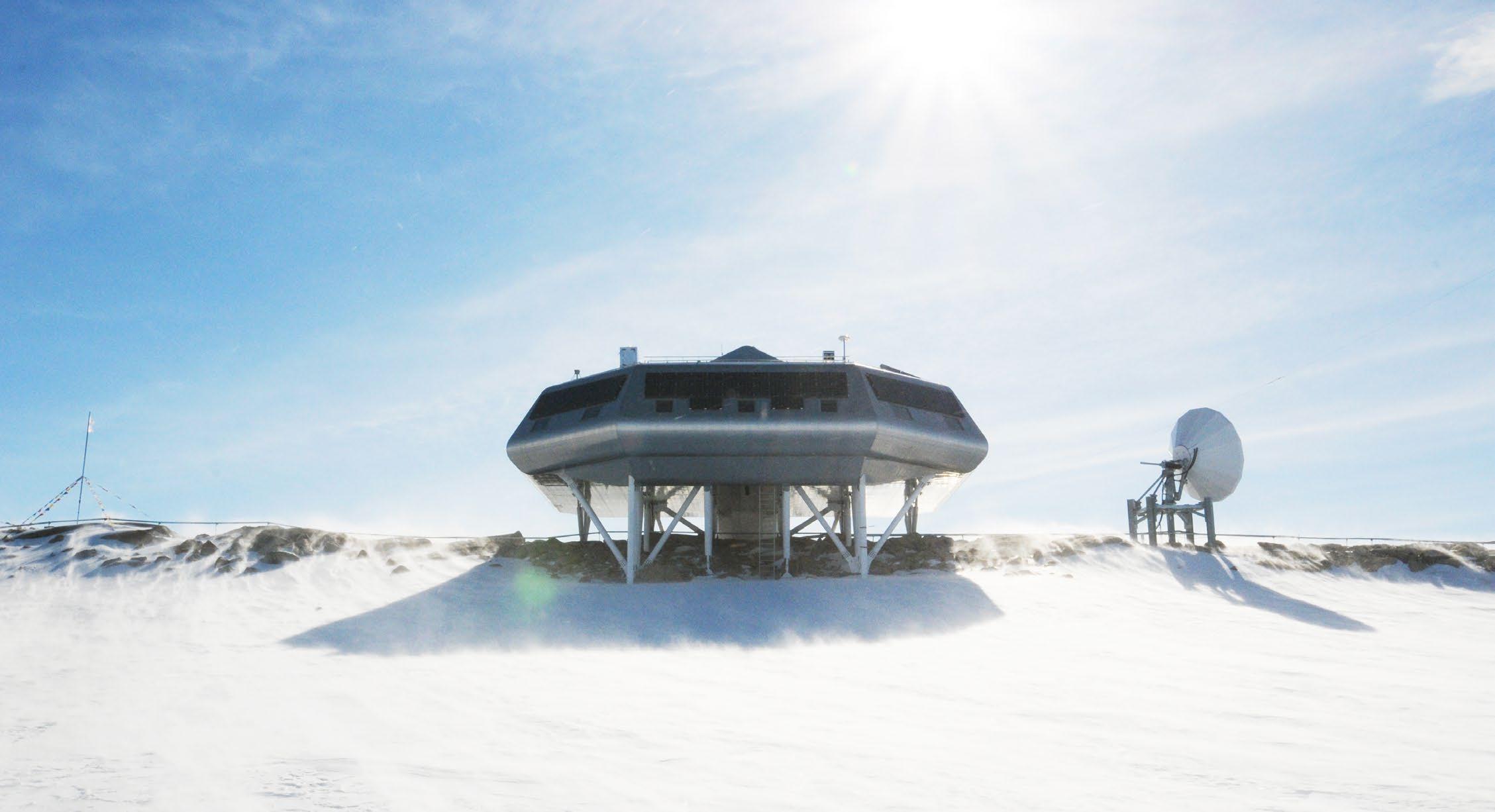
Some of the most innovative ideas in water technology are born not in the comfort of a lab, but in the most unforgiving environments on Earth. For Aymar de Lichtervelde, Chief Technology Officer of Revalio, that place was Antarctica. It was there, surrounded by ice and isolation, that the foundations of his company’s vision were formed.
“The Antarctic journey has shaped everything we do at Revalio. While working at the Princess Elisabeth Station, Belgium’s research station on the white continent, in close collaboration with the team of the International Polar Foundation, I was given the chance to design a complete water treatment and reuse system in one of the most remote and unforgiving environments on Earth,” Explained Aymar.
At the Princess Elisabeth Station, failure wasn’t an option. The extreme isolation changed the way his team thought about water.
“There was no one except us: no local store, no spare parts arriving the next day — the Station’s systems have to work and last! The extreme isolation forced us to think holistically: every process had to be pushed towards circularity. The result was a circular treatment system that could purify wastewater far beyond conventional standards.
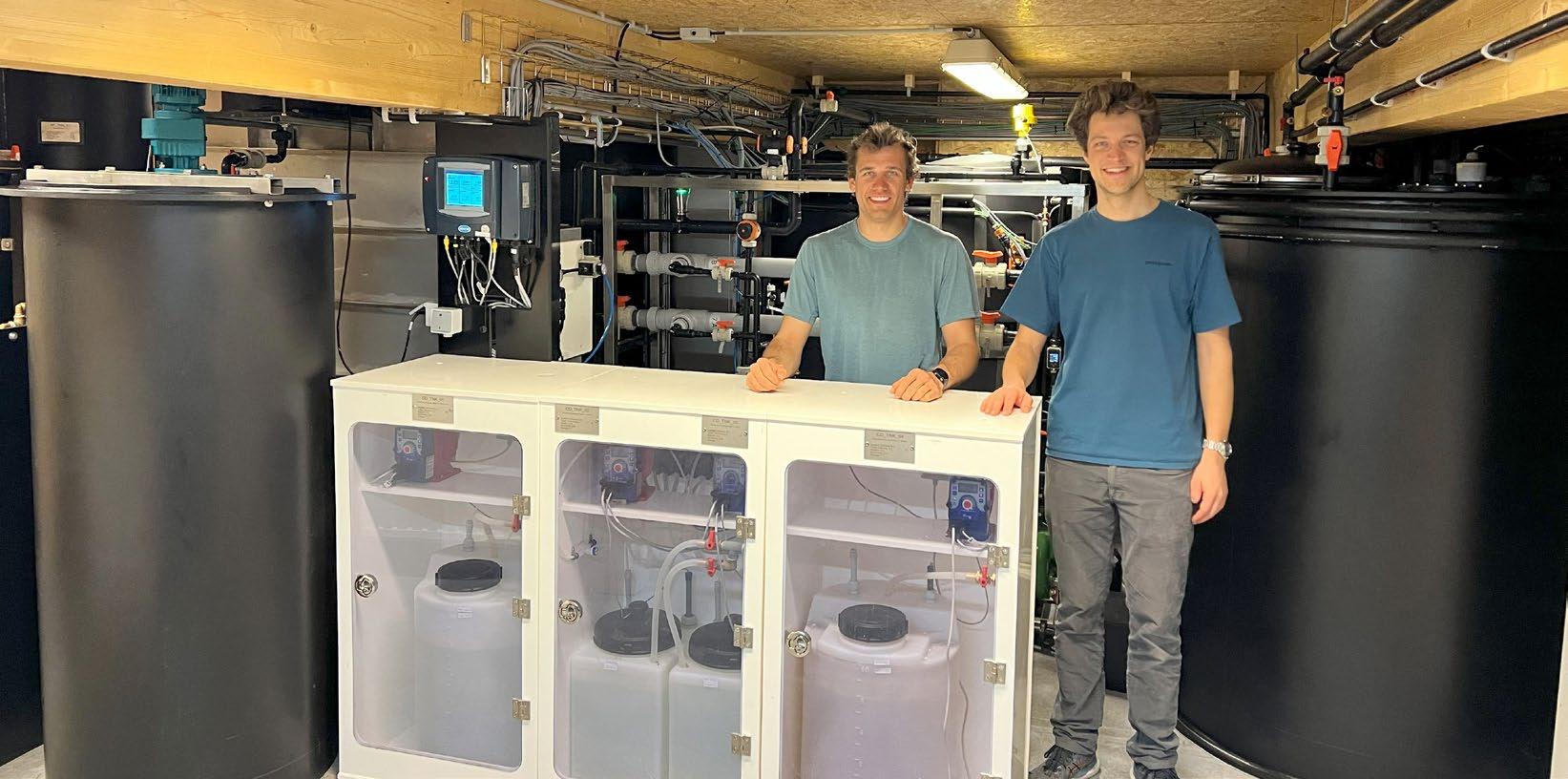
They learned how to integrate biological treatment, smart monitoring, automation and multi-stage filtration into a compact and robust unit that could protect the pristine Antarctic environment by purifying water almost to drinking water quality standards.
Perhaps most remarkably, the system reduced 110,000 litres of black and grey wastewater into just 15 kilograms of dried inert material — a 7,000-fold reduction in waste.
“Those learnings became the DNA of Revalio: resourcefulness, a hands-on approach and circular thinking. If you can make a system work in Antarctica, with zero margin for failure, you can certainly make it work in an industrial plant in Europe.”
Shifting Industry From Compliance to Circularity
What began as a necessity in Antarctica has evolved into a mission: helping industries around the world move from basic wastewater compliance to full circularity.
“Compliance is still a major driver; in fact, it is the primary motivation behind more than a third of our water treatment projects. But with looming water scarcity and increasing awareness about the environmental impacts of water pollution, we see a rapid paradigm shift. More and more large companies are becoming serious about their water reduction agenda and sometimes are willing to consider water reduction projects beyond pure economics.”
But the shift isn’t simple and water reuse is not always the obvious choice.
“Water is still a relatively inexpensive resource, and investments can be hard to defend if considered only through the economic lens. Economically, circular solutions must make sense on the balance sheet, even when ROI is not the main objective.”
But, Revalio’s approach is showing industries the important long-term benefits.
“Besides environmental impact mitigation, water reuse can strengthen operational resilience and lower long-term costs. This is why at Revalio we always offer our clients to first study their effluents and reuse potential in full technological agnosticism before working on a solution. Once a solution has been identified, we combine process engineering and digital intelligence to build modular and adaptive systems that can recover water fit for reuse while minimising energy and chemical consumption.”
Revalorising Wastewater
Revalio’s name itself comes from its philosophy: every drop of water has value, even the toughest effluents.
“A recent example comes from a client struggling with biocidal agents and high salinity in their effluent — a mix that made conventional biological treatment nearly impossible. Instead of relying on an ‘off-the-shelf’ solution, we developed a hybrid treatment train combining electrochemistry with biological oxidation to break down persistent compounds. It resulted in a reduction in toxicity that restored biological activity downstream, with over 99% removal of the biocidal agent and a significant drop in trucking.”
This bespoke, sciencedriven approach is at the core of Revalio’s identity.
“It is through this kind of
tailored approach, where we start from physics and chemistry, not from a catalogue, that we see the biggest potential of effluent ‘revalorisation’, hence the name Revalio. We see each effluent as a unique ecosystem, and our job is to make it compatible with circular use.”
Designed for Adaptability
Every industrial site has its own story, and Revalio’s systems are built to adapt. They begin by understanding the underlying industrial process by mapping the full water cycle of the site and identifying where reuse would deliver the most value. Often, the simple process changes can lead to the greatest savings.
Revalio’s hardware has also been designed to evolve.
“We try to make our systems modular by architecture: biological, physico-chemical, and membrane steps can be combined or scaled as needed. The control philosophy remains the same — smart monitoring, process optimisation, and predictive maintenance — but the configuration changes with the client’s needs or priorities.”
Partnership is also central to the company’s model.
“In Belgium, we have a saying which translates to ‘union makes strength’. At Revalio, we apply this principle and regularly make partnerships to combine complementary expertise and stimulate technical synergies. This strategy makes us more agile, as it allows us to deliver a broad range of solutions without compromising on their quality.”
From designing circular water systems in the most remote place on Earth to helping industries reimagine wastewater as a valuable resource, Revalio is proving that innovation and sustainability can — and must — work hand in hand. What began as a survival lesson in Antarctica has become a blueprint for the future of industrial water management worldwide.
From Sea to Solution: Rethinking Wastewater with Holdfast NL
AN INTERVIEW WITH MICHAEL TEASDALE, FOUNDER OF HOLDFASTNL
Please tell me a bit about the company, how it was started/was founded.
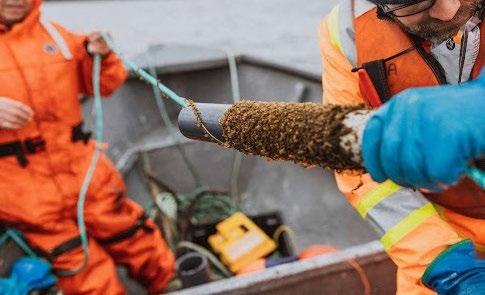
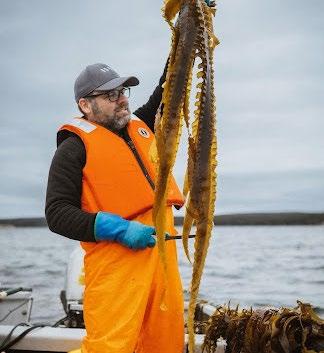
HoldFastNL is an Atlantic Canadian seaweed company I started after more than 20 years in marine science and environmental monitoring. We saw a gap: municipalities were struggling with nutrient discharges, and at the same time, there was growing demand for climate-positive bioproducts. So we built a model that does both: grow cultured kelp to clean coastal waters and turn that biomass into high-value products. To date, we’ve attracted more than $2 million in grants and partner funding to validate the approach and build local supply chains.
What early findings have you found, and how scalable is this solution for other coastal communities?
We have preliminary results showing promising nutrient and mineral uptake in the kelp tissue itself, but the real validation comes next. We’re now expanding to measure nutrients both in the receiving waters and within the seaweed across the growing season, along with a controlled benchtop study in a sealed system to quantify some of these uptake rates. Together, these efforts will help confirm how efficiently kelp removes wastewaterderived nutrients and guide scaling strategies for other coastal towns.
How could kelp farming offer a costeffective alternative or complement to traditional wastewater treatment systems?
Most small municipalities can’t afford a full secondary/ tertiary upgrade, but they can often afford a nature-based “polishing” step. Kelp farming beside or downstream of an outfall can serve as that polishing step, reducing nutrient footprints, creating monitoring data, and, unlike a concrete plant, generating a sellable product. We don’t position kelp as a replacement for treatment, but as a lower-cost complement that helps a town show progress and buy time on expensive infrastructure.
How might AI-driven sensor technology support long-term management of wastewater-impacted marine environments?
One of the big barriers to using seaweed for wastewater management is proving performance over time. AI-driven cameras and biomass sensors let us quantify how much kelp is actually there, how fast it’s growing, and link that to nutrient conditions. That means a town could one day have a dashboard that says: “Your kelp curtain is removing
X kilograms of nutrient-linked biomass this week”, turning a nature-based solution into something plannable, auditable, and financeable.
How do you see seaweed aquaculture contributing to both nutrient remediation and carbon sequestration goals?
Sugar kelp is a workhorse: it pulls nutrients tied to wastewater, but the same growth cycle locks away carbon in the biomass. Kelp farming is one of the most carbonfriendly ways to grow biomass without the use of fertilizers, without taking up farm lands, and being a net positive to the environment. If we route that biomass into durable or soil-improving products, like our HoldFast BioStim, we start to connect municipal water quality goals with Canada’s blue-economy and carbon-management goals. That linkage is what attracts private partners: one intervention, multiple environmental credits.
What policy support or regulatory flexibility is needed to integrate kelpbased remediation into wastewater strategies?
Three things: (1) clear federal/provincial guidance that cultivated seaweed adjacent to an outfall counts as an approved supplementary measure; (2) streamlined licensing so towns don’t wait a year to put lines in the water; and (3) the ability to pilot under adaptivemanagement permits so we can collect data first, then scale. If regulators treat kelp like an add-on tool in the wastewater toolkit, municipalities will move much faster.
Do you see future opportunities to create additional circular products between ocean health and land-based agriculture?
Yes, BioStim is just the first proof point that we are producing from our commercial farm in St. Mary’s Bay (unrelated to the Wastewater project in Conception Bay). One of the longer-term research goals is to assess if the product from the wastewater trials can be sterilized, tested, and used in an additional product (perhaps biostim, perhaps something else). We would thereby use the same seaweed as a service and a product. Once we figure out this model, a town can convert their wastewater nutrients into an additional revenue source. That’s the pitch to municipalities: this isn’t a cost centre; it’s potentially a local blue-to-green economy. Again, all of the details need to be worked out, and more research has to be done, but it’s an exciting prospect, nevertheless.
How might harvesting schedules be optimised for maximum remediation in relation to wastewater nutrient cycles?
Nutrient and temperature cycles in wastewater-affected bays don’t align perfectly with a single species’ growth season; that’s where staggered harvesting and multispecies cultivation come in. Sugar kelp thrives in cold, nutrient-rich spring conditions, but as temperatures rise, faster-growing summer species like Alaria can take over nutrient uptake. By overlapping these species and staggering harvests, we can maintain year-round nutrient removal capacity while maximizing clean, marketable biomass. This approach turns a seasonal pilot into a continuous, adaptive remediation system.
How do you envision regenerative seaweed farming evolving as part of integrated wastewater and coastal management?
I see regenerative seaweed farming becoming standard waterfront infrastructure, like a floating wetland you can sell. Municipalities get nutrient reduction and climate credibility, local companies get biomass, and coastal ecosystems get more habitat. Our job right now is to make it measured, repeatable, and with a financial model that towns can afford, so town managers, not just innovators, say “yes.”
Cold Weather Strategies for a Healthy Aeration Basin
WRITTEN BY | MIKE OLDSBERG, KURITA INDUSTRY CONSULTANT - WASTEWATER
Ready or not, winter is setting in across the Northern Hemisphere. Wastewater treatment facilities face unique challenges in keeping aeration basins operating at peak performance. Cold conditions reduce microbial metabolic rates, alter dissolved oxygen (DO) dynamics, and increase risk of mechanical and hydraulic disruptions.
A proactive winterization strategy is essential to maintaining process stability and ensuring effluent compliance. This involves routine removal of snow and ice, particularly from exposed basins and equipment, to prevent unplanned downtime. Seasonal flow reductions combined with higher influent ammonia loads can further challenge cold-weather systems. Since denitrification often slows in low temperatures, operators may need to supplement with an external carbon source. These measures, while effective, can increase both operational costs and labor demands.
Here are some key strategies for a healthy aeration basin even in the long, hard winter:
Monitor and Adjust DO Levels
Although oxygen solubility increases in cold water, microbial metabolism slows significantly as temperatures
decline. At around 50°F (10°C), both nitrifying and heterotrophic bacteria exhibit reduced enzymatic activity, which can limit treatment performance. To maintain stable nitrification, operators should target a DO concentration of 2.0 to 3.0 milligrams per liter (mg/L). This range provides sufficient oxygen to support nitrifiers while avoiding excessive aeration that raises energy consumption and may encourage filamentous organism proliferation, leading to bulking and poor settleability.
Installing automated DO controls and basin profiling sensors provides tighter process control during periods of fluctuating load and temperature. This approach not only maintains system health but also shifts operations from reactive monitoring to proactive management.
Track Microbial Health and Adjust Solids Retention Time
Because nitrifying bacteria are highly temperaturesensitive, their optimal activity occurs between 68 to 86°F (20–30°C). Once temperatures drop below 50°F (10°C), ammonia oxidation rates decline significantly. To sustain
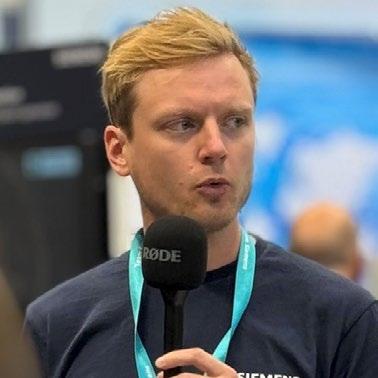
MIKE OLDSBURG
MIKE OLDSBERG, KURITA INDUSTRY CONSULTANT - WASTEWATER
effective ammonia removal and maintain adequate biomass, nitrifiers typically require a solids retention time (SRT) of 10 to 30 days. However, this may need to be extended during colder months.
To maintain nitrification, operators should
• Track mixed liquor suspended solids (MLSS), mean cell residence time (MCRT), and sludge volume index (SVI) frequently to confirm biomass stability.
• Reduce sludge wasting to preserve critical biomass.
• Use respirometry or batch activity tests to verify nitrifier viability.
At times, monitoring the overall health of the aeration basin and adjusting SRT may not be sufficient. When a previously balanced microbial community shifts in composition, it may indicate the need to reevaluate and adjust operational standards.
Manage Sludge and Wasting
Cold weather can exacerbate sludge bulking and denitrification-related rising sludge, often driven by oxygen stratification in secondary clarifiers. Operators should closely monitor these conditions, evaluate return activated sludge (RAS) rates, and – in severe cases –consider a polymer addition to maintain clarification efficiency.
Additionally, as cold temperatures slow bacterial metabolism, the breakdown of organic matter and ammonia is reduced. This leads to higher solids retention within the aeration basin, increasing the risk of sludge carryover and potential discharge violations. Under these conditions, targeted bioaugmentation can help reestablish microbial balance and stabilize treatment performance.
Consider Cold Weather Bioaugmentation
In biological treatment systems, cold temperatures (as low as 36°F or 2°C) impact microbial growth by slowing the transfer of nutrients across the cell membrane.
Bacterial cell membranes contain fatty acids, which may be saturated or unsaturated. Saturated fatty acids congeal at higher temperatures than unsaturated fatty acids. The higher the concentration of saturated fatty acids, the more likely the cell membrane will congeal and become rigid at low temperatures, thereby inhibiting the transfer of nutrients across the cell membrane.
Feeding cold weather microbes – bioaugmentation – to aeration basins in winter is a common practice at many wastewater treatment facilities. The goal is to maintain effective biological treatment when native microbial populations slow due to lower temperatures.
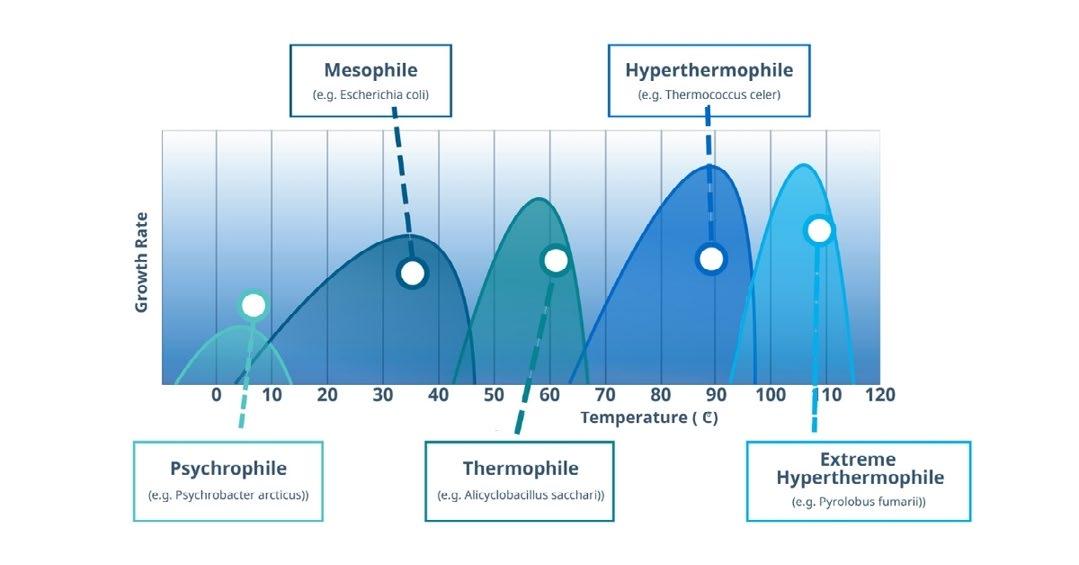
Most beneficial wastewater microbes (like nitrifiers and biochemical oxygen demand (BOD) degraders) are mesophilic, thriving between 68 and 95°F (20-35°C). In
winter, aeration basin temperatures can drop between 41 to 50°F (5-10°C), which significantly reduces microbial activity and growth rates. The cold-loving psychophilic microbes have higher concentrations of unsaturated fatty acids in the cell membrane. This allows the membrane to stay more fluid at low temperatures and reduces the impact that low temperatures have on nutrient transport.
The specialized psychophilic microbes found in cold weather bioaugmentation supplements can effectively degrade BOD and maintain enzymatic activity. The use of a cold weather bioaugmentation aid can help maintain system performance and ensure discharge compliance during even the coldest winter months.
Conclusion
Cold weather can have a negative impact on your biological treatment systems. Weather changes as well as influent water variability, system design and operating history all must be considered as part of your treatment program. By extending SRT, maintaining DO, preventing freezing, and supplementing with psychrophiles as needed, operators can preserve effluent quality. A datadriven approach and proactive preparation ensure resilience and compliance even through the coldest winter.
Figure 1: Growth Rate of Bacteria Temperature Classes
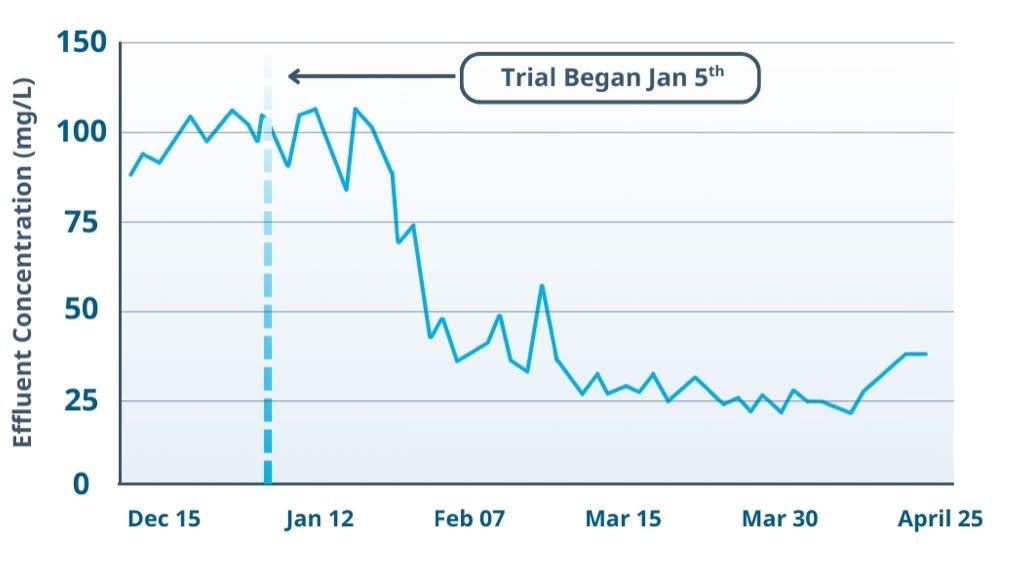
Figure 2: BOD Reduction - Cold Weather Bioaugmentation Trial at a Container Board Manufacturer
Women Making Waves: How South West Water’s Female Leaders Are Reshaping Wastewater in 2025–26
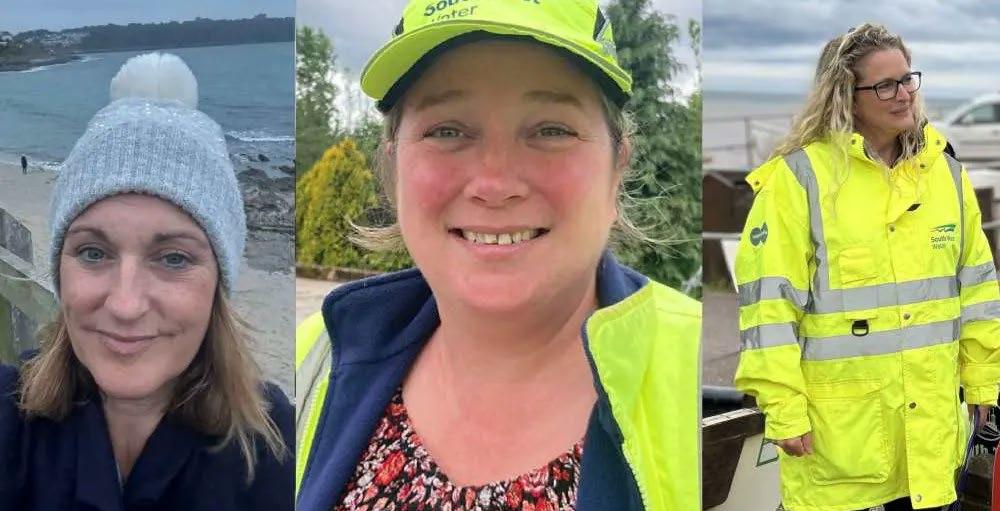
Behind the pipes, pumps and treatment works of South West Water lies a team of women driving real change — delivering improved water quality, shrinking stormoverflow incidents and deepening catchment-level insight across the region. This year, three leaders — Jenny Eamer, Hazel Tranchant and Helen Dobby — have each led major projects that are reshaping how wastewater is managed in the South West.
Turning the Tide on Storm Overflows
As Operations Manager for Mid and East Devon, Jenny Eamer has overseen upgrades at Exmouth and the Maer Lane Sewage Treatment Works, alongside the rollout of advanced inspection technologies — including drones and 3D cameras — to detect faults and proactively manage infrastructure. Her approach reflects a shift toward smarter, more accountable wastewater operations, with an emphasis on environmental outcomes and community impact.
“We’ve made things better and we’re not stopping there,” Eamer says, highlighting not just the technical gains but the growing collaborative culture within her team.
Engineering for a Cleaner Future
As Head of Tactical Asset Management, Hazel Tranchant has taken the lead on a sweeping programme to reduce reliance on storm overflows. The results are already visible: in Exmouth alone, the number of overflows has more than halved compared with 2024 — a tangible win for both water quality and local ecology. Additional improvements at pump stations like Hartopp Road and Lime Kilns are also delivering measurable reductions across the network.
“The difference is significant,” Tranchant reflects — a
testament to how targeted engineering and asset upgrades can yield real environmental benefit.
Monitoring Water Quality Year-Round
Meanwhile, Helen Dobby — Head of Environmental Performance — has spearheaded a winter sampling pilot across 14 bathing sites and one shellfish location. Her team’s work goes beyond the classical bathing season, offering fresh insight into how water quality evolves throughout the year. In Exmouth, early results show consistently good water quality even outside the summer months.
Looking ahead, Dobby’s group is collaborating with researchers from University of Exeter to explore new modelling approaches and advanced catchment-scale analysis techniques — including the use of drone and remote-sensing data for enhanced environmental monitoring.
Investment Backing the Vision
These leadership efforts are backed by significant capital investment: South West Water has committed £38 million in Exmouth alone to upgrade pumping stations and treatment works, reinforcing the company’s commitment to protecting bathing-water status and reducing the environmental impact of storm overflows.
Together, Jenny, Hazel and Helen underscore a broader culture shift within wastewater management — one where engineering, environmental stewardship, and inclusive leadership go hand in hand. Their work is collective proof that improving wastewater systems isn’t just about pipes and pumps, but about people, persistence and long-term commitment to communities and nature.
Regenerable Ion Exchange: Making Groundwater Treatment More Effective and Sustainable
Groundwater is one of our planet’s most essential yet increasingly threatened resources. Supplying around 65% of Europe’s drinking water and a quarter of its agricultural irrigation, it underpins both human health and food production. Yet across the continent, groundwater quality is under pressure from multiple fronts – from fertiliser run-off and agricultural effluent to pesticides, industrial chemicals, and the growing impacts of climate change.
The Rising Challenge of Groundwater Pollution
Despite decades of legislation designed to control pollution, nitrates remain one of the most widespread and persistent contaminants. The European Environment Agency (EEA) continues to report elevated nitrate levels across many regions, while The National Center for Biotechnology Information notes that nearly half of Europe’s nitrate “hotspots” lie outside designated Nitrate Vulnerable Zones (NVZs). These figures suggest that while progress has been made, groundwater contamination remains an urgent and complex problem.
Compounding this issue is climate change. Longer droughts limit natural recharge rates in aquifers, while heavy rainfall and flooding can mobilise pollutants from farmland into watercourses and boreholes. In many areas, utilities are being forced to blend or abandon contaminated sources altogether – an unsustainable strategy in the face of increasing demand.
For water companies preparing for the next asset management period (AMP8) in England and Wales, the pressure is mounting. Regulatory objectives for 2025–2030 focus on sustainability, resilience and efficiency. Meeting these goals requires innovative thinking – not only to improve water quality but to do so with lower energy use, reduced waste and a smaller carbon footprint.
Why Traditional Methods Fall Short
Conventional treatment processes such as reverse osmosis (RO) and single-pass ion exchange (IX) have long been used to remove nitrates and other dissolved contaminants. However, each presents challenges when viewed through a sustainability lens.
RO systems, while highly effective, can waste up to 30% of the feed water as brine concentrate. This waste stream requires energy-intensive management and, in rural areas without sewer access, must often be transported off-site for disposal – increasing both cost and emissions. Similarly, single-pass IX systems, though less wasteful than RO, still generate between 2% and 6% of feed water as waste and require frequent resin replacement.
In remote or off-grid borehole locations, where wastewater disposal is limited, these inefficiencies can make conventional systems impractical. The challenge, therefore, is clear: how do we treat groundwater effectively without exacerbating the very problems of waste and energy use that sustainability policies are designed to solve?
Regenerable Ion Exchange: A Smarter Approach
Regenerable ion exchange (Regen IX) technology represents a significant advancement in sustainable groundwater treatment. Rather than discarding exhausted resins, this process uses counter-current regeneration to restore their capacity, allowing the same media to be reused multiple times. This not only extends resin life but also dramatically cuts water and chemical consumption during each regeneration cycle.
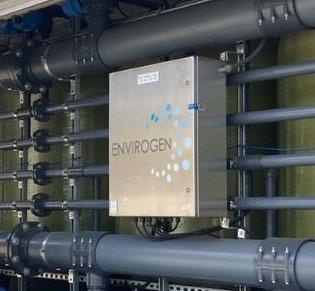
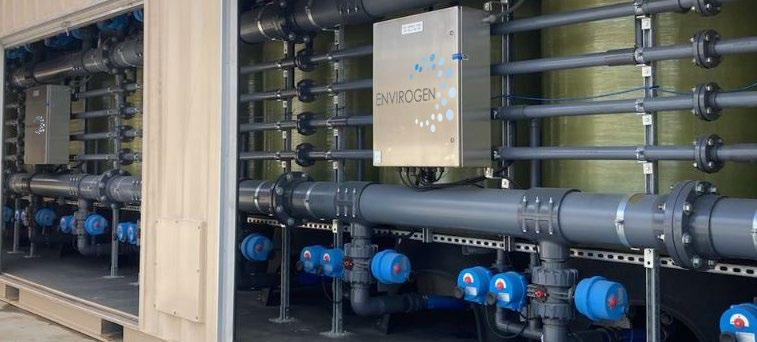
Envirogen’s regenerable IX SimPACK system exemplifies this new generation of IX technology. Designed for nitrate removal from boreholes and other contaminated
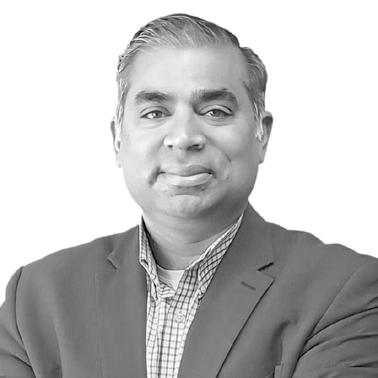
INSIGHTS FROM | BILL DENYER, EUROPEAN CEO, ENVIROGEN GROUP
MIKE OLDSBURG
MIKE OLDSBERG, KURITA INDUSTRY CONSULTANT - WASTEWATER
groundwater sources, SimPACK delivers proven performance with up to 80% less wastewater than conventional plants. The system typically produces just 0.2% - 0.5% of the feed flow as waste during regeneration – a reduction that translates directly into lower disposal costs and a smaller carbon footprint.
According to Bill Denyer, Envirogen’s European CEO, “Nitrate run-off into groundwater can be a significant health hazard, especially when ingested at elevated concentrations. SimPACK’s use of specialty resins and state-of-the-art counter-current regeneration technology enables us to achieve exceptionally low nitrate levels, meeting the strictest standards for potable water while maintaining sustainability at the core of our process.”
At the heart of SimPACK is Envirogen’s N+3 staggered bed design, which can be configured to target not only nitrates but a wide range of contaminants, including chlorate, hexavalent chromium (Cr VI), perchlorate, selenium, arsenic, hardness, TCP, and PFAS. This versatility makes it an ideal solution for utilities and contractors seeking future-proofed systems that can adapt to emerging water quality challenges and are more sustainable.
Sustainable by Design
Beyond its impressive contaminant removal performance, SimPACK’s sustainability credentials are equally compelling:
• Up to 80% waste reduction compared with conventional IX systems.
• Enhanced salt efficiency, lowering operational and chemical costs.
• Compact, automated design, ideal for remote borehole sites or off-grid use.
• Fully warrantied performance, backed by more than two decades of global operating data.
These advantages make regenerable IX a practical solution not only for large-scale municipal systems but also for smaller, decentralised installations where infrastructure and energy resources are limited.
Data-Driven Water Management
The EEA has repeatedly highlighted the need for better data collection and real-time monitoring to protect groundwater resources. Regenerable IX aligns closely with this goal, particularly when integrated with smart monitoring technologies.
By pairing SimPACK’s treatment process with sensor-based control and remote digital monitoring, operators can track nitrate levels, optimise regeneration cycles, and adjust chemical dosing in real time. This data-driven approach ensures both compliance and efficiency – preventing overuse of chemicals while guaranteeing consistent water quality.
“Real-time monitoring transforms treatment from reactive to proactive,” Denyer explains.
“When combined with regeneration technology, it allows systems like SimPACK to self-optimise. They respond
dynamically to changing water conditions, which is critical as nitrate levels fluctuate seasonally or due to extreme weather events.”
Aligning with AMP8 and the Circular Economy
As utilities prepare for AMP8, achieving sustainable, lowcarbon and cost-efficient asset management will be central to success. Regen IX supports these objectives by reducing waste, extending media life, cutting operational expenditure (including minimising chemical and transport costs) and helping to build water resilience. Together, they play an integrated role in Envirogen’s journey to net-zero commitments and circular economy principles.
In parallel, Envirogen’s portfolio of Drinking Water Inspectorate (DWI) Regulation 31-compliant mobile filtration systems further extends this sustainable approach. These mobile units provide potable water from ground sources and can be rapidly deployed during maintenance or in emergency situations. Paired with Envirogen’s Deltapor MWA cartridges, capable of removing particulates and bacteria such as Cryptosporidium and Clostridium difficile at 99.99999% efficiency, they demonstrate the company’s broader commitment to sustainable and flexible water solutions
Integration and Innovation
The long-term challenge for the water sector is not only improving water quality but doing so within ecological limits and cost-effectively. As over-extraction continues to strain aquifers, even the most efficient treatment technology cannot substitute for responsible water management. Here again, data integration plays a key role.
By combining the regenerable IX process with advanced analytics, predictive modelling and AI-assisted monitoring, utilities gain a holistic view of groundwater dynamics, enabling them to identify contamination sources, forecast nitrate spikes and adjust operations before problems arise. This predictive approach moves beyond short-term compliance to long-term resilience.
Intelligent Design for a Sustainable Future
The future of groundwater treatment lies in intelligent, sustainable design, with Regen IX standing at the forefront of this evolution. Proven through decades of operation and now refined for next-generation efficiency, systems like SimPACK demonstrate that sustainable water treatment is not a distant goal but an achievable reality today.
Europe faces increasing water scarcity, tighter regulation and the growing effects of climate change. Solutions that define the next era of water management will reduce waste, conserve energy, enhance reliability, and be capable of meeting, or helping to shape, new regulations that will define that era.
Regen IX technology provides a path forward that balances environmental responsibility with technical excellence, ensuring that every effort, every drop, counts toward a cleaner, more sustainable future.
For more information on SimPACK and its role in sustainable groundwater treatment, visit www. envirogengroup.com or watch the product overview at vimeo.com/1001150420
Breaking the Cycle: How Village Water Is Tackling Sanitation Challenges in Rural Africa
WRITTEN BY | NATASHA POSNETT
In the quiet corners of rural Zambia and Mozambique, access to safe water and proper sanitation remains one of the toughest challenges for families and schools. For many, the daily act of collecting water or finding a private place to relieve themselves can carry hidden dangers. From contamination and disease to fear and shame, these are factors which should not be people’s realities in 2025.
Village Water, a UK-based charity working across these regions, is tackling this challenge head-on. Their mission is simple but essential: to bring safe water, sanitation and hygiene (WASH) services to underserved communities, empowering them to build healthier, more resilient futures.
Village Water’s Communications & Trusts Fundraiser, Giovanna Giuriolo, spoke to us about their work and what they see the future looking like for these rural communities across Africa:
“One of the biggest challenges we see is the absence of formal sewage systems, which forces households to dig their own pit latrines and dispose of wastewater directly into their yards or nearby streets. Because water access is hard to access, many families also resort to digging shallow wells near their homes just to meet basic needs. These shallow wells, dug close to poorly constructed latrines and wastewater dumping areas, often become contaminated. Informal sanitation, unsafe wastewater disposal and reliance on unprotected shallow wells creates
a cycle of waterborne disease and makes safe water, sanitation and hygiene (WASH) management extremely difficult in rural and underserved settings.”
It’s a cycle that traps communities in poor health and stalls economic growth and education, but it’s one Village Water is determined to break.
From Fear to Safety: A School’s Transformation
At a small primary school in rural Zambia, three students — Webby, Anisha and Christine — know exactly what unsafe sanitation feels like. For years, their school’s pit latrines were unhygienic, crumbling and unsafe. There were no sinks or taps to wash their hands, and outbreaks of disease were all too common.
For Webby, the danger became terrifyingly real the day he fell into one of the pit latrines. School, a place meant for safety and learning, had become a place of fear.
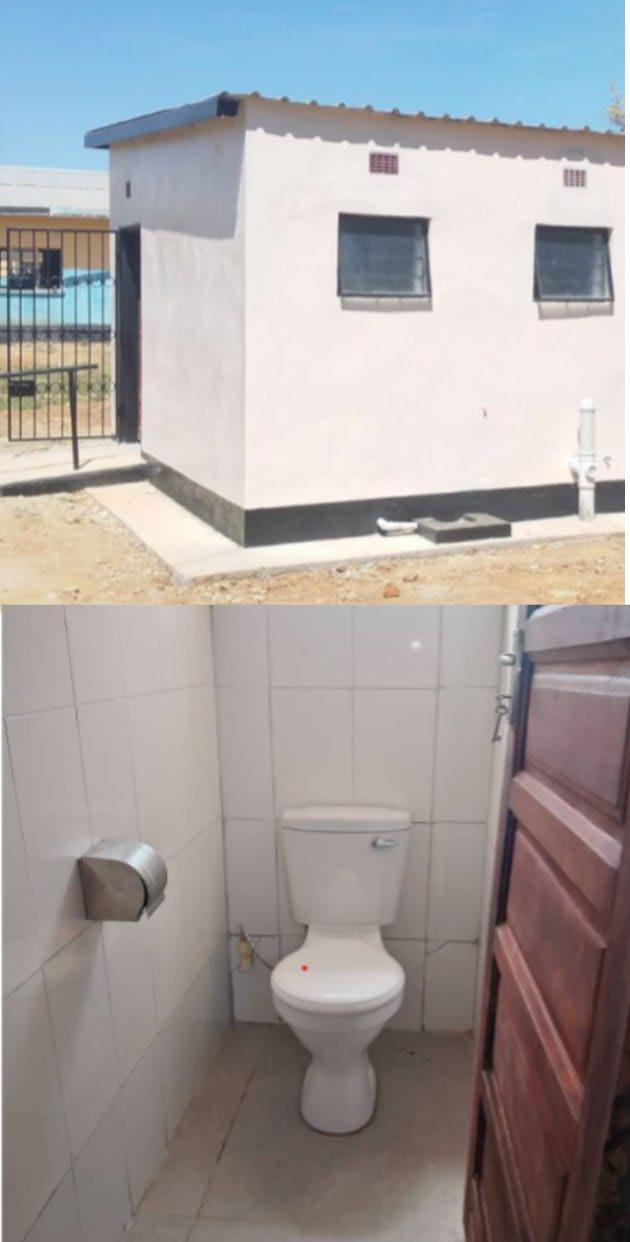
Village Water and its local partners stepped in. They built new toilet blocks with flushable, emptiable toilets and proper handwashing stations. They were designed with privacy, hygiene and comfort in mind, and the toilets were constructed a safe distance from waterpoints to prevent contamination.
“The tiled walls and floors make the ablution blocks look beautiful, and the doors make it easier to feel comfortable when nature calls.” said Christine with a smile.
“Before, there was no privacy. Now with the flushable toilets and showers, it’s comfortable, especially for girls managing menstrual hygiene.” added Anisha.
The school’s facilities are now also used by the teachers
to demonstrate good hygiene practices and show how clean, well-managed sanitation keeps everyone healthy.
This is just one story, but it shows the power of safe water, sanitation and hygiene (WASH) to transform lives. What was once a source of fear has become a symbol of empowerment and safety.
Building Systems That Last
Behind each success story lies careful planning. Village Water’s approach is guided by one key principle — prevent contamination at the source.
“We make sure sanitation facilities are never placed too close to waterpoints, ensuring safe separation from boreholes to protect groundwater. All waterpoints are constructed with strong, durable infrastructure and include drainage channels so that water does not collect and create breeding grounds for mosquitoes or cause pollution.”
In schools, the charity installs septic tanks and underground soak pits for wastewater from handwashing stations, ensuring it’s safely absorbed without creating stagnant pools. This practical, low-cost approach has proven effective and sustainable.
“Most importantly, it helps children stay healthy and in school, free from fear and illness, with recent projects like the example mentioned above already showing cleaner waterpoints, no muddy areas and handwashing facilities that are used regularly and remain safe all year.”
Innovation and Opportunity
As interest grows globally in technologies like waste-toenergy and decentralised wastewater treatment, Village Water sees potential for innovative technology to further help rural communities in need of change. But, they also understand the realities of rural life.
“Most of the communities and institutions we support are small and widely dispersed. This means lowmaintenance options such as lined pits, septic tanks and simple soakaways often still remain the most practical and sustainable choice at household and community level.”
Still, the team sees promise for innovation at scale while balancing practicality with progress.
“In schools and larger institutions, there are greater opportunities to introduce innovative solutions such as waste-to-energy systems. These can help manage waste at scale while offering additional benefits, including potential income generation. As local markets expand,
skills improve and demand grows, such technologies are likely to become increasingly viable. Our focus is on context-appropriate and affordable systems that families and communities can realistically build, use and maintain, while preparing for scalable innovations that can be phased in over time.”
Health, Education, and Opportunity
For Village Water, wastewater management isn’t just about infrastructure, it’s also very much about human well-being.
“When wastewater is properly managed and not left to pollute, it helps stop diseases like diarrhoea and cholera that often make people, especially children, sick. Healthier children can go to school more regularly, and schools that are clean and have good toilets and handwashing areas are safer and more comfortable, especially for girls. Fewer illnesses also mean families spend less on medical treatment and miss less time at work. Safe wastewater management supports better health, better school attendance and better economic opportunities for everyone.”
Through their commitment to practical solutions, local partnerships, and long-term change, Village Water is proving that safe sanitation is the foundation of health, education and opportunity.
Before and After
From Data to Decisions: Building the Foundations of Digital Transformation in Water Treatment
WRITTEN BY | DARBY BONNER, STAFF WRITER AT H2O GLOBAL NEWS, WITH INSIGHTS
SCOTT BRANUM, VICE PRESIDENT OF INDUSTRIAL TECHNOLOGY AT AQUAPHOENIX
FROM
SCIENTIFIC
Across the water industry, “digital transformation” has become a buzzword that’s hard to ignore. We hear about AI-driven optimisation, predictive maintenance, and real-time analytics promising to make our systems smarter and more efficient. But for many operators, especially in small and mid-sized utilities or industrial treatment plants, the idea of going digital can feel overwhelming.
Scott Branum, VP of Industrial Technology at AquaPhoenix Scientific, offers a different perspective: start small. “You don’t start with a 100,000-piece puzzle,” he says. “You start with ten pieces. You build the borders, find the patterns, and learn as you go.”
It’s a simple but powerful analogy. In wastewater and industrial water treatment, data is everywhere, collected from pH probes, flow meters, and chlorine sensors, but it’s often left sitting in notebooks, spreadsheets, or disconnected systems. The challenge isn’t a lack of data. It’s knowing what to do with it.
Getting the Basics Right
In Branum’s view, the conversation around digital transformation often skips over the fundamentals. “Data by itself is just a number,” he explains. “It’s a point in time and space. But once you add context, like limits, trends, or alarm thresholds, that data becomes information. And information is what drives action.”
It’s a reminder that transformation doesn’t begin with expensive technology or complex AI models; it begins with understanding the problem you’re trying to solve. For wastewater operators, that might mean improving visibility into process performance or reducing response time when something drifts out of spec.
The first step is building a digital foundation, collecting,
organising, and centralising information so that it can be analysed, shared, and acted upon.
From Clipboards to Connected Data
That’s where AquaPhoenix’s Aliquot platform comes in, a cloud-based service reporting tool designed to make the everyday work of water treatment professionals simpler, faster, and more connected.
Aliquot allows users to record water test results, attach photos or voice notes, and generate reports in minutes. What might once have taken hours of manual effort now becomes an automated, auditable digital record. More importantly, all of this information is centralised, so teams can start seeing trends, understanding correlations, and identifying issues before they escalate.
“Sometimes you don’t know what to connect until you start collecting,” says Branum. “Once you build that baseline, you can begin to see what’s important. That’s when you move from simply gathering data to using it for better decisions.” It’s this kind of foundational work that prepares organisations for more advanced digital tools, such as machine learning, predictive analytics, or AI-driven optimisation. Without it, even the smartest systems can’t deliver meaningful insight.
Rethinking What Service Means
AquaPhoenix has seen firsthand how connected solutions can reshape traditional service models. In many industries, including water treatment, service has long been tied to
physical visits, technicians checking equipment, performing exchanges, and issuing invoices. But that model is expensive, reactive, and increasingly unsustainable.
By integrating connected technologies, companies can remotely monitor key parameters, anticipate maintenance needs, and reduce unnecessary site visits by up to 80%. The shift moves from a “call us when it breaks” mindset to an outcome-based service model focused on reliability, transparency, and value.
Many experts may be thinking, “Well, what are we really paying for?” Branum explained, “They’re paying for quality, consistency, and peace of mind, not for a truck to show up.”
This approach doesn’t just cut costs; it strengthens relationships. By focusing on outcomes instead of transactions, service providers can deliver a smoother, more predictable experience that aligns with customer goals.
A Case Study in Connected Transformation
One industrial water treatment client had been operating its Service Deionization (SDI) business the same way for over thirty years. The model relied on delivering bottles of mixed-bed ion exchange resin to customer sites, with service visits triggered either by a fixed schedule or when water quality indicators turned red.
The legacy system had several pain points:
Customer Experience Challenges:
• Monitoring quality lights and requesting service
• Billing variability and financial uncertainty
• Potential production interruptions
• Mandatory exchanges, even for partially used bottles
Internal Business Challenges:
• Unplanned service visits creating inefficiencies
• Revenue forecasting difficulties due to variability
• Same-day service expectations driving overtime
• Labor-intensive processes consuming 60–70% of branch workforce
The result: rising costs, commoditisation of services, declining profitability, and reduced market competitiveness.
Implementing an Outcome-Based Service Model
The company’s transformation centred on delivering outcomes rather than simply completing service events. By digitally connecting the SDI system, water quality and consumption could be monitored in real time, while automated near-exhaustion alerts enabled proactive servicing before issues arose. This shift not only reduced customer call-ins by 98% but also lowered labour
requirements by 75%, allowing the business to operate far more efficiently. At the same time, billing was redesigned from a per-bottle model to a per-gallon basis, aligning costs with actual usage and further enhancing both operational efficiency and the customer experience.
Branum highlighted the impact: “Customers aren’t paying to watch lights or worry about service, they want reliable, high-purity water 24/7. That’s the outcome we deliver.”
Service visits became efficient and cost-effective. Branches could absorb significant growth without additional staff. The business also saw double-digit growth, a 2200 basis point profit increase, and successfully applied digital transformation to 16 other product and service lines.
Principles of Effective Digital Transformation
AquaPhoenix’s experience underscores that technology alone isn’t enough. Successful digital transformation integrates people, processes, and culture. Branum explained a few key points:
• Remote monitoring is an enabler, not a strategy
• Digital solutions should align with standardised products and services
• Insights must drive actionable behaviours with measurable value
• Customer engagement should begin electronically to allow proactive service delivery
• Platforms should reduce complexity, not add it
Aliquot exemplifies these principles by helping operators save time, reduce errors, and make smarter, more informed decisions. The platform provides centralised reporting that includes past results, photos, and notes, while also streamlining service scheduling and optimising route planning for greater efficiency. Operators can monitor inventory levels, receive automatic reorder alerts, and conduct comprehensive business reviews that combine system history, trend graphs, and custom comments, giving teams the visibility they need to manage operations effectively and proactively.
Culture Over Technology
“The technology is time and money,” Branum said, “but it’s the cultural shift that’s hard. You have to change how people think about data and value.” For municipalities and industrial operators, success depends on starting small, learning continuously, and building on incremental wins.
Transformation isn’t about tools alone, it’s about creating the confidence to make better decisions, one piece of the puzzle at a time.
Learn more at aquaphoenixsci.com
A New Era in Industrial Wastewater: Compact, Compliant, and Future-Ready
Something is shifting inside Europe’s industrial plants. Not on the production line, but behind the scenes — in the treatment basins and pipes where water becomes waste and rules are tightening fast. The quiet machinery that keeps factories compliant and communities safe is under more scrutiny than ever, and it’s changing how industries think about what happens to their wastewater.
For years, factories could lean on municipal networks to take what they discharged. That partnership is fraying. Cities are reaching capacity, permits are harder to come by, and the tolerance for disruption downstream has all but vanished. Industrial sites are being pushed to clean up their own water. But, they have to do it within the same fences, often with no extra space to spare.
Increasingly, companies are turning to modular, on-site treatment systems that can be deployed quickly, scaled easily, and deliver reliable compliance. Xylem, a global water technology company, has been helping industrial clients implement these solutions, including biofilm-based technologies such as the Moving Bed Biofilm Reactor (MBBR), which are emerging as a game-changer in compact wastewater treatment.
“In Europe, industrial facilities are grappling with the three-pronged challenge of meeting tightened discharge regulations, while having the flexibility of increasing wastewater treatment capacity in limited footprint and keeping costs down at the same time,” says Vishnuprasad Swaminathan, Senior Manager, Treatment Growth & Strategy at Xylem.
He sees the greatest pressure in fast-growing sectors like food and beverage, chemicals and pharmaceuticals — all heavy users of water, and all producing complex
effluent that’s difficult to treat.
“These are also the industries expected to grow the fastest in the near to mid-term, which will drive the need for innovative solutions to handle increased treatment load with a limited expansion footprint to do so.”
The Industrial Wastewater Squeeze
Europe’s regulatory landscape is tightening quickly. The EU Industrial Emissions Directive and Urban Wastewater Discharge Directive are setting clear thresholds for COD, BOD and TSS, while PFAS and micropollutant removal are rising on the agenda under the “polluter pays” principle.
“Municipal wastewater treatment facilities downstream are increasingly reluctant to accept complex, hard-totreat wastewaters from industrial facilities that have the potential to upset the balance of their biological treatment process. This has put the onus on industrial end-clients to invest in advanced treatment technologies or improve their treatment capacity in order to remain compliant and reduce the financial costs imposed on them for noncompliance.”
For many industrial players, the message is clear: compliance, cost and capacity must be managed inhouse.
From Centralised to Smart and Modular
Traditional approaches, such as hauling, pre-treat-anddischarge models, or reliance on municipal treatment, are becoming less viable. The next generation of wastewater management is decentralised, data-driven, and modular. Companies like Xylem are developing biofilm-based systems such as the Moving Bed Biofilm Reactor (MBBR), designed to help industrial sites maximise performance while minimising footprint and operational risk.
“Modular, biofilm-based systems are particularly wellsuited for sites which have limited footprint, have variable flows, require nutrient nitrogen removal, have issues with discharge compliance or sludge management, and need a fast deployment for incremental capacity increase.”
The advantages are clear. Biofilm-based systems like MBBR use specially designed media to support the growth of a resilient microbial community. This allows them to handle variable organic loads with a smaller footprint and less sludge production than conventional activated sludge systems.
“They excel in limited footprint scenarios as the biofilm carriers confer a high surface area for the stable growth of a resilient biofilm, which in turn gives them the ability to withstand shock loads and volume spikes that can upset activated sludge systems. Modular systems can be easily combined with DAF or other clarification systems for pre-treatment and downstream filtration technologies to
deliver a highly polished effluent that could also be suitable for water reuse or recovery applications.”
This modularity doesn’t just offer performance, it also offers flexibility. Facilities can scale capacity as demand increases, or deploy temporary systems during retrofits without disrupting operations.
Case Study: A Kentucky Distillery’s Journey to Compliance and Reuse
One example that illustrates this shift in action is a recent distillery project in Kentucky, USA. Faced with a significant increase in production, the distillery needed a fast, compliant, and space-efficient wastewater solution.
“In the Kentucky distillery project, the customer wanted to increase their output significantly, which necessitated a lot of water use and entailed a big volume of wastewater discharge for which the local municipality was going to charge them a significant sum regardless of proper treatment.”
To avoid escalating surcharges and to meet ambitious sustainability goals, the distillery opted for a modular, rental solution from Xylem—designed to be deployed quickly and later scaled as needed.
“The chosen approach was to put in place a modular, rental solution to get the facility up and running in the shortest time possible. Additionally, they found out that they needed more capacity than their initial design considerations once they brought the new facility online, which meant that the modular approach was perfect to satisfy the additional flows and increase biological treatment needs.”
The system, which combined dissolved air flotation (DAF) with MBBR and later filtration and UV, enabled the distillery to both meet discharge limits and reclaim treated water for reuse.
“The distillery was able to build out a new plant with a big increase in capacity, all the while reducing the costs related to wastewater handling and disposal and deploying water reuse to reduce their costs even further. The modular approach also allowed them to effectively manage the eventual wastewater flows and organic loads which proved to be higher than their original design considerations.”
What started as a rental solution became a long-term investment, demonstrating the scalability and economic resilience of modular treatment.
Why Biofilm-Based Systems Are Gaining Ground
Continued on page 34
As industrial water loads grow more complex and site footprints tighter, MBBR and other biofilm-based technologies are gaining ground. Their compact design, resilience to variable loads, and reduced sludge generation make them ideal for high-organic-load industries such as distilling, brewing, dairy and food processing. Just as importantly, they integrate well with digital monitoring systems, enabling operators to track performance and optimise treatment in real time.
Xylem’s Modular MBBR
At the forefront of this trend are modular Moving Bed Biofilm Reactor (MBBR) systems, such as those developed by Xylem. These systems use specially engineered biofilm carriers to support a dense microbial community, which breaks down organic matter efficiently even under variable flows and high-strength wastewaters.
The design allows a smaller footprint compared with conventional activated sludge systems, while generating less sludge and reducing operational complexity. Modular units can be deployed quickly, scaled incrementally, or integrated into existing treatment tanks, offering flexibility that is particularly valuable for sites facing growth, changing discharge limits, or space constraints.
Xylem’s approach also emphasises integration with other treatment stages enabling a highly polished effluent suitable for reuse or recovery. Digital monitoring and control systems further enhance performance, allowing operators to track treatment in real time and optimize for energy and chemical use, even with fluctuating wastewater loads.
For industries under pressure from regulatory, environmental, and operational demands, Xylem’s MBBR systems illustrate how modular, biofilm-based technology can provide compliance, resilience and a pathway to water reuse.
Looking Ahead: Designing for the Future
For industrial facilities reassessing their wastewater strategies, Swaminathan outlines several priorities that can determine long-term success.
“Future-proof the technology stack for evolving regulatory regimes. Investing in the wrong technology train can lead to costly retrofit needs, especially in the context of PFAS and contaminants of emerging concern.”
Scalability and digital readiness are equally critical.
“Vendor and technology choices also need to take into account future scalability concerns, especially from the context of increased digitization and AI penetration in water and wastewater treatment.”
Water scarcity and circularity will also shape future decisions.
“With increased water scarcity being a semi-permanent feature of climate change’s impact in Southern Europe, circularity and reuse are going to be strong drivers going forward.”
Finally, Swaminathan emphasises that sustainability goals are no longer a side benefit, but a core business driver.
“With EU legislation a key tailwind, as well as the increasing importance of sustainability in industrial board rooms, vendor and technology choices are also going to be influenced by how it helps with longer-term sustainability objectives.”
Conclusion: Water as a Strategic Resource
Industrial wastewater has long been treated as a by-product and a compliance issue to be managed quietly in the background. But that mindset is fading fast. Solutions from providers such as Xylem show that modular, biofilm-based systems are not only closing compliance gaps but also helping industries rethink water as a strategic resource.
Across the sector, companies are discovering that how they handle water can shape their financial, operational, and environmental future. Modular, biofilm-based systems like those deployed by Xylem aren’t just filling compliance gaps—they’re redefining what it means to be water-resilient.
In Swaminathan’s words, the change underway isn’t about technology alone. It’s about preparedness. Industries that can adapt quickly, scale smartly, and treat water as a resource rather than a liability are the ones most likely to thrive in what he calls “a new era of compact, compliant, and future-ready wastewater.”
On both sides of the Atlantic and across the world.
Over 1,500 installations and counting.
Transforming Wastewater Treatment Plant Design and Delivery with Digital Twins
WRITTEN BY | JANA MILLER
Smarter design, situational awareness, and connected data are transforming the way treatment plants are built and operated. Digital twins are helping engineers and utilities design faster, deliver more efficiently, and meet sustainability goals head-on.
The pressure to modernise
Cities worldwide are facing an escalating challenge: how to manage wastewater safely, efficiently, and sustainably amid rapid urbanisation, ageing infrastructure, and climate pressures. As populations grow and regulations tighten, utilities and engineering firms are turning to digital technology to reimagine how treatment plants are designed, built, and operated.
Wastewater treatment infrastructure underpins public health, environmental protection, and water security. Yet much of the world’s existing infrastructure is approaching the end of its service life. Many plants are struggling with
capacity limits, inflow and infiltration, or outdated equipment. Meanwhile, climate change brings greater extremes – from droughts that limit supply to floods that overload systems.
Meeting these pressures demands more than physical expansion; it requires a digital transformation. Engineering and construction firms are increasingly leveraging digital twins, cloud-based collaboration, and artificial intelligence to deliver treatment plants that are more resilient, datadriven, and efficient from concept through to operation.
Digital transformation in action
Bentley Systems, a global leader in infrastructure engineering software, has been at the forefront of this shift. Its treatment plant design and project delivery solutions enable multidisciplinary teams to plan, design, simulate, construct, and hand over treatment plants within a connected digital environment. By linking design models and construction planning in a single digital twin that can be used in operations for continuous information sharing and operational insights, Bentley’s platform allows
A digital twin of the F. Wayne Hill Water Resources Center helped designers visualise spatial constraints and optimise the plant’s expansion.
Bentley’s STAAD structural analysis software helped L&T Construction optimise tank geometry and reduce foundation costs at India’s largest wastewater plant.
engineers and operators to make better decisions throughout a plant’s entire lifecycle.
This approach has been applied to major wastewater projects worldwide — from the United States and India to Singapore — demonstrating how digital innovation is reshaping the sector.
Improving efficiency through digital design
In Georgia, USA, Jacobs Engineering was tasked with expanding the F. Wayne Hill Water Resources Center, an advanced facility treating up to 60 million gallons of wastewater per day for Gwinnett County. The upgrade required adding new membrane cassettes, pumps, and piping into an already crowded building.
Using Bentley’s suite of applications, including ContextCapture, OpenPlant, and ProjectWise, the design team created a federated 3D model that integrated laser-scanned data of existing structures with new design elements. Working in this digital environment enabled
Jacobs to identify clashes, make 20 key design decisions, and save more than 300 hours of modelling time. It also eliminated the need for repeated site visits, cutting emissions and accelerating collaboration among remote teams.
Building India’s largest wastewater plant
L&T Construction used Bentley’s STAAD software to design the Coronation Pillar Wastewater Treatment Plant in New Delhi – India’s largest. The INR 5.15 billion facility treats 318 million litres of sewage per day and incorporates anaerobic-anoxic-aerobic (A2O) technology alongside a 3-megawatt biogas power generator.
Constructing on unstable soil and within a confined urban site demanded advanced structural analysis. With STAAD’s finite element modelling, L&T optimised tank geometries, reduced the need for vibro stone columns by 5%, and shrank the site footprint by 32,400 square metres. The result was a faster, safer, and more sustainable build
Continued on page 38
UES Holdings created a digital twin to coordinate 16 contract packages, cutting modelling time by 75%.
that now removes pollutants from the Yamuna River while cutting 14,000 tonnes of CO₂ annually.
A connected future for water reclamation
In Singapore, UES Holdings leveraged Bentley’s ProjectWise, OpenPlant, and SYNCHRO platforms to deliver the Tuas Water Reclamation Plant — a cornerstone of the Deep Tunnel Sewerage System Phase 2. Capable of treating 800,000 cubic metres of water per day, Tuas exemplifies how digital collaboration can drive megaproject efficiency. UES created a detailed digital twin that integrated all equipment information and contract packages, cutting modelling time by 75% and contracting time by 50%.
Meanwhile in California, Project Controls Cubed LLC used Bentley’s digital construction management tools to upgrade the EchoWater facility near Sacramento. By simulating construction and using digital performance tracking, the team completed the USD 1.7 billion project USD 400 million under budget, with savings reinvested into California’s Harvest Water programme for agricultural reuse.
Smarter design, sustainable delivery
These projects illustrate the power of digital twins in wastewater infrastructure. By federating 2D, 3D, and 4D data, teams can visualise complex treatment systems, test design options, and coordinate across disciplines before
construction begins. This digital-first workflow provides unparalleled situational awareness to reduce rework, improve safety, and enable a seamless digital handover into operations.
Bentley’s Treatment Plant Design and Project Delivery Solutions bring these capabilities together, supporting engineering firms and utilities throughout the lifecycle — from early concept and design reviews to construction scheduling and digital handover. The result is not only faster and more accurate project delivery but also longterm operational insight.
The path ahead
As utilities face growing demand, digital transformation offers a roadmap to resilience. Smart, data-connected treatment plants will help cities meet environmental targets, manage resources efficiently, and reduce their carbon footprint.
From Georgia to Delhi, Singapore to California, digital twins are proving that innovation in wastewater management isn’t just about pipes and pumps — it’s about intelligent design, collaborative delivery, and sustainable outcomes.
Jana Miller is senior manager for water industry marketing at Bentley Systems, where she has served for the past five years. She has 25 years of experience in engineering software marketing and communications. She is based in Houston, Texas, US.
UV Technology Transition: Mercury-Vapor to LED
WRITTEN BY | OLIVER LAWAL, AQUISENSE INC.
From the use of natural sunlight in Marseille, France, in the early 1900’s, to the first “modern” UV systems using low-pressure lamps in Switzerland and Austria in the 1950’s, to the widespread use in North America and Europe by the 1970’s, UV technology has seen increased adoption through various factors such as; improved technology, chemical use concerns and pathogen effectiveness.
Application needs might differ greatly between Southern
California and central Africa; however, the macro trends are all moving in the same direction and the use of UV technology is inevitably increasing. However, there are constraints to conventional mercury-vapor lamp UV technology and it’s easy to become entrenched in conventional methods and solutions. Therefore, it remains critical that new solutions like UV-C LEDs are thoroughly validated.
oliver lawal President & CEO, aquisense inc.
The commercialization of UV-C LEDs has already permanently changed the UV industry landscape. The market for small point-of-use UV systems has expanded as manufacturers of beverage dispensers, ice machines, medical devices, grey-water recycling systems, etc. have realized the significant operational flexibility gains. Bluetech Research recently labelled decentralized UV LED as a “unicorn” in the water treatment space and UV Safe, an industry trade group, estimate that over 2 million such systems are now installed. Table 1 highlights characteristics, advantages and operational benefits of UVC-LEDs that are influencing this changing landscape.
comparable disinfection effect.
It’s not just small systems that are evolving. UV-C LED system manufacturers are creating certified systems for larger flow applications, providing additional options for municipal, industrial, pharmaceutical and wastewater needs. A valid question is whether these larger UV-C LED based systems can be produced with more advantageous economic and technical performance levels compared to traditional mercury lamp systems. The following highlights the key factors of technology commercialization success for UV-C LEDs.
Factors 1 & 2: Lamp Efficiency and Price
The first two factors describe UV-C LED devices. Wall-plugefficiency (WPE) – a ratio of input power to UV-C output. At the time of writing, best-in-class UV-C LEDs show WPE of just over 10%. According to a 2024 Mordor Intelligence report, approximately 49% of UV market deploys Medium Pressure (MP) mercury lamps with a WPE of around 15% and therefore UV-C LEDs lag by just 5% for a significant portion of the UV market.
There is no doubt that WPE is a critical characteristic, but discounting power density, lifetime and operational boundaries, provides a limited picture. For example, LED devices are combined into arrays that have higher power densities than conventional mercury lamps, see Figure 4 Large scale water treatment systems employing arrays of high-powered UV-C LED lamps are already deployed beyond pilot scale.
Factors 3 & 4: UV System and Process Design
Ultimately lamp-to-lamp comparisons are misleading. The efficiency of a UV system is highly dependent on reactor design (optical distribution, hydrodynamics), as observed by the wide variety of commercial designs
It’s important to recognize that WPE alone does not account for the germicidal effectiveness bias of different wavelengths. Ishida et al (2025 https://doi.org/10.1007/ s00203-025-04324-0) showed photons from an LED with 265nm peak are up to 30% more efficient at inactivating microbes than those from a 254nm LP lamp – i.e. fewer photons are required to achieve a
engineered for specific applications. Similarly, process parameters (environmental, duty cycle, temperature, water quality, etc.) have an enormous effect on overall efficiency. Ultimately discussions on lamp technology suitability need to take a holistic view.
This is an exciting prospect for water treatment process
designers and operators. Mercury vapor lamps suffer degradation on power cycling and can have relatively long warm-up times; therefore, manufacturers provide usage warranty restrictions and continuous operation is common. The result is a system which is operational 24/7, drawing power and degrading lamp output even where the treatment process does not require continuous operation. It’s easy to imagine various batch processes that operate in such a way, see outline examples in Table 2
This difference in operation has two key consequences:
1. ‘Wall plug efficiency’ is replaced by ‘operational efficiency’ where energy consumption considers the operational mode of the system within a real use case.
2. Lamp lifetime/replacement interval converts installed duration to operational duration. Again, the baseline assumption of a UV system is 100% operation, leading to a recommended lamp replacement (e.g. 5k or 12k hrs). By contrast, LED aging is driven by operational hours, and so an equivalent 12k hrs of operation utilized at a 50% duty cycle would result in a lamp replacement interval half as frequently.
Factors 5 & 6: Regulatory and Industry Drivers
The final two factors describe external factors related to regulatory and industry drivers. Uncertainty in how mercury regulations will disrupt the existing UV industry can create confusion, however, it is important to recognize that increased restrictions on mercury products are inevitable. The United Nations Minamata Convention on Mercury, a global agreement to protect human health and the environment from human caused
emissions and releases of mercury, entered into force on 16 August 2017. Further, the Restriction of Hazardous Substances (RoHS) directive currently schedules mercury UV lamp exemptions to end in February 2027. With cases for both continuing and ending the exemption currently under consideration, this will likely be a driving factor sooner or later.
Certain regulations like NSF and US EPA already accommodate the ability to validate/certify UV-C LED technology and a growing number of products are commercially available within these frameworks. Concerned corporations are already making decisions to choose mercury free alternatives, especially those with high value products, such as pharmaceutical manufacturers.
Final Thought
This is not to say that every application is suitable for UV-C LED technology – in the same way that not every application is suitable for LP or MP lamp technology. However, it’s clear that we have another lamp technology available to solve treatment process challenges. Considerations of all aspects of a process can be helpful in determining which is the best fit. There are sectors already driving the transition from mercuryvapor to LED and managing change responsibly is critical as mercury restrictions take force.
Advancing Phosphate Removal with SafeGuard™ H2O Ferrate Technology Q&A
Wastewater utilities are increasingly facing phosphorus discharge challenges. Elevated phosphate levels drive eutrophication, degrade ecosystems, and prompt increasingly strict regulatory requirements. At the same time, utilities must navigate rising chemical costs, supply-chain vulnerabilities, operational constraints, and sustainability goals. The AMS SafeGuard™ H2O in-situ ferrate reagent generation system is positioned as a transformative solution that addresses these pressures simultaneously.
In this Q&A, H2O Global News sits down with Rick Bacon, CEO of AMS, to explore the drivers shaping phosphate management and how SafeGuard H2O is redefining treatment approaches for modern utilities.
Why is phosphate removal such a critical issue for the water sector today?
Rick Bacon: Phosphates are one of the leading contributors to eutrophication in natural waters. They act as fertilizers, accelerating algal growth. When those algae bloom, they consume oxygen and create “dead zones” where aquatic life simply can’t survive. Many of these algal species also produce toxins that threaten human health and render lakes and rivers unsuitable for drinking or recreation.
Wastewater treatment plants are a major point source of phosphates, and regulators around the world are tightening discharge limits to combat this problem. The stakes are high because protecting waterways means safeguarding
ecosystems, public health, and future drinking-water supplies.
Q2. How have utilities traditionally removed phosphate, and what limitations do these methods have?
Rick Bacon: Traditionally, plants have relied on two approaches: ferric or ferrous salts, and electrocoagulation. Both have fundamental drawbacks.
Ferric salts, such as bulk ferric chloride or ferric sulfate, are manufactured from scrap metal dissolved in strong acids or chlorine. This makes them hazardous to handle, difficult to store, and prone to containing impurities. Their bulk delivery also introduces carbon emissions, supplychain risks, and pricing volatility.
Electrocoagulation, while conceptually attractive, forces the entire treatment flow across steel plates inside the generator. For any sizable plant, that translates into massive footprint requirements. The plates foul over time, which creates variability in reagent dosing and can produce harmful byproducts unless maintained rigorously. This high-maintenance reality makes it unsuitable for many remote or lightly staffed facilities.
Q3. What is SafeGuard H2O, and how does it address these challenges?
Rick Bacon: SafeGuard H2O is an automated, on-site reagent generation system that produces ferrate on demand, using a certified iron precursor and an electrolytic process. It was designed to combine the strengths of ferrate and the principles of electrochemical generation—without inheriting the weaknesses of bulk chemicals or flowthrough electrocoagulation.
Because SafeGuard H2O generates a concentrated, high-purity reagent on site and on demand the process dramatically reduces footprint. The result is a reliable and sustainable solution that removes dependence on bulk chemicals and brings greater reliability to plant operations.
Q4. How does the technology integrate into existing wastewater treatment operations?
Rick Bacon: One of the advantages of the SafeGuard H2O system is that it is compact, fully automated and remotely controllable which can be particularly attractive to smaller or rural plants with limited staffing. This allows for easy integration into existing infrastructure. It includes real-time monitoring of phosphate levels at both influent and effluent points and uses those measurements to adjust dosing automatically.
With SafeGuard H2O, the ferrate reagent is generated as a concentrate that can then be injected into the treated flow at various locations in the wastewater process (Figure 1).
Q5. How does ferrate compare to other traditionally used oxidants?
Rick Bacon: Ferrate is one of the most powerful oxidants available. When compared with commonly used oxidants like chlorine, ozone, etc., ferrate offers both stronger oxidative capability and a cleaner reaction profile.
It rapidly breaks down a wide range of challenging contaminants, including complex organic matter and organophosphate compounds. What really sets ferrate apart is that its oxidation reaction produces non-toxic iron byproducts that act as coagulants. So, in one step, you get oxidation and coagulation.
When generated on-site at high purity, as with SafeGuard H2O, ferrate performance is reliable and predictable. You avoid issues like storage degradation or hazardous handling. This consistency is essential for utilities trying to meet very low phosphorus limits.
Q6. What are the environmental and economic benefits for utilities adopting this technology?
Rick Bacon: The benefits fall into several categories.
Economically, utilities can achieve significant cost savings, often up to 60%, because they eliminate the purchase,
transport, and storage of bulk chemicals. Carbon emissions also drop, since truck deliveries disappear and the system operates at low power with a small footprint.
From a safety standpoint, operators no longer need to handle a corrosive chemical or manage the risks associated with hazardous bulk chemical inventories.
Finally, full automation and remote monitoring of the ferrate generation process, along with real-time insights into phosphate levels, reduces operator burden, allowing even small or decentralized plants to maintain consistent, compliant performance.
Q7. How does AMS help utilities validate and demonstrate this technology?
Rick Bacon: We know that evaluating new treatment technologies can be costly and time-consuming. To help utilities de-risk the process, we offer small-batch generation systems (Figure 2) and frozen ferrate samples (Figure 3) for bench-scale testing. That allows operators to see the reagent’s performance with their own water quality before committing to a full-scale installation. It is a practical way to demonstrate results without the heavy upfront investment typically required for demonstrations.
Q8. What role do you see SafeGuard H2O playing in the future of wastewater treatment?
Rick Bacon: Phosphate removal isn’t going away. Regulations will continue to tighten as we better understand the ecological and public-health impacts of nutrient pollution. Utilities need solutions that are not only effective but also sustainable, economical, and operationally resilient.
SafeGuard H2O provides a clean, automated, nonhazardous treatment approach that aligns with decarbonization goals and modern plant operations. It reduces chemical dependency and improves confidence in treatment performance.
Figure 1. SafeGuard™ H2O Phosphate Removal Process
Figure 2. SafeGuard™ H2O Small Batch On-site Ferrate Generation System
Figure 3. SafeGuard™ H2O Frozen Ferrate Test Kits
Wastewater Treatment in Brazil: From Neglect to Building for the Future
WRITTEN BY | MARTYN SHUTTLEWORTH
With the COP30 summit in Belém, the eyes of the world have been on Brazil and its unique environment. One area of concern is the inadequate wastewater treatment, which sees untreated sewage released into watercourses and creating problems for public health and the environment.
Recognising the problem, the government is implementing policies to tackle the issue with ambitious plans to develop infrastructure, use new technologies, and better reuse waste as part of a circular approach. With these, the country hopes to reach its water and sanitation Sustainable Development Goals (SDGs) by 2033, with the added benefit of reducing greenhouse gas emissions.
The Scale of the Problem
Due to rapid population growth and urbanisation, Brazil struggles to provide sufficient access to sanitation. This rapid expansion, often unplanned, saw urban populations increase from 45% in 1960 to over 80% in 2000, with infrastructure lagging. In terms of wastewater collection and treatment, the shortfall becomes even more apparent. As an average, the country collected just under 56% of wastewater and just over half of that was treated
Approximately half of the population is connected to a sewage network, while only a third of Brazil’s 5,570
municipalities have wastewater treatment plants. Even then, most wastewater only undergoes basic or secondary treatment, with little reuse of effluent and solid waste. Clearly, this cannot continue and, to meet is SDG 6.1 and 6.2 goals by 2033, the government has drafted plans to improve Brazil’s wastewater treatment.
A Robust Policy Response
In such a large and diverse country with a mix of densely populated urban areas and remote rural communities, there are no easy fixes. However, the country has developed wide-ranging policies to provide cleaner water and better sanitation across the entire country. Its New Sanitation Legal Framework lays out ambitious goals and a roadmap to develop universal access by 2033. Universal access to potable water will reach 99% while access to sanitation will reach 90%.
In support of the policy, Brazil will dedicate US$2 billion towards water and wastewater equipment and technology, with a goal of attracting over US$ 145 billion in network expansion investment by 2033. Of this, 41% percent will be used for equipment, 35.5% for piping, and 24.5% in chemicals, with an estimated 100 million hydrometers installed on networks.
Importantly, the plan includes enforcement and a raft of incentives and penalties for municipalities that do not reach their targets, including reductions in federal funding. In response, a number of municipalities and utilities are upgrading and expanding their infrastructure.
Improving Infrastructure
One example of infrastructure improvement is a 2019 partnership between SABESP, the São Paulo State Water Utility, and the World Bank to address its problems, especially the issue of informal settlements that are poorly served with infrastructure and contaminate the Guarapiranga water reservoir. The program will expand water and sanitation services, especially for vulnerable people, by rehabilitating and modernising sewage networks, pumping stations, and wastewater treatment facilities. This will run alongside attracting investment in removing nutrients from the Embu Mirim River, which feeds into the reservoir.
Developing the Circular Economy
Although developing new wastewater treatment facilities and infrastructure is the main goal, the country also needs a new approach. Rather than simply treating water and releasing it, reusing wastewater protects the environment, brings economic benefits, and helps to reduce greenhouse gas emissions.
As part of developing a circular economy, a number of states are looking to reuse sewage sludge as part of improving wastewater treatment. Alongside purifying water for reuse, treatment will produce dehydrated sludge for use as compost for agriculture or biological energy production. Working with the AFD Agency, local partners will identify viable technologies to recover sludge, such as using aquatic plants in wastewater lagoons to purify sludge and filter out organic and inorganic pollutants.
Another interesting project in The State of Ceará, which ran from 2012-2019, included a pilot project encouraging 15 families to reuse greywater for irrigation
SABESP is also exploring the use of sewage gas to produce biomethane. Its Franca Sewage Treatment Plant (ETE) produces 3,000m2 of biogas every day, which it uses to power its fleet of vehicles with biomethane. Not only does this capture and reuse a greenhouse gas that would be released into the atmosphere, but it saves money because the company relies less on purchasing bioethanol.
This project shows that Brazil has immense biogas production potential from Wastewater Treatment Plants (WWTPs), and biomethane could provide up to 14% of their energy needs and help them move towards carbon neutrality. A number of incentives implemented in 2013 are already starting to support this shift towards recapture and reuse.
The Long Road to Recovery
Overall, after a period of urban expansion that left infrastructure trailing, and decades of underinvestment, Brazil is finally implementing policies to transform its wastewater sector in line with its SDG obligations. With a mixture of public and private investment, new technologies, and a shift towards a circular wastewater economy, its ambitious 2033 targets may well become achievable.
Expert Voices: Shaping the Future of Wastewater Management
Across the globe, innovators are redefining how we treat, reuse, and recover value from wastewater. In this edition, leading experts share their insights on the technologies, policies, and strategies driving the next generation of sustainable wastewater management. From advanced treatment processes and digital optimisation to circular economy models and resource recovery, our contributors reveal how bold ideas and smart systems are transforming wastewater from a challenge into a vital resource for a more resilient future.
Nina Bader Bill denyer
Foresight TÜV SÜD Manager, Water Senior Manager Corporate Sustainability Office
What emerging wastewater treatment technology excites you most and why?
I am very excited about resource recovery technologies because they convert existing wastewater into valuable energy and materials. By utilizing what we already produce, they offer a practical, scalable and low-carbon solution to many of our current climate challenges.
What role does resource recovery (e.g., nutrients, energy, water) play in the future of wastewater?
Resource recovery will play a crucial role in the future of wastewater management, as it directly contributes to energy security and climate-action efforts by transforming treatment plants into value-generating facilities. This shift is fundamental to achieving true circularity and strengthening resource security across sectors.
This value stream operates in two main ways. Firstly, by recovering resources through the extraction of precious metals from industrial wastewater streams, which both treats the water and supplies the natural resource sector. Secondly, wastewater can serve as a source of energy. Understanding the water-energy nexus is vital: treating wastewater enables energy recovery, supports decarbonization goals and reduces the sector’s overall GHG emissions.
In Canada, this concept is rapidly evolving. Metro Vancouver is a leading market in North America, with its own heat recovery and district energy projects, demonstrating that local innovation can deliver significant clean energy and operational savings.
How do you see wastewater management evolving to address climate change impacts?
Wastewater management is undergoing a fundamental change, evolving into an integrated climate solution that addresses both mitigation and adaptation.
The mitigation side is strongly tied to resource recovery. Facilities are increasingly being transformed into valuegenerating facilities by capturing thermal energy and potent GHG emissions, such as methane, to produce biogas, and aiming for net-zero energy operations. This circular approach significantly reduces the sector’s carbon footprint.
At the same time, the focus on adaptation and building resilience against extreme weather is growing. Systems are implementing water-reuse and recycling strategies to fight drought and water scarcity, while infrastructure is being “future-proofed” via flood mitigation and upgrades to handle intense, climate-driven storm events. This way, the sector supports both energy and water security for the future.
What emerging wastewater treatment technology excites you most and why?
Conventional systems like aerobic and anaerobic digesters, membrane bioreactors, and disinfection methods have been the backbone of treatment for over 100 years. These have served cities well, but they depend heavily on sewers, infrastructure, and large capital investment.
What excites me about Non-sewered sanitation (NSS) technologies is that it challenges the “flush-and-forget” mindset. NSS technologies bring treatment to the point of generation — compact, self-contained systems that can safely treat waste on-site and recover resources. They represent a true shift in how we think about sanitation: decentralized, circular, and inclusive, reaching communities that traditional systems have long overlooked.
What’s the biggest challenge facing wastewater treatment plants today?
The main challenge isn’t the treatment plants—it’s the infrastructure and economics behind them. People pay for clean water, but not for wastewater treatment, so funding favors supply over sanitation. Only 33% of the global population is connected to sewers, leaving 3.5 billion without access. Aging or costly infrastructure limits reach, making decentralized solutions like NSS essential.
Which wastewater innovation do you think will have the greatest impact in the next 5 years?
Ultimately, for any innovation to scale, either demand from clients or enforcement through regulation must exist. Standards bridge that gap, giving both investors and regulators the confidence to support next-generation sanitation technologies.
What role does resource recovery (e.g., nutrients, energy, water) play in the future of wastewater?
Safety is vital, especially for nutrient reuse, as unsafe sanitation still causes hundreds of thousands of child deaths annually. For energy and water, efficiency matters—systems that reuse water and minimize energy use can thrive in areas lacking infrastructure. Recovery makes sanitation more resilient and sustainable in resource-scarce areas.
What advice would you give to municipalities or organisations looking to upgrade their wastewater systems?
First, focus on standardized systems like those meeting ISO 30500. They simplify procurement and ensure reliability. Second, invest in maintenance and trained operators—technology alone isn’t enough. Sustainable operations are key to long-term success. Improving, instead of upgrading, means choosing certified systems and building capacity to keep them running safely.
Erik Driessen Dennis Hallahan
Acquaint
Infiltrator Water Technologies
CEO Technical Director
How is digitalisation or AI changing the way we manage and optimise wastewater systems?
Digitalisation is turning raw inspection data into decision intelligence. Modern ultrasound tools like ACQUARIUS generate millions of data points per run, revealing corrosion, deformation, or leaching. Combined with AI-driven analysis, this enables condition-based asset management (CBAM) — prioritising renewal where it’s truly needed. Utilities can now model risk, remaining life, and CO₂ impact before taking action. In projects across the U.S. and Europe, this digital approach already reduces capital expenditure while supporting sustainable water management — extending the lifespan of existing infrastructure rather than replacing it prematurely.
What’s the biggest challenge facing wastewater treatment plants today?
One of the biggest challenges lies upstream of the treatment plant itself: the thousands of kilometres of buried force mains that transport wastewater under pressure. These assets are ageing, often without any reliable condition data. Failures can cause severe environmental and financial damage, yet most utilities still rely on reactive replacement. At Acquaint, we see this knowledge gap as the real bottleneck in wastewater management. Without understanding the true structural health of these pipelines, utilities cannot optimise treatment operations, energy use, or sustainability performance. Knowing the pipe’s condition is the foundation for everything downstream.
Which wastewater innovation do you think will have the greatest impact in the next 5 years?
Inline ultrasonic inspection of force mains — now finally practical. Acquaint’s ACQUARIUS technology enables highresolution wall thickness measurements and defect detection in pressurised wastewater pipelines of all materials. The foam-based design allows long-range inspections, even in rough, sedimentfilled mains. Over 200 commercial projects have already been completed worldwide, and the technology has been independently validated in the USA, Europe, and Japan. In cities like St. Petersburg (FL) and Cobb County (GA), ACQUARIUS data is already preventing failures and extending asset life. This innovation is redefining proactive asset management in pressure sewer networks.
What
emerging wastewater treatment technology excites you most and why?
There are many new exciting technologies that can treat various wastewater constituents. Many of these technologies are now available for smaller flow systems. This will enable decentralized systems to be offered as a possible solution. Existing wastewater treatment plants are stressed and overburdened decentralized systems will allow regions outside of the centralized sphere of influence to have very high levels of treatment to address sensitive ecosystems and growth.
What’s the biggest challenge facing wastewater treatment plants today?
The biggest challenge facing WWTP’s is their existing infrastructure. The collection system in particular, Infiltration and Inflow (I&I) remain and will continue to be a long term challenge. The collection system is unsustainable and financially cannot be preplaced resulting in sewer overflows.
What advice would you give to municipalities or organisations looking to upgrade their wastewater systems?
The advice that I would give to municipalities is to diversify their consultants (Engineering firms). Many firms are stuck on old technologies because that is what they are familiar with. Have firms give options and the associated costs and benefits. Have different firms address the same problems to have a wider range of options and consider life cycle costs.
Ermias Leggesse Sandeep
KETOS
Sathyamoorthy
Stantec Chief Scientist & Director of R&D
Vice President and Director of Water Innovation and Technology
What emerging wastewater treatment technology excites you most and why?
Without hesitation, it’s the convergence of electrochemical sensing with machine learning. EPA’s Method 1633 just mandated detection of 40+ PFAS compounds at parts per trillion. Traditional LC-MS/MS costs $300-600 per sample and takes weeks. Municipal plants are basically flying blind between monthly samples. We’re seeing breakthroughs change this completely. Researchers recently demonstrated molecularly imprinted polymer sensors hitting 20 ppt detection limits for PFOS. At KETOS, we’re working on similar principles but using ML algorithms to handle matrix effects in real-time.
The game-changer is moving from feedback to feed-forward control. When you catch contamination at the influent in real-time, you can adjust processes proactively instead of discovering violations hours later. One prevented permit violation pays for significant sensor infrastructure.
Which wastewater innovation do you think will have the greatest impact in the next 5 years?
Honestly, I don’t think it’ll be a single technology. it’s the operational transformation from AI-driven optimization integrated with real-time sensing. We’re already seeing full-scale implementations achieving >30% aeration energy reductions. That’s over a million-kWh saved annually at individual facilities, with ROI under three years.
Our SHIELD platform is part of this shift. We’re giving operators real-time visibility into 30+ water quality parameters. That changes decision-making from reactive to predictive, from waiting days for lab results to adjusting processes in minutes.
What’s powerful is that this makes existing infrastructure better. You don’t replace your 40-year-old activated sludge system, but you add intelligence to it. Given the $630 billion infrastructure gap facing U.S. utilities, that’s not just attractive, it’s necessary.
How do you balance cost-effectiveness with cutting-edge innovation in wastewater treatment?
At KETOS, we’ve focused on what I call “strategic automation”. Don’t try revolutionizing mature processes that work fine instead revolutionize the intelligence layer that optimizes how they run. The economics are compelling. Aeration is 45-75% of a WWTP’s energy budget but AI-driven optimization cuts that by 30-50% in documented deployments. Traditional grab sampling runs $50-300 per parameter with days of lag however we saw that continuous monitoring delivers real-time data at a fraction of the marginal cost. IoT water quality monitoring is projected to grow from $1.2 billion to $3.5 billion by 2033. That’s utilities voting with capital budgets because they’re seeing real operational savings.
What emerging wastewater treatment technology excites you most and why?
The imminent convergence of hard infrastructure with digital infrastructure is an exciting prospect. Integrating increasingly vital digital infrastructure with traditional hard infrastructure will revolutionize the operation and maintenance of water resource recovery facilities (WRRFs). Membrane Aerated Biofilm Reactor and mobile media technologies can also unlock tremendous additional capacity in existing biological treatment processes.
How is digitalisation or AI changing the way we manage and optimise wastewater systems?
AI, machine learning, and model-free reinforcement learning provide a new suite of tools to better manage WRRFs. These tools learn and recognize complex patterns across multiple systems and sources and can then provide descriptive, predictive, and prognostic value. Whether it’s generating predictions that help operators prepare for flow changes, or recommendations for polymer optimization, AI can provide actionable insights to support WRRF staff.
Which wastewater innovation do you think will have the greatest impact in the next 5 years?
Innovation is only as good as the savings it generates for WRRFs. Every innovation must be weighed holistically and factor in the impact on staff. Given the underinvestment in infrastructure, any innovation that can be scaled to unlock financial resources for utilities will have an exponential impact. Process intensification using hard-technology and AI-enabled digital solutions is also highly valuable.
How can communities better integrate wastewater reuse into existing infrastructure?
Multi-end-use opportunity models have proven highly effective for integrating water reuse. A utility maximizes the value of treated effluent by introducing water reuse to offset water demand for everything from median and golf course irrigation to industrial use and eventually potable reuse. Coupling this reuse strategy with a dedicated roadmap for customer engagement and education has proven successful in many communities we work with and built confidence in the high-quality purified water.
What role does resource recovery (e.g., nutrients, energy, water) play in the future of wastewater?
Resource recovery presents an opportunity for utilities, communities, and the planet at large. Whether you’re capturing excess nutrients to prevent algal blooms, harnessing the power of alternative energy to reduce greenhouse gas emissions, or alleviating the burden on drought-stricken communities, wastewater offers limitless potential to support a more sustainable planet
Gunther Schwarz Kevin Shafer
Siemens AG
Solution Architect for Water & Wastewater
What’s the biggest challenge facing wastewater treatment plants today?
It is the complex task of balancing increasingly strict environmental regulations and emerging contaminants with aging infrastructure. Simultaneously, there’s a critical need to reduce energy consumption, with some facilities even aspiring to achieve net-positive energy status. The path forward necessitates optimizing the treatment processes as well as requires the implementation of multi-energy modelling to efficiently manage on-site energy usage and production, ultimately working towards net-zero operations.
How can communities better integrate wastewater reuse into existing infrastructure?
Water reuse can leverage decentralized containerized systems for localized reuse or centralized upgrades at municipal treatment plants. Decentralized systems offer modular scalability and ease of deployment, ideal for agriculture, industrial use, or small-scale applications. Centralized systems integrate advanced treatment technologies ensuring consistent water quality and seamless risk management. Both approaches rely on reliable operations, robust monitoring, and adaptive adjustments to maintain high standards while optimizing energy and cost efficiencies.
What advice would you give to municipalities or organisations looking to upgrade their wastewater systems?
Start small, think big! means defining a specific challenge you aim to solve and narrow its scope to allow for a quick Proof of Concept. Having made a low initial investment, you can evaluate whether the solution is effective and if it’s viable to scale up.
Example: consider implementing predictive maintenance for critical assets. Begin by focusing on a single component, such as a lifting station motor. Analyses only its most critical parameter(s). After testing you can then make an informed decision on whether to scale up the solution and integrate other assets across your plant(s).
What’s one wastewater management breakthrough that deserves more attention?
Digital twins and AI thrive on data. But where does this essential data originate? Sensor technology has advanced significantly, offering enhanced durability and seamless integration. This progress makes real-time decision-making accessible to utilities of all sizes. For instance, extended battery life greatly enhances the feasibility of remote sensing for assets. These technological strides are, in my opinion, often an overlooked, yet critical, enabler of digitalization within the wastewater sector.
Milwaukee Metropolitan
Sewerage District
Executive Director
What emerging wastewater treatment technology excites you most and why?
The technology that really excites me right now is a technique we learned about through The Water Council called biofiltration. Primary clarification typically uses gravity, but biofiltration uses biology and microfilters to filter out the pollutants. We’re launching a large-scale pilot of biofiltration technologies in the coming year. I’m hopeful that we can treat more water to a higher level of pollutant removal with fewer odors and less energy.
What’s the biggest challenge facing wastewater treatment plants today?
One of the biggest challenges facing plants today is the need to address emerging contaminants such as PFAS and microplastics. We’re not the source of these pollutants, we’re the recipient, so we need to work upstream to try to reduce those contaminants in the environment.
The Milwaukee Metropolitan Sewerage District addresses contaminants by partnering with The Water Council to learn about new technologies and the university system for research. We are even building a research and piloting facility at one of our treatment plants that will help us discover more solutions. These partnerships are critical to learning more about contaminants and removing them more efficiently.
How do you see wastewater management evolving to address climate change impacts?
Wastewater utilities will always be here, so we need to plan for the long term and acknowledge our responsibility to mitigate and adapt to climate change. We treat a lot of wastewater, and that uses a lot of energy, so we need to be as energy efficient as possible.
We also need to look at renewable energy resources. At MMSD, our operations are powered in part with biogas, which we capture at the facility landfill gas, which we collect through a partnership with the local landfill and solar energy. We aim to meet 100% of our energy needs with renewables by 2035, reducing our cost and fossil fuel usage and helping us become more climate resilient.
APPOINTMENTS
JAMES JESIC APPOINTED CEO — SEVERN TRENT
Severn Trent has announced the appointment of James Jesic as its new Chief Executive Officer, effective 1 January 2026. Jesic succeeds Liv Garfield following her long tenure and brings more than two decades of experience within the company, having held senior positions including Capital & Commercial Services Director and Managing Director of Hafren Dyfrdwy. His appointment comes as Severn Trent embarks on its largest-ever investment programme, set to deliver major upgrades across its network.
“I’m incredibly honoured to lead Severn Trent at such a pivotal moment,” Jesic said. “Our ambitious investment plans reflect our commitment to resilience, service and environmental leadership. I’m looking forward to working with colleagues across the business as we continue delivering for our customers and communities.”
HARLAND POND JOINS AQUEOUS VETS AS vp of sales
Aqueous Vets has appointed Harland Pond as its new VP of Sales, strengthening the company’s expertise in compliance, technical guidance, and regulatory engagement. Pond brings extensive experience in environmental policy and municipal water operations, including leadership roles focused on safeguarding drinking water quality and navigating emerging contaminants.
“It’s an exciting time to join Aqueous Vets,” Pond said. “The company is at the forefront of helping utilities tackle complex treatment challenges. I’m eager to contribute to our mission by supporting clients as they navigate evolving regulations and adopt solutions that protect public health.”
ANDREW MARKWICK APPOINTED CHIEF FINANCIAL OFFICER — RSK GROUP
RSK Group has announced Andrew Markwick as its new Chief Financial Officer, joining the Board to support the company’s 2030 Global Growth Strategy. Markwick brings deep financial and operational experience across international engineering and environmental sectors. His appointment comes as RSK — now comprising more than 200 companies — continues rapid expansion across water, energy, infrastructure and sustainability markets.
“I’m delighted to join RSK at such an exciting stage of its journey,” Markwick said. “The Group’s commitment to sustainability, technical excellence and global growth is inspiring. I look forward to supporting our teams as we scale our capabilities and deliver lasting impact for clients worldwide.”
MERGERS & ACQUISITIONS ROUND-UP
The deals shaping the global water sector heading into 2026
As the water sector moves into 2026, consolidation is accelerating across treatment, sensing, analytics, infrastructure and industrial services. Companies are strengthening portfolios, expanding geographically and investing heavily in digital water intelligence.
From smart-sensor innovators to major flow-solutions suppliers, here’s a complete overview of the acquisitions and strategic investments shaping the landscape this quarter.
Wave Utilities acquires Infersens
Wave Utilities has taken a decisive step into smart-water technology with the acquisition of Infersens, the Cambridge-based creator of the Cortense® wireless flow and temperature sensors. The move brings real-time building-level monitoring directly into Wave’s service offering — helping commercial and public-sector customers cut waste, manage Legionella risk and improve operational insight. The deal marks a growing trend: retailers and service providers investing directly in technology to enhance customer performance.
GF finalises takeover of VAG-Group
Georg Fischer (GF) has completed its acquisition of VAG-Group, a German specialist in heavy-duty metal valves. By combining VAG’s extensive valve engineering heritage with GF’s pipes, fittings and plastic-valve portfolio, the newly merged business positions itself as a comprehensive flow-solutions provider for utilities, desalination plants, wastewater networks and major infrastructure projects worldwide. The deal strengthens GF’s global manufacturing footprint and enhances system compatibility for customers.
Veralto acquires In-Situ
Global water-quality group Veralto has acquired In-Situ, a leading developer of water-quality, groundwater and hydrology instrumentation. In-Situ’s rugged field sensors, remote data systems and hydrology platforms add depth
to Veralto’s environmental water-analytics offering. As regulatory expectations around water-quality data grow, this acquisition positions Veralto as a powerful end-to-end provider of monitoring tools for utilities, environmental agencies and industrial operators.
DXP Enterprises acquires Triangle Pump Equipment
US-based DXP Enterprises has bolstered its pumping and industrial-services division by acquiring Triangle Pump Equipment. The deal enhances DXP’s regional distribution, maintenance and repair capabilities for municipal and industrial pumping assets. With utilities facing increasing pressure to ensure resilience and minimise downtime, strengthened pump-services coverage offers immediate value.
n Industries Group acquires Aquilar Limited
n Industries has acquired UK-based Aquilar Limited, a specialist in leak detection and water-asset integrity. The acquisition supports n Industries’ aim to provide fully integrated maintenance, monitoring and risk-management services across commercial, industrial and infrastructure sites. As climate-driven events and ageing assets raise the stakes for early detection, this acquisition positions the group to meet rising demand.
Global engineering and environmental consultancy WSP has expanded its hydrology and groundwater practice through the acquisition of HydroEnvironmental Solutions. The deal strengthens WSP’s ability to deliver detailed catchment modelling, water-resources planning and hydro-environmental risk assessments — particularly important as UK regulators and developers seek robust evidence for water-related decision-making.
Xylem invests in FloSense
Digital water continues to attract investment, with Xylem taking a strategic minority stake in FloSense — a US startup specialising in sensor-driven leak detection and network optimisation. The partnership supports Xylem’s push into predictive analytics, building a stronger data ecosystem for utilities seeking to reduce non-revenue water and prioritise repair programmes.
Saur Group acquires Aquavis
French utility operator Saur Group has acquired Aquavis, an Italian industrial-water treatment and reuse specialist. The deal strengthens Saur’s southern European presence and enhances its industrial-services capabilities at a time when process-water efficiency, recycling and compliance are becoming key priorities for manufacturing clients across the EU.
Market Outlook
Taken together, these acquisitions reflect a sector shifting towards integration, digitalisation and resilience. Large players are building end-toend portfolios, while technology firms are being absorbed into bigger platforms. From valves and pumps to sensing, analytics and industrial services, the water sector is rapidly consolidating — aiming to deliver smarter, more connected and more reliable infrastructure for the years ahead.
GF has launched LiquidCore™, a next-generation engineered flow solution designed to maximise safety, efficiency, and reliability across critical fluid-handling applications. The new system integrates advanced polymer piping technology with smart monitoring features, helping operators reduce maintenance demands and improve lifecycle performance. LiquidCore™ is engineered for sectors where chemical resistance, leak prevention, and long-term durability are essential, providing a robust alternative to traditional metal systems.
The solution offers streamlined installation, reduced downtime, and optimised flow control, enabling facilities to operate with greater precision and lower risk. With sustainability in mind, GF designed LiquidCore™ to support resourceefficient operations and aid customers in meeting environmental targets.
LiquidCore™ delivers a future-ready piping system that enhances operational resilience while simplifying system management.
PPG RELEASES NEW ULTRAFILTRATION ANTIFOULING MEMBRANE
BNOVATE LAUNCHES BACTOCLOUD™ FOR MICROBIAL WATER QUALITY INSIGHT
PPG has introduced a highperformance ultrafiltration membrane featuring an advanced antifouling coating that dramatically improves durability for industrial water-treatment systems. The membrane is formulated to resist biofouling and scaling — two of the biggest contributors to system downtime and maintenance costs. Its innovative surface technology reduces cleaning frequency while maintaining high throughput and stable permeate quality.
Developed for industries with challenging feedwater conditions, the membrane supports long-term operational efficiency by delivering reliable filtration performance even under variable loads. Its robustness helps extend membrane life, lower total cost of ownership, and reduce chemical consumption.
PPG’s new solution provides operators with a more resilient, lowermaintenance approach to ultrafiltration in demanding industrial environments.
BNovate has unveiled BactoCloud™, a digital platform that delivers real-time microbial monitoring for water-quality management. The system works in tandem with the company’s BactoSense technology to provide rapid, automated detection of microbiological activity — transforming how utilities and industries manage microbial risk.
BactoCloud™ centralises data from multiple sensors, offering instant visualisation, early-warning alerts, and long-term trend analysis. By eliminating the delays of traditional laboratory testing, the platform enables faster decision-making and improved process control.
Designed for drinking-water suppliers, industrial facilities, and research organisations, BactoCloud™ brings a modern, cloud-based approach to microbial monitoring, helping teams safeguard water quality with precision and confidence.
EMERSON INTRODUCES NEXT-GEN PRESSURE TRANSMITTER
Emerson has released a new highperformance pressure transmitter engineered to deliver greater flexibility, measurement reliability, and operational insight. Built to meet the needs of modern process environments, the transmitter features enhanced diagnostics, improved sensing stability, and expanded configuration options to support a wider range of applications.
Its advanced electronics package increases accuracy while reducing commissioning time, and built-in predictive-maintenance capabilities help operators minimise unplanned downtime. Bluetooth® connectivity and intuitive configuration tools simplify setup and field adjustments.
With rugged construction and long-term stability, Emerson’s latest transmitter gives operators a smarter, more efficient solution for pressure monitoring across process-water, industrial, and environmental systems.
FLOW-TRONIC LAUNCHES iFQ MONITOR 2
Flow-Tronic has launched the iFQ Monitor 2, an advanced flowmeasurement and monitoring solution designed for open-channel and partially filled pipe applications. The device combines improved ultrasonic sensing accuracy with enhanced data-logging and communication capabilities, offering operators more precise and reliable flow insights.
Its streamlined interface makes configuration straightforward, while robust housing and improved sensor stability ensure reliable performance in challenging field conditions. Real-time connectivity supports remote monitoring and faster diagnostics, reducing the need for onsite intervention.
The iFQ Monitor 2 provides water utilities, environmental agencies, and industrial users with a highly dependable tool for accurate flow assessment and long-term operational optimisation.
GF EXPANDS BUTTERFLY VALVE 565 LINE WITH LARGE-DIAMETER MODELS
GF has expanded its Butterfly Valve 565 range with new large-diameter versions designed for demanding water and wastewater applications. Engineered using high-performance plastic components, the 565 series offers a corrosion-free alternative to metal valves while delivering excellent mechanical strength and long-term reliability.
The new sizes support higher flow volumes and provide improved energy efficiency, making them ideal for treatment plants, distribution networks, and industrial systems. Tool-free installation and lightweight construction simplify handling and reduce installation time, while the valve’s durable design minimises maintenance throughout its service life.
The extended 565 range gives operators a cost-effective, highperformance solution for modern water-infrastructure needs.
Global events
IWA Water & Development Congress & Exhibition 2026
18–22 January 2026 — Abidjan, Côte d’Ivoire
The International Water Association brings its flagship development-focused congress to West Africa, uniting global leaders, utilities, NGOs, and technology innovators. This year’s themes include climate resilience, universal access, financing models, and strengthening utility performance across emerging markets.
India Water Week 2026
February 2026 (dates TBC) — New Delhi, India
India’s premier water and environmental forum returns with a strong emphasis on integrated water resource management, irrigation efficiency, smart cities, and climate adaptation. The event attracts ministers, engineers, researchers, and global solution providers working across Asia’s fast-evolving water landscape.
The Water Expo Europe 2026
4–6 March 2026 — Amsterdam, The Netherlands
This leading European exhibition connects water technology companies, industrial end-users, utilities, and policy experts. Key topics this year include digital water, industrial wastewater treatment, circularity, and advanced monitoring tools. A major hub for innovation and partnerships across Europe’s water sector.
WEX Global 2026
17–19 March 2026 — Madrid, Spain
WEX Global brings together influential decisionmakers across water, energy, and environmental sectors. The summit focuses on strategic collaboration, net-zero pathways, utility
transformation, and investment in climate-resilient infrastructure. Known for its high-level dialogues and international reach.
Singapore International Water Week (SIWW) 2026
13–17 April 2026 — Singapore
One of the world’s most influential water events, SIWW gathers global leaders to discuss sustainable water management, digital transformation, water reuse, and future-ready utilities. The exhibition and summit showcase cutting-edge technologies and solutions shaping the next era of global water resilience.
Index
IFC - Bentley Systems
Page 2 - VEGA
Page 15 - Envirogen Group
Page 15 - Aerzen
Page 25 - Amazon Filters
Page 25 - AMS
Page 35 - Landia
IBC - Water Direct
BC - Climate Global News
Is Your Business Ready for a Water Crisis?
Water supply interruptions are happening more frequently — and when they do, the cost isn’t just inconvenience. It’s lost production. Lost revenue. Lost trust.
Don’t wait until it’s too late.
Get WaterTight - your complete water resilience package with:
Guaranteed emergency water supply in as little as 4 hours