TU/e INSTITUTIONAL PLAN
2026-2030

2026-2030
When in 2018 we set out our Strategy 2030, we recognized that the world around us was changing rapidly, and that our ambitions would need to evolve in response. Now, as we present the Institutional Plan 2026-2030, we reaffirm our commitment to lead the change for a better world – educating responsible engineers, empowering academics and professionals, advancing global scientific knowledge, and driving impactful, sustainable innovation in the Brainport ecosystem and beyond.
The past few years have brought unprecedented challenges and opportunities. The exponential growth of the Brainport region, the accelerating pace of technological revolution – especially in AI and semiconductors – and shifting geopolitical landscapes have all shaped our priorities. At the same time, societal needs around sustainability, resilience, and well-being have become ever more urgent.
TU/e stands at the heart of these developments, as a pivotal node in the Brainport innovation ecosystem and a driver of European competitiveness and resilience.
Our community takes pride in our collaborative culture. Talent is attracted to Eindhoven because of our strong community, excellence in research and education and the many opportunities to make a global impact through our collaborations and partnerships. By joining forces, we can go far and fast. Our partners in the Brainport ecosystem, and our academic partners in Utrecht, Wageningen, Delft, Twente, Leuven, Aachen and our EuroTech Universities partners, are all essential to achieving this impact. By collaborating inter- and transdisciplinary, we create critical mass and synergy, broaden our networks, and achieve impact on broad and urgent topics.
This institutional plan builds on our long-term ambitions, while updating our strategic directions to reflect the lessons learned and the progress made. A word of thanks goes out to our community, that provided excellent input in setting our ambitions, ensuring that our goals are both ambitious and achievable. Our three main ambitions for 2030 – Talent, Science, Engineering & Design, and Value for Society – are supported by a renewed focus on collaboration, inclusivity, and excellence.
This institutional plan is a product of that community. We continue to bundle forces within our university as One TU/e and with our partners to achieve our goals. We invite every member of our community to stay engaged, share ideas, and help us realize our shared vision for the future.
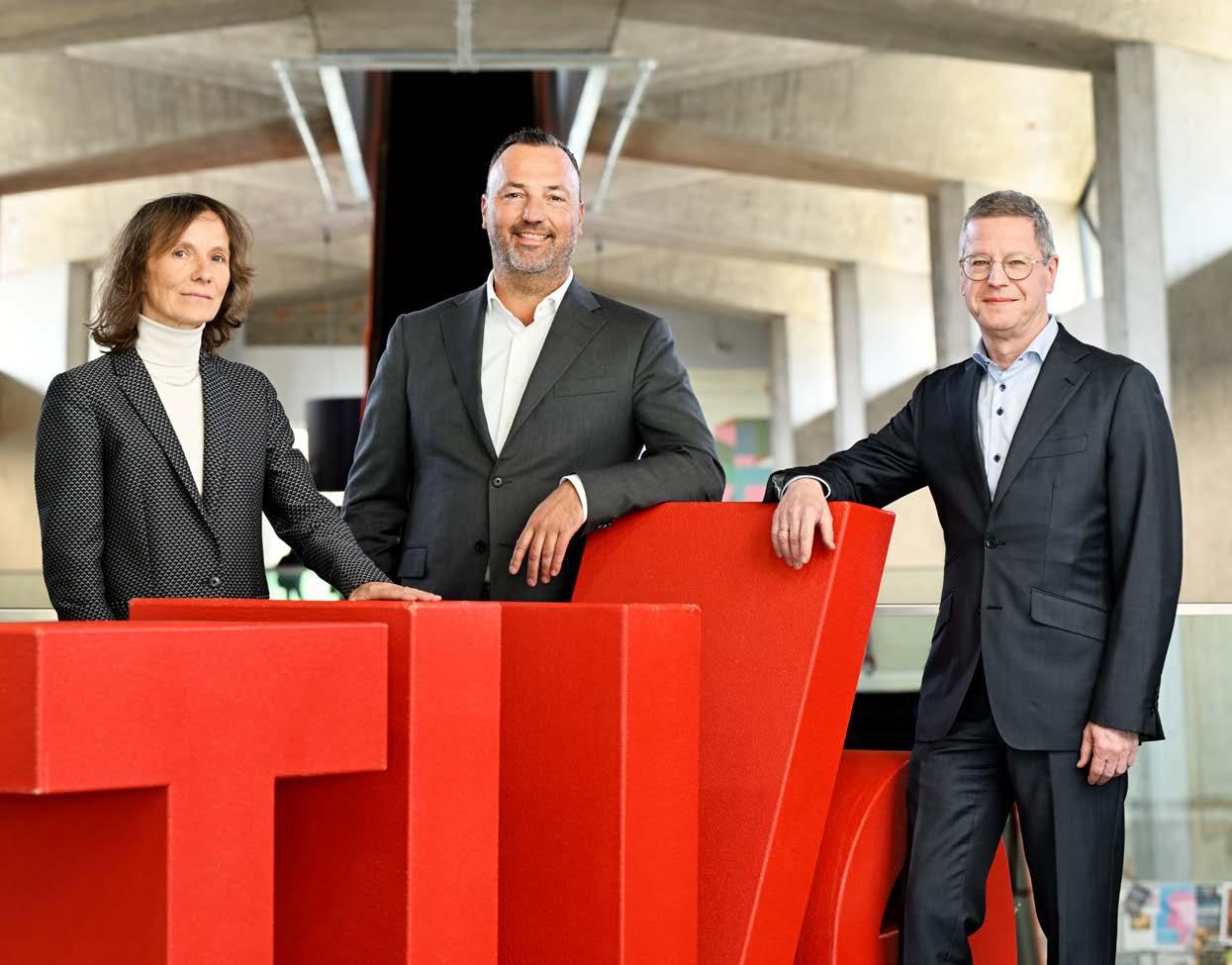
The Executive Board
Koen Janssen, Silvia Lenaerts and Patrick Groothuis
Our mission, vision and values Strategic directions: where TU/e aims to make a difference
One TU/e
>8,500
BACHELOR STUDENTS
>5,000
MASTER STUDENTS
>30
STUDENT TEAMS
2,777
SCIENTIFIC STAFF
TOP-RANKING UNIVERSITY
Eindhoven University of Technology is the high-tech systems and materials university in the Netherlands.
TU/e is situated in the heart of one of the most innovative ecosystems in the world: Brainport, renowned for design and high tech systems & materials.
STUDY PROGRAMS
• 8,680 Bachelor students in 15 Bachelor programs
• 5,174 Master students in 24 Master programs
• 186 EngD trainees in 9 EngD programs
• 2,209 PhD candidates
• More than 100 nationalities
(excl. PhD candidates and EngD trainees), of which 28% female and 72% male. DEPARTMENTS
2,577
PROFESSIONAL STAFF
TU/e collaborates with R&D-intensive companies such as ASML, Philips, NXP, ThermoFischer, VDL and Vanderlande. Based on a strong technology heritage, TU/e is a top ranking university in co-publications with industry and an example of a 4th generation university driving the ecosystem, educating new generations and co-creating new knowledge.
TOP RANKING IN PUBLIC-PRIVATE COLLABORATIONS AND CO-PUBLICATIONS WITH INDUSTRY AND ACADEMIA
9
9 SERVICE DEPARTMENTS
• Applied Physics and Science Education
• Built Environment
• Biomedical Engineering
• Chemical Engineering and Chemistry
• Electrical Engineering • Industrial Design
• Industrial Engineering and Innovation Sciences
• Mathematics and Computer Science
• Mechanical Engineering
CHALLENGE-BASED LEARNING: AWARD WINNING TYPE OF EDUCATION
Working on real-life challenges in an interdisciplinary environment.
56%
STAYRATE INTERNATIONAL MASTER STUDENTS TU/e
• Campus and Facilities
• Communication Expertise Center
• Education and Student Affairs
• Equipment and Prototype Center
• Finance and Control
• General Affairs
• Human Resources Management
• Library and Information Services
• Research Support & Valorization
ACADEMIC PARTNERS
• EWUU Alliance
• 4TU
• EuroTech Universities
4 PRIORITY DOMAINS
• Energy technologies
• Health technologies
• Digital & Semiconductor technologies
• Advanced materials
4 RESEARCH INSTITUTES
• Casimir Institute
• Eindhoven Artificial Intelligence Systems Institute (EAISI)
• Eindhoven Institute for Renewable Energy Systems (EIRES)
• Institute for Complex Molecular Systems (ICMS)


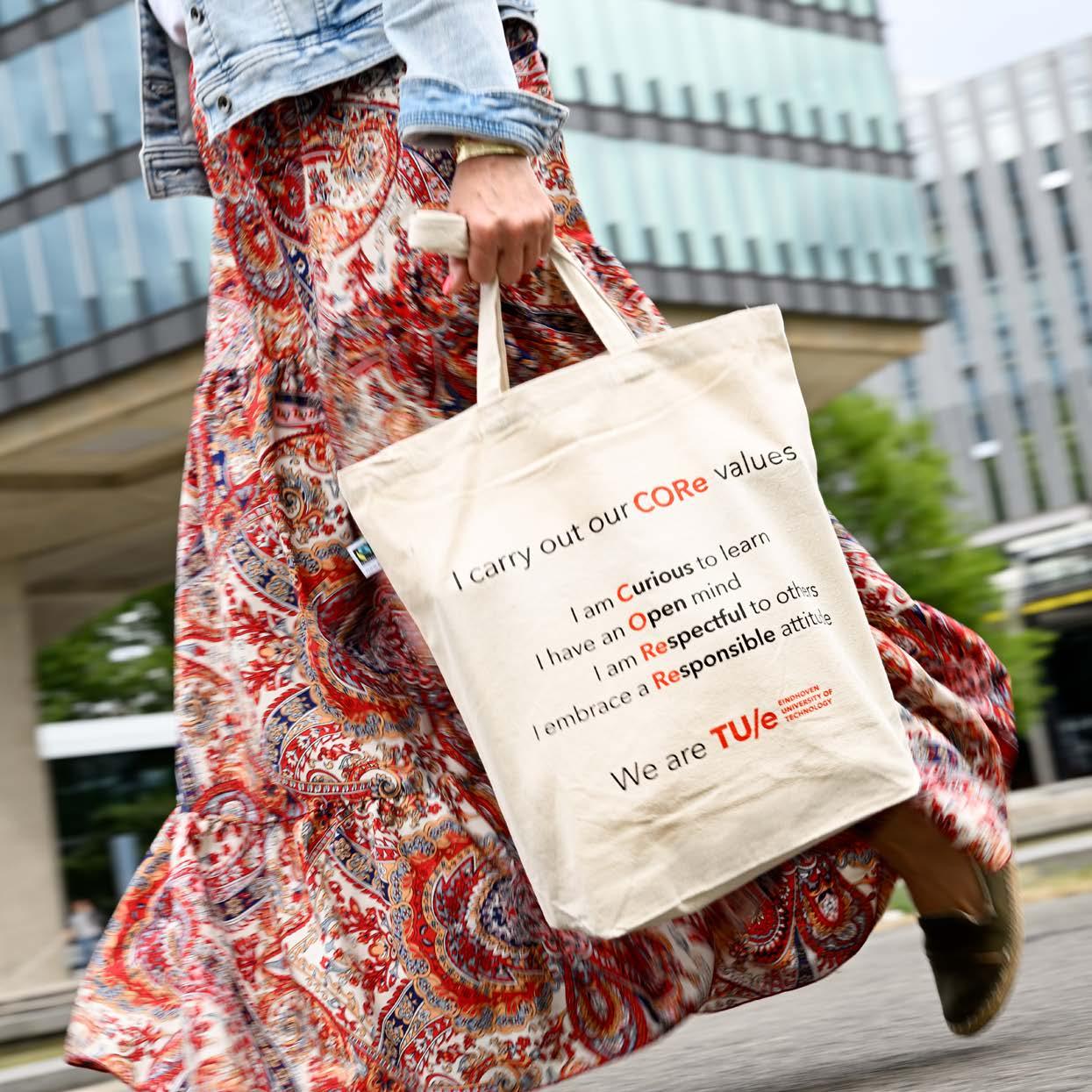
TU/e aims to lead the change for a better world by educating responsible engineers, empowering academics and professionals, advancing global scientific knowledge, and driving impactful, sustainable innovation in the Brainport ecosystem and beyond. TU/e’s CORe values – Curious, Open, Respectful, Responsible – are the compass for all policies, decisions, and actions.
The Institutional Plan 2026-2030 is the strategic plan for the second leg of our Strategy 2030, that was formulated in 2018. It reaffirms and updates our ambitions, and formulates key enabling objectives that we aim to achieve by 2030.
Our mission, vision and values form the foundations for the way TU/e works, grows, acts, and achieves impact. TU/e educates new generations of engineers, develops new knowledge, and translates knowledge into value for society. Societal challenges, such as sustainability, the technological revolution, and the increasing impact of technology, guide our ambitions.
Through educating engineers and creating new knowledge and value for society, TU/e aims to drive innovation ecosystems, European competitiveness and – last but not least – sustainability.
Driving innovation ecosystems
TU/e is a pivotal node in the Brainport innovation ecosystem, co-creating with partners and aligning focus areas with future technologies. As a 4th generation university, TU/e is not just a center for knowledge transfer, but an orchestrator of the innovation ecosystem.
Driving European competitiveness & resilience
TU/e reinforces European competitiveness by establishing and strengthening partnerships, participating in Horizon Europe, and aligning with Brainport’s ambitions in key enabling technologies.
Driving sustainability transitions
TU/e commits to being a strong partner for sustainability transformations, focusing on energy, health, digital, and materials transitions, and embedding sustainability in research, education, and campus operations.
To fulfill our mission, TU/e aims to bundle forces – internally and externally. The One TU/e concept is essential for impact in sustainability transitions, effective partnerships, talent attraction, and a closeknit community. As a diverse community of 22.000 people, we can create a strong impact by focusing on shared goals. With the motto “harmonize where we can, differentiate where we must”, we enable collective impact through aligned goals and integrated operations.
Together as One TU/e we have three main ambitions for 2030: Talent, Science, Engineering, Design, and Value for Society.
TU/e acts as a ‘gateway’ for talent in the Brainport region, attracting top students, academics, and professionals. The university focuses on attracting talent, on increasing talent inflow for the semiconductor sector (Project Beethoven) and on fostering an inclusive, thriving community. Talent attraction, development, and retention are supported by flexible education, career development, and a stimulating and safe environment. Our promise for 2030 is:
The TU/e community is an attractive and growing hotspot for excellent students and staff.
TU/e achieves the targets of ‘Project Beethoven’.
TU/e aims for excellence in research and education, leading international technological development in Energy, Health, Digital and Semiconductor technologies, and Advanced Materials. Interdisciplinary research institutes drive excellence and impact, and education is focused on responsible engineers as future leaders of sustainability transitions. AI is recognized as a force for innovation and excellence, and open science is promoted alongside knowledge security. Our promise for 2030 is:
TU/e demonstrates technology leadership and research excellence, taking a leading role at a European level in the priority domains of Energy, Health, Digital and Semiconductor technologies, and Advanced Materials.
TU/e educates responsible engineers as future leaders in sustainability transitions, based on excellent research in these priority domains.
TU/e creates worldwide impact through collaboration with partners, focusing on knowledge transfer through co-creation. The campus is a dynamic hub for innovation, and the university strengthens the Brainport region by sharing knowledge and facilities. Together with our partners, TU/e aims to create an ecosystem for entrepreneurship. We will strengthen alumni involvement in creating value for society. Our promise for 2030 is:
In our priority domains, TU/e leads the change in valorization in Brainport and beyond. We partner with world-leading academia, companies, societal organizations, and citizens. Students, academics, and professionals collaborate with colleagues in Brainport and beyond in multi- and transdisciplinary settings. Our campus is open; we share our facilities and mutually exchange knowledge and staff. TU/e actively involves our alumni to bring in different perspectives, competences, experiences and investments into our innovation ecosystems.
TU/e will strengthen operations to support education, research, and valorization. In optimizing our operations, we aim to create personal, connected, and seamless processes. We will focus on four key differentiators that require a world-class level: talent attraction, talent development and retention, research infrastructures, and an engaged community.
The strategy will be implemented through an integral approach, that ensures that all relevant perspectives are taken on board and that the community can be broadly involved. A streamlined ‘strategy cycle’ enables swift decision-making, ensuring resilience and adaptability in challenging times. The key enabling objectives are pursued through a dedicated approach with strong ownership, while making optimal use of existing meetings and boards within the university.
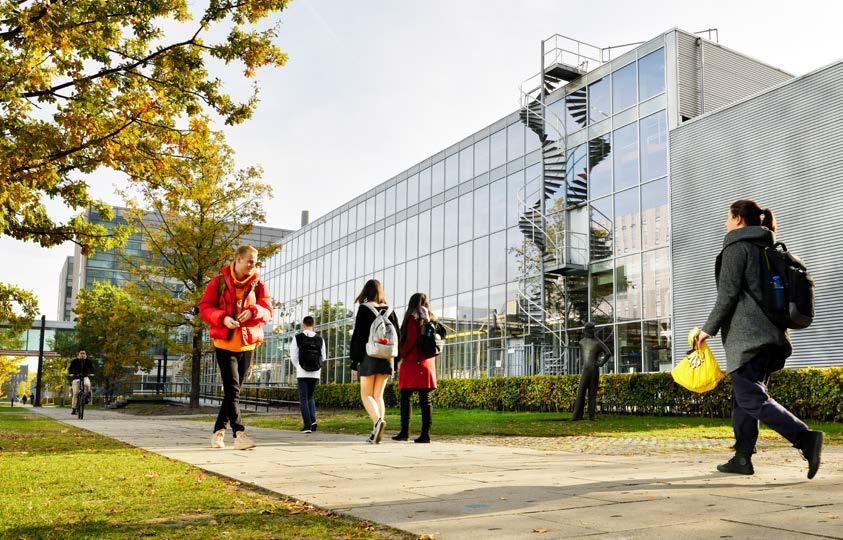
Based on interactions with our community, an evaluation of our previous Institutional Plan, and external developments, we have adjusted our mission, vision, and values.
Our mission – what we do
TU/e leads the change for a better world by educating responsible engineers, by empowering academics and professionals, by advancing global scientific knowledge, and by driving impactful, sustainable innovation in the Brainport ecosystem and beyond.
Our vision – how we do it
By 2030, TU/e is a key driver of innovation ecosystems, European competitiveness and resilience, and sustainability transitions.
TU/e engages with its partners in innovation ecosystems that create global impact. As a leading example of a 4th generation university, the university propels sustainability transitions with talent, groundbreaking science and valorization initiatives, based on our CORe values.
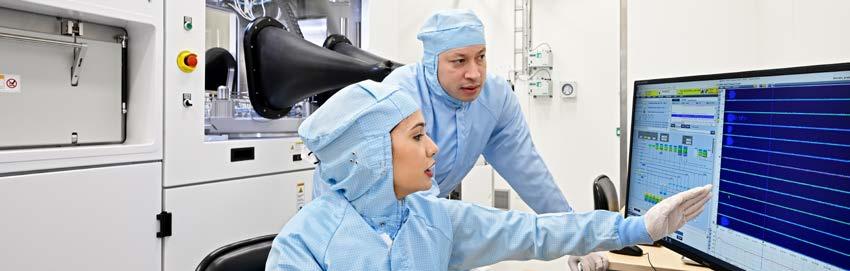
TU/e educates responsible engineers who are able to lead the change through our focused and intertwined research and education programs. By engaging in both curiosity- and missiondriven research, TU/e advances groundbreaking knowledge on a global level. Together with
partners, TU/e creates technological system solutions for sustainability transitions.
TU/e empowers talent across the university’s ecosystem: ranging from students and staff to starting entrepreneurs. TU/e offers clear and diverse career prospects for academics and professionals by providing recognition, career development opportunities, and skill-building initiatives.
Together, our students and staff create a dynamic and engaging environment by collaborating within and outside the TU/e community. Based on our CORe values, TU/e is home to a trust-based community that fosters collaboration, personal interaction, agility, well-being, and diverse points of view.
Our values – how we act
TU/e’s CORe values are our moral compass and form the basis for all our policies, decisions, and actions.
We cherish curiosity, driving us to explore, question, and innovate, encouraging continuous learning and discovery.
We value an open accessible culture and are transparent and trustworthy about our actions.
We care for each other, treat everyone with respect, and welcome people from diverse backgrounds.
We shape the future, lead by example, and make a positive impact on society and sustainable innovation.
Strategic directions: where TU/e aims to make a difference
Our mission, vision and values form the foundations for the way TU/e works, grows, acts, and achieves impact. First and foremost, TU/e is a place where we educate new generations of engineers, develop new knowledge and translate our knowledge into value for society. Vice versa, we translate the challenges in society, industry and our ecosystem into new education, research, and value creation.
In a landscape analysis, we found that many trends have a strong impact on TU/e. The strong growth of Brainport in specifically the semiconductor industry, the declining Dutch demographic and the potentially disruptive impact of Artificial Intelligence all have a high impact. These trends are complemented by a strong influence of geopolitical tensions: investments in technology drive competitiveness and continents compete for talent and innovations.
For TU/e, these geo-political movements bring opportunities in terms of new R&D-programs for technology and an increasingly important European role for many partners in Brainport, but they also bring risks regarding safety. Knowledge safety,
cyber security, and physical safety are all increasingly important concerns. Universities – and TU/e is no exception – are moving from “open” to “open where we can, closed where we must”.
In Strategy 2030, we have identified three major societal challenges that TU/e needs to focus on: sustainability, the technological revolution, and the increasing impact of technology in society. Together with the key insights from the evaluation of our Institutional Plan 2020-2025 and a landscape analysis, we have elaborated three strategic directions for TU/e. These directions guide our ambitions.
We co-create through innovation ecosystems, first and foremost in Brainport, an important European high-tech manufacturing, design, and innovation hub. By providing talent and groundbreaking research, TU/e is a pivotal node in this innovation ecosystem. With our partners in EWUU, 4TU, and EuroTech Universities, we connect and exchange talent and knowledge on a national and European level.
Brainport
Crises, instability, and unpredictability
USA and Asia strengthen their lead in technology development and commercialization
Decoupling between science & technology systems continues Asian universities are taking over the positions of European universities
Mainstreaming of generative AI changes employer demand
Public criticism damages the license to operate of universities
EU focuses on resilience and technological sovereignty
Member states align R&D and higher education
investments more with European ambitions
Larger FP10, more focused and more agile
Continued role for European University Alliances
Member states may still hinder integration and investments
Higher education intake from the Netherlands continues to structurally decline
International student intake is under political pressure
Further cuts at the Ministry of Education, with no prospect of improvement
R&D funding in The Netherlands shifts partly to the Ministry of Defense
Funding mechanisms and governance of higher education is changing
Distinction between Universities of Technology and general universities is fading
Collaboration between universities is under pressure
Ministry of Education continues to push knowledge safety
Momentum for the Brainport ecosystem
Beethoven creates an ‘obligation to deliver’ in the Brainport system
The Brainport ecosystem will further diversify
We will propel European competitiveness and resilience by engaging our talent, research, and technological capabilities. The vital role of technology in Europe’s key sectors – as illustrated by the Strategic Technologies for Europe Platform (STEP)1 – comes with opportunities for TU/e, but also with the responsibility to be a driver of Europe’s competitiveness.
We take responsibility in making impact on transitions by focusing on urgent needs and long-term solutions for the benefit of our region and society at large. From our unique perspective and through a transdisciplinary approach, we connect talent and knowledge with our partners in Brainport, EWUU, 4TU, and EuroTech Universities.
Impact in the world and a strong basis for education, research, and valorization
These strategic directions will not only help us to create impact, but also to enable education, research, and valorization. Stronger interaction in our ecosystem, with a focus on European goals and on creating a sustainable society will help us to attract talented students and staff, to attract funding for research and investment funds for entrepreneurs, and to create meaningful partnerships that support excellent education and research.
TU/e is a global frontrunner in academic collaboration with industry. Our close-knit interaction and ‘critical friend’ role in the Brainport innovation ecosystem is a leading example of how the university not only contributes to but also acts as a driver of the ecosystem. TU/e planted seeds of several key branches in the Brainport ecosystem, such as photonics, quantum technology, and energy transition applications. The other way around, the university actively aligns its focus areas with the needs of the ecosystem for future technologies, such as chip technologies, health tech, and advanced materials. We exchange and share staff, facilities, and technological infrastructure to reinforce each other.
The emerging role of universities in innovation ecosystems has been captured in the concept of the ‘4th generation university’ 2. This concept emphasizes that universities are not just centers for knowledge transfer, but active drivers or ‘orchestrators’ of innovation ecosystems by taking up challenges together with students, researchers and partners in companies and societal organizations. In education, research and valorization, TU/e aims to further develop itself along the lines of this concept, strengthening its role as driver of the ecosystem and beyond.

In their paper about the Fourth Generation University, Maarten Steinbuch and Marcel Bogers explore a new paradigm for universities.2 In their vision, a 4th generation university builds on the previous generations and their objectives of education, research and valorization. It focuses on driving the regional innovation ecosystem that takes the step from a triple helix to a quadruple helix approach, and from a closed knowledge house to an open innovation hub. They regard this as “an essential response to an increasingly complex world in which traditional borders – between disciplines, between academia and industry, and between countries –are blurring. In this context, the fourth- generation university should not be seen as an end point but as a new beginning. It is a chance to redefine the role of universities, to reinvent them as hubs of open innovation, as catalysts of regional development and as leaders in addressing global challenges”.

1st generation 2nd generation 3rd generation 4th generation
Education Education & research Education, research Mission-driven education, & valorization research & valorization
Defending Discovering nature Creating economic Creating societal value the truth value
Stochastic Monodisciplinary Interdisciplinary Transdisciplinary science science science & multi-actor innovation
Professionals Professionals & Professionals, Professionals, scientists, scientists scientists & entrepreneurs & ecosystem entrepreneurs participants (incl. artists, clients, etc.)
Universal National Global Ecosystem
Colleges Departments Institutions & centers Innovation spaces
Isolated Local community Industrial Integrated with global partnerships & local ecosystems
Minimal Basic Systemic and integral Advanced (digital) technology with digital tools & AI integration
Religious/royal Government Public-private Various streams, including funding support partnerships entrepreneurial initiatives
No Other academics Industry Industry, NGOs, communities, public authorities
Closed Limited Active Highly active with feedback loops
To further support the (co-)creation and collaboration activities, the campus serves as a platform for open innovation with shared facilities and technological infrastructures, whilst students are enabled to interact with industrial and societal partners from the initial stages of their studies on.
To fulfill its public role in education, research, and valorization, and to protect a balance between curiosity-driven and mission-driven research, TU/e will safeguard its academic freedom, institutional autonomy, and independence as an academic institute.
It has become clear that Europe is lagging in its ability to innovate and sustain economic growth, sovereignty, and welfare 3. More than ever, education, research and innovation are considered as the key success factors for a future stable and prosperous Europe. TU/e reinforces these by establishing and strengthening new and current European partnerships, such as the Eurotech Universities and EuroTeQ Engineering University. In addition, TU/e intensifies its participation and leading role in the current and new Horizon Europe programs 4 .
As a basis for the multiannual financial framework, a framework that will determine the investments in research, development, and innovation in the period 2028-2034, Europe prioritizes four key sectors for European competitiveness.
European Key Sectors5 MFF 2028-2034
Clean transition and industrial decarbonization.
Health and biotech, agriculture, and bioeconomy.
Digital leadership.
Resilience and security, defense industry and space.
These sectors are closely aligned with the sustainability transitions that TU/e has prioritized up to now through our focus on energy, health, and digital technologies. Regarding the transition to enhanced resilience, we are currently exploring our potential priority domains and will discuss these in our community.
In our focus on the competitiveness of Europe, we align with the ambitions of Brainport Eindhoven as a leading hub in key enabling technologies, such as semiconductors and high-tech systems, health, and advanced materials. These key enabling technologies are foundational to the success of the European Key Sectors. Through partnerships with world-leading academic and industrial partners, we aim to increase the resilience and competitiveness of the region and Europe. Due to the geopolitical situation, this is done with consideration for the balance between knowledge safety and open science.
The development of industrial societies has had serious negative effects on the life support systems 6 . Production and consumption patterns caused large-scale pollution and the destruction of the natural environment. It is therefore imperative that our society becomes truly sustainable – defined as “meeting the needs of the present without compromising the ability of future generations to meet their own needs”.7 At TU/e we are committed to being a strong partner for sustainability transformations.
This ambition is deeply embedded in our core activities and processes. Our research is transformative in
nature through a system-engineering approach. It connects curiosity-driven and mission-driven research in contributions to sustainability transitions. We educate students to become future change agents – equipped with knowledge and skills to address complex challenges, drive innovation, and critically reflect on and reshape established practices and institutions.
Our community embraces a broad view on sustainability, including environmental, economic, and sociotechnological perspectives. We practice what we preach through many sustainability initiatives on our own campus, like the sustainability office, implementing measures for CO2 reduction and effective energy solutions. The next step TU/e aims to take is to stimulate circularity by design.
There are several ways to identify the transitions that our society must achieve to become a sustainable society. As part of the 2030 Agenda for Sustainable Development 8, the United Nations (UN) presented the ‘Sustainable Development Goals’ (SDGs) in 2015. These 17 transformative goals have inspired TU/e to sharpen attention on sustainable development and our unique contribution.
Often, these SDGs are translated into specific transitions.9 Also, additional societal needs such as resilience and preparedness have emerged, adding to the transitions that society needs to address.
Based on our strong track-record, TU/e specifically aims to create impact in the energy transition, the health transition, the digital transition, and the materials transition.
One TU/e
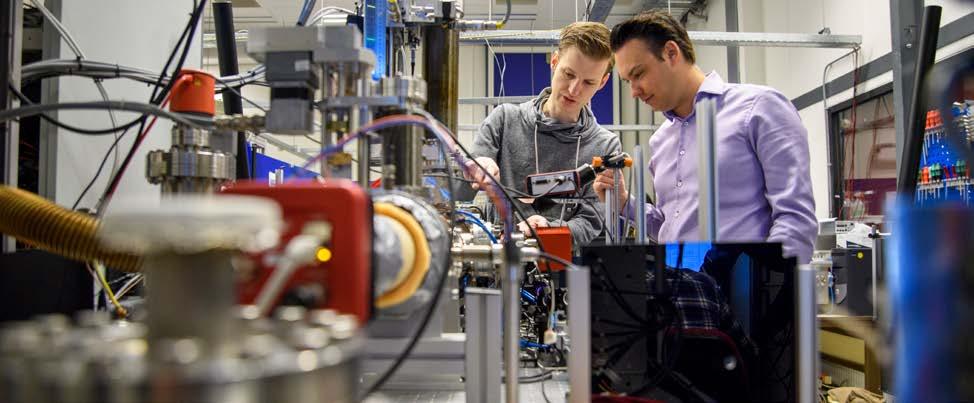
To fulfill our mission, TU/e aims to bundle forces – not only with external partners, but first and foremost inside our university. In other words: we need to act ‘as one’. As a diverse community of 22.000 people, we can create a strong impact by focusing on pursuing shared and aligned goals and strengthening each other in working towards these goals.
The One TU/e concept is a key element in achieving our mission to lead the change for a better world, and therefore essential to create impact in the sustainability transitions, to be an effective partner for industry and societal organizations, to be an attractive gateway for talent from all over the world, and to be a close-knit community that empowers talent to grow.
TU/e is known as the high-tech systems & materials university of the Netherlands and praised for its
collaborative culture. With the One TU/e mindset, we strengthen our identity. This unique character makes TU/e stand out and is our basis to attract talent and create real world impact.
To move towards ‘One TU/e’, we need to move: towards a strong and inclusive community where everyone is empowered to learn and grow, and feels home and safe, based on our CORe values: curious, open, respectful and responsible; towards an integral and aligned approach to our ambitions, enabling all academic and service departments, and institutes to contribute in unison, with a sound workload, with clear mandates based on mutual trust; towards an organization that enables broad engagement and alignment, and is effective and efficient, facilitated by personal, seamless, and connected operations.
One TU/e represents a fundamental paradigm shift in how we operate as a unified actor. Rather than functioning as separate silos, One TU/e embodies the principle that collective impact emerges from aligned goals and integrated operations. This approach recognizes that the complex challenges of technological revolution and sustainability transformation require coordinated responses that transcend traditional departmental and service boundaries.
One TU/e is built on the understanding that harmonization enables effectiveness and efficiency where alignment is beneficial, while differentiation allows uniqueness to add value. This creates a robust but agile and responsive organization capable of anticipating and adapting to rapid changes in the global landscape, the Brainport ecosystem, and on campus.
Towards 2030, we act as one to achieve the best results, meaning that we harmonize where we can and differentiate where we must. The more we align with each other and gain strength from the great diversity of scientific fields, people’s strengths, and perspectives, the better equipped we are to be successful. This approach is key when it comes to responding to developments in the world, in Europe, in Brainport and on our campus.
The One TU/e concept gives direction to our promises to science and society and the key enabling objectives in the three main ambitions: Talent; Science, Engineering, Design; and Value for Society. Collaboration is key to realizing these ambitions. Every member of our community is important, and nobody is more important than our community, the university. When asked ‘how are we going to do it?’, the answer is always ‘together’.
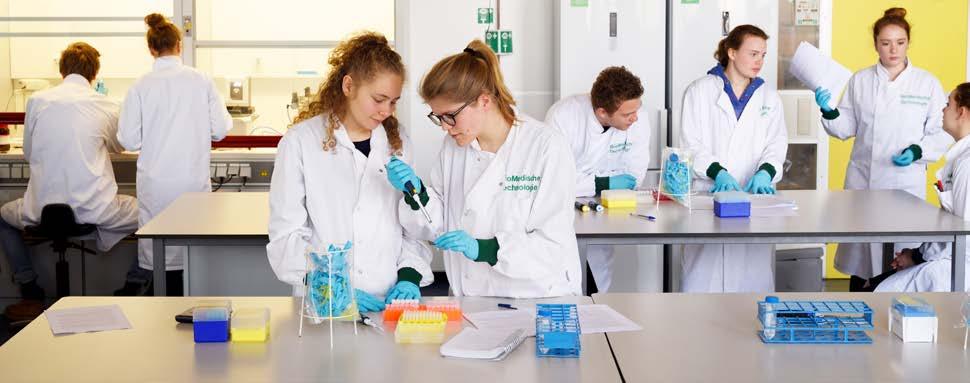
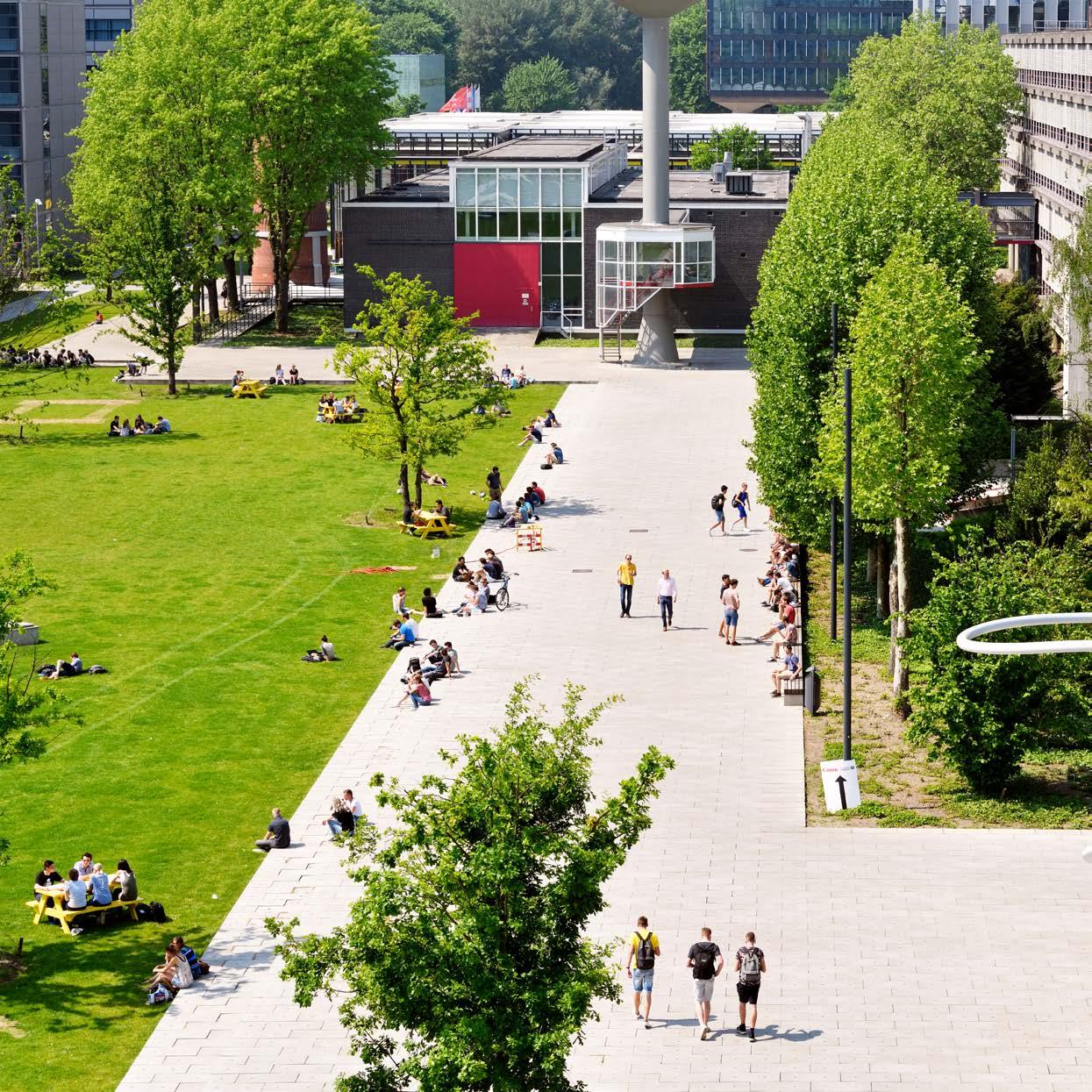
TU/e is home to approximately 14.000 students and 8.000 staff, of many nationalities and diverse cultural and socio-economic backgrounds. Every member of our community has a unique story and strengths, but we all have the ambition to learn, grow, and contribute to science and society. We gain strength from this diversity and continue to safeguard and enhance it.
To be both resilient and effective, we foster a community where everyone has a place where safety and well-being are prioritized, and where leadership on all levels enables our students and staff to take initiatives together. With this aim, we strengthen our community further, supported by leadership development, skill building and optimized governance.
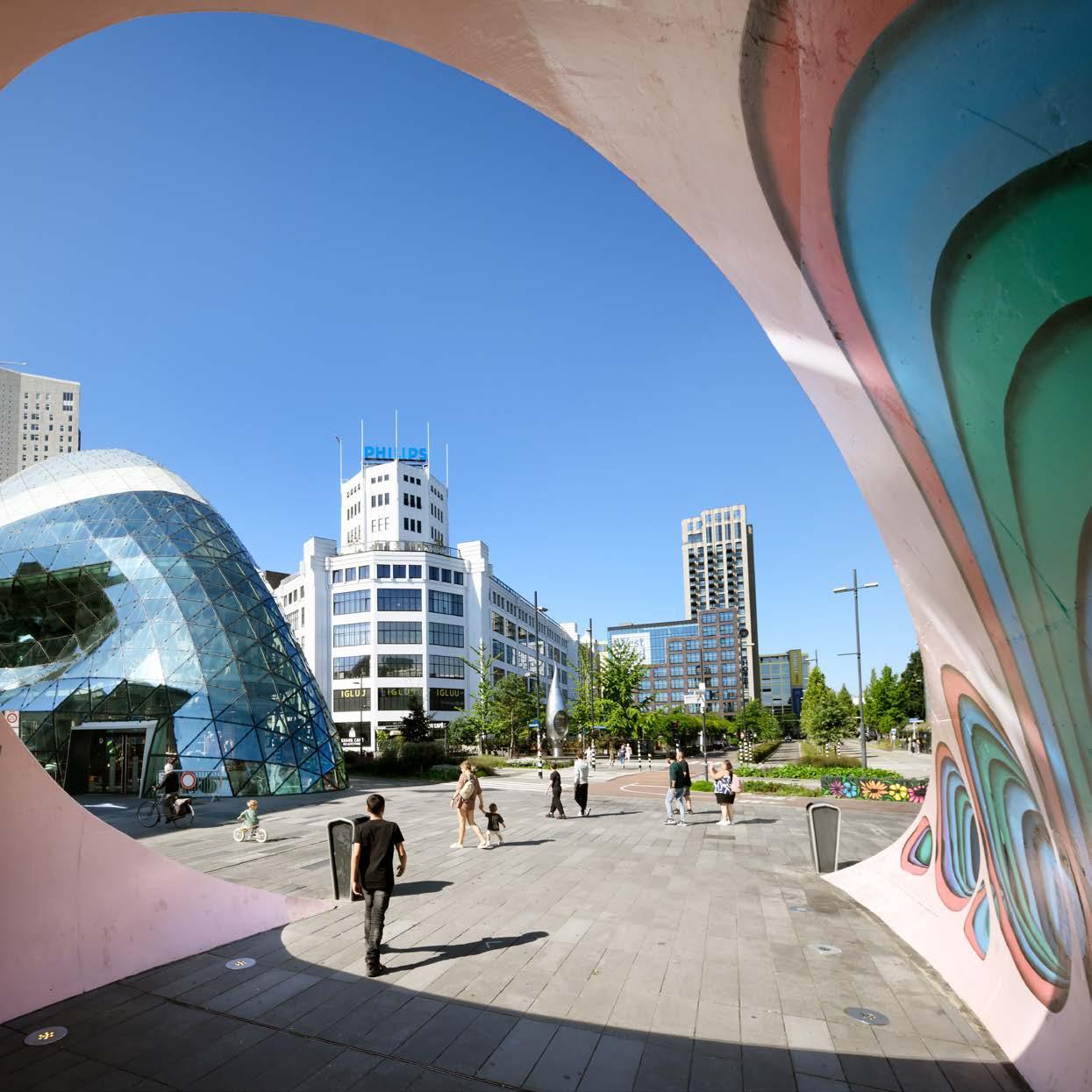
The care for our community extends beyond the borders of our university. TU/e supports the city of Eindhoven and Brainport partners in efforts for affordable housing, mobility, and public facilities to accommodate the needs of our communities.
In the strategy, we focus on an integral approach and on broad involvement throughout our community. We bring people together in our research, education, valorization, and operations as One TU/e. To achieve our goals and objectives, diverse teams are formed with students and staff from academic and service departments, and
institutes to ensure comprehensive implementation. These teams operate with a clear assignment and mandate, based on mutual trust. Priorities are aligned between departments, institutes, and service departments. Our community is invited to contribute through dialogue sessions, and the progress of key projects is actively communicated. This is further elaborated in ‘Implementing the strategy’.
At the heart of One TU/e is a renewed approach to governance and leadership focused on creating a more transparent and engaging organization. In this approach, we aim to develop inclusive leadership at all levels in our university. We adopt one operating model for all academic and service departments to enhance efficiency and agility. This is supported by more effective, transparent, and inclusive decisionmaking processes, which allow the community to be involved and contribute to important decisions. We explore organic clustering of our academic departments to foster collaboration, critical mass, and investment power, while maintaining the identity of the various academic and professional disciplines. In 2026, a program will start to develop these lines of action, with the ambition to complete this important transformation by 2030.
The three ambitions are supported by personal, seamless, and connected operations that embody
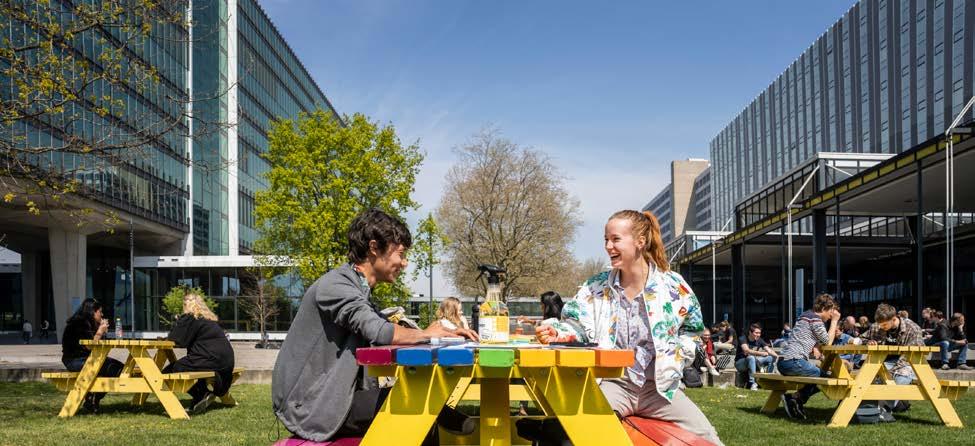
the One TU/e spirit. We are committed to focused, co-creative, efficient, and effective operations that strike the right balance between the involvement and ownership of academic staff and facilitation by professionals. By listening, prioritizing together, and standardizing where possible, we deliver scalable solutions that enable students, staff, alumni, and partners to learn, experiment, teach and collaborate as a trusted partner in the Brainport ecosystem.
To do so, alignment is key. Whereas academic freedom and autonomy are key to creativity and break-throughs in science, this freedom does not apply to our operations where alignment is key to creating the best environment for education, research, and valorization. There is a growing need to harmonize and standardize operations, with increasing requirements for
compliance with guidelines related to (European) funding, cybersecurity, privacy, knowledge safety, accounting, and other areas. Establishing clear harmonized frameworks and procedures for operations enables TU/e to create a high-quality environment within our budgetary limits.
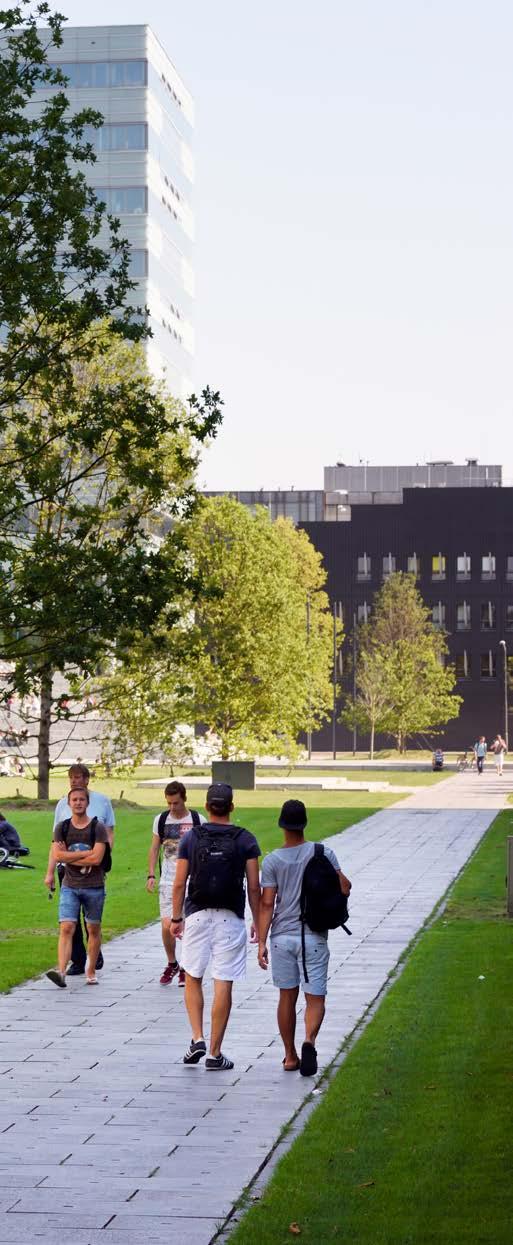
Our campus is where we bundle forces and come together. Within minutes walking, we move from the lab to the lecture hall, the office, the library, study facility or to the bar. Also here, we focus on bundling forces to upgrading selected physical and digital infrastructures and integrate them into a ‘smart campus’ that supports both in-person collaboration and virtual connectivity.
A key role of TU/e is to act as a ‘gateway’ for talent in the Brainport region. We attract top talent – students, academics, and professionals alike – to follow their curiosity and to make an impact in the world. Doing so, they contribute to the Brainport innovation ecosystem. To be this gateway for talent, it is important that our students and staff form an inclusive and thriving community that fosters a One TU/e-mindset, and that actively collaborates within and outside TU/e.
The Brainport semiconductor sector is growing extremely fast and needs ca. 10.000 extra academically trained and talented people in the coming years. This sector is of key importance to Dutch and European competitiveness and resilience. TU/e regards it as a clear responsibility to contribute to this rapid growth. Therefore, we focus on increasing the inflow of talent for this sector, supported by the ‘Project Beethoven’ program. In addition, TU/e is a partner in the diversification of the Brainport ecosystem, focusing on the opportunities for our ecosystem in 2040 and beyond.
For 2030, our promises to science and society are:
The TU/e community is an attractive and growing hotspot for excellent students and staff.
TU/e achieves the targets of ‘Project Beethoven’.
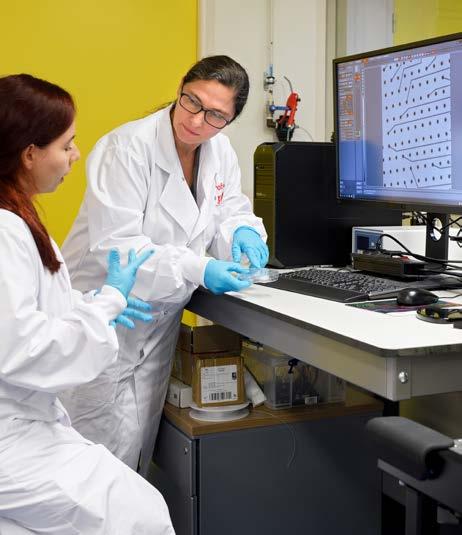
To achieve this, our Talent ambition is aimed at attracting, developing, and retaining talent and on developing our people leadership essential for advancing educational and scientific excellence in science, engineering and design, and creating value for society. Conversely, world class talent is attracted by the opportunity to engage in futureproof education, cutting-edge research, and impactful valorization activities.
TU/e is a place ‘where people matter and make a difference’: we are first and foremost a community of talent. We strive to be a people-oriented organization, offering diverse opportunities
to grow, and providing a stimulating and safe environment for our diverse community of students, academics, and professionals. At our campus and in our community, our people feel a sense of belonging and the support to achieve their ambitions.
To enable our talent to lead the change, we invest in both attraction and development of talent. For staff (both academic and professional), this means the provision of warm onboarding, recognition of diverse capabilities, support for multiple career paths and a well-equipped research and educational environment. For students, it requires flexible and modular education that accommodates different learning needs and life stages. By leveraging AI and digital platforms, TU/e offers a truly inclusive and adaptive learning environment.
Based on the assessment that TU/e was lagging far behind in gender equality and effectively missing out on many talents, the bold step towards the Irene Curie Fellowship Program was taken in 2019. This has had a very positive impact: TU/e has made significant progress in attracting female researchers, increasing the share of female scientific staff from 18,7% in 2019 to 26,5% in 2025.
The Dutch government supports TU/e with over 90 mln to grow to over 1900 enrolled master students in semicon-related master programs in 2030. The Beethoven program is complemented by the establishment of the Casimir Institute for Future Chips and High Tech Systems, and the partnerships with ASML, KU Leuven and IMEC.
Brainport is home to the most important semiconductor companies in Europe and therefore of key importance to European competitiveness and resilience. The semicon sector is projected to double over the next 10 years, and TU/e regards it as its responsibility to contribute to this growth. The Dutch national Microchip talent Strengthening Plan, also known as ‘Project Beethoven’ is a broad investment program initiated by the national government, aimed at increasing the number of graduates for this sector. Together with Fontys and Summa, TU/e is one of the major contributors to this project.
The project Beethoven can only be successful if the entire Brainport regio is able to develop further in terms of urban development, affordable housing, health care systems, mobility, and social cohesion. Our university will also contribute to these needs to support the growth of the region.
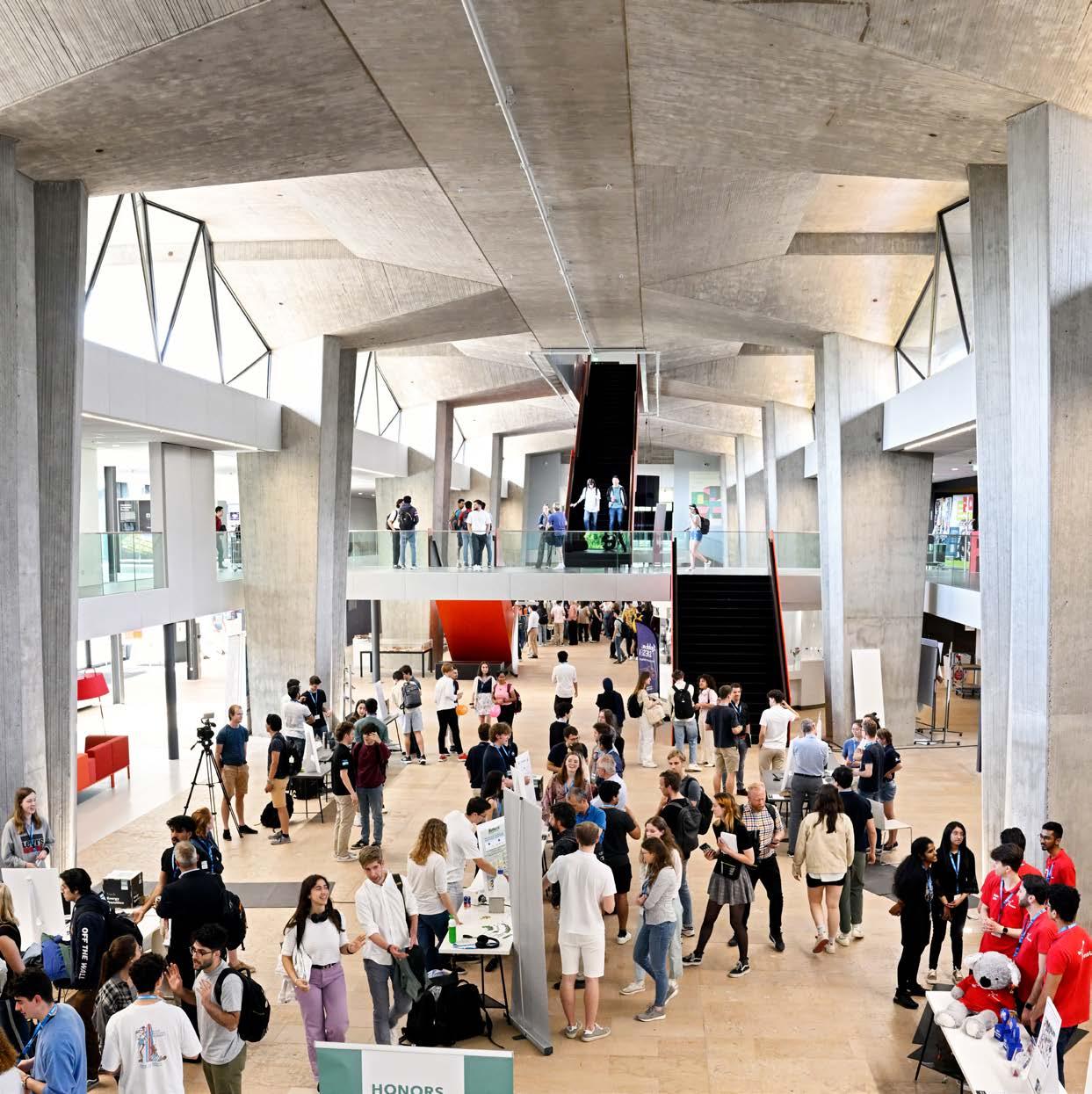
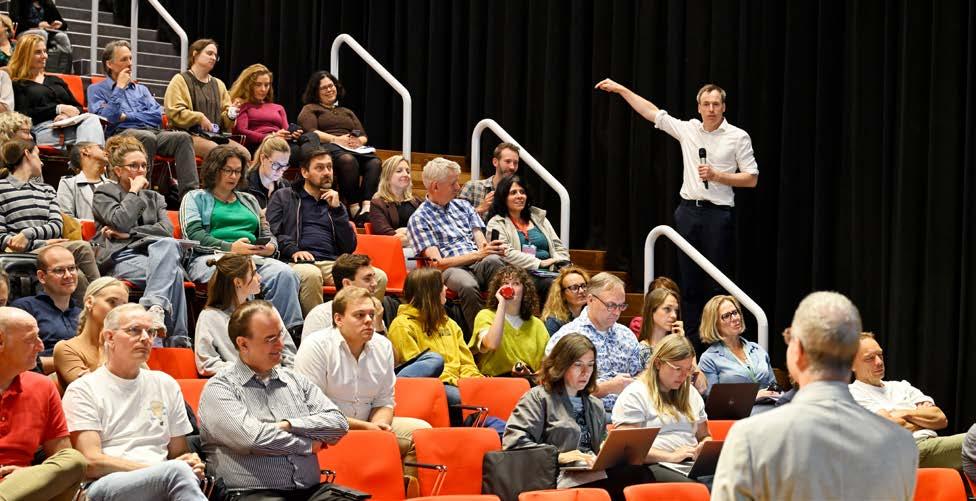
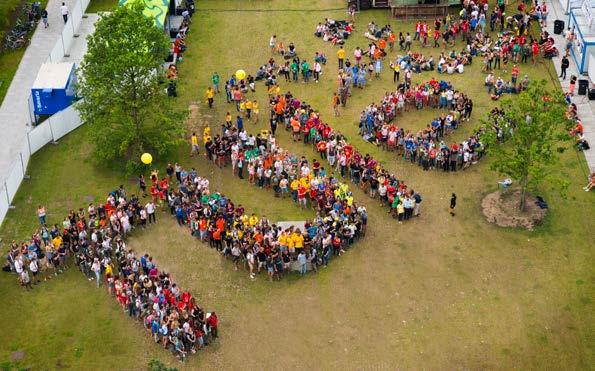
A strong community is key to achieving our goals for 2030. Numerous elements come into play here: the campus as our meeting place and living lab, organizing events for (strategic) discussion and celebration for both students and staff, well-being, social safety, student associations, alumni involvement, empowerment of TU/e ambassadorship and more. Our community does not stop at the gates of the TU/e campus; we are all part of the Brainport community and engage in (co-)creation and knowledge exchange with our Brainport partners.
Our community and campus are intertwined with the city of Eindhoven. We meet, collaborate and share ideas with each other, both on campus and in the city.
We work with the city and our Brainport partners to enhance student life and create a stimulating living environment for students and staff.
With a focus on leadership development, skill building and a fit-for-purpose governance, we will provide our talent with the freedom to act and take initiatives based on their academic and professional expertise, thereby fully exploiting the benefits of our campus as an open innovation hub, living lab, and meeting place.
To achieve our promise to science and society, we will prioritize the following key-enabling objectives:
TU/e attracts talented students, academics and professionals through professional processes and with concrete targets in ‘Project Beethoven’. The processes for enrollment of students and hiring new staff members are efficient and swift and are based on clear mandates and service chains. Diverse career pathways are open for all TU/e staff. TU/e recognizes and rewards diverse forms of excellence in science, education, valorization and operations. Students take ownership of their learning through flexible and personalized learning paths, fostering professional development. Each staff member has a personal development plan, and every student has a personalized learning path.
We achieve this by attracting talent at national and international levels leveraging a strong TU/e brand position, by enabling flexible education and by integrating skills-education in our curricula.
We design and implement a new people-strategy in 2026-2027. We implement the Beethoven program and work with the region to create sufficient student housing to enable our growth.
At all levels in our university, leaders bridge disciplines and cultures and promote inclusiveness. Our organization enables transparency, effectiveness and (social) safety, and fosters our culture of collaboration as a force for collective impact. We balance faculty involvement with service facilitation and enable broad participation and alignment.
We achieve this by implementing a comprehensive governance program, including an inclusive leadership program for leaders on the various levels in our organization, a skill-based program for all, one operating model for departments, organic clustering of academic and service departments, and service chains.
TU/e is home to an inclusive, vibrant and collaborative community. Our students, staff and alumni find a sense of belonging through an engaging campus life, associations, and collaborative spaces, together forming a respectful and socially safe community.
We achieve this by creating an integral approach to community engagement. TU/e is home to many initiatives focused on student life & culture, associations, staff experience, safety & security, and collaboration platforms. These will be connected, and collaboration will be stimulated.
Excellence in research and education is essential at TU/e: the challenges in science and sustainability transitions are real and daunting. Just as Brainport is the focal point of the hightech systems ecosystem of the Netherlands, TU/e is the high-tech systems and materials university of the Netherlands and well-known for the systems engineering approach that is present in the research and education programs of our departments and institutes.
Parallel to the world-leading position of numerous Brainport industries, TU/e aims to lead technological development through excellent research and education in the four priority domains Energy, Health, Digital and Semiconductor technologies, and Advanced Materials, in close collaboration with industrial and societal partners in Brainport and beyond. We create critical mass and educate a new generation of responsible engineers with system thinking capabilities. Our institutes are at the forefront of these priority domains, engaging all disciplines in interdisciplinary collaboration.
At TU/e, curiosity-driven research and missiondriven research go hand-in-hand, because we need both. Talent at TU/e is encouraged to follow their curiosity in the context of the team, the department, and the research institutes: that is the best basis for excellence. Each of our disciplines is key for the university to create value for society. Our departments determine how disciplines should evolve, together creating
a strong basis for excellence and impact. Our cross-disciplinary research institutes program interdisciplinary research to accelerate our mission-driven research. By bundling forces, we are able to access funding sources, collaborate with key partners, and achieve a strong impact.
For the year 2030, our promise to science and society is:
TU/e demonstrates technology leadership and research excellence, taking a leading role at a European level in the priority domains of Energy, Health, Digital and Semiconductor technologies, and Advanced Materials.
TU/e educates responsible engineers as future leaders in sustainability transitions, based on excellent research in these priority domains.
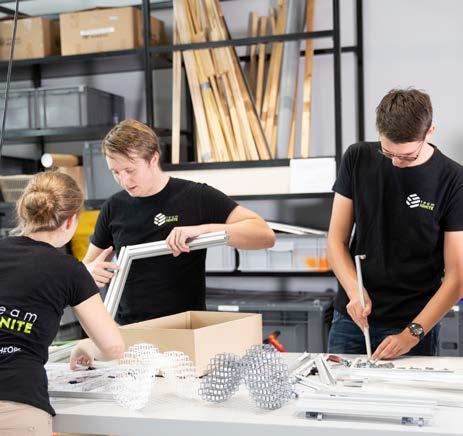
To achieve our promise to science and society, we focus on a select number of priority domains for education, research, and valorization. These priority domains are the focus of our efforts in educating responsible engineering, programming interdisciplinary research in institutes, and developing collaboration and partnerships with key academic, industrial, and societal partners.
As an evolution of the prior ‘strategic areas’ Energy, Health and Smart Mobility, and the High Tech Systems Center, TU/e prioritized in its Strategy 2030 several ‘cross-disciplinary research themes’, including Smart Materials & Processes, Complex High Tech Systems, Bioengineering Health, Renewable Energy, Human-centered Systems and Environments, and Data-driven Intelligent Systems. These were integrated in the four TU/e research institutes: Institute for Complex Molecular Systems (ICMS), Eindhoven Institute for Renewable Energy Systems (EIRES), Eindhoven Artificial Intelligence Systems Institute (EAISI) and Casimir Institute for Future Chips and High-tech Systems.
Now, seven years later, we see that these themes are successfully developed and that this focus should be continued. Still, an update is needed. Some themes and their specialisms have gained even more importance, while also new themes are emerging. A stronger focus on semiconductor technologies is needed to support the rapid growth of the Brainport semiconductor sector. Energy technologies have gained importance as the energy
transition continues to develop and presents us with new challenges, such as grid congestion and the growing need to replace traditional fuels. In health technologies the medical centers in Eindhoven, companies and TU/e aim to strengthen the health ecosystem to support a growing population in our region. At the same time, Advanced Materials is of growing importance as a key enabling technology for the desired diversification of the Brainport innovation ecosystem. The theme of Resilience & Security is emerging as a clear demand from society. TU/e already has many activities in this area and is currently exploring how to bundle forces internally, as well as with 4TU and EWUU universities, government, and private partners.
As we focus on the sustainability transitions together, we focus on our strengths and further develop these in terms of excellence, critical mass, and impact. Therefore, we will prioritize the following domains in research, education, and valorization: Energy, Health, Digital & Semiconductor technologies, and Advanced Materials. In these domains we are optimally prepared to take a leading role on the European level. Based on our current strengths, we shape our research landscape towards these priority domains.
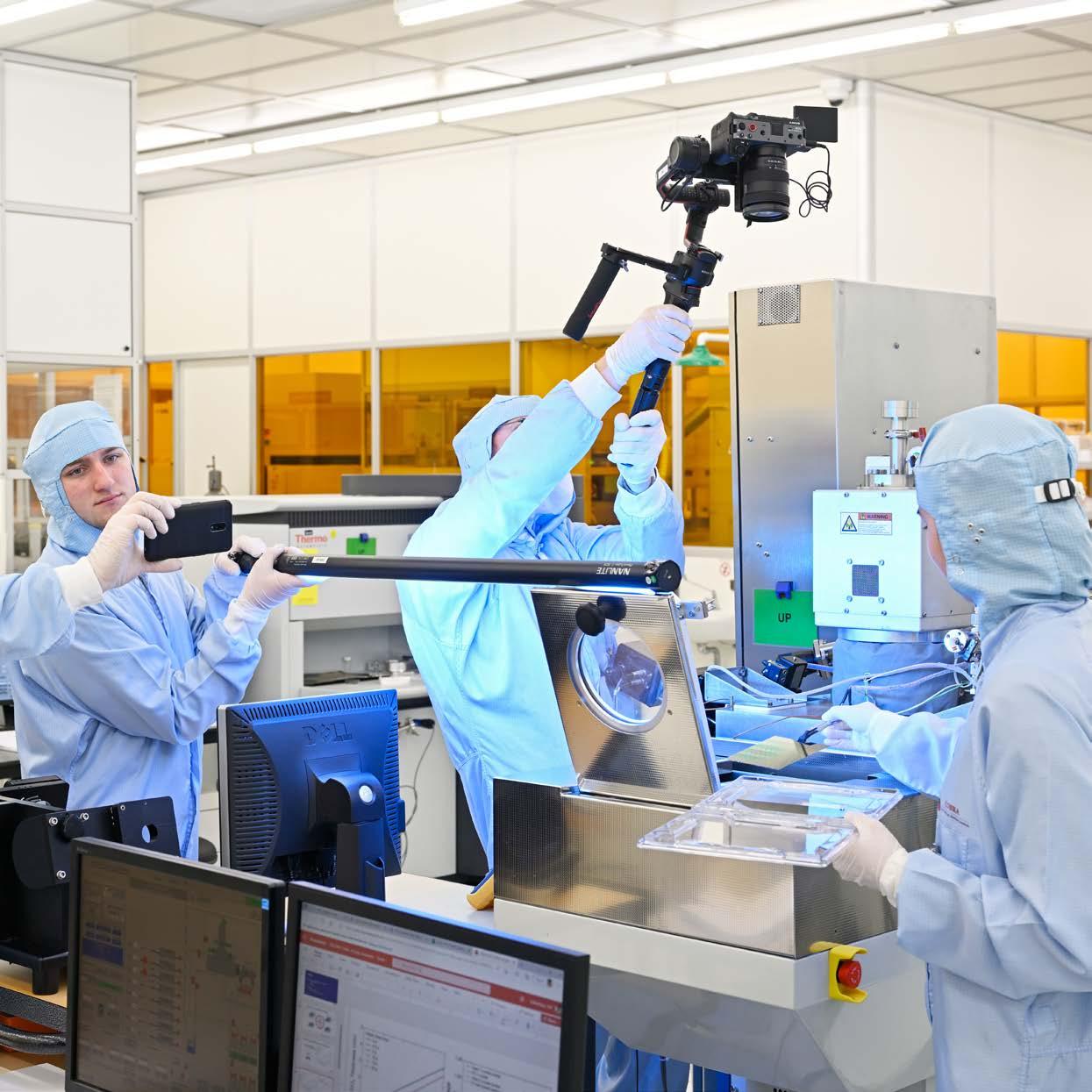
OUR PRIORITY DOMAINS, INCLUDING CURRENT STRENGTHS:
Energy Technologies
Current strengths:
System transition
Energy transition in the Built Environment
Greening the process industry
Energy generation & storage
Health Technologies
Current strengths:
Biomaterials & chemical biology
Medical devices, systems & solutions
Technology for humans and society
Data science & AI
Digital & Semiconductor Technologies
Current strengths:
Future chips
Sensors & edge devices
High tech systems
High-precision equipment
Design & heterogeneous integration
Neuromorphic & novel computing paradigms
Photonics & quantum technology
AI for Decision-Making and Control
Human-Centric AI for Engineering Systems
Physics-aware AI
Advanced Materials
Current strengths:
Electronic, photonic and quantum materials
Interactive polymer materials
Energy materials
High-tech functional materials
AI tools for materials
Our four research institutes are at the forefront of the priority domains. They stimulate interdisciplinary research and ensure involvement of all departments. Moreover, they reach out to partners to organize co-creation platforms together with mutual benefit; to support exchange of staff and facility sharing.
Following the review of the institutes in 2025, we will revise the strategies and landscape of the institutes. This enables the bundling of forces –of institutes and departments together – on the priority domains. In this reorientation, the institutes will identify the role that TU/e can play in the knowledge and value chains on their topics. The priority domains tie in with the needs of the Brainport innovation ecosystem. High tech systems and materials, complex machines and ‘high value, low volume’ are key characteristics of the ecosystem. In the priority domains, we will focus on science, technology and design that fit and support these technological strengths, excellent knowledge infrastructure, and manufacturing capabilities. In both education and research, ‘system thinking’ is a key competence. With this perspective, we actively engage in the strengthening of the semiconductor sector and the diversification strategy of the Brainport-region.
and mission-
TU/e has established four research institutes that bridge research programs over our departments and involve partners in the Brainport area and beyond in our research. Starting with an investment of 60 mln, these institutes have shown to be catalysts in participation in (inter) national mission-driven research programs. TU/e participates in 29 out of 50 Growth Fund projects and is one of the top 15 universities in participation in the European framework program Horizon Europe. In addition, TU/e has devoted large investments in research infrastructure for excellent research, notably the SPIKE-1 supercomputer and the new cleanroom, that will be operational from 2028 onwards.
In addition to research, these priority domains will also be reflected in our education and valorization, for example through the development of new Master tracks aligned with these transitions and technologies. This will ensure that our programs remain intricately connected to emerging societal needs and technological frontiers. In Innovation Space we aim to orient our students and their entrepreneurial skills towards these focus areas. The priority areas will also give shape to thought leadership, co-creation with partners and other entrepreneurship and valorization activities supported by our Knowledge Transfer Office (KTO).
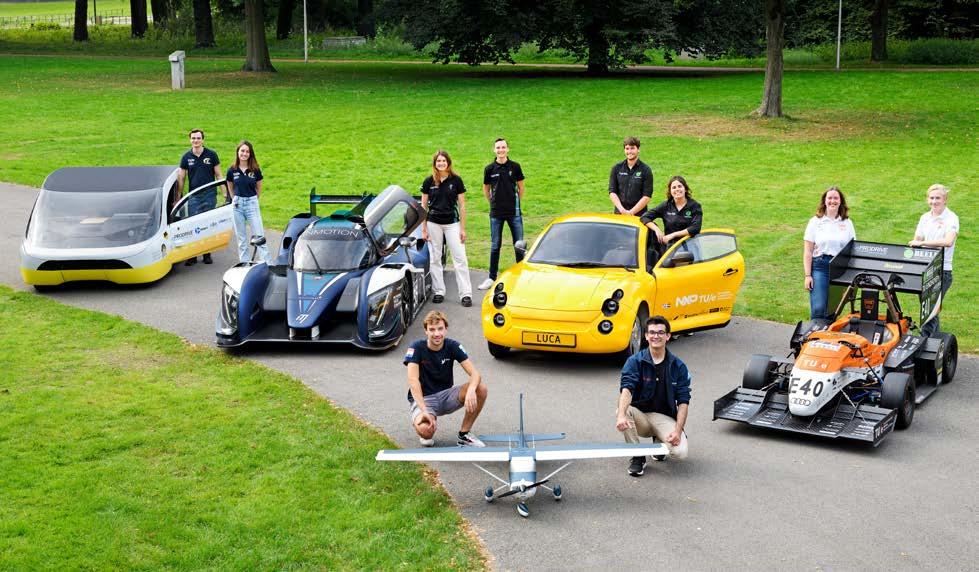
While the ‘Beethoven program’ is composed to focus on increasing the number of graduates in semiconductor-related fields, we establish the Casimir Institute for Future Chips and High-Tech Systems to create an integral research program on semiconductor technologies and to coordinate strategic partnerships with industry in Brainport, universities in Europe and selected global partners.
TU/e is a high-tech systems and materials university and strives to intertwine design thinking and methodology with science and engineering.
Furthermore, we need to team up with other disciplines to solve scientific, engineering, and societal challenges. On a national level, within the Alliance EWUU 10, we focus on transdisciplinary research and education with programs on the transitions towards Preventive Health and Circular Society. In the 4TU.Federation, we focus on bundling forces in the engineering disciplines. In Europe, we strengthen our collaboration with Eurotech Universities. Specifically for semiconductors, but not limited to that, we engage in partnerships with complementary excellent university-driven innovation ecosystems such as KU Leuven, RWTH Aachen and TU München.
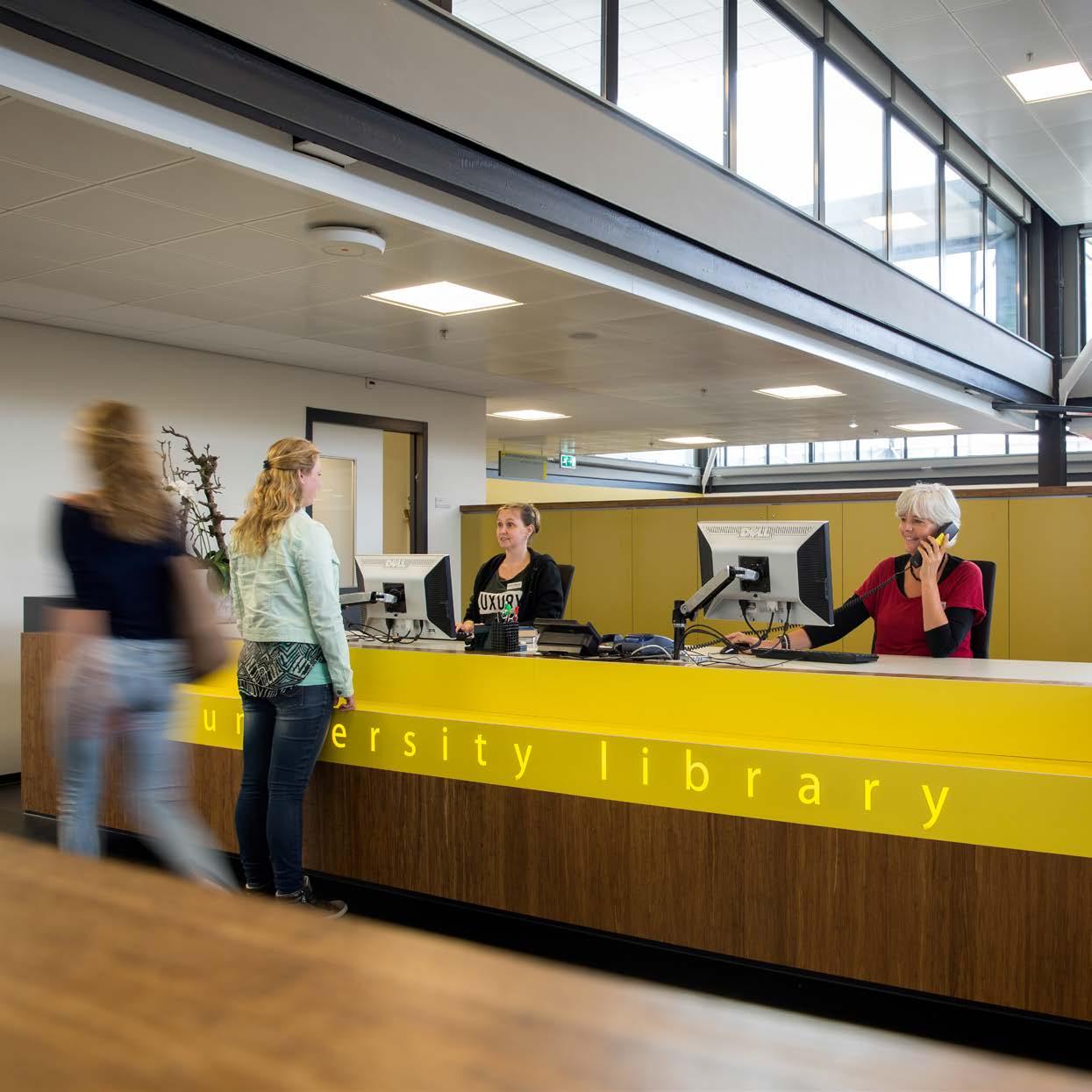
In educating new generations of engineers, the sustainability transitions call for ‘responsible engineers’: engineers that explore, develop, and apply technology with a broad understanding of the societal context in which they will have an impact. In addition to in-depth engineering skills, our aim is that every student gains real-world experience in the ecosystem and complements their engineering skills and knowledge with a focus on the role of technology in sustainability transitions. We do this through several important lines of action. Our Challenge-based Learning program, established in 2012 and since then evolved and expanded, has proven to be highly successful. Students actively engage in transdisciplinary challenges with our societal partners in Brainport and beyond. Tying in with the European Skills Agenda11, we aim to integrate skills and ethics into our curricula.
To enable every student to follow their curiosity and foster their professional development, it is important that students take ownership of their learning through flexible and personalized learning paths. With a highly intensive study program that involves lectures, challenges, working in the lab, and other assignments, the student’s flexibility to build a personalized schedule is often limited. TU/e aims to accelerate the development of flexible learning paths that students can follow more independently of time and place, while securing optimal interaction with fellow students and academic staff.
– Vision on education, Redesign Bachelor College and digitization In 2023 the vision of education is adopted and the subsequent implementation of the revised Bachelor College allows for more personalized learning paths and professional development for students. The elective space and thematic learning areas, such as AI and Sustainability, will be further developed. Digitization of education has enhanced by the BOOST program (2020). The implementation of DRIVE (the successor of BOOST!) will focus amongst others on flexible education.
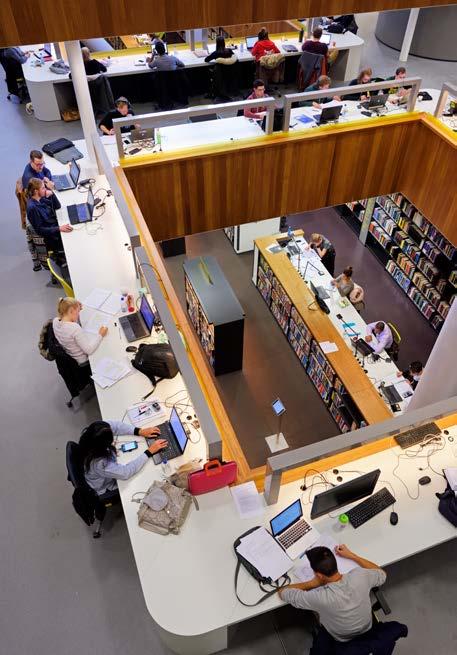
Key elements to conduct world-class research and educate the next generation of engineers are the research infrastructures and capabilities available to our researchers. Ranging from specific instruments like an ad-vanced electron microscope or a concrete printer, to more generic laboratories such as an AI-driven materials lab and high-performance computing, TU/e will invest in these research infrastructures and collaborate with partners to provide access to infrastructures on other campuses. Vice versa, we will focus on sharing the research infrastructure on our campus with our partners. We will achieve this through a roadmap in which the major investment opportunities are weighed against necessity and funding opportunities.
AI as a force for innovation and excellence
Artificial Intelligence (AI) is a revolutionary technology that is emerging at an unprecedented rate in nearly every service and technology that people use. AI enables novel solutions, new business models, new approaches to logistics, manufacturing, and many other sectors and services. It leads to new jobs, new learning demands from students, and new demands from employers. Just as everyone personally will use AI for many daily tasks, AI will revolutionize our university and our ecosystem. This comes with numerous ethical questions about the impact on society and the question if and how AI can and should be regulated.
In our university, AI is poised to fundamentally transform the way we shape learning paths, conduct research, teach, create value for society, and conduct our operations. At TU/e, we recognize AI as both a research topic and as a key enabler of innovation and excellence. AI as a tool has already led to numerous breakthroughs, such as in protein and materials research and many AI-applications for research have been created, not in the least at TU/e. We will actively embrace and strategically integrate AI across our core processes and operations – always within clear ethical and humancentered boundaries. Doing so, we strengthen our digital autonomy and our position at the forefront of education and research in a rapidly evolving digital society.
We will do so together with our partners: our academic colleagues in EWUU, 4TU and EuroTech Universities, but also with our partners in Brainport.
AI presents many opportunities for the companies and value chains in Brainport, but seizing these opportunities requires collaboration. Also here, TU/e may function as a driver of the innovation ecosystem.
Open Science is one of TU/e priorities in the research process. It is key to share our research findings, with colleagues around the world and to collaborate with partners. We strive for maximal disclosure of results and findings, while acknowledging that protection can be necessary at times. Open Science will be the norm. In accordance with the National Open Science Agenda, this includes sharing research data and educational resources. We will make Open Science rewarding through Recognition and Rewards, enabling diverse career paths. In addition, we will make Open Science easy through skills and training, for instance through the PROOF program for PhD’s.
Open Science goes hand in hand with responsible research, in which good practices in research regarding ethics, privacy and integrity are fostered and shared. Another essential element is the focus on knowledge security. Universities world-wide need to meet new demands to prevent the undesirable transfer of sensitive knowledge and technology. By safeguarding sensitive information where needed, we protect the foundation that allows open and international collaboration to flourish. In the coming years, TU/e will enhance and streamline these measures, often in collaboration with government and our partners in academia and industry.
To achieve our promise to science and society, we will prioritize the following key-enabling objectives:
Technology leadership
TU/e leads and actively participates in regional, national, and international consortia to act as thought and technology leader on European level in our priority domains.
We achieve this by strengthening our focus on the European Competitiveness Compass, by enhancing our participation in the European programs (Europe action plan), by engaging in international partnerships on our priority domains, and by enabling excellent researchers to lead large international consortia. We will create the necessary support structure to enable this.
Responsible engineers
We educate our students to lead transitions through research- and challenge-based learning and interaction in the Brainport ecosystem. They gain real-world experience in the ecosystem and complement their engineering skills and knowledge with a focus on the role of technology in sustainability transitions. Students take ownership of their learning through flexible and personalized learning paths, fostering professional development.
We achieve this by accelerating flexible education and by integrating skills and ethics in our curricula. Students actively engage in transdisciplinary challenges with our societal partners in Brainport and beyond.
Infrastructures and capabilities
State-of-the-art infrastructure and data capabilities are available for research, education, and valorization in our priority domains, either at our campus or available at our partner’s facilities. Digital facilities, such as HPC and AI, are strategically integrated to enhance research, education, valorization, and operations.
We achieve this by developing an AI-enabled approach and focusing investments in infrastructures and capabilities on our priority domains.
Open, responsible and secure science
TU/e’s research output is open to the world while upholding high standards of knowledge security. We achieve this by developing an Open Science approach that embraces team science and open education, and integrates guidelines and good practices for responsible research and knowledge security.
TU/e has established itself as the university ‘where innovation starts’ and aims to create world-wide impact through strong collaboration with our partners. With a natural focus on Brainport, and where possible bridging to partners beyond our region, we collaborate and co-create with world-leading industries, societal organizations, and citizens. Our ambition is to strengthen the Brainport region by mutual exchange of staff, knowledge, and facilities, in a role similar to the former Natlab within Philips: providing trust in people and building trusted relationships between people. Our efforts here are for the long term: they will co-determine the Brainport of 2050.
In line with the concept of the 4th generation university, we focus not only on knowledge transfer but take additional steps towards (co-)creating value for society. We define ‘value creation’ as the process in which our students and staff collaborate with partners in the ecosystem to create socio-economic value for society in our priority domains, like energy efficient chips and affordable and accessible healthcare. It is key that we do not only provide knowledge but collaborate with partners to understand the challenges and employ our joint knowledge and creativity to design and engineer novel solutions. This benefits both the university and our partners.
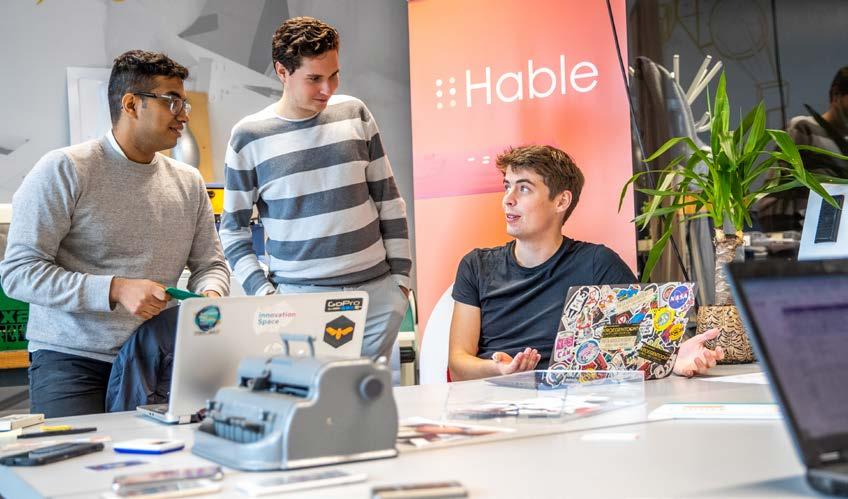
TU/e is an esteemed partner in creating value for society by driving innovation based on cutting-edge research, trust, and networks between people. In our priority domains we create value for society within Brainport where possible, and beyond Brainport where opportunities should arise. In 2030, TU/e has built esteemed partnerships with key world-leading partners in industry, academia, and society. In public debates on sustainability transitions, we engage to discuss innovative ideas and solutions.
Our campus is a dynamic hub where students, academics, industry professionals, societal partners, and citizens (co-)create breakthrough solutions. We exchange knowledge and staff to mutually reinforce each other. We offer career tracks based on specialization in education, research, and valorization. As TU/e grows from these 1st, 2nd, and 3rd generation university roles, we take additional steps to (co-)create value in our ecosystem as a prime example of a 4th Generation University.
For the year 2030, our promise to science and society is:
In our priority domains, TU/e leads the change in valorization in Brainport and beyond. We partner with world-leading academia, companies, societal organizations, and citizens. Students, academics, and professionals collaborate with colleagues in Brainport and beyond in multi- and transdisciplinary settings. Our campus is open; we share our facilities and mutually exchange knowledge and staff.
TU/e actively involves our alumni to bring in different perspectives, competences, experiences and investments into our innovation ecosystems.

TU/e Impact & Outreach initiatives
Science communication & events
TU/e University Fund & Revolving Valorization Fund
Citizen Science, advisory evidence-based policy influence

Research collaborations and employee mobility (via partnerships with industry, government and public organizations)
Business Development support
Intellectual Property support
Valorization Funding
COLLABORATIVE & OPEN CAMPUS
Shared (Research) Facilities & Equipment
Smart Campus & Living Lab
ENTREPRENEURSHIP ECOSYSTEM
Startup support (incubator and training programs)
Entrepreneurship education & research
Entrepreneurial networks (peer communities, Entrepreneur-in-Residence)
Entrepreneurial learning and earlystage student entrepreneurship (Innovation Space)

Disciplinary
Scientific challenges
Excellent science, engineering, design
Scientific breakthroughs
Valorization via communication
APSE, BE, BmE, CE&C, EE, ID, IE&IS, M&CS, ME
Multi/interdisciplinary
Sustainability transitions
Mission-driven and transformative research
Systems engineering
Valorization via collaboration Casimir Institute, EAISI, EIRES, ICMS
Transdisciplinary
Sustainability transitions
Mission-driven and transformative research
Value chain innovation
Valorization via co-creation
E.g.: 4TU, campuses in Brainport, Eindhoven Engine, e/MTIC, EWUU, Fontys, innovation space, JADS, Summa, sustainability office
Priority domains and Sustainability transitions
Mission-driven and transformative research System innovation
Valorization via cocreation
E.g.: EuroTech Universities, EuroTeQ Engineering University, KU Leuven, partnership ASML, RWTH Aachen, Semicon talent program
Framework for Research and Collaboration
Types ranging from predominantly disciplinary research in departments to transdisciplinary research through co-creation hubs13

To achieve our promise to science and society, TU/e aims to create value for society through a set of four interlocking and mutually strengthening dimensions. We focus on co-creation with society, establishing platforms for collaboration within Brainport and beyond, establish a collaborative and open campus, and focus on further strengthening a world-class ecosystem for entrepreneurship.
Co-creation with society and knowledge transfer In the priority domains that focus on the long-term needs of the innovation ecosystems, we establish platforms for collaborations and (co-)creation such as a professional knowledge transfer office (KTO) for valorization, hubs like Eindhoven Engine for tackling outside-in wicked problems in focused areas, and Innovation Space to enable entrepreneurship in student teams. Also, within our partnerships with 4TU, EWUU and EuroTech Universities, we will focus on uniqueness and critical mass within cocreation programs.
Our departments and institutes are all part of the process of value creation for society. Students and staff discuss opportunities within their groups, connect to partners, and participate in co-creation platforms.
As a university we will focus on developing initiatives with Brainport Development, Fontys, SUMMA, our alumni, and the neighboring hospitals to truly create tangible value. On an international level, we will strengthen our profile of TU/e as a prime example of a 4th generation university, allowing us to strengthen our current partnerships and develop new ones to increase our impact on European competitiveness and resilience.
In line with our ambition to take leading roles on European level in our priority domains, we will engage in large consortia and initiatives on these topics. This leading role may extend to global initiatives, such as our Semicon summer and winter schools with Taiwan and Korea.
An important key to sharpen our valorization activities is to identify the unique contribution TU/e can make in ‘knowledge or value chains’. By mapping our contribution to these chains, we will actively collaborate with industry and universities to accelerate our impact.
Our aim is to strengthen Brainport as a highly attractive innovation ecosystem, paving the way for the next generation of tech champions with high potential to scale-up and become unicorns. Here, many factors play a role: research programs that provide leads for new solutions, talent to work in diverse teams, support for start-ups, availability of investment capital, entrepreneurship courses, experts on market development and societal embedment of technology, guidance by experienced entrepreneurs and opportunities to team up with other companies to achieve high quality solutions, and many more elements.
As a go-to support unit for valorization activities, we will establish a lean and professional Knowledge Transfer Office (KTO) as an evolution from The Gate. The KTO will function as a reliable and professional partner throughout the valorization
journey, providing advice on intellectual property and conflicts of interest, supporting long-term partnerships, building strong teams, and facilitating interaction with our ecosystem partners and community engagement. With the KTO as the go-to support within TU/e, The Gate becomes the network organization in partnership with Brainport Development, the Eindhoven municipality, BOM, Fontys and Summa. We act together to reinforce the innovation capacity of the region.
As TU/e offers parity of esteem between a career in research, education, or valorization, the KTO will facilitate careers with a strong contribution to valorization and impact.
– Supporting entrepreneurs through The Gate To better support entrepreneurs, TU/e has joined forces with Brainport by establishing The Gate, a cen-tral entrance for technologydriven start-ups in the Brainport ecosystem. At The Gate, committed and enthusiastic advisors provide information and advice on housing, financing, training, coaching, and collaboration to entrepreneurial students, scientists, and tech start-ups. This helps start-ups get ready for take-off. In addition to The Gate, TU/e will set up a KTO a as partner in valorization.
As a 4th generation university, our campus is a place where people meet, (co-)create and where technology and innovation are visible and tangible. The campus is accessible, open, and welcoming to those who support our CORe values. Our campus supports, enables, and stimulates researchers through top notch infrastructures in an inviting environment to study, achieve breakthroughs, share ideas, collaborate, do sports, and come together.
Our campus is a distinctive hotspot for talent
in Brainport, in cohesion with the other R&Dcampuses in Eindhoven, such as the High Tech Campus, Strijp S/T, the Automotive Campus and the Brainport Industries Campus. To enable (co-)creation, we share infrastructure with partners, create living labs, and establish links with infrastructures throughout Brainport and with our partners in EWUU, 4TU and Eurotech Universities. By sharing infrastructures, they become (co-)creation platforms. Doing so, start-ups, SME’s and large companies alike can participate in these infrastructures to experiment, prototype and co-create solutions.
Finally, we strengthen the involvement of our alumni in our community and specifically in our value creation ambition. In the past five years, their intensified engagement has brought in experience, new perspectives, and investments to support our active start-up community.
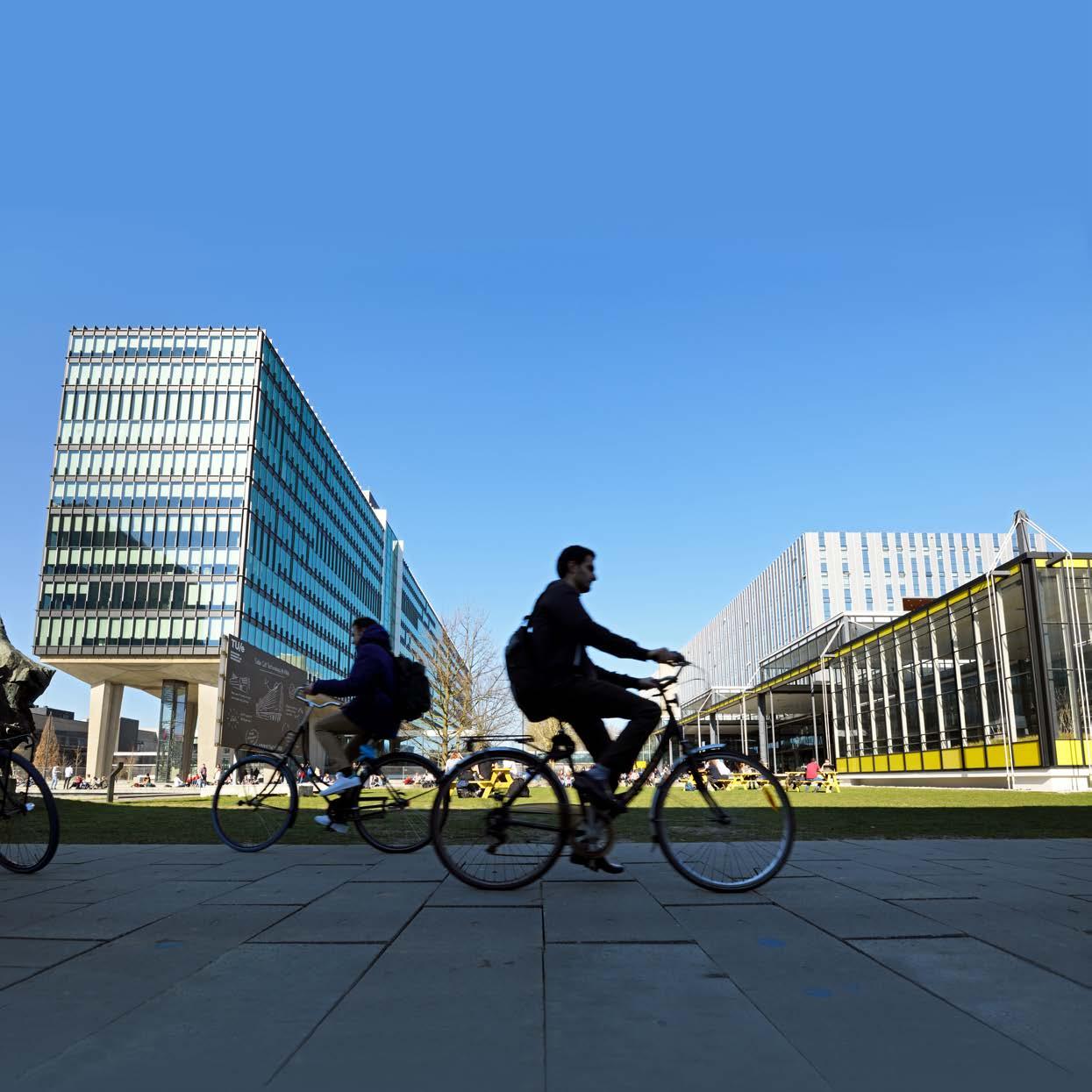
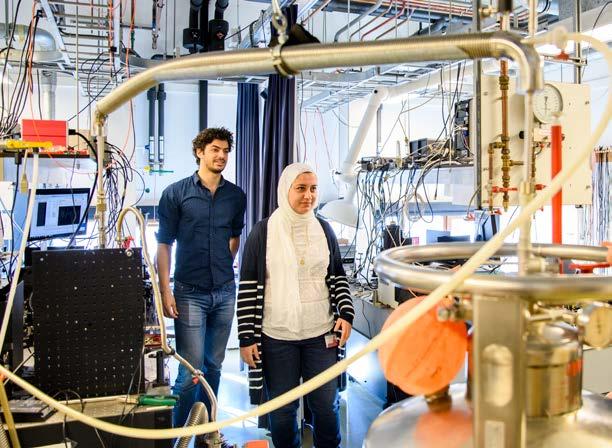
The Campus 2030 program is transforming our campus to a vibrant, green and attractive hotspot for students, scientists, entrepreneurs and companies. The renovations of Neuron, Gemini, Vector and the Student Sports Center, now open to the community around us, as well as the completion of innovative new student housing facilities on campus contribute to making the campus an integral part of Eindhoven, fostering a welcoming and inspiring environment for all stakeholders. The transition to renewable energy systems, despite facing challenges due to net congestion, demonstrates a commitment to sustainability and future readiness. The recently installed battery pack GENIUS manages net capacity with local partners and showcases our campus as a living lab.
To achieve our promise to science and society, we will prioritize the following key-enabling objectives:
Co-creation with society
We have established multiple inter- and transdisciplinary (co-)creation hubs with ecosystem partners, focused on sustainability transitions, the Brainport innovation ecosystem and Europe competitiveness.
We achieve this by strengthening the focus of our institutes on developing and supporting (co-)creation hubs, in the context of our priority domains.
Collaborative and open campus
Our campus is a vibrant open innovation hub, enabling value creation throughout the ecosystem. Shared facilities and living labs serve as collaborative platforms.
We achieve this by strategically inviting partners to share research and education infrastructures on and beyond the TU/e campus. We manage TU/e infrastructures to allow for sharing with internal and external partners.
Entrepreneurship ecosystem
Together with partners in Brainport, TU/e powers a European scale start-up and scale-up innovation ecosystem, enabling growth, investment, and unicorn potential.
We achieve this by developing a professional KTO as evolution from The Gate, by developing investment facilities with Brainport partners and alumni, and by making international connections for entrepreneurs with our EuroTech Universities partners.
To facilitate our core processes of education, research and valorization, TU/e will strengthen its operations. These operations are wide and varied, from IT-support to staff development, utilities, safety and security processes, and many more.
We focus on personal, connected, and seamless operations throughout academic departments, institutes and service departments:
Personal
Personal interactions, or ‘Brabantse gemoedelijkheid’, is a key trait and strength that we leverage not only for a competitive advantage, but also for a great work environment and place to be. It entails keeping short lines and balancing strategic control with local operations. This also means that we have the user’s perspective, needs, and expectations in mind and actively seek it.
Our operations are connected to trends and developments in the outside world, and to the needs and opportunities within TU/e. This brings focus to what is important and helps us co-create better outcomes.
Seamless
Operations at TU/e work in an integral manner, connecting colleagues in the chain to create smooth transitions between units to meet the user’s needs timely, efficiently, and effectively.
In this way, our operations aim to strike the right balance between the involvement of academic staff and facilitation by professionals and with clear ownership and accountability. We implement a service chain approach in which we design, develop, and manage operations end-to-end throughout the university with the end-user in mind. In the SQUAD program several service chains have been established. As part of the key enabling objective ‘Leadership and organizational development’ a comprehensive approach will be implemented.

The Support Quality Drive (SQUAD) program is aimed at assessing and professionalizing TU/e service processes. SQUAD has resulted in change plans for every service department, with the final round (CEC, ESA, GA and RSV) in 2025. The development of tools to measure service improvement enables continuous quality enhancement and alignment with strategic priorities and budget constraints. As a results of earlier rounds, the Library and Information Management Services merged into a unified service (LIS) and the merger of the service departments of Real estate and Facility Management into Campus & Facilities, will further streamline operations.
We differentiate between domains that require world-class operations and domains for which adequate operations are sufficient. In this way, we reduce workload while maintaining quality and innovation capacity. This approach empowers the TU/e community to collaborate and achieve its strategic ambitions in an efficient and effective way.
At TU/e, we have identified four key differentiators that require a world-class level: talent attraction talent development and retention research infrastructures engaged community
These key differentiators are part of the key enabling objectives in the Talent- and Science, Engineering and Design ambitions. They will be the major focal points for investments in operations.
For all other operations, TU/e will focus on an adequate level of quality, or license to operate. When that level is achieved, we prioritize efficiency over further enhancement. Still, on many topics improvement is needed due to increasing demands and external developments. Also here, investments and joint actions will be necessary.
Focused, co-creative, effective and efficient
The transformation towards seamless operations and the enhancement of the key differentiators are ambitious. To make this move successful, we must focus, co-create and be both effective and efficient. These ‘core competences’ are key to operations at TU/e in the coming years:
Focused: we prioritize together and make demand-driven choices, with a One TU/e mindset. Co-creative: with the needs of the end-user in mind, we jointly develop and execute operations in service chains.
Effective and efficient: we define the desired outcome up-front, standardize to scale up and become cost efficient. We work through tradeoffs: cost vs. quality, customize vs. standardize. We prioritize progress over perfection.
To enhance our operations, academic departments need to have a strong role and ownership in steering and developing TU/e-wide service chains, programs, and themes within operations. In this way, the departmental perspective is naturally embedded, and operations are better aligned between academic departments. This also requires that departments have sufficient ‘executive power’: people with ample time and resources to fully implement improvements. TU/e will invest in this essential precondition for success.
The key differentiators together with a top selection of service chains that require a quality boost will be entrusted at the higher management level. In our operations, we prioritize progress over perfection.
As with the strategy itself, the implementation focuses on bundling forces and involving our community. We will focus on an integral approach and on broad involvement throughout our community. We bring people together in our research, education, valorization, and operations as One TU/e.
In the strategy program, we strive to create an integral approach by involving many stakeholders in our community in teams for the implementation of the key enabling objectives, spanning academic and service departments, and institutes. A team may address one or more objectives and will receive a clear assignment, mandate, and budget. These teams will often connect to each other to ensure horizontal coordination of actions. We will critically assess which teams are necessary. This approach with selected teams and clear mandates will enable control of workload for team leaders and participants.
Every team is led by a project leader and supported by a project manager. In these projects, we aim to enable young talent at all levels of our organization to take initiative. The integral approach also means that all levels within TU/e, from management to operations, will be involved to ensure effective implementation.
Implementation will only succeed when academic and service departments have sufficient ‘executive power’: people and resources to discuss and implement necessary elements. In the coming years, this power will be strengthened, with a focus on academic departments. Before starting new projects, a check is conducted to see whether the implementation power is available.
For every priority, 1-3 indicators are selected to monitor progress and results. Together, these indicators will make up the strategy dashboard that will be open to all in the BI environment. These indicators facilitate discussions on progress and – when needed – adaptation of the implementation plan.
Where the strategy program consists of specific strategic projects, the regular decision-making takes place in the executive board, advised by the University Council (UC), University Consultative Council (UCC, deans) and the Managing Directors Council (MDC). Twice a year, bilateral meetings of the executive board with each department, institute and service department are held to discuss the most fundamental issues.
We will streamline these processes in the strategy cycle to integrate strategic, financial, and other decision-making, evaluations and follow-ups. We focus on swift and transparent decision-making, by establishing a clear ‘calendar’ for reports, evaluations, and strategic discussions. Among others, this will entail an annual evaluation of the institutional plan, the bilateral meetings, the strategic off-site meetings, the annual report, financial reports, and management information in dashboards. To support this, a service chain will be set up with all academic and service departments, and institutes involved.
To prepare important decisions and to enable all parts of the organization to participate and contribute, the UCC and MDC will be involved earlier in the process, discussing goals and policies upfront in ‘draft’ versions. This will allow deans and directors to discuss these topics in their departments at an early stage to seek feedback and establish buy-in for the intended direction.
It goes without saying that the program on governance will benefit the implementation of the
strategy. All lines in the project, ‘leadership’, ‘one operating model’, ‘service chains’, ‘decisionmaking process’, ‘organic clustering’ and ‘open dialogue’, are aimed at facilitating strategic discussions, joint priority setting and professional management.
To ensure continued involvement of our TU/e community, partners and society, we will continue organizing sessions on strategic topics and developments. These sessions will focus on involvement of all groups in our community: students, academics, professionals, and alumni. Furthermore, our partners in Brainport and other universities will be involved in discussions, benchmarking activities, and consultations.
These recurring dialogue sessions on strategic topics will enable us to – when needed – adapt our course in a rapidly changing world. Moreover, they help TU/e in the coming years in defining a well-supported successor to Strategy 2030: Strategy 2040. This process starts in 2026.
The service chain for strategy will support this broad involvement, by providing up-to-date information about the progress of the projects, important discussions, opportunities to contribute and of important decision-making processes. With this approach, the implementation is evaluated, discussed and updated on an annual basis, with broad involvement of the university council, executive board, deans, directors, and the broader TU/e community.
The past few years have shown that external developments impact universities on a large scale. A declining demography, geopolitical tensions, the emergence of AI, changing governmental policies and a rapidly growing Brainport ecosystem. These developments provide opportunities for TU/e but also challenge our resilience and internal processes.
Although our ambitions are high, our budget will likely not increase or even decline. This calls for a focus on effective and efficient internal processes. Whereas the One TU/e mindset will enhance our impact in the world, it should also contribute to streamlining our processes.
With increasing geopolitical tensions, knowledge security will add to an already growing body of compliance needs. This concerns increased privacy regulations, data management, financial regulations
and many more. Although the university supports the goals of these regulations, we do face the formidable challenge to merge them efficiently in our education, research, valorization, and operations.
In addition, workload remains a matter of concern in universities and TU/e is not an exception. In our implementation, but also in our regular processes, we will focus on reducing workload to provide room for creativity, enhancing well-being, and fostering impact.
These challenges are the main driver for TU/e to focus on leadership, organization, and enhanced operations. It is our aim to enhance opportunities for students, researchers and professionals through collaboration platforms, support for funding and partnerships, and many other actions. To do this, while at the same time becoming more effective and efficient, requires strong leadership, organization, and operations.
Contact
Eindhoven University of Technology
Strategy Communication
Strategy@tue.nl
Editors
General Affairs: Renee Westenbrink & Rik Lubbers
Communication Expertise Center: Lieke van Gorp
Photography
Bart van Overbeeke, Angeline Swinkels, Rien Meulman, Vincent van den Hoogen and Sicco van Grieken
Production
Communication Expertise Center
Design
Josta Bischoff Tulleken, Magsite
Zalsman B.V.
© 2025 | Eindhoven University of Technology
No rights may be derived from this publication
For the Strategic Technologies for Europe Platform (STEP), please visit https://strategic-technologies.europa.eu
Bogers, M., & Steinbuch, M. 2023. ‘De vierde generatie universiteit: Het nieuwe tijdperk van open innovatie en ecosysteemdenken’. Holland Management Review, 208: 62-71. English translation is available at: https://pure.tue.nl/ws/portalfiles/portal/325584780/ BOGERS_STEINBUCH_2023_HMR_Fourth_Generation_University.pdf The future of European competitiveness (Draghi report), September 2024
Source: European Commission, QLIK R&I projects dashboard. Of all higher education institutions, TU/e receives the 15th highest net contribution in Horizon Europe.
See EU Commission factsheet on Multiannual Financial Framework Elzen, B., & Wieczorek, A. (2005). Transitions towards sustainability through system innovation. Technological Forecasting and Social Change, 72(6), 651-661.
Definition given by the United Nations Brundtland commission in 1987 United Nations, ’Transforming our World: The 2030 Agenda for Sustainable Development’. (2015)
Sachs, Schmidt-Traub, Mazzucato e.a. ’Six transformations to achieve the Sustainable Development Goals’ (Nature Sustainability 2019)
Eindhoven University of Technology, Wageningen University & Research, Utrecht University, and the University Medical Center Utrecht European Commission, ‘European skills agenda for sustainable competitiveness, social fairness and resilience’. (Brussels, 2024)
TU/e Valorization Strategy slideset, adapted version
Wieczorek, A.J., (2025). Sustainability at TU/e. Deans Dinner note, Eindhoven University of Technology, 7 May 2025., adapted version.