ISI Report Highlights 2025

In March 2025, we were inspected by the Independent Schools Inspectorate (ISI) under their new inspection framework, and we are delighted with the outcome. Behind the ‘Pass’ is an acknowledgement of everything that makes Blackheath High School such a unique and distinctive place.
Preparing for an inspection is always a detailed and reflective process – from teaching and safeguarding to wellbeing, facilities and community life, it’s an opportunity to celebrate the care, creativity and commitment that define our school. The process takes thought and preparation, of course, but that is what we do every day – we always pursue excellence, we always aim high for ourselves and even higher for our students.
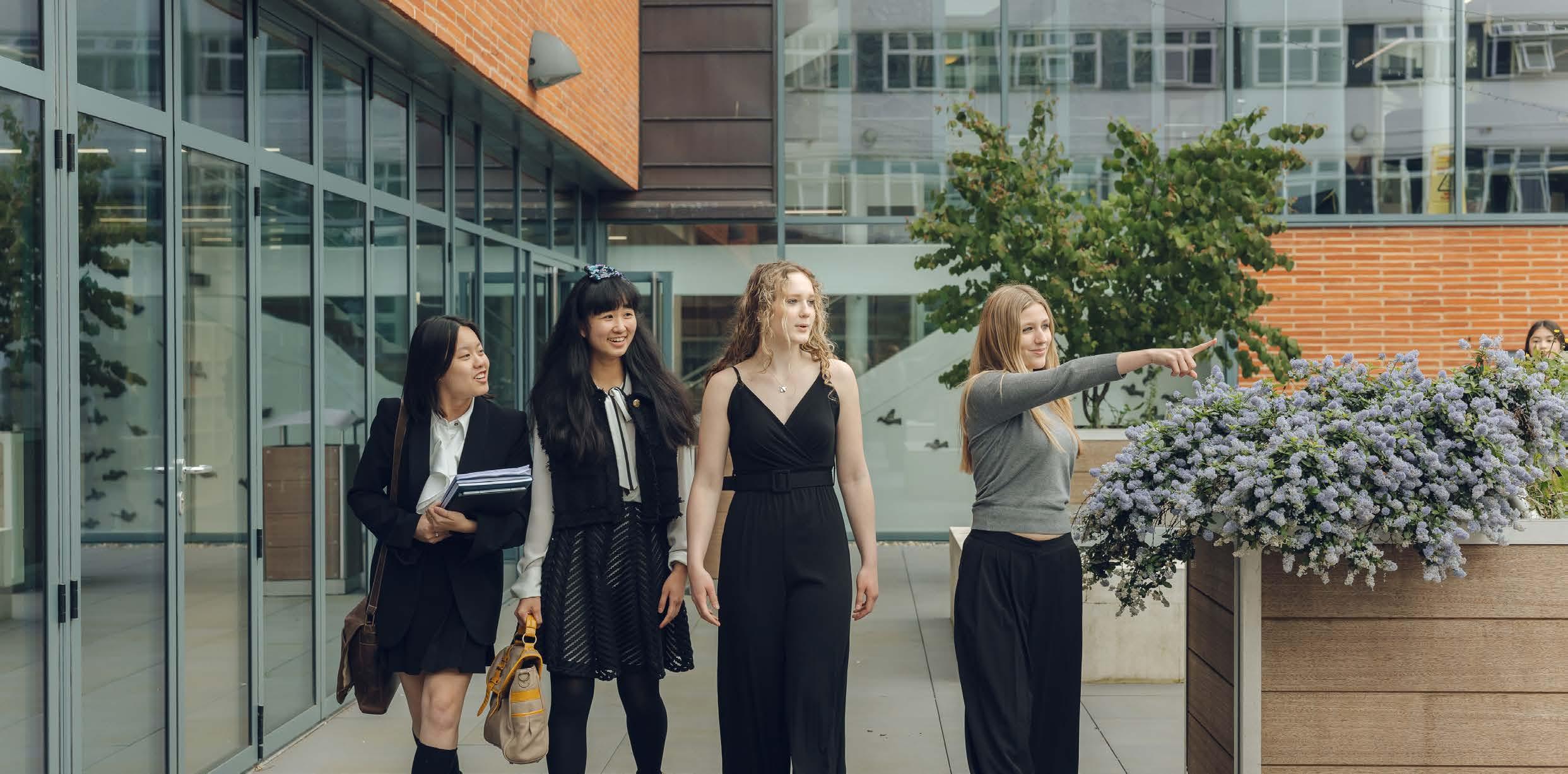
The inspectors are highly experienced, exceptionally capable educators who understand our ambitions and values; whose praise, compliments and advice are motivating and impactful; who really saw the students and staff who bring our ethos to life. They were immediately and instinctively positive about our confident, resilient, kind and ambitious girls. They commented on our inclusive environment, designed to let every girl shine and find her voice in her own way. They recognised the close relationships that develop between peers, and with staff. We are incredibly proud of this.
The new framework has dialled back on any grading, instead taking a more childcentred, holistic approach to school evaluation, focusing on pupil development and wellbeing, with a final ‘pass’ or ‘fail’. So while you won’t find eye-catching one-word summaries, you will find a wealth of positive, principled commentary and a ‘pass’ with flying colours!
Inspections will now happen every three years. Of course, that does not reflect our constant reflection, agility and innovation, put in place to ensure that we are always true to our values and delivering an outstanding education to our students. But they are vital as an independent observation of who we are and what we stand for, and we are delighted with the outcome. A huge thanks to our entire community for their support, hard work and dedication.
Natalie Argile, Head

• “Pupils develop an understanding of democracy and differentiating right from wrong, and are considerate of others whilst expressing their own opinions.”
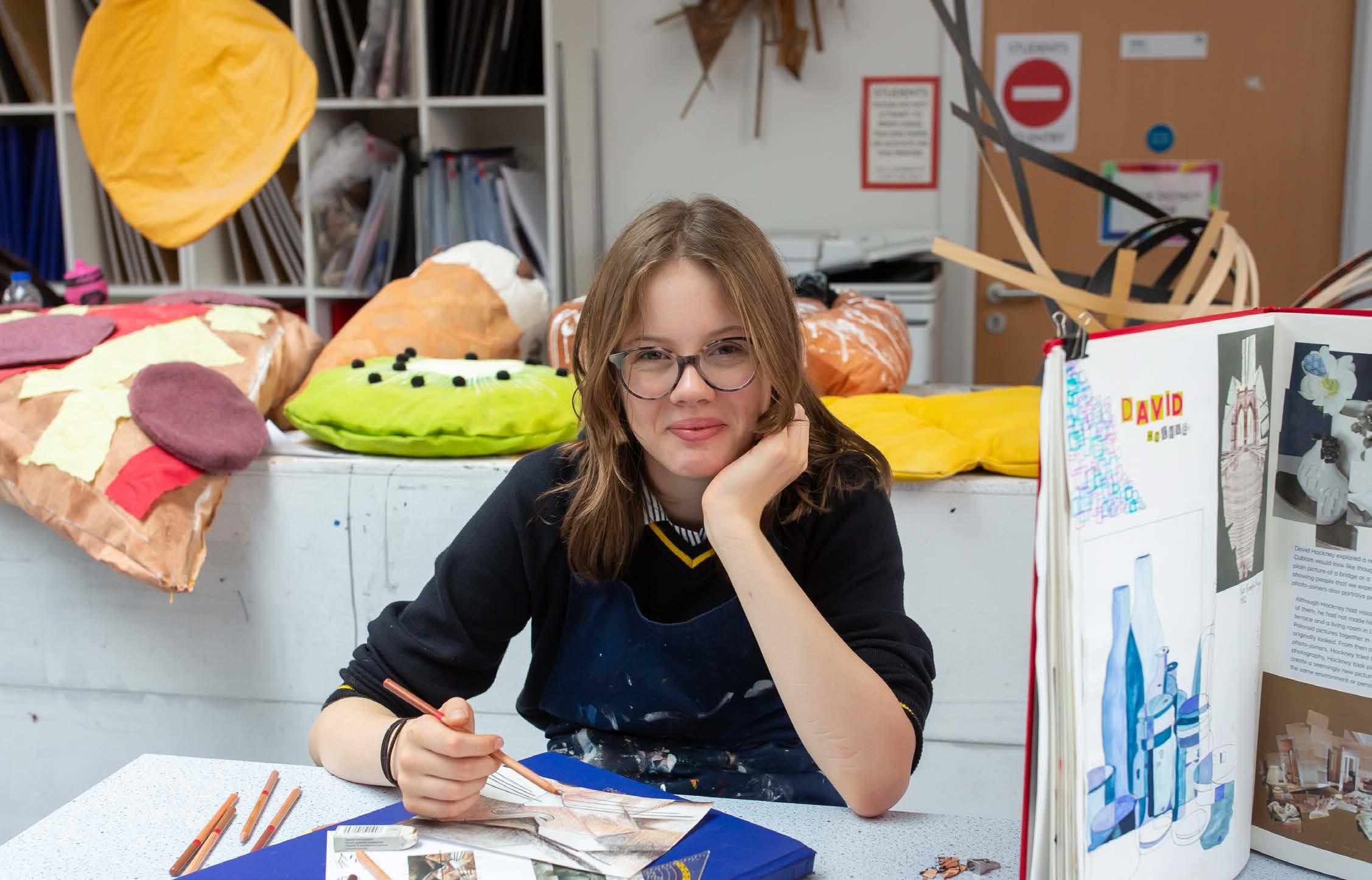
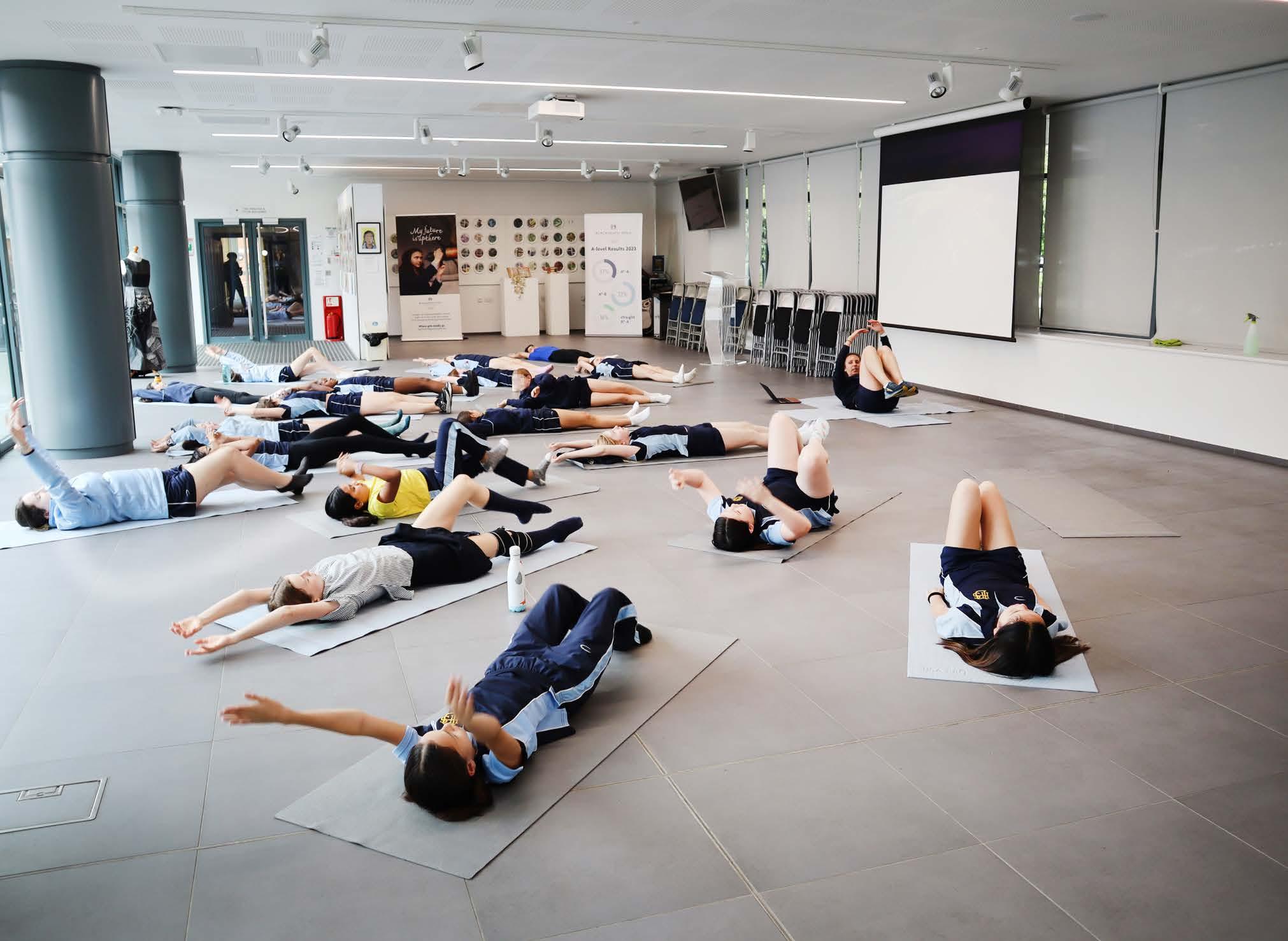
• “An extensive range of extra-curricular activities provides pupils with opportunities to develop their interests or explore new ones. Older pupils develop and lead societies that appeal to a wide range of interests, enabling them to cultivate leadership and organisational skills.”
• “Leaders actively seek opportunities within the local community and invite experts in various fields to deepen pupils’ learning.”
• “Well-planned pastoral care and many opportunities for pupils to develop their personal and social skills nurture pupils’ self-awareness and self-esteem. Pupils behave well in and out of lessons, and pupils and staff demonstrate kindness and model mutual respect for all.”
“
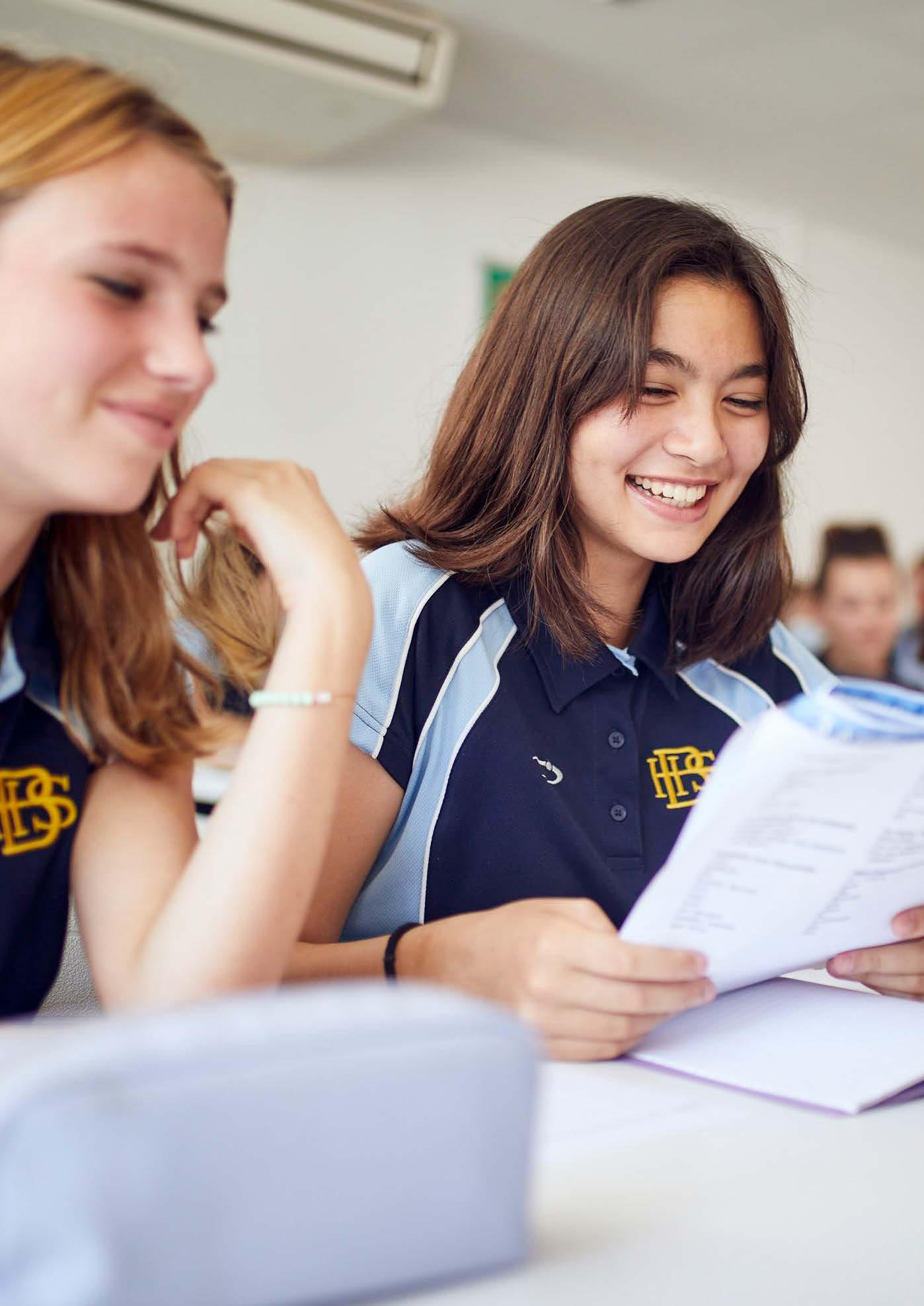
Leaders create a positive environment for pupils to develop curiosity, self-confidence and an open-minded outlook. Pupils are keen to learn, communicate their learning well and listen to the views of others.
“
Leaders know pupils well and monitor their academic progress and emotional wellbeing effectively.
• “Leaders take effective action to change procedures and provision to better promote pupils’ wellbeing when required. They have ensured that wellbeing is prioritised when developing ways to raise attainment.”
• “Leaders maintain partnerships with local schools, universities and public institutions in order to enrich pupils’ experiences through the Futures Programme.”
• “Leaders listen and respond to parents’ views about new initaitives.”
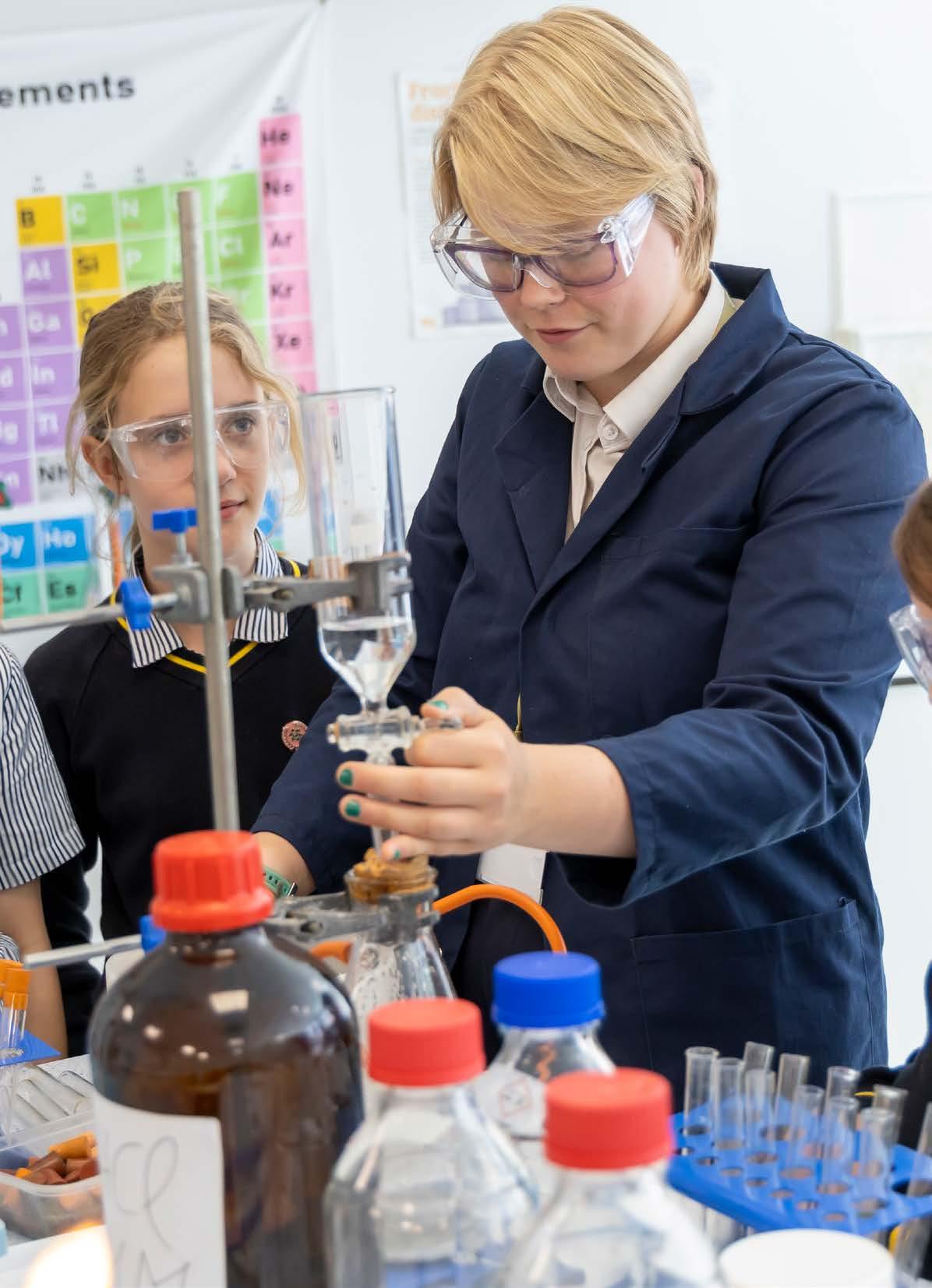
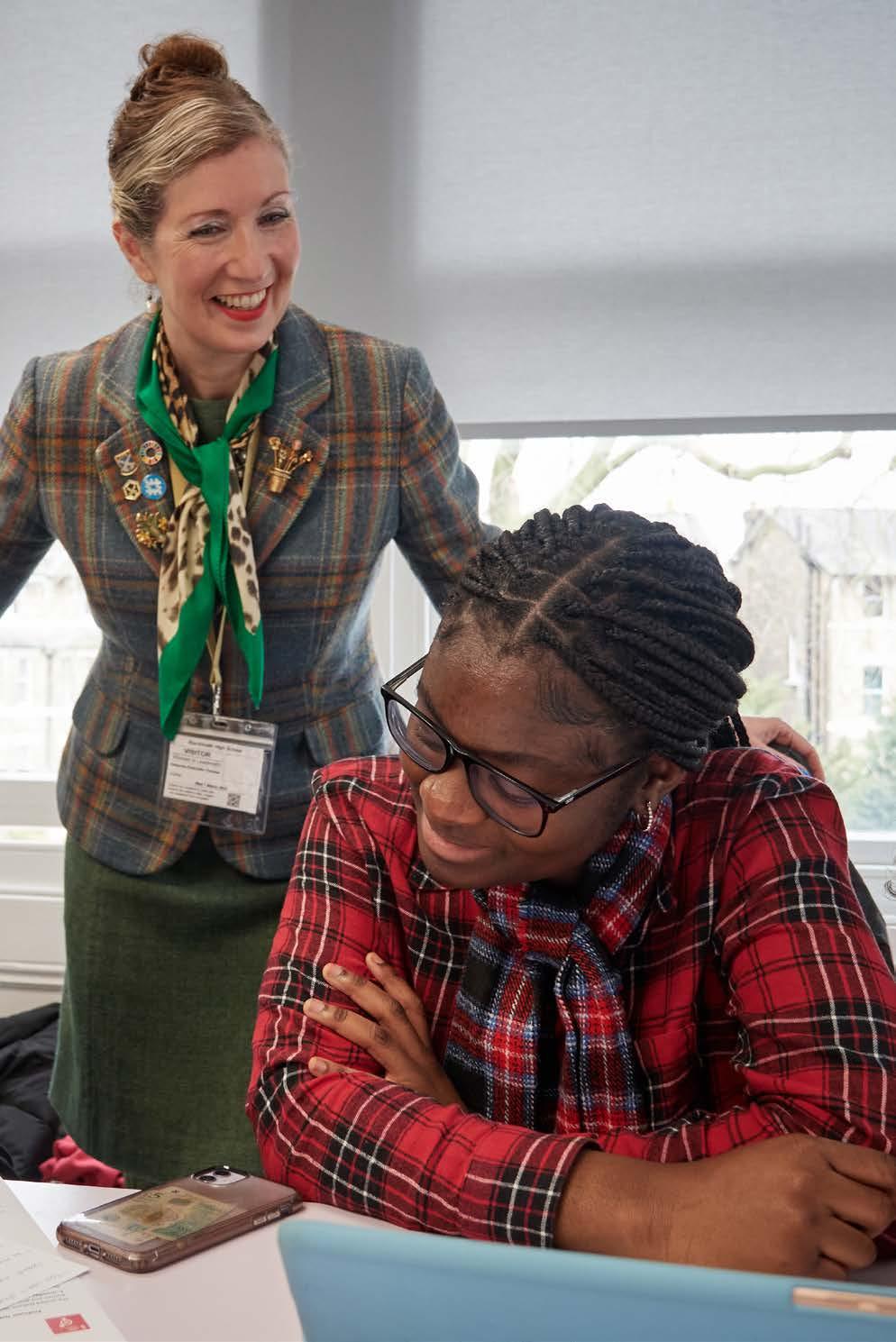
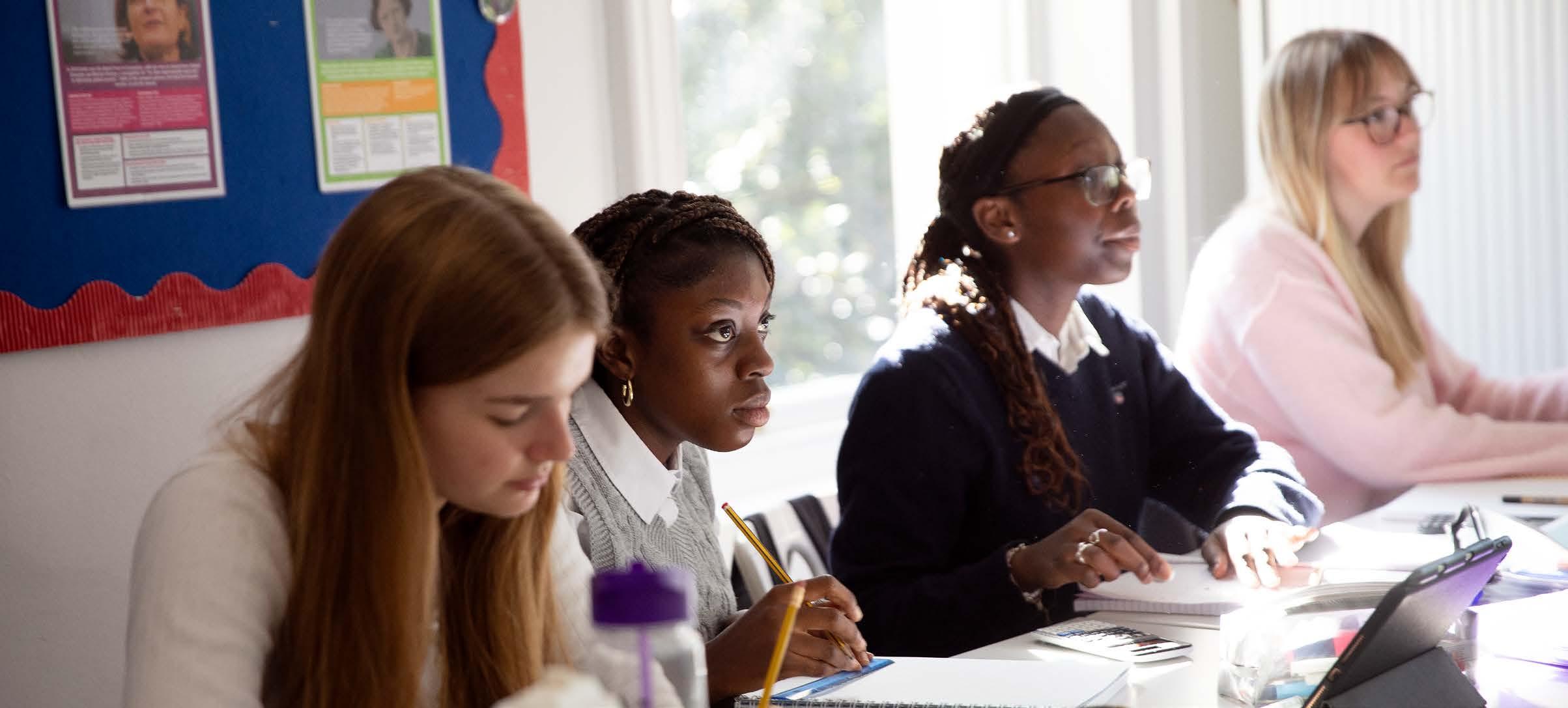
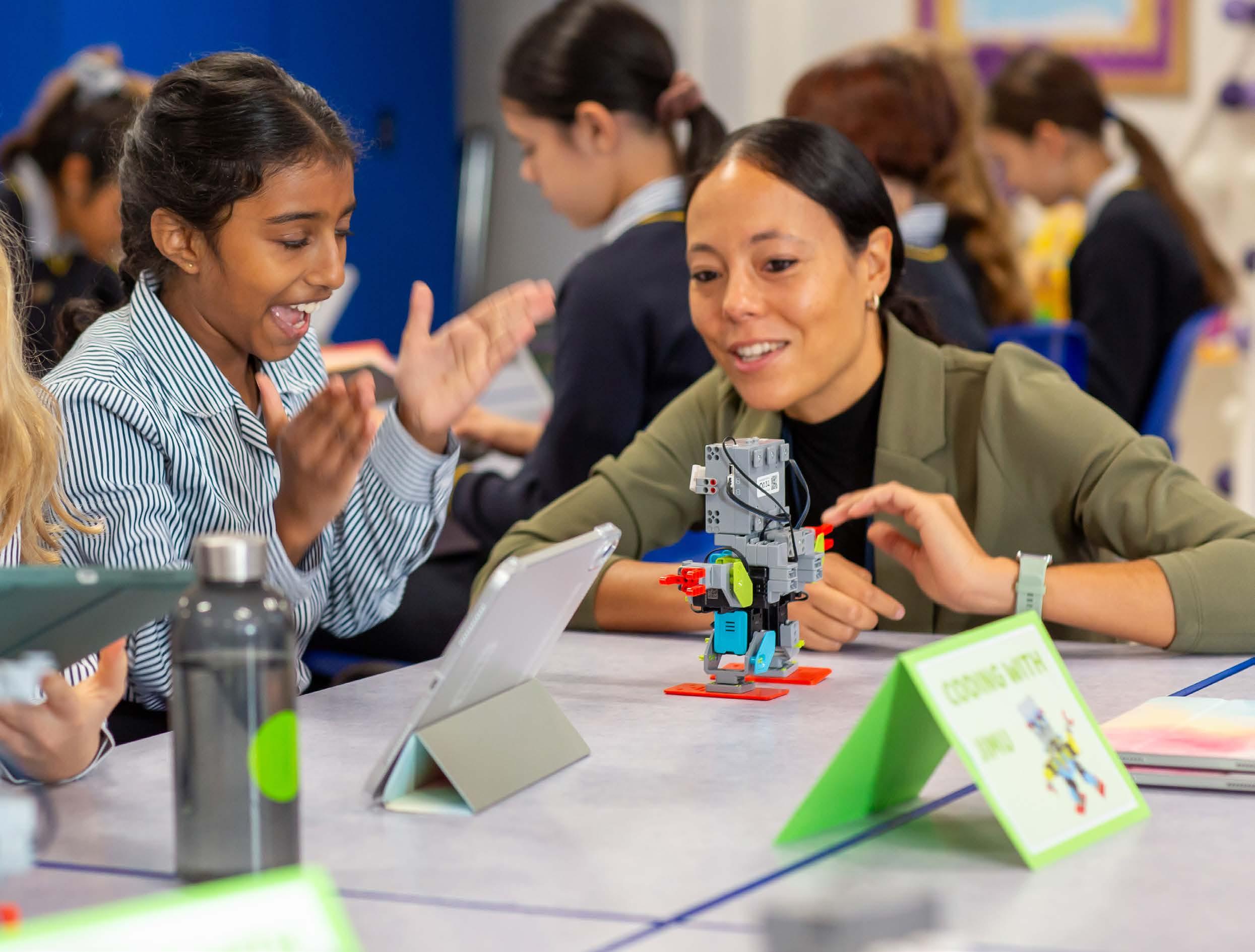
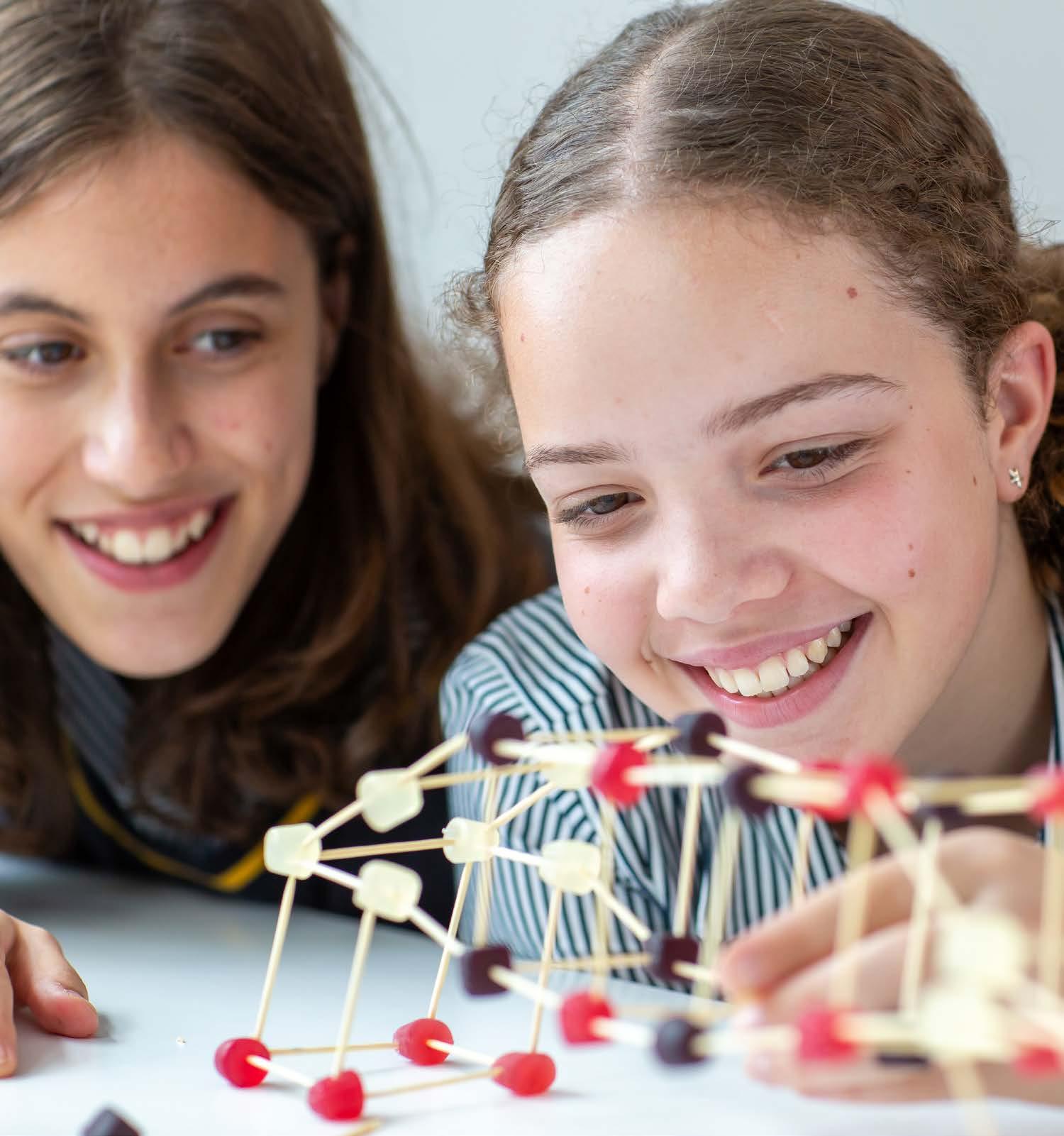
• “Teachers use effective strategies to engage pupils so that they are fully interested in their learning. They ask questions that encourage pupils to think critically and engage them in dialogue and discussion to deepen their understanding. They create a secure environment for pupils to ask questions when unsure or confidently seek help when needed.”
• “Pupils in the Sixth Form choose from an extensive range of subjects at A-level Schemes of work are adapted to meet the needs of pupils studying A-levels.”
• “Pupils benefit from a range of well-chosen guest speakers and attend conferences to enrich their knowledge and skills.”

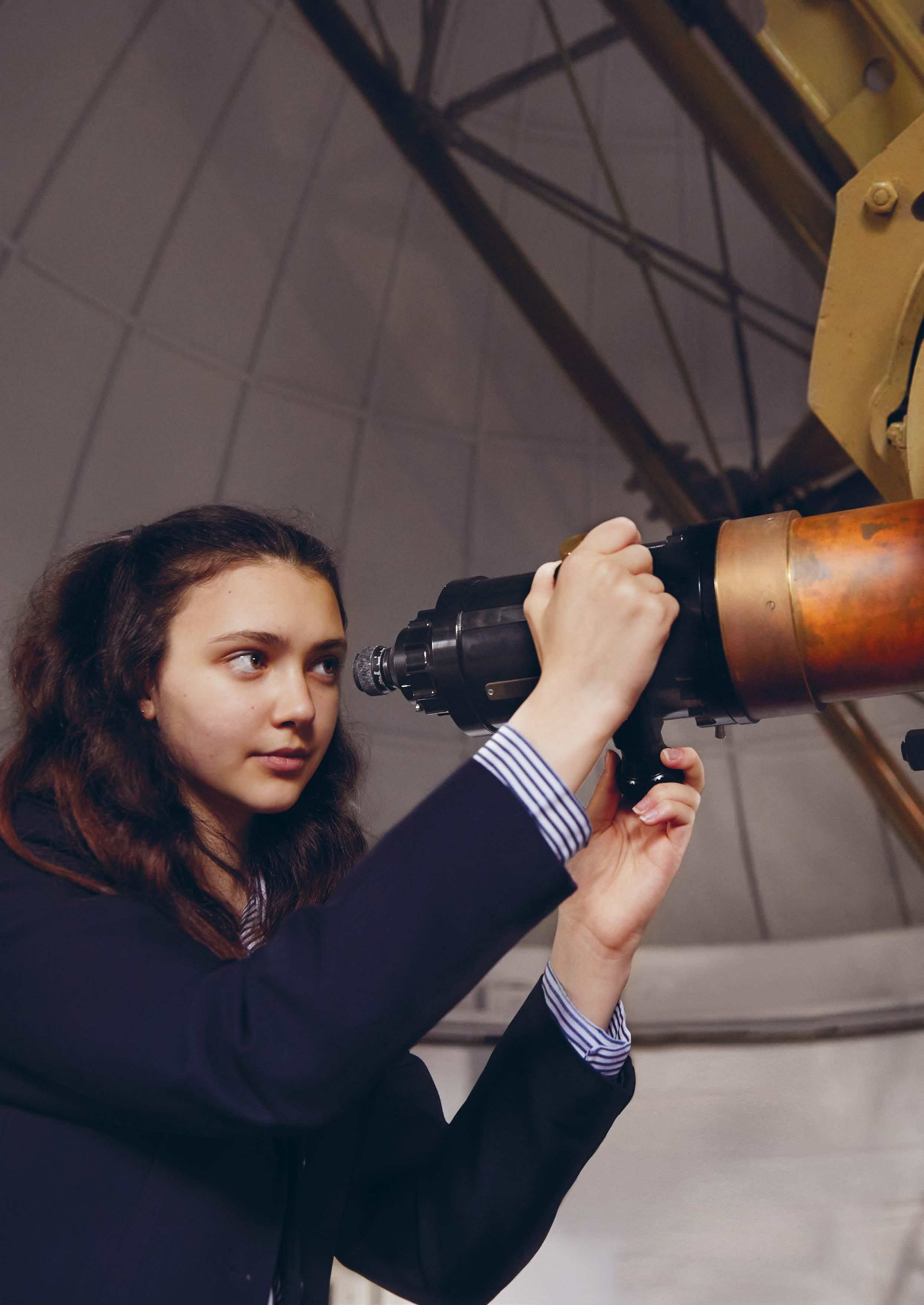
The school’s curriculum is delivered through a wide range of experiences. These are carefully adapted to meet pupils’ ages, needs and interests. The curriculum is enriched through a range of trips, visits, theme days and workshops from experts in a wide variety of fields, to deepen learning. Leaders actively seek opportunities to expand the choices of subjects offered to pupils. For instance, a partnership with the nearby Royal Observatory to enable pupils in Year 10 to study towards GCSE astronomy.
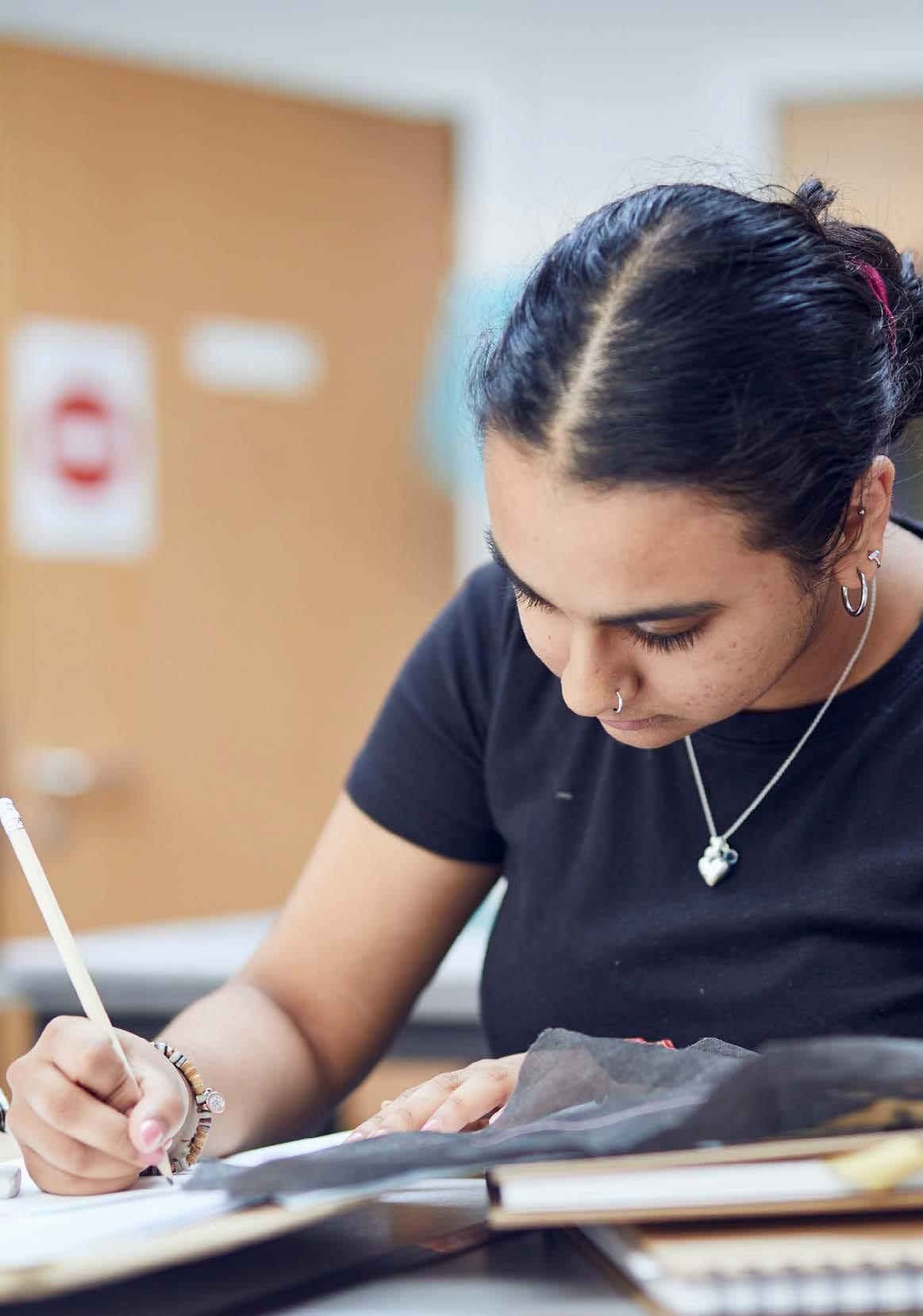
• “Pupils are self-motivated and achieve well in public examinations at GCSE and at A-level.”
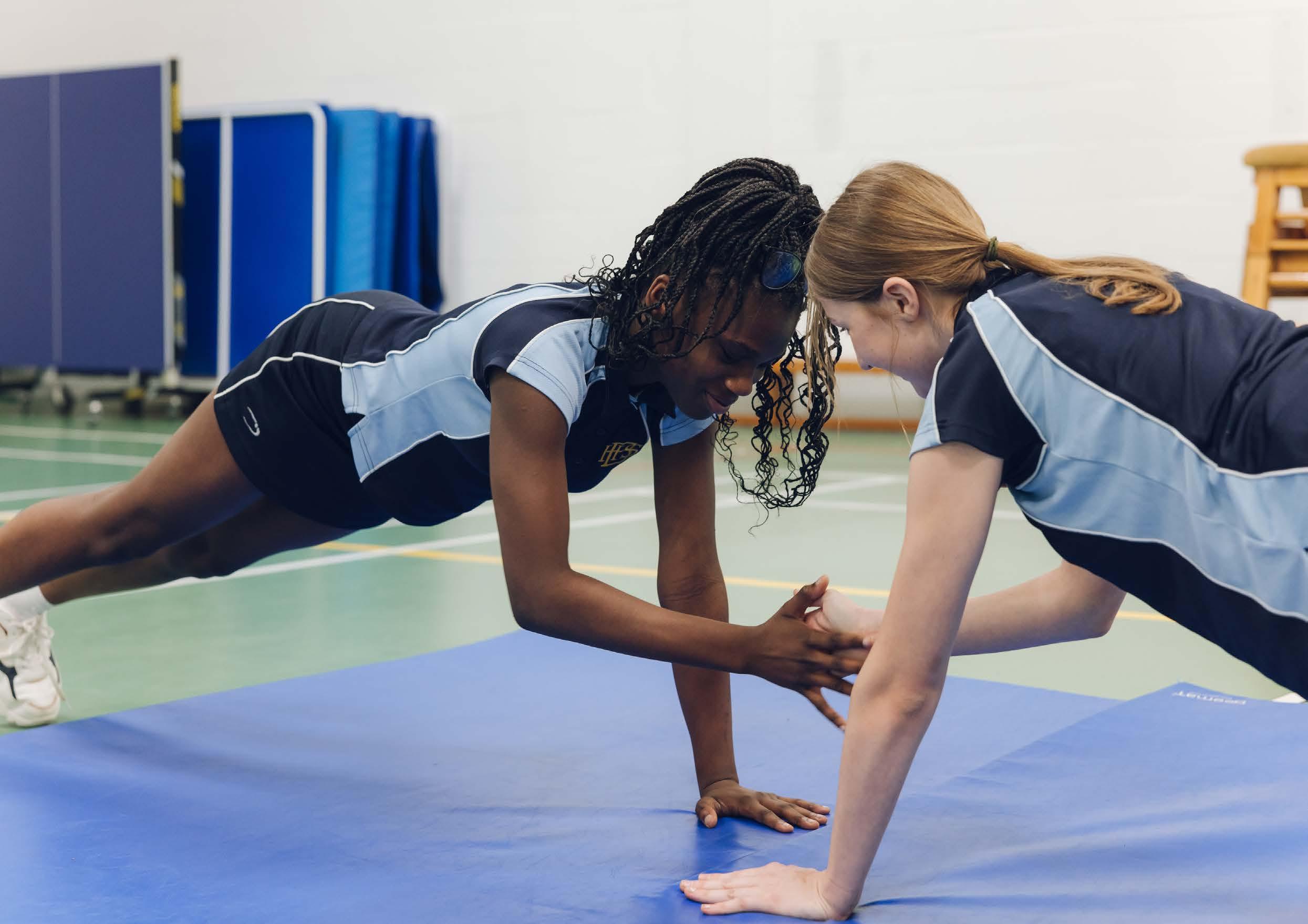
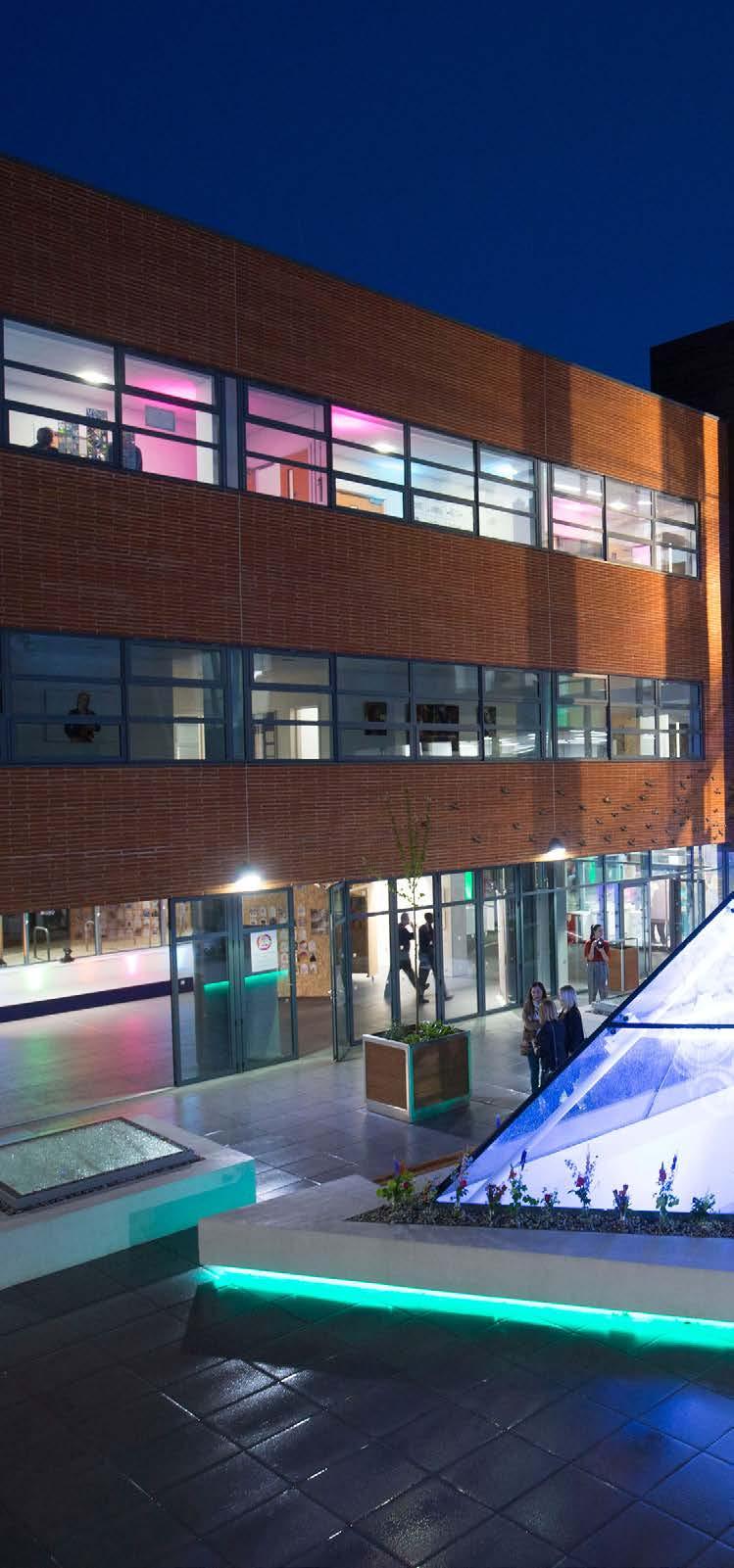
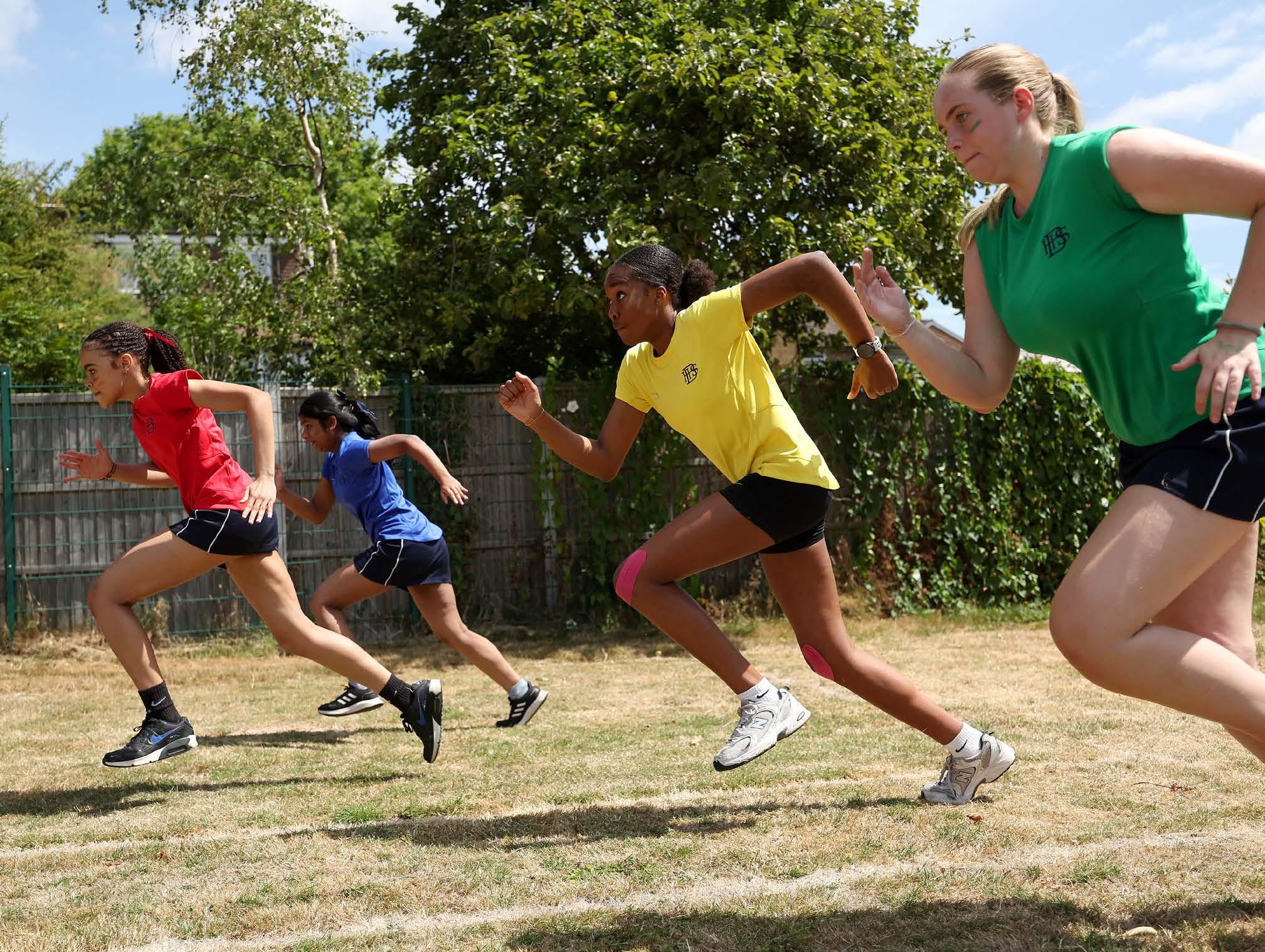
• “Leaders provide an extensive range of recreational activities to meet the interests of pupils and foster talents.”
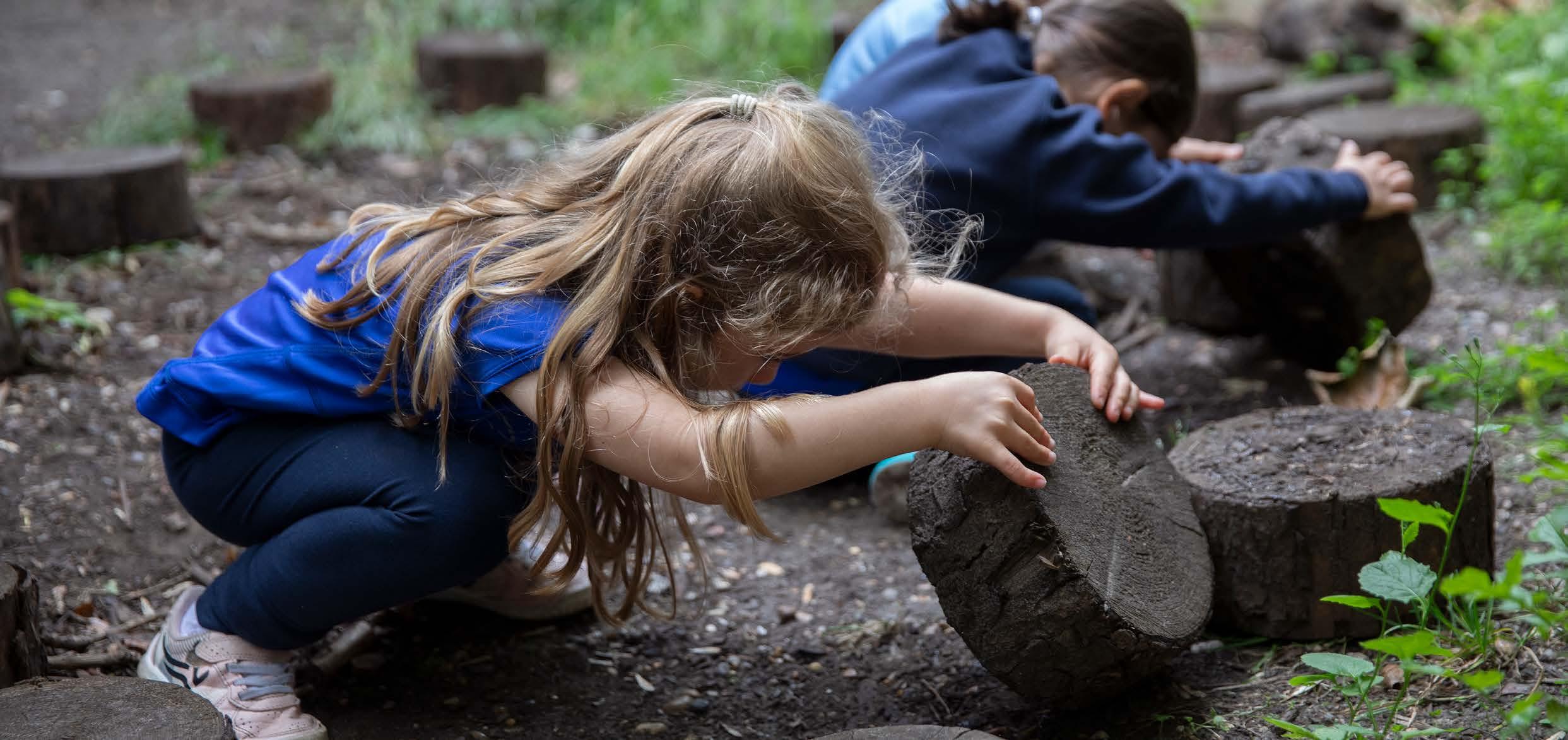
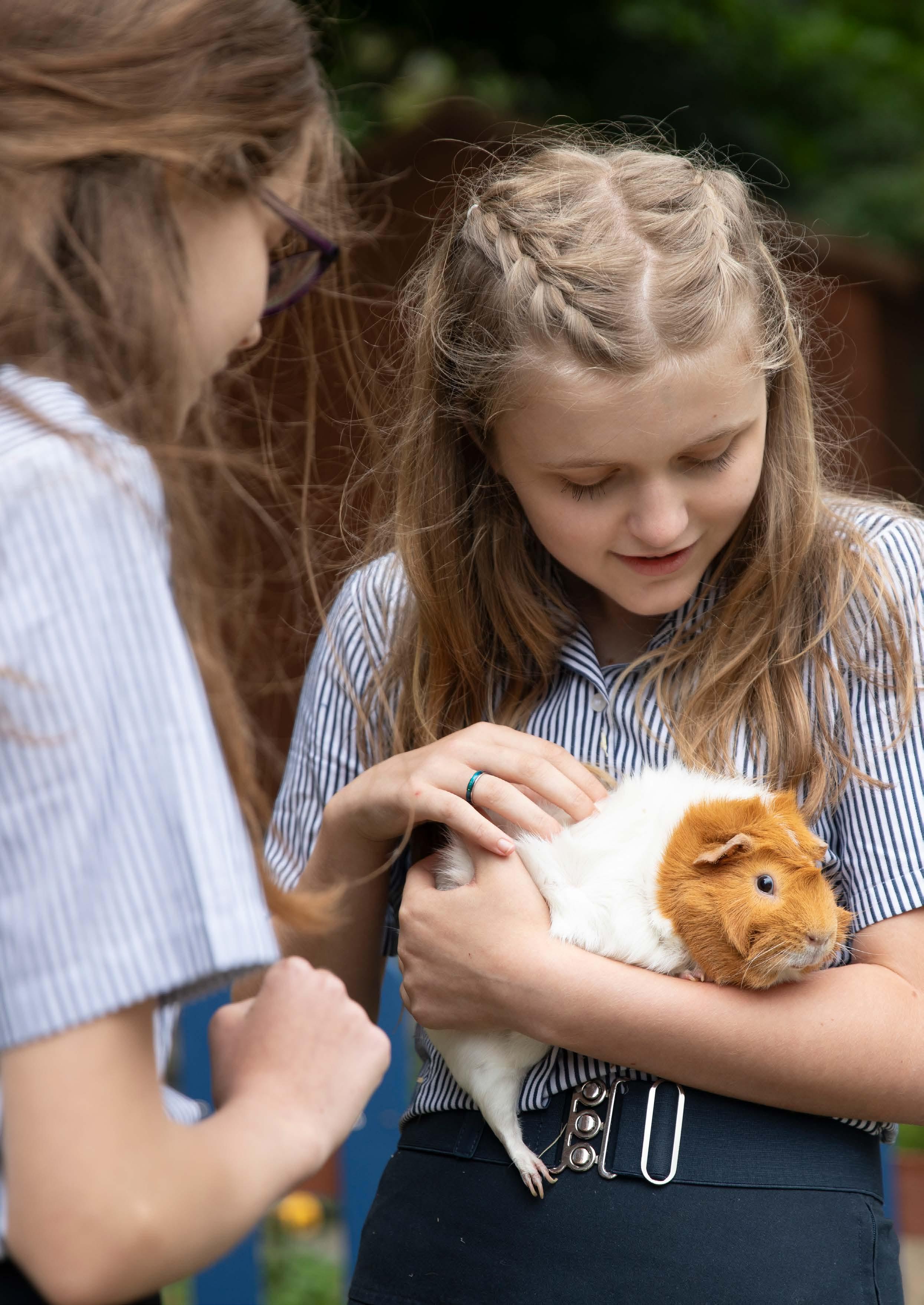
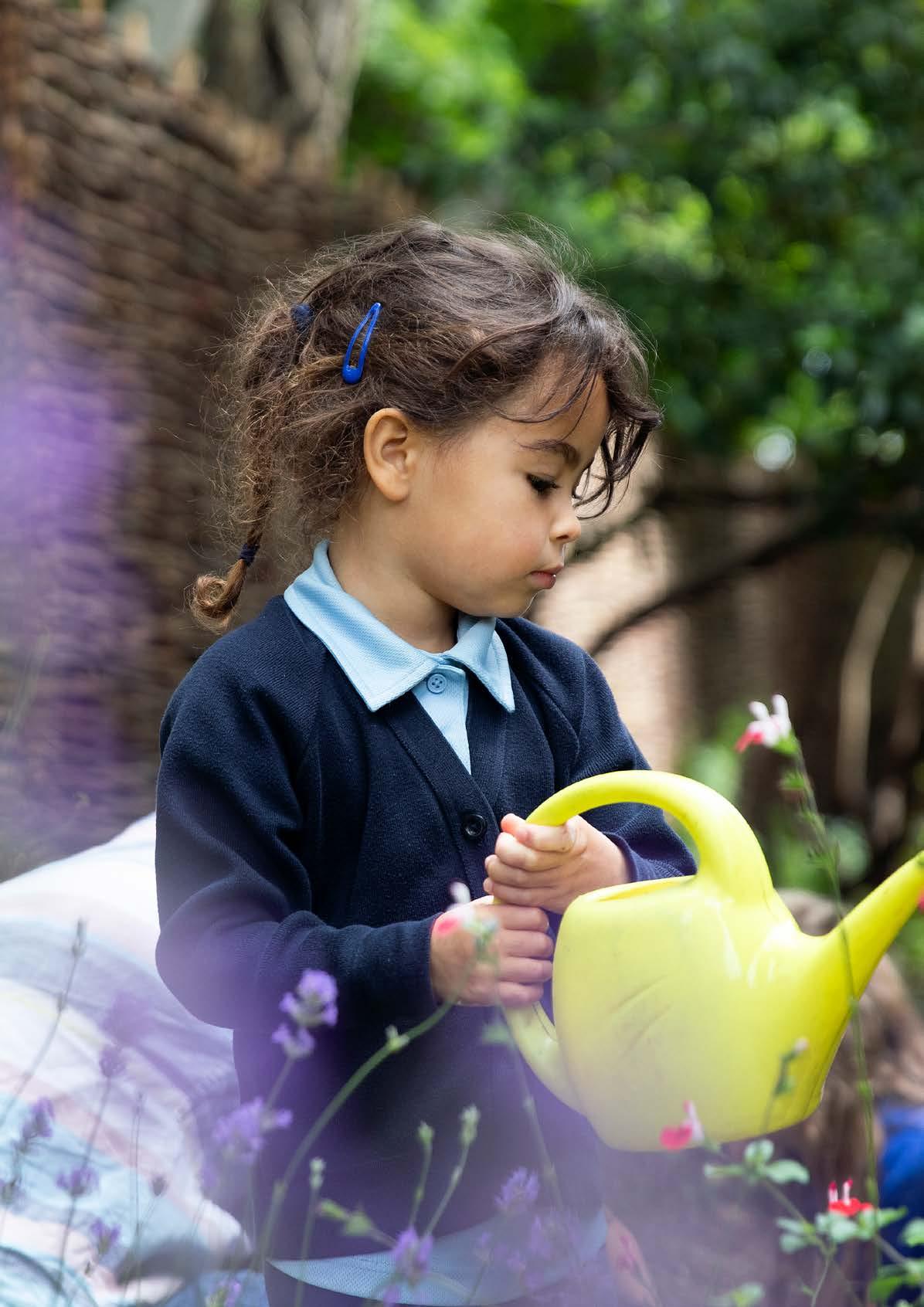
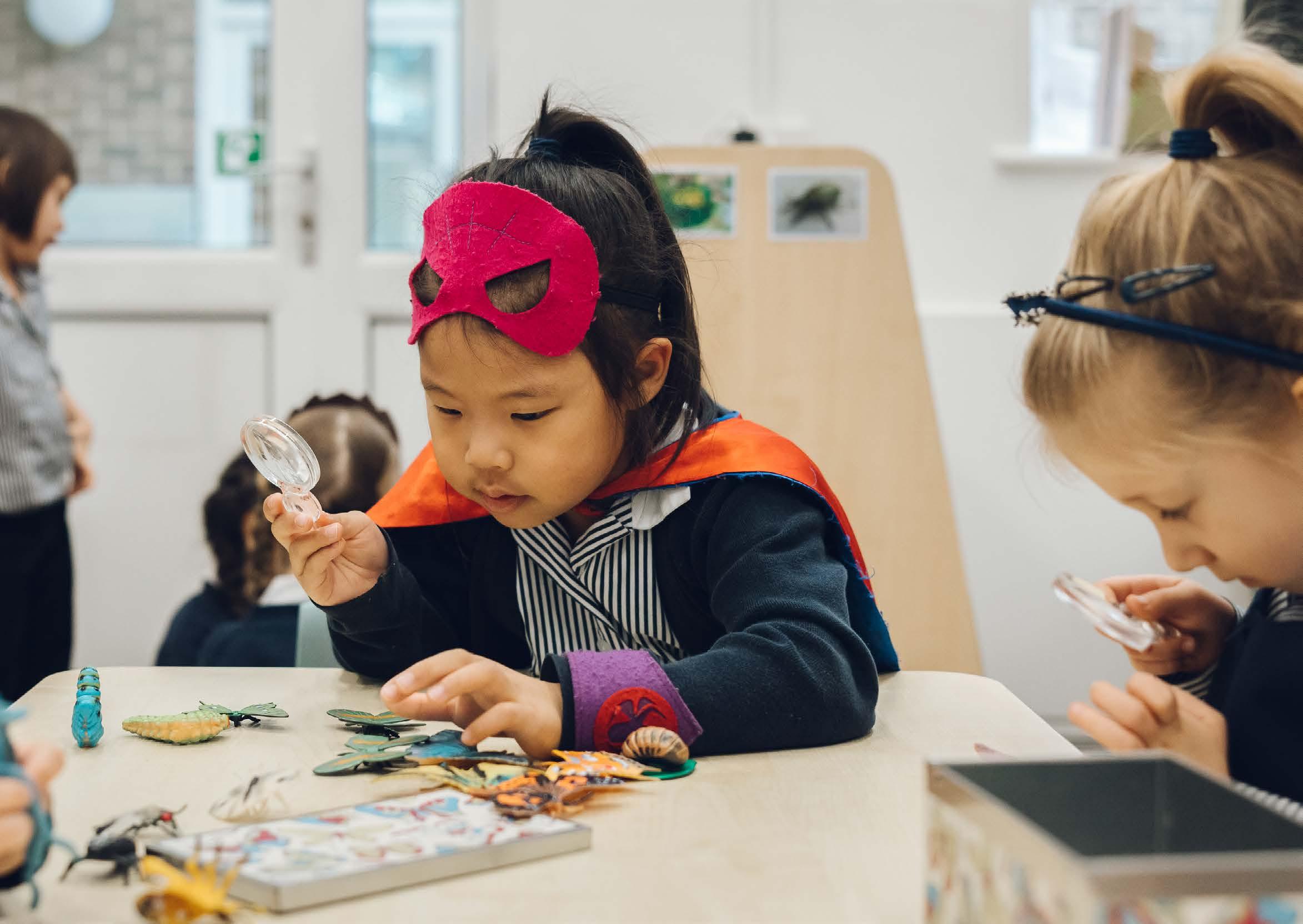
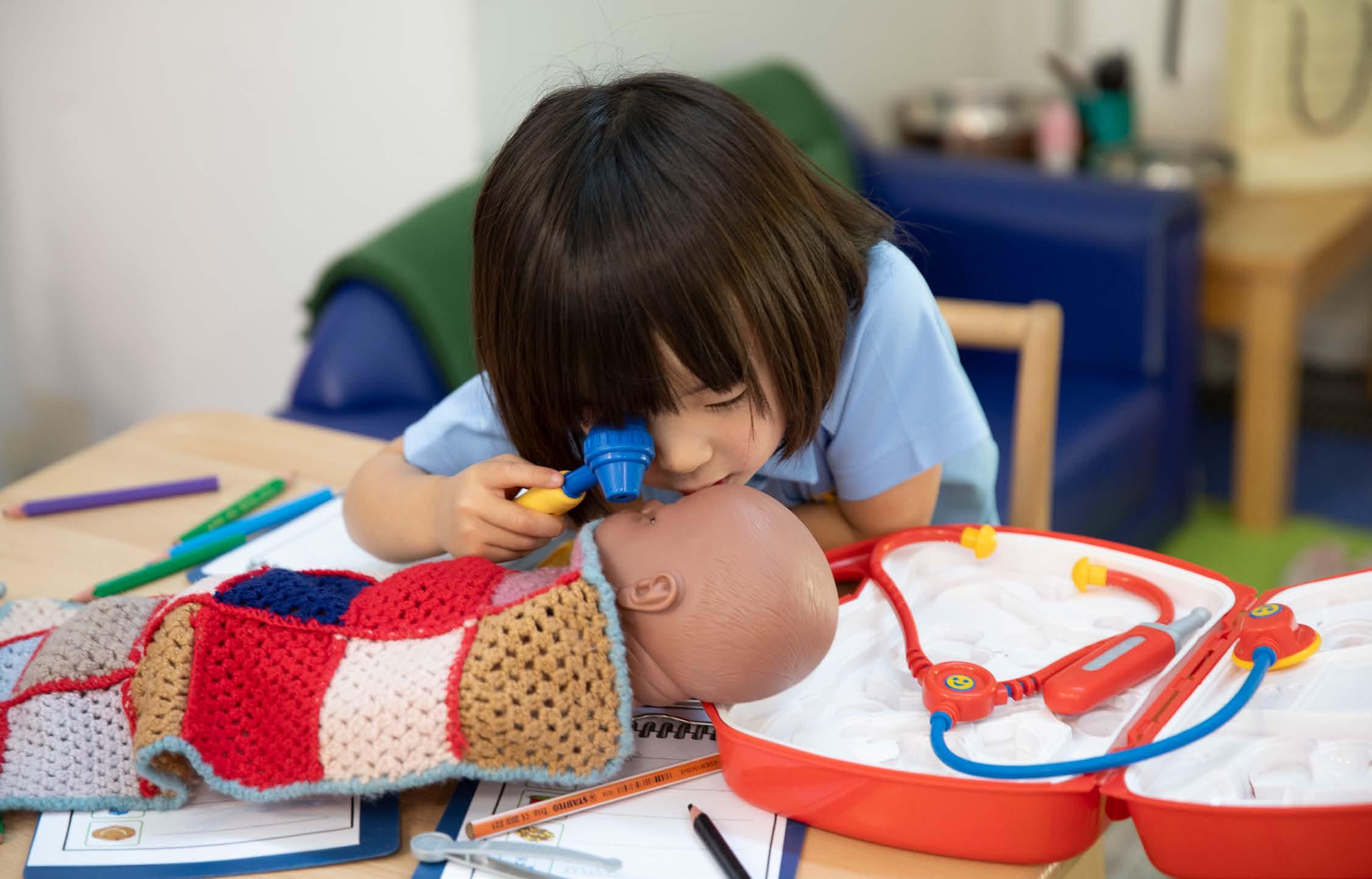
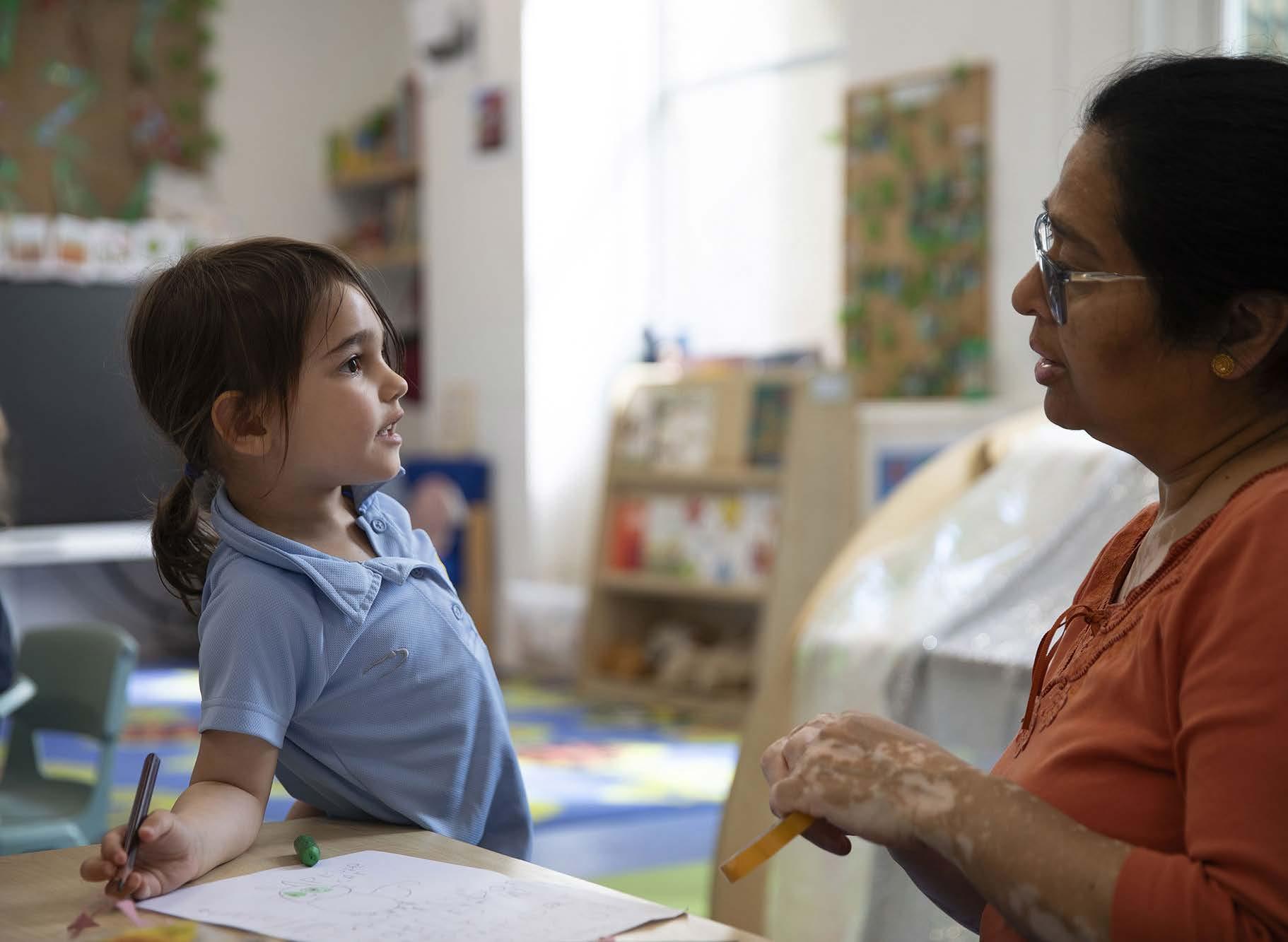
• “In the early years, staff ensure that children are provided with a variety of experiences and opportunities to explore the wider world. Children develop their social, communication and language skills well through interactions with their peers and staff.”
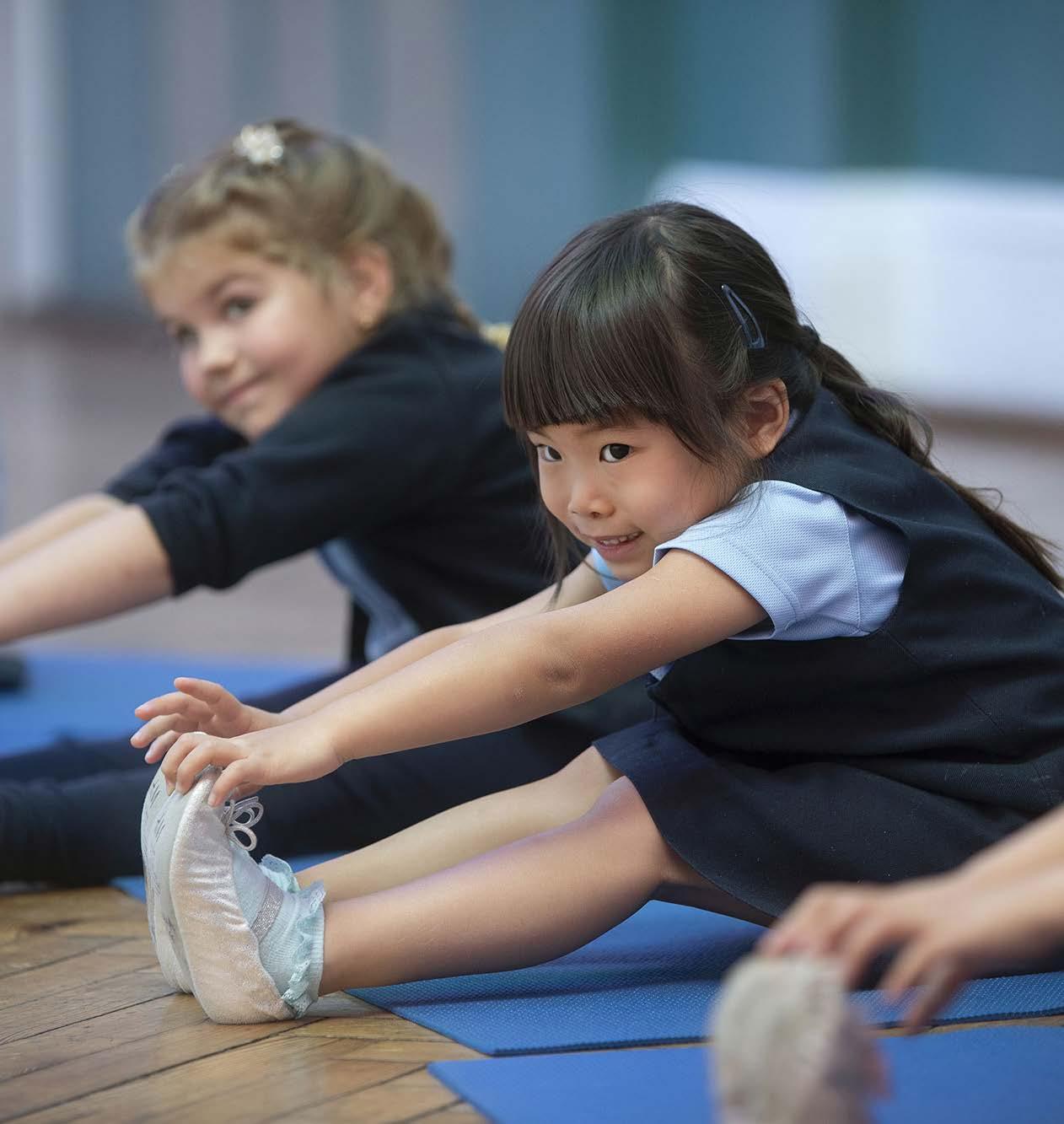
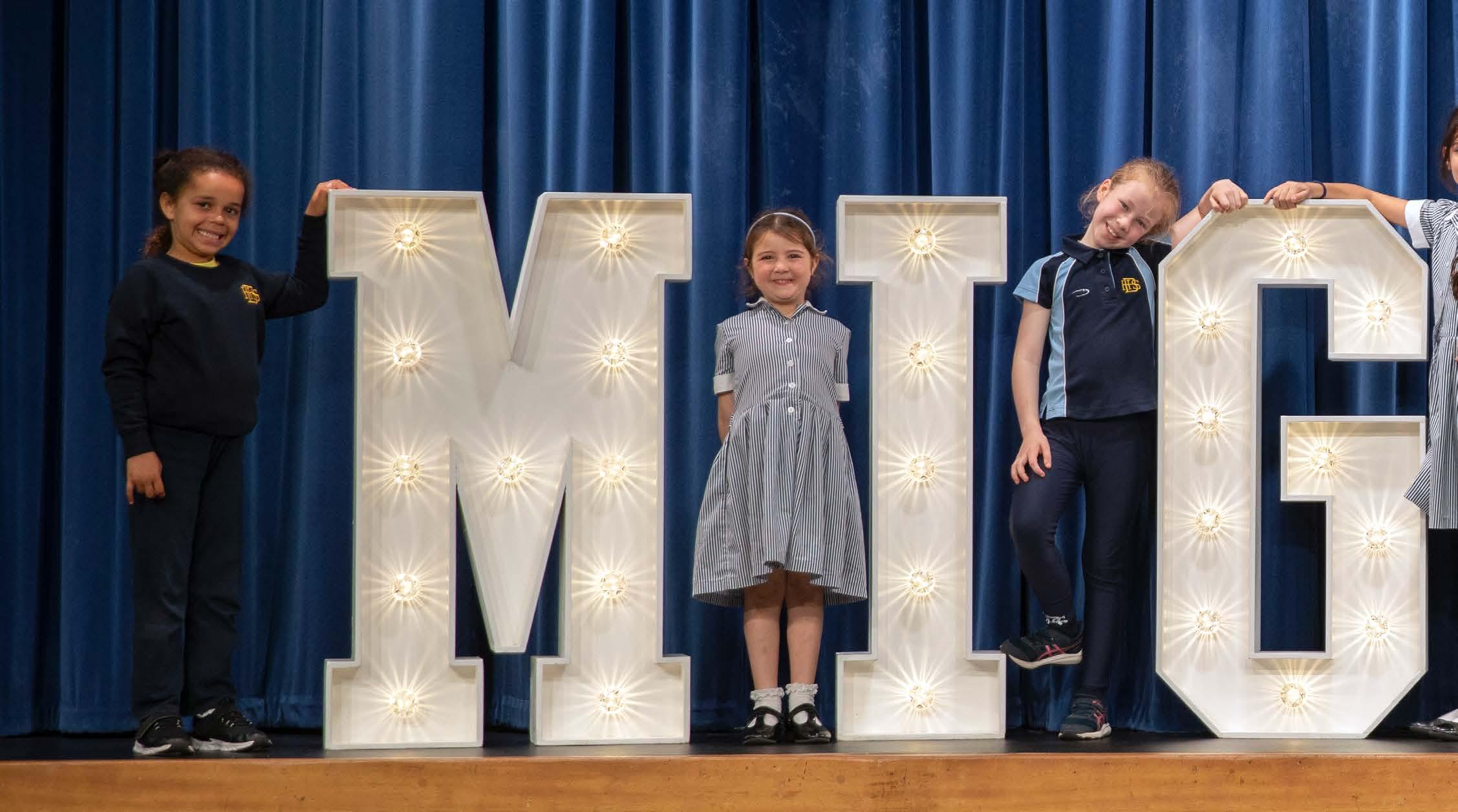
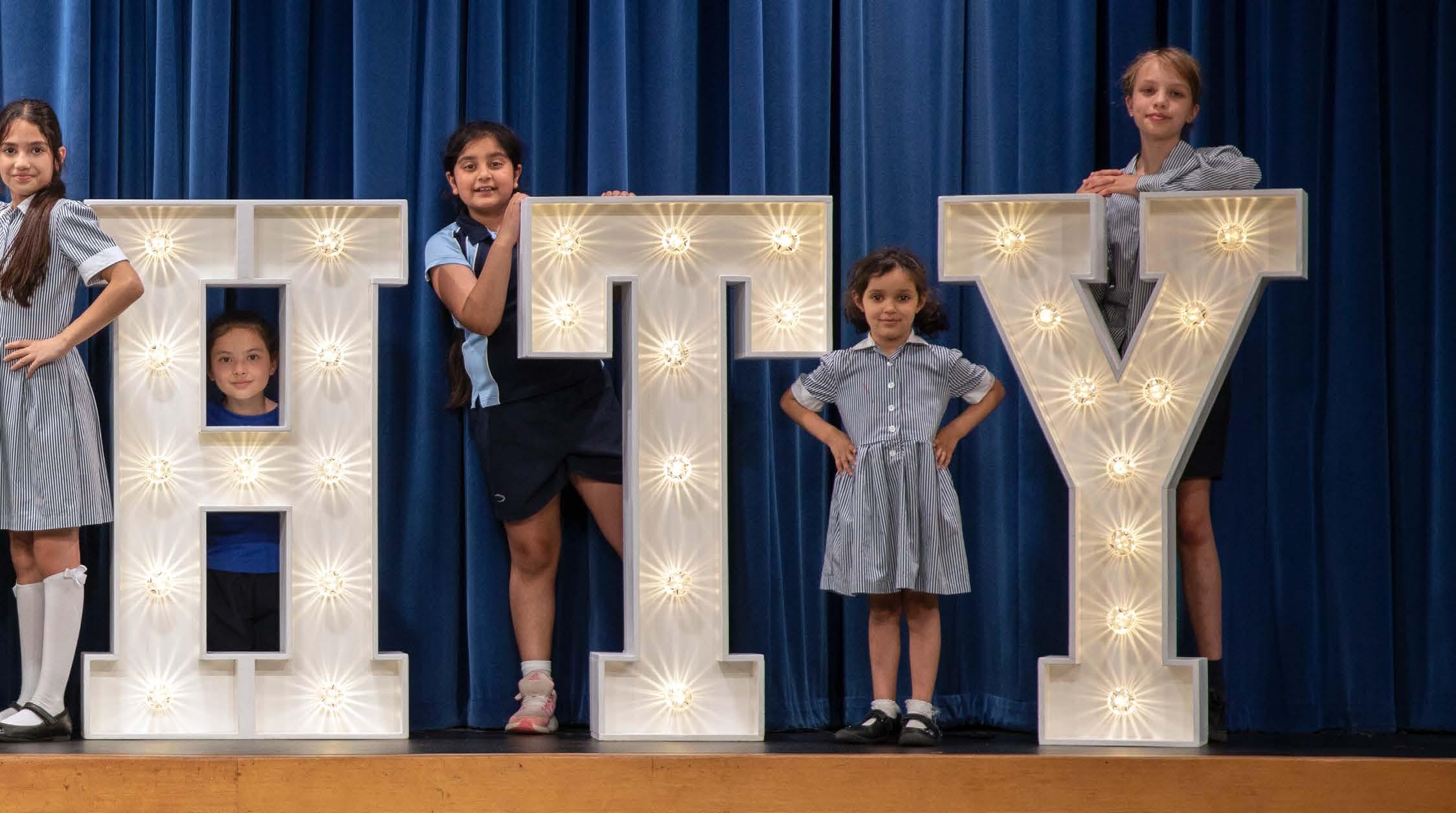
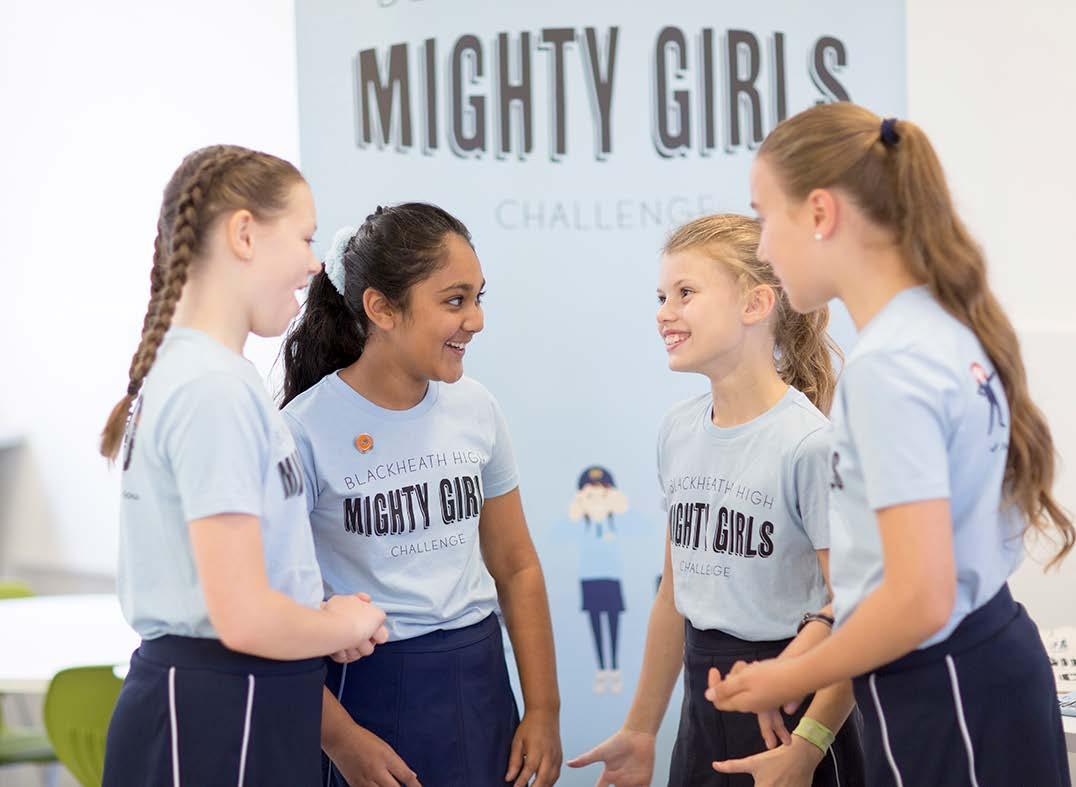
Pupils develop self-confidence and self-esteem through a range of leadership roles. Leaders have developed the ‘Mighty Girls’ challenge for pupils in the Junior School to develop self-confidence by learning key skills. Effective strategies to promote integration across the junior school fosters responsibility in older pupils.
• “Staff nurture positive relationships with pupils and ensure that pupils have an adult to turn to if they have a concern. Peer mentors make themselves available in the library during breaktimes to offer academic or personal support.”
• “In the Senior School, the team of head pupils work with staff to support other pupils’ learning. These include form captains, charity leaders, digital leaders, wellbeing, diversity and inclusion representatives and eco-representatives.”
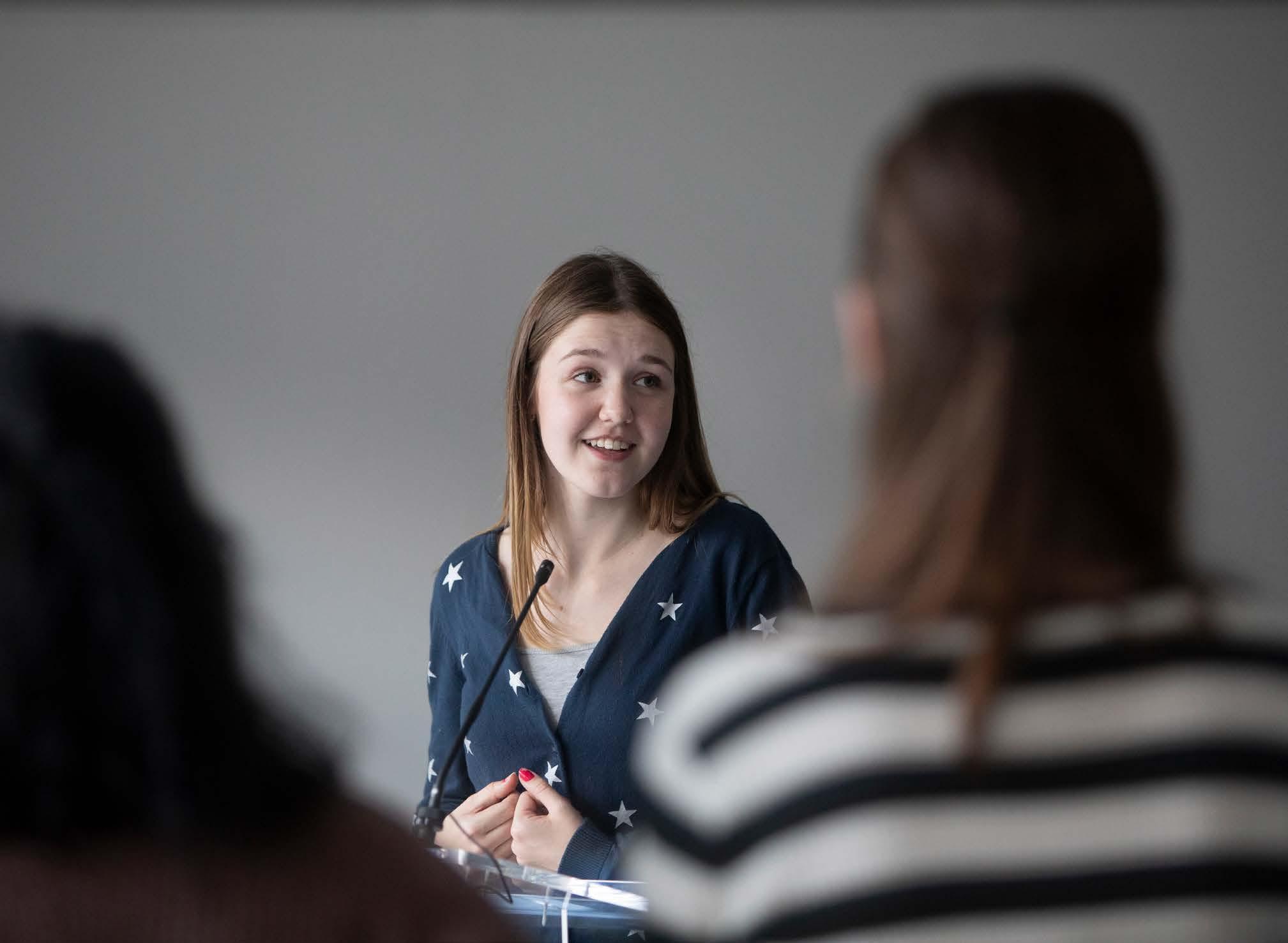
• “Pupils in the Sixth Form run societies for their peers on topics ranging from poetry and fashion to geography and robotics.”
• “Leaders actively seek ways to promote a culture of inclusivity and respect for other people throughout the curriculum. PSHE lessons, tutor times and assemblies are planned to teach pupils respect for people with different beliefs, disabilities, age and gender.”
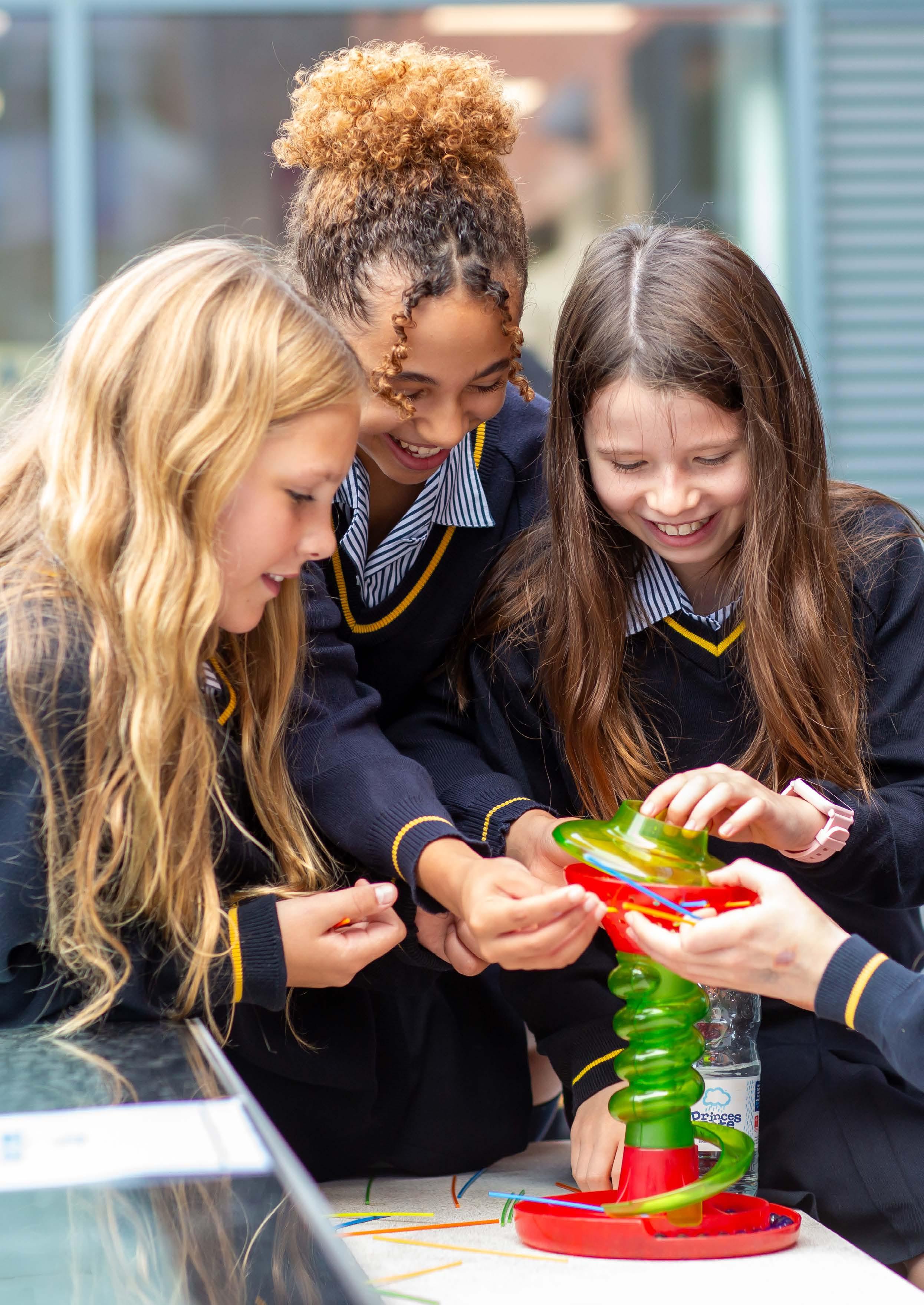
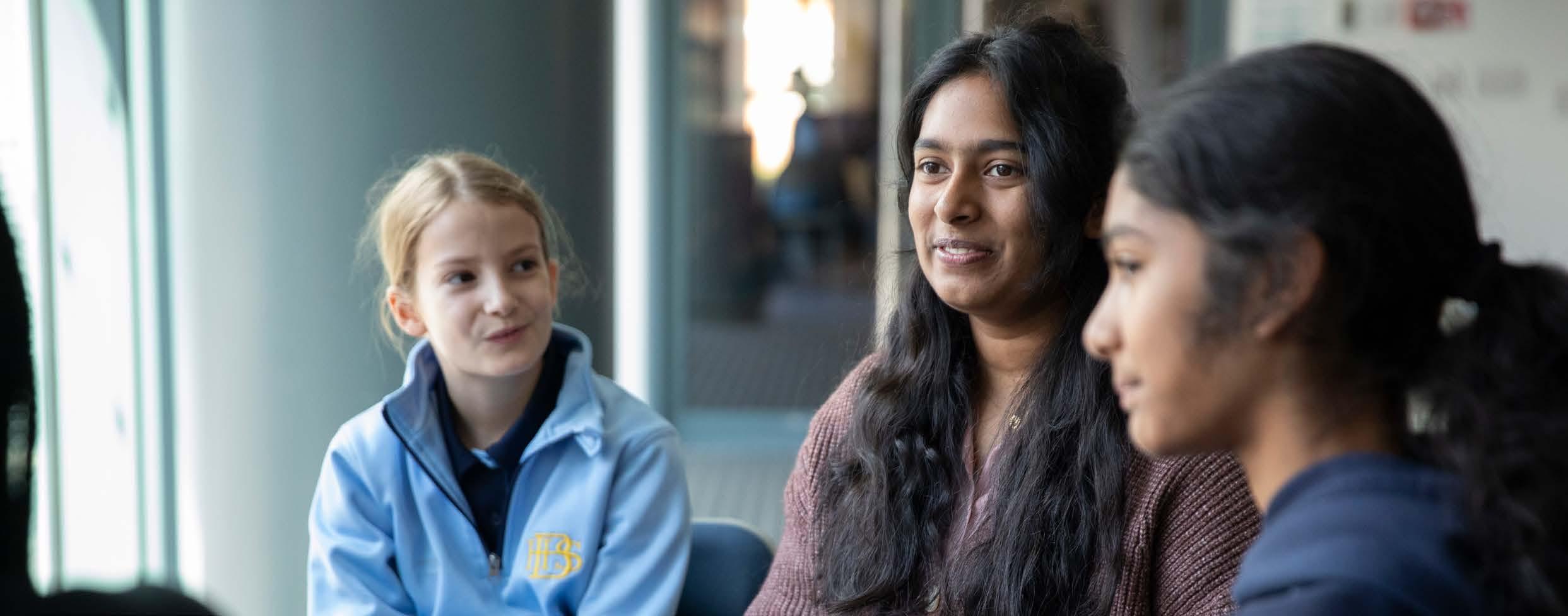
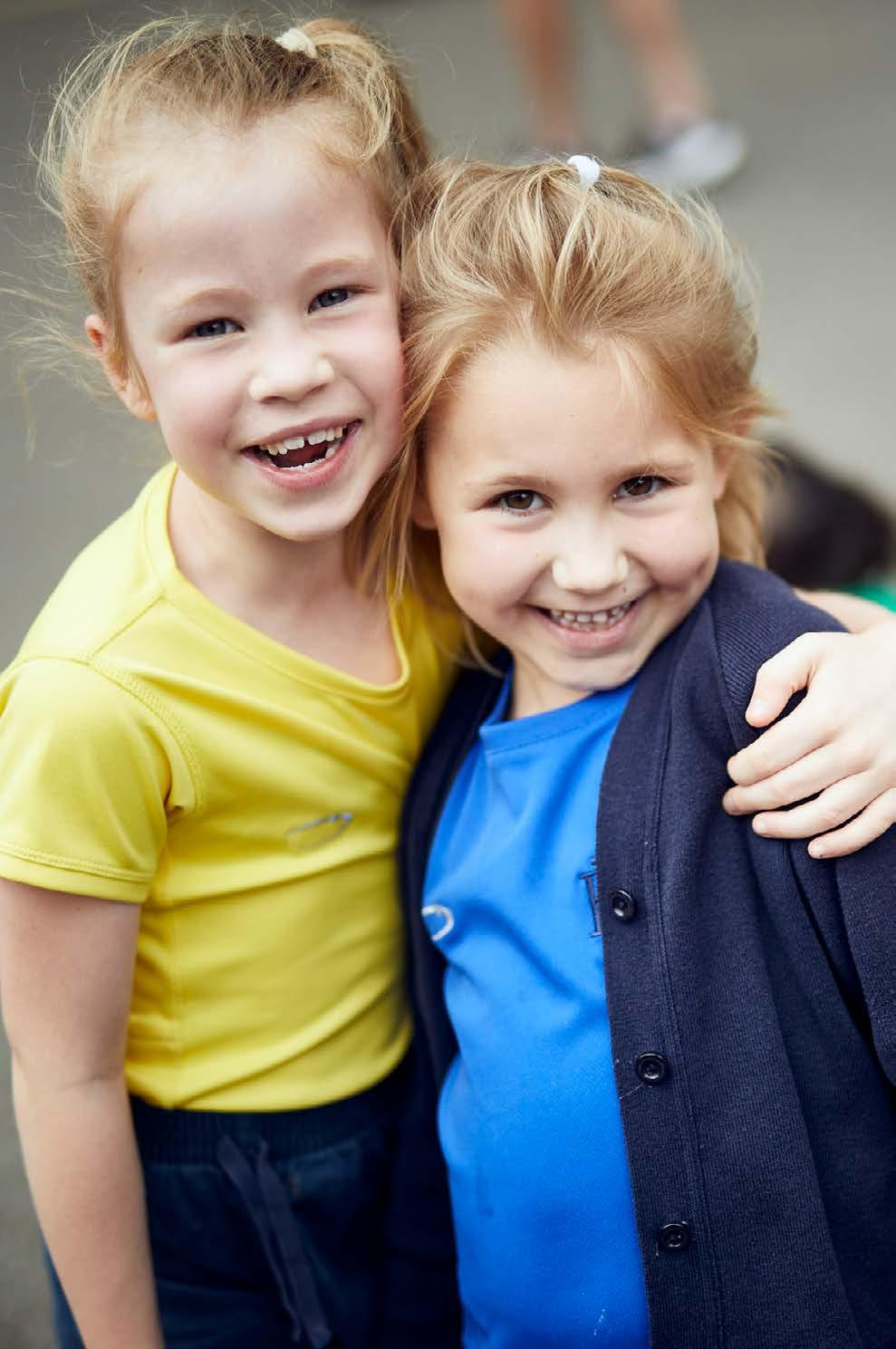
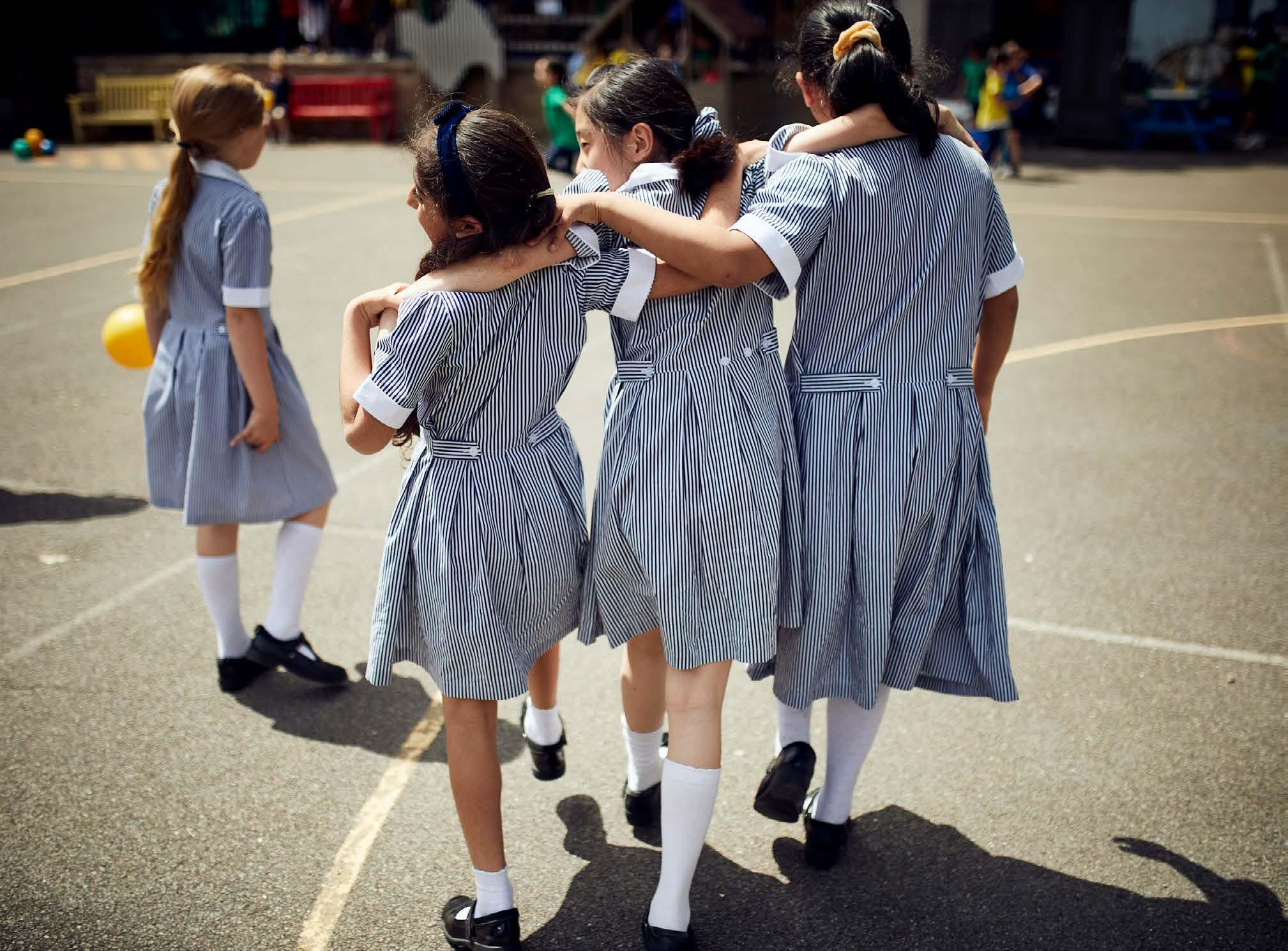
Pupils forge friendships across year groups and are respectful in their relationships with each other and with adults. “ “
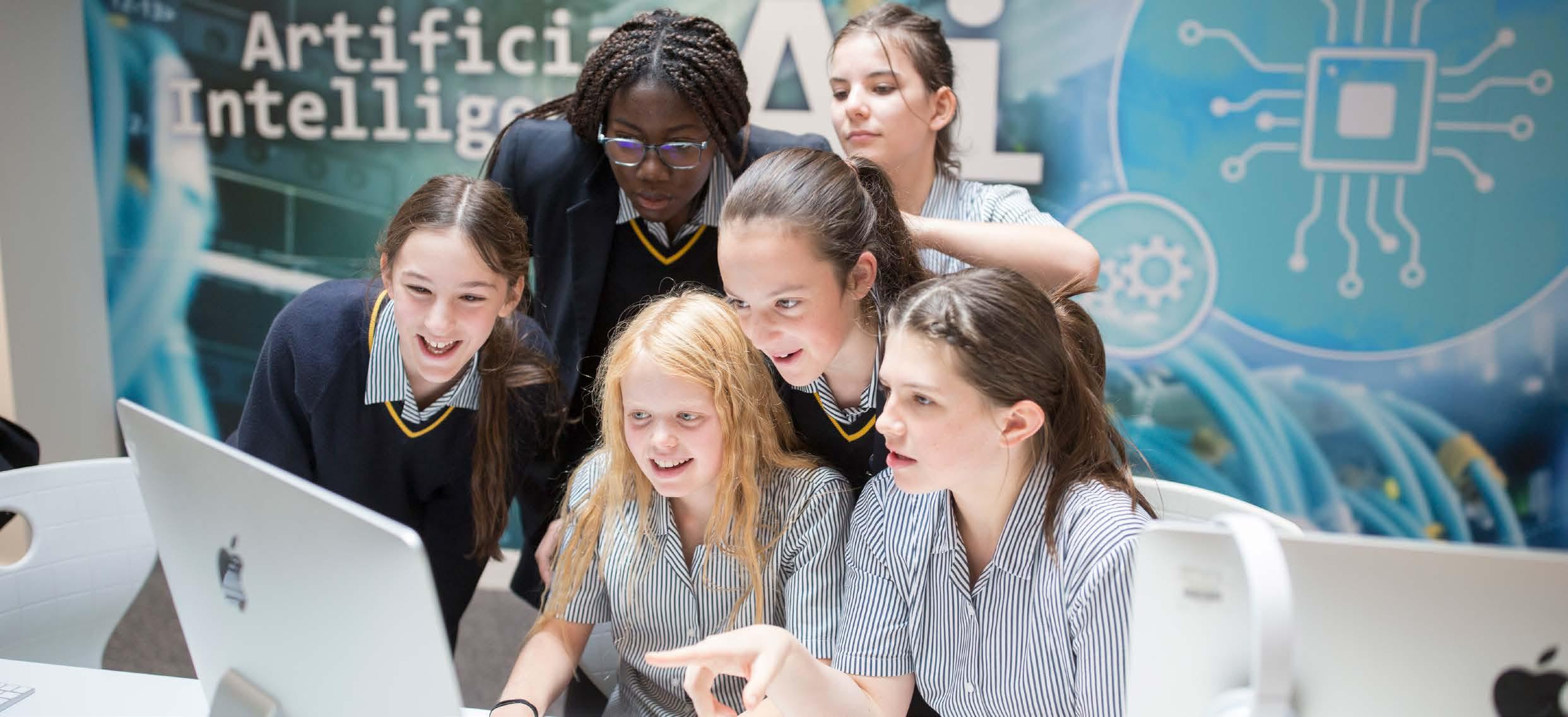
• “During workshops led by experts in the field, older pupils gain insight into the way artificial intelligence (AI) technology might shape their own futures They use their imagination to create new AI products and consider the possible ethical, environmental and economic impact of the use of AI. Pupils participate in conferences organised by the school, and the Trust, on topics such as the environment and economics.”
• “Pupils contribute to and support charities in the UK and overseas. Older pupils accompany residents from a local care home and participate with them in activities such as dance. Pupils cook for local homeless people and volunteer at the local donation hub. They take part in events organised by the Royal Institution and support pupils from nearby schools with science projects.”
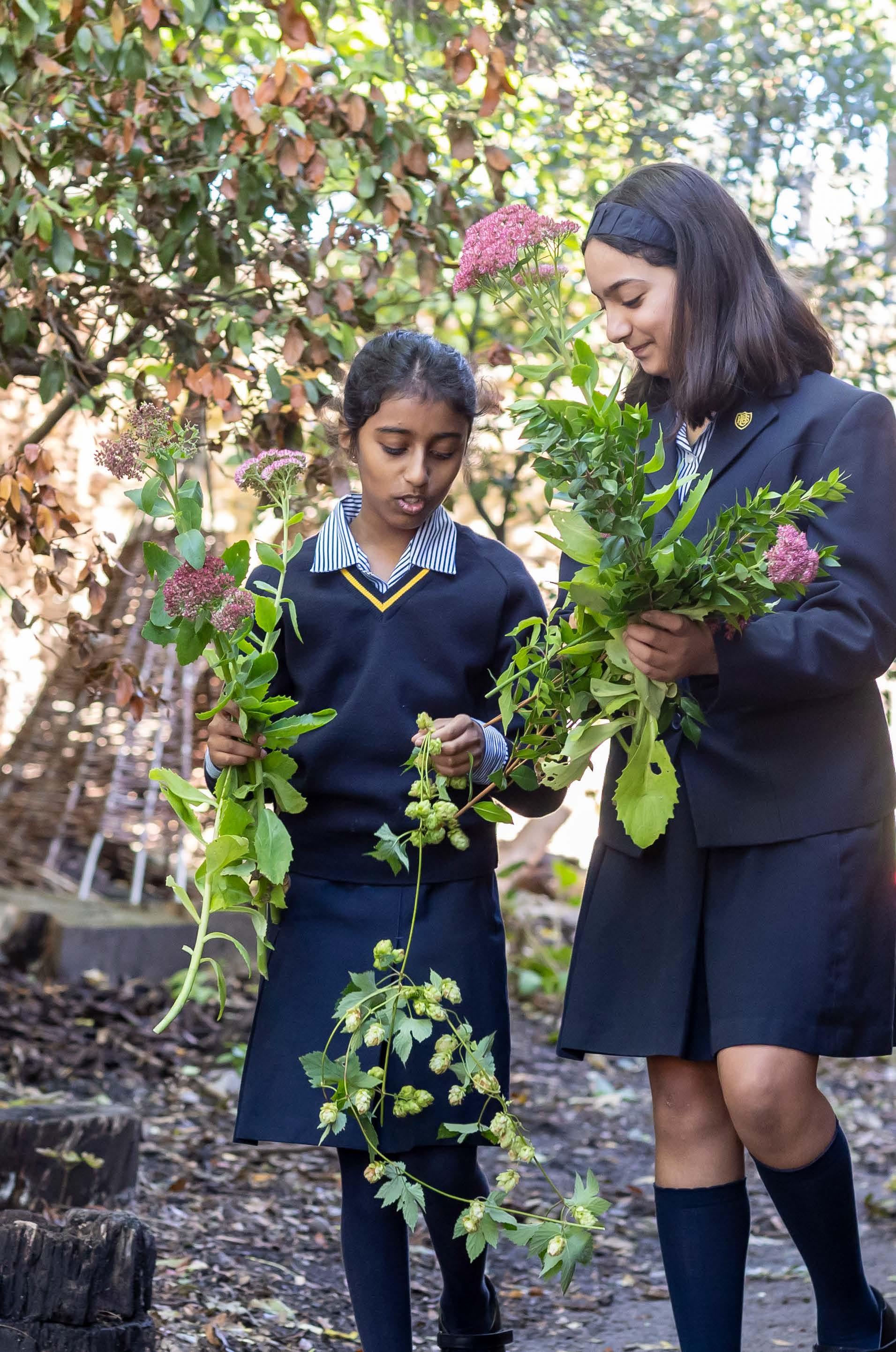
• “Children in the early years develop their curiosity by observing seeds grow and chickens hatch. Pupils in the Junior School investigate ways to create a cleaner and greener environment in their school. In subjects such as geography, politics and economics, staff ensure that subject material is relevant by relating it to recent global events. This widens and deepens students’ knowledge of society and the world around them.”
School leaders ensure that pupils are well prepared for the next steps of their education through careful transition arrangements at key points.
“