by Michael Heathcote
Vatican II - Modern Mass –A personal view
I was born in 1944 (a cradle Catholic) and between the ages of 4 and 8 was taught by the Sisters of La Retraite then between 8 and 18 I was educated by the De La Salle Brothers.
This was before Vatican II (The Second Vatican Council) which comprised four sessions between 1962-1965; convened by Pope John XXIII and concluded with Pope Paul VI. It was endorsed by Pope John Paul I, Pope John Paul II, Pope Benedict XVI, Pope Francis and Pope Leo XIV who said in his address to the College of Cardinals “I would like us to renew together today our complete commitment to the path that the universal church has now followed for decades in the wake of the Second Vatican Council.”
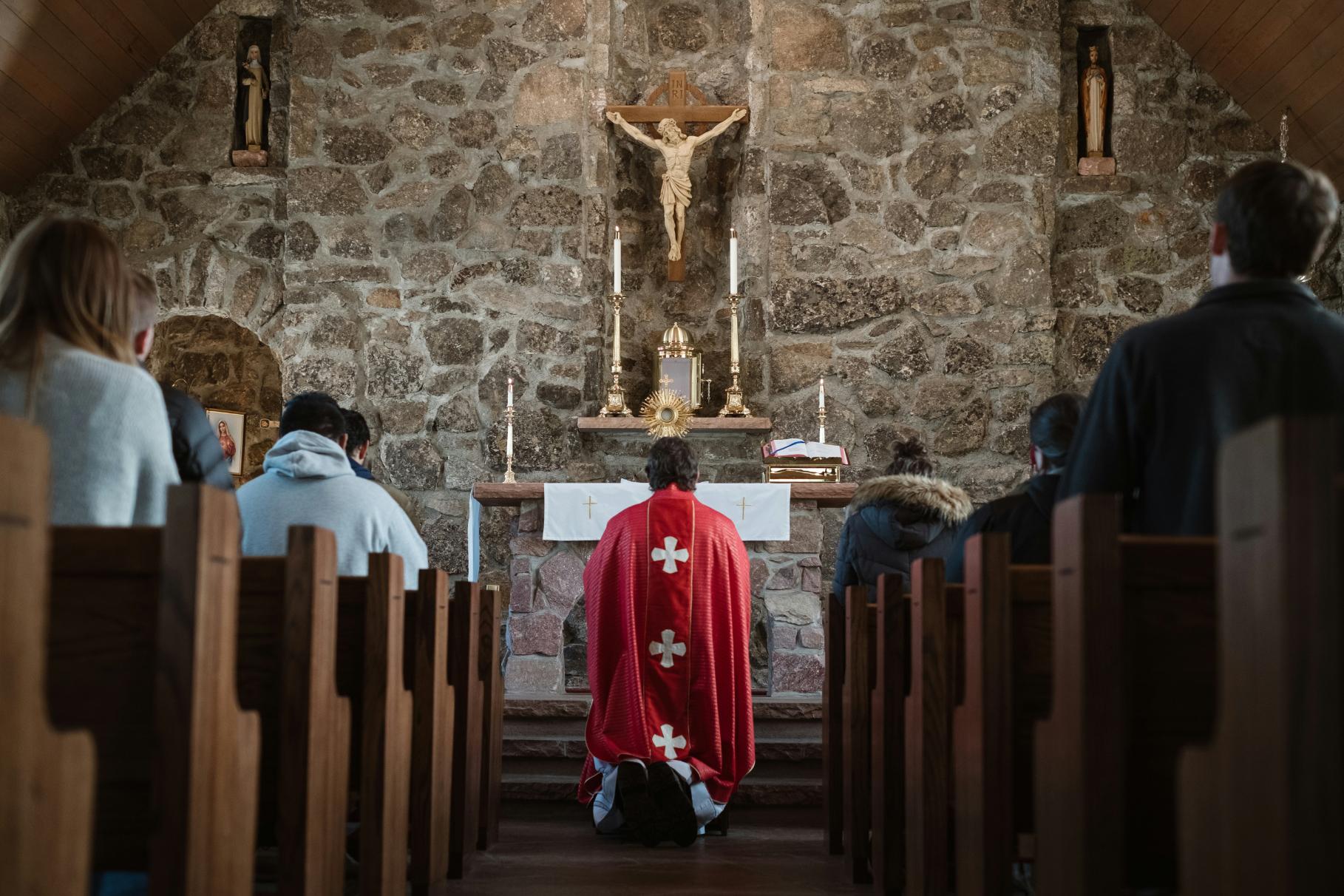
As a boy growing up I fully experienced the Tridentine Mass (also known as the Traditional Latin Mass). This is the form of the Mass of the Roman Catholic Church as codified in the Roman missal of 1570 (Council of Trent).
It is characterized by:
•Language : The Mass to be celebrated almost exclusively in Latin.
•Liturgical precision: The rite to be followed strictly according to the rubrics (instructions).
•Congregationalparticipation: The congregation followed along in private prayer, with the priest and servers celebrating the Mass in Latin.
Much to the chagrin of my Latin teachers I was unable to speak or understand Latin and so the Mass held little spiritual content for me. I know people’s lives are often deeply enriched by their love of classical music, art, opera, ballet, and the all the arts. I too get enjoyment and enlightenment from aspects of these.
I can also understand how frustrating it must be to adherents of some of these forms of art, when others are unable to fully appreciate them. I too cannot comprehend why some people do not appreciate commerce or finance and the art and symmetry in a good Balance Sheet or Cash Flow.
Since Vatican II (1965), although it actually came into use in 1970, (interim changes were made earlier.} we now have the Modern Mass whose main points are:
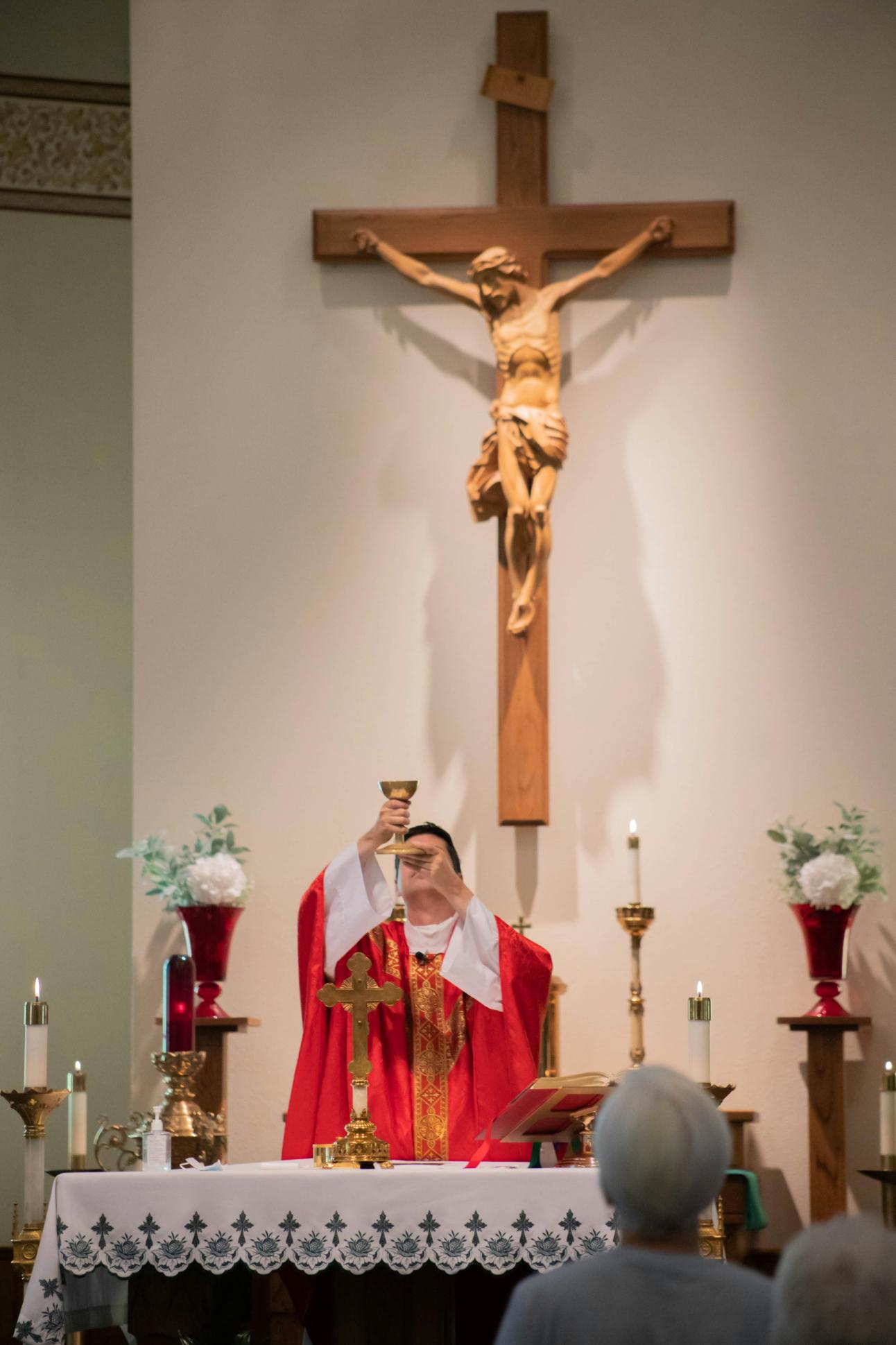
•Active Participation: A primary goal of the post-Vatican II liturgical reforms was to move the faithful from being "passive spectators" to “active participants” in the liturgy. This is facilitated by the use of the vernacular language and the altar being repositioned to allow the congregation to see the rites better.
•Intelligibility and Accessibility: Although it was not Vatican II’s intention to totally replace Latin with the vernacular; using the local language for the whole of the mass including the texts and readings made it immediately understandable to all attendees, fostering deeper engagement and a more personal connection to worship and the Word of God.
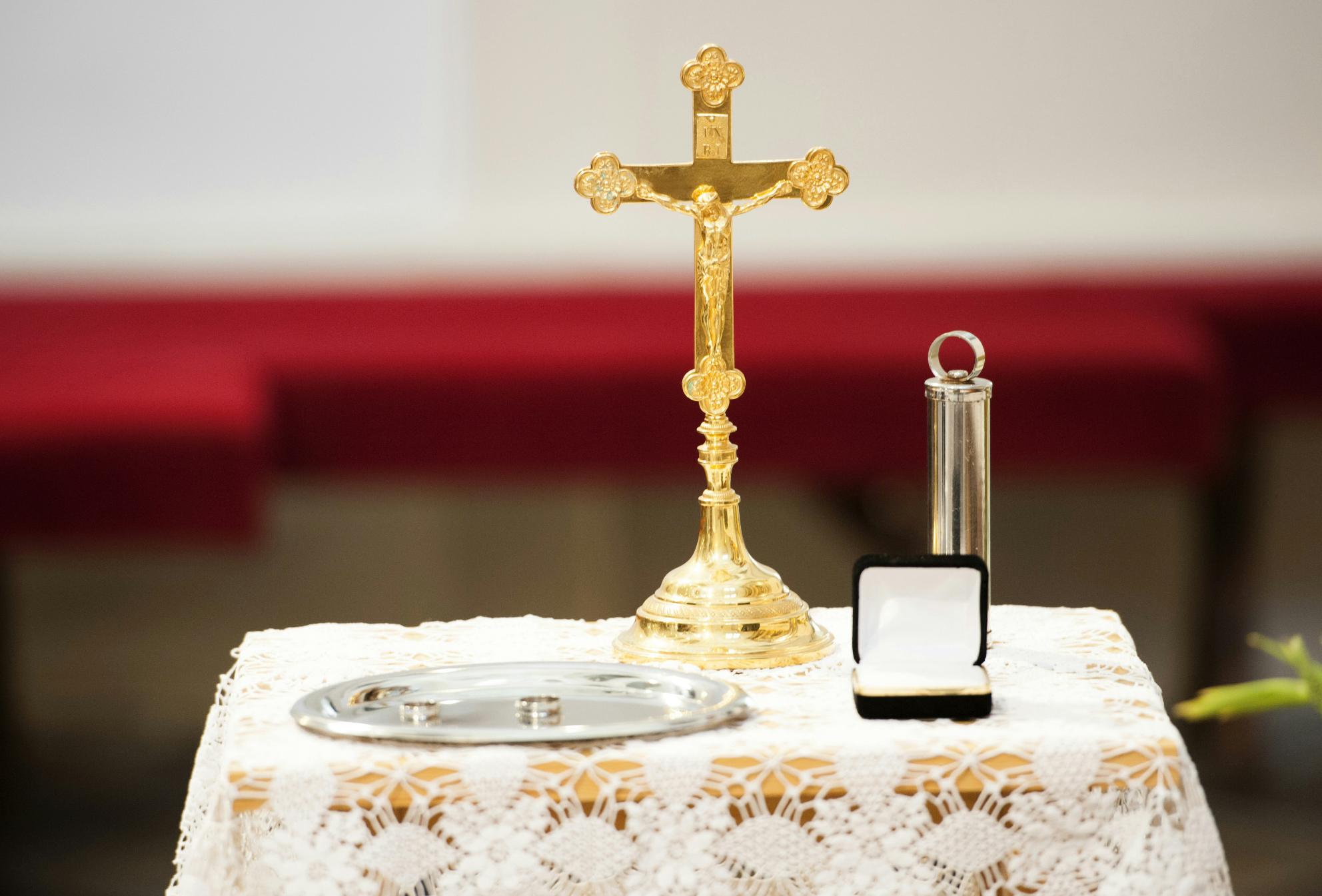
•Communal Focus: The structure of the modern Mass is seen as emphasising the community aspect of the Church, with shared responses, communal recitation of prayers, whilst witnessing the priest’s role and responsibility for the sacrament of bread and wine being changed into the body and blood of Jesus Christ.
•Biblical Richness: The modern Lectionary provides a much wider
selection of Scripture readings, ensuring a richer exposure to the Bible over the liturgical cycle compared to the older form of the Mass.
•Fidelity to Vatican II: Proponents argue that the modern Mass is the authentic implementation of the vision for liturgical renewal outlined in the Vatican II document Sacrosanctum Concilium, aiming to meet modern people in their own cultural context and draw them into the life of the Church.
I fully understand how some like the emotional and uplifting effect of the Tridentine Mass in Latin and may also find it spiritually uplifting. I too find Gregorian plain chant or Vespers sung by a choir in Latin reflective, emotionally uplifting and calming but not necessarily spiritual. When I attend Mass I want it to be a personally spiritual time between me and God and an opportunity to share as a community the sacrament of the Eucharist in a language spoken and understood by all present.