by Barbara Isbister
Our Lady of Fatima
Part One – The Visit of the World Apostolate of Fatima to Arundel Cathedral, Introduction and Background to Fatima
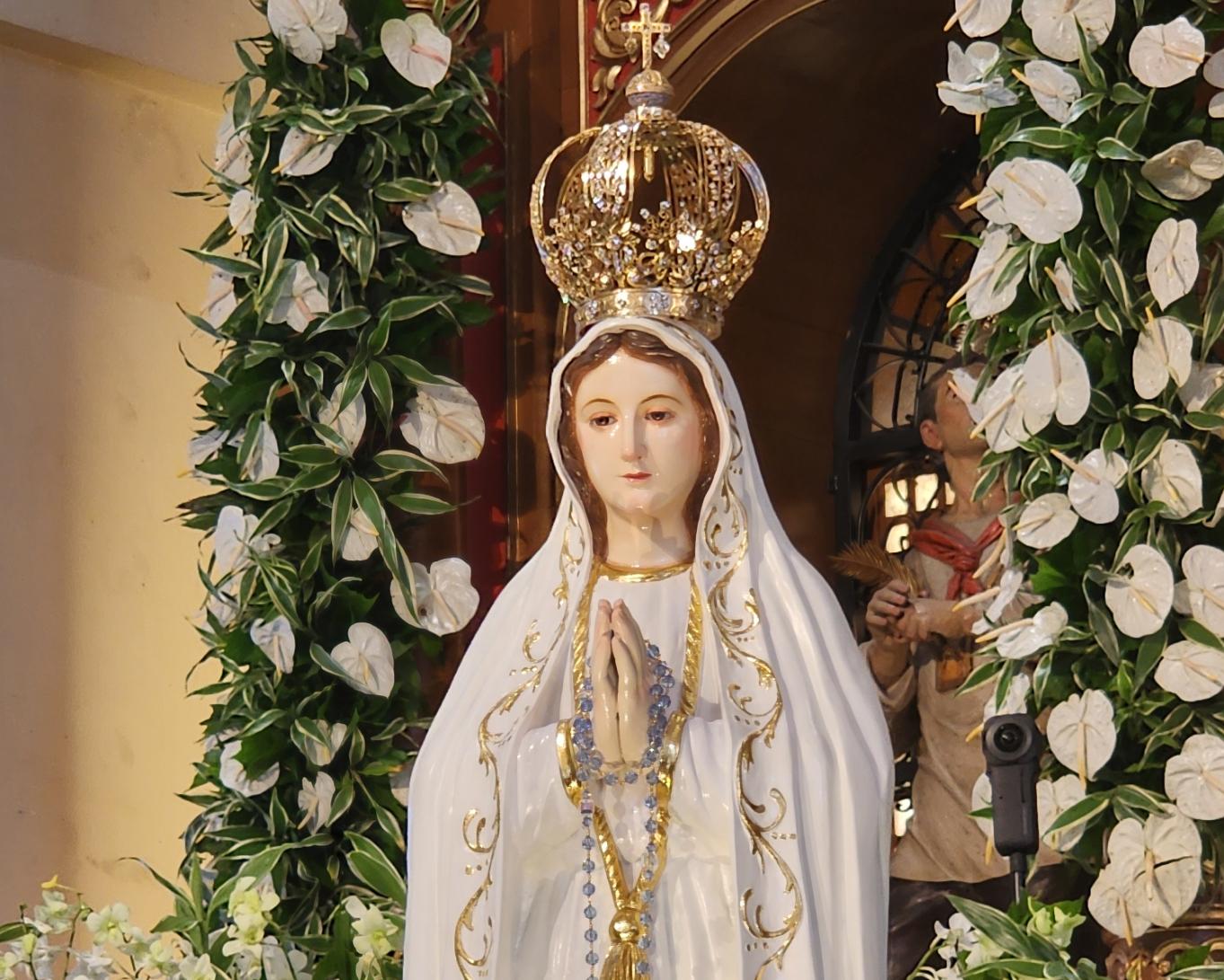
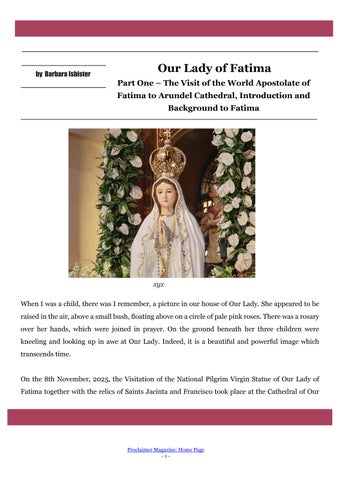
When I was a child, there was I remember, a picture in our house of Our Lady. She appeared to be raised in the air, above a small bush, floating above on a circle of pale pink roses. There was a rosary over her hands, which were joined in prayer. On the ground beneath her three children were kneeling and looking up in awe at Our Lady. Indeed, it is a beautiful and powerful image which transcends time.
On the 8th November, 2025, the Visitation of the National Pilgrim Virgin Statue of Our Lady of Fatima together with the relics of Saints Jacinta and Francisco took place at the Cathedral of Our
xyx
Lady and St Philip Howard, Arundel. The World Apostolate of Fatima (England and Wales) organised the visit; part of a series of visits to Catholic cathedrals and churches. There were many helpers from the Apostolate and many visitors from all over the diocese and beyond.
The day began with a Votive Mass of the Immaculate Heart of Mary, celebrated by Bishop Richard Moth, Bishop of the Diocese of Arundel and Brighton. This was followed by veneration of the relics. Later recitation and reflection on the Joyful Mysteries of the Rosary took place. Praying the Rosary is an integral and critical part of Our Lady’s message of Fatima.
In the afternoon, there was a presentation which included a documentary film, photographs of events connected with the visitations and a talk by a member of The World Apostolate of Fatima about Our Lady’s message of Fatima and the Miracle of the Sun.
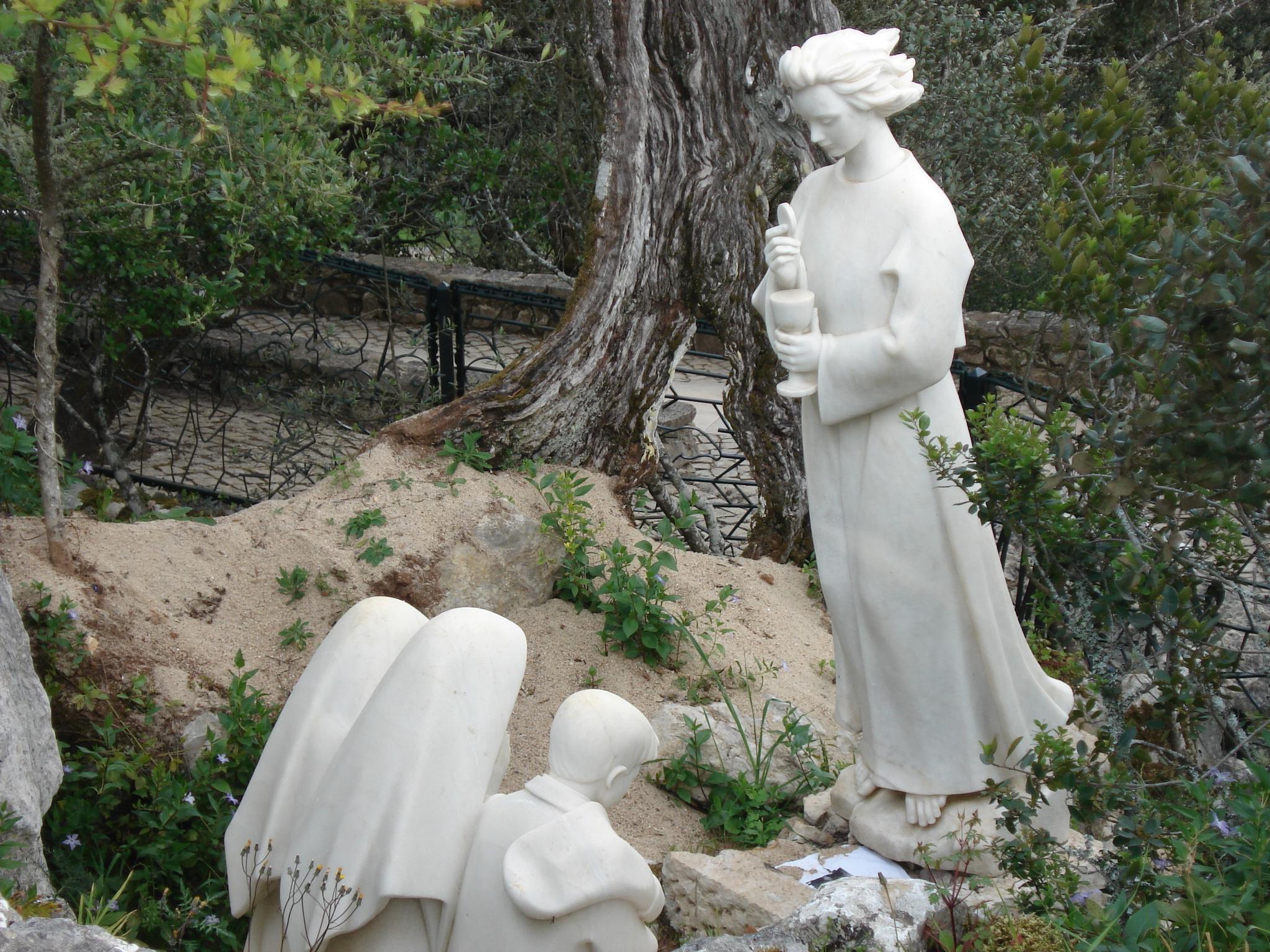
In 1917 Our Lady appeared to the three shepherd children, Lucia Santos, and her two cousins, Jacinta and Francisco Marto, who were siblings.
What is the significance of the people, places and events connected to the visitations of Our Lady of Fatima? These questions are explored in this article (Part One). Perhaps of greater importance, what happened during the Apparitions, what is the Message and Promise of Fatima and the significance of the Miracle of the Sun, are questions which are examined in the second article (Part Two).
Why Portugal?
It is impossible to say with certainty why the apparitions occurred in Portugal. However, it may be linked to the strong Christian devotion of the Portuguese to God and Our Lady. Over the centuries, during conflicts with the Moors and the Spanish, even when they were greatly outnumbered, the Portuguese put their faith in God and prayed to Mary for help. It was granted. They overcame their country’s invaders. After each such victory, they built Cathedrals to Our Lady in thanksgiving. The country had and has a strong Marian devotion. Since 1646, under King John IV, Our Lady, with the title of the Immaculate Conception, became the Queen and Patroness of Portugal. Kings no longer wore crowns, as they were reserved solely for the Virgin Mary. (1)
Why Fatima?
Fatima was the name of a young Muslim princess. When the Moors were leaving Portugal, (the final expulsion was in 1496) Fatima was captured. The captor, a Christian knight and Fatima fell in love with each other. She converted to Catholicism and they married. Sadly, she died a year later and her heartbroken husband became a Cistercian monk. He
took her remains and buried them near the priory where he had been sent, naming the place Fatima, after his beloved wife. What is the significance of Our Lady appearing in the only place in Portugal with a Muslim name? Could this be a message about connection, cooperation and perhaps unity between religions? The venerable Archbishop Fulton Sheen (1895 – 1979) thought it was not just a coincidence that the place of Our Lady’s
xyx
Apparitions was Fatima. He believed that: ‘Unless we have conversion of hundreds of millions of Muslims, there will never be world peace.’ (2)
Why then, in 1917?
World War 1 ‘the war to end all wars,’ had been raging for almost three years (28 July 1914 – 11 Nov 1918). On 5th May 1917 Pope Benedict XV began a novena to Our Lady for peace. On the eighth day of the novena, on the 13th May 1917, Our Lady seems to respond by her first appearance in Fatima.
Why them? Why three young children?
At the time of the first apparition
Lucia was ten years old. Her cousins Francisco and Jacintha were nine and seven. They were the children of poor peasants who farmed the land and looked after livestock. They lived in one of the hamlets near the village of Fatima. All three children had been baptised and attended the
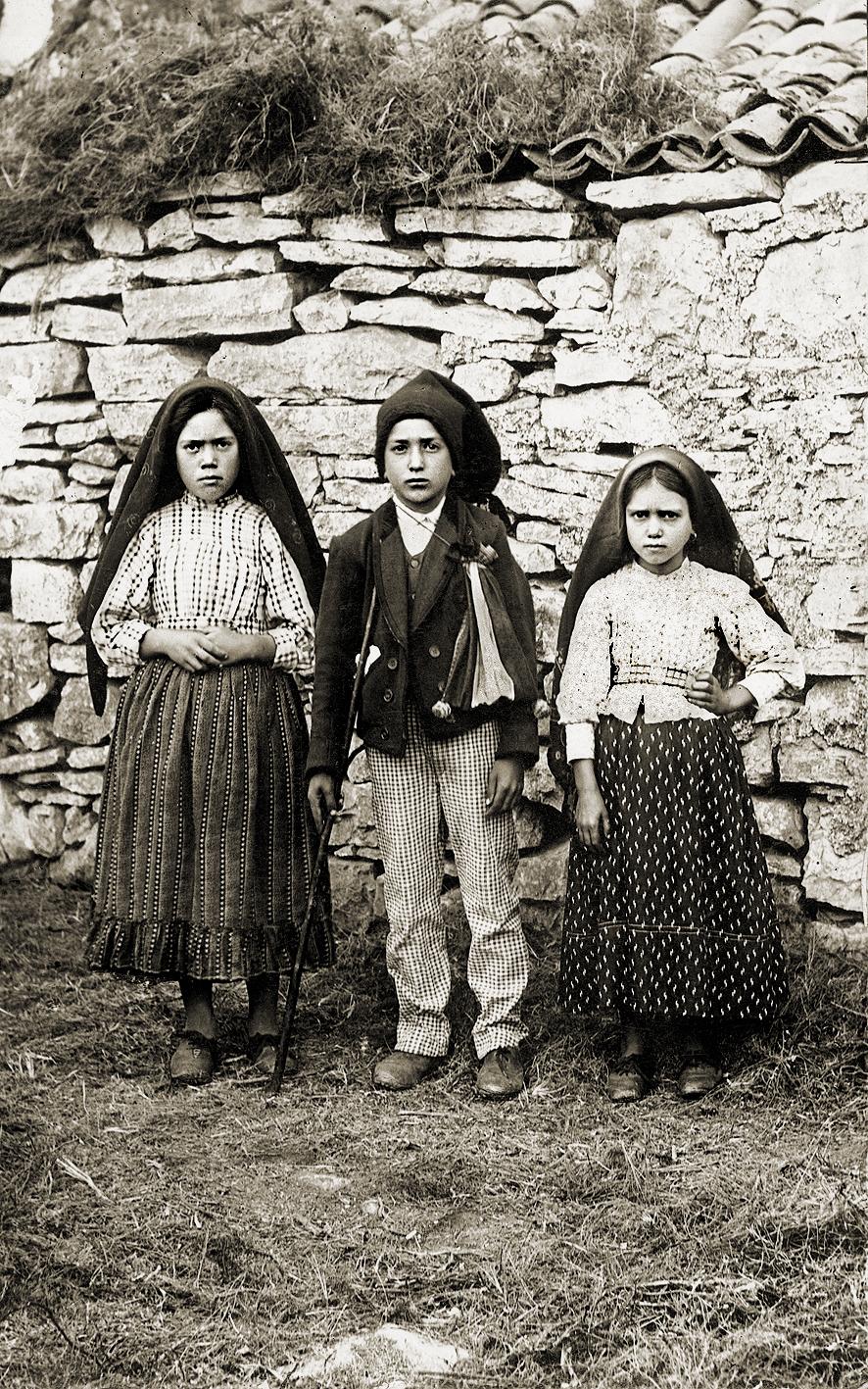
church of St Antony in Fatima. Lucia was the only one to have received Holy Communion by the time of the first apparition.
As was the custom, Lucia as the youngest in her family, was tasked with looking after and grazing the sheep. Her two younger cousins helped. Hence they are often referred to as ‘the shepherd children,’ herding and caring for their sheep, as Jesus Himself does. Why were they chosen? Could it have been
xyx
their innocence, the simplicity of their lives, their humility?
Saint Paul tells us that:
“God chose what is foolish in the world to shame the wise, God chose what is weak in the world to shame the strong” (I Corinthians I:27).
At Fatima, God chose three young children to carry a message that would ‘confound the sophisticated and arrogant anti-clerical thinkers of the world… the children proved to be faithful messengers for Our Lord and his blessed Mother.’ (1)
Footnotes
(1) Fr. Andrew Apostoli, C.F.R. ‘Fatima for Today, The Urgent Marian Message of Hope,’ (2010)
(2) Sheen, Fulton J, ’The World’s First Love: Mary the Mother of God’ (2010)
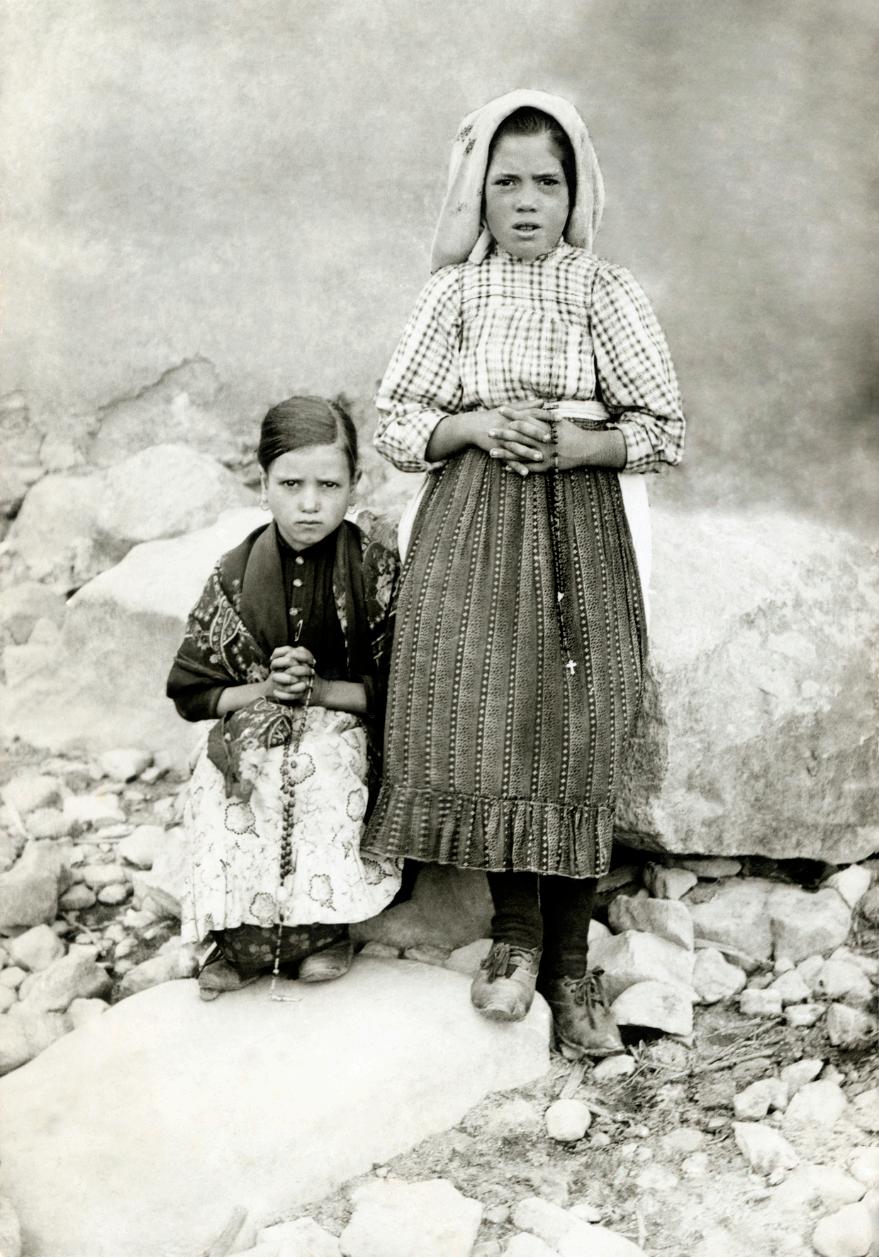
Lúcia (standing) with her cousin, Jacinta
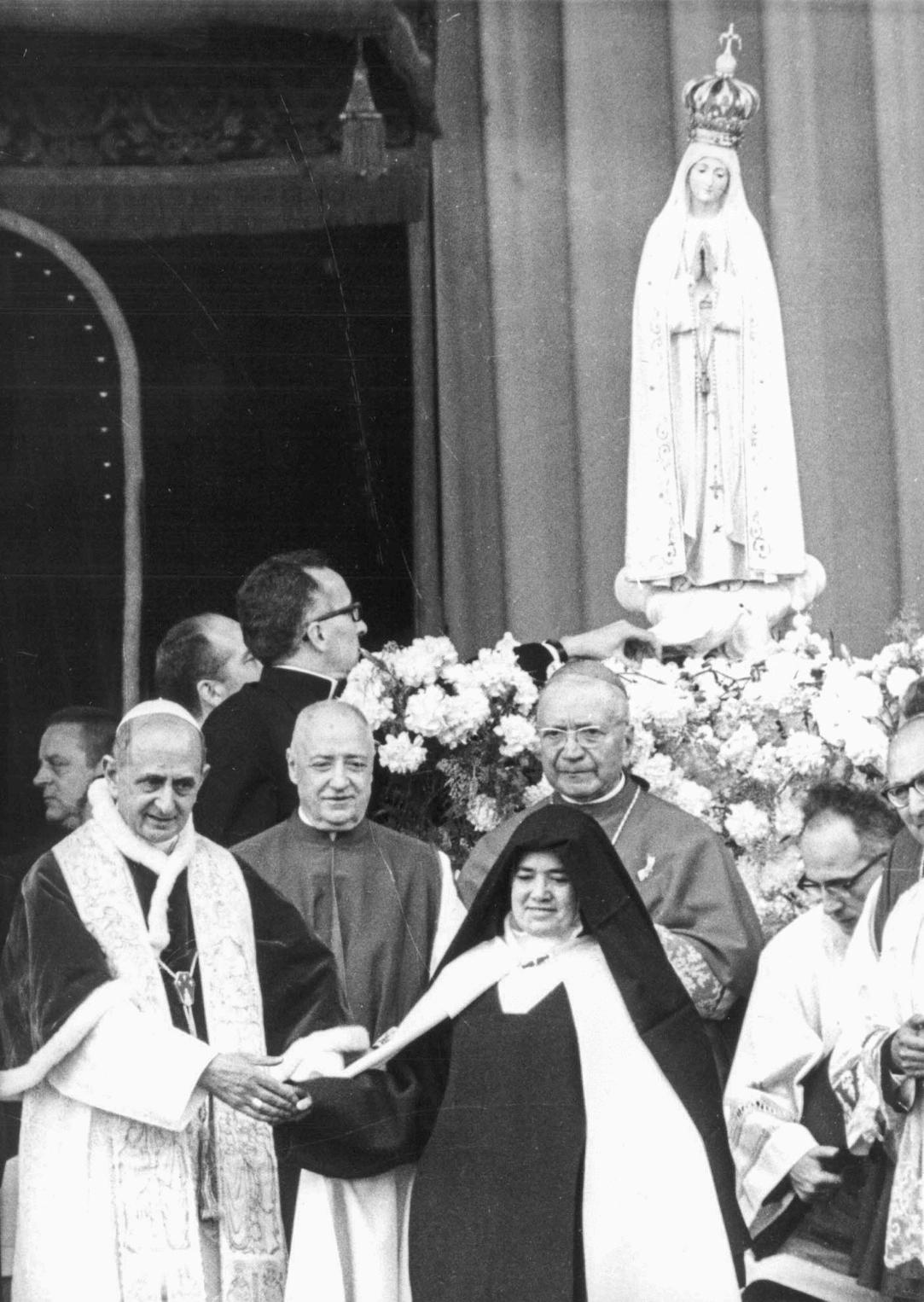
Pope
Marto, 1917
Paul VI holds the hand of Sister Lucia as they stand at the base of the statue of Our Lady of Fatima in the Basilica at Fatima