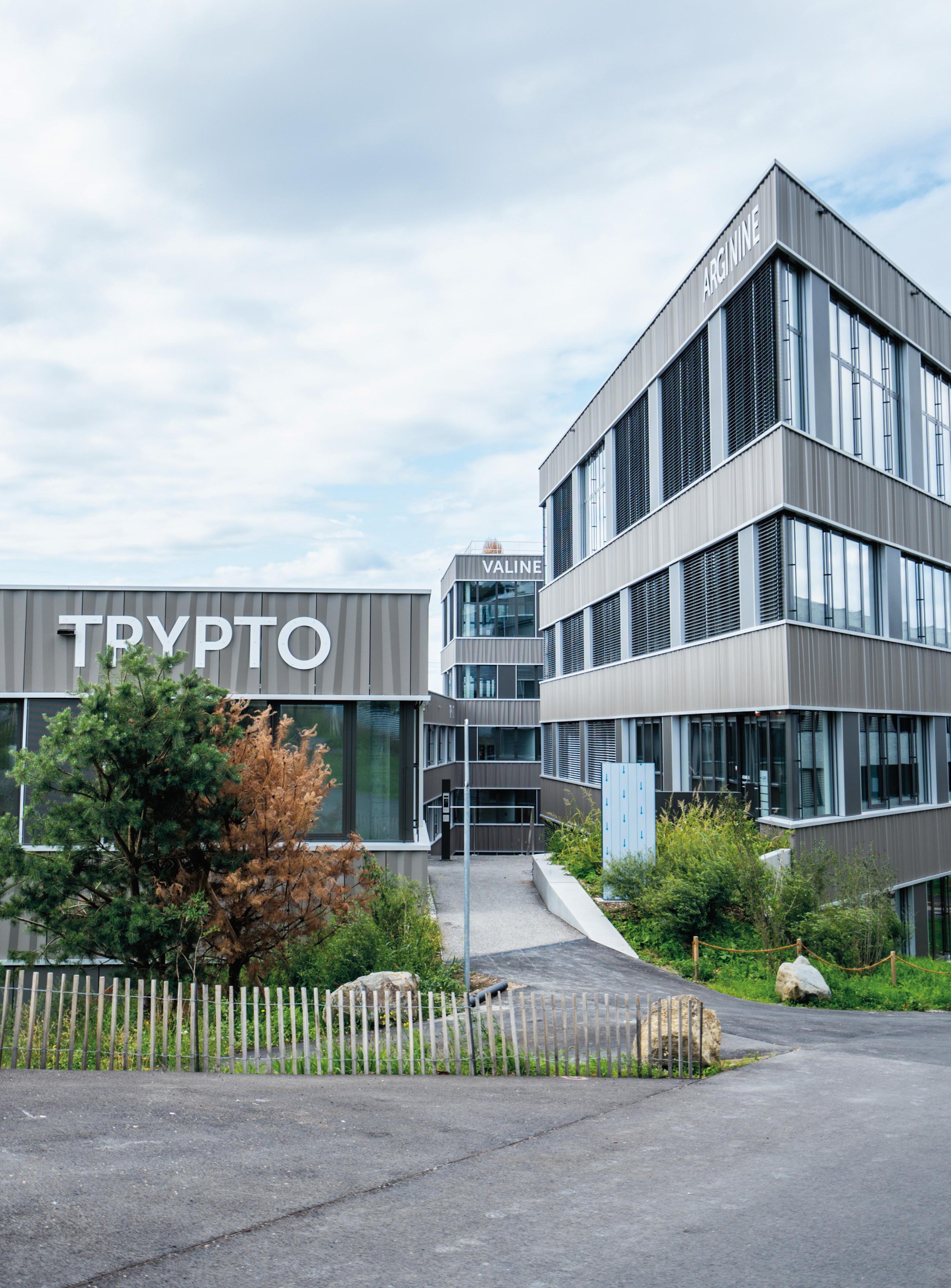
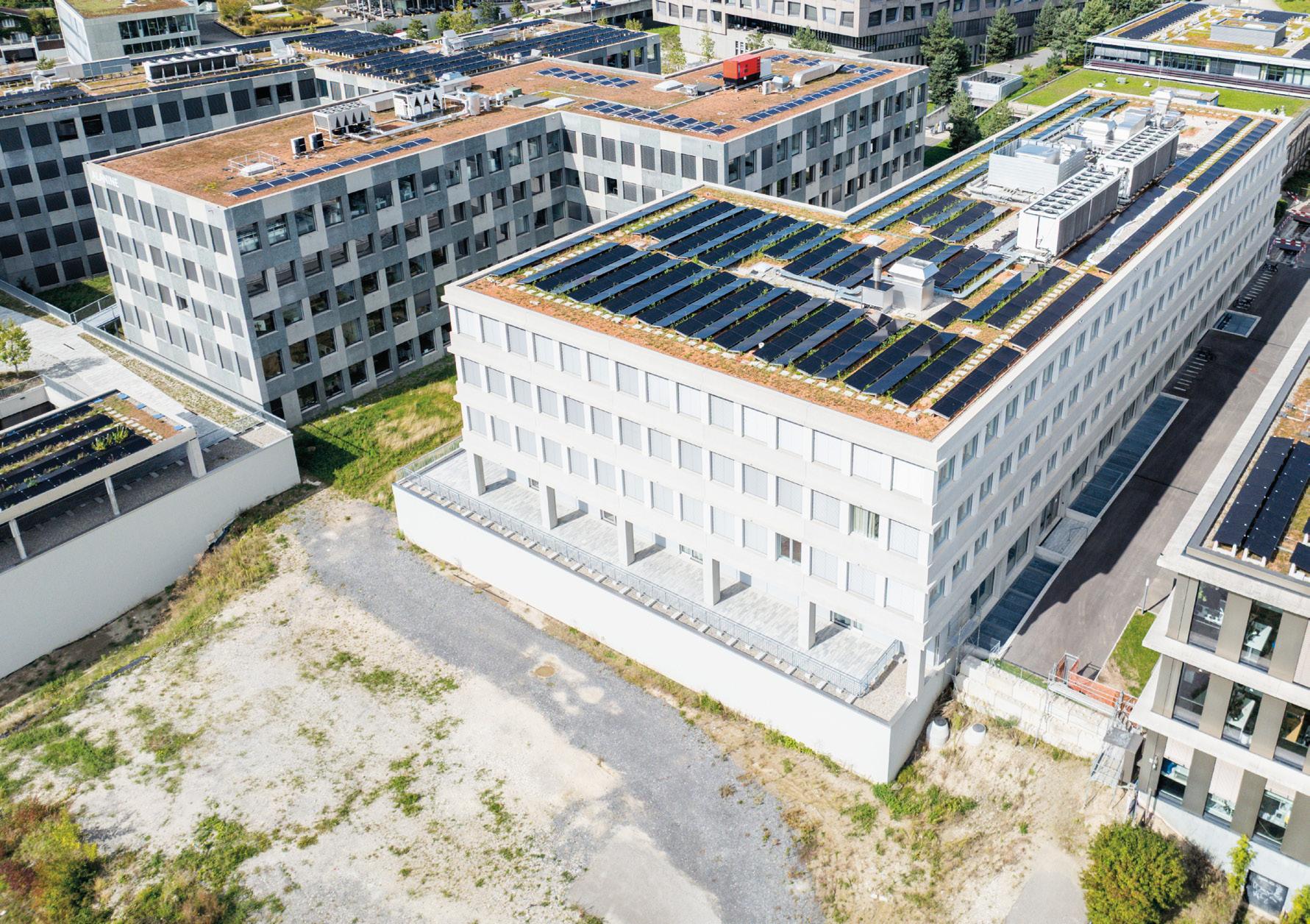
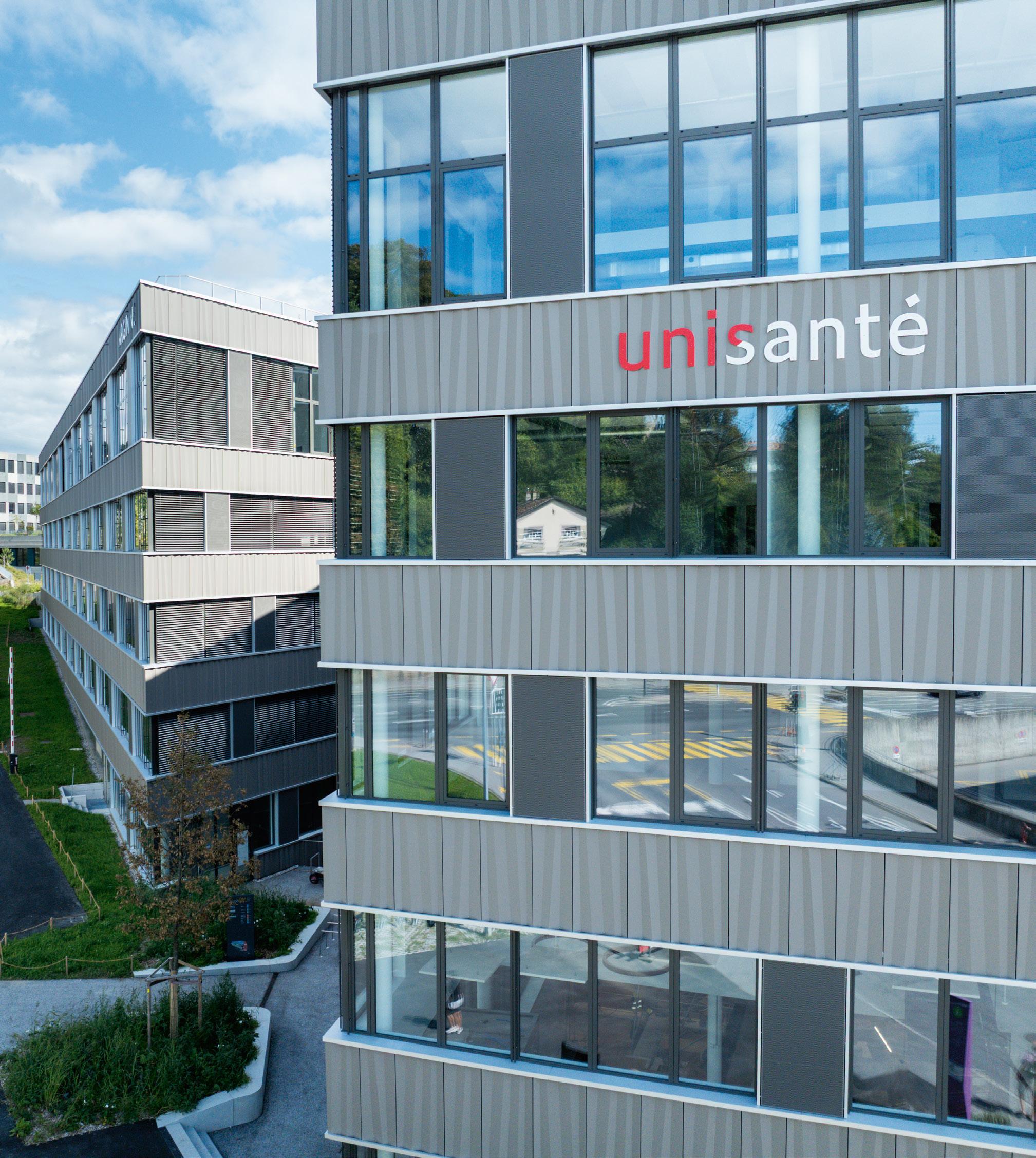
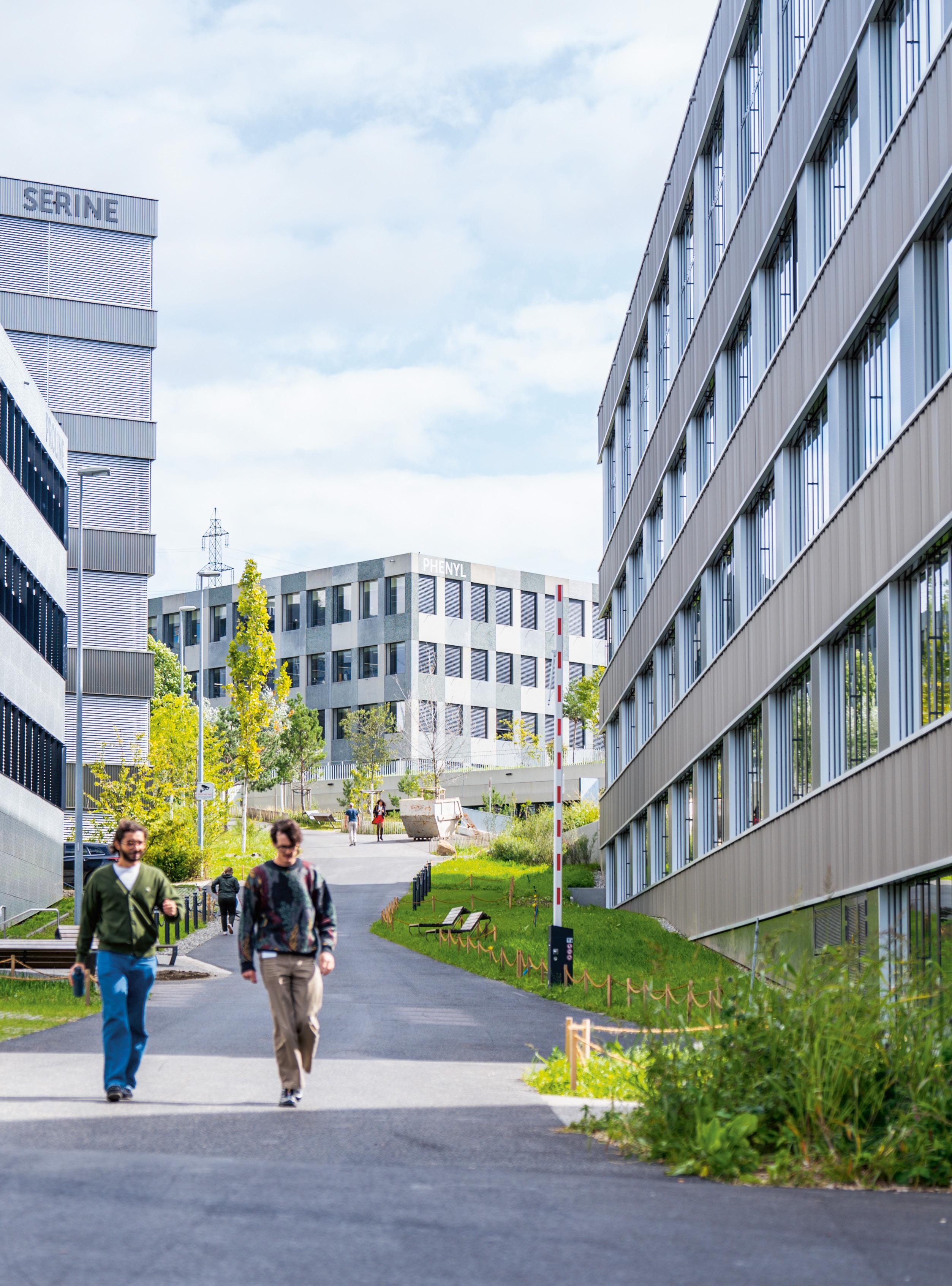
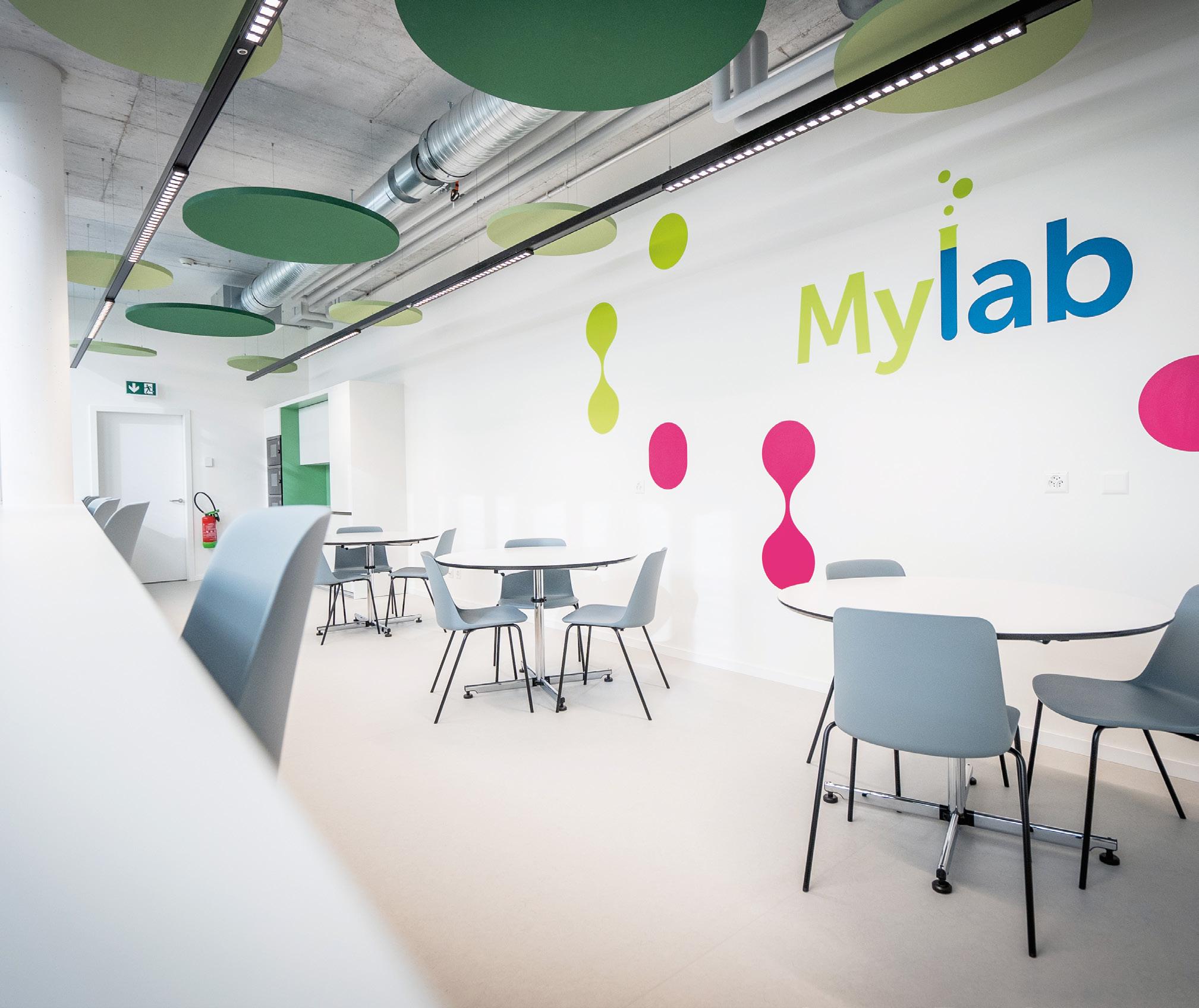
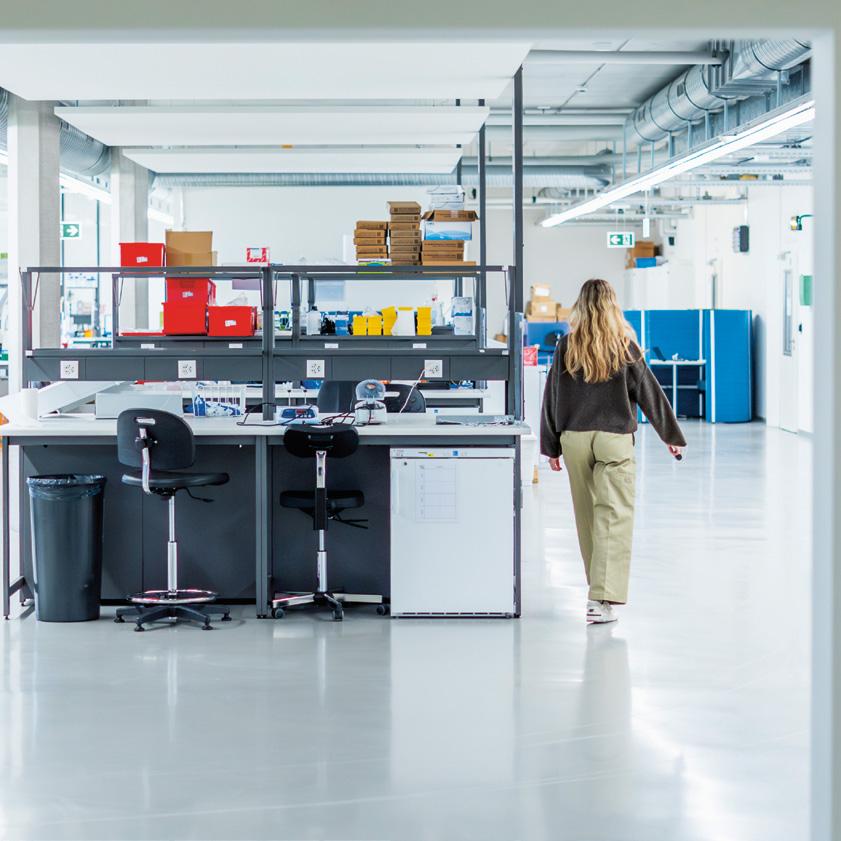
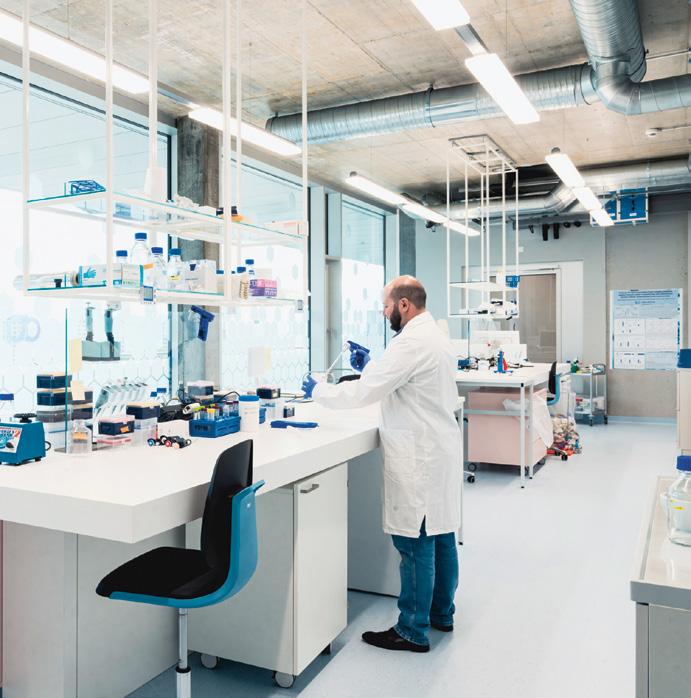
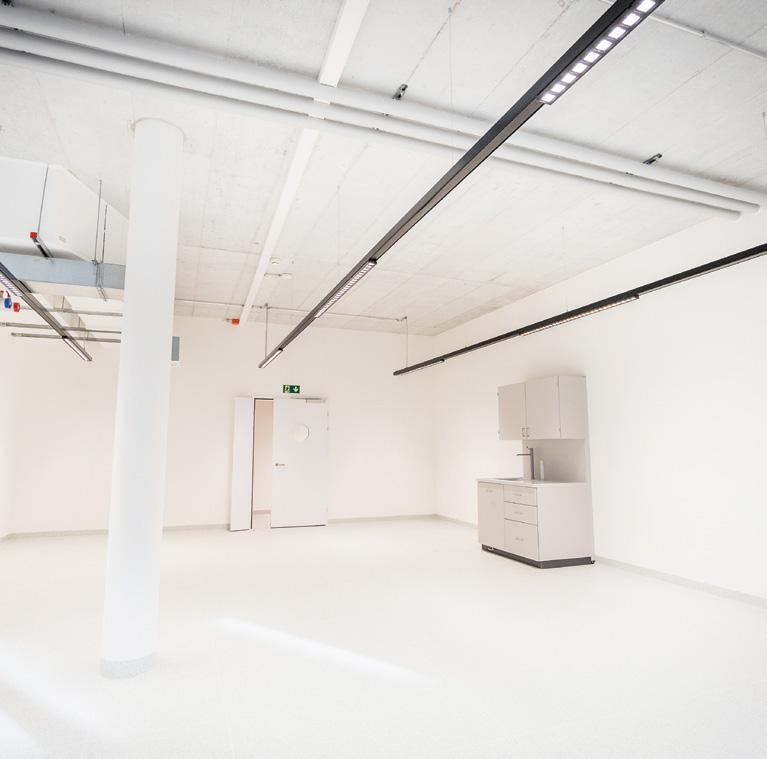
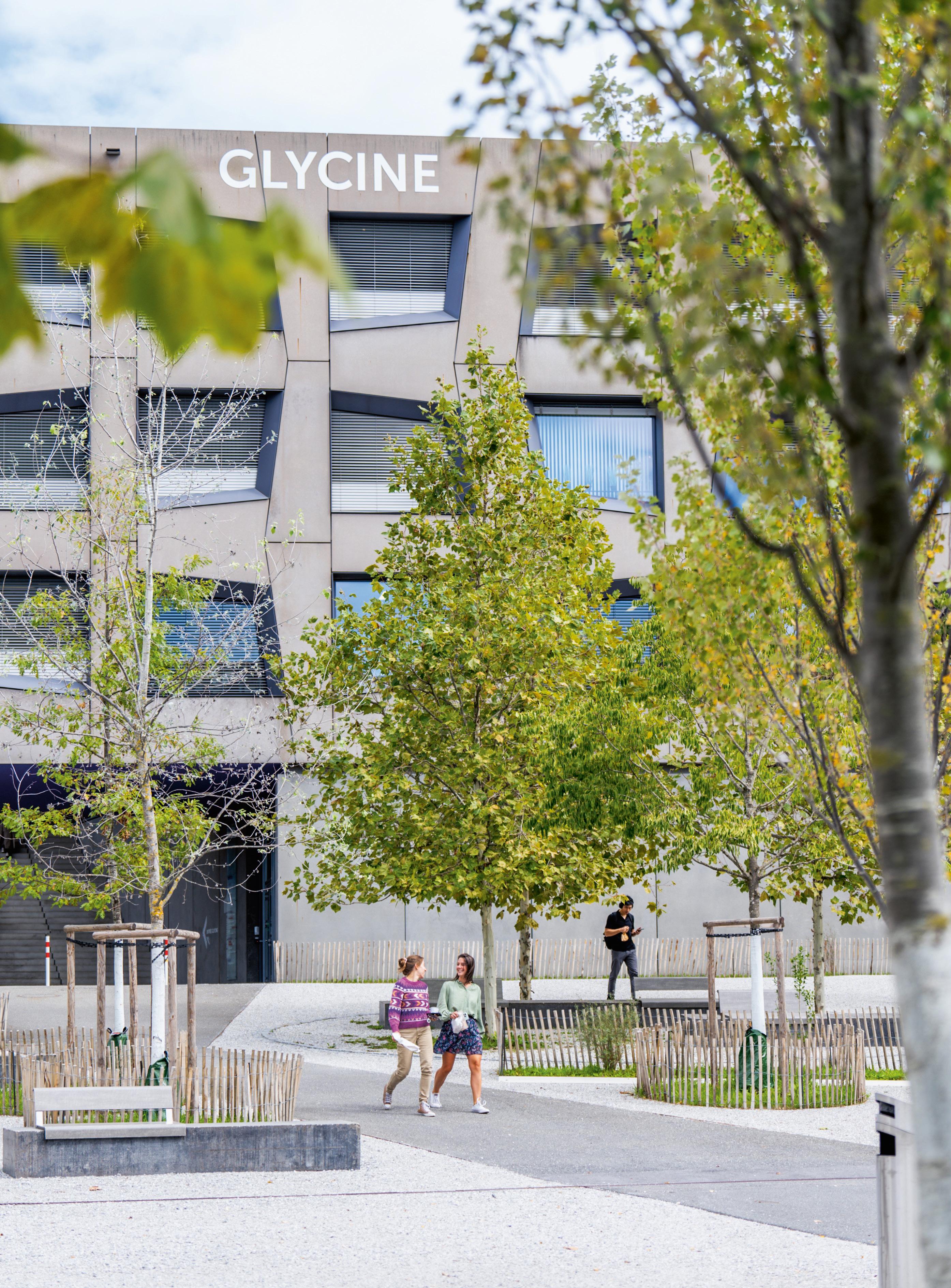
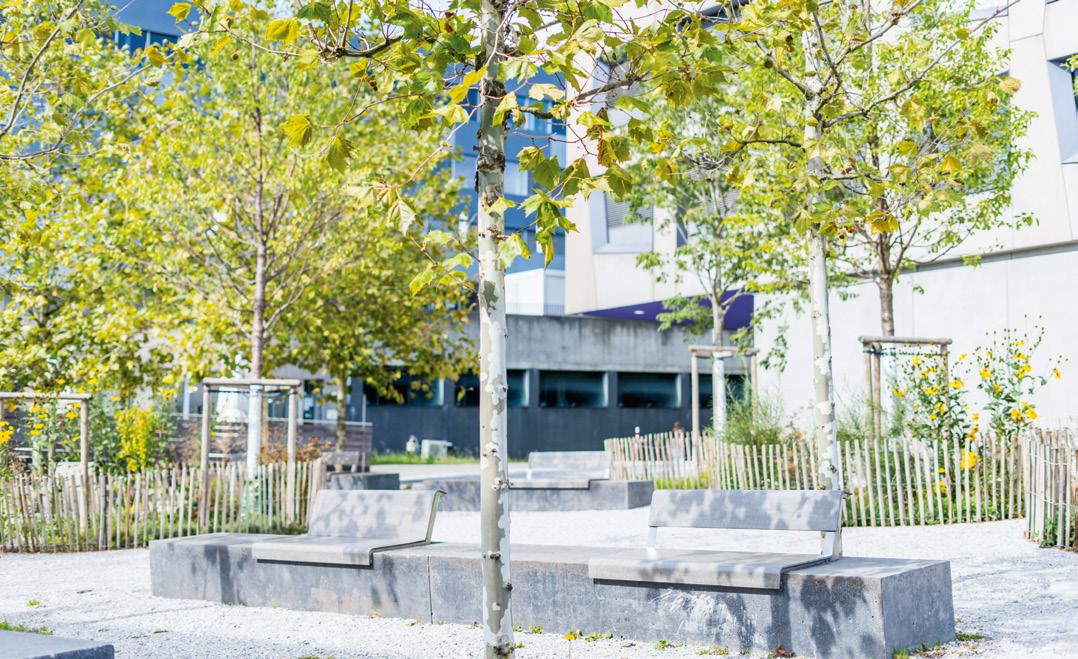
In 2025, the campus became greener, with the arrival of new trees and plants. It also expanded significantly with the opening of a new three-building complex on the south of the campus – Arginine-Trypto-Valine – which is now home to Unisanté, the Swiss Data Science Center and MyLab. Strengthened by new arrivals, Biopôle now brings together more than 3,500 talents across 180 companies within its community.
Credits
Editor: Biopôle SA
Direction: Lucie Sammicheli and Emanuela Jurietti
Editorial production: Fran Hamilton and Annabelle Dance, Tate & Clayburn
Graphics: Andrew Budell, Tate & Clayburn
Photography: Lyketil (pages 2–4, 8, 11, 14, 21–22, 25, 31–33, 36, 45–46, 48–51, 54–55, 59, 61, 73, 74, 77, 79, 80–81, 83, 84, 85, 90, 94–95 and back cover), Startup Nights (pages 6–7), Aspivix (page 10), Distalmotion (pages 12–13), Swiss Innovation Challenge (pages 16–17), Biopôle SA (pages 18, 20, 57, 60, 62, 64, 66, 68, 69, 71), Shawnee Photography for ADM (page 19), Unisanté (pages 26–27), Unsplash (pages 34–35), Biped.ai (page 37), Tania Emery for Emovo Care (page 38), Freepik (pages 39, 42–43), Nicolas Spuhler (page 40), Rama (page 42), Andon Labs (page 43), Cleveland FES Center (page 43), SDSC (page 58), Antony Aeby for We Power Up (page 63), Valentin Bianchi/Hans Lucas (pages 68, 70, 71), L. Nguyen for Superlab Suisse (page 73)
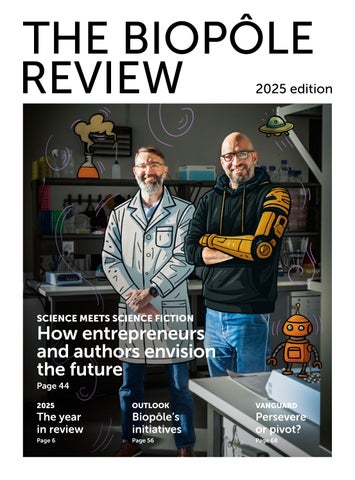
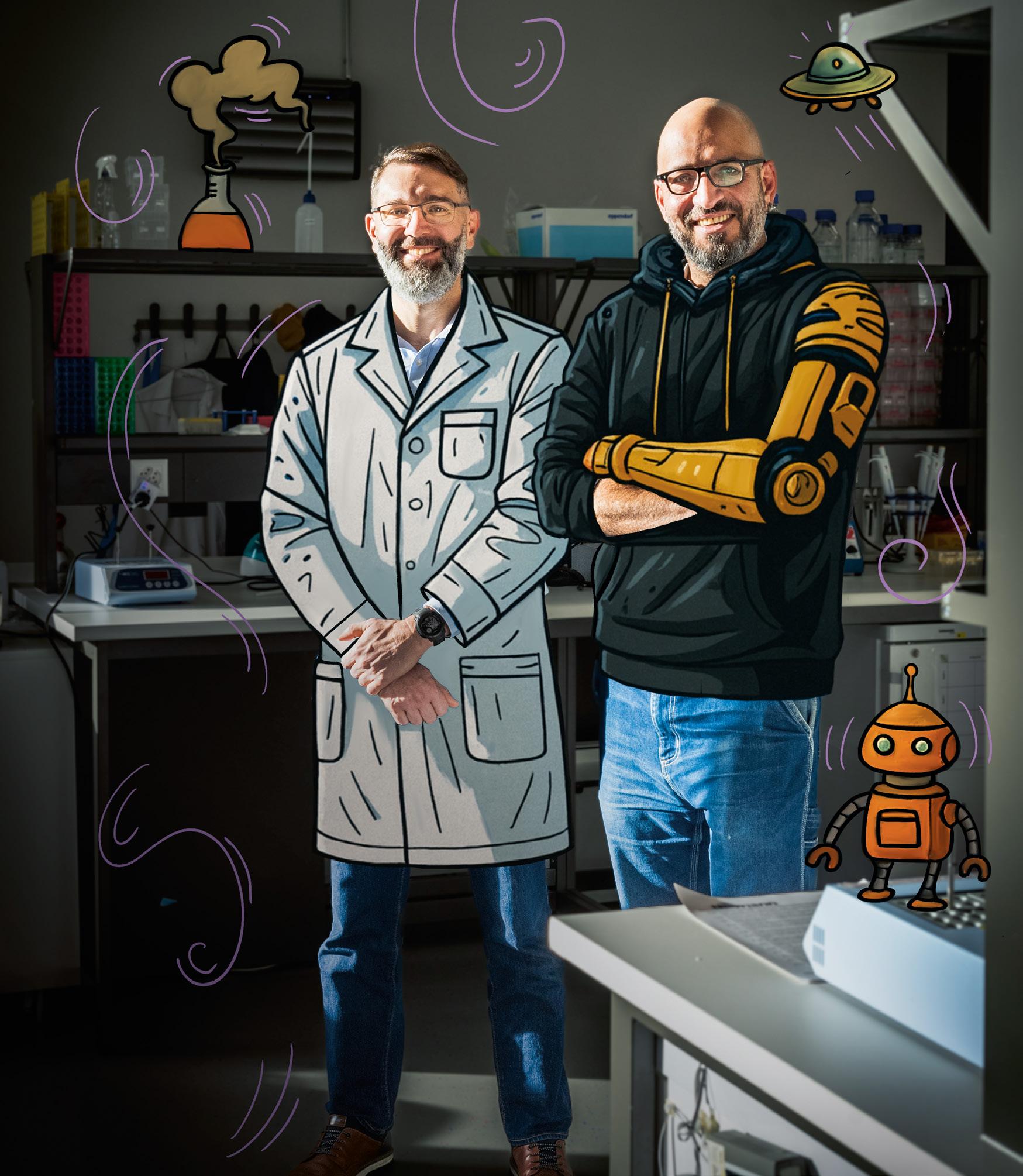
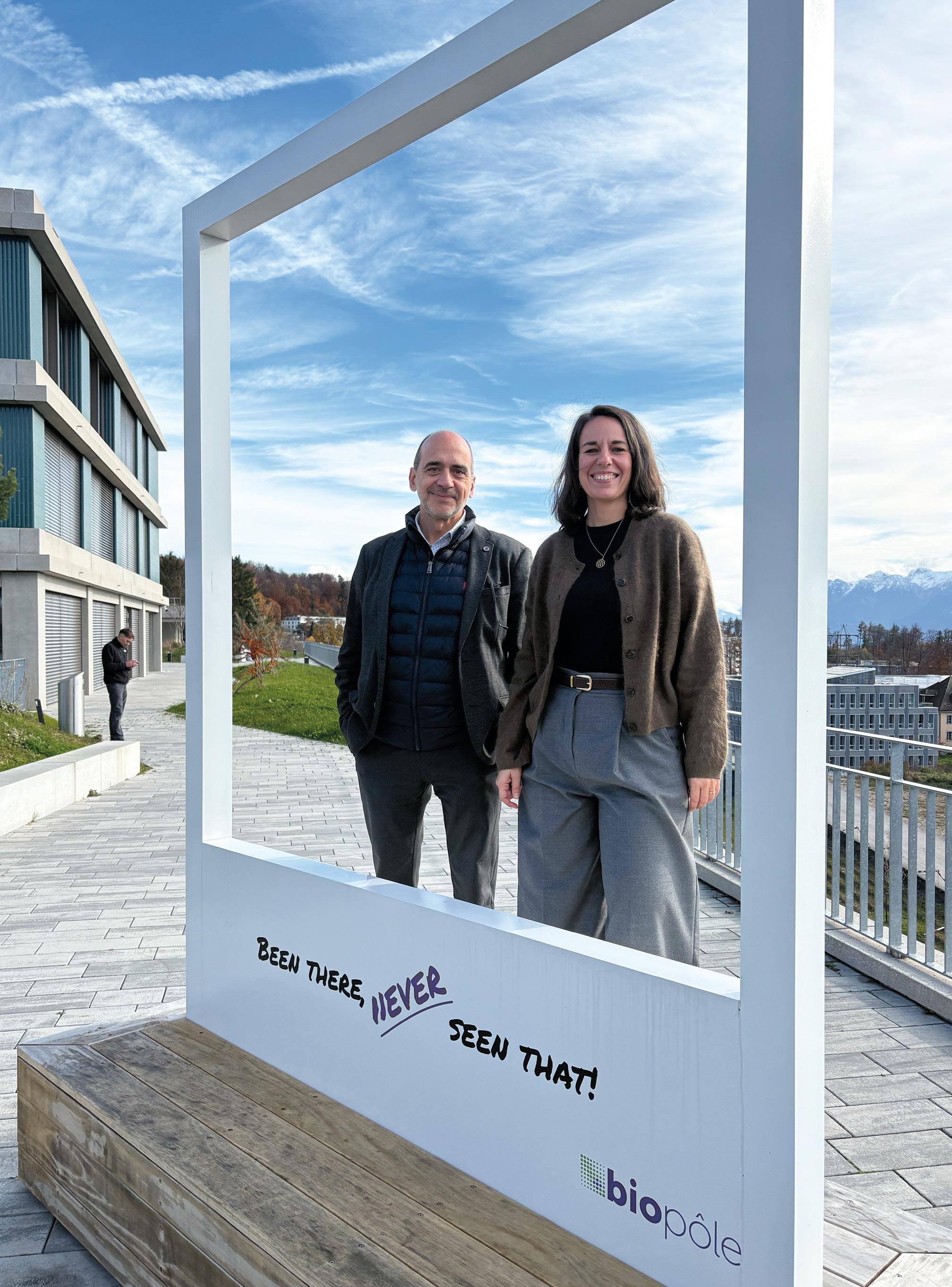
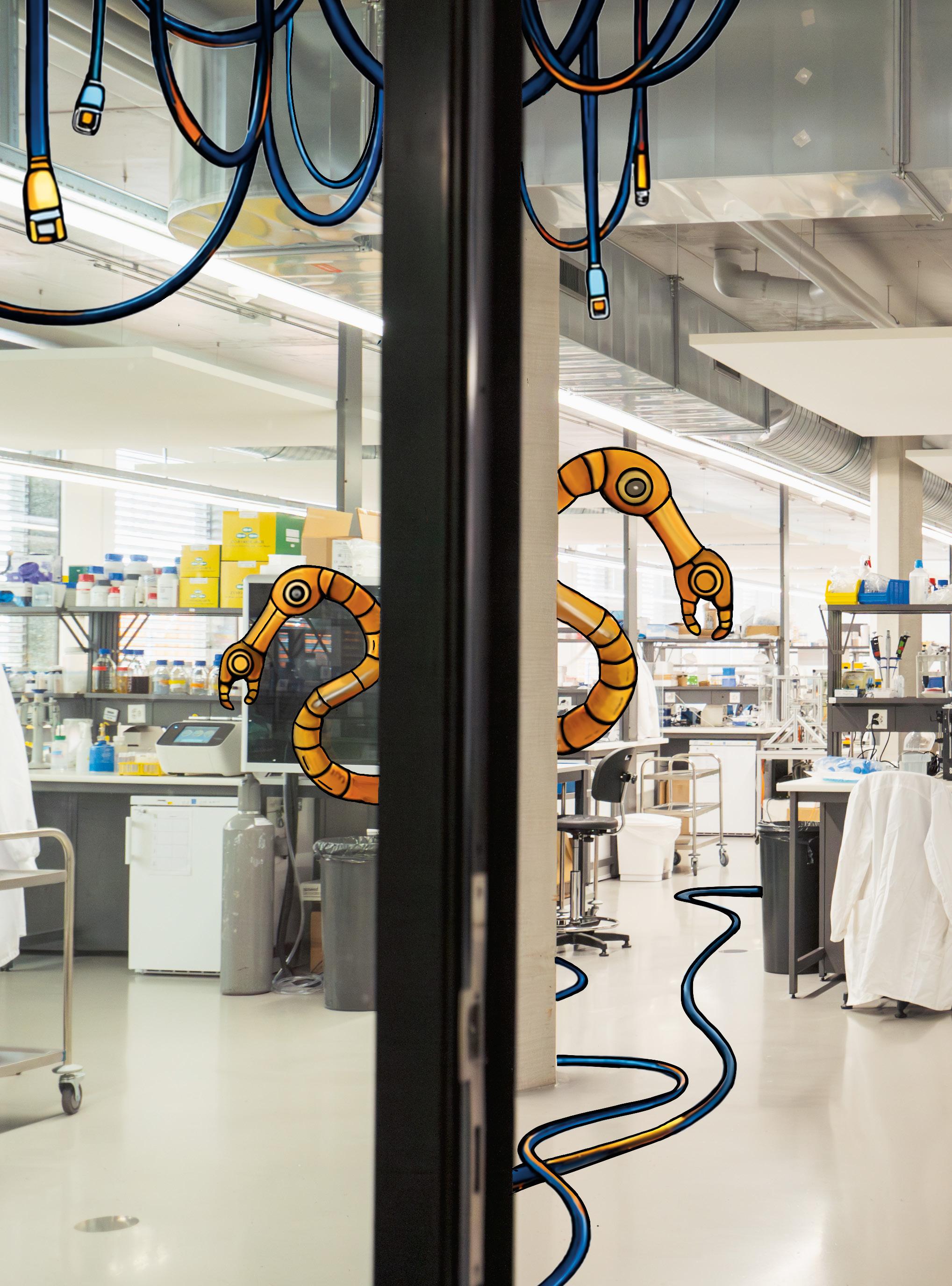
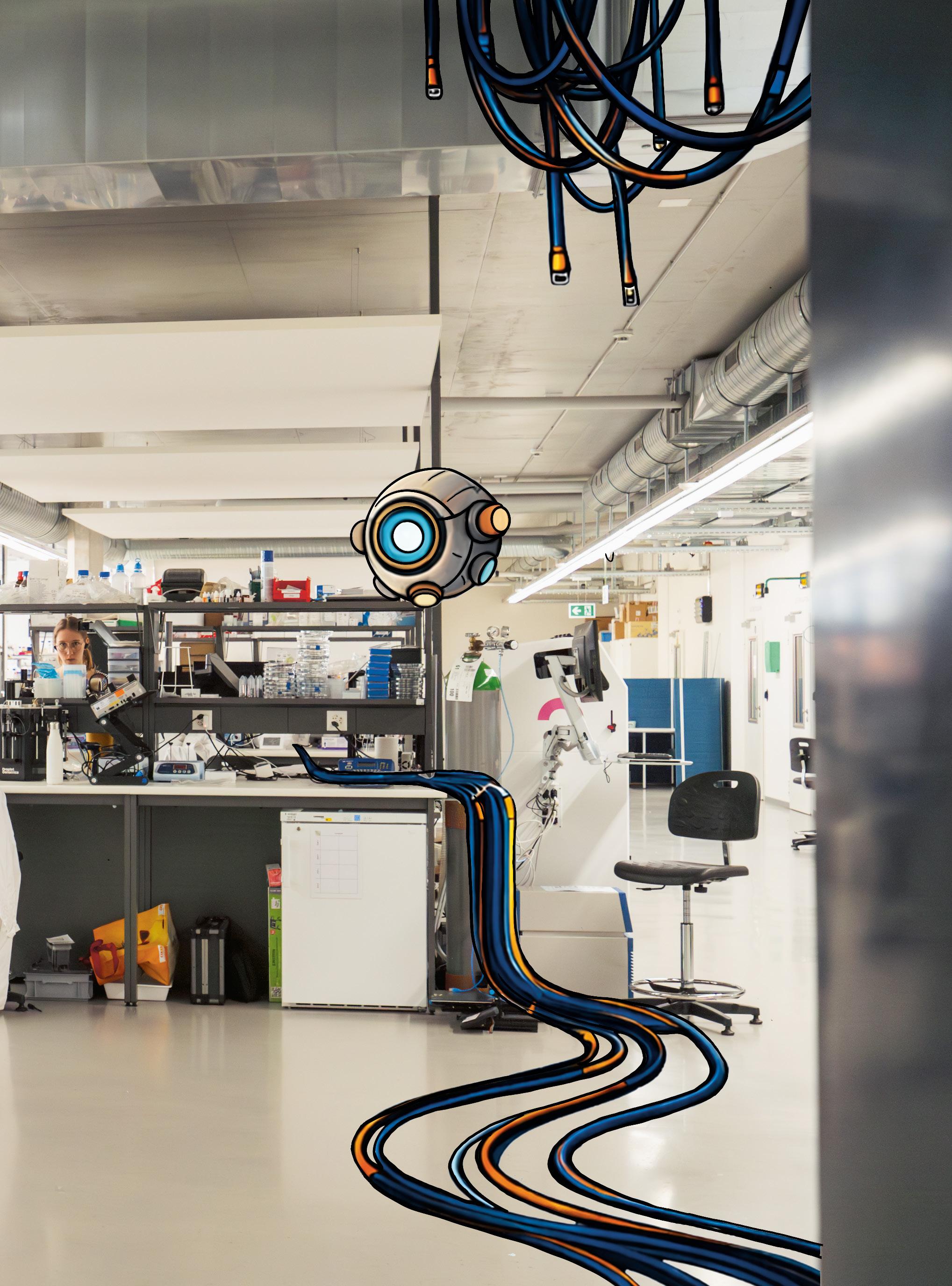
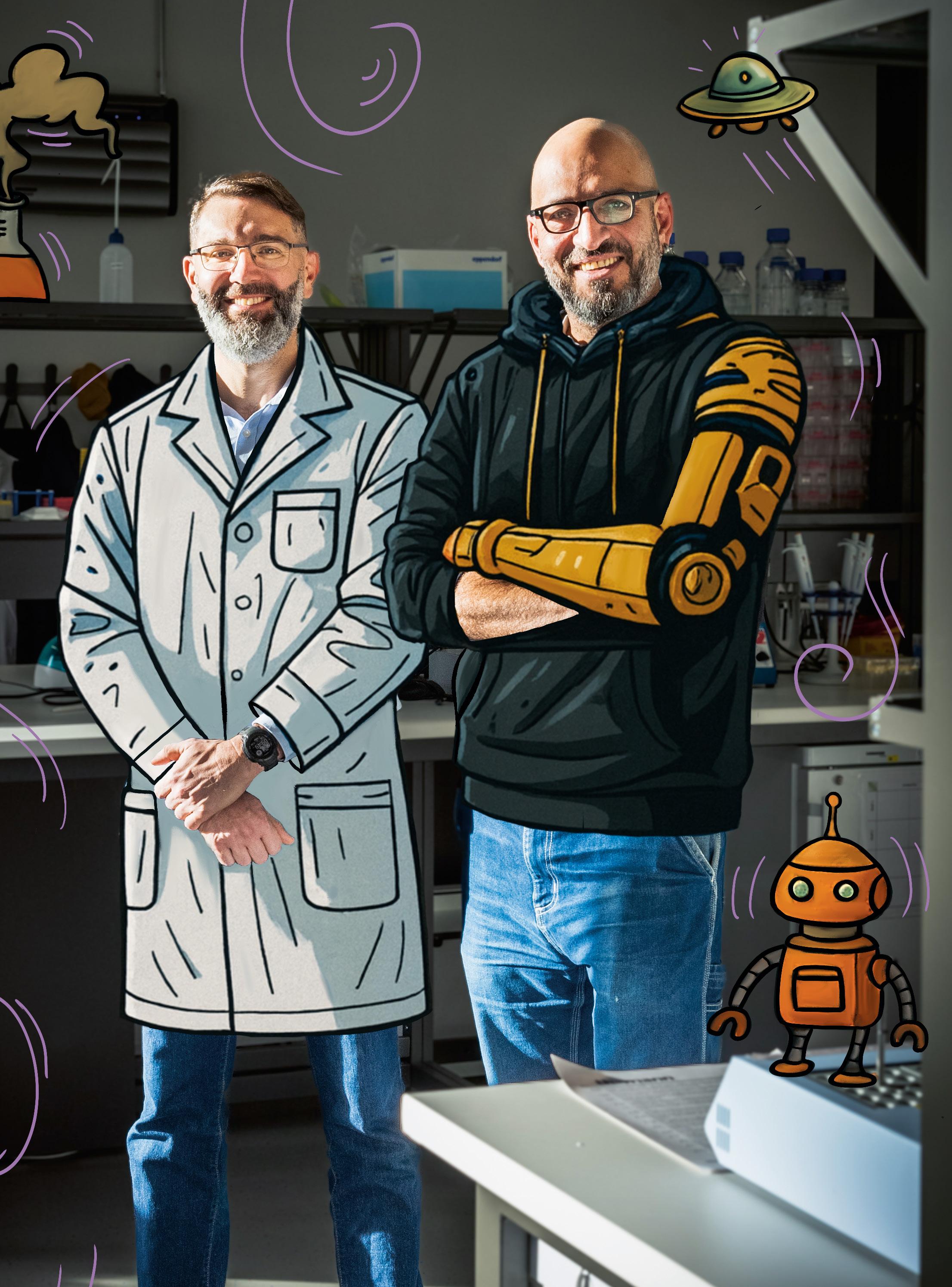
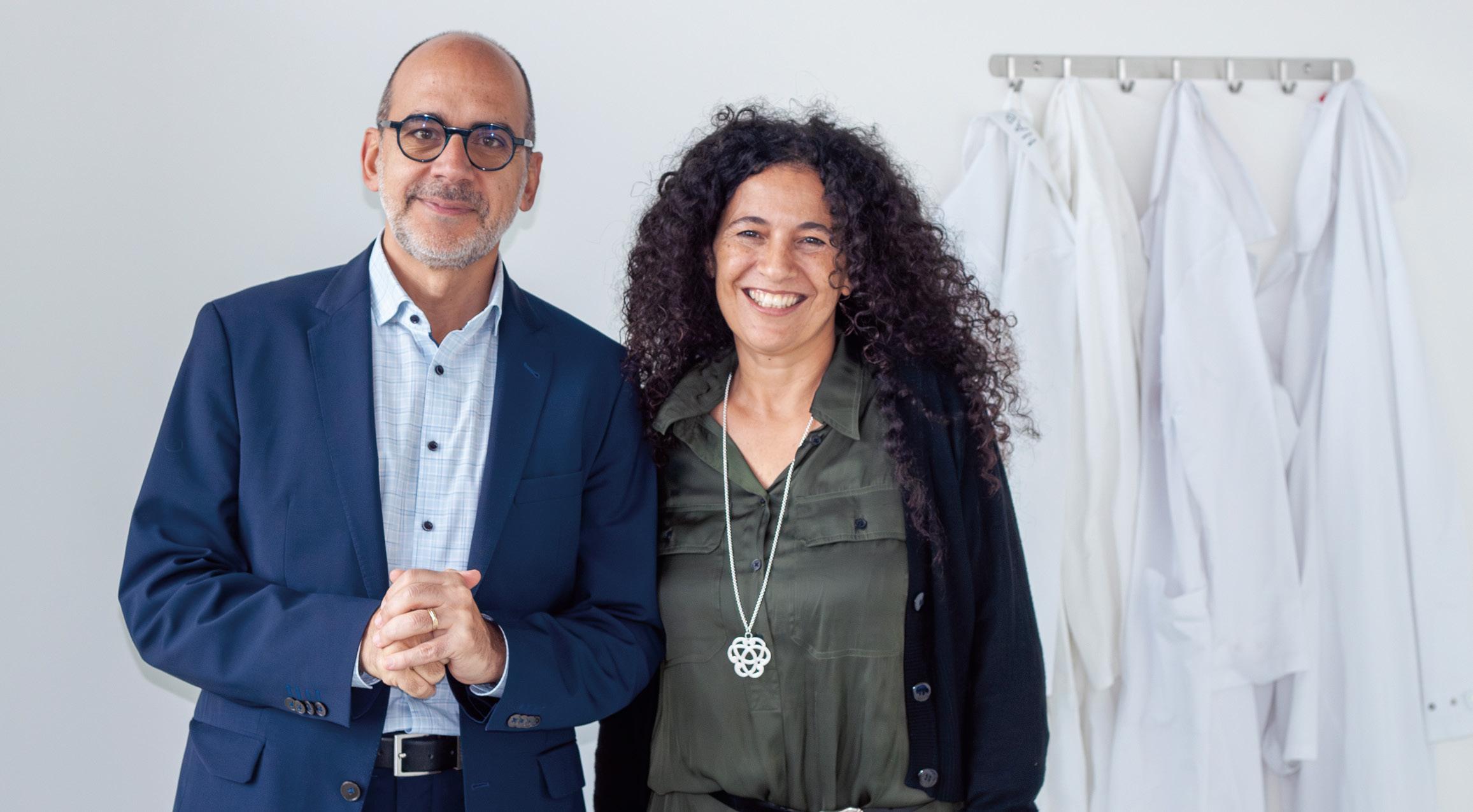
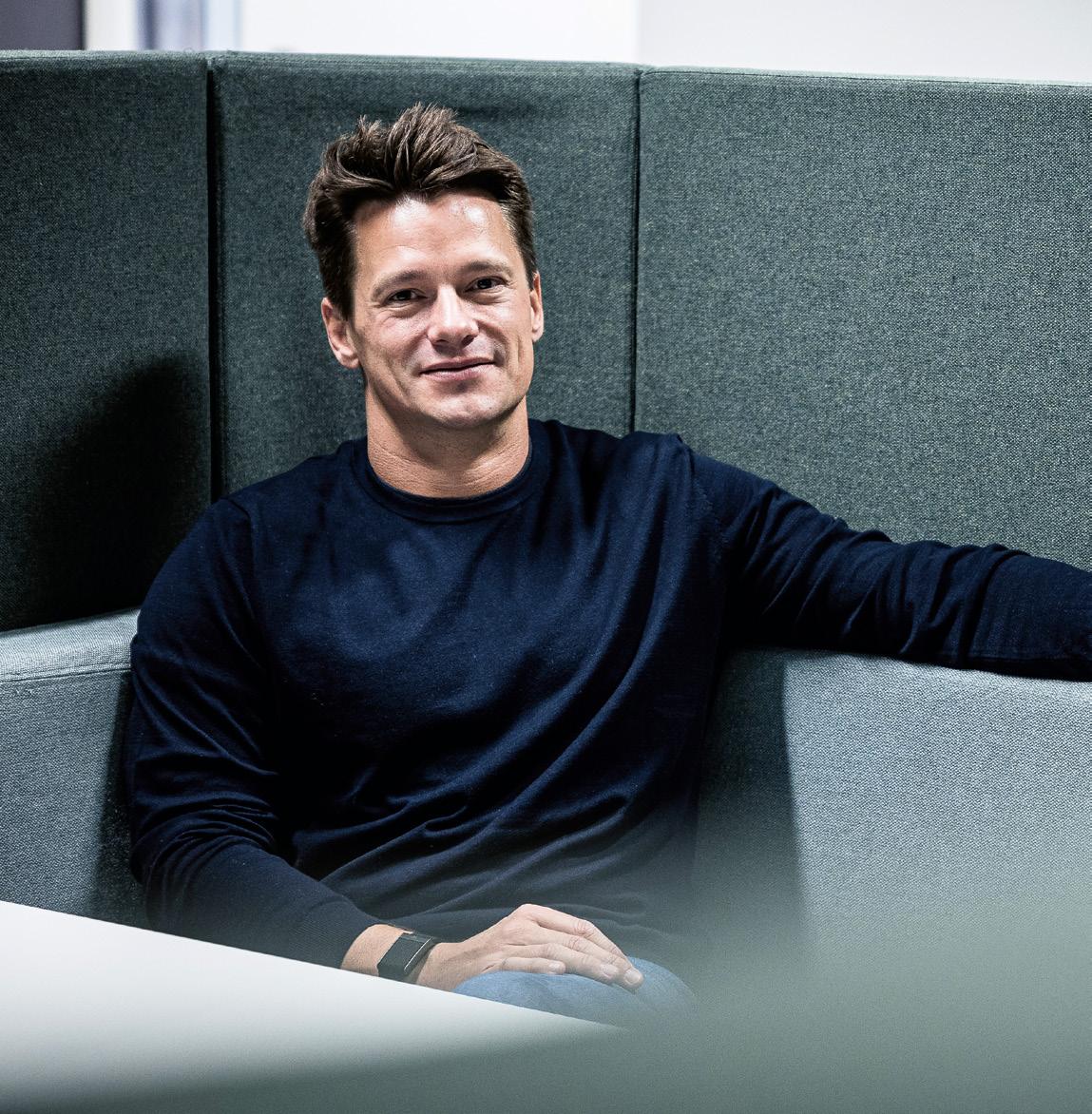
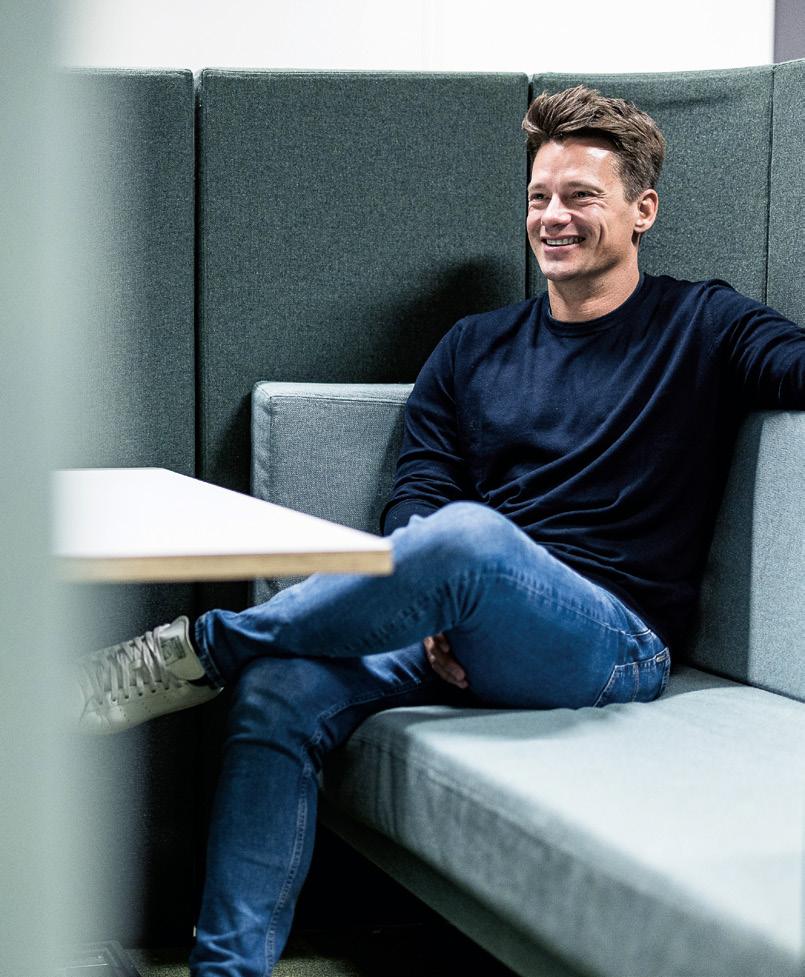
Cover: Sébastien Nusslé and Marc Atallah in StartLab, photographed by Lyketil and illustrated by Lucie Sammicheli
Lucie Sammicheli, Science Communications Manager
From imagination to innovation
Each year, The Biopôle Review offers an opportunity to pause, reflect and take stock of the world around us – a world where innovation is accelerating at an unprecedented pace. Breakthrough technologies are turning what once seemed impossible into reality – from self-driving laboratories to digital twins. In many ways, today’s world and scientific landscape increasingly resemble the science fiction of yesterday.
Thus, this year, I found myself reflecting on the origins of innovation itself. Indeed, when we look back at what science fiction once envisioned, a familiar question arises: which comes first – the chicken or the egg? Who are the true innovators: the entrepreneurs who bring ideas to life, or the science fiction authors who imagined our future long before it became conceivable?
We explored this question through conversations with experts across different disciplines. One message stood out clearly: innovation is rooted in creativity and inspiration rarely comes from a single source. Exchange, openness and collaboration prove to be among the most powerful drivers of creativity.
This perspective resonates strongly with the raison d’être of our campus and its ongoing evolution. This year, Biopôle welcomed 36 new companies, including major players like ADM, Aurigen, Unisanté and the Swiss Data Science Center. Each new arrival enriches our ecosystem with diverse expertise and perspectives, creating the fertile ground necessary for innovation to thrive.
As you explore this year’s Review, I hope these reflections encourage you not only to engage creatively with your work, but also to meet your neighbours over a coffee – where a simple conversation may ignite ideas and set you on a path from imagination to innovation.
Opened in 2025, the new Trypto, Valine and Arginine buildings offer more than 20,000 m² of rental space, enabling Unisanté to bring all its activities together in one location and serving as the new home of the Swiss Data Science Center and the new infrastructure MyLab.
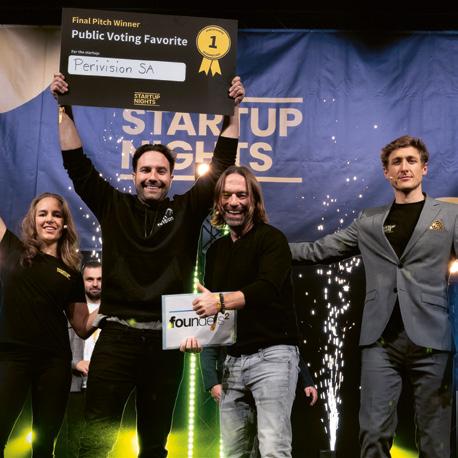
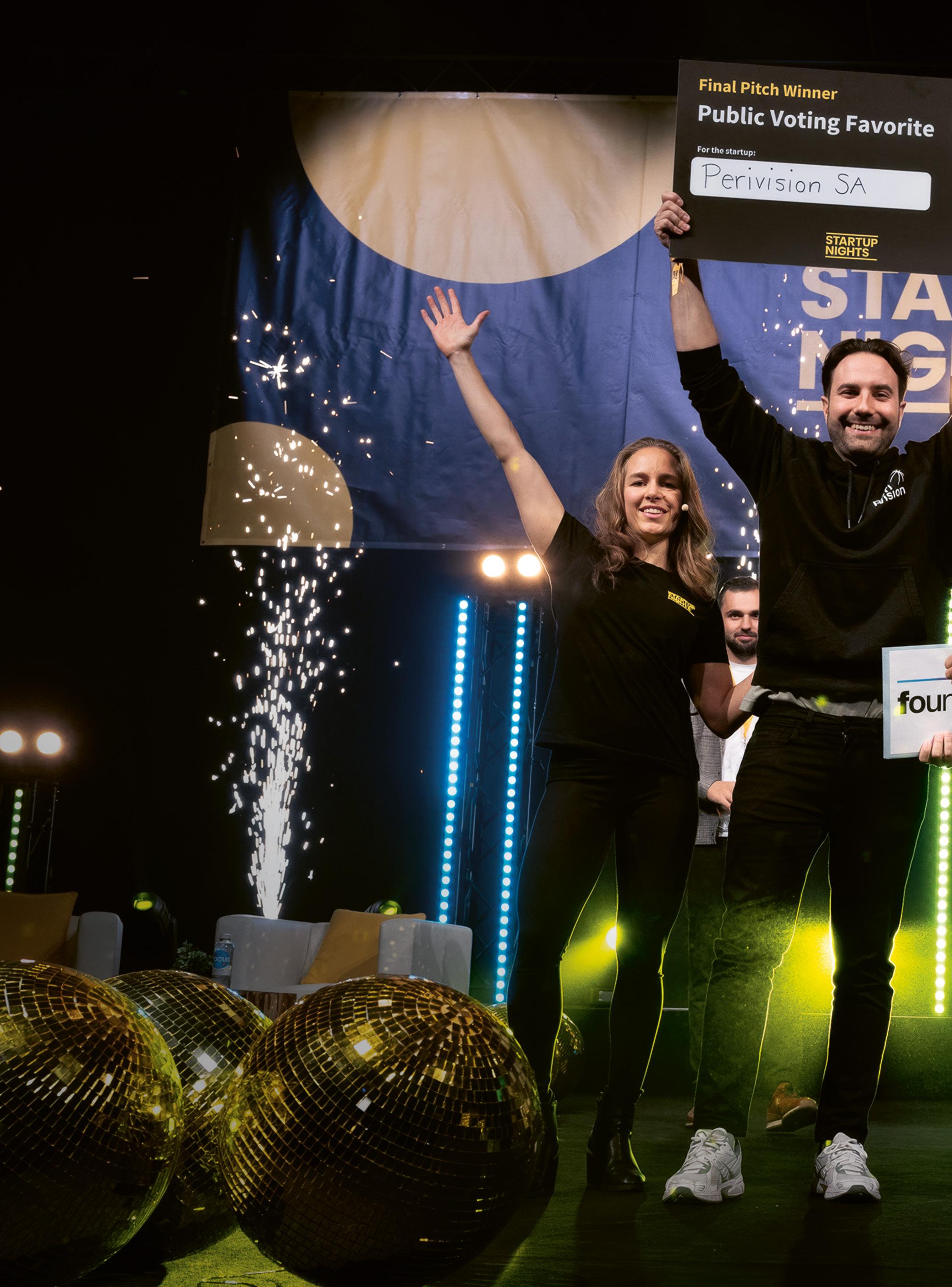
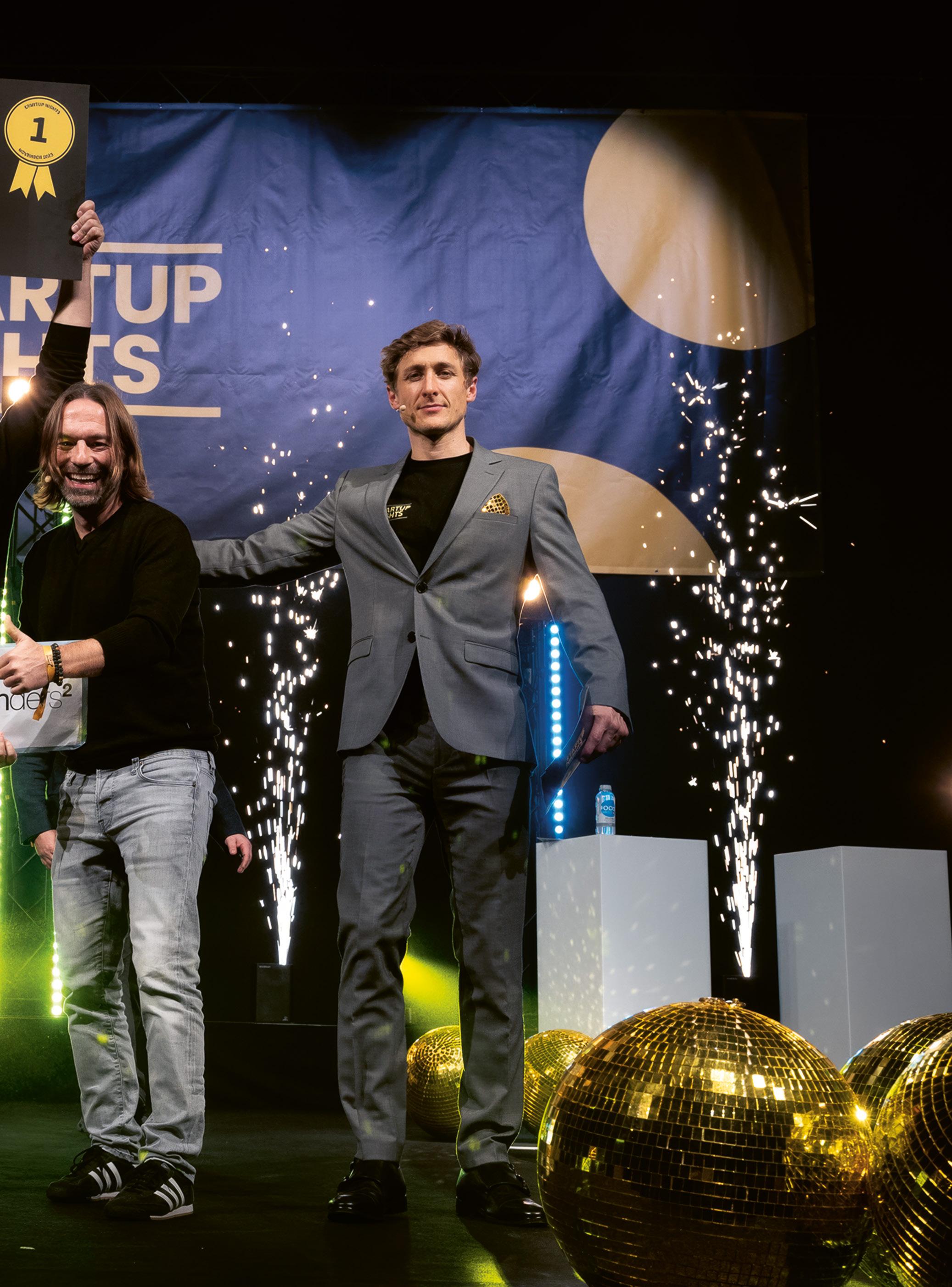
In November, PeriVision won both the HealthTech Award and the Public Voting Award at Startup Nights. The company’s eye-testing platform VisionOne™ combines commercial VR headsets with advanced AI algorithms to deliver faster, more reliable and patient-friendly visual field testing for 100 million glaucoma patients globally. In September, the company announced a CHF 2.4m seed funding round to expand its platform.
The year in review
Key achievements of the year
In 2025, the life sciences sector faced a crossroads. Robust scientific innovation and digital transformation were accompanied by strong research pipelines, AI‑enabled drug discovery and precision medicine breakthroughs, driving considerable optimism about long‑term growth. However, the industry also continued to grapple with economic and structural headwinds from regulatory pressures, investor caution and geopolitical instability. The contrast between rapid progress and rising pressure shows both the promise of the sector and the need for smart, adaptable strategies moving forwards.
Top five fundraising rounds
Biopôle-based companies raised over CHF 757m, 1 surpassing last year’s results of CHF 246m.
1. Tubulis raised €308m in Series C funding to accelerate clinical development.
2. ADC Therapeutics announced a total of $160m in private placement funding between June and October.
3. Distalmotion raised $150m to accelerate its US expansion.
4. Orbis Medicines raised €90m in a Series A funding round to develop its pipeline of oral macrocycles.
5. HAYA Therapeutics raised $65m in Series A funding.
1 This figure is based on public and semi-public data, and so is certainly not entirely accurate, as not all companies disclose their funding information.
Grants
• Novigenix was awarded €1.8m by BRECISE, co-funded by the Innovative Health Initiative, to industrialise AI-powered liquid biopsy for better prediction of immunotherapy responses.
• PeriVision received CHF 300,000 as a FIT Tech Growth Grant.
• DigeHealth received a FIT Tech Seed Grant worth CHF 100,000.
• Bewe and DigeHeath were both selected within a cohort of six start-ups for a Future of Health Grant.
• Biped.ai was awarded a FIT Digital Grant.
Top five investors in Biopôle‑based companies
• Advent Life Sciences is one of the leading transatlantic venture investors focused on building innovative life sciences businesses in the UK, Europe and the US. So far, Advent has invested in Biopôle members Argá Medtech and Tridek-One
• CADFEM Group is actively supporting a series of young and upcoming companies on the Biopôle campus, including PeriVision, ORYL Photonics, Distalmotion, Neo Medical and Volumina Medical
• DART invests in early-stage Swiss and European teams working on breakthrough technologies that positively impact health and climate. The fund has already
supported Impli, PeriVision and Testmate Health
• Lichtsteiner Foundation promotes innovations in healthcare to improve people’s health worldwide. It has invested in Switchkine, Impli, DigeHealth, Limula and Testmate Health
• Zühlke Ventures’ goals are to recognise potential, get involved early, limit threats and accept reasonable risks. Zühlke Ventures provides sound financing, a wealth of management and technology experience and a strong network to the companies it supports, which include Distalmotion and PeriVision
The year in review
Commercial agreements and partnerships
• Aspivix and Titus Health Care announced a distribution partnership to serve Belgium, the Netherlands and Luxembourg (Benelux).
• CARA Association merged with two national organisations to offer a unique electronic record for patients.
• Cellestia Biotech jointly invested $34m in newly formed US-based Anciata Therapeutics with TVM Capital Life Science.
• Demetra Holding acquired a majority stake in GetSet Surgical
• Kisco and MyAmici partnered to deliver biotech procurement services in Switzerland.
• Bracco, Limula and the University of Fribourg joined forces on an R&D project aimed at improving cell and gene therapy manufacturing.
• NewBiologix licensed its XCell-Eng-HEK293 cell line to Recipharm.
• Orbis Medicines started using Denmark’s first AI supercomputer, Gefion – owned and operated by the Danish Centre for AI Innovation – enabling significant expansion of macrocycle chemical space exploration.
• Testmate Health and Intermountain Health announced a strategic partnership and investment to accelerate access to rapid, low-cost molecular tests for sexually transmitted infections in the US.
• TwinEdge collaborated with Hanx Biopharmaceuticals to develop individual digital twins of a collection of diffuse large B-cell lymphoma patient-derived xenograft mouse models.
• Vaccine Formulation Institute formed a strategic alliance with Desert King® and also expanded its partnership with Seppic to support large-scale manufacturing and availability of saponin-containing vaccine adjuvants.
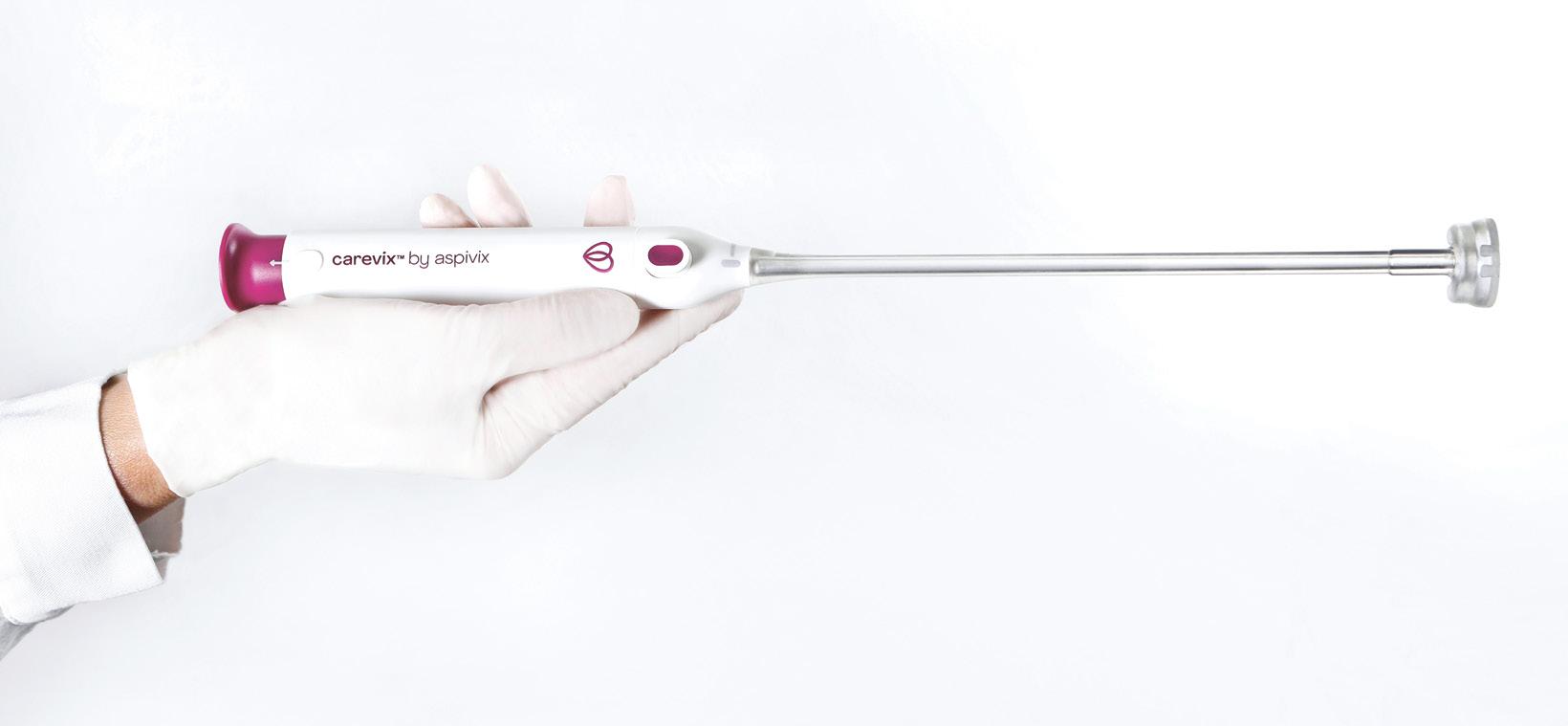
Aspivix aspires to improve women’s healthcare with its soft-suction cervical device designed to reduce pain and bleeding during gynaecological procedures.
Ichnos Glenmark Innovation signs licensing agreement worth up to $2bn
Ichnos Glenmark Innovation (IGI) and AbbVie signed an exclusive global licensing agreement granting AbbVie the rights to develop, manufacture and commercialise IGI’s lead investigational trispecific antibody ISB 2001 for oncology and autoimmune indications, including relapsed/refractory multiple myeloma. IGI will receive a significant upfront payment and potential milestone and royalty payments, accelerating the asset’s path towards helping patients worldwide.
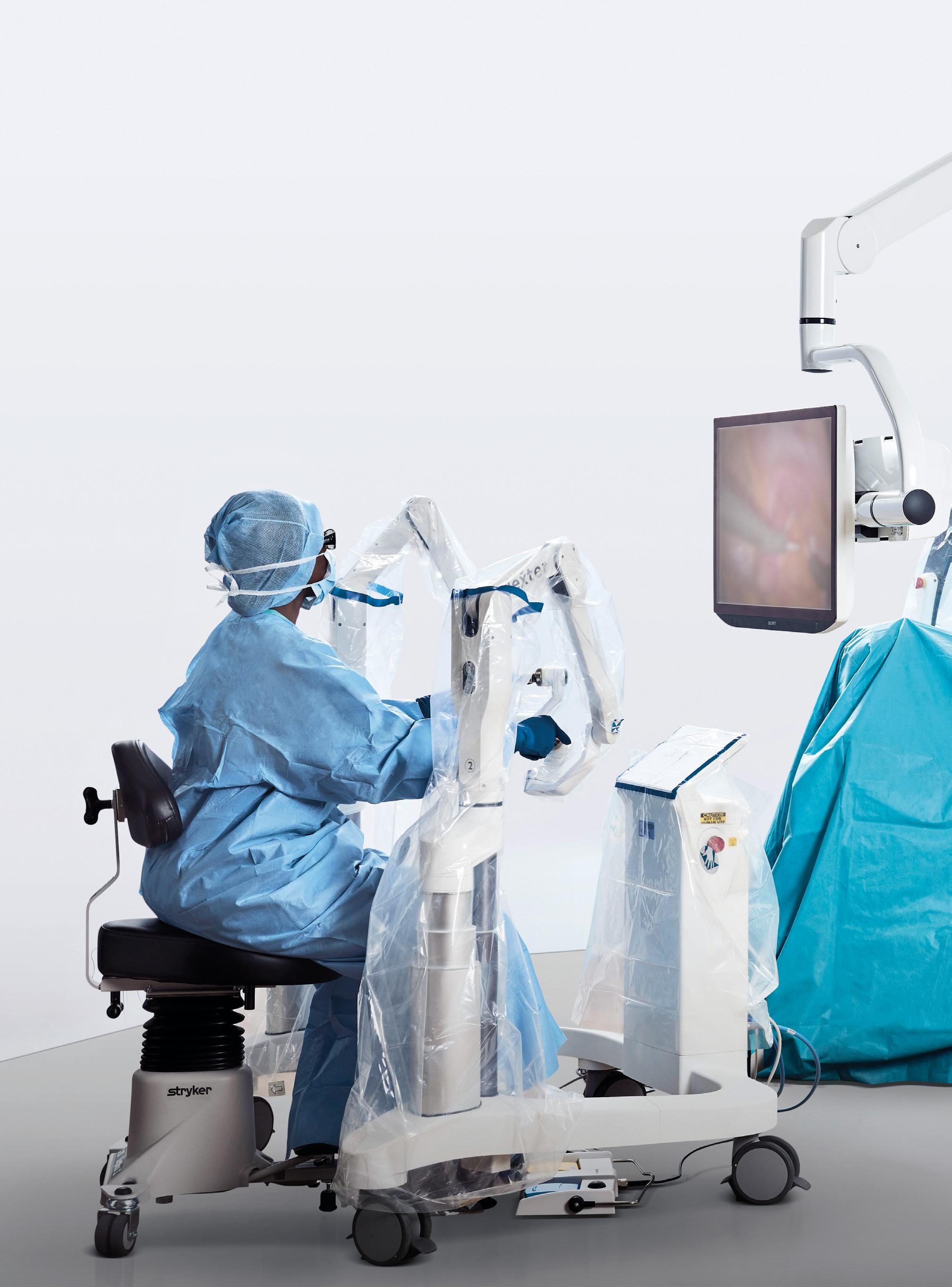
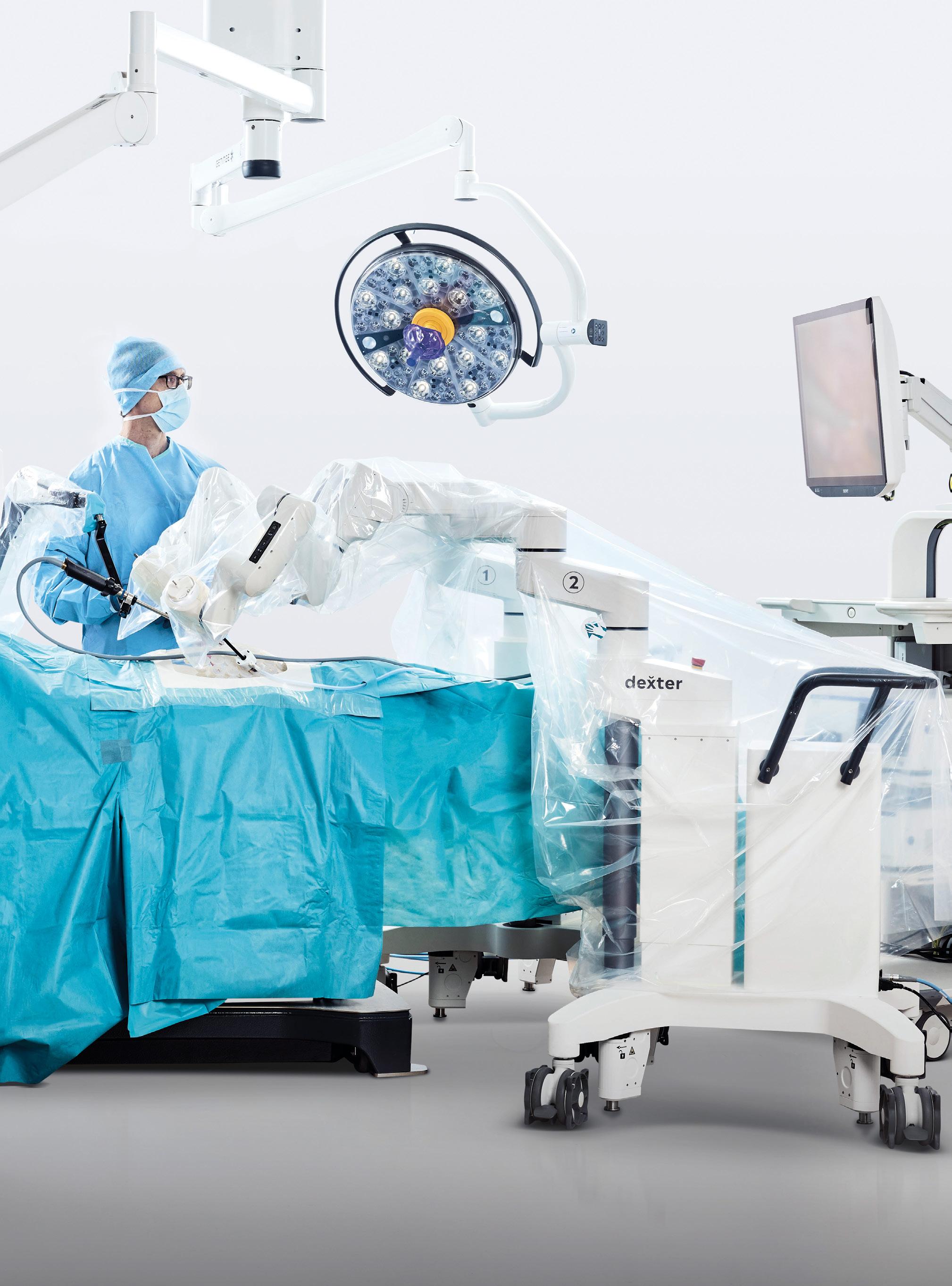
In November, Distalmotion closed a $150m Series G round led by Revival Healthcare Capital to support US expansion. Clinical milestones include recent Food and Drug Administration (FDA) clearance for hysterectomy, building on prior FDA clearances for cholecystectomy and inguinal hernia repair, as well as Medical Device Regulation approval in Europe across general surgery, gynaecology and urology. The company has also achieved key enrolment progress in ongoing general surgery and gynaecology clinical trials. Headquartered at Biopôle, the global medtech company aims to expand access to robotic surgery by bringing DEXTER® to more surgeons and care settings, including outpatient departments and ambulatory surgical centres.
Clinical research
• ADC Therapeutics announced updated data from its LOTIS-7 Phase Ib clinical trial of ZYNLONTA in combination with bispecific antibody, supporting potential best-in-class regimen in patients with relapsed/refractory diffuse large B-cell lymphoma.
• Argá Medtech enrolled its first patients in the COHERENT-AF clinical trial to evaluate the safety and effectiveness of its Coherent Sine-Burst Electroporation™ (CSE™) system in patients with paroxysmal and persistent atrial fibrillation.
• Distalmotion’s robot DEXTER broadened its range of applications, with FDA clearance for hysterectomy indication and an FDA 510(k) clearance for cholecystectomy. It also enrolled its first patient in general surgery and gynaecology clinical trials.
• IGI announced that the FDA granted ‘fast track’ designation for ISB 2001.
• Legacy Healthcare received positive Pharmaceuticals and Medical Devices Agency feedback on its Phase III clinical programme for Cinainu.
• Leman Biotech launched a clinical trial and an investigatorinitiated trial for its metabolically armoured B-cell maturation antigen CAR-T therapy and its metabolically armoured tumour-infiltrating
lymphocytes in advanced solid tumours, respectively. It also reported positive results for metabolically armed CD19 CAR-T used for relapsed/ refractory chronic lymphocytic leukaemia, where the first patient enrolled achieved complete remission.
• Onward Therapeutics received Investigational Medicinal Product Dossier (IMPD) approval to initiate a Phase I clinical trial.
• Opna Bio presented promising preclinical data on novel multifunctional protein degraders and reported positive interim clinical data from its Phase I combination study of OPN-2853 with ruxolitinib in patients with advanced myelofibrosis.
• Tubulis announced it had dosed its first patient in a Phase I/IIa clinical trial evaluating its ADC TUB-030 technology in advanced solid tumours. It also shared preliminary Phase I/IIa trial data for its ADC TUB-040 in platinumresistant ovarian cancer.
• Vandria reported positive Phase I target engagement data for VNA-318, a first-inclass, orally bioavailable and brain-penetrant molecule aiming to address central nervous system diseases, including Alzheimer’s.
Led by co-founders Julian Englert and Daniel Nakhaee-Zadeh, Adaptyv works to make engineering proteins easier. The company first incubated at StartLab and now occupies its own offices and laboratories in the Alanine building.
New drugs and products
• Adaptyv Biosystems announced the launch of Proteinbase, a single hub for experimental protein design data.
• Ai.Qimia unveiled the next generation of its ReaQt module for ultra-realistic reaction simulations.
• Alithea Genomics launched its Mercurius™ Total Drug-Seq platform.
• Aspivix launched Carevix® in the UK with AGHealth.
• Distalmotion accelerated its expansion in the US with multiple clinical and commercial milestones, starting with its first US sale in March to Memorial Hermann Health System.
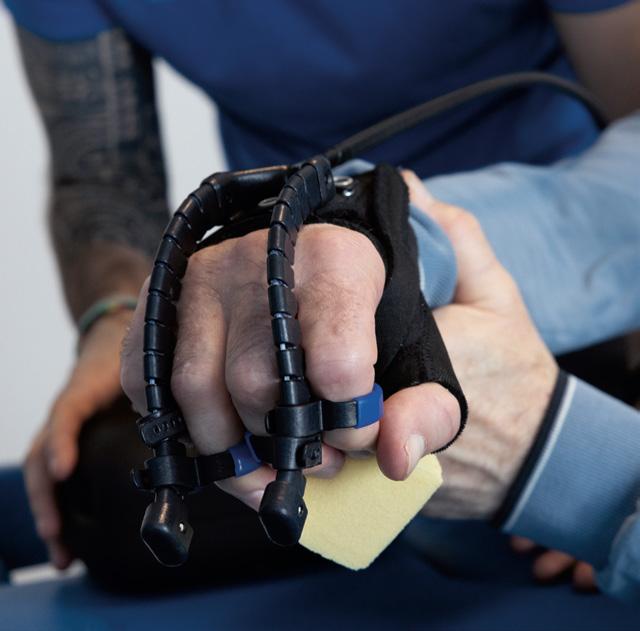
• Emovo Care received CE marking for its hand exoskeleton.
• Genknowme announced it is now reimbursed by KPT insurance in Switzerland.
• Limula unveiled its LimONE end-to-end cell therapy manufacturing solution and installed the first device at Stemmatters.
• ORYL Photonics unveiled the Oryl F1.
• Parithera launched a circulating tumour cell detection platform.
• PeriVision launched major VisionOne updates in the US and UK, featuring bowl perimetry and adaptive stimulus sizing. It also launched a lens holder in the EU for enhanced patient comfort.
• Prevision Medicine launched a glioblastoma drug screening test and acute myeloid leukaemia drug screening test.
• TheraMe! obtained ISO 13485 certification for the design and development of its products. The company also finalised its first fully integrated alpha prototype for microfluidic drug testing.
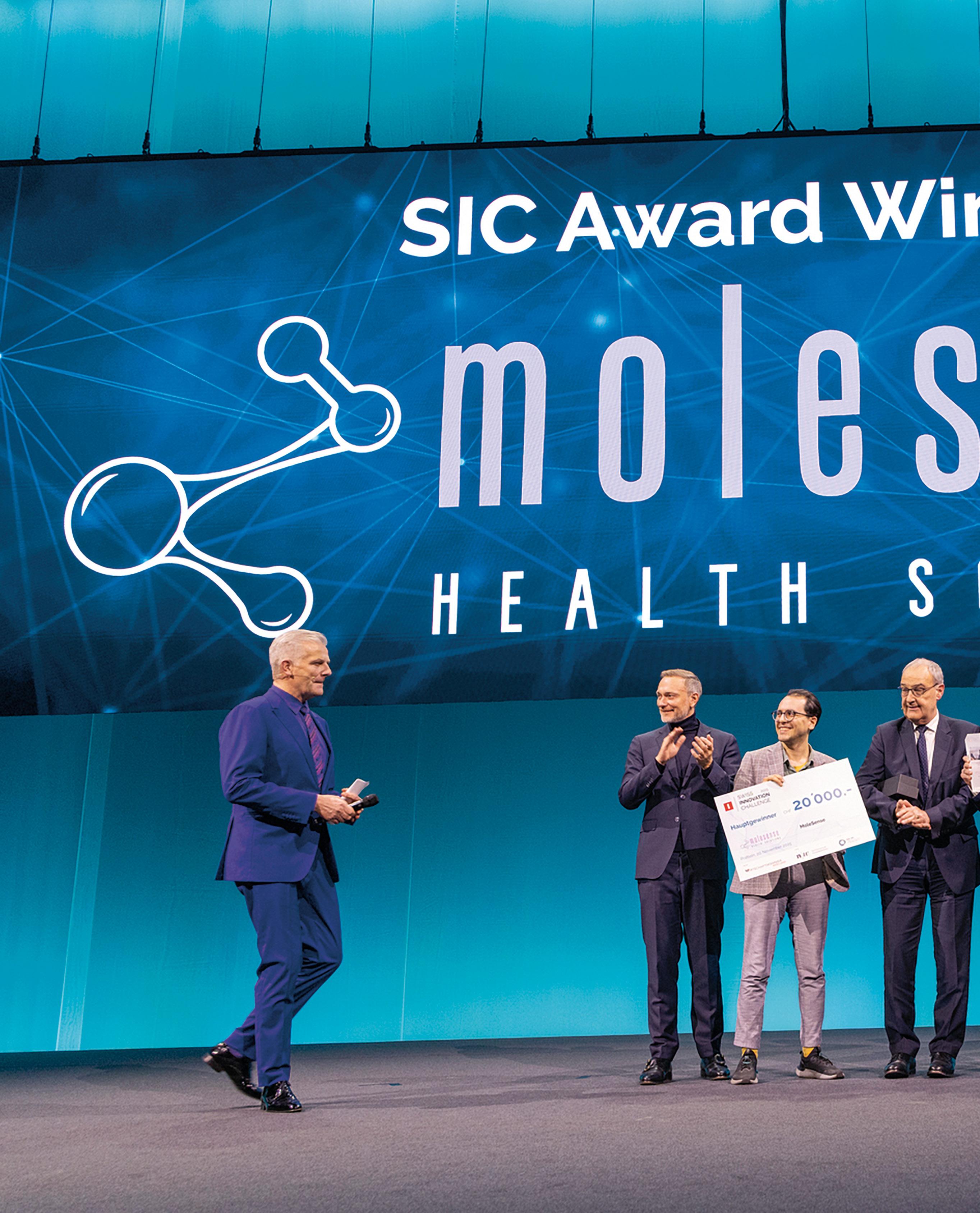
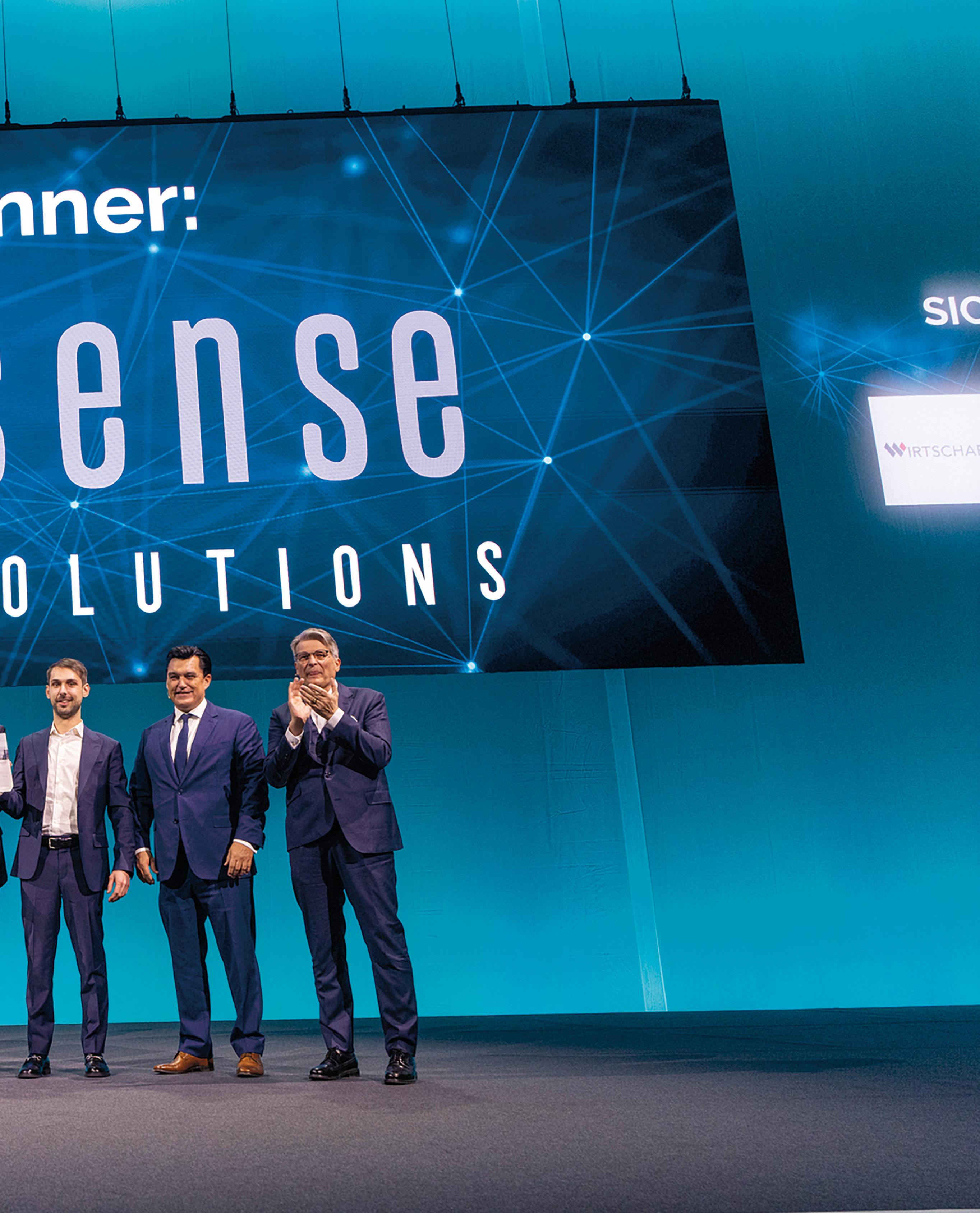
The awards stacked up for MoleSense in 2025. In April the company won the 2025 Startup Champions Seed Night and in November it was awarded the Swiss Innovation Challenge 2025, as pictured here. Co-founder and CEO Gian Luca Barbruni, third from the right in the picture, was selected in the Forbes 30 Under 30 list. The Swiss Federal Institute of Technology Lausanne (EPFL) spin-off also received CHF 150,000 from Venture Kick to bring molecular wearables to maternity care. These devices continuously and non-invasively monitor key biochemical markers in high-risk pregnancies, enabling doctors to make data-driven decisions and mothers to receive proactive care.
Awards
• Aspivix received the Stewardgard Award 2025.
• Martina Löfqvist, Head of Alliances & Strategic Growth at Atinary and Gian Luca Barbruni, CEO of MoleSense were selected in Forbes’ 30 Under 30 list.
• Bewe received the Coup de Pouce prize from the Dr Liechti Foundation.
• Impli won the Hello Tomorrow Global Challenge (Digital Health & Medtech track) and was awarded third place at The Deeptech Demo Day 2025.
• Leman Biotech co-founder Professor Li Tang won the Friederich Miescher Award and Stanisław Lem European Research Prize 2025.
• MoleSense won the 2025 Swiss Innovation Challenge.
• PeriVision won the HealthTech Award and Public Voting Award at Startup Nights 2025. It also received the Swiss Engineering Award for AI applied to medicine for its work in AI-predicted glaucoma progression.
• Prevision Medicine and Snijder Lab were honoured at the Precision Medicine Awards, winning Biggest Technology Impact of the Year for their groundbreaking work on pharmacoscopy.
The year in review
A foundational year for Pilatus
Pilatus Biosciences laid the groundwork for successful clinical development in 2025, focusing on advances in research, regulatory approval and organisational growth. First, it published a robust preclinical data package in the top-tier, peerreviewed journal Cancer Discovery. In addition, the company started collaborating with Roche on a clinical trial to evaluate PLT012 in hepatocellular carcinoma;
PLT012 subsequently received Food and Drug Administration (FDA) clearance to enter clinical development for the treatment of solid tumours. Pilatus also secured a foundational global patent covering its novel CD36-targeted immunotherapy. Amid these successes, the founders decided to strengthen their team by hiring a Clinical Research and Medical Science Associate, marking an exciting step towards further expansion.
" 2025 was our strategic foundation. It was a remarkable year, with each milestone showing how quickly Pilatus Biosciences is turning bold science into real clinical progress – and setting the stage for our 2026 breakthrough."
Raven Lin, co-founder and CEO
The year in review
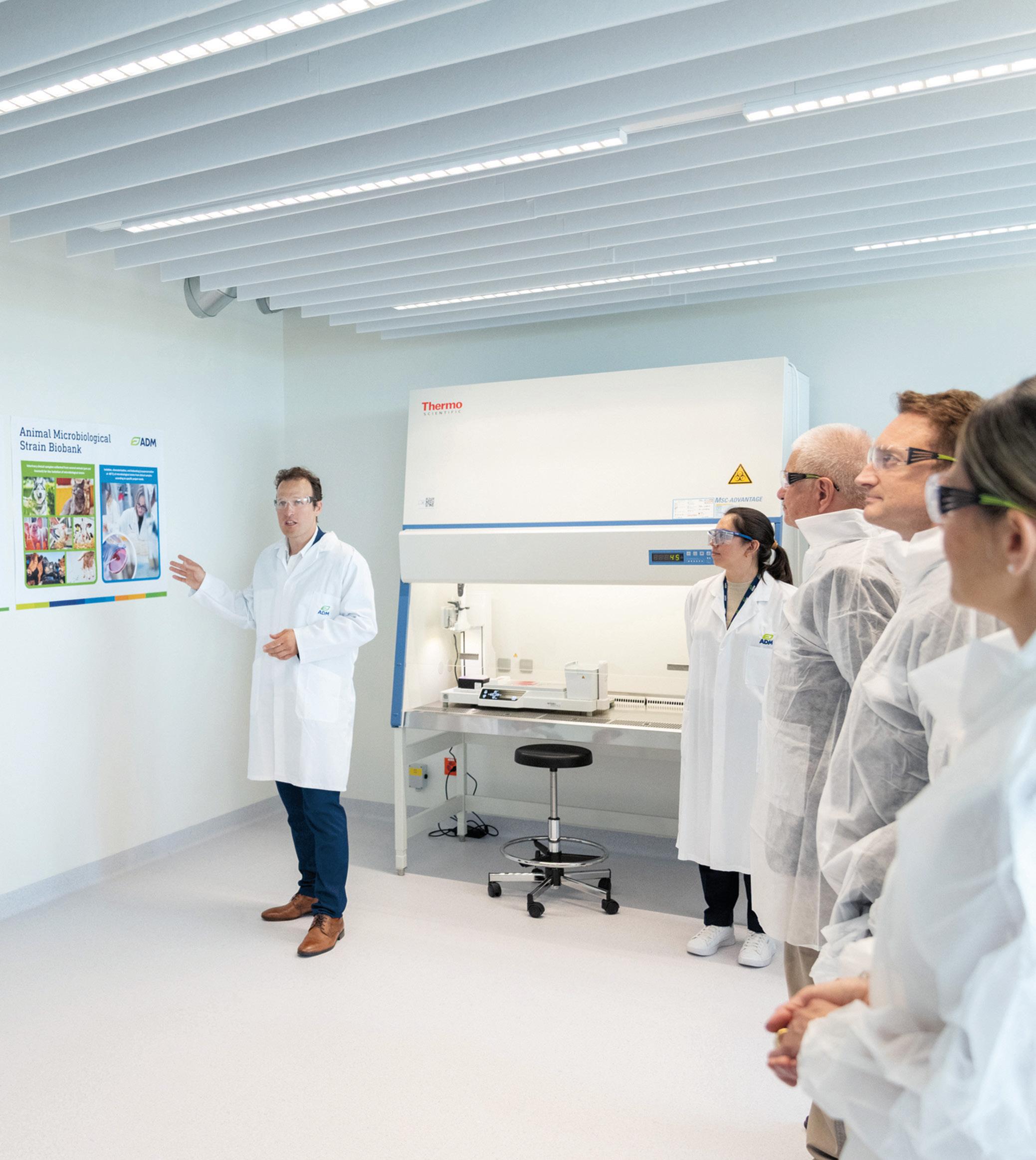
In June, global leader ADM opened its new R&D centre on the Biopôle campus. The pioneering centre focuses on advancing research on the animal microbiome and developing tailored products within the health and wellness industry for pets, livestock and aquaculture.
In 2025, Claire Charmet became CEO of Lausanne University Hospital (CHUV) and visited our campus for a tour, guided by Biopôle SA's CEO Nasri Nahas. That same year, CHUV was ranked among the world’s best hospitals, placing 15th globally in Newsweek and Statista’s annual ranking, alongside institutions such as the Mayo Clinic, Toronto General and Karolinska Institutet.
Lausanne: A world-leading oncology hub
The Lausanne branch of Ludwig Cancer Research is primarily dedicated to the study of tumour immunology and the design and development of novel immunotherapies. Established on site more than a decade ago, the Ludwig’s teams moved to new premises in 2025. The SE-C building offers an auditorium and 9,100 m2 of office and laboratory space. In parallel, the canton of Vaud, the CHUV, the University of Lausanne (UNIL) and the Ludwig Institute for Cancer Research signed a new agreement to extend the Ludwig’s presence in Lausanne and strengthen collaboration opportunities. The former joint Department of Oncology was reorganised to create a Department of Clinical Oncology at the CHUV and a Department of Fundamental Oncology at UNIL, which will integrate Ludwig’s Lausanne branch. This will strengthen the link between clinical and basic research, under the co-direction of the CHUV and UNIL.
The year in review
New community members
In 2025, 36 companies joined our campus, including major establishments like Aurigen, Unisanté and the Swiss Data Science Center – adding over 1,000 new employees to our community.
These newcomers came in a range of sizes and therapeutic focuses, enriching our diverse community. These new arrivals also offered further opportunities for collaboration, especially within our shared spaces, chosen by 55% of our ‘newbies’.
Newbies
ADM
Ai.Qimia
Anabiotech
Aurigen
AzureCell
BioTalkix
CancerPrev
Calico Biosystems
Caryfy
Clinique La Prairie
Consultys Suisse
DETECTRA
DigeHealth
Docti
DOCumenter
iCure
LAIZ Regulatory Science Consulting
Lavoix
Lucendra
Ma crèche sous les étoiles
MoleSense
Neo Medical
Pflege
Prevision Medicine
RÉFORMER
Remora Biotech
StartupDoc
Swiss Data Science Center
Switchkine
Syrma
TRB Chemedica
Tubulis
TwinEdge Bioscience
Undae Science
Unisanté
Virtuosis AI
A healthcare hub for everyone: Unisanté’s community-oriented vision of medicine
One of the major events of 2025 was the arrival of Unisanté on the Biopôle campus. To mark this milestone, we spoke to Dr Karim Boubaker, who was appointed Director General of Unisanté in August. In our conversation, he reflected on Unisanté’s strategic strengths, the opportunities created by Unisanté’s move to Biopôle and his vision for the future.
Unisanté, the ‘Centre universitaire de médecine générale et de santé publique’ with nearly 1,000 employees, consolidated its activities by relocating the majority of its staff and operations into three new buildings on the Biopôle Lausanne campus, bringing its clinical services, research labs and training facilities together in one life sciences ecosystem.
The year in review
Building a healthcare alliance
As Dr Boubaker put it, ‘the story of Unisanté is fundamentally a nice one – of people coming together for the greater good’. Created by bringing together several complementary institutions that previously worked independently, including primary care, occupational health, cancer screening and public health research, it is founded on a spirit of collaboration, as well as on the concept of ‘strength in numbers’. In Dr Boubaker’s words, ‘when these activities are united in a single institution, they gain the visibility and capacity they need to operate at the top of their game – and to grow’.
Unisanté’s mission, as evoked by Dr Boubaker, is to offer a more impactful and coherent approach to health, supporting people both when they are ill and when they are (and want to remain) healthy. What’s more, by combining
clinical medicine, research, teaching and specialised expertise, it seeks to establish new integrated models of care, which ultimately offer increased efficiency and accessibility. ‘We don’t just want to offer services to individuals,’ he asserted. ‘We want to take a more overarching approach to healthcare – what I call “community healthcare” –incorporating learnings as we go along to serve the entire population.’
Integrating different disciplines to advance community health
Widening access to healthcare is one of Dr Boubaker’s raisons d’être. ‘Even though we’re a university centre, we don’t just focus on the academic perspective,’ he said. ‘In everything we do, we are working to strengthen access to care, improve health equity and evolve the system so that it better serves vulnerable populations.’
In this, Dr Boubaker draws on his wideranging expertise in internal medicine, infectious diseases and disease management. Having worked as a medical doctor as well as in health policy – holding roles such as Cantonal Physician of Vaud and Head of Infectious Diseases at the Federal Office of Public Health – he has extensive knowledge of both epidemiology and healthcare systems, legislation and governance. This multidisciplinary path ultimately led him to Unisanté, whose integrated vision of primary care and public health aligns closely with his background.
In his words: ‘It’s a rather unique career path – but it led me to the right place at the right time. My background in both medicine and policy puts me in a good position to steer Unisanté into the future.’
The year in review
Driving Unisanté forwards
When discussing strategic priorities, Dr Boubaker emphasised the pressing need to consolidate Unisanté as a strong and resilient institution in today’s complex financial and political context, reinforcing its role as a university-level centre of excellence across all of its activities –primary care, research, public health and community medicine.
In the longer term, he envisages that Unisanté might act as a reference point for the evolution of the healthcare system in Switzerland. ‘If I have a dream,’ he stated, ‘it’s that Unisanté will set an example with its integrated, population-wide primary care model, delivering high-quality services at a reasonable cost and ensuring equitable, continuous and compassionate care. There’s a lot of work to be done on this front – it won’t be easy to roll out this model in other contexts – but I’m still hopeful we can do it.’
Unisanté’s move to Biopôle is central to this objective. By consolidating Unisanté’s activities at this dynamic life sciences ecosystem, Dr Boubaker not only seeks to bring all his teams together under one roof, but also strengthen collaboration and integration with other innovators. ‘We’ve been working with people at Biopôle for years,’ he reminded us. ‘But by operating in closer proximity to entrepreneurs, researchers and academics on campus, we hope to see even more collaboration opportunities – leading to new ideas and resources that we can feed back into the community. After all, what defines us is our “the community must benefit” mindset. For us, this is the start of an exciting adventure – we can’t wait to see what lies ahead.’
Dr Karim Boubaker was appointed Director General of Unisanté in August 2025. Throughout his career, he has played a key role in developing public health strategies at both the cantonal and national levels. Having served as Vaud’s Cantonal Physician for over 15 years, he possesses extensive experience directing public health policy, leading multidisciplinary teams and managing health crises. Previously, he also led the Infectious Diseases Department at the Federal Office of Public Health.
Unisanté in numbers
In 2024,
Unisanté celebrated its fifth birthday.
In the same year, it served 422,870 patients and worked with 974 collaborators.
A community for innovation
180 companies and organisations are present on site.
3,500+ talents are employed on site.
CHF 757m
in total was raised by Biopôle’s companies in 2025.
65% are between 30 and 49 years old.
75% have at least a Master’s degree.
42% work in R&D.
59% expect that access to funding or investment will be their main challenge in 2026.
48% plan to hire new team members in 2026.
63% collaborated with at least one other Biopôle member in 2025.
The year in review
Type of organisation
Sector of activity
49% Start-ups and scale-ups
43% SMEs
8% Large corporations
35% Biotech/pharma
18% Digital health
18% Medtech
15% Consulting services
8% Healthcare
6% Other
The data was collected from our databases and via our annual surveys, which were sent out to our community in 2025. We received 255 responses to the Biopôle Community Survey and 62 responses to the survey of CEOs and branch leads.
What’s in the pipeline?
In 2025, our team analysed the health products in Biopôle companies’ pipelines. Across 87 companies, 274 health products are being or have been developed, with 142 having reached market . 1
1. It’s important to note that our analysis deliberately excluded multinational corporations. Instead, we opted to shine a spotlight on the entrepreneurial spirit flourishing within start-ups and SMEs at Biopôle.
2. Unregulated products include technology-based products or services for R&D, industry or health processes which don’t require clinical validation.
Features
Has science fiction inspired the scientific innovations of today?
In science fiction (sci‑fi), real‑world inventions are often pushed a few steps beyond their current iterations, allowing us to explore what the world would look like if technological progress were to continue at pace. But does the creative loop also flow in the other direction? Does science fiction ever become science fact, inspiring the inventions of the future? We have chosen the most important topics found in sci‑fi and compared these renditions to real‑life innovations developed by Biopôle‑based companies.
Genetics
One of the earliest depictions of genetics in sci-fi appears in Aldous Huxley’s Brave New World, published in 1932: the novel presents citizens who have been genetically engineered to fit into an intelligence-based social hierarchy. Notably, it wasn’t until 1973 that Stanfield Rogers administered the first experimental gene therapy treatment to realworld patients. Although it didn’t generate particularly promising results, a few years later, in 1979, a commission was established to work on the social and ethical questions associated with genetic engineering.
Despite the ongoing debate, advances in genetics led to further real-world applications, including genetically modified animals, bacteria and plants. And shortly after the introduction of genetically engineered food came the first cloned sheep, Dolly, in 1996. The latter in particular led to increased
alarm in the public domain, as it was feared that humans would soon be subject to the same experiments. It was in this context that Gattaca was released. This dystopian sci-fi film from 1997 presents a society where children are conceived through genetic selection to ensure they possess the best hereditary traits of their parents. The movie crystallised many of the nuances of the debate around human genetic engineering that was taking place at the end of the 20th century, demonstrating how it could lead to eugenics and genetic discrimination.
Still, the scientific community continued to make progress in the realm of genome editing, as it represented a potent solution for various genetic disorders. The introduction of new tools like CRISPR-Cas9 in 2012 opened up new possibilities by enabling precise genetic modifications. In turn, this led the field of cell and gene therapy to expand rapidly in the following years.
At Biopôle, Tigen and Limula are working to advance cell and gene therapy by making treatment more efficient and cost-effective. Luc Henry, cofounder and CEO of Limula, evoked the importance of keeping an eye on the wider regulatory and market landscape when making progress: ‘Cell and gene therapy is a relatively young field, with the first commercial product getting regulatory approval only five years ago. […] There is new clinical evidence published constantly, both positive and negative, so we need to strike a balance between taking new studies into account while having a stable goal to work towards. […] It’s going to be a collective endeavour across the industry, and we’re doing all we can to play an important part in this revolution.’
Autonomous machines and artificial intelligence (AI)
Even though they are ubiquitous in our modern world, the term ‘robot’ was actually only introduced around a century ago –in 1929 by writer Karel Čapek. Čapek’s sci-fi play R.U.R. (Rossum’s Universal Robots) not only gave robots their modern name but anticipated the contemporary fear that robots would someday replace people, or rise up and kill their human controllers. Ten years later, Isaac Asimov took up the baton, producing a short story collection, I, Robot, which presents some of the most influential concepts in sci-fi, including the Three Laws of Robotics: a robot can’t harm a human or let one come to harm, it must obey human orders unless they conflict with the First Law and it must protect itself unless this conflicts with the First or Second Law.
At the turn of the new century, robots then began to be integrated with ‘human’ characteristics: in 2000, Cynthia Breazeal
introduced the first ‘sociable’ robot, designed to analyse, provoke and react to emotions. This precipitated a new wave of scrutiny from the public, which undoubtedly influenced the sceptical attitude depicted in the 2004 film I, Robot. In this story, the main AI server that oversees widely deployed assistive robots comes to the conclusion that humans themselves are the biggest threat to humankind and must therefore be destroyed, creating a perilous race for control. The film raised interesting questions about the limits of robots’ autonomy and Asimov’s three laws, which currently inform real-world regulation around AI and robotics – with some modifications to reflect our 21st century reality.
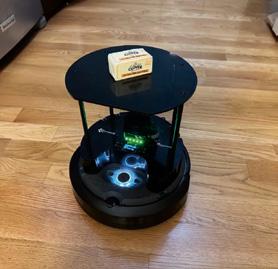
Despite the bleak vision of robotics in sci-fi, real-world innovation continues, with machines and robots increasingly being integrated with AI to facilitate the performance of complex actions – leading to today’s autonomous vehicles and labs, such as the self-driving lab developed by Biopôle member Atinary Technology
Various companies in the life sciences are endeavouring to use robotics and AI for good, including several Biopôle companies. Notably, biped.ai has transferred the technology used in autonomous cars to the context of a harness that can support people with visual impairments – which certainly feels like a worthy deployment of this type of technology. Co-founder Maël Fabien described the company’s device as follows: ‘Leveraging the principles of self-driving cars, which use cameras to navigate autonomously, we’ve developed a harness that works in a similar fashion. […] Thanks to a combination of user feedback and technological breakthroughs, I can confidently say we’ve built one of the very best mobility devices in the world to date.’
Brain–computer interfaces (BCIs) and implants
BCIs found expression in fiction long before they were introduced in reality. William Gibson’s Neuromancer, published in 1984, introduced one of the first vivid depictions of a BCI: in Gibson’s imagined world, users can project their thoughts into a digital space and enter a virtual reality with enhanced reflexes, memory and vision – long before similar breakthroughs in real-world research on direct brain–machine communication and sensory augmentation.
In fact, it was only in the 2000s to the 2010s that reality began to catch up: BCIs first gained traction as a functional tool (rather than as a way to change users’ perception), especially for people with paralysis. In 2005, a man with tetraplegia was able to control a robot arm through a BCI created as part of the BrainGate project. Then, in 2017, a man who had been paralysed below the shoulders was fitted with a BCI that enabled him to move his arm and hand through direct neural stimulation –turning what once seemed purely speculative into tangible medical technology.
Now, implants have not only exited the brain but also spilled over from medicine into mainstream use: in 2018, thousands of people in Sweden voluntarily had microchips inserted into their hands to unlock doors, make payments or share personal data – bringing the idea of ‘enhanced body’ from sci-fi into everyday convenience. This in turn influenced Biopôle’s Impli, which has developed a smart implant that tracks hormone levels and transmits data directly to doctors to support more effective in vitro fertilisation (IVF) treatment.
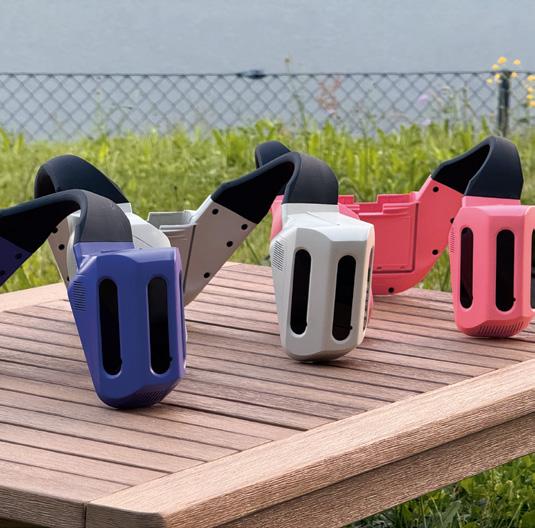
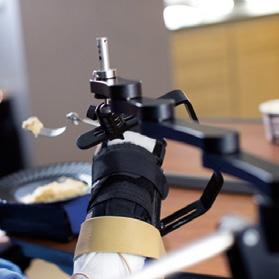
Several Biopôle-based companies are now exploring BCIs and implants that are designed not to alter perception, but to improve health outcomes. Emovo Care is notably developing motorised silicone exoskeletal fingers that go on top of the hand and can be moved by a remote-controlled box. While this is currently envisaged as a purely mechanical tool, CEO Luca Randazzo confessed that he hopes to integrate the product with the nervous system: ‘In the long term, we plan to pair our exoskeleton with electromyographic technique, enabling patients to control movement in their hand through brain activity. These approaches have been shown to have positive results in stimulating brain plasticity and recovery, acting as a closed-loop mechanism that helps reconnect the impaired brain to the body.’
Regenerative medicine (RM)
The idea of instant healing has long been a staple of sci-fi, appearing in series like Star Trek, which ran from the 1960s onward. In the iconic series, futuristic medics wield handheld ‘ray guns’ that can patch up cuts and burns within seconds – conveniently allowing injured characters to return to action immediately.
In the real world, following a conceptualisation phase in the late 1990s, the field of RM began to emerge in the 2000s. Operating at the intersection of engineering and life sciences, it leverages the body’s inherent capacity to heal itself to repair or replace damaged tissues and restore lost function. Early breakthroughs have mainly focused on stem cells – their ability to develop into multiple cell types opened up
a range of new therapeutic possibilities, including the production of the first artificial liver in 2006.
Stem cells are certainly not the only possible RM approach, but the complexity (and therefore cost) of production, coupled with stringent regulatory requirements, represent major obstacles in the field. Still, recent research has generated very promising results. For example, Volumina Medical, a Biopôlebased company, is harnessing and orientating the body’s own reparative potential to regenerate soft tissues.
To conclude, while emerging RM technologies are still far from being able to heal a wound in mere minutes, scientists have made massive advances in terms of understanding and mobilising our bodies’ healing capabilities.
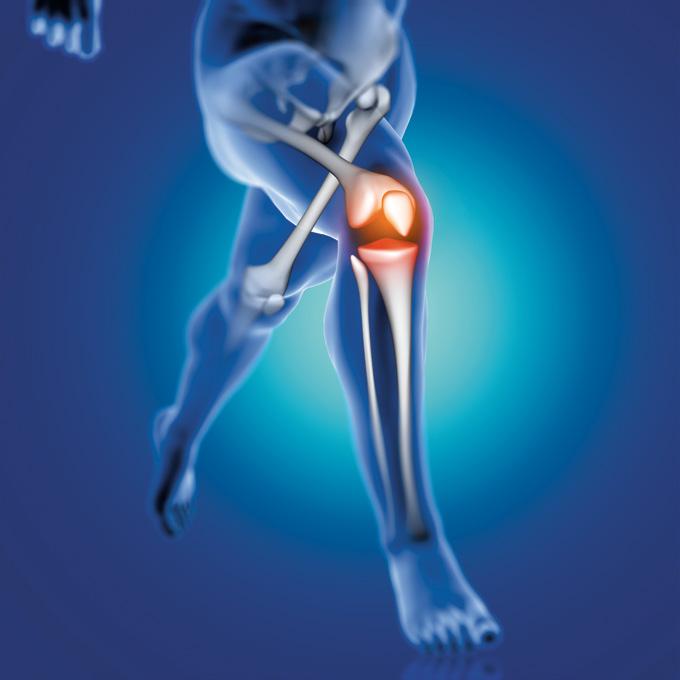
A range of companies based at Biopôle are now developing regenerative technologies for real-world use. Vanarix, for example, has developed a cell-based therapy that regenerates knee cartilage to treat arthritis. As founder and CEO Vannary Tieng told us, while the process still isn’t instant, ‘according to feedback from the 20 patients we’ve treated thus far, the recovery trajectory is very positive’. She continued: ‘The patient can walk out of the treatment centre on the day of their procedure and then, between five and six weeks after transplantation, they can return to doing intensive physical activity.’
Synthetic biology and clones
Since Mary Shelley’s Frankenstein, published in 1818, lab-made creatures, clones and synthetic bodies have been a recurrent feature of sci-fi narratives. Michael Bay’s film The Island, released in 2005, develops this theme at length, depicting lab-made clones who have been created purely to be organ donors. The film clearly illustrates several ethical conflicts related to cloning that are still relevant to the field today.
Nonetheless, while synthetic biology and cloning are marked by regulatory and ethical concerns, modern 3D bioprinting technology has started to turn sci-fi’s vision into reality. 3D-printed organs have generated promising longterm results, including for five patients who received 3D-printed ears in 2021 and 2022 and a woman who received a 3D-printed windpipe in 2024.
These developments bring real hope to the field of transplantation, where long waiting lists could become a thing of the past. Scientific research benefits from lab-made organs too. For example, Readily 3D, a company based at Biopôle, is developing a bioprinter that can create living tissue constructs for biomedical research within seconds.
Further scientific innovation has challenged the relevance of creating clones altogether: with the rise of AI and big data in recent years, scientists are now turning to ‘digital twins’ –virtual replicas of patients, which can be used to test how they will react to a given treatment without administering the actual drugs. Digital twins have a range of promising applications, including, but not limited to, clinical trials and personalised medicine – they arguably offer the benefits of cloning without the ethical pitfalls.
At Biopôle, Volv Global leverages AI and population-scale data to improve understanding of complex, difficult-to-diagnose diseases. Volv CEO Christopher Rudolf shared with us some of the benefits and limitations of digital twins, explaining that they can sometimes serve as ‘synthetic control arms’ in clinical trials, providing data for patients who cannot ethically or practically be included in a traditional control group. However, limitations remain: as Christopher explained, rare diseases and heterogeneous populations make it difficult to create accurate virtual replicas for all cases.
All in all, sci‑fi builds on the scientific realities of its time to imagine possible futures. In turn, those imagined futures inspire real‑world innovators – including entrepreneurs such as Elon Musk and Jeff Bezos, who have both cited sci‑fi as an influence. Rather than leading or following, science and sci‑fi engage in a continuous exchange, a cross pollination that expands our thinking about what is possible and drives innovation forwards.
Innovation: From fiction to science
1818
Mary Shelley writes Frankenstein, considered a proto-sci-fi novel
1973
First gene therapy treatment administered to patients in an experimental programme led by Stanfield Rogers
1997
Gattaca envisions children conceived through genetic selection
1932
Brave New World by Aldous Huxley depicts genetically engineered citizens
1984
William Gibson’s Neuromancer introduces one of the first vivid depictions of a BCI
2000
Cynthia Breazeal introduces the first ‘sociable’ robot able to recognise, analyse and respond to human emotions
2005
The BrainGate project enables a man with tetraplegia to control a robot arm via a BCI
2019
He Jiankui creates the world’s first gene-edited babies, giving them HIV resistance
2012
Emmanuelle Charpentier and Jennifer Doudna discover the genetic scissors CRISPR-Cas9, a tool that facilitates precise genetic modifications
2005
The Island interrogates the ethics of clones and transplantation
2013
The movie Her imagines the first love story between a man and AI
2021
Patient receives first lab-grown ear for transplantation
2025
AI researchers at Andon Labs
’embody’ an LLM into a robot
Science meets science fiction: How entrepreneurs and authors envision the future
Self driving cars, autonomous robots, virtual reality. Just a few years ago, these inventions belonged to the realm of sci fi. Now, as technology advances at an unprecedented pace, we’re watching the fantastical become reality. This leads us to wonder: what is the relationship between science and sci‑fi? Are entrepreneurs inspired by sci‑fi when they’re thinking up new inventions? Can the work of scientists inform the work of sci‑fi writers and vice versa? How important is real science in sci‑fi? In this interview, we explore these questions with sci‑fi expert Marc Atallah, who carries out research on the genre, and scientist and entrepreneur Sébastien Nusslé, who co‑founded epigenetics company Genknowme.
entrepreneur
and here they share their perspectives on the role of this genre in science and wider society.
Scientist and
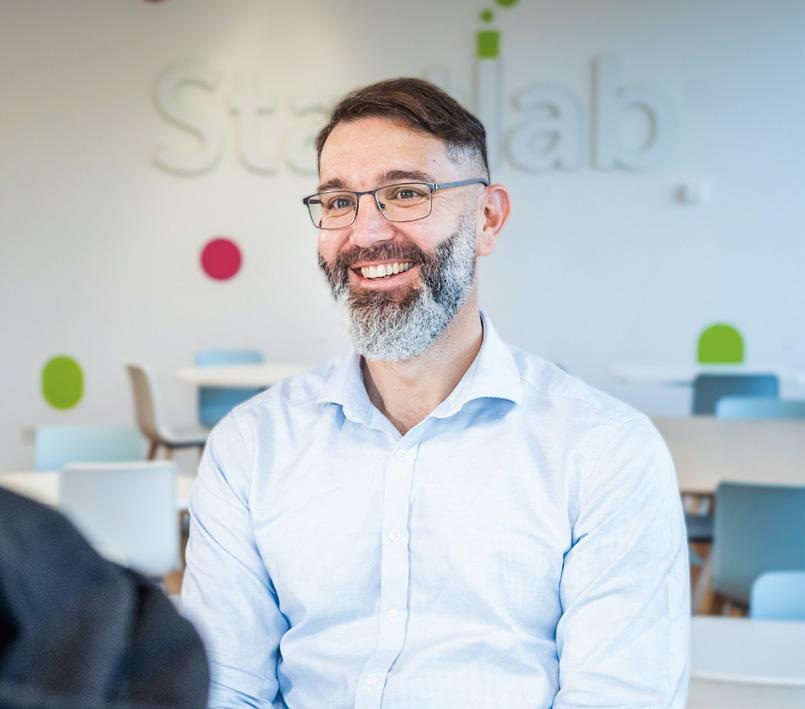
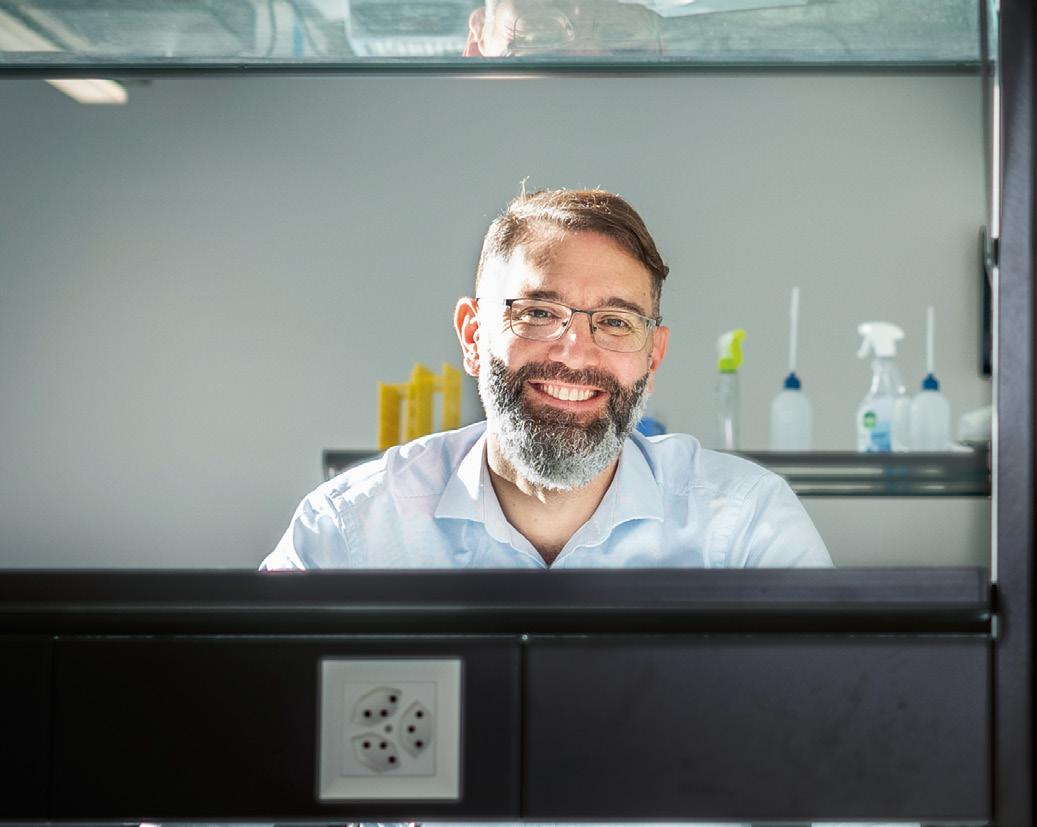
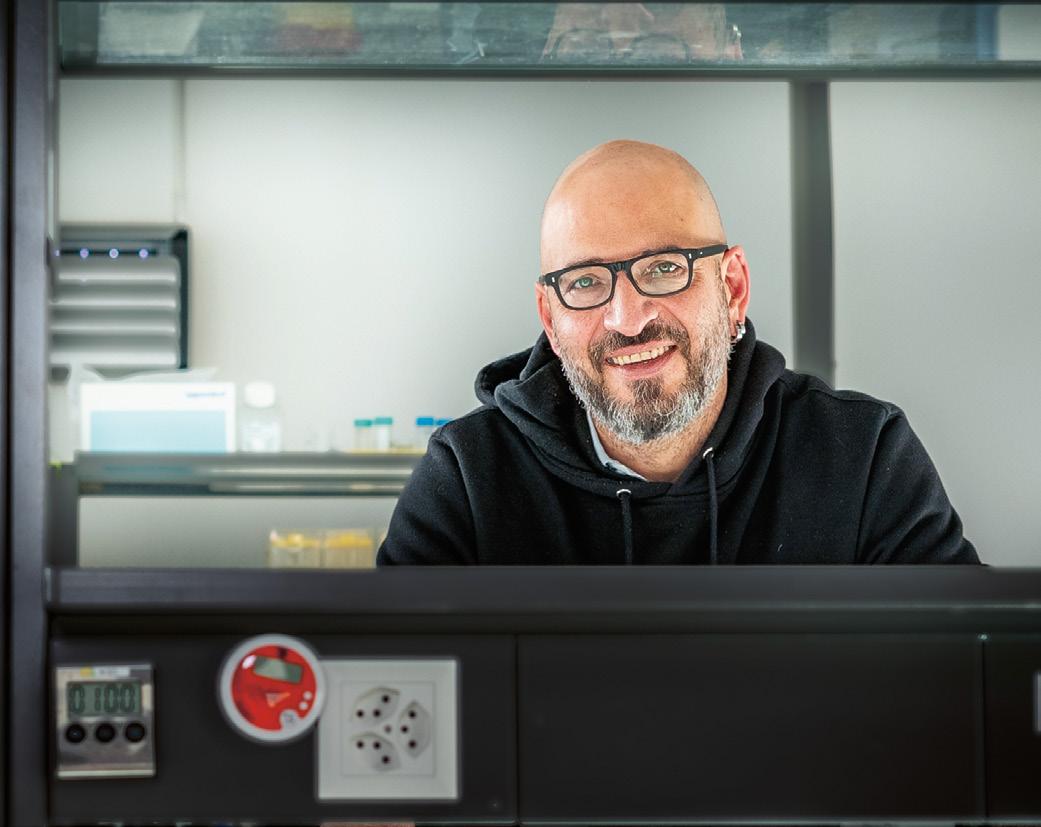
Sébastien Nusslé (left) meets Senior Lecturer in French literature Marc Atallah (right) at StartLab. Both are interested in science fiction
Biopôle: Marc, as a sci-fi expert, could you start by giving us a brief definition of ‘science fiction’?
Marc: There are many ways of defining it. But a good definition of science fiction today is that we take our scientific or technological knowledge as a starting point, and we extrapolate this into a future scenario. This gives us a storyline. If we take a smartphone as a starting point, we might imagine a story where a SIM card is put in our brain, for instance. And we then imagine a plot and a fictional world around this. Whether it’s catastrophes, dystopias or time travel, everything in sci-fi is an extrapolation of what we know today. Of course, most of it won’t actually happen. But sci-fi allows us to dream about how the future might look.
Biopôle: As a scientist and entrepreneur, what is your relationship to sci-fi, Sébastien?
Sébastien: I got into sci-fi when I was a kid and I think it fuelled my interest in science. At the time, my fascination with Captain Nemo and his submarine drove my interest in marine biology. Now, as a scientist, I see sci-fi as a tool to escape from everything we’re frustrated with: ‘I wish we could have this and that.’ It is a way of imagining science and technology without constraints. In some ways, it could also be seen as a guidebook. Often sci-fi presents ‘what if’ scenarios. It lets us play out these scenarios and think about what could happen – and what we could do about it. But I also just love getting immersed in sci-fi. Even though I’m a scientist, I’m happy to suspend disbelief. I will happily accept that we can travel faster than light, teleport and do things that are currently impossible.
Biopôle: For his book From the Earth to the Moon, Jules Verne calculated the velocity needed for a rocket to reach the moon and his calculation turned out to be surprisingly accurate for the time. How much research does a sci-fi writer need to do? How much does accuracy matter in your view?
Marc: Writing a novel always involves a lot of research. Of course, for science fiction, this research must in part be linked with science. But if you take dystopian stories, often the only link to science is at the very start, where we’re told that something happened and the world was destroyed. The rest of the plot is about what happens to the main characters. It’s not about science or technology, yet it’s still scifi. Of course, there are other examples that are full of science and technology, but there aren’t rules about how much science needs to feature in a sci-fi story. What is interesting in fiction are the emotions it makes us feel, the impression that we are living another life. And accuracy has nothing to do with this.
The example you mention is a very good one, as Jules Verne was suspicious about science. He wasn’t interested in telling stories about science, but about human beings in a world full of science. In his view, a world dominated by invention and machines would be sad and dystopian. Science fiction isn’t really about science, but a reflection of how human beings live today.
Sébastien: To add to this, I would say that sci-fi authors project themselves into a futuristic world, but authors in general need to project themselves. Take Ken Follett who writes books about historical events. He has to imagine what life was like in, say, the 12th century. There’s always a need for authors to
imagine, to visualise a world that is different to their own. In sci-fi, future scenarios are a tool to encourage us to reflect on our behaviour today and on our relationship with innovation. For example, we see our mobile phones as tools but we don’t really think about what’s behind them and the consequences of using them. In 1984, people don’t read any more –they just watch their screens. I’m witnessing this with my kids and with myself.
" Science fiction encourages us to reflect on our own condition, on how we use technology today."
We read less because there’s much more on screen to watch. In fact, nowadays I tend to watch sci-fi more than I read it, just because it’s faster and easier. And I wouldn’t really question it if it weren’t for books like 1984, which make me pause and reflect on whether we might have reached a similar situation. By portraying these scenarios, science fiction encourages us to reflect on our own condition, on how we use technology today.
Biopôle: You mention that authors visualise a world that is different to their own. What about for you as an entrepreneur? Your aim is to develop a solution that doesn’t exist in the real world yet, so there’s some visionary thinking there. How much do you think this relates to sci-fi?
Sébastien: It’s true that a lot of what we’re aiming for doesn’t exist yet and so you have to imagine everything that might be possible. At Genknowme, we’ve developed
a way to read the genetic markers present in your DNA to see if your genes are physically modified by your way of life. But that is the first step. Many questions follow: how can we do this? How will it work? How can we change these physical markers? How can we predict cancer or dementia ten years before it happens? None of this is currently possible, but we’re trying to make it happen – to bring into the world something that doesn’t yet exist. We can compare this to sci-fi, in that we’re imagining a scenario that might happen or might not even be feasible. As an entrepreneur, you need this forward thinking to imagine what could happen. For me, sci-fi can nourish creativity and ambition. That said, to be an entrepreneur you also need to build on something that exists, on existing science – so there’s a balance to strike.
Marc: I don’t think sci-fi is a good guide for entrepreneurs. It shouldn’t be viewed as a tool to see into the future. If you’re an entrepreneur, you need to find an interesting market for the future. Because 99% of the innovation you see in sci-fi has never been invented and never will – it’s fake. It’s there to tell a story. But if you understand that sci-fi is a good way to look differently at our present, it might help entrepreneurs anticipate not the trends of tomorrow’s market, but those of today’s market. Sci-fi imagines tomorrow based on what we are today. And science fiction, through its stories, can help us become specialists of the present.
Biopôle: Sci-fi often portrays technology gone wrong. Sébastien, how has sci-fi encouraged you to think about the ethics of your work?
" Science fiction, through its stories, can help us become specialists of the present."
Sébastien: That’s a very good point. Sci-fi brings this idea of risk and the space to explore the good and bad that can result from science. It allows us to delve into scenarios without them actually happening.
I really like the film Gattaca, which is about a man who challenges a genetically engineered society by pursuing his dream of space travel, even though he was ostensibly born with genetic defects. There’s this dual idea – on the one hand, yeah it works, it’s cool to be able to change our genetics and create ‘perfect’ human beings. And on the other hand, we don’t need this. Unlike many other sci-fi films, the morals aren’t black and white. And it encourages us to ask questions. In my field – genetics – a question that very often comes up is, ‘If health insurance companies have access to my epigenetic data, could it backfire?’ As we make scientific progress, there are also risks to consider. Could the
intimate biological data held by companies be used against us? Could there be ‘uninsurable’ human beings, just like the ‘invalid’ ones in Gattaca? We can imagine many sci-fi scenarios that might explore these questions. We have to remember, though, that in the real world, there are laws that say we can’t discriminate. But science fiction can be a way of exploring ethics, of asking ‘Would we be OK with this?’
Marc: Exactly. As Sébastien was mentioning earlier, sci-fi incites us to pause and ask ourselves questions. And I think one of its main functions is to say that, behind interesting science and technology, there is also ideology. Some of these ideologies are good and others may be less so. Having a symbolic space that leads people to question ideology is very important.
Biopôle: So sci-fi is a tool that helps us analyse and reflect on a wide range of topics. Where does critical thinking fit into this?
Marc: In a way, the only difference between sci-fi and other genres is that sci-fi is an exaggeration, an extrapolation of science and technology. For instance, take robots. The first sci-fi work to feature robots as slaves was the 1920 play R.U.R. by Czech writer Karel Čapek. He invented a world where robots help humans with tasks. The word ‘robot’ is coined in the play and comes from the Czech word ‘robota’, which means ‘forced labour’. The first robots were not machines. They were human beings without souls. Čapek’s message was that in the industry of the 20th century, we needed slaves. It’s a Marxist metaphor. So, sci-fi gives us images to understand our human predicament. And these images push us to think critically about our condition. They frame it differently, allowing us to examine it from a different angle.
They also put a distance between our real-life situation and what we’re seeing on the page, stage or screen. Somehow, it’s easier to think critically when you’re examining a situation removed from your own life.
Sébastien: To expand on critical thinking and the role of sci-fi, the other day, I was talking to my wife, co-founder of Genknowme, and we were reflecting that with her classical background in Latin and Greek, she received much more training in critical thinking than I did as a scientist.
As a scientist, it’s either right or wrong. In maths, you have a problem and you solve it, or you don’t solve it. And this doesn’t help with critical thinking. There’s a tendency in today’s society to assume that if there’s science in it, then it must be right. I call this the ‘religion
" Science fiction can be a way of exploring ethics, of asking ‘Would we be OK with this?’ "
of science’. People don’t understand the basics or don’t understand the limitations of science. And when you do science, you learn that the more you do, the less you know. Sci-fi is a good way to be more critical about science and see its limitations. Whereas when you study classics, you get an overview of everything there is between right and wrong.
Biopôle: Marc, you’re an advocate of teaching critical thinking in schools. How do you envision this taking place?
Marc: I teach literature at university. It could be interesting to include sci-fi novels in the secondary-school curriculum, alongside other genres. Right now, science fiction isn’t taught at secondary level in Switzerland, despite the fact that teenagers gravitate towards the genre, playing sci-fi video games and reading sci-fi comic books.
And maybe we could also create links between different subjects. For instance, if you’re studying physics or biology, you could use sci-fi to explore the question: what is a black hole? Of course, we know what a black hole is, but it could be interesting if a physics professors said: ‘This is what science says about black holes, but there is another way of looking at it, because the black hole is also an important image in sci-fi. It could say something else.’ And adding poetry to science could, in turn, lead to more creativity.
Biopôle: What about you, Sébastien –do you think schools should be focusing more on critical thinking skills?
Sébastien: As a former teacher, I can speak to my own experience. One of the roles of schools is certainly to teach critical thinking and to make those links between science and
arts and literature. It’s expected from teachers, but they often don’t have the means. You can’t do that with 30 children in one classroom. There are more and more children to work with, and the curriculum is becoming larger and larger. I would advocate for focusing less on knowledge and encouraging more of these exchanges, but that requires fewer students in a class. When working with big groups, it’s easier to learn a formula or summarise a book. Critical thinking is a hard skill to teach.
" Science fiction isn’t really about science, but a reflection
of how human beings live today."
Of course we need more links between disciplines, but teachers need time to get together and work on this. Given the way schools are organised, we’re not going in this direction. But who cares how many books you read or how many exercises you do? What’s important in the end is how you think. In short, yes, schools should be teaching these skills, but it’s no easy task.
Biopôle: Marc, do you have any last reflections to share?
Marc: As soon as we understand that the main purpose of sci-fi is dealing with humans, not with scientific innovation, we can generate some interesting reflections. It encourages us to ask: what kind of world do we want to live in tomorrow? Because when I think about my children, I’m interested in how they will live in 20 years. When our different disciplines, like fiction, economics and politics, focus on human beings and there’s interdisciplinary discussion – like we’re doing right now – so many interesting things come out.
Talking to others in different fields isn’t just a good way to obtain funds for your company or research. It’s about finding different ways to live together – which could be better than the one we know today. Science and technology will be more and more present in our lives. There’s no way to stop this evolution, but we can learn how to think about it. Science fiction will not think for us, but it gives us some tools to think more productively.
Biographies
Marc Atallah is a sci-fi expert who has written books such as La parade monstrueuse: La naissance des monstres modernes, L'hommemachine et ses avatars and Pouvoirs des jeux vidéo: Des pratiques aux discours. He was Director of the Maison d’Ailleurs, a sci-fi museum in Yverdon-les-Bains, between 2011 and 2020. Marc is also a lecturer and researcher in the Department of French at the University of Lausanne (UNIL).
Sébastien Nusslé is an experienced researcher in biostatistics who specialises in genetic and environment interactions. He co-founded Genknowme, which analyses how lifestyle affects our gene activity through epigenetics to give personalised health insights. He hopes to help democratise this technology so that everyone can lead a healthier life.
Does science fiction fuel creativity among life sciences entrepreneurs?
YESI’m a big sci-fi fan. The world wouldn’t be the same without it. For me, it opens up the impossible, which is why I believe it can have a strong influence on reality, even on life sciences entrepreneurs like me.
TV series, films and books show what life could be like in alternate universes and realities. When you watch Star Trek and Dune or read the works of Jules Verne, it allows you to think beyond what you know to be true. You imagine a new world, which in turn influences how you envisage the future.
Works of science fiction don’t adhere to the scientific rules that apply to our everyday experiences. They take us into an invented place, blurring the lines between hard science and made-up worlds. I believe this enables people to look further, to find certainty in the unknown – a clearer vision in the fog.
More widely, I believe sci-fi can ignite an interest in science and technology in general. The Star Wars trilogy is a perfect example –the films are so influential that whole species of insects, crabs and bacteria have been named after the characters!
Moving to cutting-edge technology, AI and synthetic biology are pushing the boundaries of science in such exciting ways. And just imagine how that could impact fiction in return! I can’t wait to read the stories that explore possible future worlds as a result, including the moral implications, unpicking the possible uses of science – for both good and bad –that we might witness.
Anna‑Luisa Schaffgotsch
" Works of science fiction don’t adhere to the scientific rules that apply to our everyday experiences. They take us into an invented place, blurring the lines between hard science and made‑up worlds. I believe this enables people to look further, to find certainty in the unknown – a clearer vision in the fog."
Anna Luisa Schaffgotsch is CEO and co‑founder of Impli, a start‑up developing an implant that monitors women’s hormone levels in real time, providing a more convenient and effective alternative to the frequent blood tests used in infertility treatment.
NOAlthough Atinary’s work sounds like something out of science fiction – with self-driving labs, AI-driven discovery and automation – my inspiration has always been firmly rooted in reality. I draw motivation from what can be observed, measured and built – not what can be imagined.
Picturing distant futures or speculative technologies doesn’t excite me: I’m interested in designing systems that work today, that make scientific discovery faster, more efficient and more sustainable now.
Sci-fi tends to gloss over technical and scientific details – the messy, incremental and sometimes frustrating experience of turning an idea into something real. Fantasy stories often jump straight to the end state, skipping the tangled journey of development. Yet, for me, that’s where the real creativity lies.
I have enormous respect for imagination, and sci-fi can be valuable. It opens up people’s minds to new possibilities. However, I’m most inspired by the discipline of science, by the elegance that emerges from understanding complexity. For me, imagination comes from confronting the real world, with all its intricacies. I find more creativity in working with physical systems, constraints and uncertainty than in speculative storytelling. When I need perspective, I go to the mountains, not to Mars!
Some sci-fi narratives can even hinder scientific progress. Consider the public perception of AI and fears that humans will be replaced or
made redundant. New technologies can be misunderstood – or even intimidate – but they ultimately become transformative once people learn to collaborate with them. Ultimately, I don’t believe AI and automation will replace human curiosity or purpose; they will amplify them. People just need to remain openminded and remember that the melodramatic representations of AI in sci-fi are just a fantasy.
" I find more creativity in working with physical systems, constraints and uncertainty than in speculative storytelling."
Loïc Roch is co‑founder and CTO of Atinary Technologies, a deeptech start‑up offering a self driving lab that integrates machine learning, automation and cloud computing to accelerate R&D and the discovery of breakthrough materials.
Loïc Roch
Initiatives & outlook
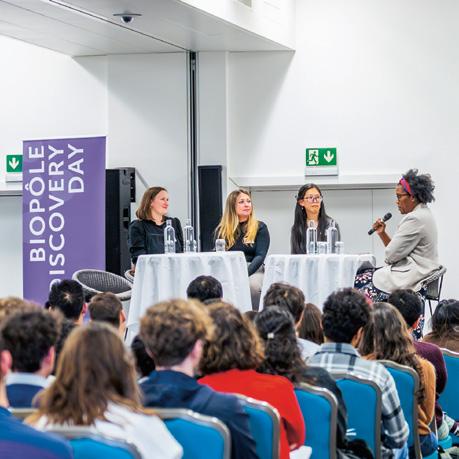
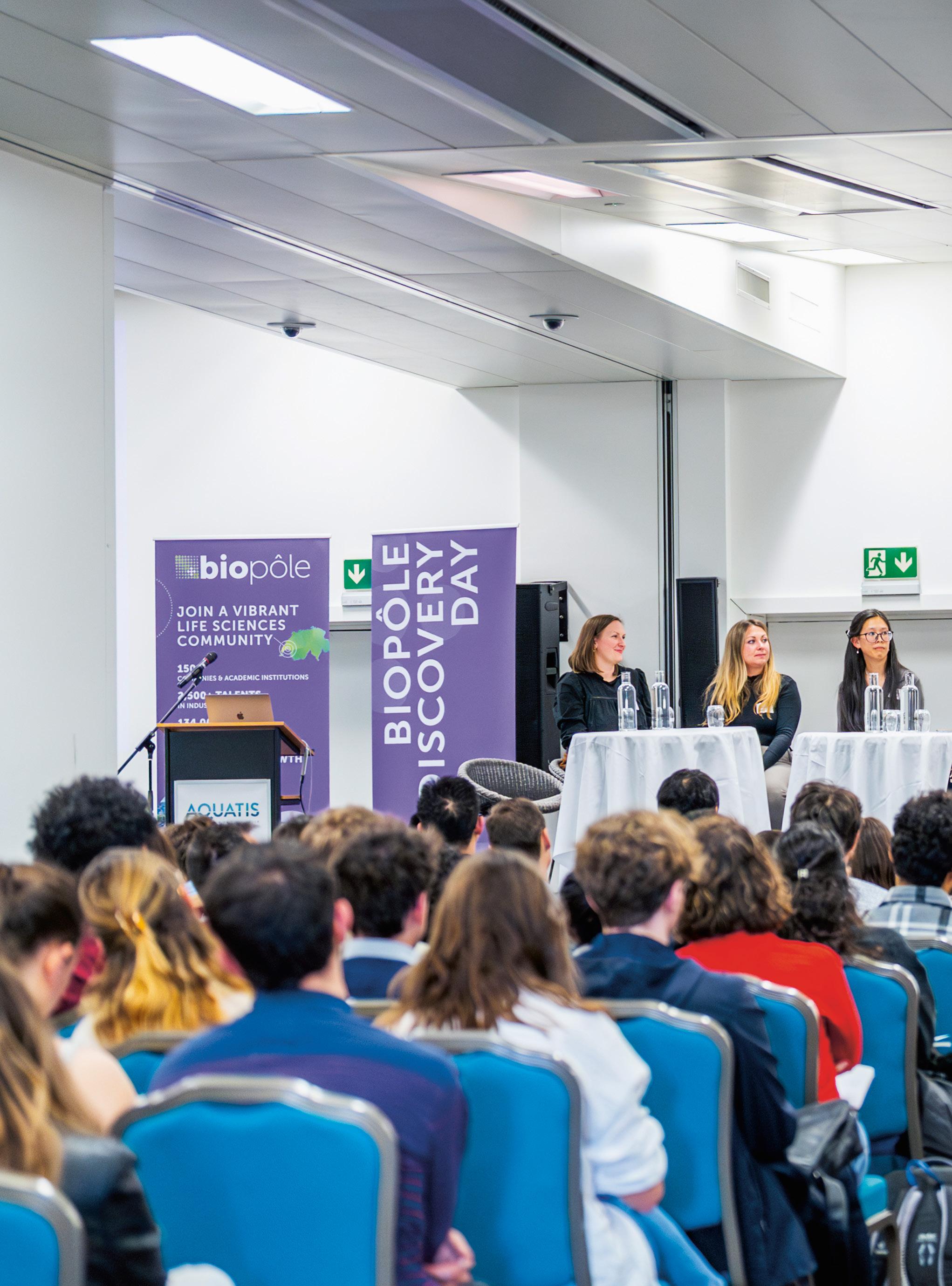
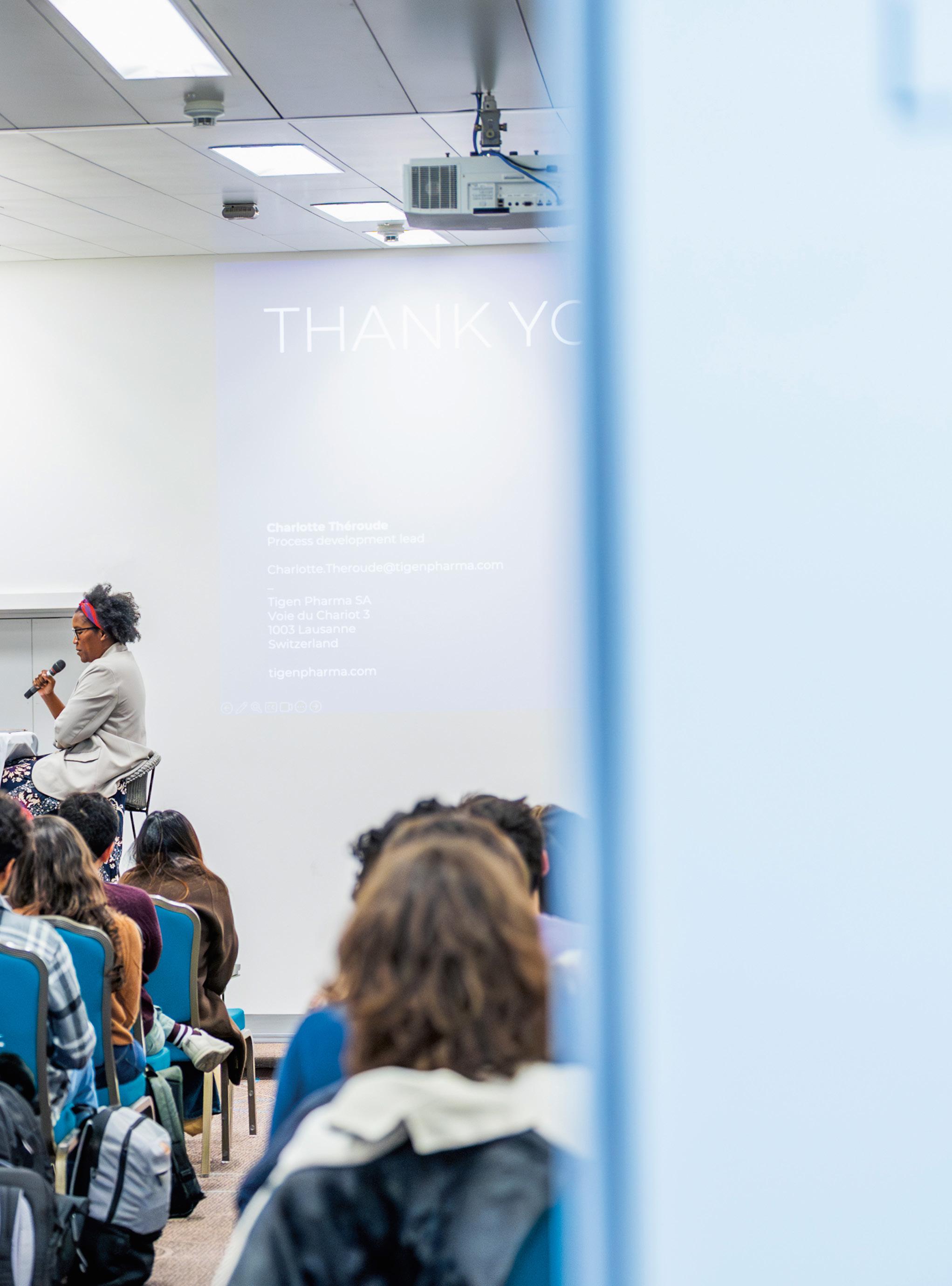
Every year, the Biopôle Discovery Day creates a chance for young talents to explore career opportunities in the life sciences, discover Biopôle and meet the entrepreneurs who work there. In 2025, this event brought together over 200 participants and showcased 36 companies from Biopôle’s campus.
Biopôle SA: Investing in people, places and programmes
If there’s one word that defined Biopôle in 2025, it’s momentum. Over the past year, we’ve held more than 150 events on site, from expert panels and investor meet‑ups to community gatherings that strengthened the bonds between members and generated new ideas.
Our role as a catalyst for growth has also continued behind the scenes. In 2025 alone, 64 leases were signed, including 28 internal relocations – a clear sign that resident companies are not only staying with us, they’re growing with us.
Increasing investability
In 2025, we launched the new Biopôle Investment Programme (BIP), a comprehensive 24-month scheme that provides early-stage life sciences start-ups with far more than capital. Indeed, as well as financial support, companies selected for the BIP receive tailored strategic guidance, access to Biopôle’s ecosystem, expert mentoring and long-term growth support. The programme reflects Biopôle’s ambition to act as an active partner in building new companies, helping promising ventures strengthen their foundations and accelerate their development.
" We gained six to eight months in terms of fundraising work thanks to the programme."
In 2025, Biopôle SA supported six companies via this programme: Evidone, Precise Health, Prevision Medicine, Ai.Qimia, Calico Biosystems and Switchkine. The latter, led by CEO Madiha Derouazi, was also awarded the Pre-Clinical Top-Up, a support mechanism designed to boost external investor support with an extra CHF 250,000.
‘We gained six to eight months in terms of fundraising work thanks to the programme,’ said Frédérik Plourde, CEO of Bewe, which was selected for BIP training in late 2024.
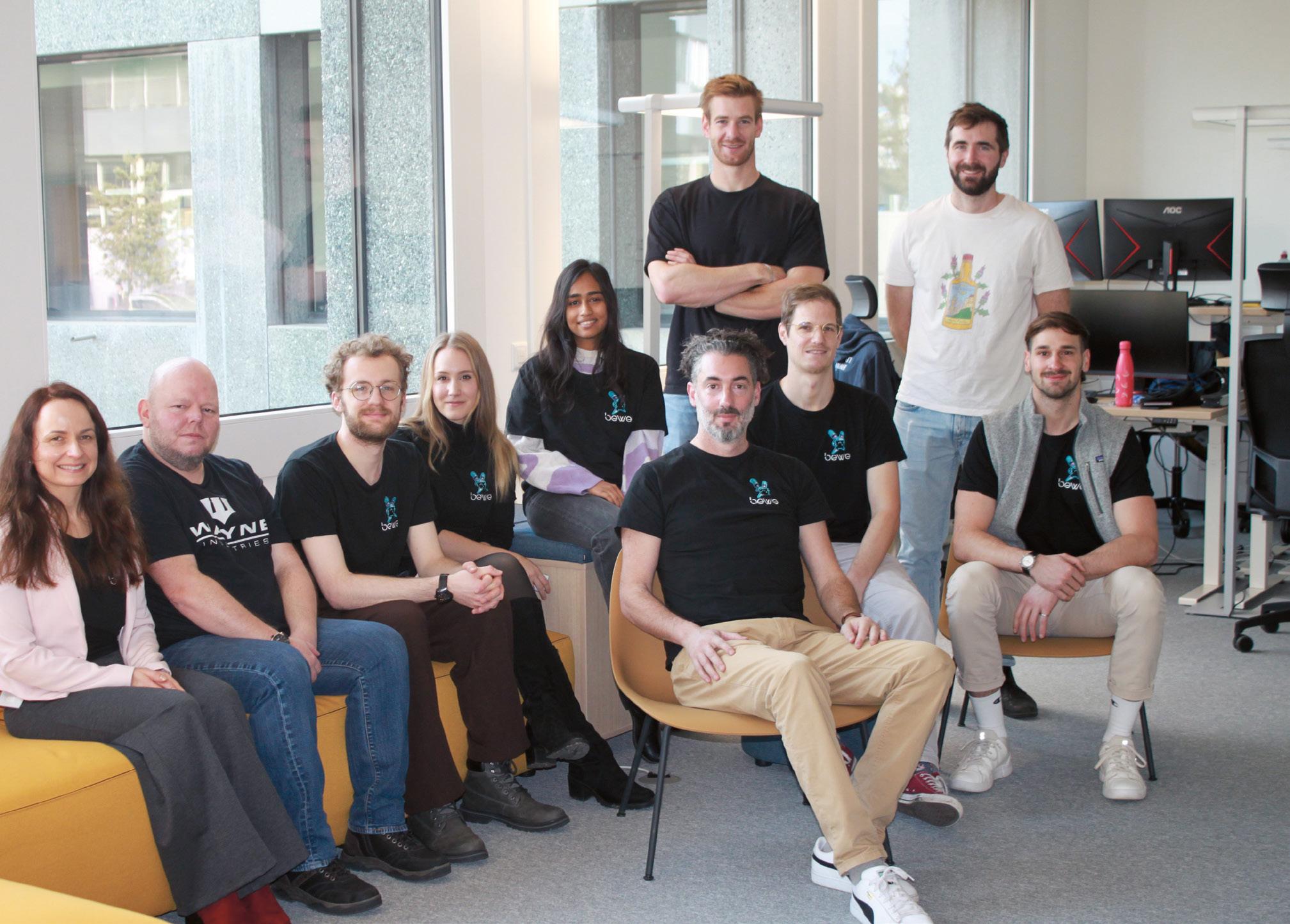
Bewe’s team in their offices in the Phenyl building. Having completed the Vanguard Accelerator programme, the company is now part of the BIP.
New spaces, new tenants
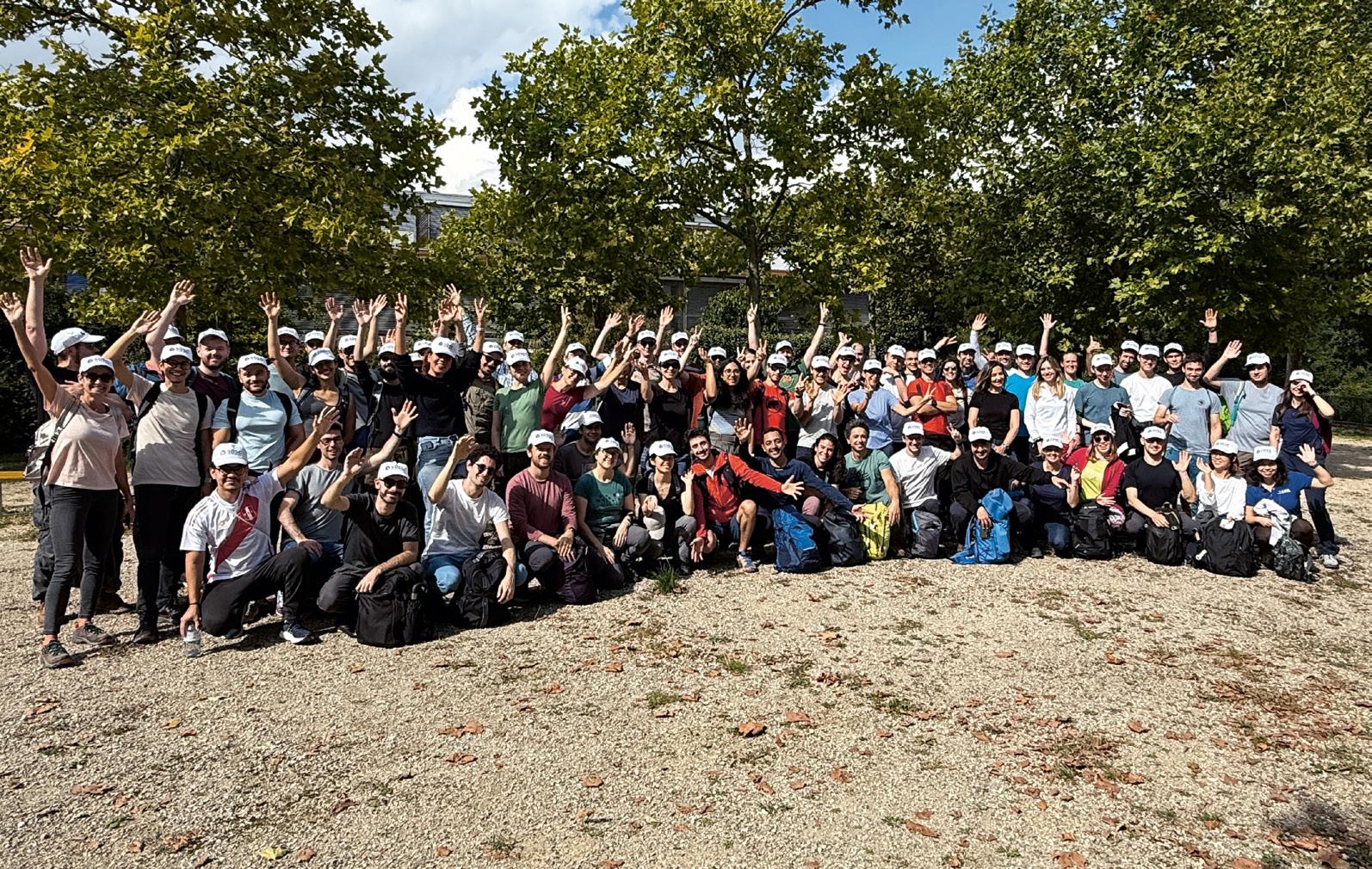
The Swiss Data Science Center (SDSC) team during an outing in Biel. In November, the SDSC moved to the new Arginine building in the south of the Biopôle campus. A national research infrastructure in data science and AI within the ETH domain, its mission – to enable data-driven science and innovation for societal impact –guides its initiatives in research projects, knowledge and technology transfer and education.
A major milestone in the campus’s development was the completion of three new buildings in the south zone – Arginine, Trypto and Valine. These are the first buildings on site to meet Minergie-P-ECO sustainability standards. The first tenants were the SDSC and Unisanté, the latter of which brought over 1,000 staff members. These new arrivals further strengthen the campus’s role as a hub at the crossroads of life sciences, public health and data science.
Now offering over 90,000 m² of lab, office and other mixed-use spaces, Biopôle hosts more than 3,500 professionals daily.
Vanguard Accelerator: A new cohort
Biopôle’s Vanguard Accelerator continued to grow in 2025, with the arrival of Virtuosis, Undae Science, DigeHealth and MoleSense. Ever since its launch five years ago, the programme has supported high-potential start-ups at a critical stage of their development by offering visibility and access to Biopôle’s extensive network of field experts, partners and investors. The programme’s new cohort reflects the diversity of innovation across the campus, spanning digital health, medtech and deeptech approaches to healthcare challenges.
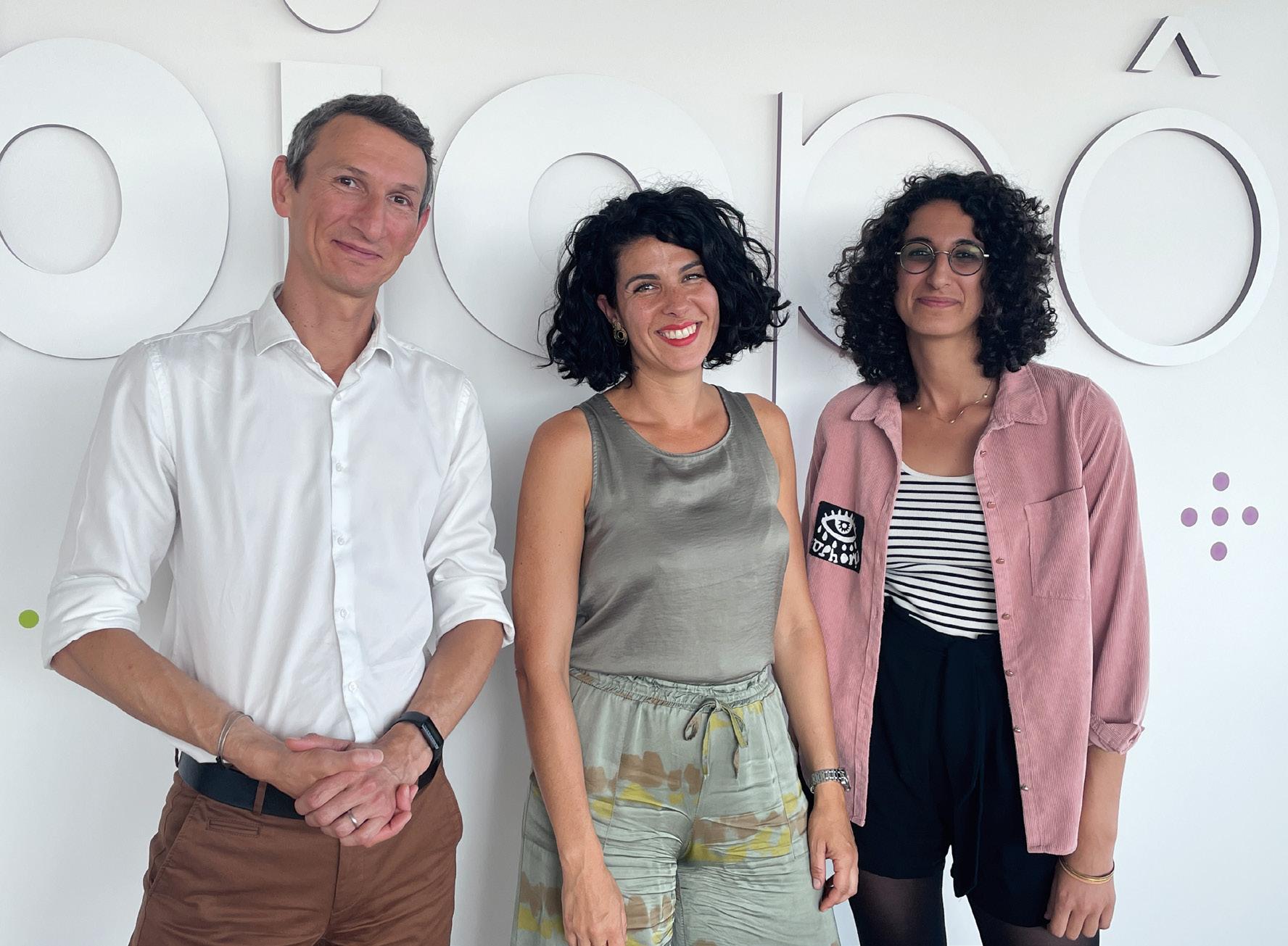
In September 2025, Innovation and Corporate Partnerships Director PierreJean Wipff (left) welcomed Shanaz Diessler (centre) and Aurélie Stephan (right), co-founders of UndaeScience, to the Vanguard Accelerator six-month programme.
MyLab: A new flexible solution for scaling up
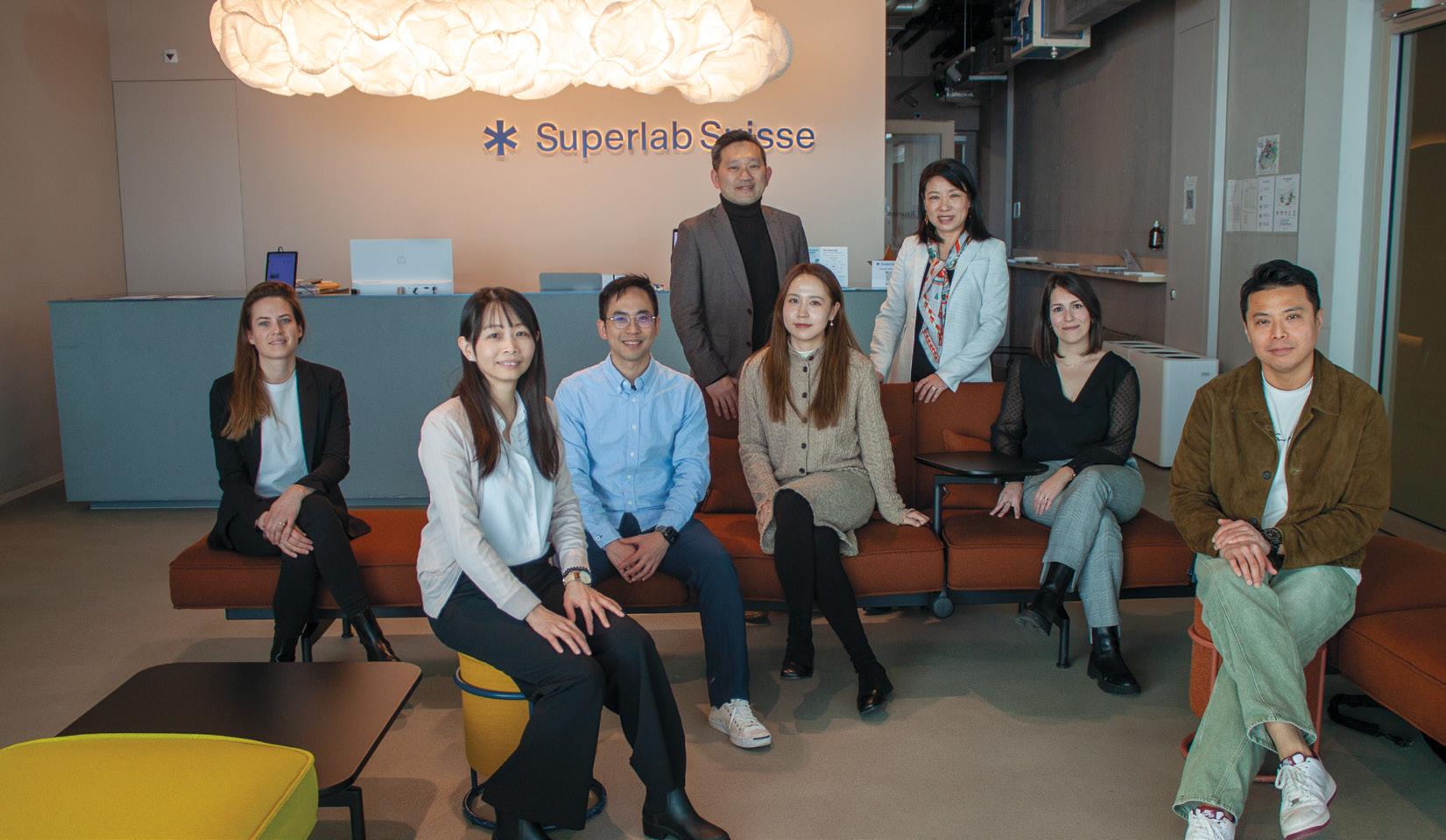
With the launch of new private laboratories at MyLab, Biopôle significantly expanded its laboratory infrastructure in 2025, responding to the growing needs of the innovative life sciences companies on campus. Thanks to StartLab and Superlab, Biopôle already offered 3,000 m² of serviced labs, with StartLab being shared and Superlab private. MyLab adds another 2,000 m² of self-managed laboratory space, providing an exceptionally diversified range of solutions, from fully shared environments to dedicated, company-specific labs. The new MyLab spaces welcomed Adaptyv, Testmate Health, Switchkine and TheraMe! as early tenants, enabling them to rapidly establish advanced R&D operations on campus.
MyLab is designed for companies that are ready to operate independently but still wish to benefit from the collaborative spirit of a shared facility. It comes with communal amenities that encourage interaction and resource efficiency, including a meeting room and kitchenette.
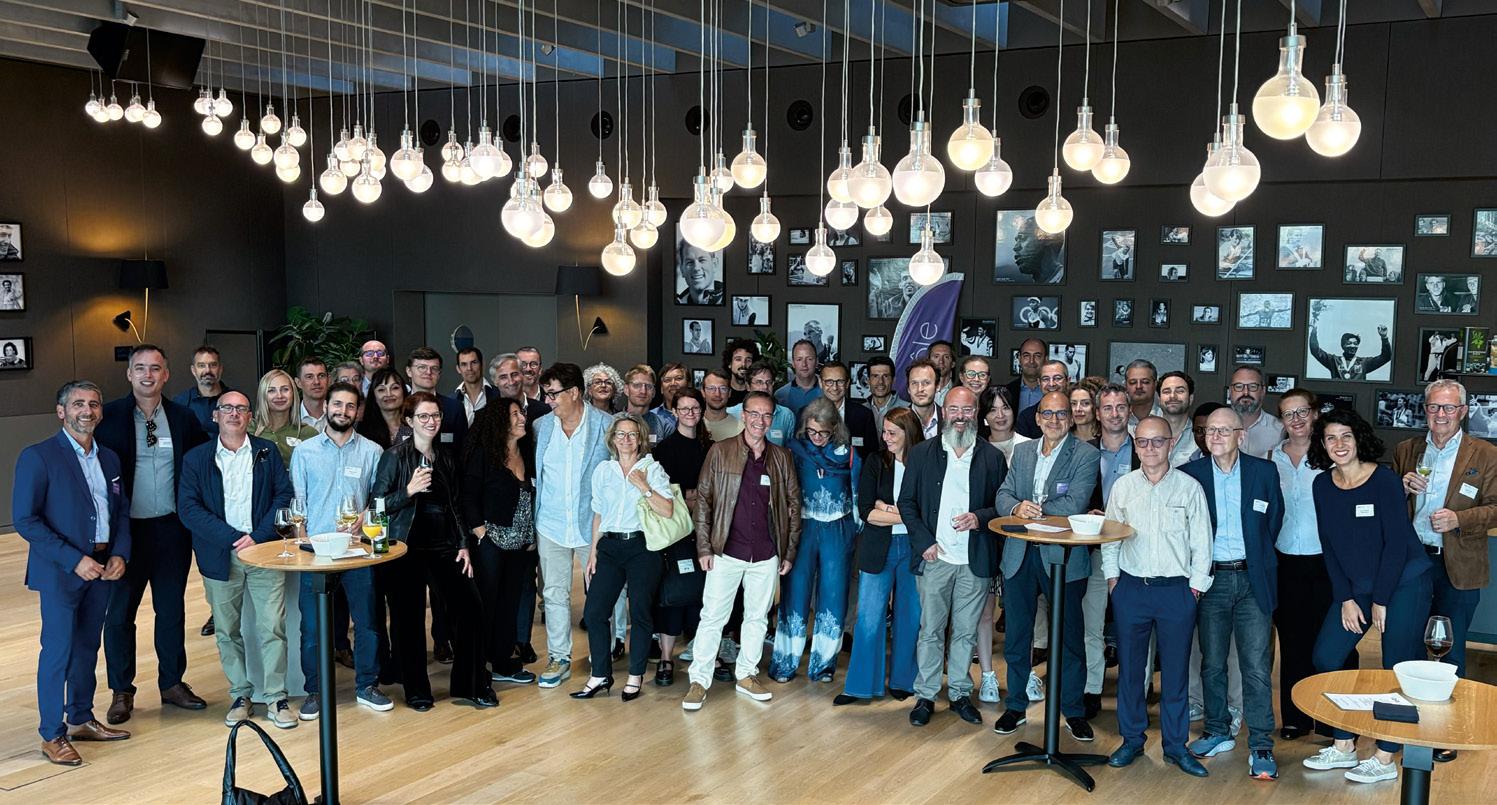
What do entrepreneurs and athletes have in common? At the Olympic Museum, the Biopôle CEO Dinner brought leaders together to exchange ideas with peers and draw inspiration from one another outside their usual professional context.
During the Corporate Partners Day held in January, Biopôle-based companies had the opportunity to meet our corporate partners in person. This was one of the 90 events organised by Biopôle SA and Biopôle members on the campus in 2025.
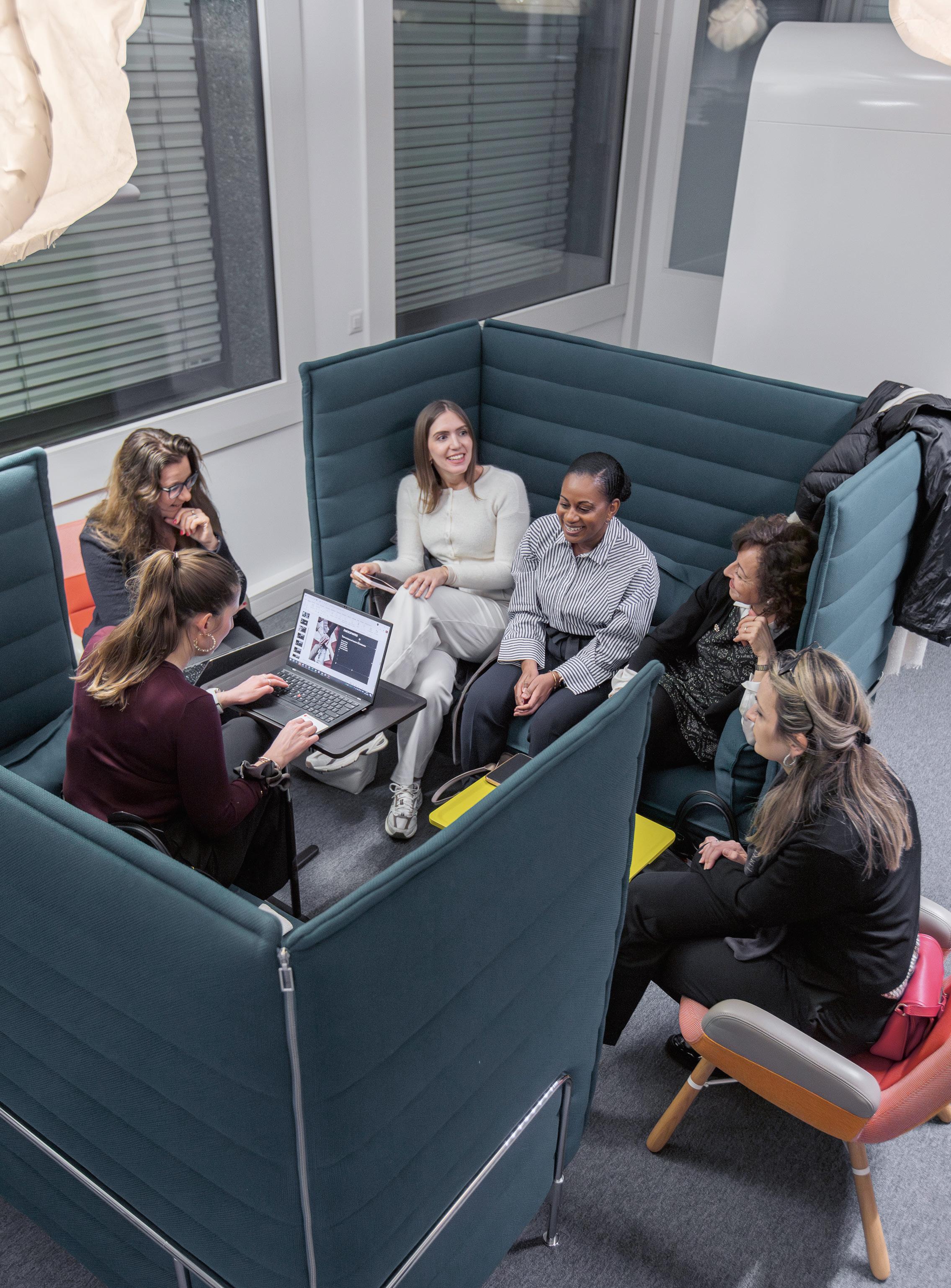
In March, Biopôle SA hosted a workshop with We Power Up, a new association dedicated to inspiring and empowering women to take on leadership and management roles by providing ongoing training, workshops, conferences and peer support to build confidence, develop leadership skills and address gender-related biases in professional environments.
LEARN FROM CHARLOTTE’S EXPERIENCE
Ep. 4 | AFTER A PHD
Biopôle’s podcast
The future is already here
A pool of highly educated life sciences graduates enters the job market each year – and each year, Biopôle gets more attention from graduates exploring employment opportunities, or else seeking to build their professional network in the life sciences industry. In 2025, Biopôle SA facilitated a range of opportunities for young people to connect with industry stakeholders. In March, more than 200 attendees and over 40 companies from the Biopôle community participated in Biopôle Discovery Day. This annual event gives Master’s and PhD students, young professionals and academic researchers the chance to explore career paths, exchange insights and build connections with players in the life sciences industry.
In addition, more than 20 postgrads participated in Biopôle Postgrad Consulting, a programme that is designed to help Master’s and PhD students get hands-on experience in industry. This programme also supports the outcomes of the BIP, with 15 postgrad consultants tasked with conducting scientific evaluations of five companies participating in the BIP. Six of the cohort also helped to scout projects as part of our Corporate Partnerships programme.
Furthermore, conscious of the challenges posed by the transition from academia to industry, in 2025 Biopôle SA launched a podcast, Voices of Life Sciences. This spotlit real stories from young professionals working on our campus, who testified to the fact that there is not just one defined career path in the life sciences. In each of the six episodes, these young professionals shared personal highlights, challenges and key learnings, paired with expert analysis and actionable insights to help young people overcome obstacles.
The impact of our programmes
Evolving from the Biopôle Start-up Fund, the BIP was launched in 2025. Designed for Biopôle-based start-ups, the 24-month support scheme combines up to CHF 90,000 in funding with expert mentoring, investor training and networking opportunities with investors. Once investor-ready, companies with significant clinical validation costs may apply for the Pre-Clinical Top-Up, which provides an additional CHF 250,000 to match external investment.
Serial entrepreneur and Switchkine’s CEO Madiha Derouazi was the first recipient of the Pre-Clinical Top-up as part of the BIP. She is pictured with Biopôle SA’s CEO, Nasri Nahas in the start-up’s new premises at MyLab.
" It’s like a bootcamp for a first‑time entrepreneur – by the end, you’ll be prepared for whatever panel presentations and due diligence processes throw at you. The Pre‑Clinical Top‑Up has also helped us finance critical proof‑of‑ concept studies and other costs that investors are often reluctant to pay. Overall, the programme complements existing support in Vaud and reinforces Lausanne’s position as an attractive hub for biotech."
Madiha Derouazi, CEO of Switchkine
Biopôle Investment Programme
Corporate Partnerships
" Over the past two years, we have greatly benefited from our collaboration with Biopôle. Being part of the community opens the door to deep connections with other local, innovative companies –plus, Biopôle leverages its contacts to find projects relevant to our research areas in the wider European ecosystem. In total, Biopôle has given us almost 250 leads, with around 70% of these companies being new to us. It has been an amazing opportunity to connect with a range of players, and I’m hopeful we will pursue many meaningful partnerships in the future."
Damien Marechal, Staff Engineer, Innovation & Global Tech Scouting at BD
Since 2020, Biopôle’s Corporate Partnerships programme has been bridging the gap between our innovative community and global leaders like Roche, Bristol Myers Squibb, Labcorp and CSL Behring. By fostering meaningful collaborations, Biopôle helps transform shared innovation into tangible partnerships that accelerate breakthrough projects.
Vanguard Accelerator
" The Vanguard Accelerator has helped us explore new markets by giving us targeted introductions to key figures and organisations. Regular check‑ins throughout have provided structure and guidance, supporting our strategic thinking as we define our specific value proposition and undergo an intense scaling phase. We now have the feedback, connections and visibility to scale sustainably and with purpose."
Lara Gervaise, co-founder of Virtuosis
Run by Biopôle SA and its partners, the Vanguard Accelerator is a free six-month programme that helps early-stage digital health start-ups sharpen their business strategy. With hands-on guidance from healthcare professionals, investors and tech experts, participants gain invaluable insights and connections so they can turn their vision into reality.
Persevere
or pivot?
In innovation, success rarely follows a straight line. Five years after joining Biopôle’s Vanguard Accelerator, two alumni of the programme – Impli and Gabi SmartCare – show how its value lies in learning how to make tough strategic choices on the path to progress.
Since 2020, the Vanguard Accelerator has helped digital health start-ups sharpen their ideas, grow their networks and navigate critical moments of growth. Run by Biopôle SA in collaboration with Swiss Healthcare Startups, the six-month programme offers tailored mentoring, practical guidance and connections with experts across medicine, regulation, investment and entrepreneurship.
Vanguard has supported 15 companies over the past five years. For some of these start-ups, progress has meant doubling down on the original plan. For others, it has meant realising that growth lies in a new direction. The experiences of Impli and Gabi SmartCare show this distinction in action. One persevered through early scepticism to prove its idea; the other decisively pivoted to find its true market. Both have emerged stronger for it.
Initiatives & outlook
Impli: The conviction to persevere
When Anna-Luisa Schaffgotsch founded Impli in 2019, implantable biosensors were considered invasive and unrealistic. Wearables dominated the market, and investors were dubious. ‘People thought we were crazy,’ she said. ‘There was a lot of fear around data and implants.’ But she and her co-founders saw what others did not: that placing an implant beneath the skin could capture a real-time picture of molecules in the blood stream. Like a blood test without needles, it was something that wearables could inherently never achieve with precision, even in the future.
During the Vanguard Accelerator, the Impli team refined their focus through clinician feedback. They had tested applications in cardiology and glucose monitoring, but conversations with mentors revealed a more urgent need in women’s health. ‘There was no large medical device company working
seriously in that area,’ Anna-Luisa noted. ‘We knew that’s where we could make the biggest difference.’ This is when Impli decided to focus on real-time monitoring of hormones, such as estradiol, progesterone and luteinising hormone. The company’s biosensor aims to replace the repeated blood tests involved during in vitro fertilisation (IVF) with a simple, real-time, data-driven alternative that improves outcomes.
Impli demonstrates that, in healthcare innovation, progress often depends on patience and conviction. ‘When you start a company in a novel space, you have to be resilient, stick to your vision and push forwards,’ Anna-Luisa said. ‘Vanguard helped us to do that.’ The company learned to narrow its focus, deepen its clinical work and adjust its timeline, but it has never abandoned its belief in the power of implantable biosensing. ‘You have to adapt your focus without losing your belief in the core idea,’ she explained. ‘That balance is everything.’
Gabi SmartCare: The need to pivot
Anna-Luisa Schaffgotsch, CEO and co-founder of Impli, at Biopôle. Her company’s implantable biosensor is redefining hormone monitoring technology in women’s health.
Entrepreneurship for Jonathan Baut, founder and CEO of Gabi SmartCare, began with a personal crisis. ‘A week after my daughter was born, she caught a very severe form of bronchiolitis,’ he recalled. ‘She turned blue in less than two hours and was admitted to the hospital’s intensive care unit.’ When the family returned home, the parents were told to look out for the early signs of a possible relapse, but without being given tools to identify those signs. That’s when Jonathan realised how few monitoring devices existed for newborns beyond hospital walls. ‘So I quit my job as an investment banker and started a company to build a solution that would give a continuum of care for children after hospital discharge.’
,
company’s
helped its baby-monitoring solution reach hospitals across the US and hone the impact of its technology.
In 2018, Gabi SmartCare launched a smart baby monitor for this very reason, but feedback from physicians soon shifted its direction. ‘They suggested we move towards a medically certified device, so we pivoted and developed a clinical solution for hospitals instead.’ When COVID-19 hit and funding slowed, Gabi SmartCare joined the Vanguard Accelerator. ‘We were introduced to corporate companies and investors. But more than anything, Vanguard was incredibly useful in helping us shape our strategy – the story behind our product and how to position Gabi to attract investors.’
The resulting remote patient-monitoring device was tested in more than 40 US hospitals and approved by the FDA, yet success was not straightforward. ‘We initially thought we had validated the business model in depth, only to realise that the insights we gathered verbally from advisors weren’t enough to convert
Jonathan Baut
founder of Gabi SmartCare. His
pivots
interest into sales,’ Jonathan said. ‘Despite excellent satisfaction among hospitals, we had to pivot once again, this time towards addressing paediatric sleep disorders.’
The company was later sold, but for Jonathan, learning how to respond to changing conditions was the real takeaway: ‘Perhaps the biggest lesson is that pivoting is an important part of the journey. When you’re not afraid to fail, you can make quicker decisions and learn faster. That’s when real innovation happens.’
No single path to success
For both Impli and Gabi SmartCare, instinct played a decisive role in the journey, with one start-up staying firm in its vision, the other pivoting to find its market. Yet these are only two of the many ways a company can evolve its business strategy.
For Patrick Kessel, co-founder of PeriVision, which creates virtual reality tools for ophthalmic diagnostics, the experience of the Vanguard Accelerator was expansive rather than corrective. ‘I don’t think we pivoted a lot in the sense of business strategy: the core of the vision for the company and the product was in place early on, and we’ve largely kept that throughout our journey,’ he explained. ‘In the Vanguard Accelerator, we had more of a jump than a pivot: our vision got grander.’
While there is no single formula for success, the Vanguard Accelerator offers something essential: the right people at the right time to help refine technology, strategy and confidence. Whether the challenge is to persevere, to pivot or to leap forwards entirely, the programme helps founders find the connections and clarity they need to take the next step.
Anna-Luisa Schaffgotsch founded Impli in April 2019 with the vision of making people’s lives safer and simpler with implantable technologies. Impli launched its first product in January 2020: a personal implantable device that allows its wearer to store medical information on a user-friendly platform. Anna-Luisa and her team are currently developing more products that link identity and internal biomarkers, to enhance precision medicine and preventative healthcare.
Jonathan Baut is a tech CEO with over 15 years of experience building and scaling start-ups across Europe and the US. He grew a software-as-a-service company up to 150+ countries, then founded Gabi SmartCare, taking it from idea to FDA clearance and commercial deployment in 40 hospitals in the US. Passionate about fast-moving environments, he loves turning early-stage vision into tangible traction and driving growth.
On-demand lab space
In 2025, Biopôle SA expanded its infrastructure offer with MyLab, a new space including 18 self‑managed laboratories that combine autonomy with agility. These complement the existing lab facilities at StartLab and Superlab.
40 companies located in at least one of these laboratories.
5,000 m2
available for start-ups looking for flexible spaces for their activities.
More than 160 people working in these facilities.
Hosted companies’ sectors
FULLY SERVICED LABS
STARTLAB
Open space lab
Fully serviced, fully equipped
Flexible 3-month rolling contract
SELF-MANAGED LABS
MYLAB
Private lab space
Self-managed
Flexible multi-year contract
SUPERLAB
Private lab space
Fully serviced, partially equipped 6-month to 2-year contract
We caught up with Biopôle CEO Nasri Nahas about 2025, including the challenges and opportunities the past year offered to Biopôle SA and its members.
Creating a safe space in an uncertain world
How was 2025 for Biopôle SA?
For us, it was a year of moving sands. We’re not sitting in an ivory tower here – we exist in the context of the market and are affected by geopolitical uncertainty, financial constraints and technical challenges. Clearly, the pace of change in AI was rapid last year. Of course, it brings new possibilities, but it also changes the playing field for the industry.
It’s also got tougher for entrepreneurs to access funding. Our members need more help to find investors and partners, and secure non-dilutive funds rather than venture capital. They are also struggling to attract the right talent, especially senior executives, either because they don’t have the means to pay them or because they’re just not available.
Biopôle SA’s mission from day one has been to serve our members. In this way, these challenges become opportunities. When our entrepreneurs are experiencing turbulence, it’s our job to anticipate their needs and create somewhere they can feel at ease. The spaces and programmes we offer, the bridges we create between academia and industry, the investment support we provide – every year we’re pushed to rediscover ourselves and hone our solutions to better serve our members. 2025 was no exception.
The new BIP was a major milestone. What motivated its redesign? And how does it reflect Biopôle’s broader philosophy on nurturing innovation?
When looking for investment, young companies tend to go too early, before they are ready – when it’s clear they need a lot more than just financial support. The BIP is the natural evolution of the Biopôle Start-up Fund. We found that the old model of giving out CHF 90,000 three times wasn’t serving our members well enough; bootstrapping is not a solution. Now, participants in the BIP receive CHF 90,000 once, but then we help them get ready for investment: train them, support them with networking, put them in front of investors every quarter, work with them on their data room. Then, and only if they’re ready, there’s an opportunity to receive a further CHF 250,000 via the Pre-Clinical Top-Up, which must be matched by CHF 250,000 sourced by the company itself. It’s much more systematic and we’ve received very positive feedback so far.
"
When looking for investment, young companies tend to go too early, before they are ready – when it’s clear they need a lot more than just financial support."
Fostering innovation is a key part of our mission, but it has to serve a purpose. The BIP is about developing products that someone’s willing to write a cheque for – and not just your mother! Biopôle is here to help people to test their ideas and nail them down, evolving them into something that can ultimately be sold and benefit an end user. That’s what drives everything we do.
Following StartLab and Superlab, Biopôle delivered new ‘private’ laboratories this year at MyLab. Why have you chosen to invest in private lab space again?
When young adults leave home, they’re stepping out into the world, but they still need their parents in all sorts of ways. Similarly, when our members leave StartLab or Superlab, they require help to move towards the kind of full independence that investors are looking for. That’s where we come in: we designed MyLab to allow our members to spread their wings, but with our continued support.
The concept is not especially new, but what’s unusual is the range of different options for private labs and shared infrastructure we offer here. It allows for natural progression and removes one of the key hurdles for biotech companies. Look at Distalmotion, HAYA Therapeutics, Volumina Medical, Atinary Technologies – all these companies joined us at StartLab with one or two benches and now they each occupy a couple of hundred square metres here. MyLab could help even more members embark on this journey.
" What’s unusual is the range of different options for private labs and shared infrastructure we offer here."
New companies in 2025 meant new talents on campus – the number of people on campus grew from 2,500 at the end of 2024 to 3,500 at the end of 2025. What are the implications?
This year, Aurigen, Unisanté and the SDSC all joined the campus – and their arrival represents an opportunity for our community. They haven’t chosen Biopôle just for the lake view! The major draw is our hub of talented people, companies and organisations that collaborate here on a daily basis. We’re looking forward to actively collaborating with them.
And, of course, the challenge for Biopôle SA is keeping up with the number of people on site! We now have 180 companies on campus. We need to maintain our close relationships with our members so that we can continue to identify opportunities for them and connect the dots – but this is a beautiful problem to have.
This year, Biopôle brought new energy to talent development. What prompted this focus and how does it align with your mission?
We have strong links with academia – several University of Lausanne (UNIL) departments are even situated on our campus – so it feels natural for us to create bridges between our companies and the academic institutions on site. This is true for research collaboration projects, but also for employment opportunities. In particular, PhD students and postdoc researchers are an incredible asset for industry players, given their strong focus on R&D. This year, we took action to better connect these two worlds.
Our Biopôle Discovery Day in March is now a firm fixture in the calendar, offering students and academics a chance to meet with entrepreneurs and learn more about the industry. Meanwhile, our Postgrad Consulting Programme offers talented young scientists hands-on opportunities to work with life sciences companies that are looking for fresh perspectives and innovative solutions. In addition, we launched Voices of Life Sciences: A Biopôle Podcast and a regular career newsletter, so people can learn about what it means to work in the life sciences – the difficulties as well as the benefits!
Biopôle continued to make progress on environmental, social and governance (ESG) commitments this year. How do you balance sustainability ambitions with operational realities?
One of the main challenges with ESG is helping our entrepreneurs understand that it’s not the enemy of growth: being sustainable is not at odds with breaking even or having a sound return on investment. This is something that needs to be anchored in people’s minds from the beginning.
" We launched Voices of Life Sciences: A Biopôle Podcast and a regular career newsletter, so people can learn about what it means to work in the life sciences – the difficulties as well as the benefits! "
Initiatives & outlook
We’ve been focusing on responsible entrepreneurship, where we consider the full meaning of ESG, looking beyond carbon emissions and impact on nature, beyond box-ticking exercises. When we consider capital, we often think only about pure monetary return on investment; it’s easy to overlook returns on environmental capital, social capital, people capital. But people should be integrating real sustainability, considering all these forms of capital, into their business model and their accounts.
At Biopôle, we have an opportunity to train young entrepreneurs in newer business models that consider the wider impact of their work. We’re currently identifying partners we can work with on this project. And we’re confident we’ll find funding – there are more and more ethical investors who will only invest in this kind of enterprise. It may take years for it to come to fruition – perhaps something I’ll be able to witness in time for my retirement – but I feel strongly that we must start paving the way for this new mode of thinking about the purpose and responsibilities of business.
What does the future look like? What do you want to focus on in the next couple of years?
Biopôle is growing. We now number 3,500 people over 13 buildings, spread across the north and south of the campus. To keep it vibrant, we need to help new members to integrate with the existing ones, making sure we remain a community and not just a collection of companies. We don’t want people to feel like they’re in the middle of nowhere. Biopôle is somewhere – somewhere worth cultivating and we will fight to do that.
We also plan to keep up with technological innovation, to be aware of what’s coming onto the market and anticipate our members’ needs around this. There’s no flagship digital tool for the life sciences – no equivalent of a large language model that can solve the problems people are facing – but over the next year we’ll be focusing on what is available and how it might benefit our community.
And, of course, in the coming years we must decide how Biopôle will grow when there are no more buildings to construct. At some point, there will be no more new spaces on the existing campus. What will be our next focus, after the cranes and diggers have rolled away? How will we then manage, support and grow the community? I don’t have all the answers to that yet, but I look forward to finding out with my team and our community. It’s definitely the start of a new chapter together.
" Biopôle is growing.
We now number 3,500 people over 13 buildings, spread across the north and south of the campus. To keep it vibrant, we need to help new members to integrate with the existing ones, making sure we remain a community and not just a collection of companies."
ESG developments at a glance
Work–life balance
• The crèche opened in October, followed by an agreement in December that 30 places would be reserved and subsidised by Biopôle SA for campus employees
• Collaboration with We Power Up to increase awareness about how increased diversity at work – especially more women in managerial roles – can increase profitability
• Collaboration with Unisanté to promote sports classes (yoga, Pilates, stretching and more)
Food
• reCIRCLE containers extended to food trucks
• Arrival of new food truck CH!CHE, offering 100% plant-based food
Mobility
• Introduction of five new Mobility cars, including two electric vehicles, bringing the total on-campus fleet to nine cars, four of which are electric
• Development of the Campus Mobility Plan, with finalisation planned for 2026
• In collaboration with Epalinges, launch of a call for tenders for a new provider of shared electric bicycles (Lausanne–Morges area), to be announced in early 2026
Energy
• Collaboration charter with building investors, setting standards for energy consumption and infrastructure investments on campus
• Solar panels installed on all buildings except Proline
• Arginine, Trypto and Valine successfully achieved Minergie-P standards (all other buildings fulfil lowerlevel Minergie standards)
• For future buildings, sustainability criteria must be defined before calling for tenders and engaging architectural and construction providers
• Biopôle’s sustainable growth helped Epalinges rank first in the Minergie ratings 2025 for medium-sized towns
Infrastructure
• Southern section of Route de la Corniche completed, with 13 new trees planted and six new benches installed
• Esplanade underwent a complete makeover, with 22 newly planted trees and creation of new picnic areas
Directory
This directory lists the companies and services on the Biopôle campus. Please be aware that it is not complete as some companies have chosen not to be included.
A3P Suisse
a3p.org
Association
A3P Switzerland brings together manufacturers and suppliers for the development and production of clean and sterile medicines and materials for the pharmaceutical and biotechnology industry.
Abionic
abionic.com
Diagnostics
Abionic develops and manufactures rapid in vitro diagnostic solutions using its proprietary nanofluidic technology.
Adaptyv Bio
adaptyvbio.com
Biotech
Adaptyv Bio is building a nextgeneration protein engineering platform by coupling computational prediction and experimental validation with cell-free synthetic biology and high-throughput nanofluidics.
ADC Therapeutics
adctherapeutics.com
Biotech
ADC Therapeutics is a commercial-stage biotech company developing nextgeneration assets for targeted antibody–drug conjugates, with a pipeline focusing on haematologic and solid tumour cancers.
AdipoGen
adipogen.com
Reagents
AdipoGen develops and manufactures innovative reagents for the life sciences research market, with a special focus on inflammation and immune response.
ADM adm.com
Nutrition
One of the world’s largest nutrition companies, ADM develops advanced microbiome solutions for pets, livestock and aquaculture, translating scientific research into valuable products.
Ai.Qimia
aiqimia.com
Digital health
Ai.Qimia has developed the first scalable chemical software platform rooted in AI, physics-based simulations and data modelling. The Ai.Qimia platform designs and scales efficient synthesis routes, all while simulating real-world lab conditions.
AKYmed
akymed.com
Biotech
AKYmed works in reproductive technology, developing nextgeneration male fertility analysis solutions for doctors, laboratories, clinics, hospitals, breeding studs and research institutes.
Alithea Genomics
alitheagenomics.com
Biotech
Alithea Genomics is a biotech company that develops highthroughput transcriptomics solutions for research and biomarker discovery, using large-scale RNA sequencing.
Apaco/INRA Group
apaco.ch inra‑group.com
Engineering
Apaco and its subsidiary INRA Group design, manufacture and supply equipment and systems for the food, biochemical, pharmaceutical and chemical industries, setting standards in quality, innovation and technological progress.
Argá Medtech
argamedtech.com
Medical devices
Argá Medtech is developing a next-generation, non-thermal cardiac ablation system to treat patients with atrial fibrillation and cardiac arrhythmias.
Aspivix
aspivix.com
Medical devices
Aspivix focuses on innovation in women’s healthcare, developing atramautic devices that promote modern solutions for gynaecological procedures.
Atinary Technologies
atinary.com
Digital health
Atinary is a deep tech start-up that uses AI, ML, robotics and cloud computing to accelerate R&D and optimise processes for breakthroughs in several industries, including pharma, biotech and materials.
Aurigen
aurigen.ch
Diagnostics
Aurigen is a pathology and cytology laboratory that offers a range of medical analyses and diagnostic services.
Avec
avec.ch
Food and beverages
Avec is a kiosk offering snacks and beverages all day long.
Avenza Consulting
avenzaconsulting.com
Consulting
Avenza Consulting empowers life sciences organisations to navigate complex challenges, optimise their performance and achieve sustainable growth, working collaboratively with clients to provide comprehensive, custom-made services.
BakerHicks
bakerhicks.ch
Consulting
BakerHicks is a design, engineering and project delivery company specialising in complex infrastructure, process and built environments across the full project life cycle. It has extensive experience in the pharma, biotech, medtech, fine chemicals and manufacturing sectors.
BDO
bdo.ch
Finance
BDO is an audit, accounting and consultancy firm working with industrial and service sector organisations, including SMEs, listed companies, public authorities and non-profit organisations.
BENU Pharmacy
benu.ch
Healthcare
The pharmacy is part of the BENU Group pharmacy network. It sells traditional medicines and a large assortment of phytotherapy and homeopathy products.
Bewe
bewe.com
Digital health
Neuroscience experts and engineers at Bewe develop digital therapeutics for behavioural change and cognitive recovery. Their first tool is a mobile game that aims to rewire patients’ brains to decrease unhealthy cravings.
BioAlps
bioalps.org
Government administration
BioAlps represents western Switzerland’s biotech, medtech, pharma, nutrition and e-health companies, and offers access to a dynamic network of Swiss and international life sciences experts.
BioLizard
lizard.bio
Consulting
BioLizard offers a range of data science services, including biomedical data analysis, ML and AI to support companies and research institutions in their R&D and (pre)clinical studies.
Biopôle Dental Clinic
centredentairebiopole.ch
Healthcare
Biopôle Dental Clinic offers a range of dental services, including paediatric dental care, orthodontics and oral surgery.
biped.ai
biped.ai
Medical devices
biped.ai is developing a smart shoulder harness that uses AI and self-driving technology to guide blind and visually impaired people.
Calico Biosystems
calicobiosystems.com
Biotech
Calico Biosystems is redefining cancer drug development by harnessing the power of multiomics on intact tumours to identify the most promising candidates and optimise their development.
CancerPrev cancerprev.com
Research institute
Cancer Prev is an innovative foundation dedicated to personalised cancer prevention. Through targeted education, research and outreach, it seeks to bridge the gap between science and society, empowering people with the knowledge and tools they need to reduce cancer risk and promote long-term health.
CARA
cara.ch
Digital health
CARA is an association that aims to facilitate access to electronic health records in five Swiss cantons, providing the public and healthcare providers with a secure platform for exchanging healthrelated information.
Cellula Therapeutics
Biotech
By harnessing world-class innovation in CAR-T cells, this venture addresses the challenges of solid tumours, focusing specifically on brain tumours, by uncovering brand new pathways for arming immune cell effectors.
Centre André Henzelin
cah.ch
Healthcare
Centre André Henzelin’s missions are to train health professionals in naturopathy, carry out applied research and educate the general public about alternative and complementary medicines.
CILE and CRIC
groupe3r.ch
Healthcare
CILE and CRIC are two centres located at Biopôle that provide radiographic and cardiovascular imaging services to patients.
Clinimed
clinimed.ch
Healthcare
Clinimed provides general medicine clinics, using a holistic approach, tailored solutions and innovative diagnostics, including microbiota and epigenetic analysis.
Clinique La Prairie
cliniquelaprairie.com
Healthcare
Clinique La Prairie is a worldrenowned longevity clinic. It offers personalised anti-ageing, vitality and preventative medicine programmes that combine cutting-edge science with physician-supervised holistic wellness approaches. With its Longevity Fund, Clinique La Prairie also aims to identify and invest in companies that revolutionise the landscape of ageing, health and well-being.
Combioxin
combioxin.com
Biotech
Combioxin is a clinical-stage biotech company developing innovative drugs to treat severe bacterial or viral infections and fight antibiotic resistance. Its pipeline includes a first-in-class anti-virulence agent for the treatment of severe pneumonia.
Consultants in Science
consultantsinscience.com
Consulting
Consultants in Science provides resourcing services to life sciences companies, including support with recruitment, writing, reviews and assessments.
Consultys Suisse
consultys.com
Consulting
Part of the Vulcain Group, Consultys is a global engineering and consulting services company dedicated to the life sciences industry. Active since 2005, Consultys works on technical projects and brings expertise to manufacturers in all stages of drug development.
CSL Behring
cslbehring.ch
Biotech
CSL Behring is a global biotherapeutics leader that uses the latest technologies to develop and deliver innovative therapies to treat severe and rare diseases.
Cube Labs
cube‑labs.com
Consulting
Cube Labs builds companies from promising early-stage R&D, and provides entrepreneurial and operational support at all the stages of their life cycle to transform pioneering science into healthcare solutions.
Cureos Biotechnology
Biotech
Cureos Biotechnology’s mission is to advance molecular processing and automation technologies to enable a new paradigm of precision, personalised healthcare, aimed at a range of future applications, including early cancer detection and IVF pre-implantation genetic diagnostics.
CXIO Foundation
cxiofoundation.ch
Healthcare
CXIO is a non-profit foundation that integrates classical and contemporary medicine in a holistic approach.
CxO
cxo.swiss
Consulting
CxO’s experienced team of professionals provide flexible and scalable strategic guidance, operational support and financial services consulting to start-ups and more mature companies in the life sciences and healthcare sectors.
Dandelion
dandelion.science
Digital health
This US–Swiss neurotechnology company aims to improve the lives of people affected by brain disorders by combining advanced generative technology solutions with deep science to develop a platform for programming network dynamics in the brain.
DermApp
dermapp.ch
Digital health
DermApp has devised a web platform that offers patients with skin conditions online consultations with certified dermatologists who give a personalised answer within 48 hours.
DigeHealth
digehealth.ch
Digital health
DigeHealth’s mission is to transform gastrointestinal care through non-invasive, continuous monitoring. The company has developed a wearable device that uses acoustic sensing and AI to analyse bowel sounds and vital signs, enabling early detection of chronic issues and disorders.
Distalmotion
distalmotion.com
Medical devices
Distalmotion has developed DEXTER, a hybrid surgical robot offering laparoscopic surgeons the option to switch between laparoscopic and robotic surgery at any time during a procedure.
DOCumenter
documenter.ch
Digital health
DOCumenter has developed an innovative medical documentation platform that is designed to relieve physicians’ administrative burden. The AI-powered, fully secure platform can be used to transcribe consultations, generate reports, and analyse and manage files.
Edificom
edificom.ch
IT services
Edificom is an IT solutions, services and network infrastructure provider that offers innovative and secure technology solutions through its certified Tier 4 data centre.
eHealth Group
ehealthgroup.ch
Digital health
eHealth Group is a digital healthcare company that provides a range of scientific, consulting and legal services and focuses on delivering innovative solutions to transform healthcare for the better.
Emovo Care
emovocare.com
Medical devices
Emovo Care focuses on next-generation wearable robotics. Its flagship product is a portable and lightweight hand orthosis device that supports people with impaired movement to perform tasks in their daily life independently.
Etat de Vaud
vd.ch
Government administration
Biopôle is home to several departments of the Etat de Vaud: the Consumption Office (OFCO), the Department of Agriculture, Viticulture and Veterinary Affairs (DGAV) and the Department of the Industrial, Urban and Rural Environment (DGE-DIREV).
EuroVacc Foundation
eurovacc.org
Pharmaceuticals
EuroVacc promotes research into vaccines against HIV and other infectious diseases, facilitating the development of vaccine candidates through early clinical trials to expedite translational research from discovery to clinical development.
Evidone
evidone.com
Digital health
Evidone leverages modern technology and AI to empower operating room teams and drive efficiency. Areas of focus include preventing time loss and mismanagement, and optimising procedures to lower equipment costs.
Ferring Pharmaceuticals
ferring.com
Pharmaceuticals
Ferring is a research-driven biopharmaceutical group focusing on the development of medicines in reproductive and maternal health, urology and uro-oncology, and gastroenterology and immunology.
Flexdental Services
fdservices.ch
Medical devices
Flexdental Services is a dental equipment specialist that provides planning, installation, supply and maintenance services to individual dentists and group practices.
Genknowme
genknowme.com
Diagnostics
Genknowme is developing an innovative blood test that identifies key epigenetic markers to help adults track, maintain and improve their well-being and potential longevity.
GetSet Surgical
getsetsurgical.com
Medical devices
GetSet Surgical aims to improve patient outcomes, reduce risk and create value in surgical procedures by providing sterile, good-to-go instruments that facilitate pre-operative planning, on-demand surgery and general efficiency.
Gnubiotics Sciences
gnubiotics.com
Biotech
Gnubiotics Sciences develops solutions to diagnose and restore microbiome health in humans and pets through the use of glycans.
Gondola Medical Technologies
gondola medical.com
Medical devices
Gondola Medical Technologies has developed a neurorehabilitation device to improve quality of life for patients affected by gait disorders and balance impairments caused by stroke, Parkinson’s disease or ataxia.
HAYA Therapeutics
hayatx.com
Biotech
HAYA Therapeutics is a precision medicine company developing therapeutics that target long non-coding RNA to treat and potentially reverse fibrosis and other serious medical conditions related to ageing.
Hedera Dx
hederadx.com
Diagnostics
Hedera Dx is developing liquid biopsy solutions to be used by clinicians for early detection, therapy selection and recurrent monitoring of cancer, offering patients better outcomes with minimally invasive tests.
Hycann Health
hycannhealth.com
Pharmaceuticals
Hycann Health distributes pharmaceutical-grade medical cannabis through an approach based on quality, compliance and innovation.
Ichnos Glenmark
Innovation
(IGI)
iginnovate.com
Biotech
IGI is a clinical-stage biotech company developing multispecifics™ in oncology to treat haematological malignancies and solid tumours.
iCure icure.com
Digital health
iCure provides a secure, interoperable software platform for healthtech developers to build medical devices, electronic health records and apps. Combining data management, cybersecurity and regulatory compliance, it offers innovators robust, trustworthy solutions for managing patient data.
Impli impli.org
Digital health Impli develops implantable technology products, enabling real-time access to accurate health data. Its hormone-monitoring device has been developed for fertility specialists and their patients to optimise treatment and support informed decisions.
Incepto Medical
incepto medical.com
Digital health
Incepto is a digital health company developing an AI-enhanced platform to help with detection and diagnosis in medical imaging.
Incito incito.ch
Communications
Incito is a communications agency that provides public relations, stakeholder and crisis management services to a range of customers, from individuals to multinational companies.
Innovaud
innovaud.ch
Government administration Innovaud is the innovation and investment promotion agency for the canton of Vaud. It helps tech-oriented companies develop their businesses and carry out innovation projects.
Interregional Blood Transfusion SRC
itransfusion.ch
Healthcare
The service focuses on procuring, processing, testing and providing blood products to the cantons of Bern, Vaud and Valais, as well as providing advice and pursuing research in the field of transfusion medicine.
ISII-TECH
isii‑tech.fr IT services
Since 2008, ISII-TECH has partnered with a range of clients on their innovation journeys, providing solutions in management and industrial IT, automation, and instrumentation.
Keyros Medica
revinax.net
Digital health
Keyros Medica creates customised, immersive virtual reality tutorials for medical procedures, harnessing experiential teaching to encourage best practices for procedures, swift adoption of new medical devices and increased clinical confidence.
Kisco kiscopharma.com
Consulting
Kisco provides on-demand outsourcing and procurement solutions to support clients with the operationalisation of their drug development.
Knowledge Transfer UNIL CHUV
pactt.ch
Government administration
Knowledge Transfer UNIL CHUV, formerly PACTT, is the technology transfer office of UNIL and CHUV, which manages all aspects of research commercialisation, partnership and collaboration, and intellectual property.
LAIZ Regulatory Science Consulting
laizregscience.com
Consulting
LAIZ Regulatory Science Consulting helps small and medium-sized biotech companies to move biological assets from candidate selection to commercialisation. The firm specialises in evaluating quality aspects and safety and efficacy impacts.
LASCCO
lascco.com
CRO
LASCCO is a biomedical technology company that specialises in developing discovery-stage pharmaceuticals and diagnostics.
Lavaux Biotech
lbc‑sarl.com
Consulting
Lavaux Biotech supports pharmaceutical and small biotech companies on a range of projects, from short-term bottleneck resolution to full execution, building their R&D strategy and bringing their assets into clinical development.
Lavoix
lavoix.eu
Consulting
Lavoix specialises in all matters relating to intellectual property, including patents, trademarks, designs, domain names, copyright, personal data, contracts and litigation. Its mission is to help clients protect, promote and defend their innovations.
Le Café @biopôle
Food and beverages
Le Café @biopôle provides guests with fresh and healthy snacks and meals throughout the morning and at lunchtime.
Lederer & Partner
ledererpartner.com
Consulting
Covering all phases of the project and product life cycles of pharmaceutical and life sciences companies, Lederer & Partner develops customised project analysis, evaluation and management models, identifying potential risks and areas for improvement.
Directory
Legacy Healthcare
legacyhealthcare.ch
Biotech
Legacy Healthcare aims to develop novel drugs for autoimmune, inflammatory and ageing-related conditions that are safe enough for chronic use, especially by fragile populations.
Leman Biotech
lemanbio.com
Biotech
Leman Biotech is a start-up that aims to develop and commercialise new metabolic cancer immunotherapies.
Lermed lermed.ch
Diagnostics
Lermed develops innovative assays (in vitro avatars and liquid biopsies) to stratify patients suffering from neurodegenerative and age-related diseases.
LifeDx
lifedx.co
Diagnostics
LifeDx creates accurate and affordable diagnostics devices to help countries improve their healthcare quality and the efficacy of early diagnostics and prediction.
Limula
limula.ch
Biotech
Limula is working to develop technology that can perform every step of the cell therapy manufacturing process in a single device, directly at the point of care.
Lucendra
lucendra.com
Consulting
Lucendra is a medtech consulting company that brings wideranging expertise in engineering, science, regulatory affairs and business strategy to support all aspects of medical device development.
Ludwig Cancer Research
ludwigcancerresearch.org
Research institute
Ludwig Cancer Research’s Lausanne branch is primarily dedicated to studying tumour immunology and designing and developing novel immunotherapies.
Ma crèche sous les étoiles macrechesouslesetoiles.ch
Childcare
Ma crèche sous les étoiles is a dedicated crèche at Biopôle that can accommodate up to 90 children aged 3 to 48 months. It is part of a wider group of crèches, which are all united by the values of respect, safety and equality.
Medistri
medistri.swiss
Healthcare services
Medistri provides sterilisation, laboratory analysis and logistics/ distribution services to professionals in the medical and pharmaceutical industries.
Méridio
meridio.ch
Food and beverages
Méridio is a restaurant offering takeaway options inspired by Mediterranean cuisine.
Milian
milian.com
Lab equipment
Milian distributes consumables and equipment from a wide range of well-known brands to research organisations. It specialises in the life sciences, agri-food and industry.
MoleSense
molesense.ch
Medical devices
MoleSense aims to develop molecular wearables for high-risk pregnancies. These represent a new class of medical devices, which do not just track vital signs but continuously and noninvasively monitor biochemical markers such as proteins and hormones.
Neo Medical
neo medical.com
Medical devices
Neo Medical is a medtech company that supports spine surgery operations across Europe and the US. It is currently working on expanding its intraoperative augmented reality platform.
NewBiologix
newbiologix.com
Biotech
NewBiologix is developing a proprietary breakthrough DNA integration platform for the advanced engineering of human and mammalian cell lines to improve the production of viral vectors used in gene therapies.
Nexco Analytics
nexco.ch
Digital health
Nexco Analytics offers AI, bioinformatics and data analysis services, with a focus on life science and omics data.
Novigenix
novigenix.com
Biotech
Novigenix specialises in immuno-transcriptomic solutions for cancer detection, therapy optimisation and cancer recurrence monitoring to improve disease management and patient outcomes.
Novostia
novostia.com
Medical devices
Novostia is a privately owned medical device company developing an innovative, lifelong artificial heart valve that does not require anticoagulation medication and that is suitable for patients of any age, including children.
NOW*
agence now.ch
Communications
NOW* is a communications agency that works on creative, sustainable and responsible projects in a range of fields, from retail to non-governmental organisations.
OCT Global
oct‑clinicaltrials.com
CRO
OCT is a contract research organisation that provides a full range of high-quality clinical trial services for Phases I–IV and bioequivalence studies.
Onward Therapeutics
onward‑therapeutics.com
Biotech
Onward Therapeutics is a development-stage oncology company focused on identifying innovative technologies and developing breakthrough medicines for treating cancer.
Opna Bio
opnabio.com
Biotech
Opna Bio is a clinical-stage biopharmaceutical company developing first-in-class therapies to disrupt immunosuppressive barriers in cancer cells.
Orbis Medicines
orbismedicines.com
Biotech
Orbis Medicines is leveraging a computational platform to support the discovery, development and delivery of drug candidates for challenging targets.
ORYL Photonics orylphotonics.com
Biotech
ORYL Phototonics is developing a patented laser-based lightscattering technology, which provides high-throughput, sensitive and accurate measurements of drug and biological molecule solubility and aggregation in liquids.
Otten Life Sciences
Consulting olsc.ch
Consulting
Otten Life Sciences Consulting offers tailored services in the finance and healthcare industries for investors, shareholders and life sciences companies.
Parithera
parithera.com
Diagnostics
Parithera leverages liquid biopsy to provide a minimally invasive diagnostic that analyses cancer treatment resistance and allows clinicians to adjust treatment regimens.
PDC Therapeutics
pdcbio.com
Biotech
PDC Therapeutics is a clinicalstage biotech company developing smart nanomedicines for targeted therapies using polymer–drug conjugate technology. It seeks to provide cancer patients with an optimal therapeutic index.
PeriVision
perivision.com
Medical devices
PeriVision is developing a novel approach to glaucoma diagnosis and monitoring by combining AI and virtual reality technology to provide patient-friendly, costefficient and faster visual field testing.
Physio Home Care
physiohomecare.ch
Healthcare
Physio Home Care is a physiotherapy organisation working in rehabilitation/ functional rehabilitation in the home, developing innovative solutions to help patients access services.
Pilatus Biosciences
pilatusbio.com
Biotech
Pilatus Biosciences develops anti-cancer antibody therapeutics, working in the fields of oncology, immunotherapy and neurodegenerative diseases.
Populus Bio
populusbio.com
Consulting
Populus Bio unlocks scientific and therapeutic potential. It complements originator teams with appropriate functional expertise, creating collective impact in biotech companies.
Directory
Precise Health
precisehealth.io
Biotech
Precise Health aims to revolutionise the treatment of bacterial infections by replacing broad-spectrum antibiotics with personalised bacteriophage technology. Its initial validation work has concentrated on inflammatory skin conditions such as acne and atopic dermatitis.
Prevision Medicine
previsionmedicine.com
Biotech
Prevision Medicine’s mission is to advance personalised cancer treatment through innovative, evidence-driven drug-screening technologies. Its proprietary platform, PrevisionOne, tests cells against a panel of drugs and delivers actionable clinical reports to support data-driven, individualised treatment strategies.
Qarad
qarad.com
Consulting
Qarad offers expert regulatory consultancy services for in vitro diagnostics and supports businesses in their efforts to implement quality management systems and organise performance studies.
Rachis Clinic
rachis.clinic
Healthcare
The Rachis Clinic consists of an interdisciplinary team that takes an approach based on individual occupational therapy, physiotherapy treatment and, if necessary, group postural reconditioning.
Radar RP
radar‑rp.ch
Communications
Radar RP provides healthcare and life sciences researchers with PR and communications services to get their messages across to a wide range of audiences: stakeholders, the general public and financial or business partners.
Readily3D
readily3d.com
Medical devices
Readily3D has developed a tomographic bioprinter, based on illumination technology, to create innovative tissue constructs in seconds.
RÉFORMER
re former.ch
Association
RÉFORMER is an inter-cantonal initiative to develop an innovative digital platform that structures and harmonises medical training pathways in close collaboration with health authorities, hospitals, universities and doctors.
Roche Diagnostics
Switzerland
diagnostics.roche.com
Diagnostics
Roche Diagnostics develops diagnostic tests, instruments and digital solutions, focusing on specific areas that include cancer immunotherapy, haemophilia and multiple sclerosis.
Santy santy.ch
Healthcare
Santy promotes health and safety at work by supporting businesses in meeting regulatory requirements and managing staff absenteeism. It provides a personalised service according to business needs.
SEED Biosciences
seedbiosciences.com
Medical devices
SEED Biosciences provides innovative solutions for single-cell assays, including the DispenCell automated laboratory instrument, which is designed for fast, easy and gentle single-cell isolation.
SeedIMPULSE
seedimpulse.ch
Digital health
SeedIMPULSE works in orthopaedics and medical software, providing innovative solutions such as the EZplan software platform to support orthopaedic surgeons as they plan joint replacement surgeries.
Siftlink
siftlink.com
Digital health
Siftlink is a business intelligence platform combining AI and human experts to help its clients gain the insights and intellectual property needed to accelerate their innovation processes and succeed in highly competitive markets.
Signal26 Biotherapeutics
signal26bio.com
Biotech
This start-up has harnessed research by academics at the CHUV to identify the IL-26 signalling pathway as a novel target for treating autoimmune diseases. It is currently focusing on developing a novel biological treatment for pustular psoriasis.
Skyviews Life Science
skyviewslifescience.com
Finance
Skyviews Life Science is a privately owned advisory company, specialising in precision health and longevity. It identifies investment opportunities at the intersection of biotechnology, advanced nutrition and digital health.
SP Groups
spgroups.ch
Consulting
SP Groups is an engineering consultancy firm that provides simple, pragmatic solutions and a comprehensive service to clients in the fine chemicals, biotech and pharmaceuticals sectors.
SULFISCON
sulfiscon.ch
Biotech
Through research by SULFISCON’s three founders, the company is developing enzymatic allosteric modulators for use as drugs to treat pathological calcification disorders affecting the cardiovascular system and joint tissue, among others.
Superlab Suisse
superlabsuisse.com
Real estate
Superlab Suisse provides ready-to-move-into serviced laboratories to biotech, pharmaceuticals and medtech companies that need private facilities.
Swiss Biobanking Platform (SBP)
swissbiobanking.ch
Research institute
SBP provides a coordination platform for biobanking in Switzerland, contributes to developing common biobanking practices and promotes access to – and sharing of – samples and data for research purposes.
Swiss Data Science Center (SDSC)
datascience.ch
Digital Health
The SDSC aims to accelerate the use of data science and machine learning techniques within academic disciplines, public institutions and the industrial sector across Switzerland. Senior data scientists and experts in domains such as personalised health and medicine collaborate on academic and industrial projects.
Swiss Institute of Bioinformatics (SIB)
sib.swiss
Research institute
SIB is a non-profit organisation that focuses on biological and biomedical data science, delivering its expertise to academic groups, clinicians and private companies.
Swiss Nutrition Health Foundation (SNHf) nutritionhealthfoundation.ch Research institute
SNHf is a non-profit organisation that focuses on nutrients, micronutrients and natural bioactives, developing and deploying high-quality testing and research capabilities in the domains of nutrition, health and cosmetics.
Switchkine
Biotech
Switchkine harnesses the potential of immune-cytokines to modulate the immune system in patients with cancer and chronic inflammatory diseases. Its engineered cytokines respond dynamically to local tissue environments, reducing systemic toxicity.
Syrma syrma.ch
Consulting
Syrma is a Swiss strategic consulting firm specialising in digital transformation and healthcare, with a particular focus on organisational redesign, governance and data protection.
Testmate Health
testmatehealth.com
Diagnostics
Testmate Health is a medtech start-up developing a rapid at-home self-testing kit: a simple urine test for four common sexually transmitted diseases that provides results in minutes.
The Next Cut
Barber shop
The Next Cut is a unisex hairdresser located at Biopôle.
TheraME!
thera‑me.ch
Diagnostics
TheraME! uses microfluidic technology to rapidly determine the best cancer therapy options, personalised for each individual patient at any given point in time.
Tigen
tigenpharma.com
Biotech
Tigen bridges the gap between academia and commercially ready therapies in the field of cell and gene therapy by combining novel T-cell therapies and an innovative manufacturing platform to treat solid tumours.
Tridek-One
tridekone.com
Biotech
Based on its founders’ groundbreaking research, Tridek-One is developing first-in-class CD31 checkpoint agonists for treating diverse autoimmune and inflammatory disorders.
Tubulis
tubulis.com
Biotech
Tubulis generates uniquely matched antibody–drug conjugates with superior biophysical properties that have demonstrated durable on-tumour delivery and long-lasting anti-tumour activity in preclinical models.
TwinEdge Bioscience
twinedgebio.com
Biotech
TwinEdge Bioscience is developing digital avatars for oncology drug discovery and development. By combining cutting-edge computational biology, AI and personalised medicine, TwinEdge Bioscience aims to reduce the time and cost of drug development, while increasing the accuracy and effectiveness of treatments for cancer patients worldwide.
Undae Science
undae science.ch
Digital health
Undae Science is driving meaningful change in sleep health through its user-friendly sleep solution Noctae, which combines an AI-powered platform, a mobile application and an over-mattress device featuring sensors capable of detecting sleep disorders with the accuracy of a hospital setting.
Unilabs
unilabs.ch
Diagnostics
Unilabs supplies clinical laboratory testing and medical diagnostic imaging services to private and public healthcare providers, local governments, insurance and pharmaceutical companies, and the general public.
Unisanté
unisante.ch
Healthcare
Unisanté, university centre for general medicine and public health, consolidated its activities at Biopôle in 2025. Unisanté’s overall mission is to promote and improve the health of the entire population through prevention, ambulatory care and public health measures.
Université de Lausanne (UNIL)
unil.ch
Research institute
Biopôle is home to a number of UNIL departments: the Faculty of Biology and Medicine, the Department of Immunobiology and the Department of Oncology (in collaboration with the CHUV).
URBAGESTION
urbagestion.ch
Facility management
URBAGESTION specialises in property administration, facility management and urban governance, working with a large network of partners to obtain a rapid and comprehensive overview of the market.
Vaccine Formulation Institute (VFI)
vaccineformulationinstitute.org
Biotech
VFI is a non-profit organisation that provides adjuvants, vaccine formulations, expertise and technologies on an open-access basis to prevent diseases across the globe.
Vanarix
vanarix‑cartilage‑regeneration.ch
Biotech
Vanarix is a clinical-stage start-up, specialising in regenerative medicine, which aims to develop innovative and effective cell-based therapies, such as Cartibeads for treating articular cartilage damage.
Vandria vandria.com
Pharmaceuticals
Vandria develops best-in-class small molecule mitophagy inducers that rejuvenate cells by restoring mitochondrial health to treat age-related and chronic diseases.
Vaudoise Assurances
vaudoise.ch
Insurance
Vaudoise Assurances provides life and non-life insurance services, mainly working with individuals, SMEs and the public sector.
Vidymed
vidymed.ch
Healthcare
The Vidymed Group comprises three medical centres that are open seven days a week to serve the population of Lausanne.
VirdisGroup
virdisgroup.com
Consulting
VirdisGroup provides executive search, talent acquisition and recruitment services for the life sciences industry.
Virtuosis AI
virtuosis.ai
Digital health
Virtuosis AI leverages AI-powered vocal biomarkers to enhance health screening, diagnostics and patient monitoring. Its technology can detect over 25 mental, cognitive, respiratory, cardiovascular and metabolic disorders from just a 30-second voice recording.
Vitruvian Shield
vitruvianshield.com
Digital health
Vitruvian Shield is working to provide a multipurpose digital health platform for collecting biometric data sets to analyse, detect and prevent epileptic seizures.
Vivactis Switzerland
vivactis.ch
Communications
Vivactis Switzerland specialises in life sciences and healthcare communications, combining medical, scientific, marketing and communications skills to support customers with their local and international projects.
VivoArchitect
vivoarchitect.ch
CRO
VivoArchitect supports life sciences companies and academic institutions with preclinical studies in rodents for drug discovery. Its comprehensive preclinical services also include project management, regulatory licensing guidance and data analysis.
Volumina Medical
volumina medical.ch
Biotech
Volumina Medical works in the field of regenerative medicine and reconstructive and plastic surgery, focusing specifically on addressing soft tissue loss in breast cancer patients.
Volv Global
volv.global
Digital health
Volv Global is a digital health and life sciences company that applies AI to healthcare to help clinicians to characterise and diagnose rare diseases.
The Biopôle SA team's mission is to cultivate a dynamic and collaborative environment that allows companies and their talent to flourish within the Biopôle community and beyond. From left to right:
Olivier P, Laurence, PierreJean, Nasri, Olivier R, Candice, Lucie and Emanuela (Maram not pictured).