The Importance of Hazardous Material Cleanup: Protecting LA's Environment
Living in Los Angeles, I've always been captivated by the city's vibrancy and its natural beauty. The golden beaches, sprawling parks, and iconic urban landscape are more than just picturesque; they are part of a delicate ecosystem that sustains both wildlife and human life. However, beneath this veneer of glamour and growth lies a pressing issue that many Angelenos may not consider: the cleanup of hazardous materials
Hazardous materials, often abbreviated as hazmat, refer to substances that pose a risk to health, property, or the environment due to their chemical nature. These include everything from industrial chemicals and toxic waste to everyday items like batteries and paint. The improper disposal or accidental release of these materials can have devastating consequences, making their management and cleanup a critical concern for our community.
Understanding the Risks
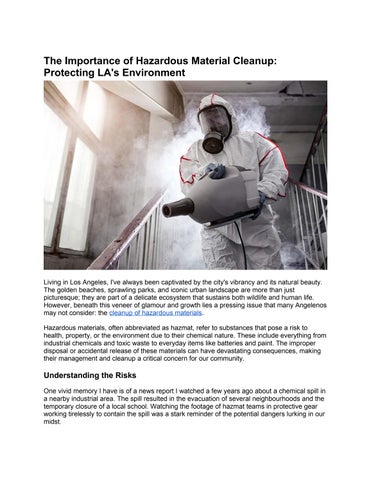
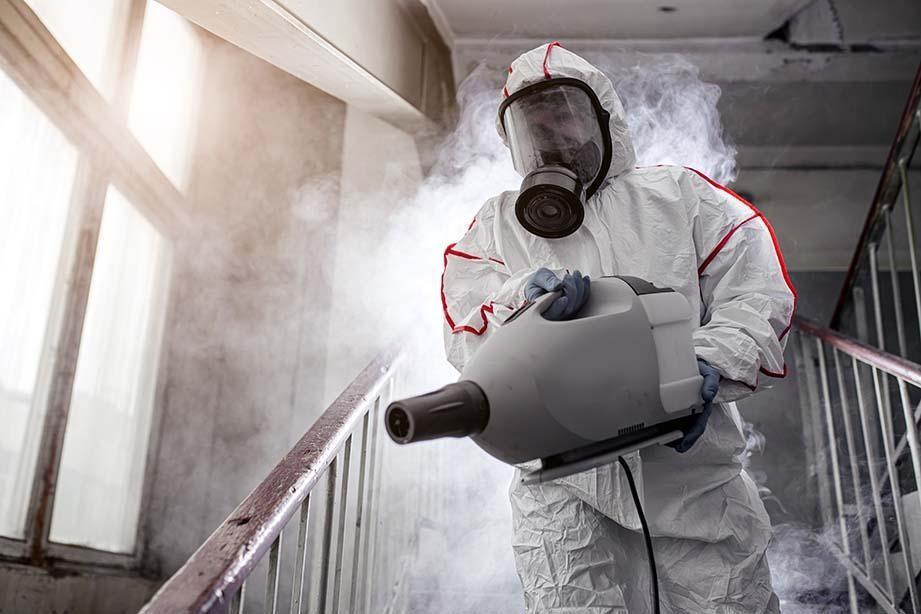
One vivid memory I have is of a news report I watched a few years ago about a chemical spill in a nearby industrial area. The spill resulted in the evacuation of several neighbourhoods and the temporary closure of a local school. Watching the footage of hazmat teams in protective gear working tirelessly to contain the spill was a stark reminder of the potential dangers lurking in our midst.
Hazardous materials can contaminate soil, air, and water, leading to long-term environmental damage. For example, a spill of industrial solvents can seep into the groundwater, affecting drinking water supplies for years to come. Similarly, airborne toxins can cause respiratory problems and other health issues for residents in affected areas. These incidents are not just isolated events; they are a constant threat that requires vigilant monitoring and swift action.
The Role of Cleanup Efforts
Effective hazmat cleanup is essential to mitigate these risks. It involves the identification, assessment, and remediation of contaminated sites to ensure they are safe for human habitation and environmental sustainability. This process is often complex, requiring specialised knowledge, equipment, and coordination between various agencies and organisations.
I once had the opportunity to volunteer with a local environmental group that focused on hazardous waste cleanup. During one of our projects, we worked on a site that had been used as an illegal dumping ground for years. The amount of waste we encountered was staggering— old electronics, paint cans, and even medical waste. It was a sobering experience that underscored the importance of proper disposal and the dire consequences of neglect.
Protecting Public Health
Public health is arguably the most immediate concern when it comes to hazardous materials. Exposure to toxic substances can cause acute and chronic health issues, ranging from skin irritation and respiratory problems to more severe conditions like cancer and organ damage. Vulnerable populations, such as children, the elderly, and those with pre-existing health conditions, are particularly at risk.
Consider the case of lead contamination in urban areas. Lead, once commonly used in paints and gasoline, is highly toxic and can cause serious health problems, especially in children. Cleanup efforts in lead-contaminated areas involve meticulous removal and remediation to prevent further exposure. Such efforts are vital to safeguarding the health of our communities.
Preserving Biodiversity
Los Angeles is home to diverse ecosystems, from coastal wetlands to mountainous regions. These habitats support a wide range of flora and fauna, many of which are unique to the area. Hazardous materials can wreak havoc on these ecosystems, leading to the decline or extinction of species and the disruption of natural processes.
One striking example is the impact of oil spills on marine life. The Santa Barbara oil spill of 1969, though not within LA proper, had far-reaching effects on marine biodiversity along the California coast. Cleanup efforts in the aftermath of such spills are crucial to restore affected areas and protect wildlife.
Economic Implications
The economic implications of hazardous material contamination and cleanup are significant. Contaminated sites can lead to decreased property values, loss of tourism revenue, and increased healthcare costs. Moreover, businesses operating in or near contaminated areas may face legal liabilities and reputational damage.
On the flip side, investment in hazmat cleanup and environmental protection can have positive economic outcomes. It creates jobs in the environmental sector, attracts businesses that prioritise sustainability, and enhances the overall quality of life, making the city a more desirable place to live and work.
Community Involvement and Education
One of the most rewarding aspects of my volunteer work has been seeing the community come together to address hazardous material issues. Public participation is essential for effective cleanup and prevention efforts. Education plays a crucial role in this regard. By raising awareness about the dangers of hazardous materials and promoting safe disposal practices, we can empower residents to take action and advocate for a cleaner environment.
For instance, local governments and organisations often hold hazardous waste collection events where residents can safely dispose of items like batteries, electronics, and chemicals. These events not only prevent illegal dumping but also educate the public about the importance of proper disposal.
Looking to the Future
As Los Angeles continues to grow and evolve, the challenges associated with hazardous materials will undoubtedly persist. However, with continued investment in cleanup efforts, stringent regulations, and active community engagement, we can mitigate these risks and protect our environment for future generations.
One promising development is the advancement of green technologies and sustainable practices. Businesses and industries are increasingly adopting eco-friendly approaches that minimise the use and generation of hazardous materials. Additionally, innovations in cleanup technology, such as bioremediation and advanced filtration systems, offer new ways to address contamination more effectively.
Reflecting on my experiences and the ongoing efforts to manage hazardous materials in LA, I'm reminded of the importance of vigilance and proactive measures. The health of our environment is intrinsically linked to our own well-being, and every step we take towards cleaning up and preventing hazardous waste is a step towards a healthier, more sustainable future.
In conclusion, the importance of hazardous material cleanup in Los Angeles cannot be overstated. It is a multifaceted issue that touches on public health, environmental preservation, economic stability, and community engagement. By recognising the risks and committing to comprehensive cleanup and prevention strategies, we can protect our city's vibrant ecosystem and ensure a safe, thriving environment for all Angelenos.