What’s Inside:


BY AKIRA NAKAMURA Copy Editor


On Thursday, March 26, the San Mateo Union High School District (SMUHSD) board voted unanimously to ban student phone use throughout the entire school day. The policy complies with state law requiring schools to restrict or ban cell phone usage by July 1, 2026.
SMUHSD Board Trustee Ligia Andrade Zúñiga said she was initially skeptical of a full bell-to-bell cell phone ban, but teacher perspectives convinced her to support the new policy.
“I had met with several different parents, several different teachers and students,” Zúñiga said. “...And then just talking about mental health issues and all of the stress that the teachers have during the school day in managing the whole cell phone issue was the biggest factor in why I chose to support the ban.”
Starting in the 2024-25 school year, Burlingame implemented phone pouches. Science teacher Karen Hartmann said that while the cell phone issue has improved, she supports the ban because phones continue to be a distraction among students.
“This year, I would say it’s been better with the cell phone pockets in terms of students knowing the routine. They know to come in, and they put the phones in the pockets,” Hartman said. “But I still have two or three students that just consistently don’t want to put the phones in the pockets, and then it becomes an issue, because then I feel like a part of my job is now regulating phone use.”
According to Zúñiga, a district survey found that the majority of students were not in favor of a ban. Zúñiga said helping students understand the rationale behind the ban will be one of the challenges of implementation.
“I don’t want students to think that the adults are the ones who always have all the answers, and that we will enforce whatever we want, because that’s really not the perception that I want you all to have,” Zúñiga said. “I do want you all to be thought partners and decision-making partners in all of this, because at the end of the day, it doesn’t affect me, it affects you.”
See “STUDENTS,” page 2
BY JOSIE WETTAN Social Media Manager
Next year, the Social Science Department will eliminate the option for test corrections and retakes in Advanced Placement (AP) classes, including courses such as AP Government and Economics, AP United States History, and AP World History. Currently, students in Alex Gray’s AP Government and Eco-
nomics class can retake tests for up to an 80 percent. Meanwhile, in AP United States History, students can earn up to a 70 percent on the first three reading quizzes. Gray said the department is rolling back these policies to reflect college-level standards.
“For these advanced college-level classes, we want to make sure that they have that sort of college-level rigor and that students are not just like,
‘Whatever, it’s okay, I can always retake it,’ which is something that we do see sometimes with students,” Gray said.
Alongside helping students adjust to college coursework, Assistant Principal Aimee Malcom said the new policy will better prepare students for end-ofyear AP exams.
“In a college setting, there will not be retakes on tests. And actually follows the district pol-
icy around AP exams, where we do not allow retakes on AP exams either,” Malcolm said. “So it’s actually a very clear and distinct preparation for both college and the AP exam.”
Senior Hannah Mandel has had test corrections and retake options in multiple classes and said they motivate students to look back and learn from their mistakes.
“I can understand why they’re
doing it, because it is an AP class, and it’s supposed to be challenging, but I think it does take away a little bit from trying to learn from your mistakes, because you don’t have that opportunity to make it up,” Mandel said.
“And I think most people just won’t look back at what they got wrong, because they don’t have a reason to.”
See “AP,” page 3
BY LEIA BURLINGHAM Staff Reporter
Latino rights activist and United Farm Workers (UFW) co-founder César Chávez helped improve pay and working conditions for thousands of farmworkers throughout the 1960s. However, recent sexual abuse allegations against Chávez have prompted changes across the San Mateo Union High School District (SMUHSD) and beyond.
According to a public message from State Superintendent of Public Instruction Tony Thurmond, the California Department of Education is supporting a statewide shift in curriculum toward the broader farmworkers movement. In line with that shift, Governor Gavin Newsom signed a bill on March 26, renaming “Cesar Chavez Day” to “Farmworkers Day.”
SMUHSD took a similar approach, revoking its “César Chávez Proclamation,” which recognized March 31 as a day to celebrate Chávez.
“The superintendent sent out a message to staff to indicate that we were pulling [the proclamation] and indicating that we’re working on it from a curriculum standpoint,”
SMUHSD Assistant Superintendent of Curriculum and Instruction Julia Kempkey said.
The district met on Friday, April 10 with social science department heads across schools to discuss curriculum updates. While the district provides general course guidance, Kempkey said that teachers have flexibility on how specifically they address topics.
“You have to approach it by being sensitive to the fact that it’s kind of a paradigm shift for people to have this new information come to light,” Kempkey said. “It’s disturbing. I think that’s part of what teachers will talk about in class.”
Intro to Ethnic Studies (ETHS) teacher Bailey Van Buren said she is in the “researching stage” of updating her curriculum.
a little Dolores Huerta [and] Larry Itliong, but we’re going to try to bring them up even more,” Van Buren said.
The course will cover the farmworkers movement later this spring. Van Buren added that the allegations of Chávez connect to changing historical narratives.
“With this new information that we get every day, all of the narratives are changing, and there’s always going to be counter-narratives that come to light that we need to learn about,” Van Buren said.
Advanced Placement United States History (APUSH) teacher Annie Miller echoed Van Buren’s approach to curriculum.
It’s monstrous, absolute monstrous behavior, and we just can never, ever, ever talk about him again without addressing it.”
- Annie Miller, history teacher
The ETHS department plans to focus on other UFW figures in their curriculum, such as co-founders Dolores Huerta and Larry Itliong.
“We already talked about
“It’s hard when a hero falls,” Miller said. “And so my first thought would be to make sure that we highlight other Latino and Latina activists that our students can see themselves in.”
According to Miller, Chávez’s tactics were important to the movement and will
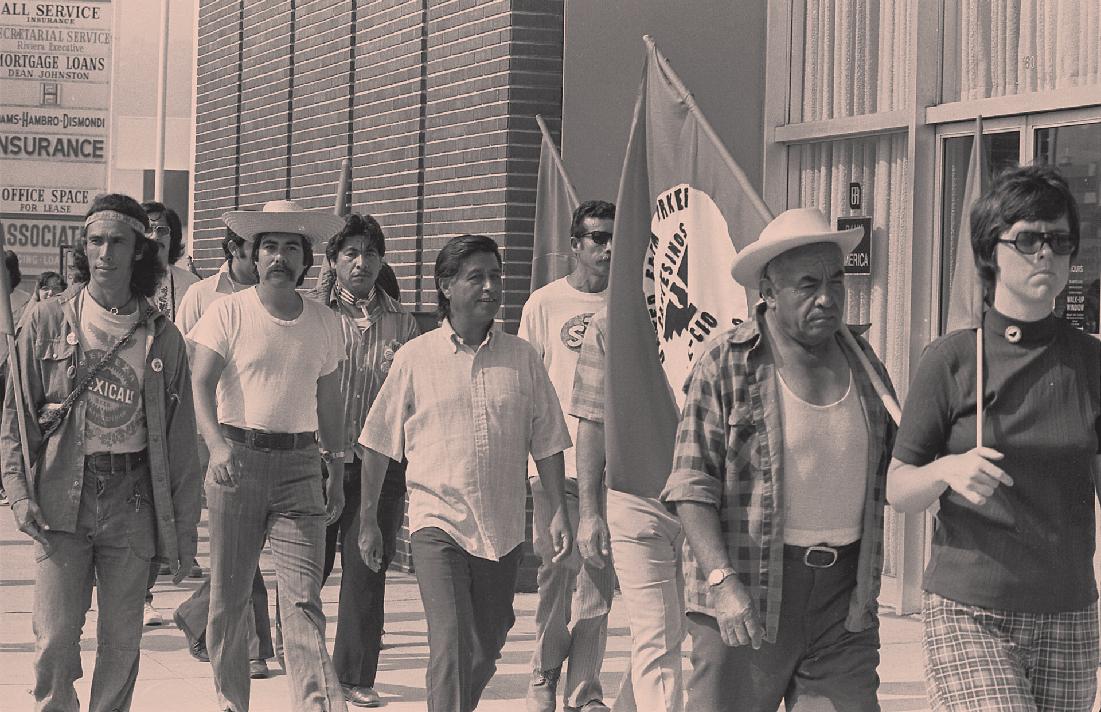
still be taught, but with an added “caveat.”
“It’s monstrous, absolute monstrous behavior, and we just can never, ever, ever talk about him again without addressing it,” Miller said.
Freshman student Sienna Geheran, who took ETHS in her first semester at Burlingame, said schools should include the allegations in their curriculum.
“It’s important to learn about what he did for the farmworkers, but it’s also important to learn about how he treated those girls, because that’s not okay,” Geheran said.
Senior Miles McCormick took APUSH in his junior year and connected Chávez’s alle-
gations to Noam Chomsky, an anti-war activist who recently appeared in the Epstein files.
“That’s another position where you have to separate the ideas from the person itself,” McCormick said.
Miller said Chávez has had a lasting presence in her teaching career, but that she cannot teach him without acknowledging this part of his legacy.
“It’s just another story of being very, very careful as historians and as history teachers to not put these people up on pedestals,” Miller said. “Average, normal, even sometimes awful people can dedicate their lives to making a difference in our country.”
From pg. 1
Sophomore Cole Kilponen acknowledged the potentially harmful effects of cell phone use, but said students will find the ban extreme, given how often they use their phones on a daily basis.
“I think that a lot of people are going to say that this is kind of crazy, because I know that people need it to text parents or just complete assignments,” Kilponen said. “I think taking away your cell phone for the entire day, in my opinion, is a little crazy because sometimes you need it during the school day, and if you don’t have that, it’s kind of tragic in a way.”
According to senior Sasha Dozorov, the current system of cell phone pouches was effec-
tive in limiting phone usage.
“I feel like the majority of people put their phones in pouches, and in a lot of my classes, the teachers actually check that people put their phones away,” Dozorov said.
“As someone who was in BHS before they had the pouch system, the people’s interaction with each other has greatly improved. I remember from my sophomore year here, people didn’t even interact with each other during class.”
On the other hand, Kilponen said he noticed students misusing their phones during bathroom breaks despite the pouches.
“I know personally, people sneak out with their phones during bathroom breaks and text their friends or get on so-


cial media or even post things that might be harmful about the school,” Kilponen said.
School librarian Rebecca Valasco said she routinely notices students using their phones irresponsibly in study hall. However, she does not think phones prevent students from socializing during breaks.
Valasco said. “I very rarely see a group of kids, specifically, just on electronics, not speaking to each other at all.”
I think that a lot of people are going to say that this is kind of crazy, because I know that people need it to text parents or just complete assignments.”
“During lunch, for example, I see students using their phones in groups, but they’re all still talking and communicating,”
- Cole Kilponen, sophomore
Whether or not phones will be collected at the start of the day, Dozorov said students will find ways to work around the system.
“From what I hear from people from schools which had this system, people just bring a second phone,” Dozorov said. “Or, for example, if you restrict [the]
use [of a] phone, you’re just gonna pull out your MacBook or Windows.”
Although the ban was approved, further logistics will be determined by July 1. Zúñiga said accommodations may be necessary in some circumstances, and she hopes those situations will be considered. Details such as how phones will be stored and funded have yet to be decided, and will depend on factors like expenditure.
“Financial equity is not a blanket across the district,” Zúñiga said. “We have different levels of income and different lived experiences that will also determine whether some families can afford it. So that will all have to be researched.”

BY INY LI Managing Editor
*Accurate as of April 9

Burlingame’s 80-year-old ice cream parlor, Preston’s, is fundraising to restore its neon sign after nearly 14 years. Owner Javier Santiago, who is leading the fund restoration, said recent road closures and power outages along Broadway cost Preston’s the money he was planning to spend on the sign.

National: NASA Artemis launches
The National Aeronautics and Space Administration (NASA) Artemis II mission successfully broke the all-time human distance record from Earth of 252,755 miles on Monday, April 6. The mission saw the first woman (NASA’s Christina Koch), the first person of color (NASA’s Victor Glover), and the first non-American (Canadian Space Agency astronaut Jeremy Hansen) travel in deep space, alongside NASA’s Reid Wiseman.
BY PEILI BROWN Staff Reporter
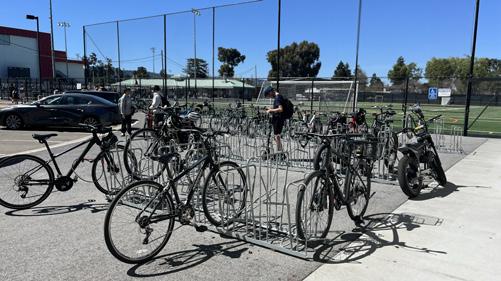
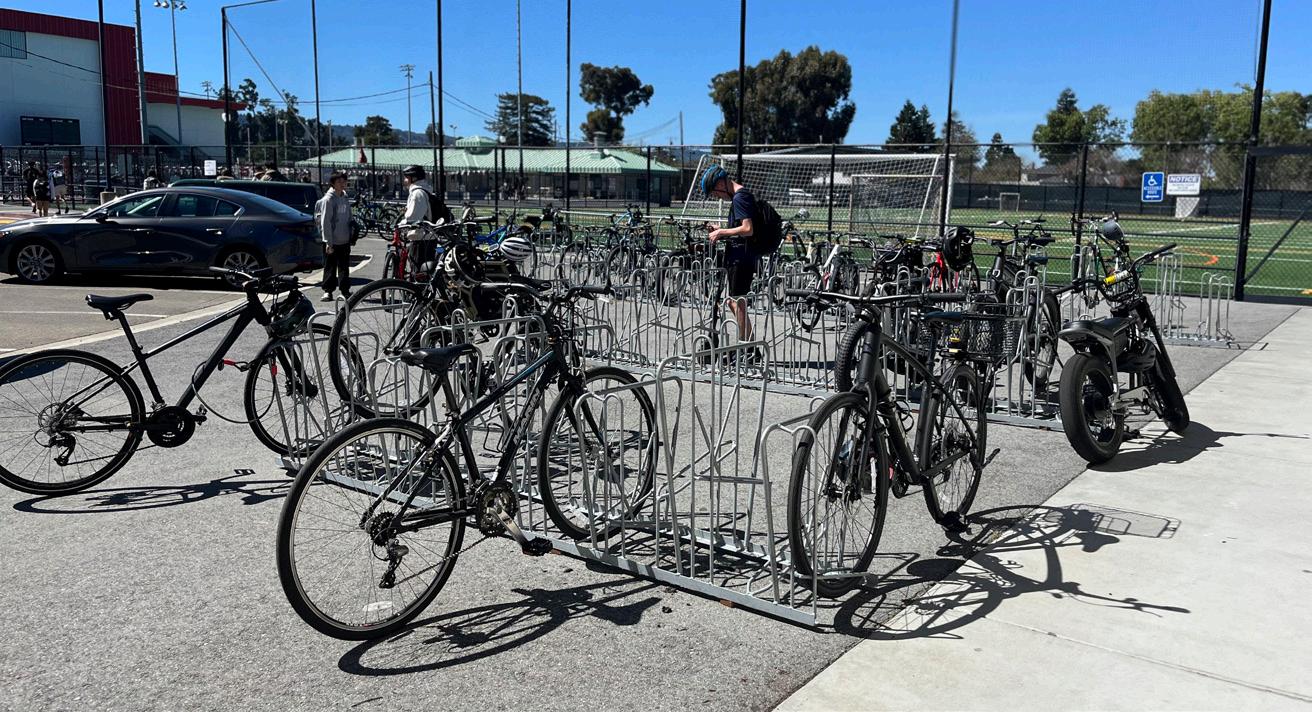
E-bikes have become increasingly common among Burlingame students, and with the rise in e-bike use among youth comes growing concerns over safety due to accidents and injuries. To address this, the San Mateo County Board of Supervisors is developing an e-bike safety ordinance, which members say they hope to release within the next few months.
According to San Mateo County Supervisor Ray Mueller, the draft ordinance mostly reinforces existing state laws. The proposal includes restricting riding on sidewalks, fines for unsafe behavior with a diversion program for first-time offenders, and stricter punishments for repeated offenders, including possible vehicle confiscation. It also introduces progressive fines: $100 for a first offense, $200 for a second, and $500 for a third.
“What we’re trying to do is create a program that we can educate youth on the risks and also create a situation where both they and their parents are learning exactly what the law is and what the risks are if it’s broken,” Mueller said.
According to medical professionals, the risks of accidents are higher for young riders. Pediatrician Dave Wanderman, who practices in Burlingame and is a parent, said younger teens may lack the decision-making skills needed to navigate roads safely.
till you’re 16-17,” Wanderman said. “With e-bikes, we’re seeing younger kids who don’t have the understanding of traffic and road laws.”
Despite the risks, Wanderman said he recognizes the benefits of e-bikes when used responsibly.
“As my kids get older, I would consider an e-bike if they did a proper safety class,” Wanderman said.
“There’s an upside to it. It gives you lots of freedom to get around and
5times higher accident rate for 10-15 year olds than for any other age group
- According to Marin Health & Human Services
see your friends, but you want to make sure you’re doing it safely.”
Zhou noted that responsible riders are often unfairly grouped with those using illegal electric motorcycles, or “e-motos.” According to Danville Safety Advocates, e-motos are higher-powered electric vehicles that can exceed 750 watts and surpass typical e-bike speed limits, meaning they are legally classified as motor vehicles and must be registered at the Department of Motor Vehicles (DMV).
Mueller said the ordinance will restrict e-motos while enforcing safe behavior on e-bikes.
“We’re not restricting students from using e-bikes, we’re restricting students from using e-motos. So that’s modifying those bikes so they go past a certain speed, and it’s already illegal to do that,” Mueller said. “At the county level, we’re putting in new accountability measures to hold people responsible to state law.”

“As you get older, your executive function allows you to make better choices and pay more attention to what’s going on around you, which is why you don’t get your license
International: Iran-U.S. ceasefire
On Tuesday, April 7, the United States, Israel, and Iran agreed to a two-week ceasefire after an 11-hour-long negotiation aimed to prevent a major U.S. military strike on Iranian territory. The terms require Iran to immediately reopen the Strait of Hormuz for shipping and pause attacks in return for the U.S. to stop all planned attacks on Iranian infrastructure.

Sports: March Madness triumphs
After a 69-63 win over the University of Connecticut, the Michigan Wolverines earned their first National Collegiate Athletic Association (NCAA) men’s basketball national championship title since 1989 on Monday, April 6. The University of California, Los Angeles, women’s basketball team won its first NCAA championship on Sunday, April 5, defeating the University of South Carolina 79-51.
Freshman Lucas Zhou said owning an e-bike provides that sense of independence.
“I mostly wanted it to get around and be able to do stuff without my mom driving me everywhere,” Zhou said.
Despite concerns, Zhou said he believes e-bikes can be used safely.
“They’re a really good thing for everyone,” Zhou said. “It’s just some kids who do some reckless stuff and ruin it for everyone else.”
From pg. 1
Test corrections remain in place in the science department. In AP Chemistry, taught by Joshua Dyl, students can do test corrections twice each semester on either the free-response or multiple-choice section and can earn back up to half their points, capped at 80 percent. For Dyl, test corrections help prevent one bad test day from tanking a student’s grades and give students a chance to learn from their mistakes.
“People are absent, people get concussions, people have all sorts of things happen, which lead to potentially not a great test score,” Dyl said. “So it’s one day out of the semester, you just have a horrible day, or you’re not prepared for whatever reason. I don’t think that should lower you by an entire letter grade for the entire semester.”
Dyl added that while test corrections are helpful, students still have to understand the content to do well in the class.
“It’s not a safety net for everything, but it’s a little safety net that’s still helpful. But I don’t think it’s overwhelming,” Dyl said. “... At the end of the day, if you don’t understand the content for AP Chemistry, our test corrections are not going to save you.”
Principal Jen Fong said one of the reasons the Social Science Department decided to implement the policy was to set clear expectations for the classes next year.
“[The department] wanted to be clear about the expectation of an Advanced Placement course, because a lot of students sign up for the course, but then are expecting to not do college-level work,” Fong said. For students who are discouraged
from taking AP Government and Economics because of the new policy, Gray said they should consider taking the College Preparation version.
“Students just taking those nonAP classes and then only picking the AP classes that they’re genuinely interested in is going to result in better student welfare,” Gray said. “… That’s going to allow for this new test-taking or no retake policy from being super restrictive or harmful to the students’ craze.”
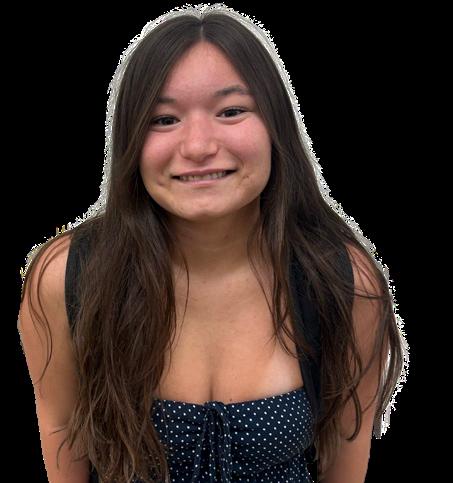
[Test corrections] are definitely helpful too, mainly because they make you look back and reflect on your mistakes, and you can learn from them.”
- Hannah Mandel, senior
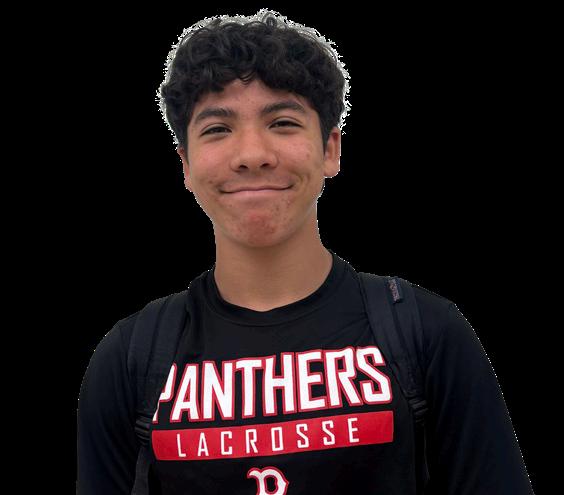
“I’m taking a lot of APs next year, so [no test corrections in AP Government and Economics] is definitely going to set me back. I would love to have them. I mean, it sucks to not. That’s just gonna cause me more stress next year.”
- Levi Keyak, junior

BY CHANTAL LAY Staff Reporter
BY SCARLETT KO Staff Reporter
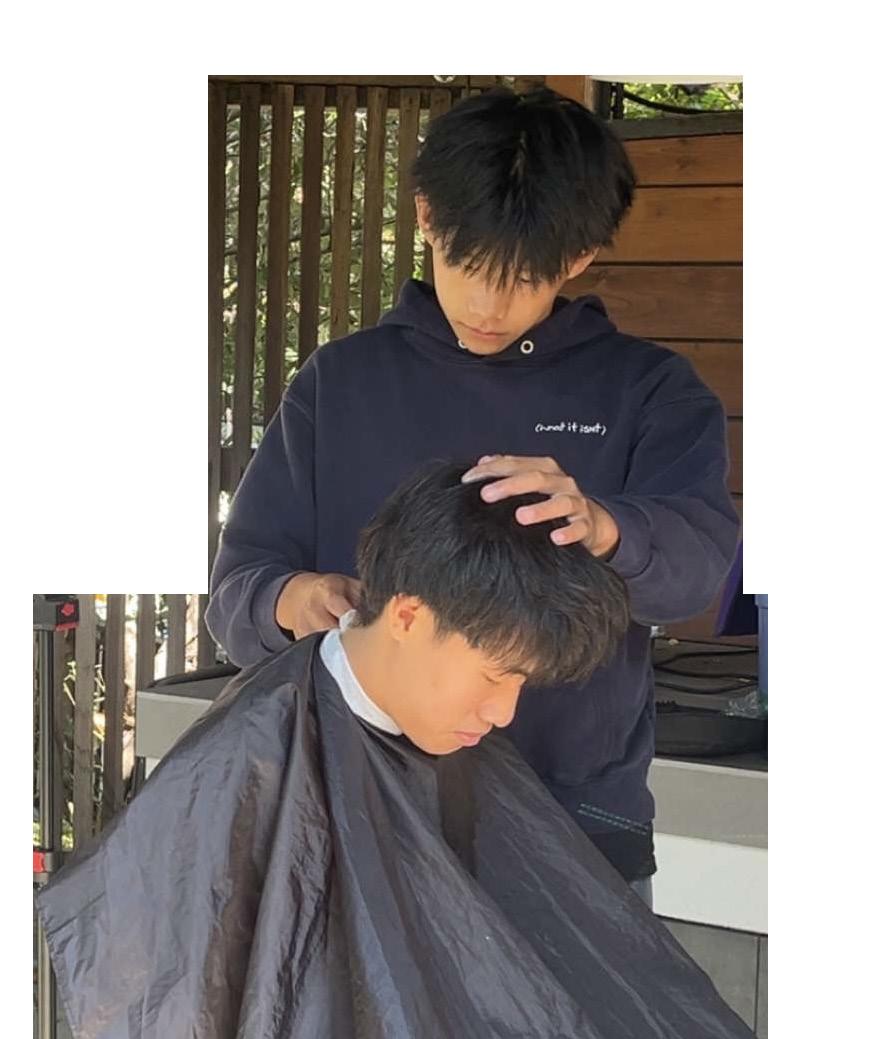
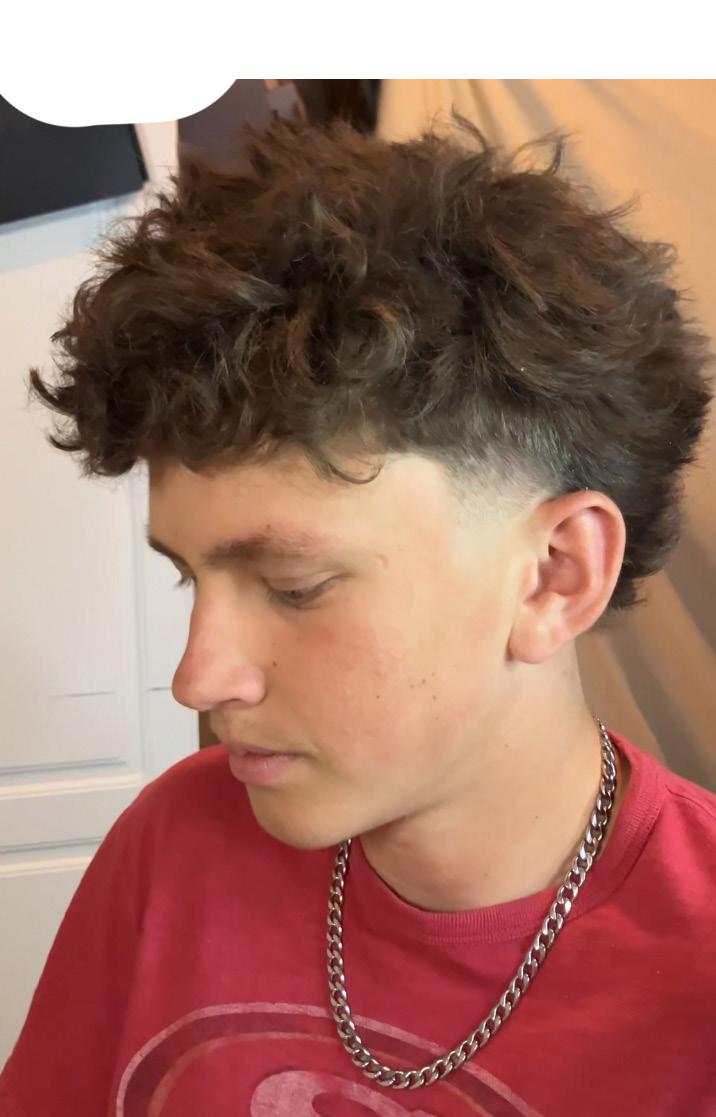
Music echoed through a garage as laughter and banter mingled with the buzz of electric clippers. A student sat in a chair waiting for someone to trim his hair, but the person holding the clippers wasn’t a barber — it was a classmate. At Burlingame, such scenarios are becoming increasingly common. For some students, what began as favors between friends is gradually evolving into a campus culture.
Sophomore Joshua Tai didn’t start cutting hair because he wanted to make money or create a business. Instead, it began with his dissatisfaction with barbershops.
That dissatisfaction led Tai to take matters into his own hands and start cutting his classmates’ hair.
“The idea really just popped into my head that I can cut my friends’ hair for fun as well,” Tai said.
As word spread, Tai’s circle of clients gradually grew beyond his immediate friend group, and he began cutting hair for a broader group of people.
“As time went on, it reached a kind of greater scope of people,” Tai said. “I’ve been cutting people from Mills, South City, El Camino, but majority here at Burlingame, across all grade levels.”
Students feel more comfortable with their own age, and barbers are also pretty expensive, so I don’t charge that much."
- Joshua Tai, sophomore
“I started to cut hair initially because my dad would always bring me to a local Chinese salon, and I never really liked the cut,” Tai said. “And even sometimes when I went to a professional, they wouldn’t always give me the best.”
According to Tai, this growth was driven in part by the similar age and perspective between student barbers and their clients, making it easier to communicate and understand style preferences.
“Going to the barbershop for a professional isn’t always the easiest, because you have to communicate with them, and you’re not as familiar with
them,” Tai said. “Students feel more comfortable with their own age, and barbers are also pretty expensive, so I don’t charge that much.”
Tai is not the only student barber at Burlingame. As the trend has grown more popular, other students have also begun to take on the role. Senior Micah Chew, for instance, said being a student barber offers a more comfortable and convenient option for his peers.
“People probably feel more comfortable talking to me about it, and being able to talk throughout the whole thing, and it's convenient because I live close,” Chew said.
Beyond convenience, cutting hair also serves as a form of personal expression for Chew.
“It’s just a way where I can get to know other people that I don’t usually talk to,” Chew said. “It’s kind of a creative source for me… mostly just for fun and to socialize.”
As more students take up the business of cutting hair, what started as small favors between friends may continue to grow into a larger part of student life.
“It’s kind of a hard learning curve… but I could probably see it growing in the future,” Chew said.






BY JASON LU Staff Reporter
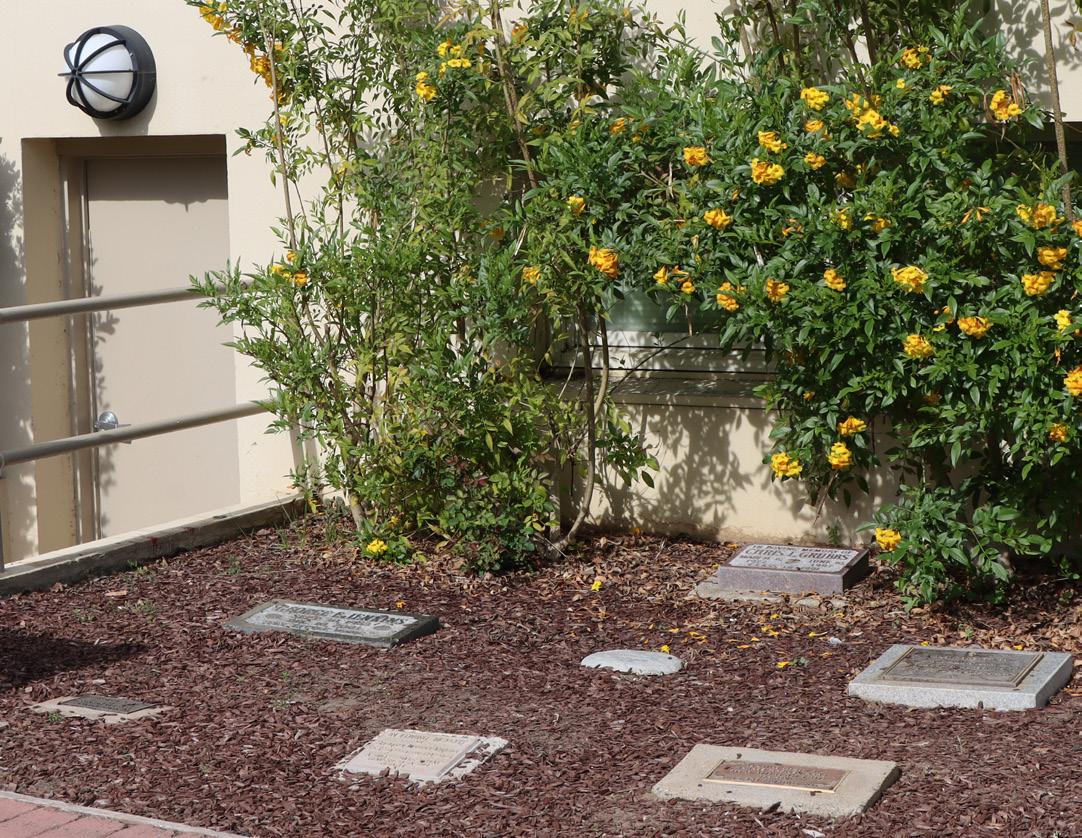
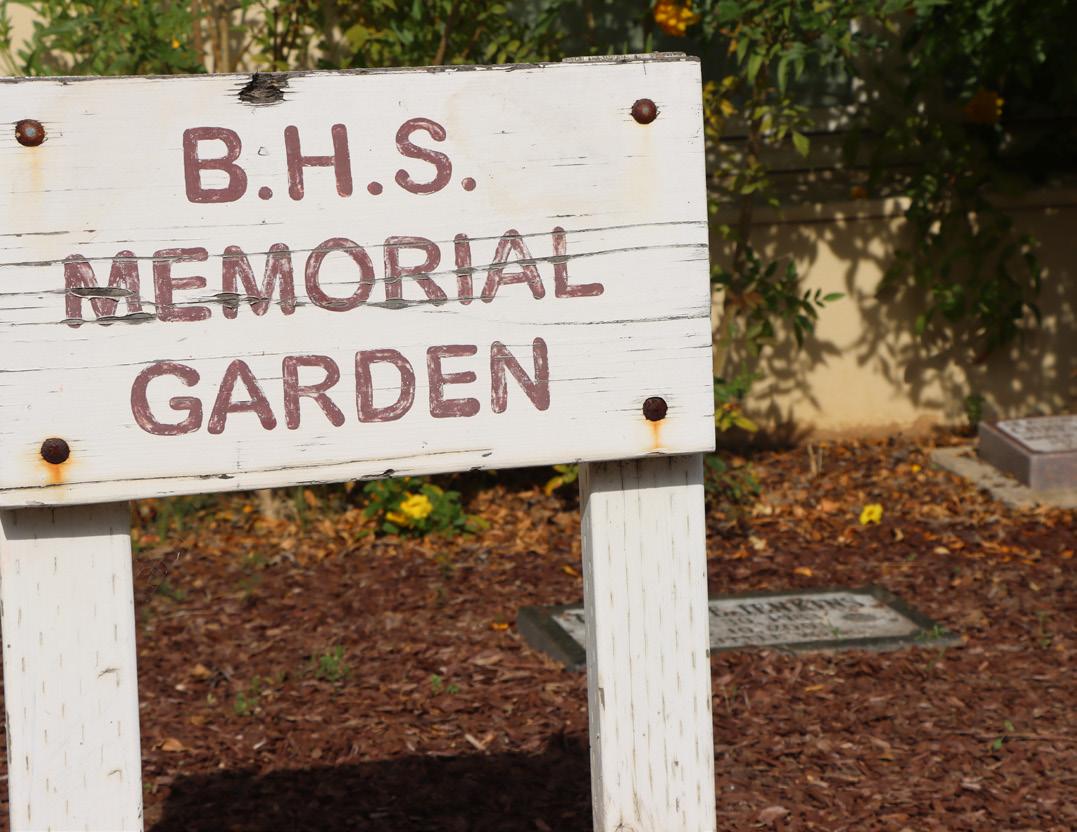
Hundreds of students walk across campus each day. Yet, many walk past the tanbark-covered Memorial Garden next to the A-building, unaware of this significant landmark.
Around 30 years ago, Burlingame installed its first memorial plaque to honor a student who had passed away. Since then, plaques honoring deceased students, staff, and pets have been added, forming what is now known as the Memorial Garden. Despite its significance to the school community, no major changes have been made to refurbish and revamp the space.
That changed when junior Savannah Carranza had a realization. Carranza said she was unaware of the garden until she did further research, noting that the plaques were difficult to notice due to the dirt and a lack of surrounding details, such as flowers.
“It didn’t look like anyone really was taking care of that space, and with all the student deaths that we've had lately, I thought it would be important to represent the students that we lost on campus,” Carranza said. “And so when I was doing more research, I found out that we actually just had them on campus, which no
one would ever even know, because all the plaques for other students are on the ground and they look like stepping stones.”
The garden’s low visibility, combined with the passing of sophomore Agostinho Mooney on Dec. 16, 2024, prompted Carranza and members of the Student Equity Council in October 2025 to refurbish and publicize the Memorial Garden.
To achieve these goals, they created plans to polish the garden cosmetically — with fences, flowers, and new foliage — and update it with plaques for recently deceased students, such as Mooney and junior Luca Chiaro, who passed away on Dec. 28, 2025.
Despite a lengthy planning process, junior Jude Penzel, a Student Equity Council member and a friend of Mooney’s, said his devotion to the project stemmed from wanting to honor those navigating mental health challenges.
“A friend of mine passed away in 2024 just before winter break, and learning about the mental health issues that he struggled with that I was completely unaware of really inspired me to help with the memorial project,” Penzel said. “If not in honor of him, then in honor of all the others who didn't get the help they needed or deserved and met the same page as him.”
Currently, the project is on the verge of finalizing its designs. With funding secured, students have designated specific vendors to help with the project's construction. There is no finalized date for when the Memorial Garden will be fully renewed and refurbished, but students and staff should expect the project to be finished by the end of the 20262027 school year.
English teacher Julian Cowan-Byrns, who has supervised the project, said completing the project is a top priority, and he appreciates the school’s support.
“I'm really appreciative of the support that Dr. Fong has shown, Ms. Carter, the kids that have rallied behind this movement,” Byrns said. “I think that we've got enough funding for everything, and the dream is actually becoming a reality.”


BY CLAIRE HWANG Staff Reporter
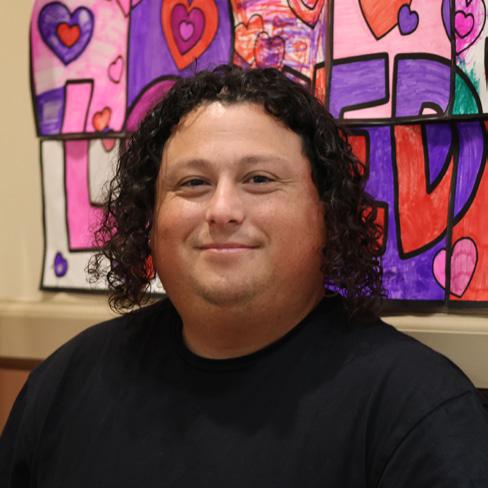
For Steve Meyer, an instructional aide at Bay University, sign language is more than just a way to communicate. Growing up with a hard-ofhearing older sister, he learned sign language at an early age.
As an immigrant from Mexico, Meyer’s mother had to learn sign language as well as English. She used sign language to communicate with his sister, but Meyer’s father struggled due to rough hands from construction work. When Meyer was 13, his mother passed away, leaving him as the main sign interpreter for his sister.
Sign language is a visual language primarily used by deaf or hard-ofhearing communities. For more
than 500,000 people in the U.S., it is their native language, according to the Commission on the Deaf and the Hard of Hearing.
With an interest in learning a less commonly studied language, junior Elizabeth Chilson and senior Leyla Baghirova took American Sign Language (ASL) classes through the College of San Mateo (CSM).
Chilson took ASL over the last two summers, hoping to communicate with a wider group of people. She said she wants to use her ASL skills to advocate for people with hearing disabilities who face barriers to communication.
“There’s some stigma around the language because people find it not as important and don’t realize how many deaf or hard-of-hearing people are out there,” Chilson said.
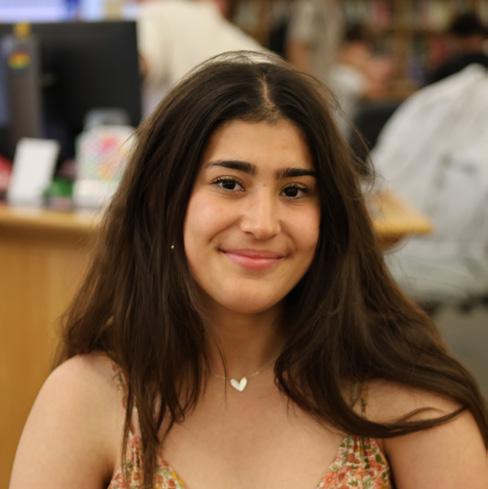
Baghirova, who took the same CSM class as Chilson, started learning sign language last year. Although not currently enrolled in a class, she continues to practice on her own. For beginners, Baghirova recommends taking a class similar to the one she took at CSM, which prepared her for real-life scenarios.
“It’s a really cool language, and honestly, I don’t see that many people wanting to do it,” Baghirova said. “My dad speaks four languages, and I always thought it was cool to beat him.”
For Meyer, outside of daily communication with his sister, his sign language skills helped him get a job as a parent educator at 18. He was able to use sign language with children who were hearing but nonverbal due to disabilities such as Rubinstein-Taybi syndrome and Down syndrome.
“When I was originally hired by the district, I was an interpreter for a kid named Riley, and I worked with him for a good six years at Mills and at [Bay University],” Meyer said. “I loved this class so much that I ended up staying here.”
Chilson, who is considering a career in education, hopes to use ASL in her future job.
“It’d be a really important language to learn so that I can communicate with all my students,” Chilson said.
My dad speaks four languages, and I always thought it was cool to beat him.”
- Leyla Baghirova, senior
I was an interpreter for a kid named Riley, and I worked with him for a good six years... I loved this class so much that I ended up staying.”
- Steve Meyer, Bay University instructional aide
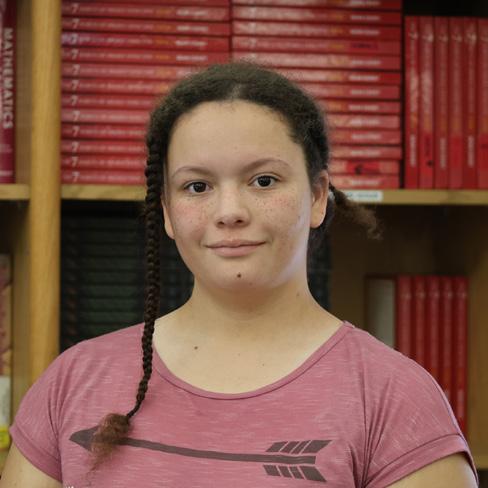
People find [sign language] not as important and don’t realize how many deaf or hard-of-hearing people are out there.”
- Elizabeth Chilson, junior
BY AUDREY WEI Social Coordinator
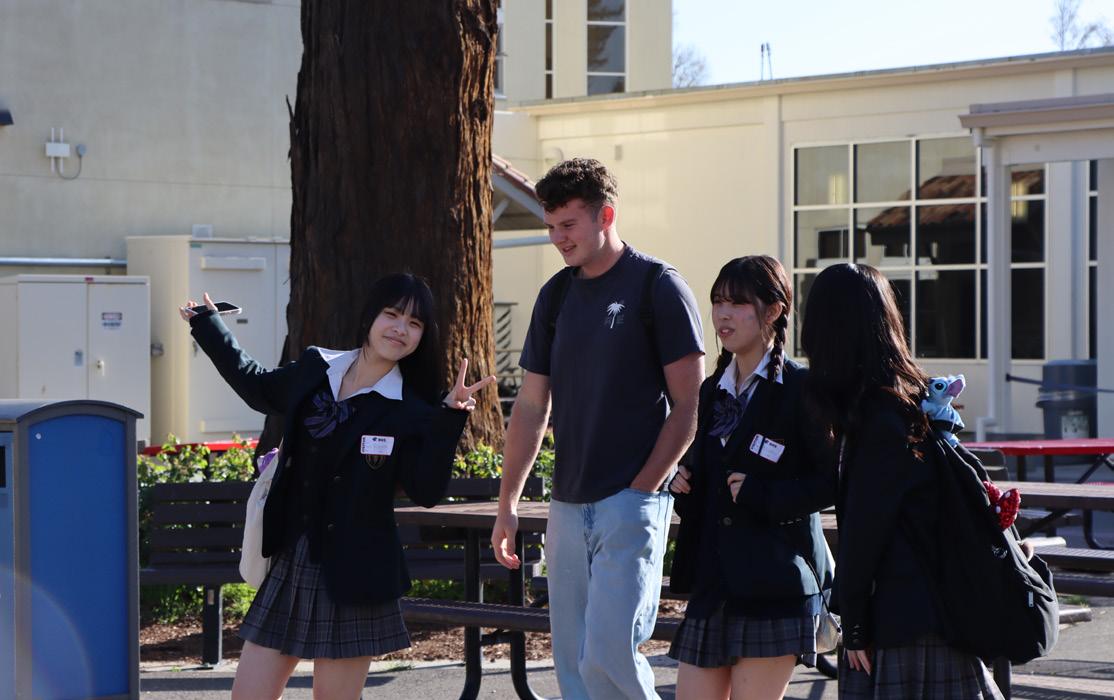
From March 7-15, five Japanese exchange students from Kanto Daiichi School visited Burlingame for an exchange trip through a partnership between the Burlingame and Edogawa Rotary Clubs.
“We volunteered to host for BHS students over the summer, and so as an exchange, we came as well,” exchange student Rio Ito said, as translated by Japanese Club president and junior Karen Mikoshiba.
During their stay, the exchange students traveled to San Francisco with their host families and visited Hillsdale Mall and Stanford University.
“It’s so different from Japan, so they’re really enjoying
it. Also, there’s a lot of nature compared to Tokyo,” exchange student Noa Kimura said, as translated by Mikoshiba.
Senior Brendan Gilmore, who participated in the exchange trip to Japan last summer, said he enjoyed hosting the students and sharing cultural
It’s really such an educational and life-changing opportunity for our students.”
- Career and EXPLORE Counselor Carrie Hermann
experiences.
“My favorite part has just been seeing their reactions. Everything has been really fun, be-

cause they’re just so excited to see everything. Even if it’s a new person they meet or a new place they visit, they’re excited to see it,” Gilmore said. “And that’s how I was in Japan. So it’s very exciting to see the same feeling and happiness kind of thing happening to them.”
Career and EXPLORE counselor Carrie Hermann highlighted the cultural significance of the exchange program.
“It’s really such an educational and life-changing opportunity for our students to, first of all, start to build a relationship with and friendship with someone from another country,” Hermann said. “… And we were just so fortunate and grateful to the Burlingame Rotary Club to be able to participate in something like this.”
Though the trip was short, Ito said she was grateful for the opportunity to visit Burlingame.
“I’m really grateful and happy to be here, and I hope I can keep in touch with everyone I
meet here, because I really want to keep the connections and the relationships I built here,” Ito said. “And if I ever come back on vacation, I hope I can meet everyone again.”




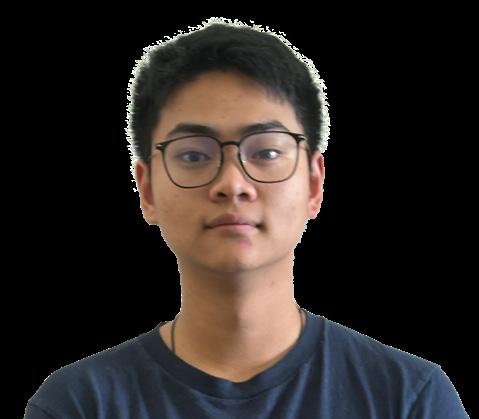
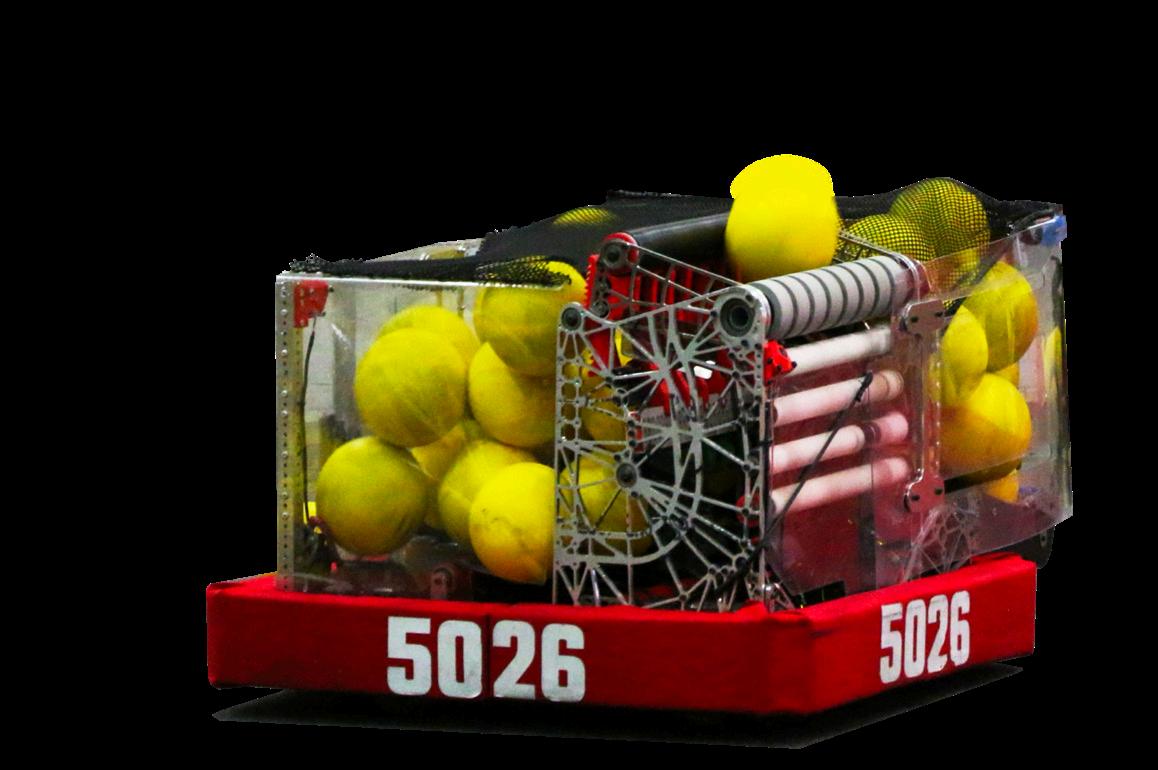
With the other designers I created the structure of how we are going to build a robot and how we are going to design as well.”

Most of the time we are working on different parts, sometimes I work on a single motor part while someone is [working on] a gearbox or elevator.”

- Adrian Su, design lead
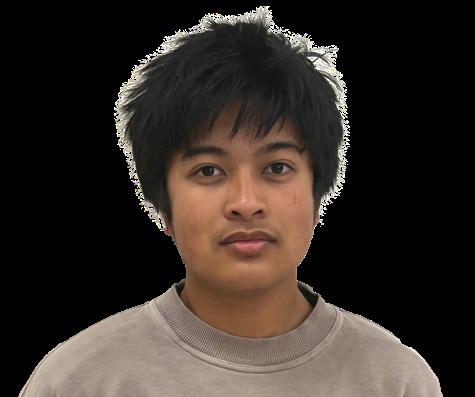

I go to CAM (computer aided manufacturing), whatever parts are needed, and then just mill, cut and get things going.”

- Marco Amandy, engineering member
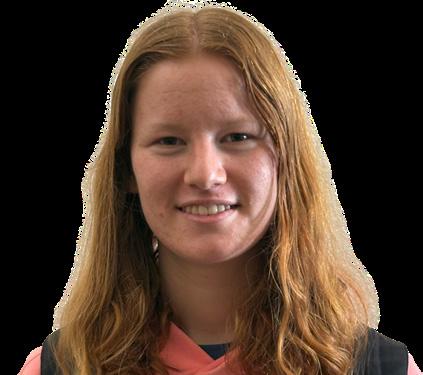
We write code to move all the mechanisms, and before we even get the robot, we encode the entire thing.”

- Nora Zitnick, pro gramming lead
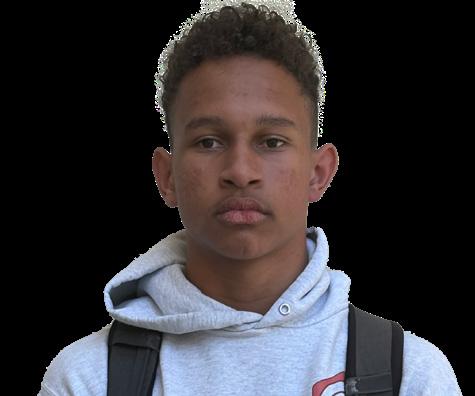
We put all the electrical stuff, like the power modules and everything, onto the drivebase, and then we wire the motors.”

- Danny Ewa, manufacturing lead
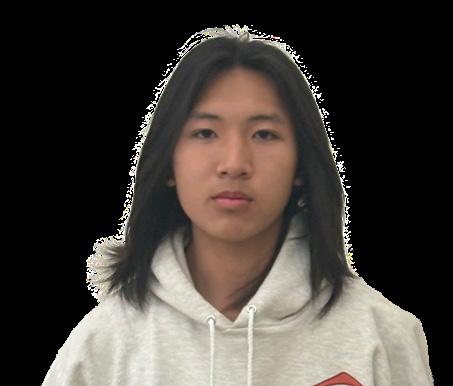


When senior Zoe Scopazzi was told she wouldn’t get a new car, she turned her attention to restoring one instead. For Scopazzi, it was simply another challenge, as mechanical engineering and refurbishing were already her passions. Although the process had its difficulties, Scopazzi said the best part is accomplishing the project and being able to drive the car.




Replace the engine and hook up the sensors Mount to
Hook
Work on steering or control arms/back of the











began competing in STEM Olympians competitions during her sophomore year. In her latest competition at the Bay Area Regional Science Olympiad, she won first place in forensics and fourth place in entomology.
Additionally, Shin competed in a team engineering competition called Helicopter, where she was tasked with building a machine that could float in the air. The helicopter she helped design went on to win a medal in the competition.
“Although I personally didn’t win a medal in Helicopter, I shared a helicopter with the B team. So when I competed, it didn’t do as well, but then after that, it was competed again, and they actually won a fourth-place medal,” Shin said. “There’s a lot of trial and error that goes into building one of those helicopters, but really, everyone struggles with it.”
Although Shin is unsure what field she hopes to pursue in the future, her experience with the STEM Olympians club has helped her discover a passion for STEM.
“Definitely competing in Science Olympiad and being part of the STEM Olympians has shown me that something related to STEM is what I like to pursue,” Shin said. “And I’d like to continue using Science Olympiad to show me lots of different scientific fields and explore my interests.”
YU
BY AKIRA NAKAMURA Copy Editor BY OLIVIA NEWMAN
Copy Editor
CHIARA WESLEY Senior Reporter



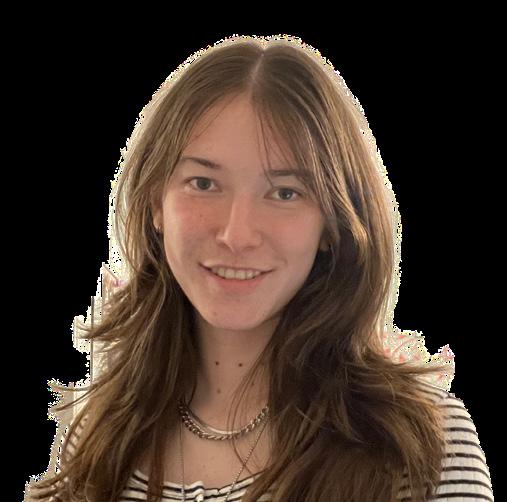
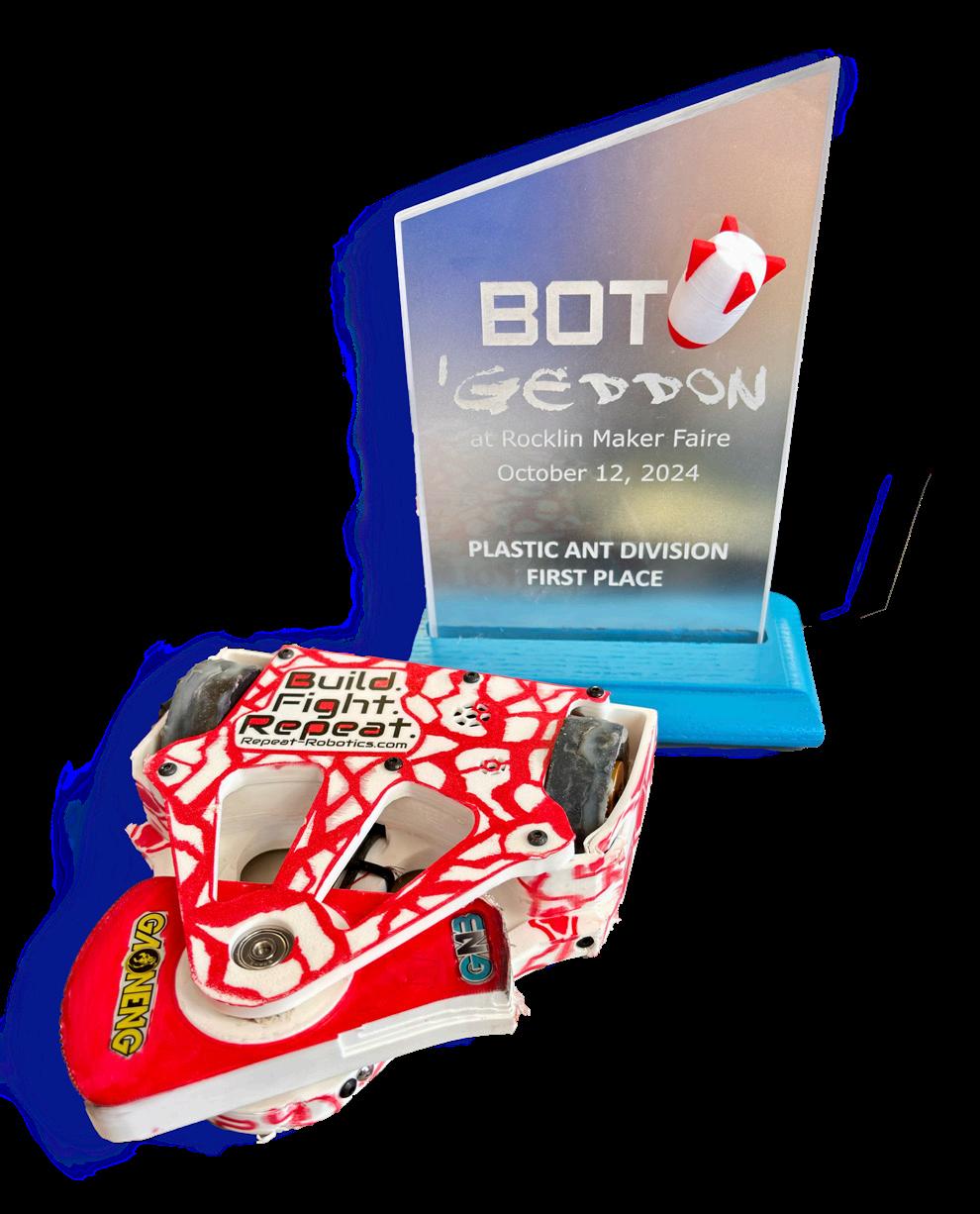
While most robotics competitors rely on teams, senior Noah Chiang independently designs, builds, and drives his robots — a path that has earned him a top 20 national ranking.
Last year, nearly a thousand competitors of all ages from across the United States entered three-minute combat matches in the one-pound weight class. Competing against college students and adults, Chiang ranked 20th overall, earning two first and second place finishes.
He became interested in combat robotics in his sophomore year, when friends introduced him to the Combat Robotics club.
“I thought that it was really cool what they were doing, and so I started showing up to meetings, and they showed me how to build robots,” Chiang said. Chiang competes in four to five competitions each year, located mostly in Northern California. Last summer, he traveled to Los Angeles to compete in the National Championships.
Beyond competing, Chiang has taken on a mentoring role in the Combat Robotics club and recently traveled with the club to a competition in early February.

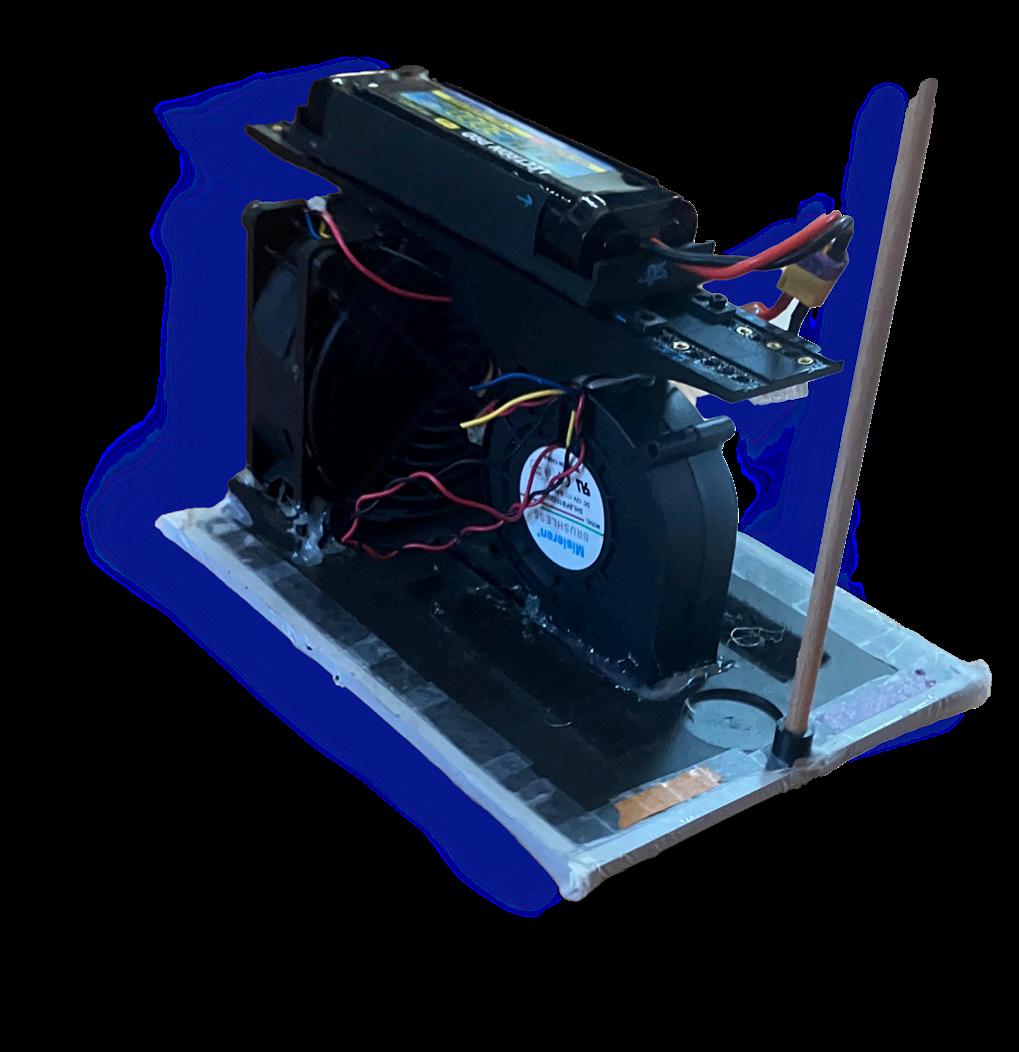
Junior Kira Haine worked with junior Pranav Bajaj
to place first in two Science Olympiad competitions’ Hovercraft events, which task students to design and build a self-propelled air-levitated vehicle to travel down a track. Haine responsible for designing and creating a unique and functional prototype.
like being able to design new things, imagining something in my head then going through the process to be able to actually turn it into reality, seeing it work,” Haine said.
no prior experience and limited information online, Haine helped implement a creative solution given resource and time constraints.
“There’s really little documentation online, so you really have to either have experience in engineering, which I didn’t really have, or just do a lot of testing,” Haine said.
Having found success in the Hovercraft event, she said the work put in before competitions is what made the difference.
“When I started building it, it looked very daunting. Like, ‘How could you possibly get this accurate?’ And you really don’t know what anyone else is doing, because no one talks about it online,” Haine said. “But I think now, going out, I see that the effort that you put in really shows in how you rank.”
“I really enjoyed teaching other people, especially how to build robots, and I was helped those years ago when I was a sophomore, and it just feels good to pay it back and to teach the next generation,”
Chiang said.





BY ADDISON CHU Staff Reporter
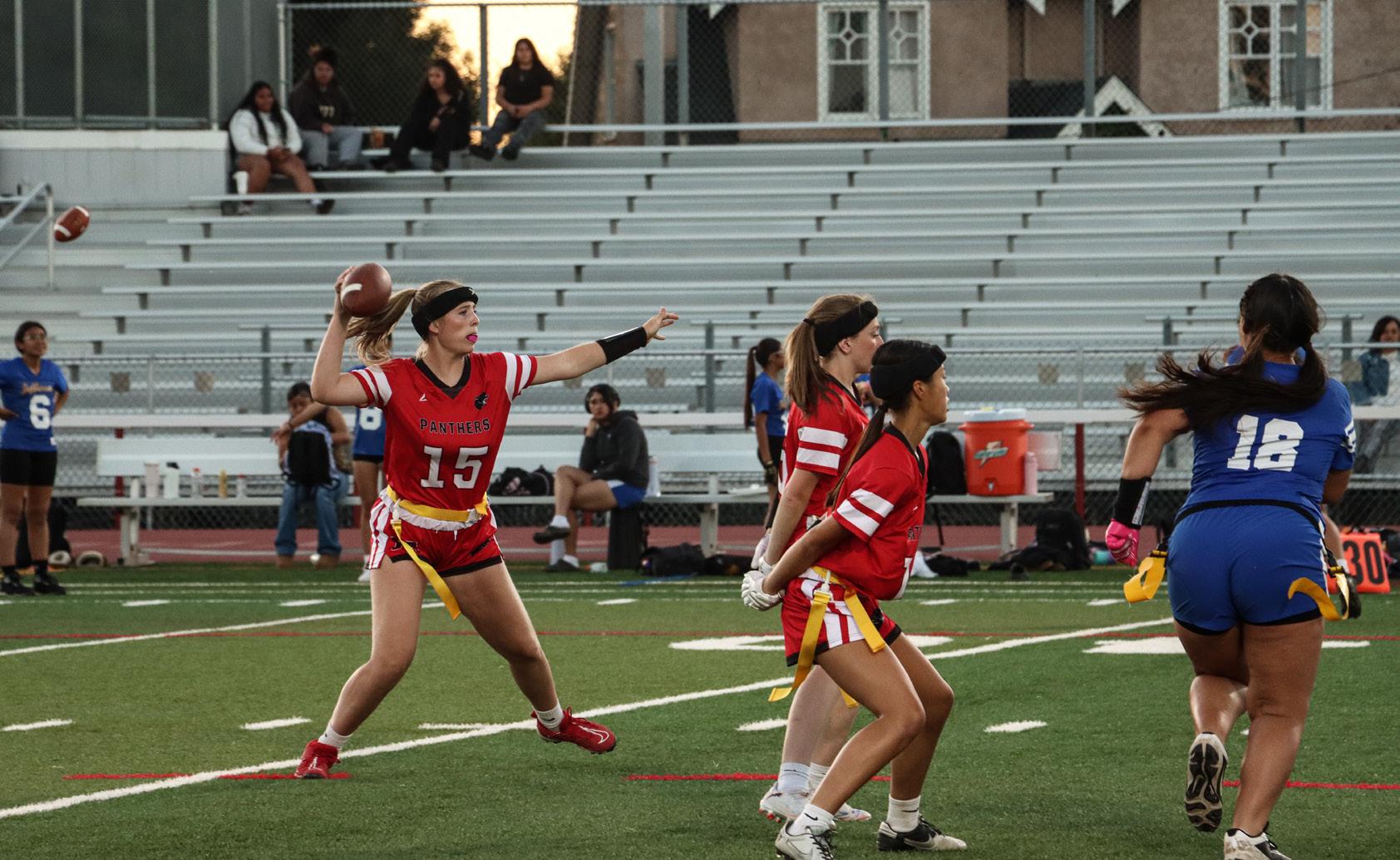
In 2022, 474,000 girls played flag football in the United States, a 63 percent increase from 2019. Girls’ flag football has expanded rapidly at the high school level, with 17 states already sanctioning the sport.
In response to growing popularity, on Jan. 16, the National Collegiate Athletic Association (NCAA) added women’s flag football to the Emerging Sports Program for Women, which helps developing sports reach championship status through funding and visibility. This program helps legitimize developing sports before being sanctioned as an NCAA championship sport.
Locally, the Peninsula Athletic League (PAL) added flag football as a high school sport in 2023. Additionally, club organizations such as Next Play have expanded opportunities across the Peninsula.
“It’s another sport people can play farther than high school, and that’s really good for women’s sports,” freshman and flag football player Peyton Igushi said.
competition, including budget approvals by the NCAA Committee on Access, Opportunity, and Impact. Once those requirements are met, the committee can graduate the sport from the Emerging Sports Program.
So far, the Division I, II, and III levels have already proposed formats for the season. The NCAA estimates more than 60 schools will add flag football to their roster of school sports by spring 2026.
“The speed with which flag football has grown around here is pretty amazing, and I’m just happy for women to have yet another sport where they have an opportunity to play,” junior varsity flag football coach Denise Burch said.
Junior Cailyn Lish said the sport will help women receive scholarships to play in colle-
ships for flag football, and being passionate in a sport that they couldn’t play a couple of years ago,” Lish said.
The speed with which flag football has grown around here is pretty amazing, and I’m just happy for women to have yet another sport where they have an opportunity to play.”
- Denise Burch, junior varsity coach
To become an NCAA championship sport, 40 universities must sponsor a team and fulfill other prerequisites for
giate athletics.
“It’s an amazing opportunity for many young women to just be allowed to experience flag football, getting scholar-
Especially in California, flag football has been rapidly growing.
The Central Coast Section (CCS) added a playoff division for girls’ flag football in 2025, giving high schoolers the chance to compete regionally.
“Our varsity team wound up playing the San Mateo varsity
team in the CCS championship game right before the Little Big Game,” Burch said. “So really couldn’t write a better story. It was awesome.”
Alongside these efforts, the National Football League (NFL) endorsed several flag football programs to empower girls. Most notably, the annual “Toyota Glow Up Classic” during Super Bowl week selects high schoolers to play flag football in a glow-in-the-dark setting, mentored by NFL stars such as starting quarterback Brock Purdy. The San Francisco 49ers also launched initiatives such as “Football is Made for Girls,” a program that hosts
clinics for over a thousand players and provides flag football equipment.
The sport will also join the 2028 Olympics lineup, marking a shift internationally as it joins other popular summer sports. Burch said she is grateful that flag football will reach a global audience.
“It’s going to be awesome to see it become more common, like soccer, like softball, like volleyball, when girls can start to play flag from a really young age and develop that talent early and then get into play for the high school, play for college, potentially play pro,” Burch said.
BY AKIRA NAKAMURA Copy Editor
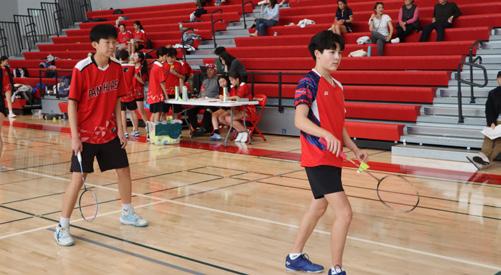
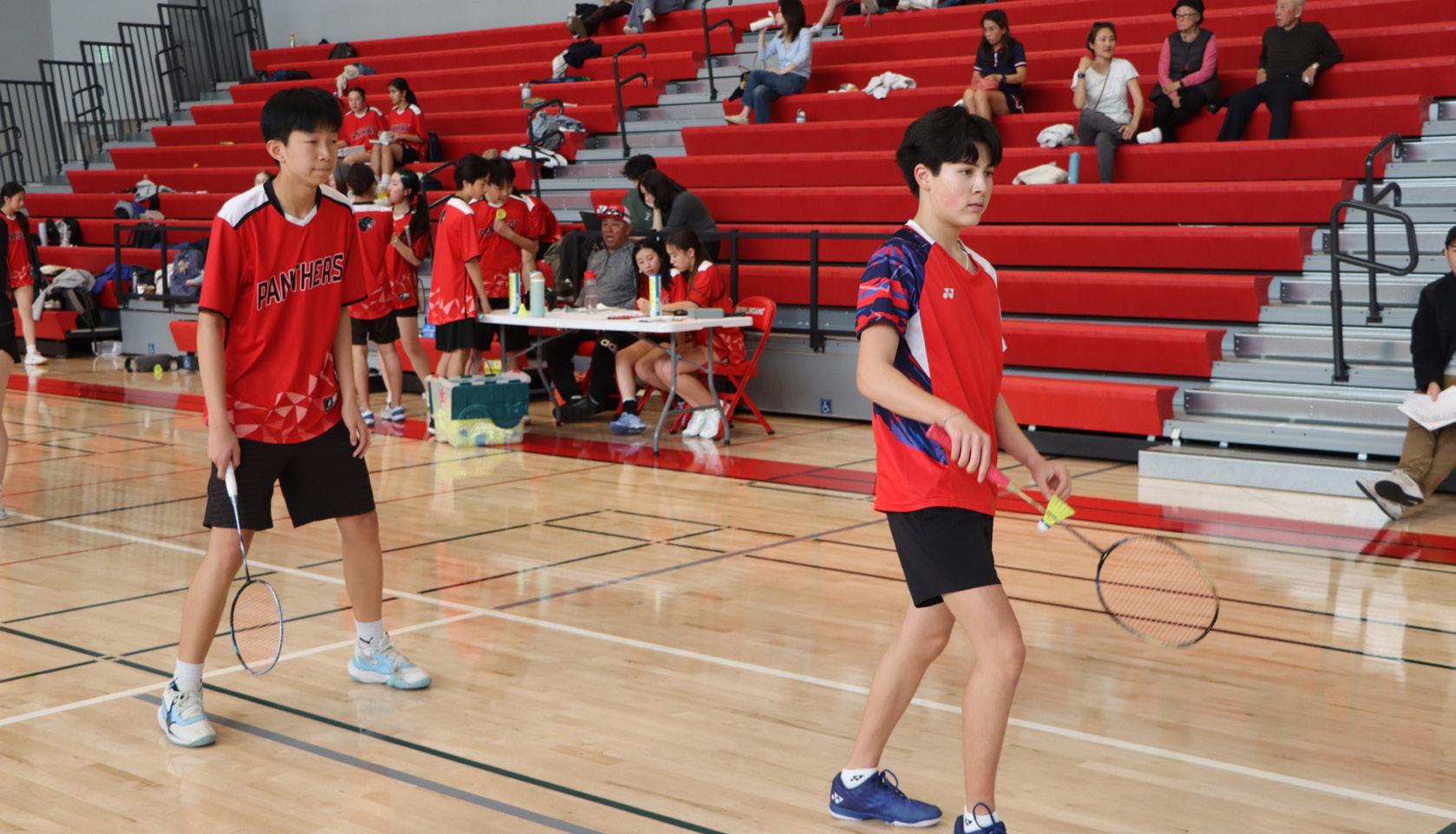
Last year, co-ed badminton did not lose a single game in the Peninsula Athletic League (PAL)-Ocean division, going 3-0. This year, the team currently sits in third place with a 5-2 record in the more advanced PAL Bay Division.
“A lot of our games this year have gone to the third set, and we’ve also lost two games this year so far compared to our undefeated season last year. But
I think overall our team is still doing pretty well,” senior No. 2 mixed doubles player Ivana Ma said. According to senior co-captain and boys’ singles No. 2 Lucas Zhu, the competition is significantly stronger in the Bay Division.
“You will actually encounter players that are more competitive and like, take this more seriously compared to where as [in the] Ocean, many people treat it more as a hobby, and potentially, the school does not
even have official, settled training,” Zhu said.
Furthermore, Ma said the team lost many strong seniors from last year, making their current standing in a higher league even more impressive.
“We’ve done better than I myself have expected so far,” Ma said. “We lost a lot of good seniors last year, so I wasn’t really going into the season with high expectations, because we’re going into the higher league. But we also gained a lot of new players, and I think over-
all, we’ve just become better developed as a team. So that’s why I think we’re doing better than I expected so far.”
According to boys’ doubles junior Saahil Padwal, the team has improved substantially, making the stronger competition feel less intimidating. He attributed the team’s improvement to better training practices.
“I personally believe that badminton is a sport where you get better the more you play. Now that everyone’s kind of more in flow… we’re not focused on the basics anymore,” Padwal said. “We’re training as if we all understand how to play. That means that we’re learning more because we’re just playing a lot more.”
Although the team has lost to Aragon and Carlmont High School, Padwal said they underperformed during those matchups, leaving room for improvement when they meet again. According to Ma, the team has to improve its ability to adapt to different opponents.
“Our coach changes the lineup a lot based on our opponents that are playing,” Ma said. “So I myself play mixed doubles, so when we were playing those two teams, I actually played with
two separate people. So I think a lot of it is about strategizing, and trying to get the most points you can out of the game.”
However, the team has also dealt with some setbacks. Before the start of the season, two of its top boys’ doubles players, senior Frankie Jiang and junior Brandon Lin, were injured.
“Our boys’ doubles is definitely one of our greatest weaknesses, because two of our players are out with season-ending injuries,” sophomore doubles player Wunpang Hu said. “I mean, that’s just a big blow to our team. They were one of the best doubles players, and we haven’t been doing as well in doubles as we had been doing last year.”
On the other hand, the team’s roster has expanded with a large freshman class. According to Hu, the expanding roster has been beneficial to the overall team chemistry.
“I feel like our team chemistry has improved this year. Everyone gets along with each other. That makes the team just a way more enjoyable experience for all the young players,” Hu said. “I mean, some cons, more competition, but some competition is always nice, you improve upon the competition.”
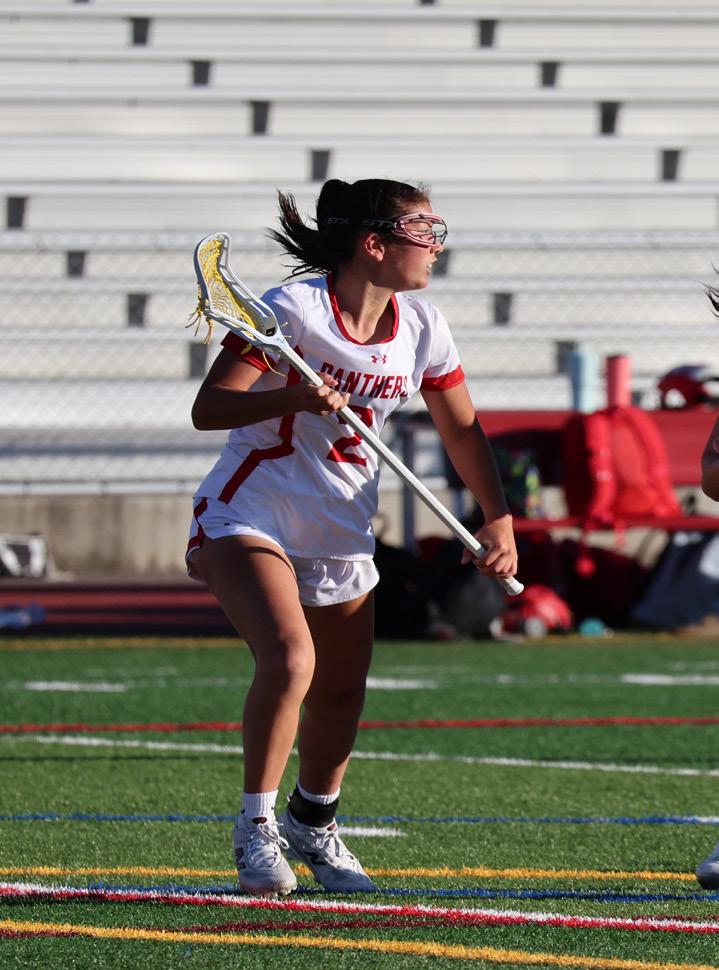
As a freshman, Elsie Geddes is already stepping up as a key midfielder for the girls' lacrosse team. Geddes has helped the team to a 10-1 record, remaining undefeated before a 13-8 loss against Archbishop Mitty High School. She has been a high-impact player on the field, despite her young age.
As one of the team’s few underclassmen, Geddes said she appreciates being able to interact with more experienced players. She noted that the team’s chemistry this season is evident and translates to their success on the field.
“It's really fun to get to know the upperclassmen,” Geddes said. “I'd say the sisterhood is definitely a very big thing. It's really nice coming in and just feeling very included.”
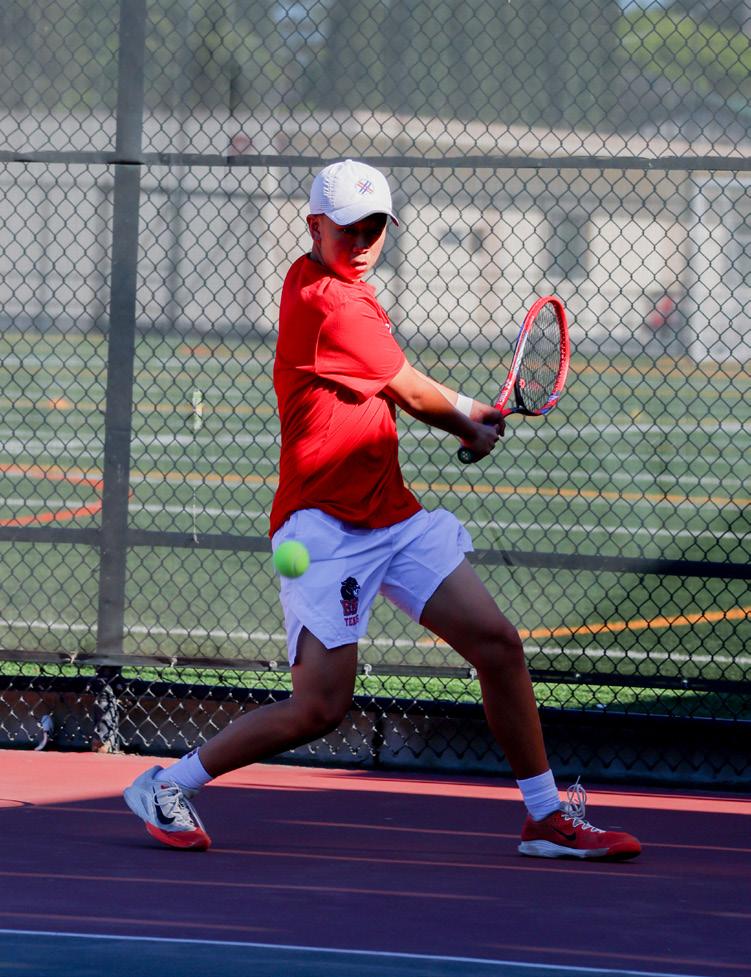
Tennis has been part of sophomore Kaden Lam’s life since seventh grade. He has attended camps, played in tournaments, and was a major contributor to the team's Central Coast Section (CCS) qualification last year. This year, he has his sights set on the playoffs once again.
“Hopefully, this year we can have another shot at CCS. We dug deep last year, and I think it’s always possible,” Lam said.
Despite the team’s success last year, Lam missed the individual CCS qualification after a disappointing fourth-place finish in the Peninsula Athletic League (PAL) tournament. This year, he said he hopes to find more success individually. Lam spent the offseason practicing on his own and attending camps and tournaments around the Bay Area.
BY OSCAR BILL Head Photographer
BY ADDISON CHU Staff Reporter
Although this is Geddes’ first year in high school lacrosse, she is a major contributor to the team’s offense and defense.
“I think I'm doing well. I think I definitely could be doing better, but I'm excited to see how I progress with the season,” Geddes said.
Girls’ lacrosse currently sits in second place in the West Bay Athletic League (WBAL) and has a strong chance at qualifying for the Central Coast Section (CCS) playoffs. Geddes said she is excited for how the rest of the season will play out.
“It's definitely building on difficulty, which is really fun,” Geddes said. “I'm excited to see what comes.”
“I’ve been training here and there as much as I can, for school and tournaments,” Lam said. Lam’s freshman year was his first time playing on a team rather than individually. While the experience was new for him, he said he quickly found a home with Burlingame tennis.
“My freshman season was a lot of fun. The team environment thing was obviously something new to me, so it was interesting to learn to play as a team and learn how to build from there,” Lam said. Burlingame has had a successful 2026 season so far, currently sitting at 7-2 as of April 9. But the season is far from over.
“We have to stay grounded with ourselves,” Lam said. “Right now, it's working with what we have, staying confident and working as a team.”
While it may be sophomore pitcher
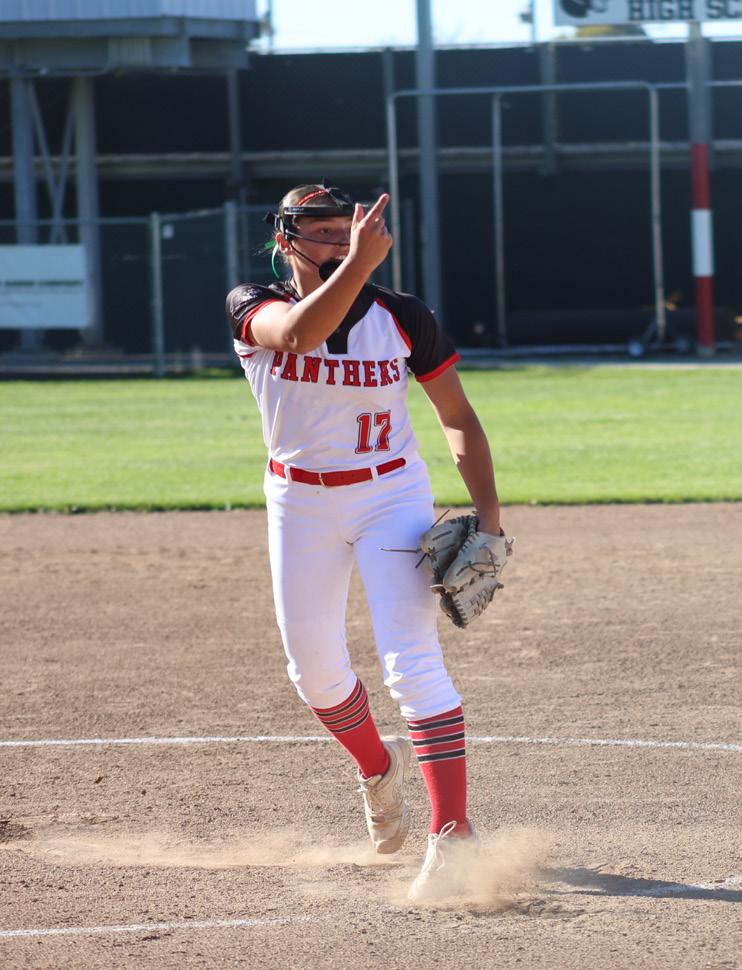
Brooke Arce’s first year on the girls' softball team, her impact on both defense and offense has been a key factor in the team’s 6-6 record. Arce transferred from Archbishop Riordan High School this year and has become one of the team’s starting pitchers, along with playing on the varsity basketball and junior varsity volleyball teams.
Although this is her first year on the team, Arce said she knew many of her teammates from previous experiences on recreational and club teams, which helped create a welcoming environment from the start. Arce’s sister, senior Sam Arce, also plays on the varsity softball team with her.
“I felt when I started tryouts, everyone was super
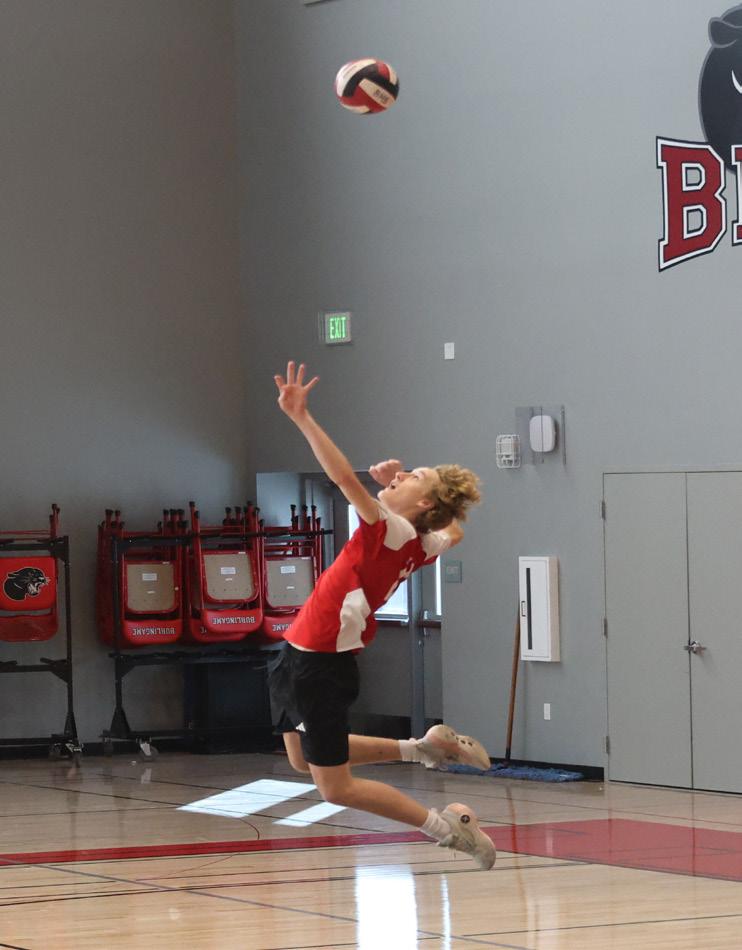
Junior Owen Carroll has been playing volleyball for five years and wants to become a leader on the boys’ volleyball team. He was first introduced to the sport in seventh grade by a friend.
“He told me he joined this volleyball team, and it was really fun. So he recommended that I play… so I joined a club halfway through the season,” Carroll said. “I didn’t know anything about the sport.”
His middle school did not have a boys’ volleyball team, but that didn’t stop him from falling in love with the sport.
“I think having a strong connection to the team inside and outside of the sport is really important
BY LEA VON HAGEN Staff Reporter
BY JOSIE WETTAN Social Media Manager
friendly and welcoming, and I really knew most of the people on this team, so I was just really excited to reconnect with them,” Arce said.
Since the team was relegated to the Peninsula Athletic League Ocean Division this season, Arce said the team has been an underdog in many of its preseason matchups.
“I feel like our whole team feels confident going into the rest of the season, and I love being the underdog, because it's so nice to win and so nice to beat someone that they're not expecting you to beat,” Arce said. "It's just a really great feeling, because we've worked so hard to get to this point, and we're going to do so great throughout the season.”
[and] very unique about volleyball,” Carroll said. In volleyball, Carroll is considered an undersized hitter, and while some view that as a weakness, he said he “can always hit around big blockers, and [he] can always find the spot where they’re going to hit.”
Carroll has been playing for the team for three years, and is now trying to help his lowerclassmen and become a better teammate, even if that means refraining from keeping practices lighthearted.
“Although I think I’m just a little bit unserious sometimes, which is something I’m going to work on…I’ve been trying to step up and lead practices [and cheers].”
Editor-in-Chief Joelle Huysmans
Managing Editors
Evelyn Du
Henry Gardner
Iny Li
Design Editor Kaylee Hwang
Sports Editor Kai Shah
Social Media Manager Josie Wettan
Business Manager Paige Cornelius
Arts Director Emma Yu
Head Photographer Oscar Bill
Diversity Coordinator Abby Zarahn
Social Coordinator Audrey Wei
Copy Editors
Alex Bertelli
Akira Nakamura
Olivia Newman
Senior Reporters
Chiara Wesley
Staff Reporters
Andrew Barrera
Peili Brown
Leia Burlingham
Abigail Chou
Addison Chu
Lea Von Hagen
Claire Hwang
Scarlett Ko
Chantal Lay
Faith Lee
Jason Lu
Jonah Moss
Eddy Josue Ortiz
Elsa Scimeca
Teacher Adviser
Melissa Murphy
Policy Statement:
The Burlingame B is a student-run newspaper with the sole purpose of providing an open forum for student expression. Anything printed represents the opinion of the writer, but not necessarily that of the Burlingame B staff, the administration, or the faculty of Burlingame High School, or anyone affiliated with the San Mateo Union High School District. The Burlingame B does not discriminate against race, political orientation, ethnicity, religion, gender, sexual orientation or disability. Although The Burlingame B will never refuse to publish guest submission based on the aforementioned factors, we reserve the right to edit or not publish them.
Letters to the Editor
Disagree with the writers? Bring your letters to the room A120 or email them to <theburlingameb@smuhsd.org>. Letters may be considered for publication. The Burlingame B reserves the right to edit for clarity, length, and accuracy. We welcome all comments.
Website: www.theburlingameb.org
Phone: (650) 558-2899
Email: theburlingameb@gmail.com
Address: 1 Mangini Way, Burlingame, CA 94010
BY THE BURLINGAME B EDITORIAL BOARD
For many, César Chávez is the face of the farmworkers movement. As co-founder of the United Farm Workers (UFW) union, he helped secure better pay and working conditions for thousands of farmers. Yet recently, The New York Times (NYT) found extensive evidence that Chávez sexually abused multiple women during his time as an activist.
The allegations shattered Chávez’s image as the figurehead of one of the most significant civil rights movements. But the effect was worsened by an unfortunate truth: we have credited the accomplishments of thousands of individuals to only one man. Chávez’s case captures a broader issue with how we view historical figures — we have erased the distinction between the man and the movement.
This reverence for historical figures is widespread. On March 22, the Trump administration placed a statue of Christopher Columbus in front of the White House. Columbus, a Spanish-backed explorer whose actions contributed to the deaths of thousands of Native Americans and who exploited Indigenous women and girls, is still considered a hero in the modern era. Such idolization not only diminishes these figures’ faults but hinders an honest historical perspective.
While many once-favorably

viewed figures were eventually exposed for misconduct, the decades-long delay of justice in Chávez’s case showcases a preference for image over truth. The NYT’s investigation reported that many of the women who were assaulted said “they were discouraged from speaking out to preserve Mr. Chávez’s public image.”
To be fair, having a public face in a movement does play a major role in its success — it rallies support, unifies people, and transforms ideas into action. Chávez embodied these tactics to amplify the impact of the farmworkers’ movement.
However, attributing a movement’s success to one individual keeps other names out of history. In terms of the UFW, figures like Dolores Huerta and Larry Itliong were largely overshadowed while “spokesperson” Chávez revelled
in the spotlight. Huerta was the lead negotiator for the first contract with agricultural businesses to increase wages for farmworkers. Itliong led more than 1500 Filipino farmworkers in a strike against Delano grape growers, demanding higher wages and better working conditions. Chávez, Huerta, and Itliong should be held in equal regard for their contributions to the movement.
By idolizing flawed figures, we risk celebrating their wrongdoings and disregarding the justice deserved by those they harmed. Viewing historical figures in an entirely positive light is not just boring — it is not reflective of humanity. Going forward, we must learn to separate movements from their leaders, celebrating the accomplishments of many rather than fixating on the actions of one.
BY LEIA BURLINGHAM Staff Reporter
Picture this: You just finished a long, difficult school day. The bell rings, and you walk outside the A building to be greeted by the bustle of Burlingame Avenue.
The loud construction on El Camino Real.
The blaring Caltrain horns.
You realize a sad truth: there is no quiet place you can go to process your day. Noise pollution is a real problem in Burlingame.
Between train horns, plane noise, and traffic on residential streets, Burlingame residents face constant disruption. An online petition titled “Burlingame Quiet Zone -- NO TRAIN HORNS AT NIGHT,” started by Robin Whittaker, has 58 charged comments that capture the community’s annoyance — and disturbed REM cycles — due to this problem.
This comment was posted on a Burlingame anti-Caltrain horn petition.

nonprofit focused on greening urban spaces, explains that leaves, branches, and bark break up and scatter sound waves, reducing their intensity. Even better, rustling leaves also produce natural white noise, masking sharp urban sounds.
The answer is simple: green spaces. According to the NIH, green spaces are “maintained or unmaintained environmental areas, which can include nature reserves, wilderness environments and urban parks.” They are a solution to both noise and stress, as they absorb sound waves and serve as refuges from the bustle of daily life.
According to Forest Research, Great Britain’s government forestry research organization, “trees and shrubs can reduce noise by 5-10 decibels for every 30m width of woodland… this reduces noise to the human ear by approximately 50%.” One More Tree Foundation, a
The frustration is understandable, as studies show noise pollution negatively affects mental and physical health. According to the National Institutes of Health (NIH), “chronic low-level noise exposure causes mental stress associated with known cardiovascular complications.” Moreover, psychological disorders such as depression and anxiety are associated with traffic noise exposure (NIH). Students have enough on their plates — noise-induced stress should not be piled on top. So, how do we fix noise pollution?
The benefits of green spaces don’t end there — they also significantly benefit mental health. According to the NIH, “Simple exposure to nature environments is psychologically restorative and has beneficial influences on individuals’ emotions and ability to reflect on life problems.”
We all know that for high schoolers, reflecting on life problems is a frequent and necessary activity.
Green spaces provide reduced noise pollution, improved mental health, and a break from busy lives. For a city like Burlingame, where noise is woven into everyday life, investing in green spaces isn’t just for looks — it’s a necessary step towards a healthier community.

BY FAITH LEE Staff Reporter
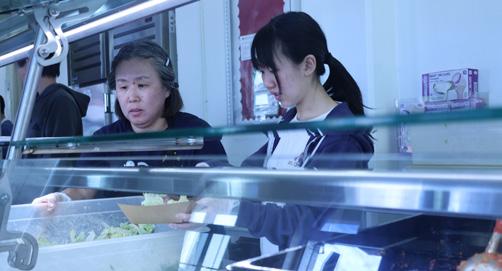
Many students on campus rely on the school cafeteria for their everyday meals. The cafeteria workers, both students and staff, put in effort to distribute food to everyone. Student nutrition lead cook Siu Yuen said she wishes more people understood the time and energy this effort takes.
“To be honest, we [are] really working very hard, because I start [cooking] from five o’clock until one,” Yuen said. “So we want to let them know we really use our heart to cook the menu for all the students. So [we] hope that they will enjoy.”
Freshman Lucas Chang is one of the many student workers at the cafeteria who distribute food to students. For Chang, the job helped him get to know other students better.
“When I started, it was really welcoming when I first applied to it, and it just became more routine, and I felt I got to know more people from the school,” Chang said.
Chang noted the experience was valuable for learning to work in a professional workspace and managing money.
“It’s a really good way to first experience a job as a starter job. I feel I get the sense of how to use your money and when you get it,” Chang said. For junior Emily Zhang, who has worked in the cafeteria since her freshman year, being able to provide for herself in a welcoming community was a notable benefit.
“Honestly, you don’t have to do too much, and it pays pretty well for the type of work you do,” Zhang said. “Also, the other people are very nice and helpful, so if you have any problems, you
can always ask them for help.”
Senior Kevin Zhu manages the pizza section and has been working in the cafeteria since his sophomore year. Though he enjoys working alongside his co-workers, Zhu expressed concern about the students’ aggressive behavior in the lunch lines.
“I don’t know what it is about the lunch line, but I feel like when people are in the lunch line, they have less self-control,” Zhu said. “Because I feel like people don’t really see the cafeteria workers as, I guess, fellow students, and they treat them more like employees, so they’re more inclined to do stupid stuff. Like in the line that just, I mean, I guess it doesn’t really trouble me, but it does kind of annoy me. I do think that they should not do that.”
Because of the large number of students the cafeteria staff needs to serve in short
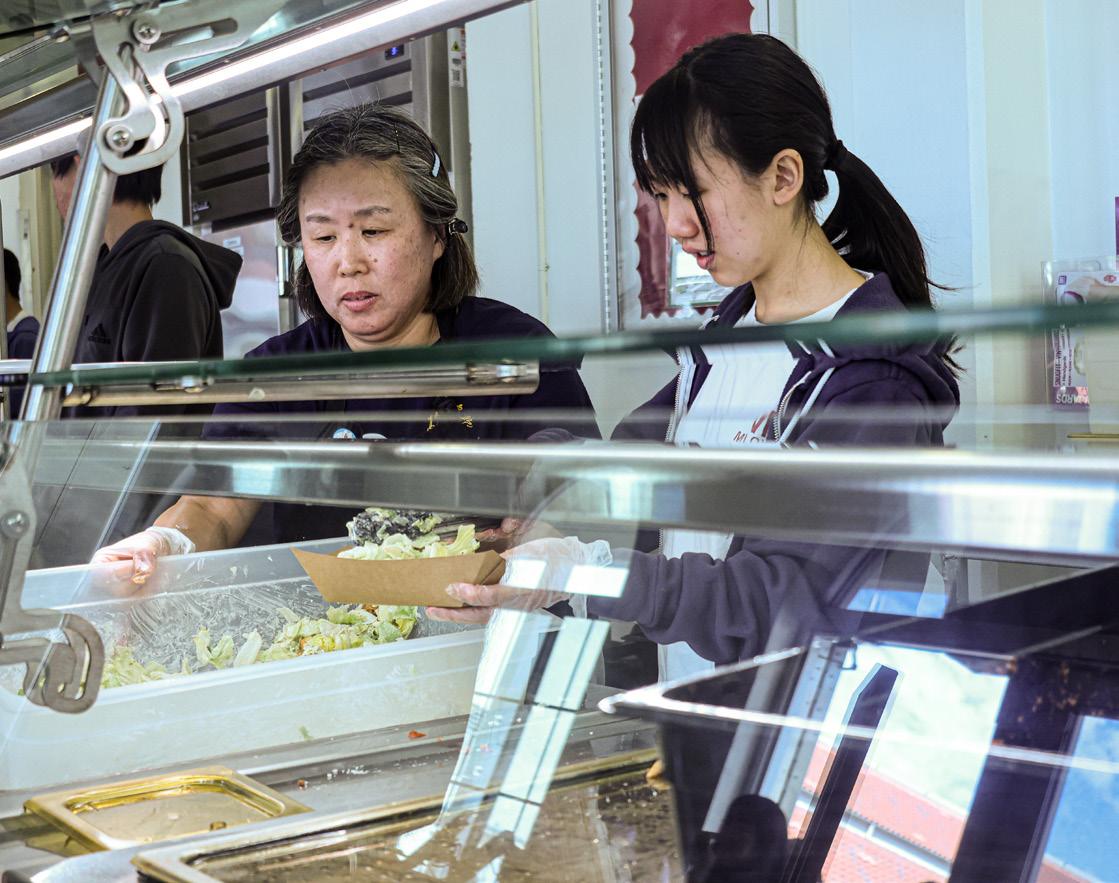
timeframes during brunch and lunch, Yuen hopes to bring on more student workers to speed up the process.
“We serve 12,000 [meals] a day, so they should have the [patience] to wait for it,” Yuen
said. “So we try as fast as we [can], and I’m trying to employ more student [workers] to work in the cart or in the cafeteria so we can make the serving times… more fast.”
Edited by Rain Yang
BY ALEX BERTELLI Copy Editor BY ABBY CHOU Staff Reporter

1. Put in the ground, as a seed* (Purple food that’s 95% water?)
7. The very basics
11. Raspy, as a voice
12. Strives for victory in competition* (Broccoli, celery, etc.?)
14. Makes very happy
15. Health insurance giant
16. Feel unwell
17. Windy City transportation initials (abbr.)
19. Insult, especially in a rap song
20. Reagan Airport code
21. One of the four 24-Across*
23. 1983 game console
24. Things found during an April hunt... or four times in this puzzle
28. As originally found
29. Meet and ___
32. Broadcast on TV
36. Small batteries
37. Went to the alley and knocked down pins* (Having unstraight knees?)
39. Main idea
40. Not subtle at all
41. Actress Taylor-Joy of The Queen’s Gambit
42. Verbally consent
1. Top of the body* (Intellectual?)
2. Saying it eight times in a row forms a valid sentence
3. Yellow Teletubby
4. It can come in modern and abstract varieties
5. A 60 billionth of a minute (abbr.)
6. People taking a quiz or exam
7. Actress Gardner
8. What you sleep on, probably* (Made pleas?)
9. Using as a reference
10. Detects
13. Back talk
18. Prefix with cultural
22. Quick vacation
25. Quick nap
26. Explosive initials
27. Innocent until proven ___
29. Singer-songwriter Lady ___
30. It falls from the sky
31. Like the 7-Across, maybe
33. Actress Issa ___ who played the President Barbie* (Jamaican musical genre?)
34. Blown to smither___
35. Banned pesticide
37. Air gun pellets
38. Portuguese greeting
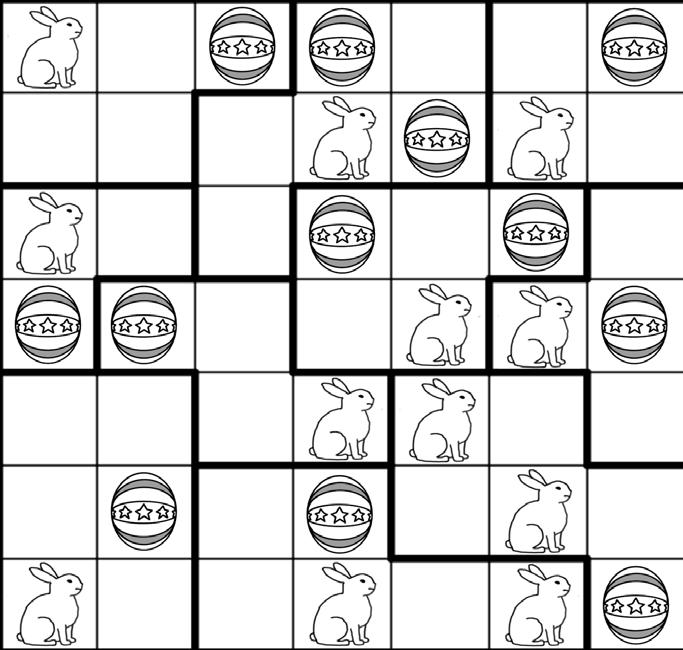
• Draw one line that moves horizontally or vertically between squares. The line ends where it started, forming a loop.
• The line enters and exits each bordered region exactly once. While inside a region, it crosses ONLY all the bunnies or ONLY all the eggs in that region.
• Which symbol the line passes through alternates for each region. If it crosses all eggs in one region, it crosses all bunnies in the next, and so on.
• Place digits from 1-9 in white squares. Digits do not repeat in rows or columns across the entire grid.
• The number above a column of white squares equals the sum of those digits. The number to the left of a small row is the sum of those digits.
• A column of two squares under the clue 12 can have 7 and 5 (since 7 + 5 = 12), but not 6 and 6, since that would be a duplicate in the column.

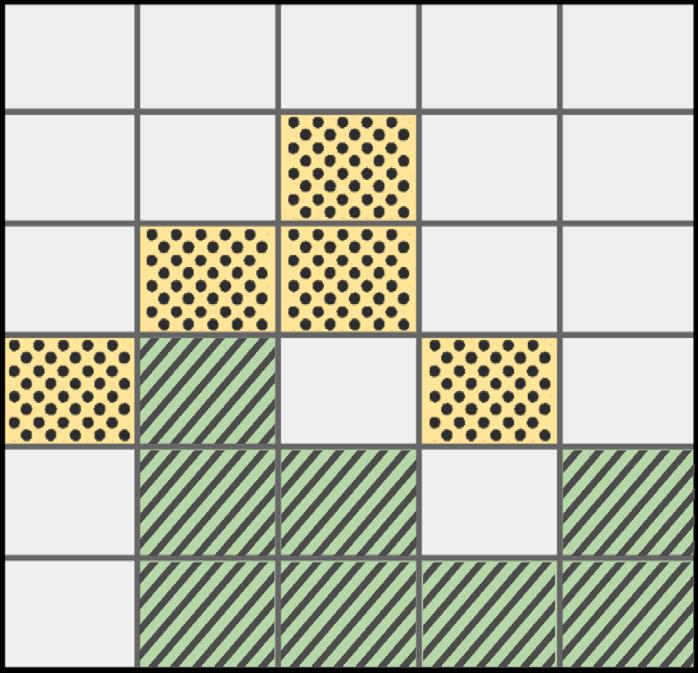
Rules: A wordle game has been played, and, sadly, lost. Each of the player’s guesses is clued. Yellow (dotted) squares are letters that are in the final word but out of place; green (striped) squares are letters in the right place. Can you determine their guesses and the final word? (Note: the player was not perfectly logical.)
Nurture a child
It speaks
Deep chasm
Removes the pain
Strange, groovy
With wordplay






BY EMMA YU Arts Director BY ABBY ZARAHN Diversity Coordinator
Magpies, a species within the crow family, are known for hoarding shiny items. A magpie also refers to someone who is an avid gatherer of eclectic objects. The B interviewed three students and one faculty member to learn more about their collections.

Much like the fossils she gathers, senior Jaslene Lai’s collection has certainly withstood the test of time.
“I’ve always been really obsessed with paleontology,” Lai said. “I can’t have a full-size T-rex skeleton in my backyard, so this is kind of what I have instead.”
Lai’s collection ranges from museum-bought fossils to stones she gathered as a child. Over time, she has added more unique finds, including animal bones from owl pellets she prepares herself.
“I was walking my dog on Thanksgiving, and the [owl pellet] was just on the ground — like, literally right there,” Lai said. “I sanitized it,
Over the last five years, Education Specialist
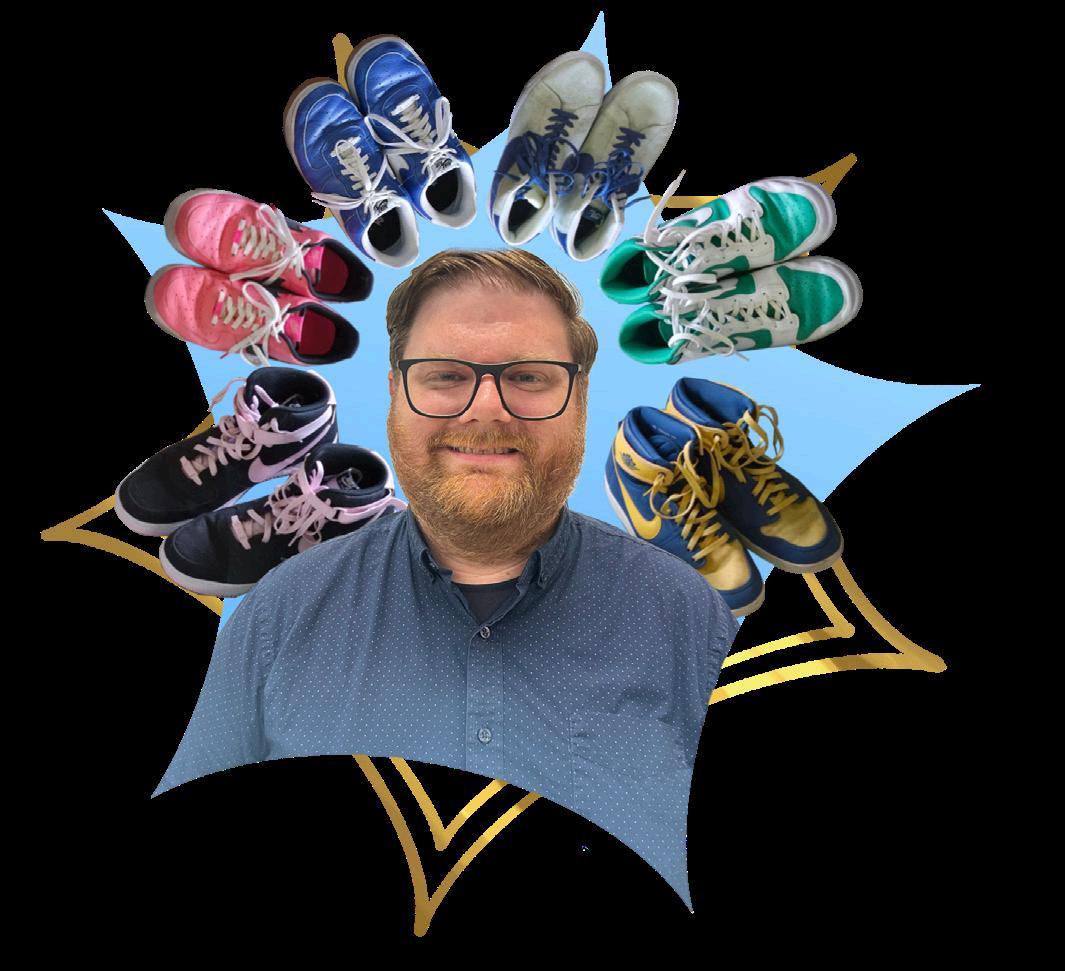
Tim Whitehorn has amassed 45 pairs of Nike shoes, including limited-edition styles. He began his collection after his best friend’s wife started working at Nike’s World headquarters, allowing him to receive shoes for free or at a discount. Now, he buys one pair of shoes every month.
Whitehorn’s favorite pair is the Nike Dunk Decon N7, designed by Rebekah Jarvey and Nico Verburgt to honor Indigenous communities. The sneakers feature intricate nature-related details, including



and did all the cleaning procedures, then I dissected it and took out all the bones, teeth, and skulls.”
Lai plans to major in the field of computational biology, but sees her collection as a remnant of her past self shining through the layers.

“Even though I might not be pursuing a career in something like paleontology or true animal sciences, it’s always going to be a part of me,” Lai said. “I think it’s a reminder that this original science inte rest I’ve had ever since I was a little kid still means a lot to me.”


flowers, birds, and strawberries.
Whitehorn also owns two pairs of shoes from the 2024 Paris Olympics. One pair is the Olympic Nike Air Max 1s, given to all U.S. Olympians, while the other is the Nike SB Premium City of Style Dunks, a collaboration with a Parisian artist.
“I have the Air Maxes that they gave all of the US Olympians in Paris that were blue and white with gold swooshes. So not a lot of people have those,” Whitehorn said. “I have some cool purple ones that were a col lab with a Parisian artist done for the Olym pics. I just have some fun unique ones that you don’t see a lot.”

Every Broadway production gives out playbills — programs that list details of the show. Sophomore Holly Simson, an avid theater-goer and aspiring actress, collects one every time she watches a show.
“I’ve been going to Broadway shows since I was four,” Simson said. “Mostly ones in San Francisco, but I also travel to New York a lot, and I collect them as a keepsake to know that I went to the show.”
Each summer, Simson trains at Stage Door Manor, a performing arts camp in New York. Whenever she visits, she sees around four Broadway performances, and often goes to the stage door after shows to meet actors.
Sophomore Dominik Quijano’s friend introduced him to the Transformers series in kindergarten, and he has been a fan of the franchise ever since. Beginning in fourth grade, Quijano has collected over 100 Transformers figurines, ranging from Autobots to Decepticons.
Quijano said he enjoys collecting Transformers be cause each figurine rent mold — the figure’s appearance once it transforms into its “alternate

Quijano is currently fil-
“My favorite right now is one that I got two years ago from a show called Cabaret,” Simson said. “This girl named Eva Noblezada was in it. She’s a very fa mous actress, and I look up to her a lot. I got her autograph on that one, so it’s just very meaningful to me.”
For Simson, the actors’ encou always has an emotional and in impact.
“A lot of the time it’s very quick,” Simson said. “But when I do get to speak to them, it’s very inspirational and motivating as an actor.”

ming a stop-motion video with his figures to keep their joints loose and flexible.
“So sometimes I’ll just grab the figures, and I’ll film stop motions or little animations with them,” Quijano said. “One, it’s just put ting them to good use, and two, if you don’t move your figures every once in a while, the joints will tighten up.”
For Quijano, the Transformers fran chise has long been a passion of his, and it makes up a large part of his identity.
“I feel like I’ve just been interested in Transformers for so long that it’s basically a part of my life,” Quijano said. “It’s just a big part of my life. It’s the only thing I ever talk about and watch.”