PORTFOLIO
Bhawana Bala
The following are selected works produced during my Undergraduate studies at the University of Nottingham.
My design approach is rooted in context led thinking, with a focus on creating balance between the built environment and its surroundings, while prioritising user experience and historical context.
page
00 Community Limpopo, South Africa
Matshela Créche
01
Umbambo Creation
Mixed Use Johannesburg, South Africa
02
ReCraft Nottingham
Adaptive Reuse Nottingham, UK
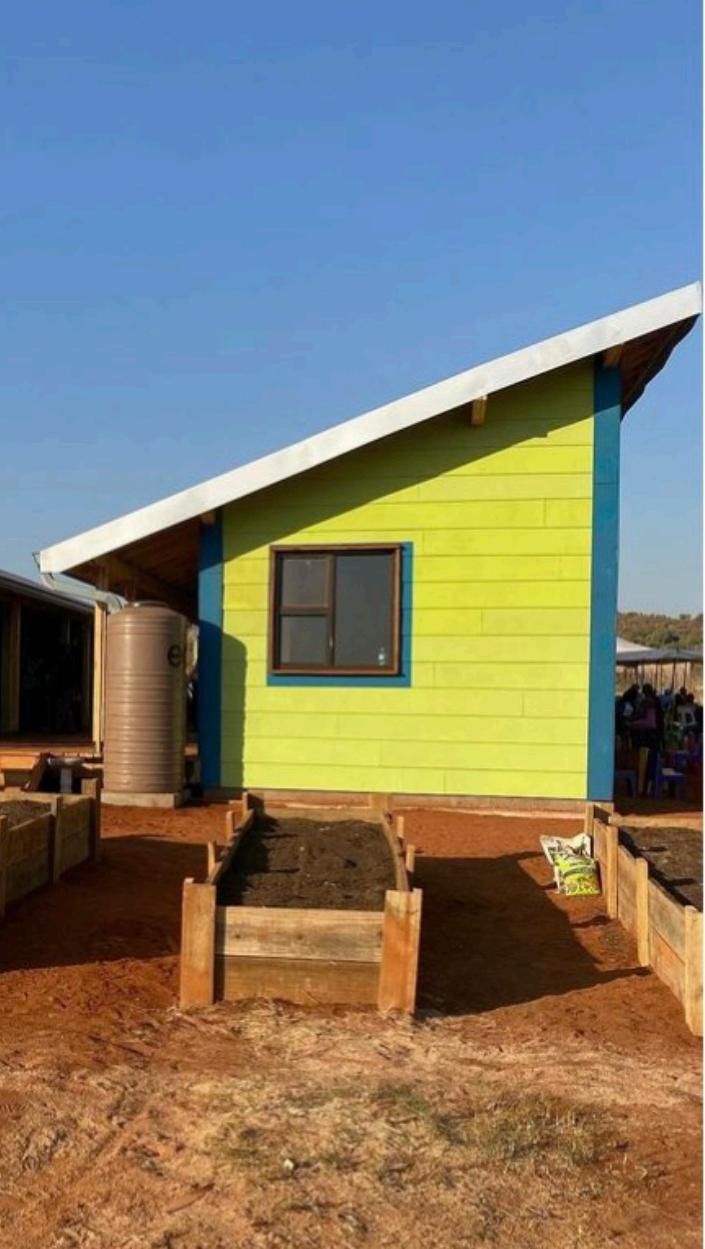
Matshela Creche Nursery
Limpopo, South Africa
Studio: Design/build 23/24
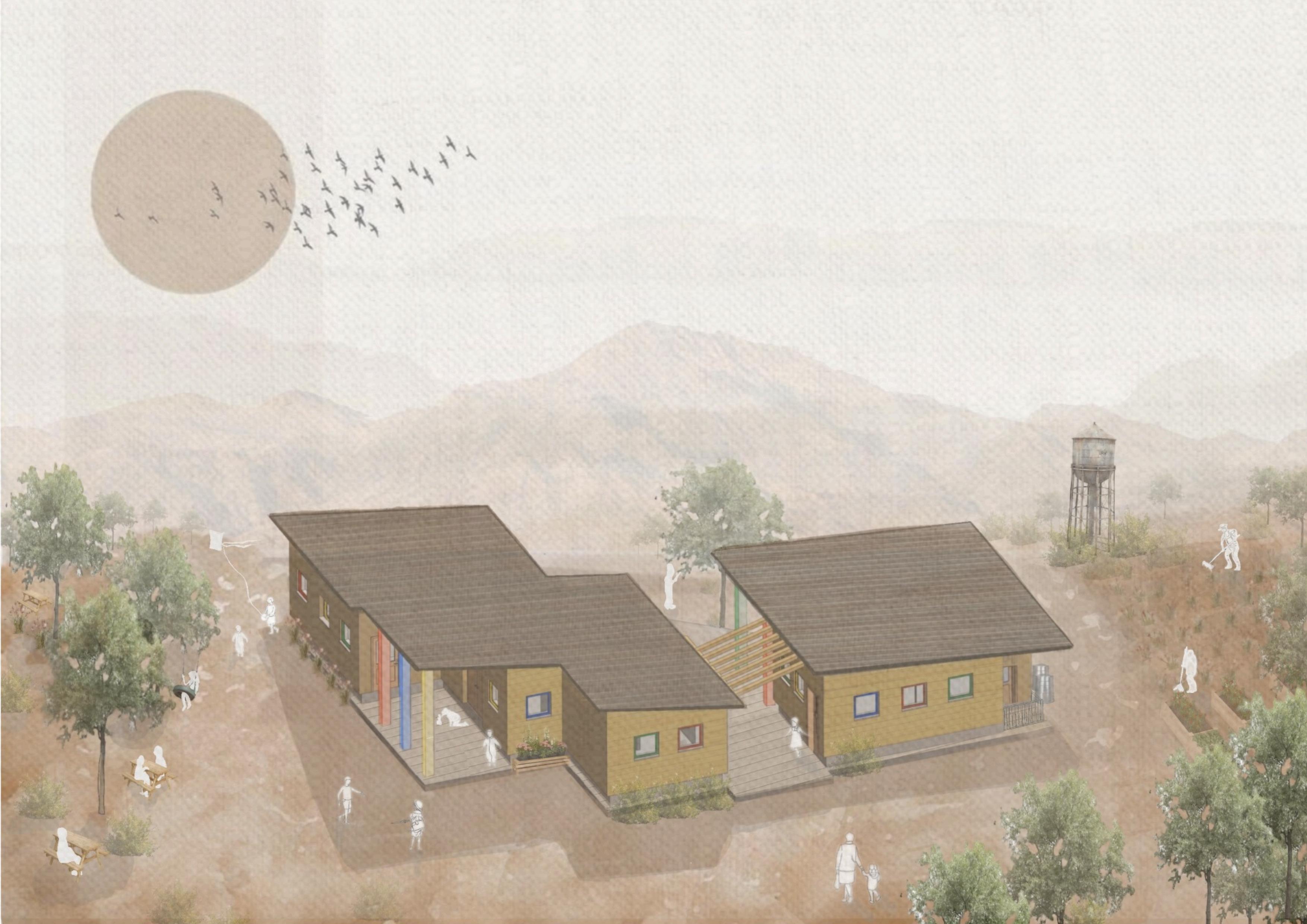
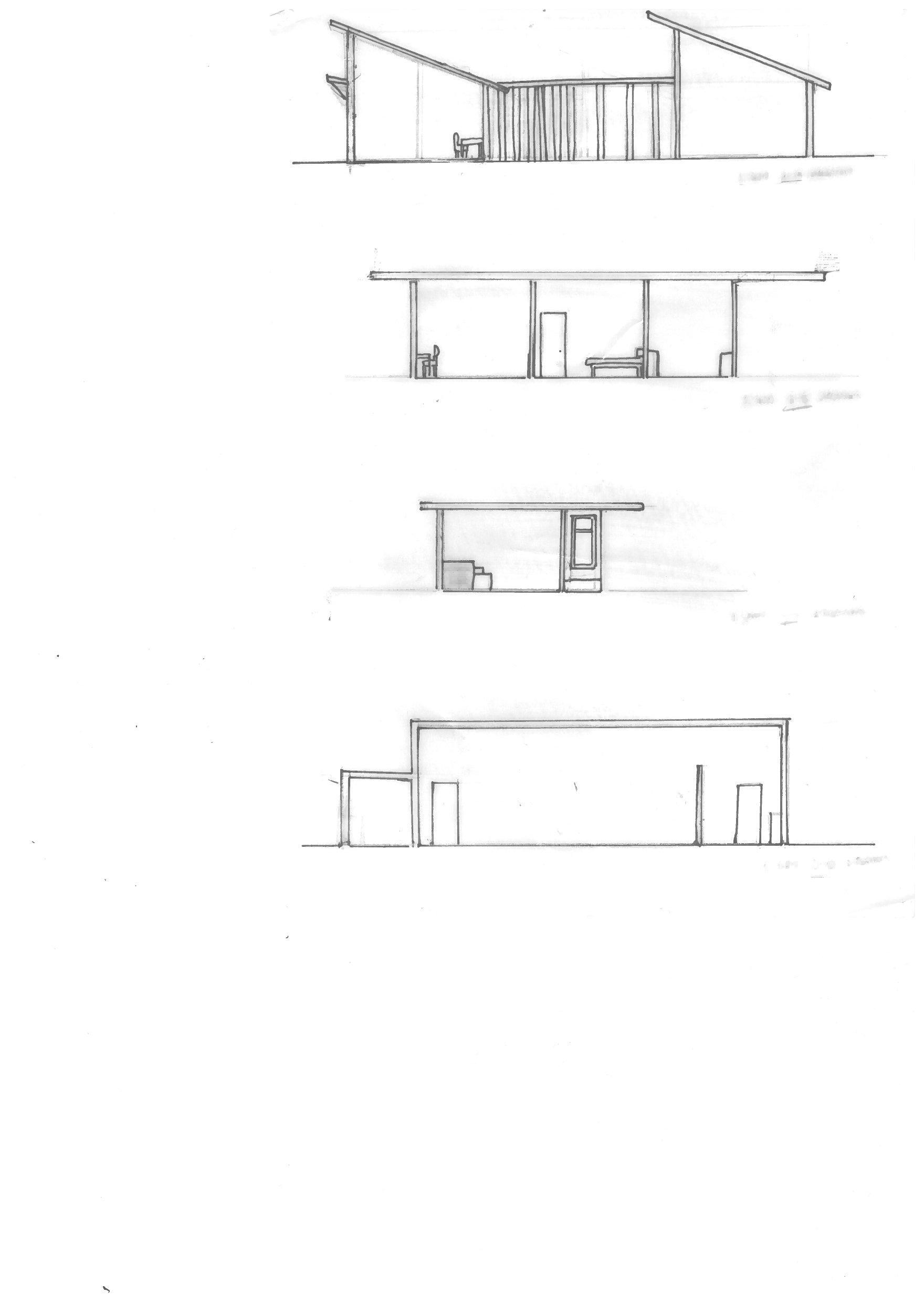
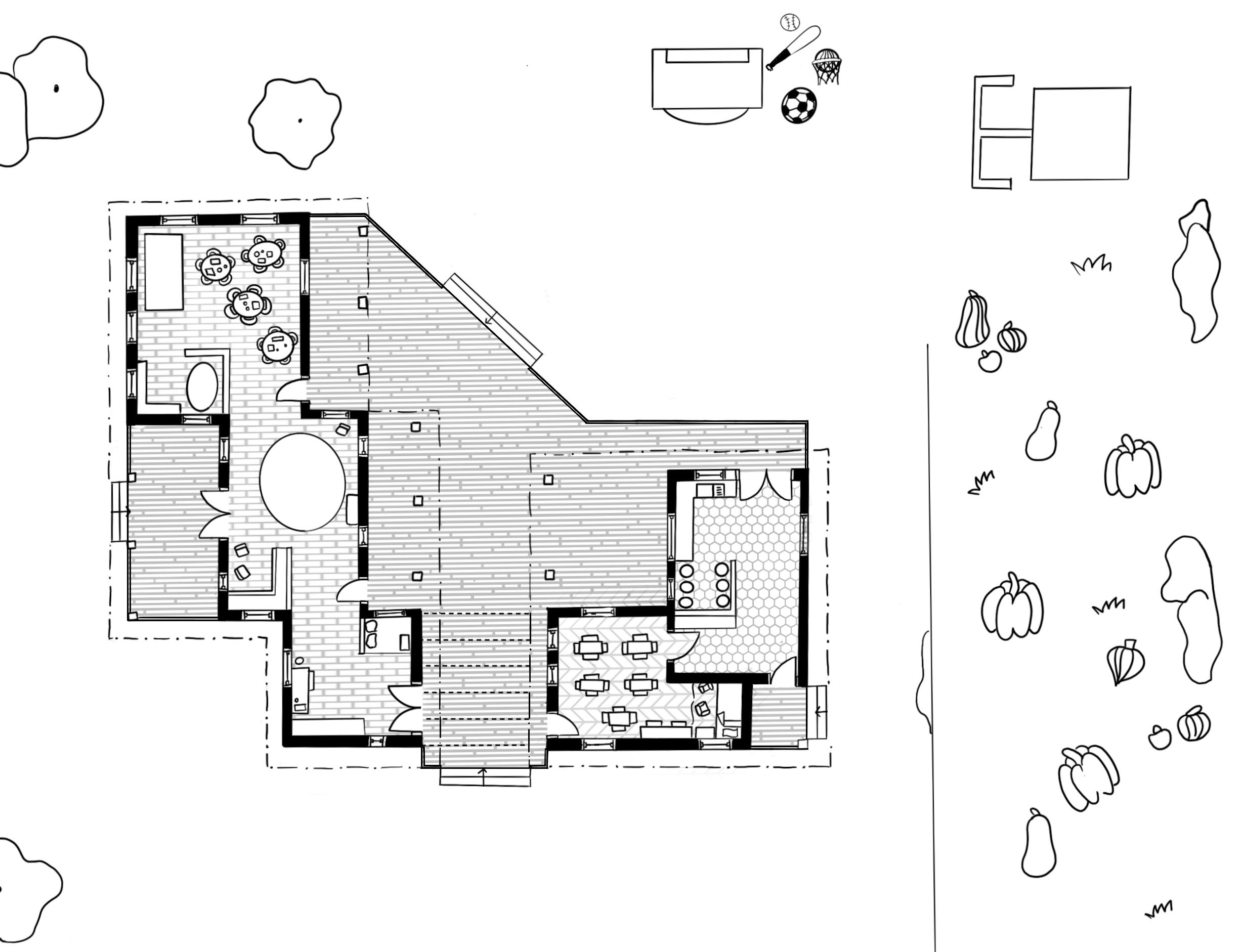
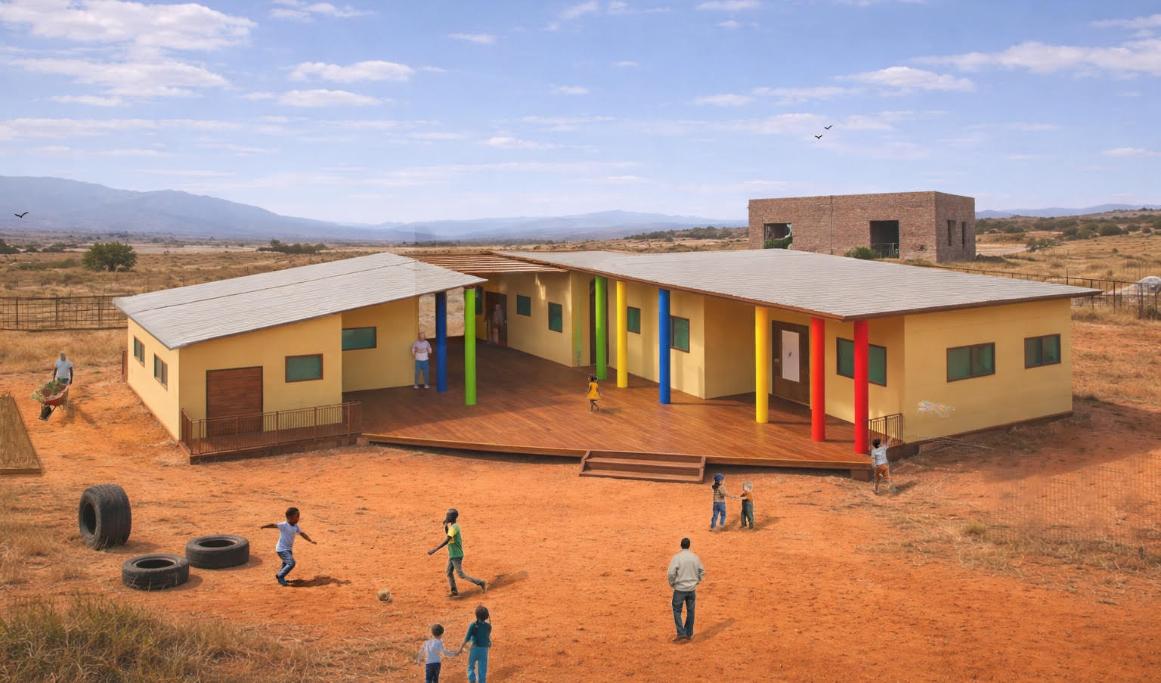
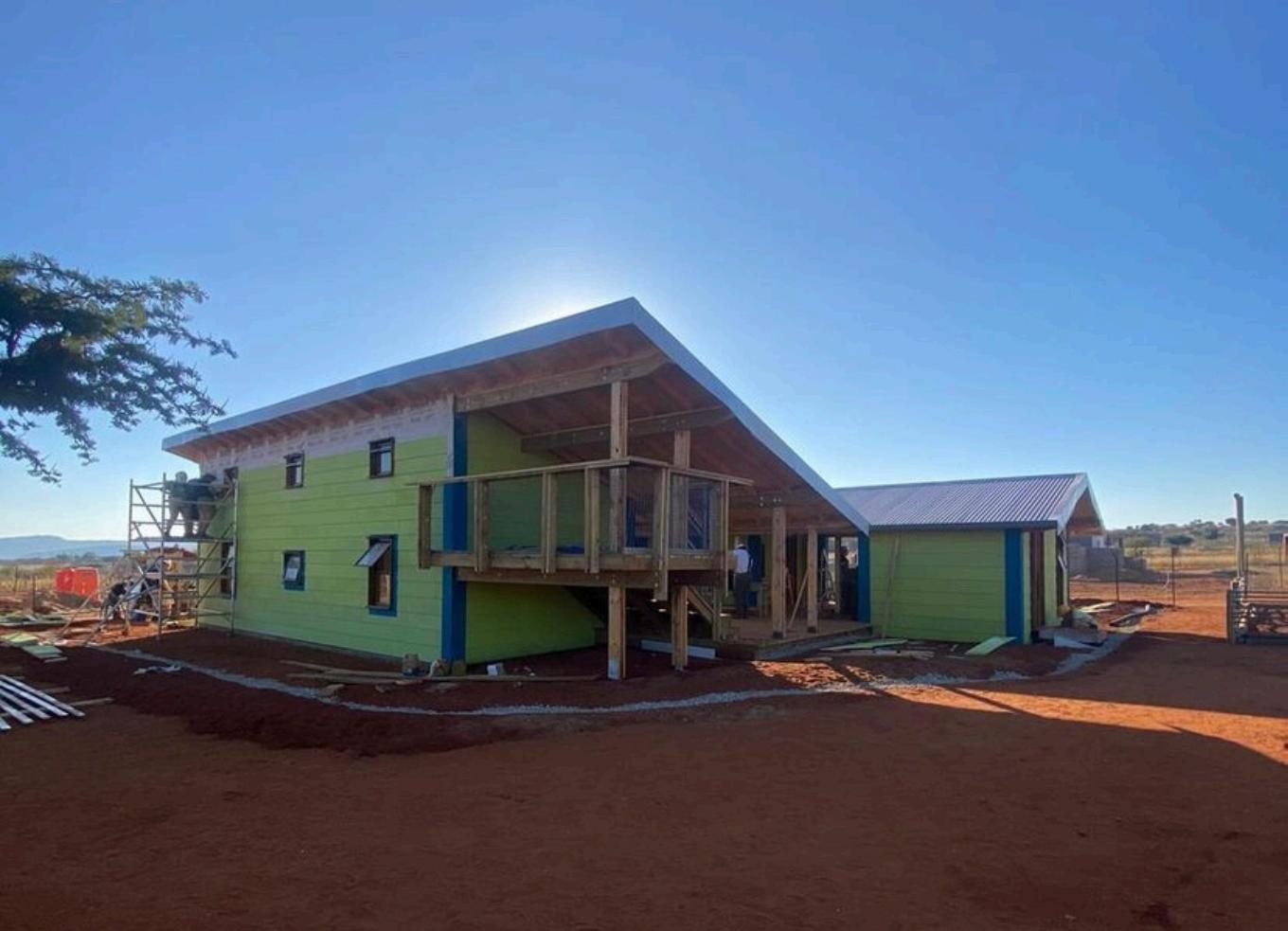
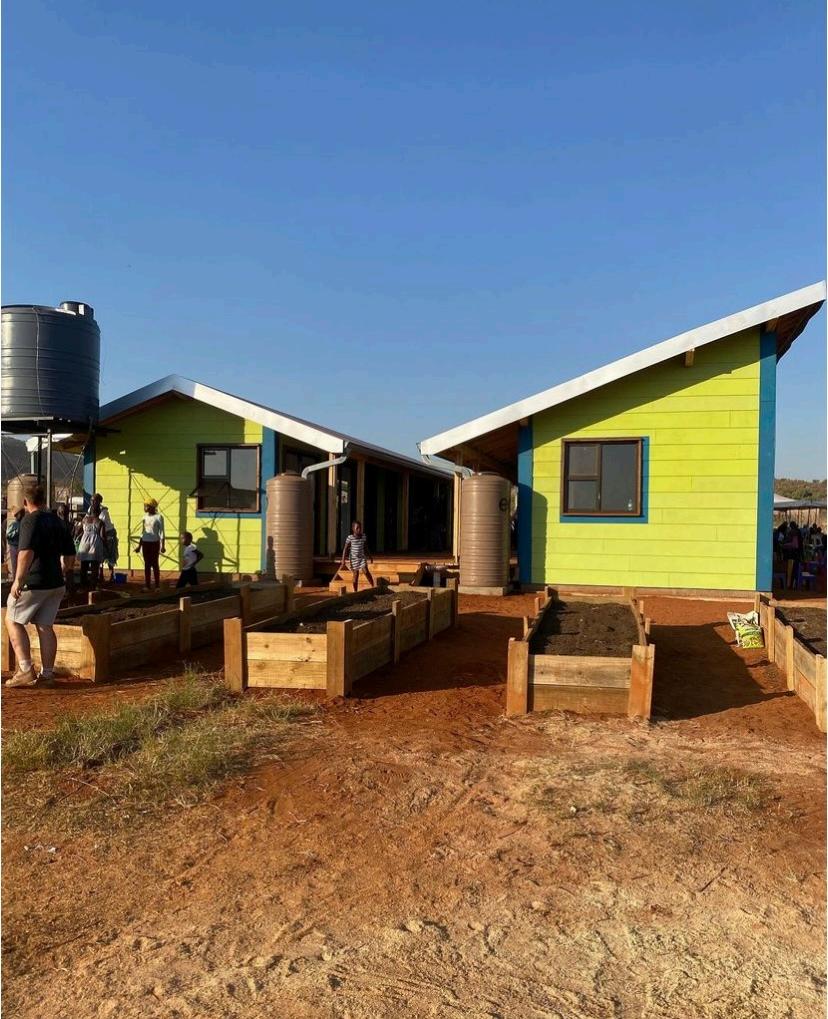
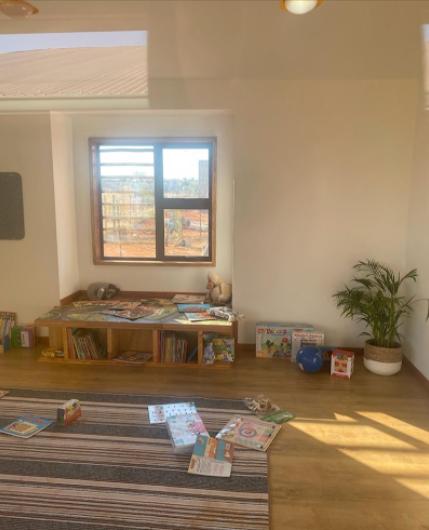
A nursery designed with a focus on the Montessori approach to learning, located in Limpopo, South Africa, as part of the ‘Design/Build’ studio module.
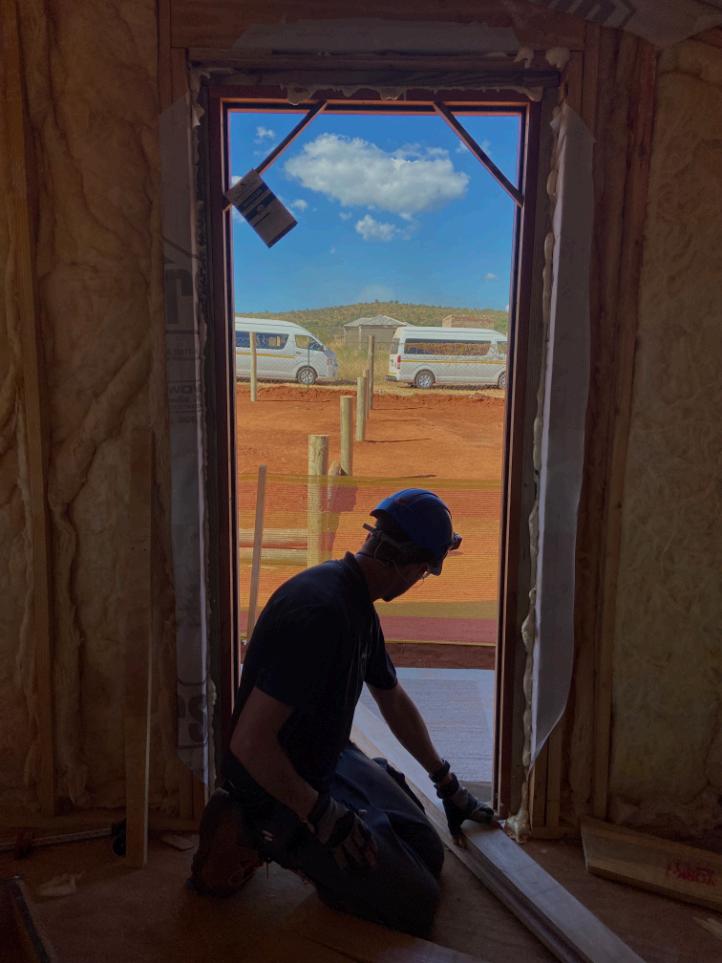
This project was developed for a design competition, where we participated in both the design phase (October–April) and the build phase (April–May 2024).
The following pages present selected work produced for the competition, and later finalised design including design development and detailed construction drawings of the crèche.
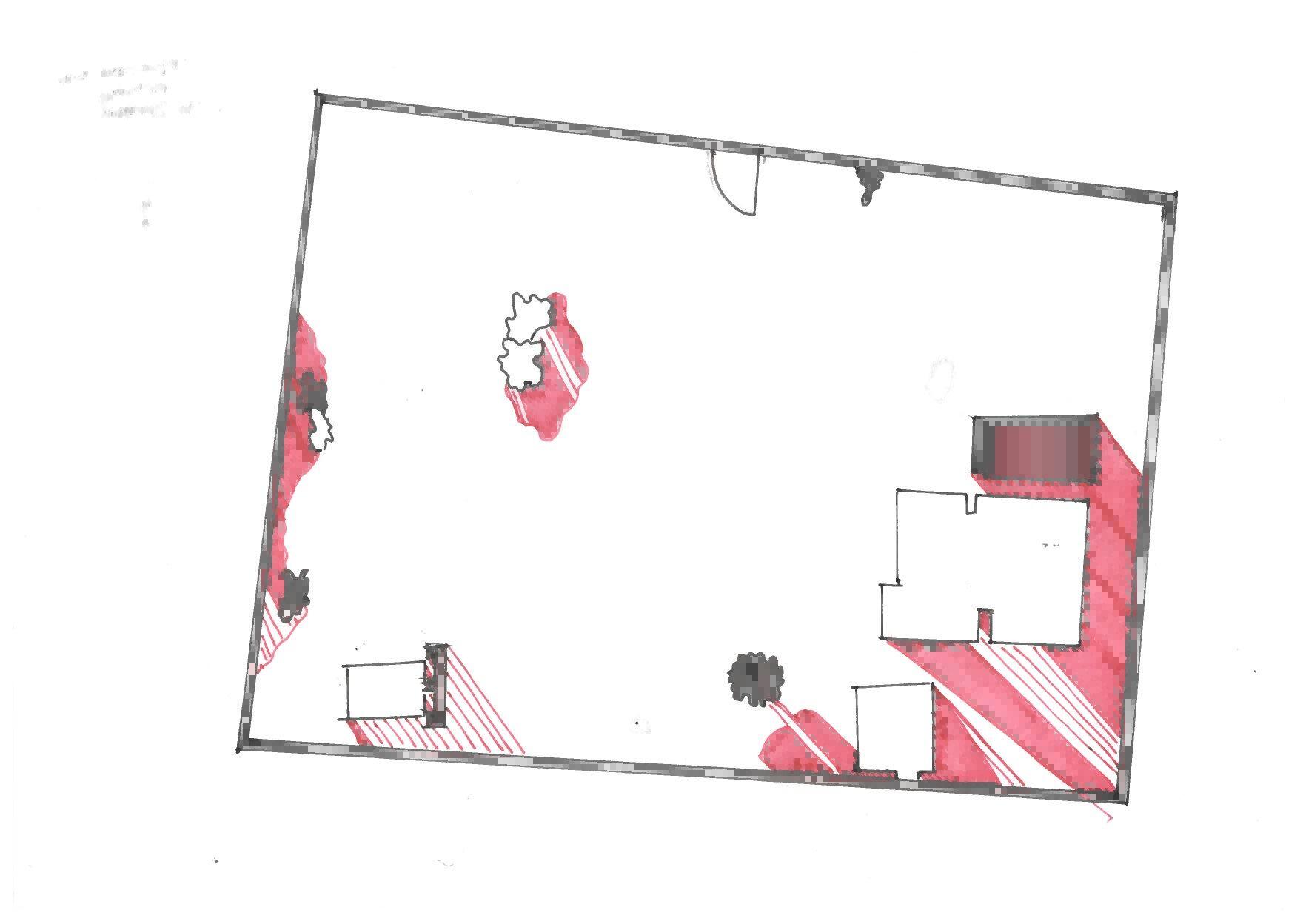
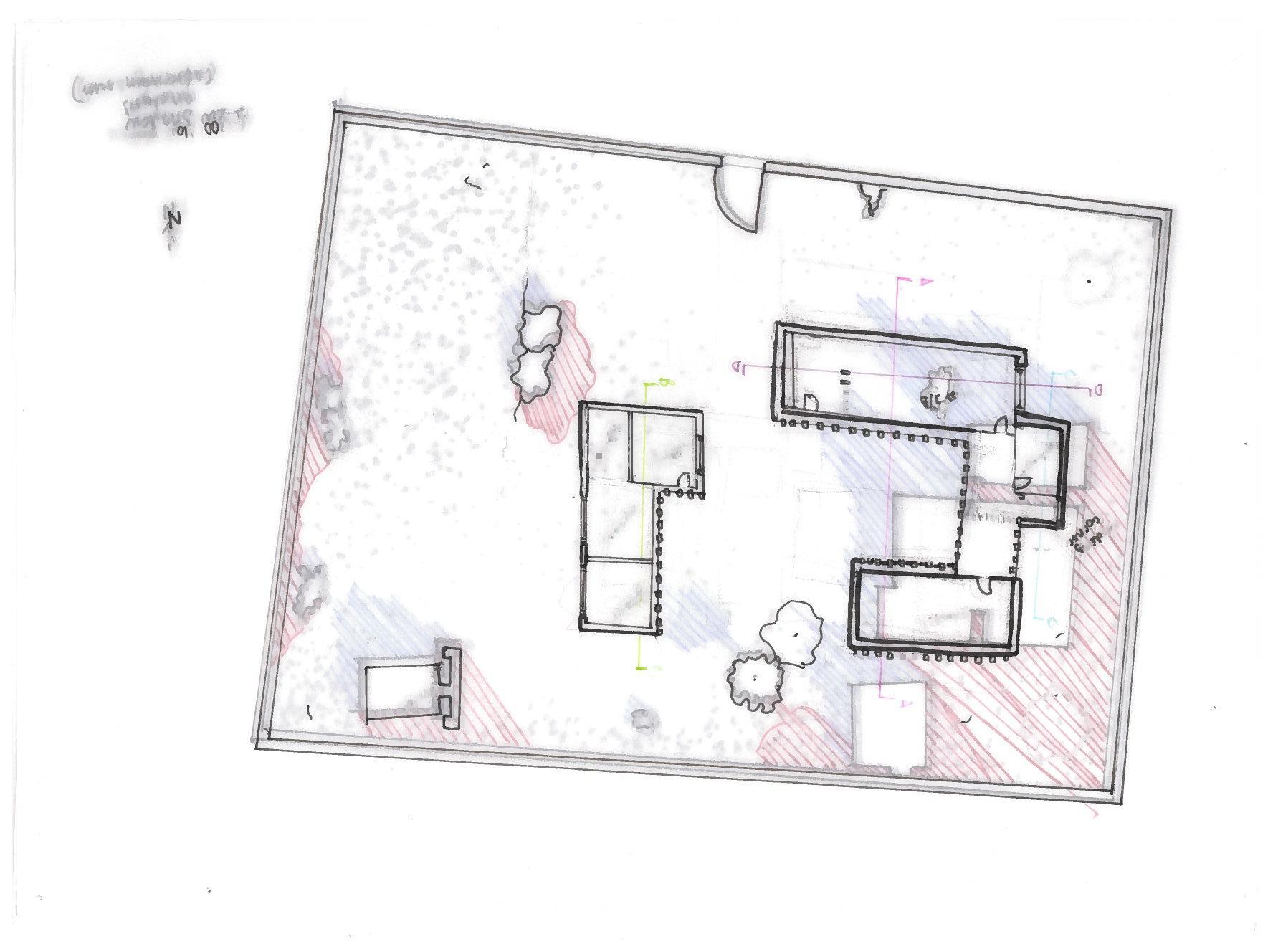
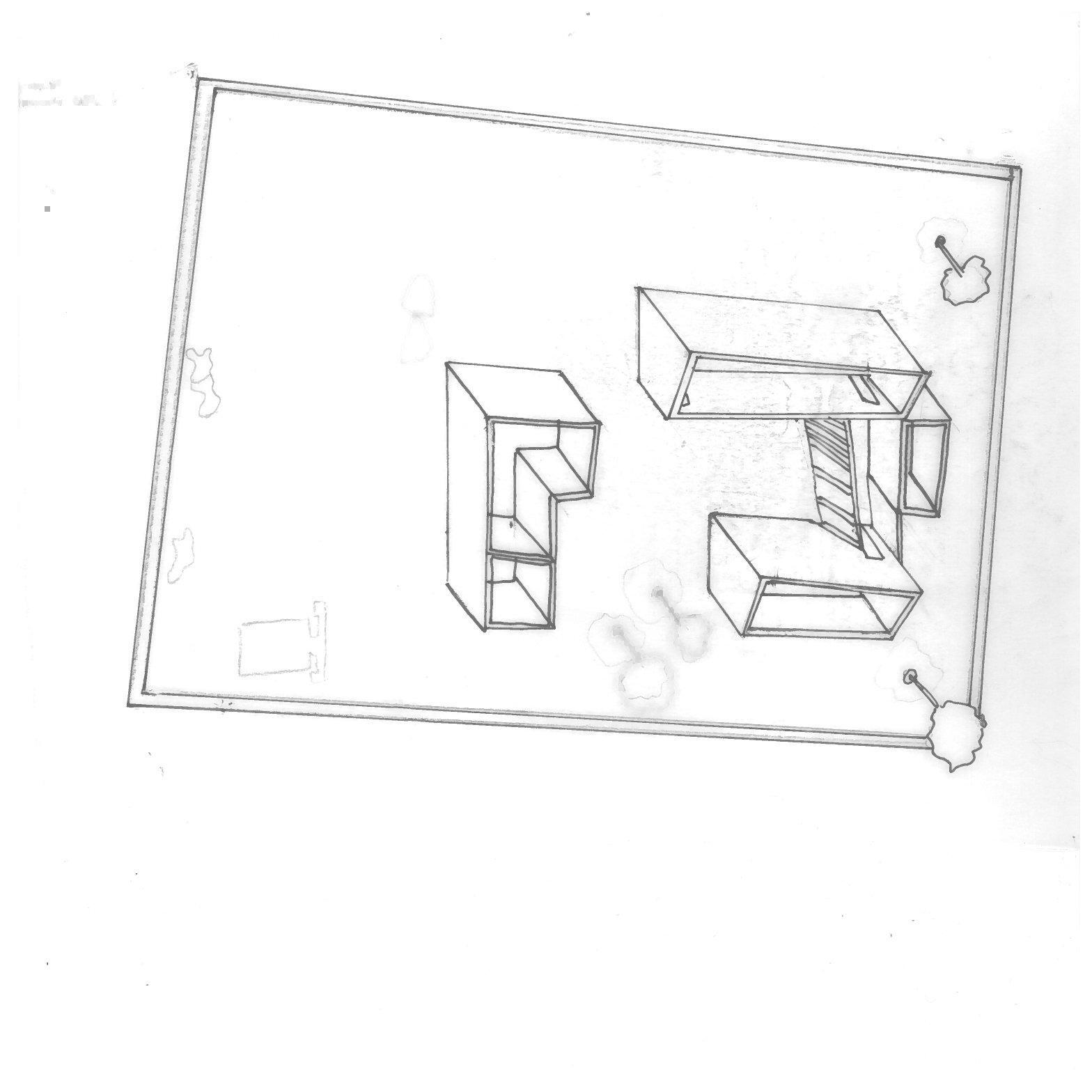
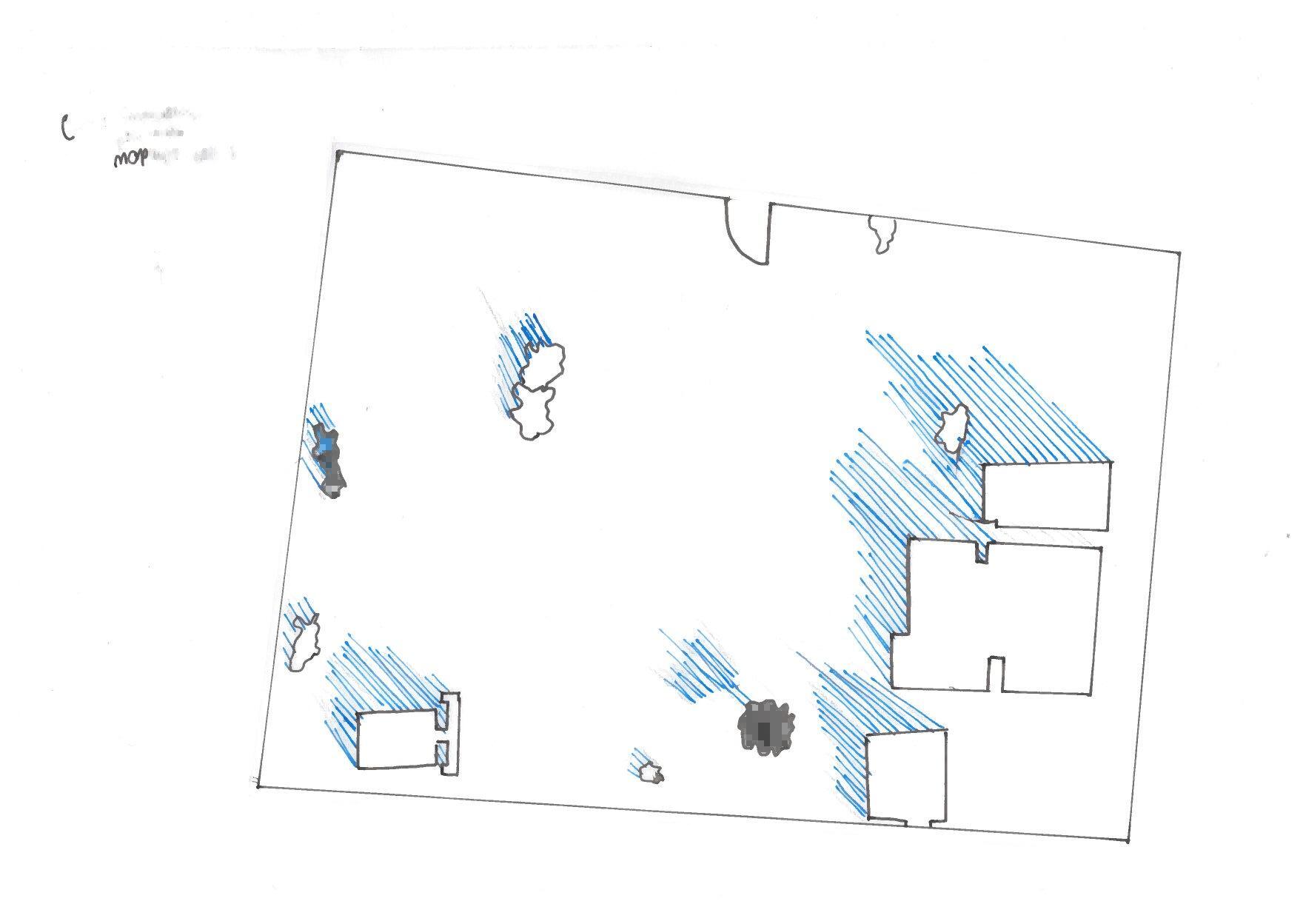
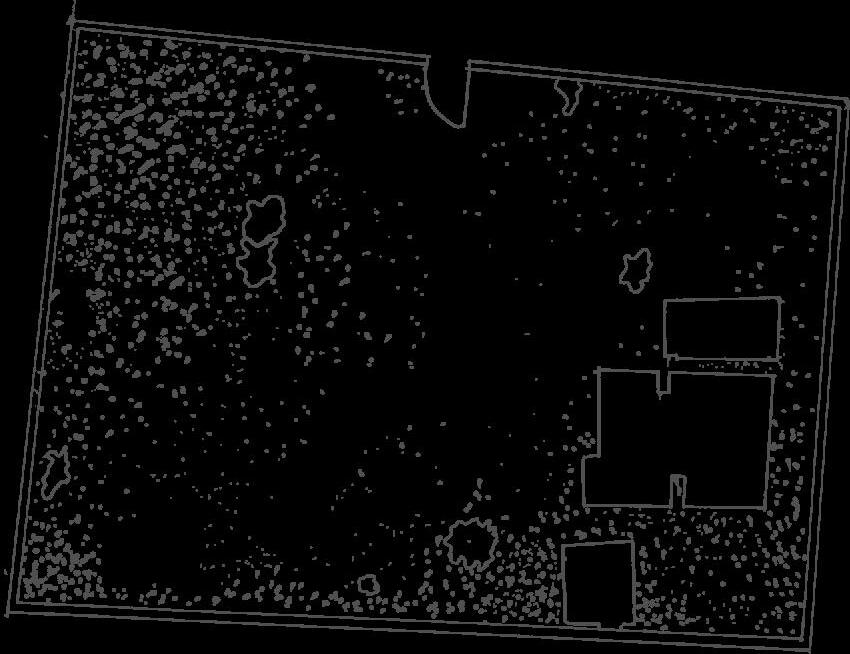
Position Analysis
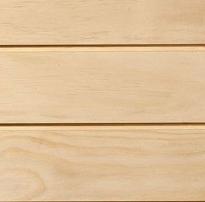
(Texture ) Morning sun(AM)
= Morning Sun Shade = Afternoon Sun Shade
= Existing Buildings (Old School + Toilet)
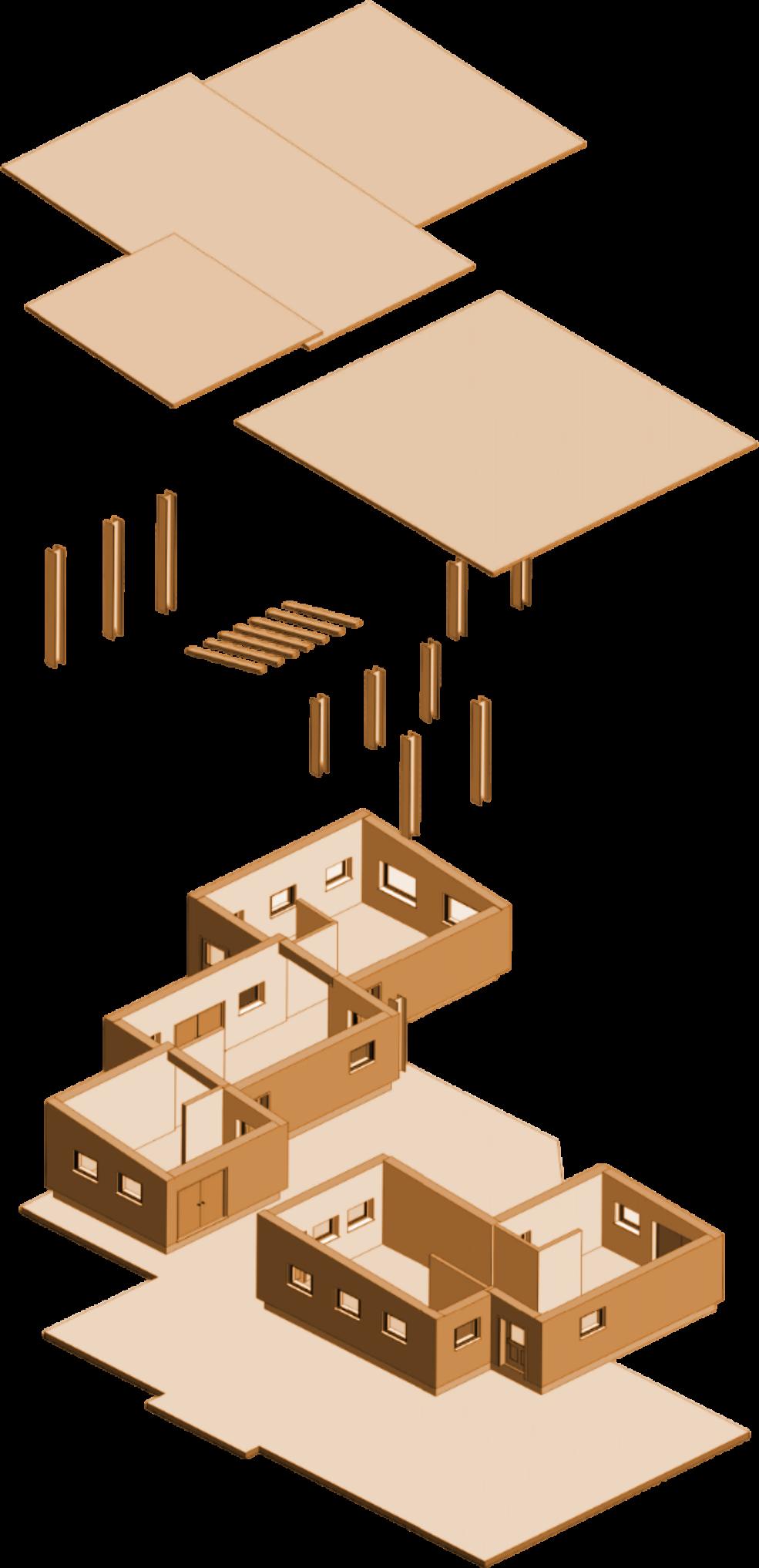
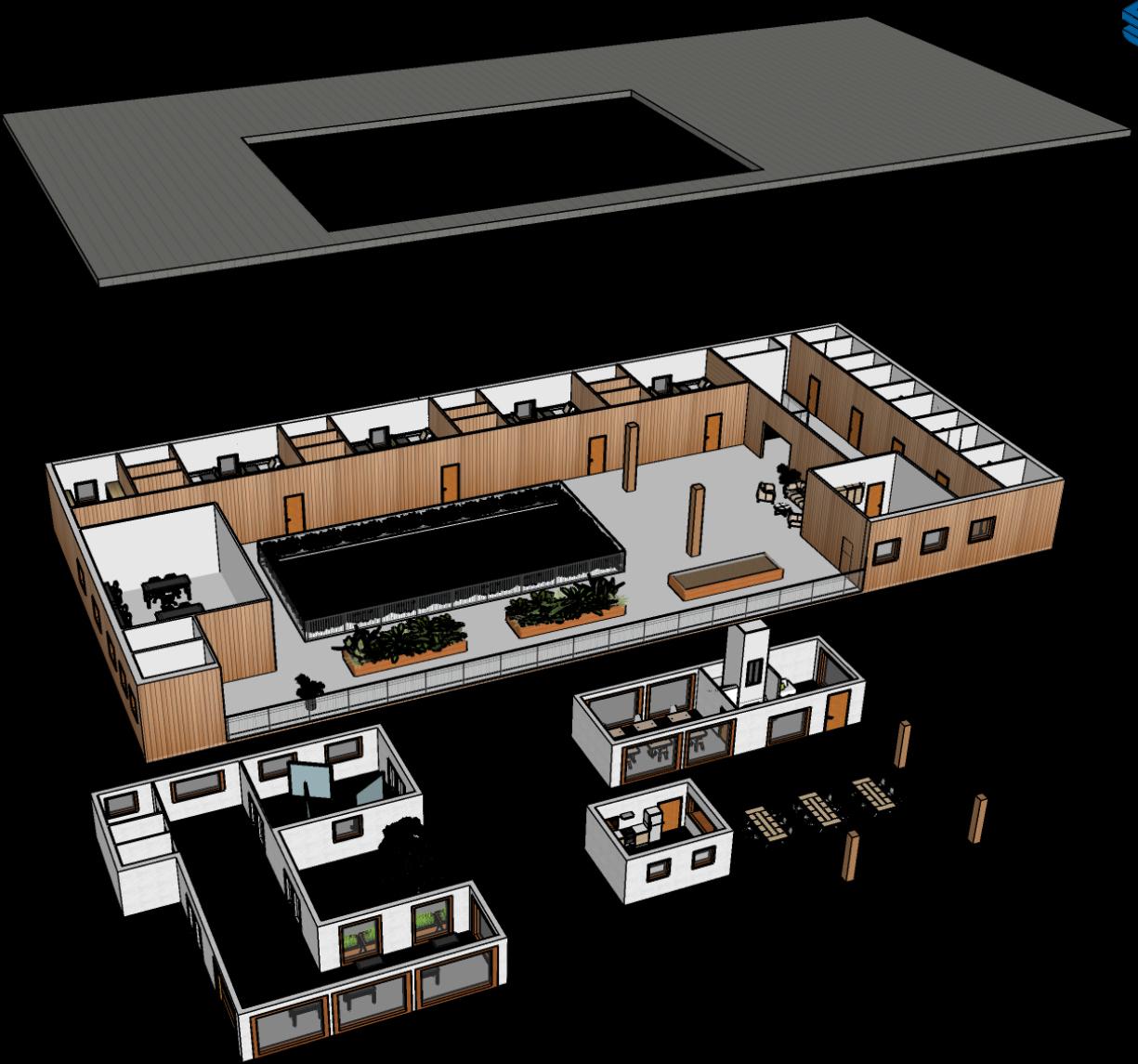
DETAIL DRAWING Classroom
10MMSTEELSHEET
BREATHERMEMBRANE
18MMROOFSHEATHING
FULLFILLINSULATIONBETWEEN38X152MMRAFTER
FIRERETARDANT
GUTTER
EDGEGRIP
TIMBERFASCIA RAFTER
38X114MMTOPPLATE
VERTICALFIBRECEMENTCLADDING
BREATHERMEMBRANE 10MMPLASTERBOARD
FULLFILLMINERALWOOLINSULATIONBETWEEN114MM STUDS
18MMOSBPLYWOODWALLSHEATHING
BOTTOMPLATE
38X152MMTIMBERDECKING FLASHING BOLTS JOISTHANGER
WALLSKIRTING 10MMTILEFLOORFINISH 4MMFIBREBOARD 18MMSUBFLOOR 38X228MMTIMBERJOIST
38X152MMSOLEPLATE DPC PLINTH M12ANCHORBOLT STRIPFOUNDATION
HURRICANECLIP
On site Classroom
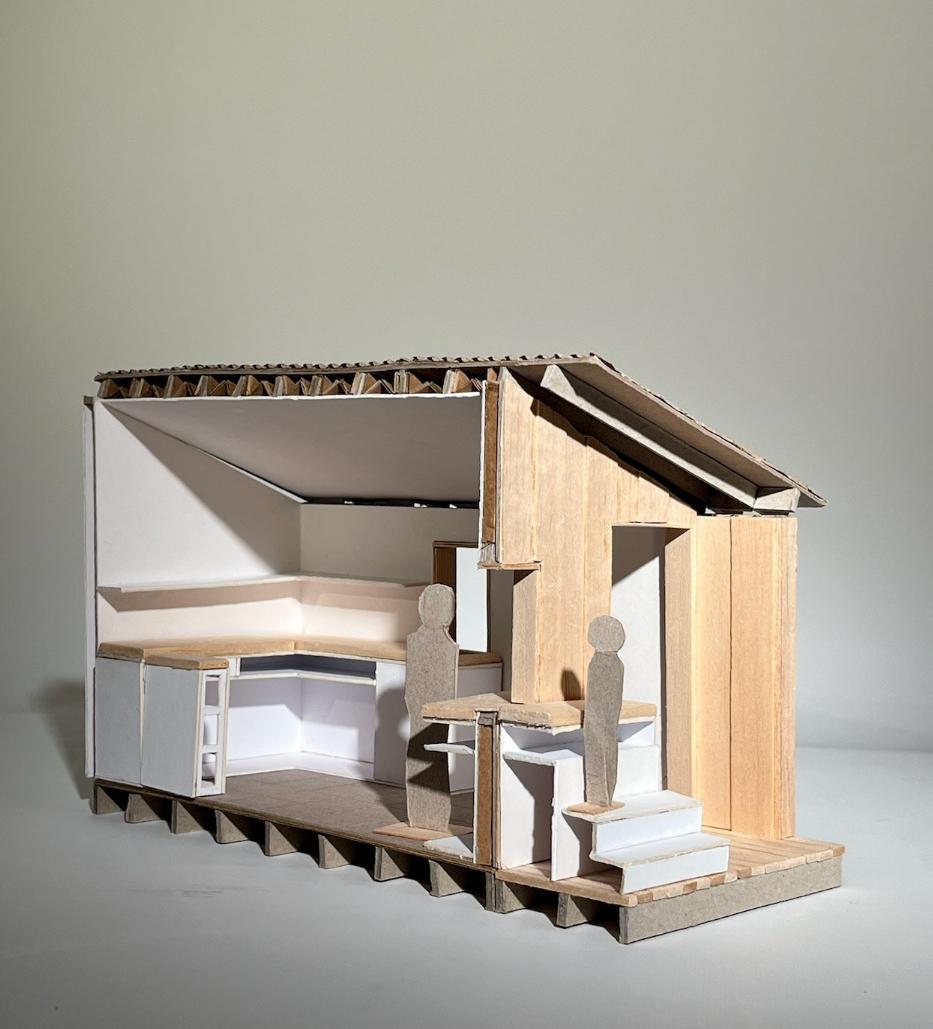
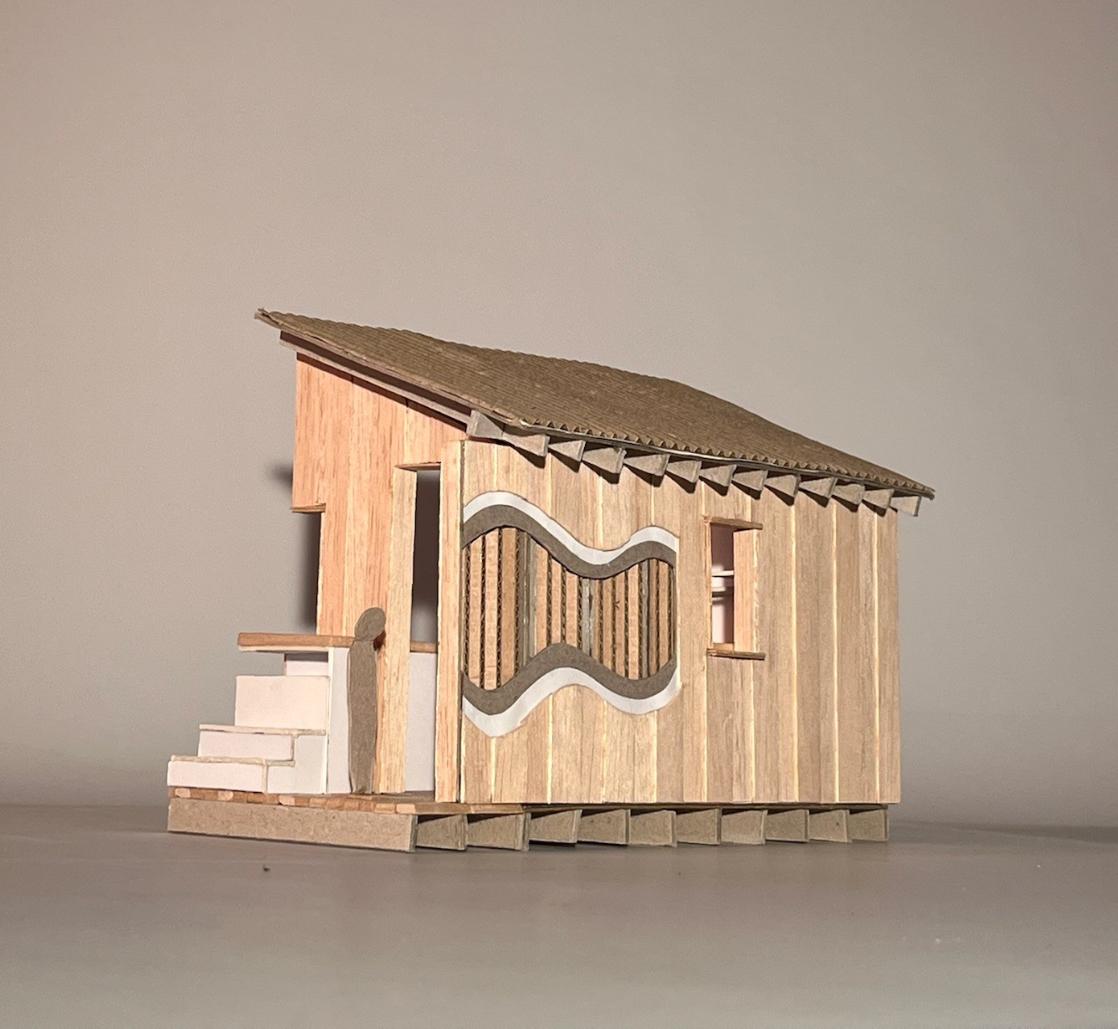
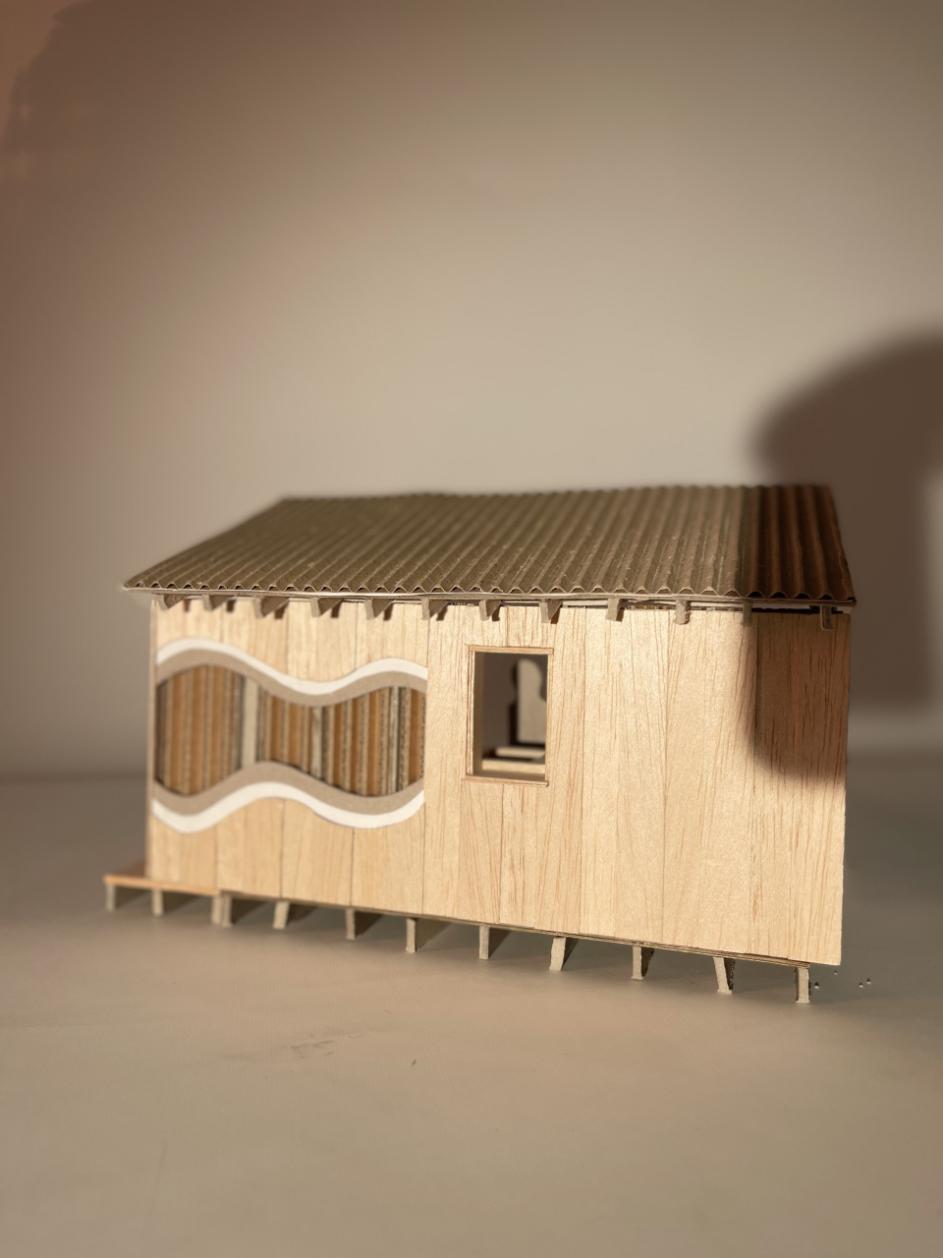
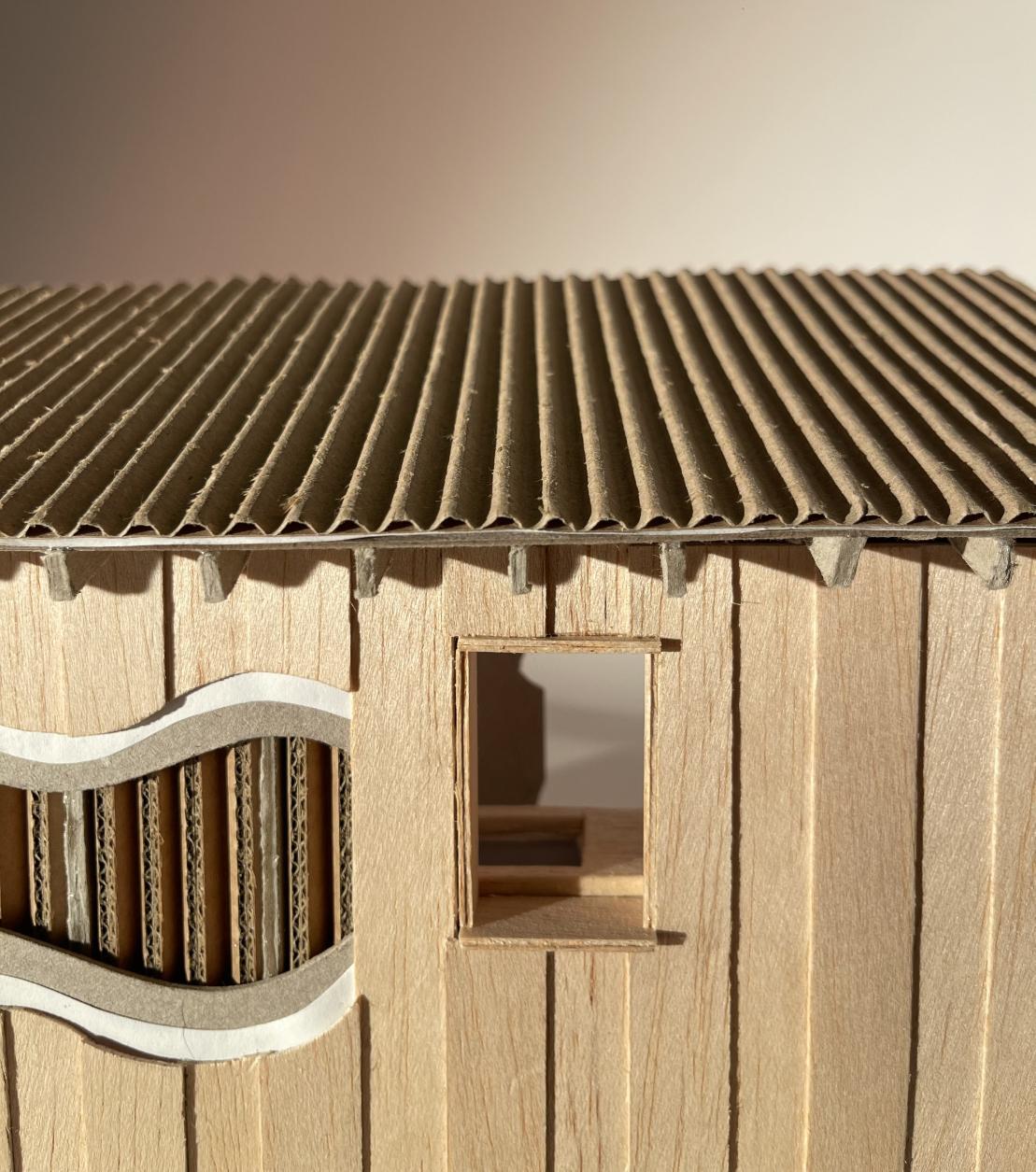
DETAIL MODEL (1:20)
Kitchen
01 ‘Umbambo Creation’ Studio Residence
Limpopo, South Africa
Studio: Design/build 23/24
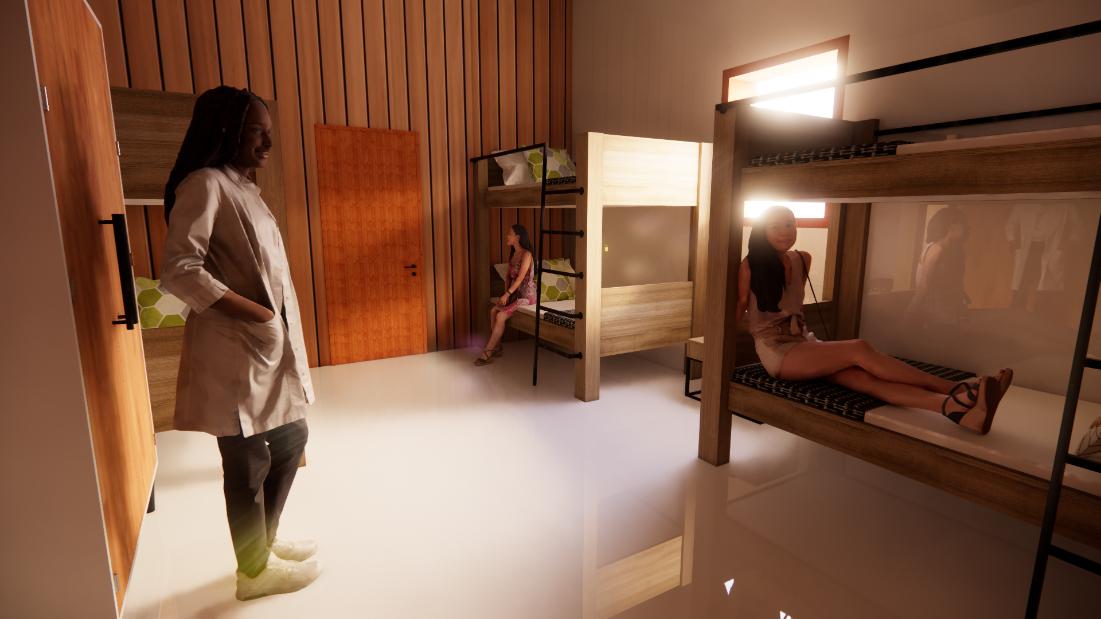
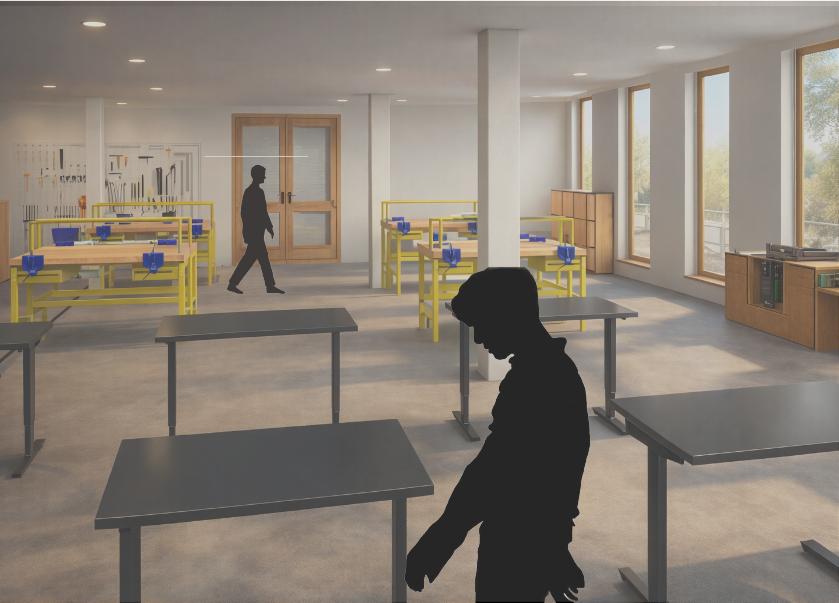
This proposal envisions a residential and studio space designed for students, teachers, and collaborators participating in a future 6-month Design/Build module in South Africa.
The building combines co-living and co-learning functions, with a woodworking and collaborative workshop space on the ground floor and mixed-use residential spaces above.
By integrating live–learn environments with active community engagement, the project fosters hands-on, context-driven architectural education.
The collaboration between students and local craftspeople strengthens humancentred design outcomes, building meaningful connections and mutual learning opportunities.
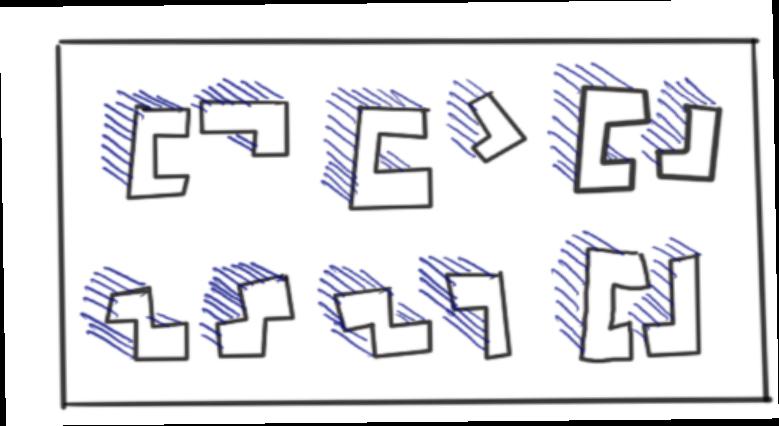
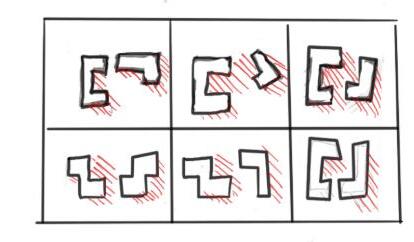
Puzzle based concept where contrasting spaces fit together through difference, with negative and interstitial spaces mediating between activity and restoration and seamlessly divided between
Concrete Slab roof
Cladding
‘ReCRAFT NOTTINGHAM’
Adaptive Reuse Woodcraft Centre
Nottingham,UK
Studio: Adapt/Adept
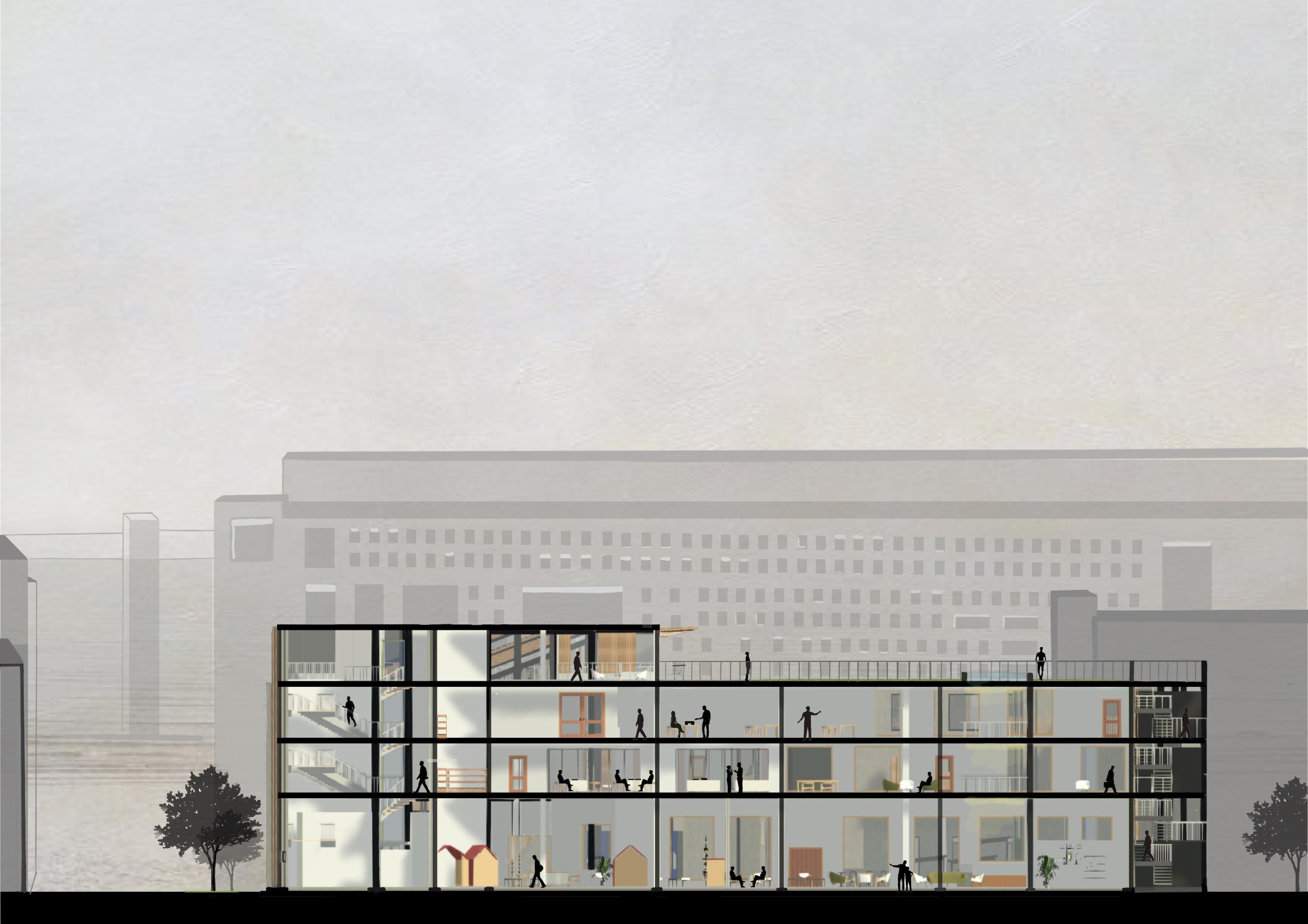
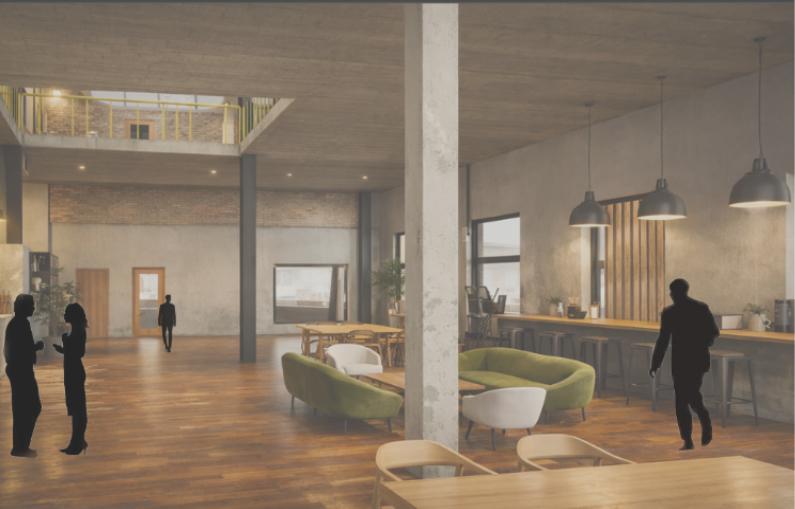
ReCraft Nottingham addresses the urgent rise in homelessness by re imagining the abandoned (heritage listed) former Fire and Police station located in the heart of Nottingham city centre, into a woodcraft and residential space through adaptive reuse
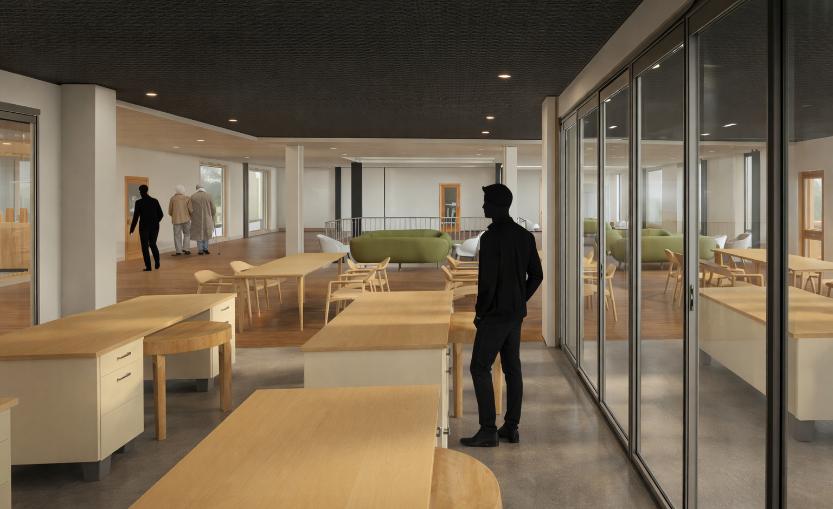
The project establishes a community woodcraft workshop that designs and produces flat-pack microhomes using reclaimed timber and Japanese joinery. These dignified, flexible living units are built for those in need—reviving a place of public service as a cultural space that continues to serve and support its community.
(Belonging + Esteem)
0.1 First Floor
Maslow’s Hierarchy as spatial sequence
‘ReCraft Nottingham’ (Woodcraft Centre for homeless individuals)
KEY:
=Additions
=Removed
=Retained (Structural)
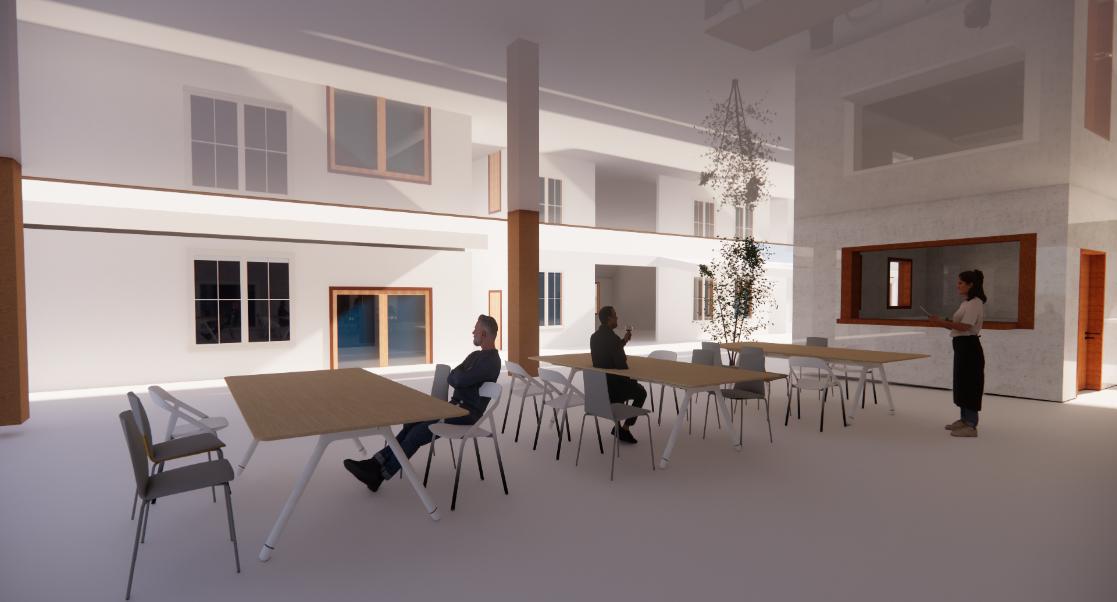
THE ATRIUM
EAST WING
SelfActualisation
Belonging + Esteem
→First / Second = Shared studios, learning spaces, collaboration → Upper floors = Independent making, exhibition, reflection
Physiological + Safety
→Ground / Entry=Workshops, welfare spaces, secure access
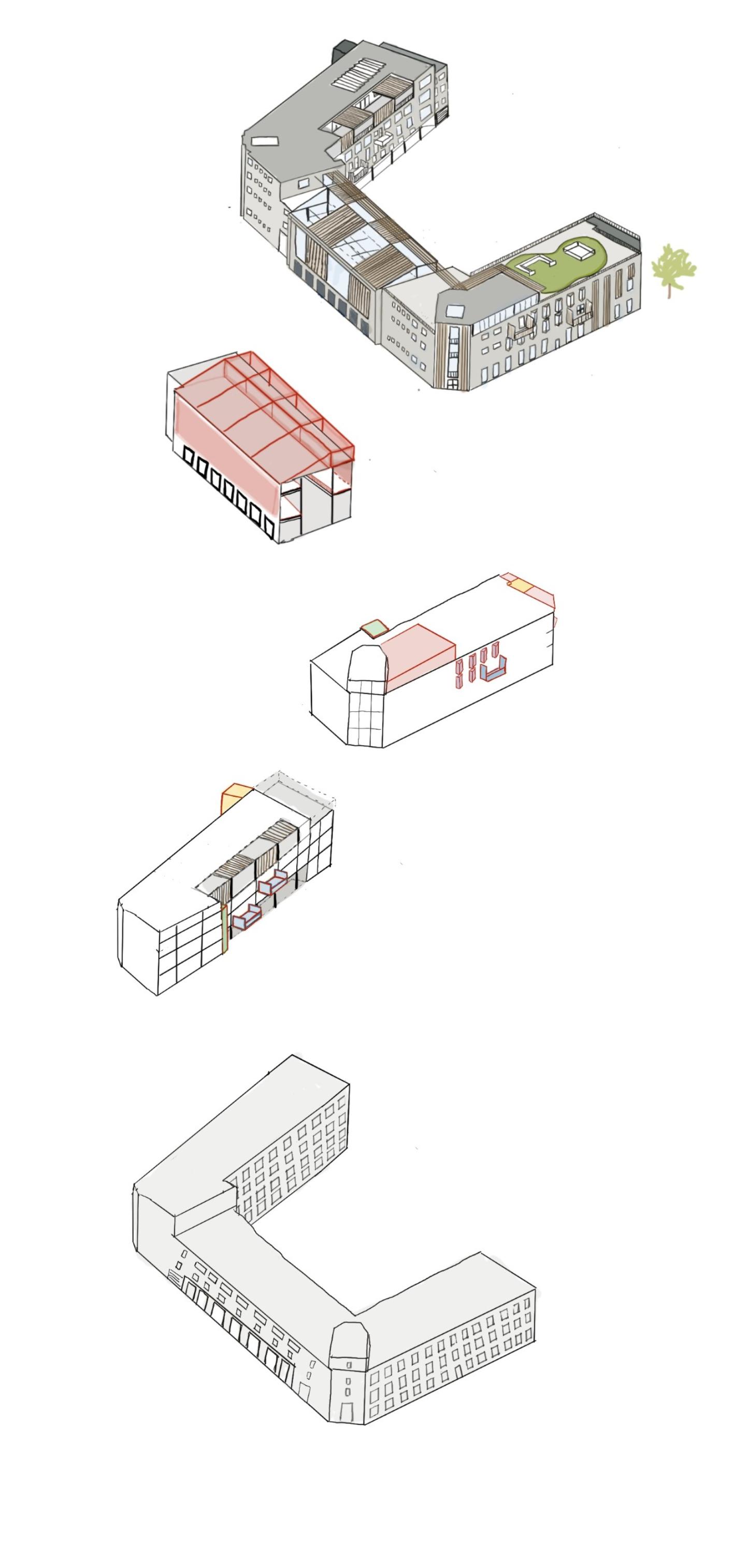
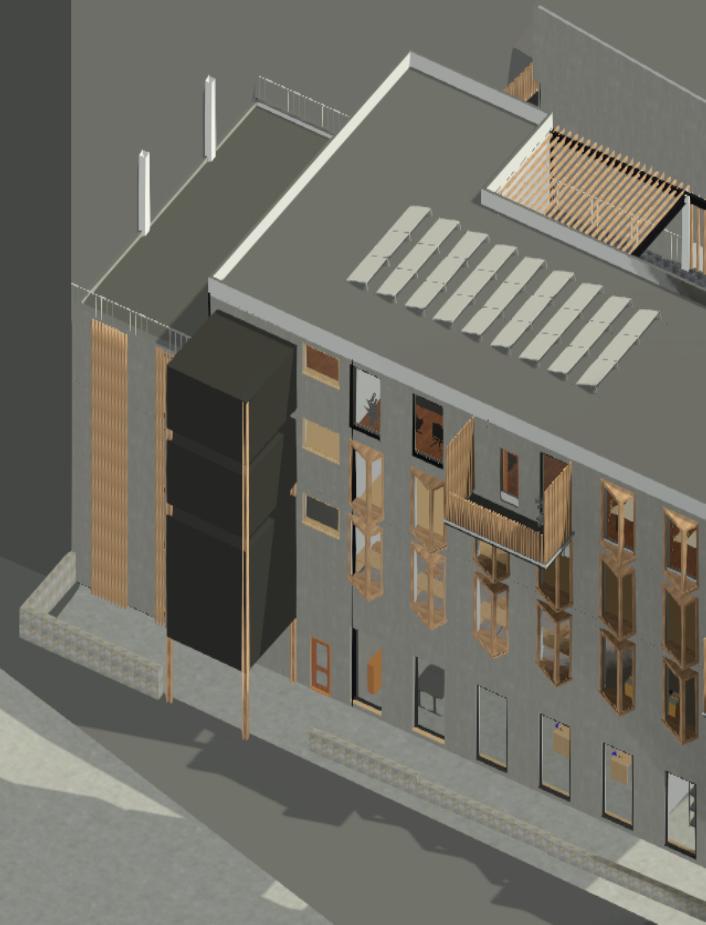
Inspired by Metabolic Architecture, the building operates as a living architectural organism, where plug-in elements act as adaptable organs that enable growth and change over time while preserving the listed structure.
Nottingham Former Fire & Police Station
EXISTING STRUCTURE
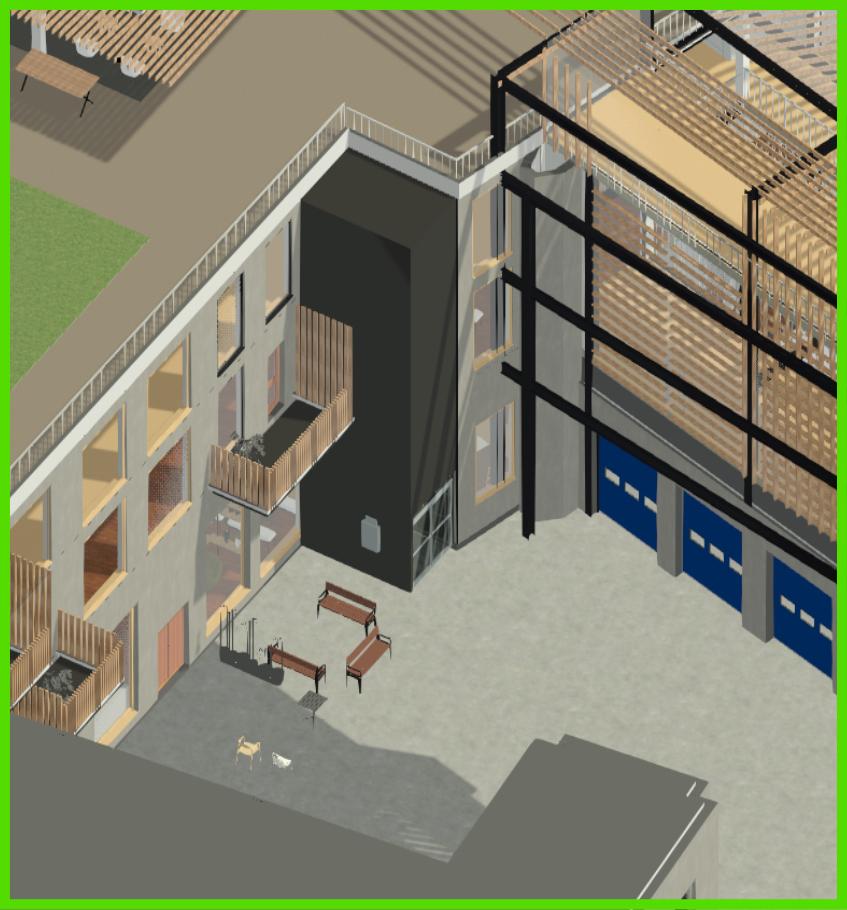
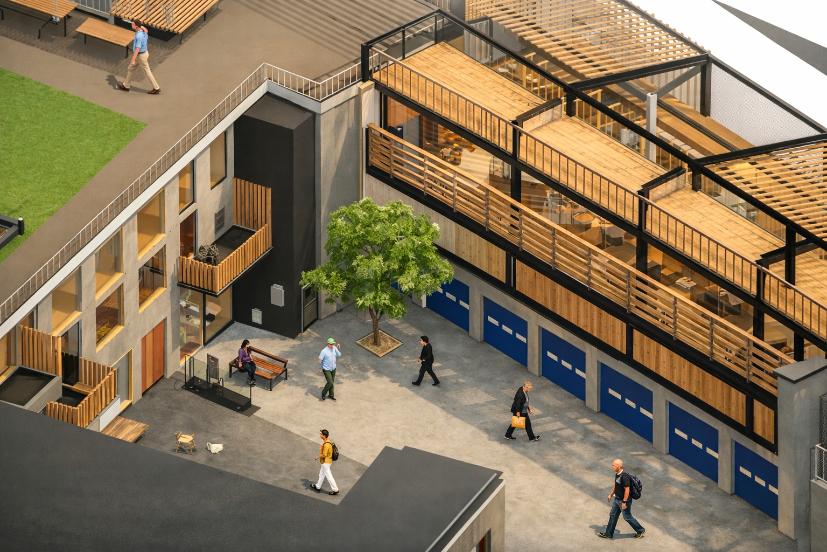
Prefabricated toilet blocks are stacked on top of one another, each connecting to wall openings on every floor in both the East and West Wings, and each unit containing three toilets
dedicated material movement lift enables easy transport across
floors, including flat-pack microhome components, which are later test-assembled in the courtyard.
Existing / Dormant
Original listed structure retained as a permanent architectural host.
Activated / Plug-in Phase
Reversible plug-in elements inserted within the permanent structural host, enabling new programmatic uses without permanent alteration to the historic fabric.
Removal of plug-in elements allows the building to return to its original massing, preserving the listed structure intact.
Future / Reversion
Reversible massing sequence illustrating temporal adaptation
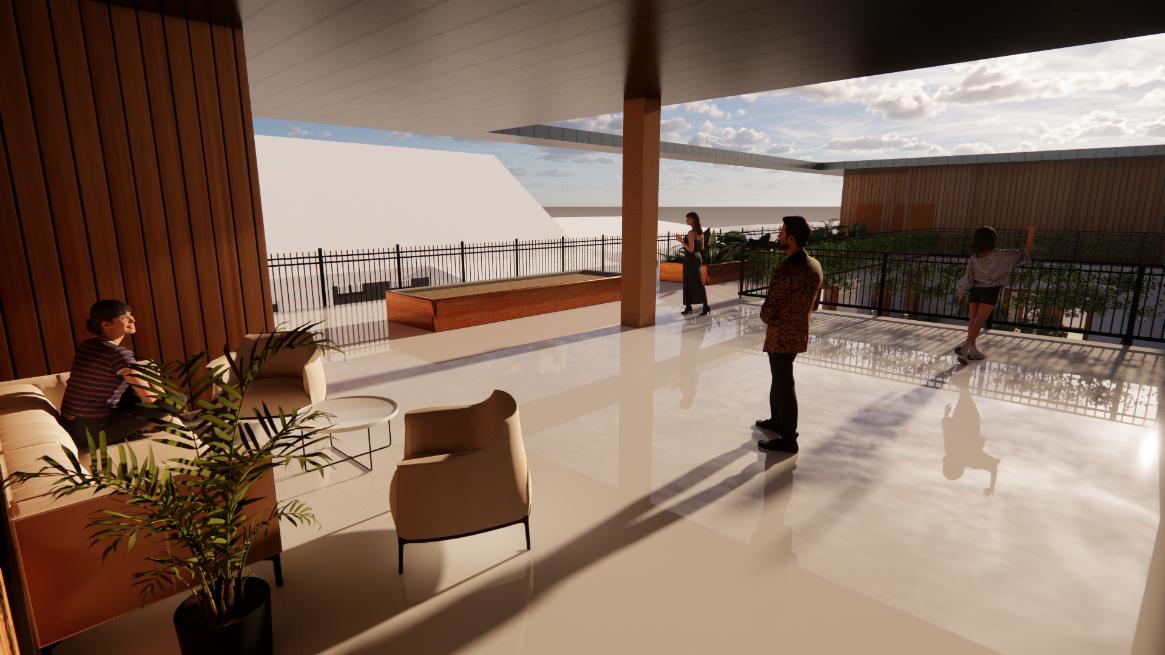
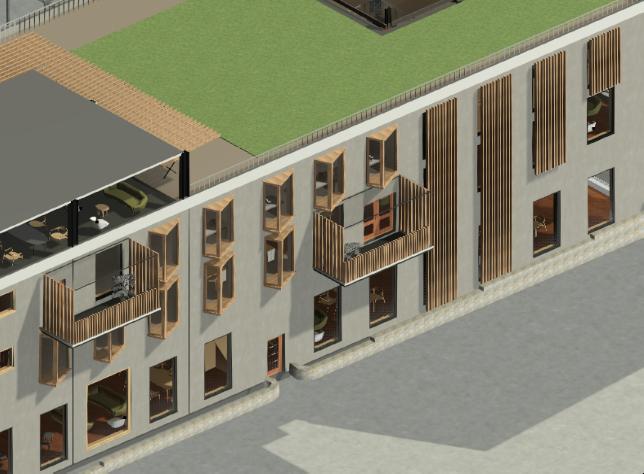
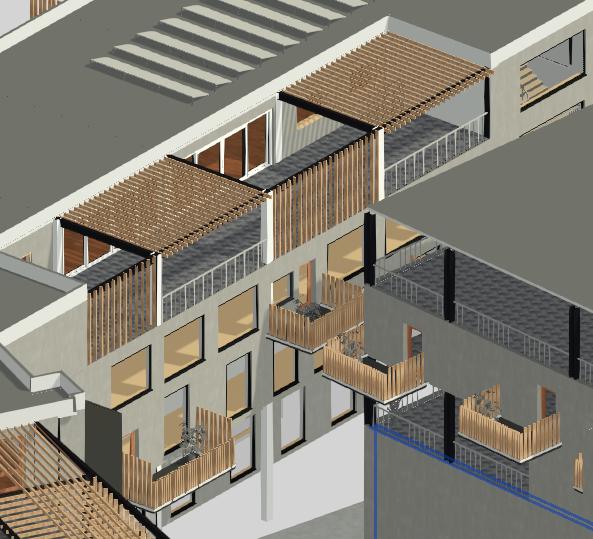
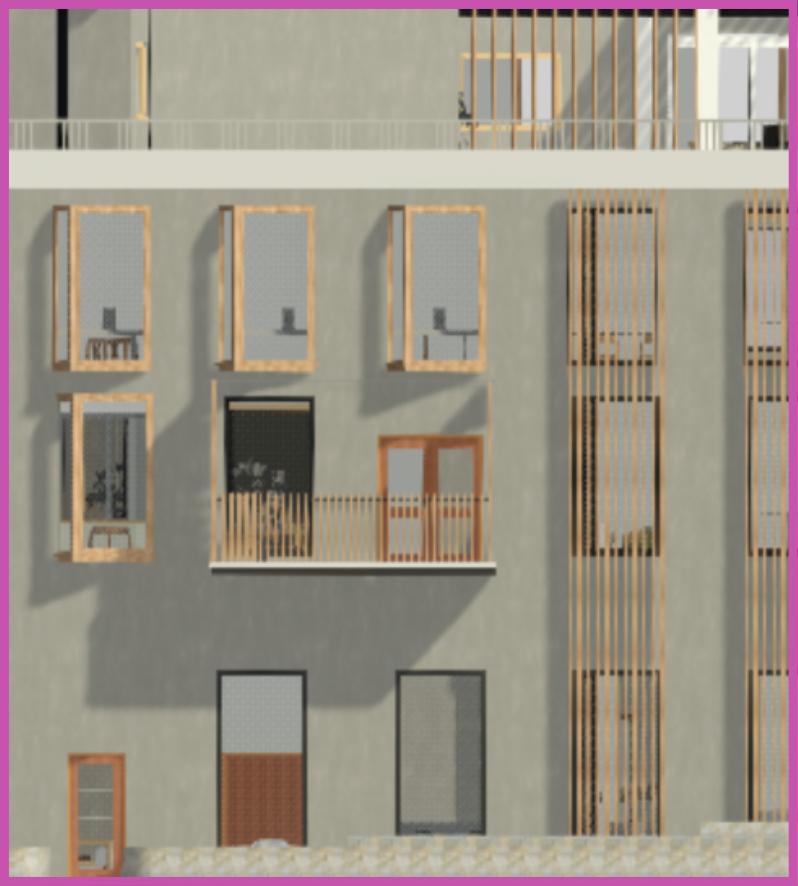
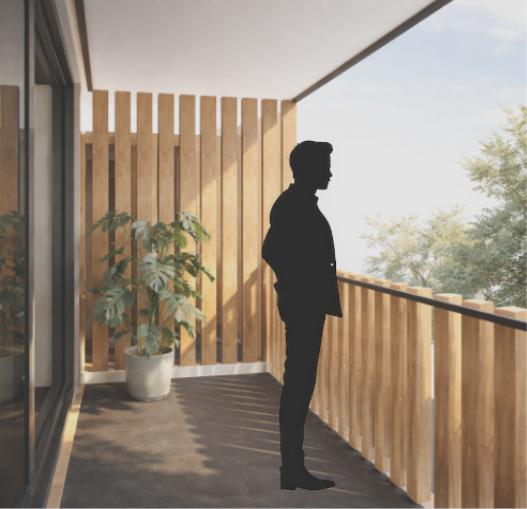
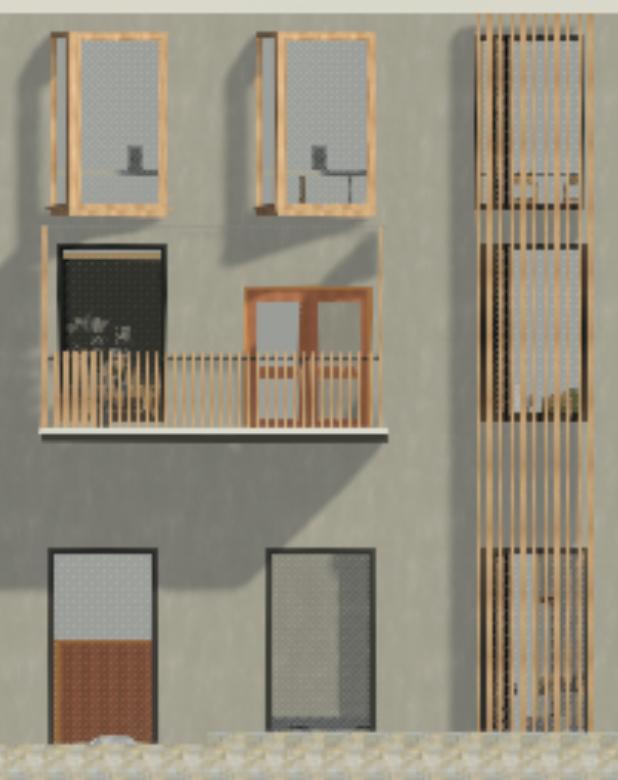
Floating louvres are installed mainly on the West side as well as East, easily fixed on either sides to provide essential shading and balconies provide quiet retreat spaces and allow connection of users to their surroundings
Plug in NORTH FACING WINDOWS
North-facing windows bring soft light into the workshop, overcoming shadows cast by the staircase. Set within original openings, the frames respect the structure while meeting new needs and allow a neutral light into the main workshop spaces
Plug in SHADING DEVICES
Plug in BALCONY
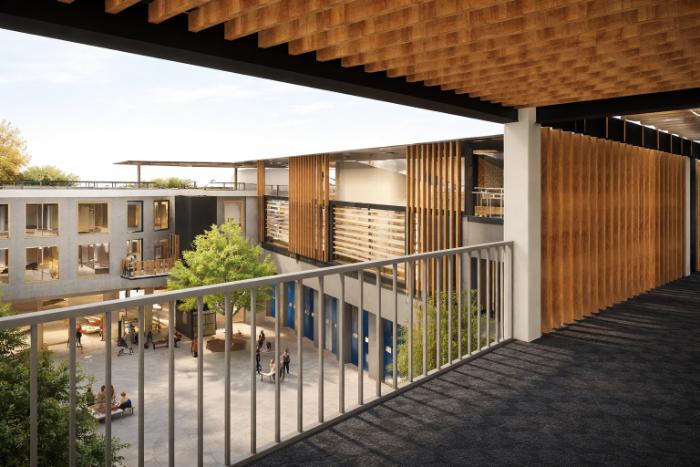
Courtyard view from East Wing (L3)
(L0 West Wing)