K E E P I T S A F E
Welcome to the Sept / Oct Edition of Keep It Safe
You will notice in this edition, we have listened to your views, and have changed the format of Keep It Safe You will therefore enjoy an improved reading experience, without the need to click on individual links In addition, you can now download the digital newsletter in its entirety and share it with colleagues I hope you will agree; a better way of disseminating crucial health & safety information
We have received some great feedback from our live Health & Safety Conference delivered in May at the British Motor Museum Thanks to all the speakers, exhibitors and delegates for attending and making this possible There is a place for virtual, but nothing compares with the real thing It was great to see everyone ’ s reaction, interaction and expression again The topics of Workplace Transport, Mental Health and Road Risk were also received well
Our inspirational speaker Lisa Ramos and our Motivational speaker Chris Moon were both highly rated Save the date for our 2023 conference on Wednesday 8th March at the British Motor Museum
As many of you know Richard Harrow our CEO has now completed his term at the British Frozen Food Federation He has led us through some difficult and turbulent times


 SimonBrentnall CMIOSHPIEMAAMIFPO HeadofHealth&Safety BFFF
October 2022 Issue
Fire Safety BFFF Initiatives Member News News and Events Primary Authority Scheme Enforcement Safety Focus Transport Hub Guidance Upcoming Events Read about:
O R E W O R D
Rupert Ashby is now in post as our new CEO and he is currently visiting many of our members In September we held our first face to face Health & Safety Expert group meeting since 2019 where Rupert attended to learn more about how we help, support and interact with our members
In this edition we have shared a couple of interesting member queries on Local Exhaust Ventilation, where certificates of thorough examinations may not be legal, if comparisons on the ventilation ‘draw’ have not been made with the original LEV commissioning report In another query we raise the profile of contact lenses being used by those completing maintenance on Ammonia systems
I was recently asked to take part in the IOSH Food and Drink Industries awards judging The awards judging panel comprised of members from BFFF as trade association representative, HSE, IOSH and Union representation The awards winners were announced at the IOSH Food and Drink Industries Conference in October were Nestle water won the award for their practical and innovative solution for tackling culture and engagement BFFF were also asked to present at the conference on the subject of leadership You should now have received an invite to sign up to the BFFF Health & Safety Pledge, the pledge aligns itself to the food and drink industries common strategy for reducing incidents, accidents and ill health
Members signing the BFFF Health & Safety pledge are encouraged to commit to the outlined values to: Demonstrate leadership and effective workforce engagement,
Comply with all current health and safety legislation, codes of practice and industry standards,
Provide a safe and healthy environment for their employees and all persons affected by their undertaking via co operation, consultation, training and review
In addition, compile an action plan for key industry objectives to: Reduce accidents and incidents of ill health,
Effectively manage Musculoskeletal Disorder (MSD) risks, Effectively manage Slip and Trip risks,
Deploy an effective Occupational Health management system which includes mental health & wellbeing, To develop links between workers at the different levels to collaborate on issues relating to occupation health and safety,
Benchmark their company ’ s health and safety performance with set targets and confidentially share their annual statistics with BFFF, Collaborate and share best practice case studies as a means of improving the health and safety performance of the industry
If you would like a certificate to display, pledging your commitment please email carlabrown@bfff co uk
F
FIRE SAFETY
Fire fighting in the workplace
Health & Safety Pledge
& Safety Conference
NEWS & EVENTS
of UK retailers fined for video privacy breaches
BOHS calls on Prime Ministerial Candidates to end the “national shame” of asbestos deaths
Environmental Social and Governance: only a third of people think their workplace has a positive impact on society and the environment
BFFF to speak at IOSH Conference October 4th 2022
PRIMARY AUTHORITY
ENFORCEMENT
Stark reminder to BFFF members employing contractors to ensure regular monitoring as UK Retailer B&M was recently fined £1 million
Driver found guilty of driving without due care and attention
Nestlé worker sustained serious injury after getting arm caught in Rolo machine
Contractor fined after unsafe work leaves food factory employee seriously injured
Sports Nutrition Supplier
Fined after Worker Loses Fingers
16
Falling Load Leaves Worker Seriously Injured 16
SAFETY FOCUS 17
Local Exhaust Ventilation
your Certificates of Thorough Examination legal?
Ammonia and Contact Lenses Have you considered?
18
TRANSPORT HUB 19
Latest research shows the revised laws fail to deter driver phone use
GUIDANCE 20
Wear It Study: help us understand COVID 19 virus transmission risk in the workplace
Respiratory Protective Equipment Face Fit Testing
21
UPCOMING EVENTS 22
2022 Annual Luncheon
British Frozen Food Awards 2023
MEMBER BENEFITS
Defib+
C O N T E N T S 3
3
6 Health
6
7
43%
7
9
8
10
11
12
13
Are
12
14
15
23
Partners& 24
I R E S A F E T Y
Fire-fighting in the workplace
The Regulatory Reform (Fire Safety)
Order 2005 states within article 13 that ‘The responsible person must, where necessary take measures for fire fighting in the premises, adapted to the nature of the activities carried on there and the size of the undertaking and of the premises concerned ‘ This statement, although small within the document, can make a big impact on the way a business sets up its protection requirements, from the basic fire extinguisher to complicated suppression systems. This time round we will look at several different ways to suppress a fire within the workplace
So of course, the place to start is with your normal fire extinguishers, I’m sure everyone has seen the extinguishers sitting either on the wall or on a frame on the floor, but to understand the extinguisher, firstly you have to know the classifications of fire so let’s start there
Fires were split into 6 classes but one has been declassified as you will see
Class A: fires involving solid materials such as wood paper and textiles the most common extinguisher for this type of fire is a water one but foam extinguishers can be used
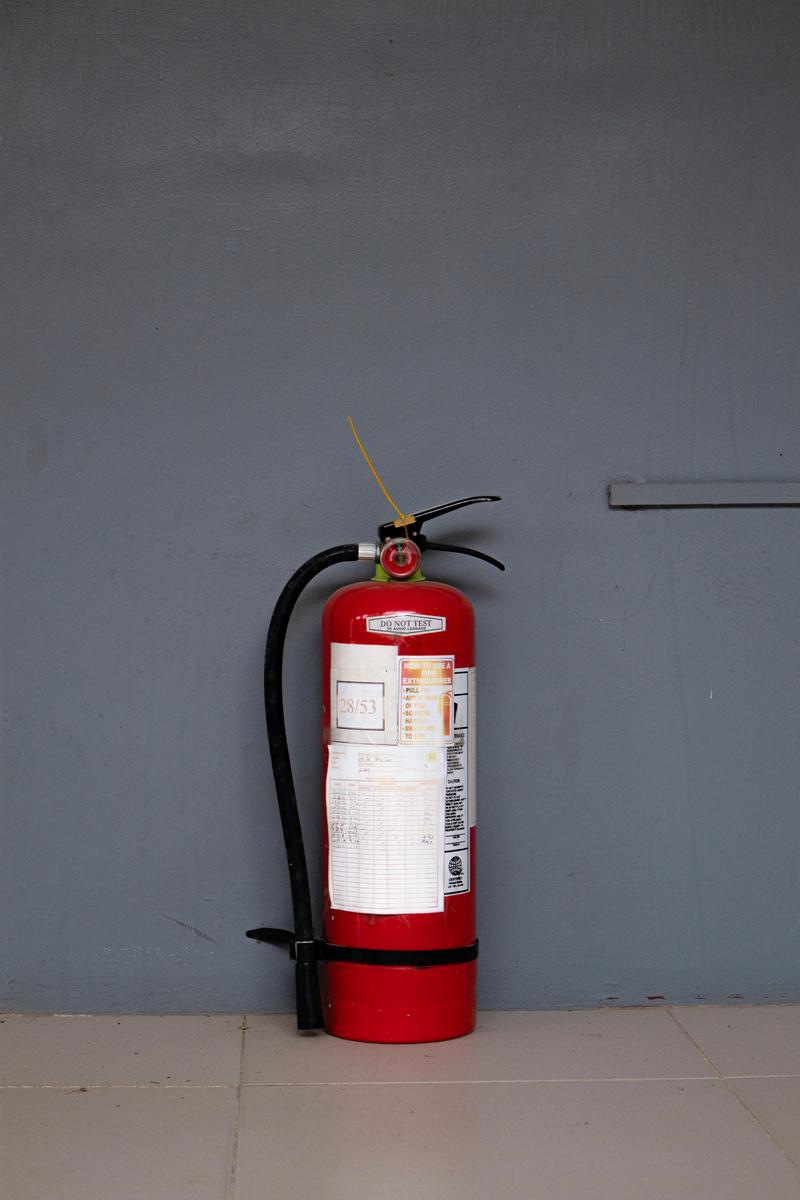
Class B: fires involving flammable liquids such as petrol, diesel or oils foam is the best media for extinguishing these fires but dry powder or CO² can also be used
Class C: Gaseous fires these speak for themselves and the only effective extinguisher in the handheld range is dry powder
Class D: fires involving combustible metals such as magnesium, aluminium and titanium there are specialist D class dry powders on the market but the normal dry powder would not be effective
Electrical: so this is the one that is no longer classified, if an object that is on fire has an electrical source still feeding it, it should be tackled with either dry powder or CO², but if the electrical source has been cut, it is now a Class A fire and should be tackled as such
Class F: Cooking oils and fats, these should be brought under control using wet chemical extinguishers
The P50 extinguisher has been certified for use in the UK it must be identified that its basic cost is more expensive that normal extinguishers (approx £150) currently but there may be a saving over the life of an extinguisher
Although there are no external testing charges, there is still an in house testing regime that must adhered to otherwise the business would not be compliant with Article 17 of the RRO

F
4
So now lets look at more specialised means of protecting the workplace and these come in a variety of different formats It should be remembered that the type of system used should be specific to the needs and atributes of the site
Sprinklers are an old and established means of reducing the risk of extended fire by a system of pipework that delivers water molecules via activated heads to an area of fire (see the article in the Jan 2021 issue for more information) These do require large water tanks or supplies, pumps and extensive pipework
Water mist systems use the same effective means of extinguishing fires, but use smaller water molocules at higher water pressures and therefore there is not the need for such large amounts of stored water and equipment
Water cannon/monitors are often used in areas where a large volume of water or foam is required rapidly to extinguish fires They can be fixed in a single position to protect a specific risk or have to ability to be manoeuvred by an operator or to oscillate on its own The downside of this is the possibility of having to instigate an extensive clean up operation
Chemical suppression also comes in many forms and the most basic of these is the Ansul system seen in all forms of cooking areas from fish and chips shops up to large scale cooking platforms, the system will activate at one particular piece of equipment and utilise the correct extinguishing agent for the appliance
Other suppression systems can be used when there is a need to protect one particular room like a specialised work process room or a closed storage area These can make use of an extinguishing agent like CO² or a dry chemical powder to extinguish a fire Most dry chemical fire suppression systems make use of a large tank that is filled with the dry chemical powder, and then pressurized
Finally, there is a system that doesn’t rely upon extinguishing agents at all An oxygen reduction system will reduce atmospheric oxygen concentration in the air from 21% down to 17% in a controlled manner, this reduces the chance of a fire having the required amount of oxygen to ignite but will still allow people to work in the environment
5
B F F F I N I T I A T I V E S
Health and Safety Pledge
BFFF members are committed to providing a safe and healthy work environment for all involved in the frozen food industry BFFF encourages all members to improve their standards of health and safety, benchmark their business and share best practice case studies as a means of improving the performance of the industry
We have updated our Health and Safety Pledge for our members to adopt and follow, ensuring employees are kept safe in the workplace Look out for yours in the coming weeks
Health and Safety Conference
Once again, the BFFF Health & Safety team bring you a programme packed full of interesting and informative talks from real experts in their field Having faced some of the greatest challenges in recent years, now is the perfect time to join us in taking a step back and exploring how, together, we can build a better future
BOOK TICKETS
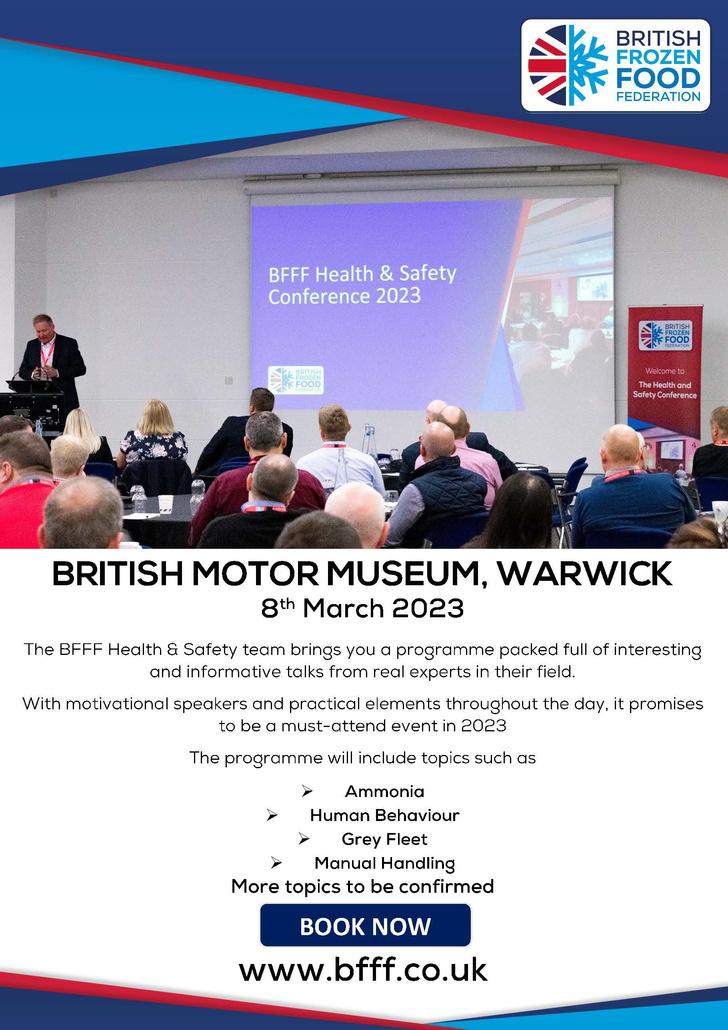
2023
6
E W S A N D E V E N T S
43% of UK retailers fined for video privacy breaches
CCTV Cameras are a great deterrent in preventing theft and physical abuse for our member companies however retailers are being hit for their failure to protect customer and employee privacy in video footage, according to a nationwide survey of retailers from video security and privacy company, Secure Redact
The survey asked 500 British retailers a range of questions relating to in store use of video surveillance technology, the visual data privacy of customers, GDPR violations and more between May and June 2022
It reveals that 43% of brands surveyed reported they had been fined for a violation of video surveillance GDPR legislation Of these retailers, 37% reported paying an equivalent of 2% of their annual turnover, 30% said the fine amounted to 3% of annual turnover, and 15% said the fine was 45% of annual turnover Some 33% of those fined had to close stores as a result of enforcement action
Simon Randall, CEO, Secure Redact, said: “These findings paint a vivid picture the unstoppable rise of video is meeting the immovable object of privacy regulation, with retailers and shoppers left to pay the price The rapid increase in mass surveillance of UK shoppers represents a breach of personal privacy on a colossal scale, and the regulators appear to be clamping down hard ”
The retail sector has been a popular market for AI and analytics in surveillance devices, with technology providing the ability for operators and store managers to pick out ‘hotspot’ areas and improve efficiencies in stock placement and queuing lines
Similarly, UK retailers surveyed for Secure Redact intend to expand video surveillance technology use, such as wireless CCTV, facial recognition technology, queue monitoring or body cameras in store Approximately 94% of survey respondents already use at least one of these technologies, and all said they intend to use them more in future, highlighting that many companies are looking to use video surveillance for more than just security purposes
Meanwhile, 68% of consumers say it is critical that retail store employees understand their preferences and needs, and video analytics has become a core part of that strategy, but improper use, storage and handling comes with significant financial and reputational liabilities for brands across the UK and beyond
Mr Randall continued: “Consumers care about privacy Implementing stronger privacy measures with in store video will only further retailers’ objectives not hinder them People think that privacy and video analytics are incompatible with smart deployment and the right technology, that’s no longer true
N
” 7
E W S A N D E V E N T S
BOHS calls on Prime Ministerial Candidates to end the “national shame” of asbestos deaths
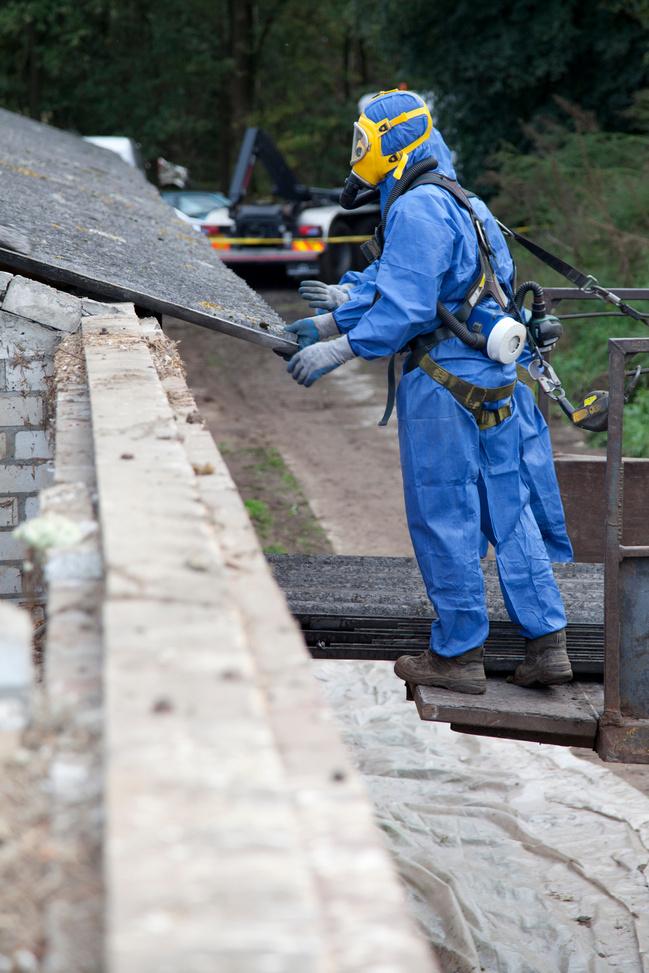
The British Occupational Hygiene Society (BOHS), together with the Faculty of Asbestos Assessment and Management (FAAM), has called upon future Prime Ministerial candidates to commit to a proper national plan on asbestos This follows HSE statistics showing an increase in asbestos deaths to over 5,000 each year
BOHS is critical of what it calls the government’s “wishy washy” response to Parliamentary Inquiry recommendations, published earlier this year Parliament called on Whitehall to join up its thinking and collect better data to protect nurses, teachers and those in social housing who are at increasing risk of exposure to asbestos as building stock degrades
Jonathan Grant, Registrar of the Faculty of Asbestos Assessment and Management said: “The government’s response dodges the main issues coming out of the Inquiry It needs to have a proper joined up strategy using research, tax incentives, communication, building control, the conveyancing system, technology, and the opportunities arising from the greening of buildings Instead, the government plan is to use a handful of inspectors, a bit of social media and wishful thinking to move things on
“We are pleased that there are indications that the government thinks it might be a good idea for people surveying for a cancer causing toxin like asbestos, should now have some level of competence and accreditation
It’s also progress that they appreciate the need to ensure that the contractors who check to see that asbestos is being removed from properties properly, should not be on the same contractor’s payroll ”
Professor Kevin Bampton, CEO of BOHS said: “In its Response, the government says it is listening to professional bodies like us, but they clearly have not read the evidence given to Parliament, the Select Committee Report or its own statistics on asbestos deaths The new PM needs to show leadership on asbestos, which is a national problem from the humblest of Council houses through to the Palace of Westminster itself ”
N
8
S A N D E V E N T S
Environmental Social and Governance: only a third of people think their workplace has a positive impact on society and the environment
According to a poll from YuLife and YouGov, just over a third (39%) of people think their place of work has some sort of positive impact on society and the planet This is in spite of the many announcements from organisations about how ESG (environmental, social, and governance) can boost employee engagement and help them stand out from their competitors
With many businesses having upped their ESG investment in recent years, the report claims to shed light on what UK working adults want and expect from their workplaces, equipping businesses with vital insights into how to focus their ESG programmes most effectively
The report finds that many UK employees consider ESG initiatives to be an important factor in their choice of workplace 42% of UK working adults agree that they are more likely to work for a company with environmental initiatives (such as recycling programmes, sustainable products and packaging, a walk to work scheme, etc ) over one without Thirty seven per cent of UK working adults say they would steer clear from working for a company with poor green credentials
Despite this, the finding that less than half of all employees agree that their workplace makes a positive impact on society and the planet demonstrates that many employers need to bolster their ESG offerings
Other findings include:
66% of UK working adults (including 73% of women) agree that volunteering positively impacts wellbeing A majority of workers (52%) feel that it would enhance their sense of wellbeing if their employer took them away from work to volunteer on a regular, fixed basis
Most working adults (53%) agree that they are more likely to volunteer for causes if their workplace arranged it for them
When asked to imagine working for a company that is investing in causes to tackle climate change and environmental issues 62% of working adults agree it would make them think more positively about their company 51% of UK working adults believe they are more likely to commute to work using environmentally friendly means of transport (walking, cycling etc ) if their employer incentivised them to do so
56% of UK working adults believe it is important that their company buys products and services from diverse and sustainable brands Only 10% feel that is it not important at all that their company does this
44% of UK working adults believe it is important to them to have a say in the causes their company invests in
N E W
9
E W S A N D E V E N T S
ESG initiatives tend to matter more to younger employees; 66% of 25 34 year olds agree that they’re more likely to volunteer if arranged by their workplace, and 62% are more likely to walk or cycle to work if incentivised by their employer
“In the wake of the ‘Great Resignation’, employees are increasingly conscious about choosing a workplace which best fits their needs, preferences and priorities,” said Sammy Rubin, CEO and Founder, YuLife
“This survey clearly demonstrates that large numbers of UK employees want to work in an environment which makes a positive difference to society, but employers still have some way to go in order to respond to employee demand on this issue With many companies’ budgets now tightening, it’s especially important that businesses don’t lose sight of this vital need, and ensure that ESG expenditure is well matched to employees’ expectations ”
BFFF to speak at IOSH Conference October 4th 2022
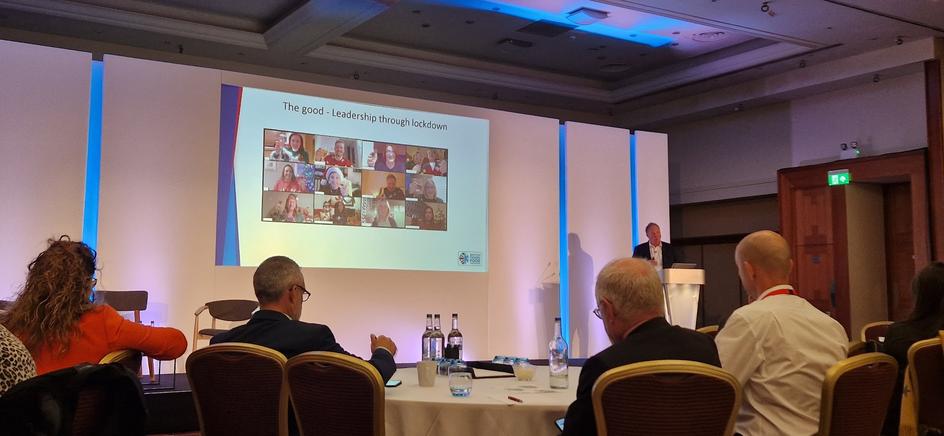
Don't stop believing, let's keep leading!
Simon Brentnall the Health of Health & Safety at the British Frozen Food Federation will spoke at the IOSH Food and Drink Conference on 4th October at Chesford Grange in Kenilworth In this session, Simon took delegates through a series of thought provoking stories, giving an insight into the good, the bad and the ugly of leadership Why does one company's brand name become synonymous with safety for the last 80 years? How can a simple boardroom decision become a catastrophe? Why do some workers look the other way instead of taking the lead? These and other questions were explored
The IOSH Food and Drink conference sessions provide delegates with practical examples of sensible, pragmatic and effective health and safety solutions to improve the occupational health and wellbeing of the workforce and, in turn, improve overall performance in food and drink manufacturing
The conference explored how to improve your own professional performance within your organisation Opportunities to network were available with colleagues in the industry from all over the UK, and attendees were given access to a networking app before, during and after the conference, to make networking much easier
https://iosh com/health and safety professionals/improve your knowledge/events/food and drink conference/
N
1 0
A R Y A U T H O R I T Y
Primary Authority is a Government run scheme that helps protect businesses from unnecessary legal challenges
It helps to ensure businesses operating in the food sector are doing so safely and legally
Primary Authority is an extension of the old ‘Home Authority’ principle where your local authority and your business worked together to ensure you were on the right side of the law Government have recognised that enforcement and interpretation of legal regulations was sometimes variable in its approach, and that many businesses operated outside their own local area, so in 2009 they launched the Primary Authority scheme
The vision for Primary Authority is to allow business to ‘trade with confidence’ throughout England
Once you have Primary Authority advice signed off within a registered partnership, your operating practices can’t be challenged by any other enforcement authority
How Can the BFFF Scheme Benefit Your Business?
We can facilitate access to a wealth of experience and understanding of the scheme.
Over 30 pieces of sector wide advice additional advice driven by member requirements
BFFF do all of the administration for setting up a scheme for you just contact us we will do the rest Trade with confidence no unnecessary enforcement queries Can potentially save you money Free to join
There are 2 types of Primary Authority scheme; direct and coordinated Direct partnerships:

A direct partnership with a Primary Authority can look at your specific policies or operating procedures on site and assure themselves that you are operating within the law In effect they endorse your operations and policies Given their legal status as a Primary Authority partner this advice then has legal backing for your business
Co ordinated partnerships:

BFFF operates a co ordinated Primary Authority scheme and we have an expanding range of sector wide advice This partnership operates in the same way as the direct partnership but you don’t need to deal with the Primary Authority directly, BFFF does that for you You can also rely on this advice as it also has the legal backing for your business Why Join the BFFF Scheme Now?

Any BFFF member can benefit from advice, whether it is tailored to your business or sectoral advice put in place by BFFF A series of unique BFFF schemes are available for Fire Safety, Health & Safety, Food Standards & Labelling, and Food Safety, please contact us for more information
To join the scheme please contact carlabrown@bfff co uk

P R I M
1 1
E N F O R C E M E N T
Stark reminder to BFFF members employing contractors to ensure regular monitoring as UK Retailer B&M was recently fined £1 million
UK Retailer B&M was recently fined £1 million after contractor electrician suffered serious burns in warehouse explosion in Liverpool In this case the Electrical contractors working methods fell well short of the required standards Electrical work commenced without proper planning and power supply was not isolated with no controls to factor out human error (switching on supply) With live working allowed to take place, this putting workers at risk of electric shock The injured contractor suffered serious burns to 15 per cent of his body when he was caught in an explosion B&M Retail Ltd pleaded guilty to breaching Section 2 (1) and Section 3 (1) of the Health and Safety at Work etc Act and was fined £1,000,000
To interpret this, we have provided the below simplistic explanation on the Health & Safety at Work Act and how it applies to those employing contractors:
Section 2 (1) this relates to those employing contractors, with the contractor working in an unsafe manner, this was clearly putting own employees at risk and therefore a breach of their duty
Section 3 (1) this relates to those employing contractors and ensuring they are not exposed to any risk As an employer of contractors you must ensure they are competent ones and have a robust system in place to monitor them This does not mean controlling their work but stopping their work if unsafe (such as no lock out tag out procedures)
The contractor also pleaded guilty to breaching Section 2 (1) of the Health and Safety at Work Act and fined £100 for the failure to protect their own employees For the contractor there is a clear role defined for supervising employees Full the full story please see below link:
Retailer and electrical contracting company fined after electrician sustains serious burns in warehouse explosion | HSE Media Centre
Sentencing Guidelines 2016
With the sentencing guidelines coming into play in 2016 there is a duty for the employer toward its employees and non employees You will notice huge a huge difference in the fine for B&M (£1 Million) and the contractor (£100), this due to differences such as turnover
The sentencing guidelines provide a structured approach for a judge passing sentence, this considers many variables however the main key areas are as follows:
Culpability This is a comparison to find out how far the company was from complying with the law, this stated as low, medium, high or very high
Harm Category This section considers both the seriousness of harm risked by the offender’s breach categorised (A, B & C) and the likelihood of harm (Low, Medium or High) It is important to remember this category is determined by potential for harm rather than actual harm
1 2
E N F O R C E M E N T
Company turnover Once the levels of culpability and harm are established
The company size and turnover are established Large over 50 million, Medium Turnover £10 50 million, Small turnover £2 10 million, Micro turnover up to £ 2million
An example based of the sentencing guidelines would be a client employing a contractor to work at height The contractor using inadequate access equipment to work at height with no safe system of work Contractor falls from height resulting in a fractured knee cap Incident is reported under RIDDOR and HSE or local authority investigate to find a material breach
Starting level for fine for large turnover company over 50 million turnover is £800,000 this could up to maximum of £3 25 Million
See below full sentencing guidelines, please see below link:
Organisations: Breach of duty of employer towards employees and non employees/ Breach of duty of self employed to others/ Breach of Health and Safety regulations Sentencing (sentencingcouncil org uk)
Driver found guilty of driving without due care and attention
An Uber Eats delivery driver has been found guilty of driving without due care and attention after trying to obtain insurance after crashing into a house
Philip Swift, a former detective and now MD of Kent based Claims Management and Adjusting (CMA), described the incident in Drayton, Oxfordshire, as “ one of most blatant attempted deceptions” he had seen as a motor insurance fraud investigator
On 23 August 2021, Octavian Radu, aged 28 of Southampton, or Milton in Oxfordshire, according to different sources, crashed an Audi A4 into a house on The Green, in Drayton near Abingdon, causing at least £85,000 worth of damage The initial estimate was £120,000
At the scene, with the car still half wedged in the property, the Uber Eats delivery driver contacted an insurance company, obtaining a policy Local enquiries quickly established the incident occurred 12 minutes earlier, with witnesses reporting Radu ‘ on his phone’
On 5 September 2022, Oxford Magistrates' Court found Radu guilty of driving without due care and attention He also admitted using the car without valid insurance, was fined £400 and must pay £1,400 in compensation and £340 in costs and surcharges He also received eight penalty points on his driving licence Swift said: “Retrospectively getting cover, or ‘forward dating’ the event, is a common con, but this one was absurd, seemingly designed to fool the police he had purchased cover that very same day
1 3
E N F O R C E M E N T
“This immediately set alarm bells ringing and prompt notification by our client enabled us to verify key facts while the shocking incident was still fresh in the memory of locals ” According to the Insurance Fraud Bureau, scams cost the UK economy over £3 billion every year Swift continued: “We urge insurers to be rigorous in their approach We demonstrate daily that facts fight fraud, although in this case our skills were not unduly tested
"With our data and expertise, investigation and prosecution need not be prohibitively onerous or costly In addition to the financial rewards of repudiation, companies taking proactive steps also benefit from enhanced customer trust ” Established in 1994, CMA specialises in the management, investigation and resolution of vehicle related insurance claims, particularly complex theft, collision and personal injury cases
Fleet News September 2022
Nestlé Worker Sustained Serious Injury after Getting Arm Caught in Rolo Machine
A Nestlé technician sustained multiple fractures and tissue damage after getting his arm caught in a Rolo machine at the company's Fawdon factory
The worker, who was 25 years old at the time of the incident in November 2020, was underneath the "Rolo Racetrack" machine assessing an issue when his sleeve got caught in a roller and trapped his arm He was eventually freed after shouting for help and was taken to hospital, but sustained serious injuries that meant he was prescribed morphine for three months after the incident
On Wednesday at South Tyneside Magistrates' Court, Nestlé UK Ltd pleaded guilty to being an employer that failed to discharge general health, safety and welfare duty to an employee; and contravening a health and safety regulation The court heard the company failed to provide a safe system of work in relation to the maintenance of the Rolo Racetrack machine and failed to provide a guard which would have prevented access to dangerous parts of the Rolo Racetrack machine
The court was told the incident happened on November 30, 2020, and involved a maintenance technician who worked in the Rolo and Matchmakers product areas at the Newcastle factory The night before the incident, the technician had started night shift and was performing his normal duties alongside another technician when a problem was identified on a belt of the Rolo Racetrack machine The technicians found the belt was "tracking to one side" but adjustments were made and the machine was restored
But the next night, at around 2am, the technician who came to be injured went to inspect the machine for a blockage after an alarm began to sound Simon Clegg, prosecuting on behalf of the Health and Safety Executive (HSE), said: "When he went underneath the machine, he reached to steady himself and the sleeve of what he was wearing was caught in the roller above his head This dragged his left arm into the roller and was trapped between the roller and the belt He was unable to free his arm and he shouted for help "
1 4
E N F O R C E M E N T
A machine operator was notified and the emergency stop was hit before the roller had to be unscrewed and lowered in order to free the worker's arm The court was told that the roller was "believed to be idle" and that at the time of the accident, the roller was "not guarded" Following the incident, guards were fitted to the machine Mr Clegg said: "The employee was seriously injured and taken to the office for first aid before being taken to hospital He sustained multiple fractures to his left arm and soft tissue damage " Mr Clegg said that he also suffered infections and was on morphine for three months afterwards
The employee has since returned to work at the site following a phased return
An investigation by the HSE found that the roller that caused the injury had never been guarded, but should have been due to it having a "nip point" Mr Clegg said that Nestlé "failed to conduct a proper risk assessment" while the machine was running The court was also told of a similar incident which had also occurred at a Nestlé factory in Halifax in 2016 when an employee was "drawn into" an idle roller and suffered significant injury to their arm Nestlé, which has a UK turnover of £1 7bn, was subsequently fined £640,000 and ordered to pay £26,000 costs at Bradford Crown Court
Contractor fined after unsafe work leaves food factory employee seriously injured
Contractor Bedford Transmissions Limited has been fined after a man fell from height and was seriously injured at a food factory
Trading as BT Lerson, the company had been contracted by Veetee Rice to move and replace machinery within their factory in Rochester
On 17 August 2020, an employee of Veetee Rice, stood on an unsecured metal plate left in place by BT Lerson the evening before and fell a height of approximately 2 5metres
The employee’s spine and pelvis were damaged in several places which required a lengthy stay in hospital and meant that he was unable to return to work for several months
An investigation by the Health and Safety Executive (HSE) found that BT Lerson did not properly plan, appropriately supervise, or ensure that the work was carried out safely
BT Lerson failed to identify the fall from height risk and necessary controls in their planning and did not take account of Veetee Rice’s employees who were working in the area In the lead up to the incident, BT Lerson worked over the top of the hole where the employee of Veetee Rice fell, with no suitable measures to prevent falls of their own workers BT Lerson then left the factory site with 2 unsecured aluminium plates covering the 2 5 metre drop with only plastic barrier tape marking the area That night, the employee was cleaning the work area when he stood on the unsecured metal plates and fell through On October 10, Bedford Transmissions Limited pleaded guilty for a breach of Regulation 4(1) of the Work at Height Regulations 2005 They were fined £8,000 and ordered to pay costs of £7,194 32
1 5
E N F O R C E M E N T
Sports Nutrition Supplier Fined after Worker Loses Fingers
AA Liverpool sports nutrition product supplier has been fined after an employee had three fingers of their right hand severed whilst cleaning a screw conveyor
On 13 September 2019, a production operative, employed by Applied Nutrition Ltd at their Webber Estate site in Knowsley, was cleaning one of the product transfer screws The operative had switched off the screw at the control panel but had not switched off the machine at the main electricity supply After cleaning the screw, the operative went to replace it However, the power had inadvertently been turned back on and the screw began to operate when it came into contact with the drive motor This resulted in the severing of three fingers and part of the palm of the operative’s right hand He remained in hospital for eight days and has since undergone several operations
The injury has significantly changed the man ’ s life and has impacted on daily tasks and restricted the leisure activities he used to take part in The HSE investigated and found that the company had no risk assessments or safe systems of work in place They did not provide staff with adequate training or make them aware of the dangers associated with the machinery being cleaned Had there been a risk assessment performed by the company regarding the danger associated with cleaning the screw conveyor, an industry standard lock off system at the power supply could have been installed preventing the incident Applied Nutrition Ltd of 2 Acornfield Road, Knowsley Industrial Park, Liverpool, pleaded guilty to breaching Section 2 (1) of the Health and Safety at Work etc Act 1974 and was fined £70,000 and ordered to pay costs of £4,551 10
HSE, September 2021
Falling Load Leaves Worker Seriously Injured
Britcon (UK) Ltd were appointed as a contractor to construct a surge pit as part of a renewal and refurbishment project at the McCain’s Foods (GB) Limited site at Havers Hill in Scarborough Part of the process involved removing sheet piles from the ground The HSE investigation found that on 21 March 2018, 66 year old Stephen Gouldthorpe was assisting with cleaning sheet piles as they were removed from the surge pit by a Doosan DX 225 LC3, 360 degree excavator
The excavator had an attachment known as an EMV 300 pile attachment fitted to remove the sheet piles from the ground
The mechanical excavator was removing a seven metre sheet pile weighing approximately 190 kg to a lay down area when a safety chain slipped causing the pile to fall and strike Mr Gouldthorpe
He suffered a fractured left tibia and fibula and ankle, a fractured right clavicle, seven fractured ribs, pulmonary contusion and fractured vertebrae
Britcon (UK) Ltd of Midland Road, Scunthorpe, North Lincolnshire, DN16 1DQ pleaded guilty to breaching Section 3 (1) of the Health and Safety at Work etc Act 1974 The company was fined £570,000 and ordered to pay £40,054 68 in costs
1 6
A F E T Y F O C U S
BFFF were recently asked to help a member company spec out a new Local Exhaust Ventilation (LEV) system for extracting ingredient dust On speaking to other member companies to gain a collective view we discovered a potential legal loop hole This loop hole could result in some companies having through examinations which do not meet legal requirements therefore being exposed to prosecution and litigation
Something to note and not known by many is that when LEV thorough examinations are carried out by an insurance engineer/competent person, if there is no commissioning report or logbook, they won’t be able to complete the checks as required by the Control of Hazardous Substance Regulations (CoSHH) The commissioning report will state the ‘draw’ of the LEV required in set points to adequately control the substances extracted If the insurance inspector does not have the correct readings, they don’t have anything to compare current readings against They will then use general estimates which means it does not comply with CoSHH These estimates are normally recorded on the certificate of thorough examination/report in very small writing therefore companies are paying for something they are not receiving
We encourage all members to check exiting certificates of thorough examination for LEV’s to ensure readings have been compared with actual draw requirements stated in commissioning report.
It is crucial to ensure:
Suppliers completing thorough examinations on LEV competent, Commissioning reports and logbooks are made available for those completing the thorough examination, this to enable them to check the performance against the requirements of CoSHH

The HSE’s guidance HSG 258 for LEV systems can be downloaded from the below link:
https://www hse gov uk/pubns/books/ hsg258 htm
S
1 7
Local Exhaust Ventilation – Are your Certificates of Thorough Examination legal?
A F E T Y F O C U S
Ammonia and Contact Lenses – Have you considered?
With any types of chemicals, the hierarchy of risk control is considered and control measures are put into place
With many sites in our industry using Ammonia, controls such as alarms and ventilation are used to mitigate the risks PPE is the last resort such as breathing apparatus
A member recently contacted us with a scenario for those wearing contact lenses in a role of higher risk such as maintenance workers/contractors,
In the event of exposure contact lenses would need to be removed very quickly to maximise treatment and minimising the potential affects This delay in removing contact lenses (eye muscles tense) in the event of a leak could significantly impair first aid treatment (irrigation)
What does the Material Data sheet (MSDS) state for Ammonia?
IAmmonia MSDS
Hazard H314: Causes severe skin burns and eye damage,
Precautions: Rinse the eye with water immediately Remove contact lenses, if present and easy to do Continue rinsing Flush thoroughly with water for at least 15 minutes
Get immediate medical assistance If medical assistance is not immediately available, flush an additional 15 minutes
PPE: Wear eye protection to EN 166 when using gases
Key considerations
Your current emergency procedures may not contain guidance for treatment for Ammonia exposure especially for Maintenance workers and contractors potentially at higher risk of exposure

First aid employees may not be aware of this scenario
Risk assessments for maintenance workers and those supplied by contractors may not identify this risk or EN166 goggles
Would your first aid personal be trained and aware of this contact lens scenario?
S
1 8
T R A N S P O R T H U B
Almost half of drivers that took part in a recent survey thought it was “fine” to use a phone behind the wheel, despite major changes to the law earlier this year
The new rules, which came into force on 25 March, make it illegal for a driver to handle a phone in virtually all circumstances when driving
Research from Nextbase found that almost 50% of drivers believe it’s fine to use your mobile phone whilst driving, while one in ten (11%) think it's acceptable to answer a video call while driving, and 7% reveal that they use their phones to watch videos including TV series during long journeys
Two out of five respondents to a Fleet News poll (42%) said they were not aware the Government was updating the legislation, while a further one in 20 (5%) knew the law was being tightened, but thought it was not happening for six months or more
The dashcam provider warns that repeated lockdowns and the pandemic’s impact on our social habits is leading to a “crisis” on our roads, as people are increasingly willing to engage in reckless or outright dangerous behaviour whilst driving
Bryn Booker, head of road safety at Nextbase, said: “With more people returning to the roads post pandemic there are many changes to regulations, and we implore drivers to make sure they are aware of the latest changes
“The continued use of technology whilst driving is worrisome, and the latest regulations are looking to crack down on these driving behaviours in order to further reduce the risk for road traffic incidents ”
Further research on bad driving habits picked up during lockdown revealed that 61% of UK drivers believe they are ‘COVID Drivers’, one in five (22%) said they now steer one handed, 12% confessed to getting easily distracted when driving, while 15% said they drive far too quickly Nextbase also found that 11% of drivers still believe it is fine to drive after having a drink if ‘ you feel fine to drive’
 Latest research shows the revised laws fail to deter driver phone use
N
The Wear It Study, part of the PROTECT COVID 19 National Core Study, aims to measure and understand how people interact in the workplace
HSE’s team of dedicated researchers has been joining forces with workplaces to generate detailed data on workers’ interactions and support national efforts to:
better understand and control the risk of transmission of SARS CoV 2 (the virus which causes COVID 19) as we adapt to living with the disease
develop our understanding of how we could better respond to future respiratory infectious disease outbreaks or pandemics if they occur
How is the data collected?
Small, wearable devices will be provided to willing workers at participating workplaces during an agreed period. These devices are used in combination with static beacons, which label the interactions collected by the wearables with location information
Your help is needed
Workplaces of interest include those with indoor operational areas, such as large offices, food and drink manufacturing, engineering, warehouses and fulfilment centres, and others ideally with 50+ workers on site
If your organisation is willing to take part, we would invite workers to wear small devices while at work for up to two weeks
Find out more by reading the Wear It Study invitation letter and express your interest by contacting our research team:
E: wear it@hse gov uk
T: 02030 28 3456
If you are already using similar proximity technologies to help maintain social distancing in your workplace, we would be very grateful if you were willing to discuss the possibility of sharing anonymised contact data with the study team
Face Fit Testing requirement for use of RPE
As an employer, you ’ re required by law to protect your employees, and others, from harm
To meet this requirement, you will need to complete a risk assessment to assess the risks posed by your work practices and implement identified control measures
Where your risk assessment identified the need for tight fitting RPE to protect against the inhalation of hazardous substances in workplace air, it is your responsibility to ensure that the RPE will protect the wearer
2 0
Wear-It Study: help us understand COVID-19 virus transmission risk in the workplace
G U I D A
C E
N
Respiratory Protective Equipment Face Fit Testing
The Approved Code of Practice for the Control of substances hazardous to health regulations 2002 requires that tight fitting RPE should be face fit tested by a competent individual as part of the selection process and to ensure there is an adequate seal between the selected RPE and the wearer ’ s face
Face fit testing is important because if the RPE doesn’t fit correctly, the protection provided to the wearer will be greatly reduced and may lead to ill health or even put the RPE wearer ’ s life in danger
When conducting a face fit test, and where tight fighting RPE is used, to achieve a good seal between the tight fitting respirator and the wearer ’ s face, the wearer will need to be clean shaven Face fit tests should not be conducted if there is any hair growth between the wearers skin and facepiece sealing surface, this includes, stubble beard growth, beard, moustache, sideburns, or a low hairline If the respirator has an exhalation valve, hair within the sealed mask area should not impinge upon or contact the valve
Being clean shaven when wearing tight fitting RPE prevents inward leakage of contaminated air from around the edges of the face seal being breathed into the lungs It is also very important that the RPE is put on correctly and checked for a good fit every time it is put on
You should note that under health and safety law, employers cannot require workers to be clean shaven; this is because alternative RPE to tight fitting respirators are available and can be used instead
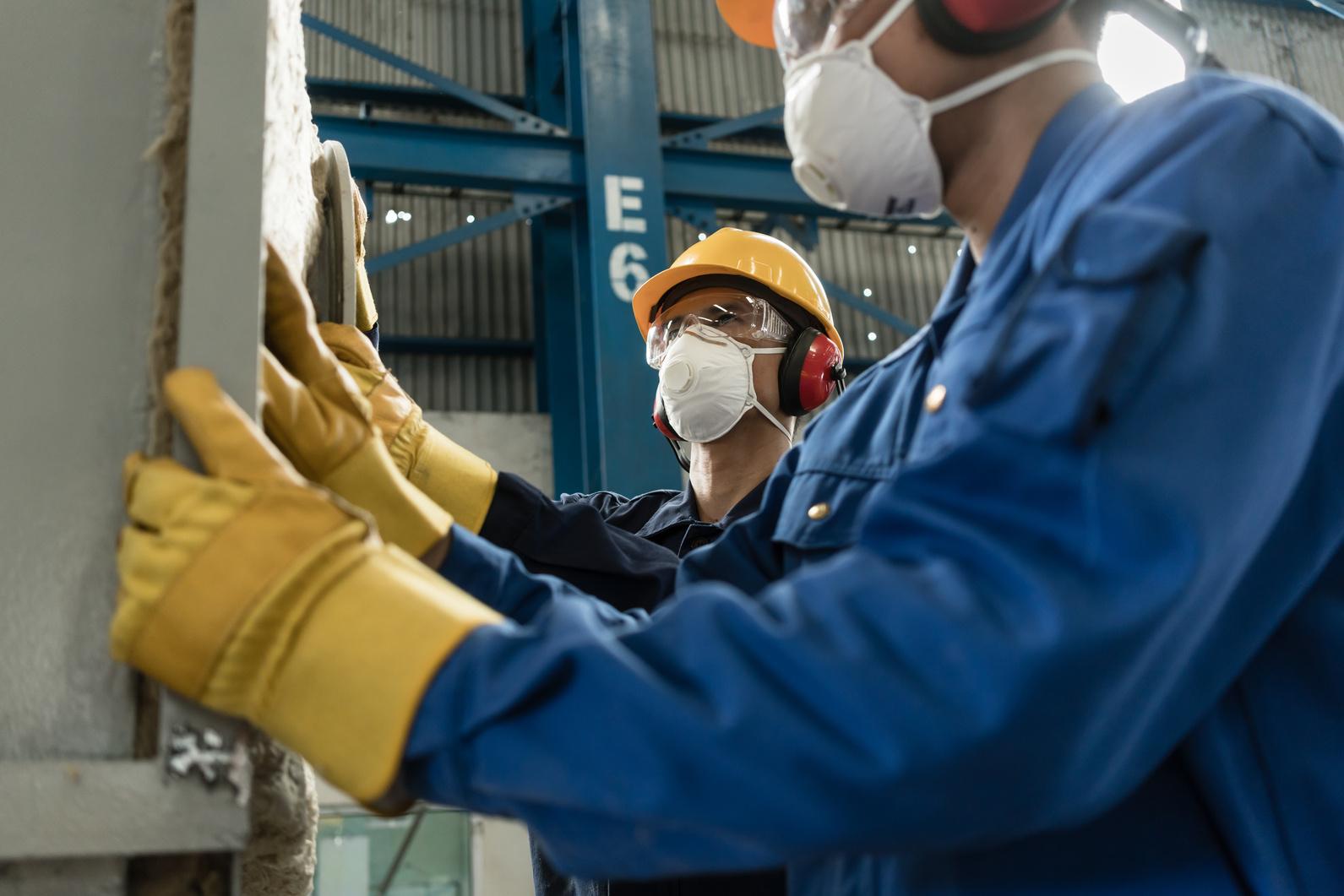
Further information and resources Visit the HSE website for information on fit testing basics
For more detailed information on fit testing RPE, read or download our publication Guidance on respiratory protective equipment fit testing
G U I D A
C E
2 1
U P C O M I N G E V E N T S
2022 Annual Luncheon
The biggest Frozen Food Industry networking event of the year is sponsored by Vine Meats 22nd November 2022 at the Hilton Park Lane, London
This event offers an excellent opportunity to network with industry colleagues from across the frozen food industry and we hope this year will be no different The format of the evening:
11 30 am Drinks reception
1 00 pm Lunch in the Ballroom
3 00 pm BFFF President address followed by our guest speaker
4 00 pm event comes to an end in the Ballroom and the bar opens in the Wellington & Harvest Suite
The evening entertainment TBC
Tickets are now available for BFFF full members only.
Please make sure you are logged in to your BFFF Full Member login to buy the tickets.
British Frozen Food Awards 2023
The deadline for the entries is 30th November 2022
With a star studded history no other awards focus solely on frozen food, the British Frozen Food Awards rewards the best new and innovative products from across the sector
The British Frozen Food Awards represent a unique opportunity to enhance the reputation of a brand and business. Competition is of course stiff but for award winners, there is no greater accolade or bigger opportunity to stand out in the marketplace Category winners gain the opportunity to utilise the prestigious British Frozen Food Award Winning Logos to promote the product
Of course only a privileged few products are selected as medal winners however all entries will receive a report detailing how the product scored against the category winner and an opportunity to analyse all the comments from the judging panels testing your product
BOOK TICKETS ENTER PRODUCTS
2 2
M E M B E R B E N E F I T
OUTSOURCE RISK AND LIABILITY WITH DEFIBRILLATORS PURCHASED FROM DEFIB PLUS NOW IS THE TIME !
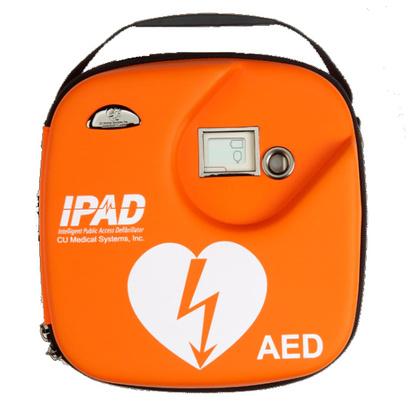
Take advantage of a 130% tax deduction through the HMRC Capital Allowances Super Deduction scheme with BFFF member Defib Plus

On all new defibrillator sales, Defib Plus is offering a Tier 1 defibrillator/s support and maintenance package which expires on 01/04/23, specifically designed to address corporate concerns around defibrillator ownership and the current financial constraints; this includes:
130% tax deduction on your capital outlay, HMRC Capital Allowances Super Deduction scheme (please seek your tax advisors’ advice)
Free battery packs and electrodes Future proof against price rises in these vital consumables
100% tax deductible maintenance (please seek your tax advisors’ advice) includes above and in built client insurance, litigation and liability protection
Replacement AED, (Tier 1) state of the art and like for like at the end of the manufacturer’s warranty Free (why pay for a replacement fleet?)
Defib Plus’ monthly, supported and certificated AED inspections are specifically designed to demonstrate ‘Best Practice around your Duty of Care’ and to mitigate liabilities for employees and corporates that provide this medical equipment Undertaking your mandatory inspections, in house and unsupported, comprehensively insulates any liability in house In this event, where else can the ‘buck stop’ except with the company or employee?
Additionally, should an AED be deployed outside a clinical environment and by non emergency personnel, due process will likely require a Coroners Inquest Your monthly inspection certification, demonstrates your applied duty of care in this event! Outsource your liabilities to the UK specialists
2 3
www defib plus co uk 0333 3355667 admin@defib plus co uk
M E M B E R B E N E F I T
SUPPORT THE BFFF’S RESEARCH INTO THE ‘PEOPLE RISK’ CHALLENGES FACED BY OUR ECOSYSTEM
The BFFF are inviting its members to complete our quick 2 minute survey to gain a greater understanding of the ‘People Risk’ challenges we are collectively facing and how we can best navigate the road ahead
Why are the BFFF undertaking this research?
Last year ’ s BFFF member survey highlighted concerns about how well we deal with mental health and well being and now this year, with many people facing the ‘Cost of Living Crisis’, this not only adds more pressure on mental health but has highlighted Financial well being as a new area of priority
In order to aid members in navigating and tackling these challenges, this year the BFFF has joined forces with one of our newest associate members, Partners& insurance, risk and resilience experts to get under the skin of this problem

The research process: Phase 1 To best serve our membership, we are first looking to build a picture of the specific ‘People Risk’ issues our members are facing, the measures we might already be undertaking, and how effective members feel they are in addressing these challenges.
Through the quick survey below we will be able to gain an understanding of our collective benchmark which will form the basis of our research
Phase 2 The deep dive
Once we have our BFFF members benchmark we will then be looking for a number of businesses to take part in anonymous interviews to provide richer understanding of the challenges organisations in this sector are facing
The Findings
Combining the data from phase 1 and 2 we will then work with Partners& to build our final research report which will be unveiled at our upcoming Health and Safety conference February 2023 Not only will the report be filled with interesting statistics from our research and benchmarking measures to aid your own in house discussion making it will also provide a rich insight into what the ‘People risk’ challenge looks like for different organisations and guidance as to what measures can be implemented to best benefit your business needs
Take part Complete the survey here
2 4

October2022Issue KEEP IT SAFE British Frozen Food Federation Warwick House Unit 7 Long Bennington Business Park Main Road Long Bennington NEWARK Nottinghamshire NG23 5JR Tel: 01400 283090 www bfff co uk