K E E P I T S A F E
April 2023
Welcome to the April 2023 edition of Keep It Safe
This year we continue to celebrate the federations 75th anniversary since its formation back in 1948 to support the frozen sector

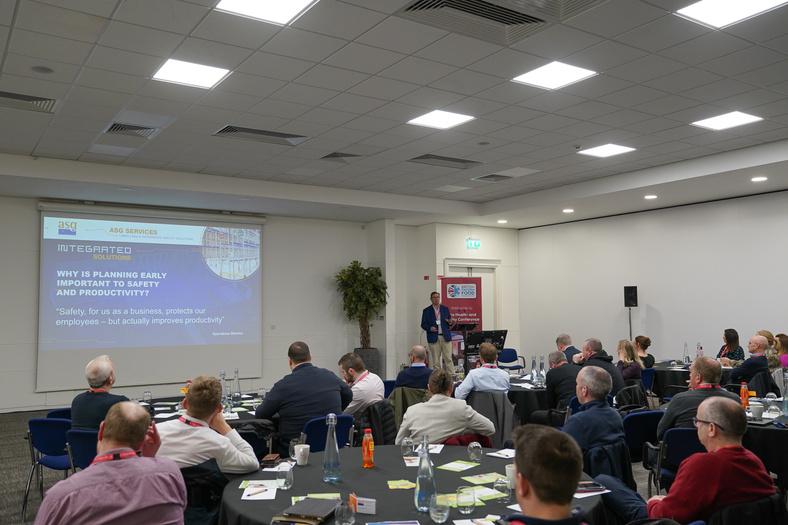
In keeping with this success we delivered our annual Health & Safety Conference in March, the event was a complete success with over 85 in attendance We have received some excellent feedback for our speakers and topics on soft skills, managing contractors, sentencing, warehouse innovation, artificial intelligence, mental health, wellbeing and manual handling
Following on from the conference, the session delivered by Collins McHugh on mental health resonated with many and we have been asked to provide further mental health awareness training courses with further information featured in this edition

Our Health & Safety expert group is due to meet on the 25th April at the Newark Showground
The group is made up of H&S specialists from the BFFF membership, at each meeting we discuss industry related topics with short sessions from guest speakers at the end, we also discuss how members of the group can implement the new strategy that has been put together by the Food and Drink Manufacture Forum (FDMF)
If you have ever thought of joining the group please contact me, this industry changing work can be very rewarding
Read about:
Fire Safety
BFFF Initiatives
Primary Authority
News and Events
Enforcement
Transport Hub
Well-Being
Guidance
SimonBrentnall CMIOSHPIEMAAIFSM HeadofHealth&Safety BFFFCreating a Healthy Mindset in the Workplace Course
Health & Safety Conference
C O N T E N T S
BFFF INITIATIVES
BFFF Expert Group Meeting Dates For 2023
2022 Accident Statistics
PRIMARY AUTHORITY
NEWS AND EVENTS
International Labour Organisation: The Value of Essential Work Report 2023
BFFF Adopts SoloProtect Safety Solution
The Gala Dinner Dance
Safety Won't be Forgotten in the Race to Net Zero
ENFORCEMENT
Morrisons Fined £3 5 million over death of Employee
Muller £100k Charity Payment for Ammonia Discharge
Restaurant Owner Fined £60,000 after Faulty Electrics Cause Fatality
WELL-BEING
UK Workers Believe Air Quality has a Direct Impact of Wellbeing
Menopause - Raising Awareness in the Workplace
HSE's Working Minds Campaign Supports Stress Awareness Month 2023
GUIDANCE
Advice For Workers on Violence in the Workplace
HSE Campaign Launched to Reduce Farm Vehicle Deaths and Injuries
Following very positive feedback from the mental health section of our recent Health and Safety Conference, delivered by Liz and Sarah from Collins McHugh, we have arranged two, online, half-day mental health awareness courses for members, and hope that many of you will take the opportunity to attend, to expand your knowledge and to help make the conversation of mental health an easier topic to talk about

The course is very relaxed and not as daunting as some people may anticipate If you attended the conference, it would be helpful if you could share the course details with your colleagues and managers, explain the benefits, and encourage them to join either of the dates in May and July with you
Tickets are available online
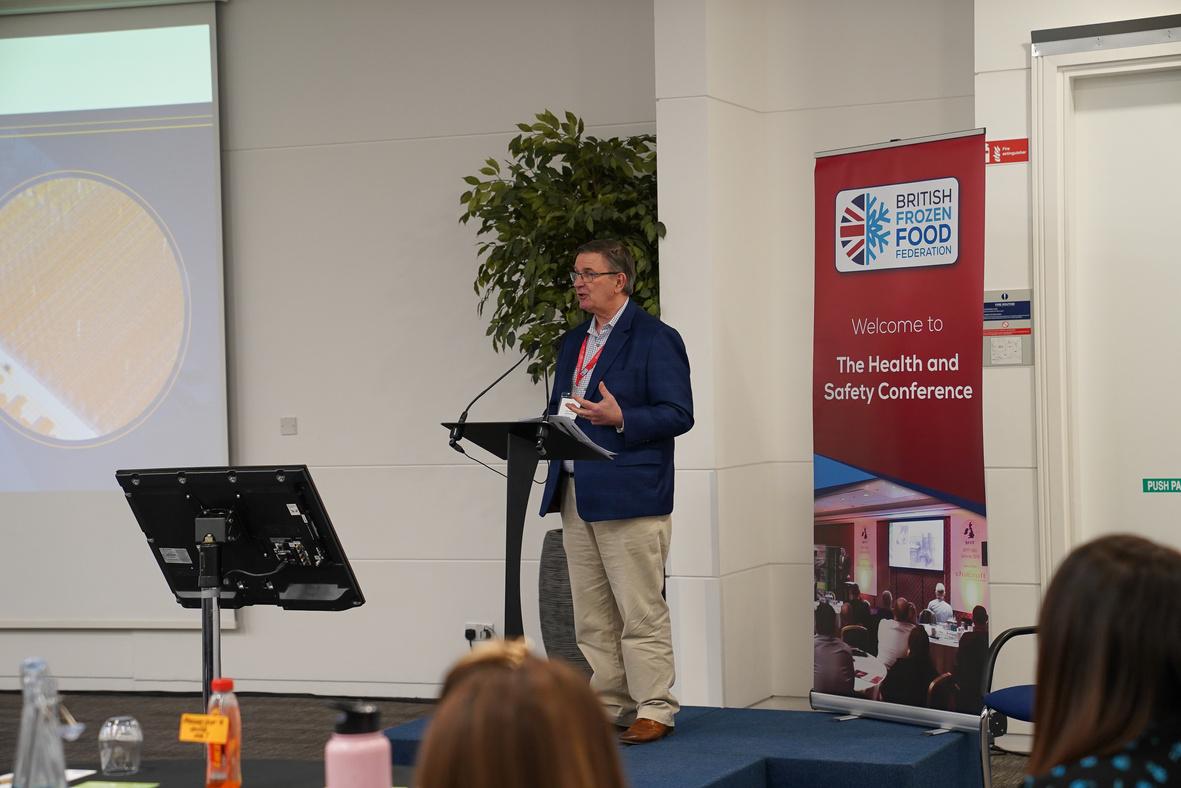
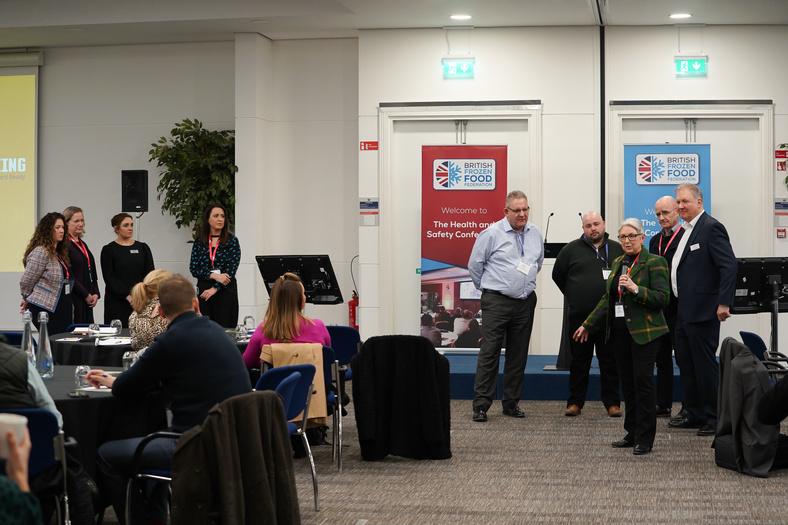
Our 2023 Health and Safety Conference was a complete success!
Also to all of our excellent speakers who made this possible Craig Foyle, Heather White, Davy Snowdon MBE, Chris Hopkirk, Emma Bracewell, Simon Macfarlane, Steve Herbert, Liz Chasteauneuf, Sarah Baker and Rupert Ashby
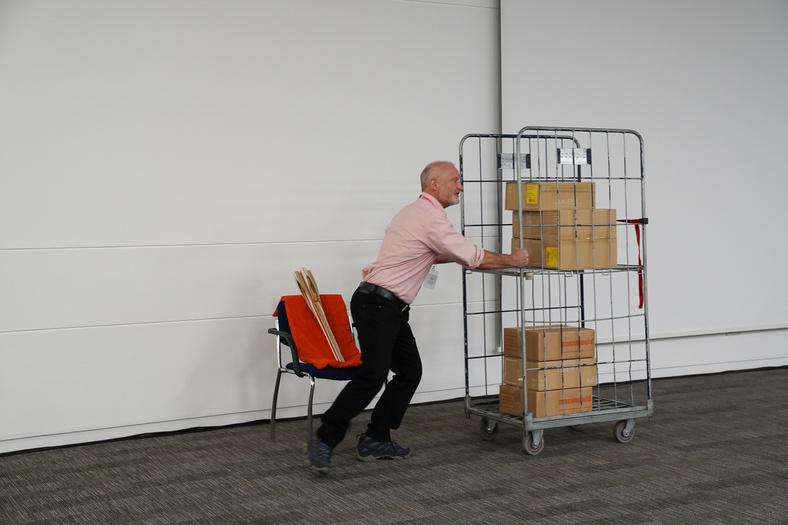
Some great sessions on Soft Skills & Networking, Contractor Management, Legal Update, Machinery Safety, A I & Robotics, Mental Health & Wellbeing and Manual Handling


There is no defined life expectancy for fire extinguishers A google search will produce information suggesting that the ‘life span ’ would be between 10-12 years, however, this information is not based on the ‘code of practice’ recommendations given within BS5306-3 2017 This British Standard sets out the procedures for commissioning and maintaining portable fire extinguishers

Service intervals are given in Table 1 which shows the frequency of both ‘basic & extended’ service intervals
These are: Basic service: 12 Monthly on all extinguishers

Extended service: every 5 years on ‘water-based’ & powder extinguishers & 10 years for powder (primary sealed)
‘overhaul’ every 10 years on CO2 and other extinguishers (Specialist types)
‘Primary sealed’ extinguishers such as CO2’s and other ‘stored pressure ’ units are sent back to the manufacturer for pressure testing as part of the ‘overhaul’ process For example, this usually means that when the CO2 extinguisher reaches 10 years your contractor will replace the unit with a previously pressure tested / refurbished unit and take the one you have away so that you continue to have a unit in service
Extended services and ‘overhauls’ generally cost more than the basic service
When the extended service is carried out the internal lining is checked to see if it is intact If the lining has deteriorated this can cause internal rust which could result in a dangerous situation as when the extinguisher is under pressure it could ‘breach’ I have stopped short at using the word ‘explode’ but under pressure the unit could ‘ pop ’ were there is a weakness due to rusting
In summary: there is no actual lifespan given to extinguishers ‘ per-se ’ as long as they are ‘serviceable’ and undamaged
The reference to a 10-year life may have been your contractor referring to the ‘overhaul’ on the stored pressure units, i e the CO2 or other units that are continually under pressure But, as noted above these are serviced annually until they reach 10 years then swapped for a unit that has already been overhauled
If your contractor tells you that extinguishers need to be replaced and is not referring to the aforementioned ‘overhaul’ interval, you could request evidence that the unit is not serviceable, for example photographic evidence of the damage or deterioration causing it to be taken out of commission Preferably this should be done on site where a manager can confirm the evidence
Finally, ensuring that you use a ‘third-party accredited’ fire extinguisher contractor, such as the BAFE SP101 scheme, can give you confidence that equipment is being maintained in accordance with the correct British Standard (BS5306) at the correct interval etc

If you need any further information, please feel free to call Jonathan Dixson
AIFireE, DipFire, Primary Authority Manager
Essex County Fire and Rescue Service
Tel: 01376 576834
E-mail: jonathan dixson@essex-fire gov uk
For Reference: Unit = extinguisher
Primary sealed = stored pressure extinguisher
The BFFF Health & Safety and Technical teams are pleased to announce the dates for the 2023 Expert Group Meetings We are looking forward to meeting with the group members to continue our discussions on industry news, changes and challenges to gain a wider understanding of the impact it may have on our members and how we can support them
We are always happy for our members to raise questions or concerns for us to discuss at the expert group meetings and we will feedback accordingly The meetings are held under Chatham House rules, meaning we aren’t able to share the full set of minutes, but we can provide an update on any of the topics discussed if our members are interested
Health and Safety Expert Group Meeting Dates for 2023:
25th April 2023
13th September 2023
6th December 2023
For further information, please contact Simon or Carla
The Technical Expert Group Meeting Dates for 2023:
25th January 2023
7th June 2023
11th October 2023
For further information, please contact Denise
Following a difficult two years, as we move back to more staff being present in the workplace we would like to bring you industry 2022 accident statistics
We are one of a few organisations that provide its members with accident stats, charting the decline or increase in certain accidents. This data then helps us to help our members reduce accidents in the workplace
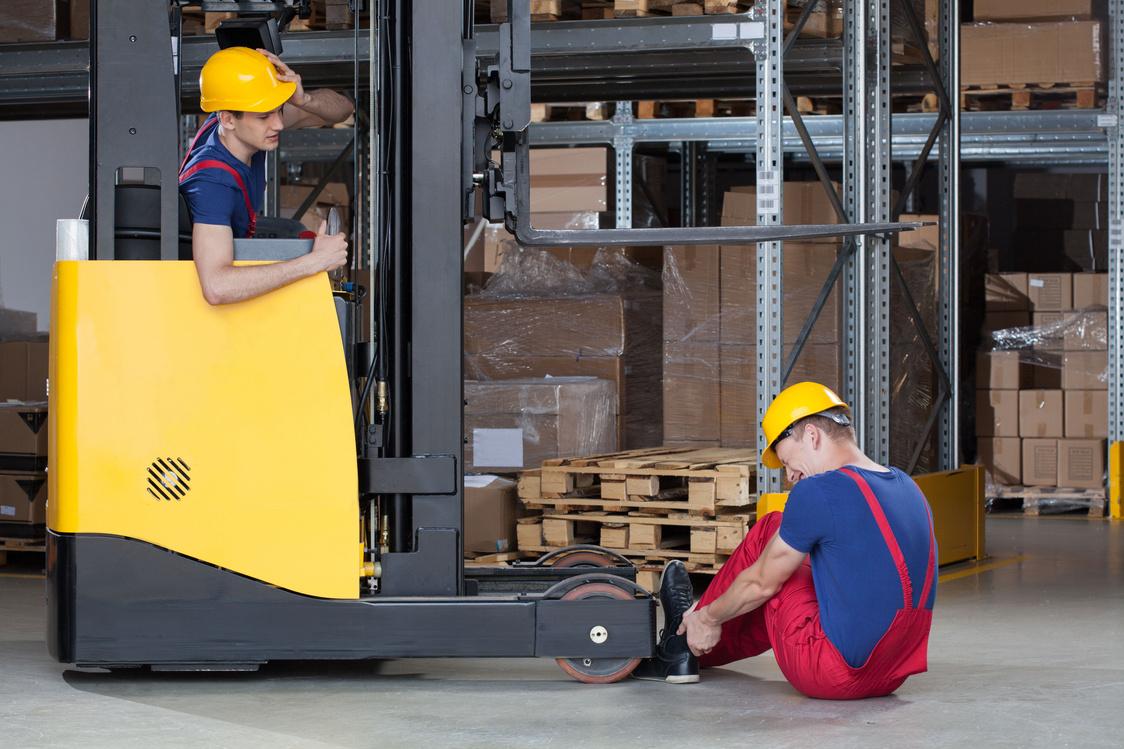
To submit your accident data for 2022 please go to the BFFF Website
As data is added, reports are instantly available to download and use within your own organisation to reduce accidents and near misses
Please contact carlabrown@bfff co uk if you have any queries
BFFF were the first trade association to join the original Home Authority Scheme in 2004 We are also members of a Primary Authority user group, led by the Government Department for Business, Energy & Industrial Strategy (BEIS) This is to increase member engagement in the Primary Authority Scheme that is available to all BFFF members
Primary Authority is a means for businesses to receive assured and tailored advice on meeting regulations such as environmental health, trading standards or fire safety through a single point of contact This ensures start-ups get it right at the outset and enables all businesses to invest with confidence in products, practices and procedures, knowing that the resources they devote to compliance are well spent
Primary Authority is based on legal partnerships between businesses and individual local authorities and / or fire and rescue authorities Businesses can set up their own partnership or join through BFFF as part of our existing partnership
What is Primary Authority?
Primary Authority is a government-run scheme that helps protect businesses from unnecessary legal challenges It helps to ensure businesses operating in the food sector are doing so safely and legally
Once you have Primary Authority advice signed off within a registered partnership, if you are following the assured advice issued by the PA, and it covers the issue arising, your operating practices can’t be challenged by any other enforcement authority
Direct partnerships:
A direct partnership with a Primary Authority can look at your specific policies or operating procedures on site and assure themselves that you are operating within the law In effect they endorse your operations and policies Given their legal status as a Primary Authority partner this advice then has legal backing for your business Under a direct partnership you pay an annual fee for 8 hours of support. (Extra hours can of course be purchased)
Co-ordinated partnerships: BFFF operates a co-ordinated Primary Authority scheme, and we have an expanding range of sector-wide advice This partnership operates in the same way as the direct partnership but you don’t need to deal with the Primary Authority directly, BFFF does that for you You can also rely on this advice as it also has the legal backing for your business This partnership is free of charge, however, advice is industry level and not specific to your organisation, however, this does not reduce the validity of the advice issued
Any BFFF member can benefit from advice, whether it is tailored to your business or sectoral advice put in place by BFFF
If you would like more information about joining the scheme, please contact carlabrown@bfff co uk
This report from the ILO acknowledges that key workers are essential for societies to function It calls for a revaluation of their work to reflect their social contribution, and for greater investment in key sectors
At the end of March 2020, 80% of the world’s population lived in countries with required workplace closures, although key workers continued to go to work Across the world, these workers produced, distributed and sold food, cleaned streets and buses to minimize the spread of the pandemic, ensured public safety, transported essential goods and workers to their jobs, and cared for and healed the sick These are the key workers
The COVID-19 pandemic has made evident the extent to which societies need key workers – in both good times and bad – but also how undervalued most key jobs are, raising concerns about the sustainability of these essential activities, especially given the possibility of future shocks
This report calls for a revaluation of the work of key workers to reflect their social contribution and greater investment in key sectors It covers the following:
Who are the key workers?
The risk and strain of working during the COVID-19 pandemic
Working conditions of key workers
Specific challenges faced by the eight key occupational groups Strengthening the institutions of work
Sectoral investments to support key workers and enterprises
Policies to build resilience
Some of the main findings highlighted in the report include the following:
Key workers can be found among eight main occupational groups: food system workers, health workers, retail workers, security workers, manual workers, cleaning and sanitation workers, transport workers, and technicians and clerical workers
Across the 90 countries with available data, key workers make up 52% of the workforce, although the share is lower in high-income countries (34%), where economic activities are more diversified and there is a smaller share of workers in agriculture
Less than 2% of key workers are engaged in healthcare in lowincome countries, the share jumps to 20% for high-income countries
Women account for 38% of all key workers globally.
Key workers suffered higher mortality rates from COVID-19 than non-key workers, as a result of their greater exposure to the virus.
Mortality rates varied among key workers: while health workers had high levels of contact with infected patients, their mortality rates were lower than those of transport workers, who suffered the highest mortality rates
Working conditions of key workers are deficient in a number of areas including: elevated OSH risks, overreliance on temporary contracts, long and irregular working hours, insufficient training, etc
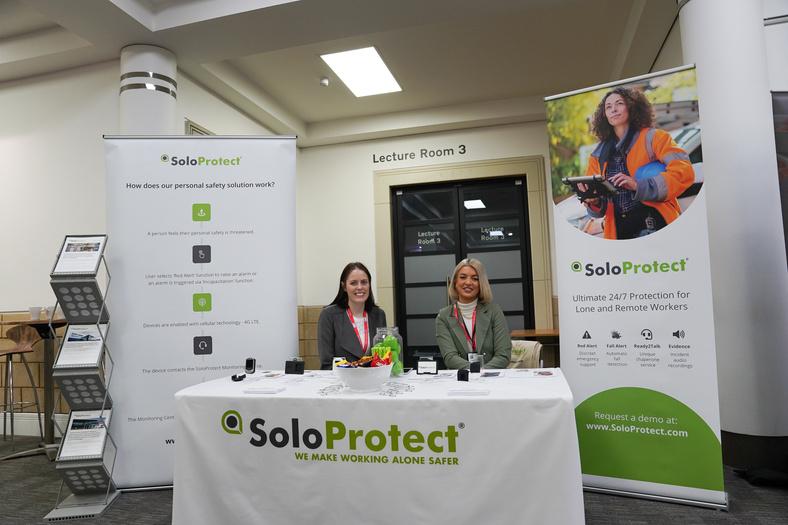
The British Frozen Food Federation (BFFF) has announced its adoption of SoloProtect's lone worker safety solution to ensure the safety of its team of employees based at Long Bennington in Nottinghamshire
The Federation has implemented the SoloProtect solution to ensure the safety of its office workers, who sometimes work alone They recognise the importance of providing a safe working environment for all their employees, and this new solution is a step towards achieving that goal.
The chosen solution is the state-ofthe-art SoloProtect Shield personal safety device that allows employees to signal for help discreetly in the event of an emergency.
It is a small and unobtrusive device that can be worn on the body, providing workers with immediate access to emergency response services at the touch of a button
Commenting on the adoption of the SoloProtect solution, Simon Brentnall, Head of Health and Safety for the Federation, said: "As a responsible employer, we are committed to ensuring our team are safe; employees working alone should not be any more at risk than those working in an office full of colleagues
“We identified that lone working at the office was rare, however, it’s still a risk to be managed We had previously devised a buddy system where employees would check in at agreed intervals However, SoloProtect showcased a range of solutions to our members and we decided to replace the buddy system with their innovative lone worker safety technology

“Following the online training course on SoloProtect Insights, we found the Shield to be very simplistic with its user-friendly touchscreen functionality.
“Typically, employees will use the device if starting work early in the morning or working late at night Generally, this device gives peace of mind with its ‘Red Alert’ function which connects to an operator in the Monitoring Centre who can initiate an appropriate response instantly.
“But other useful features include the ‘Incapacitation Alert’ which is triggered should an employee slip, trip or fall and ‘Ready2Talk’ which opens a channel with an operator if the user needs some non-emergency support e g a suspicious visitor arrives ”
The BFFF remind its members that in managing lone working situations, the controls adopted must always be proportionate to the risk and this will be established through a comprehensive lone worker risk assessment
Simon concludes: “We see this technology becoming more widely used within the food industry to support lone workers and also those who have particularly high-risk, remote or hybrid roles.”
We are delighted to be holding our Gala Dinner Dance once again in 2023 at The Brewery, Chiswell Street.


Bringing back some glitz and glamour to the BFFF events calendar this black-tie event will take place on Thursday 15th June at The Brewery, 52 Chiswell Street, London The Brewery is a truly historic, a Grade ll listed venue occupying the buildings of Whitbread’s 18th Century beer-making empire.
Tickets are now available and can be purchased here Tables seat 12 people, for those booking less than 10 you will be sharing your table with other BFFF members
Professor Andrew Curran, Director of Science and Chief Scientific Adviser at the Health and Safety Executive (HSE) Safety will be a central part of Great Britain’s move to Net Zero the top scientist at the country’s workplace regulator says
The government has committed to decarbonising our economy by 2050 and that will involve embracing new technologies

Professor Andrew Curran, Director of Science at the Health and Safety Executive (HSE) and a member of the government’s Chief Scientific Advisers Network, says scientists at HSE are already working to address challenges presented by the move to Net Zero
The safe use of lithium-ion batteries, testing hydrogen-fuelled vehicles in tunnels, and the safety of hydrogen as a potential fuel for flights are just some areas where HSE scientists are safe-guarding safety during the introduction of Net Zero technologies
This work is highlighted in the annual HSE science review published today (March 28)
Professor Curran said: “HSE scientists have a key role to play here Bringing together scientific expertise and Britain’s proud health and safety record, they have spent more than 20 years identifying and tackling emerging safety challenges to enable the safe introduction of net zero energy technologies They have worked with policymakers, industry, and researchers around the world
“By doing so HSE is playing an important role in enabling a safe pathway to reaching net zero by 2050.”
In addition to work on net zero safety, ensuring the learning from the COVID19 National Core Study enables future pandemic preparedness, and the authorisation of the first UK application of a pesticide using a drone are some of the other case studies captured in HSE’s Annual Science Review
Read more about HSE’s case studies highlighted in this year ’ s Annual Science Review.
To hear HSE scientists and engineers presenting 5 min ‘Turbo Talks’ on their work, please join us for the 2023 HSE Annual Science Review launch seminar, online, at 1pm on 20 April
Click here to register
Morrisons supermarket has been fined £3 5 million following a prosecution by Tewkesbury Borough Council for failing to ensure the health and safety of an epileptic employee who died after falling from a shop stairway
On 25 September 2014, Matthew Gunn, 27, was using the stairs in the supermarket's Tewkesbury store when he is believed to have had a seizure The fall caused severe head injuries and he sadly died in hospital on 7 October 2014
Morrisons - which was aware of Mr Gunn's epileptic condition - was deemed to have missed opportunities to ensure his safety It was charged with three health and safety breaches which it denied:
Failure to ensure the health and safety of an employee who had epilepsy
Failure to carry out a suitable and sufficient assessment of the risks to the employee who had epilepsy
Failure to review risks to which an employee with epilepsy might be exposed
Morrisons admitted a fourth charge of failing to supply the council with requested information relating to the death of the employee
However, on 2 February 2023, following a three-week trial at Cirencester Courthouse, the jury found Morrisons guilty on all four charges
Sentencing took place on 17 March The judge placed the offences in the highest category of culpability and harm, and Morrisons was fined £3 5m
Tewkesbury Borough Council's Head of Community Services, Peter Tonge, said: “This was a long and difficult investigation, and the successful court outcome is a reflection of the dedication and professionalism of our investigation team
“Matthew Gunn was extremely vulnerable to health and safety risks in his workplace due to his severe epilepsy
“Despite being aware of the risks, Morrisons failed to put in place a number of simple measures which could have kept Matthew safe at work
Furthermore, Morrisons failed to cooperate with elements of our investigation, and we are satisfied that the substantial fine imposed by the court reflects the seriousness of the omissions and failures on the part of the company
“We hope this court outcome will send a message to all employers of the importance of complying with basic health and safety duties, and properly assessing risks, especially when it comes to vulnerable employees
“Finally, we would like to express our gratitude to Matthew’s family for their enormous patience and support throughout this investigation and we hope that the sentence imposed on Morrisons today will finally provide them with the justice they deserve after all these years ”
The prosecution was undertaken by One Legal, a legal service shared by Cheltenham Borough Council, Gloucester City Council, Stroud District Council and Tewkesbury Borough Council
A Müller UK & Ireland Group has made a £100k charity payment to the Environment Agency after failing to
prevent ammonia from being discharged into a river near its Shropshire factory
Click here to view the article
A Croydon business owner and her company have been found guilty of four offences under health and safety law after a death by electrocution on their premises
Sukran Sanli, who owns Adams Café Restaurant Limited,152 London Road, CR0 2TD, and her company were ordered to pay a total of £60,303 in fines and costs Ms Sanli also received a 26-week suspended prison sentence and was ordered to undertake 200 unpaid work as a Community Penalty The prosecution arose when Croydon Council’s Food and Safety Team investigated the death by electrocution of Mustafa Ozbek on 21 January 2020, who was living in a room located at the rear of the café premises
Sanli had paid for general electrical work to be carried out on the premises by an unqualified electrician in 2016 and again in 2019, four months before the fatal incident Mr Ozbek’s electrocution occurred because there was no main earth connection to the incoming electrical supply and when a fault occurred on a circuit, the fuse did not operate to trip and cut off the electricity This caused the metal pipework in the shower room to become live with a dangerous voltage which resulted in his death
The council’s investigation centred on the responsibility for the safe provision of the electricity supply to the premises
The Food and Safety Team arranged for two HSE Specialist Inspectors to visit the premises and prepare a report regarding the electricity system They also had a competent electrical contractor carry out a full inspection of the electrical installation
The overall assessment was ‘unsatisfactory’ with a number of items being identified as ‘potentially dangerous ’
Sanli pleaded guilty to four charges, two against her and two against her company, relating to offences under Section 2 and 3 of the Health and Safety at Work etc Act 1974
Croydon Council is urging businesses to only employ qualified and competent electricians, accredited by one of the approved bodies for electrical contractors, to carry out work on their installation These bodies include the Electrical Contractors Association, (ECA), NICEIC, and NAPIT Look out for the logos and check the registration of the electrician before allowing them to undertake work
Croydon Council
March 2023
The Department for Transport is consulting on proposed changes to the Driver Certificate of Professional Competence (DCPC) If these changes are implemented, they will only apply to drivers completing journeys within Great Britain, and Northern Ireland if authorities there agree, as DCPC is a devolved matter
Drivers wishing to drive to, from or within the EU will still need to comply with the existing requirements due to arrangements within the UK/EU Trade and Cooperation Agreement (TCA), as well as other relevant UK international obligations
Proposed changes will therefore create two parallel qualifications for driving in GB and, potentially, NI:
Reforms to training as well as the new cheaper and shorter periodic test will offer an accelerated route for former drivers to return to the sector more easily
DCPC is currently obtained by passing four tests and renewed by completing 35 hours of training every five years, which can cost up to £500 for each individual training
While supportive of DCPC in principle, the industry has raised concerns that in its current form the qualification is making it more difficult to retain and attract drivers to the sector, with high costs, poor flexibility and extended length of training among the main barriers to progress
A
national DCPC (N-DCPC) – the subject of this consultation

An international DCPC (I-DCPC) –the existing TCA-compliant regime
The key changes include offering in parallel to the existing lengthy training format, which will be reformed, more flexibility with e-learning and a shorter ‘ new periodic test’ which could save employees time and companies up to £460 per test in early estimates
Safety is at the heart of the proposals, as the new periodic test will be delivered by the Driver and Vehicle Standards Agency (DVSA) and will continue to meet existing training standards to ensure that UK’s roads remain among the safest in Europe.
The consultation closes on 27 April 2023, see below link:
Introduction : Driver Certificate of Professional Competence (DCPC) changes (smartsurvey co uk)
Driving for Better Business is a free programme with online tools and resources to help you demonstrate leadership in the management and reduction of work-related road risk
The Driving for Better Business Gap Analysis tool is now part of the all-new Driving for Better Business Portal
The free Driving for Better Business Portal and personalised Dashboard allow you to track your progress through the 7 Steps to Better Driver Management and get recommendations to help you improve road risk in your organisation It allows you, and other colleagues if required, to access all the online tools and to share resources with your drivers
As a fleet and transport professional you can access your free Gap Analysis here FIND YOUR GAPS (You can start your Gap Analysis now and to save and return to it at a later date if you need to)
You’ll receive regular reminders, and your data remains safe until you are ready to download your completed assessment and move on to the next stage of the 7 steps to better driver management
If you employ drivers, you can now access the free training & support resources for your drivers Get started for free here: Van Driver Toolkit
Unfortunately, the industry has been receiving an increased number of reports of failure of LPG vaporisers in fork trucks due to clogging
It seems this is due to a build-up of deposits in the LPG system which can lead to sticking valves and a mixture which is too rich for ignition within the engine
Repeated starting attempts can lead to the release of a high unburned concentration of LPG which, in extreme cases, can present a risk of fire
We believe that the problem is with poor fuel quality, but we understand the HSE has launched a formal investigation which should be able to confirm the root cause
The problem is not limited to a single truck manufacturer, but appears to be geographically limited to the UK
We have also been made aware of some aftermarket suppliers of replacement hoses might not always be providing the correct LPG grade hoses
Plasticizer additives in incorrectly specified elastomer hoses, e g hydraulic hose, can be leached out of the hose through contact with the LPG, thus increasing the amount of contamination and leading to a failure mode difficult to distinguish from that associated with poor fuel quality
Whilst we don’t have any evidence that incorrectly specified hoses have played a part in any of the failure/incidents, it is essential that only LPG grade hoses are used in LPG systems and this can best be assured by use of original OEM parts cont
Our strong recommendation is that if the engine of an LPG-powered truck does not start within the normal few seconds:
Do NOT continue to crank the engine over
Do NOT repeat the normal engine starting procedure
Do NOT spray volatile agents into the air intake in an attempt to aid starting
Close the shut-off valve on the gas bottle
Secure the truck against further starting attempts
Ensure the area is well ventilated
The majority of respondents (94%) to a survey of UK workers agreed that the quality of the air they breathe has a direct impact on their health and wellbeing, according to a report
The authors polled 2,500 workers in buildings of 500-plus workers in Germany, India, the Middle East, the United Kingdom and the United States
Nearly a quarter (24%) of surveyed UK office workers are extremely or very worried about their office’s indoor air quality (IAQ), a 14% increase (21%) the previous years ’ study
Nearly half (49%) of respondents want their employer to prioritise both better indoor air quality (IAQ) in their building as well as reducing their building’s carbon footprint.
Contact your truck supplier and request a check of the LPG system on your truck
It is important that such incidents are reported under the Reporting of Injuries, Diseases and Dangerous Occurrences Regulations places a clear obligation on the site to report explosion/fire which takes a piece of plant out of service for more than 24 hours under RIDDOR
The UKMHA has released the following safety alert:
UKMHA Release LPG Safety Alert - The UK Material Handling Association
The findings suggest that office employees are becoming increasingly aware of their work environment and its effect on their overall wellbeing and productivity, and the environmental impact of the building itself
Most UK respondents were willing to give up at least one job perk or benefit (80%), with the most notable items being:
Building amenities, like lounges or fitness centre (36%)
Food perks for employees, like coffee, tea, or snacks (33%)
Less temperature control like running the heat or using AC less (30%)
State-of-the-art technology for my day-to-day job (21%)
Part of their salary or bonus (14%)
2023 Healthy Building Occupant Survey Report (honeywell com)
It’s important to remember that menopause is normal and that support should be available to help you at work
Menopausal women are the fastestgrowing demographic in the workforce, so it's important now more than ever to be able to speak openly about menopause at work
Menopause can affect a woman's working life Sometimes menopausal symptoms or working conditions can impact your ability to concentrate or carry out your role to the best of your ability
In a survey of 1,000 adults in the UK, the British Menopause Society found that 45% of women felt that menopausal symptoms had a negative impact on their work and 47% who needed to take a day off work due to menopause symptoms say they wouldn’t tell their employer the real reason
Many women have said that they often find managing their menopause symptoms in the workplace very challenging Coping with symptoms in the workplace can be hard, especially as many women find it difficult to talk about menopause at work
Menopause has become an important issue for employers of all sizes, with unions and employment organisations calling for more support for women adversely affected by menopause symptoms
Although the issues around menopause, the lack of research and impact on daily life had begun to appear in the mainstream media previously, it was Davina McCall’s Channel 4 documentary in 2022 “Sex, Mind and the Menopause”, which created a shift in the way the subject was treated in the UK The resulting open conversation in society instigated action by the government, employers and others
While the menopause is becoming more talked about in the workplace, we still have some way to go - with the CIPD reporting that 59% of women experiencing menopausal symptoms said it had a negative impact on them at work
What's more, nearly a third of women surveyed said they had taken sick leave due to their symptoms, but only a quarter of them felt able to disclose the real reason for their absence Unions and employment organisations are calling for more support for women adversely affected by menopause symptoms
Barbour have created a guide for businesses to refer to outlining Legal requirements, Policies, Culture and Training Barbour Menopause and the workplace Guide
The Government have also released a Policy Paper with more useful information; Menopause and the Workplace: How to enable fulfilling working lives: government responseGOV UK (www gov uk)
The Health and Safety Executive (HSE), through its Working Minds campaign which aims to prevent work-related stress and promote good mental health in the workplace, has compiled a list of resources to assist employers and workers during stress awareness month this April
HSE and its twenty-two partner organisations across Great Britain have come together to urge workplaces to take action on workrelated stress and mental health
Launched in November 2021, Working Minds has grown from nine to 22 partners, with the next two members the Scottish Association for Mental Health (SAMH), and See Me –Scotland’s national programme to end mental health stigma, both joining this month.
The campaign is reminding businesses the law requires all employers to assess the risk of work-related stress, and to assist employers to prevent or tackle any work-related stress to support good mental health in their workers To assist them and workers achieve this and access support they may require, HSE has collated multiple resources into one simple document which is accessible here
Liz Goodwill, Head of the Work-Related Stress and Mental Health Policy Team at HSE, said: “Stress Awareness Month is an opportunity for employers to check in and support their staff’s mental health Working Minds helps employers to follow five simple steps based on risk assessment

They are to Reach out and have conversations, Recognise the signs and causes of stress, Respond to any risks you ’ ve identified, Reflect on actions you ’ ve agreed and taken, and make it Routine It needs to become the norm to talk about stress and how people are feeling and coping at work
“There are six main areas that can lead to work-related stress if they are not managed properly These are: demands, control, support, relationships, role and change Factors like skills and experience, age, or disability may all affect someone ’ s ability to cope ”
Whether it’s a small business or a large corporation, the law requires all employers to prevent work related stress to support good mental health in the workplace They have a legal duty to protect workers from stress at work by doing a risk assessment and acting on it
If employers don’t do anything about it, it will cost That cost might be productivity, sickness absence, losing a valued member of the team if they’re not able to stay in work or from litigation costs such as an Employment Tribunal
We remind our members that violence and aggression at work can have a serious impact on your workers' physical and mental health In 20192020 there were 688,000 reported incidents of violence at work
The HSE has refreshed its guidance on violence at work to help employers protect their workers It has been updated to:
Simplify the navigation Remove outdated content and replace it with up-to-date practical guidance
Remind employers that the HSE’s definition of violence includes aggression, such as verbal abuse or threats – this can be face to face, online or over the phone
The guidance defines violence and aggression at work and explains what you can do to prevent it, and how you can protect workers from it
Subjects covered include:
Relevant legislation. How to assess the risks
Putting the right controls in place to protect workers
Reporting and learning from incidents
For details of the full guidance, please see link below:
Advice for workers on violence in the workplace
Vehicle incidents are the number one cause of deaths and serious injuries in British Agriculture The Health and Safety Executive (HSE) launches campaign to reduce injuries and save lives
Vehicles play a vital role in farm work and the food supply chain but incidents involving vehicles are the number one cause of deaths and serious injuries on British farms
Incidents involving moving vehicles have been responsible for 30 per cent of all fatalities on farms over the past five years, that’s 48 lives lost in incidents that have destroyed farming families
And hundreds more are hurt in incidents involving moving vehicles on farms every year
The Health and Safety Executive (HSE), Britain’s workplace safety regulator, is calling on everyone in the farming community to do what they can to reduce the number of injuries involving vehicles and save lives
HSE is launching a farm vehicle safety campaign and has created a website which brings together lots of great advice on using vehicles safely on farms
Work Right Agriculture - Work Right to keep Britain safe
BSI has published a pioneering national standard, giving organisations guidance on how to manage modern slavery risks in their operations, supply chains and wider operating environment
BS 25700 provides organisations with guidance for addressing the risk of modern slavery, including prevention, identification, response, remediation, mitigation, and reporting
The benefits to businesses include:
A holistic approach to addressing modern slavery that puts people at the heart of an organisation
Effective management of the risk of modern slavery in a way that supports human rights due diligence
Demonstration of organisational commitment to ESG which helps build confidence in your organisation’s governance and ethics
Positive business reputation
Increased sales and customer loyalty, as consumers seek businesses with higher ethical standards
Greater ability to attract talent and staff retention
Improved investor confidence
More responsive and stable supply chains
To support this important topic, where we all need to play a role to enable positive change, BSI is pleased to make our BS 25700 standard free to download
Defra and the Environment Agency
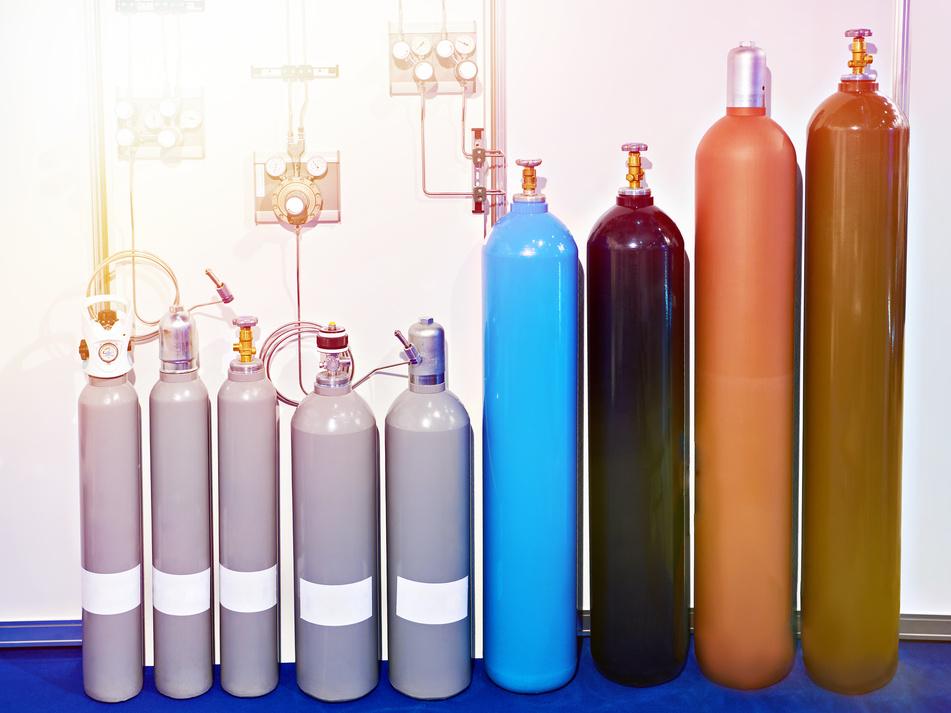
published on 2 March 2023 updated guidance on current and future bans on fluorinated (F) gas in new products and equipment This guidance covers the uses of F gases that are banned or will be banned in the future It has been updated to include information about F gases which produce trifluoromethane as a by-product
Bans on F gas in new products and equipment: current and future
Guidance
Changes to coronavirus (COVID-19) testing will come into effect on 1 April 2023, aiming to ensure testing continues to focus on those at highest risk, enables appropriate clinical treatment and supports the management of outbreaks in high-risk settings including health and social care
The changes from April 2023 come over a year after the nation began the transition to living with COVID-19 Throughout the pandemic the government has prioritised protecting the most vulnerable and over the past year, COVID-19 testing has gradually been scaled back as the severity and impact of COVID-19 on the NHS reduced
Testing in England can now be further aligned with the management of other common respiratory infections due to the ongoing success of the vaccination programme, increased access to therapeutic treatments and high immunity amongst the population
Lateral flow devices (LFDs) have proven to be effective, rapid and safe They are increasingly being used within the NHS instead of PCR testing These tests are regularly monitored against new variants and continue to be effective at detecting COVID-19
The changes will be set out in detail in guidance for those working in NHS, social care and high-risk settings
It means that routine testing will end for the following groups and settings:
Routine asymptomatic testing, including testing on admission, for staff and patients across all health and social care settings including hospitals and care homes – the majority of this testing has already been paused since August 2022
Routine symptomatic testing of staff and residents in care settings
– routine symptomatic testing will also end in other settings including prisons and places of detention, homelessness and refuge settings and asylum settings
All PCR testing outside NHS settings
In addition, testing will continue for the following groups, using LFD tests:
People in the community and residents in care or other high-risk settings, if they have symptoms and are eligible for COVID-19 treatment, to enable rapid access to treatment
Some NHS staff with symptoms working on inpatient wards with severely immunosuppressed patients
Staff with symptoms who work in hospices
All patients being discharged from hospitals into care settings
Outbreak testing in the NHS, care settings, hospices, including prisons and places of detention, homelessness and refuge settings and asylum settings
Some hospital patients with symptoms, where needed to inform decisions such as ward transfers
PCR testing will continue to be used by the NHS for diagnosis where needed for patients before accessing COVID19 treatment or for specific personal clinically directed care
Capacity will also be retained to ensure testing can be scaled up swiftly if a COVID-19 wave, or a new variant, results in significantly increased pressure on the NHS
Dame Jenny Harries, Chief Executive of UKHSA said: “Fewer people now experience severe illness due to COVID-19, due to vaccinations, infection-related immunity and treatments for those who need them and the risk of hospitalisation has decreased overall This means we are now able to further bring our testing programmes in line with management of other viral infections whilst still maintaining focus on those at highest risk to protect them from the virus
“COVID-19 and other respiratory illnesses haven’t gone away and simple actions, like washing your hands and staying at home and avoiding vulnerable people when unwell, can make a big difference For those at highest risk of severe illness, the spring booster programme also provides an opportunity to keep immunity topped up ”
Health and Social Care Secretary, Steve Barclay said: “Testing was crucial to our response during the height of the pandemic, and our successful vaccination programme has protected the most vulnerable, saved thousands of lives, and has helped us all to live with COVID
“Thankfully we are now able to scale back our testing programme while remaining committed to ensuring those at highest risk and more prone to severe illness get the protection they need ”
Further guidance about COVID-19 testing in these settings will be published in due course
The NHS COVID-19 app, which alerts close contacts of a positive case and provides the latest health advice about the virus, will close on 27 April 2023 and current users will be notified of this through the app Scientists at the University of Oxford and University of Warwick have estimated that the app prevented around 1 million cases, 44,000 hospitalisations and 9,600 people dying during its first year alone
UK Health Security Agency March 2023