What a time to have been in art
school. Imagine moving to New York to begin your career as an artist and, bam, halfway through your first year at the School of Visual Arts, a global lockdown. As if art school isn’t hard enough; as if navigating New York isn’t hard enough.
But that’s not all. Then we had nationwide protests against police brutality, an insurrection at the U.S. capital, the resurgence of the Taliban in Afghanistan, the Russian invasion of Ukraine—not to mention the continued Syrian refugee crisis, the rise of misinformation and hate speech across media platforms, the unprecedented weather events killing many and displacing many more. There’s a term, polycrisis, that I was recently introduced to, describing how the concurrency of crises increases their impact. The mental health crisis resulting from the pandemic alone is jarring. It’s easy to see how a younger generation, whose life has been occupied by these compound pressures, would be troubled by what’s to come next. I couldn’t help but have this recent past in mind when I visited SVA to tour the studios of the graduating BFA Fine Arts cohort. And what was the first work I encountered?
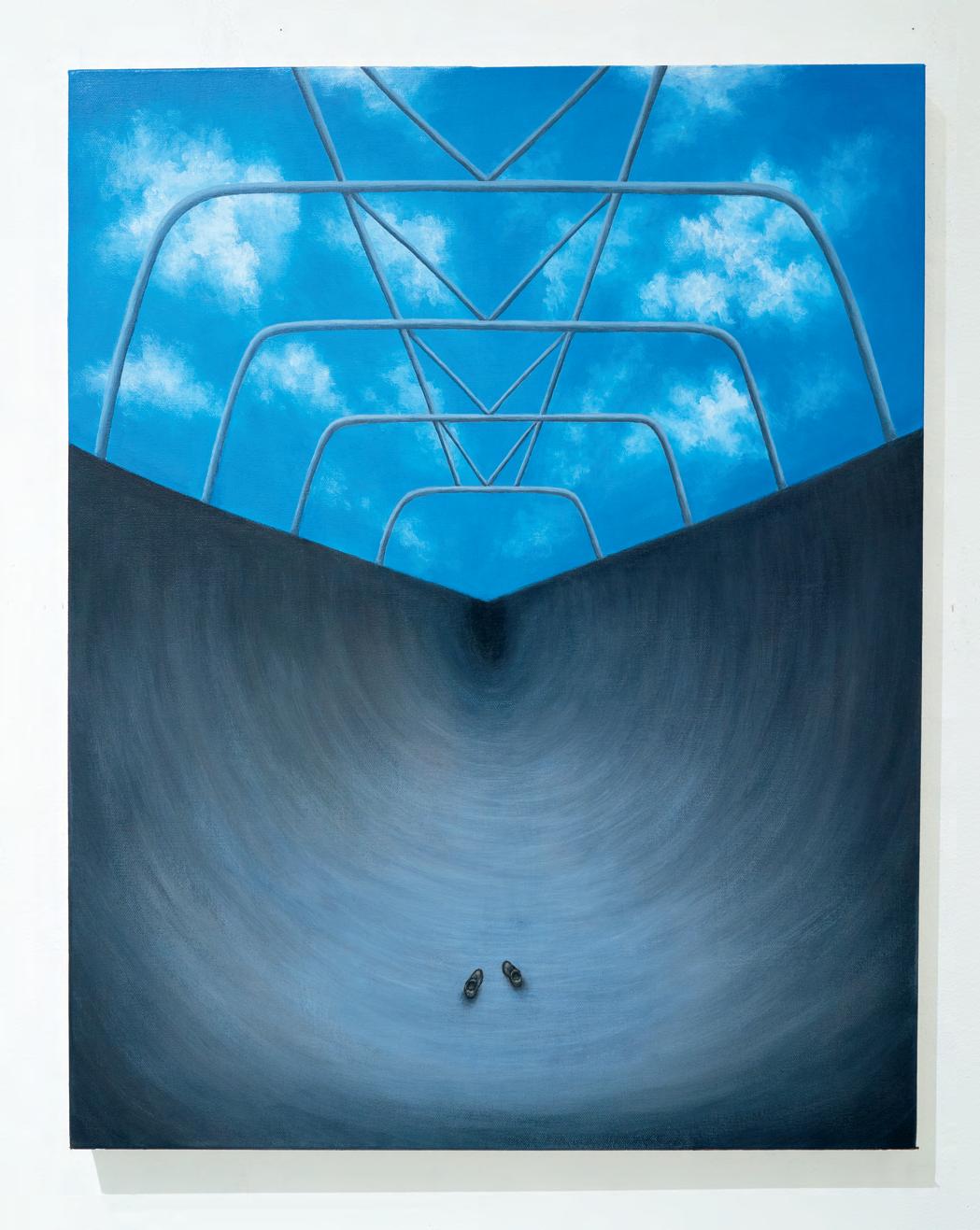
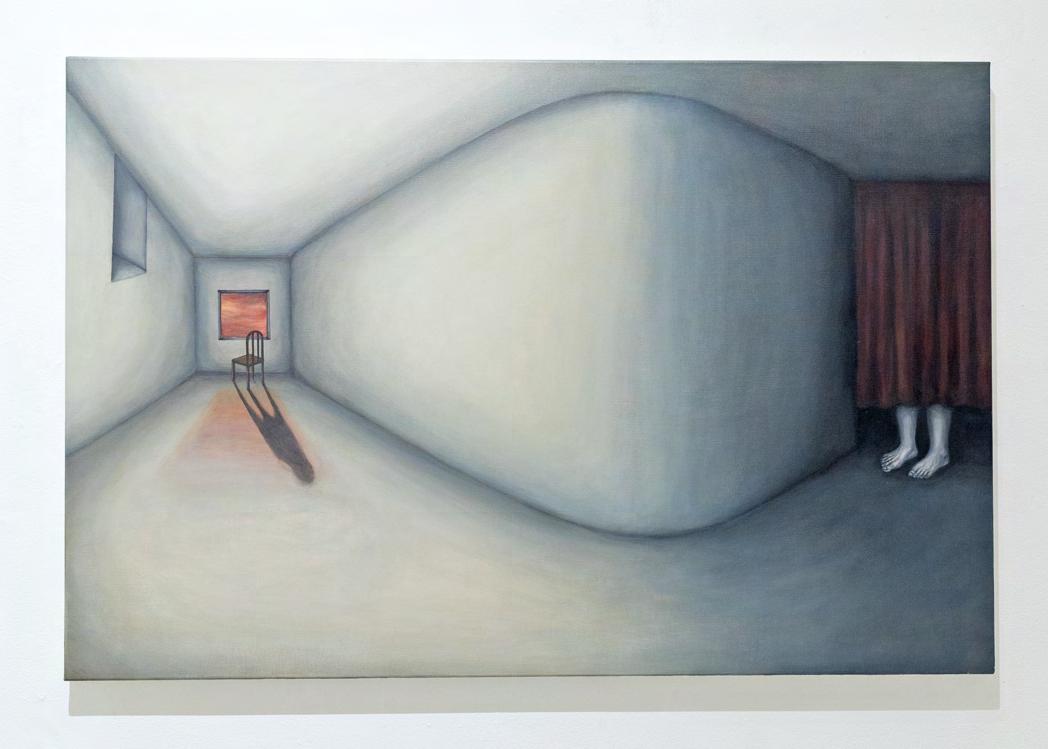
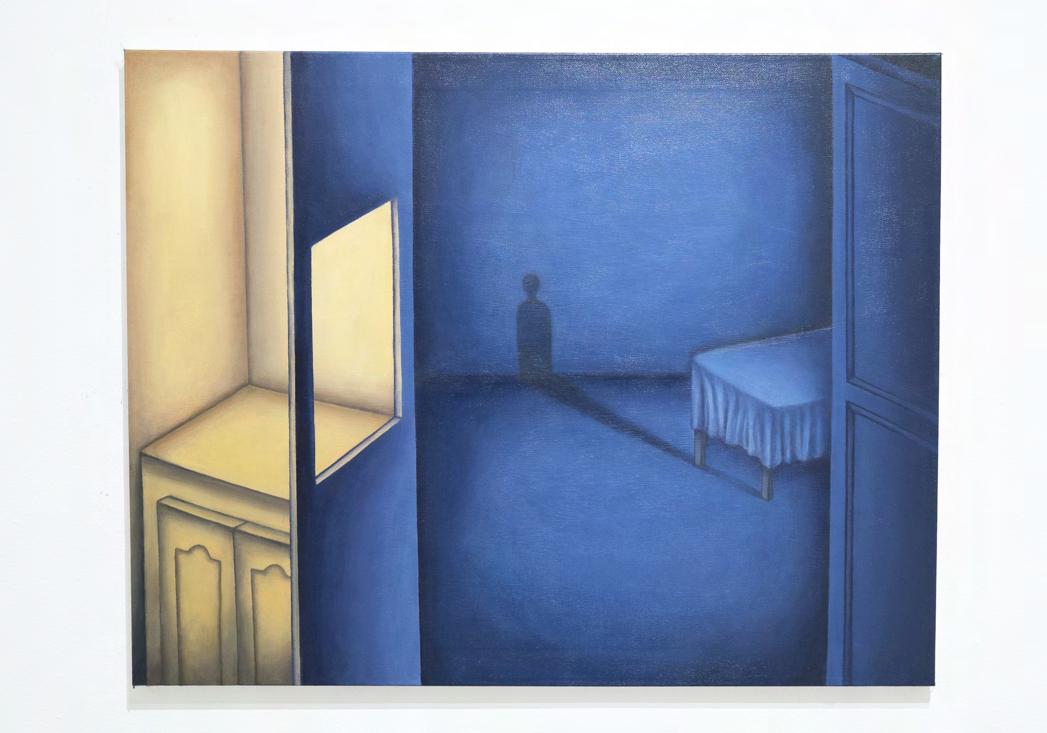
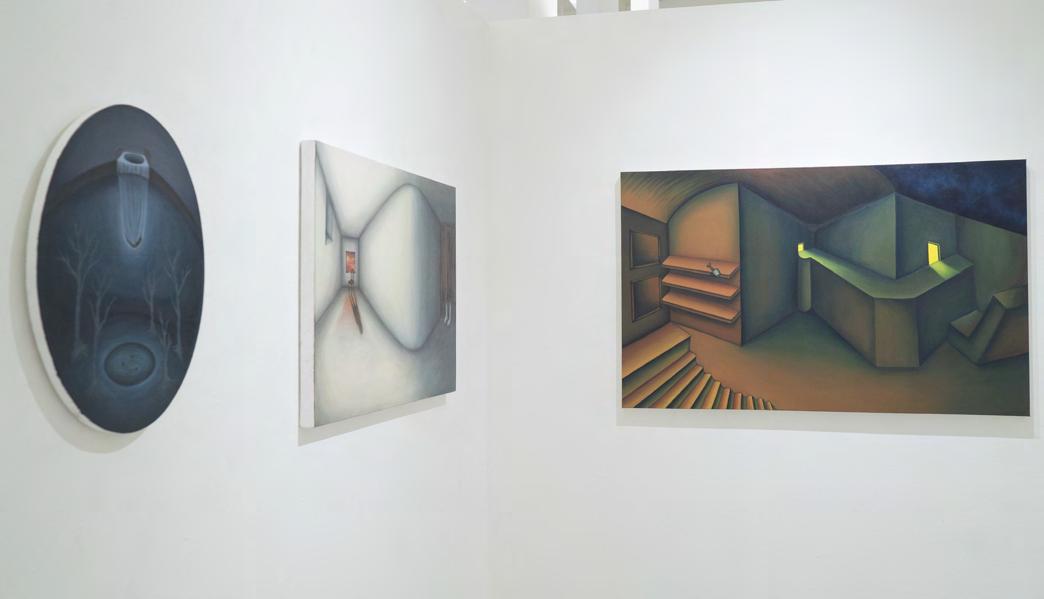
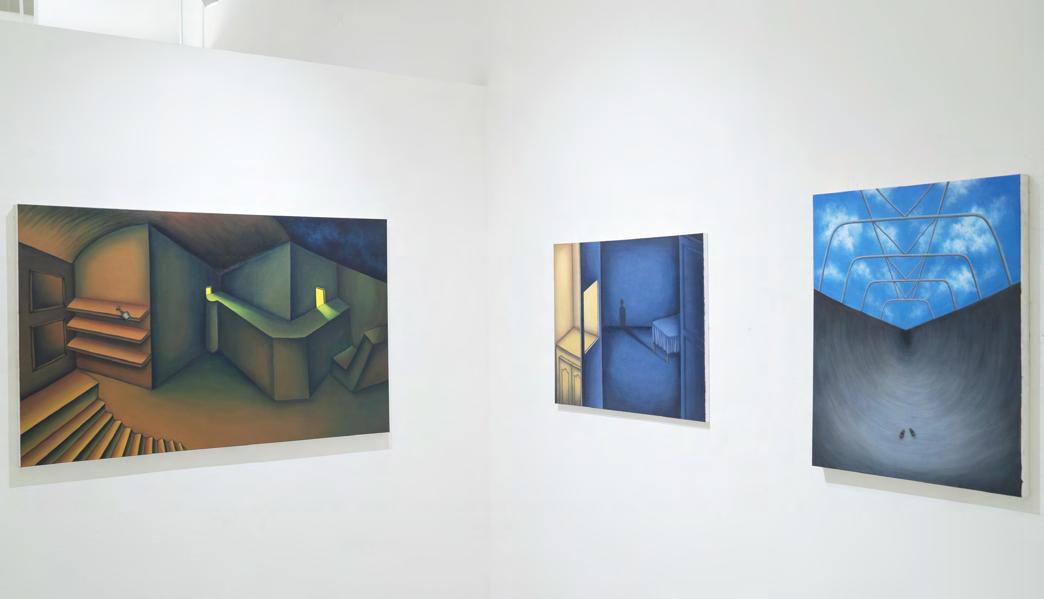
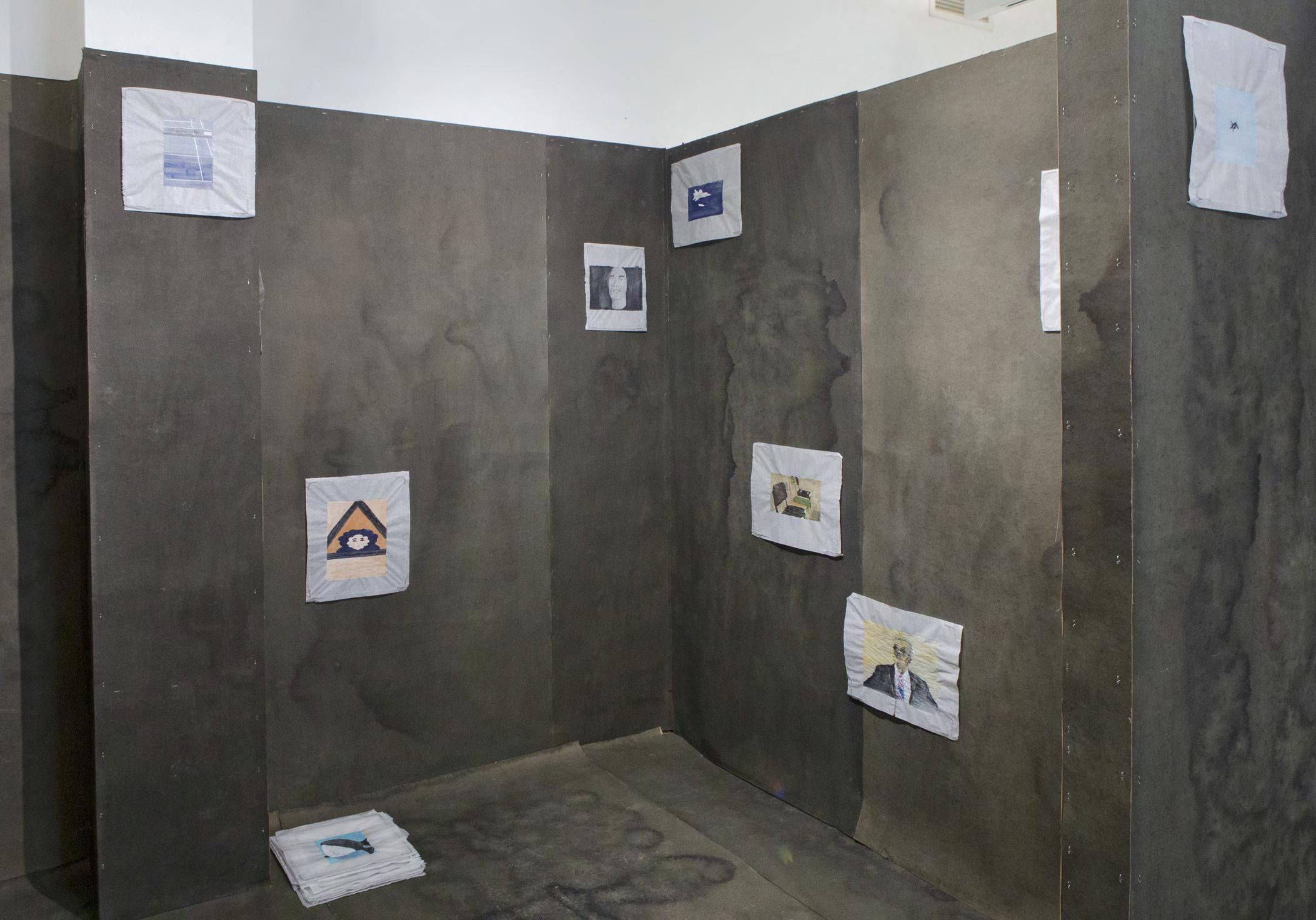
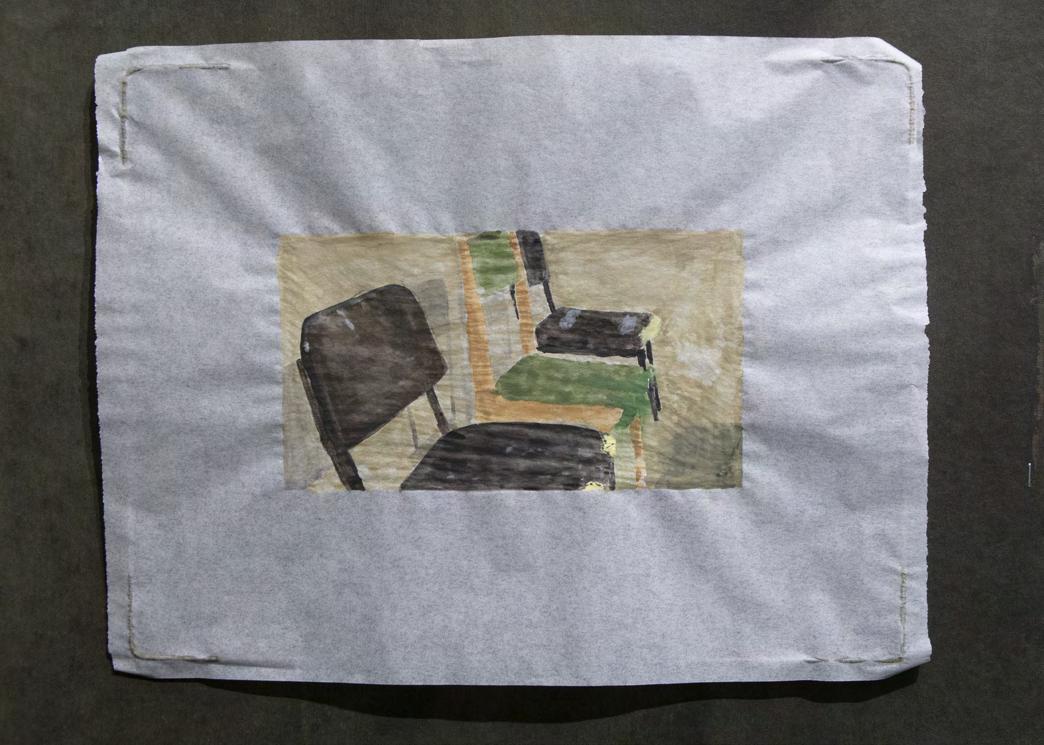
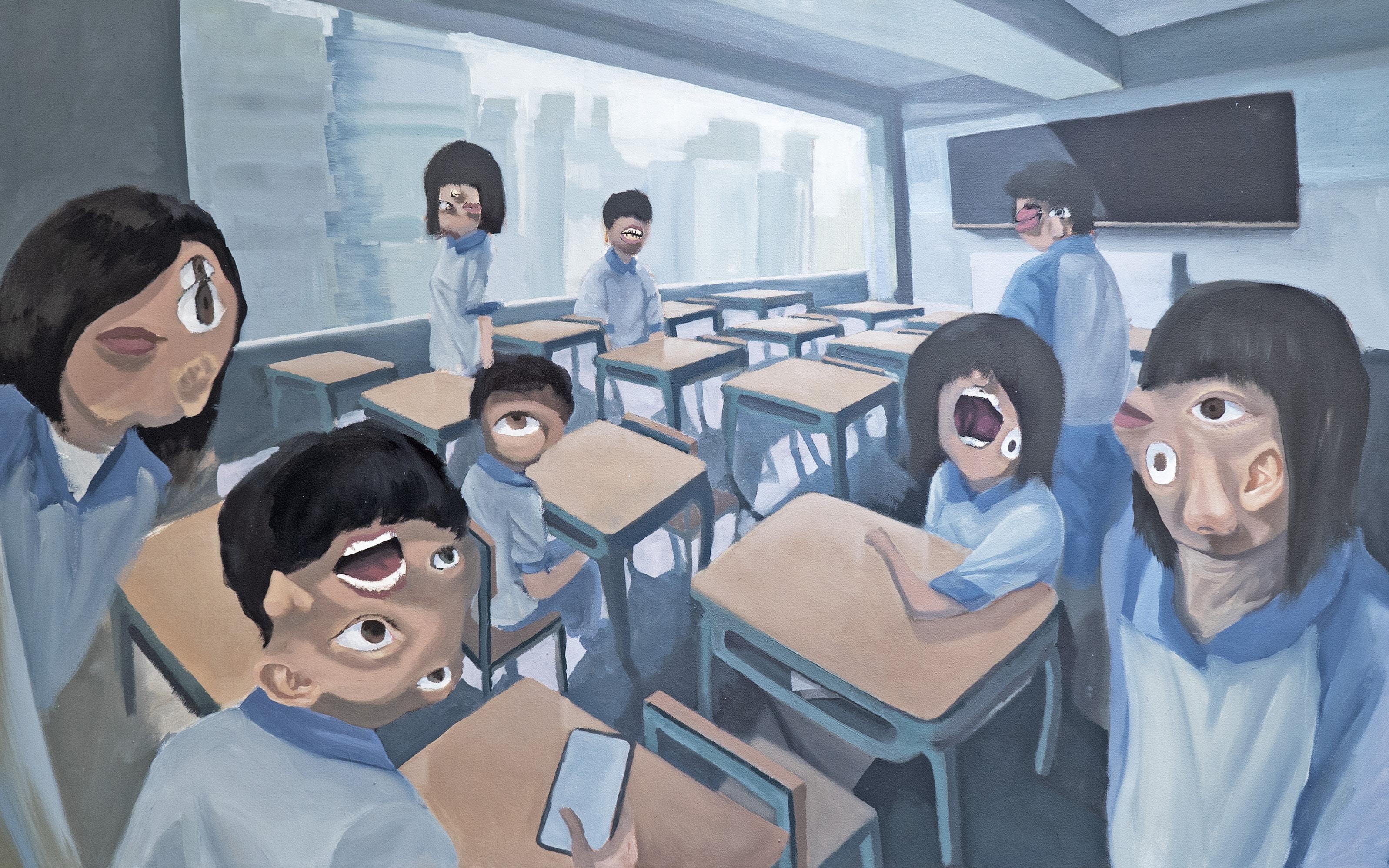
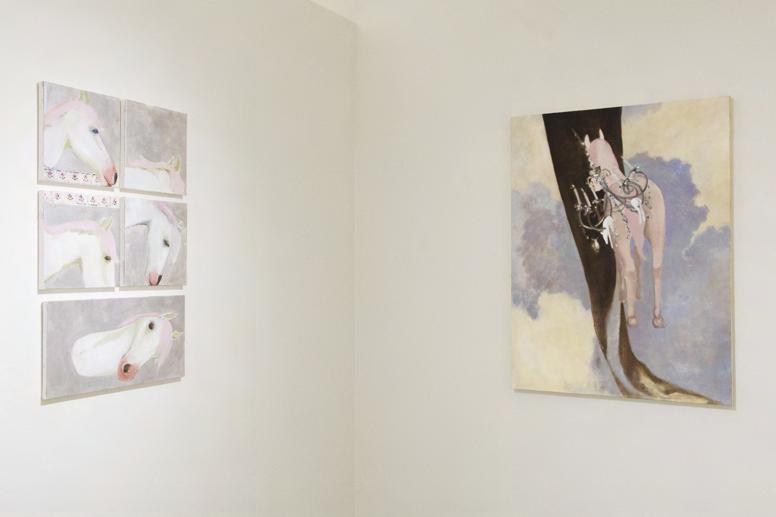
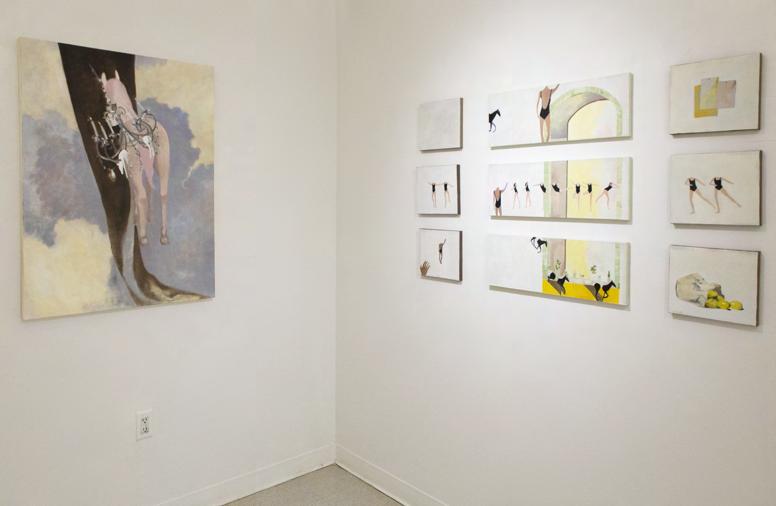
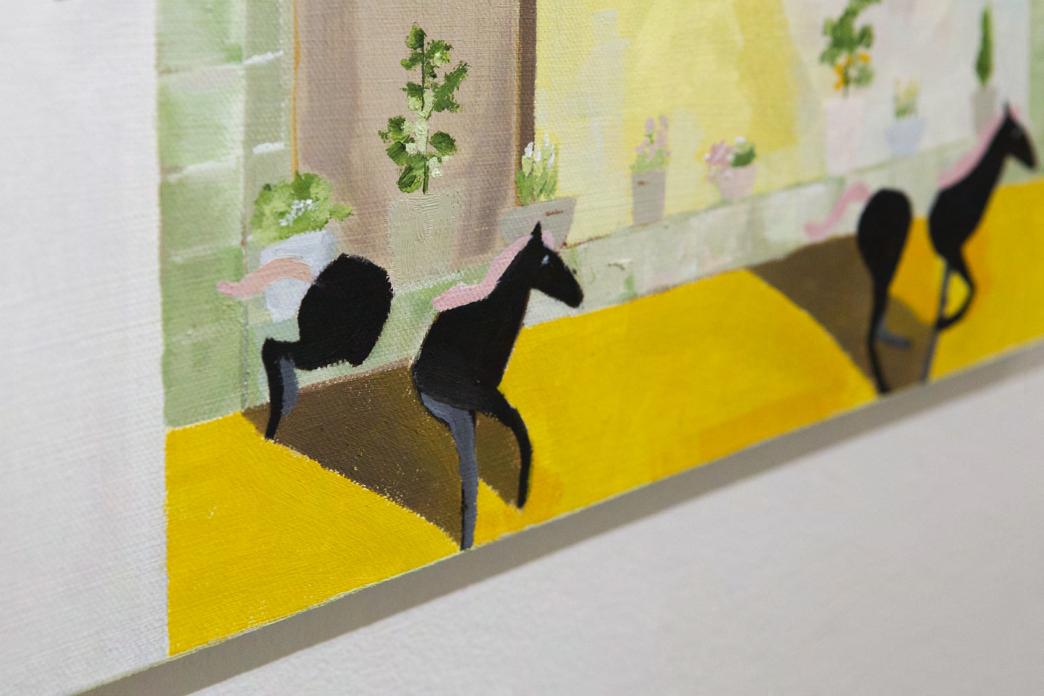
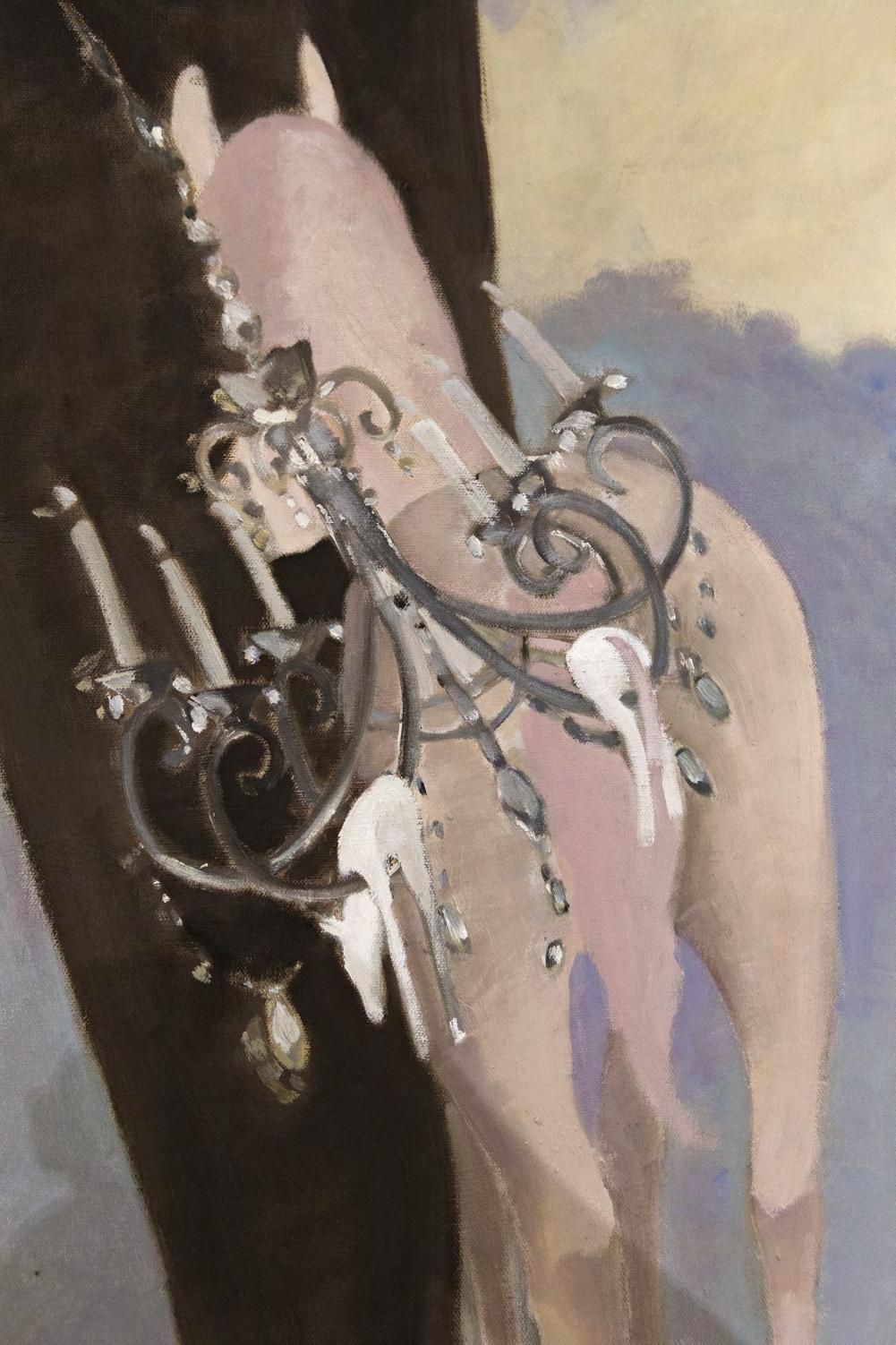
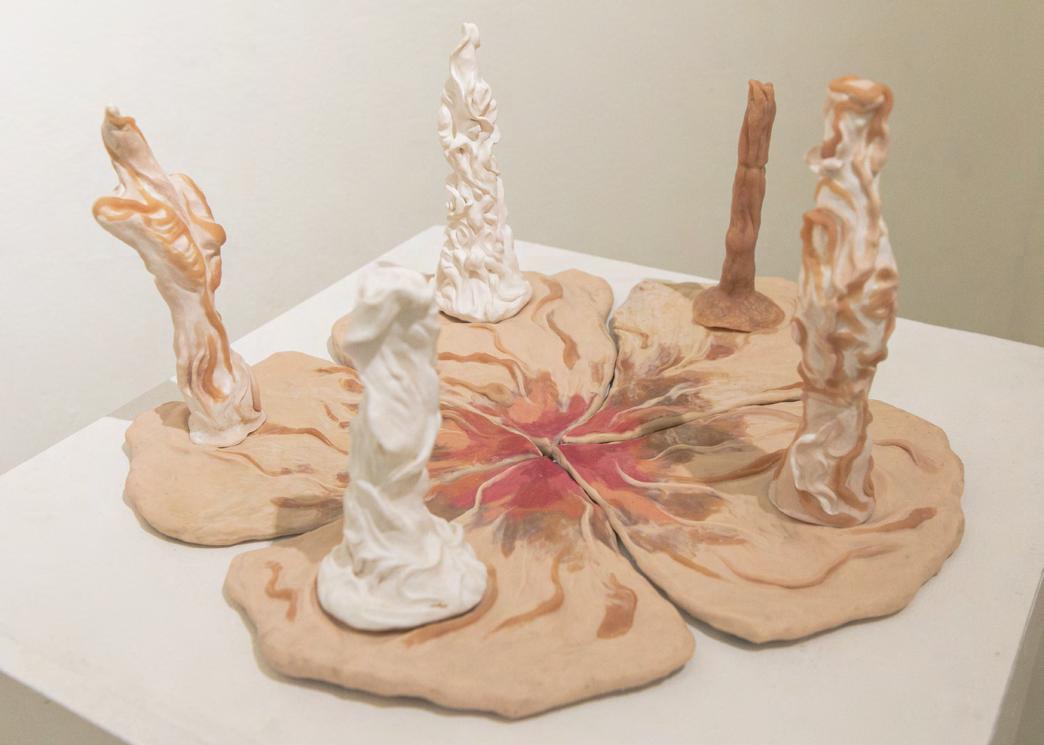
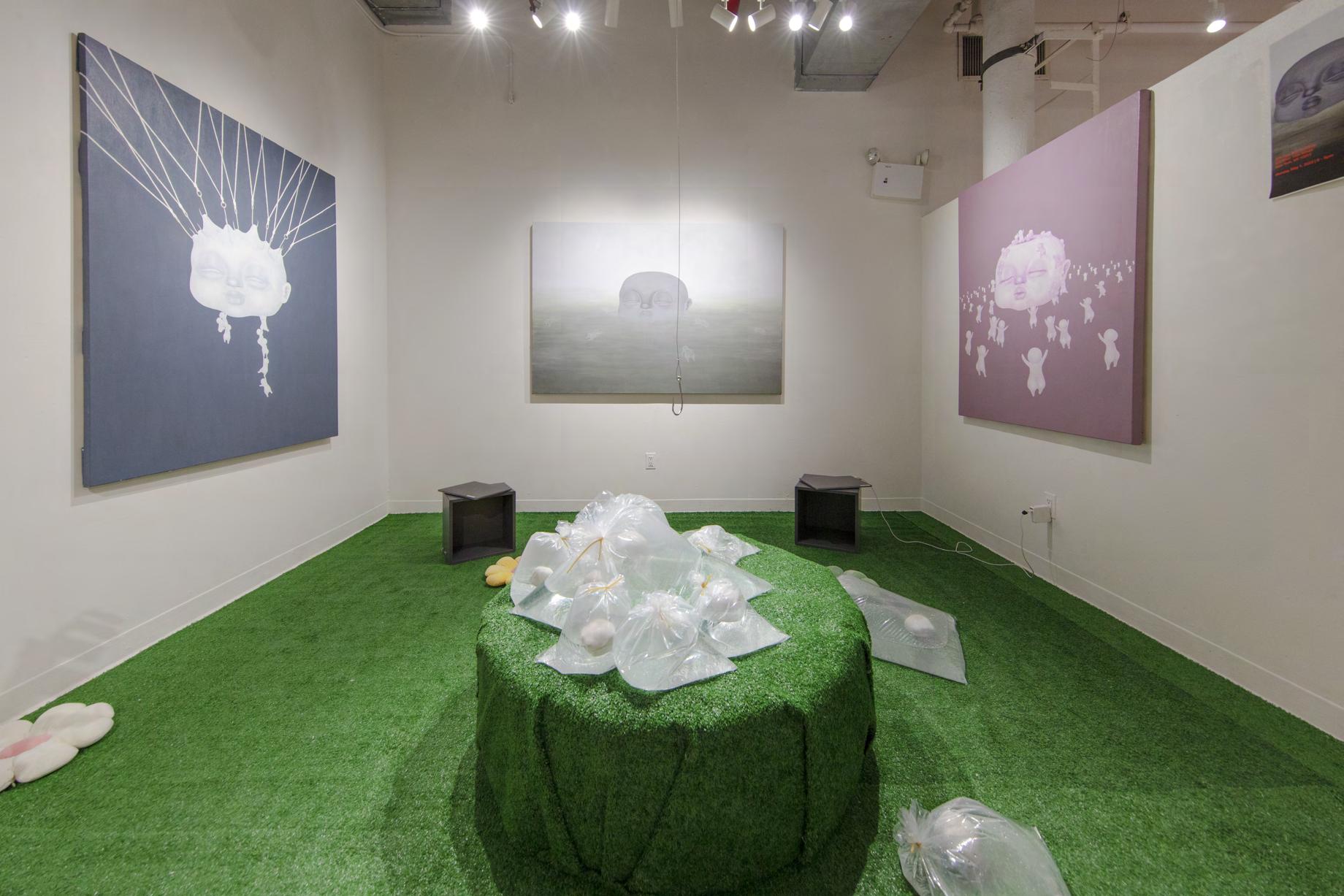
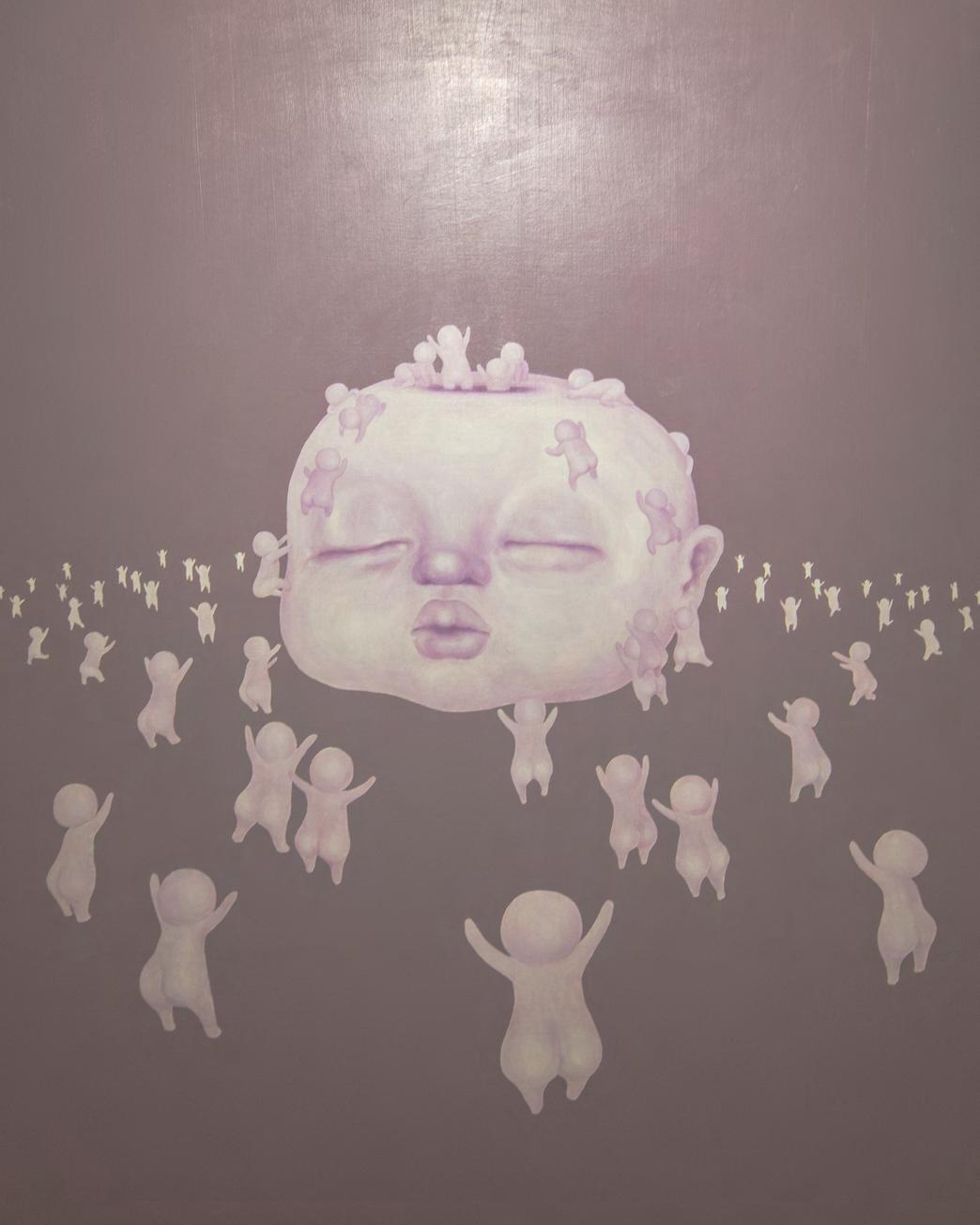
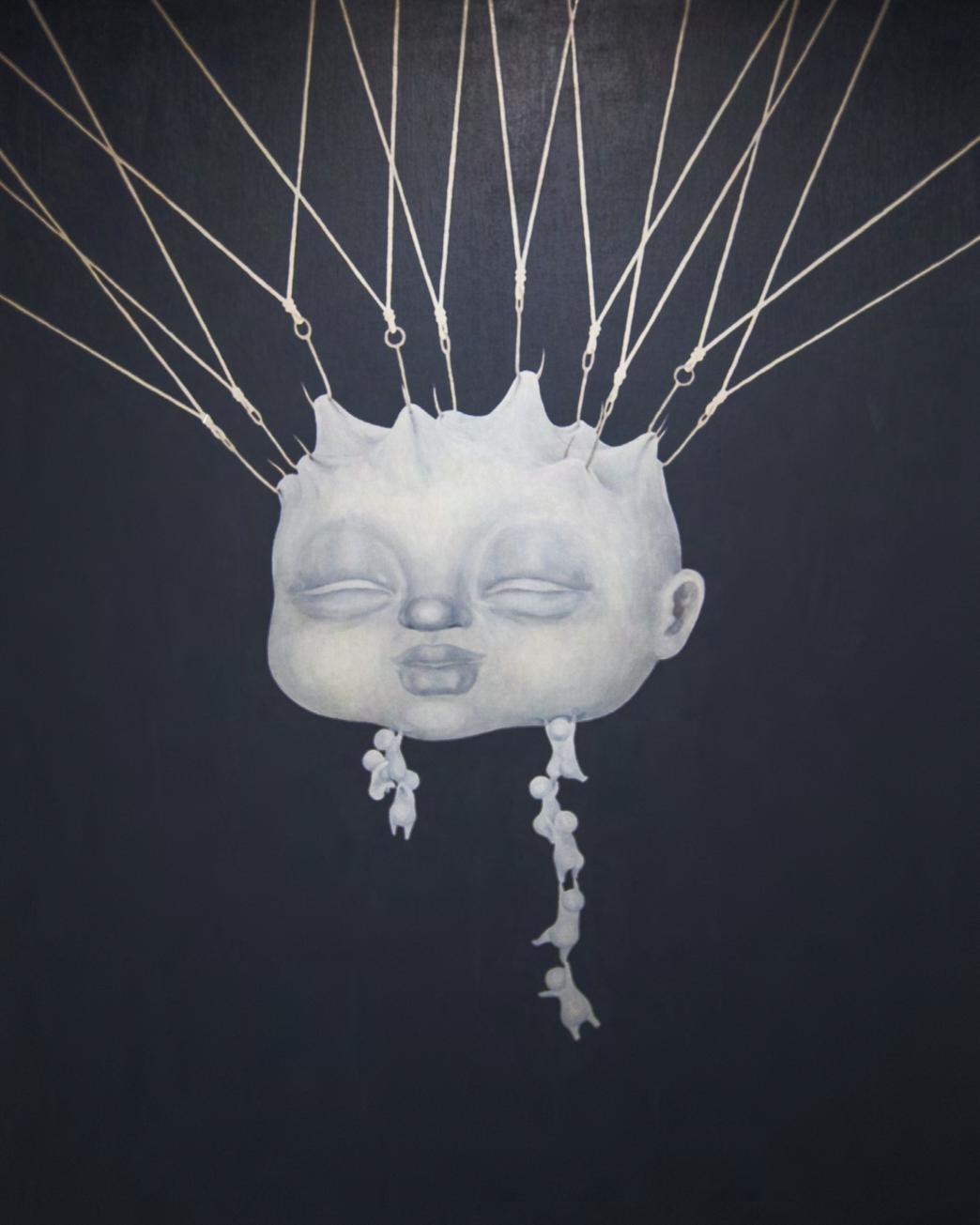
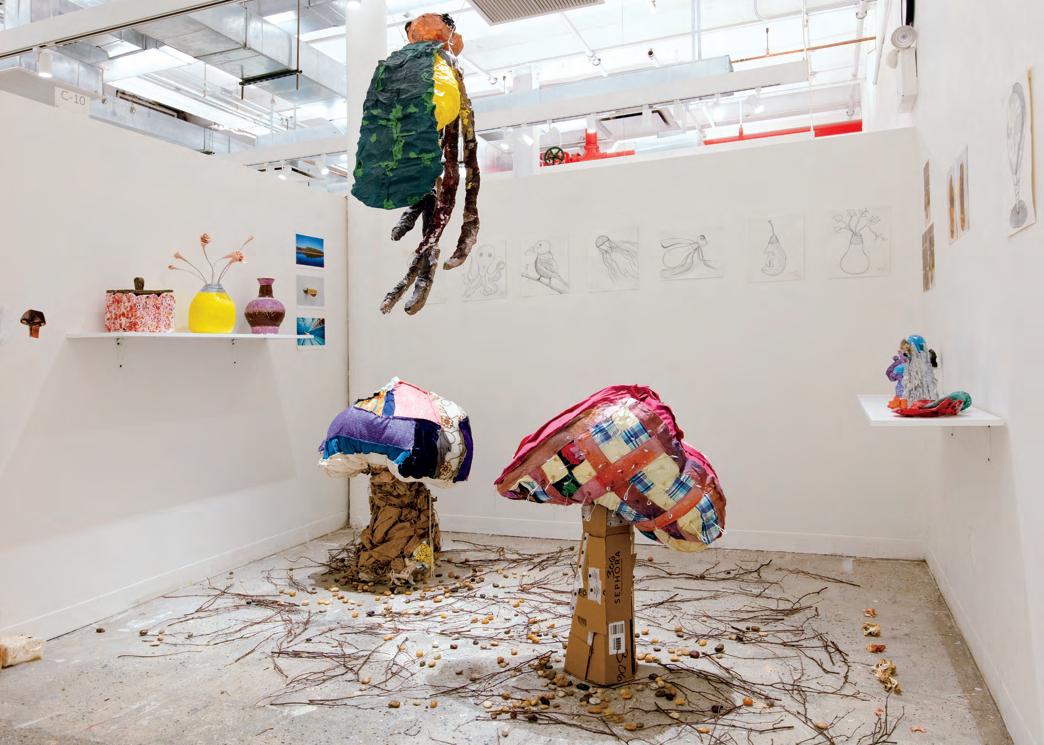
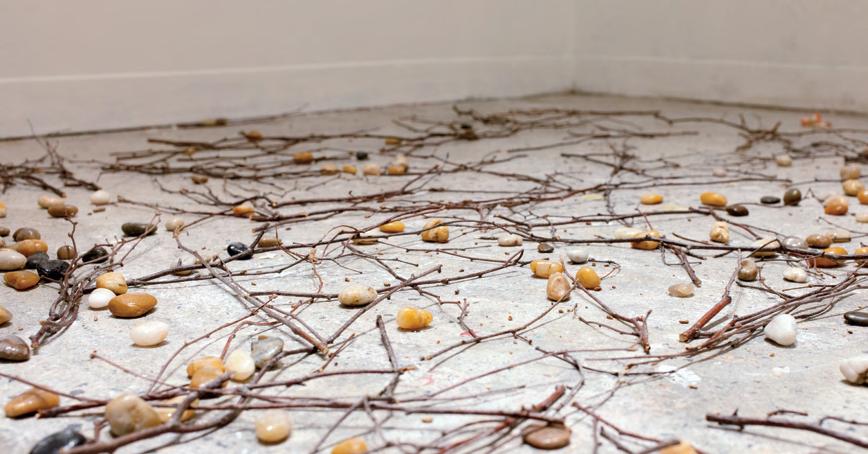
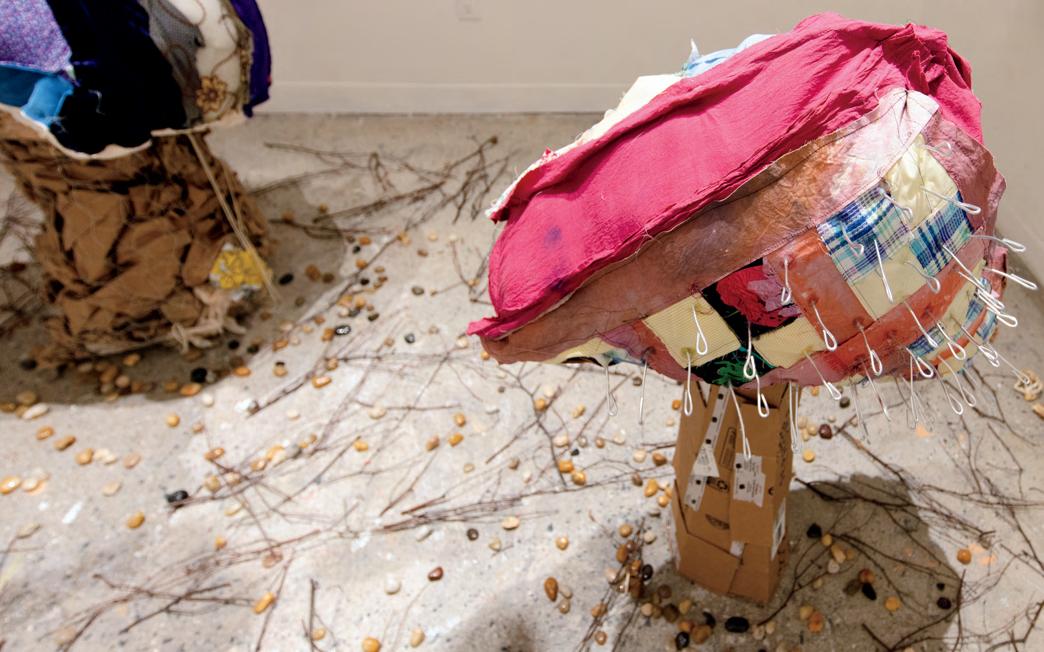
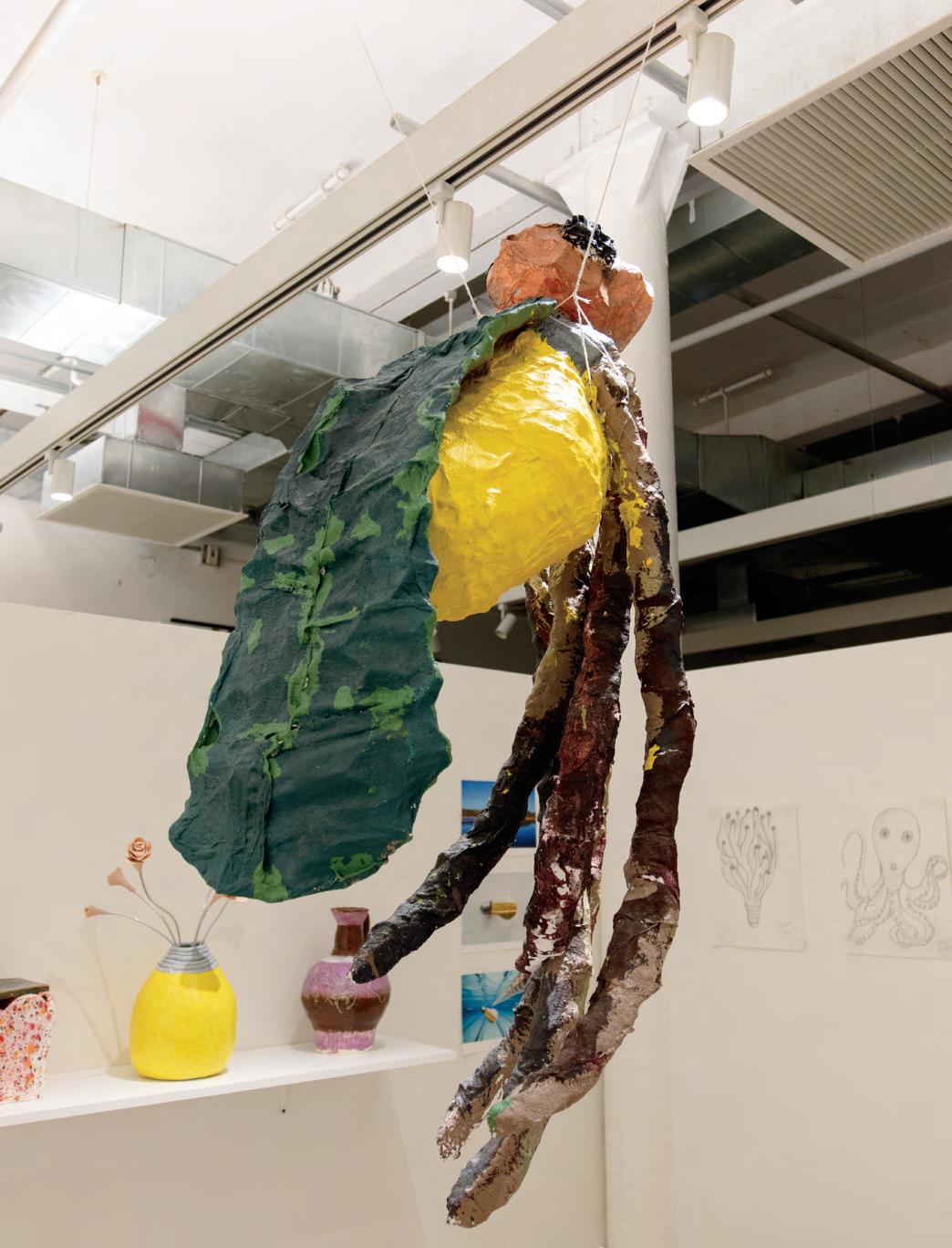
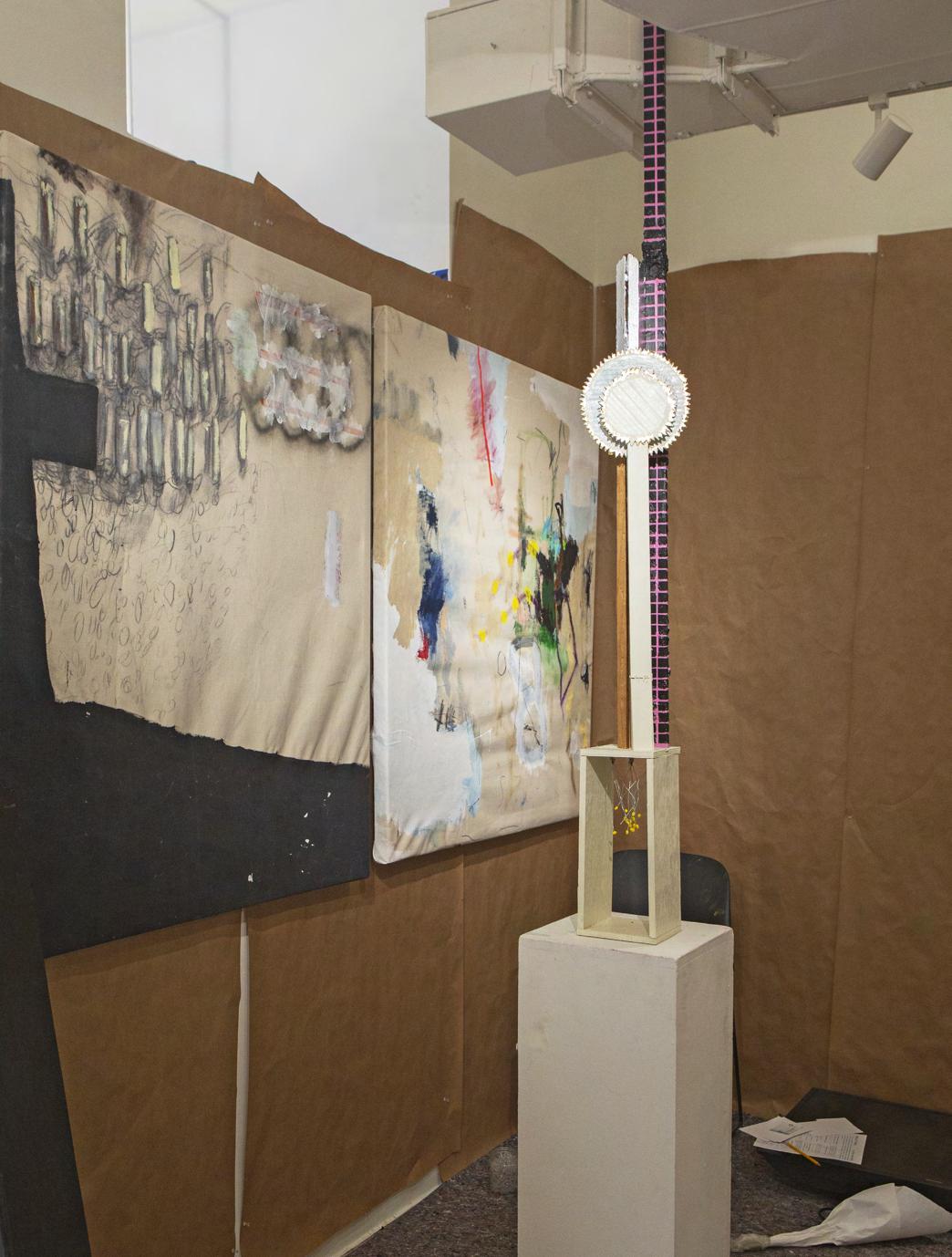
The surrealistic pink-and-gray floating horse head paintings of Shengjie Jiang. Giorgio de Chirico and Leonora Carrington serve as precedents for the nearby architectures of Christian Kwon and floating baby heads (with gravitational pulls) of Shirley Yi Li. The enlarged mushroom and insect sculptures of Ziyao Xie appear like a scene from Alice in Wonderland. Faces painted by Lizhang Li have swapped eyes and mouths, disturbing an otherwise banal classroom scene. I’ve always taken André Breton’s project as an exercise of world-building out of the wreckage of World War I (an earlier era of polycrisis?), and I see these artists taking a cue from the Frenchman in their impulses to visually interpret the hypnagogic past few years. But it hasn’t just been COVID-19 that’s felt dreamlike.
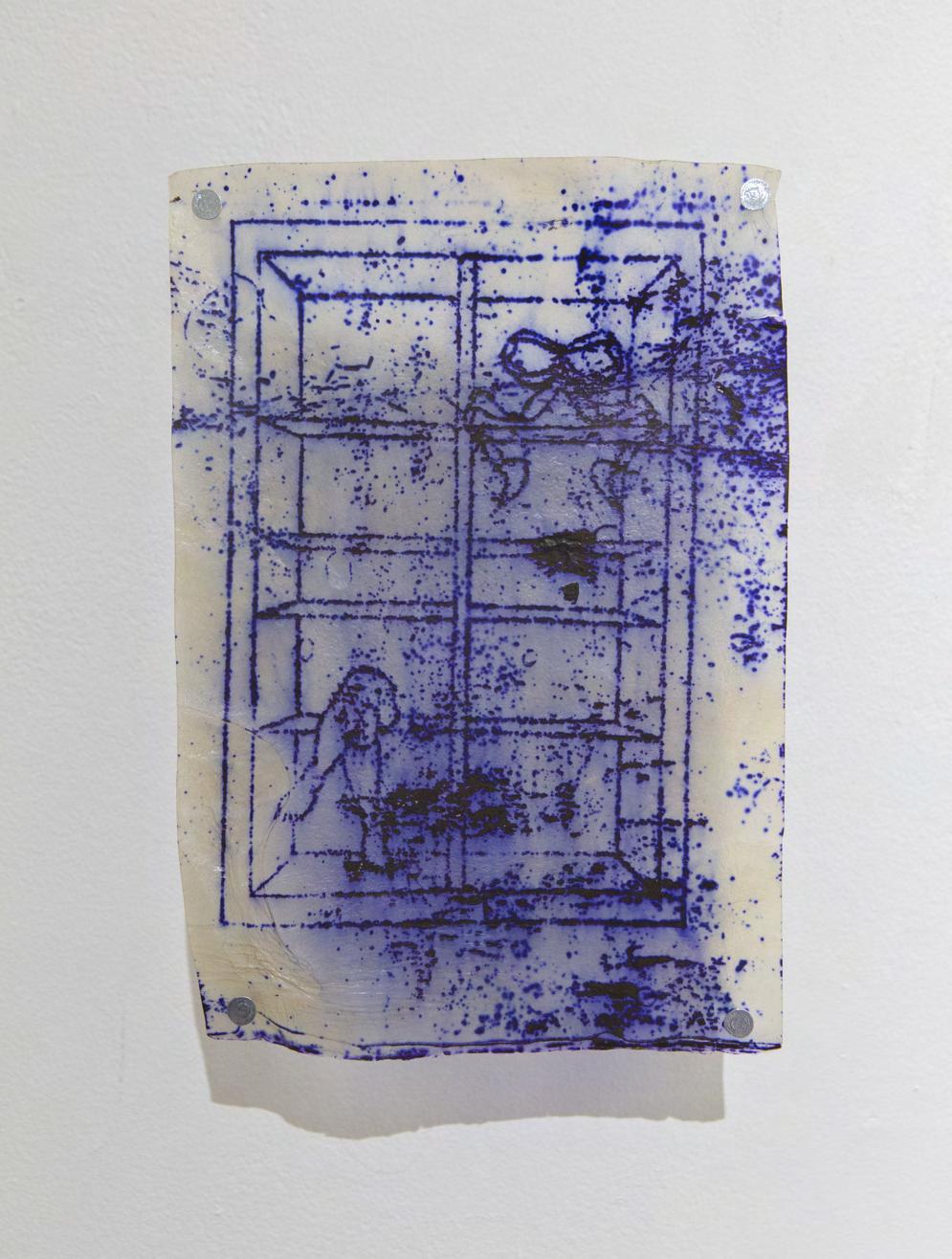
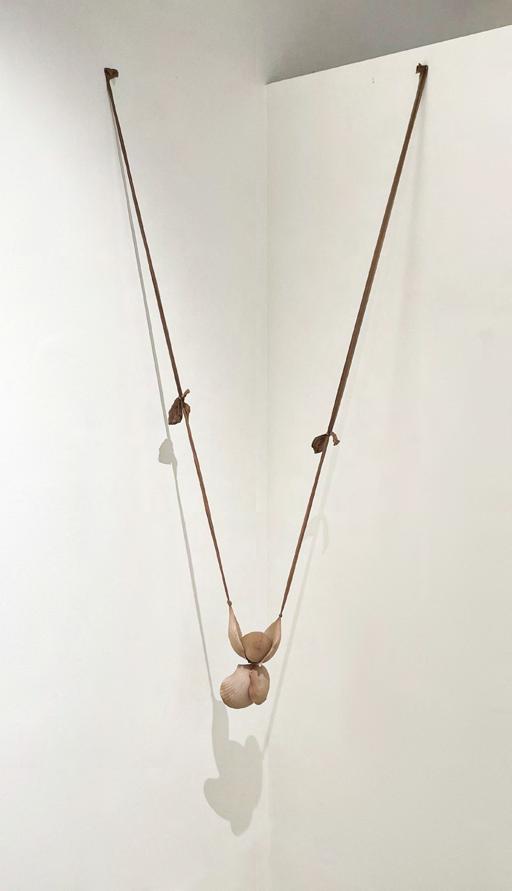
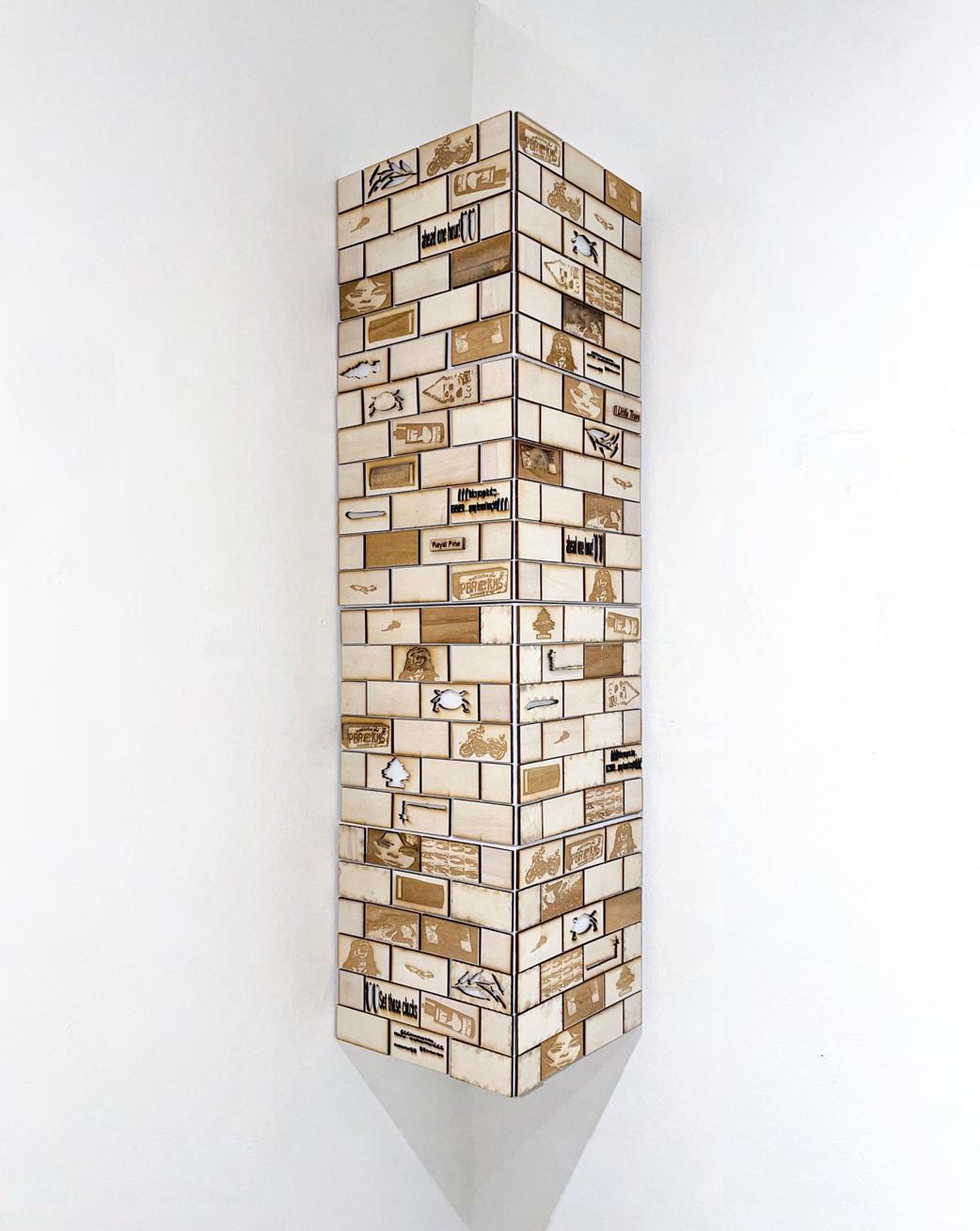
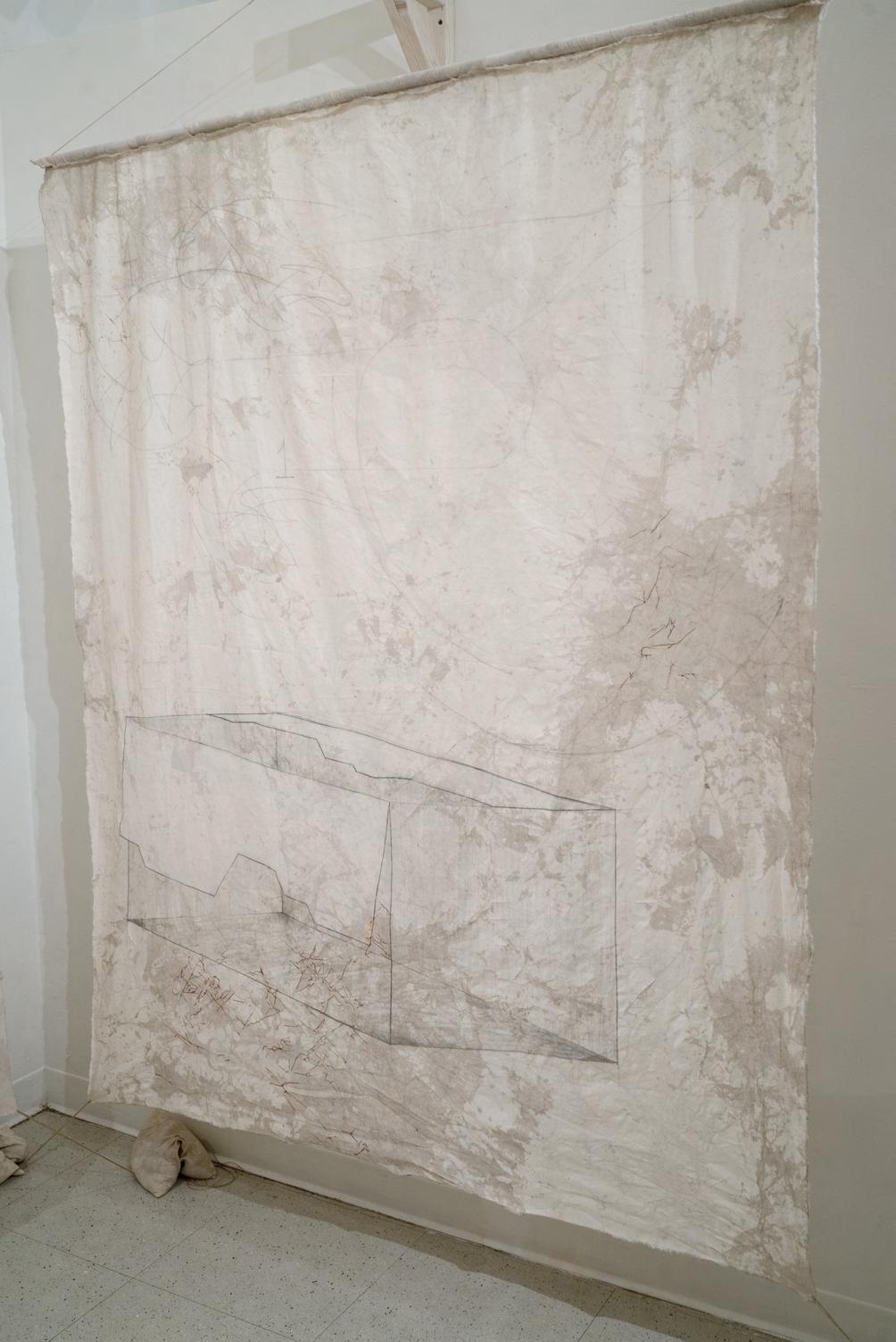
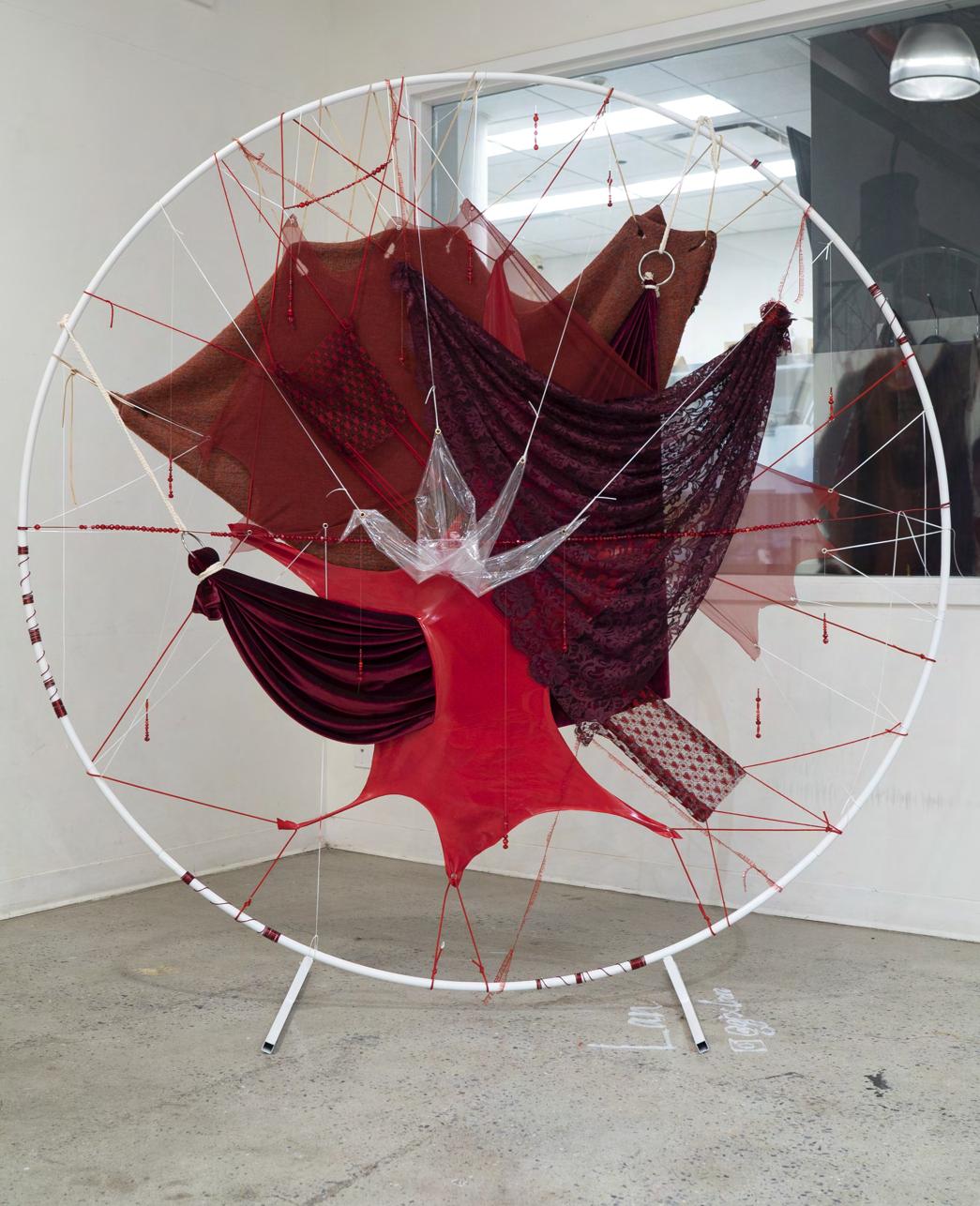
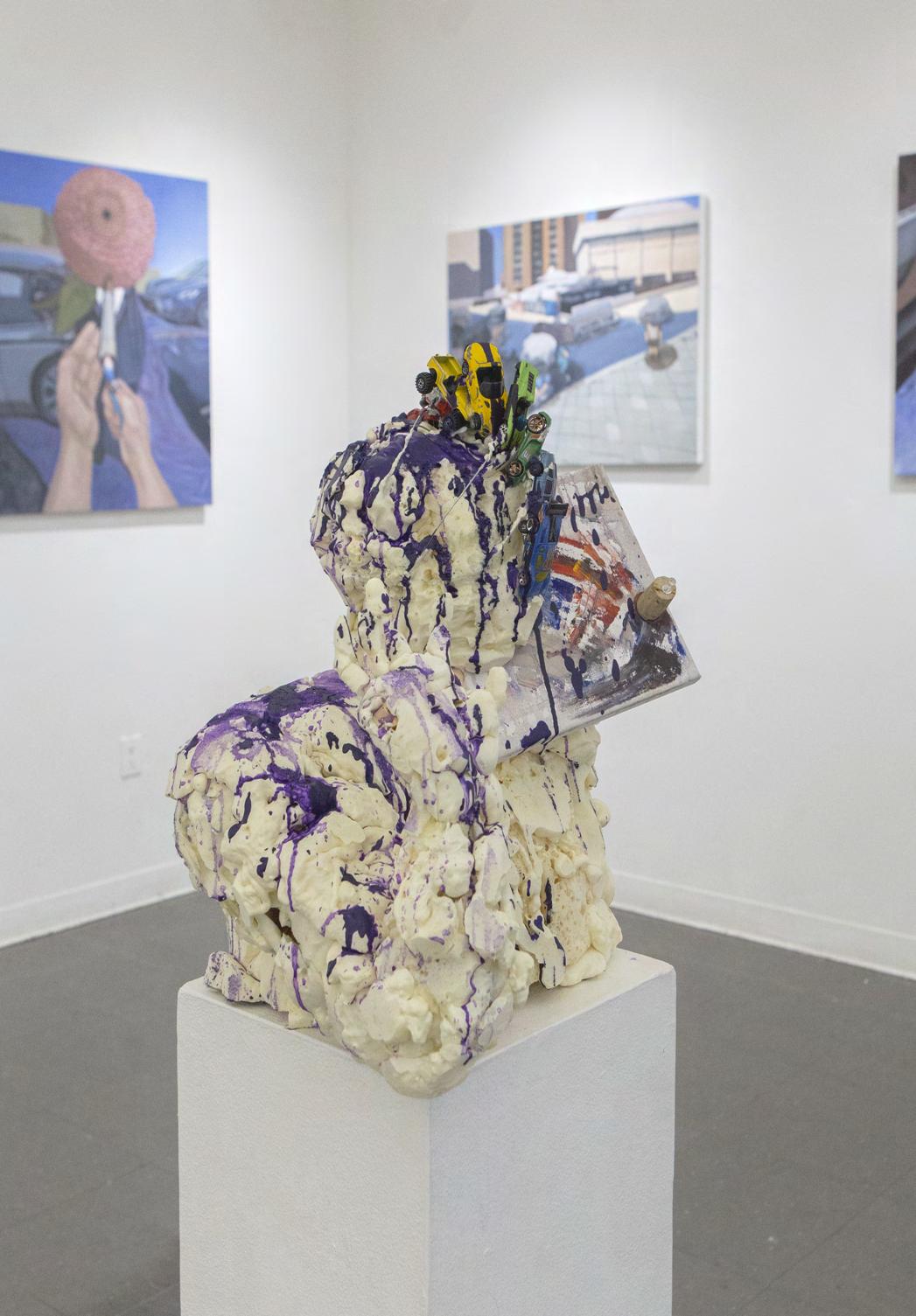
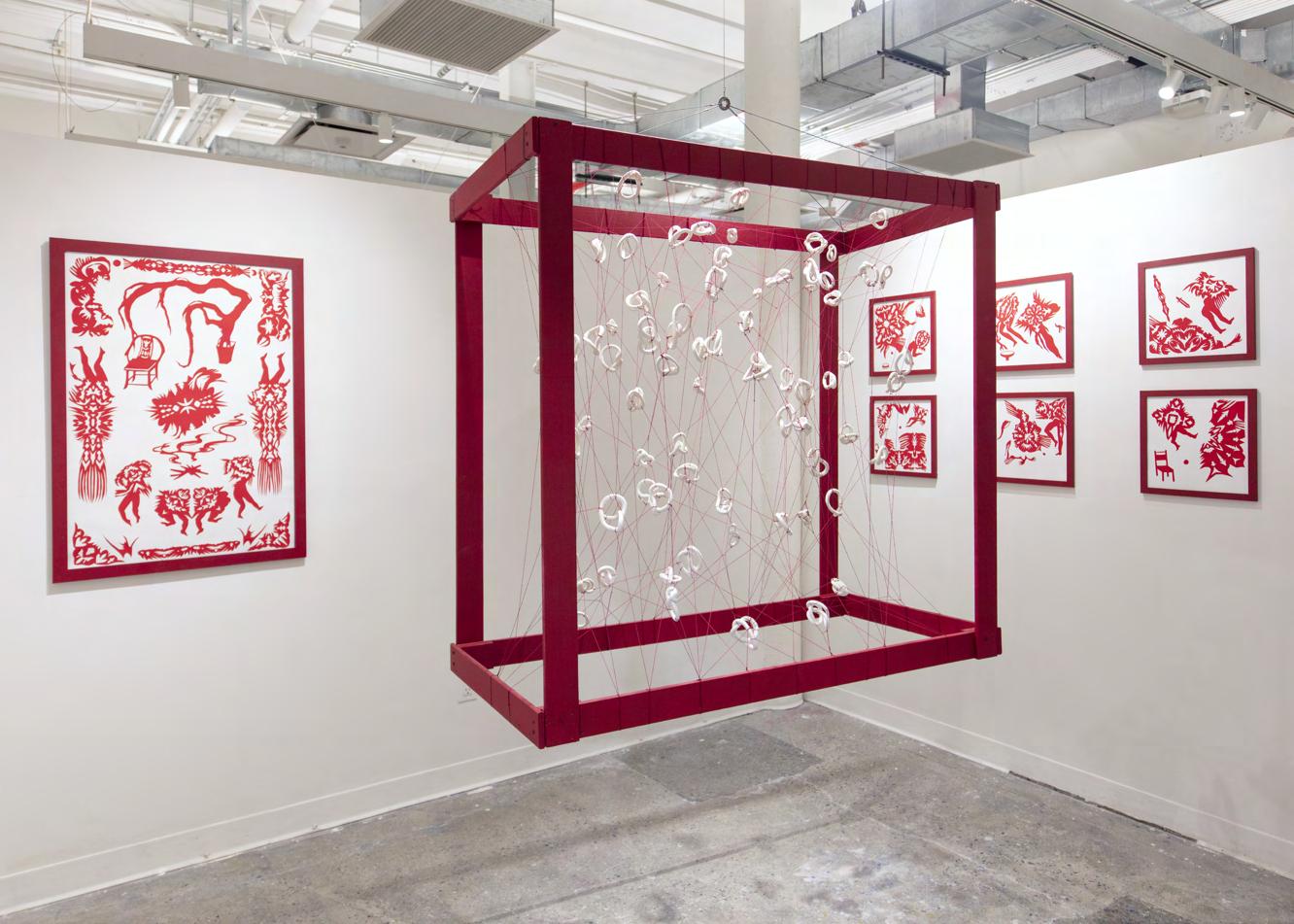
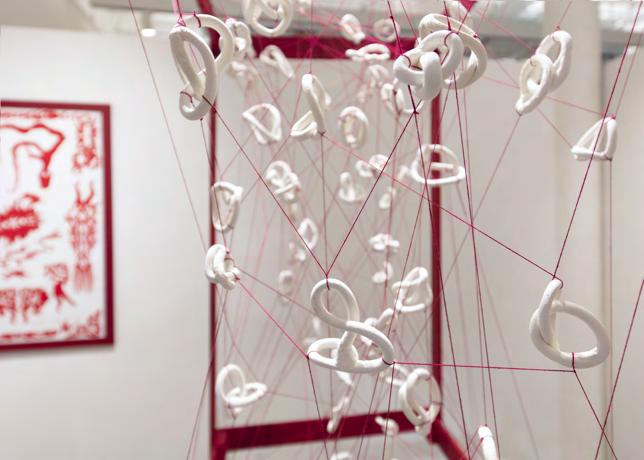
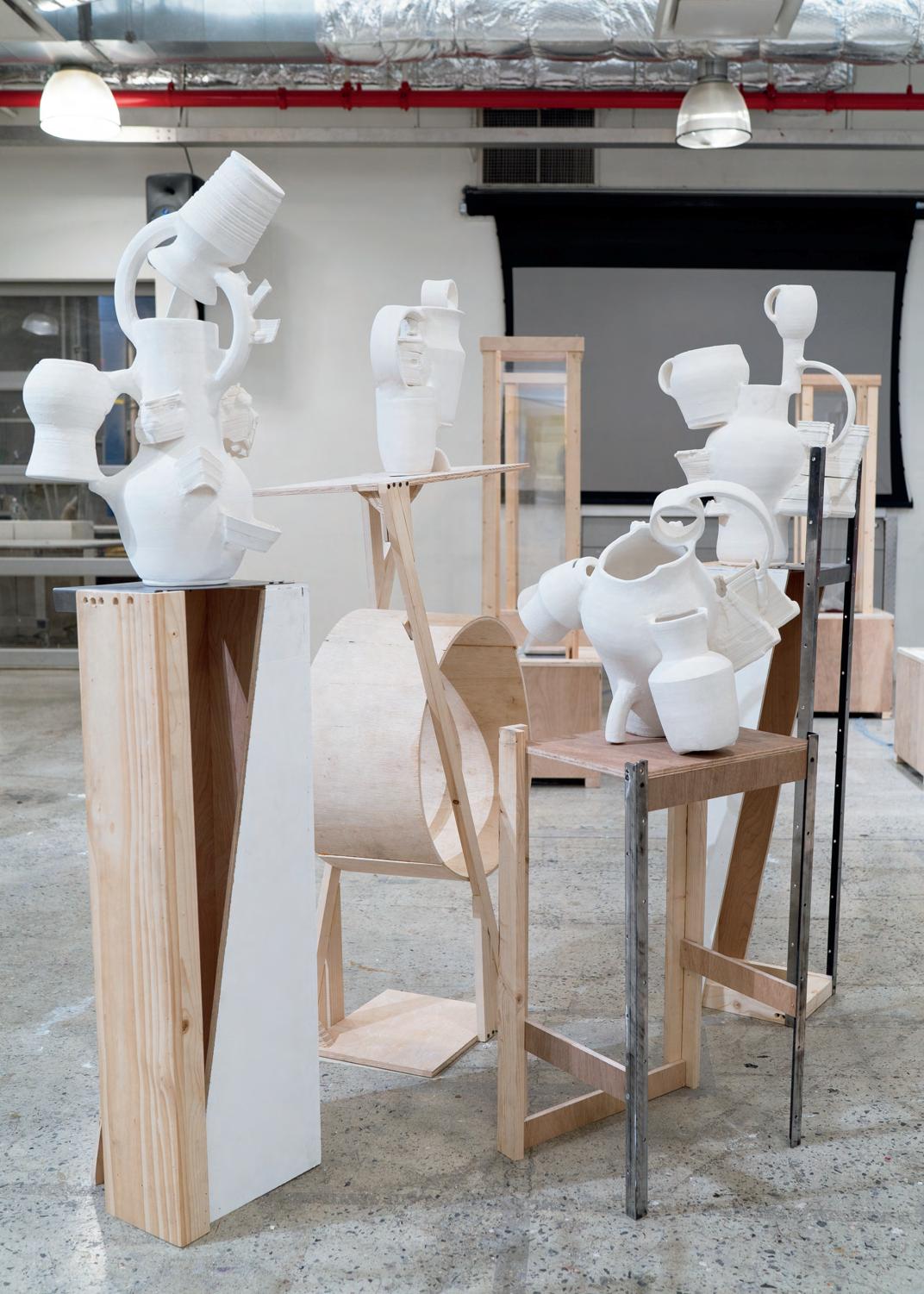
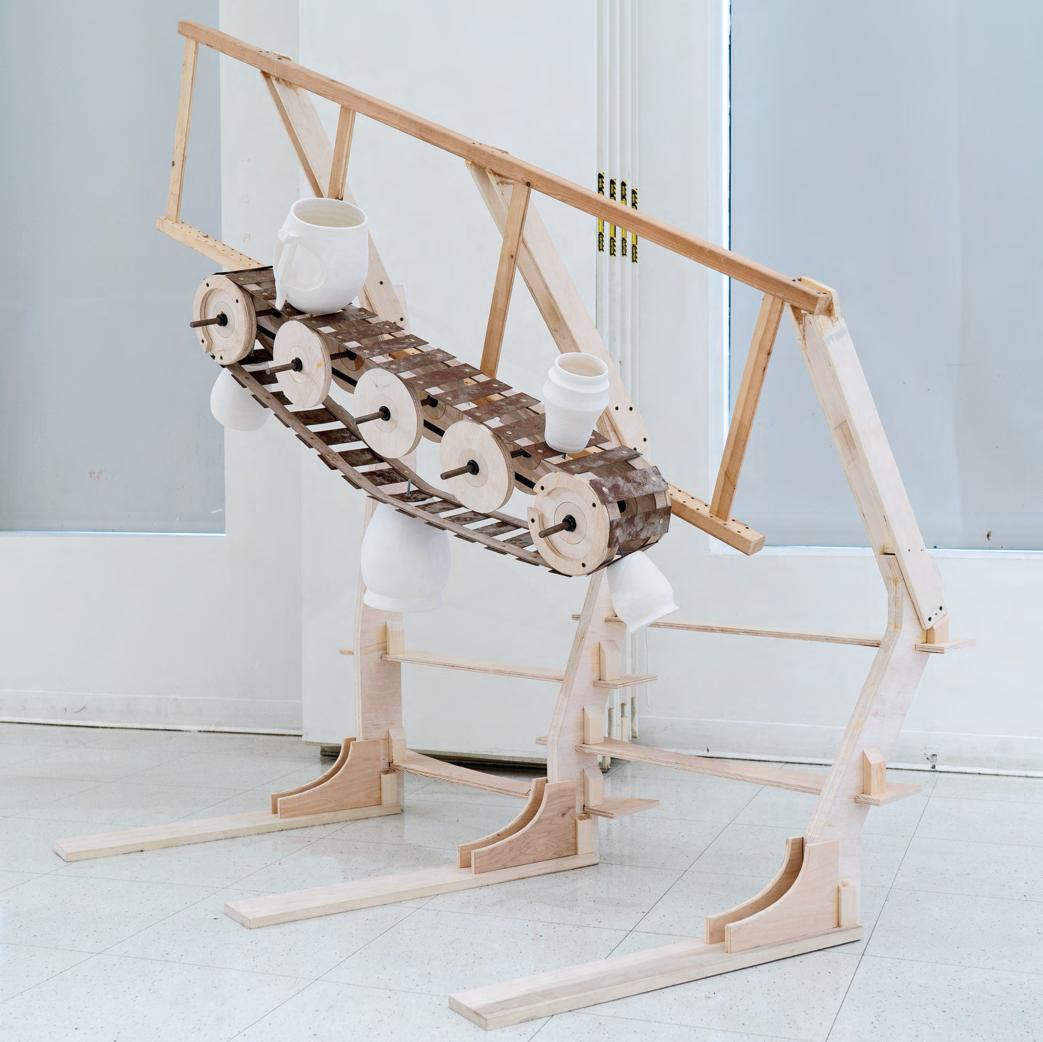
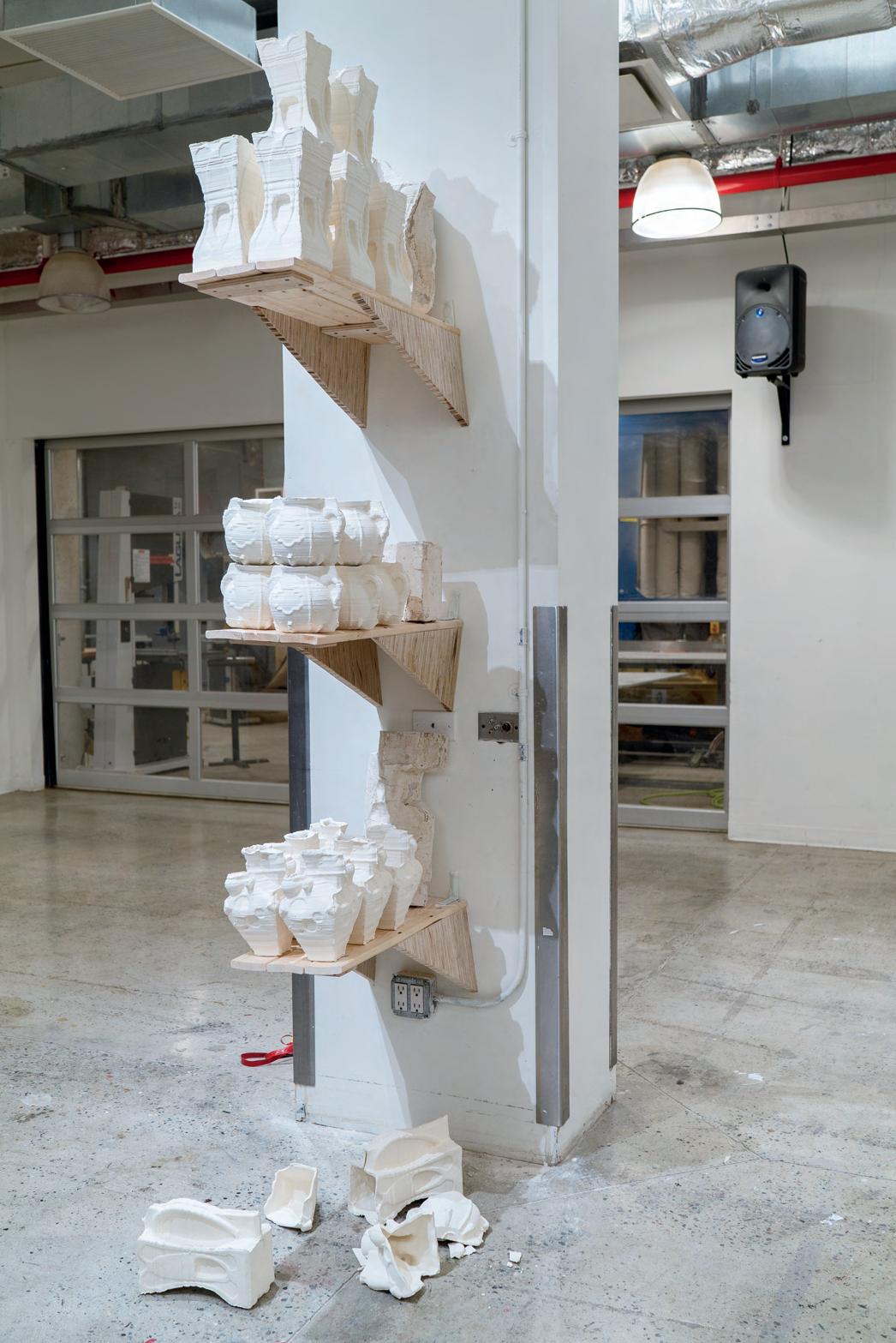
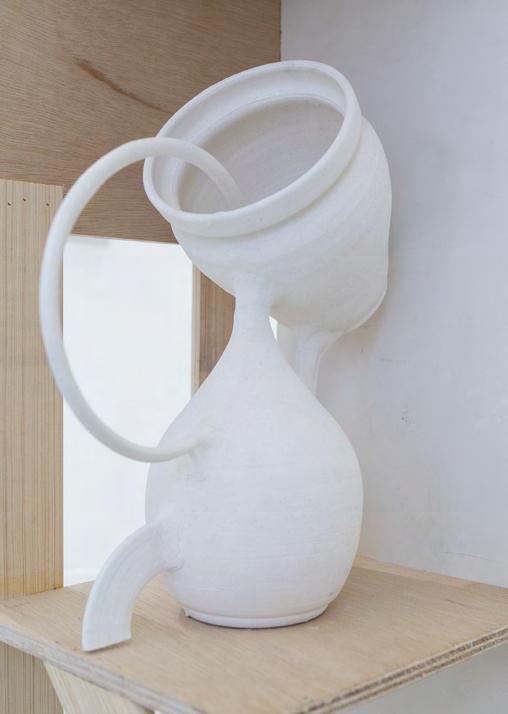
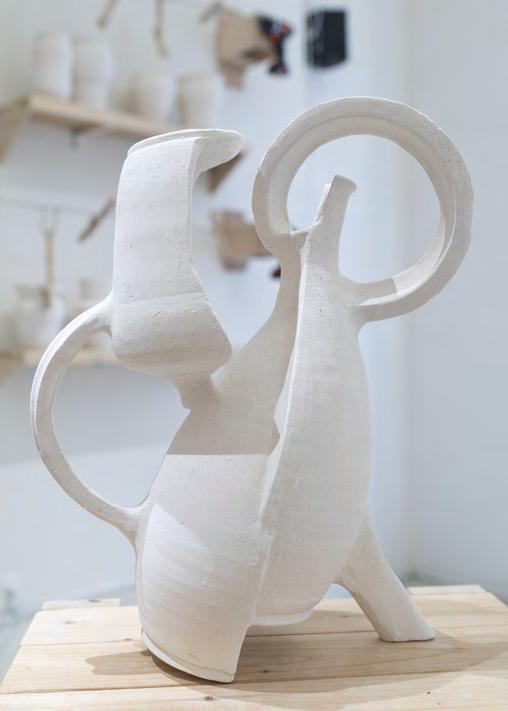
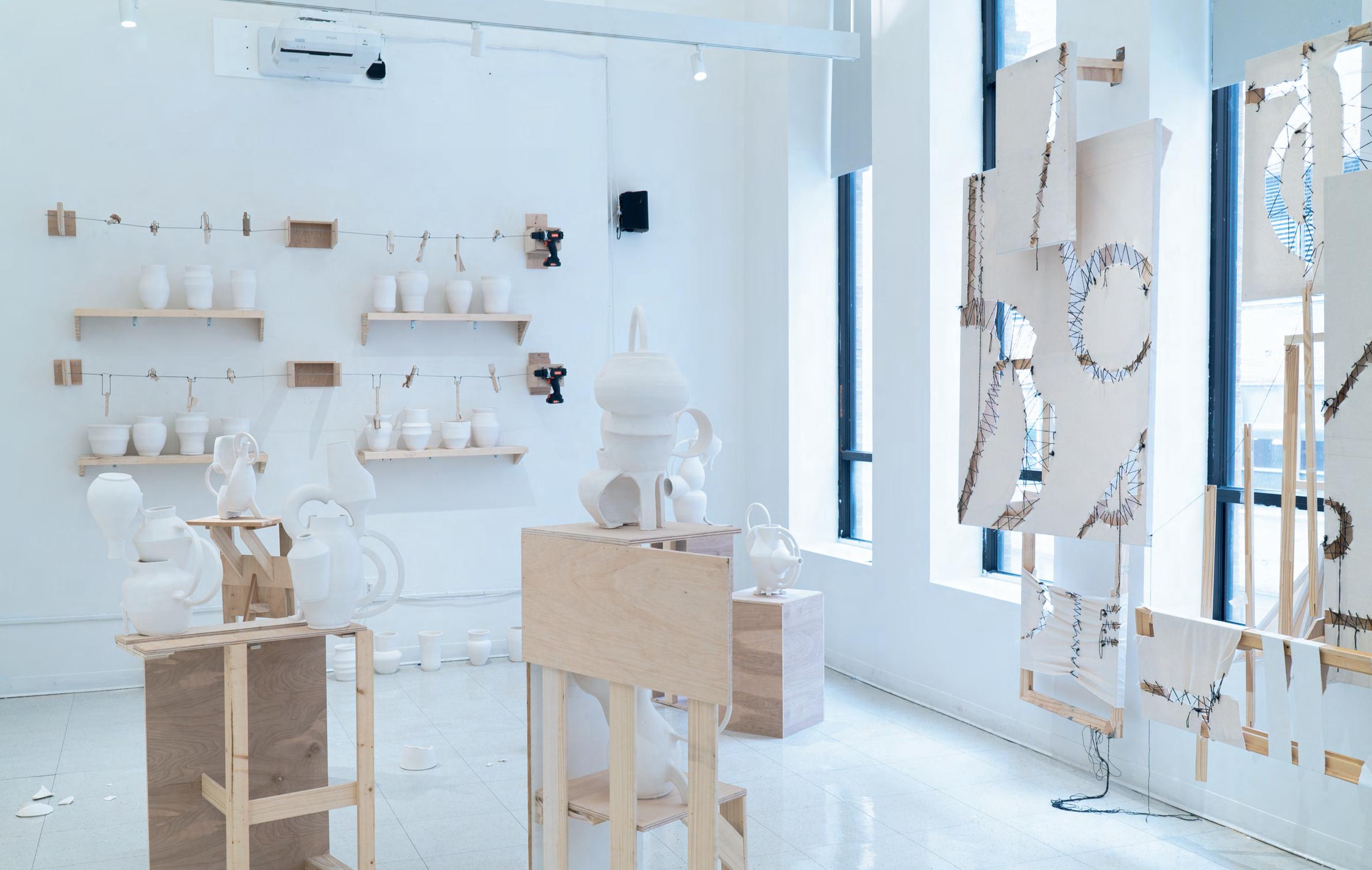
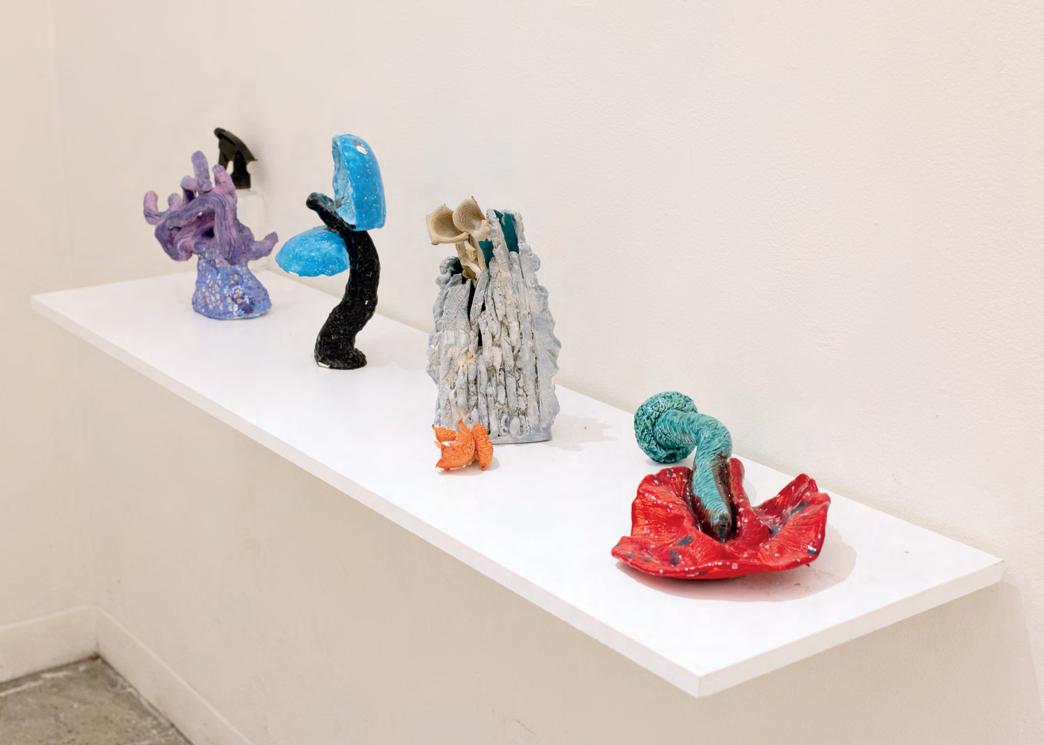
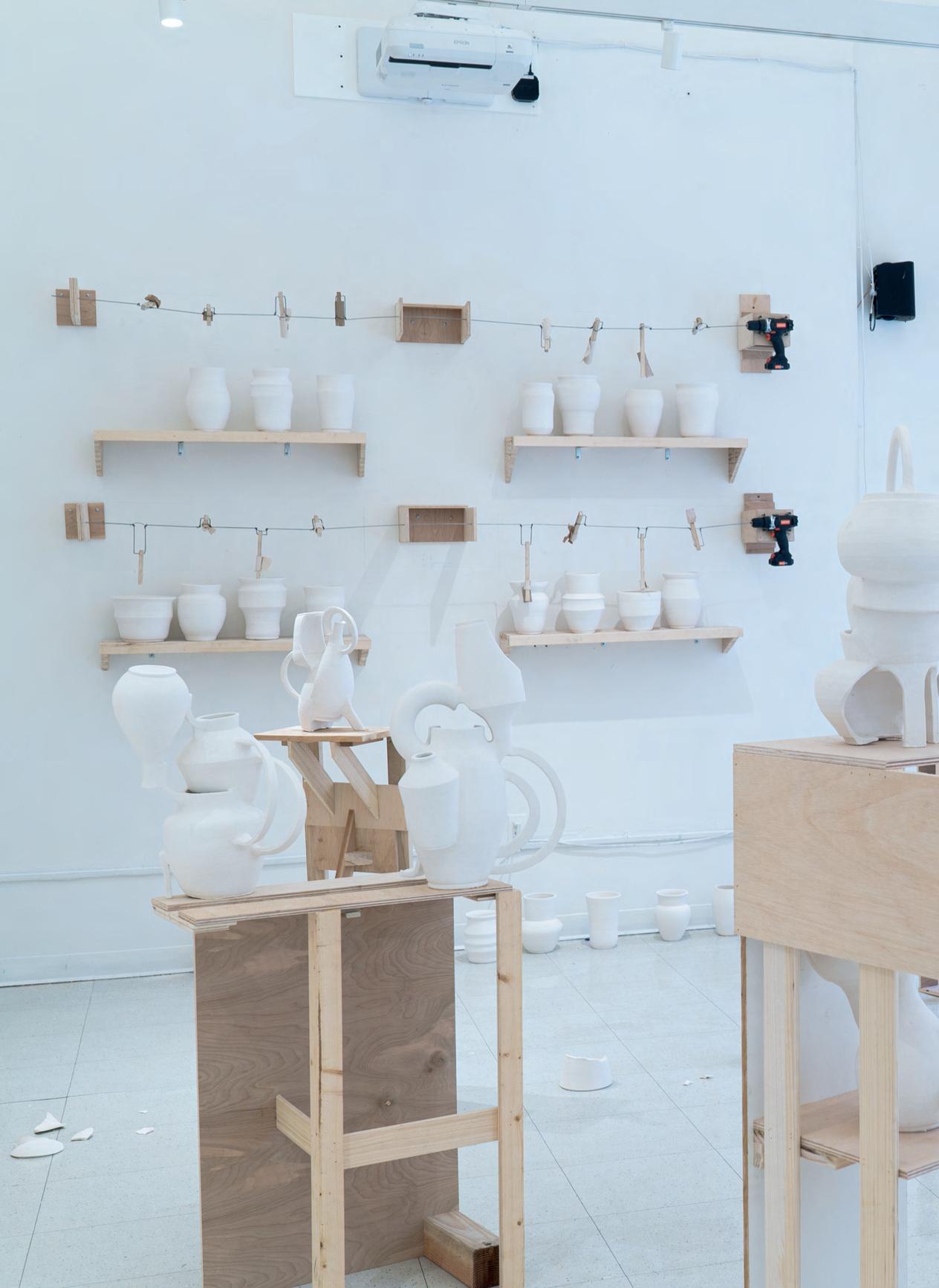
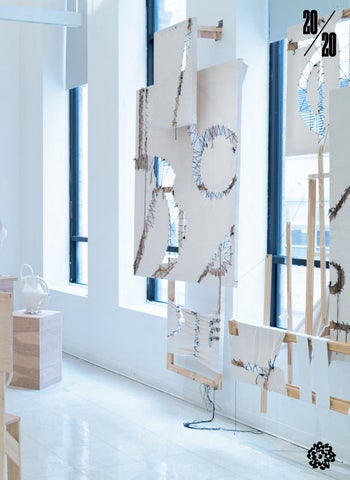
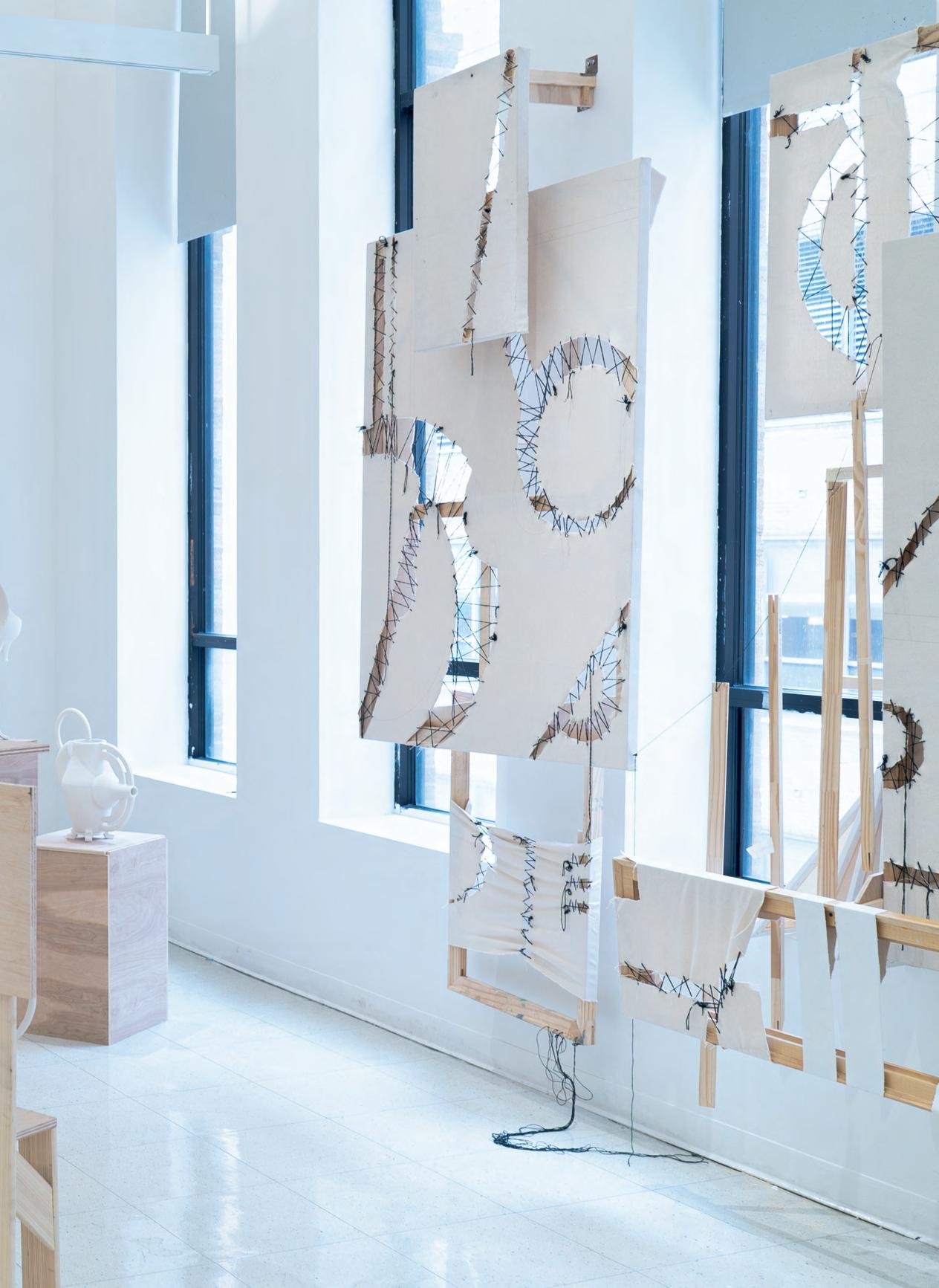
When I encountered Ryan Yu’s ceramics, I was puzzled by their familiar shapes but clear inutility. I learned the vases and pitchers had been generated using artificial intelligence—the ubiquity of such technology I’m sure will be felt even more by the time this essay is printed. These sculptures are elegant experiments that seemed prescient of an AI-generated reality where everyday objects are all slightly off. For a generation raised on the Internet, there was a surprising affinity for traditional media. Though some works—like those of Qiqi Pan that use string and clay to create a ruddy web resembling neural pathways or abstracted social networks—are harnessed in tech. Or Yali Reichman’s wall works that appear to bring digital models to a minimalist sculptural aesthetic. Or Cheyenne Preston’s large design sketch of a file cabinet on anachronistically fibrous canvas. These are works acknowledging a world online, yet their makers clearly desire the physicality of material-based practices.
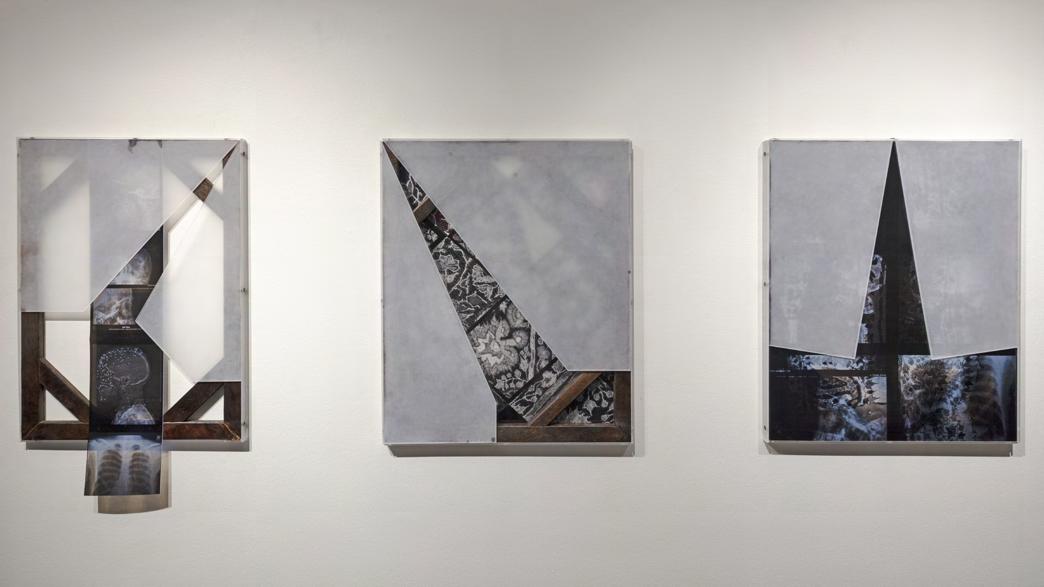
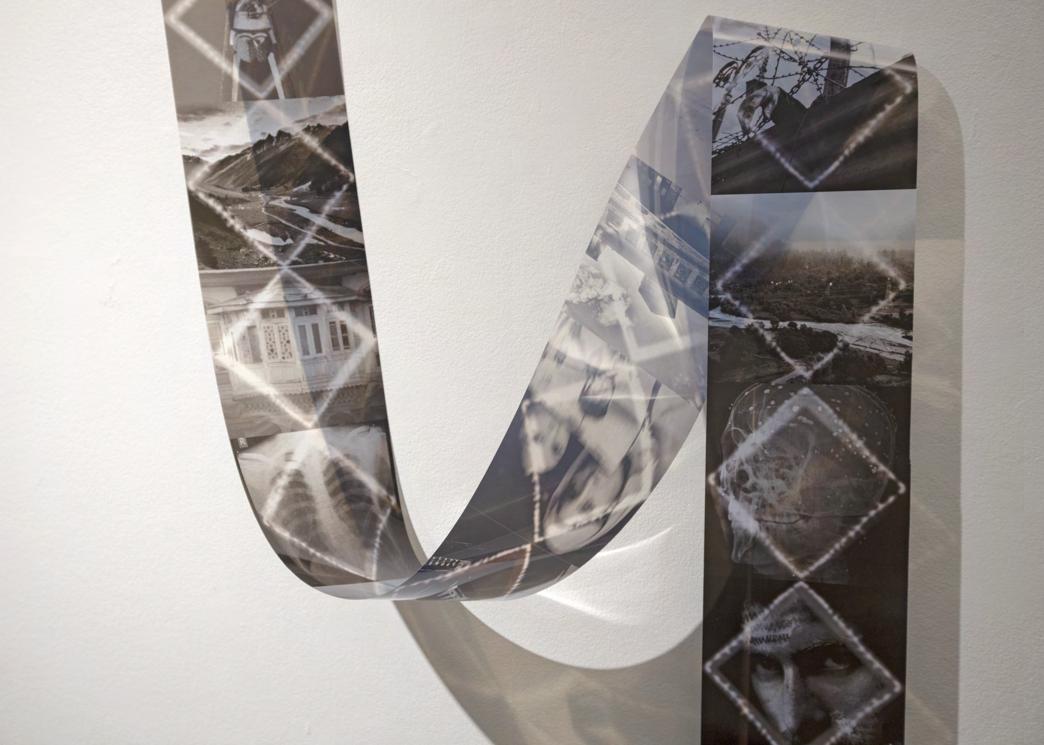
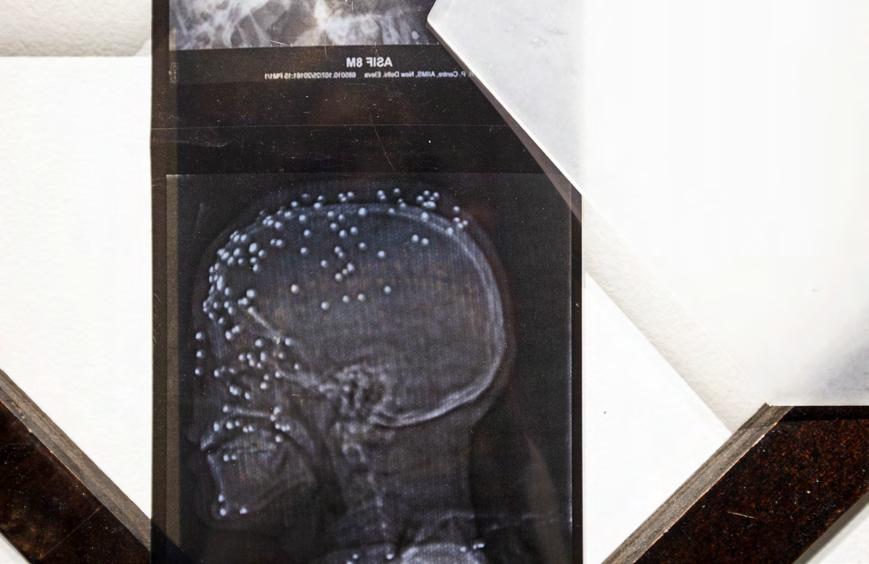
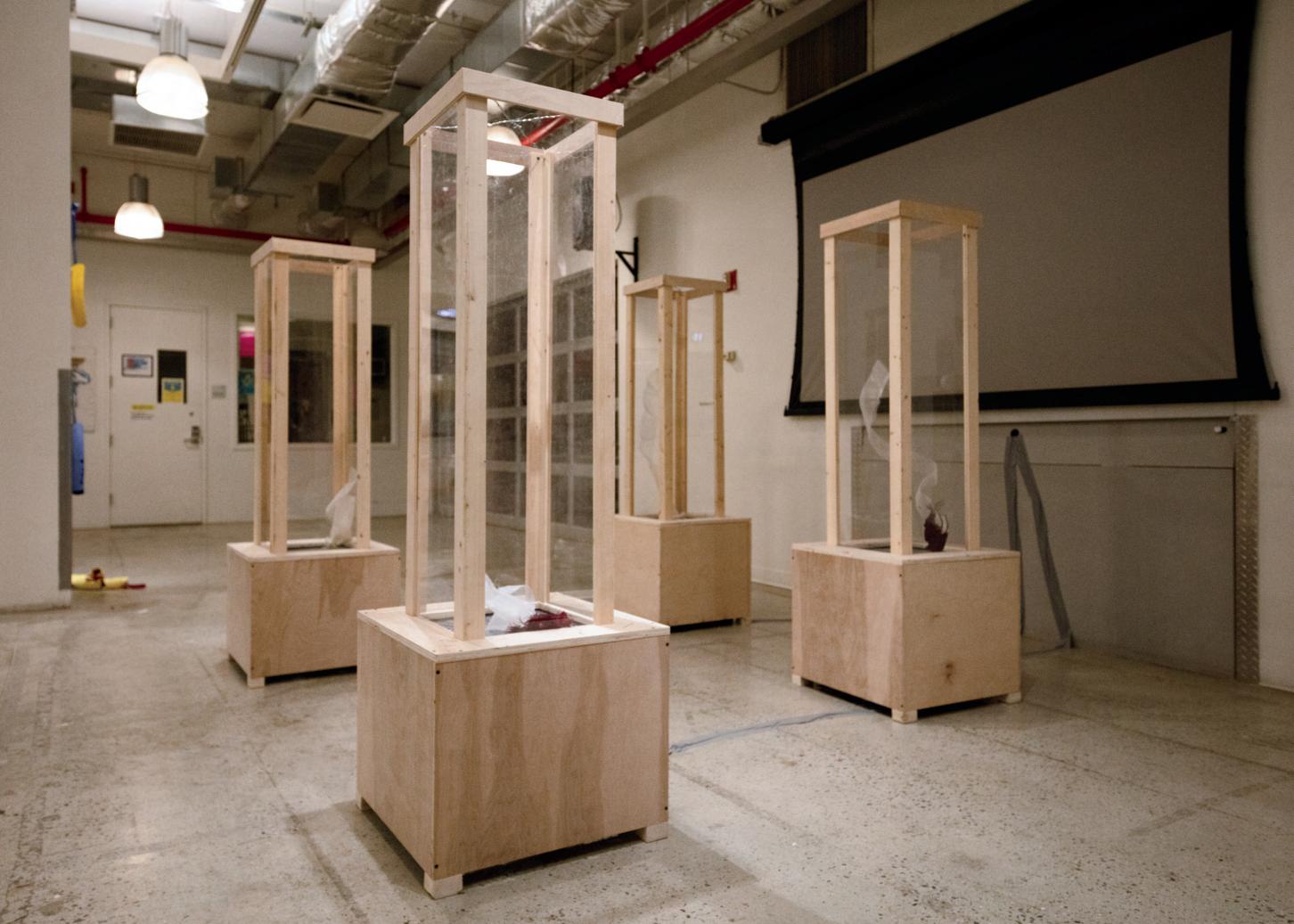
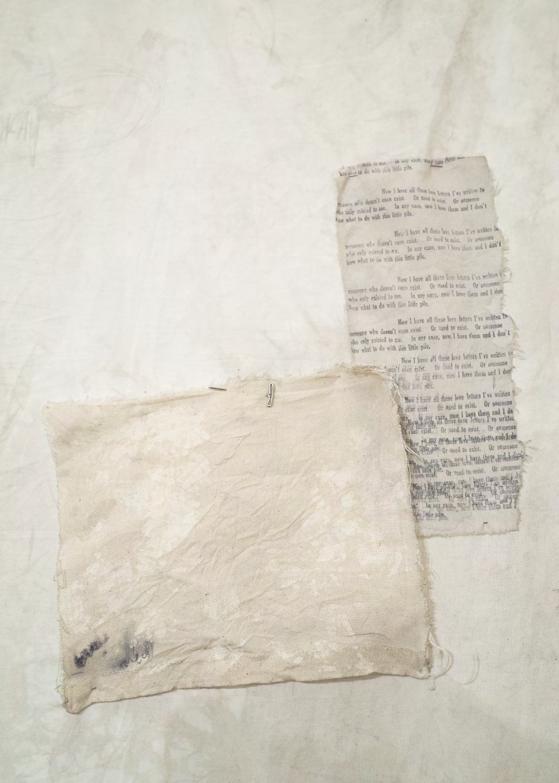
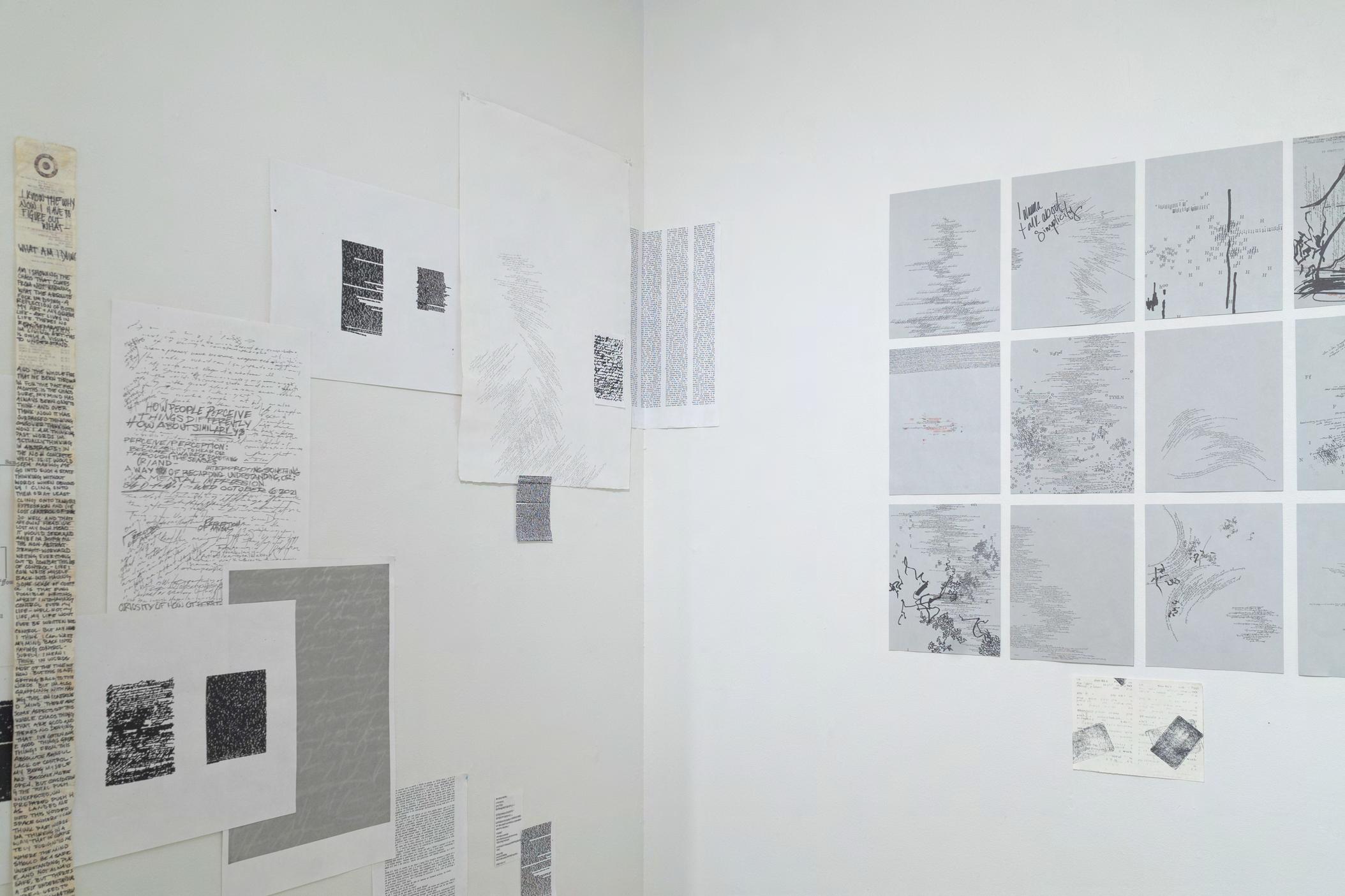
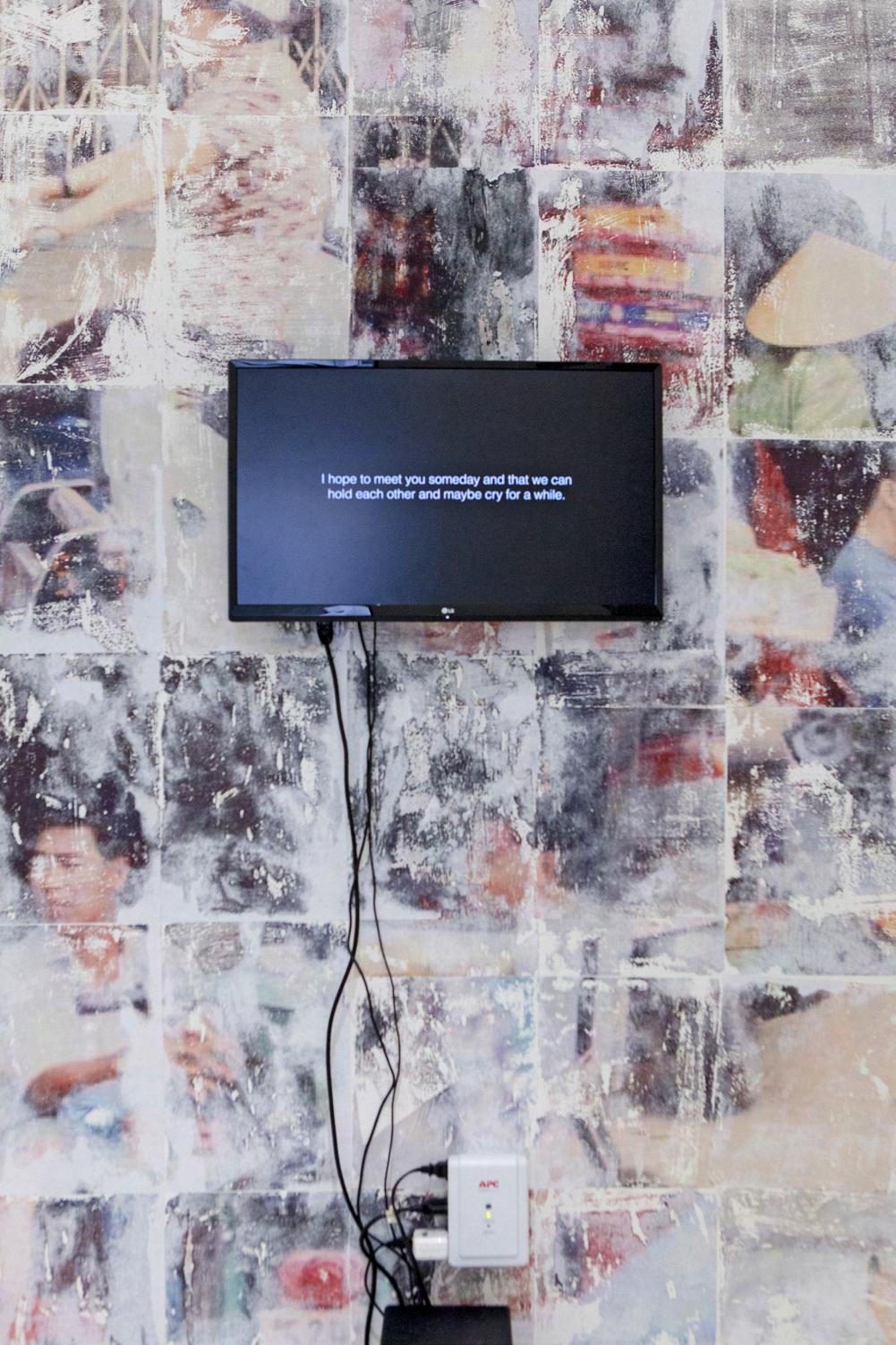
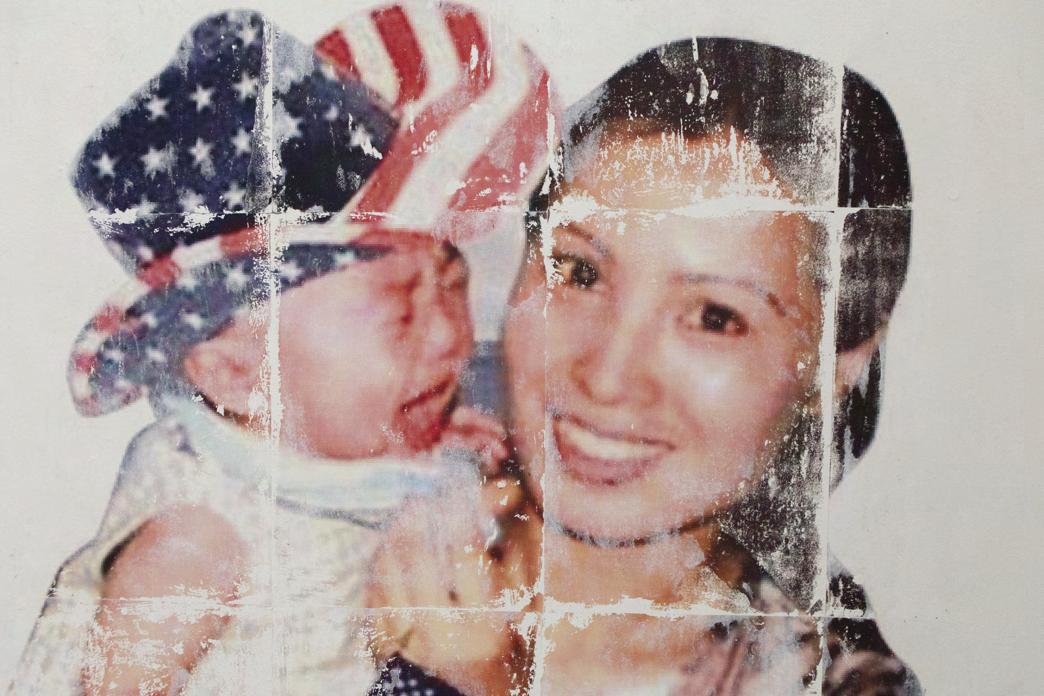
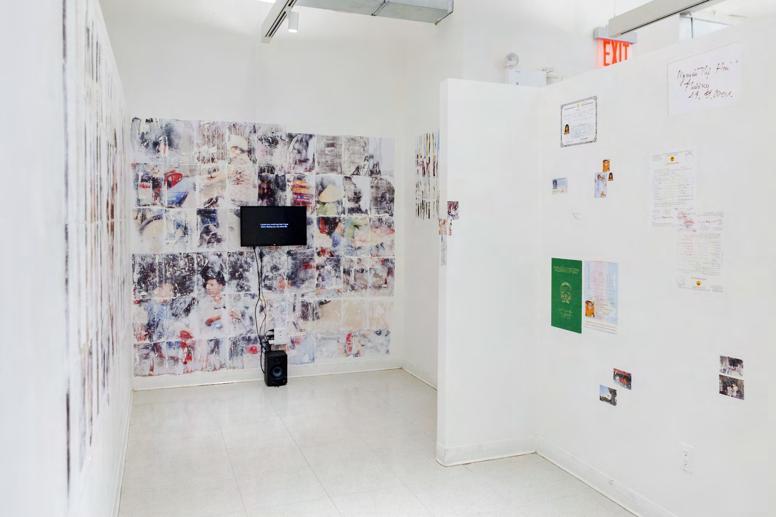
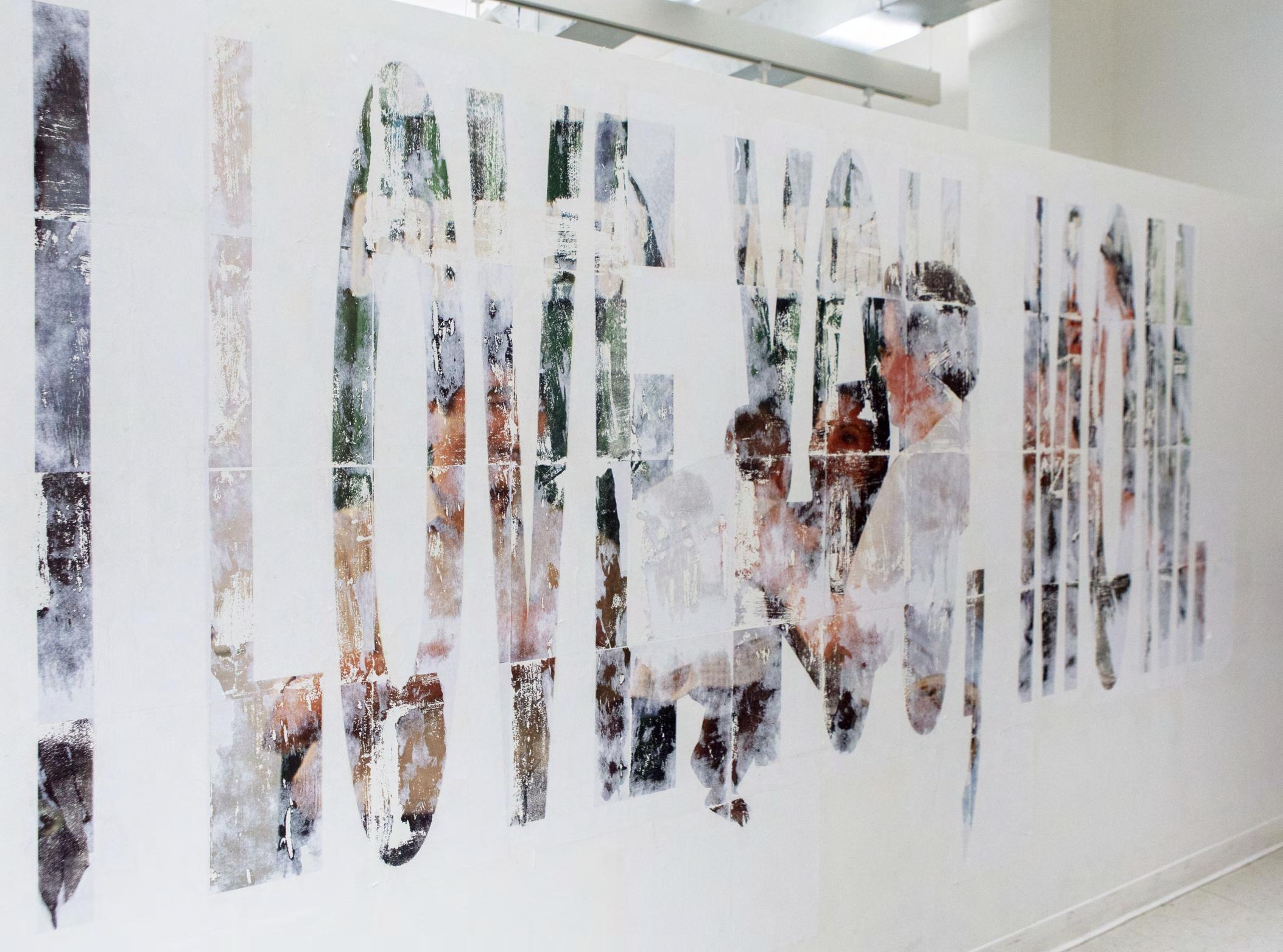
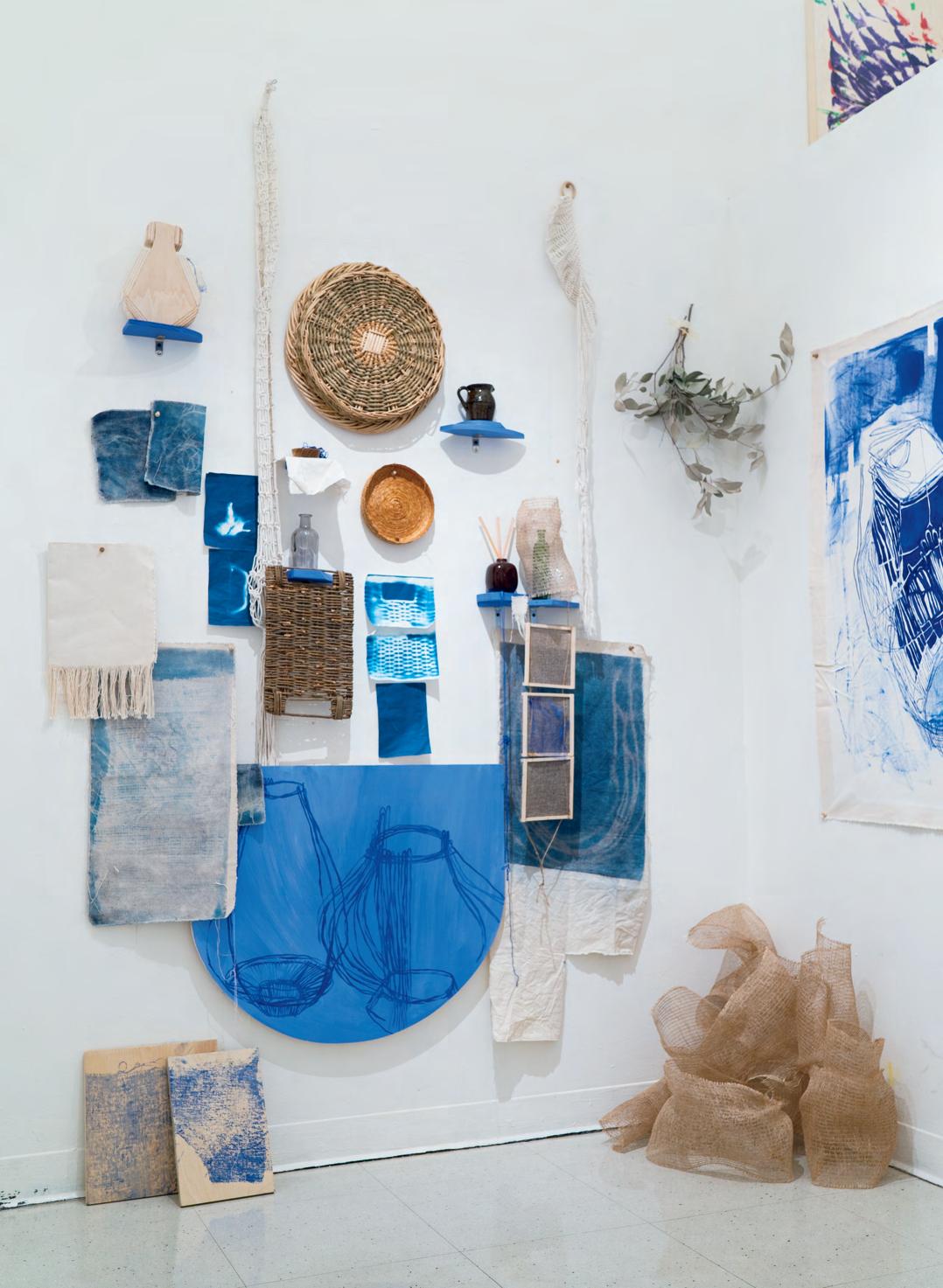
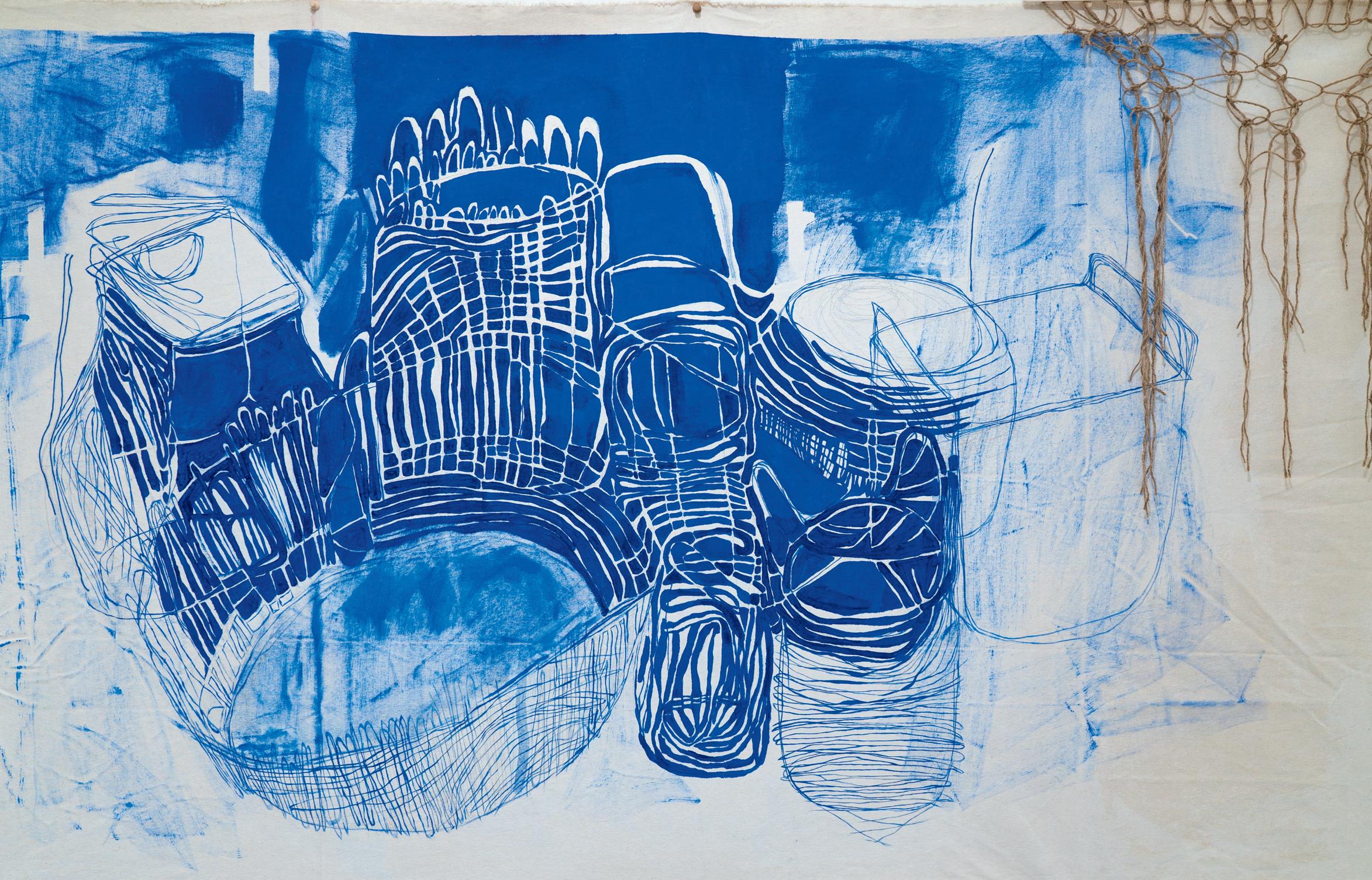
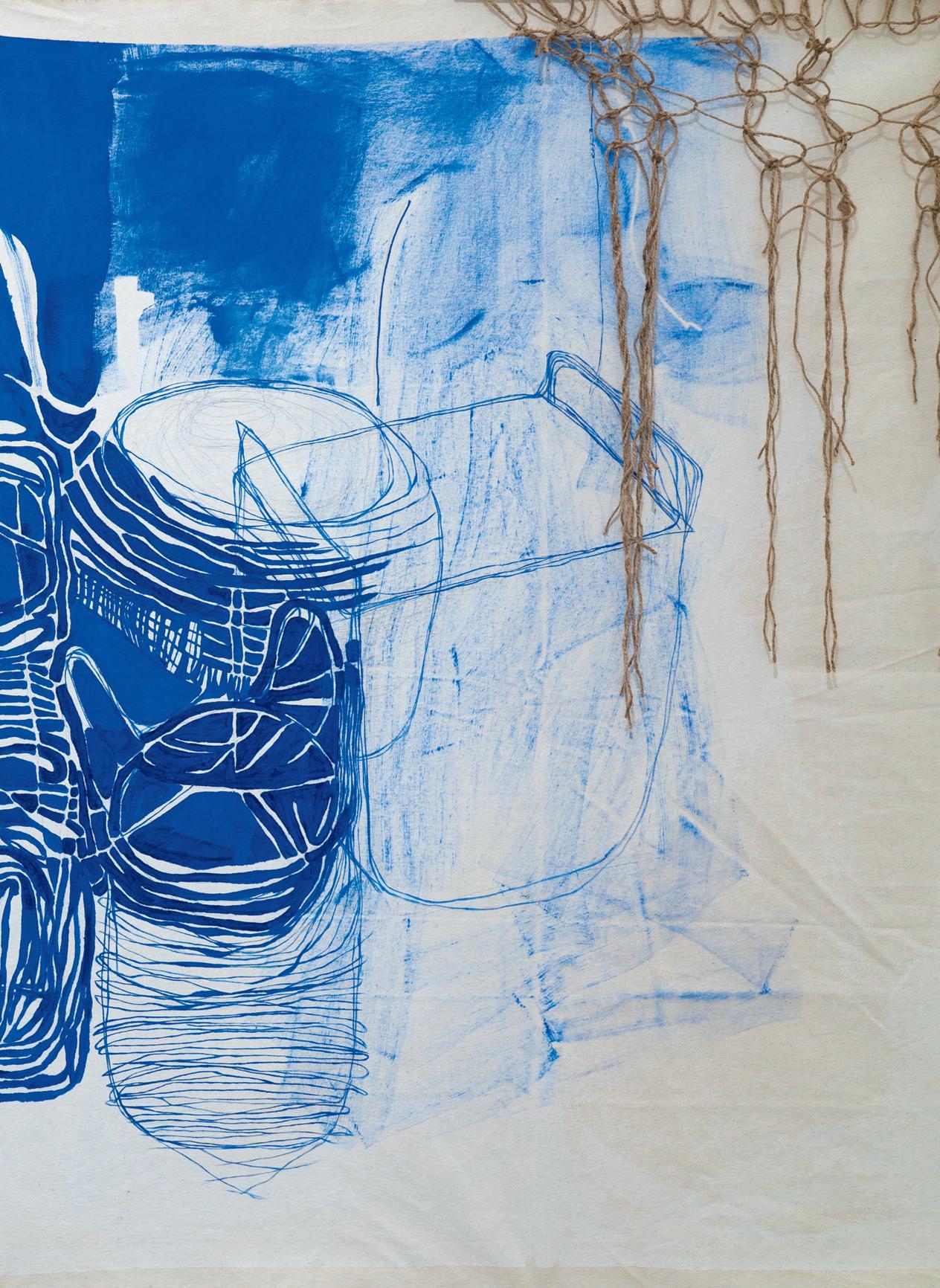
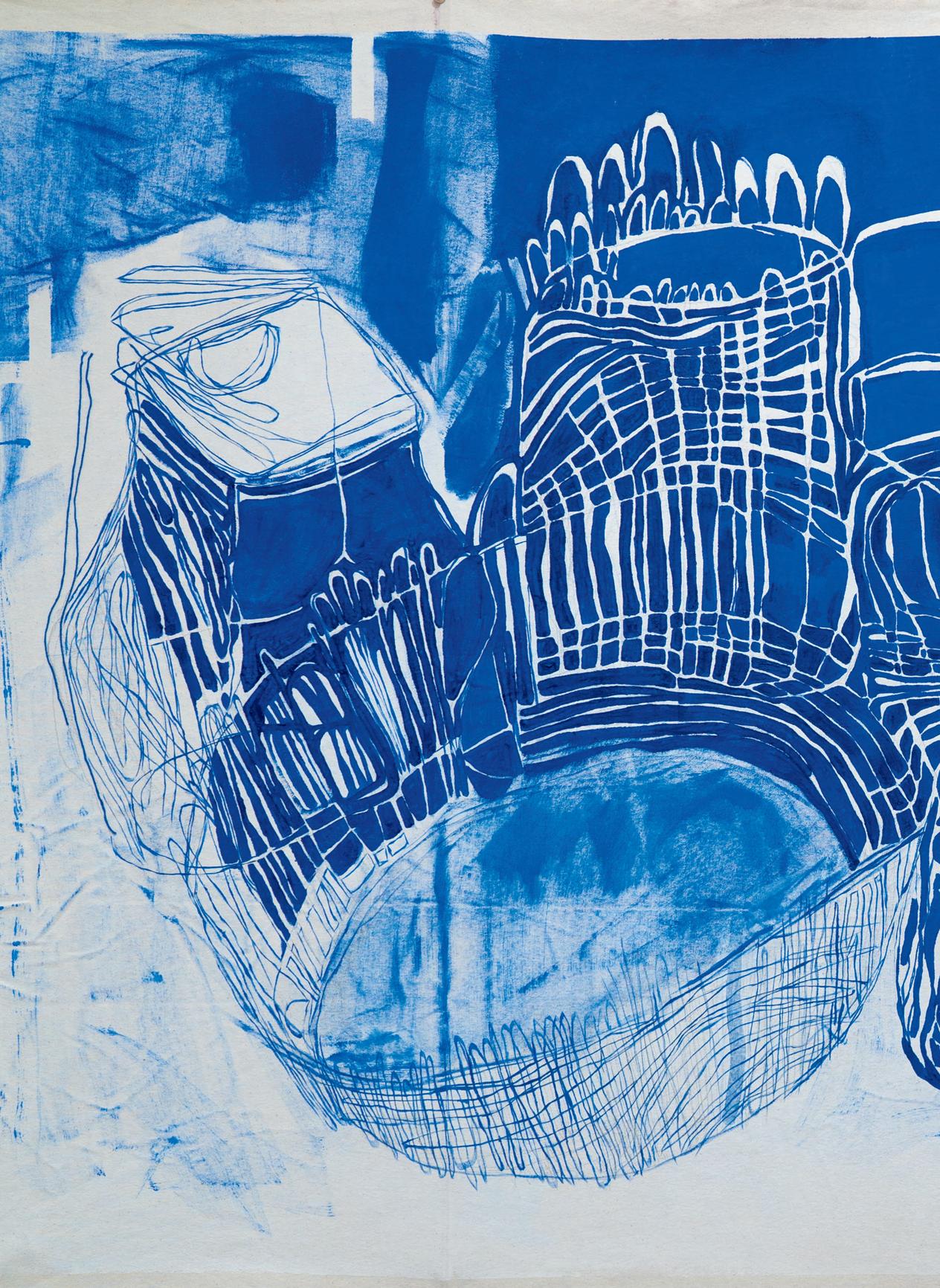
Others look back, perhaps as a way to anticipate what’s next. In adjacent galleries were document-based installations by Blush Berrios, Liv McGuinness and Basharat Ali Syed. These artists take the ephemera of a lived experience and craft narratives about ancestry and family trauma. Especially personal was McGuinness’s juxtaposition of documents that trace her birth in Vietnam to her upbringing by a white Long Island family. She deftly plays with cultural signifiers but also the complex emotions that come from both adoptees and immigrants. Similar to these projects is Rhesa Paul’s brilliant blue installation of jars and baskets that unites the personal and historical in a
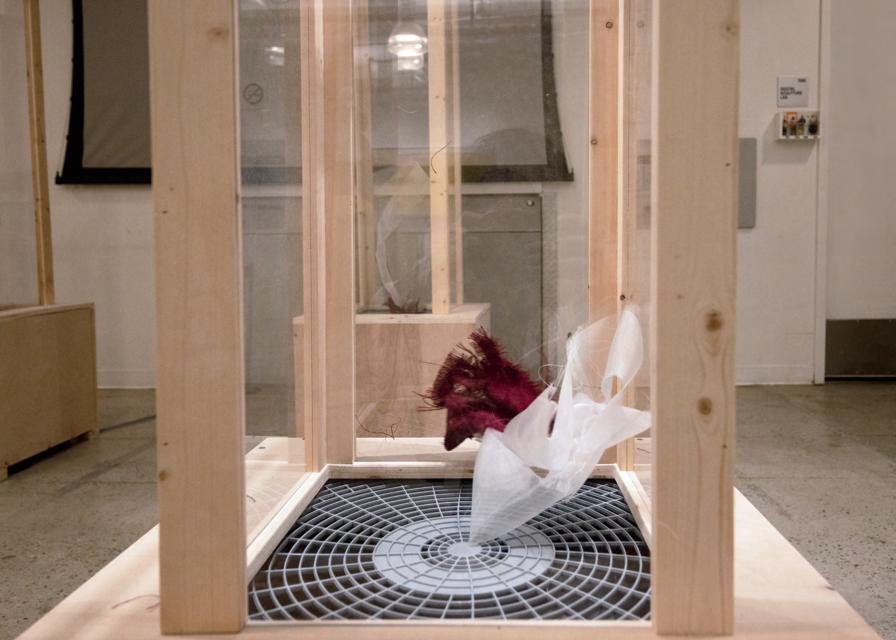
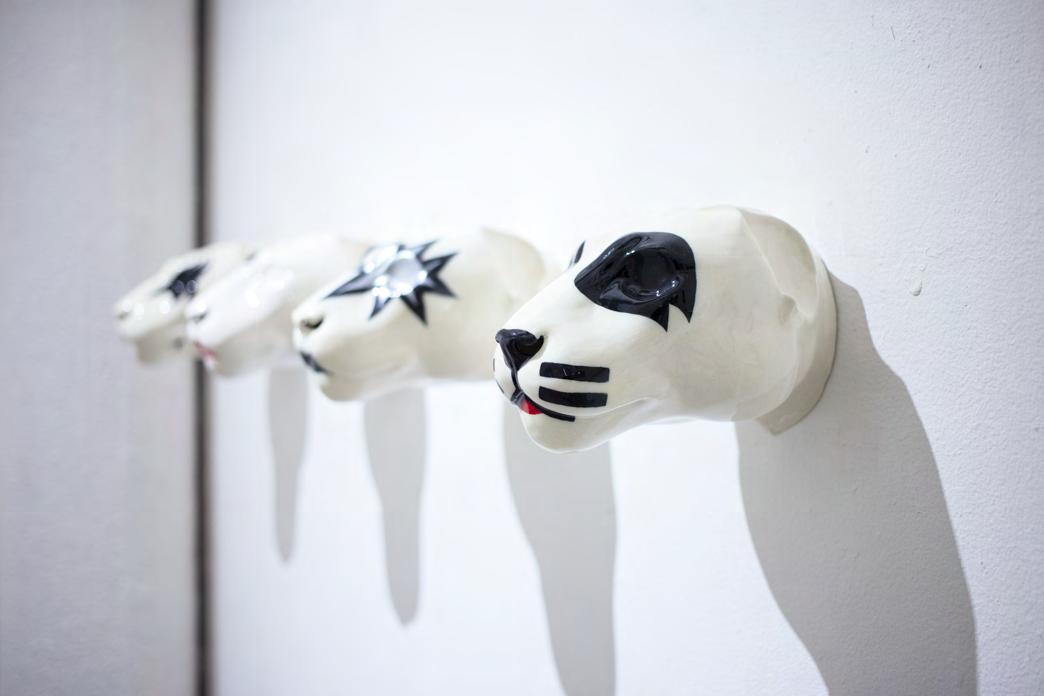
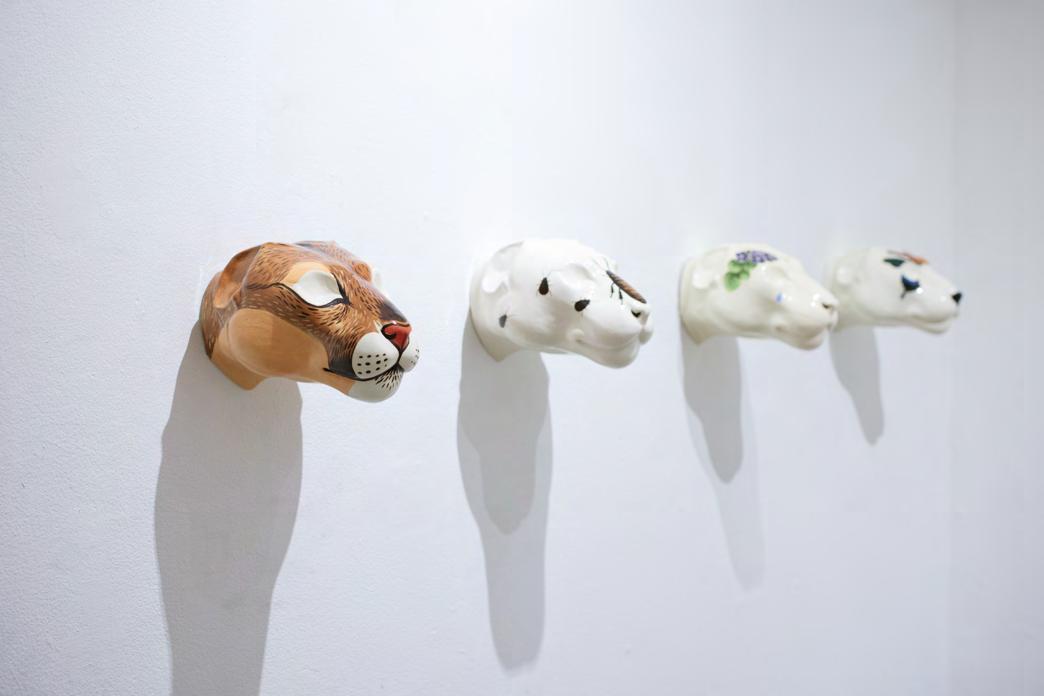
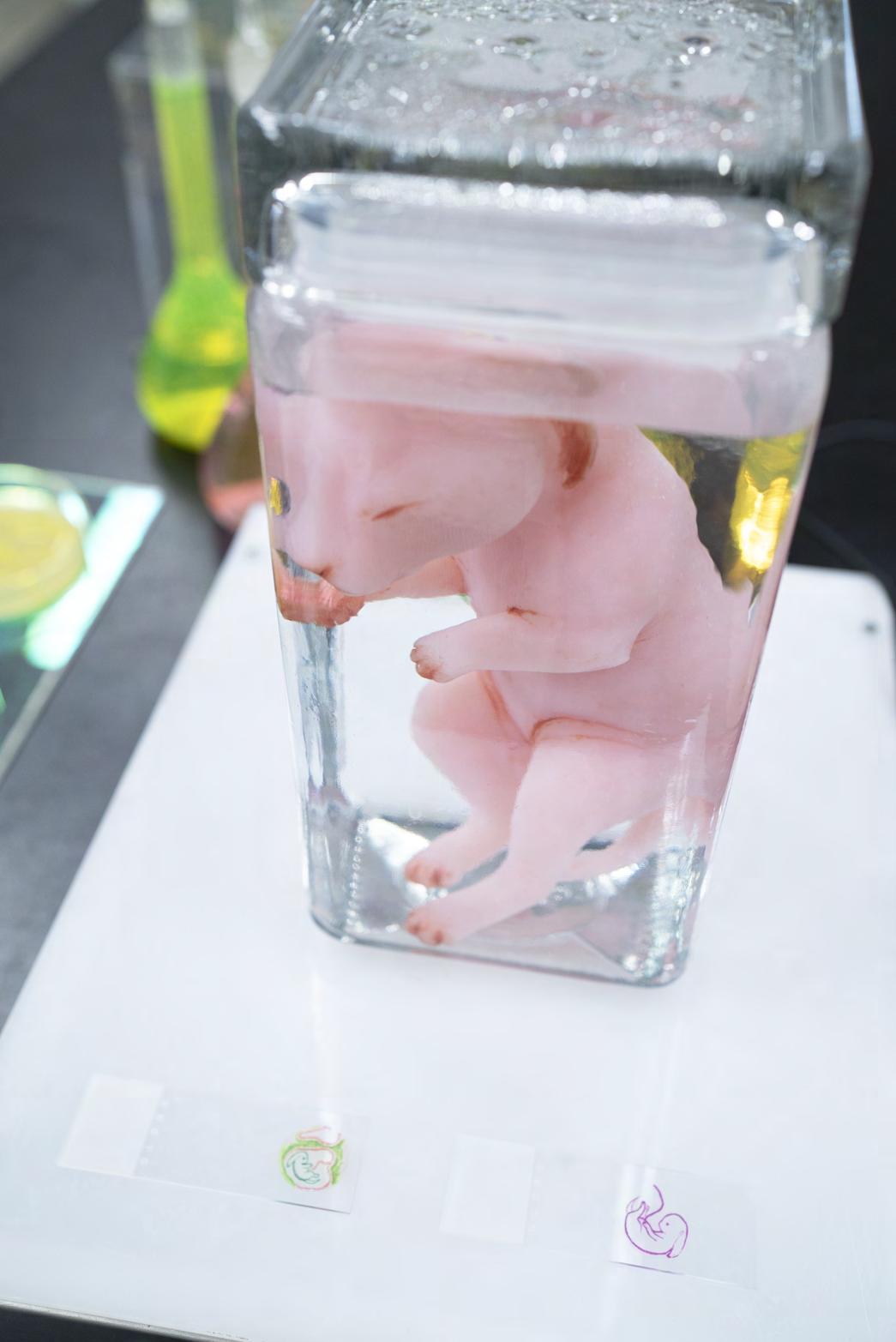
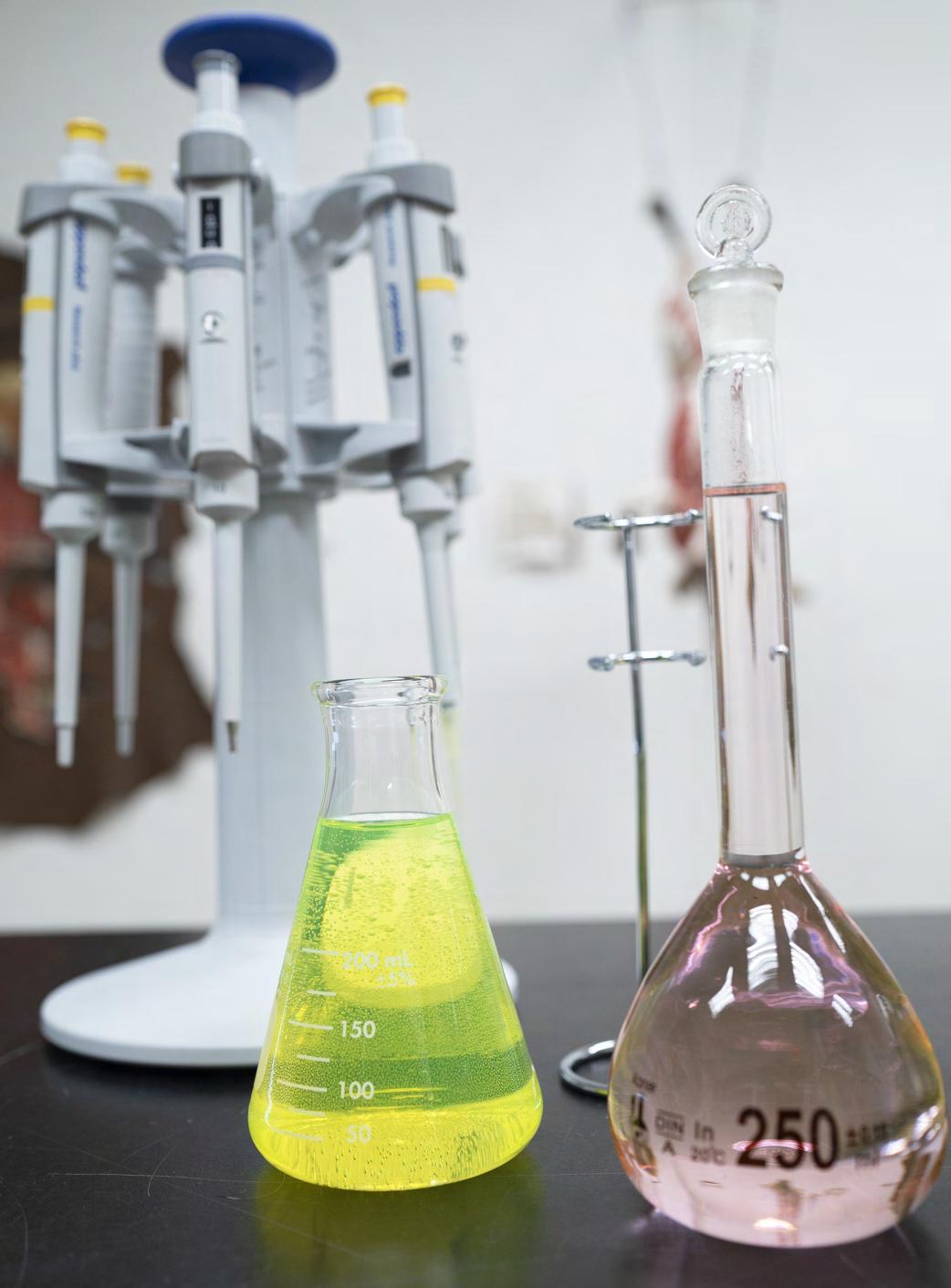
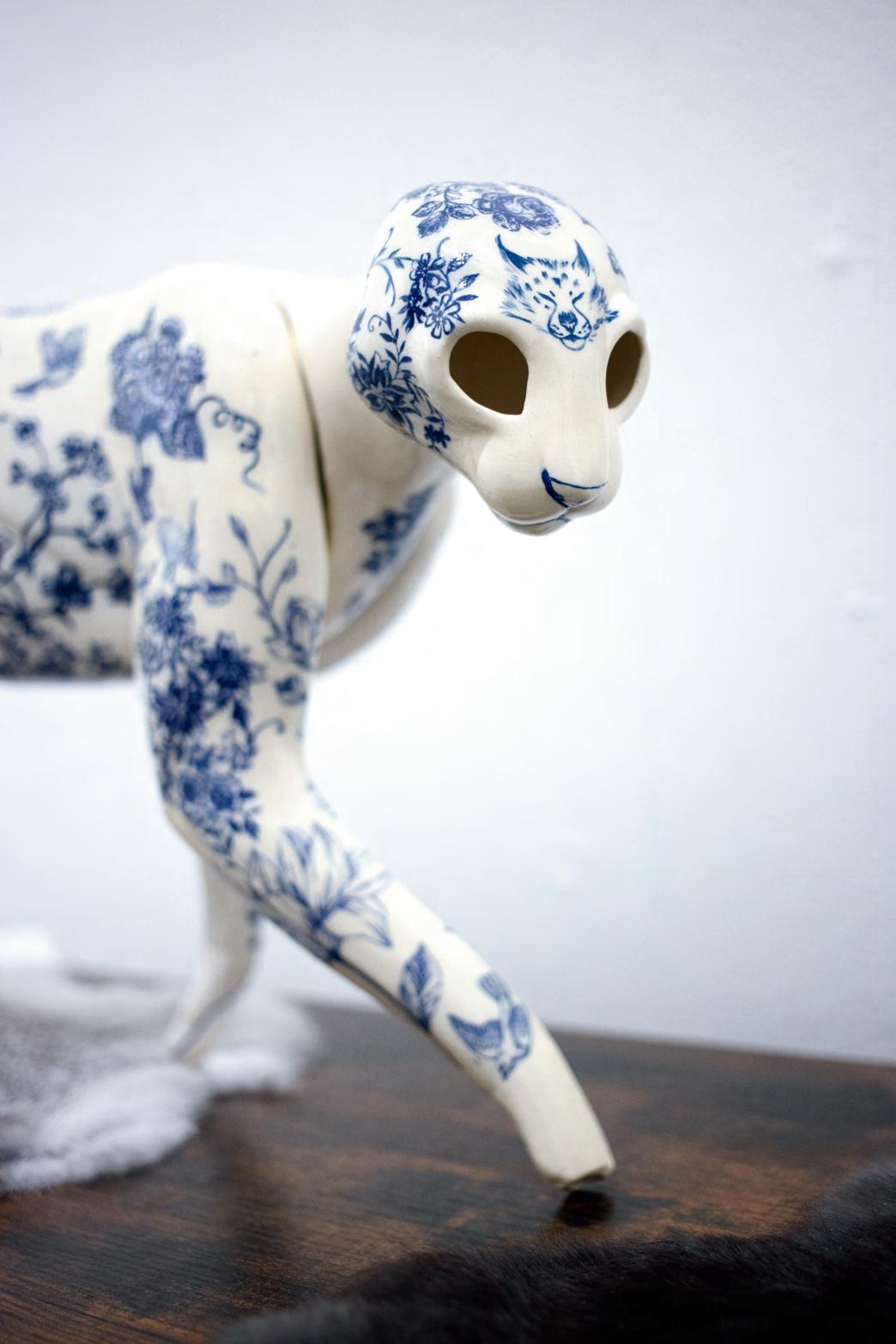
beautiful composition of handmade objects. Downstairs, just to the left of the building’s entrance, was a large gallery space featuring the sculpture of Nicholas DelCastillo, whose taxidermied works are part of a fictionalized lab experiment to create a new breed of animal. Delcastillo treats this experiment as a proxy for himself; he writes in the wall text that he too felt like a unique species.
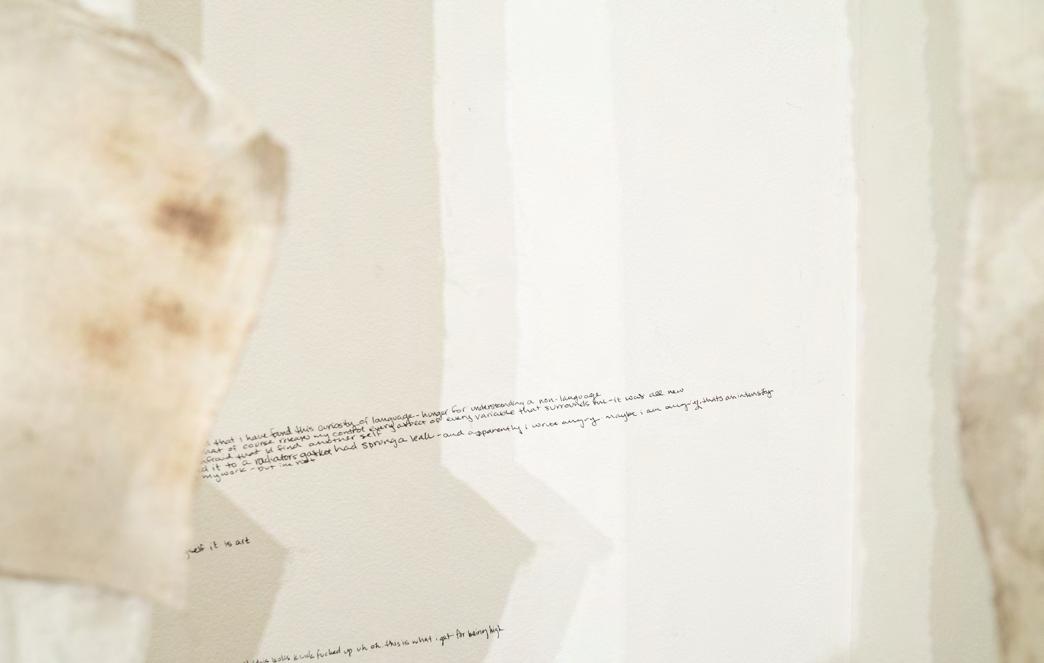
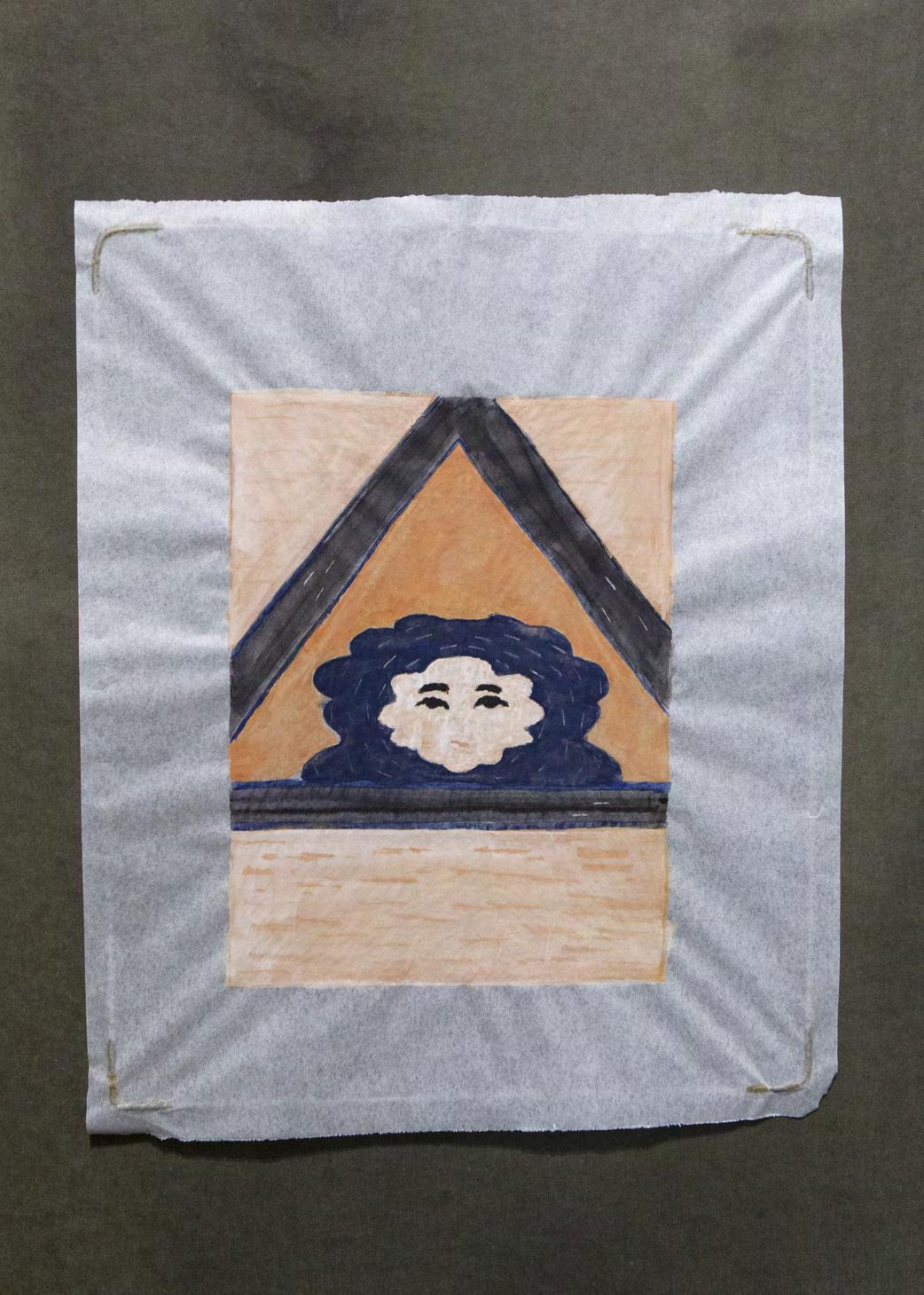
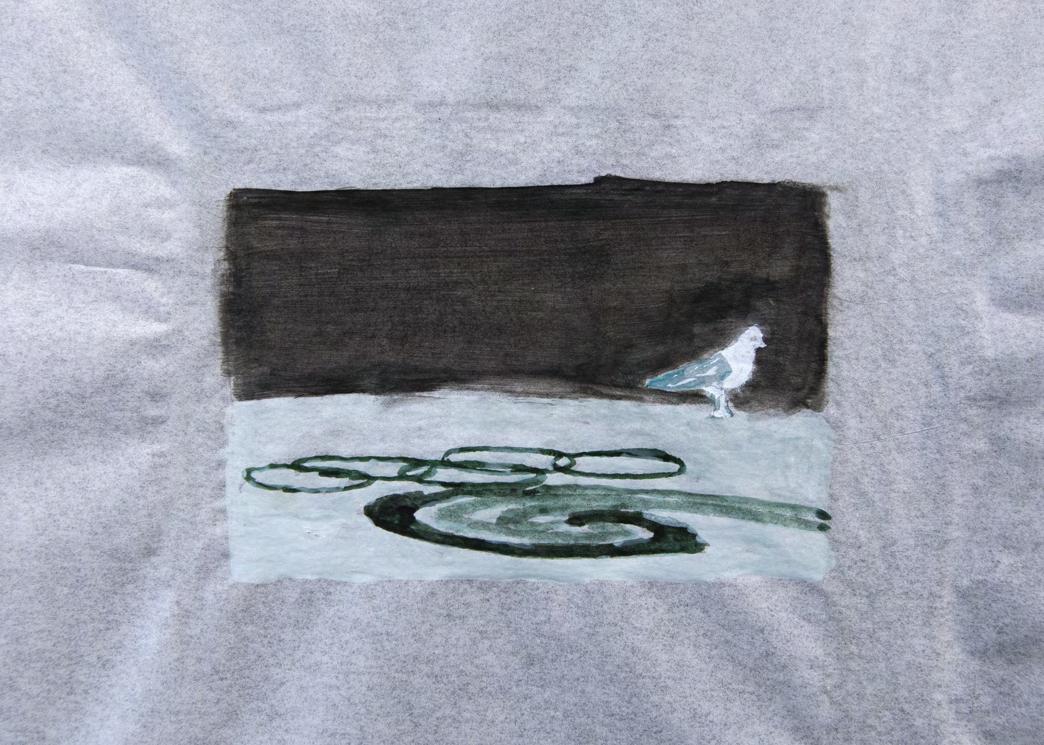
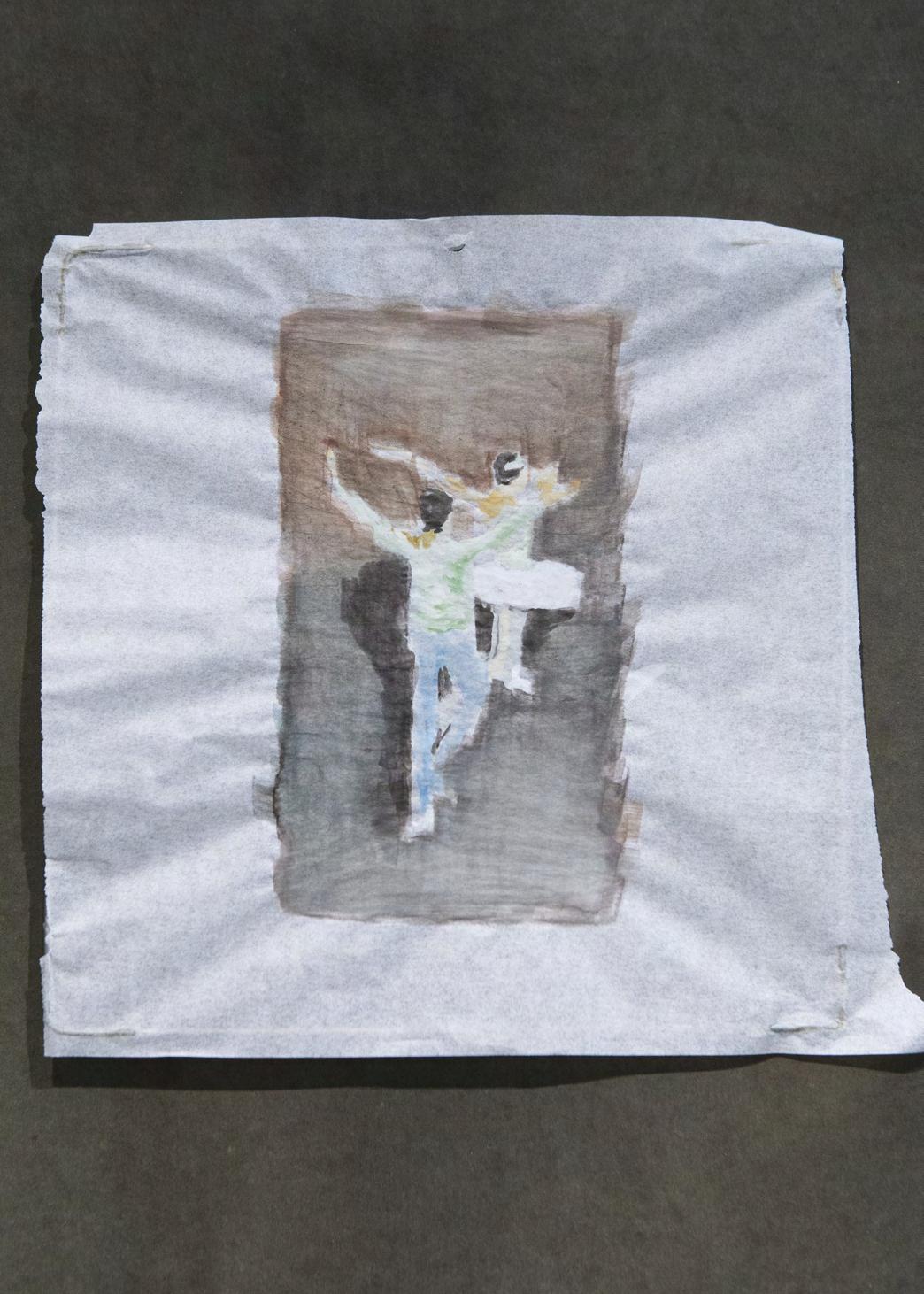
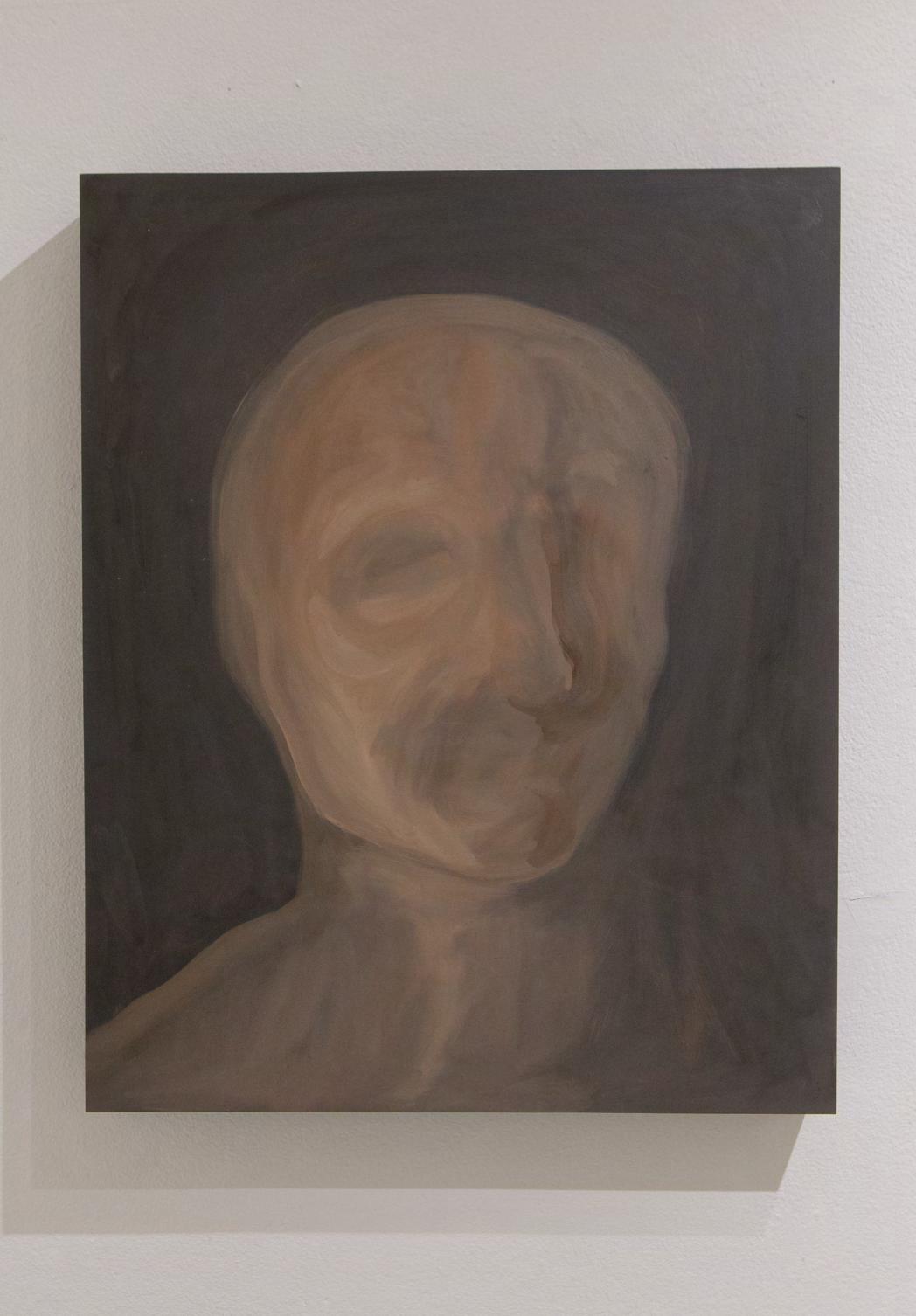
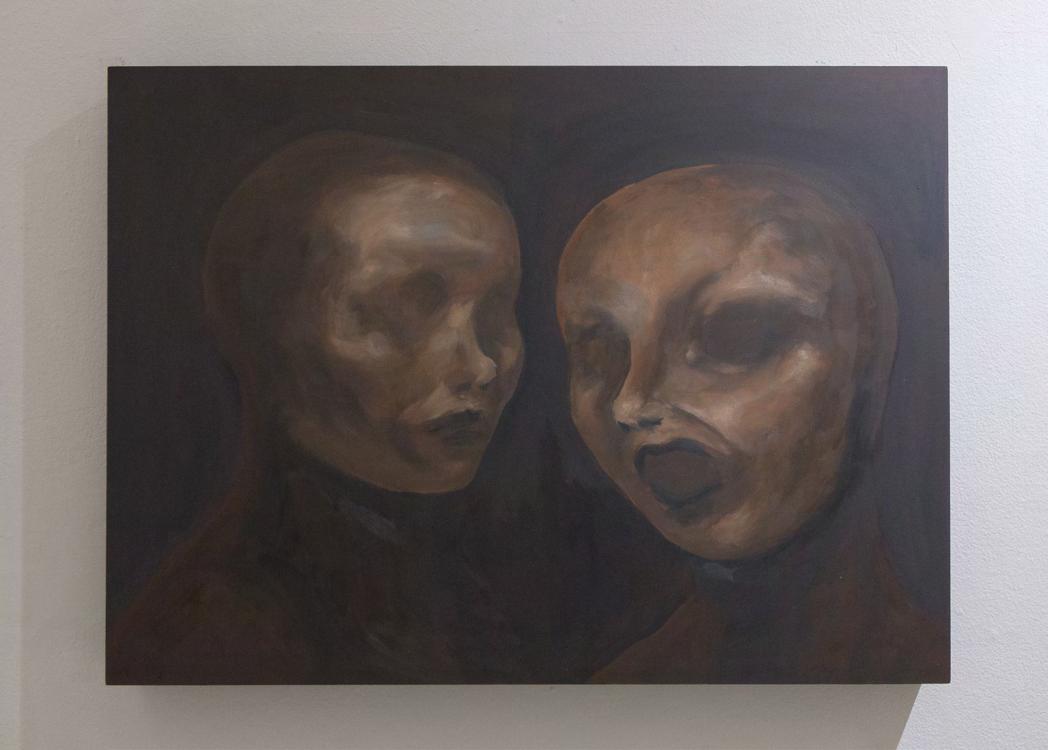
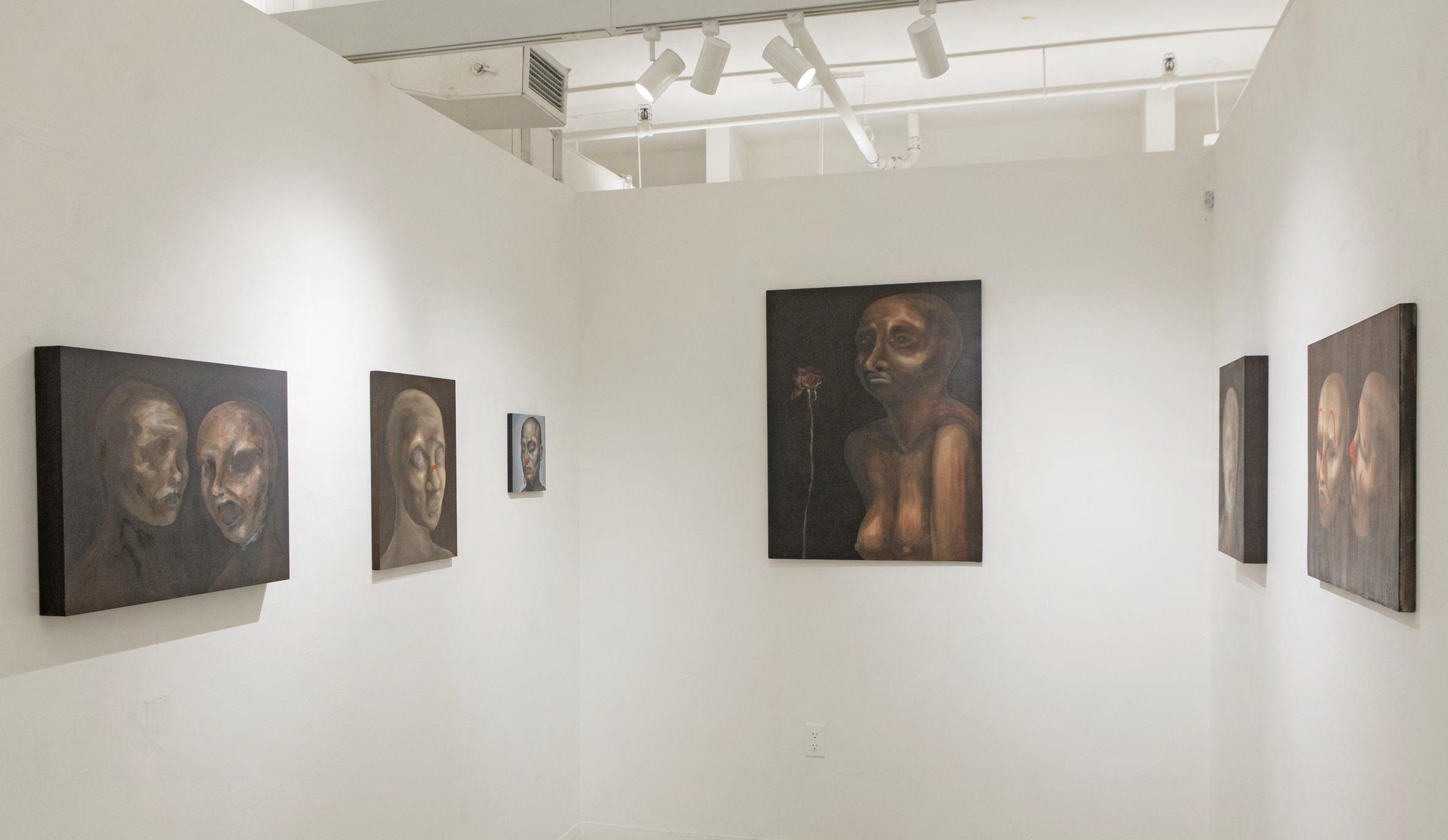
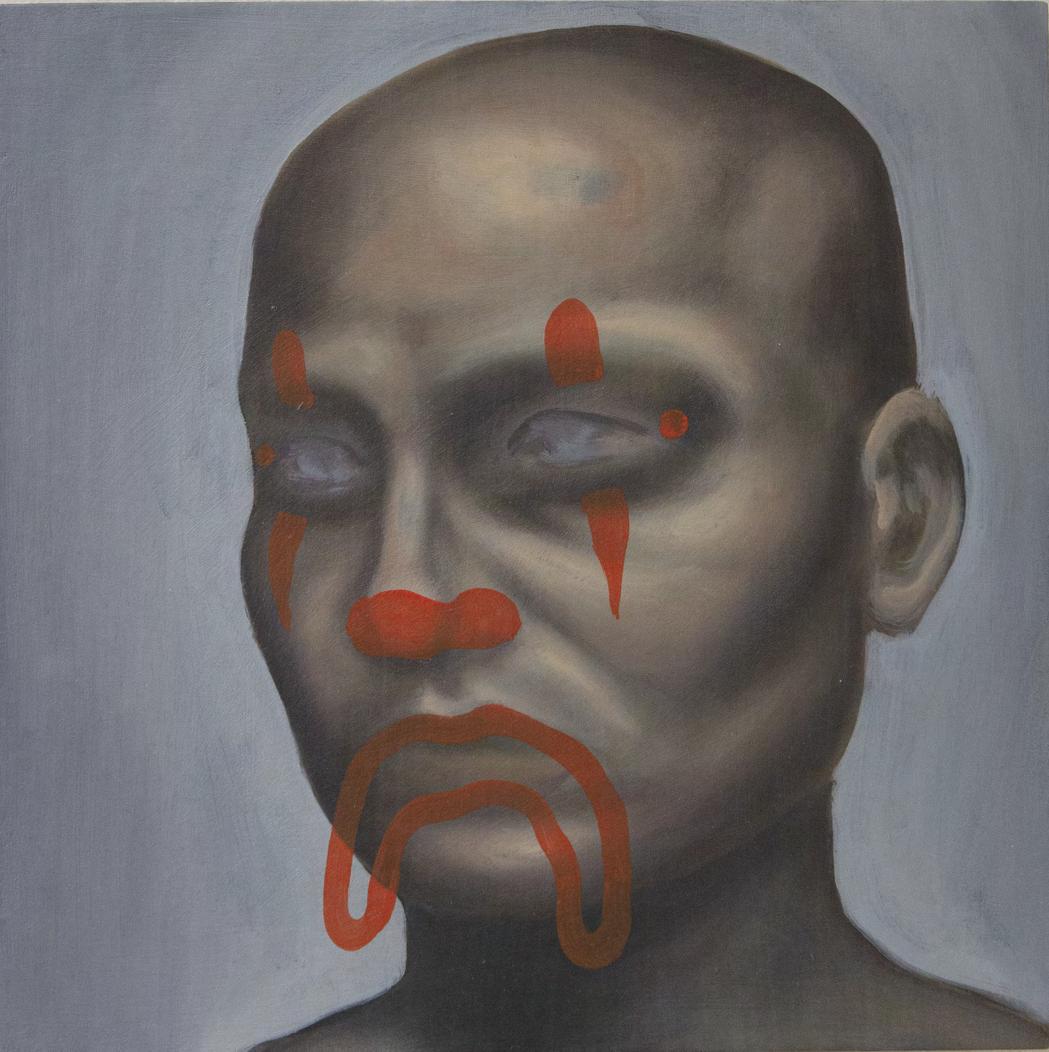
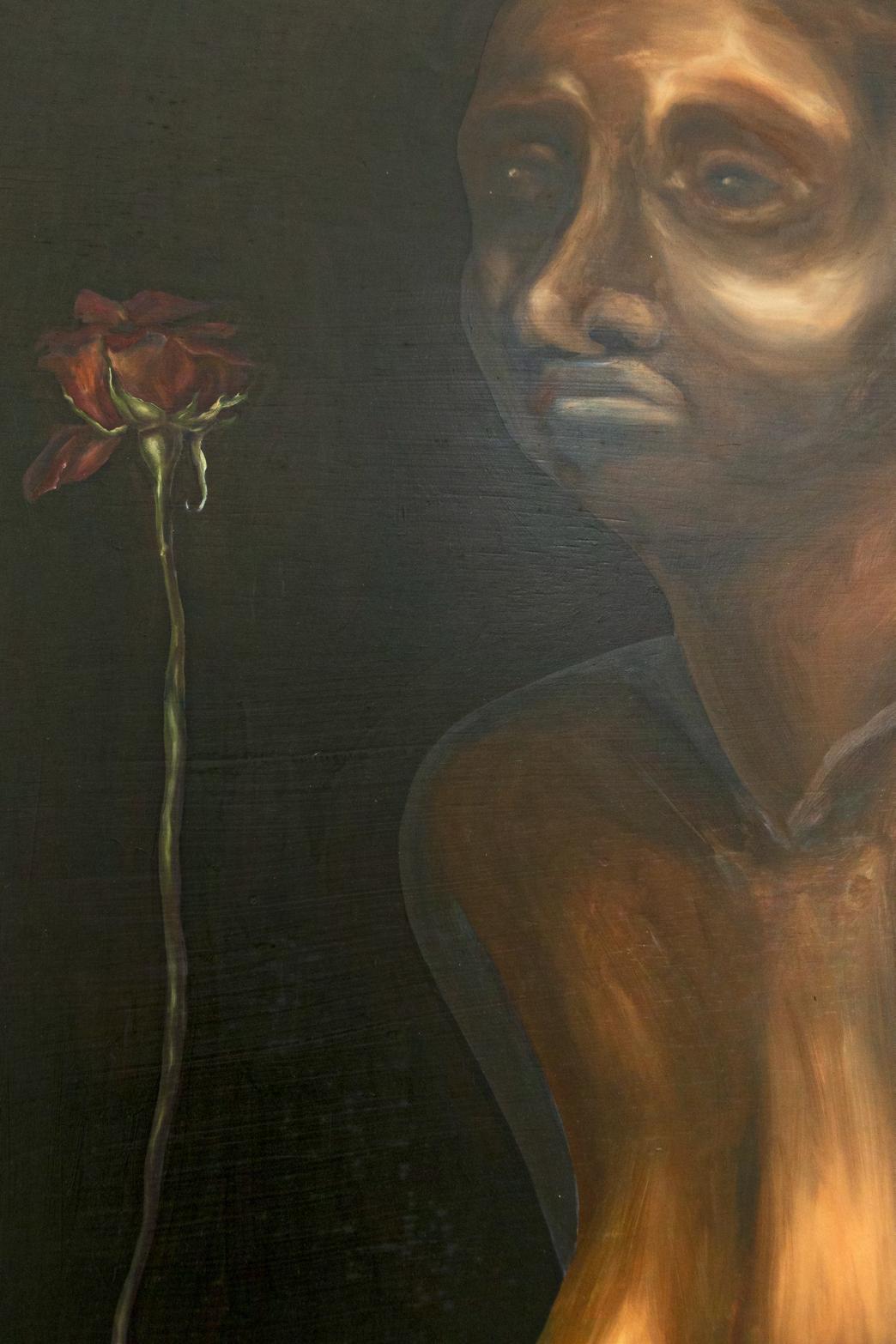
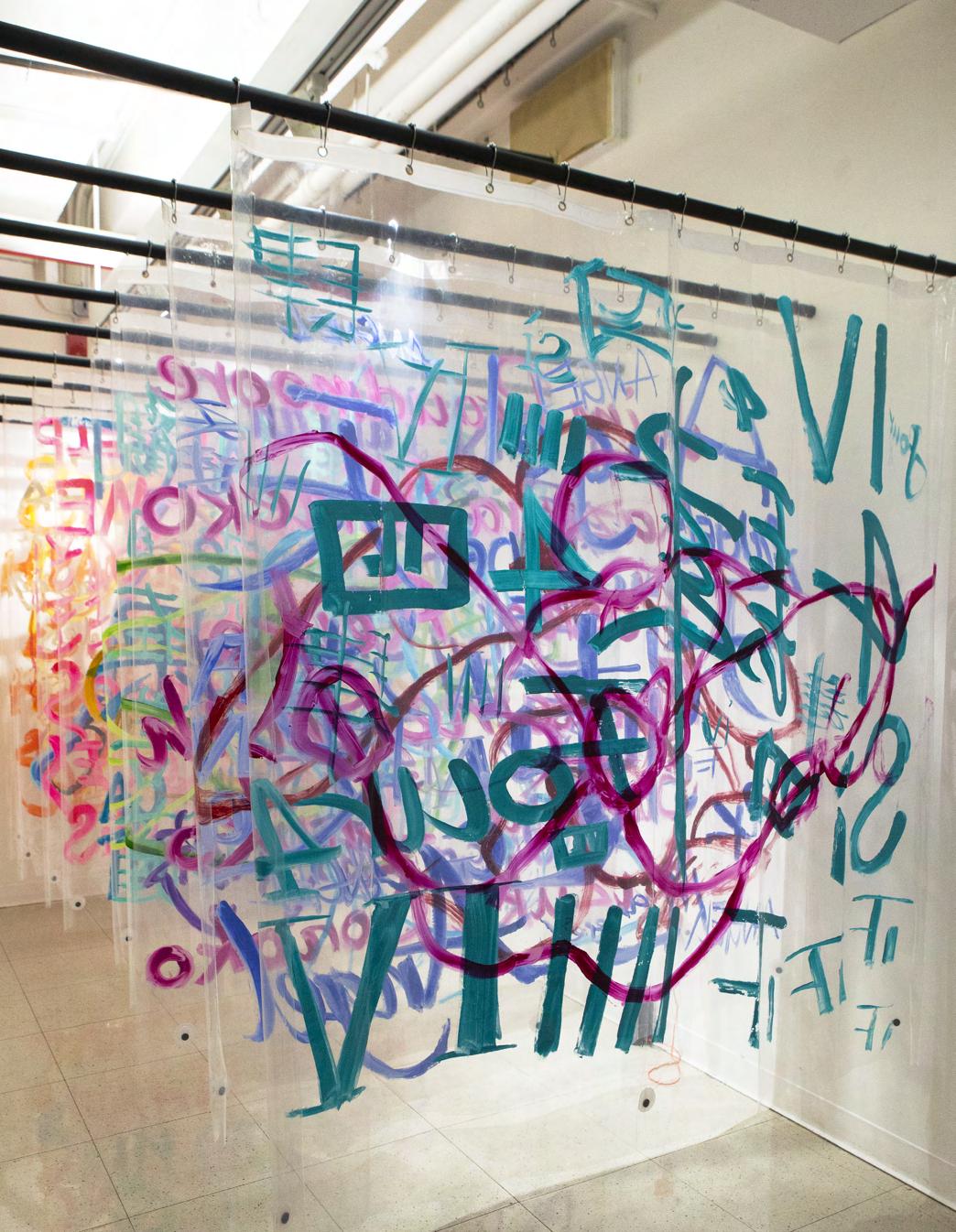
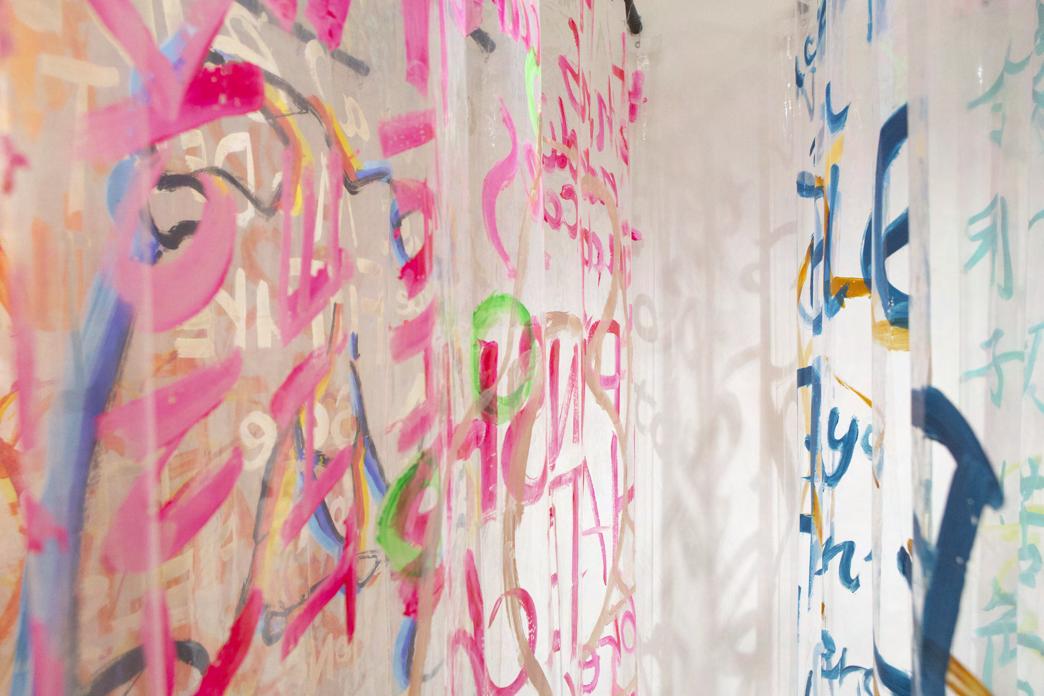
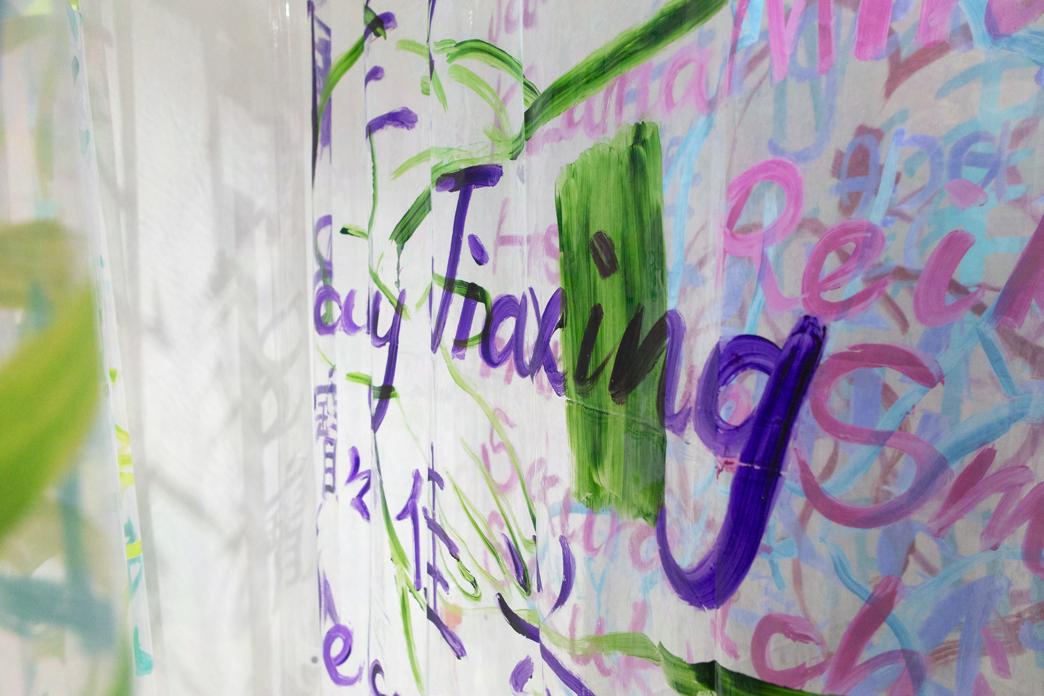
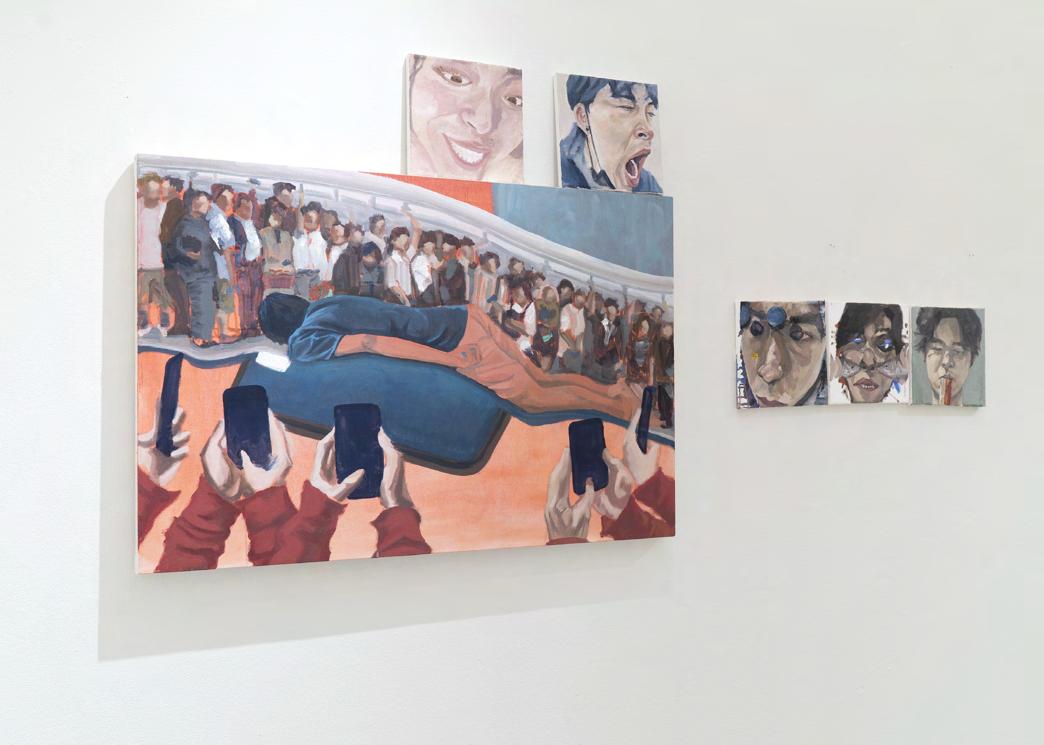
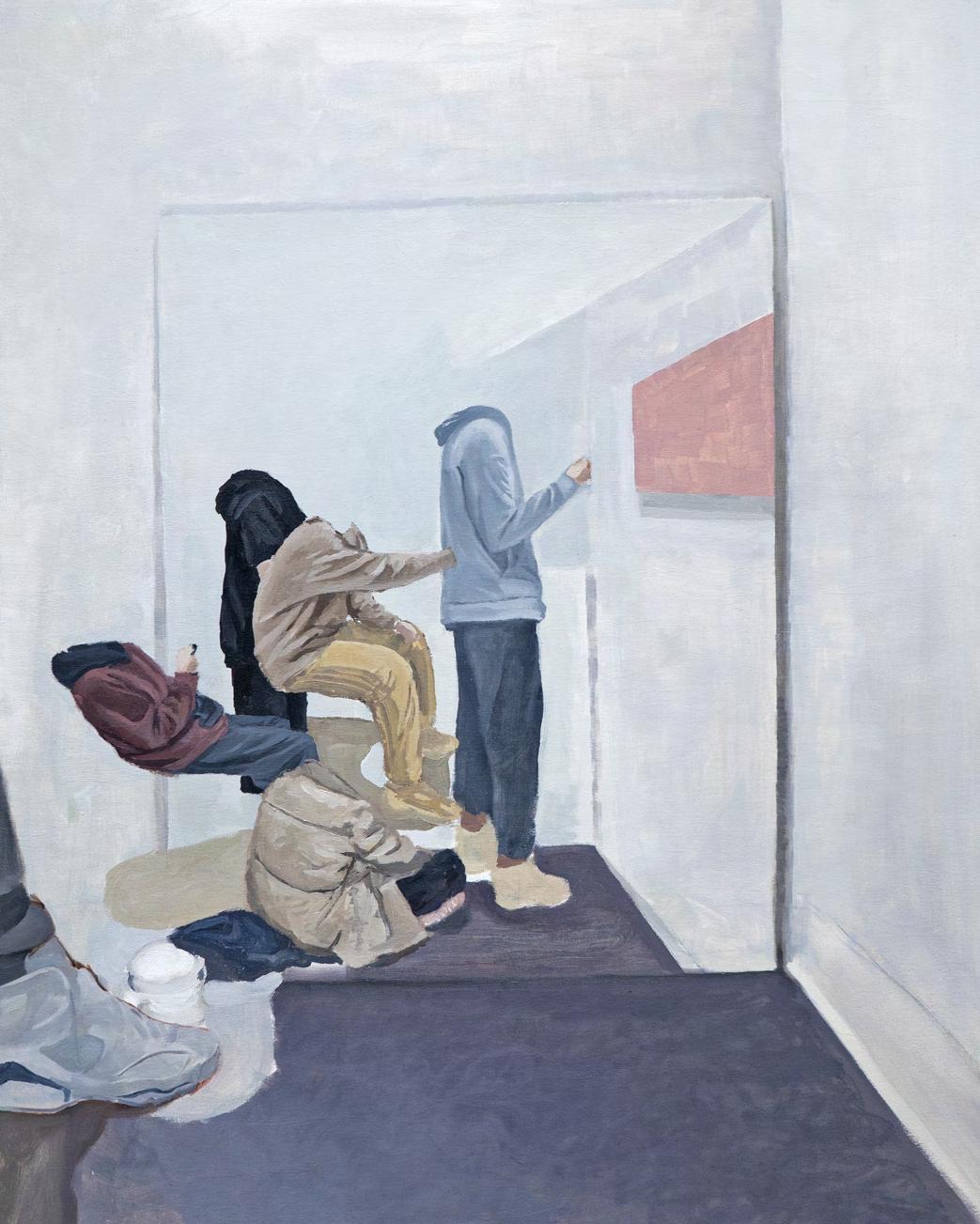
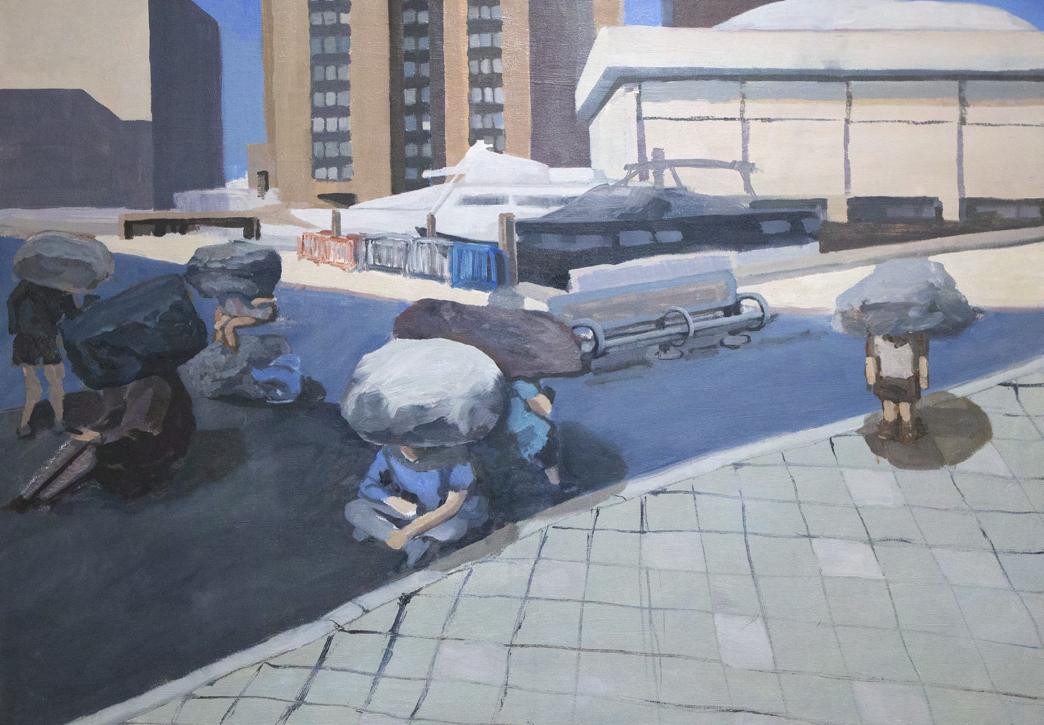
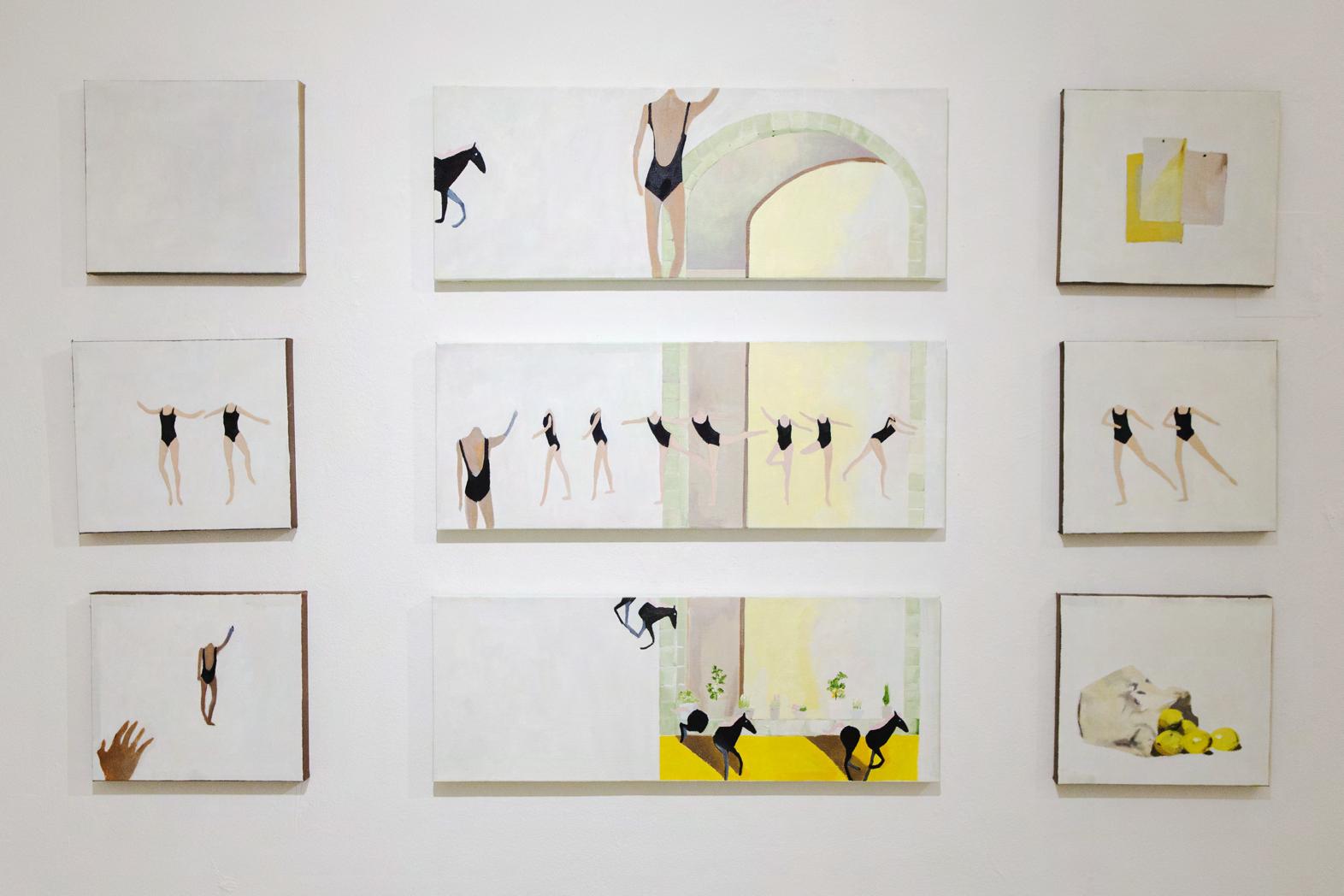
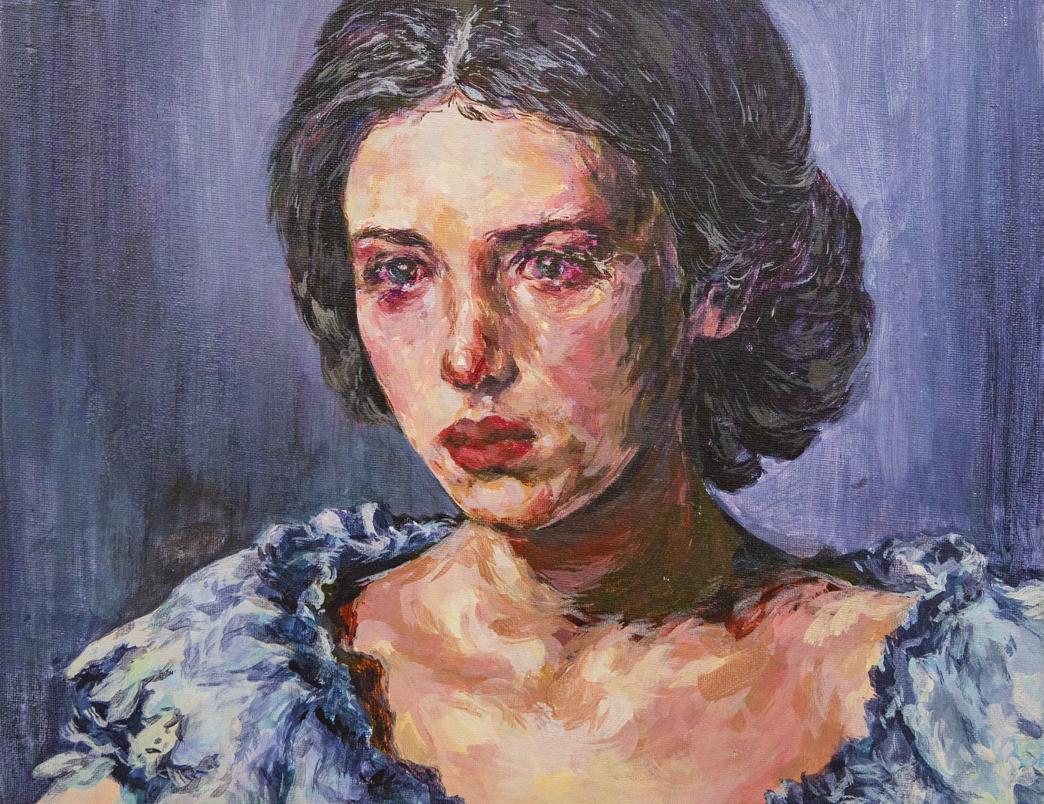
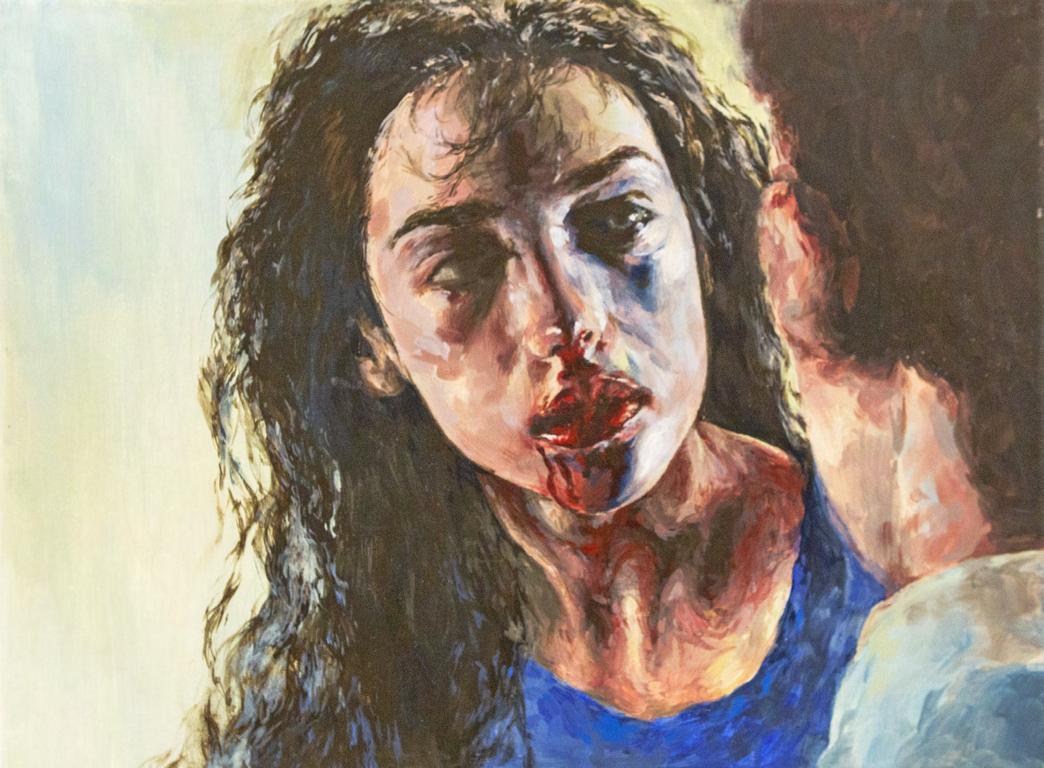
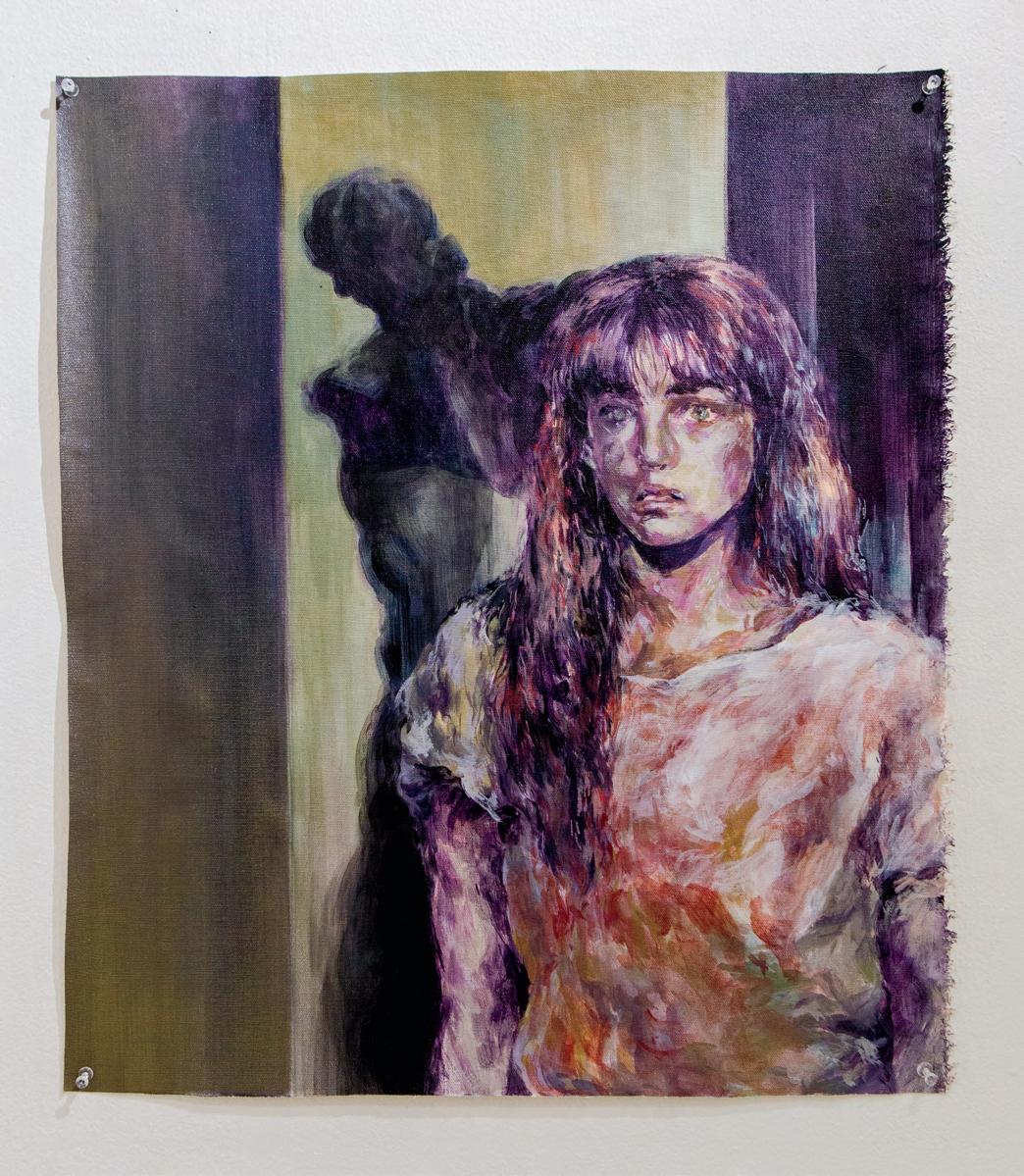
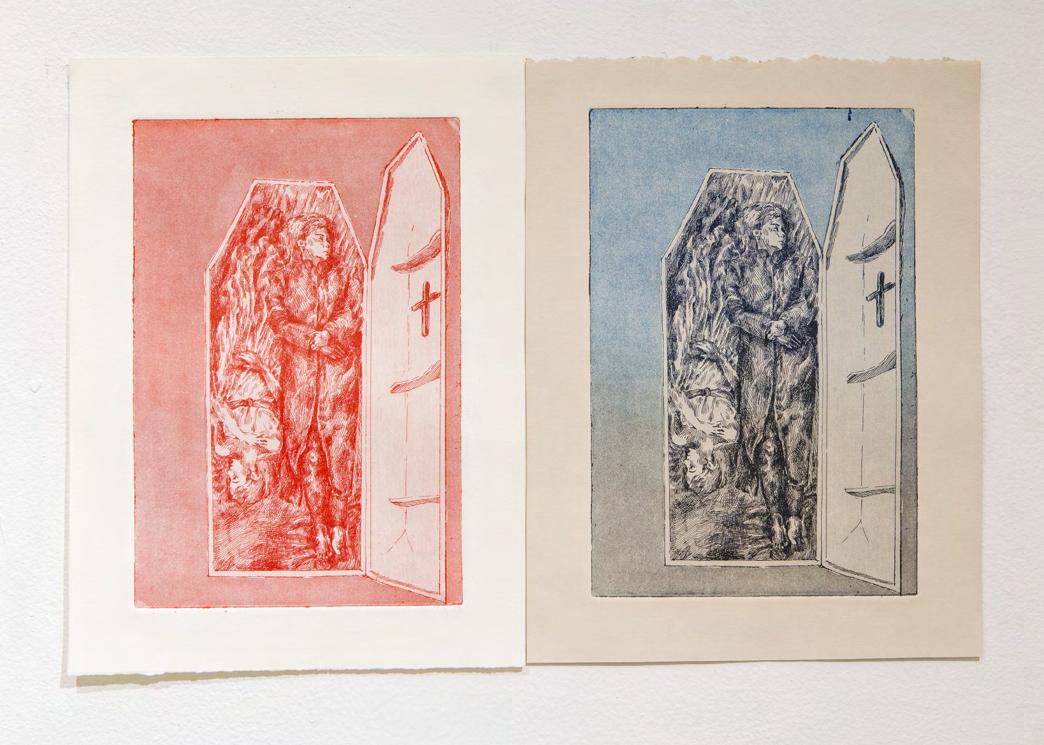
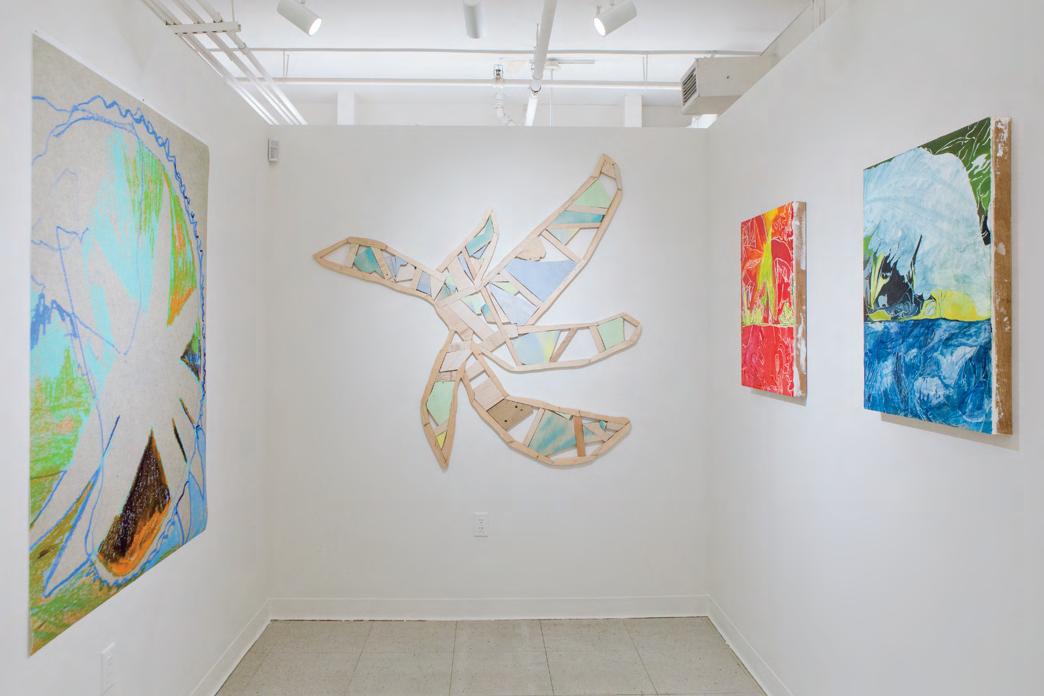
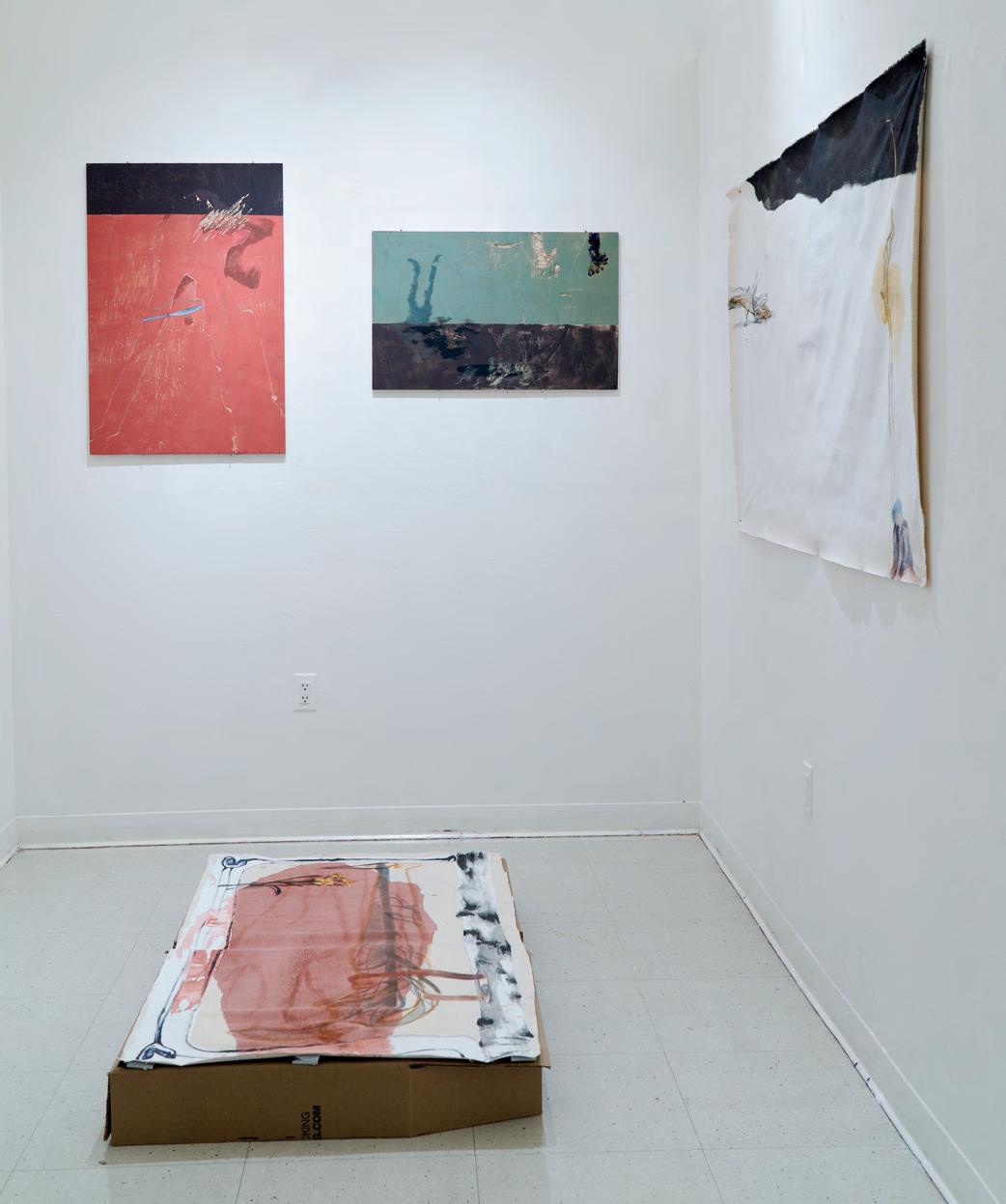
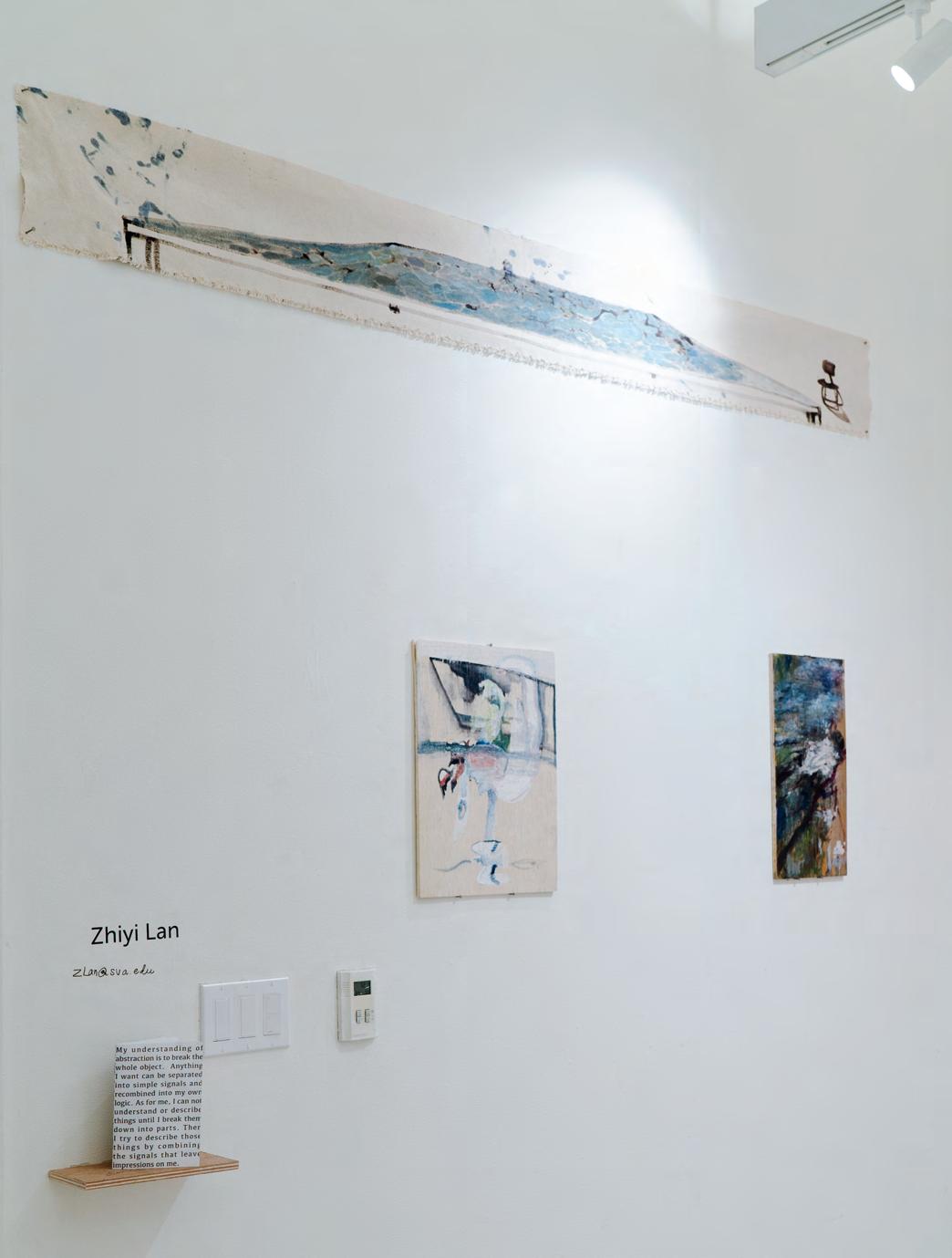
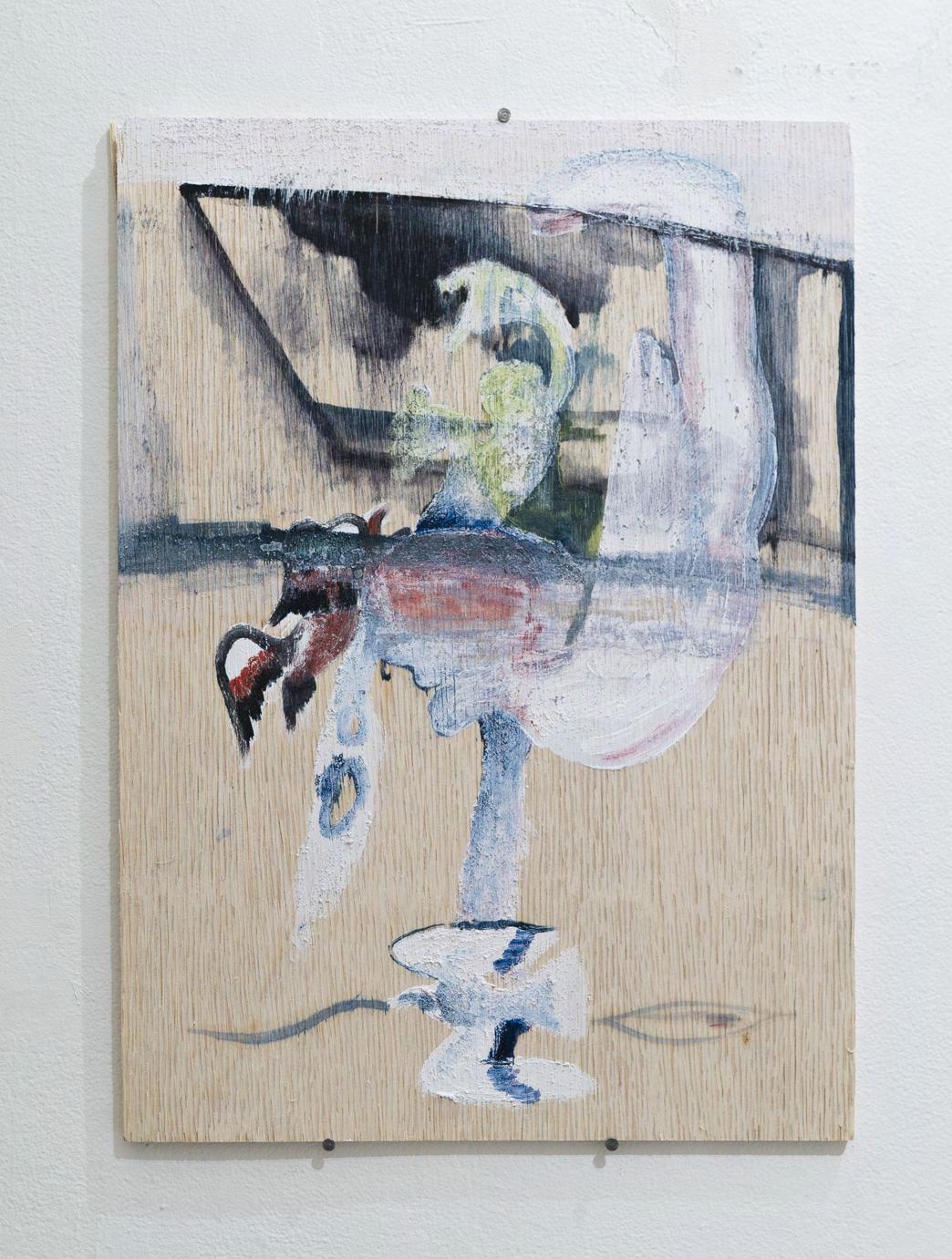
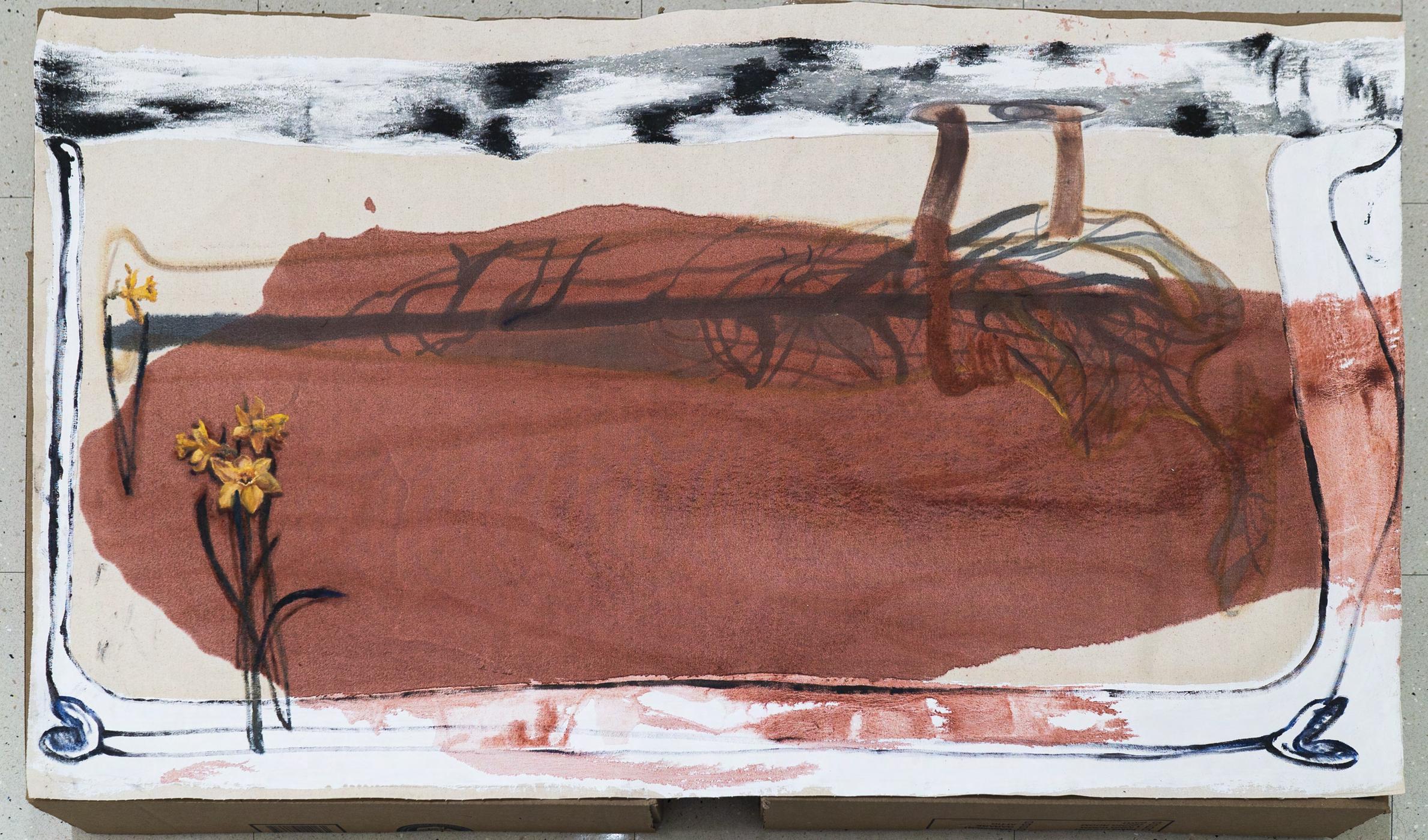
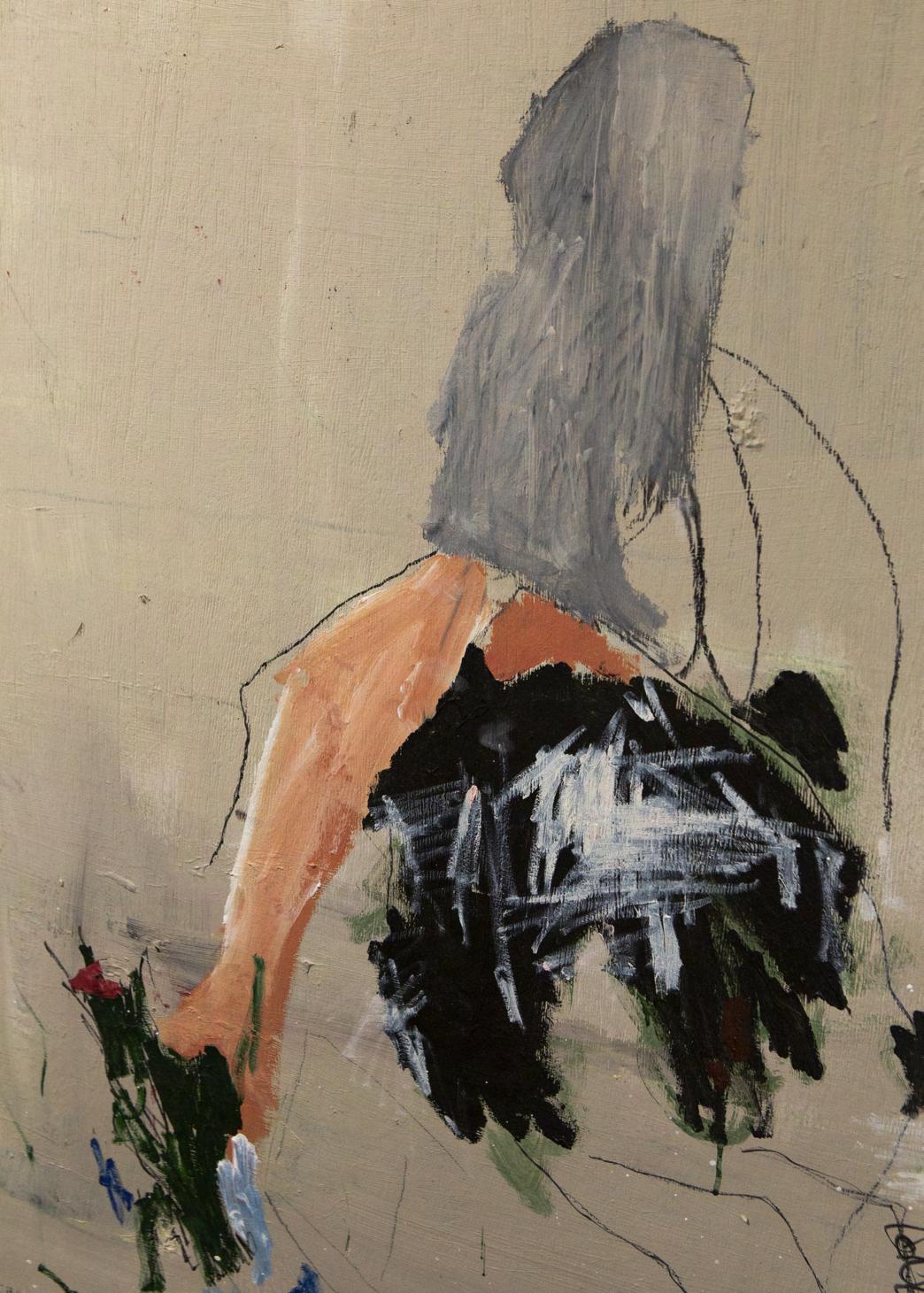
Also on display were skillful paintings. Little tableaus by Christopher Lochmann; stunning and sad clownlike portraits by Isabella Perna; figurative scenes from horror movies by Sol Jin Park; Cy Twombly–esque gestural paintings by Zun Liu; the minimal abstract landscapes by Zhiyi Lan. An entire room was occupied by colorful shower curtains with words written in Chinese and English by Lan Guo, which reminded me of the preoccupation many of these students had with language. The letters overlap with one another, distorting any meaning. The two scripts suggest an artist straddling two worlds.
For these students, having made these artworks is a great achievement. These collected works represent a small sample of the output of this graduating class, but each student endured a lot to get here. A big congratulations to all. Walking through the open studios affirmed in me the idea of art as an impulse. These students shared works that strive to understand this bizarre and frightening historical moment, and they did so generously. “What’s going on?” they asked. And they were compelled to make and discover. That this impulse persists in this era of polycrisis is a gift.