
Laws You Need To Know To Sell Your Property Exhibition


If you're planning to sell your old house in New Jersey, it's important to be aware of the laws that govern the process. Selling a property can be a complex and time-consuming process, and failing to comply with relevant laws and regulations could result in legal issues and financial losses.
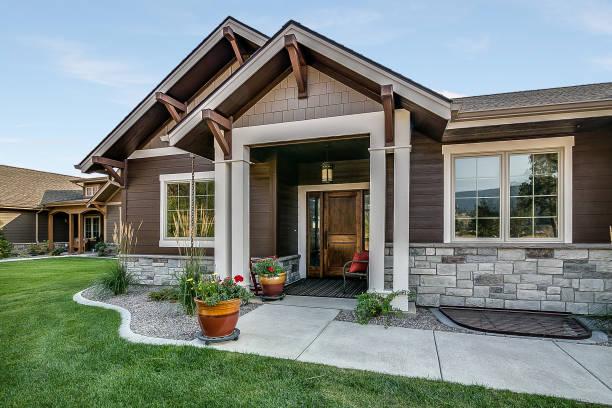
First and foremost, you need to be aware of the disclosure laws in New Jersey
These laws require sellers to provide potential buyers with a disclosure statement that details any known defects or issues with the property. This includes things like leaks, structural problems, and environmental hazards. Failing to disclose this information could lead to legal action and significant financial penalties.
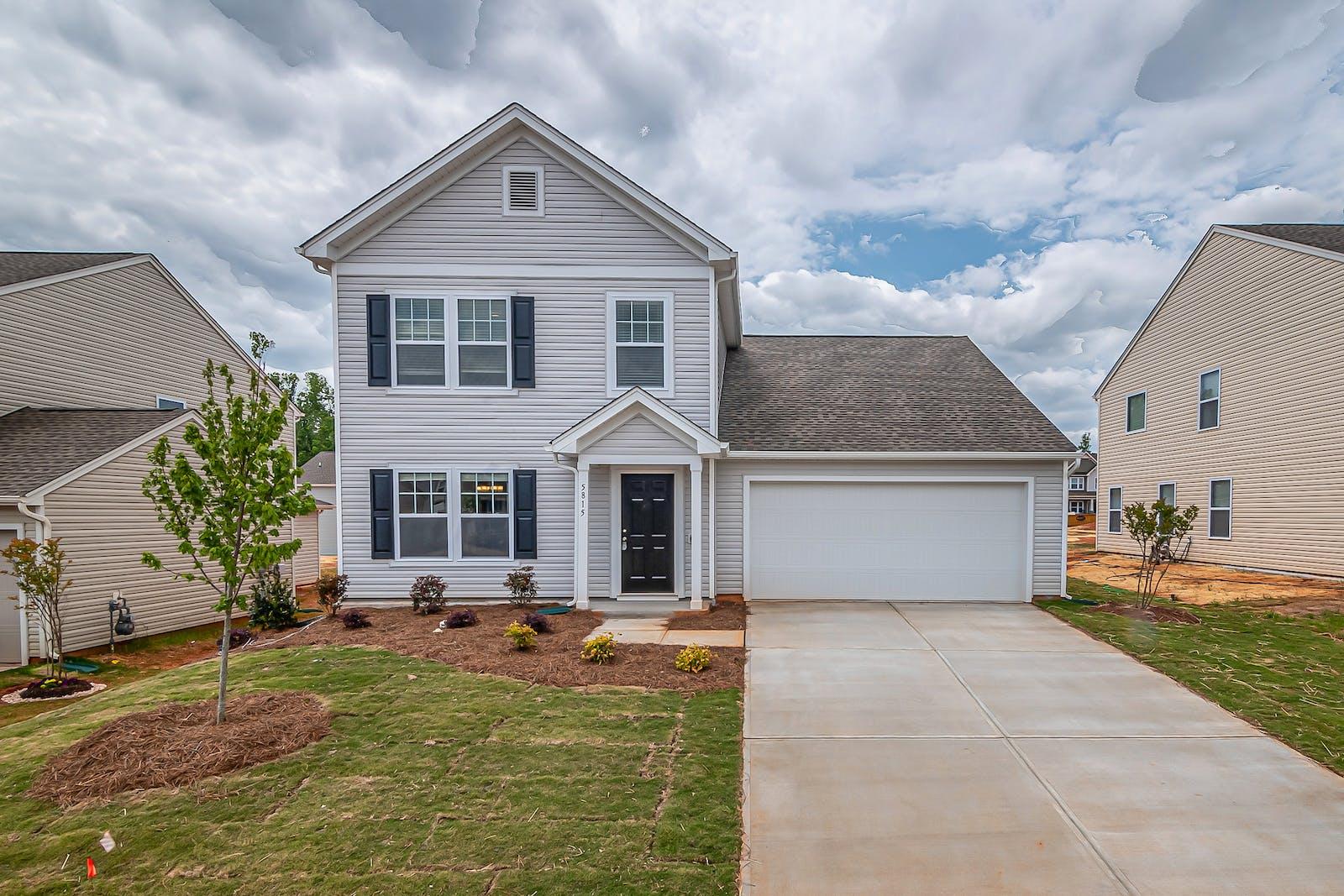

Another important law to consider is the New Jersey Consumer Fraud Act
This law protects buyers from deceptive or fraudulent practices by sellers. As a seller, it's essential to be transparent and honest in all your dealings with potential buyers. Any misrepresentation of the property or failure to disclose relevant information could be seen as a violation of this law.

Additionally, you need to be aware of zoning laws and regulations in your area
These laws govern the types of activities that can be conducted on a property and can impact its value. For example, if you're selling a residential property in an area that's zoned for commercial use, the property's value may be lower than if it were in a residential area. Make sure you understand the zoning laws in your area and how they could impact the sale of your property.

Finally, it's important to understand the tax implications of selling a property in New Jersey
Depending on your situation, you may be subject to capital gains tax or other taxes related to the sale of the property. Make sure you consult with a tax professional to fully understand your tax obligations.
In conclusion, selling your old house in New Jersey can be a daunting task, but knowing and complying with the relevant laws and regulations can help ensure a successful transaction. Take the time to familiarise yourself with the disclosure laws, consumer fraud act, zoning laws, and tax implications of selling a property in New Jersey. By doing so, you can avoid legal issues, maximise your profit, and enjoy a smooth selling process.