
Beth Derbyshire B.L.Derbyshire@salford.ac.uk and Davina Whitnall D.C.Whitnall@salford.ac.uk
Teaching Enhancement Centre, University of Salford
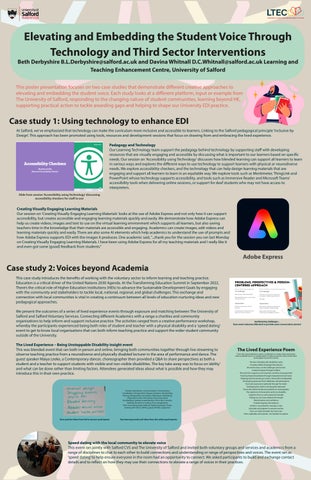
This poster presentation focuses on two case studies that demonstrate different creative approaches to elevating and embedding the student voice. Each study looks at a different platform, input or example from The University of Salford, responding to the changing nature of student communities, learning beyond HE, supporting practical action to tackle awarding gaps and helping to shape our University EDI practice.
Learning and

At Salford, we've emphasised that technology can make the curriculum more inclusive and accessible to learners. Linking to the Salford pedagogical principle 'Inclusive by Design'. This approach has been promoted using tools, resources and development sessions that focus on drawing from and embracing the lived experience.
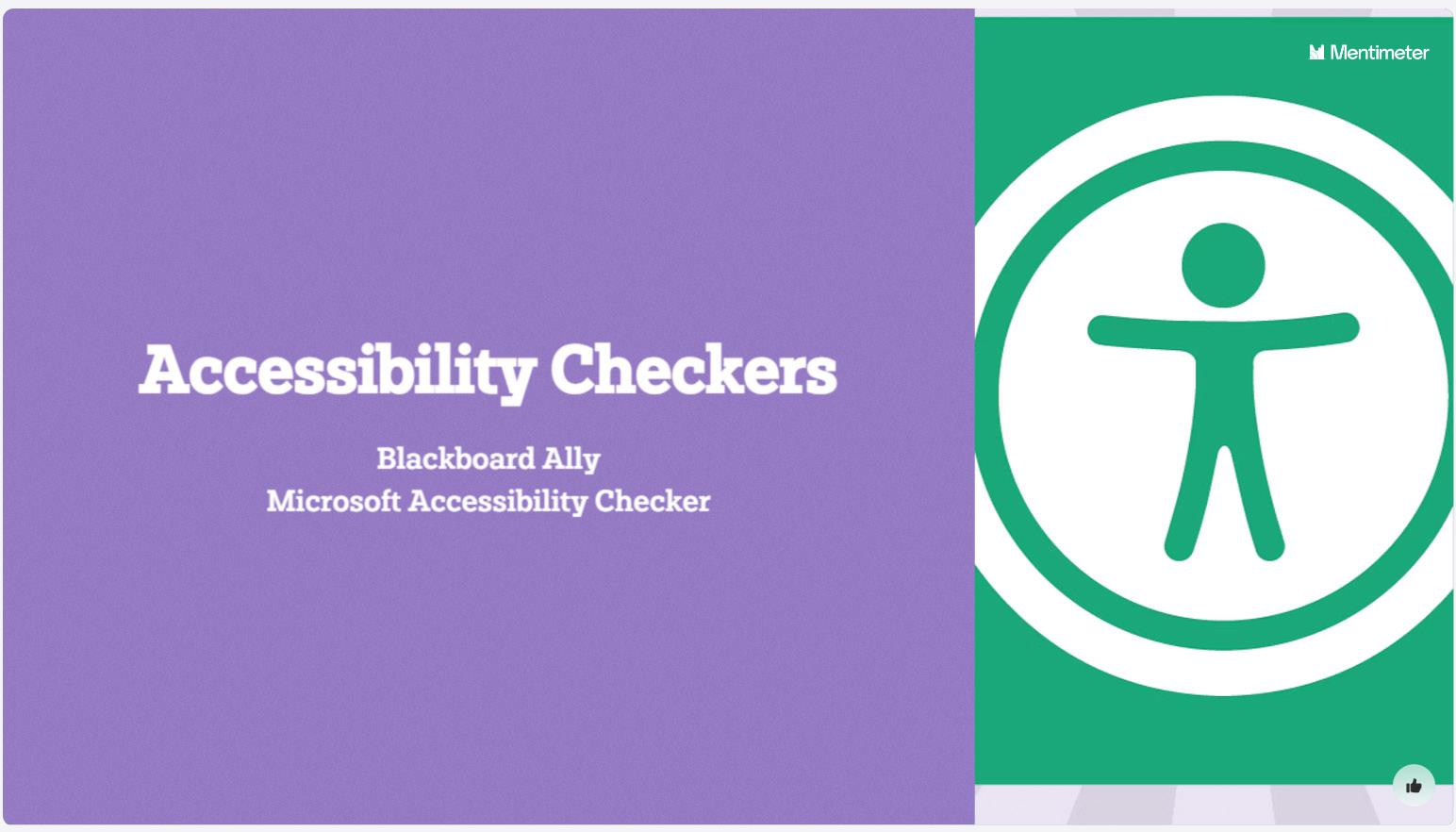
Our Learning Technology team support the pedagogy behind technology by supporting staff with developing resources that are visually engaging and accessible by discussing what is important to our learners based on specific needs. Our session on 'Accessibility using Technology' discusses how blended learning can support all learners to learn in various ways and explores the different ways to use technology to support learners with physical or neurodiverse needs. We explore accessibility checkers, and the technology that can help design learning materials that are engaging and support all learners to learn in an equitable way. We explore tools such as Mentimeter, ThingLink and PowerPoint whose technology supports accessibility, and tools such as Immersive Reader and Microsoft Teams' accessibility tools when delivering online sessions, or support for deaf students who may not have access to interpreters.
Our session on 'Creating Visually Engaging Learning Materials' looks at the use of Adobe Express and not only how it can support accessibility, but creates accessible and engaging learning materials quickly and easily. We demonstrate how Adobe Express can help us create videos, images and text to use on the virtual learning environment which supports all learners, but also saving teachers time in the knowledge that their materials are accessible and engaging. Academics can create images, edit videos and learning materials quickly and easily. There are also some AI elements which help academics to understand the use of prompts and how Adobe Express supports EDI with the images it produces. One academic said, "...thank you for the session you ran last Monday on Creating Visually Engaging Learning Materials. I have been using Adobe Express for all my teaching materials and I really like it and even got some [good] feedback from students."
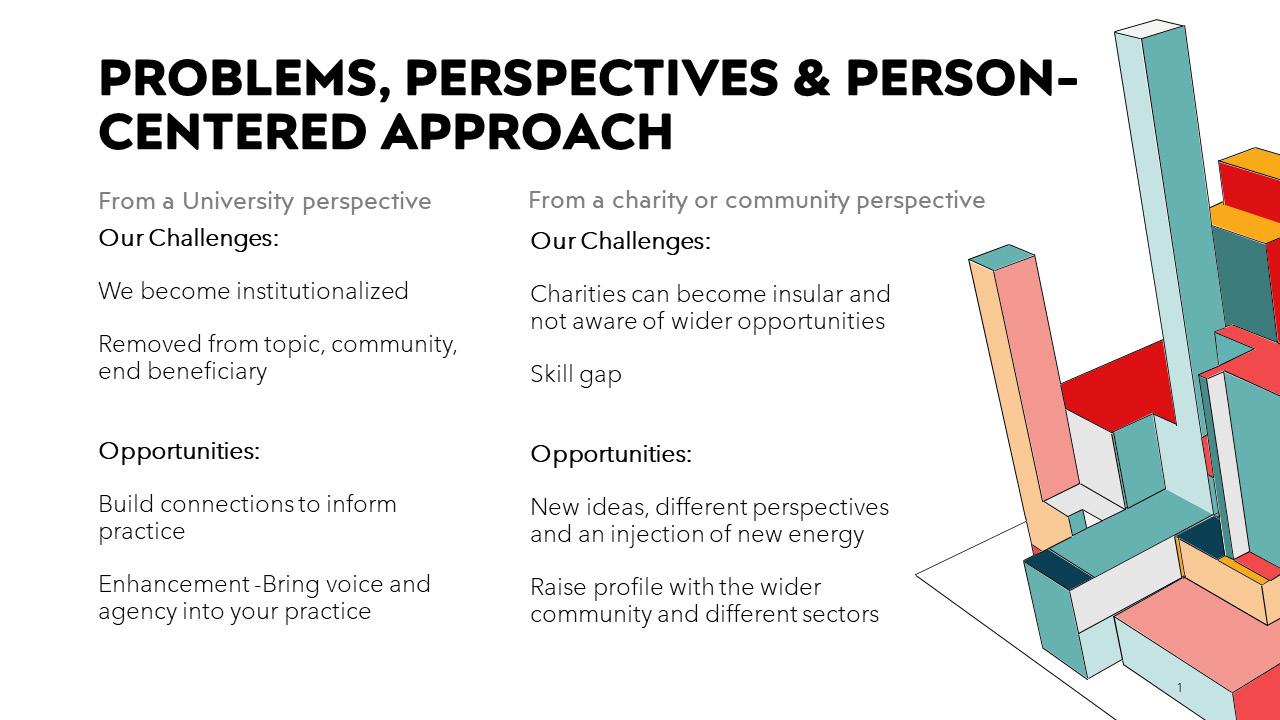
This case study introduces the benefits of working with the voluntary sector to inform learning and teaching practice. Education is a critical driver of the United Nations 2030 Agenda. At the Transforming Education Summit in September 2022, There’s the critical role of Higher Education Institutions (HEIs) to advance the Sustainable Development Goals by engaging with the community and stakeholders to tackle local, national, regional, and global challenges. This exchange and connection with local communities is vital in creating a continuum between all levels of education nurturing ideas and new pedagogical approaches.
We present the outcomes of a series of lived experience events through exposure and matching between The University of Salford and Salford Voluntary Services. Connecting different Academics with a range a charities and community organisations to help inform and support inclusive practice. The activities ranged from a creative performance workshop, whereby the participants experienced being both roles of student and teacher with a physical disability and a 'speed dating' event to get to know local organisations that can both inform teaching practice and support the wider student community outside of the University.
The Lived
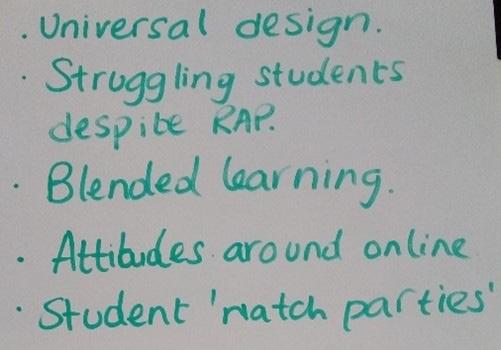
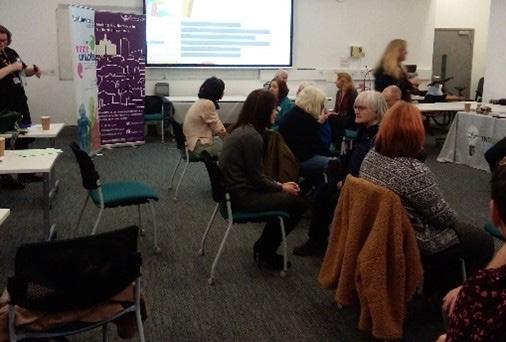
This was blended event that ran both in person and online, bringing both communities together through live streaming to observe teaching practice from a neurodiverse and physically disabled lecturer in the area of performance and dance. The guest speaker Maiya Leeke, a Contemporary dancer, choreographer then provided a Q&A to share perspectives as both a student and a teacher to support students with visible and non-visible disabilities. The key take away was to focus on ‘ability’ and what can be done rather than limiting factors. Attendees generated ideas about what is possible and how they may introduce this in their own practice.