

Event 2 Participant Resource Pack

Event 2 Participant Resource Pack
Please come to the event having undertaken the following:
1. Engage with the case studies and accompanying documentation in Resource 6, making notes about the differences between the case study leaders’ practices and practice in your own setting ahead of a task in Session 3 of this event.
2. Bring completed Cycle One LDR (previously uploaded to Canvas for feedback from the online leadership mentors).
3. Bring your own school’s Behaviour and Culture Policy (title and approach will vary at each school/MAT) or similar documentation.
4. Bring additional behaviour and culture documentation appropriate to your own context (handbooks, guidance documents, etc.).
5. Bring a device to work from so you can access the following (please download these in advance of the event):
§ this participant resource pack
§ the slide deck
§ a slide deck creator, such as MS PowerPoint
§ a word processing/planning tool such as MS Word, MS Excel, MS Project
6. Complete all of Cycle One as outlined in Canvas modules (if not already complete).
‘Learn that’ ‘Learn how to’
3.1. While classroom-level approaches have a big impact on pupil behaviour, consistency and coherence at a whole school level are paramount.
3.2. Whole school changes usually take longer to embed than individually tailored or singleclassroom approaches although behaviour programmes are more likely to have an impact on attainment outcomes if implemented at a whole school level.
3.3. Teacher and pupil behaviours become ingrained and can be difficult to change, so most whole school behaviour policy or practice change will likely take more than a school term to demonstrate impact.
Support the development of a positive, predictable and safe environment for pupils by:
3a. Contributing to the creation of a whole school approach to recognition, rules and sanctions that is built on strong relationships between pupils and staff, complements the intended school culture and includes a clear approach to escalation of behaviour incidents.
3b. Ensuring that this positive, predictable and safe environment is consistently maintained across the whole school including during extra-curricular activities, in communal spaces, on school trips and travelling to and from school.
3d. Using feedback and a wide range of data from across the school community to continuously refine and improve the approach.
‘Learn that’ ‘Learn how to’
4.1. Despite consistent systems being beneficial for all pupils, universal behaviour systems are unlikely to meet the needs of all pupils all of the time.
Support pupils who need more intensive support with their behaviour by:
4a. Contributing to the creation of a whole school approach that complements the intended school culture
‘Learn that’ ‘Learn how to’
Revisit your Cycle One LDR for all implementation statements.
Your leadership learning and practice – individual activity
Using your completed Cycle One LDR and Practice Activity feedback, answer the questions below, to review your learning so far.
1. Which were the most influential content areas and statements you learnt about during Cycle One? Reflect on the FTF event, online study, practice activities, FAT and inschool performance coach session in your thinking.
2. How have you begun to apply your Cycle One learning to impact your:
a) school practice?
b) leadership practice?
3. Which statements in the Cycle One LDR do you need to further develop your knowledge and understanding about?
4. How has your Vision and Implementation Plan for leading behaviour and culture from FTF Event 1 developed as a result of your learning in the rest of Cycle One?
5. Which areas of the Implementation content area (Cycle One LDR) are most relevant to your setting?
Draw up a group list of themes arising about your learning during Cycle One.
Identify individual group members’ leadership behaviours and skills strengths using Resource 4, and add these below.
Leadership behaviours – strengths
Behaviour
Self-awareness
Integrity
Resilience
Impact and influence
Explanation
Effective leaders will know themselves and their teams, continually reflect on their own and others’ practices, and understand how best to approach difficult or sensitive issues. They are aware of their personal strengths and areas for future growth and understand how their own behaviour impacts on others.
Effective leaders act with honesty, transparency and always in the interests of the school and its pupils. They are able to gain the respect of others by acting in line with their own values, as well as making decisions or choices with the best interests of education and pupils in mind.
Effective leaders remain courageous and positive in challenging, adverse or uncertain circumstances. They are able to respond appropriately, manage uncertainty and bounce back even in the most trying of situations.
Effective leaders have a positive impact on students, colleagues and the wider community through persuading, convincing and bringing others round to their perspective. They understand others’ perspectives and priorities and tailor their communication to suit their audience.
Delivering continuous improvement
Learning focus
Developing others
Effective leaders secure and maintain positive improvement through articulating a clear vision, setting high expectations and leading a cycle of research, planning, monitoring, analysis and change. They demonstrate the ability to combine operational action with strategic planning, securing short-term improvements whilst building sustainable change.
Effective leaders keep learning and pedagogy at the core of the whole school curriculum and at the heart of their leadership practice. Their strong knowledge and understanding of learning theories (both adult and children) and pedagogies allows them to use their leadership to influence and improve effective teaching and learning. They encourage a culture of dialogue – formal and informal – about pedagogy, learning, curriculum design and development (assessment).
Effective leaders develop and empower colleagues. They proactively look for ways to develop others, seeking opportunities to develop colleagues through activities such as mentoring, supporting, championing and guiding, in order to bring out the very best in them.
Commitment
Effective leaders respect the rights, views, beliefs and faiths of pupils, colleagues and stakeholders.
Effective leaders are committed to their pupils and understand the power of worldclass teaching to improve social mobility, wellbeing and productivity.
Skill Explanation
Critical knowledge and understanding of research techniques and self-management
Critical enquiry, review, analysis and evaluation
The best leaders undertake and use research, drawn from a range of sources, to support decision making and strategy development – using their time effectively within disciplined and well-organised systems and methodologies.
The best leaders use critical thinking, statistical and data analysis tools, techniques and concepts to identify strengths and areas for development. They design effective leadership plans to support intervention, direction and development. They analyse the implications of change, deploying well-evidenced research to frame school selfevaluation and improvement.
Challenge
Dealing systematically and creatively with complex issues
Priority identification
The best leaders use challenge effectively and adopt a range of strategies in the best interests of achieving progress – demanding ambitious standards for all pupils and a strong sense of accountability in staff for the impact of their work on pupils’ outcomes.
The best leaders have clear systems and protocols in place that enable them to consider and find solutions to issues, as they arise, in a way which deals most effectively with the barriers and challenges they face. The systems in place do not constrain but create a firm foundation for taking positive action.
The best leaders scan the horizon to anticipate change, taking a long-term view of the implications of change and improvement needed to identify short- and long-term priorities and goals, with specified milestones to ensure effective leadership and management.
Clear articulation and application of knowledge
The best leaders take time to reflect and learn from their leadership activity and apply this knowledge to bring about improvements in themselves and their work.
Self-direction and originality
Current insights into professional practice
The best leaders have clear and ambitious targets for themselves as leaders, for their pupils and for their schools. They take a unique strategic view of situations and their implications for long-term impact and outcomes – sometimes using unexpected actions to get the best for those concerned.
The best leaders take time to reflect and evaluate their practice and effectiveness in their leadership and as leaders. They are aware of the education landscape, understand the context of their school and its needs, and direct professional practice and intervention appropriately.
Individual activity (20 minutes)
1. Read your allocated research source extract, highlighting aspects relating to the event’s ‘learn that’ statements about:
a. consistency and coherence
b. whole-school approaches and policies
c. universal behaviour systems
2. ‘Put a pin’ against the points raised that could impact your leadership or context in particular.
3. If you have spare time, read another of the extracts.
Group activity (20 minutes)
§ Sharing your individual responses, discuss the key themes arising from the research:
§ How does it look and feel in different places, phases and settings?
§ What does the research demonstrate works and does not work in terms of whole-school versus universal approaches to behaviour?
§ What are the critical research messages you want to take back to your context?
Extract 1
Education Endowment Foundation (2019). Toolkit: Improving behaviour in schools: Guidance report
https://d2tic4wvo1iusb.cloudfront.net/guidance-reports/behaviour/ EEF_Improving_behaviour_in_schools_Report.pdf
Recommendation 3 (pages 20–23) and Recommendation 6 (pages 32–36)
Extract 2
Institute of Education Sciences (2009). Reducing behaviour problems in the elementary school classroom https://ies.ed.gov/ncee/wwc/Docs/PracticeGuide/behavior_pg_092308.pdf
Recommendation 5 (pages 44–50)
Extract 3
Education Endowment Foundation (2019). Improving behaviour in schools: Evidence review (Moore et al.)
https://educationendowmentfoundation.org.uk/public/files/
Pages 4–8
Extract 4
Ofsted (2014). Below the radar: Low-level disruption in the country’s classrooms https://view.officeapps.live.com/op/view.aspx?src=https%3A%2F%2Fassets.publishing.service.gov.uk %2Fgovernment%2Fuploads%2Fsystem%2Fuploads%2Fattachment_data%2Ffile %2F379248%2FBelow_20the_20radar_20-_20lowlevel_20disruption_20in_20the_20country_E2_80_99s_20classrooms.doc&wdOrigin=BROWSELINK
Executive Summary (pages 4–6) and Points 21–35 (pages 14–18)
https://youtu.be/uZ--iSuEhCY
Name Nicky Easey
Role
Deputy
headteacher & year 5 teacher
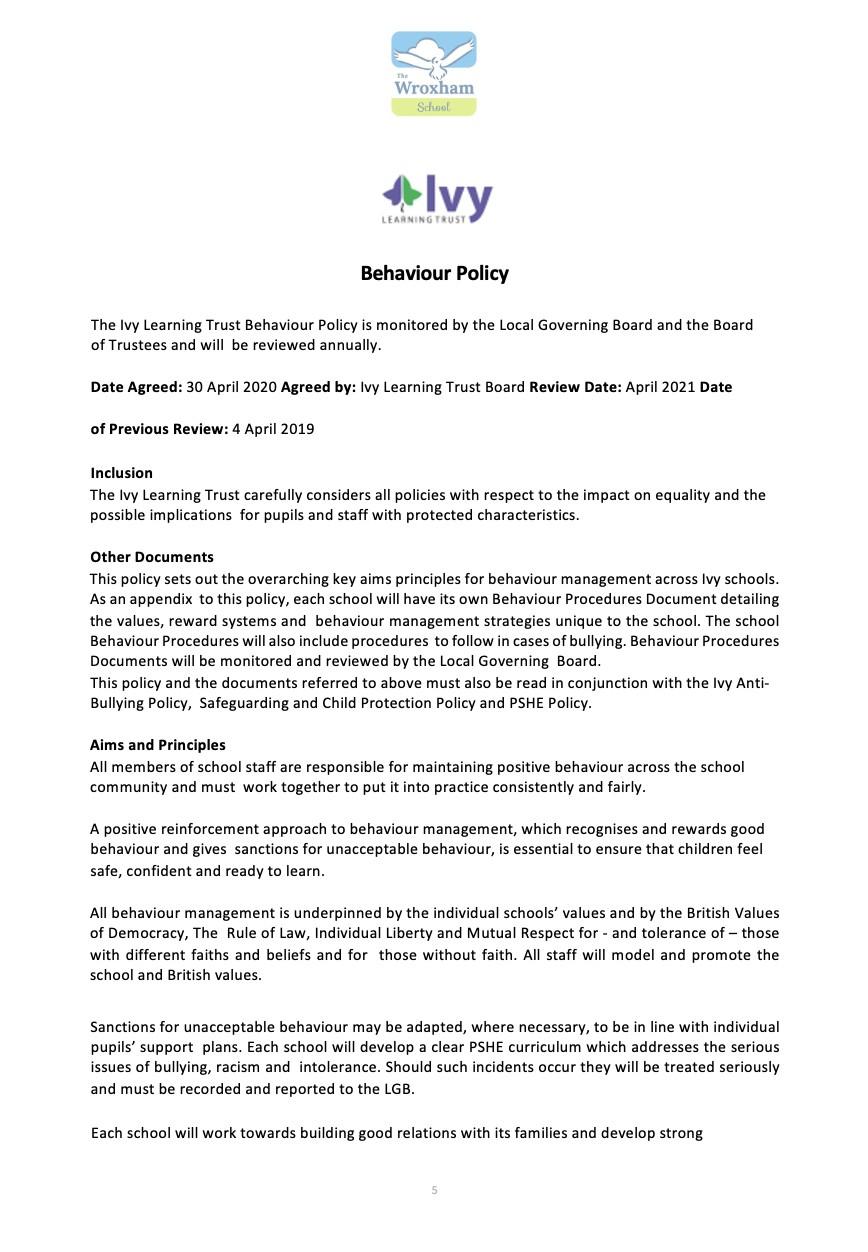
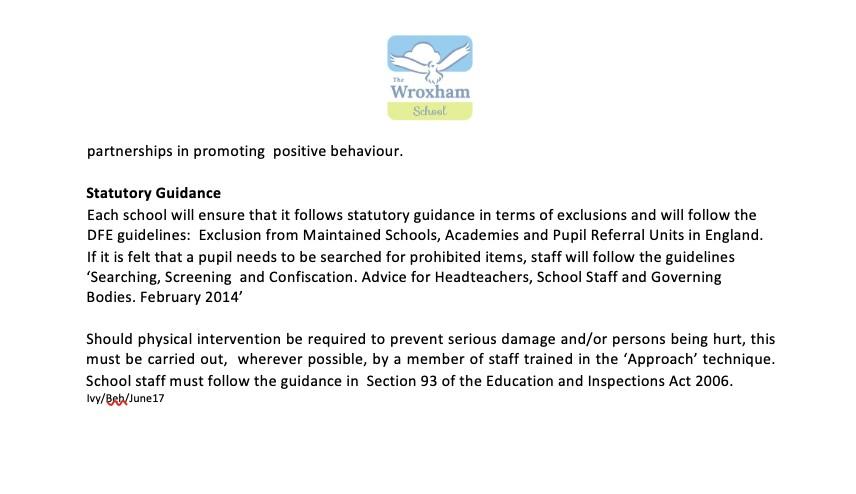
Setting (and website) The Wroxham School, www.thewroxham.org.uk
Phase
Primary – Key Stage 2
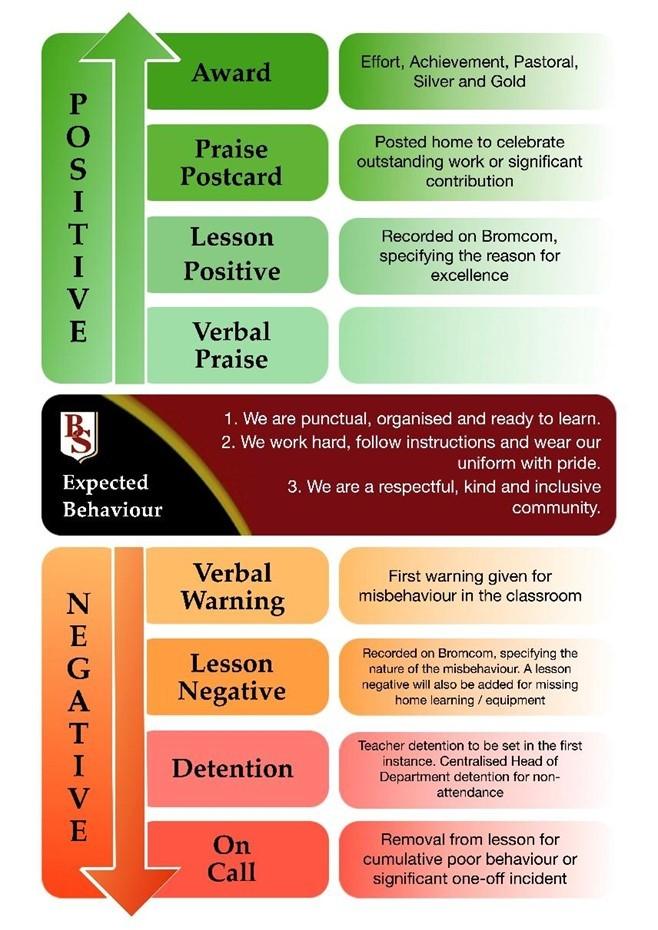
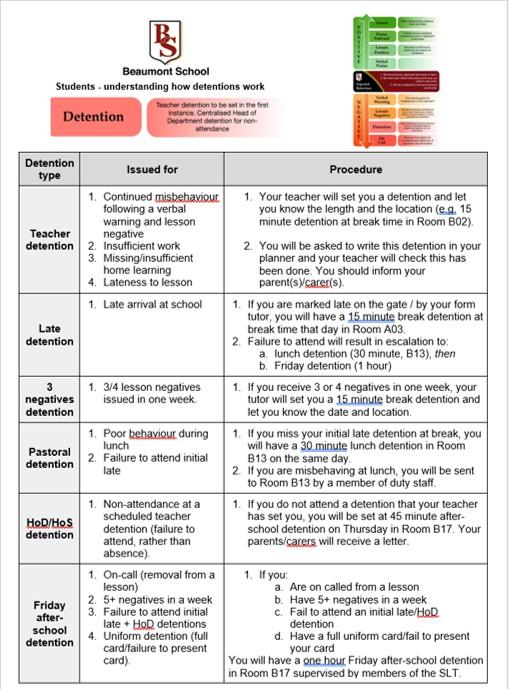
Elena Dundjerovic
Assistant headteacher
Beaumont School, www.beaumontschool.com
Secondary
Length of time as a teacher 12 years 19 years
Length of time as a leader 7 years 5 years
Biggest leadership learning in career so far
Positive relationships with all stakeholders are key. I have always recognised the importance of greeting every child, saying hello to every parent and acknowledging all staff but, as a leader, I have seen the impact that having already laid the foundations of the relationships can have. It provides a starting point for conversations and makes people more open to talking about difficult issues. It aids transitions and helps provide children with the best possible support. I can elaborate and give examples if needed.
Communication and boundaries are key.
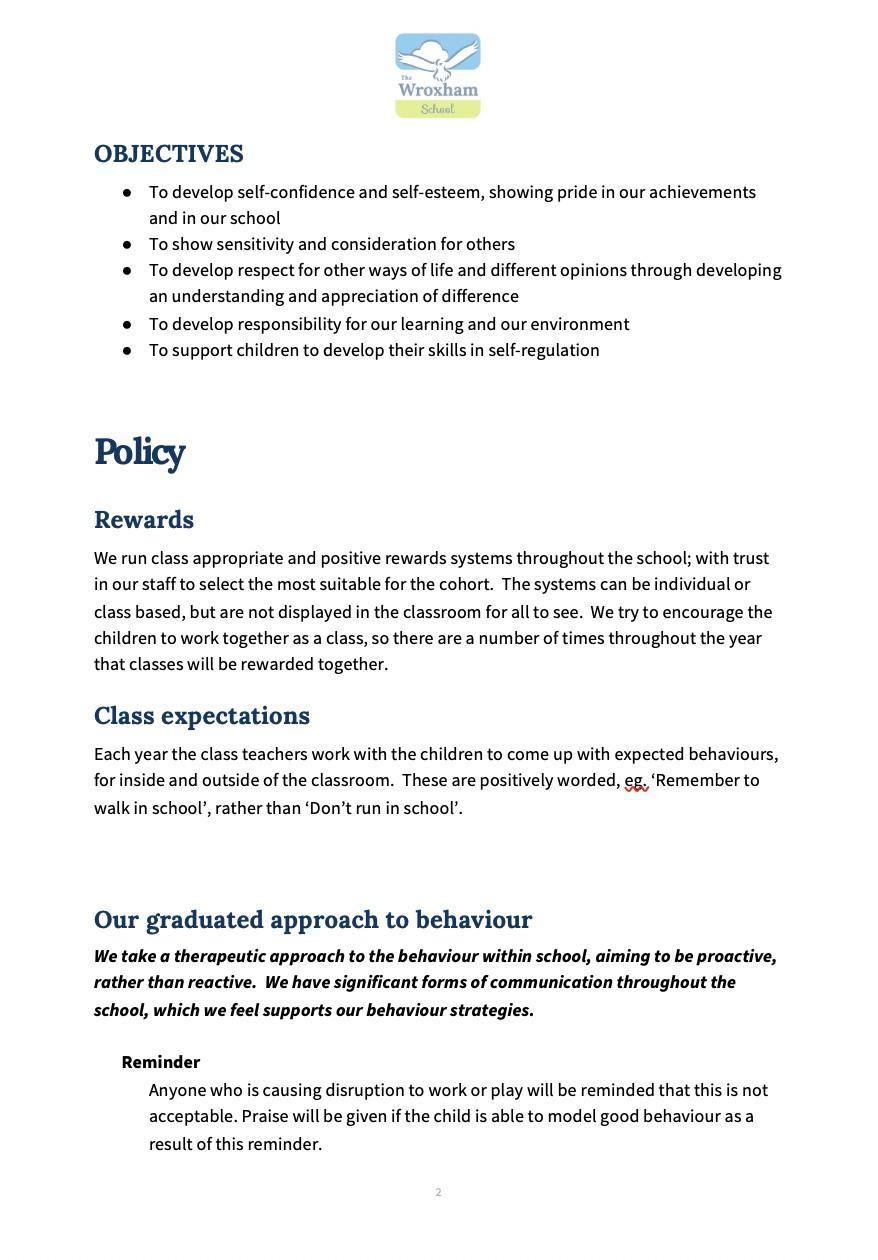
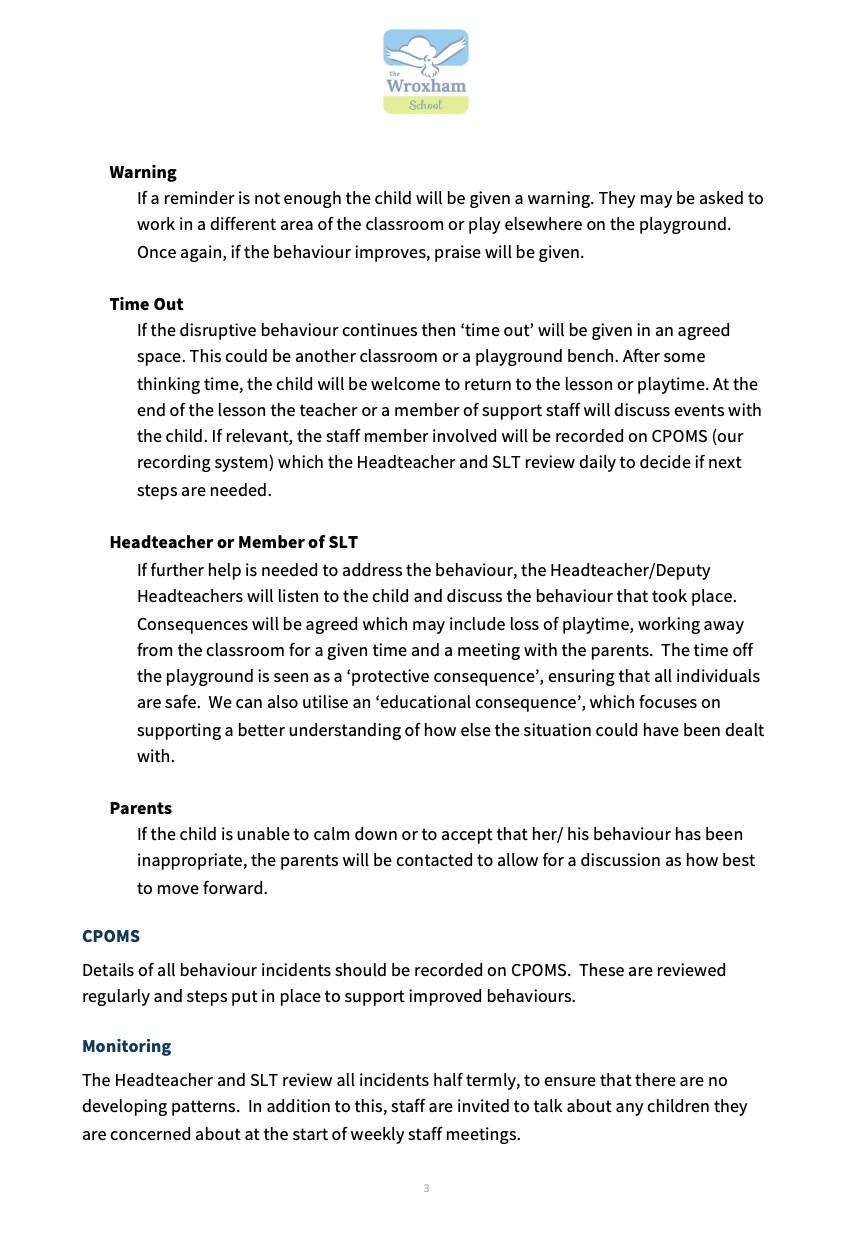
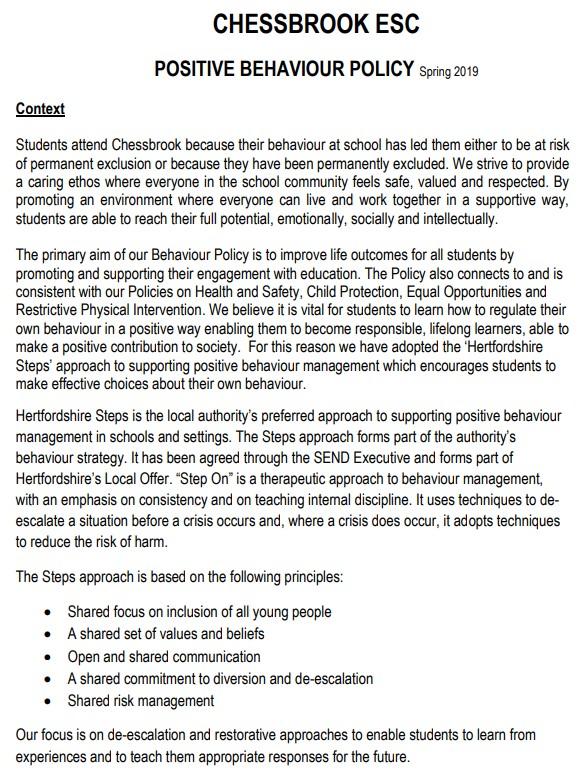
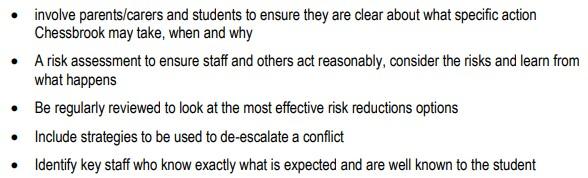
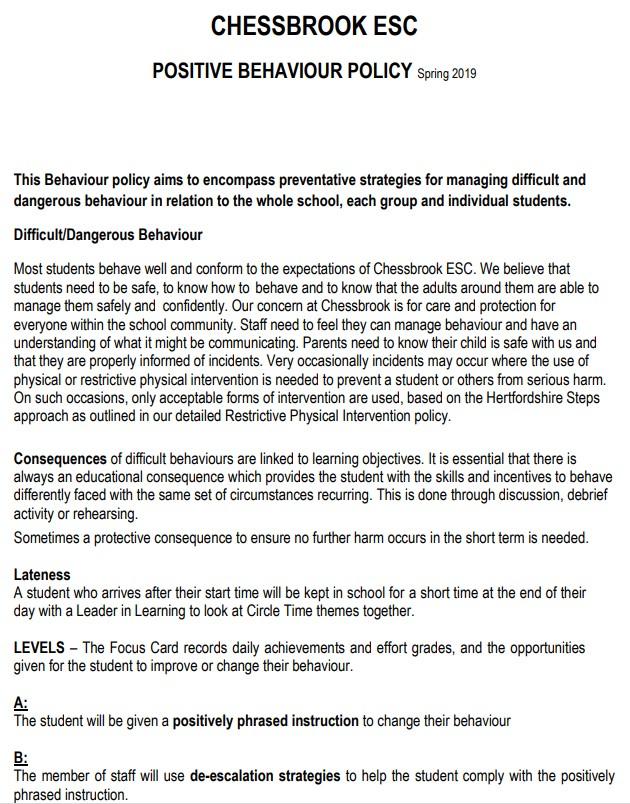
Hertfordshire Steps is the local authority’s preferred approach to supporting positive behaviour management in schools and settings. The Steps approach forms part of the authority’s behaviour strategy. It has been agreed through the SEND Executive and forms part of Hertfordshire’s Local Offer.
Hertfordshire Steps is a therapeutic approach to positive behaviour management and is already well established in many of our education settings and services. The Steps approach is based on the following principles:
shared focus on inclusion of all children and young people within their educational settings
§ a shared set of values and beliefs
§ open and shared communication
§ a shared commitment to diversion and de-escalation
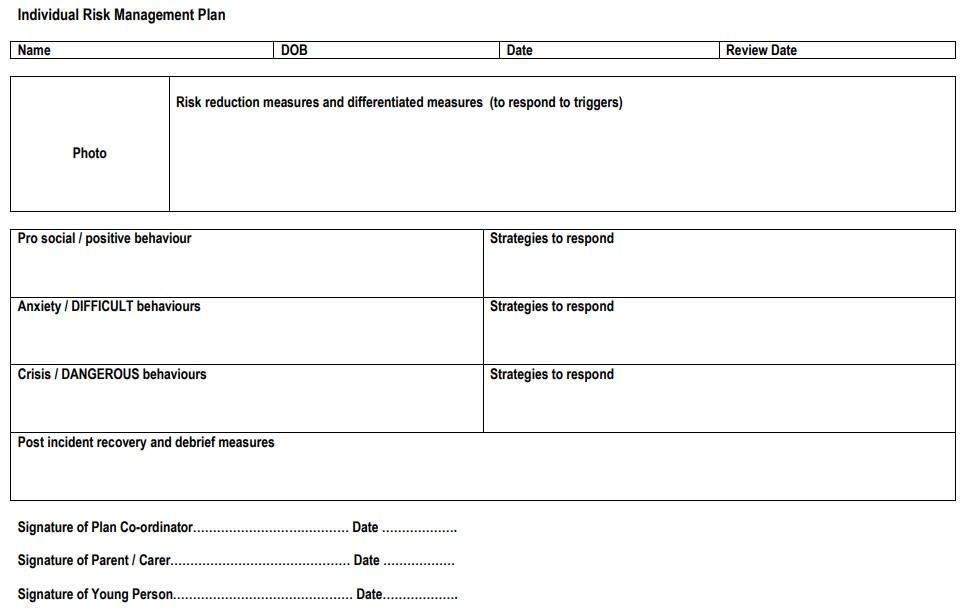
§ shared risk management
§ shared reparation, reflection and restoration

Leader
Name Michael Chapman
Role Middle leader – behaviour and pastoral care
Setting (and website)
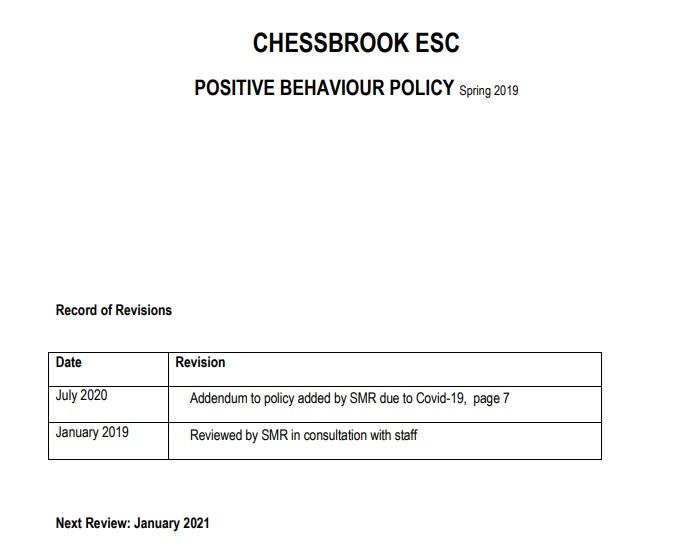
Chessbrook Education Support Centre, www.chessbrook.herts.sch.uk
Phase Secondary, Special, Pupil Referral Unit
Length of time as a teacher 14 years
Length of time as a leader 8 years
Question 1: Enabling a whole school approach to behaviour and culture as opposed to a universal 'one size first all' approach
In relation to aspects of enabling conditions for good behaviour and complex behavioural needs and the focus topics of practice (enabling a whole school approach to behaviour and culture as opposed to a universal, one size fits all type of approach, and how as leaders within school might balance this), please can you give some context about your role and school and briefly summarise why these topics are important for each of you in your school context please?
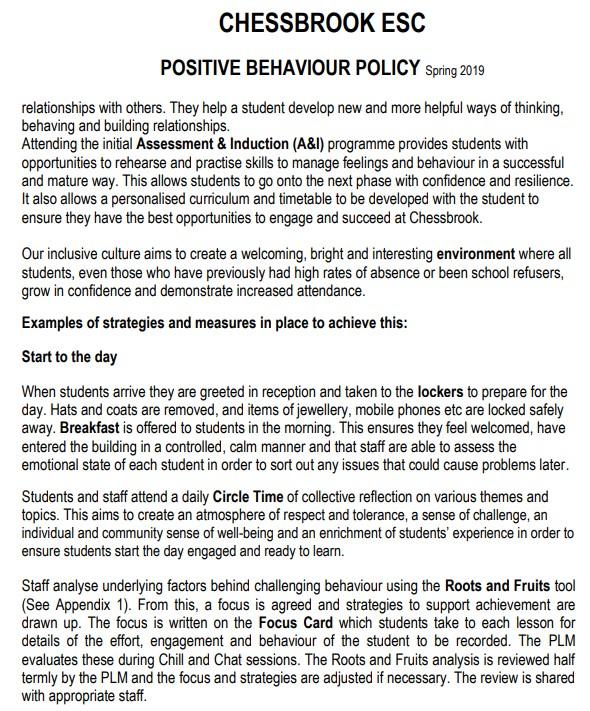
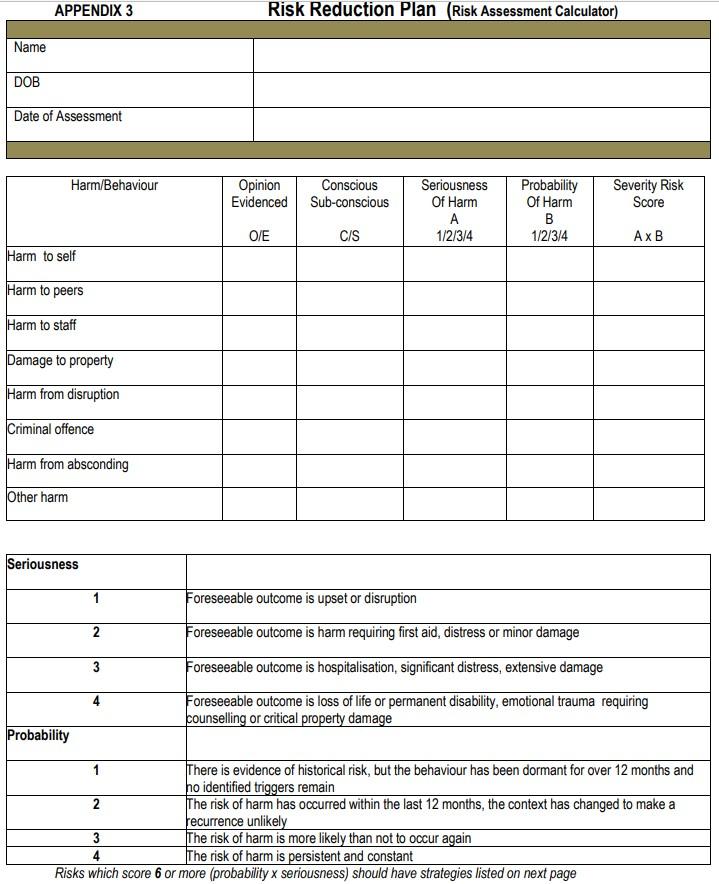
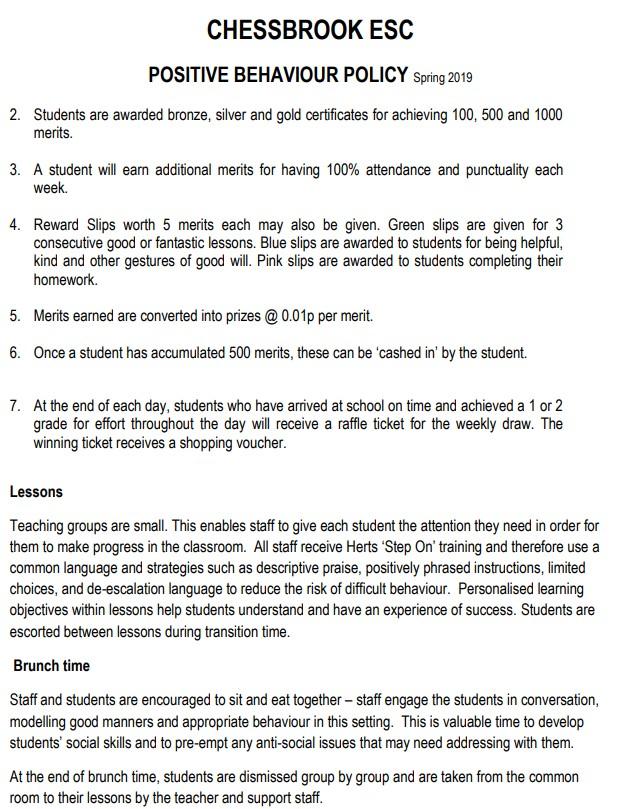
Answer 1: Students attend Chessbrook either because their behaviour could lead to a permanent exclusion or they have been permanently excluded. We aim to provide them with a caring and consistent environment that is built upon positive relationships and trust, creating a whole school culture where students receive and feel the wrap-around care from the school community. Students embrace our ethos because our behaviour expectations are high at all times and are equitable. Students know that they will be dealt with consistently and they understand that because of our level of consistency, issues will be dealt with quickly and effectively to prevent further escalation. Our behaviour policy is based on the Herts Steps model of de-escalation strategies and the use of positively phrased language. The calm, non-confrontational approach all staff adopt is what creates the essential safe environment for the students to thrive in.
Question 2: Creating a whole school approach to recognition, rules and sanctions towards a positive, predictable and safe environment (3.1, 3a)
We know that while classroom-level approaches have a big impact on pupil behaviour, consistency and coherence at a whole school level are paramount (3.1). So, how do you contribute to the creation of a whole school approach to recognition, rules and sanctions to support the development of a positive, predictable and safe environment for pupils (3a)?
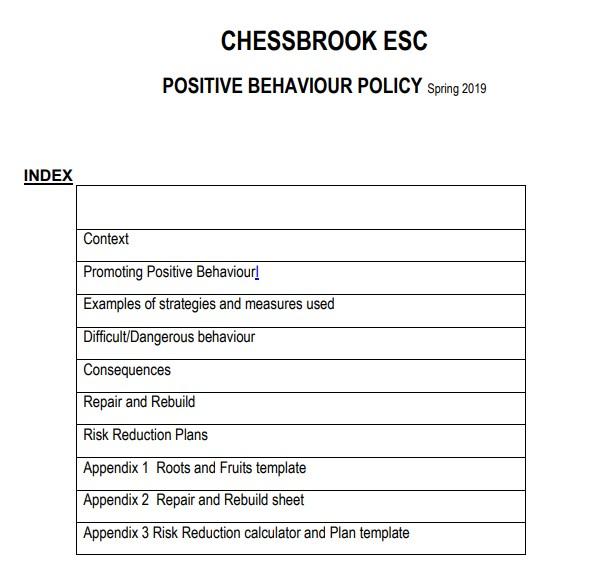
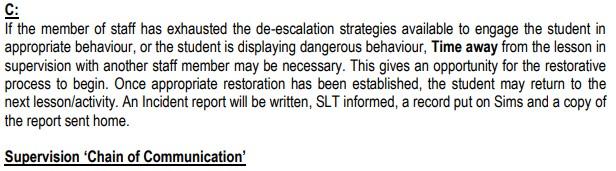
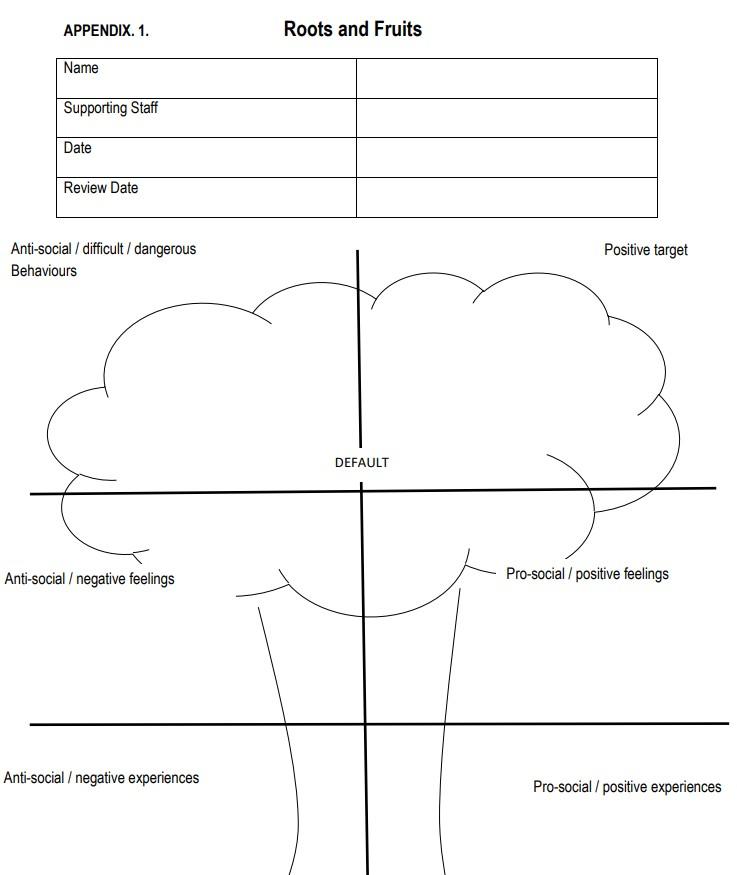
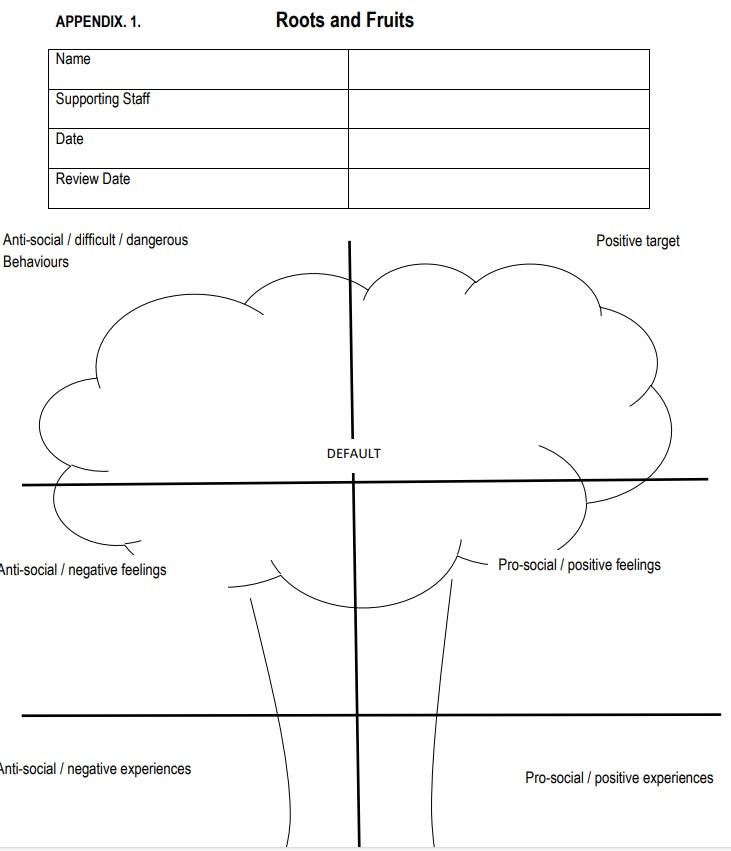
Answer 2: We believe it is vital for students to learn how to regulate their own behaviour in a positive way enabling them to become responsible lifelong learners, whilst providing them with the skills and thought processes needed to make the right decision when confronted with a situation. For this reason we have adopted the ‘Hertfordshire Steps’ approach to supporting positive behaviour management which encourages students to make effective choices about their own behaviour. It is a therapeutic approach to behaviour management, with an emphasis on consistency and on teaching internal discipline. It uses techniques to de-escalate a situation before a crisis occurs and, where a crisis does occur, it adopts techniques to reduce the risk of harm. To maintain the consistency across the school the topic of behaviour and how to effectively apply our policy is constantly revisited through whole staff training. Key to all of this is understanding the needs of students, what their triggers are and how these can be mitigated. As a whole staff Commented [LS1]: Trista, please can you remove this bracketed text - it’s there so you know which prog this fits with! body we carry out a ‘roots and fruits’ analysis on every student. This provides staff with an understanding of past behaviours and things that we as a school community need to put in place in order to detract from negative behaviours and promote positive ones.
Question 3: Ensuring the positive, predictable and safe environment is consistently maintained across the whole school (3.2, 3b)
We know from the research that whole school changes usually take longer to embed than individually tailored or single-classroom approaches although behaviour programmes are more likely to have an impact on attainment outcomes if implemented at a whole school level (3.2). How do you, as leaders of behaviour and culture, ensure that your positive, predictable and safe environment is consistently maintained across the whole school (3b)?
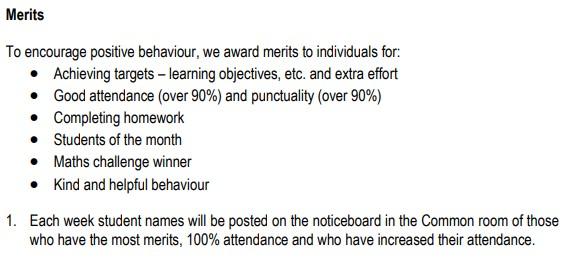
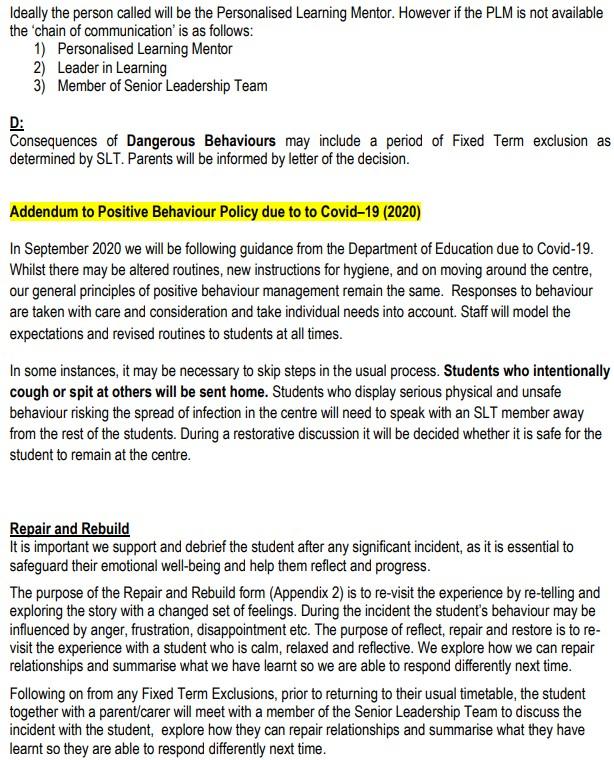
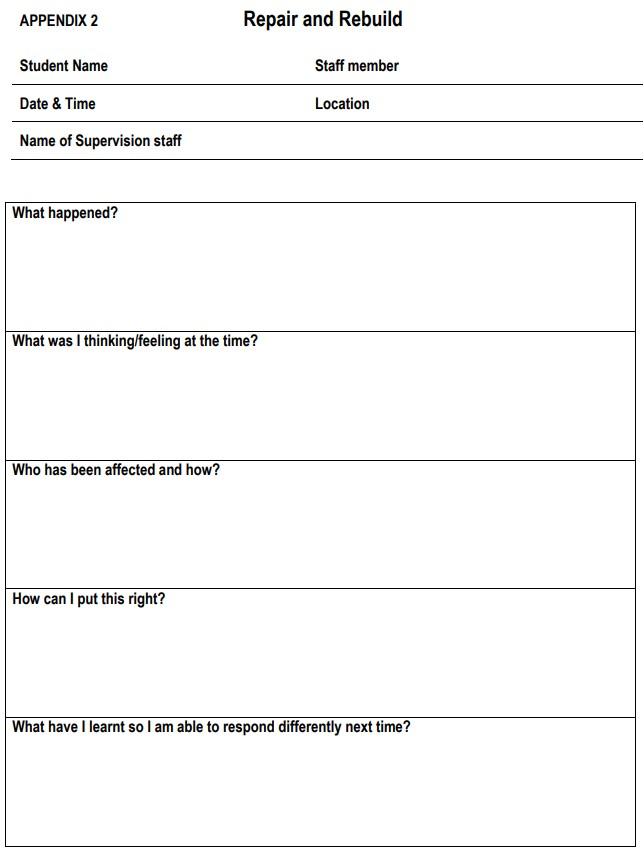
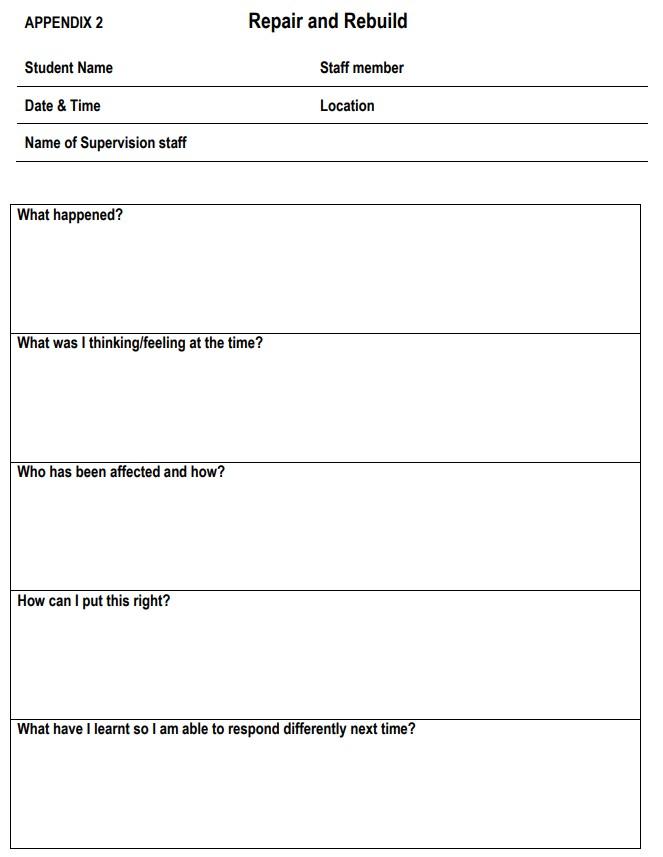
Answer 3: The team of Centre Leads (our middle leadership level) support staff in creating and setting the tone for lessons and school activities on a daily basis. This starts from the morning ‘meet and greet’ of the students, during lessons and lunch all the way through to seeing them off site at the end of the day. The Centre Leads model our high expectations and consistency for all staff and students to see throughout the day. Staff are consistently supported in applying the behaviour policy, when required around school, ensuring that both positive and negative behaviours are recognised and dealt with appropriately. Many behaviour procedures focus too heavily on the negatives and often there are many missed opportunities to ‘catch’ students behaving well. This approach gives clarity to students that they will be dealt with consistently at all times. An integral part of our positive approach is that students who have exhibited negative behaviours are given the opportunity to reflect and complete a ‘repair and rebuild’ session with a member of staff. These sessions are paramount in ensuring students recognise their behaviour, have considered how future occurrences could be avoided and that they are able to start each lesson positively, with relationships and trust restored. Daily staff debrief sessions are also crucial in ensuring staff get 5 the support on a daily basis. This provides staff with the opportunity to reflect on any incidents and discuss actions for moving forward, which maintains the consistent daily whole school approach.
Question 4: Using feedback and data to continuously refine and improve the approach (3.3, 3d)
The evidence tells us that teacher and pupil behaviours become ingrained and can be difficult to change, so most whole school behaviour policy or practice change will likely take more than a school term to demonstrate impact (3.3). So, how as leaders in your contexts, do you use feedback and a wide range of data from across the school community to continuously refine and improve the approach (3d)?
Answer 4: As previously mentioned the daily debrief sessions are vital in providing feedback on what is happening at a whole school level. These sessions facilitate staff feeling supported and enable a consistent approach to our behaviour culture being maintained. The debrief sessions and data logged on our MIS system are regularly scrutinised to highlight patterns of behaviour for either students, groups of students, classes, etc. Analysis of this information allows for support or training to be provided, resulting in the school culture and ethos being consistently maintained.
Question 5: For pupils who need more intensive support with their behaviour, how does the whole school approach complement the intended school culture? (4.1, 4a) We have been focusing on whole school approaches versus universal (one one-size-fits-all) approaches, and we know from the research that despite consistent systems being beneficial for all pupils, universal behaviour systems are unlikely to meet the needs of all pupils all of the time. So, in terms of supporting pupils who need more intensive support with their behaviour, how do you contribute to the creation of a whole school approach that complements the intended school culture?
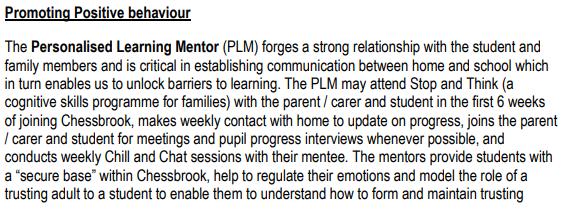
Answer 5: All students receive a Personalised Learning Mentor (PLM) when they start at Chessbrook. These PLM’s form a crucial part of the school's culture and the students' journey. They are the first chain of communication and a consistent contact for students. Some students will require more time with their PLM than others and will have more ‘chill and chat’ sessions with them (these are sessions where students can discuss any issues they may be having and will usually take place weekly). When dealing with students who have a wide range of needs and often complex home lives, it is vitally important to be consistent in outcomes, yet equitable. Students know that poor behaviour will have consequences, but they know that they will be dealt with fairly. In addition to this all students have an Individual Progress Plan (IPP) with personalised strategies for staff to use in lessons; these are linked to support any SEMH needs, behaviour needs and they also provide individual targets that are analysed and reflected upon by staff each lesson. This structure helps maintain the nurturing and safe culture for all students across the school.
It’s going to be vital then for others to understand how you each do this as leaders, and what key behaviours you have developed as you have become the leaders you are today, as well as what else you each feel you are working on in terms of your leadership. Could I ask you to highlight the leadership behaviours you have utilised to lead behaviour and culture in your schools, as well as a leadership behaviour that you’re developing, with some brief examples of those in practice please?
Answer 6: For me one of the fundamentals in creating the culture desired in school is togetherness and consistency from staff. The Impact and influence I can have as a leader I believe is crucial in ensuring this consistency is maintained; furthermore, the togetherness of staff to all believe in the ethos and aims of the organisation. An example of this consistency would be the use of levels in lessons and more specifically the language and actions used by staff as per the Herts Steps approach. During these challenging times for us all working in schools, I would say our resilience is tested and needed regularly. This is definitely a leadership behaviour I am continuing to develop as the challenges faced will be sometimes unprecedented and a daily occurrence. It is therefore essential that the staff and students still receive consistent and clear communication to enforce and ensure that the positive behaviour culture is felt throughout the school community.

1. Whilst engaging in the case studies, individually complete the prompting questions about behaviour and culture in your setting.
2. Using your responses to the prompting questions, complete the SWOT Analysis about behaviour and culture in your setting.
3. Using your SWOT analysis, complete the assessment questions.
Prompting questions
What are the effective characteristics being modelled by the case study leaders?
How do the case study leaders:
§ create a whole school approach to behaviour?
§ ensure that the environment is consistently maintained across the school?
§ use data and feedback from across the school community to continuously refine and improve their approach to behaviour?
Which leadership behaviours (Resource 4) are the case study leaders demonstrating in their practice?
How does this practice contribute to improving pupil outcomes?
How does this practice contribute to improving pupil behaviour?
How does this practice contribute to improving school/setting culture?
Strengths
What are your (individual/department/setting) current strengths pertaining to behaviour and culture?
Opportunities
What opportunities do you have based on the case study leader’s practices (pertaining to behaviour and culture)?
Weaknesses
What are your (individual/department/setting) current weaknesses pertaining to behaviour and culture?
Threats
What threatens the development of behaviour and culture in your setting?
Assessment questions
What are the important issues you have identified during this SWOT analysis?
What key potential solutions are arising for you from the case study leaders? What challenges might arise in the process of solving these important issues?
Enabling conditions for good behaviour
Support the development of a positive, predictable and safe environment for pupils
Ensure colleagues are able to create a positive, predictable and safe environment in their classrooms
Motivate pupils
Work in partnership with parents and carers
Complex behavioural needs
Support pupils who need more intensive support with their behaviour
Prevent and respond to bullying
Select three of the following nine activities to submit to your leadership mentor.
Choose an activity based on your areas of interest and the results of the initial needs analysis undertaken at the start of the course.
Activity 1: Contributing to a whole-school approach to behaviour management
Read the DfE guidance, ’Behaviour and discipline in schools: Guidance for headteachers and school staff’, paying attention to the guidance it provides on developing the behaviour policy (pages 5–6) and behaviour and sanctions (page 8).
Share this DfE guidance with two or more teaching colleagues and meet to reflect on your own school’s behaviour policy. Use the following questions to help structure the reflection.
§ How clearly does the policy communicate the school’s expectations of high standards of behaviour for all pupils?
§ Does the policy clearly outline the school’s range of rewards and sanctions, highlighting the need for these to be proportionate and fair according to the age and circumstances of the pupil?
§ Does the implementation of recognition, rewards and sanctions in the classroom accurately reflect what has been described in the policy? If not, why not?
§ Does the policy clearly outline the process for escalating behaviour incidents? Identify an example of how this process has worked effectively.
§ How do leaders and teachers ensure the behaviour policy is consistently and fairly applied?
§ How does the behaviour policy foster mutual respect between pupils and staff?
Suggest refinements to ensure your school policy better meets the recommendations outlined in the DfE guidance (for example, redrafting a section, acting on feedback from staff or pupils, rewording to increase clarity).
Recommend actions to help improve the faithful implementation of the policy (for example, professional development activity, provision of additional guidance and support, closer monitoring of implementation).
Write a 250-word (maximum) summary of your actions and learning from this task and submit to your leadership mentor in Canvas.
DfE (2016) Behaviour and discipline in schools
Plan a professional development resource to develop colleagues’ abilities to respond consistently to pupil behaviour through thoughtful application of recognition, rules and sanctions in line with your school’s approach. The resource should include:
§ the school’s approach to rewards and sanctions
§ using early and least-intrusive interventions for low-level disruption
§ responding quickly to any behaviour that threatens emotional safety
The planned resource could be in any appropriate media or format (for example, a slideshow, handout, video, podcast, Zoom recording) and would include no more than 20 minutes of content. You do not need to produce the resource.
Your school behaviour policy and the following reports should inform your plan.
You may find it useful to refer to Section 3, Use classroom management strategies to support good classroom behaviour, and Section 4, Use simple approaches as part of your regular routine, of the Education Endowment Foundation’s (2019) guidance, paying attention to the practical classroom management strategies provided and the examples of the effective use of positive reinforcement and routines. Tom Bennett’s independent review of behaviour in schools (2017) includes practical classroom guidance techniques, supported by case studies. The following sections are particularly useful for leaders of behaviour needing to develop colleagues’ use of rewards and sanctions:
§ general behaviour practice
§ rewards and praise
§ sanctions
Submission
Write a 250-word (maximum) summary of your actions and learning from this task and submit to your leadership mentor in Canvas.
Resources
Education Endowment Foundation (2019) Improving behaviour in schools
Bennet, T. (2020) Creating a culture: A review of behaviour management in schools
Read Section 3, Use classroom management strategies to support good classroom behaviour, and Section 4, Use simple approaches as part of your regular routine, of the Education Endowment Foundation’s (2019) guidance, paying attention to the practical classroom management strategies.
Establish a triad made up of an experienced teaching colleague, a less experienced teacher and yourself.
Share what you have learned from your reading with the other two members of your triad.
In your triad, arrange to observe each other’s classroom management practice, informed by this reading. Use Charlie Taylor’s (2011) behaviour checklist for teachers to support the observations. Meet to feedback on your observations, using the checklist for teachers to help structure a professional conversation about each member’s practice.
Submission
Write a 250-word (maximum) summary of your actions and learning from this task and submit to your leadership mentor in Canvas.
Resources
DfE (2011) Getting the simple things right: Charlie Taylor’s behaviour checklists
Education Endowment Foundation (2019) Improving behaviour in schools
Activity 4: Maintaining a positive, predictable and safe environment
As a leader of behaviour and culture, you will help to maintain a positive, predictable and safe environment across the whole school by reinforcing expectations and holding staff to account for the consistent implementation of school behaviour policies.
Read Section 5 of ‘Creating a culture: A review of behaviour management in schools’, which includes guidance on reinforcing expectations through sustained professional development. The case studies provided illustrate effective practice in holding staff to account for the consistent implementation of school behaviour policies.
Having read the guidance, draft a strategy to:
reinforce expectations of standards of behaviour
hold staff to account for the implementation of the school behaviour policy
Share your strategy with a senior colleague, explaining your rationale. Make a note of their feedback.
Submission
Write a 250-word (maximum) summary of your actions and learning from this task and submit to your leadership mentor in Canvas.
Resources
Bennet, T. (2020) Creating a culture: A review of behaviour management in schools
Activity 5: Encouraging colleagues to motivate pupils
“Self-determined motivation (a consequence of values or pure interest) leads to better long-term outcomes than controlled motivation (a consequence of reward/punishment or perceptions of selfworth).” (Deans for Impact, 2015)
Read Section 5 of ‘The science of learning’ (2015), ‘Motivating pupils’, paying attention to the recommendations for developing intrinsic motivation and positive reinforcement.
Support one or more colleagues in planning an activity which provides the opportunity for an identified group of pupils to articulate their long-term goals and helps them to see how these are related to their success in school (for example, a careers event, visiting speaker, school trip, work placement, enrichment activity).
The planned activity should include opportunities for pupils to:
§ work hard to achieve short-term goals
§ set their own learning goals
§ monitor their own learning (e.g., testing, self-testing and explanation)
Teachers will need to know their pupils well and have a good understanding of their aspirations to plan a relevant activity. It is unlikely that a single activity will meet the needs of an entire group of pupils, so you may need to develop a contingency plan (planned future events, alternative activities) to ensure all pupils feel heard and acknowledged.
When planning the activity, consider the following questions:
§ How is the activity intended to increase pupil motivation and self-regulation?
§ How will you ensure the activity is related to pupil aspirations and long-term goals?
§ How will you ensure pupils understand how the activity relates to their success at school?
§ How will you monitor the impact of the activity on pupil progress and behaviour?
Submission
Write a 250-word (maximum) summary of your actions and learning from this task and submit to your leadership mentor in Canvas.
Resources
Deans for Impact (2015) The science of learning
Pupils with special educational needs or disabilities will not necessarily require support with their behaviour, but a universal behaviour system may not be appropriate. The EEF recommend the use of daily report cards to manage lateness, poor attendance or disruptive behaviour, but these may not be appropriate if the behaviour is a result of distress or SEN.
Read Section 5 of the EEF guidance (2019), Use targeted approaches to meet the needs of individuals in your school, and the UCL (2020) guidance on the use of behaviour reports.
Share your reading with a teaching colleague and your school SENCo and meet to reflect on your own school’s approach to targeting age/developmentally appropriate interventions to meet the needs of pupils in your school.
§ Identify two examples of adaptations made to the implementation of the school behaviour policy to meet the needs of specific pupils. How were these adaptations selected and implemented?
§ How do leaders ensure such adaptations are implemented consistently and appropriately across the school?
§ Identify two examples of age and developmentally appropriate interventions made for specific pupils. How do staff at your school ensure that adaptations and age and developmentally appropriate interventions do not lower expectations of pupil behaviour?
§ What tools are used to support behaviour management for pupils with more complex behavioural needs (for example, daily report cards, commercial behaviour management systems)?
§ How do leaders ensure the tools are implemented consistently and appropriately across the school?
In light of your discussion, identify actions to improve targeted support for pupils with complex behaviour needs in your school.
Submission
Write a 250-word (maximum) summary of your actions and learning from this task and submit to your leadership mentor in Canvas.
Resources
Education Endowment Foundation (2019) Toolkit: Improving behaviour in schools
UCL (2020) Using a daily school behaviour report card
4.b. Liaising with parents, carers and specialist colleagues to better understand pupils’ individual circumstances and how they can be supported to meet high academic and behavioural expectations. As a leader of behaviour, you will need to support colleagues to develop an understanding of pupils’ individual needs and circumstances, and how they can be supported to meet high academic and behavioural expectations.
Functional behaviour assessments (a process for identifying the causes of behaviour issues and strategies to address these causes) have been proven to be effective but time consuming. It may help to focus on one or two aspects of the assessment at a time.
Read Section 5 of the EEF guidance (2019), Use targeted approaches to meet the needs of individuals in your school, paying attention to the guidance on the use of functional behaviour assessments.
Support a teaching colleague to conduct a functional behaviour assessment for a specific pupil. The assessment will allow them to:
§ identify the challenging behaviours, the triggers and the previous strategies used
§ decide on a positive behavioural strategy to adopt
§ set goals, benchmarks and responsibilities
§ implement and monitor progress
§ summarise and evaluate outcomes
Join your colleague to observe the pupil in class. If you have time, you may also wish to meet with the pupil, their teachers, parents or carers and other specialists to develop a clear picture of the pupil’s needs.
Meet with your colleague to discuss your findings and provide support and challenge as they decide on a strategy and set goals, benchmarks and responsibilities.
Agree a plan for monitoring progress and evaluating impact.
Submission
Write a 250-word (maximum) summary of your actions and learning from this task and submit to your leadership mentor in Canvas.
Resources
Education Endowment Foundation (2019) Toolkit: Improving behaviour in schools
Activity 8: Apply knowledge of policies and regulations
Effective leaders of behaviour and culture actively seek and apply knowledge of policies and regulations relating to SEND (including reasonable adjustments), looked after children, children who have a social worker, safeguarding and exclusions.
Visit the DfE’s online collection of statutory guidance for schools and identify the guidance and regulations relating to behaviour and attendance, SEND, looked after children and safeguarding. Make sure you have easy access to this information by bookmarking or downloading the documents for later use.
Browse through the DFE (2015) guide to the SEND code of practice, paying attention to pages 29 to 31, Children and young people in specific circumstances.
Meet with your SENCo or an experienced colleague to reflect on your provision for children in specific circumstances.
Identify a pupil in specific circumstances (for example, looked after children, children of service personnel or in alternative provision).
Identify the statutory guidance and school policies relevant to their circumstances.
§ How is knowledge of the relevant legislation and policies being applied to ensure that the pupil’s rights are upheld and their needs met?
§ What action, if any, is needed to meet statutory requirements more effectively?
Submission
Write a 250-word (maximum) summary of your actions and learning from this task and submit to your leadership mentor in Canvas.
Resources
DfE (2015) Schools: Guide to the 0 to 25 SEND code of practice
DfE (2020) Schools: Statutory guidance
4.e. Contributing to the creation and implementation of a whole school anti-bullying approach including prevention work that encourages pupils to empathise with others, understand the harm caused by bullying and play an active role in supporting all of their peers.
The DfE (2021) guidance explains a school’s legal responsibilities and the laws relating to bullying.
Read Section 1 of the EEF guidance (2019), Know and understand your pupils and their influences, which recommends approaches to reduce incidences of bullying in schools, including whole-school anti-bullying policies, working with parents and training for staff and pupils.
Read the DfE’s (2017) guidance on preventing bullying, paying attention to the recommendation for a range of strategies for tackling bullying at school.
Meet with a teaching colleague to share your reading.
Support your colleague in planning a sequence of learning intended to:
§ promote awareness of the whole-school anti-bullying policy
§ encourage pupils to empathise with others
§ help pupils understand the harm caused by bullying
§ provide opportunities for pupils to play an active role in supporting all of their peers
You may wish to make the sequence plan, associated resources, activities and guidance centrally available for use throughout the school.
Submission
Write a 250-word (maximum) summary of your actions and learning from this task and submit to your leadership mentor in Canvas.
Resources
DfE (2017) Preventing bullying
DfE (2021) Bullying at school
EEF (2019) Improving behaviour in schools