

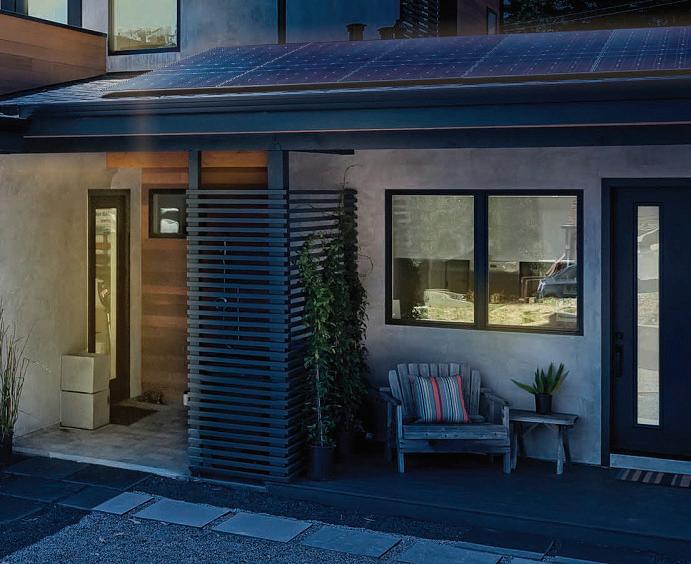



Homeowners enjoy gardening for many different reasons. In addition to adding beauty to a property, gardens can offset grocery costs by yielding tasty produce. They also offer important habitats and food sources for both insects and animals.
While growing a vegetable or flower garden can turn into a rewarding hobby, or even a passion, gardening also can be overwhelming — particularly when the results are less than stellar. Novice gardeners have scores of resources at their disposal, including the advice of gardeners who have made mistakes and learned from them. The following guidance can make home gardens that much more successful.
1. START SMALL.
You may have visions of an expansive garden growing rows of crops or acres of flowers. But it is smart to start small and build on what you find successful, which includes plants that thrive in your lawn and garden. This also is beneficial if you are unsure of vegetable yields. Several blooming plants producing bushels of crops can be overwhelming, especially if you can’t get to harvesting or cooking them in a timely fashion.
2. ASSESS THE SOIL.
Plants need nutrient-rich soil to encourage extensive root systems and produce strong, hardy plants, according to the gardening resource GrowVeg. Nourish soil with organic matter, such as manure, compost, shredded leaves, and natural mulch. Add this organic matter in the off-season to give it enough time to be incorporated into the ground before spring. You can have your soil tested for pH and other characteristics that make it friendly or averse to plants at a local garden center.
3. ARM YOURSELF WITH KNOWLEDGE.
Do you know how deeply to plant seeds and how far apart to space plants? Are you aware of the sunlight needs of certain flowers or plants? If not, read the packaging and do your research so your plants have the best chance of not only sprouting, but also surviving. Many people prefer to start seedlings indoors in late winter and then transfer those plants outdoors when they are stronger and more established.
4. SIT IN YOUR YARD AND OBSERVE.
Watch the way the sunlight dances over areas of your landscape. Take
note of which areas get the most sun and shade. This will help you plan what to plant and where to plant it. Vegetable gardens tend to need ample sunlight to bear pick-worthy produce. You can give plants a leg up by growing them in optimal conditions.
5. CHOOSE HARDY VARIETIES.
Certain plants have been bred to thrive in your climate, including heat-tolerant plants for climates with sweltering summer sun. Consult with a local gardening center to figure out which plant zone you are in and which plants will do best within that zone.
6. USE RAINWATER.
Rainwater contains fewer contaminants and additives than tap water, which can benefit garden plants. Collect rainwater in rain barrels and use irrigation systems to deliver it to the garden.


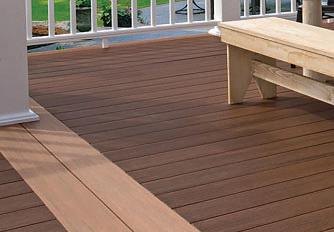
WecarryTrexDecking withselectTrexcolorsin stockincludingPebble Gray,Saddle,Larch Decking,MahoganyDeck, TrexTranscendColors, IslandMistandTikiTorch. Allothercolorsareavailablewithin2days.Allnonstockbrands canbeordered.Azekandmore.Pressuretreateddeckingin stock:premiumgrade.




24WarrenTerrace,Pittsfield DesignCenter-519SouthStreet,Pittsfield 413-442-6916 D




Mother Nature can be harsh on a lawn, and it’s up to homeowners to nurse their lawns back to health after they endure the elements. That’s often the case when winter ends and homeowners uncover signs of damage to their lawns.
Homeowners cannot begin to repair winter lawn damage until they learn to identify it, and the following are some telltale signs that winter took a harsh toll on a landscape.
Many things can cause grass to wilt over the course of winter, so homeowners may have to put on their sleuth’s cap to determine why grass that was healthy as recently as late fall is now wilted as the spring bloom begins. Grass that’s adjacent to walkways and driveways might have wilted due to the application of de-icing solutions. Such products can prevent the formation of ice on driveways and walkways. However, when they’re tracked onto the grass by people or animals or blown there by winter winds, grass can wilt. A deep watering in spring can flush any linger-
ing solution from the lawn. In future winters, homeowners can be as careful as possible when applying de-icing solutions, making a concerted effort to avoid spreading any onto the grass and limited applications to areas of the driveway and walkways that are not close to the grass.
The National Association of Landscape Professionals notes that brown patches in a lawn often develop after heavy snowfall. Such patches tend to develop where large piles of shoveled snow were deposited, so homeowners can inspect alongside driveways and walkways. The NALP advises homeowners to rake away part of the brown patches first. If green tissue is emerging beneath, then the lawn will likely be fine in due time. However, if the area beneath is not green and surrounding areas are already turning green, homeowners may need to rake up dead tissue before applying topsoil to the affected spots. Once topsoil is spread, some grass seed can be spread and the grass should regain its green glory.
Another indicator of winter lawn damage linked to snow is gray or pink grass. The NALP reports that this is a byproduct of snow mold
caused by lingering snow. Action may be unnecessary, as the NALP notes these circular patterns often go away on their own. If not, raking the affected areas might be enough to get the lawn on the road to recovery. If the issue continues to linger after raking, a topsoil application and subsequent seeding may be necessary.












Many homeowners believe a roof is a once-in-a-lifetime investment. But roof damage can force homeowners to replace a roof regardless of how much time has lapsed since the roof was installed.
The average life span of a roof depends on when the roof was installed and the materials it is made from. According
to Central Homes Roofing, three-tab shingles may last between 10 and 15 years, architectural shingles can endure for 15 to 20 years, and tile may last between 35 and 50 years.
RPS Metal Roofing indicates a metal roof may last as long as 70 years. However, climate and color of the roof also will affect its longevity.
Homeowners would be wise to consider these factors when determining if a roof is in need of repairs or replacement.
ROOF AGE
The age of the roof is a major factor in determining if it will need to be replaced or if repairs can be made to isolated damage. Individuals who live in neighborhoods where
neighbors are now replacing roofs will likely find it is time to consult a roofing company. Homeowners also can check to see if they have any receipts that indicate the roof’s installation date so they have an idea about its age.
GRAIN IN GUTTERS
Roofing shingles are designed to overlap, and sealant keeps them steady. Friction, weather and atmospheric changes can impact sealant and cause degradation. Gutters with grainy material in them could indicate worn out sealant and shingles.
RIDGE DAMAGE
Ridges are spots where two separate areas meet and often are important to the structural integrity of the roof. If the roof ridge is showing signs of wear, it could be time to repair or replace it.
CURLED SHINGLE EDGES
BALD SPOTS OR LOST PORTIONS OF THE ROOF
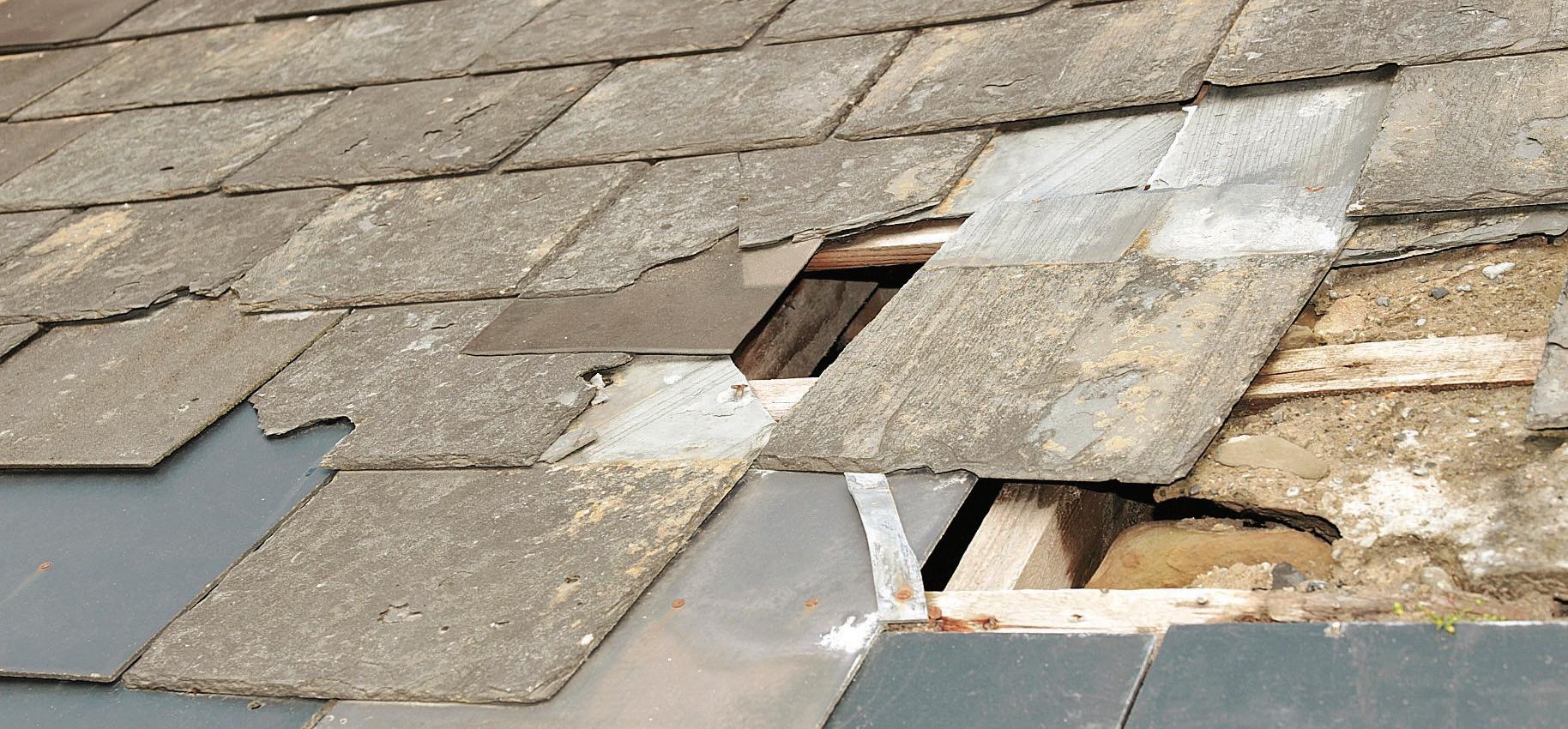
Missing granules and missing shingles are reasons to consult a pro for a roof evaluation.
LEAKS INDOORS
Homeowners who find dark streaks or moisture in the attic may discover that water is penetrating the roof underlay. Water often comes in around chimney flashing. Other water signs are blistering and bubbling in walls.
INCOMING LIGHT
Look up through the attic and see if any light is coming through the roof, which may indicate there are cracks or holes in the roof.
AESTHETICS
If a homeowner doesn’t like the look of the roof from a design standpoint, a replacement also may be warranted.
If shingle tabs are curled or cupped, the shingles may need to be replaced. But if curling is extensive, a whole new roof may need to be installed.

SPONSORED CONTENT
BY KIMBERLY KIRCHNER Sponsored Content Editor
For most Americans, buying a home is one of those Big steps - the kind of change that marks the start of a brand-new phase of life, with consequences that can reach out for years into the future. It's also the single most expensive decision most of us will ever make, except maybe having children.
To add to the pressure, the real estate market has experienced some of its most dramatic fluctuations since the housing bubble burst of 2008, fueled by a sudden migration to the suburbs during the COVID-19 pandemic and abnormally low interest rates. In February 2022, the average home value in the Pittsfield, Mass., metro market was $326,592, according to data collected by real estate sales site Zillow, an increase of 22.9% year over year. (For comparison, the U.S. as a whole saw a lower, but still breathtaking, growth rate of 20.3% during the same time period.)
Mix that in with record-low housing inventory, record-high inflation rates and a general sense of economic uncertainty on an international level, and you're looking at an intimidating time to make the largest purchase of your life this far.
But please — don't panic.
Home-buying is no small endeavor, but the good news is that there are plenty of real estate focused professionals out there with the knowledge to lead you safely through the purchasing process.
The three members of Lee Bank's Mortgage Team aren't just experienced in mortgage banking — they're locals with an insider perspective on the unique needs of the Berkshire area housing market. With offices in the Bank's Lee, Great Barrington and Pittsfield branch-


es, the team is readily available for one-on-one support, especially for first-time buyers overwhelmed by the prospect of taking on a five- or six-figure financial obligation.
As just one part of Lee Bank's expansive financial team, the Mortgage Team is able to utilize the whole of The Bank's resources to integrate home-buying into a customer's larger financial plans.
"Lee Bank has a great team and relationships to cover every aspect of financial planning, regardless of the dollar amount or what stage you’re in," wrote Mortgage Loan Originator Haley Burke, via email. "There are so many different resources that can help guide you through short-term and long term planning, whether it be a plan to get you where you need to be in order to buy a home or a plan to have your mortgage paid off prior to retirement."
The first step in securing a mortgage without unnecessary drama: be proactive.
"We absolutely recommend contacting us early on in the process," fellow Mortgage Loan Originators Bonnie Masefield wrote.
Laying out the realities of your financial situation before you even attend your first open house will allow you to address potential weaknesses before they can impede the buying process, and establish a realistic price range before a perfect but ultimately out-of-budget dream home can break your heart.
"Work history can sometimes be an issue, as well as credit history," added Kathy Kelly — also a Mortgage Loan Originator at Lee Bank — especially for first-timers. "These are all things to be discussed early on in the process and again why we stress the importance of getting pre-qualified."
Even after the paperwork has been signed and the door keys have changed hands, the Mortgage Team is available to provide guidance and assistance during repayment.
As the economy recovers and adapts to the post-COVID world, buyers may be even more hesitant to take on a financial load that they'll carry with them for decades. But in the case of unforeseen financial changes, a close relationship with your lender is a powerful tool for riding out difficulties and getting back on track.
"There are local housing counseling agencies that we can connect borrowers who are experiencing a hardship with. They're there to provide education, counseling and resources to help create a strategy in order to overcome homeownership obstacles," Burke wrote.
As with obtaining a mortgage in the first place, getting ahead of issues early on can greatly improve your chances of success. That means being honest with yourself about your resources, and willing to reach out for help — something that is much easier to do when you have an established, trusting relationship with your lender.
"It's common to think there are no options when you're in a tough financial situation, but it's important to be proactive with your lender," Burke wrote. "There's most likely some sort of temporary assistance or work-out plan available to help get you back in a good spot without negatively impacting your credit or mortgage status. If you wait too long to inquire about options, the damage may be irreparable."
Applying for — and paying back — a mortgage can be a daunting undertaking, but so is every other major step forward in life. Fortunately, you're not on your own. With the help and backing of a local, customer-oriented lender, home ownership can be less a trial to be endured and more a joyful leap toward the life for which you've worked so hard.
The Eagle provides fee-based professional writing, editing, design, web presence and social media services to businesses to help them tell their stories with the broadest reach possible. Let us help you tell your story today. Email kkirchner@berkshireeagle.com
At the onset of the COVID-19 pandemic, many homeowners suddenly found themselves in need of more usable square footage in their homes. Required to work from home due to social distancing recommendations, millions of working professionals suddenly found themselves setting up shop at kitchen tables or islands, in alcoves, garages, or even walk-in closets. Those makeshift offices were never supposed to be permanent, but as companies loosen workplace policies and embrace full remote or hybrid working arrangements, professionals are seeking more permanent home office solutions.
Home additions are a possibility for homeowners who need more usable square footage, but add-ons may not be the right option for everyone. If adding on won’t work, homeowners may want to look up ... at their attics.
Attics with ample space
can make for ideal home offices, as they’re away from the hustle and bustle of a home’s main floor. That can make it easier to concentrate when everyone is in the house and reduce the likelihood that video calls with colleagues and clients will be interrupted by kids and pets.
Attic conversions are not always possible, and the following are three important factors homeowners may need to consider before they can go forward with such projects.
Both the renovation experts at This Old House and the real estate experts at UpNest indicate that at least half of a finished attic must be a minimum of seven feet high and seven feet wide and 70 square feet. Requirements may differ depending on where homeowners live, but that 7-7-70 guideline is generally the minimum requirement. An attic that fails to meet such re-
quirements won’t necessarily be a lost cause, but it might be costly to make adjustments that ultimately align with local codes.
Access is another aspect that must adhere to local safety guidelines. Many attics are accessible only through pulldown ladders, but that will have to change if homeowners repurpose their attic spaces. A staircase that complies with local laws will need to be installed, and contractors can work with homeowners to build that and estimate the cost. Homeowners who simply want to put desks in their attics without going with full-fledged conversions are urged to adhere to local access requirements anyway, as they’re intended to ensure residents can safely escape attics in the case of a fire or another emergency.
3.
Attics are converted to provide residents with more liv-
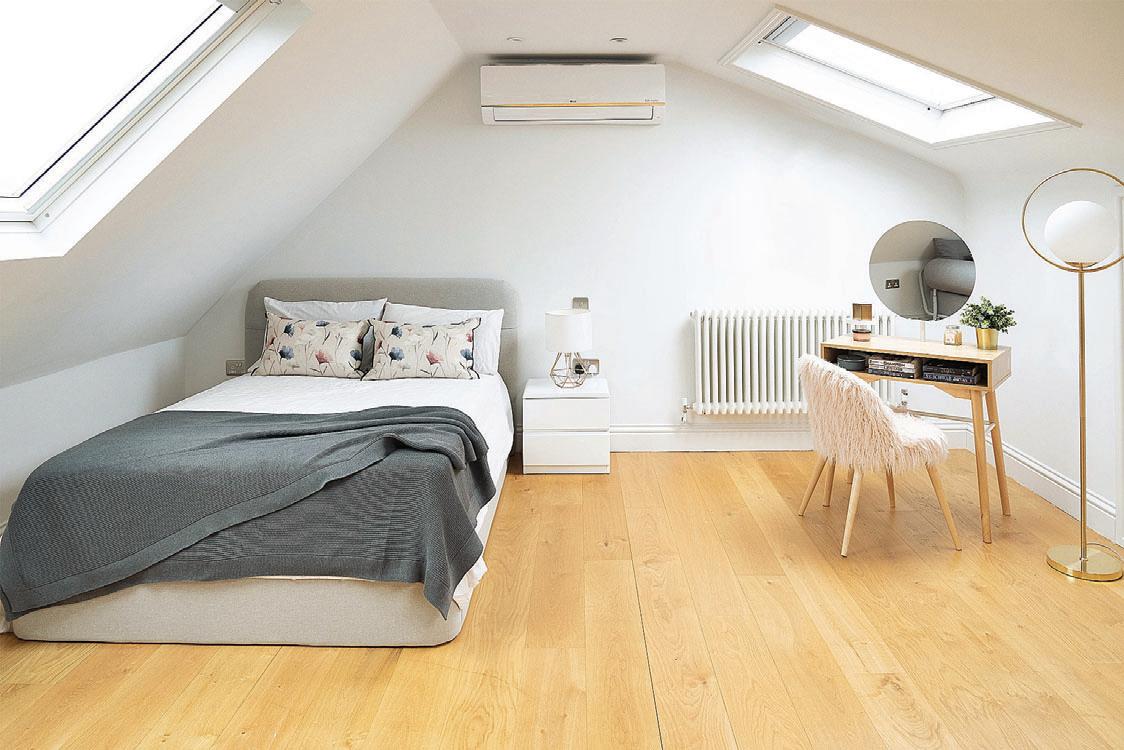
able space. Converted space is only livable if the climate within the attic can be controlled so it’s cool in the summer and warm in the winter. An existing HVAC unit needs to efficiently heat and cool an extra room. If it can’t, bills might spike because the rest of the home likely won’t be as comfortable, forcing homeowners to adjust thermostats


LAURENCE KATZ/UNSPLASH
to offset that discomfort. That also could affect the unit’s life expectancy. Before going forward with an attic renovation, homeowners should contact HVAC professionals to determine if attic spaces can be serviced with the existing units and ductwork, or if an alternative arrangement must be worked out to make the spaces livable.
CUTFASTER–Ahigher*cutting capacitytranslatesinto anincreaseinoverall efficiencyallowingyouto cutmore,inlesstime.
CUTLONGER–Newprofessionalgrade airfilter,improvedAir Injection™andanew versionofAutoTune™ accountformorereliable operation.
CUTBETTER–Extremelywell-balanced sawbodieswithlow gyroscopicforces providetheverybest maneuverabilityand handling.

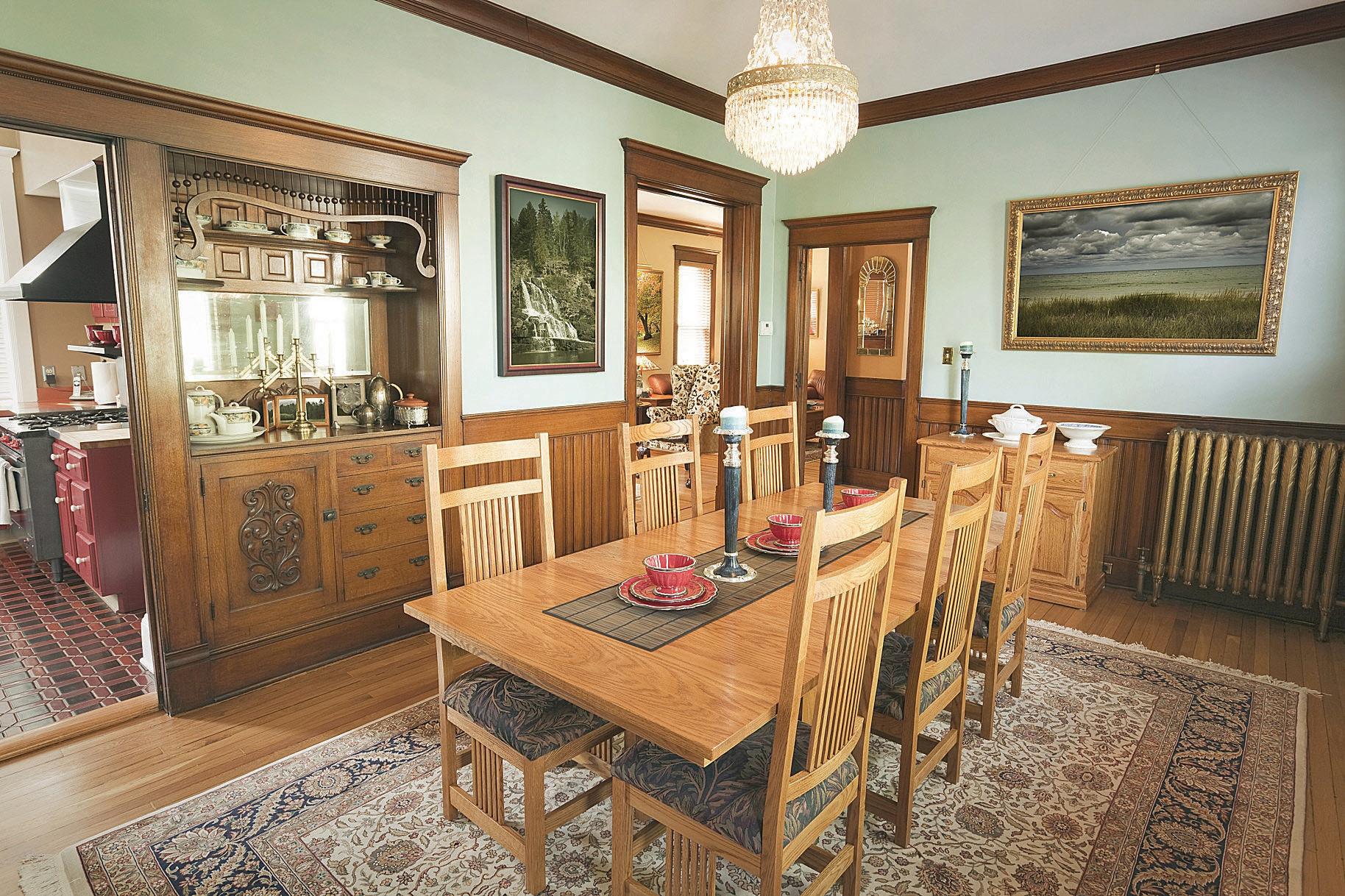
Considerable thought goes into designing a home’s interior. From which color to paint the walls to the size of the living room couch, homeowners must make a variety of decisions when planning their home interiors.
owners aiming for this style should keep in mind.
Minimal or modern furniture pieces don’t fit with the traditional style, which tends to utilize period pieces made from real wood.




OUR30YEARANNIVERSARY!
FromSteveMorrison’sbeginnings goingDoortoDoor,tohis ShowroomonNorthStreetin Pittsfield,toToday’sShowroom intheBeautifullyRestored1870’s HouseinLenox,TheMorrison’s havebeendoingbusinessatHome inTheBerkshiressince1992.









One way to simplify interior design decisions is to choose a style. Interior design styles run the gamut from traditional to modern, and each style has its own unique look and feel. Though homeowners need not feel beholden to any particular item associated with a given style, three of the more popular styles, traditional, modern and farmhouse, each have certain key components that can ensure a home ends up with a look homeowners are aiming for.
1.
Homes with a traditional interior style give a formal yet welcoming feel. Many individuals associate crown molding and wainscoting with traditional interiors, so that’s something home-
Modern interiors may differ depending on which style of modern homeowners are aiming for. Midcentury modern typically features unique furnishings that some might see as retro. However, many companies now offer updated takes on midcentury modern that call to mind a bygone era but don’t make individuals feel as though they’re living in a museum. Urban modern is another popular modern style, and home interiors fashioned in this style tend to be light, airy and not crowded with furnishings. Calm, soft tones are a go-to with urban modern interiors, helping to create the serene settings many homeowners are hoping to create with this style.







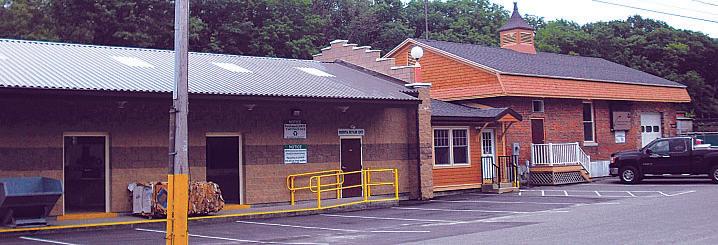



3. FARMHOUSE
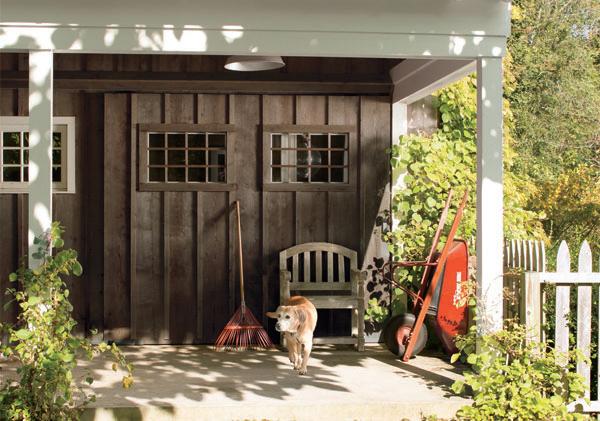
Farmhouse has become very popular in recent years. In fact, a recent survey from the interior design service Modsy found that farmhouse was the most popular design style in 26 states. Farmhouse is beloved for a variety of reasons, not the least of which is its association with a simpler lifestyle. The rustic charm of the countryside is never far from the mind when in a home with a farmhouse-inspired interior. Traditional farmhouse and modern farmhouse are different styles, but natural materials and bright colors, particularly white walls, are elements shared by both.
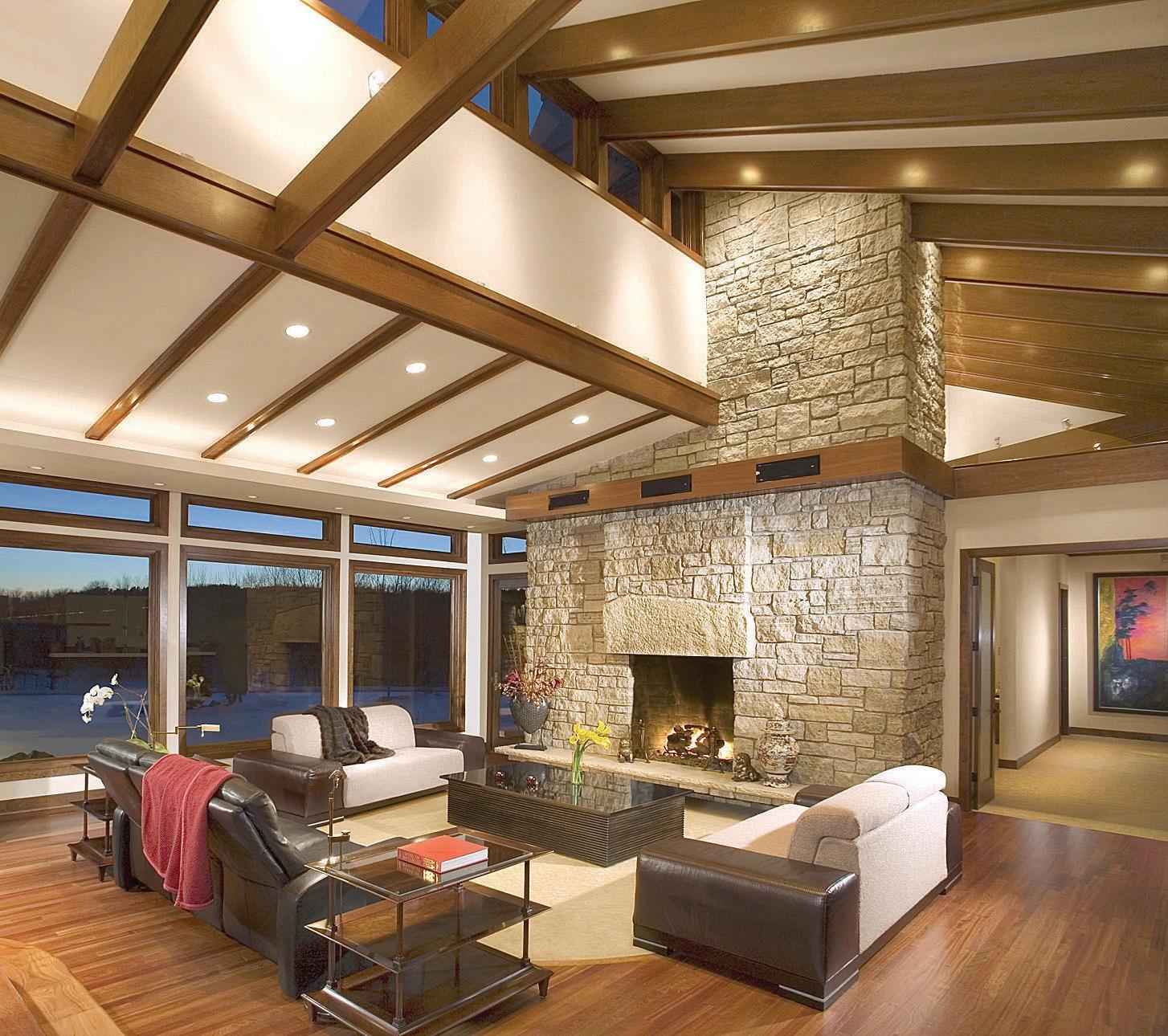









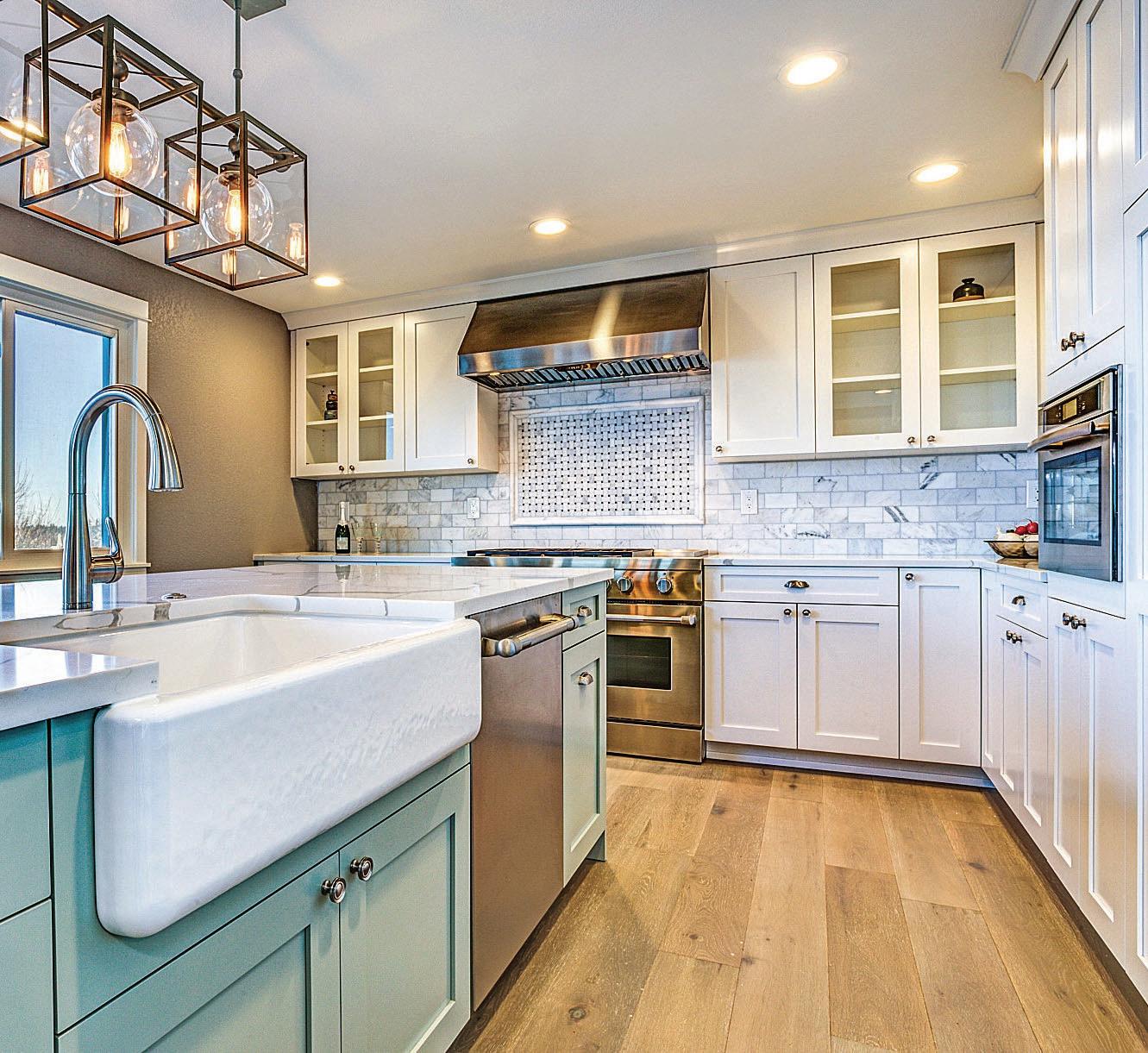
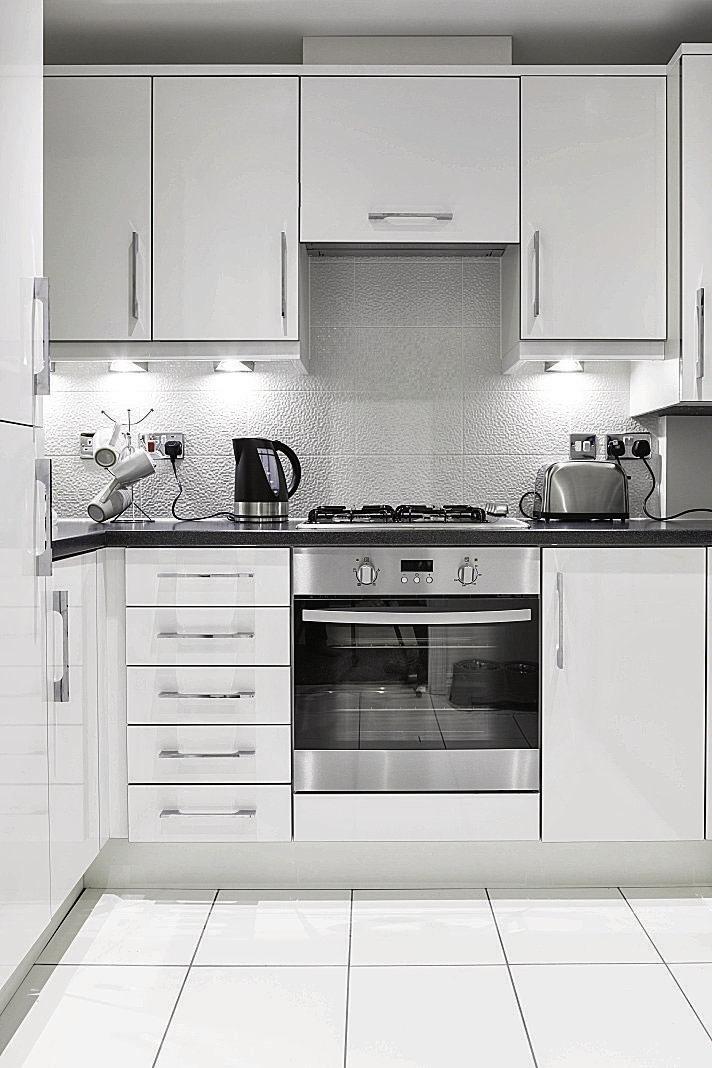
Kitchens have long been considered the most popular gathering spaces in a home. That popularity compels millions of homeowners to renovate their kitchens each year, and the return on those investments is often significant. A number of variables, including the value of neighboring homes and how quickly homeowners sell their homes after a renovation, affect the return on investment with a given project. According to Remodeling magazine’s “2021 Cost vs. Value Report,” homeowners recouped roughly 72 percent of their investment in a minor kitchen remodel at resale. That’s a sizable return that outperformed other popular upgrades, including vinyl siding replacement and wood deck additions.
When renovating kitchens, homeowners will have to consider various components within the room, including the floors. Average flooring costs can be hard to calculate because they depend so heavily on homeowners’ choice of materials. The following are some popular flooring materials that homeowners can consider as they plan to renovate their kitchens.
Vinyl flooring is popular thanks in large part to its cost. According to the home remodeling experts at HomeAdvisor, vinyl flooring installation is much less costly than other types of flooring. But its budget-friendliness is not the only benefit of vinyl flooring, which HGTV notes is









HomeAdvisor reports that the average cost to install porcelain or ceramic tile fl $885 and $2,994. That’s
less than the average cost to install stone or wood flooring. Porcelain or ceramic tiles can be slippery when they get wet, though HGTV notes that some porcelain flooring tiles have been certified as slip-resistant by the Americans with Disabilities Act.
wood when it comes to

aesthetic appeal. Hardwood can be especially suitable in homes with open-concept floor plans that already have hardwood floors in surrounding rooms. HomeAdvisor notes that hardwood flooring installation can be costly, which might make it a less realistic option for budget-conscious homeowners. According to HGTV, engineered wood
planks may be something to consider in the kitchen, as these are designed to be less susceptible to humidity and temperature. That’s an important component to consider in the kitchen, where temperatures can fluctuate while meals are being prepared.
Natural stone tile is another popular kitchen floor-

Manypeoplehavedifficulties gettingthingsorganized.You cangethelpcuttingtheclutter bycallingonFreshStartfor professionalhomeorganizing inPittsfieldandLenox,Massachusetts.We’ll workwithyoutofindasolutiontoyourchronic clutterproblems.Ourteamissensitivetothose dealingwithanxietyordepression,conditions whichoftencontributetochronicclutter.

ing material. HomeAdvisor traces that popularity to its wide variety of styles and price points, which make it a realistic option for homeowners working with budgets big and small. Stone tiles also provide a unique look because no two look the same, which might appeal to homeowners who want their kitchen floors to create a one-of-a-kind impression.
Pittsfield,MA•(413)464-5800•www.freshstartberkshire.com
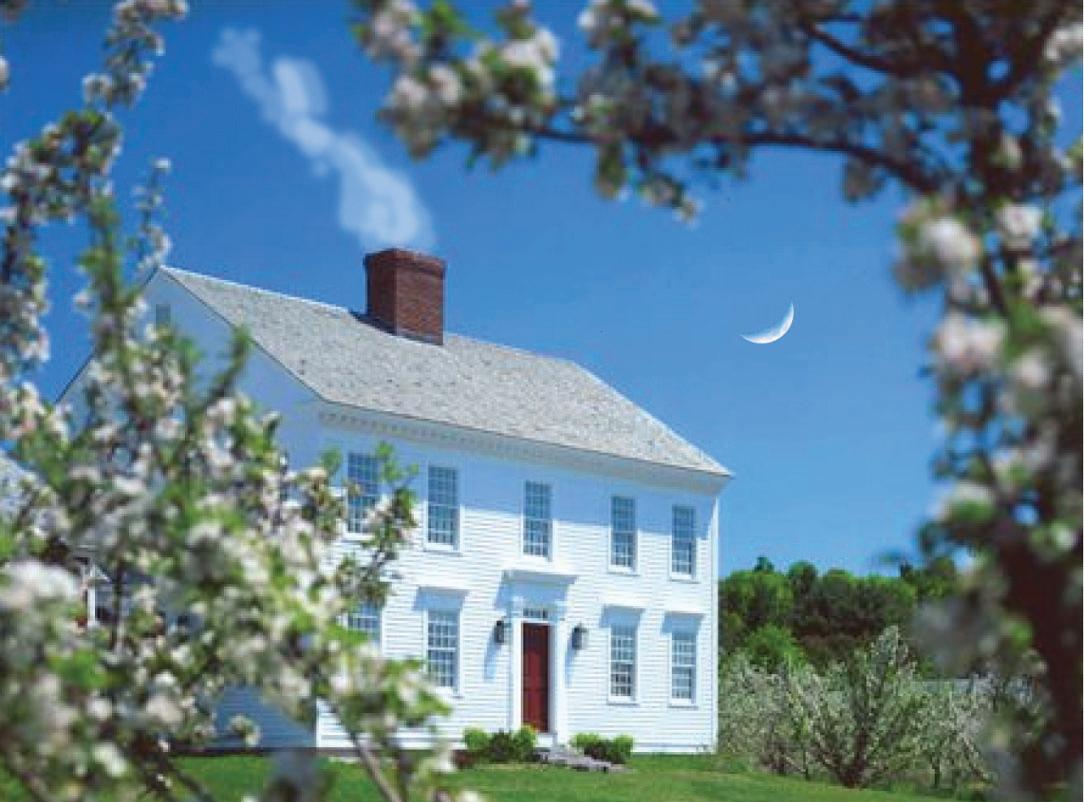



Home improvement projects require substantial financial investment. But just because a homeowner wants to bring a fresh look indoors doesn’t mean he or she has to break the bank along the way.
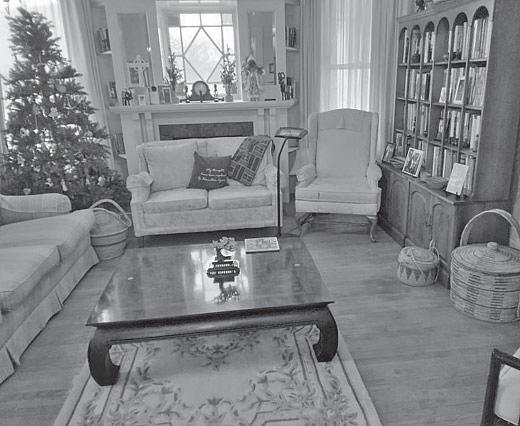
Living rooms are some of the most frequently used spaces in a home, and they can use an update from time to time to stay on trend or to make the area more functional for a changing family dynamic. Here are some budget-friendly ideas for breathing new life into living room designs.
ESTABLISH THE BUDGET
Homeowners should figure out how many dollars they can designate to a living room makeover before purchasing supplies or hiring




out the work. Figure out the scope of the remodel, visit stores or suppliers to price out materials, get estimates from contractors, and then plan for some unforseen circumstances along the way to determine if this type of renovation is affordable. If not, scale things back until the project more closely aligns with your budget.
CHANGE
Lighter and brighter colors are on trend. A can or two of paint can do wonders for updating a space without a large financial commitment. Pair that new paint color with new window coverings and complementary throw pillows to pull the theme together with minimal expense.








Tired, outdated carpeting or other flooring can use an overhaul. While solid hardwood flooring may be preferable, there are many types of laminate flooring that mimic the looks of popular wood colors and styles for a fraction of the cost. Plus, many are sold at home improvement retailers and even at warehouse clubs or online for reasonable prices. Laminate flooring also may be a potential DIY job for a skilled homeowner, saving even more money.
Fireplaces were once hot commodities, but that popularity waned in the 1970s and 1980s. Homeowners with chimneys may discover a









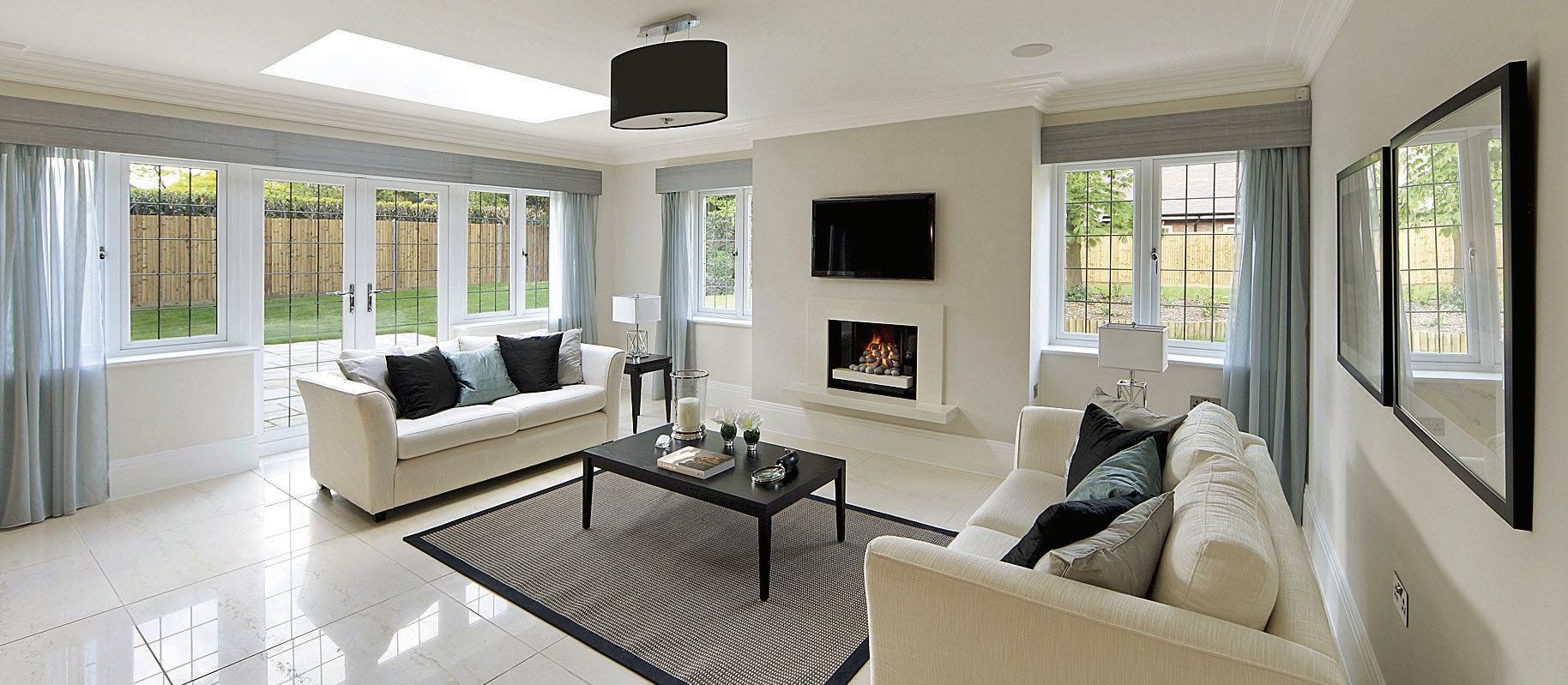
fireplace was boarded over and the bare bones still exist that can be renovated to bring back character. There also are ventless freestanding units that are quite affordable that can mimic the look of a built-in fireplace.
CONQUER CLUTTER
Rather than adding something to the living room, remove clutter to give the room a more airy feel. This can instantly change the look of the room. Use cord covers to tame plugs for electronics and remove unnecessary furniture from the room.
Another easy and often inexpensive fix is to change lighting fixtures, including using brighter, more energy efficient LED bulbs, and to assess lighting needs to eliminate dark corners of rooms that can make the space seem drab.
REUPHOLSTER INSTEAD OF REPLACE FURNITURE
There’s no need to throw away quality furniture if the fabric is the only thing impeding design. New upholstery or even a slipcover can update designs.





























The decision to replace windows often comes down to aesthetics and necessity. Drafty windows can reduce energy efficiency in a home, requiring HVAC systems to work harder to keep interiors comfortable. The harder the HVAC must work, the more homeowners will pay in energy costs.
Old windows also may be points of entry for water and insects. Despite the importance of windows, Money magazine advises that new windows make up only a fraction of the home’s total exterior “envelope,” resulting in only about 5 to 15 percent of total energy savings.
But there are still plenty of reasons to invest in new windows.
1. Vinyl or aluminum may be best. Lumber is farmed rather quickly today and solid wood products may not stand up to elements as well as wood used a half-century ago. To avoid rot, vinyl windows often are an affordable and durable choice. Homeowners also have the option of wood windows with aluminum cladding, which are long-lasting.
2. Moisture problems indicate windows need to be replaced. Condensation that shows up as fogging between double-pane windows or on the inside of windows indicates that the windows are starting to fail. If installing a vapor barrier in the base-
ment or crawl space, ventilating properly when showering or cooking, or using a dehumidifier indoors does not remedy the situation, it might be time to replace windows.
3. Windows add curb appeal. Beyond functionality, replacement windows immediately update the look of the home and can improve curb appeal since they are one of the most prominent features on the exterior of a home. If a house needs an update, replacing windows and can be a quick and affordable update.
4. Consider other energy-efficient upgrades. Sometimes older windows can be salvaged, especially if they are not damaged and only moderately drafty. Replacing panes, sash cords, weather stripping, and even glazing may be less expensive than replacing a window. Plus, older homes with attractive windows complement one another. To keep energy bills down, think about adding insulation to the attic and basement — which is a good idea even if you are replacing windows.
5. The wrong windows can adversely affect home value. The National Association of Realtors says homeowners get about 73 percent of their replacement window investment back when they resell a home. But choosing the wrong windows might lower the value of the home. It’s im-

portant to match the look of the original windows, including window material and the divided light pattern (the number of panes in each window) with the original windows.
6. Think about soundproofing, too. When upgrading windows, also think about how certain windows can cancel out noises and make homes more soundproof. Some windows can help reduce outdoor distractions like
leaf blowers or lawn mowers. 7. Proper installation is key to longevity. Replacement windows are only as good as their installation in many cases. Poor installation and orders of standard rather than custom sized windows could result in poor fitting and seals. Homeowners should carefully vet and review window replacement contractors to find the best professionals for the job.