
Fall Home Improvement



A special publication of The Berkshire Eagle Sunday, September 27, 2020
















































































Establ ish w i nter habitats for backya rd a n i ma ls
Animals and insects need some ex tra help staying comfor table when cool temperatures arrive. Leaving some clean-up tasks for the spring ensures that there are plent y of back yard habitats available to local wildlife.
Preparing a property for winter involves putting away lawn furniture, raking leaves and removing any annual plants that have shriveled up and spent the last of their energy It can be tempting to want to clean up completely and leave a blank slate in the yard. But by doing so, you may be robbing wildlife of the resources they need to overwinter
The nature and conservation resource In Habitat says plants and animals depend on one another to survive During the winter, animals may struggle to find adequate shelter and food, especially when there is a lack of sufficient plant matter available. In turn, these animals may actually take up home in people's residences, turning into pests in the process Bats, field mice and even opossums and raccoons may move indoors into attics or basements, leaving behind waste and damage if they can't find adequate shelter outdoors.
Homeowners concerned about potential pest infestations can take steps to ensure animals have
places to bed down and escape the cold in their yards this winter These tips can help local wildlife when the temperatures dip.
Leave par ts of the yard wild.
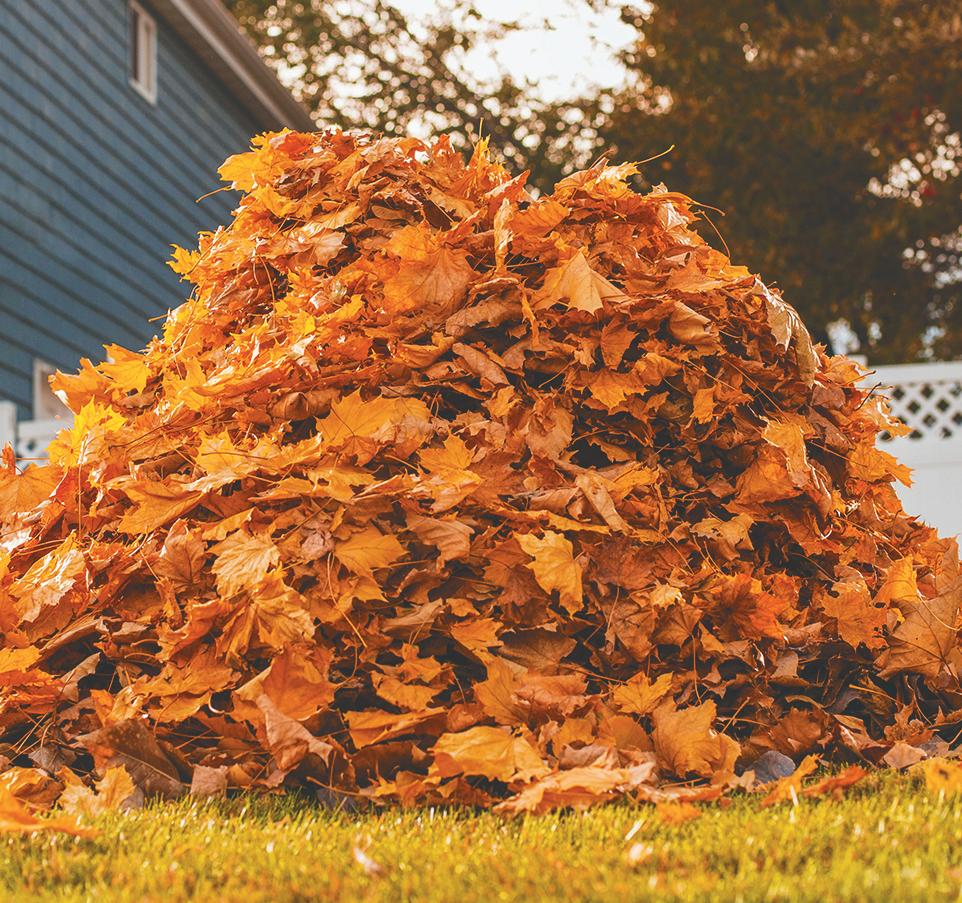
Animals can make a nest in leaves or piles of brushwood Just make sure piles left out are away from the home so curious critters don't try to get inside Leave the task of tidying up shrubs and garden borders until spring, as shrubs can be dense areas to hide for both insects and animals.
Consider planting animal food sources prior to winter.
Plants like elderberry, holly, mulberry, sumac, and crabapple will grow in colder months and animals can enjoy them as a vital food staple
Leave bird, squirrel or bat houses in the yard.
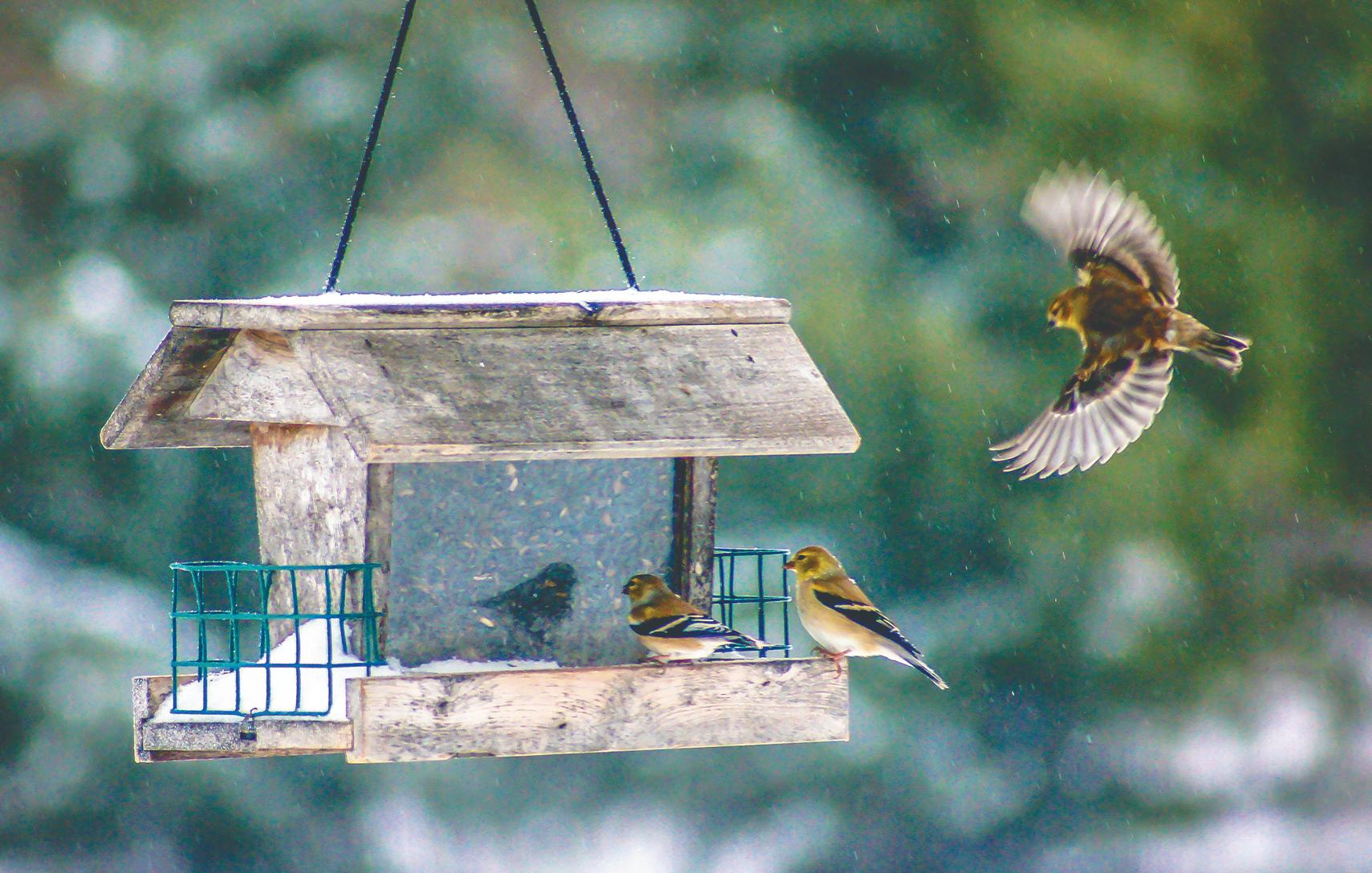
This is a fun and crafty project that can ward off winter boredom while also providing a safe place for local wildlife to shelter in winter
Don' t forget water sources.
Provide access to fresh water and replace as needed if the water freezes. For homeowners with fish ponds in their backyards, use a hot pot to melt a hole in the top of the pond and allow gases that have accumulated underneath to escape This allows oxygen to reach fish and frogs in the pond
Sa fe a nd e ective ways to clea n up leaves
Raking leaves can be quite a chore. It is impor tant that homeowners take steps to prevent injur y while cleaning up leaves in their yards.
Removing leaves from the yard is a task that homeowners must perform each fall Thousands upon thousands of leaves can drop from a single tree. Multiply that by the number of trees on a property, and it s no surprise the task of leaf cleanup can seem so daunting Furthermore, not all leaves
are shed at the same time, so several cleanup sessions may be necessary before the last leaf is banished from the yard.
Just like removing snow, leaf cleanup can be a taxing job if done by hand. For people unaccustomed to exercise, cleaning up leaves can turn into quite
The value of mulched leaves
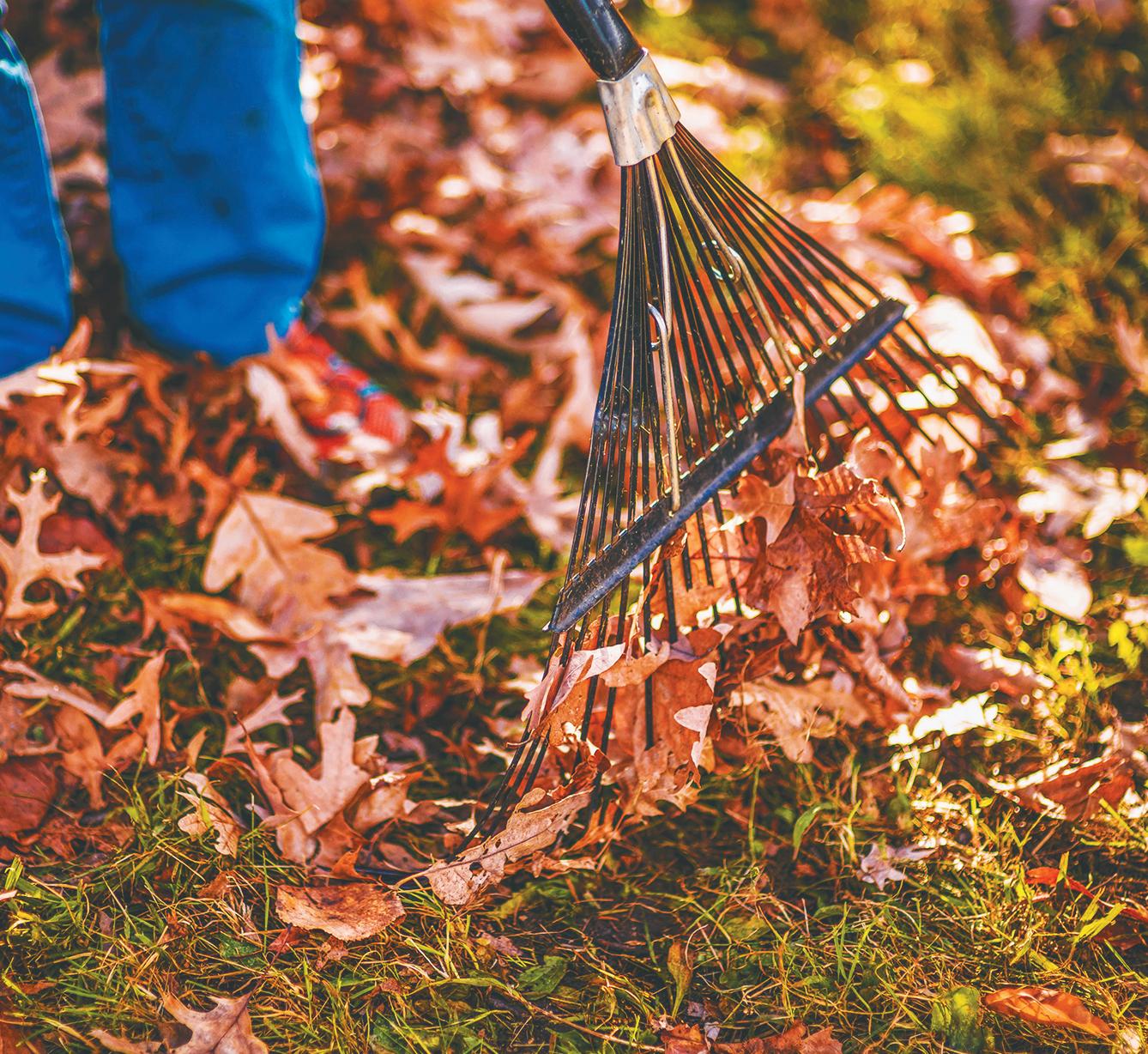
Homeowners who don't look forward to dusting off their rakes each fall might be happy to learn that mulching fallen leaves with a mower may be a healthier and less labor intensive way to confront a yard covered in leaves. For 20 years, turfgrass specialists at Michigan State University studied how lawns reacted to having ground up leaves left on the lawn and the results were overwhelmingly positive. Researchers found that tiny pieces of mulched leaves eventually sifted down through the turf and provided the lawn with essential nutrients Mulched leaves also served to control future weed growth by covering up bare spots between turf plants Such spots typically provided openings for weed seeds to germinate and ultimately infect lawns In fact, researchers found that mulching leaves for just three years could produce a nearly 100 percent decrease in dandelion and crabgrass growth. Homeowners with mulching mowers that also have bags can even help their gardens by alternating using the mower with and without the bag on once leaves begin to fall When mowing with the bag on, mulched leaves can then be used as mulch in landscape beds and vegetable gardens
a workout According to the Discovery Health Calorie Counter, raking leaves for one hour can burn nearly 292 calories. Shoulders and arms will feel the burn. Raking leaves is considered moderate physical activity, similar to brisk walking Those who find themselves straining or out of breath should take a break, and these tips also make the job safer and easier
Wear layers when cleaning up leaves.
It may be cool at first, but it's easy to work up a sweat after raking for awhile Layers can be peeled off so as not to get overheated or risk hypothermia from sweating in chilly temps
Pay attention to your posture while raking.
James Weinstein, chairman of the Department of Orthopedics at Dartmouth Medical School, recommends forming a wide base with the feet and
holding the rake slightly toward the end of the handle with one hand threequarters of the way down the handle from the other. Do not twist the spine; move your entire body. Avoid overuse of muscles on one side of the body by switching sides periodically
Don’t tr y
to rake or blow leaves on windy days.
Wind will only make the task that much more difficult, which could lead to overworking oneself.
Avoid over filling bags.
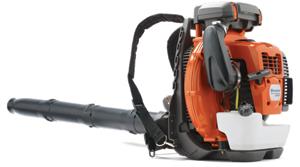
For those who plan to mulch and bag leaves, remember that compressed leaves can get heavy pretty quickly Do not over-fill bags, as they can be hard to move or bring to a recycling center. Using a leaf blower to push leaves into piles will reduce the strenuousness of the task, but leaf blowers can be heavy and noisy and gas-powered blowers can produce a considerable amount of exhaust






How to recog n i ze when you ca n stop mow i ng
Each weekend in spring, summer and fall, millions of homeowners fire up their mowers and cut the grass in their yards A few hours spent mowing the lawn can be a great time to get some sun and some exercise in the great outdoors.
As fall gradually transitions to winter, homeowners may wonder when to stop mowing their lawns Each lawn is different, and when to stop mowing may depend on a host of factors, including local climate and the type of turf. In addition to climate and turf, homeowners can keep an eye on these conditions to determine when the time is right to put their mowers away for the winter
Frost
Warm-season grasses typically go dormant after a couple of significant frosts Homeowners can jot down each frost during fall Frosts are most noticeable in the early morning hours, so be sure to check lawn conditions each morning as the weather begins to grow cold Frost may be noticeable without even going outside, but homeowners may need to go outside to check on chilly mornings or
on days when the previous night was especially cold If you must go outside, stay off the grass to protect it
Two or three frosts might be enough to make warm-season grasses go dormant for the winter. Cool-season grasses may keep growing and require moving even after a few frosts, so it's imperative that homeowners
determine which type of grass is in their yards
Soil temperature
If it's hard to determine if frosts have occurred, homeowners can try checking the temperature of their soil to decide if they need to keep mowing

The lawn care experts at Pennington recommend homeowners continue mowing warm-season grasses so long as they keep growing Lawns may not grow as quickly in fall as they do in spring or summer, and growth may not be as visible to the naked eye during this time of year as it is in other times Homeowners can routinely check soil temperature to determine if their grasses have stopped growing Warm-season grasses tend to stop growing once the soil temperature is consistently at 55 F or below, while cool-season grasses tend to stop when temperatures are 45 F or lower
Falling leaves have long been a barometer used by homeowners to determine if they need to keep mowing their lawns. That's not necessarily a reliable metric, as grass can still keep growing even if leaves have been falling for weeks In addition, using a mulching mower when leaves begin falling is a great way to provide the lawn with nutrients it can use throughout the winter. Some trees shed their leaves more quickly than others, but it's a good rule of thumb that lawns will need to keep being mowed if trees are still retaining more than half their leaves

METRO CREATIVE
T y pes of home i nsu lat ion a nd where to i nsta l l them


Homeowners
considering upgrading their insulation or amending existing insulation should do their homework on the t ype of insulation that will be most e ective for their homes.
When thinking about renovating their homes, homeowners may imagine changing wall colors, expanding room sizes or upgrading appliances and fixtures. However, unless people take inventory of the less glamourous components of the home, such as structure, plumbing, heating and cooling, and insulation, other improvements may be for naught
A home insulation project certainly doesn't offer the wow factor of a kitchen remodel, but insulation serves a vital function in the house that helps keep people comfortable and reduces energy consumption Insulation is typically placed in areas where air escapes, such as between the stud cavities inside the walls and in the attic, and serves to slow and reduce heat transfer
The U S Department of Energy says between 50 and 70 percent of the energy used in homes is for heating and cooling. By improving home insulation, homeowners can make their homes more comfortable, consistent and efficient In fact, the ENERGY STAR program overseen by the U S Environmental Protection Agency says homeowners stand to save an average of 15 percent on heating and cooling costs by adding prop-

er insulation. To do so, homeowners can take a crash course in home insulation and find the products that fit their needs
Blanket batts and rolls
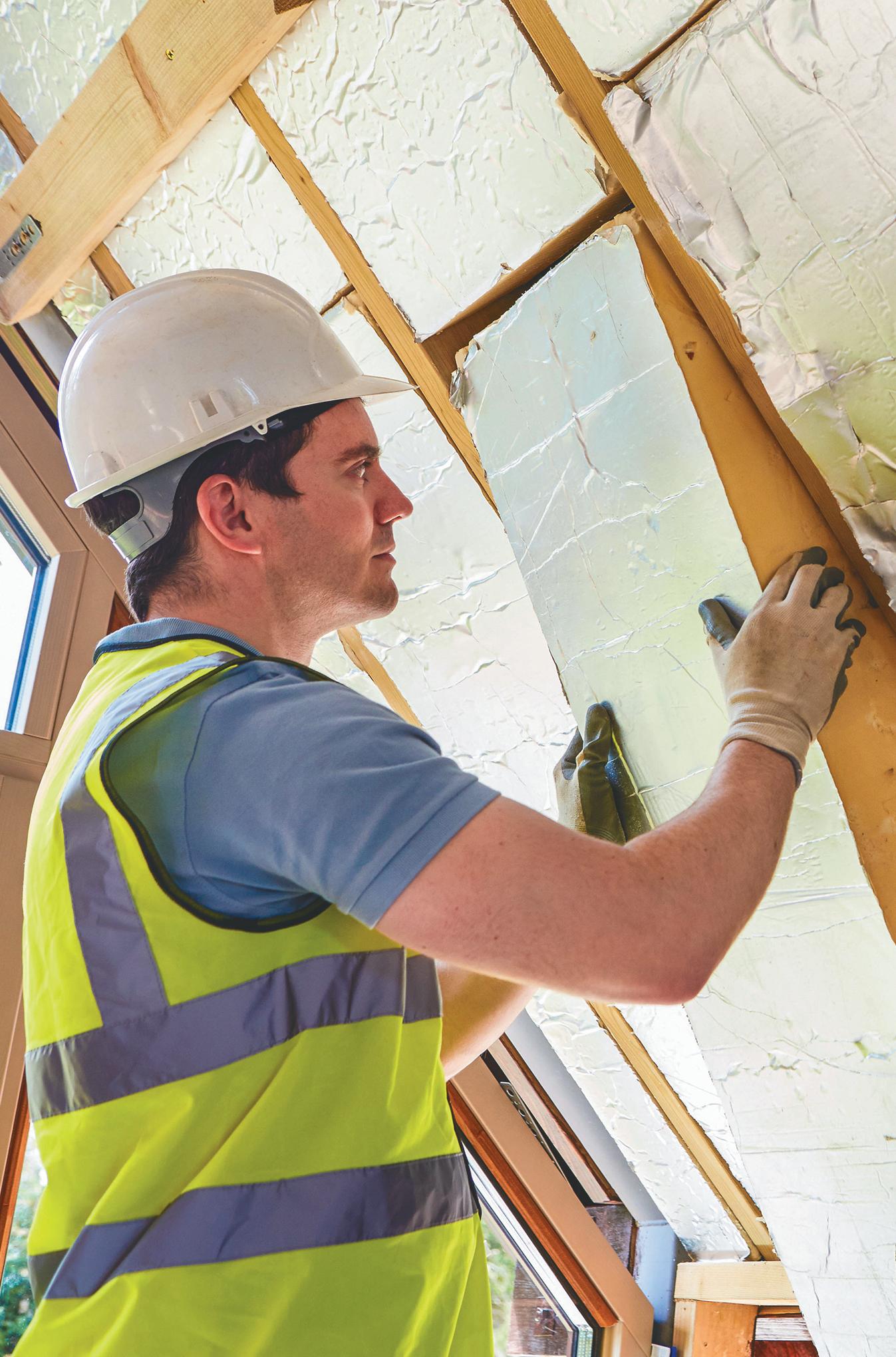
Blanket batts and rolls typically are constructed with fiberglass, so proper safety gear, such as a mask and gloves, is needed when handling them Installing this type of insulation is relatively easy since the materials are designed to fit the standard width between studs, rafters and floor joists.
Loose fill
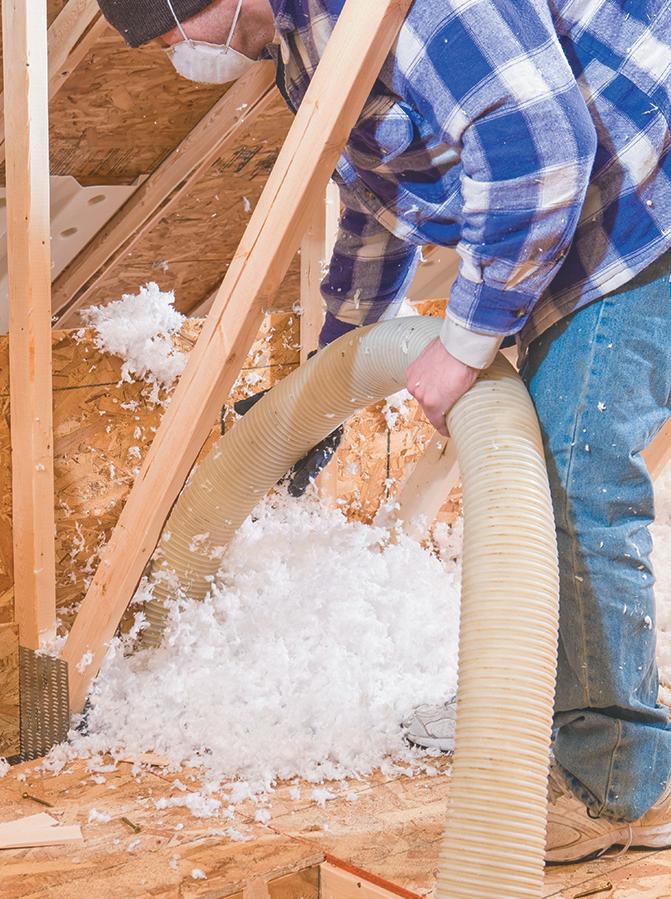
Loose fill is usually made of fiberglass or cellulose (recycled paper fiber) It is blown or sprayed into place with pneumatic equipment, according to The Home Depot. Loose fill can be ideal for hard-to-reach areas in attics or inside wall cavities. It's good for adding insulation to irregularly shaped areas Since it requires special equipment, this is a job best left to professionals
Sprayed foam
Sprayed foam is just as the name implies, a foam made from polyurethane, polyisocyanurate, cementitious, or other materials that are applied by a spray container DIYers who need only small applications can use canned products . Large quantities are pressure-sprayed by professionals.
Foam board/rigid foam panels
Ideal for unfinished walls, such as basement or foundation walls, floors and ceilings, these are boards of polyurethane or polystyrene Foam boards tend to reduce energy consumption more effectively than other types of insulation

Understanding R-Values
Insulation recommendations are based on certain factors that coordinate with regional climate zones to increase energy e ciency These factors are known as R-values The R in R-value stands for "resistance," and refers to how certain products resist the flow of heat through walls, floors and ceilings Products should reduce heat escape so heat is kept on the right side of the wall In summer this means outdoors, in winter it means indoors R-values relate not only to insulation, but also to walls, windows and other barriers R-values also coordinate to the type, thickness and density of the material being used The higher the R-value, the more resistant to heat the product is The U S Department of Energy coordinates R-value to climate zones 1 through 7 (1: Tip of Florida; 7: Canadian border) A higher R-value is needed in Zone 7 and a lower R-value is necessary in Zone 1 Those embarking on home improvement projects that involve choosing between R-values are urged to speak with a professional or to visit the Department of Energy website (www energy gov) to determine which R-Value is ideal for their homes
























Sig ns you r g utters a re i n need of repa i r
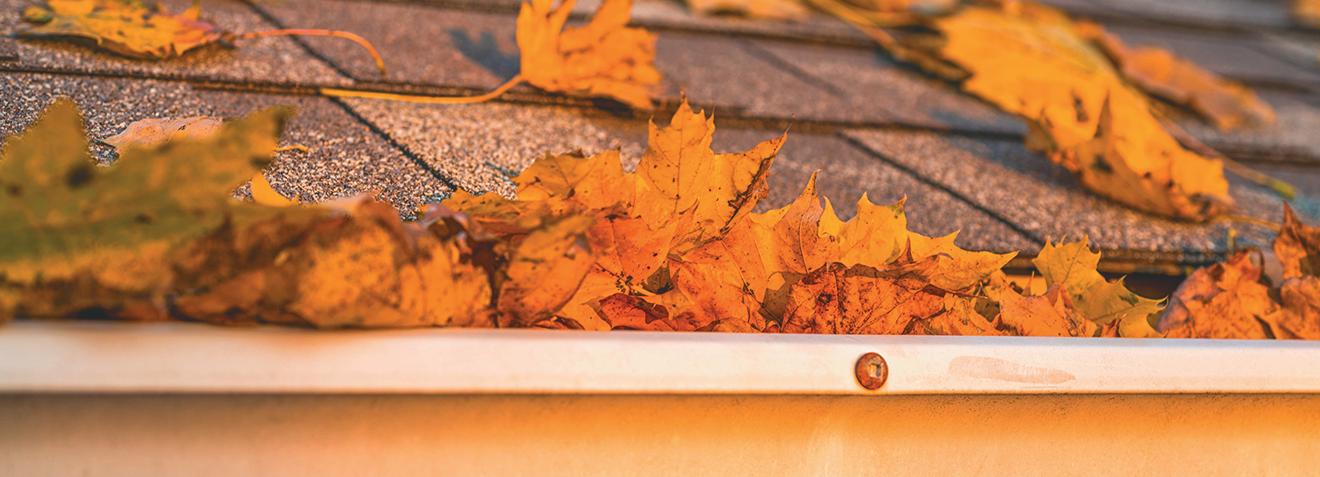
Fall is an ideal time to inspect gut ters and have any issues fixed before leaves begin to fall or harsh winter weather arrives.
Fall is a great time to tackle projects around the house The weather each fall allows homeowners to make improvements to their homes exteriors without worrying about extreme heat or cold, while interior projects like painting are made easier because homeowners can open the windows to allow for proper ventilation
Fall also marks a great time to prepare for upcoming projects that can make winter work that much easier. For example, fall is a great time to take stock of your gutters so you can address any issues before leaves begin to fall or the first snowstorm touches down. Compromised gutters can contribute to water issues in basements and adversely affect a home's founda-



tion if not addressed immediately, so it behooves homeowners to learn the signs that gutters are in need of repair or replacement
Gutters hanging o the home
Gutters were once installed predominantly with spikes. However, many industry professionals now install gutters with hanger brackets. Why the change? Spikes loosen over time, leading to the gutters hanging off the home That can contribute to serious issues if left untreated Gutters hanging off the home need not necessarily be replaced, but rather secured to the home, ideally with hanger brackets instead of spikes Brackets hook into the front of the gutter and are then screwed into the fascia of a home A professional who specializes in gutter repair can perform this task relatively quickly, and it's an inexpensive yet highly effective solution.
Gutter separation
Gutters that are no longer fastened together can leak and contribute to is-
sues that affect the home s foundation, siding and appearance. Clogs and the accumulation of debris can cause gutters to separate because they are not designed to hold too much weight Replacement of separated gutters may or may not be necessary depending on how big the problem is and the condition of the existing gutters. If replacement is not necessary, separated gutters may be remedied by securing the joints, another relatively simple and inexpensive fix
Peeling ex terior paint
Paint that appears to be peeling off of your home may indicate that water
is seeping over the edge of the gutter closest to your home. When that happens, water is coming down the side of the house, causing the paint to peel In such instances, replacing the gutters is often necessary
Basement flooding
Not all signs of deteriorating gutters are outside a home Many a homeowner has been flummoxed by flooding in their basements, and such flooding can be caused by aging, ineffective gutters. That's because deteriorating gutters sometimes allow water to leak near the foundation of a home, contributing to basement flooding

























Si mple ways to i mprove a k itchen pa nt
A pantr y remodel can add valuable storage space and make one of the busiest rooms in the house operate more e ciently.
People have been spending more time at home in 2020 than in years past, and certain projects around the house have become a priority. One home improvement idea that serves the double benefit of creating organization and making cooking at home more efficient is to reimagine the kitchen pantry.
A pantry is a room or closet where food, beverages and linens or dishes are stored Pantries can be highly useful spaces that provide ancillary storage in kitchens Many modern homes are equipped with pantries, but older homes may require some modification to create more useful pantries. Whether starting from scratch or modifying an existing pantry, these tips can help projects go more smoothly
Maximize ver tical storage.
Utilizing vertical areas can help increase storage capacity. Build in extra nooks by investing in undershelf storage baskets. These baskets can instantly create designated areas for different types of ingredients Homeowners also can look for ways to use the inside of cabinet doors or add extra shelves on walls or in eaves.
Consider your needs.
Figure out which items you would like to store in the pantry and then shop for corresponding storage systems. For example, storage solutions may feature wine bottle racks, baskets for potatoes and other produce, shelving for small appliances, and even pull out racks for baking pans or cutting boards
Make it accessible.
Think about who will be taking items from the pantry Put children’s snacks on the bottom pantry

shelf where they can reach them, and then organize other shelves for adults in the home
Use clear storage.
Put ingredients in clear, airtight containers of similar dimensions so that you can easily find items you need Transfer bulky items, like cereals and baking supplies, to storage containers for uniformity
Store bulk items elsewhere.
Bulk shopping can be cost-efficient, but bulk items can quickly eat up real estate in the pantry. Designate another area for non-perishable bulk products, like paper goods or canned items, such as in a garage or utility room
Pull out drawers are convenient.
Pull-out drawers can reduce the need to seek and reach for items These drawers conveniently roll out so items in the back can be accessed without disturbing foods in the front. Drawers can be custom built for any pantry space









































Lau nd r y room renovat ions
you’l l love
Updating laundr y rooms can be a great way to make doing laundr y more enjoyable and e cient.
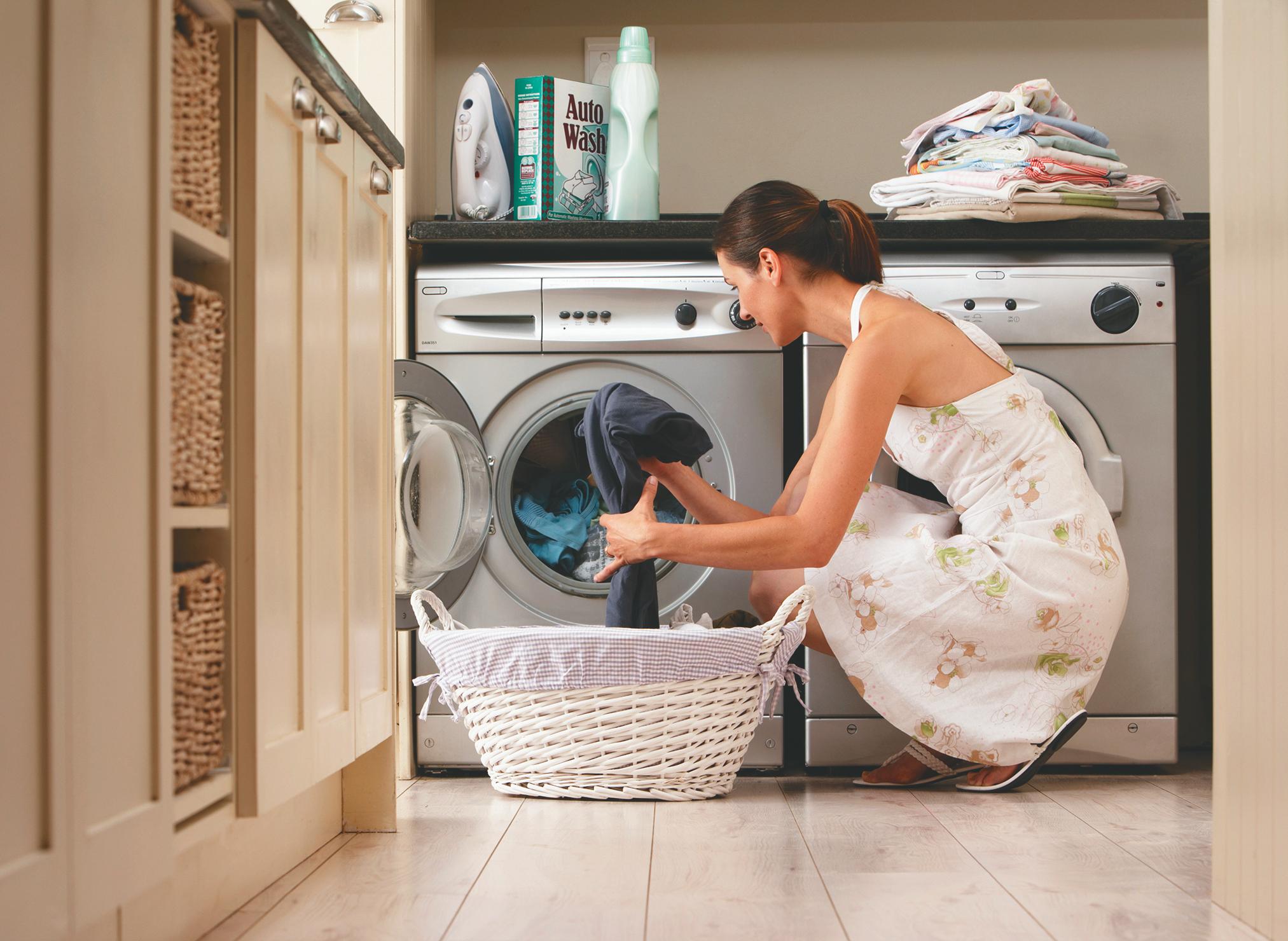
Does it seem like your hamper is always full and the washing machine is running constantly? You may not be imagining it Laundry Butler for You, a wash, dry and fold service, says the average household washes 50 pounds of laundry a week and 6,000 articles of clothing every year Families with children at home are doing laundry most often, and those with pets may find there is ample laundry to wash as well
With so much laundry being generated, homeowners may want to consider paying extra attention to the space in the house where their clothing is being cleansed Laundry room renovations may not top homeowners’ priority lists, but it may be time to give these rooms another look.
A ssess your equipment
If your appliances are aging, a laundry room renovation can start with an investment in new appliances. New models have large capacity loads, tend to be energy-efficient and could have innovative features that help fit with your laundry lifestyle Purchasing front-loading models also can free up design space, as you can install a counter directly above the units, saving room for other items like drying racks.
Figure out your room needs
A laundry room need not be limited to laundry only Many homeowners make large laundry rooms catch-all spaces that can serve as utility or mud rooms, pantry overflows, or off-season storage areas. Consider the functions you want the room to
serve and include those ideas in your designs
Add some natural light
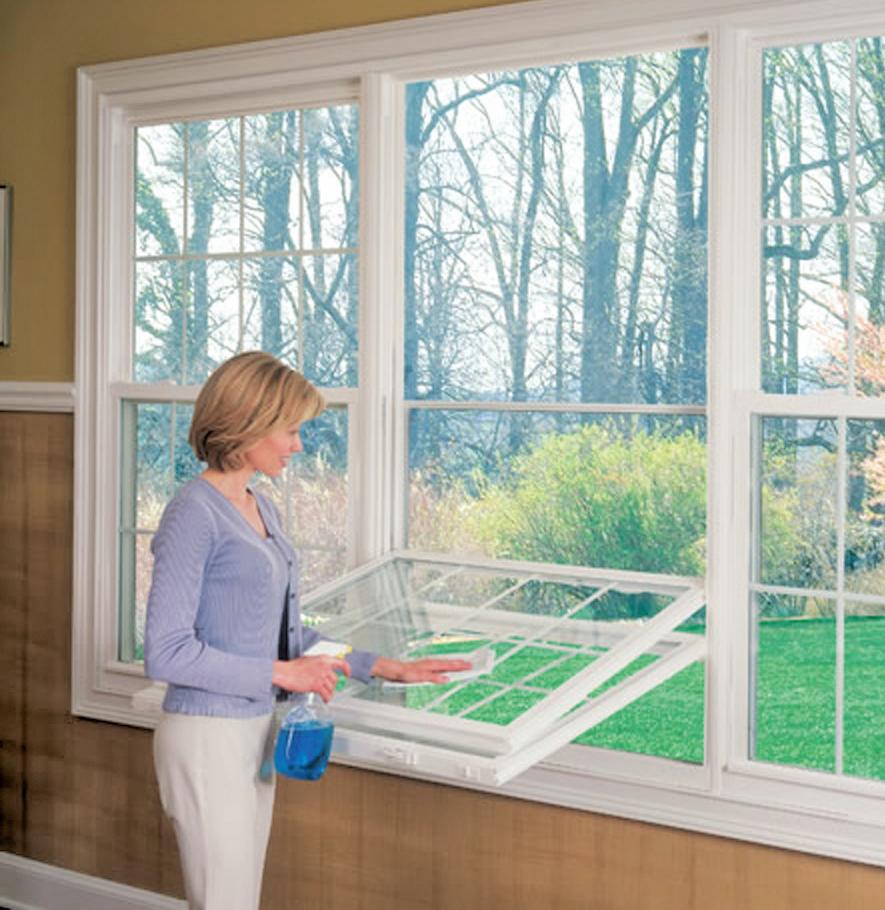
If possible, include a window in your laundry room Natural light can help make the room more enjoyable It also can help you identify stains on clothes that need to be addressed and make it easier to fold matching items like socks.
Think about a utilit y sink
Many washing machines drain out directly to waste pipes in the floor or wall, but you also can opt to have them empty into a utility sink This sink also provides a convenient place to handwash items, clean tools or paintbrushes, or store items that perhaps you do not want to bring into a bathroom or kitchen sink
Include some flair
This utilitarian space need not be boring or bereft of design elements. Mirror your home’s style in the laundry room, and include wall hangings, plants, accent items, and even task lighting Play up certain features with a bold floor tile or brightly colored walls.





SNOW IS COMING Don’twaittill it st oo late!
Wecan repairyour driveway bef orethe snow flies&takecare of allyour snowremoval needs!Call todayf or a free estimate! DEPENDABLE, AFFORDA BLE,INSURED
P revent pet-related da mage to the house
Pets can cause damage around the house. But cer tain strategies can help decrease the likelihood that pets cause damage around the house.
The benefits of having a pet are innumerable Pets can be companions, protectors, service animals, and even help produce products that can be sold, such as eggs from chickens. While there are many positive attributes to pets, one potential concern is the impact they have on the home Pet-related damage can occur when pets are angry or happy Boisterous animals may scratch or claw at furniture and floors. Some animals may climb or chew. Woodwork and furniture can be damaged by pet paws and teeth, but that's not where it ends The following are some potential pet-damage problems and how to avoid them
Marking
Many animals use scent markers to establish their territory and communicate with other animals As a result, both male and female pets may spray urine in certain areas of the house While it may not eliminate the problem immediately, making sure to neuter or spay cats and dogs can reduce the likelihood that they'll mark indoors or attempt to seek out and mate with feral animals they smell canvassing the property
Accidents
In addition to marking, pets that have not been properly trained or were trained and are experiencing a behavioral or medical issue may begin soiling in improper areas, such as outside of the litter box or in the home. Obedience training can head off some issues, but if a medical condition is suspected, consult with a veterinarian promptly
Dir t, fur and more
An investment in regular grooming can help keep certain damage at bay, states Home Advisor. Regularly brushing and trimming coats, keeping nails clipped and bathing

will keep a home fresh and minimize damage Other pets may not be groomed but require cleaning of cages or other habitats Bird droppings and feathers can get on surfaces. Cleaning daily or very frequently can help keep a home tidy
Provide toys and scratching posts
Pets need an outlet to tame anxiety and energy If they don't have suitable outlets, pets may cause damage to a home. Cats will take to furniture to stretch their paws if they don't have scratching posts or special mats Dogs, particularly puppies, can be orally fixated When the urge to chew sets in, unless there are appropriate chew toys, furniture, moldings and other items around the house may become fair game.
It is important to note that declawing a cat to prevent damage should not be a consideration It is a surgery

E scape ar tists
In some cases, pets may chew or scratch their way through doors and window screens Others may dig un-

der fencing or climb, leaving damage in their wake Boredom, anxiety or lack of training may be behind these behaviors, according to Pets Weekly However, the urge to roam also may be tied to pets not being fixed. Work with the vet or a trainer to help stop these issues



that can cause ongoing health problems Nail caps can be used as a safe alternative
METRO CREATIVE
How to protect k ids by secu r i ng f u r n it u re a nd T Vs

Parents go to great lengths to protect their children Much of those efforts may be directed at potential threats outside the home, but it's equally important that parents prioritize safety inside their homes as well
According to the Consumer Product Safety Commission, a child in the United States is injured in a television or furniture tip-over incident about 43 minutes Tip-over incidents are preventable, and the CPSC offers the following tips to protect children
Use sturdy furniture.
When choosing furniture to hold a television, be sure to read product descriptions to ensure you're only buying furniture designed to hold a television Items described as "television stands" or "media centers" are designed to hold televisions, but size and weight restrictions also must be considered when buying such products TV stands and media centers are only safe if they are designed to hold televisions that are the size of your TV.
Secure the television.
The CPSC recommends that all televisions be secured by mounting or anchoring them to the wall Properly mounted televisions likely won't come off the wall no matter how curious kids are, but no item should be lower than 27 inches from the ground Par-
ents who can't or don't want to mount their televisions can purchases anchoring kits, which the CPSC notes cost as little as $5 and take as few as five minutes to install Parents hesitant to do the job themselves can have televisions mounted or anchored by professional installers for a nominal fee Many electronics retailers offer installation services as well
Secure top -heav y furniture.
Top-heavy furniture also should be secured to prevent tip-overs Anti-tip brackets are inexpensive and can be used to secure dressers, bookshelves and other pieces that pose a threat to curious youngsters Anchoring furniture secures items to the wall, and the CPSC notes that a lot of newly built furniture is sold with anti-tip devices These devices should be installed immediately so children are safe from the moment a new piece is brought into the home
Remove tempting objects.
Curious kids may try to climb furniture if they see toys, remote controls or other enticing items on top of televisions, dressers or bookshelves. Keep such items low or stored in low drawers to remove the temptation to climb
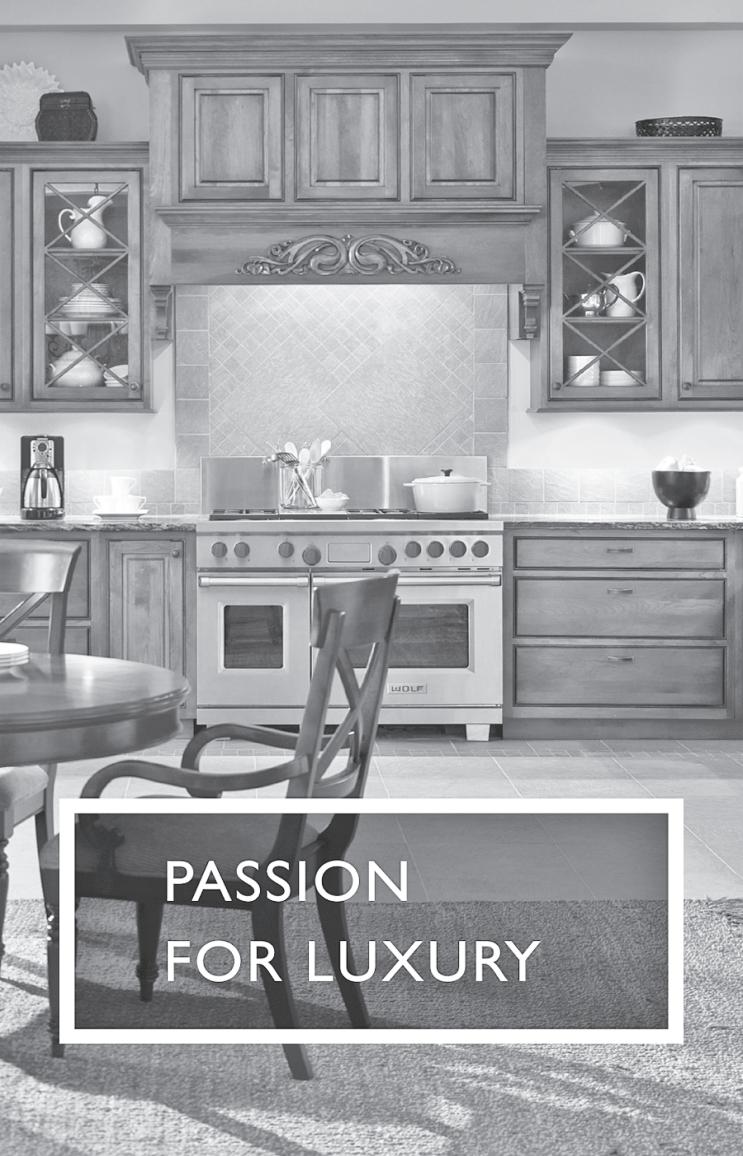

Bringdreamsto realityandvisionstolifewith Omega. Transformyourhomefromever ydayto dramatic with endlessoppor tunitiesand lasting beauty.
Custom optionscombinedwithfashionablefinishes pose intuitivesolutionsholdinginfinitepossibilities.
Andthe personaltouch of handcraf ted qualityputs built-inconfidenceintoever y piece of cabinetry. LiveyourdesiresandtrustyourdreamstoOmega
MondaythruFriday 8-5 •Saturday 9-5

SCOTT’SCARPETONE®
1571 EastStreet,Pit t sfield,MA01201
Phone(413)443-7434
Fax(413)447-1927
omegacabinets.com


METRO CREATIVE
Home o ce must-haves
Home
o ce
capabilities became a big priorit y in 2020. Designing such spaces can be fun and easy.
Remote work has been around for many years, though it certainly picked up steam in 2020 In an effort to prevent the spread of the novel coronavirus COVID-19, in March 2020 government officials implemented stay-at-home measures that mandated many working professionals to begin working from home That transition occurred seemingly overnight, forcing men and women to find somewhere in their homes to work. As the dust settled and working professionals grew accustomed to working from home, many recognized the need to have an office in their homes Various factors can make home offices more conducive to getting work done, and the following are some home office must-haves that can help people be more productive while working from home
Lighting
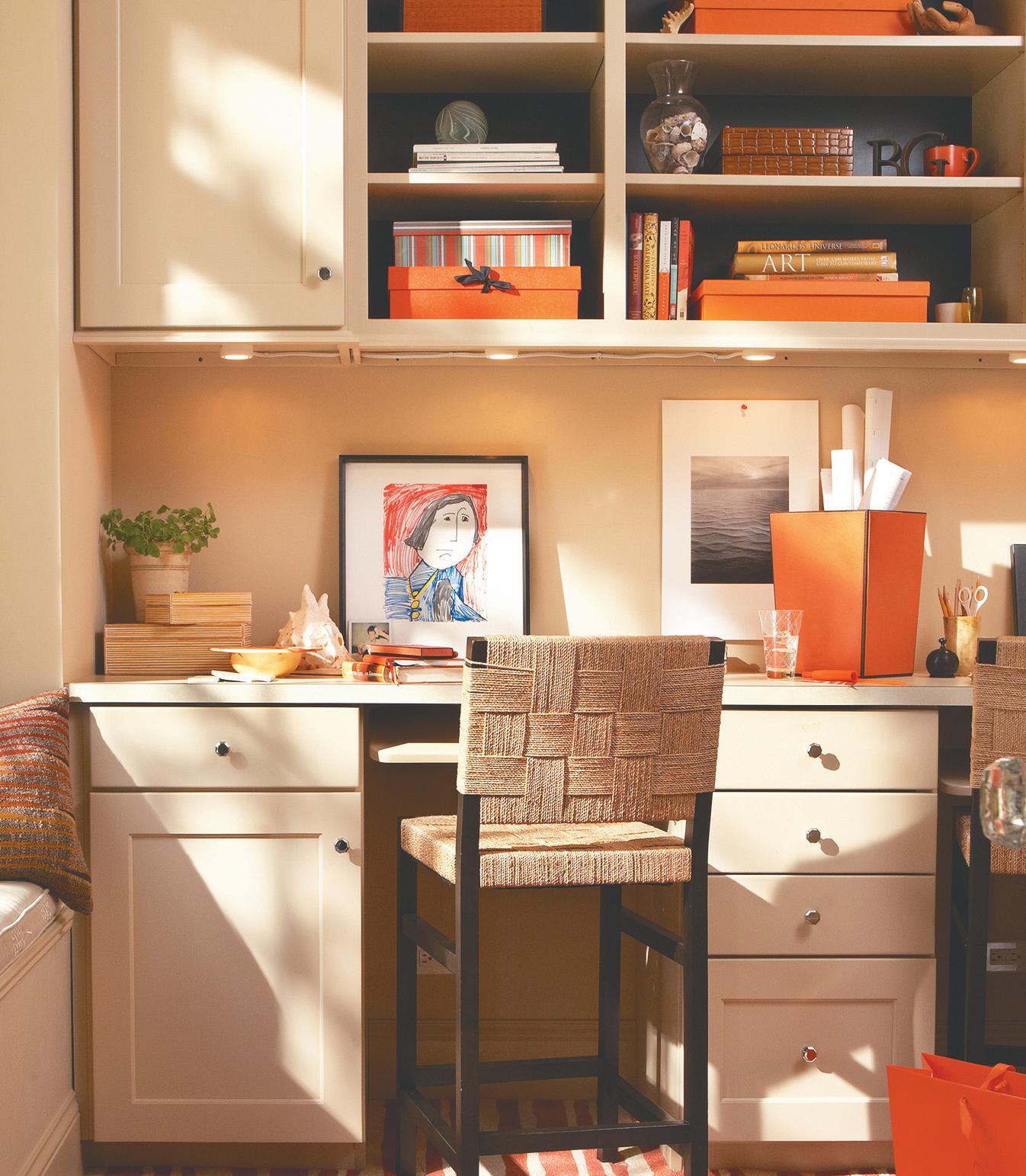
Lighting is important in a home office. It's easy to overlook natural light, especially for workers who previously worked in offices that did not have windows But natural light can help save on energy costs and boost mood In fact, natural light is a valued commodity for people used to working in office settings. A 2018 survey of more than 1,600 workers conducted by the human resources advisory firm Future Workplace found that access to natural light and views of the outdoors were the most sought after attribute of a workplace environment In addition, 47 percent of workers surveyed

admitted they felt tired or very tired from the absence of natural light or a window at their office When designing their home offices, homeowners should keep this in mind and choose areas of their homes that get ample natural light during a typical workday Additional lighting also will be necessary Recessed lighting can give an office a sleek look, and lights that can dim can allow workers to adjust their lighting based on how much they need at any given point in the workday.
Quiet
Professionals forced to work at home when social distancing measures were implemented may not have had much quiet, especially for those with young children whose schools were closed But when designing a home office, homeowners have the chance to make their offices more conducive to concentration Soundproofing walls may not be necessary, but look for areas of the home that don't get much foot traffic. Kitchens are very popular rooms in many homes, so try to locate your home office away from the kitchen A spare bedroom upstairs may make for the most ideal home office setting if the home does not have a traditional den. Spare bedrooms come with doors, which can instantly create a sense of quiet when closed A converted garage also can make for a useful home office, but make sure the room already has cooling and heating and, ideally, windows.
Electrical outlets
Recently built homes tend to be equipped with enough outlets to accommodate our increasingly connected lifestyles. But older homes may need some electrical updates before they can capably accommodate home offices When updating your electrical, replace existing outlets and fix-
tures with energy-efficient LED fixtures, which save money and benefit the environment Before updating the electrical, decide on how you want the office to be laid out so you can have outlets installed where your computer, devices and other items, like a printer and television, will be. This makes it easy to hide cords and give the office a clean, professional look











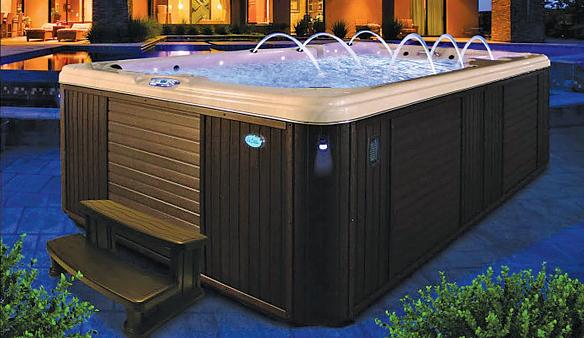
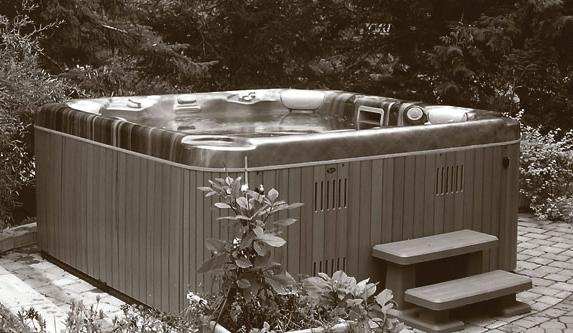



Oregon Pride provides both classic styling and natural beauty.With a subtle wood grain appearance,wide coloroffering and ahuge selectionof pro lestochoosefrom, Oregon Pride is the perfectchoice for anyhome.