

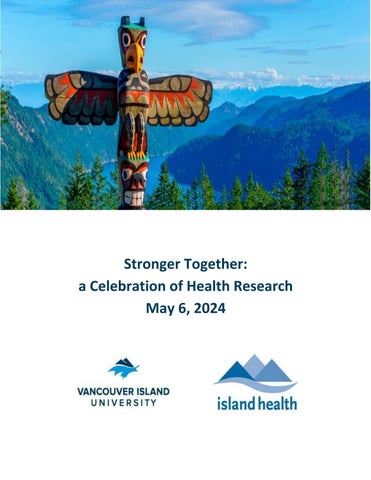
Stronger Together: a Celebration of Health Research May 6, 2024
May 6th, 2024 9:30 AM (doors open), 10:00 AM (programming begins) to 4:00 PM Vancouver Island University, 900 Fifth Street, Nanaimo, Building 300 (Main Cafeteria), Room 401 (Royal Arbutus Room)
Time
Session description
09:30-10:00 Check in with coffee and light breakfast /networking
10:00-10:05 Elder Welcome, Auntie Stella
10:05-10:10 Opening Remarks and Welcome, Michael Quinn
10:10-10:20 VIU: Health Research Strategy and Goals, Nicole Vaugeois
10:20-10:30 Island Health Research: Health Research Strategy and Goals North Island Research and Innovation Hub, Cindy Trytten and Max Jajszczok
10:30-10:40 Questions, brief discussion
10:40-10:50 Stretch and bio break
10:50-12:05 6 Research Presentations
12:05-12:15 Stretch and bio break
12:15-1:30 6 Research Presentations
1:30-2:30 LUNCH and TOUR of the Centre for Trauma and Mental Health Research
2:30-2:45 Health Research BC Strategy and Programs update, Muneerah Kassam & Ellie Griffith
2:45-3:00 Nanaimo & District Hospital Foundation, Barney Ellis-Perry
3:00-3:45 Networking/Break-out tables
3:45-4:00 Closing Remarks, Nicole Vaugeois and Cindy Trytten
Michael Asmussen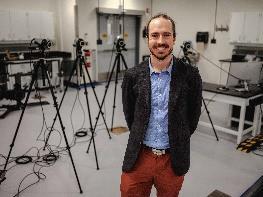
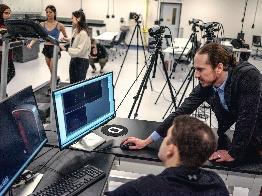
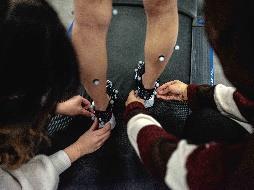
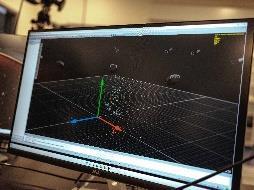
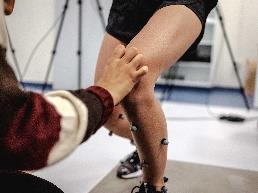
“You need to improve your stability” is one of the most common pieces of advice offered by clinicians after an individual experiences a fall resulting in an injury. Despite this common advice, researchers are still trying to determine how to best keep a person stable as they age. Recent work has shown that foot and ankle structures may play a critical role in maintaining stability, but how this is accomplished varies from person to person, and may change as people age. In the game “Jenga”, players are required to remove blocks from within the stack and place them on the top of the structure; the blocks at the bottom are more difficult to remove than those closer to the top, as smaller movements at the base can cause the structure to collapse. Feet and ankles are much the same: If there are foot and ankle issues, the lack of stability at a person’s base can contribute substantially to fall. My research will help researchers and clinicians fundamentally understand the importance of the foot and ankle to movements that are important for mobility (e.g., walking) and use this knowledge to create digital health solutions and assistive technologies aimed at maintaining mobility throughout the lifecycle.
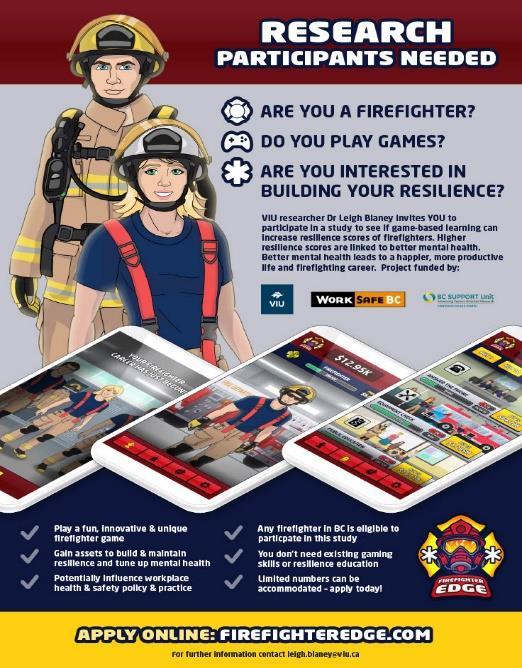
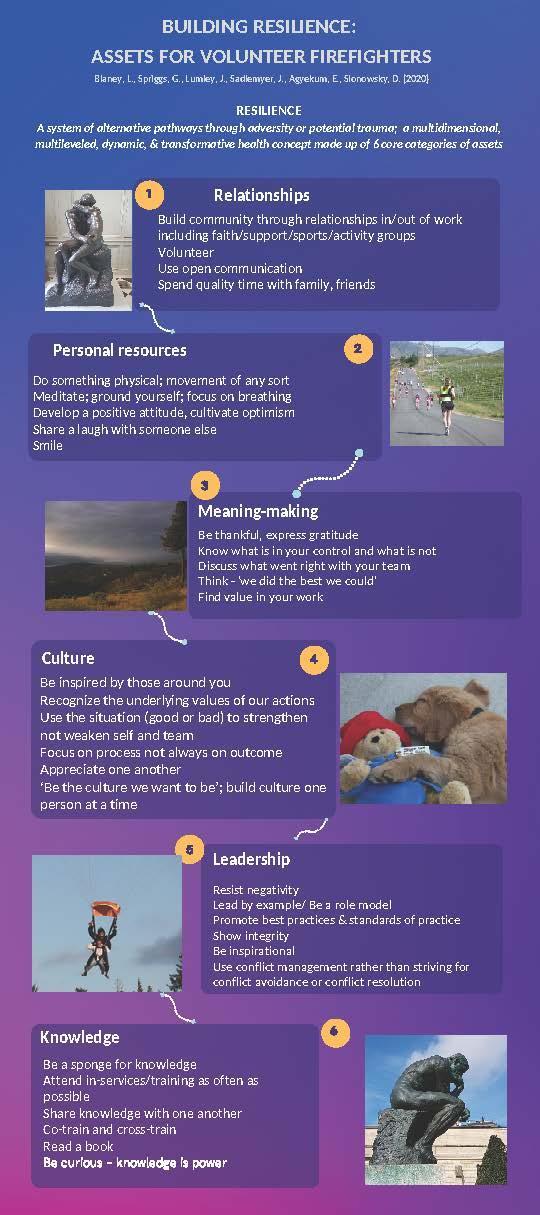
Leigh BlaneyThe title of our presentation reflects our research teams’ orientation to resilience: we view it as a health and wellbeing construct. Grounding our research in health and wellbeing (vs. the typical approach of examining resilience and ‘health’ in the context of disease, illness, diagnoses, and people’s deficits) allows us to explore the strengths and capacities of people and societies who exist and thrive in spite of challenges and diagnoses. This short presentation will offer an overview of Dr. Blaney and her teams’ resilience research with firefighters and nurses. Our research is guided by lived experience experts and multidisciplinary teams including nurses, firefighters, neuroscientists, students, and lived experience experts from VIU, Island Health, and community colleagues. Our funding partners have included Vancouver Island University, Island Health, BC SUPPORT Unit Vancouver Island Centre, WorkSafeBC.
 Laura Cranmer & Amanda Wager
Łok ̕ wimasans legans galgapoła: We are stronger working hand in hand
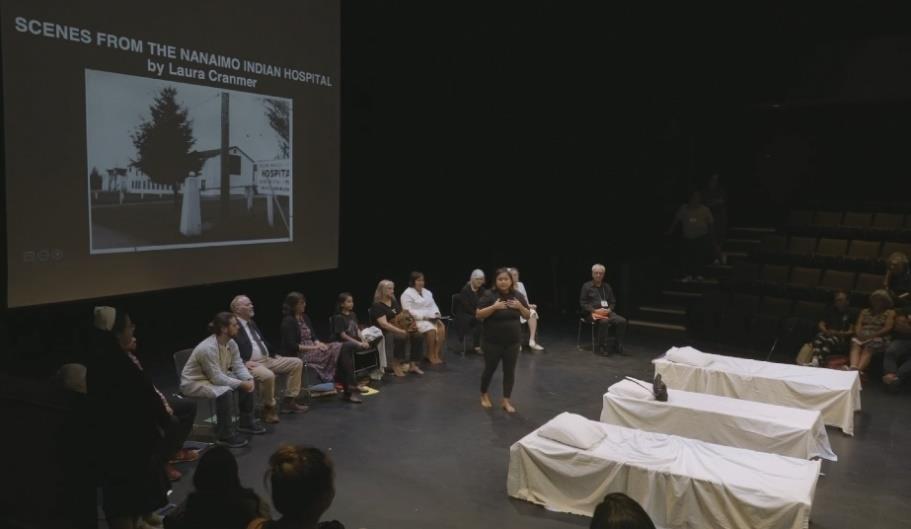
Original cast and crew presented at “Indigenous Theatre Festival: Reawakening Language on Stage” hosted by University of Victoria’s Phoenix Theatre, Sept. 17th , 2022
In this presentation we will discuss our applied theatre research project based on the play “Scenes from the Nanaimo Indian Hospital.” While the main focus for all the Indigenous actors is to improve their proficiency in their respective Indigenous languages embodied by their characters, the positive multiplier effects of this project will also be discussed within the framework of reconciliation. The majority of audience members for the inaugural production at the Port Place theatre were Indigenous elders who traveled great distances from the traditional territories of the Nuu-chahnulth, the Coast Salish and the Kwakwa̱ka̱'wakw for whom the Nanaimo Indian Hospital looms large in the collective histories of the island nations. For Indigenous and settler audience members alike, witnessing the story played out on stage, highlighting the languages of all the island nations was cathartic as demonstrated in the feedback cards audience members were given to fill out and demonstrated in the post-performance question and answer period. As on witness stated, “This is what reconciliation looks like” in the creation of space to respectfully confront uncomfortable truths of our shared colonial history and engage in conversation with those for whom this history is still a lived experience. For the settler non-Indigenous audience members who stayed to listen and participate in the post-performance chat, expressed deep appreciation, and gratitude for the opportunity to learn from these discussions. We will also discuss how mental health supports are built into the structure of the process from rehearsals to productions for the audience members. Bringing together representatives from the island’s main language families, Hul’q’umin’um’, Nuuchah-nulth and Kwak’wala, the production of this play at three main urban centers from Nanaimo, and Courtenay to Campbell River has sparked sustained widespread interest and calls for future productions by a variety of school districts as well as those diverse island nations who would like the cast and crew to travel to their communities. We conclude this presentation with a few words about another collaborative project titled “Kwakwa̱ka̱'wakw Health Career Gathering” hosted by the 'Na̱mgis First Nation in Alert Bay on April 10th —Indigenous Nurses Day.
Shannon Dames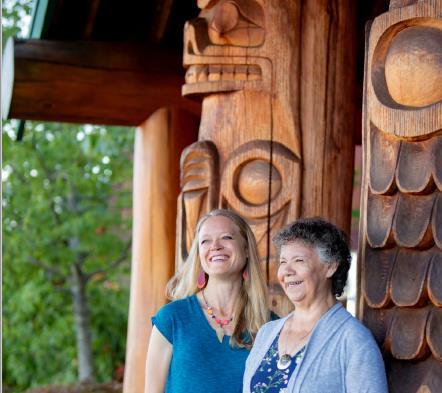
Join me as I share insights, lessons learned, and the transformative potential and challenges inherent in the development of a psychedelic-assisted therapy learning system. This presentation delves into the creation of a comprehensive system aimed at advancing psychedelic-assisted therapy programming, research, and education in Canada. Drawing on principles of cultural responsiveness and knowledge translation, our approach integrates three key prongs: clinical practice through a nonprofit organization, Roots to Thrive; academic research via The Naut sa Mawt Centre for Psychedelic Research; and post-secondary education with a focus on a Psychedelic-assisted Therapy Graduate Certificate. Throughout the journey,my team has encountered varioustrials and triumphs, navigating regulatory frameworks, ongoing ethical challenges, cultural sensitivities, and the strategic weaving of dual roles to optimize knowledge translation.
Bespoke instrumentation for visualizing heterogeneous tissue metabolism at the cellular scale
Tissues are made up of numerous cell types with distinct biological functions that create dynamic metabolic tapestries working in synergy throughout heterogeneous tissue substructures. At the molecular level, metabolism is governed by biochemical reactions involving metabolites, which are small molecules such as lipids, sugars, and amino acids. Standard methods used to profile metabolites in tissue continue to rely on bulk dissection and homogenization prior to extraction and chemical analysis by mass
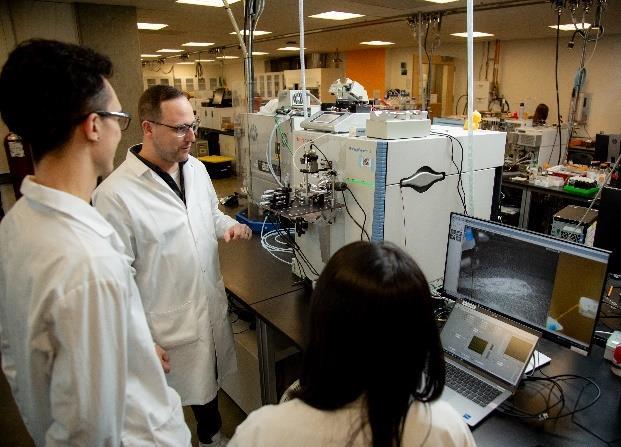
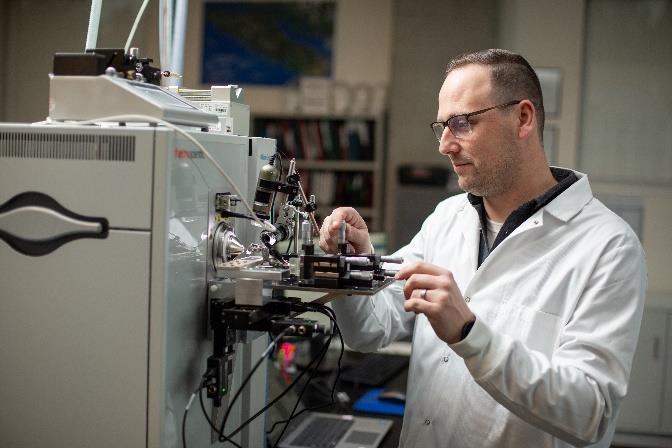
spectrometry. As a result, the spatial distribution of metabolites in tissues are lost, and correlation of metabolite abundance between tissue substructures too small to dissect is not possible. Visualizing metabolites directly in tissue can provide a metabolic snapshot of cellular function in tissue substructures. This talk will introduce our in-house constructed platforms used to uncover metabolite distributions in tissue. Additionally, we will highlight several applications of our technology to explore molecular mechanisms for tissue disfunction, including metabolite mediated tumor-driven immunosuppression in solid cancers.
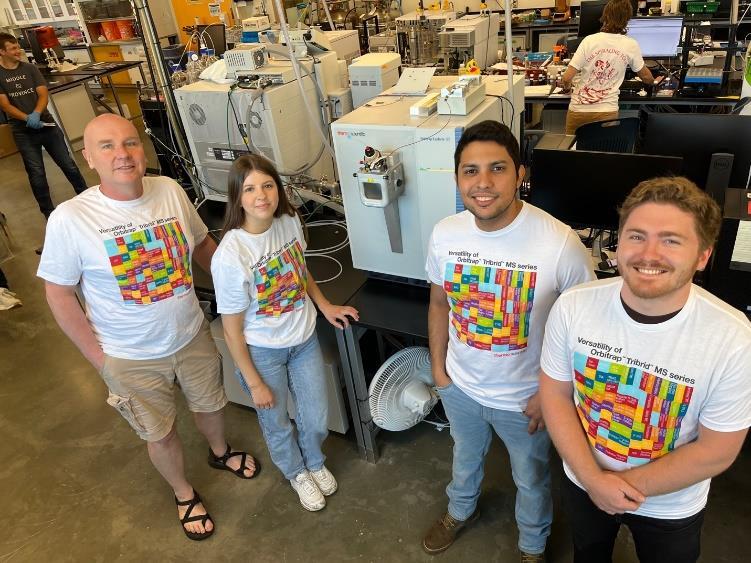
Paper spray mass spectrometry (PS-MS) is an emerging technology with enormous potential for rapid clinical diagnostics. It rapidly and quantitatively measures chemical health determinants by direct mass spectrometry (in minutes) with high specificity. Samples (10 microlitre) are deposited on pointed paperstrips,which are then wetted withanappropriatesolvent(~100microlitres). When high voltage is applied, molecules are ionized and directly introduced to a mass spectrometer for detection and measurement. The current PS-MS technology we are utilizing is multiplexed and bar code traceable, enabling the unattended measurement of up to 240 samples in an 8-hour workday. The simplicity of PS-MS makes it an ideal candidate for miniaturized mass spectrometer systems, facilitating future on-site/point-of-care applications in non-lab-based locations. We are currently utilizing PS-MS for on-site harm reduction drug testing, but it is equally applicable for a wide range of diagnostic applications such as therapeutic drug monitoring, forensic testing, and chronic kidney disease detection and monitoring. Presented is a brief survey of recent developments by our group.
Photo: (Left to Right) Chris Gill, Taelor Zarkovic (PhD Candidate), Dr. Igor Pereira (Post Doctoral Researcher), Lucas Abruzzi (MSc Candidate) Tim Green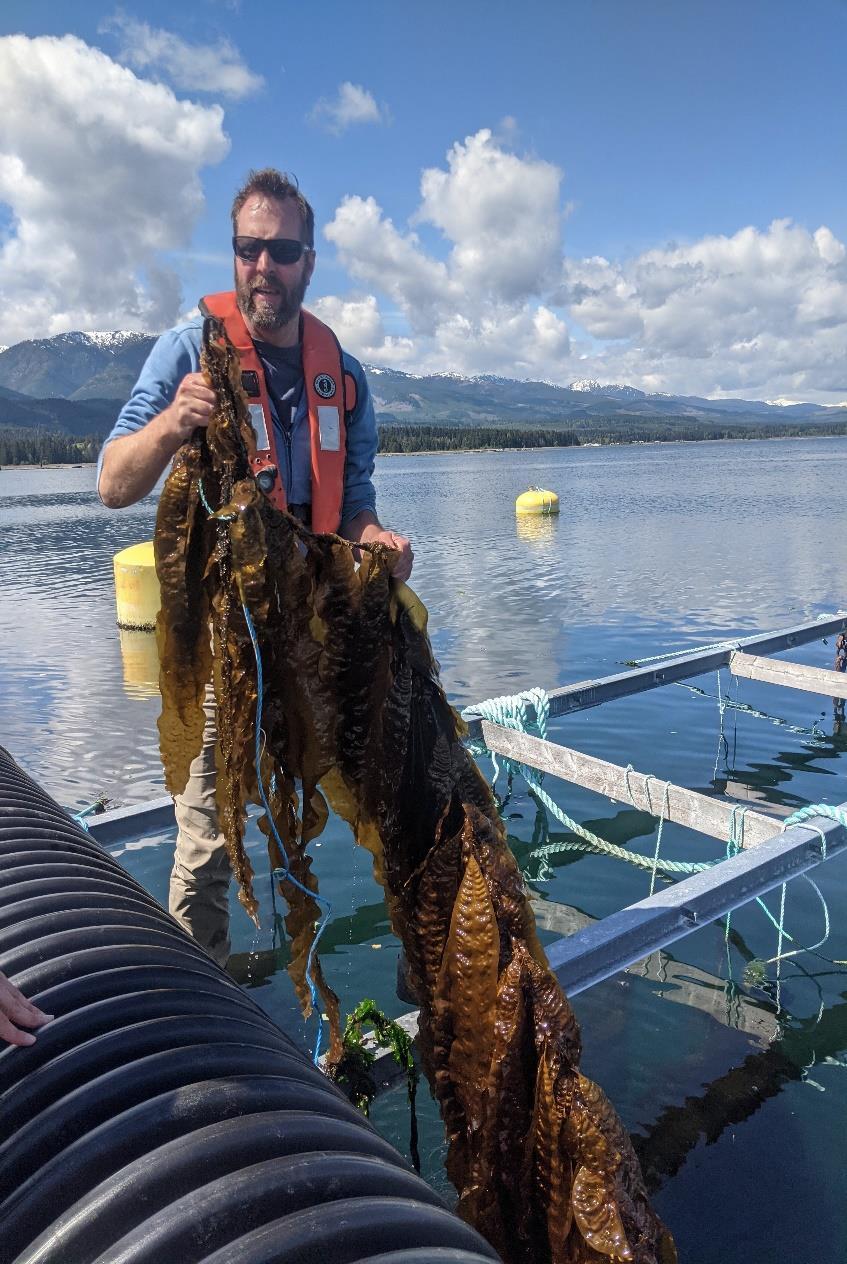
Shellfish and public health: how will climate change affect seafood safety? The increased frequency and severity of marine heatwaves, storms and ocean acidification are likely to increase the risk of humans eating shellfish contaminated with marine pathogens and biotoxins. These risks are of particular concern to coastal First Nations, because many species, such as clams have cultural, nutritional and economic importance. VIU’s Centre for Shellfish Research has developed strains of shellfish that are resilient to heatwaves and ocean acidification, and over the next five years, the Centre will use these shellfish to determine how climate change will impact the bioaccumulation of human pathogens and toxins by shellfish, helping to safeguard Canada’s valuable aquaculture industry and the food security it provides.
Marine Biotoxin Testing and Seafood Security on Vancouver Island Sharon Karsten'Walk With Me': developing a Learning Health System with People with Lived/Living Experience of the Toxic Drug Crisis
The Walk With Me Project, a research, community-action and social change initiative, has been working in Island Health over the past four years. Supported by Island Health, National Sciences and Engineering Research Council, Canada Council for the Arts and a Michael Smith Health Research BC
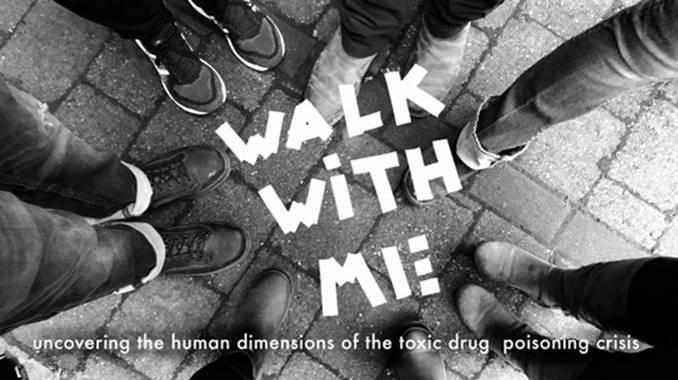
Scholar grant, our work aims to develop a Learning Health System in relation with People With Lived/Living Experience of the toxic drug crisis, with an aim to reduce stigma and improve services for people facing the drug crisis first-hand. This presentation outlines the contours of our journey thus far, including key insights and directions, and an honouring of the wisdom we have been privileged to receive.
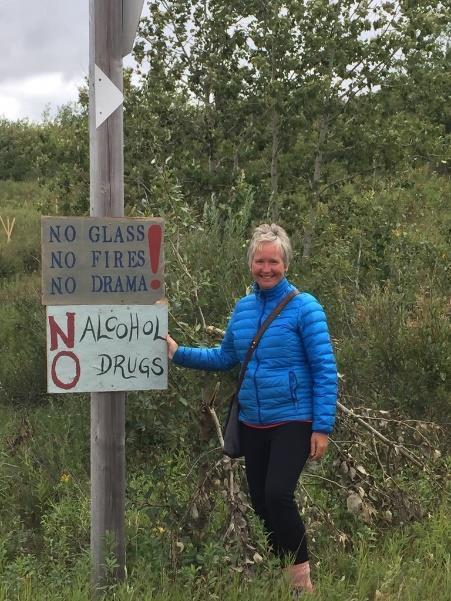
Operating under a CIHR Indigenous Wellness grant since 2021, our team of Elders from 4 regional First Nations and students has been working together to share stories teaching the foundation of Coast Salish health and wellness: snuwuyulh. In the past these teachings were shared orally and in person. However the Elders believe young people need these valuable lessons now more than ever. As a result a video series was born. Each video illustrates the vital relationship between language, land and wellness, while demonstrating the impact of the teachings on individual lives. It is hoped the videos will teach not only the youth but also professionals in all areas of health care who may not be familiar with Coast Salish wellness practices.
Sandy Schultzthe clinical care of brain trauma due to intimate partner violence
Intimate partner violence (IPV) is a serious societal and medical issue worldwide that primarily affects women. In Canada, 44% of women over the age of 15 have experienced IPV in their lifetime, with 12% of women experiencing IPV in the past year. IPV inherently involves some form of psychological or physical trauma to the brain. It is therefore unsurprising that IPV is a major risk factor for brain injury and psychiatric conditions including posttraumatic stress disorder (PTSD), depression, and anxiety. Unfortunately, how IPV affects the brain has been grossly understudied and there are major knowledge gaps related to the care of IPV patients. In this talk, Shultz will present an overview of his translational research program that aims to improve our ability to detect brain trauma after IPV and develop new interventions that can improve recovery.
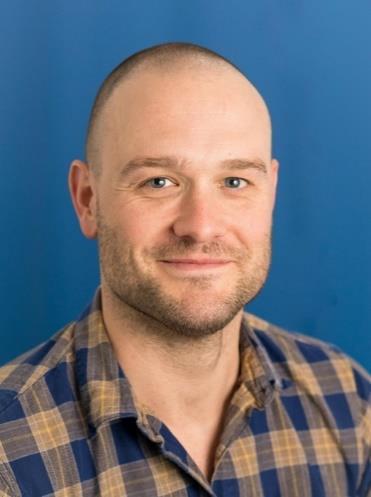
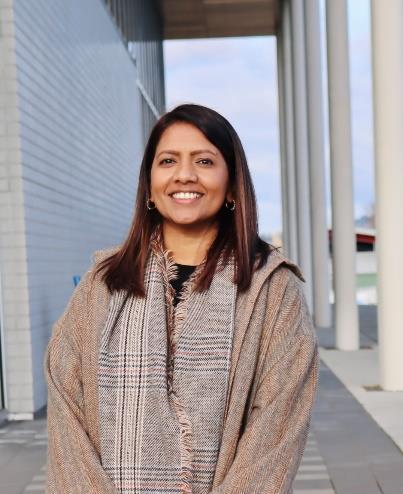
Medical Assistancein Dying (MAiD) involves the administrationofmedication by aphysician or nurse practitioner, or self-administration, with the intention of causing death. In 2021, eligibility for MAiD was extended to individuals whose natural death is not reasonably foreseeable, referred to as Track2 MAiD. Track-2 requests are often intricate, demanding extensive assessments, significantly increasing the workload and resource needs for healthcare providers. However,many healthcare providers involved in MAiD lack sufficient training, compensation, and support. The number of clinicians participating in Track-2 MAiD requests remains low nationwide. Concerns about legal or professional consequences, as well as personal values, may discourage some from participating in Track-2 processes. Expansions to MAiD legislation have prompted concerns among disability and mental health advocates regarding potential misuse. Media reports suggest that individuals seeking Track-2 MAiD often cite insufficient social and financial support as reasons for choosing MAiD. Such accounts have created a sense of distrust towards the recent expansions to MAiD among some members of the community.
Our team has successfully secured funding from various sources to gain a better understanding of the experiences with Track-2 MAiD locally and across Canada. Our overarching objective is to improve support for healthcare providers involved in Track-2 MAiD processes and individuals (along with their families) seeking Track-2 MAiD. Our projects will help bring about systems-level changes to improve access to and implementation of Track-2 MAiD processes within Island Health's MAiD program. Our work will also contribute to informing MAiD policies and practices on a national scale in Canada. In this presentation, I will highlight some of the work that is currently in progress and the teams involved.
Looking at the history of women’s health in late-nineteenth and twentieth century Canada reveals how factors including gender, race, class, and region intersect to profoundly shape individual experiences and access to care. This presentation offers an overview of my research program, exploring histories of childbirth, obstetrics, and gynecology in modern Canada, focusing on two projects. To begin, I detail my research on changing childbirth experiences between 1945 and 2000, research that explores growing demands for “natural”, alternative, and lessmedicalized ways to birth, situating Canadian birth reform activism in both transnational and colonial context, alongside inequities in childbirth “choice” and widening gaps in obstetric services that disproportionately affect Indigenous mothers and those giving birth in rural, remote, and northern areas. Next, I describe my collaborative Pelvic Health and Public Health project, that aims to extend the traditional scope of work in the field of “women’s health” beyond a focus on reproduction to centre broader histories of pelvic health issues, pelvic pain, and feminist health activism in late-twentieth century Canada. Together, these efforts to trace the histories of women’s health reveal historically-rooted and persistent inequities in the treatment of women’s pain.
Comox Art Gallery / Walk With Me
Christopher Hauschildt Peer Research and Operations Coordinator
Barb Whyte Elder, Traditional Knowledge Keeper
First Nations Health Authority
Holly Clermont Lead, We All Take Care of the Harvest (WATCH) Seafood and Climate Project
Health Research BC
Ellie Griffith Assistant Vice President, Research
Muneerah Kassam Director of Partnerships
Island Health
Dug Andrusiek
Research Associate, Rural Coordination Centre of BC
Maritia Gully Director, Population and Public Health
Max Jajszczok
Jeff Kerrie
Damian Lange
Robyne Maxwell
Tony Nelson
Executive Director, Operations and Rural & Remote Strategy
Executive Medical Director, Quality, Safety, Improvement, Experience, and Research
Executive Director, Clinical Service Delivery, NRGH
Executive Director, Quality, Safety, Improvement, Experience, and Research
Executive Director, Indigenous Health & Diversity, Equity, and Inclusion
Uta Sboto-Frankenstein Research Navigator, Patient Oriented Research
Ben Farnell Portfolio Leader, Geo 1
Rana Van Tuyl Portfolio Leader, Addiction Medicine and Substance Use
Island Health Research and Capacity Building
Dawn Waterhouse Research Business Manager
Diane Sawchuck Manager, Evidence, Evaluation and Knowledge Translation
Cindy Trytten Director
Nanaimo Brain Injury Society
Kix Citton Executive Director
Nanaimo Hospital Foundation
Barney Ellis-Perry Chief Executive Officer
Mike Asmussen Health Research BC Scholar and Professor of Kinesiology
Leigh Blaney Adjunct Professor and Researcher, BSc Nursing
Stacie Chappell Acting Dean, Faculty of Health Sciences and Human Services
Sungchul Choi Dean, Faculty of Management
Laura Cranmer Professor (Retired) Indigenous/Xwulmuxw Studies
Shannon Dames Health Research BC Health Professional Investigator and Professor of BSc Nursing
Kyle Duncan Professor of Chemistry
Daisy Elliott arc: A Centre for Art, Research and Community
Daniela Fischer Research Development Specialist
Lindsay Frehlick Incoming Director of Research Services
Chris Gill Professor of Chemistry
Tim Green Canada Research Chair and Professor of Fisheries and Aquaculture
Claire Grogan Dean, Faculty of Arts and Humanities
Stella Johnson Elder in Residence
Sharon Karsten Health Research BC Scholar /Walk With Me and Professor of Recreation and Tourism Management
Andrew Mark Mitacs Post-Doctoral Scholar / Walk With Me
Laurie Meijer-Drees Professor of Indigenous/Xwulmuxw Studies
Rachel Moll Acting Dean, Faculty of Education
Roisin Mulligan Research Development Manager
Michael Quinn Provost and Vice-President Academic
Larissa Richards Grant Facilitator
Deborah Saucier President
Sandy Schultz Health Research BC Scholar and Professor of BSc Nursing
Eve Stringham Dean, Faculty of Science and Technology
Caroline Variath Professor of BSc Nursing
Nicole Vaugeois Associate Vice-President, Research and Graduate Studies
Amanda Wager Canada Research Chair and Professor of Education
Trevor Wideman Mitacs Post-Doctoral Scholar / Walk With Me
Whitney Wood Canada Research Chair and Professor of History
Ann Woodward arc: A Centre for Art, Research and Community
The VIU community acknowledges and thanks the Snuneymuxw, Quw’utsun, Tla’Amin, Snaw-naw-as and Qualicum First Nation on whose traditional lands we teach, learn, research, live and share knowledge.