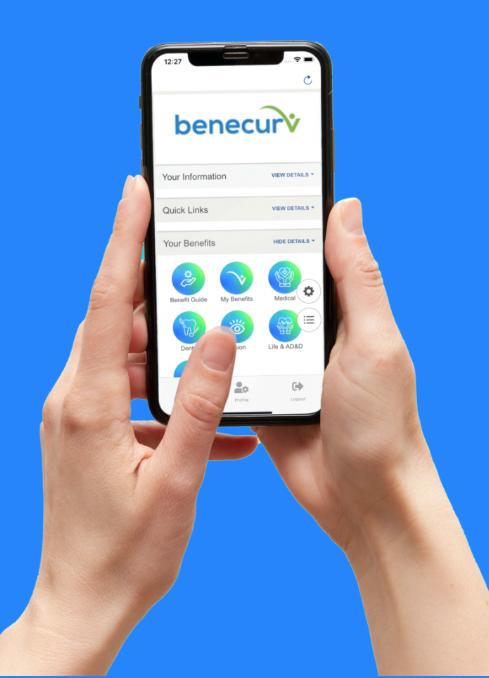



Offering employee benefits like health insurance or a retirement plan can be a significant advantage for small businesses, attracting and retaining top talent. However, venturing into this arena brings the legal responsibility of ERISA compliance. Navigating the complexities of the
Employee Retirement Income Security Act (ERISA) can feel daunting,
ERISA sets minimum standards for managing employee benefit plans, primarily to protect employee interests and ensure financial security. While many small businesses are eligible for exemptions, neglecting ERISA compliance can lead to hefty fines, lawsuits, and plan disqualification.
Generally, if your business offers an employee benefit plan with one or more participants, you fall under ERISA compliance. Exemptions exist for certain plans, like unfunded welfare plans with limited benefits and limited participation. Consulting with an attorney or HR professional is highly recommended to determine your specific situation.


Areas: Areas:
PlanDocuments:Createacleardocumentoutliningplan rules,eligibility,andadministrationprocedures.
Reporting&Disclosure:Submitregularreportstothe governmentandshareimportantinformationwith participants.
FiduciaryDuties:Actinthebestinterestsofparticipants whenmakingplandecisions.
ClaimsAdministration:Establishfairproceduresfor processingandresolvingbenefitclaims.
SeekExpertGuidance:PartnerwithanattorneyorHR professionalspecializinginERISAcompliance. InvestinQualityPlanDocuments:Utilizereliableresourcesand professionalstodraftcomprehensiveandcompliant documents. AutomateReporting&Disclosure:Leveragetechnologyto simplifyreportinganddisclosuretasks.
EducateYourself&Employees:StayinformedaboutERISA changesandeducateemployeesabouttheirrightsand responsibilities.
Beyondthe
Avoid Common Mistakes: Be aware of pitfalls like missing or inadequate plan documents, insufficient participant disclosures, and neglecting fiduciary duties.
Understand Penalties: Non-compliance can lead to fines, participant lawsuits, and even plan disqualification.
Ongoing Compliance: Compliance is not a one-time event. Regularly review and update your plan documents, procedures, and compliance practices.
Additional Resources:
U.S. Department of Labor Employee Benefits Security
Administration (EBSA):
Society for Human Resource Management (SHRM):
International Foundation of Employee Benefit Plans (IFEBP):
While the previous sections provide a general overview, specific compliance nuances exist for different employee benefit plans. Let's delve deeper into two common options for small businesses:
HIPAA Regulations: Beyond ERISA, health insurance plans must also comply with the Health Insurance Portability and Accountability Act (HIPAA), protecting patient privacy and medical information.
COBRA Continuation Coverage: Employers offering health insurance must provide eligible employees with the option to continue coverage under COBRA after certain qualifying events.
Types of Plans: Understand the distinct compliance requirements for different retirement plans like simple IRAs, SEP IRAs, 401(k) plans, and profit-sharing plans.
Nondiscrimination Testing: Ensure your plan design and administration do not discriminate against certain employee groups.
Vesting Schedules: Determine vesting schedules for employer contributions to ensure participants have ownership rights after a specific period.
Consulting with an attorney or HR professional specializing in the specific plan type is crucial for accurate guidance.
State-Specific Regulations: Be aware of any state-specific laws or regulations affecting employee benefit plans in your area.
Recordkeeping Requirements: Maintain accurate records of plan documents, participant activity, and financial transactions for at least six years. Plan Audits: Depending on the plan type and participant number, independent audits might be necessary.

Understanding the complexities of ERISA compliance can feel overwhelming, but remember, you don't have to navigate it alone. By leveraging professional guidance, actively seeking educational resources, and implementing best practices, your small business can effectively manage employee benefit plans while ensuring compliance and protecting your employees' interests. This ultimately fosters a positive work environment and contributes to your business.

Download our free checklist: "Top 10 ERISA Compliance Essentials for Small Businesses."

Schedule a consultation with our ERISA compliance xpert.
oin our upcoming webinar: "Demystifying ERISA ompliance for Small Businesses."
ember to replace the call to action with your specific ings and resources. With this enhanced content, you empower small businesses to confidently navigate world of ERISA compliance and offer valuable benefits eir employees.