Interiors Selection

Founded 2004
Located Unit 305 Metropolitan Wharf
70 Wapping Wall
Wapping, London
E1W 3SS
Contact +44 (0) 20 7234 9330
info@bellphillips.com
Team 35 strong
Awards Civic Trust | Winner 2017, 2018, 2019, 2021, 2025
British Homes Architect of the Year | Winner 2024
British Homes Awards | Winner 2016, 2024
Evening Standard | Winner 2024
Housing Design | Winner 2014, 2015, 2018, 2019, 2022, 2024
London Construction | Winner 2024
Pineapple | Winner 2024
Planning | Winner 2024
RIBA Regional | Winner 2016, 2017, 2018, 2021, 2022, 2024
Architect of the Year | Winner 2023
Architecture Today | Winner 2023
Inside Housing | Winner 2015, 2016, 2018, 2023
New London | Winner 2016, 2019, 2020, 2021
RIBA National | Winner 2016, 2022
Clients Related Argent, British Land, Lendlease, Peabody, 17
London Boroughs including Southwark, Westminster and Tower Hamlets, Get Living, Igloo, Backhouse, Be First, Pegasus Life, Pocket Living, The Skinners’ School, Kent College Canterbury, Dartford Grammar, Empiric Student Housing
Frameworks
BeFirst, Bloom, Clarion, Catalyst, Haringey, Homes England, LCP, LHC, L&Q, London & Quadrant, Notting Hill Genisis, Perfect Circle, Places for People, Royal Parks, Scape, Southwark Architects Framework (ADS), Tower Hamlets, Waltham Forest, Westminster
DRP & QRP Tim Bell | Be First, Essex
Melissa Dowler | Folkestone and Hythe, Kensington & Chlesea, Waltham Forest (chair)
Tom Morgan | Reading
Jay Morton | Salford, Croydon, Ealing, Islington
John Lineen | Kingston
Ashmi Thapar | Hounslow, Brent, Camden
Richard Brindle | Lewisham
Emma Carter | Lambeth
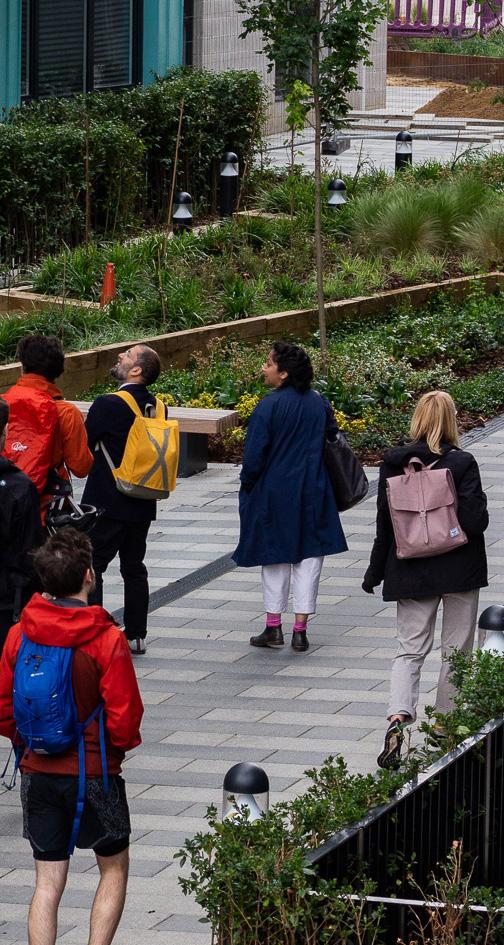
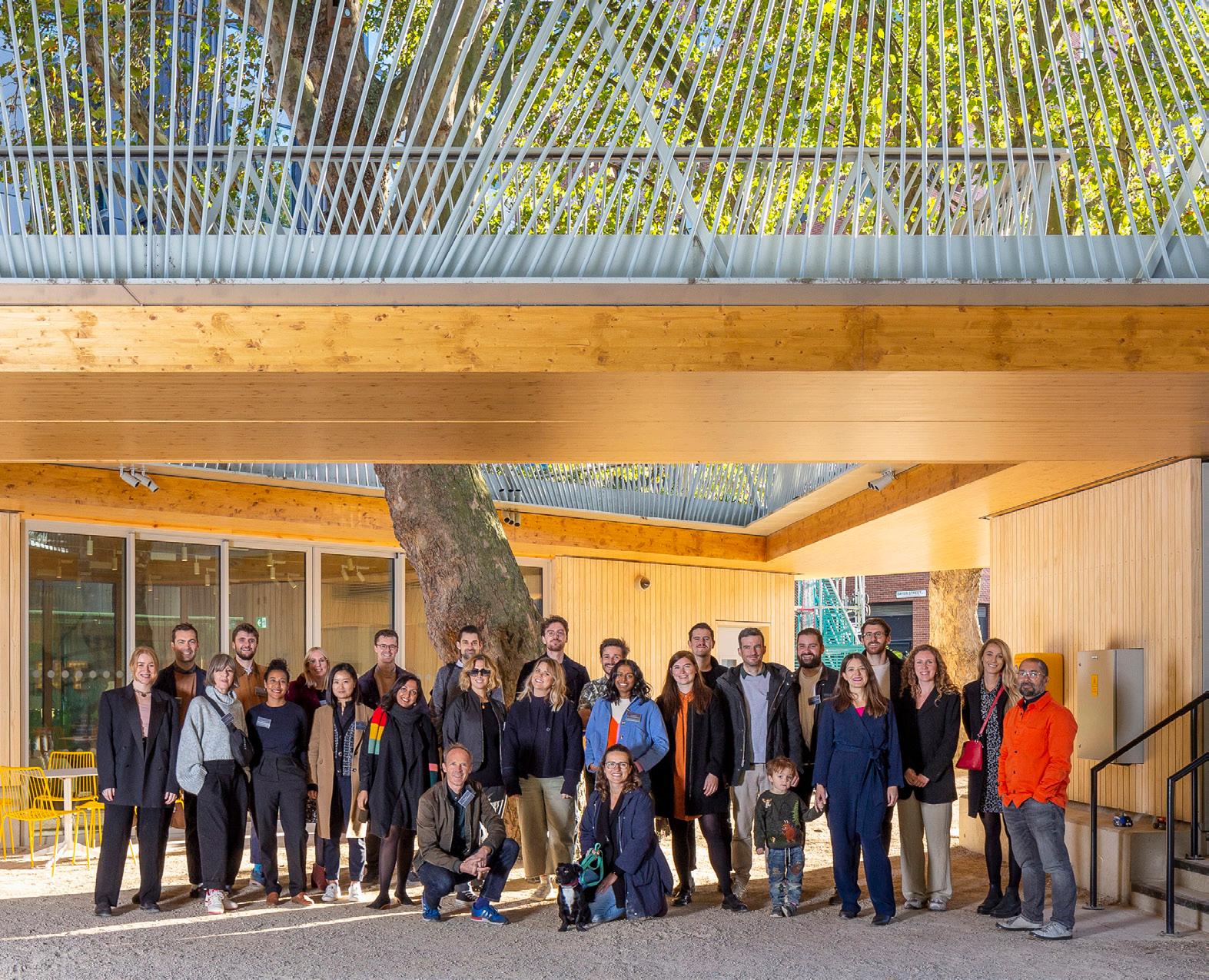
We create places people love We believe in the power of architecture to provide sustainable and inspiring places that everyone should thrive and benefit from.
Our strong social and moral purpose drives us to use our expertise as architects to make a tangible impact on people’s quality of life.



Our design approach is progressive, responsive to the changing world, continuously evolving but always underpinned by our commitment to create a better life for everyone in society.
We create beautifully crafted architecture that responds positively to its surroundings, that challenges convention and creates future legacy.
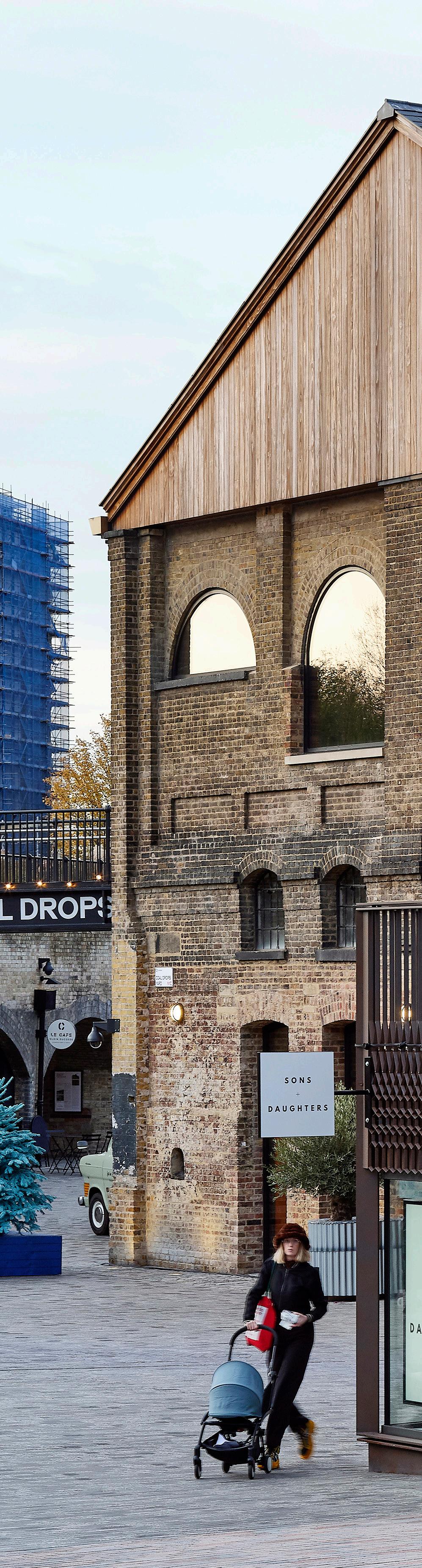
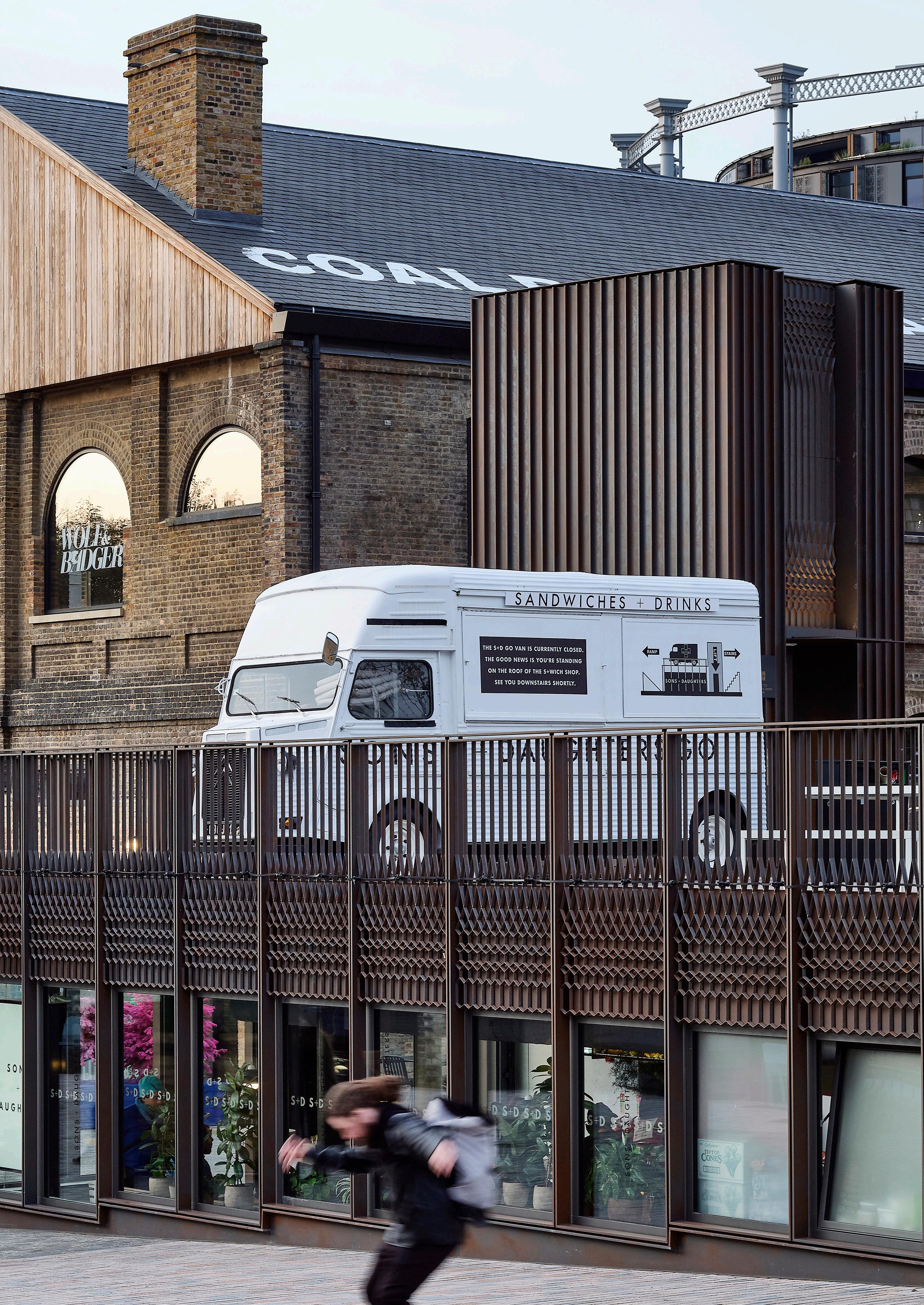
Community, collaborators and the planet
We pride ourselves on our proactive and enthusiastic approach to build constructive relationships with everyone we have the pleasure to meet.
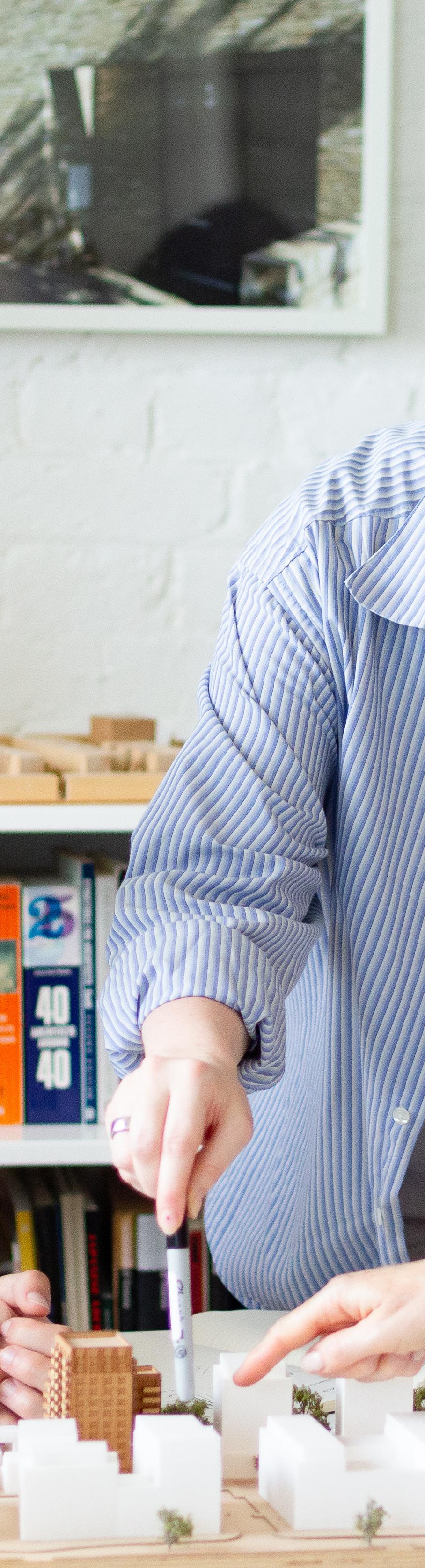
We strive to make the process enjoyable and lead each project with a sensitive ear and collaborative mindset because we believe people make places.

This mixed use development on Swanley High Street brings together a co-working space/business hub and 18 new homes. The development makes productive re-use of a vacant town centre site, and is a model for local authorities looking to take control of assets in their area to drive regeneration, support local workers and businesses, and deliver new homes. The project occupies a brownfield site in a key high street location.
A mixture of one and two bed homes addresses local housing needs, while the new business hub - known as The Meeting Pointenhances the vibrancy and economic viability of the high street. Its flexible layout means that it can offer attractive space to small businesses and start-ups, as well fulfilling a post-pandemic need from individuals for coworking space in a convenient town centre location.
The Meeting Point is accessed directly from Swanley High Street, and provides 247 sq.m of flexible commercial space. It provides a supportive setting for individuals who want to be able to work flexibly or for whom home working is not possible. A garden to the rear of the ground floor is designed to be shared between commercial and residential tenants, offering over 340 sq.m of landscaped social space where people can meet and relax.
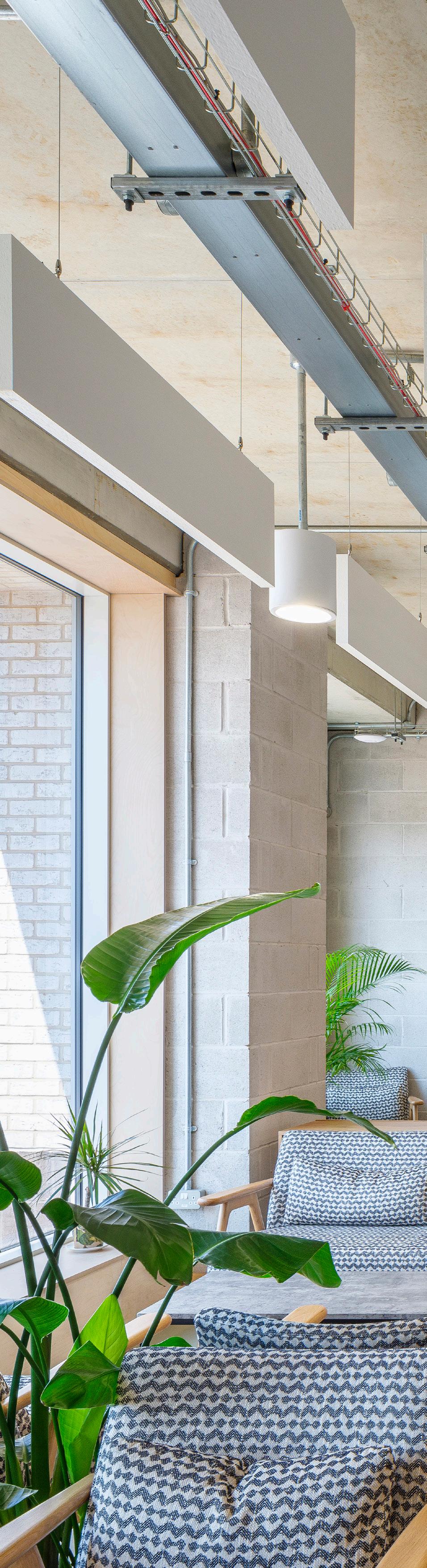
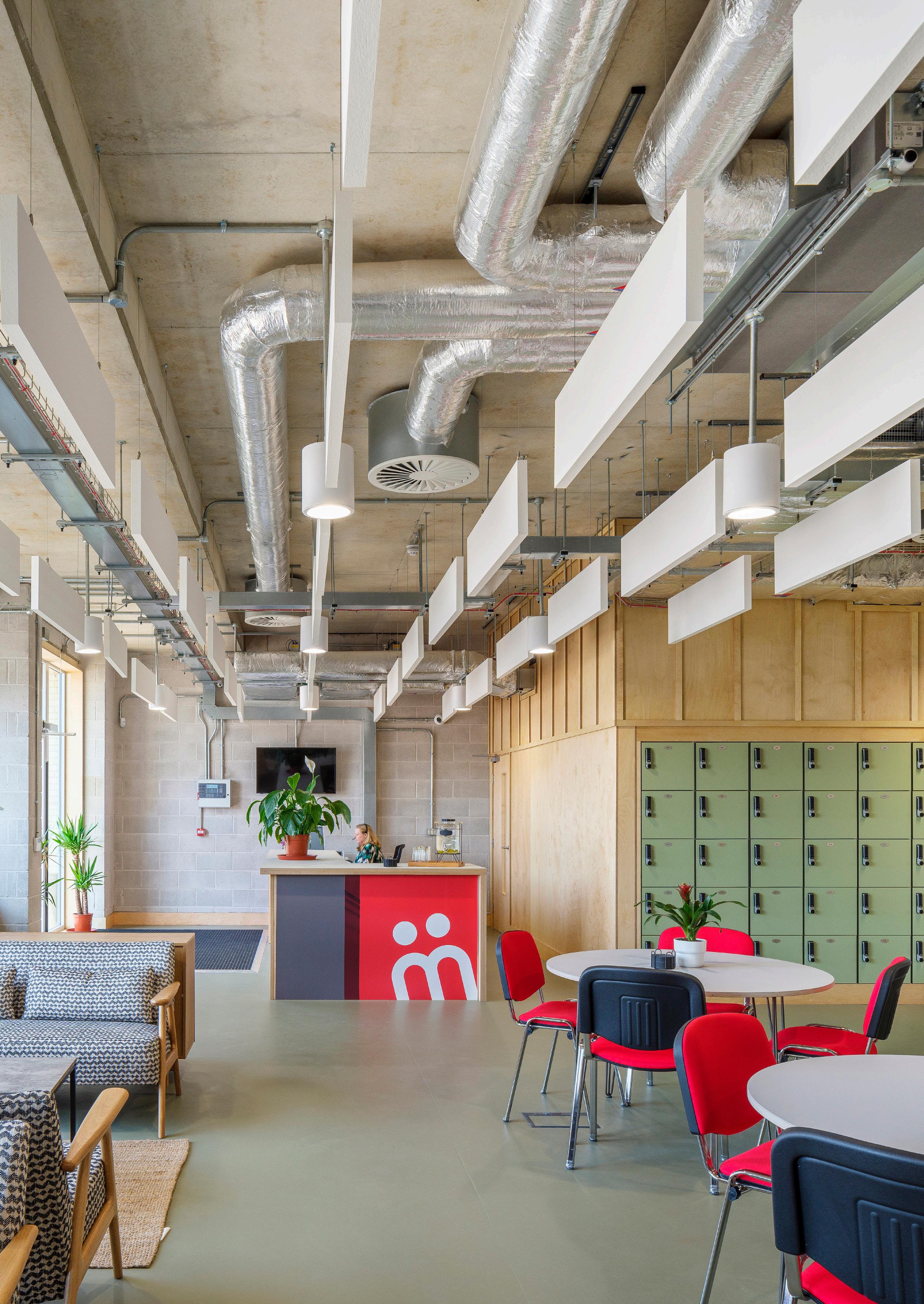
The project aspires to be a catalyst for future developments in Swanley, thereby raising the bar for the town in terms of sustainability. Each apartment has an individual air source heat pump alongside mechanical ventilation heat recovery and underfloor heating. Heating and cooling to the co-working and business hub is via an Air Handling Unit. External walls incorporated a high level insulation to target a 0.15 U Value to reduce heating bills.
Electric vehicle charging points have been provided with all spaces having the future capacity to be EV charging points.
Recessed balconies provide shading to the livings spaces to manage solar gain in the summer whilst utilising the solar gain in the winter. Elsewhere windows are provided with horizontal brise soleil.
The project enjoys sustainable transport connections: it is close to the train station with direct access to London Bridge and the building has generous cycle provision.

A vibrant new public facility designed to enhance the usability of South London’s largest park while establishing a distinctive architectural identity.
Burgess Park, a key element in Southwark’s network of green spaces, is a beloved destination for recreation and community activities. Commissioned by Southwark Council, Bell Phillips Architects designed the pavilion to provide upgraded facilities for cricket, rugby, and football, supporting the council’s initiative to expand accessible community sports spaces across the borough.
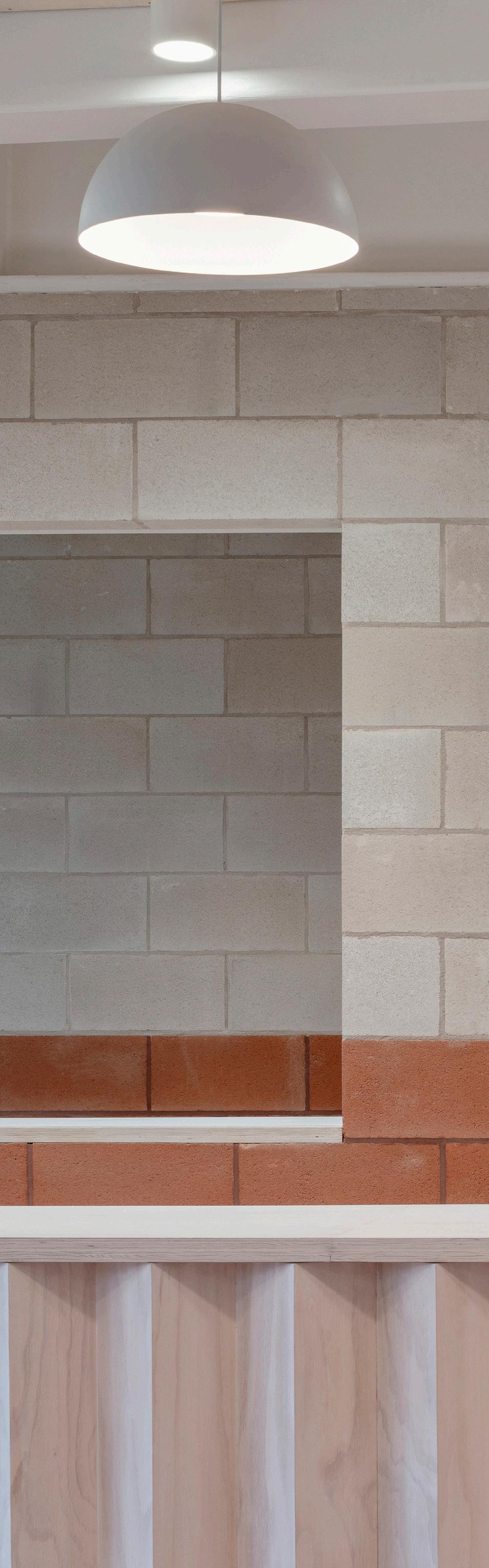
The single-story pavilion combines a simple form and robust materials to create a flexible, durable building designed for longevity. It features a thoughtfully integrated range of facilities, including a clubroom, changing rooms, public amenities, and offices for park staff. As an all-electric building, heating is supplied by an air source heat pump, while plywood linings and other low-carbon finishes contribute to its sustainable design. Materials were carefully specified for their low maintenance and recyclability, and a green roof enhances local biodiversity.
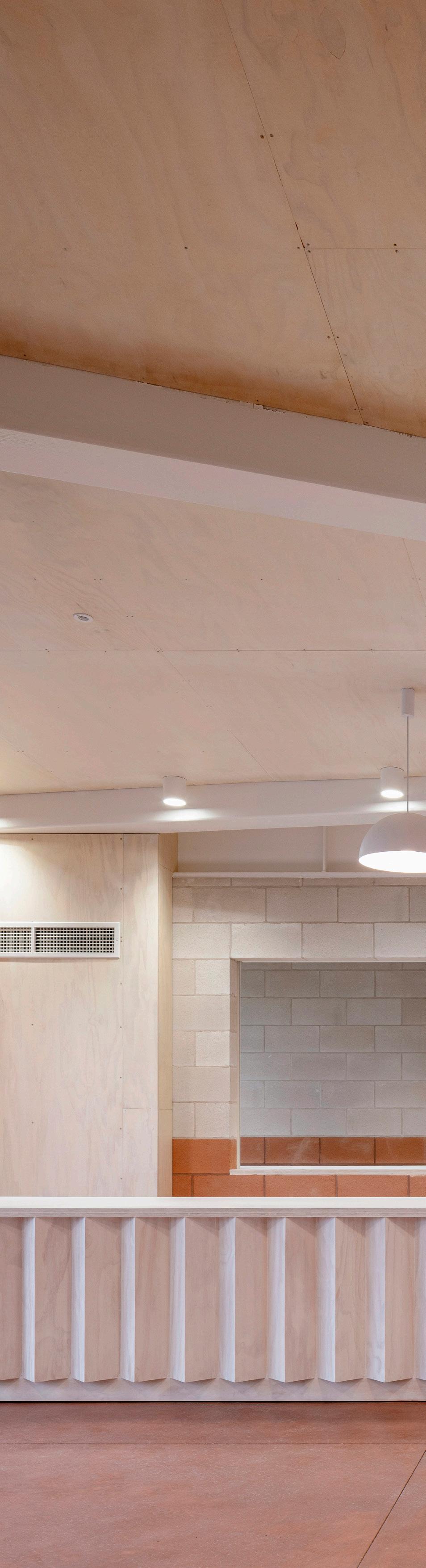
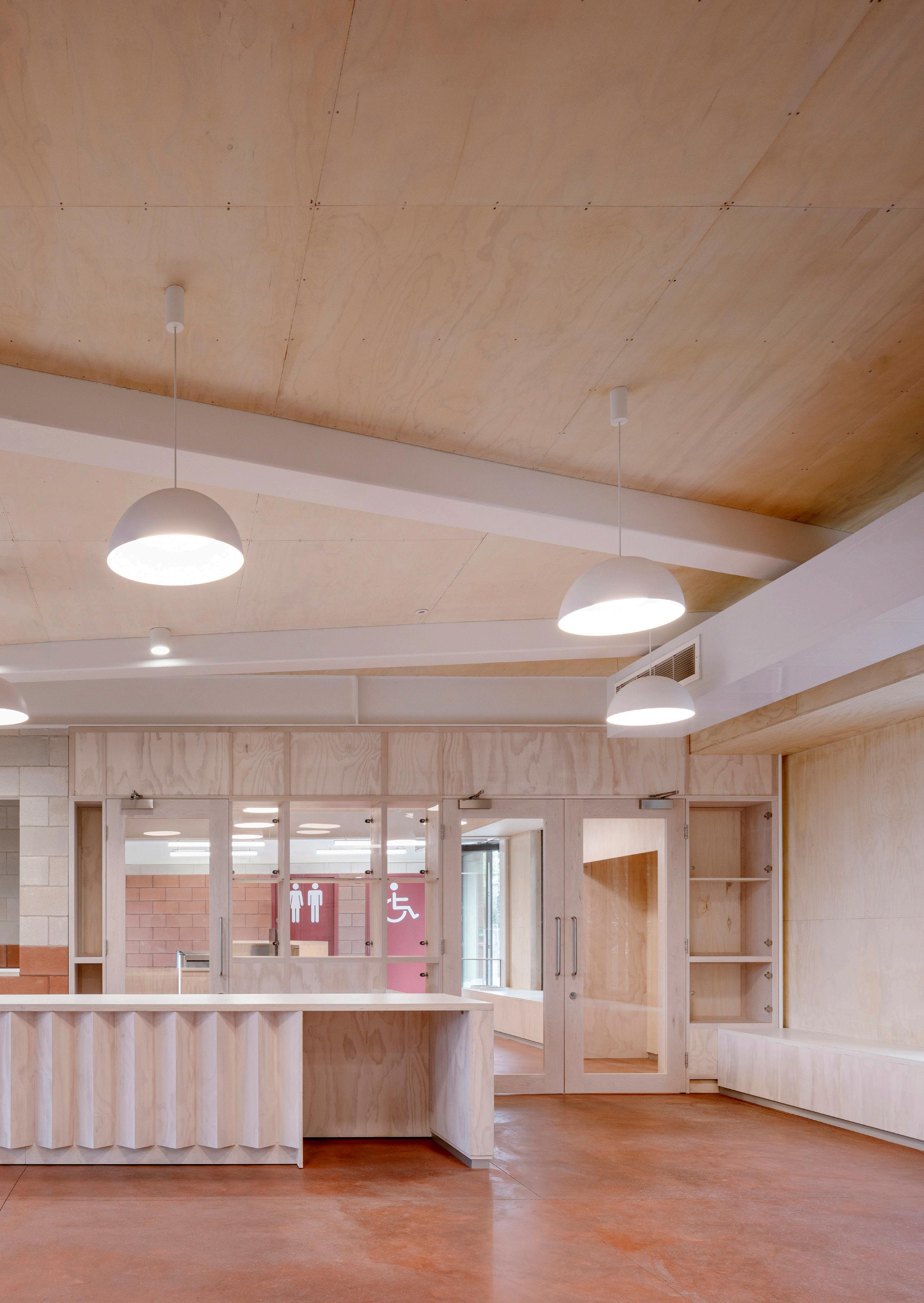
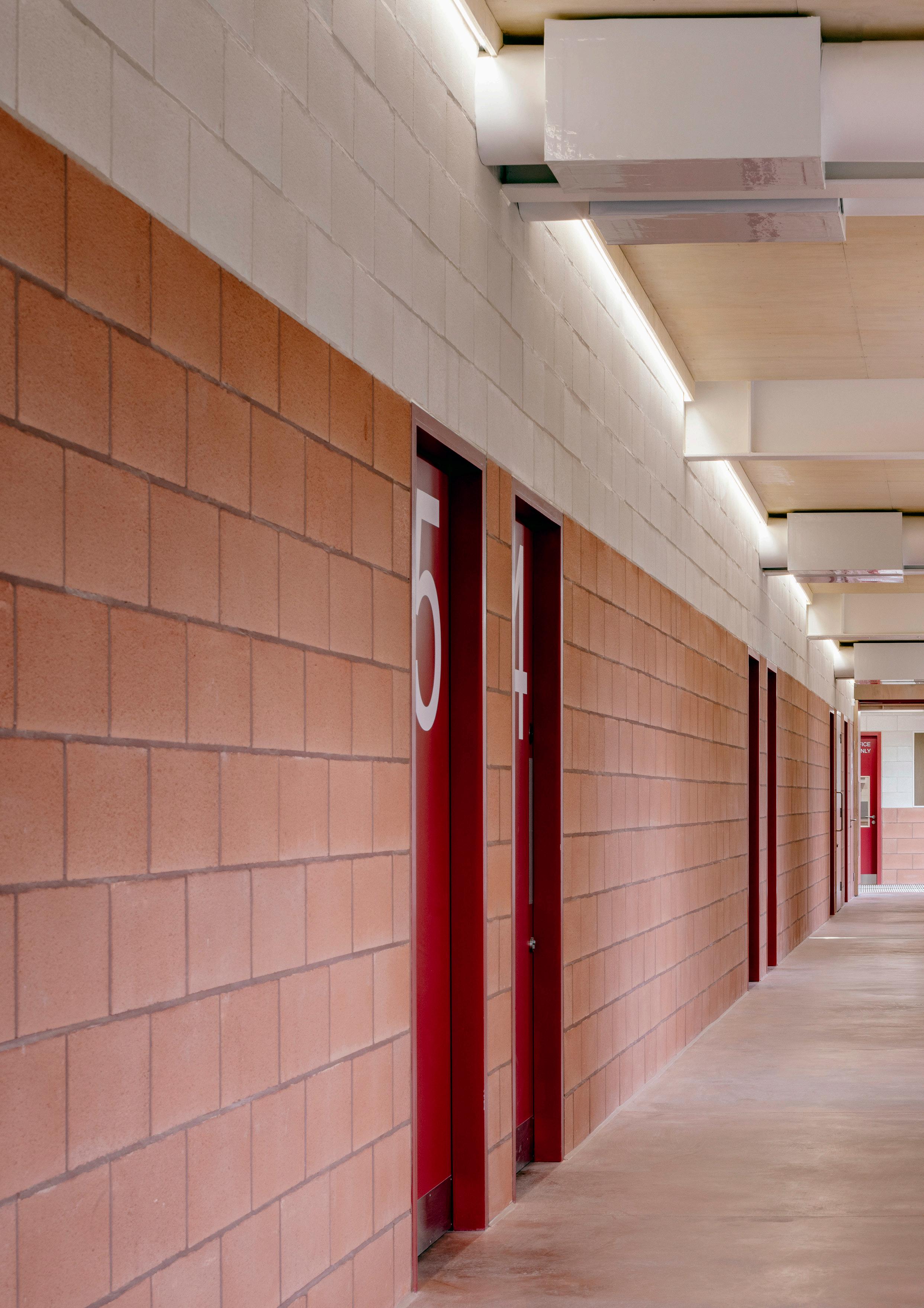
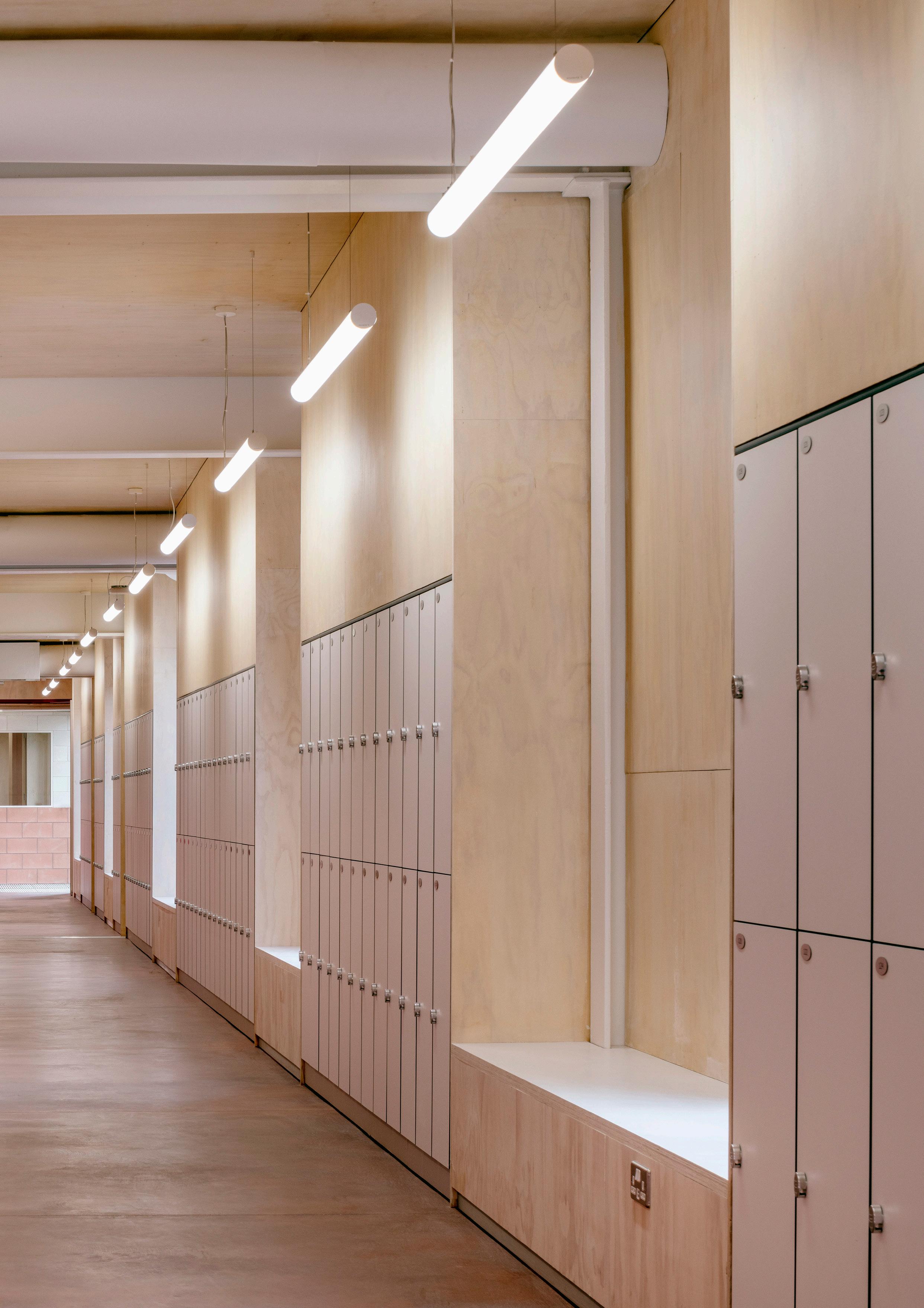
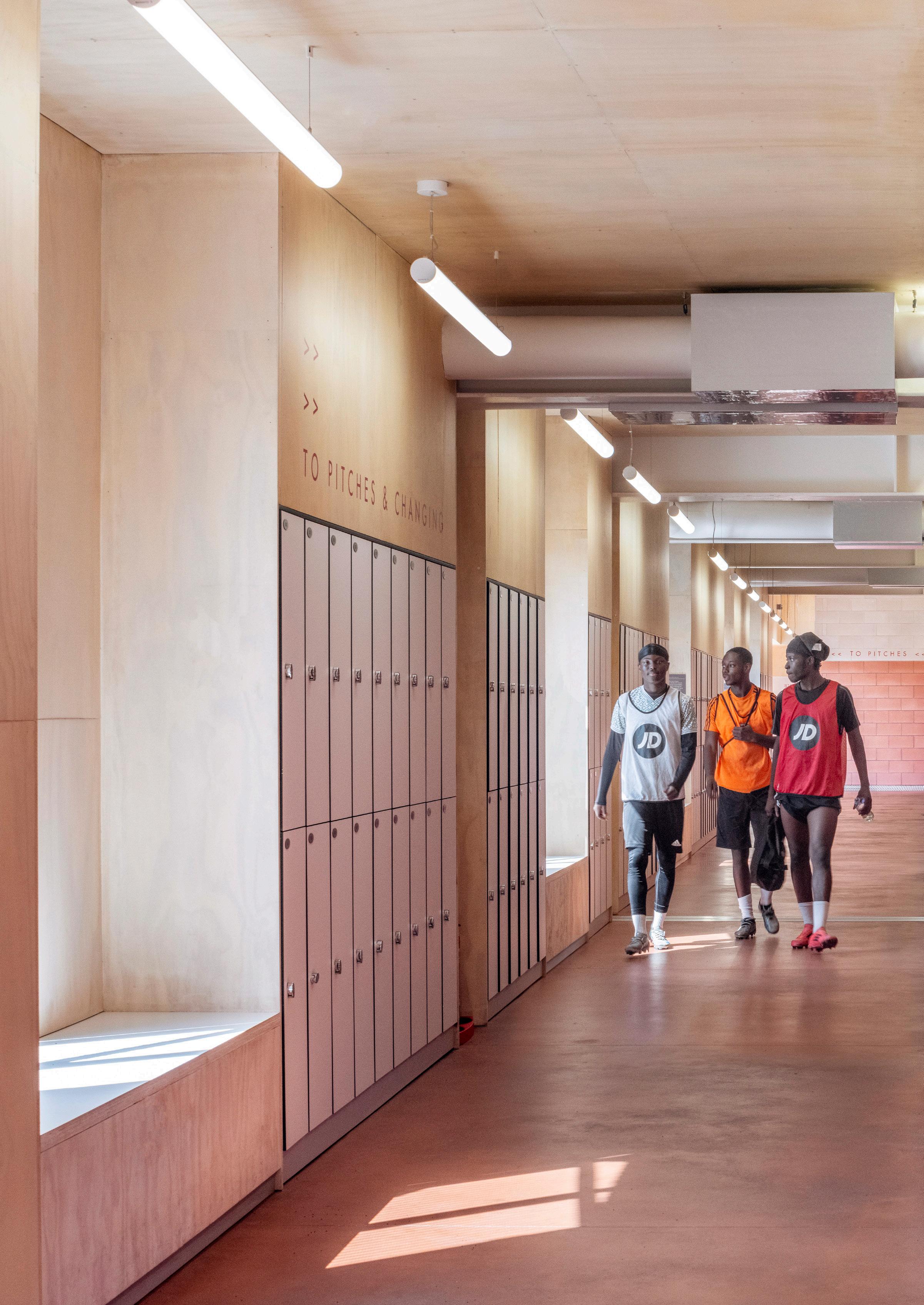
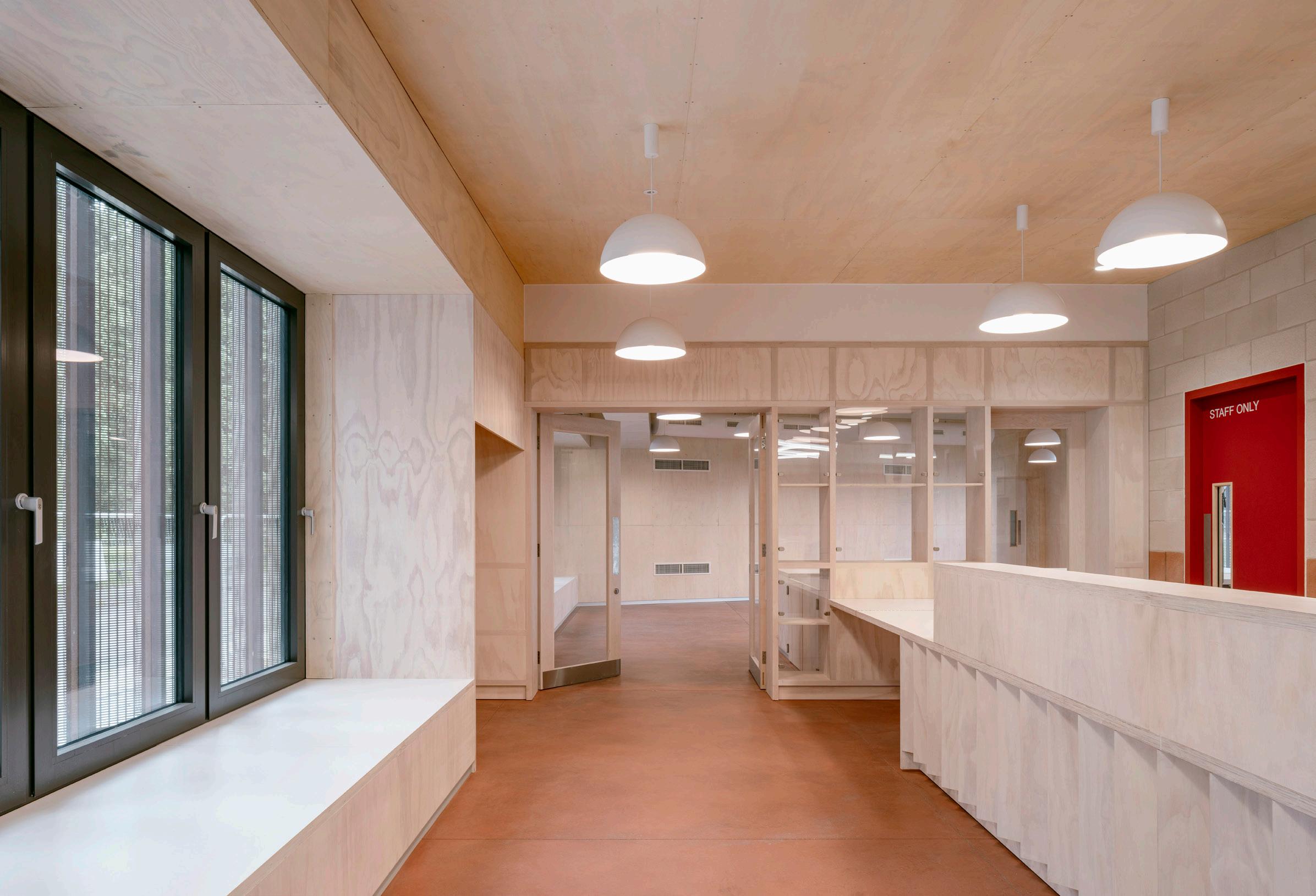
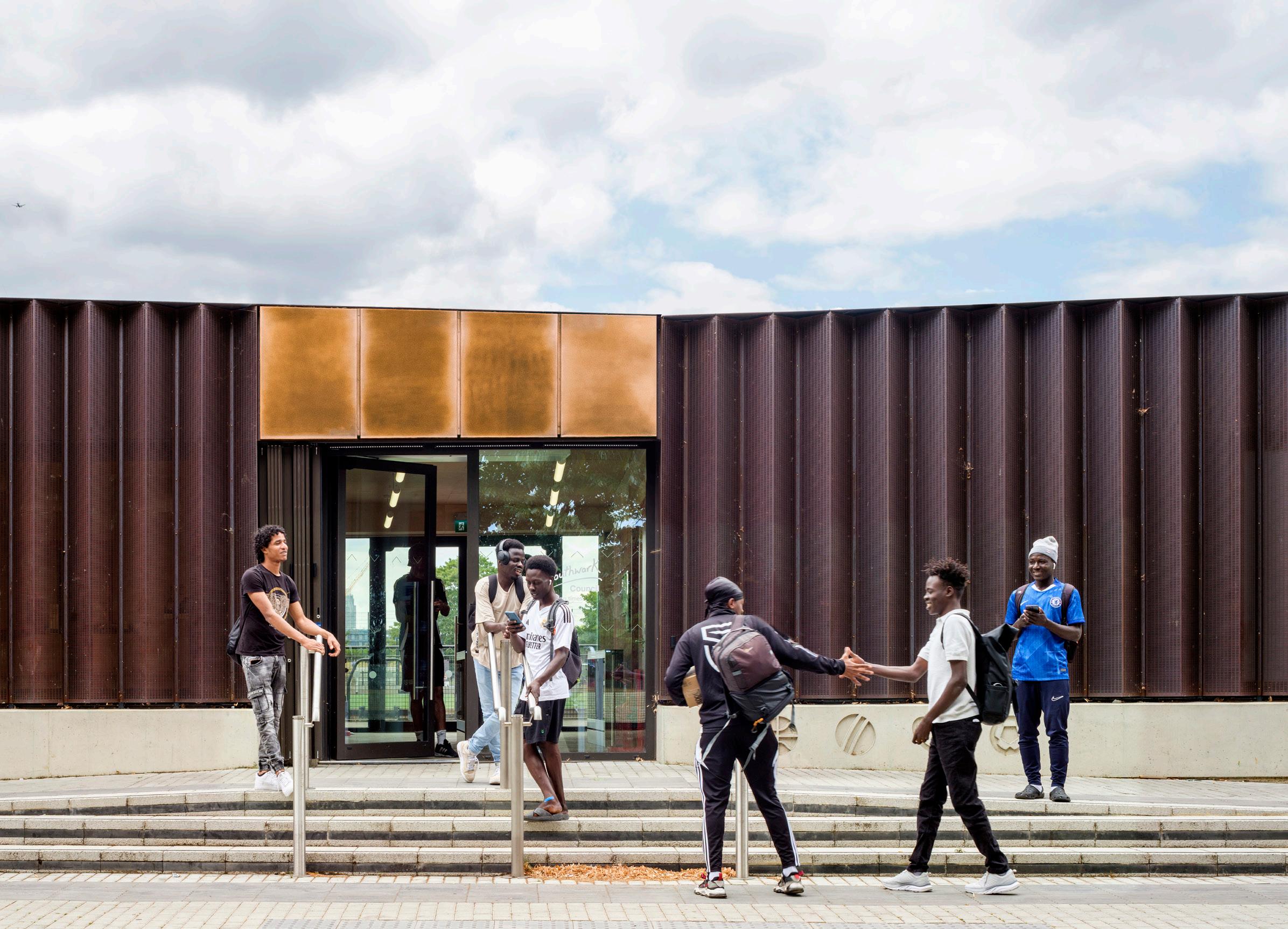
Beyond functionality, the pavilion serves as a landmark within the park. Its dynamic form tapers in height and width toward the entrance, naturally drawing visitors and creating a clear, welcoming point of arrival. The extended form elegantly frames the adjacent roadway, creating a sense of structure within the park while mirroring the rhythm of a treelined avenue opposite.
Robust, natural materials ensure the building complements its park setting. Perforated copper panels clad the exterior and conceal plant equipment, arranged in pleats that animate the elongated façade. From afar, these pleats establish a striking vertical rhythm against a boulevard of mature lime trees, while closer inspection reveals a captivating interplay of transparency, solidity, and shadow.
Delivered as part of Southwark Council’s broader plan to expand community sports facilities, the pavilion encourages active lifestyles among the diverse local community. Its welcoming design enhances Burgess Park’s appeal and usability, ensuring it remains a cherished space for years to come.
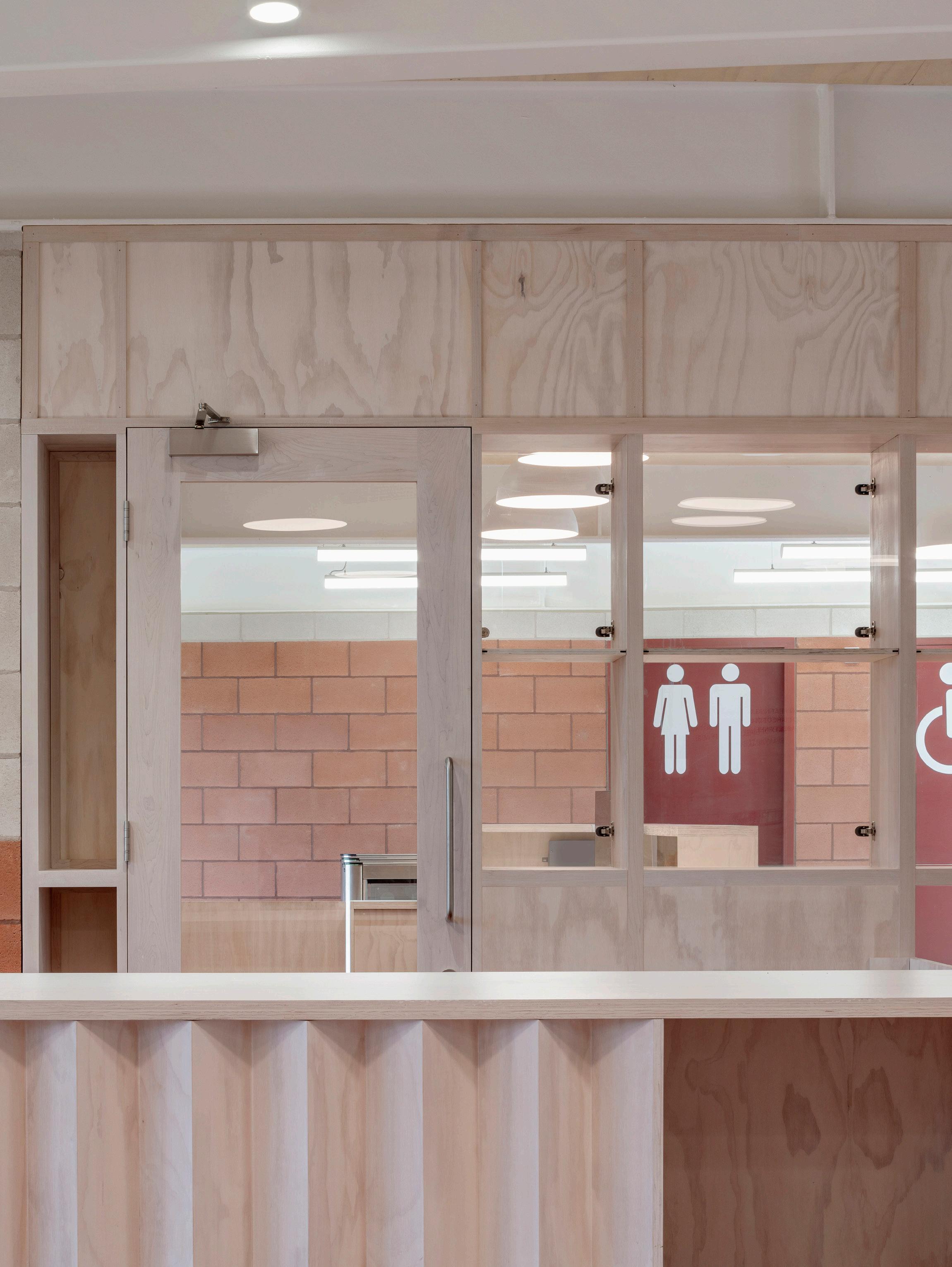
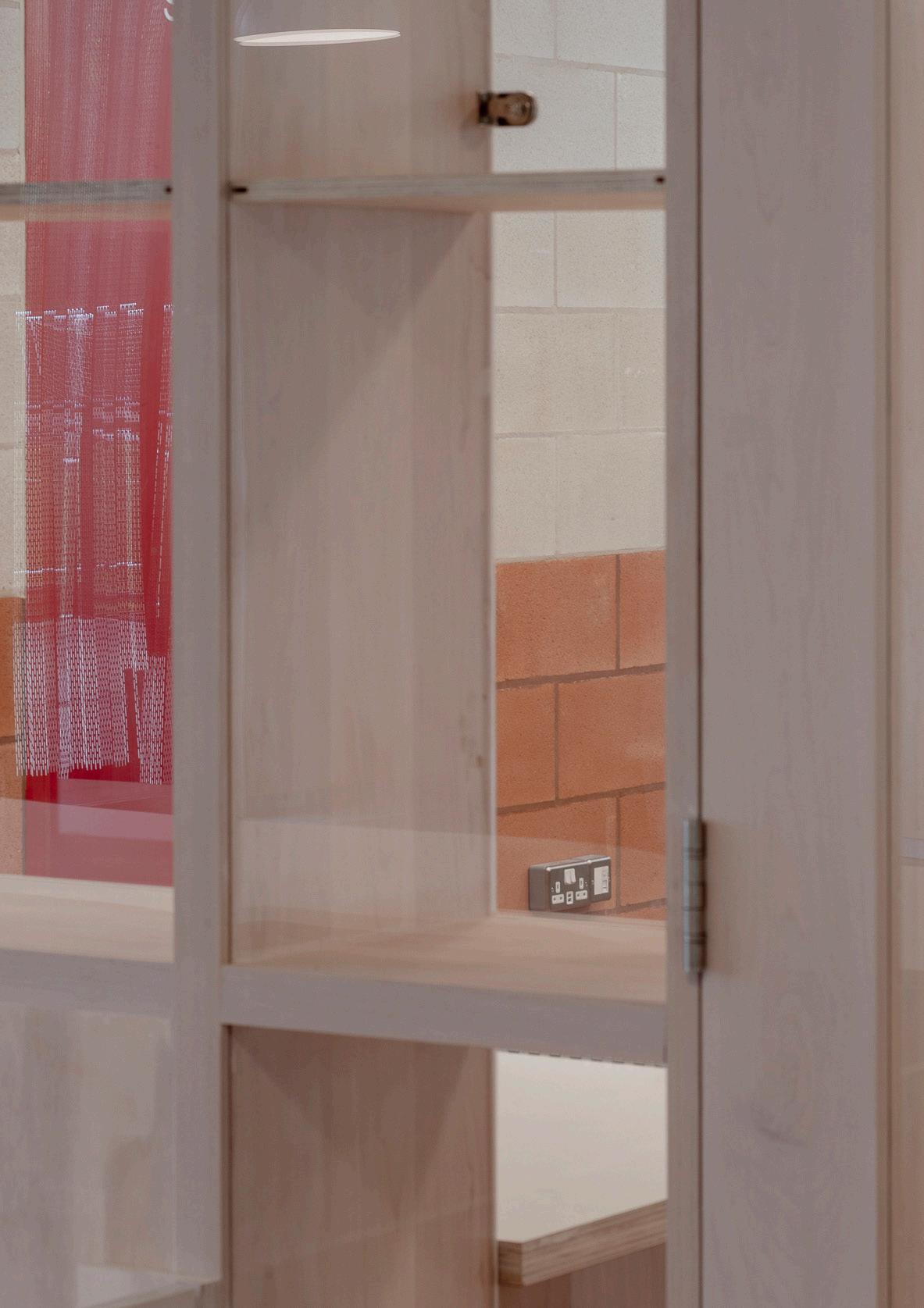
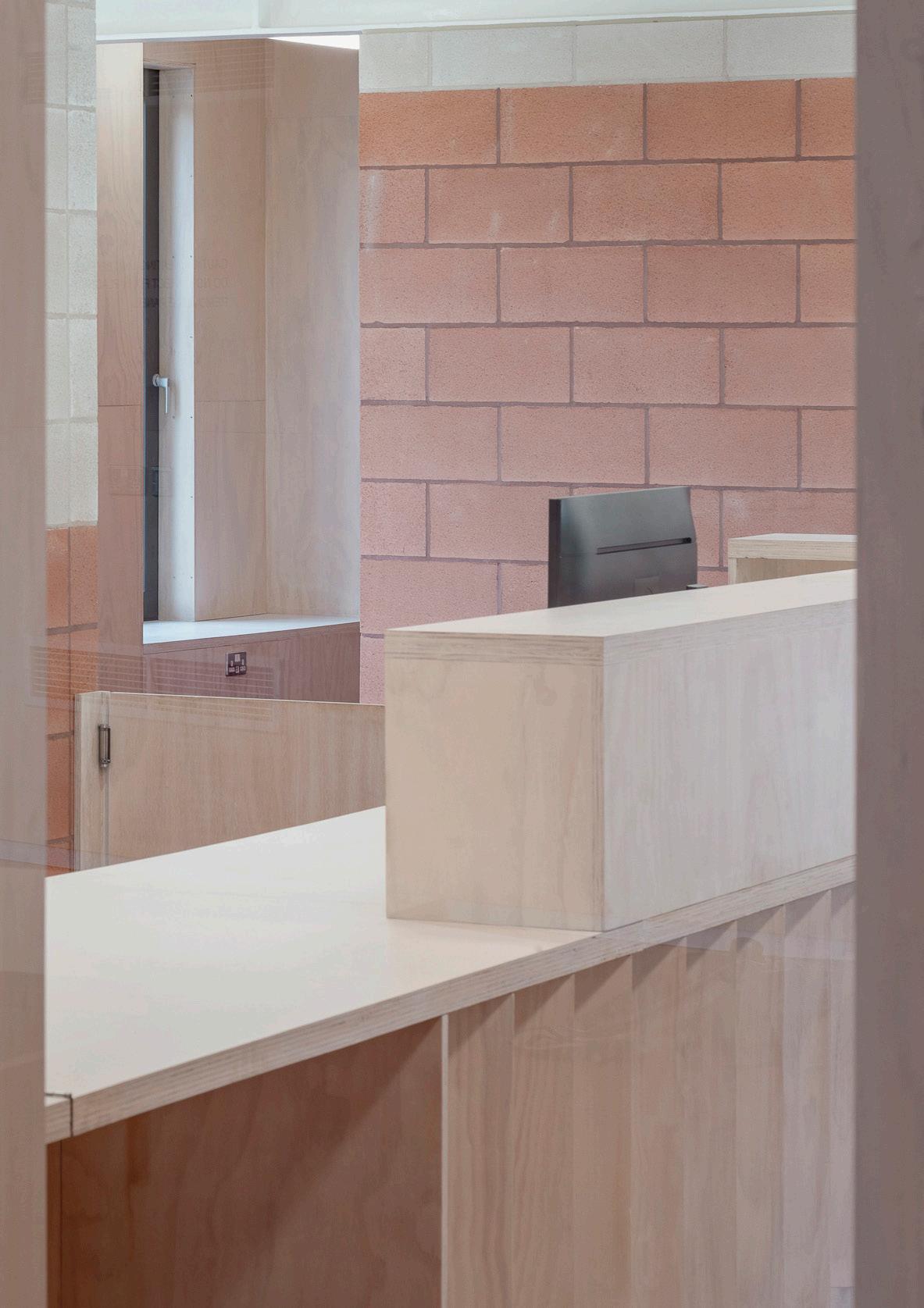
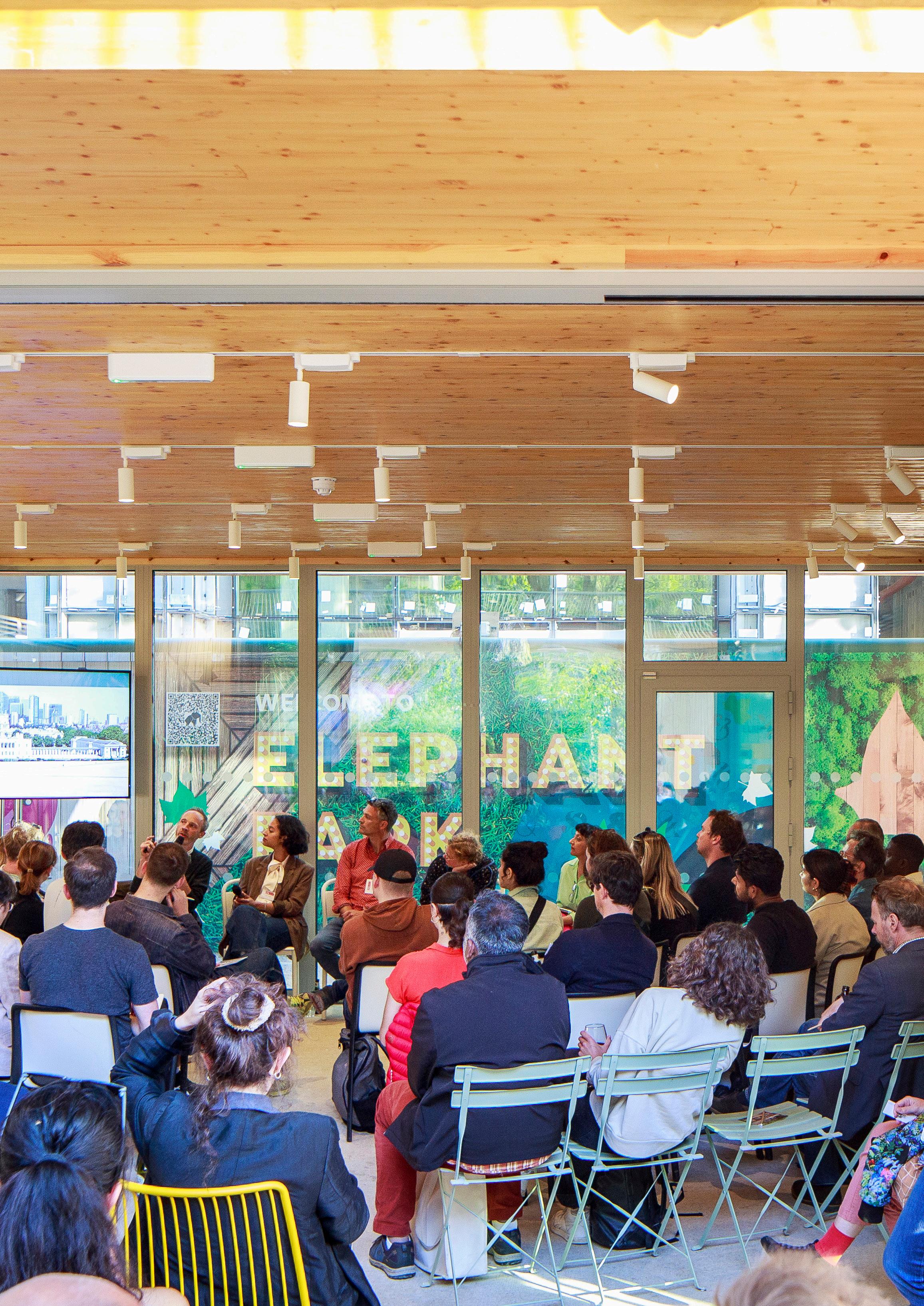
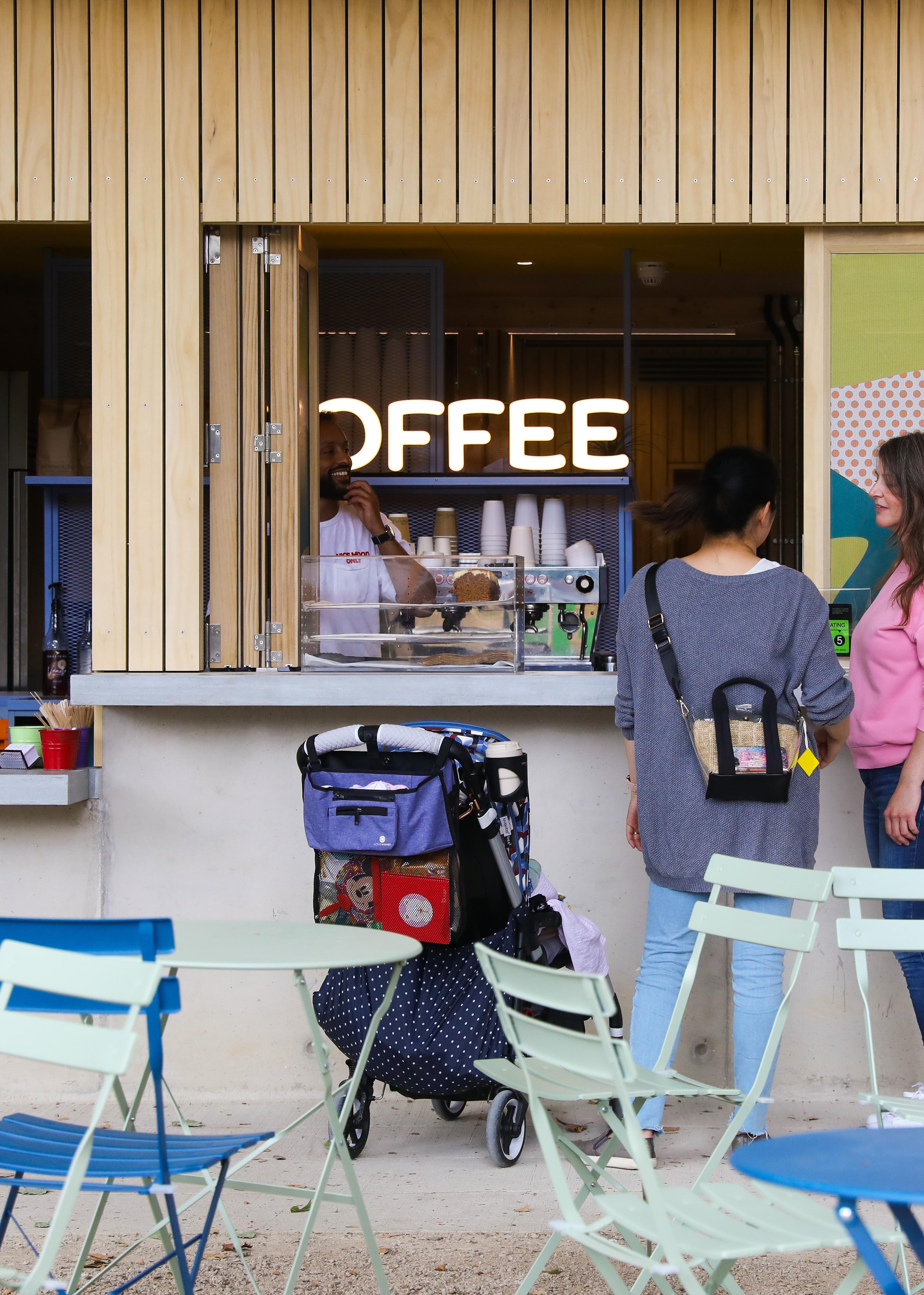
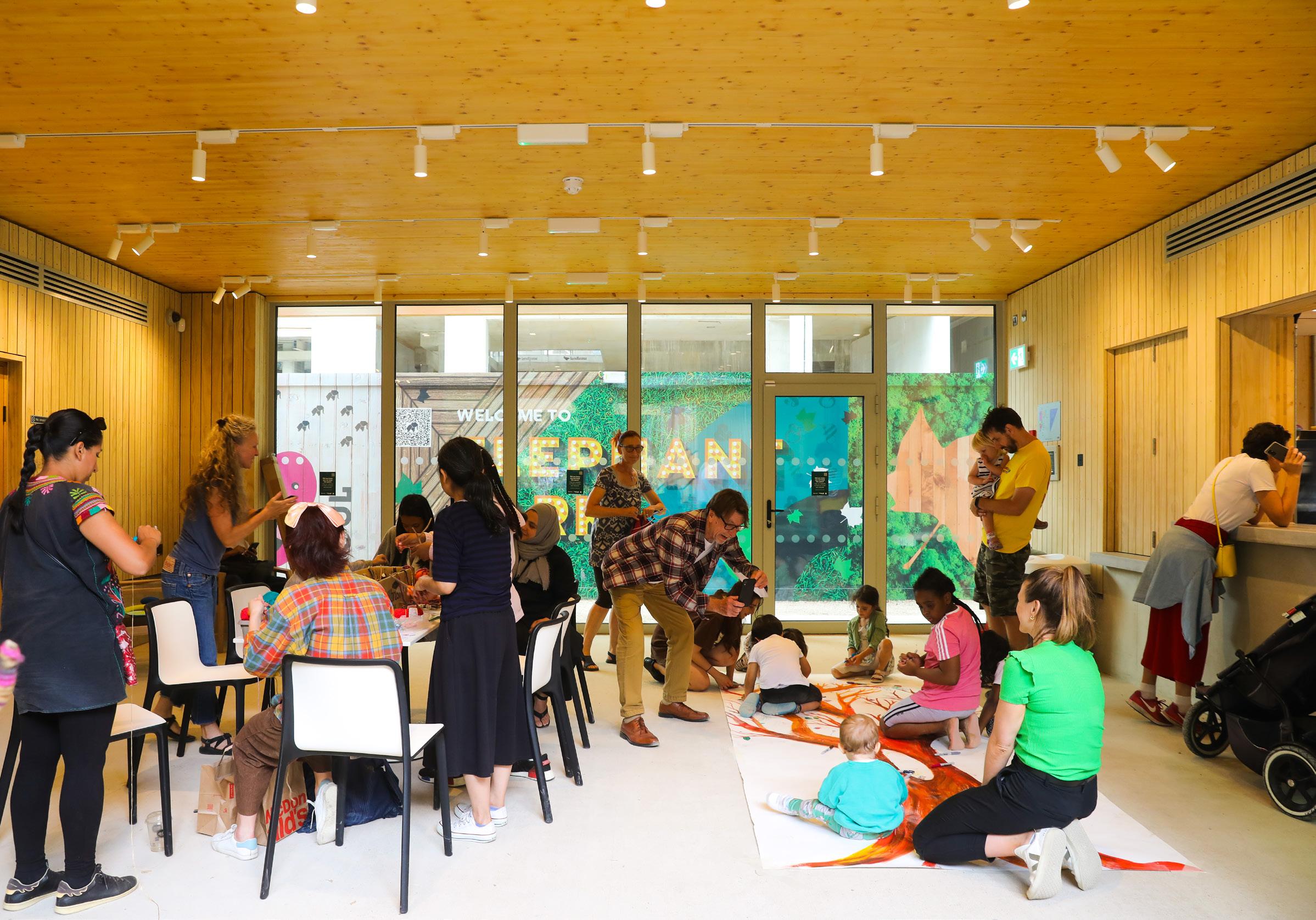
Elephant Park is at the heart of a £2.3 billion regeneration led by Lendlease, which will create 3000 new homes and establish one of London’s best new open spaces. This new pavilion for Lendlease is the centrepiece of the new park, accommodating WCs, food and beverage kiosks, a new community space and a viewing terrace.
The triangular pavilion is formed by three volumes bound together by an oversailing roof terrace centred on an existing mature London plane tree afforded the benefits of shade, elevated views across the park, and the opportunity to circulate beneath the tree’s canopy.


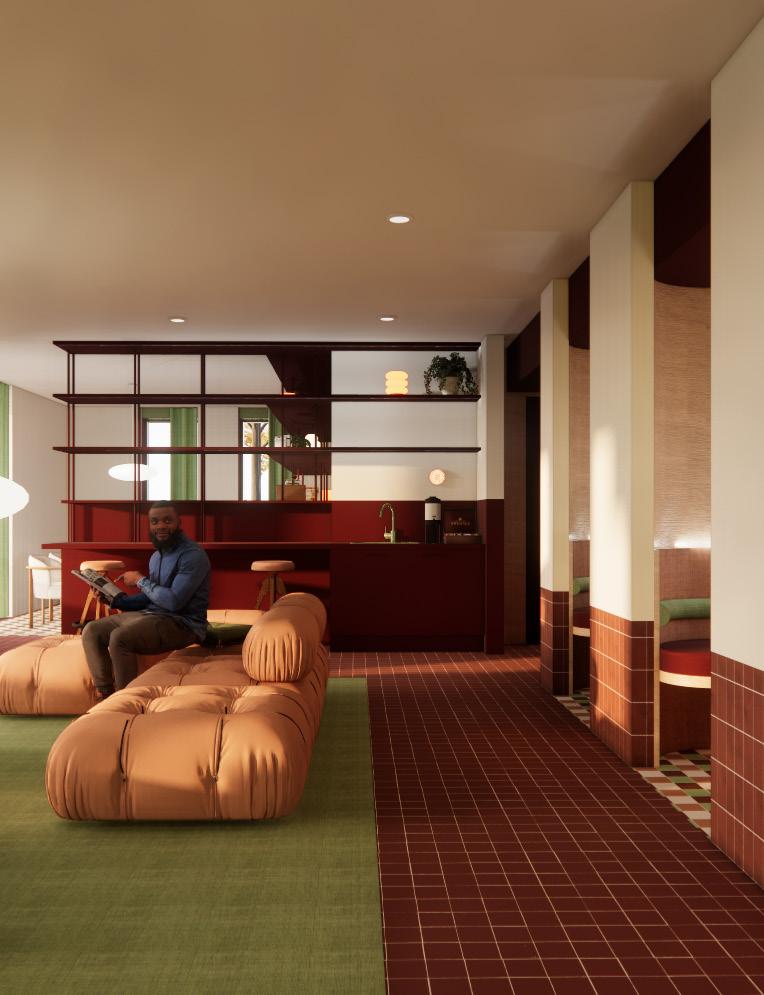
A thoughtfully designed new community in Lambeth, this project delivers highquality housing, generous landscaping and a dedicated community building intended for use as a nursery. Commissioned by Pocket Living, the scheme provides 92 new homes arranged across four distinct blocks, set around a sequence of green spaces.
Three of the blocks are residential, while the fourth is a standalone building positioned at the front of the site for community and commercial uses, creating a strong presence along Leigham Court Road.

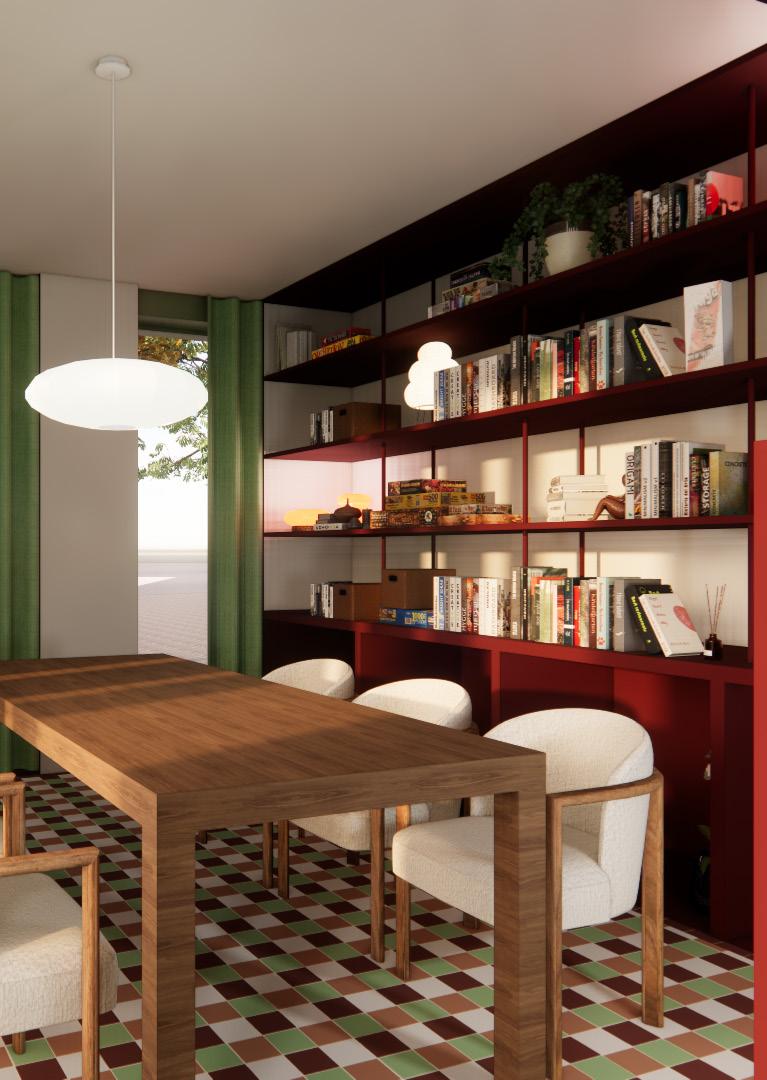
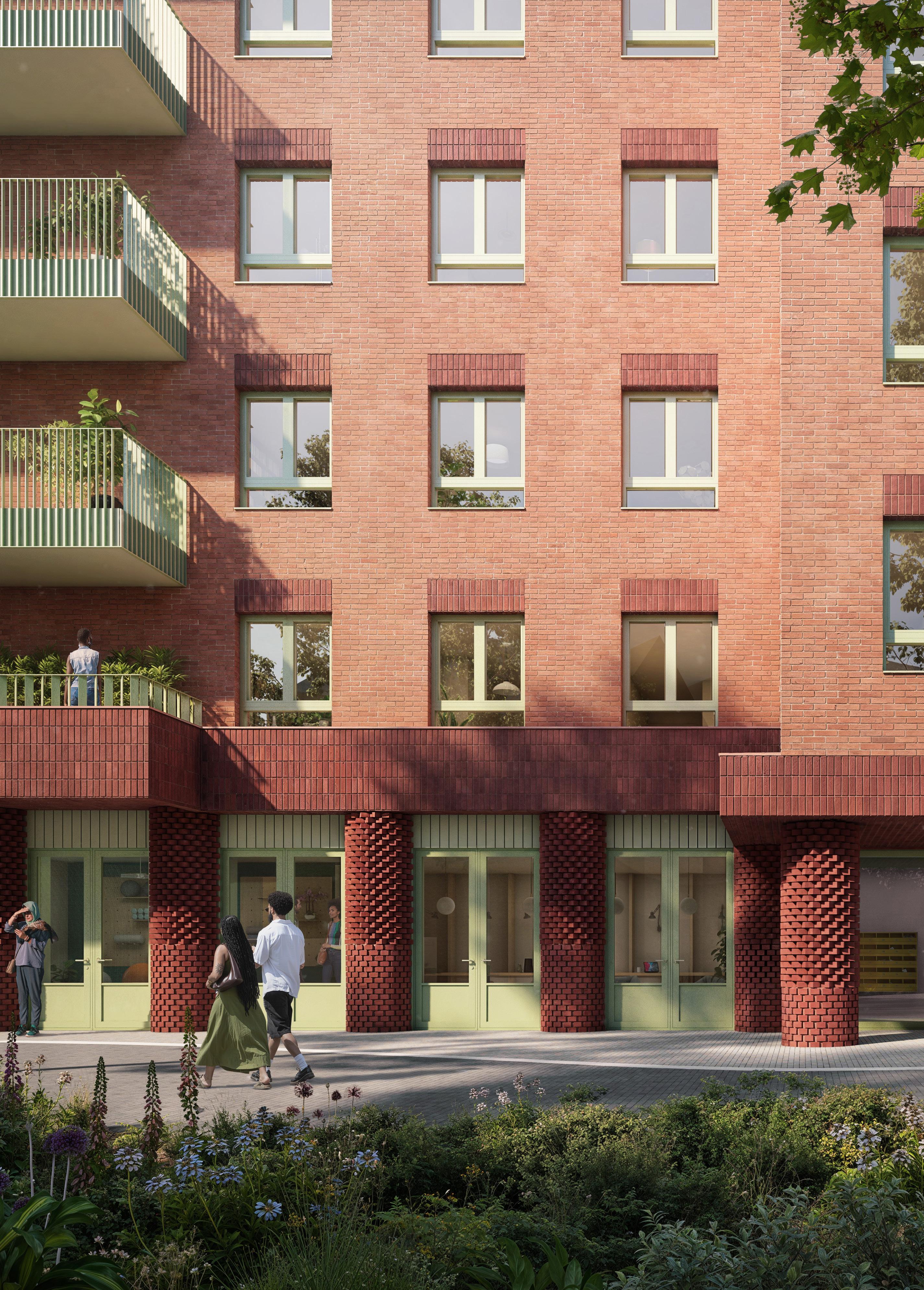
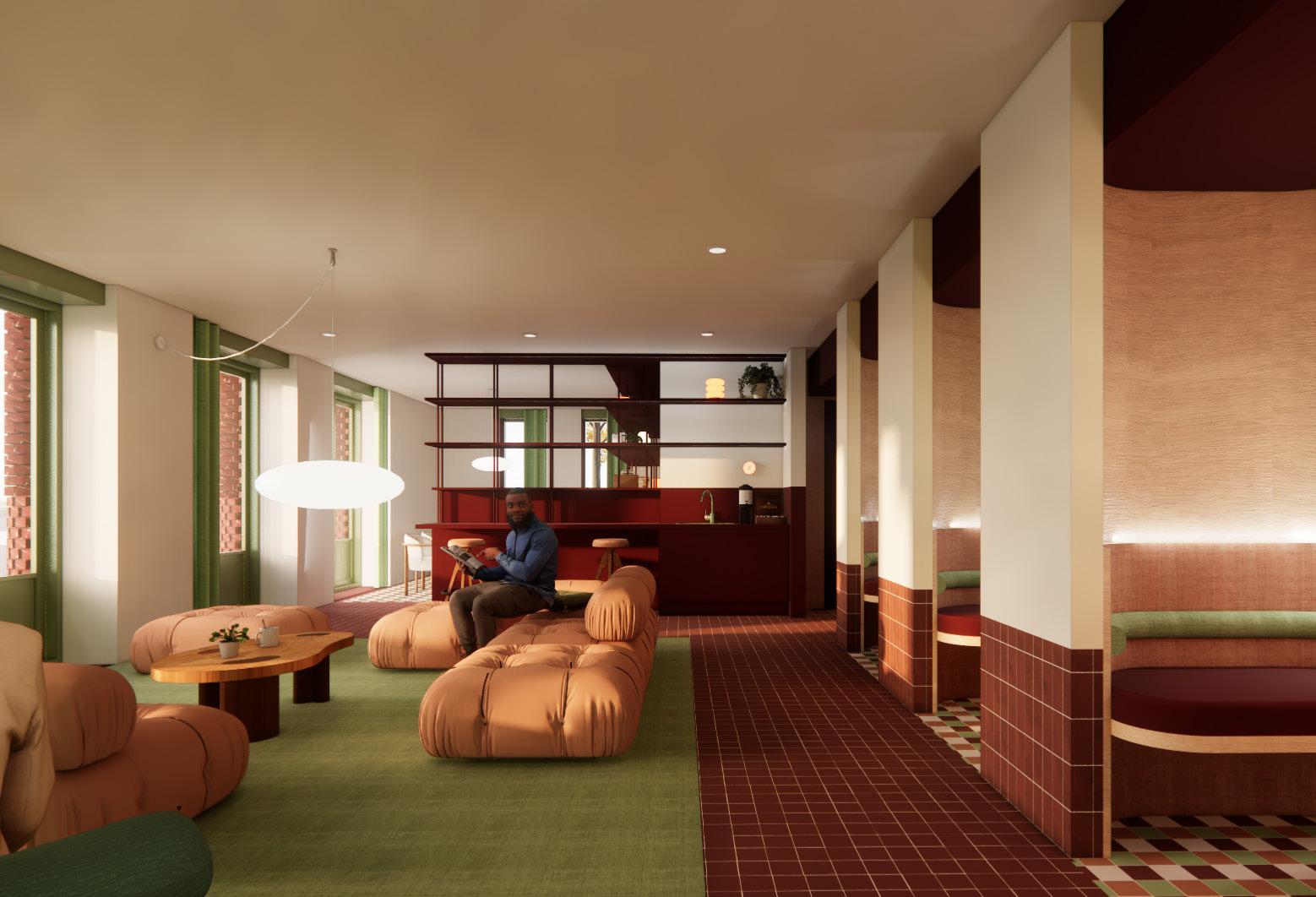
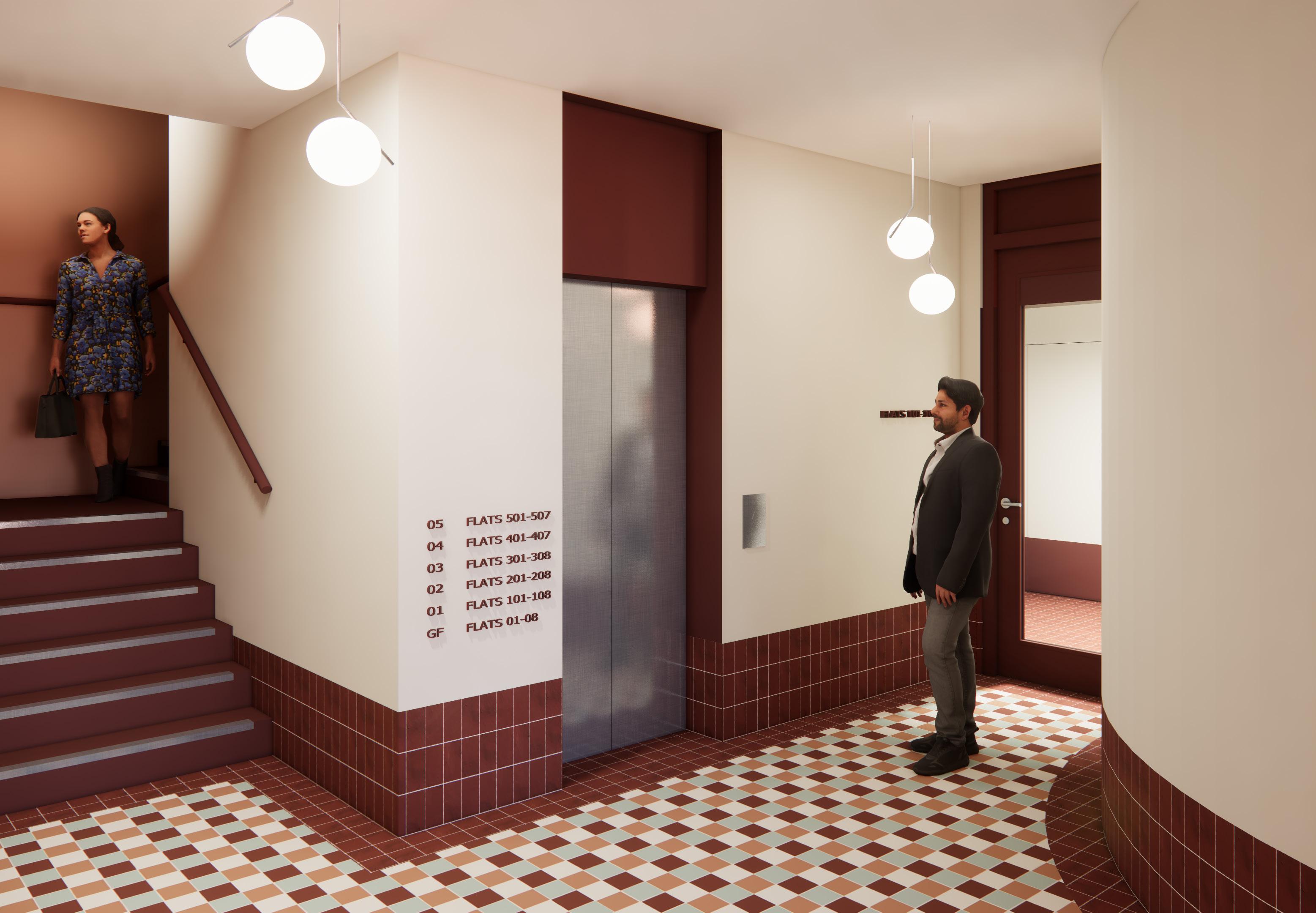
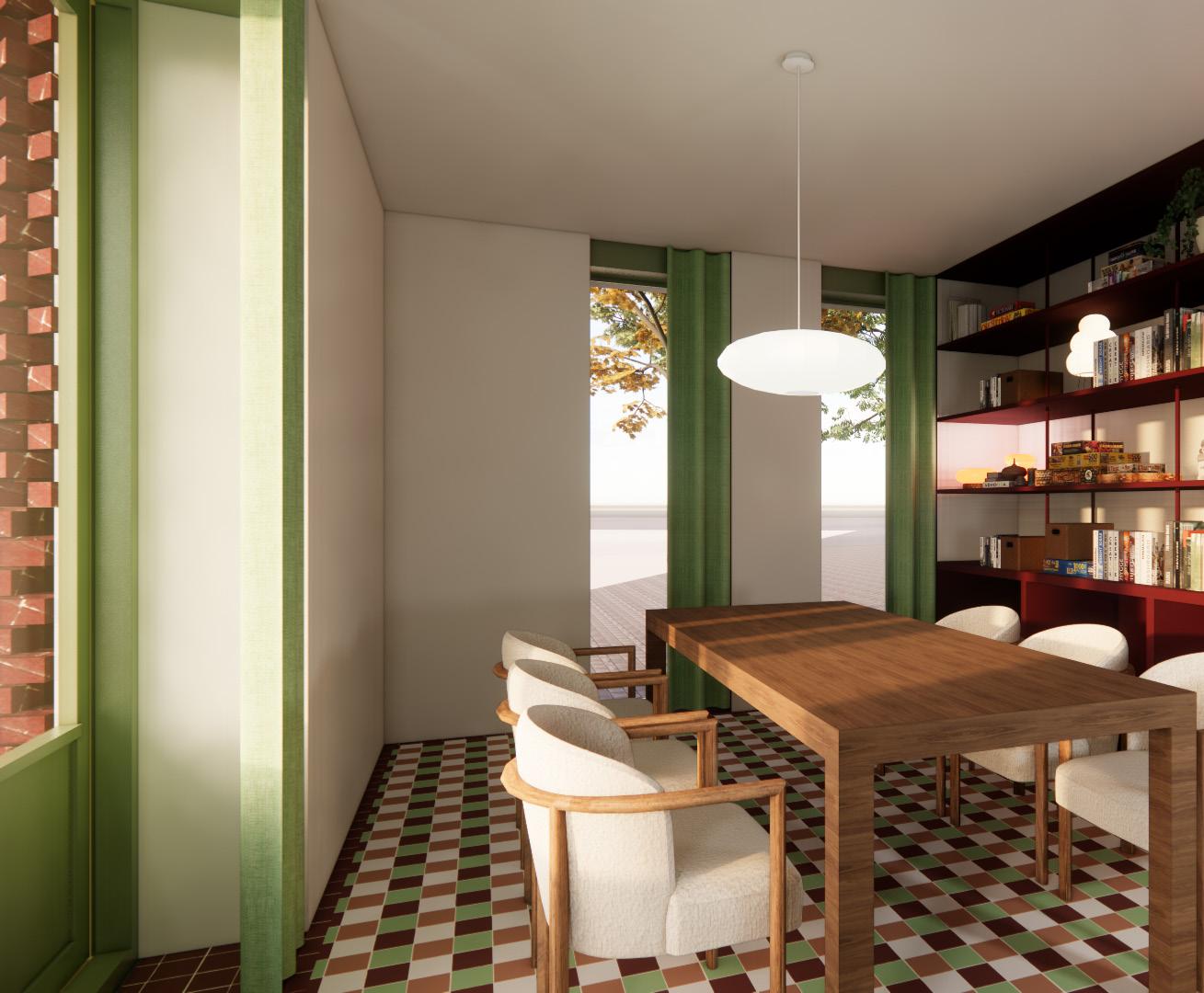


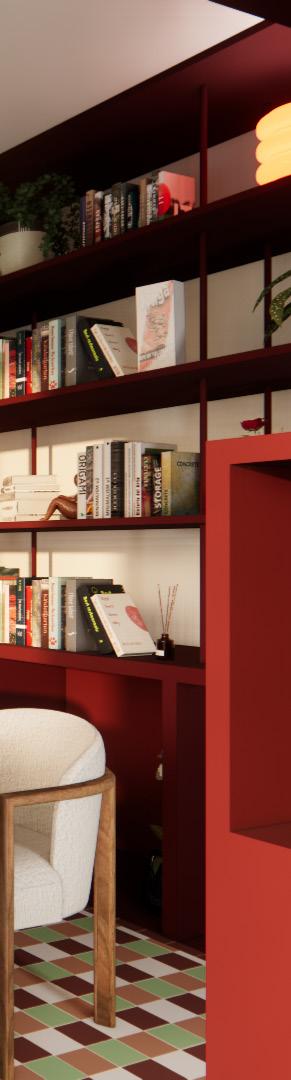
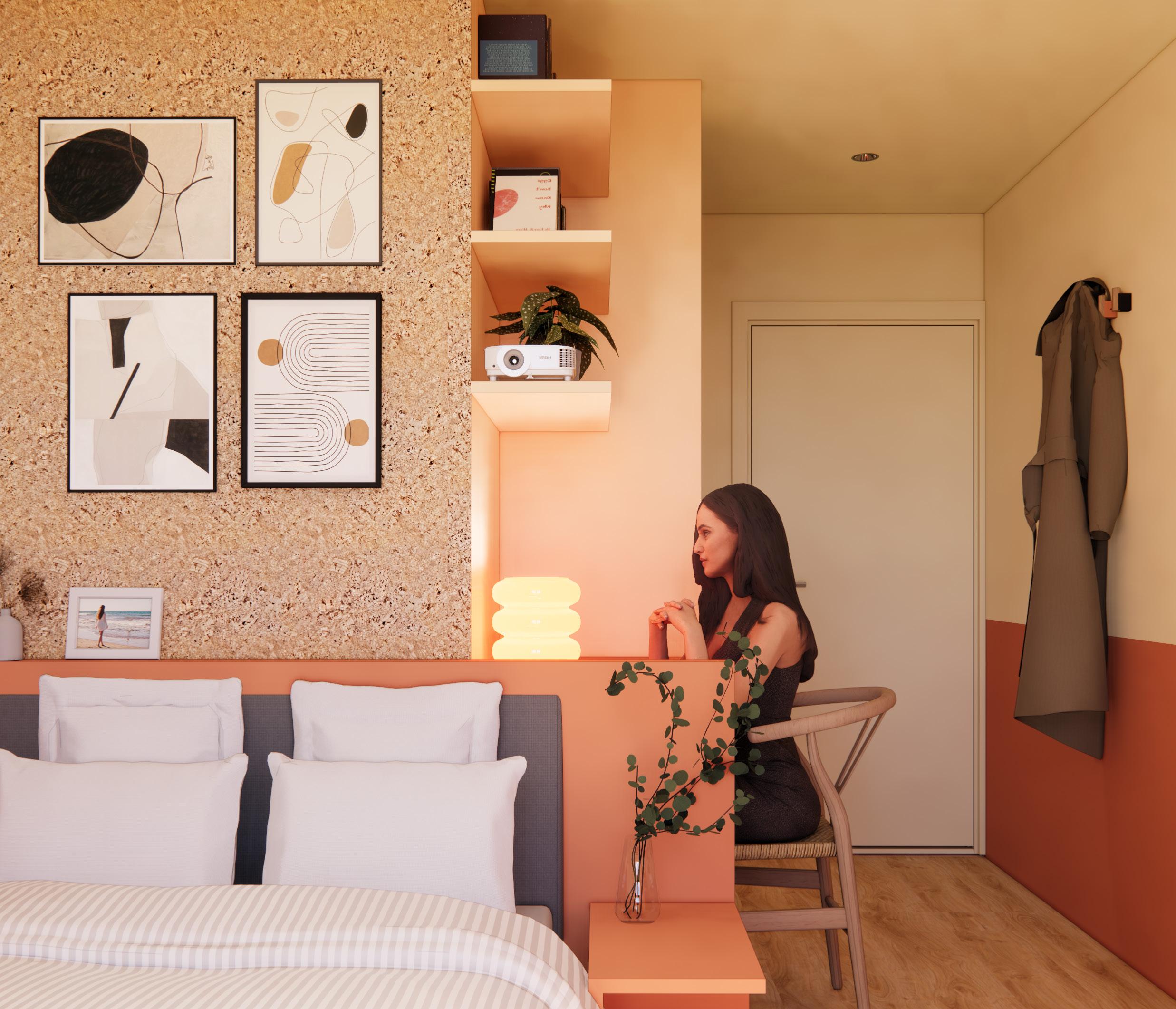
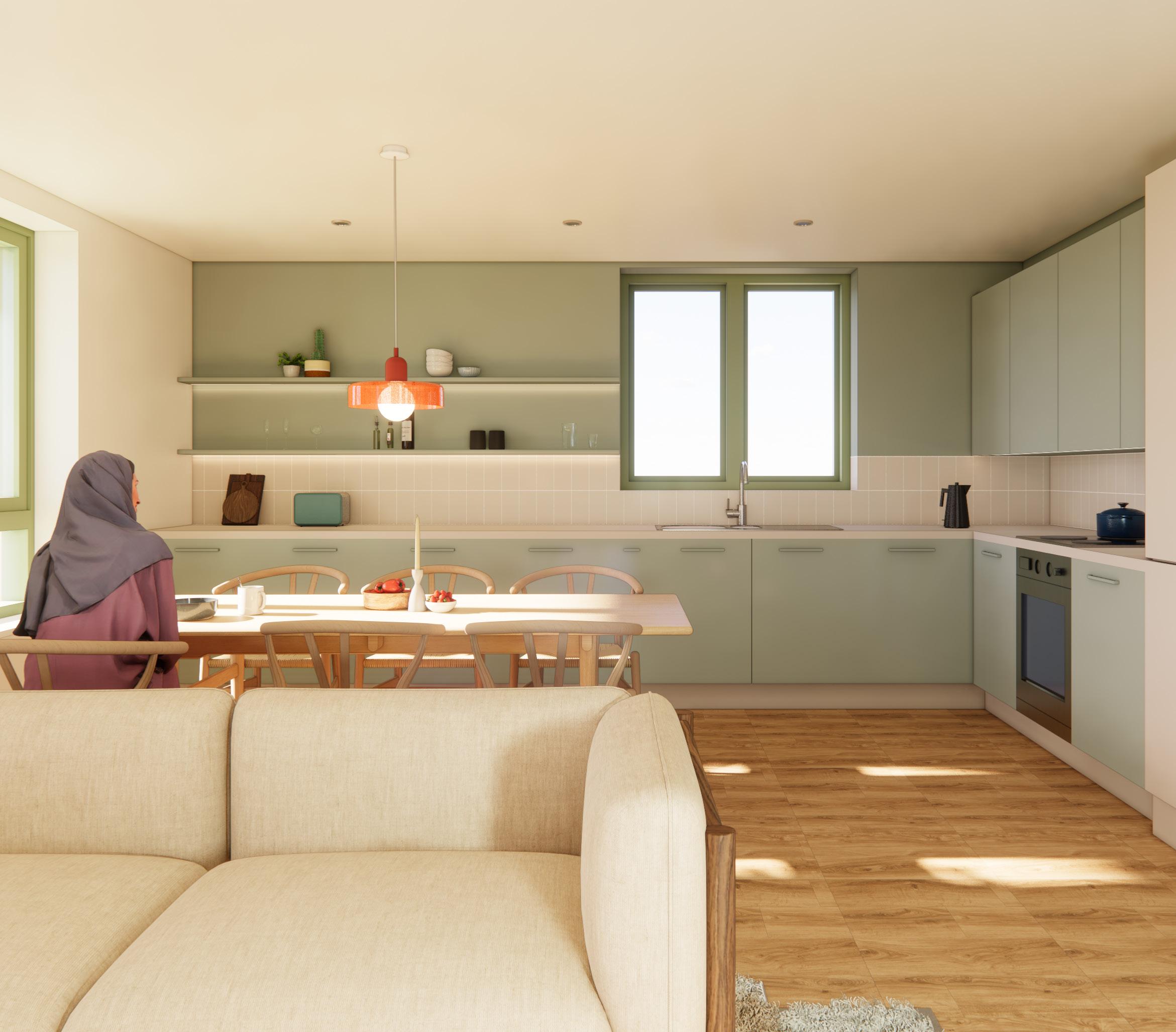
Located in the Lisson Grove conservation area adjacent to the Grade 2* listed Christ Church, this residential scheme proposes 51 new apartments and penthouses arranged around a landscaped communal garden, alongside two family terraced houses on Ashmill Street. The project, for Westminster City Council, is part of the Church Street Masterplan.
Taking inspiration from the surrounding late Victorian and Georgian terraces and Christ Church, the design reinstates the historic street frontage thereby reinforcing the character of the conservation area. Comprising 100% high value, private sale homes, this development is instrumental in cross-subsidising much of the council’s public housing delivery on other sites nearby.
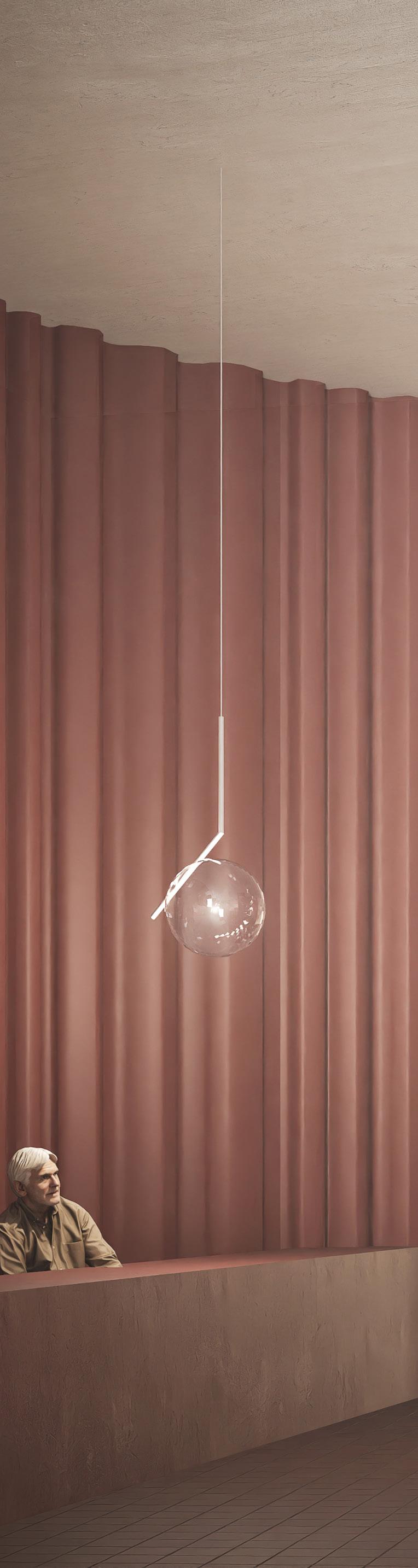
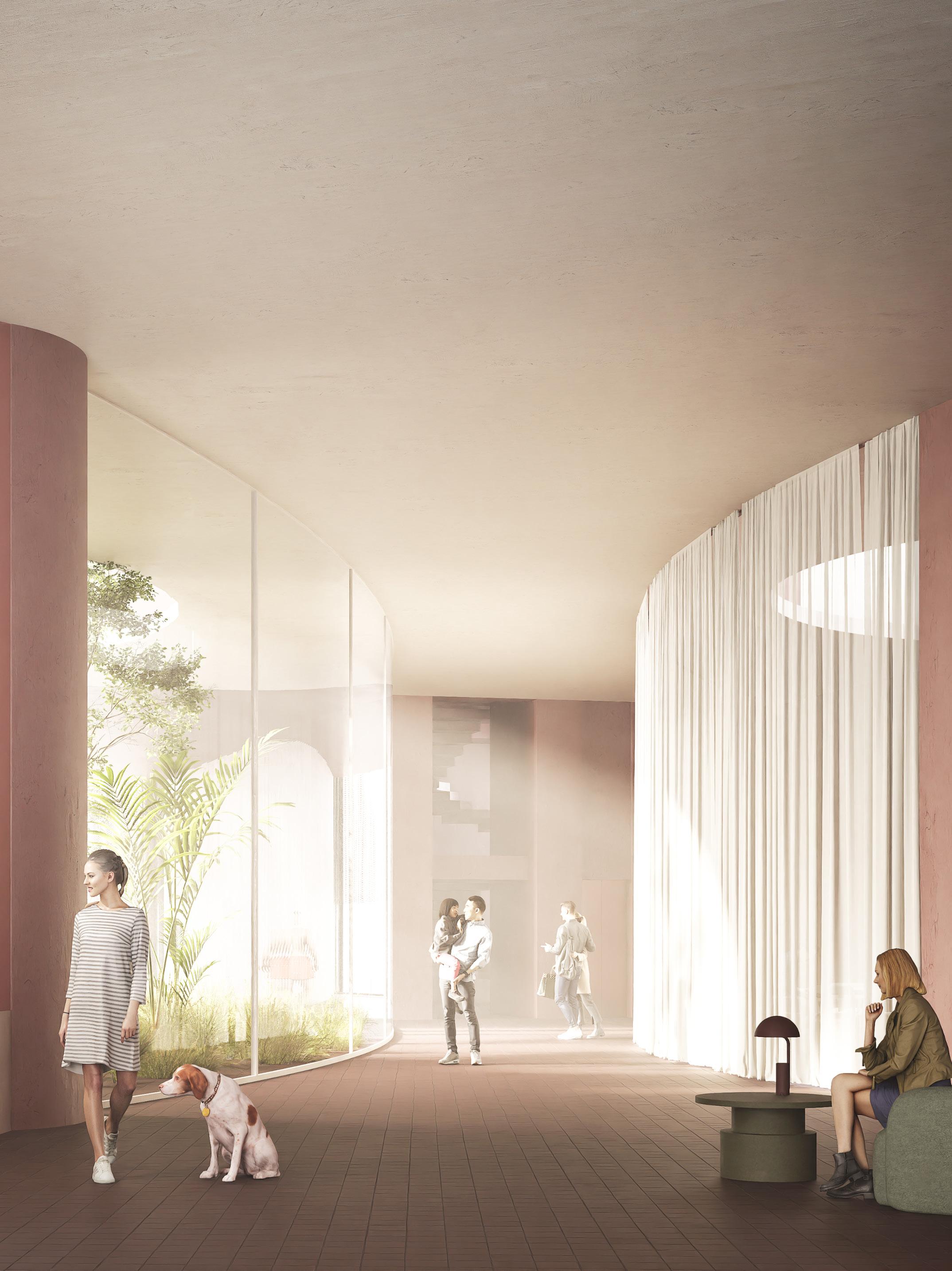
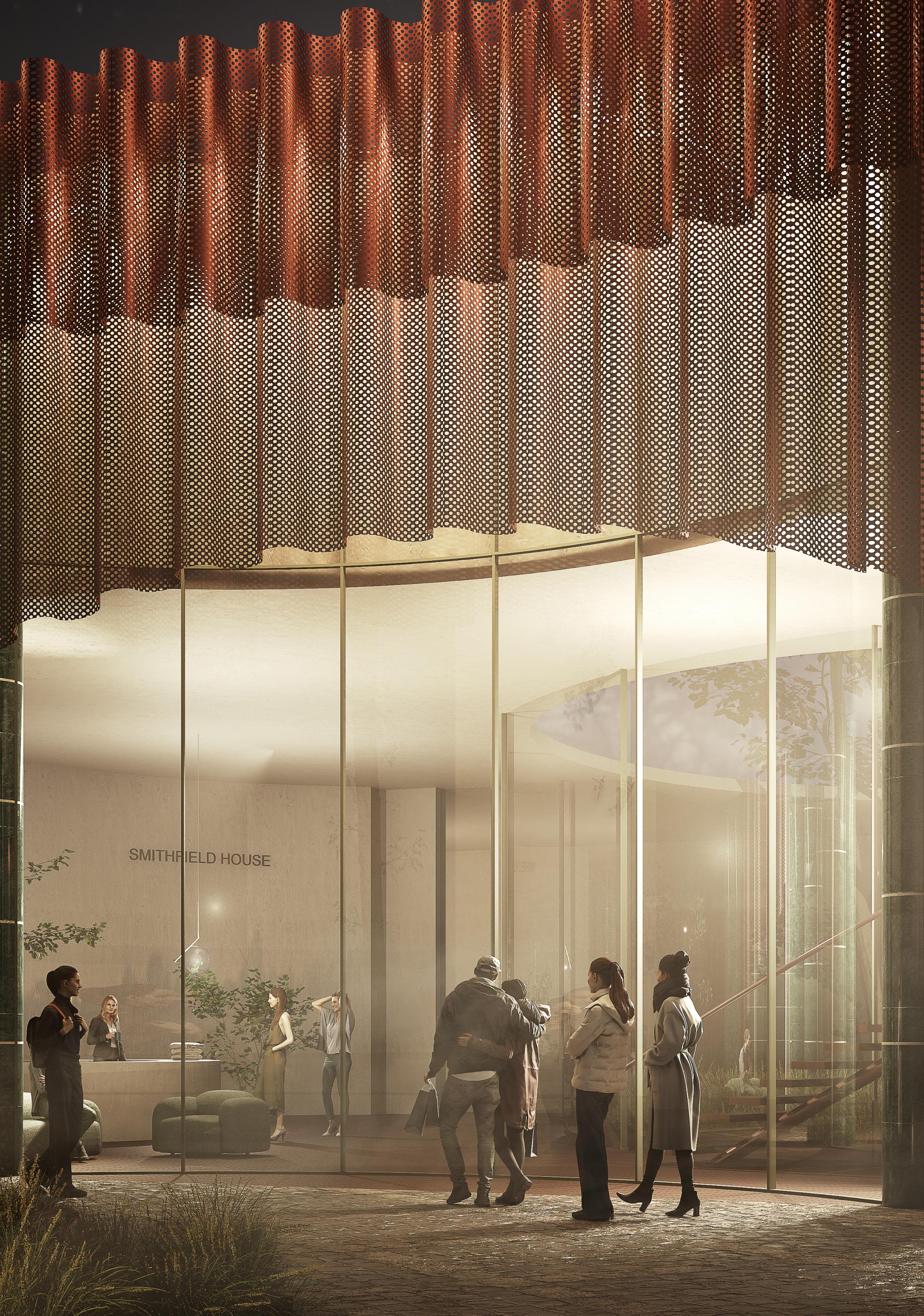
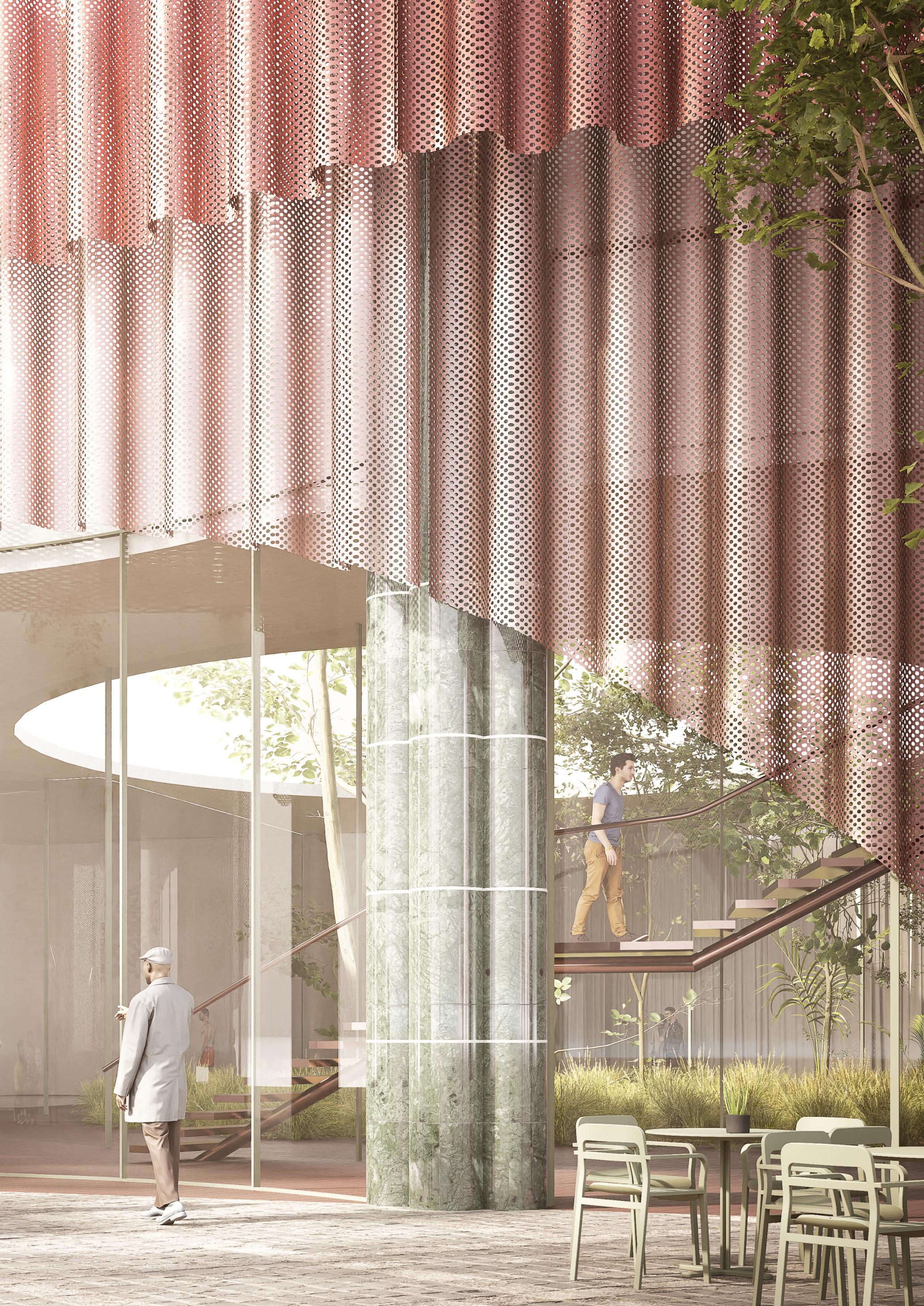
Smithfield Plot 4A
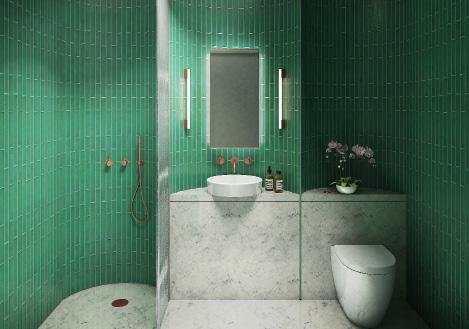
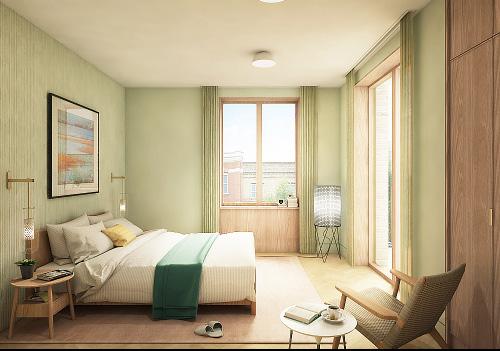
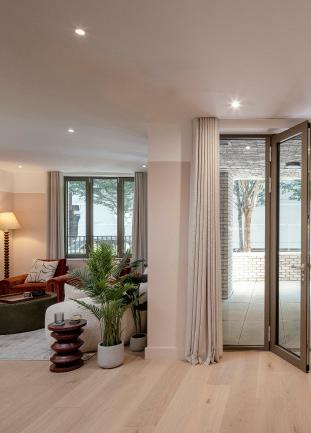
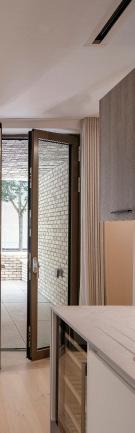
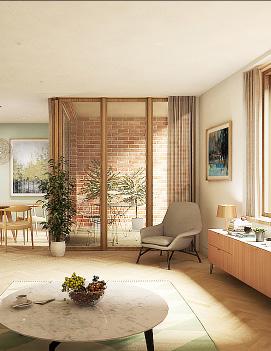
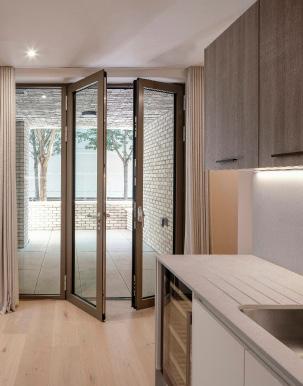
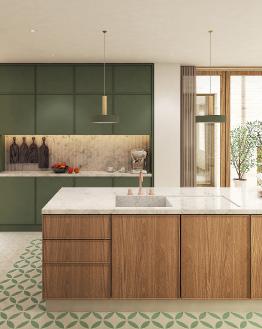
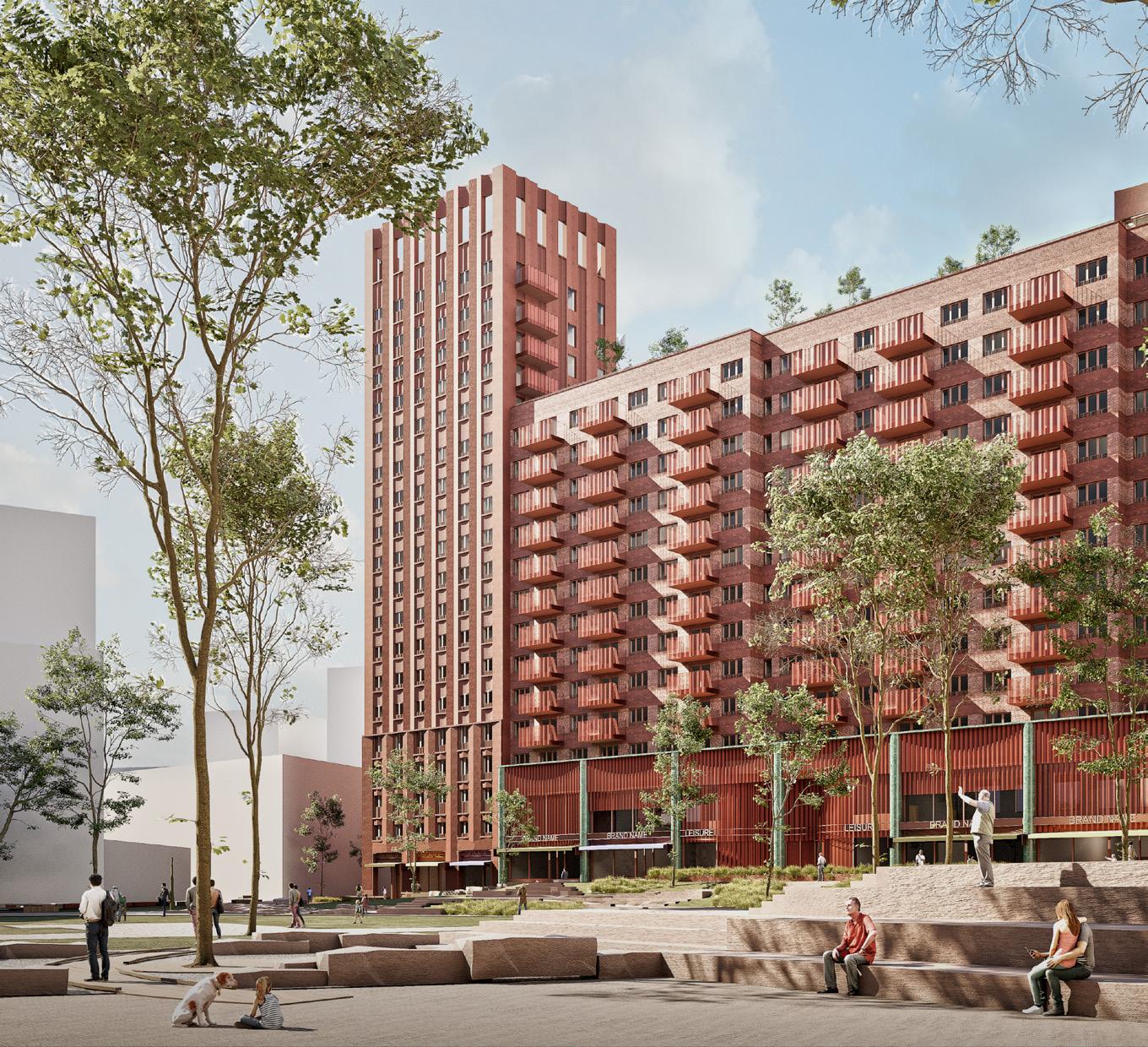
This building will be the first phase in Lendlease and Birmingham City Council’s regeneration of Smithfield in Birmingham City Centre. It will provide circa 380 Build to Rent homes plus extensive retail and a wellness facility, together with rooftop amenities and communal spaces for residents. This development will set the standard for a new high value residential offer in Birmingham, and in terms of architecture this will establish a level of design quality appropriate to Manor Square, located on the site of the original manor house owned by the De Birmingham family, and effectively the historic origin of the city.
The Community House
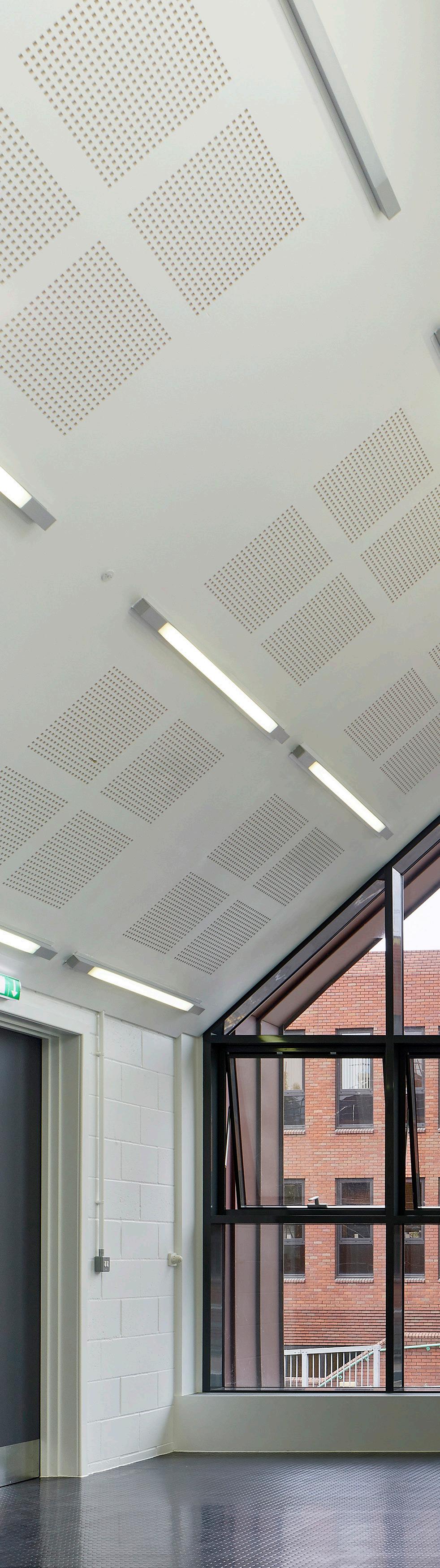
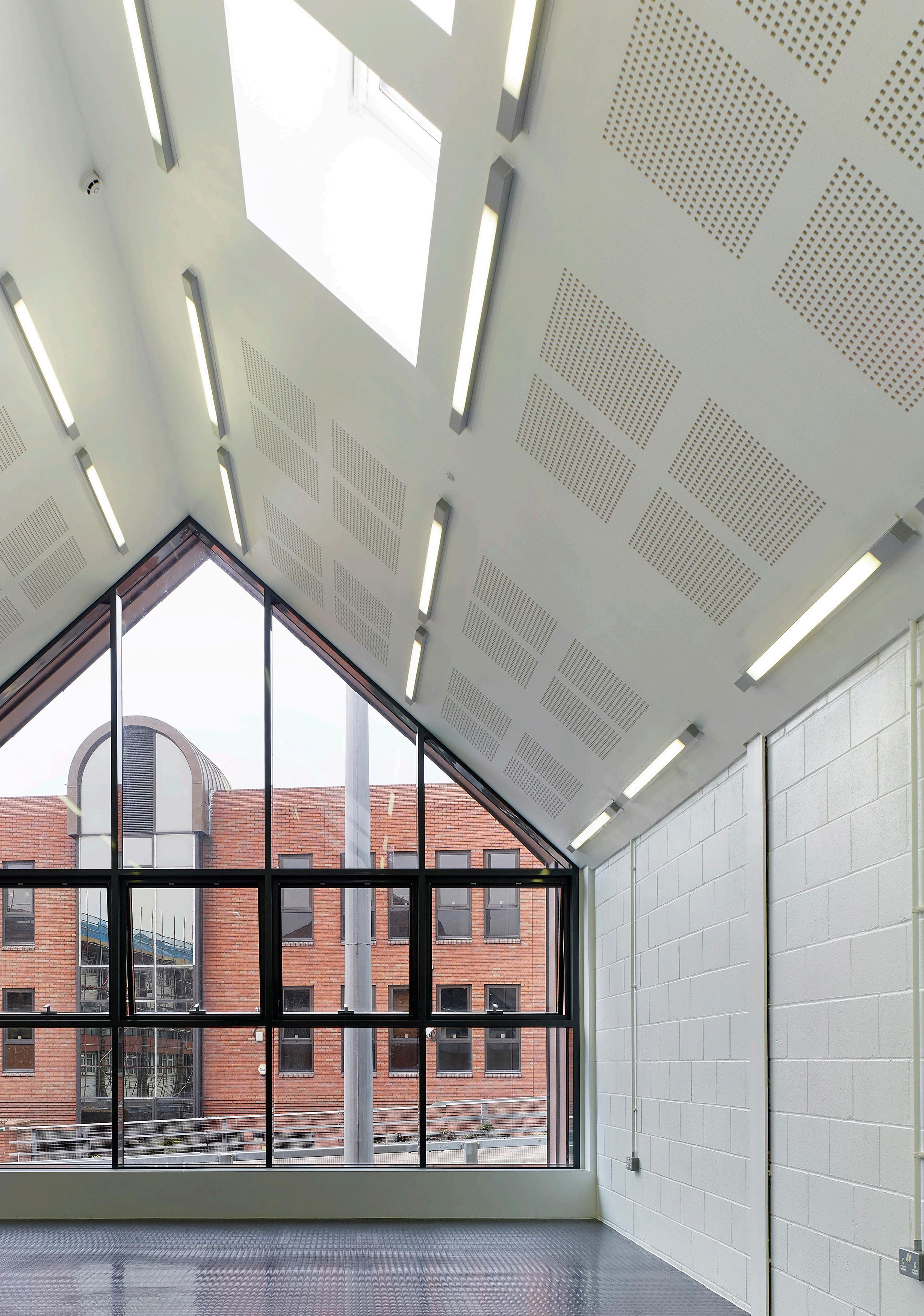
This community centre is part of a larger development comprising 53 homes for affordable rent on a brownfield postwar garage site in Tilbury, Essex.
The previous community centre known as ‘The Community House’ was established by the local community to provide activities for local school children and undertaking important local initiatives such as addressing knife crime. However, The Community House operated from a series of Portakabins that were inadequate for their use. The development of the garage site for housing presented the opportunity to provide new facilities.
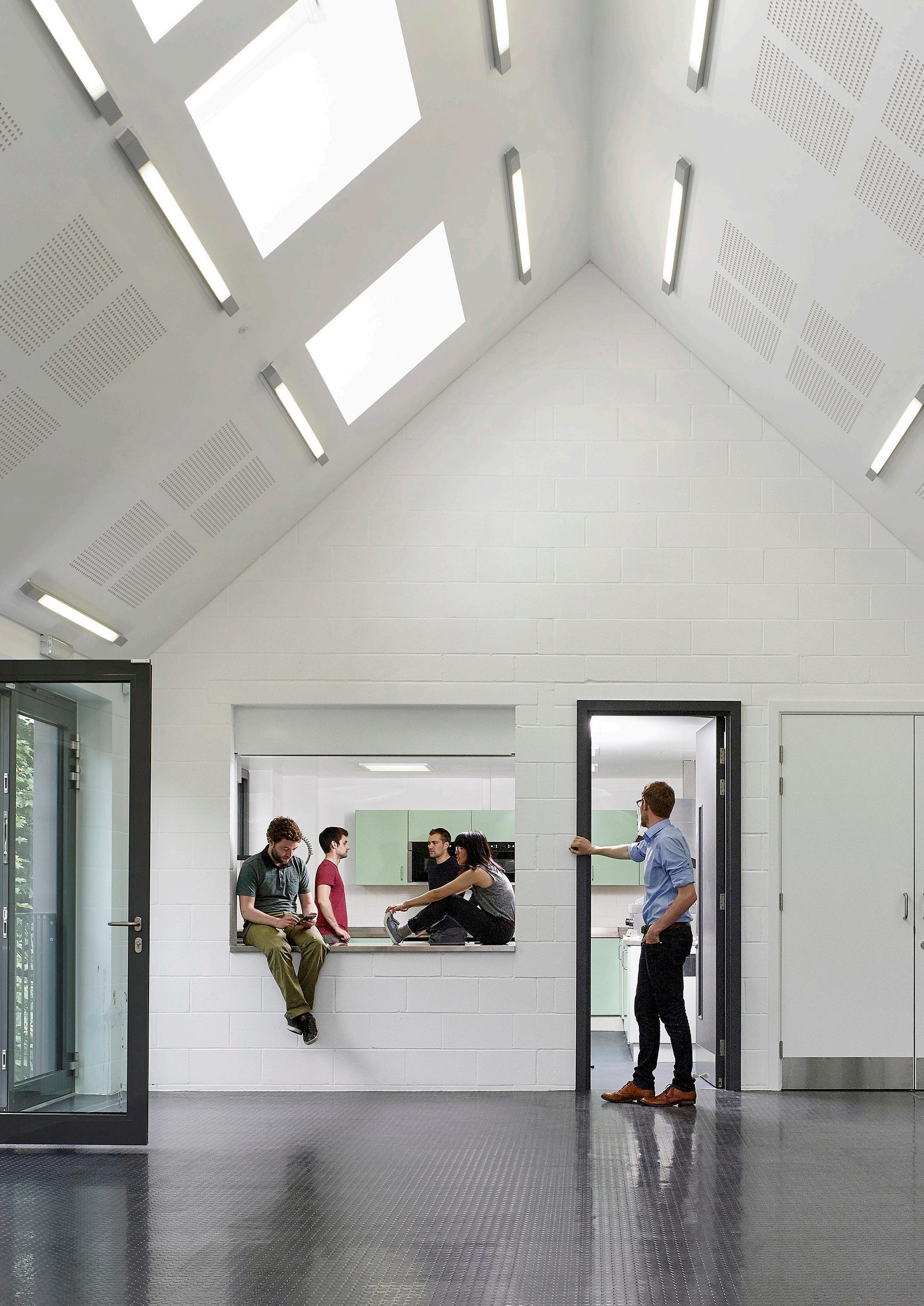
The new community centre is located between the estate and the town. This allows The Community House to engage with the town centre and for the activities of the centre to be projected to a wider audience via a generous ‘shop window’.
The Community House incorporates two separate activity spaces, together with offices and a kitchen that provide local residents with a great deal of flexibility and the potential to expand their programmes.
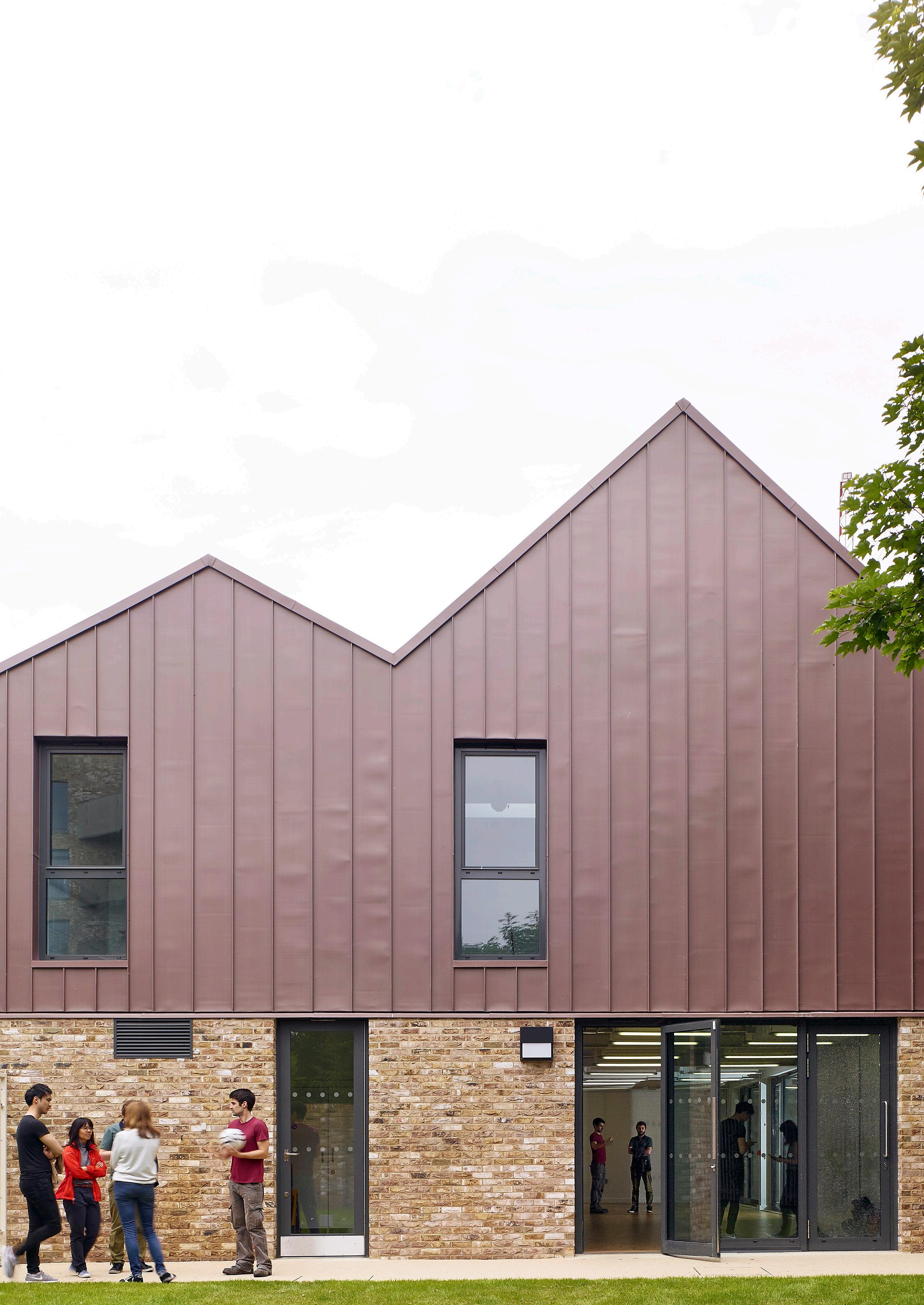
Project The Community House
Location Grays, Essex
Client Thurrock Council
Project Cost
Status
Undisclosed
Completed 2016
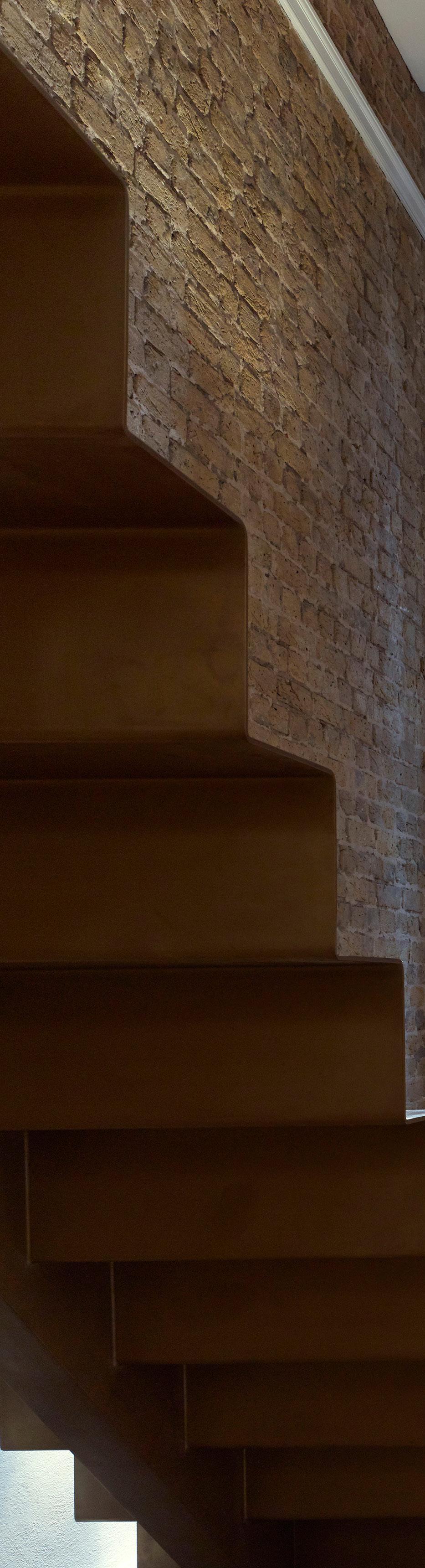
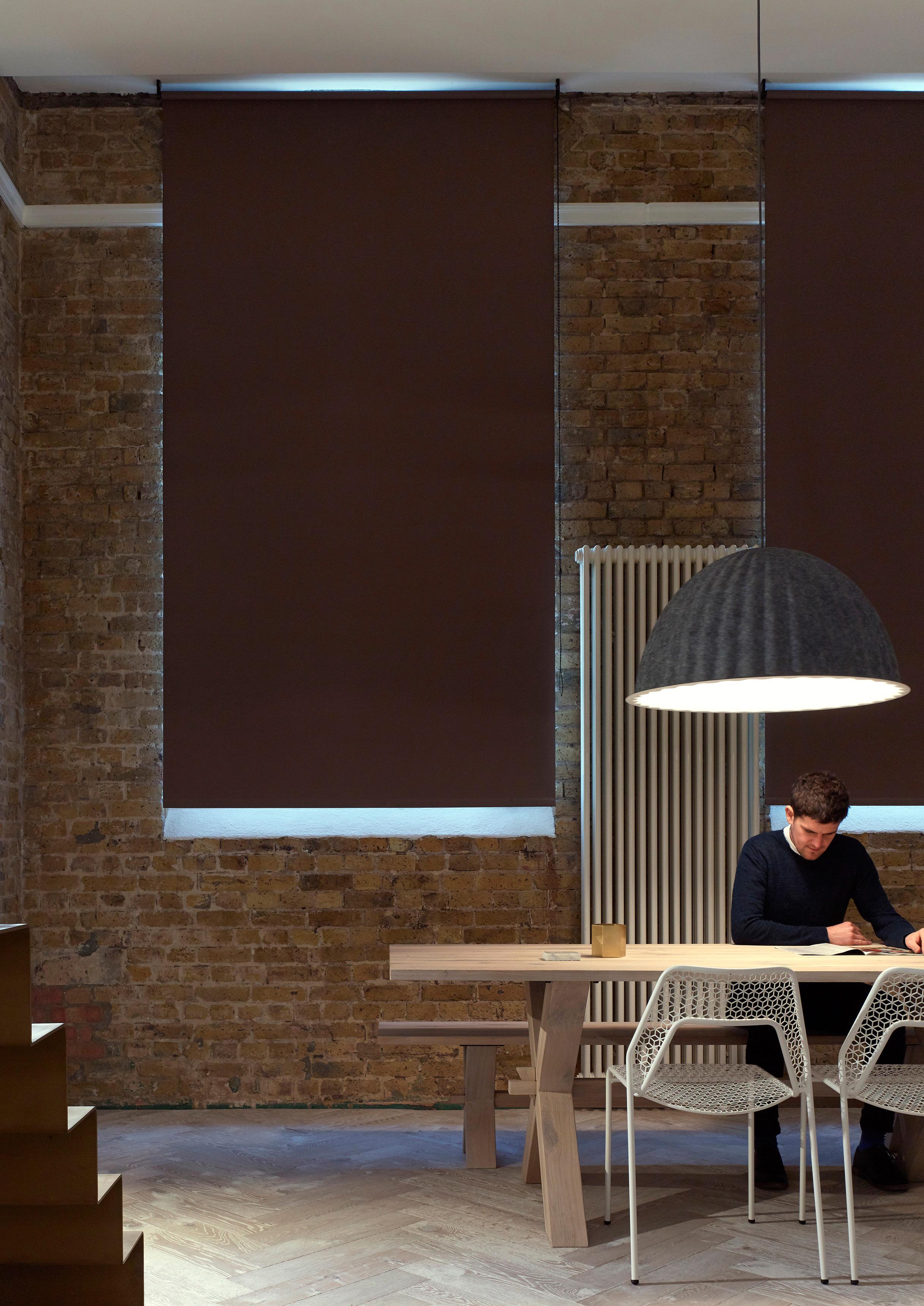
This slimline folded staircase was designed for a private client in Hackney. It connects the ground and mezzanine floors of a studio flat within a historic Victorian schoolhouse, with its minimal design increasing the sense of space and adding a sculpted, elegant form that forms a focal point for the space.
Alternative material coatings were exhaustively researched to identify a finish that had the depth, texture, richness of colour and tone to complement the existing building.
A 6mm steel sheet was folded and welded before being finished using the innovative process of spraying atomised brass directly on to the steel. The brass finish compliments with the rough existing brickwork to create a dynamic meeting of old and new.
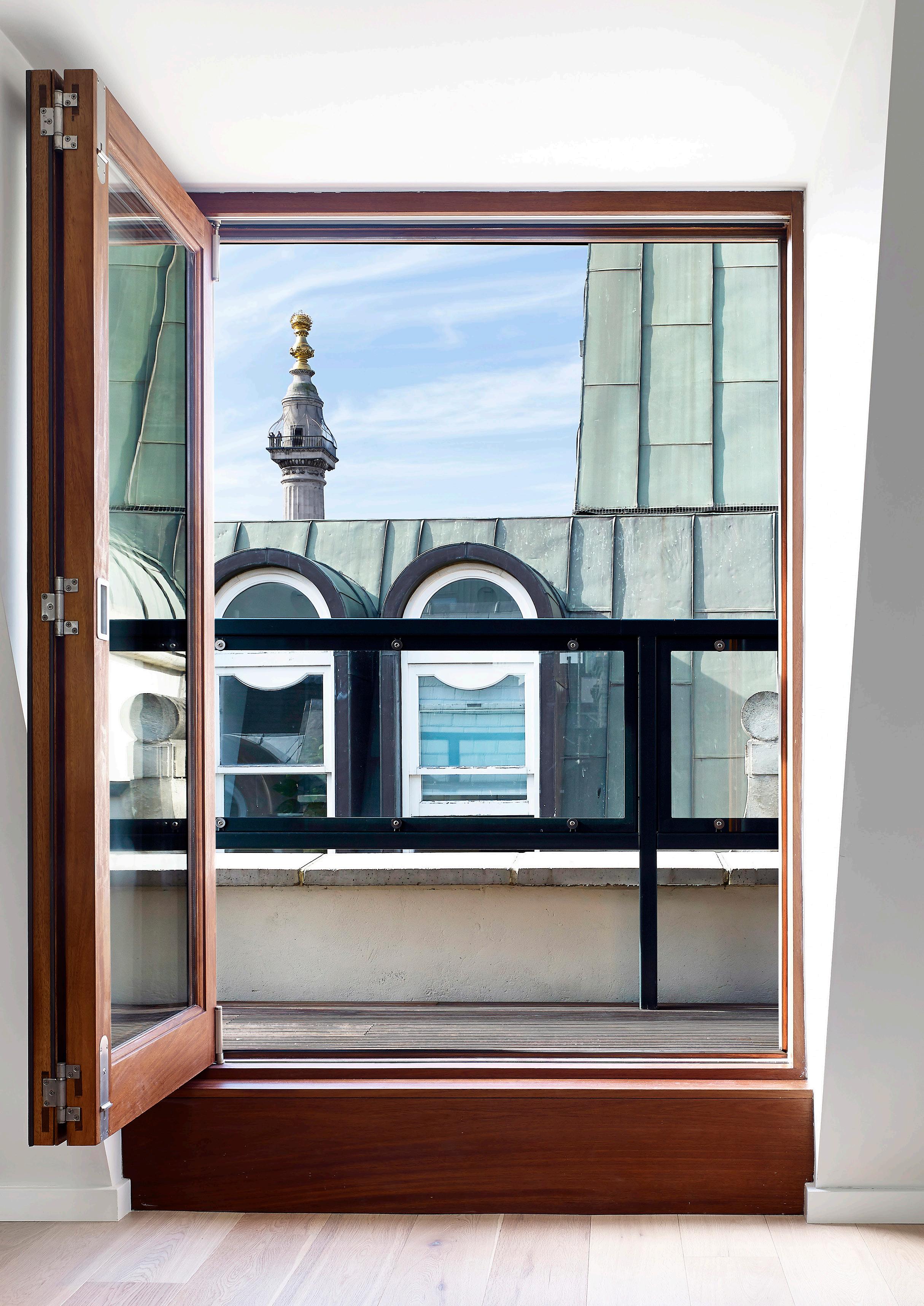
28 Lovat Lane is nestled in to a tightly grained historic urban quarter between the City of London and the River Thames in close proximity to The Monument. The building is located within the Eastcheap Conservation Area and adjacent to the Grade I listed St. Mary-at-Hill Church, designed by Sir Christopher Wren, and the Grade II listed No. 8 St. Mary-at-Hill.
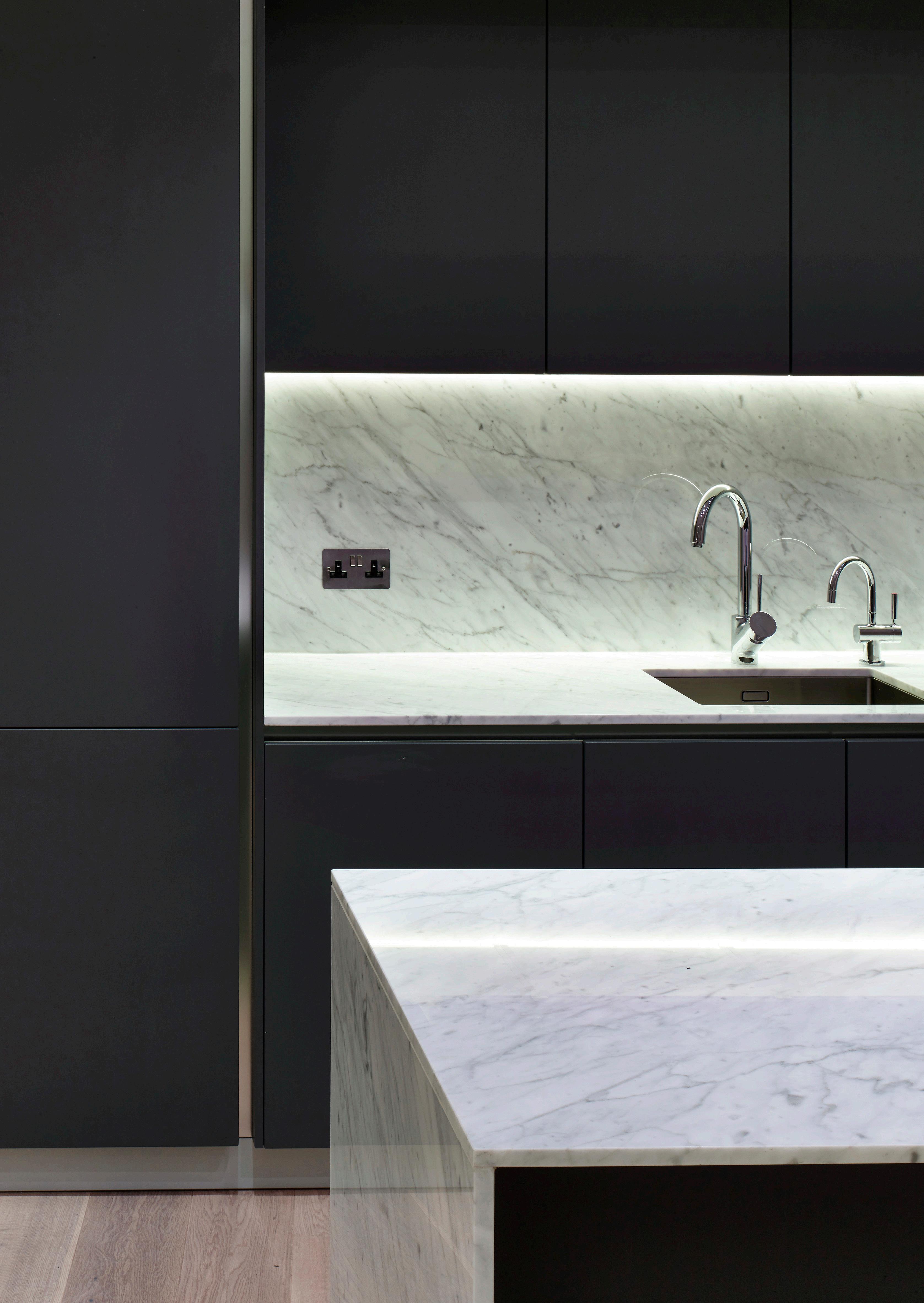
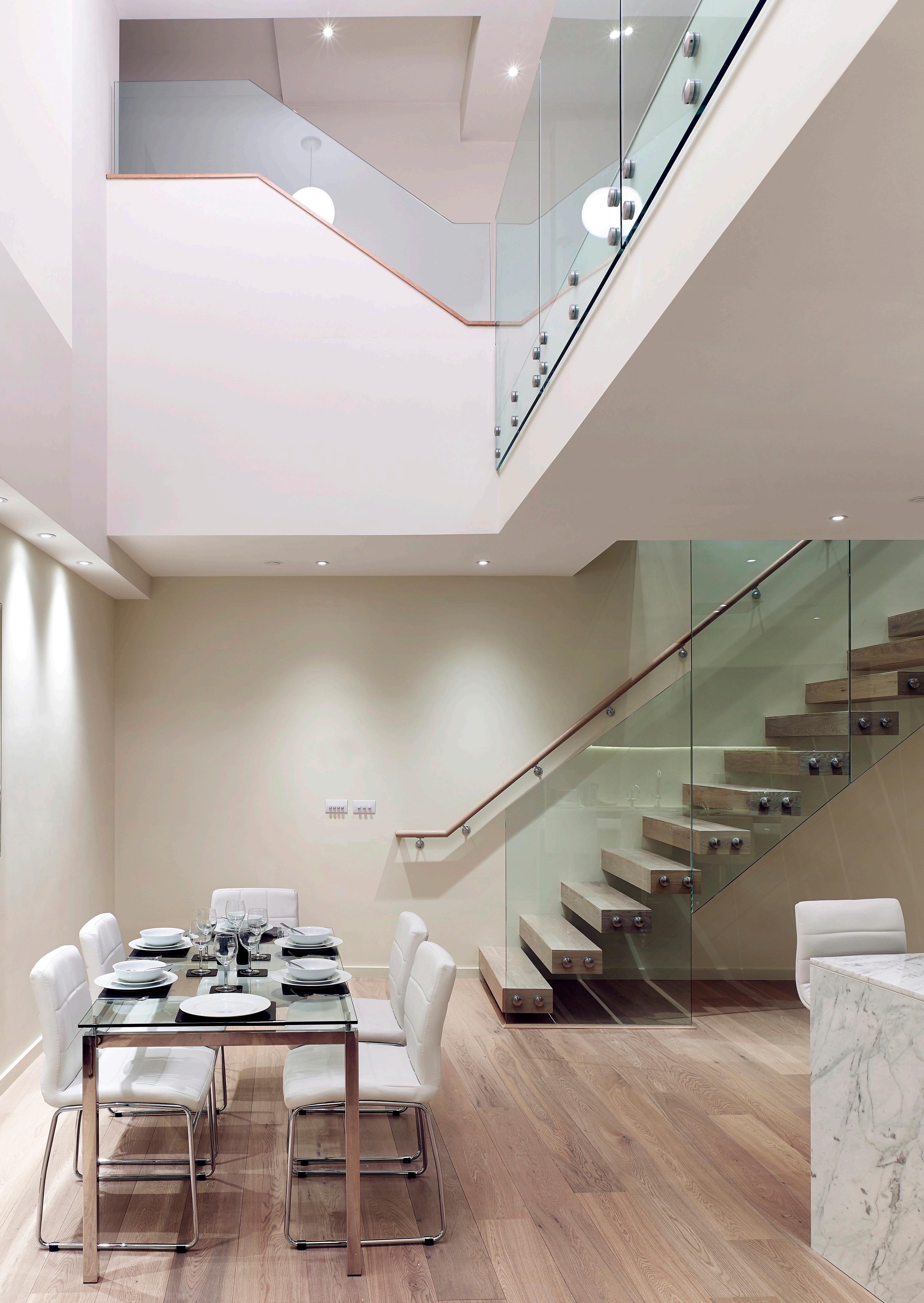
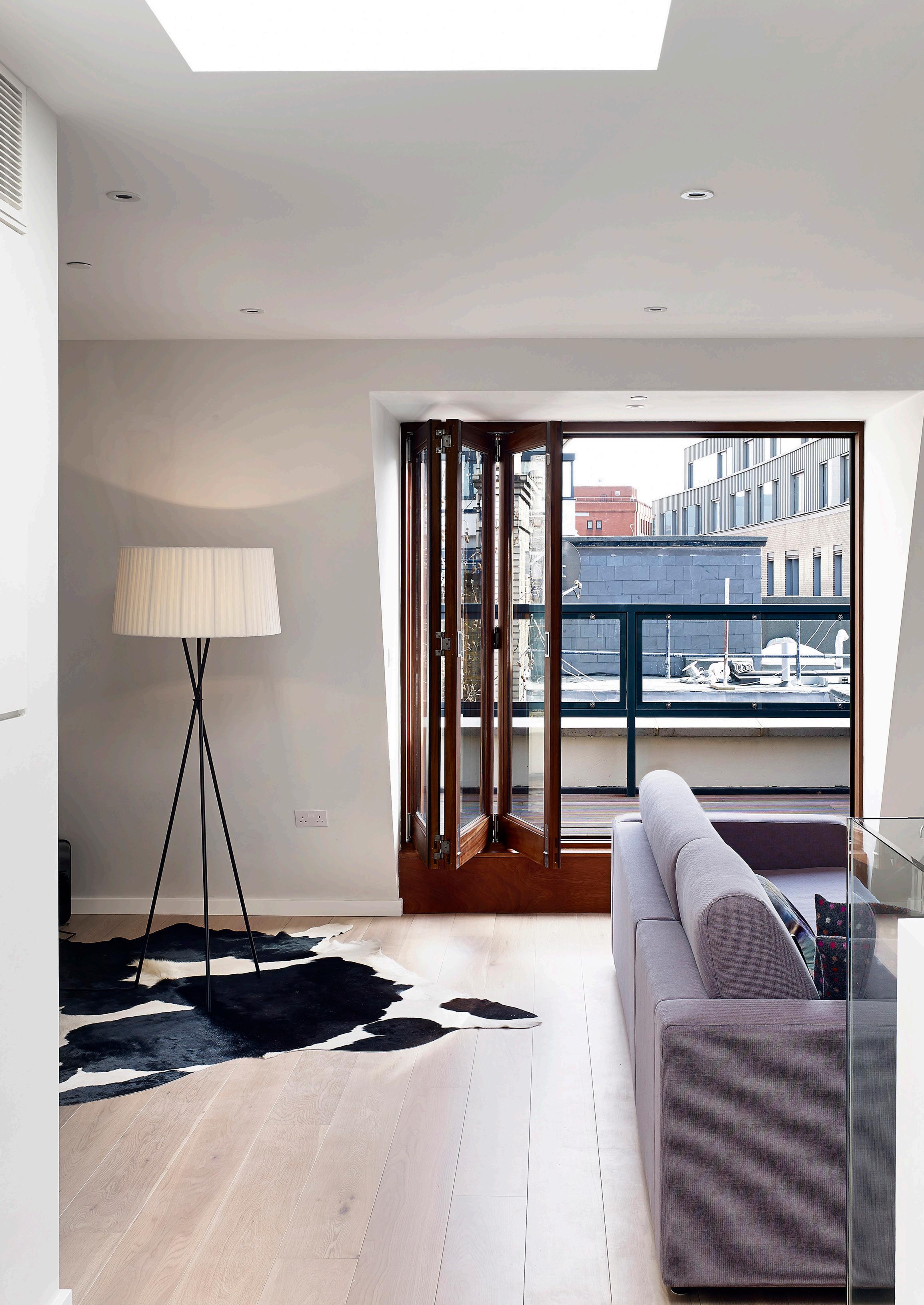
The project comprised the refurbishment and extension of the existing commercial property to provide nine dwellings and commercial space retained in the basement.
The constrained site included numerous challenges including the close proximity of adjacent buildings, restricted access, a steeply sloping site, neighbouring heritage assets and low floor to ceiling heights.
By working closely with planning officers, the consultant team and stakeholders we were successful in extending the existing building with a new double mansard roof and incorporating highend apartments with excellent space and light despite the constraints of the site.

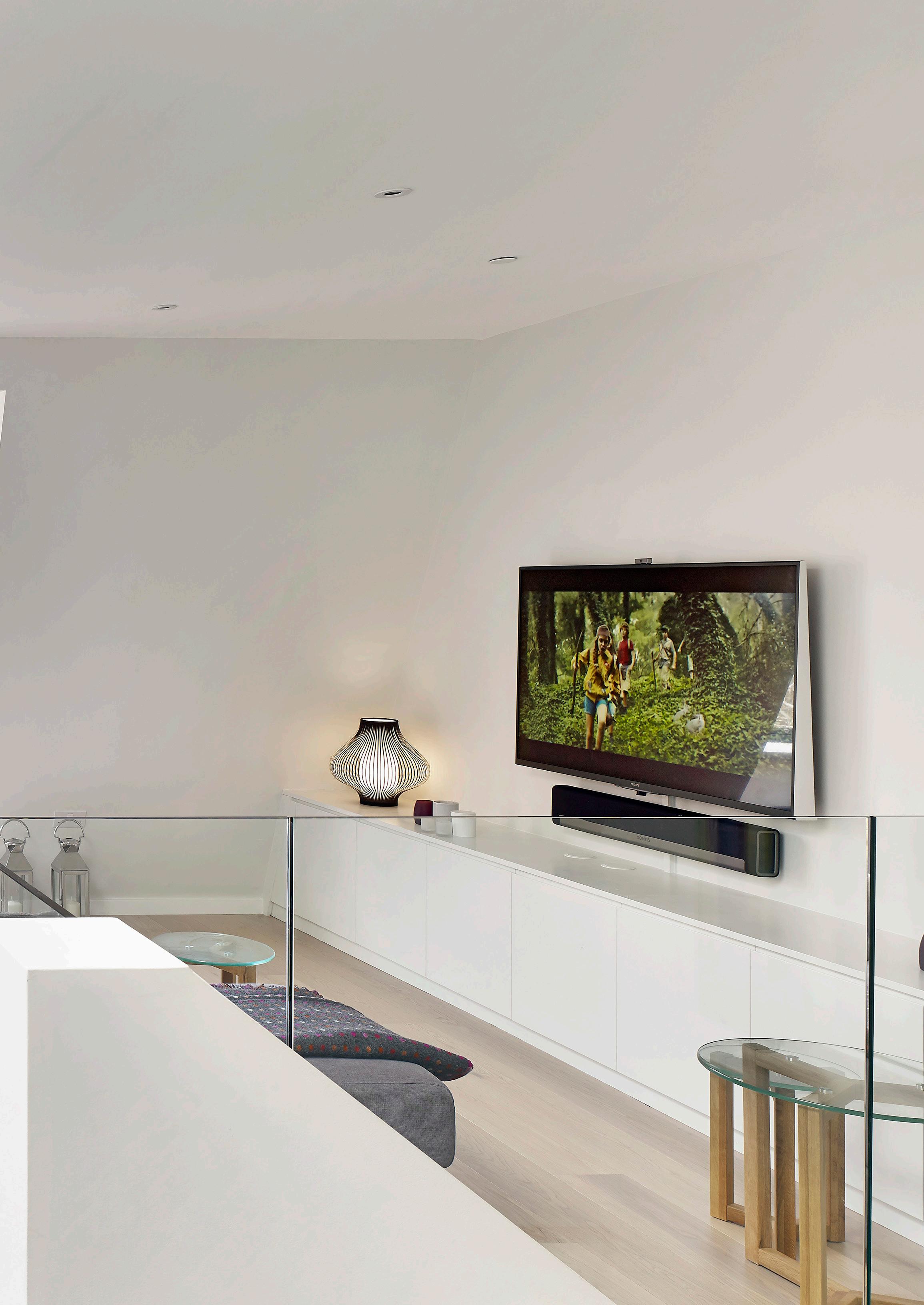
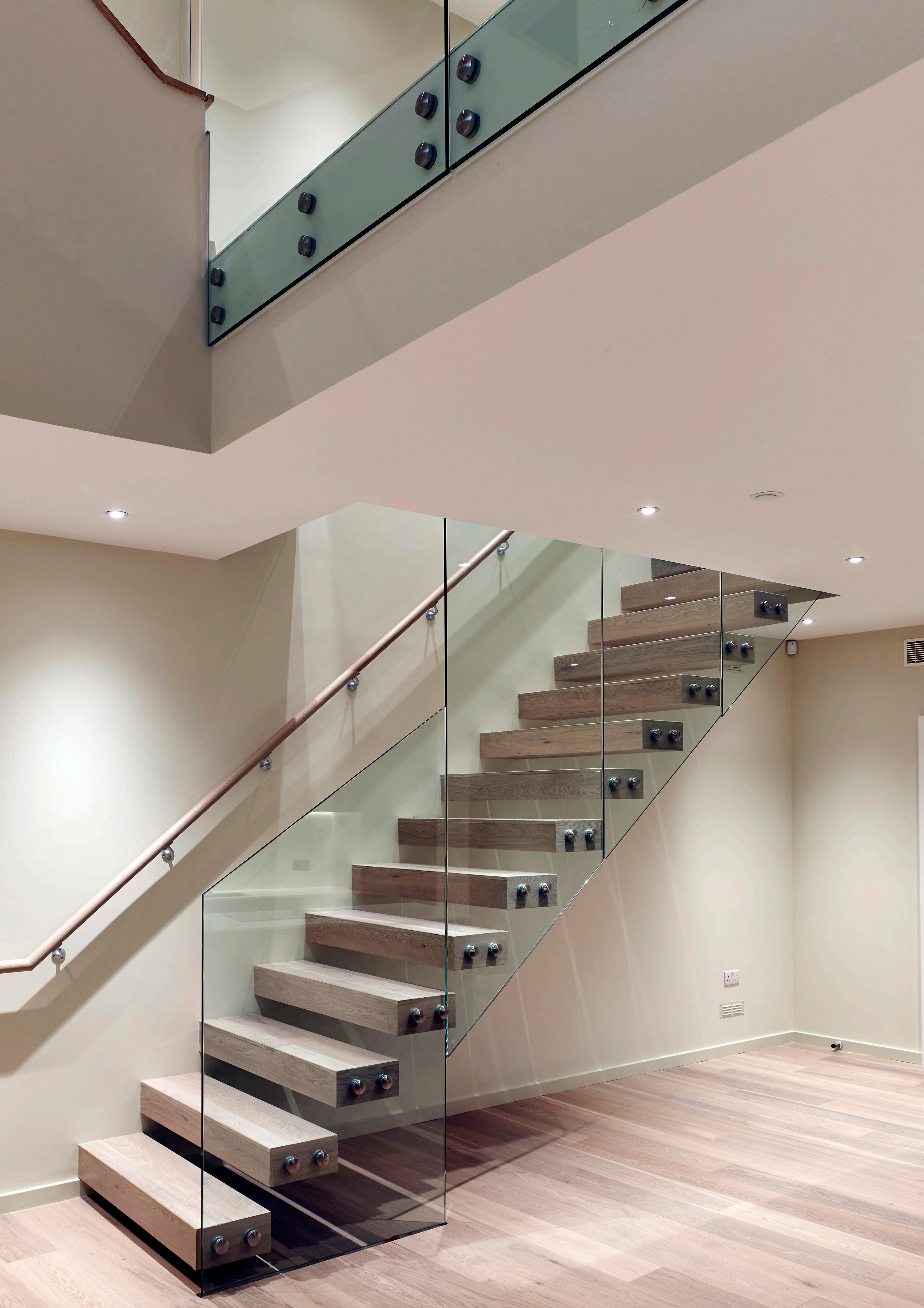
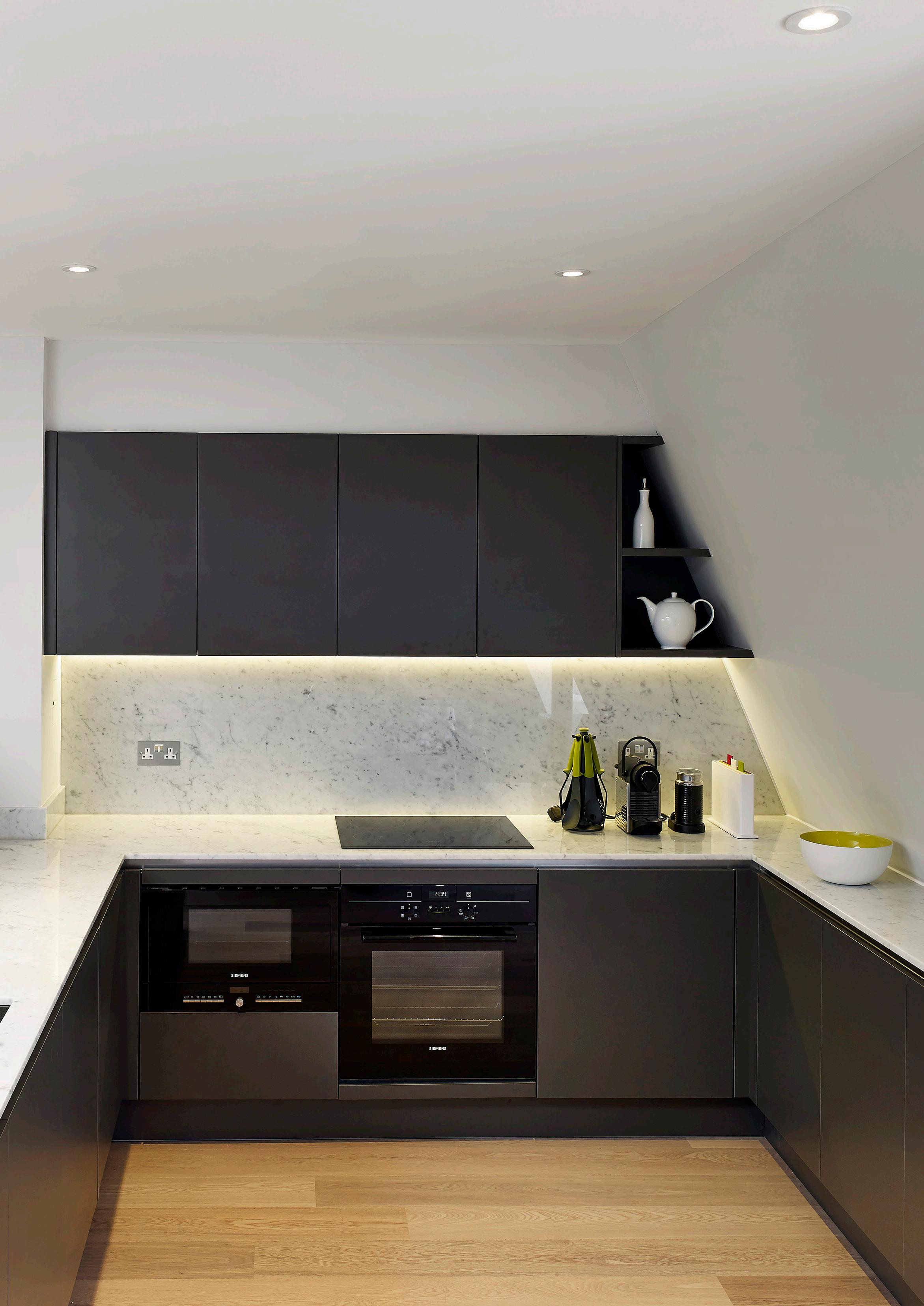
The specialist developer, Lifestory (formerly PegasusLife), began the reinvention of retirement homes as places in which people positively want to live, and commissioned us for the 118-home Marina Gardens development in Portishead.
The building maximises valuable usable space to reduce unnecessary corridors and be as flexible asw possible. Each apartment has expandable dining space that can be closed off as a second bedroom or private study space with flexibility that future-proofs homes so residents can stay in their homes as their needs change.
The series of blocks surround a central garden that creates an oasis of calm and sheltered microclimate. The brick has applied white limewash that further enhances the perception of bright sunlight and shadow, and acts as a neutral backdrop to the vivid greens of the lush landscape.
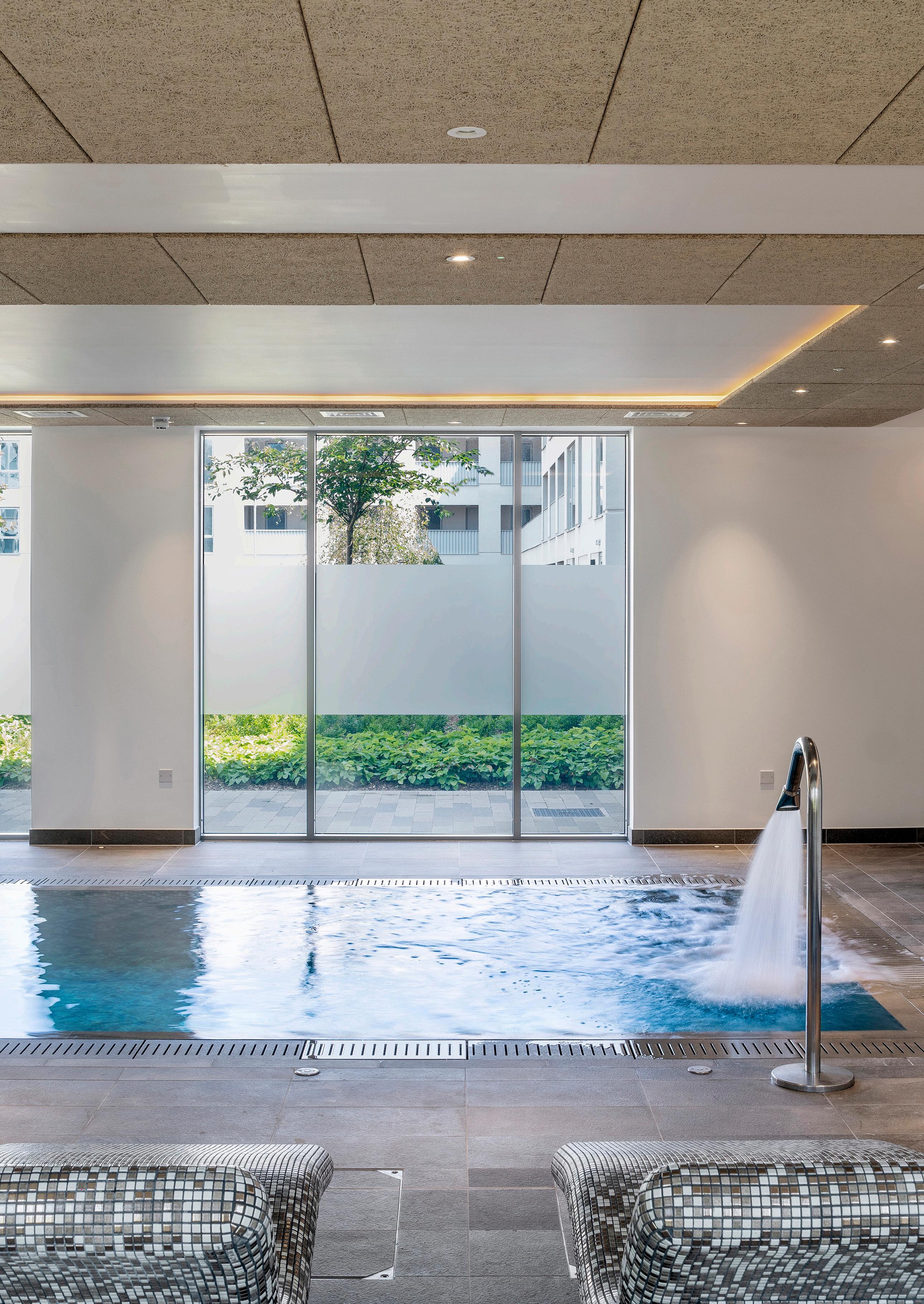
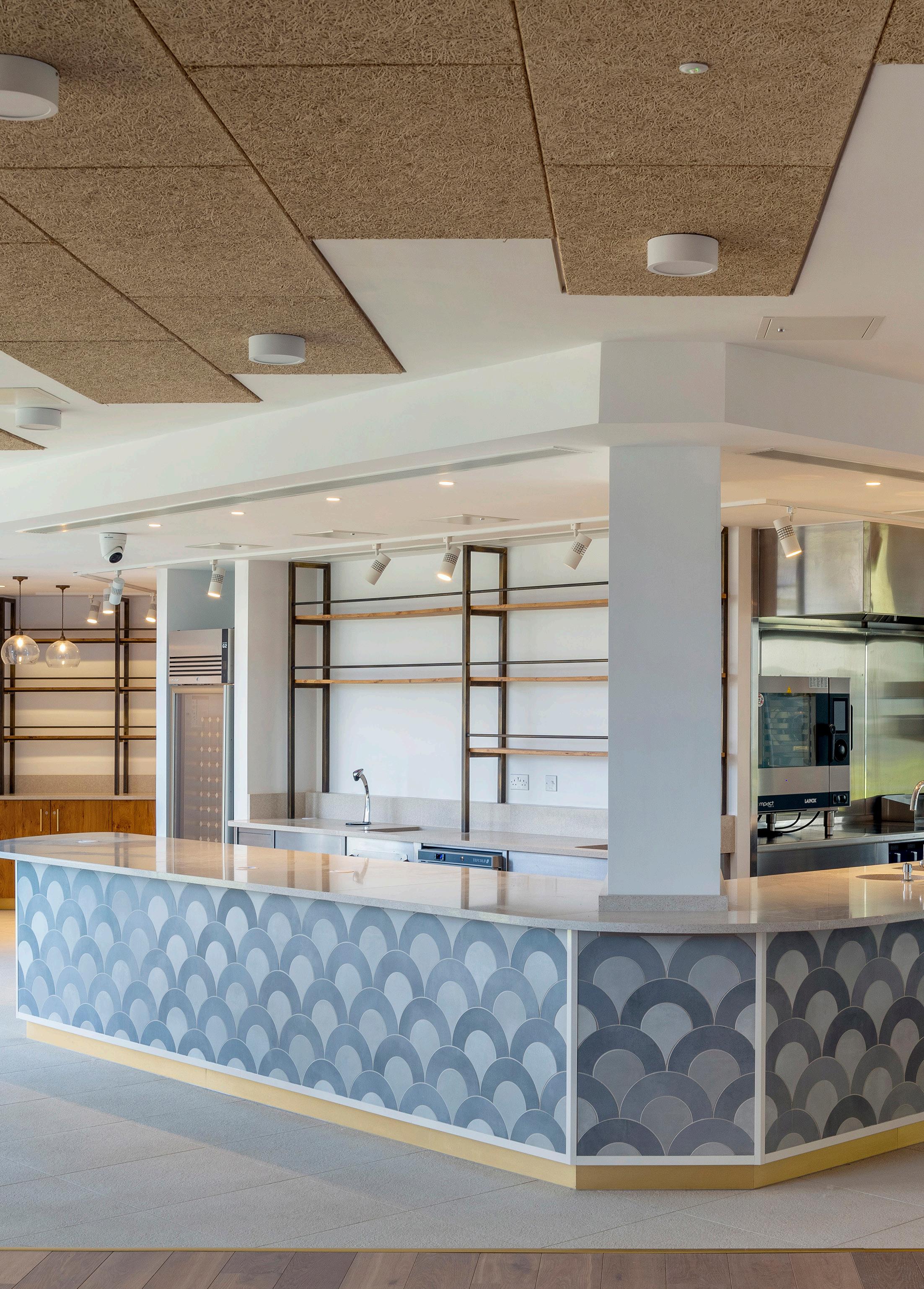

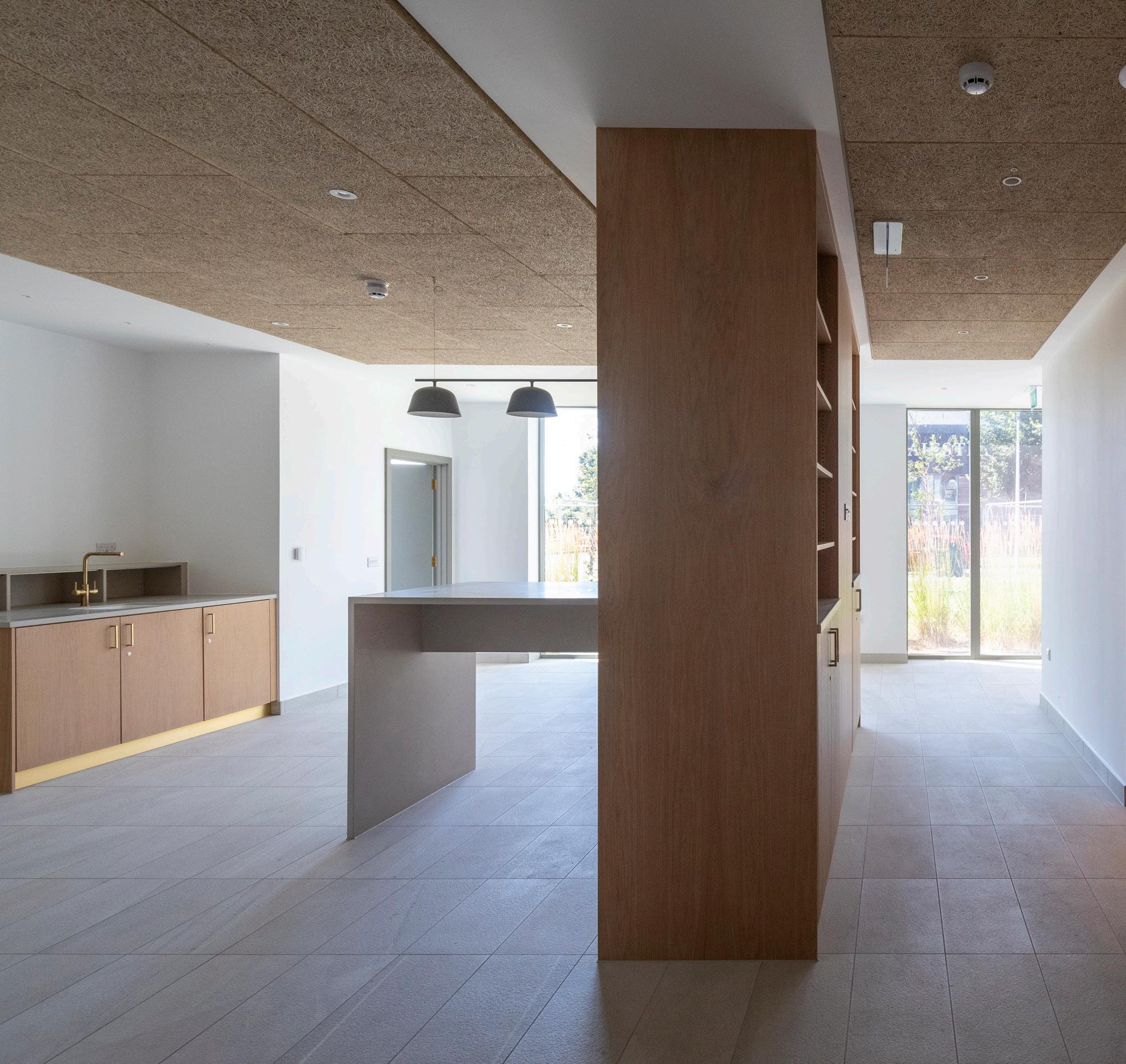
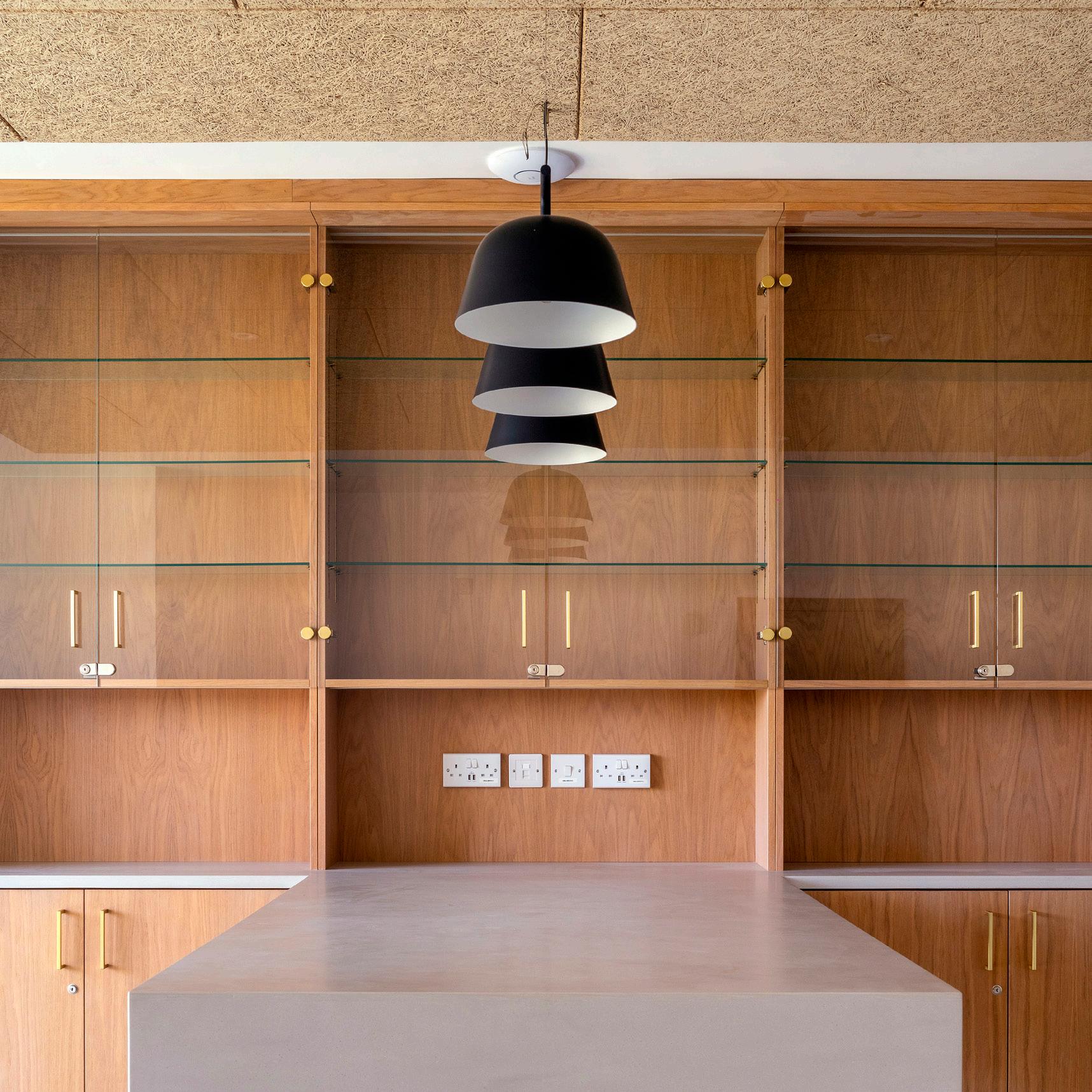
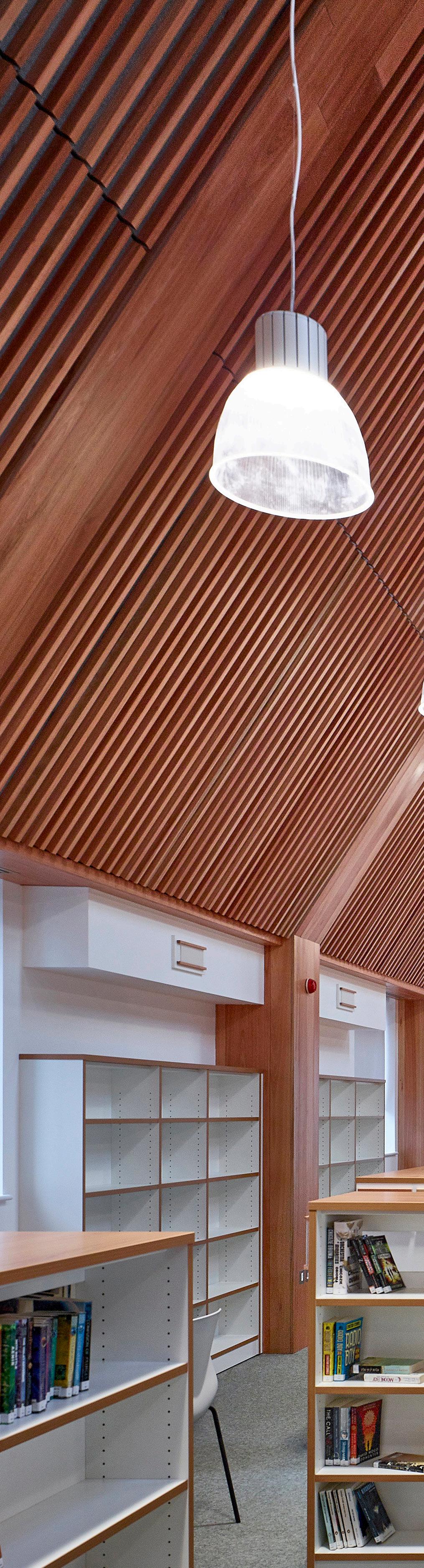
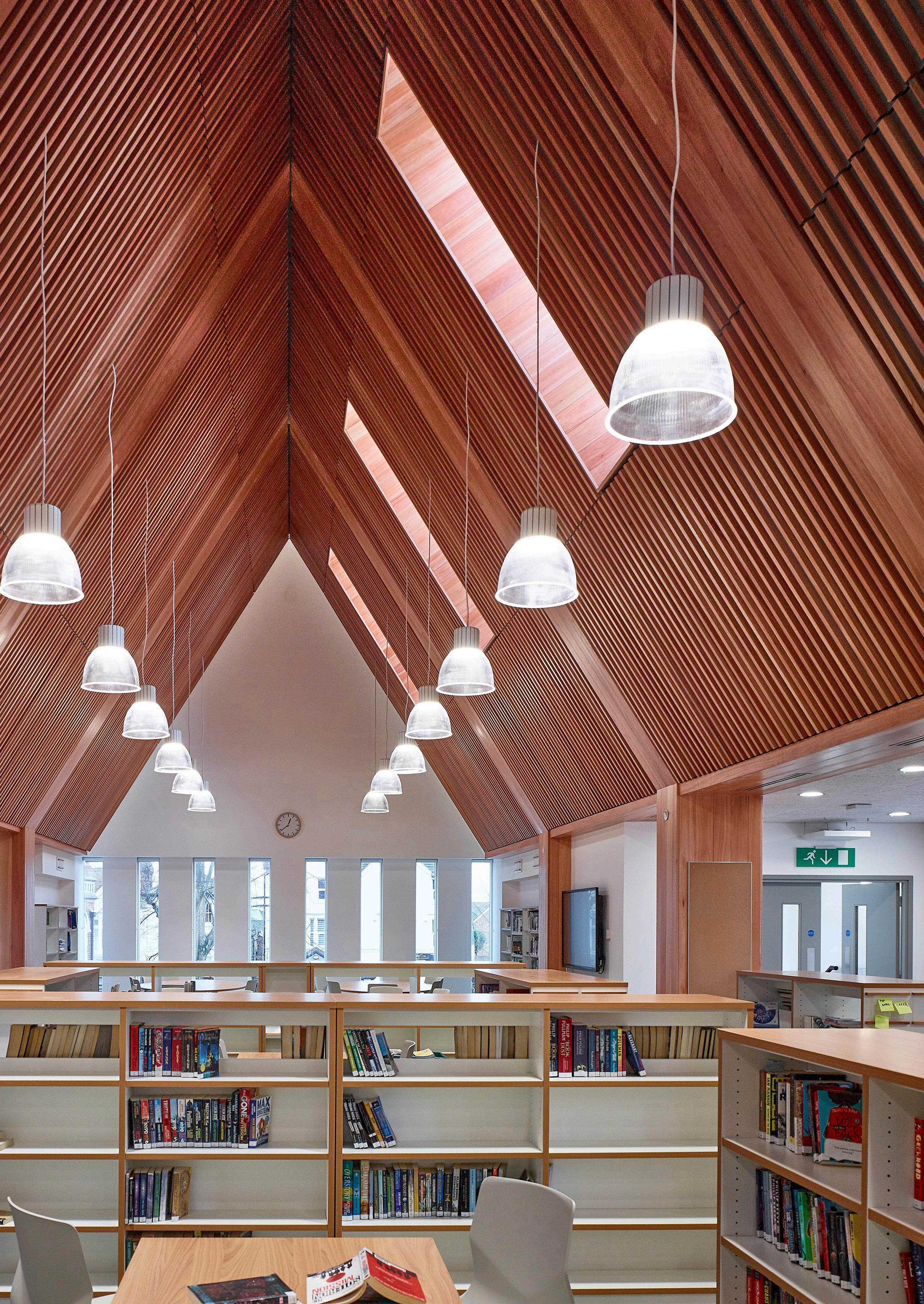
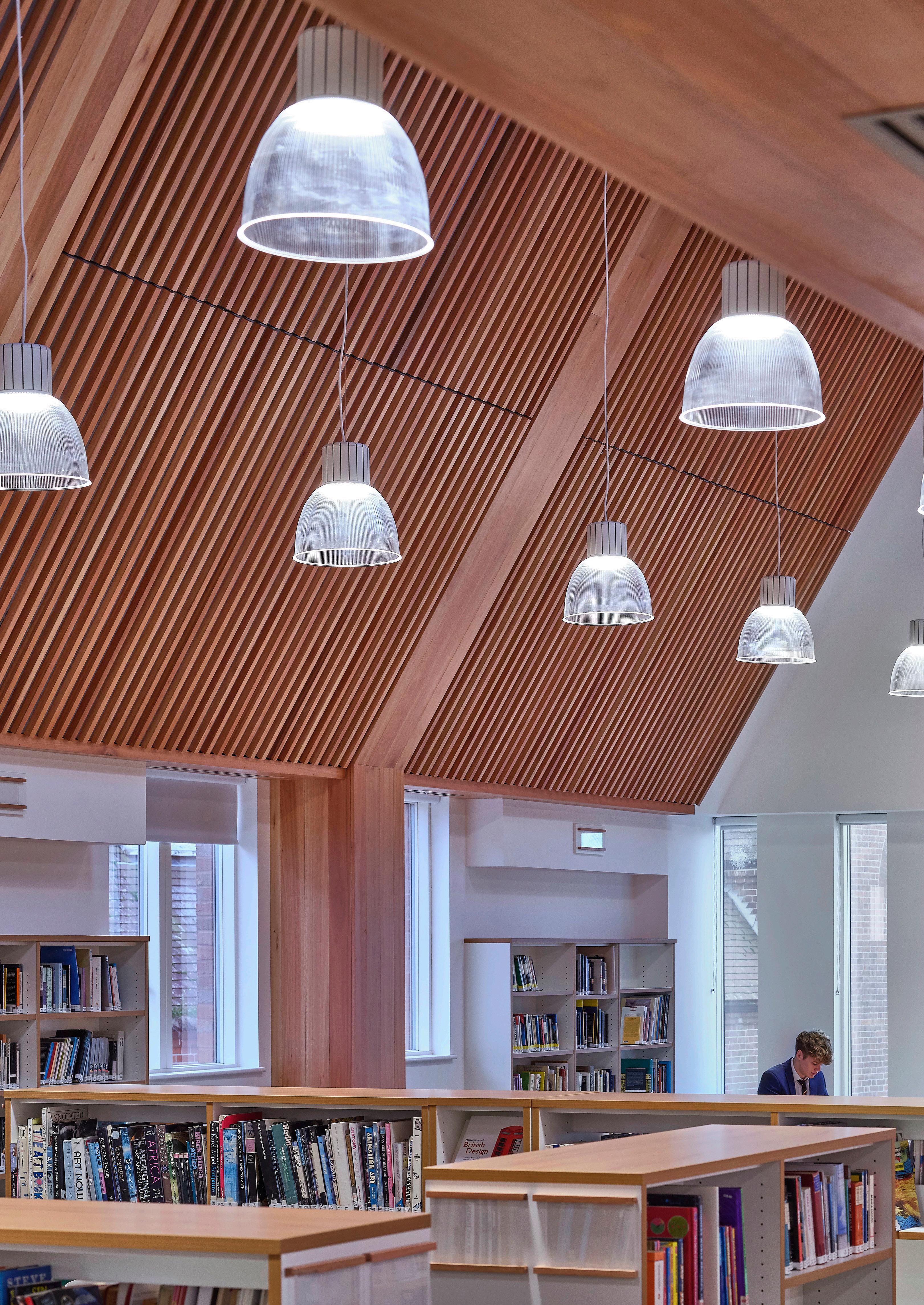
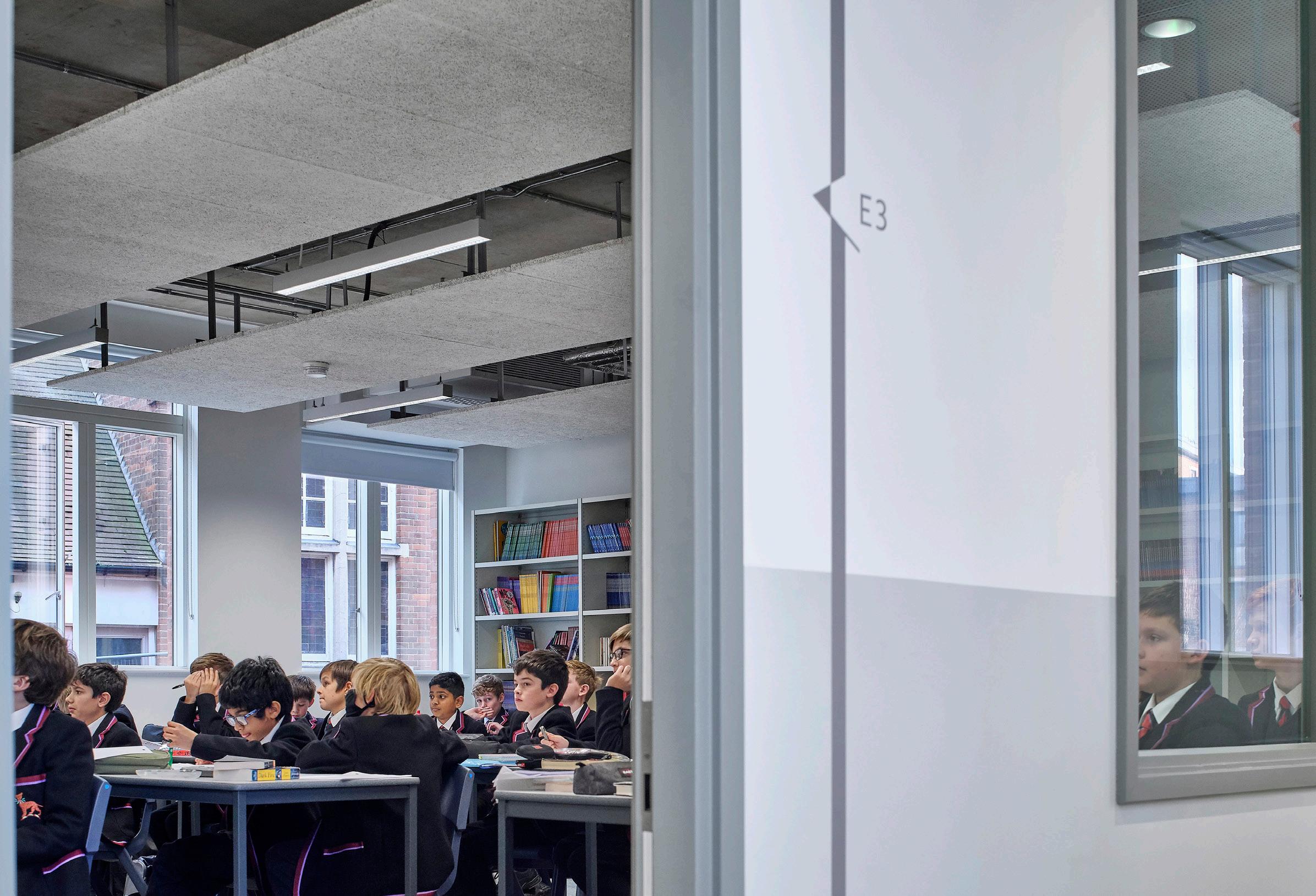
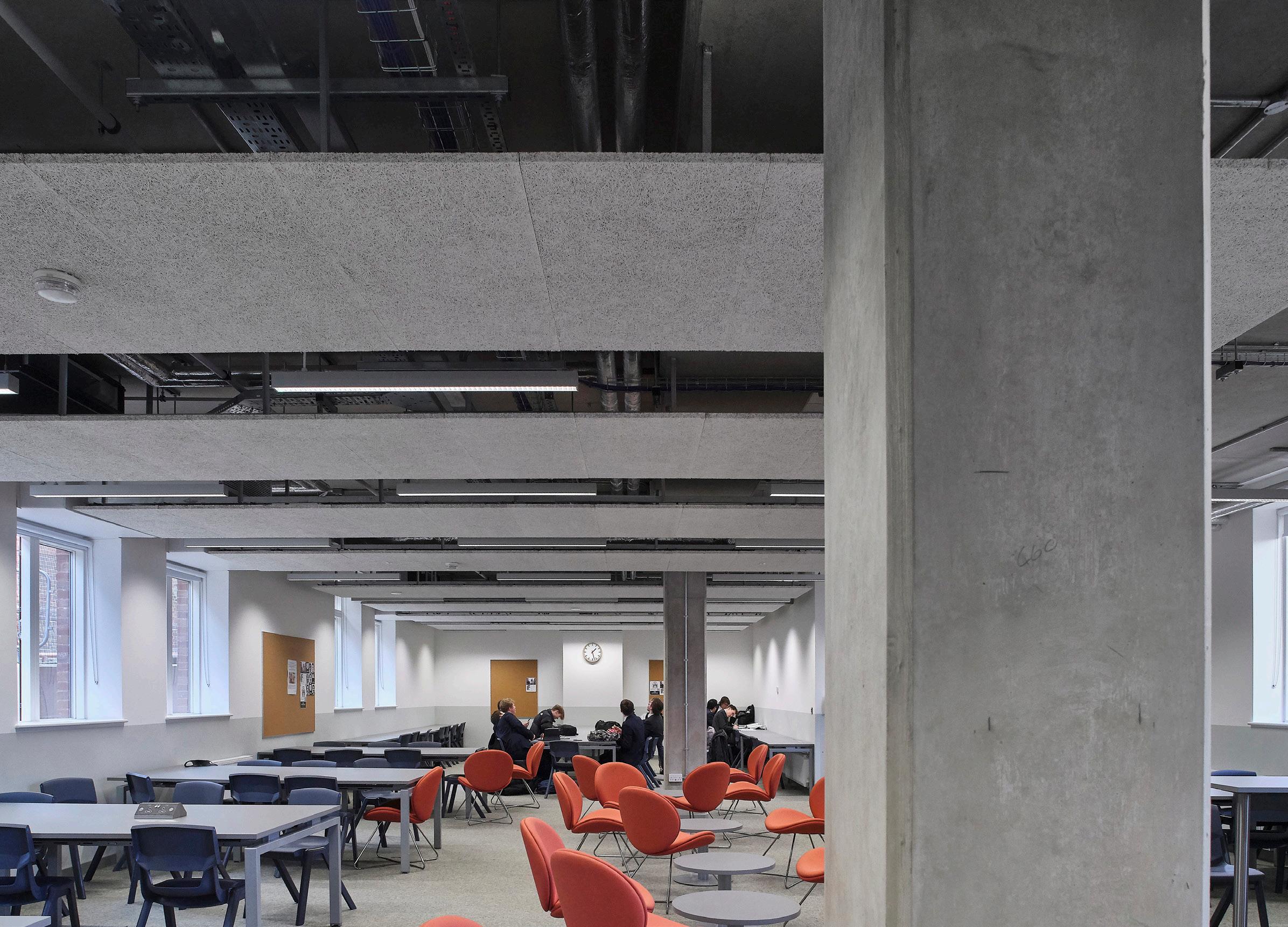
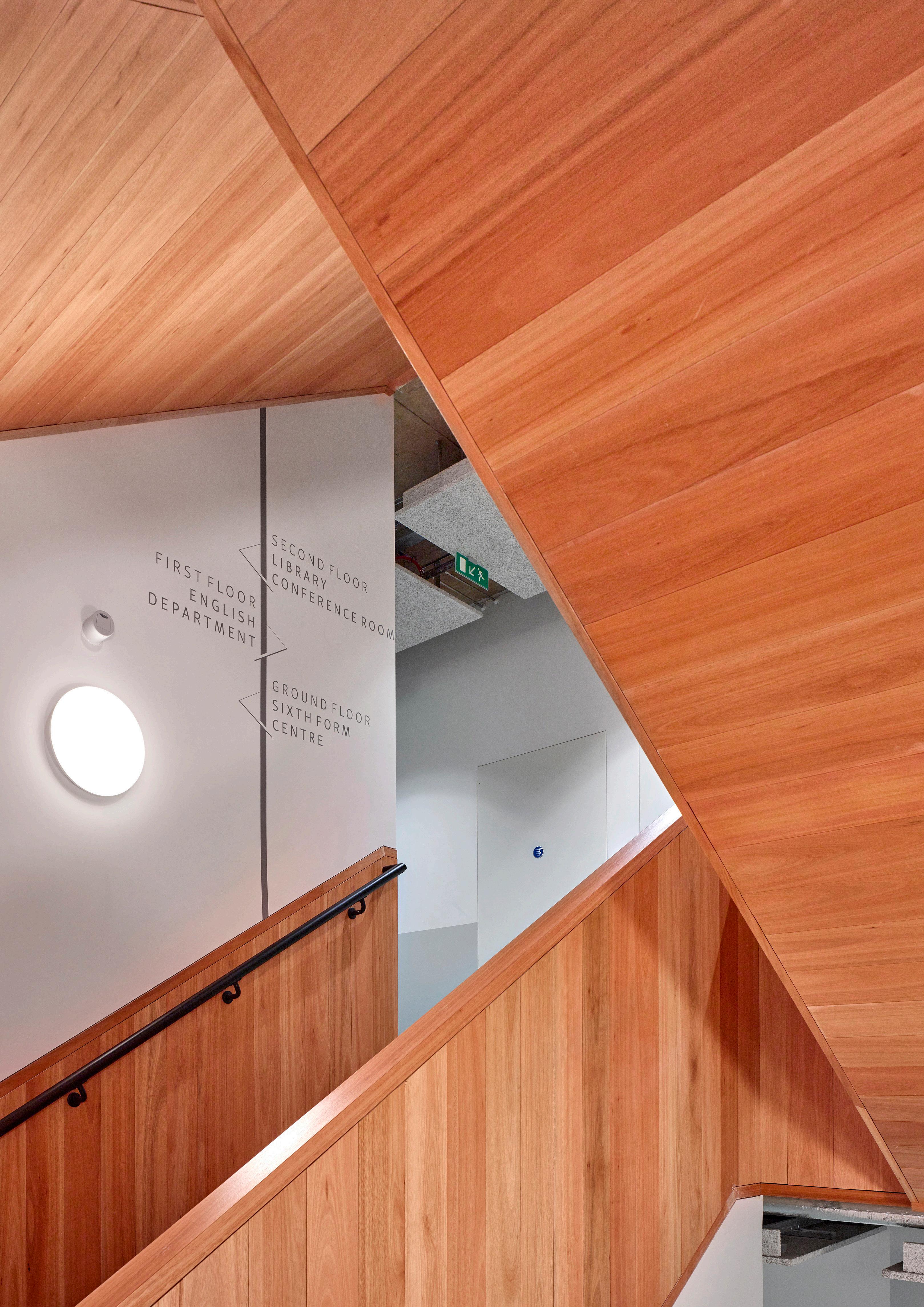
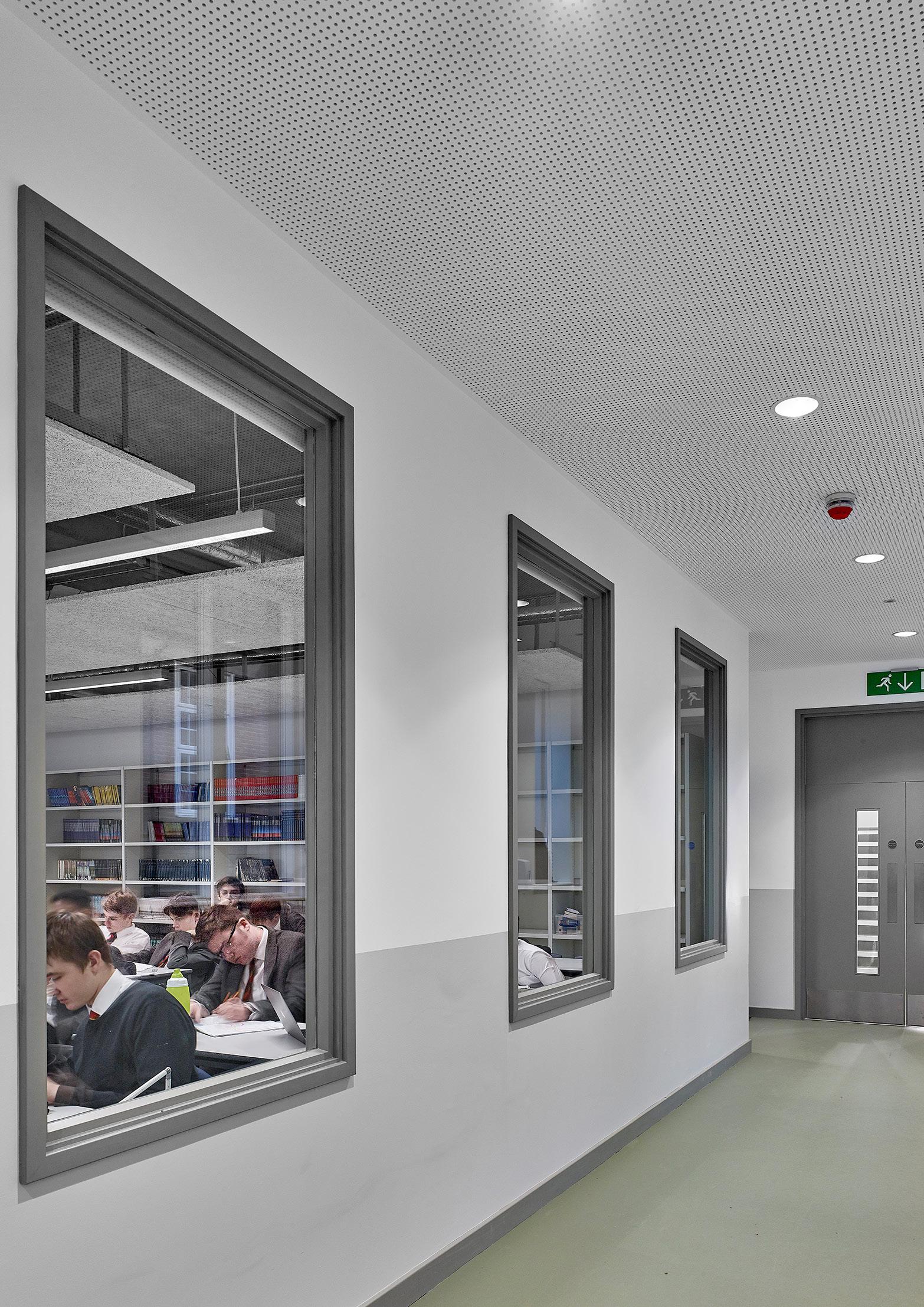
Project The Mitchel Building
Location Royal Tunbridge Wells, Kent
Client The Skinners’ School
Project Cost Undisclosed
Status Completed 2020
Awards RIBA National 2022 | Winner
RIBA South-east Region 2022 | Winner
Civic Trust 2022 | Winner
National Building & Construction 2022 | Shortlisted
Architects Journal 2021 | Shortlisted
Surface Design 2021 | Shortlisted
Royal Tunbridge Wells Civic Society | Winner
Situated along the river Savean in the northern part of Gothenburg, this historic factory complex consists of a series of striking industrial buildings that date back to the early 20th century. Originally built in phases, the factory served as a hub for both the working and cultural life of the region. However, the ball bearing factory has since been replaced by more modern facilities nearby, leaving behind a rich legacy that now calls for a fresh vision.
In collaboration with Stena Fastigheter and Gothenburg City Council, Bell Phillips has been instrumental in developing a place-making vision for the site’s future. Our approach has been informed by extensive research into the best examples of industrial regeneration across Europe, alongside a detailed analysis of the site’s history, architectural fabric, and context.
The development plan encompasses approximately 1,000 new homes, alongside a linear park running alongside the river, which will enhance public access and provide green space for residents and visitors. Key to the vision is the renovation of the most significant industrial buildings, which will be re-purposed for a mix of workspace, cultural, retail, and education facilities.
Our aim is to breathe new life into this historically rich site by celebrating its industrial heritage and revealing the unique character of the factory complex. In doing so, we seek to transform the site into an exciting new
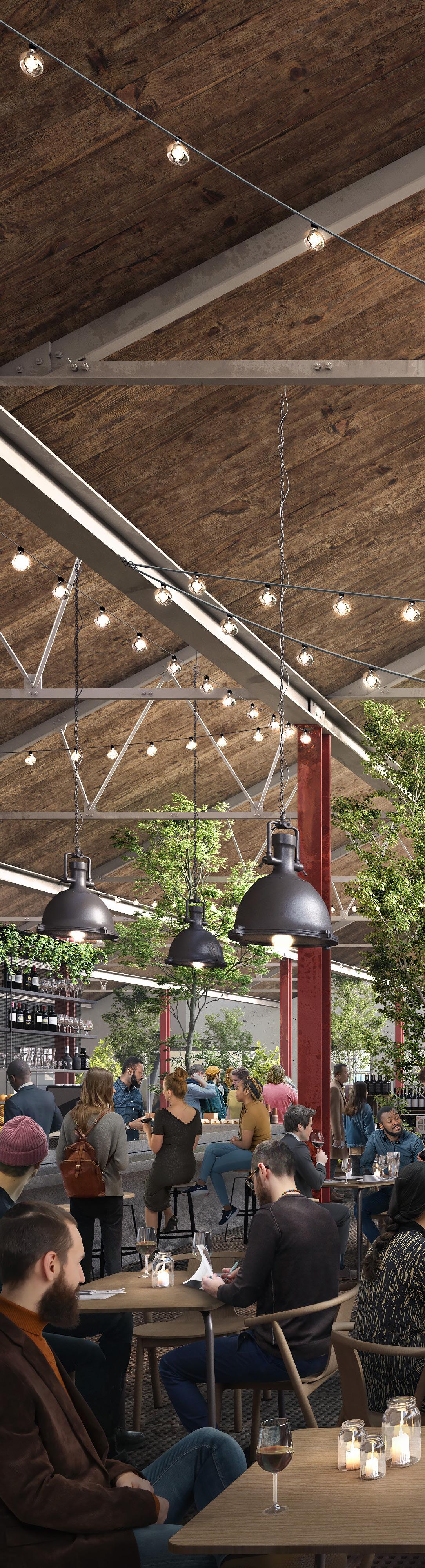
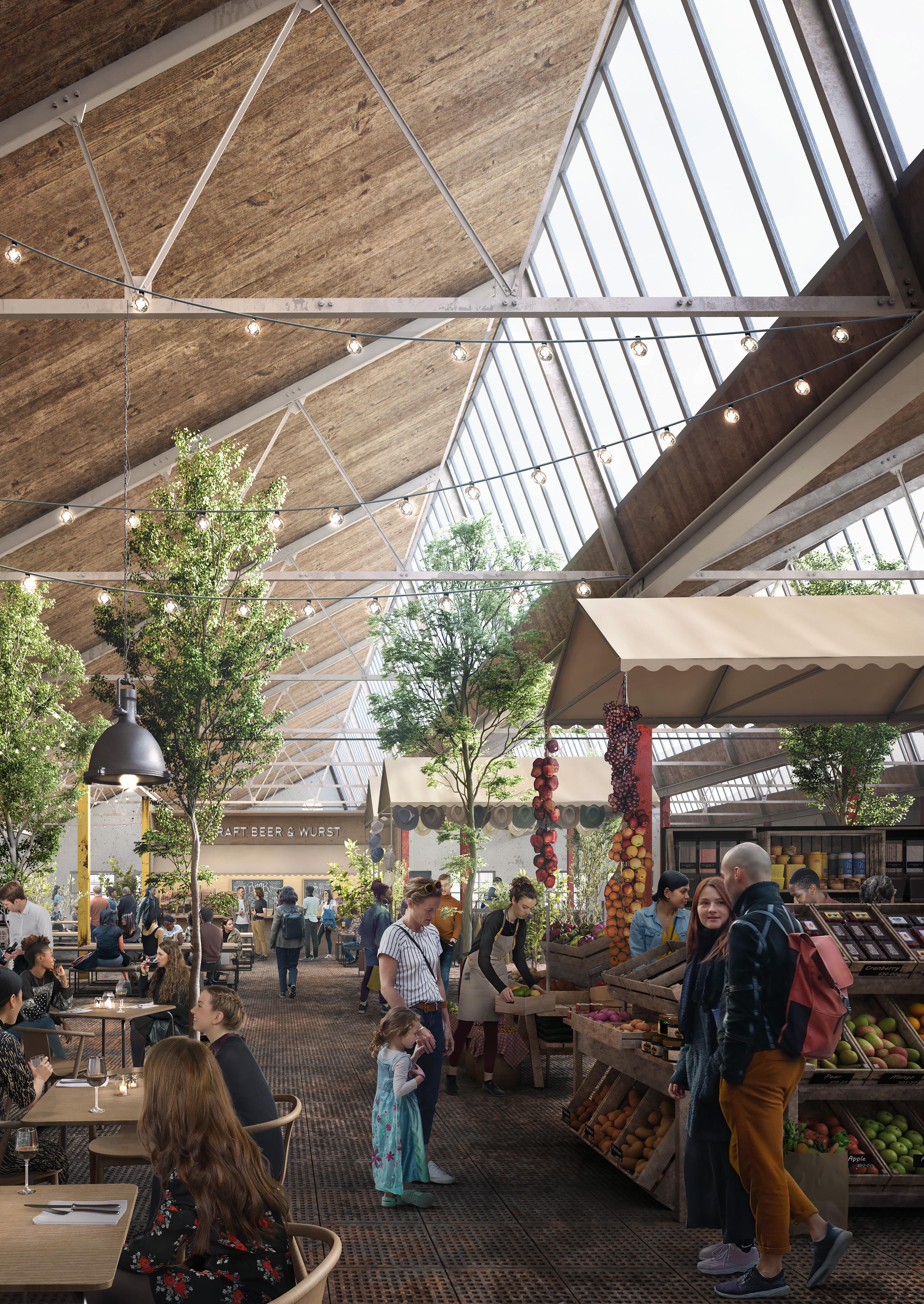
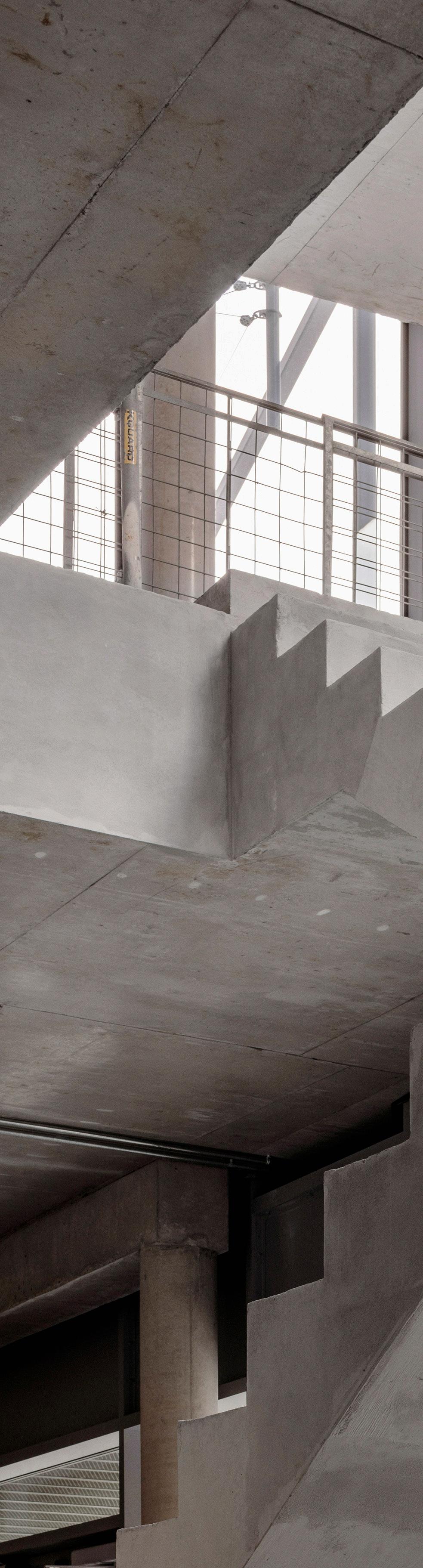
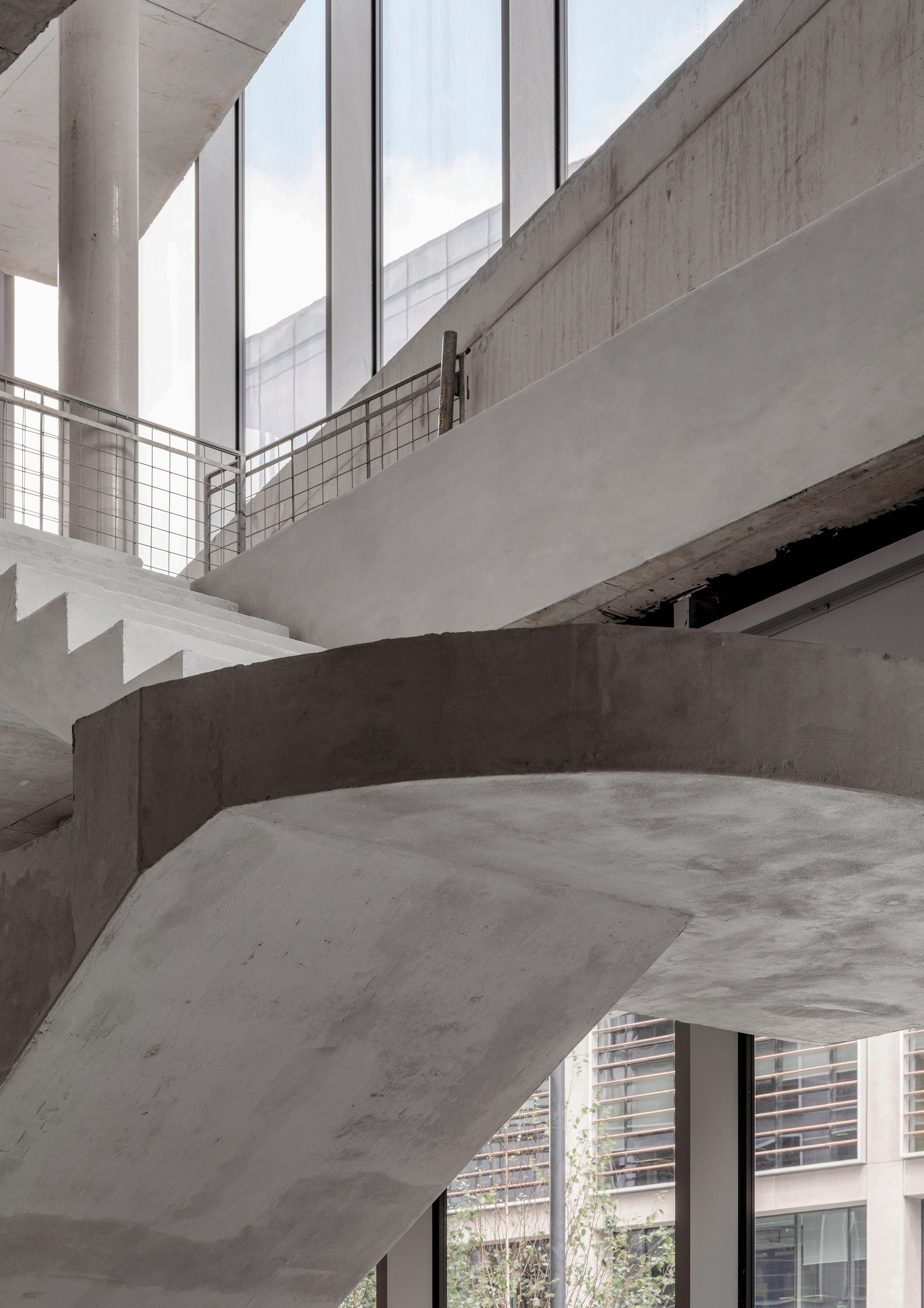
The Stage in Shoreditch is a dynamic mixeduse development situated along Curtain Road. Nestled in amongst the office buildings of Shoreditch, Building 4 completes the development, framing the new central square with a pavilion that will add life and vibrancy through the addition of a new restaurant or bar.
At ground level, the building fosters active frontage and ease of pedestrian movement through the site, while its first floor terrace offers panoramic views across the square, overlooking the adjacent open-air performance stage and creating an animated focal point within the development.
Project Building 4, The Stage
Location Shoreditch, London
Client The Stage Shoreditch Development Ltd
Project Cost Undisclosed
Status Completed 2024
Harwell Hide
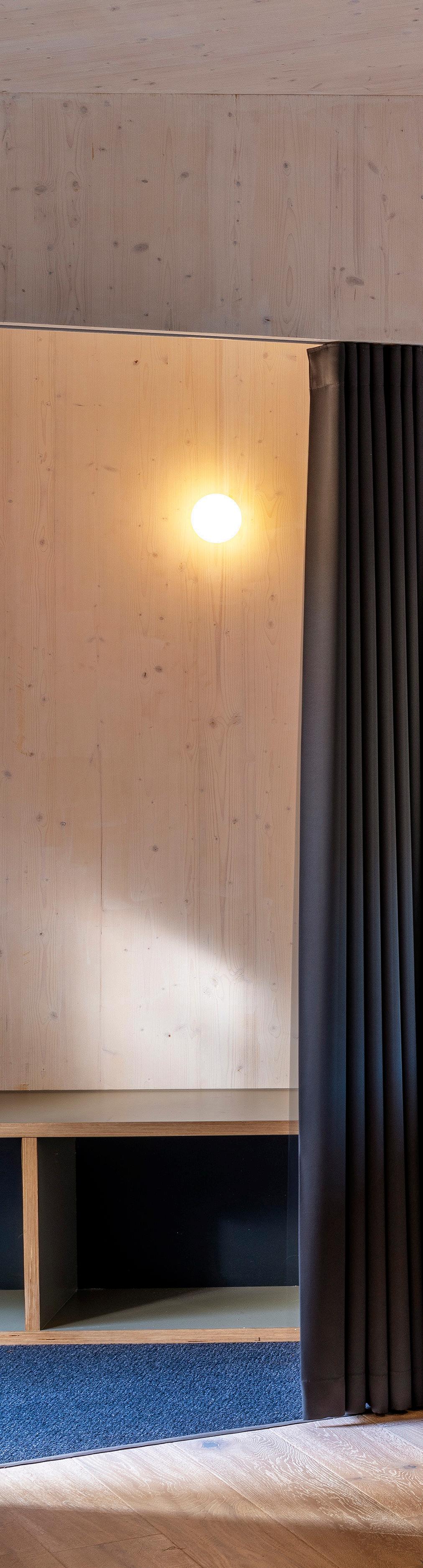
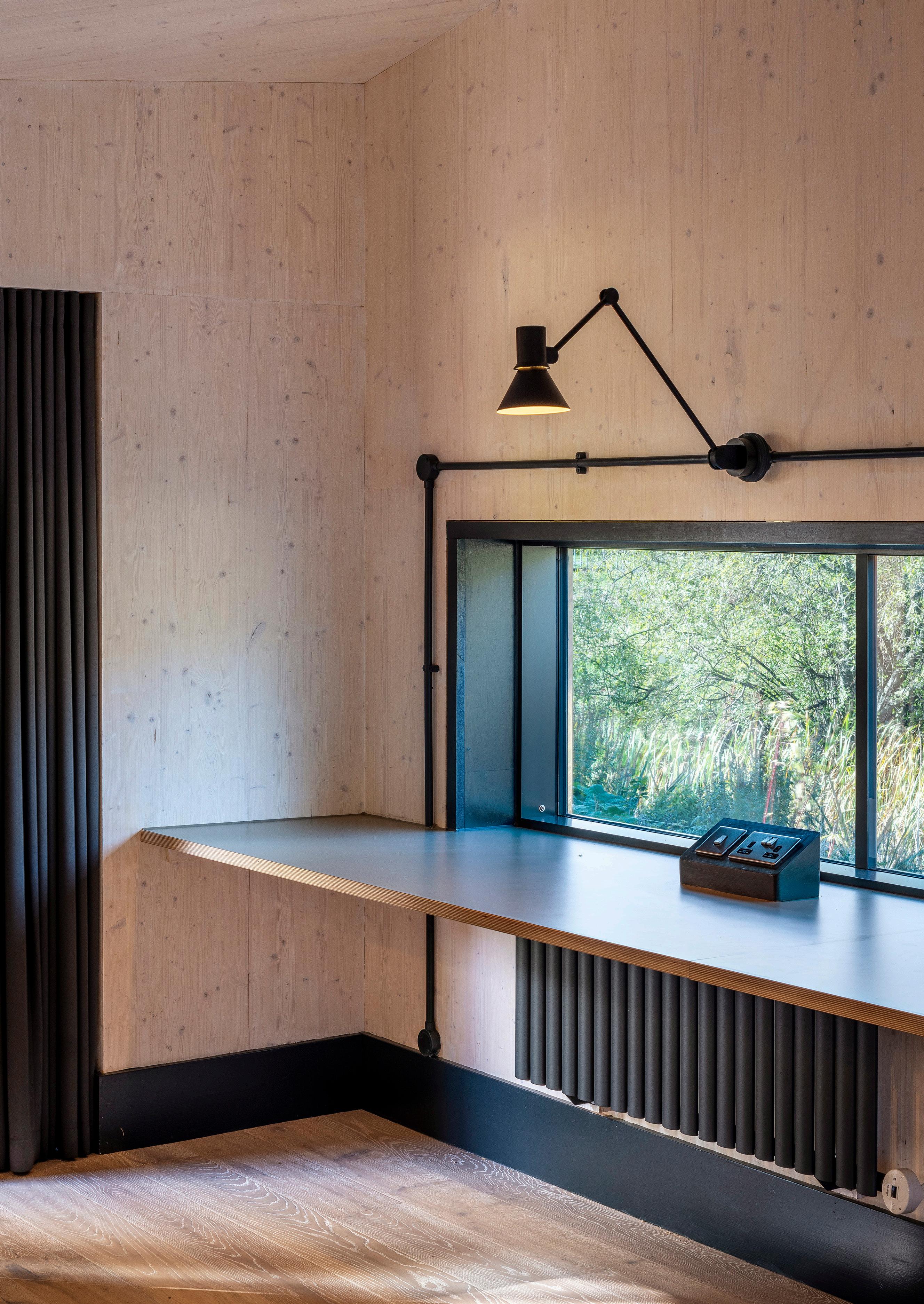
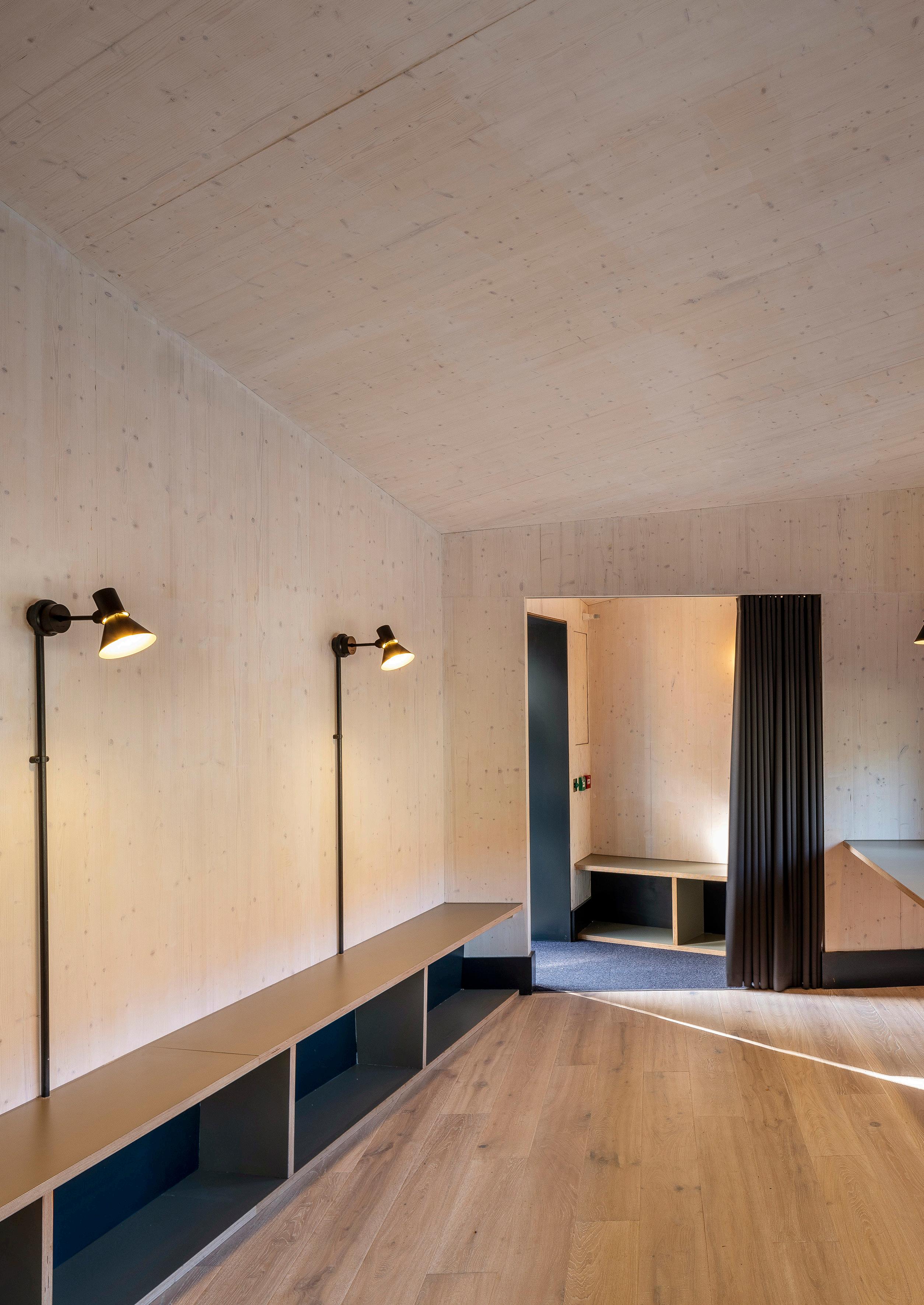
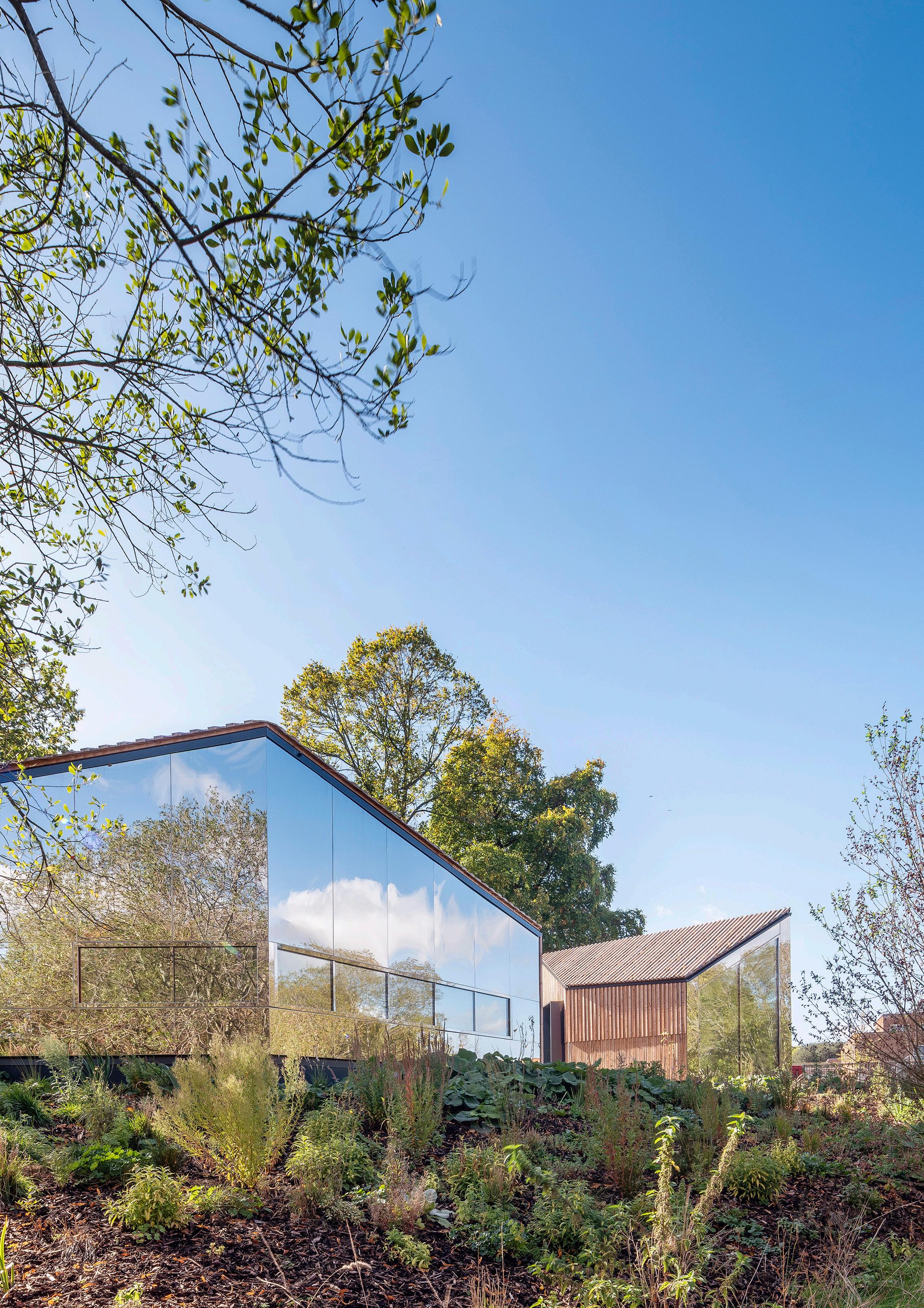
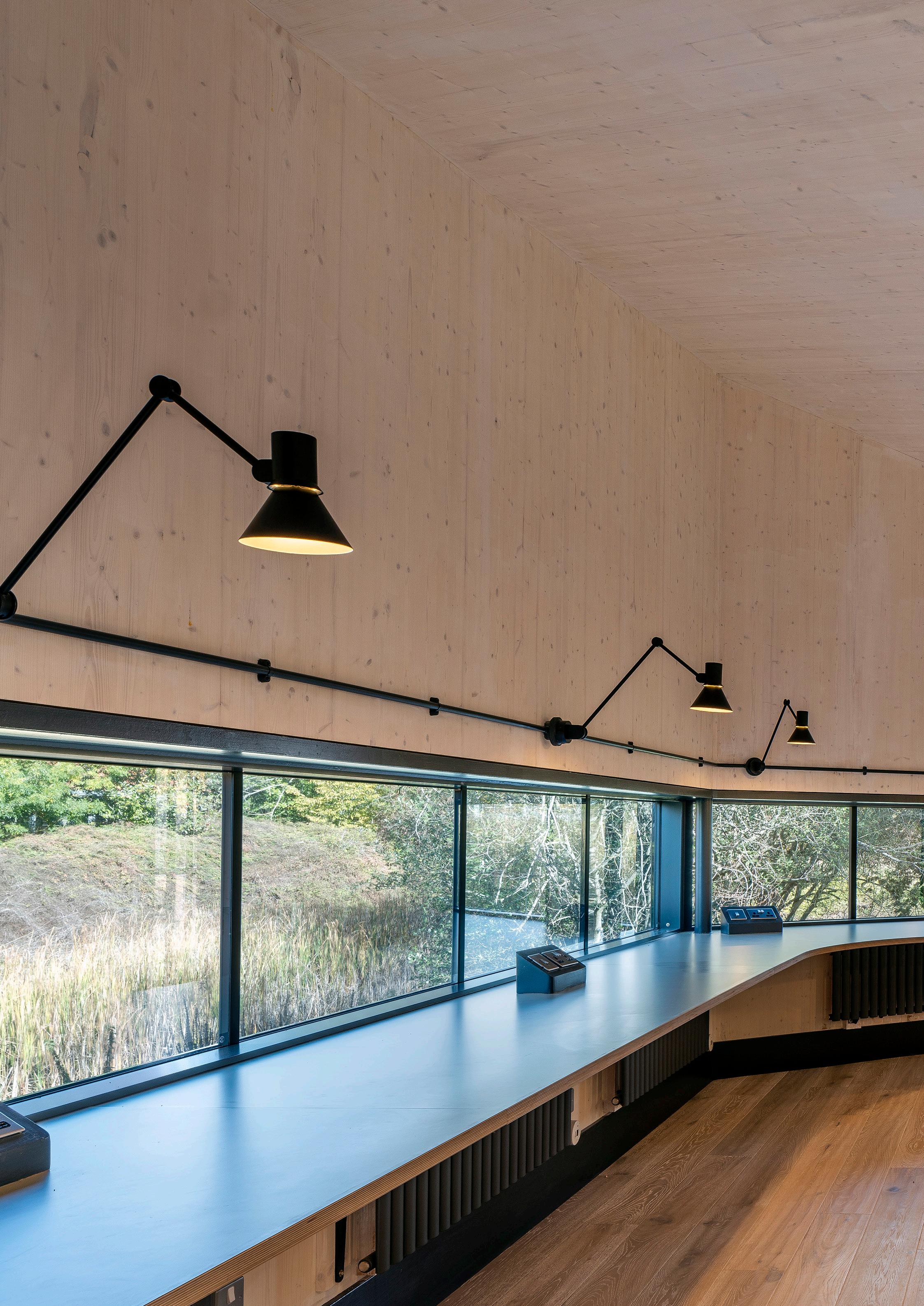
Harwell Campus is a science, technology and innovation campus with close ties to Oxford University. The hides provide tranquil workspaces overlooking an existing lagoon. Each pavilion is clad in angled facets of timber cladding and mirrored glass with each offering a distinct working environment.
To reduce the impact on the ecology of the site the structure of the Hides will touch the ground very lightly in localised areas, with no major excavation or earthworks, and there will be no hard paved paths or vehicle access. The pavilions have been constructed offsite using cross-laminated timber (CLT) to reduce the impact on the ecology of the site.
The use of timber cladding and CLT minimises the embodied carbon, whilst natural passive ventilation and woodburning stoves minimise energy in use.
The Hides have been arranged to minimise the impact on the site’s ecology, trees and planting and the landscape design will reinforce and enhance the existing flora.
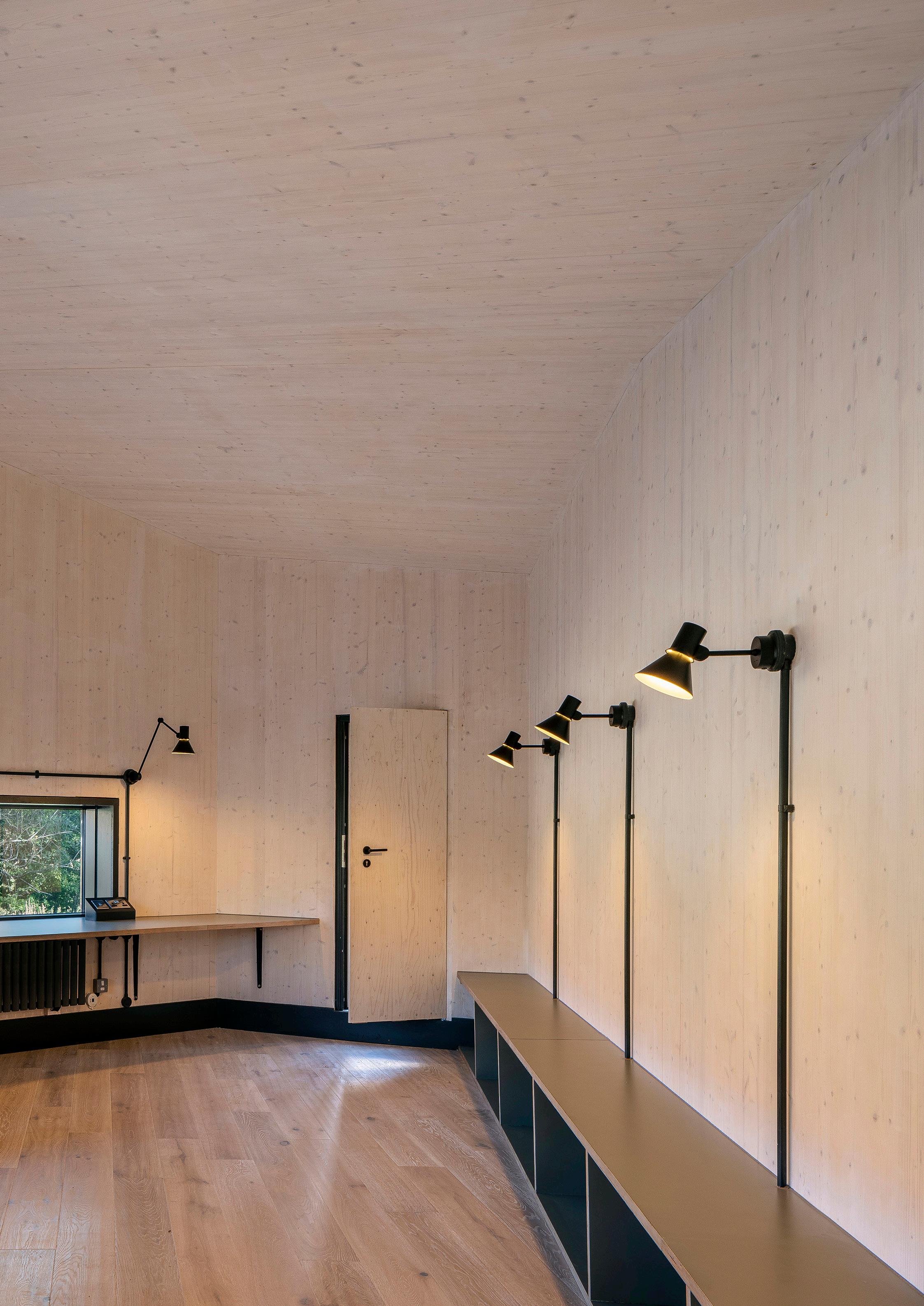
Project Harwell Hide
Location Harwell, Oxfordshire
Client Harwell Campus
Project Cost Undisclosed
Status Completed 2022
Awards British Council of Offices 2022 | Finalist
The Cuts is a mixed-use district within the Canada Water masterplan in South London. It has been designed by Allies and Morrison for British Land as a ‘Landmark Quarter’ comprising seven buildings unified in their material and tone, arranged around a dense vibrant network of pedestrianized ‘Cuts’ lined with shops and restaurants that establish new connections to local transport nodes and historic docks.
Plot D6 sits in the middle of the district and comprises approximately 300,000sqft of new office, retail and leisure space. Our design responds to a recent shift in the nature of work by promoting sustainable transport modes, encouraging healthy living and creating a vibrant 24/7 ecosystem within a low energy, low carbon structure.
Project Plot D6
Location Canada Water, London
Client British Land
Project Cost Undisclosed
Status Stage 2
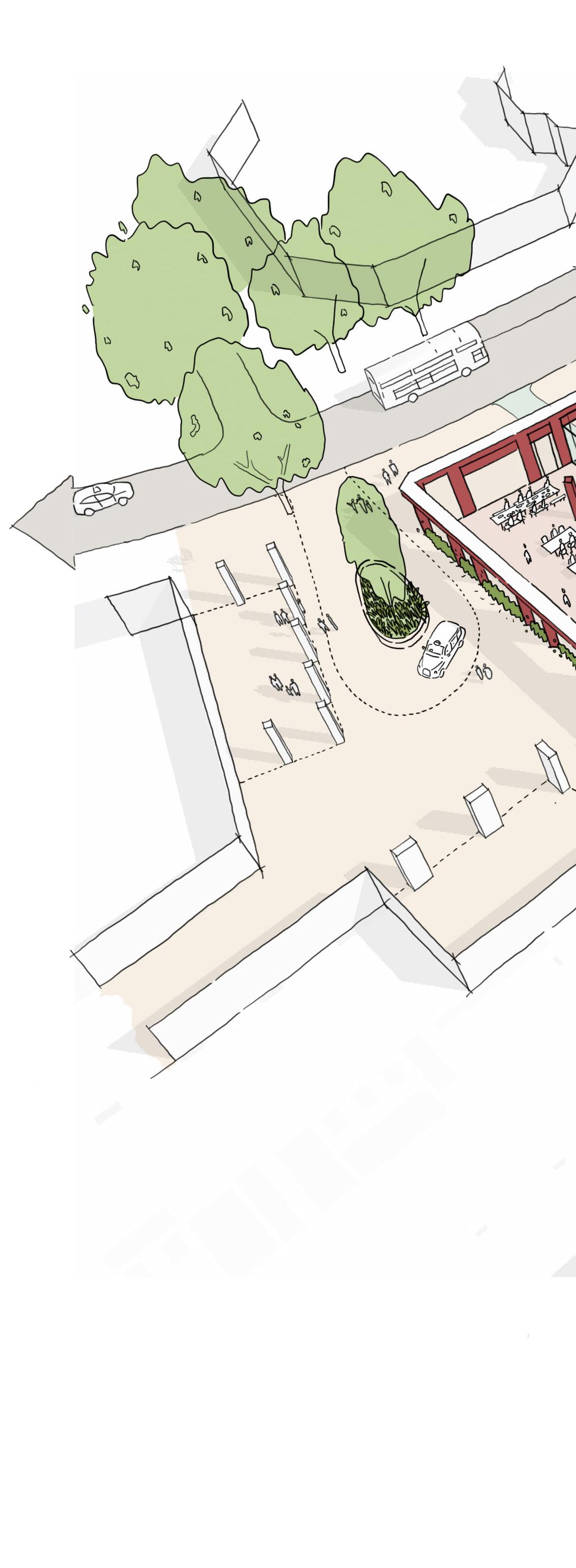
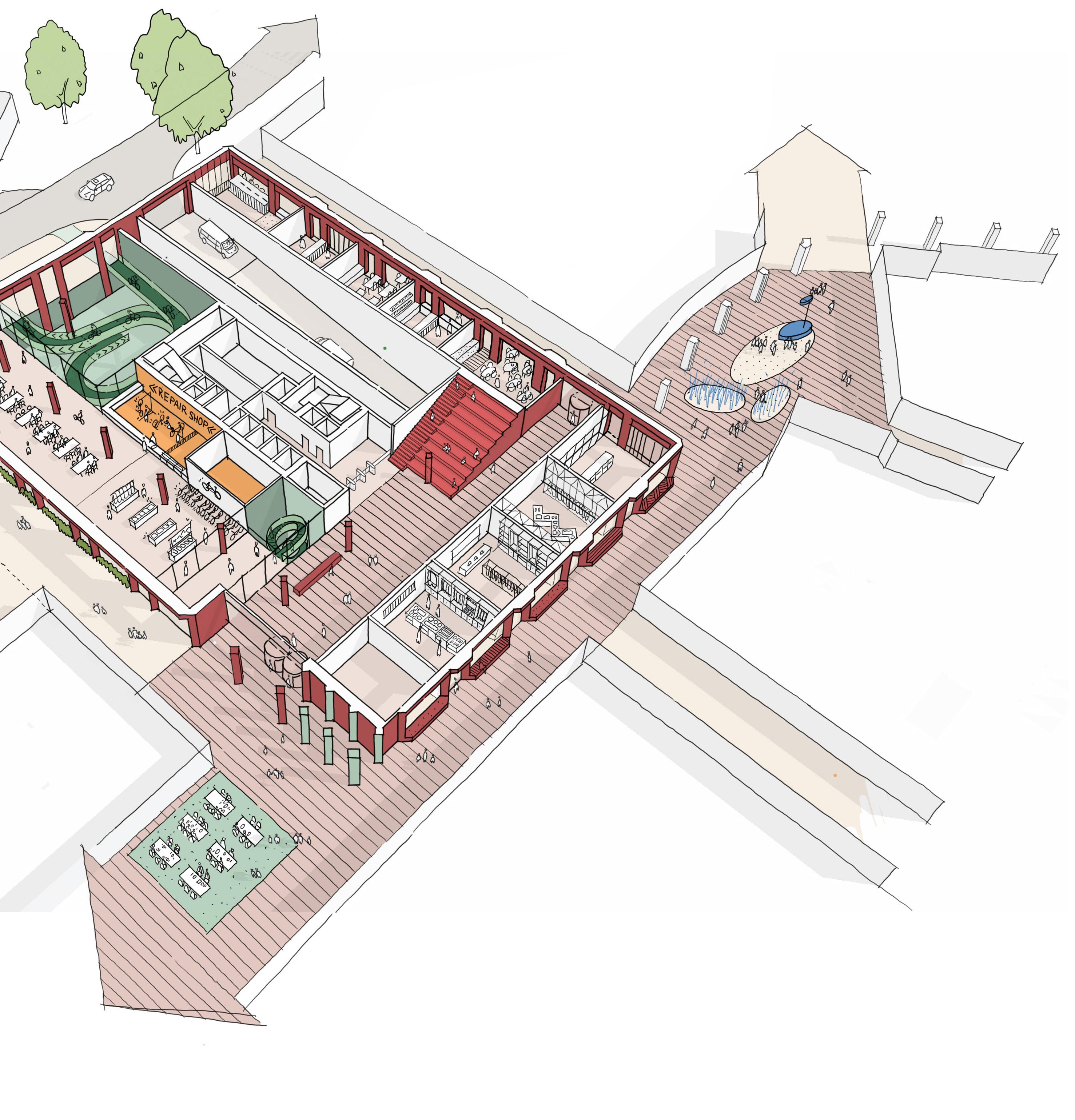
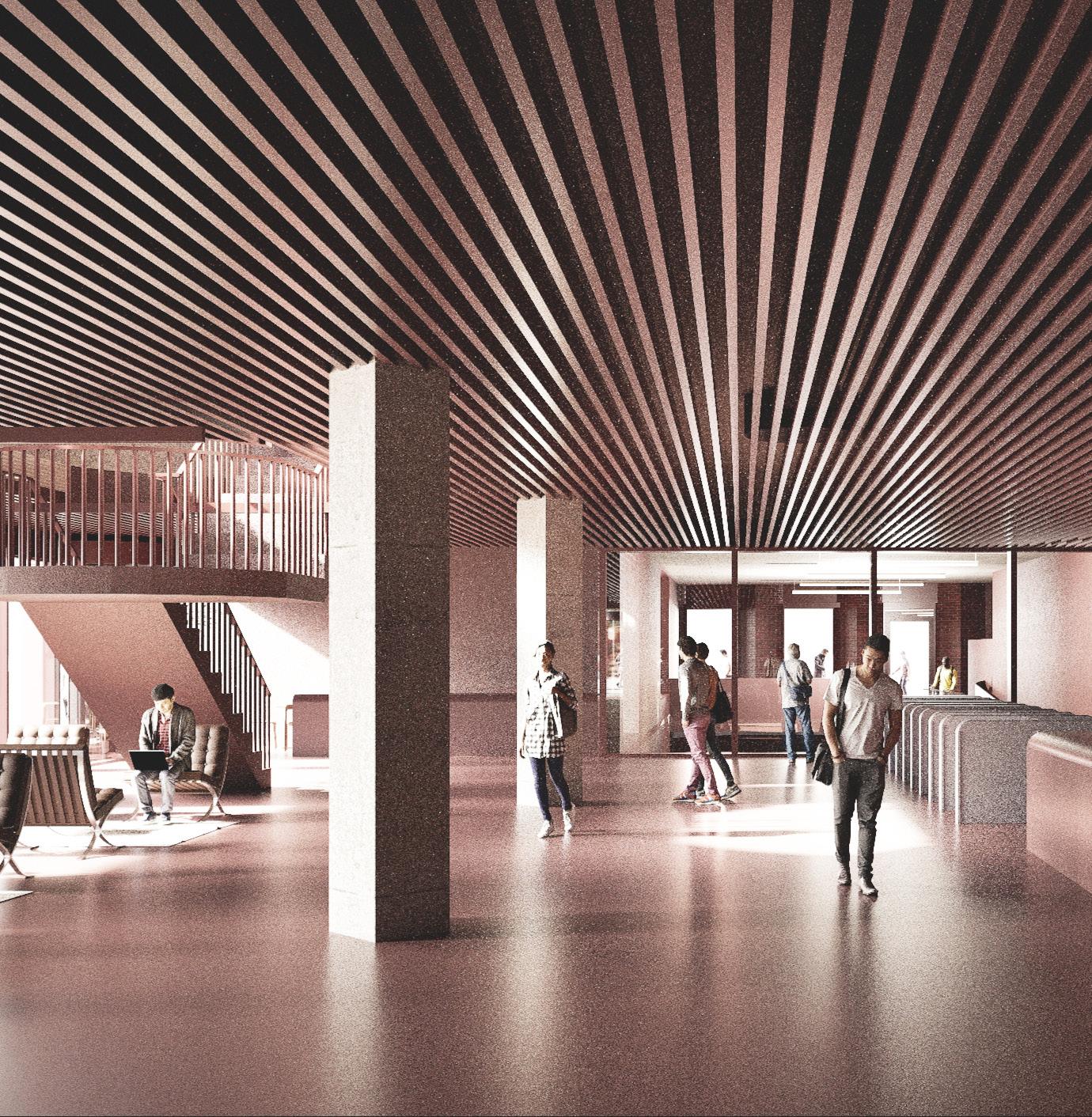
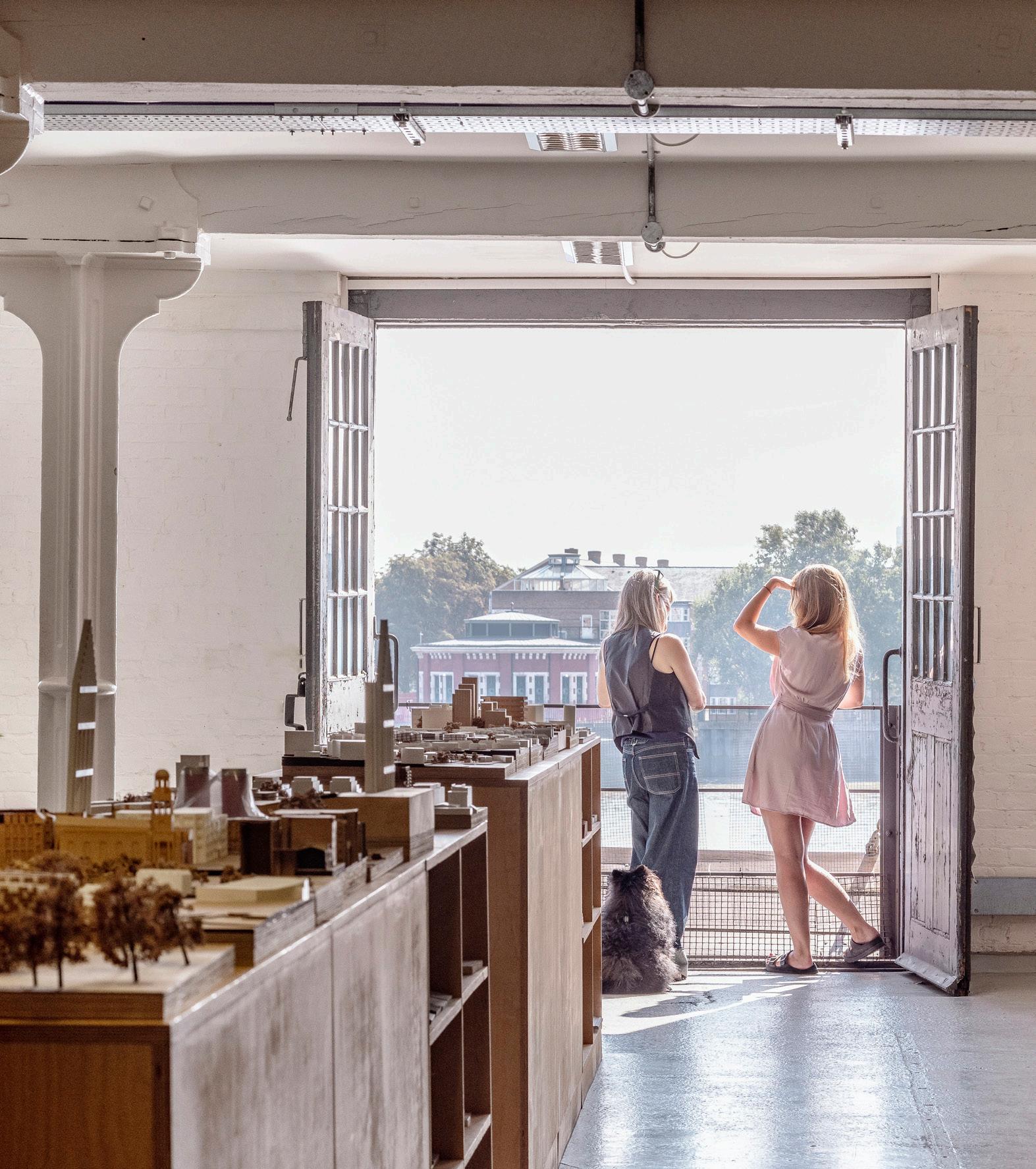
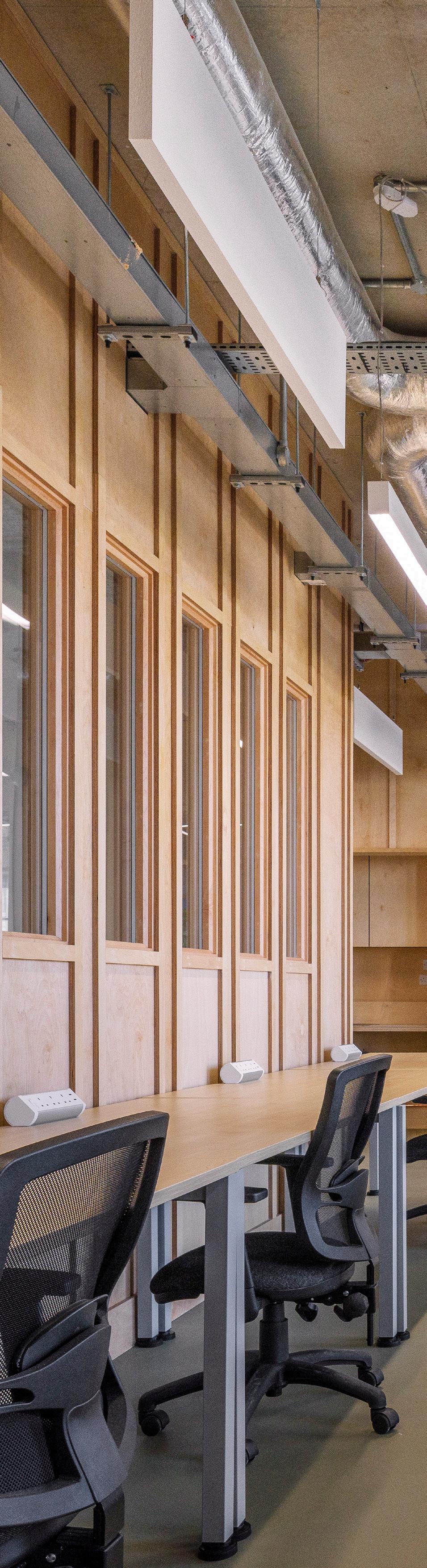
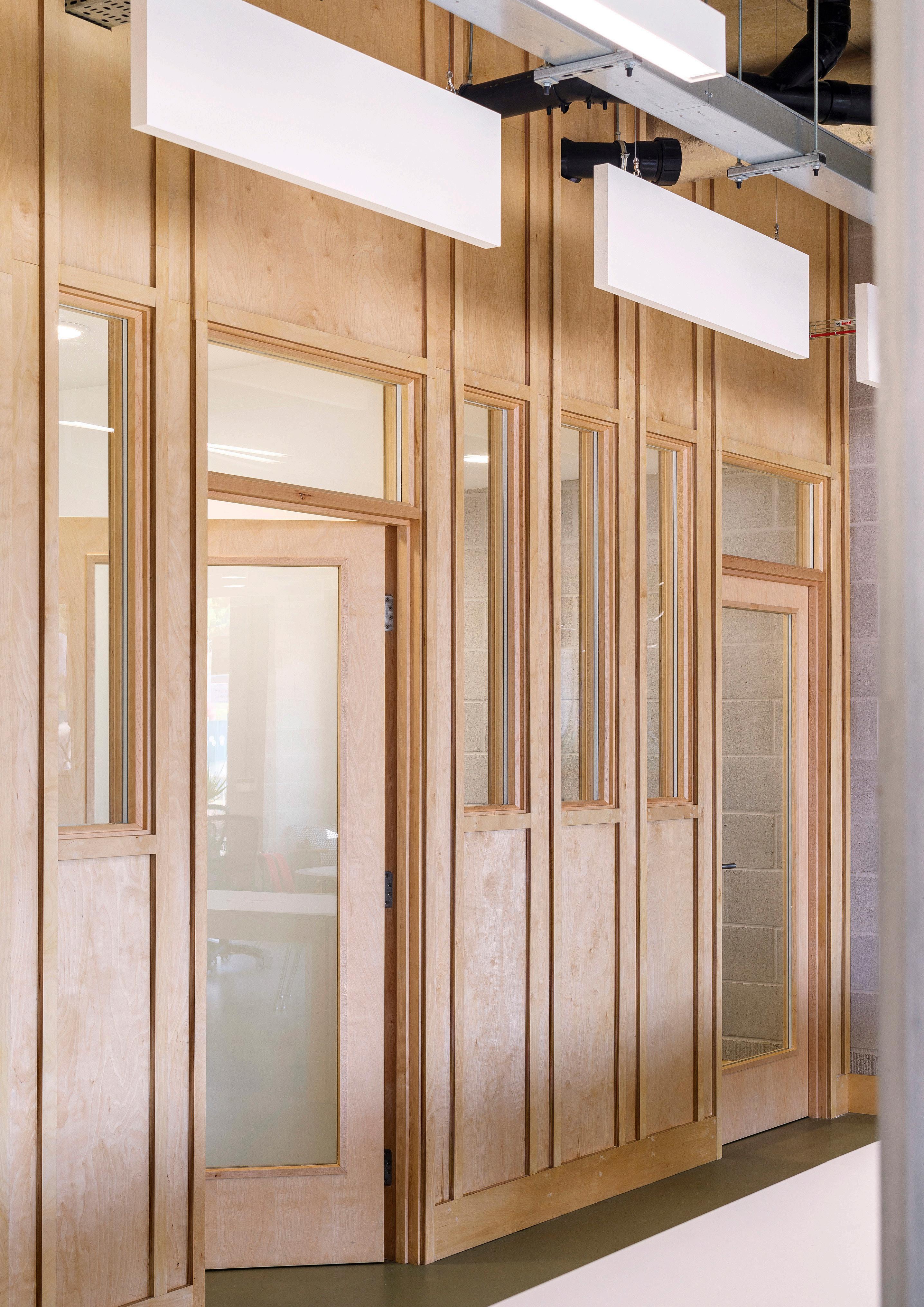
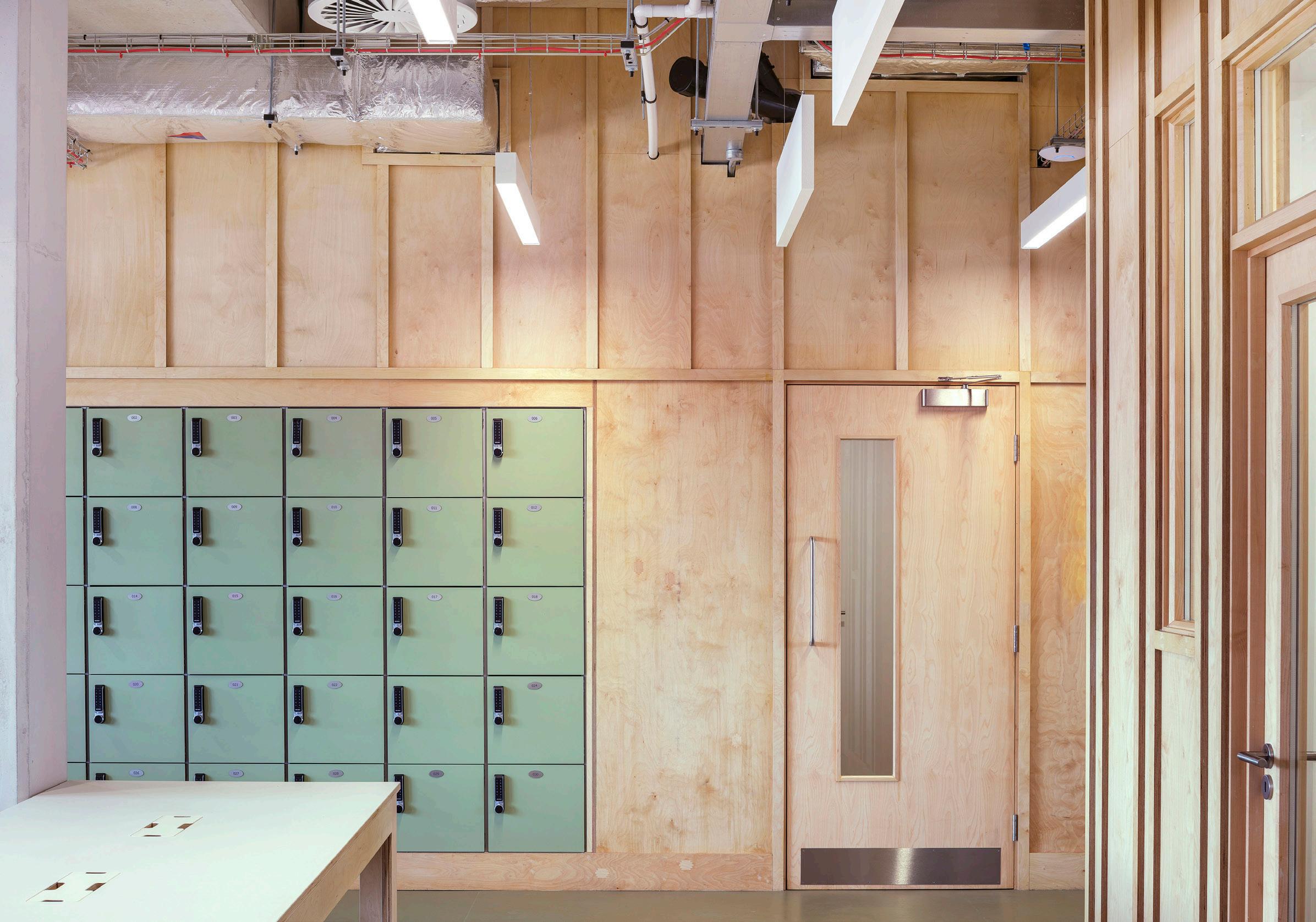
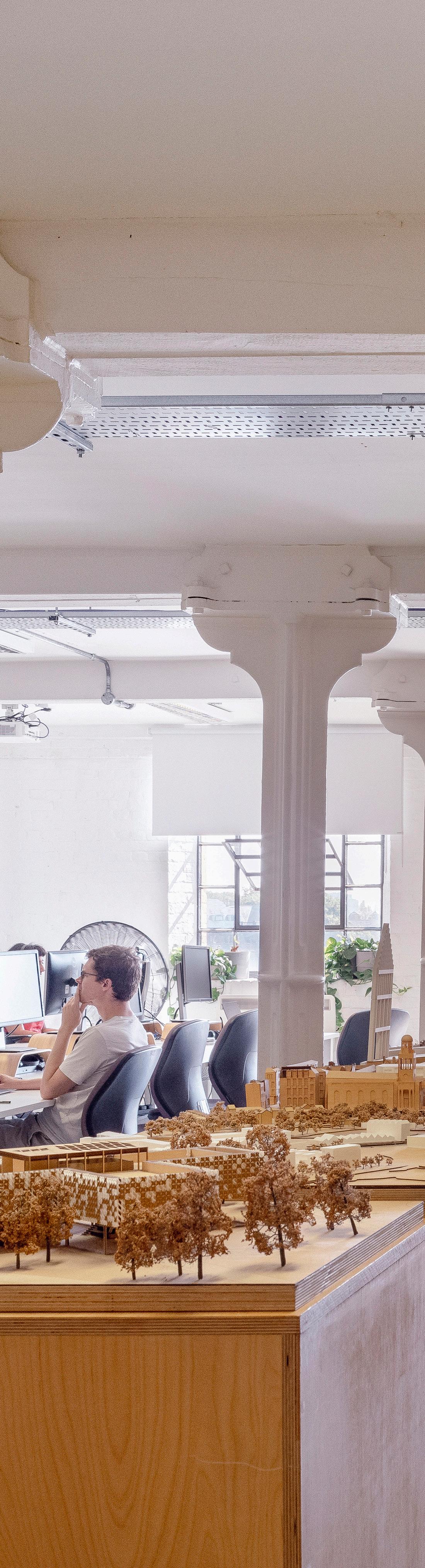
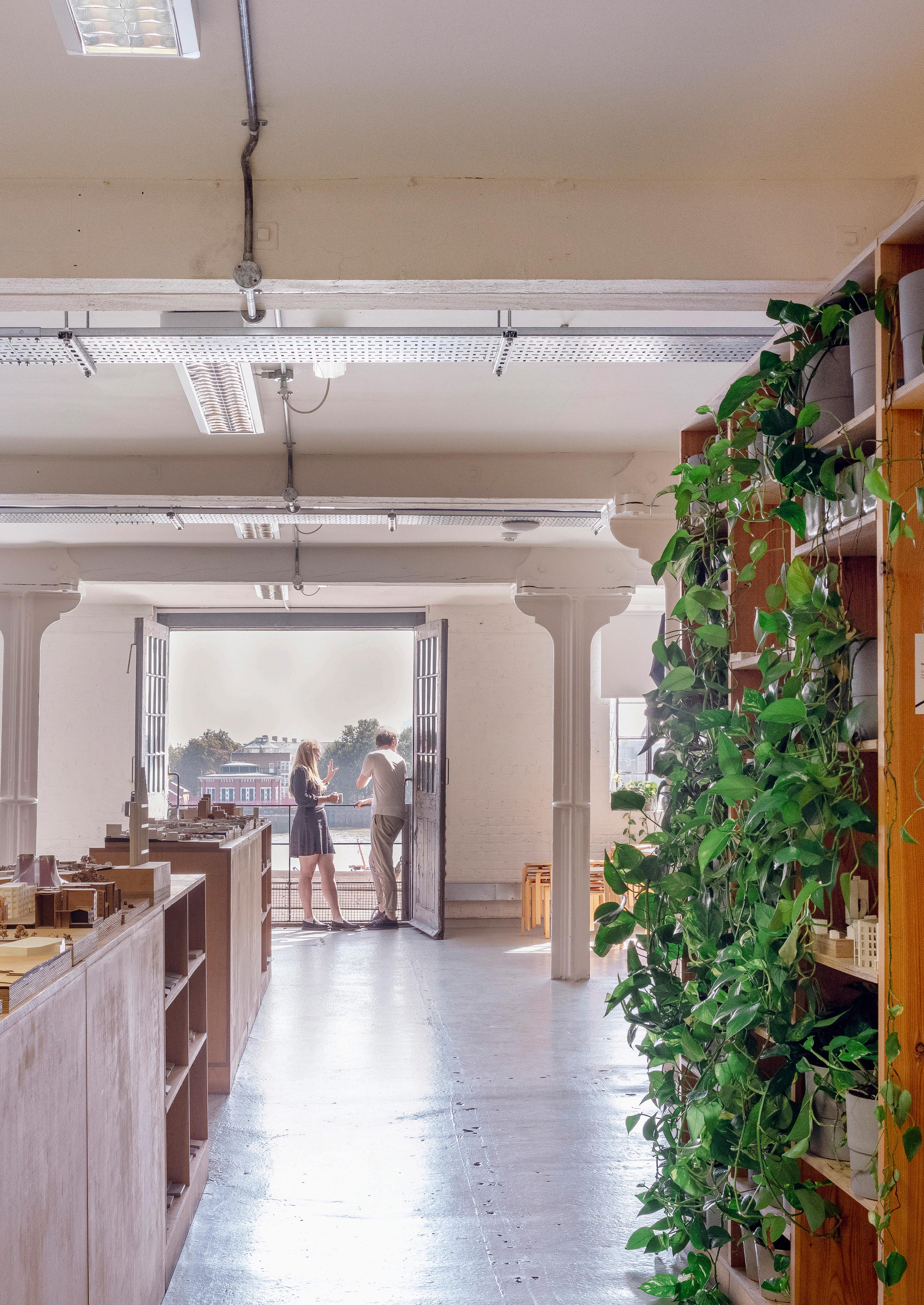
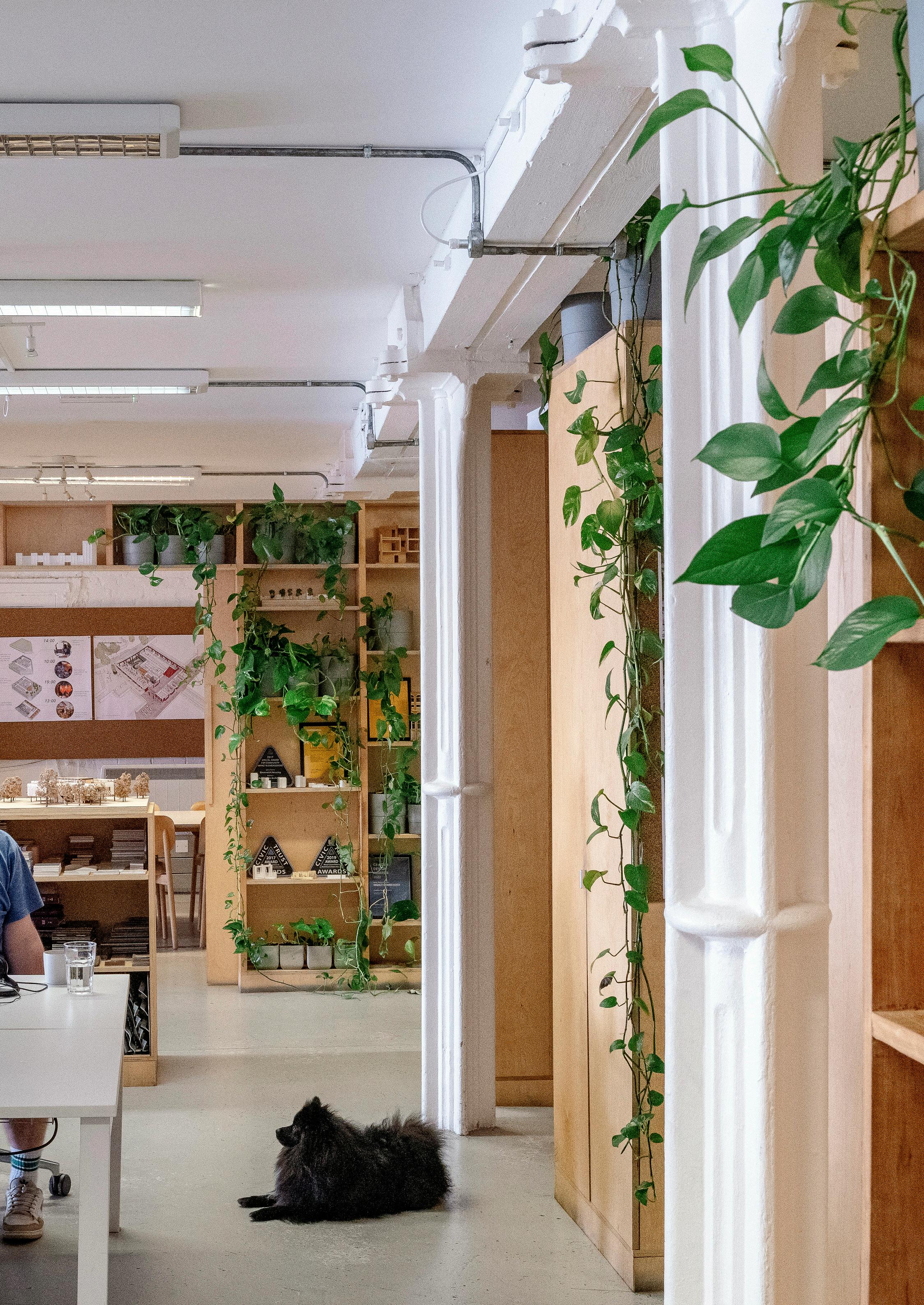
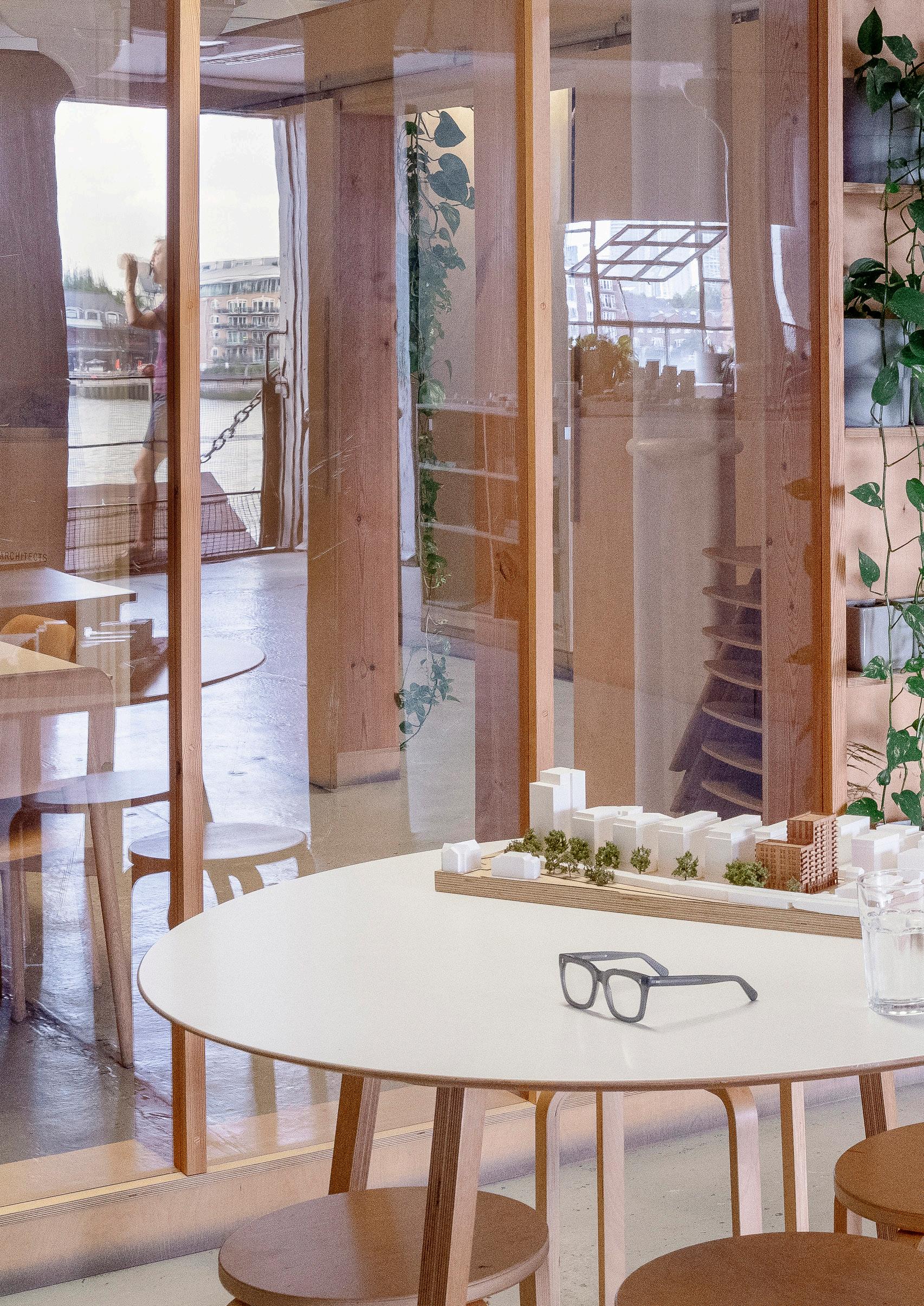
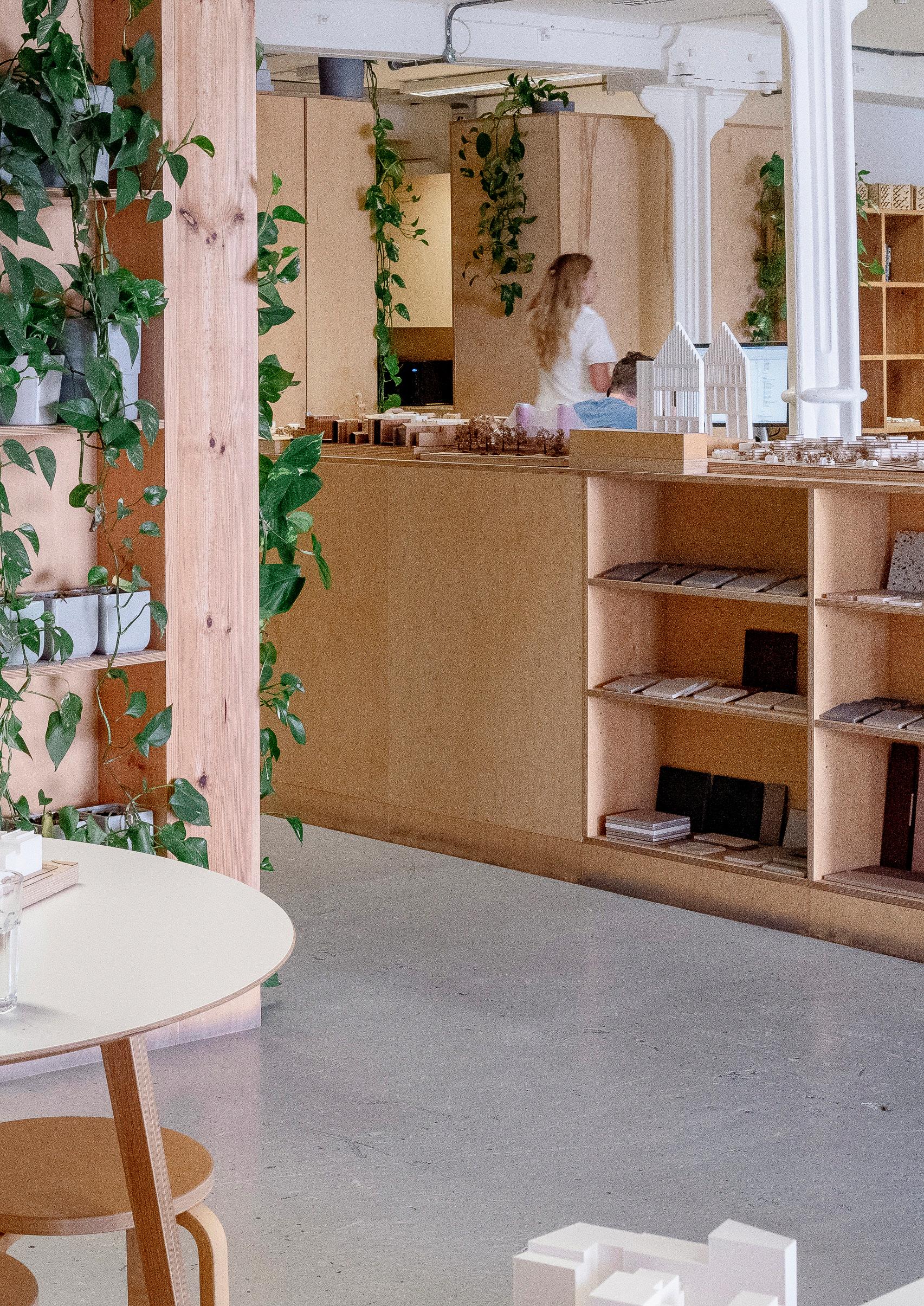
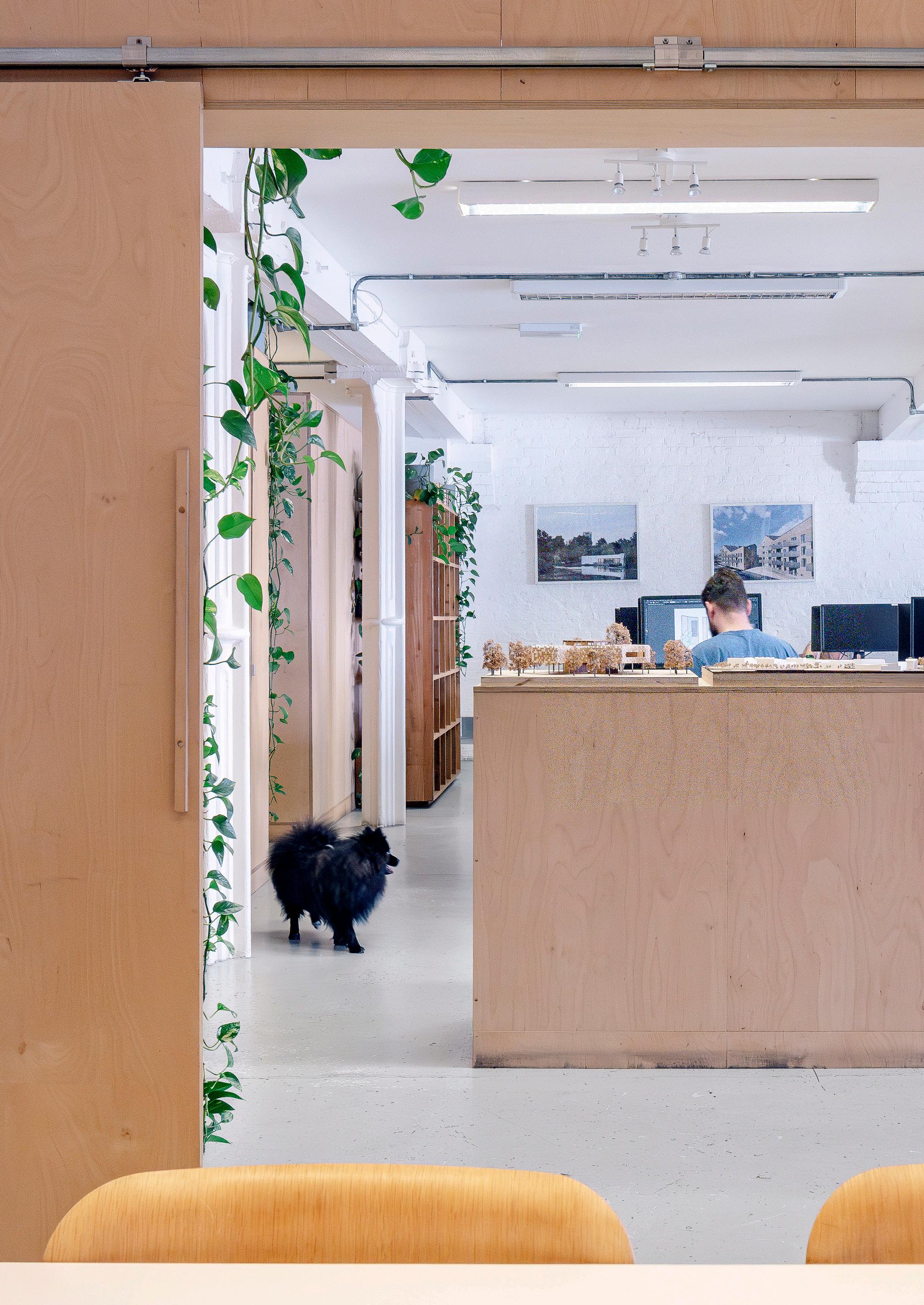
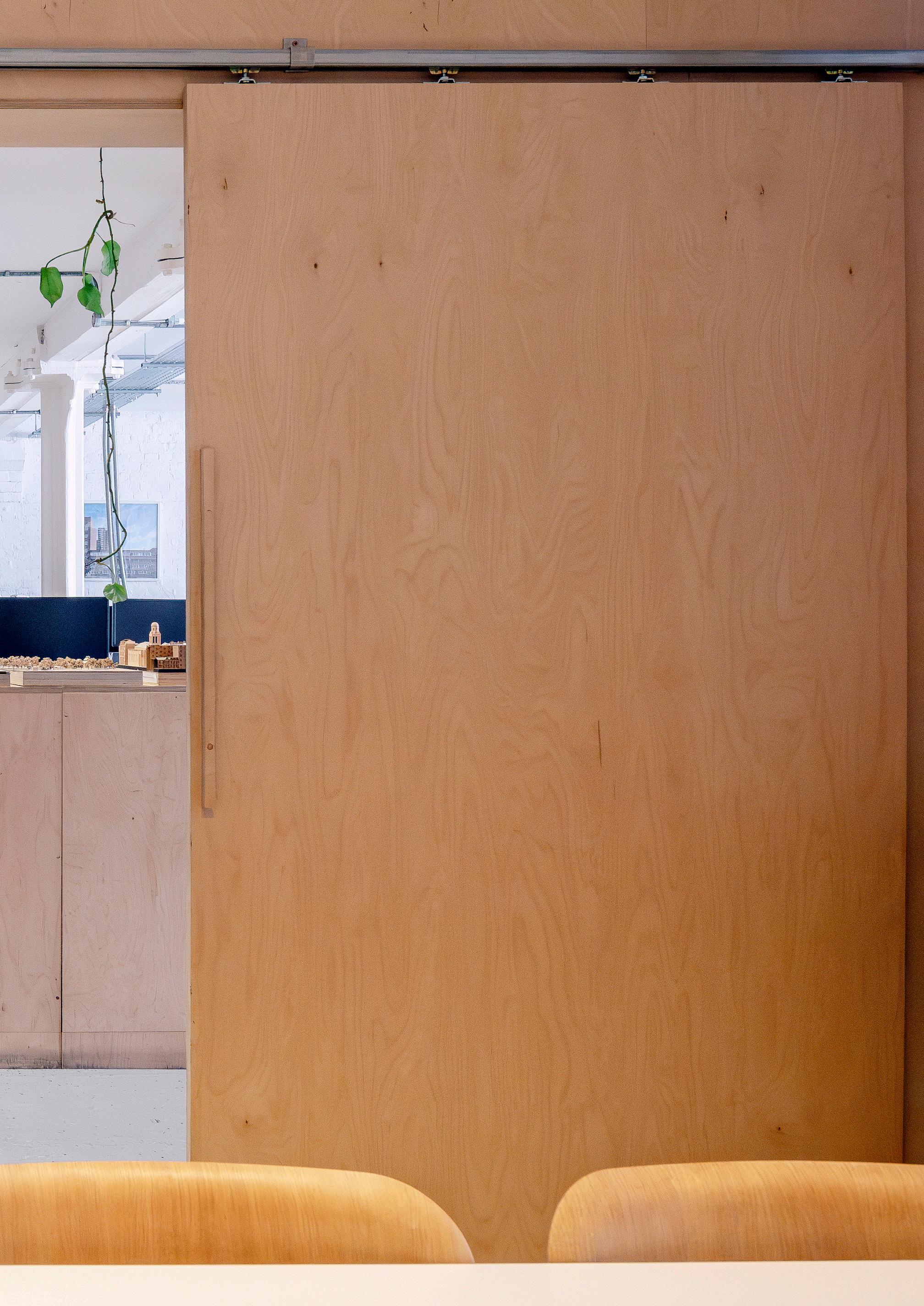
The fit-out of our new offices in Wapping was carefully undertaken to minimise the impact on the Grade II listed warehouse building.
Free-standing partitions, shelving, kitchen and storage units constructed from naturallyfinished plywood give a visual coherence and warmth to the open plan office space that contrasts with the white painted brick, timber and cast iron of the warehouse structure.
The plywood is complemented by other natural materials; galvanised cable trays and cork pin-up boards. The layout of the office emphasises the open, collaborative nature of the studio whilst providing different environments to work in.

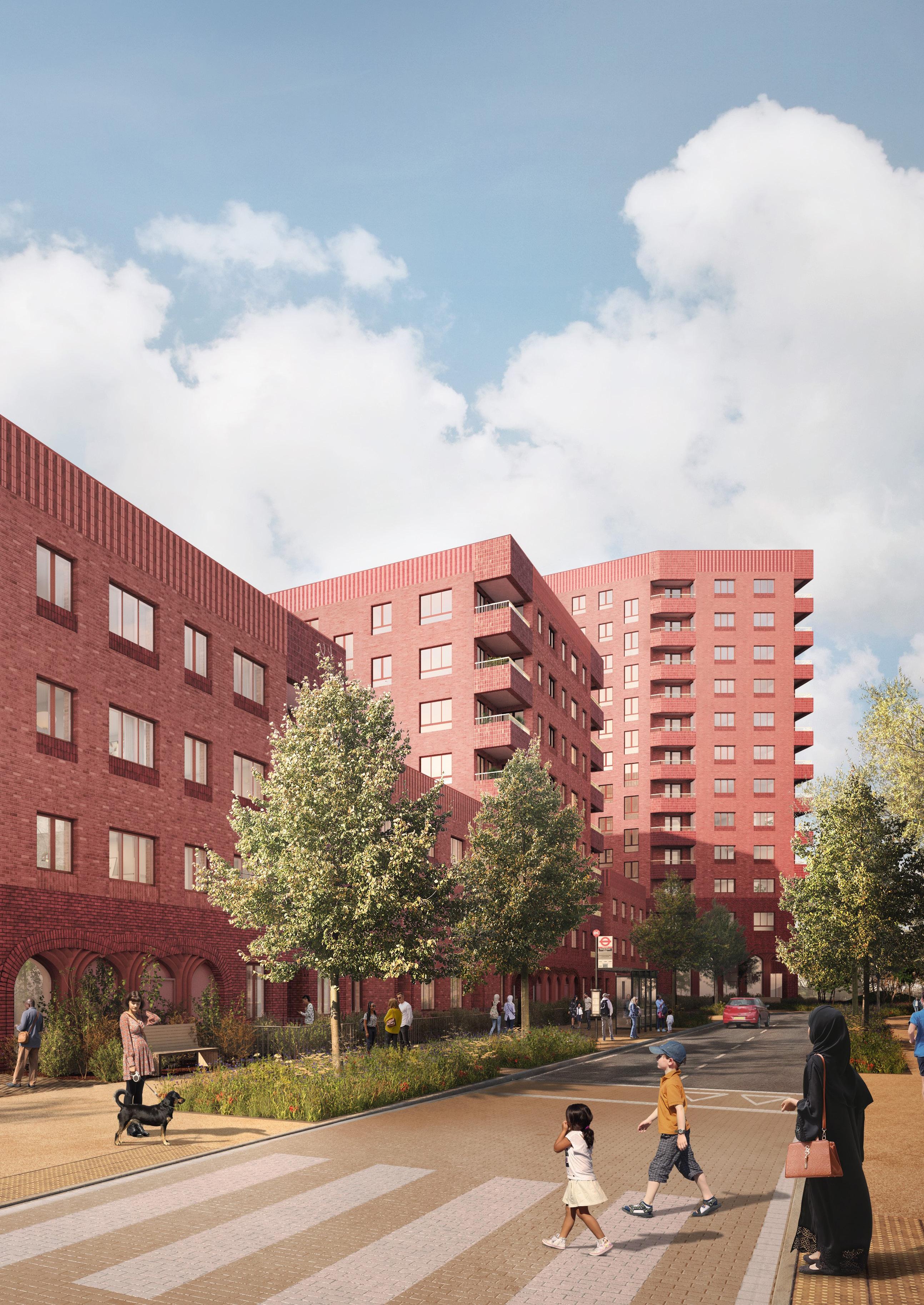
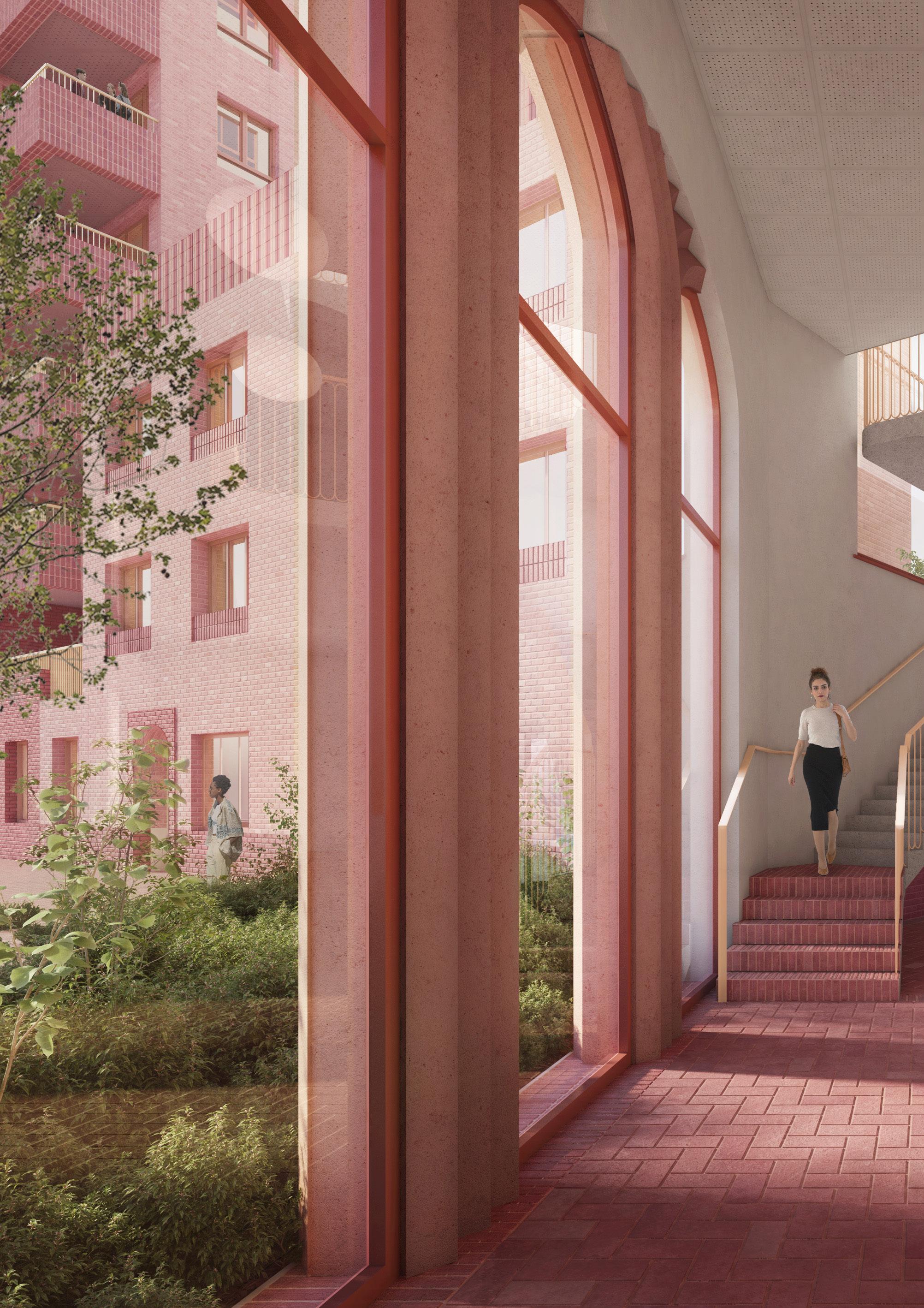
The Convent Way Estate regeneration is a landscape-led masterplan designed to create a sustainable, thriving neighbourhood, providing 967 new homes built to Passivhaus standards. The development will result in a 69% improvement over Part L of the Building Regulations, ensuring a highly energy-efficient environment. The masterplan includes expansive public realm and shared amenity spaces, connected via a green and blue ecological loop, along with a new local retail and community hub to serve residents. Improved connectivity is achieved through the creation of a new neighbourhood lane that enhances accessibility and permeability throughout the estate.
Phase A, which has been submitted for detailed design approval, will deliver 117 affordable homes, offering existing residents the opportunity to stay within their community as the regeneration progresses. This phased approach is designed to ensure that all residents will only need to move once into their new homes, preserving the cohesion of the community throughout the process. The design of each phase is shaped by ongoing consultations with residents, with 85% of the estate’s residents supporting the regeneration. The proposals aim to provide a range of homes suited to varying needs, alongside new parks and play spaces that guarantee easy access for everyone.

Project Convent Way Estate
Location Hounslow, London
Client The London Borough of Hounslow
Project Cost
Status
Undisclosed
Hybrid Planning
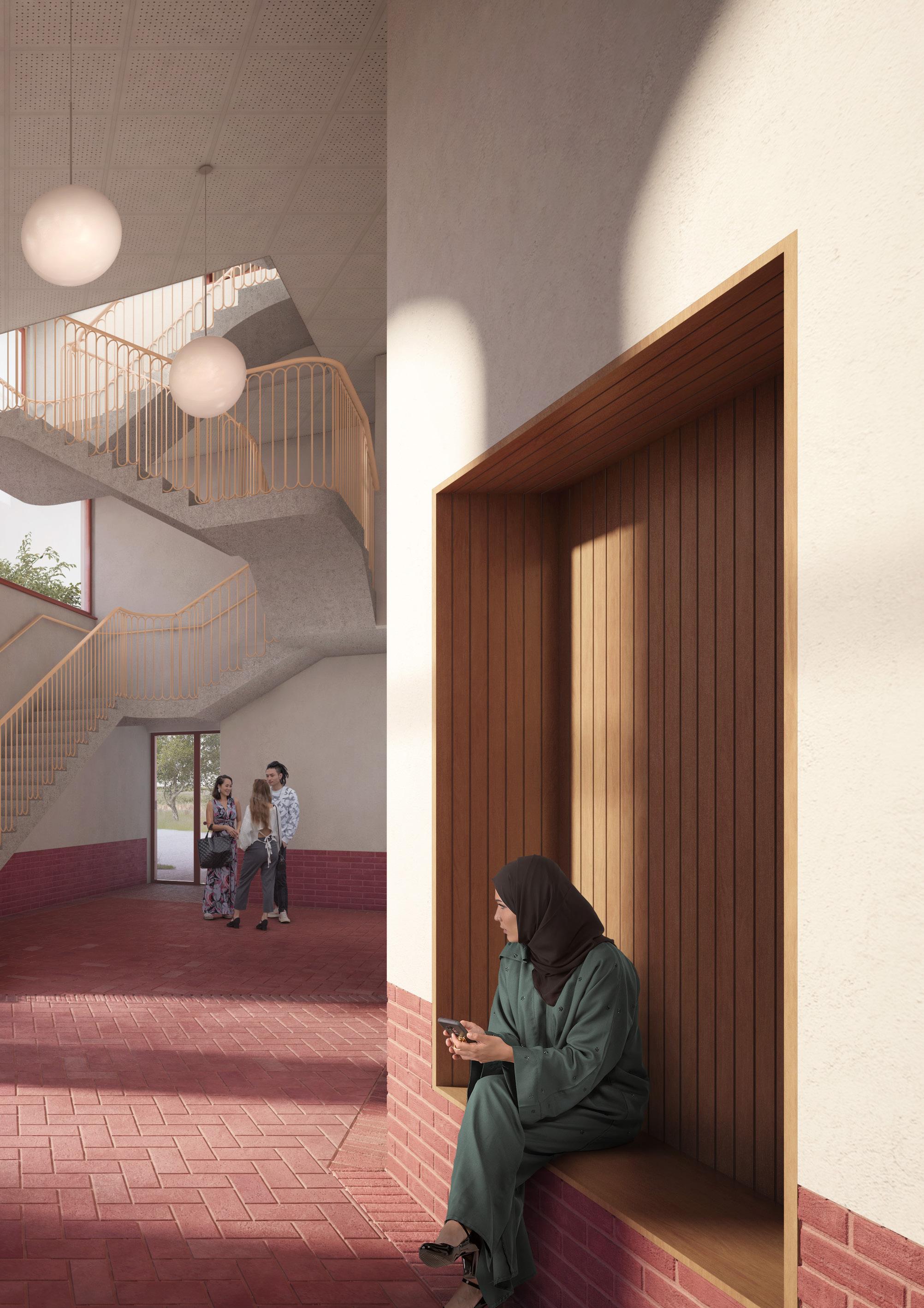
“What we have put together is remarkable and will have a huge impact on our society and community. Being part of it for me has been a badge of honour and something I am happy to be part of.”
Ahmed Mohammed, current resident