PUBLIC SAFETY
In an era when threats can emerge quickly and budgets are tight, small to mid-sized municipalities need security improvements that are practical, scalable, and cost-effective. At Becker Morgan Group, we frequently advise local governments and public safety agencies on how to boost physical security without taking on massive capital projects. Below are a handful of relatively easy upgrades that can make a real difference.
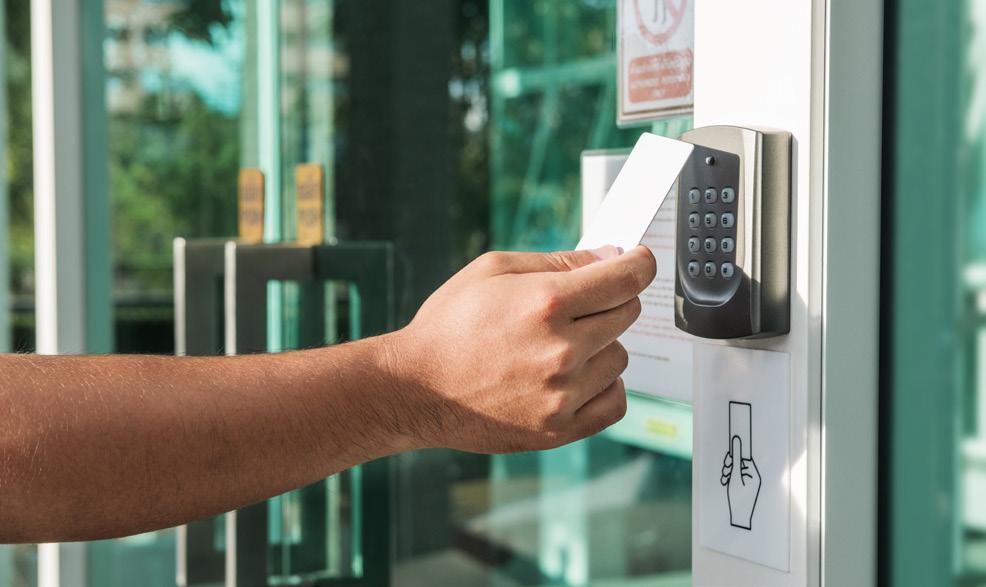
One of the simplest ways to tighten security is to convert one or more doors from “open with a key” to “controlled entry” using card readers or smart credentials. These devices allow you to audit who entered and when, revoke access easily, and reduce the risk of lost or duplicated keys. Some readers support Bluetooth, RFID, or mobile credentials so you don’t have to rely on proprietary cards. Access control can also be tied to building scheduling to provide controlled access to areas which might be made available to the public in after-hours settings, such as community rooms for meetings or events.
When implementing, be sure to involve your IT or network team early so credential servers and wiring can be integrated securely with your existing systems.
Deploy Security Cameras with Remote Monitoring
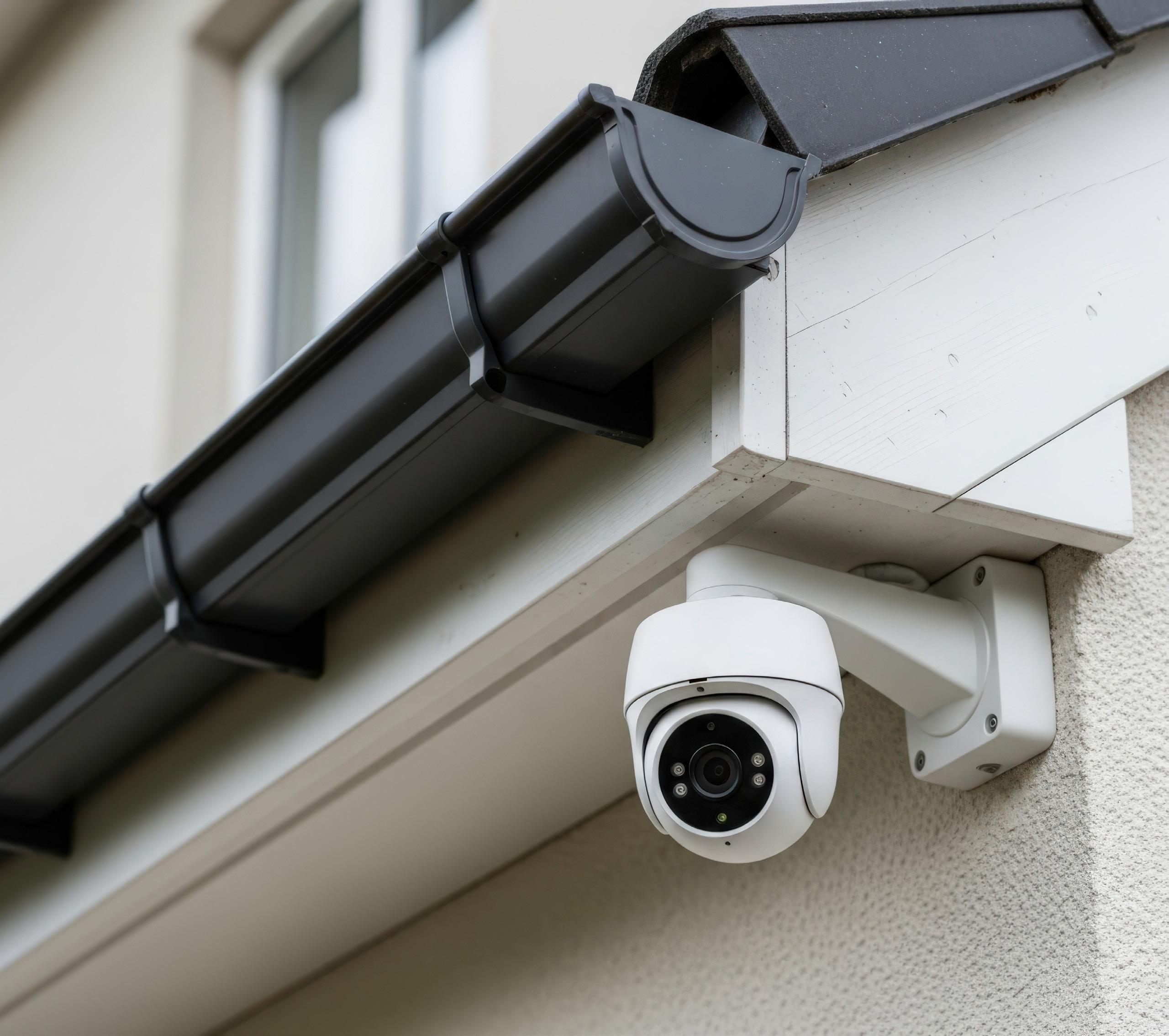
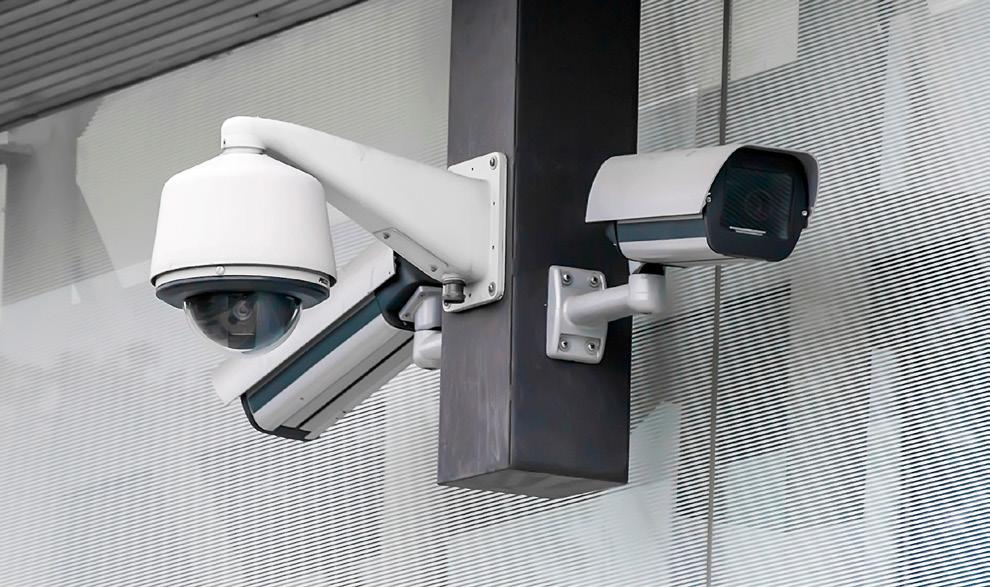
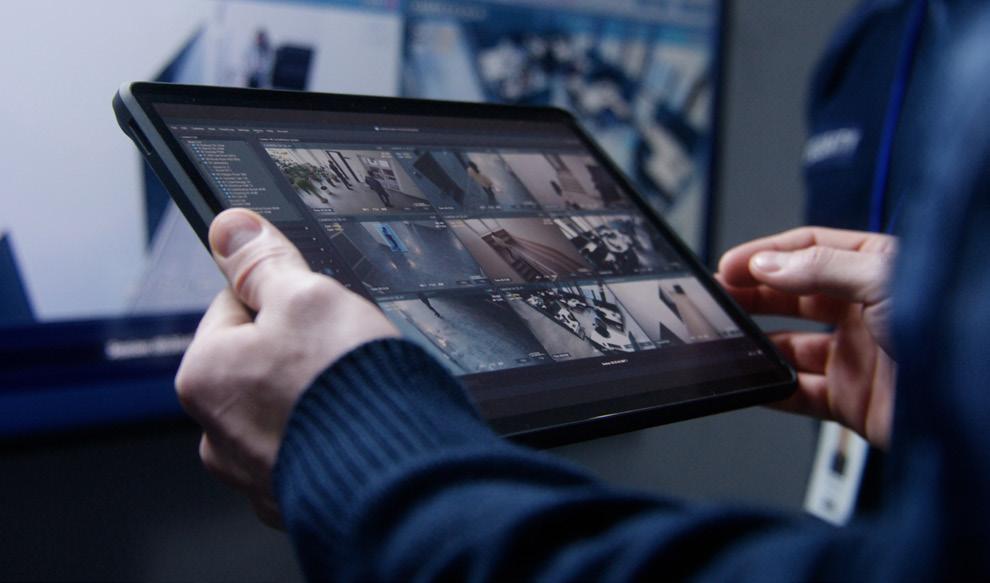
Installing cameras at entrances, parking lots, reception areas, and other vulnerable zones is an excellent deterrent and provides critical evidence if an incident occurs. With modern systems, you can view feeds remotely (via mobile or web), configure alerts based on motion or people detection, and record footage to network storage or cloud backups.
Best practices: place cameras to cover both the “face” of the building and blind spots, aim for 1080p or better, and use encrypted network links where possible.
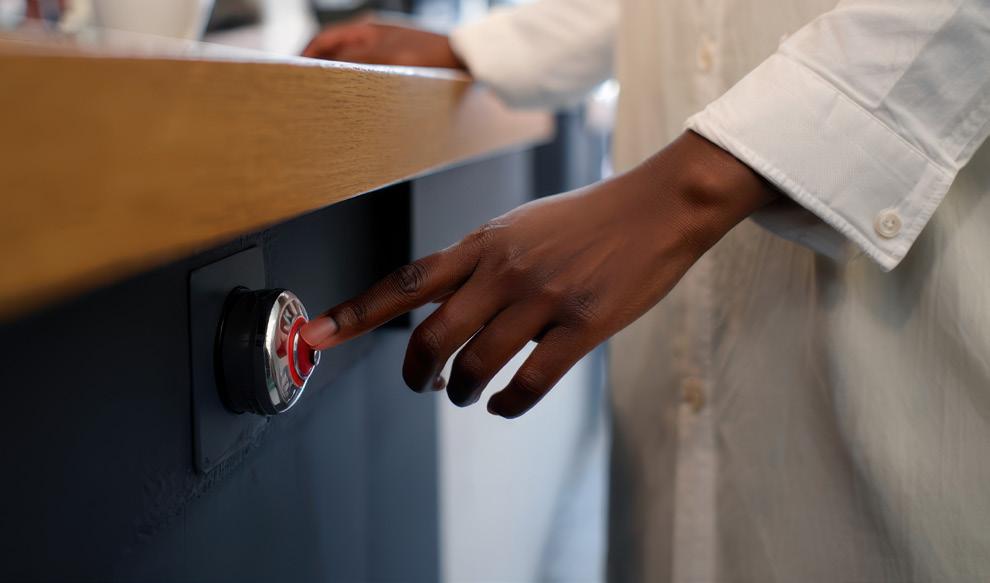
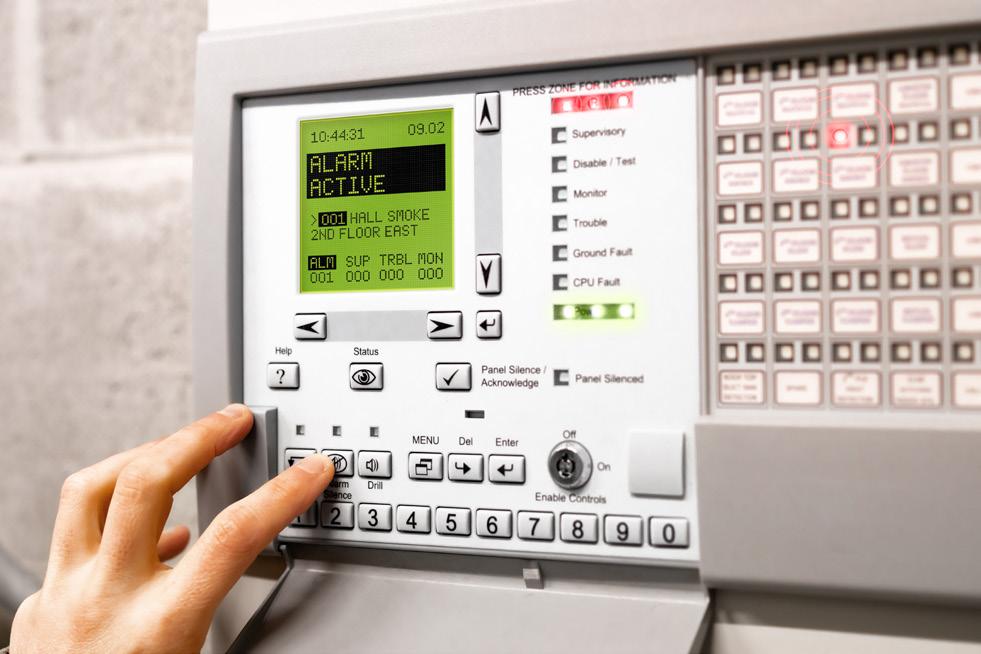
Cameras help after the fact, but sensors (e.g. motion detectors, door contacts, glass-break sensors) provide real-time alerts when someone is in restricted areas. Integrate them with a monitored alarm system so your security or local law enforcement is notified quickly. Many systems offer duress or panic buttons, which staff can use to silently signal for help during emergencies.
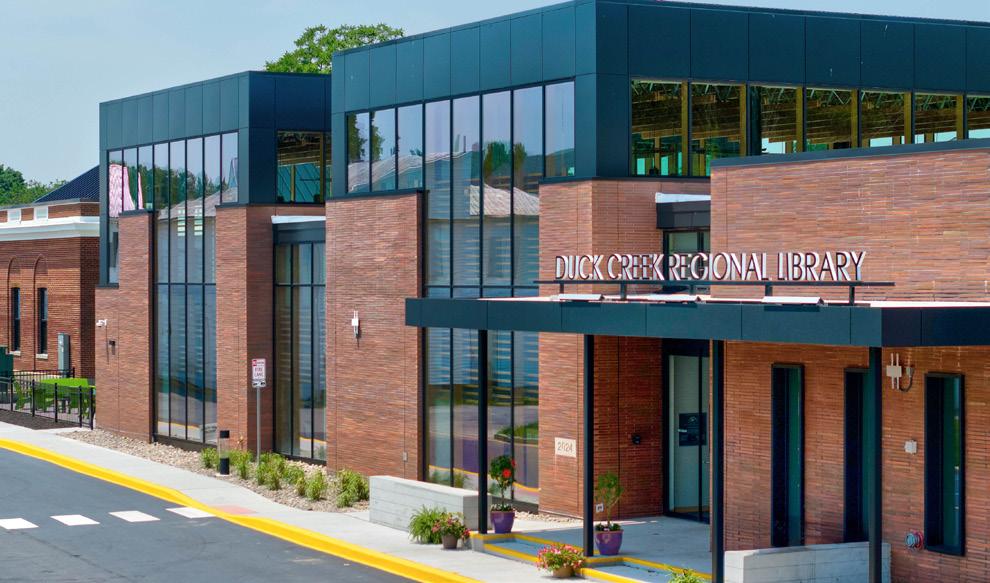
Smart lighting and motion-activated exterior lights: Welllit perimeters and motion-triggered illumination help deter after-hours intrusions and can be integrated with cameras.
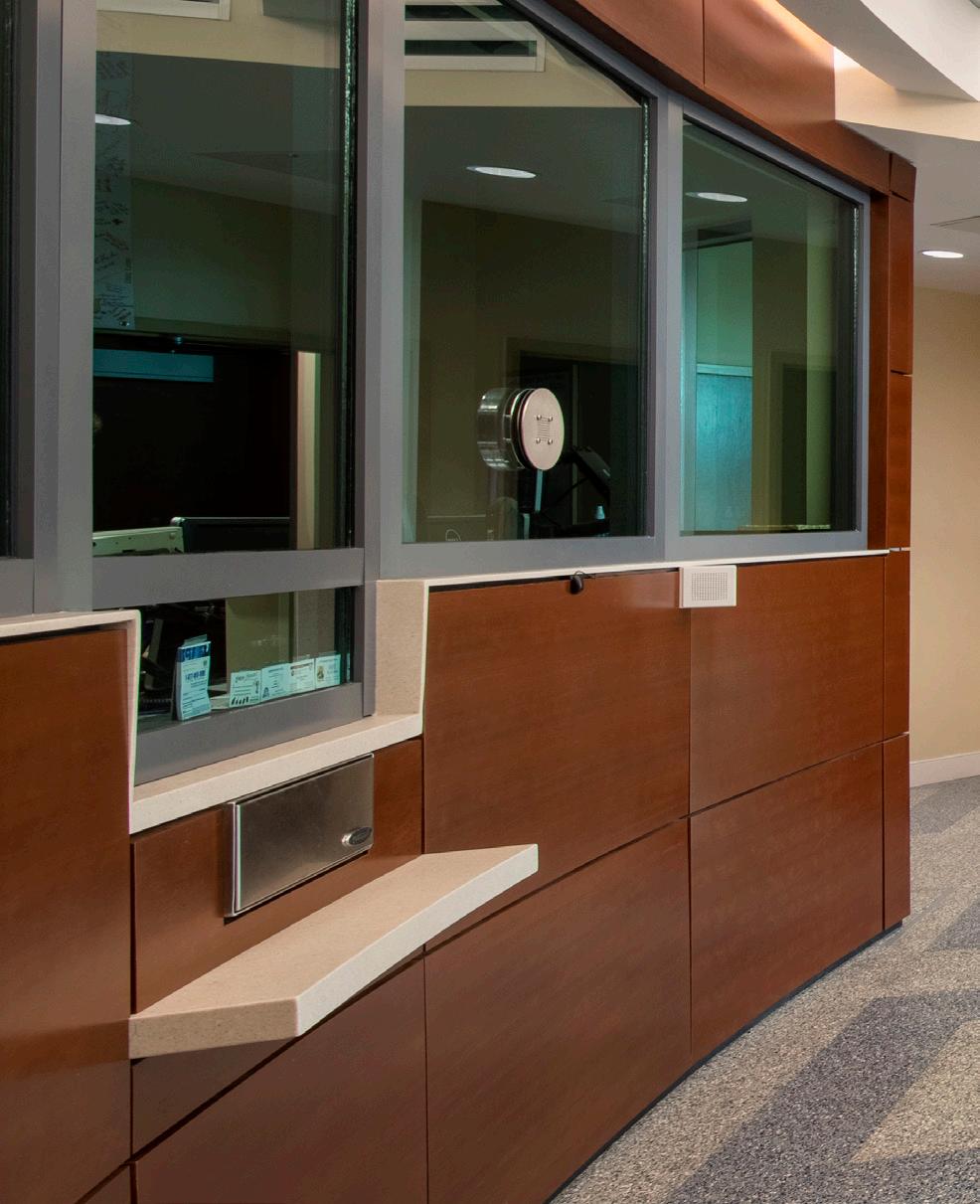
Visitor management/reception barriers: Use a controlled vestibule, transaction windows, or talk-throughs to restrict direct access to staff areas. These areas can be easily upgraded by installing metal detectors, or ballistic rated wall panels and glazing for sensitive/secure areas.
Lockdown capability: Identify doors or zones you want to be able to “shut down” immediately in crisis. Simple software or relay controls can turn them into momentary lockdowns.
Before performing any upgrades or purchasing any hardware, conduct a basic physical security audit of your facility: note vulnerable doors/windows, high-traffic paths, areas with sensitive records or assets, ingress/egress routes, etc. This allows you to prioritize where to deploy upgrades first.
Then, roll out improvements in phases, start with the highest risk areas (e.g. server rooms, evidence rooms, private offices), then expand outwards. A phased approach spreads costs and allows early wins.
Even the most advanced system fails if staff don’t know how to use it. Implement regular drills, refresher training, and clear policies on credential issuance, visitor escorting, and alarm response. Also allocate budget for maintenance: cameras get dirty, wiring fails, firmware needs updating.
Small upgrades like adding card readers, cameras, sensors, and smart lighting may seem simple, but combined they create a layered defense that significantly enhances safety and accountability. At Becker Morgan Group, we help municipalities evaluate needs and select scalable solutions so you achieve the biggest security impact for every dollar invested.