











Mike Brandt Editor-in-Chief Motion+Drives Magazine

Mike Brandt Editor-in-Chief Motion+Drives Magazine
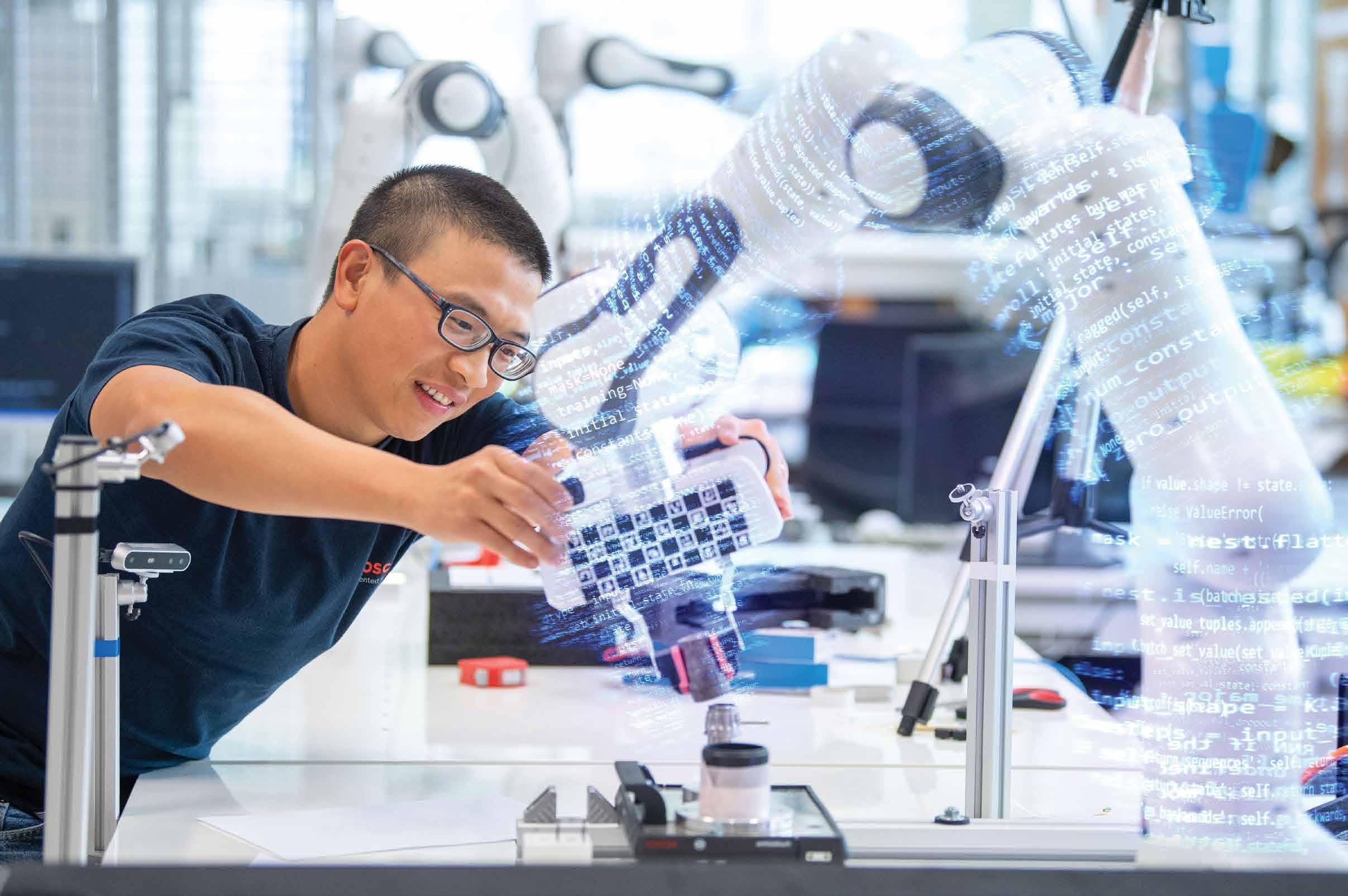
As artificial intelligence reshapes industries across the globe, the power transmission and industrial motion sector is no exception. In our cover story, we spotlight a groundbreaking technology roadmap that reveals just how central AI has become, not only in driving automation, but also in transforming the future of manufacturing. With billions in investment and thousands of patents filed, artificial intelligence is evolving from a supportive tool into a strategic engine for long-term growth. The introduction of agentic AI, capable of making decisions and taking actions independently, marks a new frontier in industrial operations, drastically cutting downtime, increasing responsiveness, and unlocking new levels of efficiency.
Beyond our feature on AI, this new edition explores innovations that continue to push the boundaries of performance and design. From renewable energy to manufacturing, from logistics to industrial automation, new solutions are driving measurable improvements in efficiency, sustainability, and reliability. The evolution of mechanical systems is playing a critical role in supporting the global shift toward cleaner energy and more efficient infrastructure.
Equally important is the transformation happening in maintenance and operational practices. Enhanced approaches to installation, lubrication, and condition monitoring are minimizing downtime, extending equipment life, and improving safety across industries. These changes reflect a broader trend: the integration of digital tools, precision engineering, and smart materials is redefining how the industry operates, delivering greater value through every turn, lift, and rotation.
Whether your focus is on AI, advanced components, or reliability optimization, this issue of Motion+Drives offers a window into the innovations shaping the next decade of industrial motion. We invite you to explore every article, reflect on new ideas, and continue your journey toward smarter, more sustainable motion systems.
Enjoy the read and stay in motion,
I hope that you will enjoy it.
Editor-in-Chief
Mike Brandt
Editorial Team
Thomas Johnson
Mia Mctigue Rodriguez
Dize Purde
Guest Editor
Naresh Kumar
Marketing
Tapaswee Dixit
Victor Vialet
Vincent Yang
Project Coordinator
Merve Zhunuskanova
www.linkedin.com/company/motion-drives
www.facebook.com/MotionDrivesmagazine : www.twitter.com/motion_drives : www.youtube.com/channel/ UChCnbcmjFPbLEkLZGdjEXIw

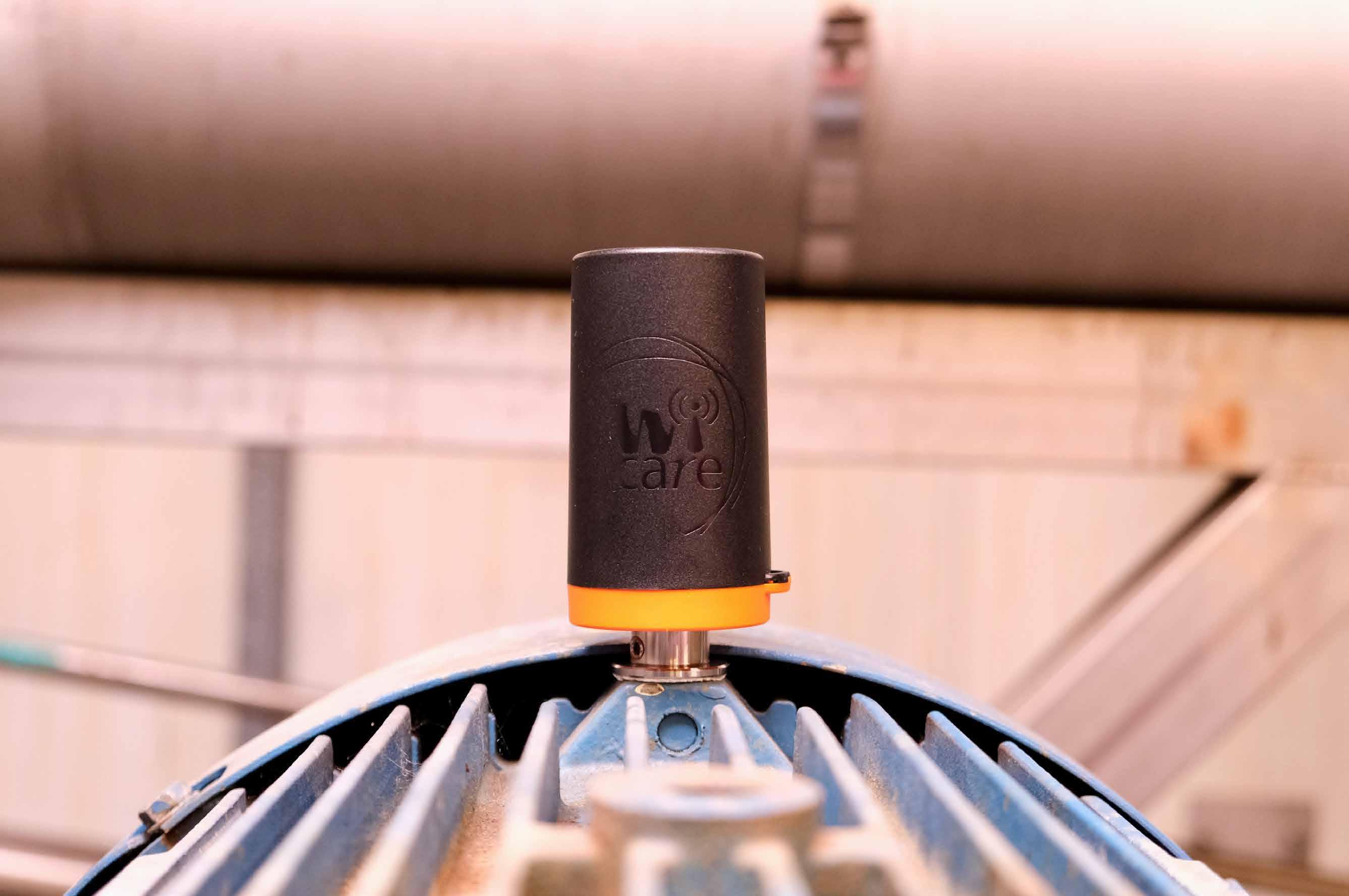
Wi-careTM wireless patented PdM sensor
POWER MANAGEMENT
Warranty for 5 years
Highest sampling rate on the market
IDNA : OVERSAMPLED-HIGH FREQUENCY
Earliest detection of the most common failure modes
Scan this QR code to discover more specifications ABOUT THE GATEWAY!


Discover Wi-careTM 130 specifications by scanning this QR code!

Bearing
Lubrication
Gearmesh
Cavitation
ATEX
100% WIRELESS
AI POWERED PLATFORM : I-SEE SLOW SPEED DEFECT DETECTION PIEZO TECHNOLOGY
12
Gearboxes
Flender Unveils REVO: A Groundbreaking Drive Concept for Wind Turbines
Belts & Belting
Optimising Vertical Lift Modules for Space Efficiency and Superior Performance
27 Bearing Avoiding common lubrication mistakes for bearing optimisation
Bearing RKB advanced bearings for mixer gearboxes
32
Industry 4.0
Bosch Tech Day 2025: Bosch invests heavily in AI as a growth driver

Interview Advancing Condition Monitoring in Hazardous Zones
17
21
Lubrication From Lunchtime Run to Maintenance Masterclass: How a Jog Turned Into a Customer Project
36
Belts & Belting Ydins Custom belting for packaging and labelling: Ydins solutions
Engineering Services
Napoleon Engineering enhances bearing source qualification services
Technical Trainings I-care Group Continues Global Expansion with a European Training Arm
Artificial Intelligence
Tethered caps: KHS optimizes its inspection technology with the help of artificial intelligence
Couplings
Rigid couplings and shaft collars from Ruland for food equipment applications
67
Predictive Maintenance Detect and Prioritize Railway Brake Air Leaks with the FLIR Si1-LD
57 58 62
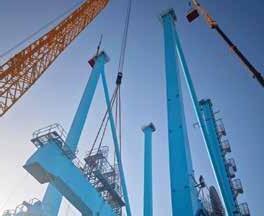
Lifting Application Liebherr ship-to-shore cranes assembled efficiently at port
71

Industry 4.0 How Manufacturers Can Turn Real-Time Data into Productivity Gains

Company
ABB celebrates half a century of innovation and energy efficiency with variable speed drives
75
Linear Motion
Applied Motion Products’ MLA series miniature linear actuators have comprehensive configuration capability
78
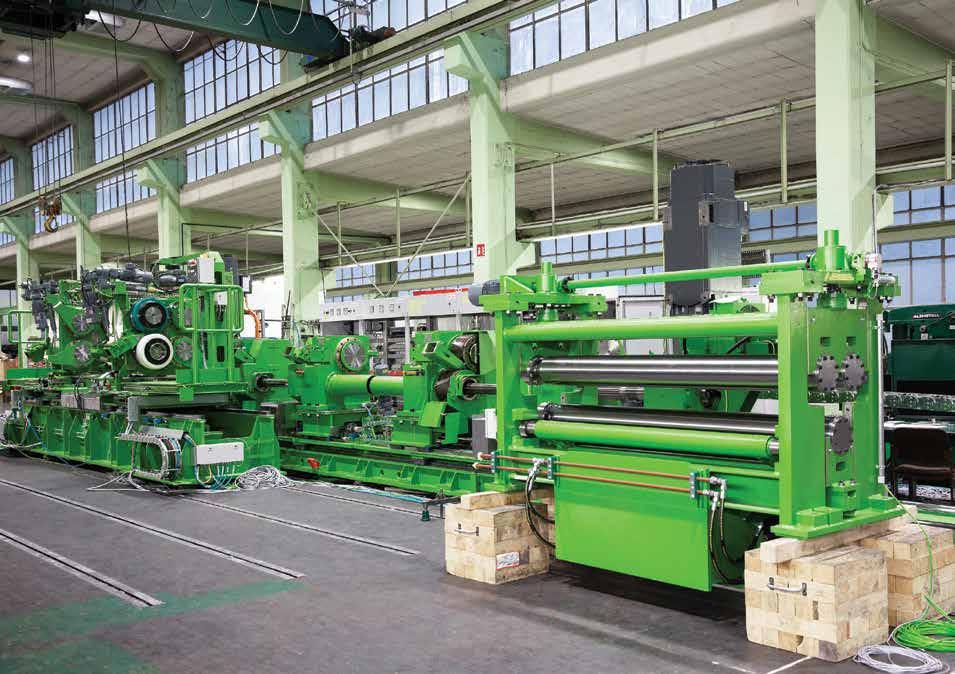
Steel Application Application 78 REDEX Group plans and installs side trimmer at Arcelor Mittal Bremen
Lifting Application
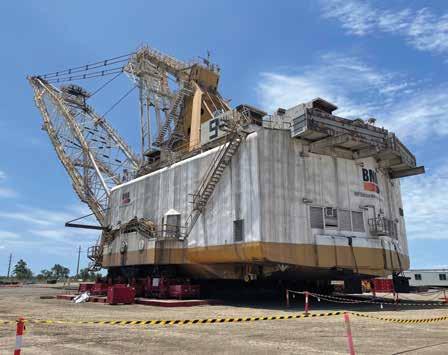
Heavy Lifting, Precision Engineering, and Offshore Expertise: Mammoet Delivers Three Landmark Projects
93
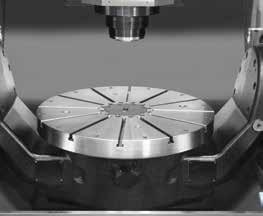
Machine Tools
UMILL 1000:
The powerful multifunctional machining centre
97
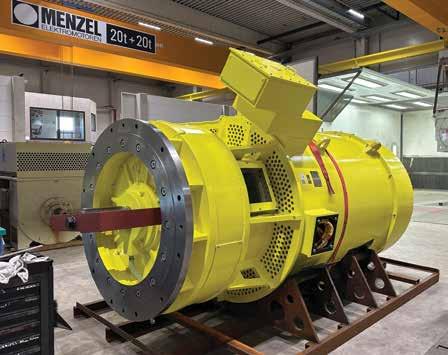
Motors Menzel Elektromotoren Delivers Custom-Engineered Motor Solutions for Heavy Industrial Demands and Humanitarian Infrastructure
Stainless Steel New Outokumpu research shows Scope 3 emissions reduction and life-cycle costs are driving stainless steel investment
100
Powertrain Motion Control Solutions from Regal Rexnords
Memory Modules Rugged Industrial Applications 89
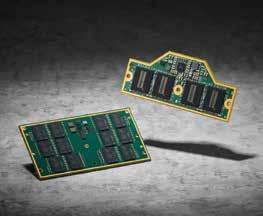
Industrial Electronics Innodisk Introduces DDR5 and LPDDR5X CAMM2

102


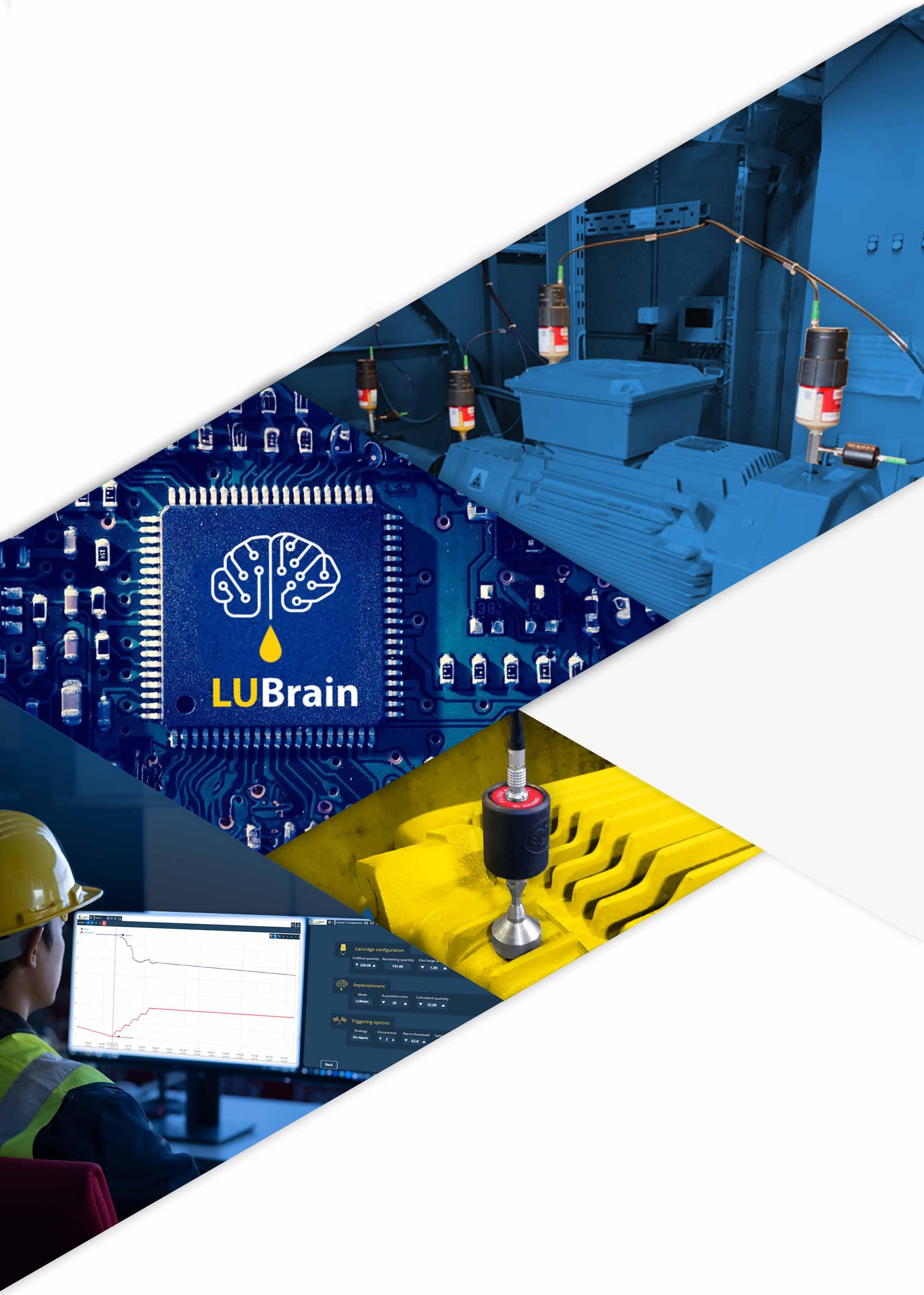
Elevate your machinery’s performance through innovative ultrasound measurement technology and automatic bearing lubrication. Ultrasound




We would like you to take advantage of our design co-operation service from initial application appraisal, through costing and prototypes, to ISIR and PPAP approval and production supply of your rod based Linkage assemblies. They can be supplied loose for final adjustment at the point of fit, alternatively, where required, by using length setting gauges and tooling, linkages can be supplied to pre-determined fixed centres. The flexible manufacturing techniques used in the production of linkage components allow non-standard derivatives to be readily manufactured. We produce hundreds of customer specials with varying dimensions, thread forms and features. We welcome your enquiries - please contact us at sales@btl-uk.com
BTL-UK is proud to be a committed European manufacturer of Dunlop brand Bearings, Power Transmission and Linkage components. We believe in the future of European manufacturing and will continue to focus and further enhance the requirements and expectations of our customers globally. As a proud manufacturer we want to help Europe’s industry flourish and to meet the world’s evolving appetite for innovative designs and responsibly produced quality manufactured products.
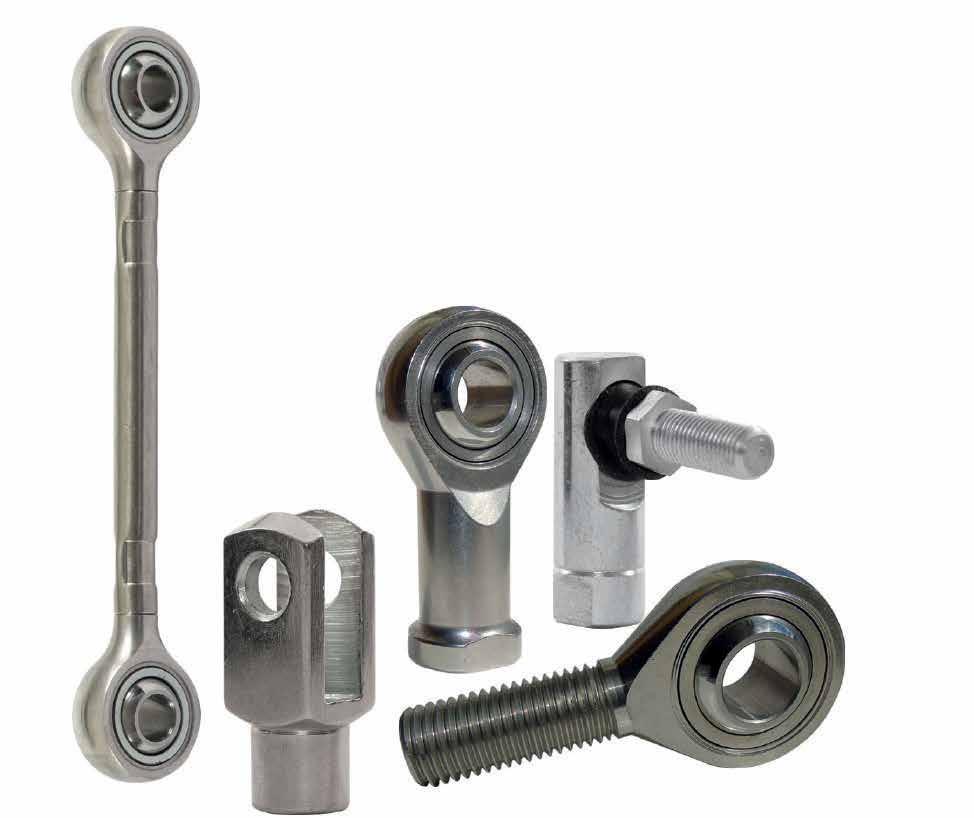



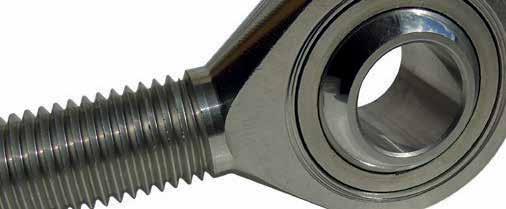
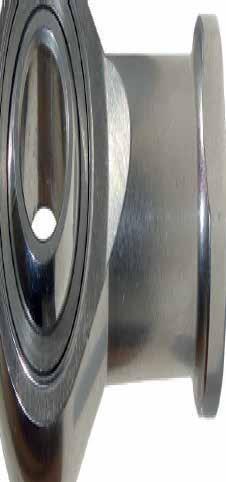
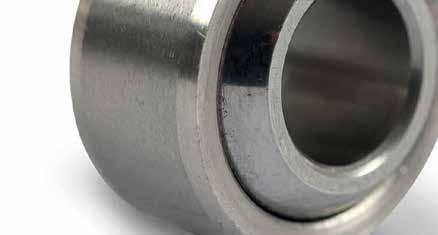
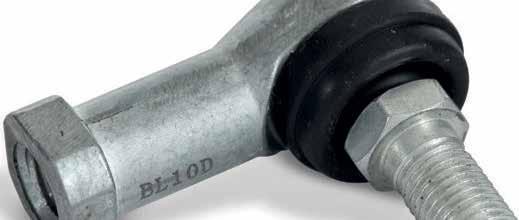
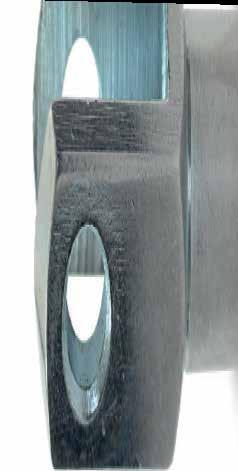
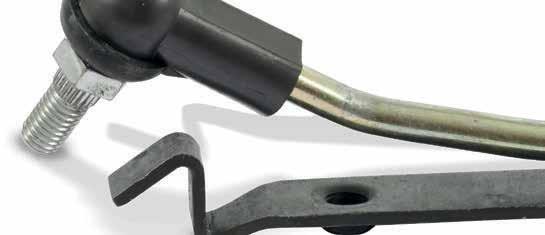
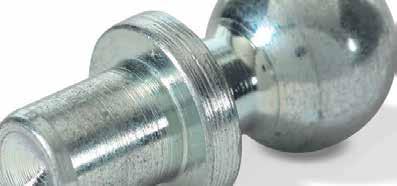
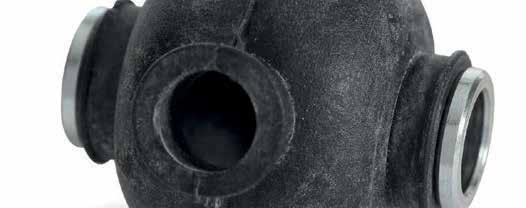
Dunlop linkage components such as Rod Ends, Spherical Bearings & Ball Joints are proudly manufactured in the UK and are used to transfer mechanical motion. Whether that motion is shifting the cutting height in a lawnmower or controlling the exhaust valve on an articulated lorry, we specialise in the supply of these products to bearing distributors and to some of the World’s most well-known original equipment manufacturers.
A wide range of materials are available, steel, stainless steel, plastic, bodies with options of bronze, nylon, PU and PTFE liners and with over 100 plating specifications we are sure to meet your customers heat or corrosion resistant requirements.
We believe our range of Dunlop rod ends, spherical bearings & ball joints are the largest range available throughout Europe.
Please visit www.btl-uk.com for further information.
BTL-UK LTD - Head office & European Distribution Centre MPT House, Brunswick Road, Cobbs Wood Industrial Estate, Ashford, Kent, TN23 1EL United Kingdom
BTL-UK LTD - Production Site Units 6&7 Hilton Road, Cobbs Wood Industrial Estate, Ashford, Kent, TN23 1EW United Kingdom
BTL-UK LTD - Production Site Unit 22, Albert Drive, Burgess Hill, West Sussex, RH15 9TN United Kingdom
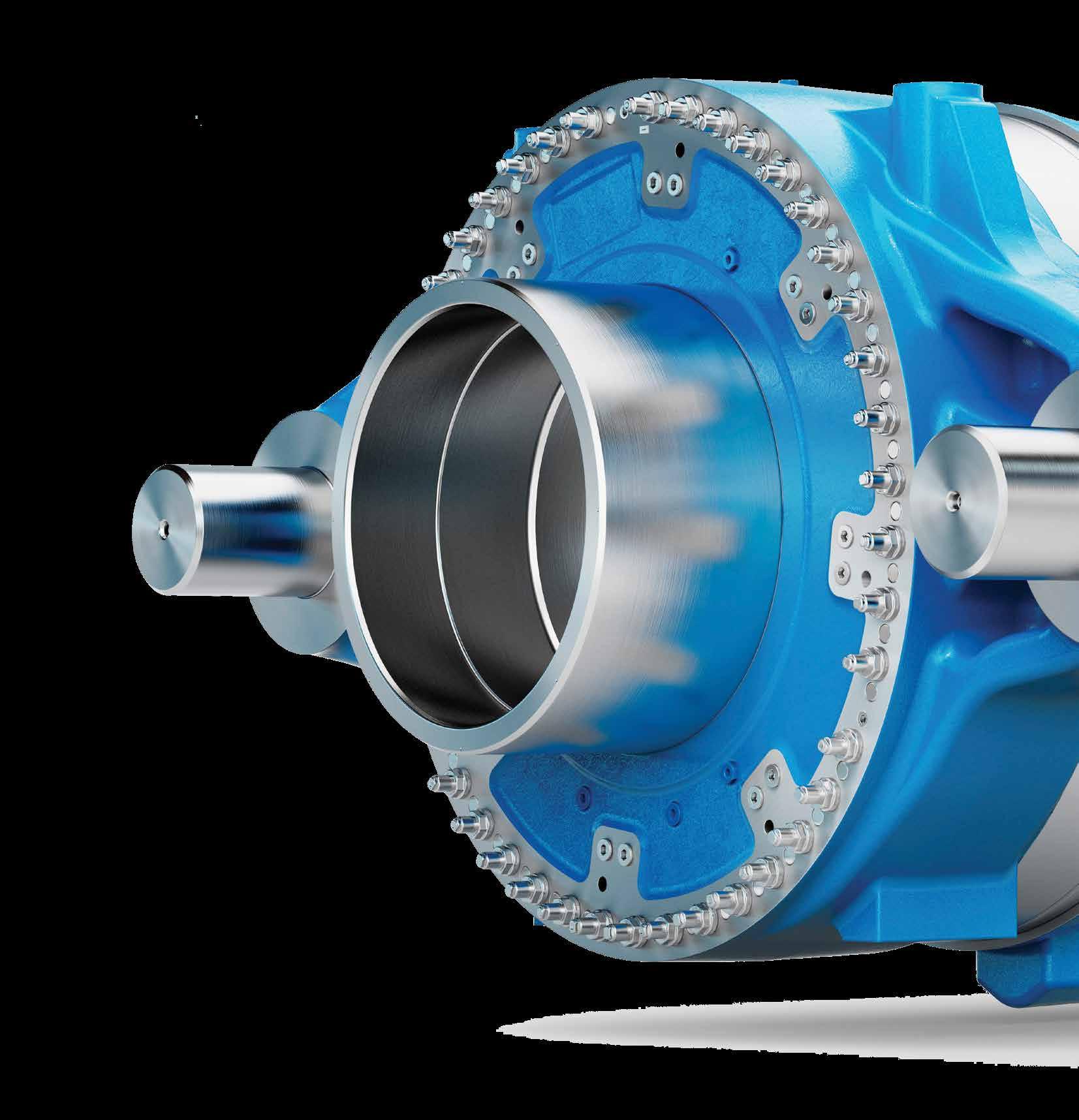
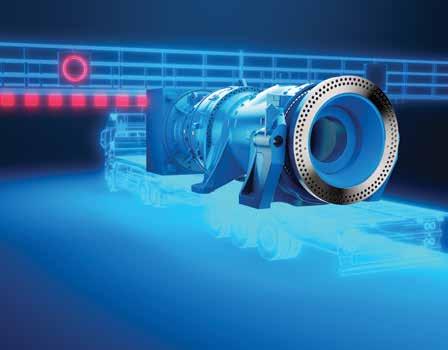
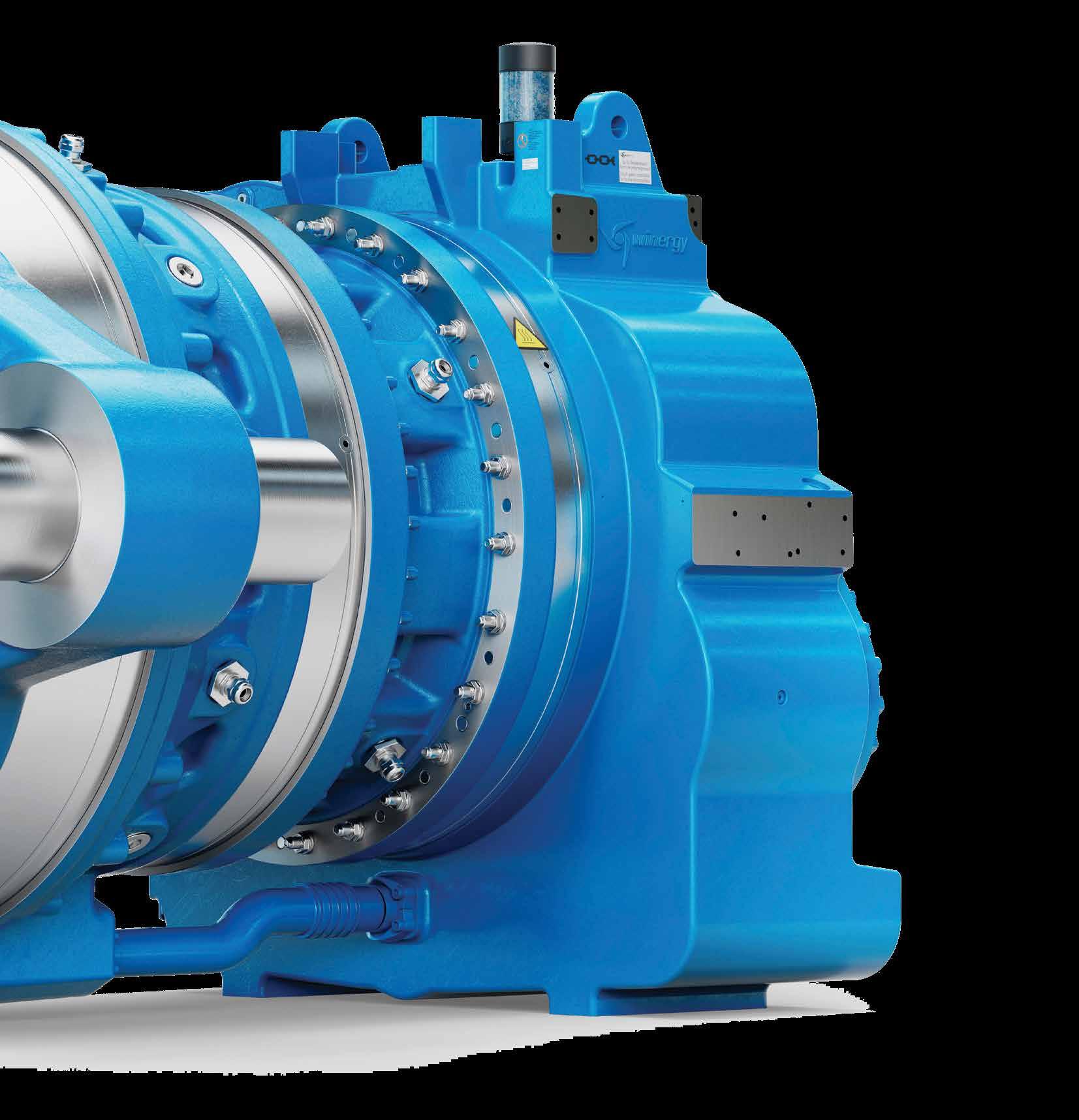
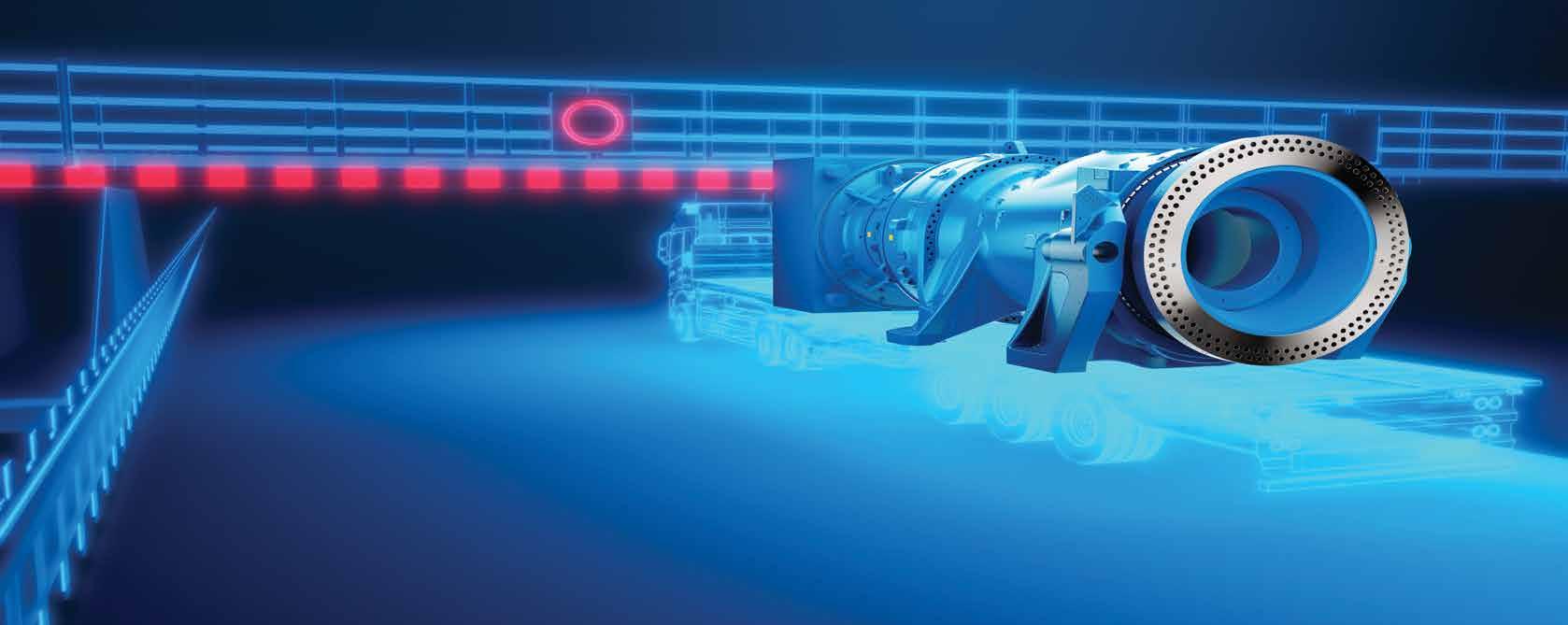
+ Flender-REVO.tif REVO sets new standards with a torque density of 300Nm/kg.
+ Revolutionary torque density: REVO is the first drive concept to reach the benchmark of 300 Nm/kg.
+ Lower energy production costs: Wind turbines can be built more compactly and efficiently or deliver greater output without increasing in size.
+ Competitive edge by a global setup: Global engineering teams collaborate on a unique technological innovation.
As the global wind turbine market will continue to grow in the coming years, the size and output of turbines—both onshore and offshore—are steadily increasing. Amid ongoing public and political debate about the future of energy supply, manufacturers in the wind sector are striving to enhance the efficiency of their systems and reduce the cost of wind energy.
A major milestone in this effort is the introduction of REVO, a new drive concept launched today by German drive specialist Flender under its wind energy brand, Winergy. For the first time, a turbine drive has achieved the coveted threshold of 300 Newton meters per kilogram (Nm/kg) in torque density.
“With REVO, we are setting a new standard in wind power technology,” said Andreas Evertz, CEO of the Flender Group. “By increasing torque density, we boost efficiency while reducing material usage— making the wind industry even more competitive and sustainable.”
REVO is a validated design concept that offers 300 Nm/kg for new turbine developments. The result is a significantly more compact drive system. For the same power output, the required outer diameter can be reduced by up to 25 percent. Andreas Klein, Vice President of Drive Systems and Gear Engineering at Flender’s wind segment, explains: “Torque density—sometimes also named power density— refers to how much torque a drive can transmit per

kilogram of material. It’s a key metric for the overall CAPEX of a wind farm.”
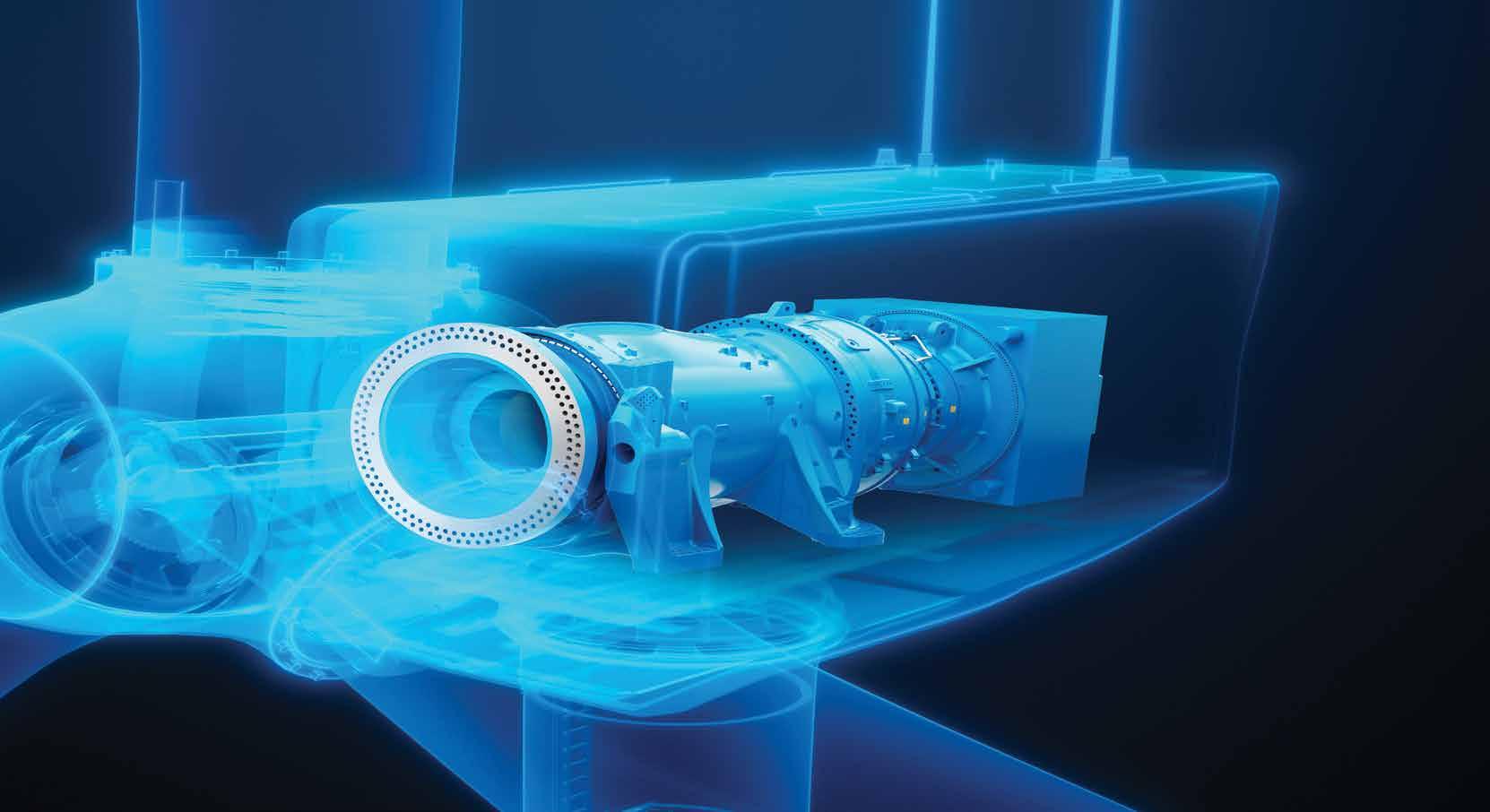
The compact gearbox design addresses several critical challenges in developing next-generation turbines and offers wide-ranging benefits. Transportation costs are reduced, and drive systems remain roadtransportable—even for current and future turbine classes exceeding 8 megawatts. REVO’s compactness opens previously inaccessible installation sites, accelerating wind energy deployment.
Reduced material usage also enables smaller, lighter nacelles and lowers the mass at the top of the tower. This, in turn, allows for cost savings in tower and foundation construction. Compared to gearboxes of the same power class in 2010, REVO enables a 70 percent reduction in CO2 emissions thanks to its efficient use of materials. Additionally, the use of low noise journal bearings ensures compliance with European noise emission regulations and increases reliability.
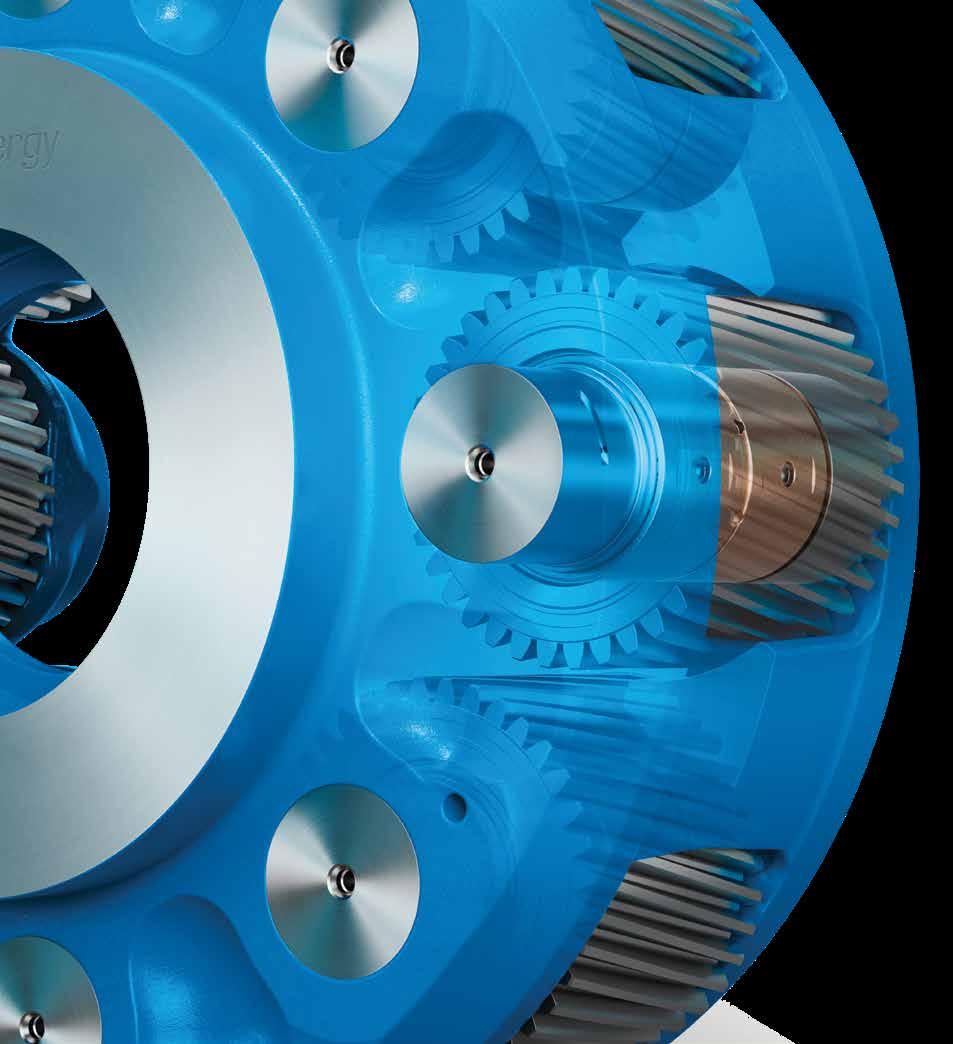
REVO is the product of Flender’s global setup and strong engineering capabilities. Flender creates a competitive edge by utilizing the close collaboration within its global engineering team. By advancing existing technological trends and introducing new gear materials, the team has created a unique prototype. Key element of this design is the unique combination of new technologies, that result in an unprecedented torque
density. These include an optimized combination of planetary stages and gears per stage, as well as spacesaving, noise-reducing second-generation journal bearings. Enhanced gear materials and induction hardening further improve drive reliability. Validated through extensive testing, REVO sets a new benchmark for torque density and represents a new generation of wind turbine technology.
“In recent years, we’ve already managed to double the torque density of our drives,” said Tommy Rahbek Nielsen, President of Winergy. “With REVO and the achievement of the 300 Nm/kg mark, we’re unlocking even more possibilities for our customers— greater output in the same footprint, or more compact components without sacrificing performance and reliability. Together, we select the optimal technology package for each project.”
After the extensive validation and testing phase, the REVO design concept is currently on display at the Winergy facility in Voerde, Germany. “Its compactness compared to previous drive systems is striking,” said Tommy Rahbek Nielsen. “The prototype is intended to inspire conversations with our customers as we work together to develop the best drive solutions for new projects. Our shared goal is to make wind energy as efficient and cost-effective as possible.”
“With REVO, we offer a solution tailored to the demands of today’s and tomorrow’s wind energy projects,” added Flender CEO Andreas Evertz. “We’re proud to present this innovation—a step forward in securing the future of energy supply.”




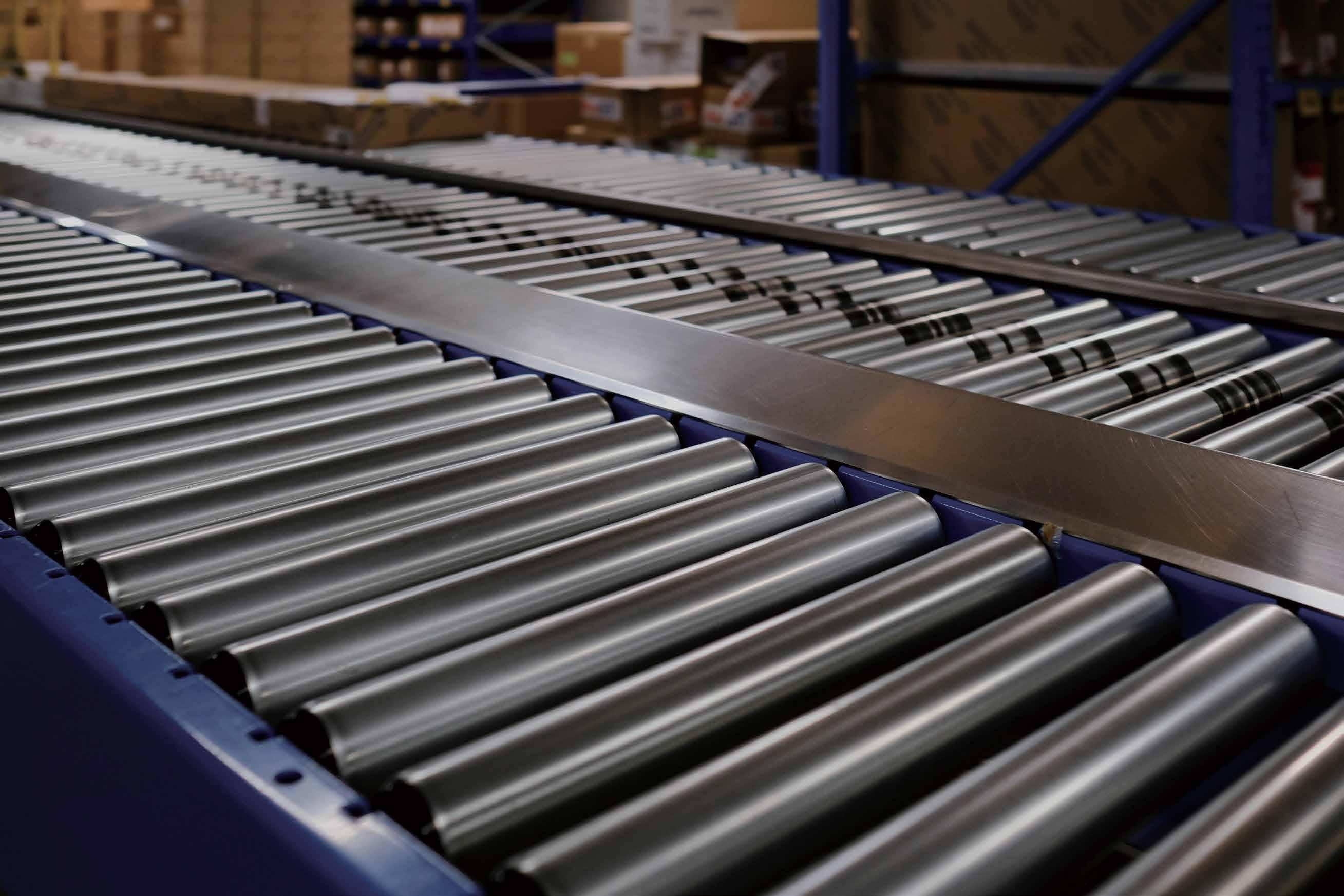
As warehouse space becomes increasingly scarce, efficiency has become the defining factor in modern logistics and intralogistics operations. Storage density, speed, and reliability are now central to every system design, with manufacturers and operators striving to store more goods in less space—without compromising performance. Yet, when traditional space-saving measures come at the cost of speed or precision, overall efficiency often declines.
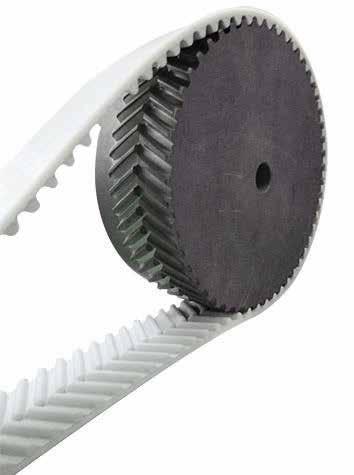
This challenge has driven a new wave of innovation in vertical lift modules (VLMs), where compact, automated systems are reshaping warehouse architecture. A recent project, carried out in collaboration with Megadyne, showcases how advanced drive technologies can achieve a 90% space reduction while maintaining the same storage capacity, speed, and reliability.
The project’s objective was ambitious: to design a next-generation vertical warehouse system capable of dramatically reducing floor space, lowering energy consumption, and ensuring fast, precise, and quiet goods retrieval.
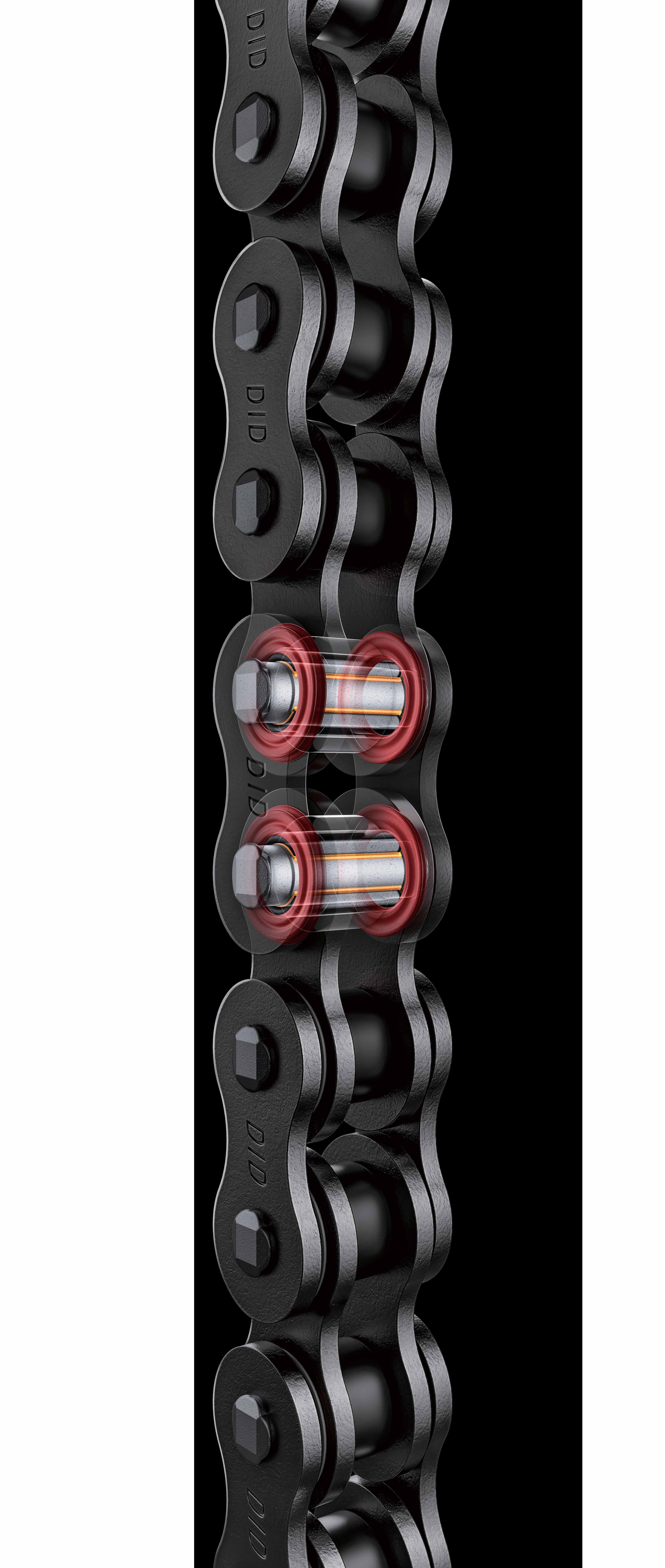
The OEM’s existing setup relied on chain drives to move shelves vertically—a common yet increasingly outdated solution in warehouse automation. Over time, several limitations became evident:
+ High operational noise levels
+ Continuous need for lubrication and cleaning
+ Limited precision and operating speeds
+ Frequent downtime for maintenance
These drawbacks not only reduced overall uptime but also compromised workplace comfort and energy efficiency. The challenge was clear: replace the traditional chain-driven system with a smarter, cleaner, and quieter alternative that could enhance both productivity and user experience.
QST
Self-
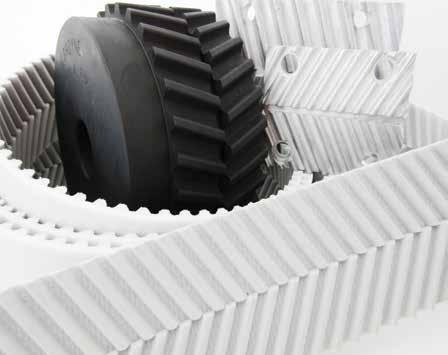
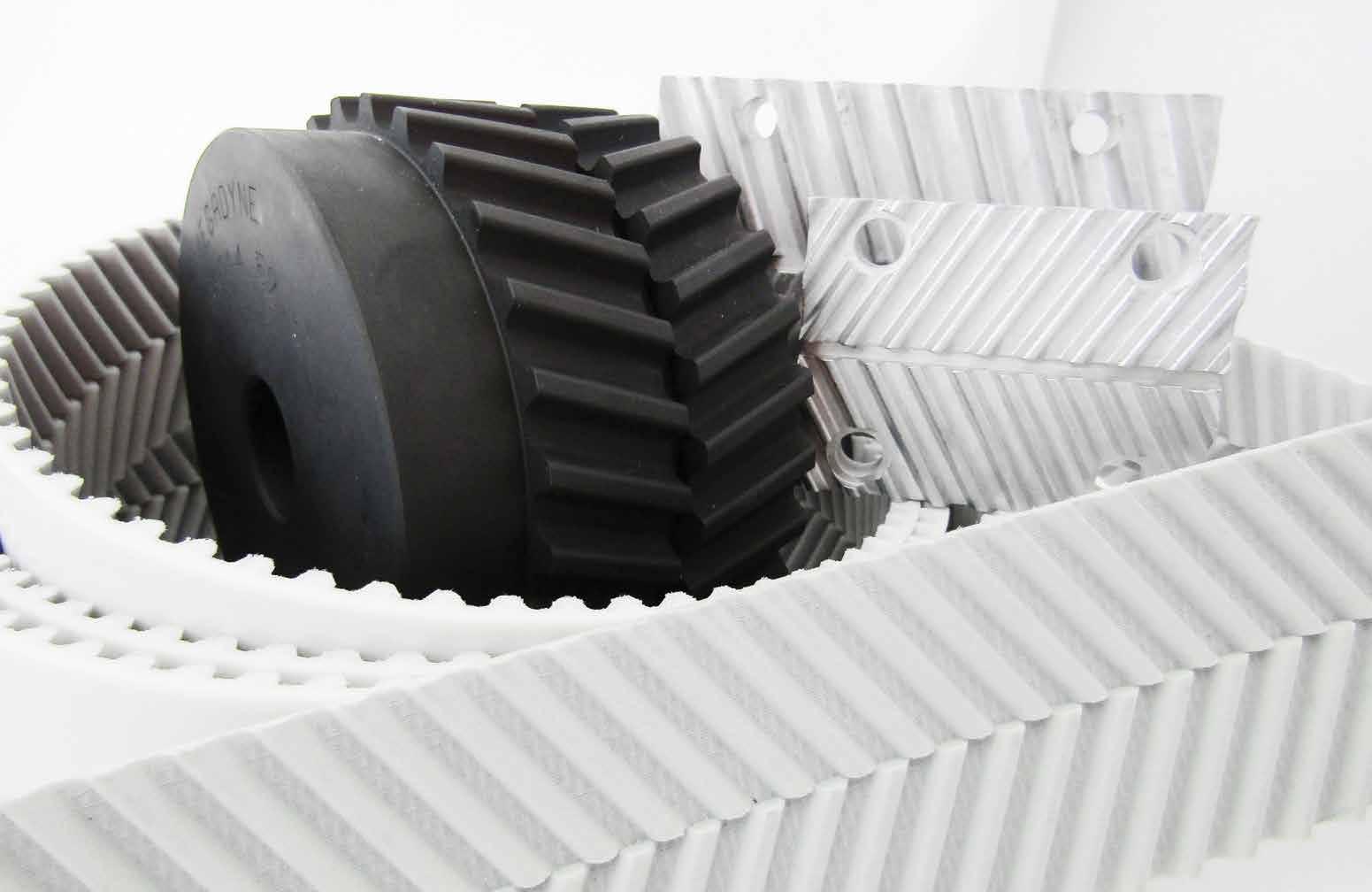
To meet these demands, the engineering team turned to Megadyne’s QST (Quiet, Self-Tracking) System, a cutting-edge belt drive solution specifically engineered for heavy-duty vertical motion applications such as automated storage and retrieval systems.
Unlike conventional chain or straight-tooth drives, the MEGALINEAR QST design ensures smoother operation, precise positioning, and significantly reduced noise. Available in 14M pitch and equipped with standard steel cords or XHP cords for extreme torque transmission, the system provides superior reliability even under heavy loads.
The complete QST package—comprising belts, pulleys, and clamps—is tailored to guarantee optimal compatibility, secure installation, and minimal risk of operational errors. Its self-tracking design eliminates the need for lubrication, reduces wear, and ensures consistent performance with minimal maintenance intervention.
The transition to Megadyne’s QST System delivered immediate and measurable benefits. Operational noise levels dropped substantially, creating a quieter and more comfortable warehouse
environment. Maintenance requirements decreased, while torque capacity and movement precision improved dramatically.
With bi-directional engagement and high load resistance, the QST system enabled faster, cleaner, and more energy-efficient vertical movement—empowering the OEM to meet its 90% space reduction target without compromising speed or reliability.
Ultimately, the new vertical lift module system set a benchmark for next-generation warehouse automation— one where space optimisation, energy efficiency, and operational excellence coexist seamlessly.
Conclusion: Setting a New Standard in Warehouse Automation
This case study illustrates how smart mechanical design, combined with advanced belt technologies, can redefine the boundaries of warehouse performance. Megadyne’s QST System proves that the path to efficiency lies not only in compact design but in quiet power, precision motion, and sustainable performance.
As warehouses continue to evolve into smarter, cleaner, and more automated environments, solutions like QST are paving the way for the next era of intelligent storage systems—where every movement counts, and every cubic metre matters.
Dodge products are built to last longer, even in the most demanding applications
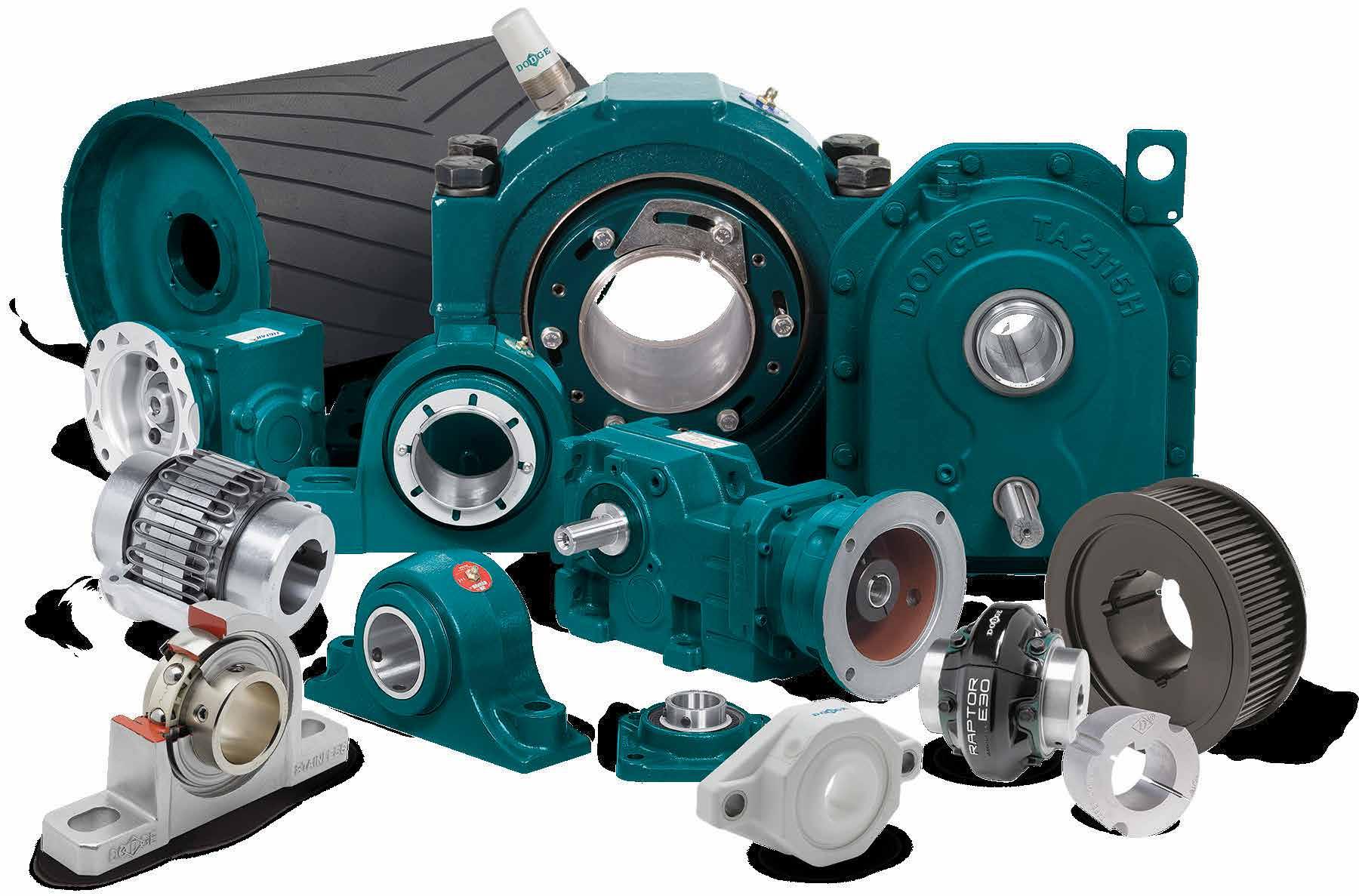
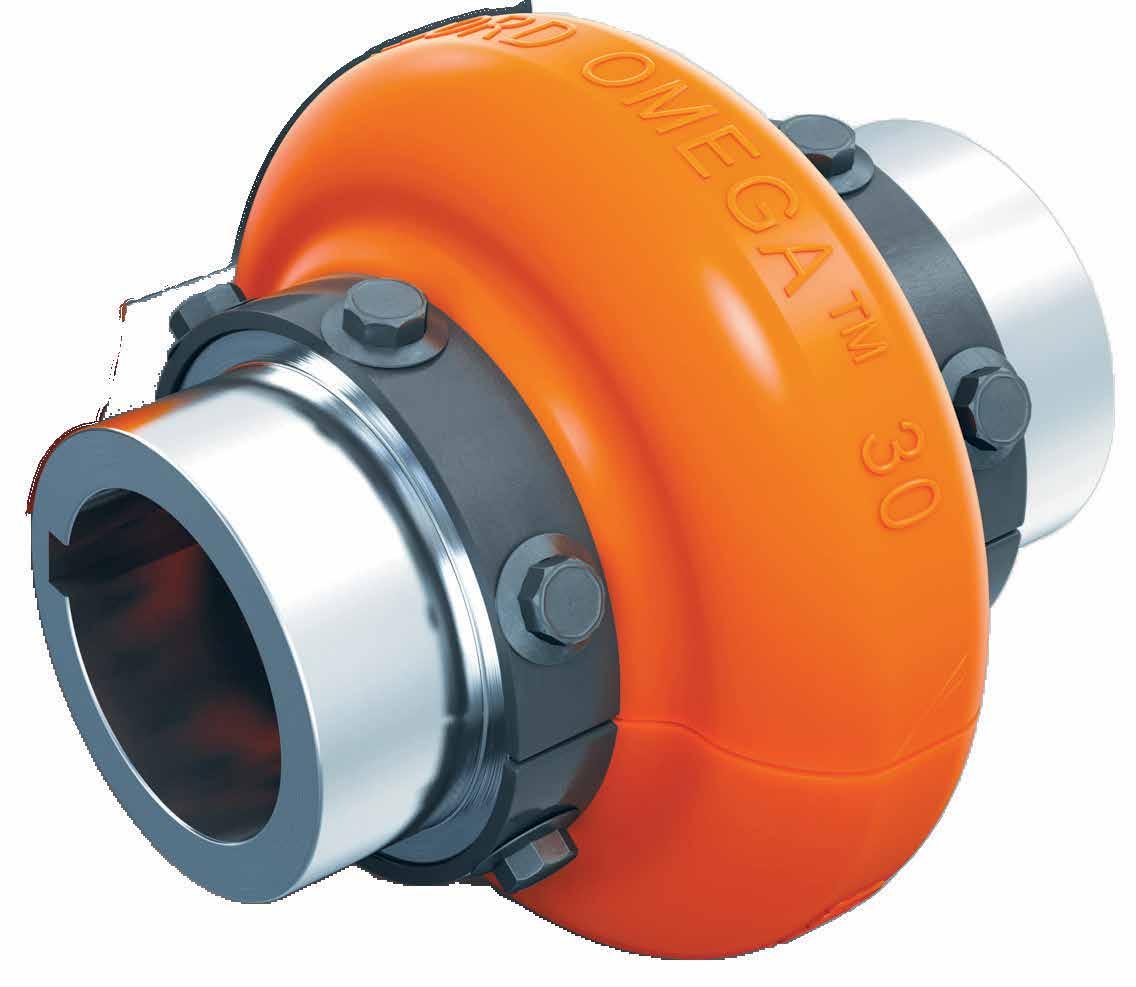
Bearings & Housings • Belts & Pulleys • Chains & Sprockets
• Couplings & Drives • Linear & Automation • Maintenance
Products • Lubrication, Sealants & Adhesives

Rated Excellent
Export Customer
Very fast service & shipping, much less expensive than ordering locally. Very happy with my orders from ACORN!”
- Myles B, Export Customer
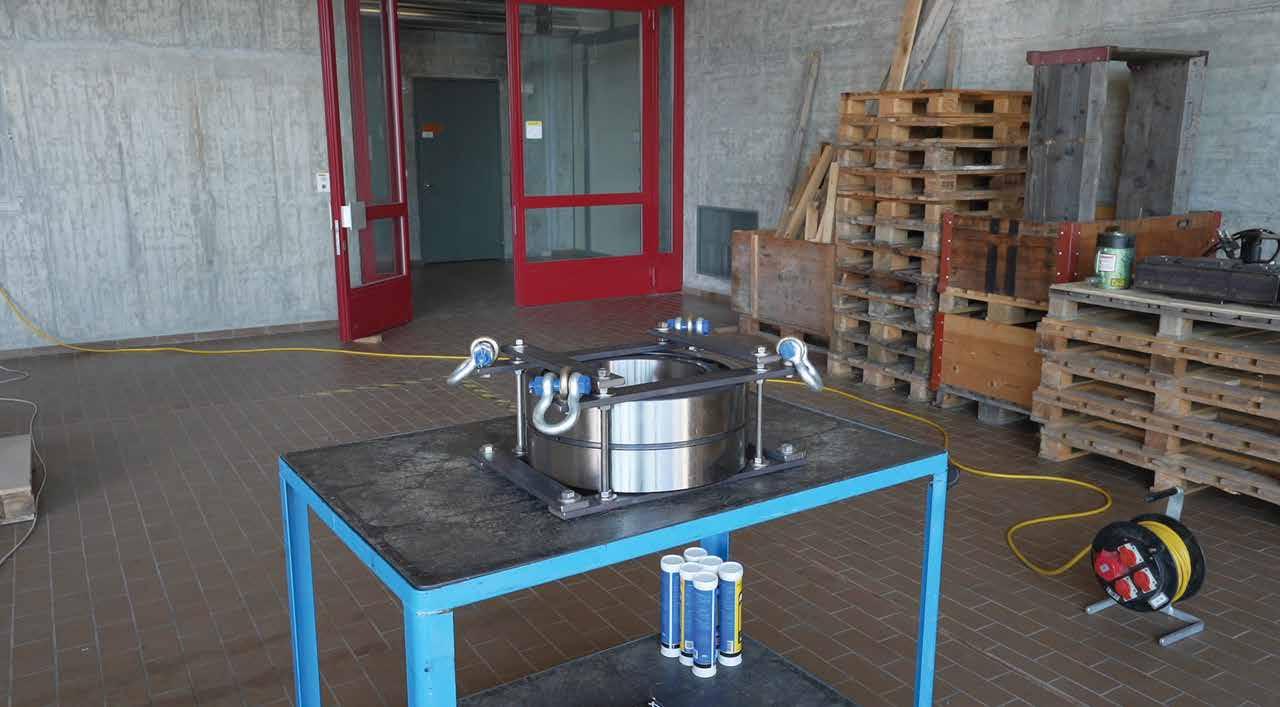
At the Mülifeld water plant in Wangen an der Aare, a significant challenge emerged. After an impressive 50 years of continuous service, the spherical roller bearing on a screw pump required replacement. This demanding task called for experience, precision, and highquality professional equipment - and it was precisely here that simatec provided the ideal support.

How It All Started: From Jogging Trail to Customer Case
Sometimes, successful projects begin in the most unexpected ways. During one of their regular midday runs through the region, the simatec team noticed a massive 9-ton screw pump lying on the grass outside the Mülifeld water plant in Wangen an der Aare. Next to it sat a spherical roller bearing — an unusual sight that immediately caught their attention.
Curiosity led to a brief conversation with the plant’s staff. It turned out that a new bearing was scheduled for installation, but the specialised tools required for the job were not available. Although the customer had already fabricated a custom handling device for the heavy bearing, they were still seeking an experienced external partner to carry out the bearing installation safely and professionally.
That was the moment the case for simatec truly began.
Customer on installation day: "Just 15 minutes after your jog, you already contacted us about the bearing."
What began as a chance encounter quickly turned into a concrete project — thanks to a prompt and professional follow-up. From the initial conversation to the final installation, one thing became clear: proactive support and close customer proximity make a decisive difference.
in
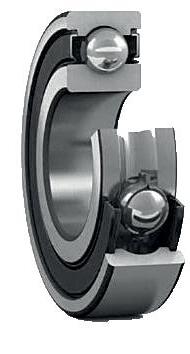
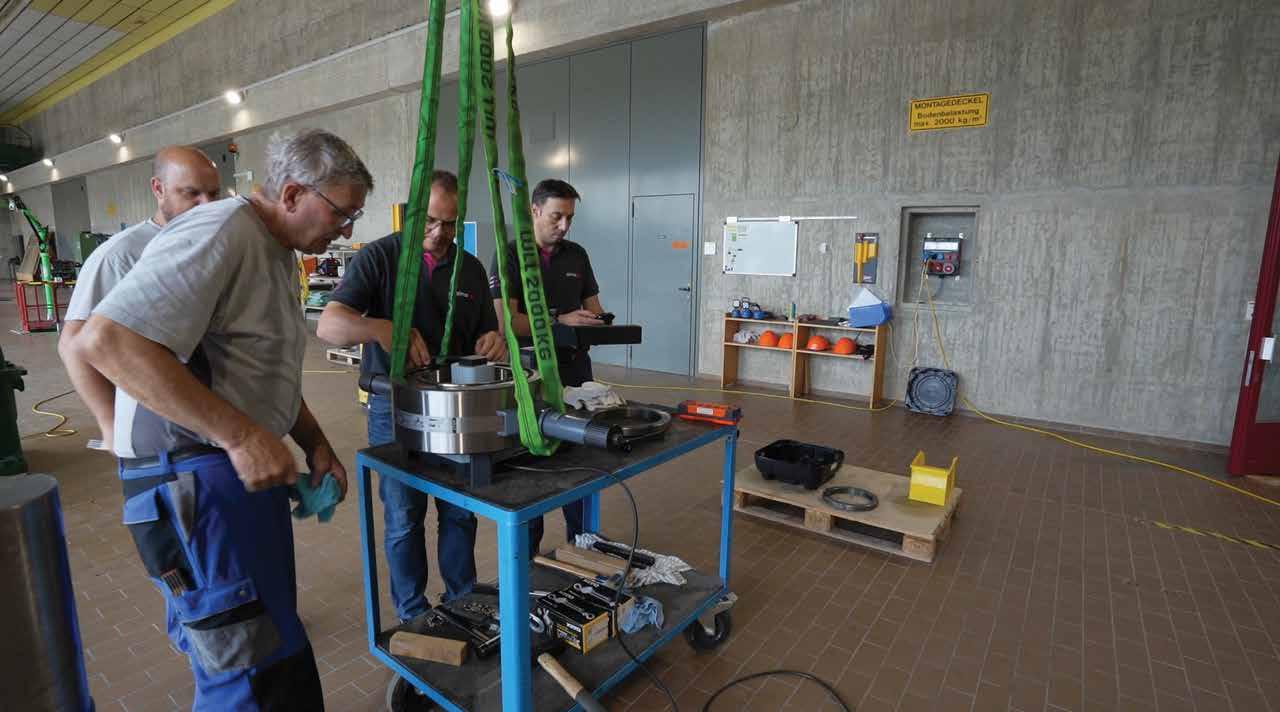
For the installation of the new spherical roller bearing (SKF 24148 CC/W33, 79.2 kg), simatec relied on its proven technologies:
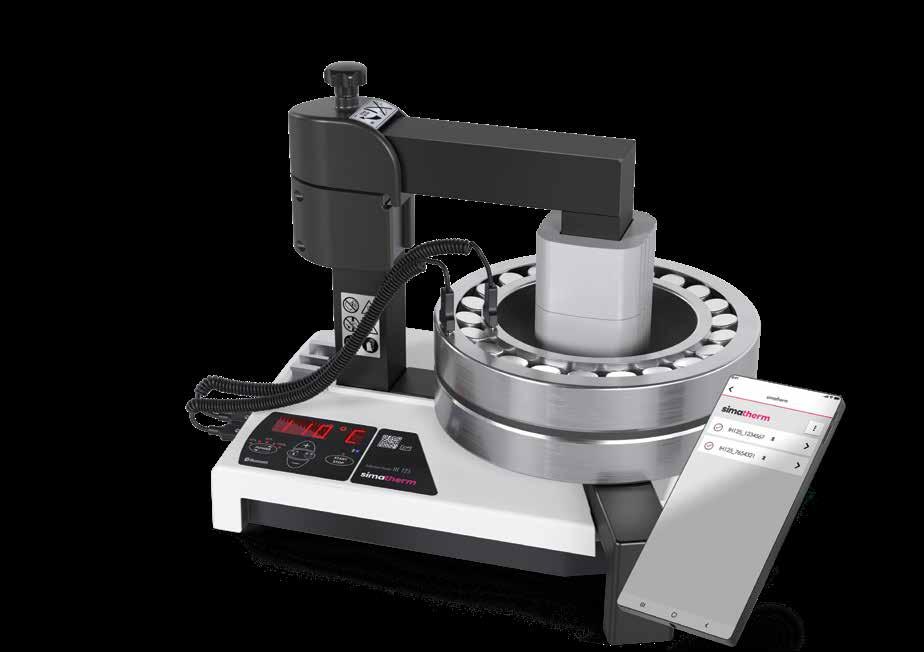
Using the simatherm IH 125, the bearing was heated uniformly to 140 °C. The multi-step induction heating cycle ensured a stress-free and exact fit on the shaft — no force, no uncertainty, and no risk of damage.
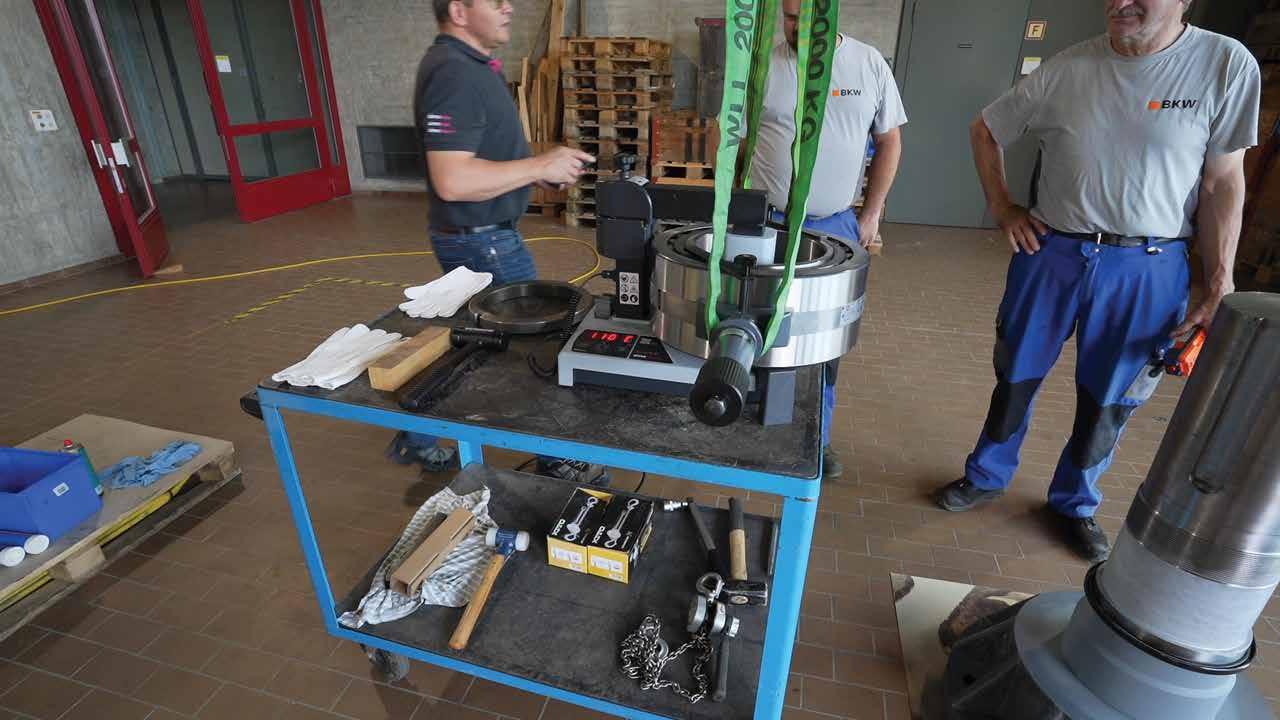
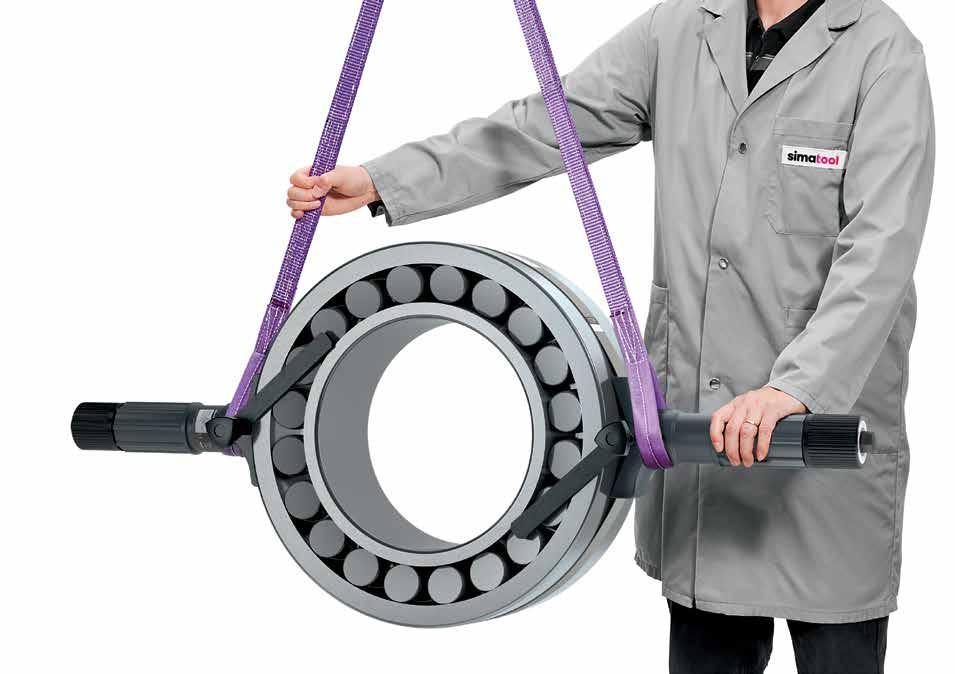
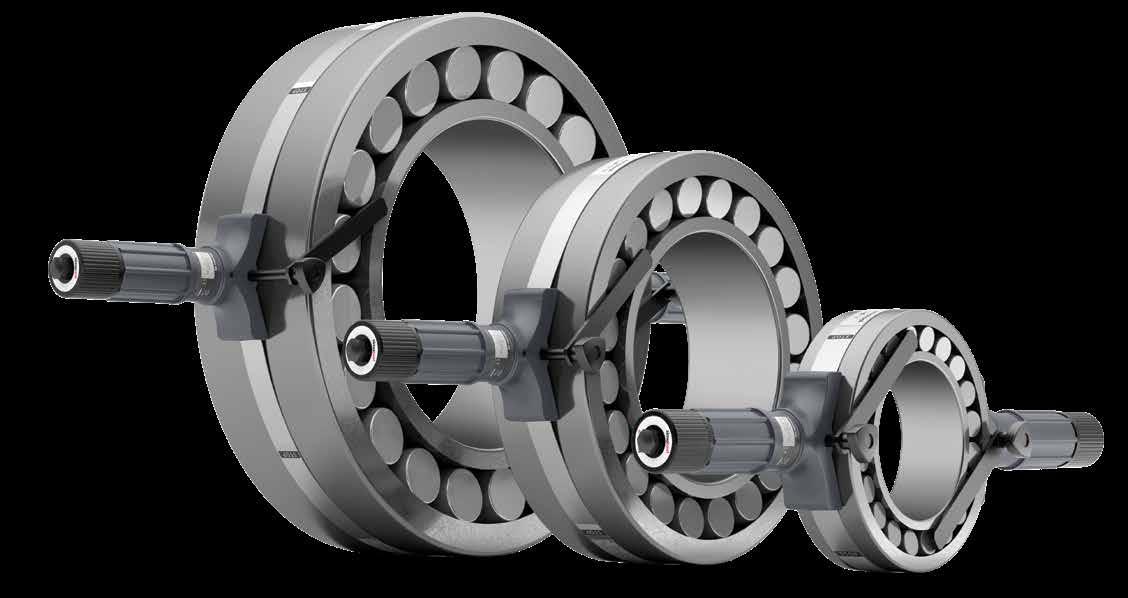
The large bearing was manoeuvred and positioned securely using the simatool BHT. The customer was impressed not only by the tool’s performance but also by the on-site instruction provided by the simatec specialists.
The heating process was monitored and controlled via the World of Maintenance App. All steps were managed directly through the technician’s smartphone — efficient, mobile, and fully documented for traceability.
Collaboration: When Technology Meets Practice
A key moment of the installation was the on-site training session. The customer was actively involved, experiencing first-hand how safe, simple, and fast a bearing can be installed using the correct tools. Close cooperation with the simatec team ensured a smooth workflow and maximum learning benefit.
This story underscores the value of flexibility, customer proximity, and rapid response times. What started as a spontaneous encounter during a midday run turned into a textbook example of proactive, solution-oriented service.
“Simple, fast, safe and professional installation — the customer was absolutely happy.”
The manually crafted lifting device was developed by the customer specifically for handling this particular bearing size. While it fulfilled its intended purpose, the construction remains limited in functionality, safety, and versatility — suitable only for this single application.
simatool Bearing Handling Tool (BHT)Professional Handling for Large Bearings:
The simatool BHT was engineered by professionals to move and position large bearings safely, precisely, and with minimal material stress. Designed for a wide range of bearing sizes and types, TÜV-certified,
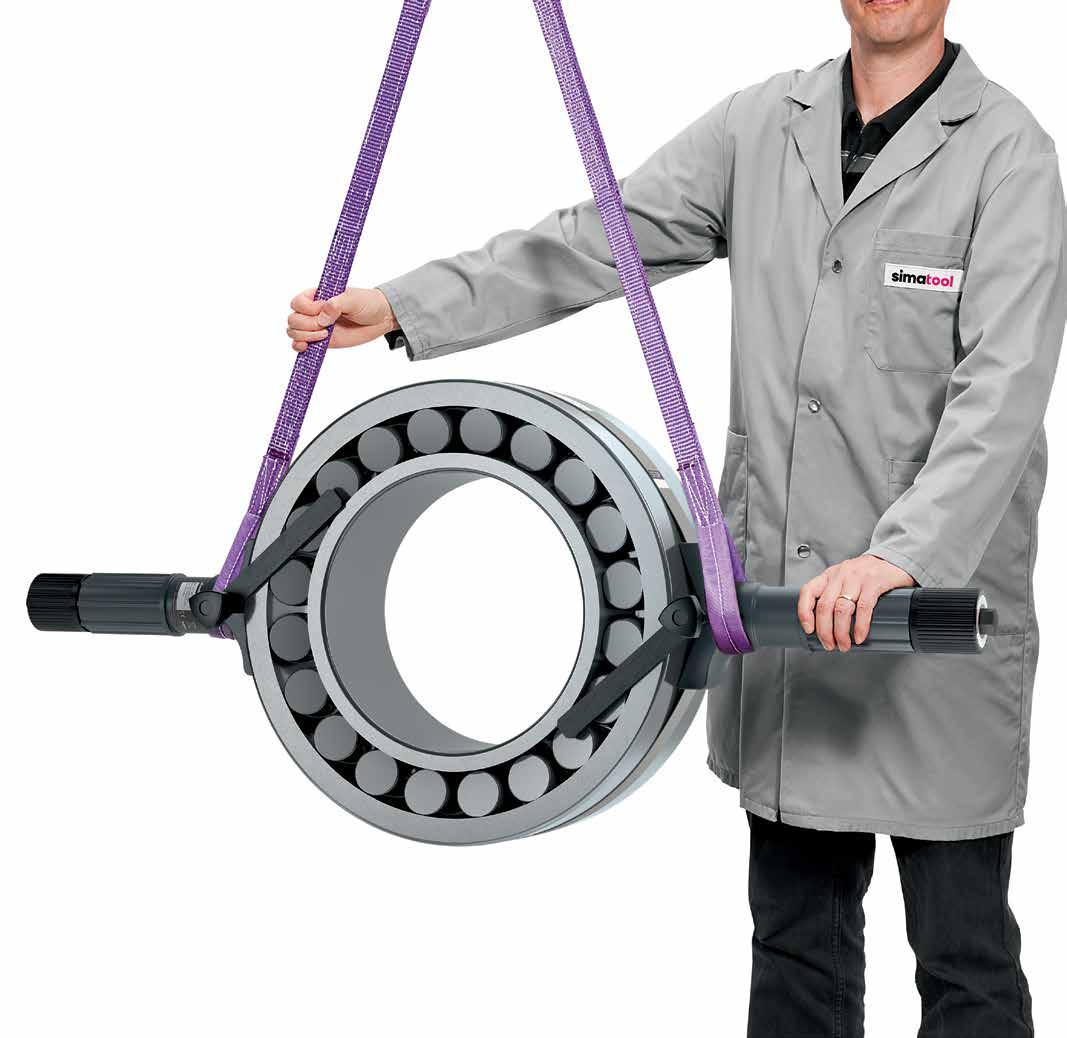
and ready for immediate use, it represents a wellengineered, professional solution for demanding maintenance environments.
The next project is already scheduled: When the time comes to reinstall the screw pump at the Mülifeld water plant in Wangen an der Aare, simatec will once again be on site — delivering high-quality, reliable maintenance support where it matters most.

simatec AG Stadthof 2
CH-3380 Wangen a. Aare, Switzerland
Tel. +41 32 636 50 00 welcome@simatec.com


Mines, quarries & cement
Make the world move forward*
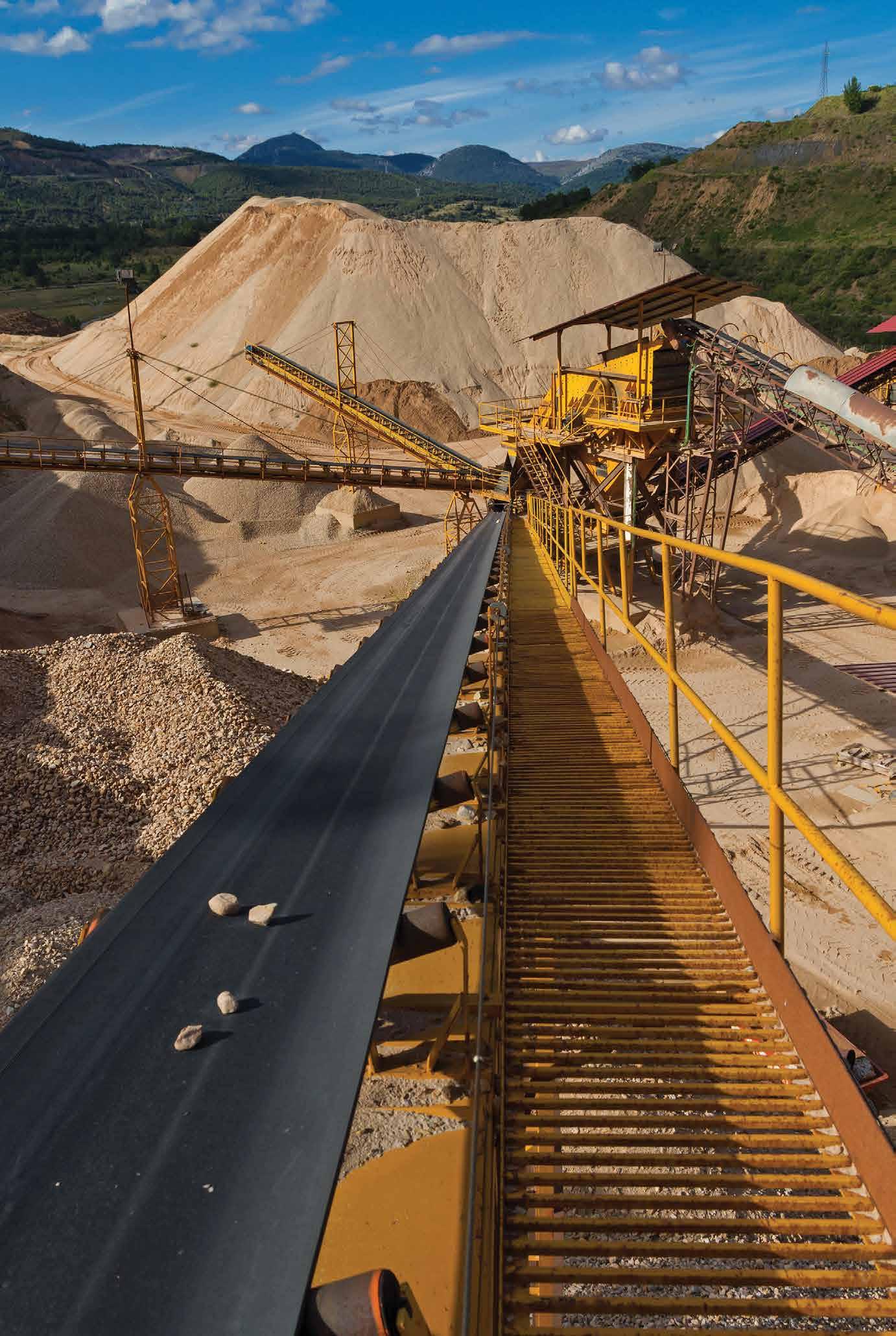
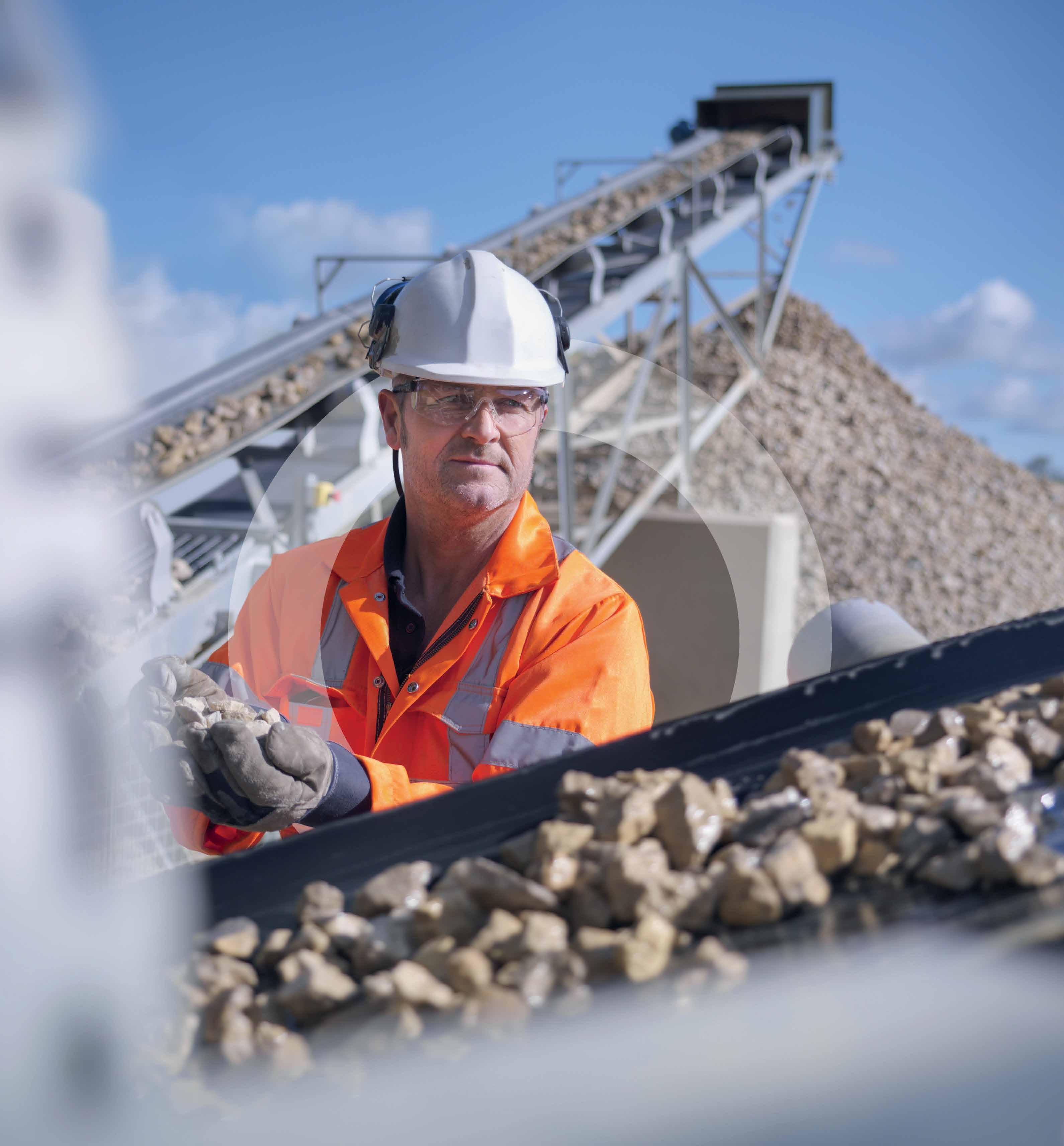
Our quarry solutions are effective, reliable, and built to withstand the harshest applications and extreme conditions. From grinding and crushing to screening and conveying, our comprehensive solutions optimize efficiency and productivity. Our equipment is engineered for seamless operations and maximum output, with easy maintenance using our all-in-one kit. Trust us to deliver the performance, reliability, and durability you need for smooth and efficient quarry operations.
*At NTN, we maximize efficiency for unmatched performances.
Getting the balance right between bearings and correct lubrication can be a challenge but is essential to maximising bearing health and longevity. Here Andrew Howard, Lubricants and Adhesives Product Manager at Acorn Industrial Services and Andy Fletcher, Bearing and Maintenance Product Manager discuss common lubrication and bearing mistakes they have seen over the decades that have impacted bearing health, and illustrate the point using an offshore engineering example.
For many years Andrew worked in the bearings and lubrication industries as a chartered mechanical engineer in the oil and gas sector and Andy in R&D and application engineer roles at a leading bearing manufacturer. In the past five years they have both moved across to the supply side, and in their jobs at Acorn have seen a lot of the day-to-day challenges and mistakes from engineers and maintenance teams that encourage premature bearing failure.
Lubrication mistakes
When it comes to lubrication, the most common reasons for bearing failure can be summed up in three words: ‘over’, ‘under’ or ‘wrong’. Here are Andrew Howards thoughts on the subject:
+ Over-lubrication must be the number one reason for premature bearing failure that I see in my daily work. Too much grease or oil increases the friction and heat for the bearing, leading to seal damage and eventual bearing failure. It is usually easy to spot over-lubrication when it gets to this stage, as there will be grease leakage, an increased temperature during operation or additional noise.
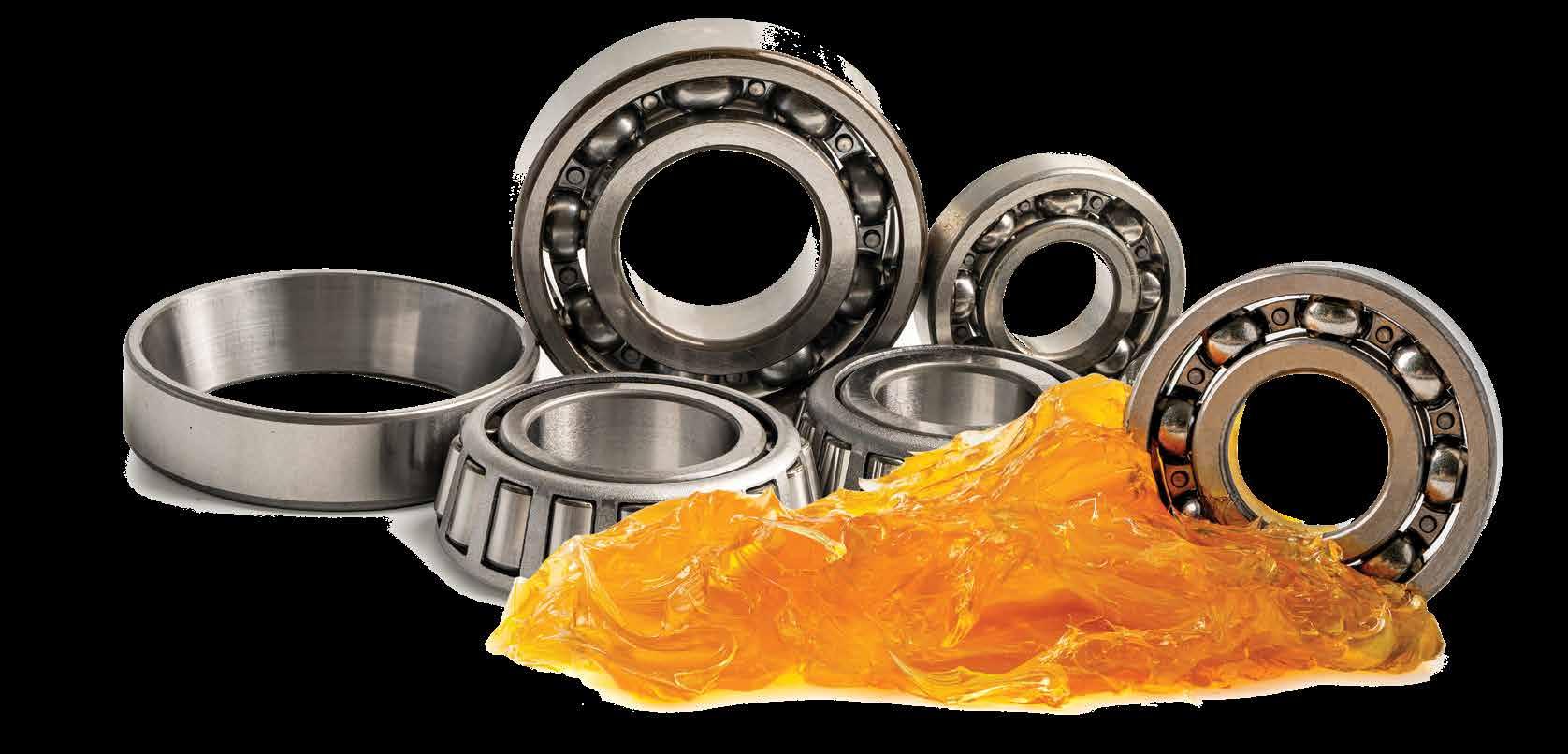
+ Conversely, under-lubrication is almost as bad for bearing longevity, as insufficient amounts of grease or oil leads to metal-to-metal contact that inevitably leads to wear and overheating.
The tell-tale signs of under-lubrication are a high operating temperature, unusual vibration and premature wear.
+ Third on the list is using the wrong lubrication for the application or mixing incompatible thickeners or base oils. With different grease or oil viscosities and base types there is no guarantee that they will be able to handle the speeds, loads or temperatures thrown at them during normal operating conditions. The signs of the wrong lubricant use will usually be accompanied by excessive wear, noise, machine or grease breakdown and/or clogged lubrication paths.
So, how is it possible to avoid these common mistakes and get bearing lubrication right? Firstly, it is important to pay attention to OEM’s specifications for grease type, quantity and lubrication intervals, that are usually based on bearing size, speed, operating temperature, load and environmental conditions. If the manual advice isn’t specific enough, then calculations for grease volume from leading bearing companies are readily available.
Correct lubrication reapplication is equally as important. Manufacturer charts - based on operational conditions, online calculators and lubrication schedule spreadsheets - are good. Also, using ultrasound or vibration analysis, infrared thermography, or checking grease colour changes are useful indicators of lubrication needs. Another thing to take into consideration is lubrication application method.
When wrong bearing choice and wrong lubrication collide
Andy Fletcher discusses what happens when the wrong bearing choice and lubrication collide:
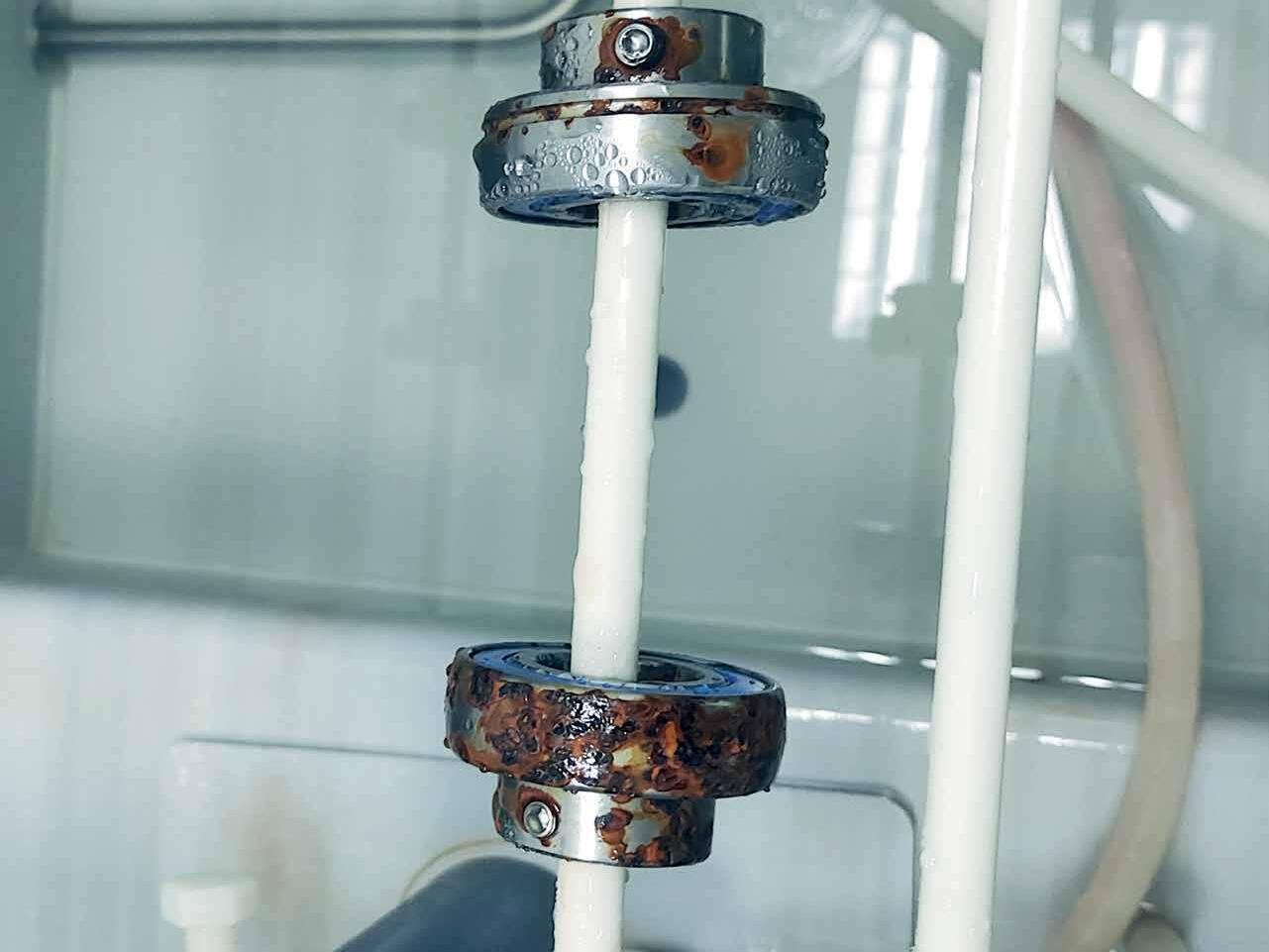
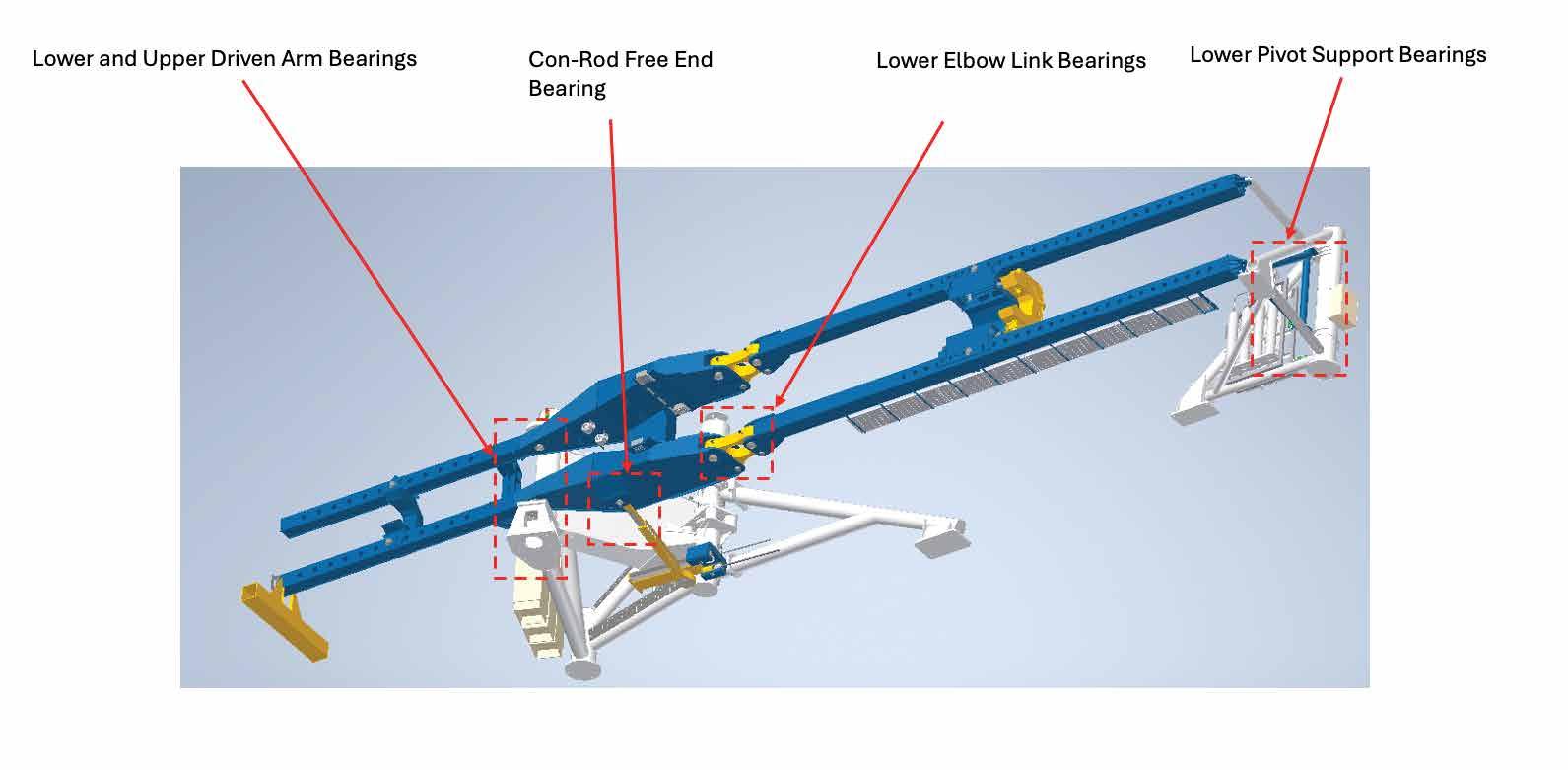
Acorn was called in to help an offshore product engineering company solve a problem they were having with blackening grease on some large oscillating bearings being used in a rig destined for offshore usage. Two lubrication issues were highlighted. Due to the position of the bearings, the lubrication was being added from above, when they weren’t in full oscillation, which led to dissipation issues. Also, the grease was getting hot and cooking.
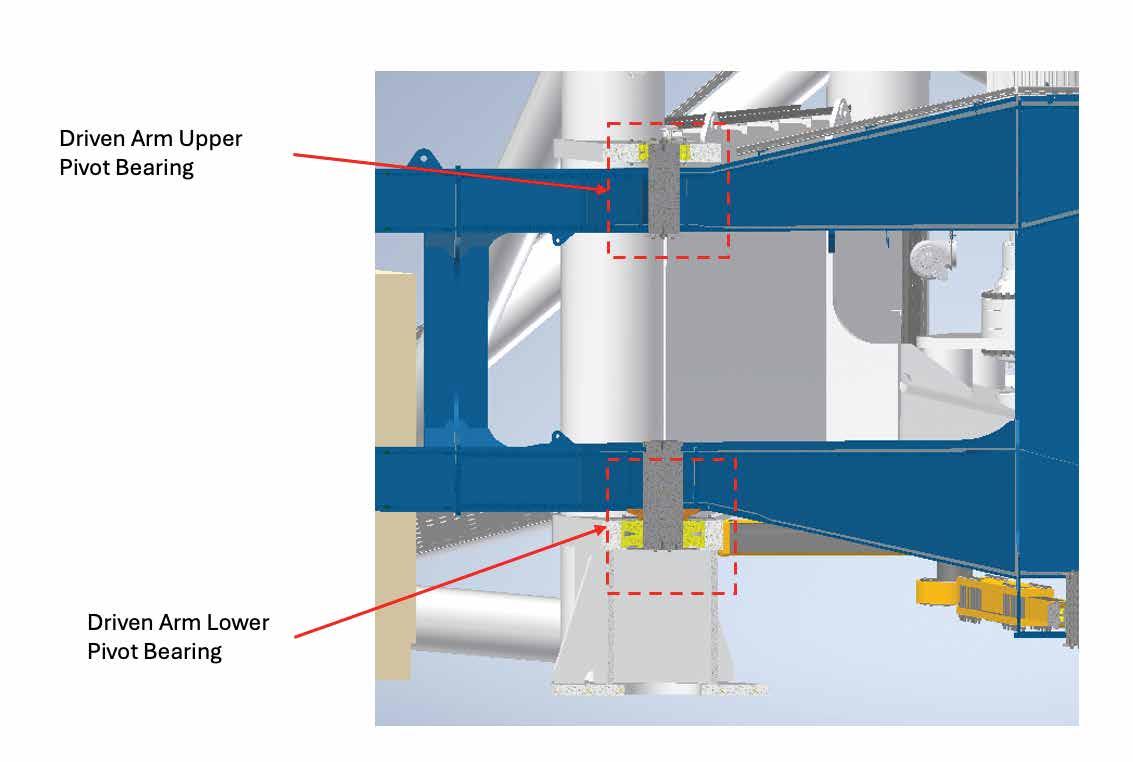
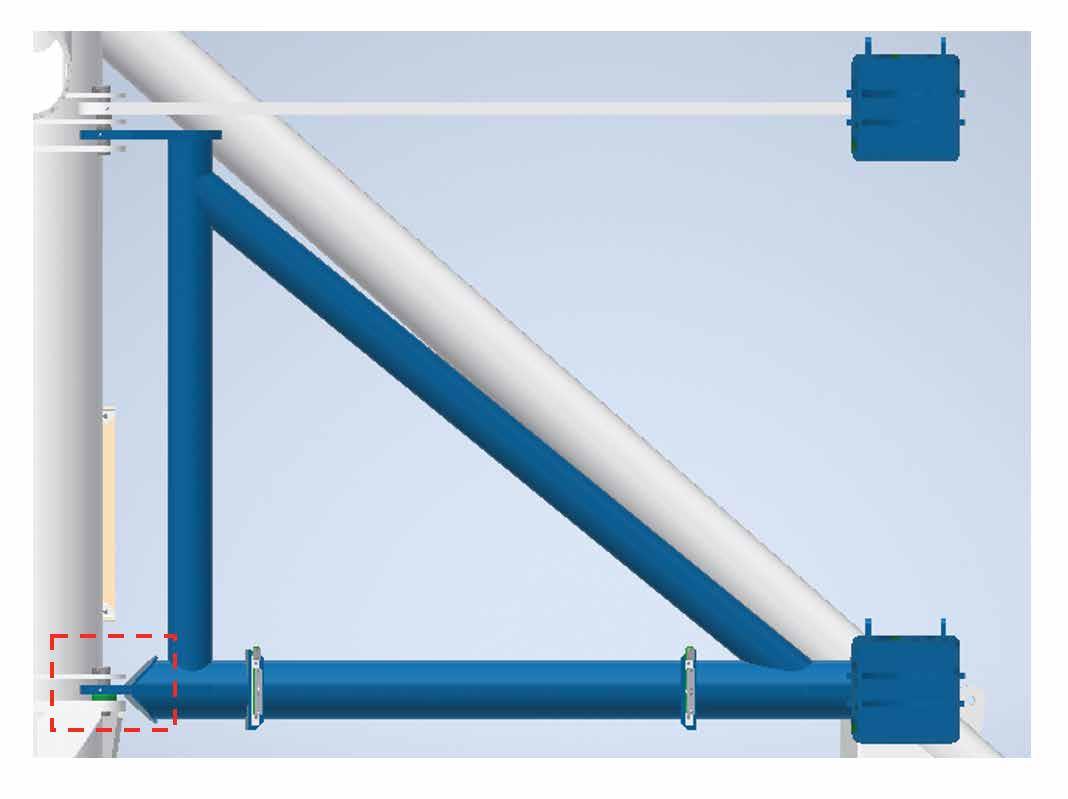
With regards to the bearings, the lower and upper pivot driven arms and elbow links featured spherical roller bearings that were showing signs of wear during the testing phase, prior to full-scale production of the rig. Unidirectional axial load was seen in most of the bearings and the rig’s use meant that these arms and elbow links would spend most of their lifetime at smaller oscillation amplitudes. On the removal and disassembly of the bearings to assess the problem further it became clear that false brinelling wear was being caused as a result of both radial and axial load and the bearings having only small angles of oscillation.
The design team had originally wanted to use spherical roller bearings on the rig to take advantage of their reduced resistance and subsequent ease of movement, compared to spherical plain bearings. Although improved efficiency was the end goal, the choice of bearing meant that the risk of premature failure was significantly increased in both the test and real-life scenarios.
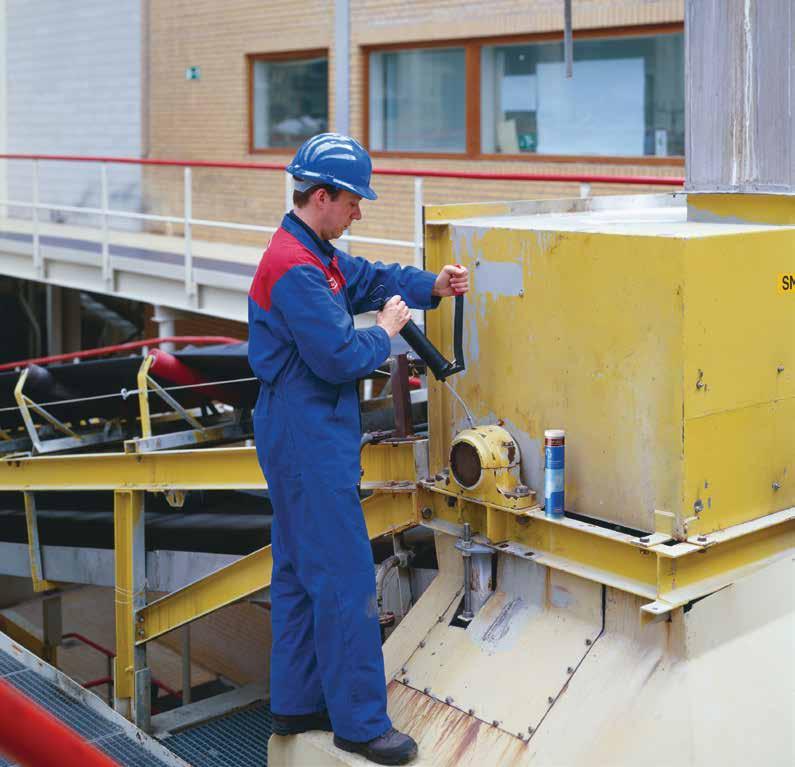
Working with the design engineers, Acorn did a range of lifetime calculations on different bearing types - considering load and rotational constraintsto see if the same spherical roller bearing efficiency levels could be achieved by using smaller bearings, to minimise the effect of false brinelling as much as possible. It became clear that the spherical plain bearings originally recommended by Acorn were the only way to ensure bearing longevity and performance, as the test rigs were translated into their real-life equivalents offshore.
As a result, spherical plain bearings were installed to accommodate the smaller oscillation amplitudes, eradicate false brinelling and overcome the lubrication application problem. In addition, a grease was specified that had a higher operating temperature. Thanks to the use of the right lubrication and bearings, the result is a solution that has minimised the risk of unplanned bearing failure.
The wrong choice of lubrication and bearings in applications is more common than would be first thought. One of the underlying issues is that the full technical capabilities of the chosen grease are not assessed or understood. This is where a distributor such as Acorn, with expert advisors who have specialised in their sector for decades, comes into its own. By piecing together manufacturer information and marrying it up with the requirements of the specific application, Acorn can advise on the best-fit solutions and troubleshoot where necessary.
Unnecessary wear, downtime and cost can be avoided if the right lubricant and bearing are chosen for the application, and relubrication is gotten right. So, if grease, oil and bearings keep things moving, shouldn’t you be paying more attention to what you are using and when?
For more information contact Acorn Industrial Services via email: enquiries@acorn-ind.co.uk or visit www.acorn-ind.co.uk
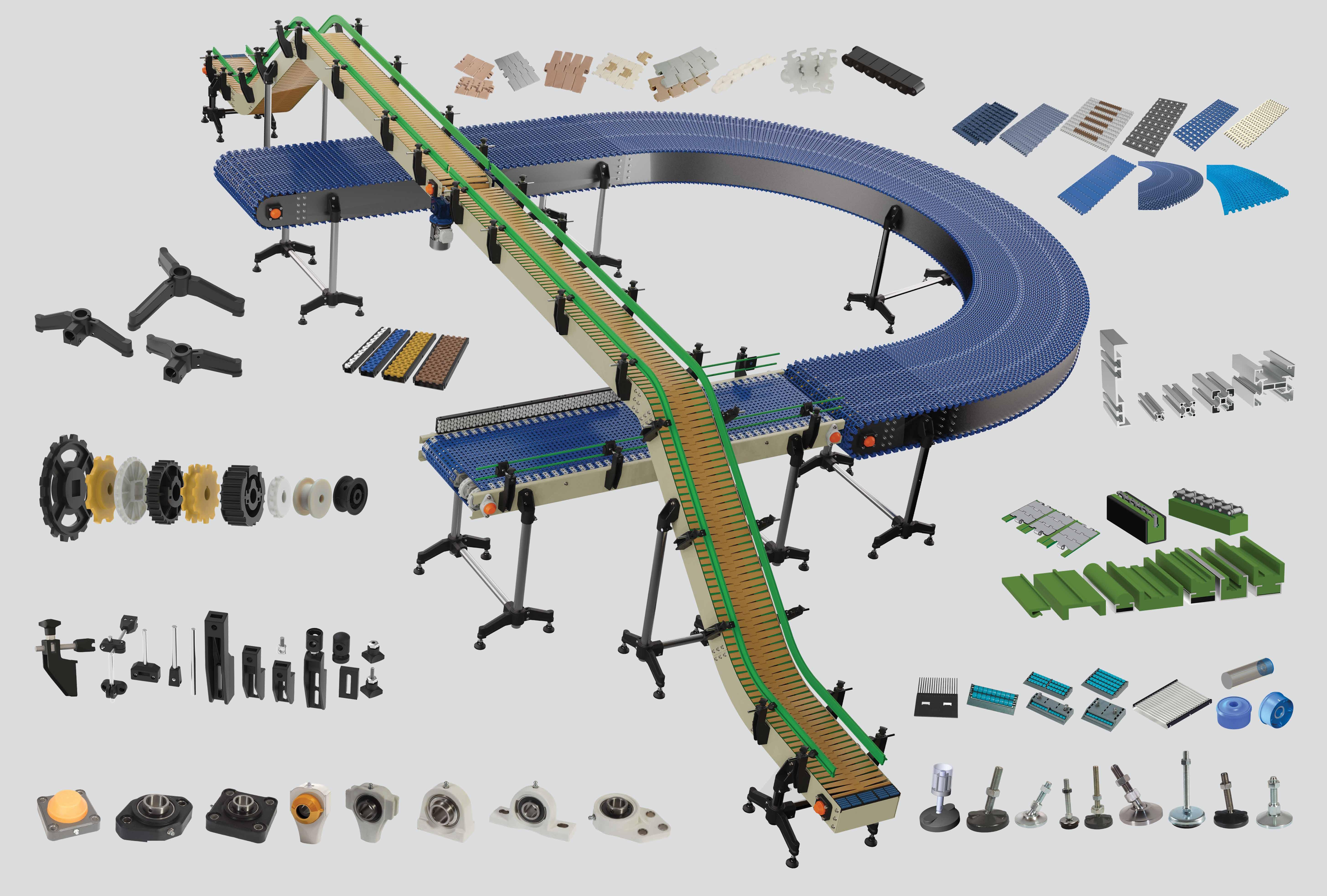
The easiest way to build a conveyor!
Alhan Bipods and Tripods
Alhan Adjustable Bracket, Clamps, and Photocell Connection Equipments
Long-term sales growth expected in AI-based solutions for assisted and automated driving
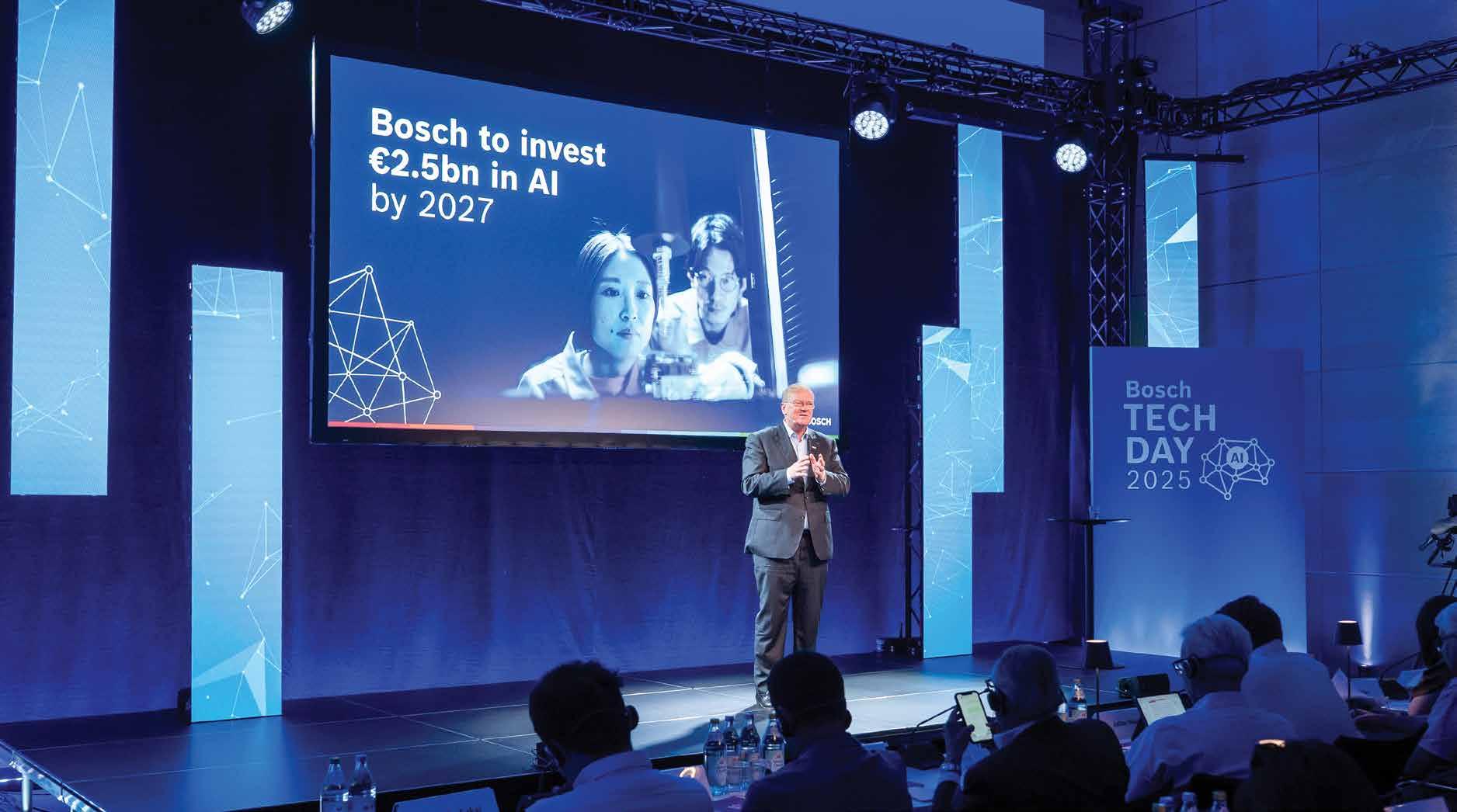
+ Bosch is investing more than 2.5 billion euros in AI by the end of 2027
+ Bosch is striving for sales of well over 10 billion euros by 2035 with AI-based solutions for assisted and automated driving.

+ Stefan Hartung: “The breakthroughs in AI make it possible to drive innovation faster and turn it into business.”
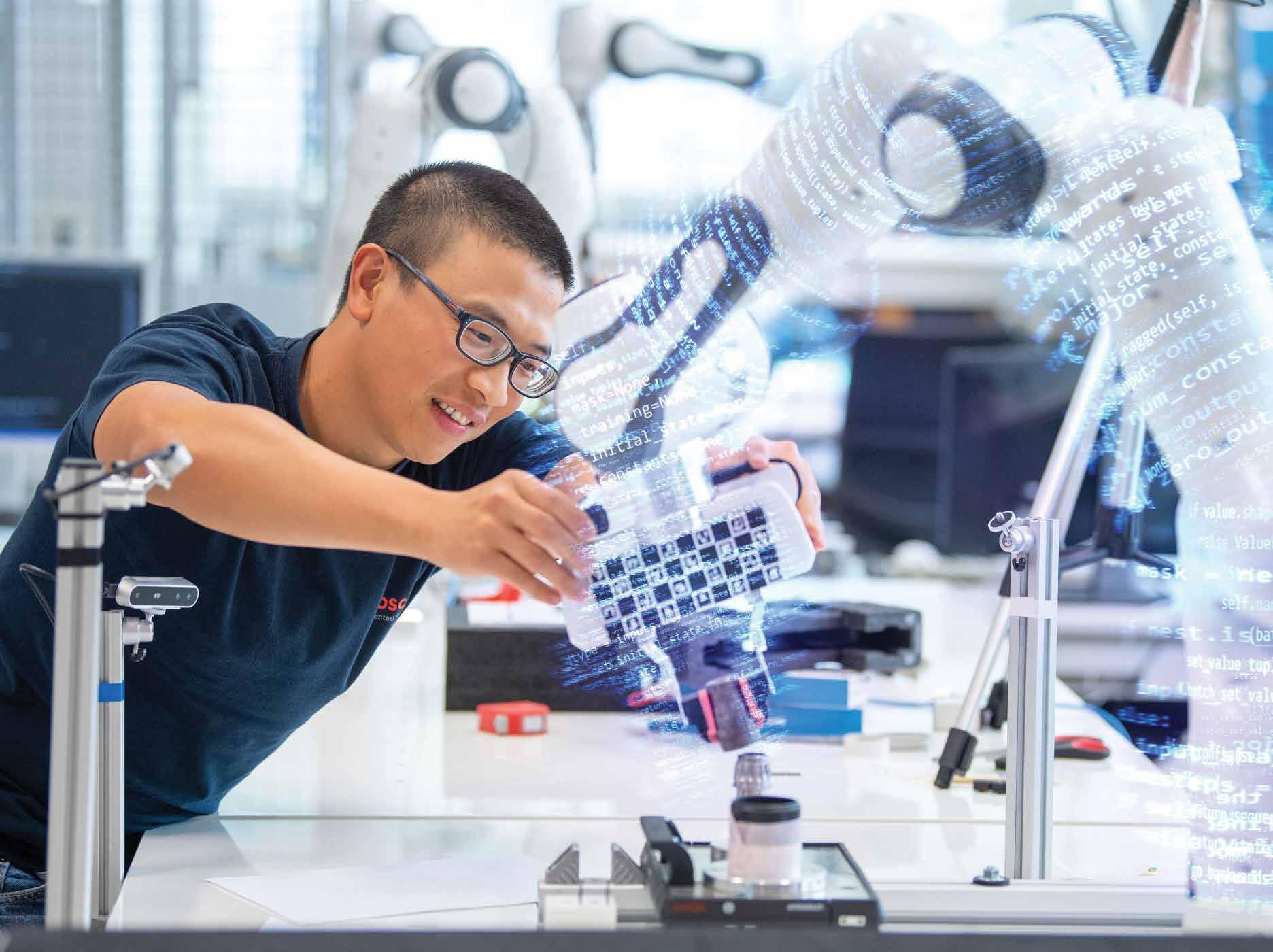
+ With agentic AI in industrial technology, Bosch is revolutionizing manufacturing.
+ Bosch leads Europe in patents and patent applications in the field of AI.
Bosch continues to set the pace in the application and development of artificial intelligence (AI): by the end of 2027, the technology company will invest more than 2.5 billion euros in this field. AI is an innovation booster and growth driver for Bosch products and services. It makes automated driving safer, reliably checks quality in manufacturing, and makes everyday life easier for consumers at work, in their free time, and at home.
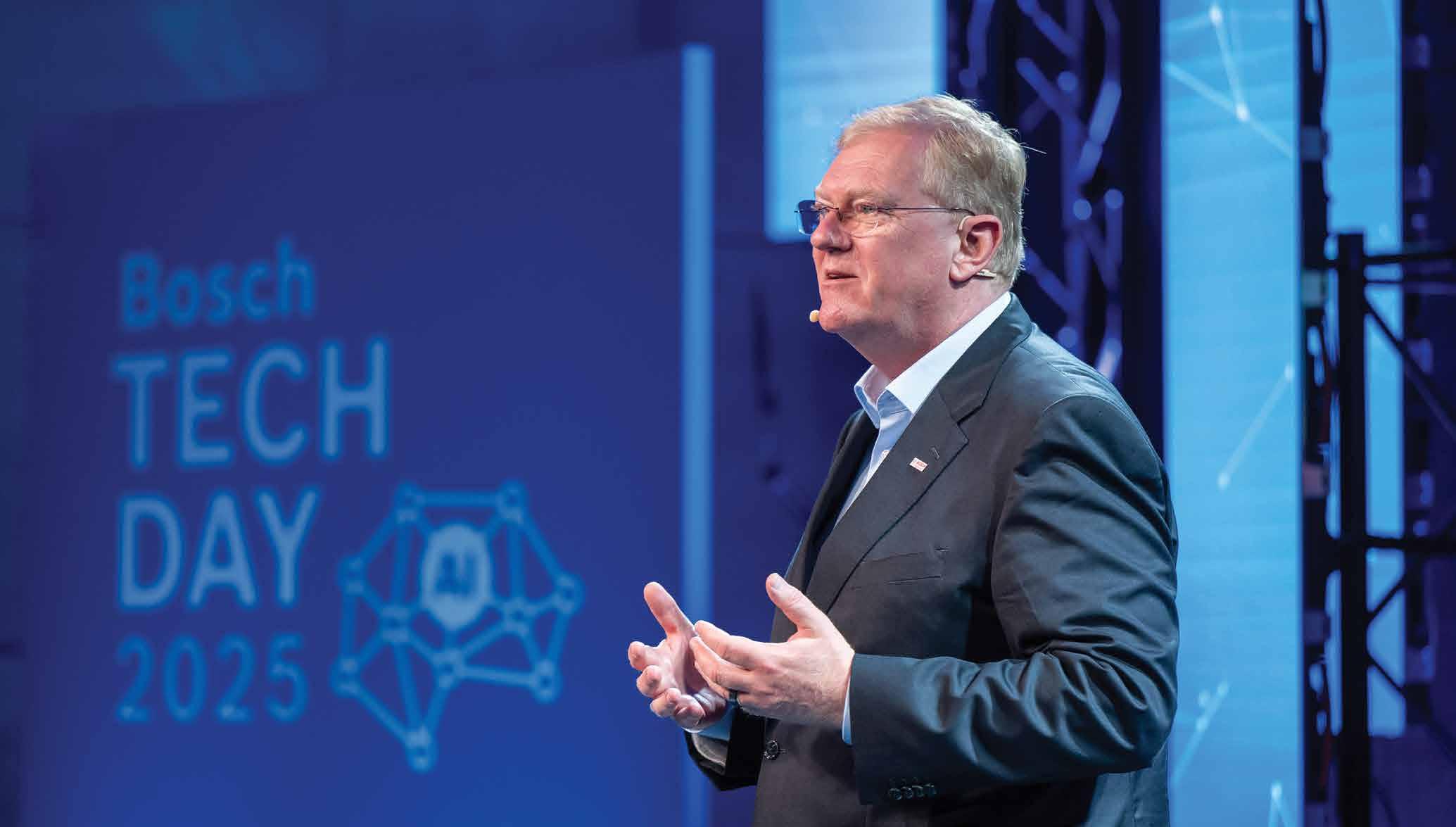
“The breakthroughs in AI make it possible to open up completely new chapters in technology, accelerate the development of innovations, and turn these into business,” says Stefan Hartung, chairman of the Bosch board of management. Bosch was an early adopter of AI, bringing it together with in-depth industrial knowledge and thus gaining a clear competitive advantage. Furthermore, in the past five years, the company has filed more than 1,500 patent applications for inventions in the field of AI – making it one of the leading applicants in Europe.
One area where Bosch wants to utilize the advantages of AI is in assisted and automated driving. Even if momentum in this area has not yet reached its peak, Bosch has no doubt that automated driving will achieve long-term market success. The company offers the right solutions for this and is confident: Bosch
expects its sales of software, sensor technology, highperformance computers, and network components to double by the mid-2030s to well over 10 billion euros. Bosch uses AI in automated driving, for example for visualizing the vehicle’s surroundings and for route planning. Thanks to AI, the vehicle thinks ahead, anticipates how other road users will behave, and calculates the next steps to get to its destination safely. AI not only ensures greater safety in vehicles, however; it also helps significantly shorten development times for new products. For example, Bosch can draw on a unique database of vehicle sensor data to feed a generative AI solution – and thus train systems much faster and more efficiently. This could pave the way for even more reliable driving assistants and automated driving functions in the future.
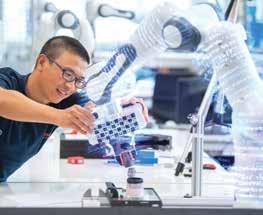
In manufacturing, Bosch is already focusing on the next level of artificial intelligence: agentic AI, which is able to make its own decisions and carry out its own actions. “Agentic AI can give a boost to AI similar to the one the smartphone gave the internet,” says Tanja Rueckert, member of the Bosch board of management. The revolutionary technology enables various processes to run in parallel. Several AI agents can form a team, a multi-agent system that’s supervised by humans or a coordinating agent. Bosch is already making use of this possibility in-house:
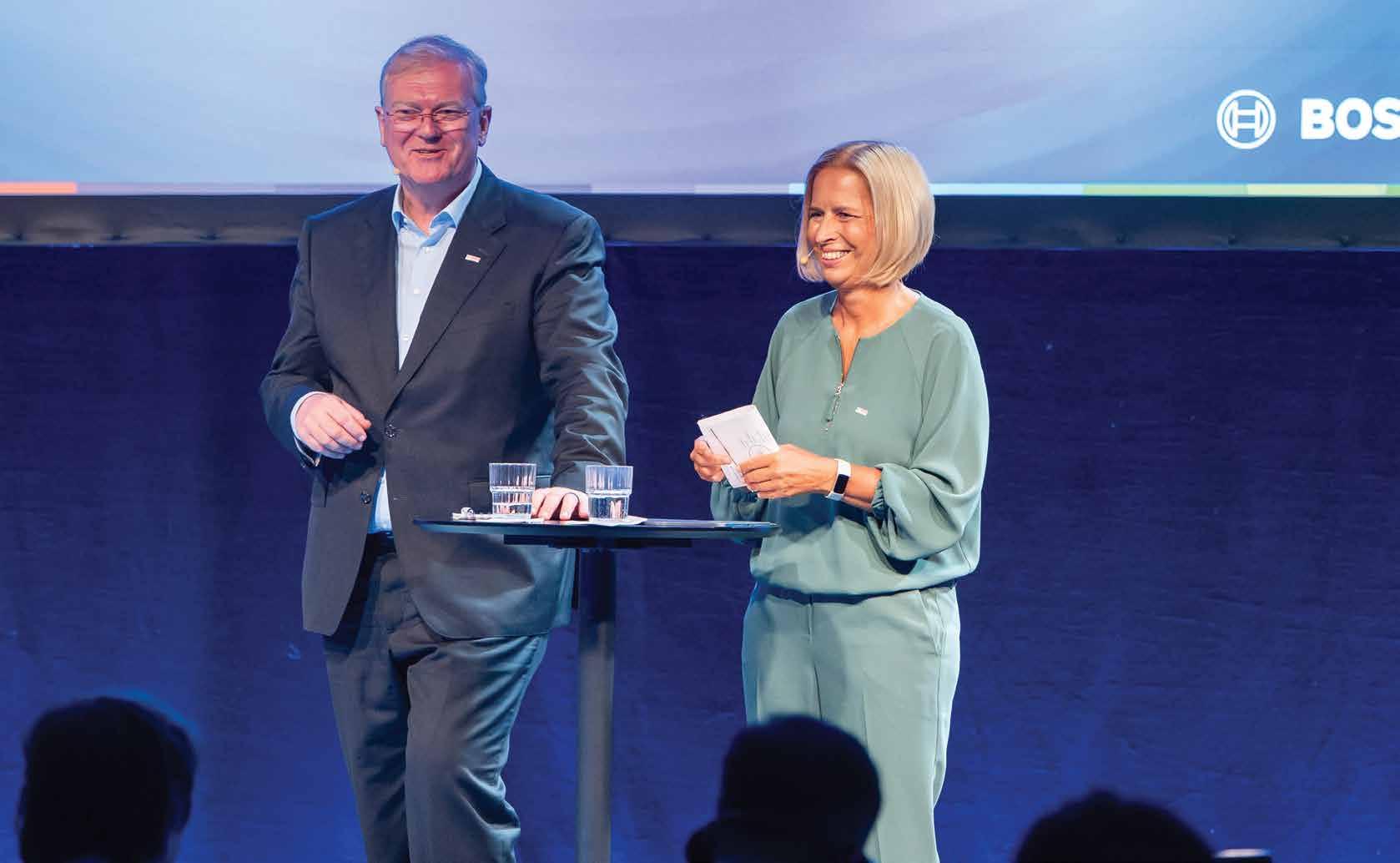
multi-agent systems monitor devices in manufacturing, predict maintenance requirements, and optimize personnel scheduling. “We’ve now reached the next level. The result is a reduction in unplanned downtime and an increase in productivity overall,” Rueckert says.
Besides Bosch’s own plants, other companies will benefit from Bosch’s expertise in agentic AI: Bosch is developing a platform that will be made available to other companies as of fall 2025, enabling them to create their own multi-agent systems with little or even
no programming knowledge. The goal here is to make manufacturing more efficient, reduce costs, and be able to react more flexibly to market requirements. In this way, comprehensive, orchestrated use can save several million euros.

Bosch uses AI to make technology “Invented for life”
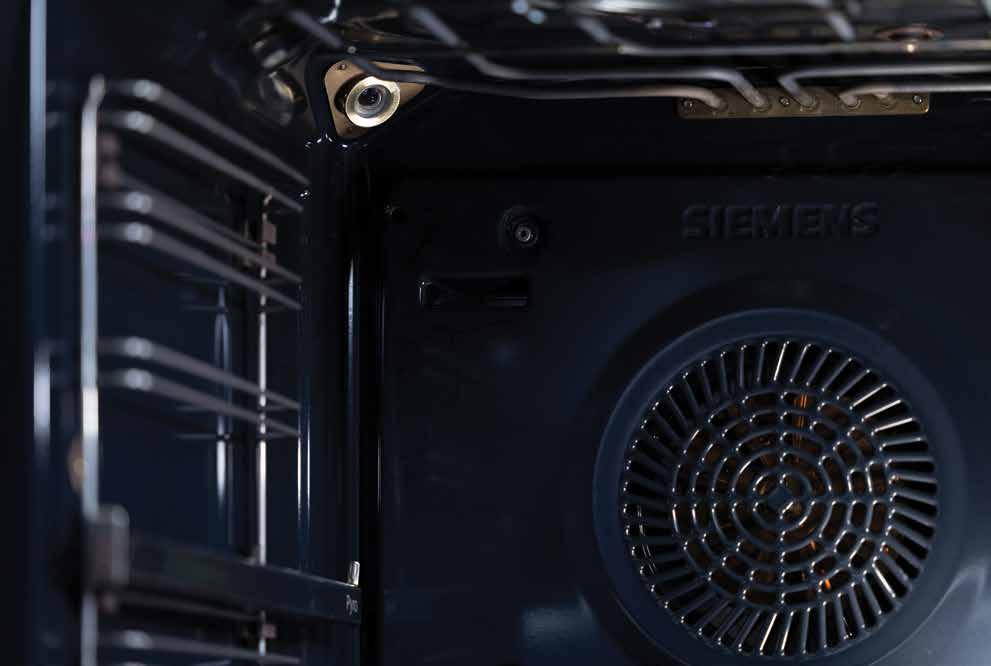
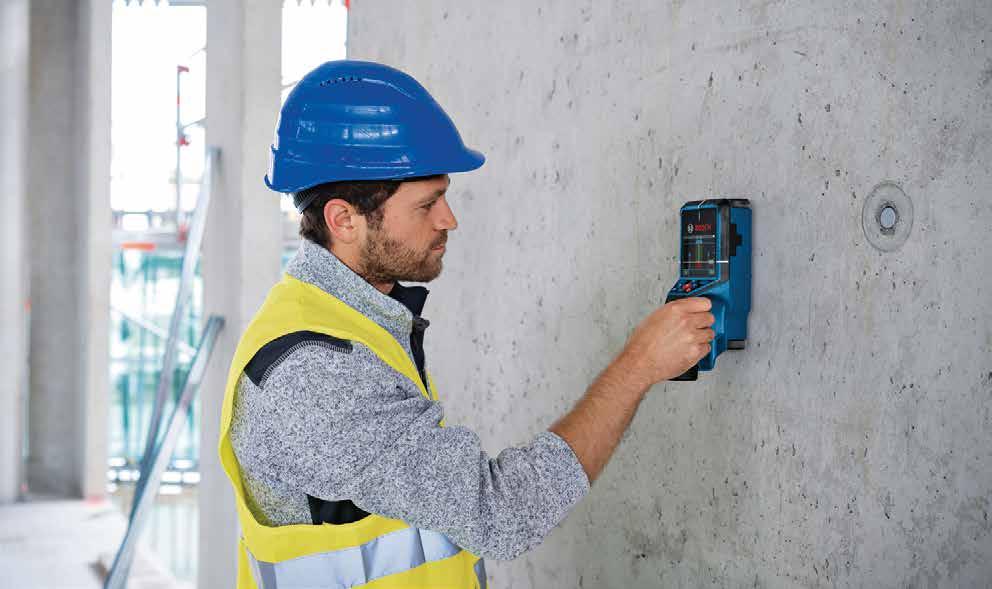
AI is an innovation booster for Bosch, not only in the areas of industrial production and automated mobility but throughout the entire company. For example, the intelligent Bosch Revol crib can be used to monitor a child’s vital signs, such as heart and respiratory rate. On an e-bike, AI helps dispel range anxiety with the Range Control feature, and in the kitchen, it takes on the role of chef: the Bosch Series 8 oven can recognize around 80 dishes and automatically set the optimum cooking method and temperature. Artificial intelligence also Page 2 of 4 helps with DIY: a wall scanner can look inside walls and detect electrical cables, metal beams, and empty spaces.
In-house academy readies Bosch’s workforce for AI Bosch is also getting its associates on board: the company fosters the development of AI skills inhouse through its AI Academy, which has trained over 65,000 associates since 2019. Nearly 5,000 AI specialists are working on intelligent AI solutions. AI skills are essential for the future of the working world outside of Bosch as well. “One thing is becoming increasingly clear: a society without AI capabilities will fall behind in global competition,” Hartung says. A majority of people have obviously already recognized the implications of AI: according to the Bosch Tech Compass, four out of five respondents worldwide plan to pursue AI training, and around two-thirds are in favor of AI as a school subject. In Germany, 72 percent believe that AI will be the dominant technology of the next decade in their country. Bosch is already well equipped for the dawning age of AI.

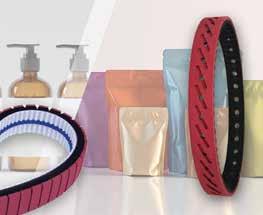
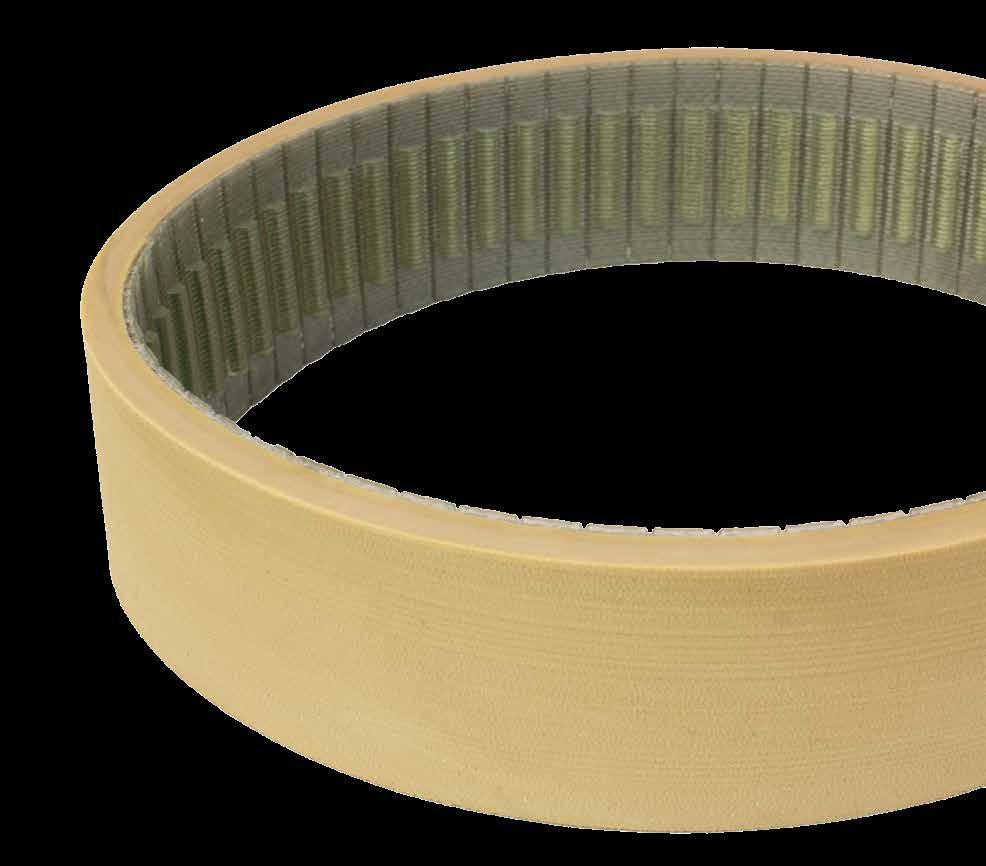
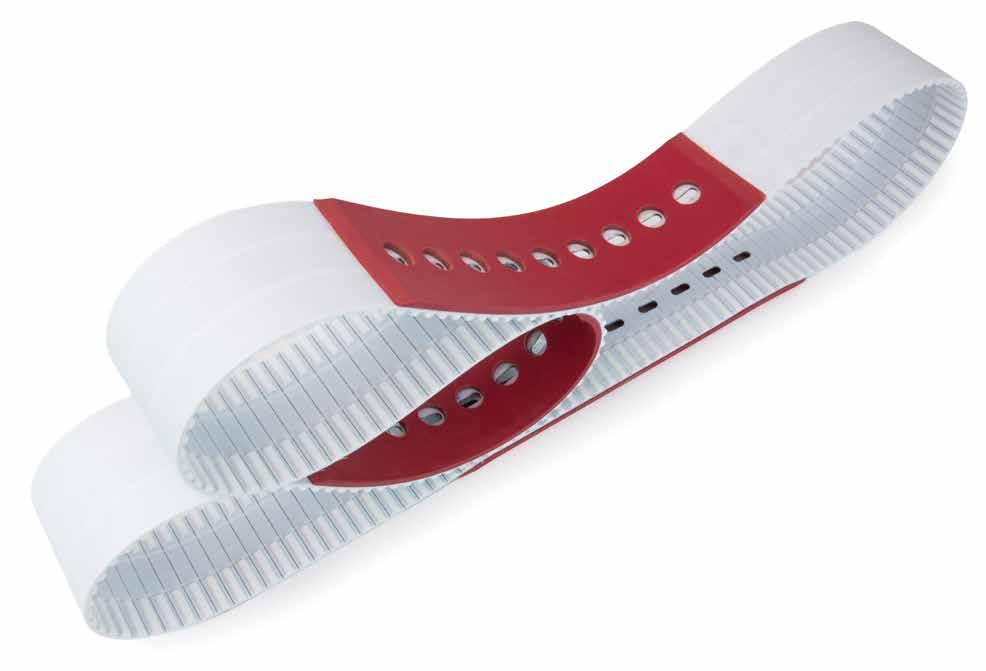
Packaging and labelling equipment benefits from belts engineered for accuracy and dependable running. Ydins supplies custom-made belts, combining specific machining, coatings and finishes to address the distinct steps in these processes.
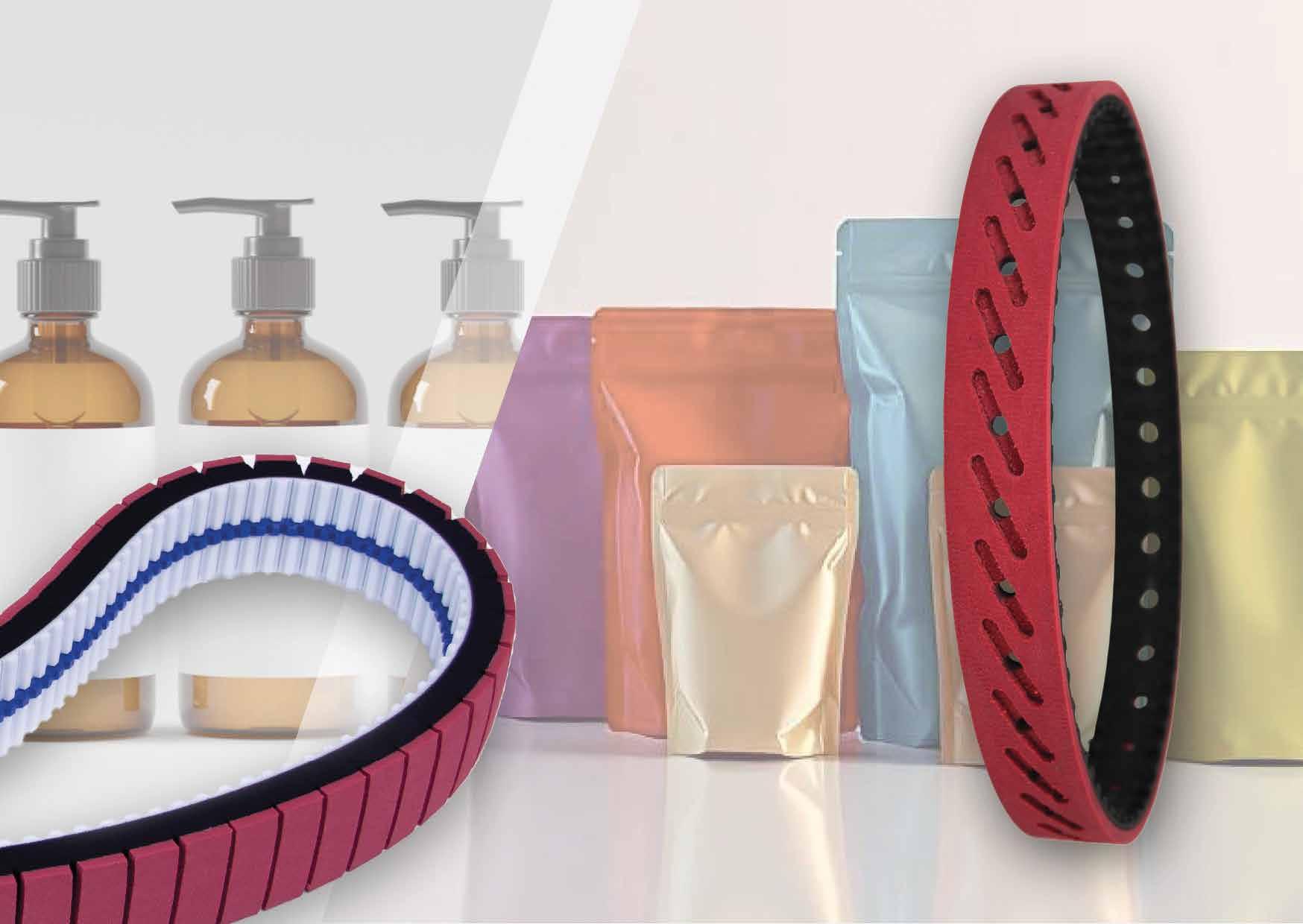
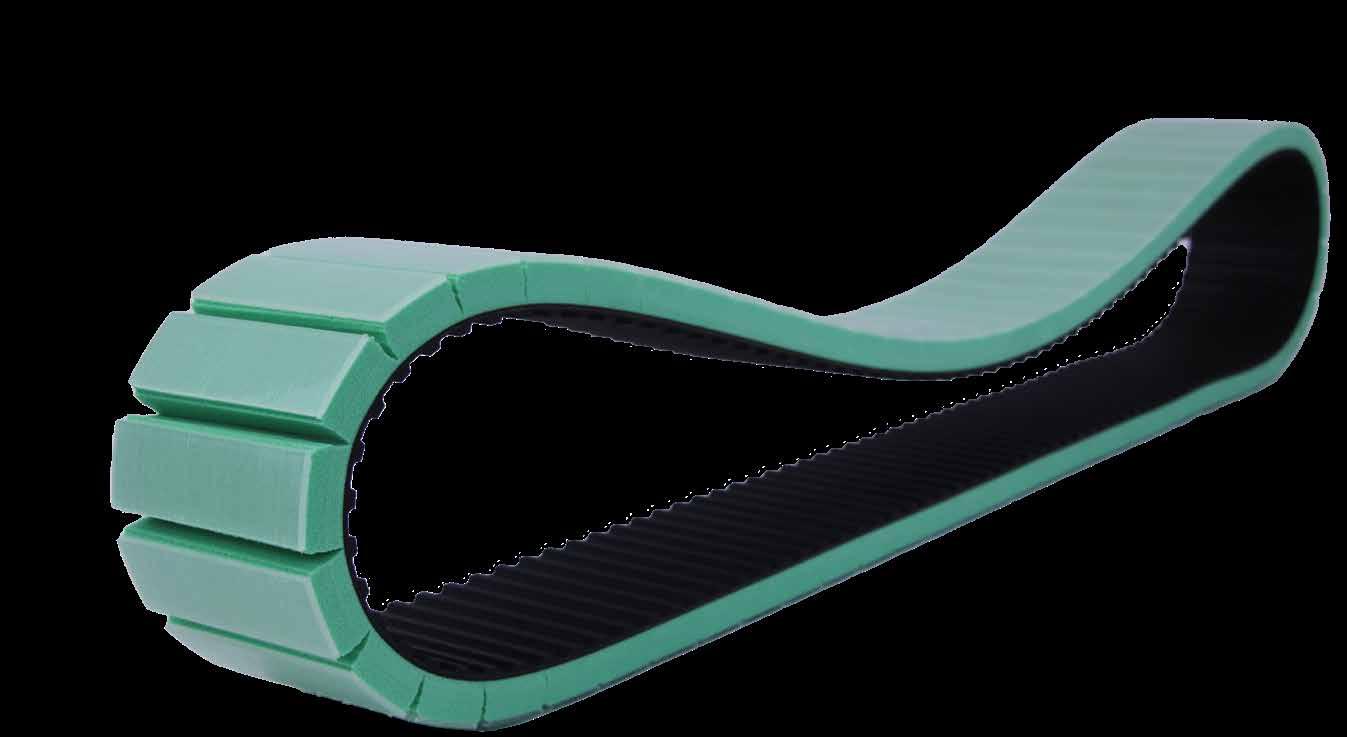
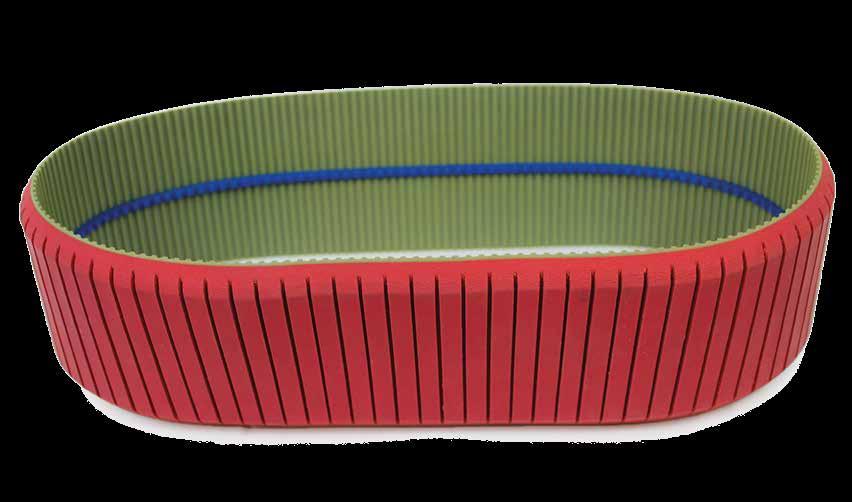
Many machines operate with small pulley diameters. In such cases, custom machining ensures the belt conforms to tight radii without sacrificing efficiency. Cross-cut top layers aid operation on small pulleys while maintaining rotational resistance.
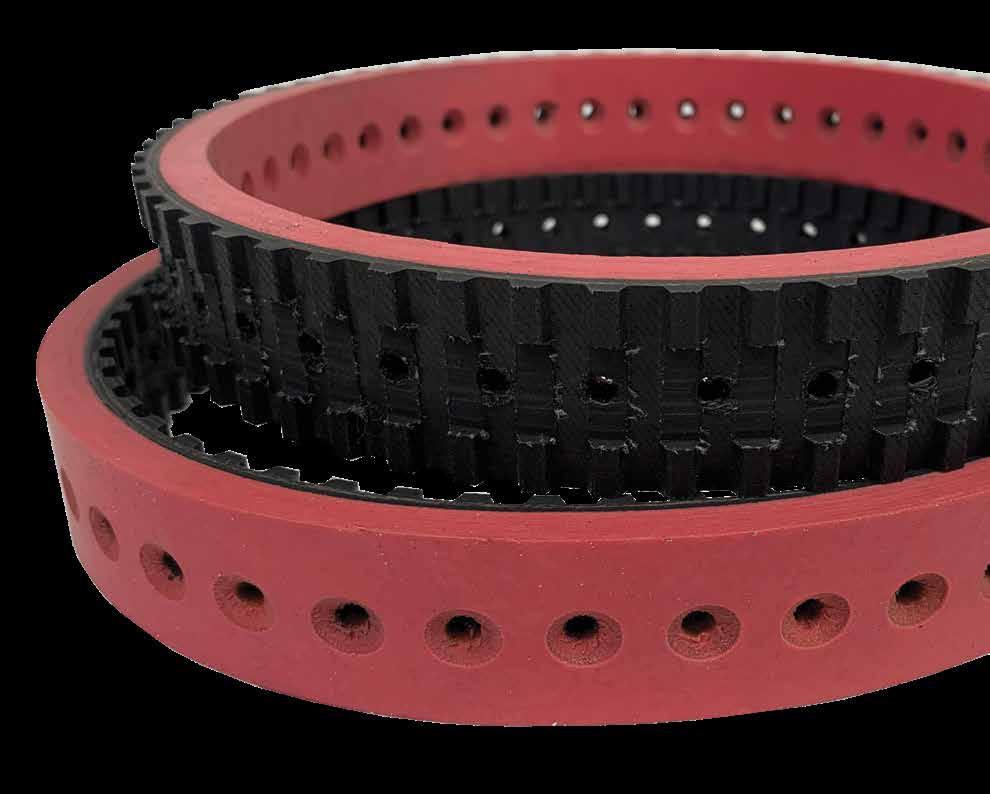
On the toothed base, further machining is possible — such as adding internal guides or reducing tooth height — to stabilize product handling and minimize line deviations.
Ydins can specify multiple coatings on a single belt. A softer, under-padded material cushions delicate products, while a harder, non-slip outer layer secures grip.
Coatings are available in various hardness levels and surface finishes to meet environmental demands, from abrasion resistance to precise friction control.
For direct contact with food or pharmaceutical products, Ydins offers timing belts and coatings made from fully FDA-certified materials to support hygienic and compliant processing.
Each project begins with individual assessment: machine geometry, operating conditions and product characteristics are reviewed to select and design the most suitable belt. The objective is consistent performance, long service life and high reliability.
Looking for a belt adapted to your packaging line?
Get in touch with Ydins’ technical team to develop the right solution.
www.ydins.es | info@ydins.es

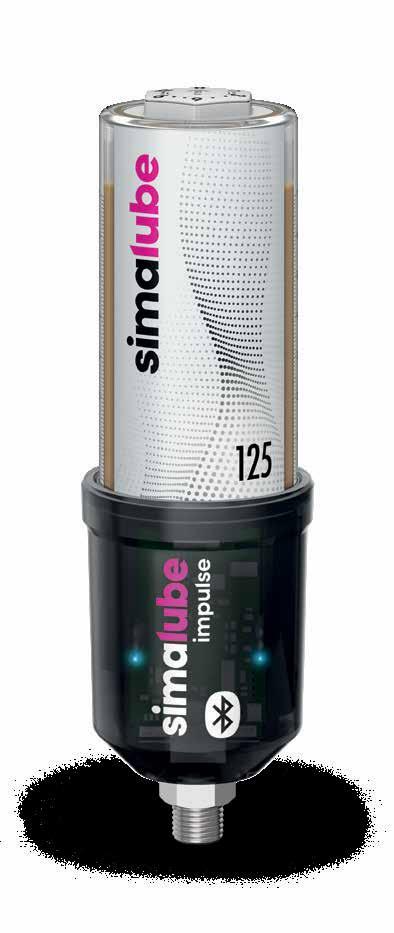

Explore the next level of automatic lubrication: simalube IMPULSE connect
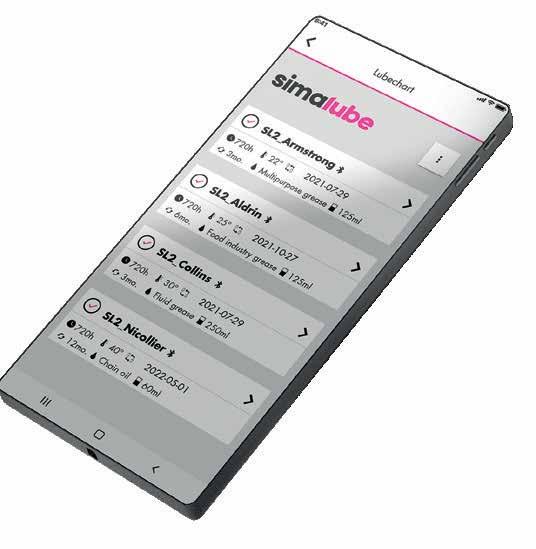

The «simatec World of Maintenance» app is the overarching digital simatec platform: simatec products can be controlled by the app, taking simatec another step into the
Features
Monitoring of lubrication points
Creation of electronic lubrication schedules in Lubechart (available in the App)
Digital ordering process
Calculation Pro: Calculation programme for the correct setting of your lubricators. Available in the app «simatec World of Maintenance» only Download the simatec app now:

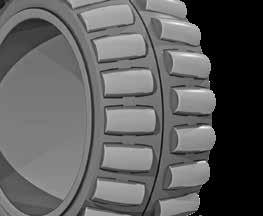
Concrete mixer trucks operate in an environment defined by heavy loads, fluctuating stresses, and severe contamination. At the centre of their drive system lies a two-stage planetary gearbox responsible for turning the drum throughout mixing, transport, and discharge. Because the drum sits at an incline and the concrete mass is constantly mixed, the gearbox must transmit a combination of radial, axial, and shock forces. These forces ultimately converge on the main spherical roller bearing, making it one of the most critical components in the gearbox assembly.
This bearing is required to perform reliably despite extremely low rotational speeds, high shock forces, high misalignment, and constant exposure to a contaminated working environment. It must accommodate substantial misalignment, up to ±6°, while enduring variable load conditions that evolve continuously throughout every mixing cycle.
To address these demands, RKB developed a wide outer ring (WOR) spherical roller bearing specifically for concrete mixer drum drives. Three design variants were evaluated during development: the 24122 WOR82A, the 24122 WOR82, and the 24122 WOR82AA. Each incorporated different combinations of internal geometry, contact angles, cage architecture, roller symmetry, and rib design. The objective was to determine which configuration would provide the most favourable balance of misalignment capacity, internal load distribution, rolling contact behaviour, and fatigue-resistant service life.
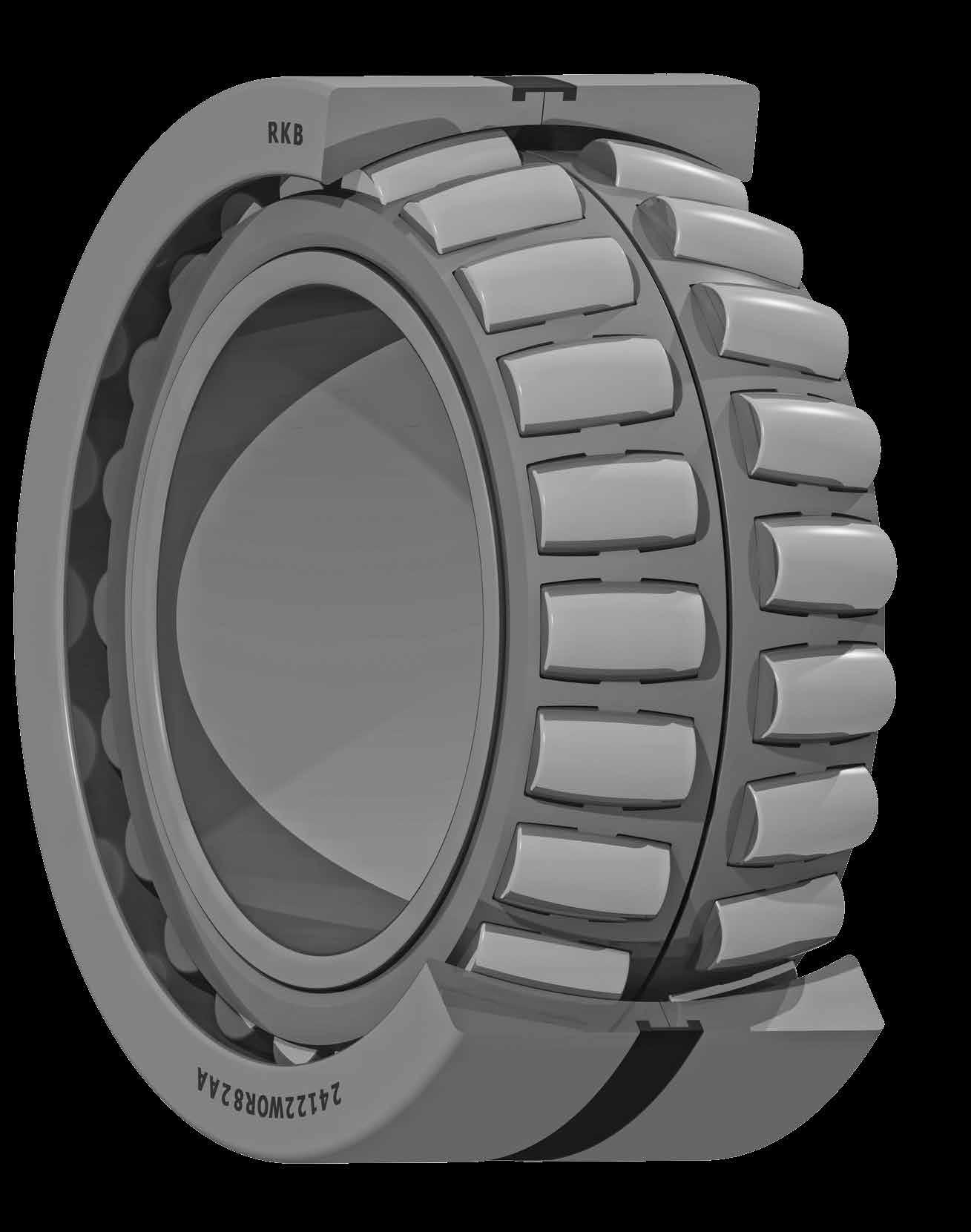
Lubrication plays a particularly decisive role due to the drum's low operating speed and inherent problems of suitable lubricant fluid film formation. RKB therefore assessed operating life using its ISO 281:2007–based rating software, which considers the full loading cycle, working temperature, lubricant viscosity at 40°C and 100°C, and the degree of environmental contamination. These analyses established that, when lubricated correctly, the WOR82AA configuration achieves and surpasses the service life required for this application.
To validate mechanical behaviour, RKB conducted extensive FEM simulations using Ansys as well as NON-HERTZ semi-analytical calculations. These studies examined the reaction forces acting on each roller, the distribution of contact pressure across the bearing, and the resulting Von Mises stress patterns in the rings, rollers, and rib. Special attention was paid to the effect of misalignment, which significantly alters contact geometry and can produce localised stress concentrations.
Among the three investigated designs, the WOR82AA consistently demonstrated the most favourable mechanical response. Its reinforced rib, symmetrical rollers, and increased number of rolling elements delivered lower internal stresses and reduced peak contact pressures. The pressure field across the bearing was more uniform, and roller guidance remained stable even under large misalignment angles. The combination of these features resulted in higher basic load ratings and improved fatigue life compared with the alternative designs.
Based on the combined results of the operating-life analysis, FEM simulations, and semi-analytical studies, the 24122 WOR82AA stands out as RKB’s most robust and efficient bearing solution for concrete mixer drum drives. Its ability to manage large misalignments, maintain low stress levels within the inner ring and rib, and operate reliably under low-speed lubrication and shock-loaded conditions makes it a highly durable option. The bearing’s improved internal geometry
and optimised load distribution ultimately translate into increased reliability and significantly extended service life for the gearbox assembly.
RKB Bearing Industries Group is a Swiss-based manufacturing organization with decades of experience. RKB possesses the specialized knowledge and expertise to design and produce premium industrial bearings ranging from a 1 mm bore diameter to over a 2,000 mm outer diameter.
With a global distribution footprint reaching over 70 countries, RKB provides value-driven solutions characterized by impressive operational adaptability, top-tier services, huge stock reserves, quick shipping times, and the hallmark quality expected of a premium bearing provider.
+
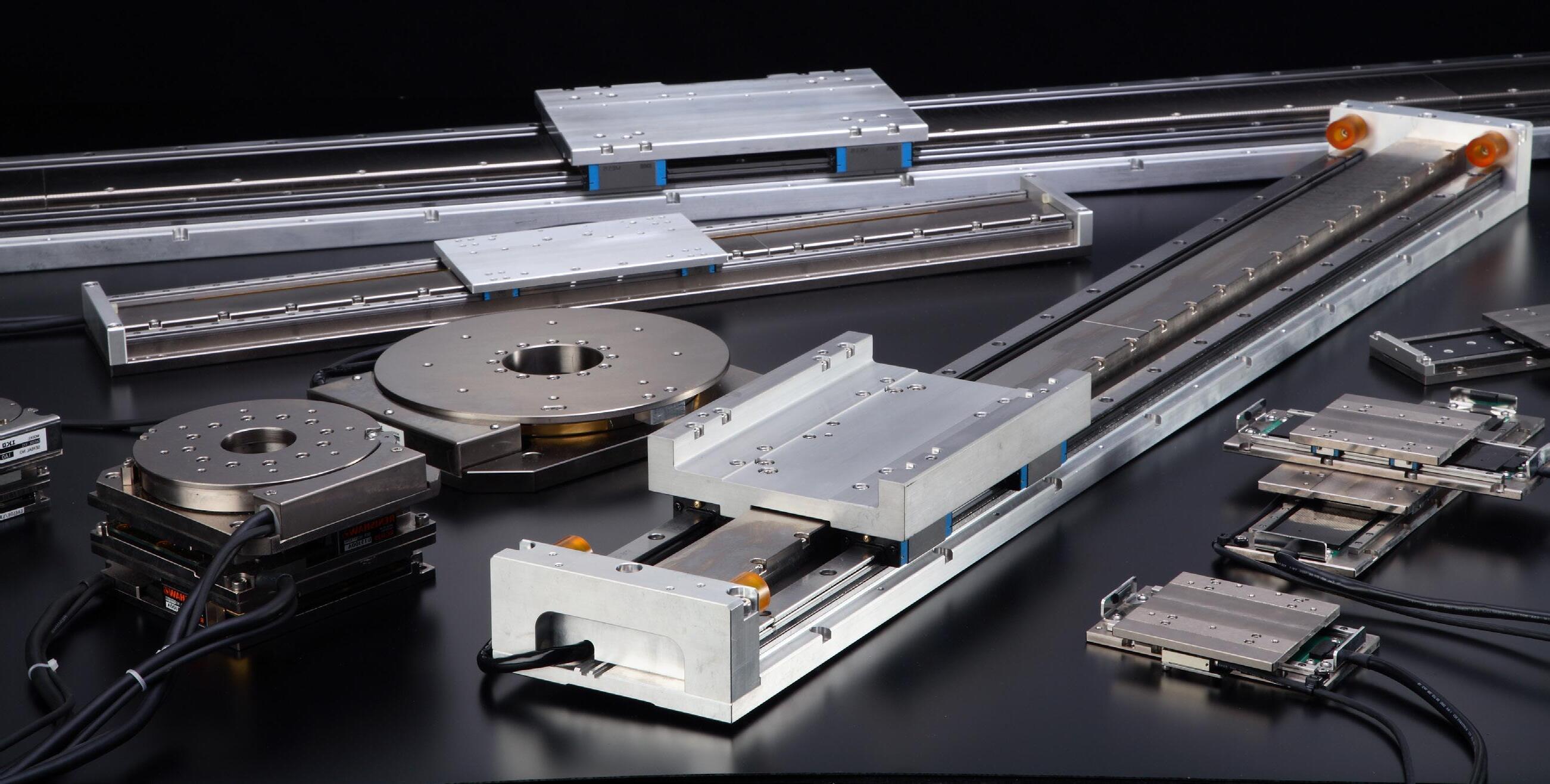
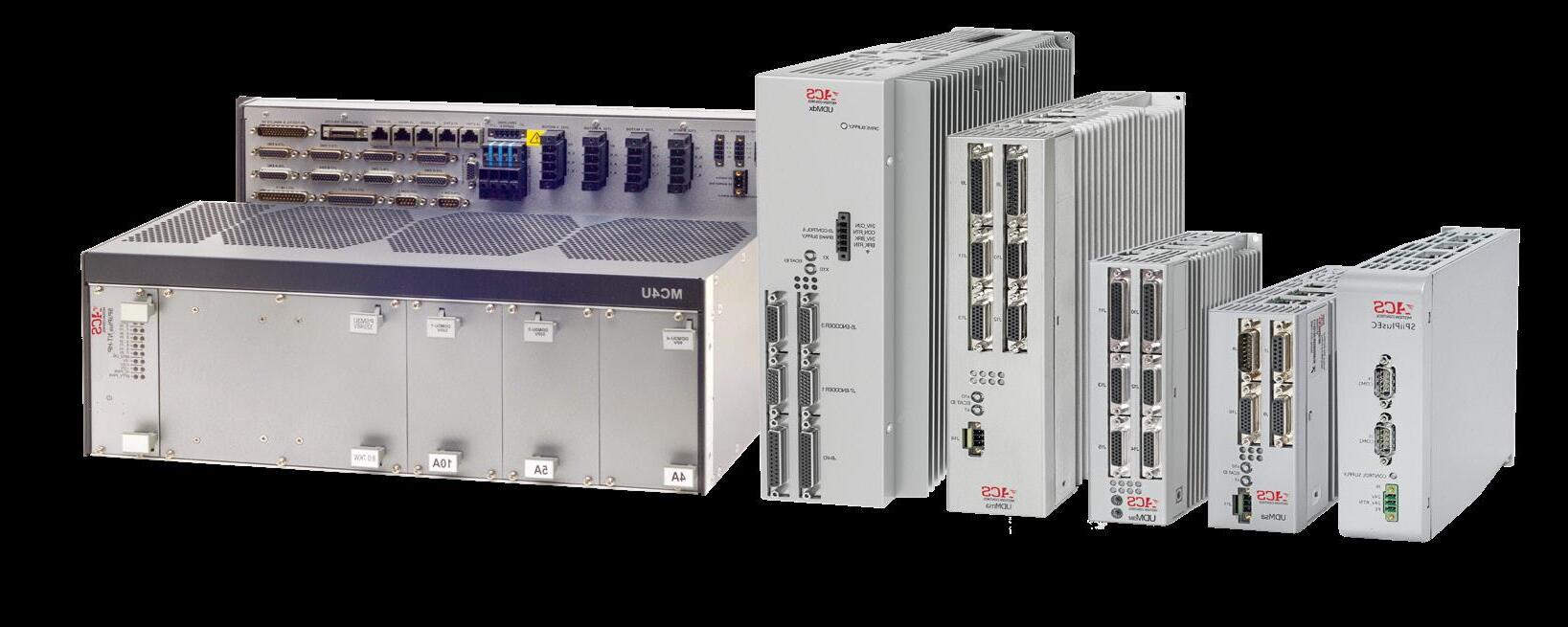

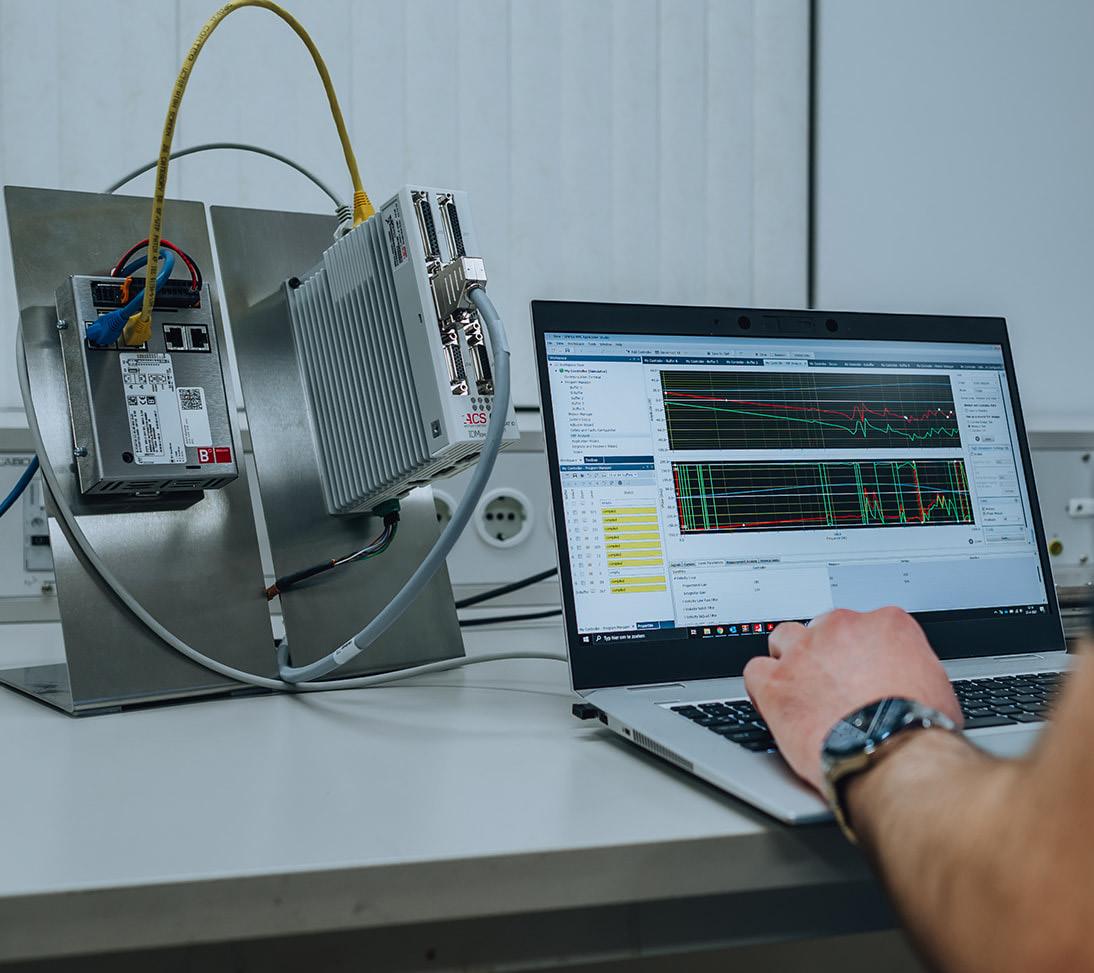
Nippon Thompson and VarioDrive have teamed up to enhance their offerings by combining Nippon Thompson’s advanced motion technology with VarioDrive’s innovative drive systems. This collaboration aims to deliver high-performance, reliable solutions that meet the growing demand for precision and efficiency in industries like automation, robotics, medical and semiconductor markets across Europe.
’s positioning tables offer a tailor made solution to any application imaginable, together with their trusted Linear Motion Rolling Guide technology, now can offer the support with VarioDrive’s who will guide you through the complex landscape of solutions and components with motion control systems.
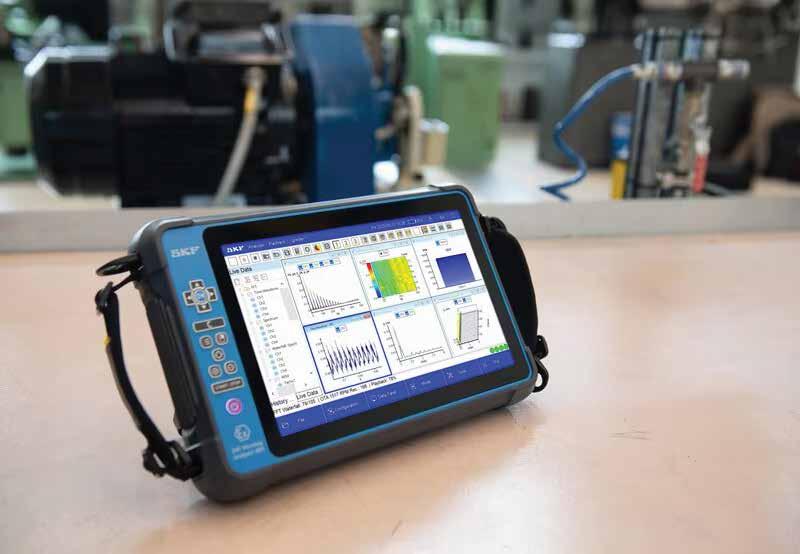
In high-risk industrial environments, safety-certified equipment is essential for preventing fires, explosions, and operational disruptions. To address the needs of customers working in oil & gas, petrochemical, biofuel, and other hazardous-area industries, SKF has introduced a hazardous-area approved version of its flagship Microlog Analyzer dBX. In this interview, Sam Bainbridge, Director of Technology Delivery, North America at SKF, explains what led to the development of the new device, how it was engineered, and what it means for customers advancing their condition monitoring strategies.
What specific customer challenges or requests led SKF to develop a hazardous-area certified version of the Microlog Analyzer dBX?
Some of the biggest users of handheld data collectors require hazardous area certification to prevent fires, explosions, and catastrophic accidents. These users operate in sectors including Oil & Gas, Petrochemical, Biofuel, Wastewater treatment, and some mining applications. Without hazardous area certification, it’s not possible to safely operate in these environments. SKF is continuously striving to expand its condition monitoring offering and bring new value to customers and industries. This led to the development of a hazardous area-approved Microlog Analyzer dBX model CMVA 90-EX that is approved for use in ATEX, IECEx, Class I Division 2 and Class I Zone 2 rated areas.
How does this new version of the Microlog Analyzer dBX differ technically from the standard version?
The Microlog Analyzer dBX is SKF’s most advanced portable vibration monitoring device. The hazardous area-approved version is almost identical from a technical features and capabilities perspective to the standard version. However, it has been designed to enable safe operation of electrical equipment in hazardous areas by limiting the amount of stored and transmitted electrical energy to prevent sparks or high temperatures that could ignite gases. In addition, the SKF Microlog dBX CMVA 90-EX kit includes hand and neck straps that are specifically designed for hazardous environments as well as a hazardous environment rated general purpose
accelerometer, cable and magnet mount. With any hazardous area device, there are important considerations for use.
Could you walk us through the certification process (IECEx, ATEX, Class I Division 2, Class I Zone 2) and why these standards are crucial for your customers?
The device manufacturer and any 3rd party partners must go through a rigorous – and sometimes long and complicated – process to qualify both the device and manufacturing facilities. It’s not uncommon for a certification to take 12 months or longer. After a manufacturer has satisfied all requirements, they are issued a certification and must include proper marks on the product meeting the requirement. These standards are crucial to ensure that our products can withstand the working conditions of our customers’ facilities while delivering optimal performance.
What were the biggest engineering challenges in designing a device that balances highperformance vibration analysis with safety in hazardous environments?
Design engineers must integrate sensitive, high-speed data acquisition hardware capable of capturing precise vibration signatures while ensuring the device meets hazardous area design standards. This balance demands careful component selection, thermal management, and power efficiency to prevent ignition risks without compromising analytical accuracy or processing speed. Additionally, maintaining usability – such

as long battery life, rugged housing, and intuitive interfaces – under harsh environmental conditions adds further complexity to achieving a reliable, highperformance, and safety-compliant instrument.
How does the device specifically support customers in industries like oil & gas, chemical processing, or food & beverage (ethanol)?
Operations in these industries usually have hazardous classified areas. In most cases, these are ATEX or IECEx Class I Zone 2, or NEC 500 Class I Division 2 rated areas where there is low probability of an explosive atmosphere in the form of gas or vapor being present during normal operation but if it does occur, it will only persist for a short period.
How does this device integrate into broader plantwide condition monitoring systems and digital transformation initiatives?
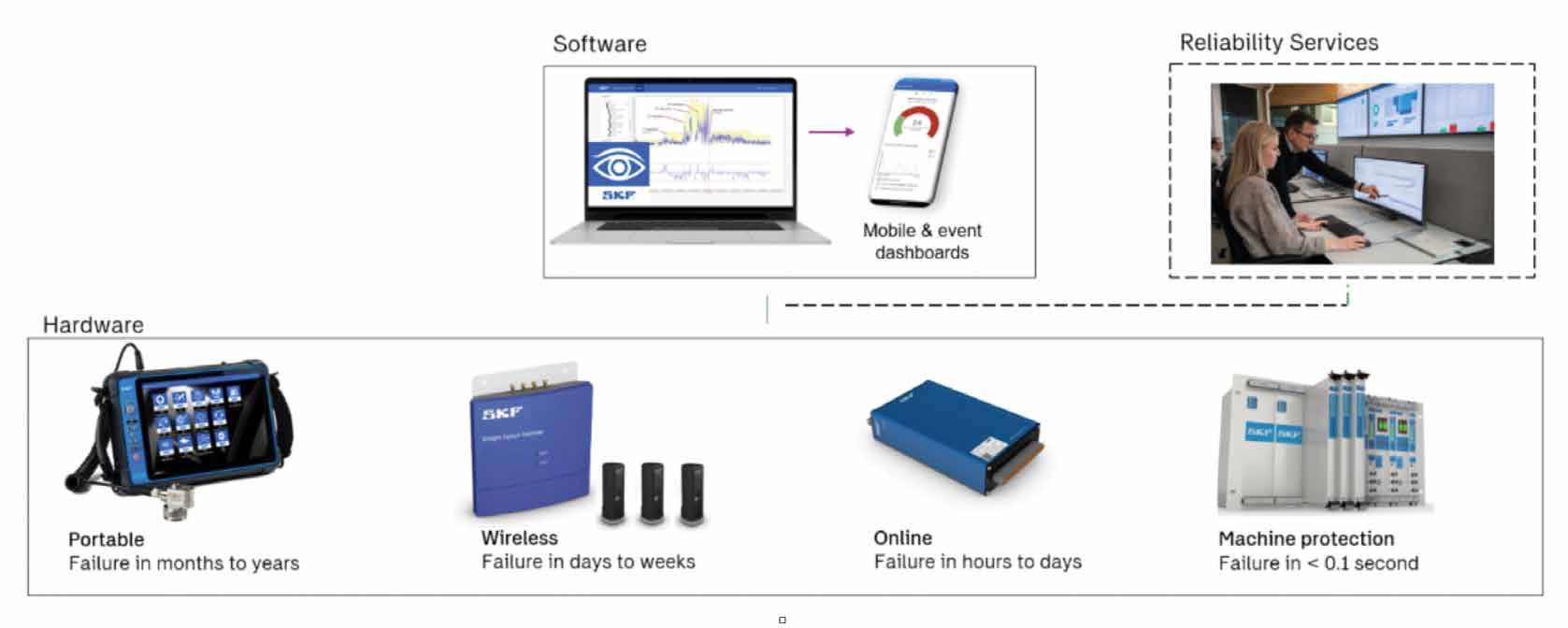
The SKF Microlog Analyzer dBX is part of our plantwide condition monitoring solutions, including portable, wireless, online and protection systems as well as on-premises and cloud-based analytics
software. Machine alarms and SKF diagnostic reports are displayed on modern and interactive dashboards. Such tools help maintenance and reliability teams focus their attention where it’s needed and fix problems before they lead to unplanned downtime. In addition, we offer various data integration solutions ranging from widely used protocols such as Modbus and OPC UA to web APIs such as SKF Phoenix API to more advanced data pipeline capabilities. SKF solutions are customized to address customers’ needs, making vibration data readily available to integrate with the customer’s CMMS (Computerized Maintenance Management Systems), data historians (such as Aveva PI) or other, supporting our customers’ digital transformation initiatives.
The new model claims “MPA-in-a-flash” data acquisition three times faster than earlier models. What does this mean for users in practice?
MPA stands for Multiple Point Automation. This is one of the key improvements with the Microlog dBX platform as compared to legacy CMXA series Micrologs. The Microlog dBX platform offers more advanced computing capabilities, enabling
the user to configure up to 12 measurements for automatic data collection at one measurement point. Using the same sensor, the user needs to press only one button to collect all pre-configured MPA measurements. As a result, field experience has shown up to three times faster data collection. For SKF customers, this means less time collecting data and more time troubleshooting and resolving issues.
How does the built-in camera enhance the operator’s ability to perform diagnostics and documentation in hazardous areas?
The built-in camera enables quick, visual confirmation of equipment condition and sensor placement without the need for a separate hazardous approved camera. It allows the operator to capture images of machinery and environmental factors during data collection, providing valuable context to vibration readings. This visual documentation improves diagnostic accuracy, supports remote analysis, and streamlines reporting while reducing time spent in potentially dangerous locations, thereby increasing both safety and efficiency in field operations.
Could you elaborate on the advanced analysis functions, such as SKF gE bearing analysis, and why these are important for reliability engineers?
In addition to route-based data collection, the SKF Microlog Analyzer dBX offers up to 10 advanced on-device data analysis apps, including Balancing, Orbit Analysis, FRF & ODS Analysis and gE Enveloping, to name a few. These apps offer pre-set templates built with the typical parameters required to perform specific types of testing. For example, the gE Enveloping app helps reliability engineers determine the condition of rolling element bearings more efficiently.
How does this product strengthen SKF’s condition monitoring portfolio in North America compared to global markets?
The United States and Canada account for one of the largest shares of oil and gas production globally. The scale of operations is massive, which plays a significant contribution to total demand for handheld vibration data collectors. SKF Microlog dBX CMVA 90-EX is the class leader in this space, so we expect it to play a crucial role in our product portfolio.
With digitalization accelerating, how do you see portable tools like the Microlog Analyzer dBX fitting alongside online monitoring systems and
AI-driven analytics?
It’s an interesting question. We’ve seen increasing adoption of continuous monitoring solutions such as SKF IMx-1 wireless system and IMx8/16 online systems, helping customers on their digital transformation journey. At SKF, we take a wholistic approach when solving customer challenges, often using a combination of technologies including continuous and handheld data collection. In particular, the Microlog dBX is crucial in fault detection confirmation and advanced troubleshooting techniques. And product demand backs that up – we have seen tremendous adoption of our latest handheld data collectors.
Regarding AI-driven analytics, we take a hybrid approach. We use AI/ML tools behind the scenes to improve our efficiency, but every notification and machine health report provided to a customer is verified by a human analyst. Our experience is that the error rate of AI/ML tools is still not to the levels we expect in our service offer and, crucially, a lone vibration algorithm cannot account for context on and around an asset like a human can.
What kind of ROI can customers expect when deploying this device compared to traditional maintenance methods?
Catastrophic failure of a critical machine in an industry such as Oil and Gas can lead to significant financial losses because of production loss, environmental and safety implications and expensive repair. If one fault can be detected, avoiding unplanned machine downtime and supporting a proactive approach to maintenance, the detection equipment (i.e., the Microlog dBX) has paid for itself. It’s not uncommon to see payback periods in a matter of months. These tools help customers get ahead of that curve, anticipating machine failure before it happens. With high quality data, they can properly plan maintenance events.
Looking ahead, how does this launch fit into SKF’s broader vision for predictive maintenance and reliability in hazardous and non-hazardous environments?
SKF is committed to continuing to invest in the development and enhancement of its portfolio of condition monitoring technology and solutions. Hazardous area capability is a cornerstone to that strategy. We are positioned to be the leader in this space with exciting developments on the horizon and much more to come in 2026.
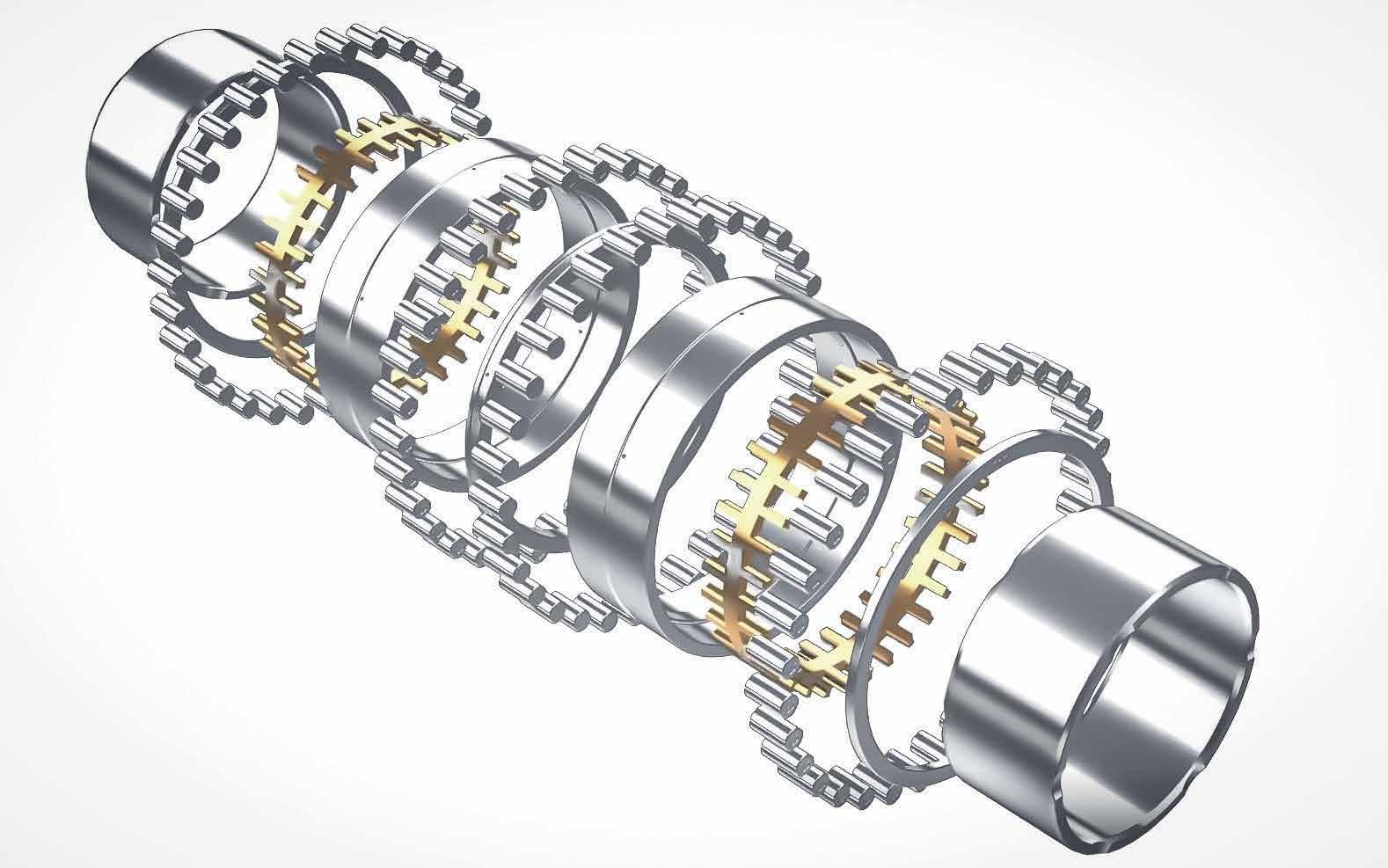
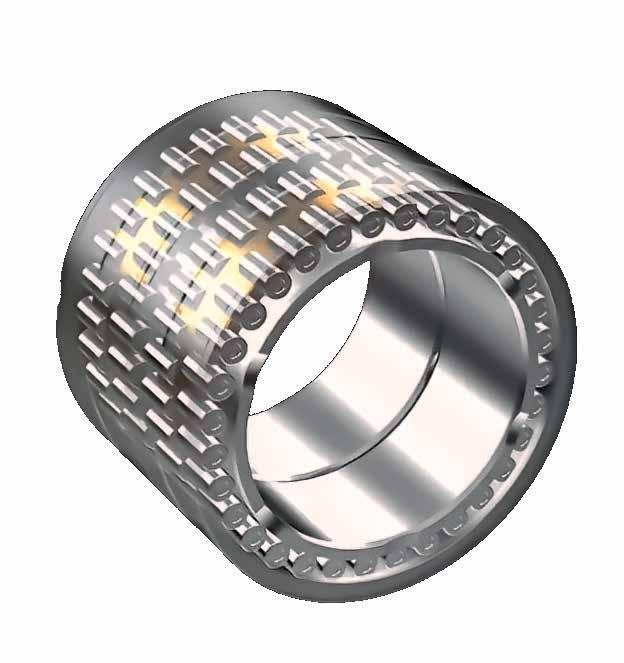
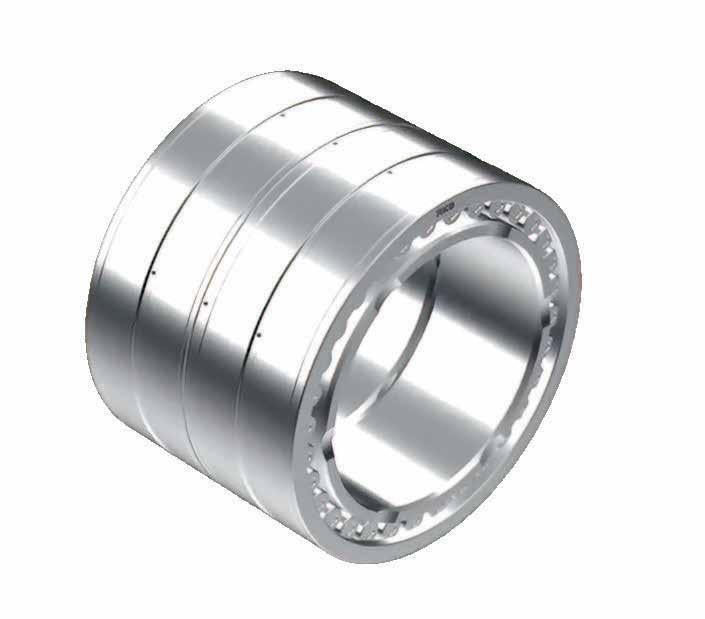
It’s the service upon which Napoleon Engineering Services has hung its proverbial hat for the last 28 years.
And it’s a service that, for original equipment manufacturers (OEMs) especially, has only become more dependable.
More valuable. More essential.
NES’ Source Qualification Inspection (SQI) program is a unique industrial bearing reverse engineering initiative. Its objective is trifold: to define a bearing manufacturer’s design intentions, to determine the manufacturing capability and to evaluate the quality of workmanship. And this is accomplished through a comprehensive evaluation of a sample population of bearings from a specified supplier.
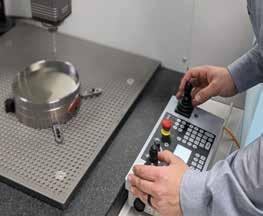
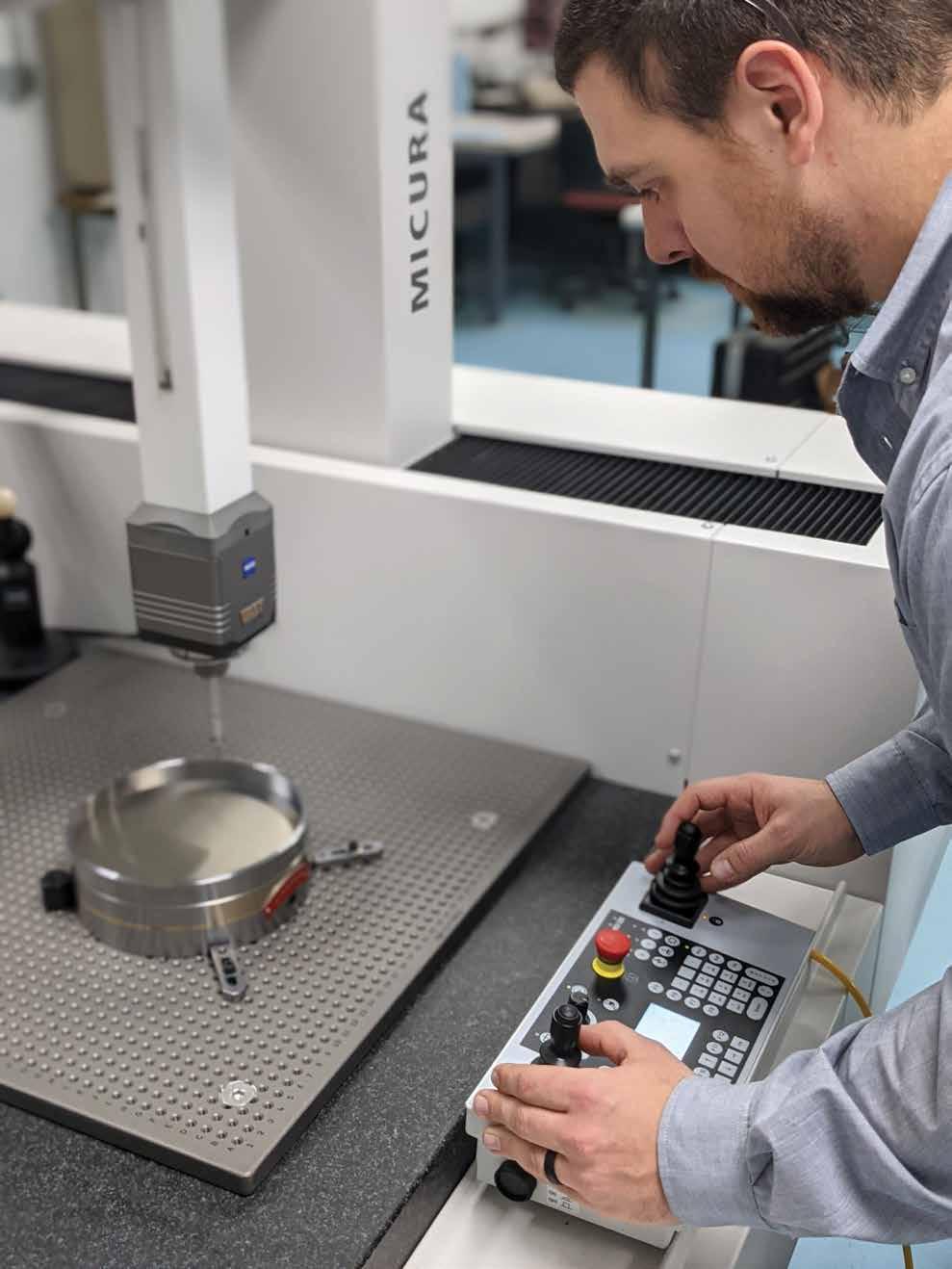
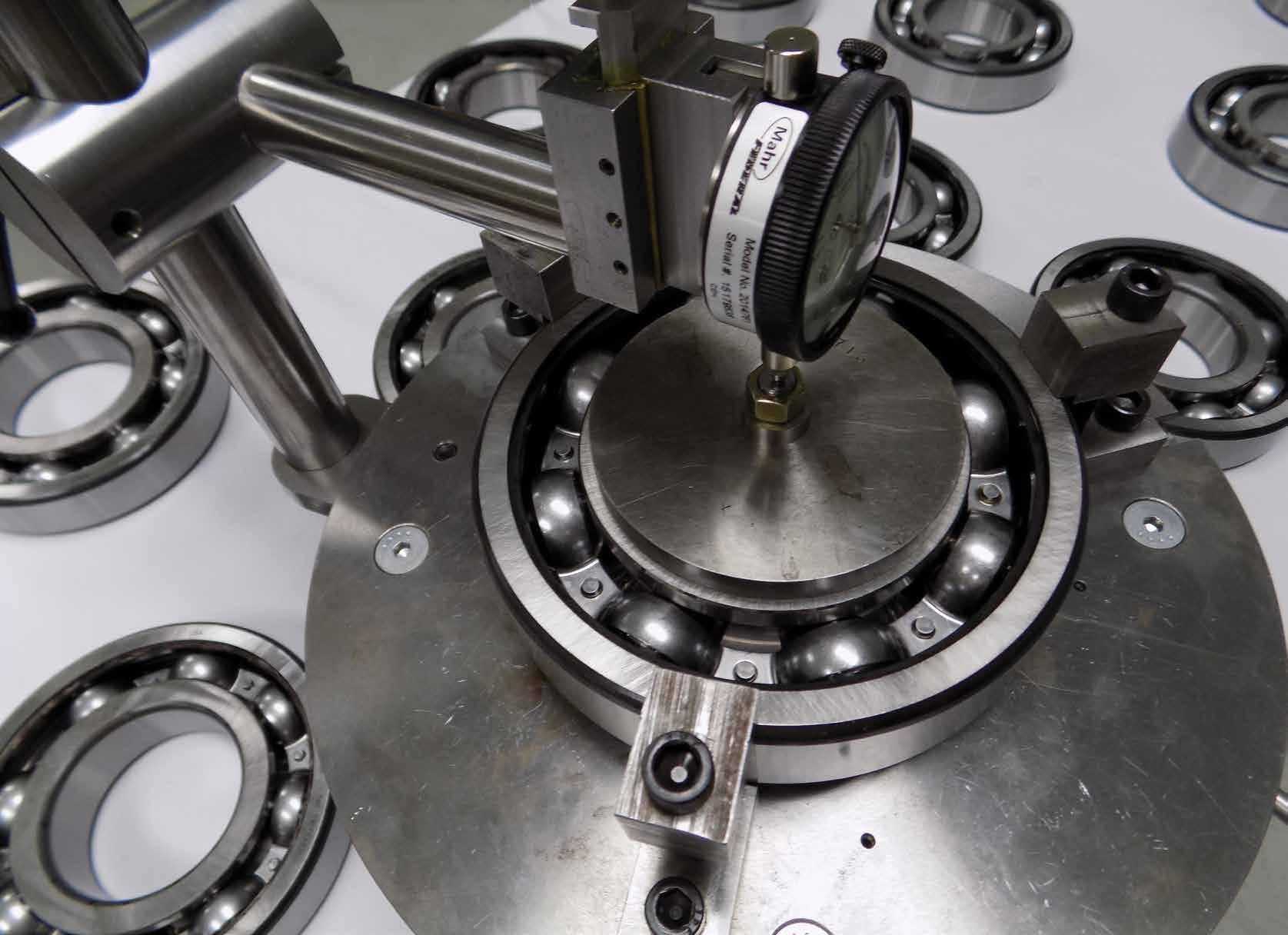
As part of its SQI, Napoleon Engineering conducts a complete dimensional inspection of a bearing, including all internal geometry. It also performs a visual inspection, noise testing and seal dimensional evaluation (if applicable) and assesses components such as material chemistry, microstructure, grain size, cleanliness and hardness. Based on that data, it then provides a detailed, analytical report on its findings to help inform a customer’s decisions regarding potential bearing suppliers.
A source qualification inspection, NES believes, is the first and most vital step in the bearing qualification process.
But why?
Perhaps most importantly, it precedes, and potentially eliminates, more expensive physical
testing programs, especially when using product that is already known to be deficient. And this makes it the more cost-effective option.
“Dynamic testing without knowing the design, manufacturing and overall quality of the characteristics of the different suppliers limits one’s ability to make decisions and learn from any endurance testing results,” said Chris Napoleon, NES’ president and chief engineer, “and costs additional money in the future.”
Moreover, SQIs allow OEMs to openly communicate design issues with the bearing manufacturer, understand why suppliers might perform differently, accurately model bearing performance characteristics through a range of software programs and control the bearing design to ensure success in the global supply chain.
Just as beneficial: SQIs can be performed relatively quickly, with reports typically being generated within 4-6 weeks.
YES, ITS SOURCE qualification program has become one of NES’ most fundamental bearing engineering services.
And given both its value and popularity (it has executed hundreds of SQIs for several satisfied customers over the years), Napoleon Engineering Services, over the last year, has only increased its capacity in this department.
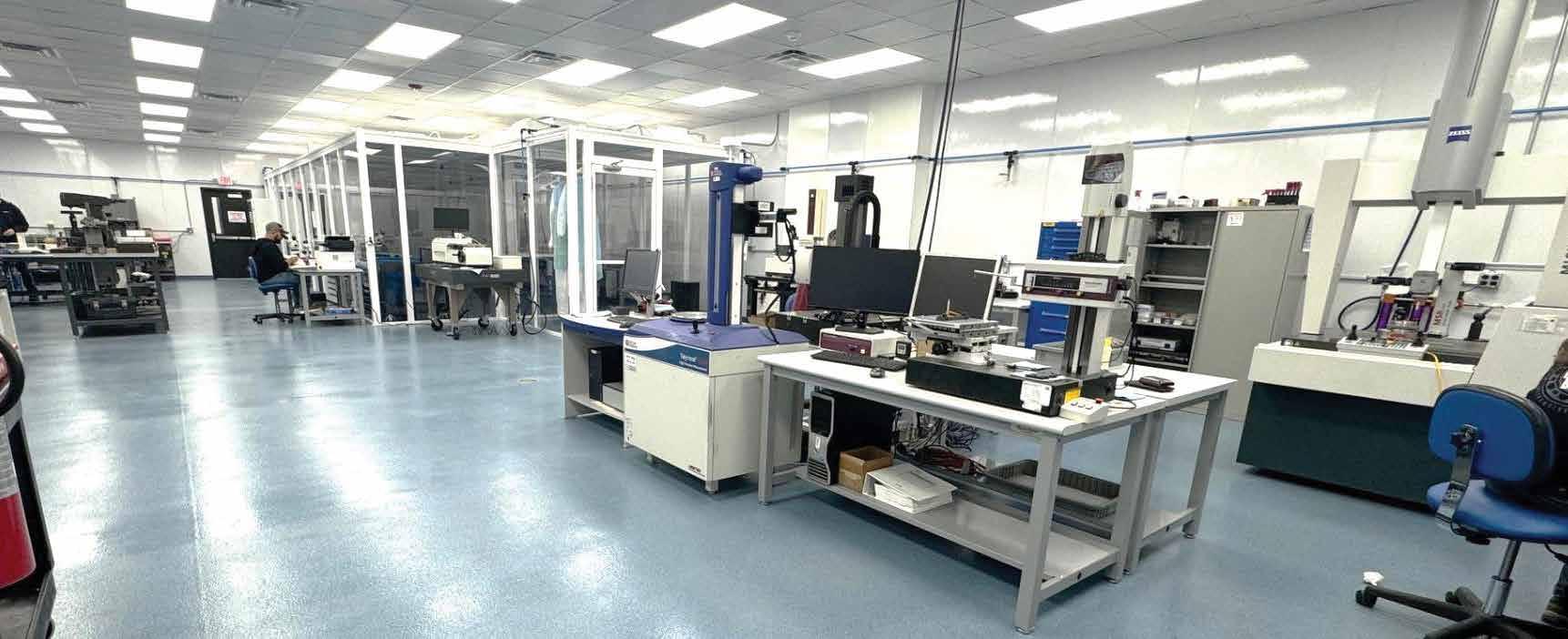
NES has invested in more inspection equipment and personnel, adding, among other things, more coordinate-measuring machines (CMMs), contour and surface measuring machines and employees to operate them. The Olean, New York-based company has also amplified the program’s value by incorporating a “digital stitching” element, in which NES inspection engineers work with inspection technicians to develop enhanced technical data regarding the interaction between a bearing’s contacting surfaces.
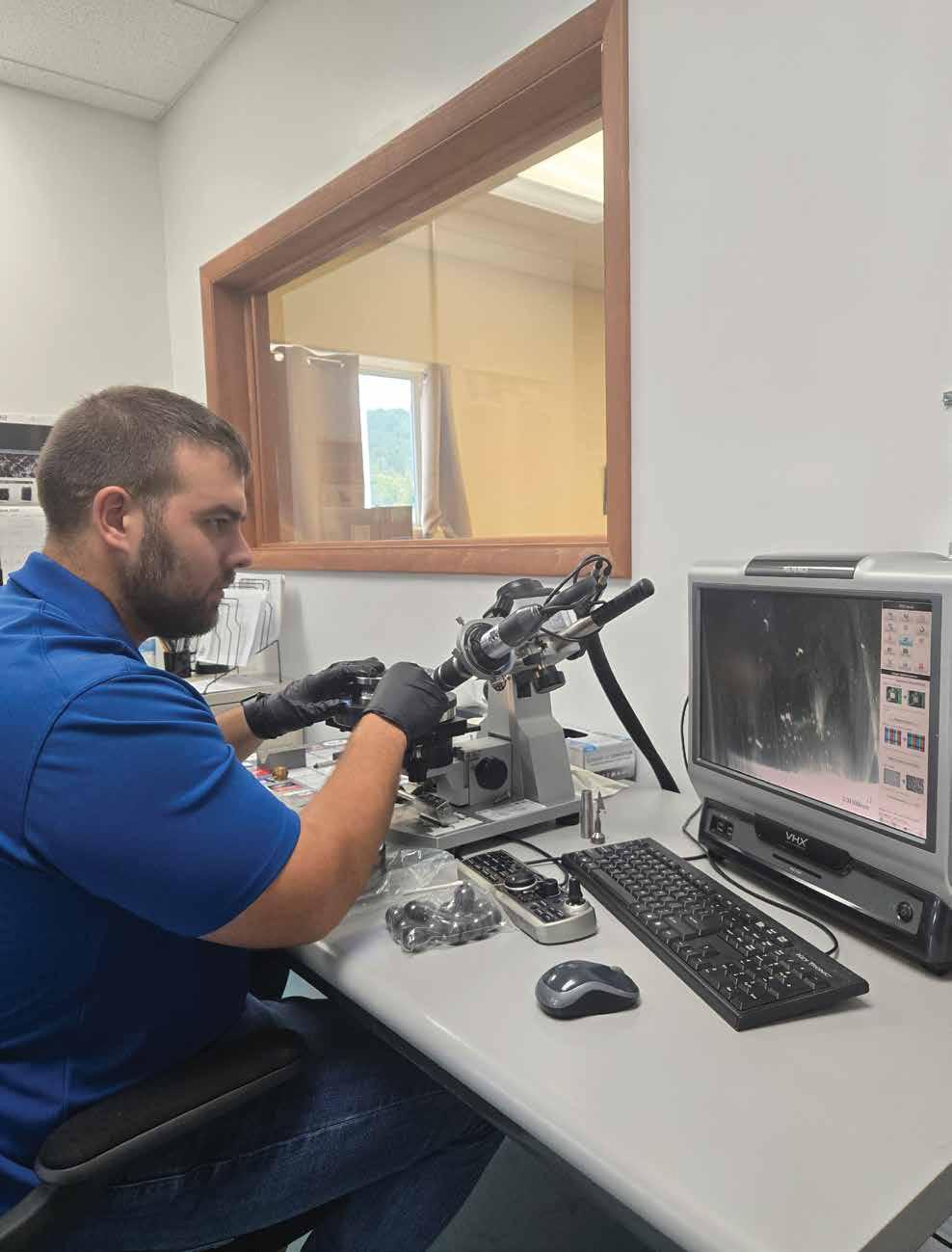
Additionally, source qualification inspections now also include stress and life analysis.
And these upgrades have allowed NES to perform SQIs even more quickly and accurately.
“Frankly, we’re in a position where we can take on more of these jobs because we’ve been getting them out so fast,” Napoleon noted. “Our lead time in the most critical step of the qualification process has been reduced to support the needs of our customers.”
NES HAS generally found that most customers have a baseline bearing that works in an application, but they’re not always certain why.
This is because their requirements drawing lacks critical design features and/or they’ve never conducted an analysis to determine the characteristics that allow that bearing to work. Napoleon Engineering, then, will compare new suppliers not only to the baseline supplier, but also to its internal standards and accepted industry standards.
If a decision requires further reduction in risk, dynamic testing might then be the answer.
The SQI, however, remains the linchpin – by either permitting OEMs to skip costly steps or by tying that information together.
“It has always been the missing link for OEMs to connect the design, the quality of workmanship and manufacturing capability to the physical test results out in the lab or in field testing,” Napoleon said of the program.
The crux of the program is that it exposes issues early in the inspection process. This gives the customer an opportunity to make improvements prior to the more time-consuming and expensive dynamic testing process.
“It’s cost-effective in that there’s no reason to be physically testing product that has deficiencies,”
Napoleon maintained. “We should be coming into the physical test portion with a very high level of confidence that the product is going to meet life expectations. It’s the final evaluation.”
NES possesses several methods for dynamically evaluating bearings. The most common of these is an endurance testing program that allows it to examine a quantity of test bearings to failure. From these failure times, a Weibull analysis is performed to compare the theoretical L10 life to empirical life of the different suppliers.
In most cases, however, one needs only an SQI report to make a sound decision relating to bearing supply, one that mitigates risk and maximizes performance. And one that’s delivered in an effective and efficient manner.
“We’ve made these investments, and we continue to go down this path,” Napoleon said. “We’ve become a successful bearing manufacturer at our core, but our testing and inspection services are still a crucial, and valuable, aspect of our offering. And in the last year, we’ve only enhanced our ability to perform them.”

(Courtesy of J.P. Butler, Marketing Coordinator, Napoleon Engineering Services)

I-care Group, the global leader in predictive maintenance and reliability solutions, announces the launch of Technical Associates of Europe (TAE), a new independent and certifying training organization headquartered in Mons, Belgium. This strategic initiative strengthens I-care’s global development and extends its professional training offerings in maintenance, reliability, lubrication and predictivemaintenance technologies.
Building on the heritage of Technical Associates of Charlotte (TAC) — a U.S. training organization founded in 1961 and acquired by I-care Group in 2023 — Technical Associates of Europe represents a major expansion of I-care’s training ecosystem
“Technical Associates of Europe marks an important milestone in I-care’s journey,” said Fabrice Brion, CEO of I-care Group. “It reflects both the maturity of our
organization and our ambition to continue growing, creating high-value jobs and sharing our know-how with industrial professionals across Europe.”
For more than six decades, TAC has been recognized as one of the most reputable training institutions in vibration analysis and condition monitoring. Its proven educational methodology and alignment with international certification standards (ISO 18436-2) will now be available to professionals across Europe, including Belgium, France, Germany, the Netherlands, Spain, the Nordics, and Central and Eastern Europe.
TAE will combine this legacy with I-care’s extensive field expertise, advanced digital tools such as Wicare™ wireless vibration sensors and the I-see™ AI platform, and the Group’s deep experience in reliability engineering and predictive technologies.
“Technical Associates of Europe represents a new
chapter in I-care’s story,” said Oliver Dengis, Director of Technical Associates of Europe. “Our goal is to combine I-care’s practical experience with the proven teaching methods of Technical Associates of Charlotte to make maintenance and reliability education more accessible, recognized and impactful.”
Technical Associates of Europe, headquartered in Mons, Belgium, will begin operations in December 2025. It will build on the proven methodologies of its U.S. counterpart while developing a tailored curriculum for the European market. The new organization will offer certifying programs in:
+ Predictive Maintenance (PdM)
+ Vibration Analysis
+ Reliability Engineering
+ Lubrication Management
This expansion strengthens I-care’s global training ecosystem and reinforces its commitment to continuous learning, innovation, and industrial excellence.
Since 1961, Technical Associates of Charlotte has empowered engineers, analysts, and maintenance professionals with cutting-edge training in vibration analysis and reliability. Its ISO-compliant programs are crafted by leading experts and tailored to meet the evolving needs of industry. With a legacy of excellence and a commitment to client satisfaction, Technical Associates of Charlotte remains a trusted partner in industrial education.
Learn more at www.technicalassociates.net.
I-care is a global leader in predictive maintenance, helping industries optimize reliability and performance. I-care monitors hundreds of thousands of machines with advanced technologies—including Wi-care™ vibration sensors and I-see™, an AI-driven platform that integrates seamlessly with third-party solutions. Our ecosystem processes data from all PdM techniques, predicts asset failures months ahead and provides insights to optimize maintenance operations. Founded in 2004 in Belgium, I-care employs more than 1,000 professionals across 36 offices in 16 countries, serving clients in more than 55 nations. Recognized for innovation, the company has earned distinctions such as ADM’s Supplier Award, the Factory Innovation Award at Hannover Messe and the Solutions Award at The Reliability Conference.
Learn more at www.icareweb.com.
VALUE ADDED PRODUCTS
Customized solutions are our core competencies. We develop, manufacture and supply complete customized solutions based on our thin section bearings and linear technology products.
. customized solutions
. small number of components
. integrated functionality
. lower effort of mounting . lower total costs
. concentration on core competencies

+ Patent-pending algorithms improve fault detection
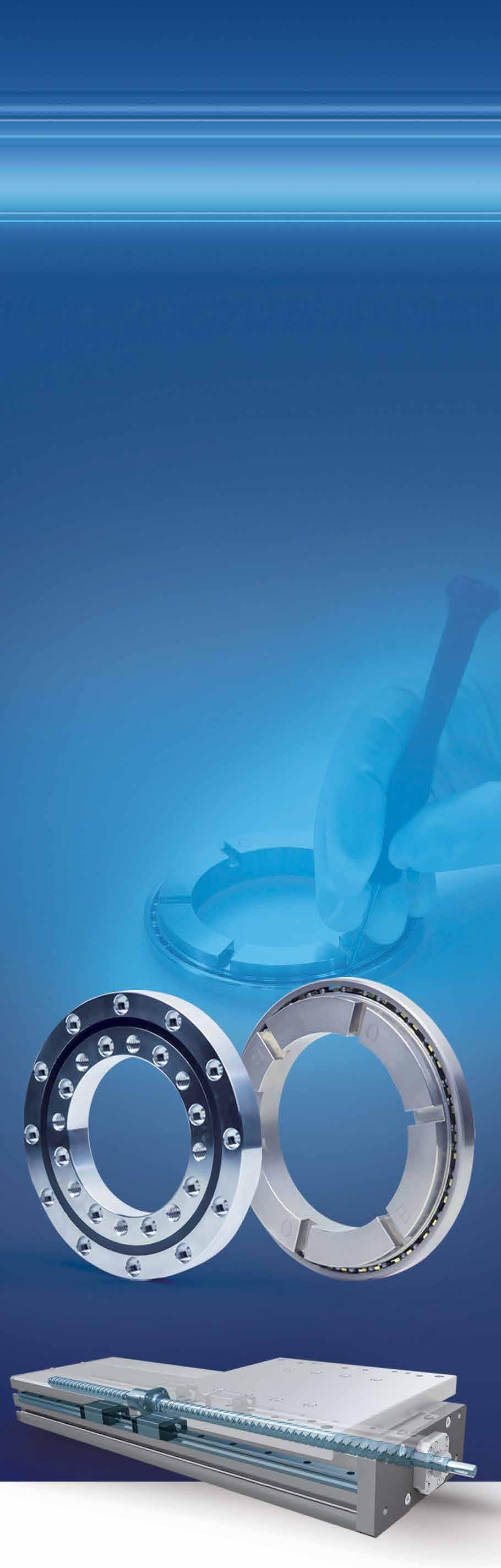
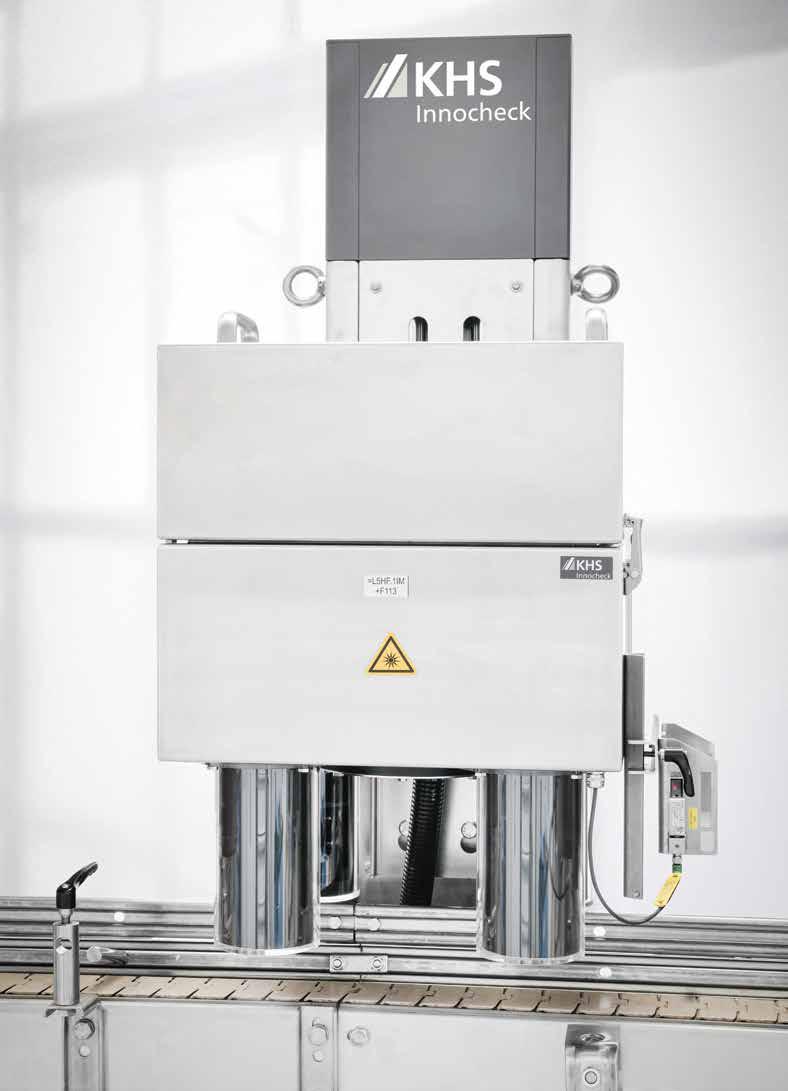
+ New option for KHS’ Innocheck TSI closure inspector
+ Can be used on new and existing machines
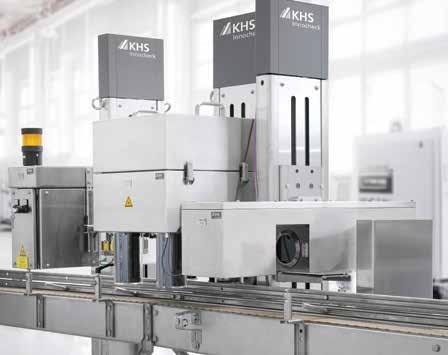
Tethered caps have been mandatory for all non-returnable PET bottles in the EU since 2024. Consequently, the number of closure variants and thus the demands made of inspection technology have increased. KHS GmbH is meeting these new challenges with the help of artificial intelligence (AI). The systems provider has now equipped its proven Innocheck TSI closure inspection unit with an AI-based fault detector.
The obligatory introduction of tethered caps had far-reaching consequences for bottle and beverage producers in the EU. They were forced to find new solutions to continue to meet the high demands made of product quality and protection. This also affected inspection technology, explains Nikita Wall from Labeling and Inspection Technology Product Support at KHS. “Tethered caps were rarely used before the EU directive came into force. Conventional systems thus frequently reach the limits of their capacity where cap inspection is concerned.” What’s more, the large number of bottle and cap design variants processed and increasing line capacities present additional challenges.
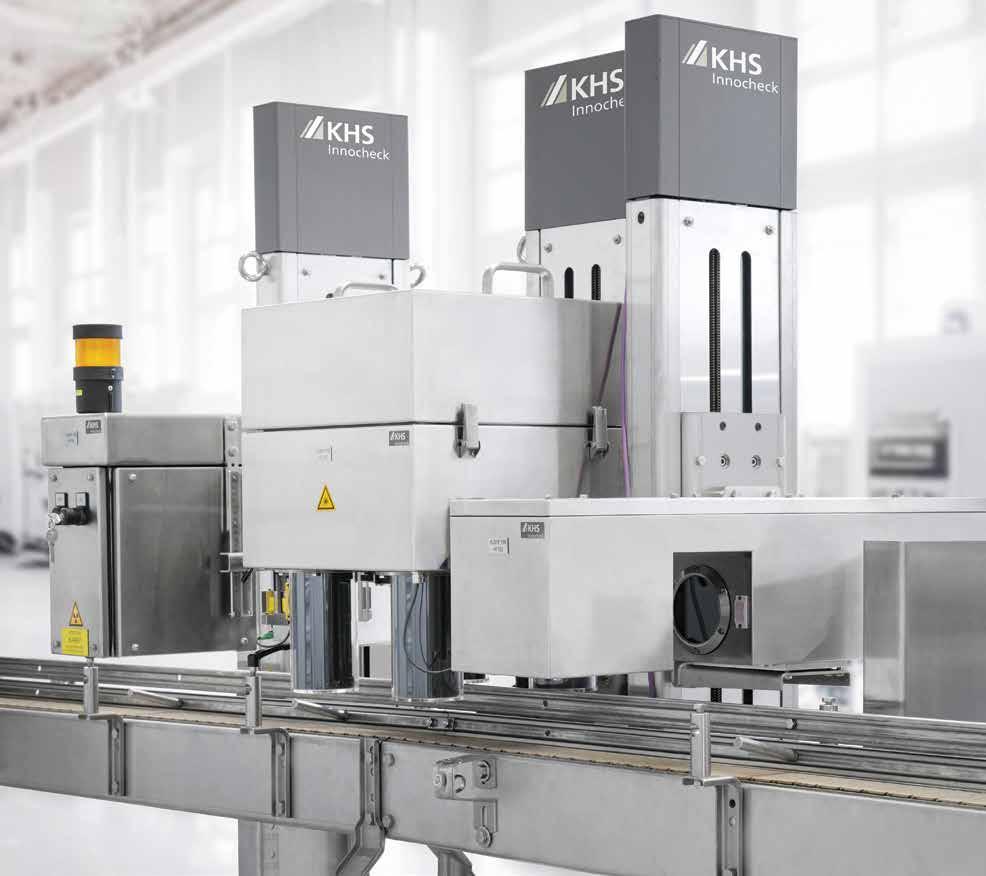
With its AI-based fault detection system for tethered caps, the Dortmund turnkey supplier now provides smart engineering that identifies potential defects during cap inspection. The new module makes use of patent-pending algorithms to analyze images of bottle closures in real time. Cameras log the caps in high-resolution quality, while AI models evaluate this data. By applying deep learning, the models adjust to account for any new types of flaw found.
KHS’ AI-assisted system increases both the accuracy and efficiency of inspection. “Our customers make extremely high demands of quality assurance. In intensive field tests, our AI-based fault detector has proved that it fully meets these requirements,” emphasizes Wall.
KHS has developed the new system specifically for its tried-and-tested Innocheck TSI cap inspector. It can be implemented on both new and existing machines.
In the future, KHS also wants to use AI for further inspection technology equipment. Says Wall, “In the development team, we’re currently discussing which systems this would make sense for. AI solutions are only practical where the requirements are complex –and if they give our customers clear benefits.”
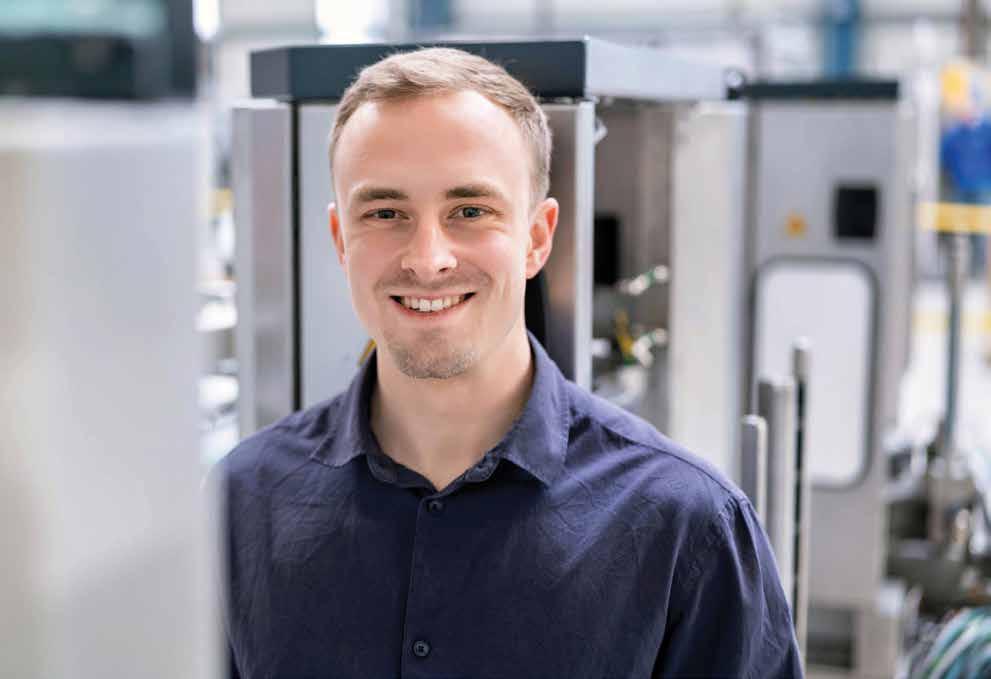
Our customers make extremely high demands of quality assurance. In intensive field tests, our AI-based fault detector has proved that it fully meets these requirements,
Nikita Wall, Labeling and Inspection Technology Product Support at KHS.
Food and beverage manufacturers face unique challenges in ensuring precision, hygiene, and reliability in their equipment. Ruland’s shaft collars and rigid couplings are engineered and manufactured to meet the demanding needs of food processing, packaging, and handling systems, offering solutions that enhance efficiency and reduce downtime.
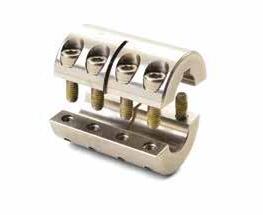
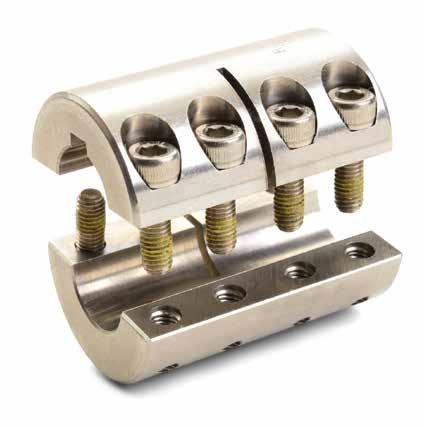
Rigid couplings from Ruland are available in a wide variety of sizes and styles to suit the needs of food packaging applications such as case erectors, cartoners, and form, fill, seal equipment. These couplings are ideal for shaft-to-shaft connections and precise servo driven applications as they do not introduce misalignment, vibration, or bearing noise into the system. They have precision honed bores, anti-vibration hardware, and opposing hardware on two-piece styles to ensure superior fit, alignment and holding power. Ruland offers 303 stainless steel couplings with hardware of like material as standard stock items. Proprietary Nypatch anti-vibration hardware is used to prevent galling, provide event seating of the screw, and allow for repeated screw installations. Rigid couplings are offered in one- and two-piece clamp styles with or without keyways in bore sizes ranging from 3 mm to 50 mm. Custom dimensions, inch to metric step bore combinations, and 316 stainless steel are available by request.
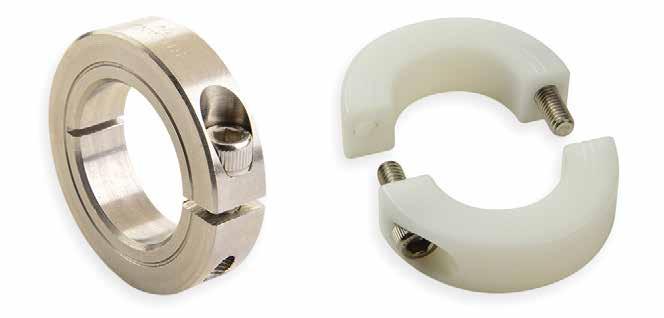
Clamp style shaft collars in food processing, packaging, and handling equipment are commonly used for guiding, spacing, stopping, mounting and component alignment. Food equipment manufacturers benefit from the tightly controlled face to bore perpendicularity of Ruland shaft collars (TIR of ≤ 0.05 mm) which is critical when they are used as a load bearing face or for aligning components such as bearings or gears. All Ruland shaft collars are machined to a fine burr free finish that reduces the likelihood of metallic system contamination and complements or enhances the appearance of food processing equipment. Shaft collars made from 303 and 316 stainless steel utilize hardware of like material for consistent corrosion resistance and to meet regulatory standards. Plastic shaft collars can be used as a cost-effective alternative to stainless steel at the expense of performance. They are supplied with stainless steel hardware for corrosion resistance. Ruland also offers anodized aluminium shaft collars with stainless steel hardware for areas of the system where stainless steel or plastic is not required. Shaft collars are manufactured in bore sizes from 3 mm to 150 mm.
Ruland shaft collars and rigid couplings are RoHS3, REACH, and Conflict Minerals compliant. They are made from bar stock sourced from select mills and carefully manufactured in Ruland’s advanced manufacturing facility under strict controls using proprietary processes.
Disruption to operations minimized during assembly process.
Cargo ports handle thousands of ships every year. Efficiently offloading and loading vessels is essential for their smooth operation and maintaining global supply chains.
Many ports however face capacity constraints, with newer lifting equipment required to accommodate bigger ships and loads.
When it comes to container crane installations at ports, work must be carefully managed to minimize disruption and avoid interfering with operations.
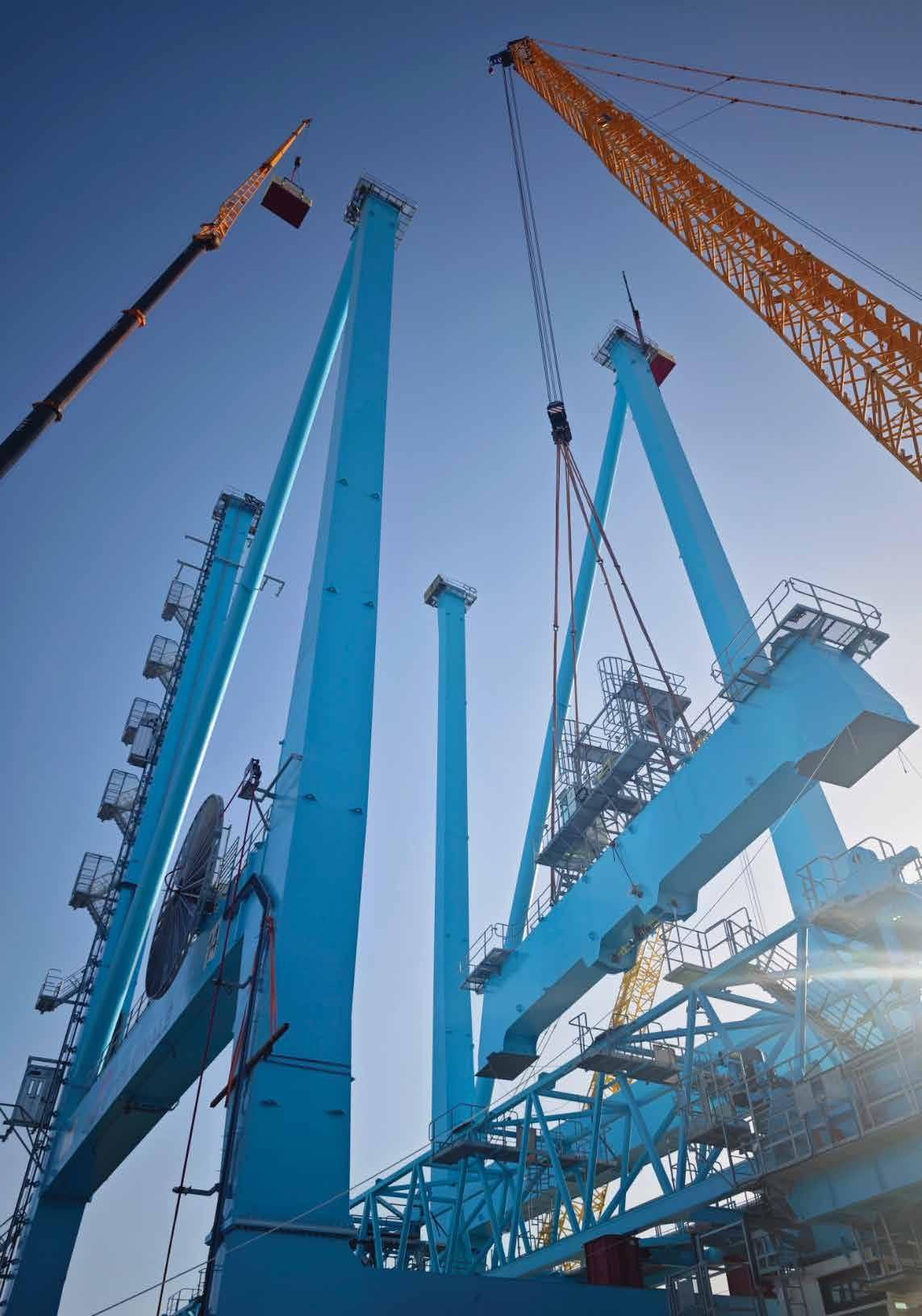
The Port of Valencia took delivery of two Liebherr ship-to-shore container cranes in large, preassembled components, for integration on site.
Building these giants in one of the Mediterranean’s busiest seaports would require expert forward planning and efficient execution.
Building off-quay to minimize disruption
Both STS cranes were shipped from the Port of Fenit, Ireland, to the Port of Valencia, in Spain. Their
components were offloaded onto SPMTs using the delivery vessel’s crane. The largest of these were the main beam and the derrick boom, which measured 69.6 and 76.3m meters, respectively.
Almost 90 axle lines of SPMTs were used on the project to move the components safely across the site. Once the components were taken to the assembly area, Mammoet used crawler cranes, telescopic cranes, cherry pickers and forklifts to begin assembly of the first crane.
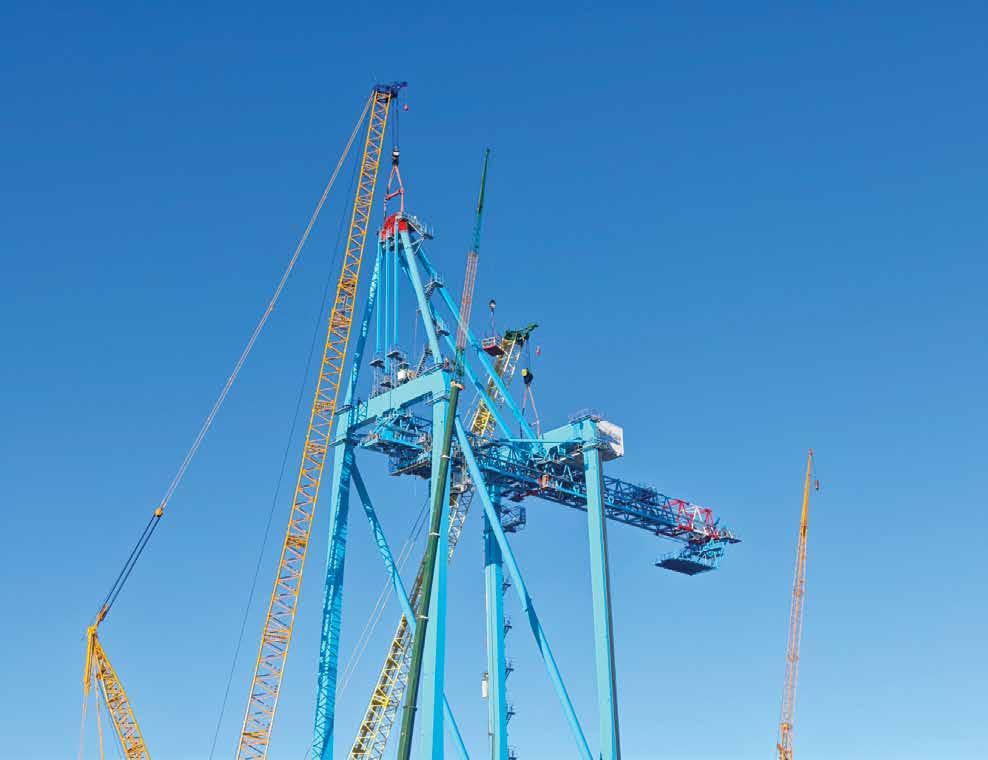
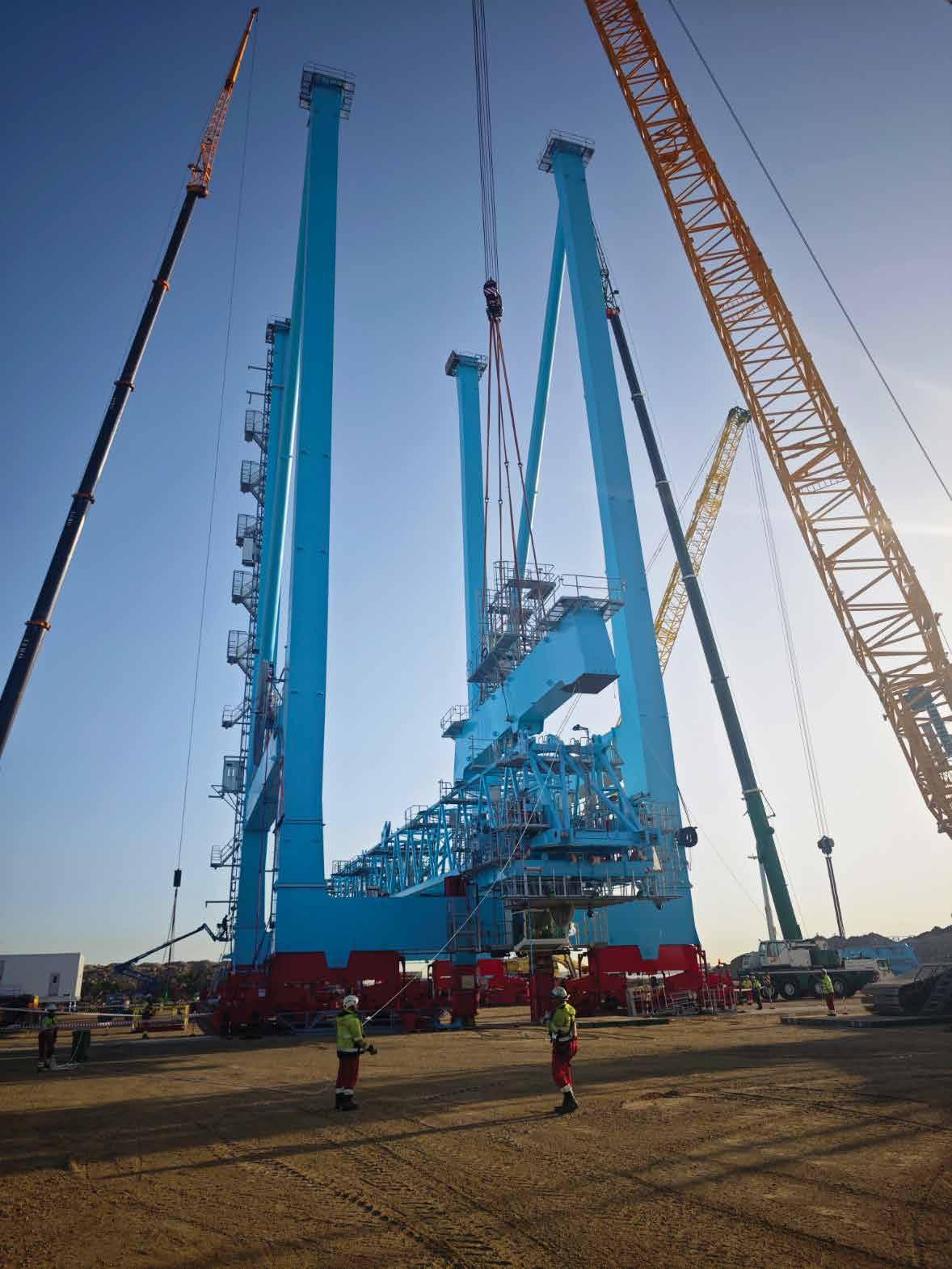
The working cranes had different capacities across the different stages of the project. The telescopic cranes had lifting capacities of between 80t to 250t; the two crawlers each had a capacity of 600t.
The telescopic crane worked with the crawlers to top and tail the main frame sections – performing a tandem lift to place them in the vertical upright position and onto bogies.
During the project, Mammoet, along with engineers from Liebherr, managed different teams of subcontractors to make all the mechanical and electrical connections between the different components. Once both cranes were assembled, they were driven to their final position on the quayside.
For this stage, SPMTs was used but fitted with two interfacing transport beams to help spread the load and connect the crane’s landside frame to its seaside frame for stability.
The STS cranes have a transport bracket on each of their four legs. The SPMTs were driven underneath the
cranes, and the transport beams were connected to these brackets.
Once everything was securely fastened, the STS cranes were lifted using the on-board stroke of the SPMT. They were then driven 600 meters to the quayside and lowered into their longitudinal rails.
A full-service solution for project efficiency “As soon as the components were delivered, they were immediately taken away from the quayside to allow operations to continue. The installation process was equally as quick, minimizing disruption” said Javier de Pablo Arenzana, Sales Manager at Mammoet.
We have worked with Liebherr for many years and across a number of different projects. Liebherr value our expertise and experience and are proud to be one of Liebherr’s key partners for this kind of work”.
To learn more, please visit the website: www.mammoet.com, or the sector page: mammoet.com/ports-shipyards.


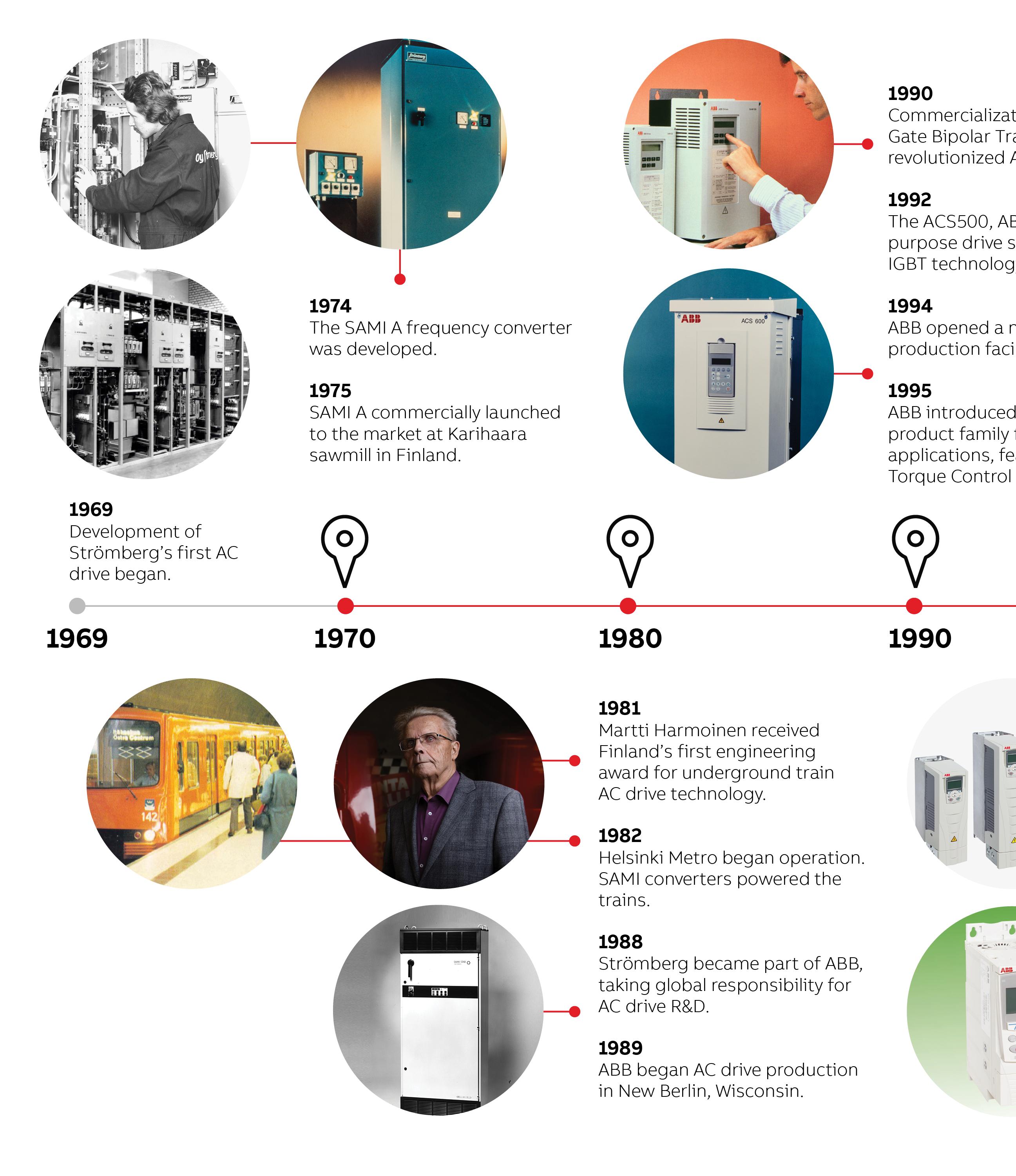
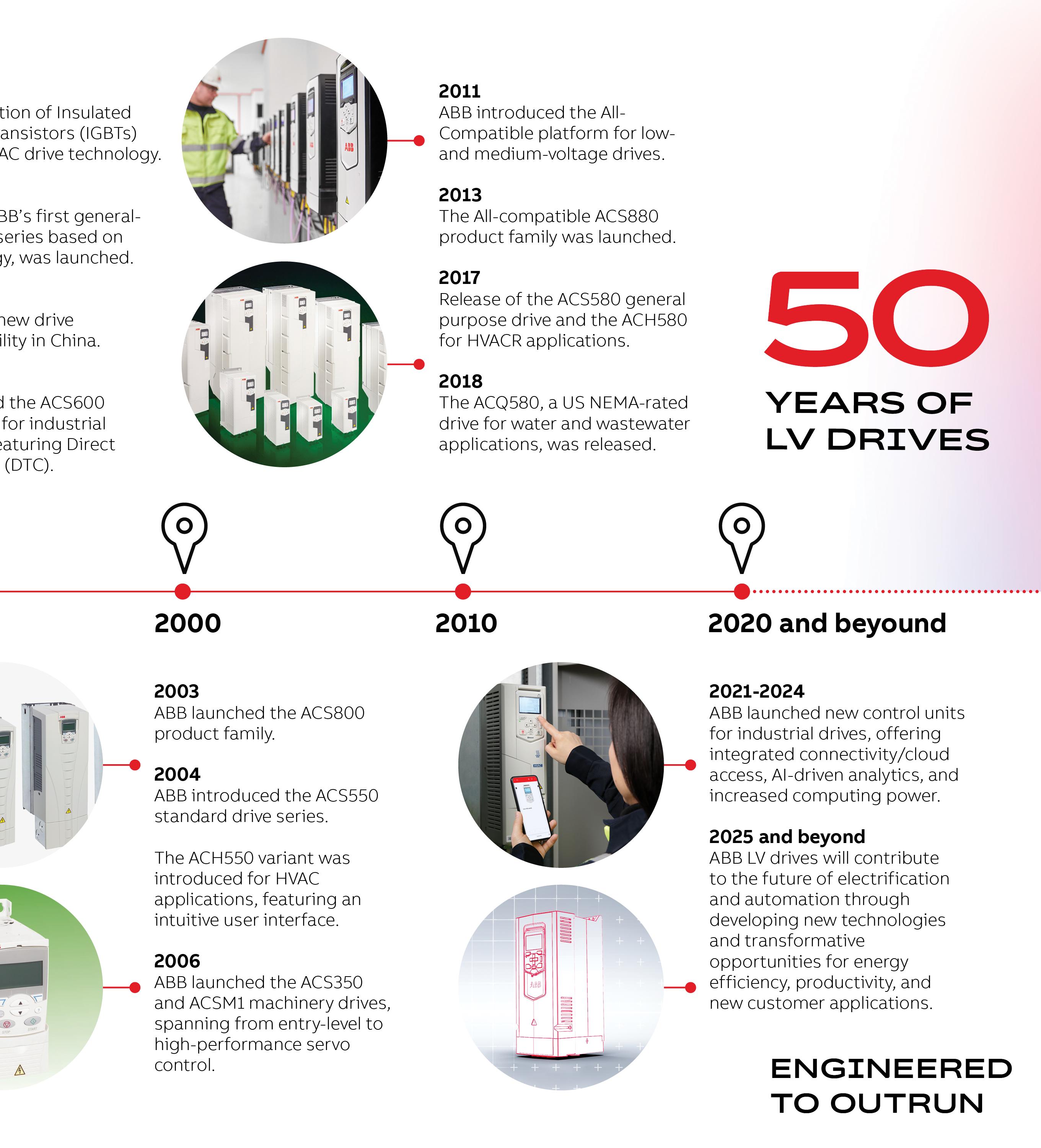
+ This month marks the 50th year since ABB’s Low Voltage Variable Speed Drive (VSD) was first brought to market
+ Developed by Finnish engineering company Strömberg, which went on to become part of ABB, the VSD has revolutionized industrial energy consumption and decarbonization
+ 45% of the world’s electricity is converted by industrial electric motors into motion but less than 25% of those motors are connected to a VSD today
+ VSDs already save the EU 41 TWh of electricity per year, but have the potential to save a further 140.7 TWh every year
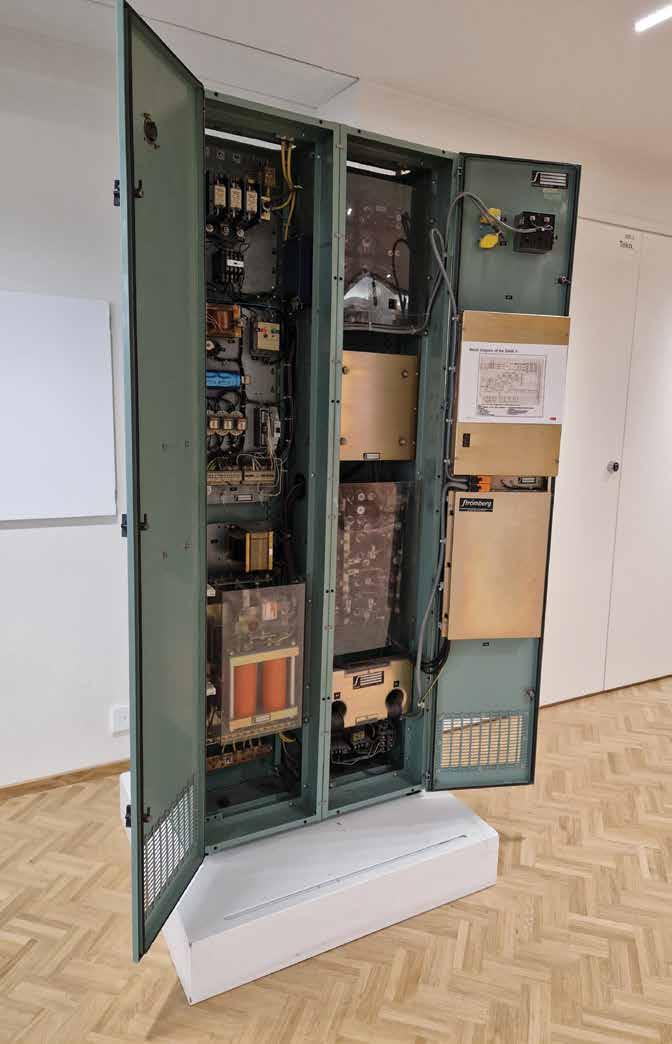
October 2025 marks the 50th anniversary of the Low Voltage Variable Speed Drive (LV VSD), which was used in a commercial application for the first time at a sawmill in Finland, in 1975. It was developed in the 1970s by Strömberg, a predecessor to today’s global motor and drives industry leader, ABB.
The LV VSD addressed a long-standing limitation of the traditional squirrel-cage induction motor, which had remained fixed-speed since its invention by Nikola Tesla in 1888. Prior to the introduction of VSDs, adjusting motor performance for variable loads typically relied on mechanical throttling methods, such as dampers or valves - solutions that did little in terms of energy efficiency.
“For 50 years, ABB’s low voltage drives have been a part of many era-defining technologies and breakthroughs, from electric public transport to today’s push for energy-efficient, low-carbon industries. Before the VSD, getting a fixed-speed motor to deliver the right output was like driving your car with your foot all the way down on the accelerator, and braking at the same time to control your speed,” explains Tuomo Hoysniemi, President of Drive Products at ABB.
“Commercially, this is an incredibly expensive problem, but in terms of energy efficiency, it’s even worse. With a Variable Speed Drive, you can be precise about output, dramatically improving industrial energy efficiency. Low voltage VSDs were a major breakthrough. They have since become the gold standard and have seen wider and faster adoption, but still to this day, less than 25% of industrial motors worldwide are connected with a drive.”
The first commercial LV VSDs were developed in the early 1970s by Strömberg, a Finnish electrical engineering company that would become part of ABB in the 1980s. In 1975, the company launched the SAMI A (Strömberg Asynchronous Motor Inverter), the first low voltage drive capable of precisely regulating the speed of an AC induction motor.
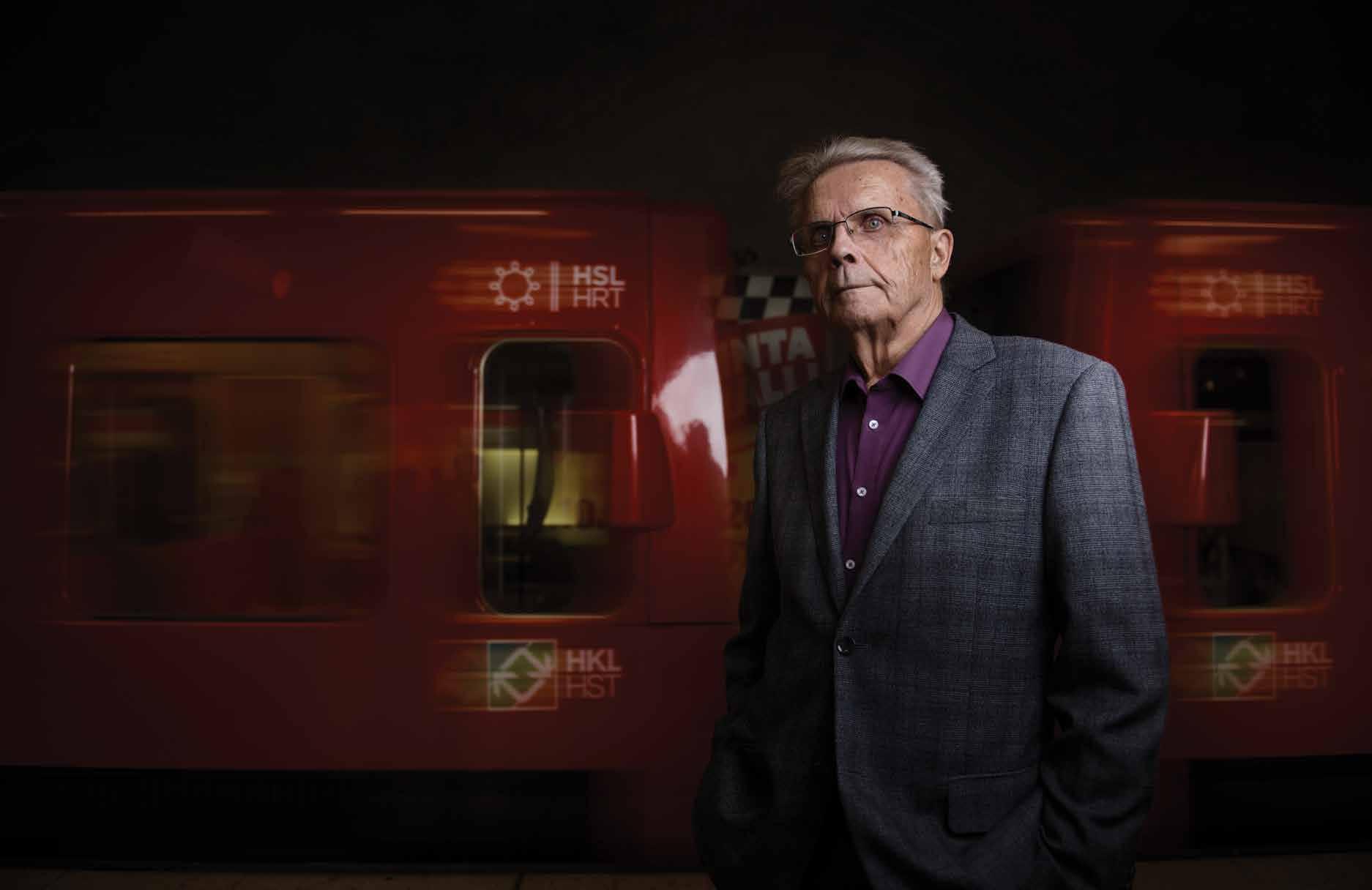
The first real-world installation of the SAMI A took place later that year at the Karihaara sawmill in northern Finland, using three 350 kVA/500 V units. This demonstrated that variable speed control could offer measurable efficiency and reliability benefits in an industrial environment. The technology quickly expanded into new sectors and applications, including Helsinki’s metro system, where it supported smoother, more energy-efficient public transport.
Martti Harmoinen, the Strömberg engineer credited with leading the original development team, received
the Finnish Engineering Award in 1981 and the honorary title of Professor in 1995.
“Not every motor on the planet can be fitted with a Variable Speed Drive, but there is no question that most of them should be,” said Chris Poynter, President of Motion High Power at ABB. “There is a perception that sustainability is cost-prohibitive, but energy efficiency and decarbonization in an industrial setting are commercially prudent as well as fulfilling our duty to the planet. The total cost of ownership of running a motor with a VSD is far lower than working it to an early failure.”
Independent studies suggest that if VSDs were applied more broadly, including both constant and variable flow applications like pumps, fans, and compressors, annual energy consumption in EU could be reduced by around 140 terawatt-hours. ABB estimates that using VSDs in these scenarios can lead to energy savings of up to 12% per installation.
Though Martti Harmoinen passed away in 2023, his work remains central to ABB's mission to advance smart, efficient motor systems worldwide. ABB today is a market leader in the design and manufacture of VSDs, and continuously invests in cutting-edge technologies to realize the full energy efficiency potential of global industry. In the next 50 years, we may see further advances and the universal adoption of drives - or something completely new. Whatever the occasion, ABB will rise to meet it.
To find out more about the history and impact of the Low Voltage Variable Speed Drive, visit https://campaign-mo.abb.com/drives50


The Ultraprobe 15,000 uses ultrasound to analyze everything from bearings and electrical systems to steam traps and leaks. With an intuitive, built-in touch screen, this single hand-held tool can easily test and report on every aspect of a plant’s equipment.
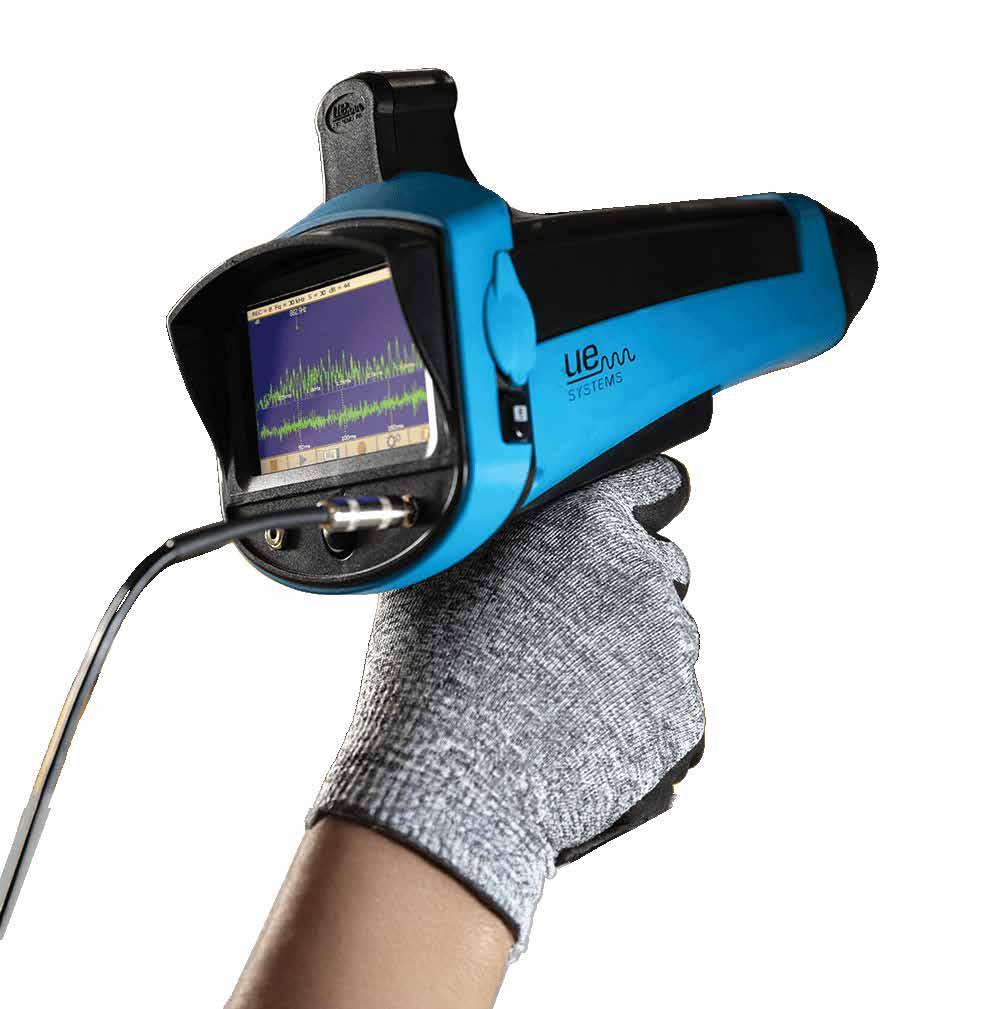
Collect and Analyze Data Faster:
Data syncs via WiFi communication directly to DMS Software
Get instant temperature readings
• Pinpoint locations with laser pointer Use Intuitive Touch Screen Technology:
Analyze conditions with the on-board spectrum analyzer
See historical data and identify trends DISCOVER MORE AT
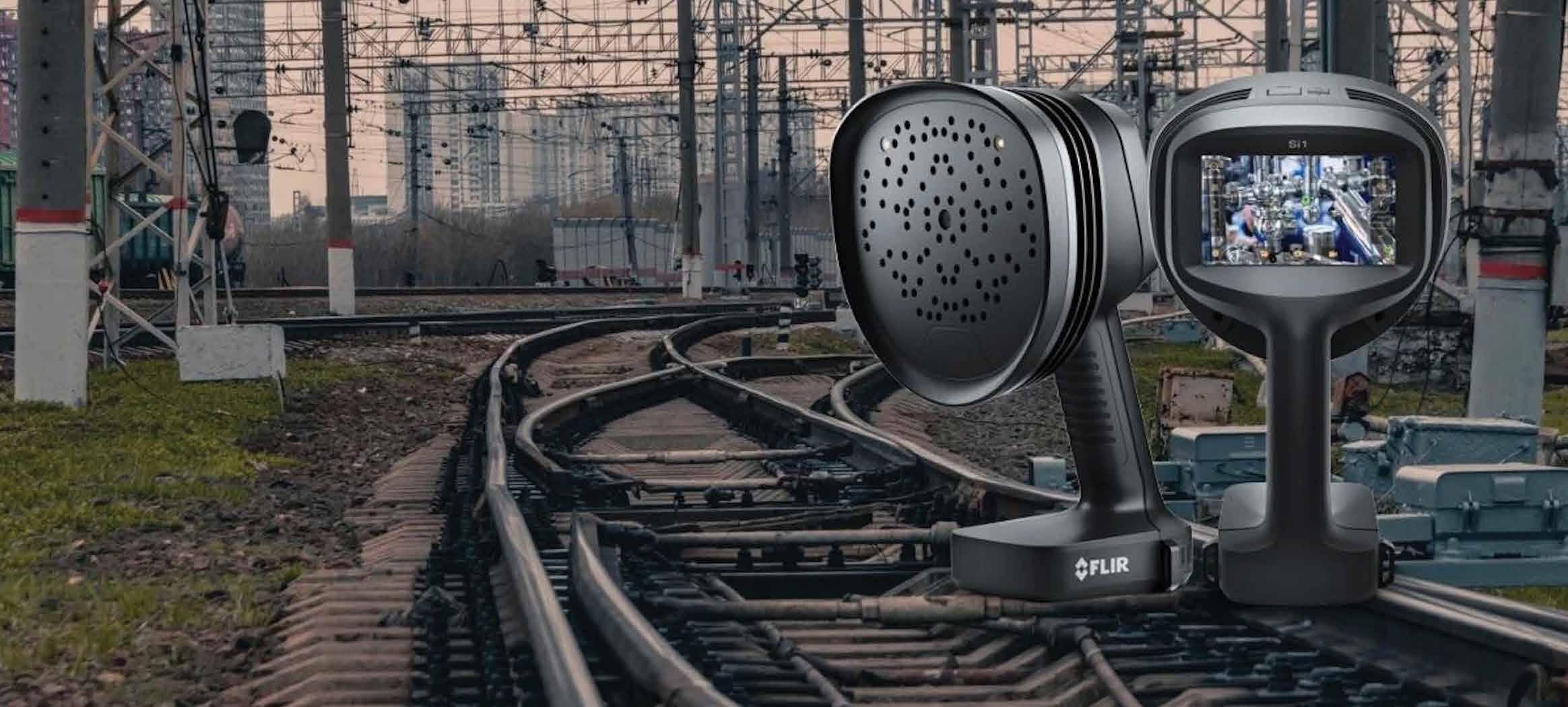
Rail travel is widely regarded as one of the safest modes of land transportation, a reputation earned through over a century of continual innovation in safety and engineering.
A key milestone in this legacy was achieved in April 1869, when inventor George Westinghouse patented the failsafe air brake system; a breakthrough that transformed rail safety and is still in widespread use today.
The fundamental principle behind Westinghouse’s air brake system is both simple and highly effective: it uses air pressure not only to apply the brakes but also to ensure they activate automatically in case of failure. Each carriage in a train has its own reservoir that is charged with compressed air. When the system is at full pressure, the brakes are released. Any drop in pressure, such as what would occur during a compressor failure or if cars become uncoupled, triggers the brakes to engage automatically. This mechanism ensures that trains come to a safe stop even under emergency conditions.
In modern rail systems, the locomotive’s compressor typically charges the main reservoir to between 125 and 140 psi (8.6 and 9.7 bar). The brake pipe, running
the length of the train, is then pressurized, commonly at 90 psi for freight and 110 psi for passenger trains. When the train operator moves the brake handle to reduce this pressure, it signals each car to apply its brakes using the air stored in its reservoir.
Importantly, this design relies on maintaining a steady air pressure. A sudden drop, such as from a ruptured hose, will result in an emergency brake application. However, gradual leaks, while not triggering emergency protocols, can significantly reduce system efficiency. These small leaks place increased demand on the air compressor, potentially reducing the lifespan of mechanical components and driving up energy costs. Over time, they may indicate more serious faults within the braking system.
Identifying these subtle leaks amidst the ambient noise of a busy rail yard is a complex challenge. The acoustic signature of a small air leak is often drowned out by surrounding machinery, making conventional
detection methods time-consuming and often unreliable.
To address this challenge, FLIR has developed the Si1-LD handheld acoustic camera, a highly sophisticated tool designed to detect compressed air leaks with precision, even in noisy environments typical of rail infrastructure. Using 96 ultra-sensitive microphones arranged in a compact array, the Si1-LD detects ultrasonic sound waves emitted by escaping air, translating them into visual representations that are displayed on a bright 5-inch HD screen.
The Si1-LD operates across a frequency range of 2 to 100 kHz, enabling it to locate even the smallest leaks. From a distance of just 2.5 meters, it can detect leaks as small as 0.01 litres per minute. For larger leaks, the detection range can extend to an impressive 130 meters allowing maintenance personnel to conduct inspections from a safe distance, even on moving or electrified stock.
One of the standout features of the Si1-LD is its ‘Band Pass Filtering’ technology. This advanced function allows users to isolate specific frequencies, effectively filtering out background noise and homing in on the frequencies emitted by air leaks. In environments such as rail maintenance depots or outdoor tracks with ambient industrial noise, this capability is essential for accurate diagnostics.
Prioritising Repairs for Maximum Efficiency
Upon completing a leak inspection, engineers often find multiple leaks of varying size and severity. In these cases, determining which to repair first can be critical for both safety and energy efficiency. The FLIR Si1-LD helps streamline this process with its onboard leak size quantification feature. This function estimates the size of each leak, allowing maintenance teams to prioritise repairs based on potential air loss and energy savings. Addressing the largest leaks first can significantly reduce operational inefficiencies.
Data security and transferability are essential in modern industrial environments. Many rail organisations have restrictions on the use of USB devices for cybersecurity reasons. While wireless transmission may seem like a viable alternative, many rail facilities lack robust Wi-Fi coverage, or limit access for third-party devices.
To address this, the FLIR Si1-LD is compatible with an accessory data cable that enables direct transfer of inspection images and results to a PC or laptop,
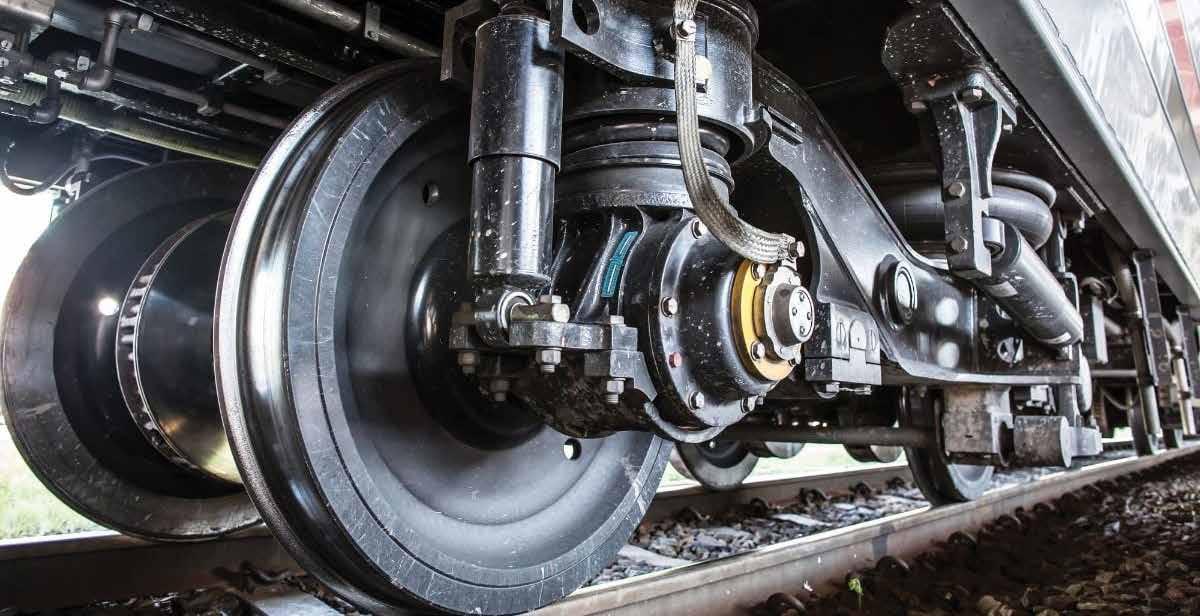
without the need for USB drives or Wi-Fi access. This ensures secure, flexible data handling, even in remote or high-security locations.
A frequent concern among railway maintenance personnel is the complexity and learning curve associated with new diagnostic equipment. FLIR has listened to this feedback and developed the Si1-LD with simplicity and ease-of-use in mind. Its intuitive design enables users to conduct advanced acoustic inspections with minimal training. It’s a true pointand-shoot device: once aimed at the suspected leak area, the camera automatically identifies and displays leak locations, complete with size quantification.
To ensure durability in the field, the Si1-LD is housed in a robust casing and comes with a rugged hard-shell carry case. This provides excellent protection during transport and use, whether in the workshop or on remote rail routes.
In the UK, the railway braking systems market was valued at approximately £373 million in 2024 and is forecast to grow at a compound annual growth rate (CAGR) of 3.3% through 2031. This growth is being driven by stringent safety regulations, a growing emphasis on predictive maintenance, and the increasing demand for energy-efficient transportation solutions.
Minimising air leaks in braking systems not only enhances safety and reliability but also supports environmental goals by reducing unnecessary energy consumption. With pressure mounting on the rail industry to cut emissions and improve efficiency, tools like the FLIR Si1-LD are becoming indispensable in the modern rail maintenance toolkit.
For a look at how acoustic imaging supports broader maintenance operations beyond braking systems, explore how the FLIR Si2-Pro is transforming maintenance shed efficiency.
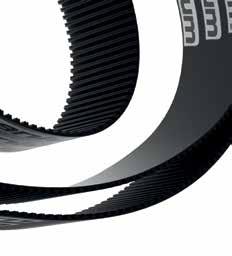
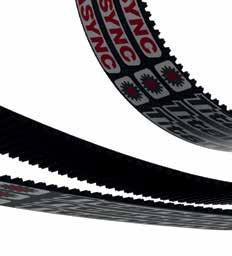
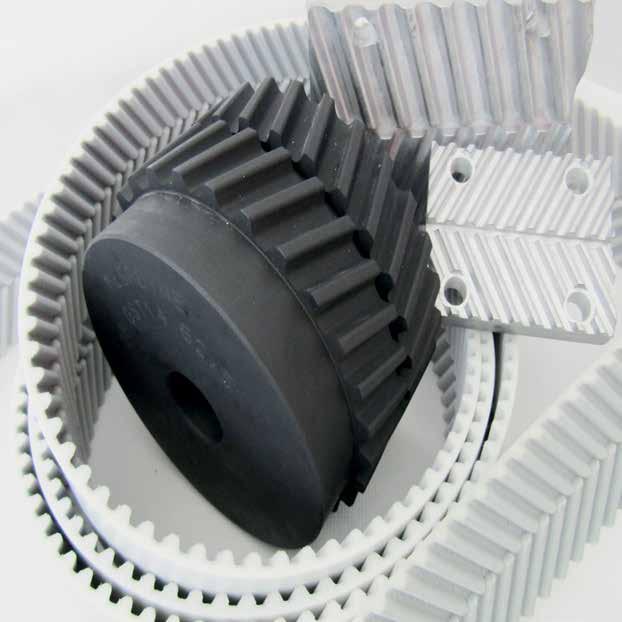
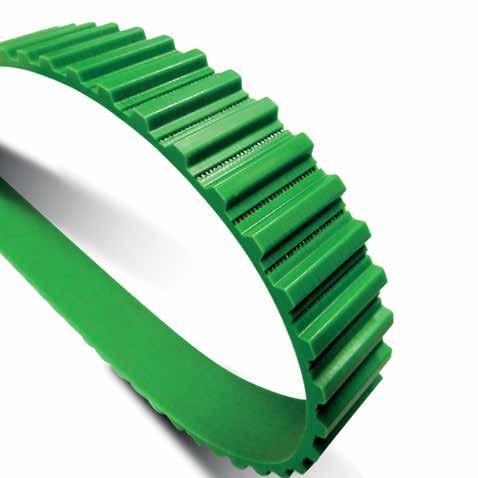

Welcome to the Megadyne world, a place of innovative power transmission solutions.
Megadyne is a group of talented people supporting their customers in achieving operational perfection. The company invests in skilled designers and engineers, who are the key factor in providing the most innovative Megadyne power transmission belt systems. As field experts, they thoroughly analyse and study industrial processes to develop new solutions and upgrades to the already existing ones.

Sustainability is as important as ever at Megadyne. The group consists of like-minded people cherishing the beauty of the world, focused on preserving it for generations to come. For that reason, they produce solutions which last longer, save energy, emit less noise and limit the overall carbon footprint of customers. Contact us. Welcome to Megadyne power transmission solutions.











Every machine, line, and logistics system across UK manufacturing sites continuously generates data, but despite the scale of digital capture, much of that information never translates into action. Nearly half (46%) of manufacturers report that integration and data challenges are holding back automation and productivity, and while 74% of manufacturers consider real-time data essential, many still struggle to act on it.
“The volume of available data isn’t the problem,” says Alex Douglas, Client Development Director at Pulsant. “The real challenge is knowing which datasets are critical, processing them fast enough, and where that needs to happen. Without that clarity, the system becomes clogged and expensive, especially if cloud usage scales without control.”
Manufacturers under pressure to digitise every part of the operation often end up with sprawling data flows that are hard to act on. This article explores the importance of manufacturers having the right digital infrastructure to ensure timely and efficient collection of information from devices within their facilities. This,
in turn, enables actionable insights that drive value and boost productivity.
In low-margin, high-pressure manufacturing environments, timing dictates value. A deviation in motor temperature, a stockout risk flagged by ERP, or a sensor warning on packaging alignment only deliver impact if processed and surfaced immediately. Edge computing makes that possible. By handling time-sensitive data locally, closer to the machines, personnel, or product lines, it means manufacturers can reduce latency and decrease dependency on distant cloud zones. This not only cuts bandwidth costs but also enables action before problems escalate.
“Pushing analytics to the edge removes the noise and preserves relevance,” says Douglas. “By avoiding dragging everything into central systems, it is easier for teams to quickly obtain actionable insights. More importantly, it puts control back in the hands of those closest to production.”
This leaner approach depends on infrastructure built for data throughput, proximity, and real-time availability. That means secure, high-performance networks capable of supporting sensor-to-action workflows, paired with regional data centres that offer scalable processing without losing traceability, using distributed platforms such as platformEDGE , Pulsant’s nationwide edge computing and connectivity platform, which enables businesses to process data closer to where it’s generated while maintaining control and compliance.
When manufacturers move away from indiscriminate collection and towards targeted, time-aware consumption, the efficiency gains are immediate. Engineering teams can prioritise predictive over reactive maintenance. Supply chains become more responsive, with lower inventory costs and tighter just-in-time margins. And business decision-makers operate from a current, unified view of operational performance, not a delayed or conflicting picture. By offloading only high-value data to hyperscale platforms and keeping operational intelligence local, manufacturers also mitigate risk. System-critical
datasets stay within defined governance perimeters. This approach also helps control bandwidth and processing costs, especially across data-intensive operations. The path to compliance, whether around data sovereignty, ISO 27001, or sector-specific standards, becomes easier to manage. Operational resilience improves, too. As localised processing reduces exposure to internet outages or third-party cloud issues.
Digital transformation in manufacturing relies on turning data into a useful asset. By building digital infrastructures that prioritise real-time analysis, localised processing, and smart data filtering, manufacturers can cut through the noise, respond faster to operational risks, and drive meaningful productivity gains.
For an industry where every second counts, relevance will always beat volume. And with high-performance platforms close to point-of-use, the opportunity to act on the right data, at the right time, has never been more attainable.

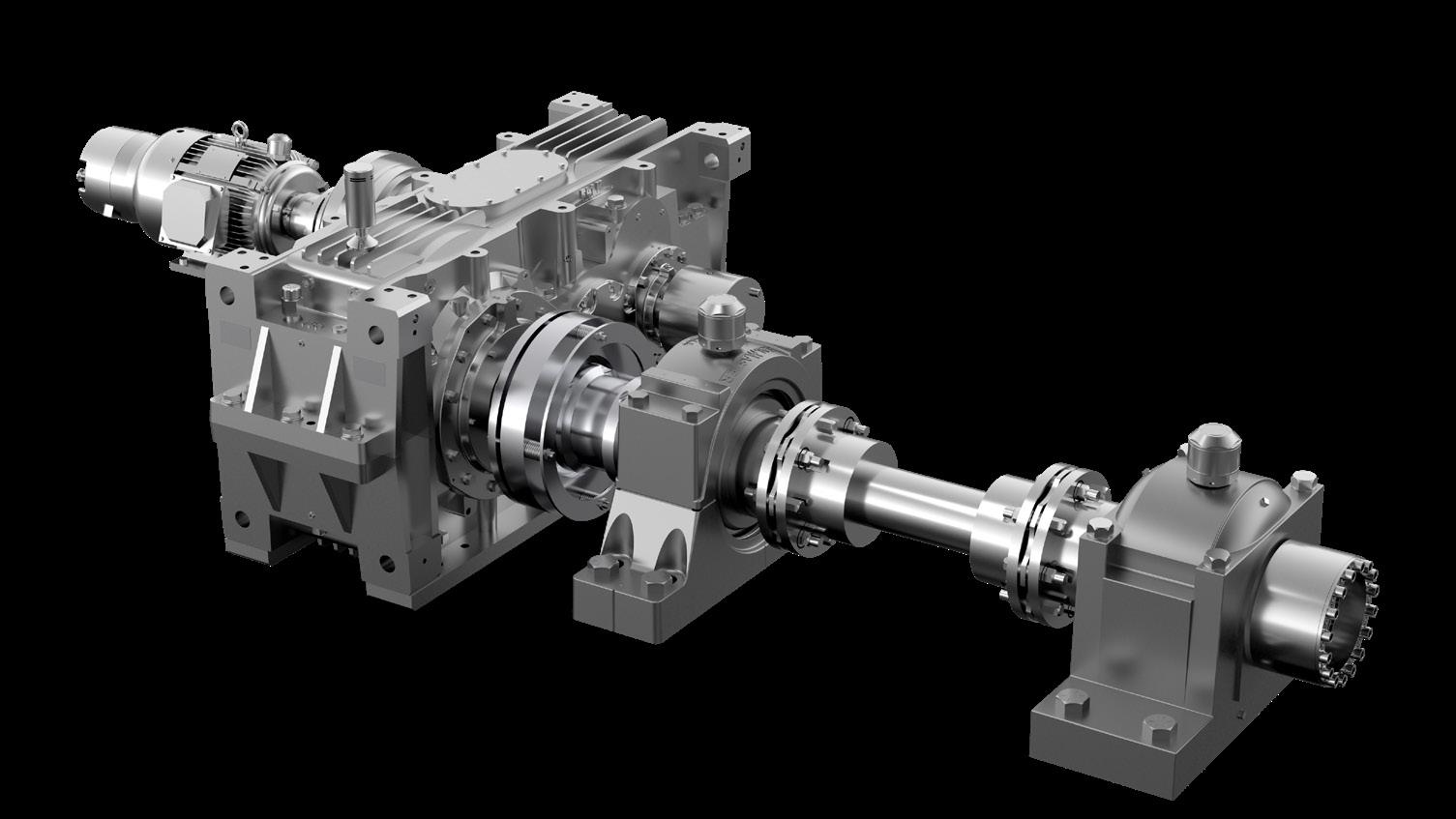
The new Regal Rexnord introduces engineered-to-order industrial powertrains, delivering power for the most demanding of applications
It took the combined strengths of our new company to develop complete industrial powertrain solutions, custom designed and built for applications across the full spectrum of horsepower and torque. From start to finish, Regal Rexnord™ electromechanical industrial powertrains are designed, configured, integrated and optimized for your unique applications, opening the door to new ideas and unlimited possibilities.
Read about Regal Rexnord and our prominent brands. Go to regalrexnord.com.
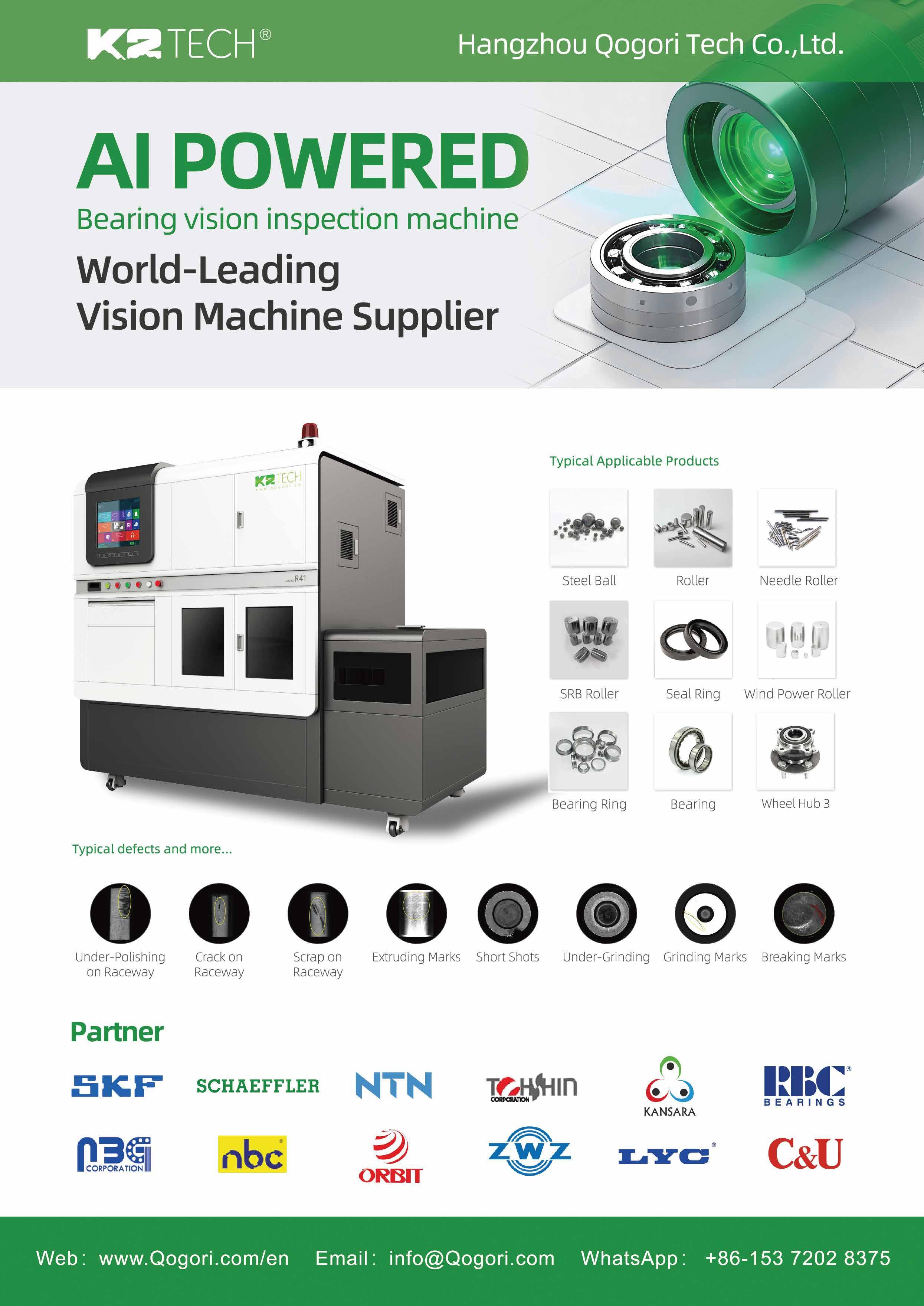

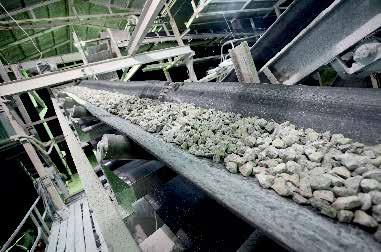

MLA series miniature linear positioning actuators from Applied Motion Products Inc. (AMP) are based around NEMA 11, 14, 17 and 23 frame stepper motors and can be configured as motor-only open-loop variants or supplied complete with the USA-based motion control leader’s StepSERVOTM integrated motors as allin-one programmable closed-loop linear motion positioning solutions with optional network communication. Available from Mclennan, AMP’s European distribution partner, these very compact linear actuators have leadscrew or rolled ballscrew mechanics or, where improved backlash is required, a patented Constant ForceTM leadscrew option featuring a self-adjusting polymer nut arrangement. A comprehensive choice of options covering motor and motion control system, fitted brakes and encoders, precision grade, and working stroke make the MLA series extremely customisable.
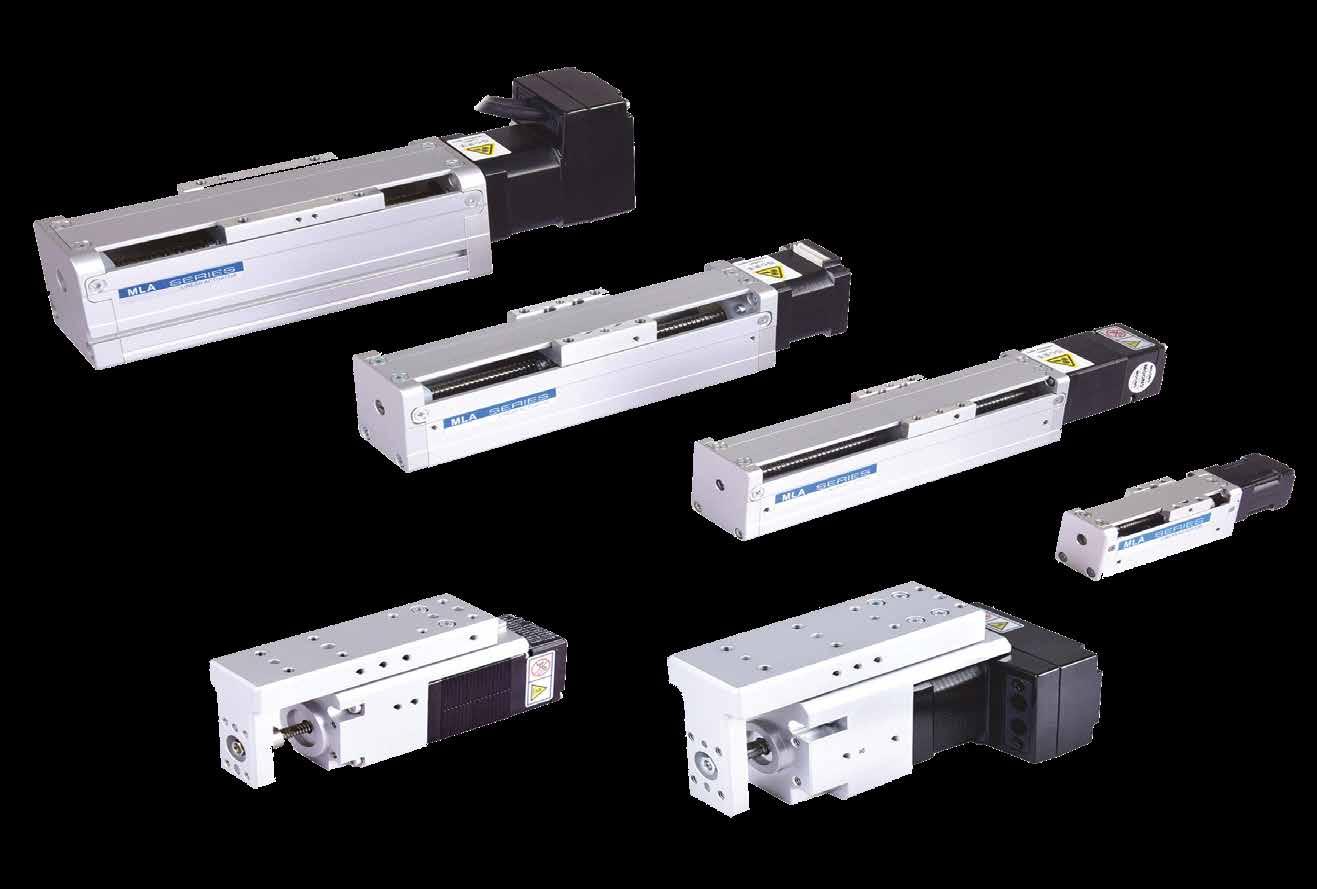
The four MLA actuator models cover stroke lengths from 10 mm up to 300 mm in both leadscrew and ballscrew driven variants. Through the range, the choice of leadscrew and ballscrew pitches offered allow the user to select the best combination for speed vs. resolution with maximum rates up to 100 mm/sec
achievable for the largest size. The smallest MLA20 actuator with its NEMA 11 frame motor has a width of 22 mm and a height over the carriage of just under 25 mm. The largest MLA42 model, based on the NEMA23 frame stepper, has a width of 62 mm and height over the carriage of 35.5mm. The maximum load capacity for this model is based on the leadscrew/ballscrew pitch with a maximum of 7 kg horizontal and 4.4 kg vertical.
The StepSERVO versions of the MLA actuator range are available on the three larger models. This proven closed-loop stepper technology with its integrated motor drive, programmed control, and optional networking provides a decentralised solution for positioning systems with benefits of reduced machine installation cost through minimised machine wiring, faster machine build and design time and an Industry 4.0 attuned control concept. These ‘Smart’ actuators are available with a wide choice of control options including step/direction, +/- 10V DC for torque/ velocity and positioning. AMP’s Q programming
software takes care of streaming commands and includes maths and machine I/O control functions. Options for StepSERVO include RS232 or RS485, Modbus RTU and CANopen communications as well as EtherNet/IP and Power over Ethernet (PoE).
StepSERVO technology is of course also available in a wide range of separate integrated motors with all of these options in NEMA 11 to 34 frame sizes.
Complete specifications for each MLA series actuator size, covering the many options, load capability and dimensioned drawings are included in a PDF format catalogue, available on request from Mclennan. Also available from AMP and fully supported by Mclennan are MEA series linear actuators which integrate a through-screw motor with a high-precision ball guide for maximum space saving.
Mclennan represents AMP along with other leading motion component and systems manufacturers providing motion and automation control solutions. With its own in-house design and build capability Mclennan supply machine builders and OEMs motion solutions from single components to complete systems - including stepper, brushed and brushless servo motors, integrated motors, and many other motor types along with drives, gear units, positioning stages, motion controllers, software, training and comprehensive after sales support.
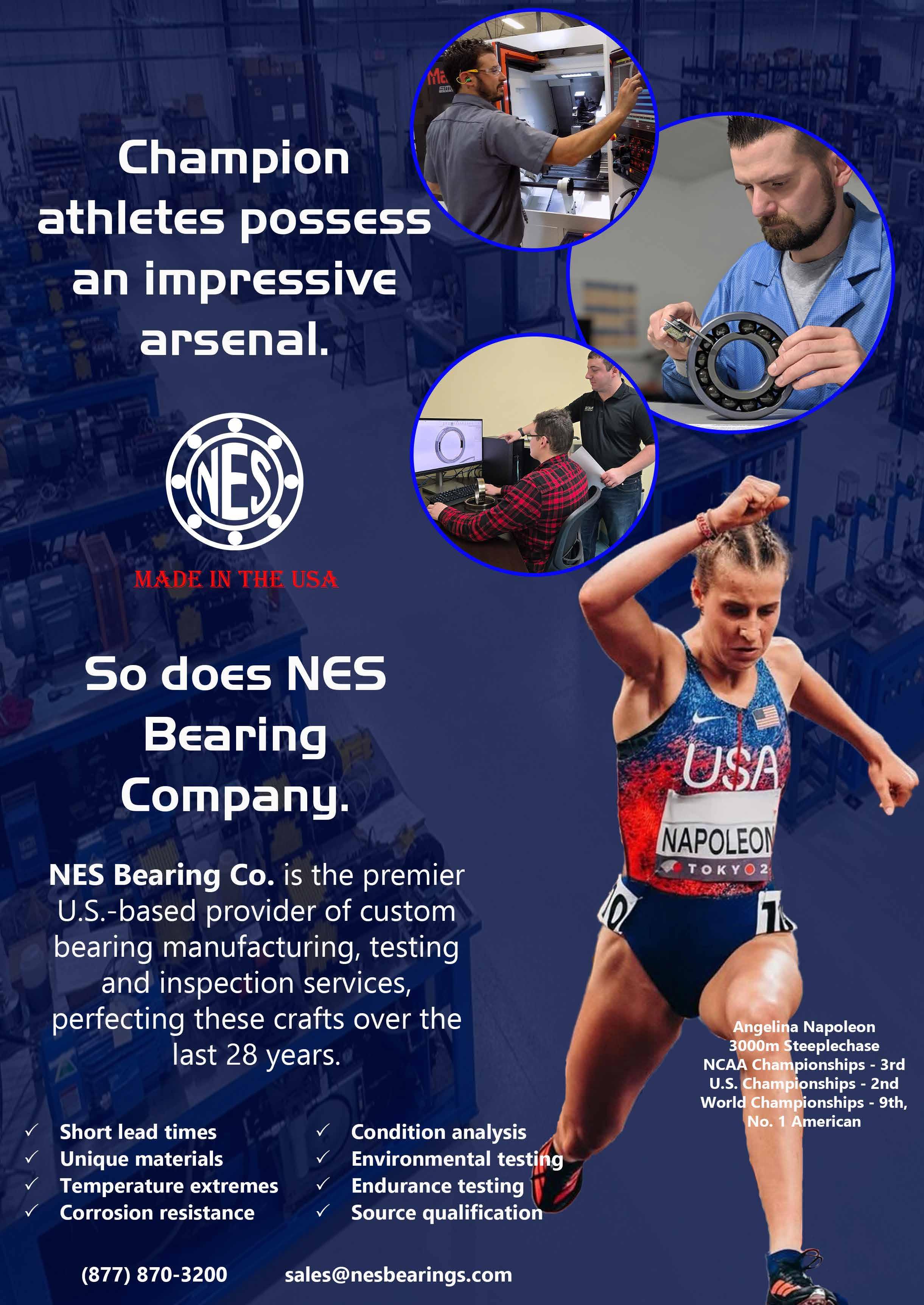
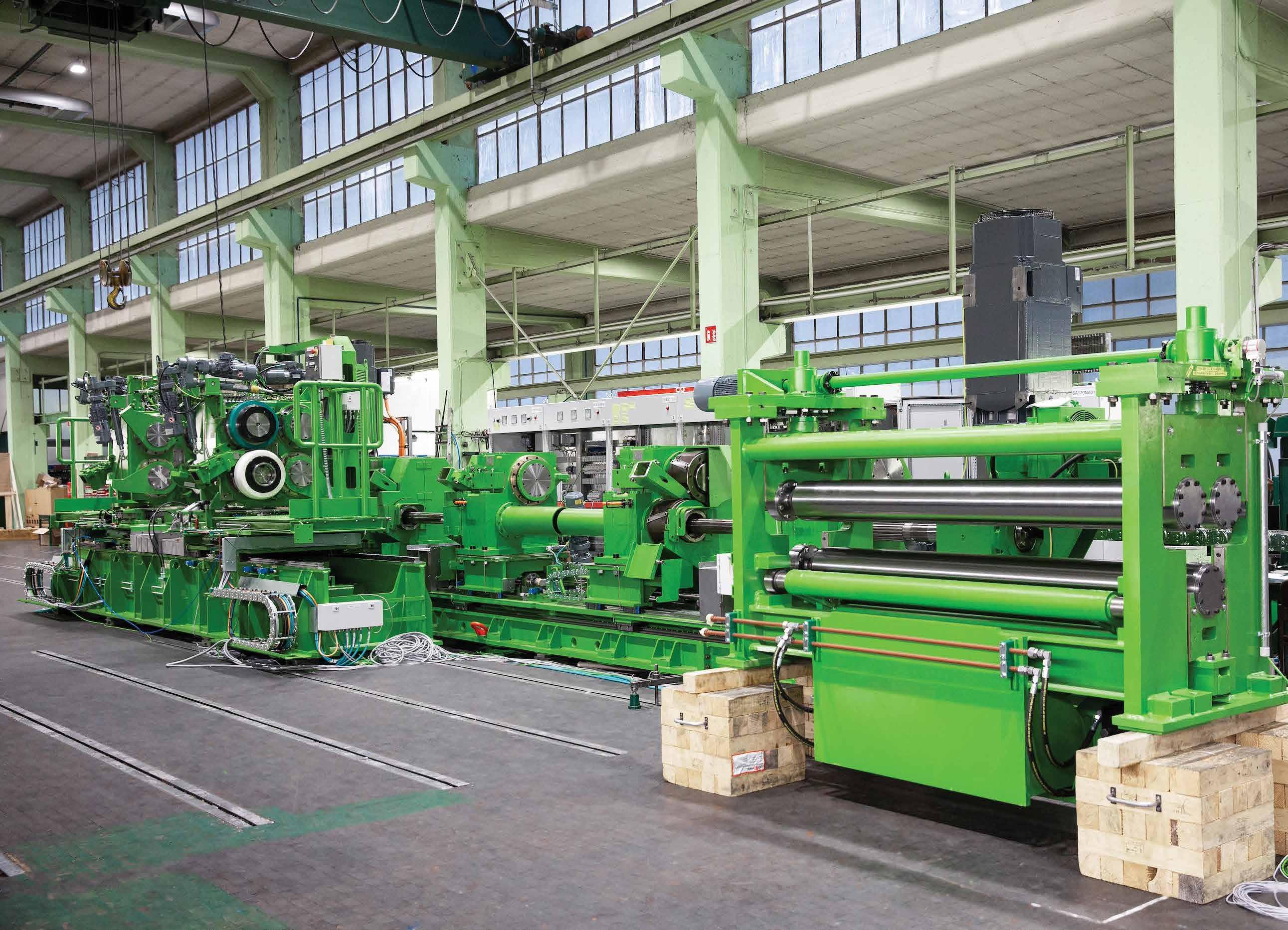
Galvanized hot-rolled strip - perfectly trimmed.
At Arcelor Mittal's Bremen steelworks, a new side trimmer line is being used to precisely trim galvanized hotrolled strip. One of the challenges that had to be overcome during project planning was the lack of space for the installation: The trimmer line had to be located above the galvanizing line. This is unusual, but it has yielded a space-saving and elegant solution. The plant is already in operation and produces trimmed sheet steel with thicknesses of 0.6 to 6.3 mm in high quality.

The steel industry has a long tradition in Bremen from production to processing, as well the consumption of steel in the shipyards for example. As a production site, the Arcelor Mittal steelworks represent a symbol of this tradition. Founded in 1957 and part of the Arcelor Mittal Group since 2007, the site which extends over an area of around 7 km2, can produce up to 3.5 million tons of crude steel per year. Arcelor Mittal’s integrated steel mill in Bremen produces flat steel products for the automotive industry, building construction, mechanical engineering, the household appliance industry and tube production, among others. The product range also includes hot-dip galvanized sheet.
As part of its ongoing investment in plant optimization, Arcelor Mittal commissioned REDEX GmbH with the task of installing a trimming line at the exit of their Bregal 2 hot strip hot-dip galvanizing line, which had been commissioned in 2001 and which processes sheet thicknesses from 0.6 to 6.3 mm. The aim of this project was to produce higher-quality sheets with trimmed strip edges - in exactly the strip width required by the user and at a production speed of up to 120 m/min.
The REDEX Group is familiar with such a task because in 2020 REDEX took over a team from Duisburgbased BGW, which was a leading specialist in rolling mill plant technology. The company - now part of the REDEX Group - also has extensive experience in the planning and installation of trimming systems.
One challenge that required a high level of experience and expertise was the structural environment. The floor plan of the complete galvanizing plant could not be extended, so that only one option was possible: The existing line had to “go up a level”, so to speak - with the trimming line on top, on a newly built platform. This in turn required a change to the belt run and the relocation of installed units - taking into account the maximum possible construction height. And the trimming system had to be installed on a structural steel platform, which was supported by the existing steel structure.
The new path of the galvanized coil now begins with a pilot roller in the basement of the line, which is installed in the same place as the previous deflection roller and guides the strip vertically upwards through the existing marking machine.
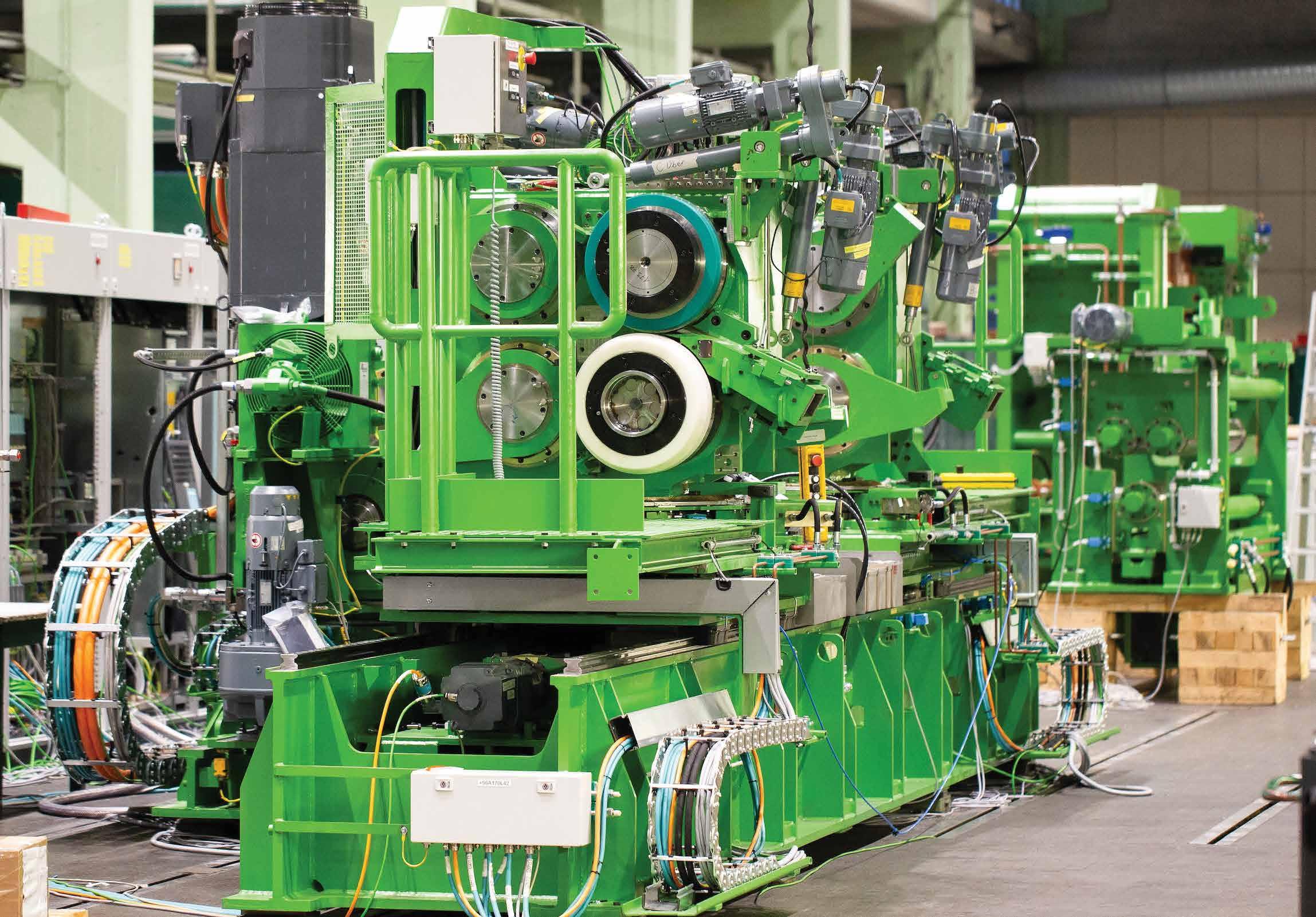
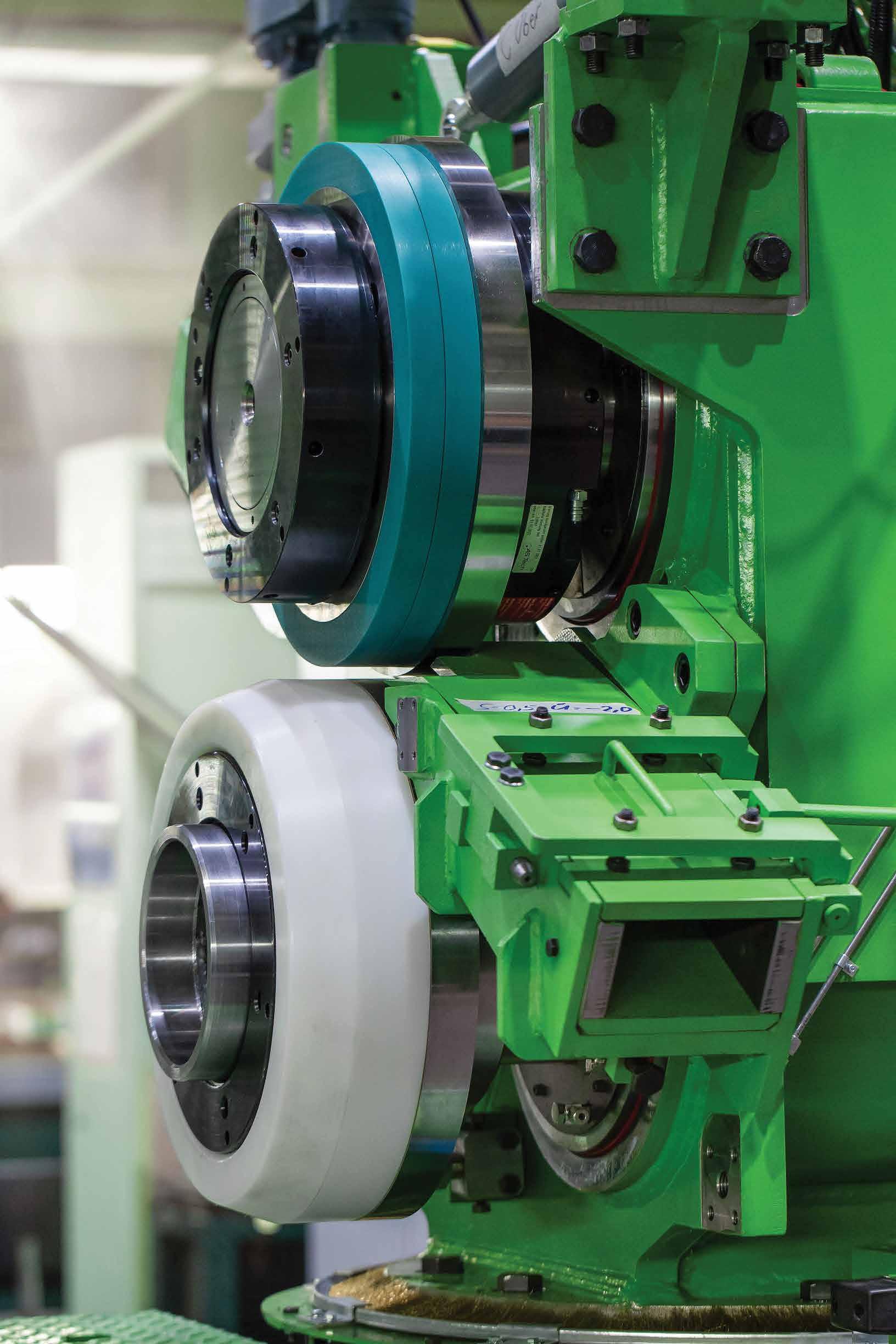
A tension roller set increases the belt tension and guides the belt horizontally into a double control roller. From there, the belt runs centrally through the side punch into the trimming unit. After the belt has been trimmed, it is conveyed vertically via a deflection roller through the vertical inspection and then through a further set of tensioning rollers to then reach the horizontal belt run area in front of the recoiler.
Trimmer machines from REDEX (or formerly from BWG) can be equipped with rotary head trimming shears if required. The trimming shears are equipped with two roller knives with a thickness of 40 mm and a diameter of 450 mm, which are arranged offset one above the other.
This type of shear achieves a highly accurate cutting width with minimal burr formation and very low blade wear. This is ensured, among other things, by a horizontal and vertical blade gap adjustment system that optimizes the quality of the cut edges. With this system, the cutting gap can be freely adjusted depending on the thickness and quality of the material. The upper and lower knives are arranged so that the hem strip is directed downwards into hardened guides that guide it into a scrap chopper.
The system operates with a high degree of reliability and enables a permanently high line capacity. It is not necessary to readjust the cutting gap after a knife change. The width is adjusted via a speed-controlled three-phase servo motor. It drives two backlash-free, counter-rotating ball screws, which are arranged in opposite directions.
The gap is set by an electromechanical actuator - an electric cylinder - which moves the bottom blade axially. The spindle is adjusted with low backlash by two threaded nuts arranged against each other. The speedcontrolled geared motor to the electric cylinder is equipped with an encoder for gap positioning. This design ensures that a longer cylinder stroke is translated into the movement of the fine gap adjustment - this produces high accuracy. A highprecision electromechanical actuator is also used to adjust the overlap.
An important function in the trimming process is performed by the side punch, which is used when setting the edging shears to a new width after a coil change. During this process step, the knives must not be engaged in the strip. The side punch therefore punches out larger areas at the connection between the old and new strip. The strip is then moved into the trimming shears up to the punched-out area. The knives are now free, and the trimming shears can automatically move to a new width. The system processes belts with widths from 600 to 1800 mm, the width of the edging strip can vary from 6 to 100 mm.
The scrap from the sidepunch is fed to the scrap conveyor belt via a short conveyor belt. All the scrap is transported to the adjacent hall via a conveyor belt and discharged there via an adjustable chute into one of two scrap containers.
The fully automated trimming process also makes the process of changing coils highly efficient. The integrated sensor technology, in the high-precision strip width measurement (+/- 0.2 mm) for example, is a key contributor to the precise cutting results. Also worth mentioning here is a new strip tension measurement system, which was installed as part of the retrofit.
At the control level, the trimming system is integrated into the largely automated galvanizing line. The display and operating technology in the control room has been expanded accordingly, including a visualization station. During manual operation, several local consoles and control stations with a direct view of the process can be used. And, of course, the REDEX designers have met all the normative requirements for noise protection and machine safety. The system has now been put into operation and is running to the complete satisfaction of the operator.
www.redex-group.com
Author: Richard Warm, Senior Mechanical Design Engineer, REDEX GmbH, Duisburg
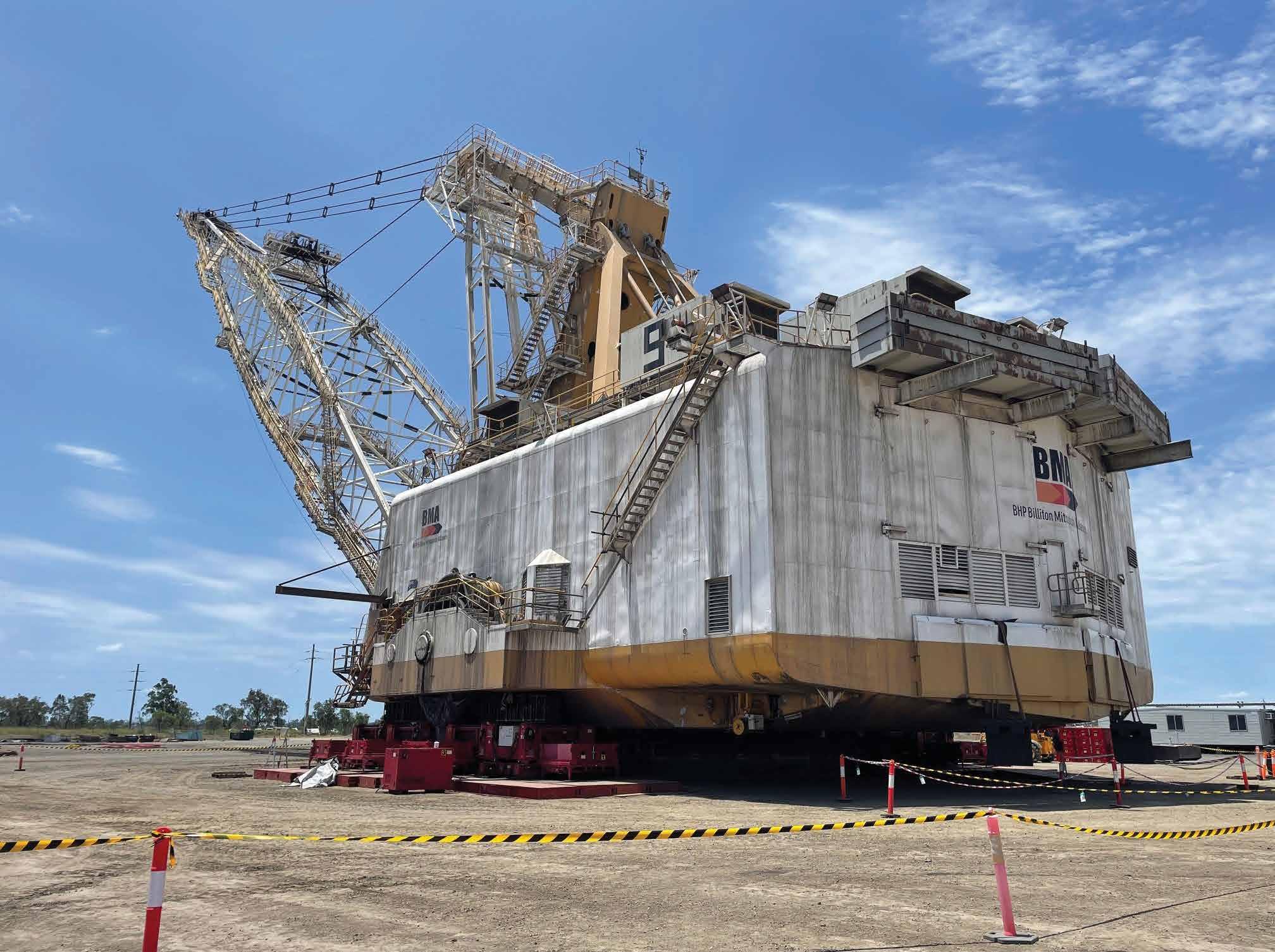
Across the mining, tunneling, and offshore wind sectors, some of the world’s most challenging engineering tasks require more than just heavy equipment — they demand innovation, precision, and the ability to adapt to complex real-world conditions. Mammoet has recently delivered three major projects that demonstrate this versatility:
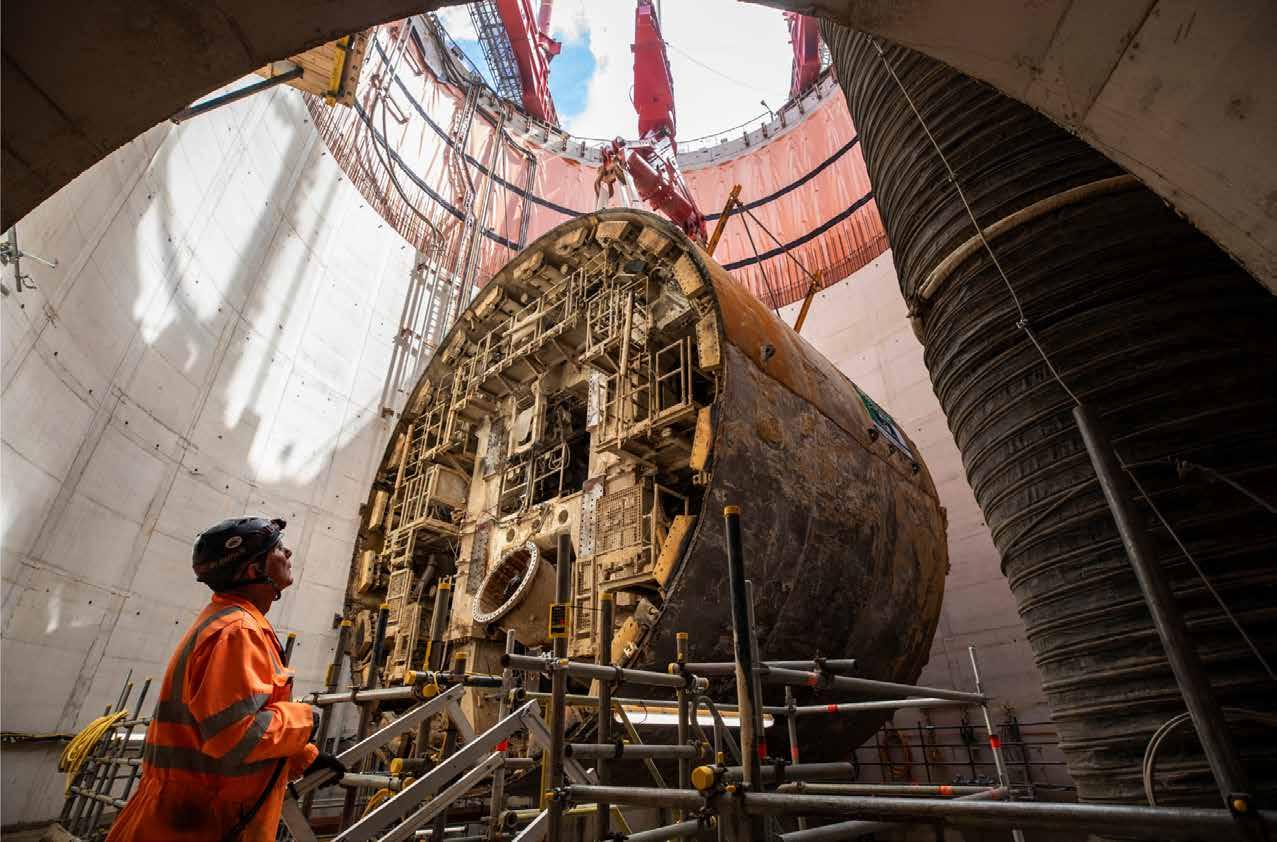
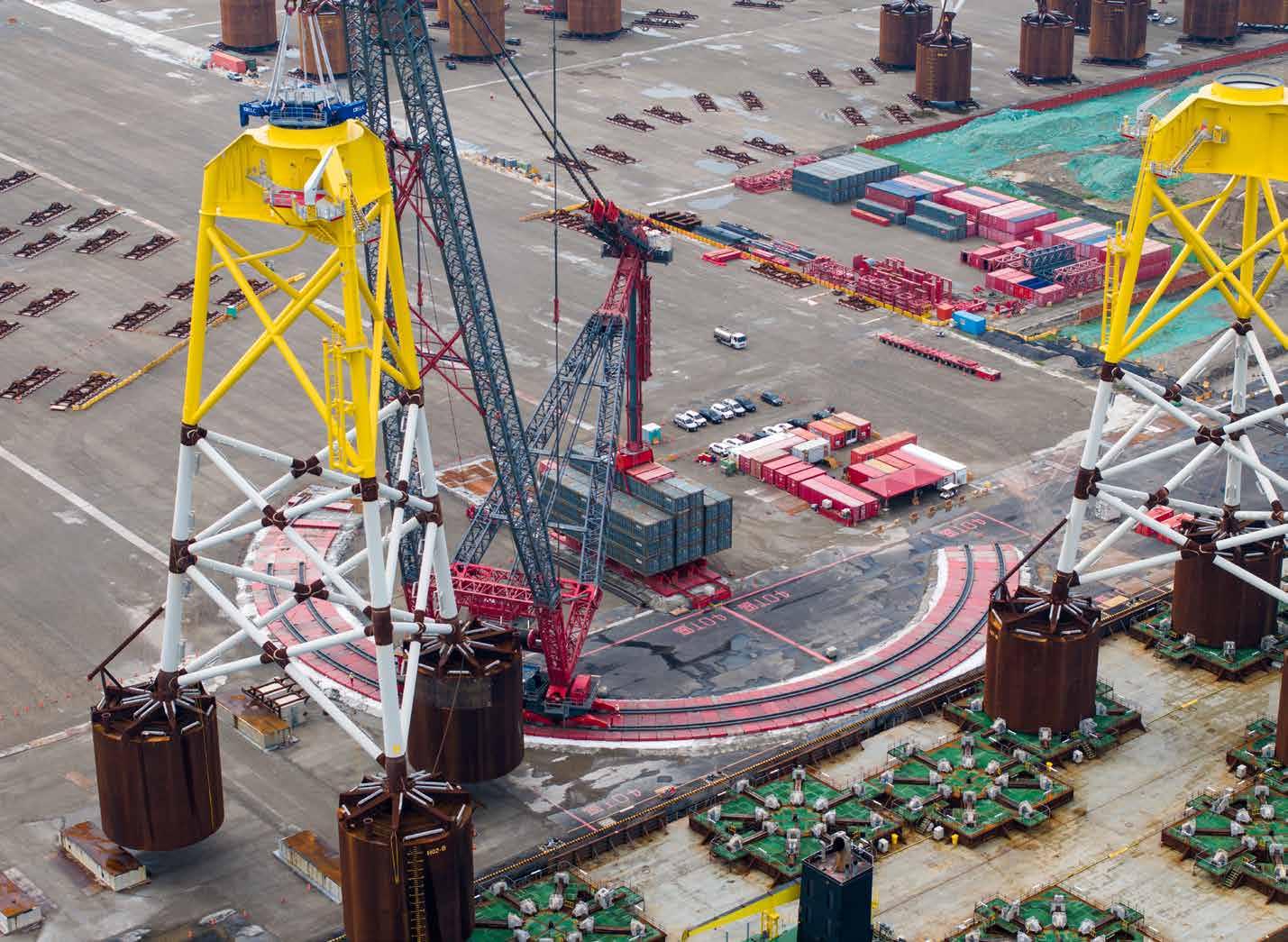
a record-breaking dragline relocation in Australia, a custom-built gantry system enabling the extraction of HS2 tunnel boring machines in the UK, and a sophisticated marshaling program for jacket foundations at the Greater Changhua offshore wind farms in Taiwan.
Each project showcases how the company’s expertise in engineered heavy lifting and transport helps customers de-risk operations, optimize schedules, and meet ambitious sustainability, safety, and efficiency goals.
Relocating a 3,100-ton Marion 8050 dragline across a mine site is no small feat — especially when racing against a rail-closure deadline. BHP Mitsubishi Alliance (BMA) tasked Mammoet with moving the massive machine 27 km at the Peak Downs coal mine in Queensland, Australia.
Because draglines are not built for traveling long distances, moving this unit under its own power would have taken weeks and risked missing a critical rail-crossing window. Instead, Mammoet executed a solution used only once before in Australia: jacking the dragline and transporting it using Self-Propelled Modular Transporters (SPMTs).
+ Eight JS500 jacking towers were positioned under the machine.
+ Once raised to 2.5 m, 5×28 lines of SPMT were driven underneath.
+ Engineers analyzed weight distribution based on limited documentation due to the dragline’s age.
+ The load was safely supported across 560 tires,
keeping ground pressure under 9 t/m².
The newly prepared haul road required stabilization using steel mats in soft areas. Given the extreme heat, the SPMT operator station was fitted with a canopy for sun protection — a small but crucial detail for safe operations.
The team had just 72 hours to cross the Aurizon rail line, rebuild the ramp, and restore the area — a high-pressure task given the rail line’s importance for regional coal transport.
By using SPMTs, Mammoet:
+ eliminated the need for dragline ancillary equipment and power systems,
+ reduced mechanical wear,
+ completed the 27 km relocation in just 10 days, achieving 8 km/day,
+ and minimized downtime for the mine’s southern pits.
This project sets a new standard for dragline transport efficiency in Australia.
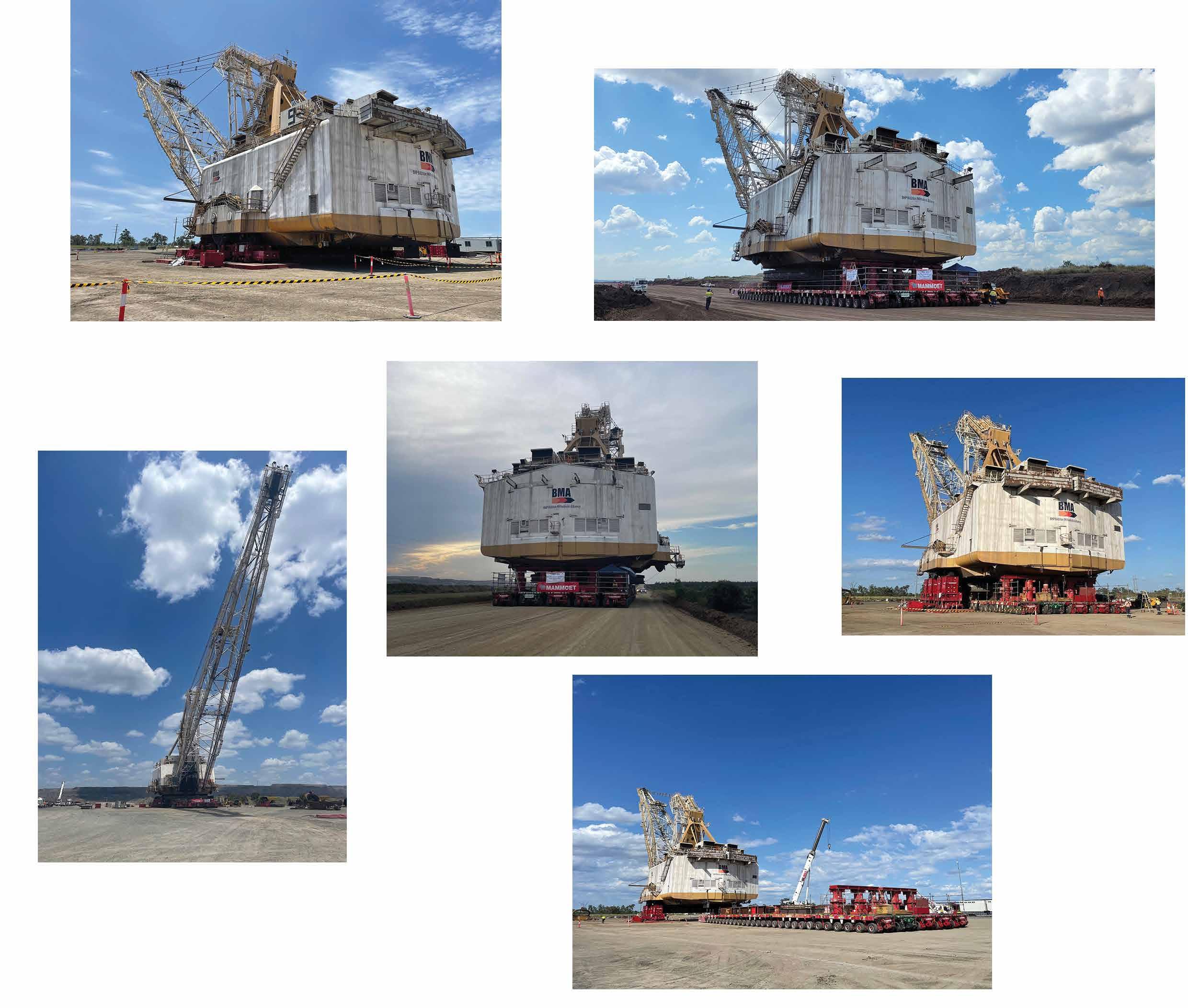
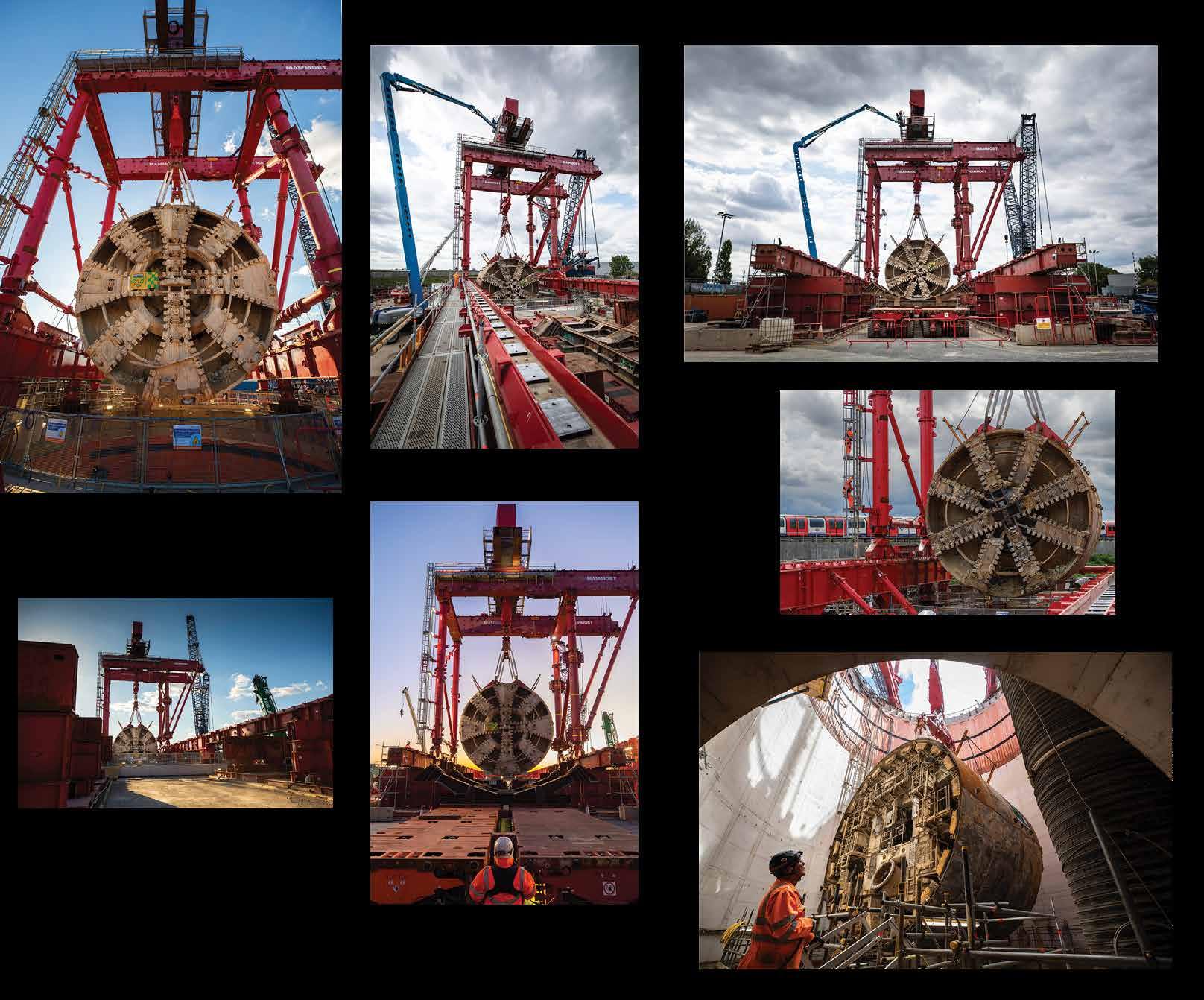
Custom-Built Gantry System Enables HS2
TBM Extraction in London
Removing underground machines the size of small buildings is a logistical challenge — especially in densely populated London. As part of the High Speed 2 (HS2) rail project, four Herrenknecht tunnel boring machines (TBMs) had to be extracted from 35 m below ground at the Green Park Way vent shaft.
Working with Skanska Costain STRABAG JV (SCS JV) and Herrenknecht, Mammoet engineered a bespoke gantry system capable of lifting the TBM cutterheads, front shields, and middle shields in single-piece lifts.
Traditional dismantling inside the shaft would have required:
+ prolonged hot works in confined spaces,
+ ventilation challenges,
+ and complex crane operations at ground level.
Instead, Mammoet’s gantry approach reduced risks and accelerated the schedule.
Engineering the Gantry
+ Nine months of concept development
+ Five months of detailed engineering
+ One month of on-site assembly
+ Designed to lift 900 tons
+ Mounted on a hydraulic skidding system
+ Equipped with an equalizer beam and built-in swivel for remote-controlled rotation
+ Allowed lifts in narrow areas near live railway lines
The gantry enabled:
+ extraction of TBM sections in a single day, not weeks,
+ transfer onto SPMTs for transport to groundlevel dismantling,
+ “hands-off” rotation and handling for safer operations.
The process required four 24-hour lift-and-carry operations and months of coordinated engineering between Mammoet, Herrenknecht, and SCS JV.
The gantry configuration now serves as a blueprint for future urban TBM extractions, especially where space constraints and safety risks limit traditional methods.
In Taiwan’s port of Taichung, Mammoet-Giant supported Ørsted with the marshaling of 66 suction bucket jacket (SBJ) foundations for the 920 MW Greater Changhua 2b & 4a offshore wind farms. These SBJs mark the first deployment of their kind in the Asia-Pacific region.
While RoRo is typically preferred for foundation handling, Taiwanese port conditions made it risky:
+ large tidal fluctuations (up to 6 meters), + heavy marine traffic swells, + steep gangways under poor weather, + potential delays and charter costs.
To bypass these constraints, Mammoet-Giant proposed using the 5,000-ton SK350 ring crane.
Efficient Marshaling Method
1. Jackets arrived in batches of four on a deck carrier.
2. SK350 lifted each 80-meter-tall, 2,400-ton structure onto supports.
3. Due to the crane’s centralized ballast, only part of the ring track required installation — saving time and space.
4. SPMTs (96 axle lines total) lifted the structures and transported them to temporary storage.
5. Jackets were later returned to the quayside and loaded out for installation.
Results
+ Avoided delays caused by weather and tides
+ Eliminated vessel idle time
+ Optimized load-in and load-out schedules
+ Ensured safer, controlled operations in congested port conditions
Ørsted initially considered RoRo but ultimately adopted Mammoet’s crane-based solution for reliability and efficiency.
To learn more, please visit our website: www.mammoet.com
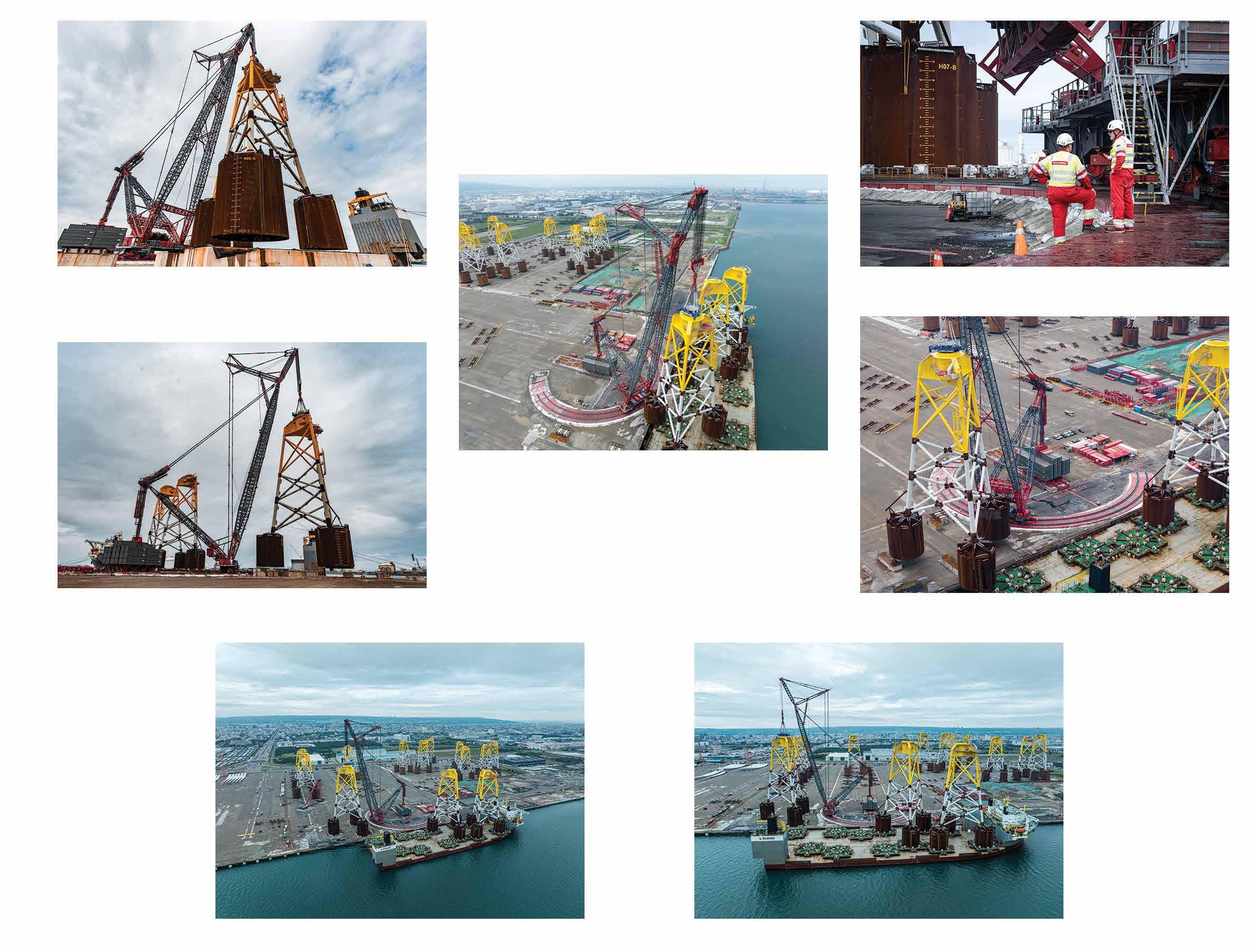





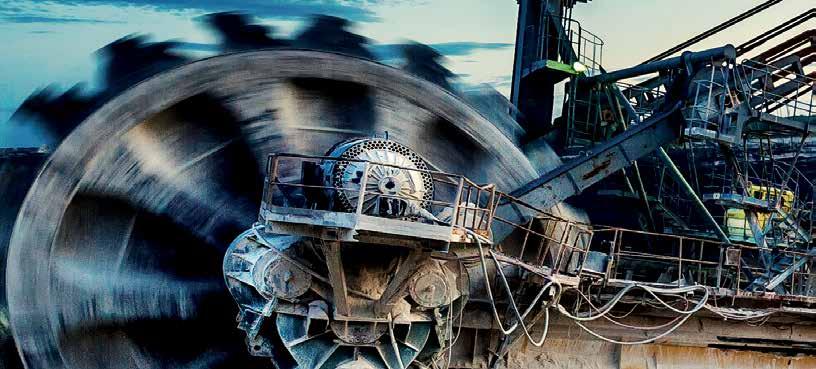
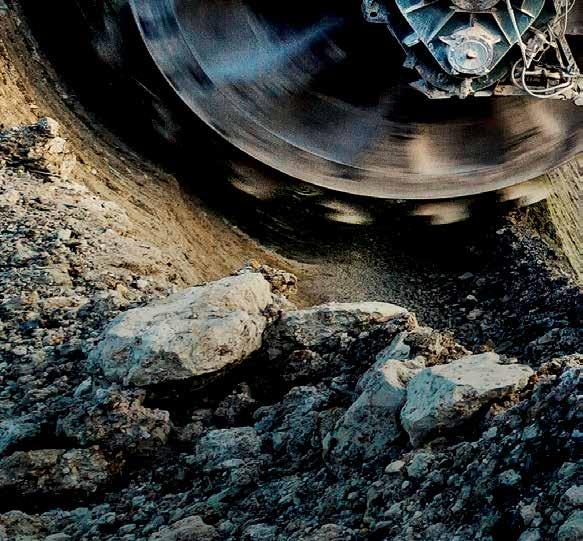
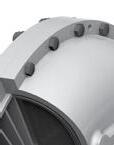
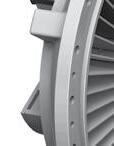
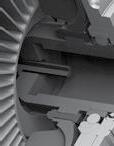
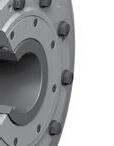
Power rating up to 3.700 kW



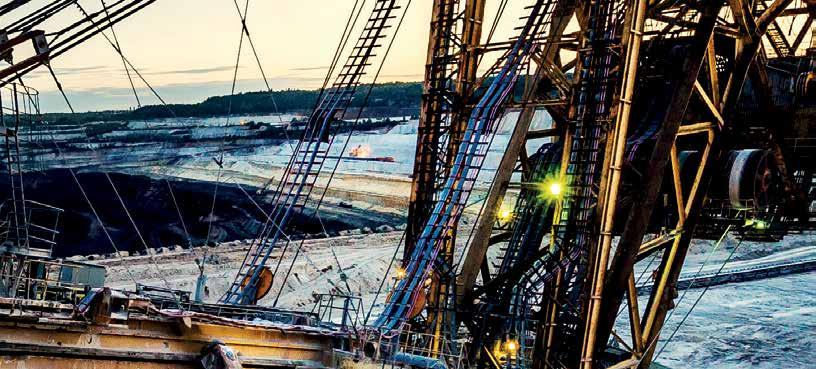
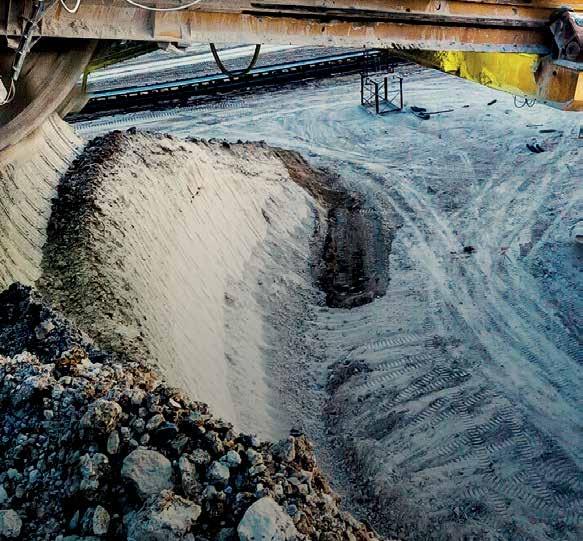
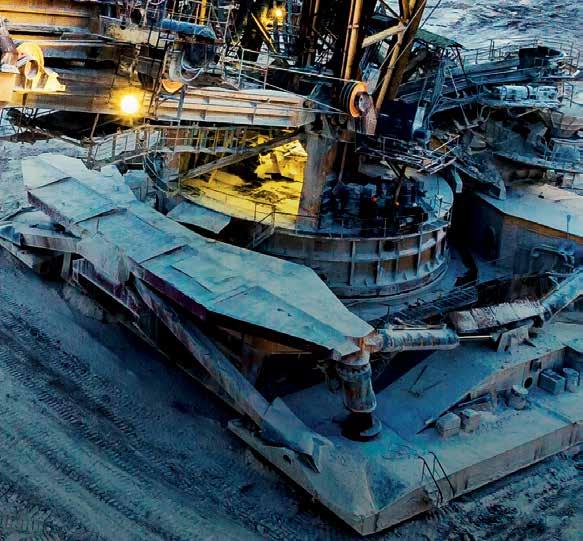
Braking Torque up to 12.450 Nm
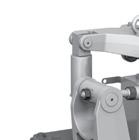
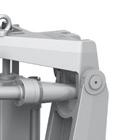
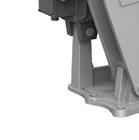
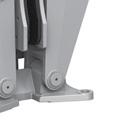
Braking torque up to 29.900 Nm
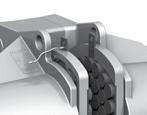
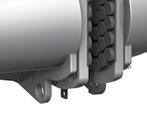
Braking torque up to 400.000 Nm



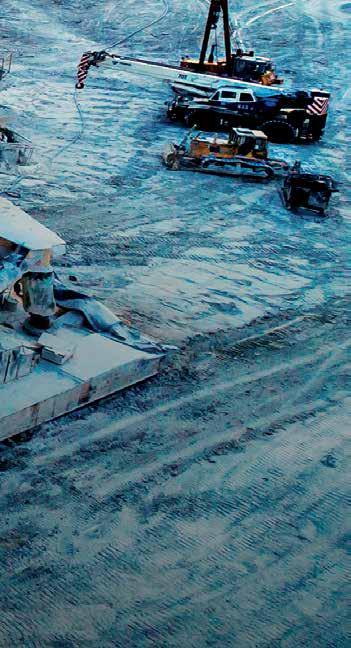
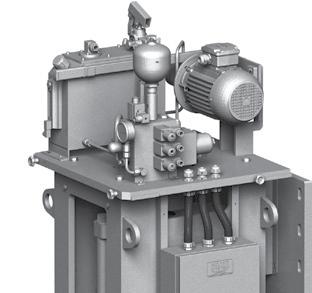
Clamping force up to 400.000 N
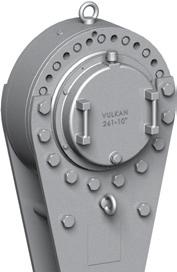
Torque up to 578.000 Nm


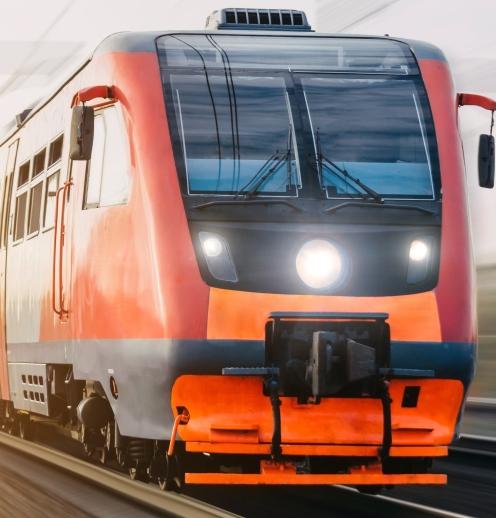
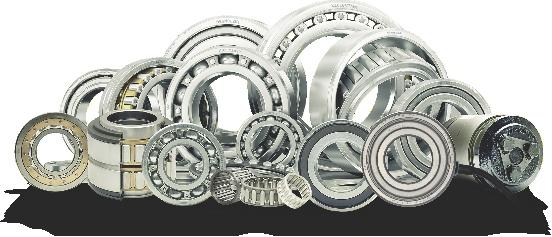

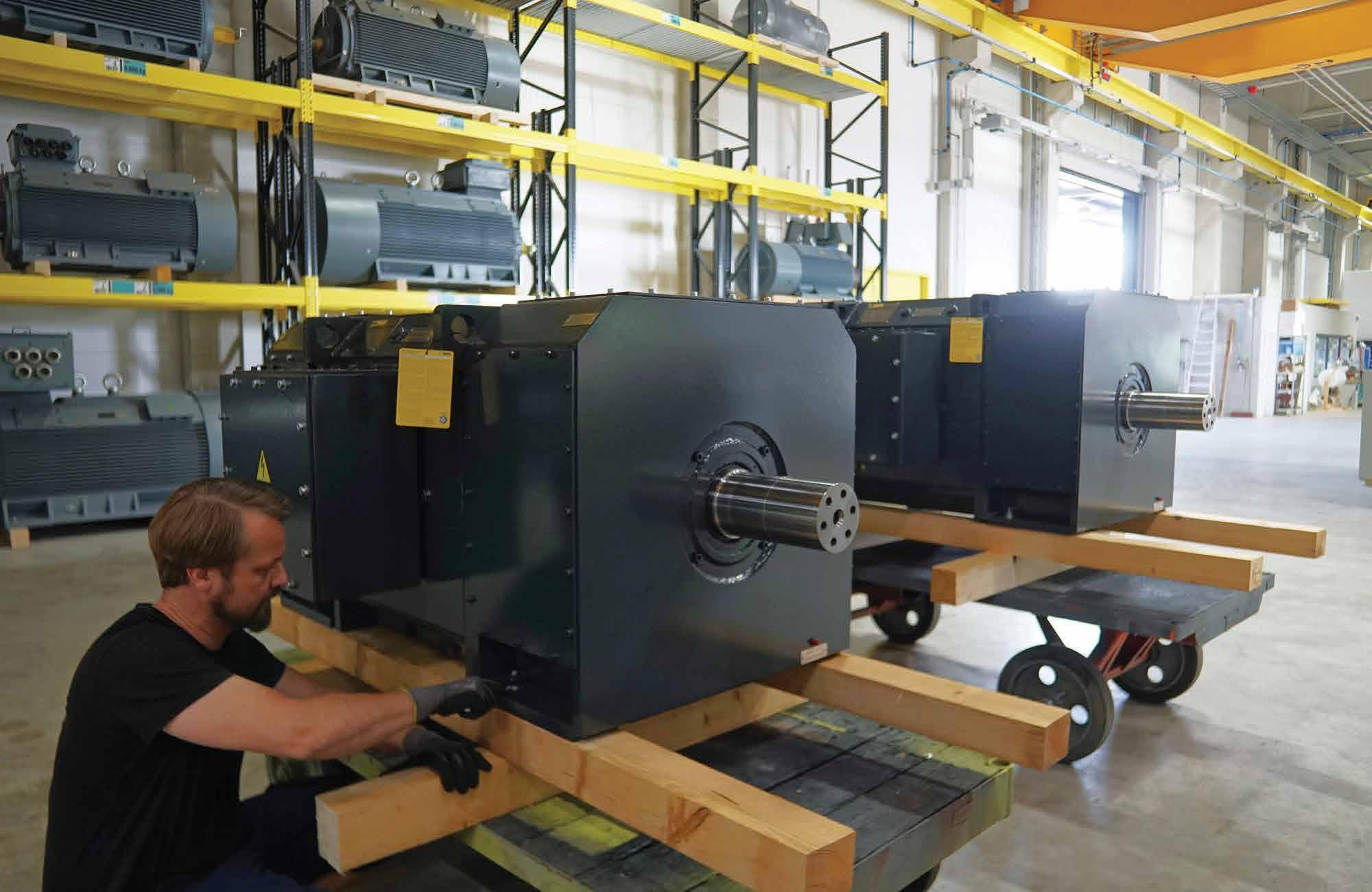
Menzel Elektromotoren continues to demonstrate its engineering versatility with two recent projects that reflect both industrial excellence and humanitarian impact. From delivering highly customized DC motors for a copper rolling mill to manufacturing a complex vertical pump motor for the Red Cross in Syria, the company showcases its capability to design and produce tailored drive solutions that meet precise mechanical, electrical, and environmental requirements. Below is an overview of both projects, highlighting Menzel’s adaptive engineering and commitment to solving real-world challenges.
Menzel Elektromotoren has manufactured two identical DC motors to replace an outdated tandem motor configuration in a copper rolling mill. The project required considerable engineering attention to replicate — and improve — the mechanical and electrical characteristics of the original installation while ensuring a 100% drop-in fit.
To meet the mill’s requirements, Menzel implemented several custom adaptations, including:
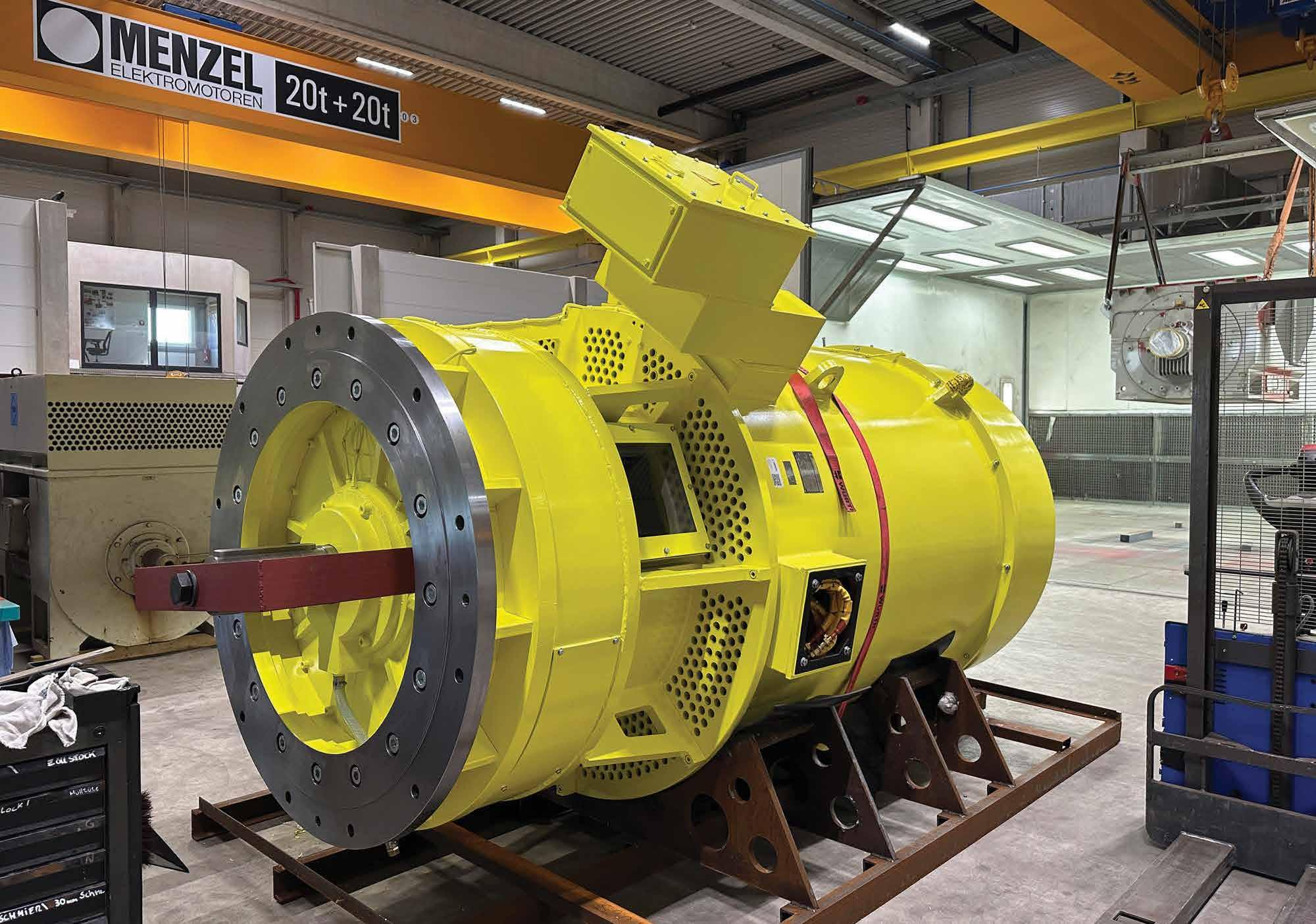
+ Special shaft ends
+ Shortened lamination design
+ Precise preservation of the total motor length
+ Customized commutator and winding configurations
+ Newly prepared foot holes to match the customer’s existing drilling pattern
These motors, classified under the MEBGVA type, feature:
+ Shaft height: 400 mm
+ Rated output: 250 kW
+ Rated voltage: 220 V DC
+ Base speed: 455 rpm
+ Field-weakening speed: 1216 rpm
+ Construction type: IM 1002
+ Protection: IP54
+ Cooling: IC 37
With manufacturing capabilities ranging from 20 kW to 2 MW, Menzel continues to serve a wide range of industrial DC motor applications with precision engineering and full customization flexibility.
In a project with strong humanitarian value, Menzel Elektromotoren has supplied a vertical pump motor for the Red Cross to support the stabilization of water supply systems in Syrian communities affected by the civil war. The customer required a seamless drop-in replacement for an old V1-type motor, and Menzel
delivered a highly specialized solution without necessitating structural modifications.
Key custom features include:
+ A special flange designed to match the existing installation
+ Tube cooling system (IC 511)
+ Smooth round welded steel housing, IP54 protection
+ Slip ring motor equipped with a short-circuiting and brush-lifting device (installed on the drive side per the customer’s request)
+ Additional fabrication work such as extension rings
+ Customized motor shaft and terminal boxes
Before shipment, the pump motor underwent complete testing, including load tests using Menzel’s new 3 MW right-angle gearbox, which allows vertical testing. An independent customer-appointed technician supervised the full test procedure.
The final motor is rated for:
+ 1150 kW
+ 6300 V
+ 14841 Nm
+ 740 rpm
This project highlights Menzel’s ability to execute complex, customized engineering tasks while supporting critical humanitarian infrastructure.
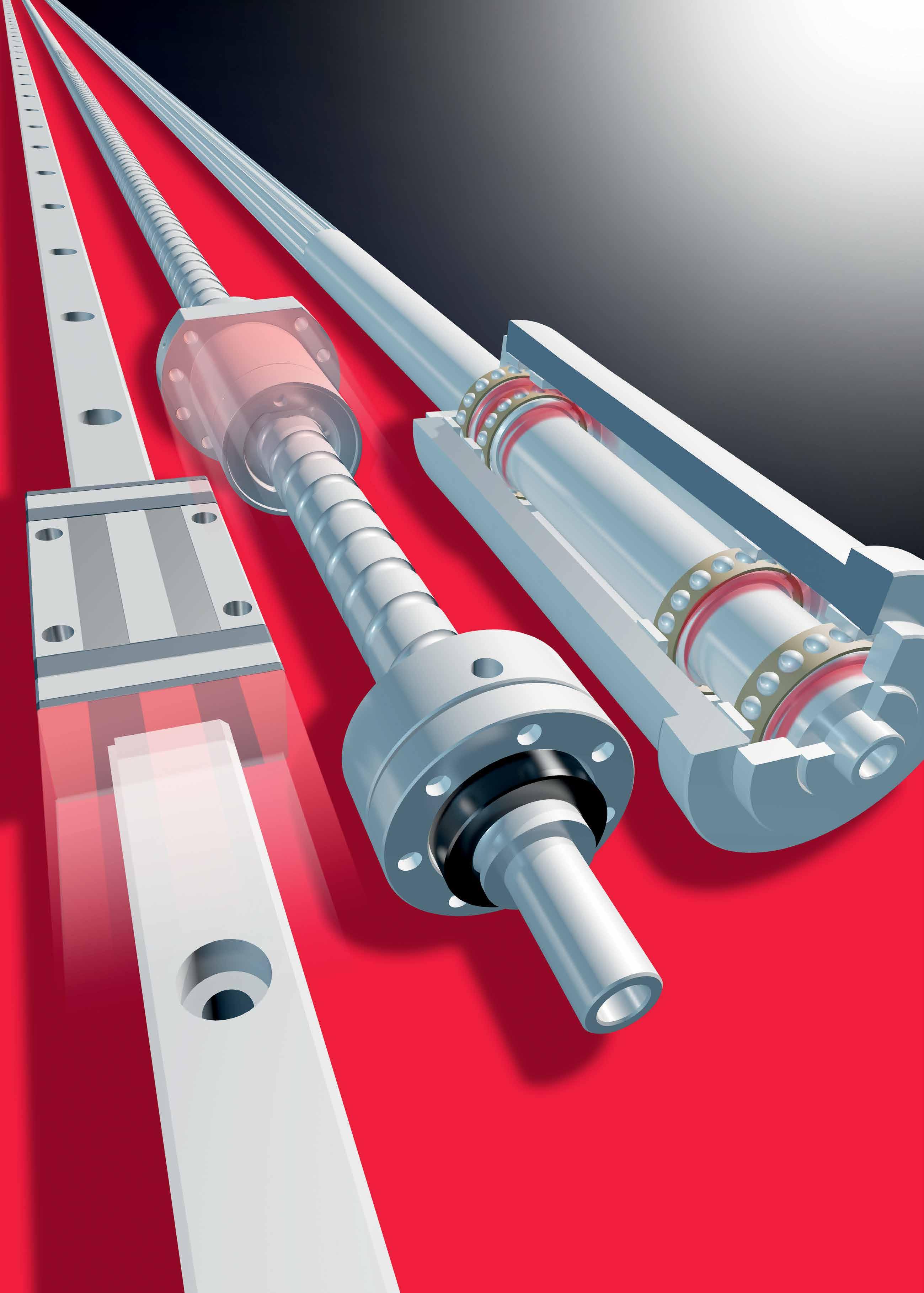
From Machine Tool, Injection Molding, Medical & Measuring to General Machinery applications, NSK offers the best technical solutions and a full range of engineering services. Every NSK Linear Guide, Ball Screw, Support Bearing and Super Precision Bearing is tailored to your specific needs. NSK, the only comprehensive engineering service supplier on the market, will take your business a step ahead. Find out more at www.nskeurope-motionsolutions.com.

With the introduction of the new UMILL 1000, EMCO is strategically expanding its range of universal machining centres in the 5-axis simultaneous machining sector, thereby creating the ideal bridge between the UMILL 750 and UMILL 1500 models. The new model was developed meet the growing demand for versatile, compact and powerful solutions that combine milling and turning operations in a single machine, opening almost unlimited application possibilities.
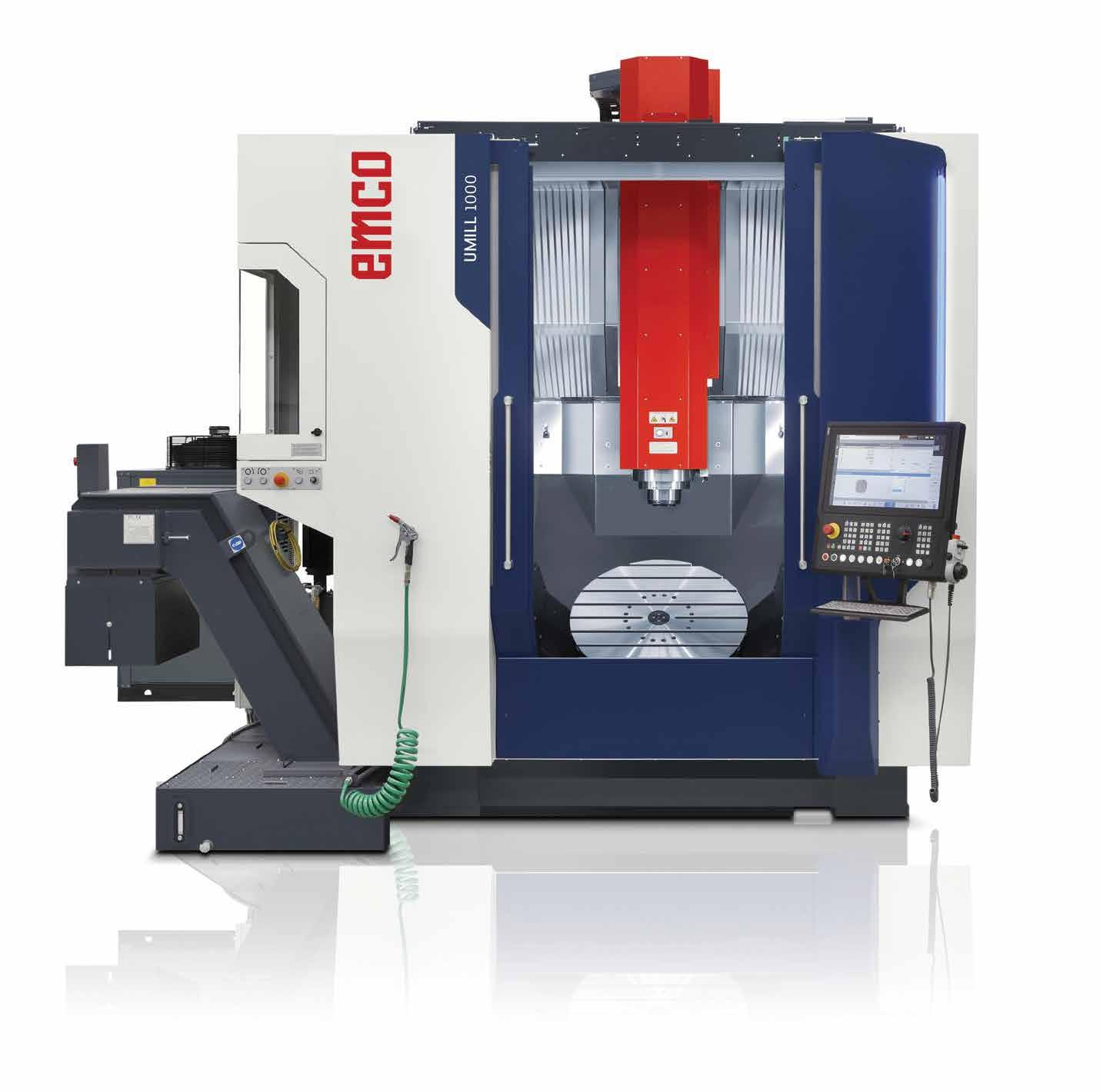
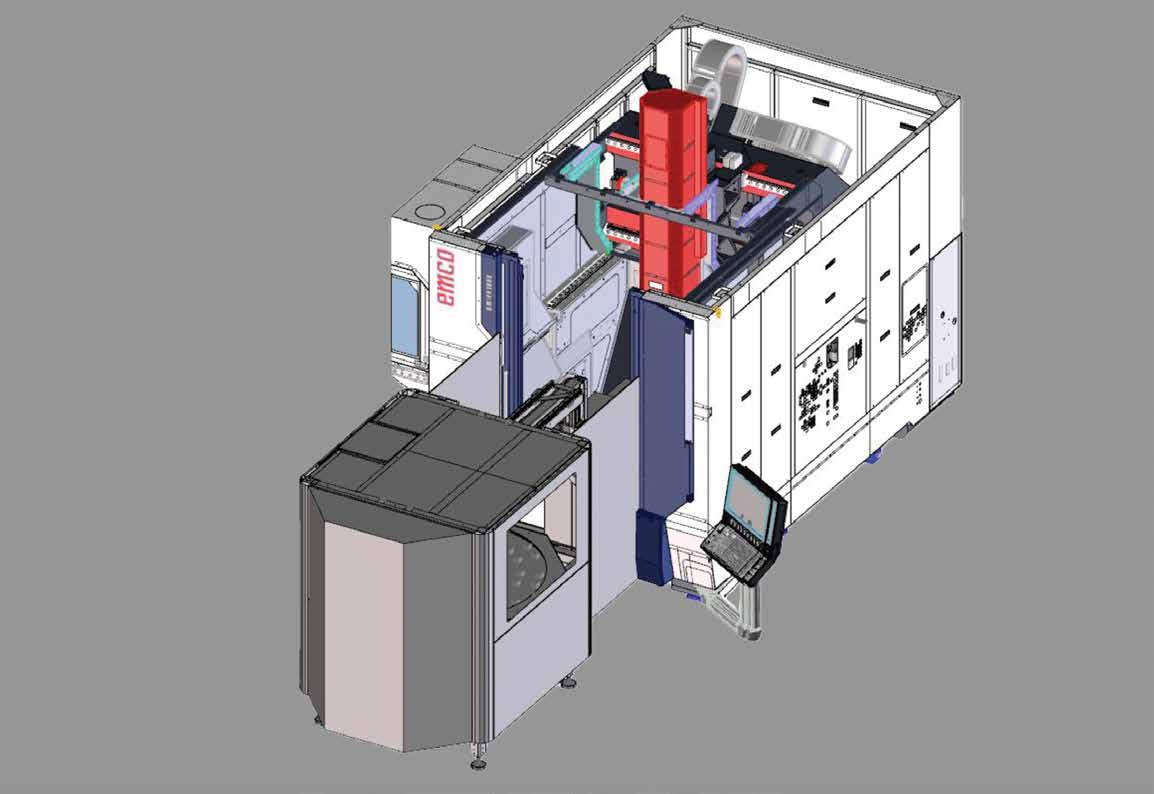
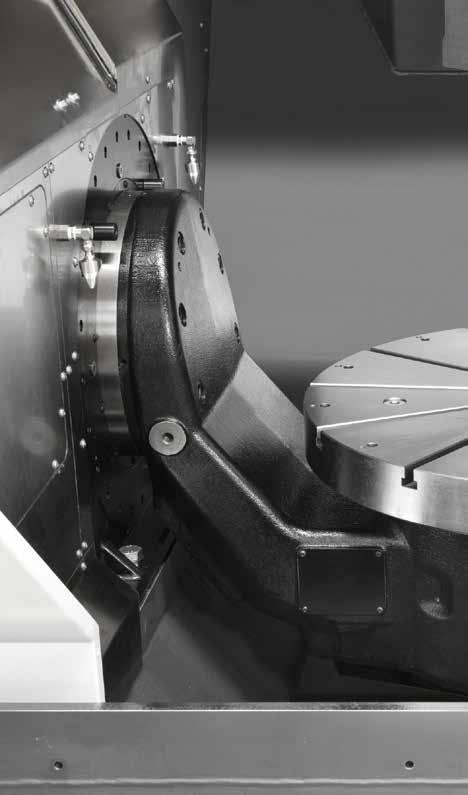
HALLEIN - TAXACH. As a result of the synergy between the expertise of the Italian subsidiaries EMCO, EMCO MECOF and EMCO FAMUP, the UMILL 1000 represents a logical technical development of the proven UMILL 750. The project was developed as a concrete response to market demands for high productivity, application flexibility and easy integration into automated production lines. The highly rigid portal structure made of cast iron and welded steel ensures optimum thermal stability and enables combined turning and milling operations on a single machine. Thanks to the 55 mm roller guides on the X and Y axes and the standard direct drives in the linear axes and torque drives in the A and C axes, this universal machining centre guarantees precise machining even with demanding workpieces. With generous travel distances (900 mm in X, 1,000 mm in Y and 700 mm in Z), a large swivel range of the A-axis (+/- 125°) and a load capacity of up to 1,000 kg.
The motor spindle with 15,000 rpm and a maximum torque of 138 Nm at a power output of 38 kW, standard with HSK-A63, enables effective material removal and perfect surfaces. The tool magazine of the UMILL 1000 comes standard with 30 positions and can be expanded to 60 or 90 stations if needed, with quick change and random management to optimise time and ensure greater operating autonomy. Other magazine variants are available on request.
Despite the large travel distances, the design remains modular and compact, enabling complex workpieces with a diameter of up to 1,000 mm, a height of up to 600 mm and a weight of up to 1,000 kg to be milled and turned reliably in a single clamping. The ergonomic design and numerous customisation
+ Rotary swivel table Ø 800 mm.
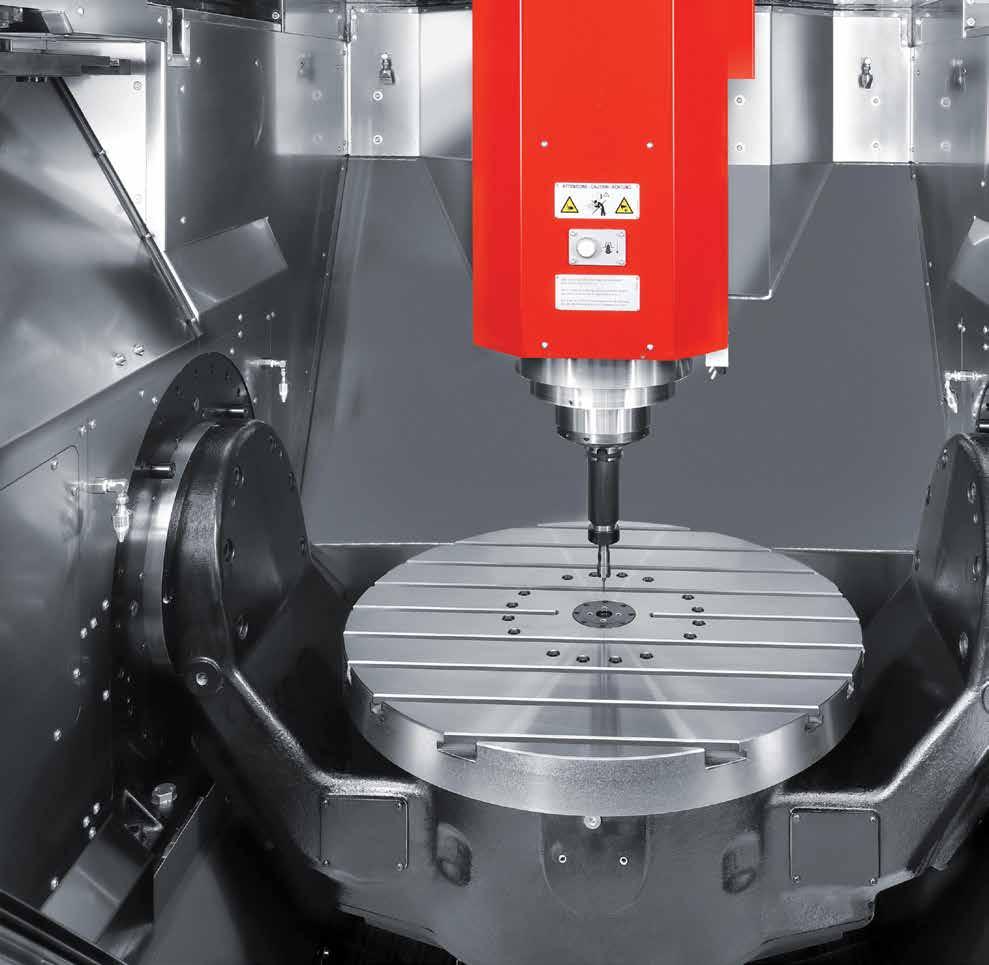
options of the UMILL 1000 enable easy integration of automation, optimal chip disposal management and user-friendly maintenance – essential factors in intensive production environments for future-oriented companies.
Thanks to the standard glass scales in the linear axes and the direct position measuring systems in the rotary axes, Umill 1000 guarantees minimal tolerances and excellent surface quality. The direct drives in the X and Y axes enable high acceleration performance (6 m/s2)
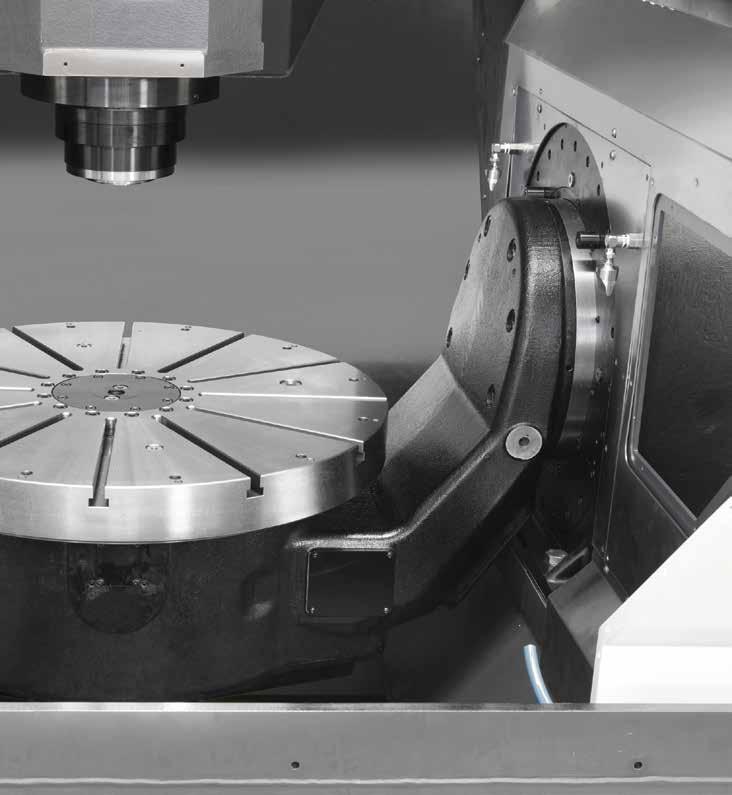
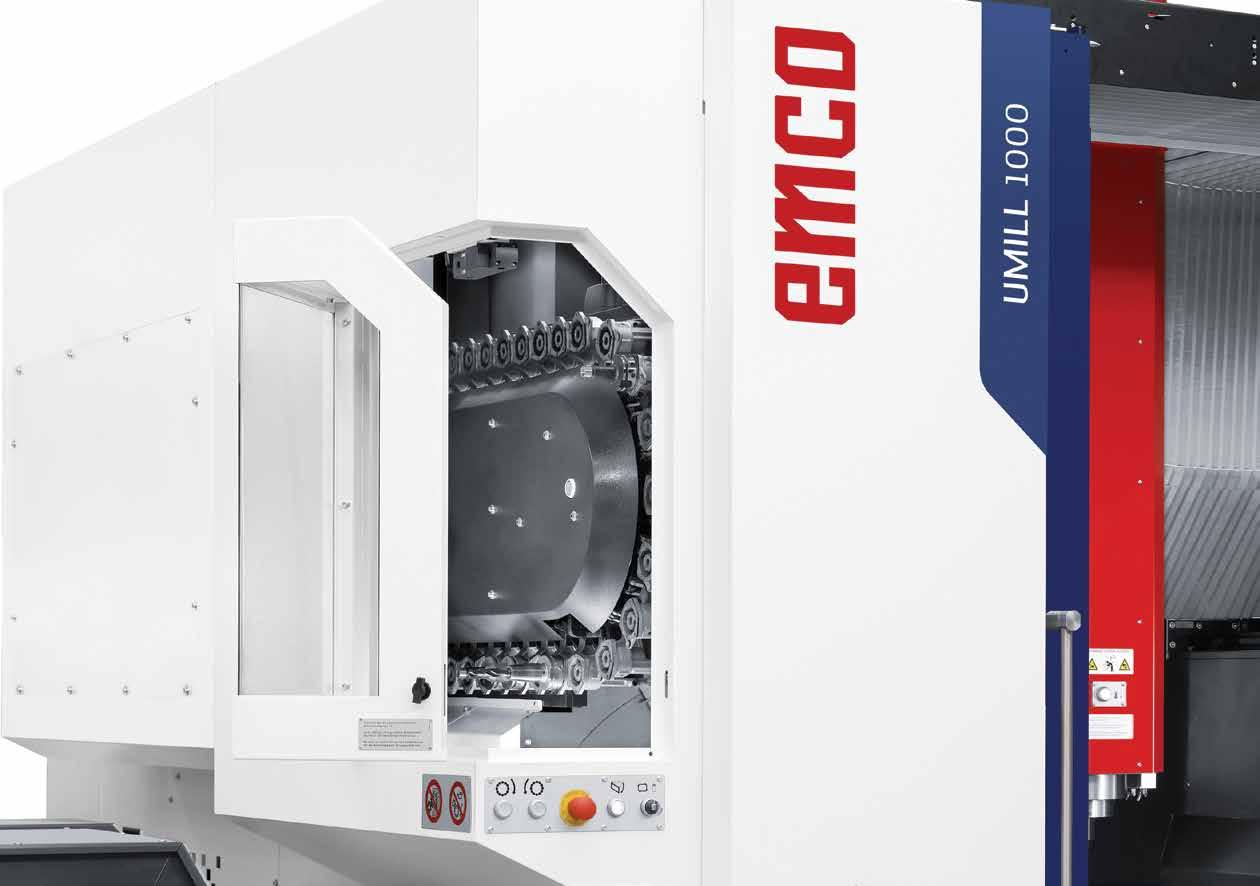
and fast feed speeds (50 m/min), thus guaranteeing maximum precision and high dynamics.
The UMILL 1000 is available with the latest control technology from Siemens (Sinumerik ONE) or Heidenhain (TNC7). The control system is mounted on an ergonomic, forward-tilting and swivelling control panel. This solution creates optimal working conditions for the operator.
Like all EMCO machines, the UMILL 1000 is developed and manufactured entirely in Europe, using components from leading European companies that guarantee high-quality standards, long-term reliability and tangible technological added value. This new EMCO solution is aimed at workshops and production departments focused on high valueadded machining: from mould and tool making to general mechanical engineering, the automotive industry and precision supply. The UMILL 1000 fits perfectly into environments where productivity, precisionand versatility are essential requirements.
UMILL 1000
Travels and tolerances
Travel in X [mm] 900
Travel in Y [mm] 1000
Travel in Z [mm] 700
Swivel range, A-axis +/- 125°
Rotation range, C axis n x 360°
Rapid traverse speed in X, Y, Z 50 axes [m/min]
Table
Diameter [mm] 800
Max. workpiece weight [kg] 1000
Turning table
Diameter [mm] 800
Max. workpiece weight 1000
300 rpm 38 [kg]
Motor spindle
Speed range [rpm] 30 (60/90) 50 - 15000
Max. spindle power [kW] 38
Max. spindle torque [Nm] 138
Tool magazine
Number of tool stations 30 (60/90)
Tool change time (TC-TC) [sec] 4,9 *
Max. tool diameter [mm] 80
Max. tool length [mm] 350
Max. tool weight [kg] 8
*According VDI 2852
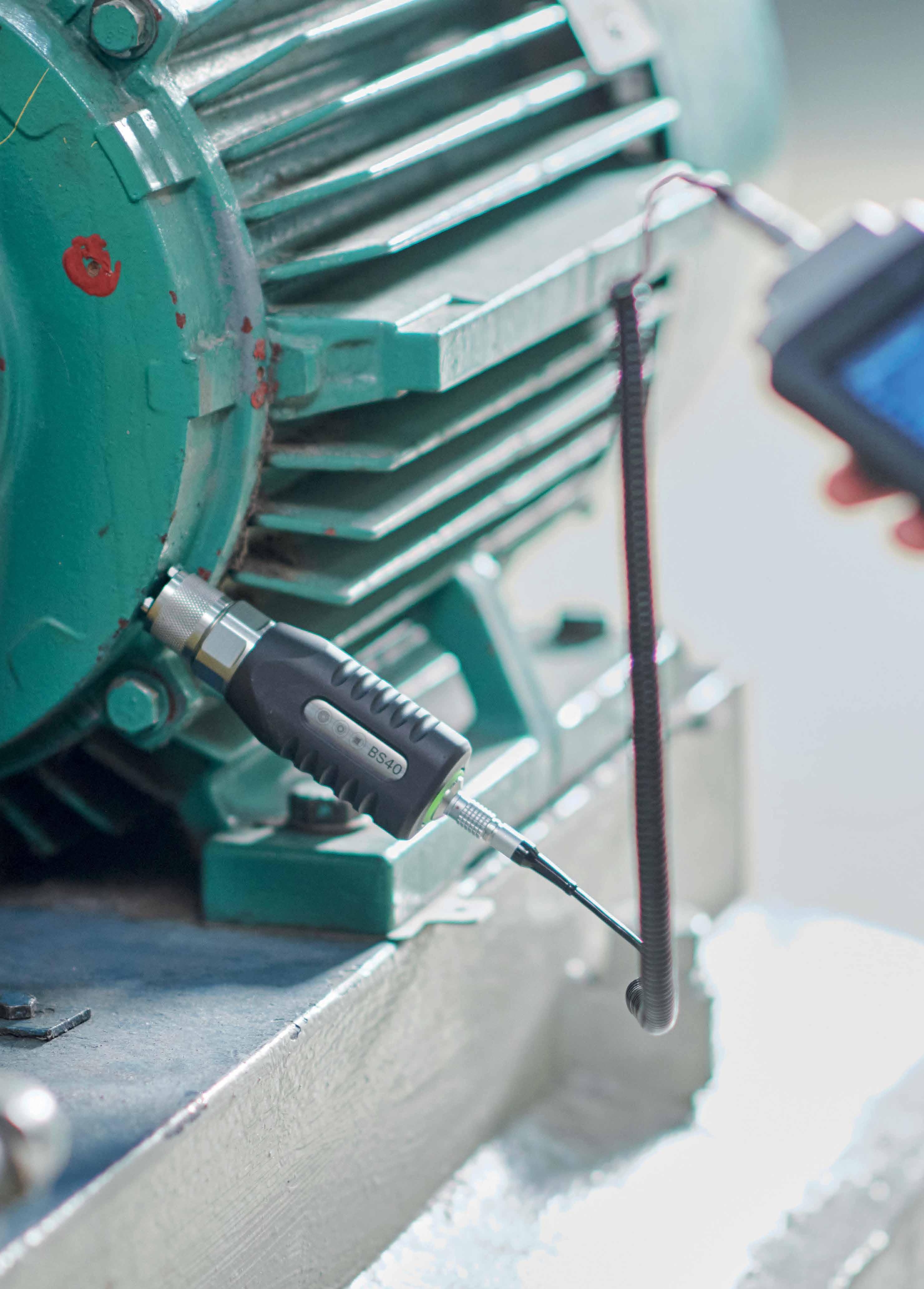
www.sonotec.eu
+ 7 in 10 firms see stainless steel as vital for cutting Scope 3 emissions
+ Life-cycle-cost analysis highlights its durability and scrap value
+ Two-thirds plan higher use, led by infrastructure, mobility, and defense
Outokumpu, the global leader in sustainable stainless steel, has published a new whitepaper showing that 7 in 10 organizations view stainless steel as key for reducing Scope 3 emissions – and a more sustainable material than the alternatives.
The whitepaper, titled The Evolution of Materials –Stainless Steel Insights 2025, draws on insights from a global survey conducted for 70 senior decisionmakers at companies with a combined annual revenue of ~428.85 billion USD (2024) – including some of the world’s biggest steel consumers across energy, consumer goods, automotive, construction and infrastructure*.
The survey, which was conducted in May 2025, reveals that one in four organizations now name life-cycle-cost

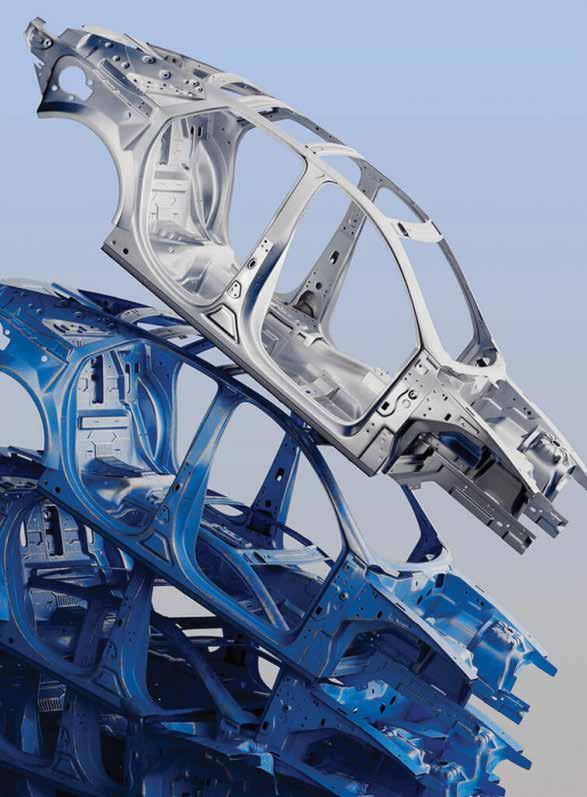
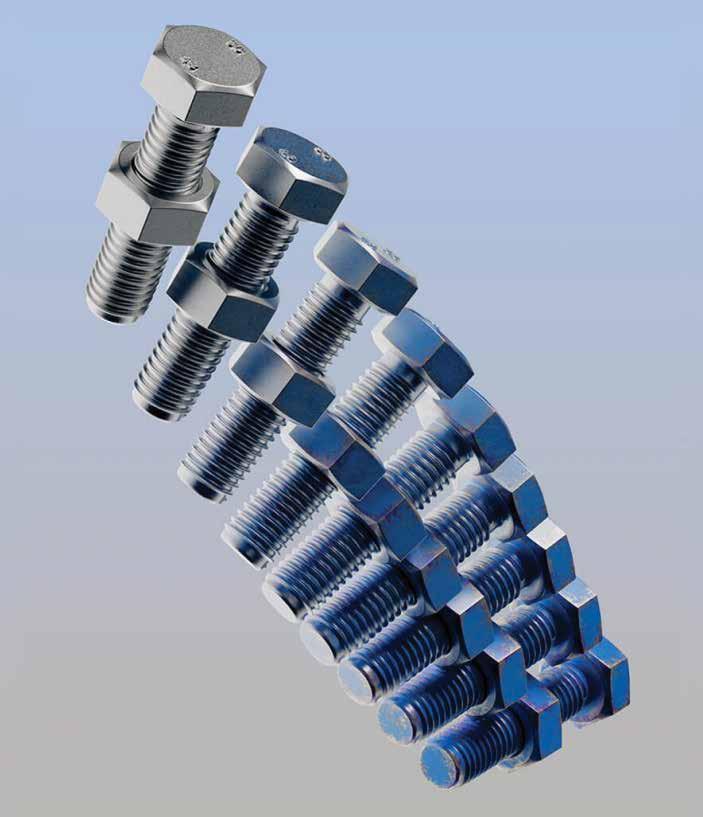
(LCC) as the principal reason to choose stainless steel, with almost half (40%) saying they now run LCC analyses. Price is still a key factor in material selection, but use of methodologies that factor in longer-term value is growing, especially in Europe.
LCC is becoming increasingly important as organizations seek to reduce not just financial outlay but also environmental impact. Corrosion, for example, is a major contributor to long-term maintenance and replacement costs across sectors. Globally, corrosionrelated losses are estimated to exceed $2.5 trillion annually, with significant climate implications due to the need to replace degraded materials. Factoring these costs into planning through LCC analysis helps organizations make smarter, more sustainable choices – often revealing stainless steel as the more competitive option over time.
Nearly 60% of respondents believe that stainless steel now offers better overall value than substitutes and well over half say that its high scrap value contributes to offsetting higher upfront cost.
“The move toward life-cycle-cost analysis signals a broader shift in how organizations assess material value. While stainless steel may sometimes have a higher upfront cost, its longevity and low associated maintenance often make it a smarter long-term investment. Organizations also increasingly recognise its role in reducing Scope 3 emissions and supporting sustainable operation. As a result, the metal is being adopted more widely – and across new sectors, serving as a cornerstone of the circular economy”, says Britta Warnke, VP Commercial at Outokumpu.
Combining durability, corrosion resistance, strength and recyclability, stainless steel is uniquely positioned to meet the materials challenge facing a world impacted by climate change, rapid population growth and tighter
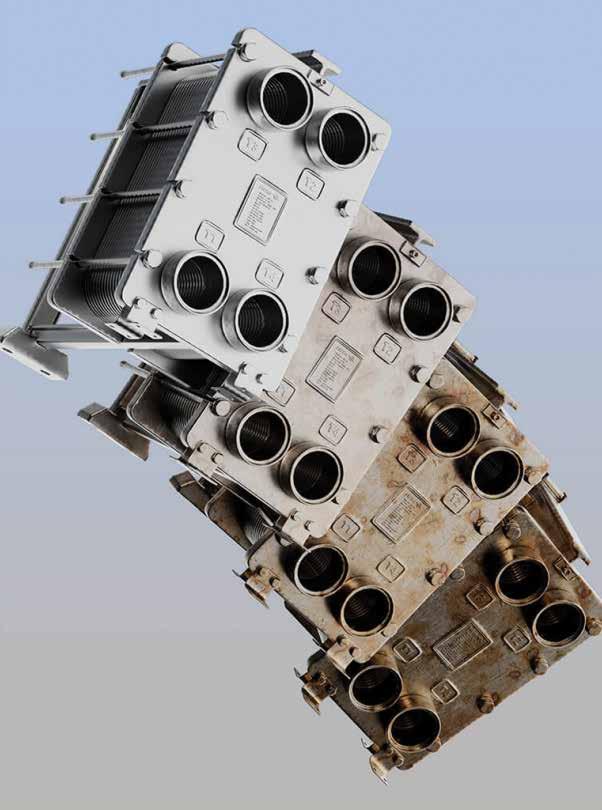
environmental regulation. Its use is expanding, with new applications seen in several spheres – from EV battery boxes, hydrogen plants and solar farms, to urban flood defenses, port infrastructure, defense systems, and even nextgeneration space technology.
In line with this, the research also reveals strong momentum in demand, with two-thirds of respondents expecting to increase stainless steel intake over the next five years.
The mid-to-long-term demand surge is driven by stainless steel’s expanding role beyond traditional niche industries. More extreme temperatures, flooding and other weather events are placing infrastructure under unprecedented strain, making stainless steel’s corrosion resistance and strength more valuable than ever – from use for bridges and coastal defenses to tunnels and skyscrapers. Its recyclability and long-life cycle reinforce its role in building resilient, low-impact infrastructure.
The metal is also gaining prominence in defense and aerospace, as security concerns drive military investment. The EU’s €800 billion ReArm Europe plan, which prioritizes resilience and sustainable materials, is set to boost demand for advanced stainless grades that extend asset lifespans and support the shift to lowcarbon military infrastructure. From reusable rockets to energy-efficient surveillance systems, stainless steel is proving essential where durability, heat resistance and circularity are critical. At the same time, electric vehicle manufacturers are increasing stainless steel use to enhance fire safety in operation – further cementing its role in the future of mobility.
*) The survey included single-choice, open-ended, and Likertscale items. Quantitative and qualitative data were collected and analyzed by Kairos Future, yielding 49 completed responses (70% response rate). Geographically, respondents break down into Europe (41%), United States (24%) and those operating globally (35%) – a mix that provides a reasonably balanced view of regional priorities and pain-points.
• Simple operation via perma CONNECT
• Configuration, control and maintenance from a distance
• Management of up to 2,000 lubrication points via Gateway LONG RANGE
• LED visible all round signals functioning and errors
• Backlit LCD display The Expert in Lubrication Solutions

















Innodisk, a leading provider of industrial-grade memory solutions, officially releases its new DDR5 CAMM2 and LPDDR5X CAMM2 (LPCAMM2) memory modules.
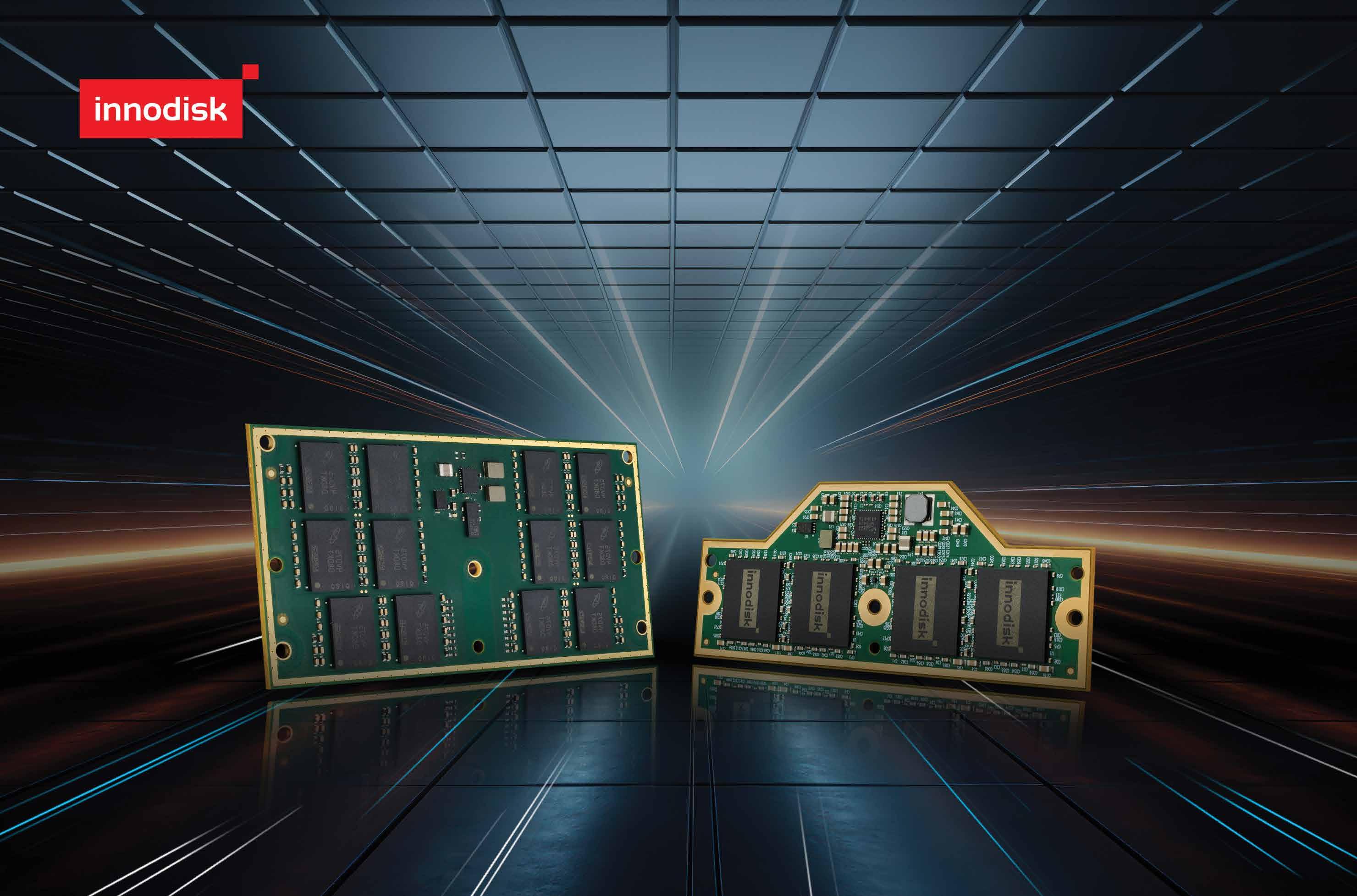
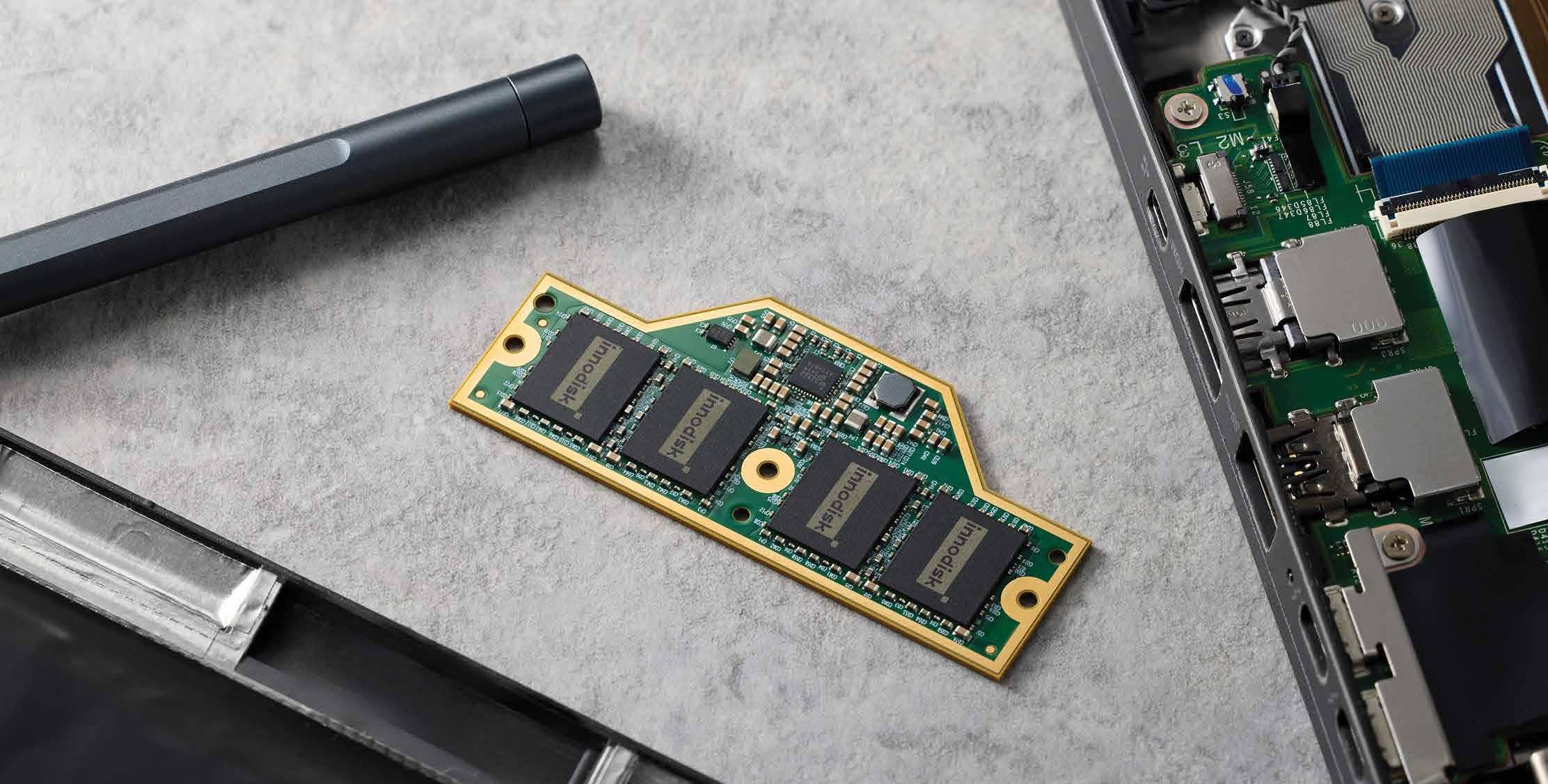
With 60% less space and blazing speeds up to 6400 MT/s and 8533 MT/s, respectively, Innodisk’s CAMM2 series marks a strategic leap into the rugged device and compact system market.
Innodisk’s new CAMM2 series features a distinctive design. DDR5 CAMM2 and LPDDR5X CAMM2 consolidate dual channels on a single module, effectively combining the capacity and performance of two separate SODIMMs into a compact footprint. Despite handling a greater signal load, the modules feature a more simplified PCB routing that enhances signal integrity, resulting in cleaner and more reliable data transmission.
Additionally, the new motherboard design, paired with the CAMM2 module, eliminates signal stubs caused by unused DIMM slots in traditional stacked configurations. The flat, board-hugging installation improves thermal contact and frees up space for customized cooling solutions.
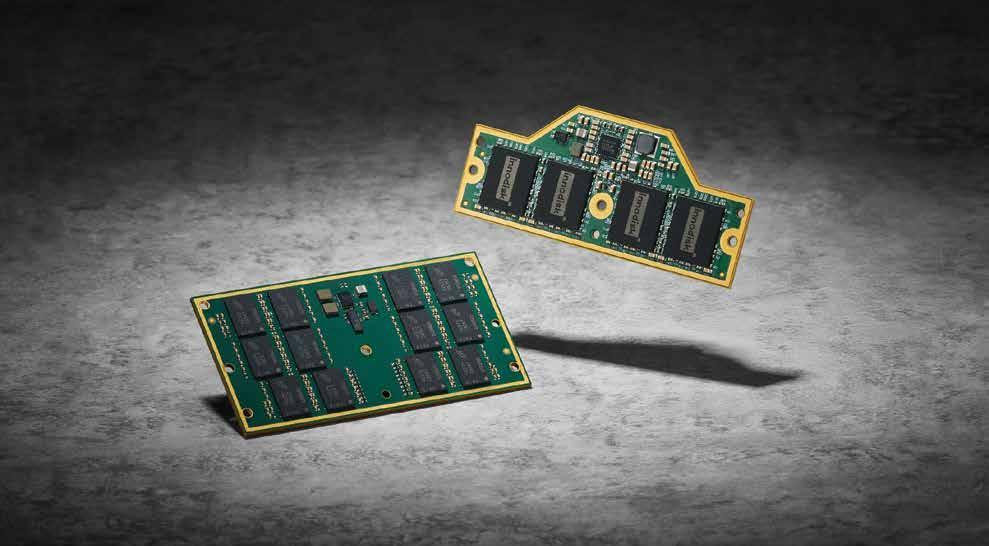
Powered by DDR5, Innodisk’s CAMM2 delivers speeds of up to 6400 MT/s. The LPDDR5X version further boosts performance to 8533 MT/s, maintains the same 128-bit data width, and lowers operating voltage to 1.05 V. This advanced design improves power efficiency, reduces energy consumption, and extends system working hours. These features align well with the needs of Compact PCI, mini PC, rugged laptops, and fanless systems that demand high performance in compact, power-efficient designs.
Furthermore, to facilitate easy maintenance and modular scalability, both CAMM2 and LPCAMM2 adopt a screw-lock design, which not only secures mechanical attachment but also improves vibration resistance and mechanical durability, making them wellsuited for rugged environments such as aerospace and missioncritical applications. Additionally, LPCAMM2’s modular LPDDR5X architecture eliminates the need for full motherboard replacements, addressing the limitations of soldered memory designs.
As a pioneer in bringing CAMM2 technologies to the industrial sector for embedded applications, Innodisk reinforces its commitment to enabling industrial AI at the edge. To support the adoption of the new form factor, Innodisk provides comprehensive after-sales service and flexible customization options. A stable and long-term supply further ensures that customers can integrate CAMM2 solutions with confidence. The Innodisk LPDDR5X and DDR5 CAMM2 modules will begin sampling in Q4 2025.
For more information, please visit https://www.innodisk.com

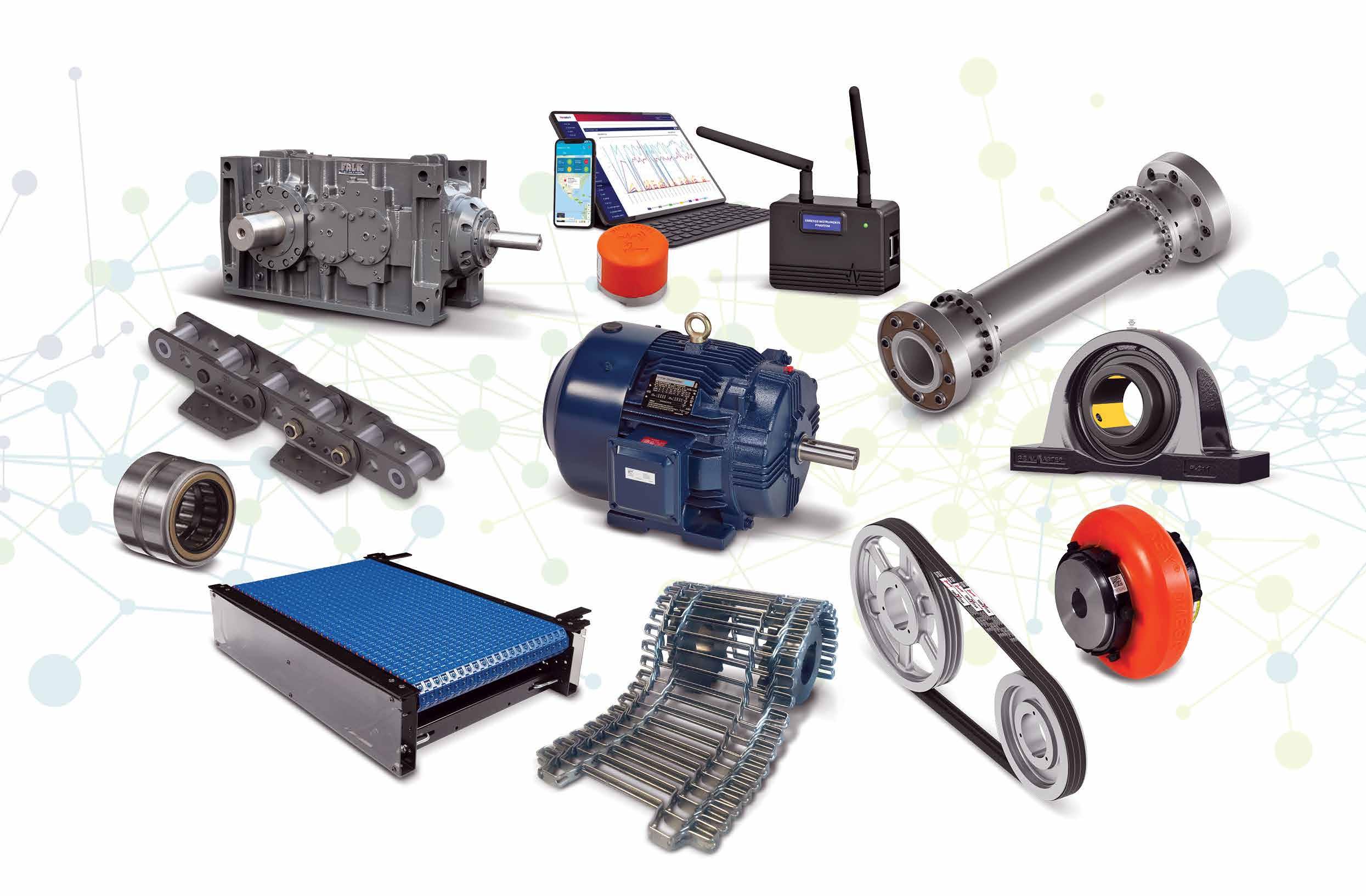
Regal RexnordTM Corporation is a global leader in the engineering and manufacturing of industrial powertrain solutions and power transmission components, serving customers throughout the world. Our solutions are found in cement, food and beverage, intralogistics, agriculture, material handling, construction, mining, automotive, forestry, and more. Our essential products help keep systems running in mission-critical applications worldwide, while being sustainable and energy efficient.
Our teams of expert engineers have years of industry knowledge and experience, ensuring innovative solutions that target your most specific needs. We know the ins and outs of these applications, from the

Rex® high performance roller, leaf, and engineered chain exhibit outstanding performance in challenging conditions. Rex RN Series metric mounted spherical roller bearings with SHURLOK tapered adapter were designed shaft-ready for ease of use and durability.

smallest bearing to the largest belt. Regal Rexnord partners with our customers to carefully select the products that solve their toughest challenges. Our flagship brands have amassed billions of hours of reliable operation and are well-known throughout the industry for their high quality.


CENTA® is the world’s leading manufacturer of torsionally soft couplings, primarily used in marine, industrial, and wind.
Euroflex™ has a strong reputation of high-performance disc couplings, used in power generation, gas compression, and industrial process machinery.




Jaure™ family of flexible couplings and transmission elements include the LAMIDISC, MT, and BAREFLEX European brand leaders since 1958.
McGill® Metric Camrol® cam followers feature LUBRI-DISC® seals that provide positive protection against contamination and loss of lubricant.
Rollway® bearings play a significant role in the open ball and roller bearing industry, providing high quality bearings to OEM and end users for over 100 years.
Link-Belt® mounted spherical roller bearings prove their performance with outstanding misalignment capabilities, field adjustable clearance, and excellent sealing options.
Sealmaster® mounted ball bearings are engineered to reduce downtime. The IP69K-rated PN Gold™ offers corrosion resistant solutions for washdown environments.
System Plast® is a global leader in high quality plastic conveyor chains, modular plastic belts, and industry-leading conveying components.
Rexnord® KleanTop® belts provide a plastic modular belting solution for conveyor applications requiring adherence to strict hygiene regulations.
Rexnord MatTop® & TableTop® chains are engineered to satisfy a wide range of conveyor applications, with straight running and side-flexing chain designed to convey flawlessly.
Perceptiv™ condition monitoring enables our customers to improve productivity, increase uptime, and enhance safety by monitoring equipment from a distance.
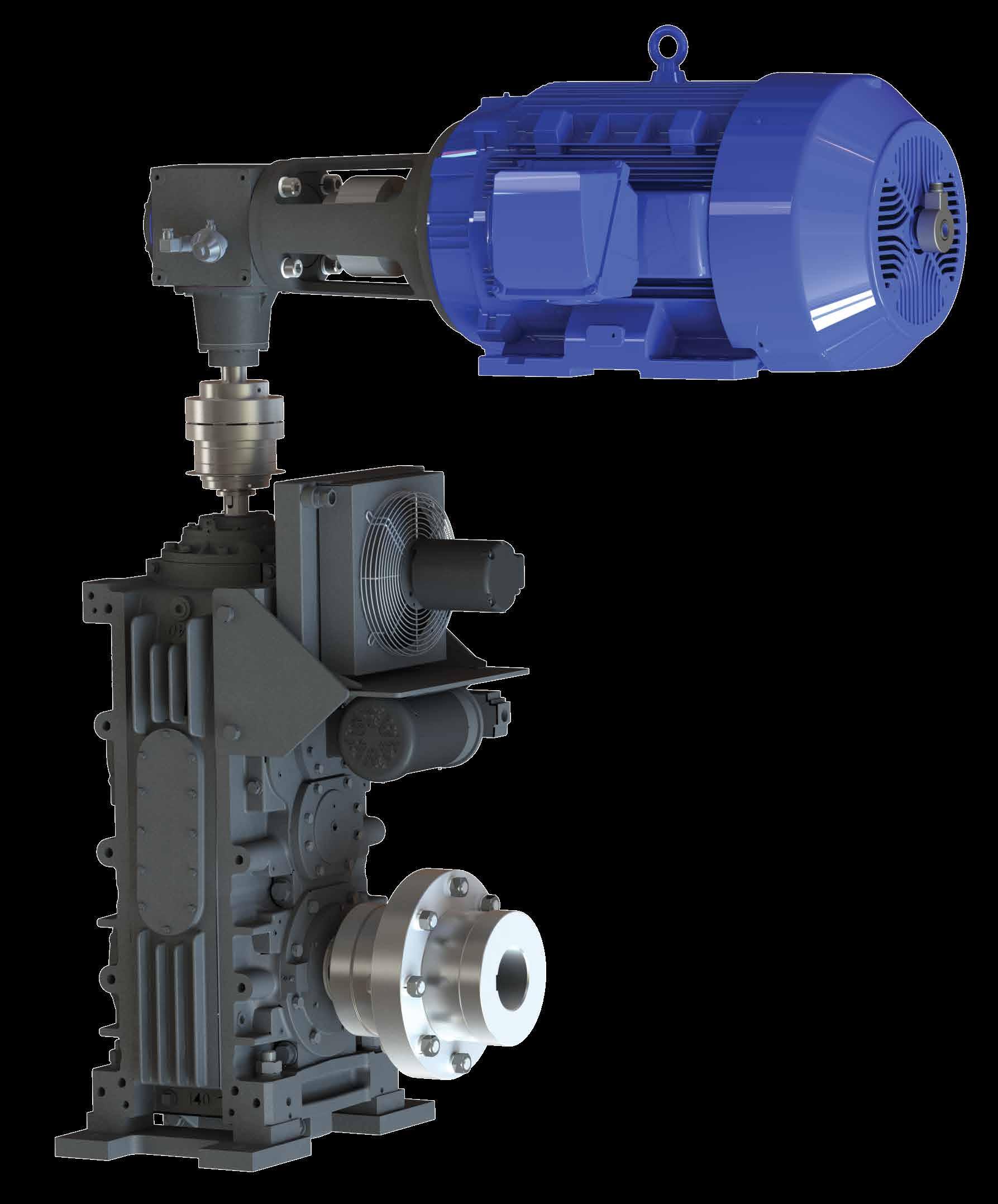
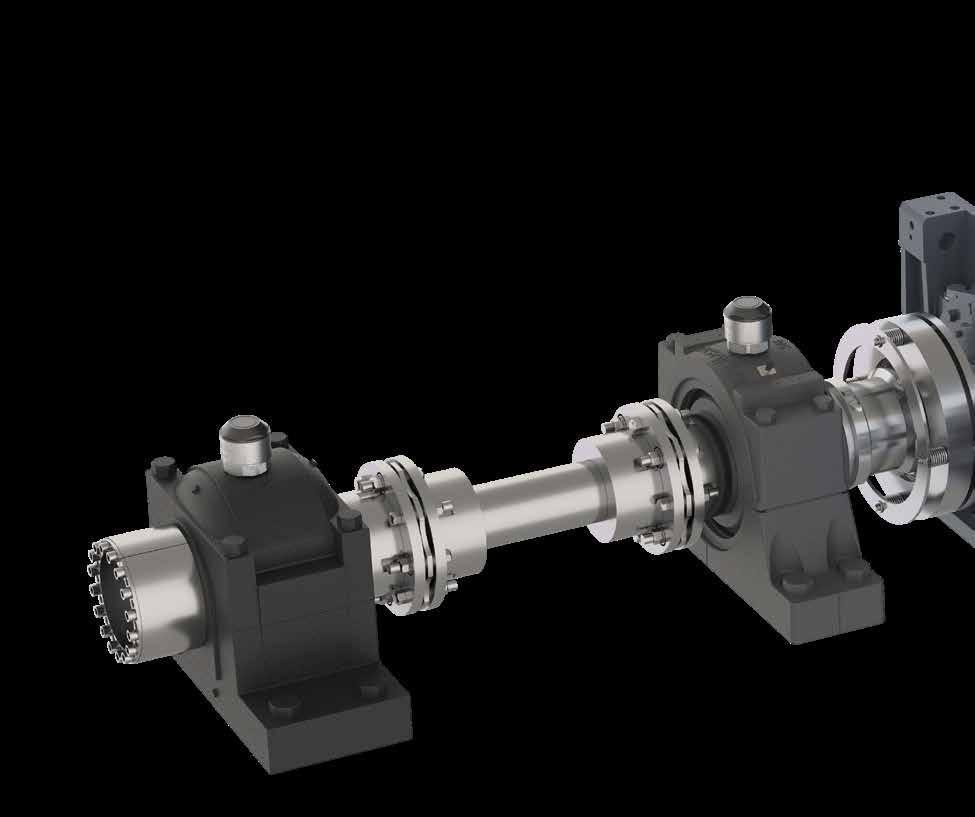
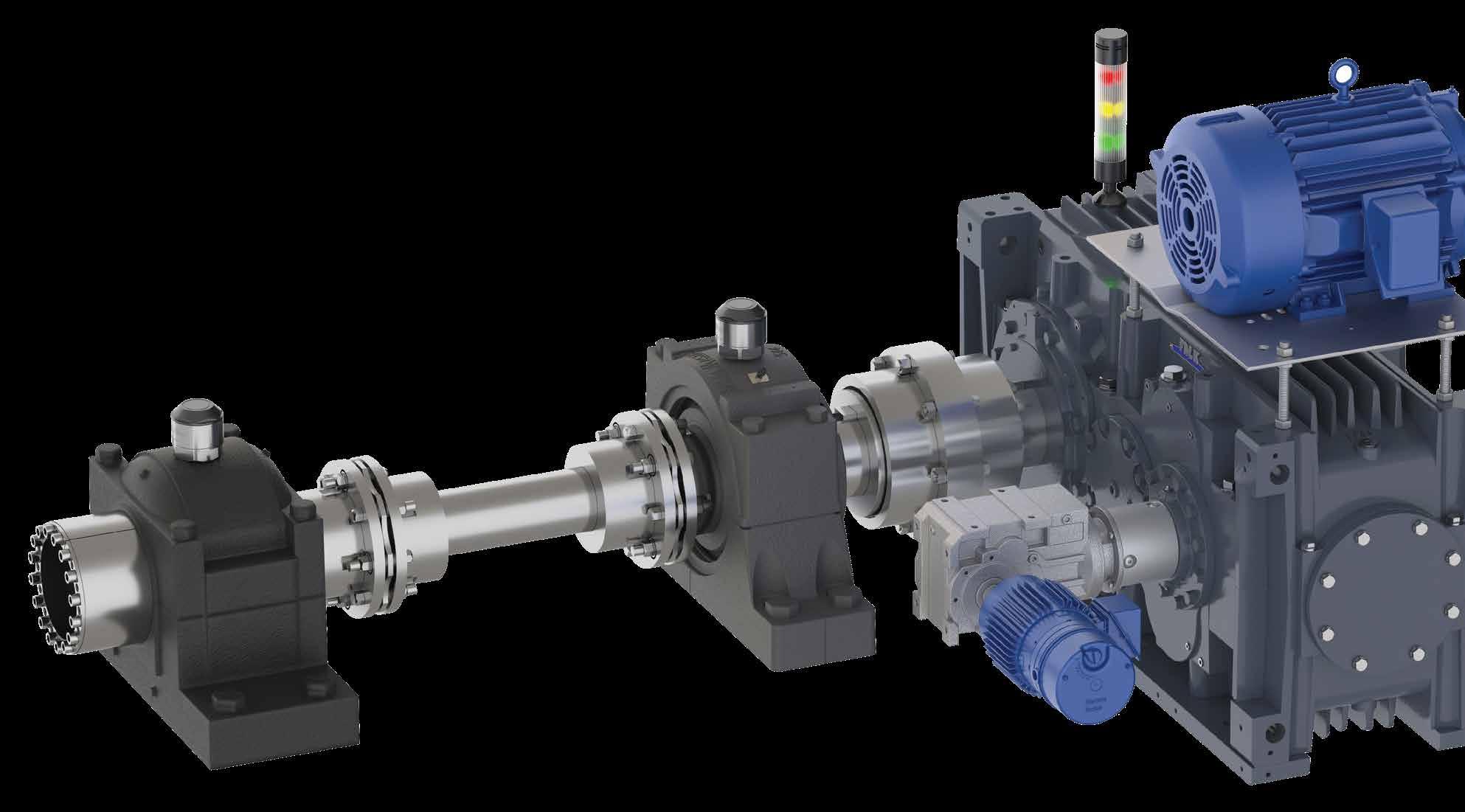
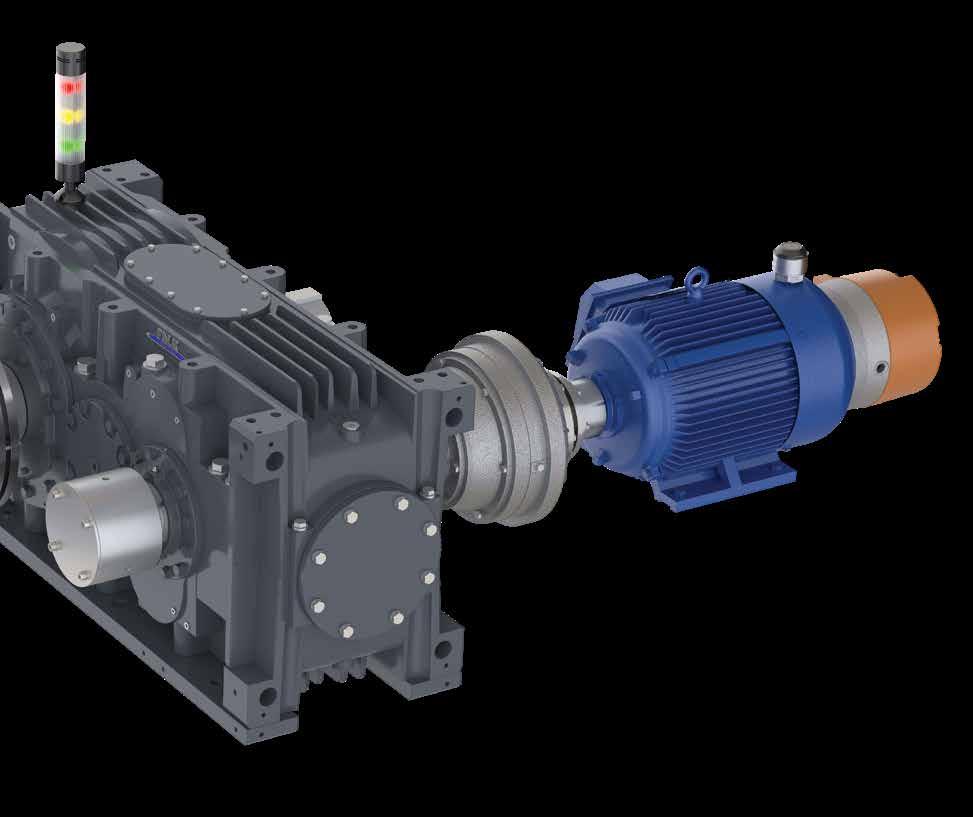

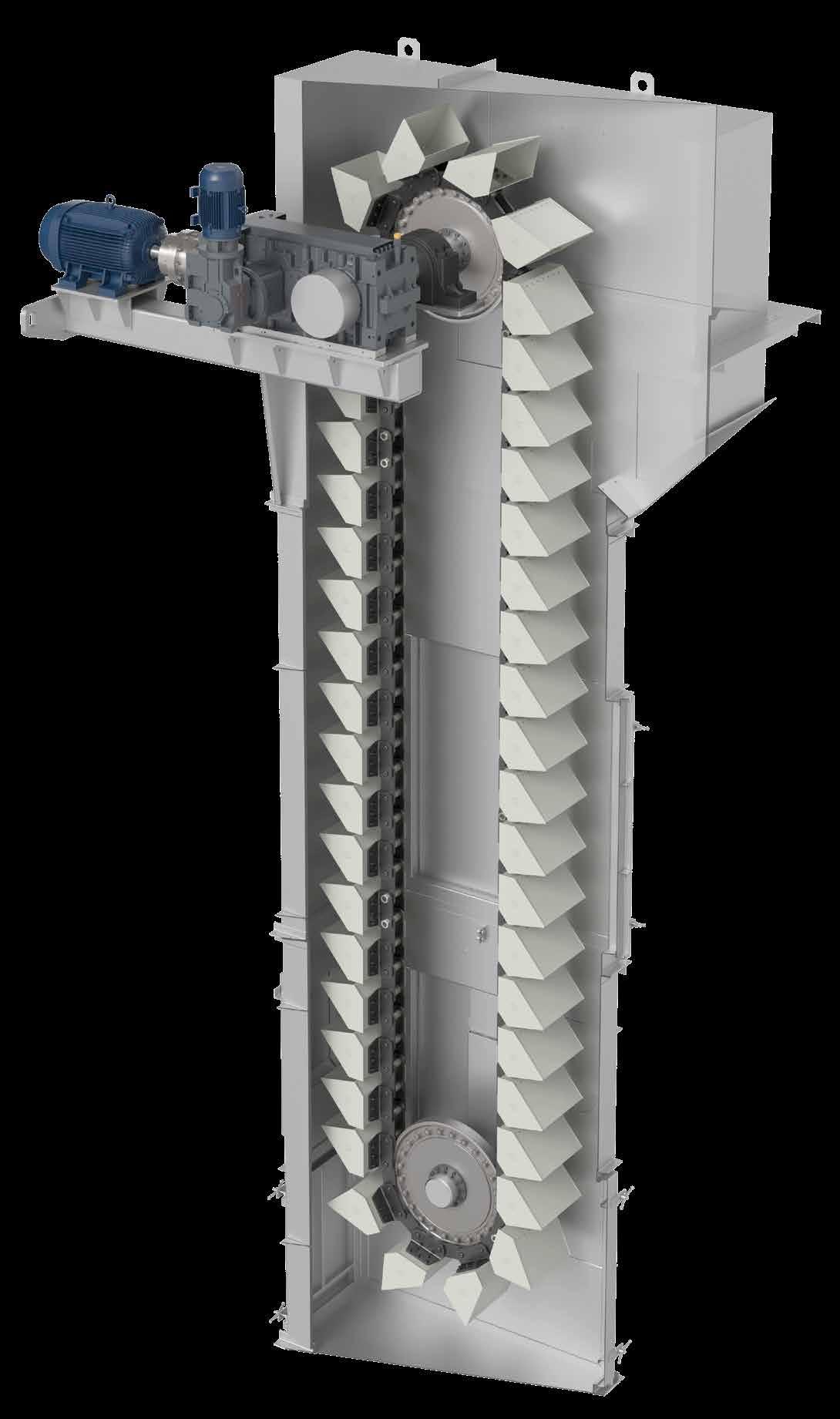
With manufacturing, service centers, and engineering support across the world, Regal Rexnord can meet you where you are. We maintain stock in Europe to ensure our customers have what they need. Our global reach ensures that wherever our customers are in the world, they receive the same expert level of service and reliability.
Regal Rexnord designs and manufactures the products that keep your applications running. Our expertise and our strong portfolio of brands make us a trusted source for sustainable, durable, problem-solving solutions. Our brands and products have the longevity needed to maintain industries around the world.
More information about Regal Rexnord™ can be found at www.regalrexnord.com

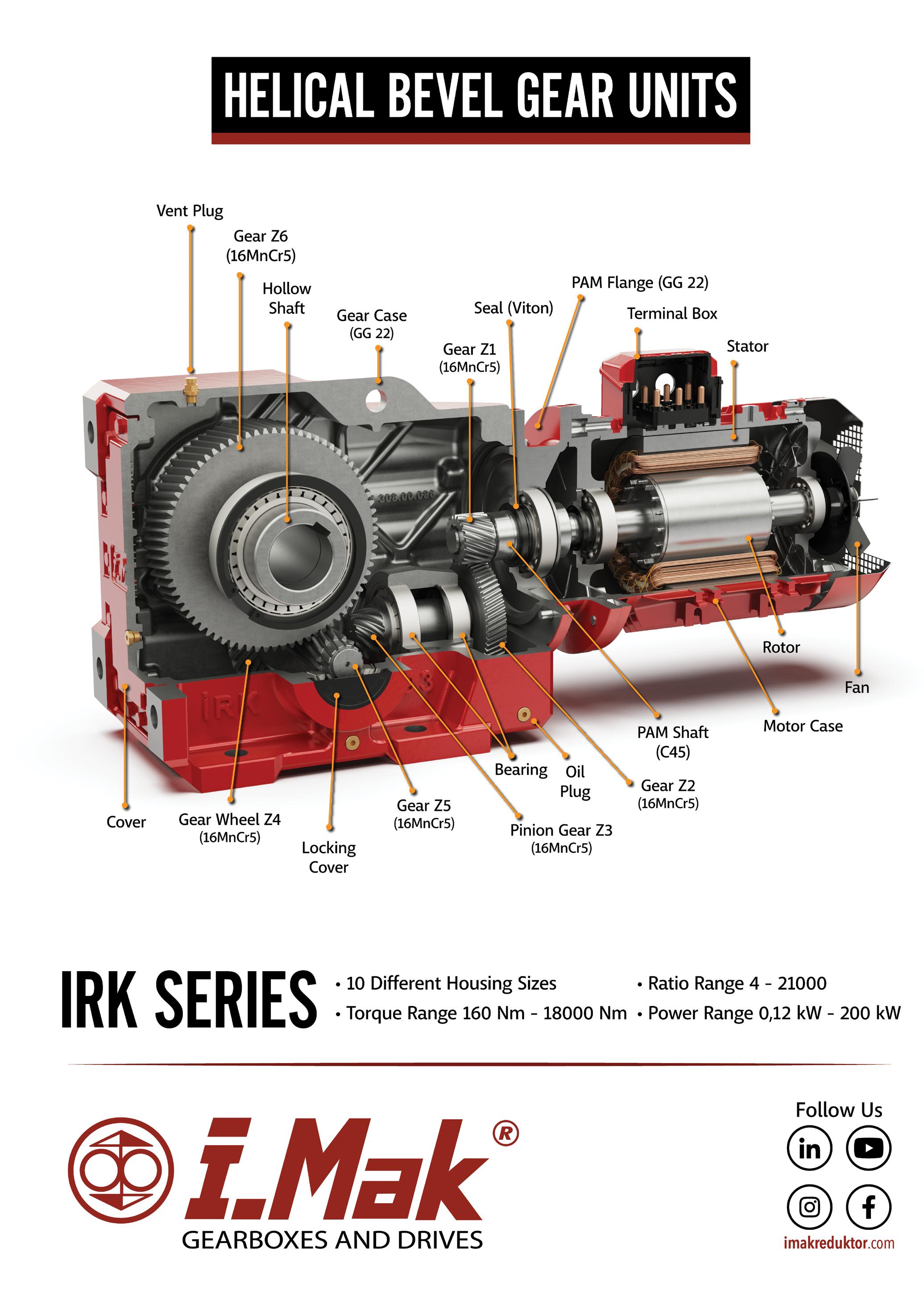

WE LOOK FORWARD TO A SUCCESSFUL NEW YEAR TOGETHER.