











By City News Service
The Los Angeles County Board of Supervisors has launched a review of the Los Angeles Homeless Services Authority’s financial and operational practices, citing concerns of “serious gaps” in oversight and delayed payments to homeless service providers, officials said Thursday.
The county sent a letter to LAHSA CEO Gita O’Neill on Wednesday notifying the agency of the evaluation. The review will focus on LAHSA’s ability to process invoices, which has resulted in delays in payments to county- funded service providers, as well as failure to issue scheduled pay advances at the end of January 2026.
The review is expected to begin this week and conclude in approximately two weeks, according to the county letter.
“Our communities are done with LAHSA’s mismanagement and payment delays. These failures have destabilized providers and eroded public trust -- and they must end,” Supervisor Lindsey Horvath said in a statement.
“Taxpayers deserve transparency. Providers deserve to be paid on time. People experiencing homelessness deserve a system that works,” Horvath added.
The delays in payment came to light in a heated meeting of the LAHSA Financial Committee last month.
LAHSA is expected to disburse nearly $700 million to contractors. Halfway through the fiscal year, the agency still owes 116 service providers for their services. In total, the agency owes at least $69 million in outstanding invoices to contractors.
In the letter, LA County Acting CEO Joseph Nicchitta said the review is intended
to identify policies and operational processes that LAHSA should implement to ensure payments are made in a timely fashion.
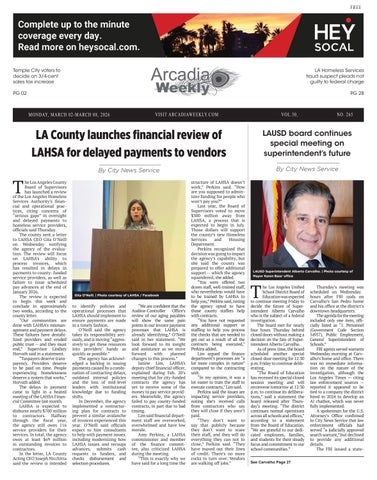
O’Neill said the agency takes its responsibility seriously, and is moving “aggressively to get these resources into providers’ hands as quickly as possible.”
The agency has acknowledged a backlog in issuing payments caused by a combination of contracting delays, outdated internal policies and the loss of mid-level leaders with institutional knowledge due to funding shifts.
In December, the agency implemented a restructuring plan for contracts to prevent a similar avalanche of invoices experienced this year. O’Neill said officials expect to hire consultants to help with payment issues. including modernizing how LAHSA issues and recoups advances, submits cash requests to funders, and checks disbursement and selection procedures.
“We are confident that the Auditor-Controller Office’s review of our aging payables will show the same pain points in our invoice payment processes that LAHSA is already identifying,” O’Neill said in her statement. “We look forward to its insight and assistance as we move forward with planned changes to this process.”
Janine Lim, LAHSA’s deputy chief financial officer, explained during Feb. 20’s meeting that for city-funded contracts the agency has yet to receive some of the money to pay service providers. Meanwhile, the agency failed to pay county-funded contracts, in part due to bad timing.
Lim said financial department staff are overworked, overwhelmed and have low morale.
Amy Perkins, a LAHSA commissioner and member of the finance committee, also criticized LAHSA during the meeting.
“This is exactly why we have said for a long time the
structure of LAHSA doesn’t work,” Perkins said. “How are you supposed to administer funding for people who won’t pay you?”
Last year, the Board of Supervisors voted to move $300 million away from LAHSA, a process that is expected to begin in July. Those dollars will support the county’s new Homeless Services and Housing Department.
Perkins recognized that decision was going to impact the agency’s capability, but she said the county was prepared to offer additional support -- which the agency squandered, she added.
“You were offered two dozen staff, well-trained staff, who nevertheless would have to be trained by LAHSA to help you,” Perkins said, noting the agency opted to have those county staffers help with contracts.
“You have not requested any additional support or staffing to help you process the checks that are needed to get out as a result of all the contracts being executed,” Perkins added.
Lim argued the finance department’s processes are “a lot more complex in nature” compared to the contracting unit.
“In my opinion, it was a lot easier to train the staff to execute contracts,” Lim said.
Perkins said the issues are impacting service providers, noting she’s received calls from contractors who say they will close if they aren’t paid.
“They don’t want to say that publicly because they don’t want to scare their staff, and they will do everything they can not to close,” Perkins said. “They have maxed out their lines of credit. There’s no more rocks to turn over. Vendors are walking off jobs.”
LA Homeless Services fraud suspect pleads not guilty to federal charge
By City News Service
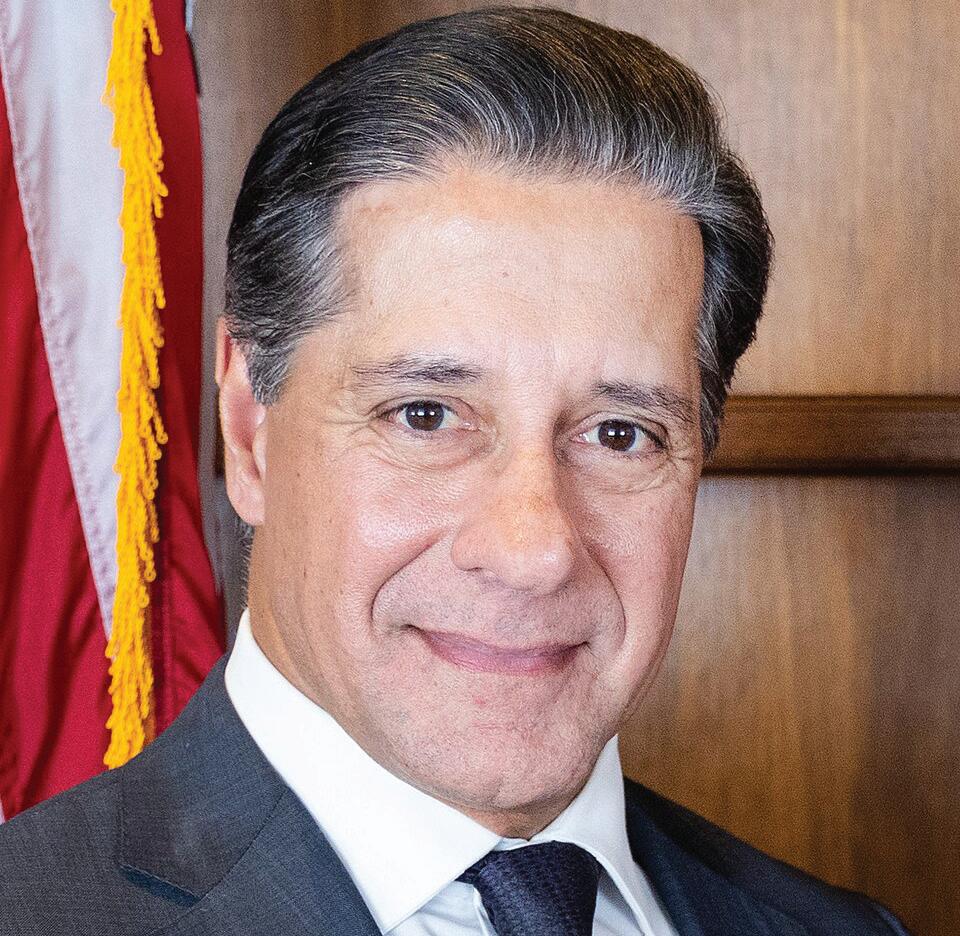
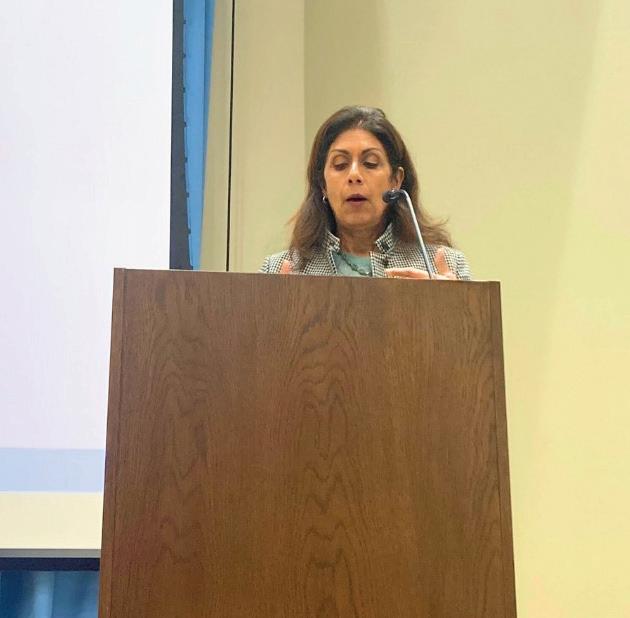
The Los Angeles Unified School District Board of Education was expected to continue meeting Friday to decide the future of Superintendent Alberto Carvalho who is the subject of a federal investigation.
The board met for nearly four hours Thursday behind closed doors without making a decision on the fate of Superintendent Alberto Carvalho.
As of press time, the board scheduled another special closed-door meeting for 12:30 p.m. Friday to continue deliberating.
“The Board of Education has recessed its special closed session meeting and will reconvene tomorrow at 12:30 p.m. to continue its deliberations,” said a statement the board released after Thursday’s meeting. “The district continues normal operations across all schools and offices,” according to a statement from the Board of Education. “We are grateful to our dedicated employees, families, and students for their steady focus and commitment to our school communities.”
Thursday’s meeting was scheduledonWednesday hours after FBI raids on Carvalho’s San Pedro home and his office at the district’s downtown headquarters. The agenda for the meeting included only one item, officially listed as “1. Personnel (Government Code Section 54957), Public Employment, General Superintendent of Schools.”
FBI agents served warrants Wednesday morning at Carvalho’s home and office. There was no immediate information on the nature of the investigation, although the Los Angeles Times — citing law enforcement sources — reported it appeared to be tied to a company the district hired in 2024 to develop an AI chatbot, which was never fully implemented.
A spokesman for the U.S. Attorney’s Office confirmed to City News Service that law enforcement officials had served “a judicially approved search warrant,” but declined to provide any additional details. The FBI issued a state-
By Joe Taglieri joet@beaconmedianews.com
Ahead of the election
Tuesday,voters in Temple City are considering a three-quartercent sales tax increase to fund a range of local services, including road maintenance and 911 emergency response.
According to Measure TC, which the City Council put on the March 3 ballot, an estimated $2.5 million annually generated by the proposed tax will go toward maintaining city services “such as 9-1-1 emergency/fire/paramedic/ police response, maintain streets and repair potholes, addressing property crimes/ thefts, maintaining parks, addresshomelessness, keeping public spaces safe/ clean, and for general government use.”
Funds generated by the tax hike would go into the city’s general fund and may be used for any city general fund purpose, according to the proposed ordinance. The tax would be subject to annual independent auditing and public disclosure requirements and if passed will remain in effect until voters end it.
In addition to bolstering public safety, proponents of the measure said local “roads deteriorate faster than the city can afford to repair them,” according to a pro-Measure TC website. “Delaying maintenance only makes it more expensive.”
Proponents added that funds from the additional 0.75% tax added to all
purchases other than food or pharmacy prescriptions will help “maintain parks, address homelessness, and keep public areas clean.”
Supporters of the measure include Temple City Mayor Cynthia Sternquist; Councilmen Ed Chen and Vince Yu; Donna Georgino, a local school district trustee; Alton Wang, Pasadena City College trustee; and Carl L.Blum, a retired deputy director of the Los Angeles County Public Works Department.
No public arguments against the measure were immediately available. The city’s voter information guide only has arguments in favor of the tax increase.
Voters can mail ballots

postage-free that must be postmarked by Tuesday, March 3 and received by the city not more than seven days later. Drop boxes for
Hall Community Room, 9701 Las
By Staff
For the eighth year in a row, MemorialCare Long Beach Medical Center has been included on Newsweek’s 2026 list of World’s Best Hospitals. Long Beach Medical Center ranked among the top 100 hospitals nationwide, the top 20 hospitals in California, and the top five hospitals in the region. It continues to be the only hospital in the greater Long Beach region, including Lakewood and Los Alamitos, to receive this distinction.
“Being recognized among the world’s best hospitals for eight consecutive years is a testament to our unwaver-
ing commitment to quality, safety, and continuous process and performance improvement—hallmarks of highquality clinical outcomes,” said Eugene Kim, M.D., chief medical officer, MemorialCare Long Beach Medical Center.
“Our teams consistently uphold standards that go above and beyond, reflecting the level of care our community deserves.”
Presented by Newsweek in partnership with Statista Inc., the statistics portal and industry ranking provider, the World’s Best Hospitals recognizes hospitals that demonstrate “excellence in

adapting to evolving healthcare challenges while delivering exceptional patientcentered care.”
For 2026, MemorialCare Long Beach Medical Center was also named an 8-Year Champion and
All-Time Winner, a distinction reserved for hospitals that have consistently earned placement on the World’s Best Hospitals list over multiple consecutive years.
For the 2026 evaluation, four primary data sources were used:
Hospital quality metrics: including indicators related to patient safety and quality of care.
Recommendations from medical experts: including doctors, hospital managers, and healthcare professionals.
Results from patient surveys: reflecting patient
Cal State Fullerton’s Arboretum receives $2.35M gift
By City News Service
TheArboretumand
Botanical Garden at Cal State Fullerton has received a $2.35 million gift to fund physical improvements, expand plant collections and support conservation programs, university officials announced Wednesday.
The commitment includes a $2 million planned gift along with annual contributions of $70,000 over the next five years, funding that will be used for projects such as greenhouse repairs and irrigation-system maintenance, according to school
officials.
“This gift is important for three reasons,” Greg Pongetti, curator of the Arboretum and Botanical Garden, said in a statement.
“First, these funds can be used to support physical improvements. Second, the multi-year pledge allows us to plan for the future by factoring the annual funding into our annual plans and budget. Third, we hope that this type of gift inspires others in our community to support the arboretum and our work.”
The donor, who requested
anonymity, is a longtime Fullerton resident who wanted to support a local program that provides community access to nature, university officials said.
The 26-acre arboretum holds Level IV ArbNet accreditation, the highest designation awarded by the global arboretum network, and is one of four facilities in California with that recognition, according to the school.
Officials said the site houses rare, threatened and endangered plant species and operates a nursery that propa-
experience and satisfaction. Statista PROMs Implementation Survey: assessing the use of patient-reported outcome measures.
The World’s Best Hospitals 2026 ranking evaluates leading hospitals across 32 countries, selected based on factors such as standard of living, life expectancy, population size, number of hospitals, and data availability.
The World’s Best Hospitals 2026 rankings are published on Newsweek. com, with top-performing hospitals also featured in an upcoming print edition of Newsweek.

Editorial editorial@beaconmedianews.com editor@hlrmedia.com
Graphics/Production production@beaconmedianews.com production@hlrmedia.com
Advertising advertising@beaconmedianews.com advertising@hlrmedia.com
Legal Advertising legals@beaconmedianews.com legals@hlrmedia.com
Business accounting@beaconmedianews.com accounting@hlrmedia.com
BEACON MEDIA ADDRESS: 820 S. Myrtle Ave. Monrovia, CA 91016
PHONE: (626) 301-1010
WEBSITE www.beaconmedianews.com
HLR MEDIA ADDRESS: 820 S. Myrtle Ave. Monrovia, CA 91016
PHONE: (626) 301-1010
editor@beaconmedianews.com editor@hlrmedia.com














By Zara Norman and Naisha Roy, Medill Investigative Lab via ProPublica


Senateleadersare urging the Department of Defense to prioritize the purchase of generic drugs manufactured in the United States, warning that the country’s overreliance on foreign factories poses an “existential risk” to the military.
In a letter Feb. 18, Sens. Rick Scott, R-Fla., and Kirsten Gillibrand, D-N.Y., asked Defense Department Secretary Pete Hegseth to provide information about drugs or key ingredients purchased from foreign sources and how long the department’s inventory would last if China restricted exports. They also sought details about whether the Food and Drug Administration had imposed any import bans on the department’s suppliers.











The letter cited ProPublica reporting last year that found the FDA allowed dozens of foreign drugmakers, mostly in India and China, to continue sending generic medication to the U.S. even after the factories were banned because of serious safety and qualitycontrol failures. Since 2013, ProPublica found, the FDA allowed more than 150 drugs or their ingredients into the United States from banned factories, including antibiotics, anti-seizure drugs and chemotherapy treatments.
The agency has said that the exemptions helped prevent drug shortages and that factories were required to conduct extra quality testing with third-party oversight.
“Exempting these drugs or facilities allows for substandard and potentially unsafe drugs to enter the U.S. market,” the senators wrote in their letter. “These exemptions can pose a threat to drug safety for American consumers.”
Scott and Gillibrand also noted they are worried about instability in global trade and politics, which they said can create “profound ramifications for the availability of medications” and pose public health and national security risks.
Nine in 10 prescriptions in the United States are for generics, many of them made overseas. Last year, the senators, who lead the Senate Special Committee on Aging, released an investigative report demanding changes in the FDA’s oversight of the generic drug industry. Among other things, they asked the FDA to alert hospitals and other group purchasers when troubled foreign drugmakers are given a special pass to continue sending their products to the United States.
Last month, Scott and
Gillibrand introduced legislation known as the Clear Labels Act to help patients, doctors and pharmacists know more about the drugs they use and prescribe. The proposal calls for prescription labels to disclose the original manufacturer as well as the suppliers of key ingredients. The generic drug lobbying group has said that the labeling requirements would be costly and that drug manufacturers already disclose country of origin information under U.S. Customs and Border Protection rules. The trade group for brand-name drugmakers said the industry would “welcome conversations” about strengthening the supply chain.
ProPublica had to sue the FDA in federal court last year to learn more about where generic drugs were made and whether the agency’s inspectors had ever flagged those factories for safety and quality lapses. ProPublica ultimately created a first-ofits-kind tool that empowers consumers to find the information themselves.
Now, Scott and Gillibrand are turning their attention to the medications used by millions of U.S. servicemembers, veterans and their families. They requested a briefing by the Pentagon to explore
whether officials are prioritizing the purchase of American-made drugs.
Drug safety experts said the push could ultimately help shore up a vulnerable supply chain.
“Before you can be deployed, you have to be stable on your medications,” said David Light, president of the independent testing lab Valisure, which is conducting drugquality testing for the Defense Department. “If you purposely add more variability to your drugs, you could prevent the deployment of thousands of troops without a single shot.”
Last year, ProPublica engaged Valisure to test several widely used generic drugs and found several samples had irregularities that experts say could compromise their effectiveness.
Vic Suarez, a retired Army medical supply-chain commander, said he hopes the effort in the Senate will lead to stronger drug acquisition policies.
“This is a national security issue. It is an economic security issue. And it is a patient safety issue,” he said. The Department of Defense did not respond to a request for comment.
Republished with Creative Commons License (CC BY-NC-ND 3.0).
By Keri Blakinger, ProPublica
FourHouseDemocratsdemandedthe
top Federal Bureau of Prisons official explain how he plans to address the agency’s “persistent, unsafe conditions” and “pervasive shortage of critical staff,” driven in part by corrections officers fleeing the bureau for more lucrative jobs at Immigration and Customs Enforcement.
Outlined in a six-page letter sent Feb. 20 to BOP Director William Marshall III, the lawmakers’ questions come after a ProPublica investigation found that workers at federal lockups from Florida to California had been lured away by the $50,000 starting bonus and higher pay at ICE, which more than doubled its number of officers and agents last year during the Trump administration’s monthslong recruiting blitz. The prisons bureau, meanwhile, lost a net of more than 1,800 workers last year.
“We are deeply concerned that these developments compromise the safety and security of both inmates and
staff,” Reps. Jamie Raskin of Maryland, Lucy McBath of Georgia, Jasmine Crockett of Texas and Joe Neguse of Colorado wrote in their letter.
“The shrinking existing workforce has been left to contend with an ever-growing use of overtime, which leads to fatigue, burnout, and increased attrition.”
The representatives said that short staffing, in turn, has led to more lockdowns, more violence and less access to recidivism-reducing programs for prisoners. Their letter also raised questions about the cancellation of the union contract, which they noted critics have said “appears retaliatory,” and the ongoing reliance on “augmentation” — the practice of forcing nurses, teachers and plumbers who work in the prisons to fill in as corrections officers — to plug staffing gaps.
“We believe these deeply troubling issues require concrete answers,” the lawmakers wrote. They set a 30-day deadline for the

bureau to respond in writing.
Prison union officials have also pressed the case, urging lawmakers to insist that Marshall and his deputy, Josh Smith, testify before Congress on the issue.
The prison agency declined to answer questions from ProPublica about the lawmakers’ letter, saying it would respond directly to Congress.
In a statement, a spokesperson said that the BOP “continues to prioritize

efforts” to increase staffing, adding that some staff will always have to step in as corrections officers “for the safety and security of staff, inmates and the public.”
The BOP has long struggled to hire and retain enough workers to staff its facilities, where roughly 34,700 employees are responsible for more than 138,000 prisoners.
As of 2023, union officials said some 40% of corrections officer jobs remained vacant. That same year, the lack of staff helped land the prison system on a government list of high-risk agencies with serious vulnerabilities.
As part of a long-term hiring push, the bureau turned to signing bonuses, retention pay and a fasttracked hiring process. Although those efforts drew in a net of more than 1,200 people in 2024 — the bureau’s largest workforce increase in a decade — the cost of hiring incentives, along with raises, overtime and inflation, strained an already-stagnant budget.
Early last year, the agency paused hiring and retention incentives to save money,
a move that threatened to undermine the prior year’s staffing gains. Still, the financial strain continued and, by the fall, dozens of staff and prisoners were telling ProPublica about unusual scarcities in facilities across the country. Some prisons fell behind on utility and trash bills, while others ran out of staple foods including eggs and beef. At one point, a prison in Louisiana came within days of running out of food for inmates before union officials intervened and urged agency leaders to fix the problem.
In their letter last month, the representatives said they were “alarmed” by the financial shortfalls ProPublica reported, as well as by the worsening staffing figures.
Last year, the bureau’s net loss of employees was larger than in any other year since 2017, according to data ProPublica obtained through an open records request.
With a dwindling workforce, the bureau’s overtime costs have soared. According to a recent Congressional Resarch Service report, in 2025 the federal prison system spent more than $387 million on overtime, a number surpassed only once in the past decade.
Several prison officials who asked to remain anonymous told ProPublica last month that officers at some facilities are often forced to work two to four double shifts per week, sometimes putting in so many overtime hours that prisoners have expressed concern.
“The only ones who like it are the predatory inmates,” one corrections officer told ProPublica. “Inmates don’t
like super cops, but they at least want to feel like if they are attacked, someone will see it and stop it as quickly as they can. You ain’t getting that with a CO on a double who can barely keep his eyes open.”
Meanwhile, the lawmakers said they were “gravely concerned” about some of the ways BOP leaders have tried to save money and minimize the use of overtime, including by locking down facilities and skimping on staff, which, lawmakers said, the bureau then attempted to cover up.
When the Office of Inspector General visited one facility last year, the housing units were all well staffed, “a trick” the lawmakers said was accomplished only by extreme use of augmentation. “Reportedly, after the visit, the facility immediately resumed shortstaffing units,” the lawmakers wrote. “Committee staff have reviewed housing unit staffing and augmentation rosters documenting this apparent effort to mislead the OIG.”
Last year, prison employees worked more than 700,000 augmentation hours, the most in any single year for at least a decade, according to the Congressional Research Service report.
“That’s why I left,” one former prison official told ProPublica last year, explaining that he chose to retire instead of being forced to abandon his duties resolving discrimination complaints to instead work as an officer on a housing unit two days a week.
Republishedwith Creative Commons License (CC BY-NC-ND 3.0).

By Matt Barnum for Chalkbeat via Stacker
It’s hardly breaking news that American students are behind academically from where they used to be.
But the specifics can get lost in a haze of headlines and data points. Chalkbeat reviewed multiple pieces of testing data to find out where U.S. students stand on learning loss and recovery.
In sum: Test scores have been trending down for over a decade. There are some signs of recovery in math, but not many in reading. Learning declines are not a distinctly U.S. phenomenon and are not even limited to schoolchildren. Researchers are only just beginning to wrap their heads around the causes of this.
Confident claims about what’s going on here are unwarranted, though policymakers can’t wait for perfect evidence to act.
“We should resist the notion of trying to put our finger on the one thing we can change that will solve this problem,” says University of Virginia researcher James Wyckoff, who recently released a paper on declining achievement. “I think it really results from many things in and out of school.”
Here are some key takeaways from the review of the data.
Learning declines have been substantial and pervasive.
Consider one example from the National Assessment of Educational Progress, or NAEP: In 2013, 74% of American eighth graders scored at the basic or above level in math, the highest figure since the test started in 1990. In the most recent round that number fell to 61%, hitting levels last seen in 1996. Scores have fallen in other grades and subjects, too.
Despite a small handful of relative bright spots, these declines have been remarkably widespread. Eighth grade math scores fell in almost every single state during this period; no states saw increases. Although schools that were closed longer during the pandemic tended to experience bigger declines, even those that quickly reopened have been hit hard by learning loss.
This trend started before the pandemic.
Test scores, particularly in math, had generally been marching upwards for a few decades until about 2013. Then a period of stagnation and decline hit. The aftershocks of the Great
Recession on families and school budgets may have been an initial cause. Yet even by 2019 there was still no sign of recovery. Then the bottom fell out further after the pandemic.
Two groups have been hit hardest: low performers and girls.
On a wide variety of tests, starting before the pandemic, the gap between the lowestand highest-performing students has grown. That’s not because high performers have surged ahead but because low performers have fallen further behind.
More recently, since the pandemic, girls’ scores have tended to fall more sharply than boys’.
Some good news: Math scores are starting to trend up again.
Every state with consistent testing data shows that more students are reaching proficiency in math now compared to 2021. Math results have also ticked up on the NWEA exam and on the fourth grade (but not eighth grade) NAEP. Still, most data indicates that these scores have not bounced back to pre-pandemic levels.
There’s been inconsistent recovery at best in reading.
Reading and math results have followed curiously different trajectories. On the most recent NAEP, reading scores actually fell even further. On state exams, reading achievement has been all over the map. Pennsylvania, for instance, has had solid recovery in math, but reading scores have kept sliding downward.
The U.S. is hardly alone in its achievement woes.
Many other countries are grappling with falling test scores, too. This has shown up on an exam of 15-yearolds known as the PISA, as well as on the TIMSS, a math and science test of fourth and eighth graders. Relative to the rest of the world, the U.S. trends look a bit worse on TIMSS, but a bit better on PISA.
The U.S. is unusual in its sharply growing gap between the highest- and lowestperforming students. Also, test scores may be lower among adults and very young children.
Some data indicates that children who are just entering school are doing so with lower levels of readiness in reading and math. Another study of adult skills showed drops across the age distribution between 2017 and 2023 in literacy and numeracy.
This adds a new wrinkle. “Factors outside of school might play a considerable role” in learning declines, writes Nat Malkus of the American Enterprise Institute in a report from last year.
How concerned should we be? Pretty concerned!
When children know more, as measured on tests, they tend to lead more productive lives. Countries with higher test scores tend to see stronger economic growth. These scores are incomplete measures of students’ skills, but they do matter.
Test scores are not in entirely uncharted territory, though. A long-running test of 13-year-olds shows that math scores in 2023 were at the lowest point in recent decades but remain comparable to scores from the ‘80s and early ‘90s and higher than those in the ‘70s. Reading scores have dipped to levels last seen in the early 2000s.
So what explains all this? Researchers aren’t quite sure.
Two detailed analyses, by Wyckoff and Malkus, have tried to parse what is driving these trends. Neither concluded with definitive answers. “There is remarkably little understanding of the nature of either the sustained achievement gains prior to 2013 or the subsequent losses thereafter,” writes Wyckoff in his paper, titled “Puzzling Over Declining Academic Achievement.”
That said, it’s very likely that the pandemic and its associated disruptions to life in and out of school played a significant role. Another theory is that easing off school accountability pressure — which research found drove learning gains in the early 2000s — has contributed to recent score declines.
Perhaps the leading hypothesis is the proliferation of phones and screens, although Wyckoff notes that “direct causal evidence” on this question “is limited.” That’s beginning to change.
One recent study linked school phone restrictions to better test scores.
These learning challenges are not particular to American schools and may not even be largely caused by changes within schools. Yet they remain a challenge that schools and educators must confront.
This story was produced by Chalkbeat and reviewed and distributed by Stacker.
By Suzanne Potter, Public News Service

California groups are speaking out against moves by the Bureau of Land Management to open up new leases for oil and gas drilling in the Bakersfield area and on the Central Coast.
Public comment is open now through March 13 on the Environmental Impact Statements for both regions.
Felipe Perez, former mayor and current city council member in Firebaugh in Fresno County, said the area is already choked with dirty air from existing wells.
“In Kern County, anyone can smell the pollution there from oil and gas operations,” Perez pointed out. “People breathe it in all the time; areas where mainly
people of color live. People’s lives should always come before corporate profits.”
President Donald Trump has made it a priority to support the oil and gas industry, promising regulatory relief if they contributed $1 billion to his campaign.
Angel Alfaro Carranza, energy security solutions program officer for the group Elected Officials to Protect America, said drilling sites can emit toxic air pollution, bring increased truck traffic and contaminate the water.
“Public lands belong to all Californians and should be managed for their ecological, cultural and recreational values,” Carranza contended. “Not sacrificed for extractive
industries looking to make profits.”
Dr. Ashley E. McClure, a primary care internist and cofounder and codirector of the nonprofit Climate Health Now, said Californians need to make their voices heard.
“We can succeed,” McClure emphasized. “But it’s going to take a lot more people calling up our representatives to say, ‘I do not want over a million acres in California of our public lands to be opened up for new oil and gas drilling. I want you to oppose this.’”
References:
Study: https://hsph. harvard.edu/environmentalhealth/news/fossil-fuel-airpollution-responsible-for1-in-5-deaths-worldwide/
CITY OF EL MONTE CITY COUNCIL NOTICE OF PUBLIC HEARING
Hablamos Español - Favor de hablar con Sandra Elias (626) 258-8626
TO: All Interested Parties
FROM: City of El Monte Community & Economic Development Department
LOCATION: Citywide
TO BE The City Council will hold a public hearing to CONSIDERED: consider an extension of Interim Urgency Ordinance No. 3057, extending the Interim Moratorium on the approval of any pending tobacco retail permits and the issuance of land use and zoning approvals or entitlements for a significant tobacco retail use within the City limits.
ENVIRONMENTAL Pursuant to the California Environmental DOCUMENTATION: Quality Act (“CEQA”) (Pub. Res. Code § 21000 et seq.) and CEQA Guidelines (Cal. Code Regs., tit. 14, § 15000 et seq.) the proposed Ordinance is exempt from CEQA pursuant to CEQA Guidelines Section 15061(b)(3) because it is reasonably foreseeable that the adoption of the proposed Ordinance would result in a physical change in the environment, either directly or indirectly. Therefore, no additional environmental analysis is required.
TIME AND PLACE Pursuant to State Law, the City Council will OF PUBLIC hold a public hearing to receive testimony, HEARING: orally and in writing, regarding the proposed Ordinance. The public hearing is scheduled for:
Date: Wednesday, March 11, 2026 Time: 6:00 p.m.
Place: El Monte City Hall East –City Council Chambers 11333 Valley Boulevard El Monte, California 91731
OPTIONS TO Observe the Meeting Remotely
PARTCIPATE: (1) Turn your TV to Channel 3; or (2) City’s website at http://www.elmonteca.gov/378/Council-Meeting-Videos; or (3) In person.
Provide Public Comment in Person Persons wishing to address the City Council in person are asked to attend the City Council meeting on the date and at the time noted in this notice. Persons will be asked to fill-out a blue speaker card providing their name and identifying the agenda item. Speaker cards should be submitted to the City Clerk or the Sergeant at Arms (a uniformed El Monte Police Officer) before the City Council’s approval of the agenda, if possible.
The City Council shall be under no obligation to entertain comments from persons who submit a speaker card after the City Council closes the applicable commenting period. With this in mind, speakers are strongly encouraged to submit cards or call in as early as possible to avoid missing the opportunity to speak. The City Council shall be under no obligation to respond to or deliberate upon any specific questions or comments posed by a speaker or take action on any issue raised by a speaker beyond such action as the City Council may be lawfully authorized to take on an agendized matter pursuant to the Brown Act (Govt. Code Section 54950 et seq.) (“Brown Act”).
Members of the City Council may provide brief clarifying responses to any comment made or questions posed. Persons who wish to address the City Council (in person or by calling-in) are asked to state their name and address for the record. Speakers may not lend any portion of their speaking time to other persons or borrow additional time from other persons. All comments or queries presented by a speaker/ caller shall be addressed to the City Council as a body and not to any specific member thereof. No questions shall be posed to any member of the City Council except through the presiding official of the meeting, the Mayor.
If you challenge the decision of the City Council, in court, you may be limited to raising only those issues you or someone else raised at
the public hearing described in this notice, or in written correspondence delivered to the City Council at, or prior to, the public hearing. For further information regarding this proposed Ordinance please contact Steven Fowler at (626) 258-8626 or sfowler@elmonteca.gov, Monday through Thursday, except legal holidays, between the hours of 7:00 a.m. and 5:30 p.m.
The staff report and attachments on this matter will be available 72 hours in advance on the City of El Monte website, which may be accessed at https://www.elmonteca.gov/AgendaCenter.
AMERICAN WITH In compliance with Section 202 of the Americans DISABILITIES ACT: with Disabilities Act of 1990 (42 U.S.C. Sec. 12132) and the federal rules and regulations adopted in implementation thereof, the agenda will be made available in appropriate alternative formats to persons with a disability. Should you need special assistance to participate in this meeting, please contact the City Clerk’s Office by calling (626) 580-2016. Notification 48 hours prior to the meeting will enable the City of El Monte to make reasonable arrangements to ensure accessibility to this meeting.
PUBLISHED ON: Monday, March 2, 2026
EL MONTE EXAMINER
The Planning Commission is holding a public hearing on the project described below. You are receiving this notice because your property is located near the project, the project may directly, or indirectly affect you, or because you have requested to be notified.
Project Location: Citywide, City of Temple City, County of Los Angeles
Project: PL 26-5325: Code Amendments for Accessory Dwelling Units. The Planning Commission will discuss various amendments to Title 9 (Zoning Regulations) of the Temple City Municipal Code (TCMC) relating to Accessory Dwelling Units (ADUs) and Junior Accessory Dwelling Units (JADUs). The proposed amendments to the TCMC are necessary to bring the City’s existing ADU and JADU regulations into compliance with state ADU law. The Planning Commission will review and make a recommendation to the City Council.
Applicant: City of Temple City, 9701 Las Tunas Drive, Temple City, CA 91780
Environmental
This Ordinance is not subject to environmental Review: review under the California Environmental Quality Act (“CEQA”) pursuant to Section 15282(H) of the CEQA Guidelines regarding projects involving the adoption of an ordinance regarding ADUs and JADUs in a single-family or multifamily residential zone by a city or county to implement the provisions of Sections 65852.1 and 65852.2 of the Government Code as set forth in Section 21080.17 of the Public Resources Code.
The Planning Commission Public Hearing will be held:
Meeting Date & Time: Tuesday, March 24, 2026, at 7:00 P.M.
Meeting Location: City Council Chambers, 5938 Kauffman Avenue, Temple City, CA 91780
If you have a request for reasonable modification or accommodation due to a disability covered by the Americans with Disabilities Act please contact staff 48 hours in advance of the meeting at planning@templecityca. gov or (626) 656-7316.
For questions or concerns regarding this project, or if you wish to review the project file, please contact:
Project Planner: Adam Gulick, Associate Planner (626) 285-2171, extension 4313 agulick@templecityca.gov or visit the Community Development Department offices at City Hall located at: 9701 Las Tunas Drive,
Temple City, CA 91780
Monday – Thursday: 8:00 a.m. to 5:00 p.m. and Friday: 8:00 a.m. to 4:00 p.m.
A separate public hearing for the project will be held before the City Council. When scheduled, the hearing will be separately noticed. If you challenge any of the foregoing actions in court, you may be limited to raising only those issues you or someone else raised at the public hearing or in written correspondence delivered to the hearing body at, or prior to, the public hearing.
Date: February 26, 2026
Signature: Adam Gulick, Associate Planner
Publish March 2, 2026 TEMPLE CITY TRIBUNE
The Planning Commission is holding a public hearing on the project described below. You are receiving this notice because your property is located near the project, the project may directly, or indirectly affect you, or because you have requested to be notified.
Project Location: Citywide, City of Temple City, County of Los Angeles
Project: PL 22-3598: An Ordinance to amend Chapter 2 (Subdivision Regulations) of the Temple City Municipal Code. The proposed amendments will update the City’s Subdivision Ordinance to reflect recent changes in State law, clarify applicable procedures and standards, and maintain compliance with current statutory requirements related to the division of land. In addition, this amendment will implement policies of the Housing Element. The Planning Commission will review and make a recommendation to the City Council. The City Council will make the final decision on this project.
Applicant: City of Temple City, 9701 Las Tunas Drive, Temple City, CA 91780
Environmental This Ordinance is not subject to environmental Review: review under the California Environmental Quality Act (“CEQA”) pursuant to Sections 15060(c)(2) (activities that will not result in physical change in the environment) and 15162 (subsequent environmental review) of the CEQA Guidelines.
The Planning Commission Public Hearing will be held:
Meeting Date & Time: Tuesday, March 24, 2026, at 7:00 P.M.
Meeting Location: City Council Chambers, 5938 Kauffman Avenue, Temple City, CA 91780
If you have a request for reasonable modification or accommodation due to a disability covered by the Americans with Disabilities Act please contact staff 48 hours in advance of the meeting at planning@templecityca. gov or (626) 656-7316.
For questions or concerns regarding this project, or if you wish to review the project file, please contact:
Project Planner: Andrew Coyne, AICP, Associate Planner (626) 285-2171, extension 4344 acoyne@templecityca.gov or visit the Community Development Department offices at City Hall located at: 9701 Las Tunas Drive, Temple City, CA 91780 Monday – Thursday: 8:00 a.m. to 5:00 p.m. Friday: 8:00 a.m. to 4:00 p.m.
A separate public hearing for the project will be held before the City Council. When scheduled, the hearing will be separately noticed. If you challenge any of the foregoing actions in court, you may be limited to raising only those issues you or someone else raised at the public hearing or in written correspondence delivered to the hearing body at, or prior to, the public hearing.
Date: February 26, 2026
Signature: Andrew Coyne, AICP Associate Planner
Publish March 2, 2026
TEMPLE CITY TRIBUNE
any reason, the successful bidder’s sole and exclusive remedy shall be the return of monies paid to the Trustee, and the successful bidder shall have no further recourse. The beneficiary of the Deed of Trust has executed and delivered to the undersigned a written request to commence foreclosure, and the undersigned caused a Notice of Default and Election to Sell to be recorded in the county where the real property is located.
NOTICE OF TRUSTEE’S SALE
NOTICE TO POTENTIAL BIDDERS: If you are considering bidding on this property lien, you should understand that there are risks involved in bidding at a trustee auction. You will be bidding on a lien, not on the property itself. Placing the highest bid at a trustee auction does not automatically entitle you to free and clear ownership of the property. You should also be aware that the lien being auctioned off may be a junior lien. If you are the highest bidder at the auction, you are or may be responsible for paying off all liens senior to the lien being auctioned off, before you can receive clear title to the property. You are encouraged to investigate the existence, priority, and size of outstanding liens that may exist on this property by contacting the county recorder’s office or a title insurance company, either of which may charge you a fee for this information. If you consult either of these resources, you should be aware that the same lender may hold more than one mortgage or deed of trust on this property.
NOTICE TO PROPERTY OWNER: The sale date shown on this notice of sale may be postponed one or more times by the mortgagee, beneficiary, trustee, or a court, pursuant to Section 2924g of the California Civil Code. The law requires that information about trustee sale postponements be made available to you and to the public, as a courtesy to those not present at the sale. If you wish to learn whether your sale date has been postponed, and, if applicable, the rescheduled time and date for the sale of this property, you may call (866)-960-8299 or visit this Internet Web site https://www.altisource. com/loginpage.aspx using the file number assigned to this case 2025-01757-CA. Information about postponements that are very short in duration or that occur close in time to the scheduled sale may not immediately be reflected in the telephone information or on the Internet Web site. The best way to verify postponement information is to attend the scheduled sale.
NOTICE OF TRUSTEE’S SALE
NOTICE TO TENANT: You may have a right to purchase this property after the trustee auction, if conducted after January 1, 2021, pursuant to Section 2924m of the California Civil Code. If you are an “eligible tenant buyer,” you can purchase the property if you match the last and highest bid placed at the trustee auction. If you are an “eligible bidder,” you may be able to purchase the property if you exceed the last and highest bid placed at the trustee auction. There are three steps to exercising this right of purchase. First, 48 hours after the date of the trustee sale, you can call (855)-976-3916, or visit this internet website https://tracker.auction. com/sb1079, using the file number assigned to this case 2025-01757-CA to find the date on which the trustee’s sale was held, the amount of the last and highest bid, and the address of the trustee. Second, you must send a written notice of intent to place a bid so that the trustee receives it no more than 15 days after the trustee’s sale. Third, you must submit a bid, by remitting the funds and affidavit described in Section 2924m(c) of the Civil Code, so that the trustee receives it no more than 45 days after the trustee’s sale. If you think you may qualify as an “eligible tenant buyer” or “eligible bidder,” you should consider contacting an attorney or appropriate real estate professional immediately for advice regarding this potential right to purchase. Date: February 24, 2026 Western Progressive, LLC, as Trustee for beneficiary C/o 1500 Palma Drive, Suite 238 Ventura, CA 93003 Sale Information Line: (866) 960-8299 https://www.altisource.com/loginpage. aspx ___________ Trustee Sale Assistant. Run Dates: 03/02/2026, 03/09/2026, 03/16/2026 SAN BERNARDINO PRESS
The following person(s) is (are) doing business as ROBERTO VAZQUEZ TRUCKING 24935 McPherson Rd Perris, CA 92570
Riverside County Roberto Vazquez Matias, 24935 McPherson Rd, Perris, CA 92570
Riverside County
This business is conducted by: a individual. Registrant commenced to transact business under the fictitious business name or names listed herein on 2006. I declare that all the information in this statement is true and correct. (A registrant who declares as true any material matter pursuant to Section 17913 of the Business and Professions Code, that the registrant knows to be false, is guilty of a misdemeanor punishable by a fine not to exceed one thousands dollars ($1000).) s. Roberto Vazquez Matias Statement filed with the County of Riverside on February 3, 2026 NOTICE: In accordance with subdivision (a) of section 17920, a fictitious name statement generally expires at the end of the five years from the date on which it was filed in the office of the county clerk, except, as provided in subdivision (b) of section 17920, where it expires 40 days after any changes in the facts set forth in the statement pursuant to section 17913 other than a change in the residence address of a registered owner. A new Fictitious Business Name Statement must be filed before the expiration. The filing of this statement does not of itself authorize the use this state of a fictitious business name in violation of the rights of another under federal, state, or common law (see Section 14411 Et Seq., business and professions code). I hereby certify that this copy is a correct copy of the original statement on file in my office. Peter Aldana, County, Clerk File# R-202601573 Pub. 02/09/2026, 02/16/2026, 02/23/2026, 03/02/2026 Riverside Independent
The following person(s) is (are) doing business as CUTZ N STYLES 1683 7th street Coachella, CA 92236 Riverside County Anthony Espinoza Cuevas, 1683 7th Street, Coachella, CA 92236 Riverside County
This business is conducted by: a individual. Registrant has not yet begun to transact business under the fictitious business name or names listed herein. I declare that all the information in this statement is true and correct. (A registrant who declares as true any material matter pursuant to Section 17913 of the Business and Professions Code, that the registrant knows to be false, is guilty of a misdemeanor punishable by a fine not to exceed one thousands dollars ($1000).) s. Anthony Espinoza Cuevas Statement filed with the County of Riverside on February 3, 2026 NOTICE: In accordance with subdivision (a) of section 17920, a fictitious name statement generally expires at the end of the five years from the date on which it was filed in the office of the county clerk, except, as provided in subdivision (b) of section 17920, where it expires 40 days after any changes in the facts set forth in the statement pursuant to section 17913 other than a change in the residence address of a registered owner. A new Fictitious Business Name Statement
must be filed before the expiration. The filing of this statement does not of itself authorize the use this state of a fictitious business name in violation of the rights of another under federal, state, or common law (see Section 14411 Et Seq., business and professions code). I hereby certify that this copy is a correct copy of the original statement on file in my office.
Peter Aldana, County, Clerk File# R-202601539 Pub. 02/09/2026, 02/16/2026, 02/23/2026, 03/02/2026
Riverside Independent
The following person(s) is (are) doing business as The Goddard School 2490 River Road Norco, CA 92860
Riverside County Mailing Address, 51 Monte Vista, Laguna Hills, CA 92653. Riverside County Meena Norco LLC (CA, 51 Monte Vista, Laguna Hills, CA 92653
Riverside County
This business is conducted by: a limited liability company (llc). Registrant has not yet begun to transact business under the fictitious business name or names listed herein. I declare that all the information in this statement is true and correct. (A registrant who declares as true any material matter pursuant to Section 17913 of the Business and Professions Code, that the registrant knows to be false, is guilty of a misdemeanor punishable by a fine not to exceed one thousands dollars ($1000).)
s. Jesal Mehta, Member Statement filed with the County of Riverside on February 11, 2026
NOTICE: In accordance with subdivision (a) of section 17920, a fictitious name statement generally expires at the end of the five years from the date on which it was filed in the office of the county clerk, except, as provided in subdivision (b) of section 17920, where it expires 40 days after any changes in the facts set forth in the statement pursuant to section 17913 other than a change in the residence address of a registered owner. A new Fictitious Business Name Statement must be filed before the expiration. The filing of this statement does not of itself authorize the use this state of a fictitious business name in violation of the rights of another under federal, state, or common law (see Section 14411 Et Seq., business and professions code). I hereby certify that this copy is a correct copy of the original statement on file in my office.
Peter Aldana, County, Clerk File# R-202602010 Pub. 02/16/2026, 02/23/2026, 03/02/2026, 03/09/2026 Riverside Independent
The following person(s) is (are) doing business as Kissprom 2785 Cabot Dr # 7-165 Corona, CA 92883 Riverside County Medon Inc (CA, 2785 Cabot Dr # 7-165, Corona, CA 92883 Riverside County
This business is conducted by: a corporation. Registrant has not yet begun to transact business under the fictitious business name or names listed herein. I declare that all the information in this statement is true and correct. (A registrant who declares as true any material matter pursuant to Section 17913 of the Business and Professions Code, that the registrant knows to be false, is guilty of a misdemeanor punishable by a fine not to ex-
ceed one thousands dollars ($1000).) s. Chuanrong Zhang, CEO Statement filed with the County of Riverside on February 2, 2026
NOTICE: In accordance with subdivision (a) of section 17920, a fictitious name statement generally expires at the end of the five years from the date on which it was filed in the office of the county clerk, except, as provided in subdivision (b) of section 17920, where it expires 40 days after any changes in the facts set forth in the statement pursuant to section 17913 other than a change in the residence address of a registered owner. A new Fictitious Business Name Statement must be filed before the expiration. The filing of this statement does not of itself authorize the use this state of a fictitious business name in violation of the rights of another under federal, state, or common law (see Section 14411 Et Seq., business and professions code). I hereby certify that this copy is a correct copy of the original statement on file in my office.
Peter Aldana, County, Clerk
File# R-202601482
Pub. 02/16/2026, 02/23/2026, 03/02/2026, 03/09/2026 Riverside Independent
FICTITIOUS BUSINESS NAME STATEMENT File No. FBN20260001215
The following persons are doing business as: Oh Snap Rentals, 1493 N Yucca Ave, Rialto, CA 92376. Mailing Address, 1493 N Yucca Ave, Rialto, CA 92376 . Erika Ballina. County of Principal Place of Business: San Bernardino This business is conducted by: a individual. Registrant has not yet begun to transact business under the fictitious business name or names listed herein. By signing below, I declare that I have read and understand the reverse side of this form and that all information in this statement is true and correct. A registrant who declares as true any material matter pursuant to Section 17913 of the Business and Professions Code that the registrant knows to be false is guilty of a misdemeanor punishable by a fine not to exceed one thousand dollars ($1,000). I am also aware that all information on this statement becomes Public Record upon filing pursuant to the California Public Records Act (Government Code Sections 6250- 6277). /s/ Erika Ballina, Owner. This statement was filed with the County Clerk of San Bernardino on February 18, 2026 Notice- In accordance with subdivision (a) of Section 17920. A Fictitious Name Statement generally expires at the end of five years from the date on which it was filed in the office of the County Clerk, except, as provided in subdivision (b) of Section 17920, where it expires 40 days after any change in the facts set forth in the statement pursuant to Section 17913 other than a change in the residence address of a registered owner. A new Fictitious Business Name Statement must be filed before the expiration. The filing of this statement does not of itself authorize the use in this state of a fictitious business name in violation of the rights of another under federal, state, or common law (see Section 14411 et seq., Business and Professions Code) File#: FBN20260001215 Pub: 02/23/2026, 03/02/2026, 03/09/2026, 03/16/2026 San Bernardino Press
The following person(s) is (are) doing business as SILVER SPRINGS SENIOR LIVING 32175 Cathedral Canyon Drive Cathedral City, CA 92234
Riverside County Mailing Address, 535 N Detroit St, Los Angeles, CA 90036.
Riverside County Silver Springs, Inc. (CA, 535 N Detroit St, Los Angeles, CA 90036
Los Angeles County
This business is conducted by: a corporation. Registrant has not yet begun to transact business under the fictitious business name or names listed herein. I declare that all the information in this statement is true and correct. (A registrant who declares as true any material matter pursuant to Section 17913 of the Business and Professions Code, that the registrant knows to be false, is guilty of a misdemeanor punishable by a fine not to exceed one thousands dollars ($1000).) s. RICHARD ROZ, CEO Statement filed with the County of Riverside on February 24, 2026
NOTICE: In accordance with subdivision (a) of section 17920, a fictitious name statement generally expires at the end of the five years from the date on which it was filed in the office of the county clerk, except, as provided in subdivision (b) of section 17920, where it expires 40 days after any changes in the facts set forth in the statement pursuant to section 17913 other than a change in the residence address of a registered owner. A new Fictitious Business Name Statement must be filed before the expiration. The filing of this statement does not of itself authorize the use this state of a fictitious business name in violation of the rights of another under federal, state, or common law (see Section 14411 Et Seq., business and professions code). I hereby certify that this copy is a correct copy of the original statement on file in my office.
Peter Aldana, County, Clerk File# R-202602655 Pub. 03/02/2026, 03/09/2026, 03/16/2026, 03/23/2026 Riverside Independent
FICTITIOUS BUSINESS NAME STATEMENT 20266736092. The following person(s) is (are) doing business as: (1). AI MORTGAGE LENDING (2). AI FUNDING (3). AI PRIVATE LENDING , 3240 El Camino Real Suite 100, Irvine, CA 92602. Full Name of Registrant(s) Aiton Capital Inc (CA, 388 E Valley Blvd suite 200, Alhambra, CA 91801. This business is conducted by a corporation. Registrant commenced to transact business under the fictitious business name or names listed herein on January 28, 2023. Aiton Capital, Inc. /S/ Bill Liau, CEO )Chief Executive Officer). This statement was filed with the County Clerk of Orange County on February 19, 2026. Publish: Anaheim Press 03/02/2026, 03/09/2026, 03/16/2026, 03/23/2026
FICTITIOUS BUSINESS NAME STATEMENT File No. fbn20260001462 The following persons are doing business as: Gaytan & Pineda Insurance Agency LLC DBA Fiesta Auto Insurance, 9885 Central Ave Suite B, Montclair, CA 91763. Mailing Address, 423 E Fallbrook Ave #105, Fresno, CA 93720. # of Employees 3. Gaytan & Pineda Insurance Agency LLC (CA, 423 E Fallbrook Ave #105, Fresno, CA 93720; Jose Gaytan, CEO. County of Principal Place of Business: San Bernardino This business is conducted by: a limited liability company (llc). Registrant commenced to transact business under the fictitious business name or names listed herein on February 25, 2026. By signing below, I declare that I have read and understand the reverse side of this form and that all information in this statement is true and correct. A registrant who declares as true any material
matter pursuant to Section 17913 of the Business and Professions Code that the registrant knows to be false is guilty of a misdemeanor punishable by a fine not to exceed
By Staff
UCLAHealthhas received the single largest gift to advance mental health care in its history – $100 million from philanthropists Stewart and Lynda Resnick, co-owners of Los Angeles-based The Wonderful Company, one of the nation’s largest privately held companies.
The gift will help fund the expansion of mental and behavioral health services at UCLA Health and support completion of a new neuropsychiatric hospital and a comprehensive mental health campus.
“Mental health challenges find their way into almost every family,” said Lynda and Stewart Resnick.

“The UCLA Neuropsychiatric Hospital has been a haven of hope and healing for ours and for so many others. We are deeply grateful to the doctors, nurses, researchers, and caregivers who stand
beside people in their most vulnerable moments.”
UCLA Health’s existing facility, the Stewart and Lynda Resnick Neuropsychiatric Hospital at UCLA –located within Ronald
Reagan UCLA Medical Center on the university’s main Westwood campus – will relocate to 5900 W. Olympic Blvd., about six miles east, following completion of construction at the new location.
The Resnicks’ funding will support a 61% expansion of the neuropsychiatric hospital – increasing capacity from 74 to 119 beds – and add a new 20–bed unit
ment confirming the agency “is serving court- authorized warrants at those locations. However, the affidavit in support of the warrants (has) been sealed by the court and we, therefore, have no further comment.”
The U.S. Attorney’s Office confirmed to the Times that a property in the Miami area — where Carvalho previously worked — was also being searched.
The LAUSD issued a statement Wednesday afternoon saying, “We have been informed of law enforcement activity at Los Angeles Unified School District headquarters and at the home of the superintendent. The district is cooperating with the investigation and we do not have further information at this time.”
Later Wednesday, the district’s Board of Education issued a joint statement saying, “The LAUSD Board
of Education understands that today’s news has raised questions across our school communities. The Board’s priority remains ensuring that our students, families, and employees experience a safe and welcoming learning environment. Teaching and learning continue across our schools. Los Angeles Unified continues to stay focused on our responsibility to serve students and our families.”
Carvalho has been superintendent of LAUSD — the nation’s second- largest school district — since February 2022. He was re-appointed to the post in September 2025. He previously served as superintendent of Miami-Dade County Public Schools in Florida for 14 years.
According to his district biography, he was named Florida’s 2014 Superintendent of the Year, the 2014 National Superintendent of
the Year, the 2016 Magnet Schools of America Superintendent of the Year, the 2016 winner of the Harold W. McGraw Prize in Education, the 2018 National Urban Superintendent of the Year, and the 2019 National Association for Bilingual Education Superintendent of the Year.
Carvalho has openly talked in the past about his impoverished upbringing in Portugal, and how he entered the United States illegally in the 1980s after graduating high school. Carvalho has been publicly critical of stepped-up federal immigration enforcement activities near LAUSD campuses.
Sources told the Times, the federal probe appears to be linked to an investigation into AllHere, a company the district hired in 2024 to develop a chatbot named “Ed” that was expected to vastly improve communi-
cations and information sharing between the district and LAUSD families.
But despite the highly touted rollout of the system in early 2024, the system was never fully implemented and the plug was eventually pulled on the project when the founder of AllHere — Joanna Smith-Griffin — was charged with fraud and identity theft, the Times reported.
The LAUSD did not appear to have been dramatically harmed financially by the failed AI effort, according to the Times. AllHere previously held a contract for other types of services with the MiamiDade County school system, but Carvalho said previously that he was not involved with that contract and he denied involvement with the selection of the company to develop the chatbot at LAUSD, the Times reported.
Last year, a group of
LAUSD students and former districtSuperintendent Austin Beutner filed a lawsuit accusing the district and Carvalho of misusing $76.7 million in Proposition 28 funds dedicated for arts and music education.
Passed by California voters in 2022 to address longstanding underfunding of arts and music programs, Proposition 28 provides dedicated funding to school districts to hire arts and music teachers and aides at all campuses. In accepting Proposition 28 funds, school districts are required to use the money to increase and not replace funding for existing arts and music instruction and to allocate at least 80% of the funds to hire arts teachers and aides to provide music and art courses, according to the lawsuit, which alleges the district “failed both requirements.”
By City News Service
The first phase of the Metro D (Purple) Line subwayextension between Koreatown and Beverly Hills will open May 8, Metro announced Thursday.
The D Line subway from downtown’s Union Station currently ends at the Wilshire/ Western Station in Koreatown. The first phase of the extension will add stations at Wilshire/La Brea, Wilshire/ Fairfax and Wilshire/La Cienega.
“Travelingthrough Mid-Wilshire to experience the culture, cuisine and
commerce across diverse neighborhoods will be easier, faster and more accessible,” Fernando Dutra, Metro Board chair and Whittier City Council member, said in a statement. “The opening of Section 1 of the D Line extension also brings us three stops closer to connecting Metro to the westside, including the 2028 Olympic Village at UCLA where the world’s Olympic and Paralympic athletes will reside. That connectivity from downtown L.A. to the westside will serve as a
lasting legacy for all Angelenos.”
Metro officials said the extension will allow riders to travel from Union Station to the edge of Beverly Hills in about 20 minutes. The line will eventually be extended to the Veterans Administration campus in the Westwood/West Los Angeles area.
The second phase of the subway extension, tentatively set to open in spring 2027, will add stations in Beverly Hills and Century City. The third phase, tenta-
tively planned for a fall 2027 opening, will add stations at UCLA and the VA hospital.
The overall extension effort is expected to cost nearly $10 billion.
“Angelenos and visitors alike will love the extended service from downtown Los Angeles to Beverly Hills, delivering greater access to the iconic and culturally diverse communities, institutions and destinations that define the deep history along Wilshire Boulevard,” Metro CEO Stephanie Wiggins said in a statement.
designed to diagnose and stabilize patients experiencing acute behavioral health crises.
“Thisextraordinary investment transforms our ability to serve the Los Angeles-area community,” said Johnese Spisso, president of UCLA Health and CEO of the UCLA Hospital System. “By expanding inpatient services and integrating outpatient and community-based programs, we will be able to serve more people in need.”
The new hospital is expected to open in the fall, followed by completion of an upgraded medical office building later in 2026. The crisis stabilization unit is expected to open next year.
The district has denied any wrongdoing, saying in a statement when the lawsuit was filed last year that “we continue to follow implementation guidance as provided by the state of California to ensure that we are fully complying with the requirements of Prop. 28.” In 2020, while Carvalho was still in Miami, the Miami-Dade school system’s inspector general conducted an investigation into a $1.57 million donation Carvalho solicited from the online education company K12. The donation was made to the Foundation for New Education Initiatives, a nonprofitorganization Carvalho founded to improve learning opportunities for students from lower-income families. The investigation ultimately found no wrongdoing, but the inspector general recommended that the money be returned.

“The stations are filled with beautiful artwork making the journey to one’s destination an experience in itself.
By City News Service
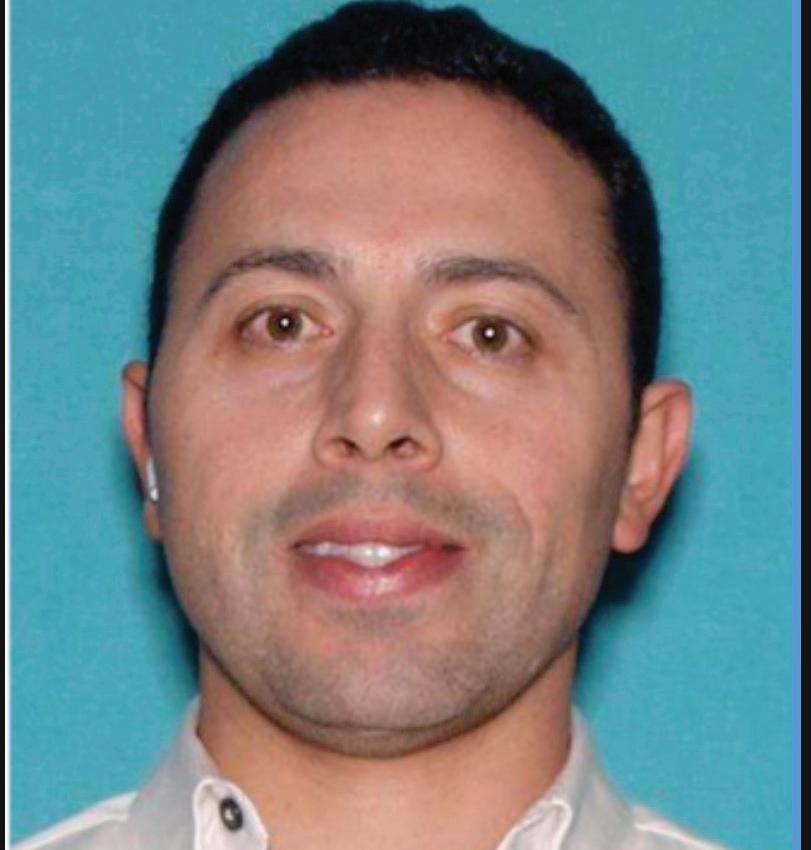
The former head of a program that received fundsforhomeless housing pleaded not guilty Thursday to a federal charge alleging he defrauded the Los Angeles Homeless Services Authority of more than $23 million, including $8 million that prosecutors say went towards designer clothing, luxury vacations and properties in Westwood and Greece.
Alexander Soofer, 42, of Westwood, entered the plea to a single federal count of wire fraud at his arraignment in Los Angeles federal court. Trial was scheduled for April 14.
Soofer also faces separate charges in state court, including 11 felony counts of conflict of interest, and multiple counts of forgery and offering false evidence in connection with millions of dollars in contracts between LAHSA and Abundant Blessings, the Hyde Park-based
The Burbank City Council adopted an ordinance Tuesday updating the city’s Municipal Code to align with state law governing electric bicycles and electric mobility devices, while identifying where local restrictions apply.
The ordinance amends local law with an update to the definition of electric bicycles and electric mobility devices, where they may be operated and the enforcement of the regulations. Electric bicycles are regulated using
program he ran. A preliminary hearing is scheduled to be set this month in the case.
The missing LAHSA funds were earmarked for Youth Homelessness, Bridge Housing, Winter Shelter, Home Safe, Inside Safe and other programs designed to help combat the homelessness crisis, court papers show.
Soofer is accused of providing fake subcontractor invoices to LAHSA with the names of real companies.
Abundant Blessings contracted with LAHSA to provide housing and meals for people who were homeless or were at risk of becoming homeless.
“The only abundant blessings he gave were to himself,” L.A. County District Attorney Nathan Hochman said in a statement after state charges were filed.
Federal prosecutors allege that in some contracts, Soofer agreed to house participants at sites he
managed. In others, he expressed plans to house people at hotels or motels, while everyone being sheltered would be provided with three nutritional meals a day, according to the U.S. Attorney’s Office.
But prosecutors contend Soofer lied to LAHSA about
how he was using the money his charity received, and instead misappropriated millions of dollars for himself.
He also allegedly lied about payments supposedly being made to third- party vendors for housing services, while the money was
actually being diverted to his personal bank accounts.
Prosecutors contend Soofer claimed to be leasing properties for homeless housing at a market rate, when he was instead paying himself above market rate.
In response to complaints and discrepancies in Soofer’s billing documents, city and county investigators conducted site visits and found the only food being served at the sites were such items as Ramen noodles, canned beans and breakfast bars -- not the nutritious meals he had agreed to provide, the U.S. Attorney’s Office said.
Soofer allegedly pocketed at least $8 million -- using the public money for a down payment on his Westwood home and millions of dollars of upgrades, private schooling for his kids, trips to Las Vegas, private jet travel, and stays at luxury resorts from
the same Class 1, Class 2 and Class 3 designations referenced in California law. Other electricity-powered mobility devices, including scooters and motorized boards, are now more expressly identified in the Burbank Municipal Code.
“The ordinance specifies further local restrictions that all bicycles, whether standard or electric, and electric mobility devices are not permitted on City-owned fields and courts, equestrian trails, or the Mariposa Street
By Staff
Bridge,” according to a city statement. “Existing location-specific sidewalk restrictions, including those in downtown Burbank, remain in effect.”
Additionalprovisions establish fines and educationbased options for addressing violations by minors. Fines range from $125, then $250 for repeat offenders and $500 for three or more violations.
The ordinance will take effect 30 days after adoption, with a 60-day educational period focused on public
outreach and awareness before enforcement begins, officials said.
Questions about electric bike rules should go to the CommunityDevelopment Department’s Transportation Division, 818-238-5290, or the Burbank Police Department Traffic Bureau, 818-238-3100.
Additional information on mobility devices is on the city’s website via tinyurl. com/3uh2hf62.
The ordinance is also available online at tinyurl. com/mwbmv5nn.
Hawaii to Florida, federal prosecutors said.
The U.S. Attorney’s Office said Soofer appeared to use $475,000 to purchase a vacation property in Greece, sending the money to a Greek property developer. If convicted of the federal charge, Soofer would face up to 20 years in prison, prosecutors noted. The state case carries a 17-year maximum prison sentence upon conviction, according to Hochman.
Los Angeles Mayor Karen Bass reacted to news of the arrest in January, saying in a statement that her administration “has zero tolerance for fraud -- period.”
“It’s despicable that Mr. Soofer lied to the city and LAHSA for his personal gain and he took advantage of taxpayer funds meant to help unhoused Angelenos across South Los Angeles,” Bass said.

By City News Service
Port of Long Beach officials Wednesday celebrated their secondbusiest January on record, though cargo movement declined by 11% compared to the same month in 2025.
Dockworkersand terminal operators moved 847,765twenty-foot equivalent units of cargo containers in January. The decline in cargo volume follows a record-setting year in which 9.9 million TEUs moved in 2025 as companies moved goods in attempts to avoid federal tariffs.
Imports were down 13.1% to 409,818 TEUs, and exports rose by 0.8% to 99,478 TEUs. Empty containers moved through the port declined by 11.5% to 338,470 TEUs.
“We are leading the nation in trade, and providing a safe harbor in the sea of tariff and trade uncertainty for our customers and the goods movement industry,”
Port CEO Noel Hacegaba said in a statement. “No matter what happens with cargo volume, the Port of Long Beach has the capacity, infrastructure and work-
force to move goods quickly, efficiently and reliably.”
Hacegaba said he anticipates continued uncertainty following the U.S. Supreme Court’s ruling on Feb. 20 declaring twothirds of tariffs imposed last year under the International Emergency Economic Powers Act unconstitutional.
“While this decision ruled on the legality of the IEEPA tariffs, it did little to remove the uncertainty we’ve seen -- and continue to see -- across the global supply chain,” Hacegaba added. “Our