



















WBY STEPHANIE BOUCHARD
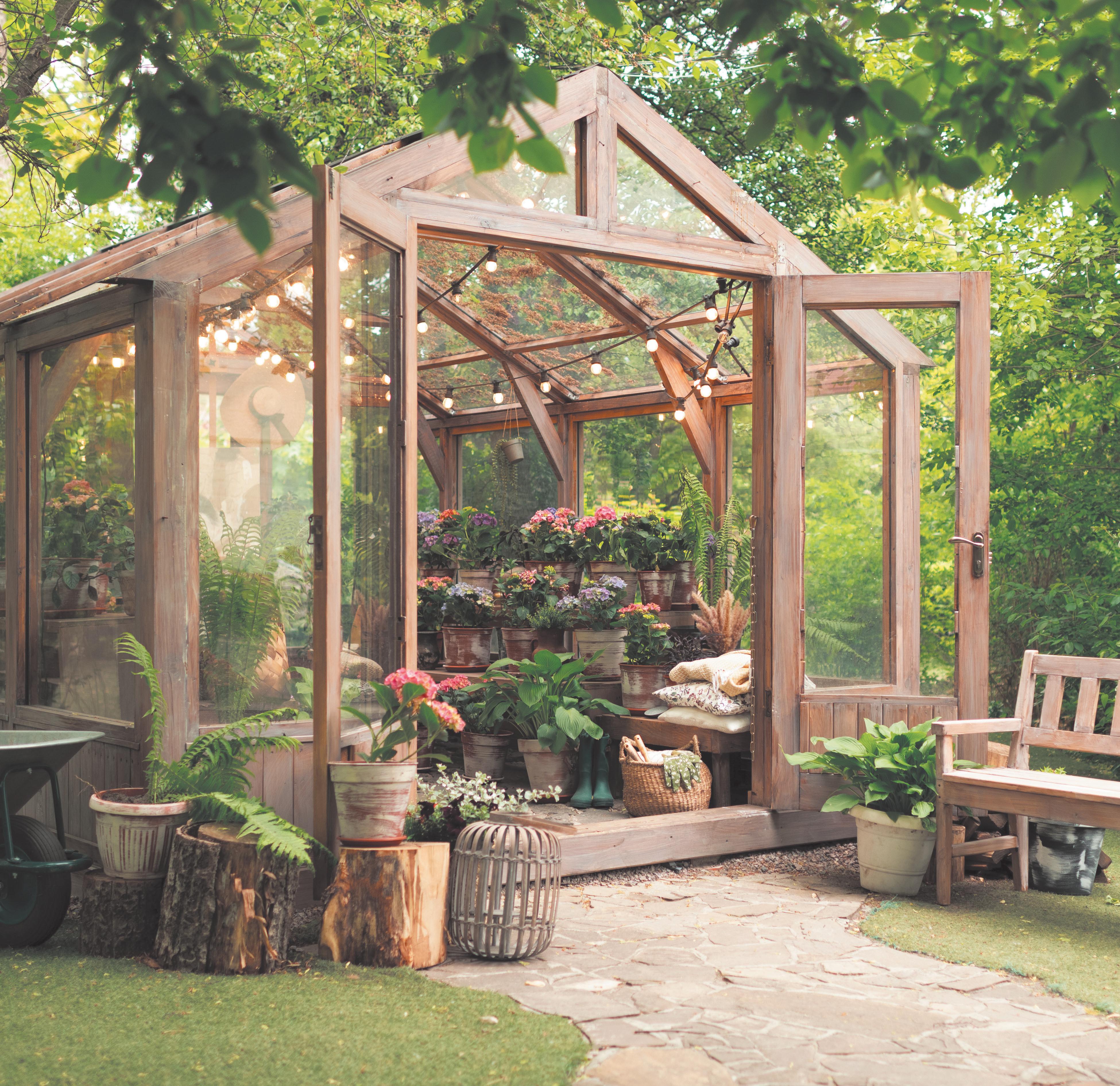
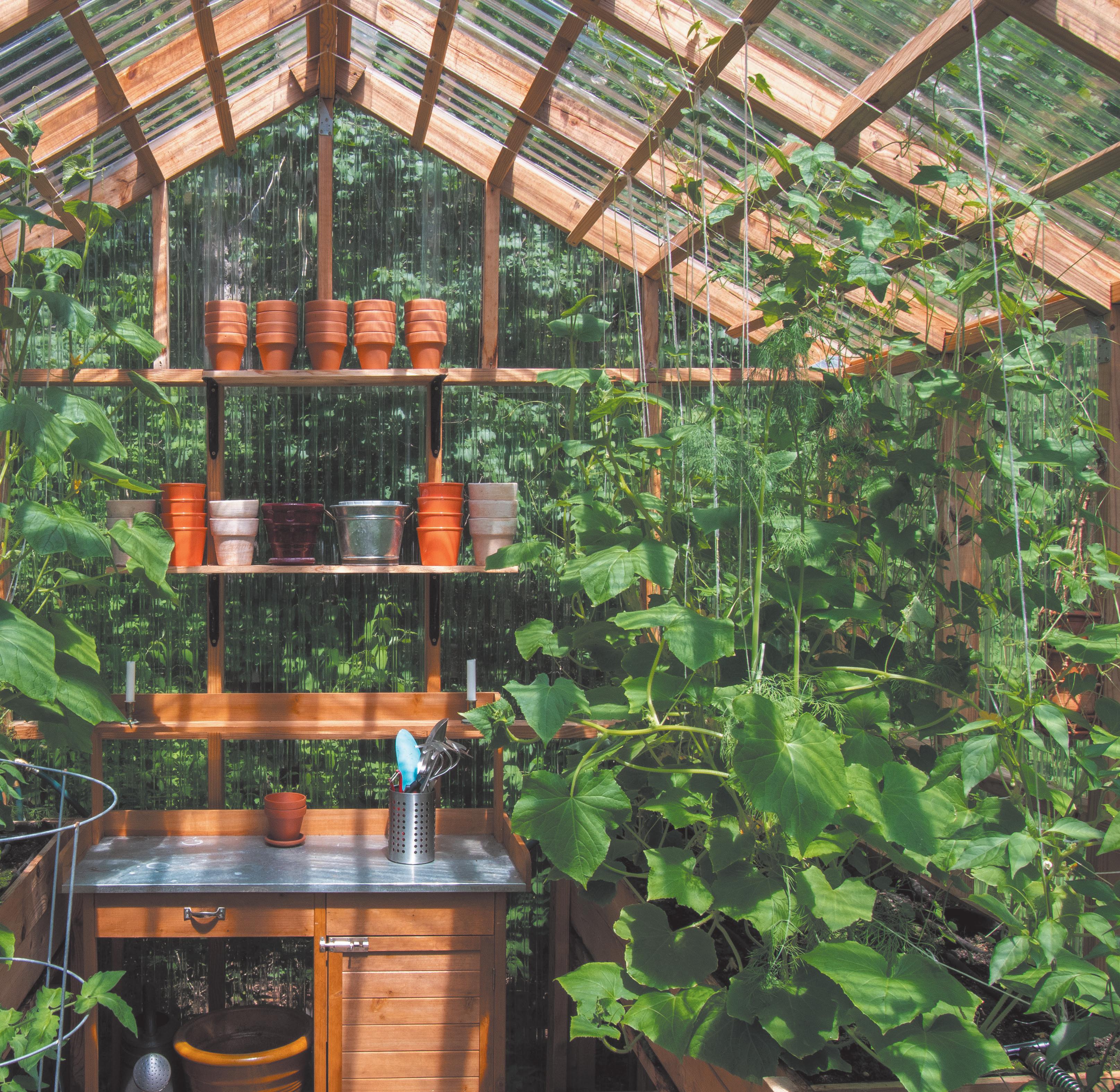
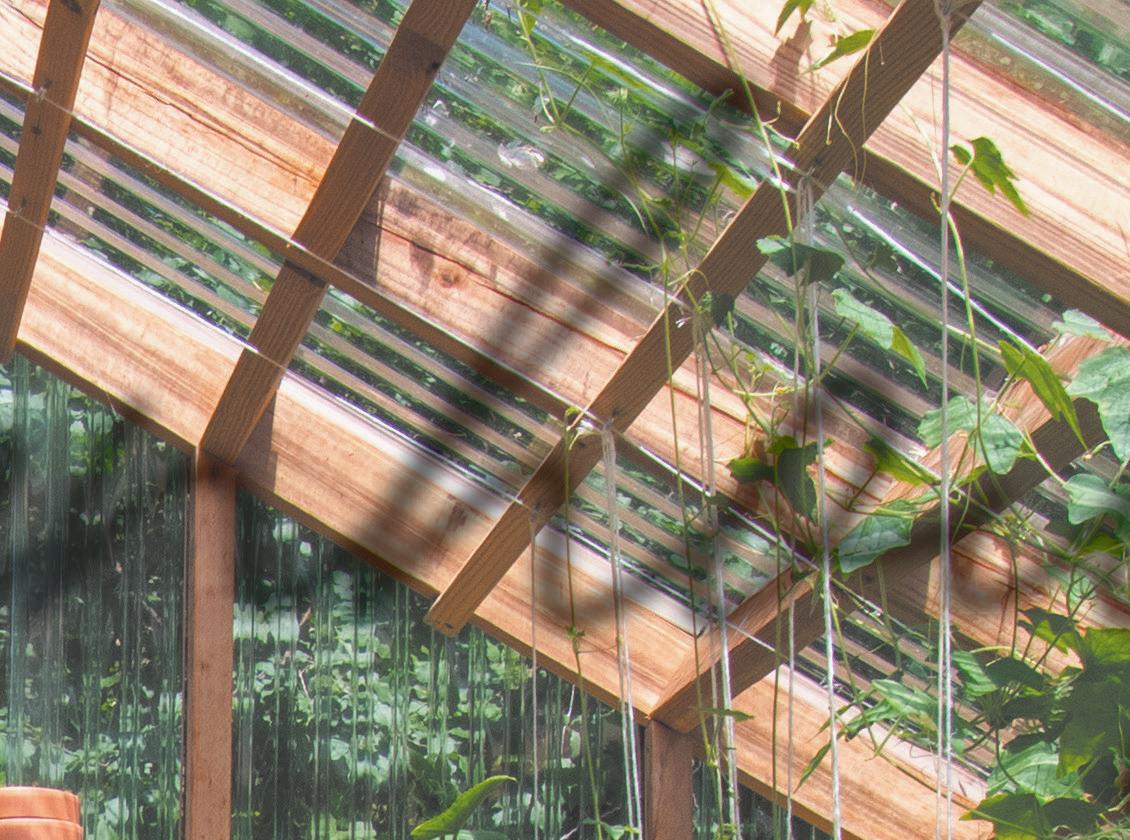
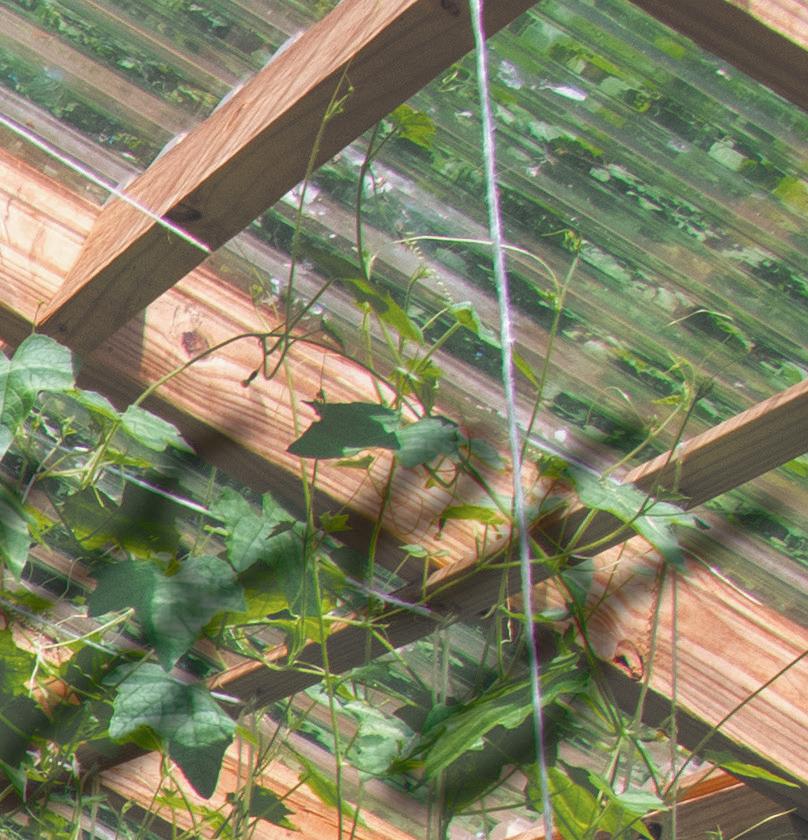
hether you want to extend your growing season or give your plants a fighting chance against deer, groundhogs, porcupines, and other plant-chomping rascals, a greenhouse is a good option.
You may be thinking that a greenhouse costs a lot of money, and you wouldn’t necessarily be wrong. Buying a ready-made structure and having it installed can cost several thousand dollars, depending on size, features, and materials. However, DIY kits, designs, and instructional videos are widely available online to help make your greenhouse dreams a reality for less.
Before you pull out your credit card, here’s what you need to know:

GREENHOUSES COME IN A VARIETY OF SHAPES AND SIZES
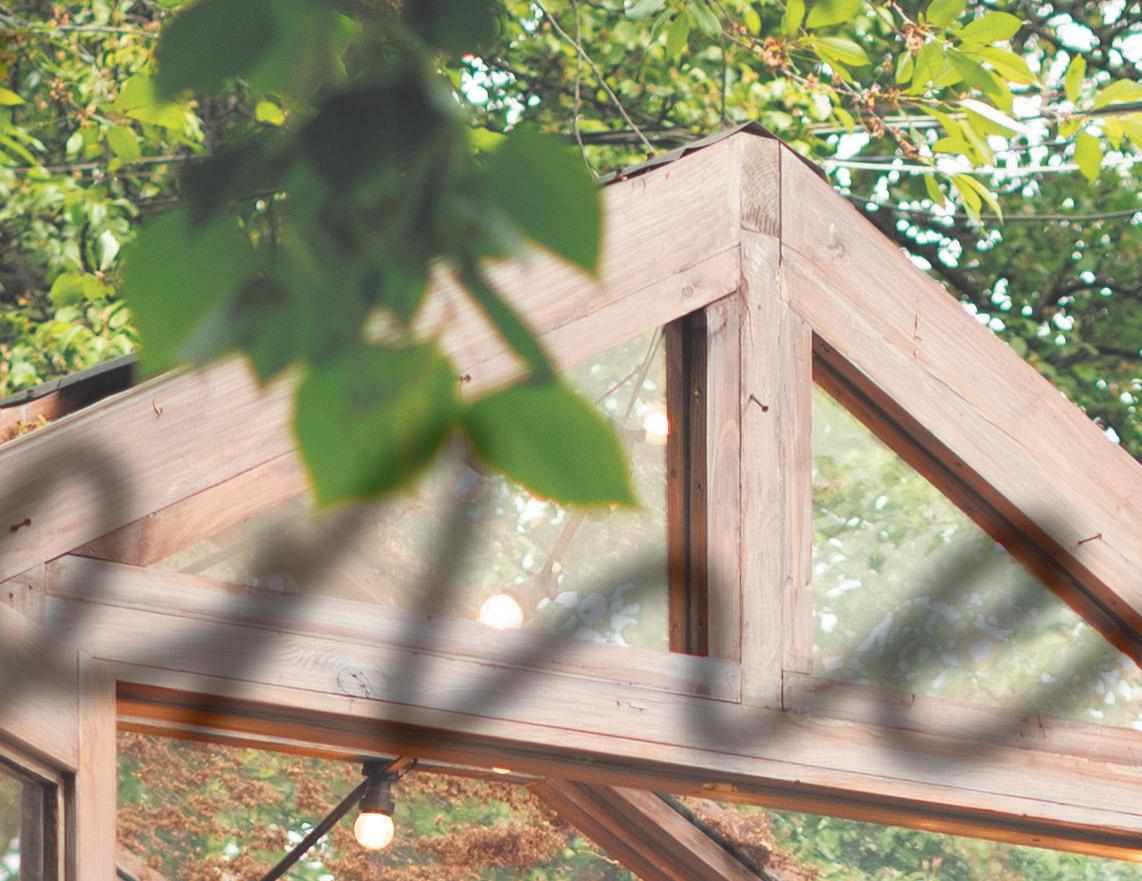
By definition, a greenhouse is an enclosed space for the protected cultivation of crops or plants, according to Ankit K. Singh, an assistant professor with the University of Maine Cooperative Extension. That means they can be as simple and inexpensive as a rolling rack with shelves covered in zippered plastic or as elaborate as a freestanding glass-and-metal structure wired for electricity with a heating system, lights, and automated climate control and watering systems.
DETERMINE THE PURPOSE OF THE GREENHOUSE
Do you want it for starting seeds? Growing microgreens? Feeding your family of seven? Overwintering a lemon tree? Knowing how you plan to use it will determine its style, size, and features, according to Wendy Crawford, owner of greenhouse manufacturer Maine Garden Products in Howland.
PLANNING IS ESSENTIAL


“It’s easy to look at your backyard and think, ‘I’m going to plop down a greenhouse right there. It’ll look cute, maybe, for my Instagram,’” Singh said. But for a greenhouse to operate effectively, you need a plan.

A greenhouse should receive at least six to eight hours of direct sunlight, so consider whether your yard offers a suitable location. Think about the materials you’ll need. A yearround structure, for example, should be built with sturdy materials to withstand wind and snow loads. If your greenhouse is a permanent structure, it should be placed on level ground and positioned so prevailing winds can aid ventilation.
If you aren’t installing it on a concrete pad, consider adding barriers such as hardware cloth to keep out burrowing animals like groundhogs. Proper ventilation is also critical; without it, conditions inside can quickly become problematic.
The planning stage is also the time to be realistic about watering. “If you don’t want to water frequently by hand,” Crawford said, “consider installing a drip irrigation system.” If you plan to include lighting, fans, or heating, now is the time to map out those systems. And don’t forget to check with your municipality to determine whether a permit is required.
While a greenhouse can take time and effort to build and maintain, it should also be a place for experimentation and enjoyment, according to both Crawford and Singh.
“For the pure reason of joy,” Singh recommended, “start small and then incrementally build up.”
Beginning with something small, such as a cold frame or hoop house, is better than always wishing you had a greenhouse, according to Crawford. “A greenhouse lends itself to the fun of experimenting with things that might not normally grow in our zone, but can with a greenhouse.”

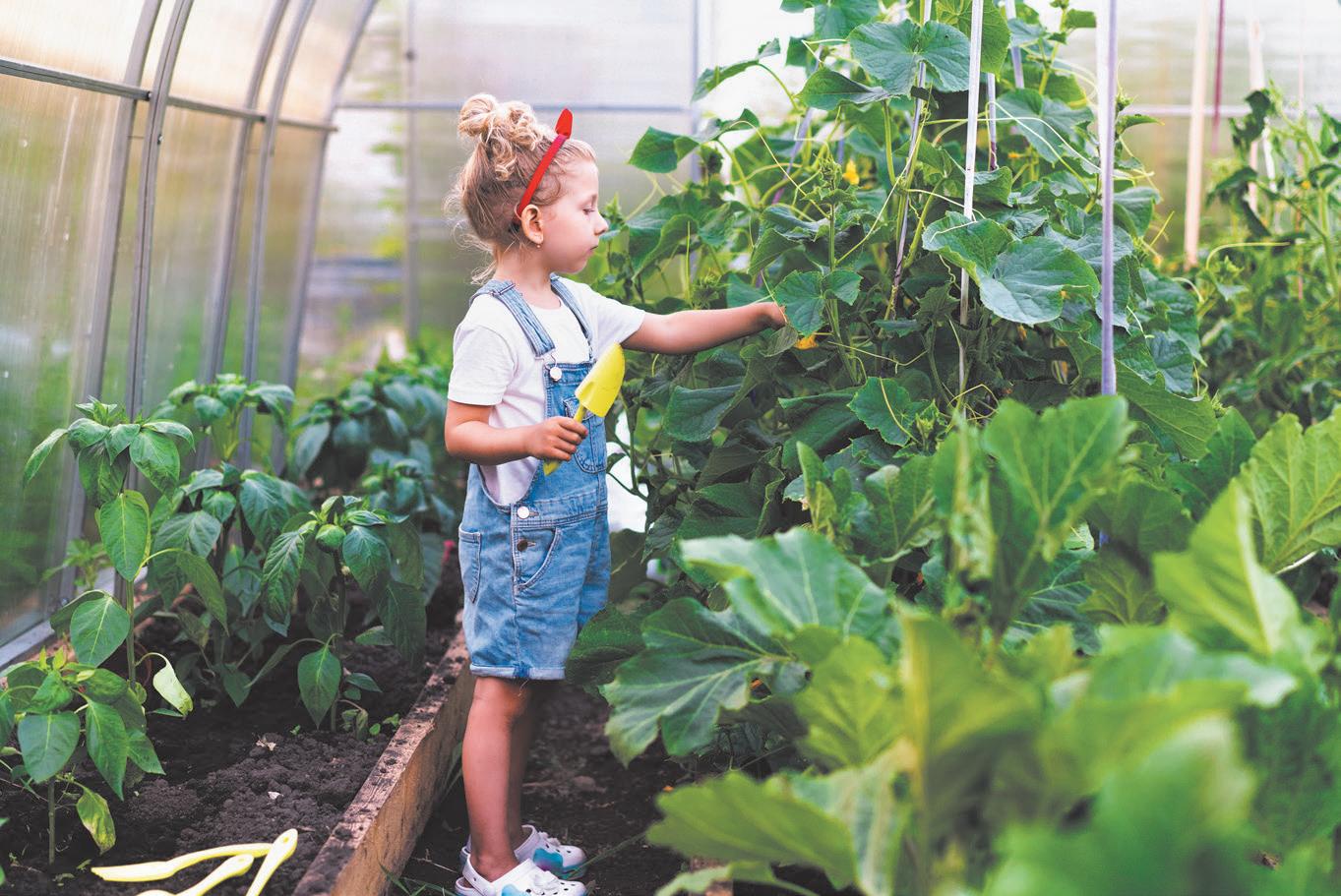

Singh is leading an educational series across the state. Registration fees range from $0 to $15. Visit the University of Maine Cooperative Extension website at extension.umaine.edu for the schedule and registration details.


BY DYLAN SAVAGEAU

In Maine, you get used to working around the growing season instead of fighting it. Some years, it doesn’t feel like there’s enough time to grow much of anything. But by late August, plenty of people find themselves heading back inside with a bowl of fruit they grew in their own yard.

Across central Maine, fruit trees and berry bushes can be surprisingly reliable with the right approach. It starts with choosing varieties that can handle the cold, but just as often, success comes down to when, where, and how they’re planted.
If there’s one fruit tree that consistently earns its place in a Maine yard, it’s the apple. Varieties like Honeycrisp, McIntosh, Liberty and Cortland have proven themselves in colder inland conditions and are widely available through local nurseries. Many also offer solid disease resistance, which helps keep maintenance manageable over time.
Pears can take a little more patience. Some of the familiar European varieties, like Bartlett, don’t always handle harsher winters particularly well. But that doesn’t mean pears are off the table. Hardier hybrids such as

Ure and Loma are better suited to the climate, especially when given a bit of shelter from wind and extreme cold. In the right spot, they can be a rewarding addition.
Stone fruits tend to be less consistent, though not entirely out of reach.
Peaches and many plums are sensitive to both winter temperatures and late spring frosts, which can interrupt a crop before it ever gets started. Some cold-hardy plum hybrids will produce in favorable years, and when they do, they’re well worth the effort, just not something most growers rely on every season.

For many homeowners, berry bushes end up being the most approachable place to begin. Highbush blueberries, in particular, feel at home in Maine’s naturally acidic soils. Varieties like Bluecrop, Patriot, and Jersey are known































for both productivity and cold tolerance. Raspberries and certain blackberries also establish quickly, sometimes producing within a year or two, as long as you can keep birds and animals off them.
Location plays a quiet but important role in all of this. Most fruiting plants need a full day of sun, ideally six to eight hours, to really thrive. It also helps to pay attention to the shape of the land. Low spots can collect cold air, creating frost pockets that damage early blossoms without much warning.
A slightly elevated area can make a noticeable difference, as can well-drained soil. Fruit trees and berry bushes don’t tolerate standing water, and soggy roots can lead to problems over time.
Before planting, many homeowners choose to run a soil test through places like the University of Maine Cooperative Extension. It’s a simple way to understand pH levels and nutrient needs, especially for blueberries, which prefer a more acidic range between 4.5 and 5.5. I ran one on a property I was considering working on a couple of years ago, and it may as well have said, “The only thing you should plant here is a for-sale sign.”
Spring is usually the easiest time to plant, once the ground has thawed, though early fall can also work if roots have time to establish before winter. A wider planting hole helps roots spread, and a good layer of mulch goes a long way toward holding moisture and keeping weeds in check.
Once established, fruit trees and berry bushes don’t ask for much. A bit of annual pruning, occasional fertilization, and watering during dry stretches is usually enough. They also reward patience and good care. Apple trees can produce for decades, and blueberry bushes often become something that adds both character and use to the yard. Raspberries tend to spread and renew themselves over time, filling in their space year after year.
There’s definitely a learning curve, and no two seasons look the same. But most people who stick with it eventually find their rhythm. A few adjustments each year, a little patience, and things start to fall into place. And when they do, it’s something you get to enjoy right outside your own door: literal fruits of your labor.






































BY KATIE SMITH


Soil conditions in Maine can be acidic, slow to warm, and prone to poor drainage. Raised beds solve these problems by giving you full control over the soil.
There are many ways to build a raised bed. At its simplest, it’s just a bottomless box. You can stack bricks or rocks, or use cinder blocks. For a more finished look, fasten four boards together to create a frame.
To prevent weeds and grass from creeping in, line the bottom with landscaping fabric, newspaper, or cardboard before adding soil and compost.
Large outdoor containers, such as galvanized water troughs, are also a good option. Be sure to drill holes in the bottom for drainage. Adding legs to a raised bed can help reduce bending and kneeling, making gardening easier on your back and knees.

A collection of herbs, lettuce, or flowers on your deck or patio is a simple alternative to digging up the ground. Containers can be moved to follow the sunlight throughout the summer, making it easier to care for your plants.
You can grow more than you might expect in small spaces. Peppers, cucumbers, and strawberries do well in containers, and tomatoes thrive in larger pots.
Sheet composting, also known as lasagna gardening, involves layering “green” and “brown” materials that break down over time to create nutrient-rich soil.
Start with a base layer of cardboard or newspaper and wet it thoroughly to kill weeds and grass. Add layers of leaves, wood chips, or peat moss, followed by fresh materials such as garden clippings or food scraps. Finish with a layer of compost.
This method creates rich soil while making use of materials that might otherwise end up in a landfill.
VERTICAL GARDEN
Instead of planting in the ground, consider growing upward to maximize space. Trellises, hanging planters, and stacked containers allow you to grow more in a smaller footprint.
Climbing plants such as beans and peas thrive on trellises, while pocket planters work well for herbs and strawberries.
COMMUNITY GARDEN
If you’re short on space or time, or if maintaining a garden on your own feels overwhelming, consider joining a community garden.
In addition to providing space to grow, community gardens offer a chance to connect with others and share the responsibilities of maintaining a productive and rewarding garden.
No matter your space or schedule, growing your own food is more doable than you think. Start small, keep it simple and enjoy the process; your garden will grow from there!
If you’re craving a traditional garden with rows of tomatoes, lettuce, and climbing beans, but don’t have the time or space, it can feel like too much to take on. Thankfully, there are plenty of ways to grow fresh fruits and vegetables in smaller spaces.
The best part: Most of these methods save time and labor, and there’s no need to till up precious yard space. Whether you have a sunny deck, an unused corner of your yard, or a few empty containers in the garage, you don’t need much to grow your own food and reap the rewards.






Spring is when many homeowners start thinking about where to invest in their homes. Clean up the yard. Touch up the paint. Maybe finally tackle that project you’ve been putting off all winter. But if the goal is to improve both how your home looks and what it’s worth, there’s one upgrade that often gets overlooked:
It’s easy to miss because it’s something you see every day. But step back for a moment and look at your home from the street. For many houses, the garage door is one of the largest and most visible features on the front of the home. And when it’s dated, worn, or just doesn’t match the style of the house, it quietly drags everything else down with it.
A new garage door can completely change how a home looks: cleaner, more modern, more intentional. It’s one of the few upgrades where the visual transformation is immediate, without the cost or disruption of a larger renovation. It is also consistently one of the highest-return home improvement projects. According to Zonda’s 2025 Cost vs. Value report, the industry’s leading annual study of home renovation return on investment, garage door replacement ranked first out of 28 projects nationwide, with homeowners recouping an average of more than 200% of the cost at resale.

Beyond appearance, there are practical benefits that matter here in Maine. Newer doors are better insulated, which can help regulate temperature in attached garages and the rooms above them. They are also quieter, more reliable, and built to handle the kind of weather we get throughout the year.


It is also worth noting that buyers pay attention to these details. A home that looks well cared for from the outside sets a different tone before anyone even steps inside. Small signals like a clean, well-matched garage door can shape how the rest of the property is perceived.
But there’s another reason homeowners choose to upgrade, and it has nothing to do with resale.
You’re the one who pulls into the driveway every day. You’re the one who sees it in the morning, at night, and every time you come home. When the door looks right — when it actually complements the house instead of taking away from it — you feel it. It’s a small, daily upgrade in how your home looks and feels, and that adds up over time.
When you combine that everyday satisfaction with the fact that it is also a smart investment, it becomes a rare win-win.
P.D.Q. Door has been helping Bangor-area homeowners make these kinds of upgrades for decades, often guiding customers through styles that fit the home, the setting, and the way people actually live.
LEARN MORE AT PDQDOOR.COM




BY DYLAN SAVAGEAU

After a long winter in Maine, spring often feels less like a date on the calendar and more like a collective exhale. As snowbanks recede and daylight stretches longer each evening, many people feel a natural pull to open windows, clear surfaces, and take stock of the spaces they live in.
For adults 60 and older, this season of renewal can also be a thoughtful time to consider simplifying, downsizing, or refreshing a home to better support both current routines and future needs.
Spring cleaning is more than dusting shelves or organizing closets. It’s an opportunity to create a living environment that feels lighter, safer, and more supportive of daily life.






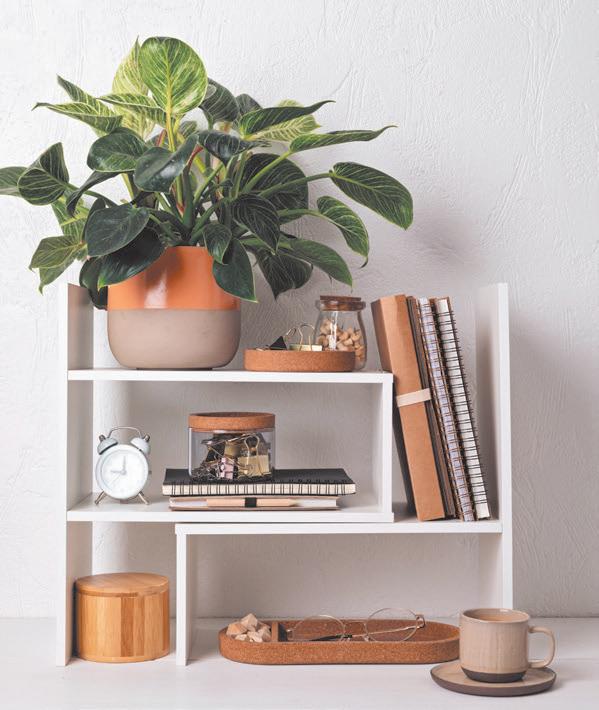






Before diving into boxes or drawers, take time to define your goal. Maybe it’s wiping down shelves, vacuuming rarely used corners, or tackling the kitchen cabinets. Knowing what you want to accomplish makes the process easier and more satisfying.
Begin with one area at a time; a single closet, a kitchen cabinet, or a hallway storage area is enough for one session. Smaller wins build momentum without becoming overwhelming, and steady progress is more sustainable than trying to tackle everything at once. Downsizing does not have to mean leaving a beloved home or giving up independence. Often, it simply means being thoughtful about what truly serves daily life. Maine winters have a way of filling every available space, and steady progress is far more sustainable than trying to tackle everything at once.
A clear system keeps the process manageable. Four categories often work best: keep, donate, give to family or friends, and discard. If an item hasn’t been used in the past year or two, is hard to access, or no longer serves a purpose, it may be time to let it go. Clean as you sort. Wipe shelves, drawers, and bins to prevent dust buildup and give each space a refreshed feel. For sentimental items, keep a few meaningful pieces or take photos to preserve memories without holding on to everything.
For many older Mainers, the goal is not to move, but to stay comfortably in the home they know. Spring is an ideal time to assess how well a space supports daily life and what small changes could make it easier to live in over time.
While reorganizing rooms or moving furniture, take the opportunity to wash windows, dust corners, and sweep or mop floors. Clearing rarely used rooms, keeping frequently used items within easy reach, and letting go of cumbersome furniture can improve comfort and reduce strain, especially after a long winter spent indoors.
Even modest changes can make a meaningful difference. Thinking ahead does not require major renovations. Sometimes it is as simple as creating clearer pathways, improving lighting, or setting up one main living level that meets everyday needs. These adjustments help a home remain functional and welcoming through every season.
Clutter can make daily routines more difficult. Clearing walkways, shaking out rugs, and wiping down handrails can make moving through the home simpler and more comfortable.
Keeping floors clean and surfaces free of clutter also improves accessibility, reduces strain, and helps a home remain welcoming year-round.
Spring is also a good time to prepare for next winter. Simplifying now can make colder months safer and less stressful later.
Spring cleaning does not need to happen all at once. Break tasks into short sessions, such as dusting one room or vacuuming a hallway.
Family, friends, or professional organizers can help with heavier chores like washing windows or moving furniture. Taking breaks and working in manageable increments helps prevent fatigue and makes the process more sustainable.
Spring reminds us that change can be gradual and welcome. By simplifying and refreshing living spaces, it becomes easier to enjoy longer days, open windows, and the comfort of a home that feels lighter and better suited to everyday life.
Start small this spring. Pick one area of your home and begin. Even small changes now can make daily life smoother and more enjoyable in the months ahead.