


Spring/Summer 2026

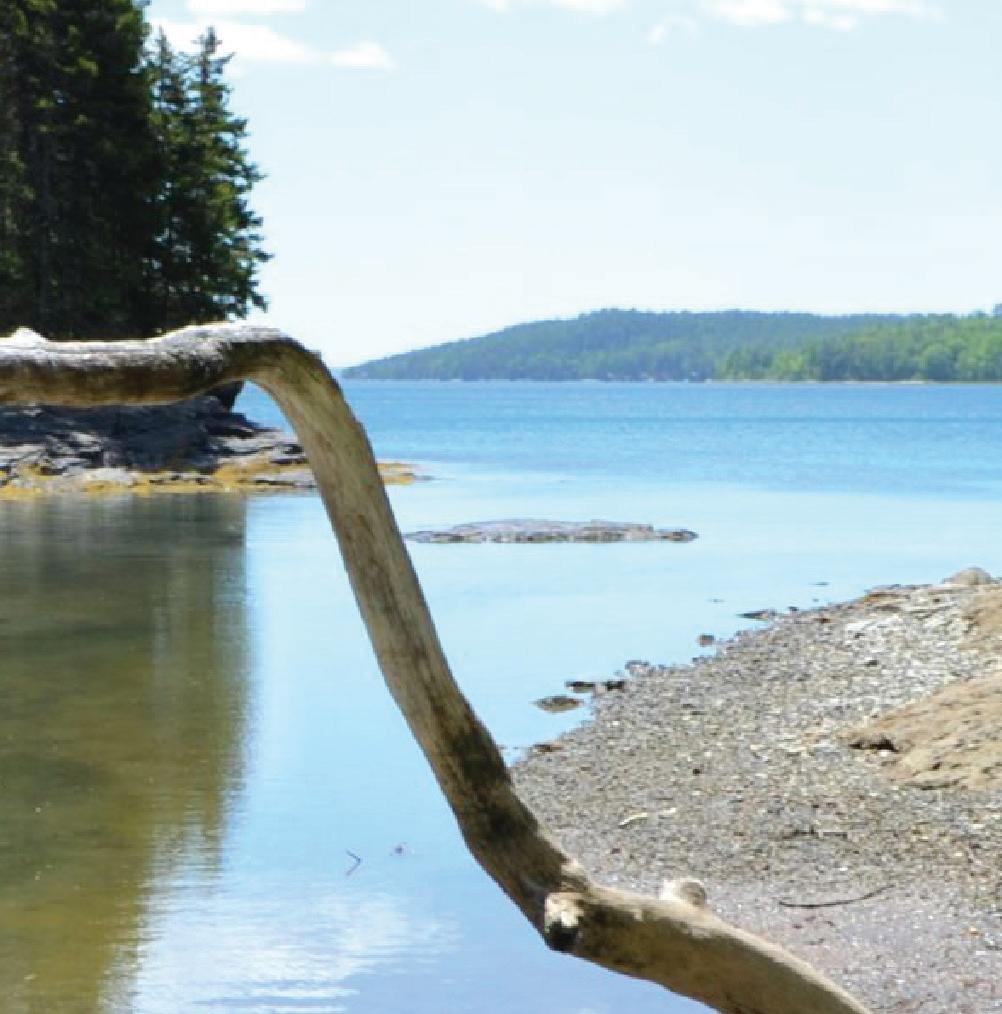
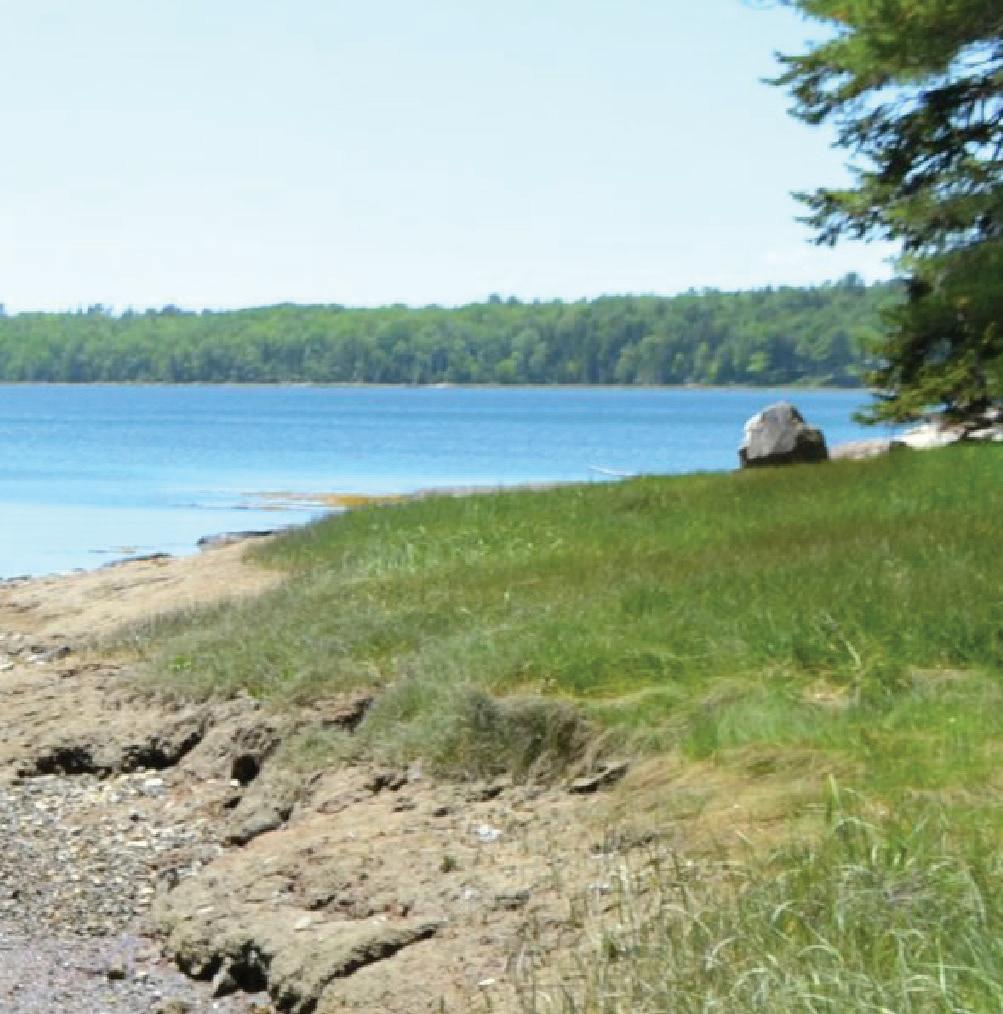
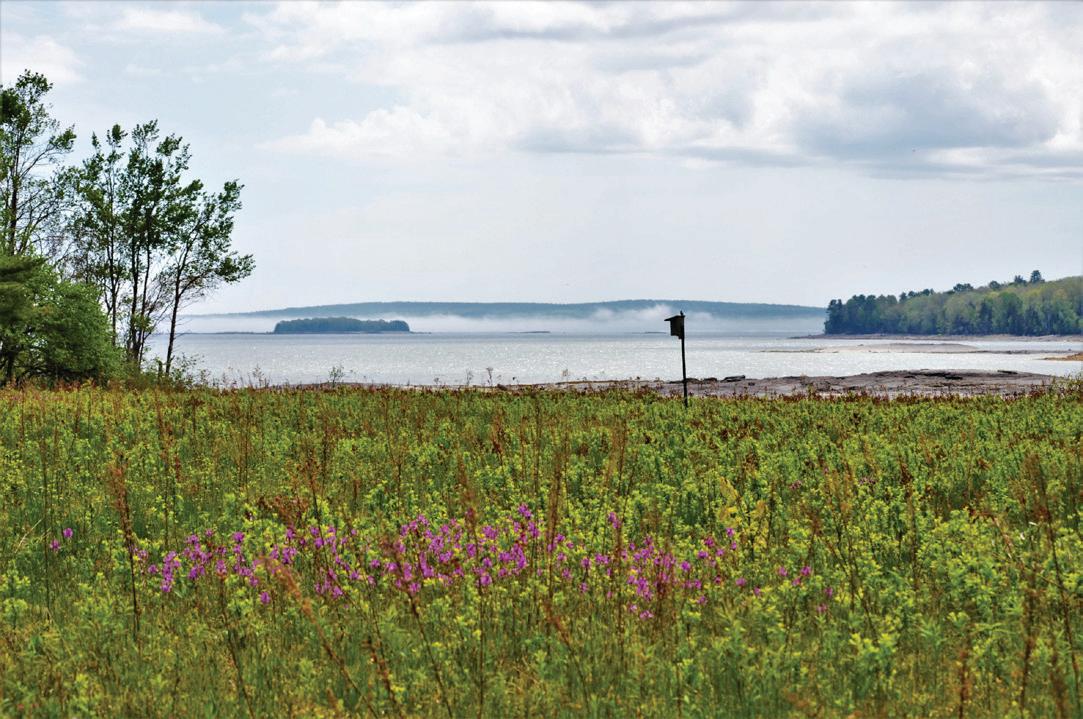
Carter Nature Preserve PHOTO COURTESY OF BLUE HILL HERITAGE TRUST
Spring/Summer 2026

BY AISLINN SARNACKI
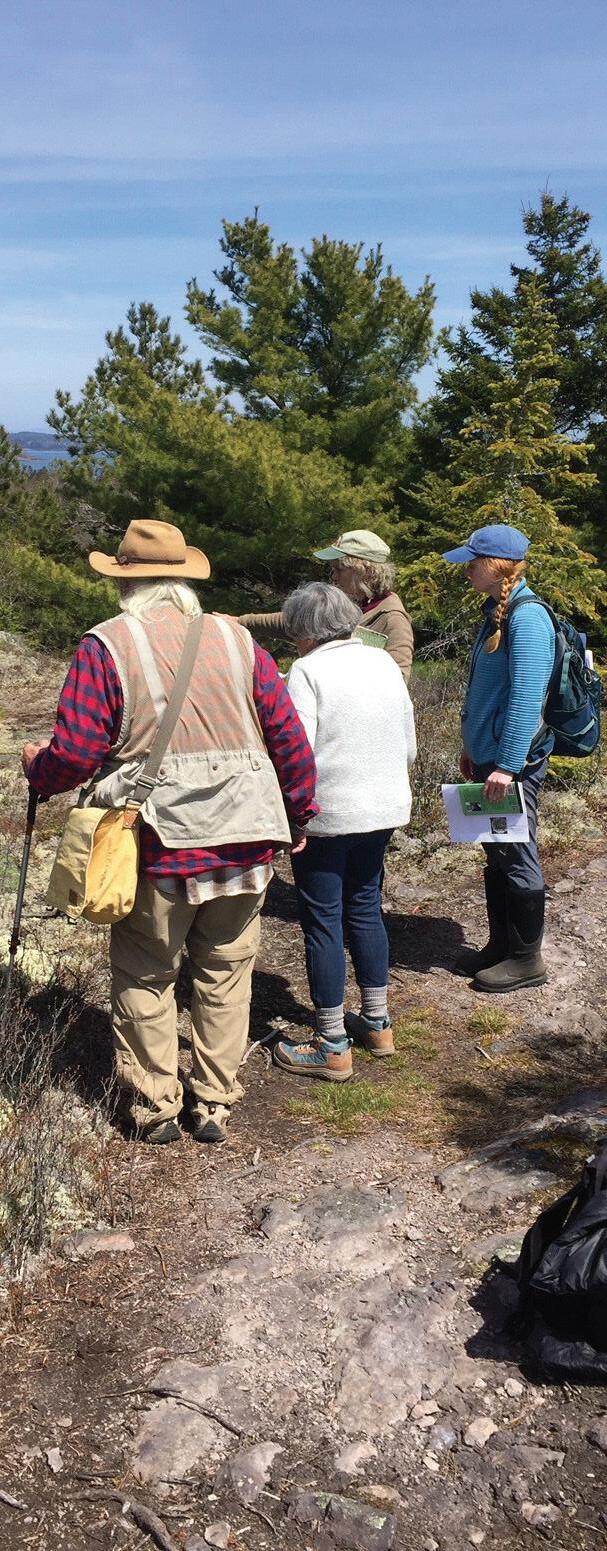
Since its inception, the program has been held at over a dozen locations throughout Maine. The 2025 courses were held in Falmouth and Farmington. The 2026 courses are currently in Augusta and Millinocket. The 2027 course will be in Wells. (If you’re interested in applying, mark your calendar for Sept. 1.) And, looking ahead, the 2028 course will be in the Belfast area.
Running from January through October, the course includes in-person classes twice a month: one weekday evening and one full day Saturday of class and fieldwork. This amounts to about 100 hours of class time, plus a minimum of 150 hours outside of class completing homework assignments.
“It is a lot of work, but it’s doable,” said Jana Magnuson, a full-time attorney in Portland who graduated from the program in 2022. “I calendared it out. And more important than anything, it’s the kind of work you want to do. If you’re in this program and you aren’t enjoying the homework, then you’re not in the right program. Everyone who does it is crazy enthusiastic about the natural world.”
A typical class has 24 students, plus several mentors and instructors that are experienced Maine Master Naturalists and outside experts.

Agrowing community of nature enthusiasts is spreading throughout Maine, and their goal is simple: to share their knowledge and love of the natural world.
Founded in 2011, the Maine Master Naturalist Program offers a 10-month-long course to adult students (ages 18 and up), with topics ranging from ferns to geology to birds.
And that’s just the beginning. Upon completing the program, graduates are tasked with volunteering as educators in their communities, spreading knowledge and enthusiasm for the natural world even farther.
“It’s about layers,” said Susan Hayward, one of the program’s four founders. “That 10 months and all the layers we feed you is but a beginning. And then, as you take more advanced courses or go out and teach and learn more from other people, more layers will come along.”
Hayward and fellow Maine naturalists Dorcus Miller, Cloe Chunn, and Fred Cichocki designed the program together.
“We sat around the kitchen table and came up with a dream,” Hayward said. “The four of us were so focused on doing what we thought should be done.”
Their mission was to train people to become volunteer naturalists who would enrich nature education throughout the state. In turn, this would help inspire the public to understand, value, and protect Maine’s natural world.
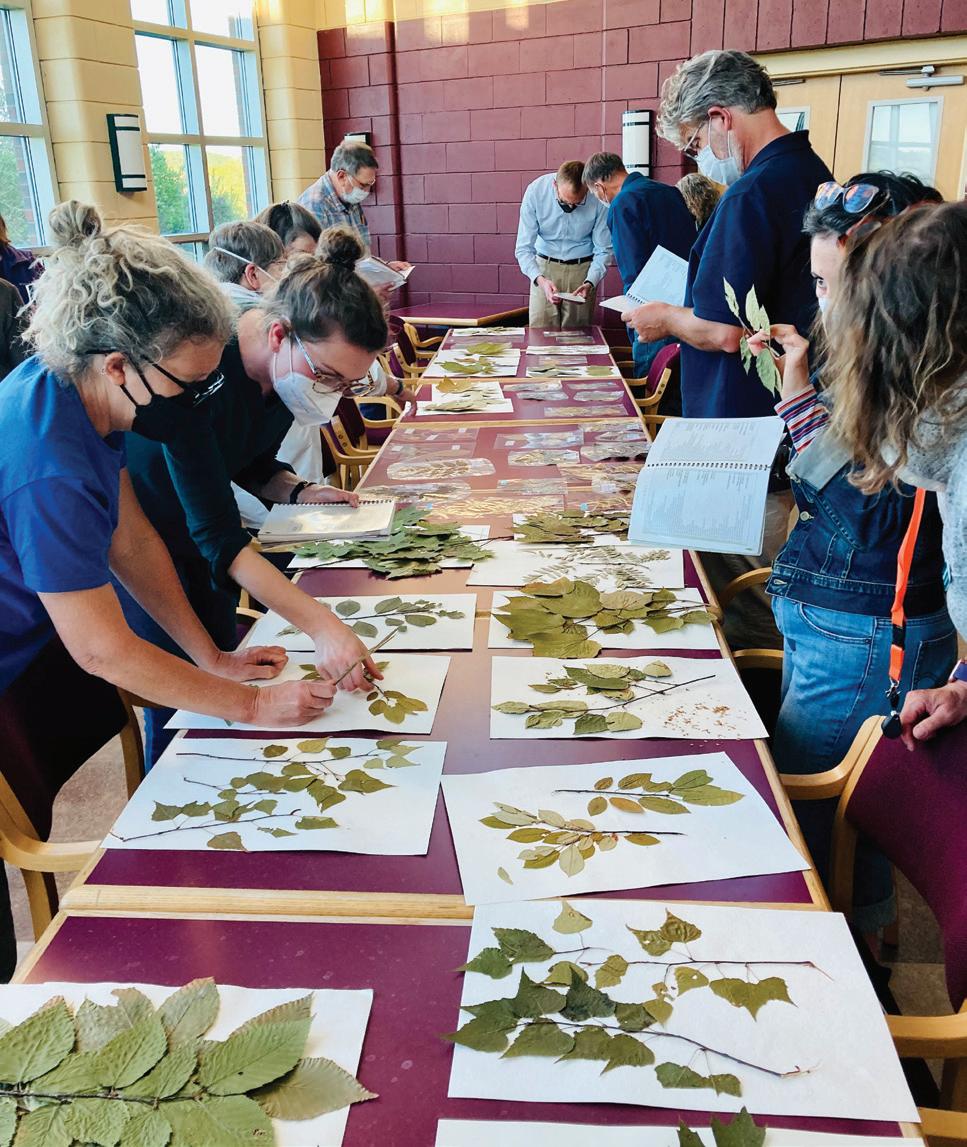
An important component of the course is nature journaling, where students create sketches and record observations and reflections while in nature. This can be intimidating for those who don’t consider themselves artistic, but the project is less about drawing and more about training yourself to notice details.
“When you’re done with the year, you have this beautiful record of the phenology of that year, the seasonal changes,” Magnuson said.
Cassandra Knudsen of Millinocket graduated from the program in 2024, when it was held in Orono. She’s the interpretive specialist at Baxter State Park, so many of the skills and information she gained from the course can be applied to her day-today work. She especially enjoyed the unit on wildlife tracks, scat and skull structures.
“You get out of it what you put into it,” said Knudsen. “The goal is simple: to learn. It’s OK to have fun with it.”
The Maine Master Naturalist Program is completely run by volunteers. Many graduates become involved as mentors, coordinators, instructors, and board members, which allows the program to grow with ever-changing leadership and new ideas — while staying true to the central mission.
“Everyone’s volunteering, and they’re training
volunteers. So, everyone who’s involved in the program is super passionate about what they’re doing,” said Chelsea Ehret of Millinocket, who graduated from the program in 2024 and is serving as a mentor for this year’s class.
“It’s very malleable to how people learn, and it’s something that you can kind of fit into your life in different ways,” said Ehret. “I had a baby while I was a student, and I was able to work with my mentor and meet the requirements.”
To date, more than 300 students have graduated from the Maine Master Naturalist Program and have gone on to volunteer more than 10,000 hours of nature education in Maine.
“I’m sort of gobsmacked with the idea that we’ve been so successful 15 years out,” said Hayward. “I’m just really pleased that it’s meeting a need … We still get really healthy applicant pools when we open up a new course, so we don’t think we’ve maxed out yet, and I don’t know that we ever would.”
Each Maine Master Naturalist is tasked with volunteering as a naturalist educator for at least 20 hours during the first year post-graduation. After that, they’re asked to volunteer at least 10 hours a year.
CONTINUED ON PAGE 6






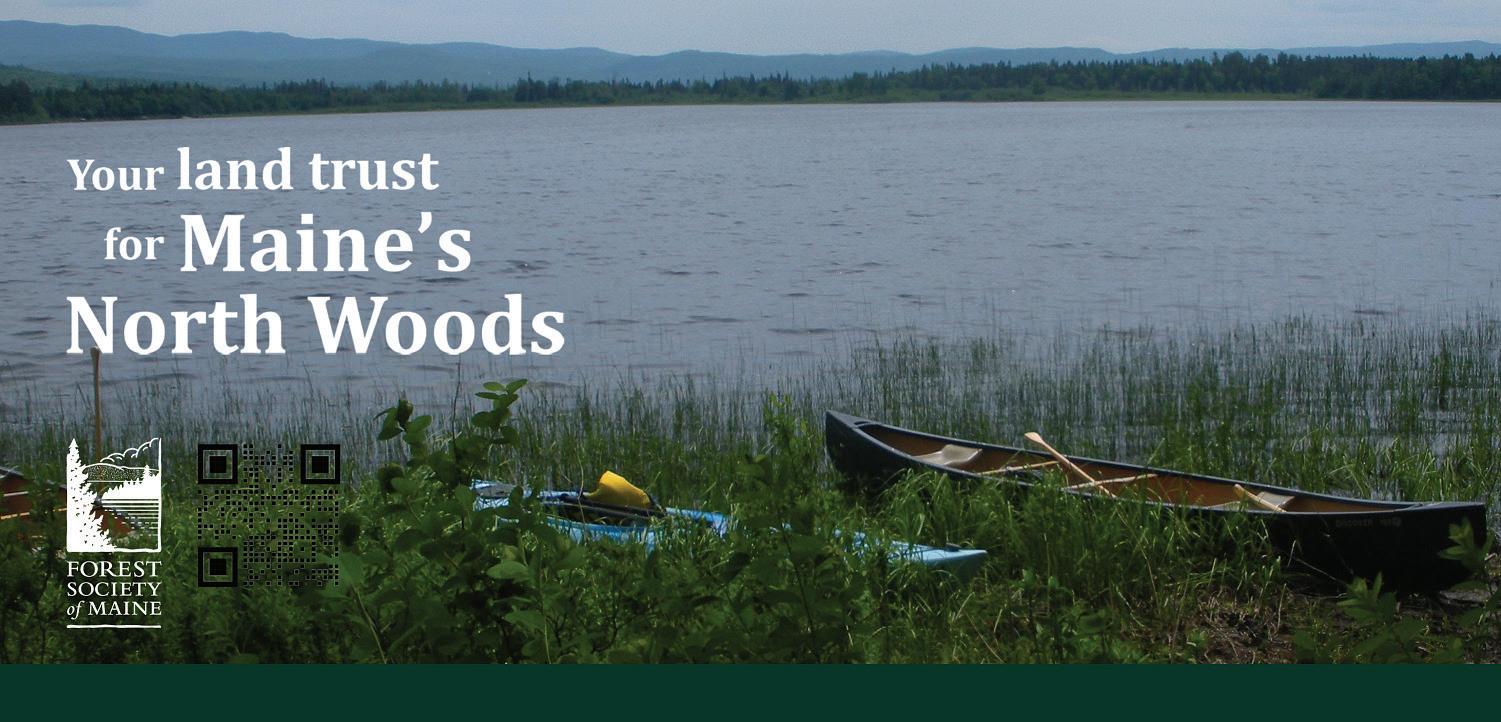
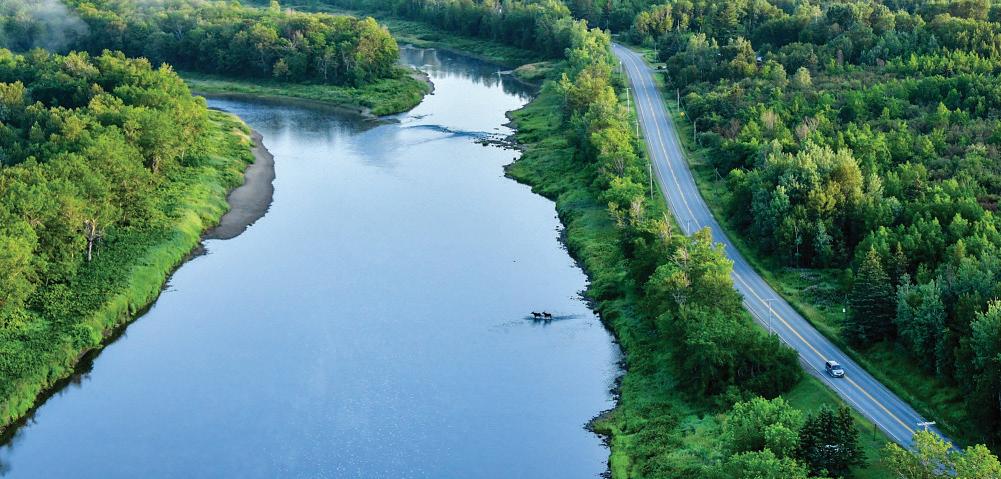
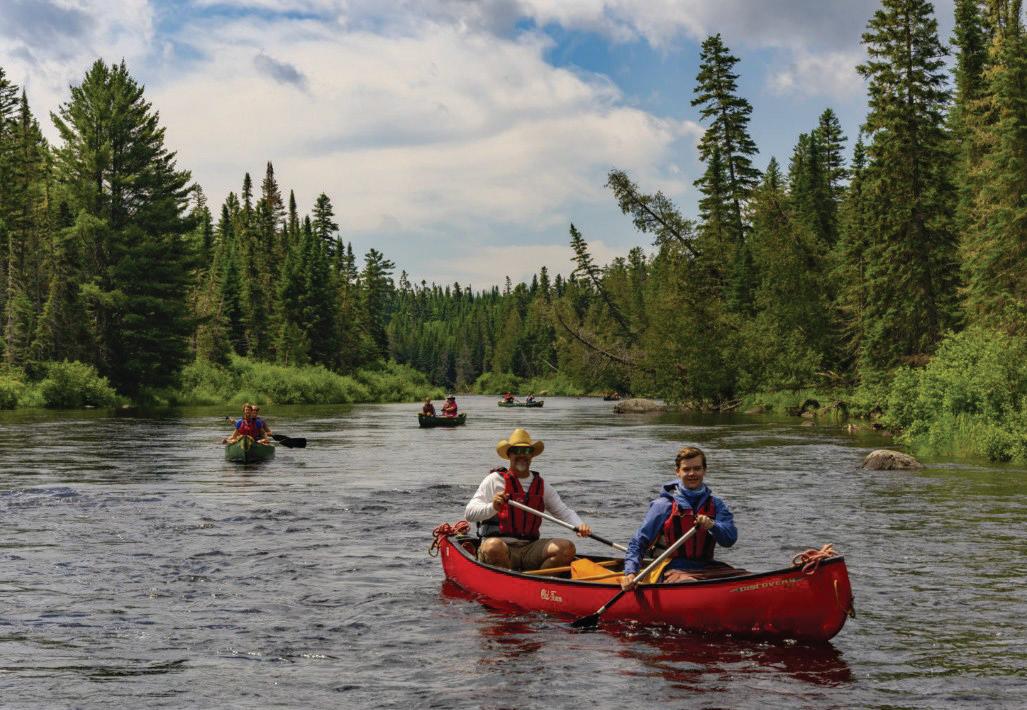
Picture this: a summer trip up to Maine’s remote north woods, warm air and sunshine accenting the sounds of birds going about their routines. A trek near a lake reveals the sounds of loon calls, and a mountain hike reveals a landscape view so striking you vow to make the trip again.
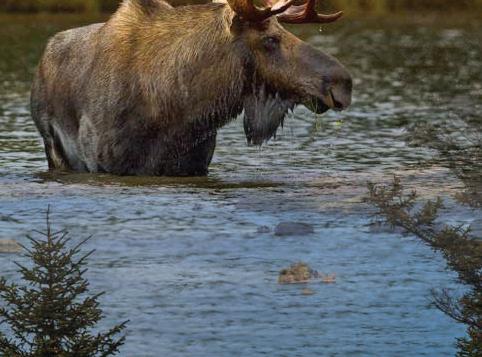
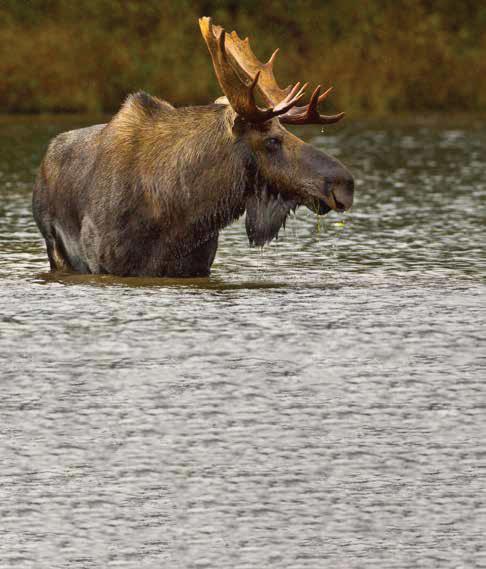
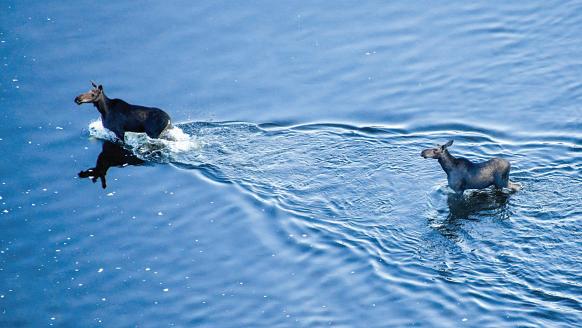
Perhaps you are out to try and spot a moose or spending your entire trip fishing in your favorite spot. Maybe you’re in these great woods for a more scientific purpose, testing your knowledge on tree identification or hunting down vernal pools and wetlands. With every step, your purpose is swayed by the organic nature of these woods; new trails, forgotten relics of those who traveled here before you, an abundance of flora and fauna you may have never seen before. Each new discovery draws you in further and inspires future trips to Maine’s forestlands.
If you have an interest in the scenic view, the activities you can do there, the ecological benefits of these lands, or the history and culture that shaped them, you have something in common with Forest Society of Maine (FSM).
FSM is a statewide land trust working with willing landowners to conserve Maine’s forestlands to sustain their ecological, economic, cultural, and recreational values. For more than 40 years with support from individuals, businesses, and foundations, FSM has helped conserve more than a million acres of forestland across the state, preventing these lands from being developed and conserving them forever.
These lands are, in majority, owned by private landowners. Maine has long held a history of public access on private lands, but this is not guaranteed if these lands are developed. With conservation
Learn more about FSM and the work we do at
easements, FSM can help ensure that these lands remain undeveloped and ensure that that access remains the same as it has been.
Our work, done mostly through the development of these easements, working with the landowners, and subsequent stewardship of the lands we conserve, is an important part of the bigger picture of Maine’s conservation goals, namely the goal for 30% of Maine’s lands conserved by 2030, reminding us that there is more work to be done.
So, the next time you enjoy those sunny rays and venture out to recreate in the great outdoors, consider the future of these lands and how you can help. These forests show us the importance of slowing down and enjoying the beauty of the access that we’ve been given — let’s make sure that access remains, for all the future trips we have yet to plan.































This volunteer work is often done in partnership with libraries, land trusts, and schools. One graduate teaches regularly at a prison. Often graduates will partner up to lead nature walks and workshops together, especially if they don’t have prior experience as educators or presenters. It makes the experience less nerve-wracking.
“For me it was as easy as going to my local library and asking to volunteer,” Knudsen said, adding that she especially loves giving presentations about wildlife.
Many students report seeing the natural world differently after completing the program.
“It’s had an impact on how I move through the outdoors,” Knudsen said. “My experience of it is enriched because I notice so much more and I have an understanding of how things work.”
Ehret has noticed a similar change.
“I go outside and it doesn’t really matter what I’m doing, who I’m with, what pace I’m going at, I just see so much more of the natural world and notice so much more,” Ehret said. “I’ve noticed it’s not just when I’m outside. It’s just made me more detail-oriented in general. The program helped me to slow down and pay attention to life, improve in mindfulness, and lengthen
my attention span. I think that’s just great.”
Graduates of the program join a “nexus of naturalists,” a community of fellow Maine Master Naturalists scattered throughout the state. This network allows graduates to stay in contact, plan outings, volunteer together, and simply socialize.
“I’ve been pretty involved in the nexus program since graduating and we’re looking at ways to deepen opportunities for graduates,” Ehret said “That’s something I’m really excited about. We really love getting together and just being with each other and going for walks, learning from each other. We’re all really interested in learning and so we’re all looking for more learning opportunities.”
“It’s a great set of peers,” said Ellen Gellerstedt, a member of the program’s leadership team. “You know there aren’t that many people I know [outside of the nexus of naturalists] who like to go on a walk and sit down and look at moss for three hours and talk about how cool it is.”
Gellerstedt pursued becoming a Maine Master Naturalist when she retired as a pediatrician just prior to the COVID-19 pandemic.
“It’s changed my life,” Gellerstedt said. “It’s given me a focus and a passion that I wasn’t sure I would get after
I retired but I desperately needed. It gives me a sense of constant learning, constant growth, and doing good for this world, and those are really important things to me.”




BY LAWRENCE MERRILL
“Beginning at a small spruce tree…” The story of the Carter Nature Preserve began at a small spruce tree, in a deed from Asa S. Green to Laura E. Carter dated May 22, 1886. It didn’t actually become the Carter Nature Preserve for over 100 years, but from 1886 forward it was land that was treated well, where wildlife was always welcome. Today there is no small spruce tree where the description began, but there is a large spruce stump where it once stood.
Perhaps the most surprising thing about the transaction was that Laura E. Carter, who was my great-grandmother, was the named buyer. She was married and the mother of seven children, and in the 1880’s, most women allowed their husbands to handle important financial matters. Another surprising thing is that it was a substantial transaction. The deed covered two other parcels as well as the current-day Carter Nature Preserve. With hundreds of feet of shore frontage on a beautiful bay and many acres, it would all be worth a small fortune today.
Laura sold off the other parcels, and just before she died in 1909 she conveyed the future preserve to her husband, Jasper. He had joined the Union Army in the Civil War, and had lingering disabilities from his service. He cut firewood, dug clams, and fished from the land until his death in 1917.
Shortly after Jasper died, his seven children signed over their interests as “all heirs-at-law of Laura E. Carter and Jasper Carter” to Mary L. Carter, who would become my grandmother. She was the wife of Frank M. Carter, one of the seven heirs. He was a stonecutter, having carved at least two beautiful tombstones still located near the Carter Nature Preserve. Unfortunately, he suffered from debilitating lung diseases common to stonecutters, and wasn’t able to work enough to keep his family of four children above the poverty line. He died in 1920, and his family had to move across the state to live with
one of my great uncles on his farm.
Mary kept the property, never really using it, until 1947, when she passed it on to her sons Leland and Frank, who were supporting her. Leland had no particular interest and Frank just thought it would be nice to put a camp on it, but access problems prevented that, so he gave Leland his share. Leland owned it all when he died in 1988, and his will left it to his sisters, Laura and Frances. Neither used the property after they acquired it, and they tired of paying taxes.
When they were approached about creating a nature preserve, they sold the property to the Blue Hill Heritage Trust for a bargain price. The transfer was made on July 4, 1995.
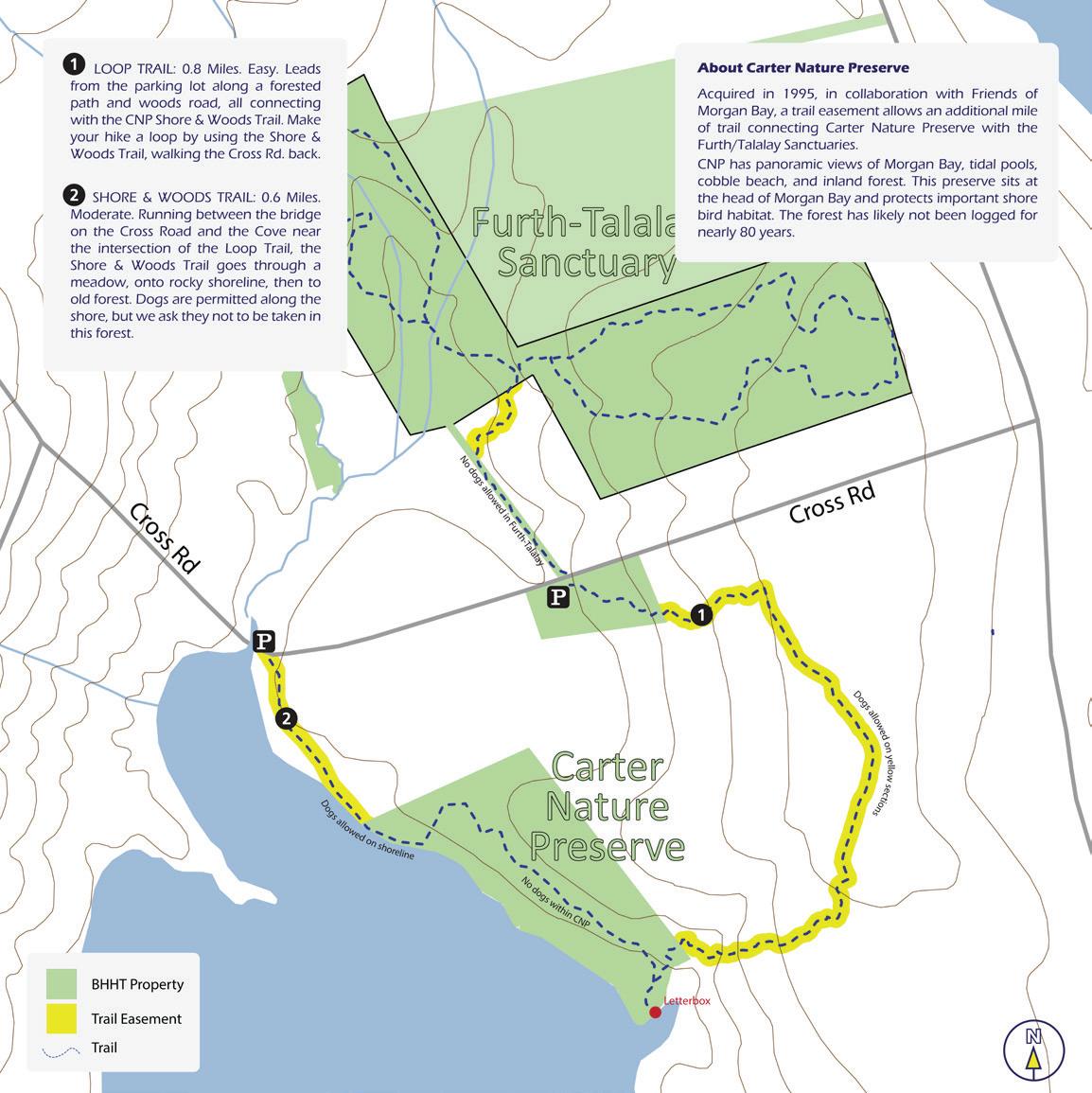
The transfer has been good for all concerned. Easements from neighbors have solved the access problems. Trails have been built and improved.
Two landowners on the other side of the Cross Road got into the spirit of things and created the Furth-Talalay Nature Sanctuaries, with more miles of walking trails open to the public.
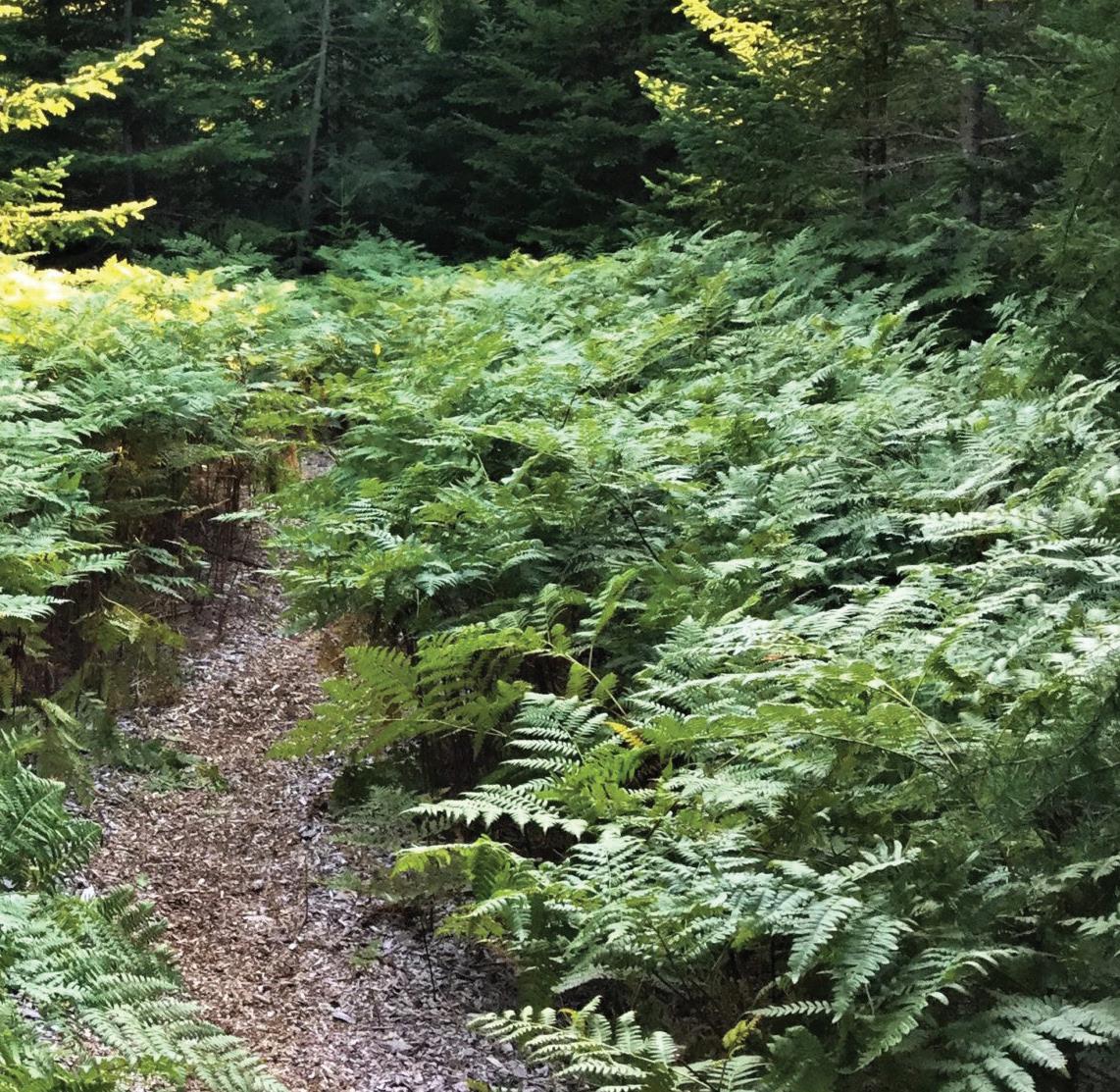
One thing that stands out to me is the great variety in an easy, short, pleasant walk. There are massive ledges and boulders. There are sand beaches and gravel beaches. There are clamproducing mud flats. There is soft wood. There is hard wood. There are shrubs and grassy areas. The other two nearby sanctuaries take you through more woods, meadows, and mossy areas. A trip to 38 Cross Road in Surry will be well worth your time. Parking is usually available.
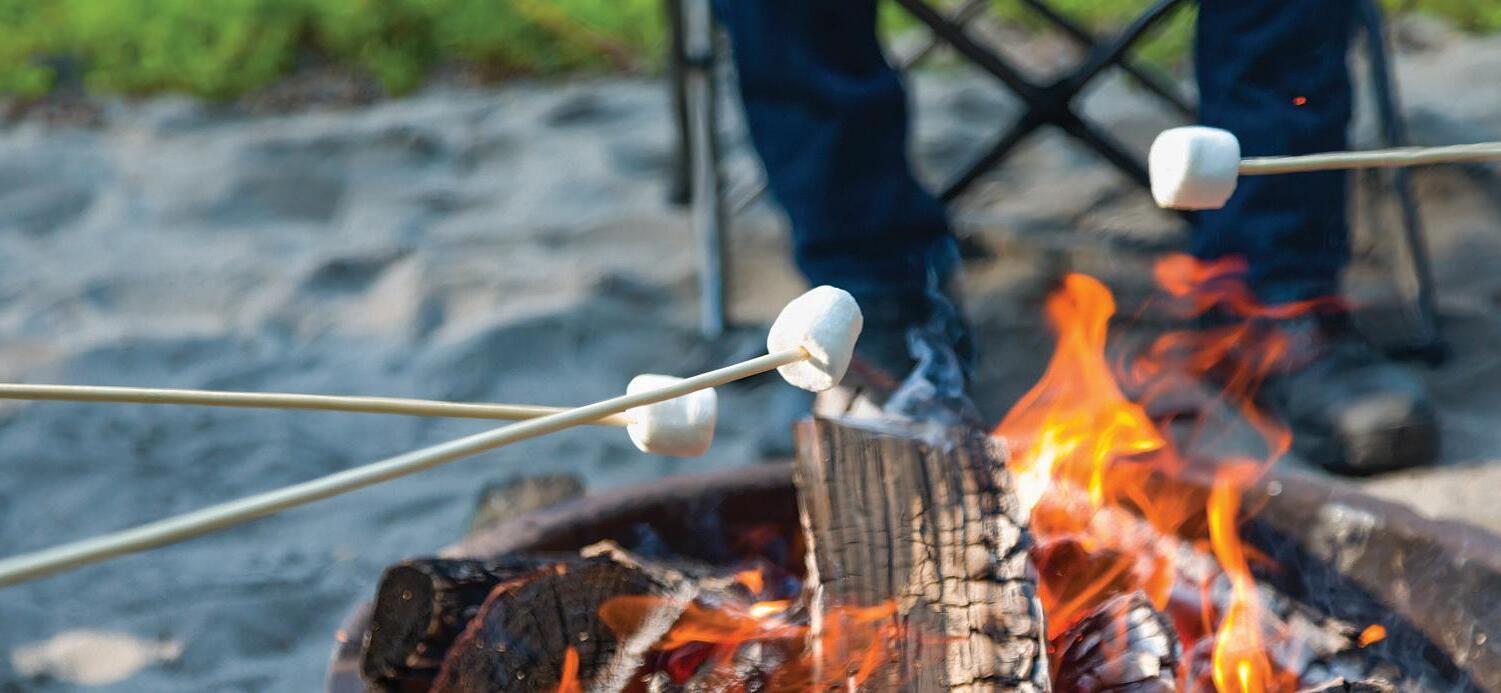

























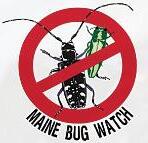



UNTREATED OUT-OF-STATE FIREWOOD IS BANNED IN MAINE, AND EVEN IN-STATE FIREWOOD CAN SPREAD PESTS TO NEW AREAS.
Healthy forests improve air and water quality, provide wildlife habitat, scenic backdrops for recreation, and important rural jobs.
The movement of firewood significantly accelerates the spread of destructive forest pests. For example, about three-quar ters of the early infestations of emerald ash borer in Michigan were directly tied to this mode of spread. Some domestic spread of the invasive Asian longhorned beetle has also been trac ed to the movement of infested firewood
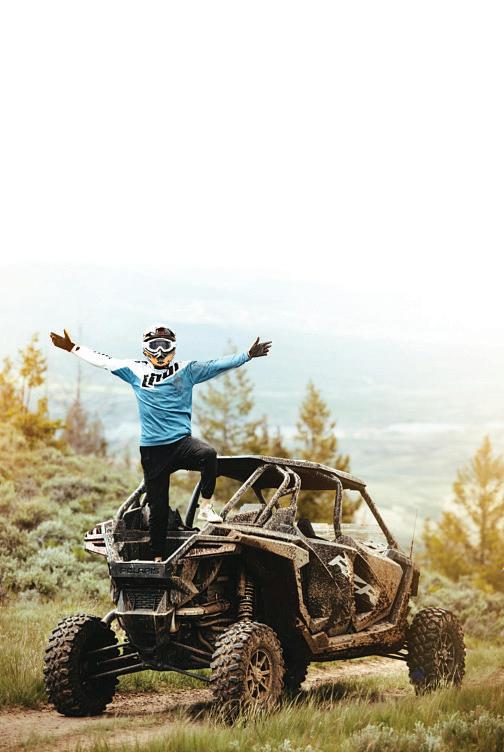
The next time you head out on an outdoor adventure, follow these firewood tips
• Leave firewood at home.
• Buy firewood from as close to your destination as possible Find sources at firewoodscout.org.
• If you’ve already transpor ted firewood, don’t leave it or bring it home – burn it! Tr y to burn it within 24 hours, and burn any small pieces of bark and debris that may have fallen from the wood
Help prevent the spread of insects and diseases that harm our forests by choosing heat-treated firewood or firewood from close to your destination. Find more tips at maine.gov/firewood.
If you ca n’t get local firewood, certified, heat-treated firewood is the best choice. Buy firewood w ith a state seal certify ing the wood ha s been heat-treated to 160 degrees Fahrenheit for at least 75 m inutes.
What exactly is local?
When it comes to untreated firewood, 50 miles is too far, 10 miles or less is best.