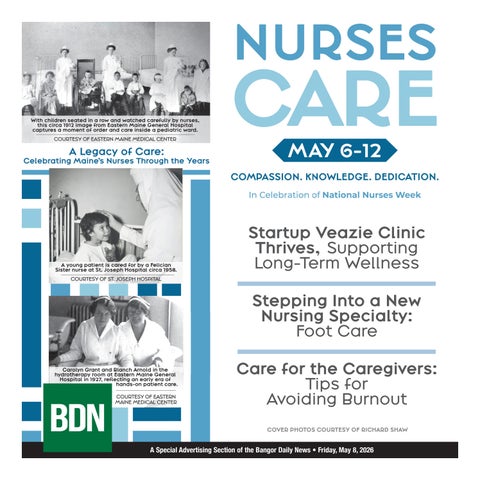
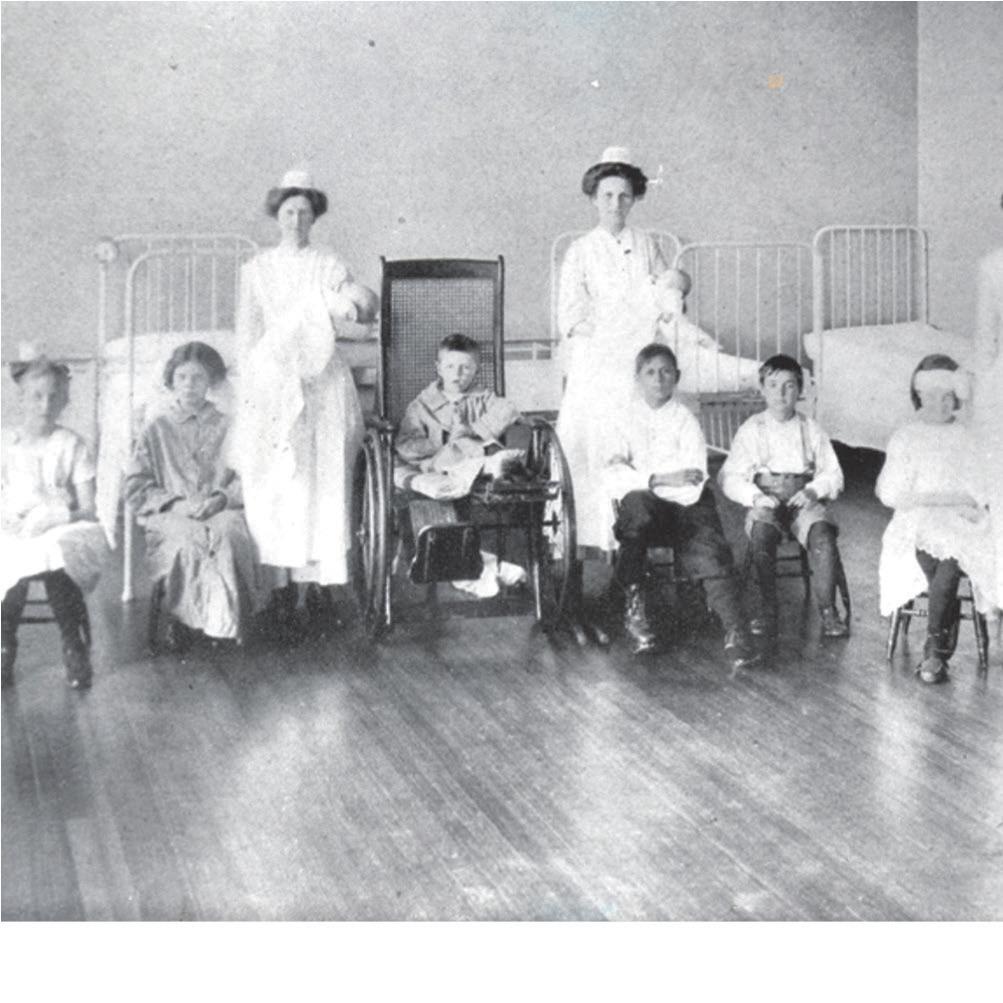
With children seated in a row and watched carefully by nurses, this circa 1912 image from Eastern Maine General Hospital captures a moment of order and care inside a pediatric ward.
COURTESY OF EASTERN MAINE MEDICAL CENTER
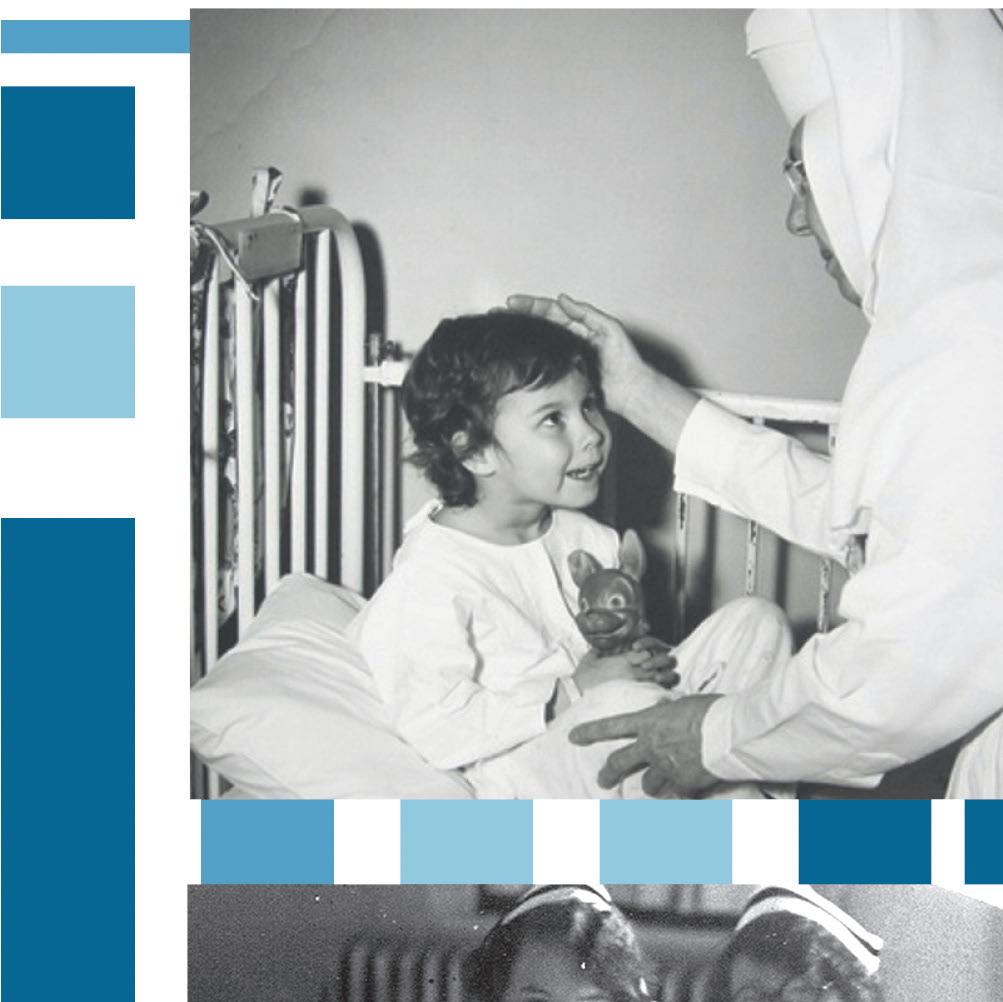
A young patient is cared for by a Felician Sister nurse at St. Joseph Hospital circa 1958.
COURTESY OF ST. JOSEPH HOSPITAL
COURTESY OF EASTERN MAINE MEDICAL CENTER
Carolyn Grant and Blanch Arnold in the hydrotherapy room at Eastern Maine General Hospital in 1927, reflecting an early era of hands-on patient care.
How a Clinic in Veazie is Supporting Long-Term Wellness
BY ERINNE MAGEE
BThe philosophy of addressing root causes rather than offering quick fixes has become the foundation of 207 Wellness. What began with a few clients at her kitchen table quickly grew through word-of-mouth referrals. Within months, she was balancing a full-time job with a roster of 50 clients.
Willey graduated from the University of Maine in 2009 and began her career at St. Joseph Hospital, working in roles ranging from the ICU to the cardiac catheterization lab. She later earned her nurse practitioner degree from Husson University and spent years in primary care, treating entire families across generations.
But long hours and the demands of the job began to take a toll on her family life. Willey transitioned into addiction medicine in the Bangor area, working with patients recovering from opioid use disorder, a role she describes as both challenging and deeply rewarding.
“That population is so misunderstood,” she said. “Nobody chooses addiction. My job was never to judge—it was to help.”
y the time Amber Willey launched 207 Wellness in 2023, she had already spent more than a decade inside Maine’s healthcare system working in intensive care, primary care, and addiction medicine. But it wasn’t just her clinical experience that shaped her approach to wellness.
Willey’s own journey of losing more than 100 pounds in two years caught the attention of friends and colleagues who asked her to help them prioritize health.
“Obviously there's medications, there's diets, there's exercise programs,” said Willey. “But if you don't treat the core problem, none of that's going to matter because as soon as you stop those things, you're going to go right back to gaining weight or making those unhealthy decisions.”
While Willey was navigating her own transformation, she began to observe parallels between her patients’ struggles and her own wellness journey.
“I was noticing that a lot of the conversations I was having with my clients as they were working on their recovery were the same kind of questions and conversations I was having with myself about making better choices and having different coping mechanisms.”
About six months in, Willey was joined by longtime colleague Erin MacKenzie, a fellow nurse practitioner she had mentored in the past. MacKenzie not only brought clinical experience, but also a pivotal opportunity for growth: her husband, Matt MacKenzie, co-owns Eastern Maine Sports Academy in Veazie, where space was available for lease.
Today, just a few years later, the clinic has a team of nine and continues to expand its services, from weight loss and hormone optimization to IV therapy and regenerative aesthetics using state-of-the-art technology not widely available at other clinics in Maine.
But Willey is careful about how she defines the work.
“I don’t think of us as just a regenerative aesthetics practice,” she said. “We’re a wellness clinic. Everything we do comes back to treating the core issue.”
While many clinics focus on surface-level results, Willey emphasizes technologies that stimulate the body’s natural regenerative processes, like collagen production, rather than simply masking concerns.
The same philosophy applies to weight loss support and hormone health. Rather than relying solely on prescriptions, Willey and her team spend time understanding each client’s lifestyle, stress levels, sleep habits, and overall health history.
“Just because something is ‘normal’ on paper doesn’t mean it’s optimal,” she said. “And people deserve to feel their best.”
That approach has resonated, particularly with women navigating perimenopause and menopause, stages of life Willey believes can be overlooked or misunderstood in traditional healthcare settings.
“I’ve seen so many preventable conditions in the hospital,” she said. “It doesn’t have to be that way.”
For Willey and her team, the goal is simple: help people feel better, not just for now, but for the long run.
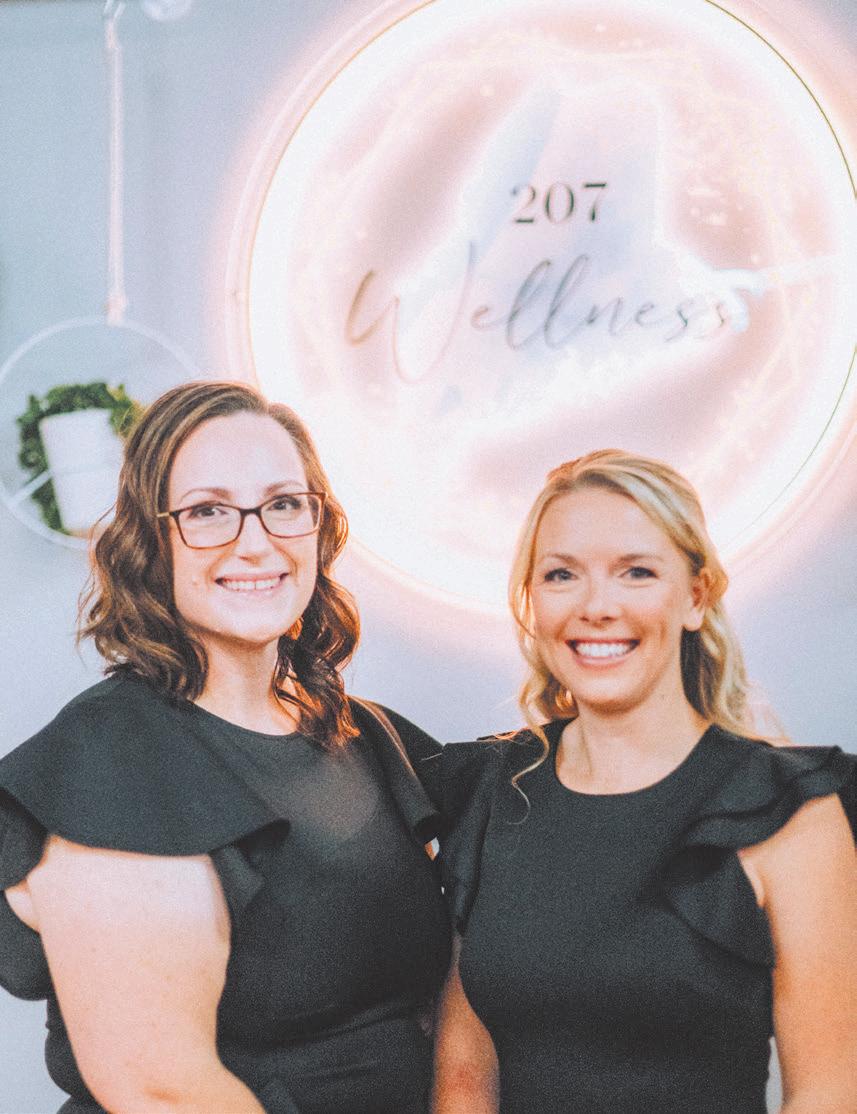
Amber Willey, founder of 207 Wellness, with longtime colleague Erin MacKenzie.
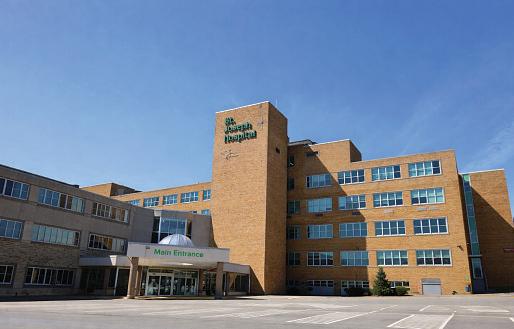
St. Joseph Healthcare is proud to be your community hospital
COURTESY OF ST. JOSEPH HEALTHCARE
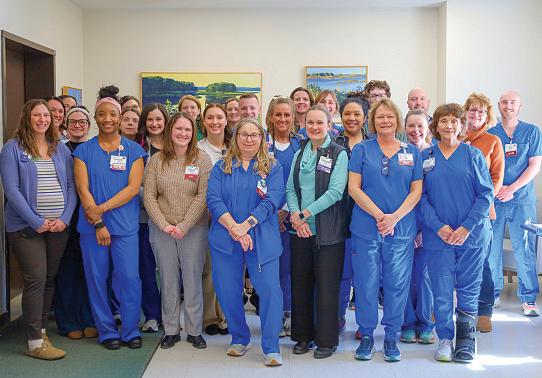
National Nurses Week is a special time at St. Joseph Healthcare. Each year, we work to honor and recognize the incredible work that our nurses do every day. We could not think of a better way to celebrate than by sharing a story from two of our nurses — Jamie M. Vaughn, MSN, RN, ONC and Melissa M. Slininger, MSN, MBA, RN, CNL our Orthopedic Nurse Navigators.
Growing up, both Jamie and Melissa were drawn to nursing by a simple but powerful observation: restoring someone's mobility can completely transform their quality of life. That conviction has shaped every step of their careers at St. Joe's.
As Orthopedic Nurse Navigators, Jamie and Melissa serve as the central point of contact for patients and their family members, surgeons, and staff throughout the entire surgical journey. From pre-surgery "joint camp" preparation to post-operative follow-up — sometimes a full year out — they guide patients through one of the most significant experiences of their lives. They play a pertinent role in the optimization of a patient's health prior to surgery, but they also strive to reduce anxiety, improve satisfaction, and prevent complications.
What keeps them passionate is the impact. Each week they hear patients say, "I didn't want to come, but I am so glad I did." That moment — when relief replaces fear — is exactly why this work matters.
Behind the scenes, Jamie and Melissa are also driving process improvements, implementing evidence-based care, and strengthening the Total Joint Program at St. Joseph Hospital. Certified by DNV, reflecting high standards in patient care, the program reflects their strong leadership. Both hold advanced certifications that have deepened their clinical judgment and care coordination skills.
They describe St. Joe's as a place where small-town warmth meets exceptional, compassionate care — and that combination, they say, makes all the difference.
Stepping Into a New Nursing Specialty: Foot Care
BY ANNE GABBIANELLI
According to the American Podiatric Medical Association, at least 75% of Americans will experience foot problems in their lifetime, a number that rises to more than 80% for those who are obese.
Fundamental Foot Care PLLC owner and CEO Heather Fogg said, “When our feet are hidden in socks and shoes, it’s too easy to forget about them. That’s the dangerous part.”
Many area nurses turning to foot care have received training at Fundamental Foot Care in Hampden. Fogg, RN, BSN, CFCS, said a nursing background is a strong fit for the field.
“We offer medically based routine care. That includes a nursing assessment of the lower legs, feet, toes, and toenails,” Fogg said.
Services include toenail trimming, thick or fungal nail reduction, ingrown toenail management, callus and corn reduction, foot health education, and diabetic foot monitoring. When needed, patients are referred to a primary care physician or podiatrist.
Fogg said most clients are older adults with chronic conditions such as diabetes, vascular disease, heart disease, and cancer. “For that reason, it is very important that we have the medical background to care for them,” she said.
Fogg transitioned into foot care in 2019. “As a medical-surgical nurse, I often cared for patients with diabetic foot ulcers, vascular wounds, and amputations of toes, feet, and legs,” she said.
Fogg said feet are the body’s foundation. “We need to take care of that which keeps us mobile, healthy, and independent,” she said. “Once we slow down from hurting feet, our whole body and its functioning slows. Our bodies were made to move. When we are unable to be mobile, it affects our overall physical and mental well-being.”
Mindy McInnis, a family nurse practitioner who also trained under Fogg, travels to health care facilities where there is a chronic need for foot care. She said access to podiatry care has declined in many nursing homes and can be difficult to obtain in the community due to waitlists or transportation barriers.
“I have been taking care of patients in nursing homes since 1995,” McInnis said. “In the past few years, their access to podiatry coming into the building has declined.”
She added that many patients arrive at facilities with little to no recent foot care. “Often when they arrive at the nursing home for either a rehab stay or long-term care stay, it is apparent they have had no foot care for months or even years.”
Most foot care services are self-pay, though some facility-based care may be billed to insurance.
Paula Sprague said she sought foot care after a chiropractor recommended nurses who specialize in the field due to limited mobility. “I have misshapen nails, which causes me difficulty in walking when the nail is too long,” she said. “It is such an important service that provides a lot of relief for my feet.”
Sprague is not alone. Fogg said aging often limits flexibility. “As we age, flexibility changes. Bending at the hips or reaching our feet safely can become difficult. Thickened nails, overgrown nails, or poorly fitting shoes can significantly impact balance,” she said.
James “Chip” Fussell said his foot care experience has been especially positive. “It’s different from going to a doctor’s office; it’s much more personal and you get the services you need,” he said. “Nurses are all about care, and that’s what you get.”
Foot care is not limited to older adults. Athletes and dancers also experience issues such as ingrown toenails. Nurses say education and proper footwear are frequently discussed. Leah Arnold, RN, CFCS, said, “We have many clients who want to dance after their care. They leave with smiles and happy feet.”
There are two national boards offering certification: the American Foot Care Nurses Association and the Wound, Ostomy, and Continence Nurse Certification Board. Requirements include an active nursing license, continuing education in foot care, and up to 40 hours of hands-on training, followed by a national exam.
Fogg offered advice for all ages: “Years of wearing stylish but unsupportive shoes can contribute to long-term damage, so invest in supportive, properly fitting footwear. And most importantly, don’t ignore your feet. Prevention is far easier than recovery.”
Simple Ways Nurses Can Prioritize Self-Care
BY WANDA CURTIS
For hundreds of years, nurses have provided health care for others — in homes, hospitals, long-term care facilities, and on battlefields. They’ve worked long shifts in understaffed facilities, with heavy workloads, and were often underpaid. They have sacrificed to meet the health care needs of others. Only recently have nurses started to realize how important it is to also care for themselves.
The results of a 2025 AMN Healthcare survey revealed that 58% of nurses surveyed felt burned out most days. Sixty-four percent said that compassion fatigue had affected their health. Fifty-five percent of respondents in a 2024 AMN survey said they were either somewhat or very likely to change jobs within a year.
No doubt about it, nursing is a very stressful profession, and that stress can affect both a nurse’s physical and mental health. It can cause them to look for another profession. It can also affect patient safety and the quality of health care they provide.
According to theresource.com, the health care industry continues to experience significant workforce turnover. In 2025, the average annual turnover rate reached 22.7% across all health care positions. Nursing experienced the highest turnover rate at 27.1%.
Wendy Mason, a faculty member at the Purdue Global School of Nursing, said nurses are exposed to pain, suffering, and trauma. She said they are often traumatized without even realizing it.
“Nurses have a responsibility to care for themselves,” Mason said. “If we aren’t caring for ourselves, we can’t care for others.”
Nursing students at Purdue Global are taught to think of themselves as bank accounts, Mason said. Students are taught that if they keep spending but fail to put something back, they will end up with a serious deficit.
“That leads to burnout,” she said.
According to Purdue Global’s online article The Importance of Self-Care for Nurses and How to Put a Plan in Place, “self-care is any deliberate activity that we engage in to improve our physical, mental, or spiritual well-being.” The article says self-care is important for all workers, but especially for nurses, because they spend their working hours caring for others.
“Self-care reduces stress, replenishes a nurse’s capacity to provide compassion and empathy, and helps improve the quality of care,” Purdue Global said.
Tips for incorporating self-care into work and personal life
In its publication Whole Health Begins With Mental Health: Let It Begin With You, the American Psychiatric Nurses Association reports that “whole health begins with mental health.” The group notes that “whole-body wellness can only be achieved with a strong foundation of mental health.” It says nurses often neglect their own health while providing care to others. The association offers the following tips to help nurses incorporate self-care into their daily lives:
• Schedule self-care. Set aside time each week to focus on yourself. Engage in activities you enjoy — art, music, or reading a good book.
• Unplug from electronic devices — TV, cellphones, and computers. Leave work at the workplace.
• Don’t be afraid to say “no.” Avoid taking on additional responsibilities that are too much to handle.
• Do say “yes” to friends and family when they invite you to do things you enjoy.
• Get moving. Take walks, lift weights, or join an exercise class.
• Get enough restful sleep each night.
• Eat a well-balanced diet.
• Practice spirituality.
• Hug someone.
• Focus on the positive and find joy where you can.
• Take breaks at work.
Two Pathways for RNs to Obtain Their BSN Degrees
COURTESY OF UNIVERSITY OF MAINE FORT KENT (UMFK)
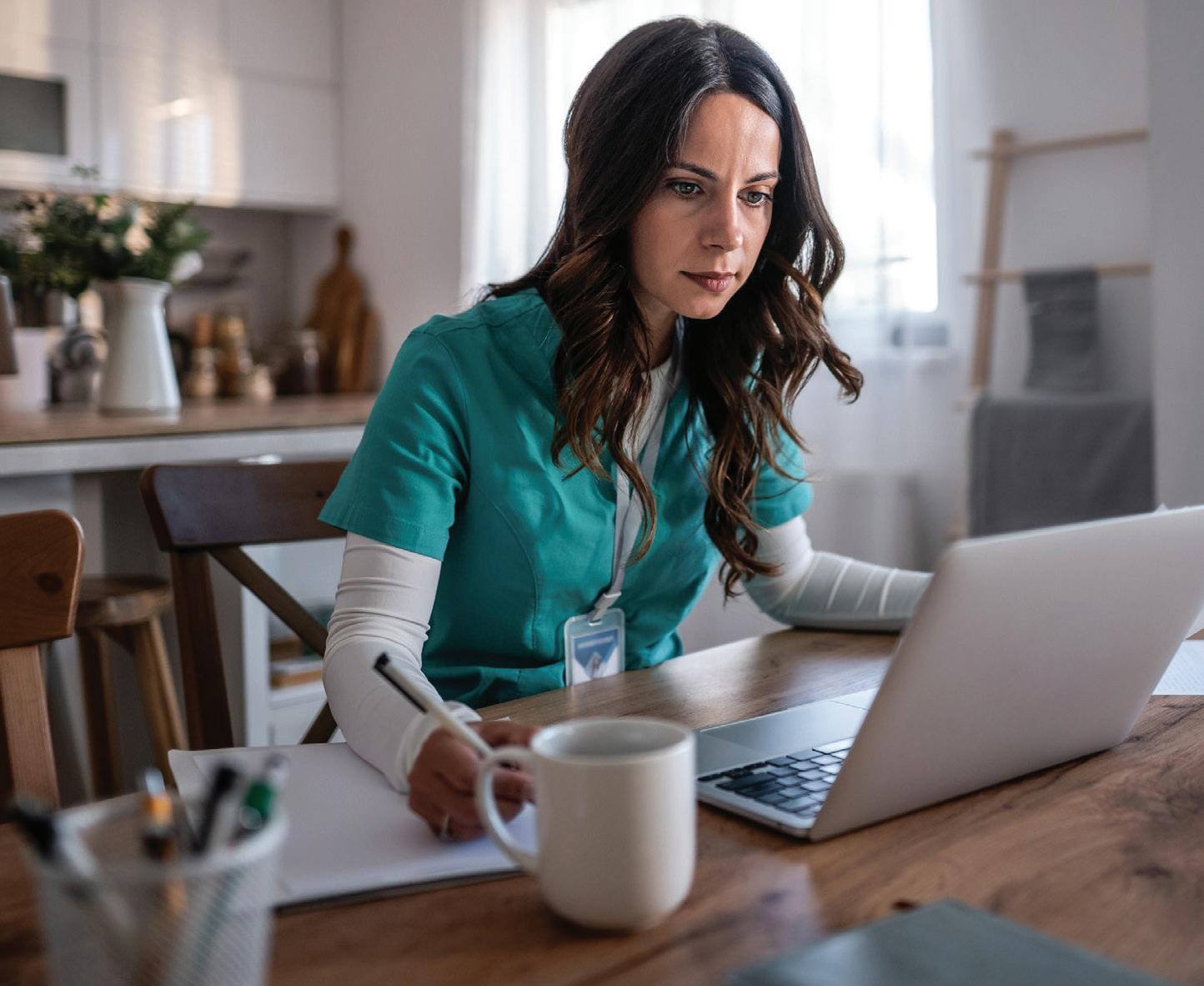
The University of Maine at Fort Kent (UMFK) offers two flexible, high-quality options for registered nurses who want to earn a Bachelor of Science in Nursing (BSN) degree: a fully online RN-to-BSN program and a competency-based online RN-to-BSN option offered through YourPace in partnership with the University of Maine at Presque Isle (UMPI). Each pathway is designed to support working nurses, recognizing that different learners thrive in different formats while maintaining the same commitment to academic excellence and career advancement.
UMFK’s fully online RN-to-BSN program provides a structured and engaging learning experience in convenient seven-week sessions. This format is ideal for students who appreciate a consistent schedule and regular interaction with faculty and peers. Weekly assignments help maintain steady progress, while ongoing feedback supports student success and growth. The program emphasizes collaboration, discussion, and connection, creating a strong sense of community among nurses advancing their education together. Students build essential skills in leadership, population health, and evidence-based practice, all within a supportive and guided environment.
UMFK’s competency-based education RN-to-BSN program, powered by YourPace at UMPI, offers an alternative approach. Delivered in an eight-week subscription format, this pathway allows students to progress by demonstrating mastery of specific competencies. Rather than following weekly deadlines, students move forward at their own pace as they complete each set of learning outcomes. This format is well-suited for individuals who prefer a more self-directed experience and want the flexibility to manage their time in a way that aligns with their personal and professional responsibilities.
While the structure differs between the two programs, both share the same UMFK faculty expertise, academic rigor, and focus on real-world application. Students in either pathway receive support from experienced instructors and engage with content designed to strengthen clinical reasoning and understanding of today’s complex health care systems. Both programs build on the knowledge and experience of faculty who are working nurses, providing students with relevant and current practices in patient care.
UMFK’s two approaches to BSN degree completion ensure that nurses can choose the learning format that best matches their learning style and lifestyle — whether they value a more structured, interactive environment or a self-paced, competency-driven model. In both cases, students are empowered to advance their education without stepping away from their careers.
As health care continues to evolve, the need for BSN-prepared nurses is more important than ever. UMFK makes that advancement accessible, flexible, and affordable with two distinct pathways that lead to the same meaningful outcome: greater opportunity, professional growth, and the ability to make an even stronger difference in the lives of patients and communities.