in Maine

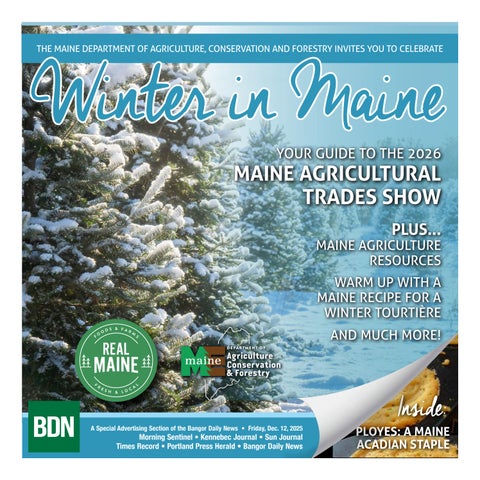
Winter in Maine has a way of sharpening our sense of community, as the cold months remind us that we depend on one another for well-being. In Maine’s agricultural sector, we see this spirit every day, as farmers, food producers, and community partners work together to ensure our food system remains strong, resilient, and accessible.
As we enter a new year, one of our highest priorities is ensuring that everyone has reliable access to the food and resources they need to thrive. This month, the Department introduced the Maine Food Access Map, a statewide interactive resource that helps individuals and families locate nearby food pantries, meal sites, school-based programs, WIC clinics, and other free or donation-based food assistance services.
We recognize that many people across Maine work hard yet still struggle to make ends meet, especially during the winter months, when household budgets can be particularly strained. Our goal is to make sure that anyone who needs help can find it quickly, without barriers and without stigma. The Maine Food Access Map is one more way we can support neighbors who may be facing difficult times.
Just as we work to ensure food is accessible to those

who need it, we also remain committed to supporting the farmers and producers who form the backbone of Maine’s food system. There are meaningful ways everyone can help strengthen local agriculture, even in the winter months:
• Shop at year-round farmers’ markets and winter farmstands.
• Look for Maine-grown and Maine-produced foods in your local grocery store—dairy, grains, bread, meats, root vegetables, seafood, and more.
• Choose Maine-made gifts, crafts, and food products for seasonal celebrations or everyday use. Remember, RealMaine.com is a wonderful source for all things Maine!
• Attend agricultural events and workshops to learn how food is grown, raised, and produced in our state.
• Share information about where to find local food resources, including the new Maine Food Access Map.
For those interested in learning more about agriculture, innovation, and opportunities to support or enter the industry, the Maine Agricultural Trades Show re-
mains a free and open event for the public. This winter’s show will take place January 13, 14, and 15 at the Augusta Civic Center. No ticket or registration required to attend, and doors open daily at 9:00 AM.
While primarily an event for farmers and industry experts to connect, the trade show provides an excellent window into Maine's farming community and the various organizations, agencies, and partners that collaborate to support it.
As we welcome 2026, we are reminded that Maine’s strength comes from its people, from those who grow our food to those who ensure it reaches every household. Winter asks more of us, but it also offers an opportunity to reaffirm our shared values of resilience, compassion, and community. Together, we can ensure that all Maine people have access to healthy food and that the farmers who nourish our state feel supported in every season.
Wishing you a bountiful 2026.
Amanda Beal, Commissioner Maine Department of Agriculture, Conservation and Forestry
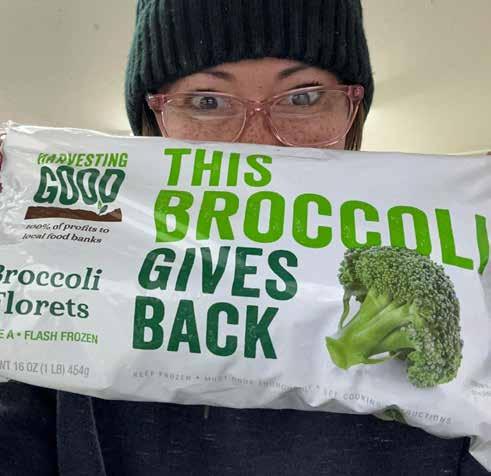
Harvesting Good is a mission-driven food company founded by Good Shepherd Food Bank of Maine to strengthen the local food system while feeding Mainers.
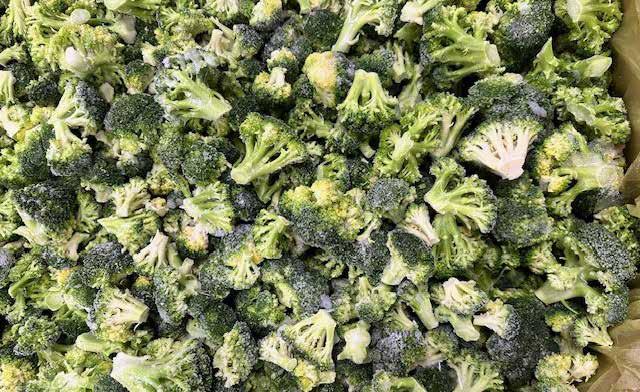
The company started with one product — Maine-grown broccoli — to enable schools, hospitals, and families to have access to healthy, local produce year-round, not just during the short harvest window. By freezing broccoli at peak freshness, they create a stable, nutritious product that connects farms directly to institutional buyers, reducing food waste while building long-term demand for Maine crops. Harvesting Good has partnered with trusted growers, such as Circle B Farms, and processing experts, including W.R. Allen, and is working with a growing network of regional distributors.
Today, Harvesting Good broccoli can be found in K-12 cafeterias, universities, hospitals, and on the shelves of independent retailers across New England. For schools and institutions, purchasing Harvesting Good broccoli helps stretch limited budgets, supports USDA farm-to-school goals, and enables students to access nutritious, local foods.
For Maine’s food system, Harvesting Good has created a fair, predictable market for farmers and opened the door to innovative models, such as tolling — where commodity crops can be purchased in bulk and processed locally for significant cost savings. By moving products in shared freight with other local brands, they are demonstrating that collaboration strengthens the food economy. Every case sold represents an investment in Maine farms, regional infrastructure, and a resilient, sustainable food system that gives back to Maine communities.






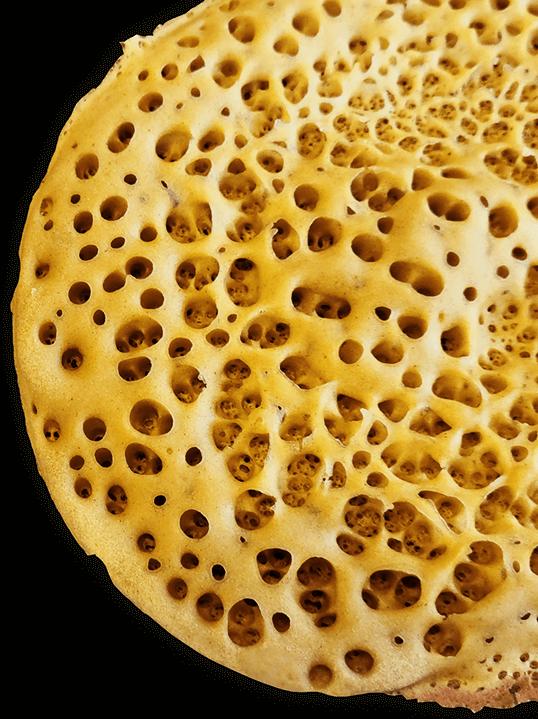
Ployes (pronounced like “boy”) are simple and unassuming. They do not fit the definition of a pancake, crepe, or flatbread. While they have qualities of all of those, ployes have an identity and a deep heritage all their own.
They are traditionally made with buckwheat (specifically tartary buckwheat) flour as a main ingredient. For hundreds of years, they have been an integral part of meals and culture in the St. John Valley in northern Maine.
“Ployes were instilled in the food landscape of Madawaska, where I grew up, in addition to family meals at grandparents’ homes in Frenchville and St. Agatha,” said Father Paul Dumais, a Catholic priest whose parish includes Jay and Farmington. “Memere (grandmother) Dumais would have ployes on the table like some homes had bread.”
The history of ployes in Maine dates back to the 18th century, when French Acadian refugees settled and established communities in areas like Fort Kent and Van Buren. Those refugees were removed from their homes by the British in what is now Nova Scotia, New Brunswick, and Prince Edward Island. Agriculture, specifically crops such as buckwheat, was an important part of their way of life.
Dumais said the introduction of ployes in Acadian culture is a perfect example of the adage “grow it to eat it.”
“There was literally an appetite for ployes, which required the ingenuity of growing tartary buckwheat,” Dumais said.
Dumais said he enjoys making ployes for people in different parts of the country who have never heard of them. He said if someone is familiar with ployes, they almost always have a connection to the St. John Valley or Acadian culture.
“I’ve never met anyone who doesn’t like them,” Dumais said.
Ployes can be enjoyed on their own, or with butter, jam, maple syrup, or any topping (or filling, if you roll them up) that
you’d like. They can also accompany a wide variety of meals, from baked beans to soups and stews (traditionally, in the St. John Valley, ployes are paired with chicken stew). They are made on a griddle, and, unlike pancakes, do not require flipping – you just need to watch for bubbling on one side.
Real Maine member Bouchard Family Farms produces ploye mixes that can be found in most grocery and specialty shops throughout the state and can also be purchased online. All you need to do is add water to the Bouchard mixes, and your ployes are ready to cook. The Bouchard Family Farms website is a great resource for ploye pairings and recipes. At www.ployes.com/recipes, you can find recipes for curried chicken ployes, ploye ice cream sundae, “ploye-ritos,” and more.
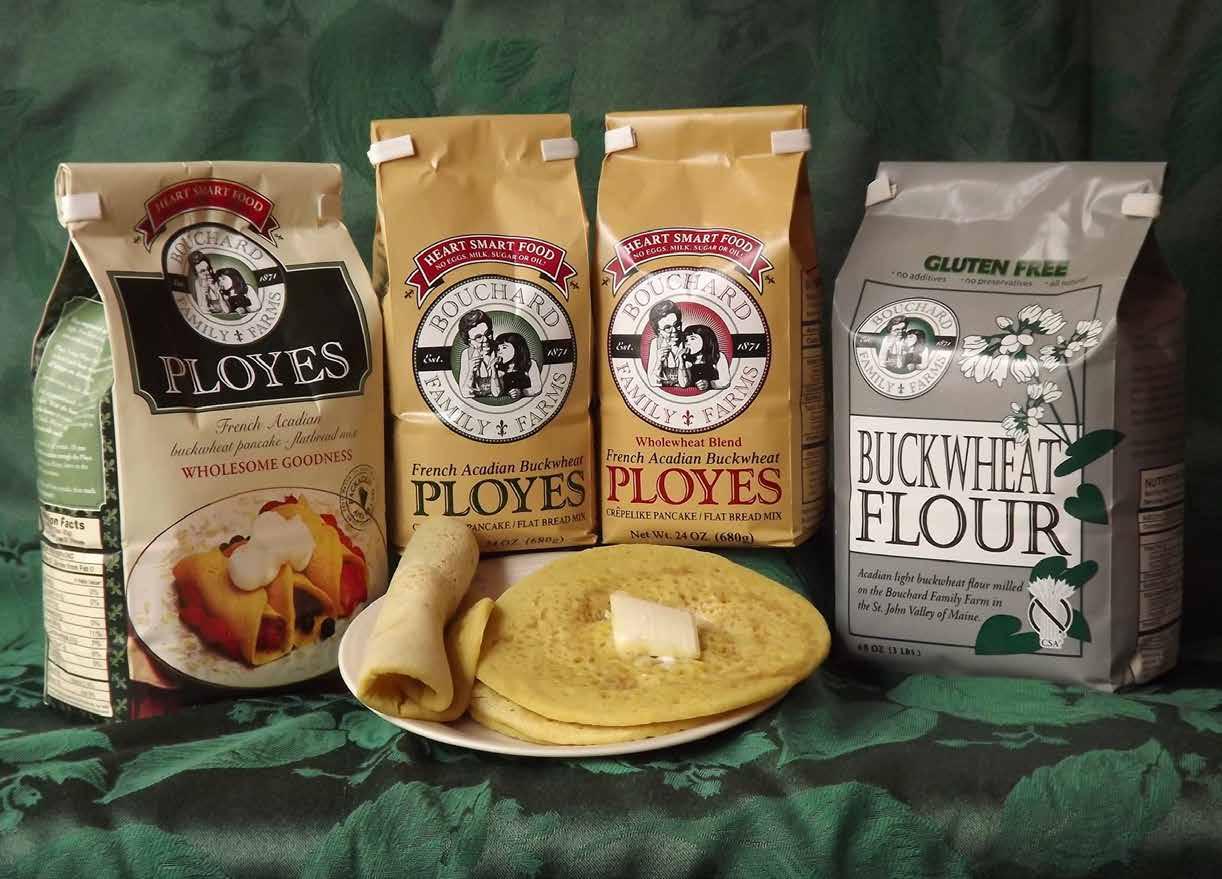
Janice Bouchard, who owns Bouchard Family Farms in Fort Kent with her husband, Joe, mentioned one historical tie that ployes have in their area of Maine.
“Years and years ago, every farm would plant enough buckwheat so, when the time came, they could take it to the local millery and have enough flour for ployes,” Janice said.
When made from scratch, Ployes require only a few ingredients: buckwheat flour, white flour, baking powder, a little salt, and water.
Be sure to warm up with some ployes this winter.

Contributed by the Passamaquoddy Wild Blueberry Company
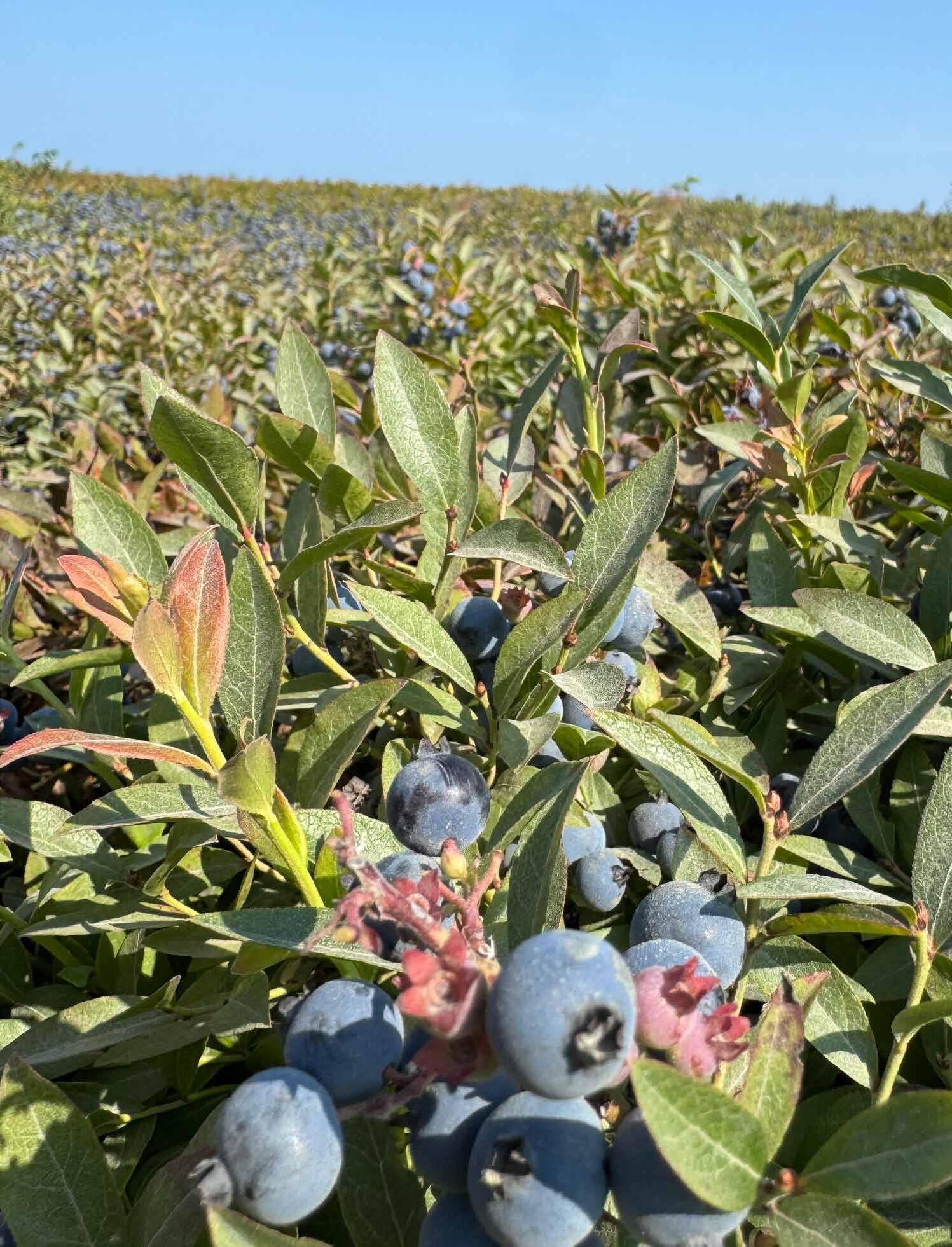
025’s wild blueberry harvest was challenging. Unforgiving weather patterns, including too much rain in the spring, which reduced pollination, followed by overwhelming heat and drought conditions during harvest, left blueberry producers with a much smaller crop than expected.
“We have experienced late freezes in June before that have caused frost-kill on a portion of the crop. But this year was a different kind of difficult, even with our fields being irrigated,” said Darren Paul, General Manager of the Passamaquoddy Wild Blueberry Company.
From small family farms to larger operations, wild blueberry growers across Maine have seen how the weather can reduce yields. A smaller harvest naturally drives up prices, and these price changes reflect the realities of farming a resource that is at the mercy of the weather. Since wild blueberries are not cultivated, farmers can’t plant more whenever and wherever they would like.
As a Tribe-owned business, Passamaquoddy Wild Blueberry Company has a deep connection to the land and to the communities it supports. Every pound of berries they sell sustains jobs, funds community programs, and continues the stewardship that has existed for generations. In good years, that support grows, and in hard years, it becomes even more vital.
The fields will rest through the winter, and with (hopefully!) better weather next summer, they will harvest all over again. For now, consumers can continue to support Maine wild blueberries. By choosing wild, shoppers will enjoy a remarkable fruit and help to sustain the people, communities, and traditions that keep the industry alive.








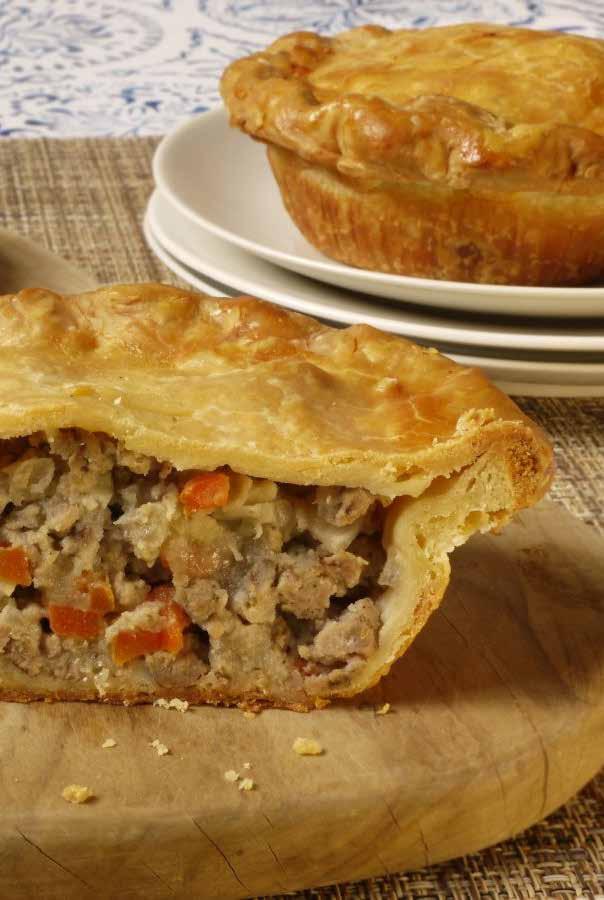
When the temperatures get lower and winter sets in, it is a tradition for many families in Maine to cook up tourtière, a French-Canadian meat pie.
Tourtière filling is, at its core, a simple meat and potato mixture usually made with ground or minced pork or beef and spices. However, there is an array of variations, depending on region or even family recipe, and it could include veal, wild game meat such as bear or venison, chicken, sausage, or even fish. Spice blends usually include cloves, cinnamon, and allspice, but some use nutmeg, celery salt, or dry mustard, as well.
The dish’s origins are traced back to Quebec in the early 1600s. It is served throughout Canada, the Canadian Maritimes, and New England.
This winter, try your hand at making a tourtière pie. The aroma alone will make you feel warmer. Include local potatoes and meat from Real Maine members like Heartstone Farms. This recipe is taken from Heartstone Farms’ website and can be found at heartstonefarm. com/blogs/farm-favorite-recipes/pork-pie-tourtiere.
NOTES: You will need to make pie dough or use a prepared pie crust. This recipe makes eight small pies (5 inches) or one large pie (9 or 10 inches). You can freeze uncooked pies and have some ready for the rest of winter.
• 2 tbsp olive oil, butter, or pork fat
• 2 lbs ground pork (or you can do 1 lb pork, 1 lb beef)
• 1 onion, peeled and finely chopped
• 2 carrots, peeled and finely chopped
• 1 celery stalk, peeled and finely chopped
• 2 cloves garlic, peeled and finely chopped
• 1 large potato, peeled and roughly chopped
• 1 tbsp of heavy cream
• 1 tsp cinnamon
• ½ tsp ground cloves
• ½ tsp allspice
• 1 tbsp dried thyme
• salt and pepper to taste
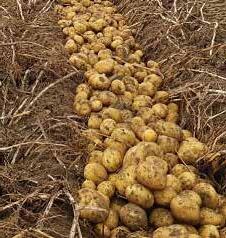
Prep Potato: Boil water in a saucepan and add your chopped potato. Cook approximately 15 minutes or until you can easily insert a knife into the pieces. Strain, add tablespoon of heavy cream, and mash together. Set aside.
Prep pork: Place your ground meat in a large bowl and fold in all your spices, including salt and pepper (this will ensure your spices are evenly distributed in the meat). Set aside.
Cook pork filling: Place a large cast-iron pan or skillet on the stove over medium heat. When pan is hot, add your olive oil, butter, or pork fat. Sauté onions until they are translucent. Add carrots and celery and cook for 2 minutes. Add garlic and cook for another minute. Add in your pork and cook until meat is cooked through — about 5 minutes.
Take a small piece of the filling, fry it up in a separate pan to check the seasonings. If needed, add additional salt & pepper. Turn the heat off and fold in your mashed potatoes.
Place half of crust in pan and add your filling (should be higher than the pan, as it will cook down). Place half of crust over your filling. Cut the rough edges off the dough and crimp your edges. If making 8 small pies, repeat process for the rest of your pies and refrigerate your pies as you assemble them until you’re ready to bake.
Preheat your oven to 375°. Beat together one egg and one tbsp heavy cream (for egg wash to brush on top before baking). Put a couple vents in the top of your pies with a knife to release steam while they’re baking. Brush each of your pies with the egg and cream mixture.
Bake pies uncovered for half an hour (if the crust is getting too dark, cover with foil). Turn oven down to 350°, tent the pies with foil (or put foil over the outer crust), and bake for 15 more minutes.
Place pies on a rack and let cool before serving. Serve with salad, pickles, cranberry sauce, or simply enjoy it by itself.
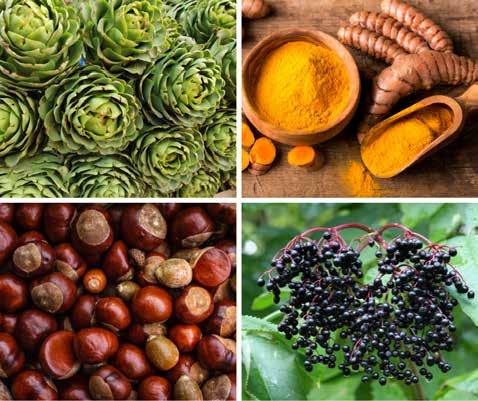
Our state is home to a number of fruits, vegetables, herbs, spices, and more that may give you pause and say, “I didn’t know that grew in Maine” when you see them at a local farm, farm stand, or store. Check out Real Maine’s social media in the upcoming months to learn more about these and others:
ARTICHOKES are flower buds of a large thistle-family plant, which also includes lettuce, thistles, chicories, and sunflowers. They are a perennial plant, but are not reliably winter hardy in Maine and are instead grown as annuals from seed. The harvestable component of artichokes are buds that, if left unharvested, will mature into a purple color. Preparing artichokes involves trimming the tough outer parts and cooking them until tender. The base of the leaves and the “heart” are edible.
TURMERIC is a tropical plant and is a member of the ginger family. Its root-like structure resembles ginger and can be ground into orange-yellow spice powder. Turmeric is frequently used as a flavor in Asian cuisine, especially in curries. It has a warm, bitter, black pepper-esque flavor and an earthy smell. The heat and humidity that turmeric requires can be reproduced in greenhouses and high tunnels in Maine.
ELDERBERRIES grow wild throughout Maine in various conditions, including in woodlands and near ditches and roadsides, and their shrubs can grow quite tall. To be successful in foraging for them, you need to look for large, white, flat-topped flower clusters in spring and deep purple-black berries in summer. Beware of red elderberries – those are toxic. Like aronia, elderberries are a food source for many forms of wildlife and have attracted attention for their health benefits and medicinal properties. They are used in products such as syrups, liqeurs, jams, and teas.
VARIOUS NUTS are grown in Maine, including hazelnuts, black walnuts, hickory, and butternuts. According to the Maine chapter of The American Chestnut Foundation (TACF), Maine has more wild living chestnut trees than any state. Chestnuts and their trees have been part of the landscape in Maine for hundreds or even thousands of years, and were a fundamental part of indigenous culture.
Follow these markets on social media and through their websites for updates and the latest information!
Augusta Winter Farmers’ Market 22 Armory St., Augusta (The Buker Center) Open every Tuesday, 3pm-5pm, November-April
Bangor Winter Farmers’ Market 26 Front St, Sea Dog Brewing Co. Banquet Room, Bangor Open Sundays, Dec-Apr, 11am-1pm
European Market in Bangor 117 Buck St, Bangor Open every Saturday, 8:30am-12:30pm, year-round. Open Weds during winter (Nov & Dec), 11am-3pm
Bar Harbor Winter Farmers’ and Crafters’ Market 36 Mount Desert St, YMCA, Bar Harbor Open every other Sun through April, 9:30am-12pm
Bath Farmers’ Market 27 Commercial St, Bath Open Saturdays, 9am-Noon, November-April.
Belfast Farmers’ Market 21 Schoodic Dr, Belfast Open Fridays, 9am-Noon, Nov-April
Belfast – United Farmers’ Market of Maine 18 Spring St, Belfast Open year-round, Sat, 9am-2pm
Berwick Winter Farmers’ Market 11 Sullivan St., Berwick 2nd Sunday of the month, 10am to 1pm, November through April
Blue Hill Winter Farmers’ Market 48 South St, Blue Hill, at Mainescape Saturdays, 10am-1pm
Bridgton Winter Farmers’ Market 4 Nutty St., Bridgton Open every Saturday, 9am-noon, Nov-April
Brunswick Winter Market 14 Maine St. (Fort Andross Building), Brunswick Open every Saturday, 9am-12:30pm, Nov-Apr
Bucksport Bay Farmers’ Market 31 Elm St., Bucksport, Brown Hall Community Center Thursdays, 11am-3pm, thru late December
Dover Cove Winter Farmers Market Piscataquis Ice Arena, 1049 W Main St., Dover-Foxcroft November-May. Saturdays. 9am-1pm.
Downtown Waterville Farmers’ Market 150 Main St, Waterville Thu, 2-5pm, Dec-April
Farmers’ Market at Pumpkin Vine Family Farm 217 Hewett Rd, Somerville
Once a month: Nov. 23, Dec. 14 (raindate Dec. 21), Jan. 11, Feb. 8. 11am-2pm
Farmington Winter Farmers’ Market 130 Quebec St., Farmington Open every Saturday, 10am-1pm, November-April
Freeport Harraseeket Grange Farmers’ Market 13 Elm St, Freeport Open Wed, 3-6pm, Nov-Apr
Greater Gorham Winter Farmers’ Market 75 South St, Gorham Open 1st and 3rd Saturdays, 9am-1pm, Nov-March
Hampden Farmers’ Market 177 Cold Brook Road, Hampden Open 2pm-5:30pm every Friday; then every other Friday from January-April
Orono Winter Farmers’ Market Municipal building between Pine & Mill St. Every Saturday, 9am-noon. December - April.
Portland Winter Farmers’ Market 631 Stevens Ave., Portland Open every Saturday, 9am-1pm, Dec-Apr 12
Rockland Farmers’ Market 61 Limerock St, Rockland Open through Dec. 18, Thu, 9-11:30am
Rockport Farmers’ Market 310 Commercial St, Rockport Open every Saturday, 9am-12pm, thru April
Skowhegan Winter Farmers’ Market 42 Court St, Skowhegan Open 1st and 3rd Saturdays of the month, 10am-1pm, Dec-April
South Portland Winter Farmers’ Market 21 Nelson Road, South Portland Sun, 10am-2pm, Nov-Apr
Tri-Town Winter Farmers Market 49 Academy St, South Berwick Select Sundays (Nov. 17, Dec. 15, March 2, March 16, April 6): 10am-1pm
Wilton Farmers’ Market 386 Main St, Wilton Congregational Church First and third Saturdays. 9am-1pm
The three-day event at the Augusta Civic Center in Augusta, Maine features farm and agricultural equipment, supplies, tools, educational talks, membership meetings, training, free business coaching, Maine-farm ingredient hospitality suite, and attendee meet and greets. Join us!
At its heart, the Maine Agricultural Trades Show is a wintertime tradition that celebrates the people who make Maine’s farms, forests, and food systems thrive. The show’s success comes from the passion and generosity of its community — volunteers, producer groups, organizations, and businesses of every size who come together to share knowledge, strengthen connections, and support one another.
This is a truly grassroots gathering. Whether you’re a farmer, food producer, woodlot owner, or simply interested in Maine’s vibrant agricultural community, you’ll find something valuable here. Use the event to meet peers and partners, connect with the people who support farmers and rural businesses all year long, and explore hands-on opportunities to learn and collaborate.
Don’t miss the exhibit hall, featuring a lively mix of familiar favorites and new exhibitors showcasing products, services, and innovations from across the state. Attend a meeting, listen in on policy discussions, or dive into one of the dozens of educational sessions offered each day — covering everything from business growth and soil health to wellness, energy, and market opportunities.
All are welcome, and there’s no cost to attend. Visit the Trades Show webpage for the latest schedule, updates, and resources to help you make the most of your time at the show.
Mark Your Calendar for the 2026 Maine Agricultural Trades Show
Tuesday, Jan. 13 (9 AM to 5 PM) • Wednesday, Jan. 14 (9 AM to 6 PM) Thursday, Jan. 15 (9 AM to 3 PM)
The Augusta Civic Center is located at 76 Community Drive, Augusta

And mark your calendar for these future Trades Show dates — 2027: January 12, 13, 14 Reserve your
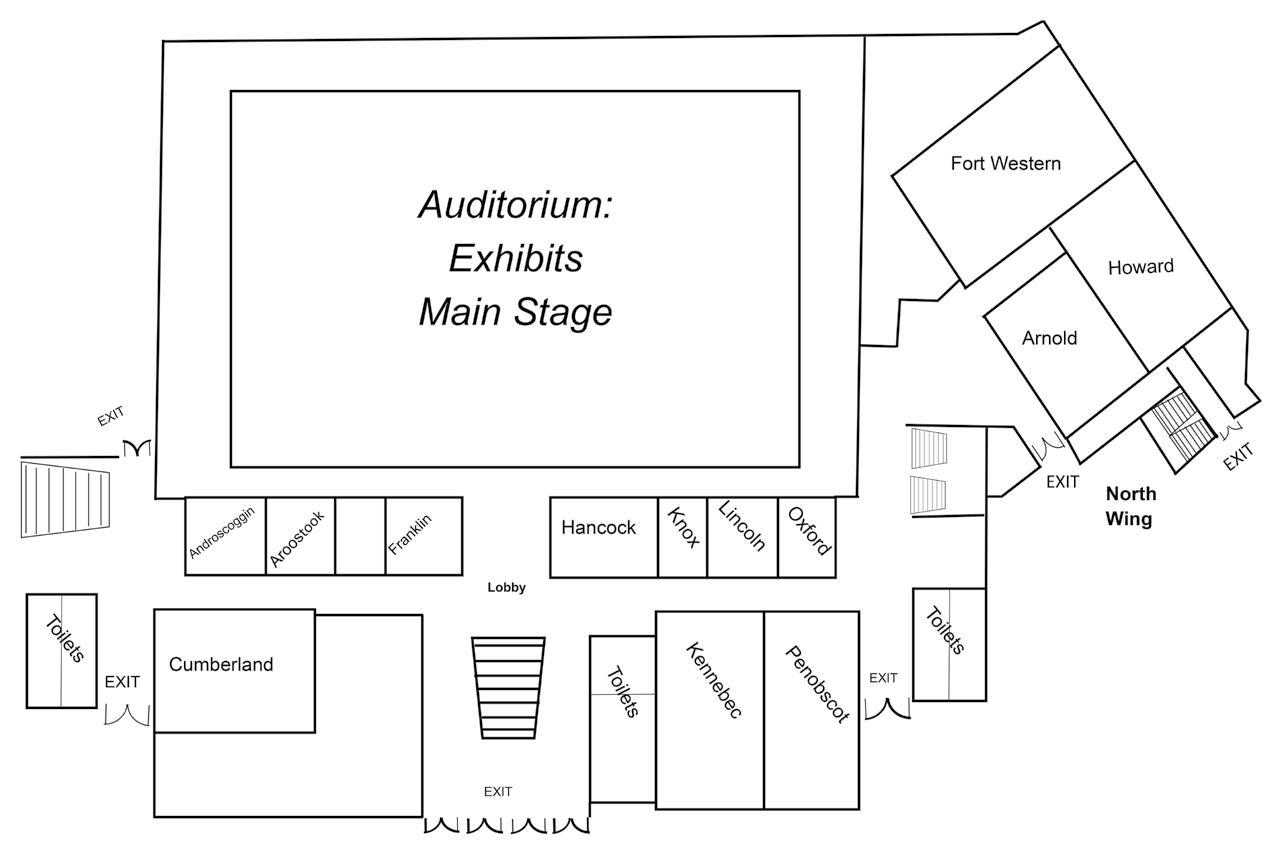
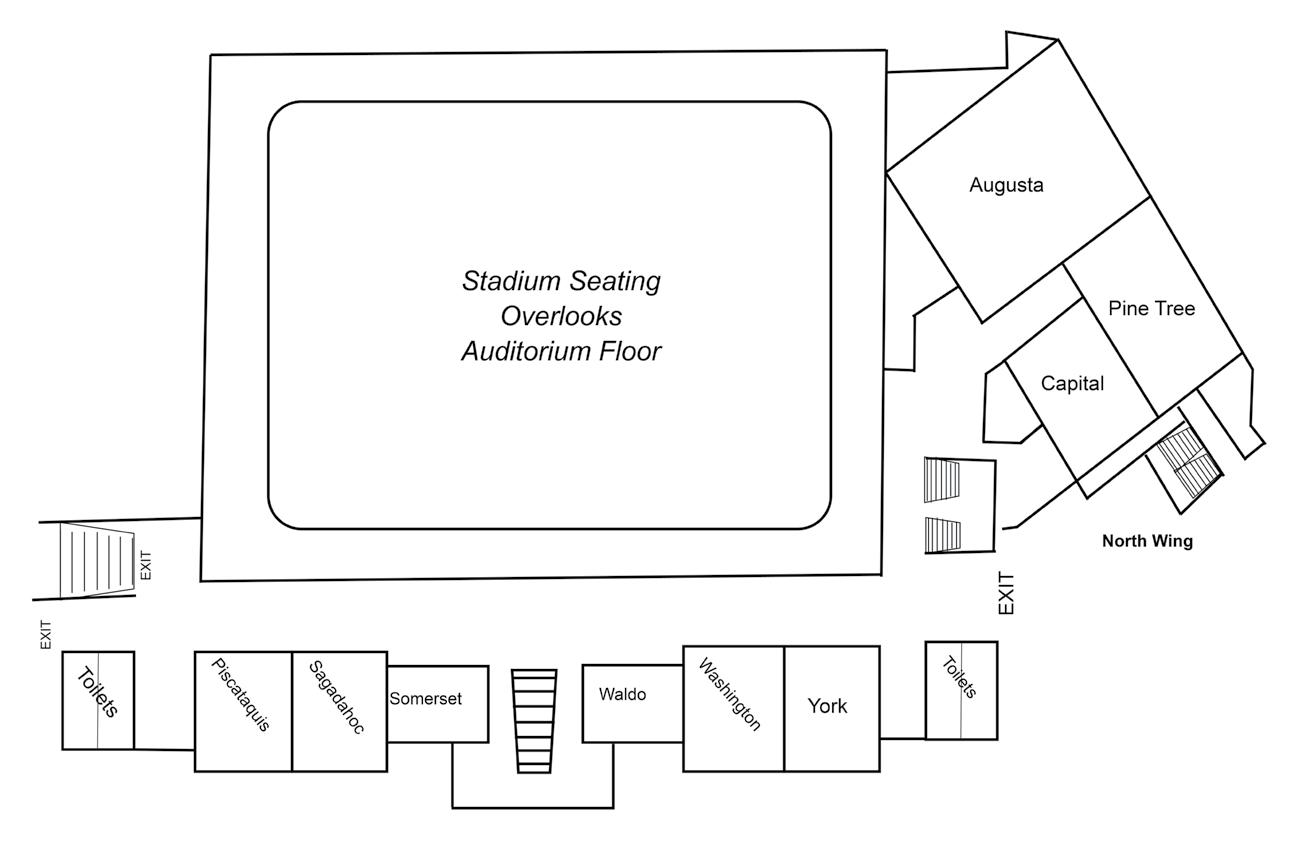
Reserve your time using the online booking tool. Or, stop at the Franklin Room during the show. It's as easy as 1, 2, 3:
1. Go to maine.gov/dacf/atsmeet
2. View the service menu and select a service. for personalized advising and coaching about farm and food production topics.
3. Choose your date and time — you will receive a confirmation email.
We look forward to seeing you at the show!

Panel discussion featuring agricultural and forestry industry members who will share how they prioritize their own health and wellness while managing the demands of their farm and forestry operations. Agricultural Resource Development Infrastructure Programs Overview and Listening Session This session is for all Agricultural, Aquaculture, and Forestry Products.
MOFGA Educational Sessions: Coffee Hour Crop Conversation
Learn
No-Till Tarping Techniques
Training farmers on rules and procedures for redeeming WIC and Farmers’ Market Nutrition Program benefits.
AM) Planning major farm investments? Learn how to get up to 10% back in State Tax Credits
Discover practical tools and programs to help your farm thrive. Learn about grant and loan opportunities, infrastructure funding, and marketing strategies from experts at DACF, USDA, SBA, and CEI.
• Explore Value-Added Producer Grants and other ways to build new income streams.
• Find new markets through Farm to School 101 and Producer & Buyer Matchmaking sessions.
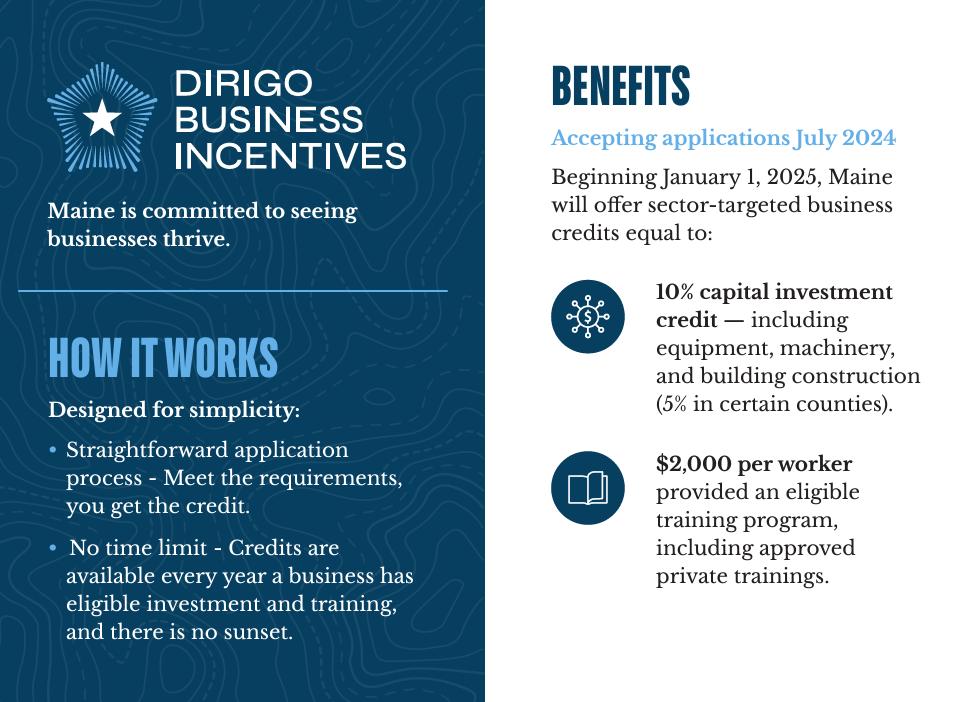
• Hear how Maine’s Dirigo Business Incentives can help you earn valuable tax credits.
• Dig into farm succession and legacy planning during several sessions.
Connect with producer groups and peers at annual meetings for the Maine Christmas Tree Growers, Cheese Guild, Dairy Industry, Maple Producers, Pomological Society, Sheep Breeders, and Woodland Owners. These meetings share the latest research, Maine Vegetable and Small Fruit Growers industry updates, and networking opportunities — several offer pesticide recertification credits through the Board of Pesticides Control.
Dive into innovative ways to steward land and increase resilience. Sessions on agroforestry design explore practices like silvopasture, windbreaks, and forest farming. Farmers and woodland owners can also learn about forest carbon markets, nutrient management, and soil health strategies to support longterm productivity and conservation.
Supporting farmer wellbeing is a major focus this year.
• Join discussions on health and wellness in agriculture and forestry, and learn how to access affordable health coverage through Maine’s Health Insurance Marketplace, and new this year a special panel about health and well-being.
• Hear the latest updates from DACF’s PFAS Response Program and PFAS Fund, including ongoing research and farm assistance resources.
• Understand your rights and responsibilities under Maine’s new Paid Family and Medical Leave law, and get practical hiring advice in “How to Hire Your First Employee.”
Visit the Maine Mobile Health Program booth and pop-up clinic.
• Learn about primary care resources and services for farm workers in Maine
• Have your blood pressure and weight checked
• Manage stress
• Strengthen farm safety with updates and training opportunities from the Board of Pesticides Control.
• PFAS blood testing for pre-approved individuals
Help shape the future of Maine agriculture.
• Don’t miss a youth component, featuring resources from Maine FFA, 4-H and others.
• The Maine Food Policy Workshop highlights current legislative priorities — from farmland preservation and food infrastructure to farmer mental health.
• Join the Agricultural Council of Maine and Maine Farm Bureau for a conversation with policymakers about the challenges and opportunities ahead.
JAN. 14 • 9 AM -6 PM
Small Ruminant Fiber Producer Updates
Nutrition Program Interactive Training
9 AM
Maine Vegetable and Small Fruit Growers Association Winter Meeting
Educational talks for growers, and member business meeting. There is a membership registration fee to attend.
From Farmstand to Retail Shelf: Knowing When You’re Ready
Discover what retailers look for, resources from MFBEC and MGFPA, and real-world perspectives from Maine producers and buyers. Growing Power for Maine Farms
Join the Agricultural Council of Maine and Maine Farm Bureau for an interactive dialogue with policymakers on the issues affecting Maine agriculture.
Youth in Agriculture Leadership Day
A workshop geared towards Maine’s young people and supporters. Led by FFA and 4-H members! Join us for four engaging 45-minute sessions focused on leadership, hands-on learning, and career insights in agriculture.
Sessions include: 9 AM: Leadership Training for Youth in Agriculture
10 AM: Skill-A-Thon and FFA/4-H Activities
11 AM: Alumni and Industry Panel
1 PM: 4-H and FFA 101
Youth and the public are invited to connect, learn, and lead in the future of agriculture.
Please email emily. doughty@maine.gov for RSVP details.
This interactive workshop includes an overview of the Maine food policy landscape, the work of the Maine Food Policy Work Group, and the policy priorities identified by the Work Group members.
Learn how to qualify as a value-added product.
This session will feature important resources and opportunities for sheep and goat owners in Maine. Farmers will also have the chance to talk about their needs related to small ruminant production.
Training farmers on rules and procedures for redeeming WIC and Farmers’ Market Nutrition Program benefits.
Farm to School 101
Find out how Maine farms can sell food to schools.
Learn about Maine’s Local Food Fund, hear real-world experiences from local farmers, and see how USDA and Full Plates Full Potential programs are improving school food systems. Plus, sample Maine foods being served in cafeterias!
Agroforestry Design for Farms
Come learn about agroforestry practices like alley cropping, silvopasture, windbreaks, vegetated buffers, forest farming and forest gardening.
Agroforestry for Farms and Woodland Owners
This session will highlight farmers and woodland owners incorporating agroforestry into their operations.
Seeds for Success: Planning Ahead for Labor Standards Compliance in Agriculture 3
Maine Farmers Can Reduce Energy Costs with USDA’s Rural Energy for America Program (REAP)
Learn how to qualify for REAP grant funding.
followed by special guests and presentations about
WEDS, JAN. 14 • 12-1 PM Back for another year! Hosts Colt and Glenda set up shop for a live show with a surprise, special guest from the Maine Department of Agriculture, Conservation & Forestry.

15 • 9 AM -3 PM
8:30 AM
9 AM
(8:30 AM)
Fruit Production Workshop: Commercial Strawberry Production
A full day presentation for people interested in commercial strawberry production, with a morning session on classic matted row system production, and the afternoon addressing growing strawberries in a plasticulture system. There will be a break mid-session. Have lunch on own, and explore the Trades Show Floor.
Navigating the H-2A Journey: From Application to Arrival
A step-by-step overview of the H-2A process—from submitting the initial application, through housing inspections and the arrival of approved workers. Participants will gain an understanding of key requirements, timelines, agency roles, and common challenges, helping ensure compliance.
Local Food Switchboard:
Updates from the Testing Stage
connecting producers, processors, distributors, and buyers through a shared platform and support network. This session will highlight the progress made over the past year. Participants will have the chance to interact with the platform and provide feedback.
Contemporary Perspectives on Food Processing, Nutrition, and Sustainable Systems
A two-part series! Explore the complexities of modern food systems, with a focus on the nutritional aspects of ultra-processed foods and regional strategies for building sustainable, resilient food networks.
WIC Farmers’ Market Nutrition Program
Interactive Training
Training farmers on rules and procedures for redeeming WIC and Farmers’ Market Nutrition Program benefits. Agritourism Summit
DACF PFAS Update
Hear the latest status updates from DACF’s PFAS Response Program and PFAS Fund. Attendees will have a chance to ask questions and share feedback.
Connect with farmers, small business owners, the Maine Office of Tourism, and others who are shaping agritourism across the state. Learn about new training opportunities, upcoming “digital field days,” and trends influencing agritourism in Maine. RSVP to request an agritourism liability sign.
Local Food Producer and Buyer Matchmaking Event
Get inspired by Maine farmers, food producers, aggregators, and buyers on how they have incorporated farm to institution work into their business. Spend most of the session making connections to buy and sell more local food.

Whether you’re a farmer, business owner, researcher, or just interested in Maine agriculture — there’s something here for you. If you don’t see what you need, reach out via the contact info provided and the staff will help get you on the right path, or better yet, come visit us at the 85th annual Maine Agricultural Trades Show.
What you’ll find:
Links to online services and tools — everything from licensing (like arborist, beekeeping, dairy) to forms for grants and permits.
• Keep an eye on the News & Events section!
• Stay in the loop about hearings, grant calls, regulatory updates and other agricultural alerts.
How to make the most of it
Use the “I’m Looking For…” section — to easily locate licensing, producer resources, or consumer topics.
• Farmer or business, check the Producer Resources list for things like loans, inspection programs, and compliance tools.
• Members of the public curious about where your food comes from or about agriculture in Maine — explore the consumer-resources section and local food links.
Deep dive
There is a lot of information!
• Best management practices, animal & plant health guidance, inspection programs, farmland protection resources
• A directory of bureaus & programs under DACF, so you can quickly find the team or topic you’re looking for (Agriculture, Forestry, Parks, etc.).
Use the Contact Us link if you have a specific question or need help!
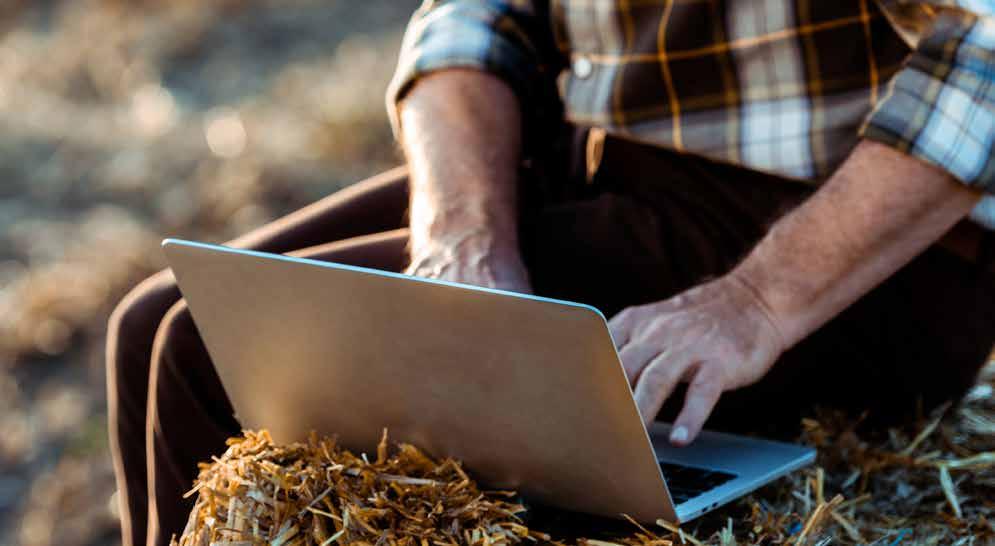
USDA – Part of the United States Government, the U.S. Department of Agriculture is the nation’s largest natural resource agency. Some primary areas of work include:
MDACF and BAFRR – Maine Department of Agriculture Conservation and Forestry is the state’s largest natural resource agency. The Bureau of Agriculture, Food & Rural Resources is the primary state-level entity to support Maine’s agricultural, food and rural resources infrastructure. Food security and safety
Food security and safety Funding for farms
Real Maine, the Maine Department of Agriculture, Conservation and Forestry’s official agricultural promotions program, is a free resource available to help farmers and producers market their businesses and offerings or products. Want to know more about being a Real Maine member?
Who can be a Real Maine member?
If your farm or business creates Maine agricultural products (grown or produced in the state) or agricultural experiences, you can apply to become a member! Go to www.RealMaine.com, click on “About Us,” then click “Join Real Maine” and fill out the form. Your application will be reviewed, and once it’s approved, you can enjoy the benefits of being a Real Maine member.
What are the benefits of being a Real Maine member?
Here’s a few: members have profiles on the Real Maine website, can use the highly recognized Real Maine logo on their products, have access to Real Maine promotional items like stickers, flags, and tote bags, can participate in Real Maine events like Open Farm Day and the Fall Fiber Tour & Trail, and members’ products and activities are frequently featured in Real Maine digital, print, radio, TV, and social media.
Those who go onto the Real Maine website –what are they looking for?
Consumers use Real Maine to search for products, business locations, and activities. The site allows
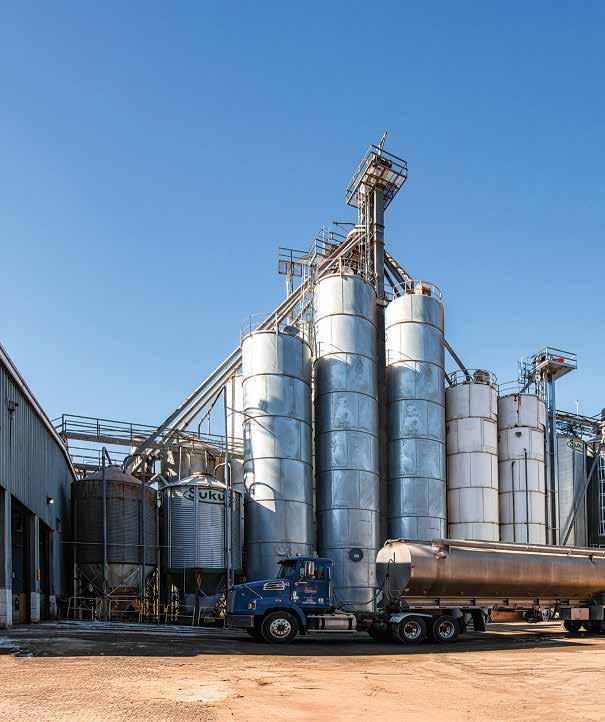
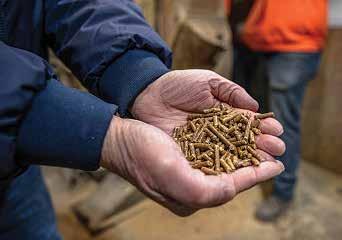
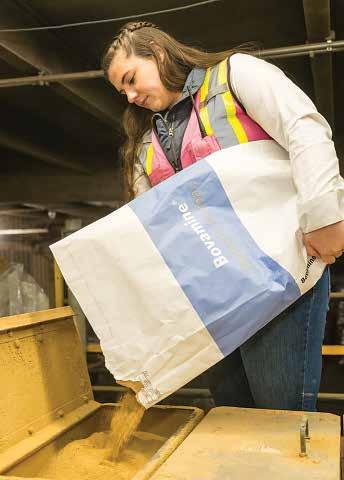
users to build an itinerary of farms and businesses to visit. Site visitors are often people interested in buying local and looking to connect with farms, farmers, and producers. The RealMaine.com Events Calendar provides visitors with a calendar of events hosted by Real Maine members.
Farms and businesses – join the Real Maine community today. Real Maine is the state’s official agriculture and agritourism promotions program.
Visit www.RealMaine.com to connect to farms, food, and agriculture throughout Maine.