




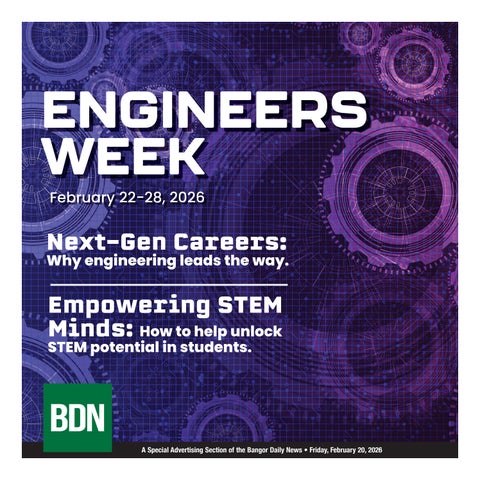







February 22-28, 2026
Why engineering leads the way. Empowering STEM Minds: How to help unlock STEM potential in students.


















MBY WANDA CURTIS
aine’s engineering workforce continues to grow and diversify. Mechanical, civil, environmental, electrical, and chemical engineering are just a few of the many career options available for the younger generation entering the workforce in the near future.
According to Program Director for New Ventures Maine Suzanne SenechaiJandreau, students have great education and training opportunities right here in Maine. The pre-engineering Maine Engineering Pathways Program allows students to complete their first year of engineering courses at UMaine Farmington, Presque Isle, Augusta, or Machias before transferring to the University of Maine in Orono or the University of Southern Maine for their last three years to complete their degree.
“With a four-year degree in engineering, the opportunities in Maine and beyond for a good paying, high-demand job are very good,” Senechai-Jandreau said. “The demand for engineers continues to grow. In terms of return on investment for a student who needs to borrow money to complete their education, engineering generally provides a very good return on investment.”
UMaine actually encourages students to explore the world of engineering at a very young age. Their new Green Materials and Facilities Building, which is currently under construction, will soon host students K-12 as they engage in activities to introduce them to different aspects of engineering throughout their education.
UMaine hosts a number of special events and activities throughout the year to expose Maine’s younger generation to various aspects of engineering. One popular



event is the Engineering Week Expo, which will be held this year at USM’s Field House in Gorham on Feb. 28 from 9 a.m.-2 p.m. Representatives from engineering firms, universities, government agencies, and professional societies will share interactive displays, demonstrations, and activities, which can stir the curiosity of young people and encourage them to consider a career in engineering.
Another popular event for youth is the Maine State Science Olympiad, which will be held this year at UMaine in Orono on April 11. Elementary, junior, and senior high school students will participate in this nationwide STEM competition in which students compete in 23 events.
The Maine State Science Fair, which will be held at Orono High School on March 28, offers another opportunity for students to pursue their interest in science and engineering, as well as present the results of projects to be judged by STEM professionals. It’s open to students enrolled in public, parochial, and home schools for grades 9-12.
Trades for ME conferences offer another great opportunity for young people to learn about engineering and other related careers. This spring’s conferences will be held in Waterville, Lewiston, Calais, and Presque Isle. All conferences and on-demand career sessions are free. For
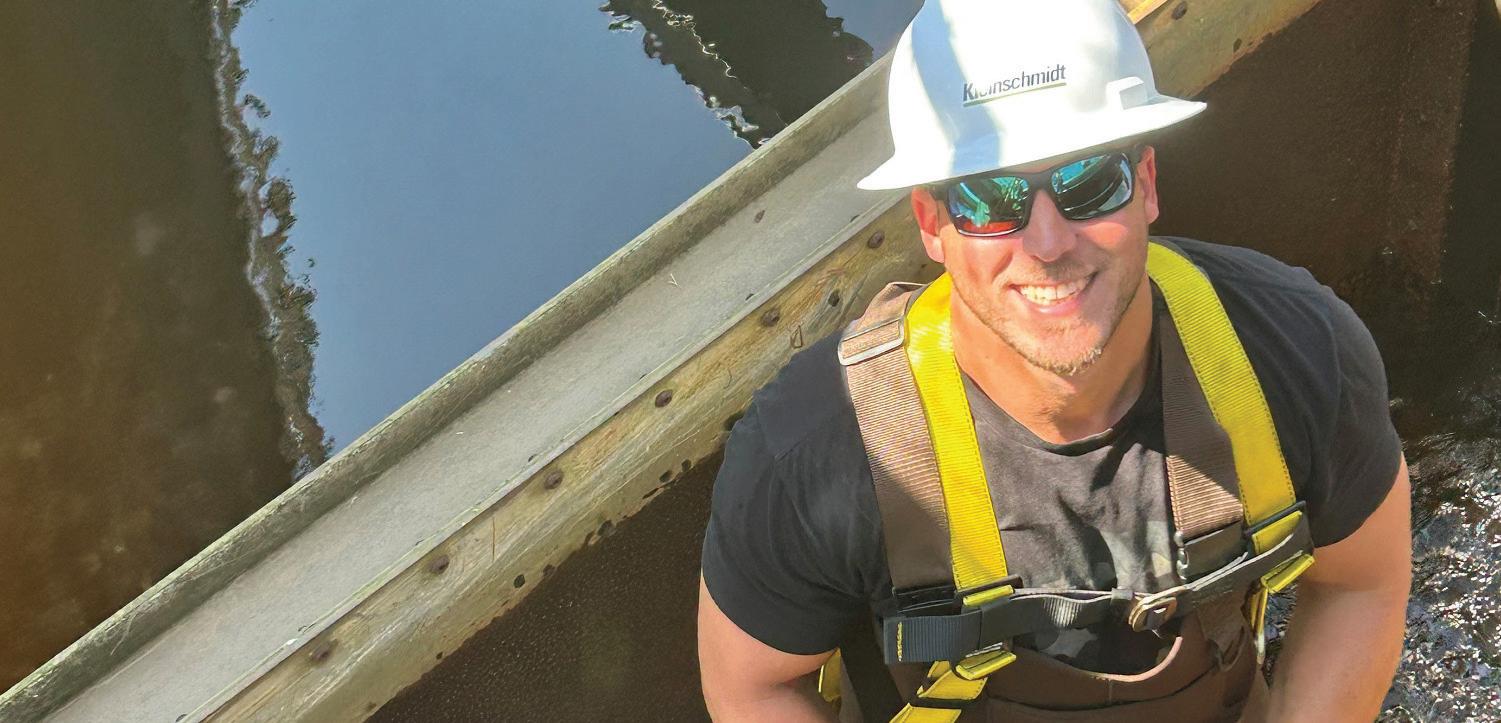
For six decades, Kleinschmidt has helped shape the hydropower landscape across North America, delivering engineering, regulatory, and environmental solutions that balance technical excellence with environmental responsibility. Founded in 1966, the firm has grown alongside an industry defined by complexity and change. As Engineers Week celebrates the engineers shaping our world, Kleinschmidt reflects on a legacy of 60 years defined not only by expertise but by people, innovation, and purpose.
Hydropower projects demand far more than technical accuracy alone. Aging infrastructure, evolving regulations, environmental constraints, and community expectations require engineers to think creatively and adapt continuously. Built on six decades of experience, Kleinschmidt meets those challenges head-on—combining thoughtful problem-solving with practical ingenuity to deliver durable, sustainable solutions that stand the test of time.
Today, that legacy is carried forward by a team of nearly 100 engineers spanning disciplines including civil, mechanical, electrical, and dam safety engineering. With professionals located across North America, including more than 25 engineers in





Maine, the firm brings an average of 22 years of specialized hydropower experience to every project. This depth of expertise translates into meticulous technical drawings, specifications, and reports developed to meet the industry’s most stringent engineering and regulatory legal standards.
Kleinschmidt’s comprehensive engineering services reflect both versatility and longevity. From rehabilitating aging dams and modernizing hydropower facilities to designing new infrastructure, performing condition assessments, and supporting construction, the firm is trusted to navigate complexity with clarity. Many client relationships span decades, underscoring a reputation built on consistency, accountability, and results.
At its core, Kleinschmidt is driven by its people. As an employee-owned firm, it places a strong emphasis on mentorship, professional growth, and continuous learning— ensuring the next generation of engineers is equipped to lead with both technical excellence and environmental stewardship. As Kleinschmidt marks 60 years, the firm looks ahead with the same commitment that has guided it since 1966: empowering engineers, honoring the past, and advancing sustainable hydropower for the future.






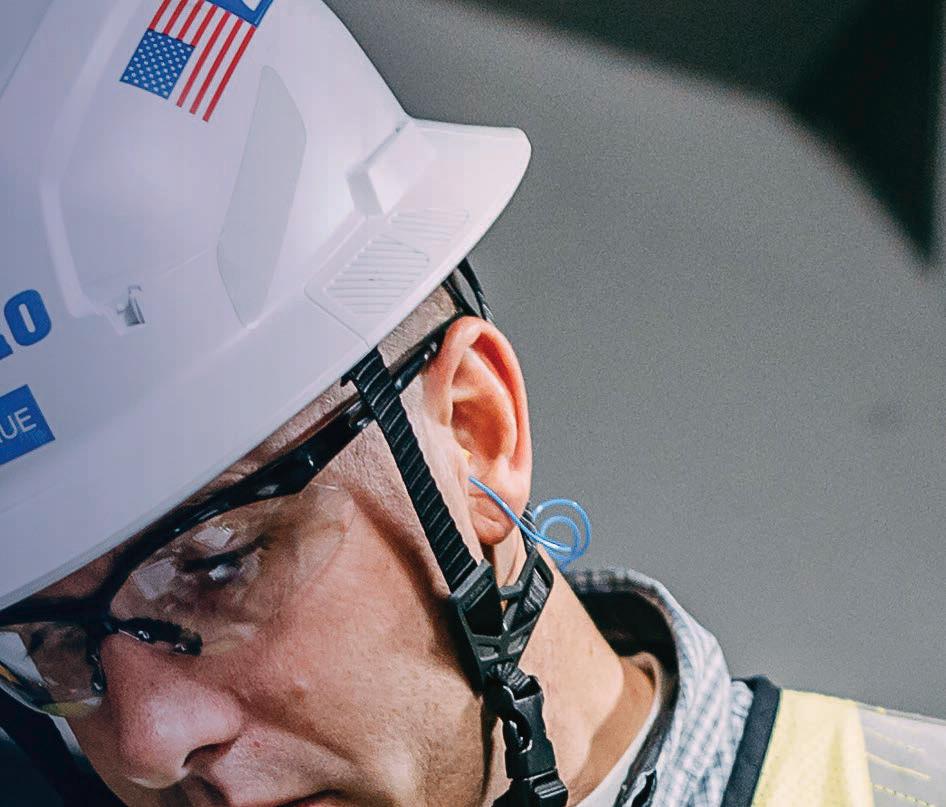




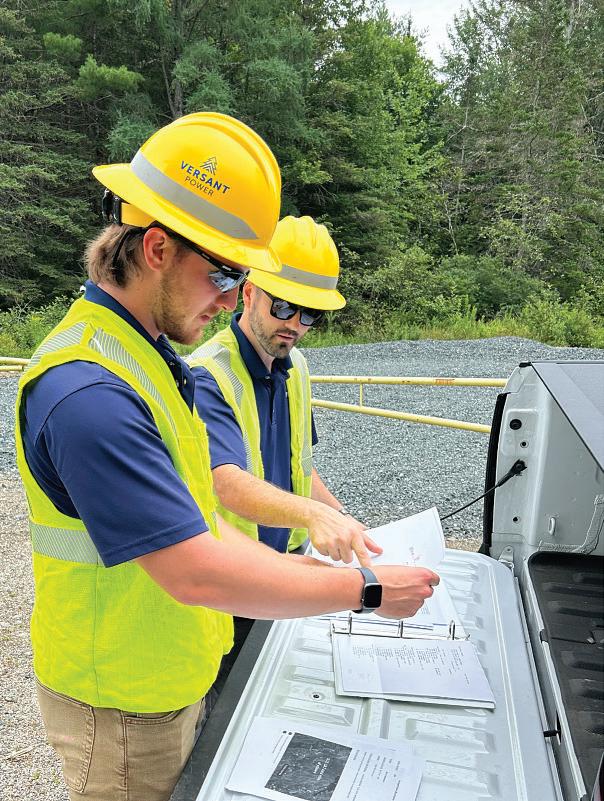
Versant Power is shaping the future of energy in northern and eastern Maine—and we’re looking for talented engineers to join our team. Our engineers work in a collaborative, fast-paced environment where they can see the impact of their work every day while helping strengthen the electric system and support the transition to clean energy.
Engineers at Versant Power are encouraged to get involved across a wide range of projects on both the electrical distribution and transmission systems. This includes system planning, protection and coordination, line and substation design, underground facilities, and communications equipment. Distribution system planning work involves modeling and analyzing system performance, identifying immediate needs, forecasting future demand, and developing solutions to strengthen and improve the grid.
We offer competitive benefits, including health, dental, and vision insurance; paid time off and holidays; 100% tuition reimbursement; a 401(k) employer match; and opportunities for ongoing professional development. If you’re ready to grow your skills and make a meaningful impact powering Maine’s communities, Versant Power is the place to do it.
Here are some of the engineering positions that we are currently recruiting for:
Electrical Engineer: This position is responsible for electrical engineering duties under a variety of focus areas including transmission and distribution protection analysis, substation planning, design, specifications, procurement, and commissioning.
Engineer – Transmission Development: Duties include designing, planning, and developing technical specifications and guidelines associated with T&D overhead lines, with some support for underground lines. The primary focus will be on Distribution, with support for Transmission.
Electrical Engineer – T&D Planning: Under the general direction of the T&D System Planning Program Manager, this position involves electrical engineering duties under a variety of focus areas, including transmission and distribution planning, substation planning, design, specifications, procurement, and commissioning.
Electrical Engineer – Distribution System Planning: Under the general direction of the Manager, Asset Management, this position encompasses electrical engineering duties under a variety of focus areas, including transmission and distribution protection analysis, substation planning, design, specifications, procurement, and commissioning.
If you’re interested in joining our team, visit www.versantpower.com/about/careers. You can email any questions to recruiting@versantpower.com.











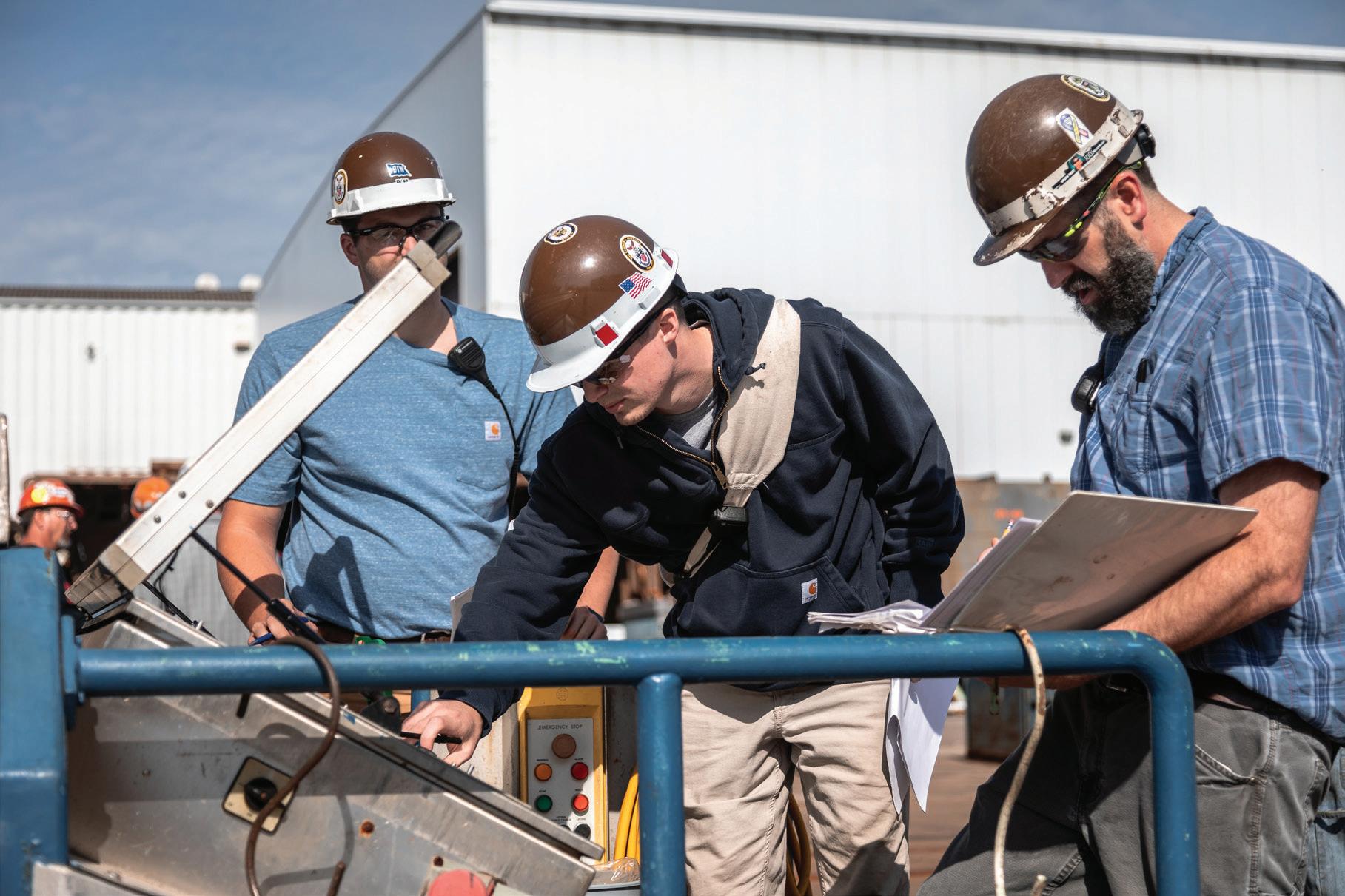
The Engineers and Designers of General Dynamics Bath Iron Works are building the future of the U.S. Navy, putting their creativity, knowledge and skill into building the ships our country’s Sailors depend on to defend freedom of navigation around the world and to return home safely to their families.
BIW has designed several of our Navy’s most important ship classes, including the DDG 51 Arleigh Burke class destroyers and the DDG 1000 Zumwalt class — the most technologically advanced surface combatant in the world. They are now working closely with the U.S. Navy on designing a new class of surface combatant – a battleship.
As the premier designer, builder, and life-cycle manager of surface combatants for the U.S. Navy, BIW offers its employees tremendous variety and frequent opportunities for advancement. We have engineering, technician, designer and management roles across the breadth of disciplines, including Mechanical, Electrical, Structural (Civil) and Systems engineering, as well as ship Operating Engineers.
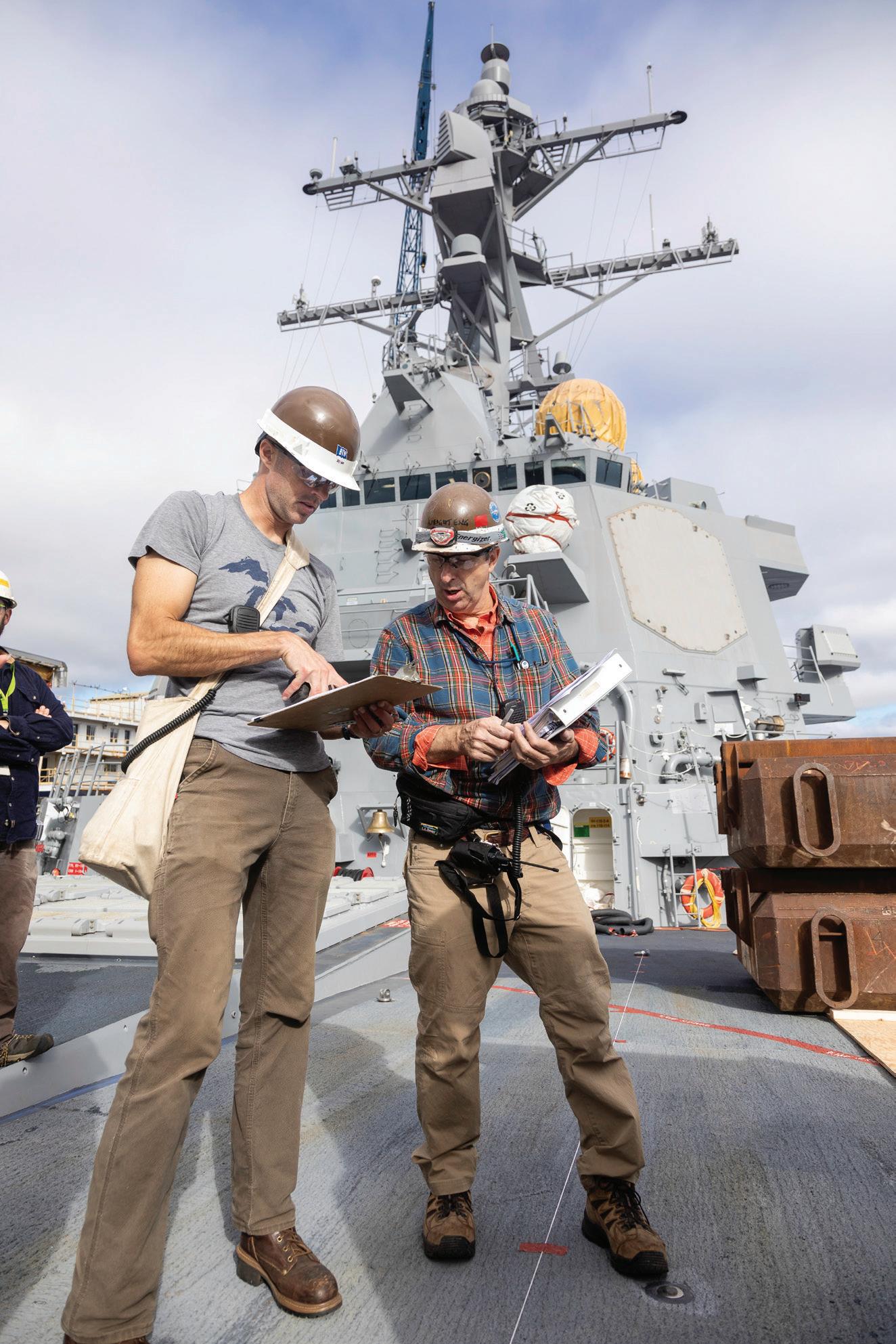
The Engineering Department enhances Production by offering deckplate support for engineering and design products across fabrication, assembly, installation, system set up, testing and trials. When a BIW ship heads down the Kennebec River for sea trials, BIW employees are at the helm, running and testing all the systems we have designed and built.
BIW Engineers and Designers are also responsible for ships already in the fleet, supporting modernization, maintenance and repair of DDG 51 and DDG 1000 ship classes. BIW maintains a presence in several homeports around the world, offering the opportunity for travel and extended stay at ports within the U.S. and overseas.
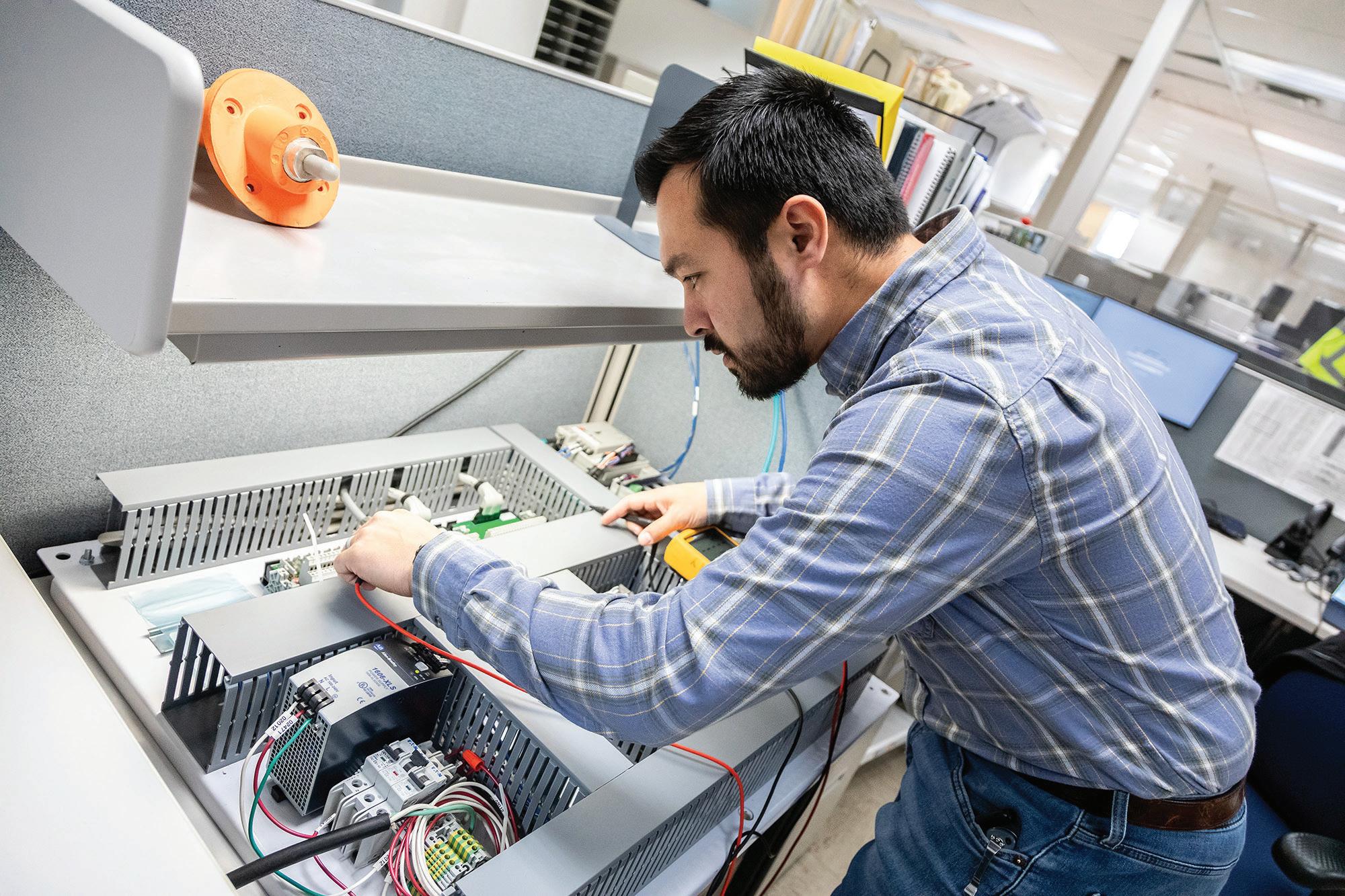
Engineers can apply to join our Engineering Development Program or the Production Development Program — two-year programs that enable candidates to rotate through different roles in the shipyard to gain a broader understanding of the company, its processes and its business operations.
We are part of the General Dynamics family of businesses, a global aerospace and defense company that offers a broad portfolio of products and services in business aviation; ship construction and repair; land combat vehicles, weapons systems and munitions; and technology products and services. General Dynamics employs more than 110,000 people worldwide and generated $52.6 billion in revenue in 2025.
More information about General Dynamics is available at www.gd.com. To learn about opportunities at BIW, contact biwcareers.com.
Science, technology, engineering, and mathematics (STEM) classes are now integral components of students’ educations. Increasingly students are drawn to STEM education, including pursuing STEM pathways in high school, because of the doors such an education can open in the future. According to the United States Department of Labor, there were nearly 10 million workers in STEM occupations in 2021, and this total is projected to grow by almost 11 percent by 2031 — roughly two times faster than the total for all occupations. STEM subjects may not come so easily for some students, who at times may feel disengaged from the coursework. That doesn’t mean students should give up. Even if STEM classes do not come easily, one still could have what it takes to be involved in science or engineering, and eventually land STEM jobs. Here are ways to mold great STEM students.
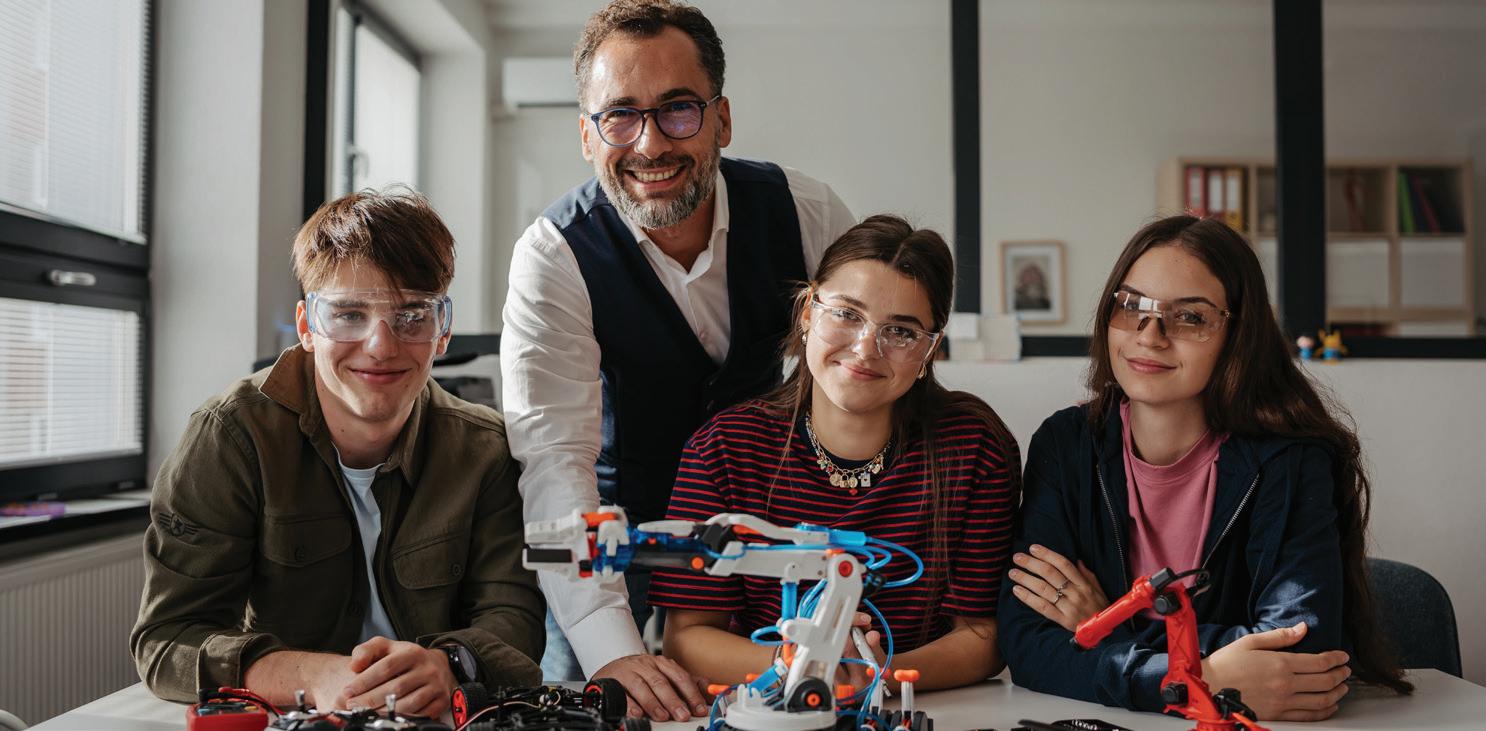
Unlike other classes in liberal arts education that are highly subjective, STEM involves answers that are exact. There is no wiggle room for subjectivity, so students must get in the habit of checking their work and ensuring their answers are correct. Students may need some assistance from tutors or parents to recognize common mistakes and learn how to proof their work. This fosters a greater attention to detail.
Teachers often require students to show the computation involved in reaching a mathematical conclusion, or the reasoning behind how an answer is derived. While the answer may be correct, points may be deducted for not showing the work. Students should make it a habit to be transparent with their calculations so educators can point out where they were right and where they went wrong.
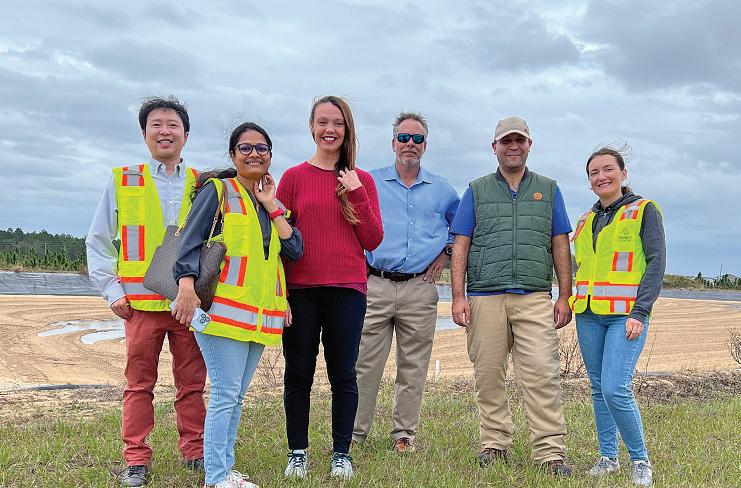




The Thomas Brook Rail Bridge Replacement in Oakfield, Maine, was built beneath an active railyard where schedule, access, and safety all carried real consequences. The existing crossing was a failing concrete box culvert. The replacement is a 170-foot precast concrete arch installed beneath six rail tracks, staged so the vital rail operations between the U.S. and Canada could return quickly once the structure was in place.
A s the night crew superintendent, Jonathan Nadeau, put it, “Oakfield was one of the most time-demanding projects I’ve worked on during my nearly 20-year career. It took a lot of people doing a lot of the right things.”
A schedule-critical part of the work was the closure pours, the connection points that tie the precast system together and allow backfill to move forward. Those pours set the pace for the sequence because the work could not progress until the concrete reached 4,000 psi. “The concrete had to cure within 12 hours maximum in order for backfill,” Project Executive Brent Williams explained.
T hat requirement shaped the entire approach in the field, including the materials used and their placement. “The problem with this quick-curing mix is that you pour it in, and as soon as that water hits it, it just sets. So you’ve got about one minute, and it’s ready to go,” Williams said. To maintain control of the mix and ensure the process is repeatable, the team adapted the placement method. Williams continued, “We used a variable-speed conveyor to feed the hopper at the pace we needed, added water by hand, and had everything premeasured. I couldn’t believe how well it worked.”
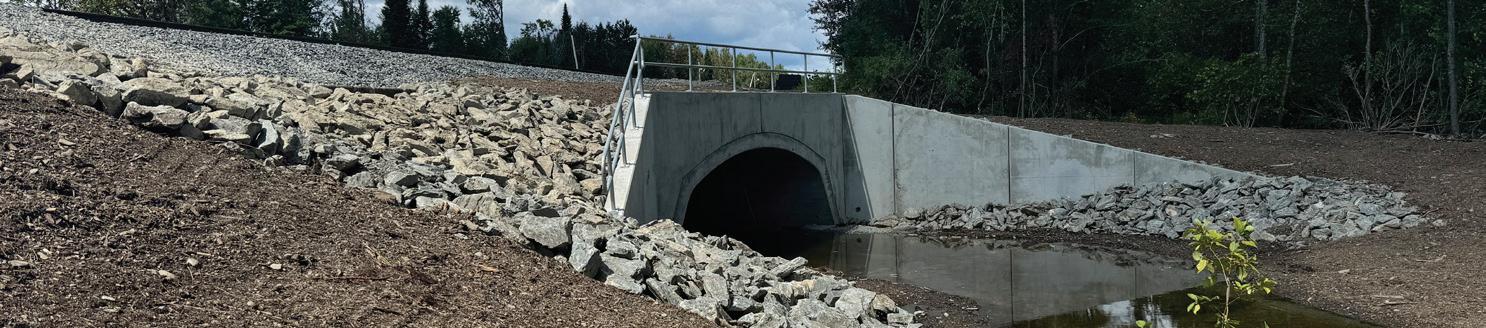
T he rest of the project had to be built around that same level of constraint. “We had 14 days to remove the tracks, and a 96-hour window to complete the main line. We completed the first phase as one crew, so when we shifted to 24-hour operations with separate day and night teams, everyone had already seen the full process, regardless of which step we were on,” Superintendent Keith Edgecomb explained. “In the end, we completed in 83 hours, 13 hours ahead of schedule.”
A round-the-clock work can add risk if it is not structured. The crew treated safety as part of the plan, not a secondary task. “It was not a race. We had 7,600 man-hours with no safety incidents,” Edgecomb said.
Engineering News-Record (ENR) is a long-running construction industry publication that covers projects, markets, and performance nationwide. ENR’s Best Projects program starts with regional competitions, where ENR notes that more than 800 project teams entered, and more than 200 regional winners advanced to the national round. From that pool, ENR selects 20 Best of the Best Projects winners. Thomas Brook was first recognized at the ENR New England Best Projects awards ceremony in Boston on December 11, 2025, and was later selected as a national ENR Best of the Best Projects winner in the Small Project category. Members of the Sargent field crew will attend the national awards event in New York City on March 26, 2026.
For more Sargent stories, visit www.sargent.us and listen to the “Sargent: On Track Podcast” on iTunes and Spotify.



CONTINUED FROM PAGE 8
Those who are science-minded tend to make good observations, base claims on evidence, express curiosity, and make connections between complex ideas. Some students may not think they are intellectual enough to be involved with STEM, but after recognizing these traits in themselves, they may find they have more in common with great scientists than they first imagined.
Get the most out of courses by taking excellent notes, as the best instruction often comes from lectures and class time. Review notes regularly and practice work frequently.



Studying with someone else can be helpful with STEM coursework. A study buddy can be a fellow classmate, a parent, a friend, or anyone else to bounce ideas off of. Others view problems differently and may see something a student is missing, or be able to explain it more readily.
Only by failing can STEM students dissect missteps and improve work to get to more concrete conclusions. While it initially may not seem enjoyable to fail, it does present an opportunity to do things differently the next time. Failure usually lights a fire to get students to work harder and fulfill their potential.
STEM classes can be quite challenging and not every student takes to them immediately. But with a little work and support, students can improve their performance in STEM subjects.







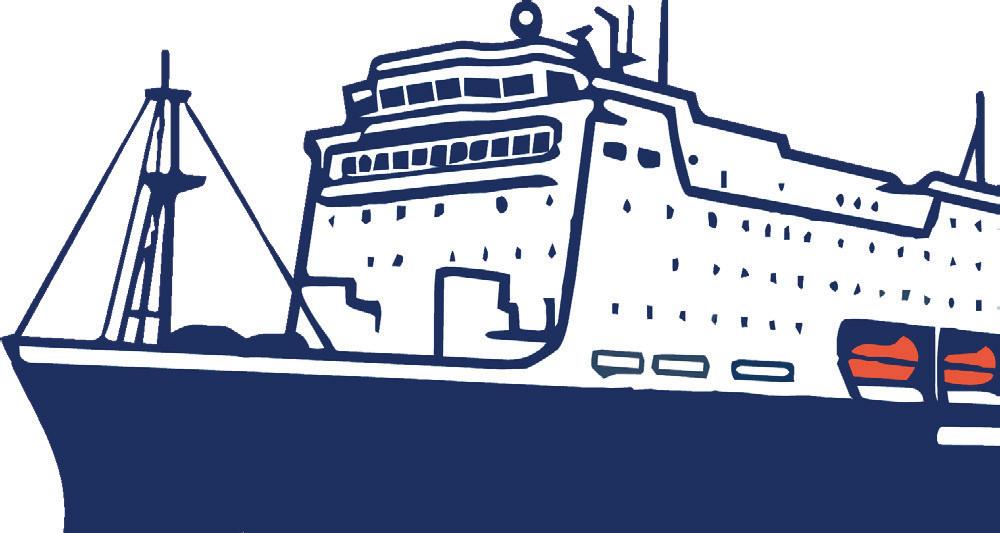
This spring, Maine Maritime Academy, in partnership with the U.S. Maritime Administration (MARAD), will take delivery of the State of Maine, a purpose-built, state-of-the-art training vessel designed to educate the next genera- tion of engineers. Known as National Security Multi-Mission Vessel 3 (NSMV 3), the State of Maine represents a significant leap forward in maritime engineering education — and a powerful recruitment tool for students interested in handson, high-tech engineering careers.
Unlike previous training vessels operated by maritime academies, which were older ships repurposed from commercial service, the State of Maine was de- signed from the keel up specifically for training. As the global merchant fleet modernizes, engineers must be prepared to work with advanced propulsion systems, integrated electrical networks, and sophisticated automation. NSMV 3 ensures students train on the same technologies they will encounter immediate- ly upon entering the workforce.
At the heart of the vessel is a 6.6-kilovolt diesel-electric dual engine-room power plant, a configuration that is rapidly becoming the industry standard. Students gain direct experience with power generation, distribution, propul- sion control, and energy management systems — skills highly sought after by employers across the maritime, energy, and transportation sectors.
The ship also features dedicated diesel, electrical, and HVAC laboratories, a fully outfitted machine shop, and multiple full-size classrooms that allow engineering theory and practical application to happen side by side. During summer sea terms, students participate in watchstanding, preventative mainte- nance, and troubleshooting activities, gaining real operational experience in a controlled learning environment.
“This vessel changes how we prepare future engineers,” said Aaron, Coy, Chief Engineer of STATE OF MAINE. “Students aren’t just learning concepts any- more — they’re operating modern systems, analyzing real data, and solving problems exactly as they will in industry. When they step into their first job, this won’t feel new.”
Beyond education, the State of Maine also serves a broader mission. As a National Security Multi-Mission Vessel, it is equipped to support humanitar- ian assistance and disaster relief operations, adding another dimension to the engineering challenges students may encounter. For prospective students considering engineering careers that blend technology, leadership, and real-world impact, the State of Maine offers a rare opportunity.
It is not just a ship — it is a floating engineering campus, preparing graduates to lead in a rapidly evolving global industry from day one.
Watch a Video Walkthrough of the Engine Room
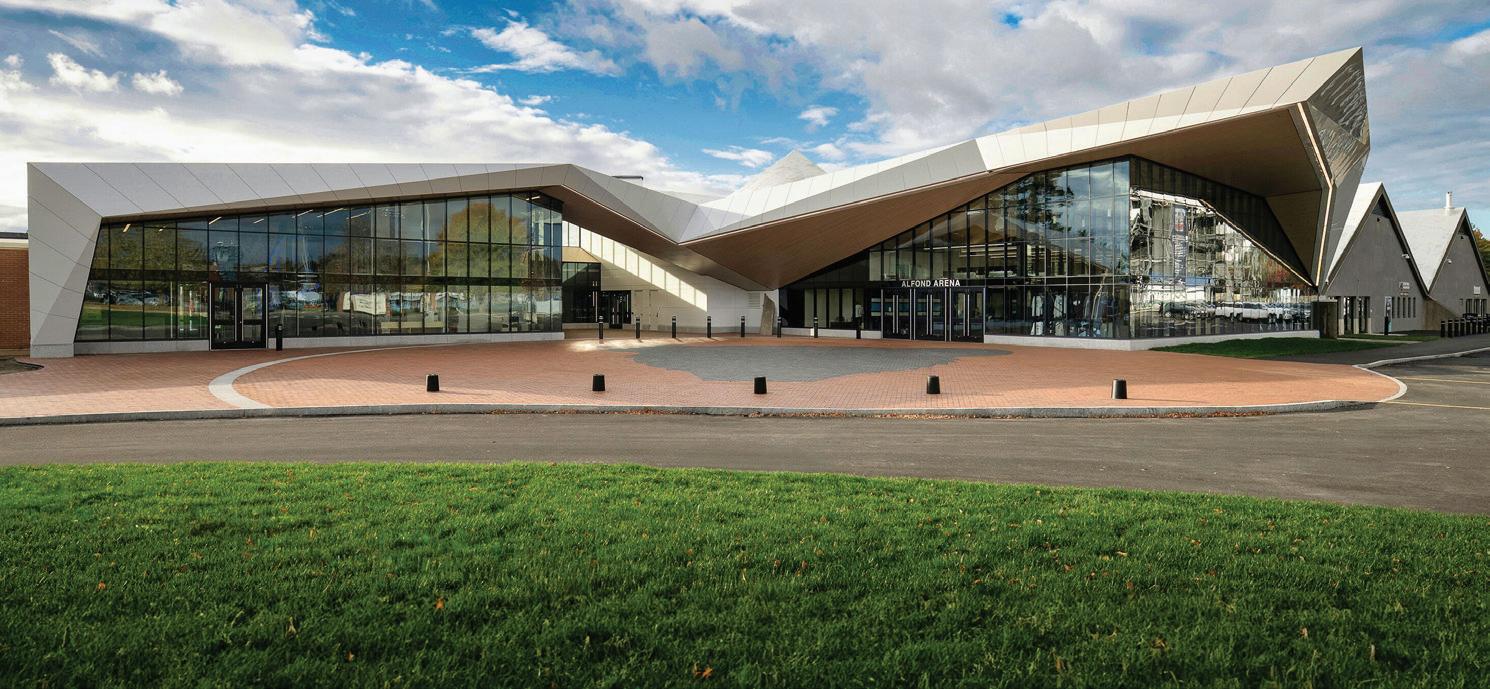
Hockey is a game of connection—from youth players to college athletes, firsttime attendees to lifelong fans. For WBRC’s design team, connection took on a different meaning: integrating two existing buildings of different scale, age, and architectural character into a cohesive, high-performance home for the University of Maine’s NCAA Division I Men’s and Women’s Hockey programs.
“At the architectural heart of the project was a complex structural engineering challenge,” said Kristian Kowal, WBRC Principal, Architect, and Project Manager. “The design required visually unifying a 1970s-era arena with a 2006 athletic performance facility while independently preserving Alfond Arena’s iconic silhouette and hyperbolic parabola roof.”
The expanded Shawn Walsh Hockey Center and Alfond Arena complex was created in collaboration with national sports design consultant Crawford Architects. A dramatic cantilevered connector unifies the two buildings, creating a continuous spatial experience while respecting each structure’s original intent and maintaining structural independence.
“Integrating the new structure seamlessly with the existing building proved to be one of the biggest challenges,” said Josh Crofton-Macdonald, PE, WBRC Structural Engineer, Senior Associate, and University of Maine graduate. “The iconic Alfond Arena roof is composed of a series of peaks and valleys intended to evoke Maine’s snowcapped mountains. We designed a new roof system that visually aligns with this geometry while remaining completely structurally isolated from the existing building.”
Interior environments incorporate Maine-centric materials and branding designed by 49 Degrees, with daylight access, campus views, and warm finishes enhancing wellbeing and reinforcing a strong sense of place. Updated sports medicine resources and contemporary training spaces directly support recruitment, recovery, and competitive performance. The Shawn Walsh Center expansion introduced dedicated team lounges, film rooms, coaches’ offices, and upgraded operational support zones.
Improvements to Alfond Arena include ADA upgrades, new concessions, restroom enhancements, and a reimagined concourse and Hall of Champions—elevating the experience for student-athletes, coaches, and fans alike.
“The ‘origami’ roof geometry presented a high level of coordination,” said Miguel Betancourt, PE, WBRC’s lead structural engineer on the project. “In the end, the system was resolved very cleanly and works in strong alignment with the architectural intent.”
Adam Gillespie, PE, WBRC Project Representative, Structural Engineer, and University of Maine graduate, summarized the impact: “UMaine Hockey is the state’s only NCAA Division I program and a source of statewide pride. This renovation and expansion delivers a modern, resilient facility that matches its national reputation while honoring the legacy of Alfond Arena.”