

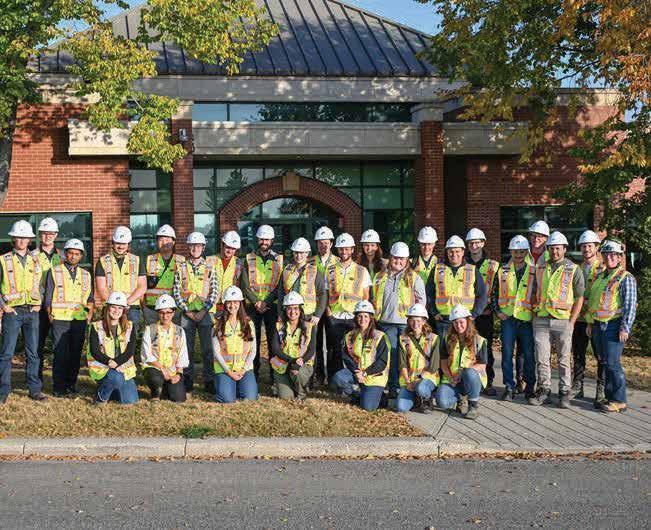
Associated Engineering provides consulting services in planning, engineering, landscape architecture, environmental science, project management, and strategic advisory services. We specialize in the water, infrastructure, environmental, transportation, energy, and building sectors. Our holistic approach considers the entire asset lifecycle and climate change impacts to create sustainable and resilient solutions.
We continue to experience growth in all our offices across Canada. We have immediate openings for the following positions:
• Agricultural Ecologist - Vernon
• Civil Engineers & Technologists - Across Canada
• Contaminated Sites Professionals/Scientists - Vancouver, Whitehorse, Edmonton
• Conveyance Engineer - Vancouver
• Environmental Planner - Edmonton, Calgary
• Hydrogeologists - Calgary
• Hydrologists - Across Canada
• Mechanical Engineer - Whitehorse
• Environmental Wastewater Engineers - Across Canada
• Manager, Water Resources - Calgary
• Project Managers - Across Canada
• Wastewater Process Engineers - Across Canada
• Water Resources Engineers - Across Canada
To apply and for information on these and other opportunities in our offices across Canada, visit www.ae.ca/careers.
An employee-owned company, Associated Engineering fosters collaboration and teamwork, and promotes professional and personal growth. Our approach is to work with our clients to develop creative solutions, so we can shape a better world.

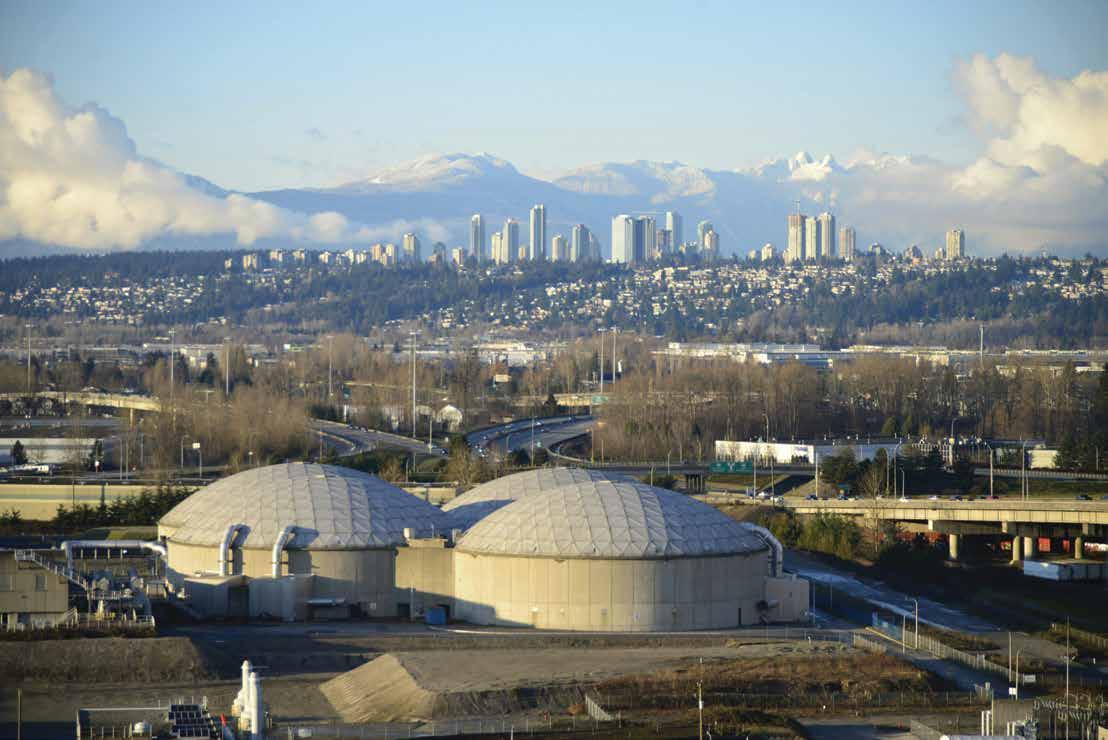
Transparent all-in estimates with no surprises or unnecessary change orders.
Decades of large-scale project and maintenance expertise backed by a top-tier project management team.
Organized, responsive teams working closely with project managers, site leads, estimators, and procurement.
High standards of workmanship and safety, delivered in a way that keeps your jobsite productive and compliant.
Abrasive Blasting and Industrial Coating Services
• Structural Steel and Piping
• Concrete Tanks and Infrastruture
• Cisterns, Wetwells, Lift Stations, Digesters, etc.
Linings and Waterproofing
Fireproofing and Insulation
Scaffold and Rope Access Services
Ongoing Maintenance Programs
For over 70 years, Park Derochie has been protecting, preserving, and enhancing industrial infrastructure with expertise and integrity.
Our clients count on us to deliver professional management, clear communication, and proven results—every time.
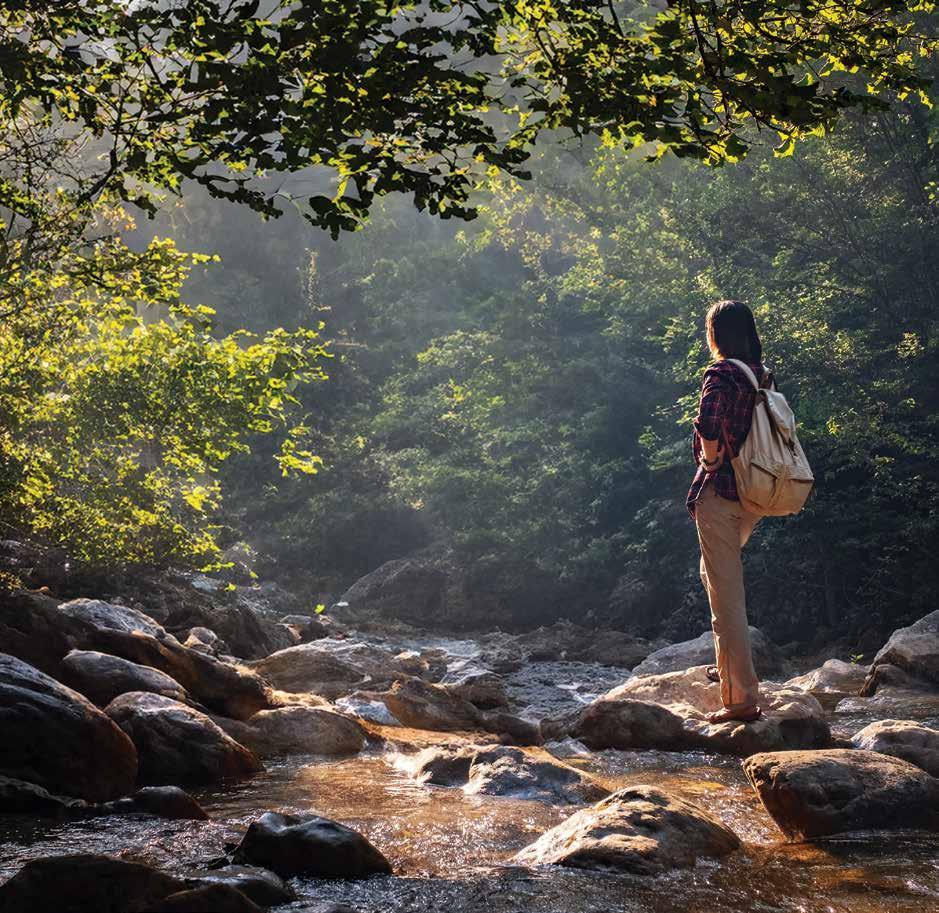
Like water itself, innovation flows through every challenge and shapes new possibilities. For over 90 years, Carollo has pioneered breakthroughs in water technology – from resilient infrastructure protecting growing communities to groundbreaking solutions safeguarding public health and ecosystems. At Carollo, innovation isn’t just about what’s new – it’s about what’s necessary. Every advancement, every improvement, and every solution flows from a single purpose: shaping a future where water enriches every community it touches.
Watermark inquiries should be sent to: spratt@bcwwa.org
do not necessarily
BCWWA Office
215-4259 Canada Way Burnaby, BC V5G 1H1
Phone: 604-433-4389
Toll free: 1-877-433-4389
Email: contact@bcwwa.org
Website: www.bcwwa.org
Publication Mails Agreement #40065075 Return Undeliverable Items to:
BCWWA
215-4259 Canada Way Burnaby, BC V5G 1H1
Publisher: Craig Kelman & Associates
Managing Editor: Julia Waterer julia@kelman.ca
Marketing Manager: Chad Morrison - chad@kelman.ca
Advertising Coordinator: Sabrina Simmonds
Layout and Design: Kellee Breckman
3rd Floor - 2020 Portage Ave, Winnipeg, MB R3J 0K4
Phone: (866) 985-9780 Fax: (866) 985-9799
Email: info@kelman.ca Website: www.kelman.ca
©2025 Craig Kelman & Associates. All rights reserved. The contents of this publication may not be reproduced by any means, in whole or in part, without the prior written consent of the publisher.





MICHELLE REVESZ
BCWWA President
I have been in the water industry for nearly 25 years and have attended countless conferences, but this year marked my very first WEFTEC. Reflecting on the experience, the Water Environment Federation’s Annual Technical Exhibition & Conference (WEFTEC) proved to be a valuable investment of time and reinforced my commitment to the water sector.
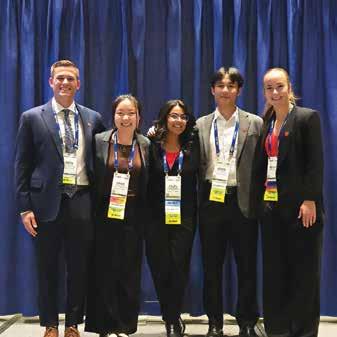
The conference began with an inspiring moment: the University of British Columbia student team StormWise Innovations won the Water Environment category of the Student Design Competition. Their project explored green infrastructure solutions at multiple scales to improve runoff quality into Nelson Creek for the City of Coquitlam. Watching these students present their work was a reminder of the drive and passion the next generation brings to our field.
One of my personal highlights was walking through the exhibit hall with the UBC student team. Exploring the booths together gave me the chance to share knowledge, answer questions and see the industry through fresh eyes. If you ever need to reconnect with the purpose of our work, I recommend mentoring a student or young professional. Exchanging knowledge across generations offers lasting insight and strengthens our collective understanding.
WE NEED TO TALK TO EACH OTHER, SHARE WHAT HAS WORKED (AND WHAT HASN’T) AND REMAIN OPEN TO LEARNING FROM EVERY LEVEL OF THE INDUSTRY.
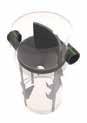
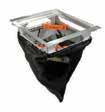
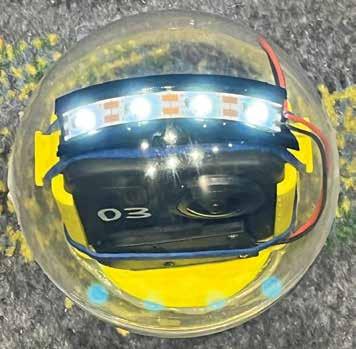
GoPro cameras, which allows them to deploy the devices into sanitary sewers during rain events (see image). This simple yet clever solution helped pinpoint inflow and infiltration (I&I) issues with remarkable accuracy. It underscored that innovation often emerges from practical problem-solving by those working closest to the challenges.
Another approach to I&I management involved using temperature data collected during flow monitoring to estimate the volume of stormwater inflow. By doing this, the municipality was able to improve catchment prioritization and set realistic I&I reduction targets. Another municipality took the concept further by installing fibre-optic cables along pipe runs to precisely identify inflow locations.
For me, the sessions at WEFTEC reinforced a key lesson: we can’t innovate if we don’t understand the challenges we’re facing. We need to talk to each other, share what has worked (and what hasn’t) and remain open to learning from every level of the industry.
If you’re considering attending a conference in the future, I recommend WEFTEC. Beyond the technical sessions and exhibits, it offers an invaluable opportunity to connect across generations, disciplines and perspectives. I also encourage you to send junior staff – it will accelerate their understanding of our industry and, in turn, strengthen the future of our profession.
LEE COONFER BCWWA CEO
Innovation is one of my favorite topics. The concept of continuous improvement through innovative mindset, practices and procedures, to me, is a fascinating concept.
In my experience, innovation requires three distinct elements: the situation that requires innovation, the people involved and the desire for change. I find that in my short time at the BCWWA, it has presented that very opportunity insofar as the water sector and our organization’s strategic priorities are concerned.
Perhaps a bit of context is required to paint the complete picture of what I am referring to. The situation, as I saw it, found the water sector grappling with rapidly changing climate and environmental conditions, workforce uncertainty and gaps in funding to support the needed infrastructure investments. At the same time, the BCWWA found itself at strategic crossroads in terms of how to best
MY ROLE, AS MY BOARD AND I SAW IT, WAS TO ALIGN AND MUSTER THE SUBJECT MATTER EXPERTS, SUPPORTED BY AN ENGAGED STAFF, TO BECOME ADVOCATES AND AMBASSADORS FOR A SECTOR THAT THEY KNOW ALL TOO WELL.
serve its members and enhance its value proposition. And now you are wondering, what did the BCWWA do to address this challenge? I am glad you asked.
The people who needed to address this challenge were all right in front of me.
A membership of highly trained, very intelligent water sector professionals and
an association staff of passionate, caring and engaged individuals. The critical mass of disrupters and change advocates just needed to be activated.
And here is where desire comes into play. My role, as my Board and I saw it, was to align and muster the subject matter experts, supported by an engaged staff, to become advocates and ambassadors for a sector that they know all too well. To create an understanding of the role that BCWWA members can and ought to play in addressing the climate and environmental, workforce sustainability and asset management challenges that we currently face.
And what I found at the end of the day is that innovation is occurring at your association. By transforming an association of individual members into a credible voice on behalf of the water sector in BC and the Yukon is becoming a reality. Whether it’s through our inaugural MLA Day to engage officials on the need for responsible asset management, showing support future water sector professionals through the Student Design Competition, or participating on a Ministry of Water, Land and Resource Stewardship policy roundtable on climate change resiliency, through innovation at the Association, we are starting to affect change.

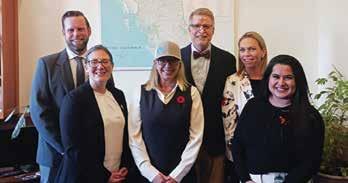

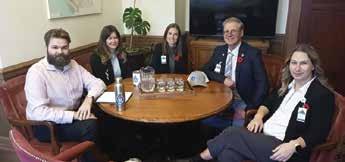
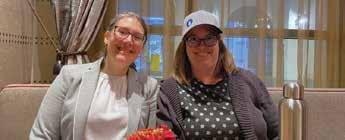
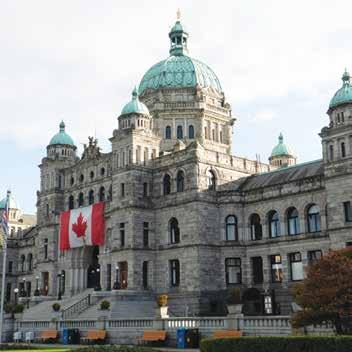
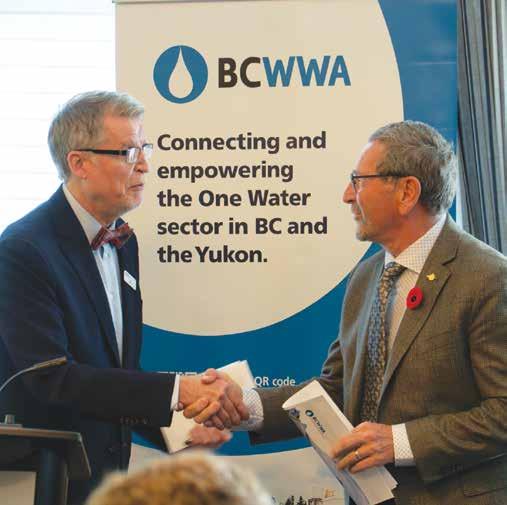
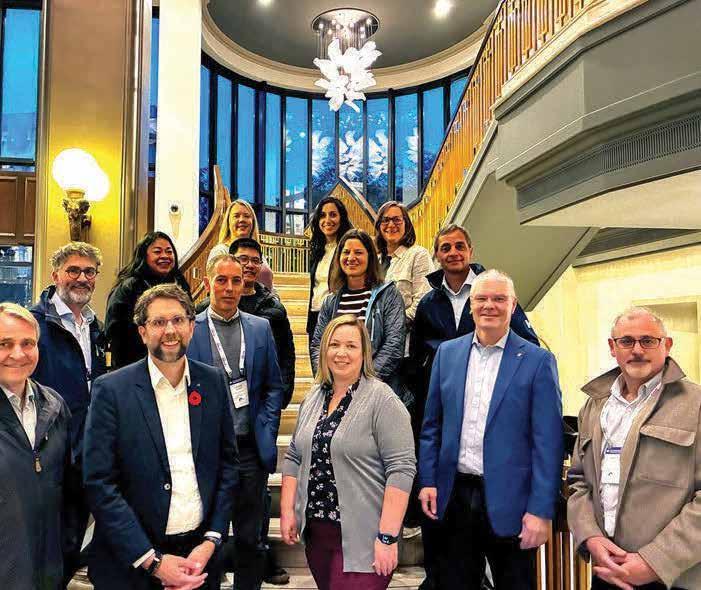
On October 29, 2025, the BC Water & Waste Association (BCWWA) was proud to host its first-ever MLA Day in Victoria. It was an honour to speak with elected officials from across the province about opportunities to strengthen collaboration and highlight the work of water and wastewater professionals. Thank you to the Honourable Randene Neill, Minister of Water, Land & Resource Stewardship and MLA Tony Luck, Official Opposition for Housing, for sharing remarks during lunch, and to all the Ministers, Parliamentary Secretaries and MLAs who attended.
As part of our work to make connections among our members and water sector partners even easier at the BCWWA, we are pleased to officially launch Member Connect. We’ve made some significant enhancements to our member portal, including an interactive Member Directory, a resource-sharing space for committees and communities of practice and an industry resource library. Logging into Member Connect and creating your profile is simple: head to bcwwa.org/ login.html and click ‘My Profile’ to edit your profile information. You can choose to be listed in the Directory and/or receive direct messages by selecting your preference under ‘BCWWA Member Directory.’ See you on Member Connect!
While in Victoria for the CWWA National Conference, BCWWA Board Members Brianne Tenk, Deirdre Moran and Ted Molyneux, along with CEO Lee Coonfer and EOCP CEO Katja Roberts, returned to the Legislature to meet with Ministry of Water, Land and Resource Stewardship Ministerial Assistant Marshall Scott-Bigsby. The conversation focused on small water systems, water sector workforce sustainability, and building engagement between the government and sector.
BCWWA Board President Michelle Revesz and CEO Lee Coonfer also had the opportunity to catch up with Official Opposition Critic for Water, Land and Resource Stewardship, Donegal Wilson, in Vancouver. It was a fantastic opportunity to chat about what we do at the BCWWA, who we do it for and areas of collaboration and support.




March 8–11, 2026
March 22–24, 2026
March 24–27, 2026
March 31 – April 1, 2026
April 8–10, 2026
April 29 – May 1, 2026
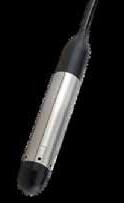
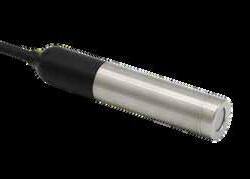
PMC-STS, INC.
Ranges: 10" WC to 300 PSI
Accuracy: ±0.1 or ±0.25%
3/4" diameter welded titanium
Output: 4-20mA, 2-wire
Polyurethane molded or FEP Cable; FMC Intrinsically Safe
PMC-STS, INC.
Ranges: 0-15 PSI to 0-500 PSI
Accuracy: ±0.1 FS
Titanium construction with 5-year corrosion warranty
Output: mV or 4-20mA VDC
Fully isolated sensing element; submersible with 0.39" diameter

PMC-STS, INC.
Ranges: 0-10" WC to 0-150 PSI
Accuracy: ±0.1 or ±0.25% FS
Titanium construction with 5-year corrosion warranty
Output: 4-20mA, 2-wire
Polyurethane molded or FEP Cable; FMC Intrinsically Safe
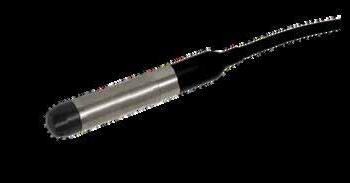
PMC-STS, INC.
Ranges: 20“WC to 1000 PSI FS, in PSI, PA, inches H20, bar
Accuracy: ±0.1 FS
0.94" Diameter w/ housing material: 316L Stainless Steel or Titanium
Dual Output: 4-20mA
Temperature Range: 25°F to 175°F
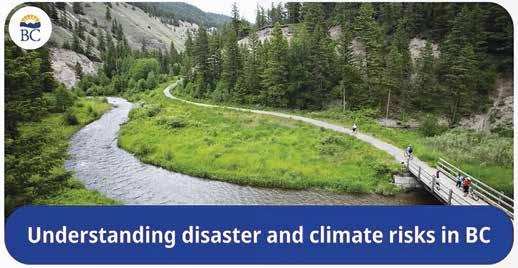
earned top international honours for a nature-based stormwater management design that could help their proposal to improve stormwater runoff quality within the Nelson Creek watershed in Coquitlam, BC.
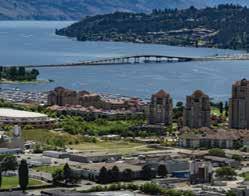
CIMA+ has earned national recognition for its work on the Mill Creek Flood Protection Project in Kelowna, taking home an Award of Excellence at the 2025 Canadian Consulting Engineering Awards. The honour highlights the firm’s
innovative and sustainable approach to designing infrastructure that protects communities from the growing impacts of climate change.
Developed in collaboration with the City of Kelowna, the Mill Creek Flood Protection Project was designed to reduce the risk of flooding caused by increasingly severe weather events and urban development. The project involved upgrading a diversion structure to redirect excess water from Mill Creek to Mission Creek, along with the construction of a dam and dike to bolster flood protection. Beyond its flood mitigation benefits, the project restored upstream fish passage and improved in-stream habitats, supporting fish and wildlife populations while strengthening ecosystem health.
Source: Water Canada, October 27, 2025
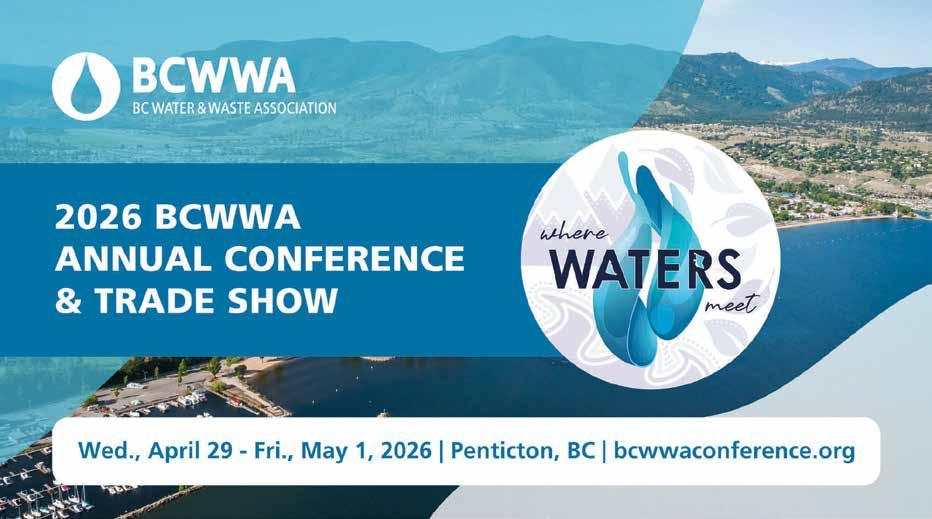
The BCWWA Annual Conference & Trade Show is BC’s premier water and wastewater event, attracting delegates from across the water sector. The conference hosts over 1,000 attendees from BC, the Yukon and beyond! Participate in a robust Education Program featuring over 80 presentations, panel discussions, technical tours and one of the largest trade shows of its kind in Western Canada.
Every year, we’re fortunate to welcome incredible speakers to our conference - and 2 2026 will be no exception! We’re excited to present an Education Program under the theme Where Waters Meet
Interested in submitting an abstract or moderating a session? Visit bcwwaconference.org today to apply and be part of this dynamic event!
Penticton Trade and Convention Centre (PTCC)
273 Power Street
Penticton, BC
Penticton Lakeside Resort and Conference Centre
21 Lakeshore Drive West
Penticton, BC
Early Bird Pricing On Now!
Purchase passes, book your accommodations and keep updated at bcwwaconference.org.

Ask anyone in the water industry, and they’ll tell you the same thing: success starts with partnership. Whether it’s operating a water or wastewater facility, installing a new water line or planning future infrastructure, every water project depends on collaboration, connection and shared values.
For decades, two organizations have been at the heart of this partnership – supporting the operators and professionals who keep BC and the Yukon’s water systems running: the Environmental Operators Certification Program (EOCP) and the BC Water & Waste Association (BCWWA). Both organizations emerged in the late 1960s and early 1970s, as British Columbia sought to standardize water and wastewater treatment practices. Today, the EOCP is responsible for certifying operators and classifying facilities across BC and the Yukon.
Recently, Watermark had the opportunity to sit down with incoming EOCP CEO Katja Roberts and BCWWA CEO Lee Coonfer to discuss Katja’s new role and her vision for the organization – and what partnership in the water sector looks like.
Watermark: Welcome, Katja. Can you tell us a bit about your background, education and career thus far?
Katja Roberts: My background spans across roles in senior leadership, with a strong focus on finance. Over the years, I have worked in positions within municipal settings, but also in the private sector in tourism and hospitality. The most recent role I had prior to the EOCP was working for a global non-profit organization in Kamloops.
WM: And what type of education or training did you do to kickstart your career?
KR: I started my postsecondary education with a Bachelor of Science and Natural Resource Management at the University of Northern British Columbia. Throughout the years, I have concentrated on adding more courses and gaining hands-on experience, mostly in finance at first, and then moving into governance and leadership courses, etc. I really believe there
is power in the mix of hands-on learning and education; everything goes hand-in-hand and comes together. I’m very fortunate in that I have had some amazing mentors in my life who have helped me grow in each role, especially executive roles, and have helped shape the person I am today.
WM: Did you always envision that you would work in the natural resource sector in some capacity?
KR: Funny you should ask, no, I did not. But because of my degree in natural resource management, I started doing that right from the beginning by working in Sun Peaks, a ski resort that depends heavily on natural resources. I then moved to the finance sector and concentrated on that for quite a while. This is where it starts to come together because, for me, finance is a very valuable asset, especially for leaders in an executive role, as it ultimately drives a lot of the decision-making and asks you to
navigate difficult decisions. So natural resource management remains a passion of mine and I am happy to be back where it all started.
WM: So, why water? What sparked your interest in being part of this sector?
KR: Well, to me, water represents life in all its forms. We can’t not be passionate about it, I would say. I have worked in municipal settings, I have worked closely with utilities, and I find it all super interesting. And, considering the work of our water and wastewater operators, we simply don’t give them enough credit for what they do. Knowing that we can easily turn on a tap and have potable water flowing through is an incredible thing and we often take it for granted. So, when I saw this position come up, it resonated with me that there was an opportunity to help bring the hard work being done by operators in the background to the forefront and make this industry known as a valuable asset.

vision for the EOCP?
KR: Right now, my first goal is to connect with operators and hear first-hand from them about their day-to-day work. What are their daily challenges and what is most important to them? Issues, like climate change and aging infrastructure, are real, so we must expand our understanding and stay current on what is happening in real-time.
the best possible way. But in order to do so, I feel I need to get boots on the ground and start meeting people. In this, they can come forward with their concerns, their challenges and I can represent them as best as I can and build upon that.
WM: It’s encouraging to hear that, and it feels like the BCWWA shares some similar outlooks in regard to how to best support members.
to ensure that we meet their needs?
KR: We need to work together. Each of our organizations has a distinct role in this sector, but they are also interconnected. The more that we concentrate on our role in the grand scheme of things, I think we can work side by side and excel in each of our core values and the role we play for each membership. We each can come back to our foundations and help each other out when it starts to crossover a little bit. If we can work together, while supporting different segmentations and mandates, we can get really good at what we do and complement each other very well.
Lee Coonfer: The one thing that is important to me is how people have impressed that our two organizations are very distinct in what they do. But I love how you say that we are interconnected. We can’t forget that the network of support for this membership is equally important. In the past, this has been the missing piece of the conversation. The two organizations were so set upon establishing their own operating areas that they forgot to address the Venn diagram of where we overlap overall. I think that is where our two organizations have a lot of good work to do and I’m excited to embark on this path, so I am glad to hear you say that.
WM: Yes, there is a lot of good work to do. Lastly, you have expressed the desire to get out there and meet with operators. What has it been like to start meeting with operators connected to the EOCP? What have you learned and how has it changed your understanding of the sector?
KR: I am certainly in the infancy of it all, but so far, everyone has been great. They have been welcoming and happy to show the work they are proud of doing. The work is very technical and requires problem-solving and thinking on your feet – so it comes with a different set of challenges that need to be tackled every day. When you consider what our operators do in the background, their success is often measured by the challenges the public never sees. So, hats off to them and I think it is important that we continue to highlight the sheer level of skill that is brought to the job every day and the meaningfulness that comes with serving an entire community. I find that amazing.
Reliably Operate:
applications
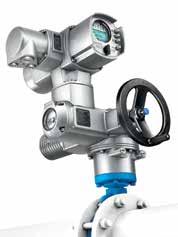
All while offering integral motor controls and compatible interfaces for a variety of plant control systems built for the Canadian Market (CSA Compliant).
infocanada@auma.com www.auma.com

Evolve the way your utility sees water.
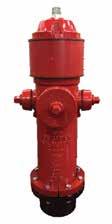
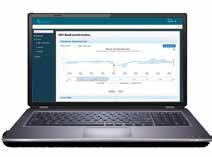
Improve system performance with iHydrant®! Our advanced platform collects real-time data for better comprehension and decision-making. Take preventive action with 24/7 pressure and temperature monitoring. Get iHydrant® now! Visit clowcanada.com to learn how iHydrant Technology is changing the way utilities look at water.






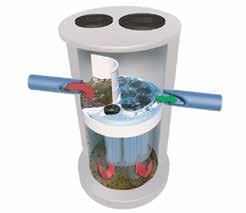
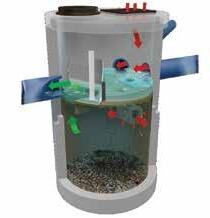
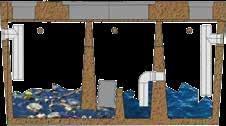
nutrients, metals
Integrated pretreatment
Compact structure, small footprint

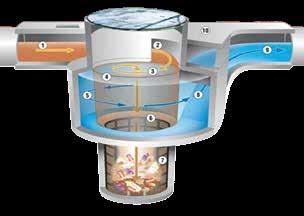
Captures TSS, oil, gross pollutants
Exceptional scour resistance
Flexible design, great for pretreatment
High volume pollutant storage
Langley Concrete Group | www.langleyconcretegroup.com
Langley (604) 533-1656
Chilliwack (800) 667-9600
Lombard (250) 478-9581
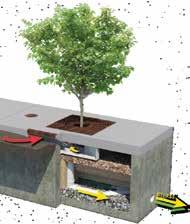
nutrients, metals
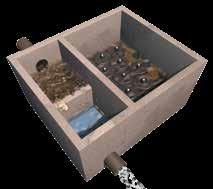
Great landscaping appearance
Shallow, versatile
Simple maintenance, no
By
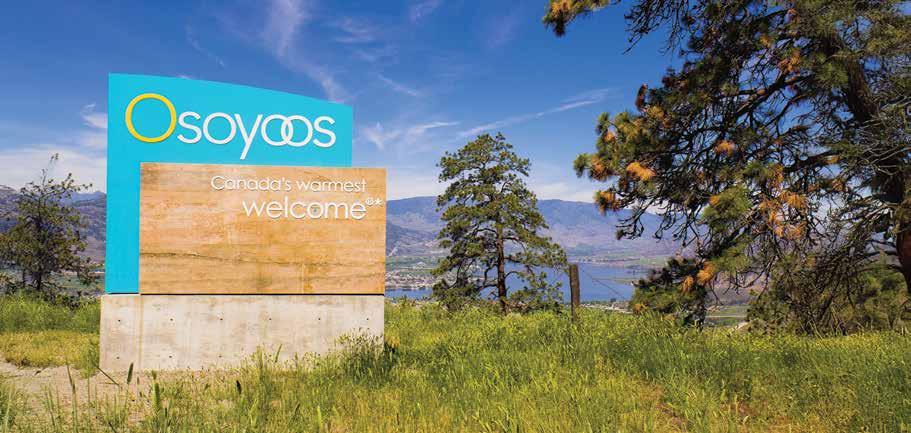
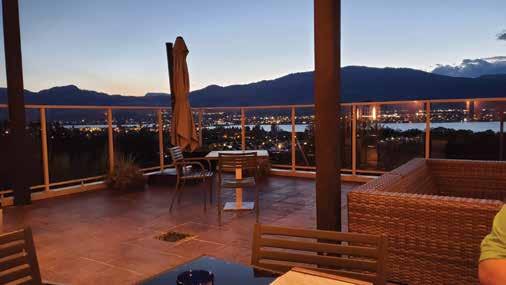
In late October of this year, I had the opportunity to attend the Water Supply Association of BC Conference in beautiful Osoyoos. It was an incredible event, in a fantastic location and full of passionate water industry professionals – from operators, utility managers and directors to vendors, suppliers, health officials and more. For a first–timer, I couldn’t have felt more welcome and at home. As with many water industry events, the energy was high, the passion was abundant and there was no shortage of innovative, forward–thinking individuals to bring it all together!
The Water Supply Association of BC (WSABC) is comprised of public water suppliers who work primarily with irrigation and/or domestic water supply, distribution and fire protection.
The sections that make up the organization are: North Okanagan, Central, Eastern, Southern and Northern Interior. WSABC represents and advocates on behalf of BC’s public, domestic and irrigation water suppliers and their customers.
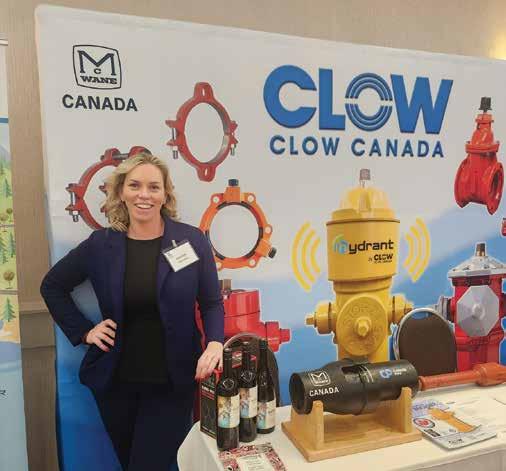
After exhibiting at the conference trade show, I had the opportunity to present on the topic of pressure management: ‘You Can’t Manage What You Can’t See!’ on behalf of McWane Canada.
Upon the submission of my abstract, Bob Hrasko, a Director at WSABC, asked if I would give an update as a Board member on behalf of the Environmental Operators Certification Program (EOCP) and the BC Water & Waste Association (BCWWA) – to which I replied, “Absolutely!”
My presentation outlined both organizations’ strategic plans, highlighting goals and initiatives for the next two to four years, respectively. My presentation introduced BCWWA’s CEO, Lee
Coonfer and EOCP’s CEO, Katja Roberts, and how both organizations have started paving a way forward collaboratively in the interest of all our members. During my time at the WSABC conference, I recognized how aligned all three of these organizations are and how our collective voice will only enhance impact, especially regarding collaboration with provincial and federal leadership regarding BC and Yukon water.
While EOCP, BCWWA and WSABC each have their own priorities and initiatives of high importance, here are some key shared initiatives: Financial sustainability – This is a concern of all utilities across the province, from small to large. Moreso for smaller communities without economies of scale. During this conference, the Mayor of Osoyoos, Sue McKortoff, spoke
specifically to concerns around aging infrastructure, water quality concerns, regulations and requirements – all paired with the population fluctuations it experiences as a resort-town community. For example, in the winter ‘off-season’ months, the town of Osoyoos can dip to a population of 6,700 people, but its utilities need to be prepared to accommodate tourist season when the population can balloon to close to 30,000 people. Osoyoos is also located at the bottom of the area watershed, known as the Okanagan Basin, where water quality degradation and fluctuations can be some of the most difficult to deal with from a water treatment perspective.
Funding is important for running our communities and the necessary repair, maintenance and upgrading of our water and
wastewater utilities should be prioritized over bike lanes, parks and other amenities. As water industry professionals know, public perception around water and wastewater utilities is usually ‘out of sight, out of mind.’ These collective conversations about asset management remind us that utilities need to be brought to the forefront in the public conversation to properly address underserved facilities and the growing demand for water and wastewater delivery.
Navigating regulations as water suppliers – Public health and the environment are non-negotiables when it comes to safeguarding our communities. 2025 is the 25th anniversary of Walkerton, where 2,300 people in the town of Walkerton, Ontario, fell ill due to contaminated water, and worse, seven people lost their lives. The Walkerton Tragedy allows our industry to reflect on the necessity of regulations. How do we navigate growing, increasing regulations when it comes to dam safety, health regulations and water quality standards in utilities and communities that are already understaffed and over budget on current requirements? More importantly, how do we ensure every Indigenous and First Nation community in this province and across this country can finally have access to clean, consistent drinking water?
An evolving workforce – Water and wastewater operations are part of public service work necessary for our communities. It is more critical than ever to attract and retain a skilled, knowledgeable, passionate and educated workforce to support this sector. BCWWA, EOCP and WSABC agree that incentivizing our young people to get into the industry by understanding that it is a rewarding and well-paid profession is critical. Through public education, awareness, engaging with high school-aged youth, etc., are all ways we can approach this growing concern.
I hope to continue to engage with provincial leadership and organizations to bring our message forward and create change in BC.
Working collaboratively within these organizations will be a great starting point to navigate these issues that will not soon fade away. As an EOCP and BCWWA board member, operator, supplier and overall ‘water industry advocate,’ I hope to continue to engage with provincial leadership and organizations to bring our message forward and create change in BC. Resilient and robust water and wastewater infrastructure supported by an educated and skilled workforce – because our communities depend on it!

By Mike Hewitt
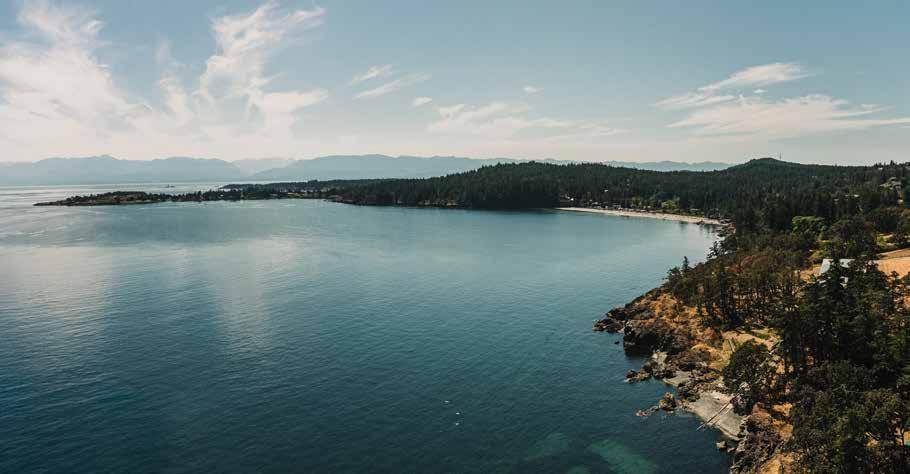
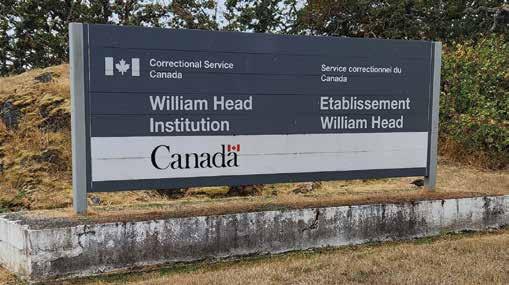
Since 2024, Almaquin Enterprises has operated the Class 3 wastewater treatment plant at William Head Institution in Metchosin, British Columbia. The William Head Institution, which is managed by Correctional Service Canada, is a minimum-security facility located 25 kilometres southwest of Victoria. Designed with residential-style living, it offers a variety of educational and vocational programs that support rehabilitation and practical skill-building. Within this framework, Almaquin’s contract focuses not only on compliance and efficient operations of the facility, but also on mentoring inmates who wish to pursue a career in water and wastewater.
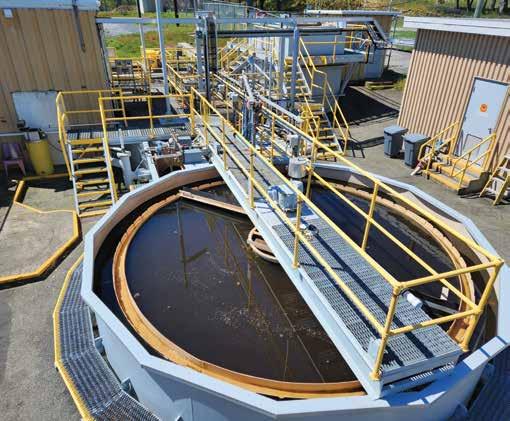
The William Head Wastewater Treatment Plant is a mechanical treatment system with marine outfall discharge. Its processes are monitored and controlled through a Supervisory Control and Data Acquisition (SCADA) system, which provides real-time data, alarm management, and trend analysis.
The plant was designed to handle wastewater from 115 staff and 150 inmates, with an average daily flow of 130 cubic metres and a maximum capacity of 450 cubic metres. Because the inmate population fluctuates, operators must adjust sludge wasting and recycle rates to maintain treatment balance.
Incoming wastewater passes through headworks that include lift station pumps, macerators, grit chambers, and basket screens
to remove solids and debris. Flow then enters an anoxic tank for denitrification, followed by aeration tanks where blowers supply oxygen to support biological treatment. Operators monitor dissolved oxygen, pH, temperature, suspended solids, and settling characteristics to guide process decisions.
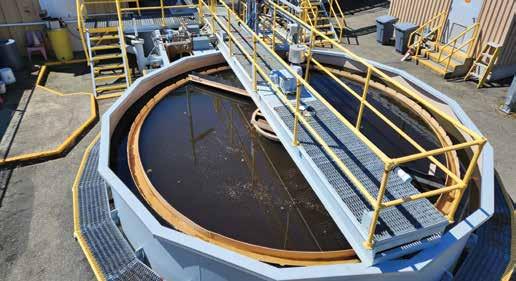
Clarification occurs in the secondary clarifier, where solids settle and clear effluent moves toward marine discharge. Biomass is recycled via return activated sludge (RAS) pumps, while waste activated sludge (WAS) is directed to aerobic digesters for stabilization. Routine operations include daily checks of SCADA alarms, grit chamber cleaning, and process testing, supported by weekly, monthly, and annual maintenance schedules.

Robin McLean, Almaquin’s Chief Operator, turned the William Head wastewater plant into a training ground where six inmates earned industry certification and a chance at a new career path.
Robin McLean, Almaquin’s Chief Operator, led the initiative. Robin holds Level IV certifications in both water treatment and wastewater treatment and was the first operator in British Columbia to achieve that milestone. With more
than 30 years of experience in wastewater treatment and infrastructure management, he combined technical leadership with a strong commitment to developing future operators. His role extended beyond plant operations to include mentoring and structured training.
At William Head, the Almaquin team collaborated closely with the facility’s Maintenance Supervisor. Together, they shaped a training program that provided inmates with practical, hands-on skills while introducing them to the work of the broader industry. Robin’s first crew quickly embraced the challenge, with one inmate emerging as a lead operator and taking an active interest in biological processes and process troubleshooting of the wastewater facility. Their curiosity made clear the need for a formalized training pathway.
Since then, Almaquin has partnered with the BCWWA and the EOCP to bring accredited training to inmates at William Head. In July 2024, the first Small Wastewater Systems course was delivered. All three students passed the EOCP exam, becoming certified operators. One went further, writing and passing the Wastewater Treatment Plant Operator I exam. A year later, another three inmates completed the same training, again with all three passing. One of the original participants advanced to earn a Multi-Utility Wastewater I certification.
Each of the six students completed the two-day SWWS course for 1.2 CEUs. Training at the plant gave them exposure to regulatory frameworks, system design principles, and the characteristics of wastewater that influence treatment. They gained hands-on experience with monitoring techniques, process testing, and the use of safety procedures. Instruction emphasized how treatment systems are operated and maintained, with a strong focus on safe workplace practices such as confined space entry, WHMIS, and lockout/tagout
In total, six inmates became certified operators through Almaquin’s mentorship at William Head. Recruitment for the operator crew even included peer-led screening. Existing inmates walked candidates through daily tasks, then gave them a final test: scooping grit from the headworks. Those with a strong enough stomach who could handle the task without hesitation demonstrated the resilience needed for the role.
The program gave inmates exposure to opportunities they had never considered. Through Almaquin’s training, they gained technical skills along with confidence, teamwork, and responsibility. For those pursuing the profession, Robin provided
personal references to support their next steps after parole. At the same time, William Head Institution benefited from improved operations of the facilities wastewater treatment and a model for linking infrastructure management with vocational training.
“Over
17 months, I had the privilege of mentoring inmates who never imagined wastewater treatment could be a career. Six of them earned certification, and while the path is not for everyone, it was rewarding to watch them embrace learning and find pride in solving process challenges. Coming out of retirement to do this work was worth every moment. I am proud of them, and
I will always value the time we shared in building both skills
and confidence for their
future.”
— Robin McLean, WT-IV, WWT-IV
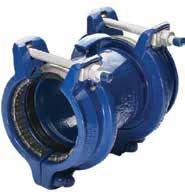
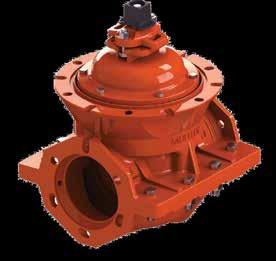
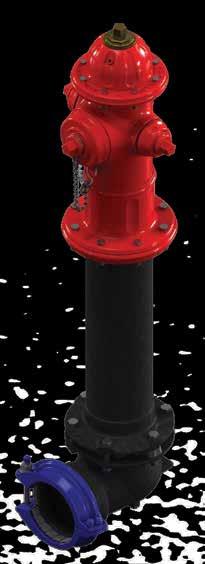
Since 1857, Mueller has been helping municipalities increase operational efficiencies, improve customer service and prioritize capital spending demonstrating why Mueller Water Products is Where Intelligence Meets Infrastructure®.
For more information, contact: Jordan Webb | jwebb@muellerwp.com | 204-797-8428 Infrastructure Territory Manager Mueller Water Products, Inc. is a leading manufacturer and marketer of products and services used in the transmission, distribution and measurement of

Since 2013, the BCWWA has hosted an annual student design competition (SDC) for postsecondary students in BC. This year, Team StormWise Innovations charted a course of victory, nabbing first place at the BCWWA and WEFTEC competitions with their winning stormwater management solution. We spoke to the team to learn more about their project and experience presenting on an international stage.
Watermark: How did you all meet?
We are all University of British Columbia environmental engineering students who started our journey together as StormWise Innovations in October 2024. Some of us barely knew each other, but we shared a common interest in participating in the BCWWA SDC. Inspired by the environmental engineering students who participated in previous years, we saw this competition as an exciting opportunity to challenge ourselves personally and professionally.
WM: What was your project about?
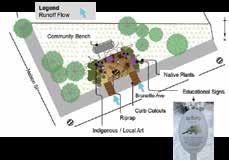
Our project, PermeaPath, is a stormwater management solution for the City of Coquitlam’s Nelson Creek Watershed, utilizing low-impact green infrastructure. The goals were to improve runoff quality and volumes before entering Nelson Creek, mitigate streambank erosion and improve the Benthic Index of Biotic Integrity. PermeaPath addressed upstream, midstream and downstream areas of Nelson Creek, utilizing rain gardens, bioswales, tree trenches and permeable pavers. PermeaPath also emphasized community engagement through incorporating Indigenous art and educational signage within the new green spaces.
WM: What was the process like? Initially, the BCWWA problem statement felt overwhelming. We had never tackled a project of this depth before. With UBC faculty advisor Dr. Zeina Baalbaki’s guidance, we deconstructed the problem into manageable portions. We met regularly while juggling full course loads, even throughout winter and summer break. There were plenty of late nights, weekend work sessions and several visits to Nelson Creek. Our team member, Kajal, even ventured out during a rain event to observe the water flow! After winning the BCWWA SDC in March 2025, our focus shifted to effectively communicating
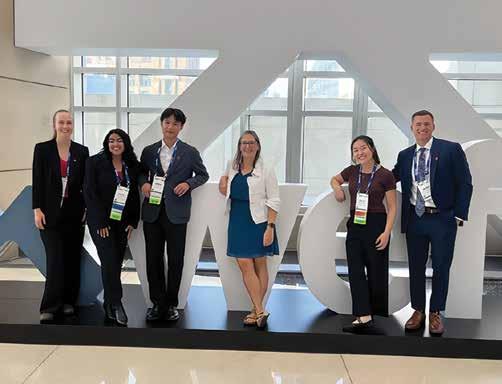
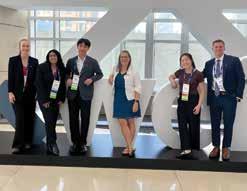
Team photo at the WEFTEC conference.
our design to different audiences. Thankfully, the BCWWA and WEFTEC SDC had similar requirements, enabling us to build on our work and refine our approach. We took the opportunities to present to various groups, including the BCWWA Board of Directors, professors, classmates and family – preparing us for answering questions and improving delivery. Dr. Baalbaki’s detailed feedback was invaluable in shaping our final report. PermaPath quickly turned into a passion project, and we enjoyed every step of the process.
WM: How did you feel presenting in front of the judges at WEFTEC? Leading up to the presentation, we felt a mix of nerves and excitement. We had high expectations for ourselves and thanks to many
rounds of feedback and practice, we felt confident in our design. Once we were on stage, the experience felt natural, comfortable and exciting. As a team, we knew we could rely on one another. This was especially evident during the judges’ Q&A session, where we were able to build off each other’s responses and offer key reinforcing points – always trusting each other before jumping to conclusions.
WM: Any memorable moments from WEFTEC?
Our proudest moment was when one judge at WEFTEC came up to us after the winning announcement and said, “There was no deliberation needed for awarding you first place.” It certainly affirmed that our hard work spoke volumes on stage! We were surprised at

how massive the WEFTEC conference was. It was fun to explore and learn about different technologies and keynote speakers.
Michelle Revesz (the lovely BCWWA President) and Mike Gosselin (the lovely BCWWA WEF Delegate) generously introduced us to their networks and invited us to company events, giving us the chance to meet industry professionals in some of Chicago’s most exciting settings.
WM: What did you take away from the whole experience?
This project spanned nearly a year, being the longest and most involved engineering initiative, we had ever worked on, and was a valuable complement to our degree. Throughout the process, we gained a deeper understanding of the design process and the importance of design basis, stakeholder feedback and communication. The water sector may seem large, but it is a tight and supportive community of people who collectively work towards sustainable water futures.
WM: What did this experience teach you about teamwork?
Communication was essential throughout the project. With everyone balancing busy academic schedules, co-op terms and other commitments, sometimes across different time zones while two of us studied abroad, it was important that we kept each other informed about our availability and capacity. We were open and honest with each other, filling in at different stages of the project to ensure equitable responsibilities.
WM: How did mentorship and feedback shape your success?
Mentorship and feedback were key to our success. Each round of input received helped us identify gaps, improve our work and become more critical of our own ideas. This process strengthened our ability to evaluate and challenge different components of the project throughout evolutions. Beyond this project, we are incredibly grateful for those we connected with at BCWWA WEFTEC events and to those who listened to our mock presentations and asked follow-up questions.
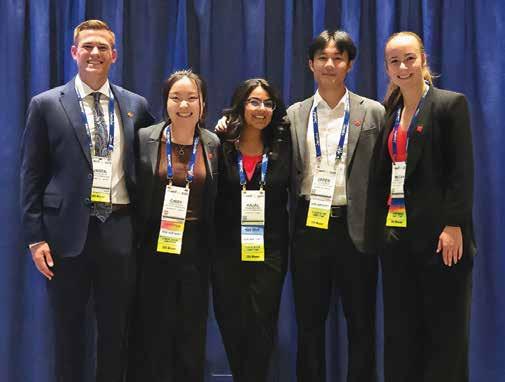
WM: What advice would you give to future SDC participants?
Focus on gaining a strong understanding of the design criteria, especially early in the competition. If something in the design criteria is unclear, do not hesitate to reach out to your faculty advisor or the client. Your curiosity and diligence will be key to success during the design phase, where meeting the clients’ expectations is a significant achievement. Embrace feedback and challenging questions, as they are excellent preparation for the tough questions asked at WEFTEC. Finally, enjoy the journey. Everyone is incredibly supportive, and you’ll learn more than you expect!
Visit bcwwa.org/site/awards/competition/sdc/ overview to learn more about our 2026 Student Design Competition!
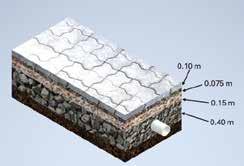
Cross-Sectional Media Composition
“Our project, PermeaPath, is a stormwater management solution for the City of Coquitlam’s
ince the first days of the BCWWA, volunteers have been the heartbeat of our organization. As an Association that represents and advocates on behalf of water professionals in BC and the Yukon, volunteers are the driving force behind our ability to deliver industry-specific programs and services and champion member interests to governments, industry partners and the public. Their expertise, insight and contributions help shape the future direction of the BCWWA and supports of strong network of professionals in this sector.
We want to take a moment to recognize and celebrate the individuals who generously dedicated their time to volunteering with the BCWWA this year. Your efforts make a meaningful difference, and we sincerely thank you for supporting our community.

Urban Systems Co- Chair, SDC, YP Committee
Student Design Competition Committee & Young Professionals Committee Co-Chair
We extend our heartfelt thanks to Lauren Lee at Urban Systems for her exceptional contributions to committee work at the BCWWA. Lauren is a valued member of the Young Professionals Committee and has served as co-chair of the Student Design Competition Committee from 2021 to present. She has been instrumental in planning the Student Design Competition




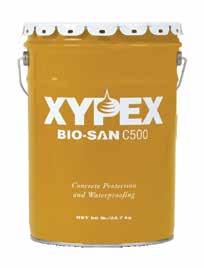
Combat Microbial-Induced Corrosion and Extend Lifespan, Reduce Costs, and Protect Sewage Systems
• Antimicrobial Protection
Prevents microbial-induced corrosion (MIC)
• Permanent Waterproofing
Performs under extreme hydrostatic pressure
• 9x Less Corrosion
Verified by a third-party testing
• Self-Healing
Reactivates to seal hairline cracks upon water exposure
• Visual Detection System (VDS)
To verify its presence in hardened concrete
• Saves Time
Easily added to concrete during batching
Scan the QR Code to learn more:


TED MOLYNEUX CWWA Director
The Canadian Water & Wastewater Association (CWWA) just held their National Water and Wastewater Conference (NWWC) in Victoria, November 2–5, 2025. Think of it as our very own BCWWA Annual Conference & Trade Show, but on a more intimate scale and national stage. The great news is that Victoria saw a record attendance of over 600 delegates, up from a typical 400 and lower when held at the far ends of the country. Way to go, BC!
Like BCWWA’s conference, at NWWC, innovation is front and centre. As many are, I’m currently falling for AI technology, but, unlike many, also natural infrastructure (NI). Don’t get me wrong, AI is generally out of control but also is a possibility for the water and wastewater community. On the other hand, NI also holds huge possibilities but seems to be flying under our radar.
While there were sessions about AI, 90 minutes was dedicated to NI – making it a highlight for me at NWWC. We had Gemma Boag, Head of Policy, Communications, and Engagement for the newly formed Canadian Water Agency, with the lead presentation. Those of you rooting for watershed-scale thinking will be happy with their work and this new national organization. Then, fellow CWWA Board member Yannis Kachani from Housing Infrastructure and Communities Canada spoke about their fascinating NI projects. This included the St. George Rainway in Vancouver. I think our winning Student Design Competition team channelled that project’s anti-channelling spirit in their work! Finally, Patience Cox, Indigenous Strategic Advisor for the Natural Assets Initiative, spoke about First Nation NI projects at their organization. Their mission is to make natural asset management a mainstream practice across Canada and for local governments and others to adopt methodologies and tools in a standard way across the country. While NI has been around for some time and until it becomes mainstream, NI still feels very innovative to me.
Have you ever heard of the Institute for Sustainable Infrastructure (ISI) and Envision certification? ISI advances sustainable infrastructure using the Envision sustainability framework, through education, training and third-party project verification. On the final day of NWWC, there was free Envison training for delegates. I’ve been an early proponent but am curious to know why it’s not taken off. Is this something we should be discussing within our organizations?
The CWWA has just one in-person board meeting per year and it’s on Sunday before the conference starts. I’m happy to report that the Association is in good shape and has a solid future.
A final tie into this issue: one of the first delegates I met after the board meeting was none other than Dr. Don Mavinic, my engineering wastewater professor at UBC. He and Laurie Fretz were presenting on Resource Recovery as part of integrated wastewater treatment and solids management. Beyond being a great teacher, Dr. Mavinic has been a continuing advocate for innovative wastewater treatment. One of his early successes: struvite recovery and spin-off Ostara Nutrient Recovery Technologies!
THE CWWA HAS JUST ONE IN-PERSON BOARD MEETING PER YEAR AND IT’S ON SUNDAY BEFORE THE CONFERENCE STARTS. I’M HAPPY TO REPORT THAT THE ASSOCIATION IS IN GOOD SHAPE AND HAS A SOLID FUTURE.
Field Instrumentation
• Endress+Hauser
• WIKA • Keller America
Pumps
• Watson-Marlow
• Bredel • Grundfos
Valves and Accessories
• Bonomi • Orbinox
• Challenger • Flomatic
Analytical Products
• Endress+Hauser
Disinfection Equipment
• De Nora
Centrifuges
• Pieralisi
Gas Detection
• Armstrong

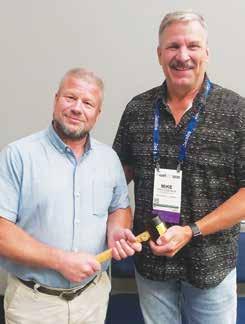
MIKE GOSSELIN WEF Delegate
As the BCWWA Water Environment Federation (WEF) representative, I had the privilege of attending WEFTEC 2025. The event marked the 99th annual technical exhibition and conference, held in the vibrant city of Chicago. This year, the conference attracted over 22,000 attendees and nearly 1,000 exhibitors, all gathering to participate in one of the most dynamic and inspiring water industry events.
For those who have not attended WEFTEC, it is a conference aimed at bringing together a vast number of professionals with shared interests, shared educational needs and providing access to a large number of vendors all under one roof.
■
■
■ Outstanding strength & structural stability
■ Design life of 50-60 years
The event offers opportunities for professional development, networking and exposure to new innovations within the industry. Participants connect with others who share similar motivations and are provided with many opportunities to develop new acquaintances. As one attendee expressed to me, “These events are just full of friends you haven’t met yet.” Connections made at WEFTEC carry with us throughout our careers. This allows for a wealth of information and experience to be brought home for your employer or your local member association (BCWWA)
The WEF Canadian Advisory Committee (CAC) includes delegates from all Canadian member
associations, such as the BCWWA, who also participate in the Water Environment Federation House of Delegates (HOD). The CAC has a couple of roles; it provides nationwide support among member associations and supports the HOD, linking directly with WEF Leadership and allowing opportunities for the CAC to bring Canadian expertise forward. A WEF trustee is also an active member of the CAC to ensure Canadian needs are communicated directly to WEF Leadership. This year, I am privileged to be taking on the ‘Chair’ role for the CAC.
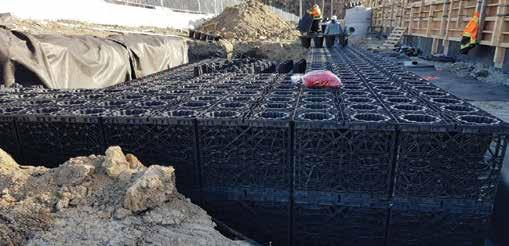
The BCWWA supports a Student Design Competition and the successful team had the opportunity to attend WEFTEC to compete with other student teams for a “Top Spot” on the WEF stage. This year, Team StormWise Innovations competed at WEFTEC and took first place in the Stormwater Division! I was able to spend some time and get to know the student team during the conference. This team is comprised of a fantastic group of dedicated, energetic and enthusiastic individuals who are part of the next generation of the water industry. We are lucky to have them as tomorrow’s leading sections of the workforce. www.ACOStormBrixx.ca
■ Easy and fast installation (877) 226-4255 • info@acocan.ca


DEIRDRE MORAN AWWA Director
Water touches nearly every aspect of our lives and every industry we interact with. Yet, there is an acknowledged lack of crosssector collaboration when it comes to water. Within the water sector itself, it is only relatively recently that a One Water approach has gained widespread acceptance and traction. As aging infrastructure and climate change exacerbate challenges faced by water utilities, a One Water strategy can improve resiliency and sustainability while driving innovation. Part of this approach also involves innovation and collaboration with other sectors affected by, and impacting water, but perhaps traditionally siloed, such as agriculture, energy, tech and healthcare.
It’s no coincidence that ‘innovation’ is one of the values in BCWWA’s 2025-27 Strategic Plan and ‘inspire innovation’ is a core principle in AWWA’s 2030 Strategic Plan. The need for water sector innovation is emphasized throughout Water 2050, but particularly in the strategic priority area of ‘Innovation and Circular Economy’. The Water 2050 vision recognizes the need to collaborate across organizations by engaging both water-sector organizations and nontraditional partners from other sectors.
AWWA also helps to inspire innovation through their Innovation Initiative, which includes efforts such as the ACE Innovation Hub, Innovation Watch (a series of Opflow articles), and innovation knowledge sharing through a variety of platforms. In 2020, the AWWA Innovation Initiative released a report called ‘Guidance for Developing a Water Utility Innovation Program,’ and now in 2026, the Innovation Committee plans to release AWWA’s Manual of Water Supply Practices M82 ‘Water Utility Innovation.’
AWWA also recently showcased Metro Vancouver’s hydrothermal liquefaction project, which transforms biosolids into a valuable resource, as an example of Water 2050’s call for solutions across sectors at the intersection of water, energy and climate. This is an excellent
AS I MENTIONED IN THE LAST ISSUE, CONFERENCES ARE ONE OF THE BEST WAYS TO SHARE INFORMATION, SPAWN IDEAS AND FUEL INNOVATION. IN ADDITION TO ACE26, BEING HELD IN WASHINGTON, DC, JUNE 21–24, 2026, AN INAUGURAL NEXTWAVE CONFERENCE WILL BE HAPPENING IN NIAGARA FALLS FROM MAY 4–7, 2026.
example of innovation in the water sector that draws inspiration from other industries –and we are fortunate to have a front row seat here in BC.
A common theme throughout the topics of these articles seems to be young professionals, and this is no exception – involving young professionals in our organizations will help to further innovation and think outside of the box. Both AWWA and BCWWA support young professionals and engage them in the conversation through initiatives such as student design competitions, YP leadership positions, mentorship initiatives and development opportunities.
As I mentioned in the last issue, conferences are one of the best ways to share information, spawn ideas and fuel innovation. In addition to ACE26, being held in Washington, DC, June 21–24, 2026, an inaugural NextWave conference will be happening in Niagara Falls from May 4–7, 2026. NextWave will be hosted by the Ontario Water Works Association with the support of AWWA, and in collaboration with the Atlantic Canada, Western Canada, and British Columbia sections. The conference theme is ‘Charting the Course for Canada’s Water Future.’
So, as we all chart the course of water’s future, let’s keep an open mind and seek inspiration not just from within, but from other industries and sectors as well.
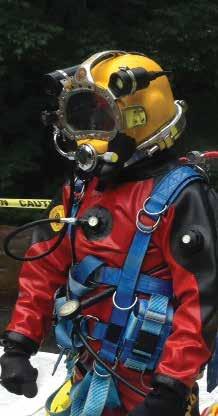
Inspection report Cost effective solution Zero loss of fire suppression capability Dedicated dive equipment
AWWA reservoir cleaning procedures followed
Dramatically reduces downtime
SELF-PACED INSTRUCTOR ASSISTED ONLINE COURSES
Are you looking for more flexibility and to enjoy learning at your own pace? If so, you may want to consider taking one of BCWWA’s online certification courses. There is a dedicated instructor available throughout the course to provide guidance and answer questions via email. Registration for the summer 2026 series will open on December 8, 2025. Courses begin on January 6, 2026.
January 6 – March 31, 2026
January 6 – March 31, 2026
January 6 – March 31, 2026
January 6 – March 31, 2026
January 6 – March 31, 2026
January 6 – March 31, 2026
January 6 – March 31, 2026
SELF-PACED CONTINUOUS ENROLLMENT COURSES
You can enroll at any time. Once enrolled you will have three months to finish the course.
INSTRUCTOR-LED VIRTUAL CLASSROOM COURSES
These courses will be delivered by an instructor and will run for the same lengths and times that the ‘regular’ in-class course would have.
March 6, 2026
March 12, 2026
March 13, 2026
March 31 – April 1, 2026
April 2, 2026
April 13–17,
May 14, 2026
May 15, 2026
May 19, 2026
May 20, 2026
May 21–22, 2026
May 25–29, 2026
June 1–5, 2026
June 8, 2026
June 9–10, 2026
June 11, 2026
June 12, 2026
Schedule subject to change. Please visit the
CERTIFICATION EXAM
December 20, 2025
January 16, 2026
January 17, 2026
January 23, 2026
February 20, 2026
March 14, 2026
March 20, 2026
March 24, 2026
March 27, 2026
March 27, 2026
March 28, 2026
RECERTIFICATION EXAM
January 29, 2026
January 30, 2026
March 7, 2026
March 7, 2026
March 28, 2026
UA Piping College of BC
Pacific Vocational College (PVC)
Kwantlen Polytechnic University (KPU)
MTS – Maintenance Tracking Systems Inc
Delta
Burnaby
Surrey
Vernon
Pacific Vocational College (PVC) Burnaby
Camosun College
Camosun College
BCIT
Pacific Vocational College (PVC)
MTS - Maintenance Tracking Systems Inc
Kwantlen Polytechnic University (KPU)
Victoria
Victoria
Burnaby
Burnaby
Vernon
Surrey
BCIT
MTS – Maintenance Tracking Systems Inc
Camosun College Victoria
UA Local 324
Kwantlen Polytechnic University (KPU) Surrey

Watermark is made possible by the companies below who convey their important messages on our pages. We thank them for their support of BCWWA and its publication and encourage you to contact them when making your purchasing decisions. To make it easier to contact these companies, we have included the page number of their advertisement, their phone number, and, where applicable, their website.

























•
•
•
•
•



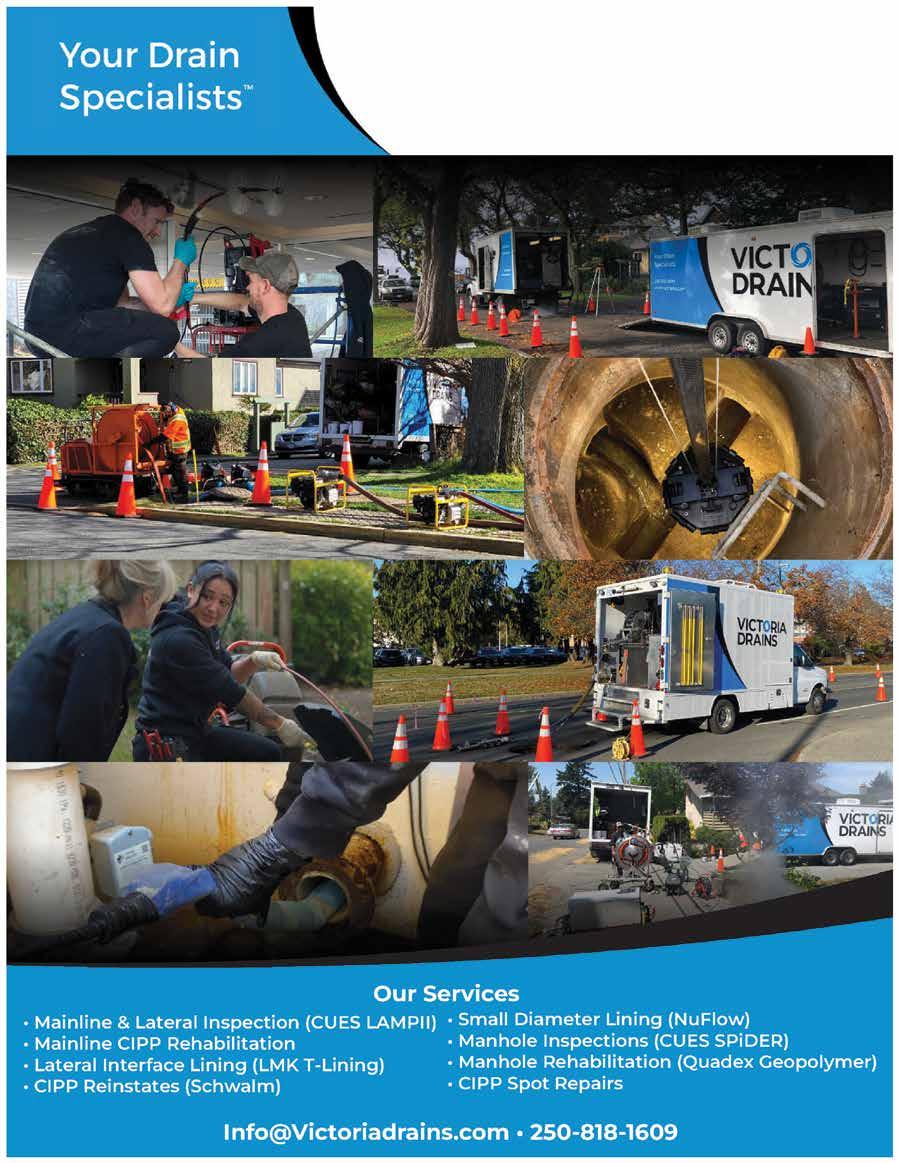
Water Mains & Pipelines
Sewer Mains & Pipelines
Concrete Structures
Sewer Inspection & Documentation
Vault & Manhole Rehabilitation