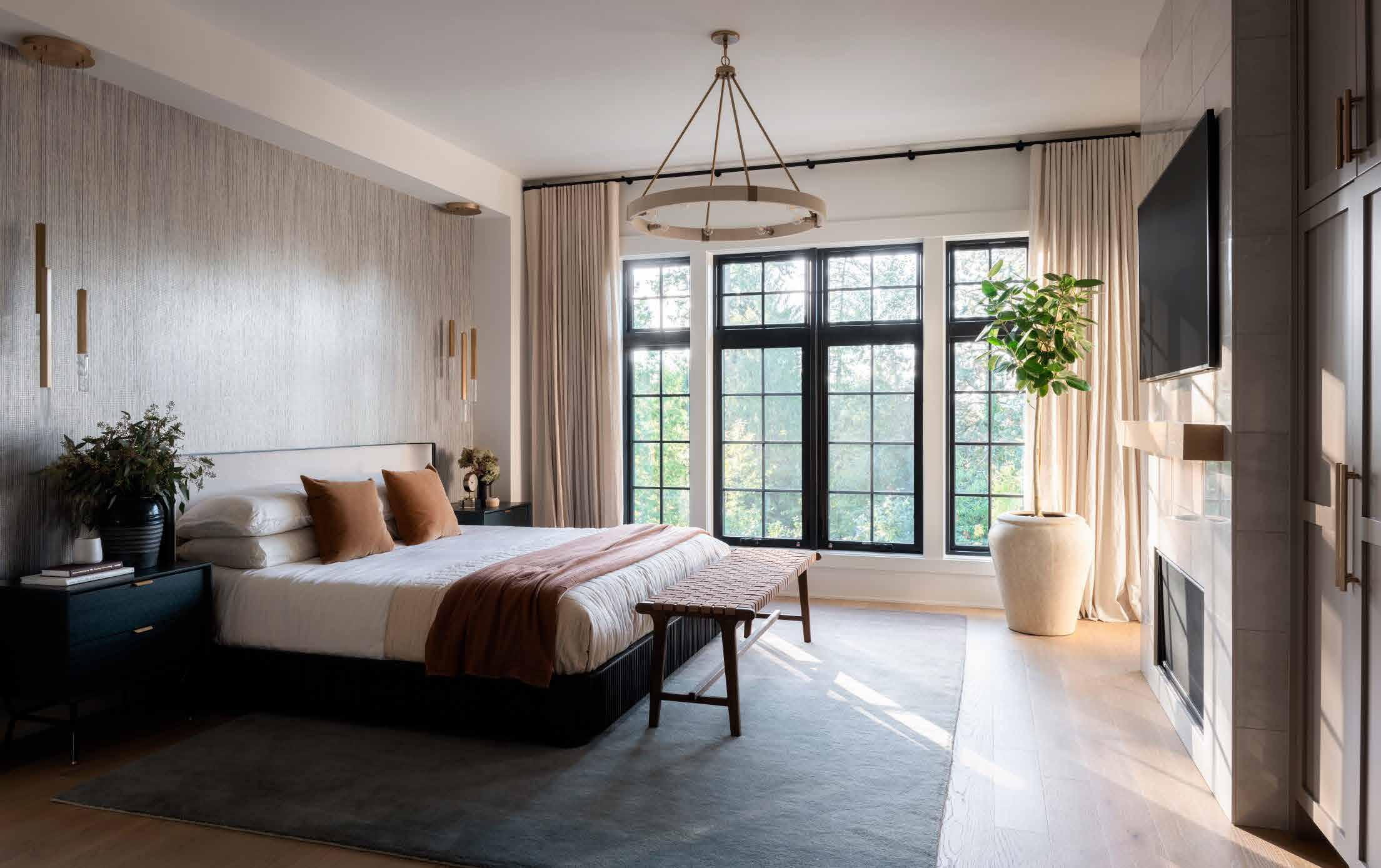
A new season brings fresh inspiration to your wardrobe. Find trendsetting fashions for you and décor for your home. Shop all the brands you love, plus the new ones you are about to discover, at The Bellevue Collection.
UPFRONT: LETTER FROM THE CLUB
DEAR MEMBERS,
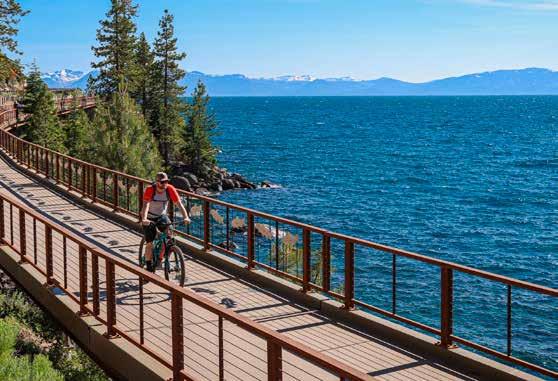
A few weekends ago I finally dusted off my mountain bike after a long winter in the garage. Getting out the door was half the battle, and the trail humbled me a little. But somewhere on the way back, grinning despite myself, I thought: why did I put this off so long?
I suspect many of you know that feeling—and that you have your own version of something waiting. Maybe it's returning to an activity you love, or finally trying something you've been curious about but haven't quite committed to. A new fitness class, a social event on the calendar you keep meaning to attend, a spa treatment you deserve, a reservation you haven't gotten around to making.
The fun of it, the sense of accomplishment, sometimes just the simple pleasure of doing something good for yourself—that's what the Club is here for. The grounds are blooming, the outdoor pool opens soon, and there's no shortage of ways to find that feeling here. We hope to be part of a few of those moments for you this spring.
See you around the Club, Warmly,
P.O. Box 970, Woodinville, WA 98072.
send address changes to BELLEVUE CLUB REFLECTIONS, 11200 S.E. Sixth St., Bellevue, WA 98004.
MAY/JUN
CALENDAR
own
7, 13, 14, 20, 21, 27,
photography by john bang
NEWSFEED
JAZZ HANDS!
Membership, as they say, has its privileges and for the theater lovers among you, they’re not wrong.
You may already know this, but if you don’t: As a Bellevue Club member, you have insider access to the Paramount Theatre’s stellar lineup, including comedy, music and, of course, Broadway in Seattle.
The 2026–27 season of Broadway in Seattle runs the full range—beloved classics like Disney’s “Beauty and the Beast” and “The Sound of Music”; cultural juggernauts “Harry Potter and the Cursed Child” and “The Outsiders” (stay gold, Ponyboy); and the wickedly funny “Oh, Mary!”—a sharp, delicious comedy about the long-suffering FLOTUS, Mary Todd Lincoln. It’s about time she got some good press.
Member access includes prime first balcony seats, private lower-level bar access and complimentary parking. Contact Membership Services for showtimes and availability. Tickets from $175.
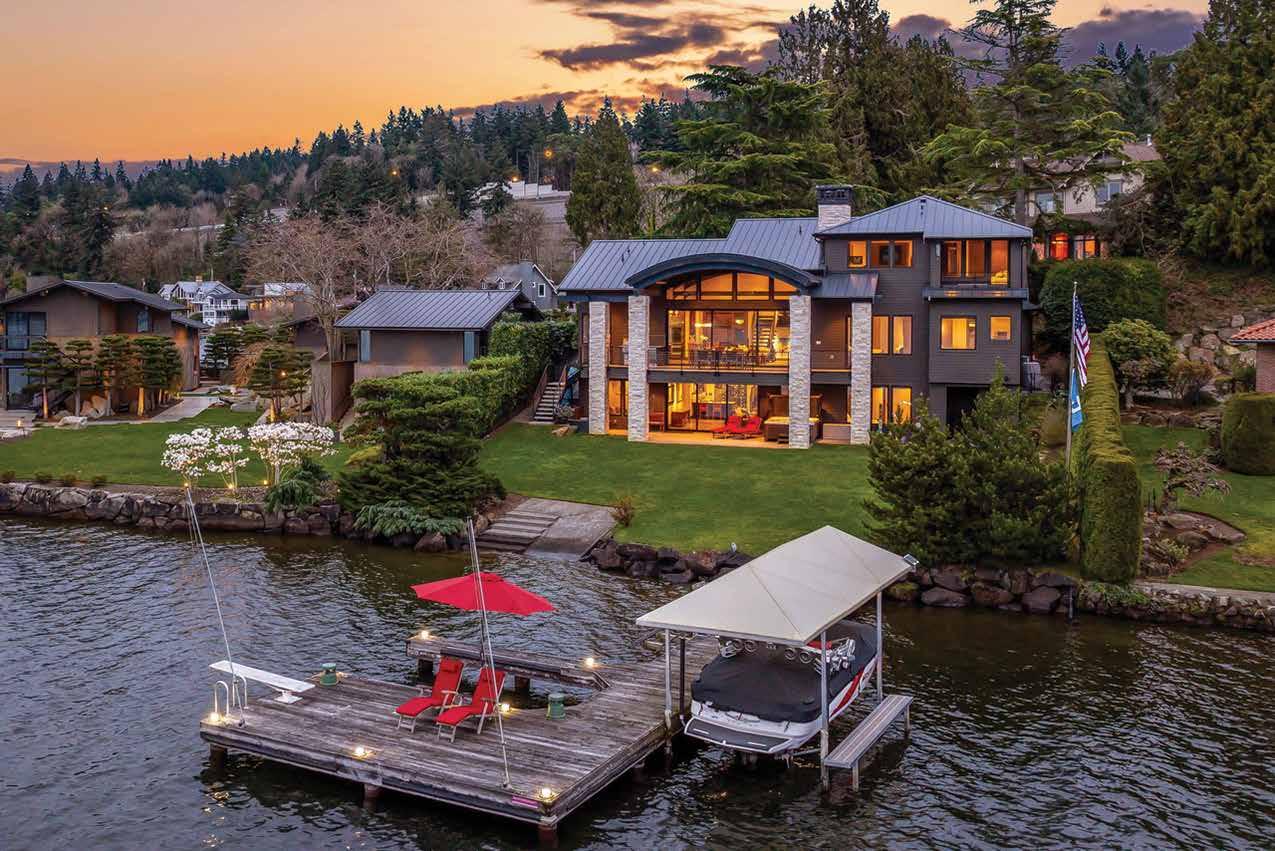
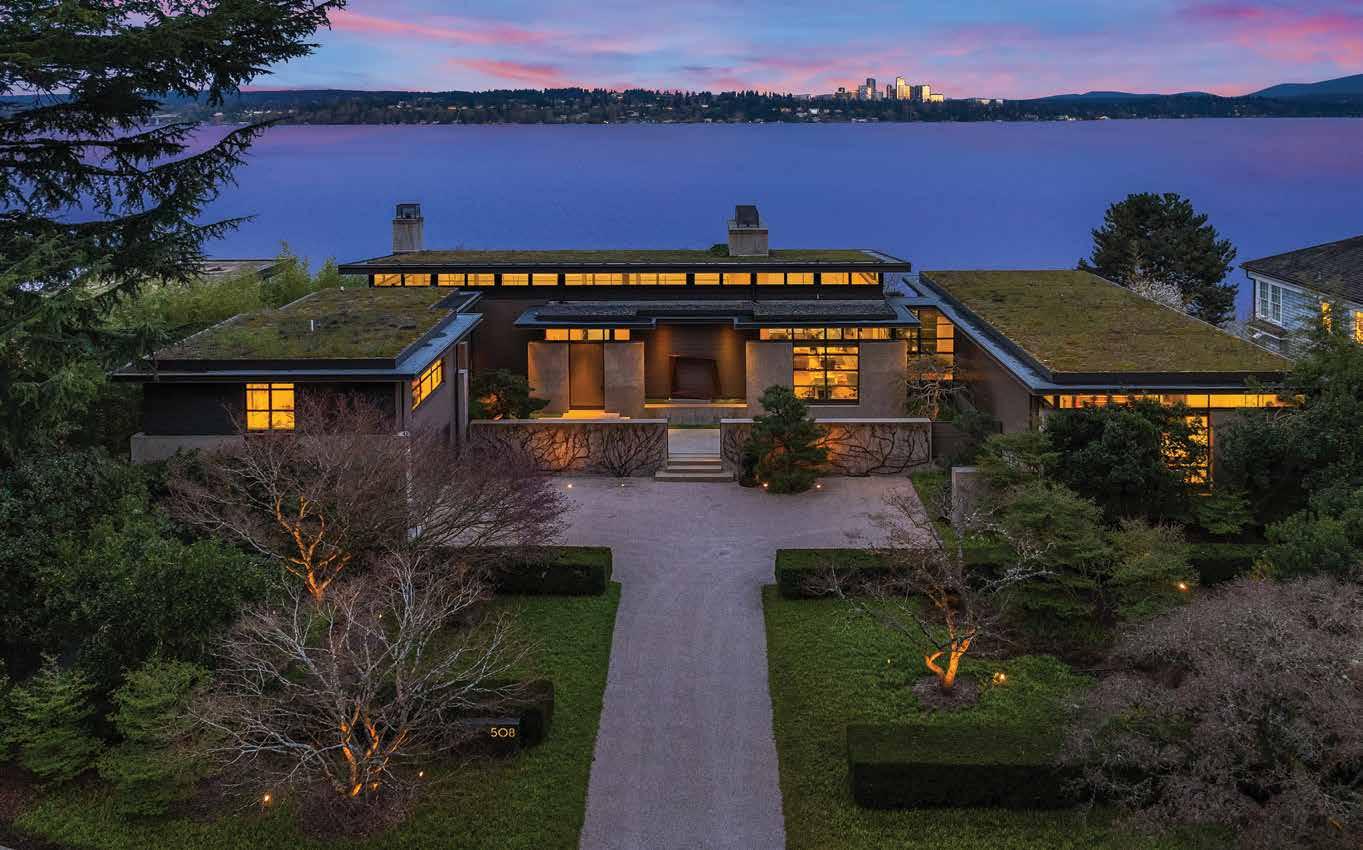
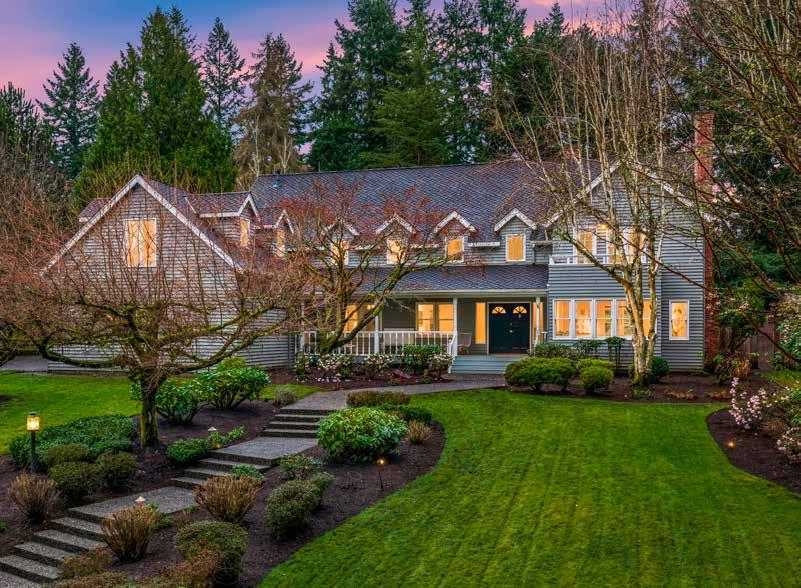
A PRIVATE RESORT-STYLE ESTATE FOR MODERN LIVING
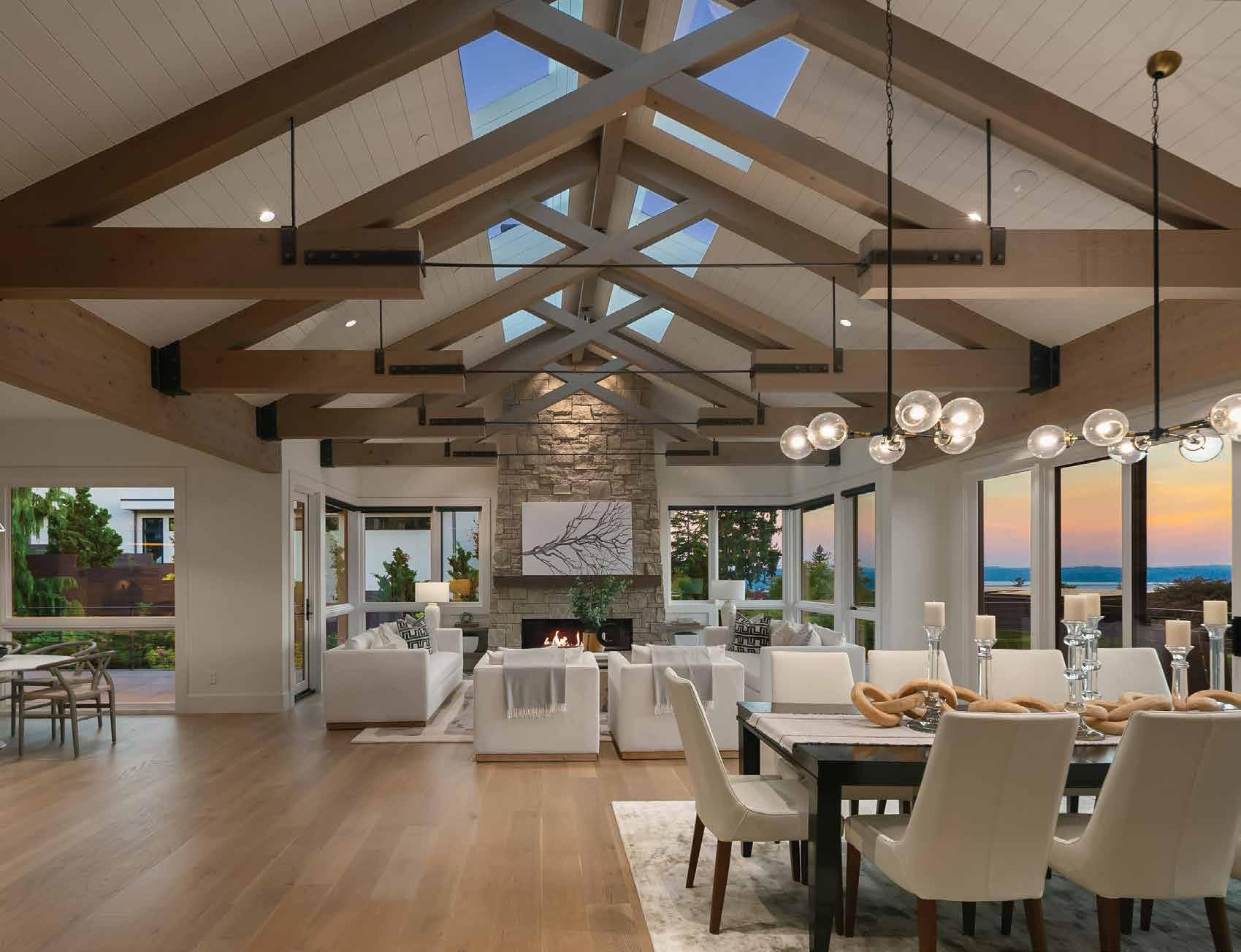
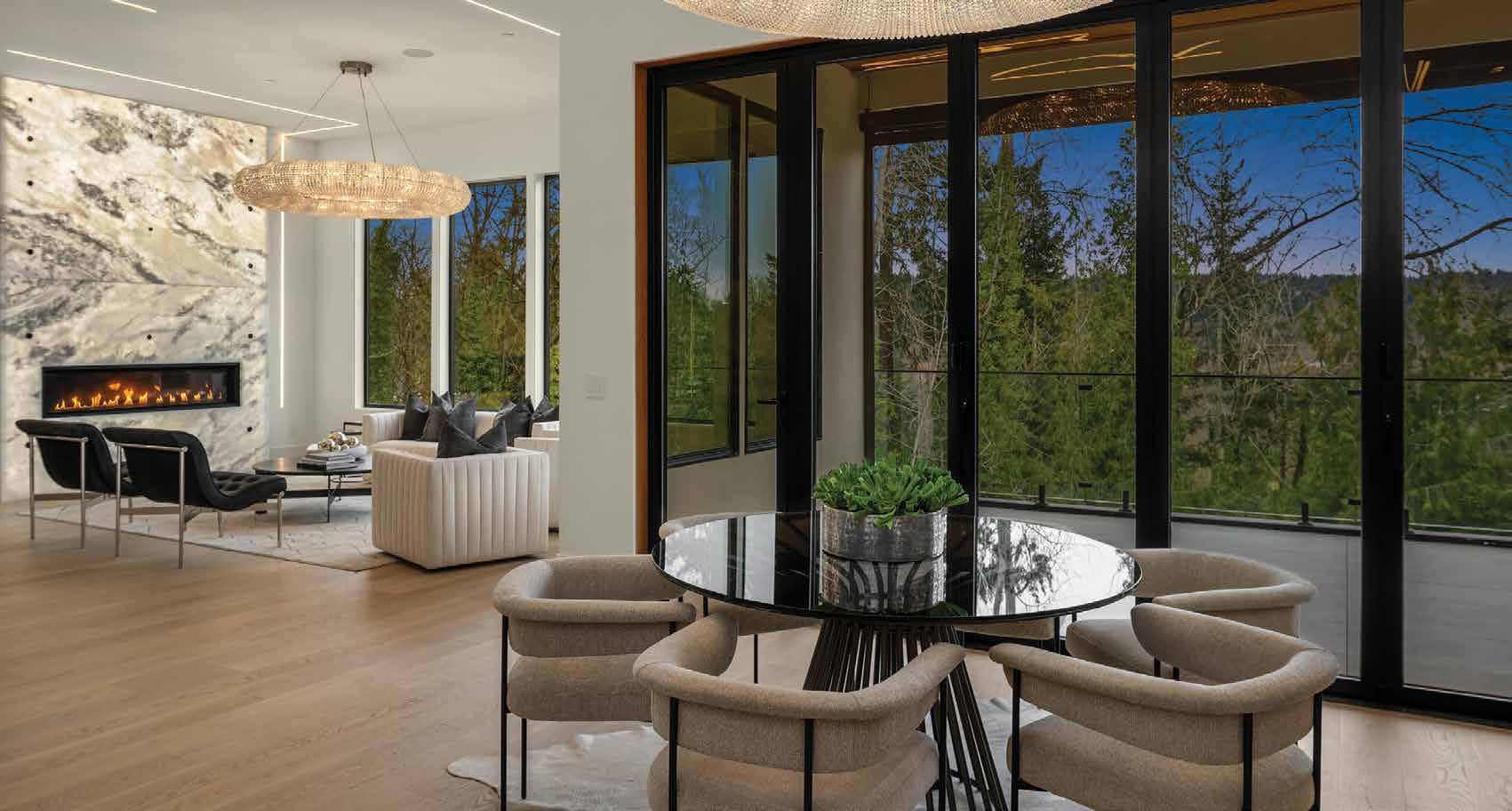
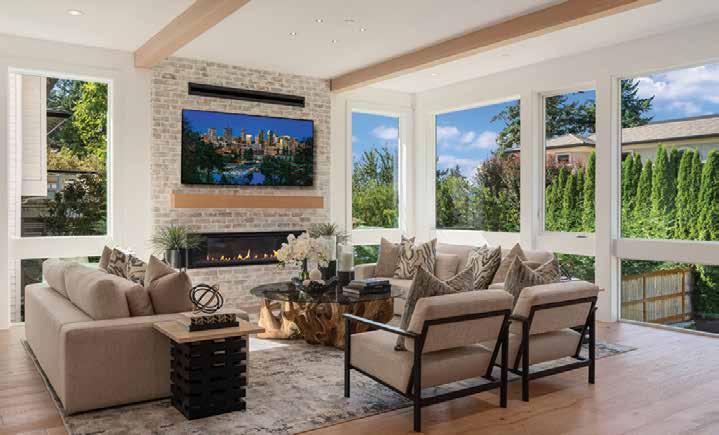
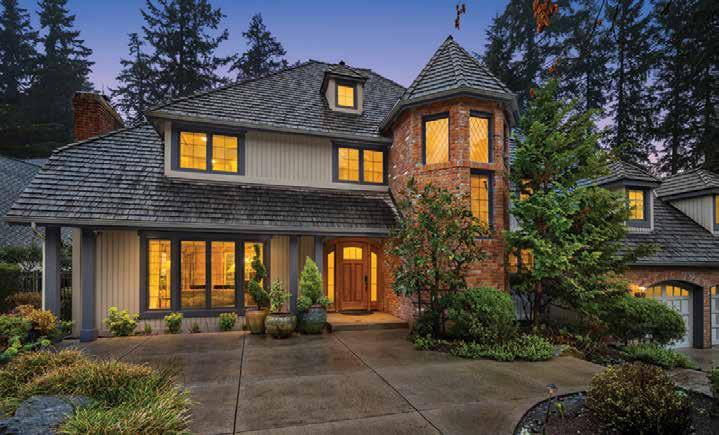
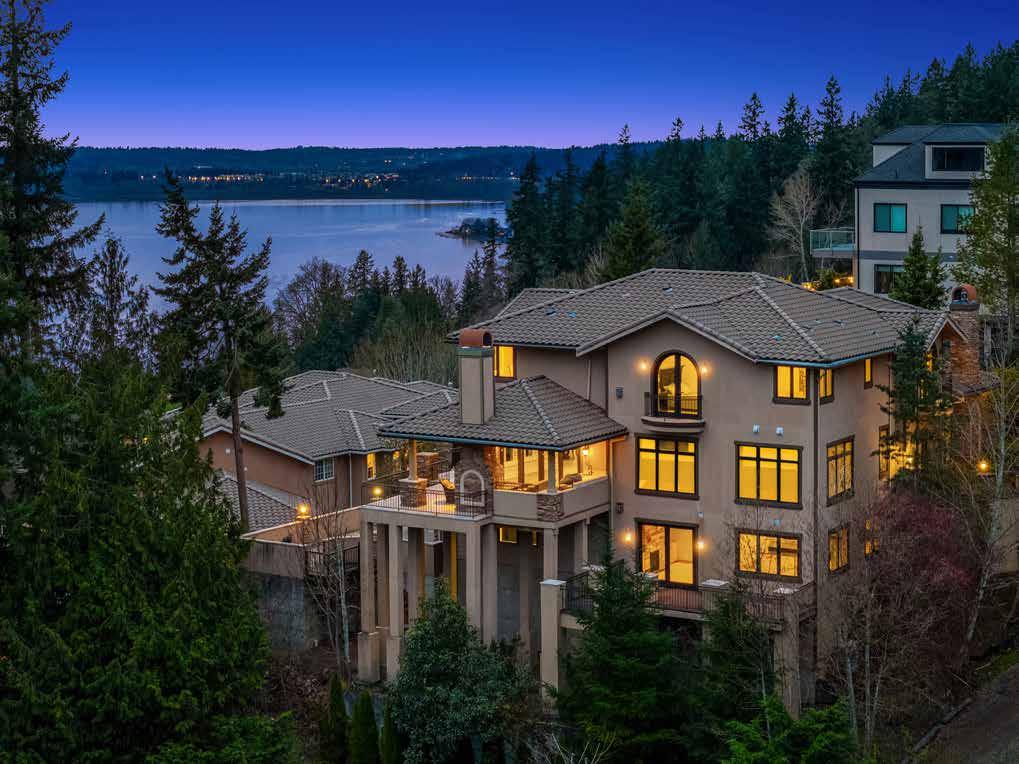
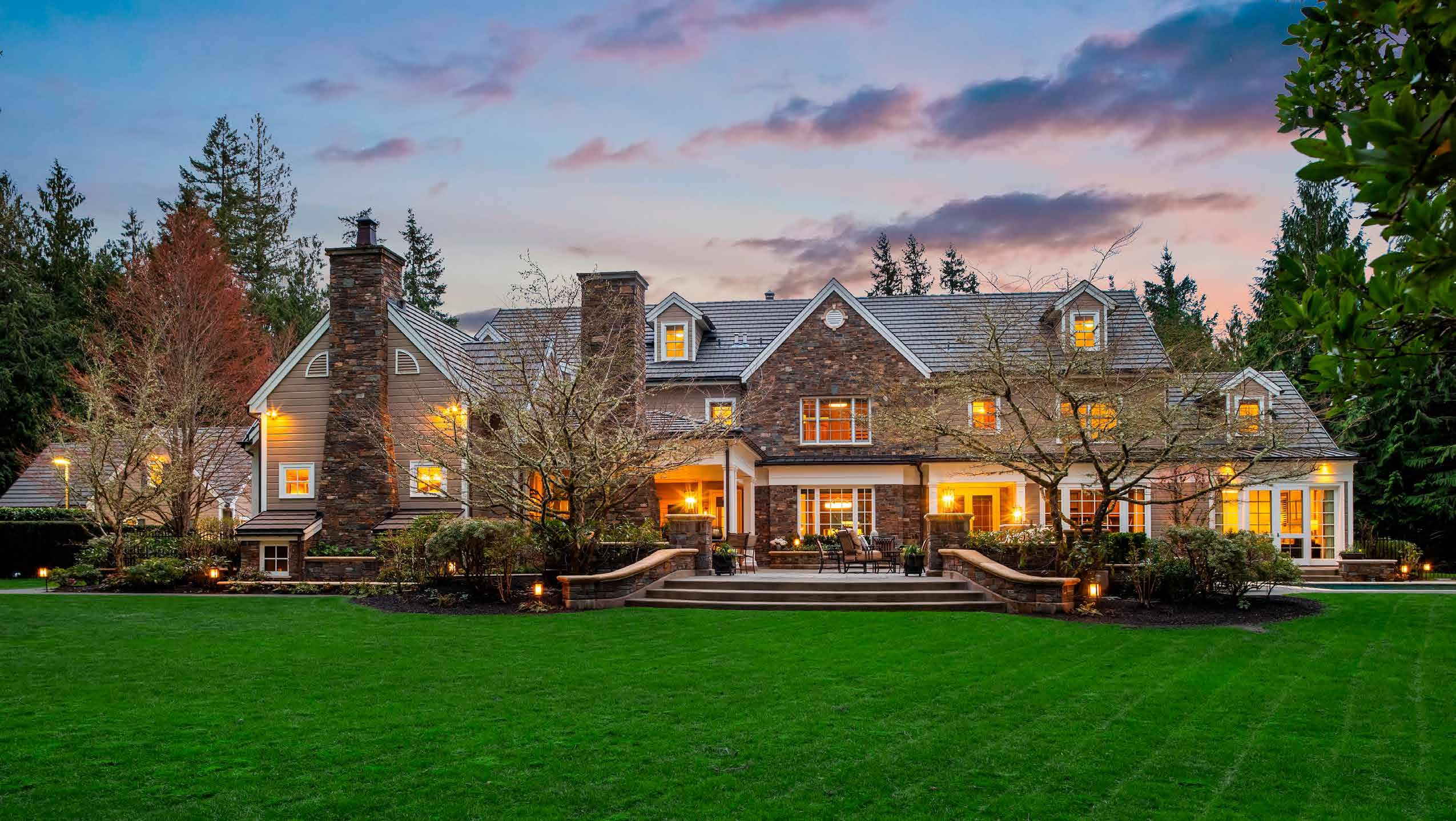
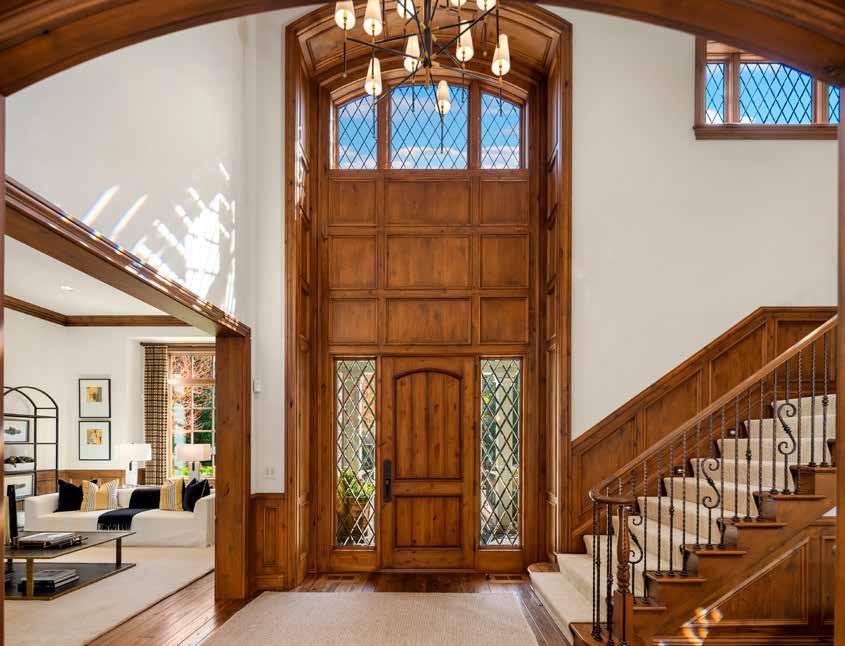
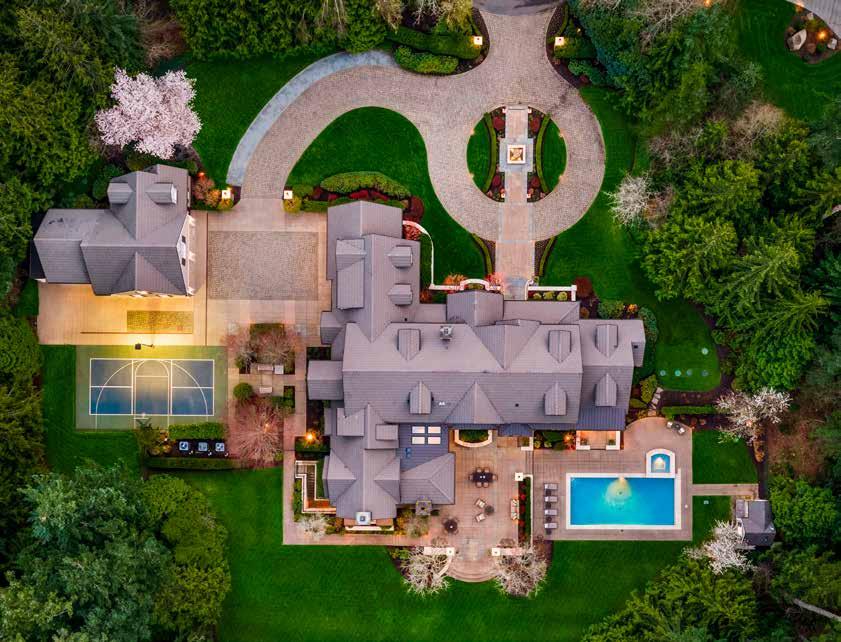
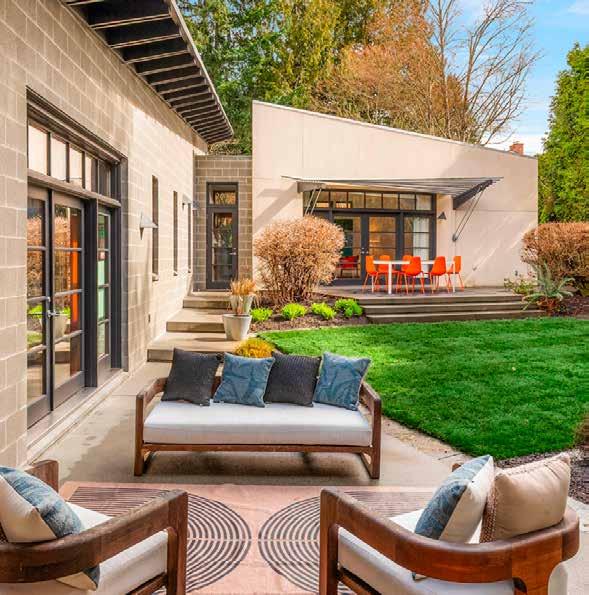
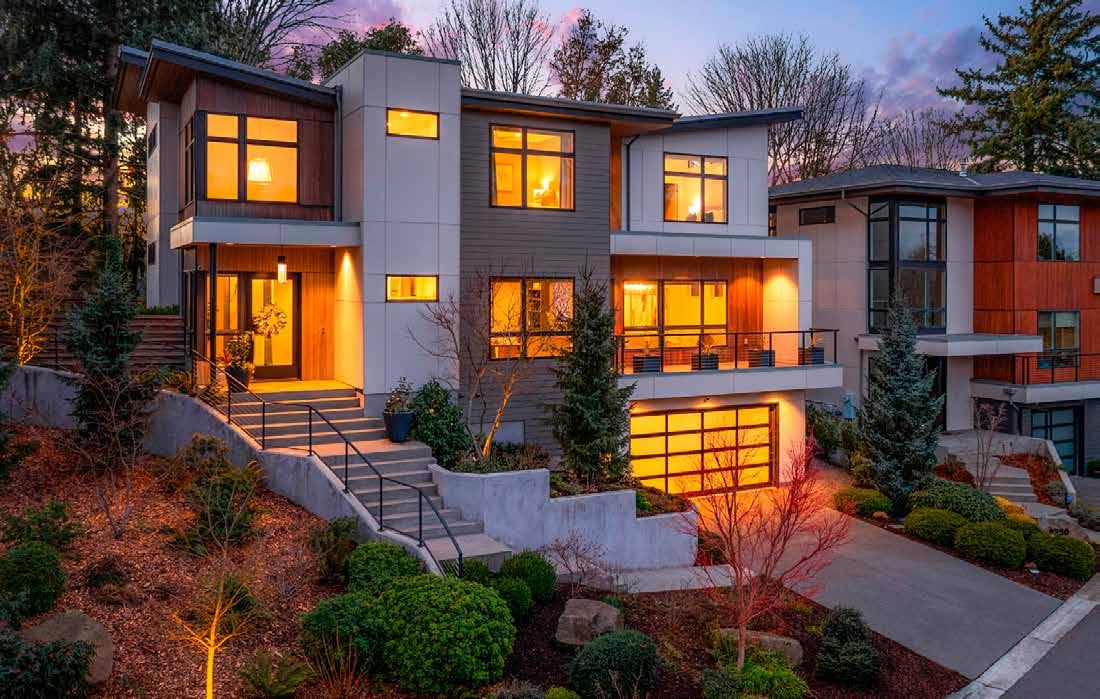
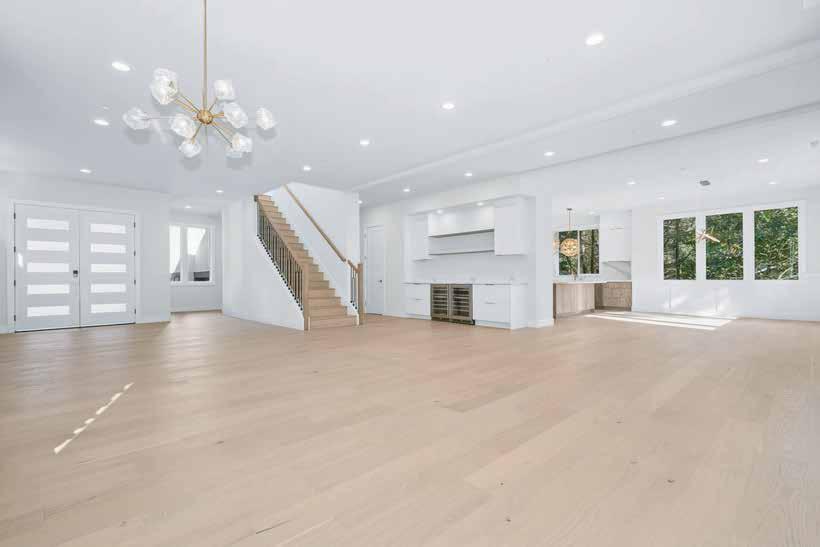
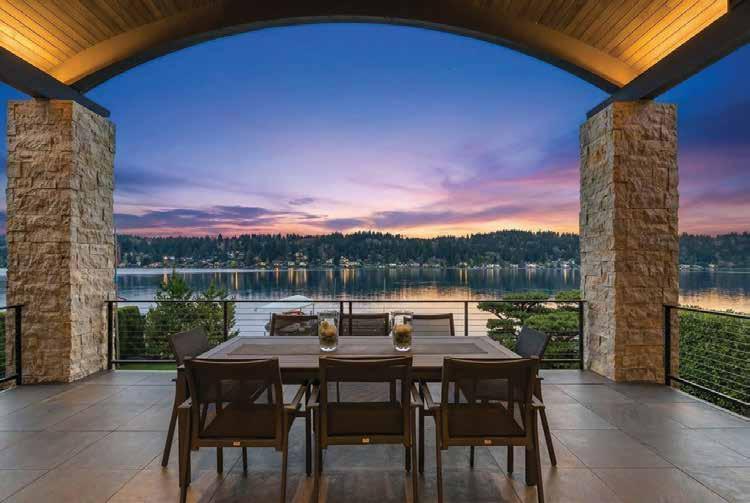
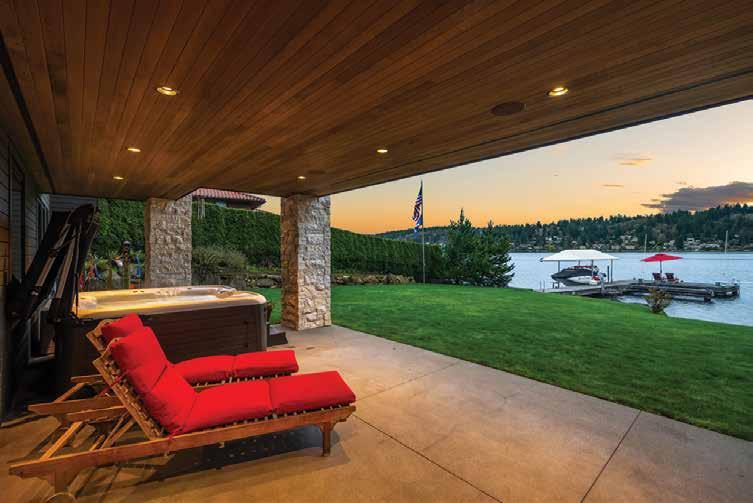
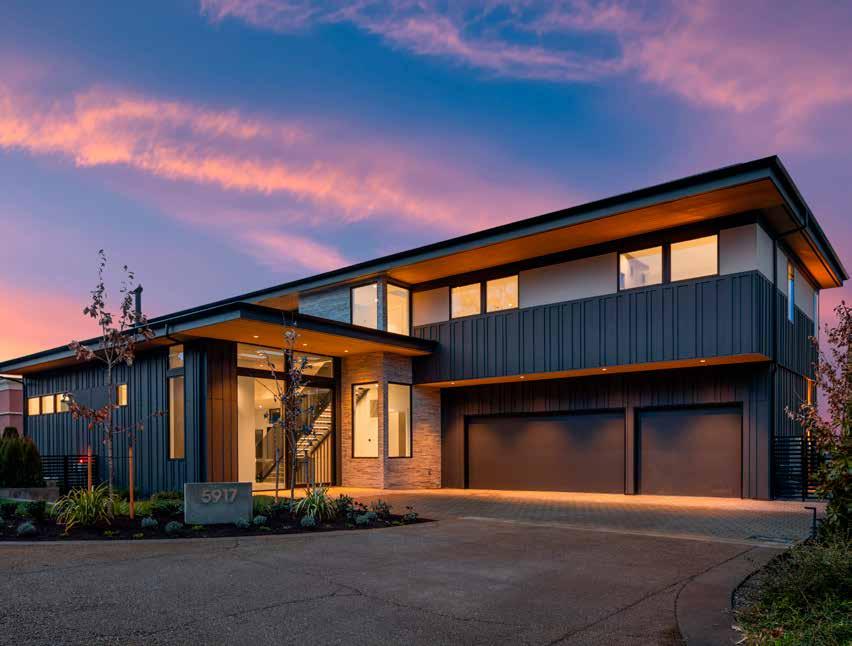
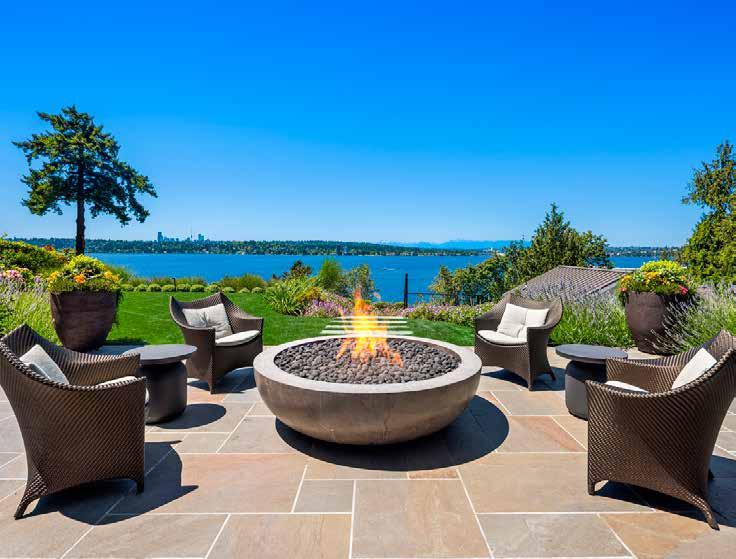
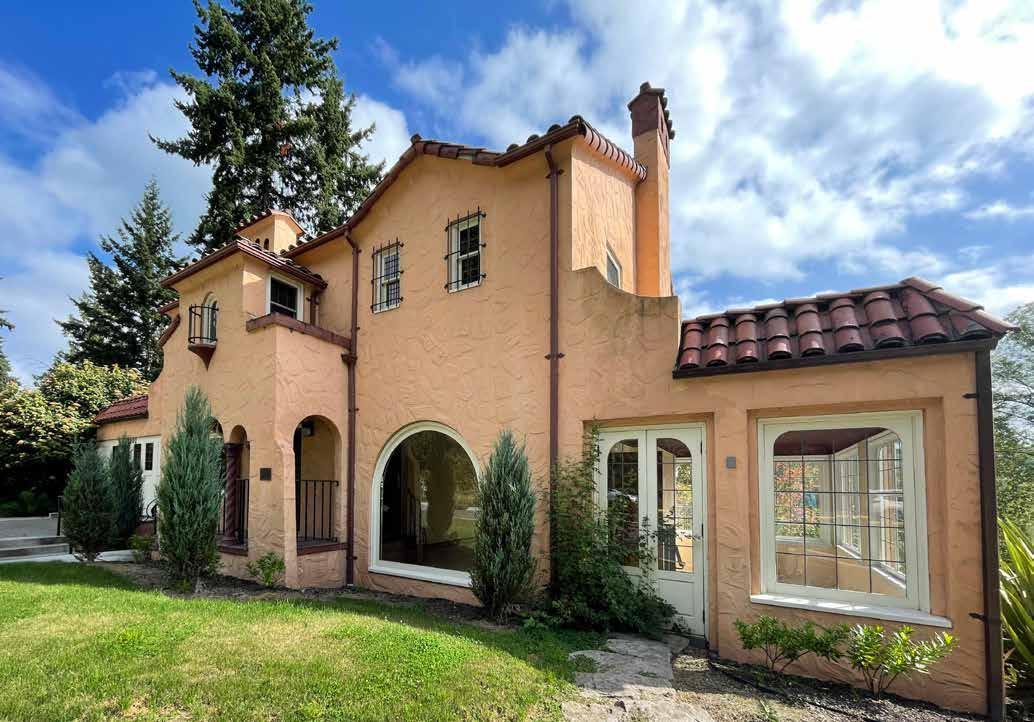
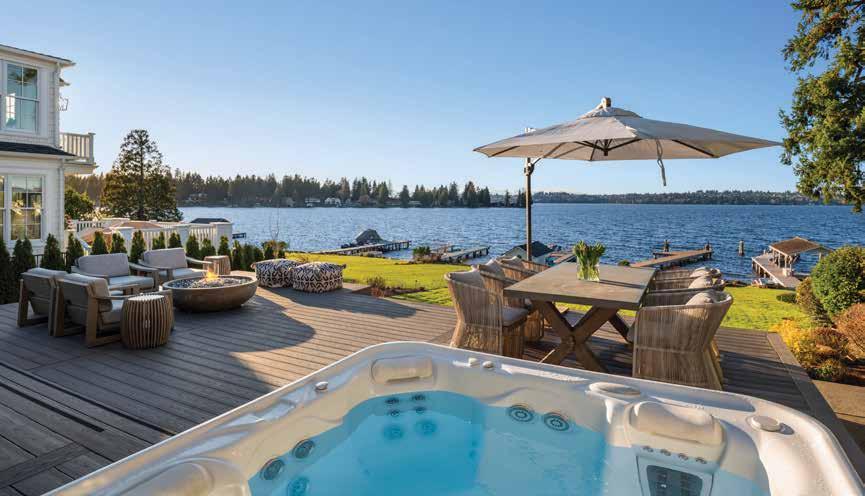
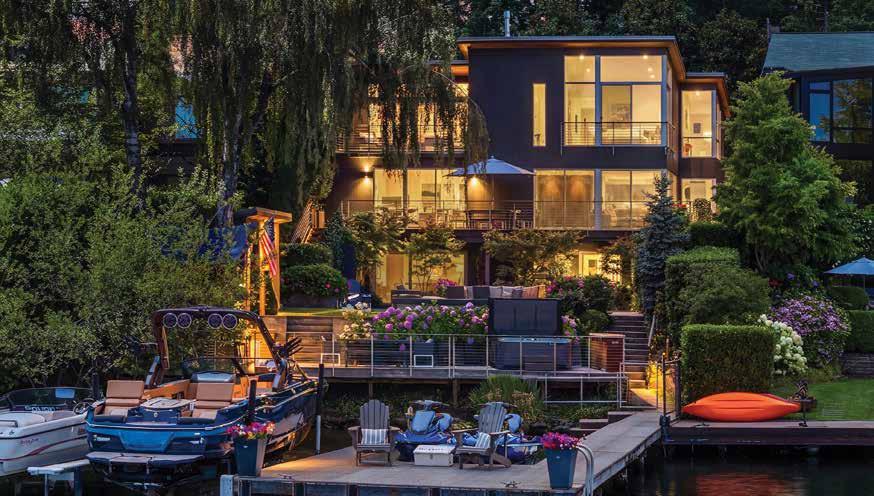
Gated and private on 2.14 acres within the Camden Park Estates community, this nearly 9,500 square foot home offers a rare balance of privacy, comfort, and thoughtfully reimagined modern living. Expansive interiors flow seamlessly to an outdoor living room with pool, spa, and sport court, creating a setting designed for both effortless daily living and elevated entertaining, just minutes from top-ranked public and private schools and everyday retail amenities.
2045 250TH PLACE NE, SAMMAMISH
Offered at $7,088,000
We invite you to experience this exceptional estate through a private showing.
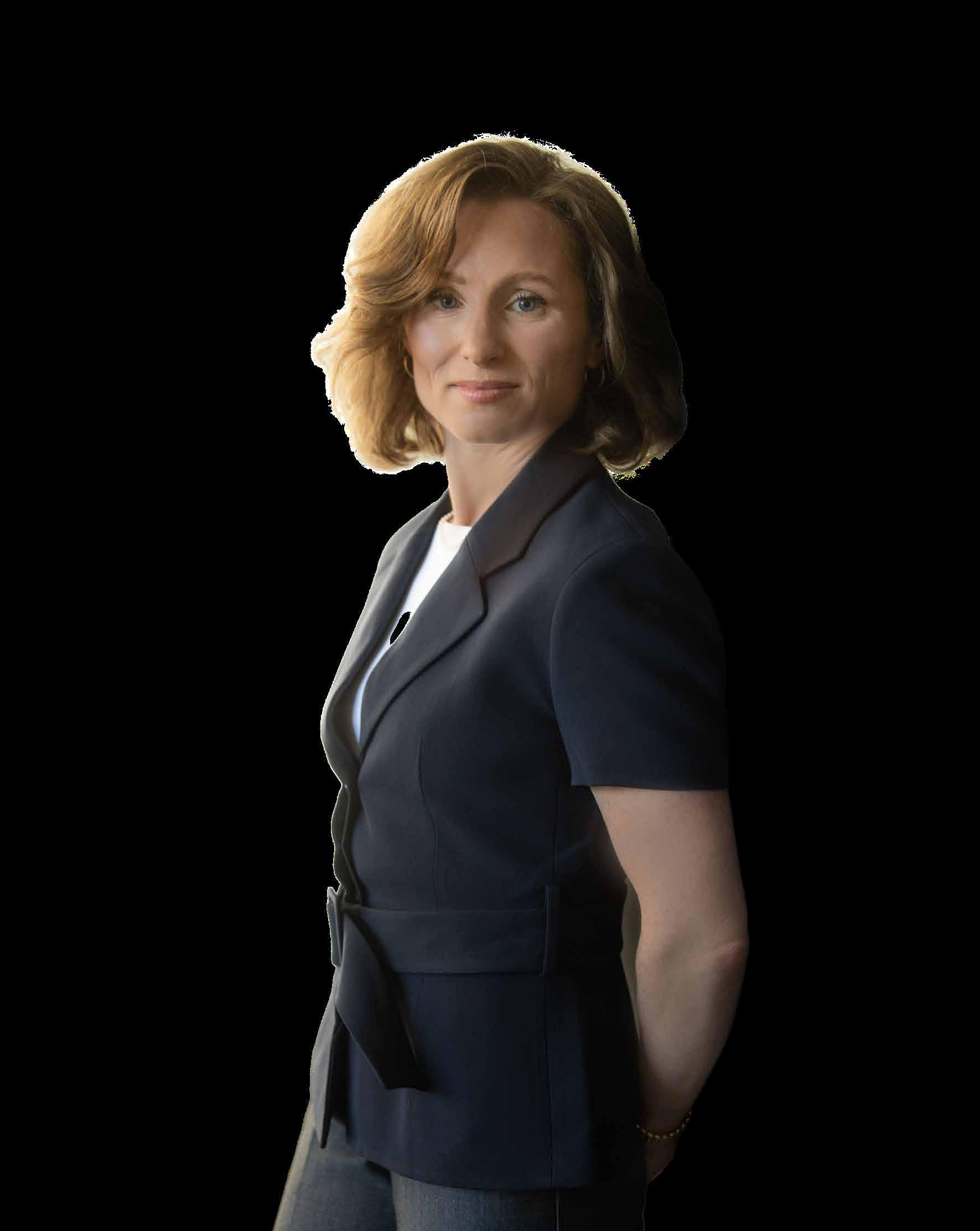
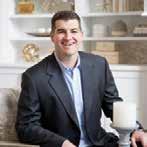
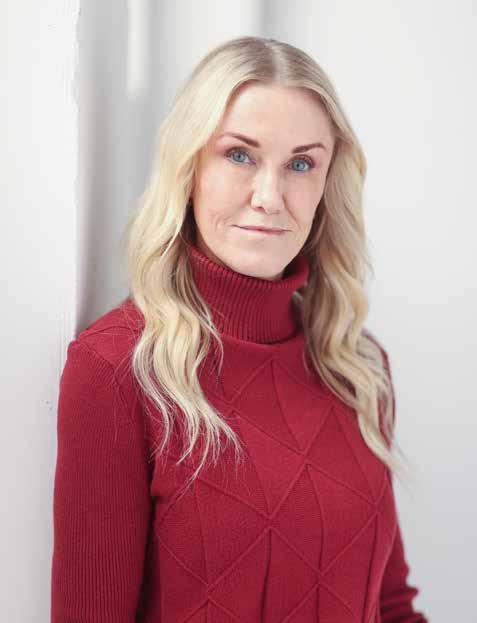
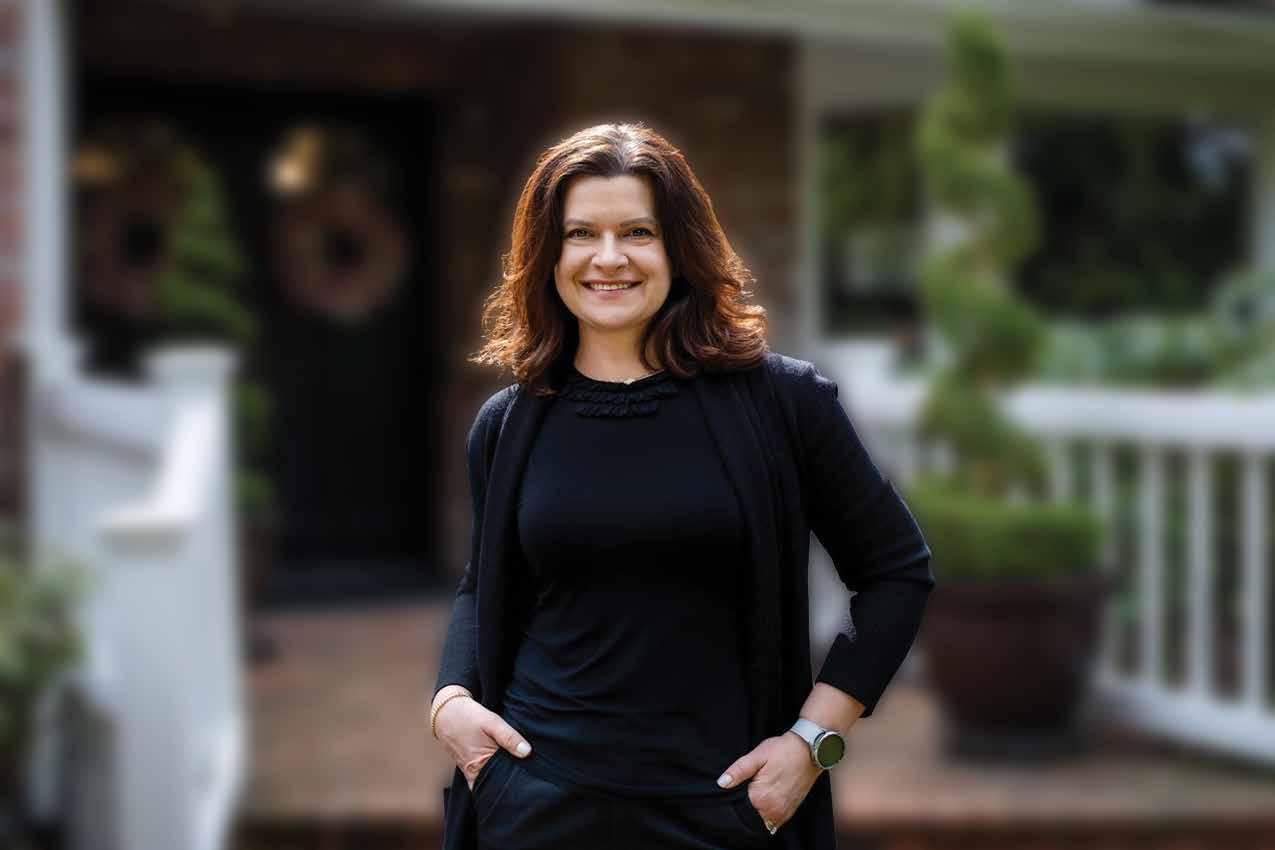
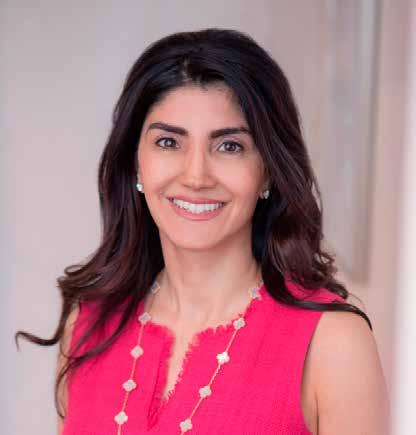
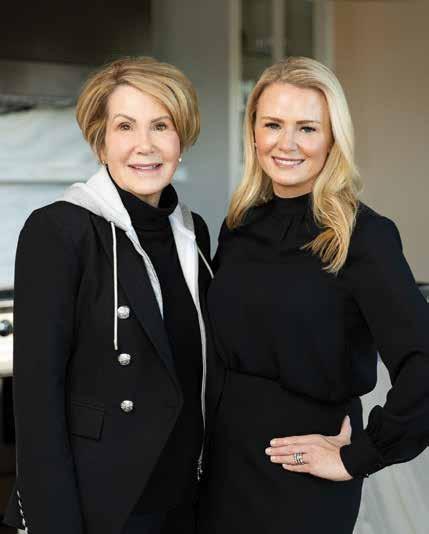
JEN CAMERON Managing Broker | Owner
425.305.9400 Jen.Cameron@TheAgencyRE.com
PARTIES-TO-GO-GO
LET US HELP YOU THROW A WOW-WORTHY GRADUATION PARTY. WE’LL DO THE WORK. YOU TAKE THE CREDIT.
Plan a party for your grad without spiraling into a stress cycle. Skip all the prep and the comparison to whichever influencer is throwing the perfect party on your feed at the moment and call in the pros.
The Club’s Parties-to-Go packages provide delicious, lovingly made and picture-perfect spreads you’ll be proud to take the credit for. Be it an afternoon tea, a backyard barbeque or a fancy picnic, just pick your vibe and press go.
THE DETAILS
• Order at least 72-hours prior to your event on the app or member site.
• Prices are based on parties of 6.
• Sales tax will be added at checkout.
• Pick up at your designated time at the Market.
THE PAIN TRAIN
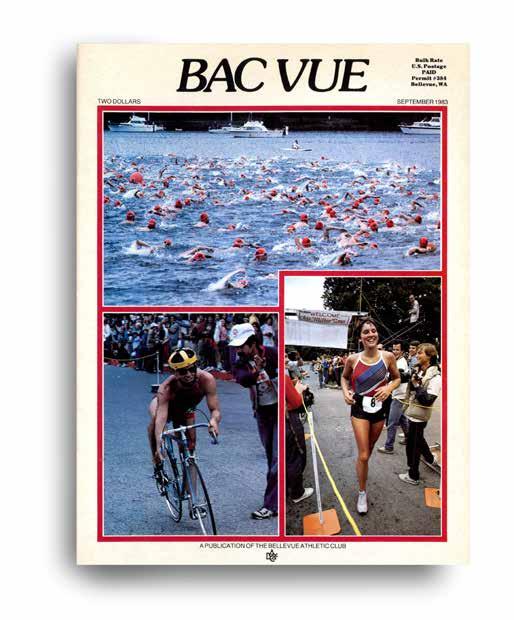
Before Lycra became a lifestyle, some athletes at the (then-named) Bellevue Athletic Club were doing something that had never been done before: training for triathlons together, with coaches, structure and serious intent.
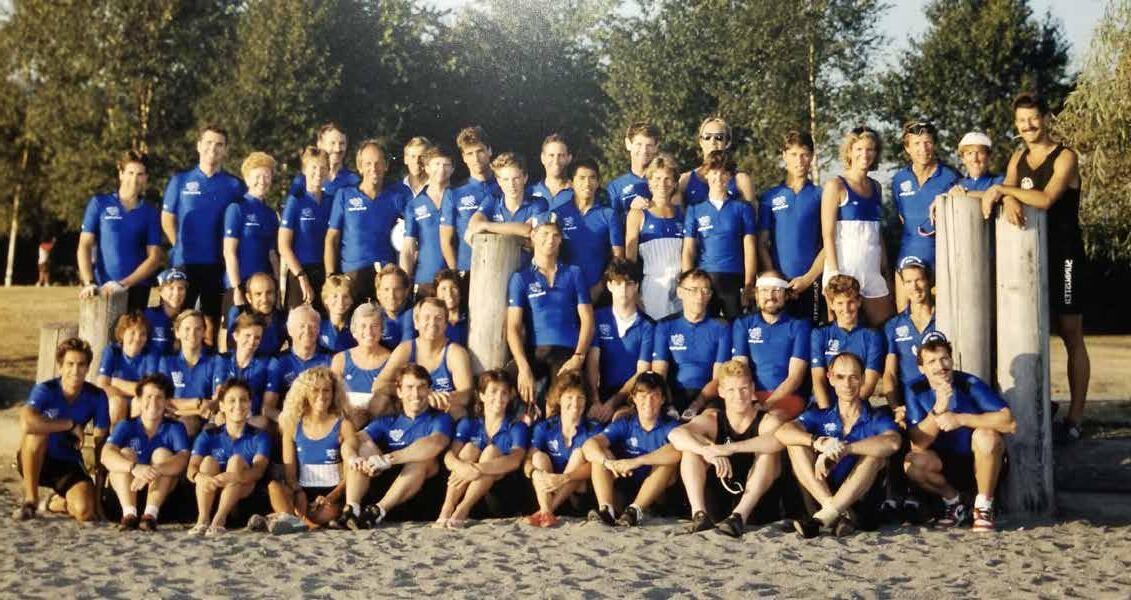
The United States in 1983 was deep in a fitness revolution. Jim Fixx had turned jogging into a national religion. Jane Fonda’s aerobics tapes were selling by the millions. And on the shores of Kona, in Hawaii, a still-obscure race called the Ironman triathlon was beginning to rewrite what endurance could mean. During this charged moment, BC member Steve Forsyth founded the BAC Tri Club: the first organized triathlon training club in the world.
The Tri Club was the first organized triathlon training club in the world. This May, they’re celebrating their 40th reunion.
The response among members was enthusiastic. Forsyth and other coaches, including Tom Dunning and Todd Starnes, put the team through grueling interval sets, weekend rides up Novelty Hill, intensive track workouts at the Bellevue High track, before landing in the Club’s hot tub to relive every hill, every pull, every breakaway in competitive detail.
The results were very impressive almost immediately. Juli Harrison Brenning reached No. 1 in the world in the Bud Short Course Pro Series. Her sister Nancy Harrison Hill broke into the global top 10 at the Ironman World Championships throughout the 1980s (and won the New Zealand Ironman in 1988). By 1984, the Club had captured 55 percent of Seafair Triathlon trophies and 42 percent at the Bellevue Triathlon—a nationalcaliber event Forsyth created specifically to raise the level of competition in the Pacific Northwest.
On May 13, 2026, many of those same coaches and athletes will return to Bellevue Club for a daylong reunion—breakfast at Splash followed by a group workout that includes a swim, a cycle and a run, ending with a nostalgiafilled reception at Polaris, with a recap from the coaches, a slideshow and an open mic for those with stories to tell. RSVP morrowmikelj@gmail.com to attend.
W hisperer THE COLLEGE
graduate with a background in education, economics and geography, she brings both the credentials and the lived experience that resonate particularly well with families navigating the competitive world of college admissions.
MIRELLE EDUCATION
FOUNDER ROSY ZHONG KNOWS WHAT COLLEGE ADMISSIONS OFFICERS ARE REALLY LOOKING FOR. HINT: IT GOES WAY BEYOND A GOOD GPA.
Rosy Zhong arrived in the United States in sixth grade from China, speaking no English. Math, she says, was the one subject that didn’t require words, and it became her lifeline.
By eighth grade, a teacher asked her to peer tutor a struggling classmate. The request surprised her—but something unexpected happened. Her own grades climbed. Her confidence followed. She turned the experience into a student tutoring program and found her calling in the process.
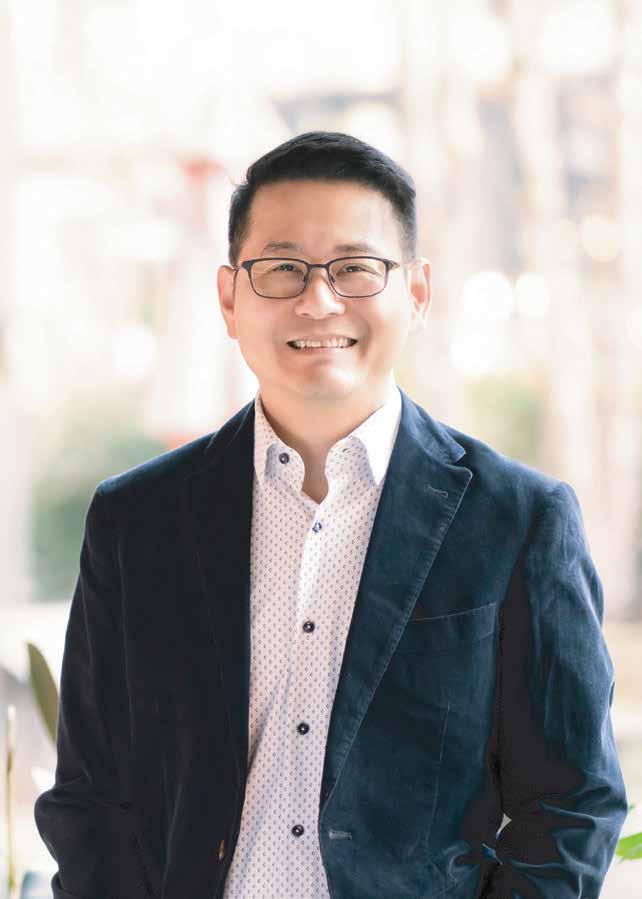
Today, Rosy runs Mirelle Education, a college mentorship in the Seattle area that has helped over 60 students get into their chosen school. As a Dartmouth
Her approach is strategic and specific. Grades and test scores, she’ll tell you, are baseline—every competitive applicant has them. What distinguishes a successful application is the essay, the extracurricular narrative and what she calls the passion project: a focused, meaningful pursuit that makes an application come alive. This is where Rosy shines. Her mentorship gives kids the tools to maximize their interests and identify that passion project.
She works with kids as early as sixth grade but recommends starting no later than tenth—by junior year, the runway gets short. An outstanding 97 percent of her clients are admitted to at least one of their top choice schools. The math, as always, checks out. mirelleeducation.com
Rosy will be speaking at the Club on May 14 from 6 to 7 p.m. in the Ballroom. Complimentary. Visit members.bellevueclub.com to register.
PERFORMANCE ROOTED
in Proven Execution
Your investment deserves more than a property manager. It deserves a team. Lori Gill & Associates brings together licensed brokers, leasing specialists, accounting professionals, and compliance experts all working together to keep your property leased, maintained, and consistently profitable. We don't just fill vacancies. We market your property strategically, screen tenants rigorously, and move faster than anyone else in the market to protect your bottom line. Locally owned and deeply rooted in the Greater Seattle area, we understand this
market in ways that national firms simply can't replicate. With three o ces in Bellevue, Seattle, and Mill Creek, we serve property owners across King and Snohomish counties with the kind of personalized, expert care that only a local company can o er. When you work with Lori Gill & Associates, you're not handing your investment to a faceless management company. You're gaining a trusted partner with decades of experience and a genuine stake in your success.
DAYS ON MARKET STATS (Avg.)
for homes leased over $10,000/mo. on the
ALL
SHOOK UP
THE HOW AND WHY OF WHOLE-BODY VIBRATION.
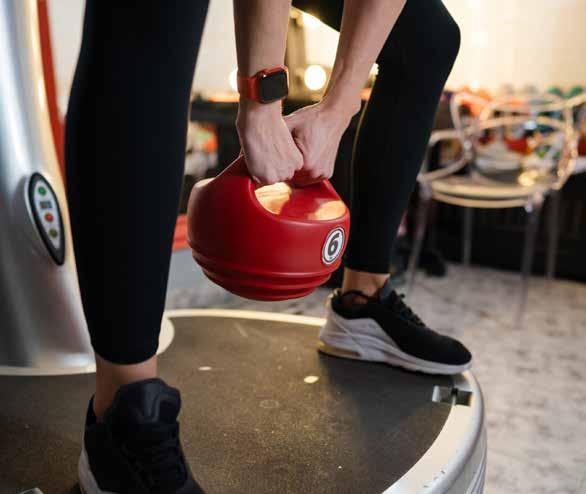
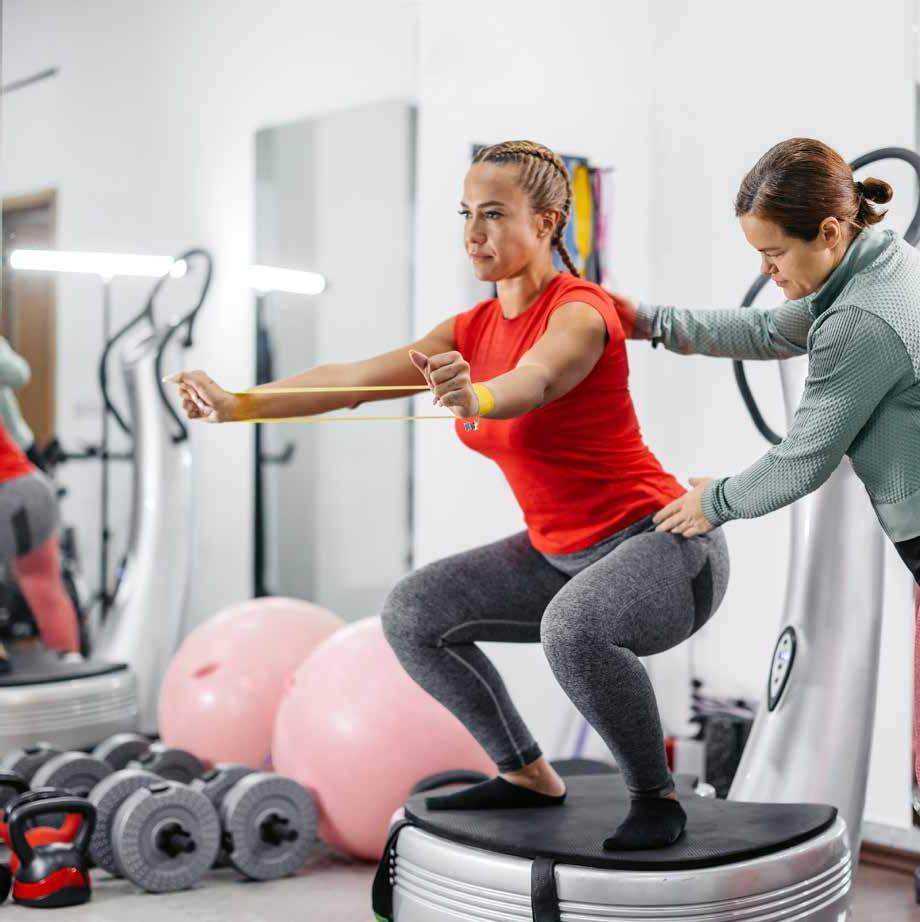
Stand on a vibration device, like the Power Plate in Studio 2, and something happens: Your muscles start contracting up to 50 times per second. You’re not doing it consciously, your body’s reflexive response to the vibration is doing it for you. And that’s the whole idea.
Whole-body vibration technology is older than you might expect. Swedish physician Gustav Zander was building therapeutic oscillation devices in the 1860s. In 1895 Dr. John Harvey Kellogg of Corn Flakes fame tinkered with it, too. In the 20th century, Soviet scientists used it to solve bone density and muscle mass loss in cosmonauts in zero gravity. Once the word got out, Russian sport scientists started applying it to elite athlete training.
What that means for your workout: The rapid muscle contractions triggered by the Power Plate engage more muscle fiber than conventional exercise, amplifying whatever you’re doing on it. Squats, lunges, stretches are all more effective on the plate than off. Research supports real benefits for circulation, flexibility, balance and bone density. Recovery after hard training is one of its strongest use cases.
“Clients always ask me what the Power Plate is good for, and it’s a hard question to answer because there are so many different uses depending on your specific goals and situation,” explains Club trainer Mary Worley. “It’s a great tool for movement preparation when starting your workout. The vibration can help wake up your nervous system and improve recruitment of smaller, stabilizing muscles ahead of lifting or balance work.”
Beyond that, says Mary, it’s great for certain types of chronic pain. “As someone who copes with chronic pain related to Ehlers-Danlos syndrome, I use the Power Plate as part of my pain management routine. The stimulus acts almost like a white noise machine for the pain receptors in the fascia and helps to organize and override other input. It can have similar benefits for people coping with peripheral neuropathy, Parkinson’s and other conditions that affect neuro-muscular messaging.”
The Power Plate won’t replace your strength training or cardio— but it will complement them. And as one of the more scientifically interesting pieces of equipment in the building—it earns its place on the floor.
Concierge Style Senior Care
SOMETHING BORROWED
SOMETHING NEW
Member Hannah Roze left fintech to fix the most chaotic planning experience of her life: her own wedding.
Wedding planning scrambled Hannah Roze’s brain—and she has the spreadsheets to prove it. A fintech veteran wired to spot gaps in outdated systems, she was shocked by the state of online wedding planning. “I was surrounded by brilliant systems and efficient tech in every other area of life,” she says, “yet my friends and I were still planning our weddings using clunky spreadsheets and outdated legacy sites.” After finishing her Technology Management MBA at the University of Washington in 2023, she decided to fix it.
Plannerd—a play on being a nerd for planning—is Hannah’s answer to make being organized “feel chic instead of a chore.” The site is a well-designed collaborative hub that replaces the multi-tab spreadsheet with a streamlined experience. “While legacy planning sites often feel like a sea of ads or still require couples to supplement with a disjointed spreadsheet, we focus on providing a comprehensive suite of planning tools that are truly collaborative and intuitive,” she explains.
Hannah leads a lean team of less than 10 employees and describes herself as a ProductFirst CEO—obsessed with the “why” behind every feature. The near-term focus is expanding AI tools to close the gap between a couple’s vision board and the actual logistics of pulling it off. The longer view is more ambitious: becoming the global standard for the wedding planning journey.
She grew up surrounded by family in Bellevue and now lives in Medina with her husband and daughter. A Bellevue Club member since 2024, Hannah says weekly workout sessions with MaryAnn and Jerry are deeply gratifying and essential. And building a tech-forward company in the community she grew up in, she says, is its own kind of reward. “There’s a specific energy here, and a commitment to innovation and intentionality, that really mirrors the core values of Plannerd.” plannerd.com
photo credit: sarah peterson photography
FOOD for THE SOUL
written by alison brownrigg
Two new beautiful cookbooks prove that we really do eat with our eyes.
The London Plane was a gorgeous café, bakery and flower shop that sat on the corner of Occidental Square in Pioneer Square like a beacon of chic between 2013 and 2022. Named for the species of tree planted around the square, the London Plane was where you went to surround yourself with beautifully thoughtful food, gifts, wine and a well-designed bouquet.
Owned and curated by the exceptionally good eye of Katherine Alberg Anderson, this shop was the heart of Pioneer Square for those 10 years, the kind of place where merely stepping through the threshold made you feel happier, cooler and a part of something special.
THE LONDON PLANE FLOWER & COOK BOOK
photo credit: london plane, belathee photography; canelle et vanille, aran goyoaga
Her newly released cookbook perfectly captures the essence of the spot. Katherine—with contributions from the many talented staff and collaborators she worked with—leads us month by month through the year with odes to in-season flora and many of the café’s best recipes (hello, Whiskey Rye Chocolate Chip Cookies).
Katherine comes by her love of the natural world honestly— she grew up tending her family’s farmland between Carnation and Duvall. In 2009 her father, the late Tom Alberg, donated the land to establish the nonprofit Oxbow Farm & Conservation Center. The London Plane bought produce and flowers from Oxbow and supported many other small farmers and producers during its run. thelondonplanecookbook.com
Leave it to professional chef, food stylist, cookbook author and photographer Aran Goyoaga to put the good, the gorgeous and the gimme-some-of-that into gluten-free baking.
Since launching her much-lauded blog, “Cannelle et Vanille” in 2008, this Basque-country expat turned Seattleite has been wowing the foodie world with her skillfully styled and beautifully photographed yummy gluten-free delights.
Her 2019 cookbook, “Cannelle et Vanille: Nourishing, GlutenFree Recipes for Every Meal and Mood,” was an instant hit, garnering nods from The New York Times, Bon Appetit and the James Beard Foundation. Aran’s second book, “Cannelle et Vanille Bakes Simple,” received similarly high praise, so it’s no surprise that her newest release, “The Art of Gluten-Free Bread,” released in September 2025, is already a bestseller on Amazon.
“The Art of Gluten-Free Bread” is a primer on alternative flours and how to use them—if you ever wondered what buckwheat flour is (a milled fruit seed) or what you can use to replace sorghum flour if you’re out (millet), this is the book for you. It has a recipe for any loaf, bun or pastry your carb-craving soul desires. The buzz online is that these recipes are so delicious, you won’t even miss the gluten. arangoyoaga.com
THE ART OF GLUTEN-FREE BREAD
Dog Days
Washington Getaways Where You —and Your Dog— Can Unwind
Traveling is one of life’s joys, but it can present problems for dog parents. Finding trusted care can be difficult, and the expense can really add up financially. It’s no surprise then that when Washington urbanites need a staycation, many opt to take their best four-legged friend with them, seeking out dogfriendly accommodations that are just a short road trip away.
There’s a whole range of options, and it can be hard to know which are worth the trip. Below, discover three one-of-a-kind destinations that are just a hop, skip and a jump from Bellevue, ready to warmly welcome you and your pooch.
written by nia martin
Seaside Charm
About a three-and-a-half-hour drive southwest of Bellevue, you’ll find the oldest hotel in Washington State. Built in 1885, the Tokeland Hotel lies near the coast on the Willapa Bay peninsula. Family owned and run by Heather Earnhardt and Zac Young of former Seattle restaurant the Wandering Goose, this beloved eatery now lives inside the historic hotel, serving delectable Southern fare and fresh seafood dishes.
And, while dogs are not allowed in the dining room, they can accompany you everywhere else including the hotel’s cozy-chic lobby while you lounge on an overstuffed Chesterfield leather couch enjoying sips and bites.
The refurbished hotel rooms have an antique vibe and don’t come with televisions or other distractions. Visiting the Tokeland offers a chance to unplug, rest and get outside together.
Spend some time with your favorite canine out on the grassy grounds, complete with picnic tables. Up for more of an adventure? From the property, access hikes that veer along the bay’s serene estuary or hop in the car and check out the surfing scene in Westport, about an hour up the coast. As for doggy room
The Tokeland Hotel
service, you’ll find a kit with pet towels and homemade dog biscuits to ensure a comfy stay for your pooch.
Though remote, veterinary services are less than a 30-minute drive away in Raymond—should your dog require medical attention during your stay. tokelandhotel.com
hotel photo by douglas robichaudtin
Island Time
Taking a trip off the mainland is the ultimate Washington getaway. Saltwater Farm, a small retreat on San Juan Island about one mile from the ferry dock in Friday Harbor, is outfitted with a handful of guesthouses and suites, plus farm animals.
You’ll need to take the ferry, and trips to the islands can book up fast, so be sure to get an early jump on reservations. Once you arrive, your dog will be greeted with a kit of their own with paw towels, dog treats, a bowl and dog bed. As for the humans? Each light-filled accommodation has a kitchenette, heated floors in the bathroom, outdoor deck and highspeed internet.
Saltwater Farm has been owned and operated by couple Merriss Waters and Andrew Fleming since their family moved to the island in 2016 after relocating from Seattle. Waters is a veterinarian by trade, which informs the venue’s warm welcome of canine guests. Dog safety is top of mind, and staff are ready to assist should your dog have an emergency during your stay.
Two- and four-legged guests can take in the fresh island air and tranquil farm setting, or head out on an adventure at nearby Eddie & Friends Dog Park or Jackson Beach. Dog-friendly restaurants in town include San Juan Island Brewing, Downriggers and Lime Kiln Café.
Thinking of getting hitched? Saltwater is also a wedding venue, and some of the team’s favorite memories are of dogs included in ceremonies and other meaningful moments. saltwaterfarmsji.com
Valley Refuge
Camping—but make it modern! That’s the idea behind Rolling Huts, located in the Methow Valley. Designed by Tom Kundig of Seattle-based Olson Kundig Architects, the six minimalist shelters made of steel, plywood, cork and glass contain a sleeping platform (bedding not provided), kitchenette, serveware, fireplace, picnic table, deck, outdoor water faucet and portable toilet. Full showers and bathrooms are situated just a short walk away in the barn, where there’s also a communal sauna.
Though the accommodations are spartan, this destination is a dog paradise, as the six huts, farmhouse, and 15 bunkhouses are all pet-friendly. Additionally, dogs can sniff and romp around the large grassy areas of the property, which is equipped with dog waste stations and bags. Should you need them, two veterinary clinics are 10 miles away in the town of Winthrop.
As a visitor, you’ll want to make the most of your destination and get out and about with your dog to explore the many trails and outdoor activities situated within the stunning valley. Lace and leash up for a scenic hike, or bring your mountain bike and helmet and hit the trails together that way. You can also grab your tackle box and keep each other company while you fish at Patterson Lake, or stay out late and do some stargazing. Whatever you choose, it’s sure to be an unforgettable trip for you both. rollinghuts.com
TAKE IT OUTSIDE
WEall know the health benefits of spending time outdoors, but let’s recap. Exposure to green spaces lowers cortisol levels and reduces blood pressure and heart rate. Fresh air and sunlight support serotonin production. Nature restores the brain’s ability to focus and concentrate by providing a break from overstimulation. Outdoor environments encourage movement, which helps kids maintain a healthy weight, strengthens muscles and bones and reduces the risk of chronic diseases. Why with all these known health benefits do we continue to stay inside?
As a busy mom with two active kids, it all clicked for me once I stopped perceiving time outside as a check mark on my to-do list and reframed it as a natural activity woven throughout my day.
written by lisette wolter-mckinley
HEALTHIER HABITS BEGIN OUTDOORS—AND IT’S EASIER THAN YOU THINK.
One tool my family and I use to spend more time outside is the 1,000 Hours Outside Challenge created by Ginny Yurich (1000hoursoutside.com).
After Ginny, a mother of five, learned that the average American child spends roughly 1,200 hours a year in front of screens, she set out to encourage families to rebalance that equation.
The challenge is simple: track your hours outside with a goal of reaching 1,000 hours in a year—roughly three hours a day. That may sound daunting, but we’re aiming for consistency, not perfection. Here are a few ideas that have worked for me and my family.
INVEST IN PROPER GEAR
As the Nordic saying goes “there is no such thing as bad weather, only bad gear.” Translation: With the right clothing, the outdoors is always open for business. Cozy boots, wool socks, waterproof jackets, comfy base layers and rain pants make it easy to embrace whatever Mother Nature has planned. When everyone is warm and dry, there’s a lot less groaning about heading outside—even if the forecast calls for rain.
FIND A BUDDY
Pair up with a friend whose children get along with yours and schedule regular play dates at the park. Research shows outdoor time skyrockets when social connection is involved, and parents benefit from the added adult time as much as kids enjoy the play.
BABY STEPS
Small changes lead to lasting habits. Replace one short car trip with a walk—whether that’s to school, your favorite bookstore or a nearby park. If this seems like a punishment for little ones, set a timer and slowly build by ten-minute increments so outside time is not vague or endless. Boredom is okay—it often leads to creativity.
INCENTIVIZE WHEN NEEDED
For children who resist outdoor time, a simple incentive can help. Set a shared goal—80 hours outside in a month—and reward it with something they’ve been hoping for. Over time, the intrinsic rewards of being outdoors often take over.
GET CREATIVE
Opportunities abound outdoors, but sometimes it’s hard to remember them in the moment. Scavenger hunts, rock collections, geocaching and sidewalk chalk can transform familiar places. Older children can take on outdoor responsibilities like walking the dog, watering plants or mowing the lawn. Keep outdoor toys in plain sight to encourage more independent outdoor play.
OUTSIDE FIRST
Rather than rushing home to the couch after school, greet your kiddos with their favorite portable snacks and head to the park. Fresh air will do wonders after a day cooped up in the classroom and having snacks in hand will make you feel like a rock-star. Parks encourage children to socialize, even those introverts who tend to stick to themselves. When children spend unstructured time outside it improves their focus, creates stronger bodies and helps the body produce vitamin D. Once you are home, reward the outdoor time with screen time for balance
PLAN OUTDOOR TRIPS
Consistency is key in creating a life where outside is part of your routine, however, there is nothing that says most of your outdoor time can’t be logged on the weekends or during vacations. Hit the slopes, plan a beach trip or go camping and you will easily log double-digit hours as a family.
OUTDOOR - FOCUSED DESTINATIONS
HOOD RIVER, OR
Lovingly known as the adventure capital of the Columbia River Gorge, Hood River appeals to all outdoor explorers. The newly renovated Lightwell Hotel (lightwellhotel. com), is the ideal home base in the heart of downtown. Along with a subterranean spa and soaking pools, the on-site adventure lounge helps guests plan hikes, water activities and guided experiences. Located close to child-friendly waterfall hikes like White River Falls State Park and Horsetail Falls, wineries and windsurfing, Lightwell is a retreat and launch point. After a day outside, enjoy oysters and cocktails at the hotel’s rooftop bar—Hood River’s only one—while your children play board games against a backdrop of river and mountain views. lightwellhotel.com
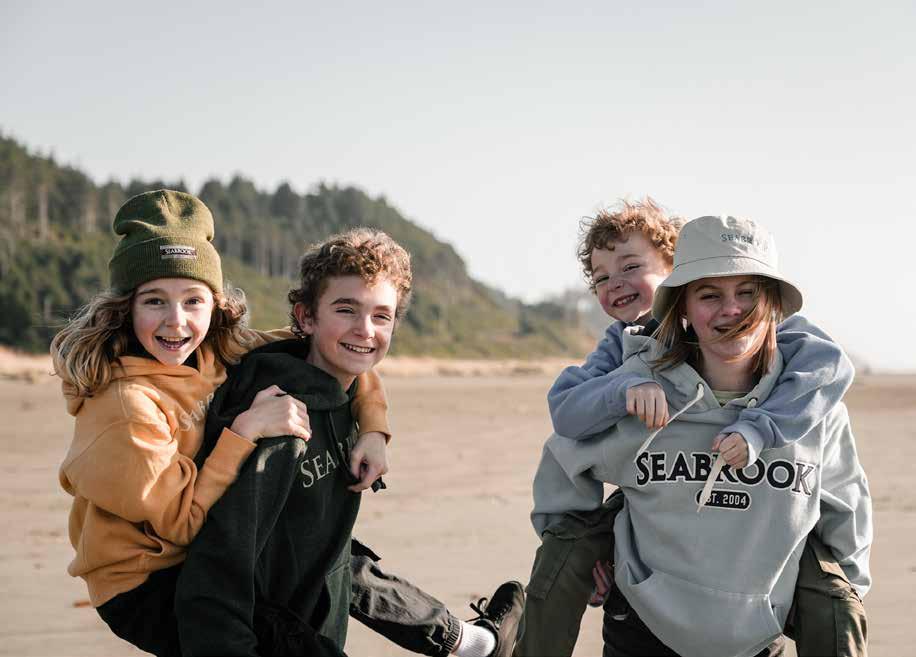
SEABROOK, WA
This vibrant beach town was founded in 2004 to model the charming hamlets along the Atlantic seaboard. With vacation home rentals of all sizes, Seabrook is the ideal place to get the whole family outdoors. Days are spent exploring miles of beach building sandcastles, shell hunting, horseback riding, surfing and skimboarding. The little village has restaurants with outdoor seating, a fabulous toy store and a bookstore with a great kid’s section. Wooded areas are perfect for hide and seek and fairy house spotting (yes, really). There are trails for biking, parks and playgrounds, sports courts and two community pools. Evenings revolve around hot tubs, firepits and stargazing, and perks like a private chef, pre-stocked refrigerator and indulgent in-home wine tasting are readily available. seabrookwa.com
photo provided by seabrook
POWER MOVE
ADDING EXPLOSIVITY TO STRENGTH TRAINING HAS LONG-TERM PERKS
written by kristen fischer
WHILE strength training is a must for healthy muscles, adding power to the process— using more vigorous force in exercises, also known as power training—may better protect your health and mobility as you age.
Power training can boost functional capacity and lower your risk of falls. If you lose your footing, having the muscle power to recover could literally save your life. Incorporating power training alongside strength training may also curb hospitalizations, according to a 2024 report in The Journal of Nutrition, Health and Aging.
Overall, power training plays a key role in bolstering your quality of life and helps you maintain independence as you age, says Peter Ronai, an exercise physiologist and clinical professor of exercise science at Sacred Heart University in Connecticut.
UNDERSTANDING POWER TRAINING
Strength and power are related yet distinct, Ronai explains. Strength is the maximum weight or tension a muscle can produce, while power reflects how much force you can generate over a given period of time. Power training is not simply about moving faster.
During power training, the lifting or pulling phase of a movement—such as raising a dumbbell during a bicep curl—is performed more quickly and forcefully, while the lowering (eccentric) phase is done more slowly and with control. This approach emphasizes fast-twitch muscle fibers, which are responsible for generating force.
Muscle power may be a better predictor of mortality than strength alone in middle-aged and older adults, according to a 2025 report in Mayo Clinic Proceedings. Unfortunately, muscle power tends to decline faster than strength with age, making targeted training especially important.
THE FUNCTIONAL SIDE OF POWER TRAINING
Power training often includes functional movements that replicate everyday activities. For example, lifting a load from low to high mirrors the motion of lifting a bag of groceries from the floor to your countertop.
Other movements, such as faster squats, mimic the ability to stand up quickly from a seated position. This could help you sit up more quickly as you get older, while other folks may rise more slowly with age, Ronai says. That said, any strength training movement you do can keep you moving more quickly, even if it doesn’t necessarily look like daily movements.
Like other forms of exercise, power training can be social. Participating in group-based workouts may help older adults form relationships and combat loneliness.
PERSONALIZING POWER TRAINING
You can introduce power training by amping up your existing strength routine with more forceful, fast movements. Personal trainers and physical therapists provide guidance to ensure that you’re doing the right moves properly for your individual needs.
If you use a fitness pro to guide you in power training, they may use specific assessments to determine your baseline power and track progress. One example, Ronai says, is the gallonjug shelf transfer test, which involves moving five one-gallon jugs from a shelf at knee height to a shelf at shoulder height as fast as you can while maintaining proper posture. This test requires power to hoist the items, so it’s a good indicator of upper-body power. You can retest yourself after a few weeks of training to see how you improve.
Another common assessment is the 30-second chair stand, which gauges how many times you can rise from a seated position and sit back down again within 30 seconds. It’s another good test to do at baseline to see where you are and how you progress with training.
Because individuals often have varying levels of power across different muscle groups, a personalized evaluation can be especially valuable.
GETTING STARTED
If you’re trying power training on your own, start slowly and prioritize safety, Ronai advises. Don’t go so fast that you compromise proper balance and form. Begin with low-impact exercises, use a prop for balance if needed and consult with your doctor if you have health concerns.
Basic movements like step-ups, sit-to-stands or light resistance-band rows performed with controlled technique are good starting points. Try exercises that engage multiple muscle groups—such as squats, leg presses or chest presses. Once you feel stable doing the movement, you can add speed during the lifting or upward phase of the movement.
THE AMERICAN COUNCIL ON EXERCISE SUGGESTS SEVERAL POWER-FOCUSED EXERCISES:
BUG STOMPS: Stand upright and step one foot out forcefully, as if you’re stomping on a bug. Return to the starting position, and repeat with the other leg. You can put your stomping foot in different directions, as long as the weight shifts to your stomping foot.
POWER LUNGES: Designed for individuals with moderate to high power levels, this movement involves stepping into a full lunge, pushing off the lead foot and returning to the starting position.
RED LIGHT, GREEN LIGHT: This exercise is ideal for all levels and smacks of elementary school. Find an open spot with room to move. Run forward on a “green light” and stop suddenly on a “red light.”
UP AND GO: Sit in a chair, leaning slightly forward. On a signal, stand up and walk quickly forward.
FOR THE RECORD
Dr. Julia McLawsen has spent her career at the intersection of psychology and the law. She’s here to tell you it looks nothing like what you’ve seen on TV.
written by alison brownrigg • photography by jim garner
Somewhere between “CSI” and “Criminal Minds,” the word “forensic psychologist” got hijacked. It now conjures a very specific image of a brilliant savant with preternatural instincts, moving through a crime scene, reading a killer’s psychology from the arrangement of throw pillows. The reality—which Dr. Julia McLawsen has been navigating for the better part of two decades—is at once less cinematic and considerably more interesting.
Julia is a forensic psychologist in private practice in the Seattle area and a member at Bellevue Club, where she “keeps her body tuned up so her brain can follow.” She is also the cofounder of FAST (Forensic Assessment Services Team), a decentralized forensic psychology practice she launched in late 2024 with her longtime friend and colleague Dr. Claire S. Ashbaugh. But before we get too far into it, there’s a more fundamental question worth settling immediately: What does a person mean when they use the word “forensic”?
“The word ‘forensic’ just means that a scientific discipline is being applied to legal decision-making,” Julia explains. “Forensic psychology is the science of psychology being used to inform legal outcomes. That’s it.” No crime scenes. No profiling. No gut feelings dressed up as expertise.
In a cultural moment when true crime dominates podcasts, Netflix, and a whole universe of amateur sleuths on Reddit, that clarification really matters. Let's debunk some more myths around forensic psychology.
MYTH: FORENSIC PSYCHOLOGISTS SOLVE CRIMES
Criminal profiling—the kind you see on television, where a psychologist strides into an FBI briefing room and describes an unknown suspect’s childhood trauma from a pattern of evidence—is its own discipline, rooted more in criminology than psychology. Julia doesn’t do that. She’s not an investigator. She doesn’t go to crime scenes. What she does is evaluate people who are already involved in the legal system—defendants, plaintiffs, litigants of all kinds—and translate psychological findings into evidence-driven opinions that help judges and juries make more informed decisions. Courts and attorneys provide records; she reviews them, conducts structured interviews and standardized testing, and produces a detailed written report.
“Every step of an evaluation has to stand up to intense scrutiny,” she says. “In Washington State that means the methods we use have to be generally accepted within the scientific community.” Think of it less like detective work and more like a high-stakes opinion that must survive extreme crossexamination. She uses an analogy: “Kind of like a pilot. I try to pay attention to my instruments more than my own personal reactions.” Intuition gets audited. The work is rigorous precisely because the stakes—people’s liberty, their families, their financial futures and their well-being—demand nothing less.
MYTH: FORENSIC PSYCHOLOGISTS ARE HIRED GUNS FOR ONE SIDE
This one has some basis in reality, which is part of what makes it worth addressing. There are forensic psychologists who have developed reputations for reliably favoring whoever retained them. Those reputations, Julia notes, tend to abbreviate careers. Attorneys and judges notice.
To avoid this, Julia has a screening process. When an attorney first contacts her about a case, she asks directly: If the evaluation yields results that aren’t favorable to your client, how would you feel about that? “Almost all the attorneys I speak to say: That’s exactly why we’re hiring you. We want somebody who’s going to be straight with us.” On very rare occasions, if an attorney signals something different, Julia’s response is simple: “Then I’m probably not the psychologist you’re looking for.”
“My only allegiance is to my methods and the opinions those methods produce.”
Julia is sometimes retained by both sides as a stipulated expert—meaning plaintiff and defense agree in advance to abide by her findings, whatever they are. When results aren’t favorable to a litigant in a civil matter, an attorney can simply choose not to call her to testify. It’s more complicated in criminal law in Washington State as an expert with unfavorable findings can still be compelled to testify if called by the opposing side. Either way, her job is the same: provide a candid, unbiased opinion.
“
MY ONLY ALLEGIANCE IS TO MY METHODS AND THE OPINIONS THOSE METHODS PRODUCE.
“
WE ANSWER SPECIFIC QUESTIONS WITHIN THE PARAMETERS OF LEGAL STANDARDS. WE DON’T ISSUE VERDICTS.
MYTH: IT’S ALL EXTREME CASES
True crime traffics in extremes—the most lurid, the most baffling, the most morally complex. Julia’s caseload spans misdemeanor theft to multimillion-dollar civil suits. She does competency evaluations, personal injury evaluations for plaintiffs alleging psychological harm and reviews of whether a mental health provider’s treatment met the standard of care. The people she evaluates, she says, “come from all walks of life.”
There’s also far less courtroom drama than the genre suggests. Only 2 to 3 percent of criminal cases go to trial, and roughly 1 percent of civil cases. Even when a case does go to trial, a forensic psychologist isn’t guaranteed to testify. Julia estimates she ends up on the stand about once a year, when she “reluctantly puts on a suit,” she adds with a smile. Most of her work happens in reports and records review, in long focused blocks of time carved out to give individual cases her full attention.
MYTH: FORENSIC PSYCHOLOGISTS DECIDE GUILT OR INNOCENCE
Julia doesn’t decide outcomes. She answers specific questions—defined in statute, administrative code or case law—and provides opinions that help the judge or jury make a more informed decision. The responsibility for ultimate conclusions always rests with the court. Her ethical guidelines are explicit: Forensic psychologists are not to provide an ultimate opinion unless the trier of fact (like a judge) specifically asks them to do so. “We answer specific questions within the parameters of legal standards. We don’t issue verdicts.”
When results are genuinely ambiguous—and sometimes they are—she says so, outlining evidence for and against a conclusion and recommending the court weigh both. Occasionally a judge will ask what she thinks the legal conclusion should be. “And then I’ll give my opinion,” she says simply. “But that step requires the court to ask.”
THE WEIGHT OF THE REAL THING
Somewhere underneath all of this there is a human being doing a genuinely hard job. The people Julia evaluates are under enormous stress, being asked to discuss traumatic events and mental health crises with a stranger. She has to build rapport quickly, sometimes with people who don’t want to be there. Empathy isn’t in competition with objectivity in her view— it’s what makes the objectivity possible. “Somebody’s going to feel more comfortable if I’m able to come across as a human who truly does care about their well-being.”
That balance—rigorous and human at once—is also what motivated Julia and her cofounder to launch FAST. The problem is systemic: Many skilled forensic psychologists start their careers working for government agencies, then leave for private practice. In private practice, they thrive until they’re so in demand that they no longer have availability to accommodate the challenging timelines of public defense cases, leaving public defenders scrambling to find qualified evaluators. In Washington State, wait times for certain court-ordered evaluations—particularly for out-of-custody defendants—can extend to about a year, which can feel like an eon for someone sitting in legal jeopardy.
FAST’s solution is a deliberately decentralized practice model: a network of forensic psychologists with diverse specialties, collaborating on complex cases and maintaining a level of responsiveness and flexibility that traditional solo practices can’t match. Since opening in November 2024, the demand has been immediate—local public defenders have embraced the model, attorneys across a wide range of practice areas are referring colleagues, and the team continues to grow. “It’s solving a problem that needed to be solved,” Julia says. The work she does—meticulous, evidencedriven, unglamorous in the best possible way— continues to bear no resemblance to television. For the people whose legal futures depend on someone getting it right, that’s not a limitation. It’s the whole idea.
WAY OUT AND WORTH IT: CANADA’S GREATEST ESCAPES
written by amanda zurita
In a country characterized by vast distances and wild landscapes, Canada’s most awe-inspiring getaways reward those who venture far from the beaten path.
Two properties are especially worth the journey: Fogo Island Inn in Newfoundland and Labrador, and Clayoquot Wilderness Lodge on Vancouver Island, British Columbia. As Canada’s only Michelin Three Key hotels, they’ve both been recognized for impressive architecture and worldclass service, but it’s the intangible atmosphere and devout commitment to hospitality that make them worthy of the award. Set on opposite ends of the country, these properties are expressions of their environments, redefining luxury, community consciousness and environmental design to deliver unforgettable stays.
FOGO ISLAND INN,
Newfoundland and Labrador
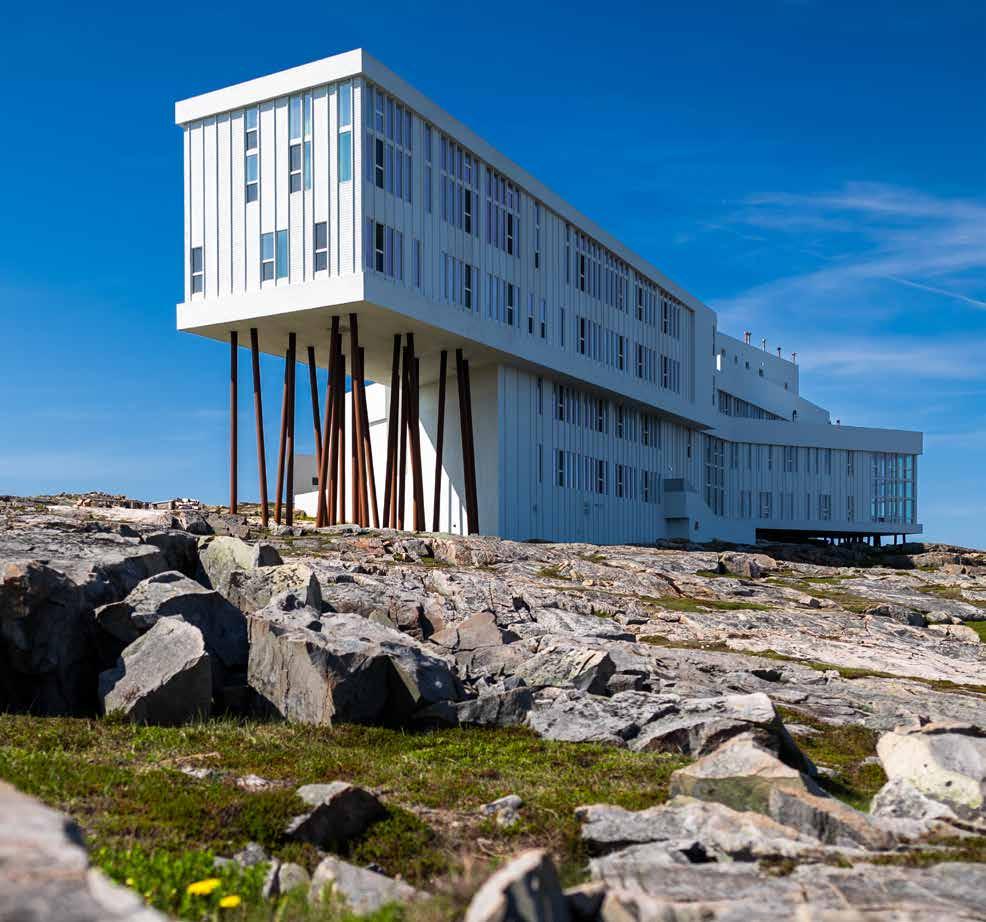
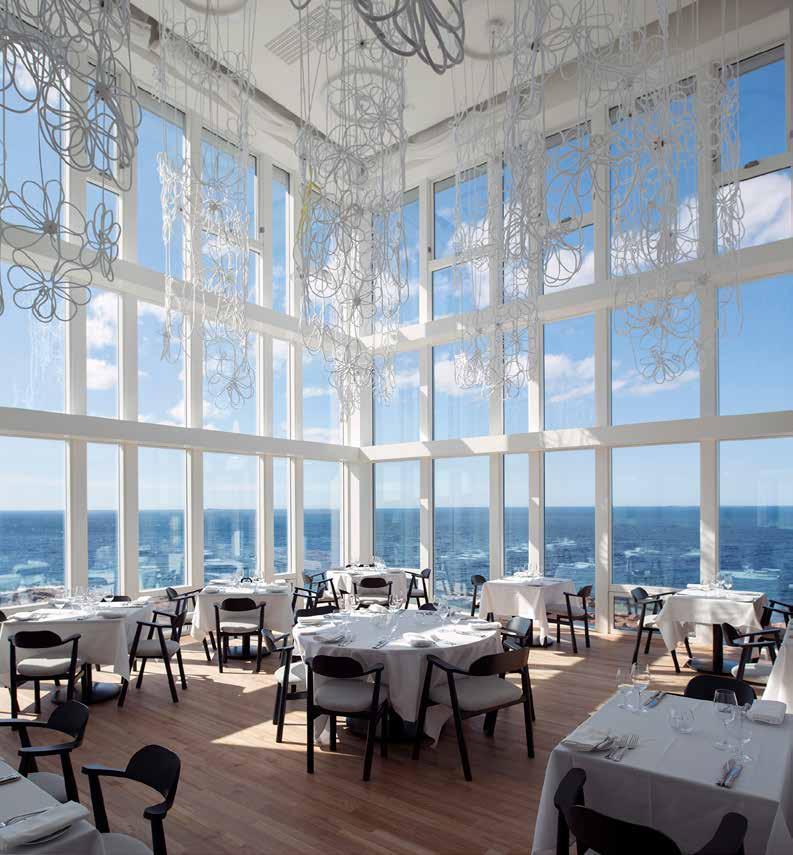
To reach Fogo Island is no easy feat. A flight or two (or three) will take you to Gander in northeastern Newfoundland, followed by an hour drive and a 45-minute ferry to the island—which isn’t quite the northeasternmost point of Canada, but it’s certainly close. After such a long journey, your first view of Fogo Island Inn will seem otherworldly, even alien, as you take in the ship-like structure hovering above the shoreline on stilts. But the more you get to know this magical retreat, the more you’ll understand how perfectly, and intentionally, suited it is to the environment.
Designed by architect Todd Saunders, who hails from Gander, the inn is inspired by the traditional stilted fishing shacks that dot the island. For centuries, Fogo’s economy depended on the annual cod catch, an industry that thrived until overfishing in the 1960s led to its collapse. In the ’90s, the Canadian government declared a moratorium on cod fishing, further devastating the community and forcing families to move to the mainland in search of work.
photography by alex fradkin
After such a long journey to the ends of the earth, your first view of Fogo Island Inn will seem otherworldly, even alien, as you take in the ship-like structure hovering above the shoreline on stilts. "
Fogo Island Inn owner, Zita Cobb, was there for that implosion. As an eighth-generation Fogo Islander and daughter of a fisherman, Cobb grew up in a simple saltbox home and left the island at age 16 for university. After a successful tech career, she retired at 42 and drifted back to Fogo.
In the early 2000s, Cobb, along with her brothers, established Shorefast Foundation, a charitable enterprise focused on building economic and cultural resilience on Fogo by supporting artist residencies, historic restoration, microlending and the conservation of traditional crafts and skills like woodworking, quilting, boatbuilding, and food storage and preservation. Cobb dreamed up the inn to introduce her home to a new wave of visitors who help ensure the island’s future. After operating costs, all profits from the inn are reinvested in the community. Shorefast and the inn directly employ more than 300 islanders (the population is around 2,400), but nearly every local has felt the effect.
The 29 rooms are filled with brightly colored furniture built in a woodworking studio just up the road, while the handmade quilts are embroidered with the name of the local quilter and the year they were sewn. Even the bespoke wallpaper is a nod to the island’s heritage where wallpaper initially became popular as a protective layer in the drafty, uninsulated houses. As building techniques improved, wallpaper remained fashionable as decor. Shower tiles are
etched with the lyrics of “Wadham’s Song,” an old sea shanty about Fogo Island’s treacherous shoreline. Every room faces the Atlantic, the dramatic coast framed by floor-to-ceiling windows. Binoculars are provided so you can whale-watch from your rocking chair.
The inn’s executive chef, Timothy Charles, creates innovative menus showcasing the island’s seasonal bounty, including cloudberries and hand-lined cod. At least 80 percent of ingredients are fished, farmed, hunted or harvested from the province. A stay at the inn includes all meals and nonalcoholic beverages, and guests are encouraged to eat at select restaurants on the island where the inn will pick up the tab.
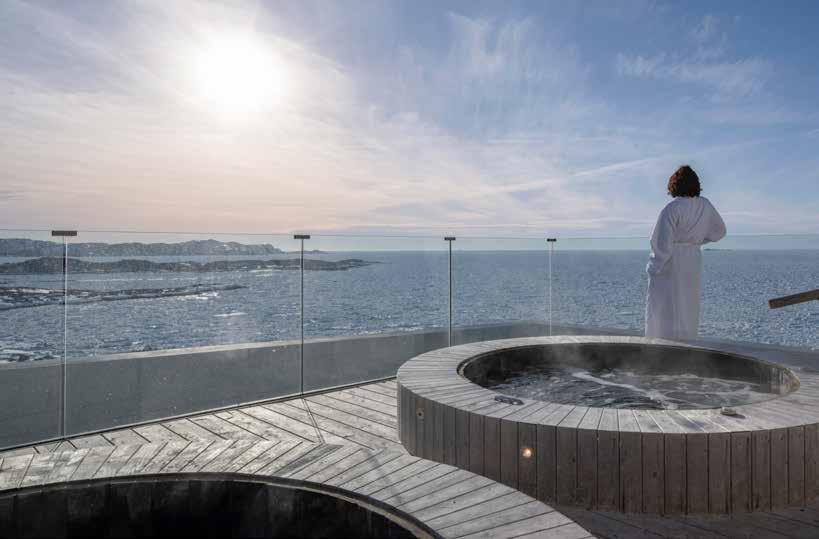
Fogo Islanders are known for their hospitality, and the inn’s Community Host program will pair you with a local for an in-depth introduction to the island. Your booking also includes experiences like foraging workshops, jam and jelly making, punt rowing, whale watching and boatbuilding demonstrations. The inn has rooftop saunas and hot tubs, an art gallery and a cinema.
It’s rare to find a hotel so thoroughly dedicated to its surroundings. The design, cuisine, activities and mission all serve to highlight the area’s heritage, history and topography—to stay at Fogo Island Inn is to become a part of its fabric. Your visit may be temporary, but the impact is endless. fogoislandinn.ca
CLAYOQUOT WILDERNESS LODGE,
British Columbia
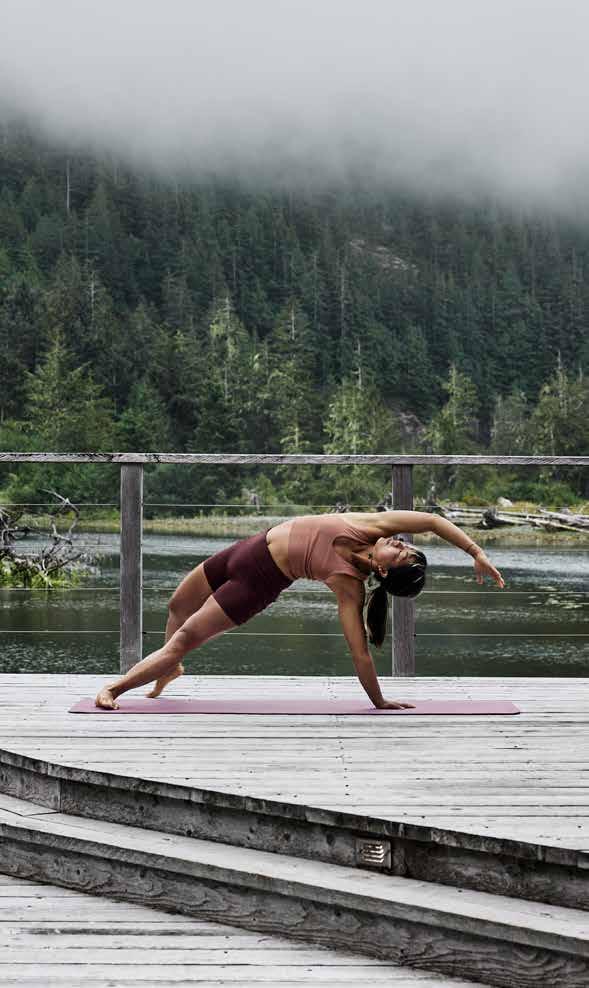
When was the last time you truly got away from it all? While we have endless occasions to doomscroll, opportunities to touch grass in the most immersive sense often feel fewer and further between. Enter Clayoquot Wilderness Lodge, a resort so remote you’ll need a seaplane or boat to arrive at its stunning, rugged shores in Vancouver Island North. Set on 600 forested acres at the tip of a deepwater fjord that connects to Clayoquot Sound, this off-grid getaway offers all the excitement of a Pacific Northwest summer camp alongside the luxury of a Michelin Three-Key property.
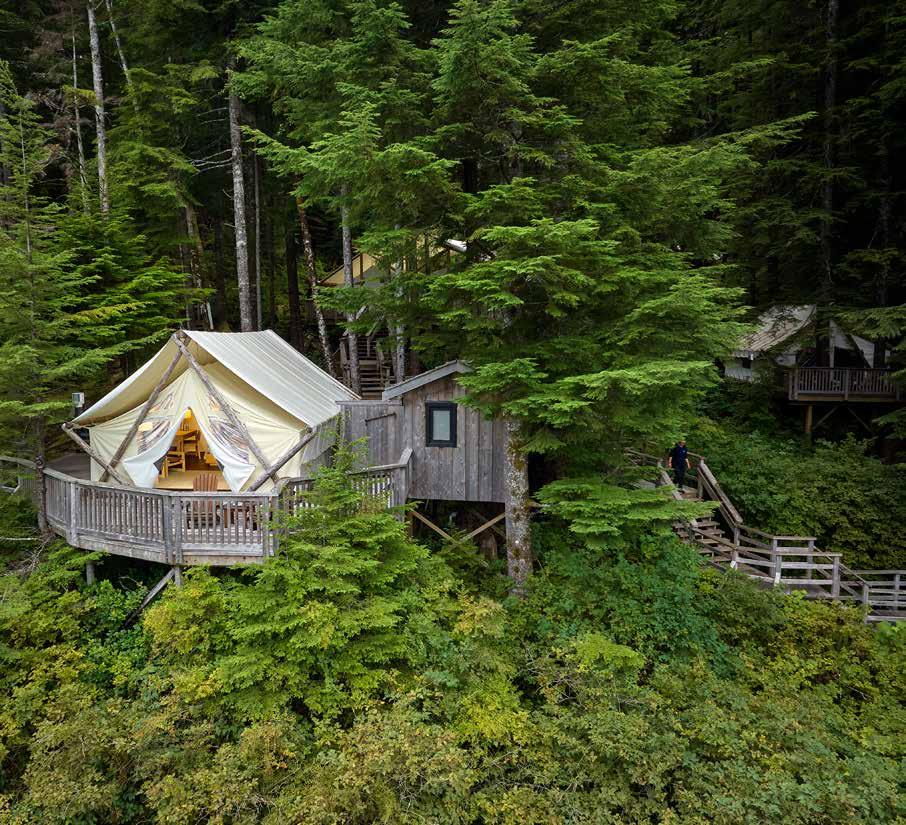
First opened in 2000 and given a $1.6 million makeover in 2021, Clayoquot is one of the original glamping resorts. The 25 white-canvas tents pay homage to the area’s gold-mining past, though with modern conveniences like cast-iron stoves, private decks, bathrooms with heated floors and outdoor cedar showers. The minimalist decor features accents and furnishings commissioned from First Nations artisans, and there are no TVs, although basic Wi-Fi is available in the tents. The lodge staff will graciously leave hot coffee or tea on your porch each morning, but don’t expect a room service menu. There’s a strict policy against having food in the tents to avoid tempting any passing bears.
FOR FEELING WILD AND FREE, GLORIOUSLY UNPLUGGED AND UTTERLY PAMPERED, A STAY AT CLAYOQUOT WILDERNESS LODGE IS UNMATCHED.
It would be hard to go hungry here, however. Meals are served in the cozy, communal Cookhouse with ever-changing menus based on seasonal, sustainable ingredients grown on-site or sourced locally. The open-concept kitchen allows you to watch as the culinary team whips up crab Benedicts for breakfast, hearty lunches and multicourse dinners featuring freshcaught seafood and mushrooms foraged from the surrounding forest. For lighter fare and cocktail hour, the Ivanhoe lounge overlooks the Bedwell River from its floor-to-ceiling windows and rooftop deck. Stays are all-inclusive, covering dining, snacks and a generous selection of wine, spirits and nonalcoholic beverages.
The tents are luxurious, the food is outstanding, and the service warm and welcoming—but it’s their Signature Experiences that make Clayoquot Wilderness Lodge a standout destination. Spend your day on a marine safari spotting black bears plodding along the shores and watching whales, seals and sea lions swim alongside you. Expert guides personalize the experience, providing fun facts about wildlife (Did you know that a group of otters is called a raft?) and important insights into the area’s Indigenous culture and heritage. Other excursions include canyoning up glacial-fed rivers, hiking through ancient old-growth forests,
horseback riding, archery, fishing in the open ocean or paddling in kayaks, canoes and stand-up paddleboards. For an additional fee, you can take a thrilling half-hour helicopter ride through the alpine mountains up to the breathtaking Mount Mariner Glacier. Back at the lodge, soak in the waterfront cedar hot tubs or book a relaxing treatment incorporating Canadian glacial clay and Pacific seaweed at the Healing Grounds Spa.
For feeling wild and free, gloriously unplugged and utterly pampered, a stay at Clayoquot Wilderness Lodge is unmatched. The property is only open during the summer, roughly mid-May to late September.
clayoquotwildernesslodge.com
OTHER REMARKABLE STAYS
Every December, about 20 minutes outside Quebec City, a team of workers and sculptors transform 35,000 tons of ice and snow into a winter wonderland. The theme of the Hôtel de Glace (Ice Hotel) changes each year, but the snow-carved rooms, which hover around 25 degrees Fahrenheit, remain constant. All rooms are equipped with Arctic sleeping bags, and some suites come with in-room fireplaces or private hot tubs. The grounds feature an ice bar, an ice chapel for weddings, a giant ice slide, an ice-skating path, and a Nordic area with saunas and outdoor hot tubs. In case sleeping on a block of ice turns out not to be your thing, every booking automatically includes a plan B: a room in the neighboring Hôtel Valcartier,
Fairmont Chateau Lake Louise, Alberta
Set on the edge of its namesake turquoise lake and framed by the peaks of the Victoria Glacier, Fairmont Chateau Lake Louise is straight out of a fairy tale. The castle-like château was first built in 1890 by the Canadian Pacific Railway to transport Hôtel de Glace, Quebec
a heated four-star property where you can shower, store your luggage and enjoy the on-site spa. The Hôtel de Glace is open early January through late March. valcartier.com
visitors across the Rocky Mountains and into the great outdoors. Here, Mother Nature has something special in store year-round—hiking in the spring and fall, canoeing all summer, skiing in the winter. Soak in the surreal views from the outdoor pools at the recently opened Basin Glacial Waters spa, a state-of-the-art thermal bathing experience inspired by Nordic sauna culture. Dining options include Mediterranean fare made with local ingredients at Louiza, craft cocktails at the uberchic Fairview Bar and Restaurant and an alpine fondue menu at Walliser Stube. fairmont.com
REFLECTIONS
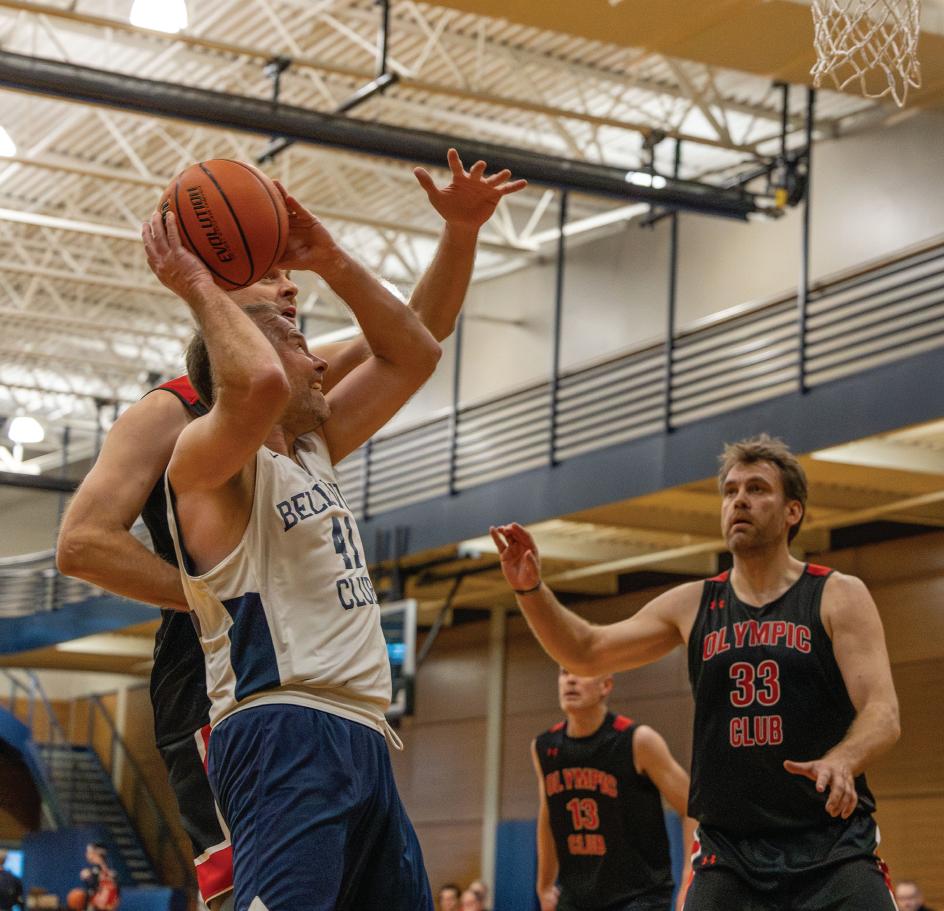
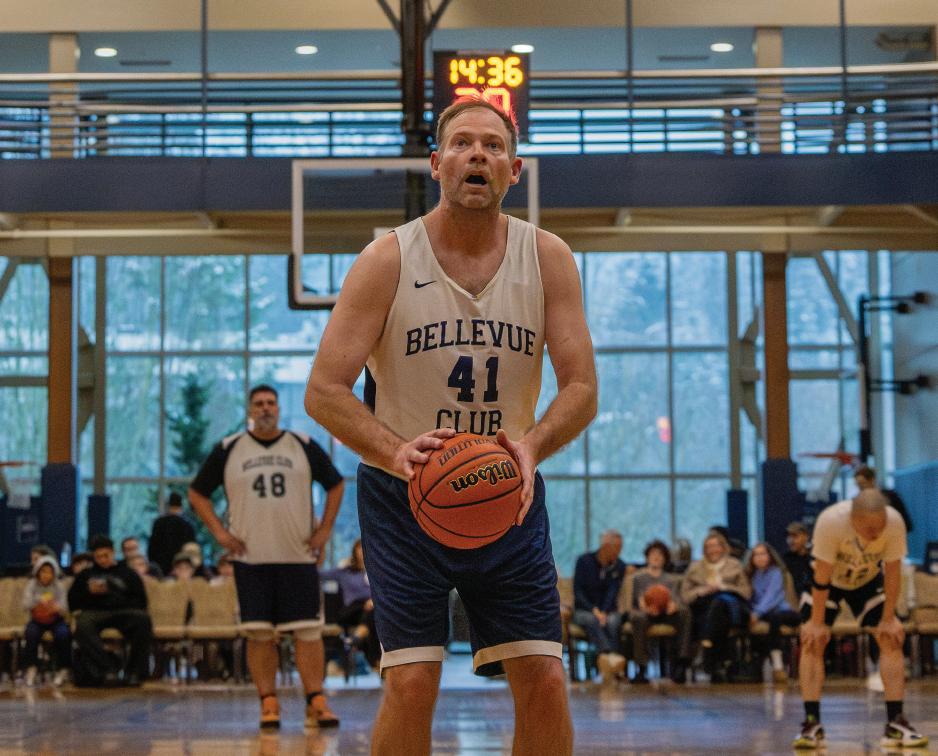
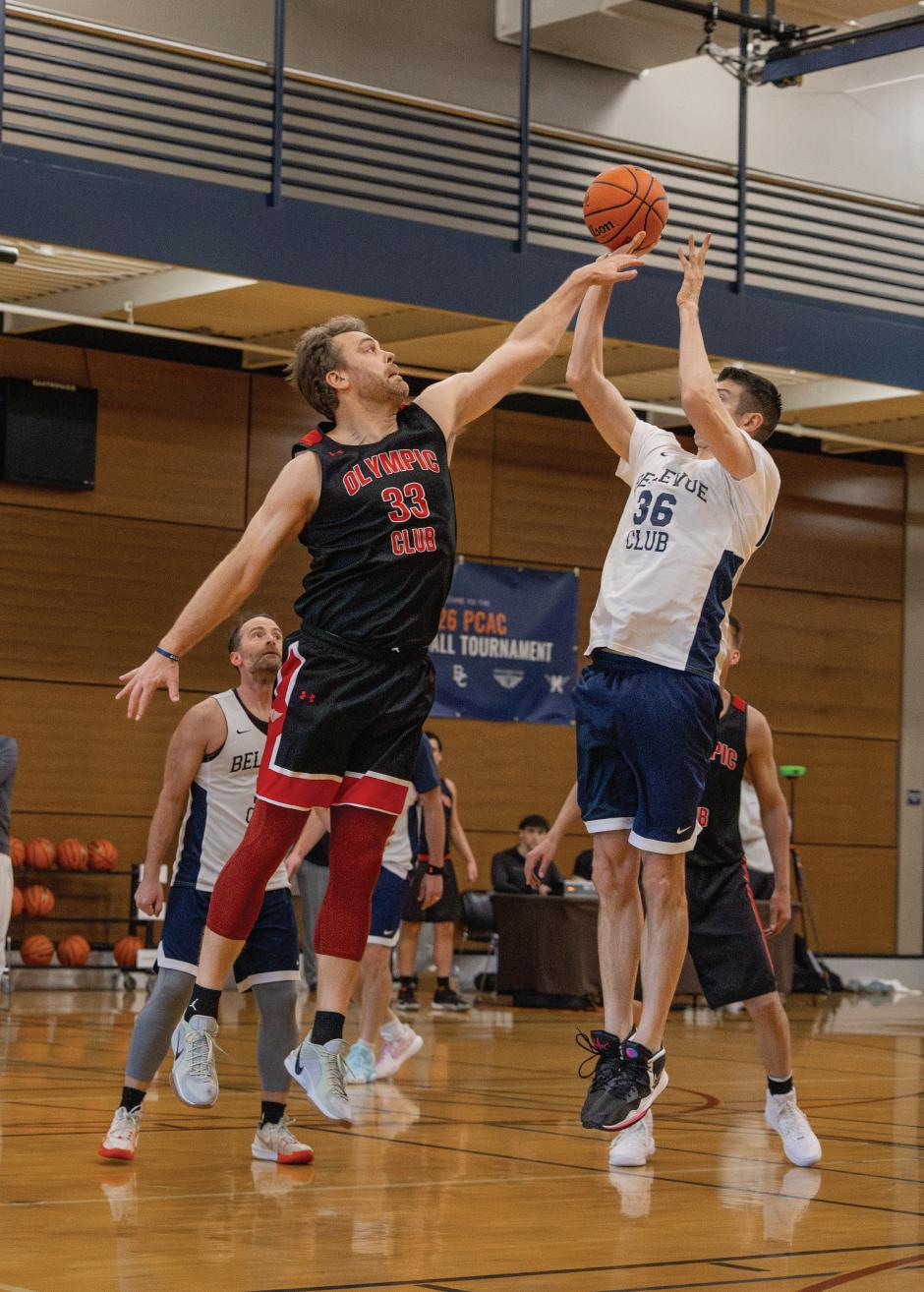
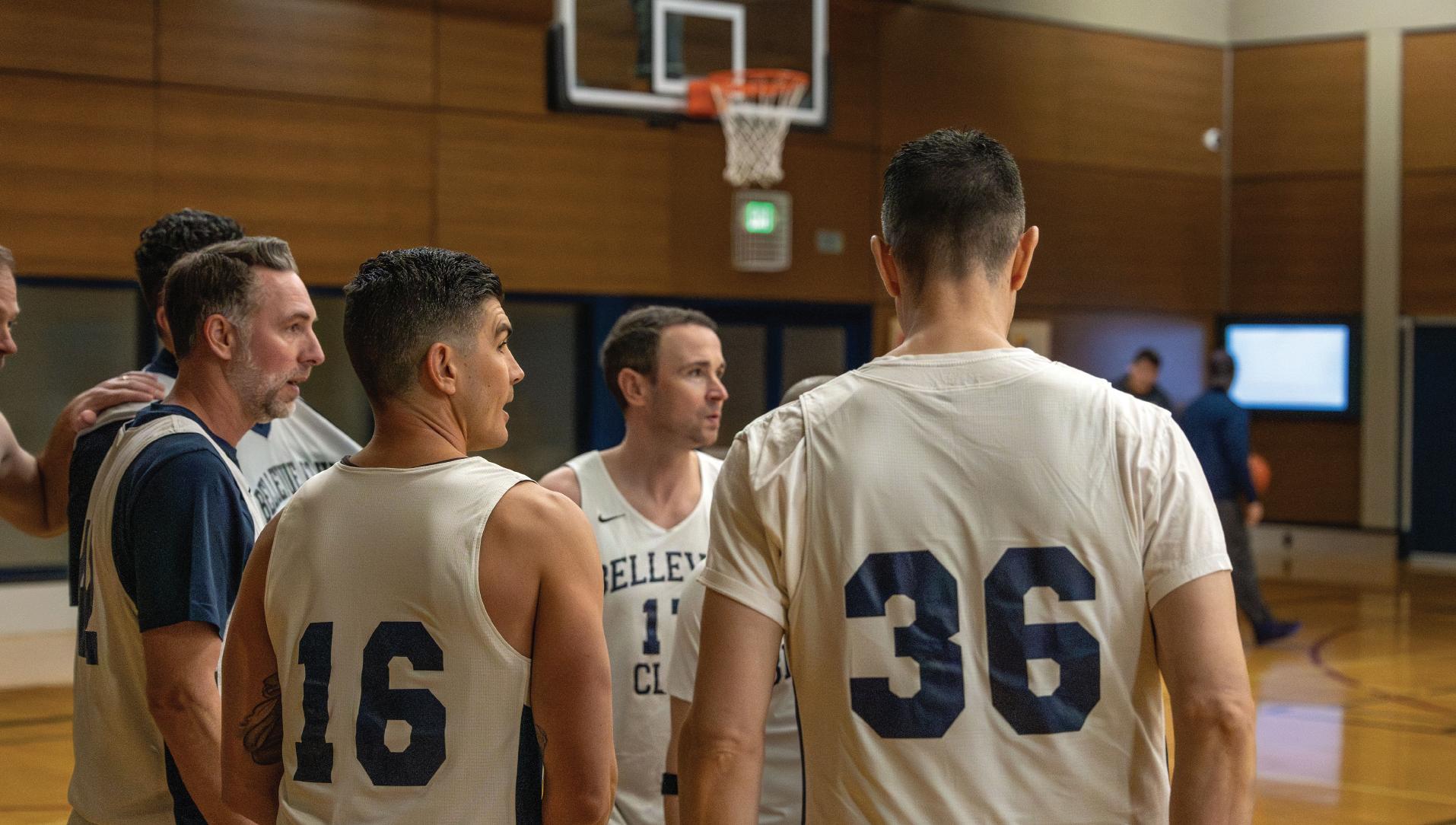
PCAC BASKETBALL CHAMPIONSHIPS
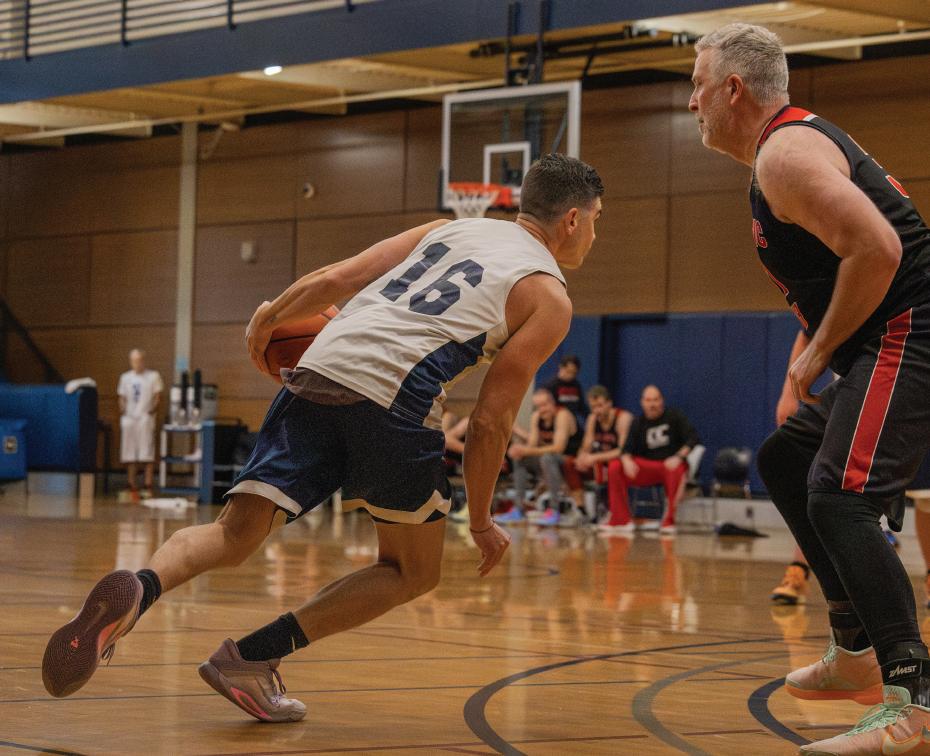
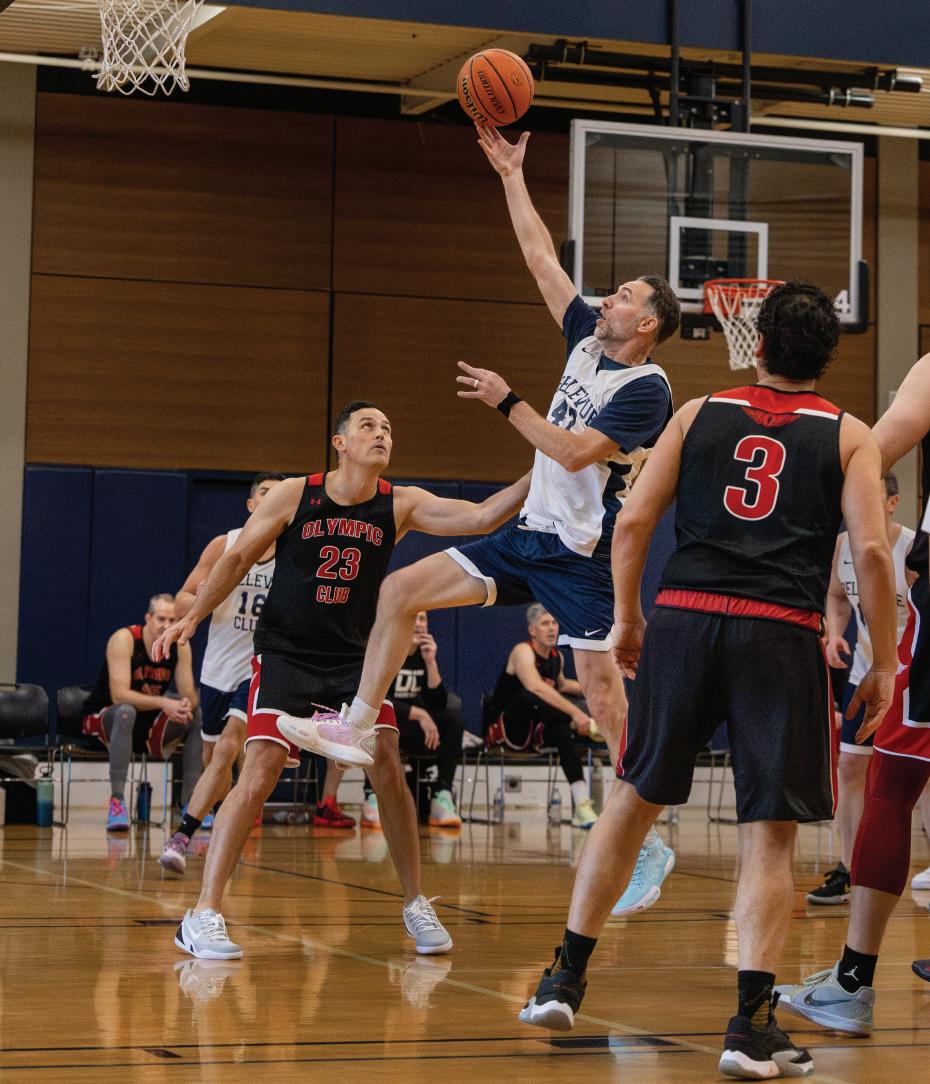
In mid-March, Bellevue Club and the Washington Athletic Club welcomed 27 men’s and women’s basketball teams from premier West Coast athletic clubs for the 2026 PCAC Basketball Tournament. Players from multiple brackets based on age and skill level participated in this highlevel athletic competition.
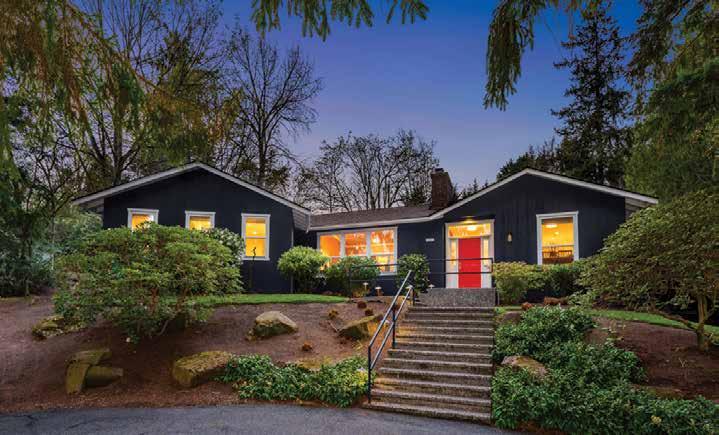
YOUR NEXT DREAM HOME
• Trusted by 500+ families to achieve their homeownership and investment goals.
• Expert in lifestyle upgrades and smart investments.
• Personalized, resultsdriven guidance every step of the way.
THE TAKEAWAY
DEEP ROOTS
The F. W. Winters House has survived a flower fortune, a shooting and the light-rail construction. Bellevue’s only spot on the National Register of Historic Places isn’t going anywhere soon.
You may have noticed it, that distinctive stucco and terracotta-tiled house on Bellevue Way SE next to the blueberry farm stand and light-rail station. You pass by it every time you drive to and from the freeway. Well, here’s the scoop on the F. W. Winters House.
The house was built in 1929 for $32,000 (about half a million today) by Frederick and Cecilia Winters, a couple from Spokane who grew flowers on their 10-acre farm near the Mercer Slough. The textured stucco, wrought-iron Juliet balcony, tower-like element and arched entrances are classic Spanish Eclectic, with a nod to Mission Revival—both styles heavily influenced by the 1915 Panama–California Exposition in San Diego.
Frederick was an internationally known bulb grower who found his fortune cultivating narcissus and Dutch and Spanish iris bulbs during a moratorium on imported bulbs between 1926 and 1938. The Great Depression, apparently, did not extend to flower bulbs.
The house was sold to the Riepl family in 1943, who converted many of the outbuildings to rental properties. In 1962, a tenant shot and wounded owner Anna Riepl, although nothing much else is known about this dramatic event. Anna lived in the rapidly deteriorating main house, selling it in 1980 but refusing to leave until she was forcibly removed in 1984. The City of Bellevue purchased the derelict and heavily vandalized property in 1988 for $1.7 million, restoring it to its 1929 appearance and listing it on the historic registry in 1992.
The house closed in 2016 for East Link light-rail construction. Trains now pass, tucked underground, within nine feet of the front door. It stands as one of the few surviving landmarks of the early 20th-century farming boom that led to Bellevue’s suburbanization. It is scheduled to reopen to the public in 2028.
Bellevue’s Most Awarded Destination for Beauty & Longevity
Voted Best Cosmetic Dermatology in Bellevue for four consecutive years, Lévy Aesthetics has become synonymous with results-driven beauty and longevity. We bring together advanced dermatologic expertise with a modern, full-spectrum approach to aesthetics and wellness.
At Lévy, every detail is designed to work in harmony. From precision injectables and regenerative laser treatments to medical-grade skincare and longevityfocused wellness, our approach goes beyond surface-level beauty to support lasting, cellular-level transformation. Four sessions are recommended for optimal results, with each treatment restoring one year of collagen loss.