Steve Mathias steve@bca-pool.com (303) 243-5070 x124
DESIGN/LAYOUT
ART DIRECTOR
Julie Snee
julie.snee@gmail.com
BCA Board of Directors
CHAIR
Jacklyn Ady, The Brunswick Billiard Group
VICE CHAIR
Wes Bond, Koda Sports
SECRETARY
Ed Liddawi, Sandcastle Billiards
TREASURER
Colby Olhausen, Olhausen Billiard Mfg.
BOARD MEMBERS
Shane Bouchard, Maine Home Recreation
Kevin Henderson, Prestige Billiards
Michael Helbig, Legacy Billiards
Bill Dunne, Championship, LLC.
Maria Martinez-Trent, Pool Tables
BCA Family and Friends,
Wow – another year in the books. Where does the time go? We hope each of you enjoyed a productive and rewarding year, both personally and professionally. Here at the BCA, we’re proud to have closed out 2025 with continued membership growth and an expansion of our advocacy efforts on behalf of the billiard and home leisure industry.
As we strengthened and elevated the BCA Expo, the year also brought challenges that required sharper focus on government relations and ensuring elected officials fully understand how tariffs and related economic policies impact our members. Many of you are feeling the impact of shifting economic considerations, and your concerns have guided our work.
Our colleagues at the Amusement and Entertainment Industry (AEI) have been valuable partners – not only in bringing synergy to the Expo, but also in joint lobbying and advocacy efforts. With the economic and competitive landscape changing rapidly, we believed it was critical in 2025 to engage more directly and more frequently with lawmakers.
We know our membership has faced an unprecedented period of uncertainty around inventory and pricing, adding yet another variable to managing a successful business. As we navigated this evolving environment, we felt it essential that federal officials gain a clearer understanding of the real-world challenges our members face.
This year, alongside our partners at AEI, we traveled to Washington, D.C., to communicate the struggles our members experience – even in normal market conditions – and to underscore the importance of domestic manufacturing as well as the crucial role imports play in maintaining balance within our industry. We emphasized that any proposed changes to economic policy must include thoughtful dialogue with our membership.
As we close the chapter on another successful year at BCA Headquarters, we look toward 2026 with optimism. We anticipate continued Expo growth and further expansion of our member services, particularly in advocacy and lobbying. With rising membership and heightened visibility, we remain committed to ensuring the collective voice of the billiard industry is heard during this period of rapid change.
Wishing you all a very Happy New Year!
OPENING LETTER SHANE TYREE, BCA CEO
Training New Staff Before the HOLIDAY RUSH
By Charles S. Donnavan
The holiday season can be the most exciting and profitable time of the year for billiard retailers. It’s also the most unpredictable. Customers flood in looking for game tables, cues and accessories, often with little idea of what they actually need. Add in seasonal staff who are still learning the ropes, and suddenly the cue balls aren’t the only things bouncing around.
That’s why a strong training program before the holidays is essential. Your team is your biggest asset, and when they’re prepared, confident and enthusiastic, your store stands out. The goal isn’t just to survive the rush but to create an experience that keeps customers coming back long after the tree comes down.
Here are ten fun, practical tips to help you train your staff and get them ready for the holiday rush.
START EARLY
The best preparation begins long before Thanksgiving. Hiring and training should start six to eight weeks ahead of the busy season. That gives new employees enough time to absorb product knowledge and understand your store’s culture and layout before the crowds arrive.
Early training allows for shadow shifts and slower-paced practice days. It also helps identify who’s naturally great at
customer service, who thrives in backroom organization and who needs more time learning product features. By December, your new hires should feel confident enough to handle real customers with ease, not like they’ve just been tossed into the deep end.
MAKE PRODUCT KNOWLEDGE HANDS-ON
The most effective training happens when employees can see, feel and experience what they’re selling. Handing someone a manual won’t do the trick. Give new staff a cue to hold, let them set up a rack and have them feel the texture differences between cloth types.
Set up short product challenges. Can they identify cue tip materials by touch? Can they explain why a slate bed table plays differently than a wood bed one? These exercises make learning fun while improving recall. When staff know what makes each product special, they can speak with authority and enthusiasm that customers notice immediately.
You can even turn this into a friendly in-store competition. Offer a small reward for whoever can answer the most product trivia questions correctly at the next morning meeting. A little gamification keeps learning lively.
TEACH HOLIDAY HOSPITALITY
During the holidays, emotions run high. Shoppers are excited, stressed and sometimes short on patience. Training your staff in customer communication and empathy is just as important as teaching them product specs.
Role-playing is a great way to prepare. Have new employees practice greeting customers, asking open-ended questions, and helping them find the right fit for their budget. For example, someone buying a gift might not know the difference between cue sizes or table finishes. Staff should be able to guide them without jargon or judgment.
Remind employees that they’re not just selling equipment, they’re helping families create memories. A positive, patient attitude can turn a casual browser into a lifelong customer.
BUILD A HOLIDAY PLAYBOOK
Every store should have a “Holiday Playbook” – a quick reference guide that outlines seasonal procedures and best practices. Think of it as the rulebook for your team’s big game.
Include things like:
• Top-selling holiday products
• Gift ideas and stocking stuffers
• Warranty and return policies
• Delivery timelines and setup options
• Promotions, discounts, and loyalty programs
• Contact info for key staff and vendors
Make it visual and easy to skim. Keep a few laminated copies behind the counter and in the stockroom so anyone can check it quickly. A clear playbook reduces confusion, speeds up service, and helps new staff feel more in control during hectic moments.
PAIR NEW HIRES WITH VETERANS
Nothing builds confidence faster than mentorship. Pairing new employees with experienced team members for the first couple of weeks gives them a live example of how things are done.
After all, veterans know the common customer questions, how to explain pricing and what details matter most in a sale. New hires can observe and practice under their guidance until they’re ready to go solo.
This system also fosters team bonding. Experienced staff feel trusted, and new employees feel supported. By the time December rolls around, the team is communicating smoothly.
PRACTICE UPSELLING THE RIGHT WAY
The holidays are full of upselling opportunities, but it has to feel natural. Customers often don’t realize what accessories they need until someone points them out.
Train your team to focus on value and benefits rather than pressure. A simple “This cue rack keeps everything organized” or “A cover will protect your new table when it’s not in use” sounds helpful instead of pushy.
Encourage staff to think in terms of complete packages. A cue and case combo, a light kit with a table or a chalk and tip repair set as a gift add-on. These small suggestions increase sales while enhancing customer satisfaction.
Consider holding an “upsell challenge” during training where employees practice making additional product suggestions naturally within a role-play scenario. This keeps their delivery smooth and genuine once real customers arrive.
SIMULATE THE CHAOS BEFORE IT HITS
You can talk about the holiday rush all day long, but nothing beats experiencing it firsthand. Host a mock rush day before the season begins.
Have friends, family or even staff act as customers. Turn up the holiday music, throw in a few pretend returns or outof-stock scenarios and let your team navigate the chaos. This controlled practice helps new hires adjust to the pace and pressure while identifying gaps in training or store flow.
Make it fun. Offer snacks, small prizes or even a mini tournament at the end of the session. Employees will bond, laugh and learn all at once.
CELEBRATE WINS AND BUILD TEAM SPIRIT
Retail during the holidays can be tiring, so morale matters. Recognize achievements, no matter how small. Celebrate first sales, positive customer feedback or successful upsells.
A quick round of applause at the end of a shift, a whiteboard listing daily “MVPs,” or a simple thank-you message can make a huge difference. Small rewards like coffee gift cards or store discounts keep energy levels up.
Also, encourage team collaboration. When a rush hits, employees who feel connected are more likely to step in and help one another without hesitation. That spirit is what turns a busy day into a productive and enjoyable one.
USE TECHNOLOGY TO STREAMLINE TRAINING
Even traditional billiard retailers can benefit from digital tools. Simple training videos can show new staff how to assemble cues, fold covers or process sales. QR codes placed around the store can link to quick guides or FAQs.
Group messaging apps make it easy to share updates about promotions, stock changes or schedule reminders. Digital
checklists help employees stay on track with daily tasks like restocking chalk or cleaning tables.
Technology also makes self-paced learning possible. New hires can review training materials after hours, revisit topics they’re unsure about, and get up to speed without constant supervision.
END WITH GRATITUDE AND KEEP IMPROVING
When the last sale is made and the lights are dimmed, take time to thank your team. A small appreciation event, a group game night or even a simple gesture like pizza after closing can mean a lot.
After the rush, hold a debrief session. Ask everyone what worked, what didn’t, and what could be improved next year. This feedback is invaluable. It shows your employees that their opinions matter and helps you refine your training approach for the next season.
The goal isn’t just to survive one busy holiday, it’s to build a system that gets stronger every year. The staff you train today might be your leaders next season.
Bonus Tip: Keep It Fun
The holidays can be stressful, but they can also be filled with laughter and camaraderie. Bring in snacks, play upbeat music or organize a mini in-store tournament during slower afternoons. Small moments of fun help relieve stress and remind everyone why they love working in this business.
When the energy in your store is positive, customers feel it too. People don’t just remember what they bought – they remember how they felt when they were there.
Training is an ongoing process, not a one-time event. Every year brings new products, promotions and faces. The stores that succeed are the ones that treat staff development as part of their culture.
When employees are well-trained, supported and motivated, everything else falls into place. Customers receive better service, sales rise naturally and the entire operation runs smoother.
So this season, prepare your team early, teach with enthusiasm, and lead with gratitude. The holidays don’t have to feel like chaos, they can feel like the best time of the year. With the right team and training in place, your business will be ready to sink every shot that comes your way.
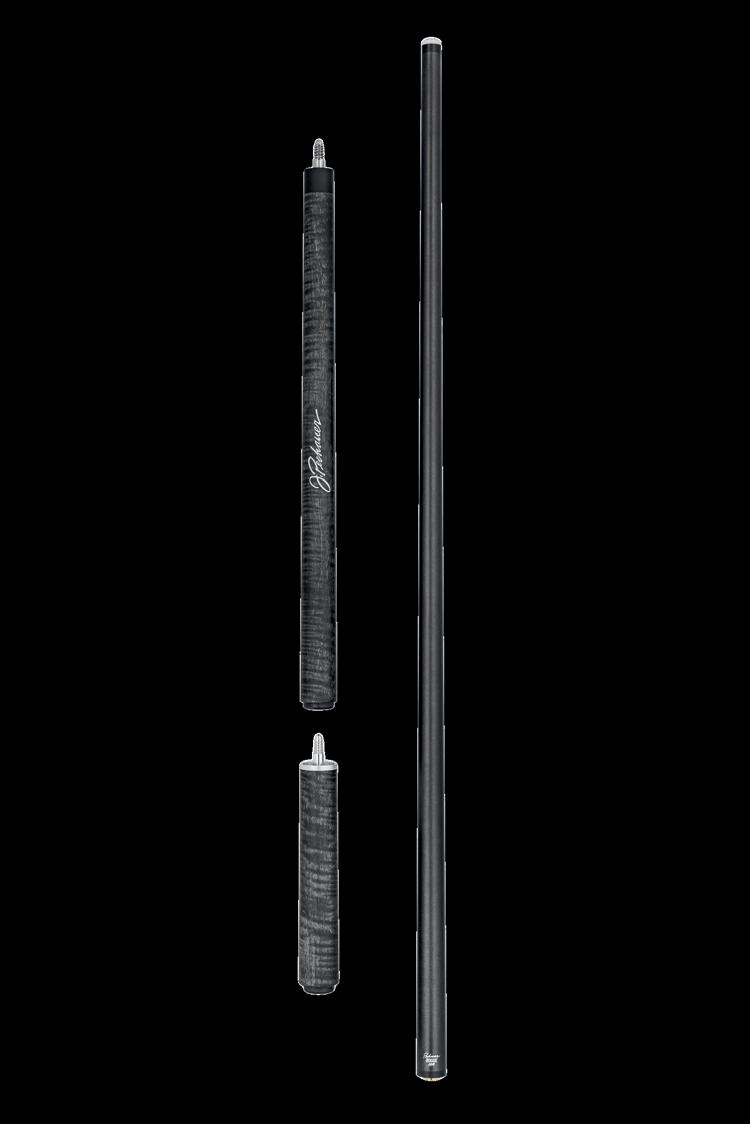
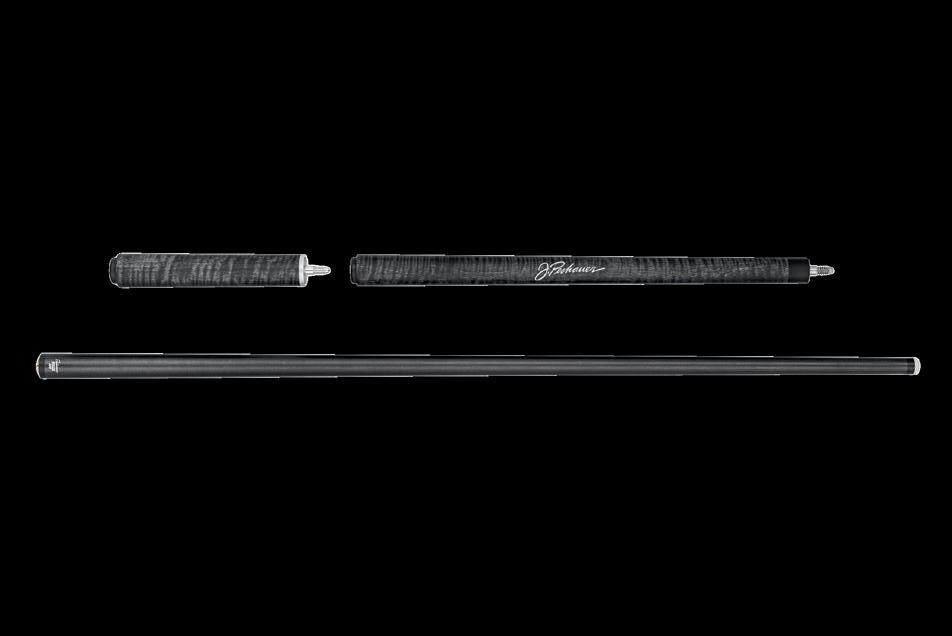
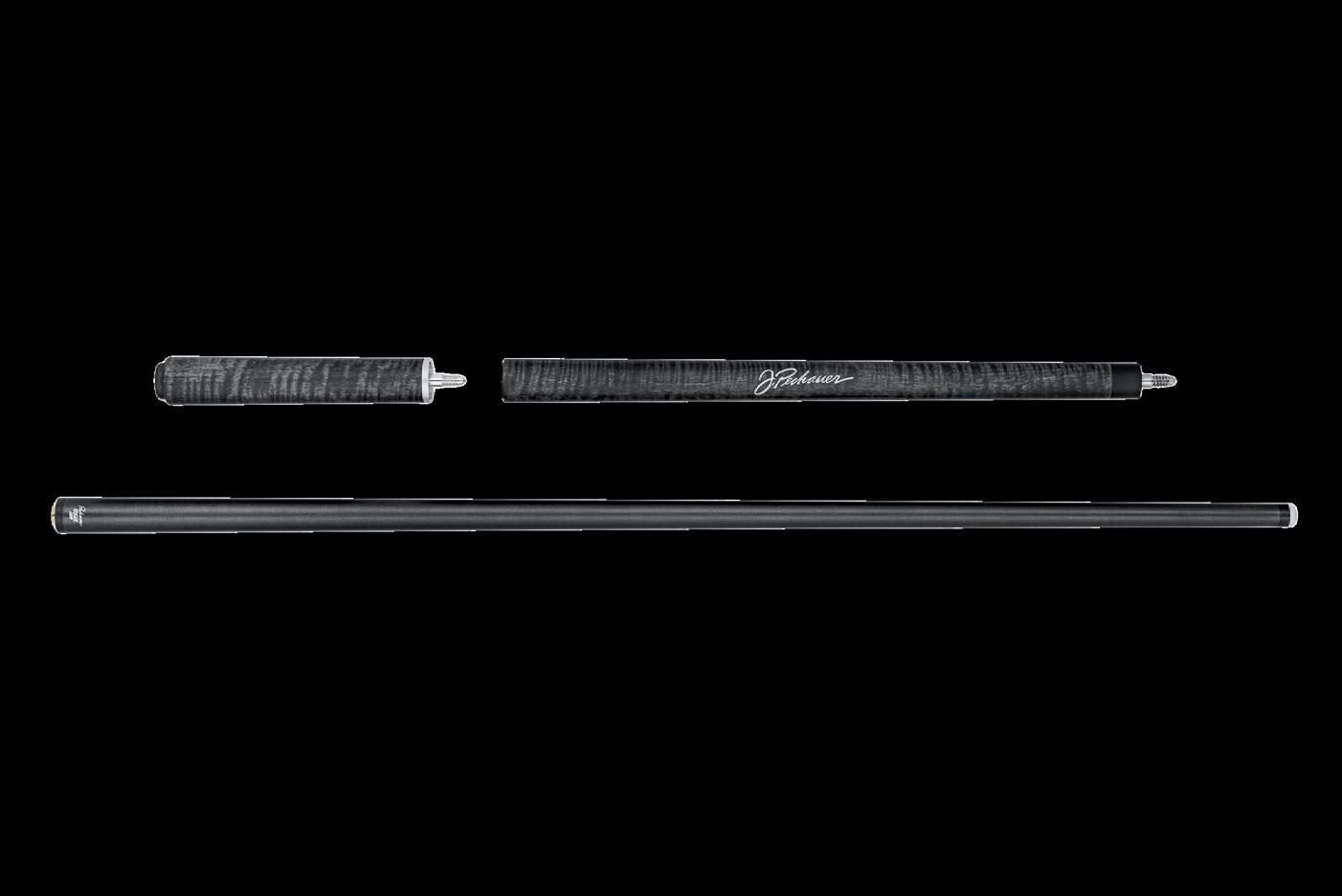
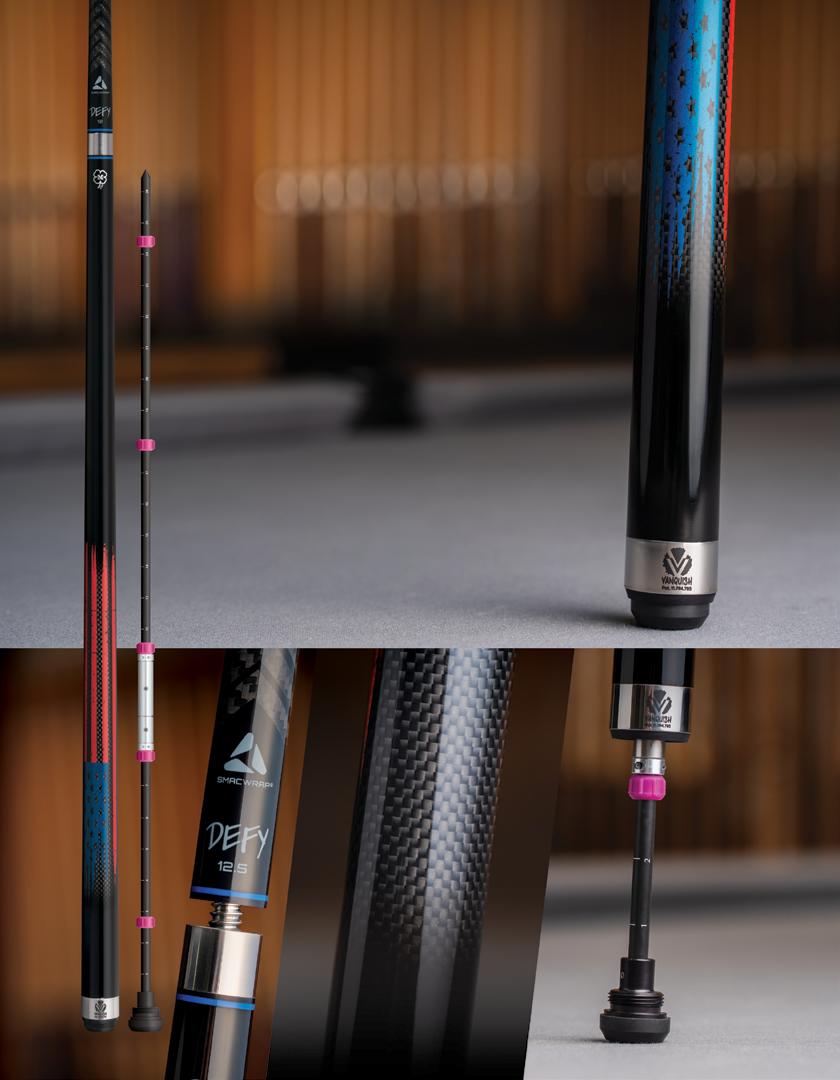
Pro Jump Cue
Rogue Carbon Fiber Technology — layered construction engineered for pro-level accuracy and control
Ultra-Light Curly Maple Handle — delivers smooth, effortless jumps
Adjustable Weight System — customize balance and stability to your preference
Horo White Storm Tip — advanced jump tip for maximum lift and responsiveness
Available in all stain colors
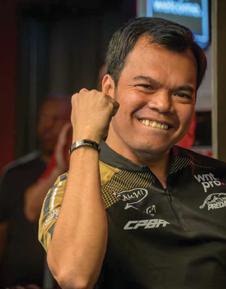
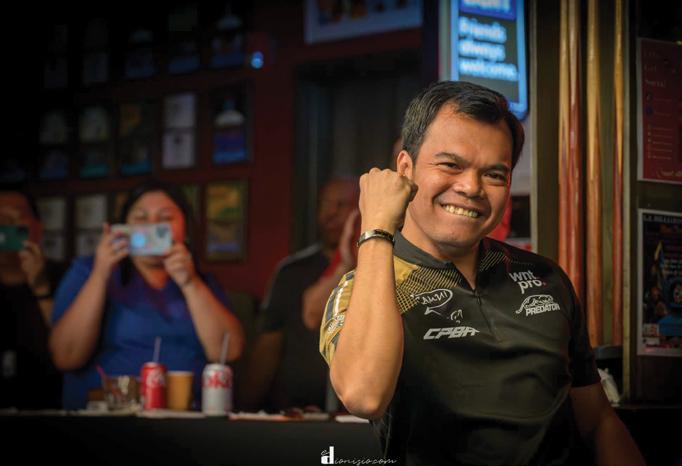
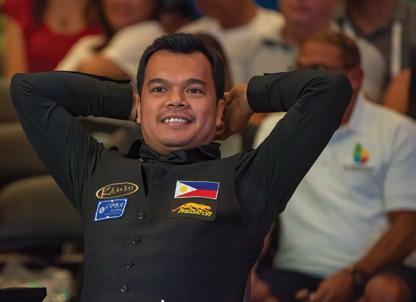
CARLO BIADO: From Humble Beginnings to Hall of Fame Glory
By Keith Loria
Carlo “The Black Tiger” Biado didn’t grow up dreaming of Hall of Fame induction. His earliest memories of pool are not of roaring crowds, but the quiet hum of a small billiard hall in the Philippines and the clatter of balls across worn tables.
Born in 1983 in La Union, he left school early and took work wherever he could find it, including as a golf caddie, just to earn enough to spend time practicing the game he loved. In those formative years, it wasn’t fame or fortune he chased, but mastery. Every shot, every rack, every hour spent honing his skill was a step toward a dream that was still largely invisible to the outside world.
“Since 2009, I knew I had the skill, but something was missing –discipline, more hard work and dedication for my dream,” Biado says. “I trained hard, was more focused on my dream to be a world champion and to have a better life.”
By the mid-2000s, Biado had begun to make a name for himself in local tournaments, but it was clear that his path to the top would not be straightforward. Unlike some of his flashier Filipino contemporaries, Biado’s rise was slow and deliberate, built on consistent effort and quiet determination rather than instant notoriety. For nearly a decade, he honed his craft, absorbing lessons from losses that might have discouraged less resilient competitors.
His first glimpse of global recognition came in 2015, when he reached the final of the WPA World Ten-Ball Championship. Facing Taiwan’s Ko Pin-Yi, Biado fell short, but the performance announced him to the world as a serious contender. That loss, rather than breaking his spirit, became a defining moment. It gave him a deeper appreciation for the game and a renewed drive to reach the pinnacle he had long envisioned.
Two years later, in 2017, Biado’s persistence paid off. He claimed gold in men’s 9-ball at the World Games in Wroclaw, Poland, defeating Scotland’s Jayson Shaw in the final. The triumph on the world stage was followed by a gold medal at the Southeast Asian Games and his first world title in the WPA World 9-Ball Championship, defeating fellow Filipino Roland Garcia in Doha. These victories were not merely wins; they were vindication, the reward for years of patient labor and unwavering focus.
Biado’s career is marked by both remarkable victories and instructive setbacks. In 2018, he returned to the World 9-Ball Championship final, only to fall to Germany’s Joshua Filler. Yet, even in defeat, Biado’s composure and skill continued to shine. His ability to absorb setbacks, learn from them and return stronger became a hallmark of his playing style. He was not a player who relied on raw talent alone; he was a strategist, a competitor whose calm, methodical approach made him a formidable presence at any table.
“EVERY MATCH YOU LOSE IS A LESSON AND EVERY DAY YOU NEED TO FIGHT FOR YOUR DREAM TO BE A WORLD CHAMPION.”
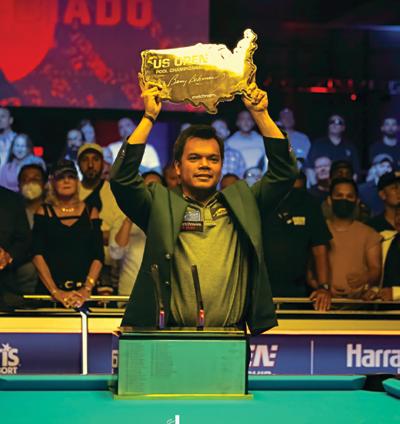
In 2021, Biado added another significant achievement to his résumé by capturing the U.S. Open 9-Ball Championship. His victory was more than a personal milestone; it reaffirmed the Philippines’ enduring presence in the international pool scene, linking him to the lineage of Filipino greats such as Efren Reyes and Alex Pagulayan. That same year, he also secured a gold medal in men’s 10-ball at the Southeast Asian Games, reinforcing his versatility and dominance across multiple formats.
Biado’s international success continued into 2022, when he teamed with fellow Filipinos Johann Chua and Rubilen Amit to capture the WPA World Teams Championship. Later that
year, he won the Predator Pro Billiard Series Puerto Rico Open, adding yet another prestigious title to his growing list of accolades. In March 2024, he won his third world title by defeating Japan’s Naoyuki Oi in the WPA World 10-Ball Championship in Las Vegas, demonstrating his enduring competitiveness and strategic adaptability.
In July of this year, Biado achieved one of the most dramatic victories of his career at the WPA World 9-Ball Championship in Jeddah, Saudi Arabia. Facing defending champion Fedor Gorst, Biado surged to an early 9-2 lead, only to watch Gorst battle back to tie the match at 9-9. As the tension mounted, Biado’s calm precision became his greatest weapon. He regained control, weathered Gorst’s momentum and ultimately closed out the match 15-13. With that win, he claimed a $250,000 prize and, more importantly, became the first Filipino player to win the World 9-Ball Championship twice, solidifying his place among the sport’s elite.
Biado’s style is emblematic of his personality: quiet, deliberate and unshakably focused. He is not known for theatrics or flamboyance. Instead, his strength lies in consistency, precision and mental resilience. He studies the table, anticipates multiple moves ahead and rarely allows emotion to dictate his decisions. It is this meticulous approach that has allowed him to endure grueling tournaments, adapt to different formats and succeed against the world’s best players.
The culmination of Biado’s career achievements came in August 2025 when he was elected to the Billiard Congress of America Hall of Fame. He became the sixth Filipino to receive this honor, joining legends such as Reyes, Francisco Bustamante, Jose Parica, Pagulayan and Dennis Orcollo. The induction was a recognition not only of his victories but also of his enduring contributions to the sport and the inspiration he provides to young players in the Philippines and around the world.
“Being inducted into the Hall of Fame means a lot to me,” he says. “All of my hard work for decades for this one is a big achievement in my life.”
Biado’s journey is remarkable not only for the titles he has won but for the path he took to reach them. Unlike some champions who emerge as prodigies, Biado’s success was earned through years of patient development, repeated trials and unwavering commitment. He carries with him the story of a young boy who left school, worked long hours, and faced countless obstacles, proving that determination and grit can overcome even the toughest odds.
Even as he prepares for his Hall of Fame induction in November at the Renaissance Resort at World Golf Village in St. Augustine, Florida, Biado remains an active competitor. He continues to challenge himself in international tournaments, embodying the philosophy that recognition is not a finish line but a milestone. His legacy is both a record of achievements and a roadmap for aspiring players: greatness is built not only through talent but through relentless perseverance, strategic focus and a lifelong passion for the game.
“Right now, I am turning 42 years old with everything still fresh in my memory and all my major titles, and still I am hungry to win more,” Biado says. “I’m enjoying every part of the tournaments, win or lose.”
As Biado looks ahead, the journey is far from over. He continues to compete, continues to inspire and continues to define what it means to be a champion in a sport where every shot matters, and every match is a test of nerves, skill and strategy.
For young players in the Philippines and around the world who look up to Biado, he offers some sound advice.
“There is a right moment for every one of you but you cannot do it without the hard work, discipline, patience and acceptance of defeat if you fail,” he says. “Every tournament is a new experience, every match you lose is a lesson and every day you need to fight for your dream to be a world champion.”
From a young caddie in the Philippines to a four-time world champion and Hall of Famer, Carlo Biado’s career is a testament to the enduring power of focus, resilience and the quiet pursuit of excellence. His story will be remembered not just for the titles he has won, but for the way he has played the game: with heart, with precision and with a relentless commitment to greatness.
Horizon Helps Pool Halls Improve FOOD SERVICE Operations
By Charles S. Donnavan
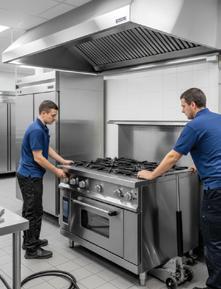
Running a pool hall is about more than tables and cues – it’s also about keeping your foodservice profitable. That’s where Horizon comes in. With a proprietary four-step process, Horizon evaluates an entire operation – from back-of-house efficiency to the guest experience – and delivers a tailored roadmap for growth.
The Horizon team combines market analysis, cost review and menu development to help operators refine existing concepts or launch new, revenue-driving offerings. By leveraging decades of experience and collaborating with chefs and manufacturers, Horizon helps pool halls turn every visit into a winning combination of great food, satisfied customers and stronger profits.
Matthew Murray, national account manager for Horizon, spoke with BCA Insider about how the company can help pool halls improve their food service offerings.
How can Horizon’s four-step consulting process be applied to pool halls that are looking to elevate their food and beverage offerings?
Each of Horizon’s four steps to foodservice success – create, construct, rollout and thrive – are designed to help operators, such as pool hall owners, elevate their food and beverage offerings.
During the first phase of the Horizon process – create –Horizon analyzes a client’s operation in totality to determine
what’s working well and where there are opportunities to increase revenue and profitability. From there, we create recipes, a menu and a physical design that will maximize the per-person spend of customers that your staff will be able to execute at high profit margins.
The initial, fact- and data-based planning sets the table for success as we construct a foodservice space, roll out new food and drink offerings and enable our clients to thrive. By creating an efficient physical layout that captures the needs of staff and the preferences of guests, Horizon is able to lower ticket times and up the per person spend of patrons. Through the selection of demanded menu items with high profit margins that pairs perfectly with the right equipment and millwork, we are able to roll out kitchens and bars that are easy to operate and designed to bolster revenue. And by connecting our clients with the right food purveyors and chef support, Horizon ensures that flawless execution on Day 1.
Many pool halls were designed primarily around entertainment, not kitchens. How do you approach creating or redesigning a foodservice operation within a space that wasn’t built for it?
Adding and renovating foodservice operations in non-traditional spaces is our specialty. There are three important factors we consider in the design of a foodservice space in a pool hall: guests, staff and the facility as a whole.
First, we analyze the guest experience within a pool hall: where do they enter, what can they see, hear and smell and how do they move around the space over the course of a visit. Then, we look for how we can optimize the operation and where foodservice ideally fits in terms of location and customer approach.
Next, we consider the current roles of staff and what the potential “ask” of employees would be with a given menu and design. We ask questions like: “Where are time and resources misallocated?” “What is an ideal traffic pattern for employees?” and “How can we make everyone’s job easier and save on labor costs?”
And what really makes Horizon stand out, is that we maximize any space when adding or renovating a foodservice operation. Often in a pool hall, we can save our clients money through careful placement of utilities and adding cooking solutions that are inexpensive and fit within space constraints while ensuring that they will be in compliance with relevant building and health codes.
What are some of the most common operational inefficiencies you see in smaller venues like pool halls, and how can your assessments help correct them?
Any successful foodservice operation masters three crucial operational components: complexity, temperature and time. In a business that is not laser-focused on these three key fac-
tors, it’s very easy to not perfectly plan and execute with these components in mind. When a menu is too complex for staff to execute, steps are often missed and the mistakes are evident in the food and drinks that are served. If food takes too long to cook and drink orders are backing up, not only will guest satisfaction slip, patrons will simply stop ordering off the menu and some will stop coming in.
To correct issues of complexity, time and temperature, Horizon matches the right food with the right equipment. We customize an ideal solution that meets any budgetary and operational needs while ensuring the guest experience is top notch. Many of our solutions allow for pool halls and other similar venues to cook pre-assembled foods from frozen state very rapidly, which lowers ticket times, labor and food waste. Correcting foodservice inefficiencies can quickly lead to delicious increases in revenue and profitability in a pool hall.
How can a refreshed, profit-focused menu transform the perception of a pool hall from “bar and snacks” to a full social destination?
Experiential dining is on the rise and all signs point to exponentially increased demand for combining fun and food for years to come. Pool halls are ideally positioned to take advantage of this growing trend. A profit-focused menu is essential to turning a pool hall into a social destination for two key reasons.
First, great food and drinks will attract the casual pool player that is looking for a screen-free outing with friends. Often, these potential guests are young and are sick of working behind a screen and socializing on social media. Pool provides an authentic form of social engagement that can be complemented by great menu offerings.
Second, and most importantly, a new menu must indeed be profitable. The increased margins generated by food and beverage sales growth will allow for upgrades, increased staffing and the addition of other attractions that will further grow the customer base of the pool hall.
What menu strategies work best in environments where customers are active and engaged – like pool halls – rather than seated for a long dining experience?
Some very good news for pool hall operators is that menu offerings that can be executed quickly and easily also work well for active diners. Pre-packaged, shelf-stable foods and simple, yet enjoyable bar offerings are ideally suited for billiards. At Horizon, we offer recipe development with chefs that work frequentntly with quick-serve restaurant chains and stadium operators so we’re able to offer clients ideal menu options for active diners.
Horizon provides CAD/REVIT design and equipment solutions. How can these services help pool hall owners make the most of limited back-of-house space?
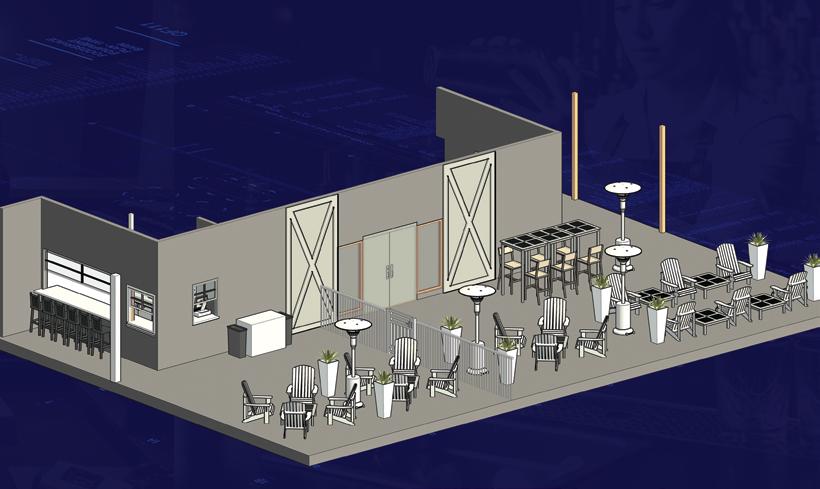
Design in CAD/REVIT with Horizon can ensure you maximize every square inch of available space, and for significantly less than the cost of an architect. Not only can we ensure that equipment, supplies and millwork will fit in a small space, we create 2D and 3D renderings of a kitchen and bar. Our enhanced design capabilities ensure that every client knows exactly what the end product of their foodservice operation will look like before construction is even begun.
Many pool halls operate on tight margins. How does Horizon’s market analysis help owners identify where to invest for the greatest return – menu, layout or equipment?
Foodservice success in a pool hall is the key to growing profit margins, but it doesn’t have to be expensive. We recommend addressing menu, layout and equipment together but with a modular approach. This means that, often, we work with our clients to create a completely new menu and design that can be rolled out in segments and over time. For example, a pool hall operator may come to discover they want to eventually offer sandwiches/wraps, 12 beers on tap and ice cream desserts. It may not be feasible or wise to make all of these menu changes at one time. So, at Horizon, we help clients make one change at a time until their master design and menu has been completely realized.
Beyond
menu
and
operations, how
can improving the overall food and beverage experience help pool halls attract leagues, private events and repeat customers?
Providing a phenomenal food and beverage experience for customers opens up many new avenues for growth. Pool halls provide entertainment and food for people who are making decisions about where to spend their leisure time. Often, consumers make these decisions based on where they will have a good time. Whether it’s repeat customers, leagues or events, we help our clients ensure they meet all of their customers’ food and beverage needs in-house. Improving the food and beverage offerings in a pool hall can help ensure customers extend the length of each visit, spend more money and create repeat and referral business.
New Mexico Billiards’ New Owner Is Looking to a BRIGHT FUTURE
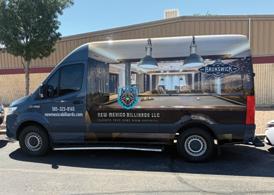
When Alec Urioste bought New Mexico Billiards this past May, he not only became the owner of a store, he started a new chapter in the story of a New Mexico institution.
New Mexico Billiards was established by Dick Wetzel and Joel Hernandez in the late 1980s, and when it came time for Hernandez to retire, Urioste saw an opportunity he couldn’t resist.
“I wanted to buy the shop and continue to keep it going,” Urioste says. “Joel was getting ready to retire, and
By Anthony Stoeckert
he didn’t have a lot of people who were interested. I wanted to keep the business going, that’s for sure, because they had been in business for so long. I always had an interest in playing pool and the whole man cave and game room thing.”
Urioste was, in fact, a customer of New Mexico Billiards, located in Albuquerque. So as he was looking for a career change after owning a construction business, it made sense for him to step in and continue the tradition established by Wetzel and Hernandez.
It was an opportunity to not only buy a business focused on something he enjoyed – pool – but also to utilize his talents and experience from his years in the construction trade.
“Especially for people who want custom game rooms and things like that,” Urioste says. “I could do the whole thing – customize a game room and also install any kind of game tables, as well. That’s why I was interested in buying it. I was looking for a business to buy. I’ve always had that interest in pool, so it was a ‘right place, right time’ kind
Justin Jacoby and Mia Urioste
of situation. They had been in business forever, and New Mexico Billiards is a household name in Albuquerque and surrounding cities.”
New Mexico Billiards’ geographic reach is impressive, as the store does installations and service in just about all of New Mexico – the fifth-largest state in the country – and into parts of Colorado, Arizona and Texas.
“There aren’t a lot of installers in our state, so we travel all over the place,” Urioste says. “People have cabins all over, and places like that, where we install. We travel quite a ways, and if someone is willing to pay us, we’ll pretty much go anywhere.”
FROM A PLAYER TO AN OWNER
New Mexico Billiards has long had a reputation for excellence across its namesake state, but Urioste didn’t buy the business based on its reputation alone. He himself had experience with the store, as he bought a pool table from New Mexico Billiards in the early 2000s. Hernandez did the installation.
“I’ve always had a love for pool and I used to have a pool table in my home,” Urioste says. “Before I had kids I used to play quite a bit. I eventually had to get rid of the table as my family grew, but I’ve had a love for playing pool and game rooms in general. That’s what drove me to it, and then my background in construction and putting together tables, leveling them and the craftsmanship that goes into putting a table together – all of that drew me to it. I like being able to work on tables, because not everyone can do it. To install a table correctly takes a keen eye. Taking the time to put together a table right is very satisfying.”
He also saw buying the store as a fantastic opportunity.
“It seemed like a great business to be in,” Urioste says. “People are happy to see us. When they buy a table and we come out, it’s like Christmas. It’s like getting a grown-up toy. I enjoy that aspect of it, because you’re making people’s day. People come to us because they know the business has been around for a long time. That’s another reason I bought it – the name New Mexico Billiards means something. Everybody knows that name.”
Because of New Mexico Billiards’ longtime success, Urioste does not expect to make any significant changes to the store. He has done some rebranding and is applying his experience in construction to help customers envision and build their ideal billiard and game rooms.
“With my background in construction, I’m trying to do more than straight pool table installs and game table installs,” he says. “In this day and age, with the trends of man caves, women caves and family game rooms, there are opportunities to customize rooms.”
So far, Urioste has worked with customers on rooms themed around their favorite sports and teams and even turned a garage into a game room with a hot rod theme. He’s also worked with parents who want games that encourage the family to spend time together.
“That’s been one of the main pieces, and I think it’s always played a part in getting families away from huddling around the TV,” he says. “The TV may be on in the background, but a family game is definitely one of those things that brings everyone together.”
LEARNING ON THE JOB
Urioste did his homework before buying New Mexico Billiards but knew he had a lot to learn as he took over.
“As far as knowledge goes, I’ve been soaking it up big time,” he says. “I didn’t realize when I started everything that
Alec Urioste
goes into some of these game tables, especially billiards. The amount of knowledge I have gained in the last few months has been amazing – and a little nerve-wracking. It’s learning a new thing, and when you first start out, complications come up that you have to work through.”
It’s his philosophy that working through tough times and learning from them is what defines a business owner, and that there is much to be learned from challenges. For example, he bought the store just as spring and summer came around –typically not the busiest time of year for a billiard and home recreation business.
“Of course I took it over right when it starts to get a little slower,” he says. “I wasn’t sure what I would come into, and luckily, we’ve done OK. I was trying to push more of the outdoor pool tables and shuffleboards that people would want. In the summer, no one is thinking of being inside – they want to do things outside. I did OK. Things could always be better, but we were promoting those outdoor games on social media. That’s one of the things I had to navigate through, getting through those slow times right when I took over. But then we headed into the fall season with leagues, and things began to pick up.”
HOLIDAY PLANS
Urioste is, of course, hoping for a robust holiday season, and he is well prepared for the Christmastime rush.
“I was able to acquire a good portion of inventory before these tariffs hit, so my biggest thing will be selling the inventory that I do have and was able to pick up that does not have the tariffs attached to it,” he says.
Tariffs are the latest challenge businesses have faced over the years, along with the pandemic and supply and transportation costs. But Urioste considered all of that before buying New Mexico Billiards and has plenty of experience
dealing with all sorts of hurdles as the owner of a construction business.
“I thought about all of that a lot, especially with the logistics of getting tables around, because they aren’t light,” he says. “But the need is always going to be there, and I talked to the prior owner, Joel. He said you won’t always be selling tables, but service will be a big factor during those times when you aren’t selling so much. People are always moving, and that keeps us pretty busy throughout the year.”
Urioste is also excited to bring newer, younger customers to New Mexico Billiards. He wants to welcome a new generation to pool and other games and collaborate with them on designing exciting game rooms. Then there are customers who have their hearts set on a pool table but find out they don’t have the space for one – and Urioste is ready to suggest another option.
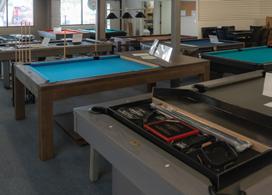
“I try to showcase everything in my showroom,” he says. “So if someone is there with some friends and they are looking for a pool table and realize they don’t have room, they look around and see we have a really nice poker table and a really nice craps table, with a removable top, so it’s also a dining room table. And it’s about the price of a regular dining room table that you’re going to purchase anyway, so I tell people, ‘You get a dining room table and two game tables out of it.’ It’s a really beautiful table and a lot of people have been eyeing it, so I have a feeling I’m going to sell quite a few of those.”
A FAMILY BUSINESS
In addition to Urioste, New Mexico Billiards’ staff includes his daughter, Mia Urioste; his brother, Justin Jacoby; and his son’s childhood friend, Mateo Tapio, whom Urioste refers to as his “second son.”
“We’re all pretty much family and it’s great to work with them,” he says.
Urioste extends that family feeling to his customers.
“When people come in, I want them to feel welcome and get that feeling of ‘This is exactly what I was thinking of for the dining room, or spare room, or garage, where I can have something for family time or a man cave,’” he says. “I have warm colors, and I feel like when people come in they’re going to say, ‘Oh, I want all of this in my home.’”
Another of his innovations is establishing a section of New Mexico Billiards where people can play pool – especially instructors looking for a spot to give lessons. Urioste knows people who have been teaching in locations like bars and pool rooms that do not offer privacy.
“It’s hard to give a lesson in places like that, because people are getting involved and trying to give them their own pointers,” he says. “They want a space that is quiet and more private, where they can have a one-on-one lesson.”
He would also like New Mexico Billiards to become part of the local community. He’s already made donations of cues to a local VFW and would like to help community centers upgrade their equipment and give young people – the next generation of players – a place to play pool.
“It will be nice to eventually provide those kinds of things for kids, if I can do it,” Urioste says.
For now, Urioste is focused on working with New Mexico Billiards’ established customers while bringing new people to the store. He sees a pool table as not just a game but a status symbol –a place where families and friends can relax and socialize.
“It’s such a great thing to have,” he says. “I’m hoping those customers will always be there. With as many people who are into playing pool, there will always be a need for it.”
Photo Credit: Shaun Paques
Mateo Tapia
Derrick Bonds DISCOVERS A NATURAL TALENT FOR POOL AFTER TRAGEDY
Derrick Bonds was always drawn to motocross. Since he was 4 years old, he would watch it on television and convince his father that he himself would one day compete.
And that he did. When Bonds turned 10, he began racing motocross and
By Jamie Lynch
continued doing so for many years. There was something about the competitive aspect that always intrigued him, a trait which he attributes in large part to his grandmother.
But the sport that was a large part of his life all of a sudden redefined it in
the worst way imaginable. On July 24, 2011, Bonds suffered an accident that resulted in permanent physical trauma.
When attempting to land a jump, Bonds was unsuccessful. His body fell into a ditch beside the landing spot, and his bike subsequently fell on top of
him. The accident shattered his T5 and T6 vertebrae, pinched his spinal cord, broke the bones in both of his wrists, and resulted in a tear of his aorta just a quarter of an inch from the heart. The entire lower half of his body was ultimately left paralyzed.
“I don’t remember it happening,” Bonds says. “I remember bits and pieces after it happened, but I was kind of in and out. I was pretty much out of it for probably three days.”
He spent a month recovering in the hospital immediately following the crash. At 16 years of age, there was a lot of uncertainty regarding Bonds’ future and how his injuries would impact his ability to continue doing what he loved.
DISCOVERING POOL
It wasn’t until after his accident when his father convinced him to take on the
game of pool. An avid player himself, Bonds’ father knew that billiards would be a lifelong sport that his son could play even with his disability.
“It was basically his motocross,” Bonds says.
While he had played a few games before his wreck, pool was never something that enticed Bonds. He much preferred physical sports and loved any chance he could get to be outdoors.
Despite pool not meeting this criteria, Bonds decided to give it another try when he turned 18 and was able to get into bars. His father took him to a local joint that had pool tables where he previously competed.
Upon arrival, Bonds reluctantly enrolled in a five-dollar tournament. He had essentially zero experience playing, but decided to give it a go. When all was said and done, he wound up placing second.
The more Bonds found success, the more the game warmed up to him. He was exposed to a competitive side of the game that he didn’t know existed, and it ever-so-slightly filled the void created in the absence of motocross.
But it wasn’t until his father took him to the Moose lodge in Beckley, West Virginia that Bonds realized pool would become an integral part of his life. The tables were new and the quality was much higher than what Bonds was accustomed to playing on in bars.
After a silver medal finish in his first ever tournament, a confident Bonds decided to enroll in one of the competitions at the Moose lodge.
“I go like two and out, I got whipped,” he says. “That, I guess, just motivated me some more to get better.”
And so it began. Bonds’ unwavering competitive spirit propelled him to years of training and practice in pur-
suit of billiards glory. After officially giving up motocross a year following his accident, pool became his main thing, and he wanted to make sure he was the best at it.
“I’m a super-competitive person,” he says. “I’ll flip quarters if you want to.”
With each tournament, Bonds worked on improving his game. While he tried to win every bar tournament he could, the matches at the Moose lodge were much more cutthroat. As a result, self improvement became his main focus.
“It becomes about getting better and basically leveling up,” he says.
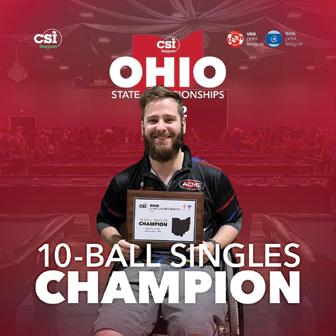
Eventually, all of the work that Bonds had put into learning and growing in pool began to pay off. He won multiple state championships at the Moose lodge and was also crowned the winner of the BCAPL’s 10-Ball Ohio State Championships.
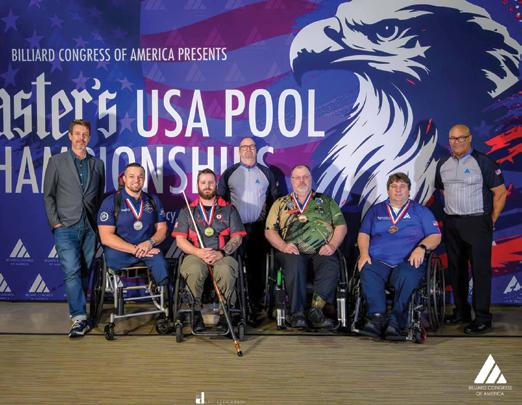
Yet, the grand prize still remained. In 2025, Bonds competed in the 8-ball and 9-ball National Championships. The contest marked the first time he would ever play in a wheelchair tournament, and against another wheelchair player in general.
“I went into that tournament not having any kind of expectations, trying to be confident,” he says.
Over the course of the two tournaments, Bonds faced off against Charlie Hans three times, an undisputed legend in wheelchair pool and, at the time of the event, the two-time defending champion.
Bonds had actually known Hans, and they had connected on Facebook many times prior to meeting at the table. While Bonds still felt pressure competing against someone held in such high regard, his familiarity with Hans as a person provided him with a unique sense of reassurance.
“It was nerve-wracking and comforting at the same time,” he says. “I got a 15time National Champion and Hall of Famer that I’m playing, so I’m mostly anxious and nervous. But at the same token, it’s a dude that I’ve known for a while, and we talked a little bit at the end. Everybody there was super nice.”
The two men met in the finals of the 8-ball tournament. Despite knowing his foe, never in Bonds’ life had he felt so much stress. With television cameras and bright lights shining down on the match, the formality of the event was something that Bonds was unaccustomed to.
“The nerves were through the roof,” he says. “Everybody watching. All eyes on me. It sounds counterintuitive, but I actually hate being at the center of attention. I was shaking like a leaf on a tree.”
Against all odds, Bonds won both the 8-ball and 9-ball titles. After trailing Hans 3-1 in 8-ball, he found a way to come back and defeat the icon 6-3 in a miraculous fashion.
In addition to Hans, Bonds defeated Emede Reyes, Jeffrey Dolezal, and Bret Clifton en route to his 8-ball championship victory.
In the 9-ball bracket, Bonds defeated Hans once again in the opening round. He dropped a match to Clifton, but defeated Dan Hall, Mark Jones, and Christopher Parnell to get back into the winners portion of the bracket.
After defeating Dolezal once again, Bonds got his redemption over Clifton in the championship match to secure the 7-3 win.
From a man who suffered a life-defining injury 14 years prior, with little to no experience in pool, Bonds was now a national champion.
DEFINING A LEGACY
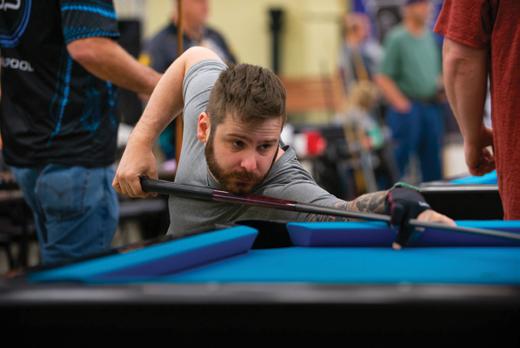
But his goals and ambitions didn’t stop there. Bonds wants to be remembered as a great player, disregarding his disability. He doesn’t want his paralysis to define him, but rather his pure talent and skill.
“I don’t want to focus too much on being good for a guy in a chair, I just want to be good,” he says.
This is a lofty expectation, especially con-
sidering how difficult it is to play in a wheelchair. It took time learning proper arm placement and, to this day, Bonds fidgets with setting up the wheels correctly. He also can’t leave the cue ball in the middle of the table as is typically the norm, posing another challenge.
“I’m still tweaking the fundamentals,” he says. “It’s definitely pretty difficult.”
But if there’s one person who has proven that barriers are meant to be broken, it’s Bonds.
As a whole, Bonds has been pleased and very thankful for the pool community’s acceptance and openness to wheelchair athletes.
“We all felt super-welcomed there at that tournament,” he says. “Everybody had nothing but nice things to say.”
“I DON’T WANT TO FOCUS TOO MUCH ON BEING GOOD FOR A GUY IN A CHAIR, I JUST WANT TO BE GOOD.”
As Bonds progresses in the sport, he finds that there are more similarities between pool and motocross than one might expect. Even though the two are vastly different from each other in terms of physicality, the need for persistence in order to move up the rankings exists in both.
In motocross, there exists a class system based on performance. Those who perform at the highest level would be given the “A” designation, while those who are beginners would compete in “D” class.
As one improves and moves up into a new ranking, the racer is once again at the bottom of the totem pole, so to speak. Once atop the class, he/she must now work even harder against tougher competition to find success.
This is how Bonds feels when he competes in pool tournaments, and what he wishes will continue to happen the more he plays. Broadening his playing field and taking on elite competition will only serve to strengthen his game.
As Bonds looks ahead in his career, it’s hard not to glance back on how far he has come. Once a teenager plagued by injury and lifelong physical trauma, he is now a national champion in a sport he only so recently picked up.
Bonds gives thanks to his humble beginnings in the sport, and recognizes the immense impact the lodge had on his development as a pool player.
“I would like to thank everybody at the lodge. They have been the biggest support team that I could ever have,” he says.
What once started out as a tedious game that he learned from his father, has become a staple of his everyday life. It is often said that things happen for a reason. While his wreck took away the sport he loved in motocross, it ultimately led to a discovery of Bonds’ true passion, and talent.
Like Bonds, there are many people across the country who have to deal with varying types of disabilities on the regular. His story serves as a reminder that facing adversity doesn’t mean one has to give up on a passion. In fact, looking at life from this perspective
may even help someone find a new hobby, just as Bonds did in billiards.
“The best advice I would give for somebody like that would be to jump in and figure it out,” he says.
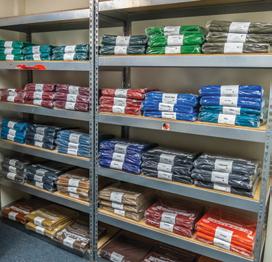
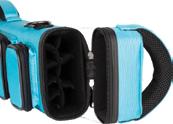
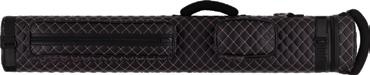
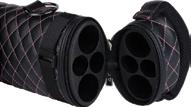
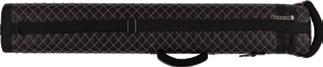
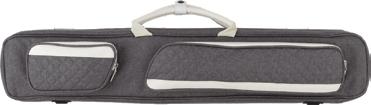
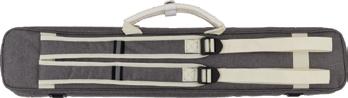
2x4 and 3x5
ACVA CASES: 1x1, 2x2 and 2x4
ACPC CASES: 1x1 and 2x2
ACVAB CASES: 2x4 and 3x5 ACPS CASES: 1x1 and 2x2
ACB
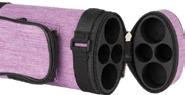
Red Beige Purple
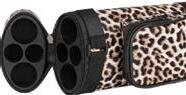
Black Burgundy Fuchsia Light Grey Olive Orange Purple Red Royal Tangerine Teal White Yellow
Purple Blue Grey Blue Camel Navy Green Red Teal Grey White
How table maintenance, cue re-tipping and lessons build long-term customer loyalty
The holiday season is a busy time for retailers, and while sales are always at their highest during December, the savvy retailer knows selling a table, cue or other merchandise is only the beginning.
The real magic – the kind that turns a one-time shopper into a repeat customer – lies in what happens long after the purchase. That quiet period after the holidays, the moment when the tip needs replacing, the day the cloth wears thin or the shaft starts to glaze. Those moments create opportunities for the retailer, the table mechanic, the
By Keith Loria
instructor and the room owner to step back into the picture and turn a simple sale into a lasting connection.
Marty Bauer, e-commerce expert at Omnisend, notes this is especially true for game room furniture.
“It’s important to give shoppers reasons to come back, especially in a niche sector, especially around the holidays,” he says. “When it comes to something like billiards, people tend to buy gear as a gift or to simply try something new. That insight reflects a reality retailers know but don’t always leverage: the
first sale opens the door, but the follow-through keeps the door swinging.”
Bauer believes retailers should think about service as part of the initial transaction, not an afterthought.
“There are two things you can do here: make their in-store experience memorable and open the door to future conversations,” he says. “For example, during an in-store visit, take a minute to share tips, explain differences between cues or show the customer how to get the most out of their setup. They’ll start building a habit around
what they bought right away. Then, offer a free service after the holidays, like a cue tune-up in January. It’ll encourage them to come back and keep upgrades and accessories top of mind.”
That philosophy – teach a little, help a little, invite them back – anchors the concept of service after the sale. For billiard retailers, it is more than a strategy. It has become an essential part of the business model.
Michael Shiver, owner of Bison Billiards in Buffalo, New York, has leaned heavily into post-purchase service and has seen firsthand how it shapes customer behavior.
“EVERY REPAIR IS AN INVITATION. EVERY TUNE-UP IS A CONVERSATION.”
“Service after the sale is all important,” he says. “We offer table moving, recovering, repairs, tip replacements, shaft cleanings and rewraps. When we sell a pool cue, we take the info and send in the warranty for the customer. In doing so, we gather valuable information for follow-up sales. We sell over 200 pool cues annually. We also offer lessons.”
Shiver’s approach is simple: meet the customer where they are, anticipate what they will need next and make yourself part of their playing life.
“The retailer who installed the table becomes the person they call when the slate goes out of level,” he says. “The shop that sold the cue becomes the place they rely on when their tip wears down. The store that handled the warranty becomes the trusted source for the next upgrade. Each interaction reinforces the retailer’s position in the customer’s mind, and each one accelerates the next sale.”
TALES OF THE INSTRUCTOR
From the instructor’s perspective, service after the sale blends craft, care and hospitality.
Robert Moreno, master instructor and chairman of the Professional Billiards Instructors Association, notes the relationship continues well beyond the moment the money changes hands.
“As a cue builder, cue repair, cue sales and table mechanic, you provide customer service during the entire process, so when a tip requires work or a player is looking for the best value in a new cue, your customer service efforts stretch the value of each sale,” he says.
The same principle applies to bars and rooms where pool is part of the environment.
“In a bar environment, if the only words spoken between two drinks are ‘would you like another drink’ you missed the opportunity to know your clients,” Moreno says. “Good music and great patronage are your target market. Build a place you want to go and focus on customer service and fast drinks. Pool players want to stay at the tables to keep the game flow moving.”
BUYING & EVOLVING
There’s a truth that permeates every corner of the industry – billiard customers don’t buy and disappear. They buy and evolve. Their needs shift. Their skills progress. Their environments change. Service after the sale meets them at every stage of that evolution.
The first dimension of that service is education. For many customers, especially during the holiday rush, a cue or table is a gift or an impulsive introduction to a hobby they don’t yet understand. Retailers who take a moment to
show how to shape a tip, how to clean a shaft properly, how to keep cloth in good condition or how to hold a cue with confidence aren’t just being helpful – they are beginning a relationship. A customer who feels smarter because of a retailer will return to that retailer and will often do so gladly.
Education also builds trust. A technician who explains why a tip needs replacement, why a table plays slow, why the cushions feel dead or why the cue rolls a certain way becomes more than a salesperson. They become a guide. Customers tend to follow guides.
The second dimension is maintenance. Billiard equipment is wonderfully tactile, but it is also vulnerable to wear. Cue tips mushroom, shafts pick up grime, wraps loosen, ferrules chip, cloth burns, rails age and slate settle. Retailers who position themselves as the people who keep equipment performing well are creating a rhythm –one that brings customers back again and again.
A cue re-tip might cost a fraction of a new cue, but the trust built during that five-minute repair often reverberates into much larger purchases. For instance, a table re-covering job might come years after the initial sale, but the store that performs it becomes the family’s or bar’s long-term partner. Maintenance is not glamorous, but it is the backbone of relationship-building.
Some retailers and room owners miss the opportunity to treat maintenance as a service touchpoint, imagining that once a table is installed or a cue is purchased, the task is complete. But the shops that embrace the ongoing nature of equipment care discover a more sustainable model.
Every repair is an invitation. Every tune-up is a conversation. Every small fix is a reminder that the retailer remains available, attentive and invested in the customer’s playing life.
The third dimension is instruction. Lessons are often one of the overlooked engines of loyalty in the industry. A player may buy a cue as a holiday gift, play casually for a few months, then seek guidance as they discover both the joys and frustrations of the game. When a retailer or instructor steps in, teaches proper stance, explains shot selection or helps someone find their natural stroke, something transformative happens: the customer becomes a player.
And players buy more.
Lessons also create emotional connections. A student remembers who helped them sink their first controlled draw shot or who corrected their bridge and changed the way they approach the table. Those memories shape where they buy, where they practice and whom they trust.
Retailers that link lessons with equipment sales strengthen their brand identity.
A shop known not only for selling cues but also for helping players improve becomes far more valuable in the eyes of the customer. It’s not just a point-of-sale location; it’s a hub for development.
The fourth dimension is communication. Bauer’s suggestion of a free January tune-up isn’t merely a promotional idea; it is a reminder that customers like to be invited back. A gentle email about shaft cleaning specials before league season, a message about cloth care, or a reminder that it may be time to check tip wear goes further than most stores realize. These touchpoints feel like assistance, not marketing.
Retailers who handle warranty registration for customers, as Shiver does, take communication even further. By collecting details with the customer’s permission and managing the paperwork on their behalf, they remove friction and signal care. They also gain a clearer picture of who their customers are and when they might next need service. These insights make follow-ups natural and helpful rather than intrusive.
The fifth dimension is environment. For pool halls and bars, service after the sale isn’t measured in tune-ups or lessons but in atmosphere and responsiveness. Moreno’s point about knowing clients rather than simply serving drinks captures the difference between a place people visit and a place people return to.
Players remember rooms where the tables play consistently, where the staff respects the game, where repairs are handled promptly, and where the lighting and music create the right mood. They notice when balls are clean, when racks are sturdy, when chalk is always available and when a mechanic takes the time to check a troublesome table between matches. These elements of service turn casual visitors into regulars.
At its core, service after the sale reflects the personality of the business. Some shops treat it as a minor obligation. Others treat it as the soul of what they do. The shops in the second category tend to have deeper community ties, stronger word-of-mouth reputations and more resilient sales across seasons.
What makes service so effective is that it is cumulative. No single gesture seals long-term loyalty. Instead, hundreds of small interactions – some planned, some spontaneous – stack together over time. A player walks in for a tip replacement and leaves with advice about a break technique. A family calls about a table move and ends up scheduling a recovering job. A league player swings by for chalk and finds out about a weekend clinic. A bar regular orders
a drink and gets introduced to a captain who needs one more player for a team.
None of these moments exist at the point of the original sale. They arise later, when the business stays present and accessible.
Service after the sale also builds community, even unintentionally. A store that teaches new players becomes a pipeline for league participation. A room that maintains its tables well becomes the home base for tournaments. A retailer who knows local mechanics, instructors and room owners becomes a facilitator. The more people feel connected – to the game, to the space, to the staff – the more loyal they become.
Remember, loyalty functions like currency. It smooths the slow spells. It stabilizes the busy seasons. It cushions the impact of new competitors. It turns one purchase into a decade of engagement.
The businesses that excel in billiard retail understand this. They know that cues are not commodities, tables are not one-time purchases and players are not short-term customers. They are long-term relationships shaped by care, consistency and a willingness to stay involved.
Service after the sale is not merely a strategy. It is the craft behind the craft –a kind of steady, behind-the-scenes presence that makes the game smoother for the player and the business stronger for the retailer. The table may be sold, the cue may be boxed, the receipt may be filed away, but the relationship is just beginning.
EXPERIENCE THE GAME ON A WHOLE NEW LEVEL.
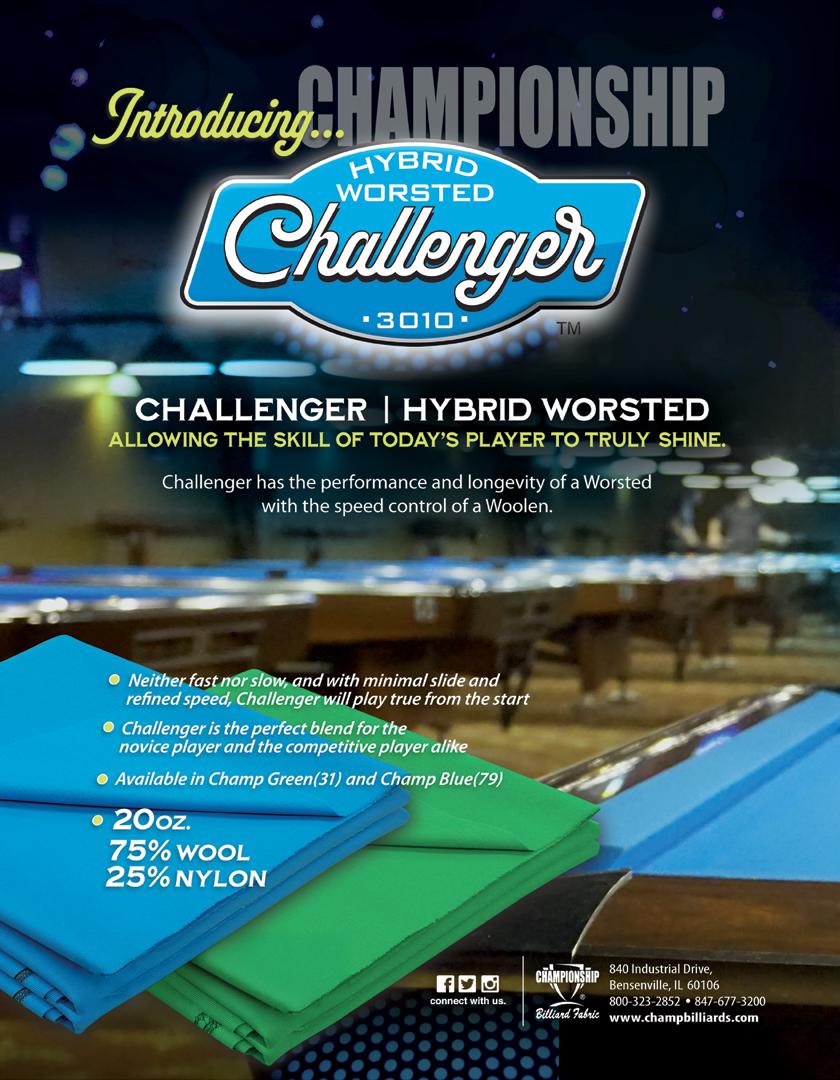
To play on a table finished with Hainsworth Cue Sports Fabric is to experience the game on a whole new level. Nothing feels like it and nothing performs like it.
Backed by years of manufacturing experience, craftsmanship and dedication to the game, Hainsworth’s unique cloth construction provides the world’s fastest and most accurate playing surface.
HEADING TO THE 2026 BCA EXPO? VISIT US AT STAND 3051.
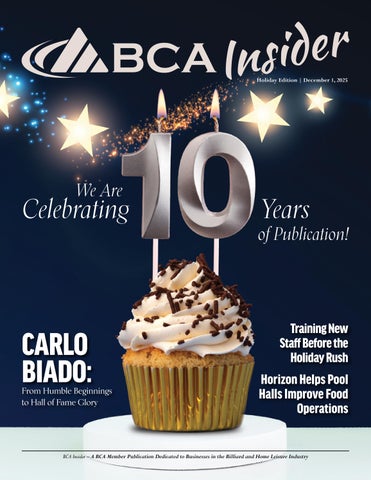
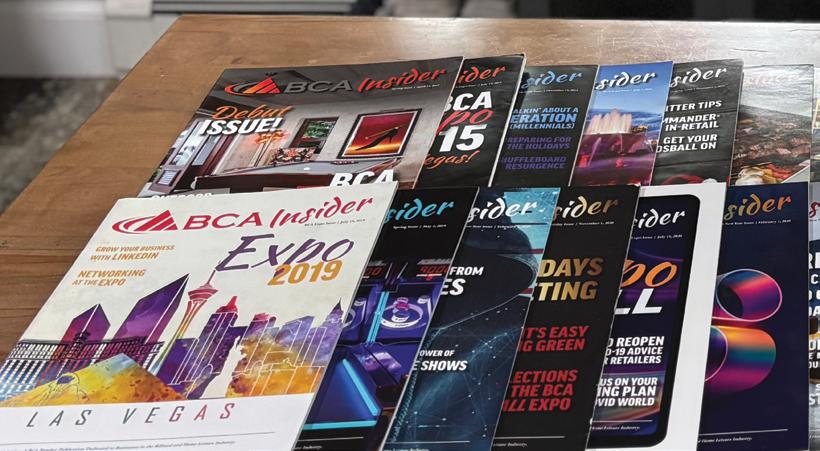
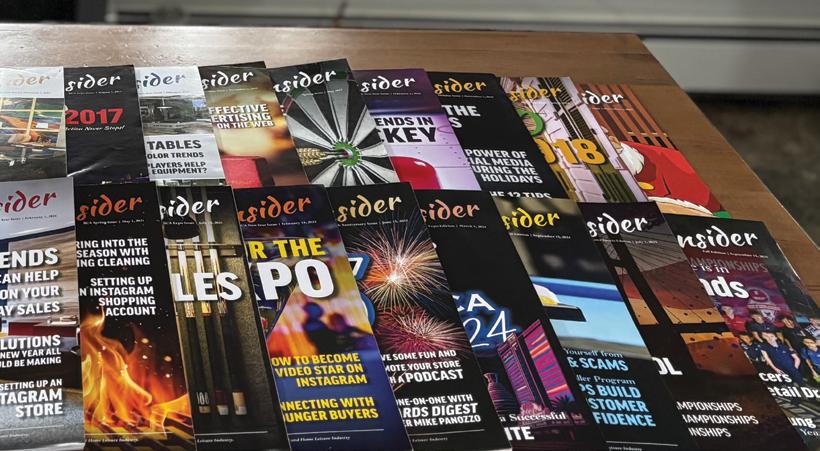
BCA Insider Celebrates 10 TH ANNIVERSARY
by BCA Insider Staff
This issue marks the 10th anniversary of BCA Insider’s first-ever publication. Here are some memories from our staff. We’d love to hear your thoughts, too. If you have a favorite issue or story, email us at Billiardskeith@Gmail.com.
SHANE TYREE, CEO of the BCA
The BCA Insider was my first real project I got to build from the ground up – the one that taught me what this job is really about: our members, our industry and our passion for the sport. Ten years later, with the same team still pouring their hearts into every page, it’s more than a publication – it’s a chronicle of everything we’ve built together. Each time I hold a new issue, I feel the same rush of pride and gratitude that started this whole thing.
STEVEN MATHIAS, Advertising
As a kid, I awaited the arrival of my Sports Illustrated to see who made the cover. As I matured, it was my Rolling Stone subscription. It was the covers and content of these publications that formed the foundation of a lifetime of memories. I never dreamed I would have the opportunity to be a member of a team responsible for chronicling the history of an industry family by creating hard, indispensable memories in a throwaway, digital era.
I am grateful to work with Shane, Julie and Keith to have the chance to communicate with the lifeblood of our industry
family, The Billiard Congress of America membership. The stores, room operators and manufacturers working every day to grow our historic industry. Thank you for all you do to provide us the opportunities to work on the BCA Insider and other business initiatives.
KEITH LORIA, Editor-in-Chief
As Editor-in-Chief of BCA Insider for the past decade, what I have loved best has been the privilege of connecting with incredible players, billiard giants and industry insiders through interviews and conversations. While I don’t always get to attend the major live events, those moments of insight and storytelling have been truly inspiring.
A particular highlight was a candid conversation with the legendary Kelly Fisher, who shared not only the story of her journey to greatness, but also her perspective on the evolution of the sport. Hearing firsthand about Fisher’s passion, dedication and love of the sport reinforced why I love covering billiards –it’s a game rooted in tradition but always evolving.
On the business side, I take great pride in leading an editorial team that helps retailers optimize their operations, share innovative strategies and strengthen the billiards community. Knowing that BCA Insider helps support the growth of the sport and its enthusiasts is deeply rewarding. Ultimately, it’s these relationships and shared stories that have made my experience as editor so meaningful – being part of a vibrant, ever-changing billiard world from behind the scenes.
JULIE SNEE, ART DIRECTOR
The BCA Insider is my favorite project to work on – no contest. Even though I am a freelancer, I have always felt like I’m part of the team. It has been a lot of fun learning about the billiard industry over the years and watching everyone involved rise to meet some pretty crazy challenges. This industry is incredibly resilient, and I find myself getting swept up in the passion that so obviously defines this business. Designing the magazine and working with the BCA team has truly been a rare privilege, and I look forward to the next decade together.
ANTHONY STOECKERT, Writer/Editor
When Keith Loria asked me to share some favorite memories about writing for BCA Insider for a section celebrating the magazine’s 10th anniversary, I thought he was joking. But it turns out we really have been doing this for a decade, so here goes…
I’ve been lucky enough to write many of the Member Profiles that appear in each issue, and that has been an absolute privilege. I’m always appreciative when someone who owns a business takes the time from their incredibly busy schedule to talk with me. And each and every member has a unique story to tell. From businesses that have been around for decades to new owners looking to bring something new and exciting to the world of billiard and home recreation retail, I always have a good time talking with you and learning from you.
Of all the stories I’ve written for BCA Insider (or for any other publication for that matter), the one that stands out is about Jay Orner and Sons Billiard CO., which I wrote in March of 2020, early in the pandemic. Steve Orner talked with me about him and his brother, Tom, growing up in a house filled with pool tables, even in their bedroom, because the family home served as the store’s first showroom. He also told me about some of the characters who visited their house, including someone with a bag full of disguises, which allowed him to visit pool rooms multiple times without people knowing who he was.
Steve was nice enough to send me an email complimenting my article, which I appreciated, but it would have been pretty hard to have written something bad with all the great stories he shared with me.
I’ve also come to appreciate the hard work and dedication it takes to build a successful business. When BCA Insider started, we were still recovering from the recession. Then there was COVID, supply chain issues and tariffs. Through it all, I’ve talked with members about how they have persevered, and it’s truly amazing.
I’ve learned that the billiard and home recreation world is a true community that supports each other and is united behind a common goal of providing customers with games and accessories that can last a lifetime, and that those games bring friends and families together. I’m proud to play a small part in supporting that community and I look forward to talking with more BCA members in the years to come.
CHARLES S. DONNAVAN, Writer
One of my favorite memories from my 10 years writing for BCA Insider is simply the countless moments of connection and discovery at tournaments and club events. There’s a certain magic in witnessing players of all skill levels come together, sharing their passion and love for the game. I remember walking into a lively pool hall on a quiet evening, where a beginner was nervously lining up a shot, and an experienced player was offering friendly advice. The atmosphere was a perfect blend of camaraderie, competition and pure love for billiards. Being able to capture those genuine interactions, the silent respect exchanged over a well-placed shot and the sense of community that billiards fosters – those are the memories that truly stand out. It’s a sport that’s not just about winning, but about shared moments, learning and the joy of the game itself.
JAMIE LYNCH, Writer
Writing for BCA Insider has been my outlet for learning about the many dedicated people who make up the billiard community. I’ve been able to meet some incredible individuals, like Derrick Bonds, who has shown admirable resilience in his life and embodies what it means to be a true competitor. I’ve loved capturing inspiring stories like these and sharing them with the rest of the pool world.
SPREAD THE Holiday Spirit TO NEW CUSTOMERS THIS CHRISTMAS
By Anthony Stoeckert
Everyone knows the holiday season is a vital time for the retail world because it’s when consumers spend money on gifts for loved ones. It’s especially important to the home recreation business because Christmas is when many people are ready to make an investment and buy something extra special for their spouse or family – something they’ve long wanted, like a pool table.
It’s understandable that a first-time buyer of a billiard table or other table game might have a lot of questions and even feel a little intimidated by all the choices and factors that go into buying a game. It’s the store owner’s job to make those people comfortable and help them find the right game for their needs.
All of this creates a great opportunity for billiard and home recreation retailers to not only make sales but also lay the groundwork for long-term repeat customers.
“It is my belief that in handling new customers who want to buy a pool table or some other game for the first time, they should be handled with caution without being overwhelmed,” says Katie Jones, a business owner and retail expert. Jones suggests starting out by talking to them about why they want a game table and what their home is like.
“They are usually interested in the idea of a game table because it is a great way to create lasting memories with family or friends; this is the nature of the conversation,” she says. “Ask them about the wants of the family, the space provided for a game, and the kind of entertainment the table is expected to furnish. To go into the product specifications right away is needless and creates disinterest.”
MAKING PEOPLE FEEL WELCOME
One of the first steps is to make sure your store is ready for new customers once the Christmas season starts.
“The holiday season is a crazy time for retailers, particularly with first-time buyers,” Jones says. “Many are looking to surprise friends or loved ones with a game for the home, and that brings additional foot traffic and more inquiries. I try to plan accordingly and have a simple process in place to address the high volumes of customers. Making flexible times for installation and sharing helpful information regarding the busy season is important to make experiences positive for buyers.”
Billiard retailers are fans and experts in the games and tables they sell, but try to imagine being someone who knows very little about pool and wants to buy a table as a gift. It can be intimidating once someone walks into a showroom and sees all sorts of options for games and accessories. Suddenly their mind is racing with questions like “What’s the right game for me?” “Which model should I get?” “What accessories do I need?”
This is your first opportunity to make a good impression on a new customer. Be friendly, enthusiastic, welcoming, and appreciative that they chose your store.
“A comfortable environment for the customer to ask questions is created by being approachable and knowledgeable about product lines,” Jones says. “I find that it works quite
well to let the customer wander about, helping them feel comfortable if you stay close by to offer assistance if required. You can always start with a simple, uncomplicated open-ended question, like ‘What’s your interest in a table today?’ This tells the customer that you are interested in them and their needs and enables you to assure them about their decisions for their sake without pressuring them.”
LISTEN TO YOUR CUSTOMERS
A newcomer to pool and games looking to buy a gift for someone is likely to have many concerns and questions. Let’s say they’ve looked around your showroom and decided to buy a pool table. That’s one big decision made, but now they have to decide which table they want. This is a perfect chance to share your expertise and guide them to the right choice.
Because your store has such a variety of offerings, you can also be flexible. Maybe someone walked in thinking they wanted a pool table, only to realize they don’t have room for one or it doesn’t fit their budget. This doesn’t mean you wish them a Merry Christmas as they exit your store – it’s an opportunity to direct them to a game they’ll love.
“Sometimes someone will come in and they’re disappointed because they don’t have the space for the table they want,” says Alec Urioste, owner of New Mexico Billiards. “Then you can say, ‘Have you ever thought about bumper pool, which takes a lot less space? Or a poker table, so that you can have poker nights with your friends.’”
Sometimes, when talking to a customer, you can figure out what game suits them best. If a family comes in and everyone is donning hockey jerseys, you might suggest air hockey or bubble hockey. Or if they have kids, foosball or shuffleboard may be a better option because they’re easier to grasp and faster in action. Use your experience – not just in games but in customer service – to make holiday visitors to your store satisfied customers who want to return.
BUDGET VS. QUALITY
Customers want quality and they also want to save money. A quality pool table is a significant purchase, but it’s worth it because buying from a qualified, expert billiard retailer can be a gift that lasts a lifetime and can even be passed down. Many installers have stories of servicing tables they set up 20 years earlier, or that their fathers or grandfathers installed decades ago.
A customer will be happier having invested more money in a quality table rather than buying something cheap online or in a box store that falls apart after a few years.You want to convince new customers that the investment is worth it without seeming too pushy.
“A quality table or game brings so much more value to them when you explain it in terms of usage and longevity,” Jones says. “I always explain how much more enjoyable it will be with a solid, well-built table. You can talk about the quality and construction and also about the warranty and customer service that accompany better products and the long-term advantages of the purchase. Yes, they can go to large retail stores and find cheaper products, but they’ll find that these products are hastily put together.”
EDUCATE YOUR CUSTOMERS
A customer who makes a well-informed decision will be a happy customer – the kind who comes back to buy accessories or a second game. Happy customers may also share positive reviews on Yelp and fill their social media accounts with photos of their family and friends enjoying the table they bought from you.
New Mexico Billiards’ showroom is set up as an experience for customers, a place where people can find exactly what they’re looking for – from pool tables, foosball, shuffleboard, dart boards, and poker tables. Urioste says that creates an experience that cannot be replicated online or in big chain stores.
“I don’t think buying a game or table online works,” he says. “You don’t get the gist of it by looking at it on the screen. If you come into the shop, you can see it and put your hands on it. You see the size and can visualize what it will look like in your home. To be able to see it in person helps quite a bit.”
He also takes time to tell customers why buying a quality table is worth spending a few more dollars.
“I try to tell people that you can go to a box store and get something that isn’t the quality we offer, but buying a table from us is a generational thing that will stay in the family for many years,” he says.
Your store is offering something special, something that may even become a tradition – and that’s something you can’t put a price on.
“I get a lot of customers for whom we’ve moved pool tables several times, and now it’s going from a father to a son, or even
a grandfather to a son,” Urioste says. “You want to purchase something that will last.You want to spend the money and get good quality, something you can pass on to someone one day.”
Another key to establishing a good customer relationship is making sure people know the responsibilities that come with owning a table, especially installation and maintenance.
Another good idea is to follow up with customers a few weeks after the holidays to ask if they have any questions or concerns about their table. Then, around Valentine’s Day, follow up again with suggestions for accessories that complement the table they bought for their loved one.
POOL ROOM TIPS
Another billiard destination that can see increased business during the holiday season is pool rooms. Robert Moreno, chairman of the PBIA and owner of Barefoot Bob’s Billiards in Prescott Valley, Arizona, says Christmas is a busy time for his room, with both new and returning patrons coming to gather for the holidays, watch football games and listen to live music.
“In the winter months, pool rooms no longer compete with the water sports,” he says, explaining why pool rooms get busy around the holidays. “The cold winter brings in new faces that allow us to provide our safe place for ladies, seniors, and pool players looking for something indoors to enjoy. When you offer a well-lit establishment, it feels safer and warmer during the holidays.”
Mike Shriver, owner of Bison Billiards in Williamsville, New York – a pool hall with more than 15,000 square feet and 35 pool tables and other games – says he greets new customers by asking how they heard of the business.
“I give them the lay of the land, explain procedures. I hand them a set of balls and a menu that has food, drinks, and info on leagues and tournaments, ask if I can get them a drink to start, and encourage them to ask if they need anything,” he says. “When they leave, I ask if they enjoyed themselves and, as with everyone, I thank them for coming in.”
By taking steps to make your shop welcoming, friendly, and helpful, your customers – especially the new ones – will be thanking you.
T HE F I RS T … A N D T HE L A S T !
Why?
Not only is the Brad Cue Scuffer the original tip tool, but it is the last tip tool you’ll ever need. $19 95 L ifet i m e G u a r a n te e
For starters, the simple-yetunique design allows you to determine the shape of your tip, lifting the leather fibers without removing the surface of your tip.
And the lifetime guaranteed grit means you’ll never have to buy a new one.
The Brad Scuffer. Often imitated. Never duplicated.
By BCA Insider Staff
When the billiard and home leisure industries converge on Las Vegas next spring the action won’t be limited to the tables. From March 17-19, 2026 the Las Vegas Convention Center will host the Billiard Congress of America’s annual BCA Expo, the largest gathering of manufacturers, distributors and retailers in the cue-sports world.
The show’s bold tagline – “Big Breaks, Bold Deals & Vegas Vibes” – captures the energy expected as the industry’s leaders return for three days of networking, innovation and business development in the entertainment capital of the world.
Presented by the BCA, the Expo has long been regarded as the premier marketplace for everything related to pool and home recreation. It’s where new products debut, deals are made and relationships are built. For 2026, organizers are doubling down on engagement and opportunity, with registration already open and exhibitor applications moving fast.
The event again shares space with Amusement Expo International, a co-location that broadens its reach and connects cuesports businesses with professionals in family entertainment centers, arcade and amusement operations and digital gaming sectors. That crossover has become one of the BCA Expo’s greatest strengths, uniting parallel industries that share the same customers, technologies and growth ambitions.
The Las Vegas Convention Center provides an ideal backdrop, offering state-of-the-art facilities and proximity to the Strip’s
2026 LAS VEGAS
world-class hotels, dining and nightlife. Within the halls, the Expo transforms into a microcosm of the industry – rows of billiard tables, new cue designs, lighting systems, furniture and gaming accessories showcasing the latest in craftsmanship and creativity.
It’s a space where the heritage of cue sports meets the technology and style of modern recreation.
While the show floor is its beating heart, the BCA Expo also serves as a hub for education and community. The schedule features seminars and workshops addressing the most pressing topics facing the industry – from operational best practices and supply chain solutions to marketing strategies for reaching new demographics.
The BCA Membership Lunch returns as a popular tradition, offering members the chance to hear association updates and connect directly with leadership, while the Industry Party promises an evening of celebration, networking and entertainment in quintessential Vegas fashion.
Exhibitors come to the BCA Expo to connect with serious buyers, and attendees come to discover the products and partnerships that will define their next business cycle. Whether a visitor is a small retailer seeking a new table line or a large entertainment center scouting for design upgrades, the Expo offers a uniquely efficient way to see, touch and compare innovations side by side.
For many, it’s also an invaluable opportunity to strengthen relationships with suppliers, forge new partnerships and explore trends shaping the future of the game.
Among those trends, 2026 is expected to spotlight the continuing evolution of cue and table technology. Advances in materials – from carbon-fiber shafts to performance-engineered table surfaces – have redefined what players and venues expect. Manufacturers are also responding to the growing demand for customization, with bespoke finishes, lighting and accessories becoming standard in high-end builds. On the business side, digital tools are making inroads: apps that assist with scoring, league management and customer engagement are gaining traction, blending the physical and digital sides of play.
Another major storyline is the rise of multipurpose leisure spaces. With the lines between billiard halls, bars and entertainment venues blurring, operators are seeking integrated solutions that offer variety and adaptability. Co-locating with Amusement Expo International allows BCA exhibitors to showcase how their products can fit within hybrid entertainment environments that include darts, shuffleboard and arcade gaming. It also attracts a new breed of buyers – from FEC operators to hospitality designers – who are discovering billiards as a revenue-driving anchor within broader entertainment concepts.
The Expo’s educational component will also emphasize business resilience. Industry experts will lead sessions on consumer engagement, operations management and marketing in a changing leisure landscape. With pool experiencing renewed popularity among younger audiences, many of whom discovered the game through social media and pop culture, exhibitors are focusing on design and experience as much as performance.
Networking, of course, remains the show’s lifeblood. Between the aisles, in the seminar rooms and during evening events, attendees exchange ideas and strategies that can shape their businesses for years. After all, the BCA Expo is a forum for addressing shared challenges and driving the industry forward. That collaborative spirit has helped the show maintain its role as both a business catalyst and a community celebration.
For those planning to attend, preparation is key. Attendees can register online and are encouraged to book accommodations early through the show’s partner portal. Reviewing the floorplan and exhibitor list before arrival helps maximize time on the show floor. Once there, participants will find a vibrant atmosphere that mirrors the diversity and passion of the industry itself – an ideal mix of commerce, camaraderie and creativity.
Exhibitors, meanwhile, are advised to make full use of the marketing toolkit and sponsorship opportunities available through the BCA Expo team. With visibility extending beyond the show floor – through digital promotions, signage, and networking events – the Expo provides multiple touchpoints for brands seeking to elevate their profile. The “Introduce New Products” initiative, highlighted on the event website, underscores the Expo’s role as the place where innovation debuts and first impressions matter.
The BCA continues to use the Expo as its signature platform to advance cue-sports culture and business growth. Its mission – to enhance the success of its members and promote the enjoyment of billiards worldwide – finds tangible expression each March when the industry gathers under one roof.
As the countdown clock on the Expo’s homepage ticks closer to March, anticipation is building for what promises to be another memorable edition. Whether it’s the unveiling of a next-generation cue, a new partnership forged over breakfast, or simply the buzz of the convention floor, the 2026 BCA Expo offers a snapshot of an industry in motion – driven by creativity, powered by relationships and inspired by the timeless appeal of the game itself.
CHALK TALK Billiards Industry Buzz
By BCA Staff
Anthony Beeler Releases New Instructional Book
Internationally recognized billiards instructor and educator Anthony Beeler has released a new full-color instructional book, “Do You Want to Play Like a Pro? A Pictorial Guide to Playing Your Best Pool,” a 284-page guide that is quickly gaining traction across the cuesports world.
Blending Beeler’s precision-based mechanics with research-driven teaching methods, the book aims to modernize how players of all levels learn the game.
“I wanted to take the mystery out of learning,” Beeler says. “It’s not about running endless drills – it’s about truly understanding the game. Once players grasp the process, confidence and consistency take care of themselves.”
A PBIA Master Instructor, Beeler is considered a top educator in billiards. A former national champion and SPM
Magazine’s Billiards Instructor of the Decade, he brings decades of competitive and teaching experience to the new release.
Central to the book is Beeler’s BAM Aiming Method, which breaks shot perception and alignment into six core visuals designed to simplify decision-making at the table.
“I’ve taught more than 31,000 students in 102 countries,” Beeler says. “The biggest mistake most players make is overcomplicating the game.”
Drawing on his background as a former kindergarten teacher, Beeler structures lessons into clear, manageable components.
Based in Bradfordsville, Kentucky, Beeler also serves as a McDermott Cues ambassador and is sponsored by
Diamond Billiard Products. His instructional videos have amassed more than 17,000 YouTube subscribers, further cementing his influence as one of the game’s leading instructors.
Our Members Speak
How do you decorate your store for the holidays?
“Christmas is the only holiday we decorate for. We do two customer appreciation events a year. This December event we have Santa and Mrs. Claus give out gifts to all the children.” – Michael Shiver, owner of Bison Billiards
“As a small family-owned and operated business, we want our showrooms to be festive, inviting and fun. We want our showrooms to feel like your home, and we go all out for the holidays – festival outdoor balloons, paid digital ads with holiday-specific content, cheerful billboards, over 15 holiday trees between two showrooms, stockings for all team members, festive price tags, holiday
banners and other in-store signage and hundreds of lights, garland, ribbon and homemade crafts from our team. The bottom line isn’t always just about numbers but rather about spreading joy and cheer.” – Ciarra Brother, president of Universal Billiards
“We decorate our store and we have Santa come to the store on Saturdays and Sundays. We also email our customers, letting them know that Santa will be there. It is a great time for parents to shop and children to meet Santa.” – Charlene Fiscella-Carder of Triangle Billiards
“I have owned three restaurant billiard bars and seven furniture stores in Okinawa, Japan and this is my best advice; be it Valentine’s Day, July 4th, Hallow-
een or Christmas, you consider the season and the event and you buy on-sale boxes after the season ends and save them for next year. The best time is to start this year. In 10 years’ time you have bought everything you will ever need. You create the season and atmosphere and it makes all the difference.” –Robert Moreno, master instructor and chairman of the Professional Billiards Instructors Association.
“I try little grab-and-go gifts featuring a colorful Santa, bow or garland. We also put up a couple of big trees. Our social media has quite a bit of content each year around the holidays, as well.” –Audra DelConte, owner of Royal Billiard & Recreation
Black Widow Makes Animated Debut
Billiards icon Jeanette Lee, known worldwide as “The Black Widow,” is adding a new credit to her storied career – animated star.
In October, Lee made her voice-acting debut on Cartoon Network’s Adult Swim in the new weekly series Haha, You Clowns.
In the show, Lee plays an animated version of herself in a recurring role as the “retired billiards star next-door neighbor” to the Campbell family, the show’s main characters. She appears in the de-
but episode and performs all her own voiceover work for the character.
“I am amazed and gratified at the exposure and opportunities that are still coming my way at this stage of my life and career,” Lee says. “It is truly a blessing and doing the voiceover was just incredible fun. It should be a fun show to watch.”
Haha, You Clowns, created by Joe Cappa, follows the Campbell boys – three big-hearted teenagers – and their equally tender father as they navigate
life after the loss of their mother. The series blends humor, surreal visuals, and emotional storytelling, with the family often sensing their mother’s presence in their day-to-day adventures. The show originated as an Adult Swim Smalls short and made its full-series debut to an enthusiastic crowd at San Diego Comic-Con.
NEW CARBON FIBER PLAYING CUE
The Vanquish VQ1 takes carbon fiber further than ever before— built entirely from carbon fiber for unmatched consistency, stability, and performance. Paired with our patented Variable Balance Point (VBP) system, it lets you fine-tune weight and balance to match your game. Available with your choice of 12mm, 12.5mm, or 13mm Defy shaft.